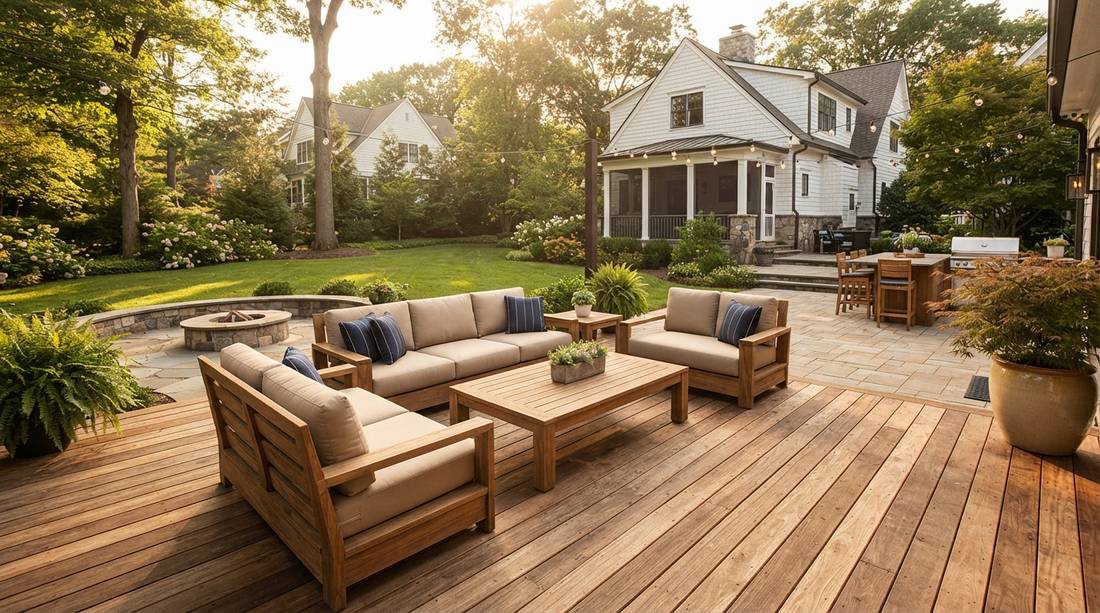
Choosing the right outdoor seating wood immediately elevates your patio from basic to a custom designer retreat. This guide breaks down premium material sourcing and budget-friendly setups that look incredibly expensive.
Design Snapshot Key Principles
- Grain Direction Matters: Horizontal grain patterns create visual calm, while vertical grain adds dynamic energy to seating designs.
- Weathering as Design: Many hardwoods naturally silver over time—embrace patina as an intentional aesthetic rather than deterioration.
- Texture Hierarchy: Combine one dominant wood texture (smooth or rough) with accent textures for depth without visual chaos.
- Sustainability First: Choose FSC-certified or reclaimed wood to reduce environmental impact while achieving authentic organic character.
Premium Hardwood Textures for Timeless Appeal
High-density hardwoods deliver exceptional longevity and rich surface character that improves with exposure. These woods contain natural oils that repel moisture while developing sophisticated color shifts over seasons.
1. Golden Teak with Tight Grain
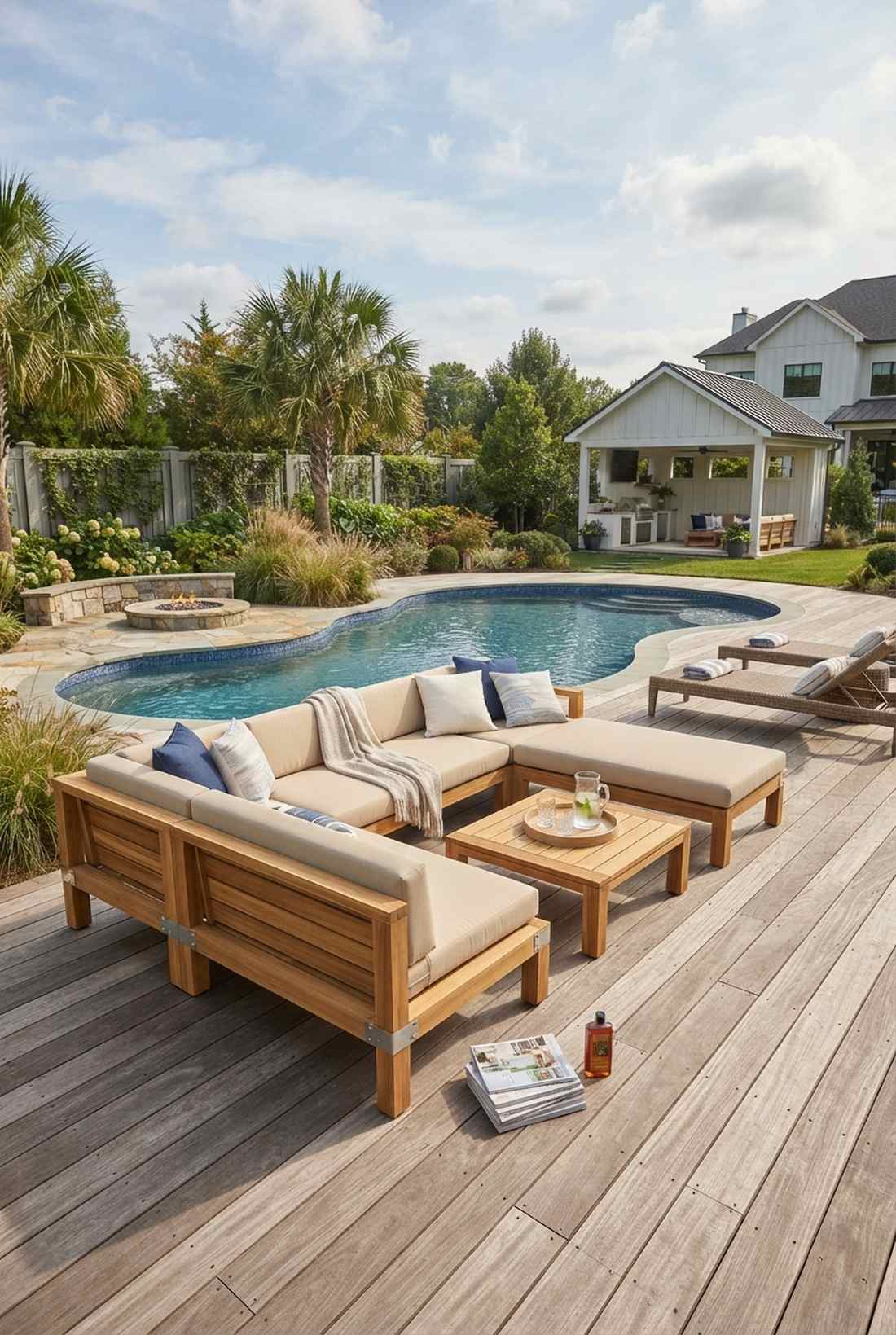
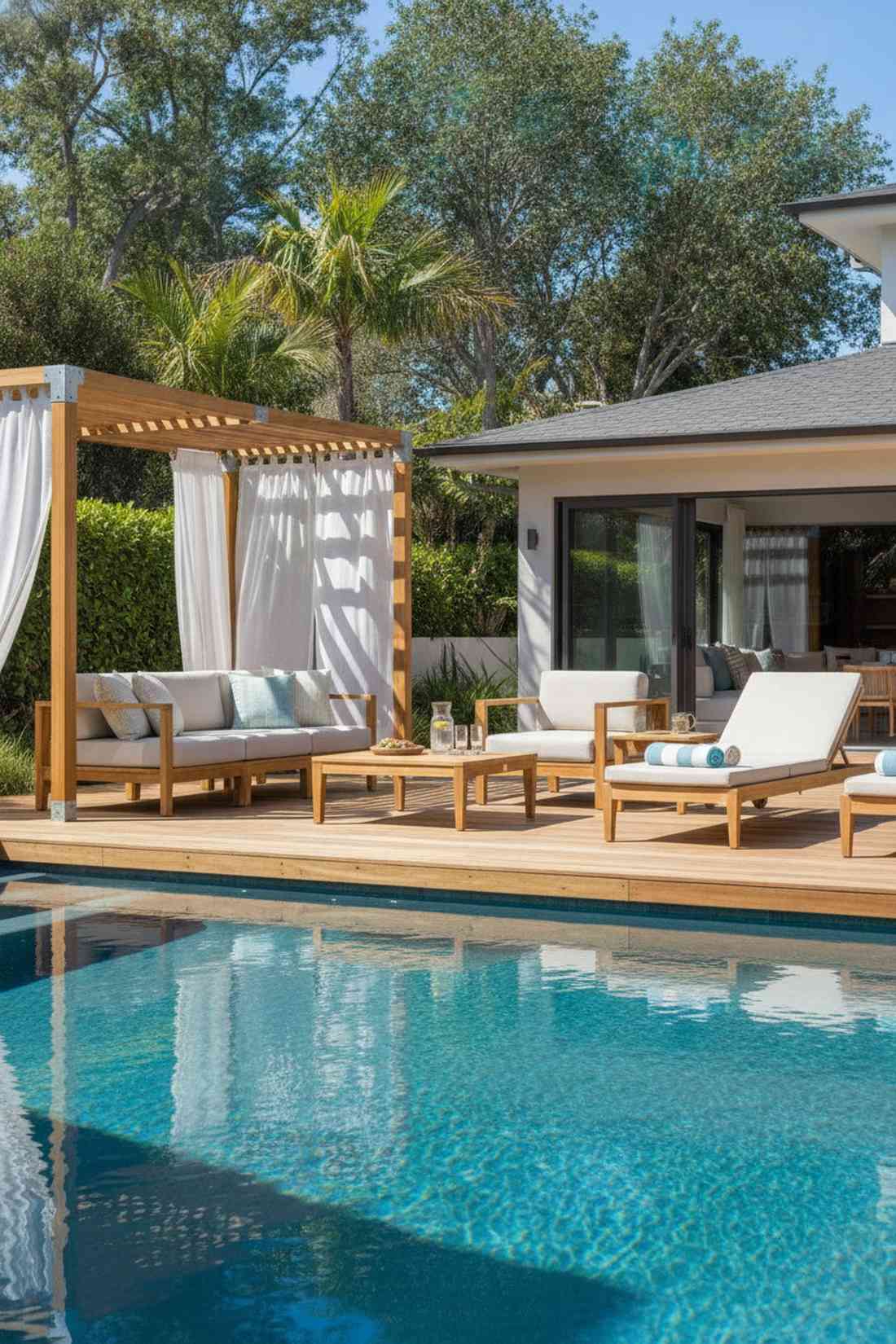
This modern teak patio setup feels like a luxury resort cabana you accidentally discovered. It works exceptionally well for expansive poolside lounging or premium sun decks.
Securing high-grade timber delivers a surprisingly premium look that defies normal weather wear. Smart builders integrate heavy-duty outdoor furniture hardware kits to lock the joints perfectly.
Expect to invest around $150–$300 per bench section for quality cuts. Save this to your ultimate backyard makeover board!
- Key Materials: Premium A-grade teak lumber boards
- Vibe / Style: Modern coastal luxury
- Difficulty: Intermediate DIY build
- Budget Breakdown: Materials: $200 | Hardware: $45
- Creator’s Tip: Sanding to 220-grit before assembly ensures a butter-smooth finish that repels water naturally.
- Smart Sourcing: Grab pre-drilled heavy-duty bracket kits and a premium UV-resistant teak oil starter pack.
2. Silvered Teak Patina
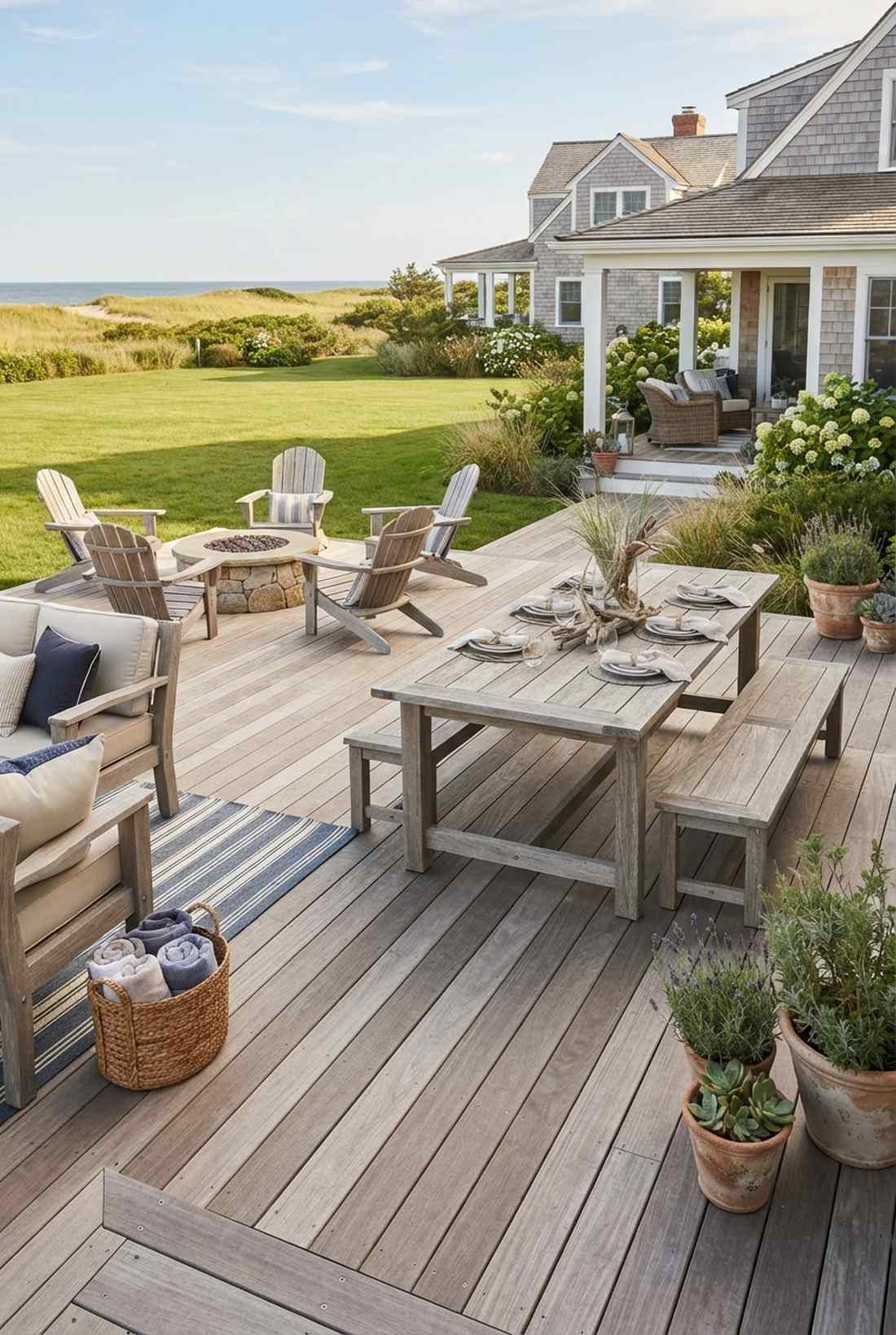
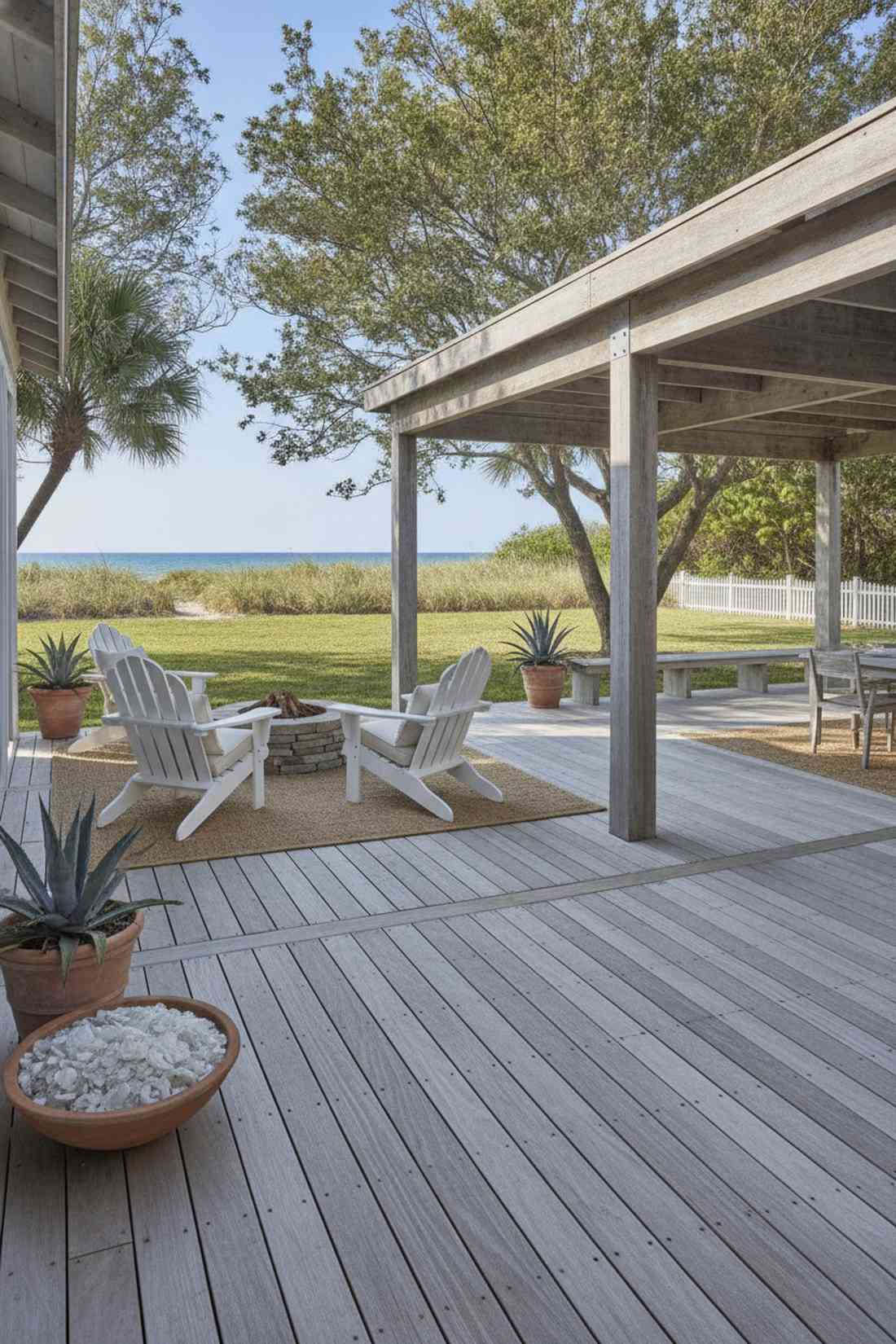
A beautifully weathered coastal patio decor aesthetic feels straight out of a Hamptons beach house. This organic look is ideal for sun-drenched decks that embrace natural aging.
Skipping the sealant looks far more expensive than it is when the wood silvers evenly. By utilizing marine-grade sealant tools on the hidden joints, you ensure the structure outlasts the elements.
Letting nature do the work drops your maintenance costs to $0. Highly recommended for a low-effort weekend win.
- Key Materials: Unfinished natural teak planks
- Vibe / Style: Breezy seaside retreat
- Difficulty: Beginner-friendly
- Budget Breakdown: Lumber: $180 | Base supports: $30
- Creator’s Tip: Wash with a mild vinegar solution monthly during the first year to ensure an even silver patina.
- Smart Sourcing: Order bulk pack stainless steel deck screws and pre-cut structural wood bases.
3. Iroko African Teak Grain
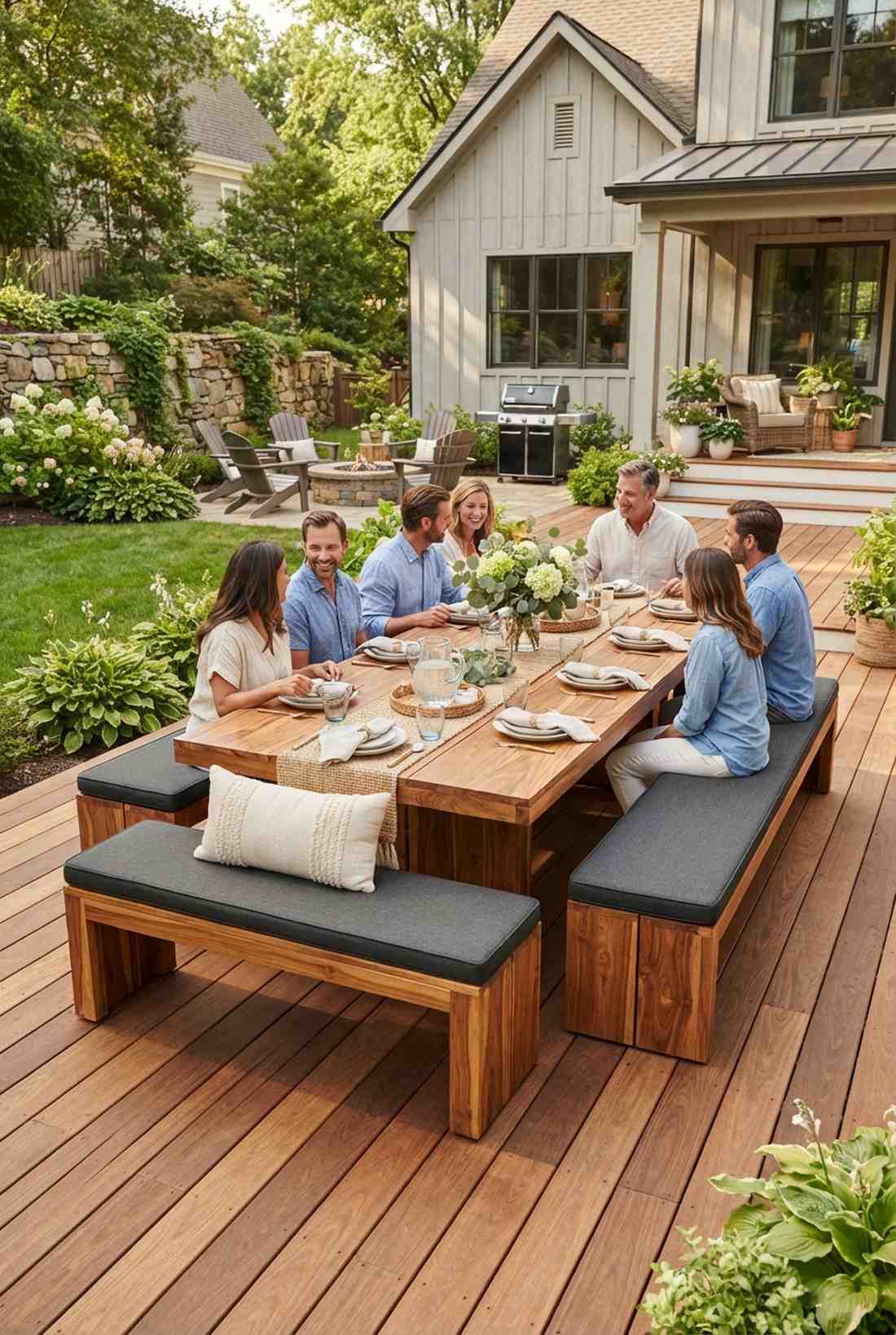
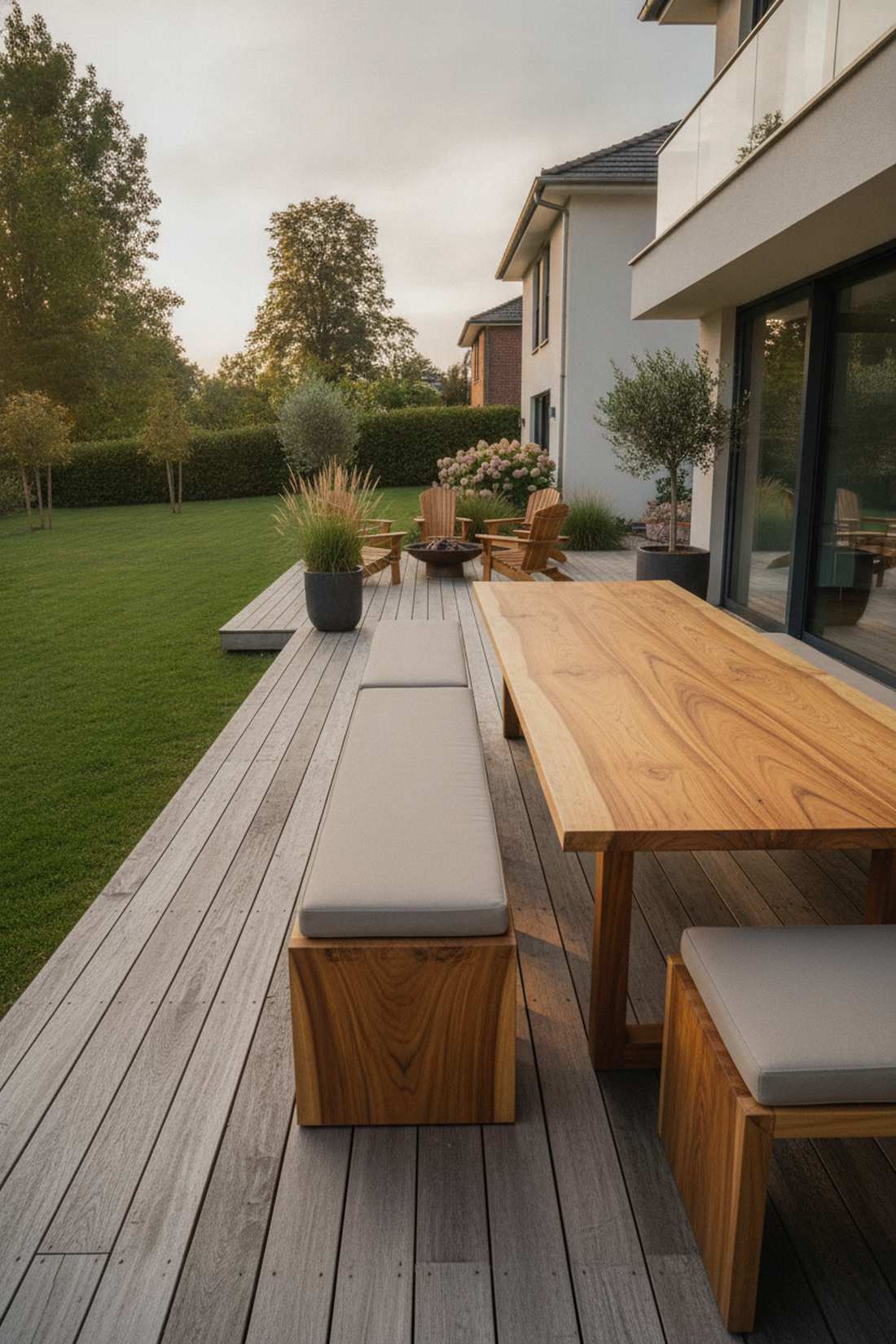
These exotic wood garden benches bring a warm architectural glow to any outdoor setting. This rich layout is amazing for expansive outdoor dining spaces requiring high-capacity seating.
Going with an African alternative gives a designer-level finish for a fraction of the traditional cost. Integrating waterproof bench seating cushions completely elevates the comfort profile.
You can easily pull this off for around $120–$250 depending on scale. Pin this if you’re planning a massive family dining upgrade!
- Key Materials: Solid Iroko timber slabs
- Vibe / Style: Warm architectural modern
- Difficulty: Intermediate woodworking
- Budget Breakdown: Iroko slabs: $150 | Finishing oil: $25
- Creator’s Tip: Seal the end-grain thoroughly to prevent deep splitting during dry summer months.
- Smart Sourcing: Look for UV-coated exterior spar urethane and bulk pack sanding discs.
4. Opepe Dense African Hardwood
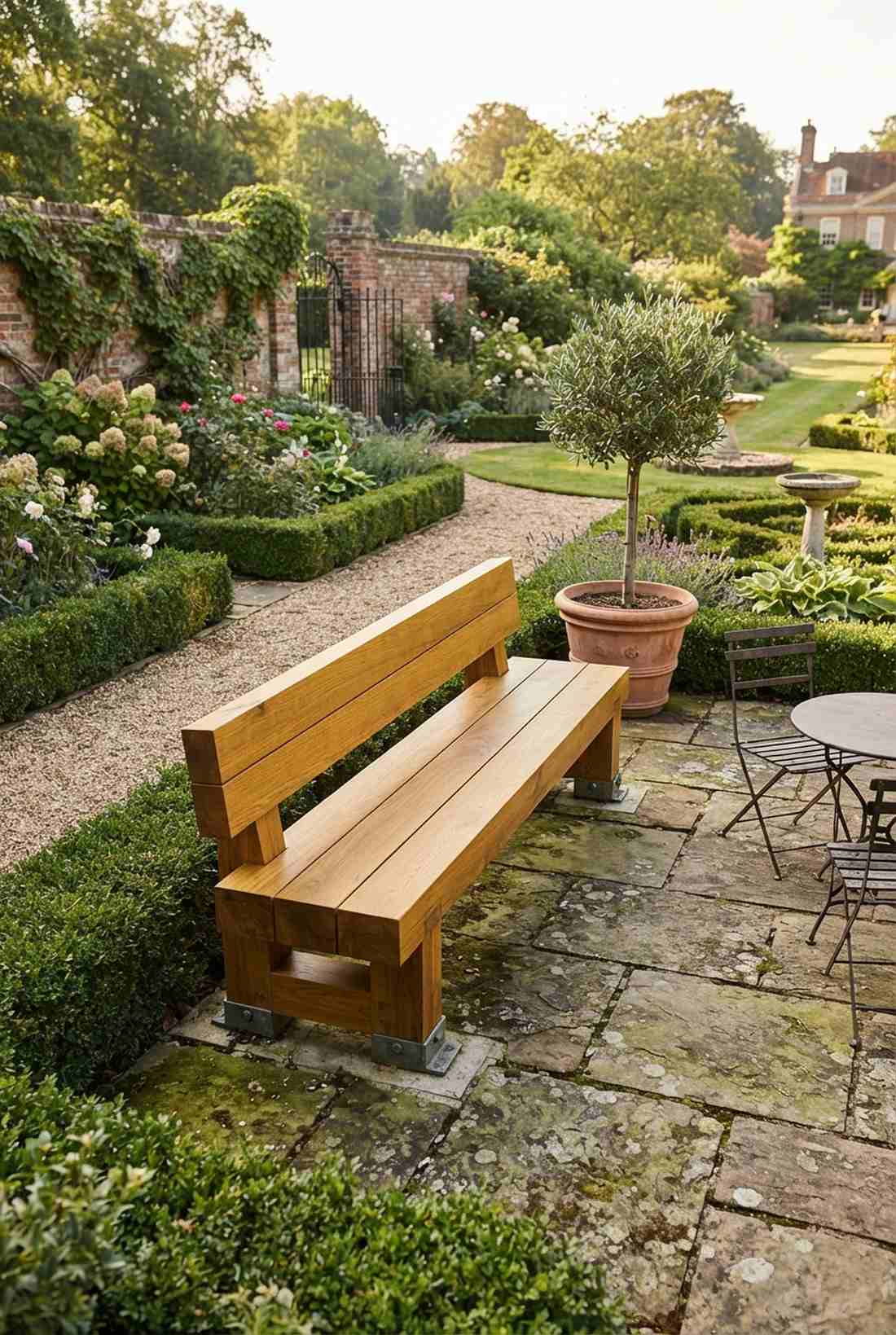
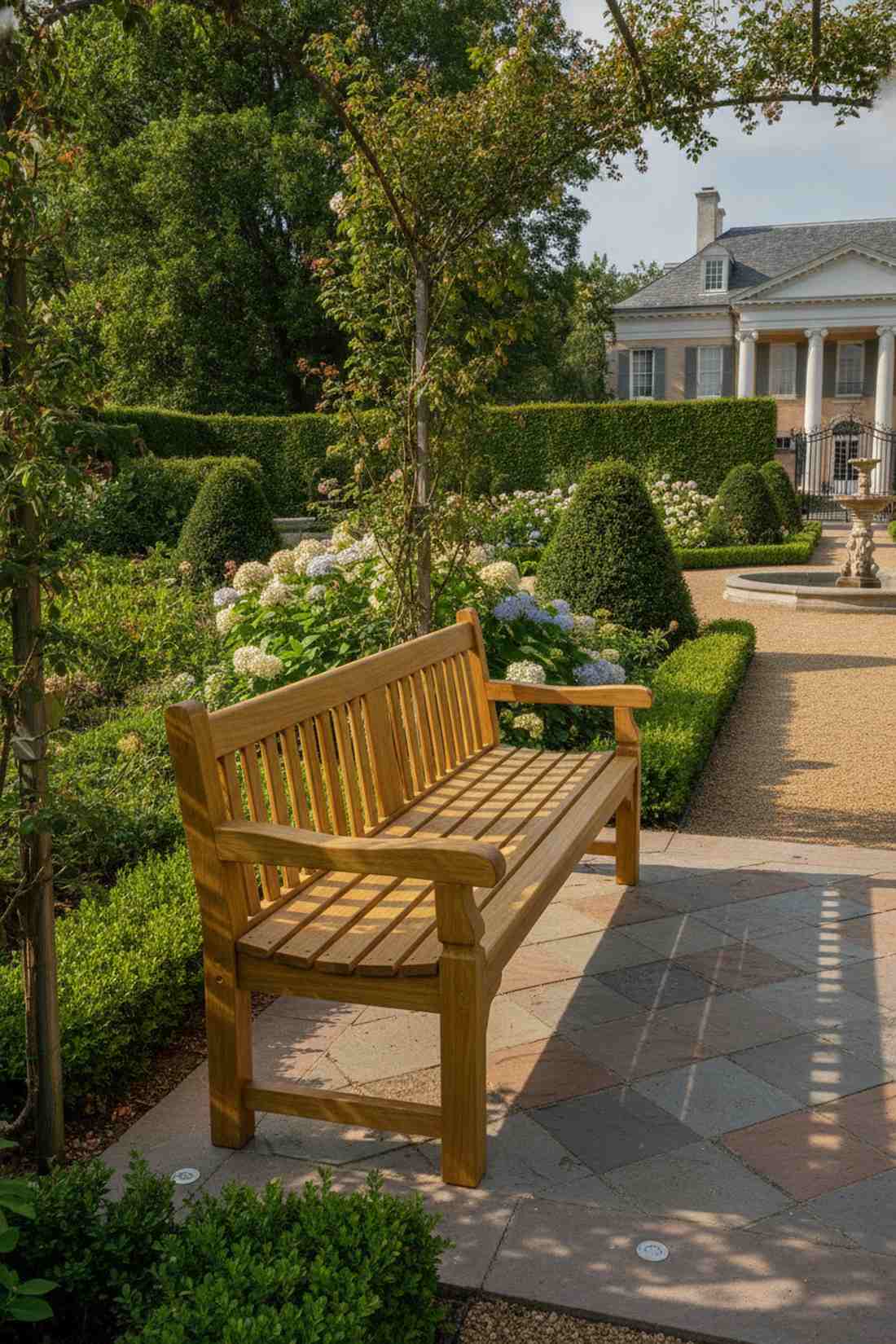
Introducing formal garden seating through dense Opepe feels incredibly grounded and historically refined. This robust setup works beautifully in structured botanical spaces or classic courtyards.
Creating a permanent bench base with this material creates a legacy piece that outlives trendy decor. A quick coat from an exterior wood sealant kit locks in that golden-yellow brilliance.
Initial costs hover around $200, but it pays off with decades of zero rot. It’s a fast structural upgrade that completely changes the vibe.
- Key Materials: Opepe dimensional lumber
- Vibe / Style: Classic botanical estate
- Difficulty: Advanced carpentry
- Budget Breakdown: Hardwood: $200 | Concrete anchors: $20
- Creator’s Tip: Pre-drill every single hole; this wood is dense enough to snap standard screws in half.
- Smart Sourcing: Pick up heavy-duty masonry anchor kits and premium exterior penetrating oil.
Most people completely overlook this next material… until they see how it instantly doubles the property value.
Rustic Reclaimed Surfaces with Heritage Character
Salvaged wood brings authentic texture stories—nail holes, saw marks, and weathering from previous lives add irreplaceable character. These surfaces deliver instant age and organic imperfection that new lumber cannot replicate.
5. Barn Board with Original Paint Traces
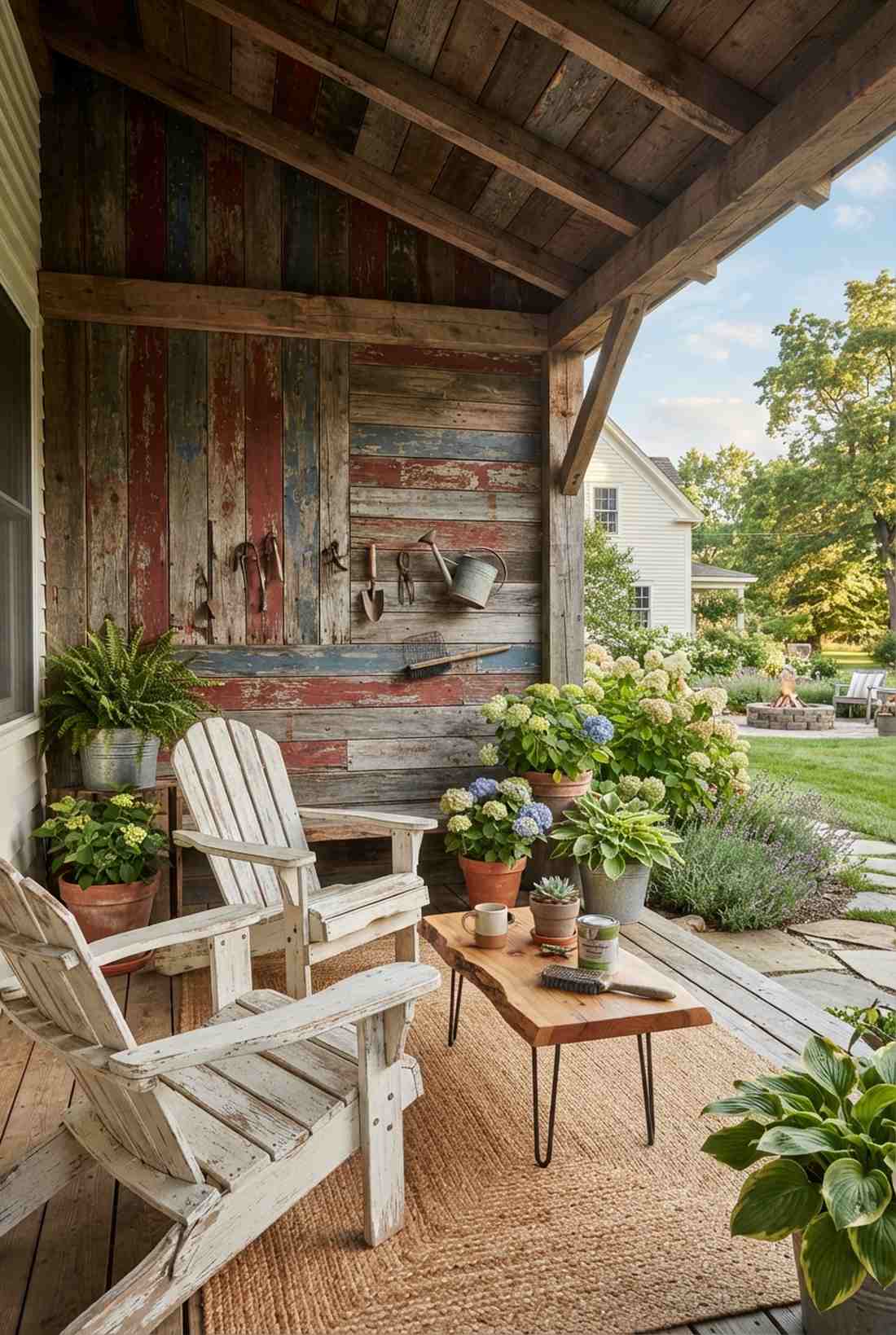
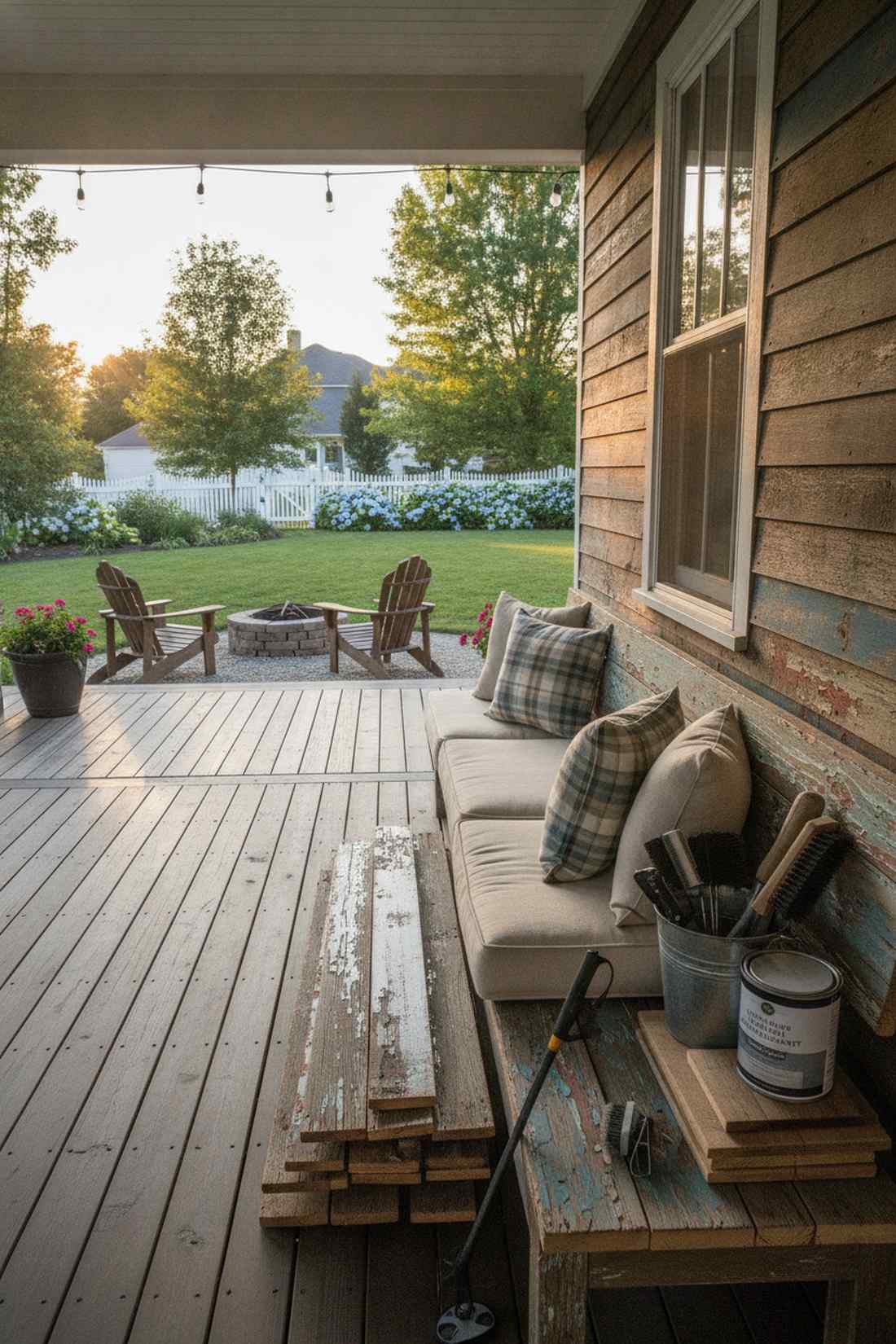
This reclaimed wood garden aesthetic feels like a hidden farmhouse sanctuary you never want to leave. Incorporating this into your outdoor seating rustic designs is excellent for covered porches.
Repurposing aged timber instantly injects soul that factory-new pieces simply cannot replicate. Applying a clear matte topcoat preserves the peeling paint without risking splinters.
Sourcing salvage boards usually costs between $40–$90 locally. Save this to your DIY weekend garden board!
- Key Materials: Weathered barn siding boards
- Vibe / Style: Cozy vintage farmhouse
- Difficulty: Easy salvage project
- Budget Breakdown: Salvage boards: $50 | Sealant: $30
- Creator’s Tip: Run a metal detector over the boards before cutting to save your saw blades from hidden nails.
- Smart Sourcing: Use a water-based matte exterior sealant kit and heavy-duty wire brush sets.
6. Rough-Sawn Oak Planks
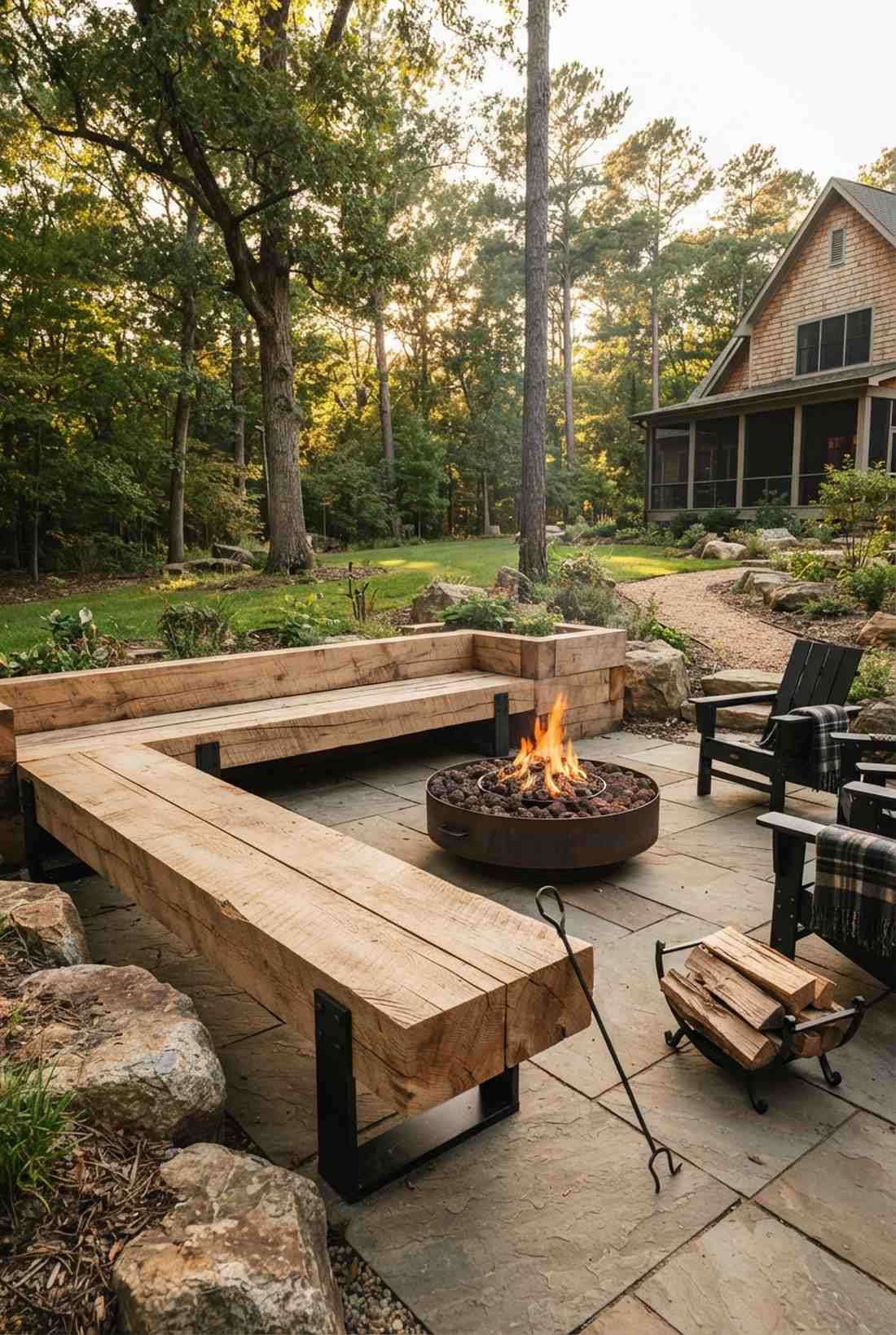
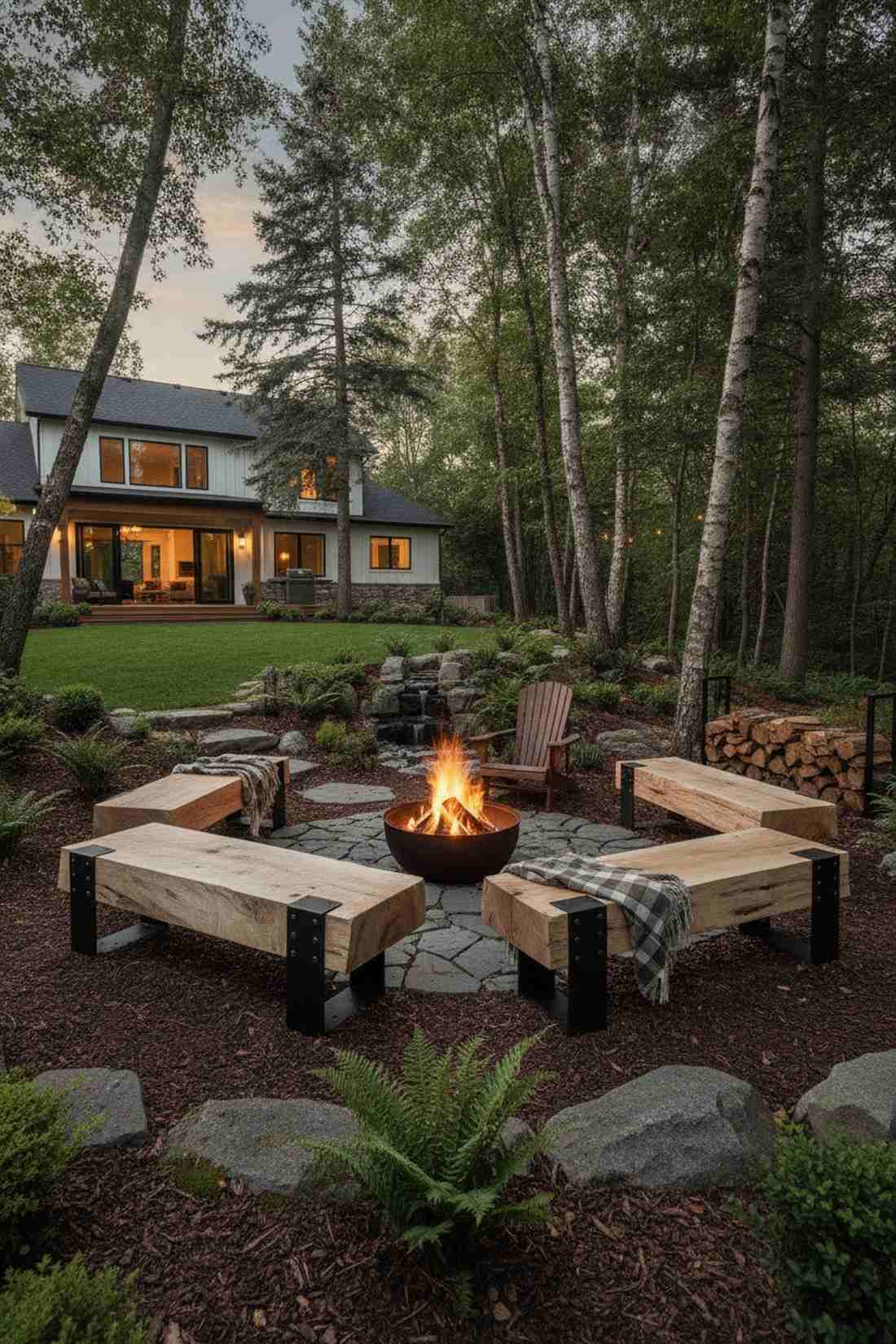
Building chunky oak retaining wall seating feels fiercely organic and raw in the best way possible. This massive texture is brilliant for woodland-style fire pit areas.
Leaving the circular saw marks exposed delivers an aggressively bespoke aesthetic that commands attention. Combining these thick cuts with heavy landscaping timber supplies creates an unstoppable focal point.
Thick oak slabs will run about $100–$180 depending on the mill. Highly recommended for a rugged backyard transformation.
- Key Materials: Unplaned white oak slabs
- Vibe / Style: Rugged woodland retreat
- Difficulty: Heavy lifting required
- Budget Breakdown: Oak slabs: $150 | Brackets: $40
- Creator’s Tip: Use white oak instead of red oak for its closed cellular structure that naturally blocks water.
- Smart Sourcing: Grab industrial structural wood screws (bulk pack) and pre-cut steel bench legs.
7. Railway Sleeper Timbers
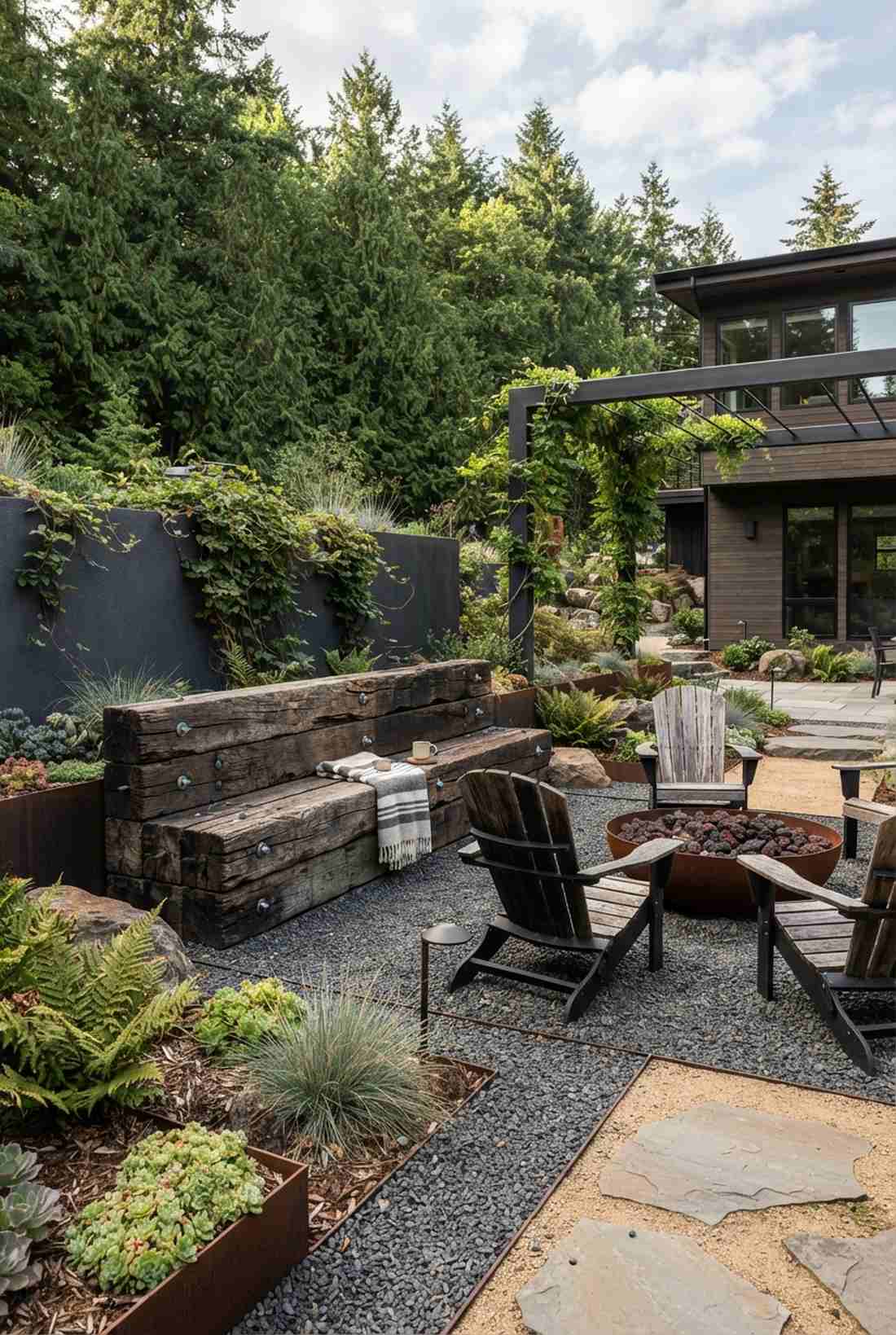
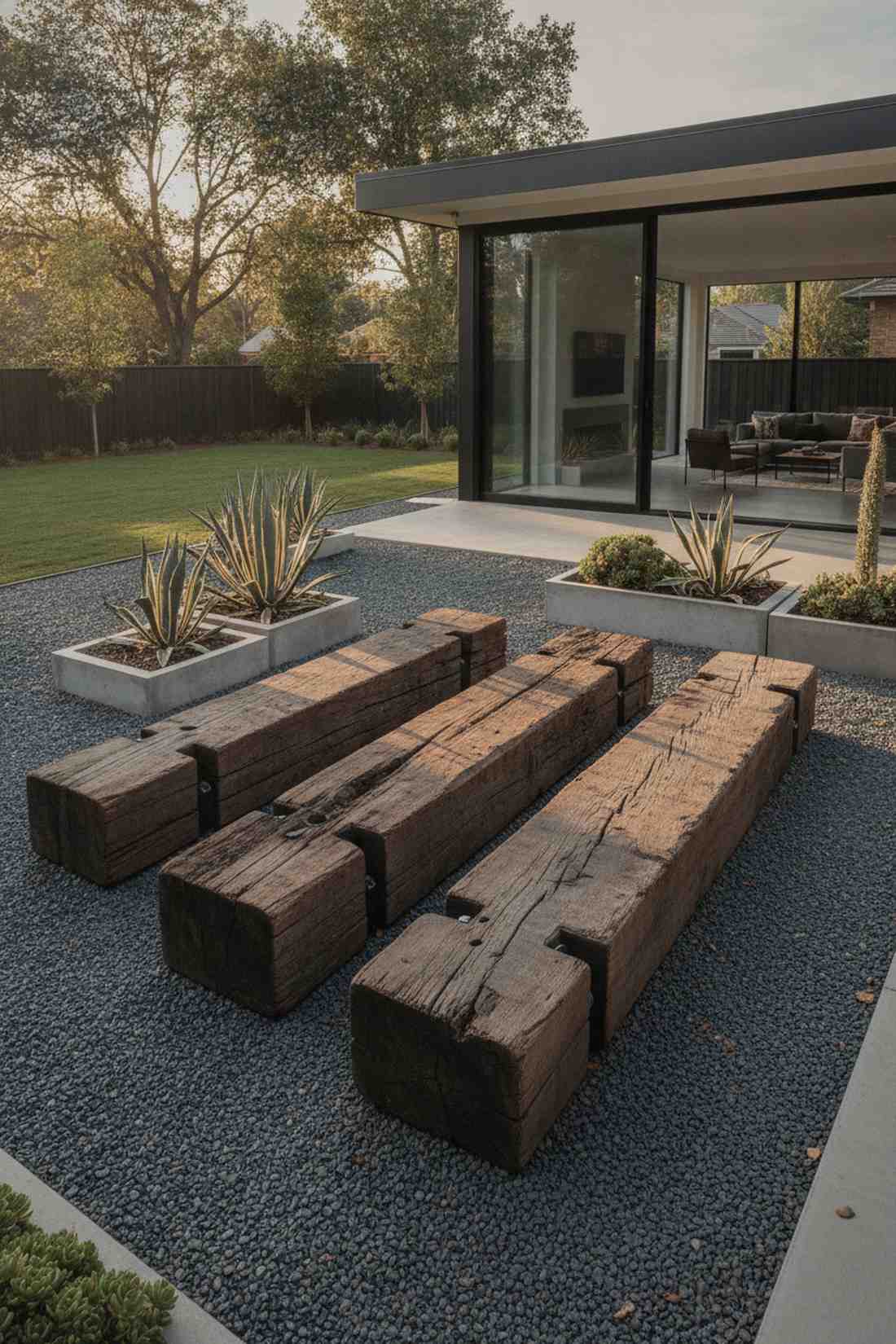
These industrial sleeper benches bring a moody, historical anchor to the space that feels monumental. This heavy-duty approach is great for modern minimalist gravel gardens.
Stacking massive reclaimed beams creates a brutalist edge that looks undeniably high-end. Utilizing dedicated garden landscape hardware ensures these giants stay firmly in place.
Used sleepers generally cost $30–$60 each at salvage yards. Pin this for your next industrial landscaping project!
- Key Materials: Untreated reclaimed railway ties
- Vibe / Style: Edgy industrial modern
- Difficulty: Intermediate (requires strong help)
- Budget Breakdown: 3 Sleepers: $120 | Rebar pins: $15
- Creator’s Tip: Always specify “untreated” or “eco-safe” sleepers to avoid toxic creosote near seating areas.
- Smart Sourcing: Invest in extra-long landscape timber screws and bulk pack galvanized rebar pins.
8. Reclaimed Dock Wood
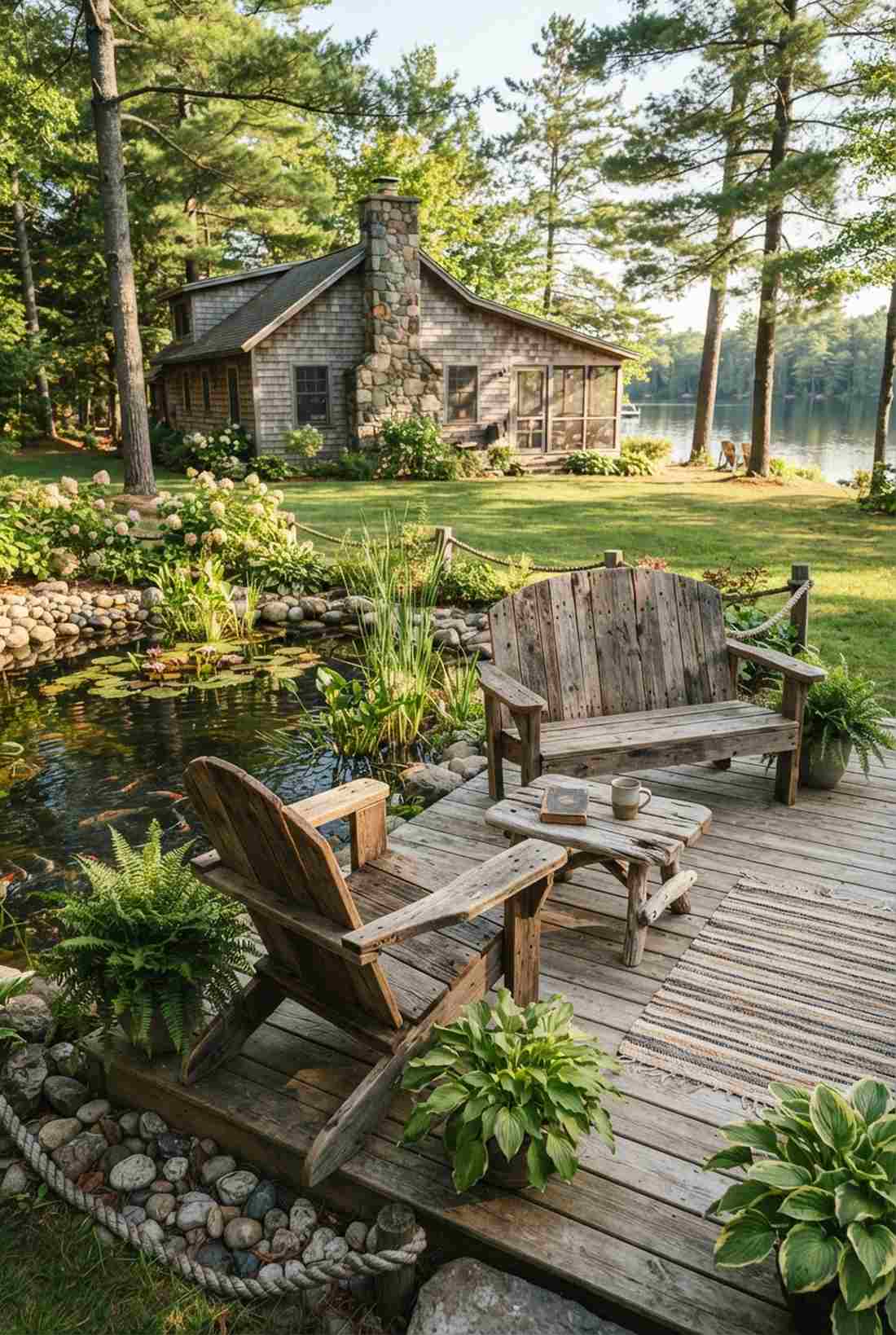
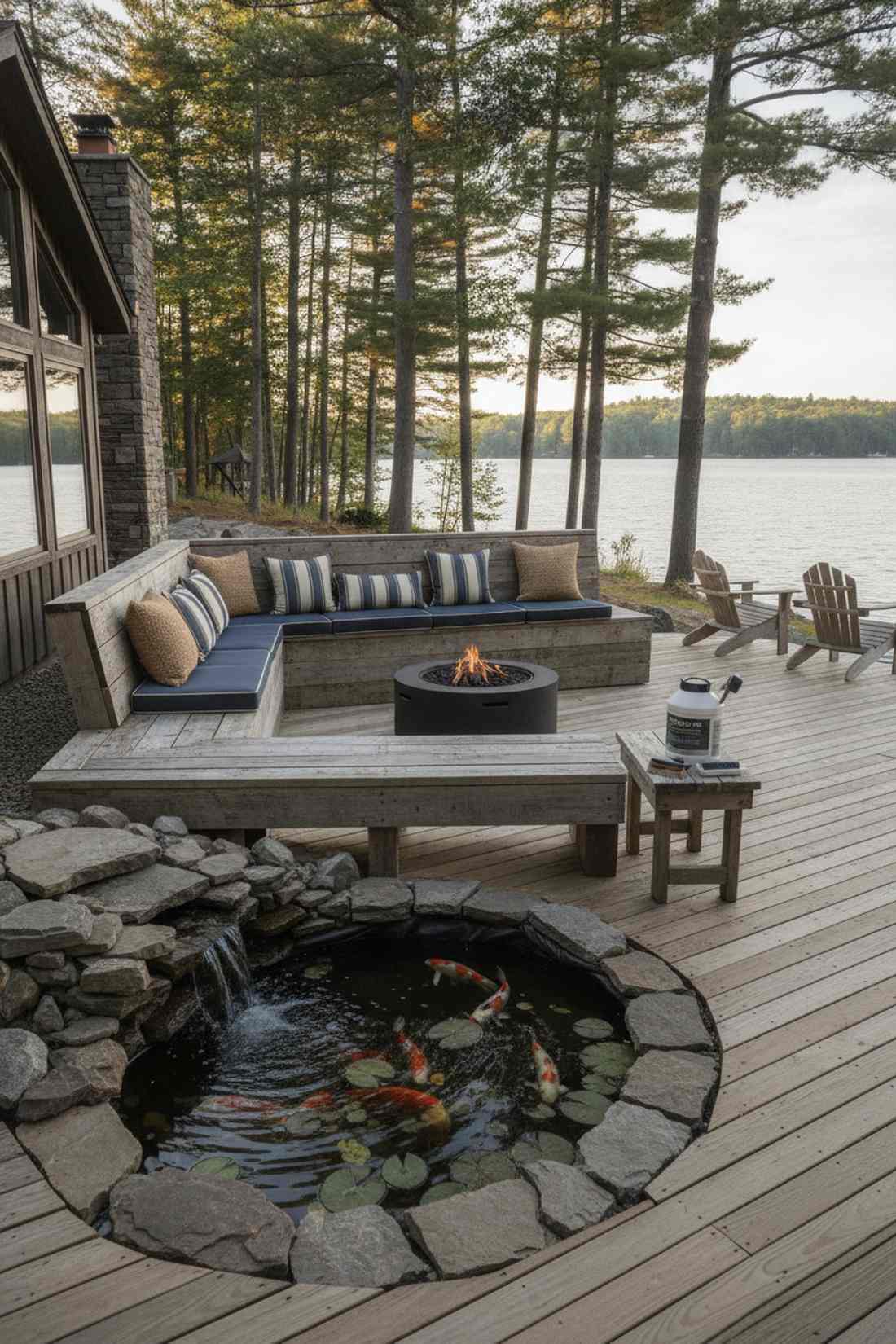
Embracing a nautical salvage seating concept feels kissed by ocean waves and deeply relaxing. It provides a breathtaking visual near water features or koi ponds.
Using water-worn planks offers a surprisingly soft tactile experience that machined wood rarely achieves. A light brushing with boat deck cleaning supplies revives the grain beautifully.
You can hunt down old dock wood for around $50–$100. It’s a gorgeous upcycle that tells a beautiful story.
- Key Materials: Salvaged marina or dock planks
- Vibe / Style: Relaxed lakeside cabin
- Difficulty: Beginner DIY
- Budget Breakdown: Reclaimed wood: $70 | Marine finish: $35
- Creator’s Tip: Check the end-grains rigorously for rot; trim off the worst inches before building your frame.
- Smart Sourcing: Pick up a marine-grade wood restorer kit and pre-cut marine plywood bases.
9. Weathered Fence Boards
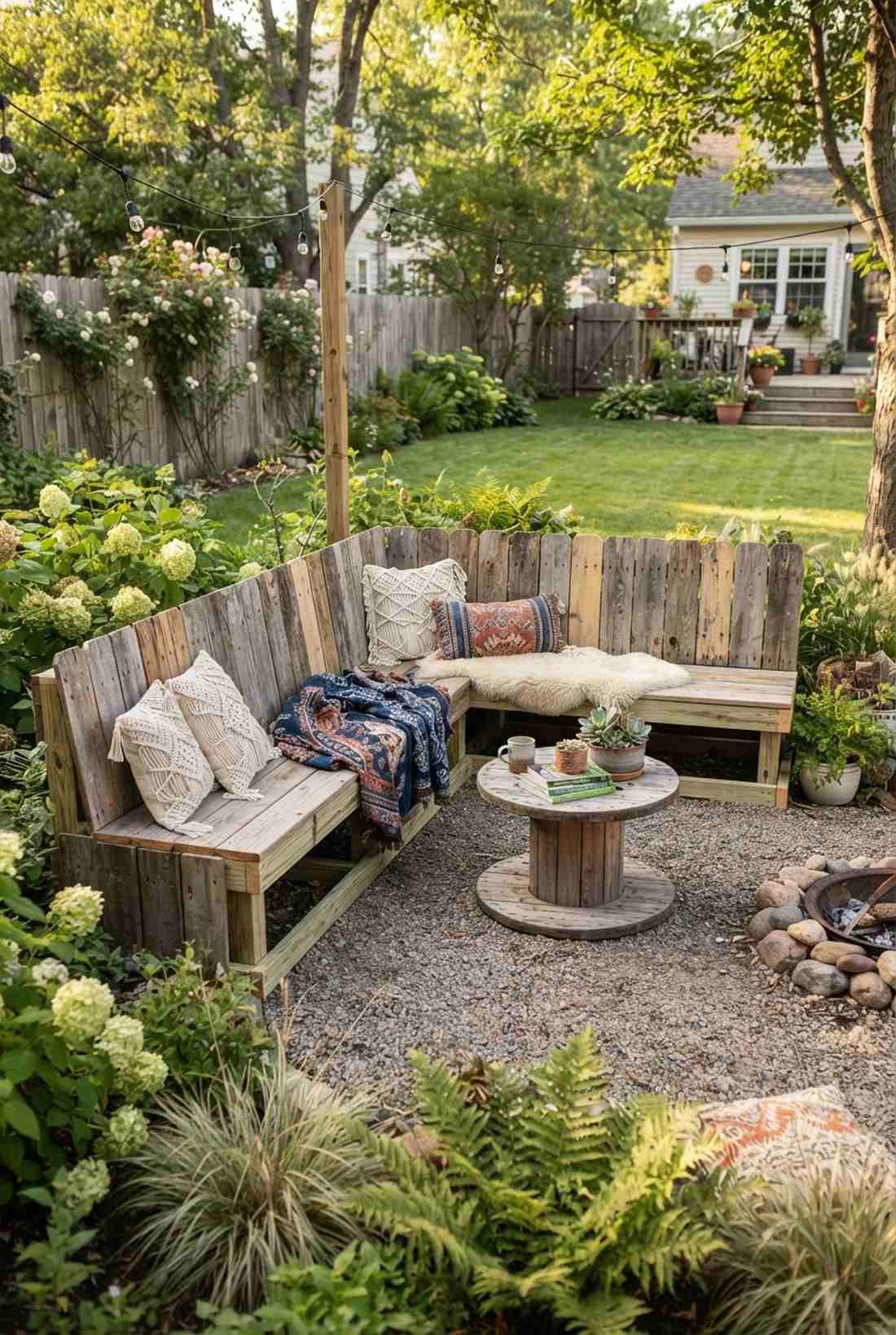
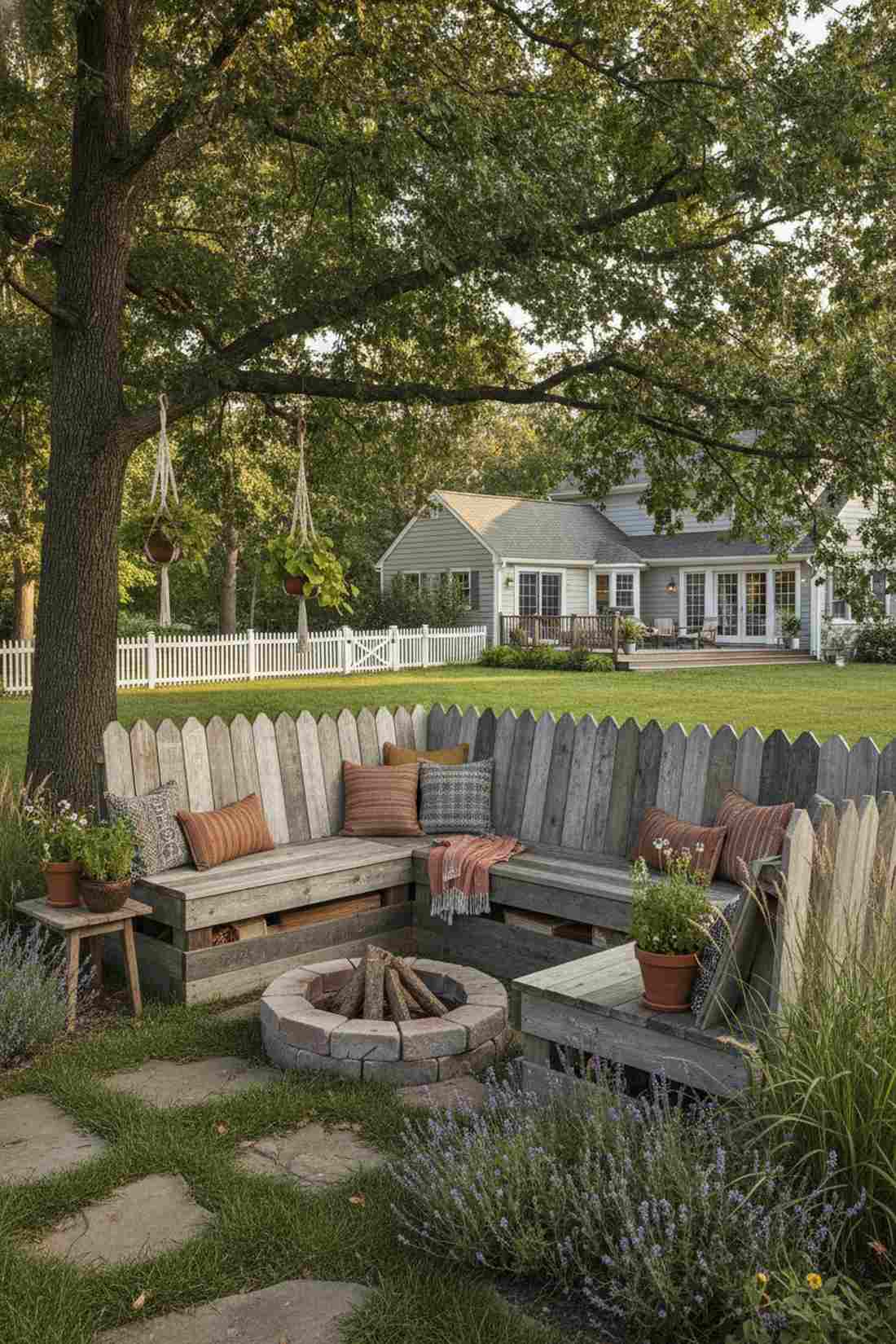
Creating upcycled fence panel seating feels charmingly eclectic and wonderfully lived-in. This ultra-sustainable choice is perfect for budget-friendly backyard corners.
Patchworking different shades of gray wood completely redefines what a zero-dollar budget can achieve. Upcycling basic garden decking supplies as the hidden structural frame keeps everything safe and rigid.
Since the wood is often free, you only pay $20–$40 for screws and sealants. Save this clever layout to your ultimate DIY board!
- Key Materials: Old cedar or pine fence pickets
- Vibe / Style: Bohemian backyard eclectic
- Difficulty: Super easy beginner weekend
- Budget Breakdown: Wood: Free | Frame/Screws: $35
- Creator’s Tip: Sand the sitting surfaces thoroughly to avoid splinters, but leave the backrests rough for texture.
- Smart Sourcing: Use a bulk pack of coated decking screws and clear exterior wood preservative sprays.
This next sleek setup costs surprisingly little but fools everyone into thinking you hired a landscape architect.
💡 Must-Have Supplies for High-End Setups
To build these setups faster and ensure they last, skip the generic craft aisles and invest in the right foundational kits.
- Base & Support: Heavy-duty pre-welded steel bench brackets
- Setup Tools: Premium exterior woodworking starter kits (with countersinks)
- Weather/Durability Protection: UV-coated marine-grade clear sealant gallons
Smooth Contemporary Finishes for Modern Spaces
Precision-milled and sanded wood surfaces provide refined texture for minimalist outdoor seating. These finishes emphasize wood species’ inherent beauty without rustic distraction.
10. Oiled Acacia Satin Texture
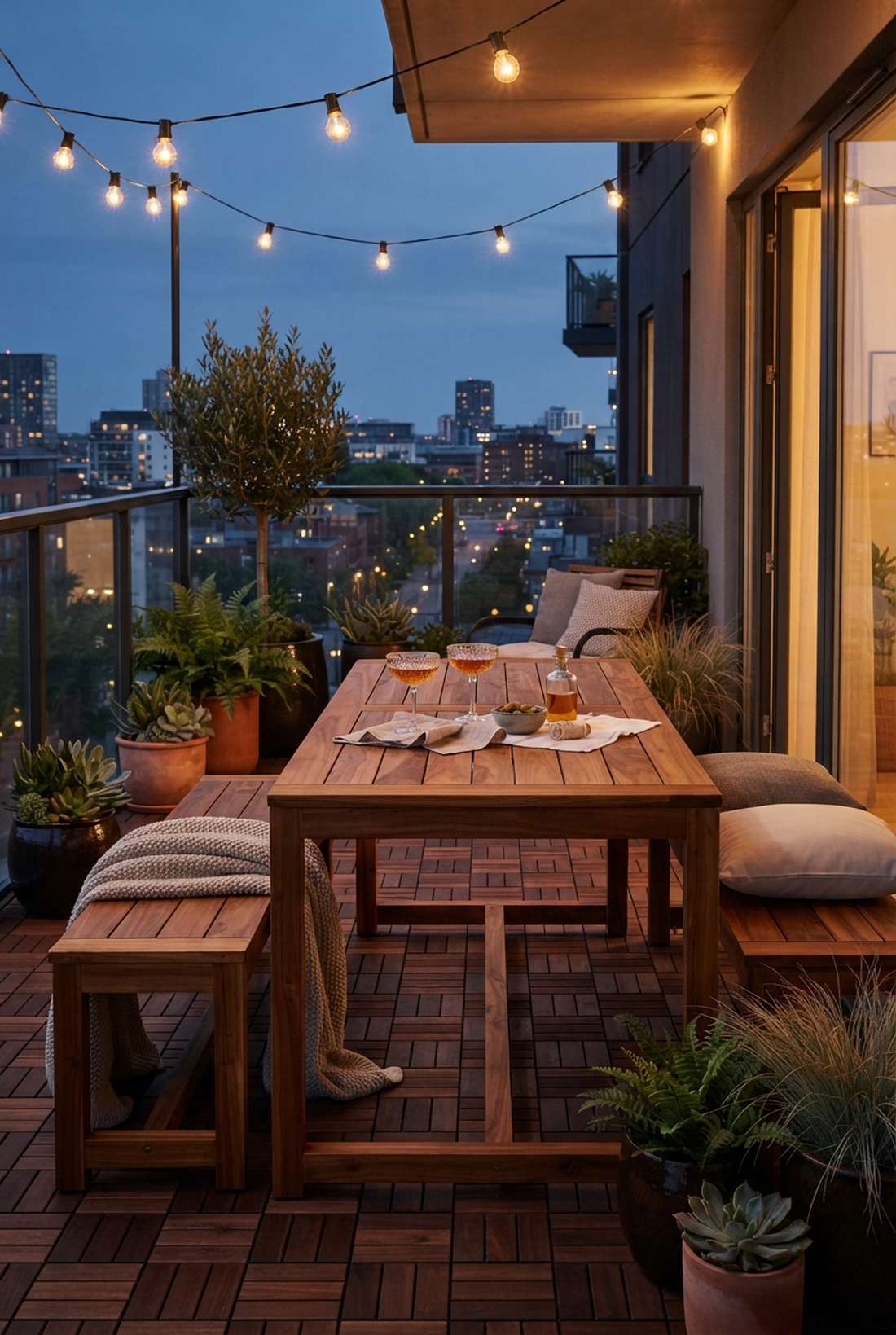
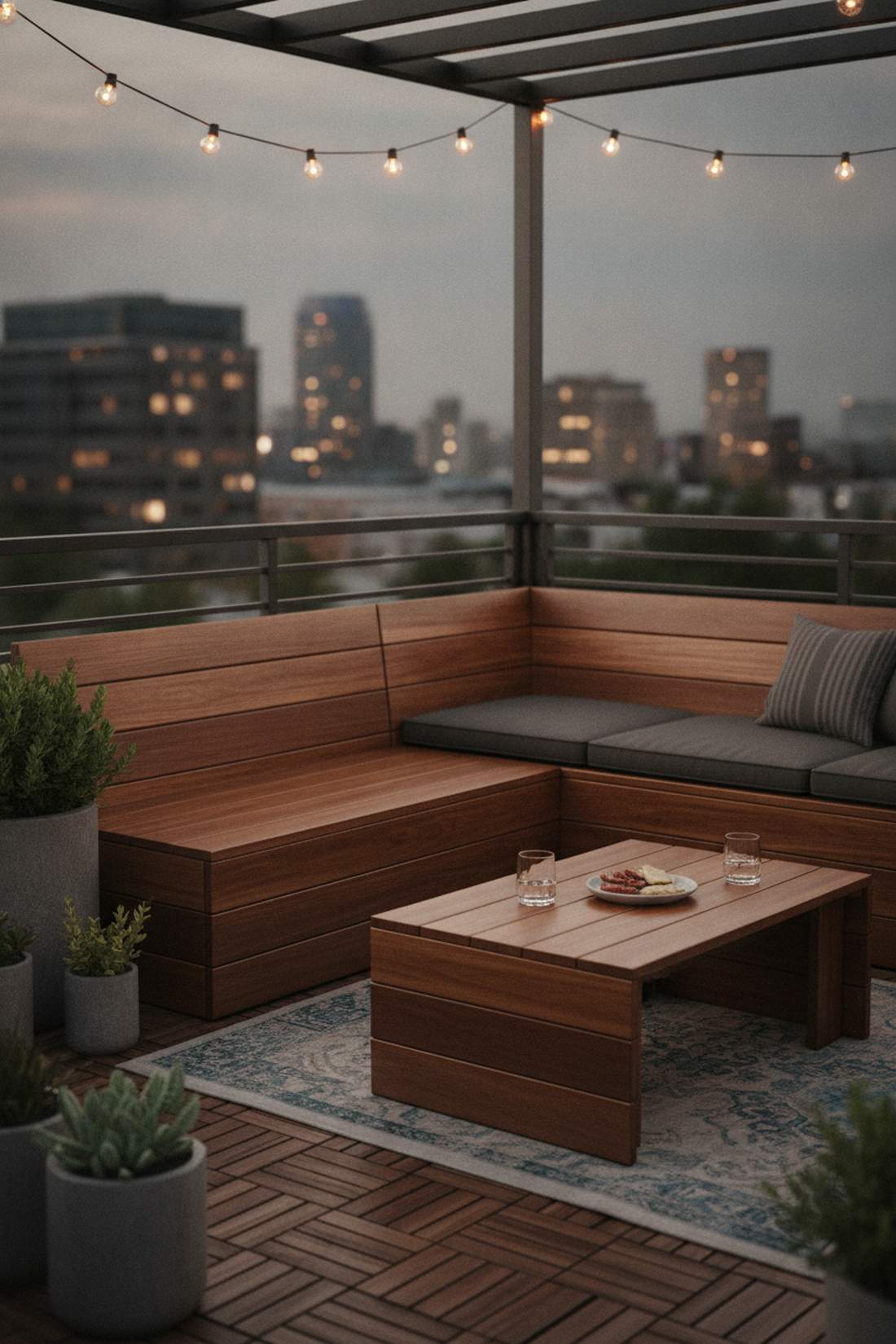
A warm satin outdoor furniture layout radiates sophisticated cocktail-hour energy instantly. This smooth tactile approach is stellar for contemporary urban balconies where space is premium.
Rubbing down acacia creates a silky finish that looks wildly expensive under evening string lights. Upgrading with outdoor patio furniture protector sprays ensures that deep brown luster never fades.
A DIY acacia bench frame sets you back about $80–$130. Pin this if you love the sleek modern condo aesthetic!
- Key Materials: Sanded acacia wood panels
- Vibe / Style: Urban chic lounge
- Difficulty: Intermediate
- Budget Breakdown: Acacia boards: $95 | Tung oil: $20
- Creator’s Tip: Apply the oil with a lint-free cloth in four extremely thin coats rather than one thick, sticky layer.
- Smart Sourcing: Get a premium penetrating tung oil kit and pre-cut foam application pads.
11. Thermo-Treated Ash Dark Finish
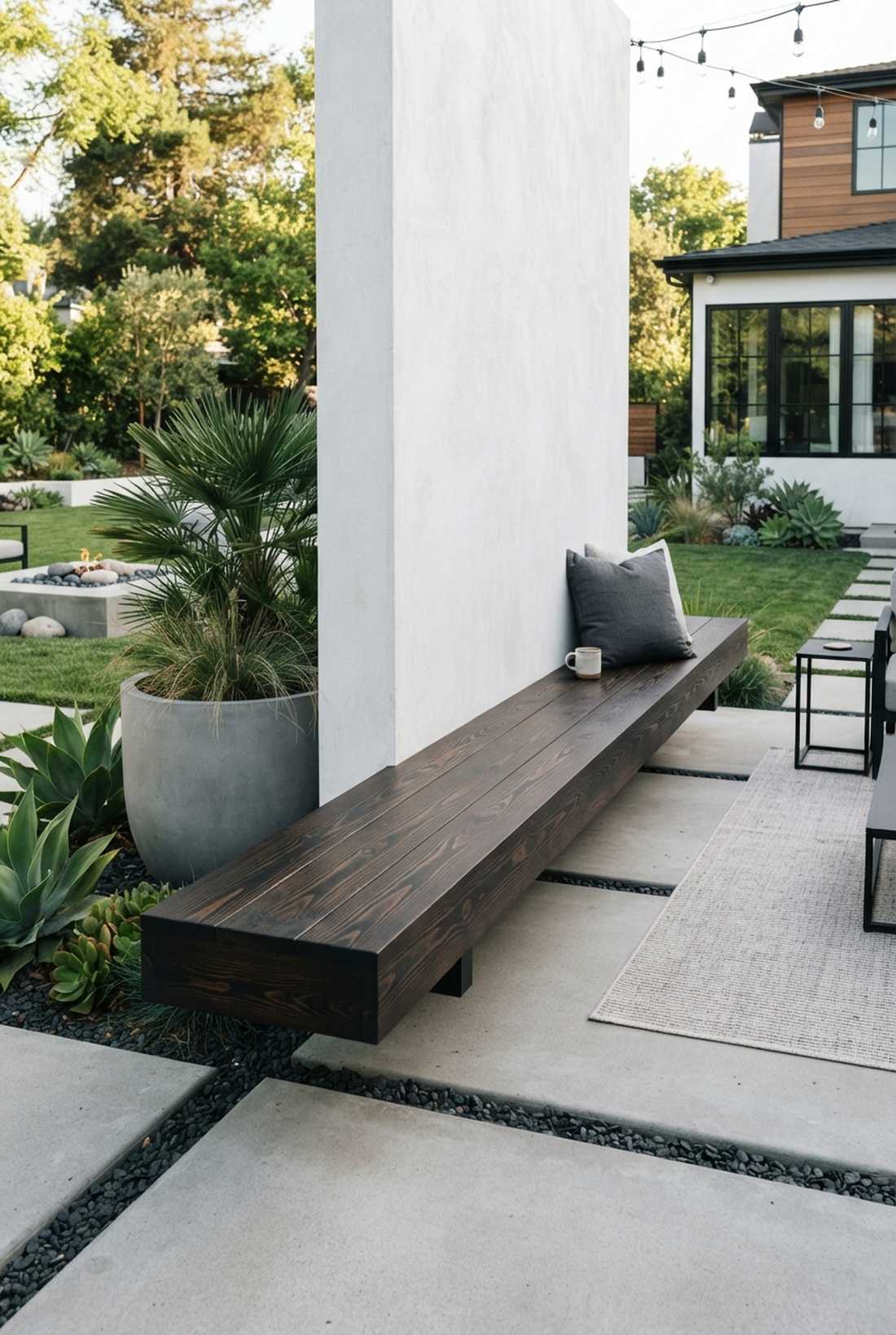
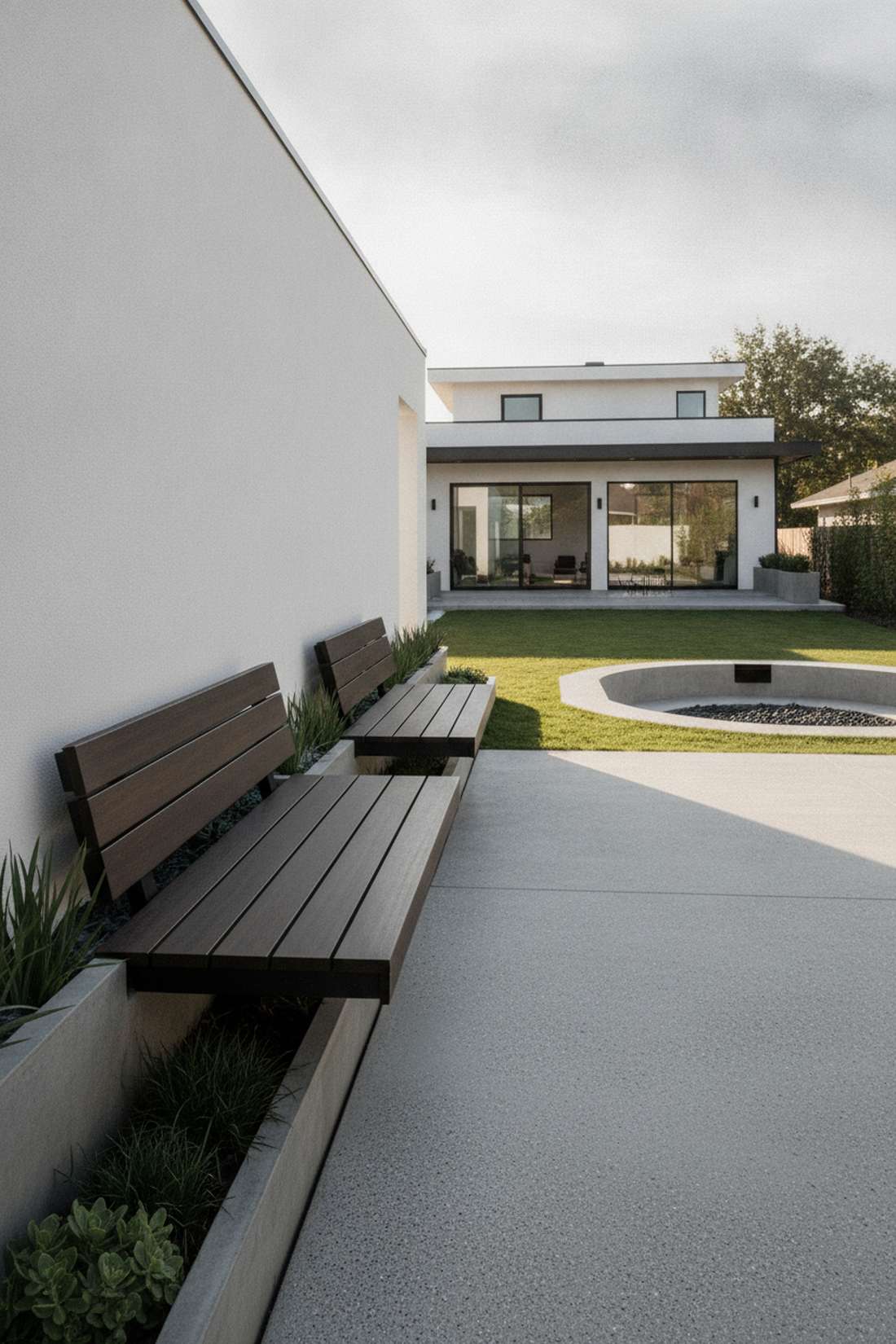
Installing dark minimalist floating benches gives off a sleek midnight modern vibe. This intense contrast is stunning against stark white stucco walls or concrete planters.
Thermally modifying the wood delivers extreme weather resistance while turning it a luxurious roasted coffee color. Coupling this with hidden floating shelf hardware kits creates a gravity-defying seating illusion.
Expect to spend $150–$250 for these specialized boards. It’s an architect-level detail that upgrades the whole yard.
- Key Materials: Thermally modified ash lumber
- Vibe / Style: Ultra-modern minimalist
- Difficulty: Advanced wall mounting
- Budget Breakdown: Ash boards: $180 | Heavy wall brackets: $60
- Creator’s Tip: Because the baking process makes the wood slightly brittle, pre-drilling is absolutely non-negotiable.
- Smart Sourcing: Use heavy-duty invisible floating brackets and UV-blocking exterior clear coats.
12. Sanded Eucalyptus Smooth Grain
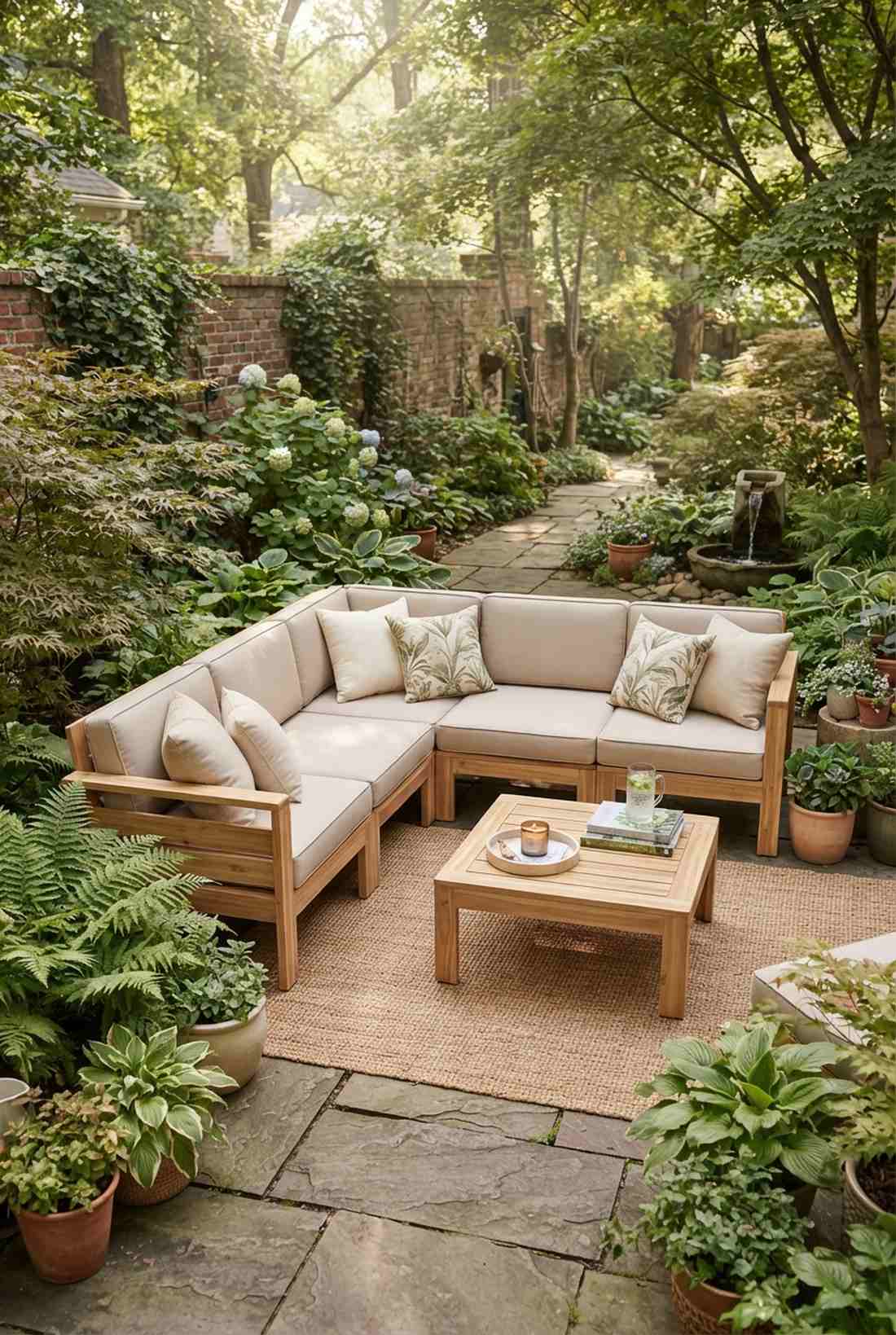
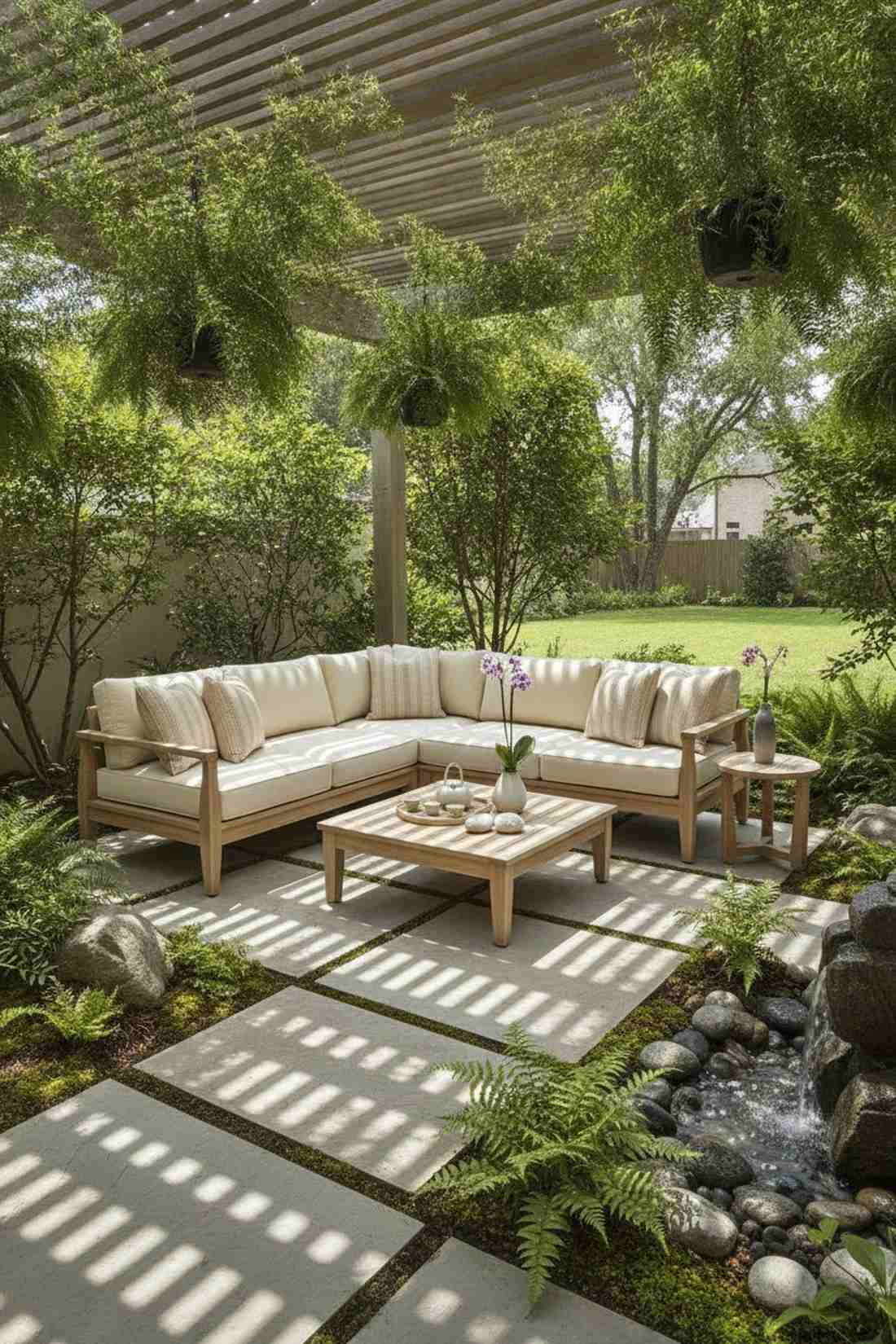
These budget luxury patio sets feel like an exclusive spa retreat right in your backyard. This soft, pale texture is ideal for cozy shaded courtyards filled with ferns.
Using eucalyptus mimics the elite look of teak without draining your renovation budget. Adding a layer of outdoor wood furniture sealer kits keeps the grain popping beautifully all year.
You can build a massive corner unit for around $120–$200. Save this to your ultimate budget-luxe board!
- Key Materials: Fine-sanded eucalyptus planks
- Vibe / Style: Zen garden spa
- Difficulty: Intermediate
- Budget Breakdown: Lumber: $140 | Finish: $25
- Creator’s Tip: Sand progressively up to 220-grit; eucalyptus takes polishing incredibly well for a glass-like feel.
- Smart Sourcing: Pick up a multi-grit bulk sanding pack and marine-grade teak oil alternatives.
13. Ipe Polished Chocolate Surface
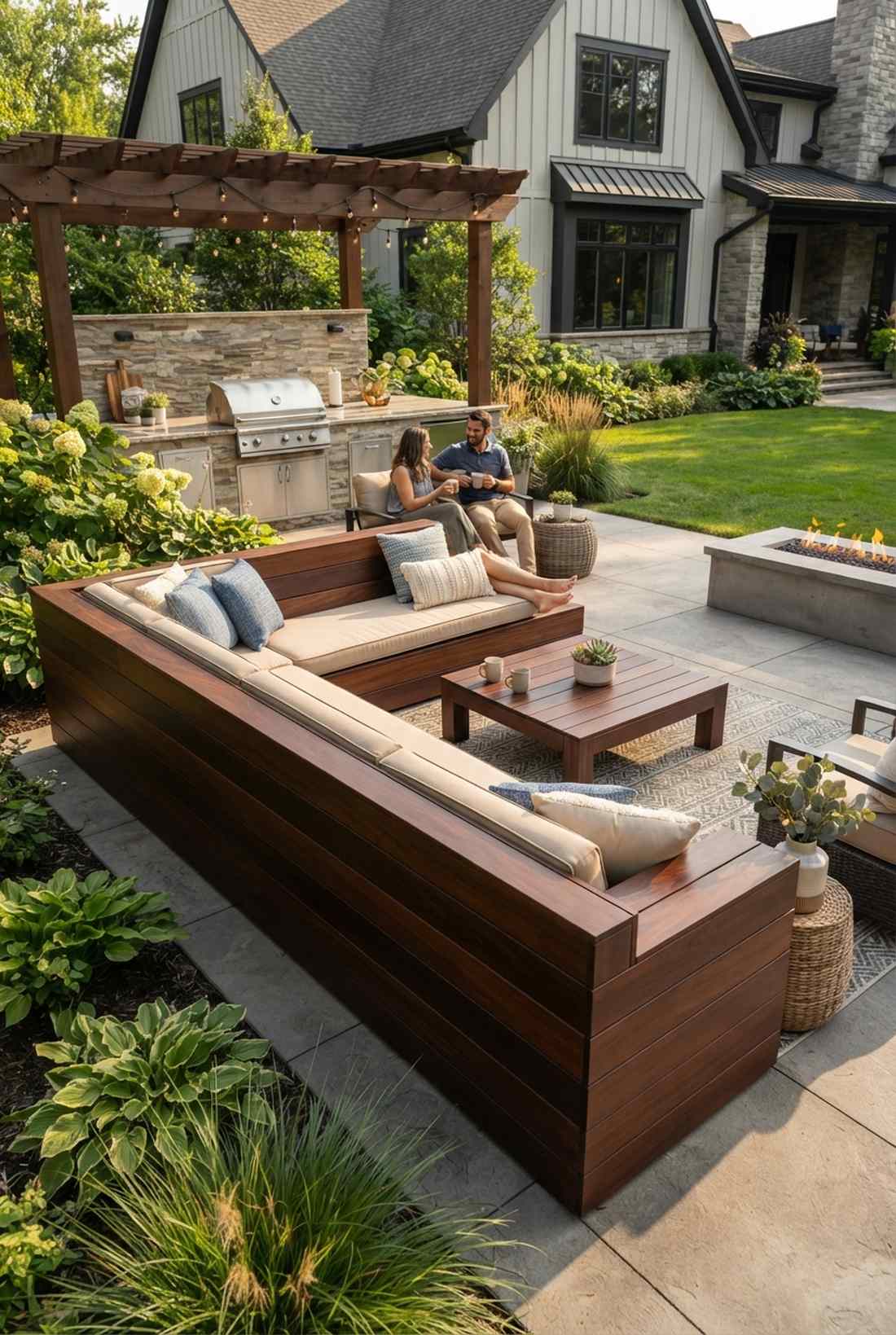
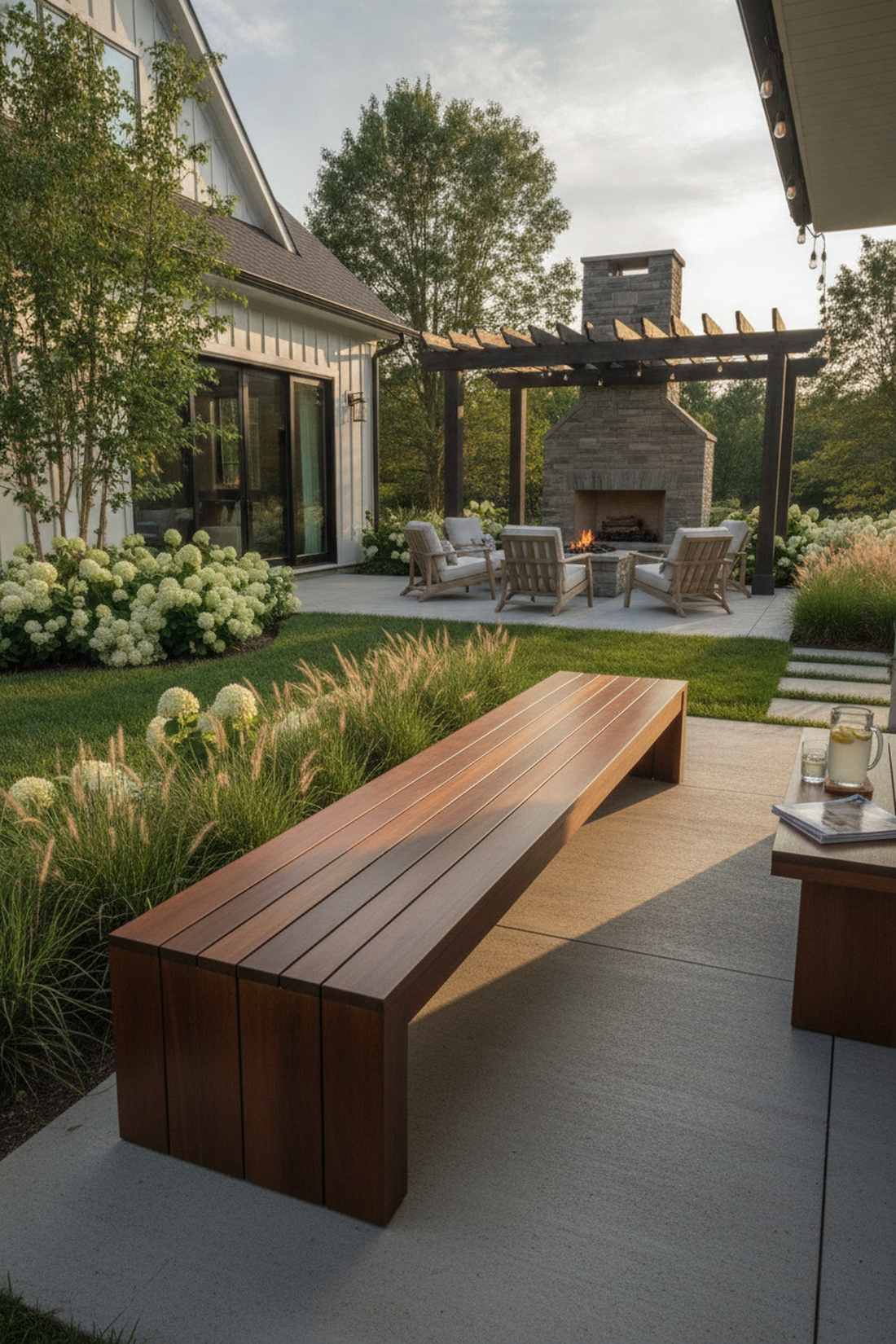
Showcasing ultra-dense chocolate wood seating delivers practically indestructible luxury. This immaculate, heavy finish is flawless for high-traffic entertainer patios.
Working with Brazilian walnut (Ipe) results in a bulletproof bench that simply will not scratch or dent. You must use specialized hardwood decking accessory kits to actually penetrate this iron-like material.
Materials will run $250–$400, but it will literally last 50 years. Highly recommended for a forever-home investment.
- Key Materials: Premium Ipe (Brazilian Walnut) boards
- Vibe / Style: High-end commercial luxury
- Difficulty: Advanced (requires specialized saw blades)
- Budget Breakdown: Ipe lumber: $300 | Special drill bits: $30
- Creator’s Tip: Seal the cut ends immediately with wax emulsion to stop checking; the density makes it prone to end-splits.
- Smart Sourcing: Order pre-cut Ipe decking tiles (bulk pack) and hardwood-specific hidden fastener kits.
Weathered Natural Patinas for Organic Aging
Intentionally weathered wood textures bring instant maturity to new outdoor seating installations. These finishes mimic natural aging processes to achieve organic authenticity from day one.
14. Driftwood Gray Cedar
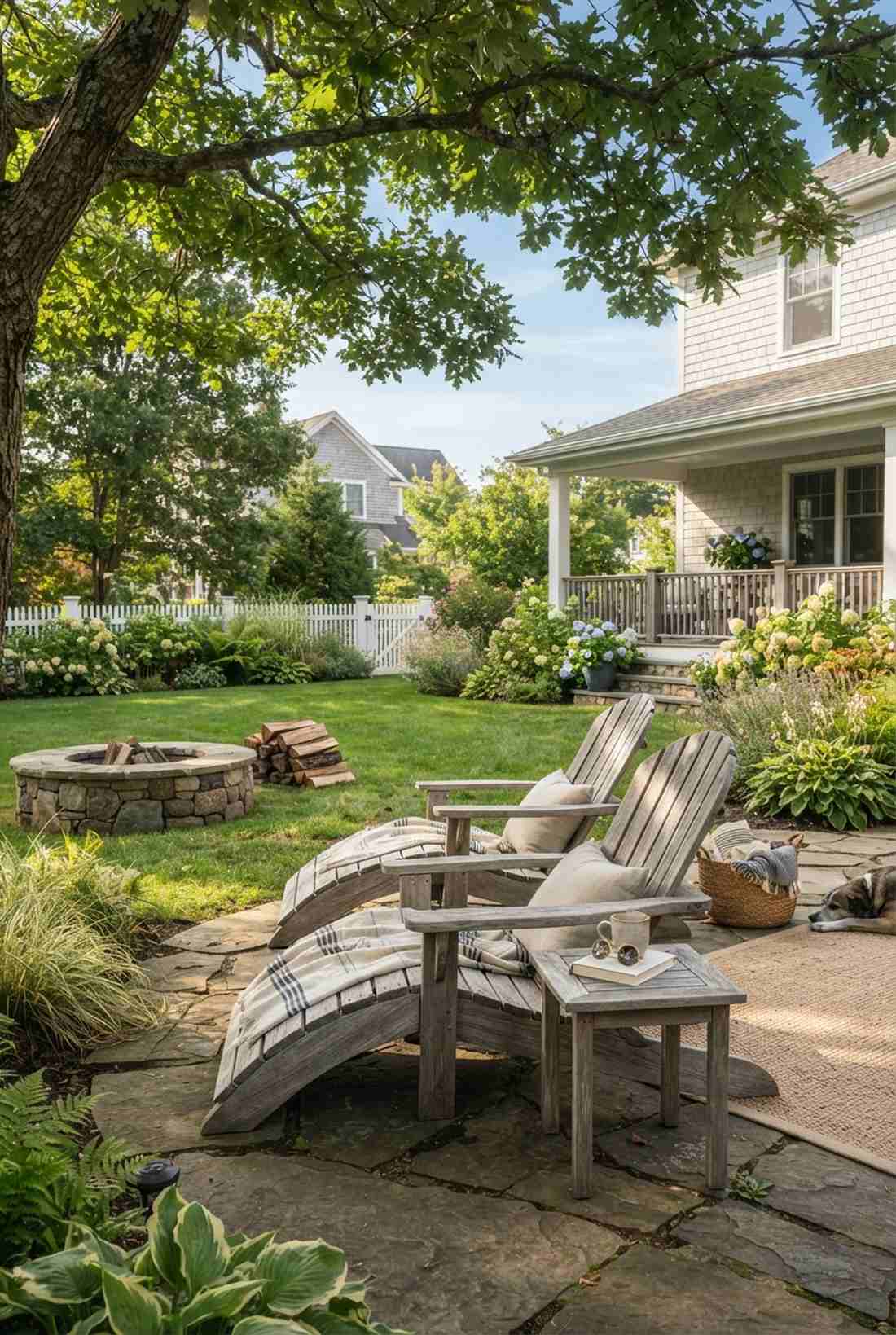
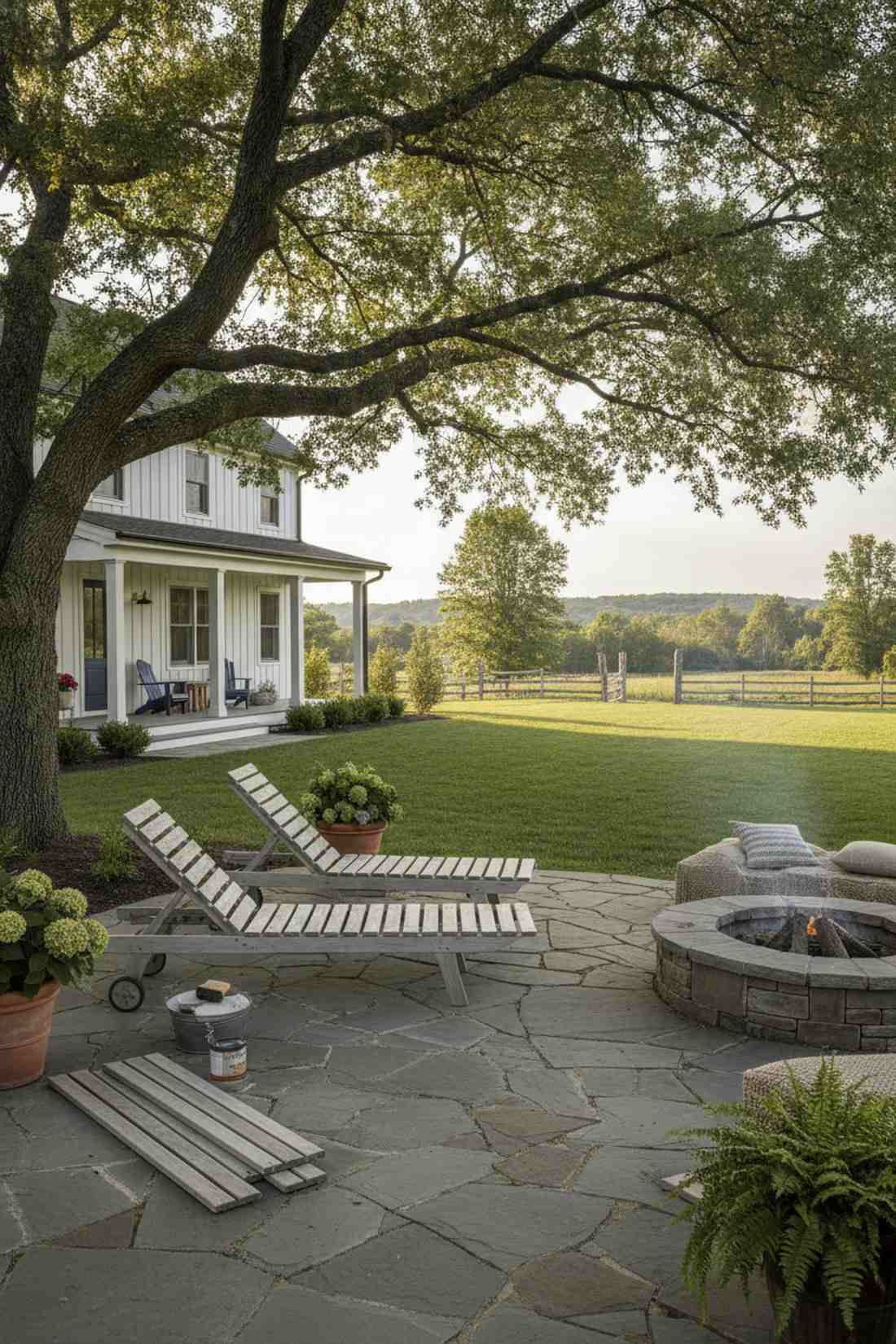
These silver gray cedar loungers deliver a breezy, effortless Sunday morning feel. The muted tone looks beautiful nestled under old shade trees or beside a stone fire pit.
Accelerating the graying process artificially guarantees you get that coveted coastal look without waiting two years. Using specialized wood weathering accelerator kits instantly chemically ages the surface fibers safely.
Cedar planks and an aging solution will cost around $80–$140. Pin this if you love instant gratification DIYs!
- Key Materials: Western red cedar planks
- Vibe / Style: Effortless coastal charm
- Difficulty: Easy beginner friendly
- Budget Breakdown: Cedar: $100 | Aging wash: $25
- Creator’s Tip: Don’t seal over the weathering wash immediately; let it bake in the sun for two days to deepen the silver.
- Smart Sourcing: Try a wood weathering accelerator starter kit and pre-cut cedar deck balusters.
Stop scrolling if you want an absolute showstopper—this upcoming texture pattern is what high-end designers try to keep a secret.
15. Silvered Redwood Grain
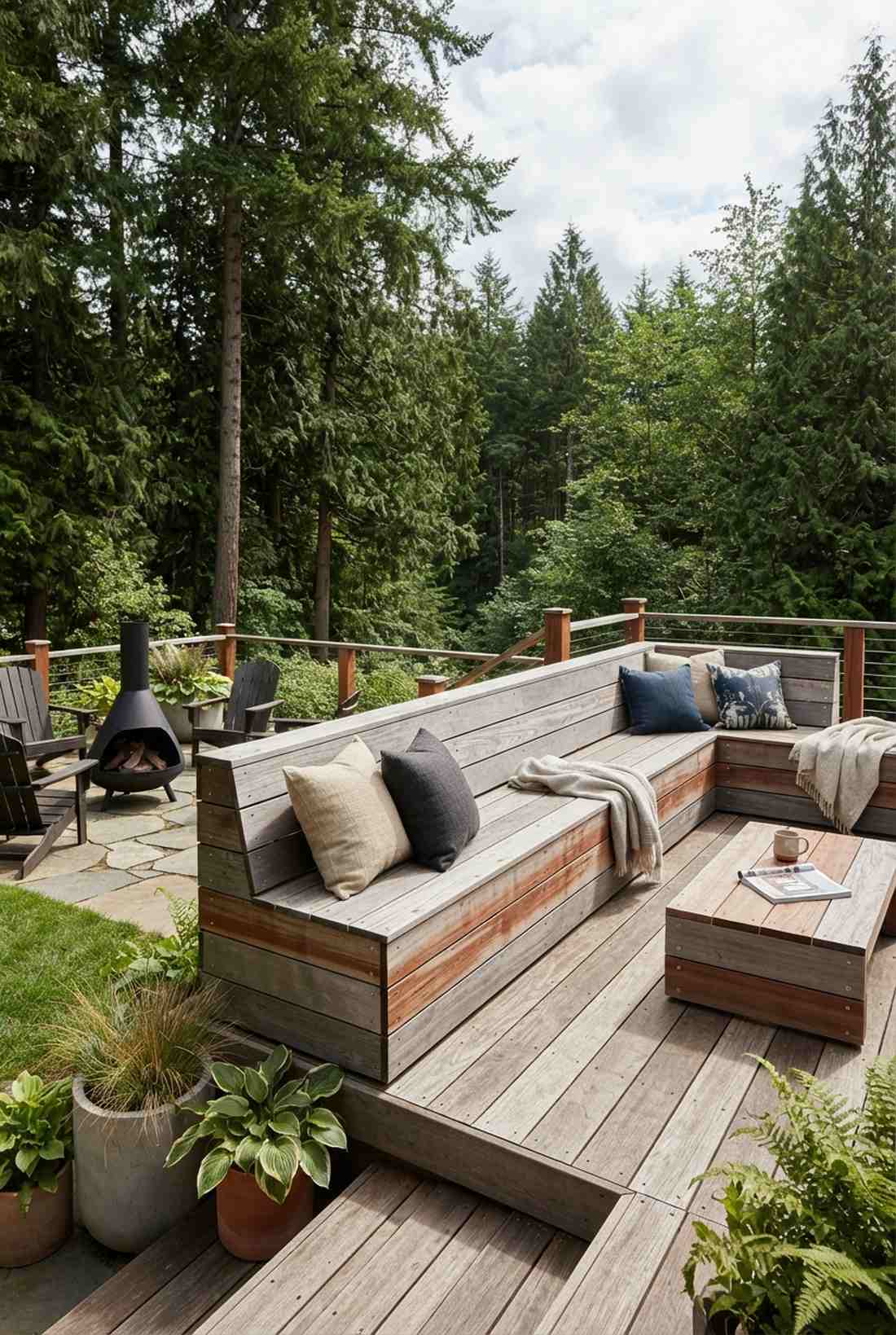
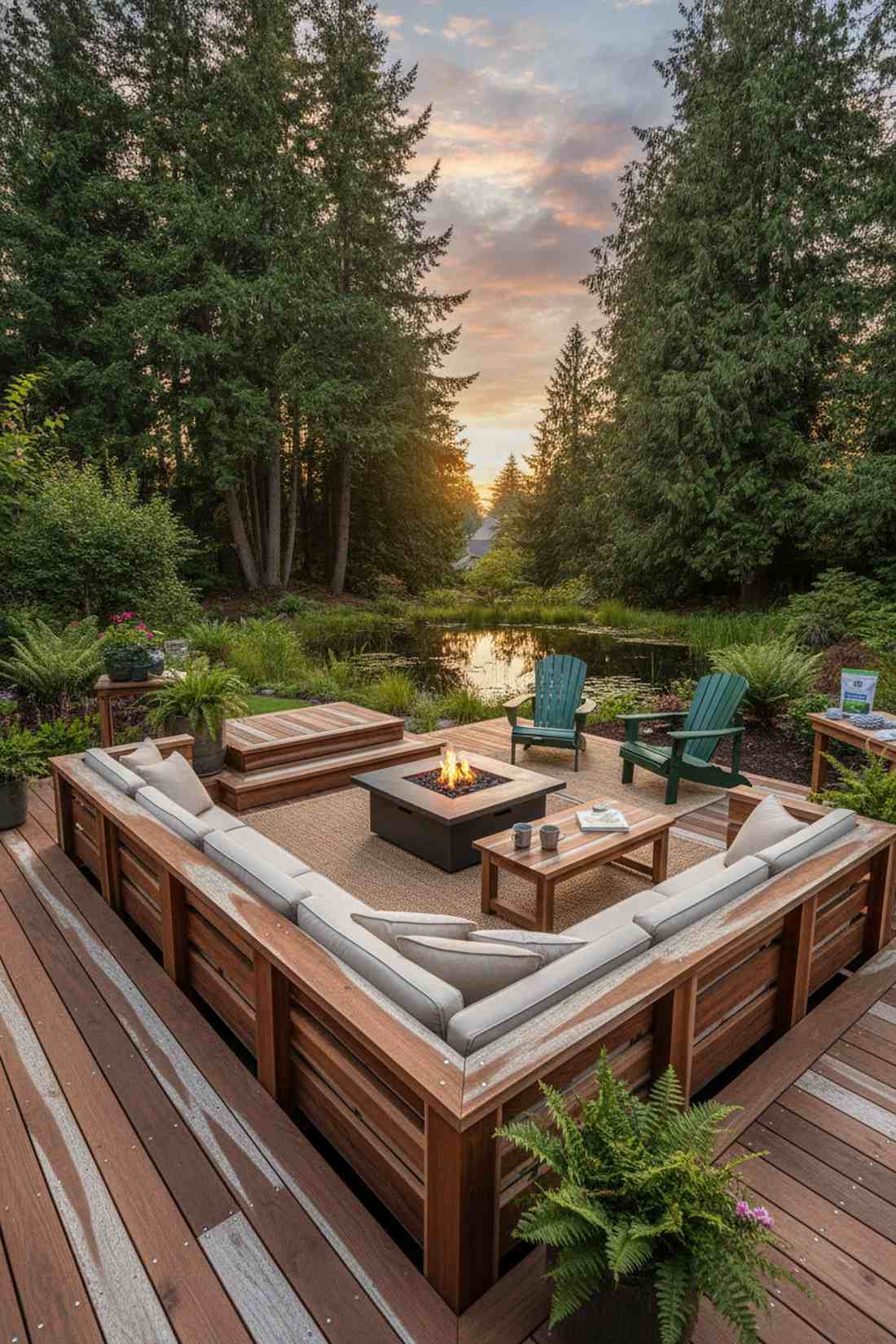
Building striking silvered redwood frames channels majestic Pacific Northwest energy effortlessly. This high-contrast striped look is phenomenal for raised deck perimeter seating.
Allowing redwood’s natural tannins to interact with the sun produces a two-tone marvel that synthetic materials can’t touch. Applying premium deck brightener kits occasionally removes dirt while preserving the stunning silver streaks.
Redwood materials typically cost $150–$250 for a large bench frame. It’s an earthy, bold statement piece.
- Key Materials: Natural unsealed redwood lumber
- Vibe / Style: Pacific forest modern
- Difficulty: Intermediate build
- Budget Breakdown: Redwood: $180 | Base frame: $40
- Creator’s Tip: Make sure your fasteners are high-grade stainless steel, as standard galvanized screws will leave black streaks on redwood.
- Smart Sourcing: Look for bulk pack stainless steel trim screws and eco-friendly deck brightener powder.
16. Oxidized Black Locust
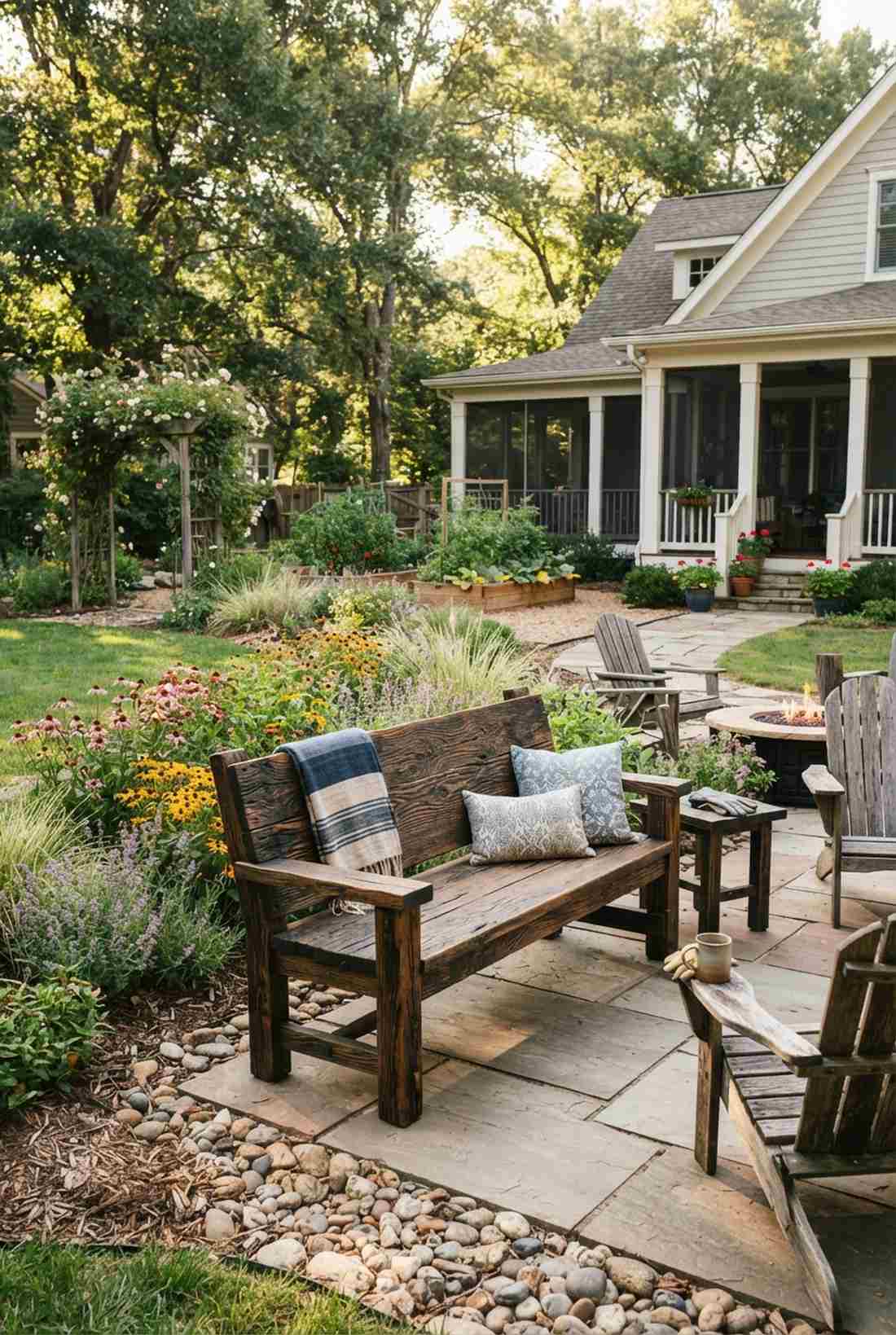
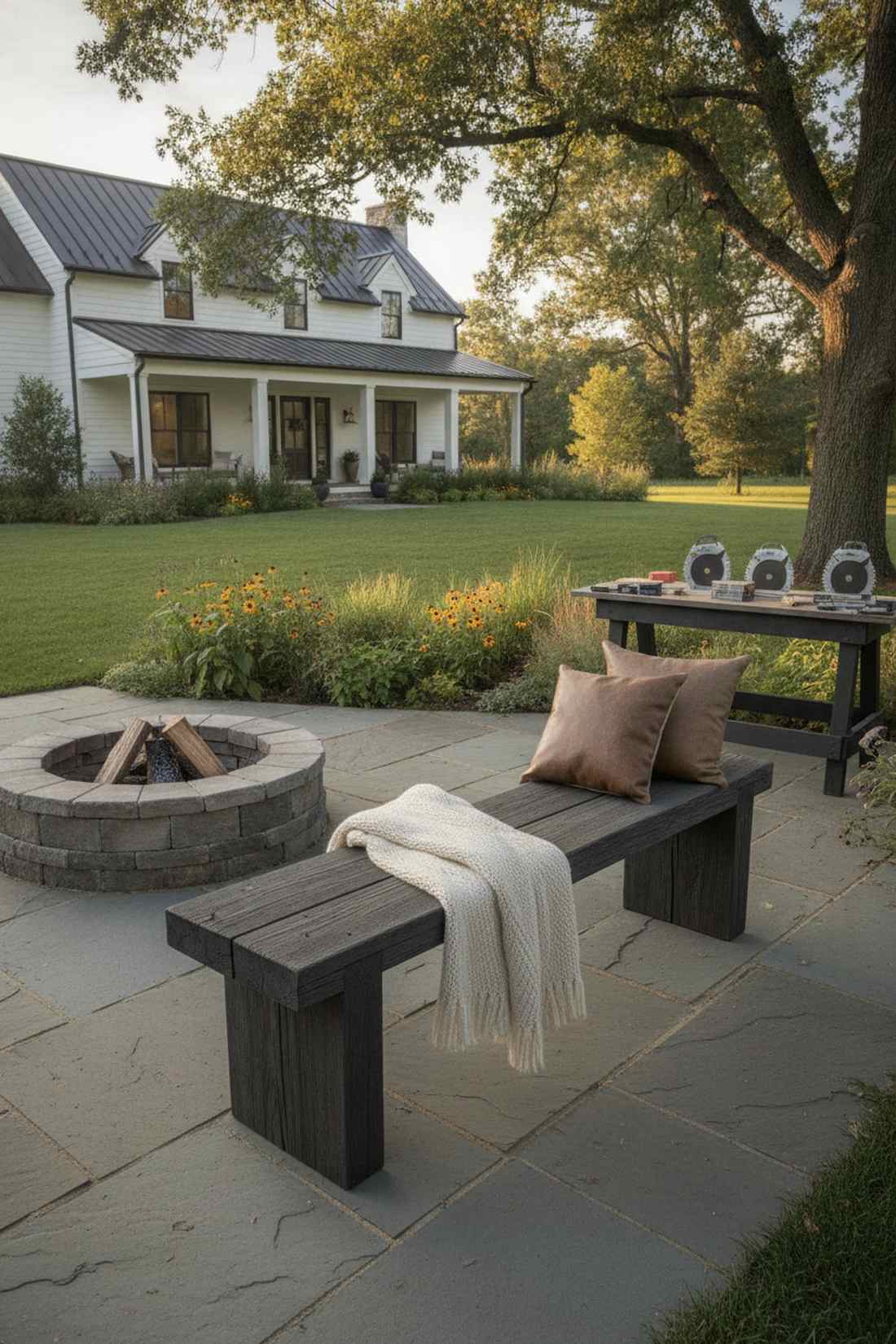
Sourcing sustainable local wood benches creates a ruggedly handsome and timeless environment. This environmentally conscious texture is a smart choice for eco-conscious homesteads.
Choosing this domestic alternative rivals tropical hardwoods for durability while drastically cutting carbon footprints. Treating the legs with heavy-duty outdoor wood preservatives ensures ground contact won’t cause rot.
You can build a robust two-seater for $120–$180. Save this idea for a green-friendly patio remodel!
- Key Materials: Locally milled black locust wood
- Vibe / Style: Heritage eco-homestead
- Difficulty: Intermediate
- Budget Breakdown: Locust lumber: $130 | Hardware: $25
- Creator’s Tip: Black locust is incredibly hard; keep your saw blades sharp and push the wood through slowly to avoid burning the edges.
- Smart Sourcing: Invest in carbide-tipped saw blade packs and pre-cut structural ground-contact lumber.
17. Aged Cypress Silver-Brown
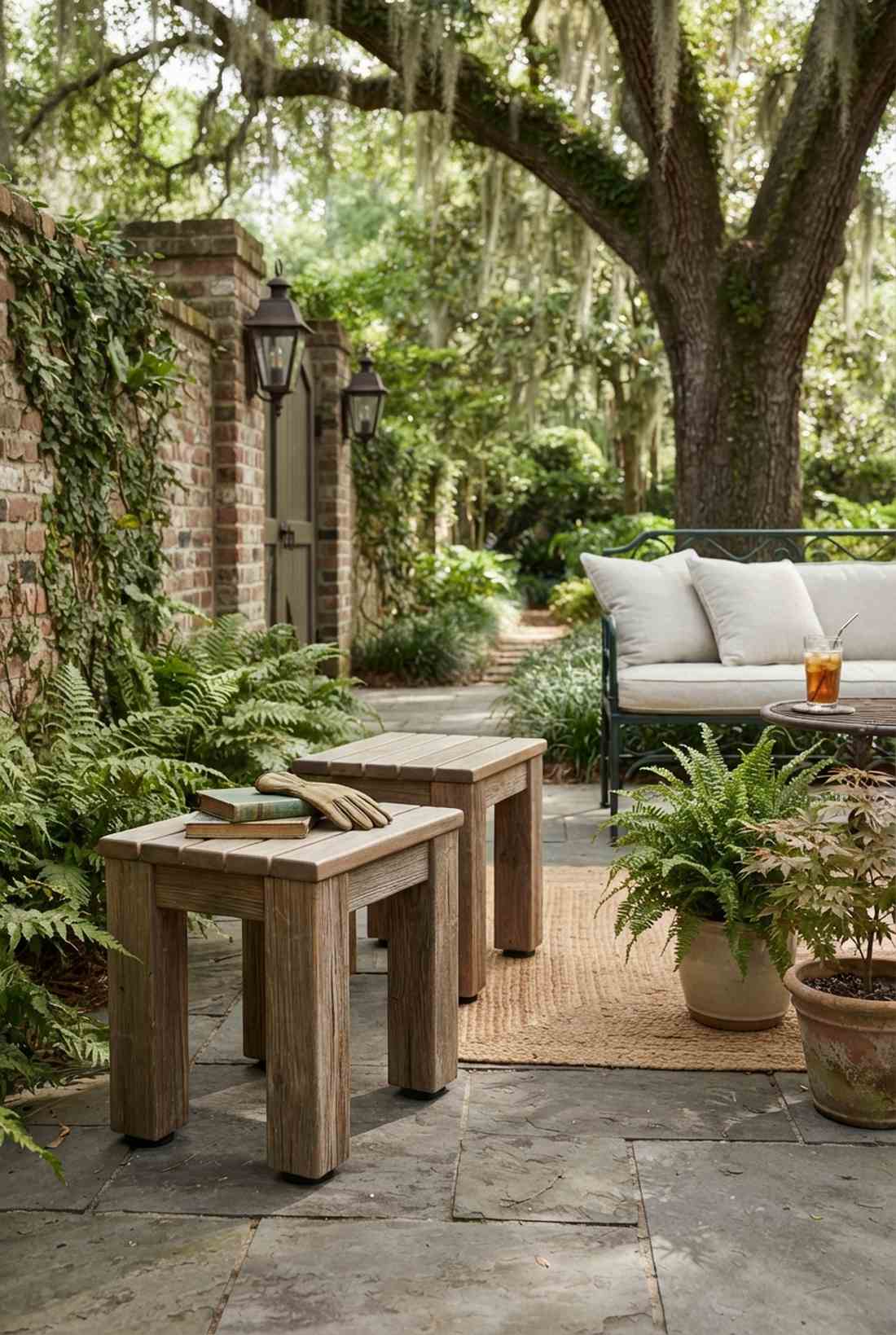
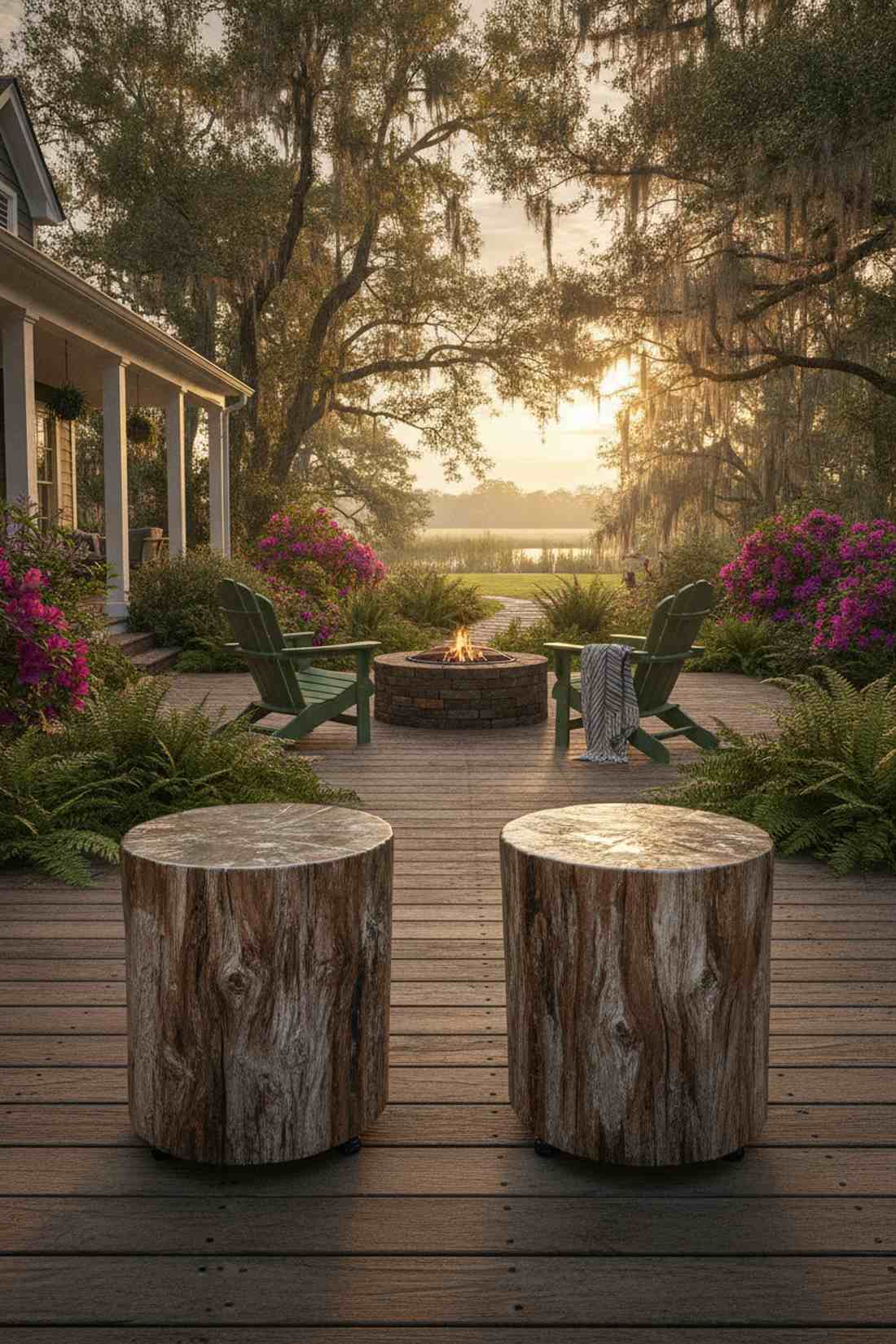
These swamp cypress garden stools whisper Southern gothic charm and undeniable character. This visually dense grain is excellent for humid, rain-prone climates where other woods fail.
Harnessing the natural cypressene oils provides a built-in defense against decay and moisture. Using outdoor furniture sealing supplies only on the seat tops allows the sides to age gracefully.
A pair of custom stools costs about $60–$100 to fabricate. A highly recommended weekend project for damp environments.
- Key Materials: Bald cypress dimensional lumber
- Vibe / Style: Southern garden elegance
- Difficulty: Easy to Intermediate
- Budget Breakdown: Cypress boards: $75 | Topcoat: $15
- Creator’s Tip: Avoid placing raw cypress directly on dirt; elevate the legs by a quarter-inch using discrete rubber foot pads.
- Smart Sourcing: Grab screw-in rubber furniture glides (bulk pack) and water-based exterior polyurethane kits.
Textured Grain Patterns for Visual Interest
Distinctive grain patterns transform functional seating into artistic focal points. These textures leverage wood’s natural growth patterns for organic visual impact.
18. Cathedral Grain Douglas Fir
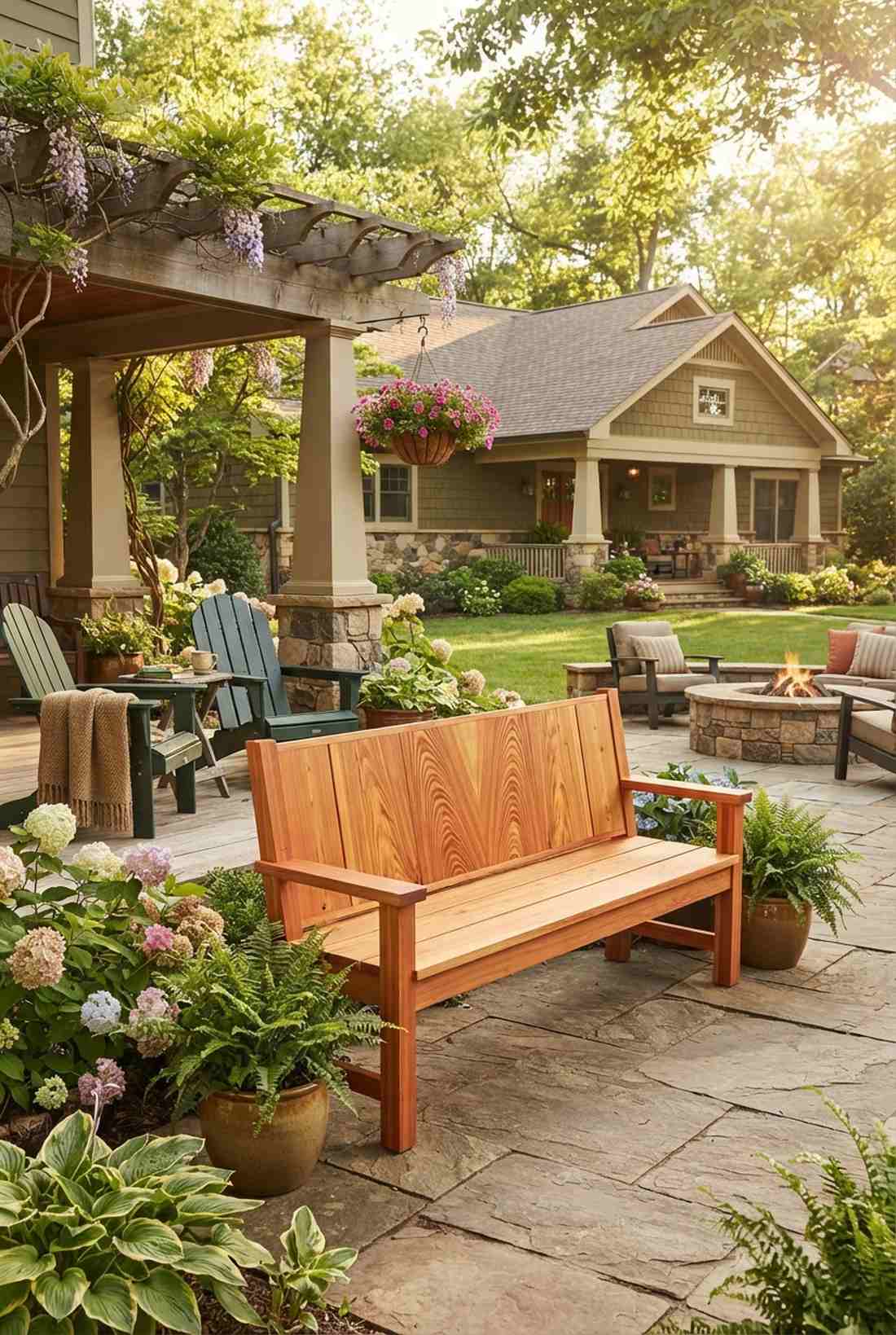
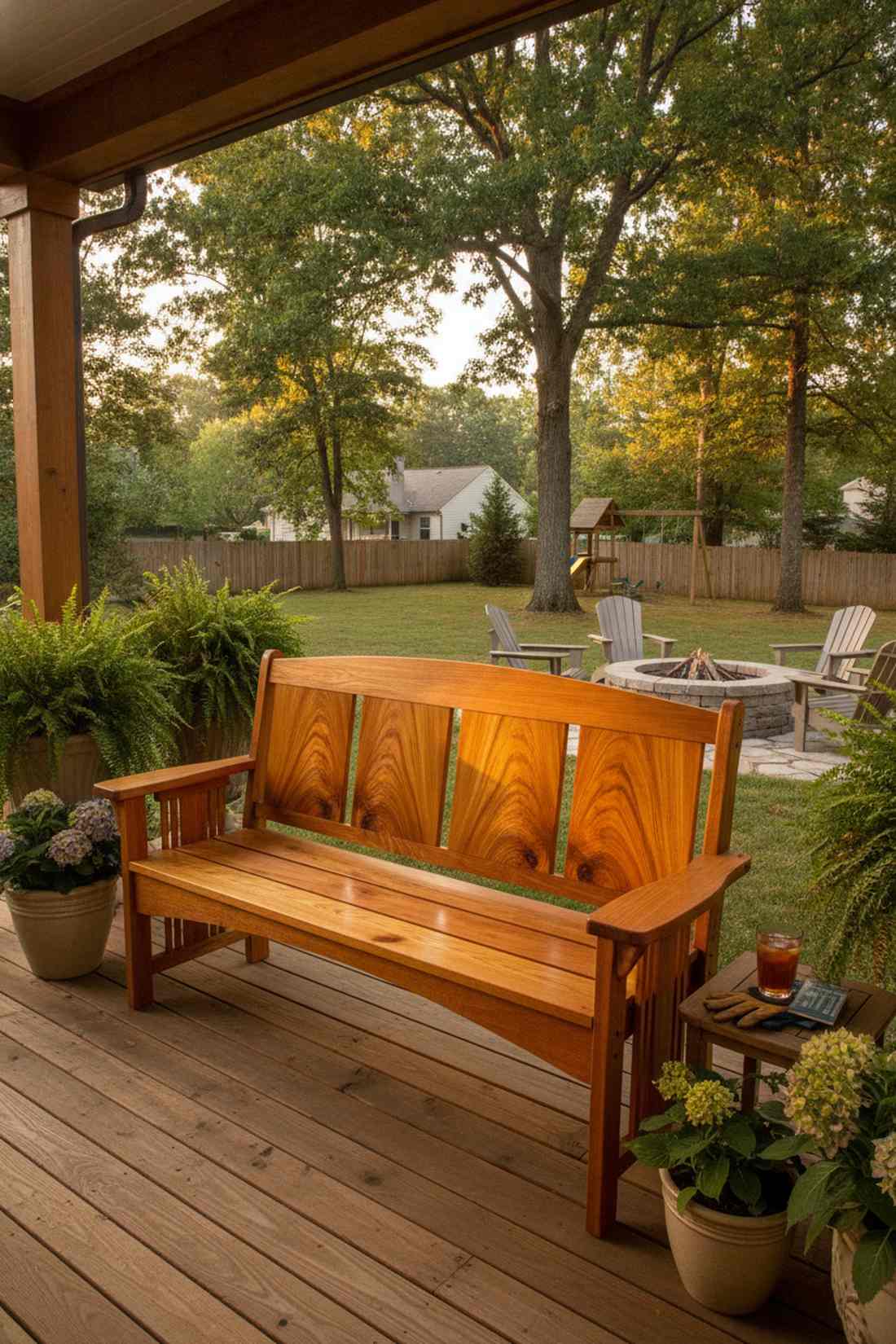
Featuring flame-grain rustic seating brings vibrant energy and movement to a static patio. This dynamic pattern is gorgeous for craftsman-style verandas that need a visual pop.
Positioning the arching grain vertically instantly turns a basic bench back into a custom art installation. Protecting it with UV-blocking outdoor varnishes keeps the golden-red hues from dulling out.
Douglas fir is highly affordable, keeping this build around $50–$90. Pin this to your favorite craftsman architecture board!
- Key Materials: Flat-sawn Douglas fir boards
- Vibe / Style: Warm craftsman traditional
- Difficulty: Easy beginner build
- Budget Breakdown: Fir lumber: $45 | UV Varnish: $25
- Creator’s Tip: Sort through the lumber bins meticulously to find boards with the most pronounced, centered cathedral arches.
- Smart Sourcing: Use premium UV-blocking spar varnish quarts and pre-cut pocket hole screw kits.
19. Quarter-Sawn Oak Ray Fleck
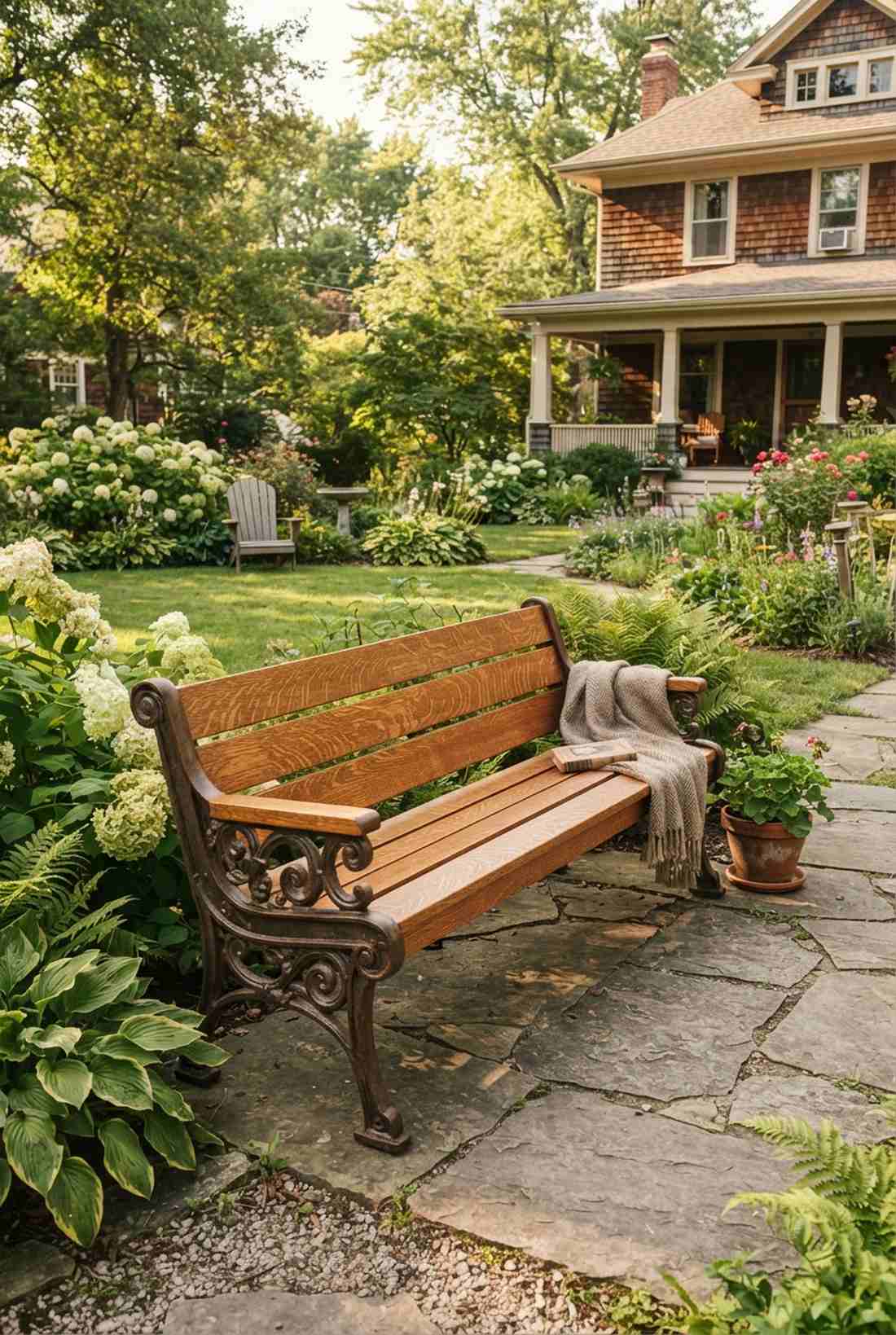
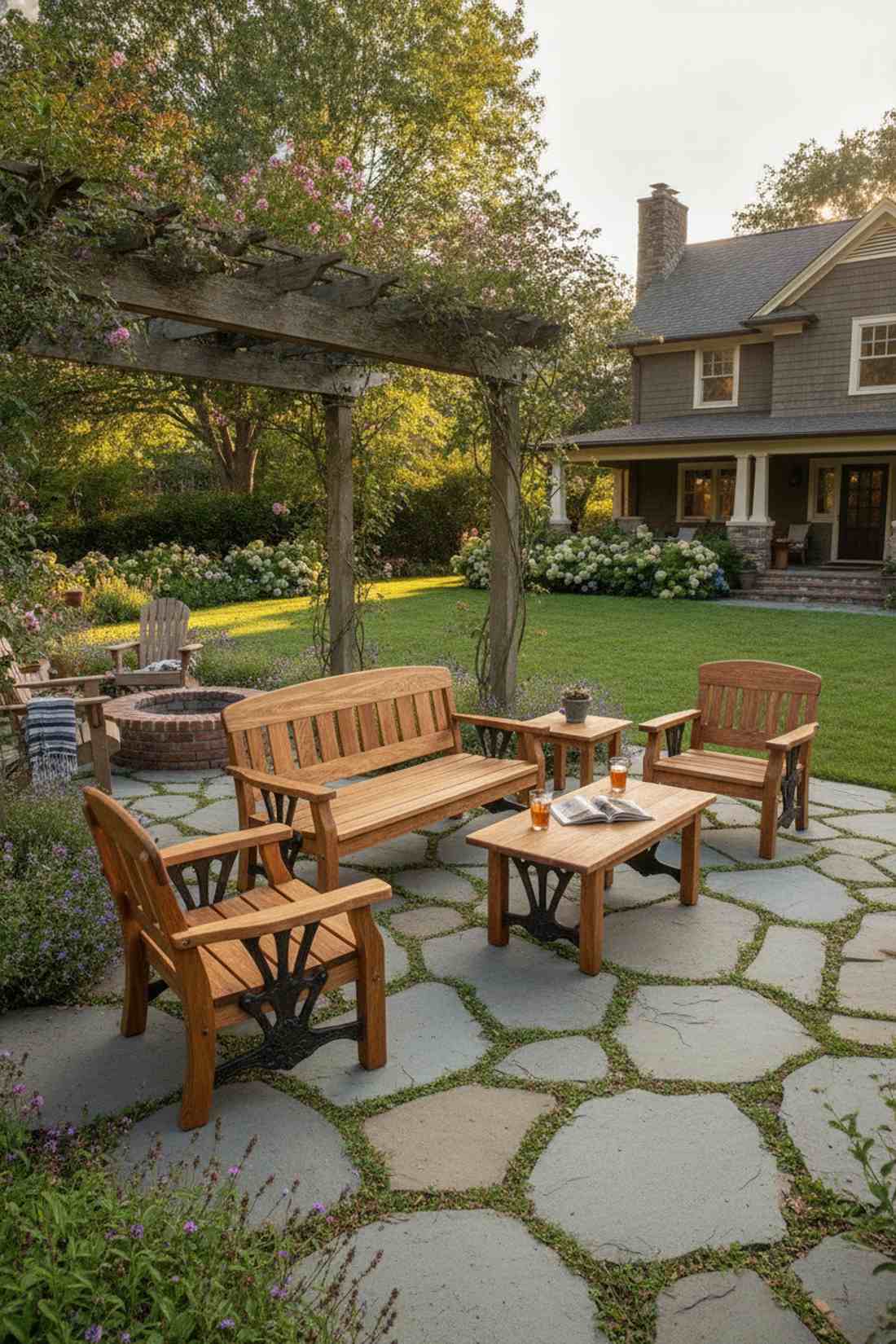
This mission-style patio furniture radiates historical artisan craftsmanship and subtle luxury. The shimmering fleck pattern is perfect for heritage home gardens.
Investing in quarter-sawn milling yields an incredibly stable board that aggressively fights warping in the sun. Pairing this traditional lumber with premium cast-iron seating brackets guarantees an heirloom-quality result.
This premium cut will cost around $200–$300 for a standard bench. It’s an elegant upgrade that commands serious respect.
- Key Materials: Quarter-sawn white oak boards
- Vibe / Style: Arts and crafts heritage
- Difficulty: Advanced detailing
- Budget Breakdown: Oak boards: $220 | Iron brackets: $60
- Creator’s Tip: Wipe the wood down with mineral spirits before staining; it temporarily highlights the ray flecks so you can position the best side up.
- Smart Sourcing: Order heavy cast-iron decorative bench ends and premium penetrating wood stain kits.
Are you buying pre-made? Don’t spend a dime until you check out this next DIY-friendly material that saves you hundreds.
Material Guide: Cheap vs. Premium Aesthetic
Knowing exactly where to save and where to spend makes all the difference in achieving that “looks expensive but isn’t” vibe.
- Standard vs. UV-Resistant/Premium: Upgrading to a UV-resistant marine varnish stops your hard work from turning into a peeling, gray mess within a single summer.
- Pre-made Kits vs. Sourcing Locally: Buying hardware starter kits often saves both time and money compared to hunting down individual specialty brackets at a big-box hardware store.
20. Curly Grain Maple
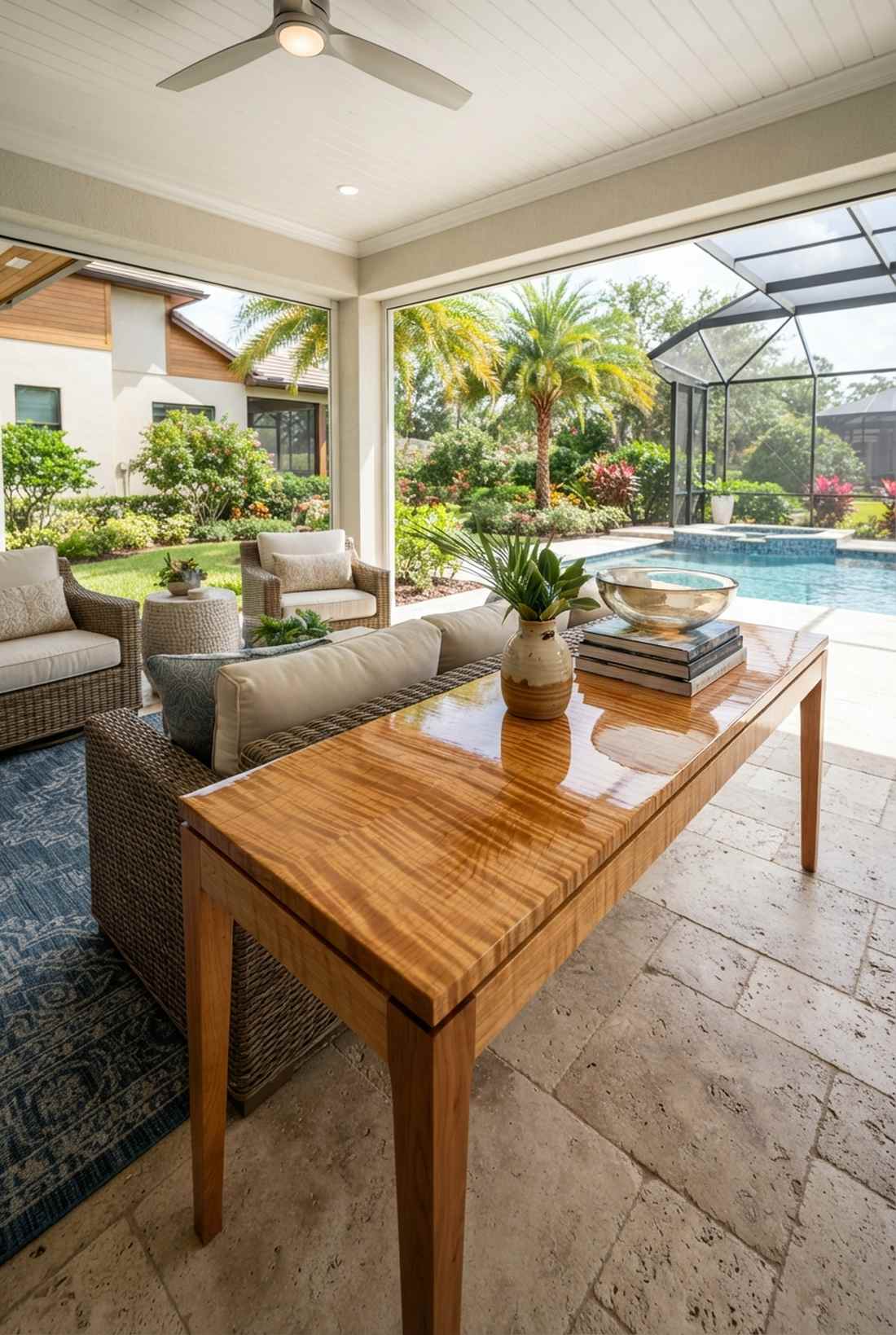
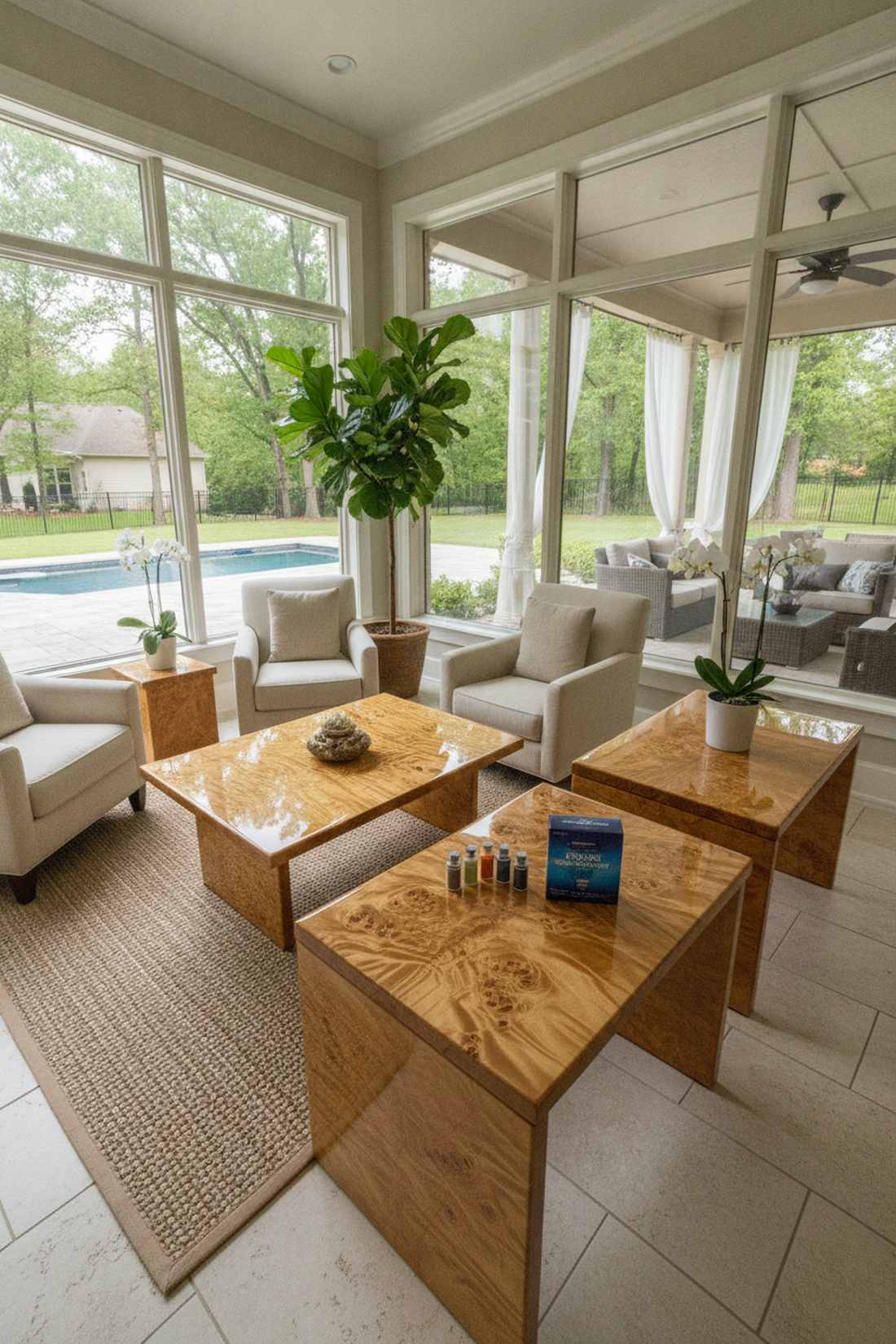
Integrating chatoyant curly wood accents catches the light like liquid gold as you walk past. This three-dimensional illusion is best for protected sunrooms or covered lanais.
Showcasing this highly figured wood demands intense weather protection to prevent water damage on the sensitive grain. Using a two-part marine epoxy sealer kit locks the shimmering ripples under a glass-like armor.
Curly maple accents cost around $80–$150 depending on the figure grade. Save this for your most impressive woodworking board!
- Key Materials: Figured/Curly maple slabs
- Vibe / Style: High-end custom gallery
- Difficulty: Advanced finishing required
- Budget Breakdown: Maple slabs: $100 | Epoxy kit: $40
- Creator’s Tip: Use a wood dye instead of a standard stain to “pop” the curl without muddying the delicate grain patterns.
- Smart Sourcing: Grab a crystal-clear tabletop epoxy starter kit and water-soluble wood dye powder packs.
21. Burled Wood Accents
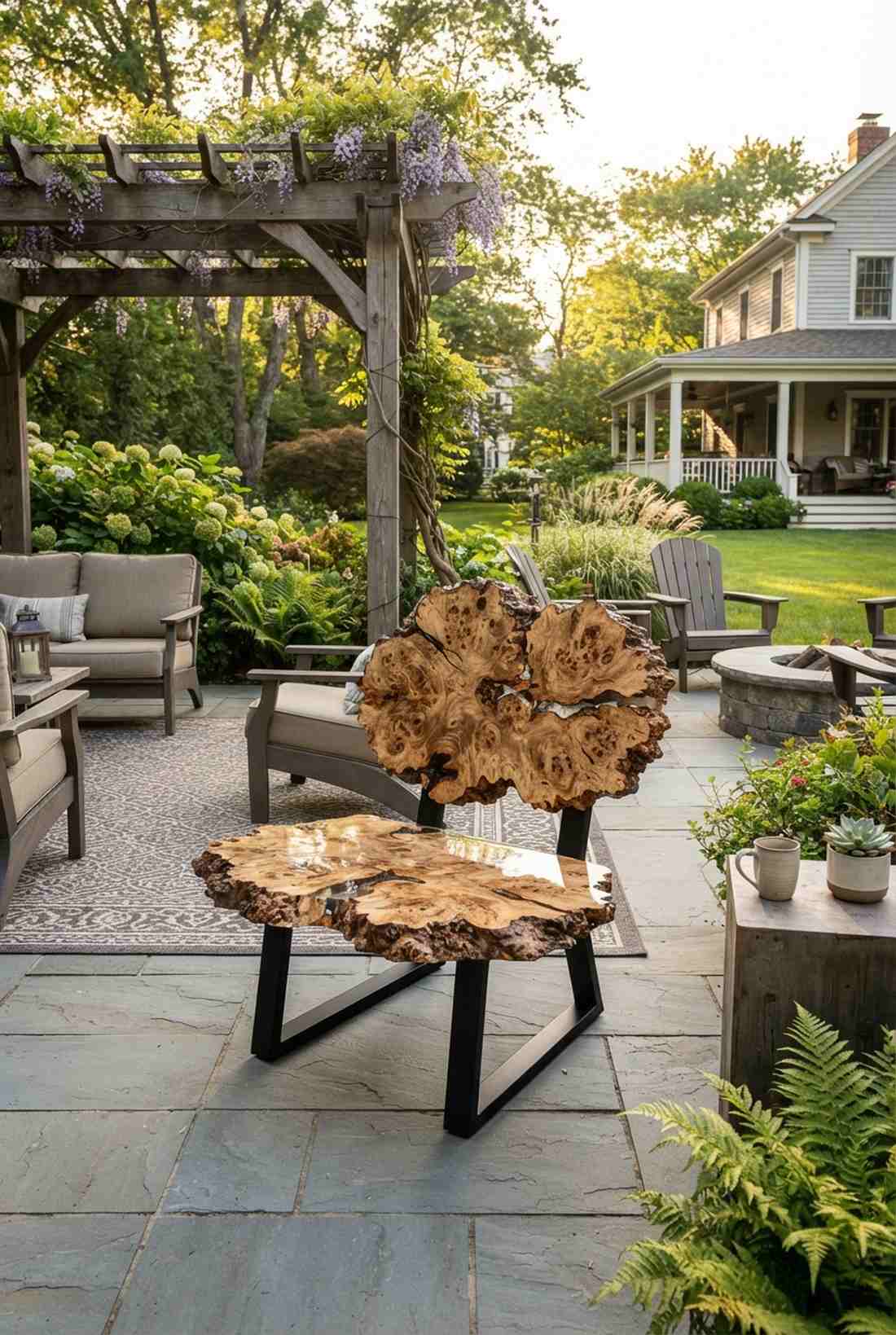
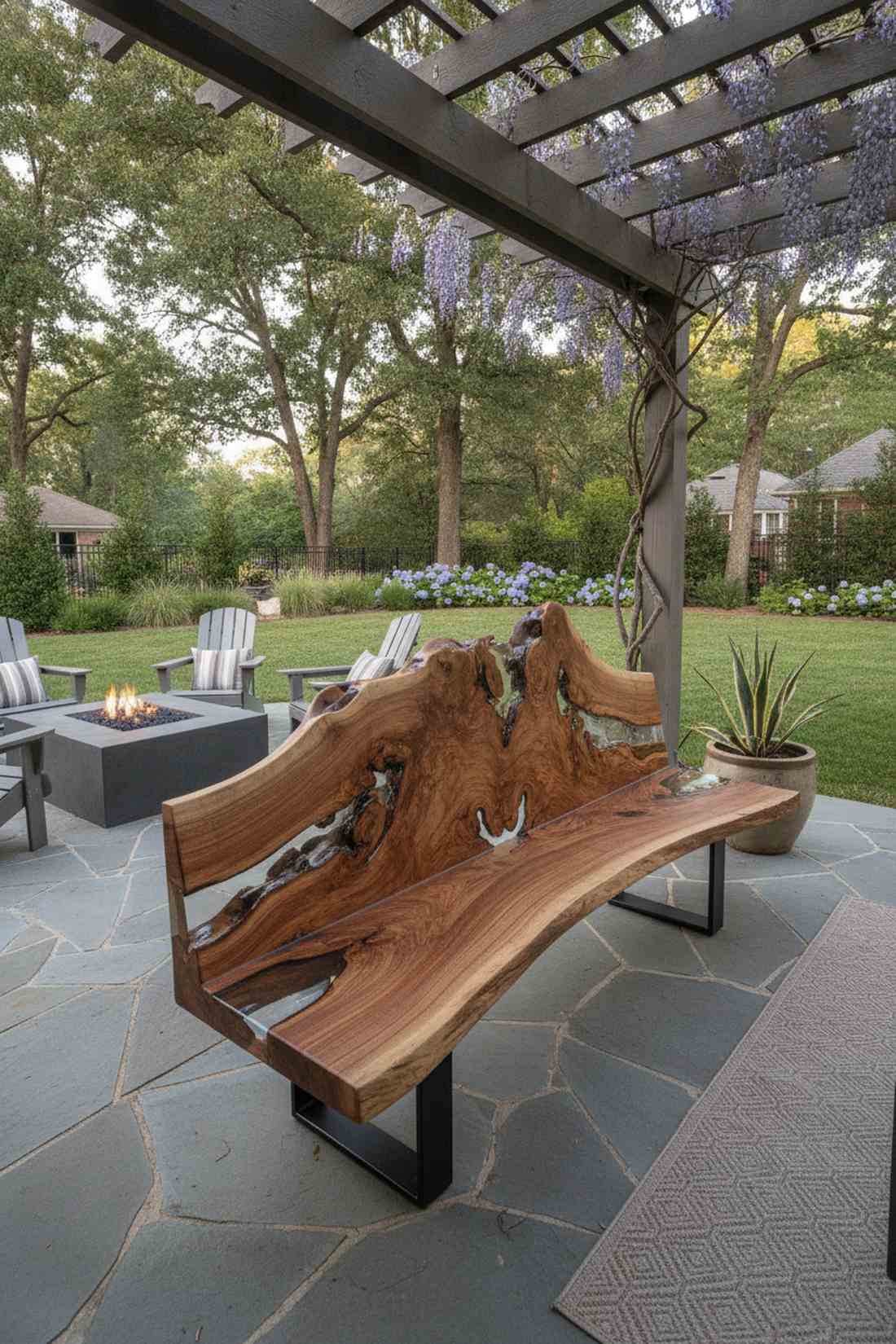
Using a wild organic wood edge seating piece feels like a sculptural masterpiece dropped into your garden. This chaotic texture is breathtaking as standalone statement pieces.
Framing a burled slab as a focal backrest turns standard seating into museum-quality outdoor furniture. Stabilizing the cracks with clear casting resin supplies ensures the wild knots don’t splinter apart.
A raw burl slice can cost $150–$400, but it defines the entire patio. Highly recommended if you want unmatched uniqueness.
- Key Materials: Raw wood burl slices
- Vibe / Style: Organic sculptural art
- Difficulty: Advanced stabilization
- Budget Breakdown: Burl slab: $200 | Resin: $50
- Creator’s Tip: Seal the bark edge with thin superglue to prevent it from naturally shedding off the slab over time.
- Smart Sourcing: Pick up a deep-pour epoxy casting resin kit and pre-welded geometric steel legs.
22. Spalted Wood Patterns
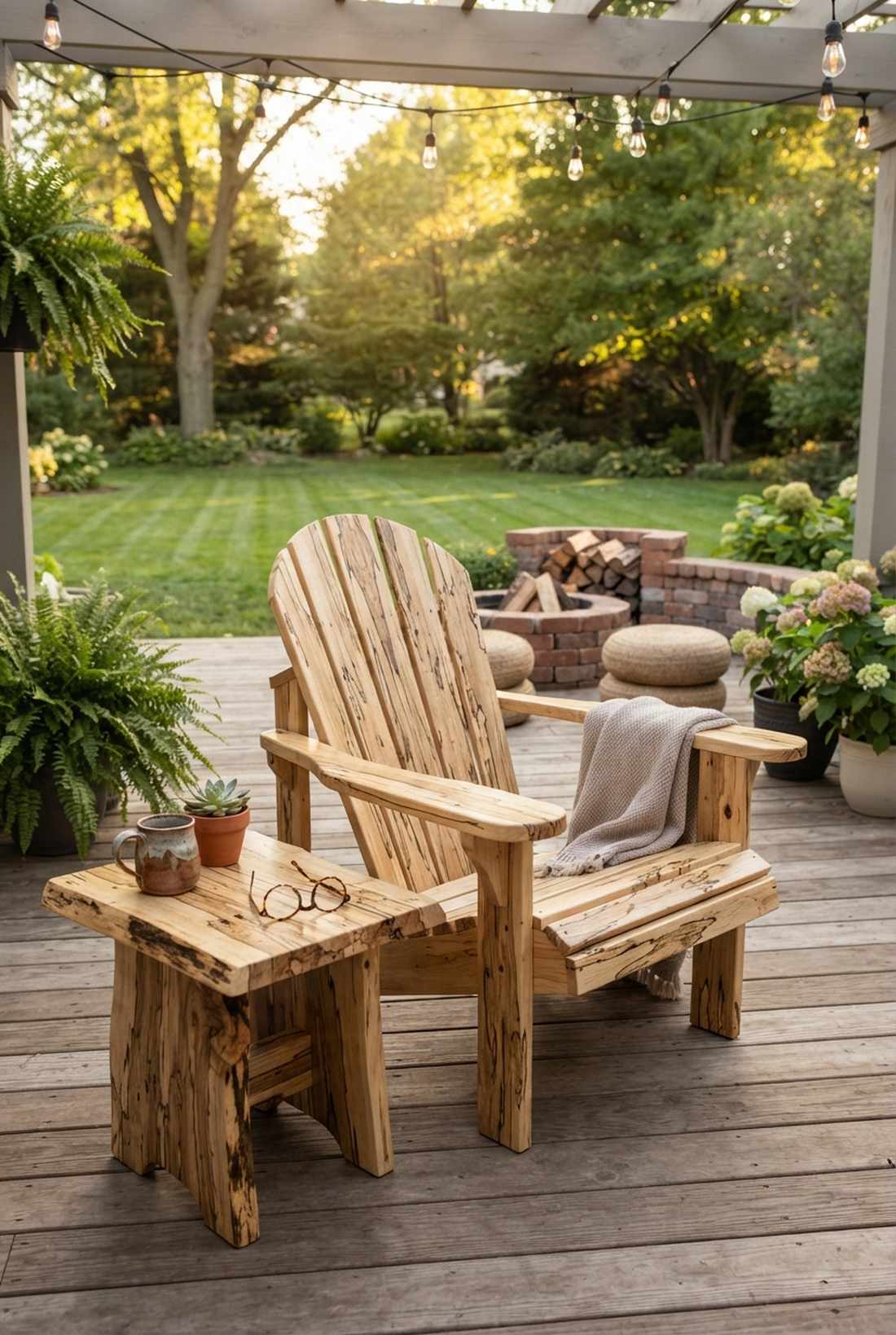
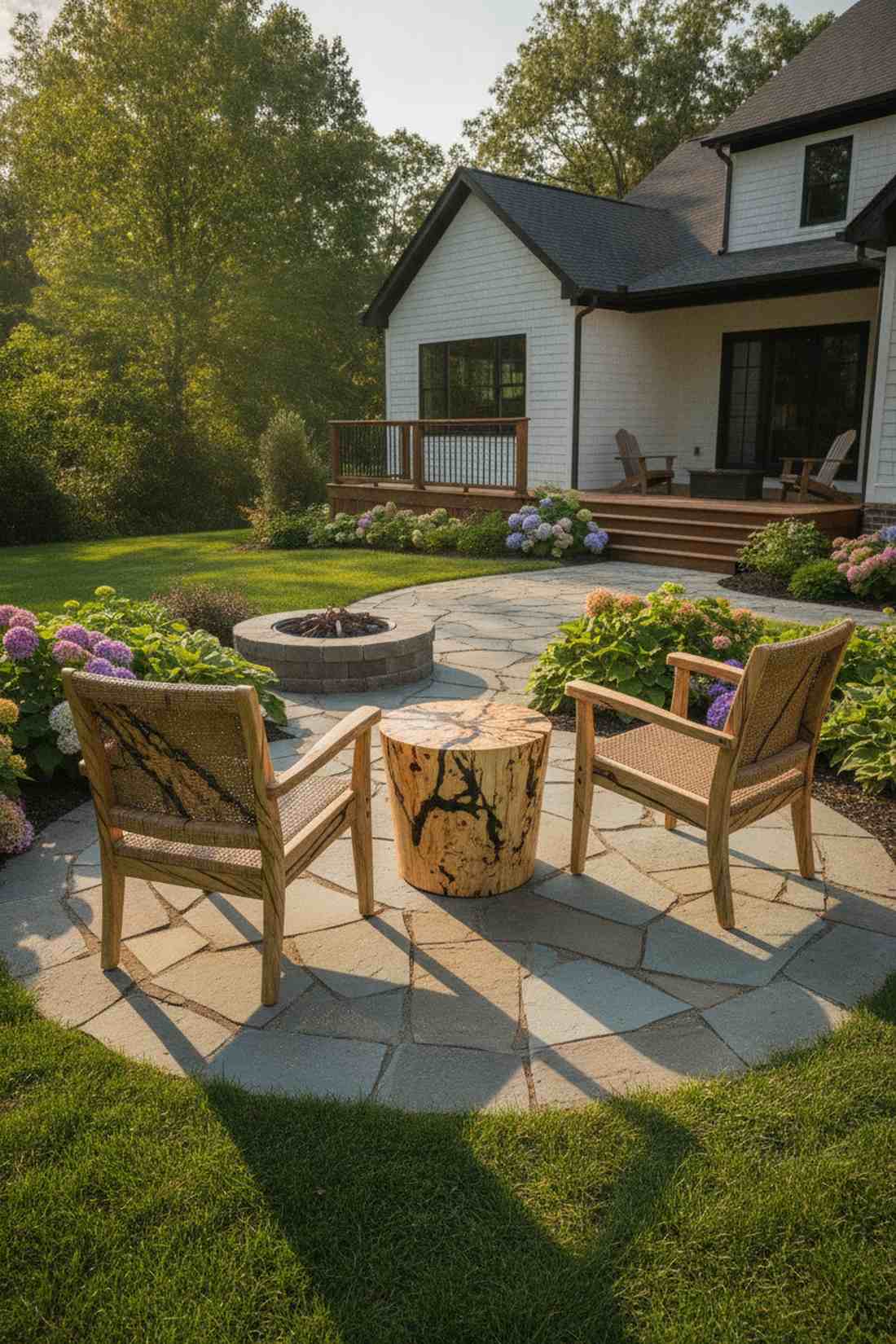
These marbled wood garden accents look beautifully mapped by nature’s own hand. This striking black-veined texture is ideal for intimate conversation nooks or side tables.
Utilizing spalted lumber requires careful hardening to ensure the porous sections can handle body weight. Soaking the punky areas with liquid wood hardener kits transforms fragile art into functional seating.
Expect to spend $70–$120 for beautifully spalted accent boards. Pin this to your exotic woodworking inspiration board!
- Key Materials: Spalted maple or beech boards
- Vibe / Style: Natural artistic wonder
- Difficulty: Intermediate
- Budget Breakdown: Spalted boards: $80 | Hardener: $25
- Creator’s Tip: Only use spalted wood for accents like armrests or back slats; it does not have the structural integrity for primary weight-bearing seats.
- Smart Sourcing: Invest in high-penetration liquid wood hardener and clear UV-resistant spray lacquer.
Sustainable Alternative Woods for Eco-Conscious Design
Environmentally responsible wood choices combine attractive textures with reduced ecological impact. These materials support organic design principles through responsible sourcing and renewable characteristics.
23. Laminated Bamboo Composite
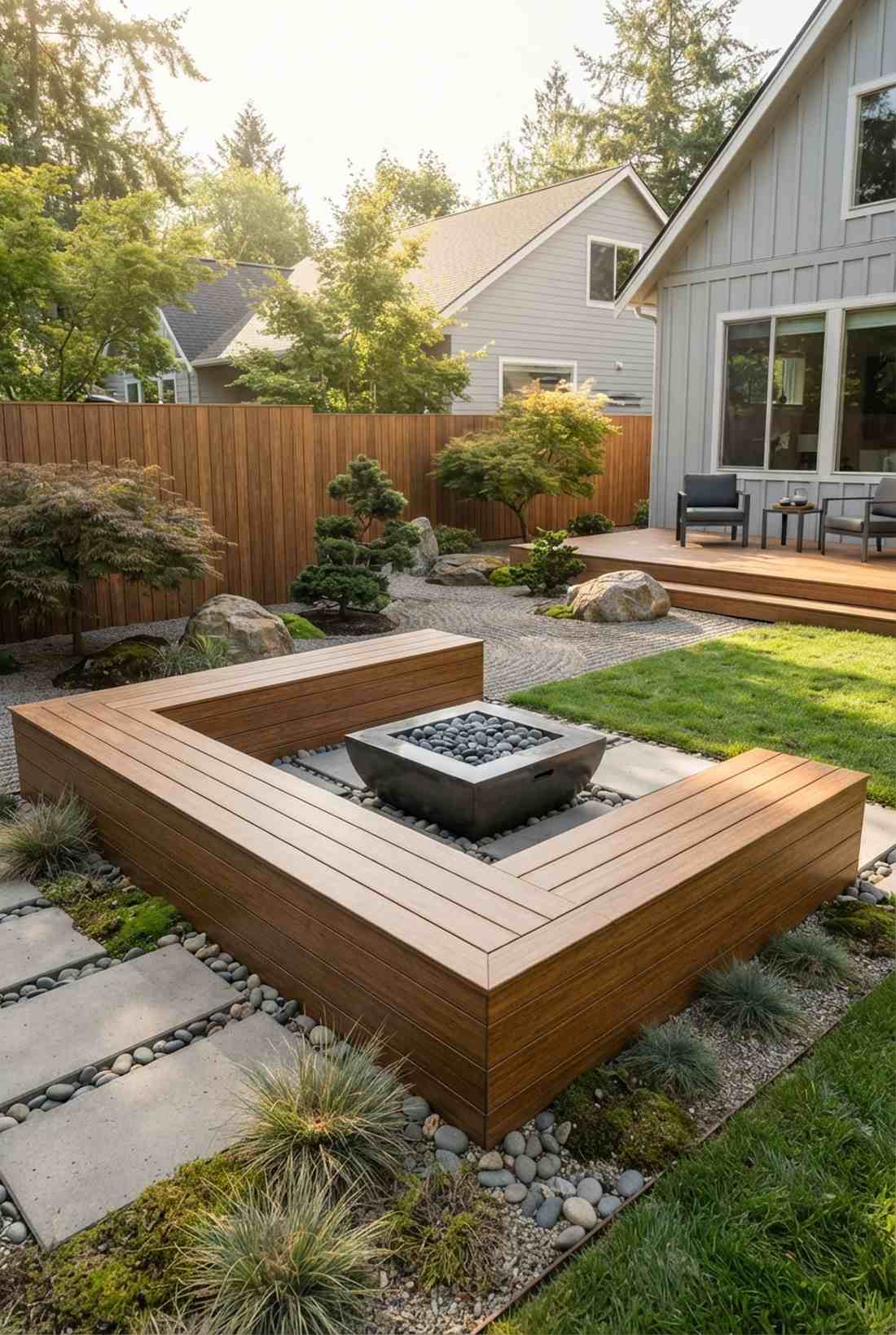
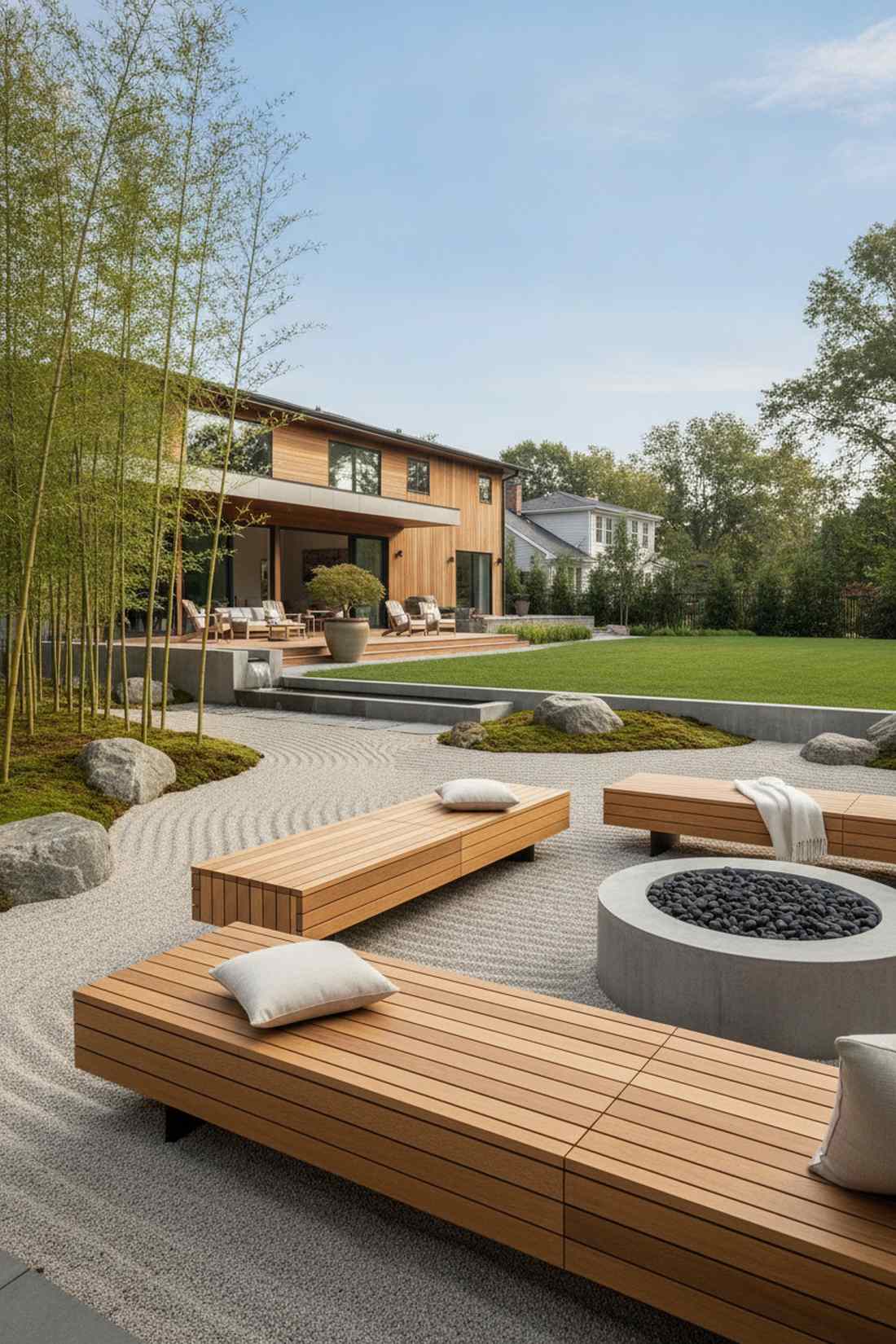
Setting up eco-friendly bamboo composite benches brings a clean, zen-like tranquility to the yard. This linear, warm texture is fantastic for modern minimalist Zen gardens.
Choosing strand-woven bamboo provides rock-solid density while protecting old-growth forests. Installing these uniform planks using hidden deck fastening systems ensures the sleek lines remain completely uninterrupted.
Bamboo composite materials cost roughly $90–$160 for a solid seating arrangement. A brilliant, sustainable weekend upgrade!
- Key Materials: Strand-woven exterior bamboo boards
- Vibe / Style: Modern Zen sanctuary
- Difficulty: Intermediate
- Budget Breakdown: Bamboo boards: $120 | Hidden clips: $30
- Creator’s Tip: Because bamboo composites are incredibly dense, you must use carbide-tipped blades to make clean, scorch-free cuts.
- Smart Sourcing: Use hidden deck fastener clips (bulk pack) and pre-cut eco-composite lumber kits.
24. Larch Resin-Rich Grain
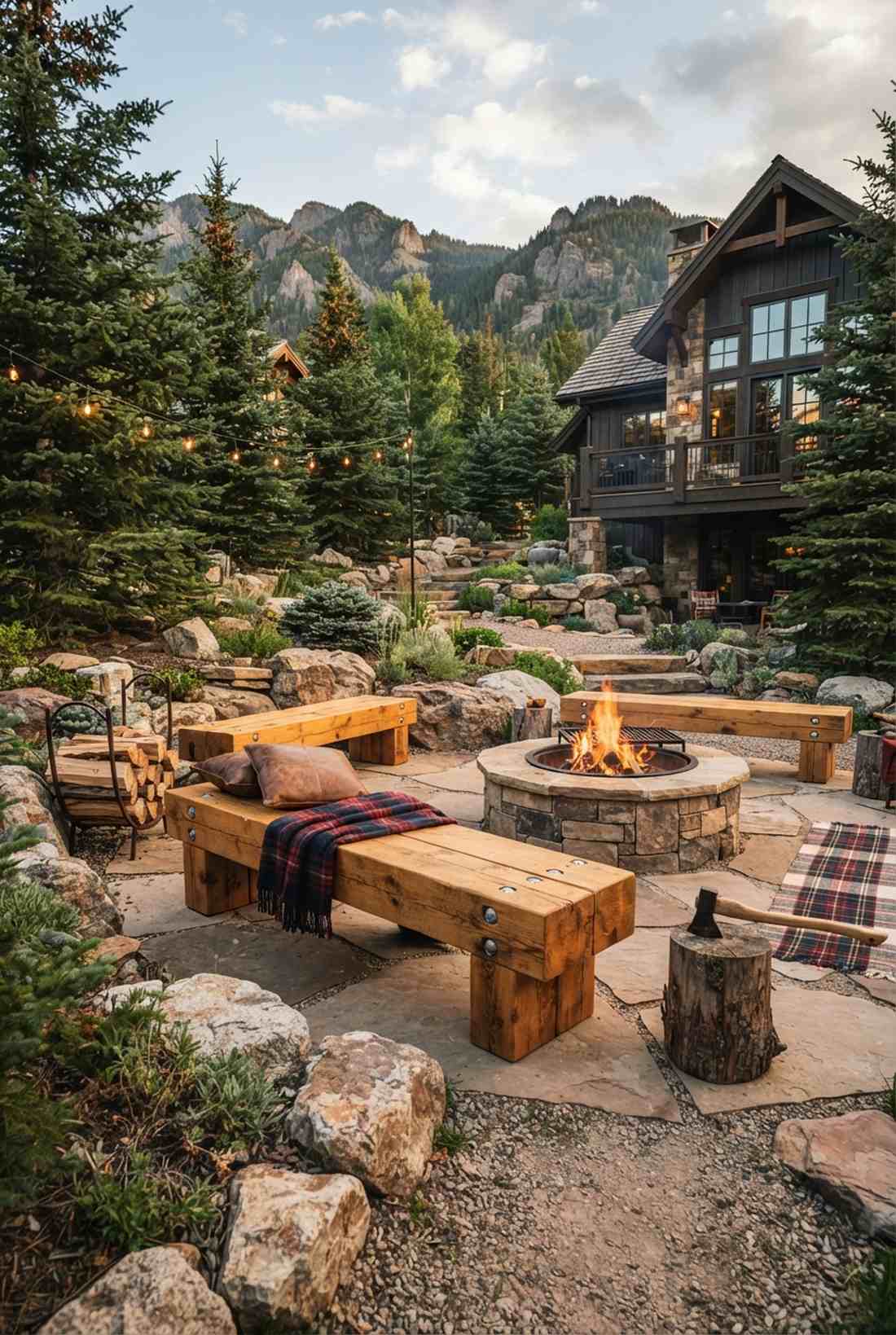
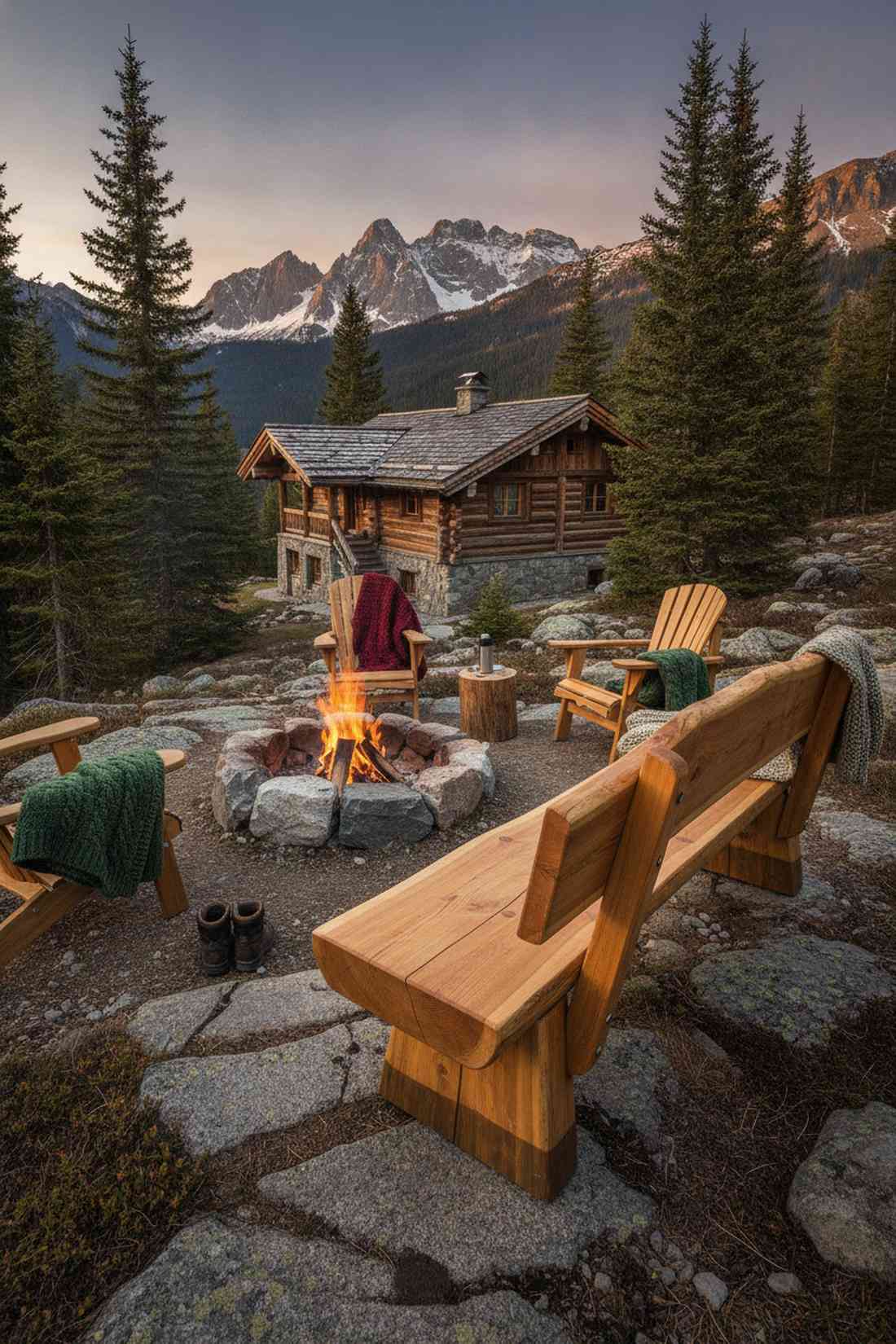
This alpine resort wood seating feels robust, mountain-ready, and beautifully textured. The warm, resinous grain is a gorgeous fit for rocky, terraced landscapes.
Opting for European larch gives you natural rot resistance without the steep price tag of tropical exotics. Generously coating the end grains with outdoor wood end-sealer kits prevents moisture from wicking up from the soil.
You can construct a heavy-duty bench for about $80–$130. Pin this if you’re styling a cozy cabin fire pit!
- Key Materials: European larch lumber
- Vibe / Style: Cozy alpine lodge
- Difficulty: Easy beginner build
- Budget Breakdown: Larch wood: $90 | End-sealer: $20
- Creator’s Tip: Larch is highly resinous; wipe your tools down with mineral spirits immediately after use to prevent sticky sap buildup.
- Smart Sourcing: Grab a premium exterior wood end-grain sealer kit and heavy-duty galvanized carriage bolts.
We saved the smartest, most budget-friendly premium hack for the end—don’t miss this one.
25. Shorea Meranti Sustainable Tropical
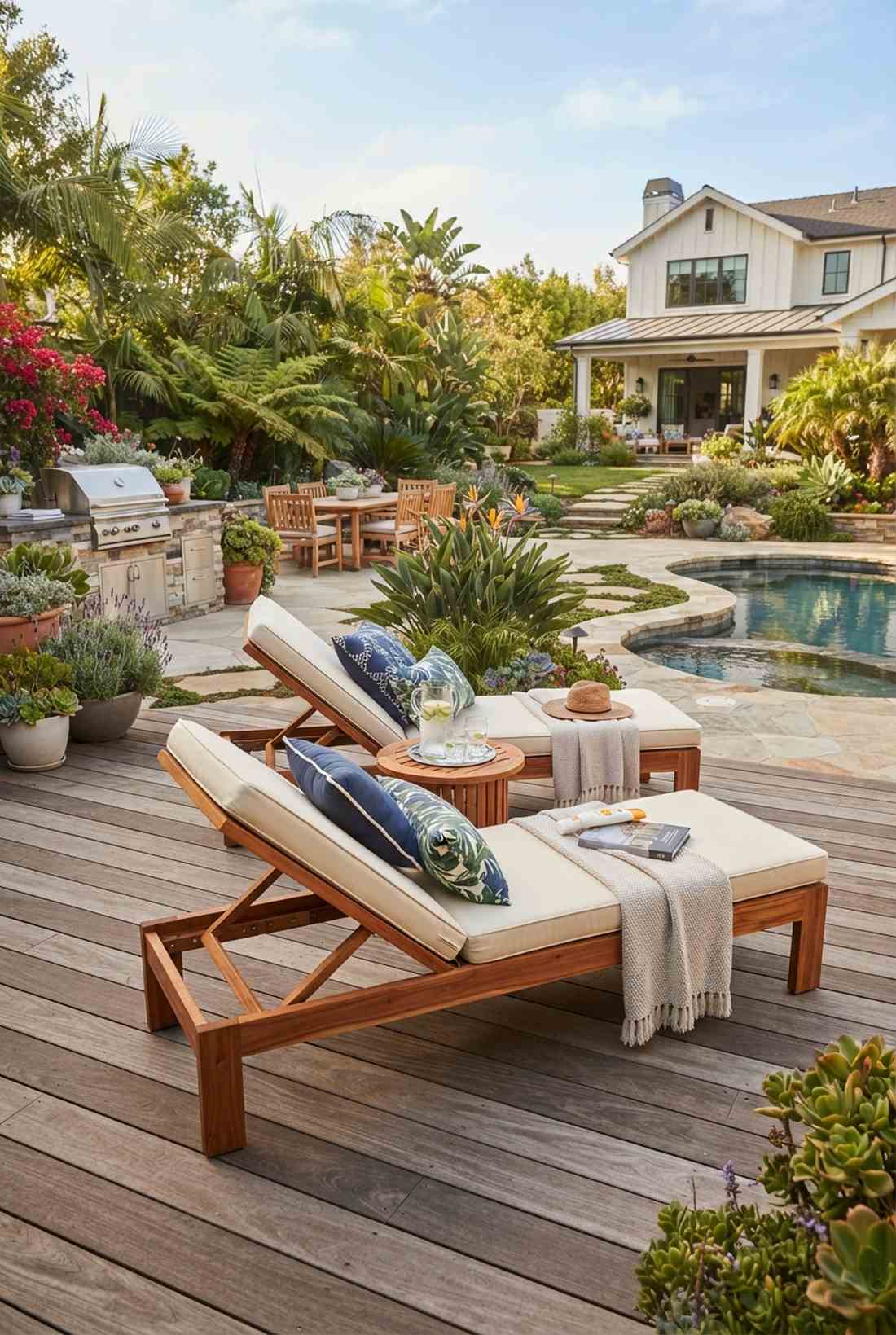
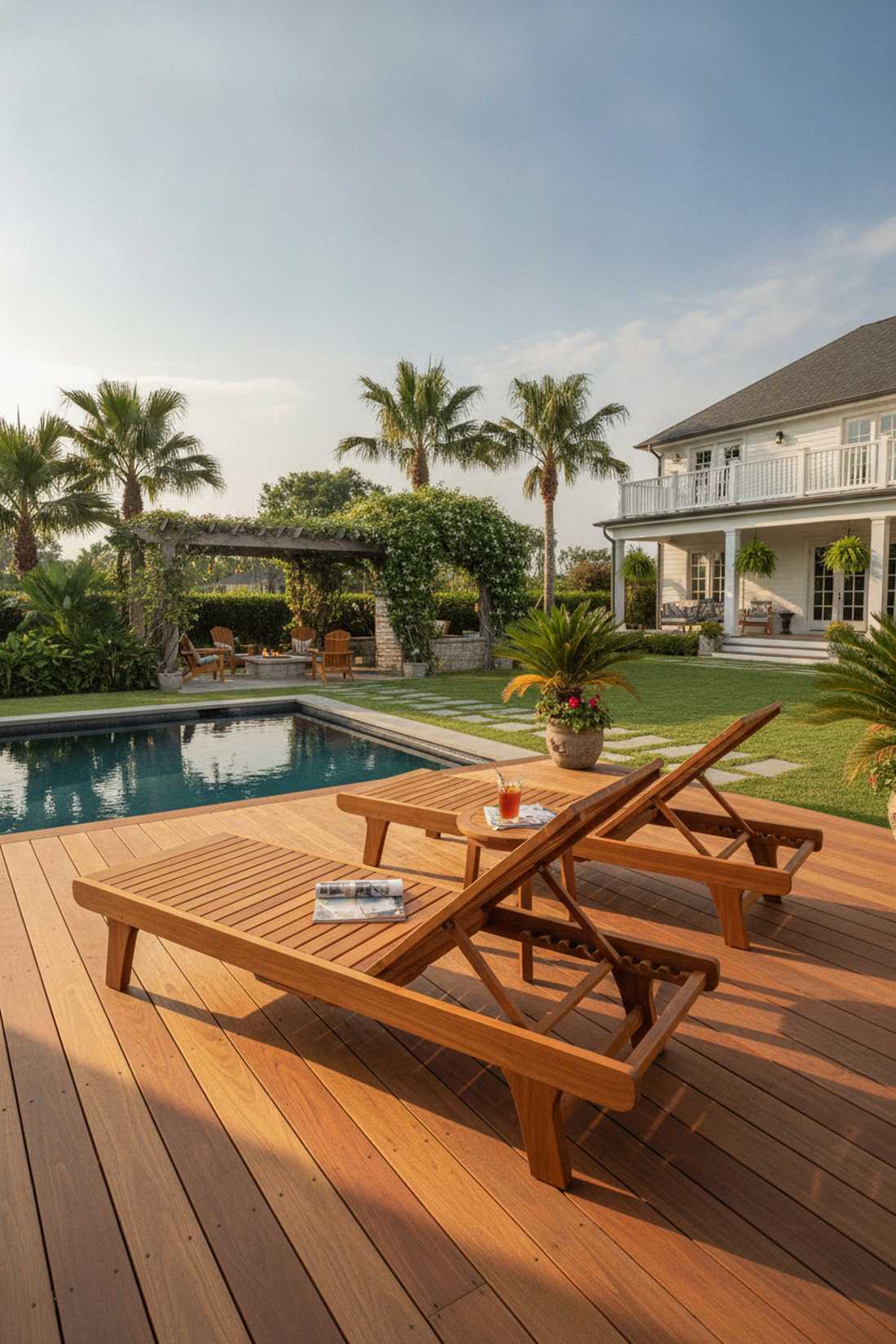
These certified tropical wood loungers deliver guilt-free equatorial luxury to your backyard. The ribbon-like grain is amazing for expansive patio lounging zones.
Selecting FSC-certified Meranti mimics the elite density of teak while strictly protecting rainforest ecosystems. Maintaining the color is easy when you apply premium tropical hardwood oil sprays every spring.
Building with Meranti averages $140–$220 for premium custom seating. Highly recommended for sustainable luxury.
- Key Materials: FSC-certified Shorea/Meranti boards
- Vibe / Style: Ethical tropical resort
- Difficulty: Intermediate woodworking
- Budget Breakdown: Meranti lumber: $160 | Oil finish: $30
- Creator’s Tip: This wood can have interlocking grain that tears easily—always sand with the grain, never across it.
- Smart Sourcing: Order UV-blocking tropical hardwood oil kits and pre-cut stainless deck screws.
26. Thermory Pine Modified Softwood
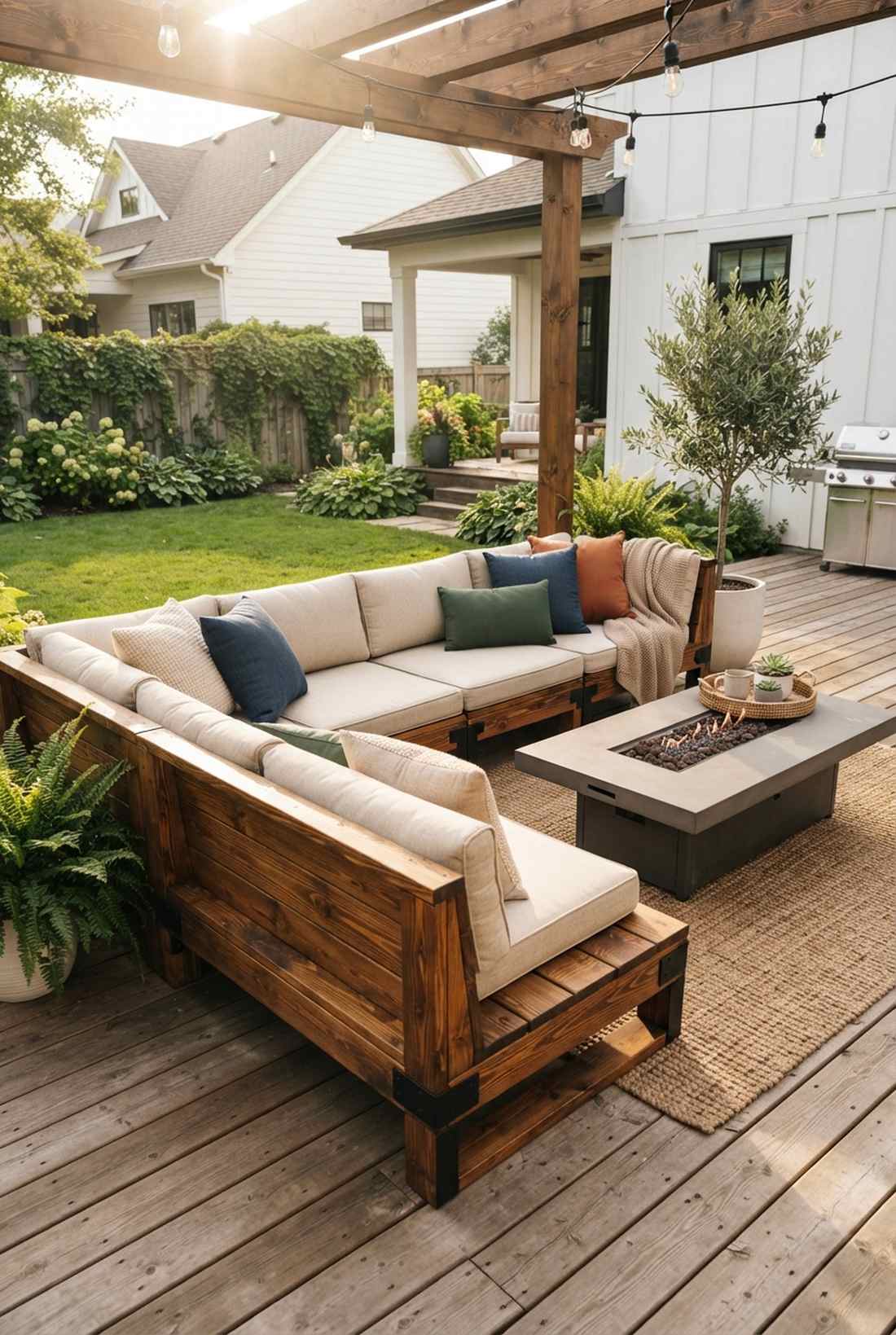
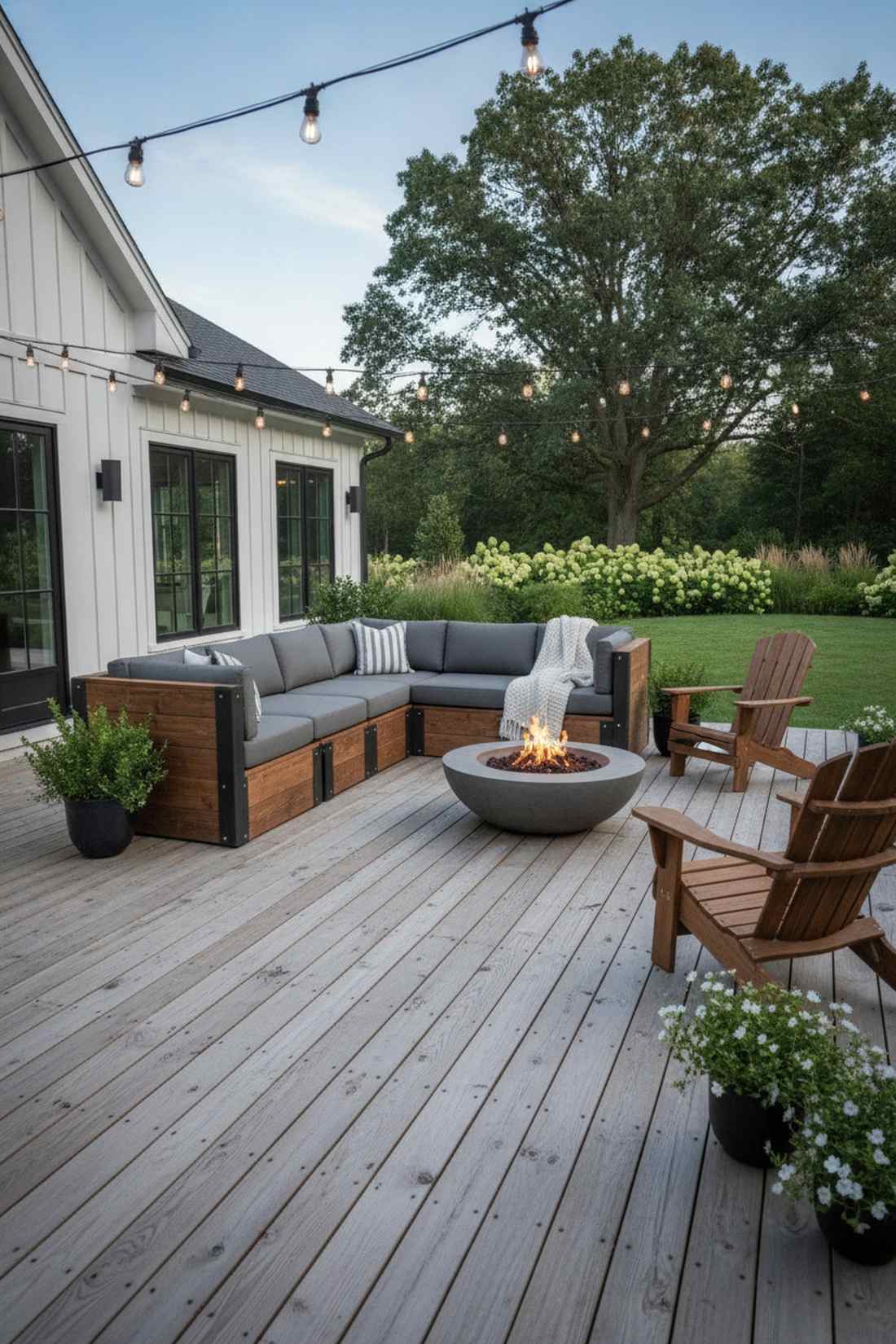
Installing rich baked-wood seating looks far deeper and more expensive than ordinary pine. This remarkably stable upgrade is perfect for budget-conscious but style-heavy deck renovations.
Utilizing heat-treated pine completely transforms a cheap softwood into a weather-defying masterpiece. Combining it with modular outdoor seating frames lets you build a massive sectional for half the retail price.
Materials for a large bench run just $100–$160. Save this to your ultimate budget-hacks board!
- Key Materials: Thermally modified pine boards
- Vibe / Style: Budget-friendly modern chic
- Difficulty: Easy DIY assembly
- Budget Breakdown: Pine boards: $110 | Framework: $40
- Creator’s Tip: Keep the boards out of direct ground contact to maximize the lifespan of the thermal modification.
- Smart Sourcing: Try modular heavy-duty corner bracket kits and pre-cut thermally modified lumber packs.
27. Reclaimed Wine Barrel Staves
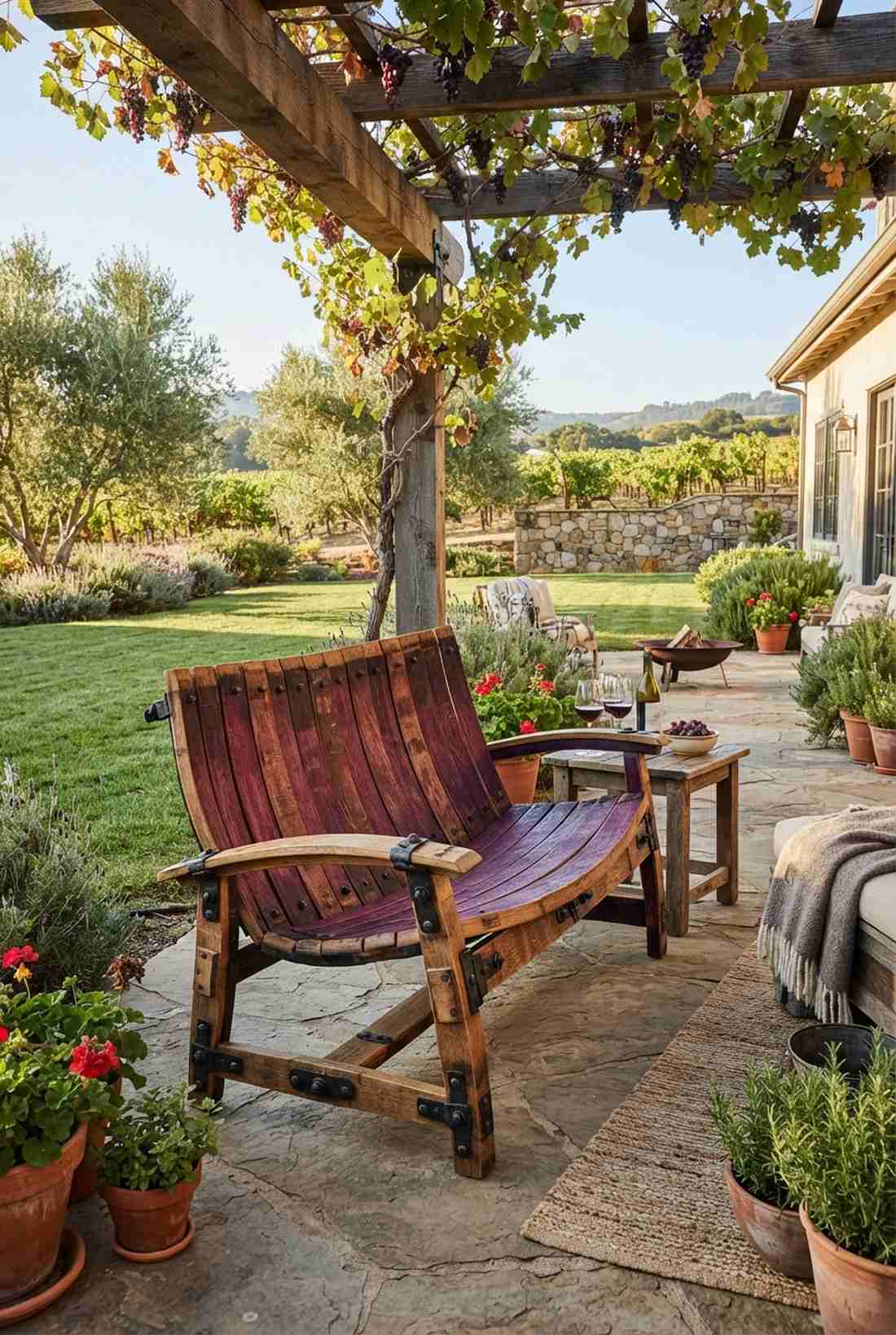
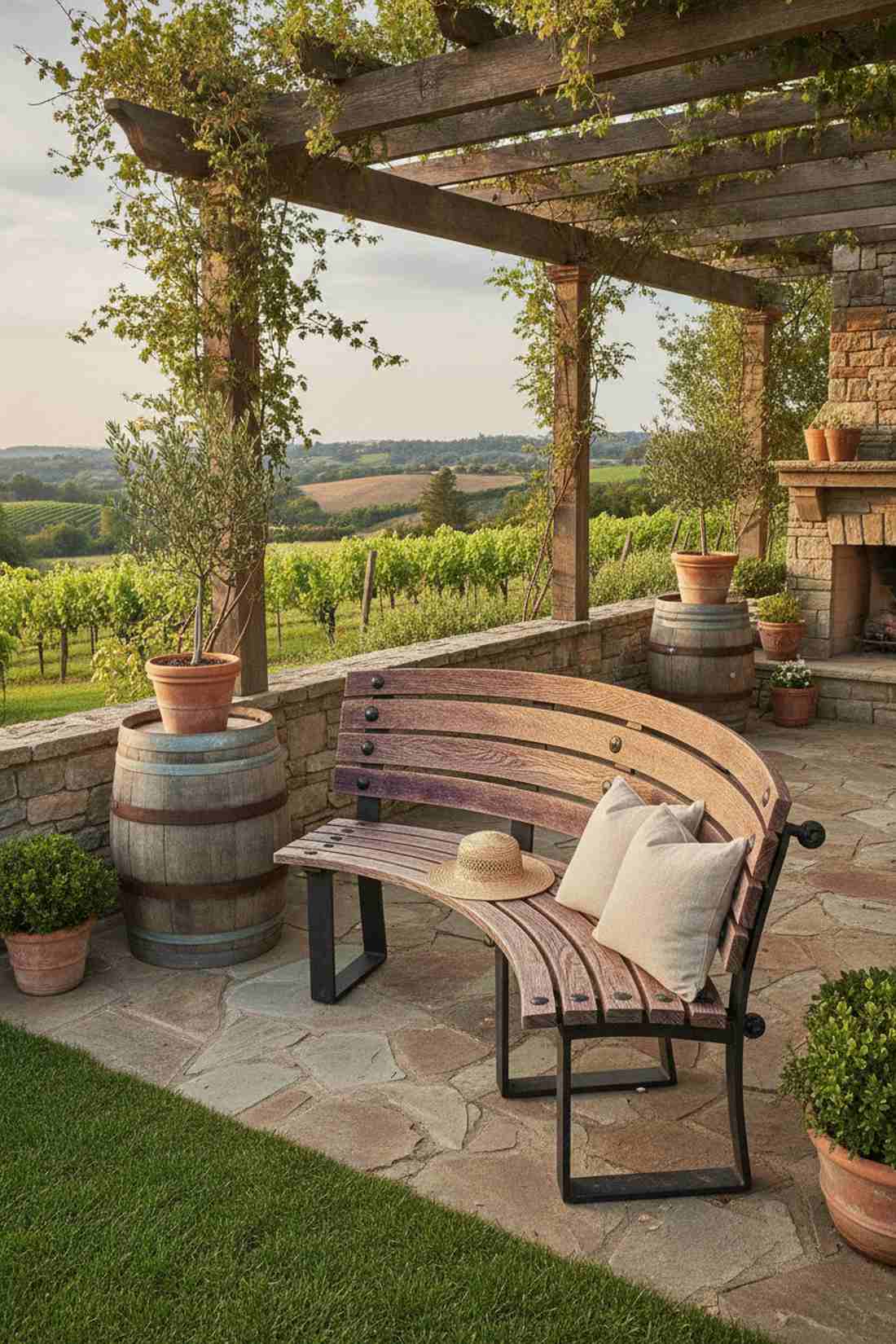
This wine country curved seating is dripping with artisanal romance and rich history. The purple-red stained oak is a magical addition to a vineyard-inspired backyard.
Repurposing curved barrel staves creates an ergonomic seat back that cradles you perfectly. Bracing them with rustic iron furniture hardware kits anchors the design in old-world charm.
A bundle of used staves costs around $60–$100. It’s an incredibly unique build that guarantees compliments.
- Key Materials: Authentic oak wine barrel staves
- Vibe / Style: Rustic Tuscan vineyard
- Difficulty: Intermediate (dealing with curves)
- Budget Breakdown: Staves: $80 | Iron braces: $35
- Creator’s Tip: Don’t sand the inside face heavily; you want to preserve the deep red wine staining and the natural oak tannins.
- Smart Sourcing: Get a bulk pack of reclaimed barrel staves and vintage-style blackened iron bolts.
Bringing Wood Texture into Your Outdoor Design
Selecting from these 27 brilliant outdoor seating wood textures establishes the ultimate foundation for an inviting, durable exterior space. Whether you invest in premium bulk lumber for a lasting legacy or utilize pre-cut starter kits for a fast, high-end DIY win, your material choice defines the entire patio vibe. By intelligently combining weatherproof sealants with smart sourcing hacks, you can achieve that sought-after expensive designer look on almost any budget.
Frequently Asked Questions
What is the most durable wood texture for outdoor seating in wet climates?
Teak and Ipe provide the absolute highest durability in wet zones, but they require a solid investment. If you want to achieve maximum longevity without breaking the bank, consider using thermally modified wood or applying heavy-duty sealant kits to white oak. Upgrading your project with pre-cut structural lumber and elevating the legs with protective glides will also dramatically increase the lifespan in damp environments.
How do I maintain the original texture of outdoor wood seating?
To lock in that fresh-cut look, you must apply a UV-resistant finishes or premium marine-grade oil every season. Cleaning the surface first with an outdoor furniture protector spray removes the microscopic mold that eats away at the wood grain. If you prefer a zero-maintenance route, simply let the wood silver naturally and use a bulk pack of stainless steel hardware so rust never stains the aging boards.
Can I mix different wood textures in one outdoor seating area?
Absolutely, mixing textures is a core designer secret for creating spaces that look incredibly expensive. Pair a smooth, polished teak bench seat with a rugged, reclaimed barn board backrest for maximum visual impact. To keep it cohesive, purchase pre-drilled hardware packs to ensure all the mixed materials are joined cleanly, avoiding a messy, chaotic DIY look.
What wood textures work best for rustic outdoor seating designs?
For an authentic rustic aesthetic, rough-sawn oak, reclaimed dock wood, and live-edge burled accents are unmatched. You can elevate these raw materials by treating them with clear exterior wood preservative sprays to lock in the rugged texture without changing the color. Using starter seating brackets crafted from heavy wrought iron perfectly complements the chunky, imperfect wood grain.
How long does it take for new wood to develop natural weathered texture outdoors?
Most untreated wood starts showing a gray patina within 2 to 4 months, achieving a full silver look in about a year. If you can’t wait that long, grab a wood weathering accelerator starter kit to chemically age the surface in just a few hours. This is an incredibly budget-friendly way to make cheap, pre-milled lumber look like an expensive, antique coastal salvage piece instantly.