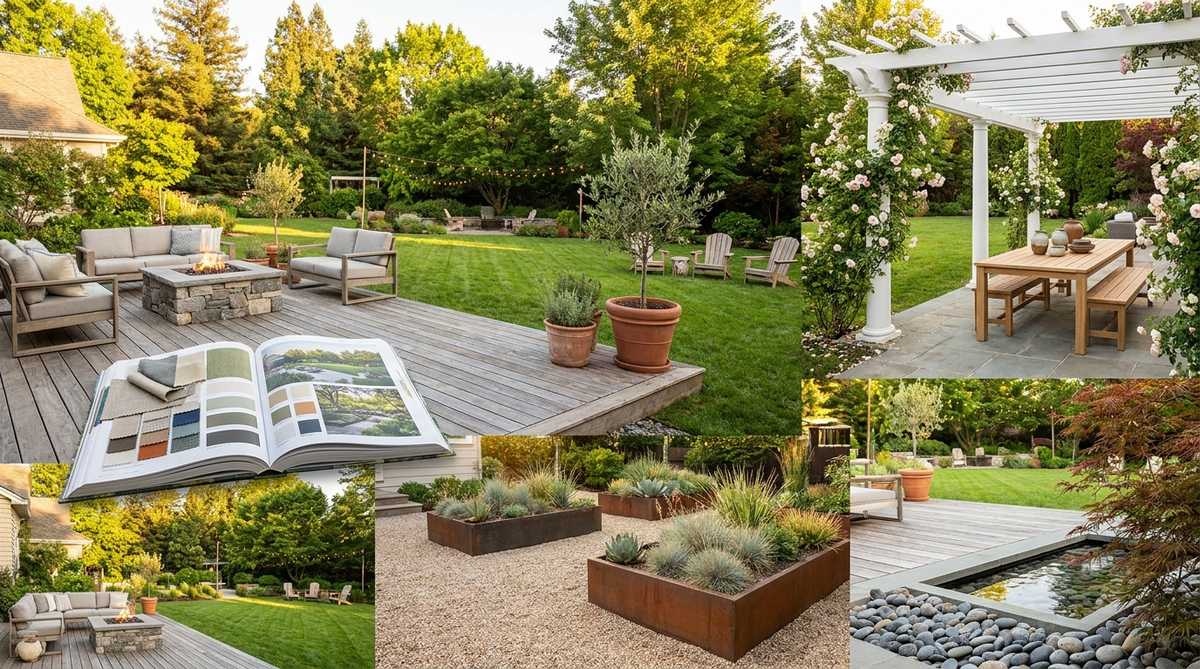
Nailing the perfect garden aesthetic requires exact material selection, not guesswork. We break down layout rules, high-end sourcing, and exact budget targets for your space. Unlock a designer-level backyard oasis without the premium contractor markup.
Design SnapshotKey Principles
- Visual Coherence: Unified color palettes and material choices prevent disjointed landscapes
- Atmospheric Layering: Combine texture, scent, sound, and light for multi-sensory experiences
- Seasonal Consideration: Plan for year-round interest beyond summer peak periods
- Intentional Editing: Curated plant selections outperform random assortments
Natural & Organic Garden Aesthetics
Organic garden aesthetics embrace unstructured beauty that mirrors natural ecosystems. These designs prioritize native plantings, loose compositions, and materials that weather gracefully over time.
1. Meadow Wildflower Tapestry
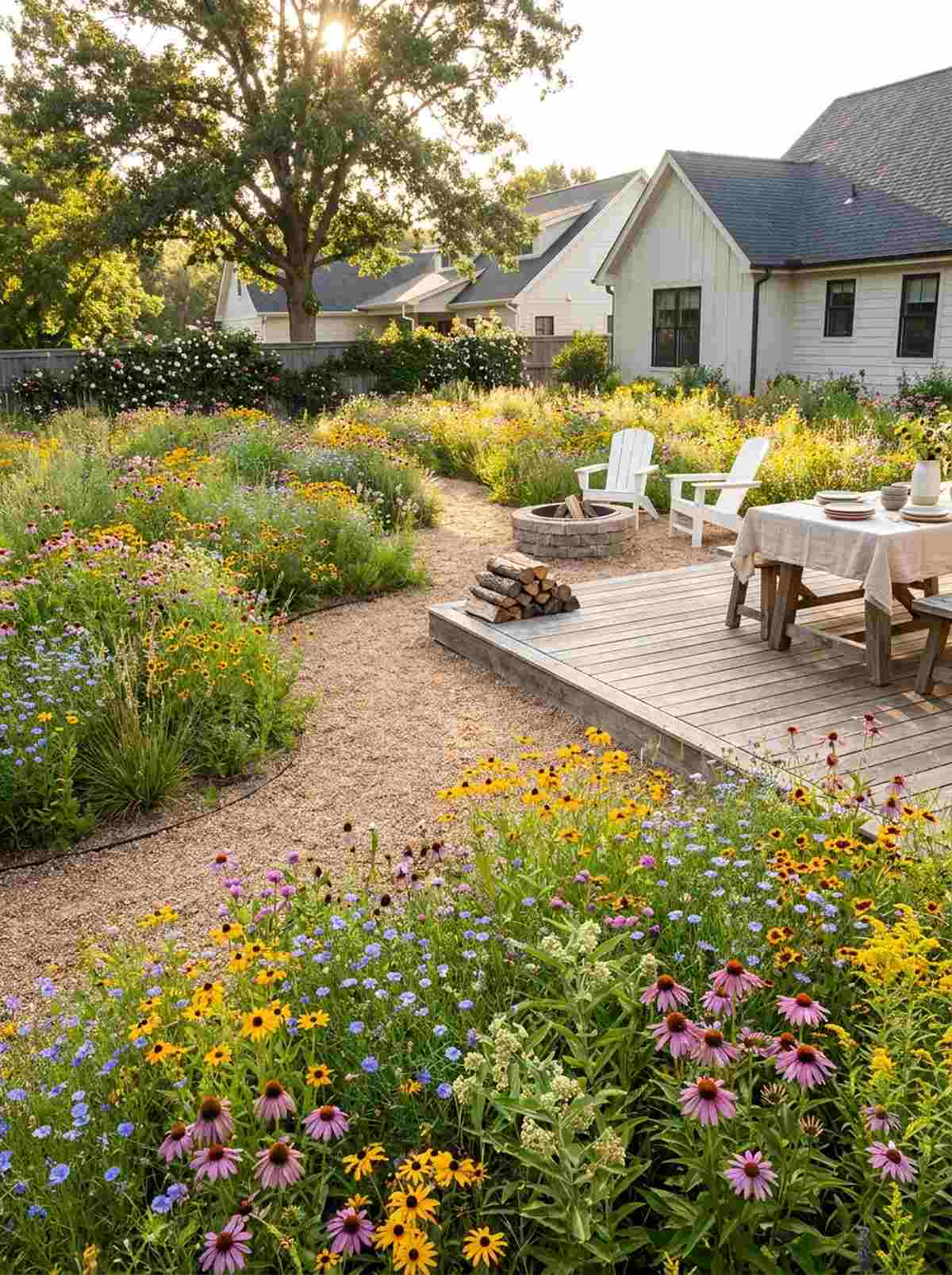
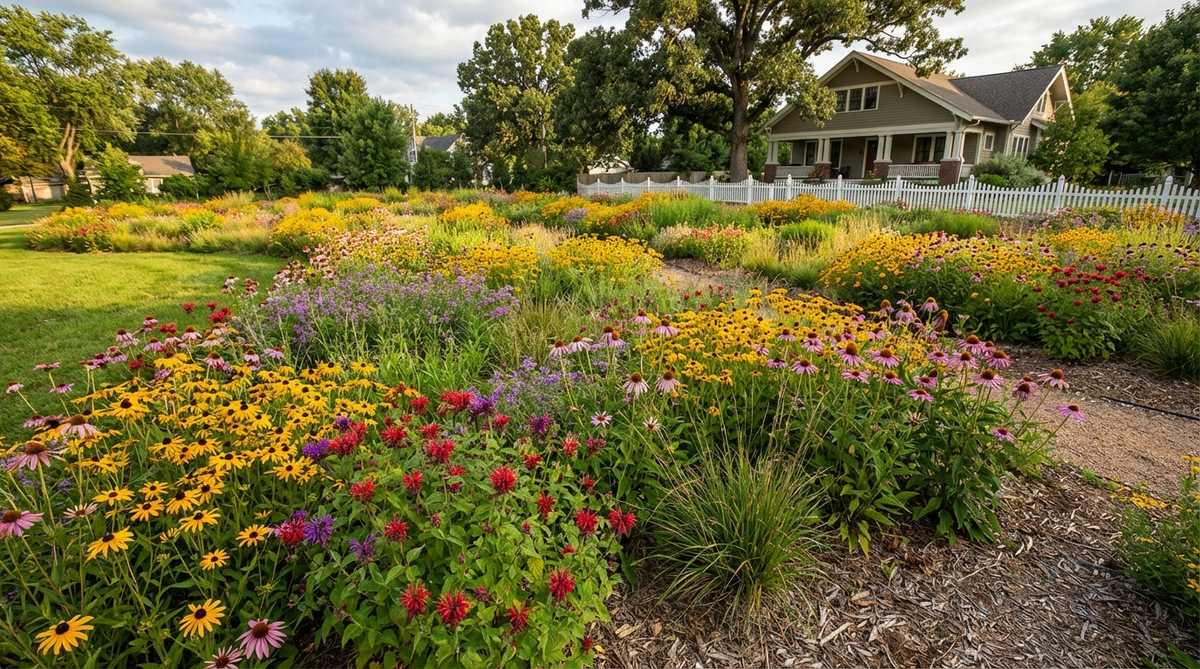
Feels like a hidden prairie you accidentally stumbled upon. This naturalized wildflower landscape works exceptionally well for a sunny suburban backyard perimeter.
Ditching standard grass for mass drifts delivers a surprisingly premium look. Using high-quality bulk native wildflower seed kits instantly upgrades the ecosystem while removing weekly mowing chores.
You can easily pull this off for around $40–$80 in premium seeds. Save this to your DIY weekend garden board for spring planting inspiration.
- Key Materials: Regional bulk seed mixes, compost topsoil
- Vibe / Style: Untamed prairie magic
- Difficulty: Beginner friendly
- Budget Breakdown: Seeds: $45 | Soil amendments: $30.
- Creator’s Tip: Mix seeds with sand before broadcasting for an even, non-clumping distribution.
- Smart Sourcing: regional pollinator seed bulk packs and pre-mixed organic compost bags.
2. Woodland Edge Garden
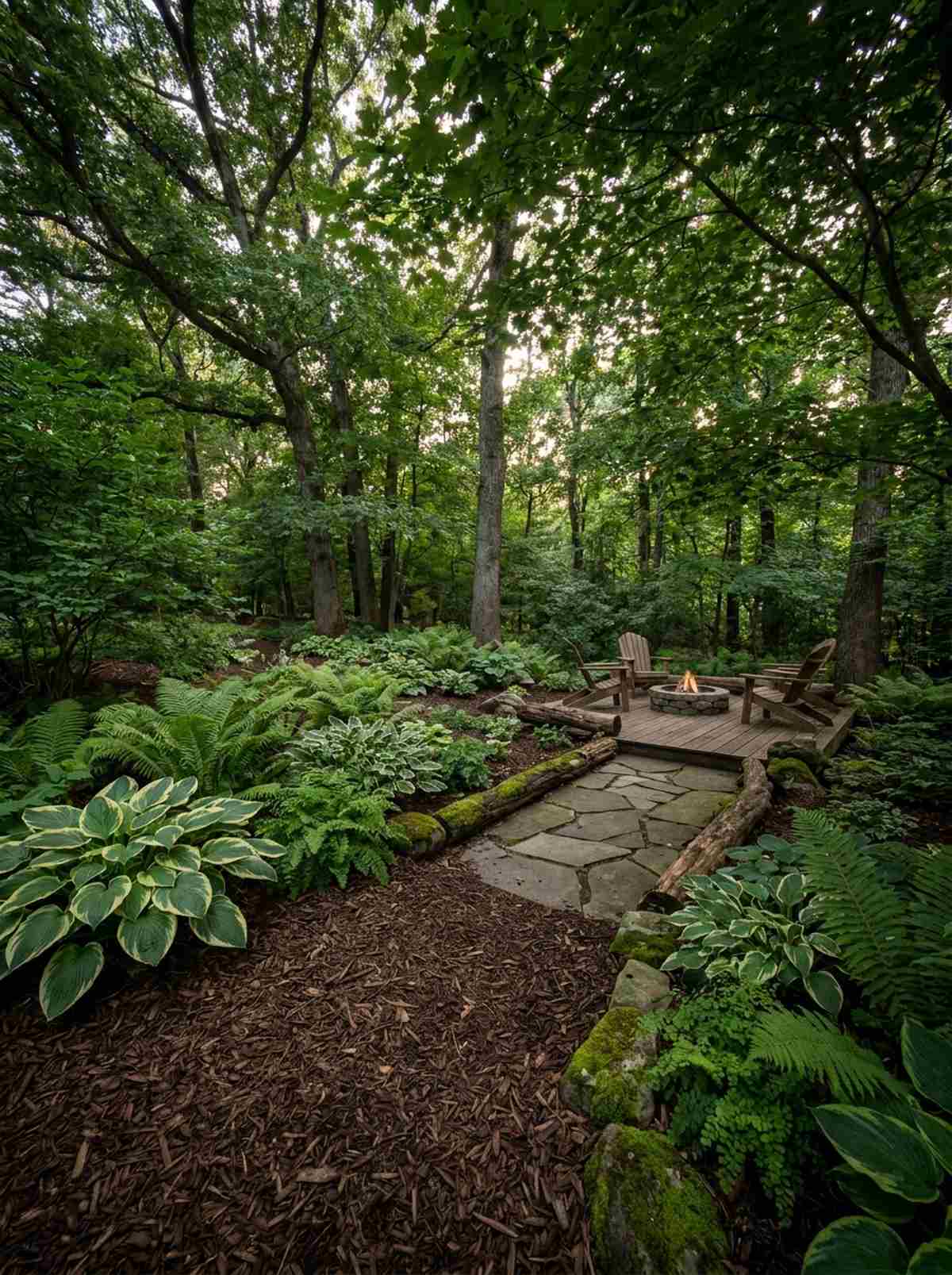
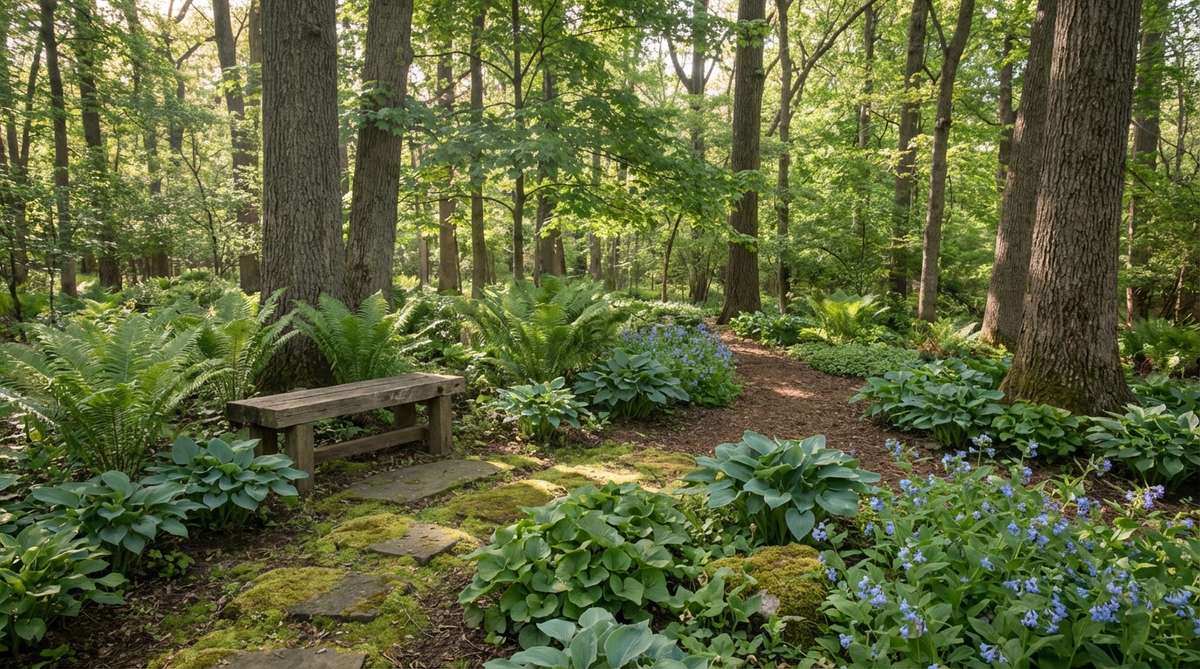
Straight out of a forgotten fairytale. A shaded woodland perimeter aesthetic is flawless for utilizing deep shade under existing heavy tree canopies.
Amateurs often fight shade, but leaning into hostas and ferns gives a designer-level finish. Layering shade-tolerant groundcovers mimics a high-end botanical park effortlessly.
Expect to spend about $100–$150 on bare-root shade perennials. It’s a fast upgrade that completely changes the vibe of dead lawn spots.
- Key Materials: Bare-root ferns, variegated hostas, natural bark mulch
- Vibe / Style: Moody forest retreat
- Difficulty: Easy planting
- Budget Breakdown: Plants: $110 | Mulch: $40.
- Creator’s Tip: Plant ferns in odd numbers (3, 5, 7) to mimic natural woodland growth patterns.
- Smart Sourcing: bare-root fern starter kits and shredded cedar bulk mulch.
3. Prairie Grass Border
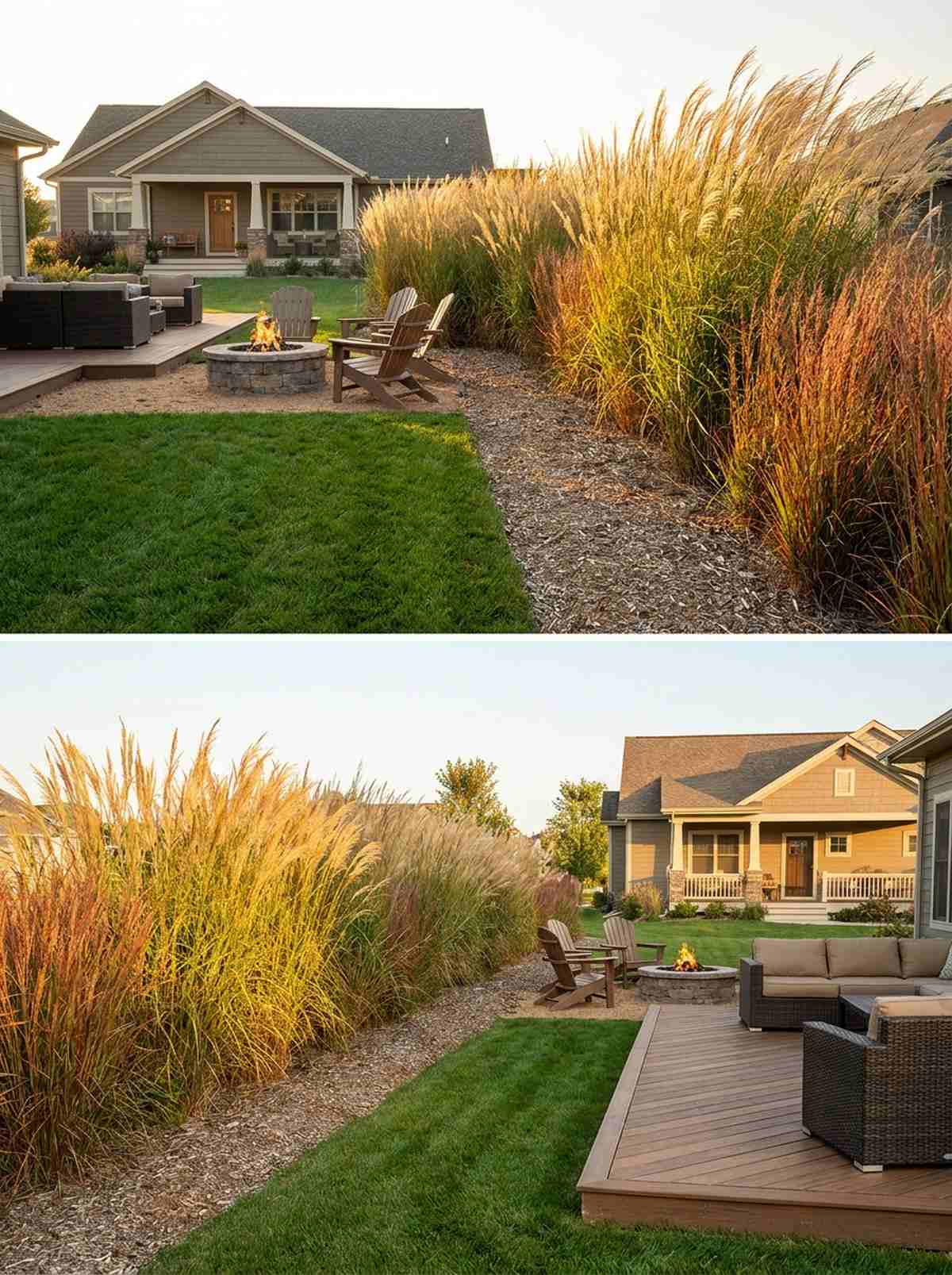
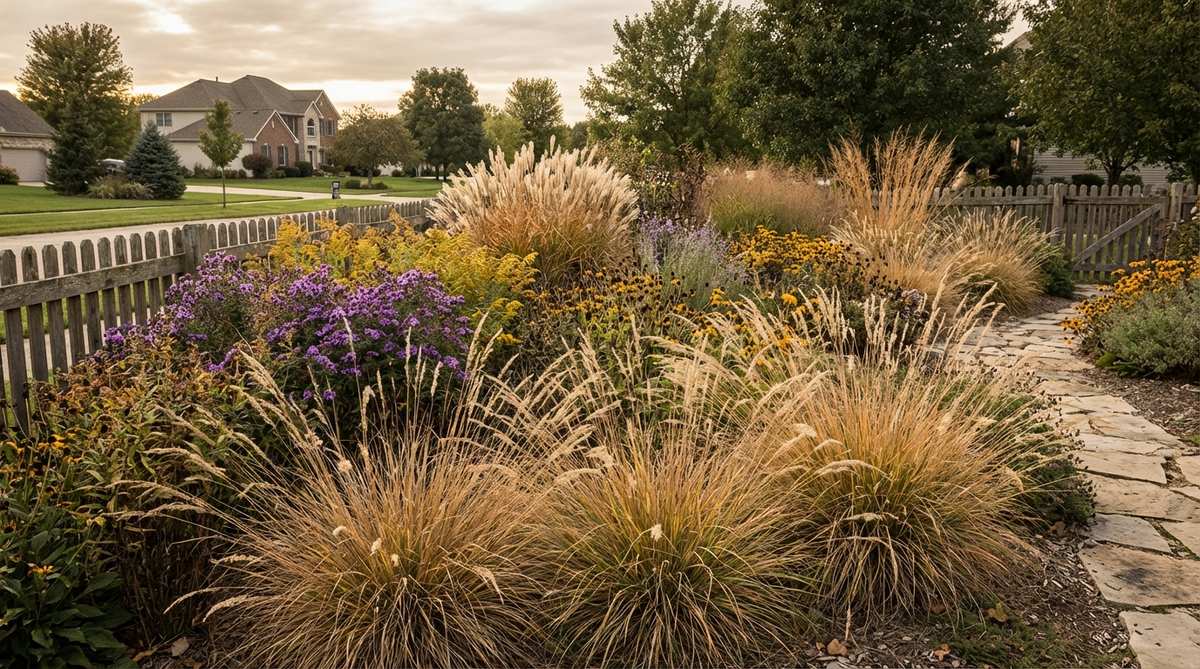
Radiates the golden-hour glow of a coastal retreat. A towering ornamental grass border provides brilliant privacy screening along property lines.
Skipping expensive wooden fences for little bluestem and switchgrass looks far more expensive than it is. The vertical structure catches winter frost, adding four-season architectural interest.
You can set up a striking border for around $90–$120. Pin this if you’re planning a low-maintenance property line upgrade.
- Key Materials: Switchgrass plugs, little bluestem, gravel mulch
- Vibe / Style: Sweeping structural elegance
- Difficulty: Medium (spacing is key)
- Budget Breakdown: Grass plugs: $80 | Gravel: $35.
- Creator’s Tip: Cut back grasses entirely in late winter to encourage vigorous, upright spring growth.
- Smart Sourcing: ornamental grass plug trays and weed-barrier landscape fabric.
4. Naturalized Bulb Layers
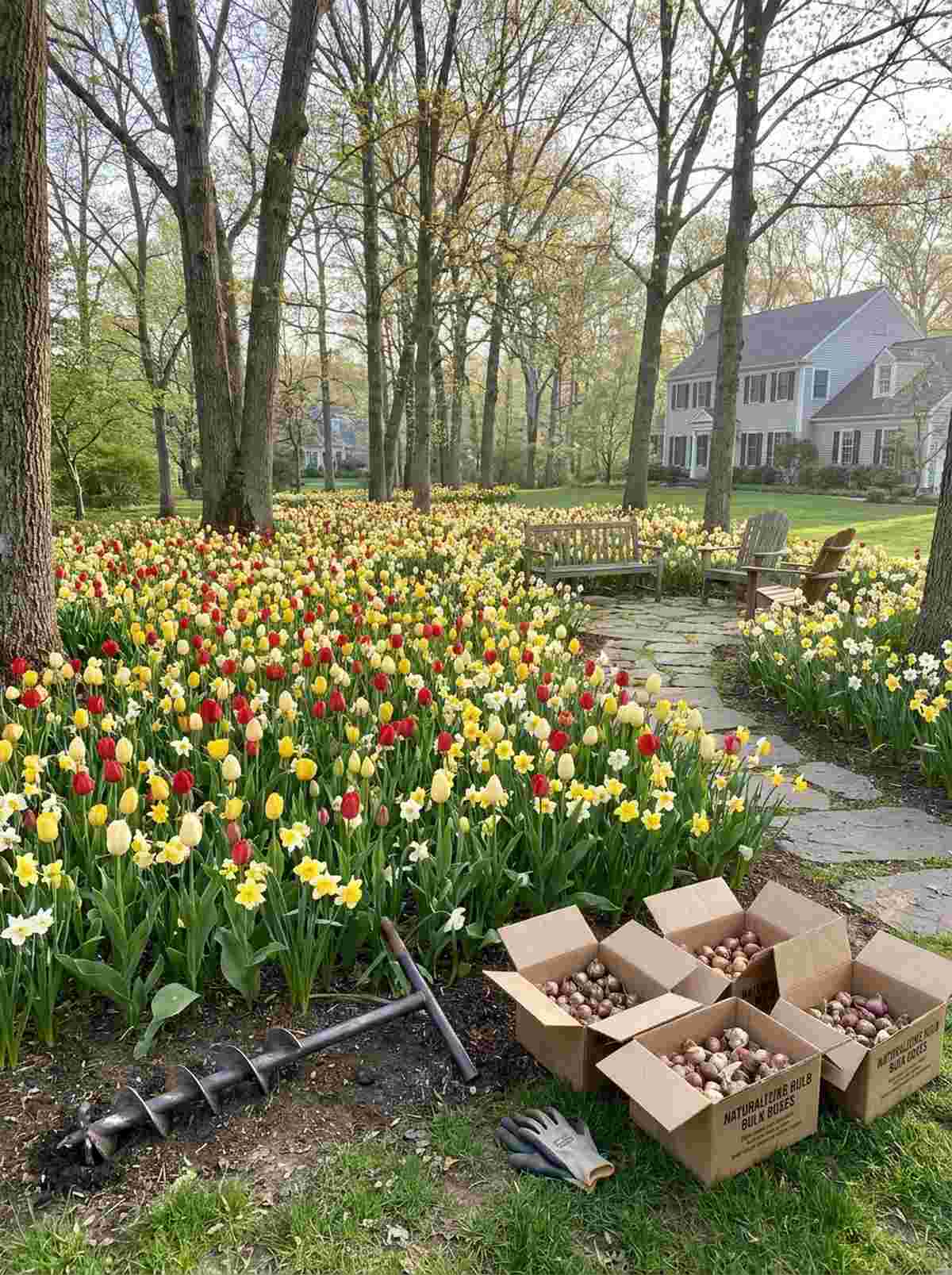
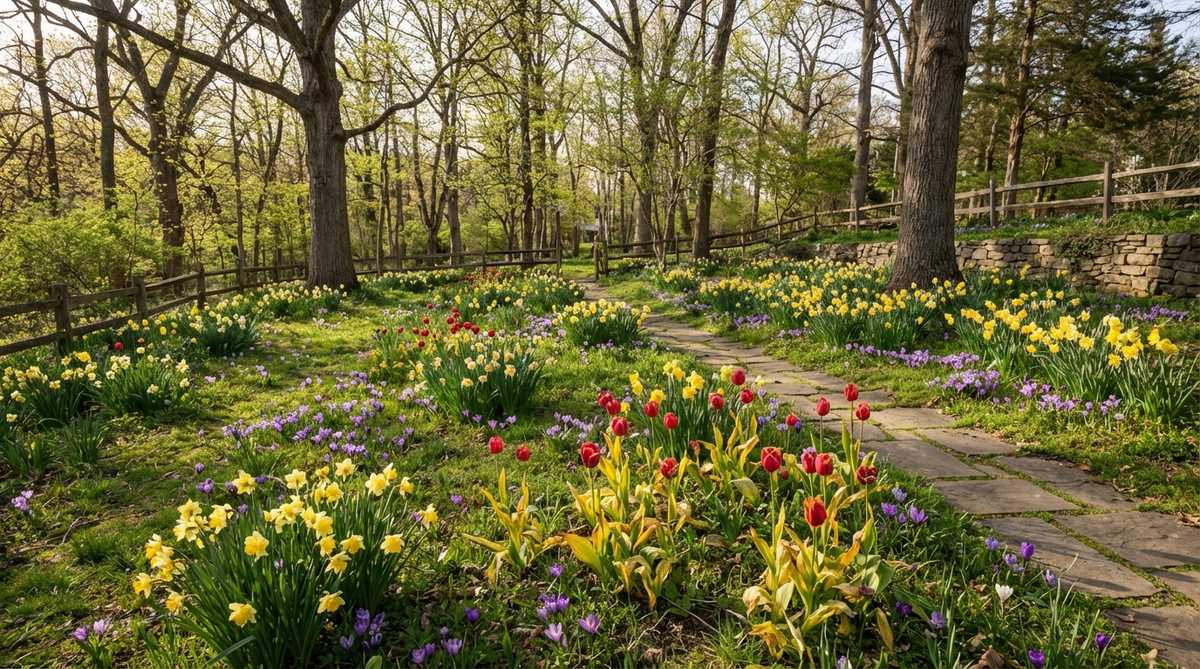
Feels like an enchanted meadow awakening. An informal spring bulb drift fits perfectly beneath deciduous trees before their leaves fully open.
While structured rows feel dated, tossing bulbs organically and planting them where they land delivers that custom-built vibe. Utilizing wholesale bulb collections ensures a dense, carpet-like blooming effect.
A thick bulb display will cost roughly $50–$100 depending on volume. Highly recommended for a quick weekend win in autumn.
- Key Materials: Species tulips, daffodils, bulb planter tool
- Vibe / Style: Ephemeral spring romance
- Difficulty: Easy but physically demanding
- Budget Breakdown: Bulbs: $65 | Tools: $15.
- Creator’s Tip: Never braid or cut yellowing foliage; it feeds the bulb for next year’s bloom.
- Smart Sourcing: naturalizing bulb bulk boxes and heavy-duty steel bulb augers.
Most people get their front yards completely wrong… until they try the exact coastal layout coming up next.
5. Coastal Sand Dune Aesthetic
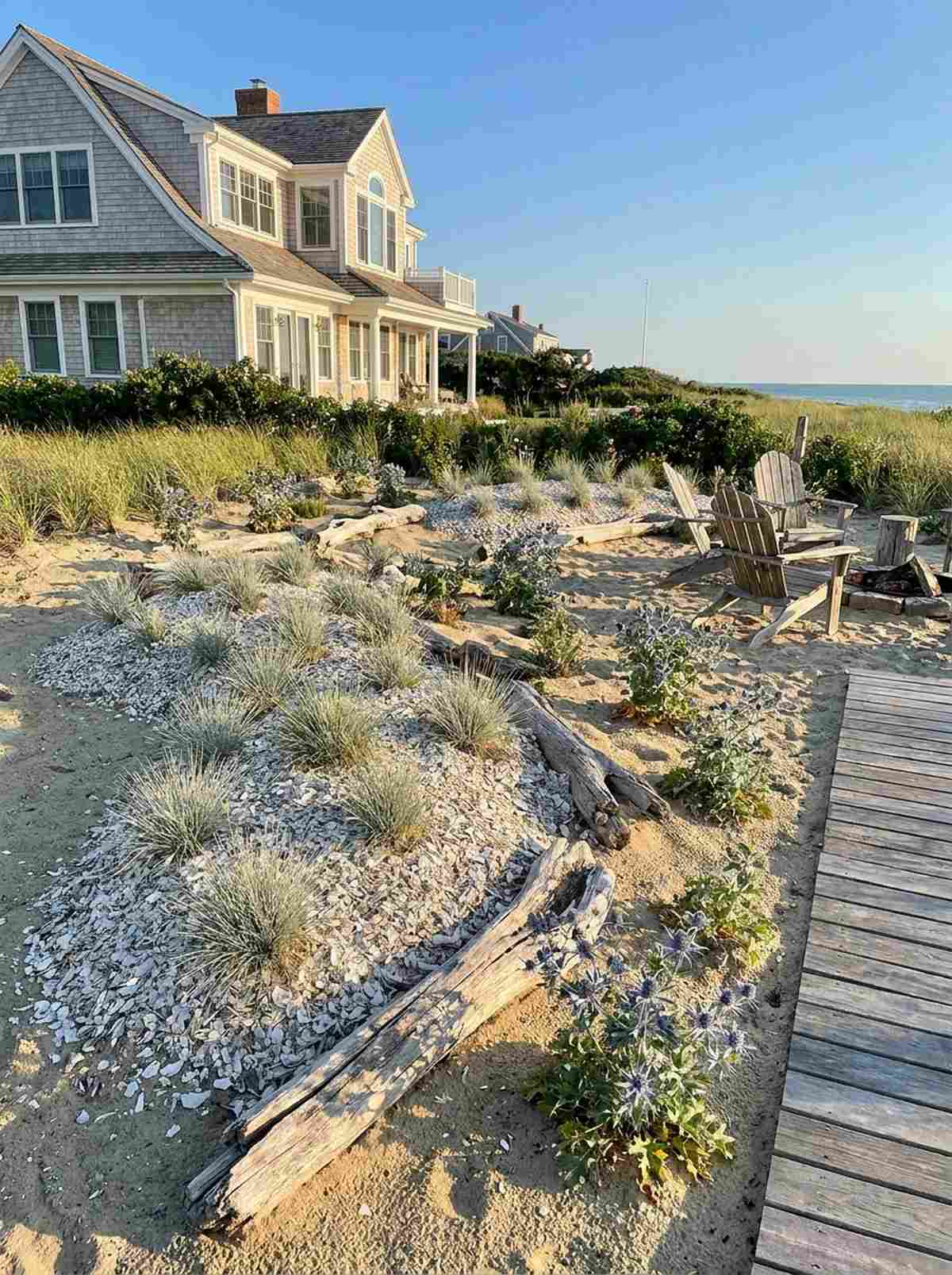
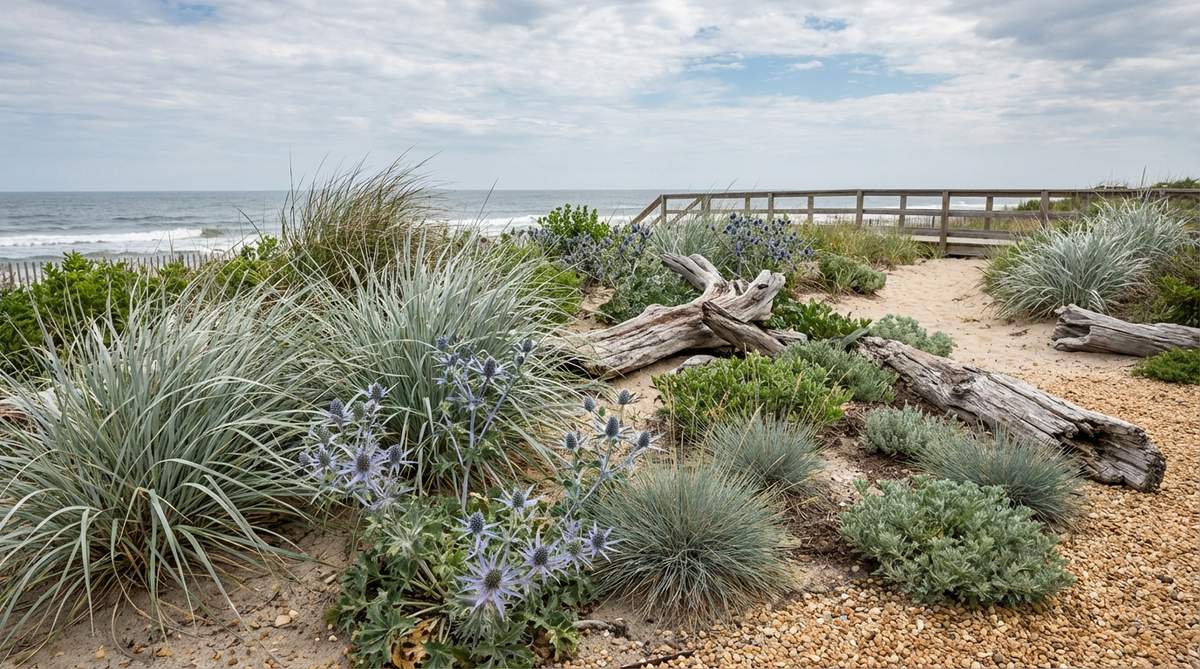
Embodies the breezy chill of a secluded beachfront. The drought-tolerant coastal yard is ideal for properties with sandy soil and harsh sun exposure.
Forcing green lawns in sandy soil fails, but utilizing sea holly and driftwood completely elevates the space. The neutral, silver-gray palette looks meticulously curated with zero watering effort.
Expect to invest $150–$250 in specialty drought-adapted species and hardscaping. Save this layout for your water-conscious garden board.
- Key Materials: Beach grass plugs, weathered driftwood, crushed shell mulch
- Vibe / Style: Windswept maritime minimal
- Difficulty: Medium hardscaping
- Budget Breakdown: Plants: $120 | Crushed shells: $80.
- Creator’s Tip: Bury the bottom third of your driftwood to make it look naturally washed ashore.
- Smart Sourcing: crushed oyster shell bulk bags and salt-tolerant perennial kits.
6. Wetland Bog Garden
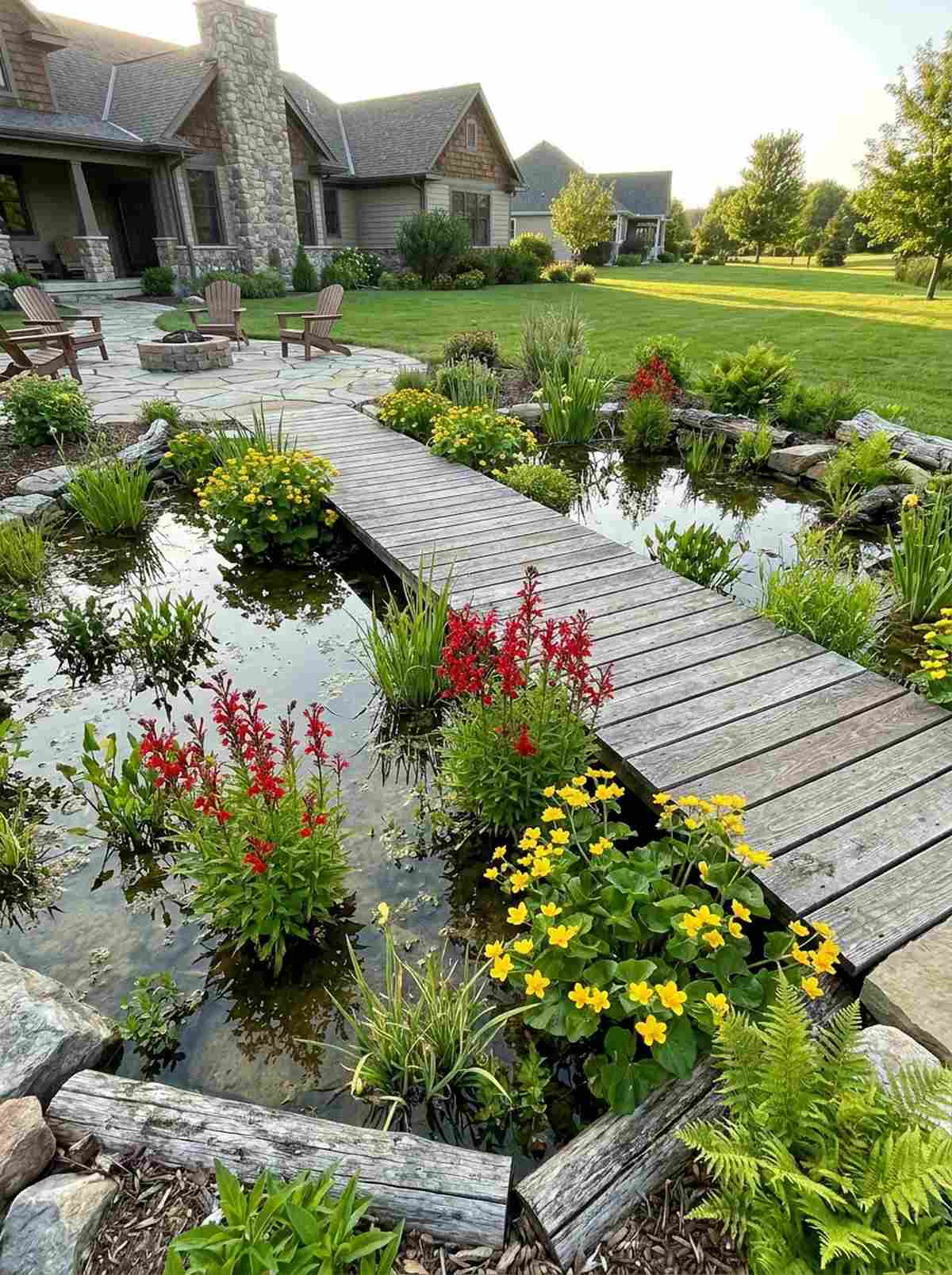
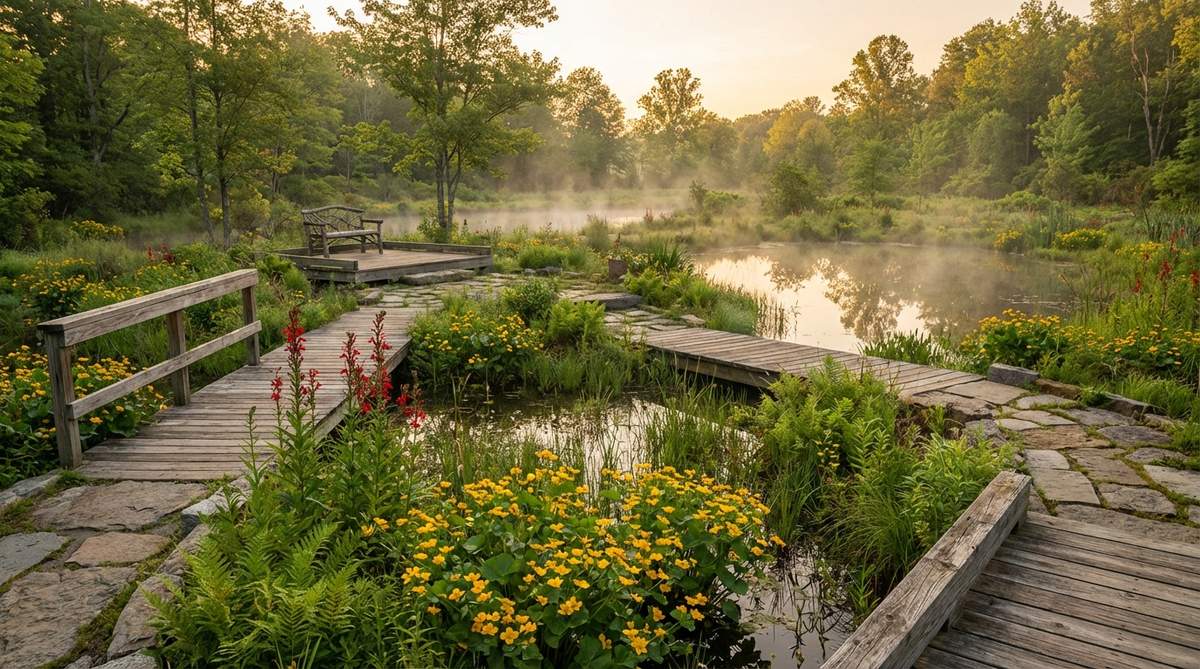
Feels like a secret botanical sanctuary. A moisture-loving bog setup transforms frustrating drainage ditches into stunning focal points.
Instead of expensive French drains, embracing marsh marigolds and cardinal flowers creates a high-end landscape feature. The addition of a small boardwalk creates brilliant depth and reflections.
You can convert a muddy corner for roughly $100–$200. Pin this to your problem-solving landscape ideas board.
- Key Materials: Moisture-retaining compost, cardinal flowers, cedar planks
- Vibe / Style: Lush reflective oasis
- Difficulty: Advanced planning
- Budget Breakdown: Bog plants: $90 | Cedar pathway: $110.
- Creator’s Tip: Use an EPDM liner punctured with small holes to retain water while preventing root rot.
- Smart Sourcing: pre-cut EPDM pond liners and water-garden aquatic starter packs.
7. Alpine Rock Garden
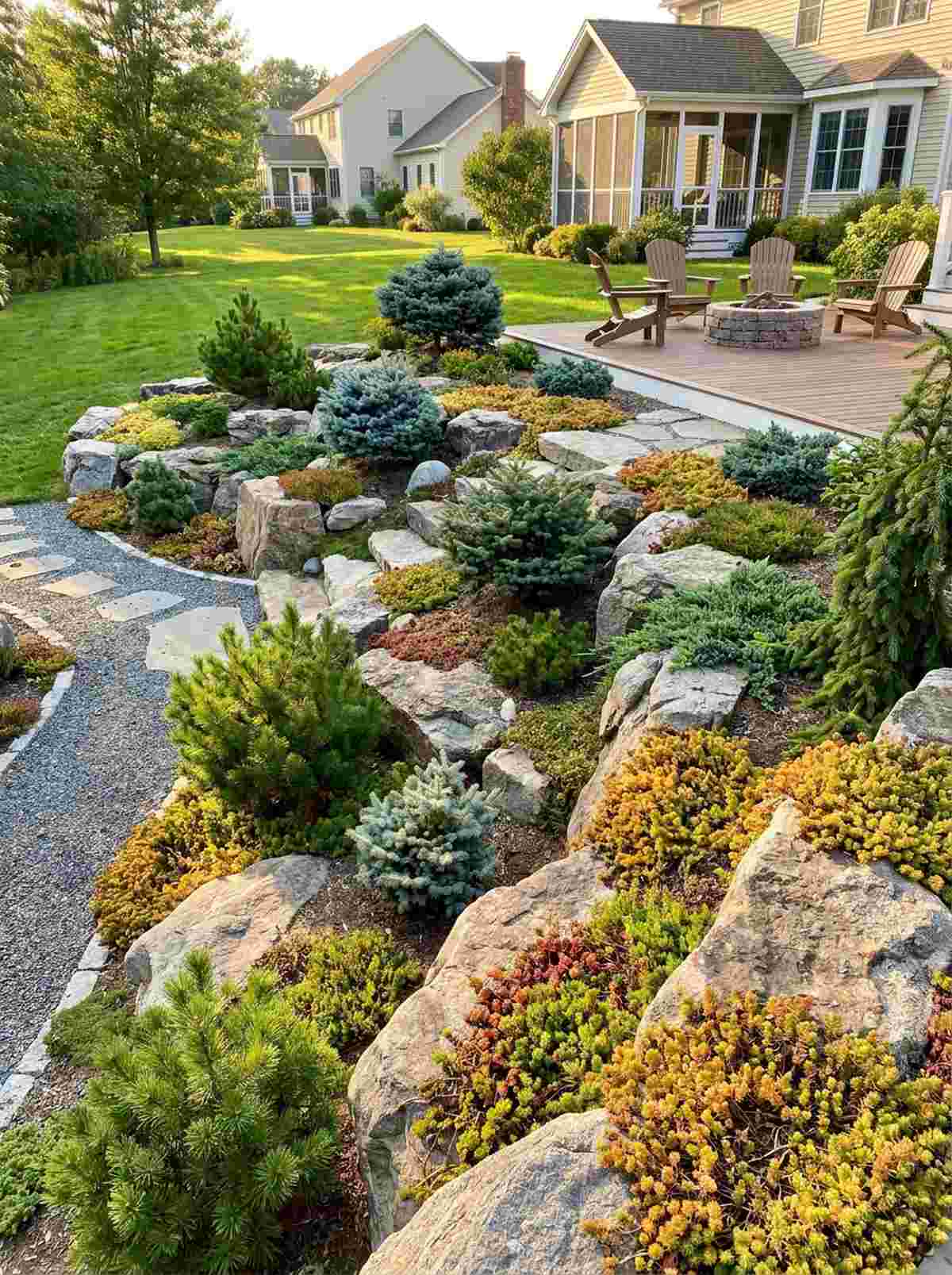
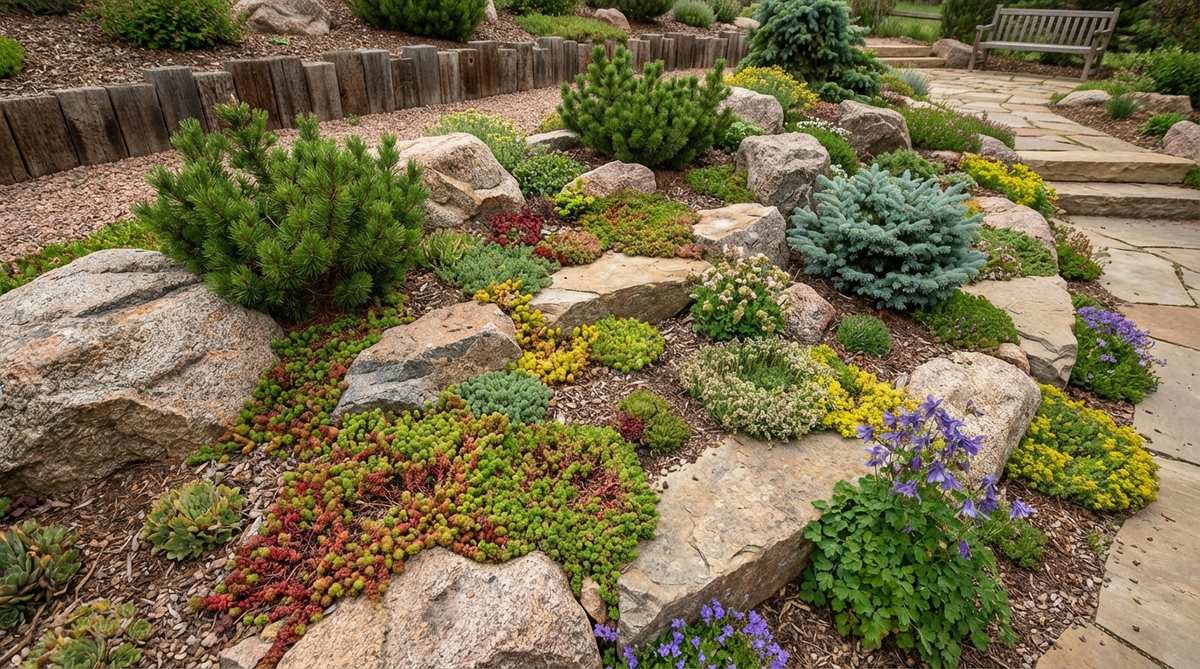
Brings the rugged majesty of a mountain peak to your yard. This dwarf conifer rockery is perfect for sloping terrains that are hard to mow.
Standard terracing is overpriced, but arranging natural stone outcroppings with sedums looks effortlessly expensive. Compact plant varieties ensure the rocks remain the structural hero of the aesthetic.
Sourcing local stone keeps this under $200. It’s a heavy-lifting weekend project with a massive visual payoff.
- Key Materials: Local fieldstone, dwarf conifers, creeping sedum
- Vibe / Style: Rugged high-elevation beauty
- Difficulty: Heavy labor
- Budget Breakdown: Stone delivery: $100 | Alpine plants: $80.
- Creator’s Tip: Angle rocks slightly backwards into the slope to naturally catch and retain rainwater.
- Smart Sourcing: creeping sedum tile mats and dwarf evergreen starter kits.
8. Native Hedgerow Boundary
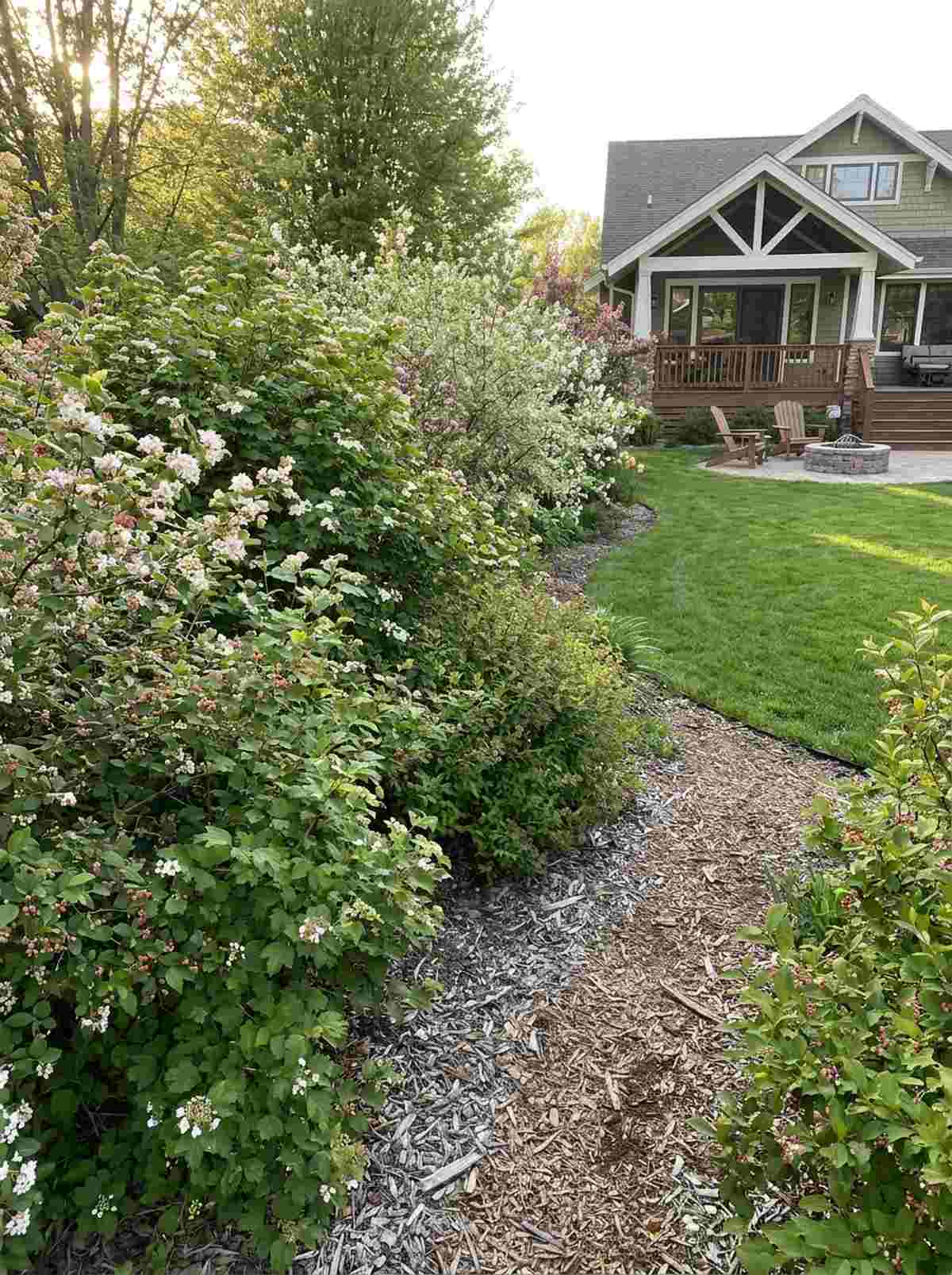
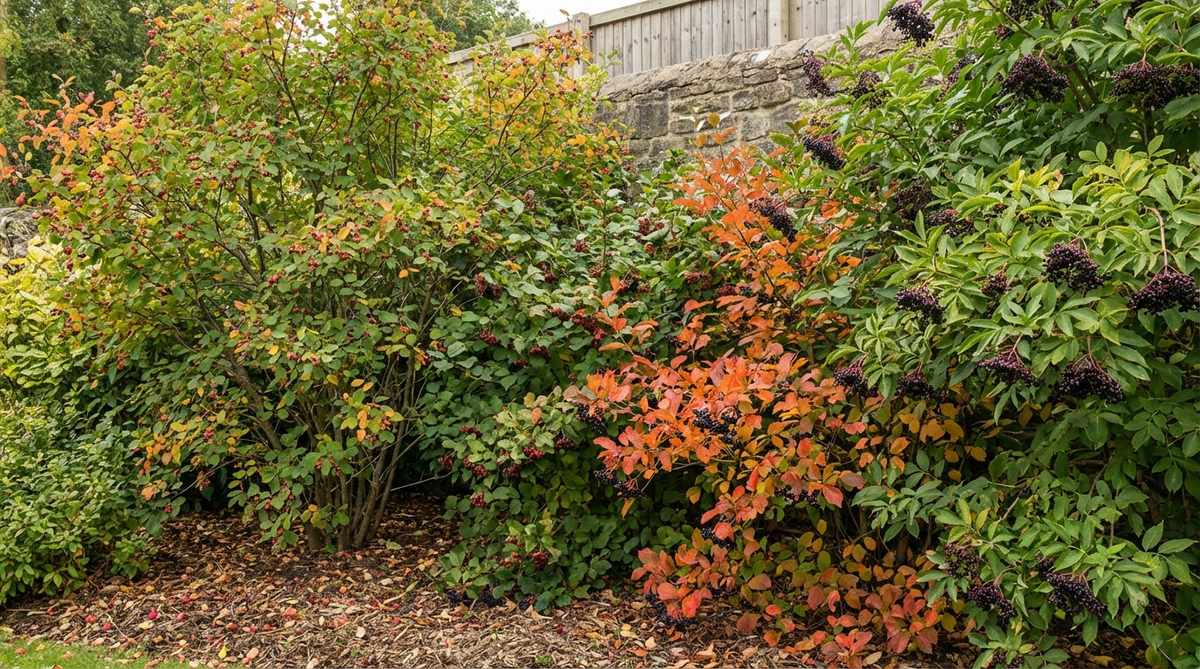
Radiates the charm of an old English countryside lane. A mixed shrub boundary offers an incredible wildlife-friendly alternative to sterile vinyl fencing.
Monoculture hedges are prone to disease, but mixing viburnum and serviceberry delivers a highly resilient, premium finish. The staggered seasonal blooming guarantees year-round neighborhood curb appeal.
Planting a 20-foot stretch averages $150–$300. Save this if you want privacy without the fortress look.
- Key Materials: Bare-root native shrubs, deep root fertilizer, wood chips
- Vibe / Style: Lush protective thicket
- Difficulty: Medium digging
- Budget Breakdown: Shrubs: $200 | Soil prep: $50.
- Creator’s Tip: Plant in a zig-zag double row to achieve a thick privacy screen twice as fast.
- Smart Sourcing: bare-root privacy shrub bundles and slow-release tree fertilizer spikes.
This next minimalist setup is ridiculously cheap but looks like a $10,000 custom architectural display…
Modern & Minimalist Garden Inspirations
Minimalist garden aesthetics emphasize clean geometry, restrained palettes, and intentional negative space. These designs rely on precision rather than abundance to create visual impact.
9. Monochrome Zen Courtyard
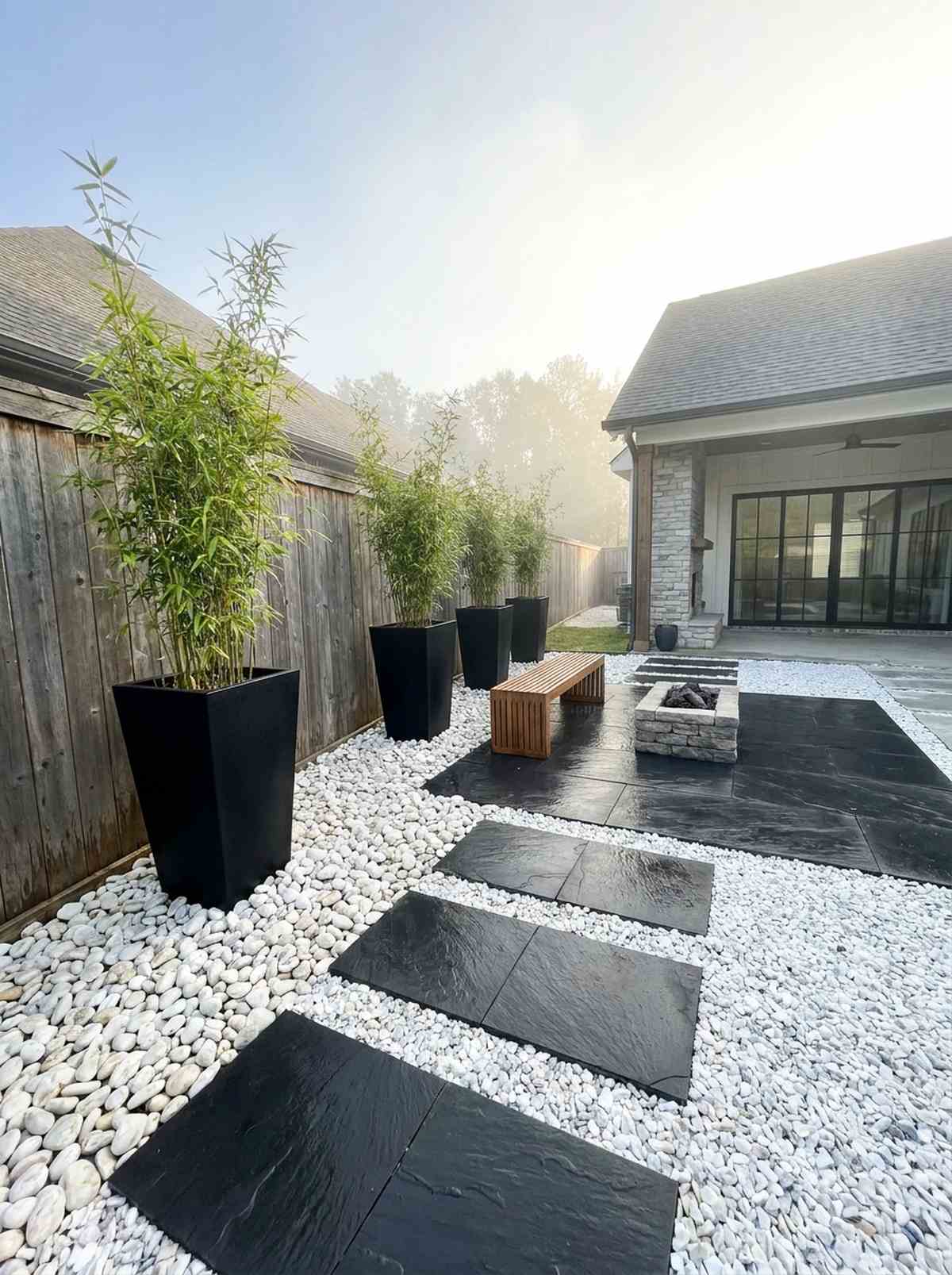
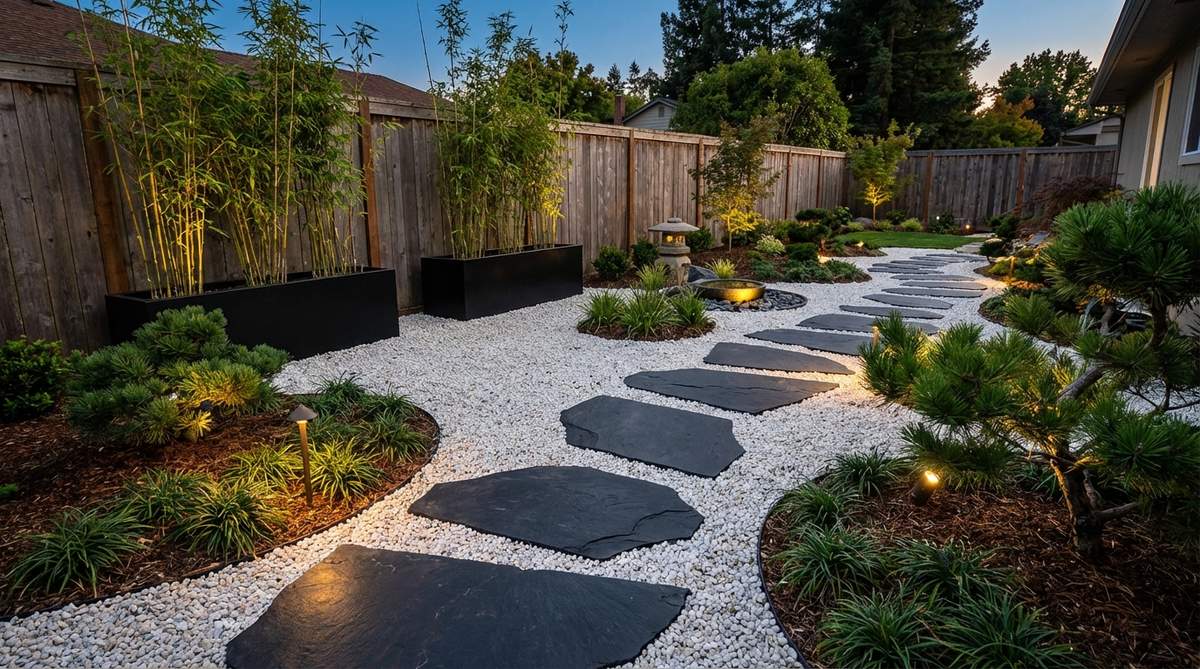
Evokes a silent, misty morning in Kyoto. A black and white gravel courtyard serves perfectly as a meditative outdoor room for compact urban patios.
Cluttered patios feel stressful, but utilizing black slate against white river rock gives a designer-level finish. Upgrading to sleek fiberglass planters for bamboo creates strict, modern vertical lines.
A small courtyard transformation hits around $300–$500. Pin this exact layout for your modern patio mood board.
- Key Materials: White marble chips, black slate tiles, clumping bamboo
- Vibe / Style: High-contrast modern calm
- Difficulty: Easy leveling
- Budget Breakdown: Slate/Gravel: $250 | Planters: $150.
- Creator’s Tip: Always use a commercial-grade weed barrier under white rock to prevent muddy discoloration over time.
- Smart Sourcing: heavy-duty commercial weed fabric and UV-coated black geometric planters.
💡 Must-Have Supplies for High-End Setups
To build these modern and organic aesthetics faster and ensure they last, skip the generic hardware aisles and invest in the right foundational kits.
- Base & Support: Pre-cut heavy-duty weed barrier rolls
- Setup Tools: Professional steel landscape edging kits
- Weather/Durability Protection: UV-resistant clear acrylic sealants
10. Geometric Concrete Grid
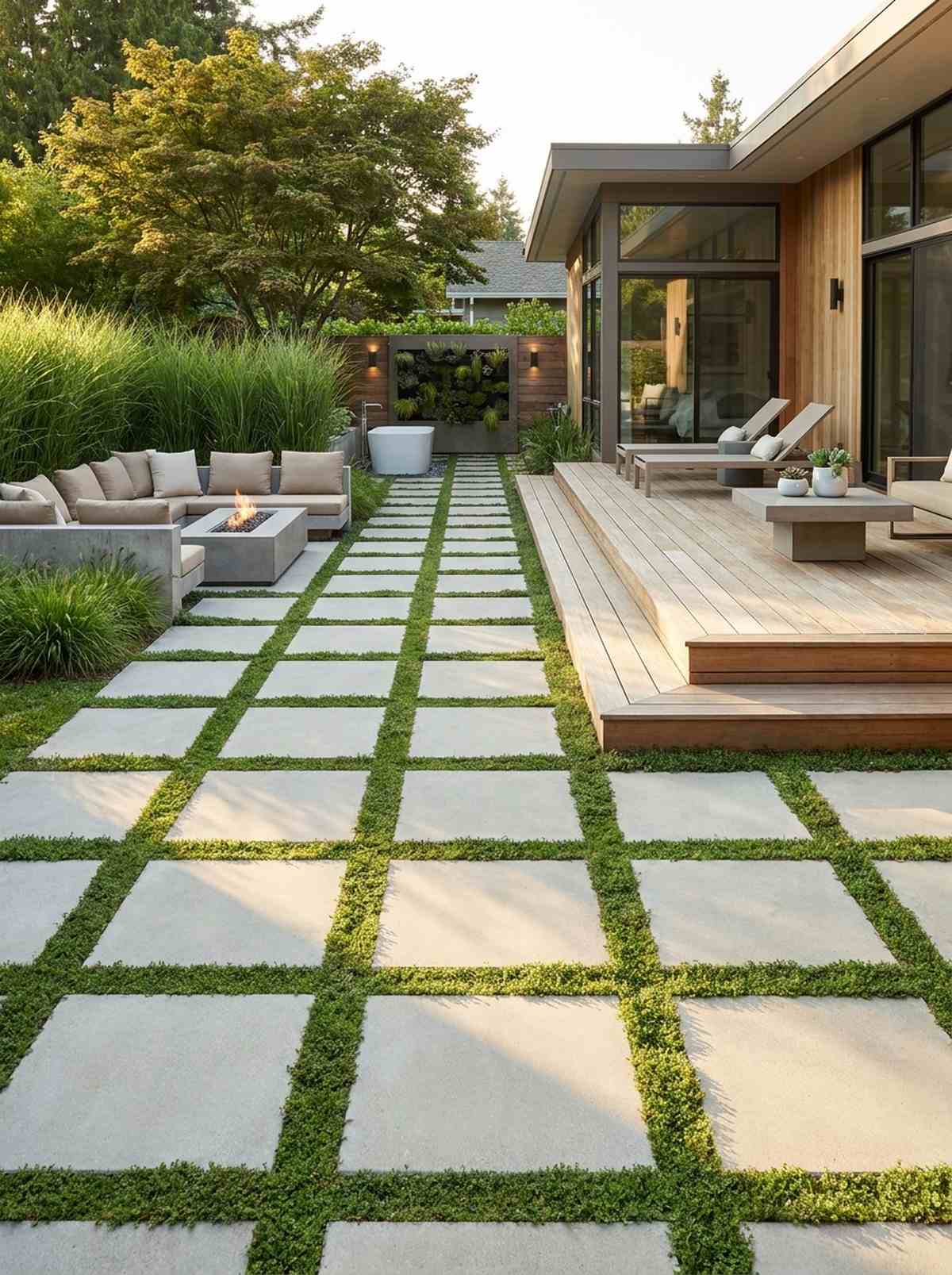
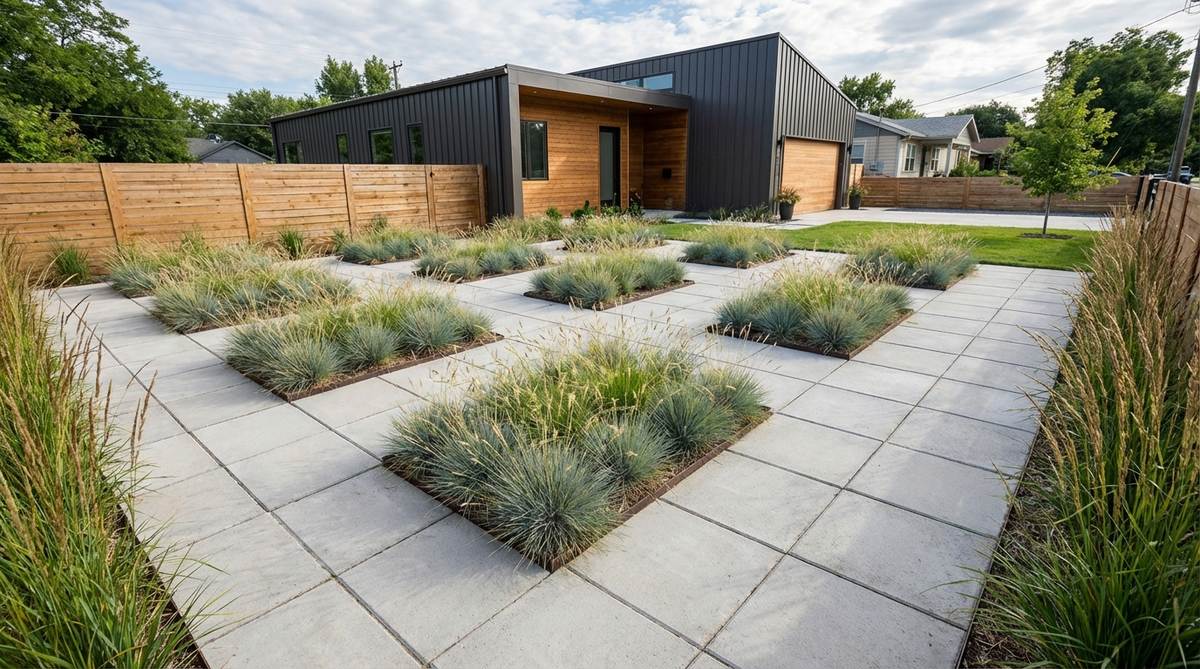
Looks like the entrance to an ultra-luxurious spa retreat. A concrete paver and grass grid extends visual depth in otherwise tiny, cramped backyards.
Paving an entire yard is expensive and hot, but alternating square pavers with creeping thyme completely elevates the space. This sharp geometry pairs brilliantly with contemporary mid-century home architecture.
Setting up a grid pattern costs roughly $200–$400 in materials. Highly recommended to break up a boring flat lawn.
- Key Materials: 24×24 concrete pavers, leveling sand, creeping thyme seeds
- Vibe / Style: Architectural graphic precision
- Difficulty: Precision measuring required
- Budget Breakdown: Pavers: $250 | Base sand: $50.
- Creator’s Tip: Use a rigid template spacer cut from scrap wood to ensure every gap is mathematically perfect.
- Smart Sourcing: paver leveling sand bulk bags and creeping thyme bulk seed packets.
11. Linear Steel Raised Beds
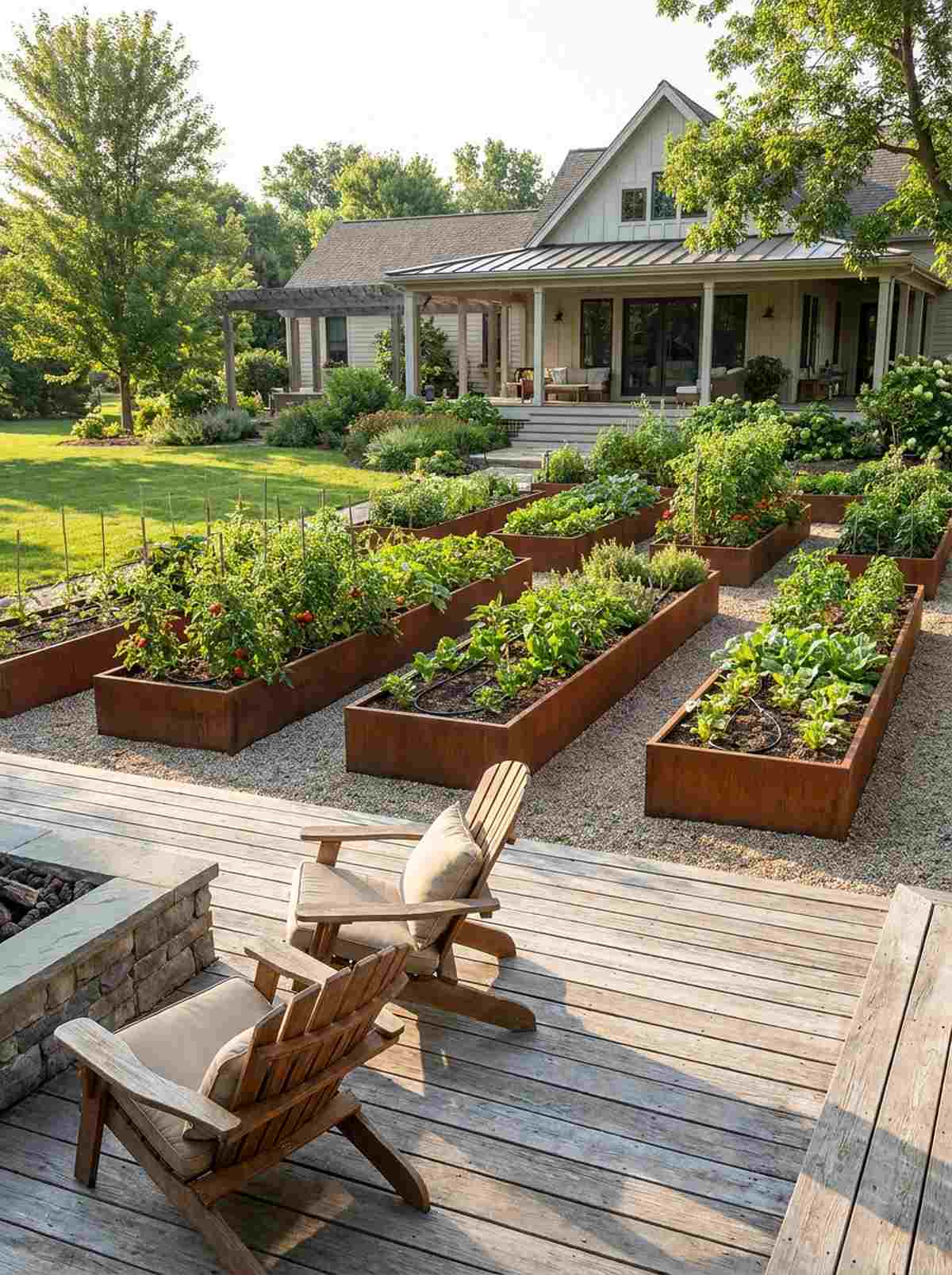
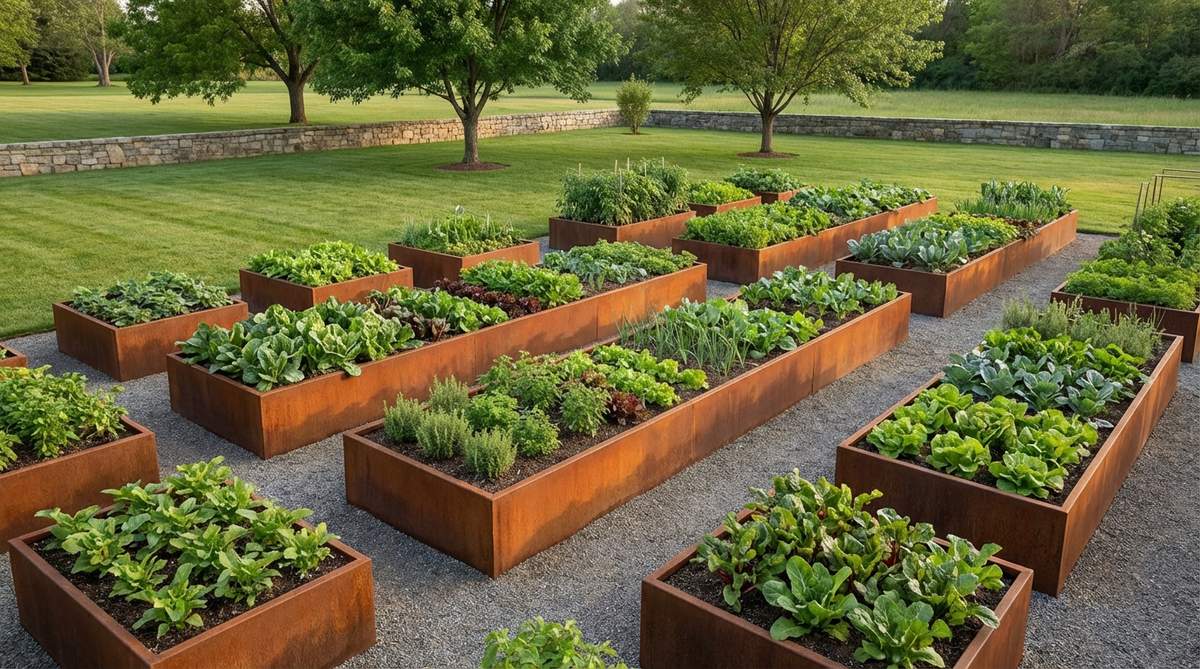
Feels like a masterchef’s private architectural farm. Corten steel raised garden beds organize wild vegetable patches into sleek, structured lines.
Wooden beds rot fast, but investing in a weathered rust patina looks far more expensive than it is. Alternating the widths of the metal planters establishes a high-end rhythmic flow.
Quality steel beds start around $150 each. Save this for your ultimate urban homesteading board.
- Key Materials: Corten steel planter kits, organic raised bed soil, drip tubing
- Vibe / Style: Industrial modern edible
- Difficulty: Easy assembly
- Budget Breakdown: Steel kits: $300 | Soil: $100.
- Creator’s Tip: Spray fresh Corten steel with a mix of hydrogen peroxide, vinegar, and salt to force the rust patina overnight.
- Smart Sourcing: modular Corten steel bed kits and micro-drip irrigation starter kits.
12. Single Specimen Focal Point
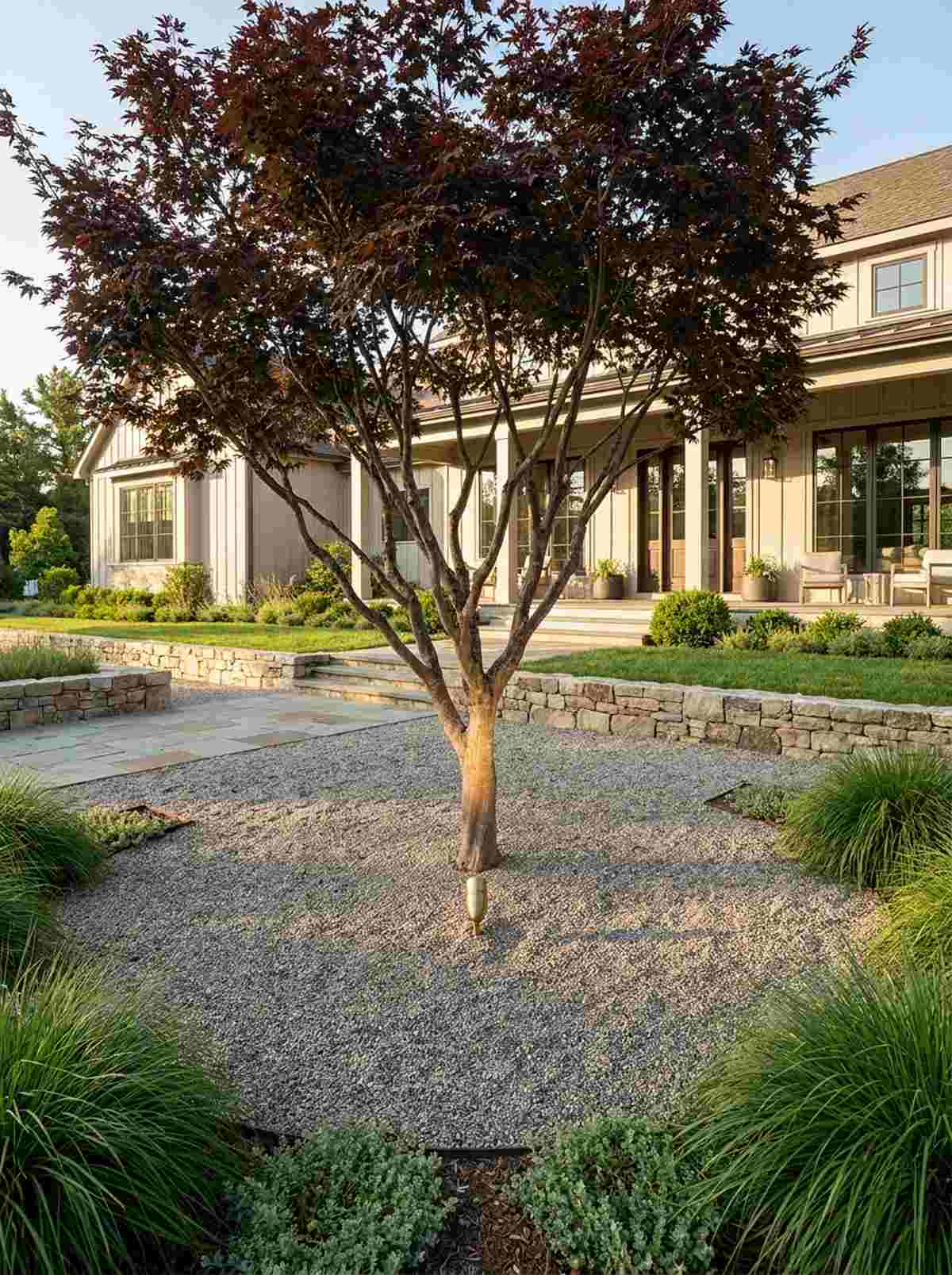
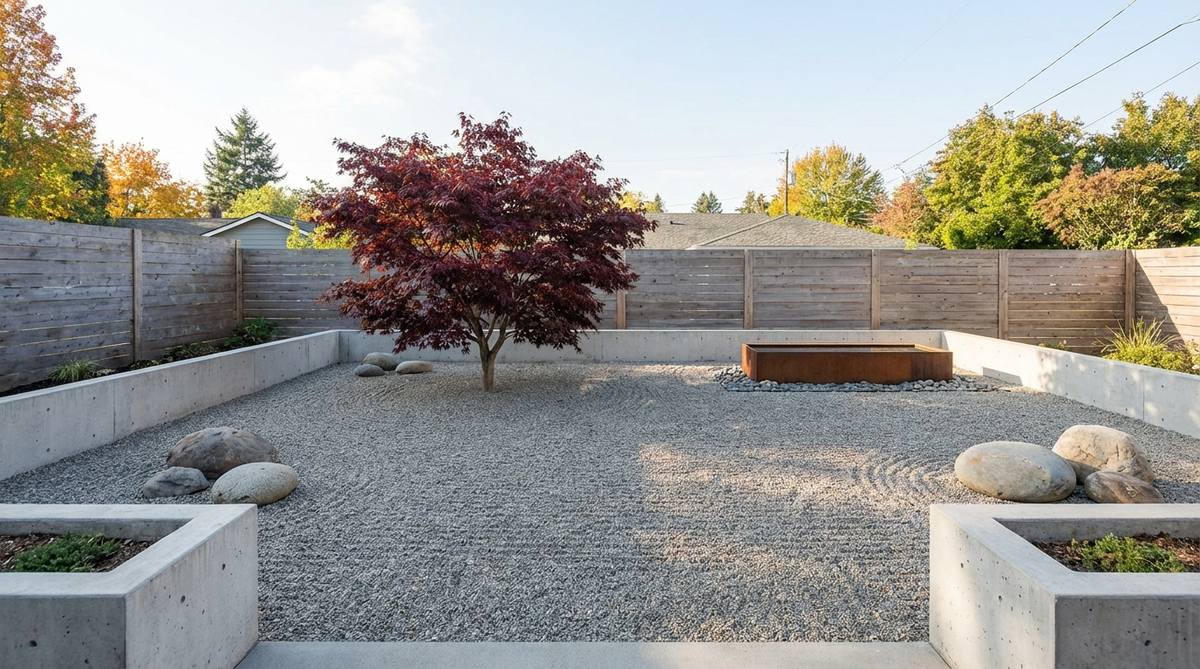
Radiates museum-quality exhibition vibes. Isolating a single sculptural Japanese maple in a sea of gravel is meant for front yard statement spaces.
Overplanting dilutes impact, but letting negative space become the active design element gives a designer-level finish. A minimalist approach demands absolute restraint but creates undeniable curb appeal.
A mature specimen tree and gravel base will run $300–$600. Pin this if you love striking, low-maintenance drama.
- Key Materials: Specimen Japanese maple, fine crushed granite, LED uplight
- Vibe / Style: Museum gallery courtyard
- Difficulty: Low maintenance
- Budget Breakdown: Specimen tree: $250 | Lighting/Gravel: $150.
- Creator’s Tip: Prune the inner branches heavily to reveal the trunk’s architectural skeleton for maximum winter interest.
- Smart Sourcing: solar-powered LED brass uplights and premium root-stimulating tree fertilizer.
13. Porcelain Slab Terrace
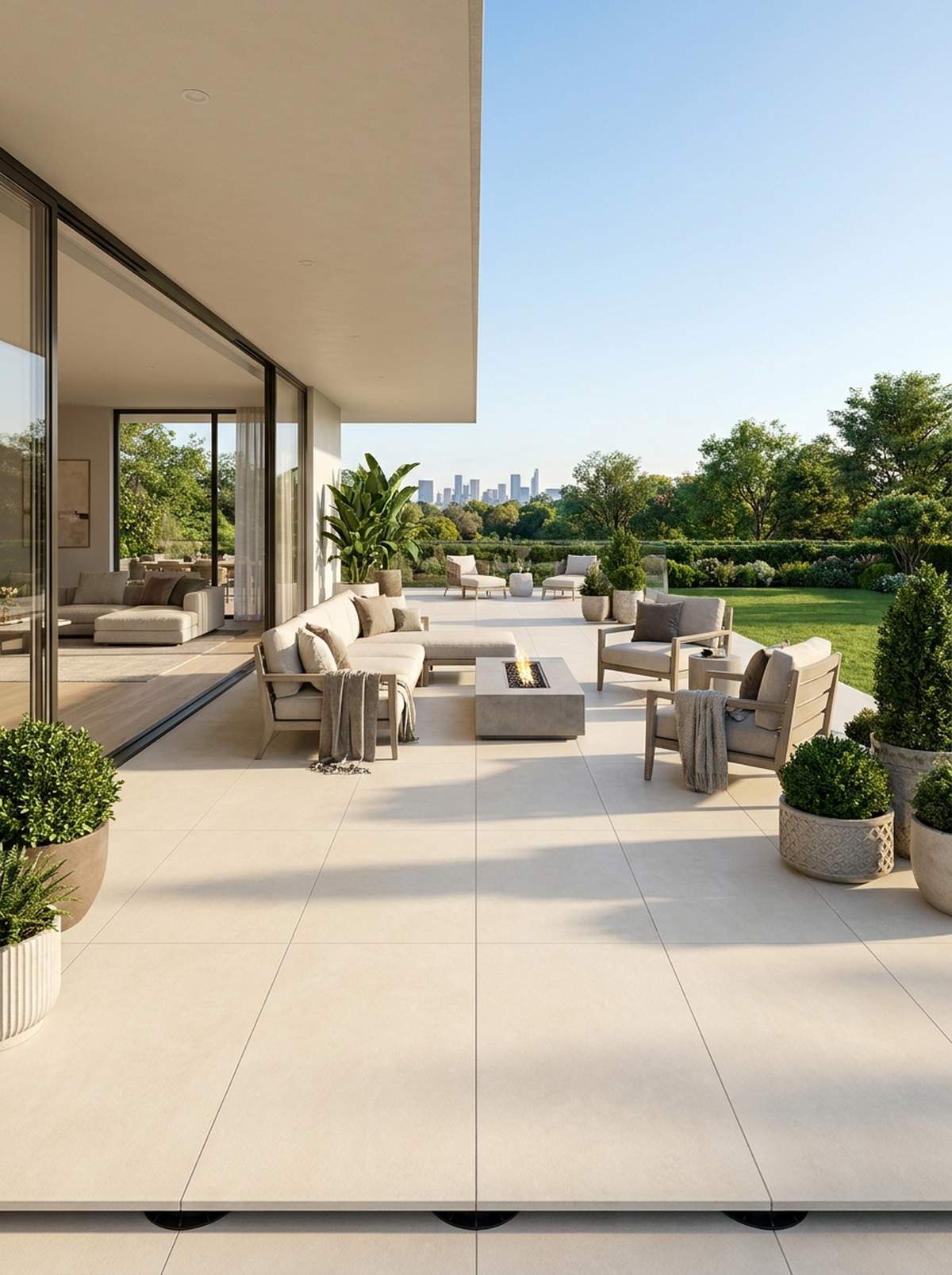
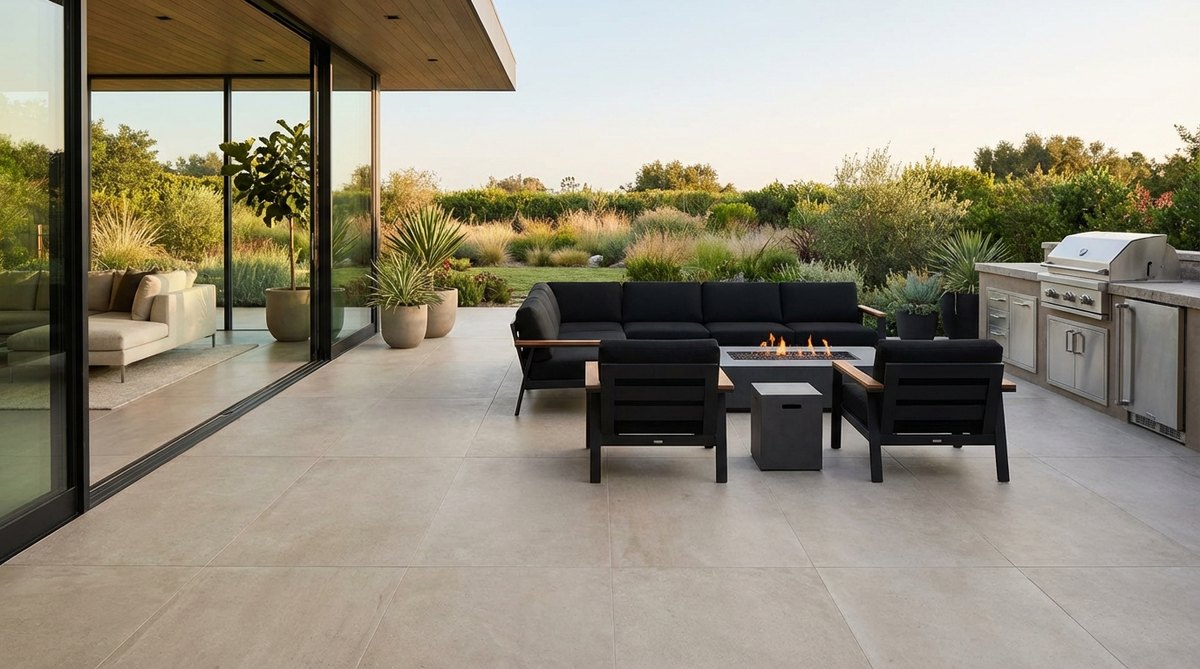
Feels like stepping onto a multi-million dollar penthouse balcony. A large-format porcelain paver terrace perfectly bridges indoor living spaces with the outdoors.
Concrete stamps look artificial, but utilizing seamless, stain-resistant porcelain delivers a surprisingly premium look. The lack of wide grout lines enhances the sleek, uninterrupted visual flow.
Material costs hover around $10–$15 per square foot. It’s an investment that completely transforms a basic patio.
- Key Materials: Large format porcelain pavers, pedestal support system
- Vibe / Style: Seamless modern luxury
- Difficulty: Advanced installation
- Budget Breakdown: Pavers: $600 | Base system: $200.
- Creator’s Tip: Use adjustable paving pedestals to install these over existing ugly concrete without demolition.
- Smart Sourcing: adjustable paver pedestal kits and outdoor-grade porcelain slab packs.
14. Desert Modernism Palette
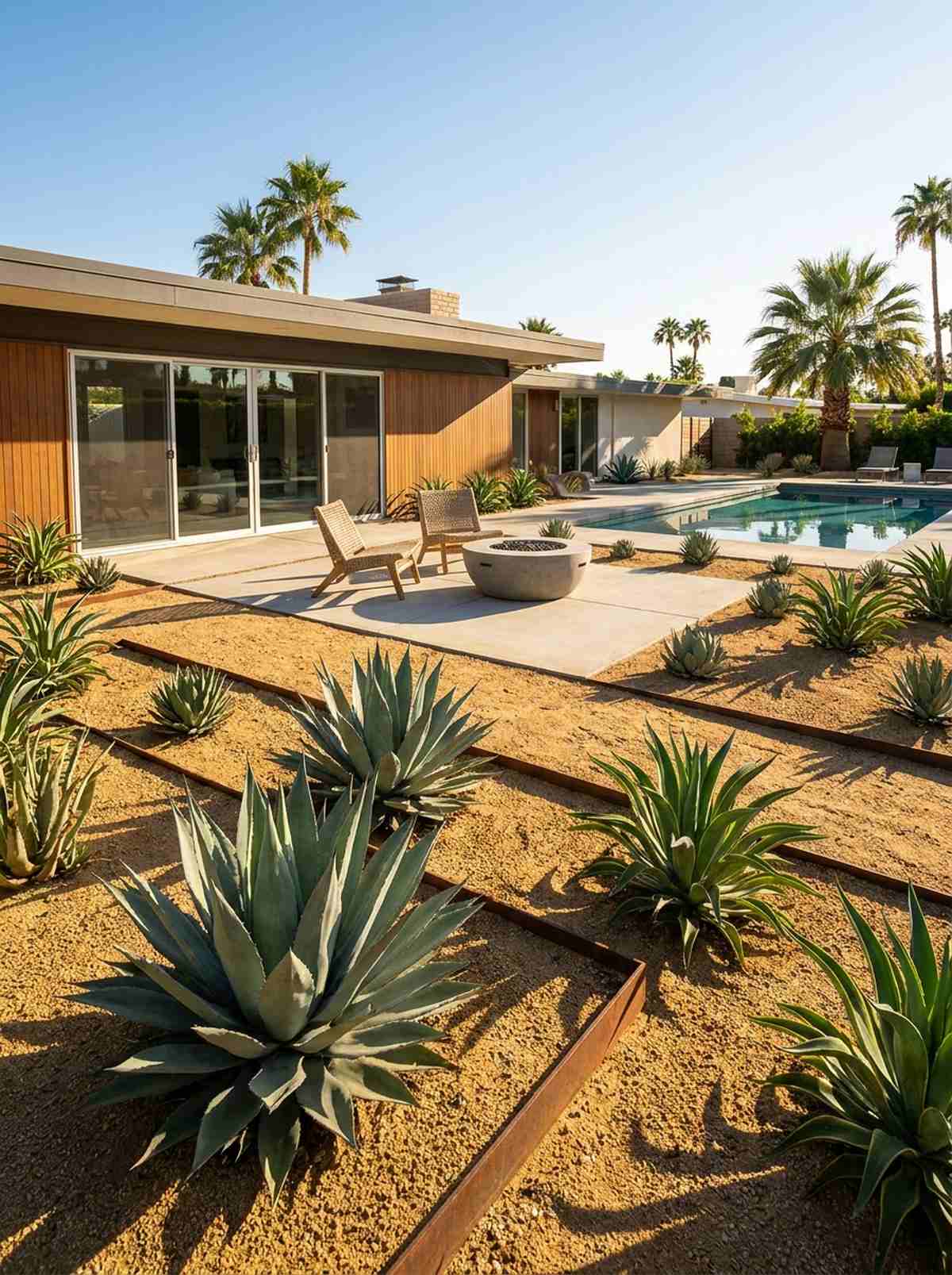
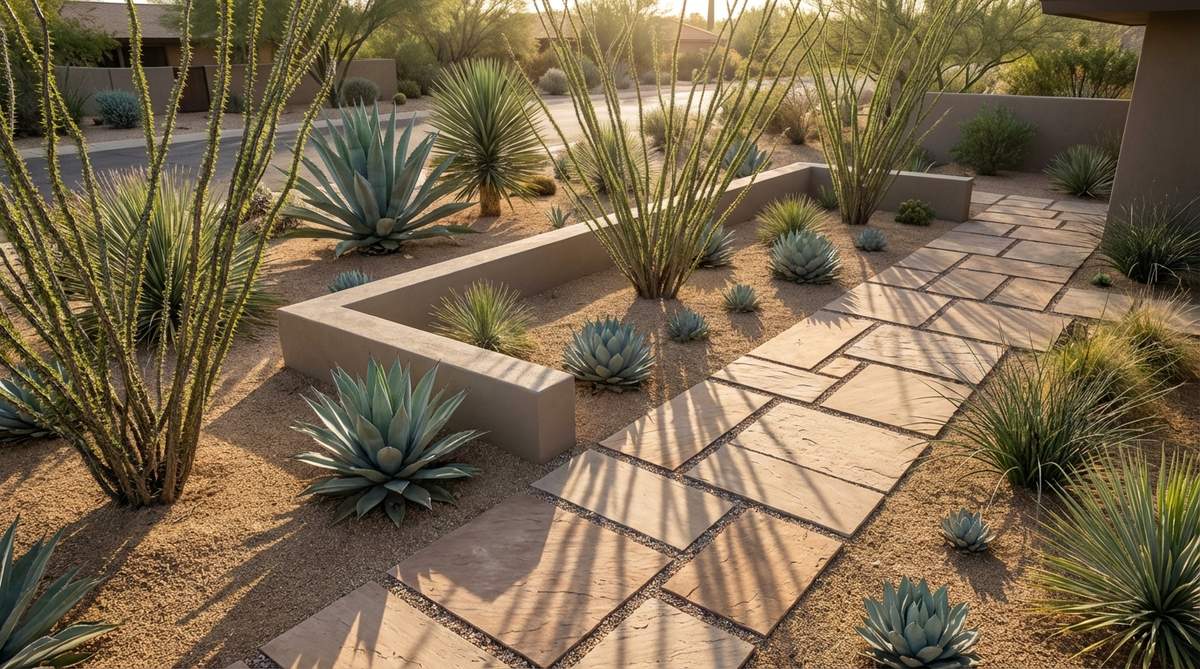
Captures the sun-drenched vibe of a Palm Springs estate. This architectural xeriscape aesthetic is vital for hot climates demanding water conservation.
Basic rock yards look barren, but introducing sharp agave silhouettes against decomposed granite completely elevates the space. The earth-toned palette pairs immaculately with mid-century modern facades.
You can execute this drought-proof look for $200–$400. Save this to your water-smart landscaping board.
- Key Materials: Agave, decomposed granite (DG), steel edging
- Vibe / Style: Mid-century desert chic
- Difficulty: Heavy shoveling
- Budget Breakdown: Succulents: $150 | DG & Edging: $150.
- Creator’s Tip: Tamp the decomposed granite while wet to create a solid, walkable surface that won’t wash away.
- Smart Sourcing: flexible steel landscape edging and architectural succulent variety packs.
Before you buy expensive outdoor decor, check out this geometric trick that creates luxury out of basic cheap shrubs…
15. Topiary Box Parterre
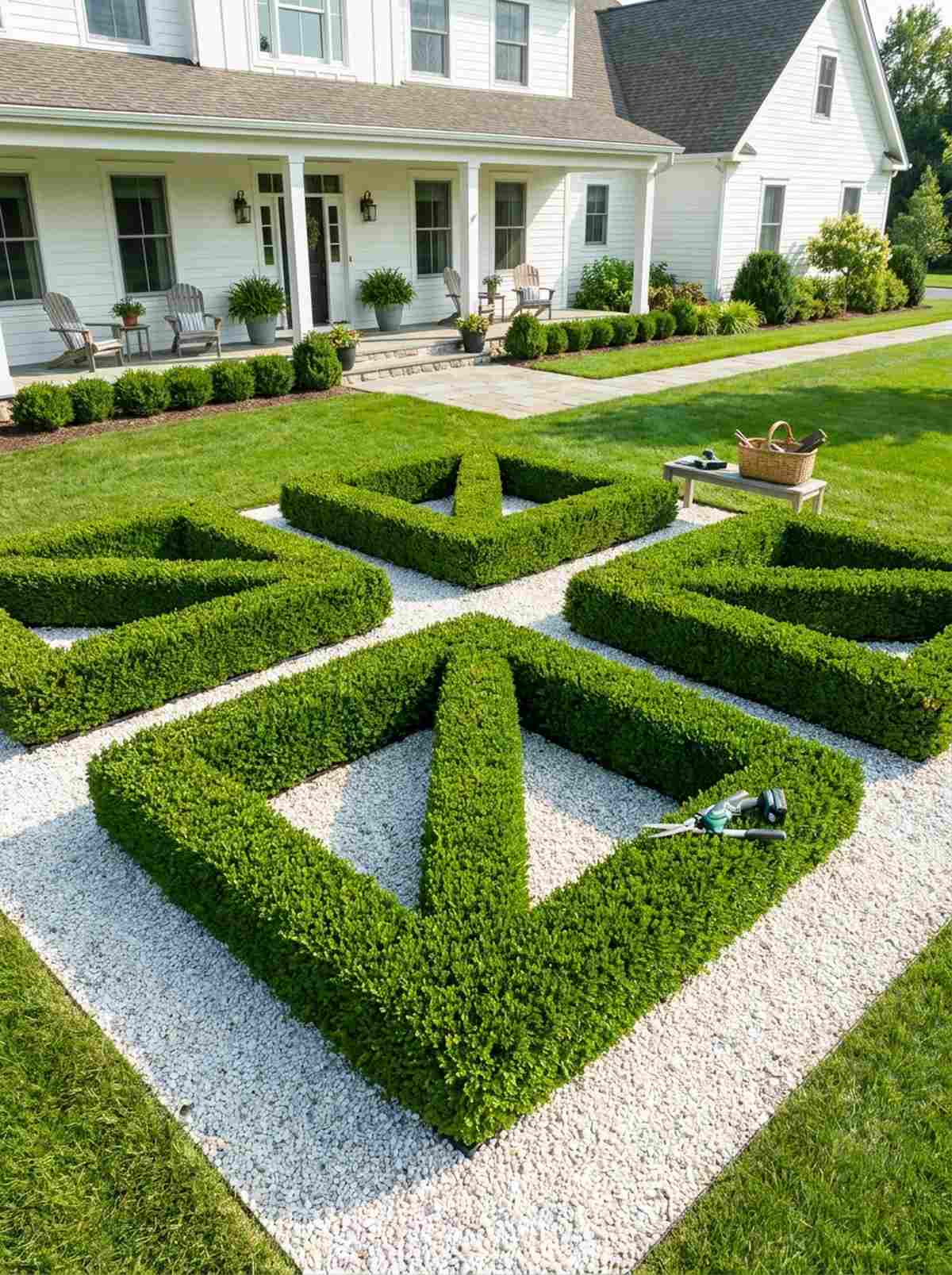
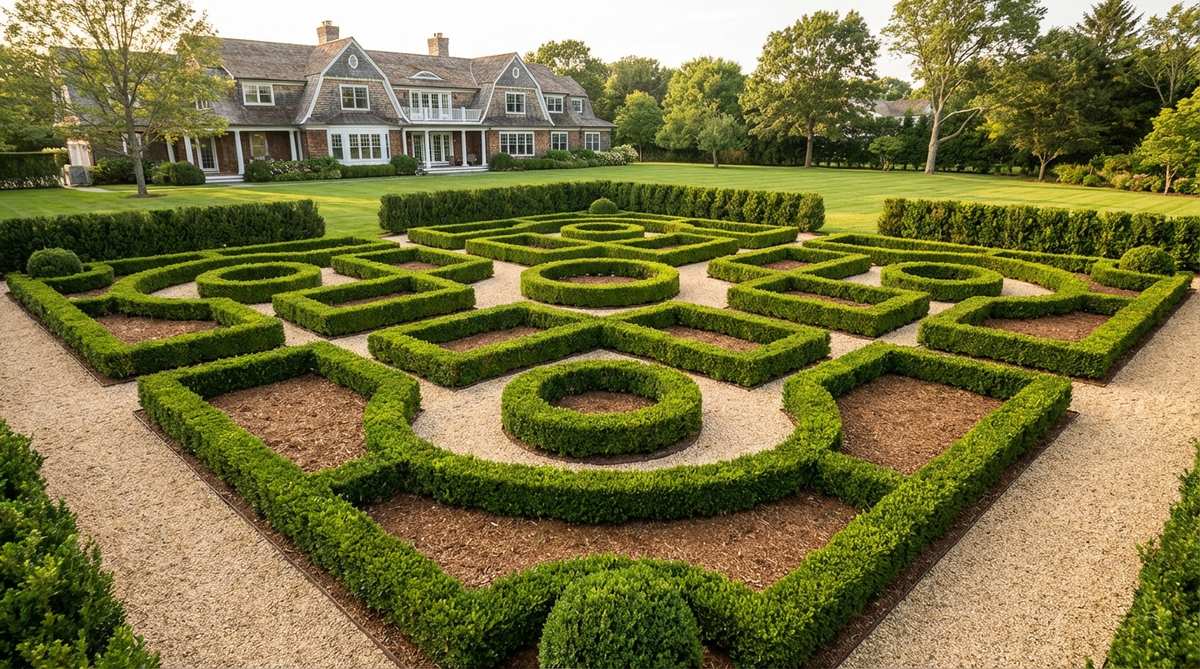
Feels like wandering the grounds of a historic French chateau. A geometric boxwood parterre brings incredible formal structure to a messy front entrance.
Loose shrubs get overgrown, but shearing evergreens into crisp, formal grids looks far more expensive than it is. Surrounding the green structure with bright white gravel makes the shapes pop aggressively.
Start small with a $150–$250 budget for young boxwoods. Pin this if you crave year-round, unchanging neatness.
- Key Materials: Dwarf boxwood shrubs, white pea gravel, electric shears
- Vibe / Style: Crisp European formality
- Difficulty: Constant pruning
- Budget Breakdown: Shrubs: $150 | Gravel: $60.
- Creator’s Tip: Run a tight string line on stakes before every single cut to maintain perfectly level, razor-sharp edges.
- Smart Sourcing: cordless lithium topiary shears and dwarf evergreen border starter packs.
16. Reflective Water Feature
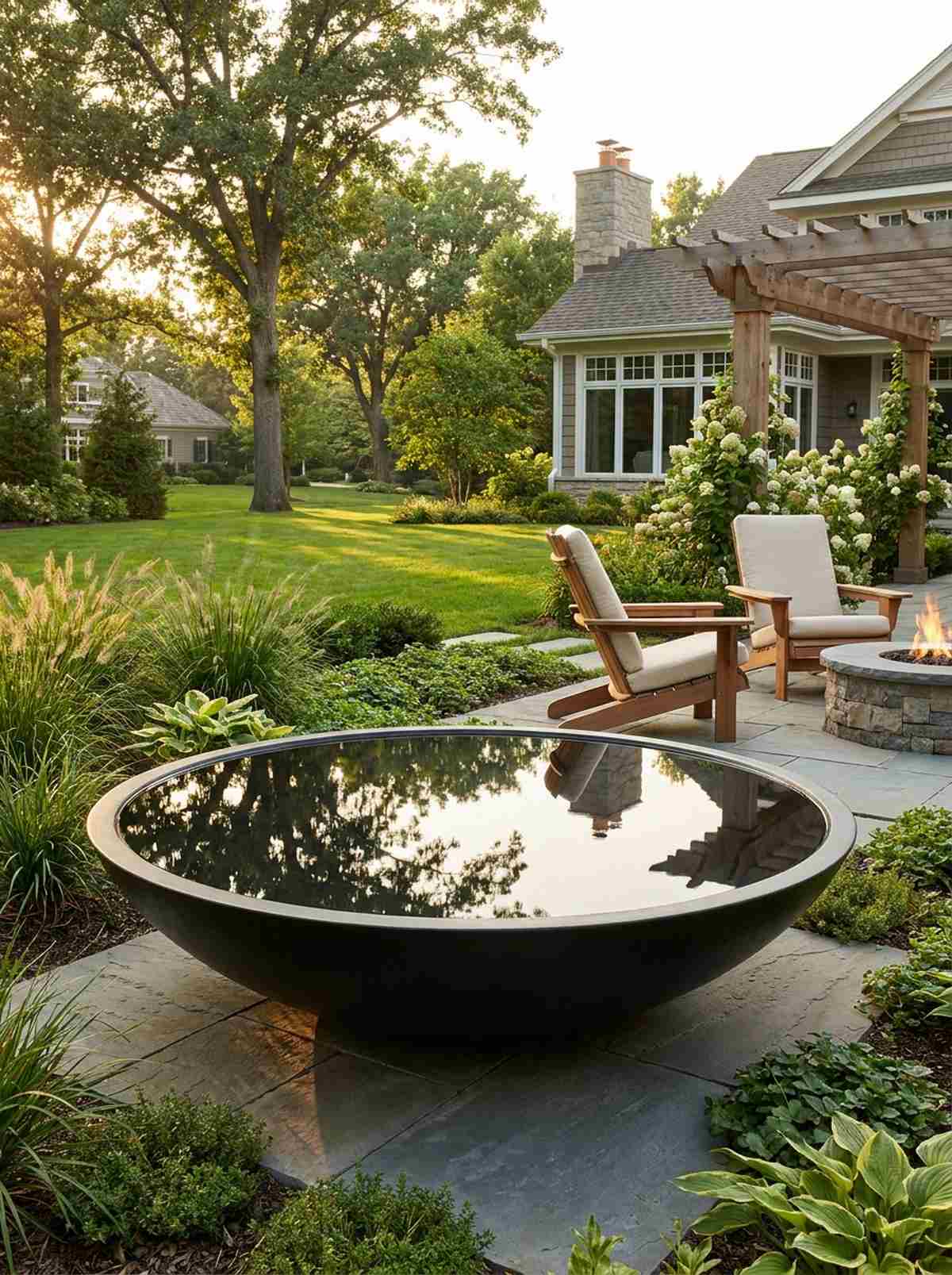
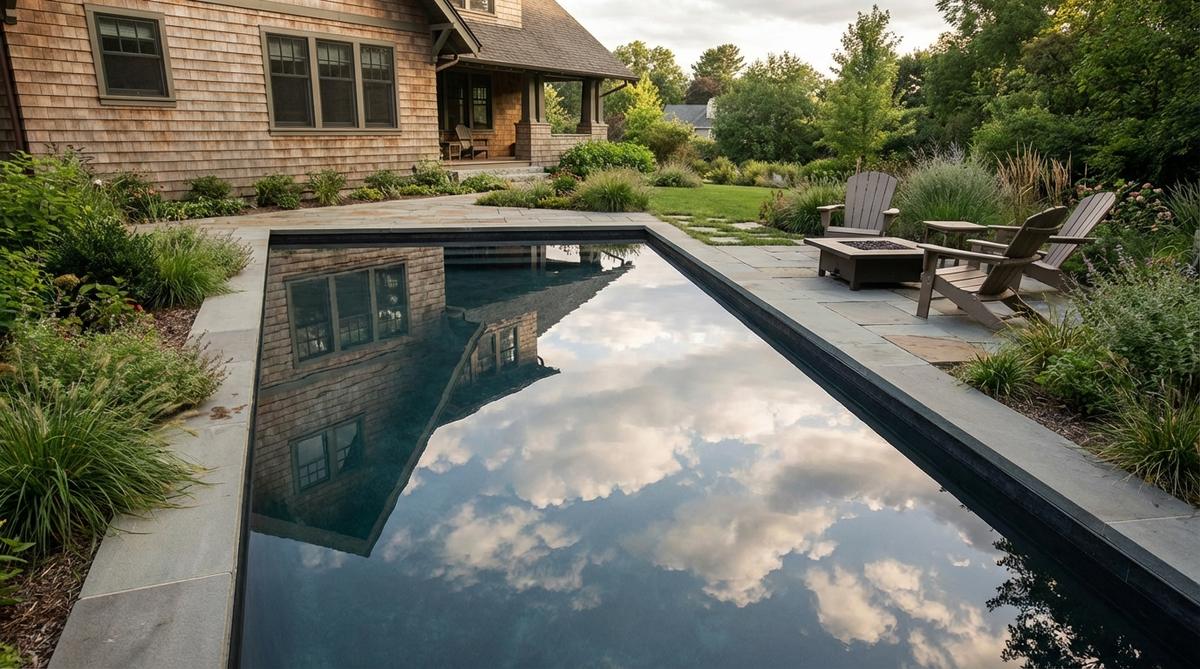
Radiates the profound stillness of an art museum courtyard. A dark still-water basin acts as a massive mirror for the sky and nearby trees.
Bubbling fountains are often noisy, but a silent, perfectly flat water surface delivers a designer-level finish. Dyeing or painting the basin interior black creates a flawless, deep-mirror reflection.
You can build a stunning reflective bowl for under $100. Highly recommended for a tranquil patio corner.
- Key Materials: Low wide planter bowl, black pond sealant, mosquito dunks
- Vibe / Style: Deep minimalist reflection
- Difficulty: Very easy
- Budget Breakdown: Resin bowl: $60 | Sealant: $25.
- Creator’s Tip: Add a specialized clear algaecide weekly to keep the water looking like solid, polished black glass.
- Smart Sourcing: non-toxic black pond dye and UV-resistant wide resin bowls.
Romantic & Cottage Garden Atmospheres
Cottage garden aesthetics celebrate abundance, soft color palettes, and informal planting schemes. These designs blend ornamentals with edibles in charming, layered compositions.
17. Pastel Perennial Border
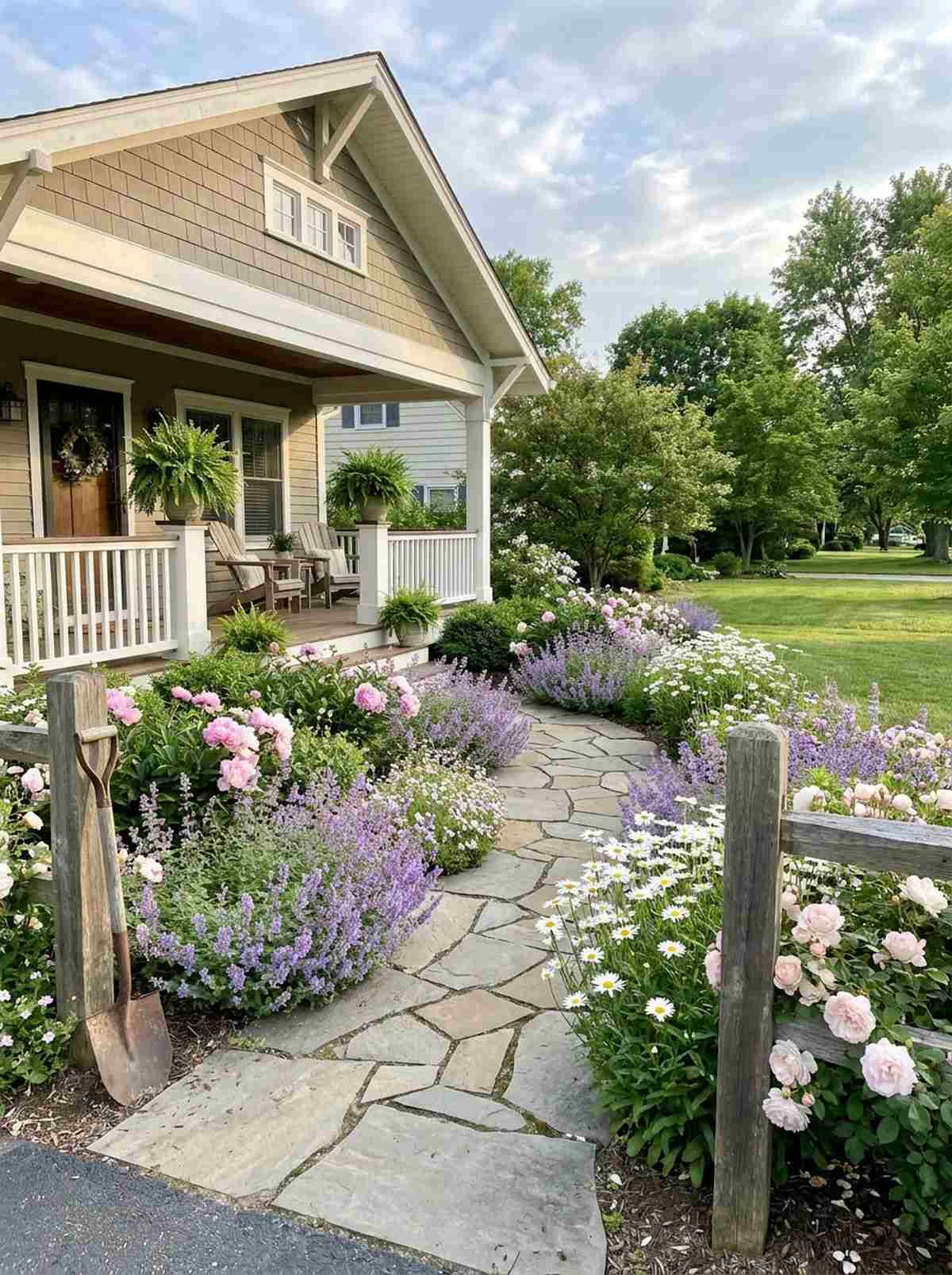
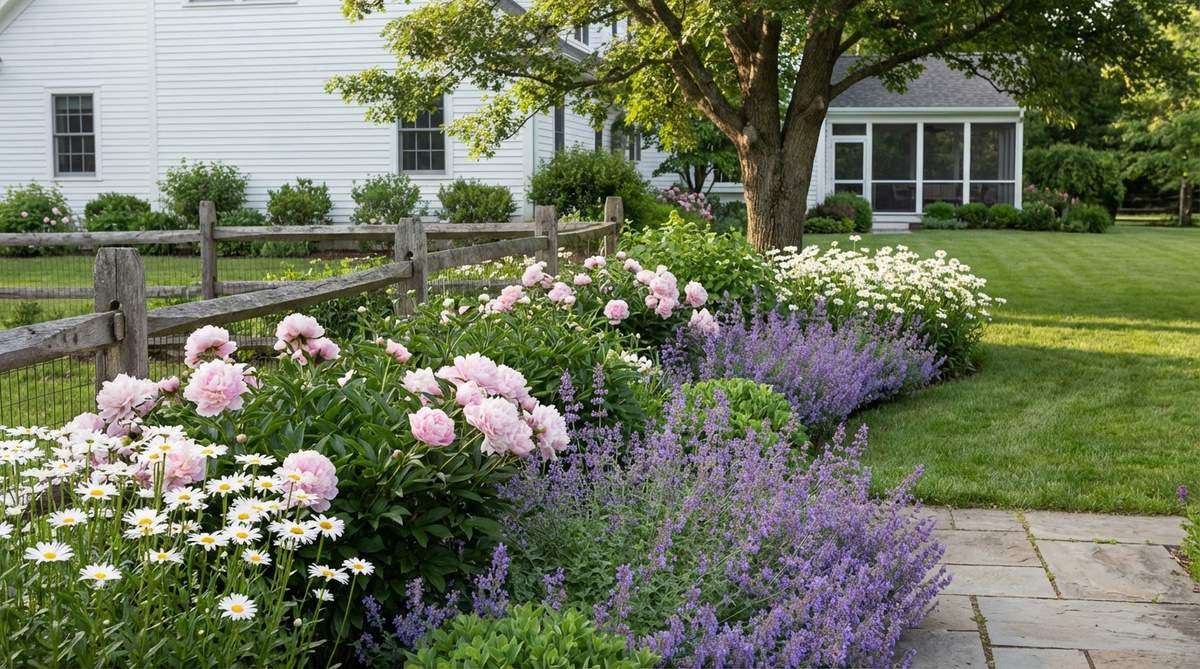
Feels like stepping straight into a nostalgic watercolor painting. A layered pastel flower border is the ultimate aesthetic for a charming front porch walkway.
Rigid plant spacing looks corporate, but overlapping drifts of lavender and shasta daisies gives that custom-built vibe. Repeating pink and white notes creates an intentional rhythm within the wild abundance.
Establishing this cottage core border costs around $100–$200 in perennials. Save this to your dreamy English garden board.
- Key Materials: Pink peonies, catmint, border spades
- Vibe / Style: Soft nostalgic romance
- Difficulty: Ongoing maintenance
- Budget Breakdown: Perennials: $120 | Compost: $40.
- Creator’s Tip: Employ the “Chelsea Chop” in late May—cutting back stems by a third to multiply late-summer blooms.
- Smart Sourcing: cottage garden perennial root kits and organic bloom-boosting plant food.
18. Climbing Rose Arbor
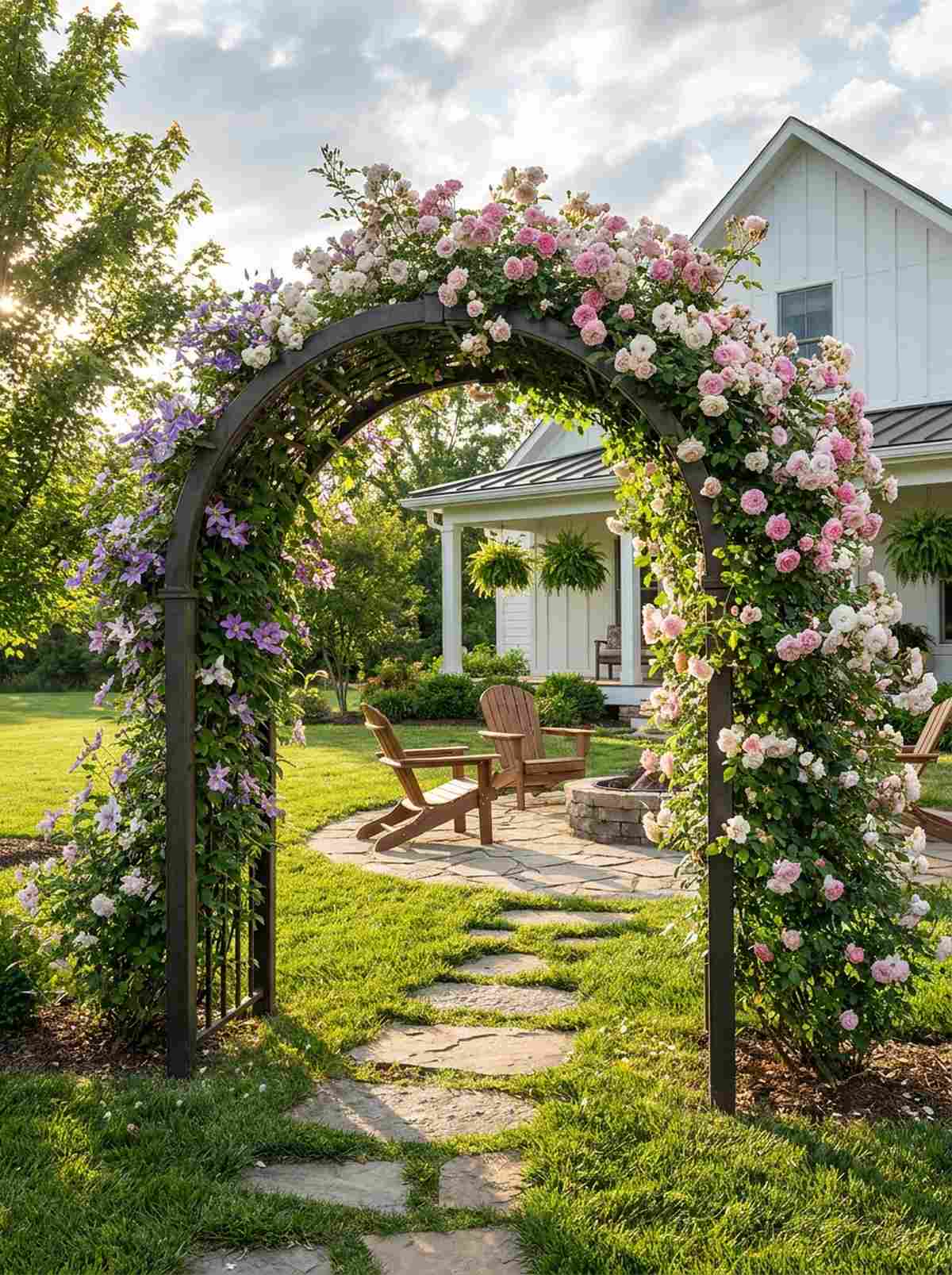
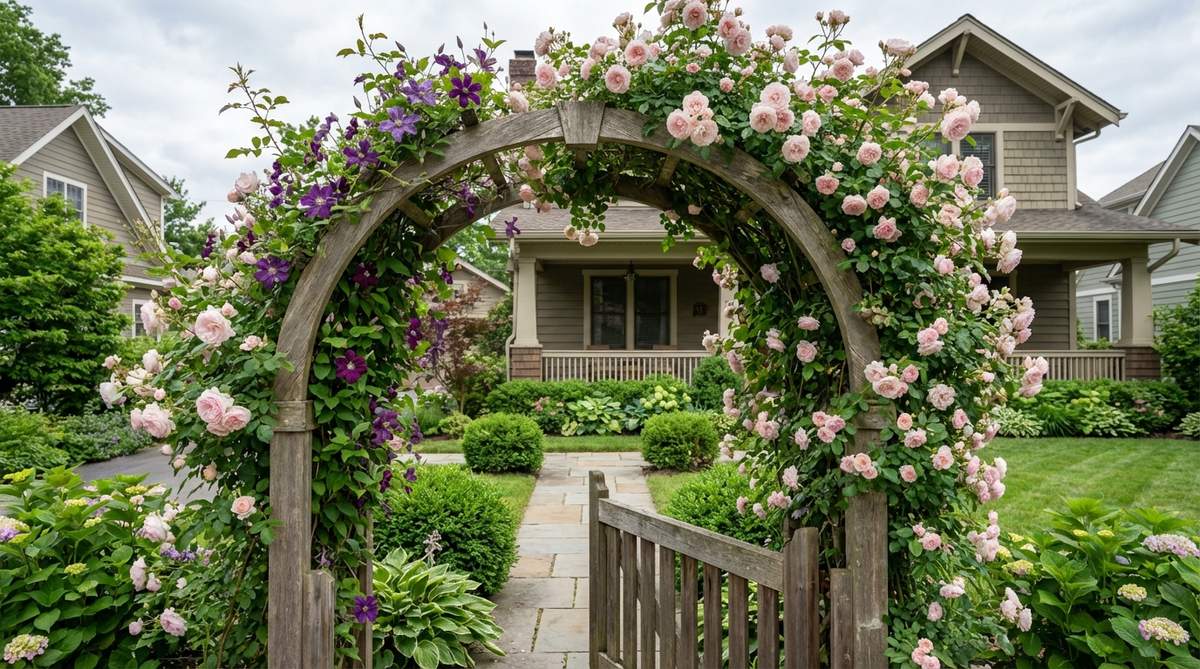
Embodies the magic of a hidden cottage entrance. A fragrant climbing rose archway defines garden transitions and draws the eye aggressively upward.
Flimsy trellises collapse, but investing in a heavy-duty steel arch layered with clematis completely elevates the space. The intertwined vines provide a spectacular, blooming vertical curtain all summer long.
A quality arch and bare-root roses run about $150–$250. Pin this for the ultimate garden entrance upgrade.
- Key Materials: Heavy-duty metal arbor, climbing roses, soft plant ties
- Vibe / Style: Grand vertical floral
- Difficulty: Requires training vines
- Budget Breakdown: Steel arbor: $120 | Roses: $80.
- Creator’s Tip: Train rose canes horizontally along the arch sides; horizontal canes produce three times as many flower shoots.
- Smart Sourcing: heavy-duty steel garden arches and flexible silicone plant ties.
19. Herb Garden Pathways
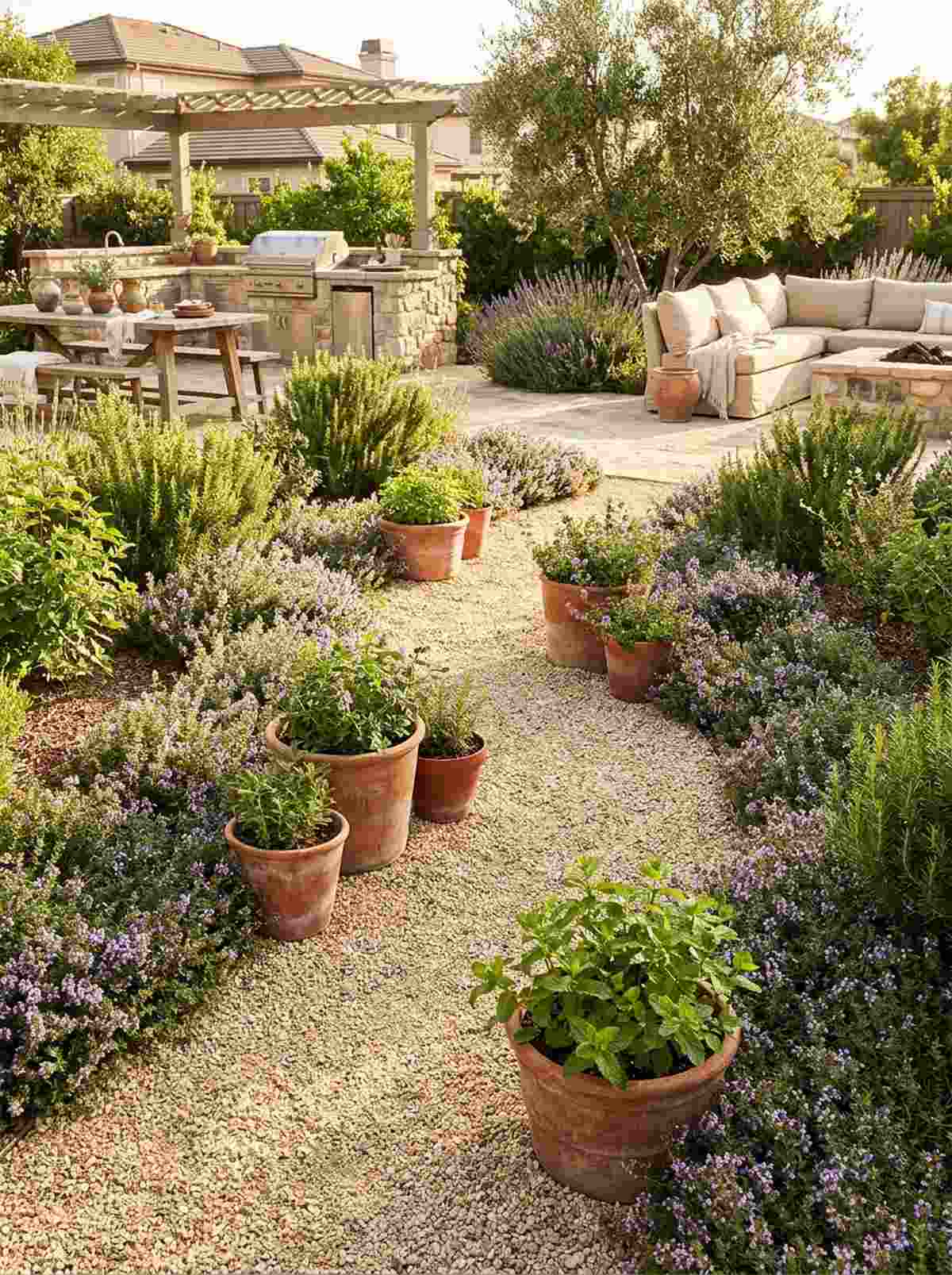
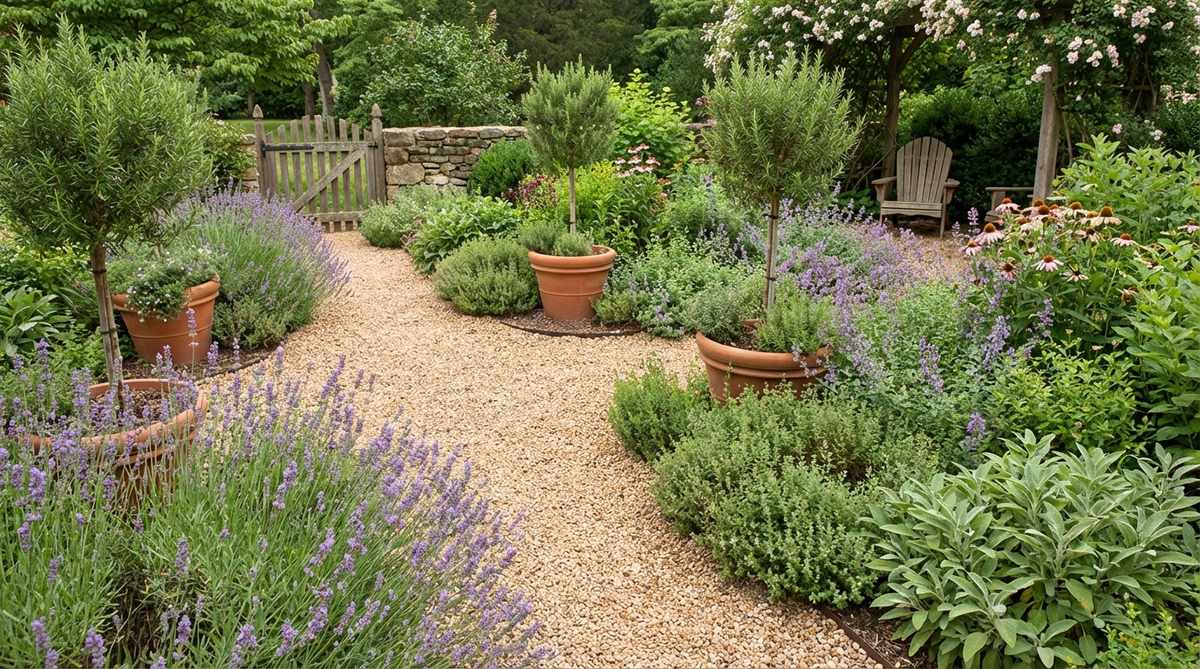
Radiates the sensory delight of a sun-baked Mediterranean villa. A scented herb gravel pathway is a brilliant, interactive addition near outdoor kitchens.
Standard mulch pathways are boring, but bordering walkways with creeping thyme and rosemary looks far more expensive than it is. The friction from brushing past the plants releases incredible natural aromatics.
You can execute this aromatic path for $80–$150. Highly recommended for a multi-sensory patio experience.
- Key Materials: Crushed gravel, creeping thyme, terracotta pots
- Vibe / Style: Rustic sensory edible
- Difficulty: Easy layout
- Budget Breakdown: Herbs: $60 | Gravel base: $50.
- Creator’s Tip: Sink small terracotta pots directly into the gravel to contain invasive herbs like mint while maintaining the aesthetic.
- Smart Sourcing: culinary herb live plant bundles and weathered terracotta planter sets.
Most backyard setups ignore vertical space… until they try this insanely charming fence line trick coming up next.
20. Hollyhock Fence Row
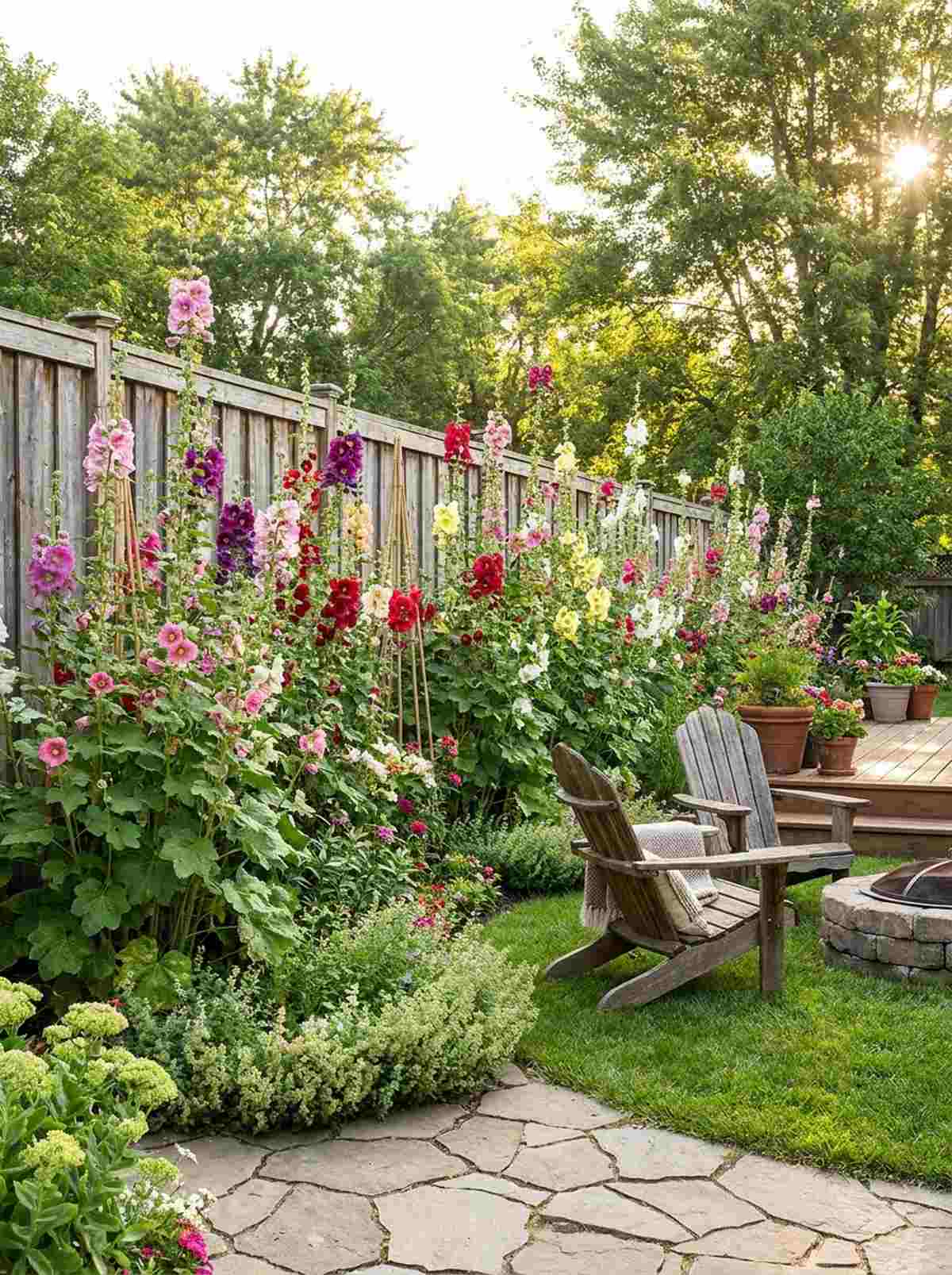
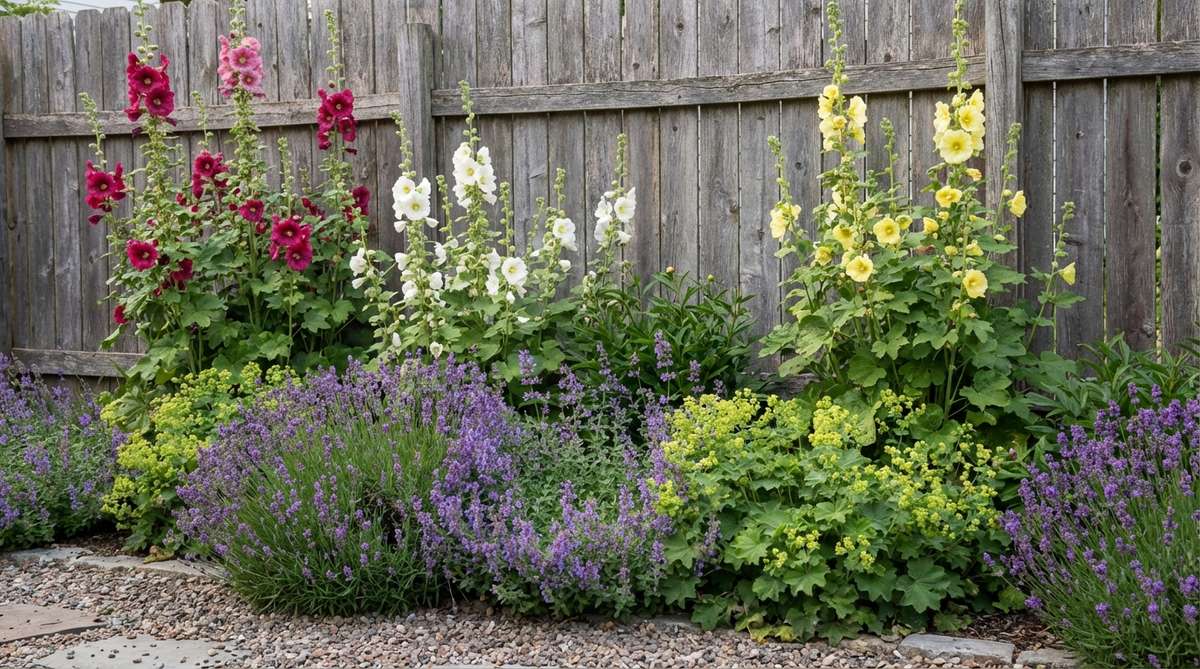
Feels like a page ripped from an old botanical storybook. Towering hollyhock floral spires are the ultimate hack to hide ugly, weathered wooden fences.
Replacing fences is costly, but masking them with towering biennials gives a designer-level finish for pennies. The dramatic vertical lift perfectly contrasts with soft, mounding plants at the base.
A packet of seeds costs just $10 to transform a whole fence line. Save this to your budget backyard makeover board.
- Key Materials: Hollyhock seed mixes, compost, twine support
- Vibe / Style: Towering vintage charm
- Difficulty: Easy (requires patience)
- Budget Breakdown: Seeds: $15 | Support stakes: $20.
- Creator’s Tip: Hollyhocks are biennial; plant seeds two years in a row to guarantee a massive bloom cycle every single summer.
- Smart Sourcing: heirloom hollyhock seed bulk packs and bamboo garden support stakes.
21. Picket Fence Borders
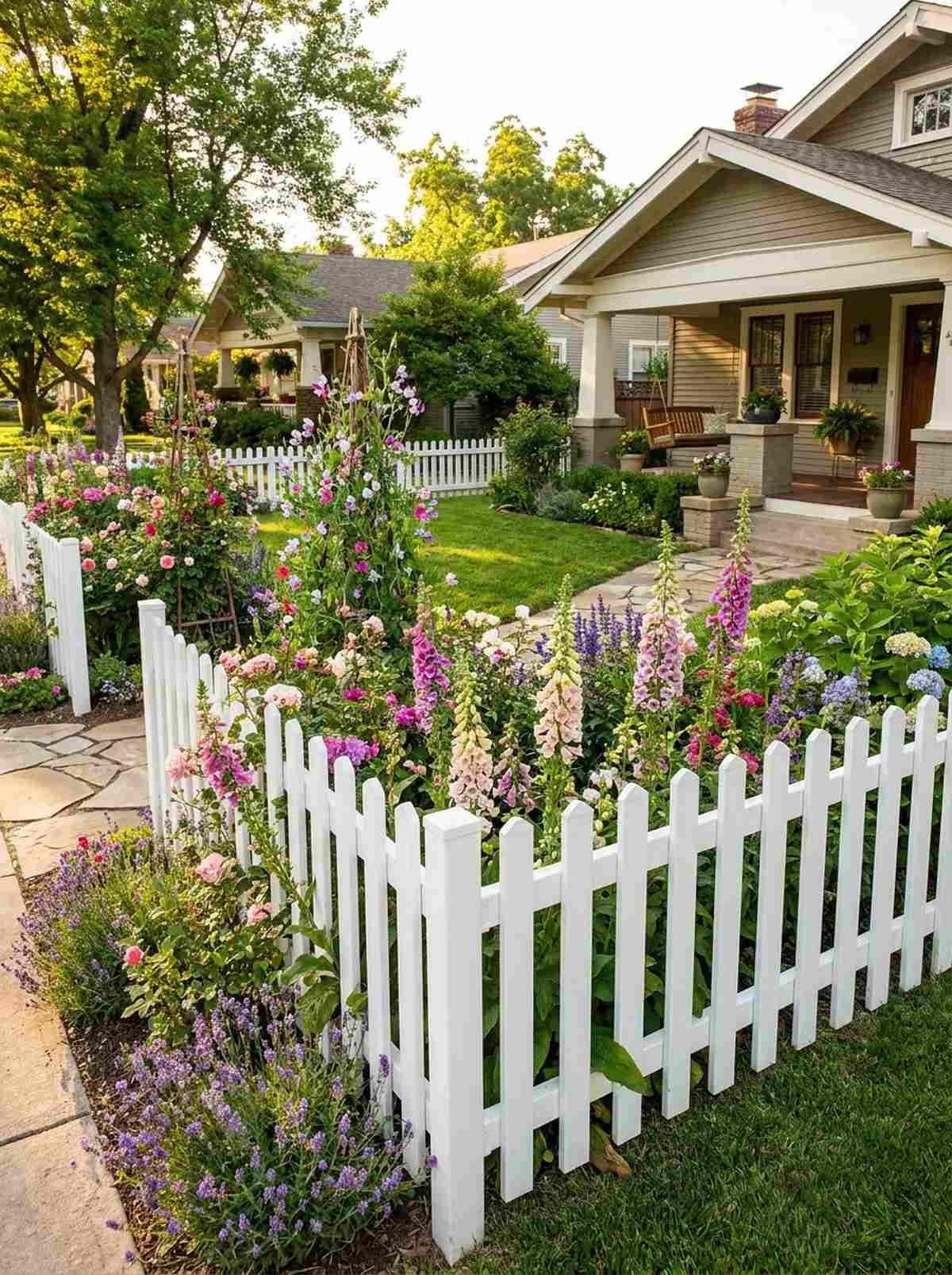
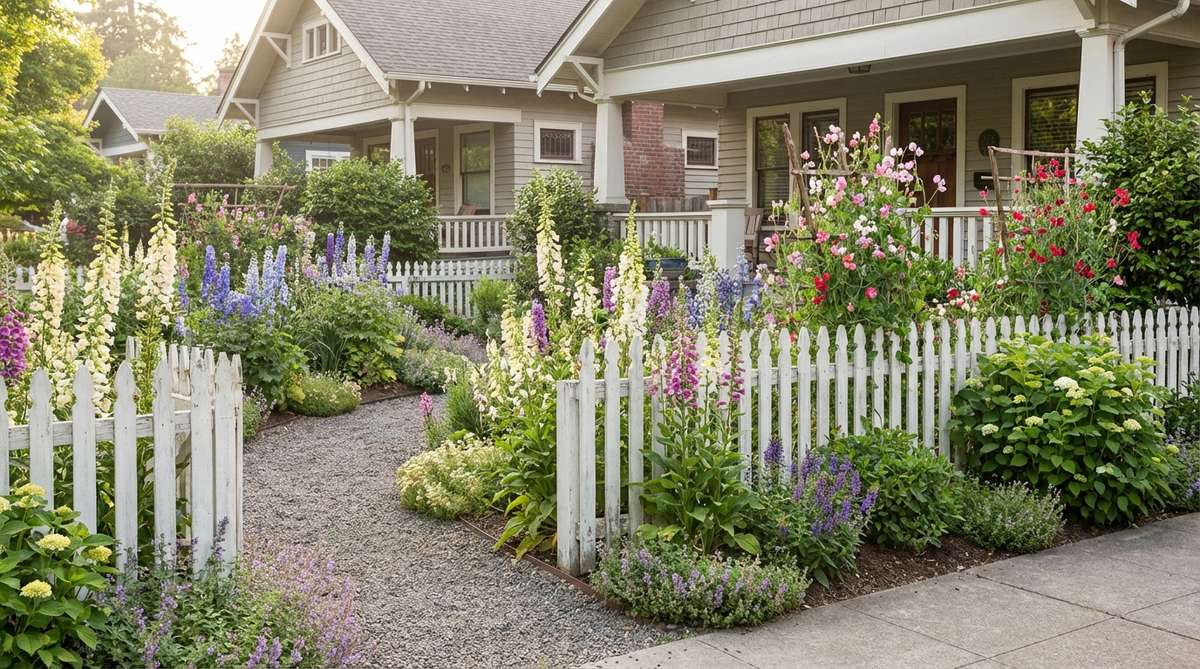
Embodies the welcoming charm of a friendly neighborhood homestead. A classic white picket floral border organizes chaotic cottage plantings perfectly in front yards.
Wild gardens can look messy, but framing them with a crisp white structure completely elevates the space. This low boundary establishes clear property lines while maintaining a highly neighborly openness.
Installing a short decorative fence section costs about $100–$200. Pin this if you love organized floral chaos.
- Key Materials: White vinyl or wood pickets, foxgloves, sweet peas
- Vibe / Style: Classic Americana cottage
- Difficulty: Basic carpentry
- Budget Breakdown: Picket panels: $120 | Plants: $60.
- Creator’s Tip: Use UV-resistant vinyl picket sections instead of wood to avoid peeling paint and annual maintenance.
- Smart Sourcing: no-dig vinyl picket fence panels and sweet pea climbing seed packs.
22. Cottage Window Boxes
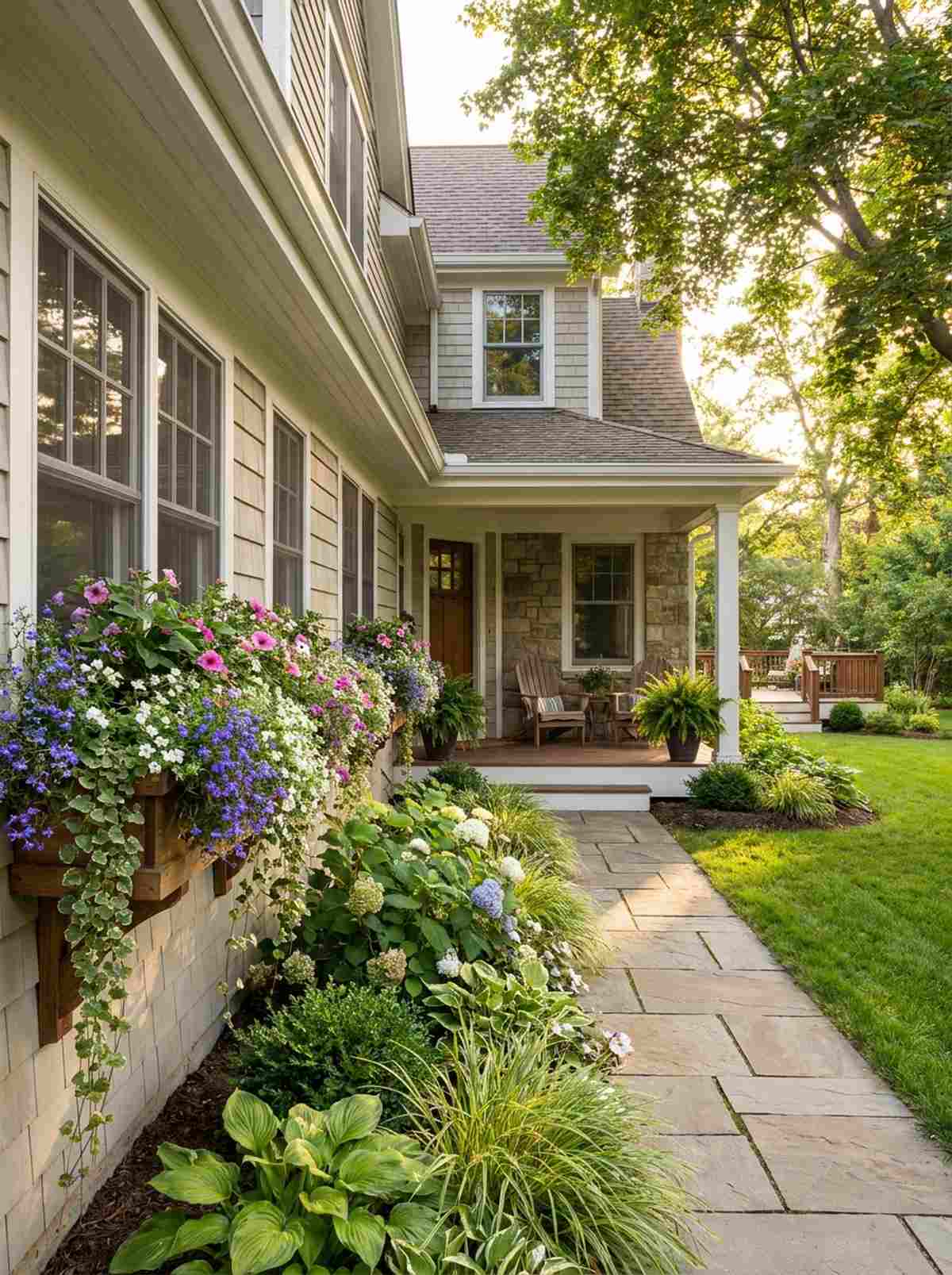
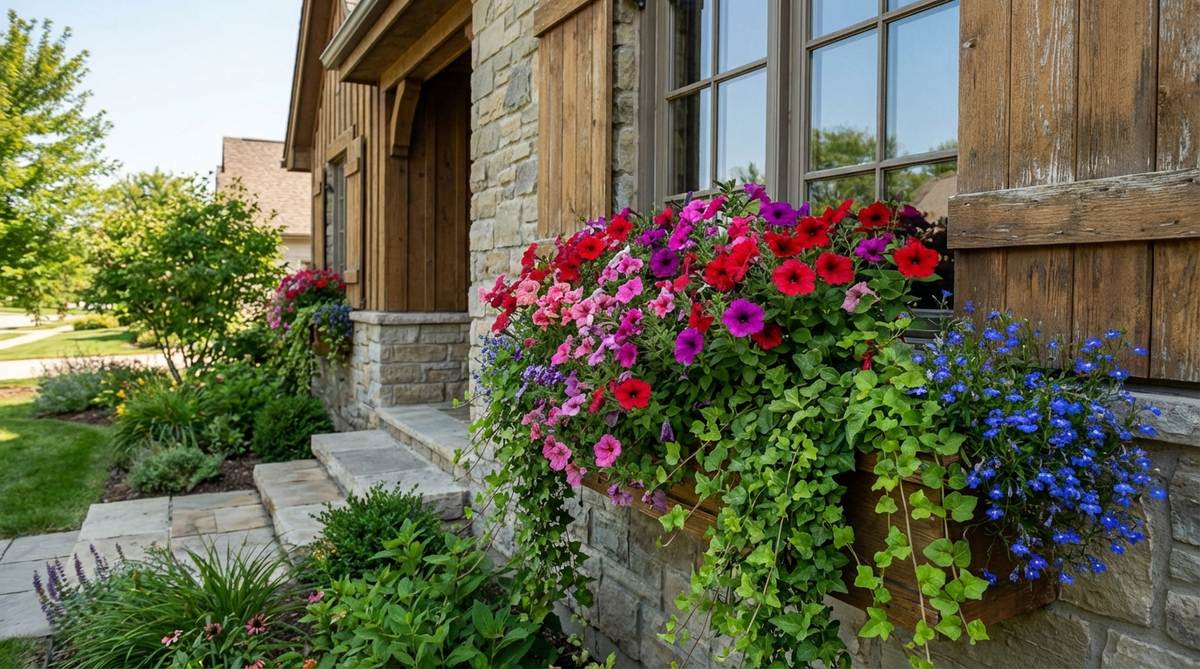
Radiates the cozy appeal of an alpine village chalet. Overflowing floral window boxes instantly soften harsh home architecture and brickwork.
Bare windows look sterile, but spilling trailing lobelia over the edges delivers a surprisingly premium look. The suspended abundance brings the garden right up to eye level from inside the house.
Quality boxes and soil cost around $50–$100 per window. Highly recommended to boost your home’s exterior charm instantly.
- Key Materials: Heavy-duty window boxes, moisture-control potting soil, trailing annuals
- Vibe / Style: Suspended floral abundance
- Difficulty: Easy mounting
- Budget Breakdown: Box planters: $60 | Trailing flowers: $30.
- Creator’s Tip: Add water-retaining hydrogel crystals to your potting mix to prevent the boxes from drying out during hot afternoons.
- Smart Sourcing: self-watering window box kits and moisture-control hydrogel crystals.
23. Rambling Garden Paths
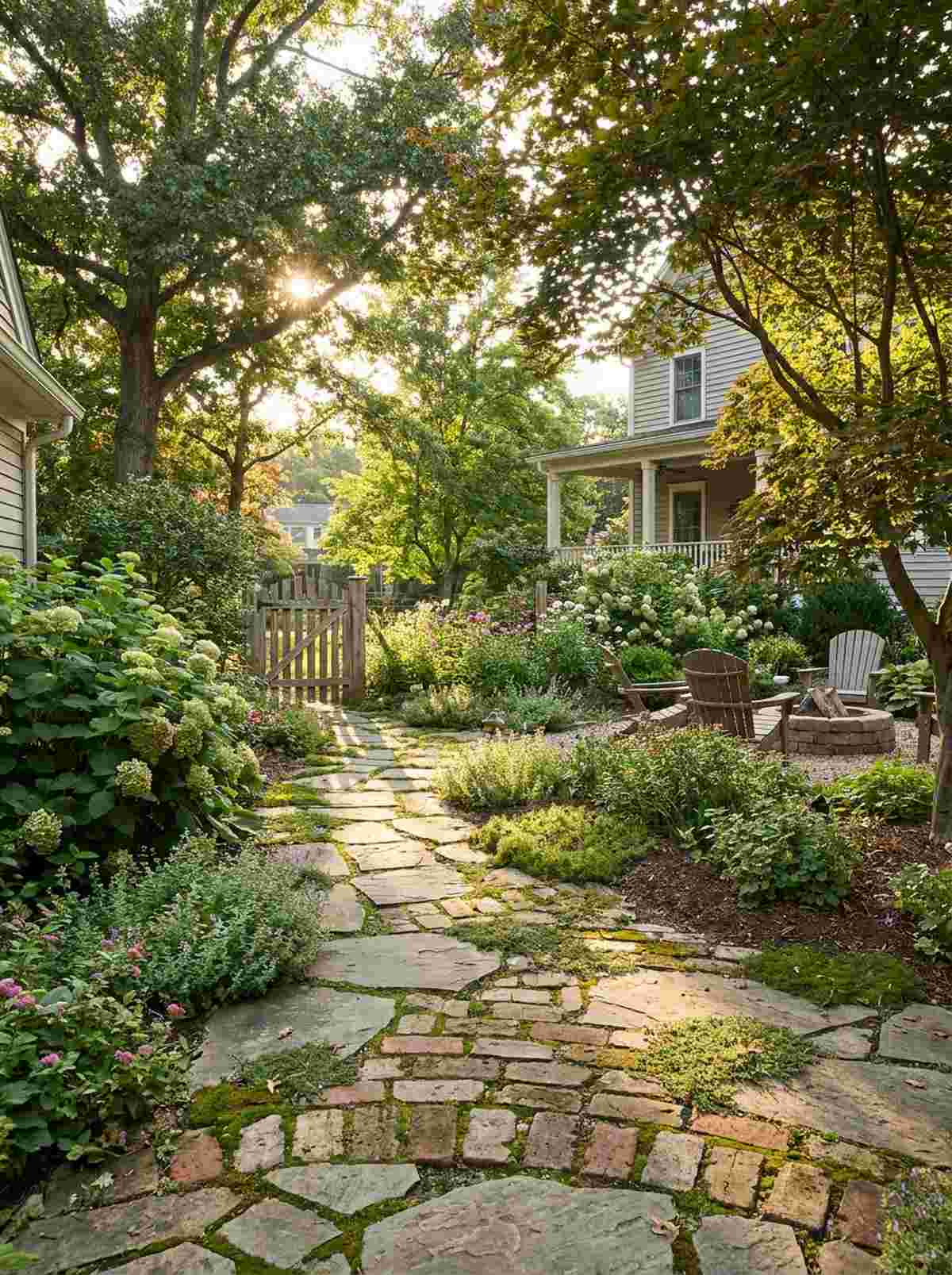
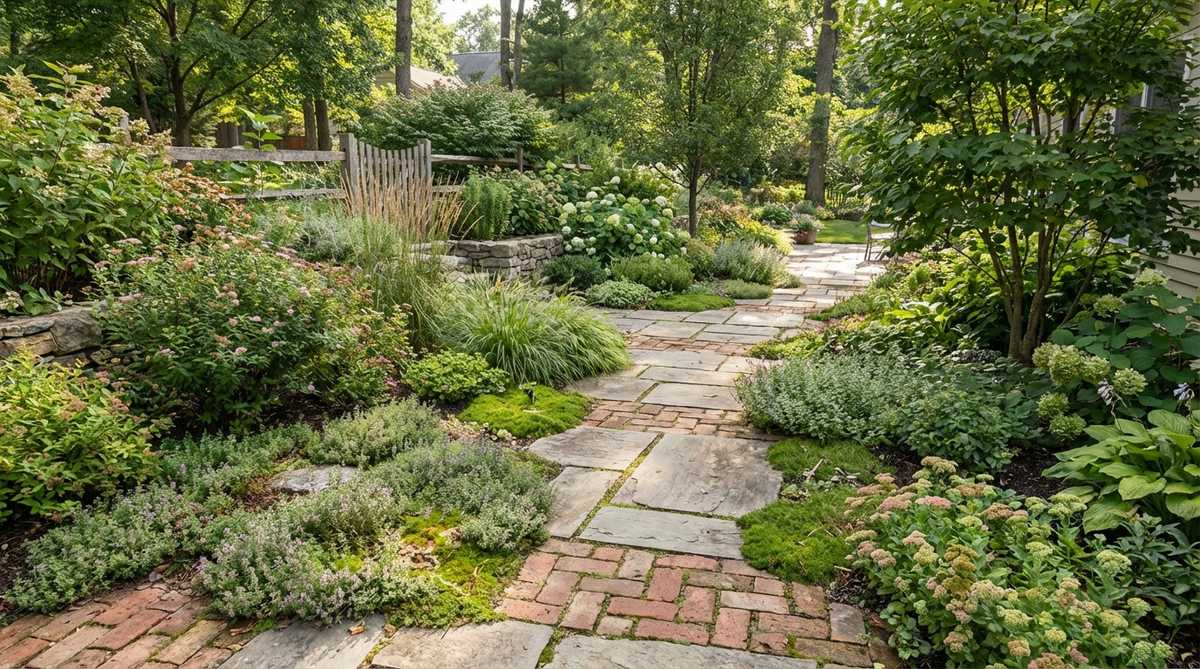
Feels like navigating a whimsical, overgrown labyrinth. A curved weathered stone pathway invites deep exploration through a lush backyard.
Straight concrete paths are boring, but utilizing reclaimed brick or irregular stone looks far more expensive than it is. Allowing creeping herbs to blur the hard edges creates an aged, historical atmosphere.
Creating a 15-foot path with salvaged brick runs roughly $100–$200. Save this layout for your side-yard inspiration board.
- Key Materials: Reclaimed bricks or flagstone, path sand, creeping groundcover
- Vibe / Style: Aged wandering trail
- Difficulty: Medium digging/leveling
- Budget Breakdown: Paver base: $40 | Reclaimed bricks: $80.
- Creator’s Tip: Dig the path slightly deeper than the grass line so your lawnmower glides right over the edge without catching.
- Smart Sourcing: polymeric paver joining sand and stepable groundcover seed mixes.
24. Vintage Garden Accessories
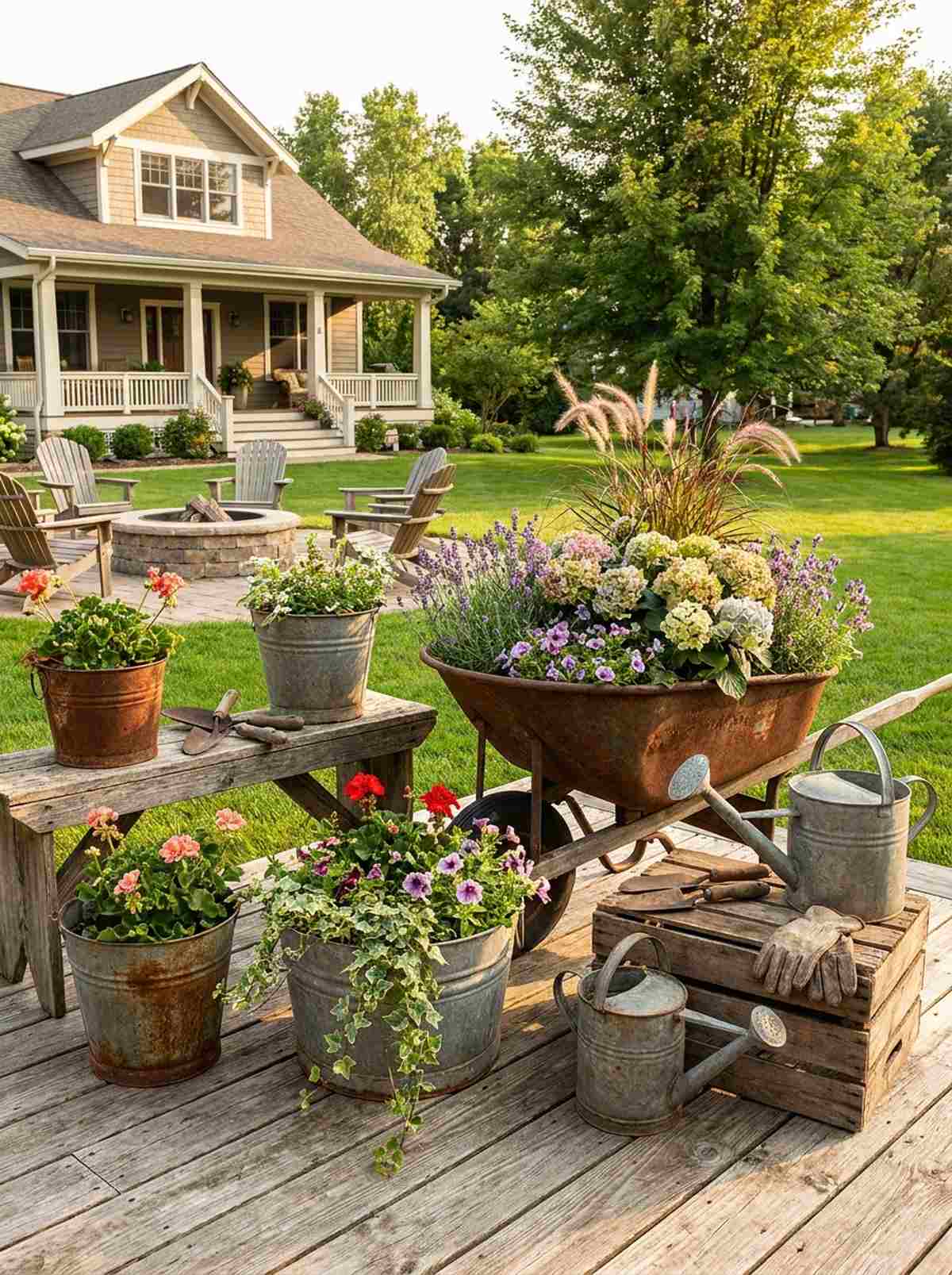
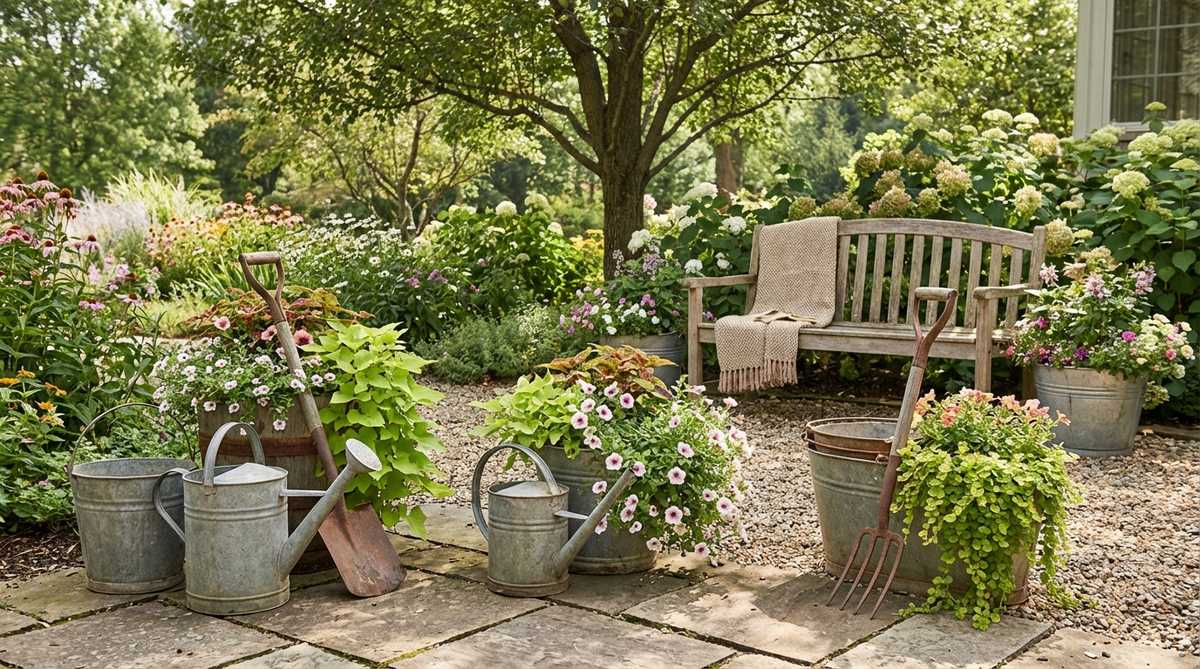
Brings the soulful, rustic energy of an antique flea market. Repurposed vintage galvanized planters serve as stunning decorative accents on patios.
Store-bought plastic pots look cheap, but transforming a rusted wheelbarrow into a floral display gives that custom-built vibe. Clustering these odd-numbered vintage items builds incredibly natural, photogenic vignettes.
You can thrift these materials for under $50. Pin this to your upcycled garden decor board.
- Key Materials: Galvanized buckets, vintage tools, metal drill bit for drainage
- Vibe / Style: Rustic upcycled charm
- Difficulty: Very easy
- Budget Breakdown: Thrifted bins: $30 | Potting mix: $15.
- Creator’s Tip: Always drill at least five half-inch drainage holes in the bottom of metal buckets to prevent root rot.
- Smart Sourcing: titanium metal drill bit sets and galvanized rustic tub planters.
If you think your climate is too boring for tropical vibes, the next bold aesthetic will completely change your mind…
Bold & Dramatic Landscape Tones
Dramatic garden aesthetics command attention through scale, contrast, and unexpected combinations. These designs favor architectural plants and striking color contrasts.
25. Tropical Foliage Garden
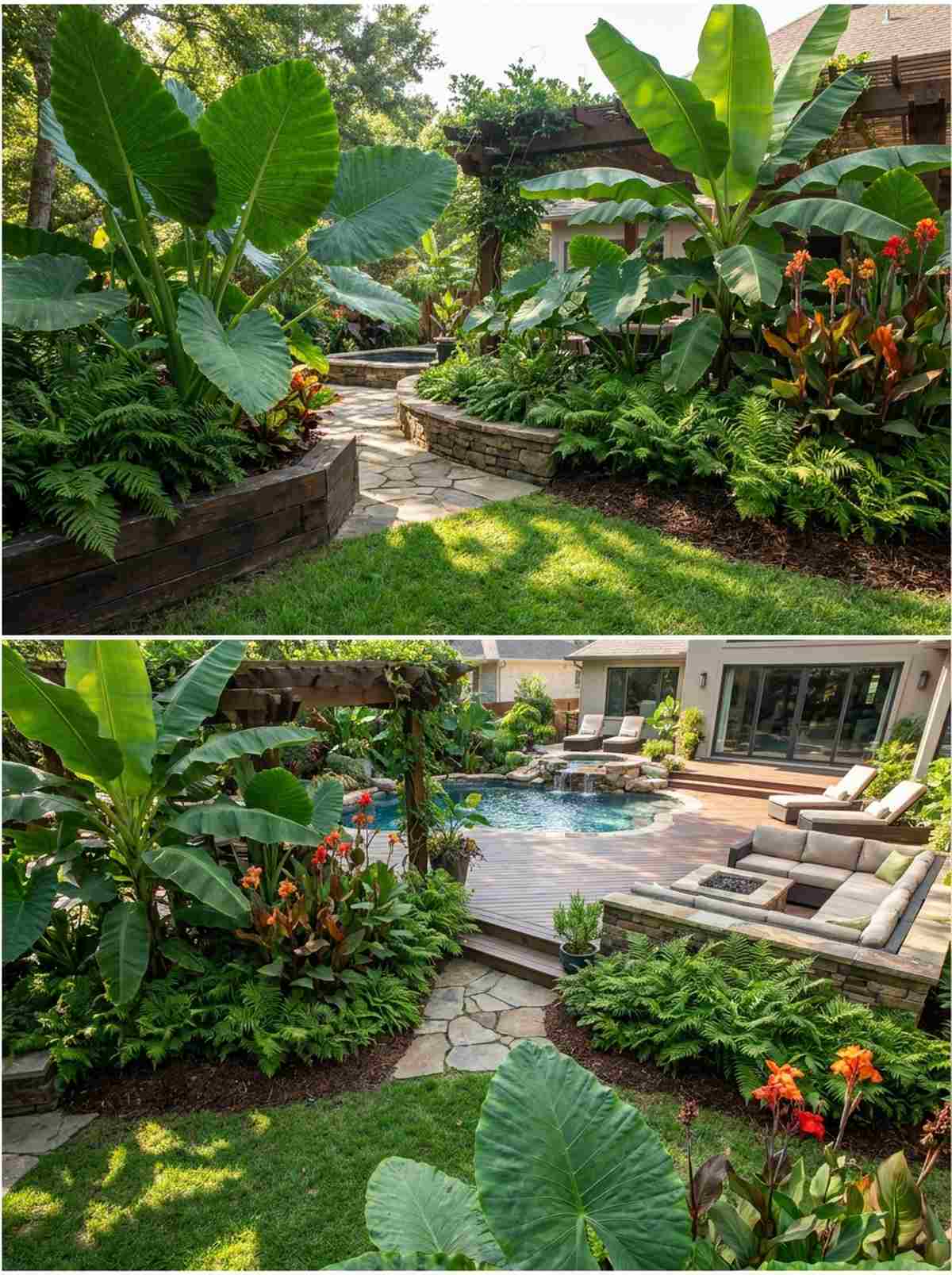
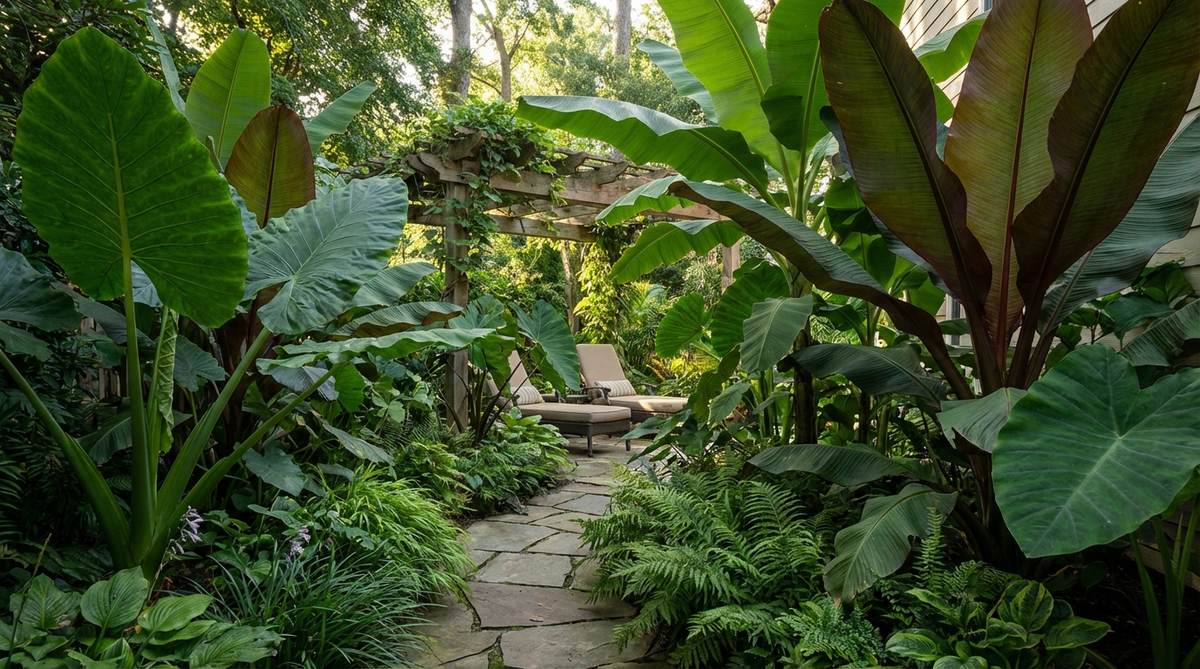
Creates the suffocatingly lush vibe of a Balinese resort. Oversized giant elephant ear foliage establishes a dramatic, jungle-like scale even in standard backyards.
Tiny flowers get lost from a distance, but pairing massive banana leaves with fine-textured ferns delivers a designer-level finish. The intense leaf contrast maximizes visual impact, thriving perfectly in dappled summer shade.
Large tropical bulbs cost around $60–$100 to fill a corner. Save this for your lush pool-side landscape board.
- Key Materials: Elephant ear bulbs, canna lilies, rich organic compost
- Vibe / Style: Bold resort jungle
- Difficulty: Digging bulbs in winter
- Budget Breakdown: Jumbo bulbs: $75 | Fertilizer: $20.
- Creator’s Tip: Dig up and store tropical bulbs in a dark basement over winter if you live above Hardiness Zone 8.
- Smart Sourcing: jumbo elephant ear bulb packs and high-nitrogen foliage fertilizer.
26. Black Foliage Scheme
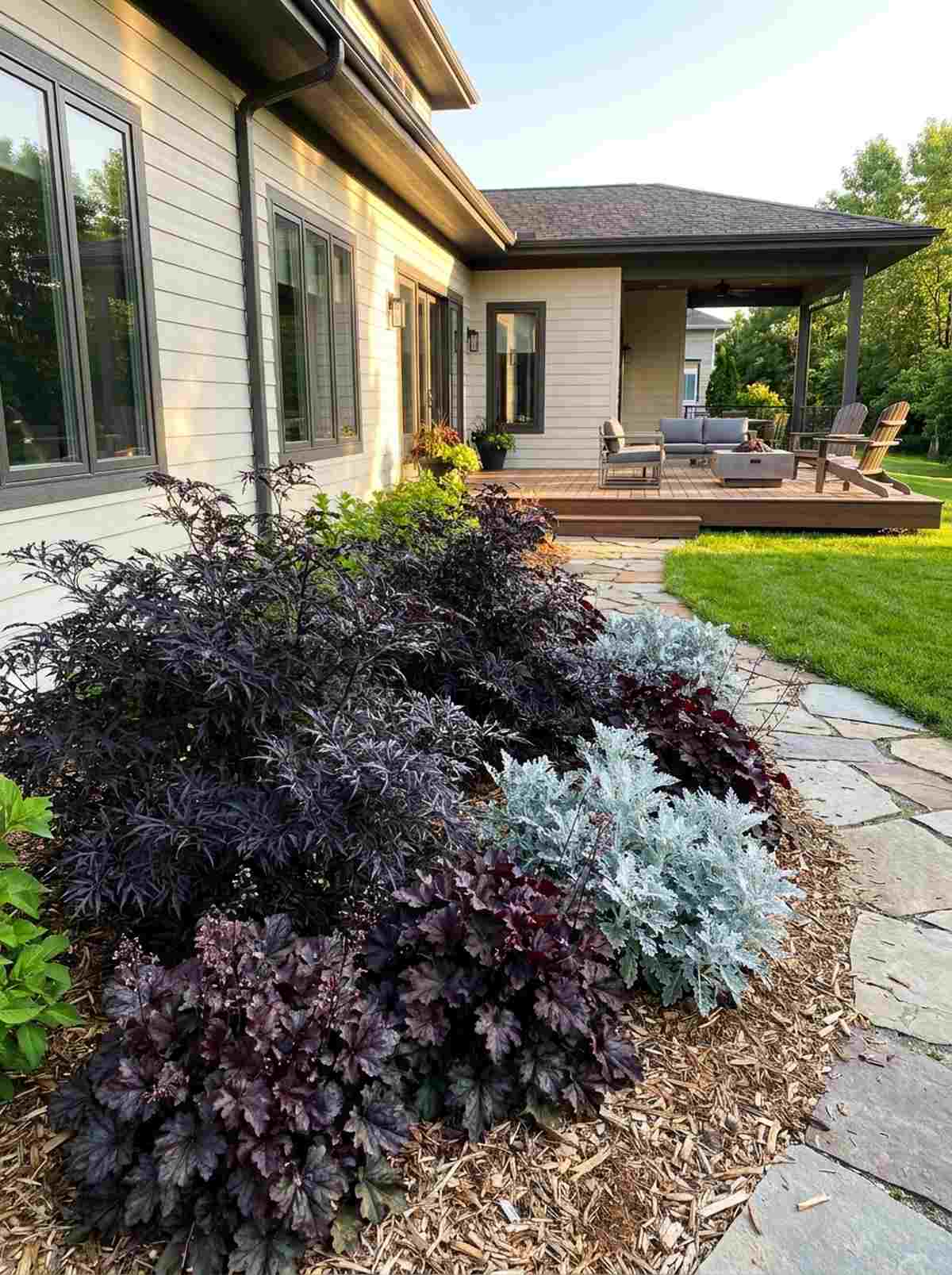
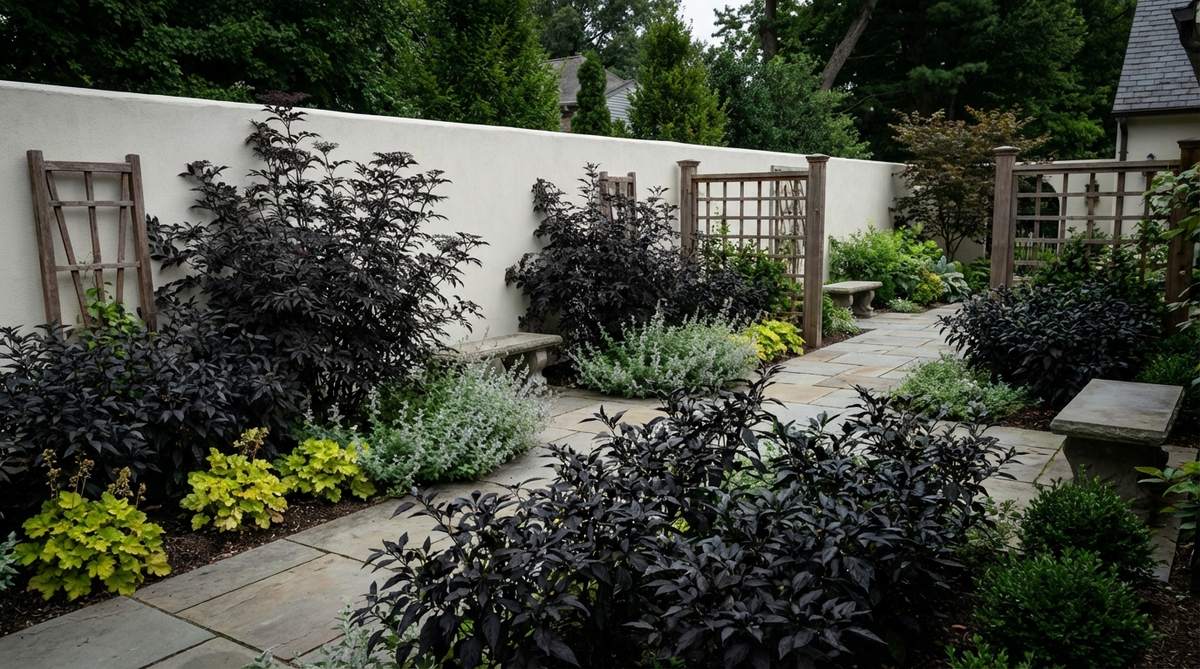
Radiates a moody, gothic sophistication perfect for modern homes. A nearly black foliage garden palette acts as a spectacular high-contrast foreground against light-colored house siding.
Standard green borders blend in, but utilizing ‘Black Lace’ elderberry completely elevates the space. Adding pops of chartreuse or silver prevents the design from looking like a muddy shadow.
Sourcing dark-leaved shrubs runs about $150–$200. Pin this layout if you love striking, unconventional color palettes.
- Key Materials: Black Lace elderberry, dark heuchera, silver dusty miller
- Vibe / Style: High-contrast gothic modern
- Difficulty: Easy planting
- Budget Breakdown: Dark shrubs: $120 | Accent plants: $40.
- Creator’s Tip: Dark foliage requires full, direct sunlight to maintain its black color; shade turns these plants a murky green.
- Smart Sourcing: dark foliage perennial bundles and silver accent groundcover kits.
27. Hot Color Border
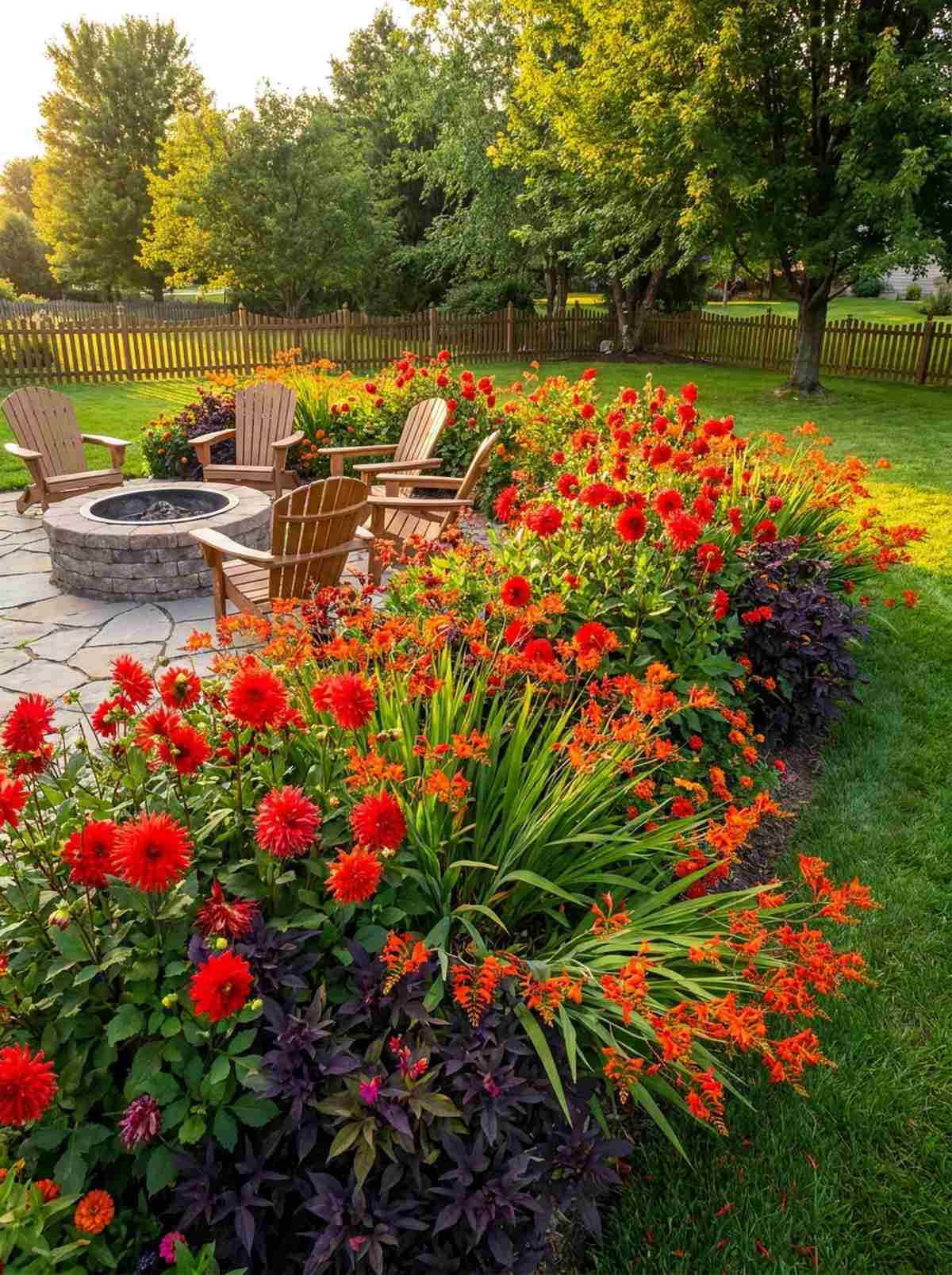
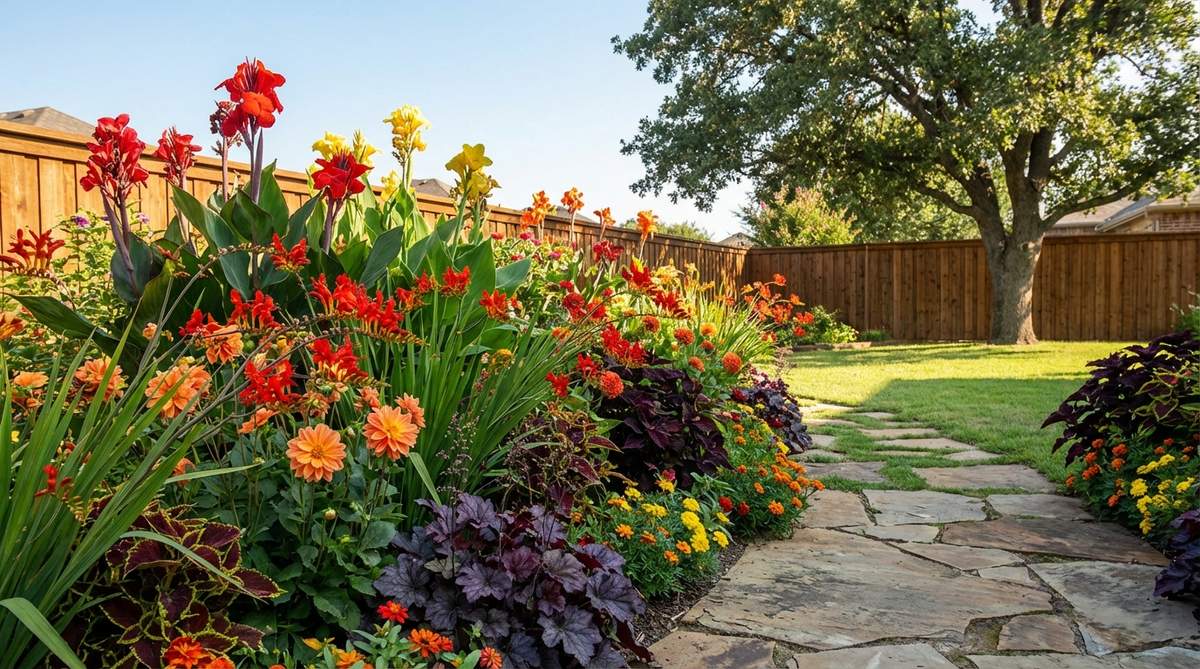
Ignites the landscape with the fiery energy of a mid-summer sunset. A saturated red and orange floral border generates explosive visual excitement in full-sun locations.
Pastels wash out in harsh sunlight, but massing dahlias and crocosmia looks far more expensive than it is. Balancing these high-energy warm tones with deep purple foliage prevents the border from feeling chaotic.
A vibrant hot-color bed costs roughly $100–$150 in tubers. Highly recommended for areas near a backyard fire pit.
- Key Materials: Red dahlias, orange crocosmia tubers, bloom-boosting fertilizer
- Vibe / Style: Fiery high-energy impact
- Difficulty: Medium maintenance
- Budget Breakdown: Hot color tubers: $90 | Plant food: $25.
- Creator’s Tip: Plant hot colors at the far end of your yard; bright reds and oranges visually advance, making long yards feel cozier.
- Smart Sourcing: premium dahlia tuber collections and organic phosphorus bone meal.
28. Architectural Succulent Display
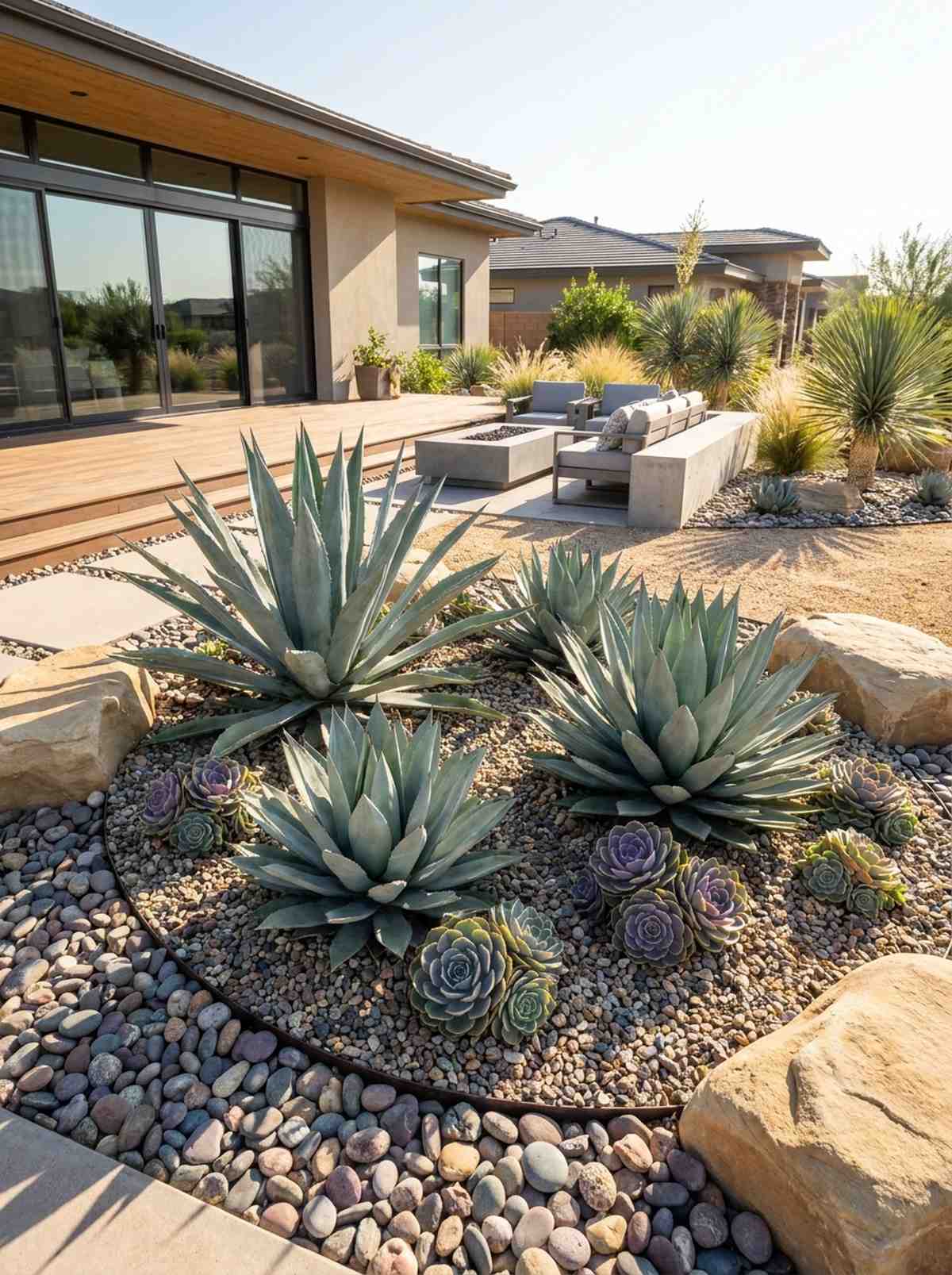
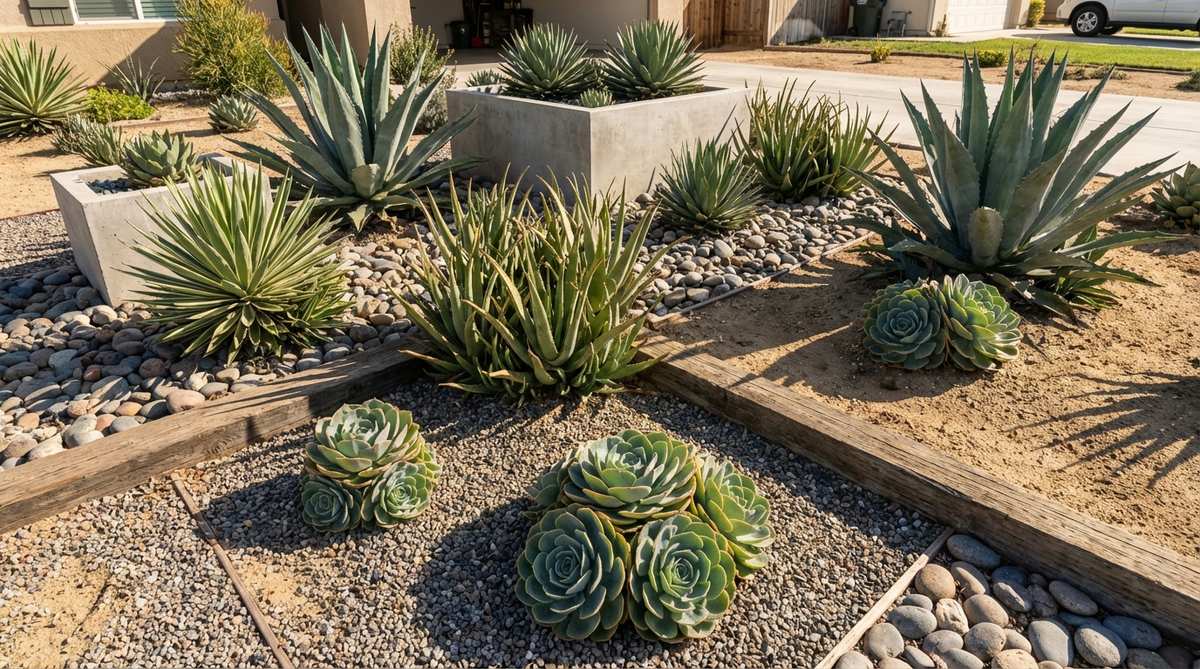
Feels like a high-end contemporary sculpture garden. Arranging large architectural agave and aloe in a gravel bed provides striking geometry with almost zero maintenance.
Flimsy flowers blow over, but these rigid geometric shapes deliver a surprisingly premium look that photographs beautifully. Grouping them in odd numbers surrounded by decorative stone mimics an expensive desert gallery.
A large succulent arrangement runs about $150–$300. Save this to your low-water architectural garden board.
- Key Materials: Large agave specimens, echeveria clusters, decorative top-dressing stone
- Vibe / Style: Sculptural geometric desert
- Difficulty: Careful handling (spikes)
- Budget Breakdown: Specimen succulents: $200 | Top stone: $50.
- Creator’s Tip: Mix pumice into your native soil before planting to guarantee the rapid drainage that prevents succulent root rot.
- Smart Sourcing: large architectural agave plants and horticultural pumice soil amendment.
29. Ornamental Grass Waves
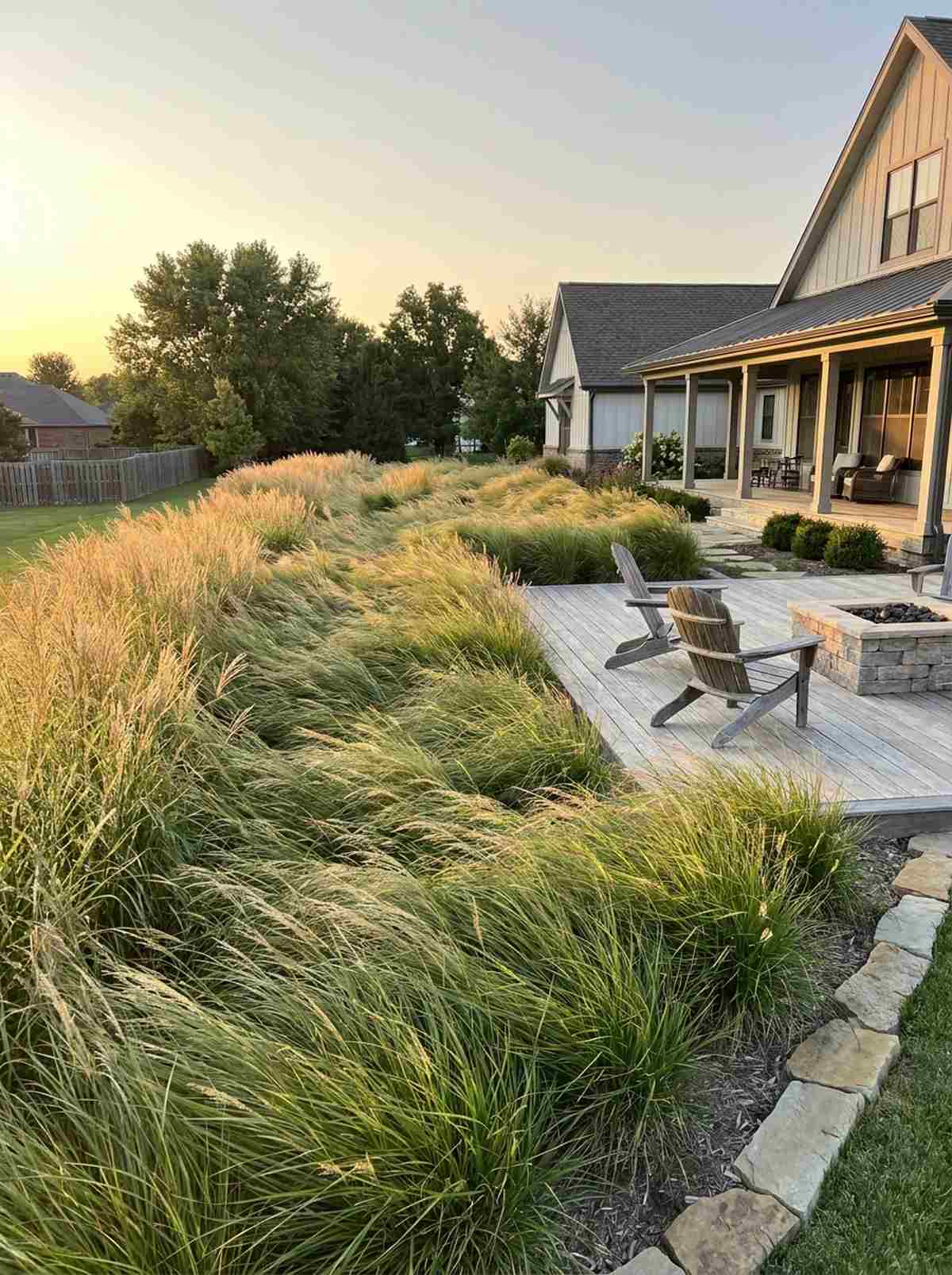
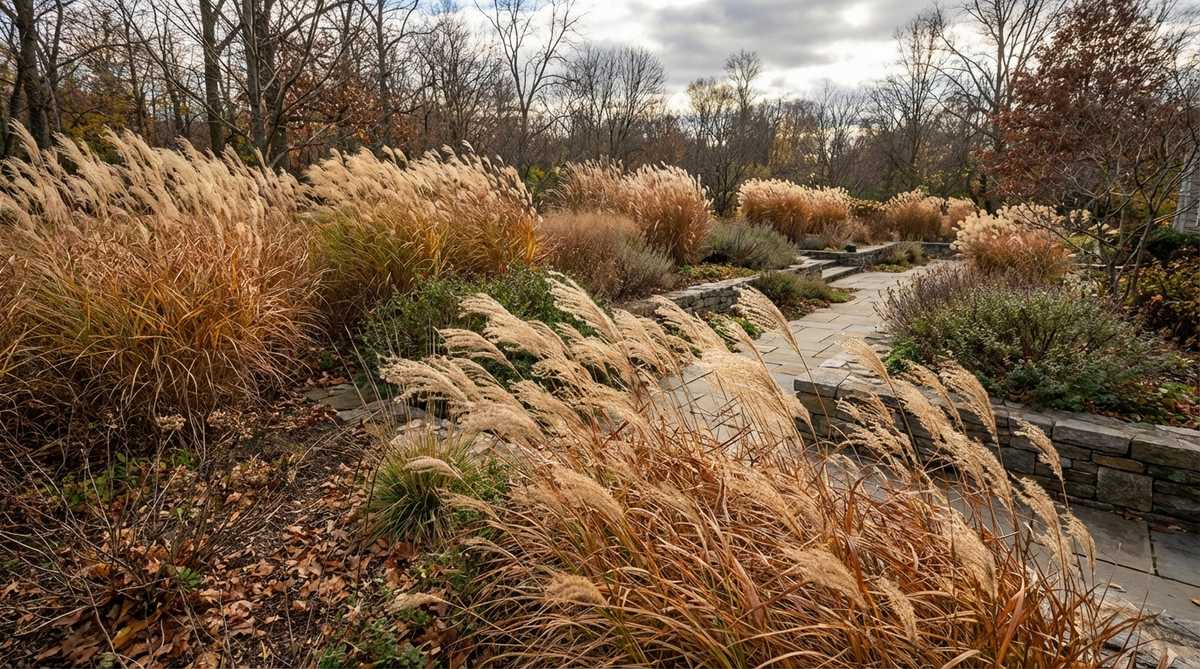
Captures the hypnotic, rhythmic movement of a vast ocean swell. Massing tall ornamental grasses creates a kinetic landscape that dances dynamically with the wind.
Static shrubs look stiff, but planting giant sweeps of Miscanthus completely elevates the space with soft motion. Their dried winter forms stand strong against snow, extending visual impact long into the dormant season.
Planting a large grass wave costs about $100–$150 in plugs. Pin this if you want a landscape that actually moves.
- Key Materials: Miscanthus grass, Panicum plugs, landscape weed barrier
- Vibe / Style: Kinetic rhythmic meadow
- Difficulty: Easy spacing
- Budget Breakdown: Grass plugs: $90 | Weed barrier: $40.
- Creator’s Tip: Plant the grasses closer together than recommended to force them to grow straight upward, preventing floppy centers.
- Smart Sourcing: ornamental grass bulk plugs and heavy-duty steel landscape pins.
30. Purple Foliage Garden
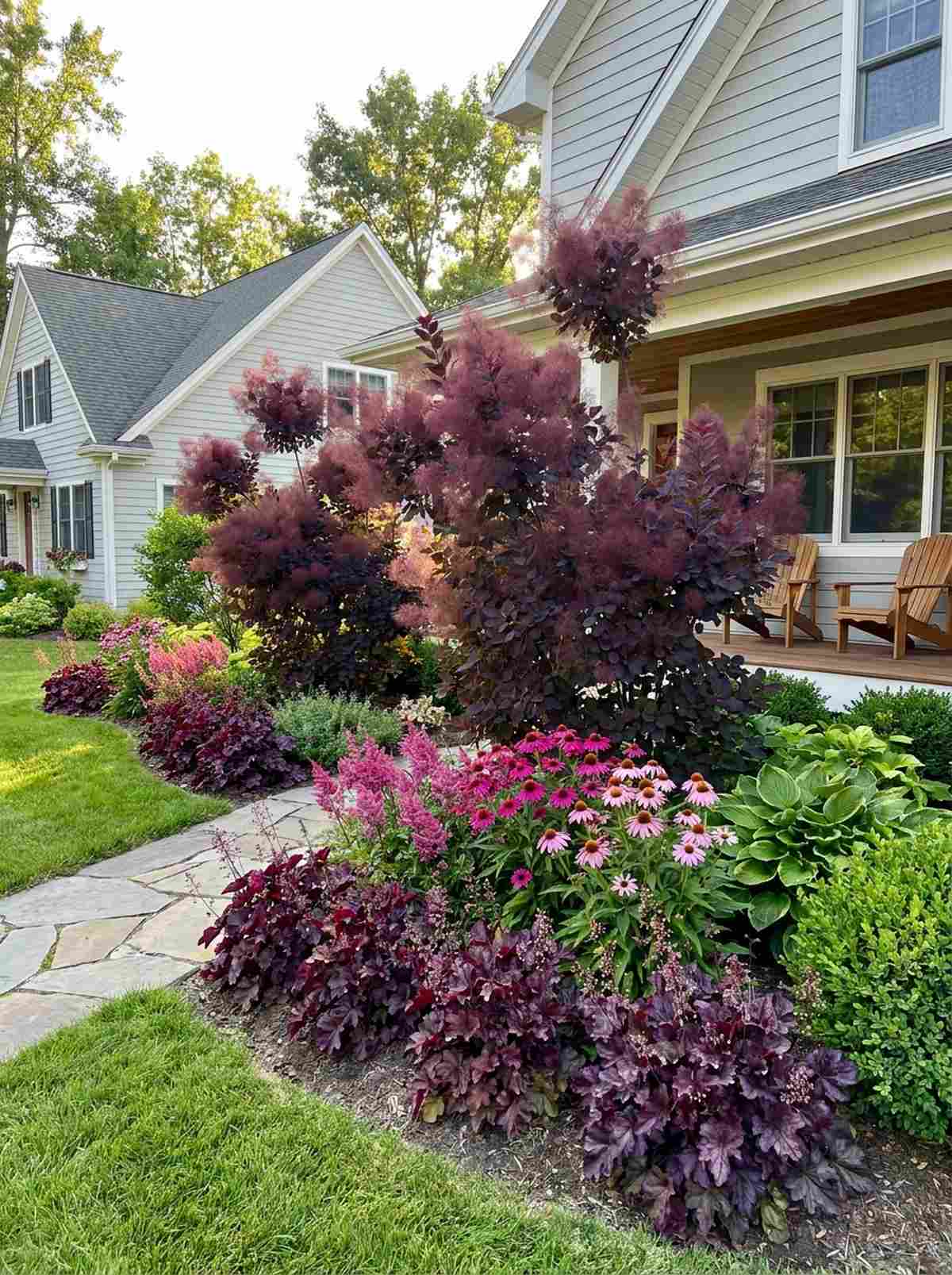
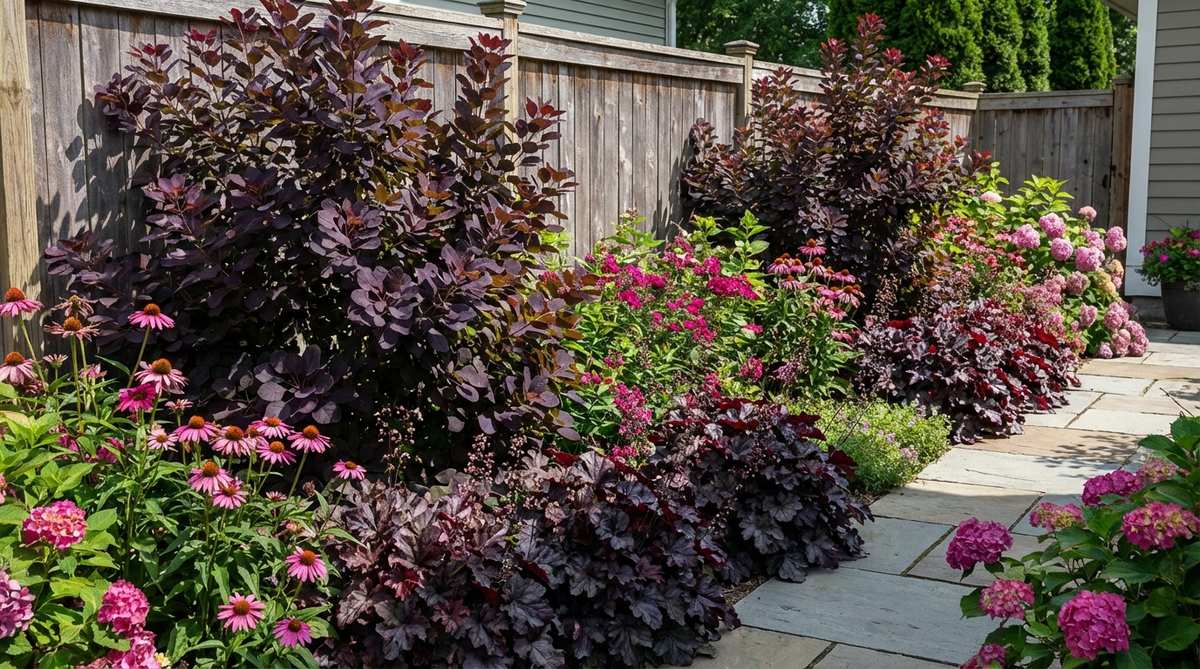
Radiates the velvety luxury of a royal tapestry. A rich plum and purple foliage base establishes a sophisticated background that makes bright colors pop aggressively.
Green hedges are standard, but backing your borders with a purple smoke bush gives that custom-built vibe. Adding magenta or soft pink flowers creates a brilliant analogous color harmony with incredible visual depth.
You can establish a purple base for $120–$180. Highly recommended for adding instant sophistication to front yards.
- Key Materials: Purple smoke bush, Palace Purple heuchera, compost
- Vibe / Style: Moody luxurious depth
- Difficulty: Easy
- Budget Breakdown: Purple shrubs: $110 | Heuchera: $50.
- Creator’s Tip: Contrast velvety purple leaves with highly reflective, glossy green plants to maximize textural differences.
- Smart Sourcing: purple smoke bush live plants and dark foliage perennial kits.
31. Vertical Living Wall
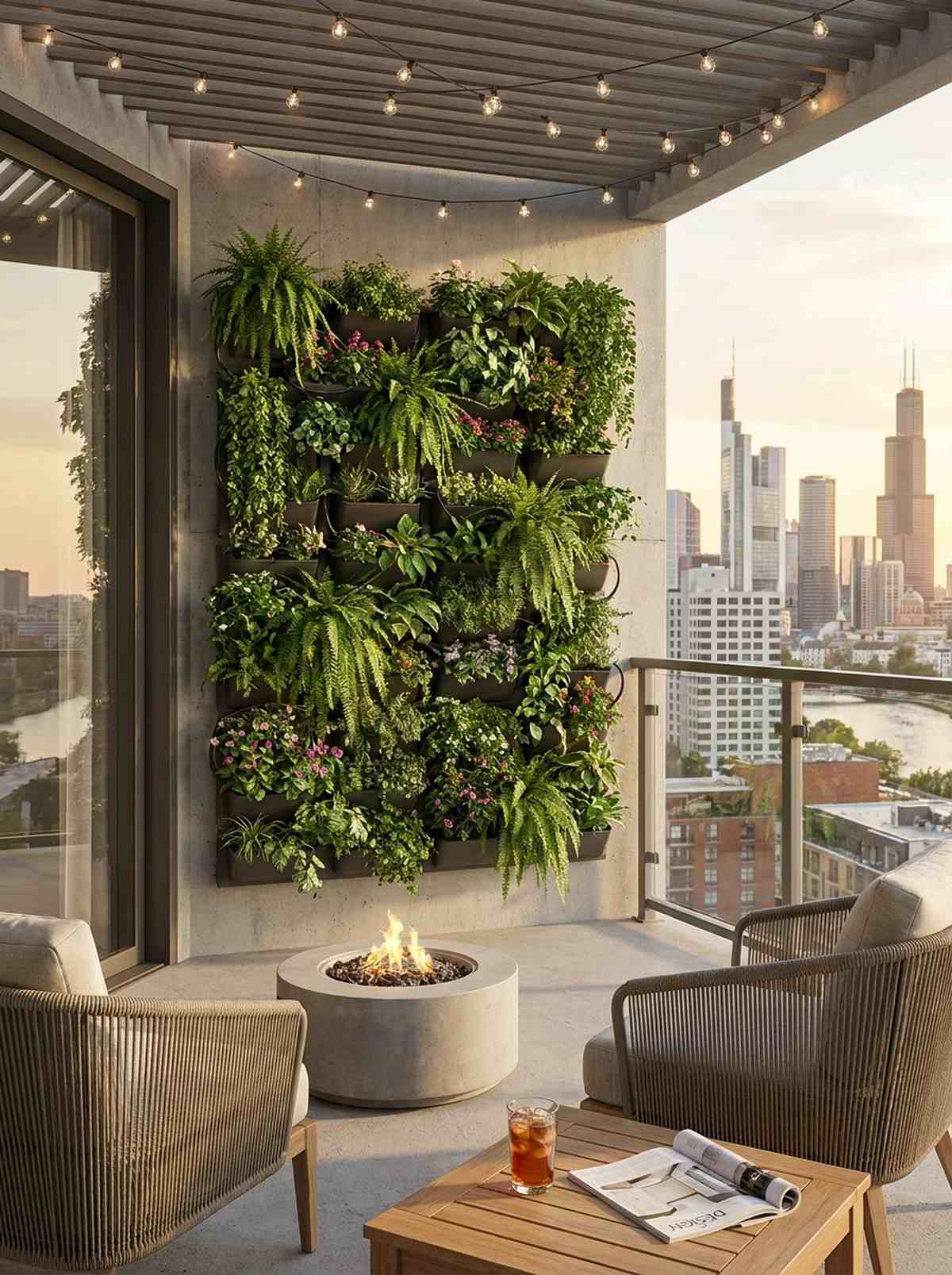
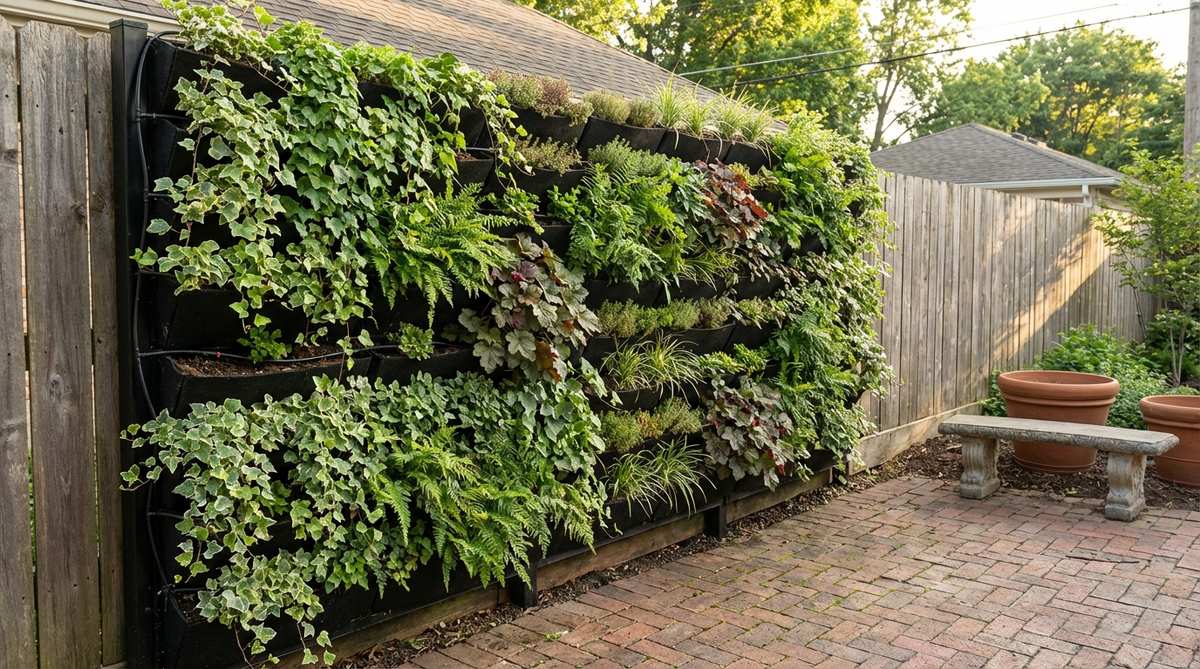
Feels like an exclusive eco-lounge in a luxury metropolitan hotel. A modular vertical living wall maximizes greenery in cramped, concrete-heavy urban spaces.
Potted plants clutter small balconies, but hanging a wall system looks far more expensive than it is. Integrating a hidden micro-drip line ensures consistent moisture across the entire vertical surface effortlessly.
A starter wall system costs roughly $150–$300. Save this for your apartment balcony makeover board.
- Key Materials: Modular wall planters, trailing ferns, micro-drip irrigation kit
- Vibe / Style: Lush urban verticality
- Difficulty: Wall mounting & plumbing
- Budget Breakdown: Wall modules: $120 | Plants & Irrigation: $90.
- Creator’s Tip: Plant drought-tolerant species at the very top and moisture-loving ferns at the bottom where water naturally drains.
- Smart Sourcing: modular vertical garden pocket kits and balcony drip irrigation systems.
32. Bamboo Screening Grove
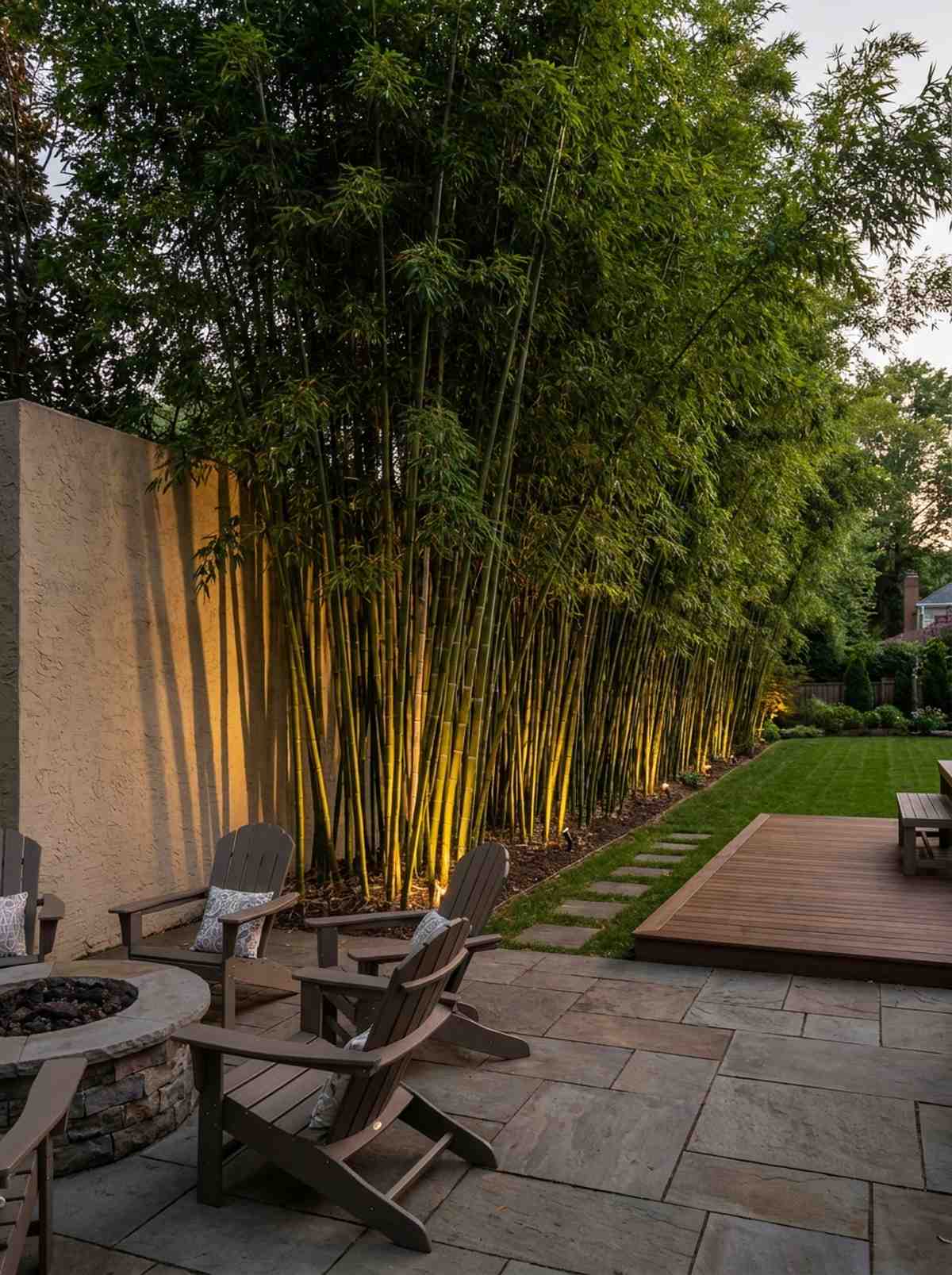
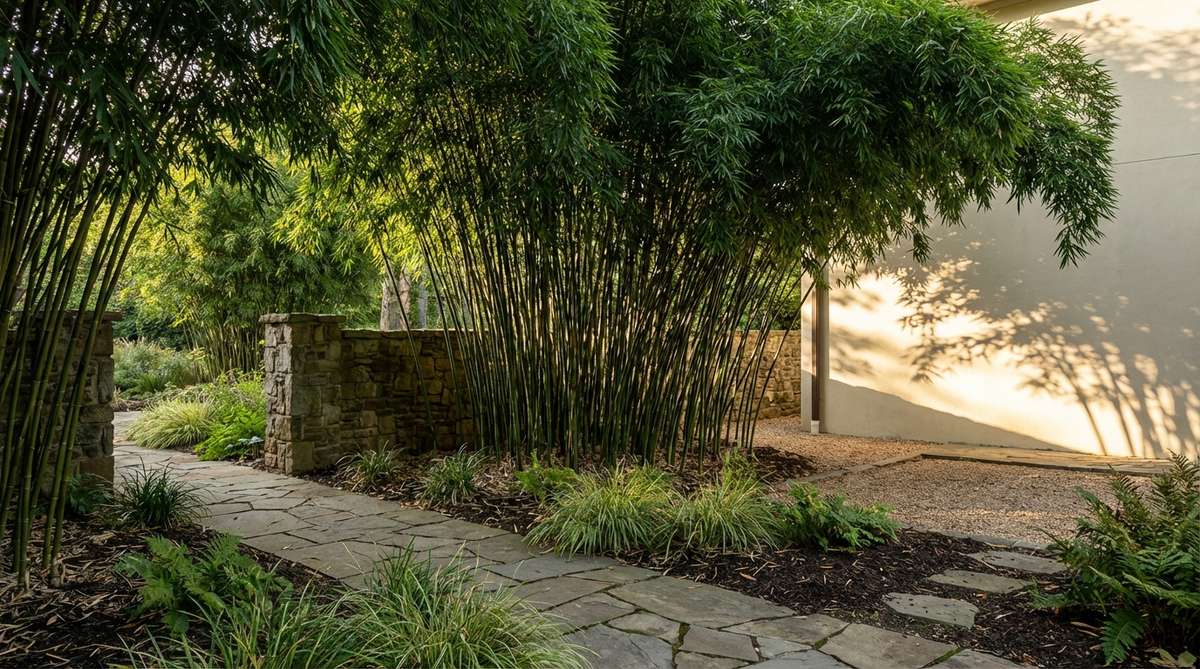
Embodies the tranquil isolation of an exclusive Asian spa. A thick clumping bamboo privacy screen shoots up incredibly fast to block nosy neighbors.
Building high fences requires permits, but utilizing tall non-invasive bamboo completely elevates the space legally and naturally. Up-lighting the thin stalks at night casts dramatic, architectural shadow patterns on nearby walls.
Planting a dense 15-foot screen averages $200–$400. Pin this if you need instant privacy without building a wall.
- Key Materials: Clumping bamboo (non-running), root barrier, rich soil
- Vibe / Style: Tall tranquil privacy
- Difficulty: Heavy digging
- Budget Breakdown: Bamboo plants: $250 | High-nitrogen feed: $30.
- Creator’s Tip: Absolutely ensure you buy “clumping” bamboo, not “running” bamboo, to prevent it from aggressively destroying your entire yard.
- Smart Sourcing: clumping bamboo starter plants and bamboo-specific high nitrogen fertilizer.
Most eco-friendly gardens look messy and wild, but this next sustainable basin technique looks incredibly high-end…
Sustainable & Eco-Conscious Garden Aesthetics
Sustainable garden aesthetics prioritize environmental responsibility without sacrificing beauty. These designs feature native plantings, water conservation, and wildlife habitat creation.
33. Rain Garden Basin
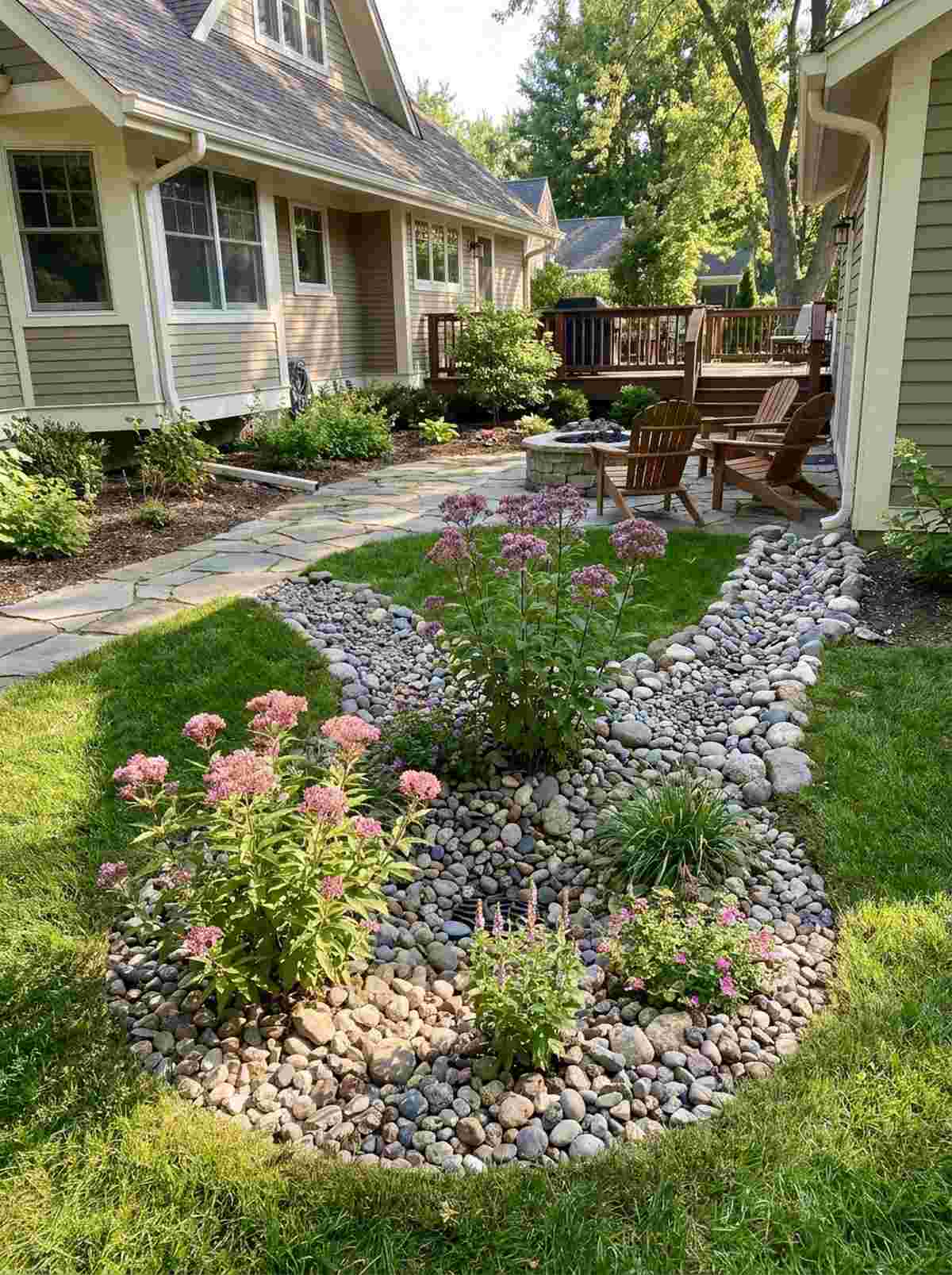
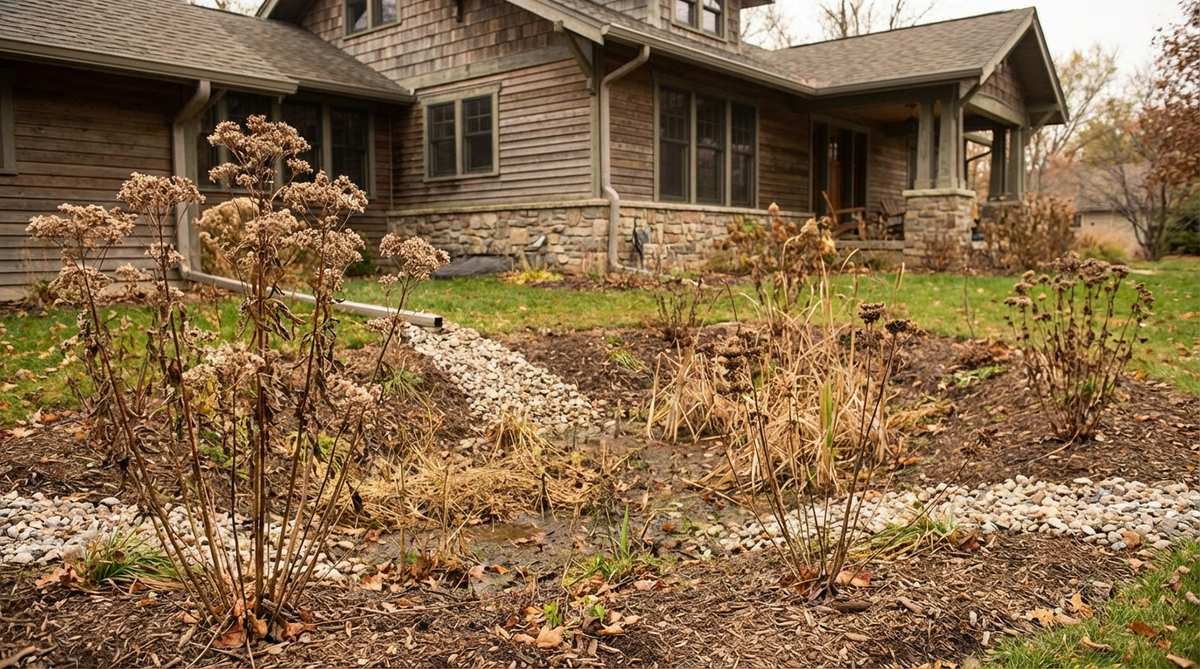
Acts like a beautiful, functional sponge for your property. A planted shallow rain garden basin captures roof runoff and manages stormwater while looking stunning.
Ugly plastic drainage pipes ruin aesthetics, but filtering water through swamp milkweed gives a designer-level finish. Utilizing decorative gravel channels directs the heavy water flow straight into these eco-friendly planted bowls.
Digging and planting a functional basin costs about $100–$250. Save this to your sustainable backyard problem-solving board.
- Key Materials: River rock, swamp milkweed, Joe Pye weed
- Vibe / Style: Functional eco-oasis
- Difficulty: Digging and grading
- Budget Breakdown: River rock: $80 | Native wet plants: $90.
- Creator’s Tip: Dig the center basin exactly 6 to 8 inches deep to ensure water filters into the ground within 24 hours, preventing mosquitoes.
- Smart Sourcing: decorative river rock bulk bags and rain garden native plant kits.
34. Pollinator Meadow Mix
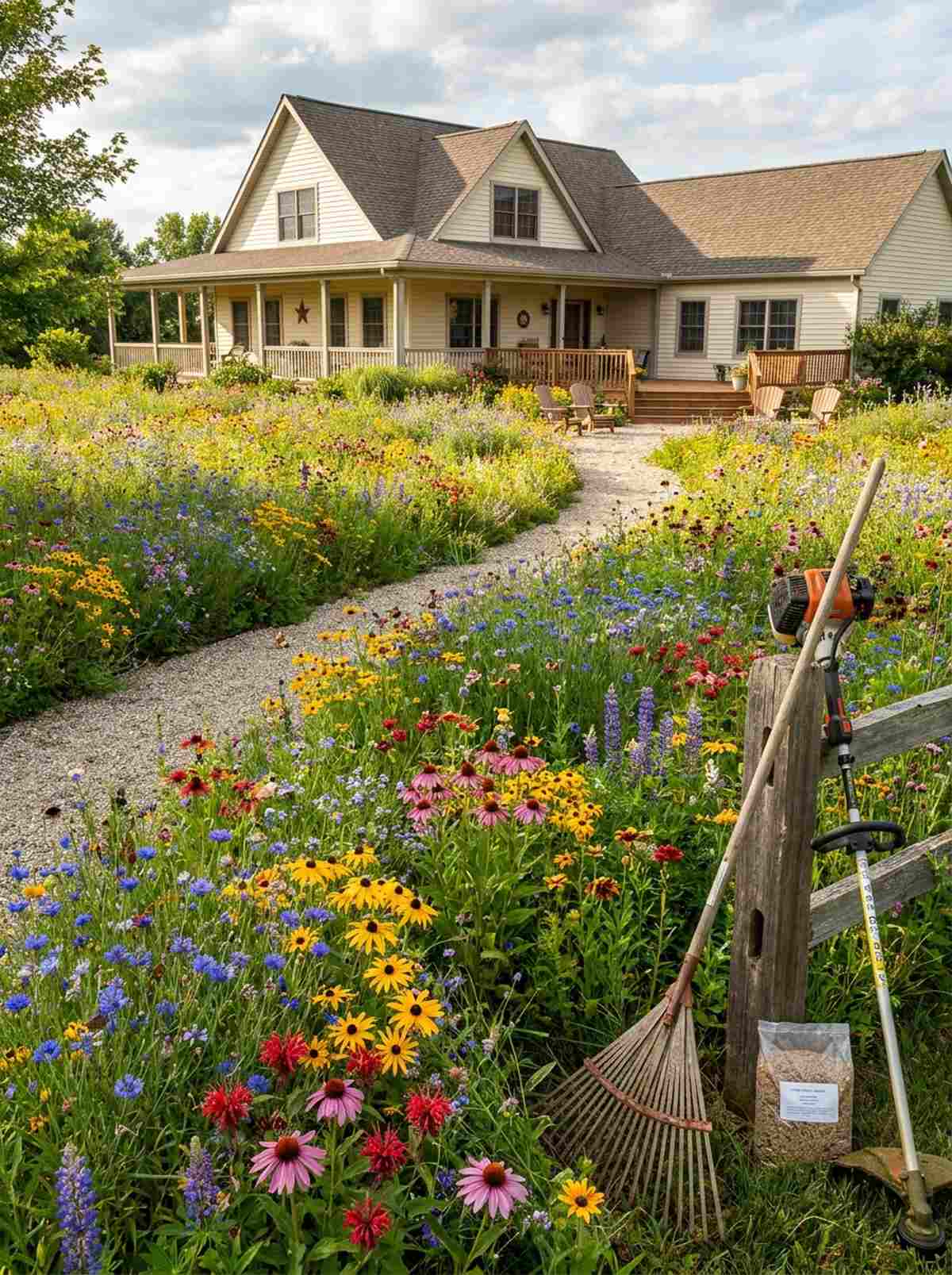
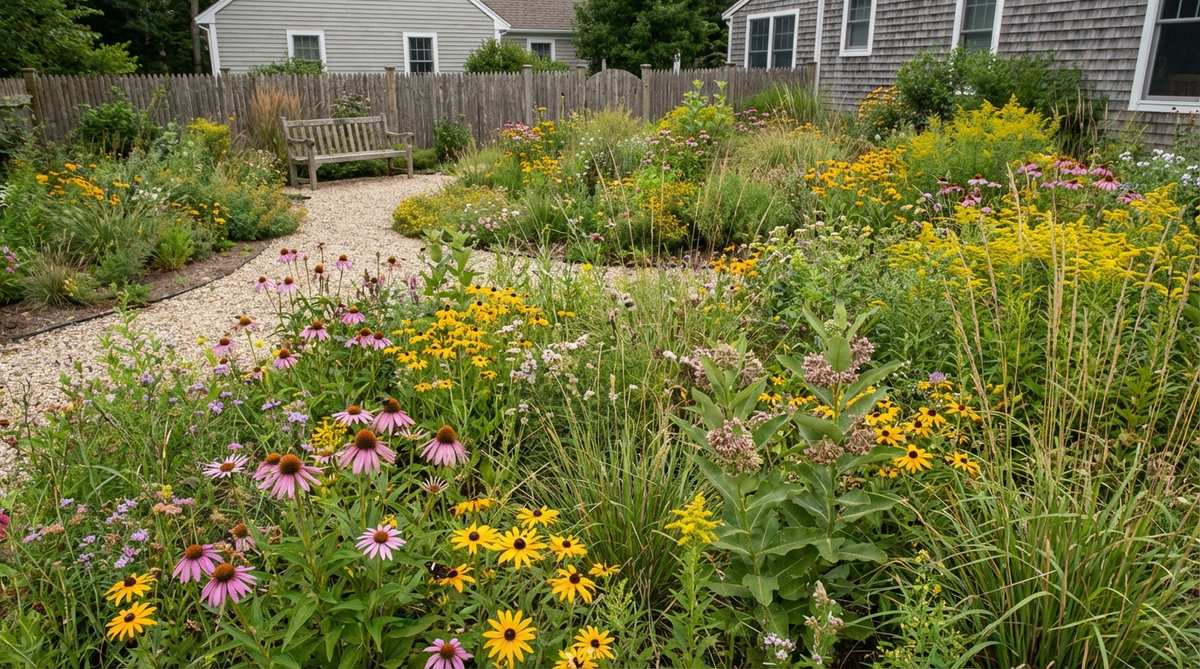
Radiates the buzzing, vibrant life of a protected nature reserve. A dense native pollinator meadow replaces resource-draining lawns with a low-maintenance ecological haven.
Turf grass requires constant chemicals, but throwing down a regional wildflower mix looks far more expensive than it is. A single annual mow in late winter is all it takes to keep the meadow healthy and blooming.
Seed coverage for a large yard hits roughly $50–$100. Pin this if you are tired of mowing grass every Saturday.
- Key Materials: Regional pollinator seed mix, sand for spreading, string trimmer
- Vibe / Style: Vibrant untamed ecology
- Difficulty: Very easy
- Budget Breakdown: Seed mix: $60 | Raking tools: $20.
- Creator’s Tip: Stomp the seeds firmly into bare dirt; seeds need direct soil contact to germinate, but burying them too deep will suffocate them.
- Smart Sourcing: regional bulk pollinator seed mixes and heavy-duty landscape rakes.
35. Xeriscaping Palette
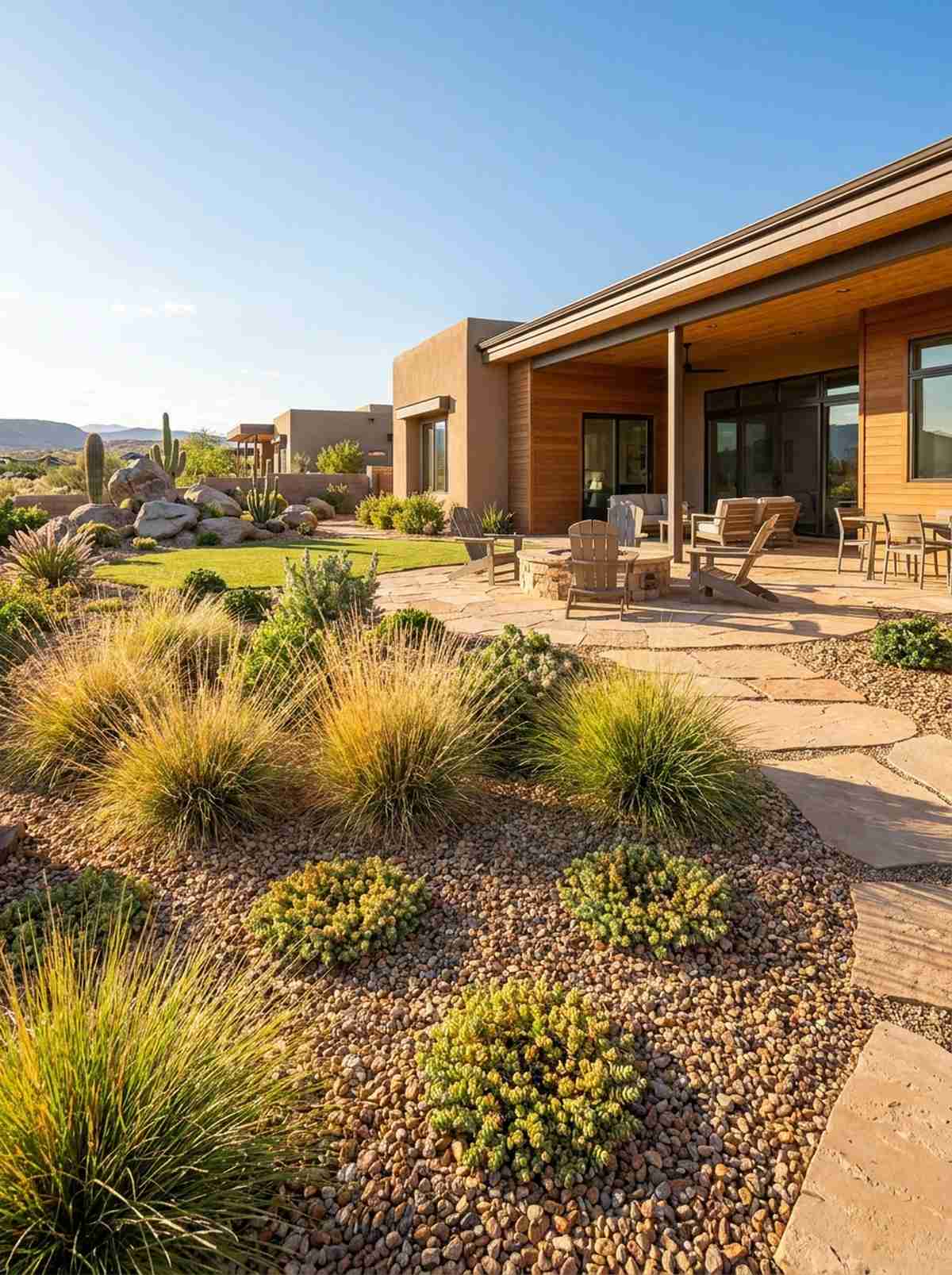
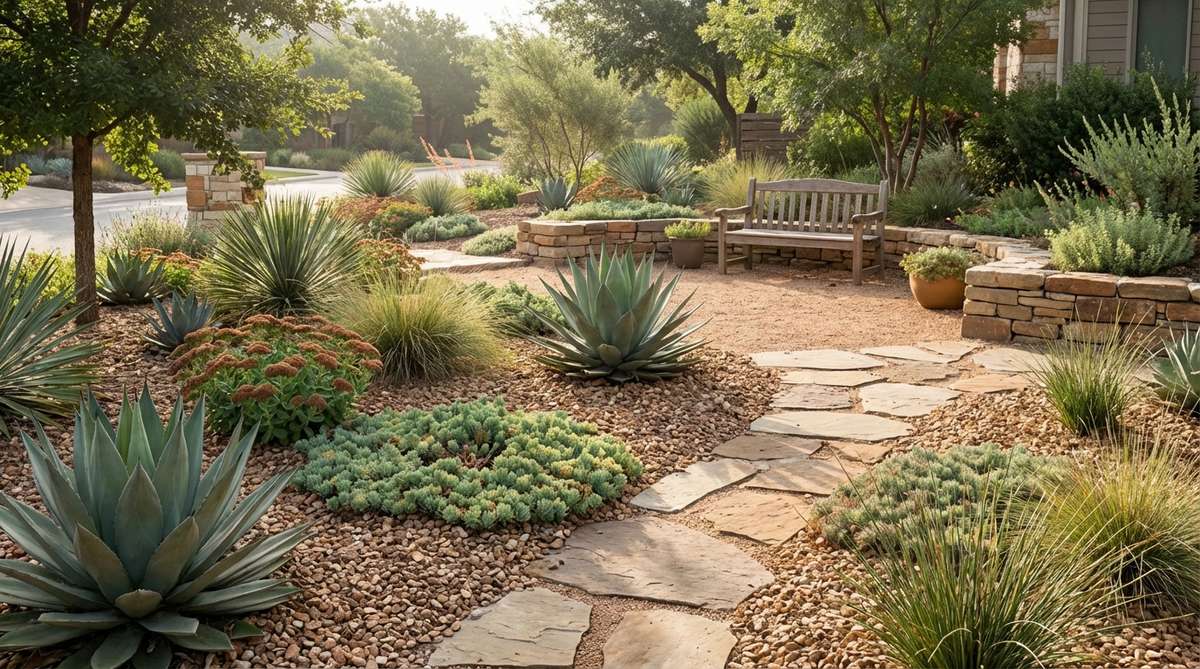
Captures the stark, sun-baked beauty of the modern desert. A water-wise drought-adapted xeriscape yard completely eliminates the need for expensive supplemental irrigation.
Water bills skyrocket in summer, but layering native bunch grasses over permeable gravel completely elevates the space. This minimalist aesthetic aligns perfectly with climate-conscious design principles while cutting maintenance to zero.
Sourcing drought-tough plants and gravel costs around $200–$400. Highly recommended for reducing your landscaping footprint.
- Key Materials: Native bunch grass, sedum, permeable gravel mulch
- Vibe / Style: Clean climate-conscious desert
- Difficulty: Heavy material moving
- Budget Breakdown: Gravel delivery: $150 | Xeriscape plants: $120.
- Creator’s Tip: Never use plastic weed barriers under xeriscaping; it traps heat and kills the beneficial soil biology that desert plants rely on.
- Smart Sourcing: drought-tolerant sedum mats and permeable landscape fabric.
36. Composting Station Garden
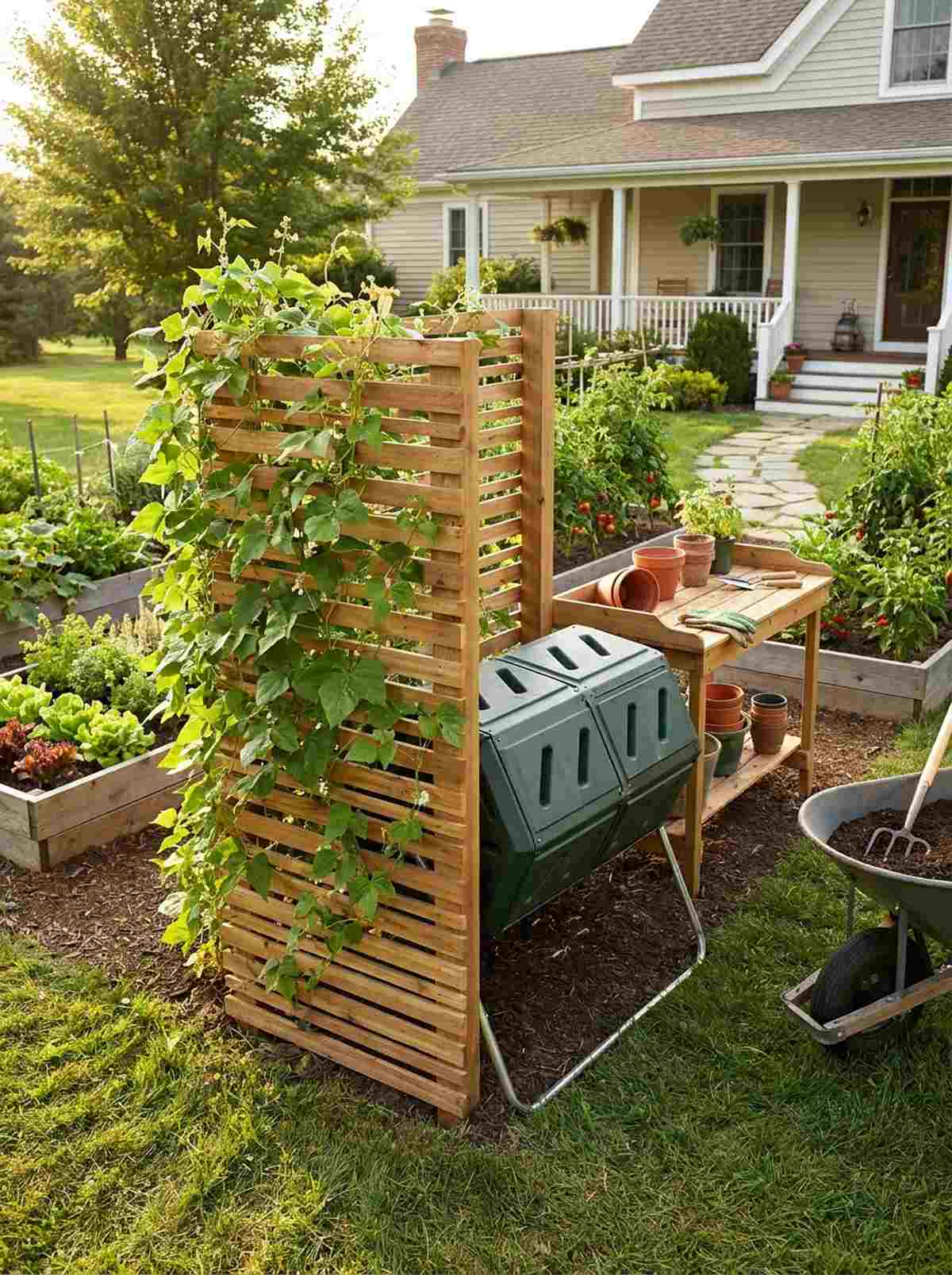
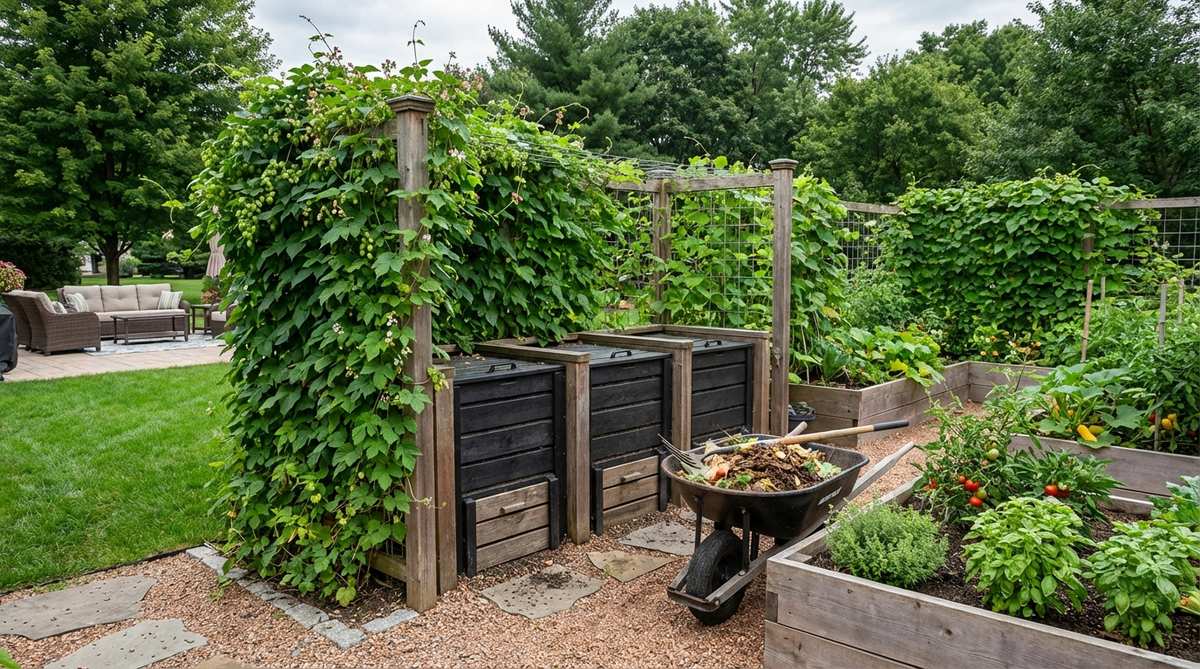
Feels like a hyper-efficient, productive homestead hub. Integrating a screened compost station seamlessly into an edible landscape creates a brilliant closed-loop nutrient system.
Plastic compost bins are ugly, but masking them with vigorous climbing bean vines gives that custom-built vibe. This setup turns kitchen waste into black gold while hiding the mechanics behind beautiful living screens.
Building a screened station costs about $100–$150 in lumber. Save this to your ultimate organic gardening board.
- Key Materials: Cedar slats, dual-chamber compost bin, climbing bean seeds
- Vibe / Style: Hidden homestead utility
- Difficulty: Basic carpentry
- Budget Breakdown: Cedar screening: $80 | Tumbler bin: $90.
- Creator’s Tip: Position your compost station in partial shade to prevent the pile from baking dry and halting the decomposition process.
- Smart Sourcing: dual-chamber tumbling composters and heirloom climbing pole beans.
37. Native Hedgerow Habitat
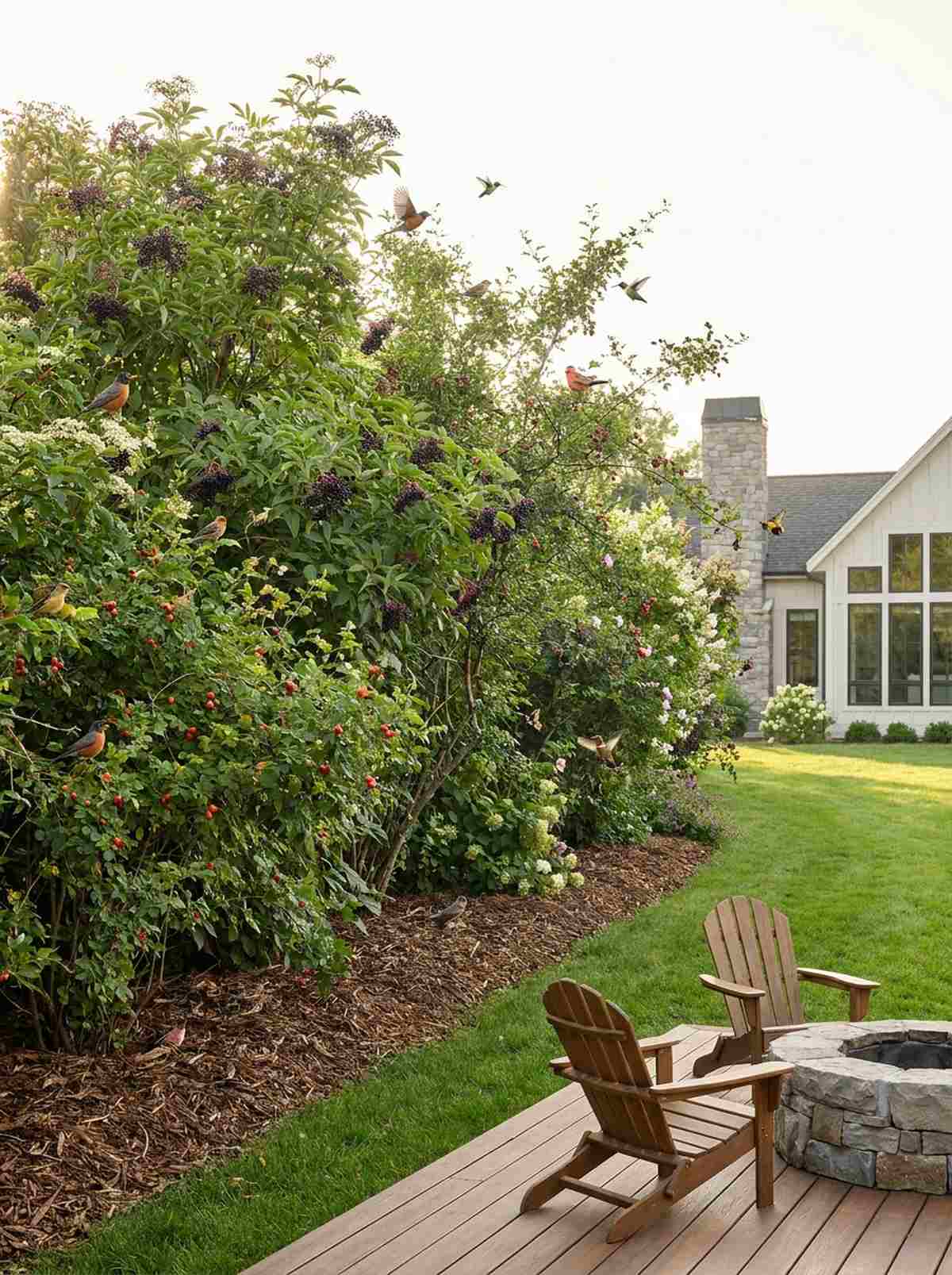
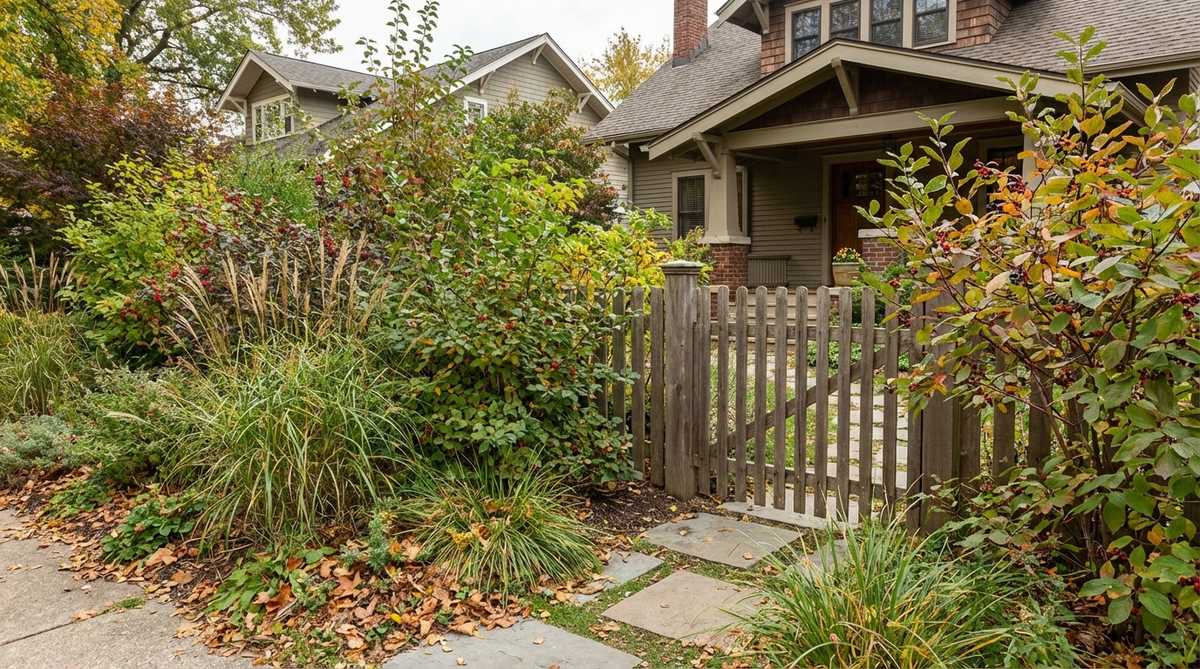
Creates a bustling, protective super-highway for local wildlife. A layered native ecological hedgerow replaces sterile fences with a year-round food and shelter corridor.
Boxwood hedges offer zero ecological value, but mixing fruiting shrubs like elderberry delivers a surprisingly premium look. Birds and beneficial insects flock to this diverse border, bringing incredible dynamic life to the yard.
Planting a wildlife corridor runs $150–$300. Pin this if you want to actively support local bird populations.
- Key Materials: Mixed native bare-root shrubs, mulch, organic compost
- Vibe / Style: Wild functional corridor
- Difficulty: Digging holes
- Budget Breakdown: Shrubs: $180 | Mulch base: $50.
- Creator’s Tip: Include at least one thorny species (like native roses or hawthorn) to provide safe nesting sites protected from neighborhood cats.
- Smart Sourcing: wildlife-friendly bare-root shrub packs and organic shredded bark mulch.
38. Reclaimed Material Hardscaping
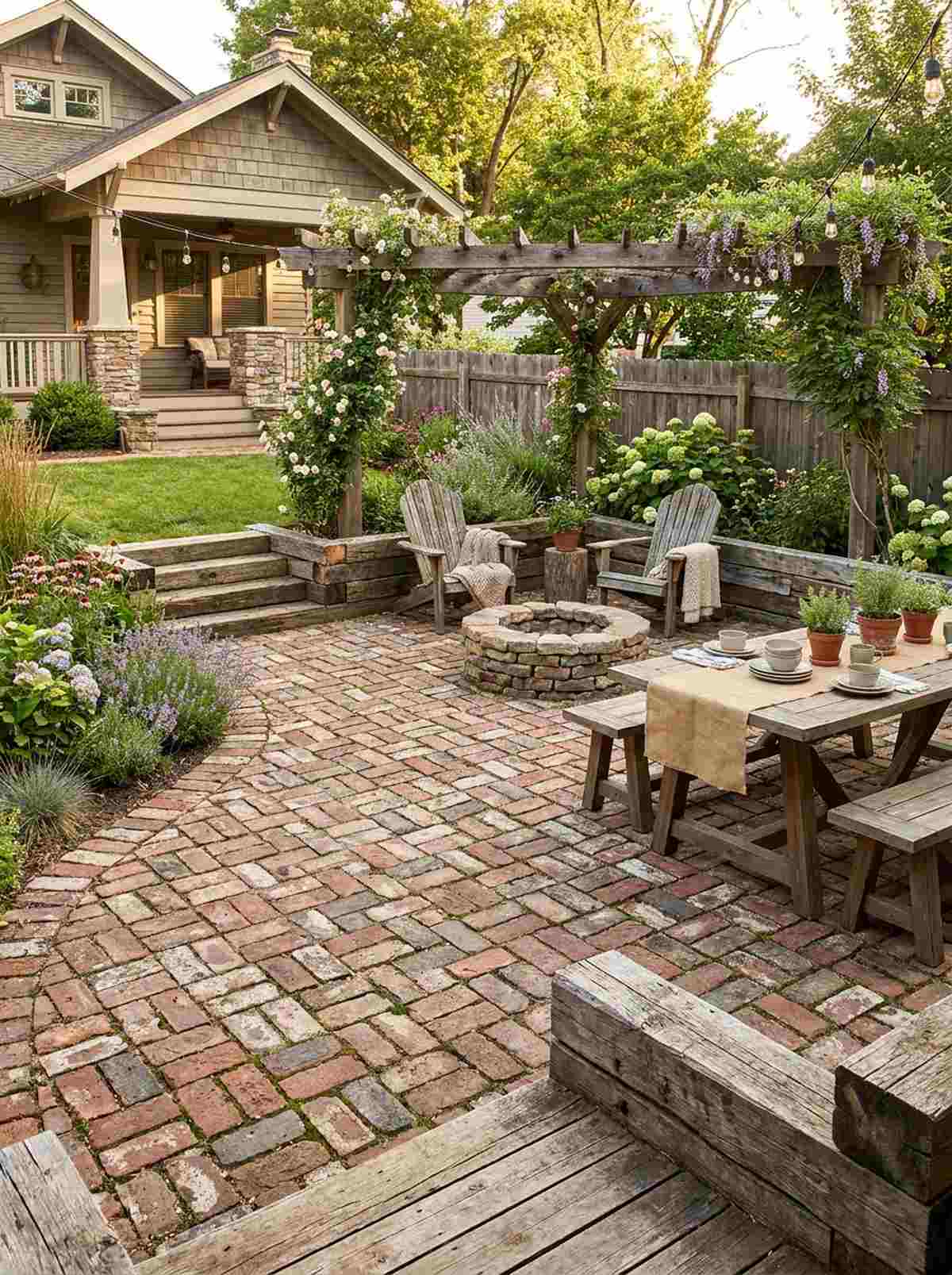
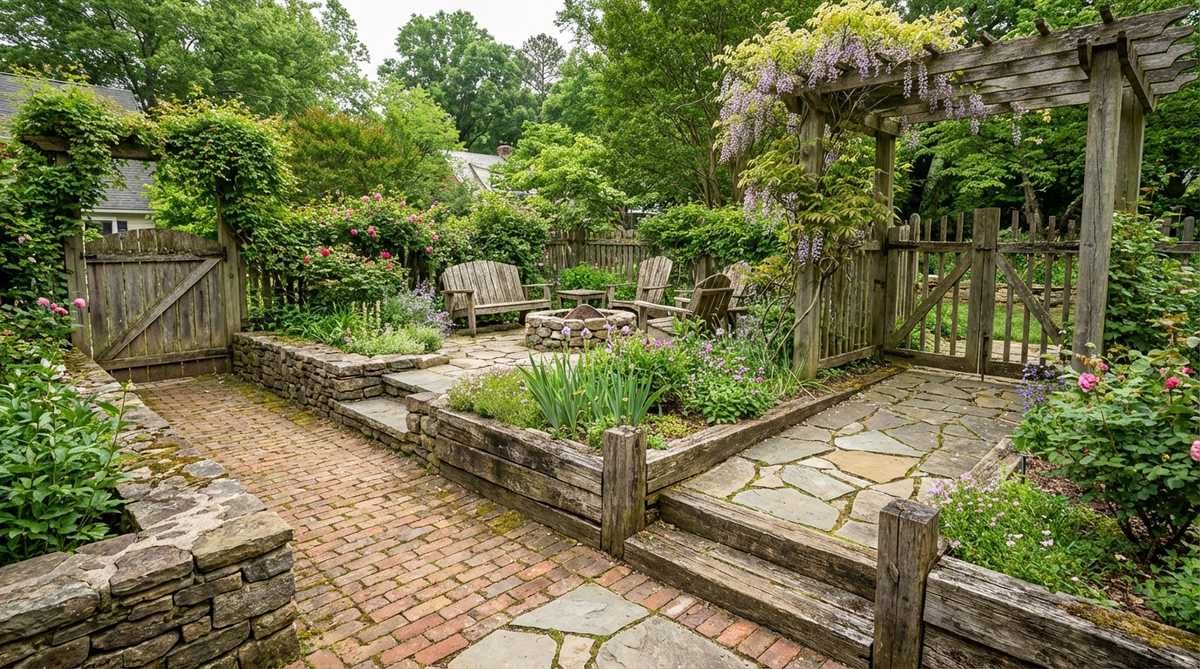
Embodies the weathered, historic soul of an old-world estate. Utilizing salvaged brick and timber for hardscaping reduces material consumption while adding immediate character.
Brand new concrete pavers look stark, but laying down weathered bricks completely elevates the space with organic warmth. Sourcing these materials locally minimizes transportation impacts and achieves that highly sought-after cottage aesthetic.
Sourcing salvaged materials usually costs $50–$150. Save this for your eco-friendly budget patio board.
- Key Materials: Salvaged bricks, reclaimed timber, leveling sand
- Vibe / Style: Historic weathered rustic
- Difficulty: Medium leveling/lifting
- Budget Breakdown: Salvaged brick: $80 | Sand base: $40.
- Creator’s Tip: Check local demolition sites or online classifieds—contractors often give away old bricks for free just to avoid haul-away fees.
- Smart Sourcing: heavy-duty paver leveling mats and polymeric sand bags.
39. Green Roof Installation
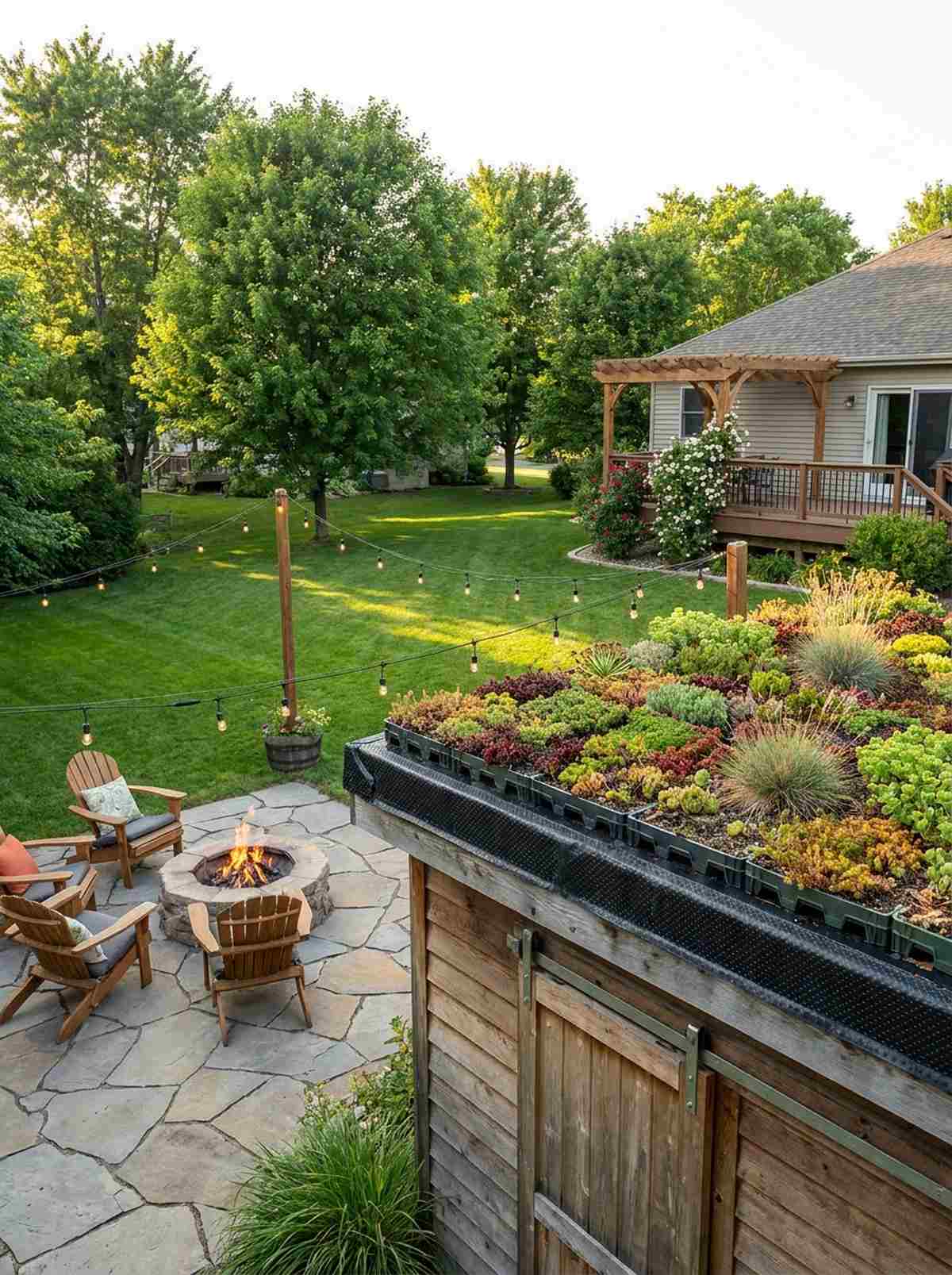
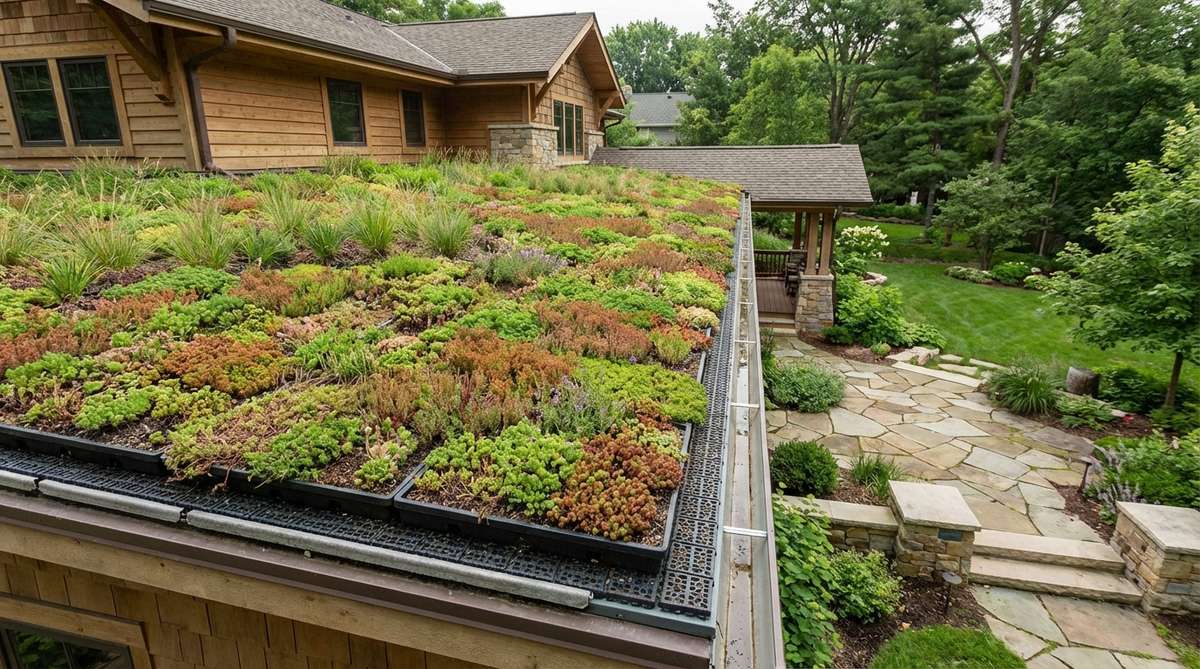
Feels like modern architecture blending seamlessly into the earth. A shallow living green roof system on sheds or pergolas insulates structures while catching stormwater.
Standard shed roofs are eyesores, but colonizing them with low-growing sedums looks far more expensive than it is. Modular planting trays make snapping this architectural feature together incredibly simple without specialized roofing skills.
A small shed roof transformation costs around $200–$400. Highly recommended to modernize an ugly backyard shed.
- Key Materials: Modular green roof trays, sedum cuttings, EPDM waterproof membrane
- Vibe / Style: Integrated eco-architecture
- Difficulty: Advanced (requires weight check)
- Budget Breakdown: Roof trays: $180 | Membrane: $60.
- Creator’s Tip: Ensure your shed roof is structurally reinforced; fully saturated green roofs can weigh up to 30 lbs per square foot.
- Smart Sourcing: modular green roof planter trays and thick EPDM waterproof liners.
40. Permaculture Forest Garden
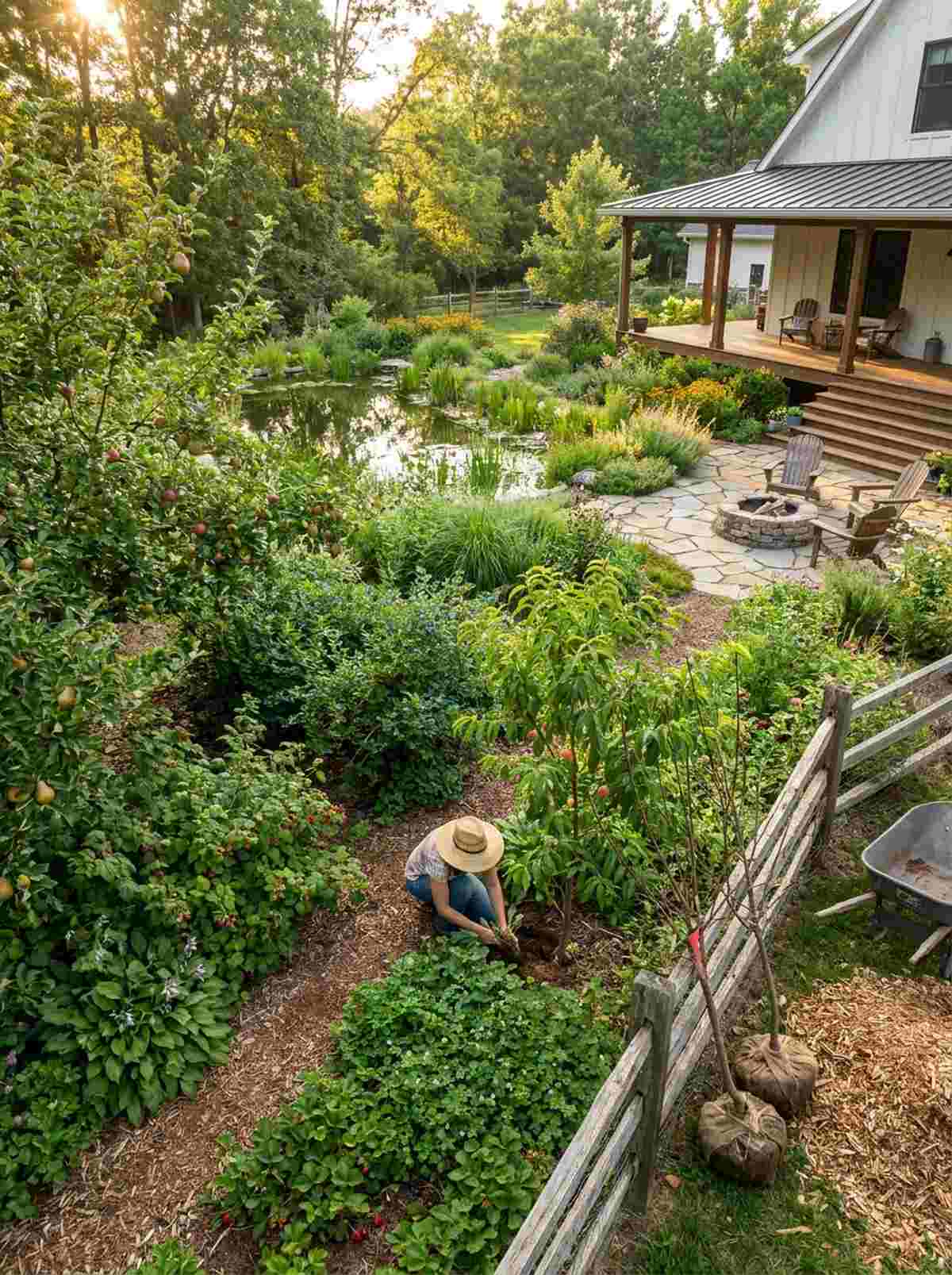
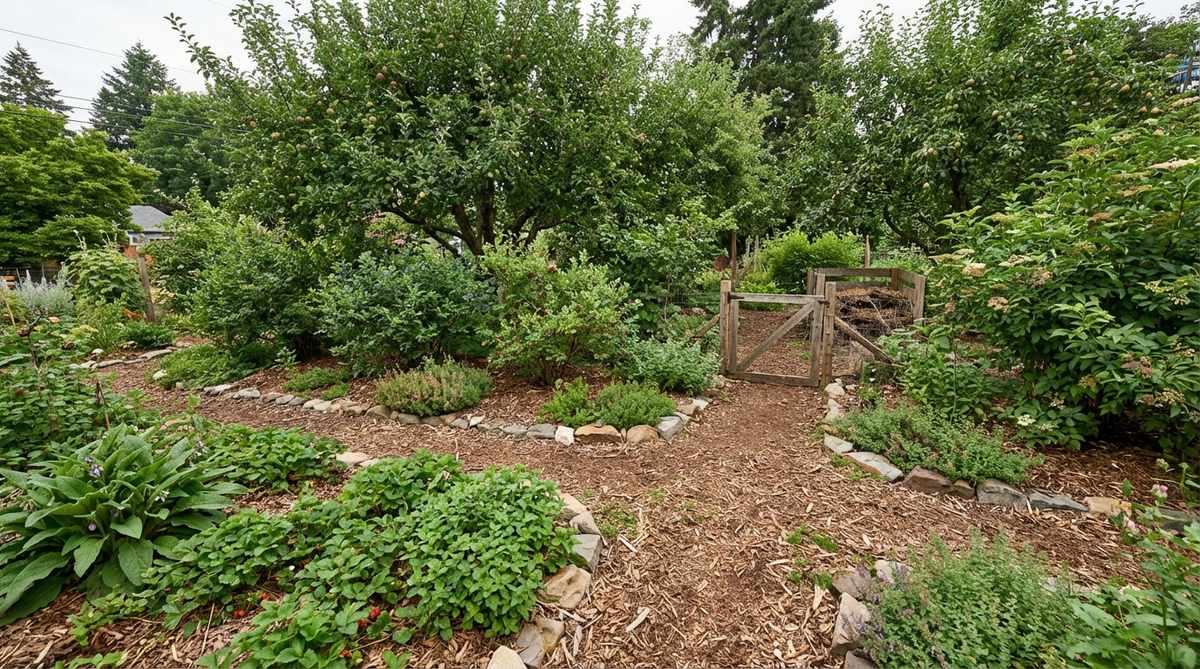
Radiates the lush abundance of a hidden woodland orchard. A layered permaculture food forest mimics natural ecosystems while producing massive amounts of edible crops.
Traditional vegetable rows deplete the soil, but stacking fruit trees above berry shrubs gives a designer-level finish. This zero-waste, self-sustaining system builds massive soil health over time with minimal human intervention.
Establishing a forest guild costs about $200–$350. Pin this to your ultimate survival gardening board.
- Key Materials: Fruit tree saplings, berry bushes, nitrogen-fixing companion plants
- Vibe / Style: Wild productive abundance
- Difficulty: Advanced ecological planning
- Budget Breakdown: Fruit trees: $150 | Companion shrubs: $100.
- Creator’s Tip: Always plant “chop and drop” accumulators like comfrey at the base of fruit trees to naturally create free fertilizer on site.
- Smart Sourcing: bare-root fruit tree starter packs and comfrey root cuttings.
Material Guide: Cheap vs. Premium Aesthetic
Knowing exactly where to save and where to spend makes all the difference in achieving that “looks expensive but isn’t” vibe in your backyard.
- Standard Seed vs. Premium Bulk Plugs: While seeds are cheap, buying wholesale trays of live plant plugs guarantees an established, high-end landscape one full year faster.
- Plastic vs. Corten Steel/Resin: Cheap plastic planters fade and crack in one season. Upgrading to UV-coated resin or real Corten steel ensures a permanent, weather-proof structural aesthetic.
Sensory & Atmospheric Garden Experiences
Sensory garden aesthetics engage multiple senses beyond visual appeal. These designs incorporate fragrance, texture, sound, and movement for immersive experiences.
41. Fragrance Garden Pathway
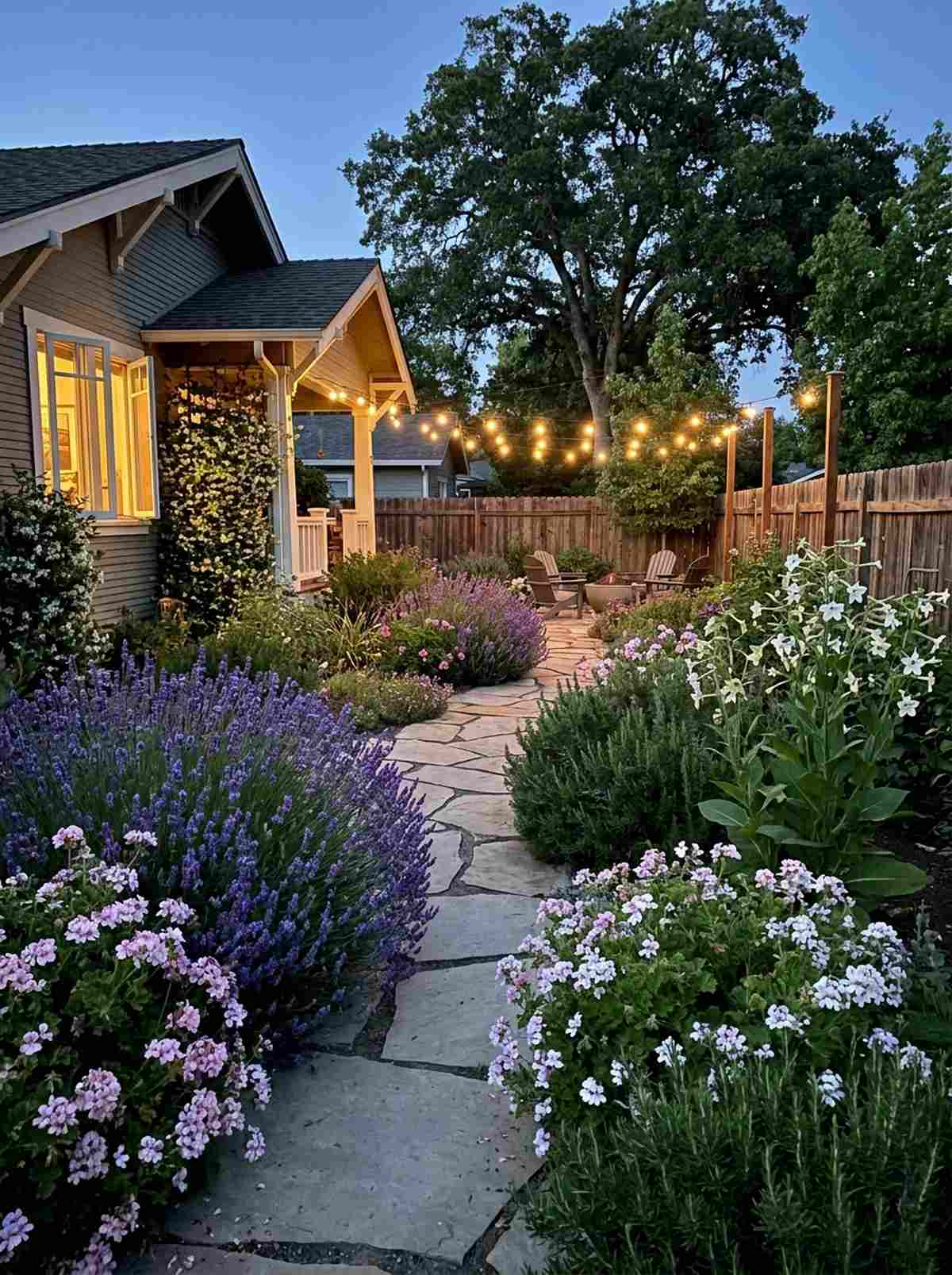
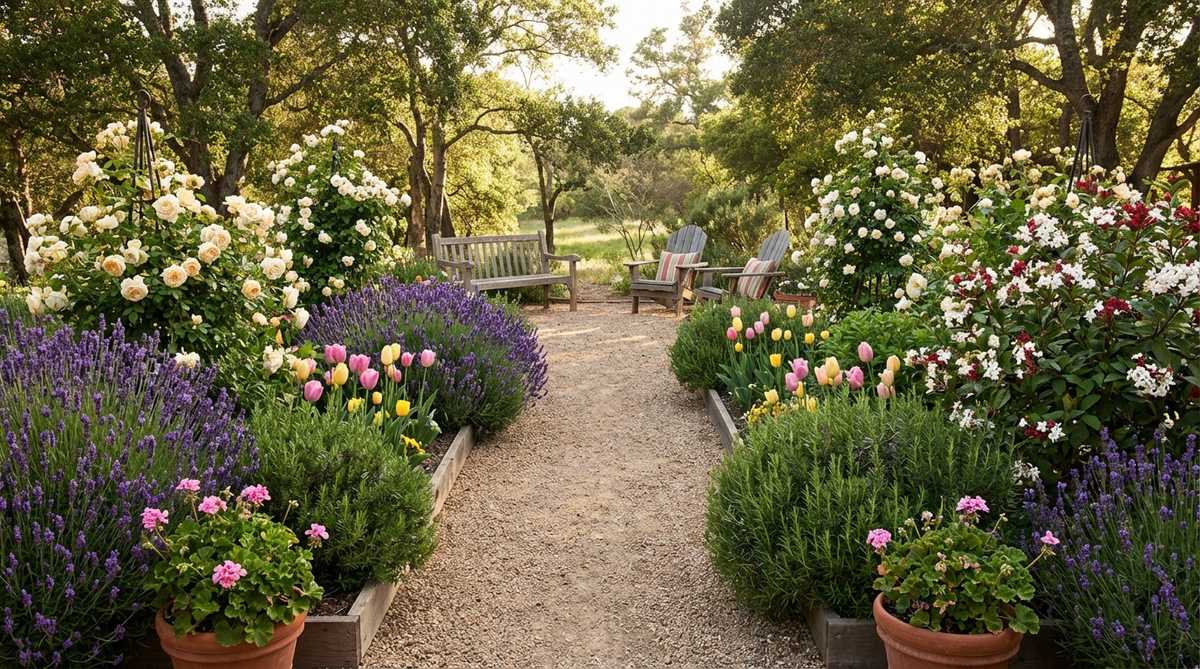
Surrounds you with an invisible cloud of calming aromatherapy. A dedicated scented garden walkway releases intense bursts of fragrance every time you brush past.
Visuals aren’t everything; positioning lavender and scented geraniums along high-traffic routes completely elevates the space. Layering evening-scented flowers like nicotiana ensures the atmosphere remains intoxicating long after the sun goes down.
You can create a scent profile for just $50–$100. Save this idea for a magical walkway upgrade.
- Key Materials: Lavender, night-blooming jasmine, rosemary
- Vibe / Style: Immersive aromatic romance
- Difficulty: Easy
- Budget Breakdown: Fragrant herbs: $60 | Soil prep: $20.
- Creator’s Tip: Place your most fragrant night-blooming plants directly beneath open house windows to pull the scent indoors.
- Smart Sourcing: scented geranium starter collections and night-blooming jasmine live plants.
42. Textured Foliage Border
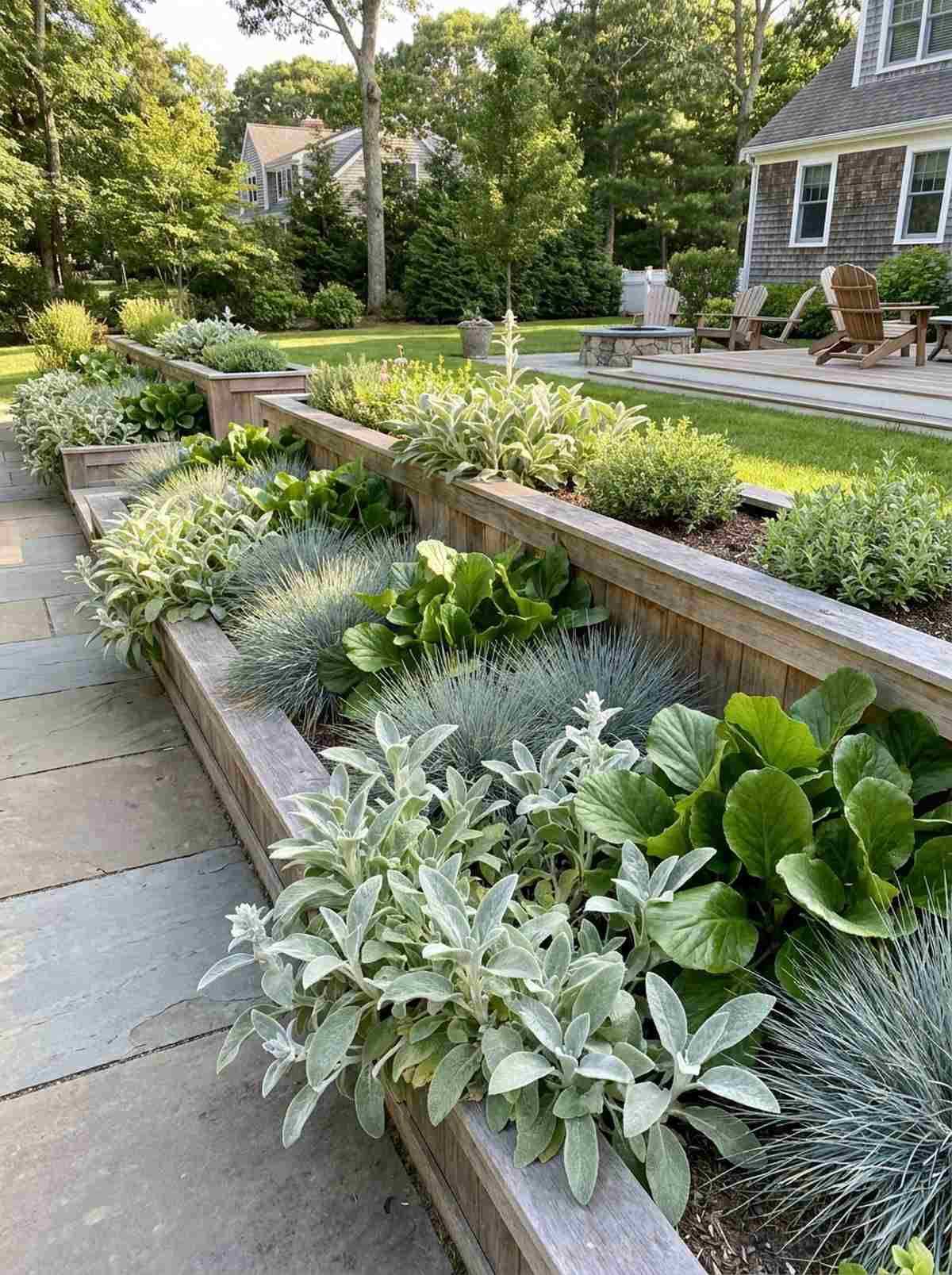
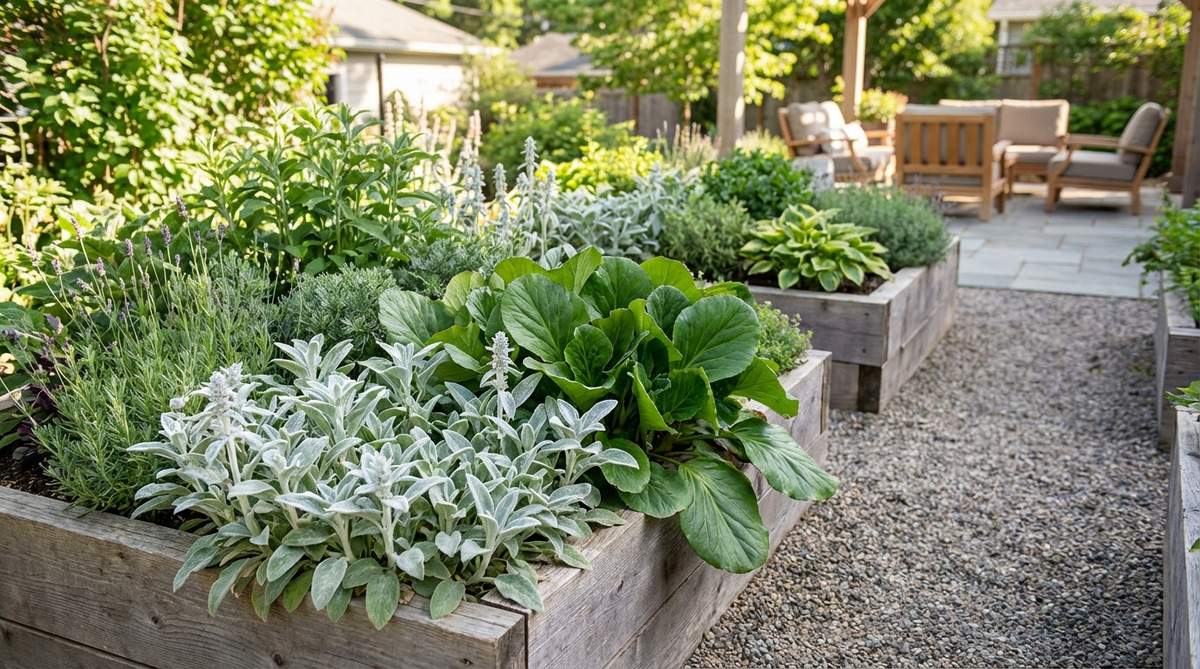
Feels like a rich, tactile tapestry begging to be touched. A highly contrasting textural leaf border relies entirely on shape and feel rather than floral color.
Relying solely on blooms leaves gaps, but combining fuzzy lamb’s ear with glossy bergenia delivers a surprisingly premium look. Utilizing raised beds brings these incredible textures directly within reach, making it perfect for sensory-friendly environments.
A textural plant haul runs about $80–$140. Pin this if you want a garden that looks incredible even without flowers.
- Key Materials: Lamb’s ear, glossy bergenia, spiky blue fescue
- Vibe / Style: Deep tactile engagement
- Difficulty: Easy design
- Budget Breakdown: Textured perennials: $100 | Raised bed: $40.
- Creator’s Tip: Put the softest, fuzziest plants directly on the hard edge of the path where visitors’ hands naturally fall.
- Smart Sourcing: lamb’s ear live plants and blue fescue ornamental grass plugs.
43. Water Feature Soundscape
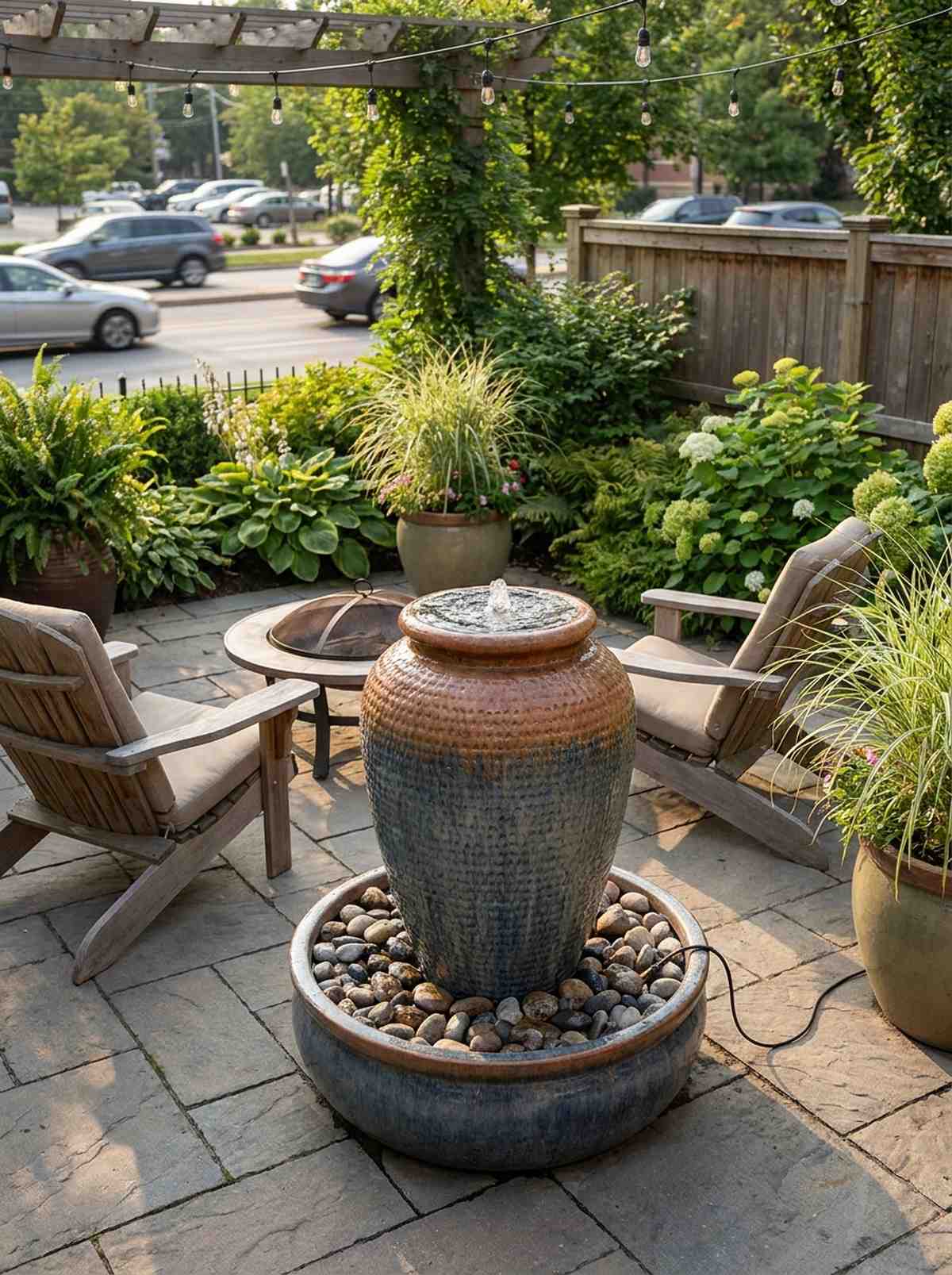
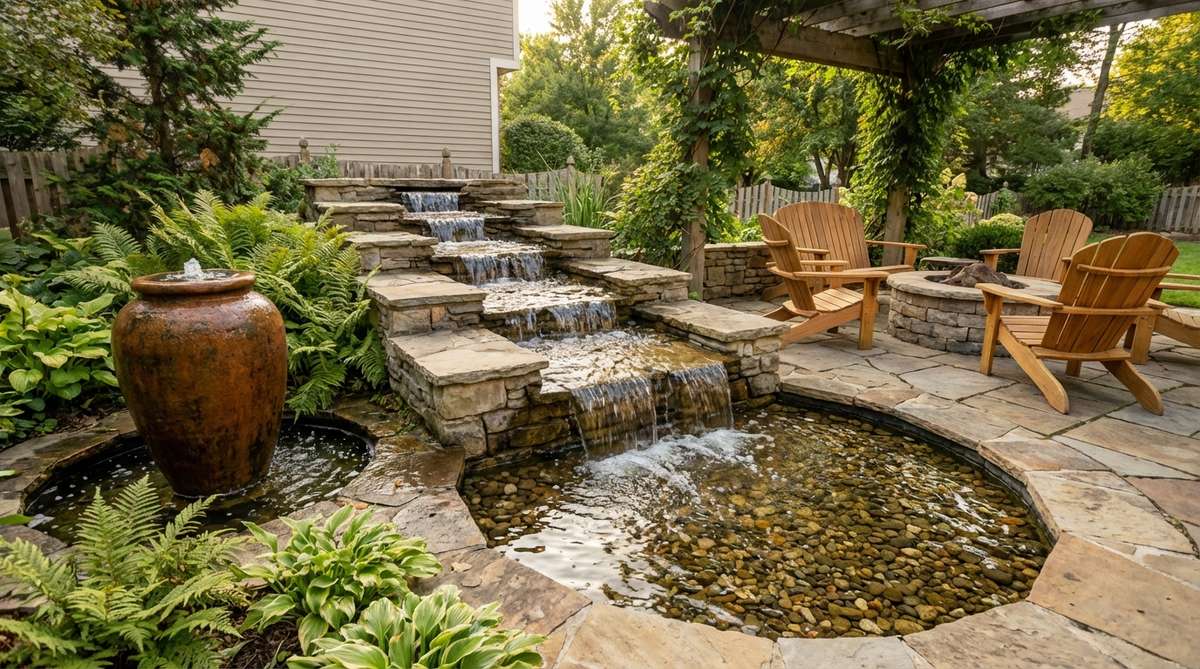
Masks loud neighborhood traffic with the tranquil sound of a mountain stream. A bubbling acoustic water fountain introduces calming white noise to an outdoor seating area.
Sitting in a noisy yard ruins the vibe, but installing a cascading urn fountain gives that custom-built vibe while solving acoustic issues. Positioning the fountain close to your seating area maximizes the psychological cooling and calming effect.
Self-contained fountains cost around $150–$300. Highly recommended for urban patios with loud road noise.
- Key Materials: Ceramic urn fountain, recirculating pump, river rock
- Vibe / Style: Tranquil acoustic isolation
- Difficulty: Easy plug-and-play
- Budget Breakdown: Fountain kit: $200 | Extension cord/rocks: $40.
- Creator’s Tip: The higher the water drops, the louder the splash; adjust the pump flow valve to perfectly tune the noise level.
- Smart Sourcing: self-contained urn fountain kits and adjustable submersible water pumps.
44. Ornamental Grass Movement
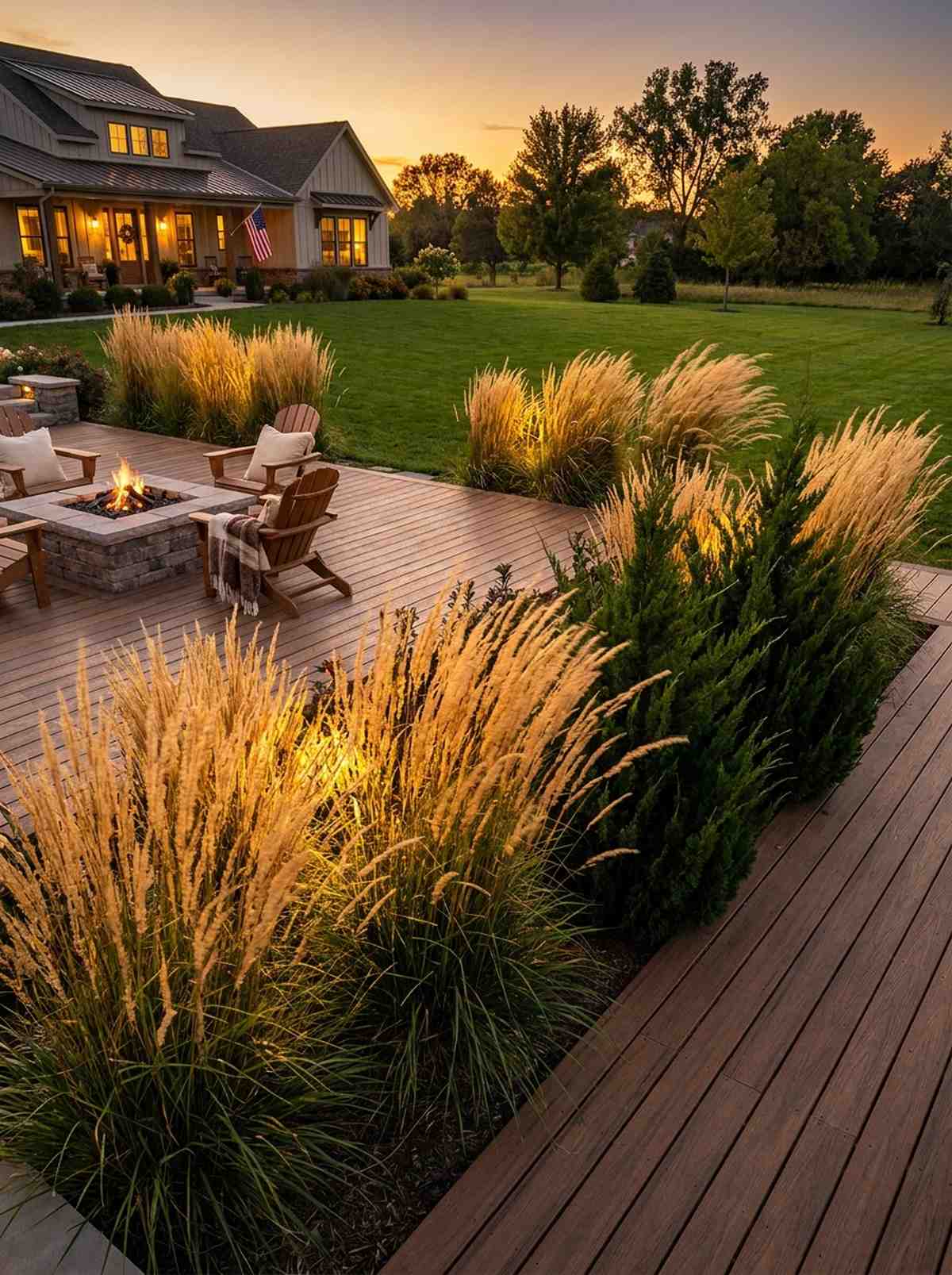
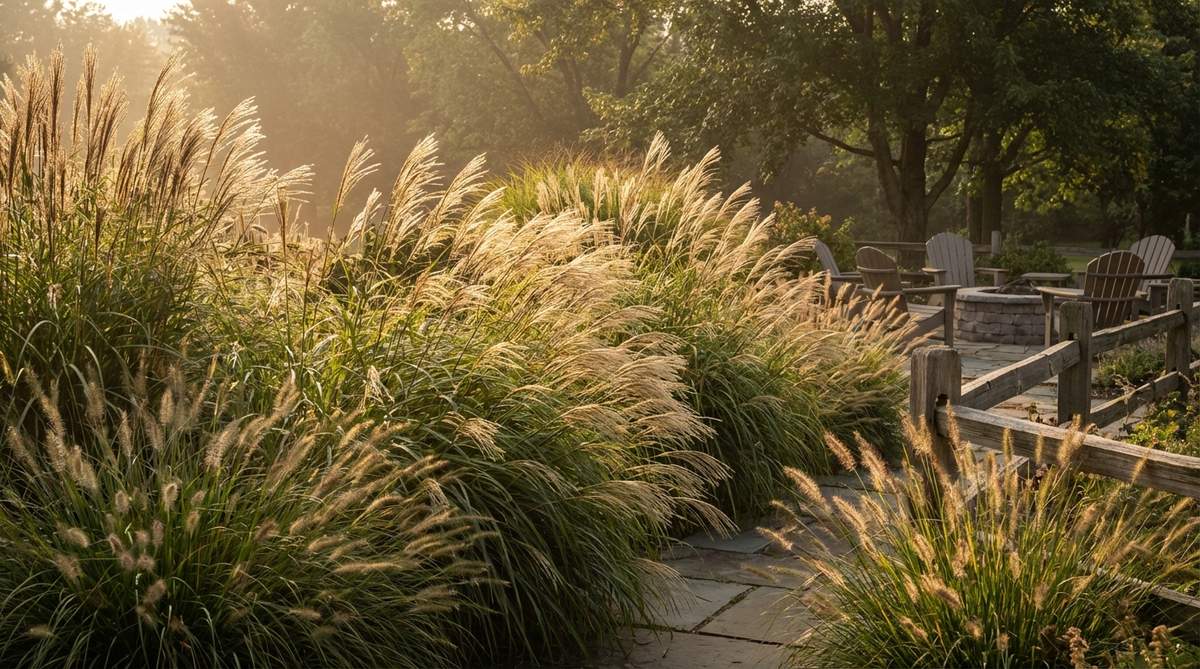
Captures the golden, glowing rustle of an autumn wheat field. Utilizing tall kinetic grasses adds subtle, whispering sound and constant motion to an otherwise static yard.
Stiff evergreen shrubs are silent, but allowing wind to interact with thin grass blades looks far more expensive than it is. Planting these where they catch the low backlighting of the setting sun creates a magical, glowing atmosphere.
A cluster of kinetic grasses costs $60–$100. Save this to your landscape lighting and atmosphere board.
- Key Materials: Tall switchgrass, maiden grass, compost
- Vibe / Style: Whispering kinetic glow
- Difficulty: Easy planting
- Budget Breakdown: Grass clumps: $70 | Soil: $20.
- Creator’s Tip: Never tie ornamental grasses up in the fall; leaving them loose allows them to sway and catch winter snow beautifully.
- Smart Sourcing: maiden grass live plants and organic root-stimulating compost.
Most gardens disappear completely at night… until you employ this brilliant glowing visual trick.
45. Moonlight Garden Palette
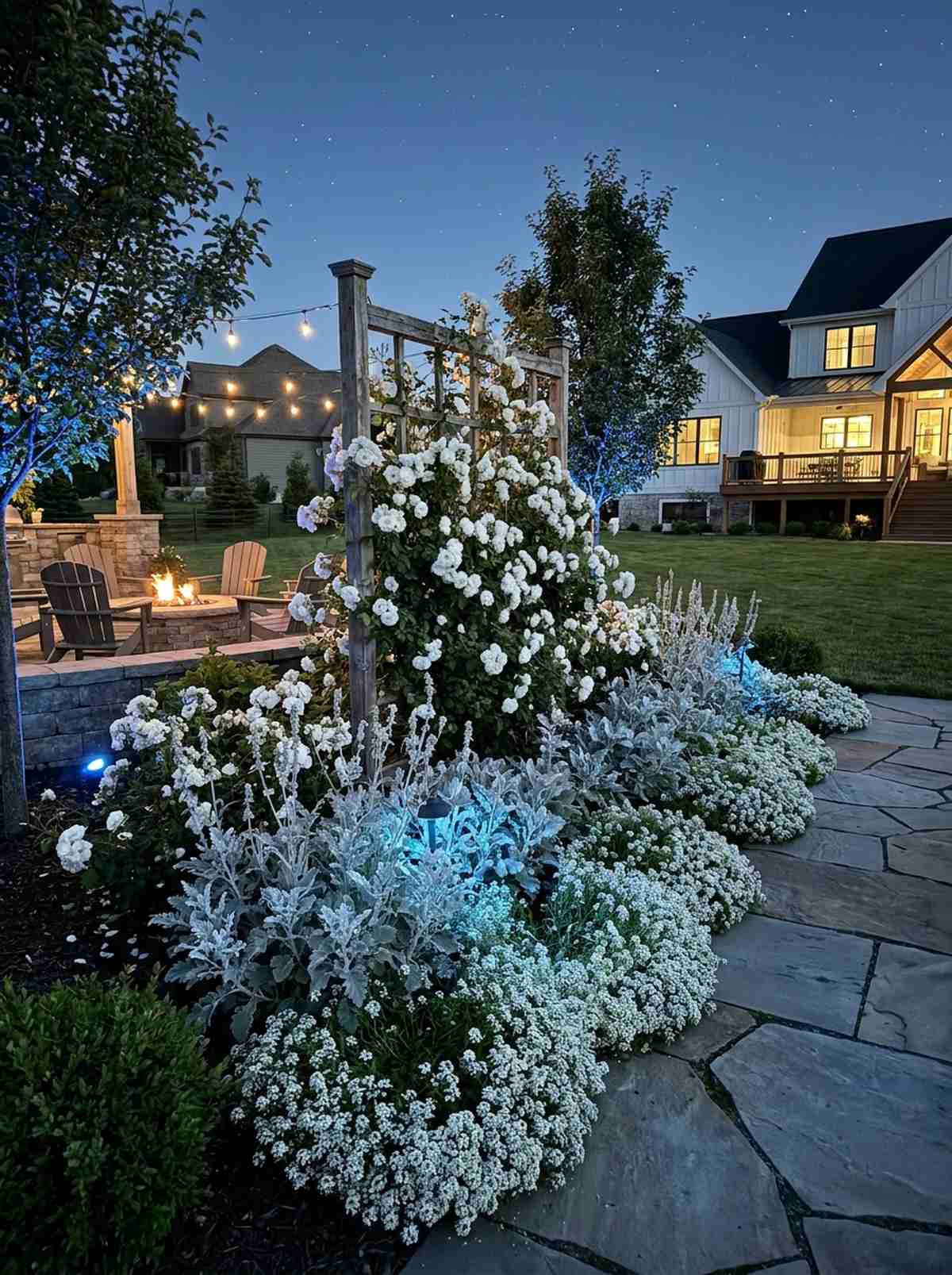
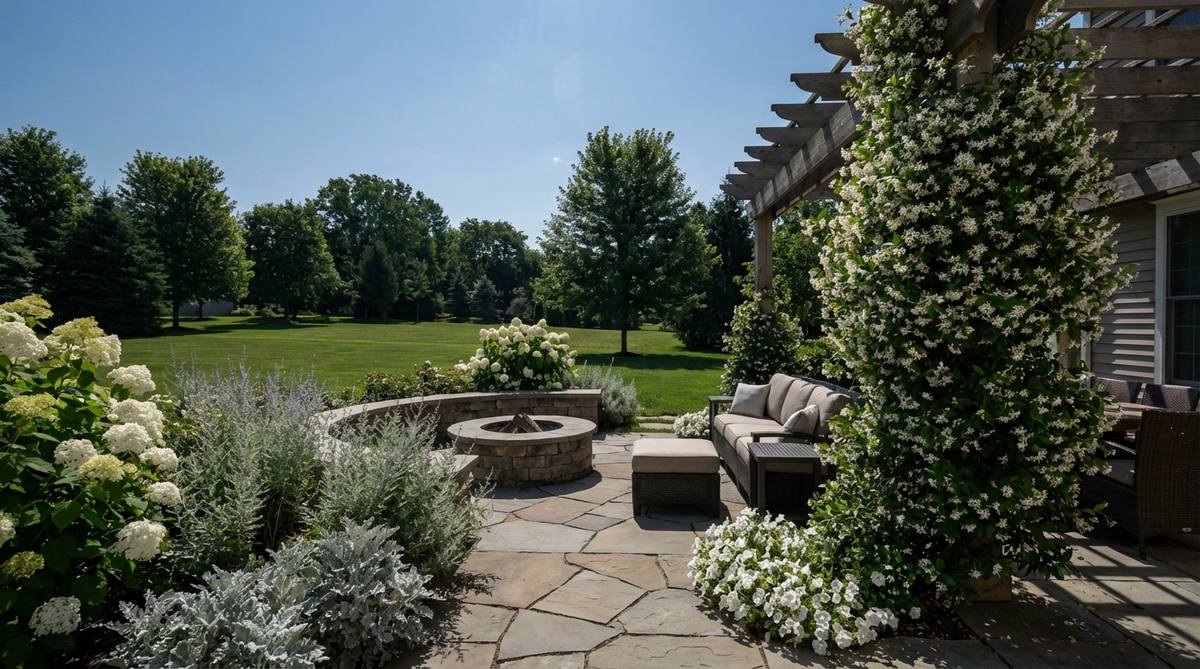
Emanates an ethereal, glowing aura under the night sky. A dedicated white and silver moonlight garden reflects ambient light, keeping the space visible and magical after dark.
Dark red flowers vanish at night, but utilizing pale blooms and silver foliage completely elevates the space. Positioning fragrant white jasmine near your patio extends your entertaining hours without the need for harsh floodlights.
You can plant a moonlight corner for $80–$150. Pin this if you primarily use your backyard in the evening.
- Key Materials: White climbing roses, dusty miller, white alyssum
- Vibe / Style: Ethereal glowing nighttime
- Difficulty: Easy color matching
- Budget Breakdown: White florals: $90 | Silver foliage: $40.
- Creator’s Tip: Add a soft, low-voltage blue LED hidden in the trees to simulate and enhance the effect of a full moon.
- Smart Sourcing: silver foliage perennial bundles and pure white alyssum seed bulk packs.
46. Edible Landscape Integration
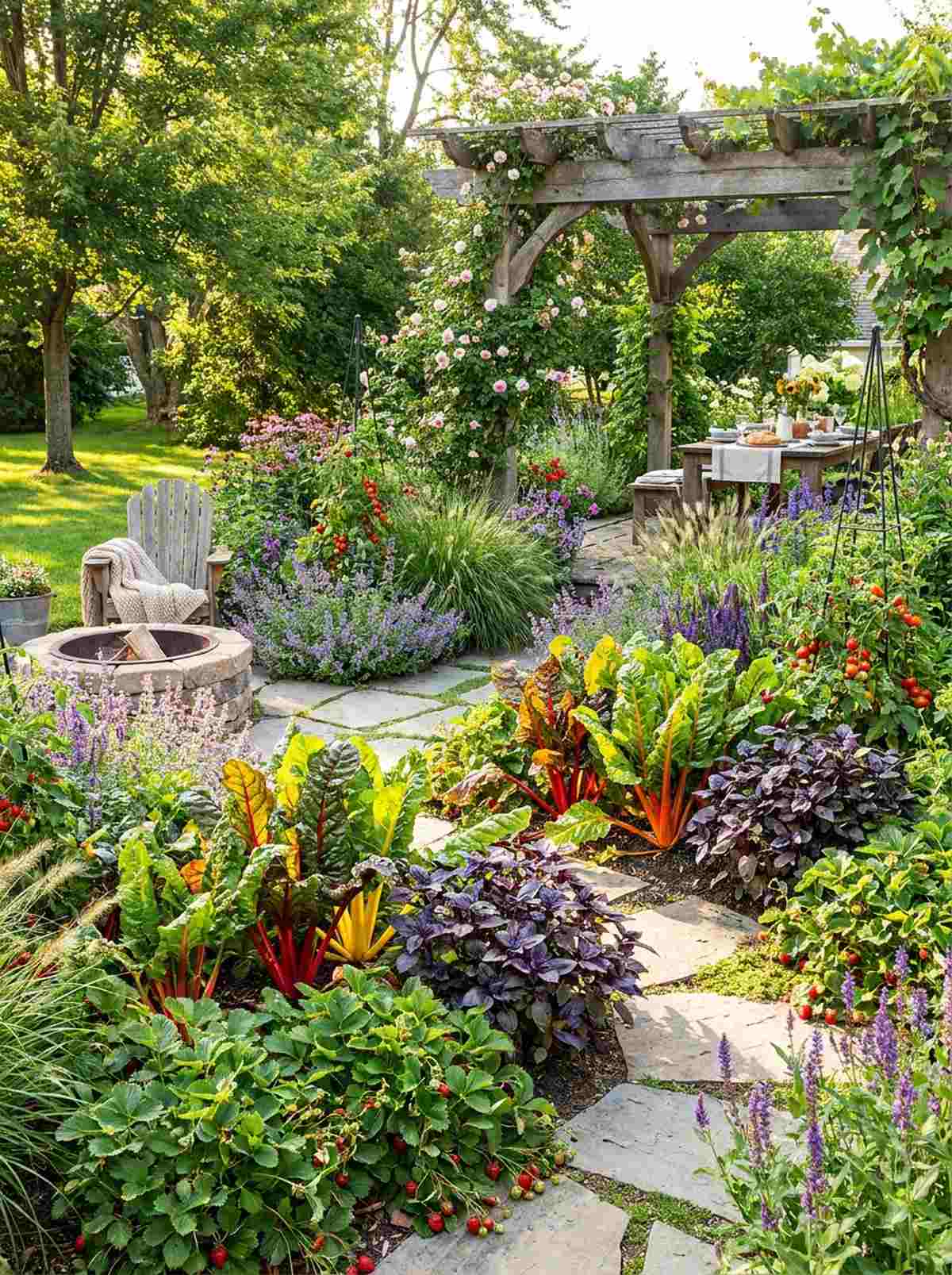
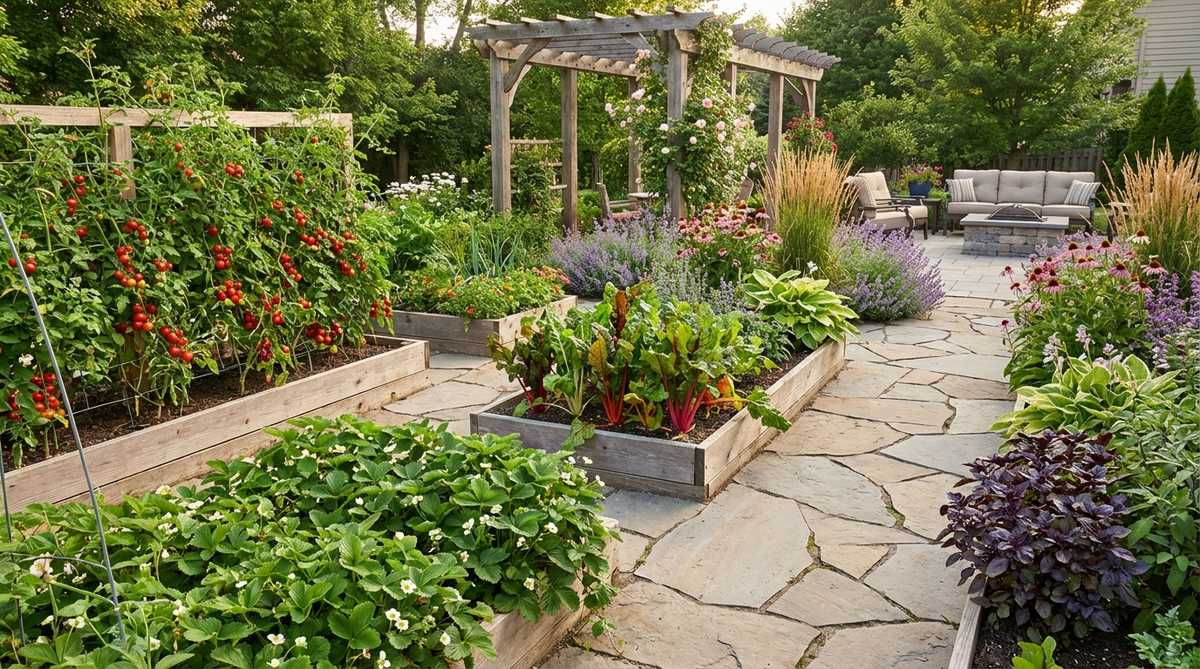
Feels like a secret, beautiful outdoor pantry. Blending ornamental and edible plants invites visitors to taste the landscape while admiring its beauty.
Hiding vegetables in ugly square boxes is dated; mixing purple basil and cherry tomatoes into your flower beds gives a designer-level finish. This seamless integration turns harvesting into a sensory, interactive walk rather than a chore.
Integrating colorful edibles costs about $50–$100. Save this to your modern homesteading and front yard garden board.
- Key Materials: Rainbow chard, purple basil, alpine strawberries
- Vibe / Style: Interactive delicious beauty
- Difficulty: Regular harvesting needed
- Budget Breakdown: Edible starts: $60 | Organic fertilizer: $20.
- Creator’s Tip: Use rainbow Swiss chard exactly like you would use a decorative hosta—it provides massive, colorful foliage and is completely edible.
- Smart Sourcing: rainbow chard heirloom seeds and organic vegetable granular fertilizer.
47. Wildlife Observation Garden
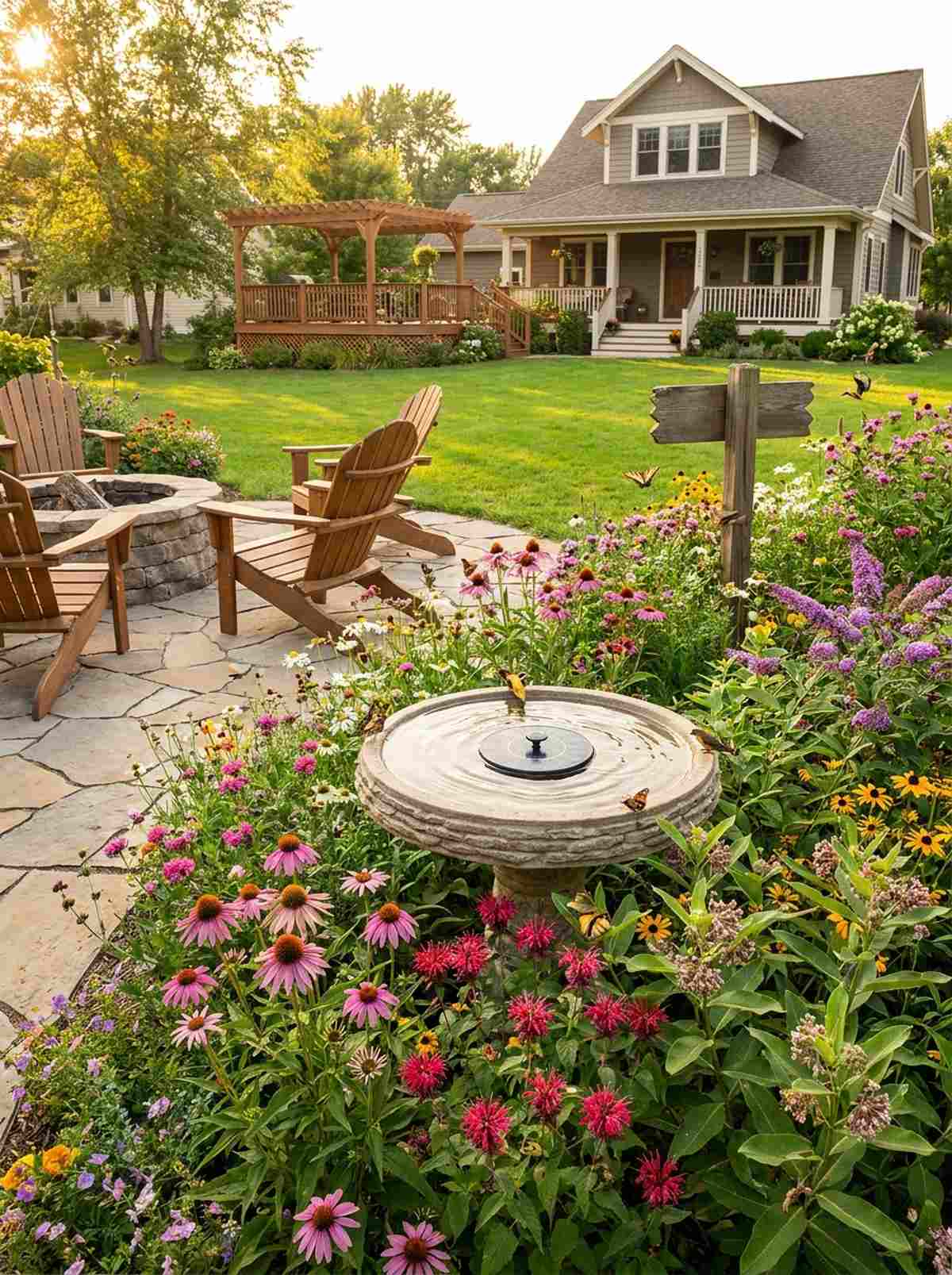
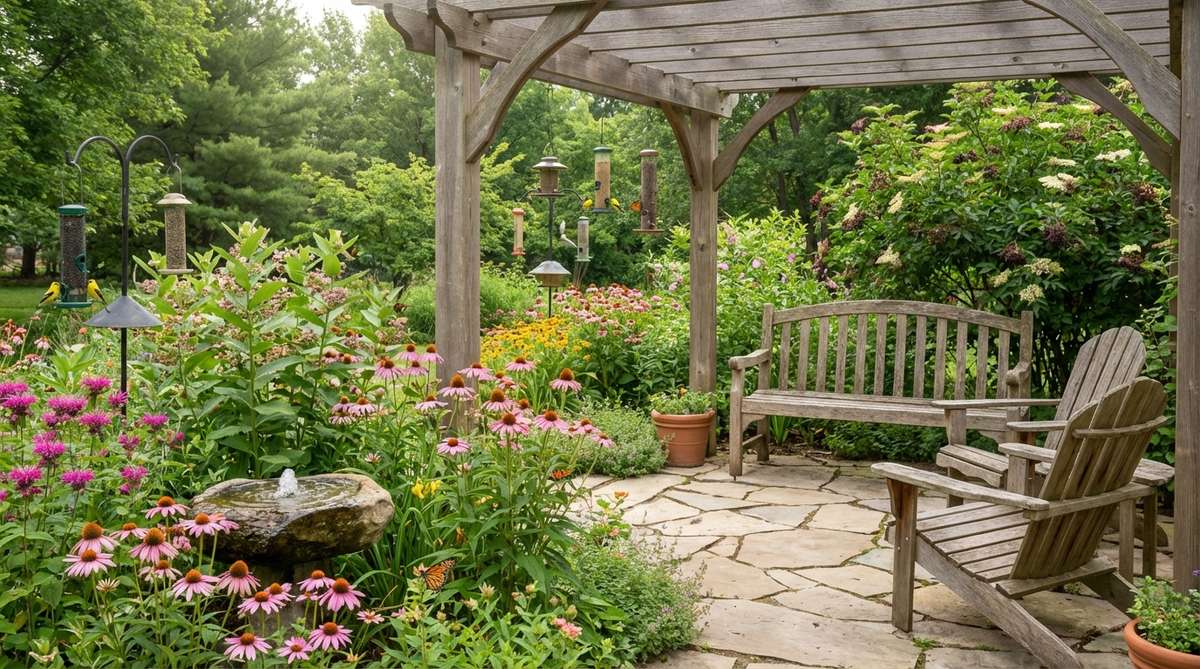
Transforms your yard into a bustling, dynamic nature documentary. Strategic habitat and nectar plantings create a constantly shifting aesthetic based on bird and butterfly activity.
Sterile lawns are boring, but adding specific host plants and shallow water dishes looks far more expensive than it is. Positioning your outdoor seating to overlook these feeding stations provides endless, mesmerizing organic entertainment.
Setting up wildlife attractants runs $80–$150. Highly recommended for nature lovers and families.
- Key Materials: Native nectar plants, shallow bird bath, solar water wiggler
- Vibe / Style: Dynamic wildlife sanctuary
- Difficulty: Easy
- Budget Breakdown: Nectar plants: $80 | Bird bath/wiggler: $60.
- Creator’s Tip: Birds prefer moving water; add a cheap solar wiggler to your birdbath to create ripples that catch their attention from the sky.
- Smart Sourcing: solar bird bath wigglers and butterfly nectar plant kits.
48. Evening Lighting Design
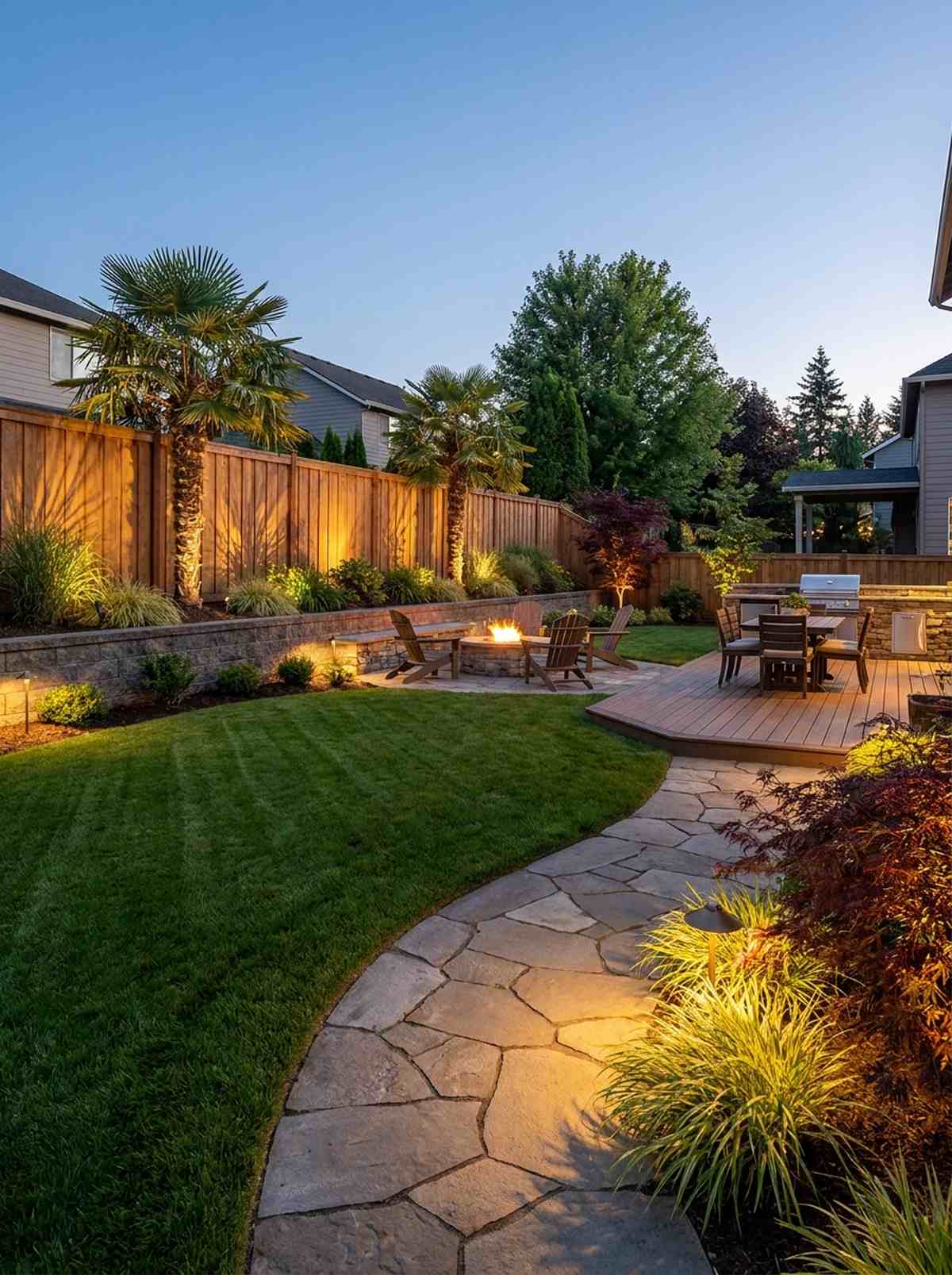
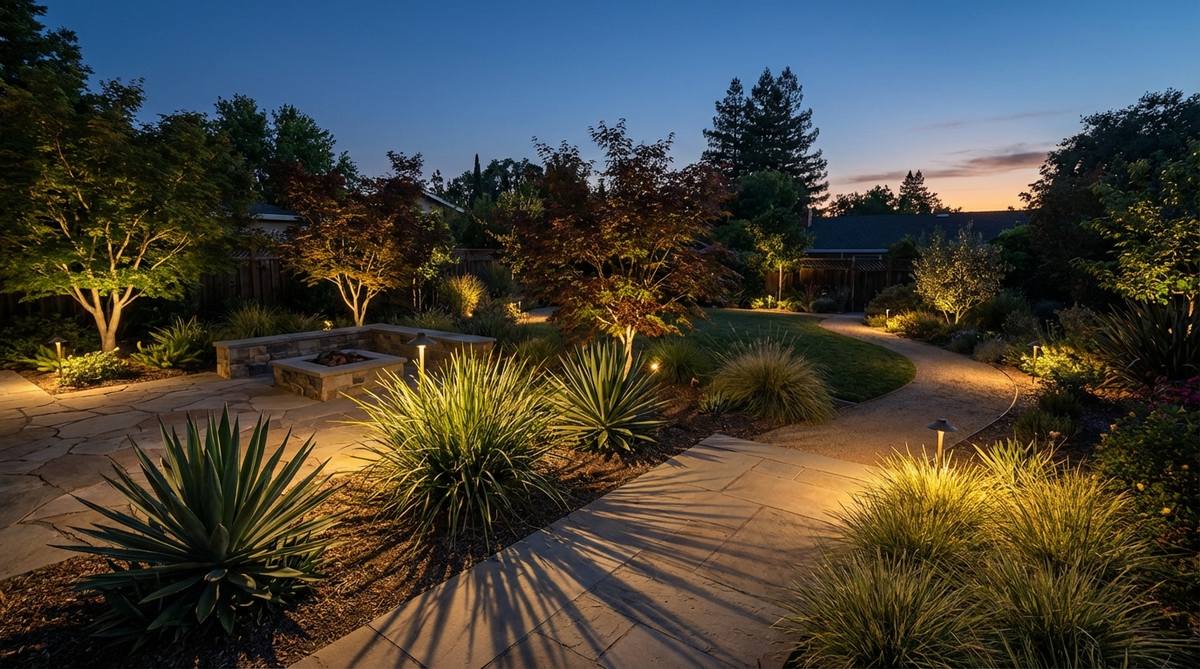
Radiates the expensive, moody ambiance of a luxury resort walkway. A strategic low-voltage landscape lighting scheme completely alters the yard’s atmosphere at night.
Harsh security floodlights ruin the mood, but utilizing warm-toned LED uplights on architectural plants gives that custom-built vibe. Casting shadows against fences and washing pathways in soft light creates incredibly inviting outdoor rooms.
A solid DIY lighting kit costs about $150–$300. Pin this to your ultimate patio upgrade board.
- Key Materials: Low-voltage LED spotlights, waterproof cabling, smart transformer
- Vibe / Style: Dramatic resort evening
- Difficulty: Running shallow wires
- Budget Breakdown: Lighting kit: $180 | Extra wire: $40.
- Creator’s Tip: Always choose bulbs with a warm 2700K color temperature; stark white LEDs make gardens look like an eerie parking lot.
- Smart Sourcing: low-voltage LED brass landscape kits and smart outdoor lighting transformers.
Seasonal & Color-Focused Garden Inspirations
Seasonal garden aesthetics plan for year-round interest rather than single-season peaks. Strategic color planning creates intentional palettes that evolve through months.
49. Spring Bulb Succession
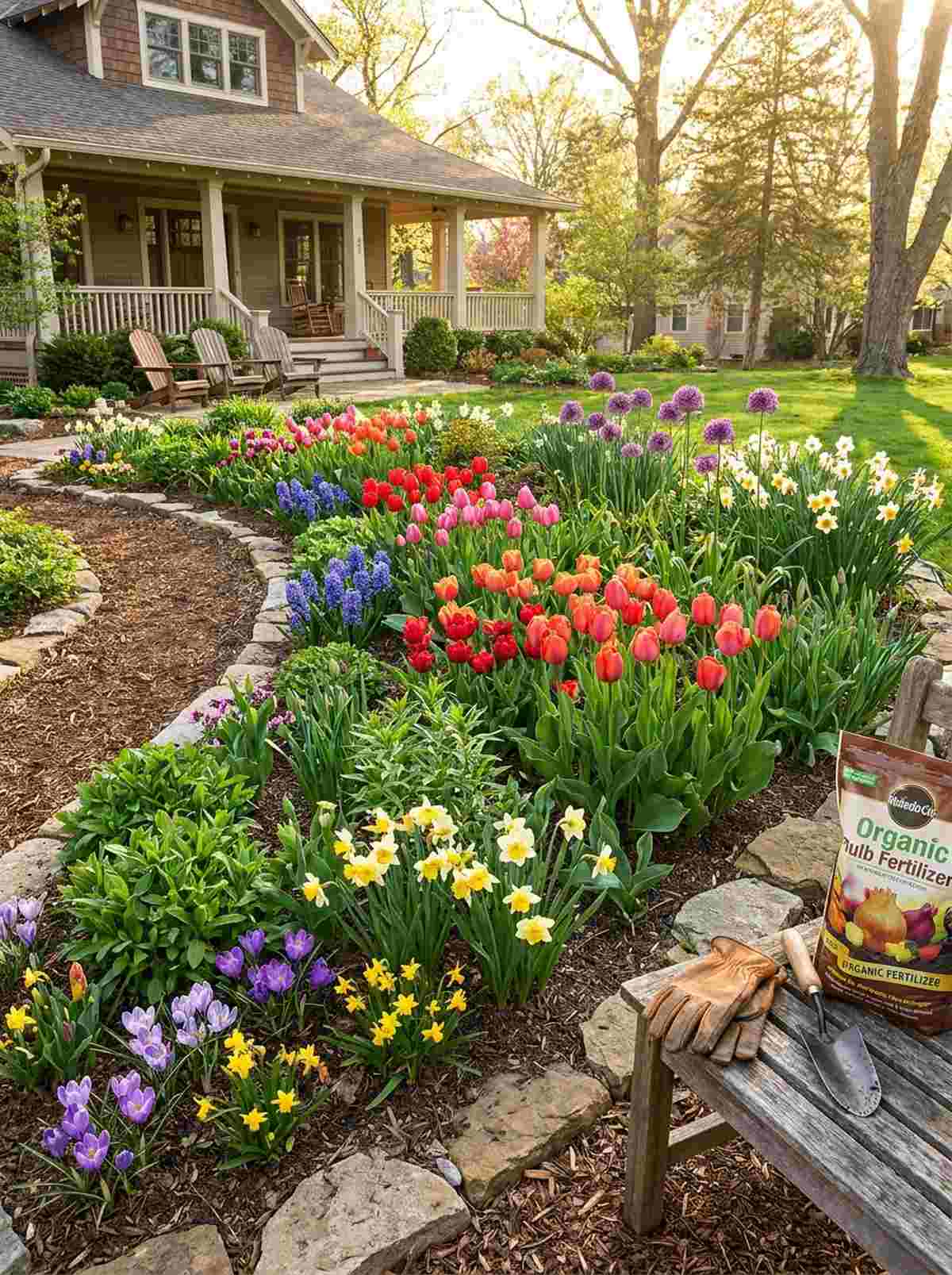
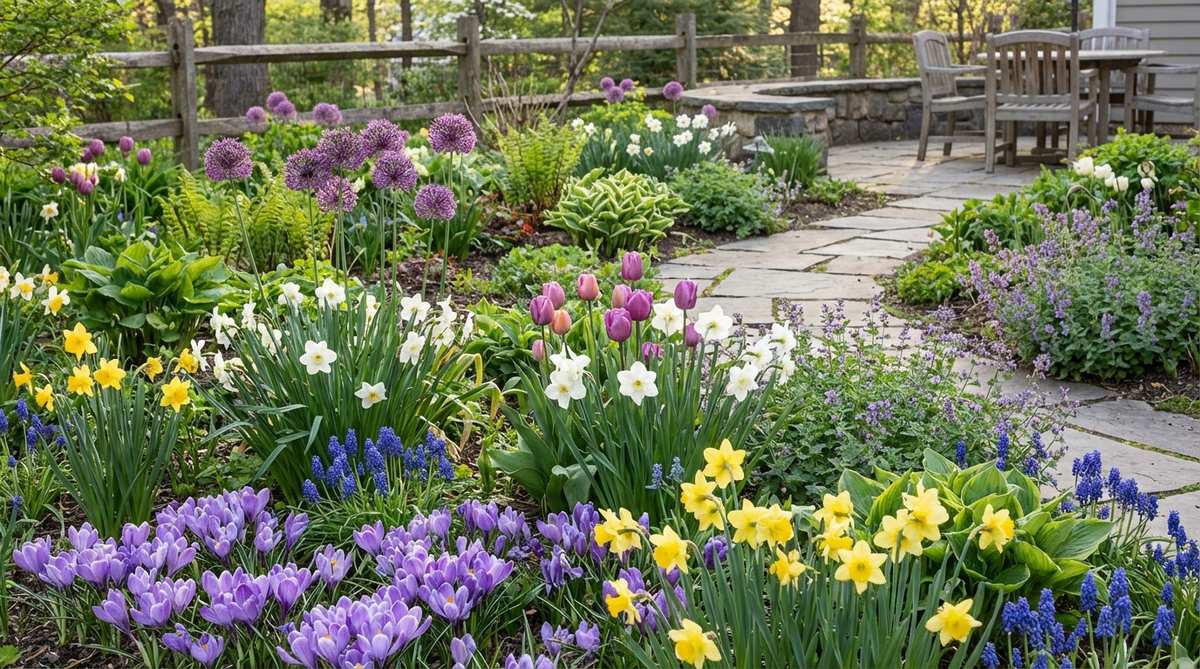
Feels like a non-stop, rolling wave of springtime color. Planning a staggered spring bulb succession guarantees your garden has blooming flowers for three straight months.
Planting only tulips creates a fleeting one-week show, but layering crocus, daffodils, and alliums completely elevates the space. Interplanting these with early perennials brilliantly hides the ugly, fading bulb foliage as the season progresses.
A bulk multi-season bulb order costs roughly $80–$150. Save this strategy for your fall planting checklist.
- Key Materials: Early/mid/late season bulbs, bulb fertilizer, hand auger
- Vibe / Style: Rolling endless spring
- Difficulty: Heavy fall planting
- Budget Breakdown: Succession bulbs: $100 | Fertilizer: $20.
- Creator’s Tip: Dig one large, deep hole and layer the bulbs like a lasagna—late bloomers at the bottom, early bloomers at the top.
- Smart Sourcing: succession blooming bulb collections and heavy-duty bulb planting augers.
If your yard looks incredibly depressing in November, you need to steal this exact autumn color strategy…
50. Autumn Foliage Display
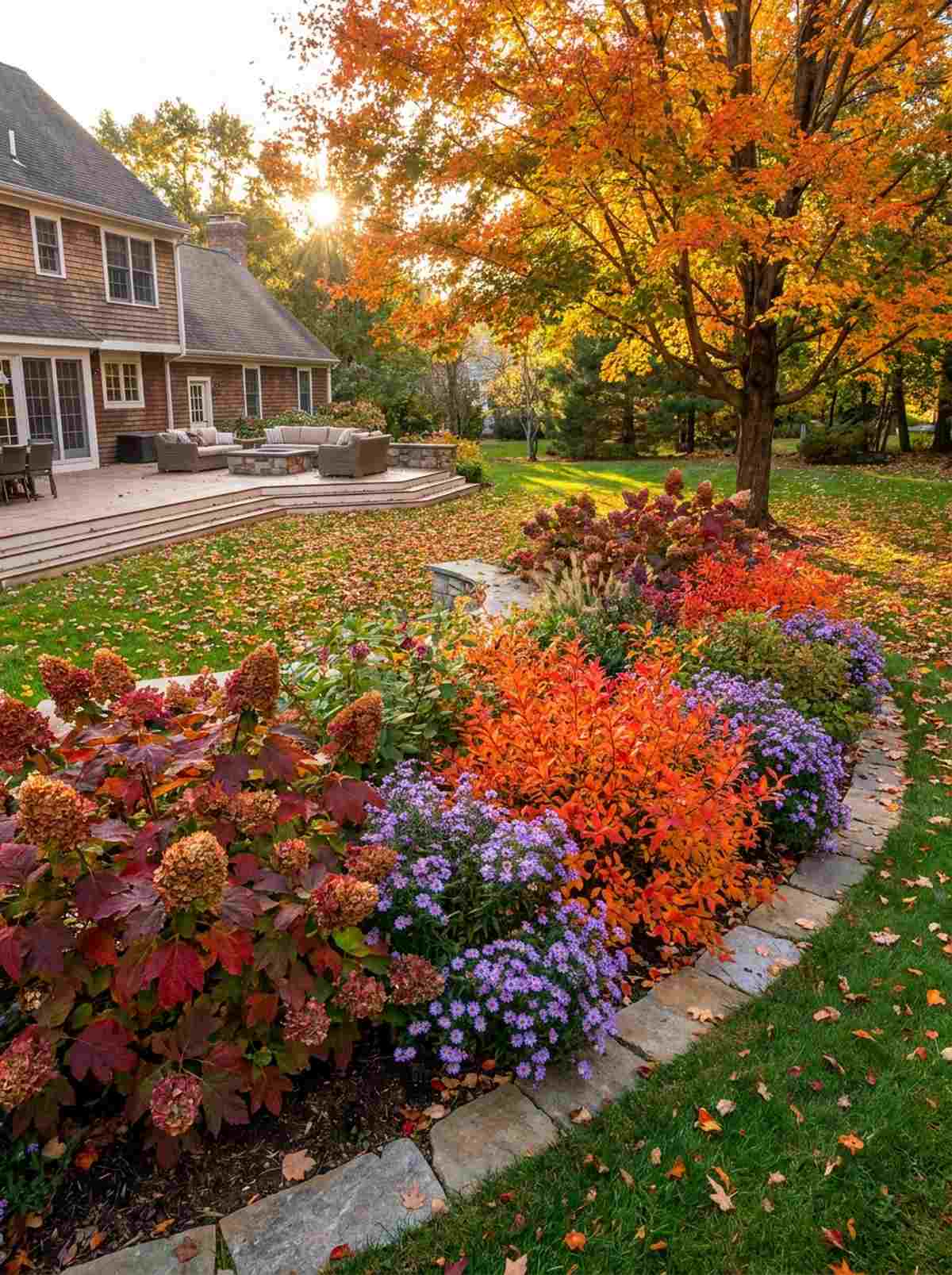
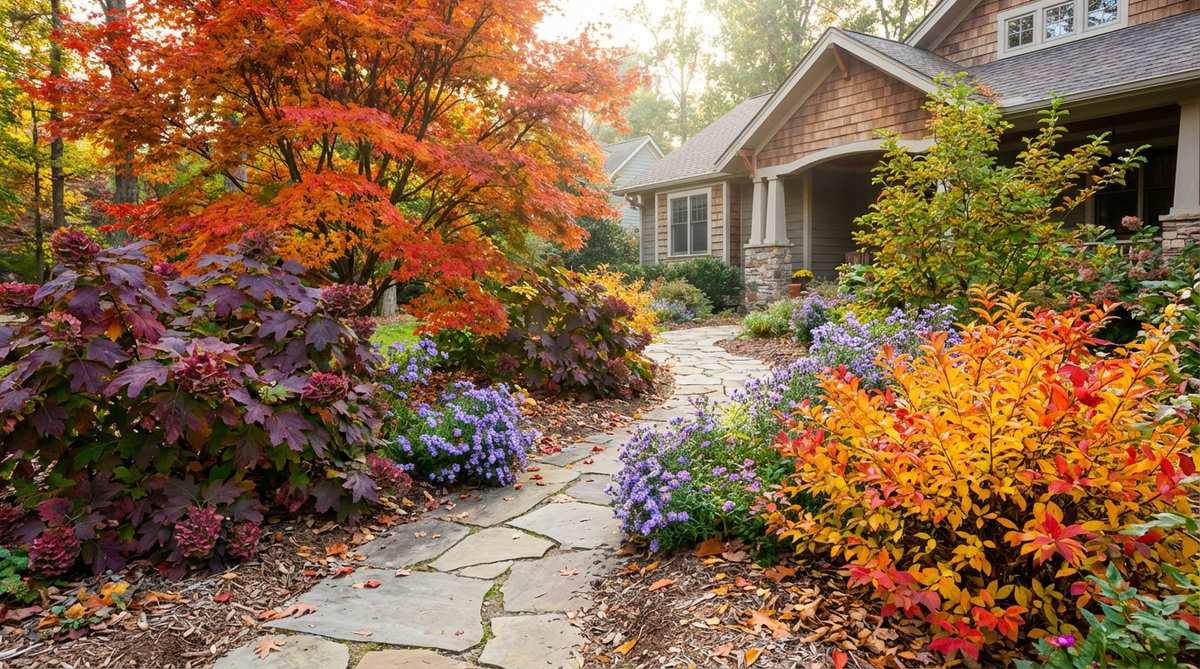
Ignites the landscape with the brilliant fire of a New England fall. A curated autumn foliage and shrub display turns the end of the year into your garden’s peak moment.
Most gardens die back ugly, but planting oakleaf hydrangeas and sweetspire gives a designer-level finish. Combining these blazing leaf colors with late-blooming purple asters creates a breathtaking, layered seasonal spectacle.
Investing in fall-interest shrubs runs $150–$250. Pin this to ensure your garden doesn’t look dead in October.
- Key Materials: Oakleaf hydrangea, Virginia sweetspire, fall asters
- Vibe / Style: Blazing autumn fire
- Difficulty: Easy
- Budget Breakdown: Feature shrubs: $140 | Asters: $40.
- Creator’s Tip: Stop fertilizing these shrubs in late summer; pushing new green growth delays the brilliant chemical color change in the leaves.
- Smart Sourcing: oakleaf hydrangea live plants and late-blooming aster root kits.
51. Winter Structure Garden
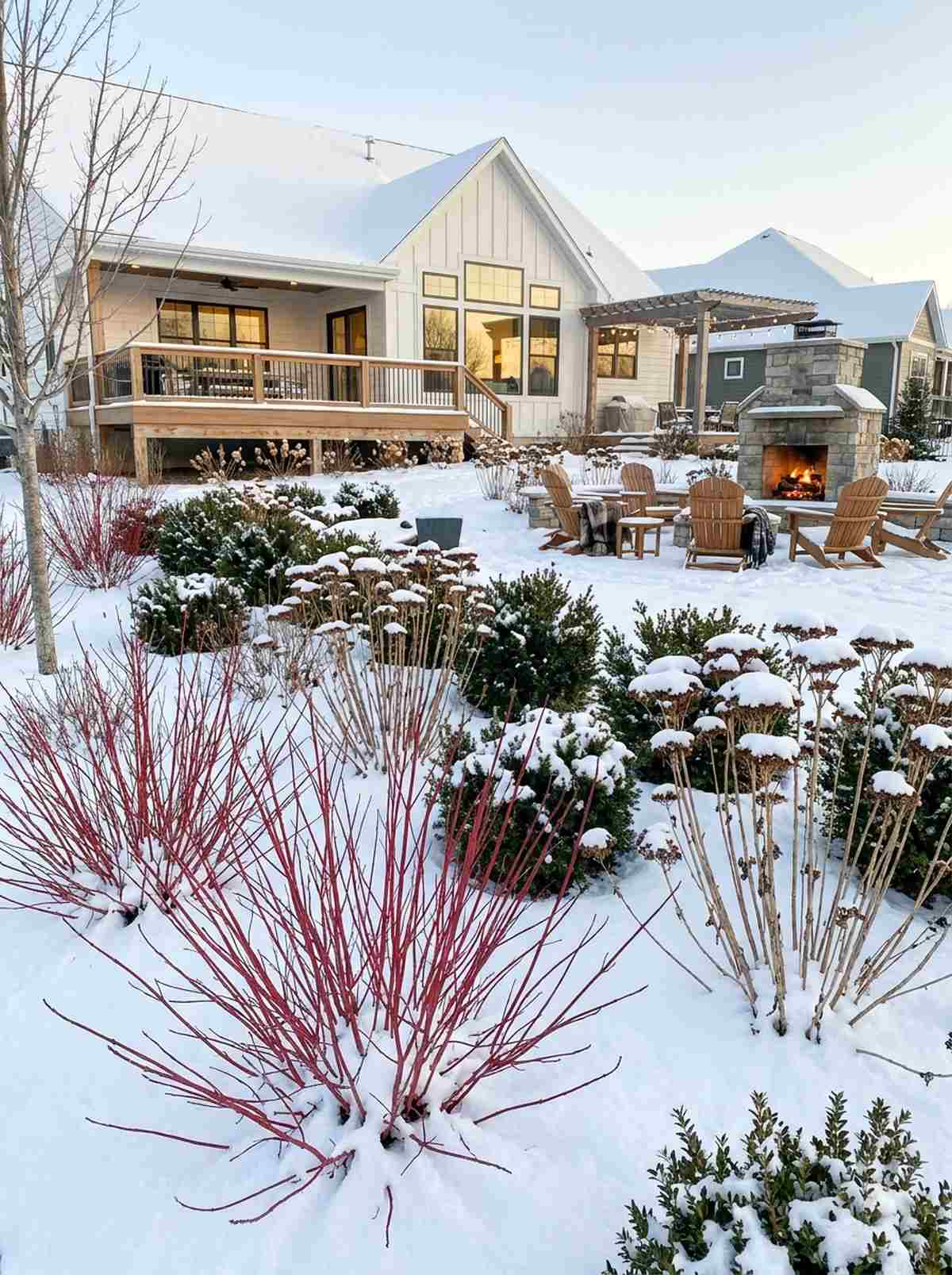
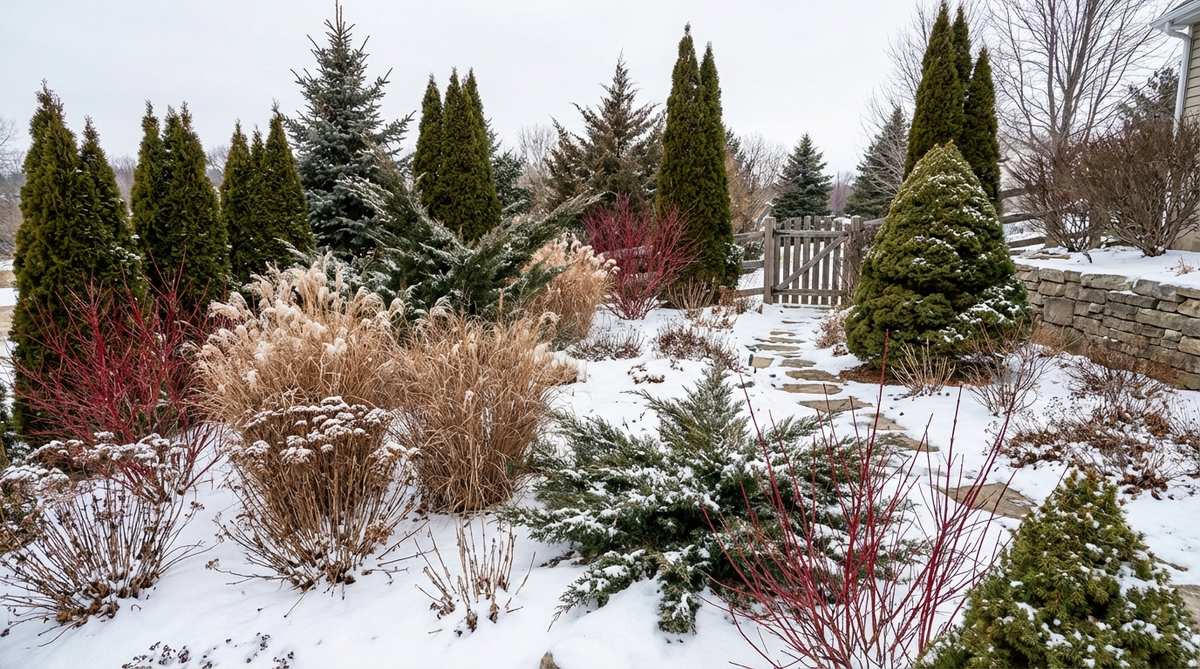
Radiates stark, architectural beauty against a blanket of white snow. A highly intentional winter structural garden relies on evergreen bones and colorful bare stems.
Flat, dormant gardens are depressing, but utilizing bright red-twig dogwood looks far more expensive than it is. Leaving sturdy ornamental seed heads intact allows snow to cap them, creating striking, frosty geometric shapes.
Adding winter interest plants costs about $100–$200. Highly recommended to conquer winter landscape blues.
- Key Materials: Red-twig dogwood, dwarf evergreens, tall sedum
- Vibe / Style: Stark frosty architecture
- Difficulty: Strategic pruning
- Budget Breakdown: Dogwood shrubs: $80 | Evergreens: $90.
- Creator’s Tip: Cut back one-third of the dogwood branches to the ground every spring; only the newest branches produce that shocking winter red.
- Smart Sourcing: red-twig dogwood bare-root bundles and dwarf evergreen structure plants.
52. Monochromatic White Garden
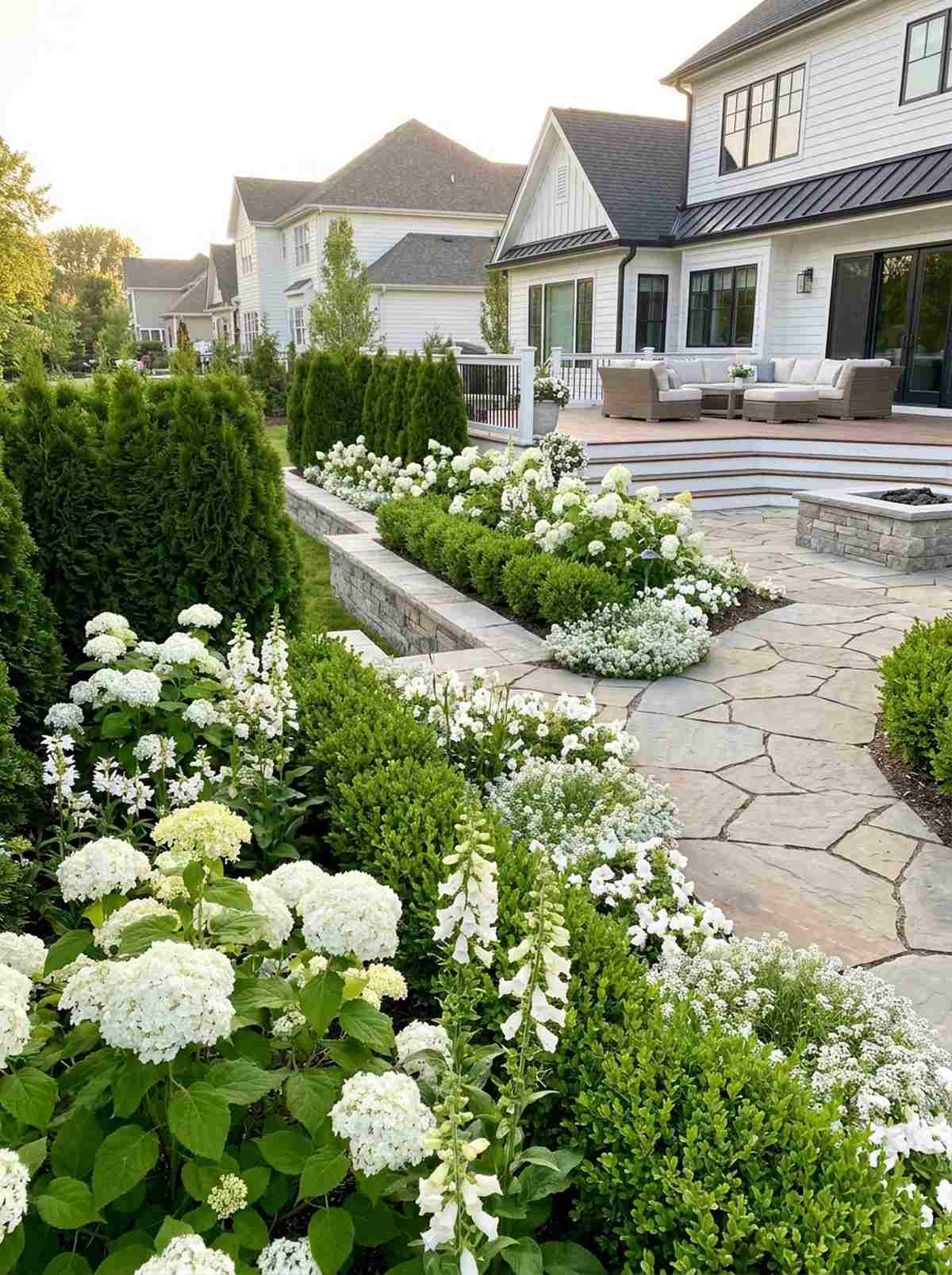
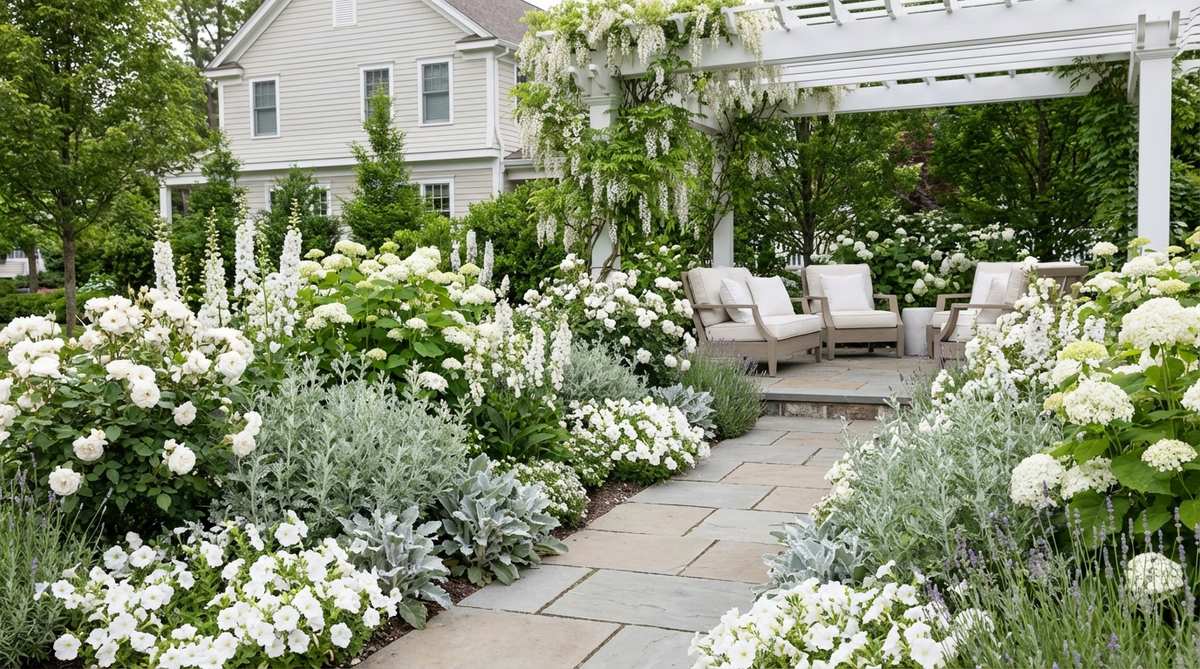
Feels like stepping into an impossibly elegant bridal venue. An incredibly disciplined all-white floral garden prevents visual chaos and delivers ultimate high-end sophistication.
Mixing every color looks like a messy crayon box, but restricting your palette to white and green gives that custom-built vibe. Varying the flower shapes—from round hydrangeas to spiky foxgloves—keeps the single color highly dynamic.
A dedicated white border costs roughly $150–$250. Save this layout for a luxurious, cohesive property upgrade.
- Key Materials: White hydrangeas, white foxgloves, green boxwood
- Vibe / Style: Pure cohesive luxury
- Difficulty: Strict color discipline
- Budget Breakdown: White perennials: $160 | Boxwood base: $80.
- Creator’s Tip: Avoid planting white flowers against white house siding; use a dark green evergreen hedge as a backdrop to make the white pop.
- Smart Sourcing: white hydrangea live shrubs and white foxglove seed packs.
53. Jewel Tone Palette
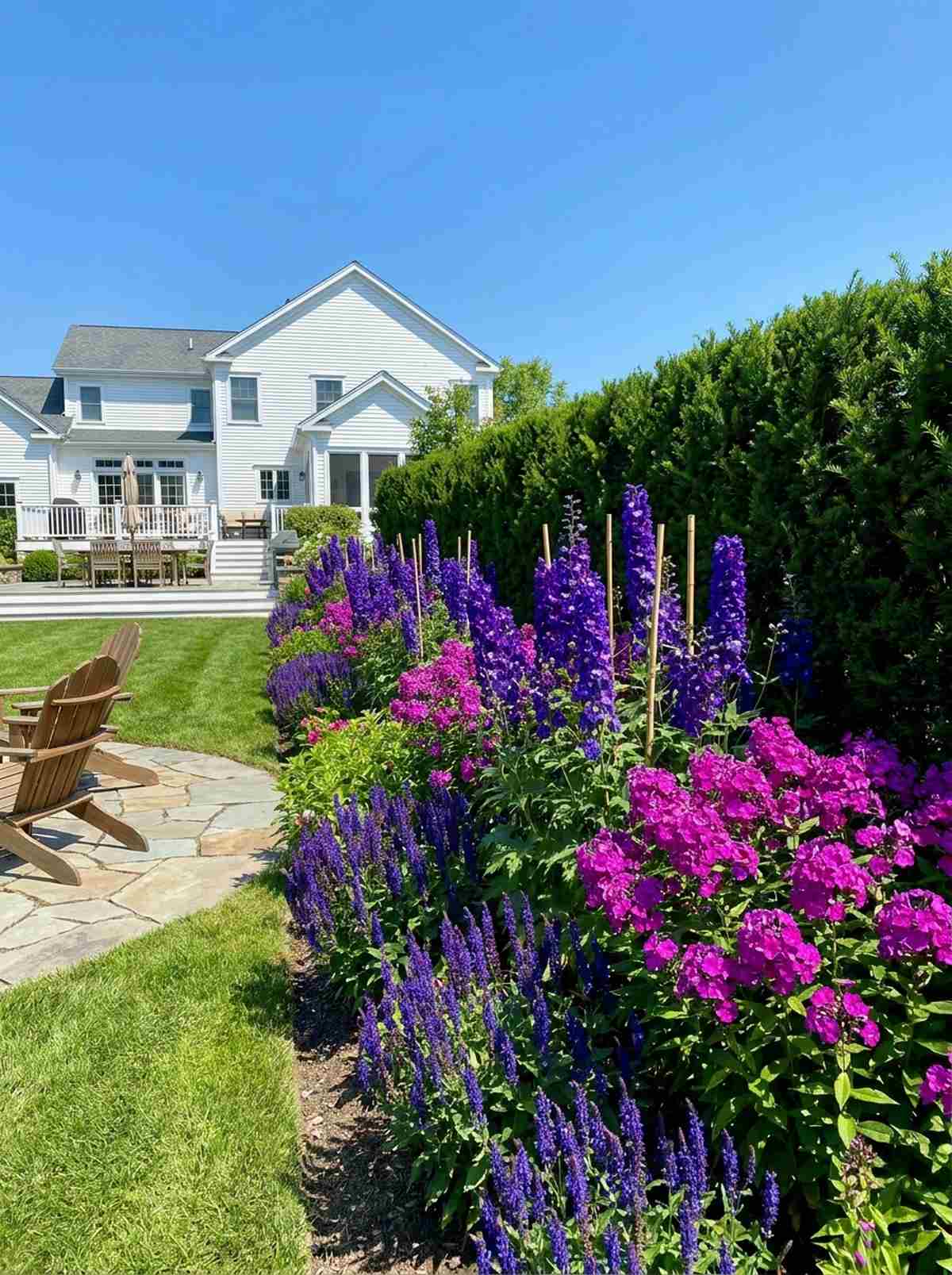
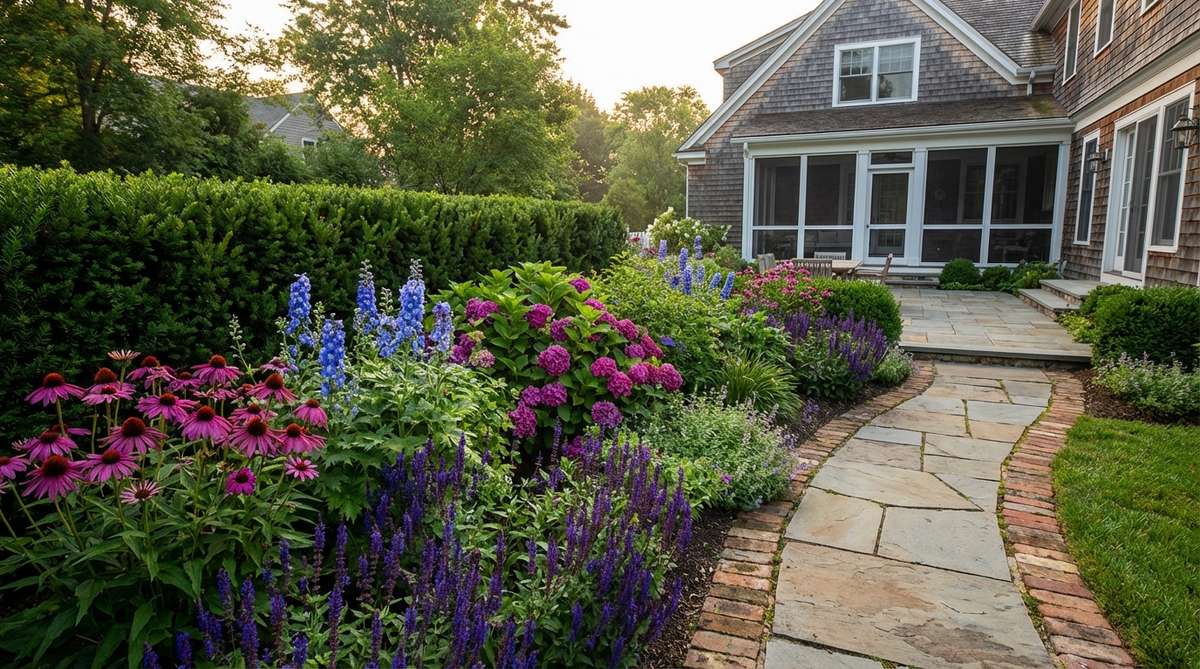
Radiates the rich, heavy luxury of royal velvet. A saturated deep purple, magenta, and blue floral palette adds incredible visual weight to cottage or formal borders.
Washed-out pinks are common, but utilizing intense jewel tones completely elevates the space. Backing these dark, rich colors against a solid green or dark foliage hedge intensifies the dramatic floral impact.
Establishing this rich palette runs $120–$180. Pin this if you love bold, unapologetic garden drama.
- Key Materials: Delphiniums, magenta phlox, dark purple salvia
- Vibe / Style: Saturated royal velvet
- Difficulty: Medium (staking tall flowers)
- Budget Breakdown: Jewel tone perennials: $130 | Staking tools: $20.
- Creator’s Tip: Tall jewel-tone flowers like delphiniums snap easily in the wind; stake them early with green bamboo before they bloom.
- Smart Sourcing: premium delphinium root clusters and green bamboo support stakes.
54. Complementary Color Scheme
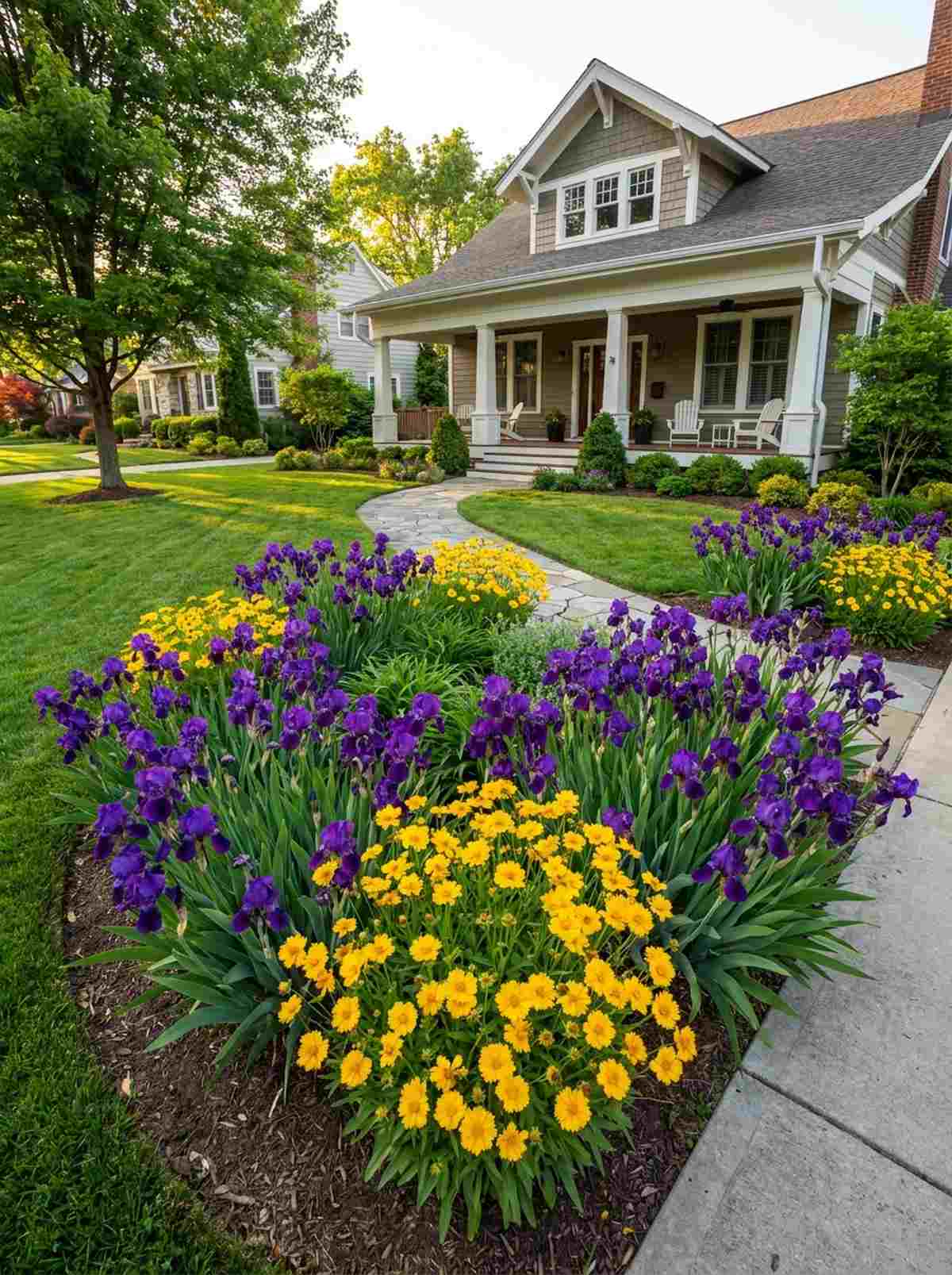
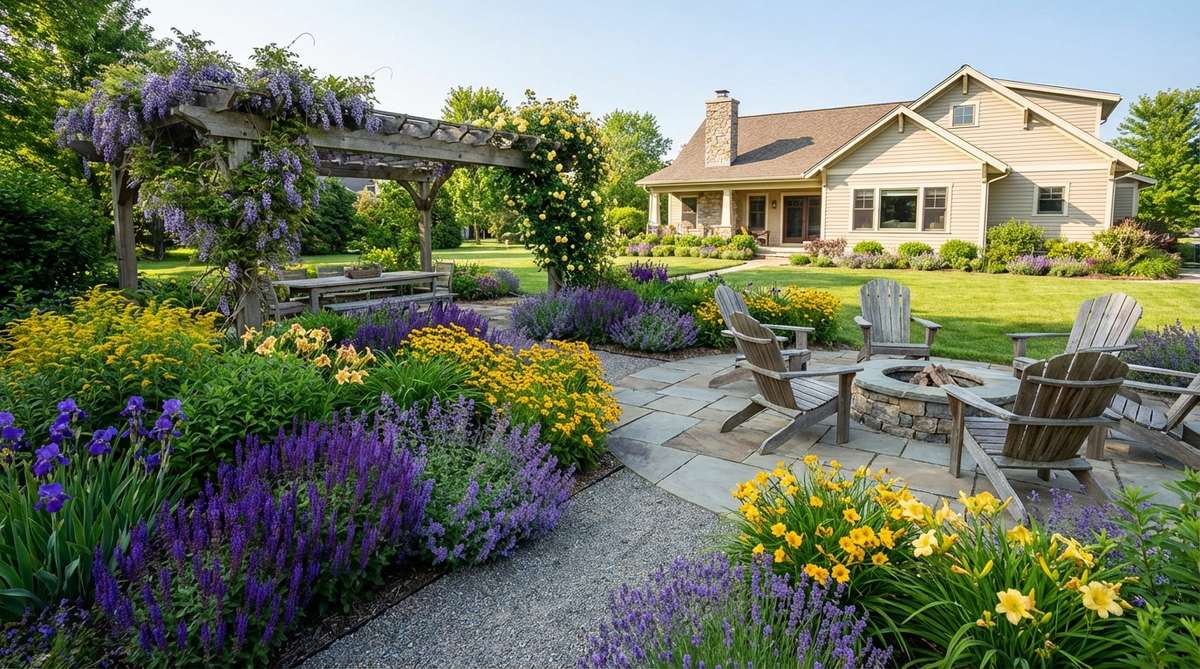
Creates an electric visual pop that grabs attention from down the street. Pairing opposite color wheel florals like deep purple and bright yellow establishes brilliant, high-energy contrast.
Randomly mixed beds feel confusing, but balancing contrasting colors looks far more expensive than it is. Using an 80/20 ratio—where purple dominates and yellow acts as the sharp accent—prevents the colors from competing equally.
Setting up a contrasting bed costs about $100–$150. Save this exact layout for an eye-catching front yard focal point.
- Key Materials: Purple irises, yellow coreopsis, compost
- Vibe / Style: High-voltage contrast
- Difficulty: Color math/planning
- Budget Breakdown: Purple dominant: $80 | Yellow accents: $30.
- Creator’s Tip: Group your accent color in distinct clusters of three rather than scattering them evenly, creating powerful focal bursts.
- Smart Sourcing: purple iris rhizome packs and yellow coreopsis live plants.
55. Analogous Color Harmony
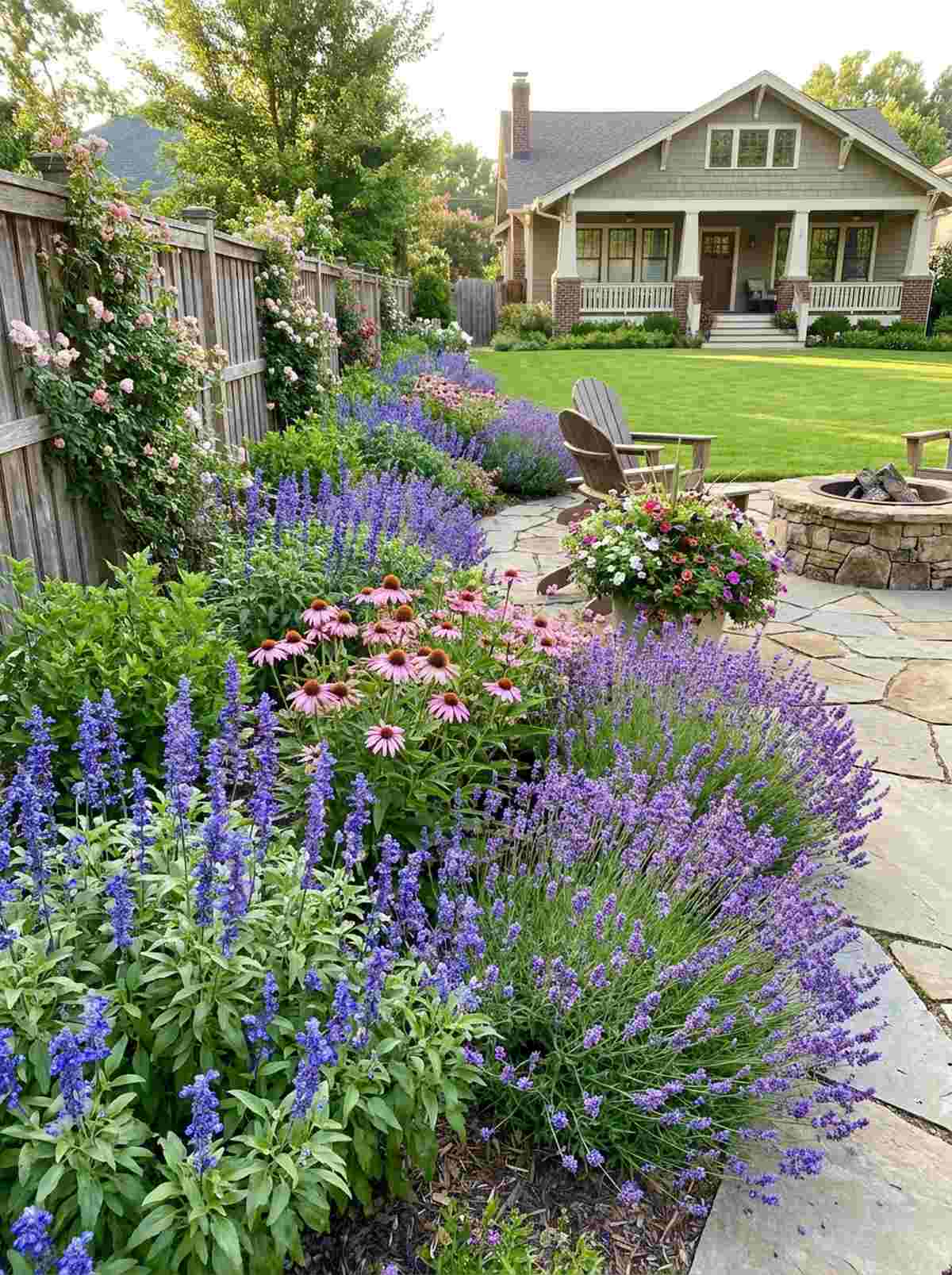
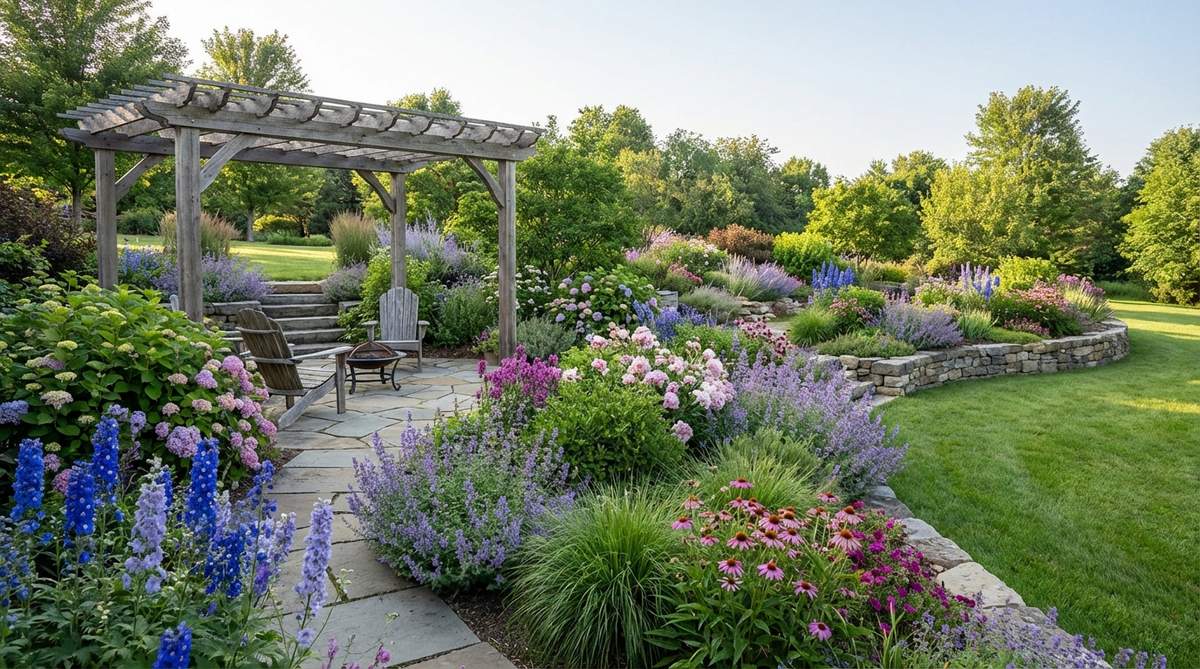
Flows with the soothing, seamless transition of a watercolor gradient. A blended blue, purple, and pink floral scheme creates incredibly harmonious, relaxing outdoor borders.
Harsh contrasts can feel stressful, but utilizing adjacent color wheel shades gives a designer-level finish. Altering the height and texture of the plants prevents these similar colors from visually blurring into a giant blob.
A harmonious color drift runs $120–$200. Highly recommended for creating a deeply peaceful backyard sanctuary.
- Key Materials: Blue salvias, purple lavender, pink echinacea
- Vibe / Style: Seamless watercolor calm
- Difficulty: Easy blending
- Budget Breakdown: Mixed perennials: $140 | Soil prep: $30.
- Creator’s Tip: Buy plants in bloom at the nursery to ensure their specific shades actually match before you put them in the ground.
- Smart Sourcing: analogous color perennial collections and organic bloom-boosting soil amendments.
56. Four-Season Border
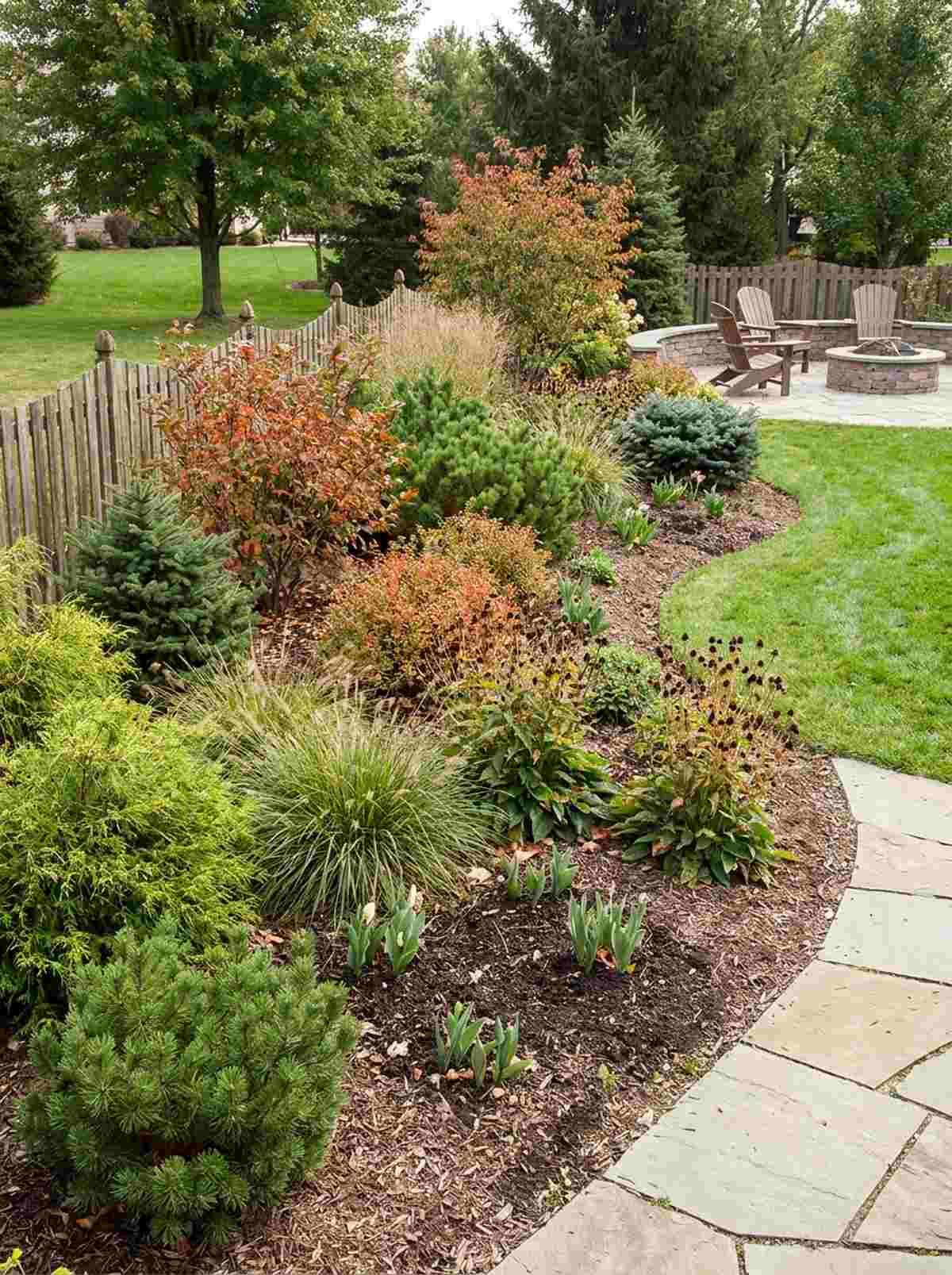
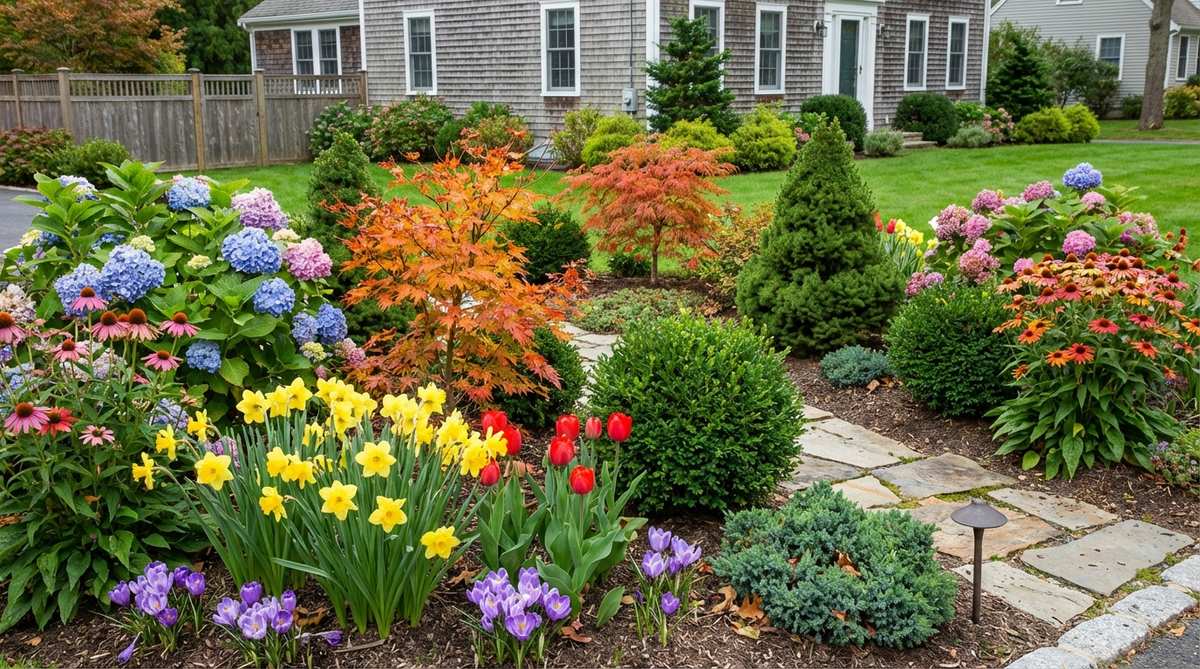
Embodies the ultimate holy grail of professional landscape design. A meticulously planned four-season continuous interest border guarantees your yard looks incredible 365 days a year.
Amateurs only plant for summer, but combining spring bulbs, summer florals, fall foliage, and winter evergreens completely elevates the space. This strategic layering requires strict discipline but ensures the border’s aesthetic shifts dramatically without ever looking dead.
Establishing a full 4-season bed costs roughly $250–$500. Pin this masterclass layout for your ultimate forever-garden blueprint.
- Key Materials: Spring bulbs, summer perennials, fall shrubs, dwarf evergreens
- Vibe / Style: Evolving year-round mastery
- Difficulty: Advanced master planning
- Budget Breakdown: Structure shrubs: $150 | Seasonal perennials/bulbs: $200.
- Creator’s Tip: Build the “bones” first; plant your winter evergreens and fall shrubs before filling the gaps with summer flowers and spring bulbs.
- Smart Sourcing: four-season landscape design plant kits and premium slow-release fertilizer granules.
Conclusion
Defining your garden aesthetic through precise visual mood boards separates cheap-looking yards from premium outdoor landscapes. These 56 curated DIY blueprints prove that smart material sourcing, like utilizing bulk pre-cut materials and premium starter kits, is the real secret to a high-end finish. Pick the aesthetic that fits your maintenance level, leverage the budget breakdowns provided, and invest in the right foundational supplies to create a completely custom outdoor oasis.
Frequently Asked Questions
How do I choose the right garden aesthetic for my property?
Assess your climate zone and sunlight first, then select aesthetics that naturally thrive there without excessive maintenance. If you want a premium look without the hassle, lean into modern minimalism and use heavy-duty landscape barrier kits to keep gravel pristine. Always match your outdoor landscape kits to the architectural style of your home for maximum curb appeal.
Can I combine multiple garden aesthetics in one yard?
Absolutely, but you need strict physical transitions to avoid a messy, cheap look. Use premium steel landscape edging or physical hedges to separate a cottage floral zone from a sleek modern patio. Sticking to a unified high-quality material, like UV-coated resin planters throughout, helps bridge the different vibes seamlessly.
What makes an effective garden mood board?
A money-saving mood board tracks exact textures, high-CPC materials, and budget comparisons alongside inspiration photos. Don’t just save pictures; link directly to the premium bulk materials and starter kits you need to execute the job. Knowing exactly where to buy commercial-grade hardscaping prevents costly mid-project compromises.
How long does it take to establish a garden aesthetic?
Hardscaping using pre-cut paver kits provides an instant upgrade, but organic borders take two to three seasons to look dense. You can cheat this timeline by purchasing bulk plug trays instead of starting from seed. Utilizing fast-acting root stimulants ensures your new shrubs hit their design intent size years faster.
Are certain garden aesthetics more sustainable than others?
Yes, xeriscaping and native meadow aesthetics drastically cut water usage compared to formal tropical setups. Sourcing drought-tolerant perennial bundles and utilizing permeable weed fabrics lowers your environmental footprint while saving you a fortune on utilities. Pre-packaged eco-friendly kits make this transition incredibly simple and cost-effective.