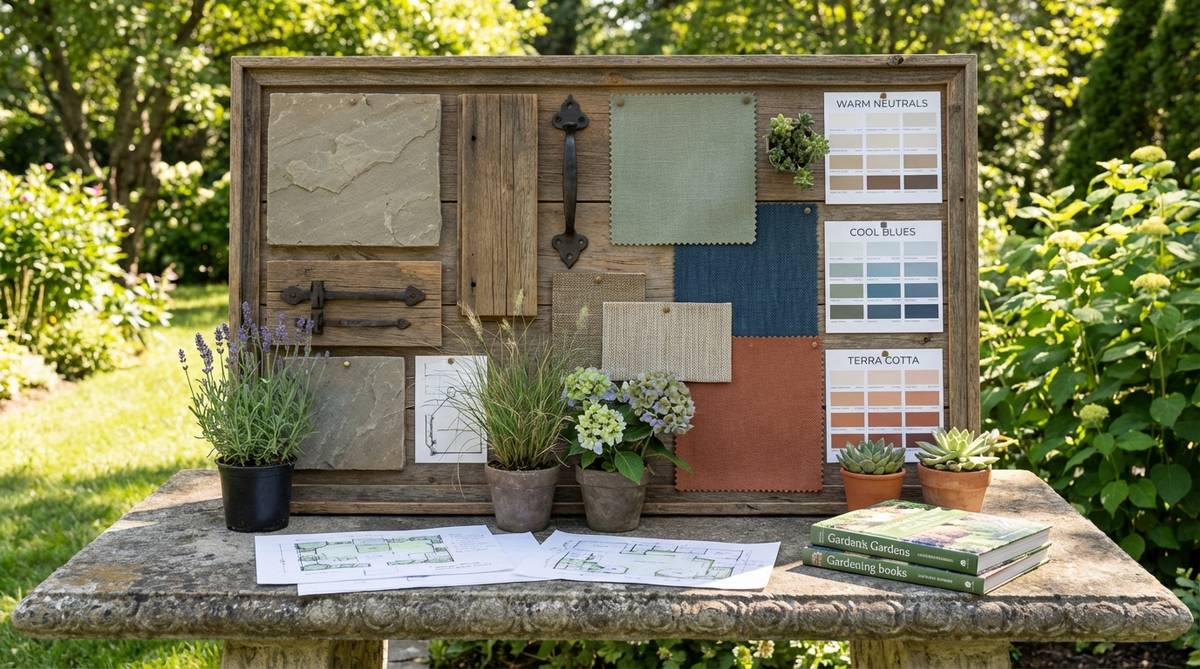
A well-defined garden aesthetic transforms outdoor spaces from ordinary to extraordinary through intentional visual planning. The right mood board anchors your design decisions around color palettes, textures, materials, and planting schemes that create cohesive atmospheres. Fresh Garden Ideas brings you expert-curated inspiration to clarify your vision and execute landscapes with confidence.
Design SnapshotKey Principles
- Visual Coherence: Unified color palettes and material choices prevent disjointed landscapes
- Atmospheric Layering: Combine texture, scent, sound, and light for multi-sensory experiences
- Seasonal Consideration: Plan for year-round interest beyond summer peak periods
- Intentional Editing: Curated plant selections outperform random assortments
Natural & Organic Garden Aesthetics
Organic garden aesthetics embrace unstructured beauty that mirrors natural ecosystems. These designs prioritize native plantings, loose compositions, and materials that weather gracefully over time.
1. Meadow Wildflower Tapestry
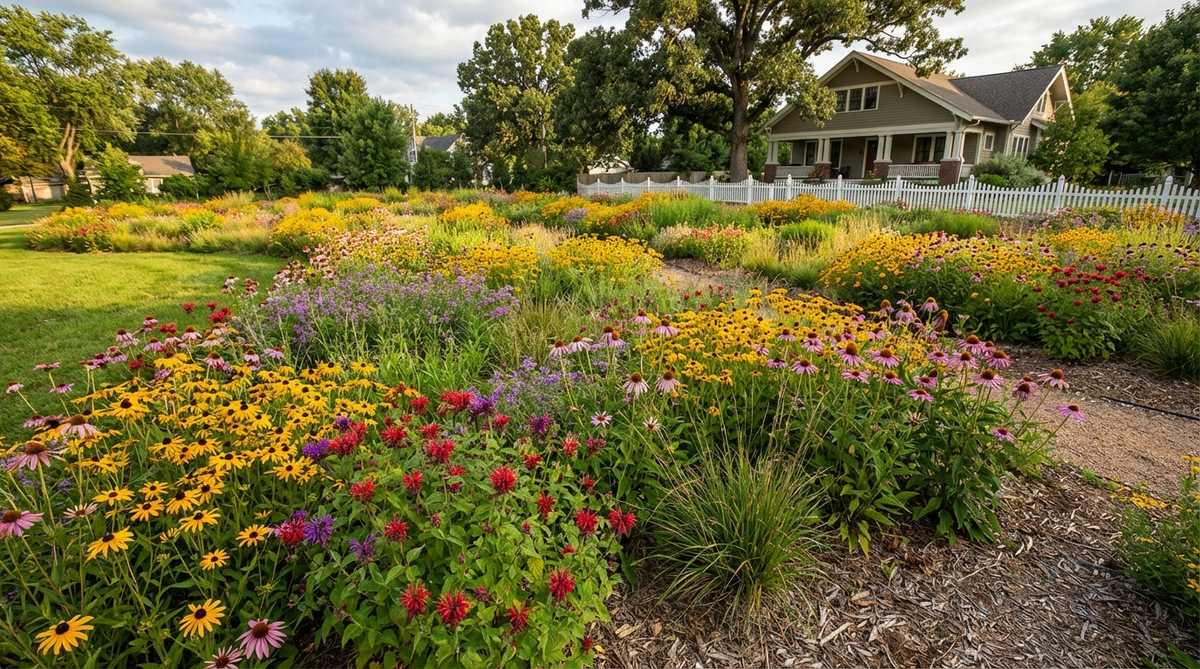
Drifts of native wildflowers create shifting color waves throughout growing seasons. Species like black-eyed Susan, purple coneflower, and bee balm establish naturalized colonies.
Designers use mass plantings rather than specimen arrangements. This technique mimics prairie ecosystems while supporting pollinator populations.
Maintenance requires annual mowing in late winter. The informal aesthetic suits rural properties and suburban yards transitioning from traditional lawns.
2. Woodland Edge Garden
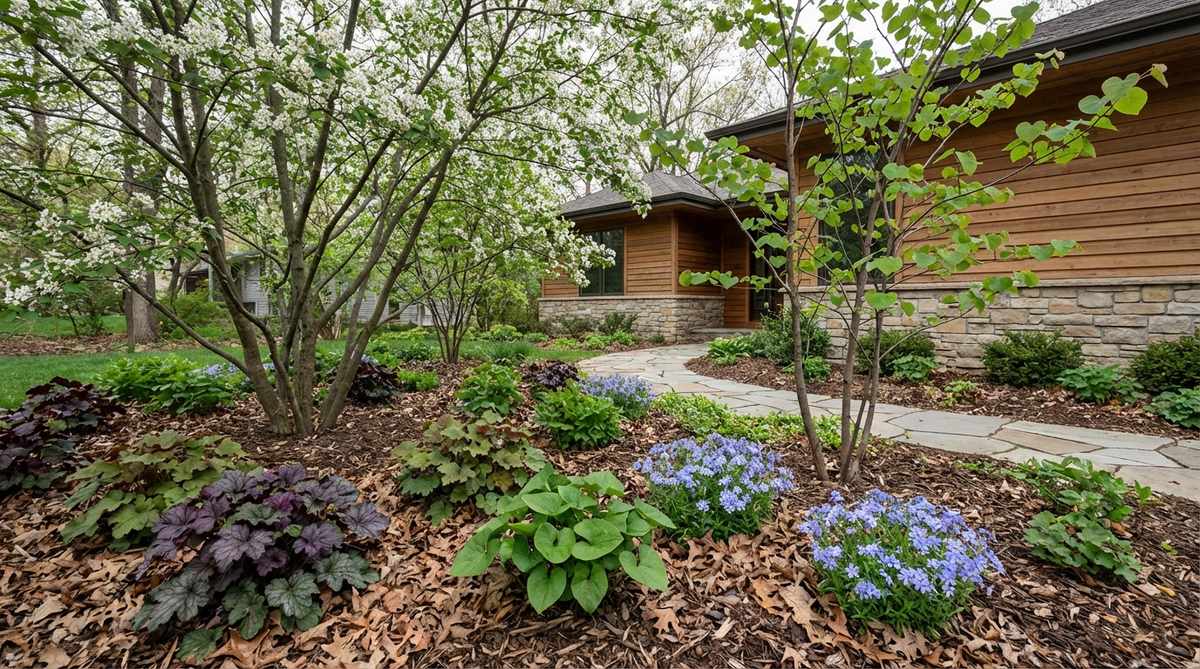
The woodland edge aesthetic replicates forest perimeter conditions with dappled shade plantings. Ferns, hostas, and native groundcovers layer beneath ornamental trees.
This approach works well on properties with existing tree canopies. Add shade-tolerant perennials in natural-looking clusters rather than formal rows.
3. Prairie Grass Border
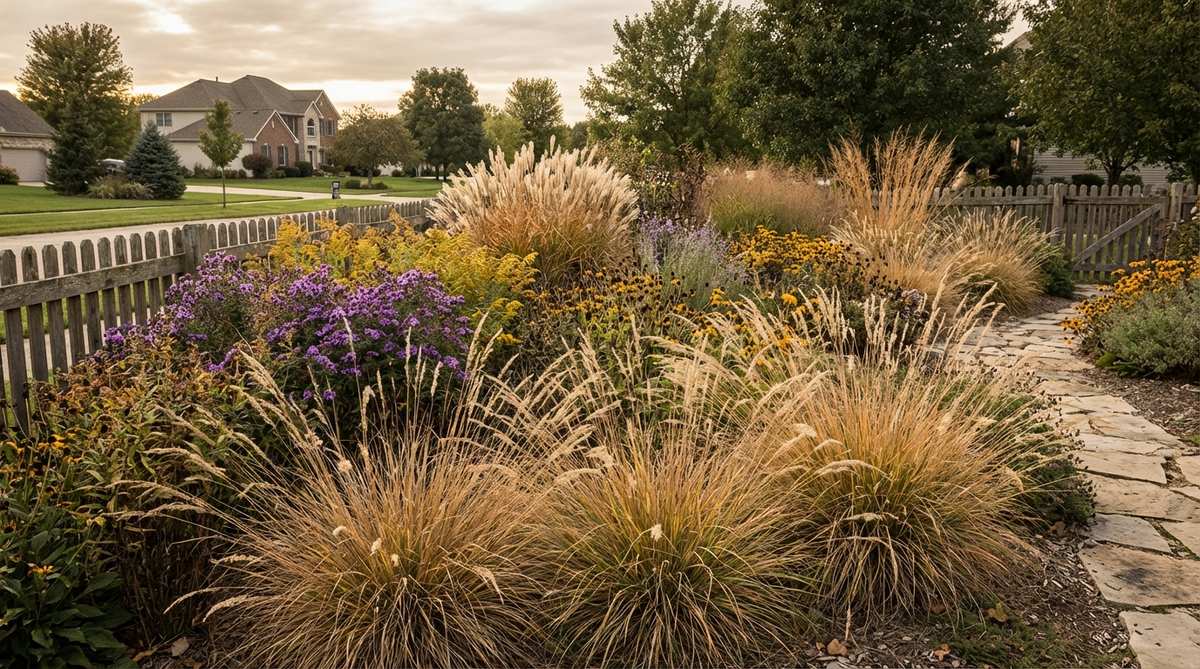
Ornamental grasses like little bluestem and switchgrass establish vertical structure. Their seed heads persist through winter, providing four-season interest.
Grasses require minimal fertilization and tolerate drought once established. Pair with late-blooming perennials for extended visual appeal.
4. Naturalized Bulb Layers
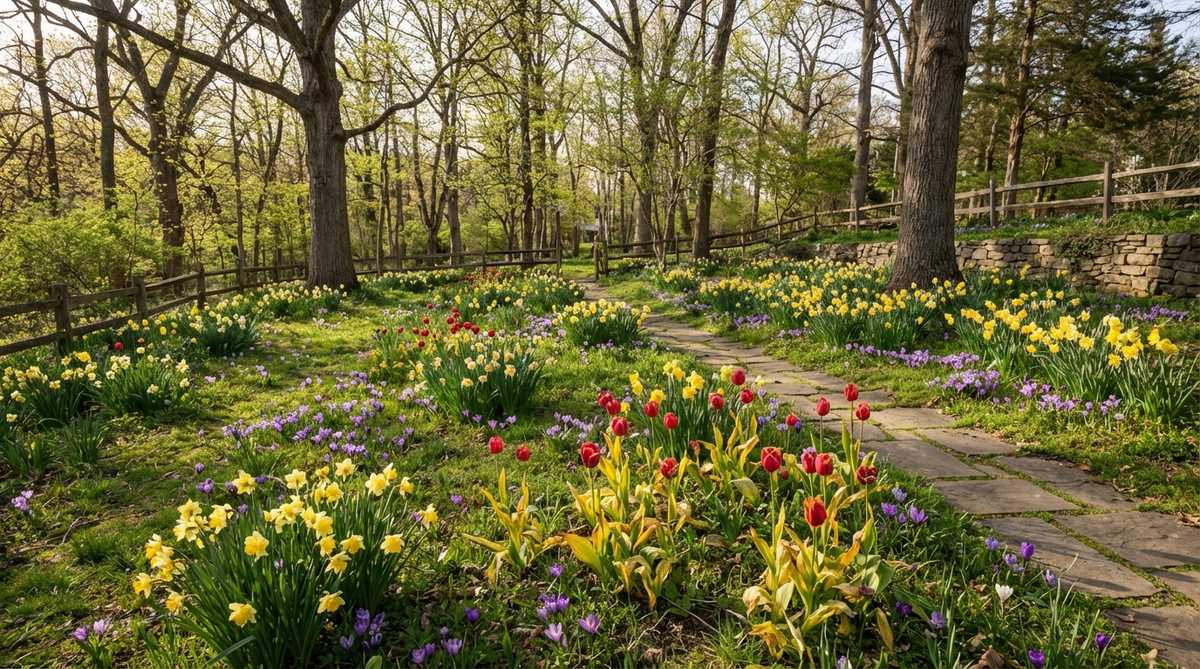
Spring bulbs planted in informal drifts beneath deciduous trees create ephemeral displays. Daffodils, crocus, and species tulips naturalize over years.
Plant bulbs in irregular groups of odd numbers. Allow foliage to yellow naturally before removal to support next season’s blooms.
5. Coastal Sand Dune Aesthetic
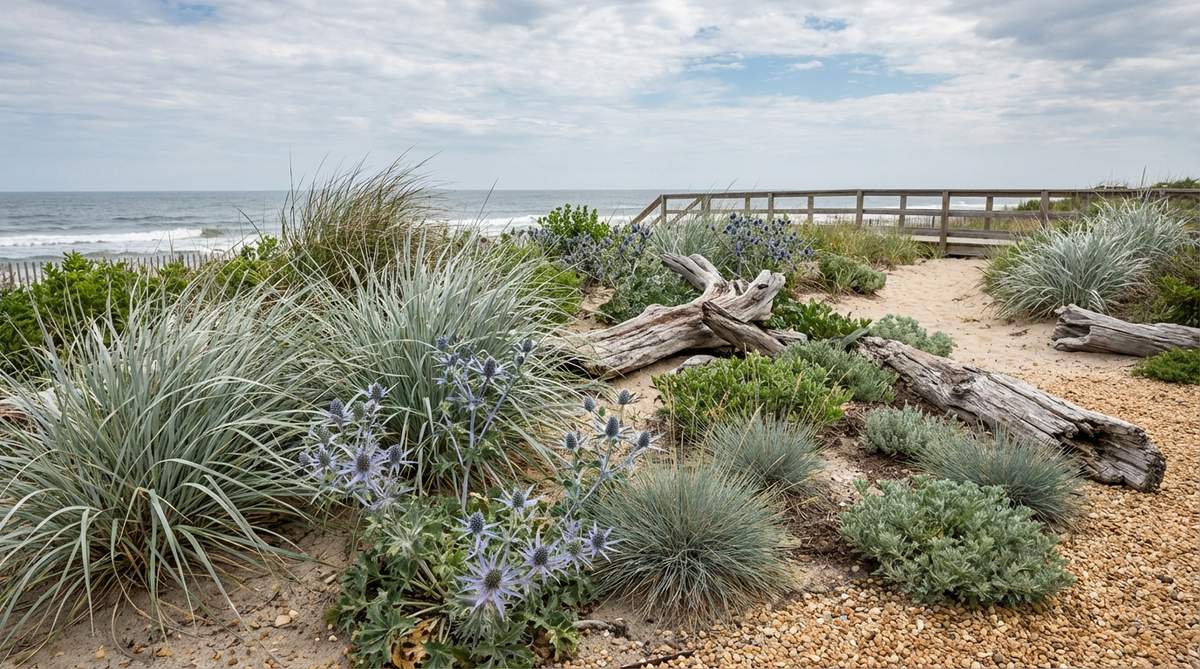
Beach grass, sea holly, and salt-tolerant perennials define this windswept atmosphere. Sandy soils and coastal conditions favor these drought-adapted selections.
Gravel mulch and weathered driftwood accent plantings. The palette stays neutral with silver-gray foliage and occasional blue flower accents.
6. Wetland Bog Garden
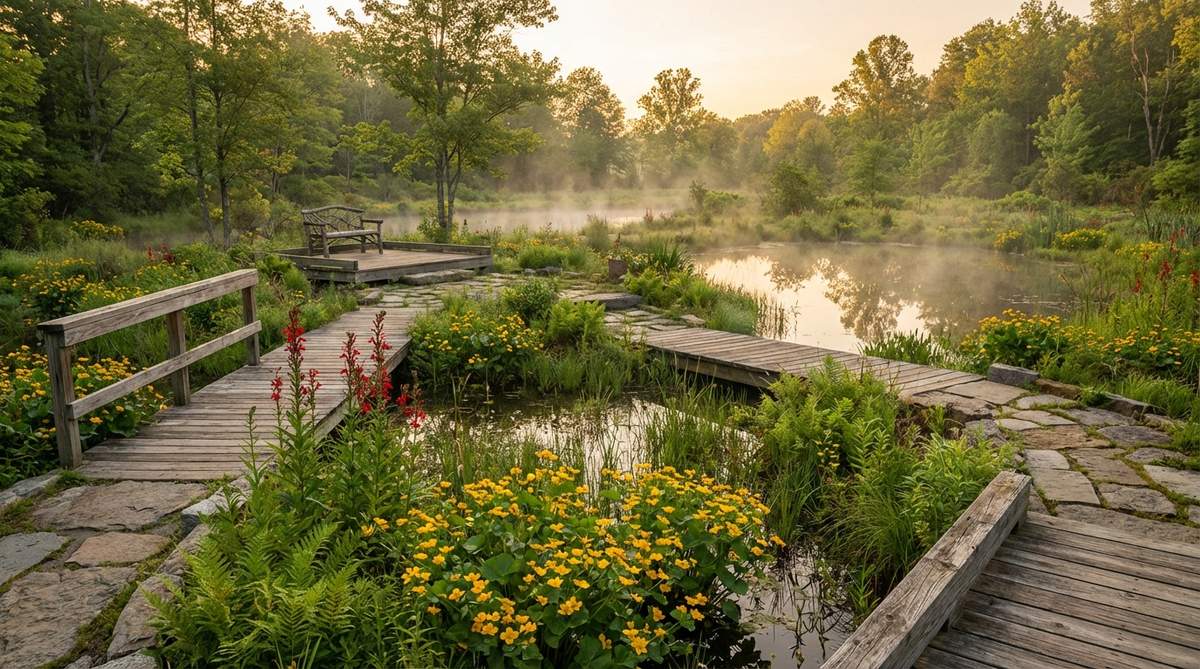
Moisture-loving plants like marsh marigold and cardinal flower thrive in low-lying areas. This aesthetic transforms drainage challenges into design assets.
Create raised viewing areas with boardwalks or stone paths. Water reflections add visual depth during morning and evening hours.
7. Alpine Rock Garden
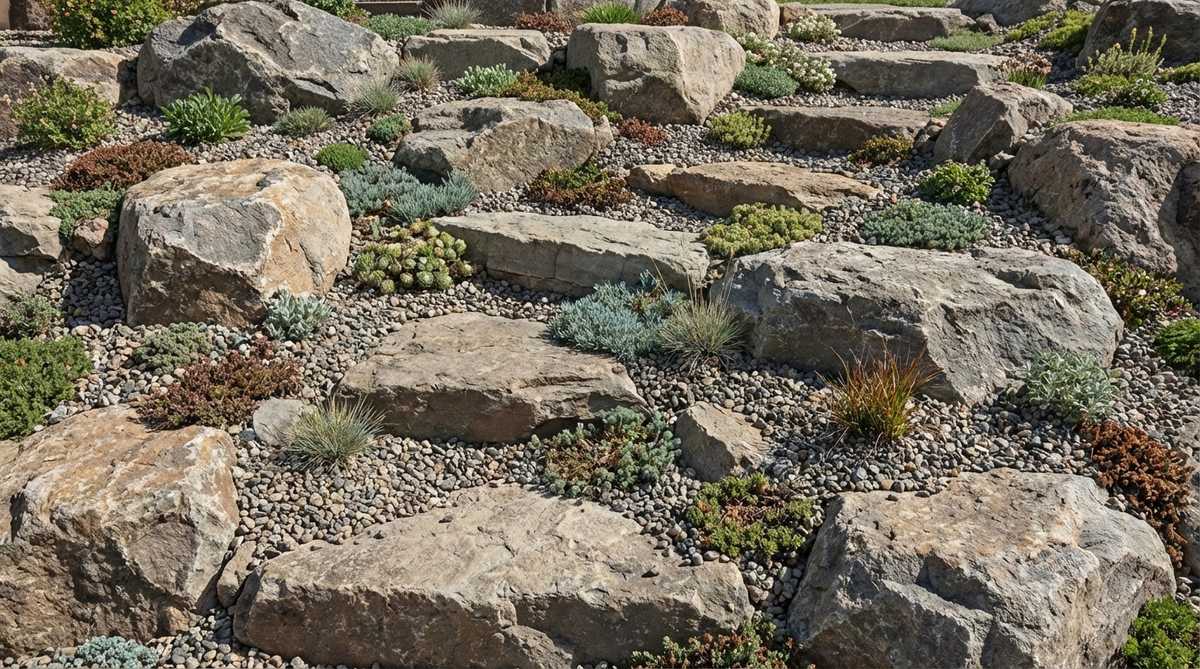
Dwarf conifers, sedums, and alpine perennials nestle between stone outcroppings. This aesthetic mimics high-elevation landscapes with excellent drainage.
Position rocks to create natural-looking stratification. Select compact plant varieties that maintain scale with the stone composition.
8. Native Hedgerow Boundary
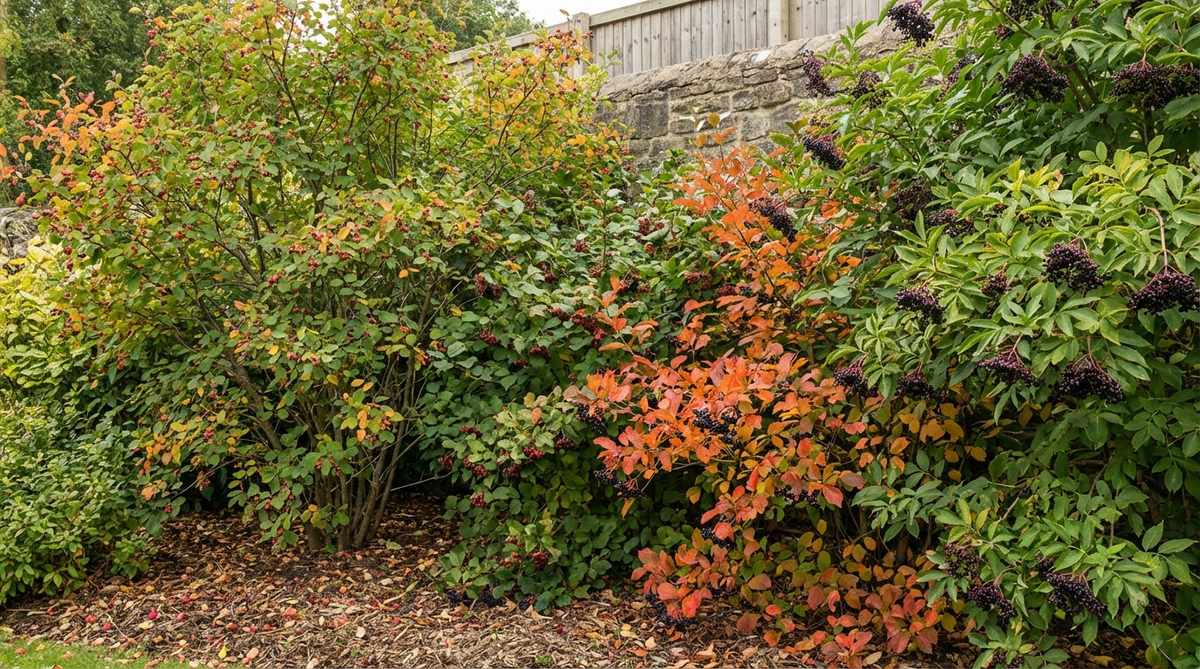
Mixed native shrubs create habitat-rich borders with seasonal variation. Serviceberry, viburnum, and elderberry offer flowers, fruit, and fall color.
This layered approach replaces traditional privacy hedges. Wildlife benefits include nesting sites and food sources throughout the year.
Modern & Minimalist Garden Inspirations
Minimalist garden aesthetics emphasize clean geometry, restrained palettes, and intentional negative space. These designs rely on precision rather than abundance to create visual impact.
9. Monochrome Zen Courtyard
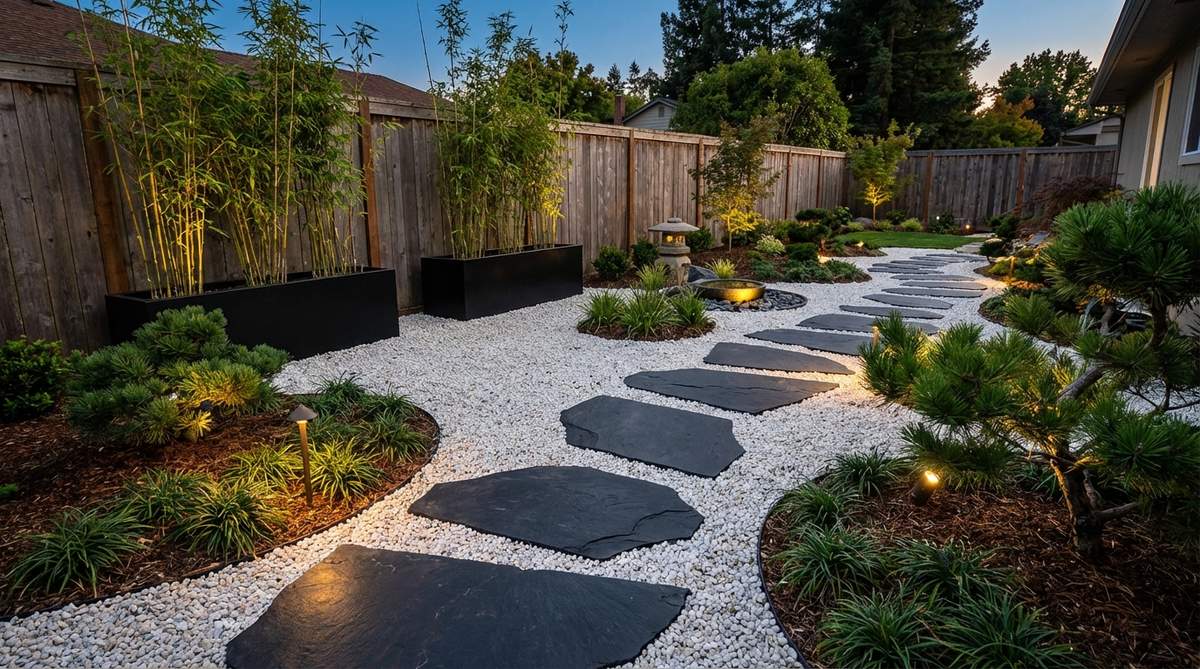
Black slate paving contrasts with white gravel and single green accent plantings. This Japanese-inspired aesthetic creates meditative outdoor rooms.
Limit plant species to three or fewer selections. Bamboo in sleek black planters provides vertical punctuation without cluttering sightlines.
Lighting transforms the space after dark. Uplighting emphasizes sculptural plant forms against neutral backgrounds.
10. Geometric Concrete Grid
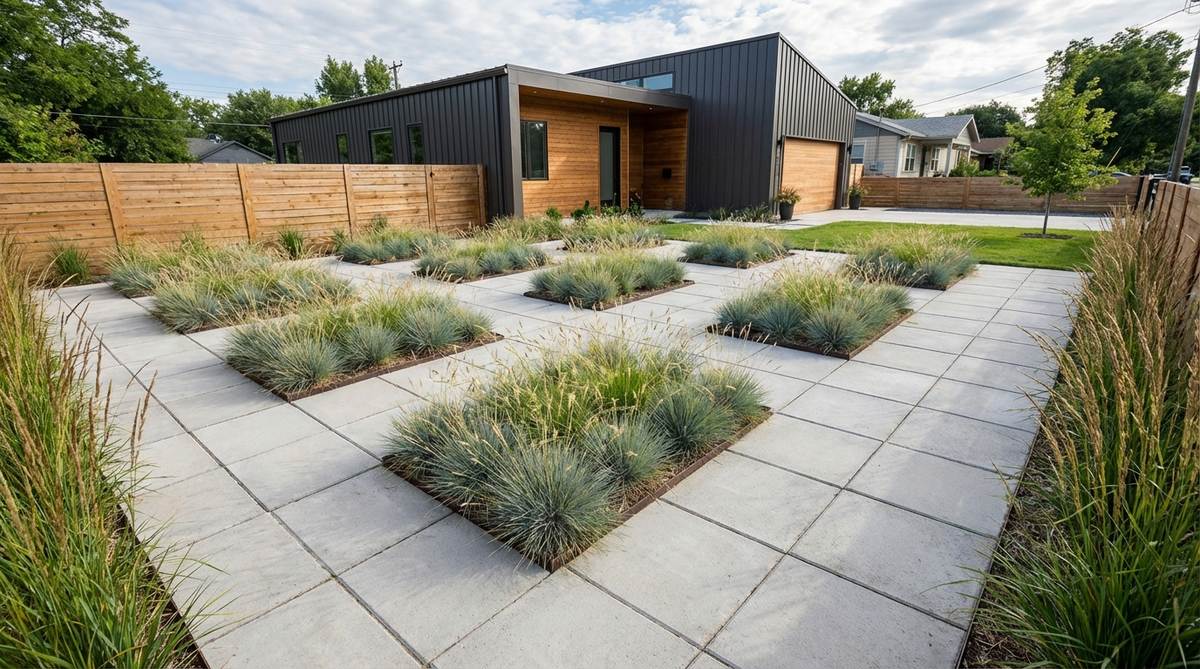
Square concrete pavers alternate with planted grids of ornamental grass. The repetitive pattern extends visual space in compact yards.
This layout suits contemporary architecture with strong horizontal lines. Maintenance stays minimal with drought-tolerant grass selections.
11. Linear Steel Raised Beds
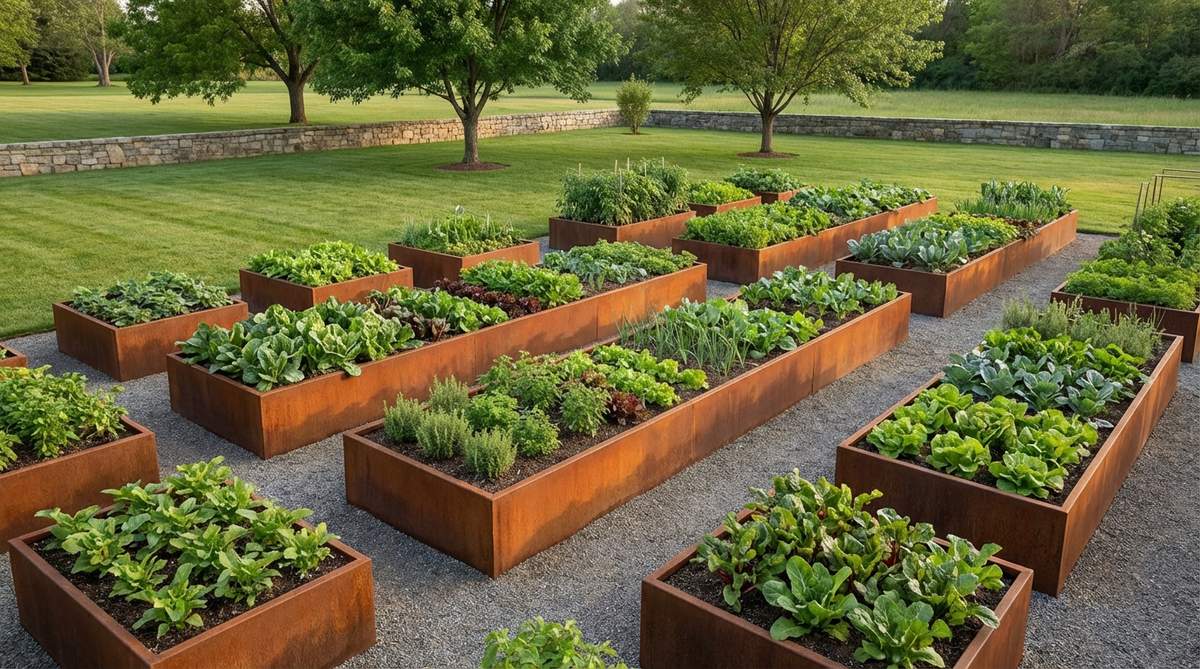
Corten steel planters arranged in parallel lines organize vegetable and herb gardens. The weathered rust patina adds warmth to minimalist spaces.
Edible landscapes gain architectural structure through this approach. Alternate bed widths create rhythm while maintaining clean sightlines.
12. Single Specimen Focal Point
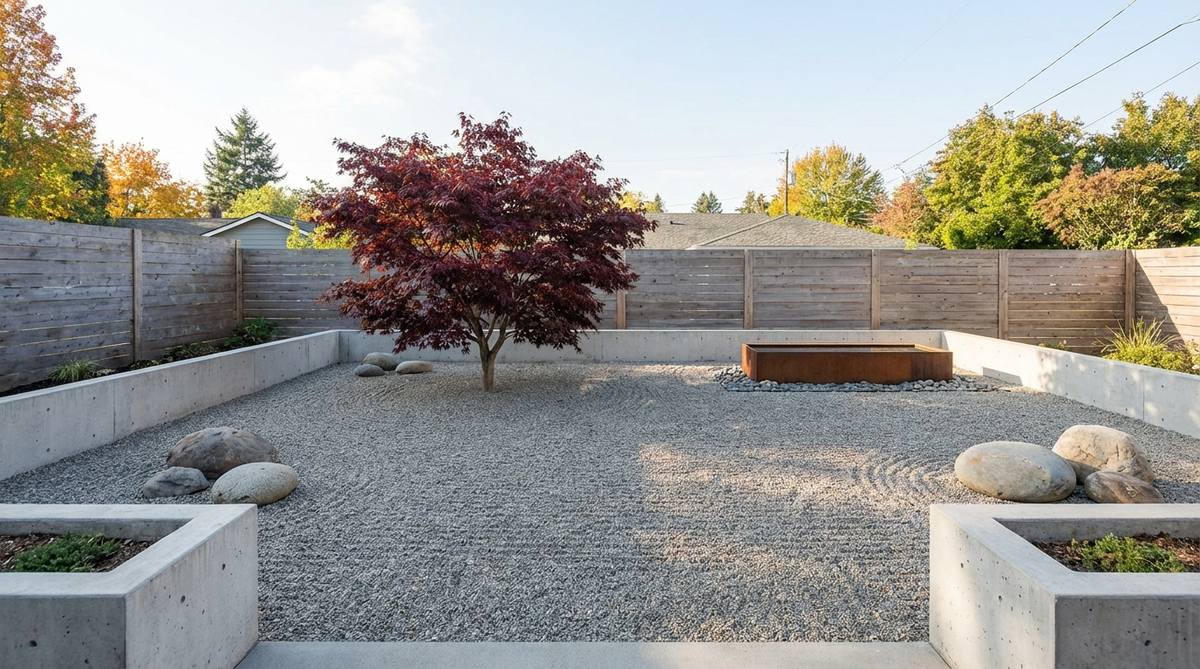
One sculptural tree or large-scale ornamental grass commands attention in expansive gravel beds. Japanese maple varieties work particularly well.
Negative space becomes an active design element rather than empty filler. This aesthetic requires disciplined editing and restraint.
13. Porcelain Slab Terrace
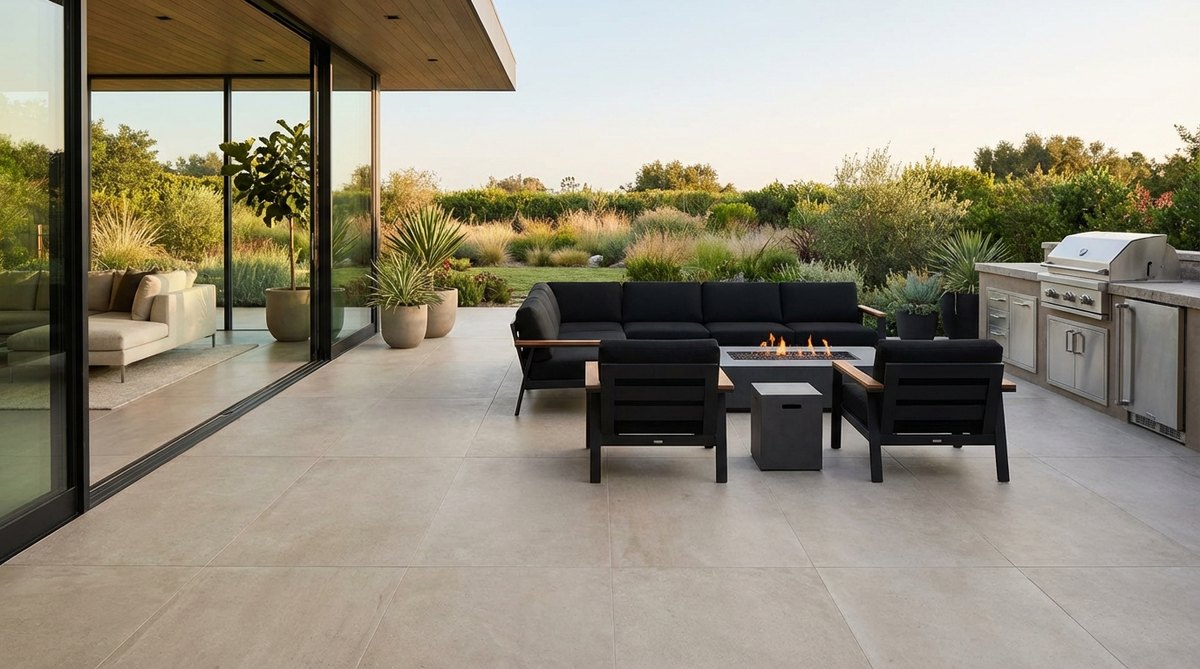
Large-format porcelain pavers in neutral tones create seamless indoor-outdoor transitions. Minimal grout lines enhance the sleek appearance.
These surfaces require no sealing and resist staining. Pair with low-profile furniture in matte black or warm wood tones.
14. Desert Modernism Palette
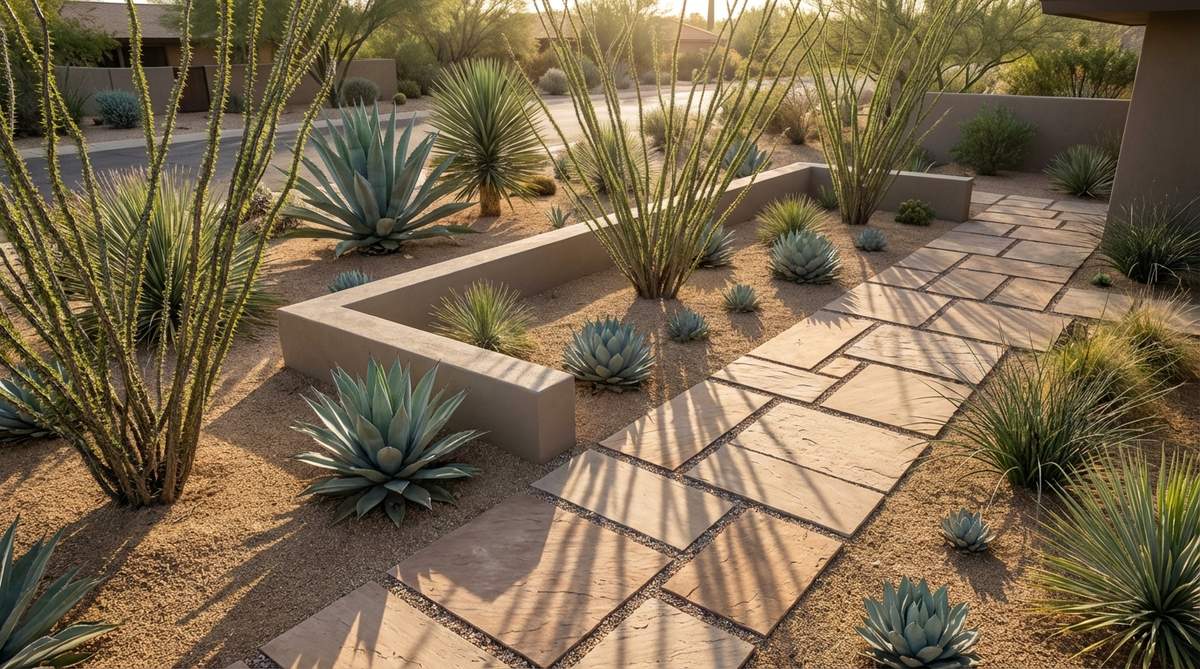
Agave, yucca, and ocotillo establish striking silhouettes against decomposed granite mulch. This xeriscaping approach aligns with water conservation goals.
Straight-lined hardscaping echoes mid-century architecture. The color palette remains earth-toned with occasional blue-gray accents from drought-tolerant selections.
15. Topiary Box Parterre
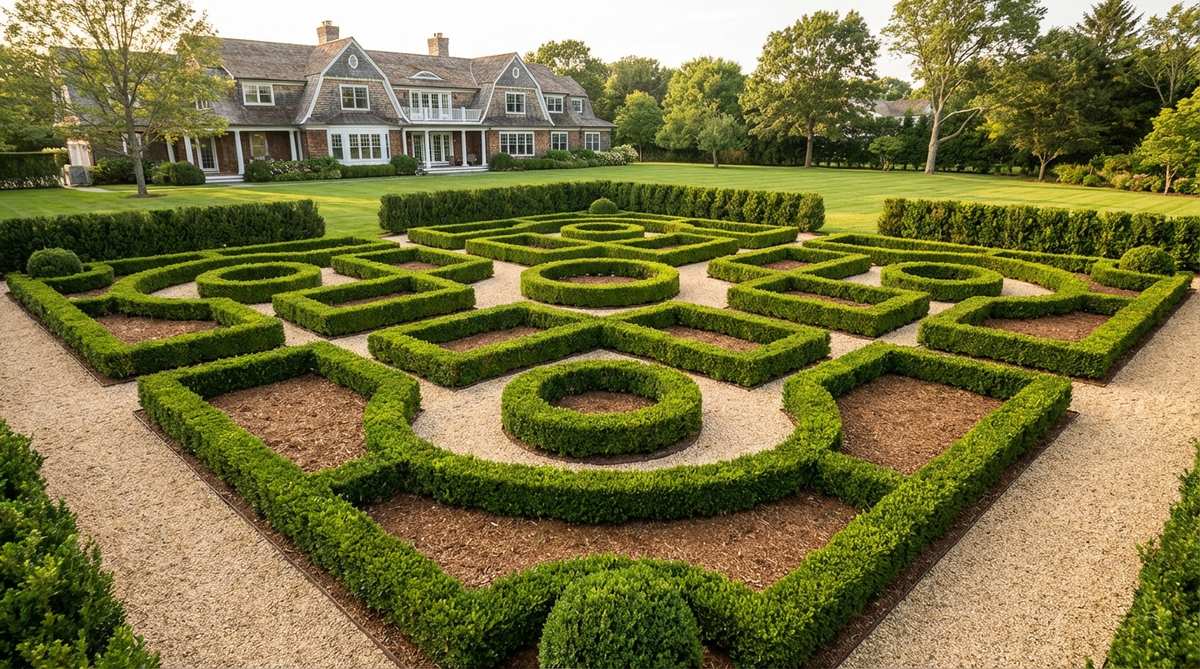
Clipped boxwood hedges form geometric patterns within gravel or mulched beds. This formal technique adapts to minimalist sensibilities through simplified designs.
Annual shearing maintains crisp edges. The evergreen structure provides year-round definition without seasonal gaps.
16. Reflective Water Feature
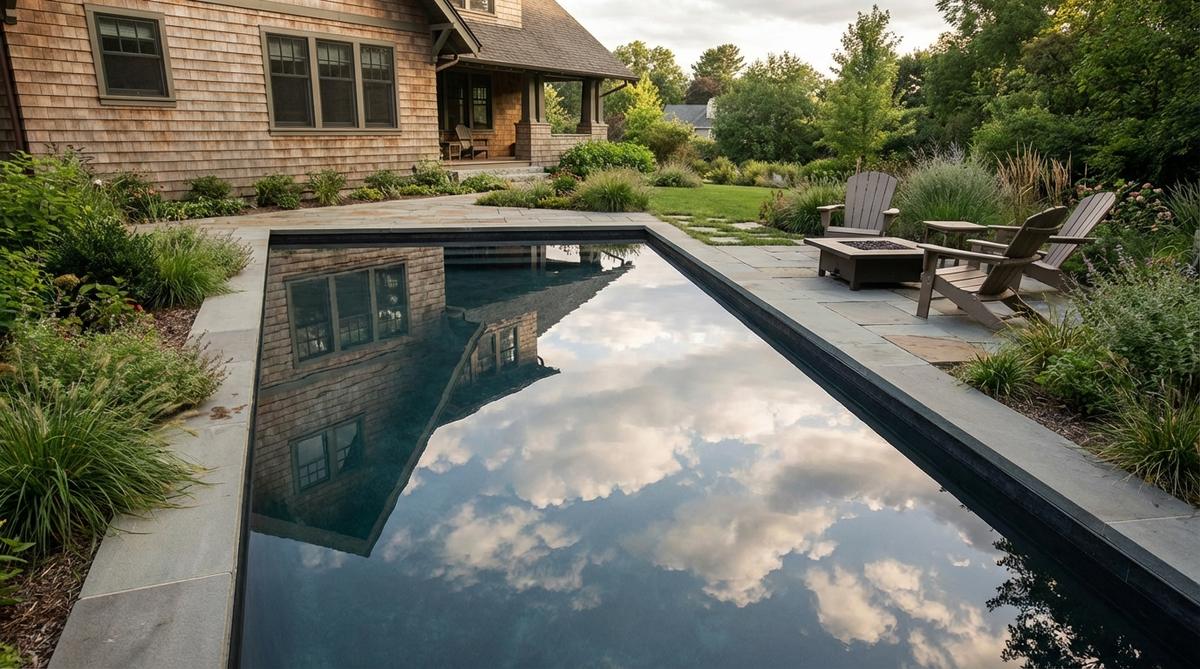
A still water basin with clean edges mirrors sky and surrounding architecture. This focal point introduces tranquility without busy fountains.
Dark interior finishes enhance reflective qualities. Position adjacent to seating areas for maximum atmospheric impact.
Romantic & Cottage Garden Atmospheres
Cottage garden aesthetics celebrate abundance, soft color palettes, and informal planting schemes. These designs blend ornamentals with edibles in charming, layered compositions.
17. Pastel Perennial Border
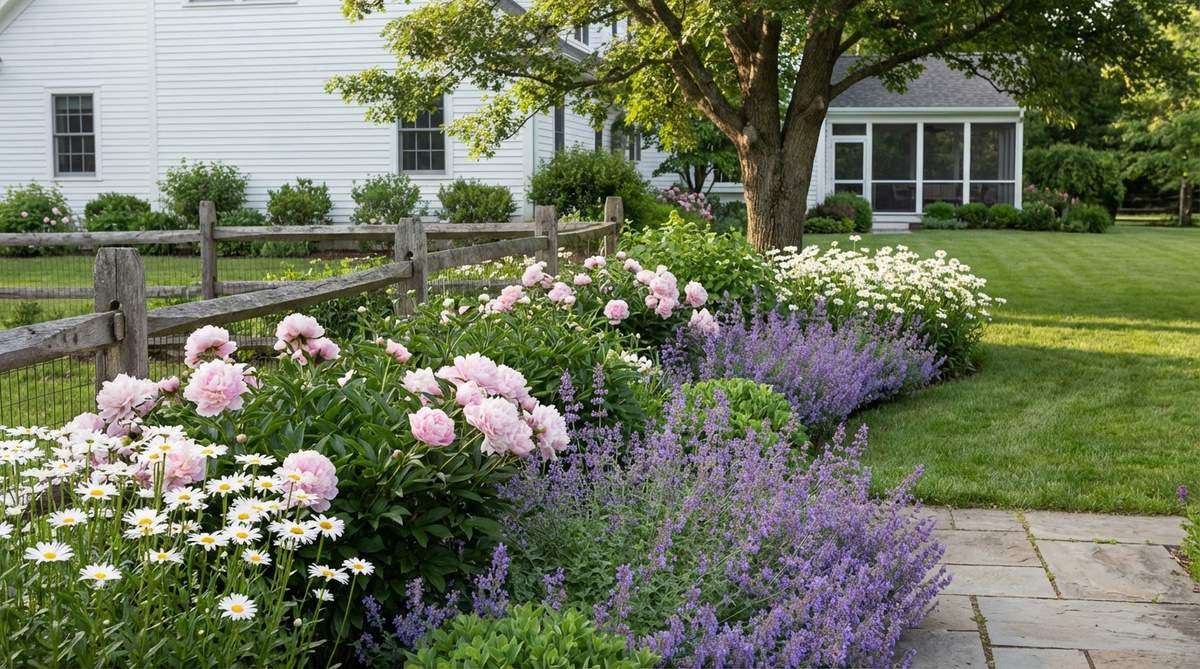
Pink peonies, lavender catmint, and white shasta daisies create soft color harmonies. This palette evokes traditional English country gardens with nostalgic appeal.
Plant in overlapping drifts for extended bloom sequences. Repeat key color notes throughout the border to establish visual rhythm.
Deadheading prolongs flowering periods. Allow some seed heads to remain for winter interest and wildlife benefit.
18. Climbing Rose Arbor
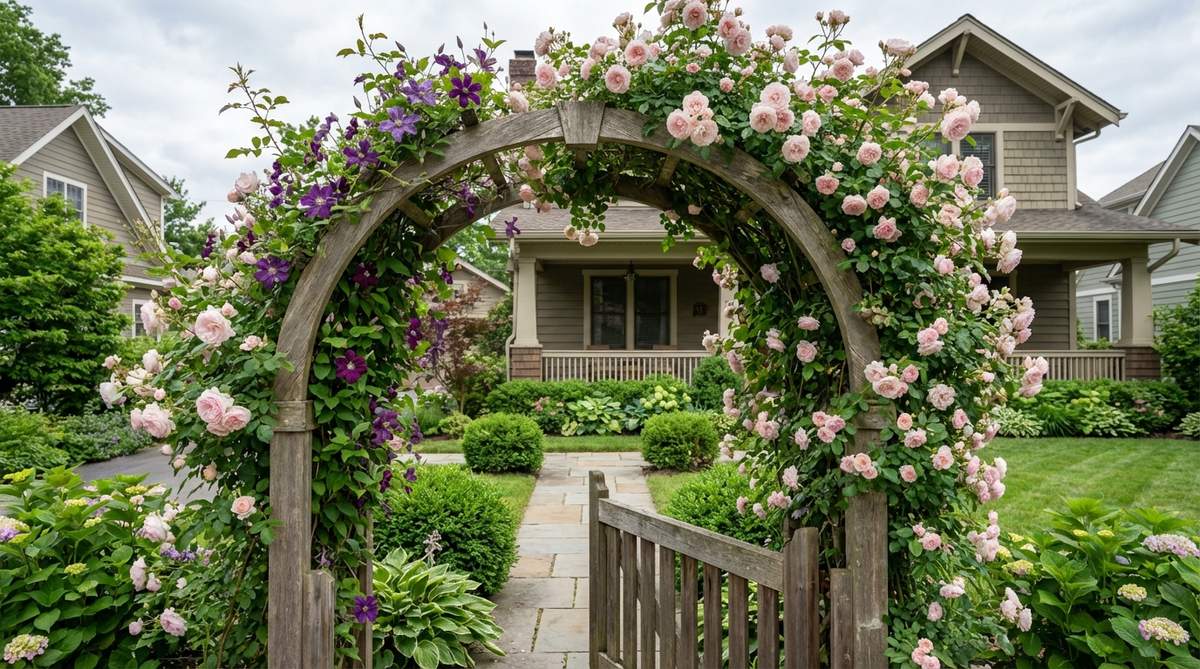
Fragrant climbing roses trained over arched structures define garden entrances. Varieties like ‘New Dawn’ and ‘Cécile Brünner’ offer repeat blooming.
Pair roses with clematis for extended color sequences. The vine combinations create layered vertical interest from spring through fall.
19. Herb Garden Pathways
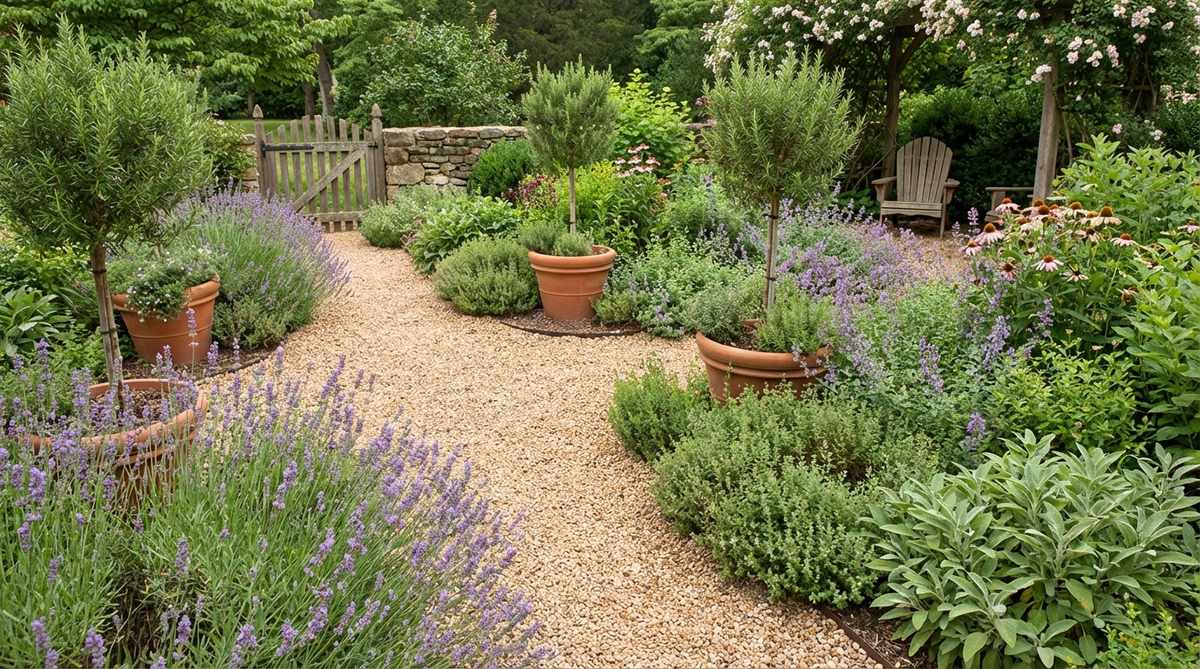
Gravel paths bordered by lavender, thyme, and sage release fragrance when brushed. This sensory experience enhances the cottage aesthetic.
Edible herbs mix freely with ornamental perennials. Rosemary standards in terracotta pots add formal punctuation to informal plantings.
20. Hollyhock Fence Row
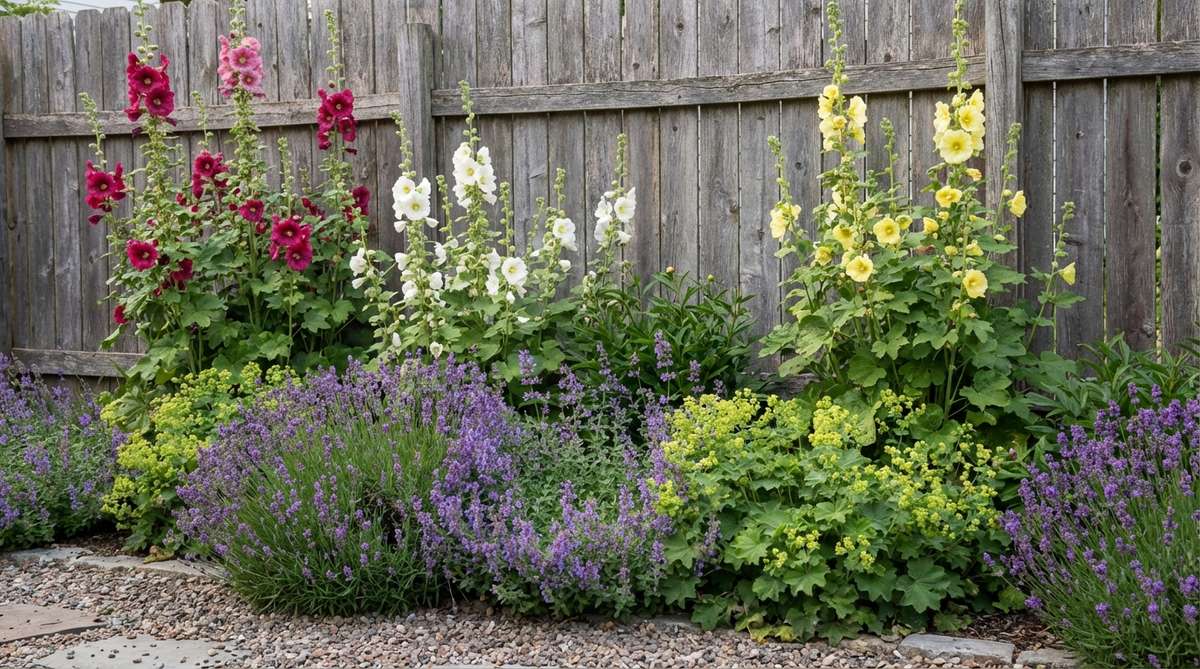
Tall hollyhocks backed against weathered wooden fences create vertical drama. These biennial cottage classics self-seed for recurring displays.
The vertical spires contrast with mounding perennials at fence bases. Choose mixed color strains or single hues for different effects.
21. Picket Fence Borders
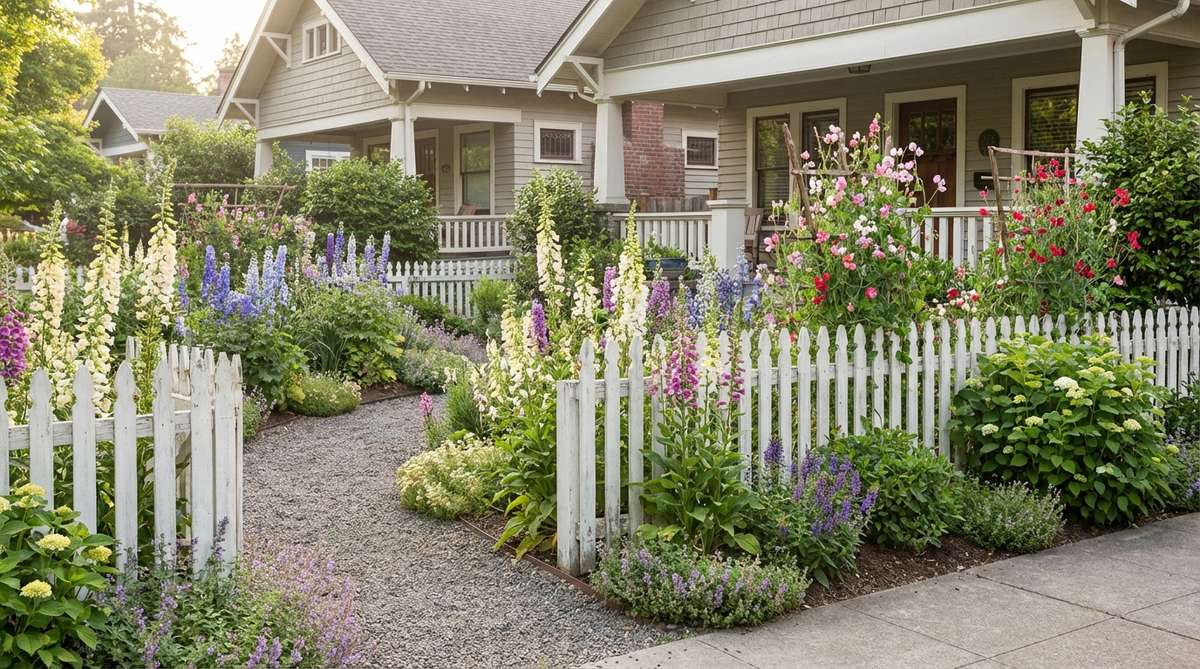
White picket fencing defines planting beds filled with foxgloves, delphiniums, and sweet peas. The structural element organizes exuberant plantings.
This aesthetic works well in front yards and street-facing gardens. Low fence heights maintain neighborly openness while establishing boundaries.
22. Cottage Window Boxes
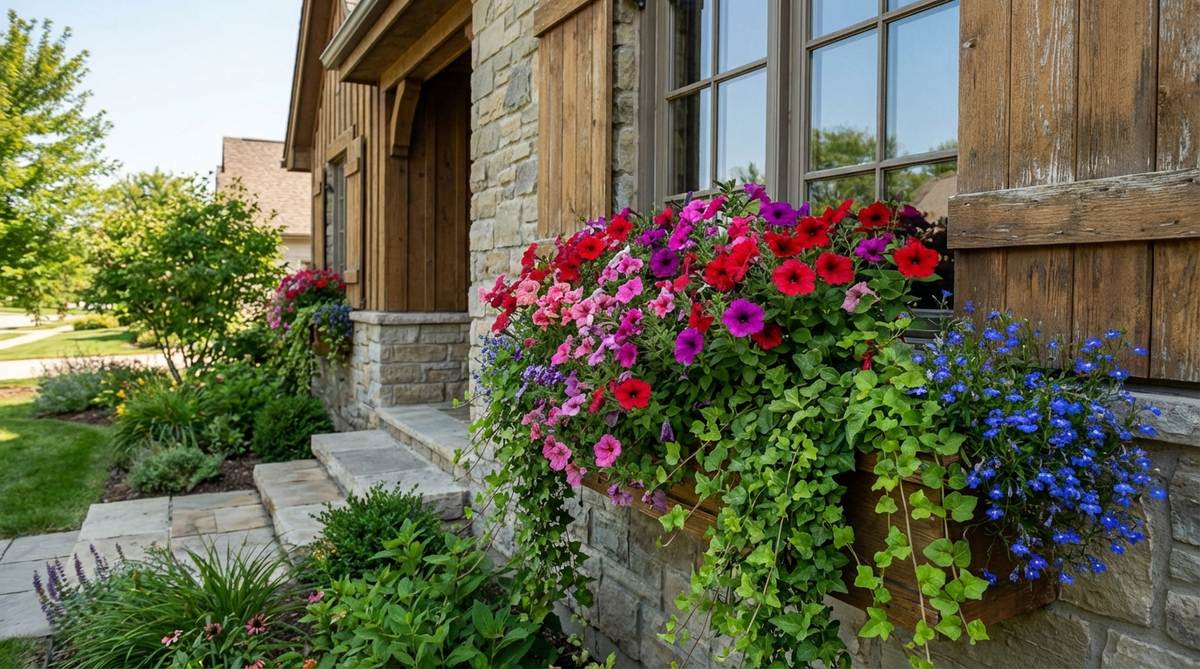
Overflowing window boxes filled with petunias, ivy geraniums, and trailing lobelia frame views from inside. The spilling abundance softens architecture.
Refresh plantings seasonally for continuous color. Spring pansies transition to summer annuals and autumn chrysanthemums.
23. Rambling Garden Paths
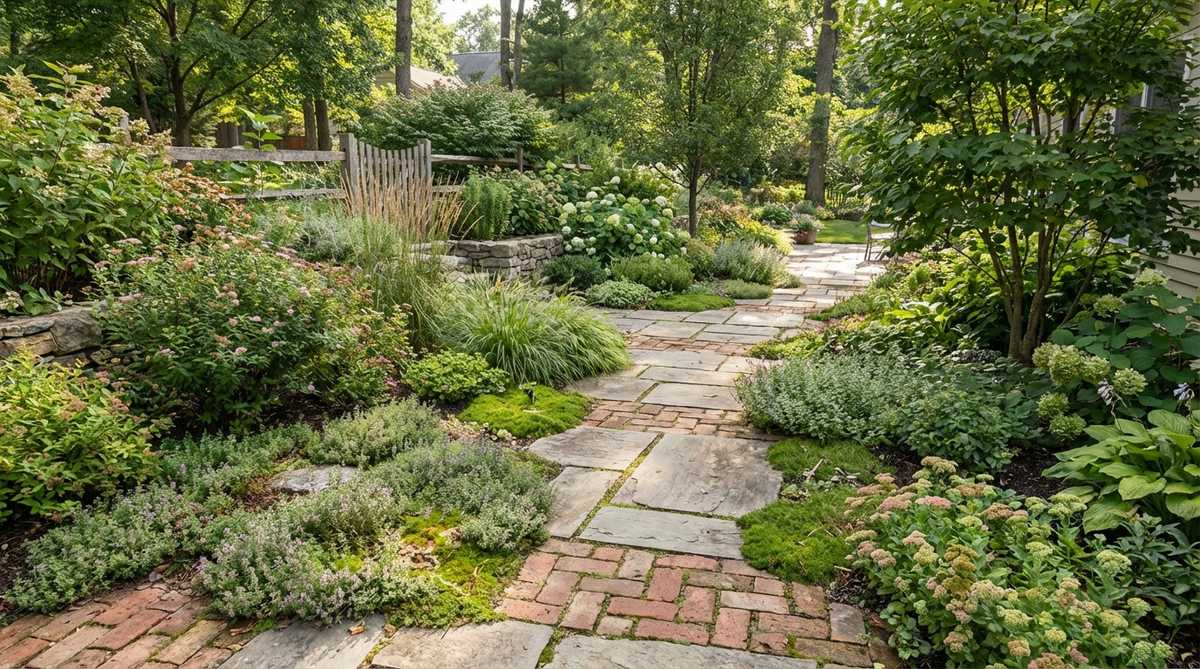
Curved pathways invite exploration through layered plantings. Stone or brick materials weather naturally, enhancing the aged cottage character.
Allow low-growing plants to soften path edges. Creeping thyme between pavers releases scent underfoot.
24. Vintage Garden Accessories
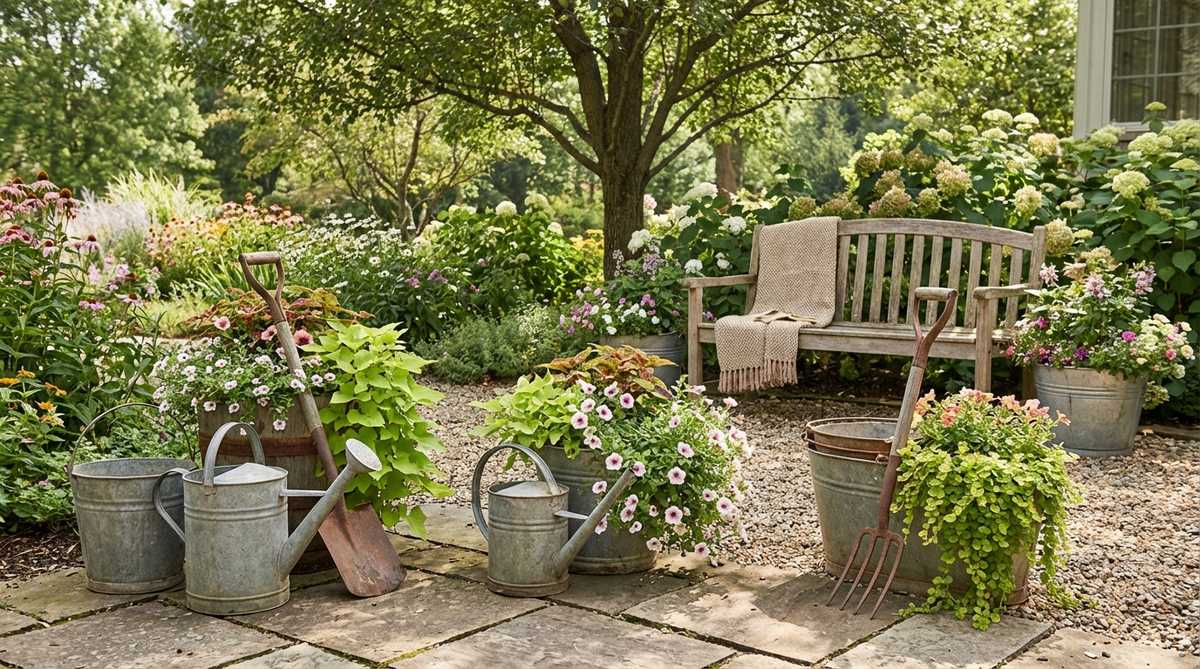
Repurposed watering cans, galvanized buckets, and weathered garden tools become decorative accents. These elements reinforce the nostalgic cottage mood.
Functional items double as planters for trailing annuals. Cluster accessories in odd-numbered groups for natural-looking vignettes.
Bold & Dramatic Landscape Tones
Dramatic garden aesthetics command attention through scale, contrast, and unexpected combinations. These designs favor architectural plants and striking color contrasts.
25. Tropical Foliage Garden
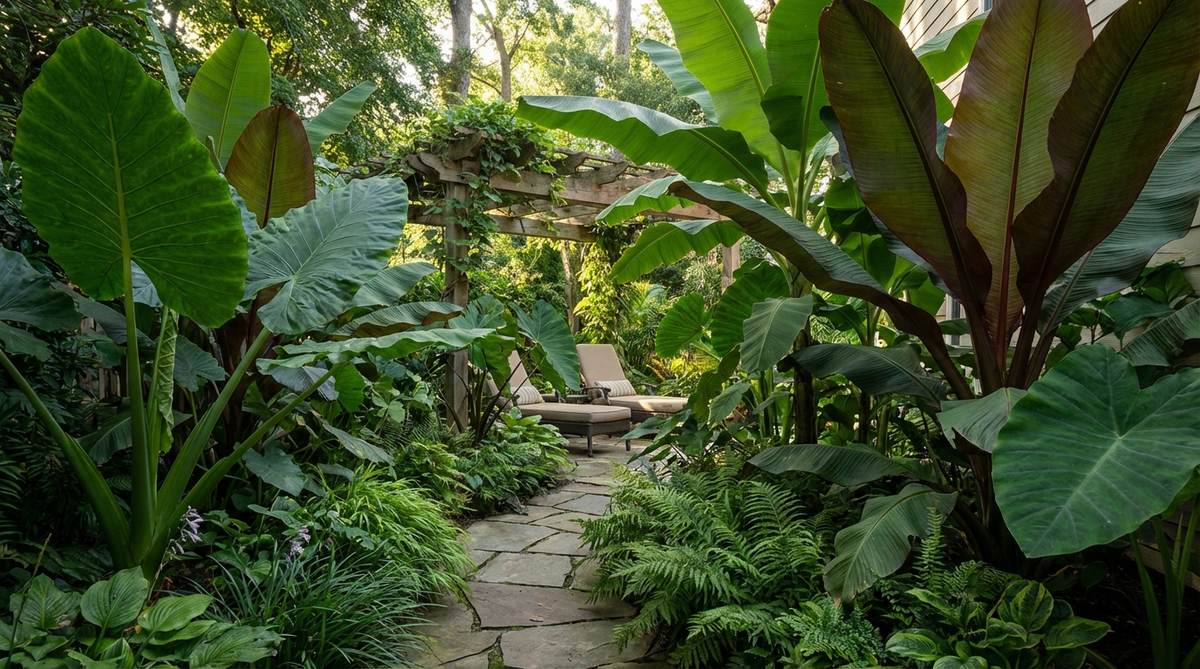
Elephant ear, banana, and canna create lush jungle-like atmospheres. Oversized leaves establish dramatic scale even in temperate climates with seasonal plantings.
Layer plants at varying heights for depth. Dappled shade conditions intensify the tropical mood while protecting tender foliage.
Combine bold leaf forms with fine-textured companions. The contrast amplifies both texture types for maximum visual impact.
26. Black Foliage Scheme
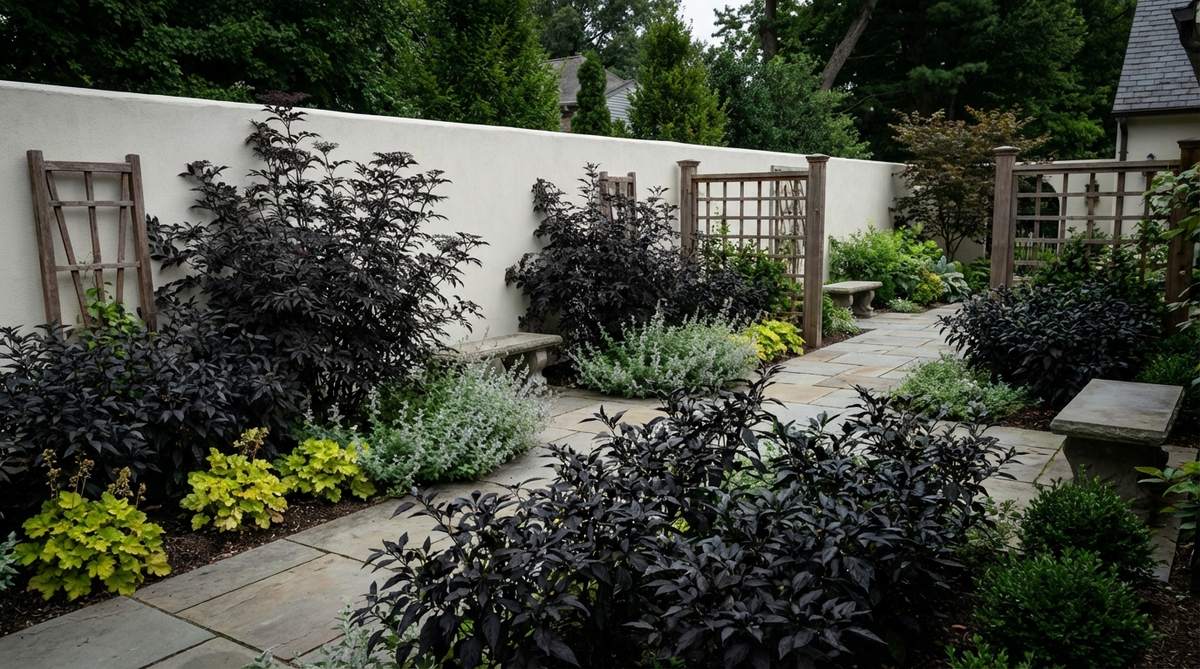
Nearly black selections like ‘Black Lace’ elderberry and ‘Black Pearl’ pepper create moody atmospheres. This palette works dramatically against light-colored walls.
Add silver or chartreuse accents to prevent muddy compositions. Dark foliage recedes visually, creating depth in borders.
27. Hot Color Border
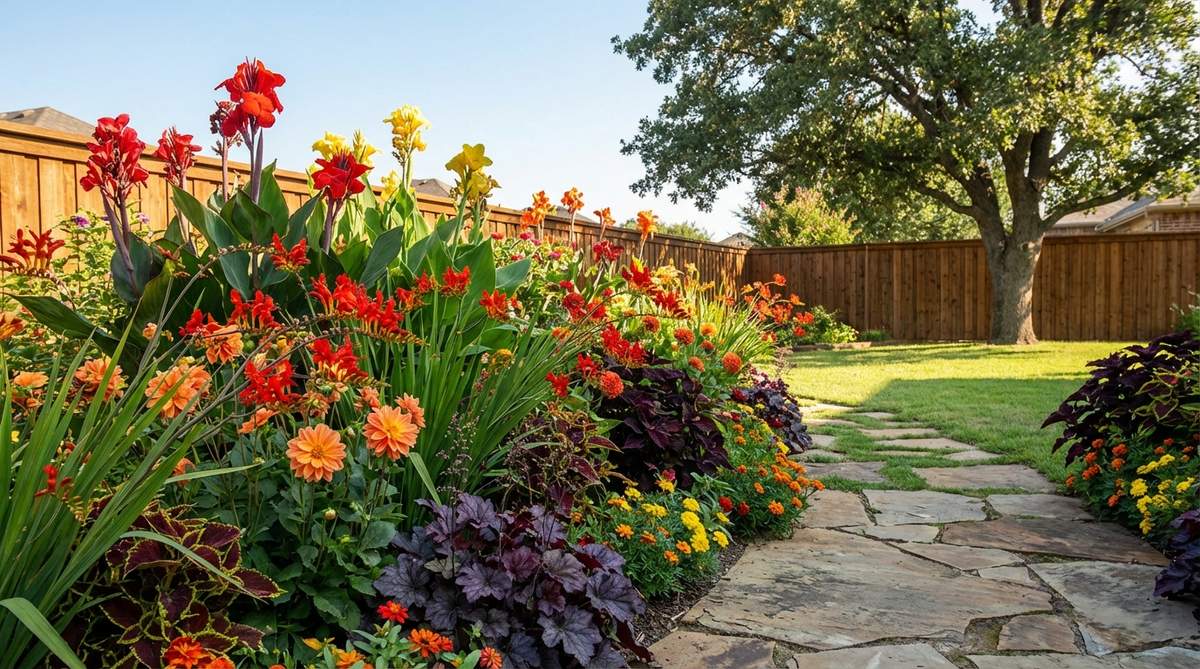
Reds, oranges, and yellows ignite visual excitement in full-sun locations. Cannas, dahlias, and crocosmia deliver saturated summer color.
This high-energy palette suits contemporary settings. Balance warm tones with dark foliage to prevent visual chaos.
28. Architectural Succulent Display
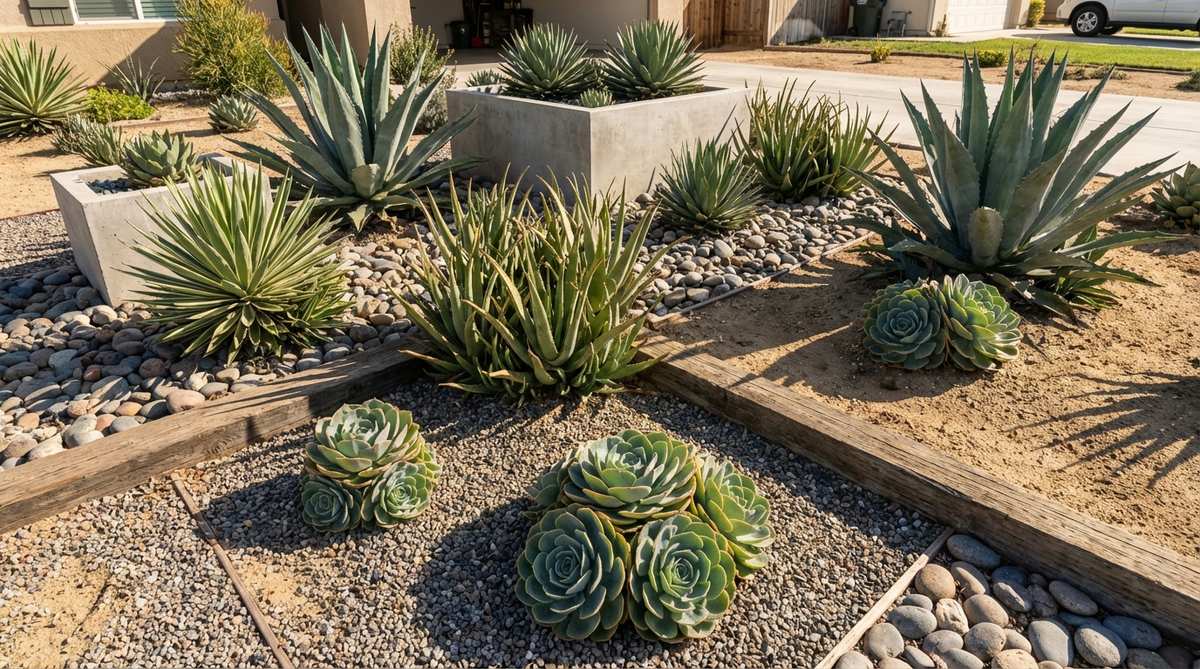
Agave, aloe, and large echeveria varieties provide sculptural forms with minimal water requirements. Their geometric shapes photograph dramatically.
Group odd numbers of each species in gravel mulch. Top-dressing with decorative stone enhances the desert aesthetic.
29. Ornamental Grass Waves
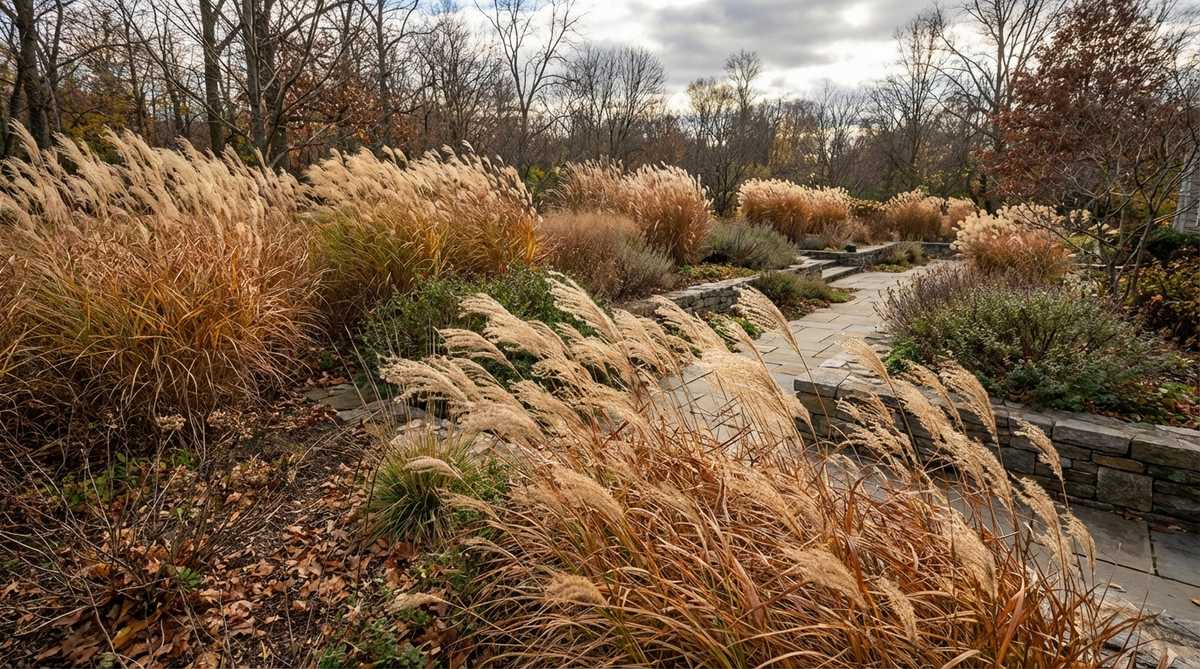
Massed ornamental grasses create movement and texture through wind interaction. Species like Miscanthus and Panicum establish rhythmic patterns.
Plant large sweeps of single varieties for meadow-like effects. The dried winter forms extend visual interest into dormant seasons.
30. Purple Foliage Garden
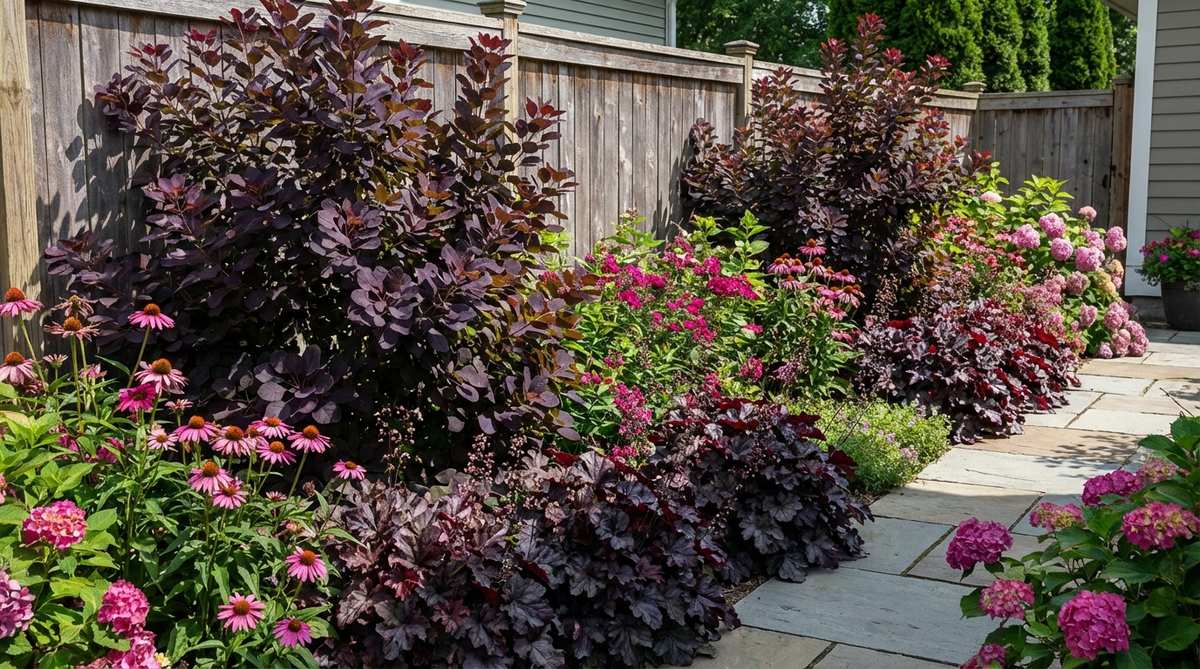
Dark-leaved selections like purple smoke bush and ‘Palace Purple’ heuchera establish rich backgrounds. This moody palette creates sophisticated depth.
Add pink or magenta flowers for complementary color harmonies. Purple foliage intensifies in full sun exposure.
31. Vertical Living Wall
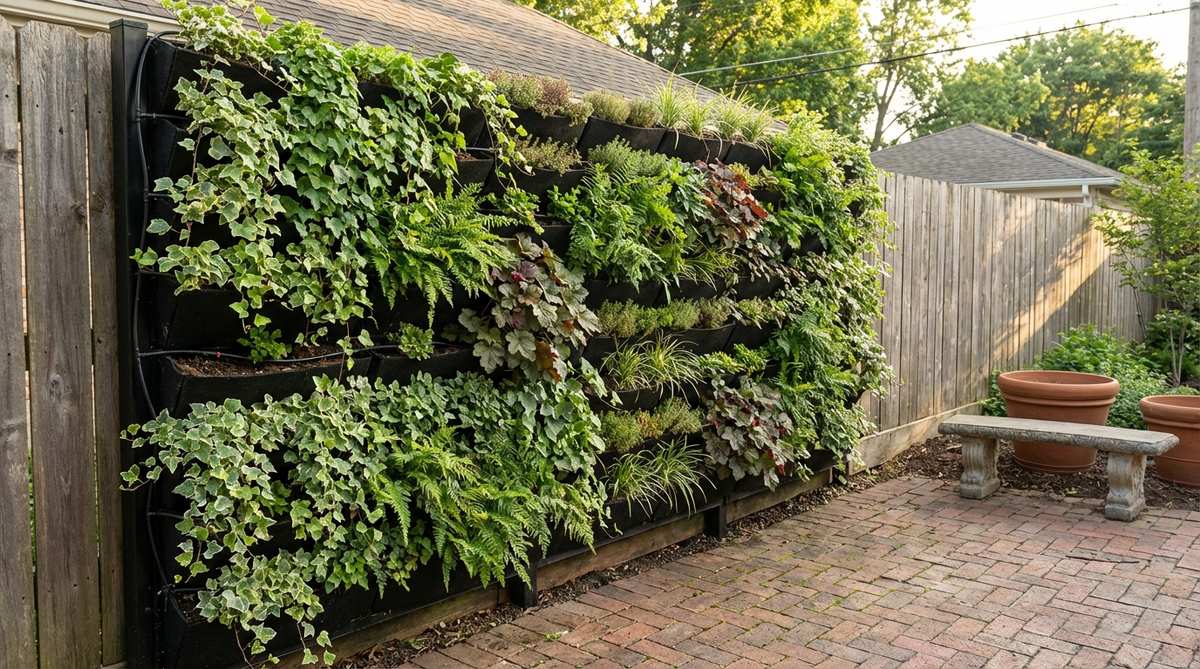
Modular planting systems transform vertical surfaces into green installations. This technique maximizes planting area in compact urban spaces.
Select trailing and compact perennials suited to vertical growing. Irrigation systems maintain consistent moisture across the wall surface.
32. Bamboo Screening Grove
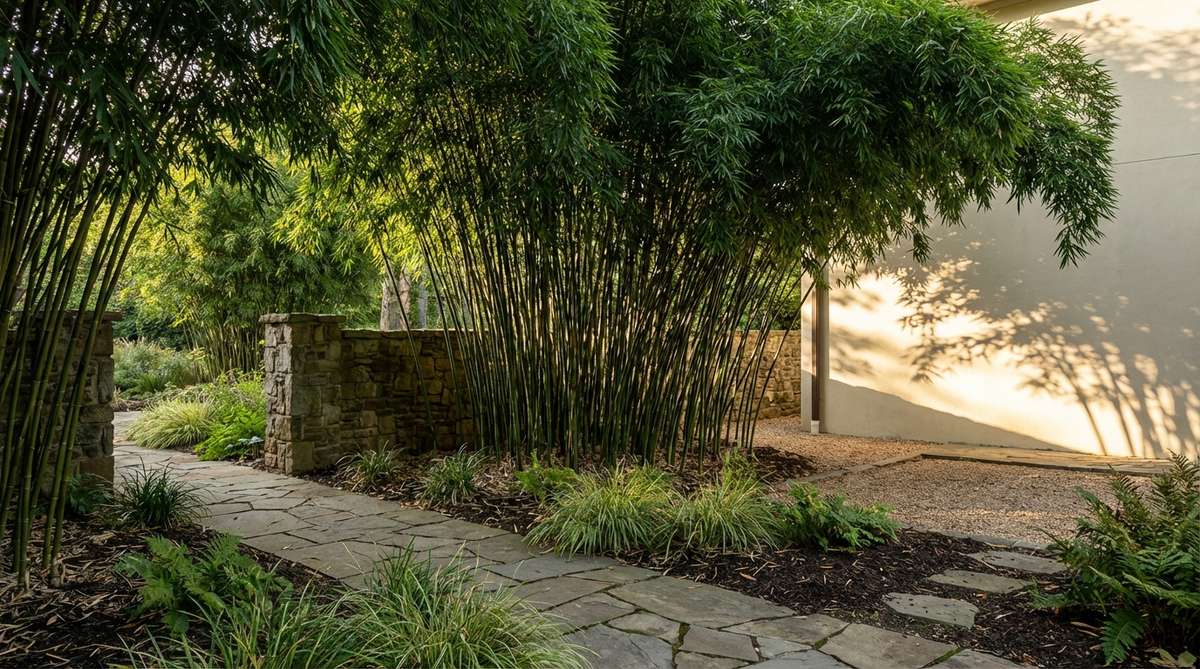
Clumping bamboo varieties provide rapid privacy screening with dramatic vertical presence. Their rustling foliage adds acoustic interest.
Choose non-invasive clumping types over running species. Backlighting creates striking shadow patterns on adjacent walls.
Sustainable & Eco-Conscious Garden Aesthetics
Sustainable garden aesthetics prioritize environmental responsibility without sacrificing beauty. These designs feature native plantings, water conservation, and wildlife habitat creation.
33. Rain Garden Basin
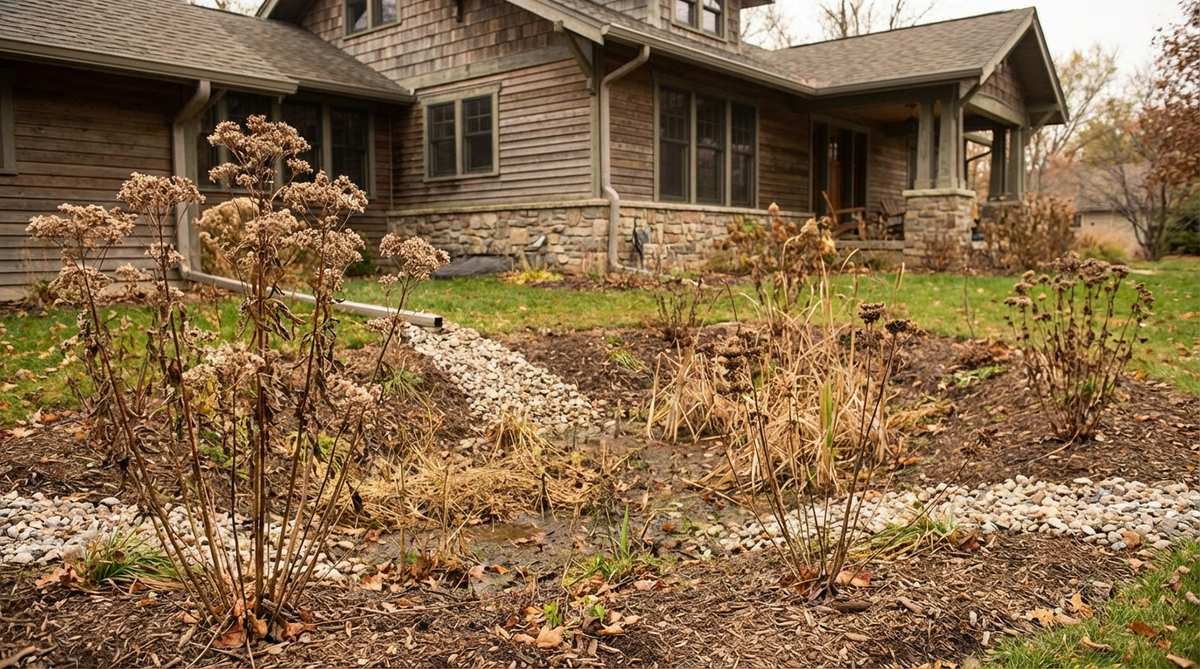
Shallow depressions capture roof runoff, filtering water through native perennials. This functional landscape manages stormwater while supporting pollinators.
Plant moisture-tolerant species like Joe Pye weed and swamp milkweed. Gravel channels direct water flow into planted basins.
The aesthetic shifts from spring emergence through winter dormancy. Seed heads persist, providing food sources for overwintering birds.
34. Pollinator Meadow Mix
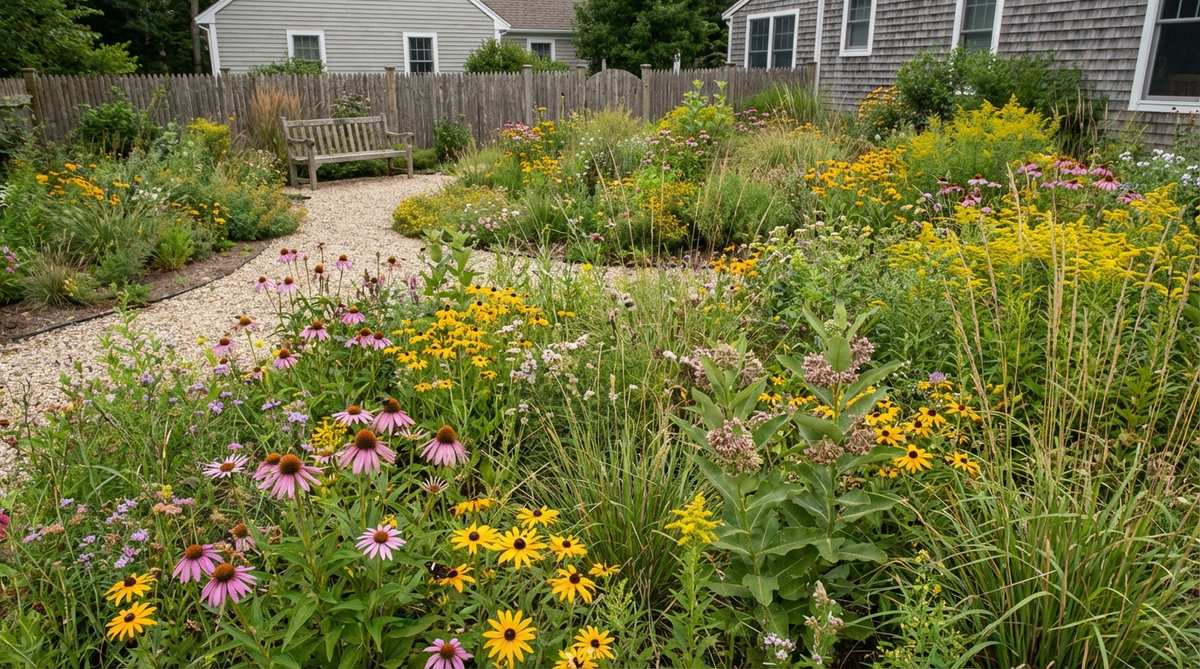
Native wildflower and grass combinations support diverse insect populations. This low-maintenance approach replaces resource-intensive lawns.
Regional seed mixes ensure climate-appropriate species selection. Annual mowing in late winter maintains meadow health.
35. Xeriscaping Palette
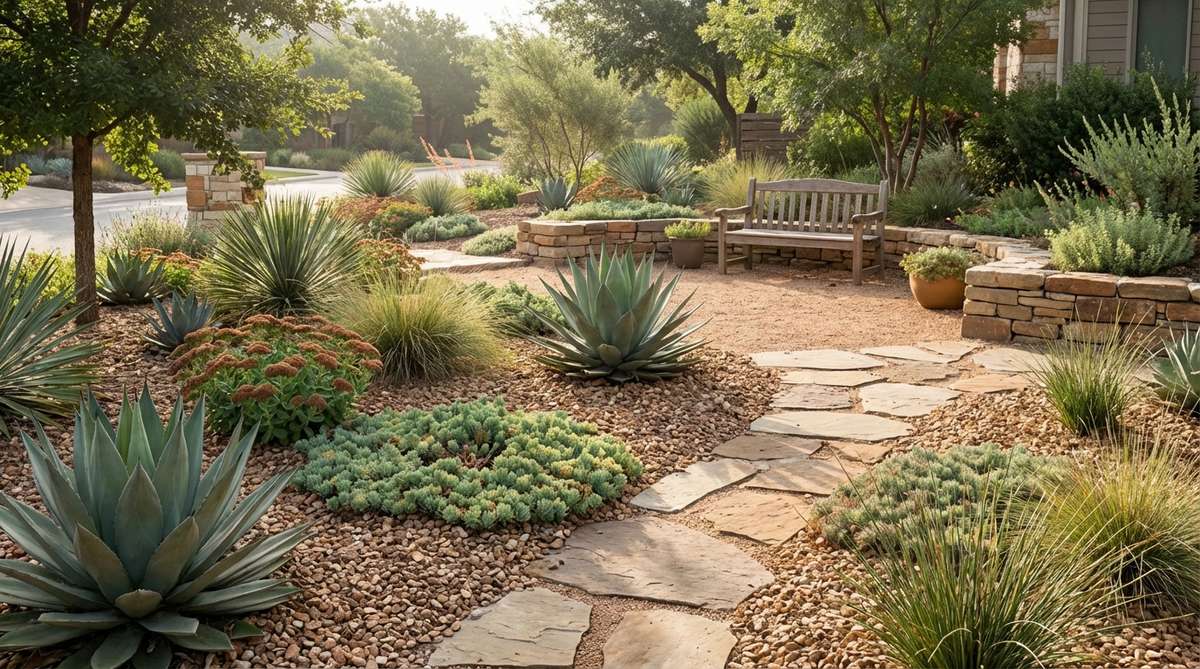
Drought-adapted plants eliminate supplemental irrigation once established. Agave, sedum, and native bunch grasses thrive with natural rainfall.
Permeable gravel mulch prevents erosion while reducing water evaporation. This aesthetic aligns with climate-conscious design principles.
36. Composting Station Garden
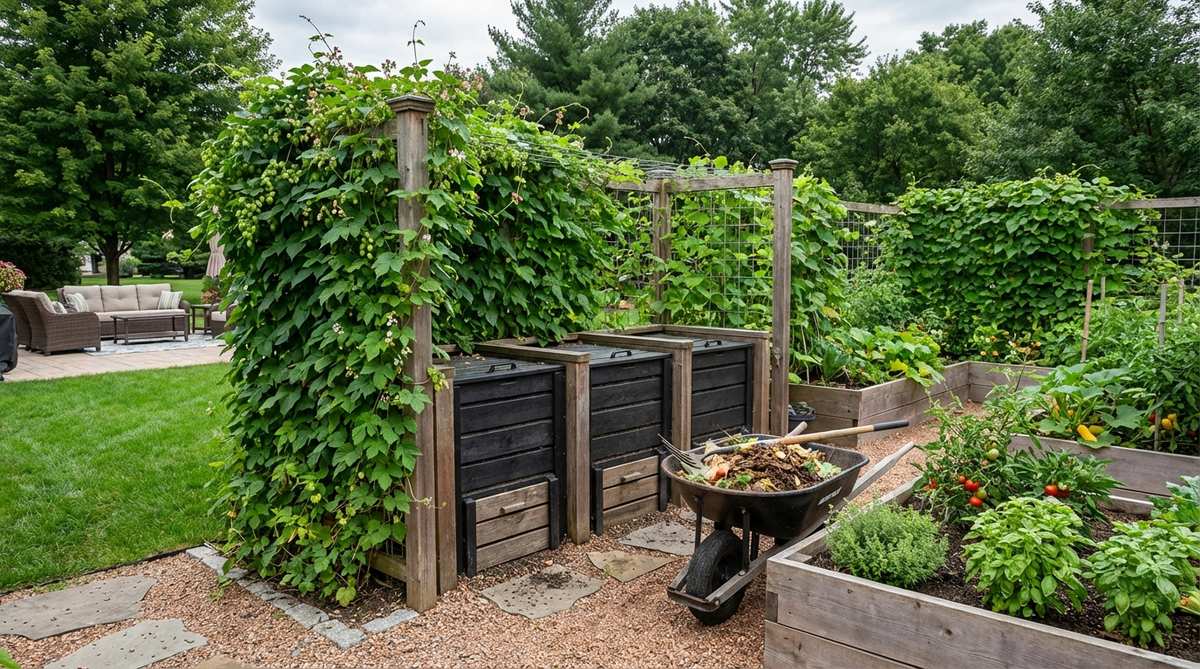
Screened composting areas integrate into edible landscapes. Vigorous vines like hops or climbing beans provide attractive living screens.
The closed-loop system returns nutrients to garden beds. Position bins away from outdoor living areas while maintaining accessibility.
37. Native Hedgerow Habitat
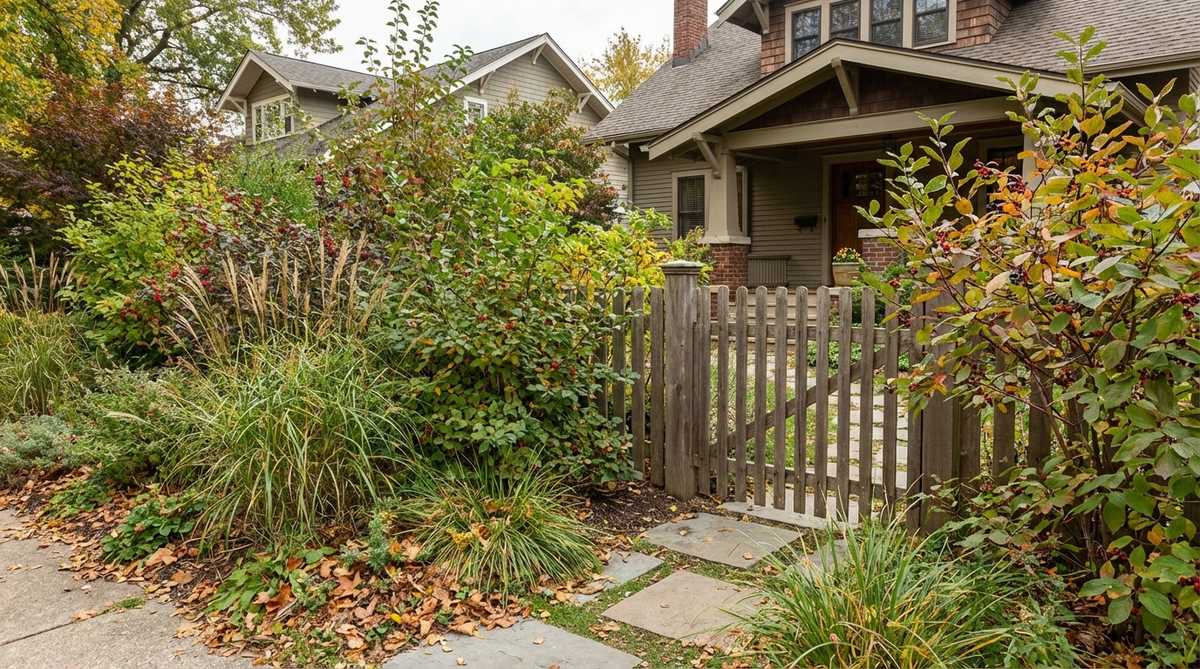
Layered native shrubs create wildlife corridors across property boundaries. Mixed species provide year-round food and shelter.
This approach replaces monoculture hedges with ecological function. Birds, beneficial insects, and small mammals benefit from diverse plantings.
38. Reclaimed Material Hardscaping
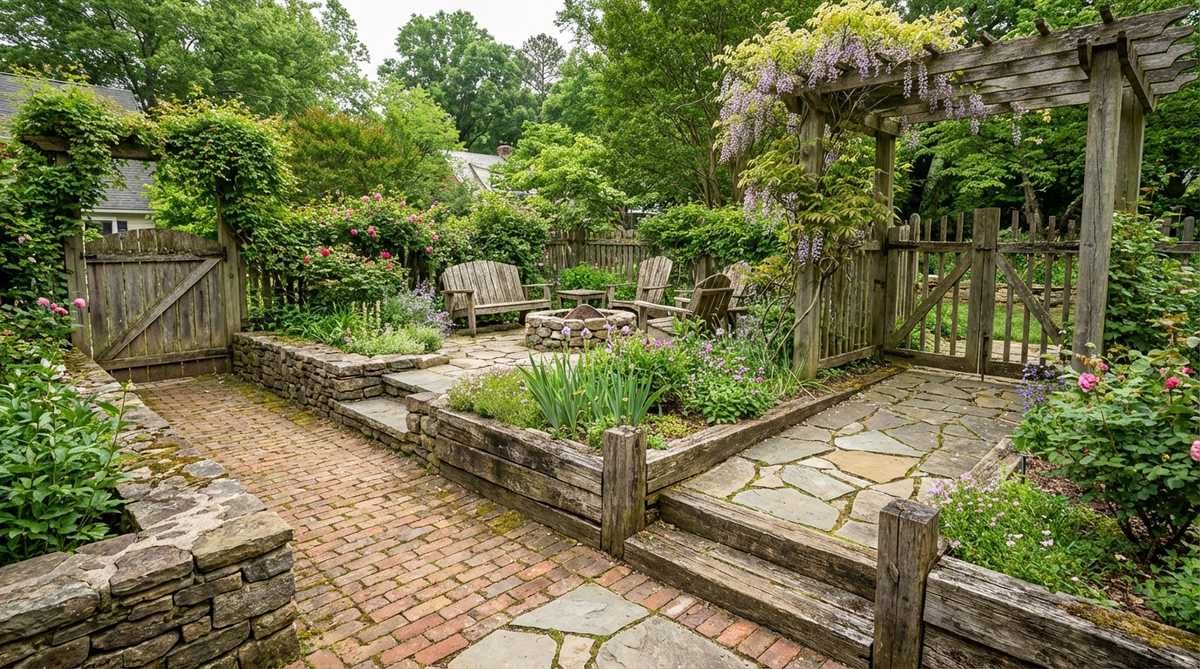
Salvaged brick, stone, and timber reduce new material consumption. Weathered patinas add character while supporting sustainable practices.
Source materials locally to minimize transportation impacts. Irregular shapes and colors create organic, cottage-like aesthetics.
39. Green Roof Installation
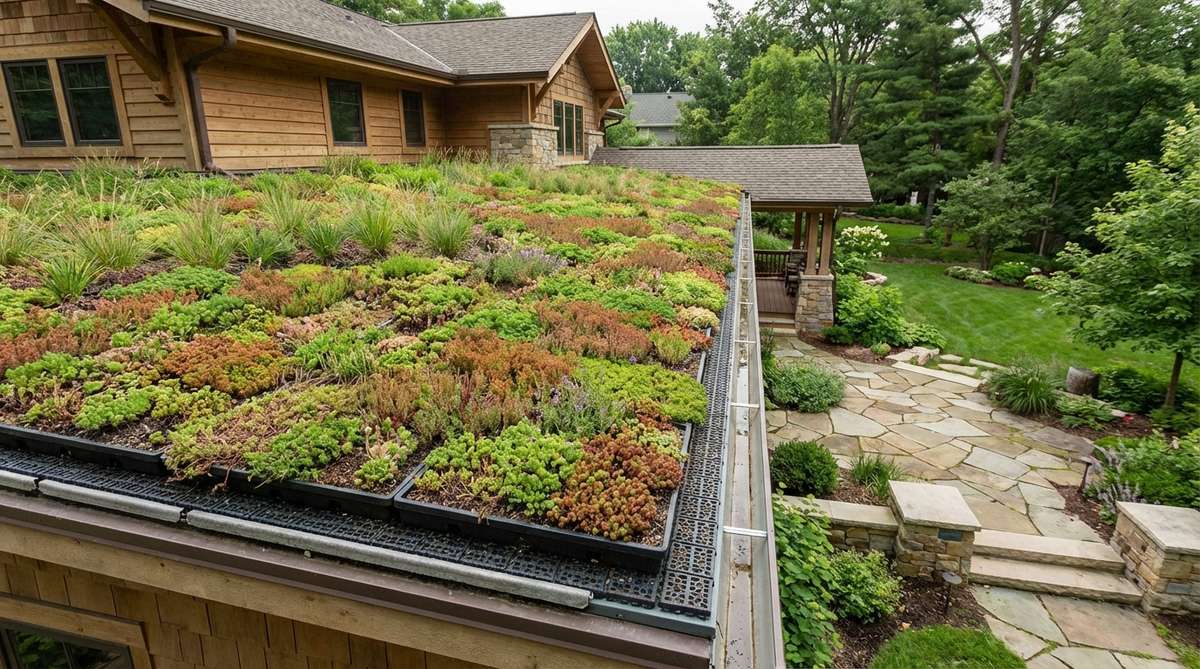
Shallow-rooted sedums and native plants colonize roof surfaces. This technique reduces stormwater runoff while insulating buildings.
Modular systems simplify installation on existing structures. The living roof aesthetic connects architecture with surrounding landscapes.
40. Permaculture Forest Garden
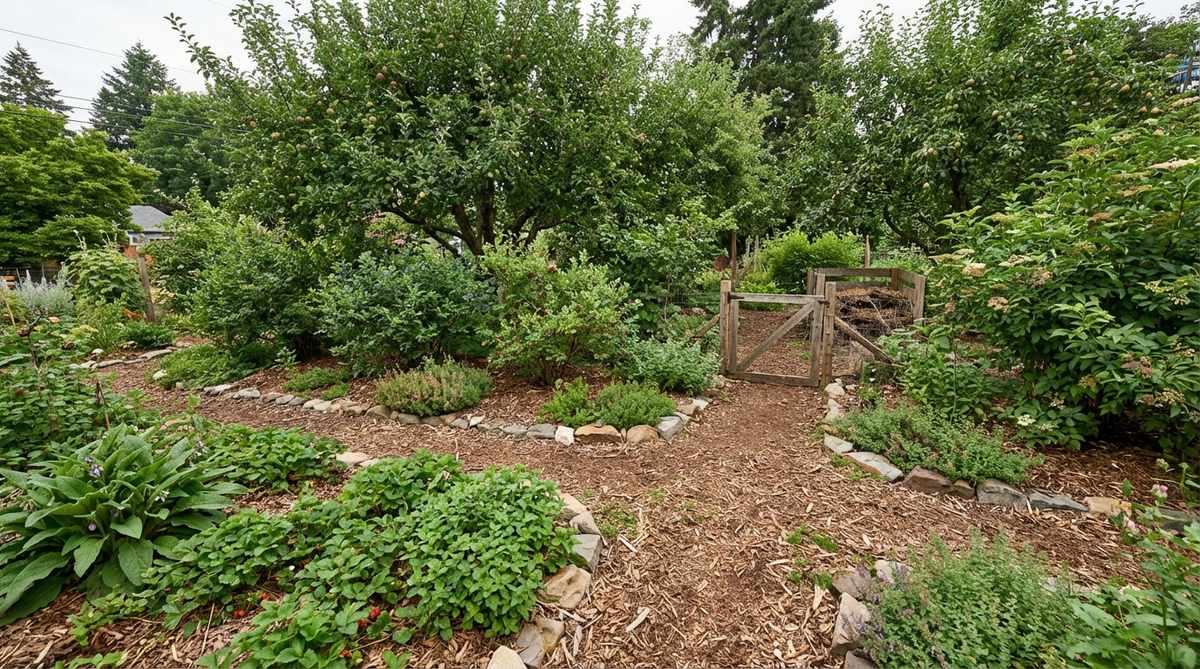
Layered edible plantings mimic forest ecosystems with productive species. Fruit trees, berry shrubs, and herbaceous perennials occupy distinct vertical zones.
This low-maintenance system builds soil health over time. The aesthetic appears informal but follows intentional ecological design.
Sensory & Atmospheric Garden Experiences
Sensory garden aesthetics engage multiple senses beyond visual appeal. These designs incorporate fragrance, texture, sound, and movement for immersive experiences.
41. Fragrance Garden Pathway
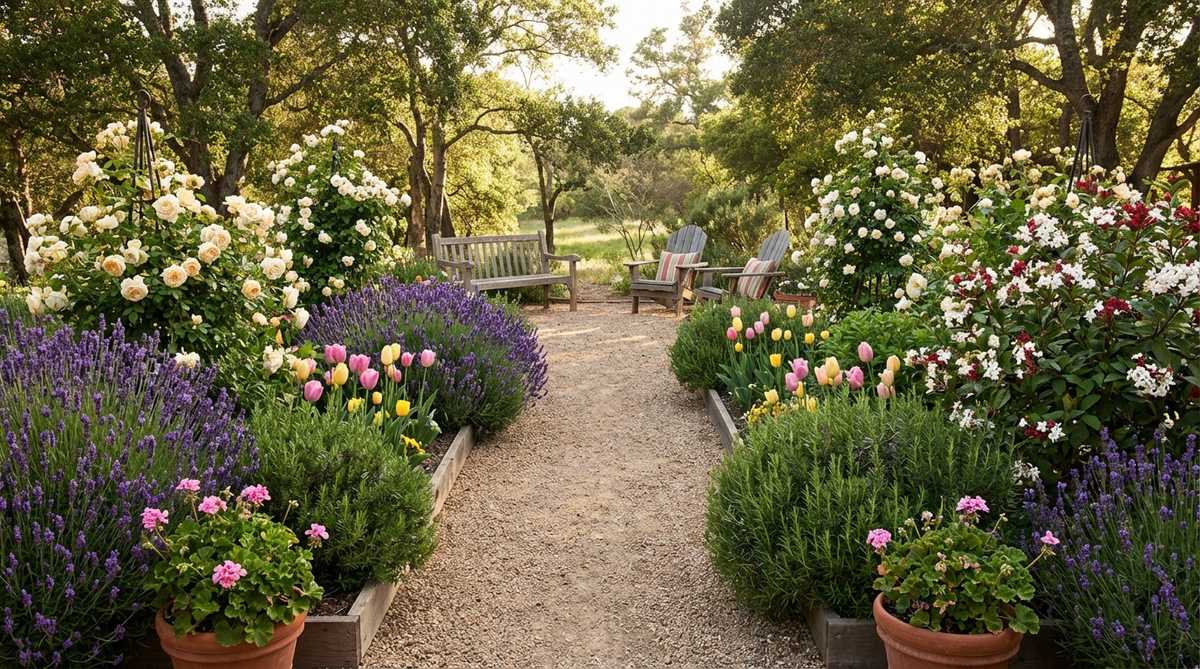
Scented plants positioned along circulation routes release fragrance when brushed. Lavender, rosemary, and scented geraniums reward foot traffic.
Layer fragrances throughout seasons for year-round aromatic interest. Spring bulbs transition to summer roses and autumn-blooming clerodendrum.
Position seating areas downwind from fragrant plantings. Evening-scented selections like nicotiana and night-blooming jasmine enhance outdoor dining.
42. Textured Foliage Border
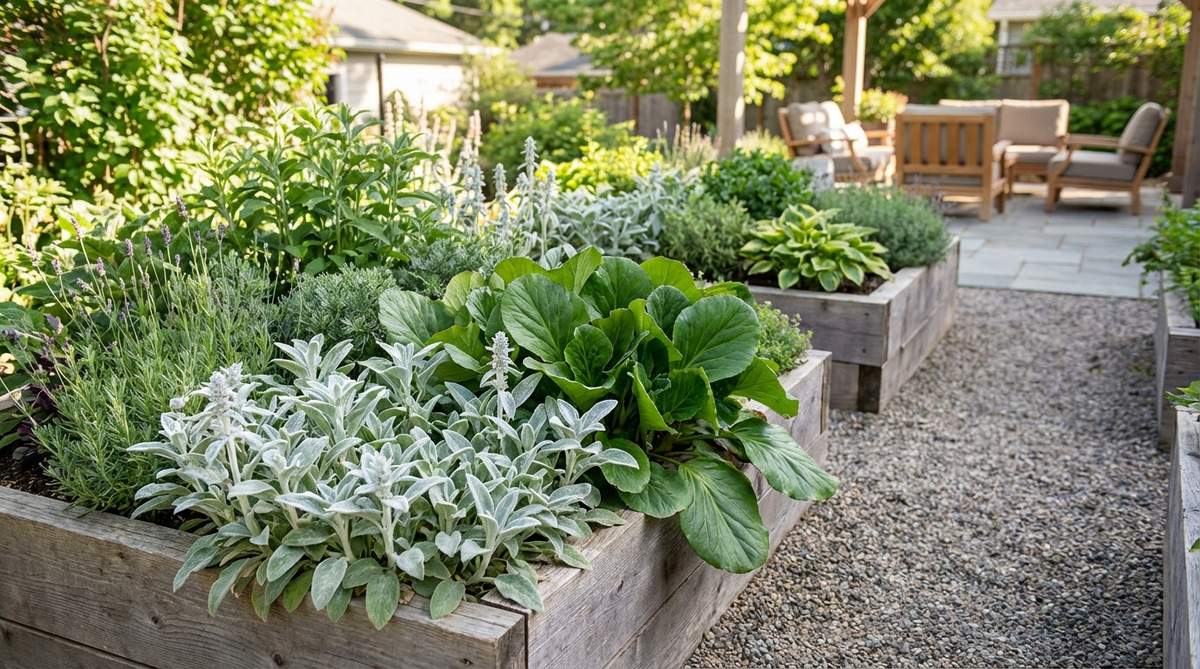
Contrasting leaf textures from fuzzy lamb’s ear to glossy bergenia invite tactile exploration. This approach benefits sensory gardens for all abilities.
Raised beds bring textures within easy reach. Combine coarse, fine, smooth, and rough surfaces in adjacent plantings.
43. Water Feature Soundscape
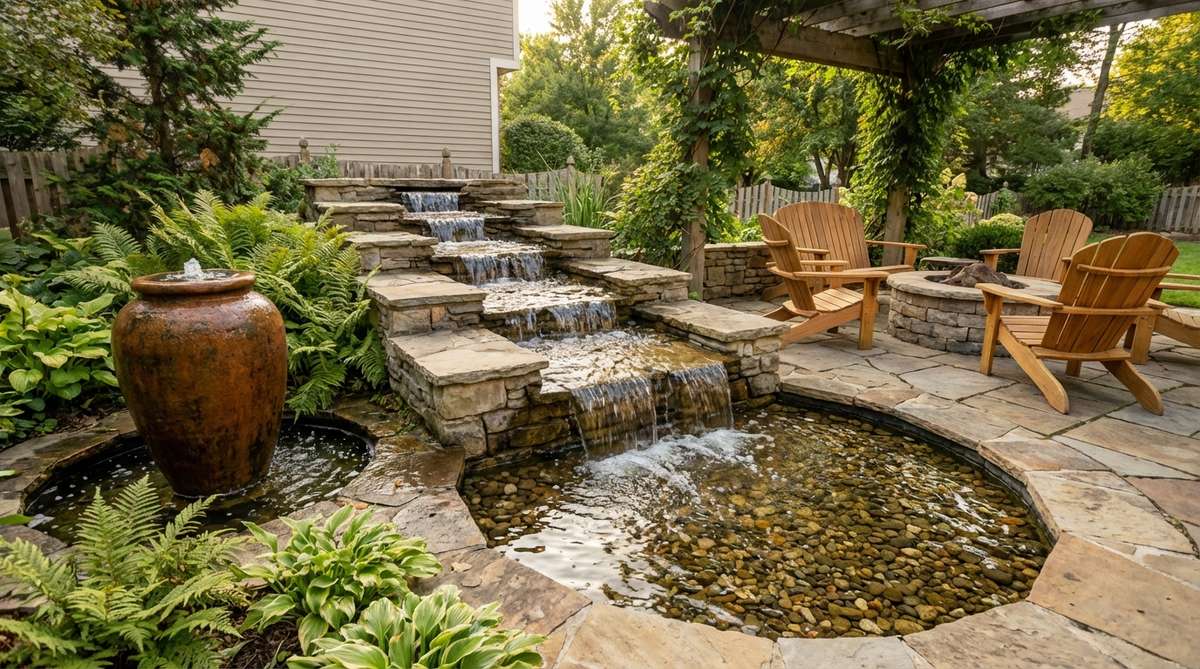
Moving water introduces calming acoustic elements that mask urban noise. Fountain styles range from bubbling urns to cascading rills.
Water sound intensity varies with flow rate and drop height. Position features near seating areas for maximum atmospheric benefit.
44. Ornamental Grass Movement
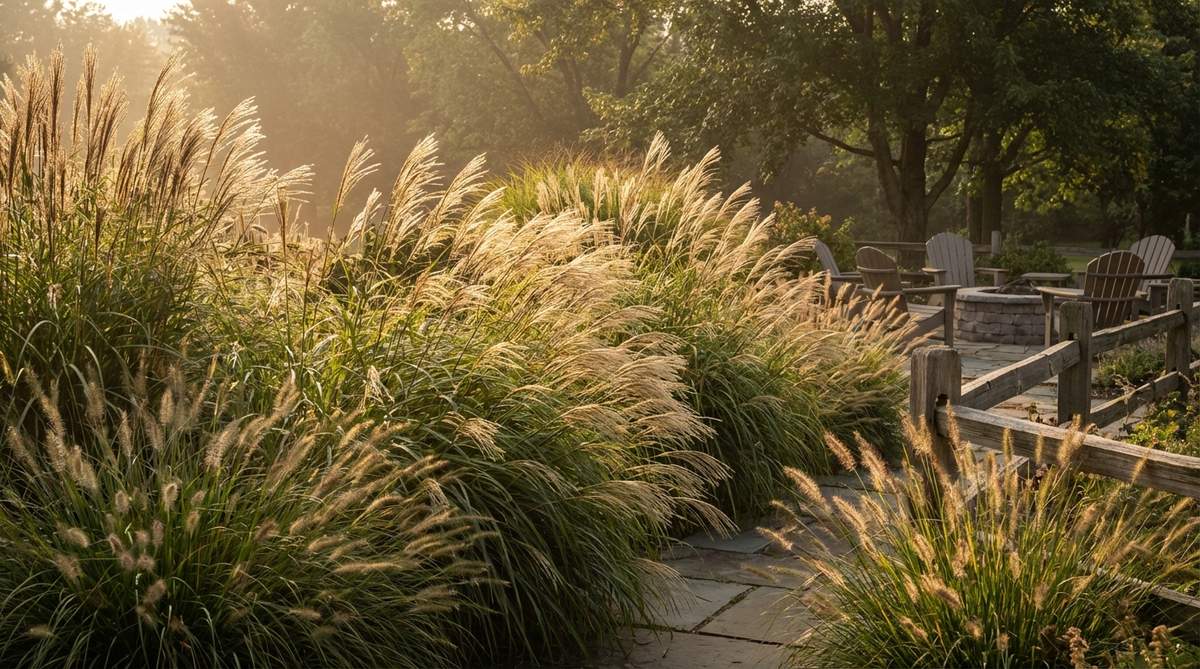
Grasses respond dynamically to wind, creating kinetic interest. Their rustling foliage adds subtle sound to otherwise silent gardens.
Backlit grasses glow during sunrise and sunset hours. This atmospheric lighting occurs naturally without electrical installation.
45. Moonlight Garden Palette
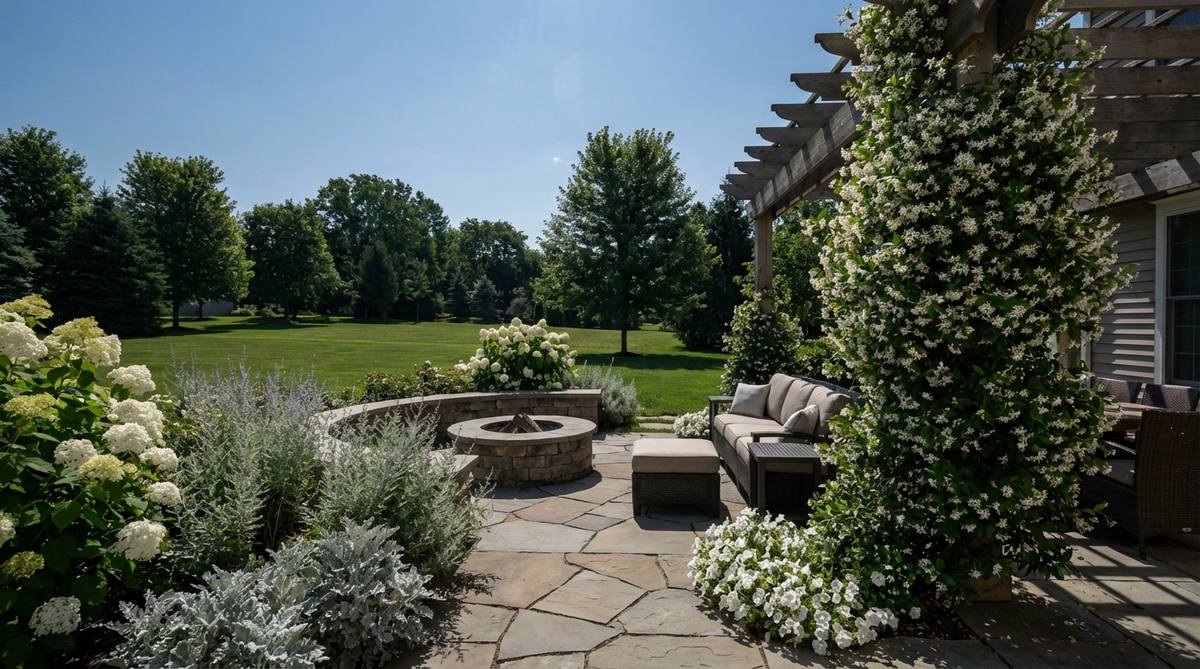
White and silver plants reflect available light for nighttime visibility. This aesthetic extends garden enjoyment beyond daylight hours.
Position pale flowers near outdoor living areas used after dark. Fragrant white selections like jasmine enhance evening atmospheres.
46. Edible Landscape Integration
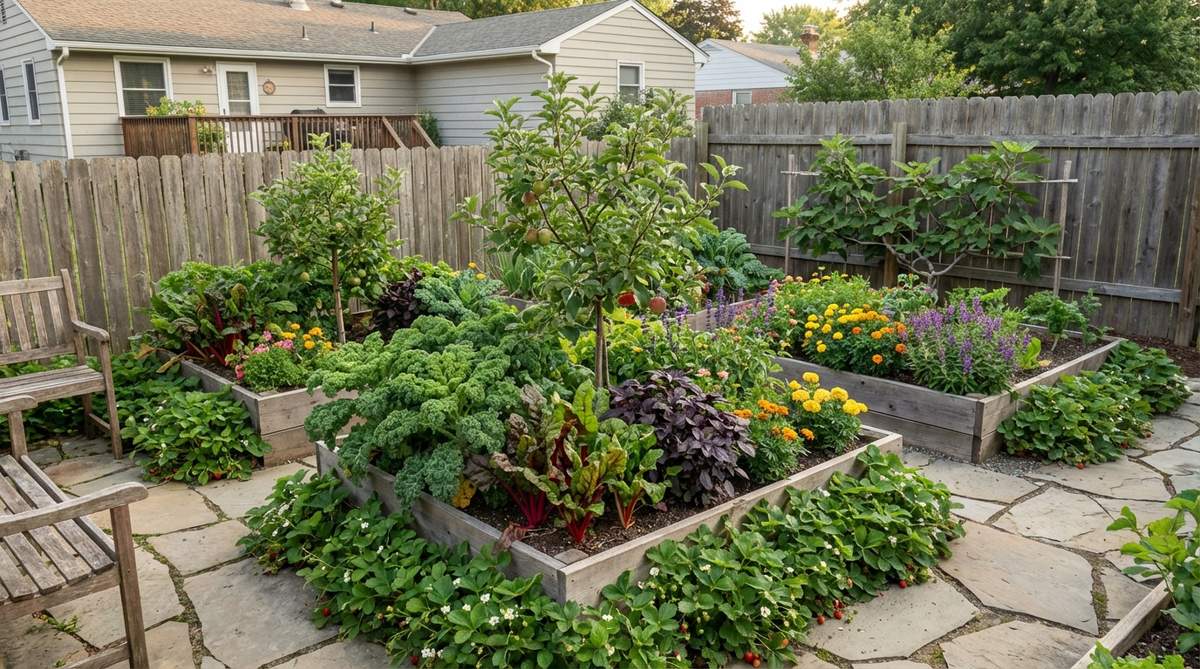
Productive plants engage taste alongside visual senses. Cherry tomatoes, alpine strawberries, and culinary herbs invite harvesting.
This approach blurs boundaries between ornamental and edible gardens. Attractive varieties like rainbow chard and purple basil contribute visual interest.
47. Wildlife Observation Garden
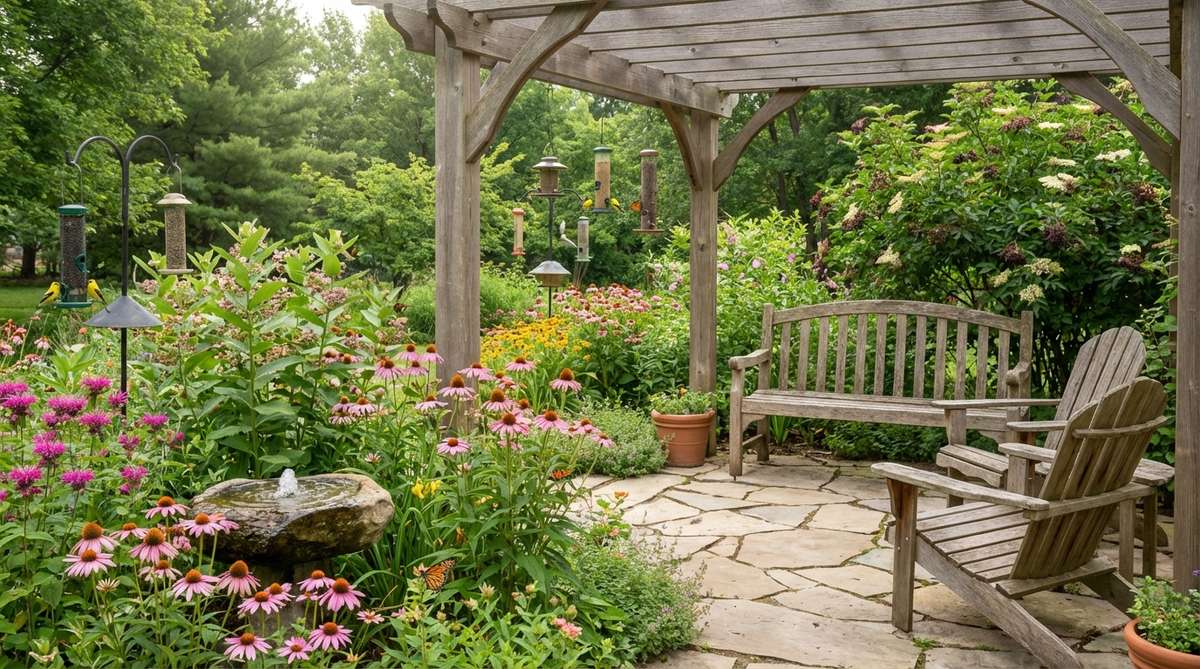
Strategic plantings attract birds, butterflies, and beneficial insects. This dynamic aesthetic changes constantly with wildlife activity.
Native plants provide host and nectar sources for regional species. Position seating areas overlooking feeding and watering stations.
48. Evening Lighting Design
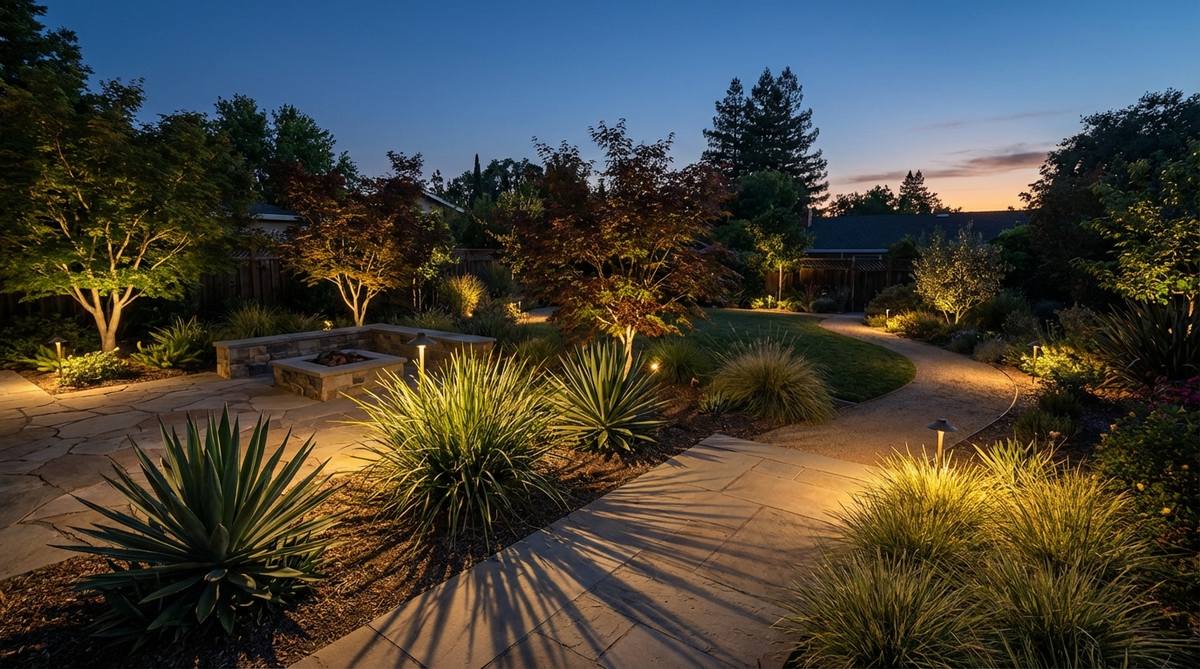
Uplighting and path lights transform garden atmospheres after dark. Fixtures highlight architectural plants and create shadow patterns.
Low-voltage systems provide safety while establishing mood. Warm-toned LEDs create inviting outdoor rooms for evening use.
Seasonal & Color-Focused Garden Inspirations
Seasonal garden aesthetics plan for year-round interest rather than single-season peaks. Strategic color planning creates intentional palettes that evolve through months.
49. Spring Bulb Succession
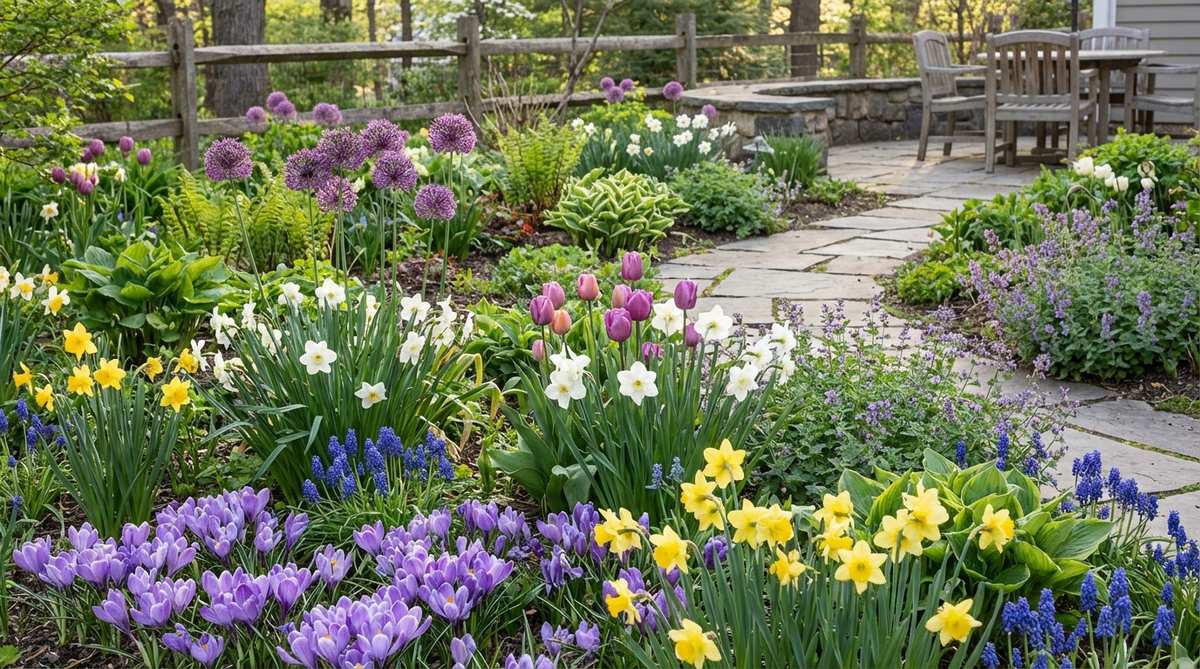
Early, mid, and late-spring bulbs extend bloom periods for months. Crocus transitions to daffodils, then tulips and alliums.
Interplant bulbs with emerging perennials that disguise fading foliage. This layering technique maintains visual appeal throughout spring.
Naturalized plantings return annually with minimal intervention. Select bulb varieties suited to your hardiness zone for reliable performance.
50. Autumn Foliage Display
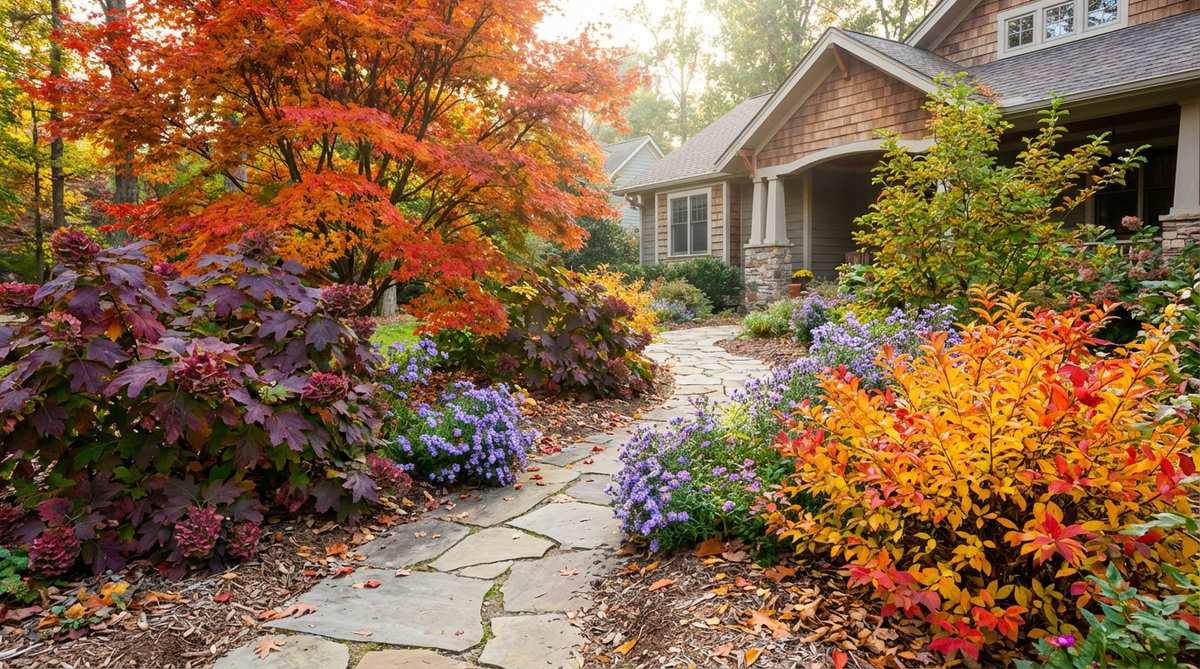
Trees and shrubs selected for fall color create seasonal spectacles. Japanese maple, oakleaf hydrangea, and Virginia sweetspire deliver reliable autumn interest.
Combine foliage color with late-blooming perennials like asters. This layered approach extends interest beyond leaf color alone.
51. Winter Structure Garden
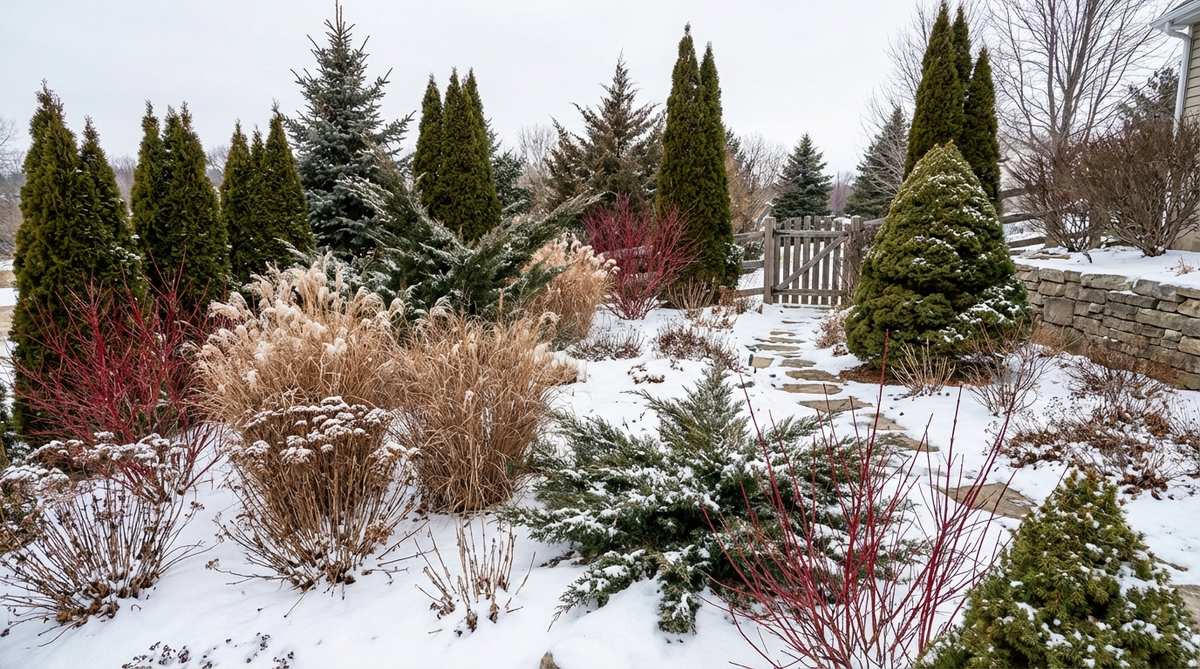
Evergreens, ornamental grasses, and plants with persistent seed heads maintain winter presence. The dormant season reveals garden bones.
Colorful stems like red-twig dogwood provide bright accents against snow. Strategic pruning emphasizes branch architecture.
52. Monochromatic White Garden
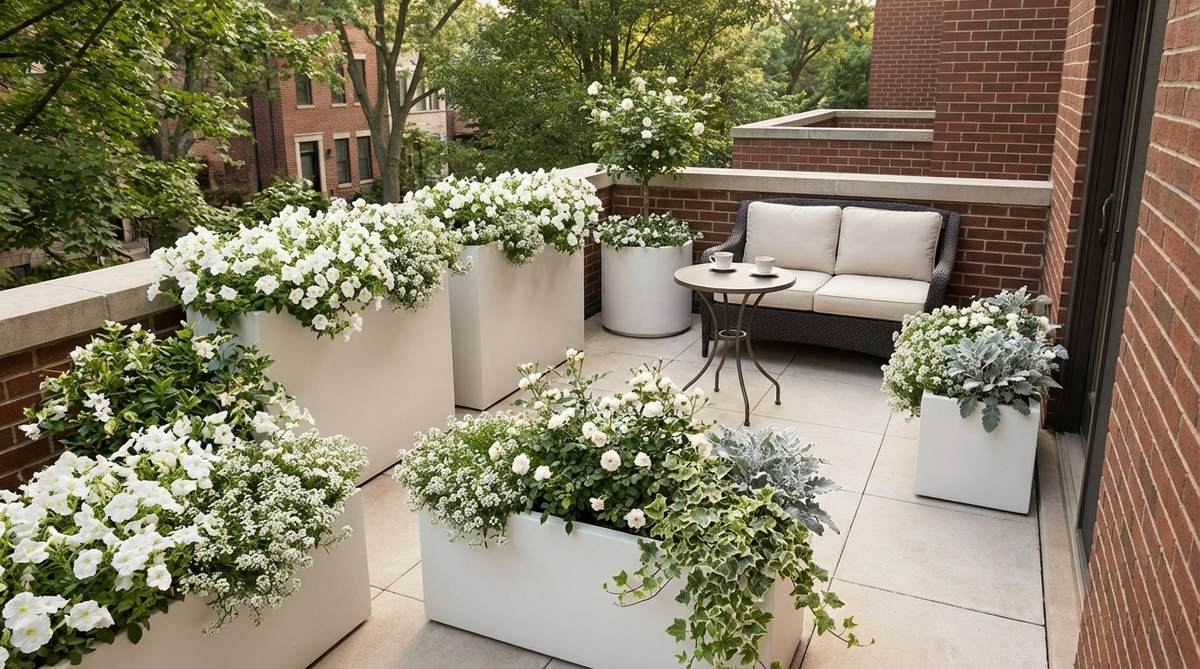
All-white plantings create sophisticated, cohesive designs. This color discipline prevents visual chaos in mixed borders.
Vary flower forms and bloom times for sustained interest. Silver and gray foliage bridges gaps between flowering periods.
53. Jewel Tone Palette
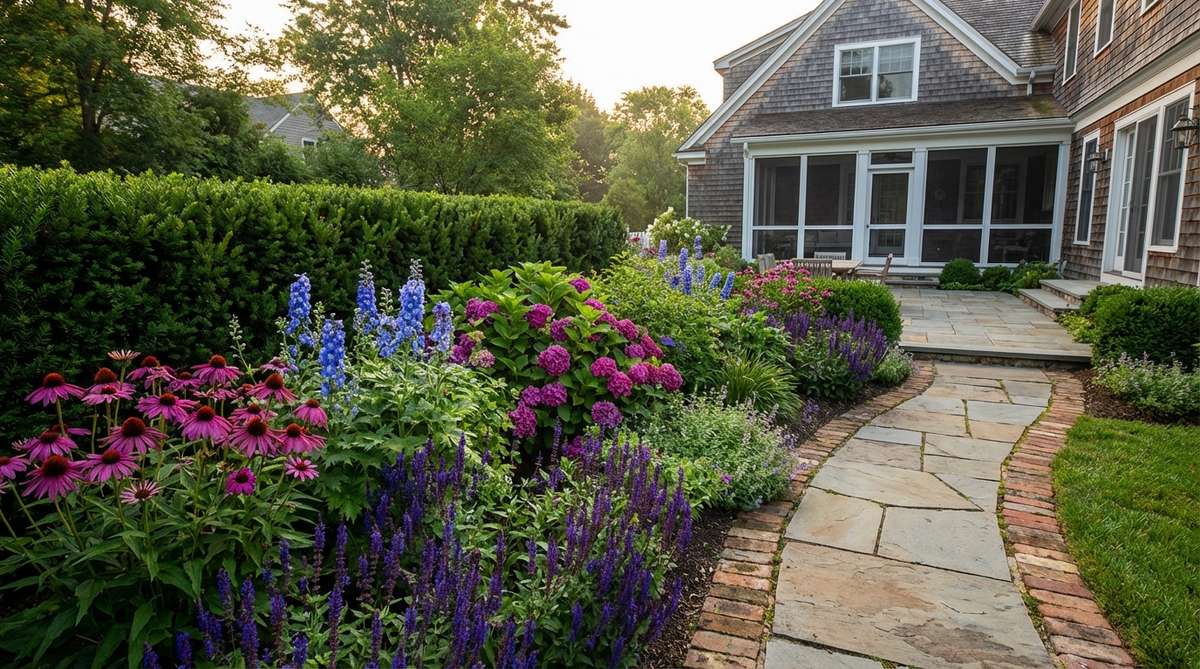
Deep purples, rich blues, and vibrant magentas create luxurious color harmonies. This saturated palette suits formal and cottage aesthetics alike.
Designers use jewel tones in borders backed by dark hedges. The rich background intensifies flower colors.
54. Complementary Color Scheme
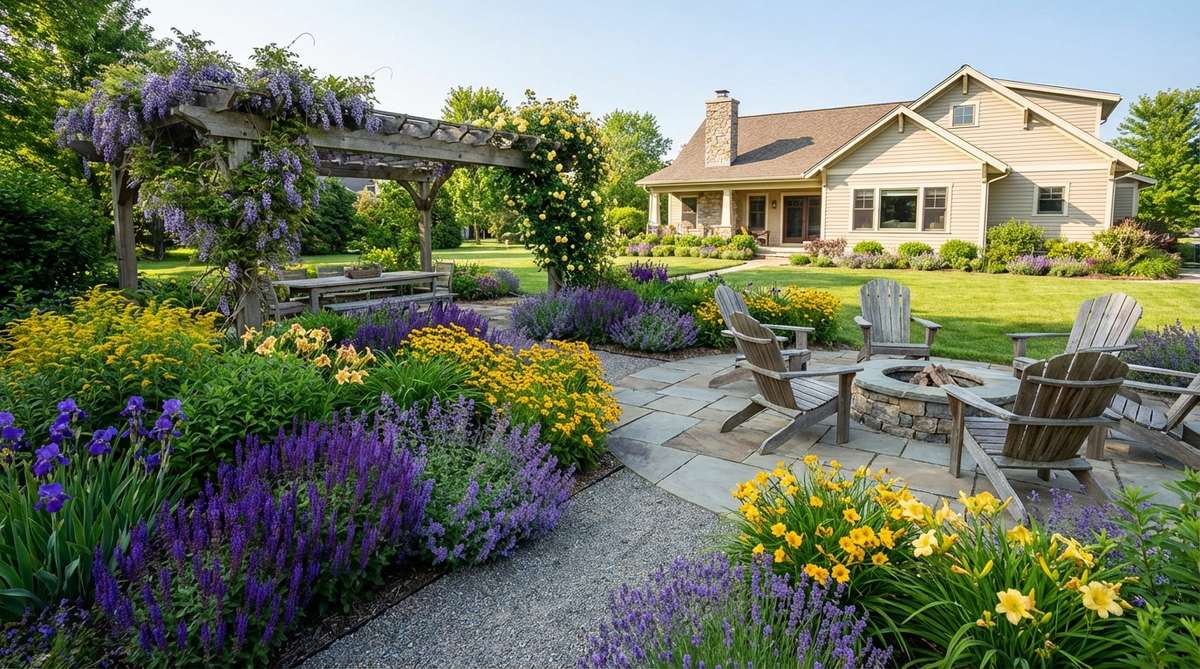
Opposite color wheel pairings like purple and yellow create vibrant contrasts. This technique establishes focal points and visual excitement.
Balance complementary colors through proportion adjustments. Dominant and accent color ratios prevent equal competition.
55. Analogous Color Harmony
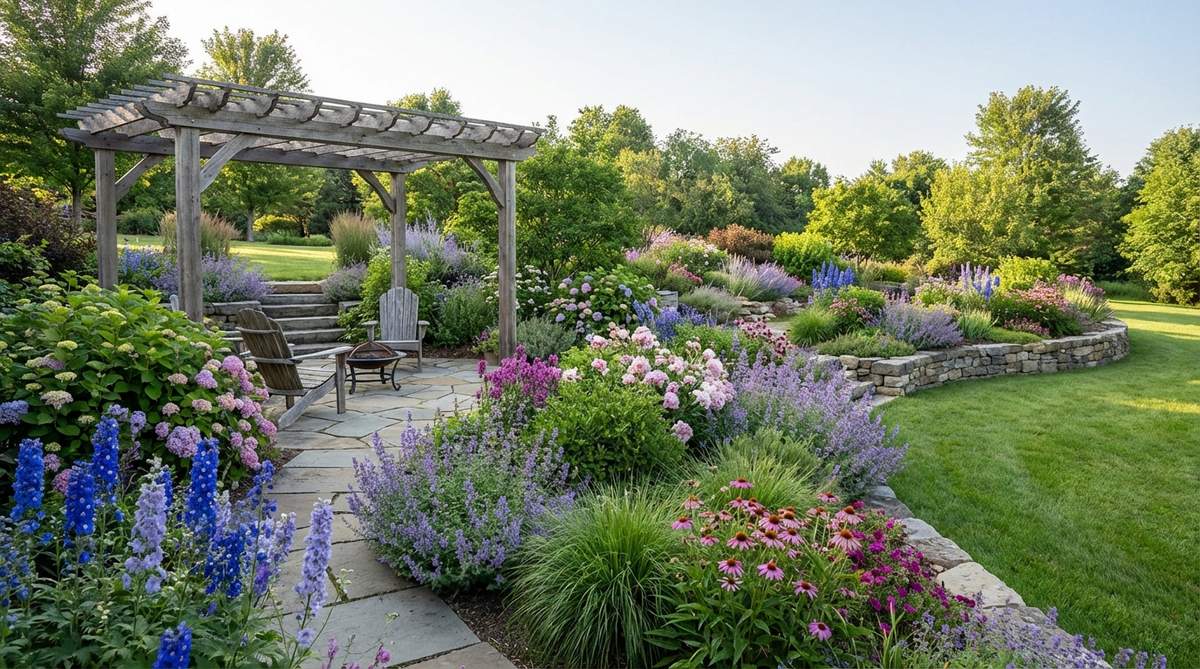
Adjacent color wheel selections like blue, purple, and pink create soothing transitions. This approach suits naturalistic plantings.
Analogous schemes feel cohesive and intentional without jarring contrasts. Vary saturation levels to add depth and interest.
56. Four-Season Border
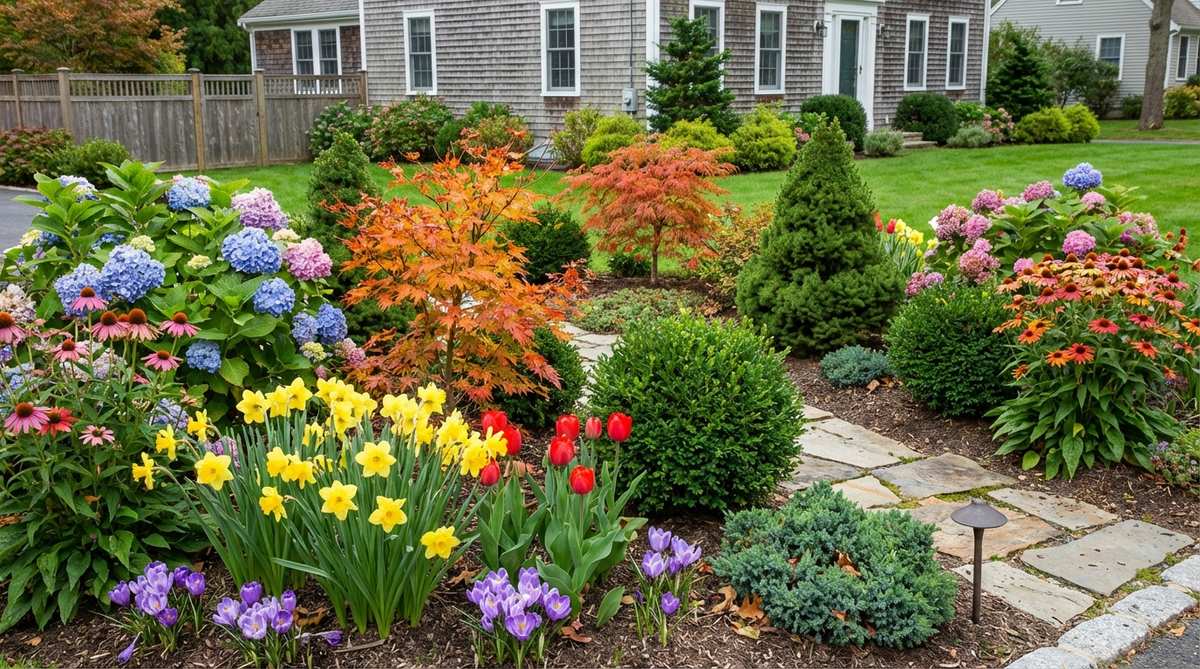
Carefully curated plantings deliver interest across all seasons. This design requires strategic species selection for continuous appeal.
Combine spring bulbs, summer perennials, autumn foliage, and evergreen structure. The border shifts dramatically while maintaining cohesion.
Conclusion
Defining your garden aesthetic through mood boards clarifies design decisions and prevents costly mistakes. These 56 curated atmospheres demonstrate how intentional visual planning transforms ordinary yards into cohesive outdoor experiences. Start by selecting one aesthetic that resonates with your property’s conditions and personal style, then build your mood board with plants, materials, and inspiration images that support that vision. Your garden becomes a true reflection of intention when every element serves the overall atmosphere you seek to create.
Frequently Asked Questions
How do I choose the right garden aesthetic for my property?
Assess your site conditions first including sun exposure, soil type, and climate zone. Select aesthetics that work with rather than against these existing factors. Consider your home’s architectural style and choose garden aesthetics that complement rather than clash with the building. Finally, evaluate your maintenance capacity honestly since minimalist and sustainable aesthetics typically require less ongoing care than cottage or tropical styles.
Can I combine multiple garden aesthetics in one yard?
Yes, but transition zones between different aesthetics require careful planning. Use physical separators like hedges, fences, or grade changes to define distinct garden rooms with different atmospheres. Maintain some unifying elements like repeated material choices or a limited color palette to prevent disjointed results. Smaller properties benefit from committing to single aesthetics while larger landscapes can accommodate multiple zones.
What makes an effective garden mood board?
Strong mood boards include specific plant examples with photos, material samples or images showing textures and colors, lighting references demonstrating desired atmosphere, and seasonal progression examples. Digital boards work well for gathering inspiration quickly while physical boards with actual material samples help clients and contractors understand tactile qualities. Include both wide landscape views and detail shots to communicate scale and intimate moments.
How long does it take to establish a garden aesthetic?
Hardscaping and immediate structure appear within weeks, but planted landscapes require 2-3 growing seasons to establish mature appearances. Trees and large shrubs take 5-10 years to reach design intent sizes. Perennial borders fill in substantially during their second season and reach peak maturity by year three. Annual color provides instant gratification while permanent plantings develop.
Are certain garden aesthetics more sustainable than others?
Native plant gardens, xeriscaping, and naturalized meadow aesthetics typically consume fewer resources than formal hedges or tropical plantings in temperate climates. Minimalist designs often incorporate permeable paving and reduced lawn areas, lowering water and maintenance requirements. However, any aesthetic becomes more sustainable through appropriate plant selection for your region and efficient irrigation practices.