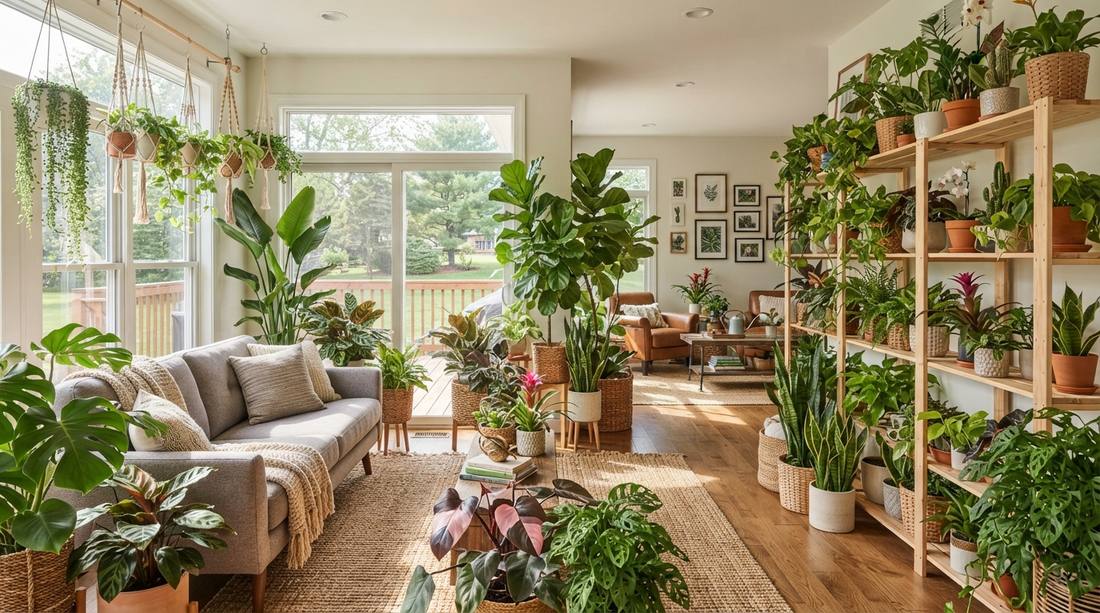
Sourcing exotic plants instantly transforms a basic room into a botanical sanctuary. Smart buyers achieve premium indoor jungle aesthetics through strategic purchases, avoiding massive budgets. Upgrade your exact living spaces using these commercial-grade species.
Design Snapshot Key Principles
- Layer Heights: Combine tall palms, mid-level aroids, and trailing varieties to create vertical interest and depth
- Contrast Textures: Pair broad-leaf specimens with fine foliage and spiky architectural plants for visual tension
- Climate Zones: Match plant hardiness to your USDA zone or control environment indoors for tropical species
- Focal Points: Position rare specimens with unique variegation or blooms where they command attention
Exotic Plants for Home Indoor Jungle Foundations
Building an indoor jungle starts with reliable exotic plants for home environments that tolerate varied light conditions and moderate humidity. These species establish the structural framework for your tropical display while remaining forgiving enough for intermediate growers.
1. Monstera Adansonii (Swiss Cheese Vine)
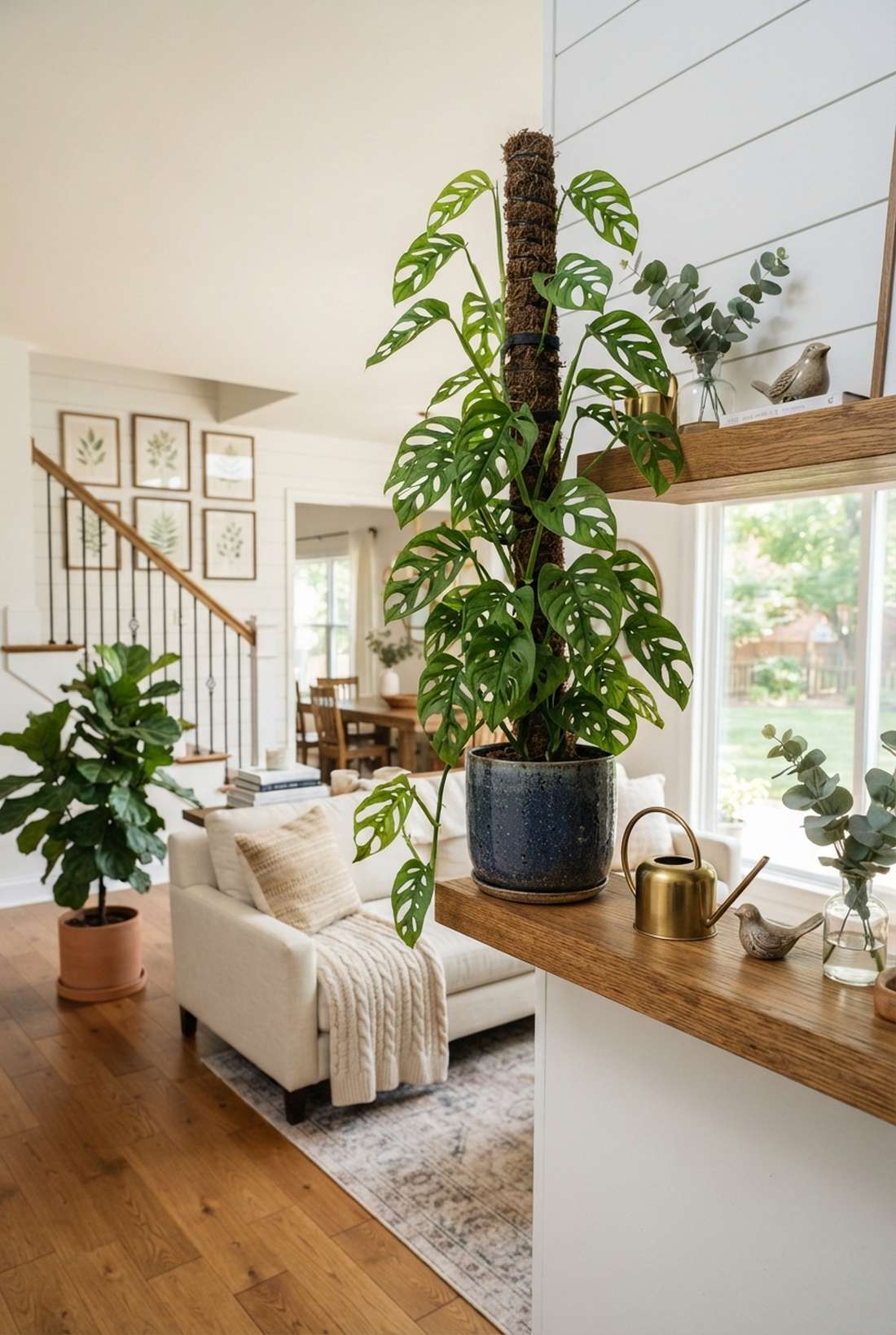
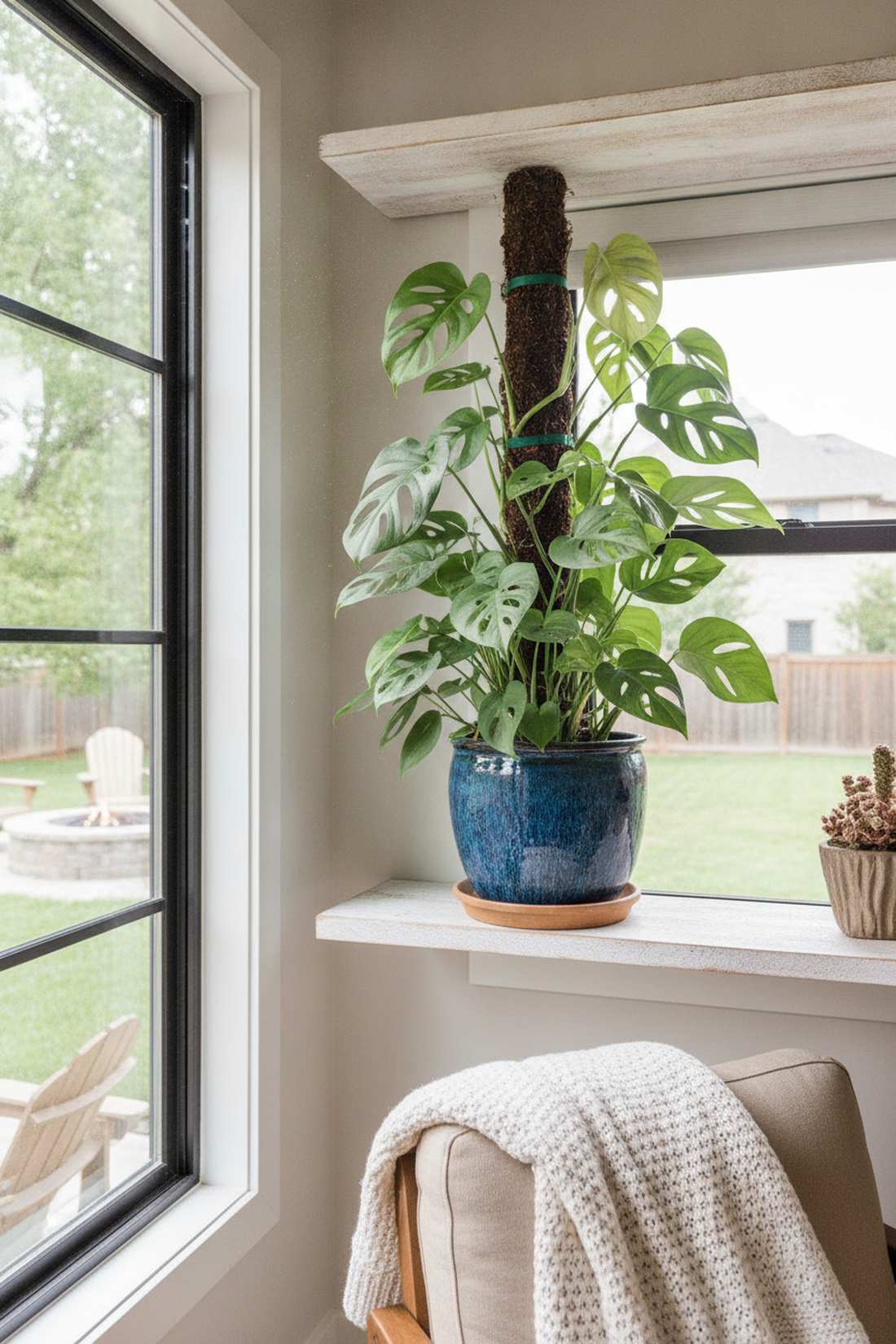
This trailing indoor foliage display feels like you captured a piece of the Amazon rainforest. It works exceptionally well for an empty high-shelf corner that needs instant life.
Many beginners make the mistake of letting it hang instead of climbing, but giving it structure delivers a surprisingly premium look. Using high-quality miniature garden supplies like a heavy-duty moisture pole forces larger, more dramatic leaf fenestrations. Pair it with a pre-drilled ceramic base to prevent common root rot.
You can easily pull this off for around $25–$40 depending on the pot size. Save this to your DIY weekend garden board for quick reference.
- Key Materials: Pre-cut moss poles, organic aroid mix
- Vibe / Style: Cascading tropical shelf decor
- Difficulty: Very easy beginner setup
- Budget Breakdown: Plant: $15 | Support: $10 | Pot: $15
- Creator’s Tip: Secure the vines gently to the pole using reusable velcro plant ties to avoid stem damage.
- Smart Sourcing: bulk pack organic aroid soil | extendable sphagnum moss poles
2. Alocasia Amazonica (African Mask Plant)
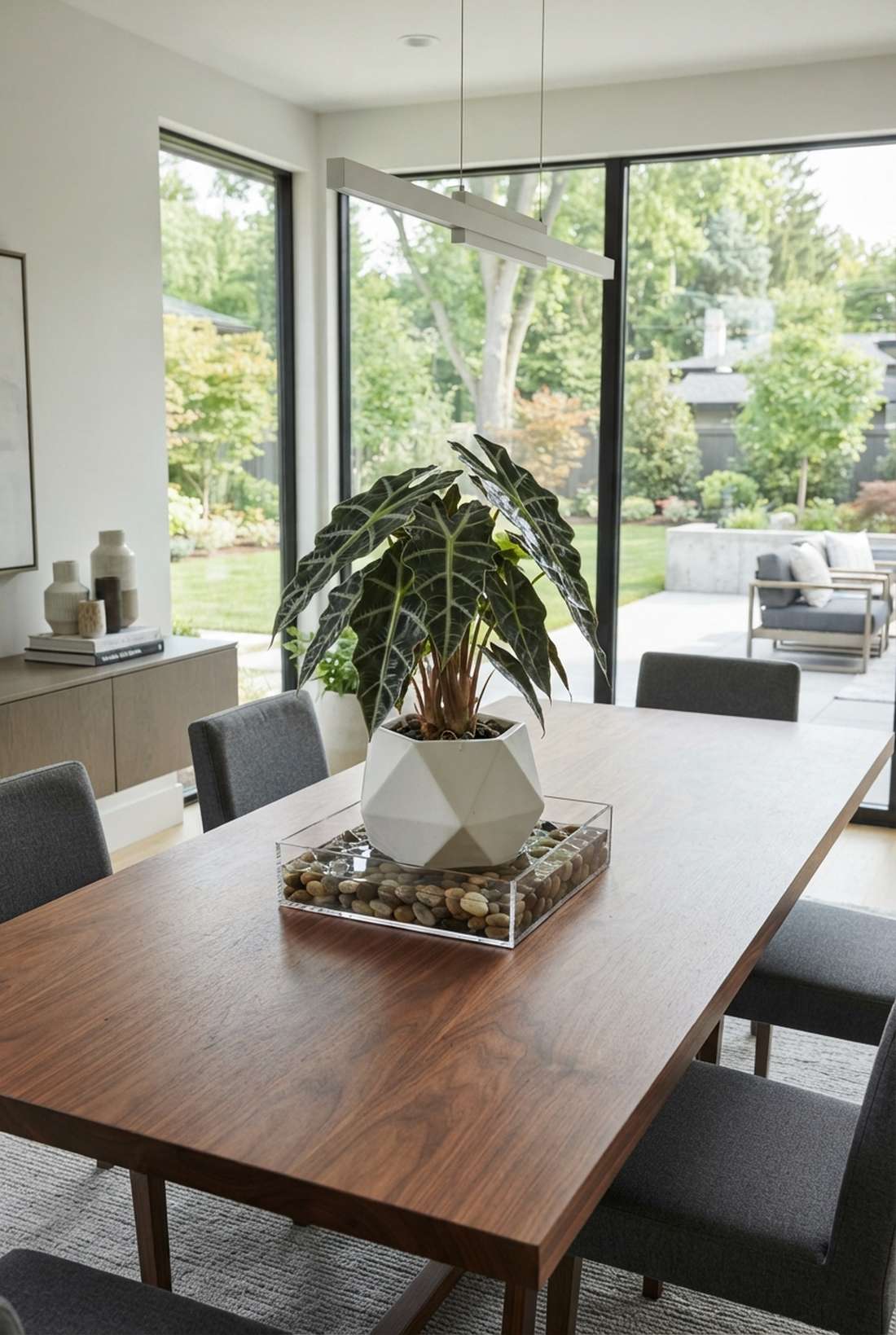
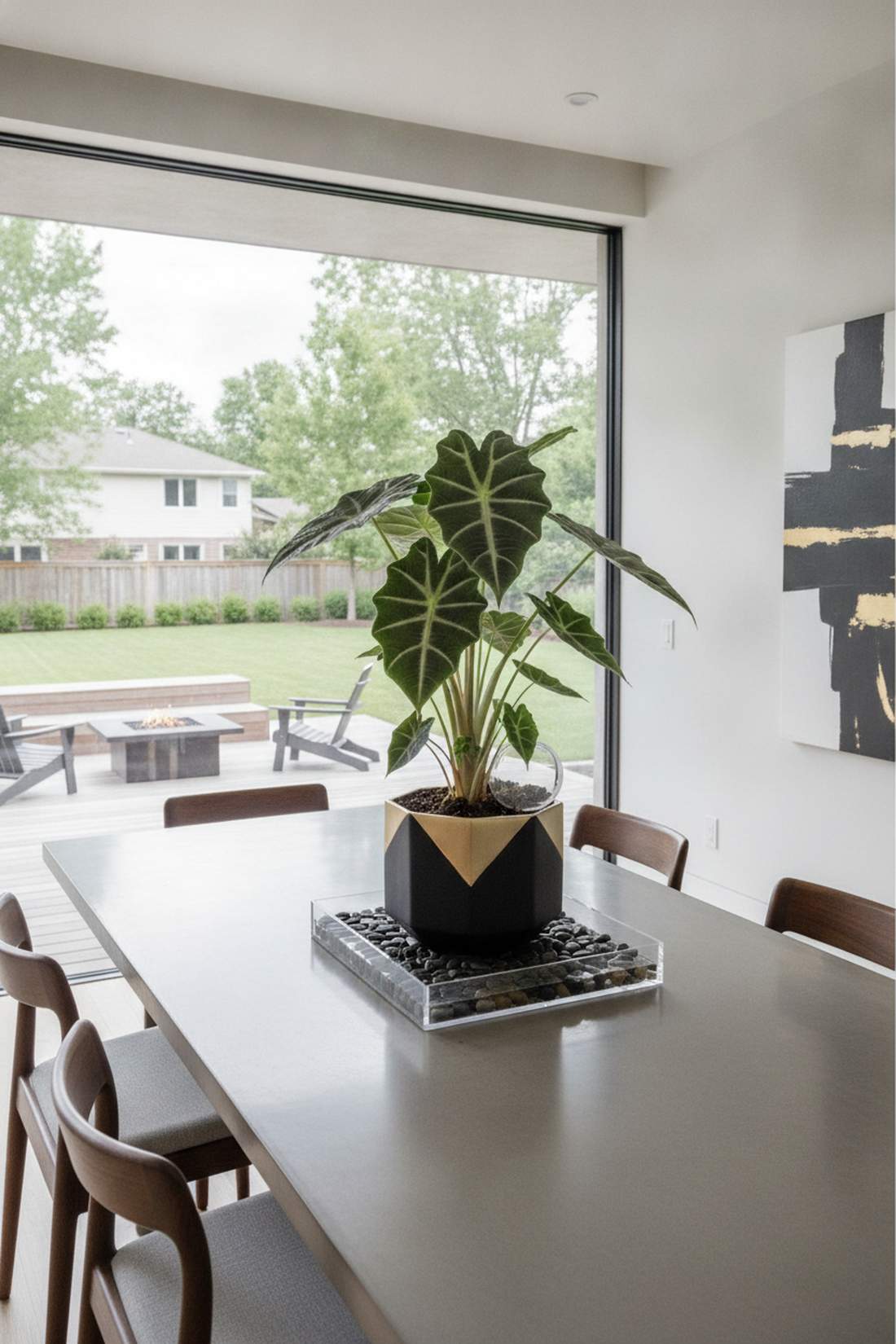
A striking geometric tabletop planter setup that feels straight out of an ultra-modern luxury hotel lobby. This is the perfect centerpiece for a minimalist dining room table.
While some claim it is too finicky, keeping it properly hydrated gives a designer-level finish that demands attention. Utilizing self-watering terrarium accessories ensures the sharp, white-veined foliage never crisps at the edges. A premium acrylic pebble tray underneath dramatically increases local humidity.
Expect to spend about $30 to create a flawless humidity-controlled display. It is a fast upgrade that completely changes the room’s vibe.
- Key Materials: Humidity tray, filtered water system
- Vibe / Style: Edgy modern tabletop
- Difficulty: Moderate care required
- Budget Breakdown: Plant: $20 | Tray & Pebbles: $10
- Creator’s Tip: Never use tap water; the chemicals will burn the tips of those gorgeous geometric leaves.
- Smart Sourcing: UV-coated decorative river stones | clear acrylic humidity trays
3. Pothos Pearls and Jade
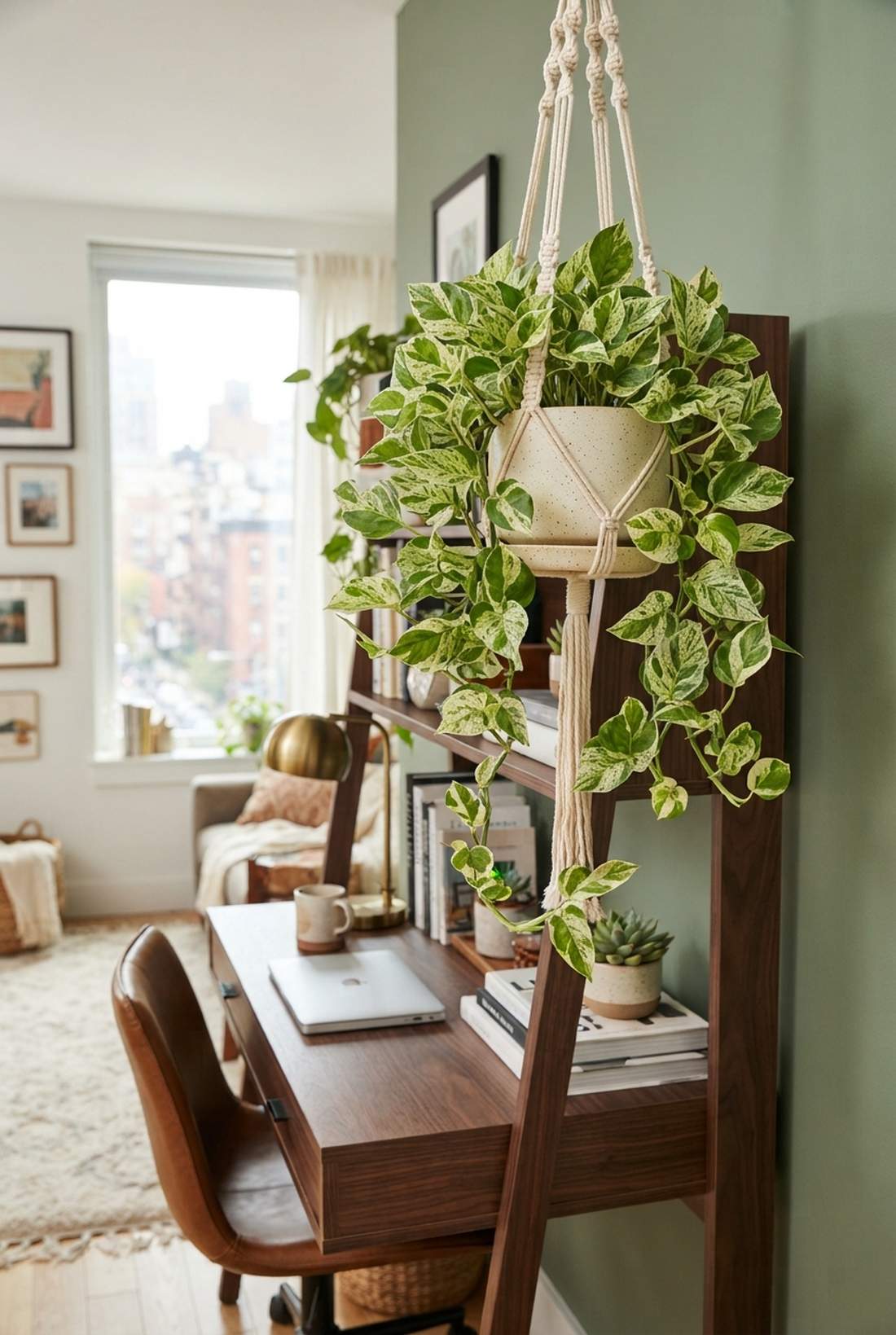
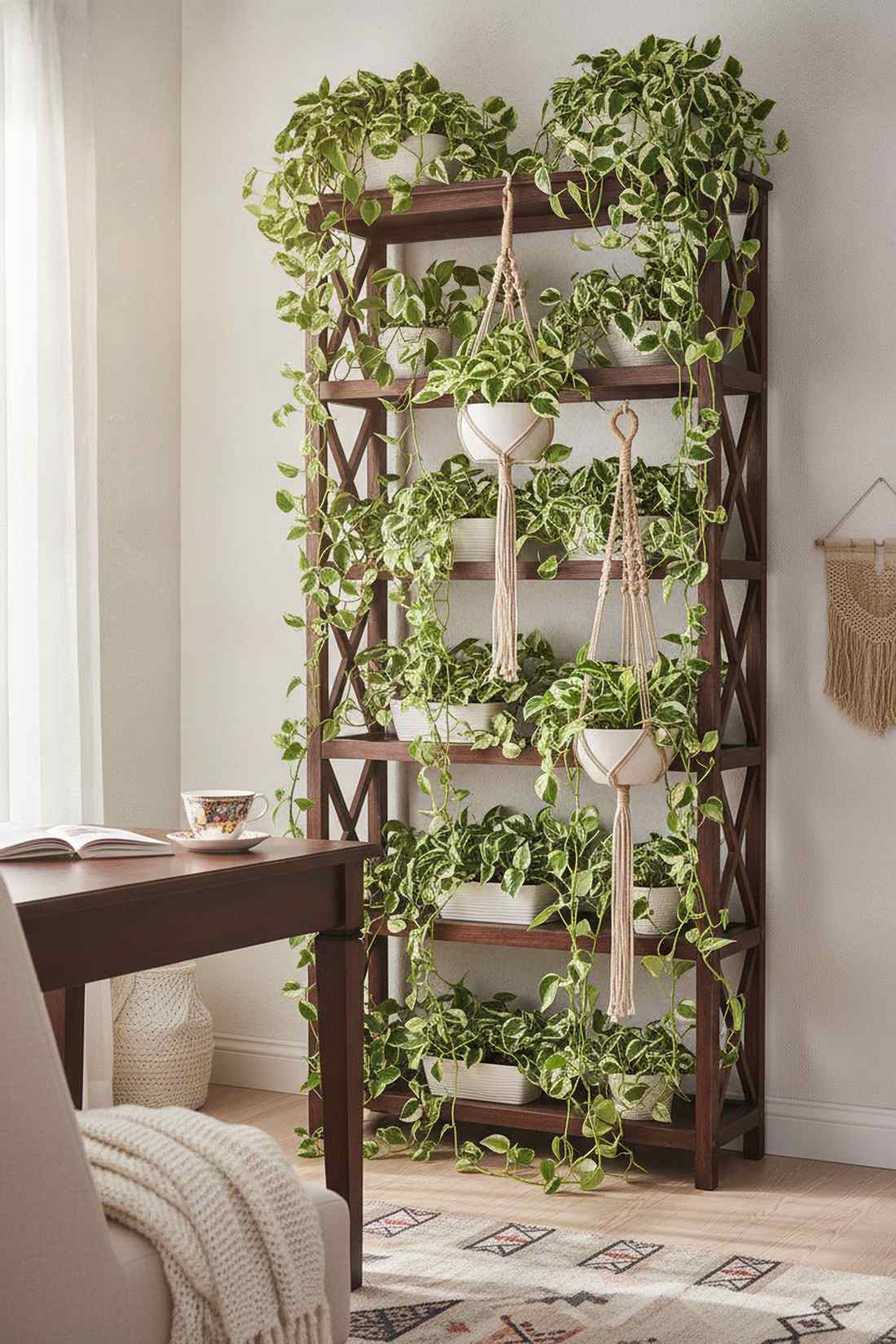
This cascading bookshelf garden feels like a cozy cafe hidden in a bustling city. It is absolutely brilliant for adding life to a shaded home office desk.
Most basic vines look cheap, but this highly variegated cultivar looks far more expensive than it is. Investing in premium indoor house plants kits with built-in drainage saves you from the nightmare of ruined furniture. The contrasting cream and green leaves pop aggressively against dark wood shelving.
The total investment rarely exceeds $20 for a lush starting plant. Pin this if you are planning a small space upgrade on a tight budget.
- Key Materials: Trailing macrame hanger, slow-release food
- Vibe / Style: Bright bohemian office
- Difficulty: Effortless survival rate
- Budget Breakdown: Plant: $12 | Planter: $8
- Creator’s Tip: Pinch the growing tips every few weeks to force the plant into a dense, bushy shape rather than a single long string.
- Smart Sourcing: pre-woven macrame plant hangers | waterproof ceramic drip trays
4. Philodendron Prince of Orange
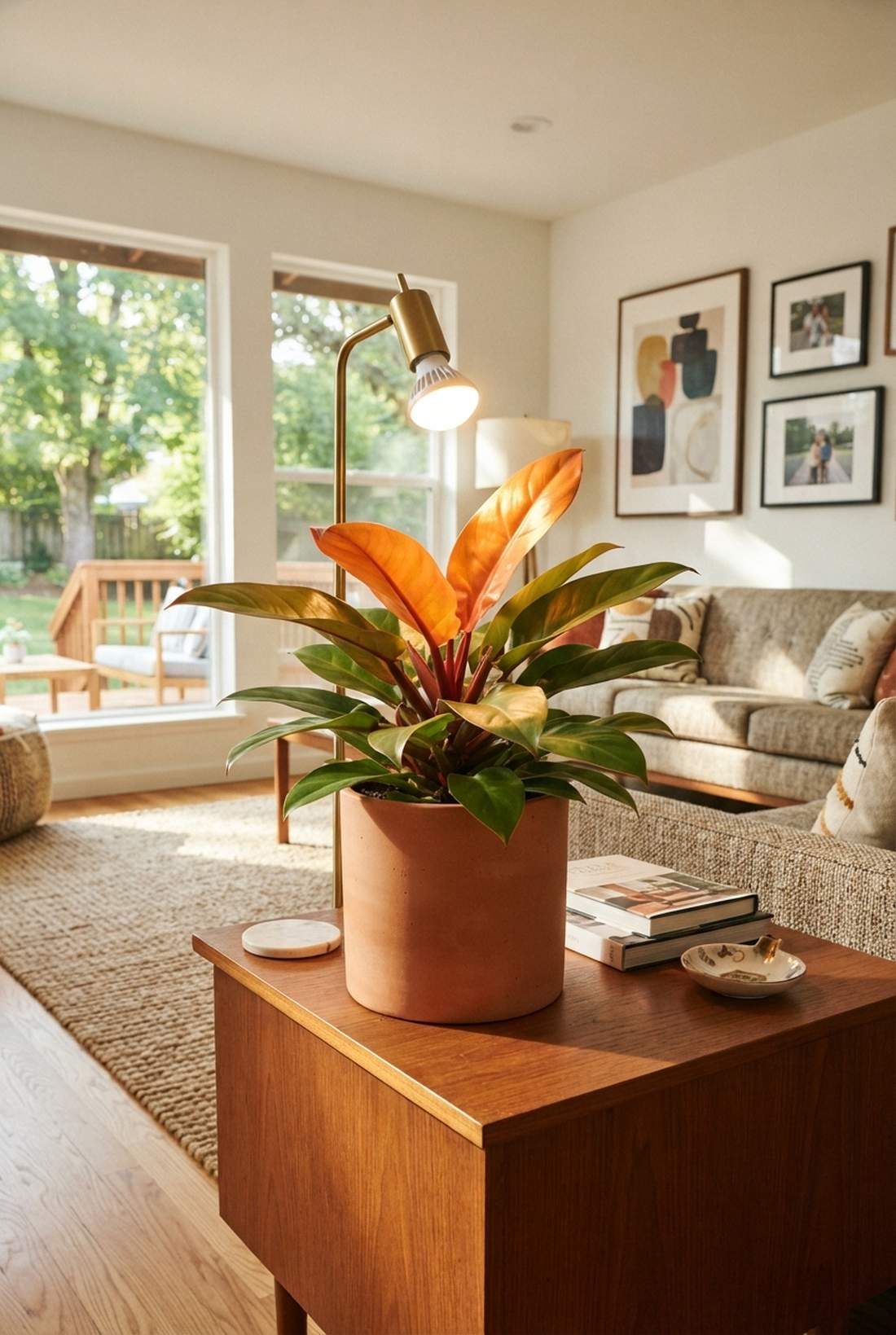
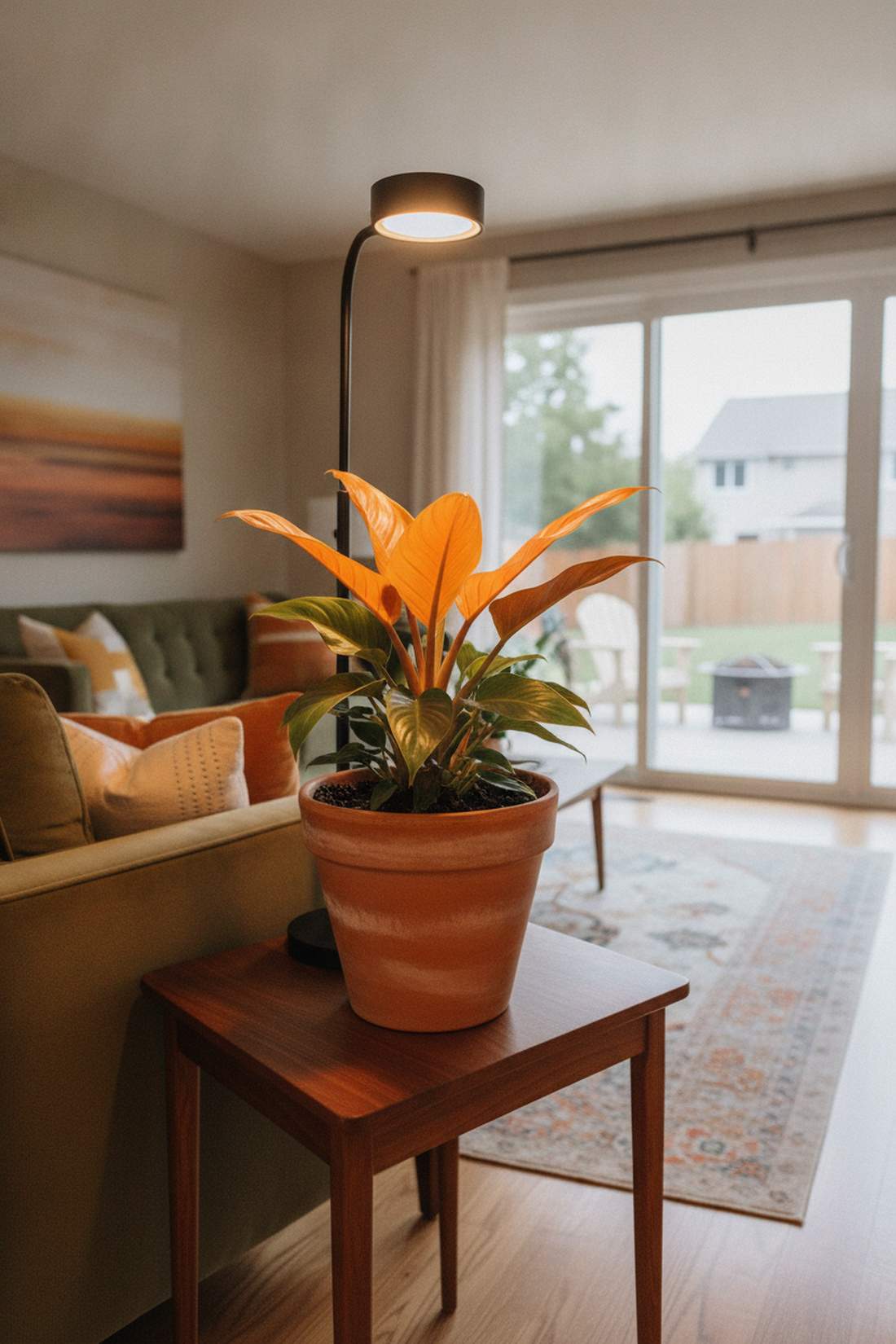
A bold warm-toned accent planter that feels like a sunset permanently captured in your living room. Place this directly on a modern side table for an unforgettable pop of color.
People often stick to boring green, but utilizing color-changing foliage instantly elevates the entire aesthetic. By incorporating specialized exotic plants indoor lighting, you can keep those emerging leaves bright neon orange year-round. It grows compactly, making it a highly structured piece of living art.
A healthy starter setup runs approximately $35 with the right decorative container. Highly recommended for a quick weekend win.
- Key Materials: Heavy terracotta pot, bright LED grow bulb
- Vibe / Style: Vibrant mid-century modern
- Difficulty: Beginner friendly
- Budget Breakdown: Plant: $25 | Heavy Pot: $10
- Creator’s Tip: Rotate the pot 90 degrees every time you water so the rosette grows perfectly symmetrical.
- Smart Sourcing: full-spectrum LED grow bulbs | pre-drilled terracotta cylinders
This next setup is ridiculously cheap but looks like a $100 custom display…
5. Ficus Elastica Tineke
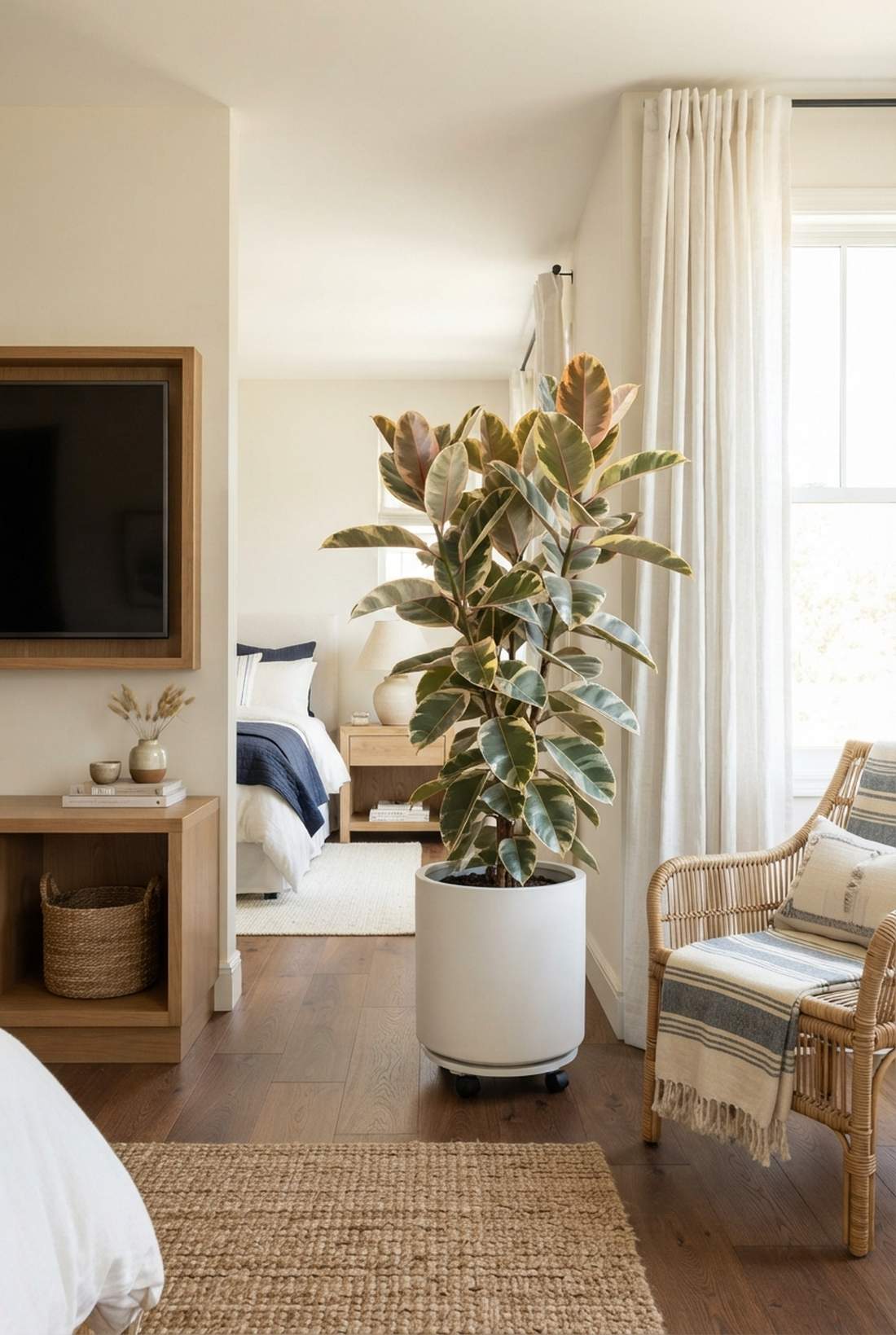
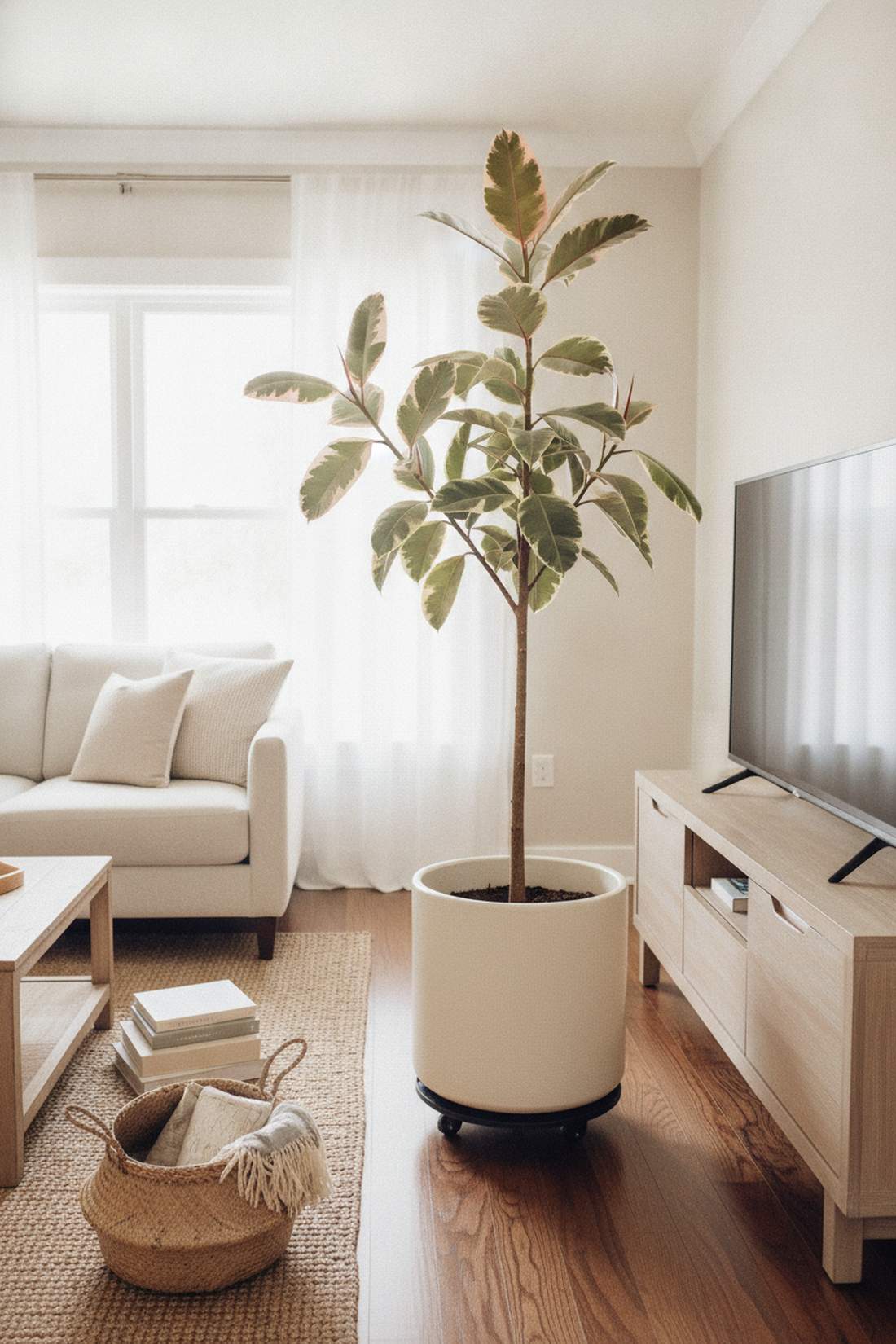
This tall architectural floor plant feels like stepping onto a breezy Mediterranean patio. It is specifically designed to fill that awkward, empty corner next to your television.
Skip the generic fake trees; this stunning watercolor-variegated rubber tree delivers a surprisingly premium look with minimal effort. Using a heavy-duty fiberglass floor planter anchors the room while protecting your hardwood floors. The thick, rubbery leaves naturally resist pests, making it incredibly durable.
You can establish a stunning floor display for about $45 to $60. Save this to your master bedroom makeover board.
- Key Materials: Tall floor planter, rolling plant caddy
- Vibe / Style: Coastal chic corner decor
- Difficulty: Low maintenance
- Budget Breakdown: Plant: $30 | Floor Planter: $25
- Creator’s Tip: Wipe the large leaves down monthly with a damp cloth and a drop of neem oil for a high-gloss finish.
- Smart Sourcing: heavy-duty invisible plant rollers | matte fiberglass floor pots
6. Bird of Paradise (Strelitzia Reginae)
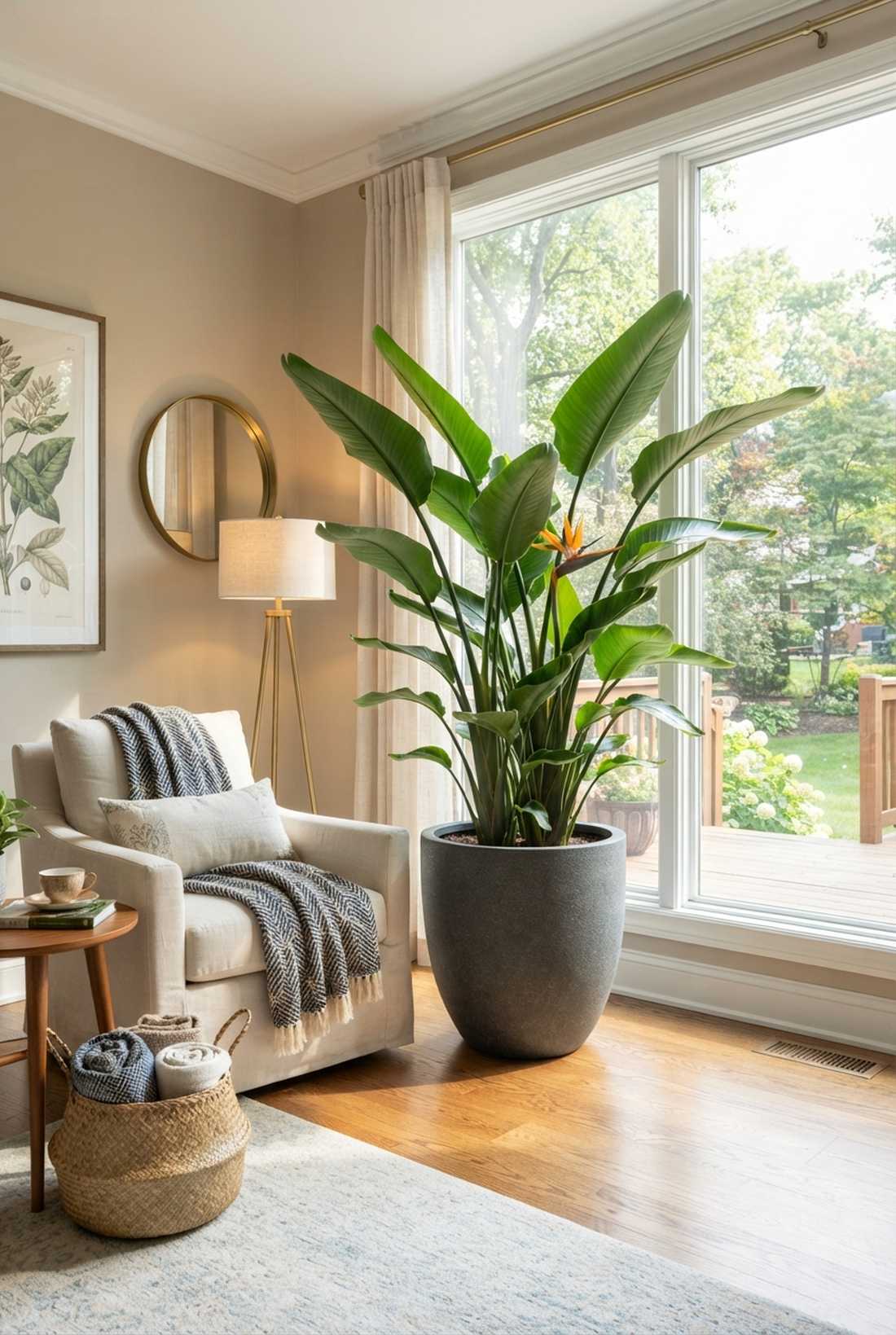
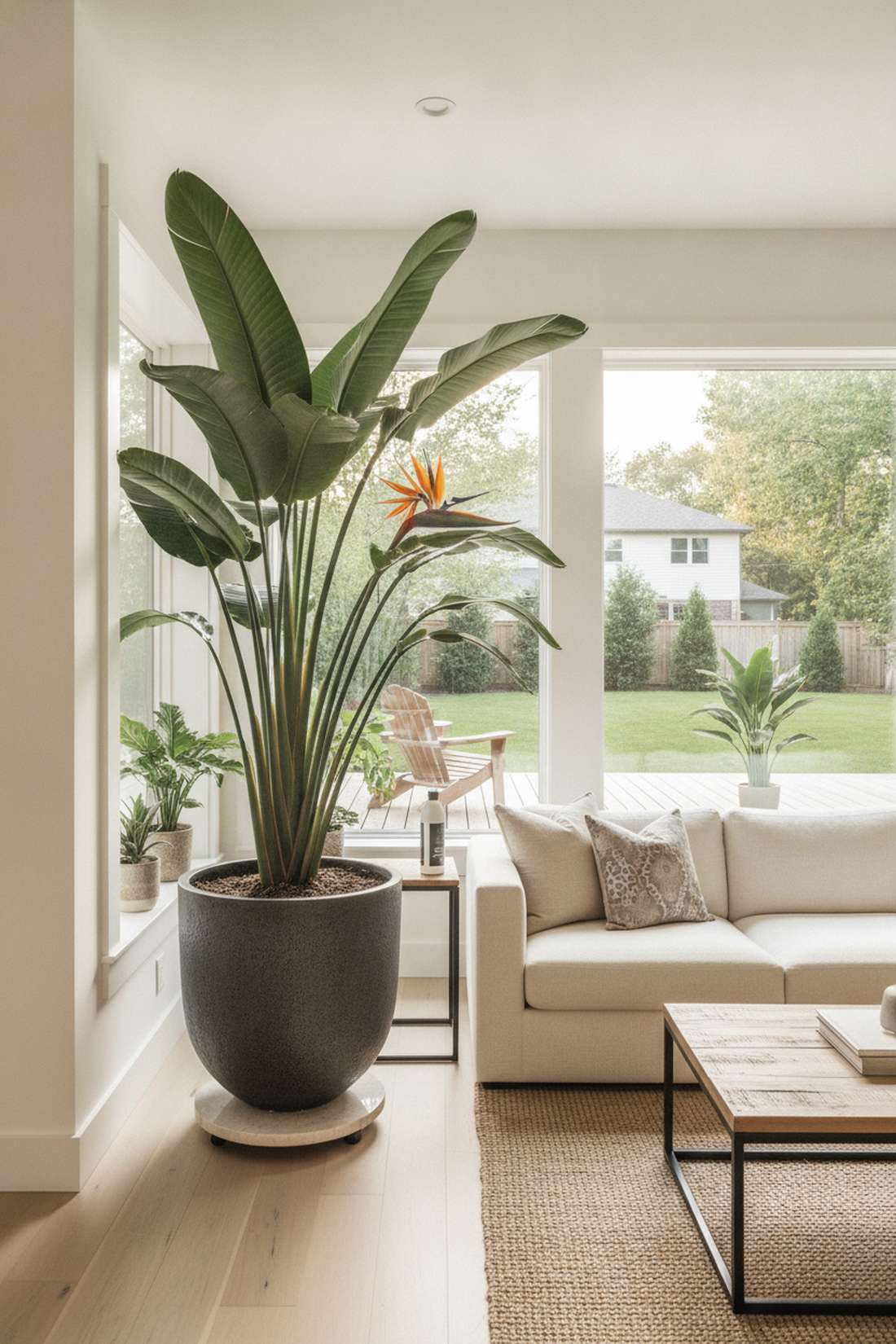
A massive statement tropical corner that feels like you brought a luxurious resort directly into your home. It works best stationed right beside a massive, sunny south-facing window.
Many folks shy away from large plants, but anchoring your space with this giant makes everything else look proportionally designer. You must use commercial-grade exotic plants names like this paired with a weighted base so it never tips over. The paddle leaves create a dramatic, sweeping silhouette.
Expect a total setup cost of around $80 for a mature-looking display. It is a long-term investment that absolutely transforms a room.
- Key Materials: Weighted stone base, liquid fertilizer
- Vibe / Style: High-end tropical resort
- Difficulty: Needs abundant sunlight
- Budget Breakdown: Plant: $50 | Planter: $30
- Creator’s Tip: Mist the unfurling leaves to prevent them from ripping as they open in dry indoor air.
- Smart Sourcing: heavy resin statement planters | high-nitrogen tropical liquid food
7. Calathea Triostar (Stromanthe Sanguinea)
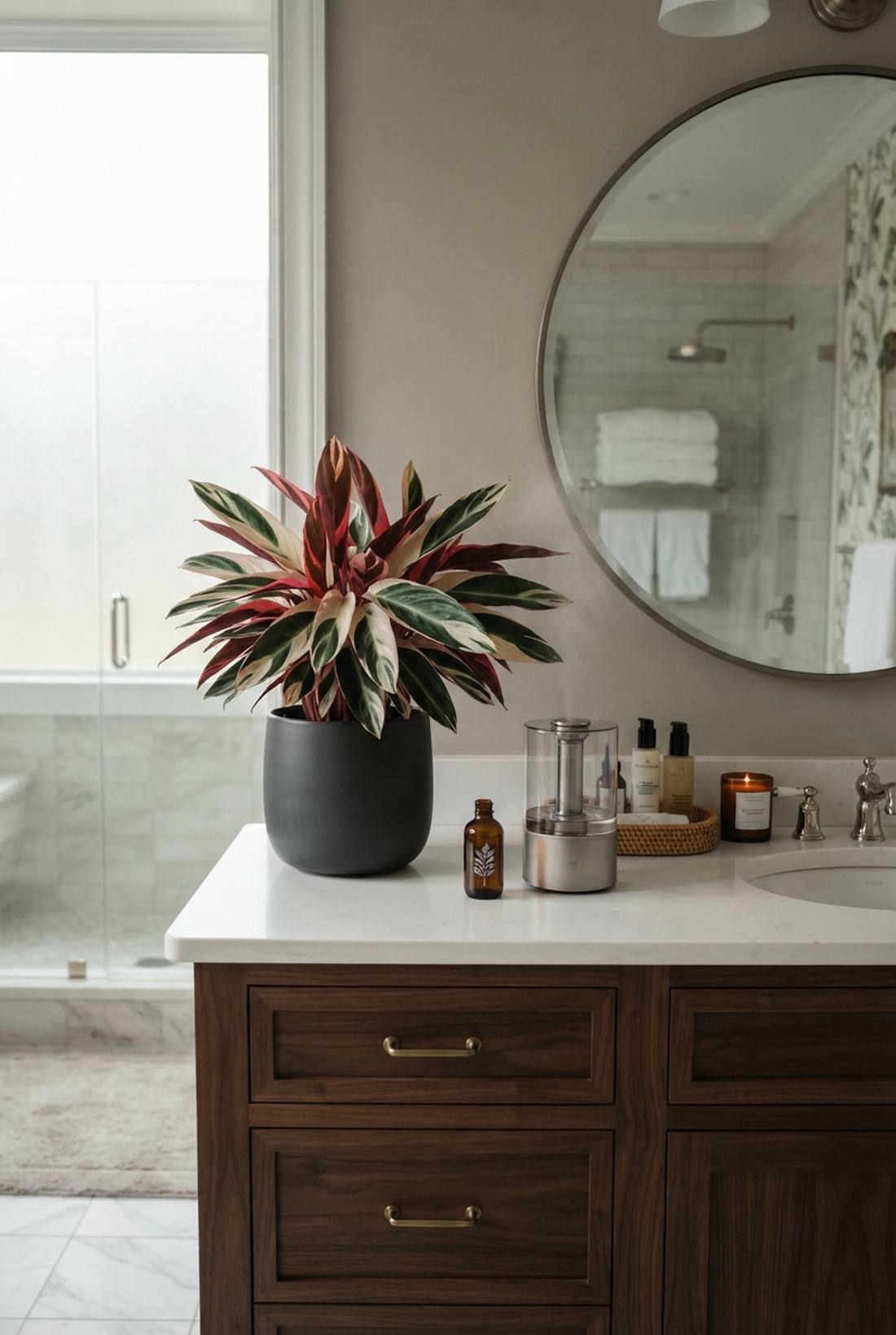
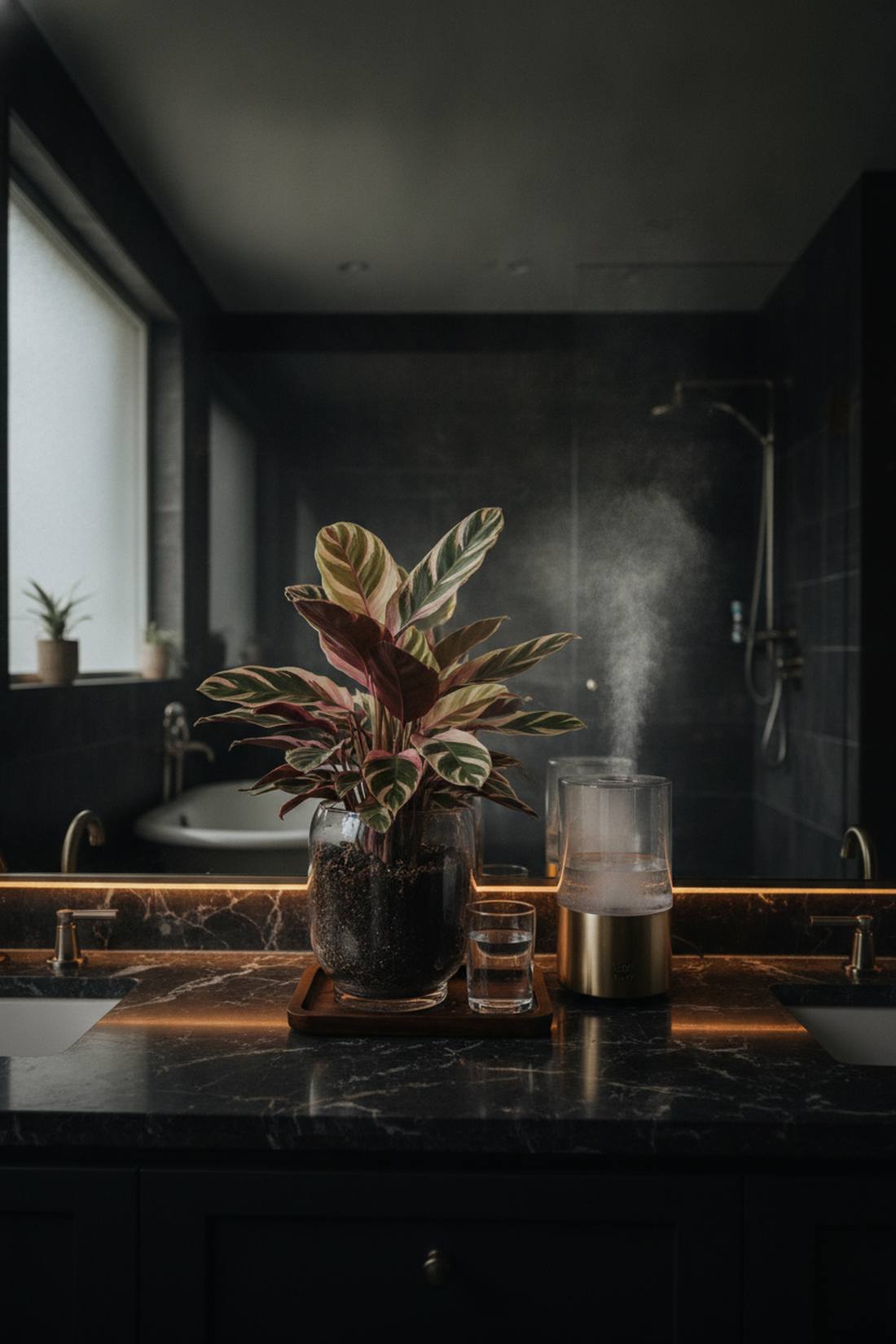
This colorful low-light foliage display feels like an intricate painting that moves throughout the day. It is an absolute masterpiece for a shaded bathroom vanity.
It has a reputation for being dramatic, but mastering its environment provides an aesthetic that cheap faux plants can never replicate. Utilizing premium indoor terrarium supplies like a continuous glass humidifier keeps the pink and burgundy leaves flawless. It actively folds its leaves up at night, creating a dynamic visual experience.
You can build this micro-climate setup for roughly $35. Pin this if you need a high-impact plant for a dimmer space.
- Key Materials: Mini room humidifier, distilled water
- Vibe / Style: Moody botanical luxury
- Difficulty: Requires strict humidity
- Budget Breakdown: Plant: $20 | Humidifier: $15
- Creator’s Tip: Never let the soil dry out entirely, but avoid letting it sit in a puddle to prevent instant root rot.
- Smart Sourcing: ultra-quiet desk humidifiers | moisture-control potting blends
8. Coconut Palm (Cocos Nucifera)
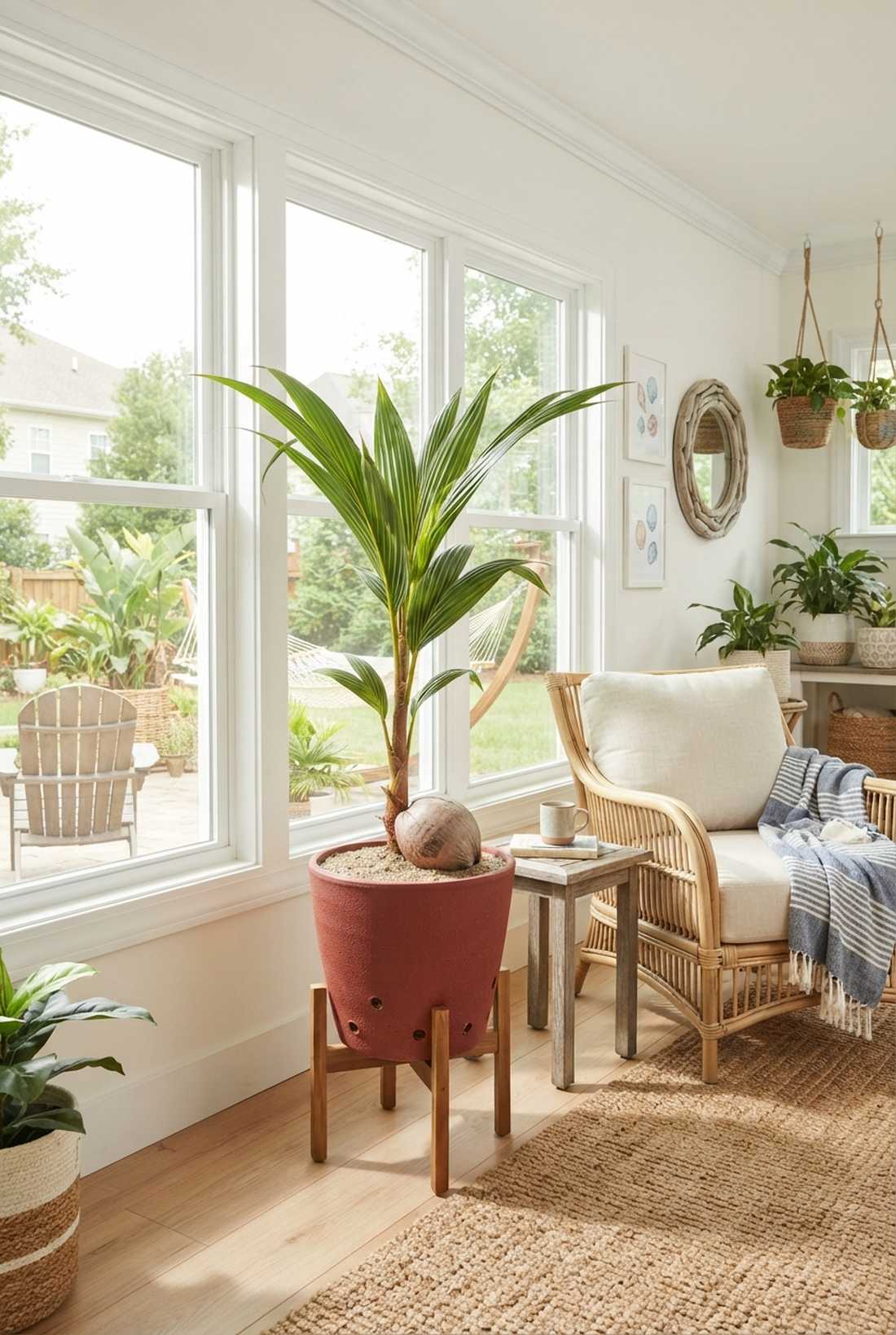
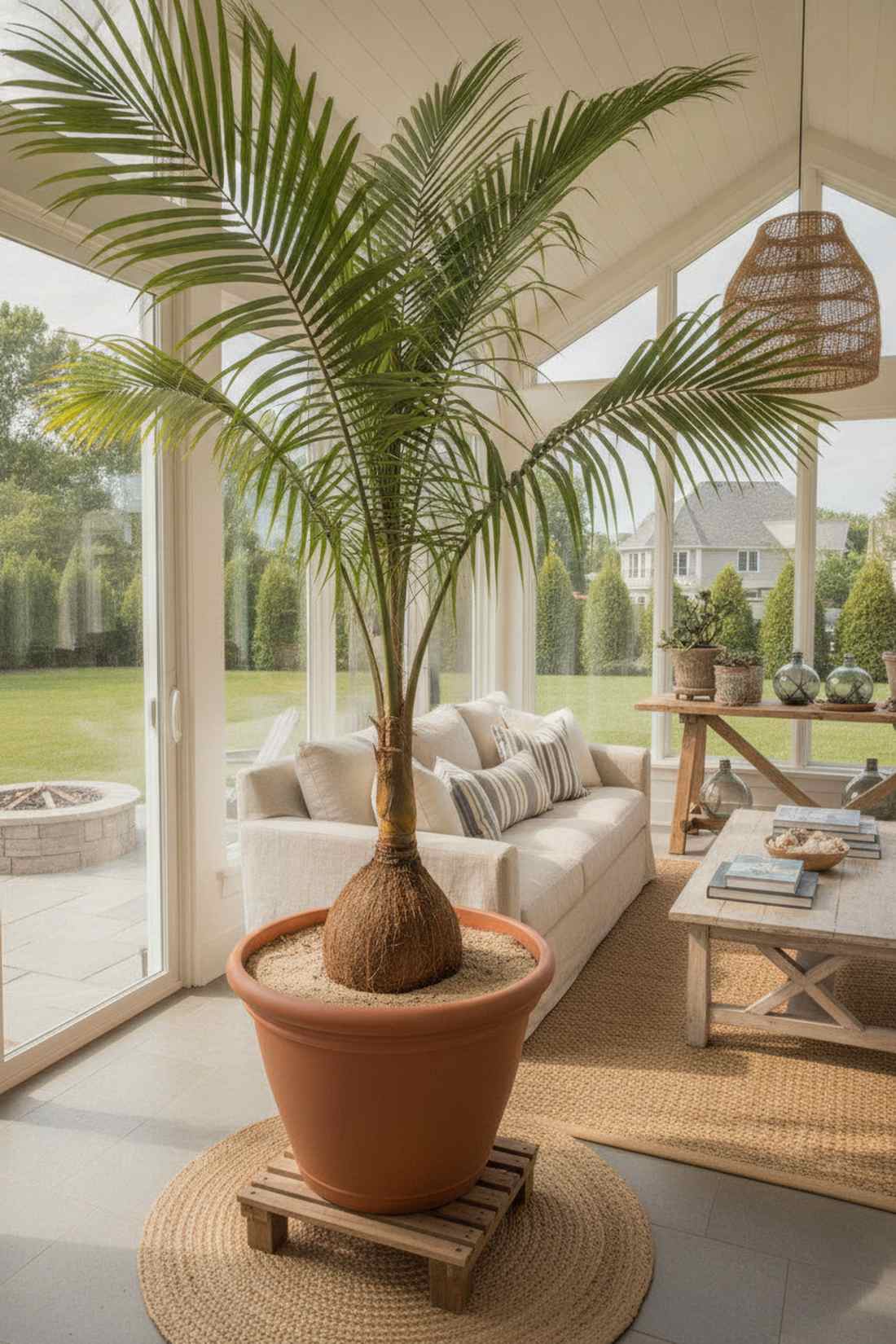
A fun beachy indoor palm display that feels like a permanent vacation in a sunny bungalow. Ideal for a bright, enclosed sunroom or heavily windowed living area.
Instead of generic ferns, this literal sprouting coconut delivers a wildly authentic conversation piece. Sourcing deep-drainage containers ensures the massive taproot stays healthy without waterlogging the floor. It demands heat and light but rewards you with an unbeatable tropical silhouette.
Creating this beachfront aesthetic will cost around $40. It is an unforgettable focal point that guests will immediately notice.
- Key Materials: Deep nursery pot, sandy soil mix
- Vibe / Style: Laid-back coastal retreat
- Difficulty: High light requirement
- Budget Breakdown: Plant: $25 | Deep Pot: $15
- Creator’s Tip: Keep the exposed coconut shell above the soil line to prevent it from rotting away.
- Smart Sourcing: fast-draining palm soil (bulk pack) | extra-deep nursery containers
Most beginners get this completely wrong until they try the exact layout coming up next.
9. Fatsia Japonica (Japanese Aralia)
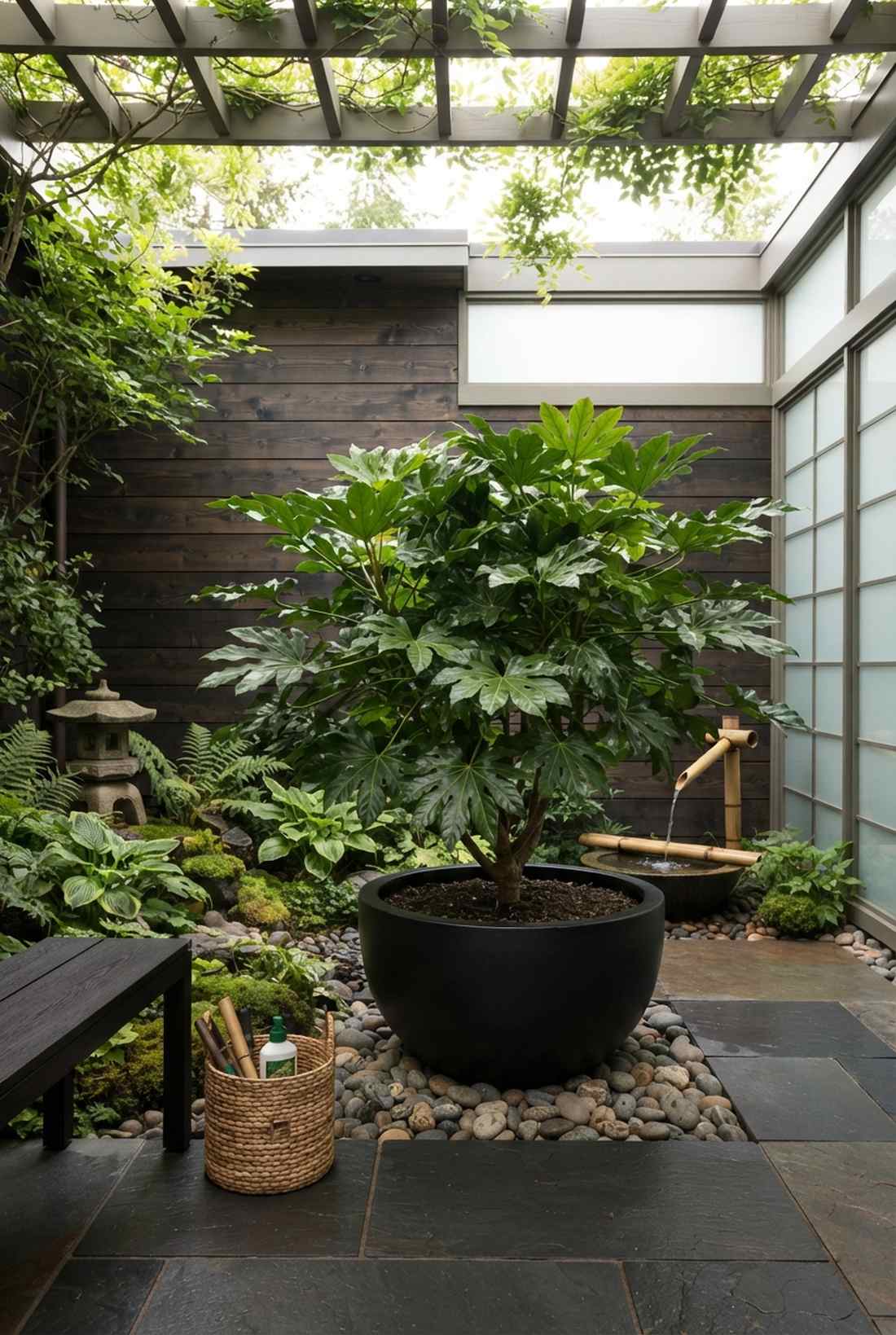
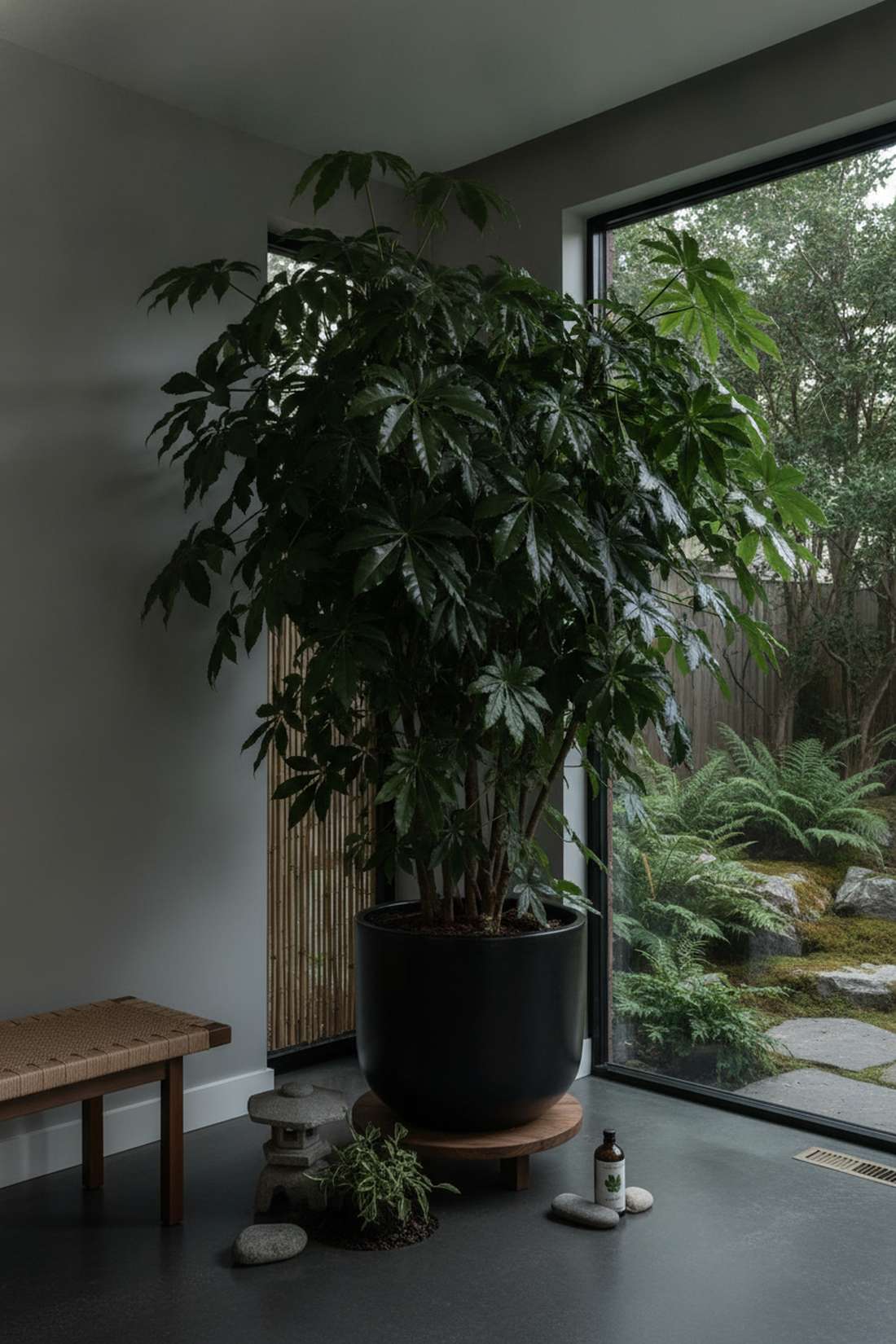
This lush shadow-garden corner feels like a secret courtyard in Kyoto. It is the ultimate solution for a dark, north-facing room where nothing else survives.
While everyone fights over sun-loving plants, this shade warrior delivers massive, glossy leaves that look incredibly expensive. Enhancing it with simple exotic plants for home fertilizers ensures deep green, architectural foliage year-round. It is a bushy, woody shrub that fills horizontal space beautifully.
You can set up this shady oasis for around $30. Save this to your tricky-spaces interior board.
- Key Materials: Wide decorative pot, gentle slow-release food
- Vibe / Style: Zen courtyard aesthetic
- Difficulty: Extremely forgiving
- Budget Breakdown: Plant: $18 | Pot: $12
- Creator’s Tip: Prune the top aggressively in early spring to force a wider, bushier shape.
- Smart Sourcing: matte black zen planters | shade-plant liquid nutrients
💡 Must-Have Supplies for High-End Setups
To build these setups faster and ensure they last, skip the generic craft aisles and invest in the right foundational kits.
- Base & Support: pre-cut heavy-duty drainage mesh
- Setup Tools: stainless steel precision pruning kits
- Weather/Durability Protection: UV-coated clear acrylic drip trays
10. Pineapple Plant (Ananas Comosus)
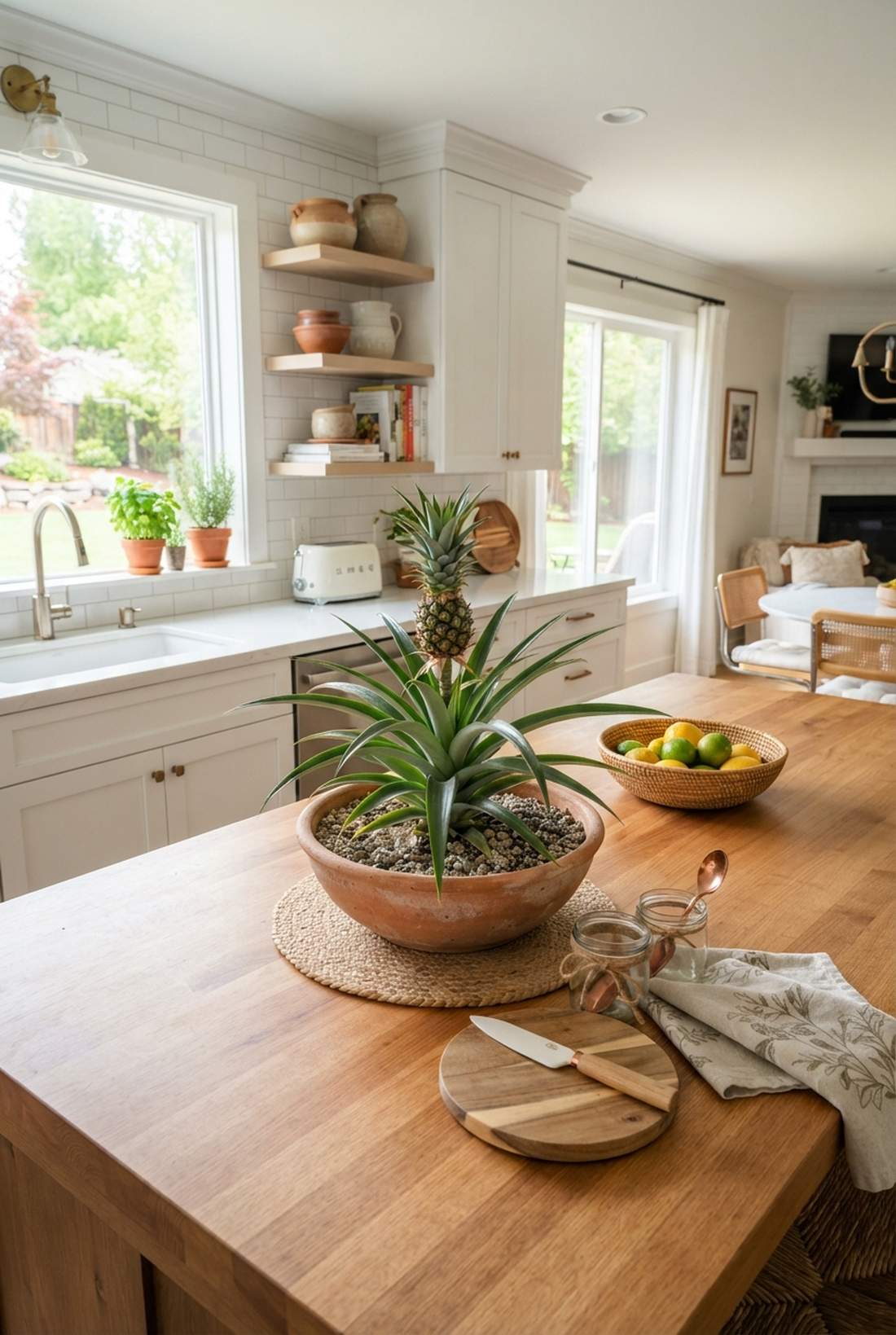
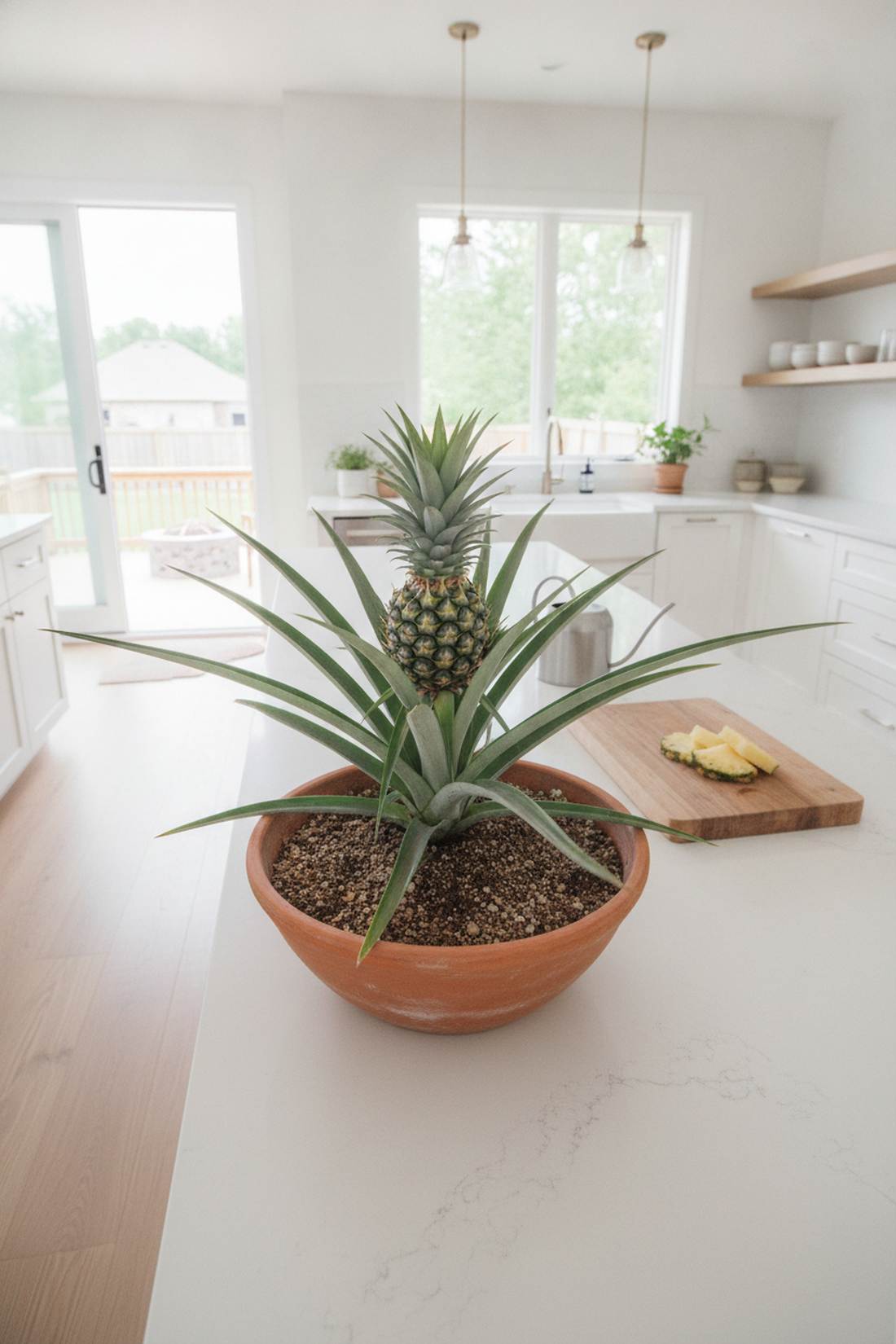
A highly structural spiky fruiting centerpiece that feels like a playful tropical farm right on your counter. Perfect for a bright, sunny kitchen island.
Most people just throw away pineapple tops, but growing an ornamental version offers a uniquely rigid texture contrast. Utilizing well-draining cactus media prevents the central rosette from turning to mush. The actual miniature fruit that grows on top is an absolute showstopper.
This fun kitchen setup costs roughly $25 to assemble. It is a brilliant way to introduce structural diversity to your collection.
- Key Materials: Shallow terracotta bowl, succulent soil
- Vibe / Style: Playful modern kitchen
- Difficulty: Easy and drought tolerant
- Budget Breakdown: Plant: $15 | Bowl: $10
- Creator’s Tip: When watering, water the soil directly rather than pouring it into the crown to prevent inner rot.
- Smart Sourcing: pre-mixed gritty succulent dirt | shallow unglazed terracotta bowls
Rare and Exotic Plants Collector’s Treasures
These rare exotic plants command premium prices due to limited availability, slow propagation rates, or challenging cultivation requirements. Advanced growers seek these specimens for their unique characteristics and impressive visual impact.
11. Monstera Albo Variegata
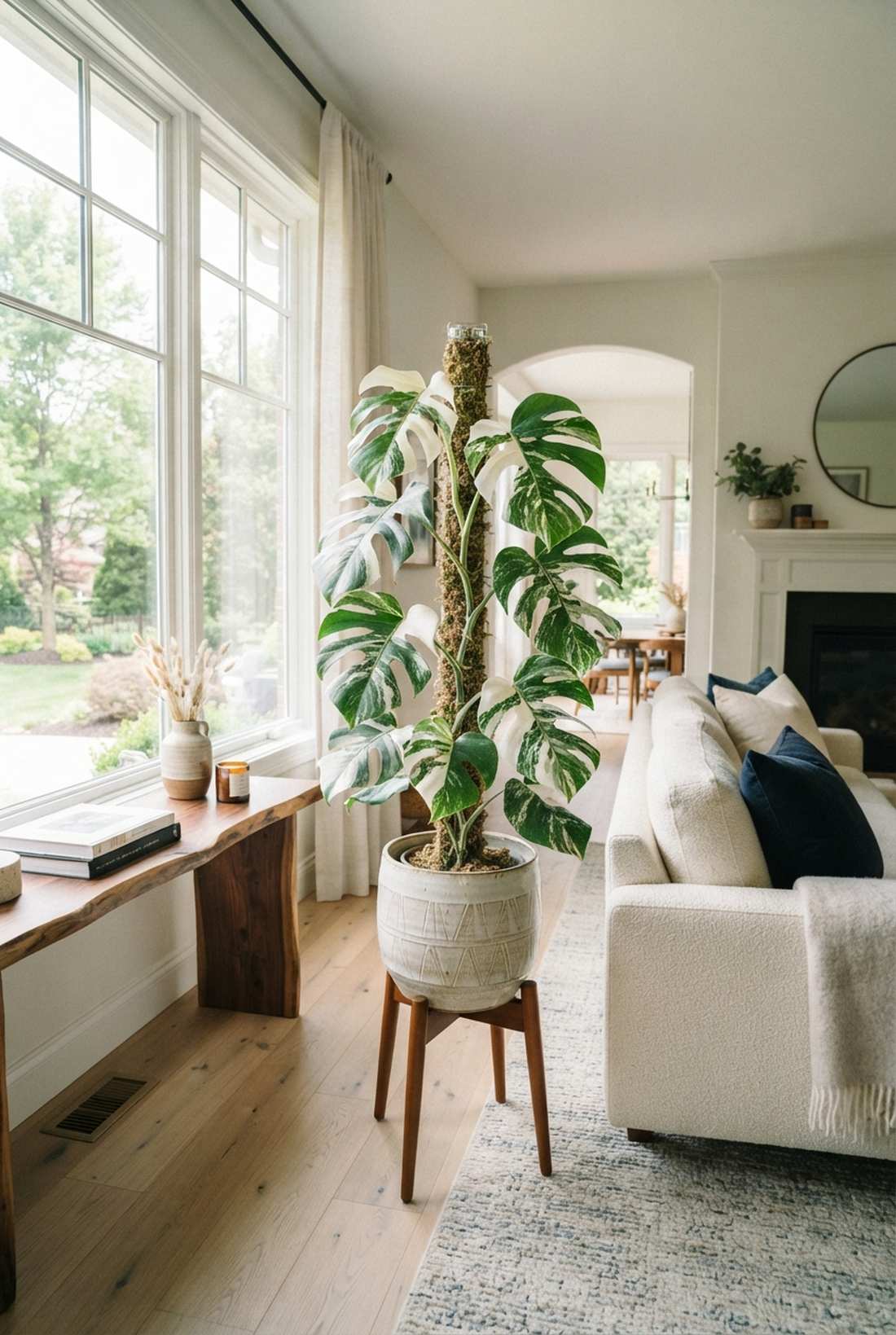
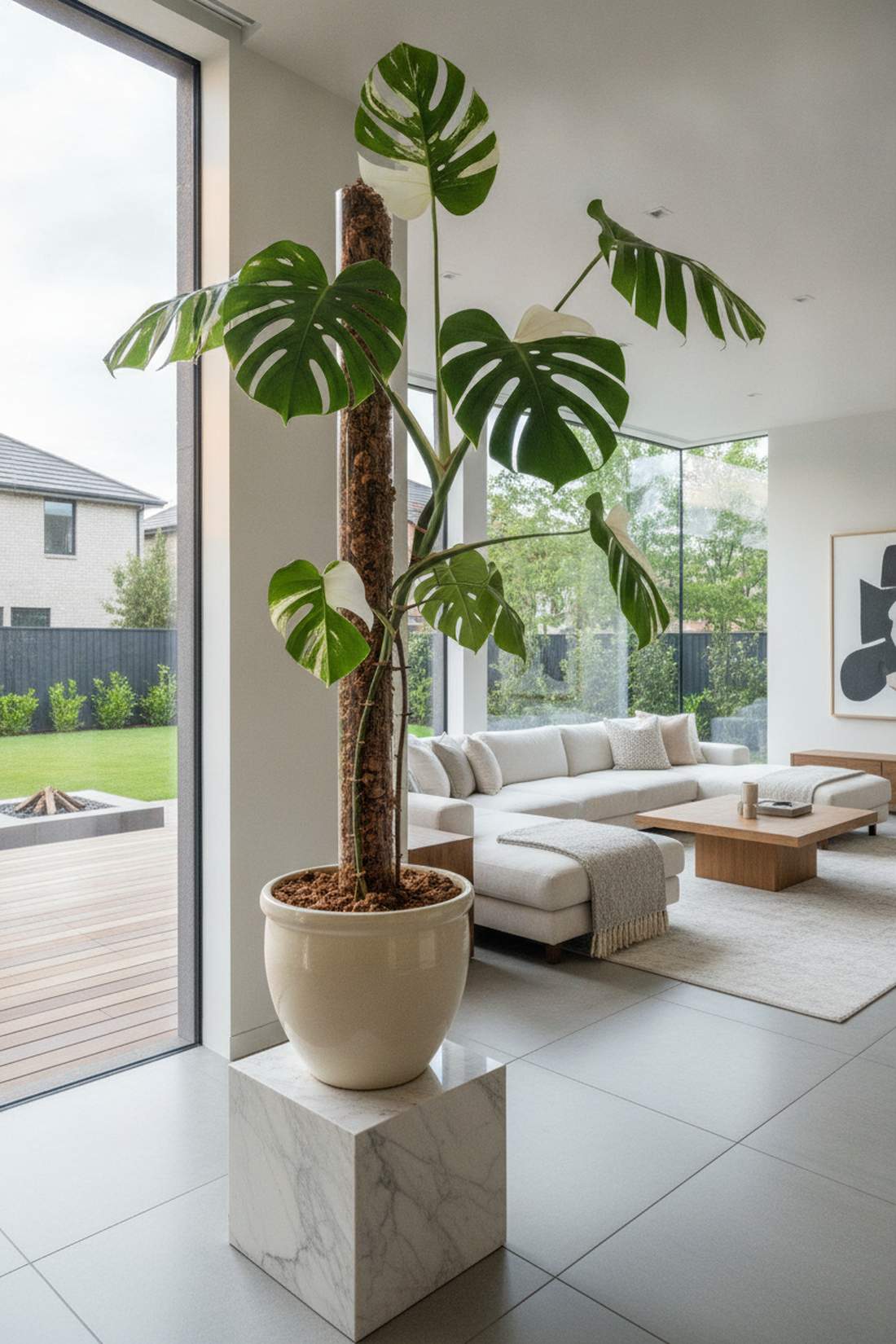
This luxury variegated climbing display feels like you own a piece of living, breathing marble. It belongs on a premium pedestal in a brightly lit, high-end living room.
It is famously pricey, but properly supporting it with premium exotic rare plants moss towers ensures the leaves stay massive and dramatically split. Skipping cheap plastic and using a heavy ceramic base gives a designer-level finish that justifies the cost. The stark white and dark green contrast is completely unrivaled.
Expect to invest $150 to $300 for a rooted cutting and setup. Save this to your absolute dream home Pinterest board.
- Key Materials: Premium chunky soil, extendable moss tower
- Vibe / Style: Ultra-luxury botanical
- Difficulty: Requires advanced monitoring
- Budget Breakdown: Plant/Cutting: $200 | Premium Support: $40
- Creator’s Tip: Keep the white sections out of direct harsh sunlight, as they lack chlorophyll and will burn rapidly.
- Smart Sourcing: thick clear-plastic moss poles | chunky orchid bark (bulk pack)
12. Monstera Thai Constellation
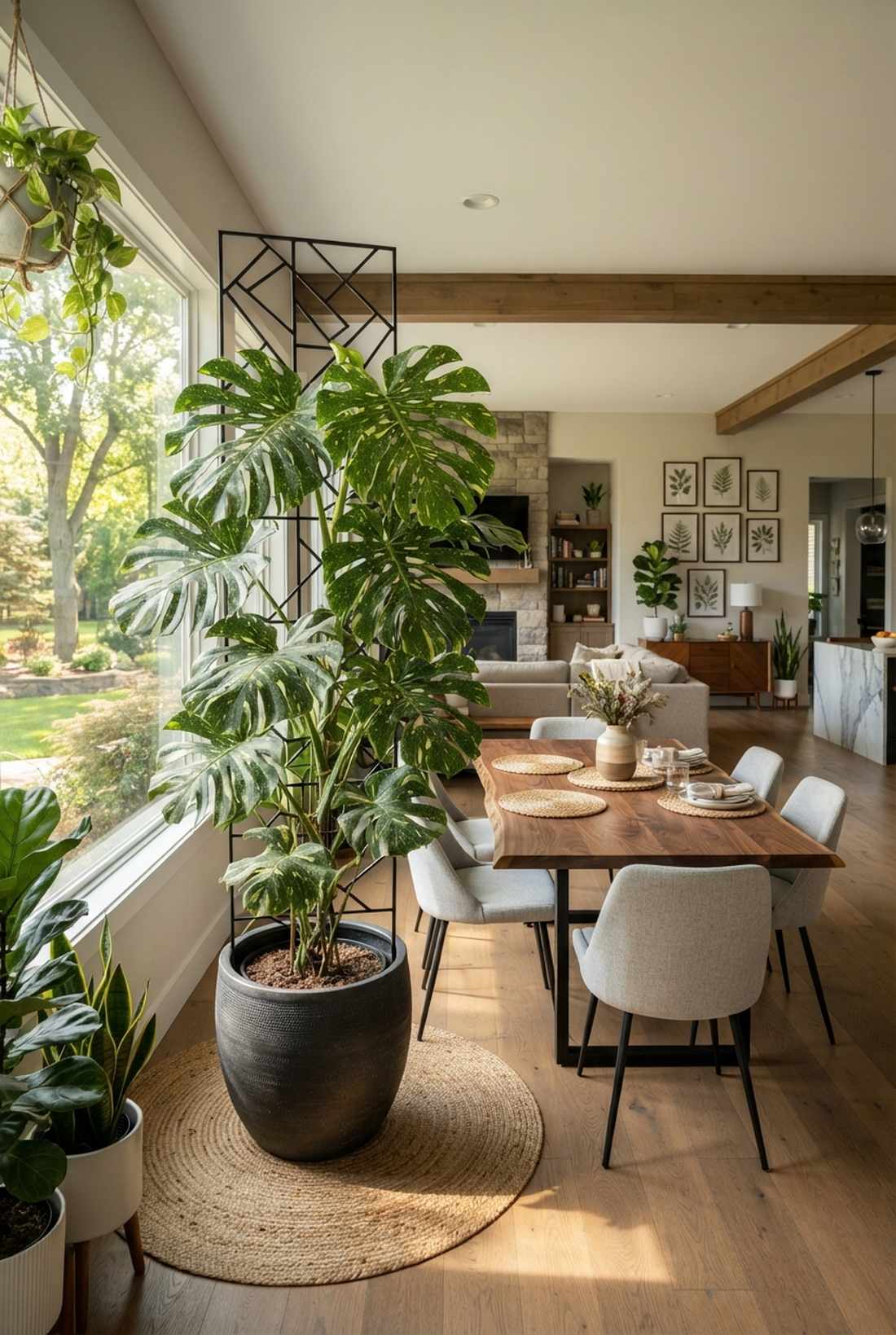
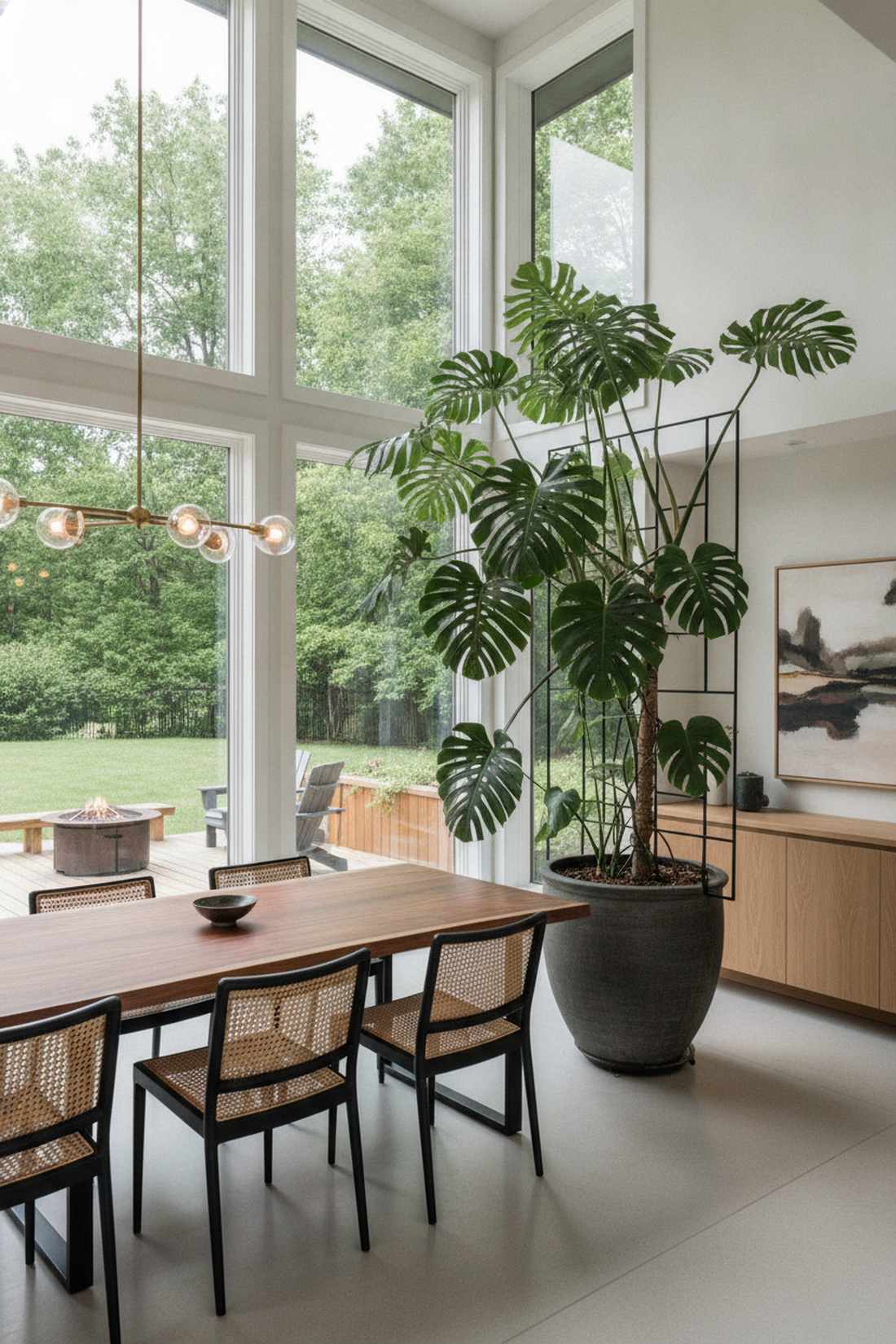
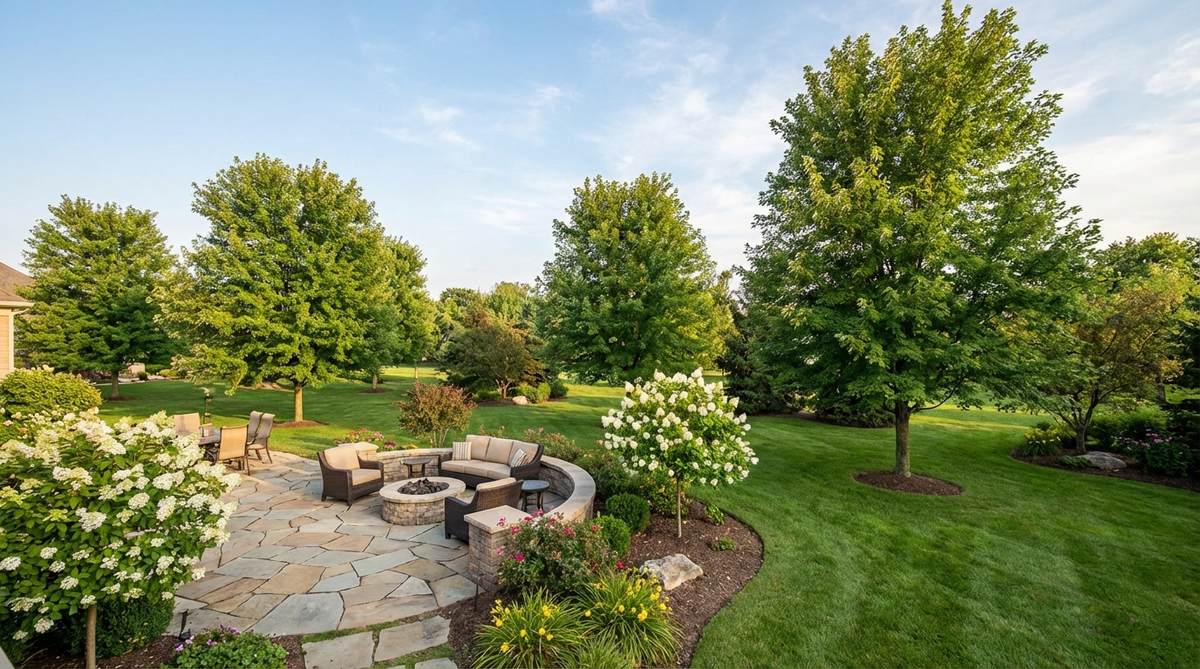
A dazzling speckled tropical focal point that feels like a galaxy printed onto massive jungle leaves. This is the ultimate conversation starter for an open-concept dining space.
While the Albo is highly unstable, this engineered masterpiece delivers a perfectly stable, premium aesthetic without the constant fear of reversion. Investing in heavy-duty rare and exotic plants supports keeps the massive foliage upright and pristine. The creamy yellow speckling catches the light beautifully.
A highly structured setup will run about $120 to $200. It is a bulletproof investment for serious indoor plant collectors.
- Key Materials: Large structural trellis, aroid mix
- Vibe / Style: Sophisticated modern jungle
- Difficulty: Moderate, very stable genetics
- Budget Breakdown: Plant: $100 | Trellis/Pot: $35
- Creator’s Tip: Feed consistently during the summer months with a diluted liquid fertilizer to encourage massive fenestrations.
- Smart Sourcing: geometric metal plant trellises | premium aerated soil kits
Wait until you see how this next exotic plant transforms a boring room instantly.
13. Philodendron Pink Princess
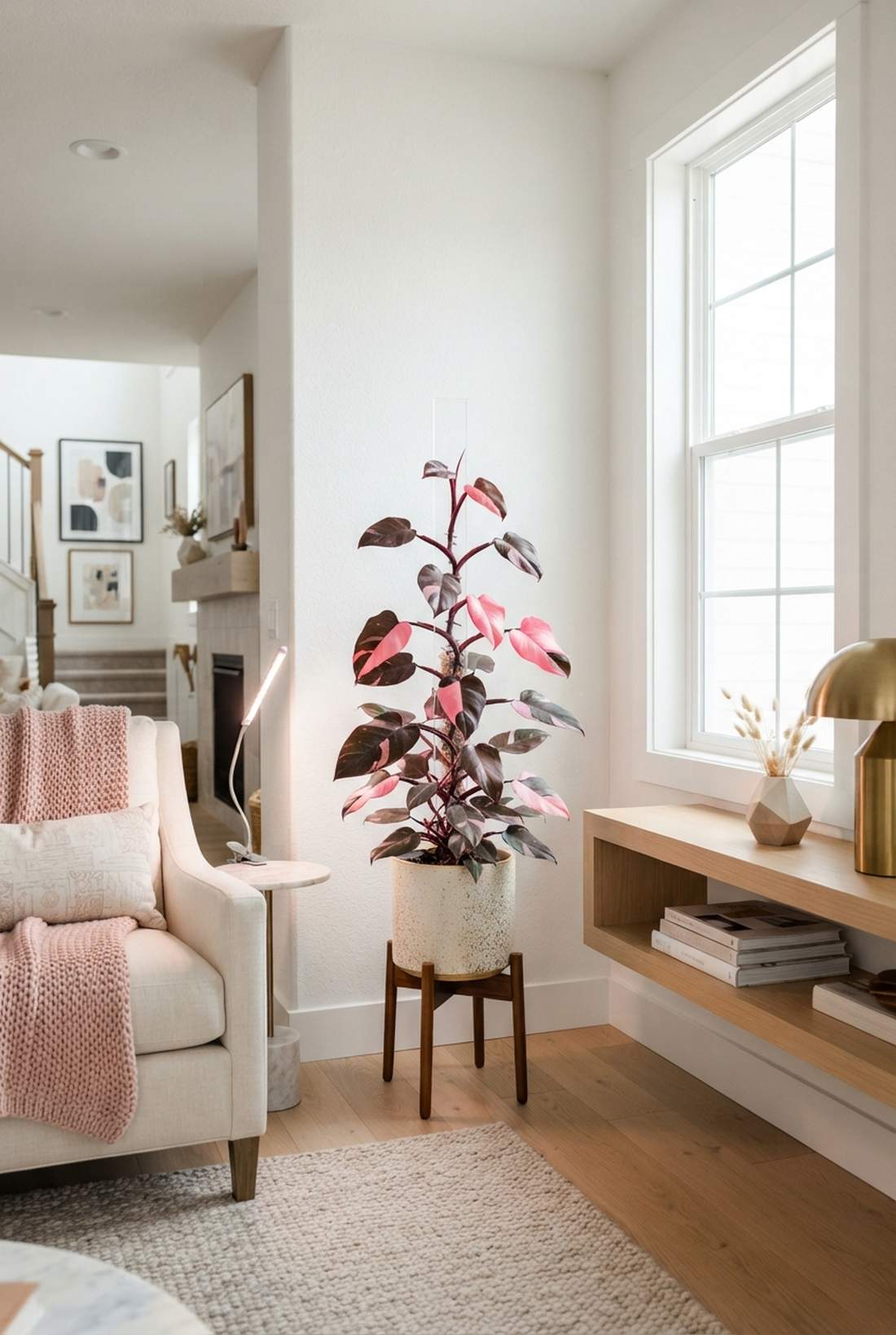
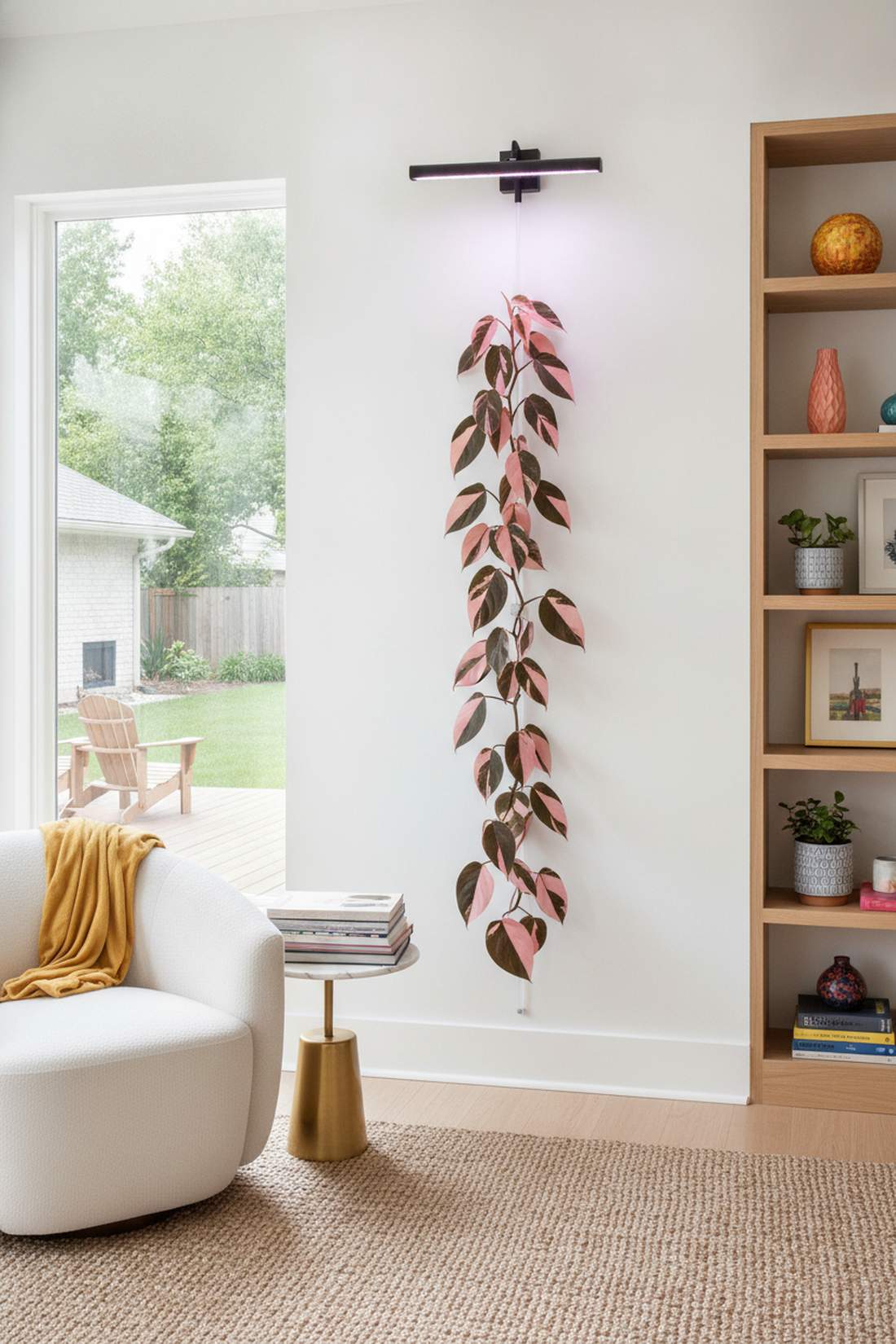
This bubblegum-pink trailing vine feels like a whimsical, magical artifact from a fantasy novel. It looks absolutely stunning displayed against a clean, stark white wall.
Many sellers offer low-color versions, but sourcing high-variegation genetics gives a jaw-dropping look that feels highly exclusive. Utilizing a slim, clear acrylic support pole keeps the focus entirely on the chocolate and pink leaves. It requires bright indirect light to maintain its shocking color.
You can build a high-contrast display for around $60 to $90. Pin this if you love injecting bold colors into neutral spaces.
- Key Materials: Clear acrylic stake, grow light
- Vibe / Style: Playful eclectic luxury
- Difficulty: Needs precise lighting
- Budget Breakdown: Plant: $45 | Acrylic Stake: $15
- Creator’s Tip: If the plant starts pushing out entirely green leaves, chop the top back to the last node that had good pink coloring.
- Smart Sourcing: clear acrylic plant stakes | targeted full-spectrum grow lamps
14. Anthurium Warocqueanum (Queen Anthurium)
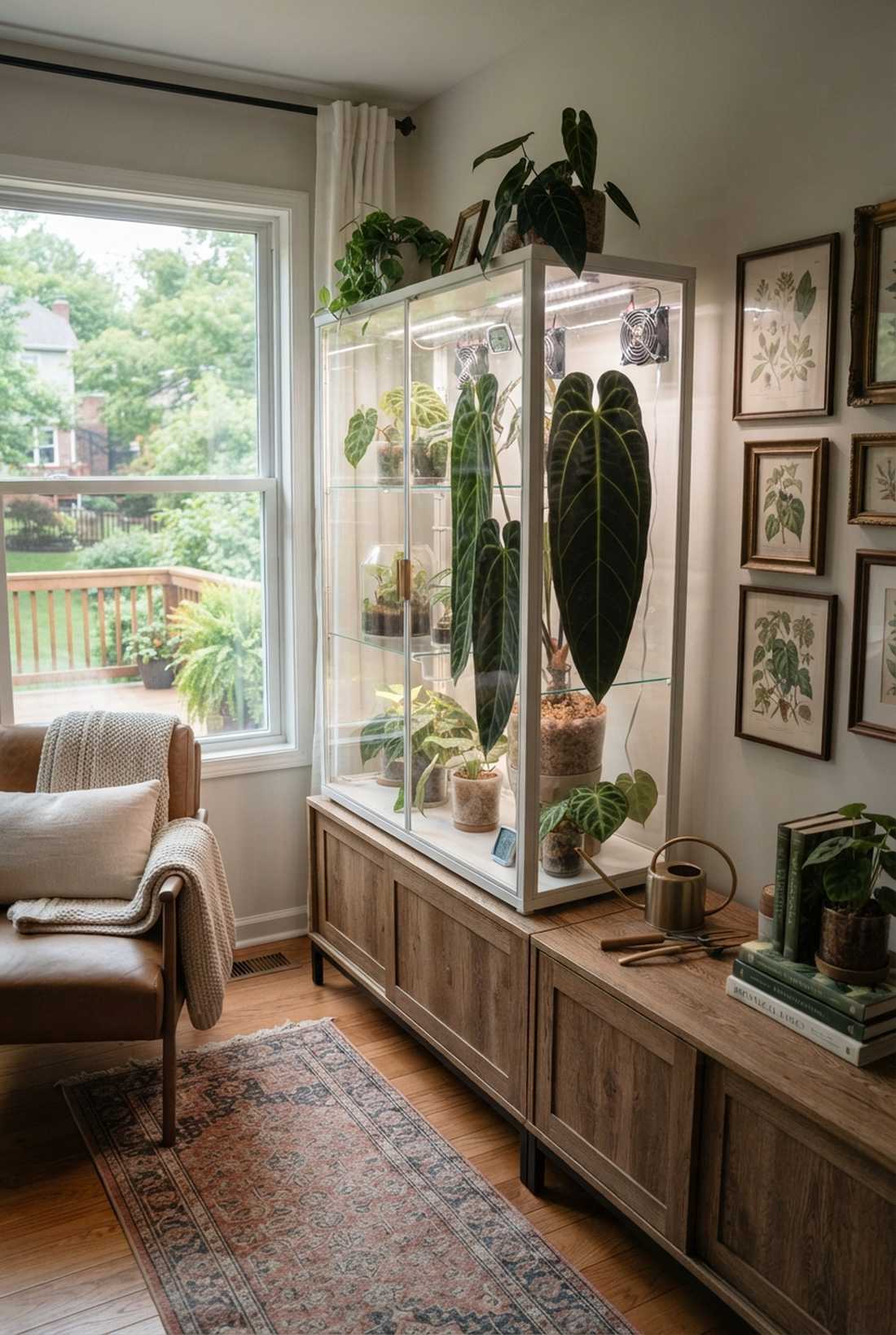
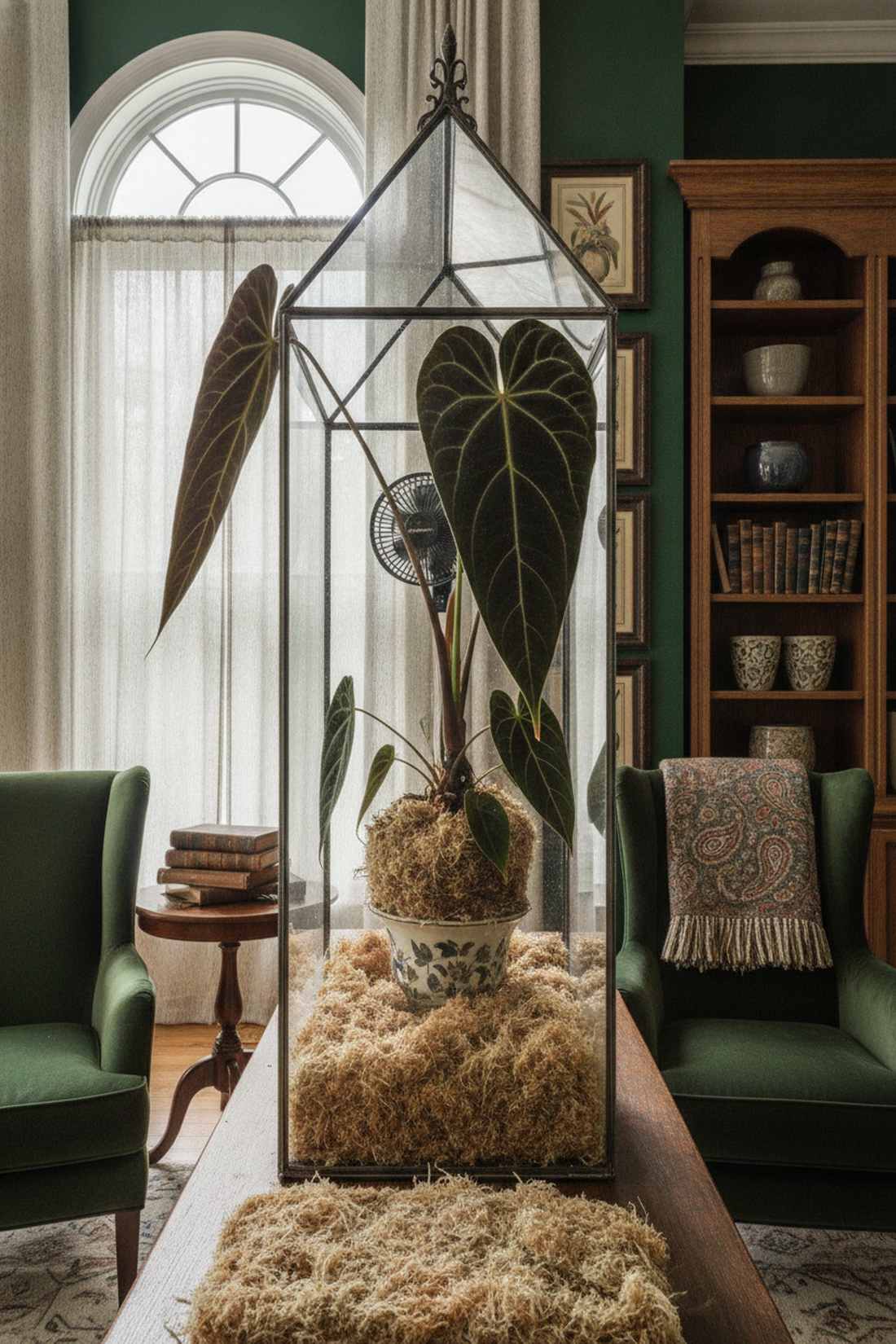
A dark, velvety elongated foliage centerpiece that feels like it belongs in a Victorian botanical greenhouse. This regal piece requires a dedicated, climate-controlled glass cabinet.
It is incredibly unforgiving in dry air, but locking it inside a stylish indoor greenhouse creates a spectacular, living jewel box. Incorporating premium terrarium accessories like computer fans for airflow prevents the dreaded leaf rot. The leaves can stretch to breathtaking lengths under the right care.
A full cabinet and plant setup will cost roughly $200+. It is a badge of honor for highly experienced collectors.
- Key Materials: Glass display cabinet, mini fan, sphagnum moss
- Vibe / Style: Victorian gothic greenhouse
- Difficulty: Expert level care
- Budget Breakdown: Plant: $120 | Cabinet Mods: $80
- Creator’s Tip: Keep the roots wrapped in pure, high-quality sphagnum moss rather than dense soil to mimic its epiphytic nature.
- Smart Sourcing: pure long-fiber sphagnum bales | USB-powered micro fans
15. Philodendron Spiritus Sancti
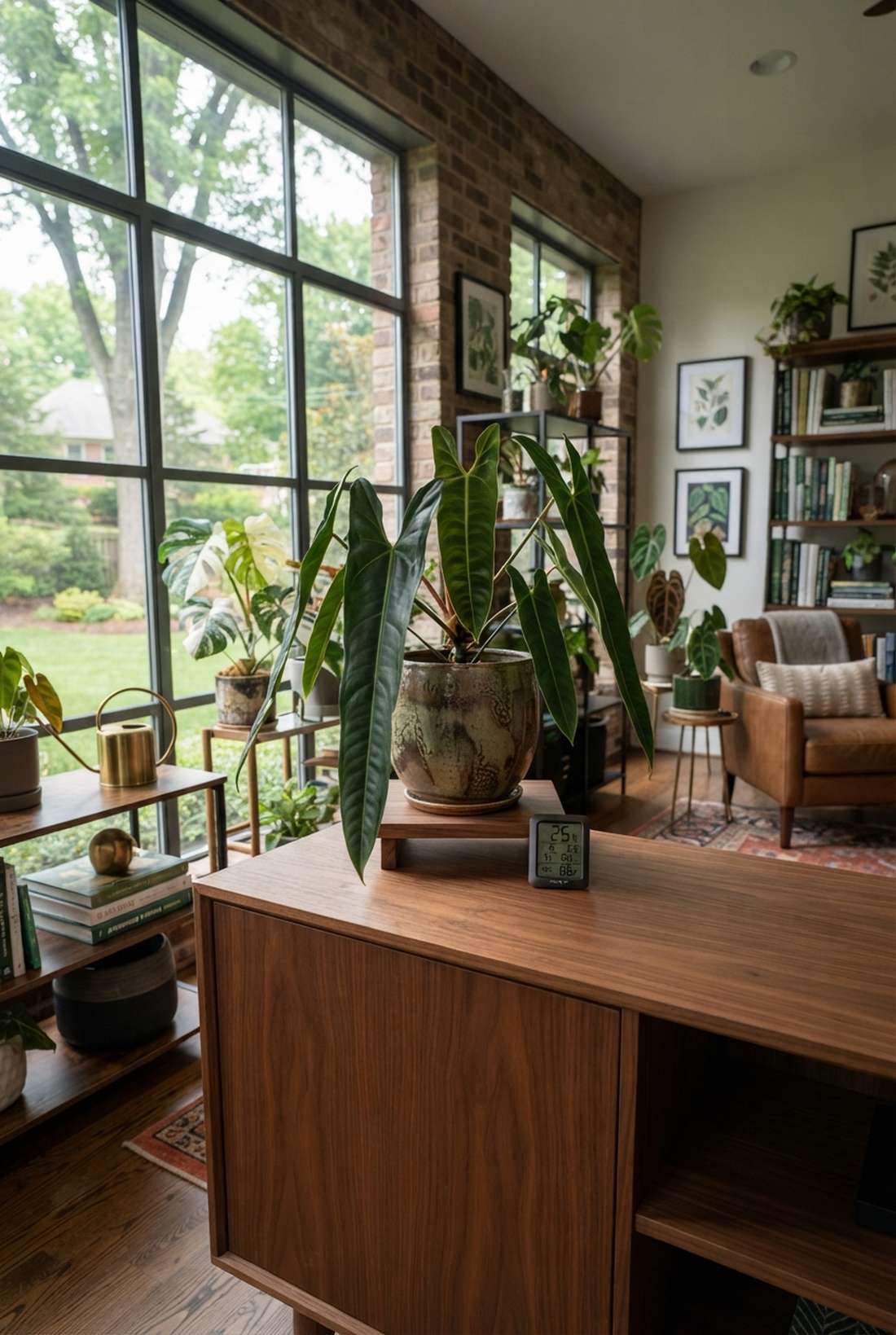
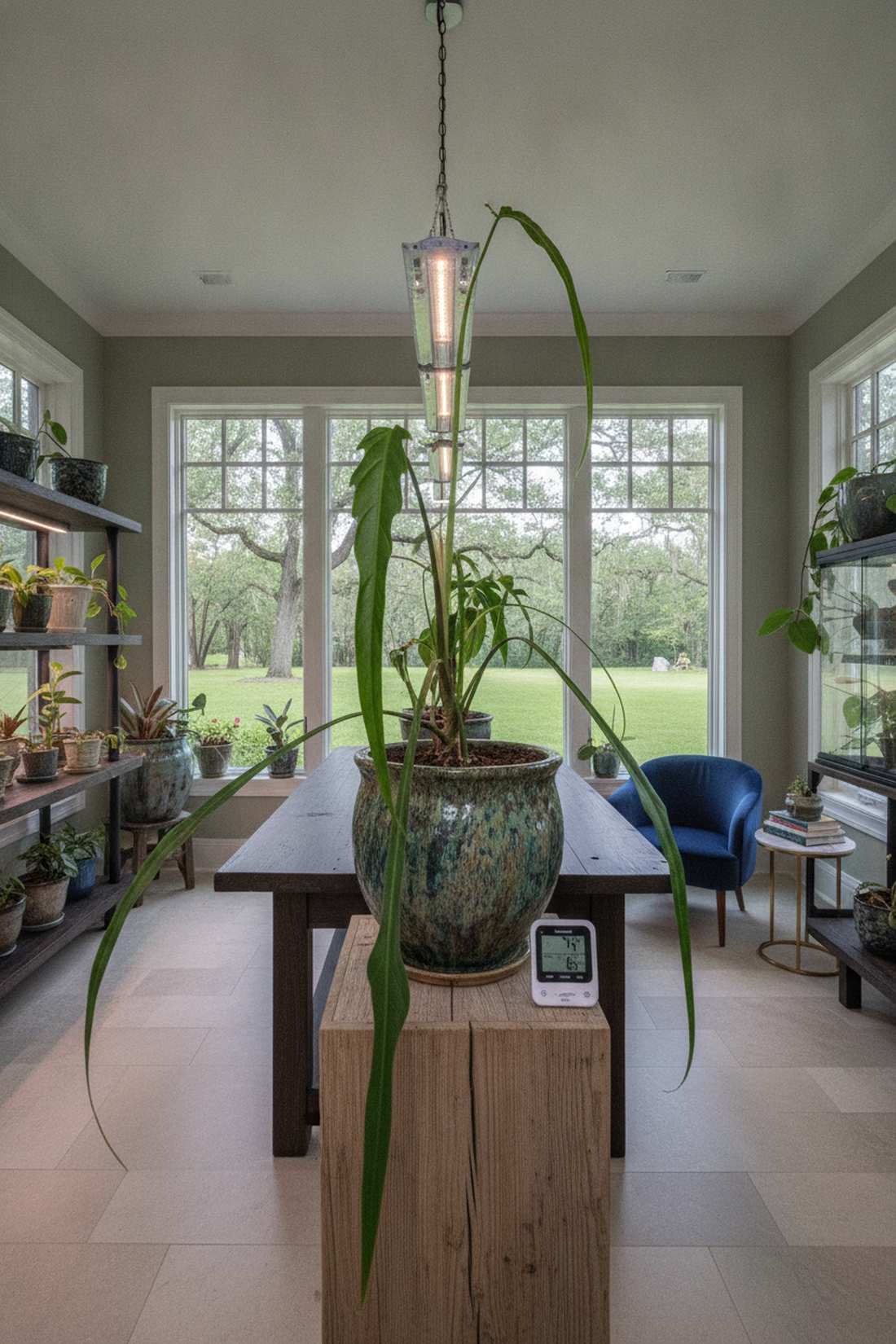
This dagger-shaped trailing marvel feels like a museum exhibit showcasing an endangered relic. It demands the safest, most prominent spot in a dedicated plant room.
Often considered the holy grail of aroids, displaying this in a cheap plastic pot completely ruins the prestige. Securing it in a hand-crafted artisan planter elevates it to true art status. The elongated, sword-like foliage is entirely unique in the plant kingdom.
This extreme rarity can cost thousands, making it a purely aspirational setup. Save this to your ultimate collector goal board.
- Key Materials: Artisan ceramic planter, environmental monitor
- Vibe / Style: Elite botanical museum
- Difficulty: High stakes investment
- Budget Breakdown: Plant: $1000+ | Setup: $100
- Creator’s Tip: Use a digital hygrometer/thermometer combo to ensure your environment never fluctuates dangerously.
- Smart Sourcing: smart wifi temperature monitors | premium hand-thrown ceramics
If you think rare plants are too expensive, this next secret will blow your mind.
16. Anthurium Regale
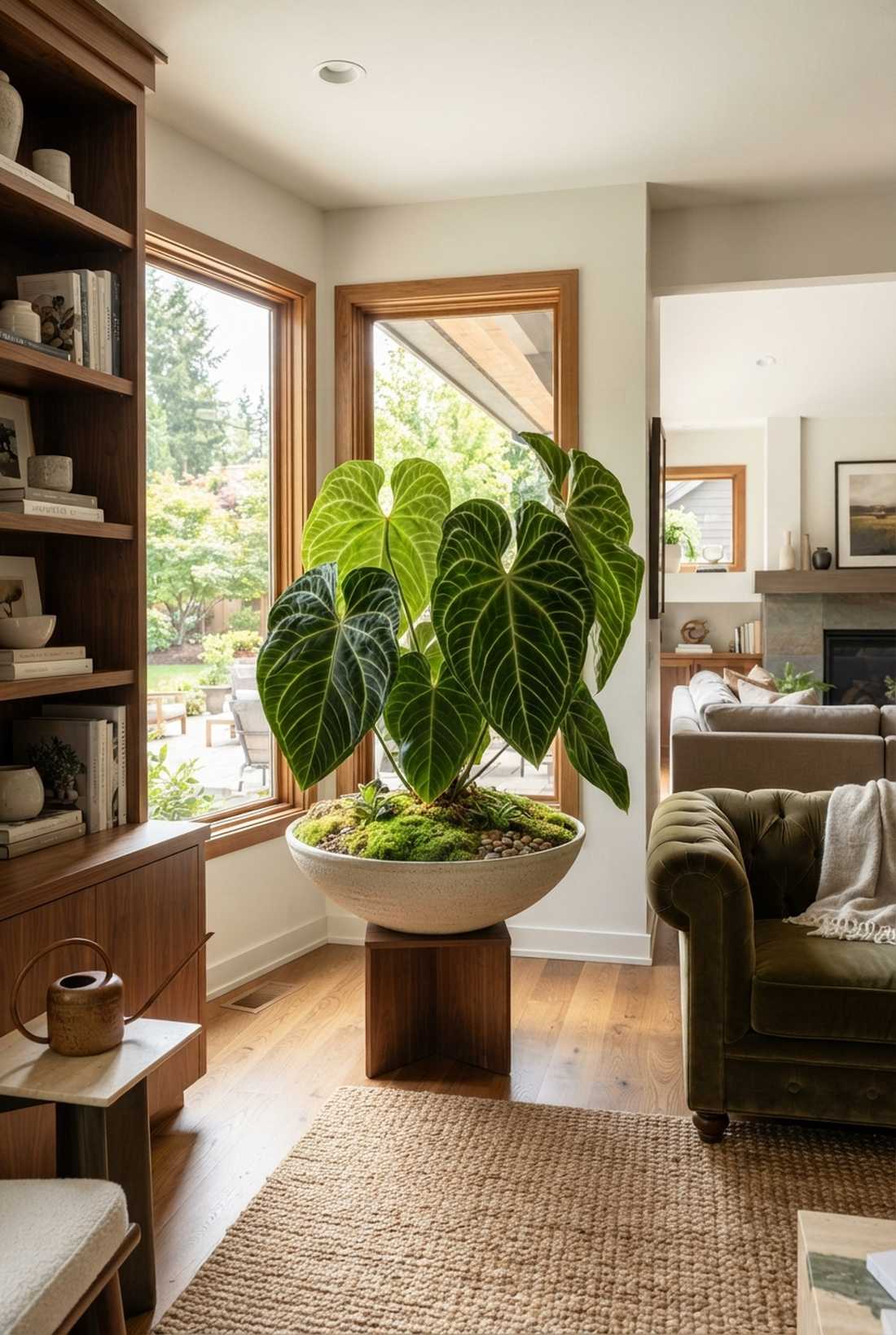
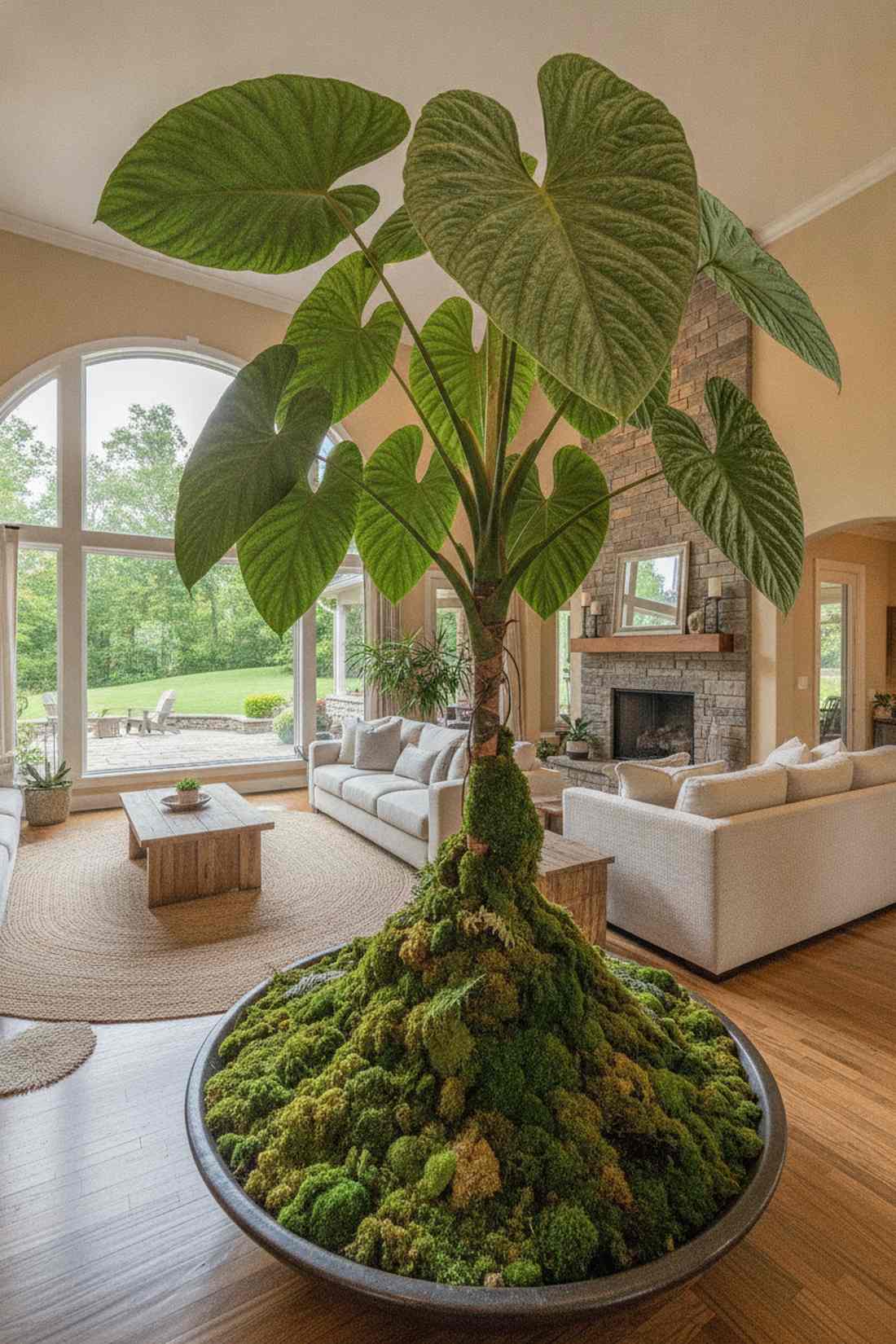
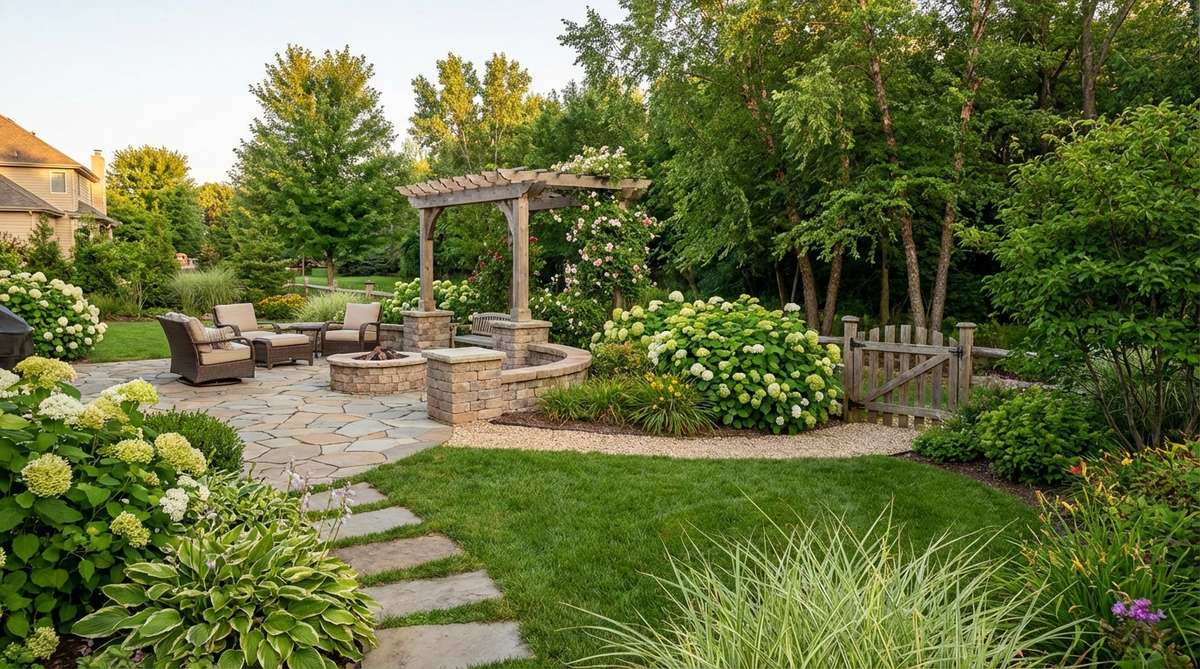
A colossal quilted velvet leaf display that feels like a shield carried by a jungle warrior. It is a dominant focal point meant for a large, warm living room corner.
Most standard houseplants look invisible next to this, as its massive, pale-veined leaves look incredibly dramatic and expensive. Using heavy-duty fairy garden kits style moss landscaping around the base retains vital humidity without looking messy. The sheer size of mature leaves is awe-inspiring.
Expect to spend around $150 for a healthy, established specimen. Highly recommended for those who want one massive statement piece instead of ten small pots.
- Key Materials: Wide basin planter, top-dressing moss
- Vibe / Style: Imposing jungle architecture
- Difficulty: Requires immense space
- Budget Breakdown: Plant: $110 | Basin & Moss: $40
- Creator’s Tip: Water only with lukewarm filtered water to prevent ugly mineral deposits on the pristine velvet foliage.
- Smart Sourcing: live carpet moss (bulk pack) | wide shallow display bowls
17. Monstera Obliqua
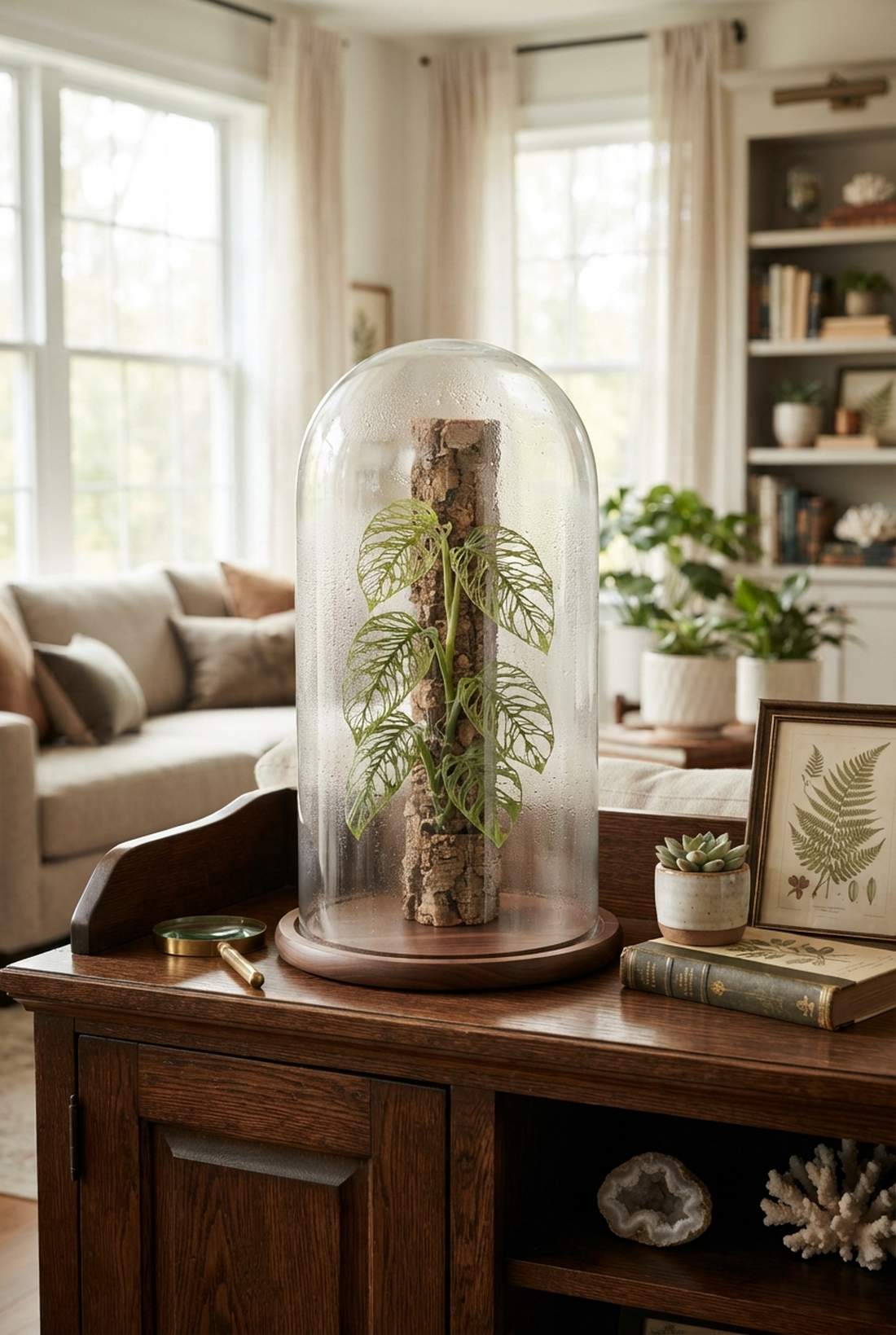
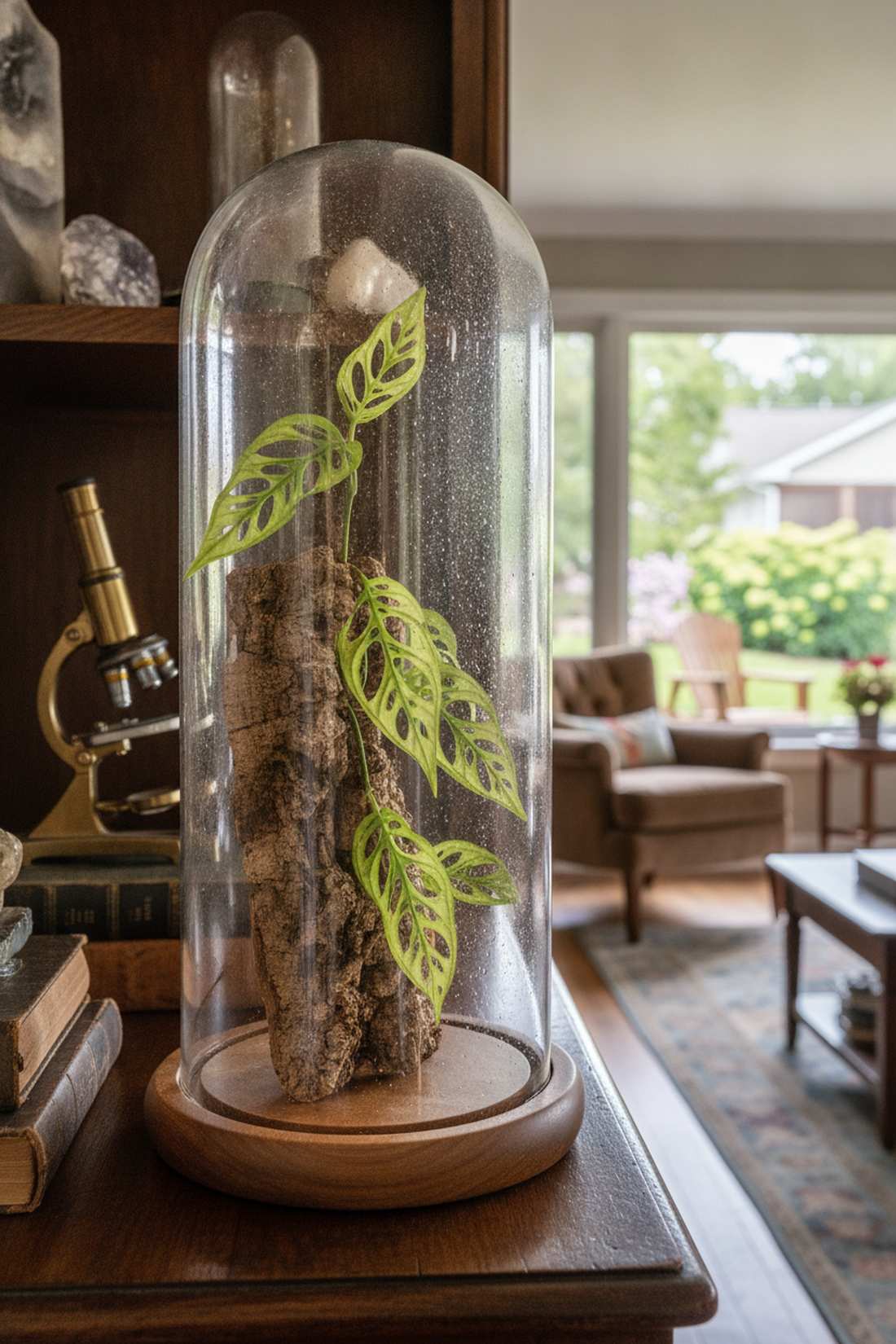
This fragile lace-like vine feels like it was intricately carved by a master sculptor. It thrives best when mounted inside a high-humidity glass cloche.
There are countless fakes on the market, but the genuine article is so heavily fenestrated it looks impossible to keep alive. Enclosing it in a premium glass dome creates a breathtaking, museum-quality microclimate. The paper-thin leaves are mostly holes, creating a hauntingly beautiful aesthetic.
A verified cutting and glass setup will run about $150 to $250. Pin this if you love delicate, highly unusual natural structures.
- Key Materials: Glass cloche dome, cork bark mount
- Vibe / Style: Curio cabinet oddity
- Difficulty: Extremely fragile
- Budget Breakdown: Plant: $180 | Cloche: $40
- Creator’s Tip: Never touch the leaves with bare hands; the oils and slight pressure can easily tear the delicate tissue.
- Smart Sourcing: large glass display cloches | natural cork bark tubes
18. Alocasia Azlanii (Red Mambo)
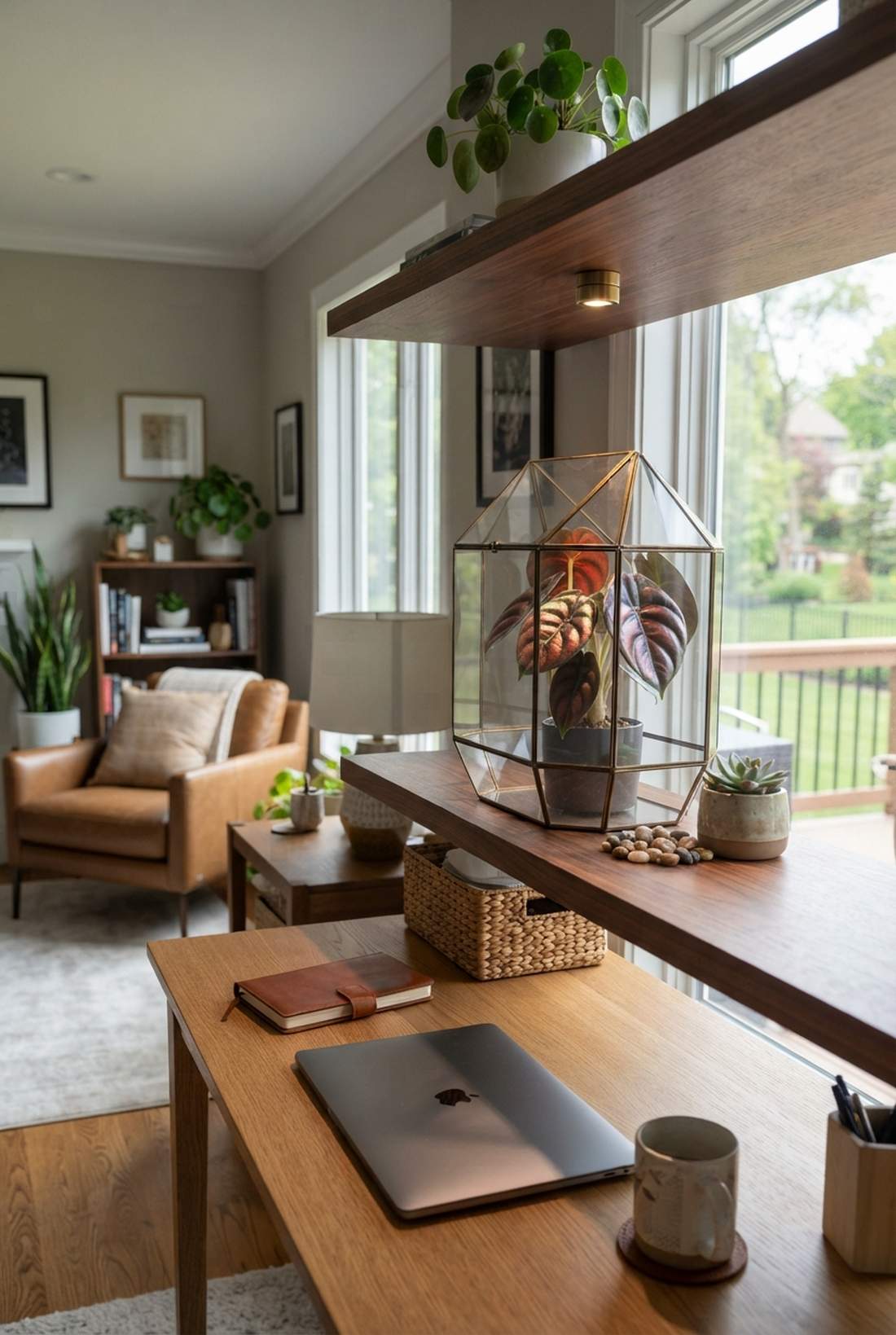
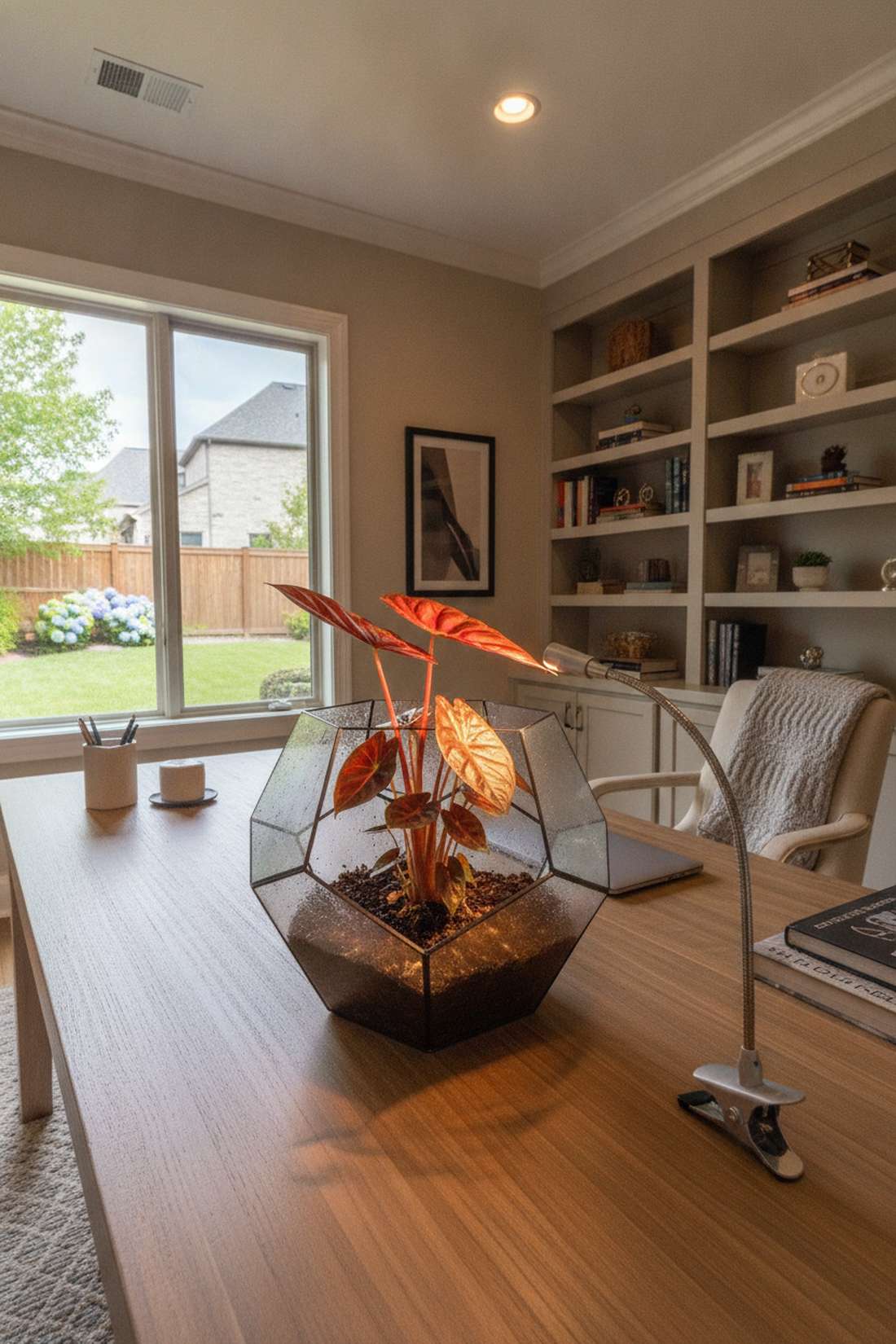
A compact iridescent metallic terrarium piece that feels like a glowing alien artifact. It is flawlessly sized for a brightly lit desk or small shelf arrangement.
Standard green plants pale in comparison to this dark, glowing copper-red foliage that catches light from every angle. Housing it in specialized exotic indoor house plants glass enclosures maximizes its metallic sheen while trapping essential moisture. It stays wonderfully compact, rarely outgrowing its space.
You can create this glowing miniature display for roughly $60. Save this if you want maximum visual impact in minimal square footage.
- Key Materials: Geometric glass terrarium, well-draining soil
- Vibe / Style: Futuristic metallic botanical
- Difficulty: Requires consistent warmth
- Budget Breakdown: Plant: $40 | Terrarium: $20
- Creator’s Tip: Use a tiny LED spotlight angled directly at the leaves to highlight the intense red venation at night.
- Smart Sourcing: geometric glass wardian cases | miniature LED spot lamps
House Plants Exotic Unique Foliage Varieties
Exotic indoor house plants with distinctive foliage patterns, textures, and forms create focal points without requiring bloom cycles. These species maintain year-round visual interest through architectural leaves and unusual growth habits.
19. Sansevieria Kirkii Coppertone
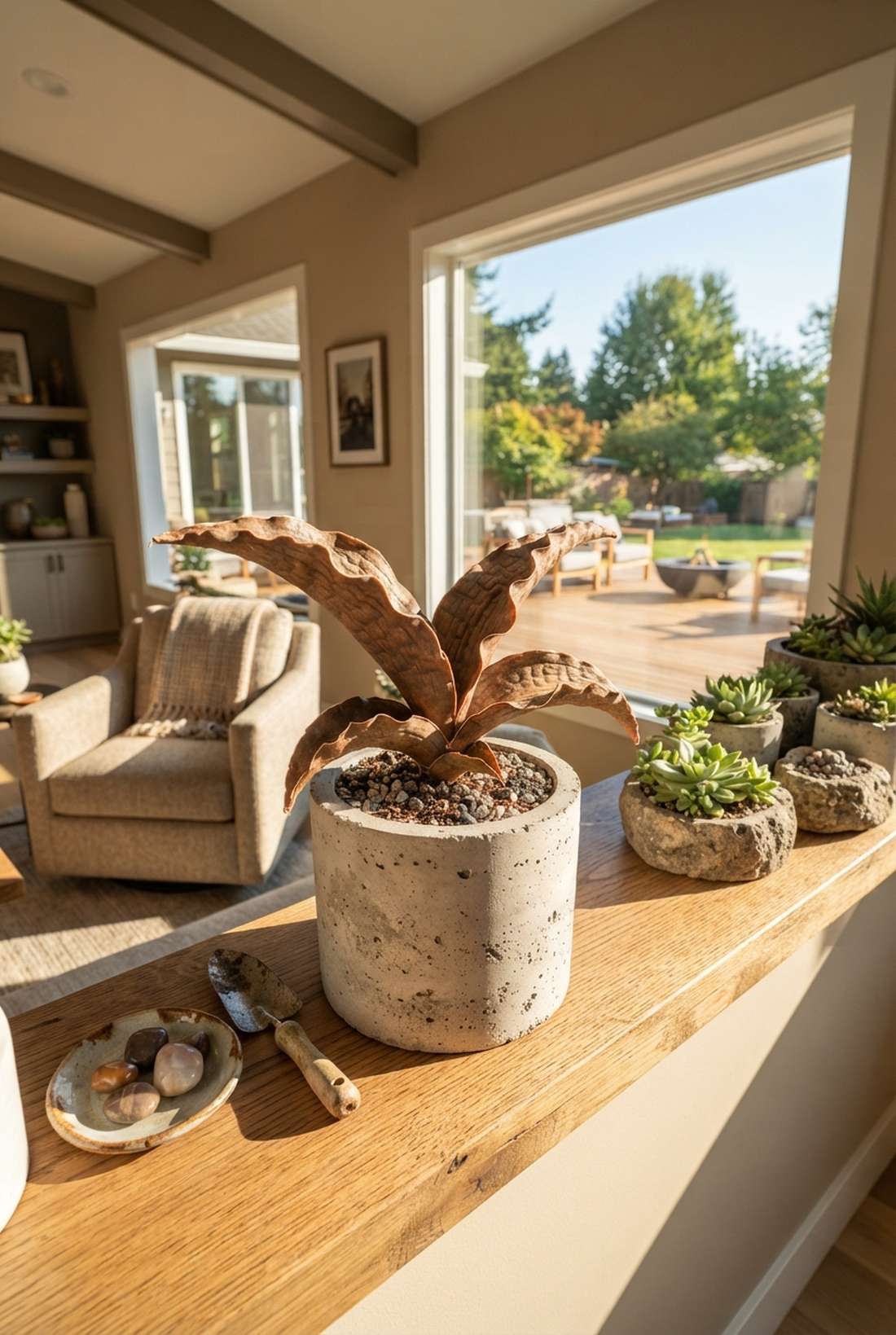
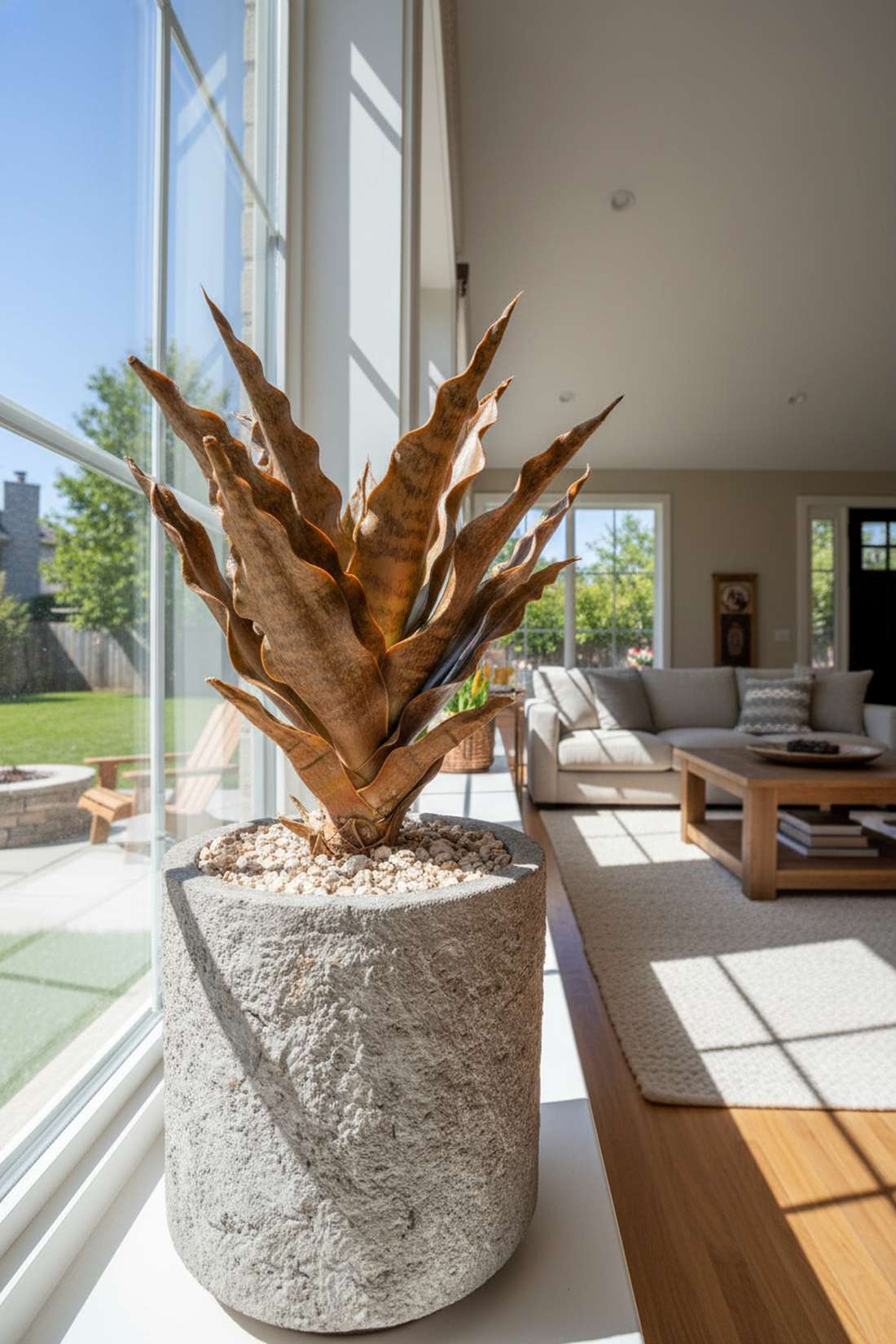
This bronze architectural succulent feels like a piece of hammered metal forged in the desert. It is an amazing zero-effort addition to a hot, sunny windowsill.
While everyone buys the boring green snake plants, this wavy, copper-toned variant looks totally custom and high-end. Planting it in rough stone or concrete miniature garden supplies perfectly complements its rugged texture. It thrives on neglect, requiring water almost never.
A complete setup with a heavy stone pot costs about $35. It is a fantastic bulletproof option for frequent travelers.
- Key Materials: Concrete planter, cactus grit
- Vibe / Style: Rugged industrial desert
- Difficulty: Practically indestructible
- Budget Breakdown: Plant: $20 | Concrete Pot: $15
- Creator’s Tip: Wait until the soil is 100% bone dry all the way to the bottom before watering again.
- Smart Sourcing: cast concrete cylinder pots | pre-washed pumice stone (bulk pack)
This upcoming styling trick forces everyone to ask where you bought your decor.
20. Whale Fin Sansevieria (Sansevieria Masoniana)
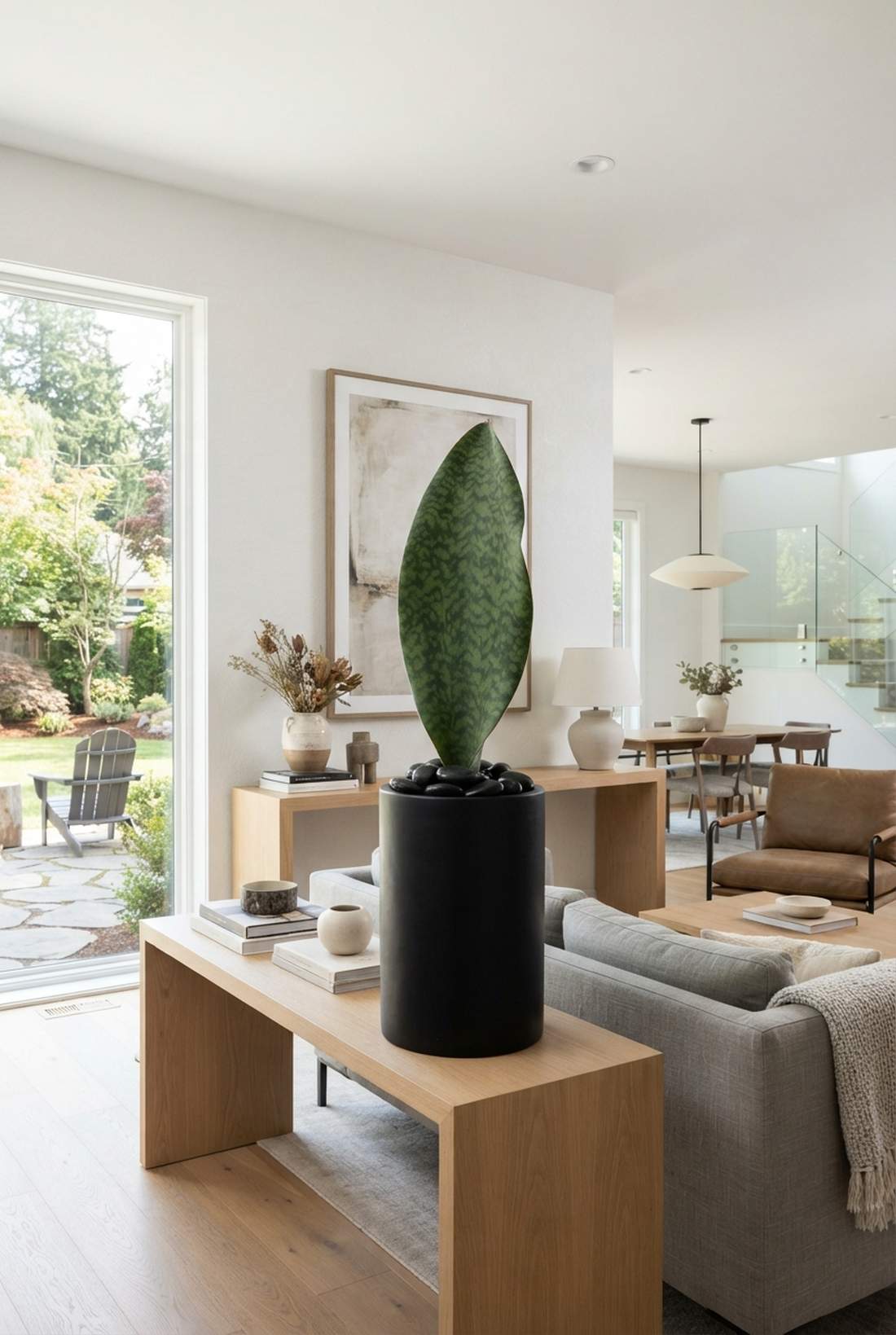
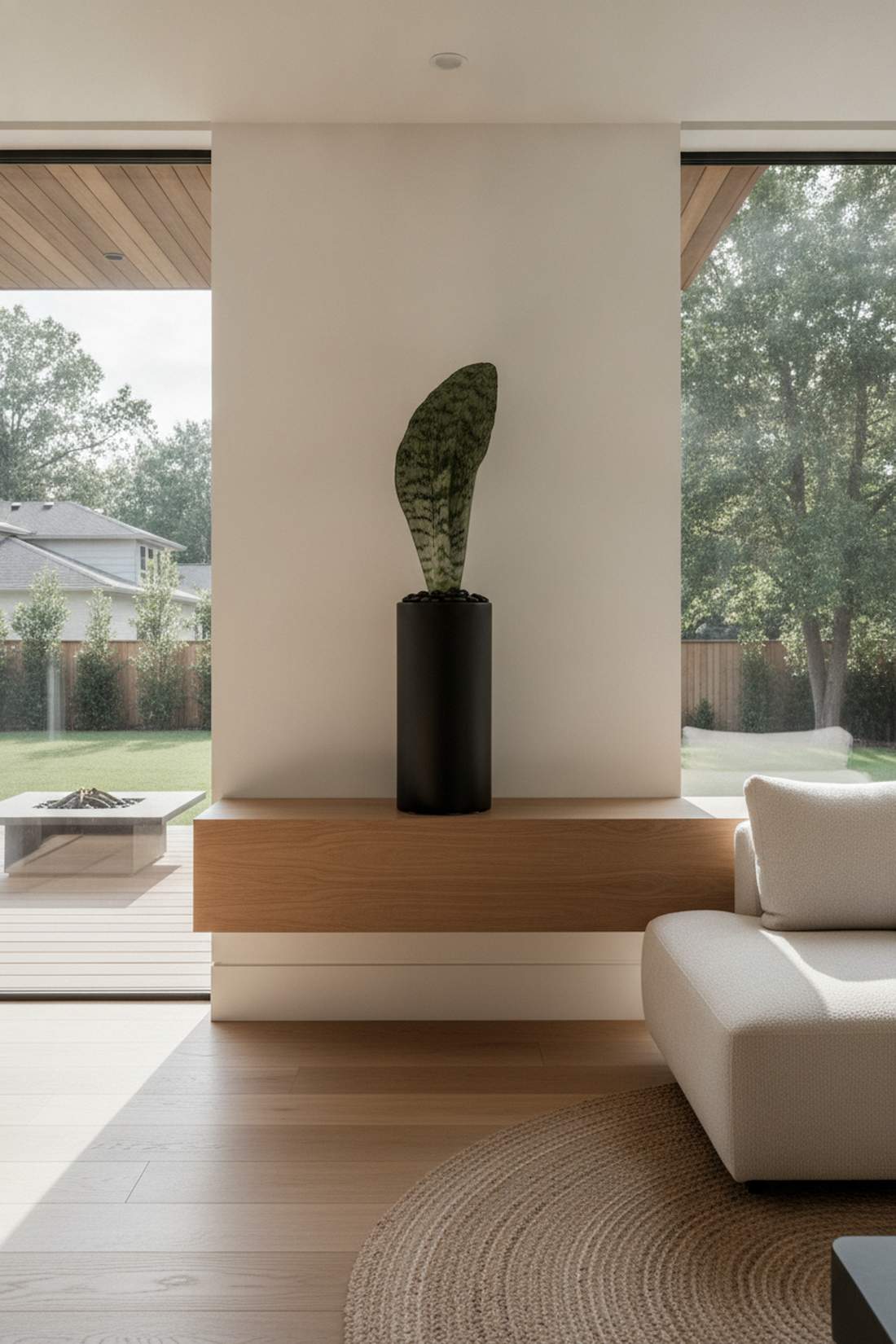
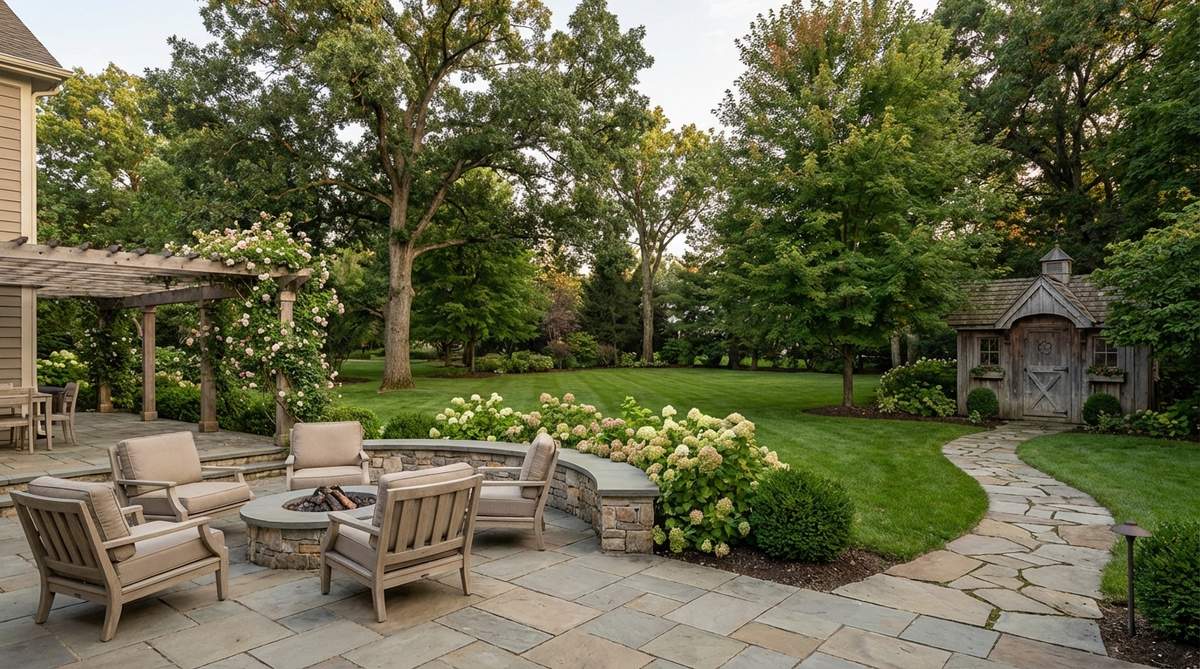
A massive single-leaf sculptural statement that feels like a modern art installation rising from the dirt. It looks spectacularly striking centered on a minimal console table.
Cluttered pots look messy, but showcasing one giant, mottled leaf gives a designer-level finish that screams luxury. Utilizing a tight, perfectly fitted ceramic cylinder emphasizes the vertical thrust of the plant. It is slow-growing and requires absolutely no pruning.
You can easily pull this off for around $40. Pin this to your modern minimalist decor board.
- Key Materials: Tall narrow ceramic pot, heavy gravel dressing
- Vibe / Style: Minimalist living sculpture
- Difficulty: Very low maintenance
- Budget Breakdown: Plant: $25 | Narrow Pot: $15
- Creator’s Tip: Top the soil with heavy black river stones to keep the massive leaf from tipping the pot over.
- Smart Sourcing: tall ceramic cylinder planters | polished black river rocks
21. Begonia Maculata (Polka Dot Begonia)
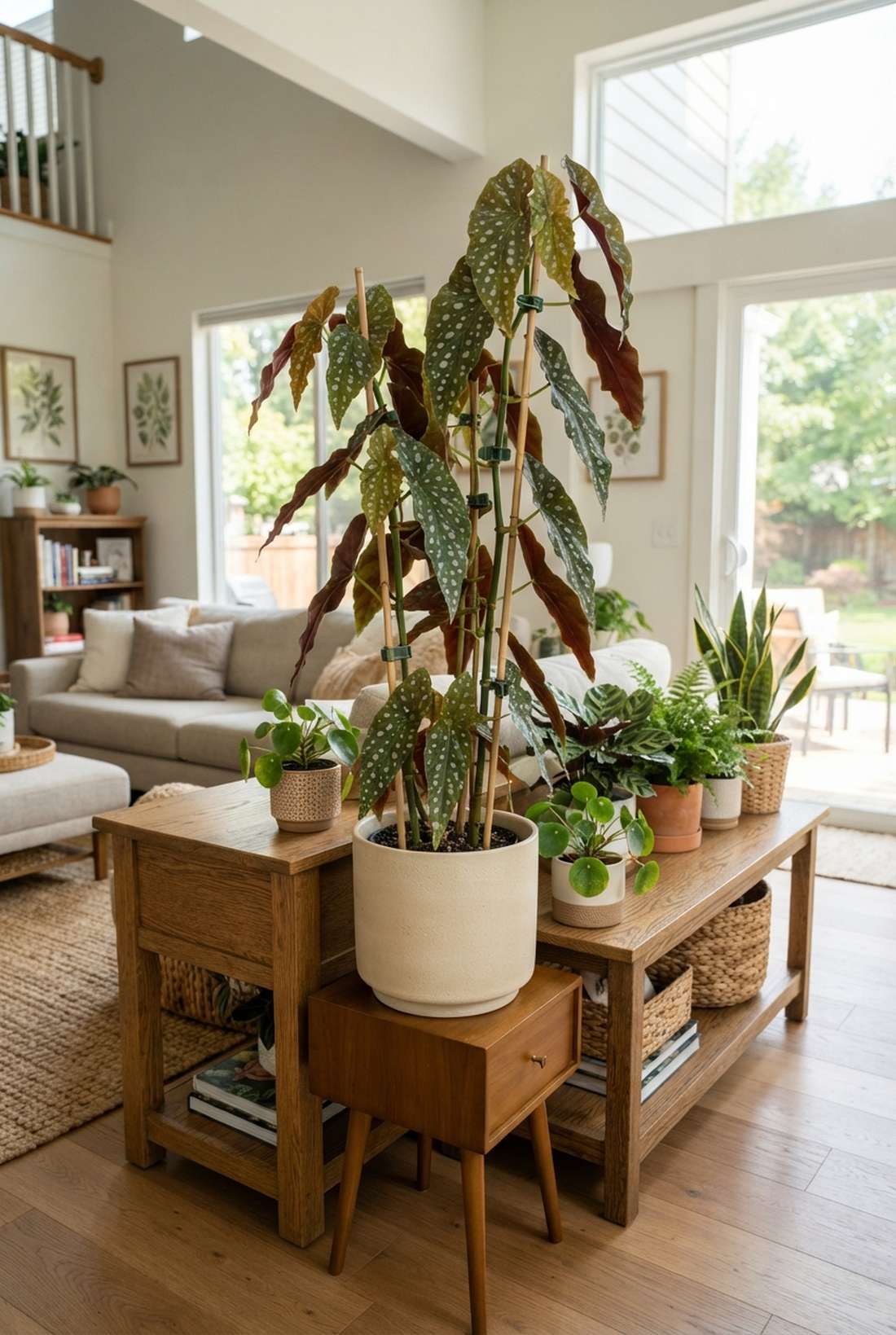
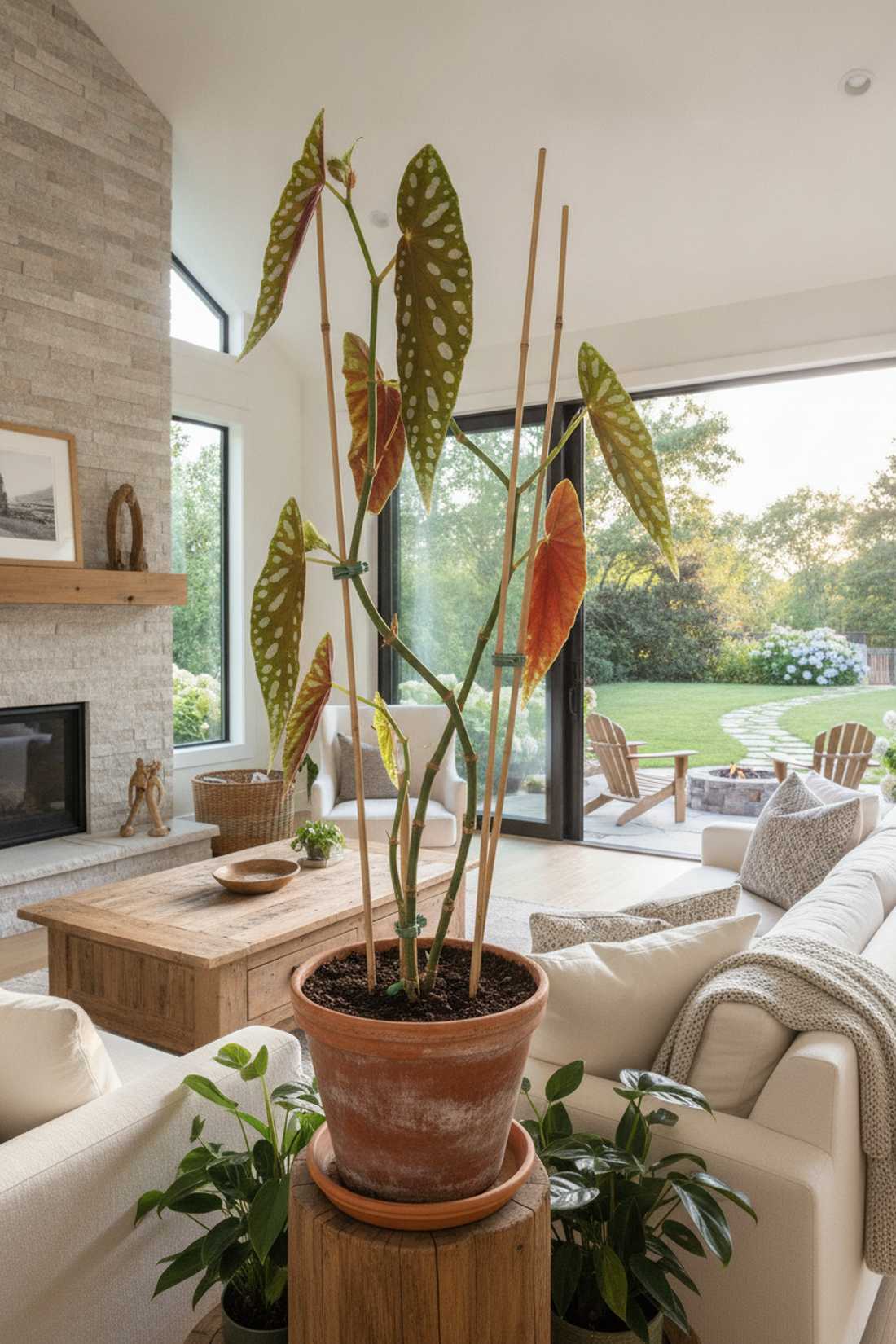
This dramatic silver-spotted upright plant feels like it was painted by a pop artist. It adds a brilliant vertical dimension to a clustered grouping of shorter plants.
Many begonias look old-fashioned, but the sharp angel-wing shape and burgundy undersides of this variety look incredibly modern. Pairing it with simple exotic plants for home bamboo stakes keeps the cane-like stems growing rigidly upward. The contrast between the olive green and metallic dots is mesmerizing.
Expect to spend about $25 to $35 for a lush, staked plant. It is a fast-growing setup that delivers instant gratification.
- Key Materials: Bamboo stakes, plant clips, rich soil
- Vibe / Style: Quirky pop-art botanical
- Difficulty: Moderate, requires pinching
- Budget Breakdown: Plant: $20 | Stakes & Clips: $10
- Creator’s Tip: Pinch off the very top leaves occasionally to force the plant to push out side branches for a fuller look.
- Smart Sourcing: natural bamboo plant stakes | gentle orchid clips (bulk pack)
22. Peperomia Frost (Peperomia Caperata Frost)
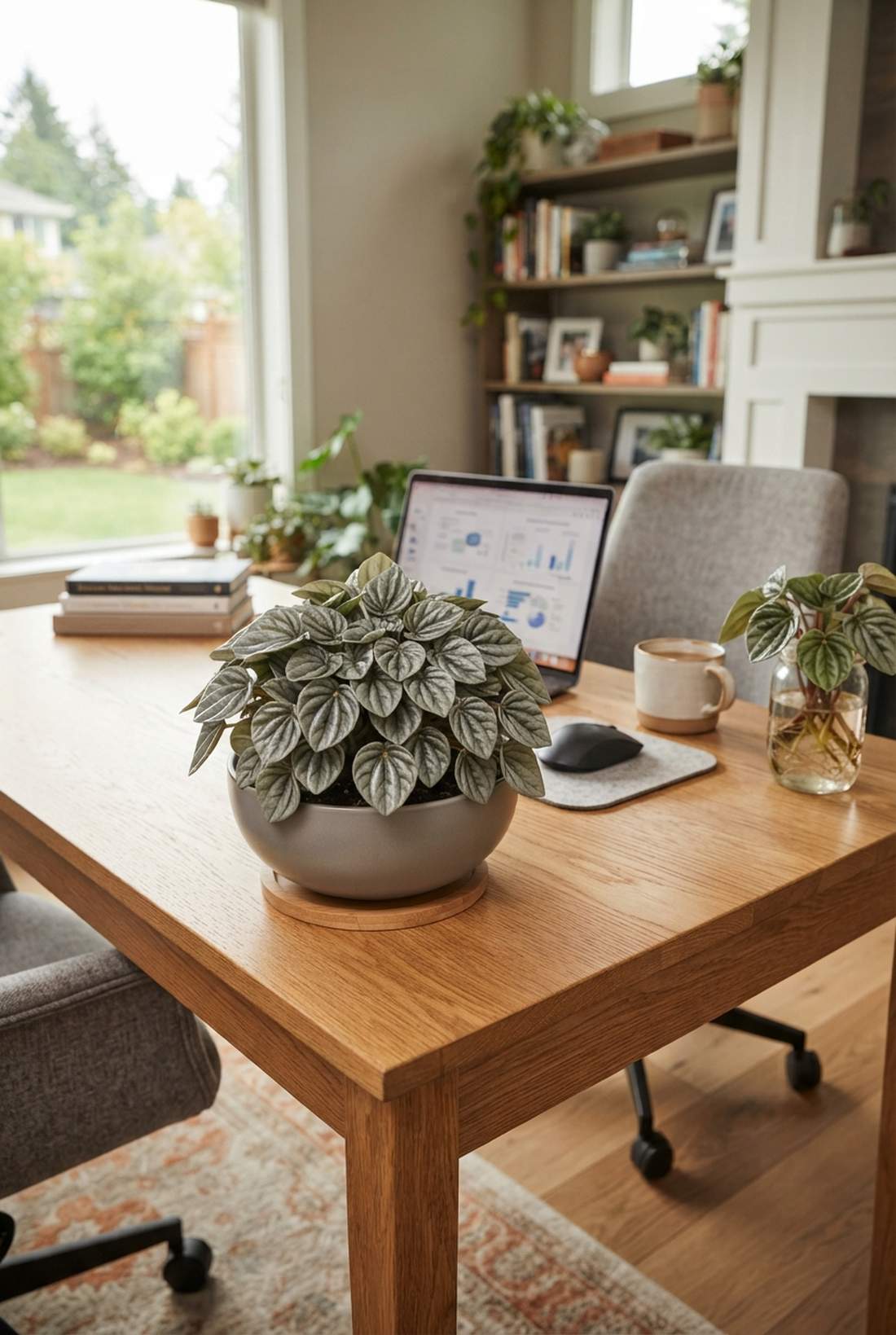
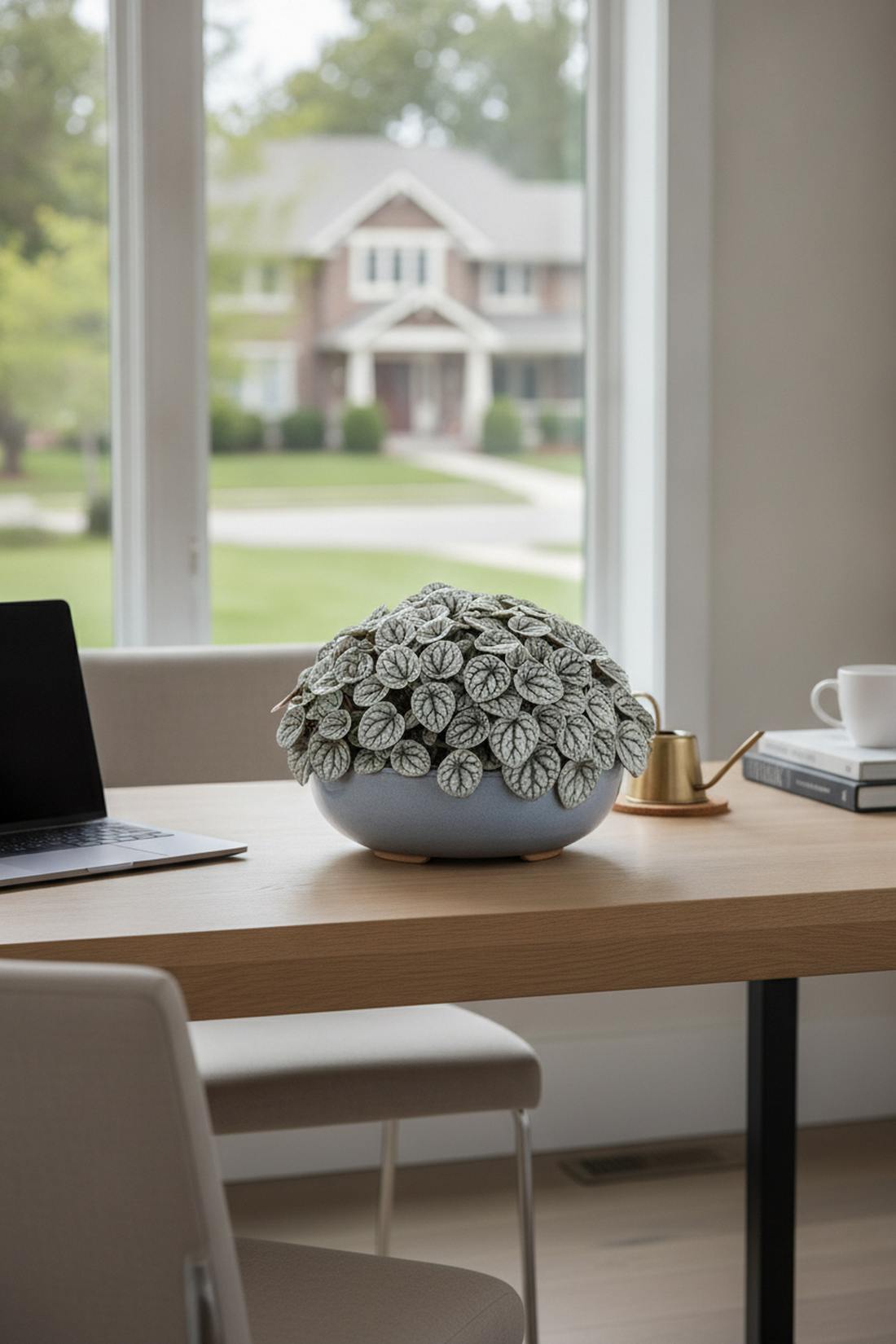
A dense silvery textured mound that feels like it was lightly dusted with shimmering winter frost. It perfectly fills the role of a low-profile desk companion.
Tall plants block your view, but this compact beauty delivers a surprisingly premium look without taking up vertical space. Putting it in a shallow, wide bowl creates a satisfyingly perfect dome of metallic foliage. It is incredibly easy to propagate from a single leaf.
You can create this cool-toned display for under $20. Save this if you need elegant, space-saving greenery.
- Key Materials: Shallow bowl planter, well-aerated soil
- Vibe / Style: Cooling metallic accent
- Difficulty: Easy, avoid overwatering
- Budget Breakdown: Plant: $10 | Bowl: $8
- Creator’s Tip: Water this plant from the bottom by setting the pot in a bowl of water to prevent rotting the delicate stems.
- Smart Sourcing: shallow ceramic bonsai bowls | bottom-watering self-care planters
23. Trachyandra Tortilis
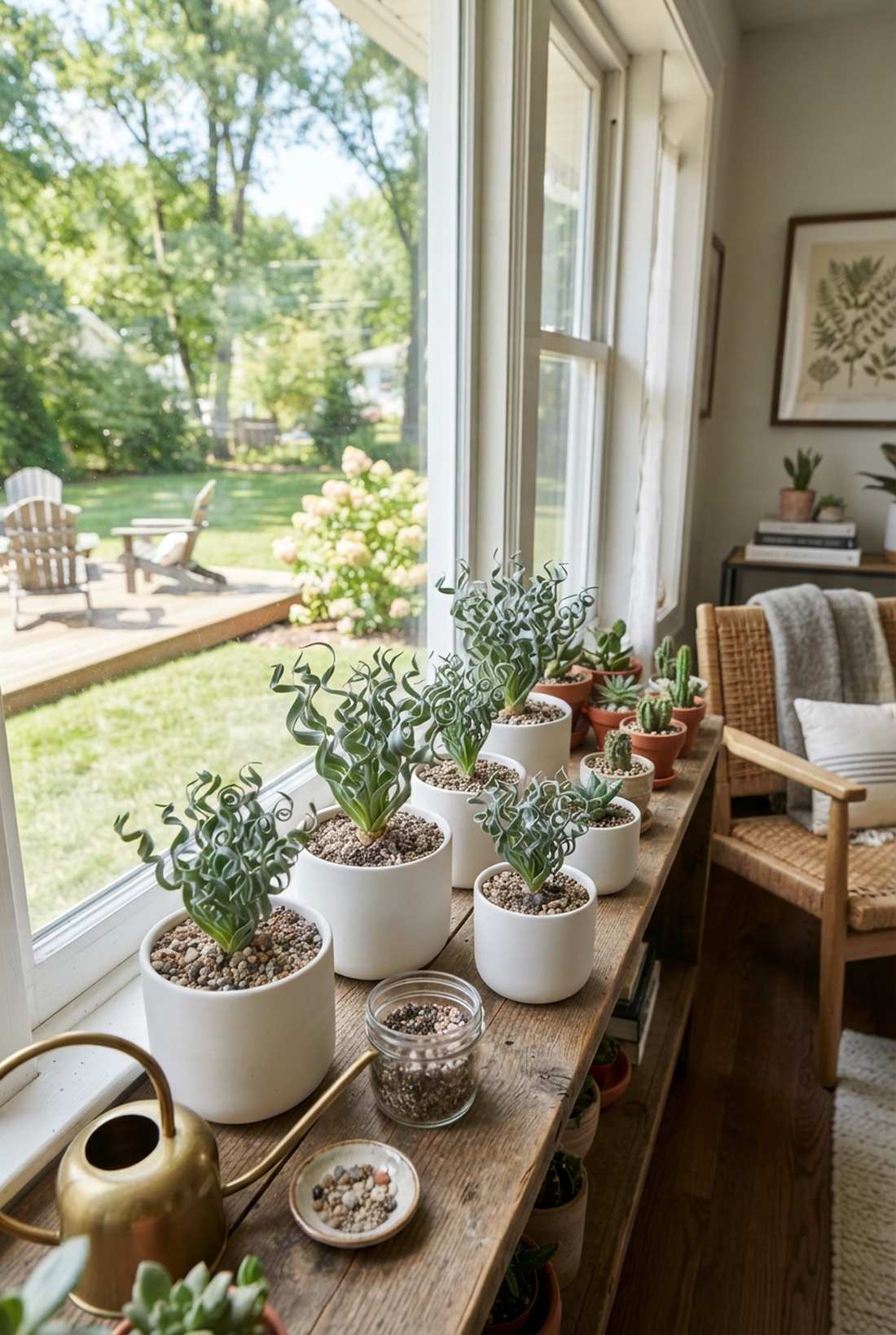
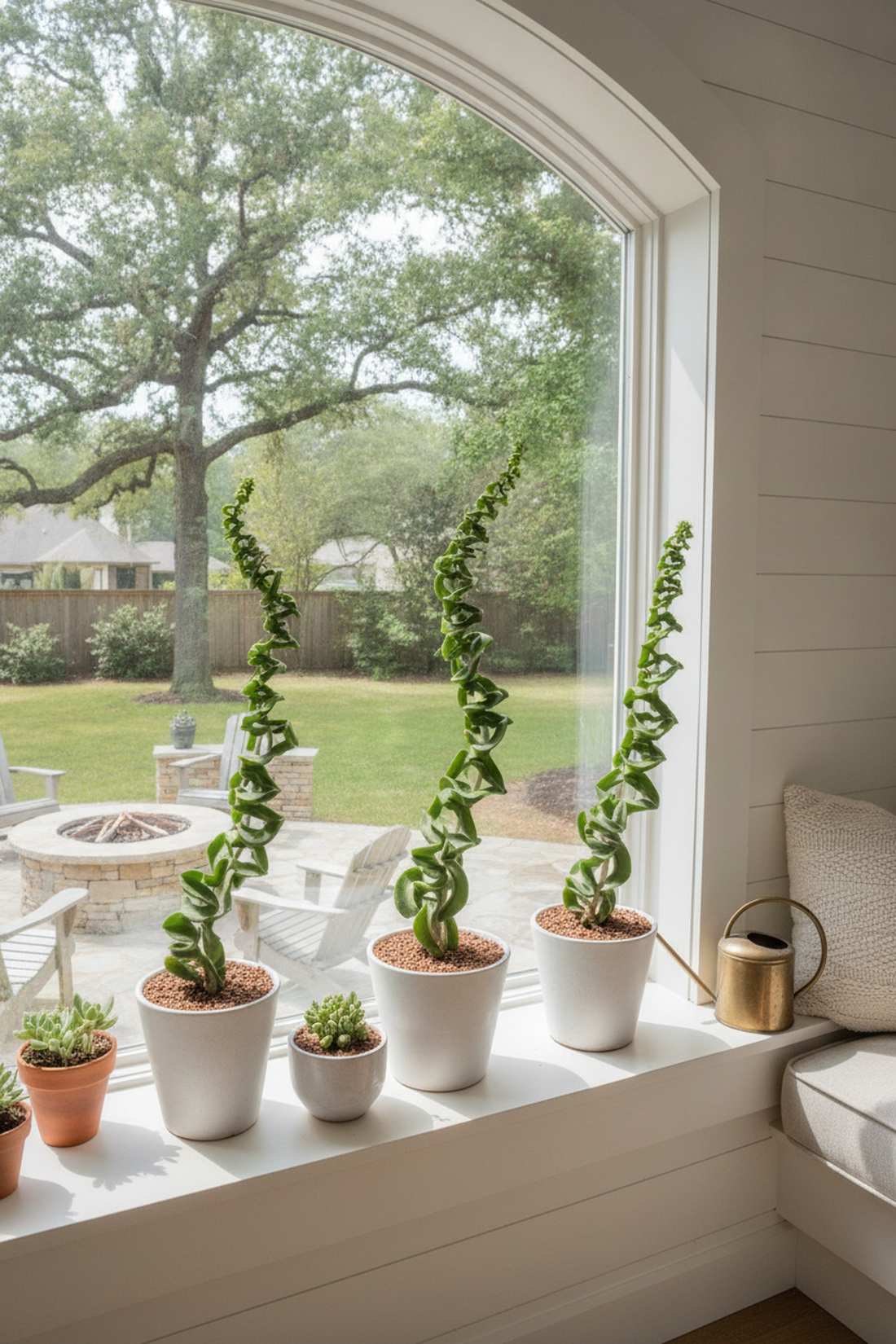
A bizarre spiraling ribbon succulent that feels like it escaped from a Dr. Seuss illustration. It is a wildly unique oddity perfect for a sunny, dry window ledge.
Most succulents look identical, but these tightly coiled leaves look far more expensive than standard nursery finds. Planting it in minimalist white fairy garden kits style pots ensures the crazy foliage remains the sole focus. It requires extreme drainage to survive.
Sourcing a highly curled specimen will cost around $40 to $60. It is a brilliant addition for collectors who crave strange geometry.
- Key Materials: Gritty bonsai soil, small clay pot
- Vibe / Style: Whimsical geometric oddity
- Difficulty: Strict watering regimen needed
- Budget Breakdown: Plant: $45 | Pot & Soil: $10
- Creator’s Tip: Give it absolute maximum sunlight; if it doesn’t get enough light, the leaves will grow straight instead of curly.
- Smart Sourcing: pre-mixed gritty bonsai dirt | minimalist white clay pots
Do not skip this next species if you want maximum visual impact on a tiny budget.
24. String of Pearls (Senecio Rowleyanus)
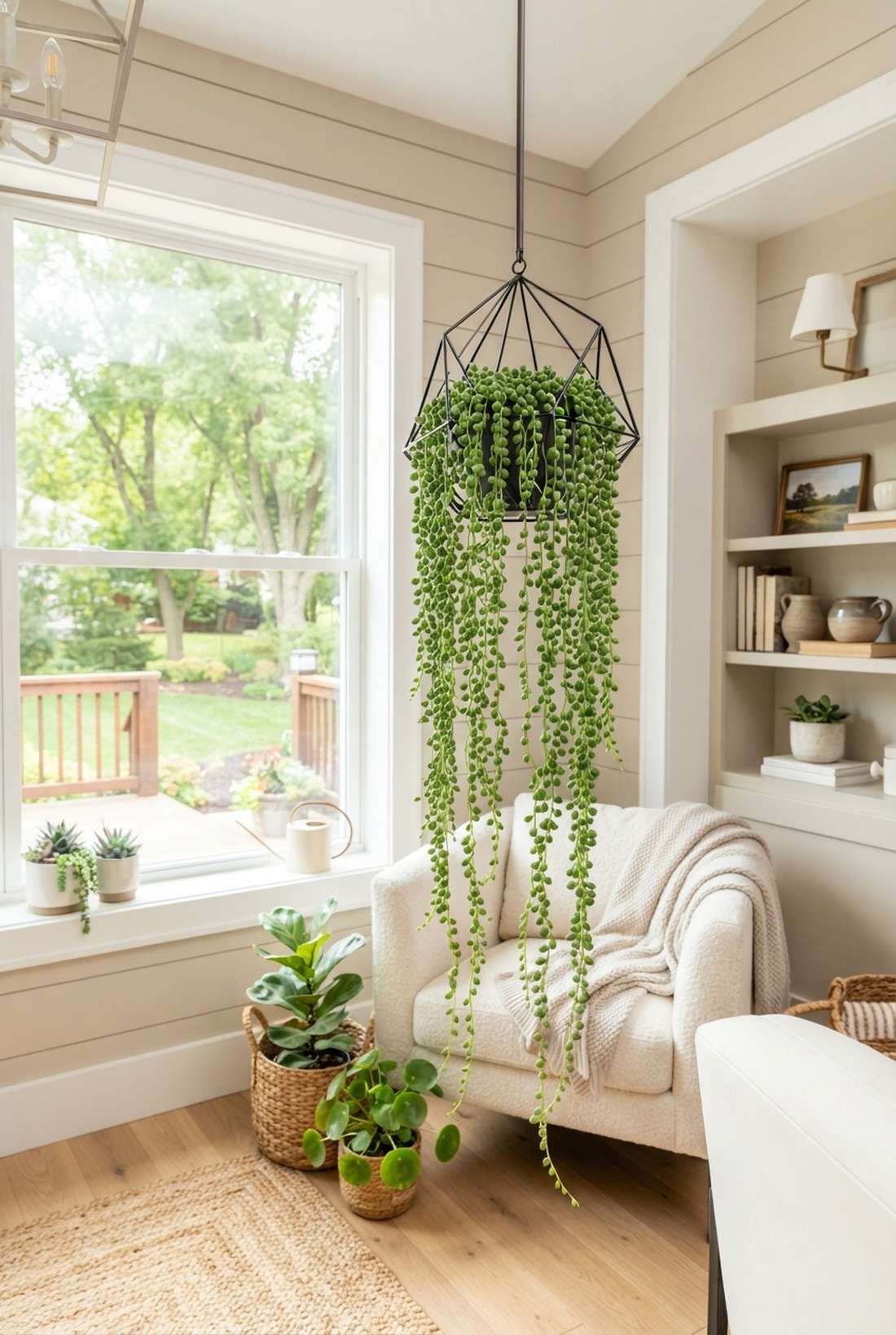
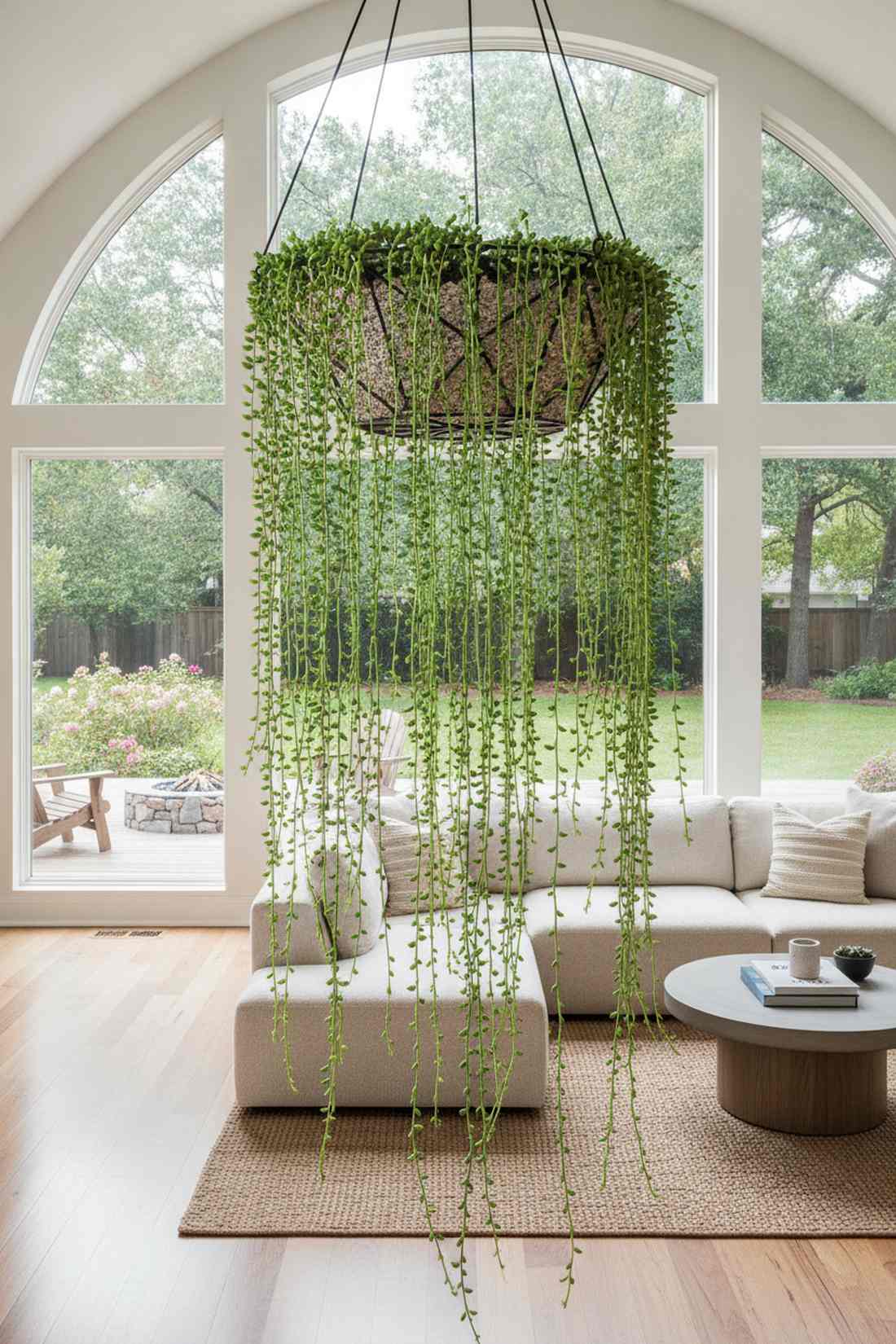
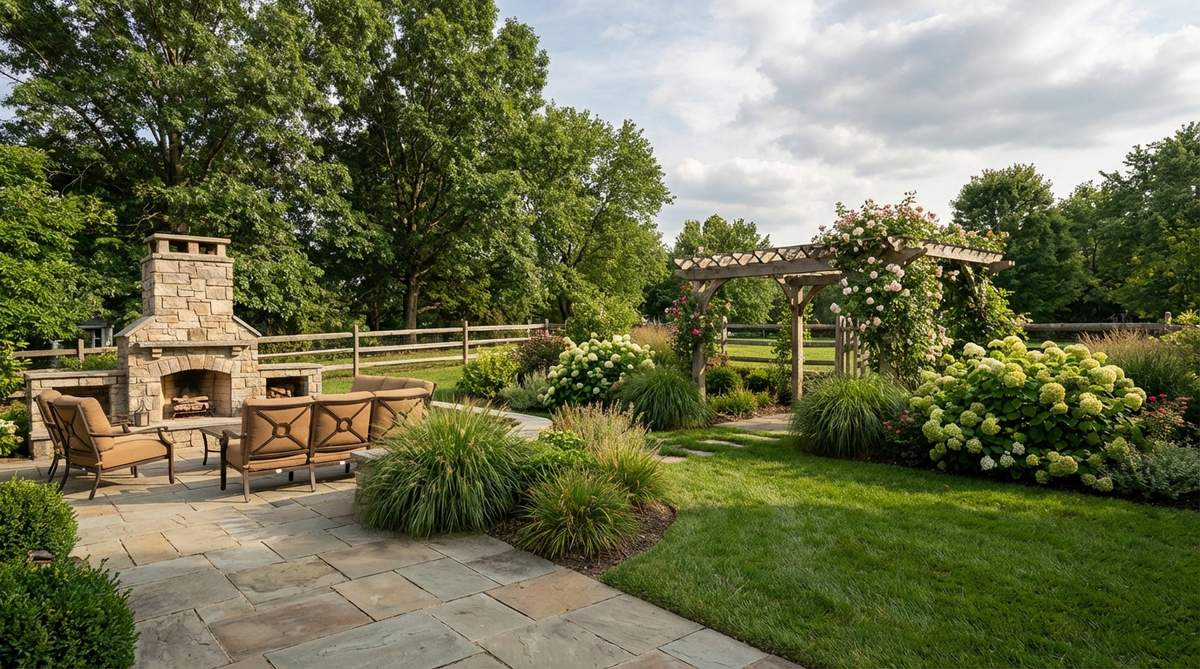
This cascading bead-like succulent feels like a living curtain of green pearls spilling downward. It is the absolute best choice for a high hanging basket in a bright window.
People often kill these by overwatering, but using highly porous soil gives a designer-level finish that thrives for years. Hanging it in a sleek, modern wire basket creates a stunning contrast between the round beads and sharp metal. The trailing stems can easily reach several feet long.
You can achieve this cascading look for about $20. Pin this to your hanging decor inspiration board.
- Key Materials: Hanging wire basket, cactus mix
- Vibe / Style: Modern cascading elegance
- Difficulty: Tricky watering curve
- Budget Breakdown: Plant: $12 | Hanging Basket: $15
- Creator’s Tip: Ensure the top of the pot gets light, not just the trailing stems, or the crown will eventually bald.
- Smart Sourcing: modern geometric hanging wire baskets | premium pumice additives
25. Kangaroo Fern (Microsorum Diversifolium)
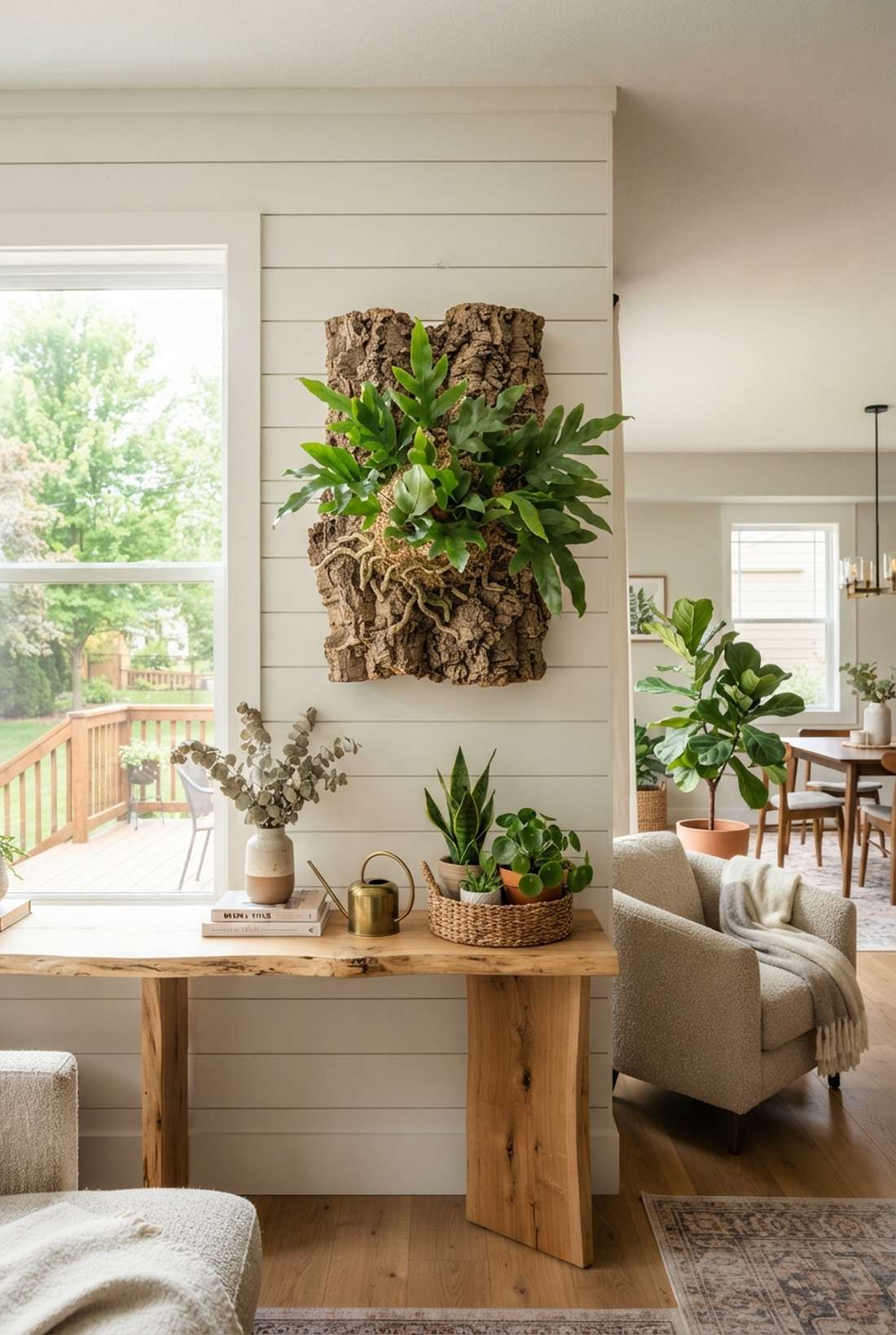
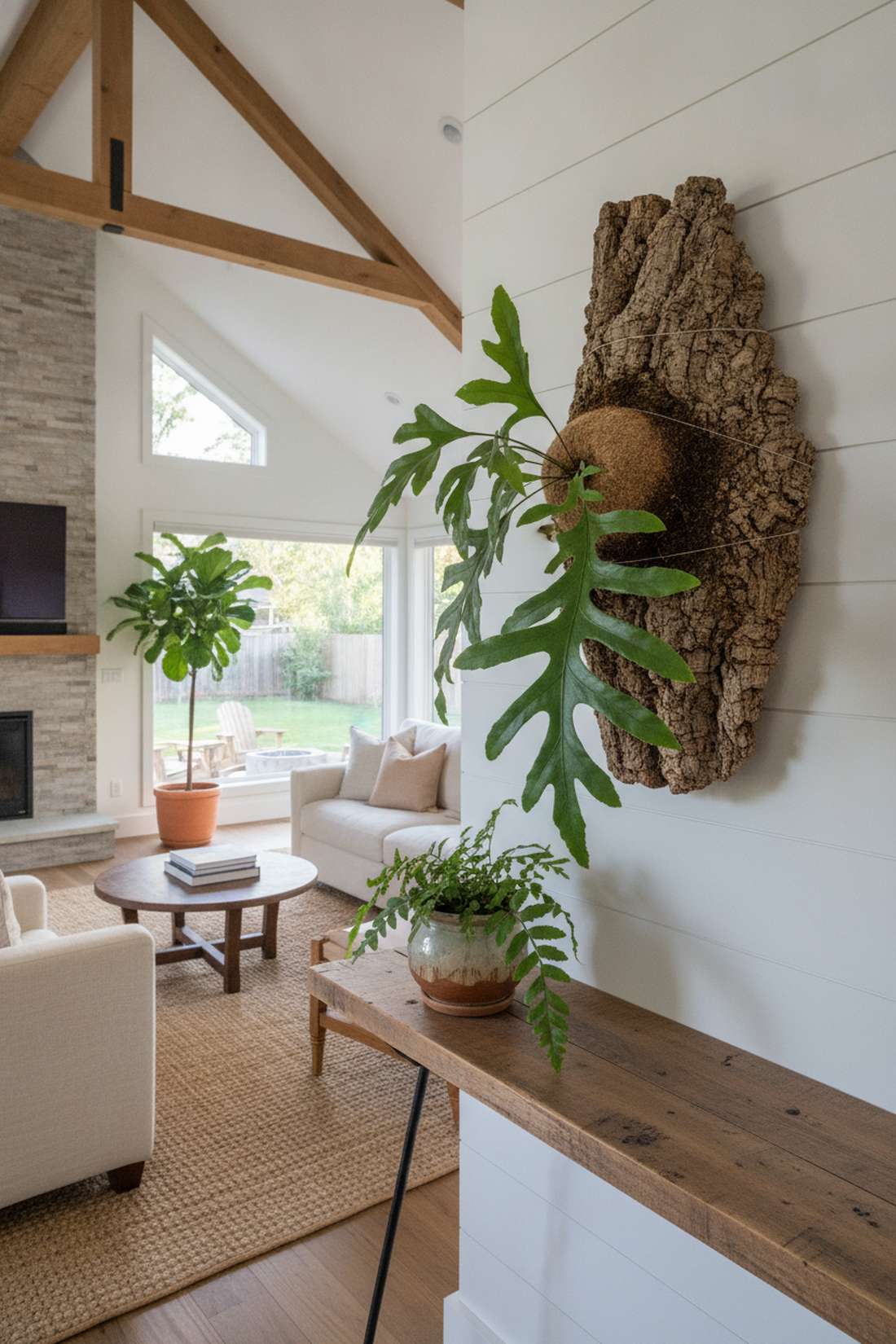
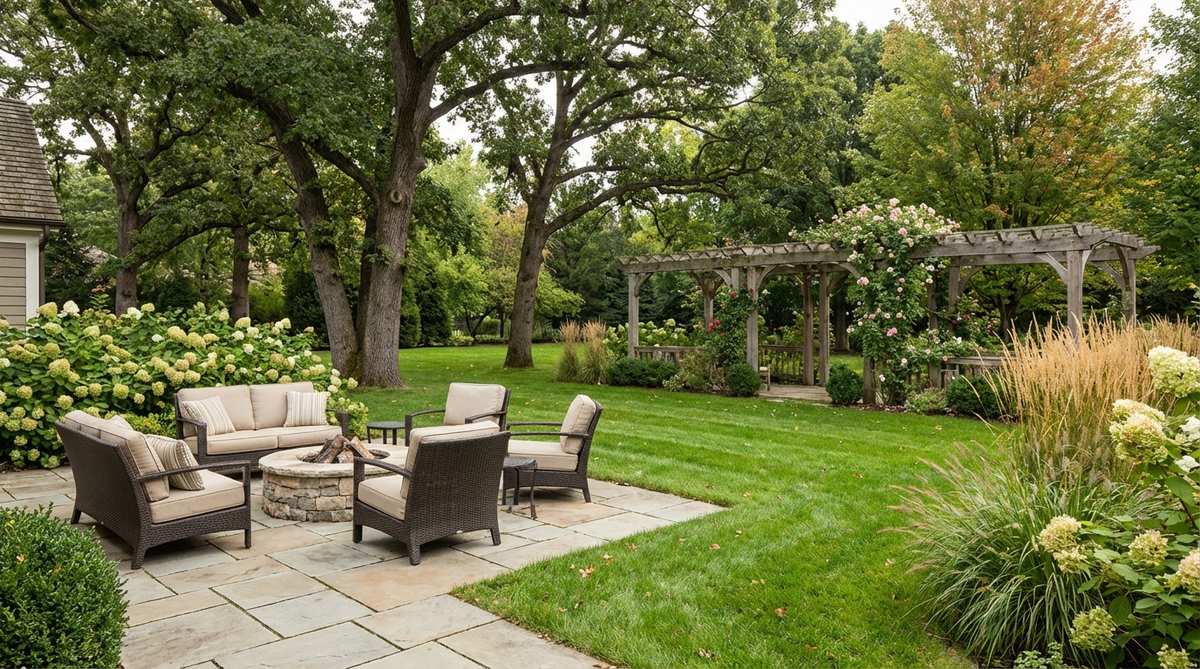
A glossy leathery creeping fern that feels like a dense slice of the Australian outback. It works beautifully mounted on a wall plaque or draped over a shelf edge.
Standard ferns crisp up instantly, but this heat-tolerant beast delivers a surprisingly premium look with far less headache. Utilizing organic mounting supplies like cork bark allows the fuzzy rhizomes to creep naturally. The deep green, lobed leaves add incredible structural texture.
Mounting this rugged beauty costs roughly $30 in total. Highly recommended for those who love ferns but hate the crisping.
- Key Materials: Cork bark slab, fishing line, sphagnum
- Vibe / Style: Rugged botanical wall art
- Difficulty: Easy for a fern
- Budget Breakdown: Plant: $15 | Bark & Mount: $15
- Creator’s Tip: Never bury the fuzzy creeping rhizomes in dirt; they must stay exposed to the air to survive.
- Smart Sourcing: virgin cork bark slabs (bulk pack) | invisible mounting wire
26. Japanese Bird’s Nest Fern (Asplenium Antiquum)
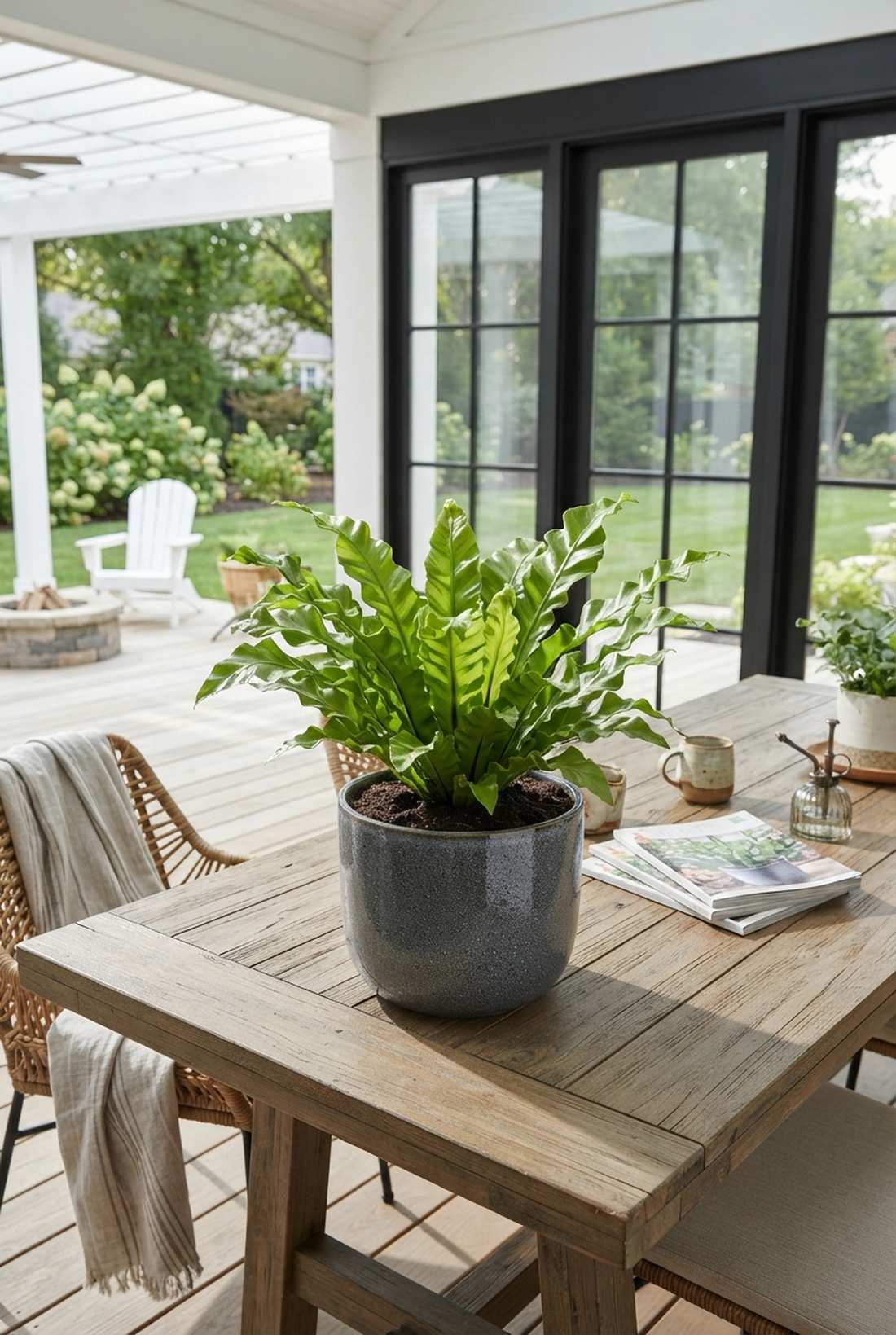
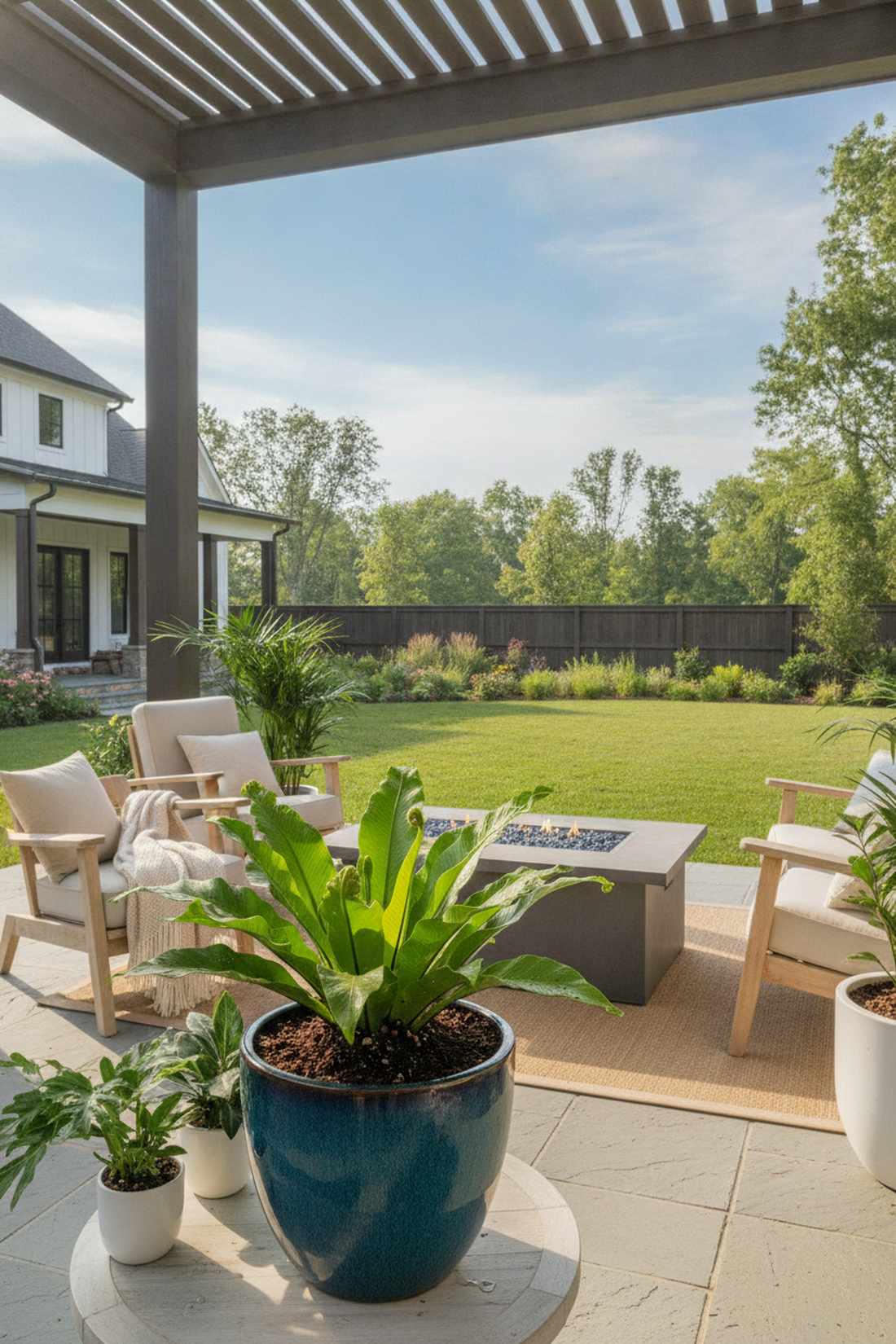
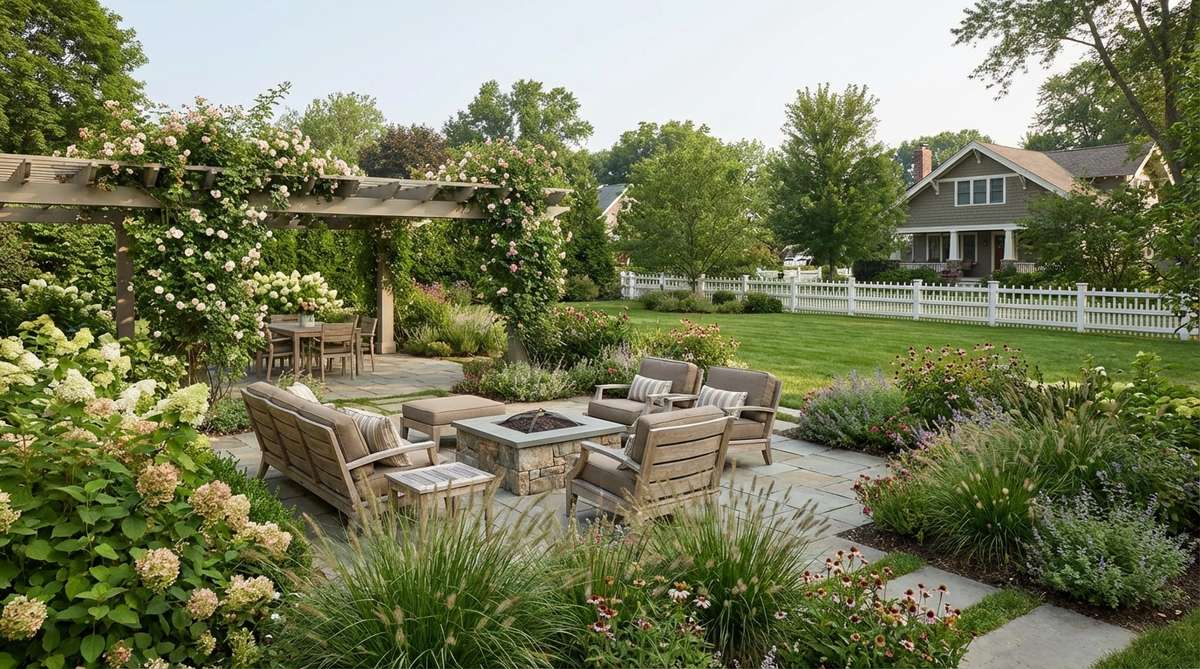
This bright green crinkled rosette feels like a perfectly structured living bowl. It makes an incredibly fresh, vibrant centerpiece for a shaded patio or indoor table.
Feathery ferns drop a mess, but this solid-leaf variety looks far more expensive and requires zero sweeping. Planting it in rich, moisture-retaining house plants exotic soil blends keeps the fronds glossy and rigid. New leaves unroll spectacularly from the fuzzy center crown.
You can set up this clean, modern fern for around $25. Save this to your mess-free indoor garden board.
- Key Materials: Glazed ceramic pot, moisture-control soil
- Vibe / Style: Clean tropical modernism
- Difficulty: Moderate, requires damp soil
- Budget Breakdown: Plant: $15 | Pot: $12
- Creator’s Tip: Never pour water directly into the center “nest” of the plant, as it will cause fatal crown rot.
- Smart Sourcing: glazed ceramic tabletop planters | moisture-retaining peat blends
27. Ficus Ginseng Bonsai (Ficus Microcarpa)
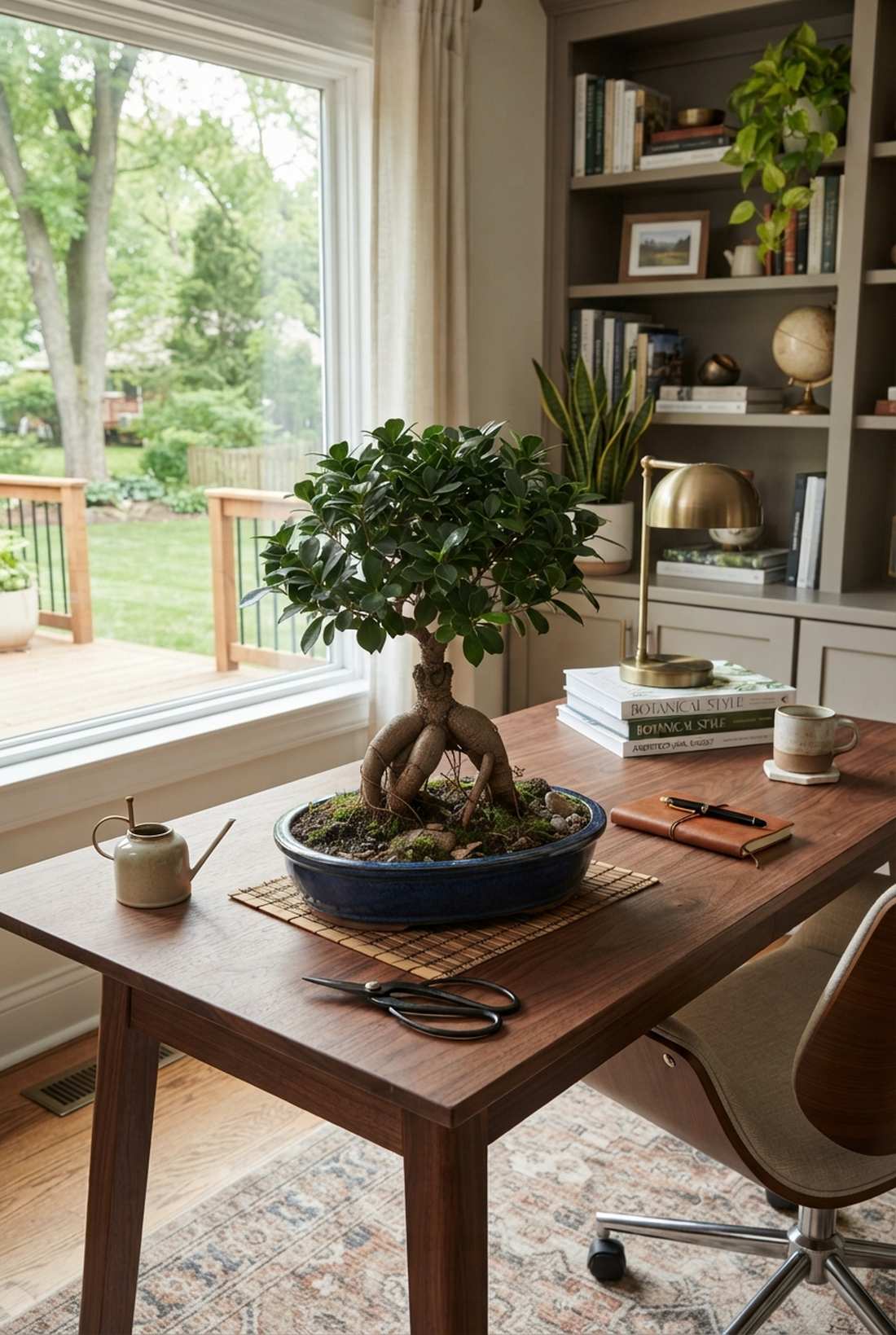
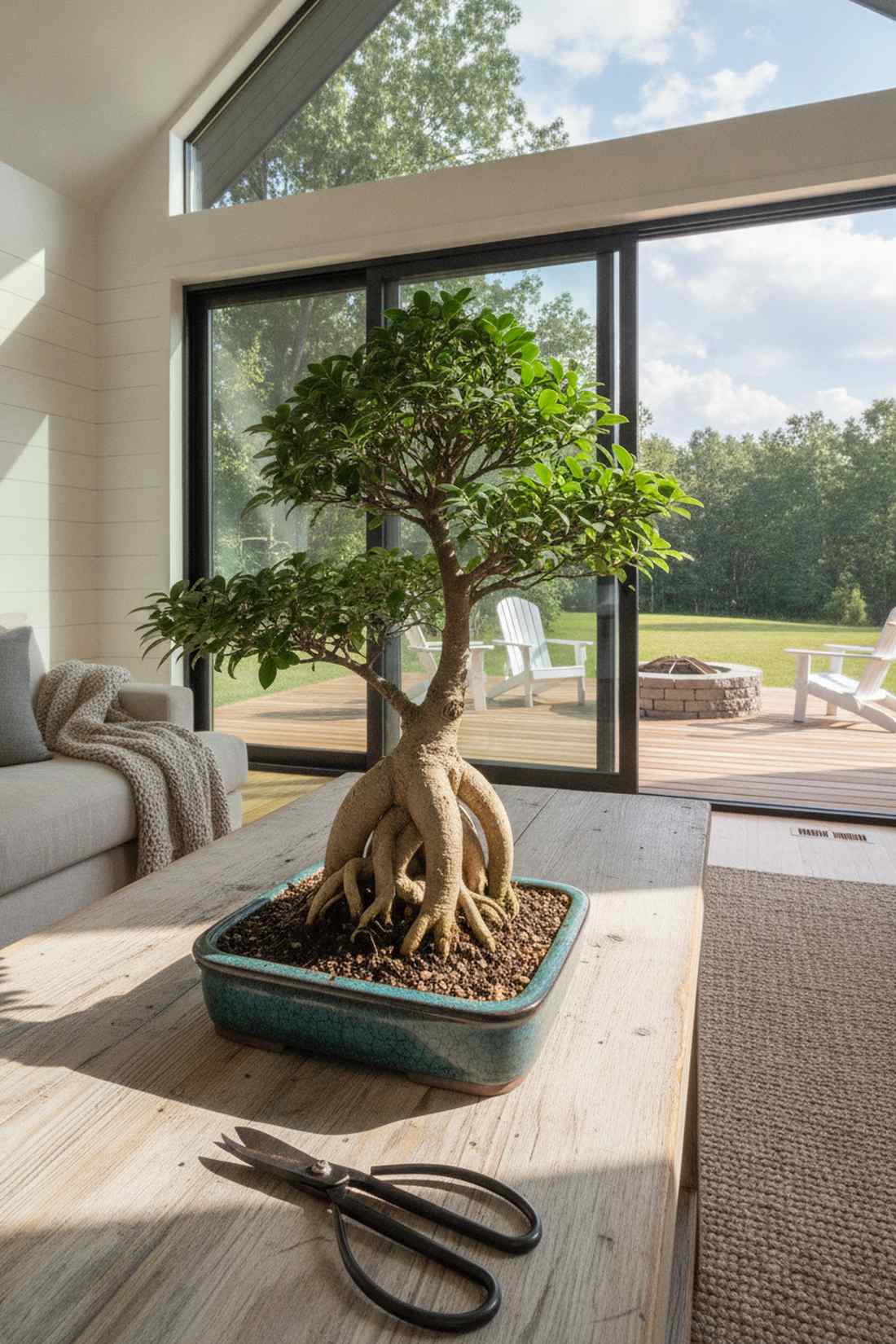
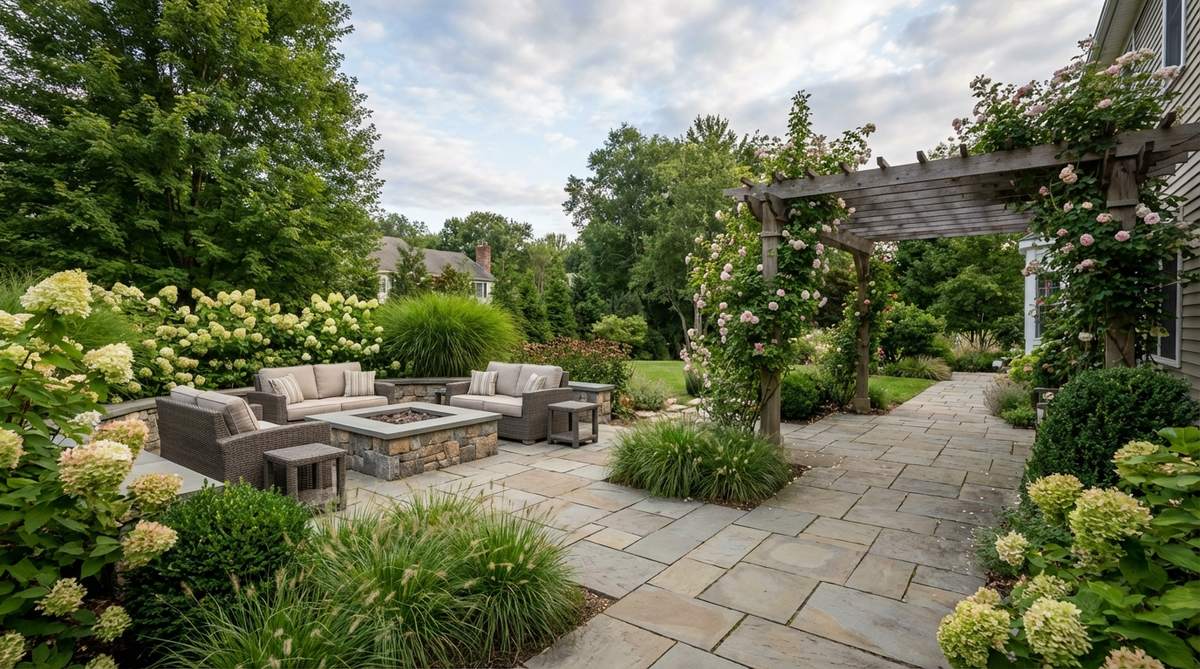
A thick sculptural miniature tree that feels like an ancient, wise guardian of your desk space. This is the absolute best entry point for anyone intimidated by bonsai.
Traditional bonsai requires decades of work, but this grafted marvel gives a designer-level finish instantly out of the box. Displaying it in an authentic shallow glazed tray makes it look like a highly cultivated masterpiece. The swollen, exposed roots are incredibly forgiving to missed waterings.
A beautifully potted setup costs roughly $35 to $50. Pin this if you want a Zen aesthetic without the daily stress.
- Key Materials: Shallow bonsai tray, pruning shears
- Vibe / Style: Instant ancient Zen
- Difficulty: Very beginner friendly
- Budget Breakdown: Plant: $25 | Tray & Soil: $15
- Creator’s Tip: Regularly snip off any new branches that grow from the thick root base to maintain the tree-like shape on top.
- Smart Sourcing: classic glazed bonsai trays | carbon steel bonsai pruning scissors
Here is the controversial layout trick that high-end interior designers try to hide from you.
Exotic Plants Flowers Tropical Blooms
Exotic flowering plants deliver dramatic color through unusual bloom structures and extended flowering periods. These species combine striking flowers with attractive foliage for multi-season interest in home and garden settings.
28. Orchid Phalaenopsis (Moth Orchid)
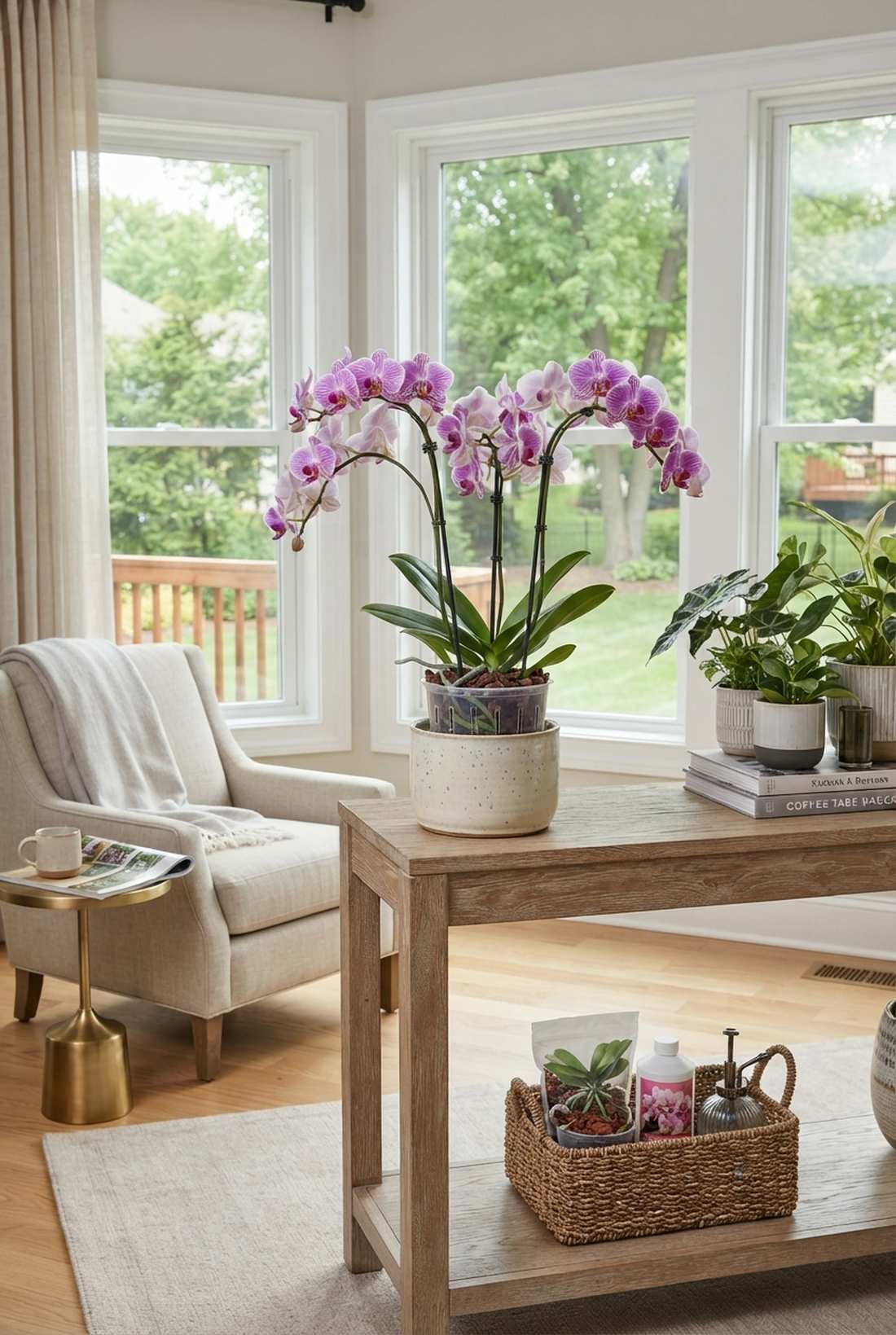
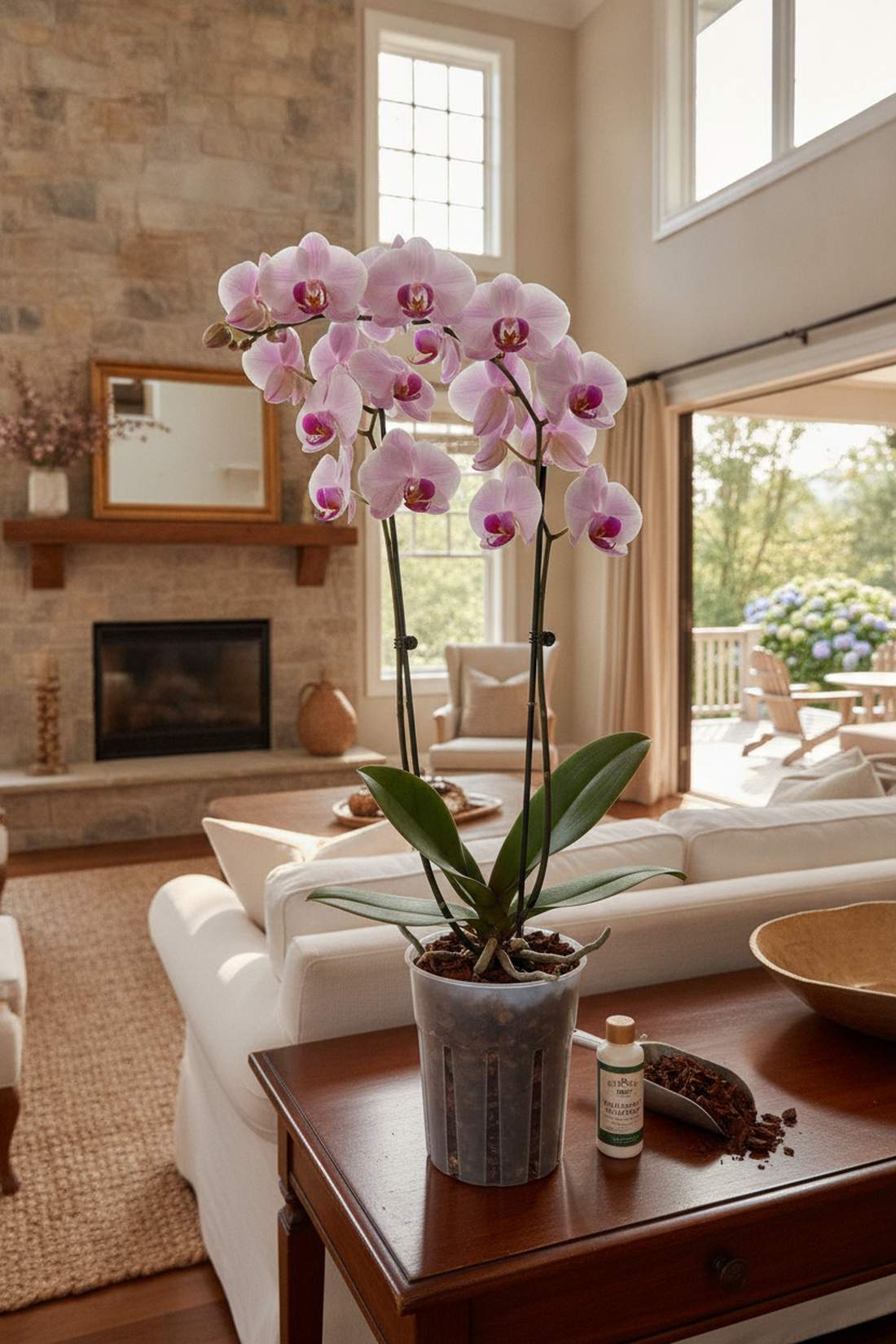
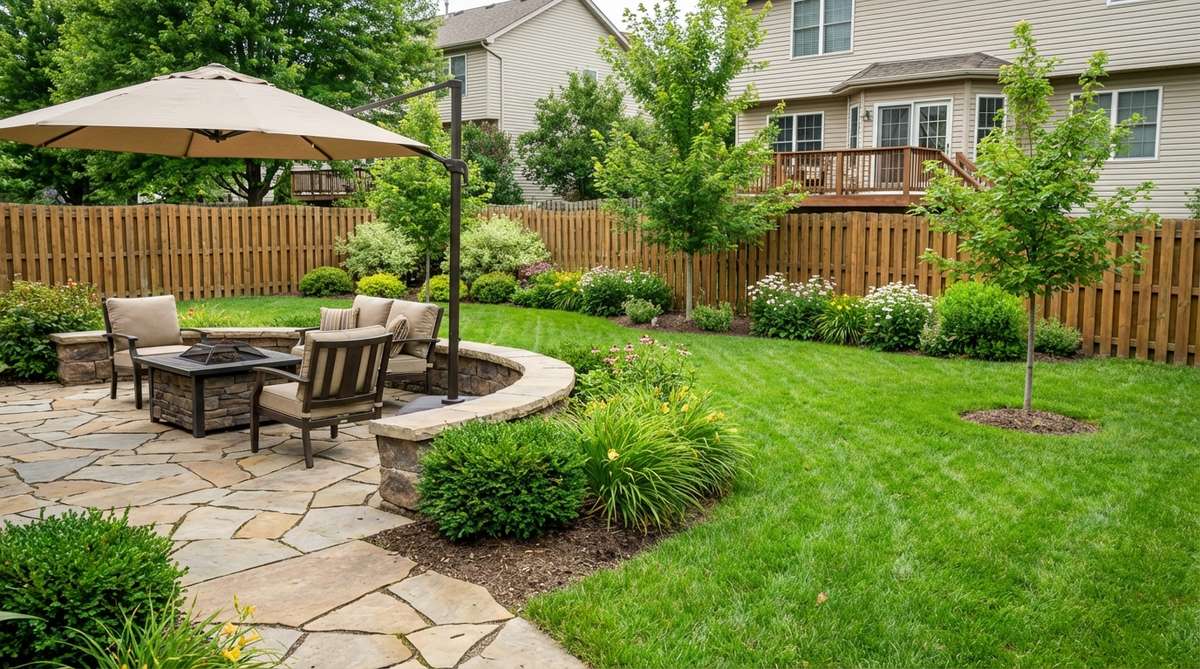
This elegant arching bloom display feels like a cluster of colorful butterflies permanently resting in your room. It is a stunning, long-lasting alternative to cut flower bouquets.
Grocery store orchids often die fast, but repotting them in premium bark mix delivers a surprisingly premium look that lasts for months. Using specialized exotic plants flowers clear pots allows you to monitor root health and prevents overwatering. The blooms stay vibrant for up to 12 weeks.
You can build a professional-grade orchid setup for about $25. Save this to your elegant home styling board.
- Key Materials: Clear slotted pot, orchid bark, bloom fertilizer
- Vibe / Style: Classic high-end elegance
- Difficulty: Easy with proper drainage
- Budget Breakdown: Plant: $15 | Pot & Bark: $10
- Creator’s Tip: Wait until the fat, silvery roots turn completely gray before watering; green roots mean it has enough water.
- Smart Sourcing: clear slotted orchid pots (bulk pack) | premium fir bark chips
29. Anthurium Andraeanum (Flamingo Flower)
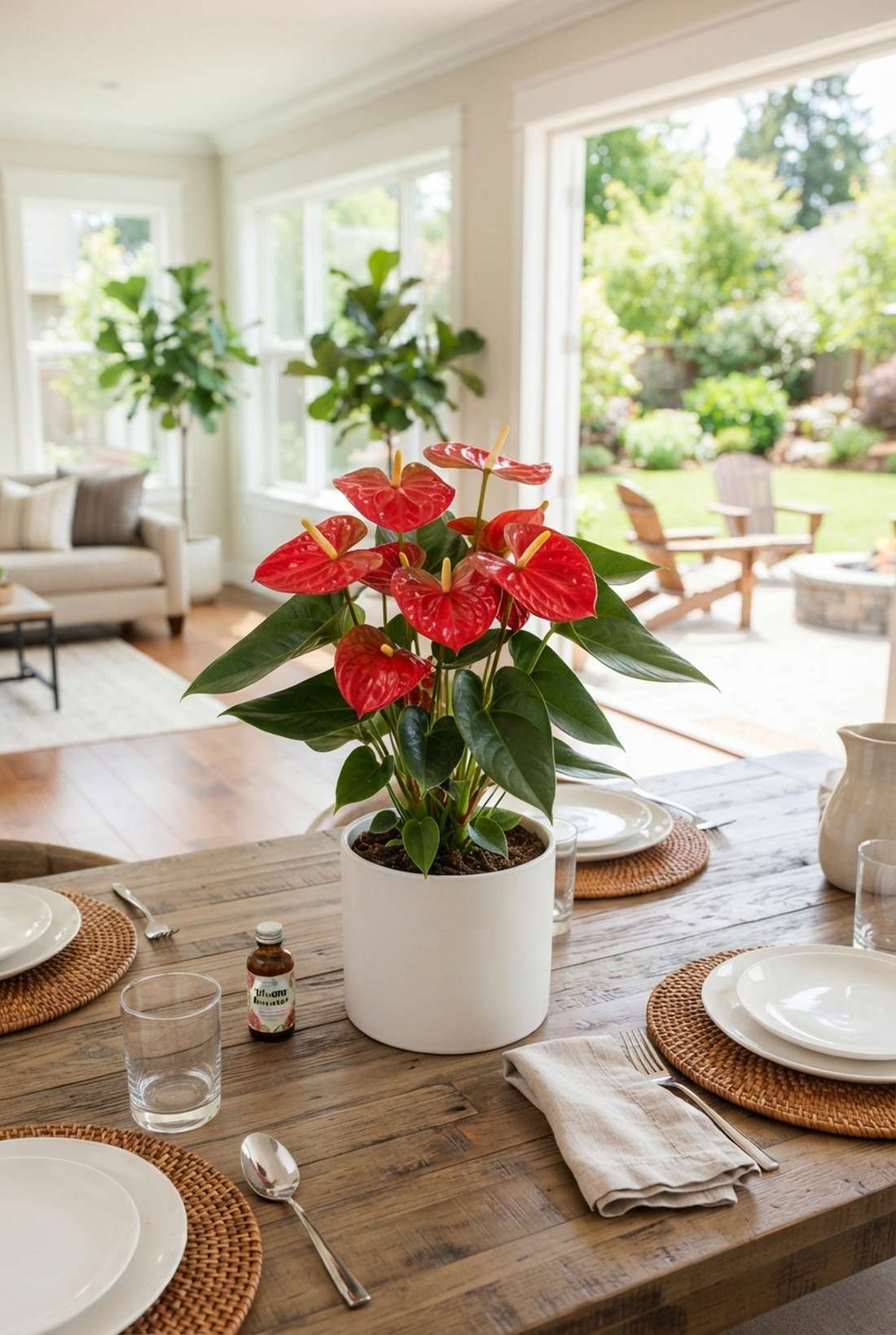
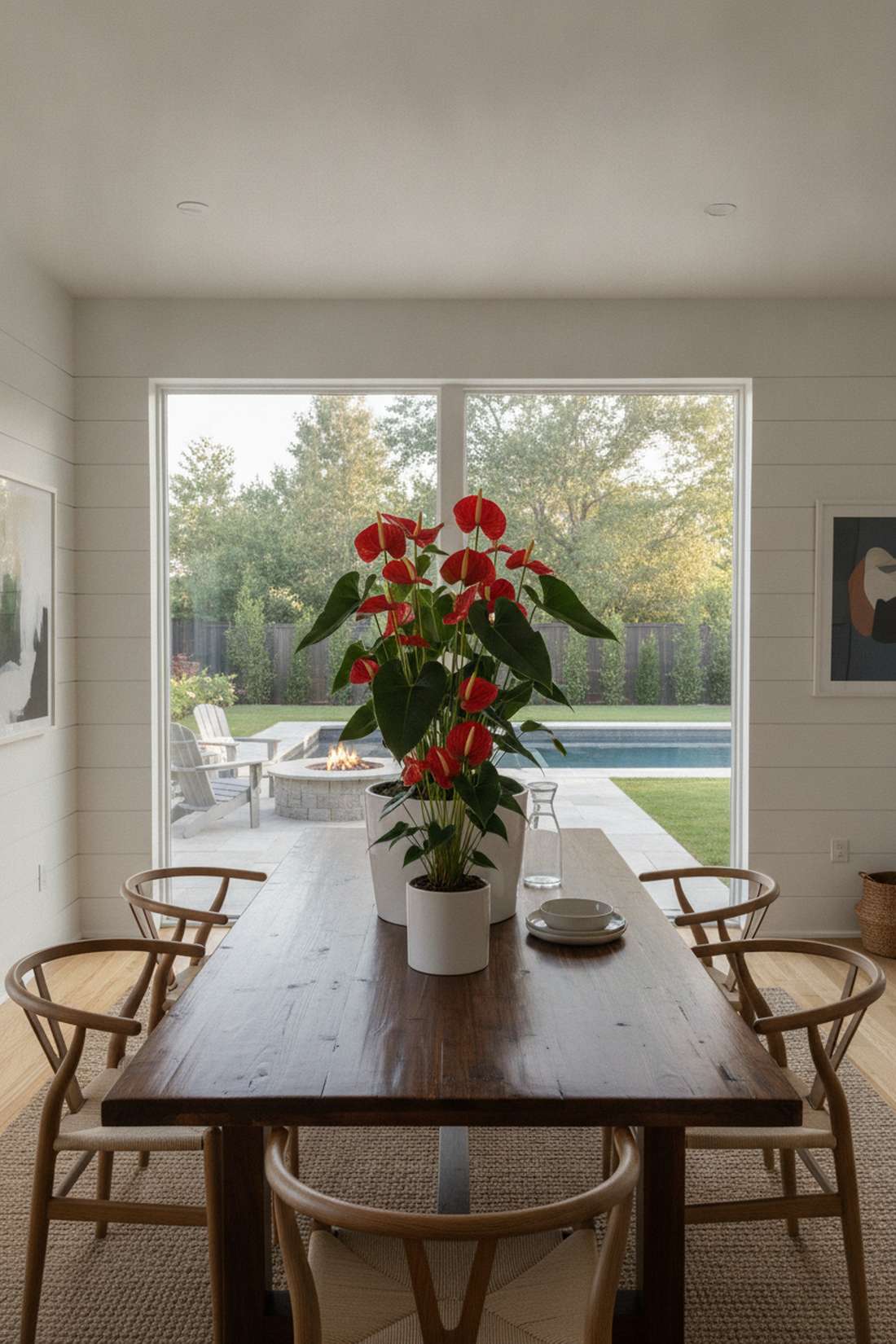
A glossy heart-shaped flowering centerpiece that feels like it was crafted from bright red wax. This is an incredibly durable pop of color for a well-lit dining table.
Many flowering plants drop messy petals, but these modified leaves look incredibly expensive and last for months without shedding. Planting them in a chic, solid white ceramic pot makes the aggressive red spathes pop even harder. They bloom almost continuously if given proper bright, indirect light.
A striking tabletop display will cost you around $30. It is a fast upgrade that completely changes the vibe.
- Key Materials: Solid ceramic pot, liquid fertilizer
- Vibe / Style: Bold tropical modern
- Difficulty: Very reliable bloomer
- Budget Breakdown: Plant: $18 | Pot: $12
- Creator’s Tip: Wipe the glossy red blooms and green leaves with a damp cloth to keep them shining brightly.
- Smart Sourcing: solid white ceramic planter cylinders | high-phosphorus bloom boosters
30. Medinilla Magnifica (Rose Grape)
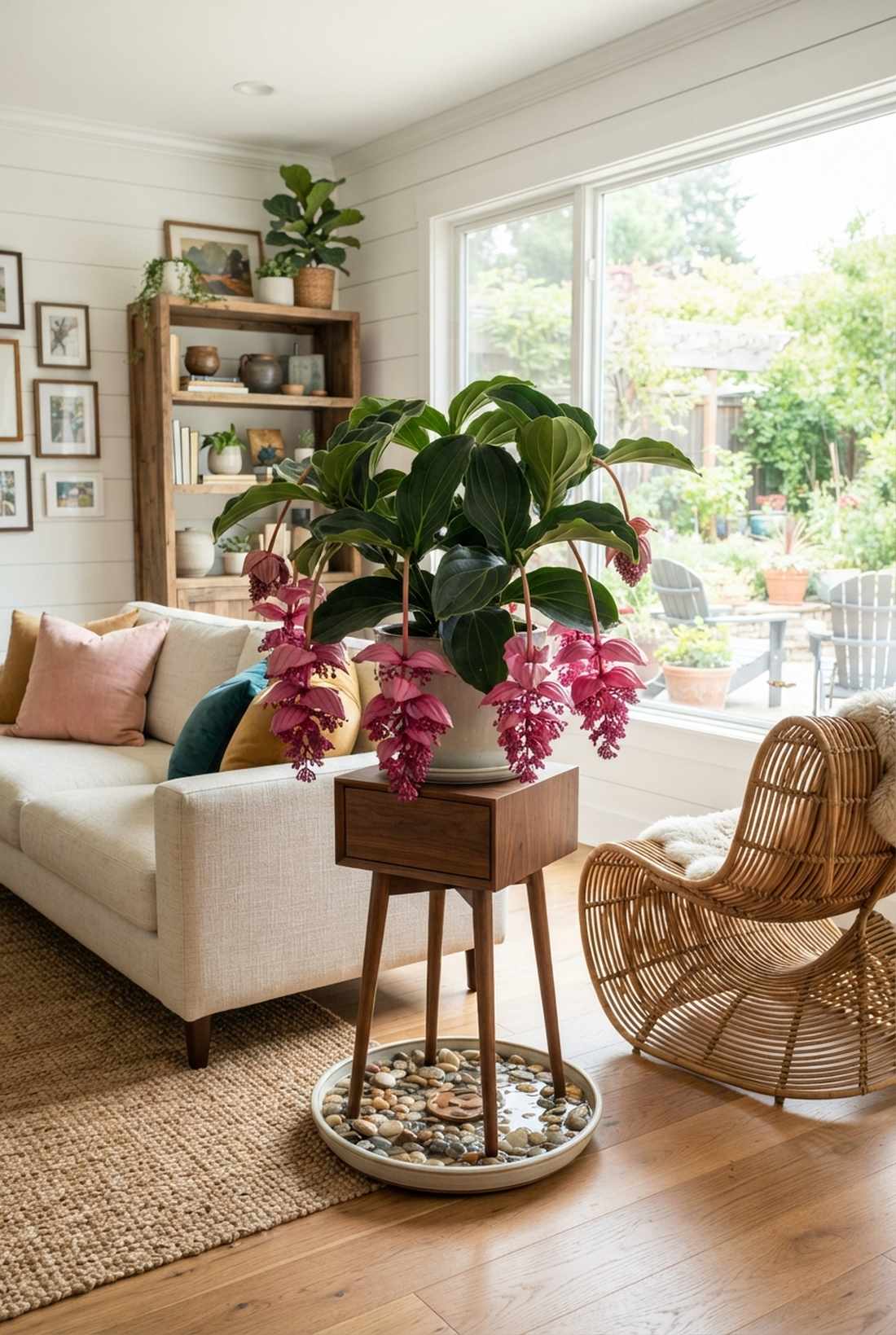
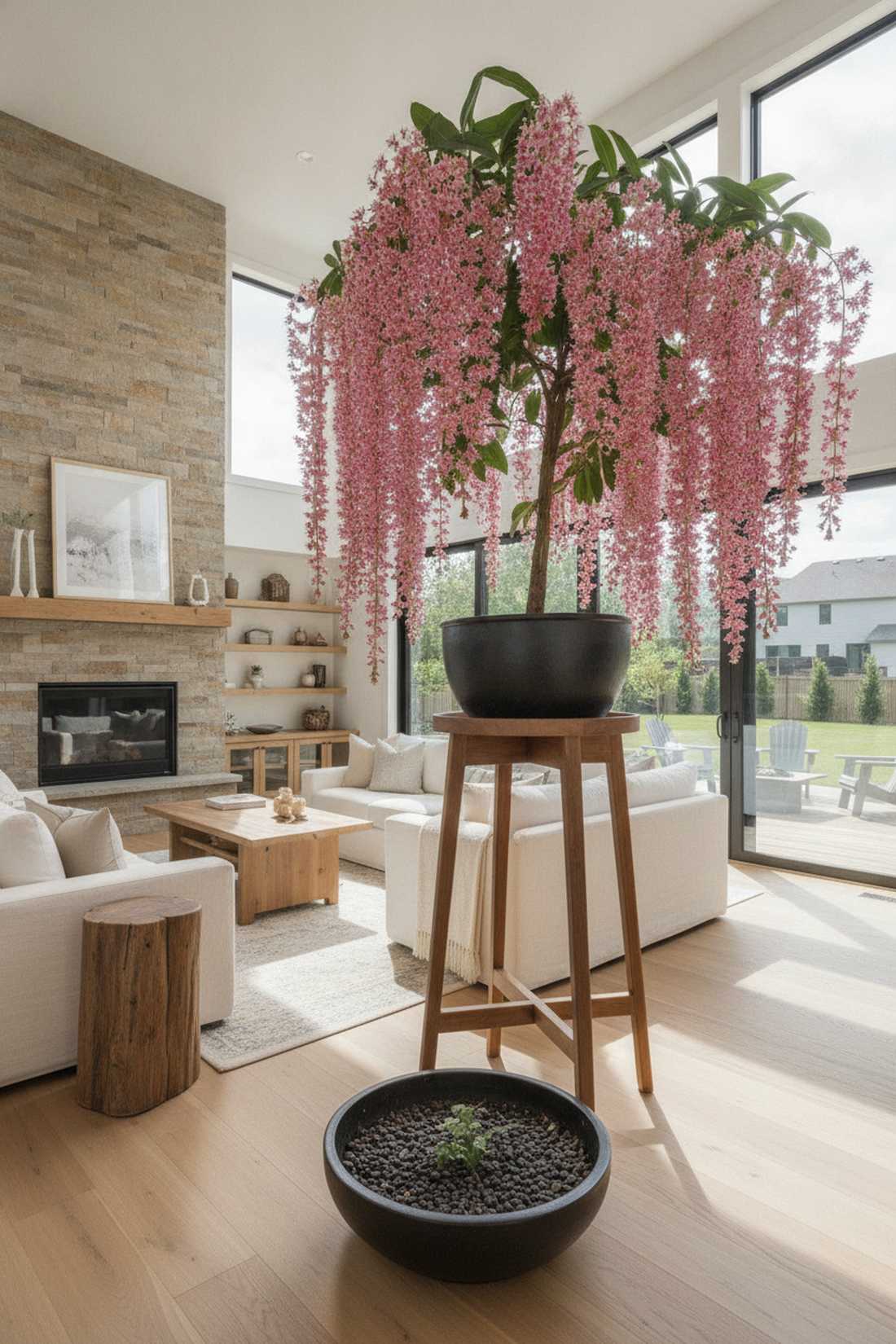
This cascading pink chandelier plant feels like extravagant royal jewelry dripping from a jungle canopy. It requires an elevated pedestal or tall stand to properly showcase the hanging blooms.
It is notoriously tricky to find, but sourcing this masterpiece gives a designer-level finish that leaves guests speechless. Utilizing high-end exotic flowering plants humidity trays ensures the massive flower clusters open completely without drying out. The pink bracts and tiny purple flowers are utterly spectacular.
Expect to spend roughly $60 to $80 for a blooming-size specimen. Pin this if you want the most dramatic flowering houseplant in existence.
- Key Materials: Tall plant stand, humidity pebble tray
- Vibe / Style: Extravagant tropical royalty
- Difficulty: Challenging, requires high humidity
- Budget Breakdown: Plant: $55 | Stand: $25
- Creator’s Tip: Do not move the plant once it starts forming flower buds, as sudden changes in light or temperature will cause bud drop.
- Smart Sourcing: tall mid-century wooden plant stands | large humidity drip trays
31. Blue Passionflower (Passiflora Caerulea)
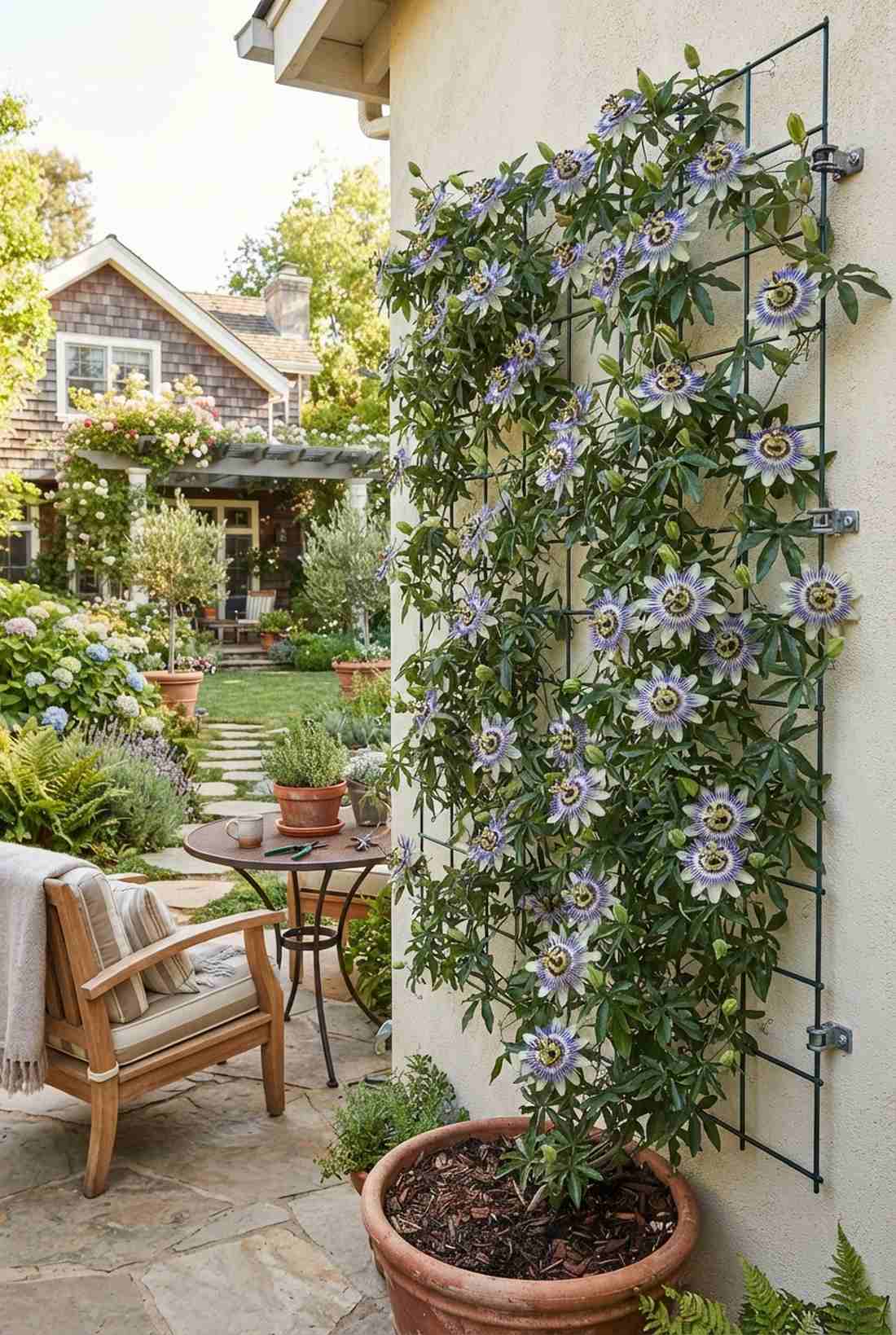
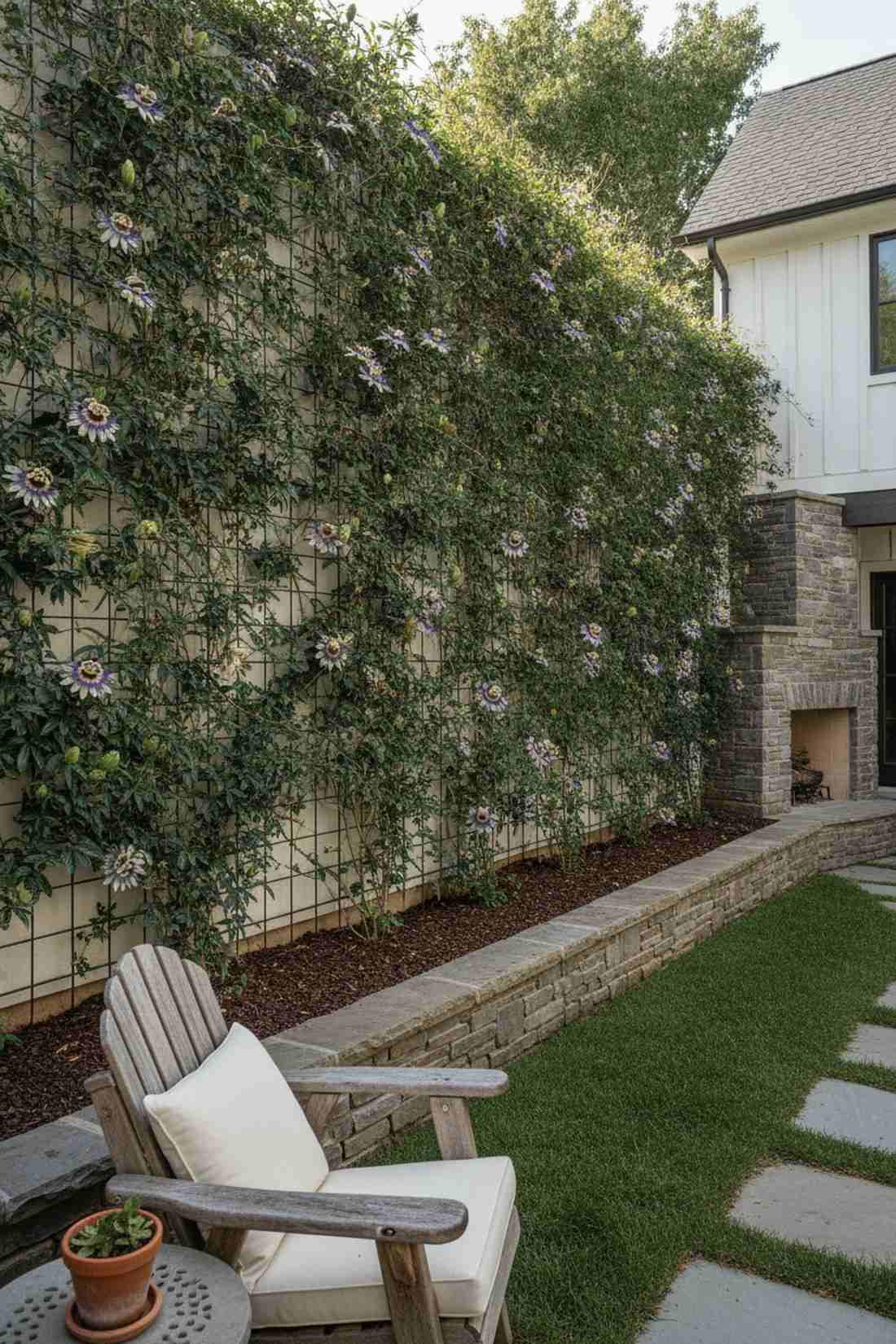
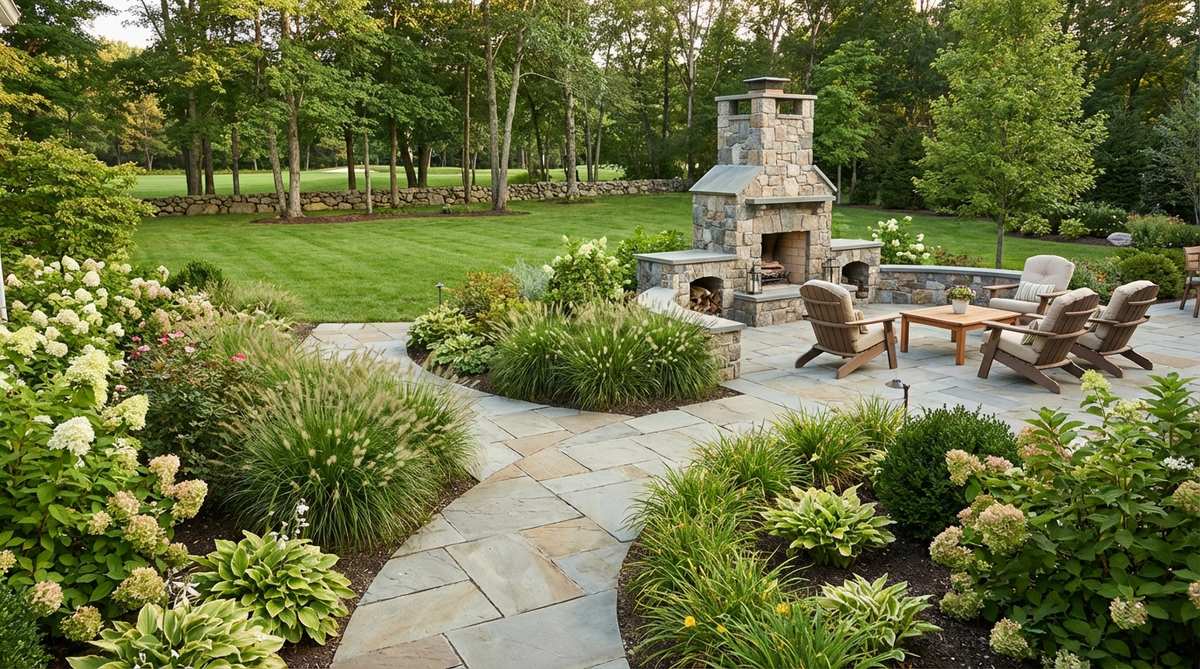
An intricate climbing alien-like flower vine that feels like complex clockwork designed by nature. It is incredible for quickly covering a sunny outdoor trellis or balcony railing.
Blank walls are boring, but training this vigorous vine delivers a surprisingly premium look in a single summer. Using heavy-duty miniature garden supplies like a coated wire grid gives the tendrils the perfect structure to grab. The purple and blue fringed blooms are mesmerizing.
You can establish this fast-growing wall cover for about $35. Highly recommended for a massive visual impact outdoors.
- Key Materials: Wire trellis grid, rich compost
- Vibe / Style: Wild exotic courtyard
- Difficulty: Fast, aggressive grower
- Budget Breakdown: Plant: $20 | Trellis: $15
- Creator’s Tip: Prune it back aggressively in late winter; it flowers best on brand new, fresh growth in the spring.
- Smart Sourcing: coated wire wall trellises | heavy-duty vine training clips
You will probably want to steal this next tropical idea for your own bedroom setup.
32. Bromeliad Neoregelia
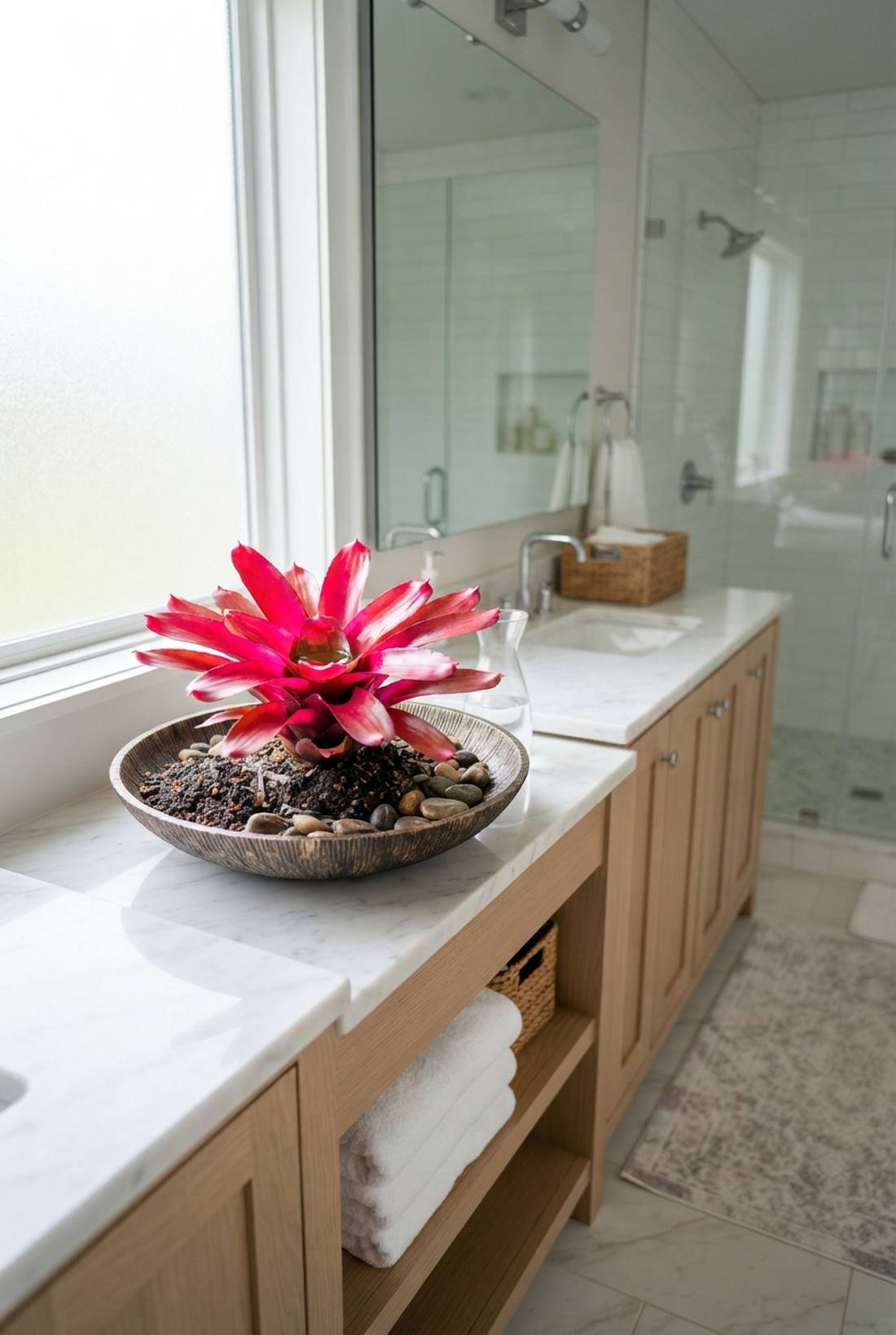
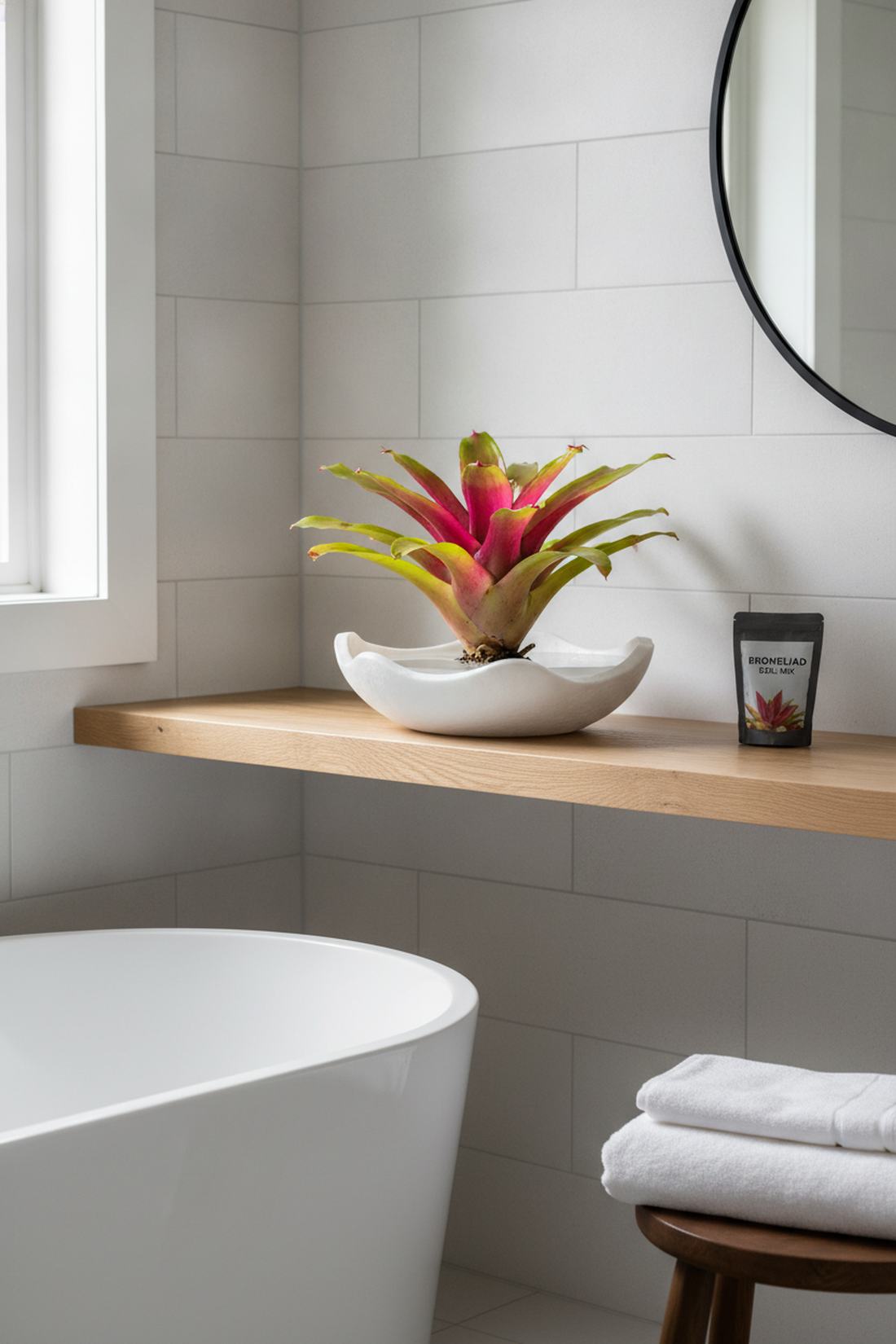
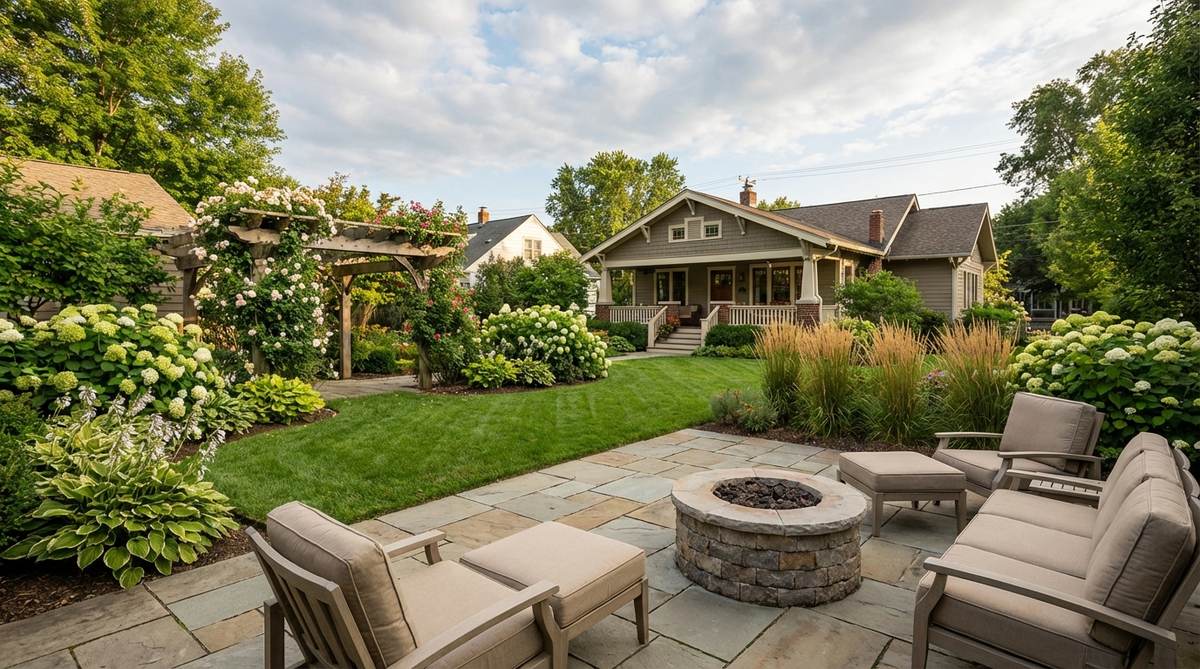
A vivid water-holding rosette plant that feels like a neon starburst sitting on your counter. This is a flawless, low-root option for shallow decorative bowls or bathroom ledges.
While most plants need deep soil, this epiphyte looks far more expensive when mounted on wood or placed in minimal dirt. The central cup flushes bright pink or red right before it flowers, lasting for months. It absorbs most of its water directly through the center reservoir.
You can create a striking neon display for under $25. Save this to your bright bathroom decor board.
- Key Materials: Shallow dish, distilled water
- Vibe / Style: Neon tropical punch
- Difficulty: Extremely easy care
- Budget Breakdown: Plant: $15 | Dish: $10
- Creator’s Tip: Flush the center cup with fresh water every two weeks to prevent stagnant water and bacterial rot.
- Smart Sourcing: shallow decorative resin bowls | bromeliad specific potting mixes
33. Hibiscus Rosa-Sinensis (Tropical Hibiscus)
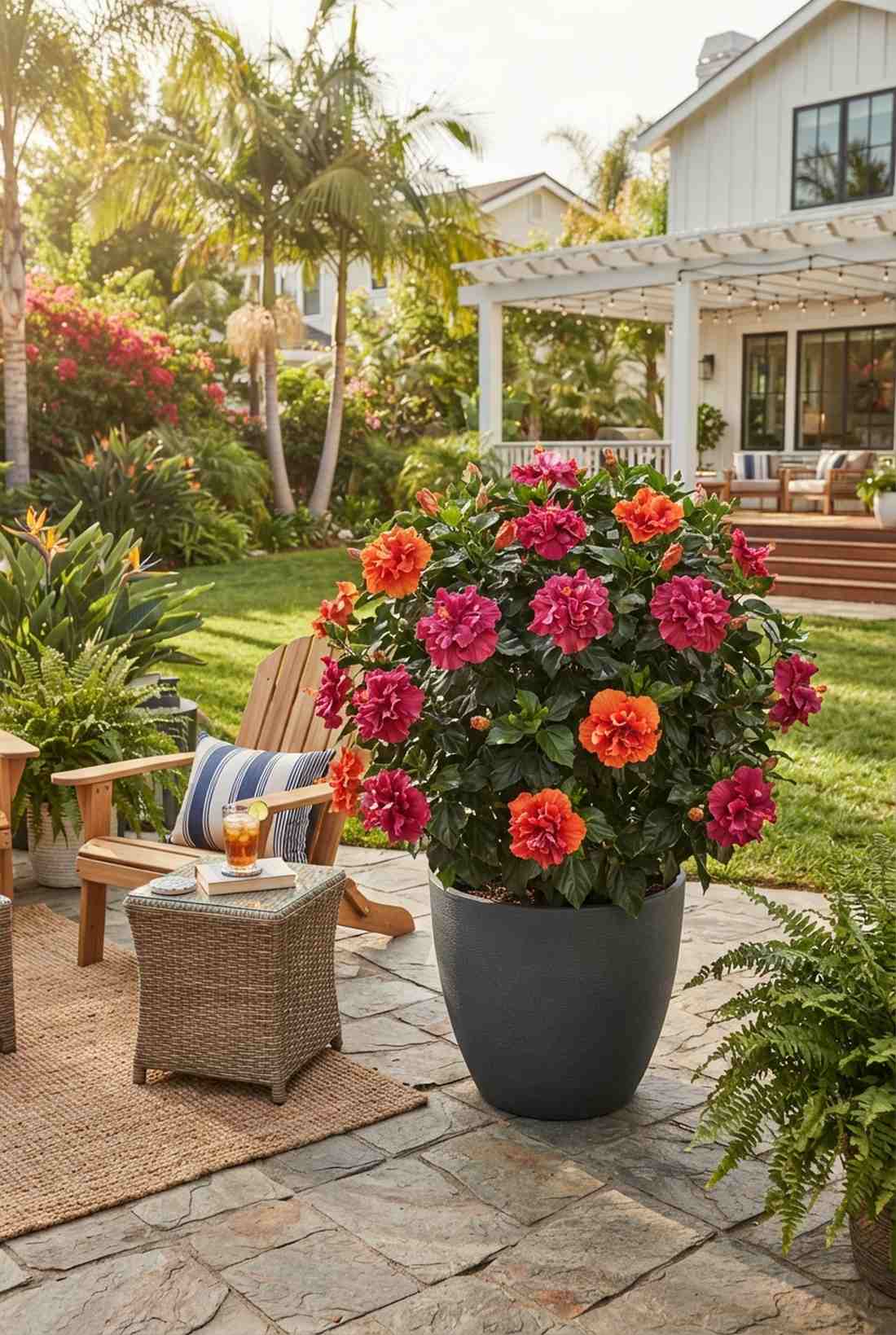
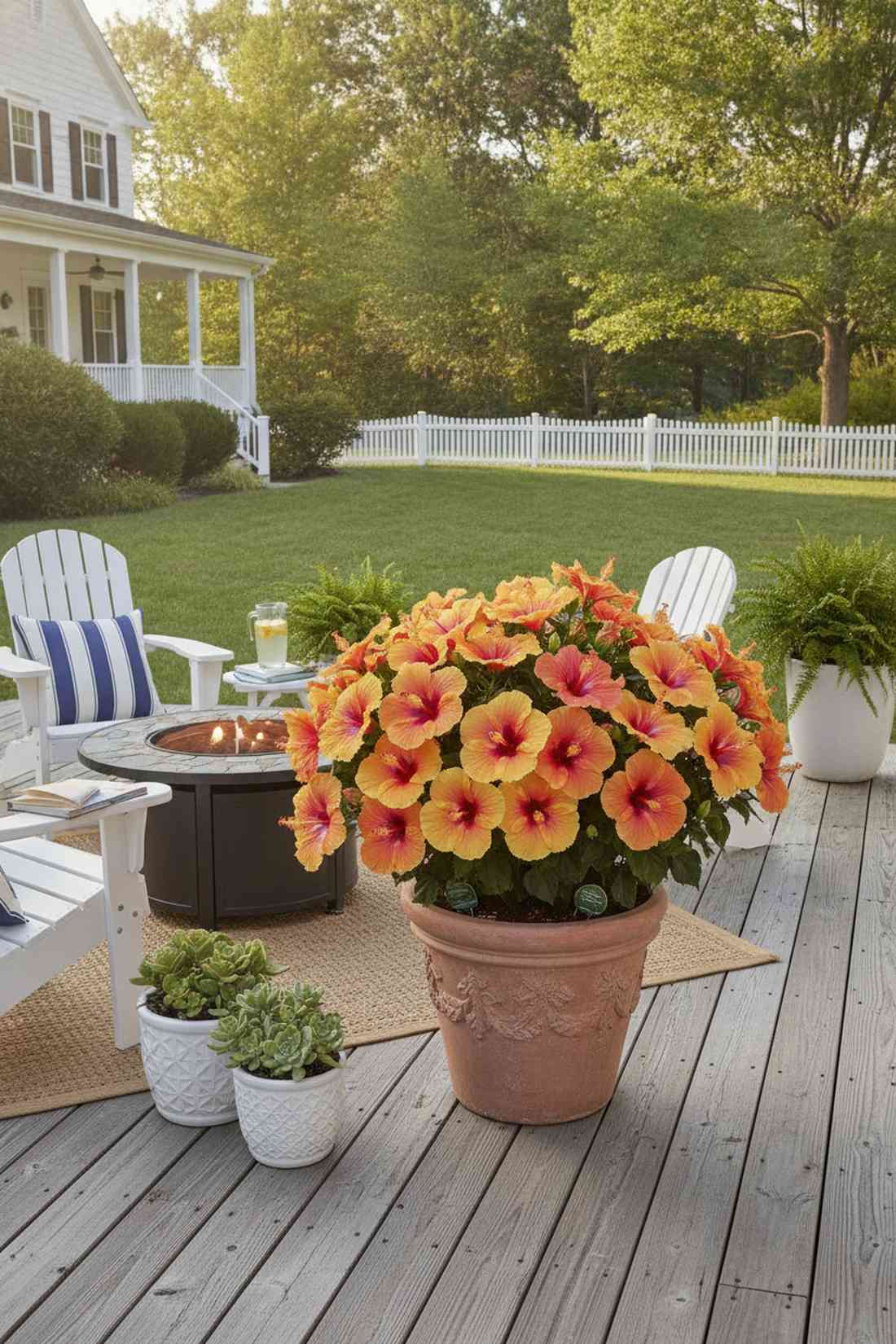
This massive ruffled flower shrub feels like a festive island celebration right on your patio. It works exceptionally well as a potted summer statement piece next to seating areas.
Standard patio flowers fade fast, but this heat-lover gives a designer-level finish with dinner-plate-sized blooms all season. Incorporating slow-release exotic plants and flowers fertilizer spikes ensures continuous, daily flower production. Although each bloom lasts one day, it produces them relentlessly.
A large potted patio setup will cost about $40 to $60. It is a fantastic way to bring instant tropical vibes to temperate zones.
- Key Materials: Large outdoor pot, bloom booster spikes
- Vibe / Style: Classic island patio
- Difficulty: Thirsty, needs daily water in summer
- Budget Breakdown: Plant: $30 | Pot & Fertilizer: $20
- Creator’s Tip: Bring the pot indoors before the first frost and place it in a sunny window to keep it alive for next year.
- Smart Sourcing: slow-release bloom booster spikes | UV-resistant outdoor resin planters
34. Plumeria (Frangipani)
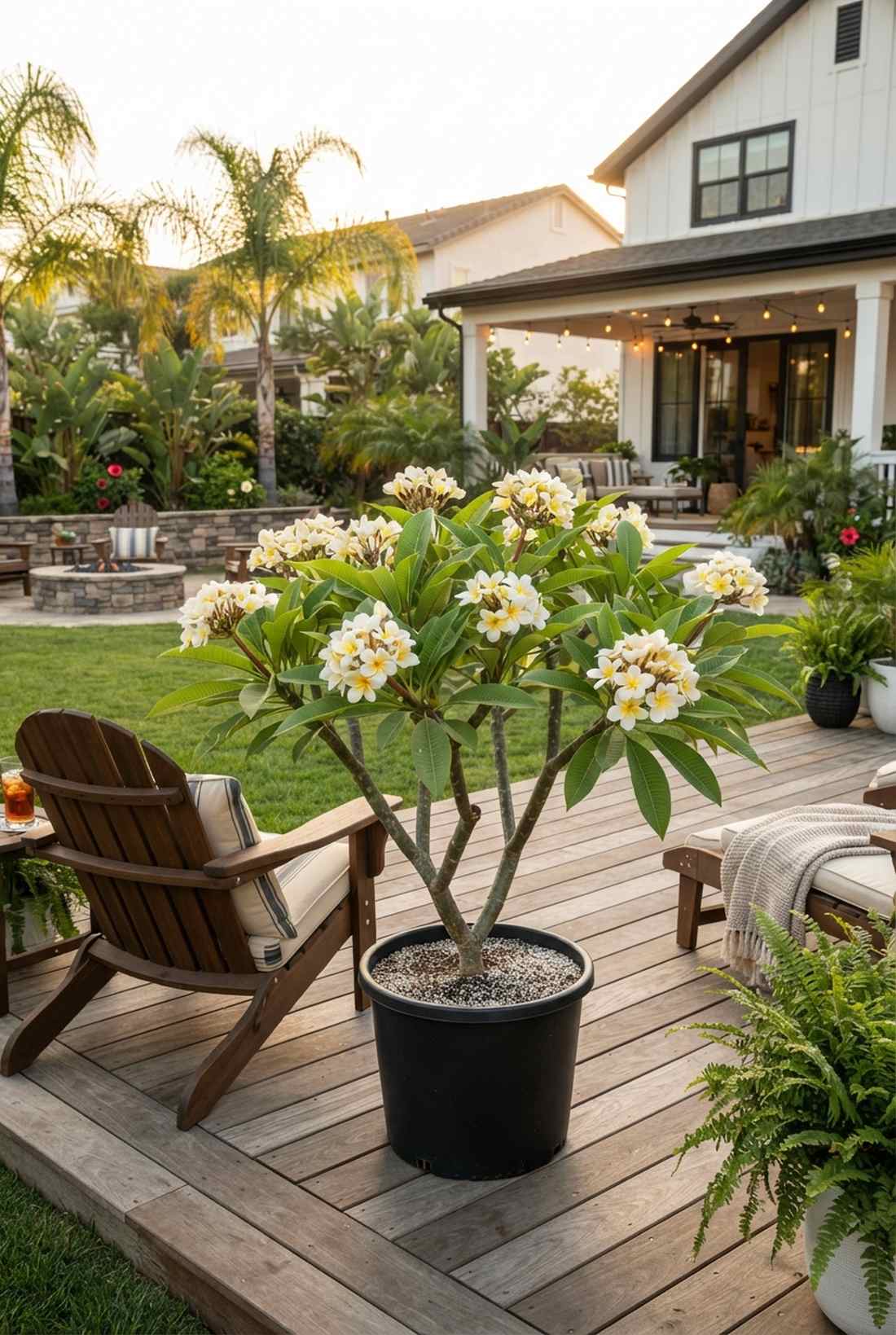
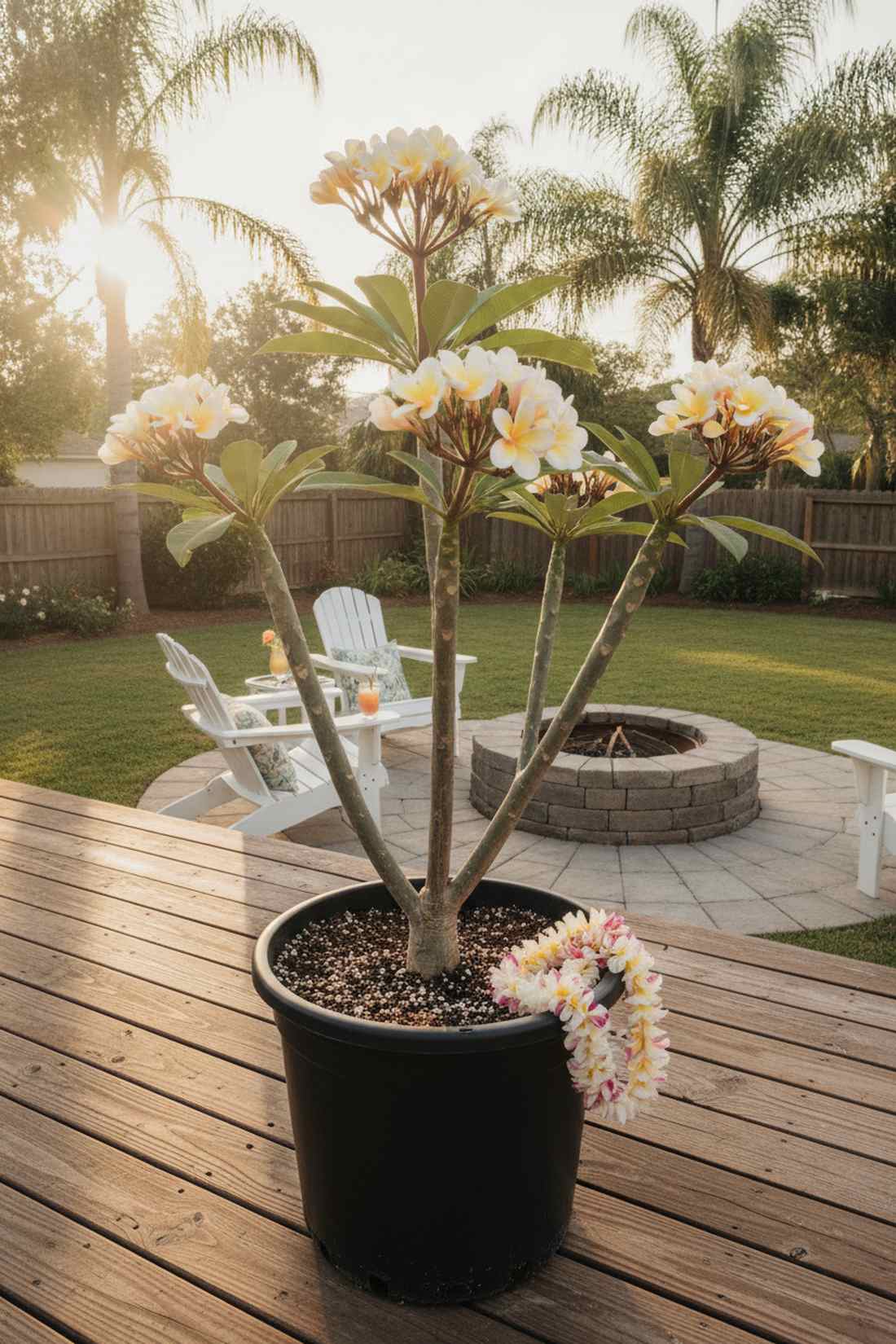
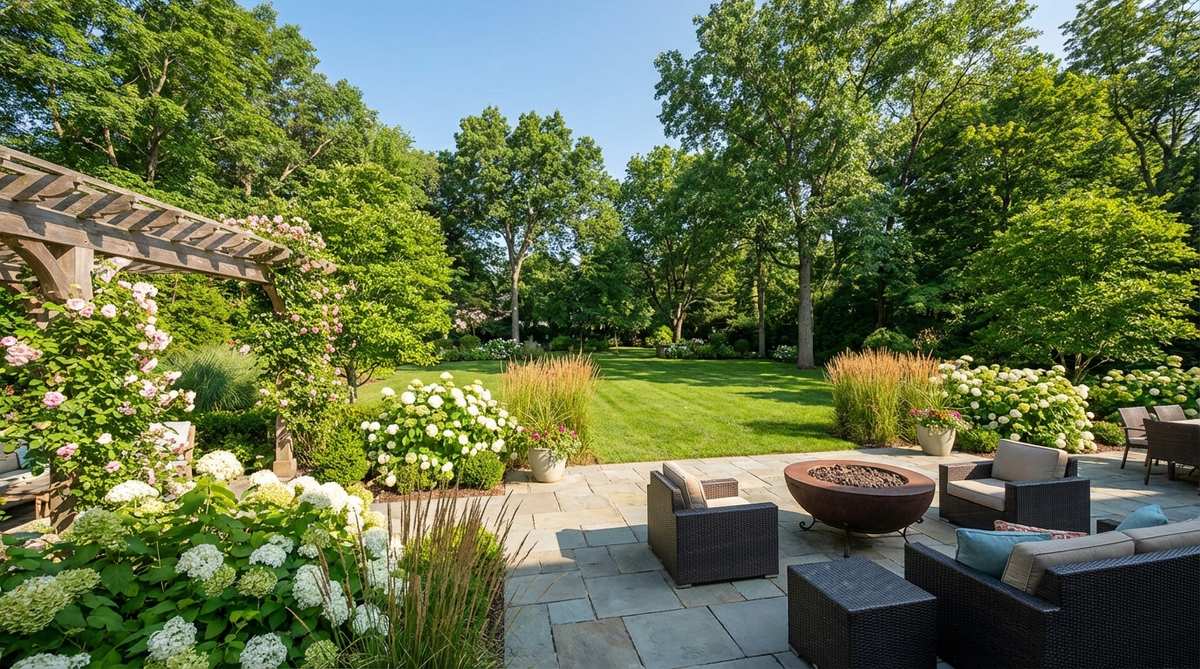
An intoxicating fragrant floral branch that feels like you are wearing a fresh Hawaiian lei. It is the ultimate sensory addition to a hot, sunny deck or balcony.
Many fragrant plants are weak, but these thick, succulent branches look incredibly structural and expensive. Using extremely fast-draining cactus soil prevents the fleshy roots from rotting during cooler weather. The clustered, pinwheel flowers release their perfume heavily in the evenings.
You can start a bare-root cutting setup for roughly $35. Pin this if you prioritize scent in your garden design.
- Key Materials: Black nursery pot, perlite-heavy soil
- Vibe / Style: Intoxicating Hawaiian retreat
- Difficulty: Needs strict winter dormancy
- Budget Breakdown: Cutting/Plant: $25 | Soil: $10
- Creator’s Tip: Stop watering completely when the leaves drop in winter; resume only when new green tips emerge in spring.
- Smart Sourcing: premium coarse perlite (bulk pack) | heavy black plastic nursery pots
35. Ginger Lily (Hedychium)
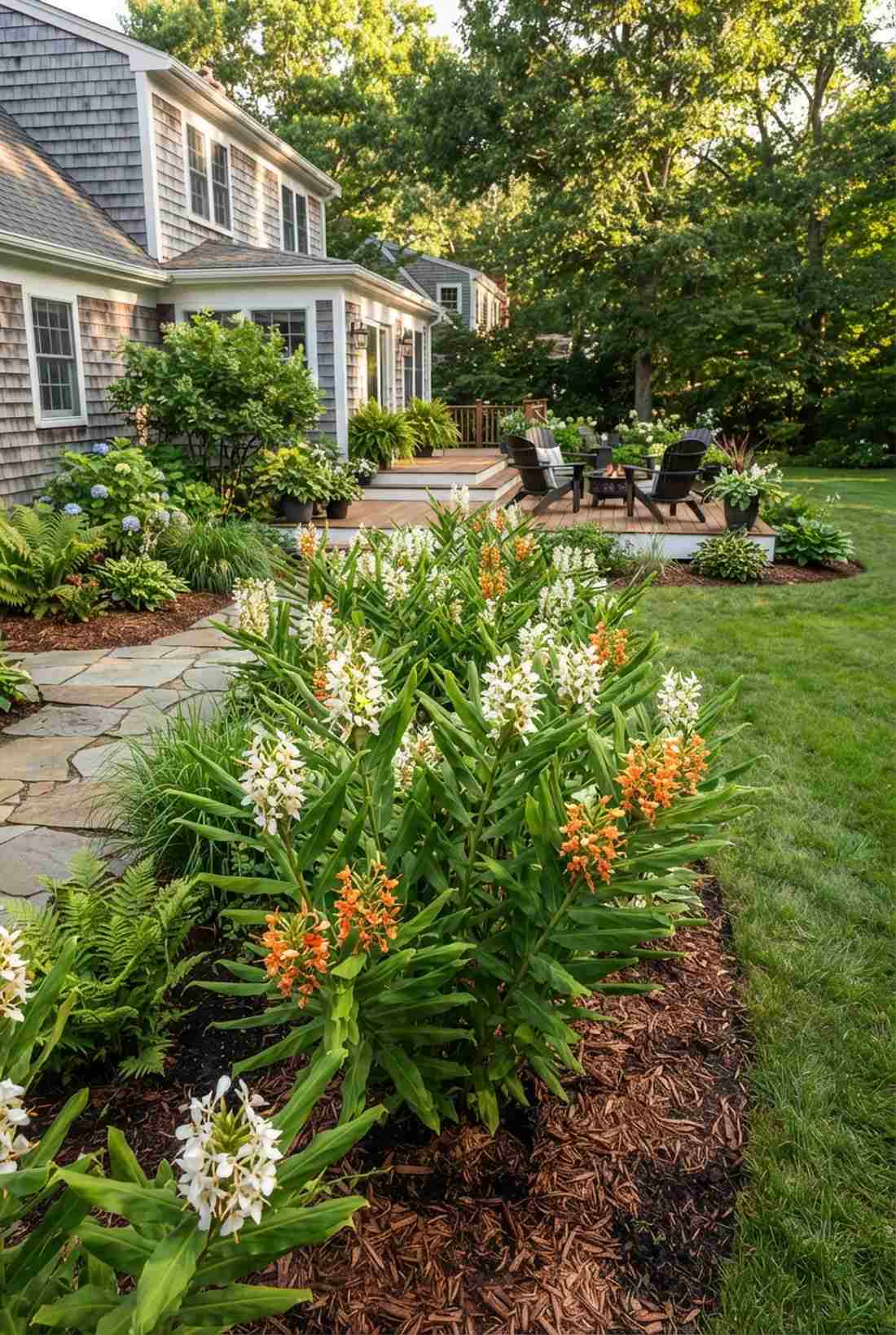
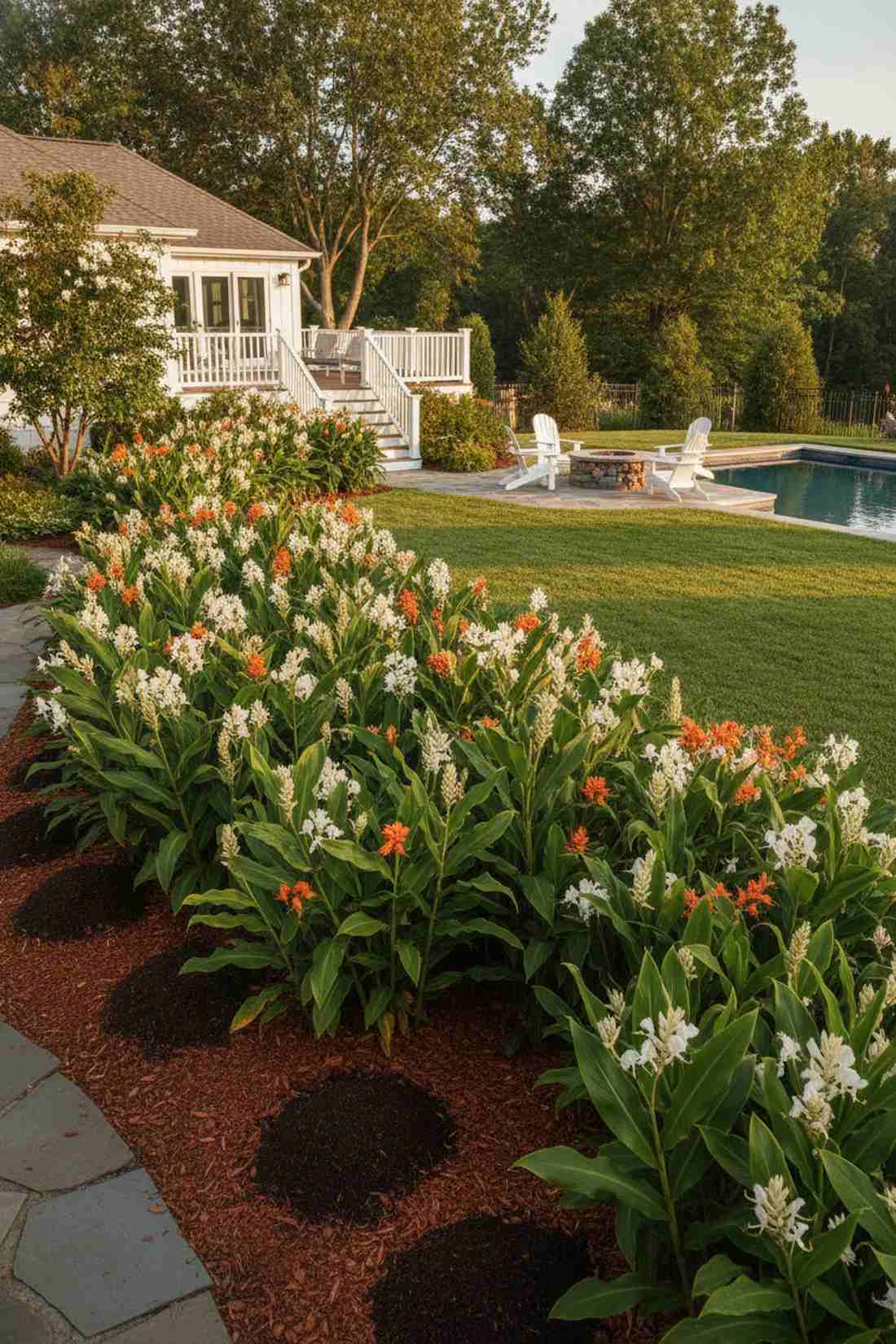
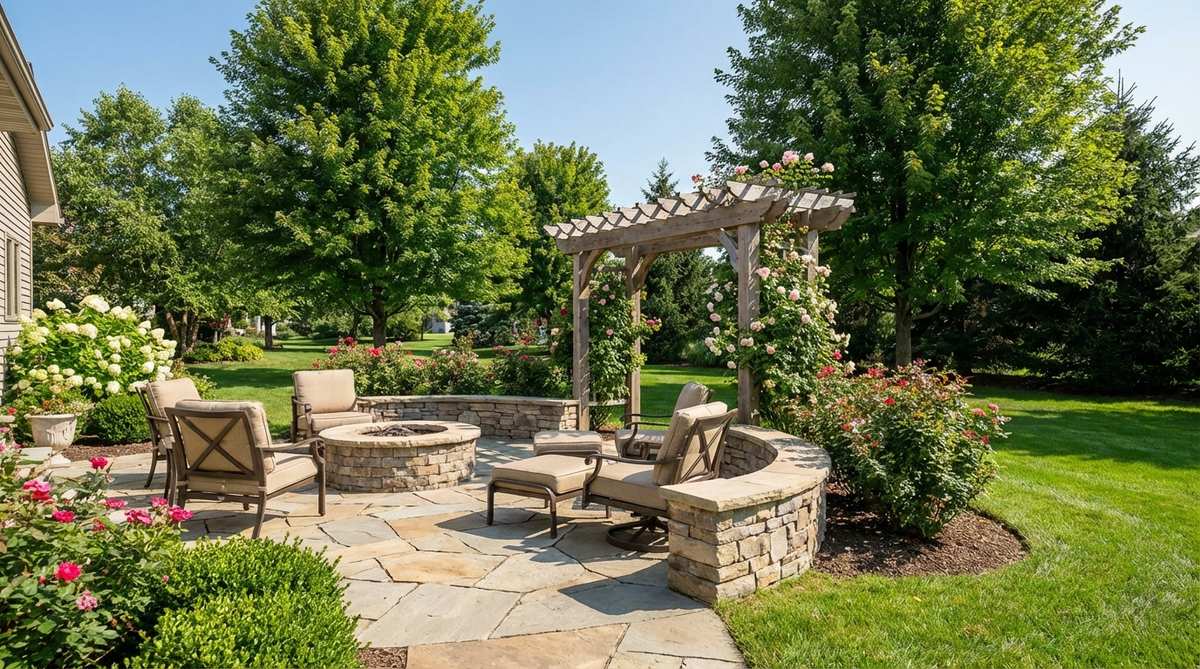
This tall fragrant flower spike feels like a dense, hidden tropical grove bursting with perfume. It is brilliant for filling large, empty garden beds with fast-growing greenery.
Landscaping with standard shrubs is boring, but planting these rhizomes delivers a surprisingly premium look that multiplies every year. Amending the garden bed with rich compost ensures the tall, corn-like stalks support the heavy summer blooms. The white or orange butterfly-like flowers are absolutely stunning.
A starter pack of rhizomes costs about $20 to $30. Save this for an affordable, massive backyard transformation.
- Key Materials: Garden compost, thick mulch
- Vibe / Style: Lush fragrant jungle border
- Difficulty: Easy, spreads rapidly
- Budget Breakdown: Rhizomes: $20 | Compost: $10
- Creator’s Tip: Cut the spent flower stalks completely to the ground in late autumn to make room for next year’s fresh shoots.
- Smart Sourcing: organic garden compost blends | cedar mulch ground cover
Almost nobody uses this upcoming technique, but it delivers a wildly expensive aesthetic.
36. White Bird of Paradise (Strelitzia Nicolai)
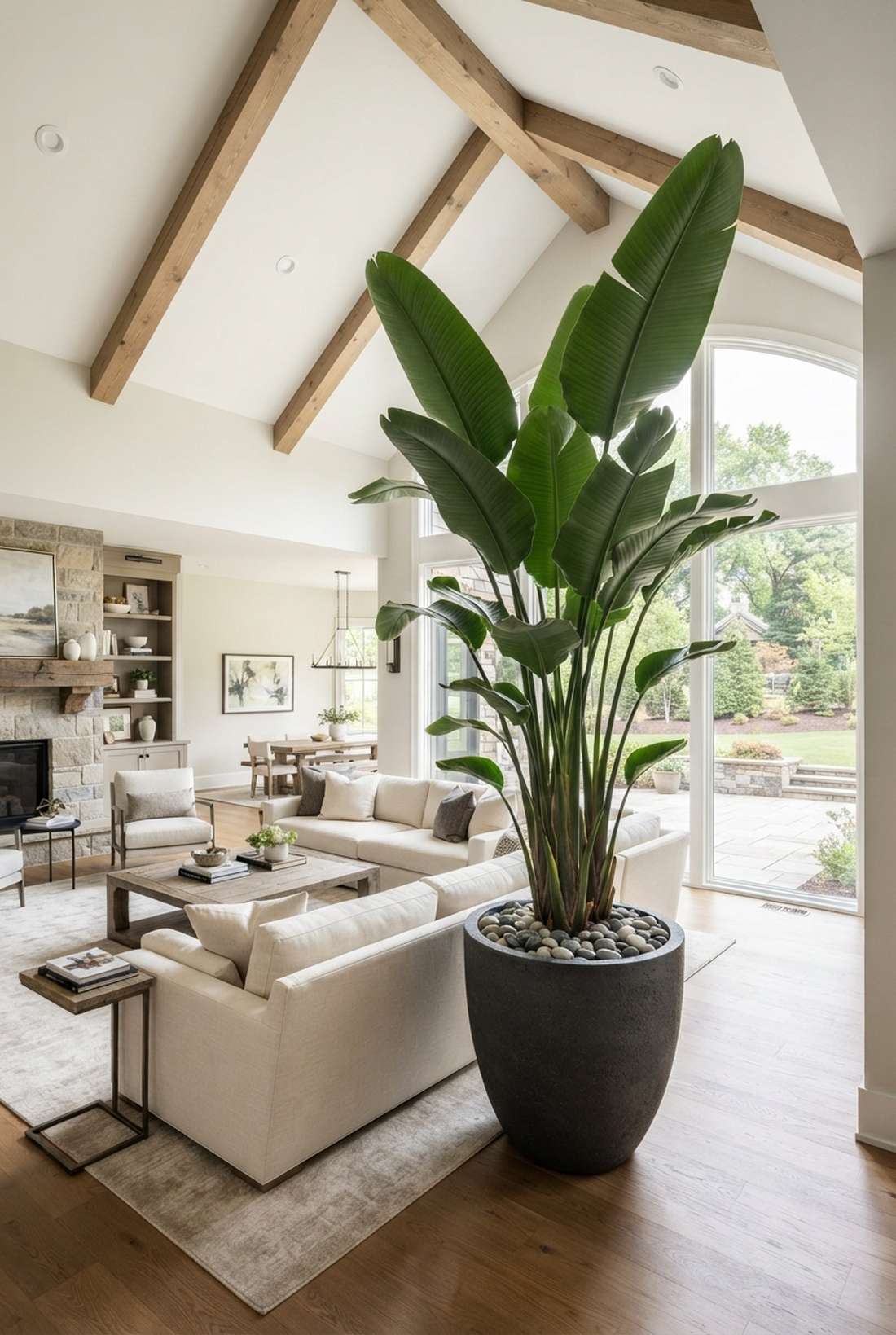
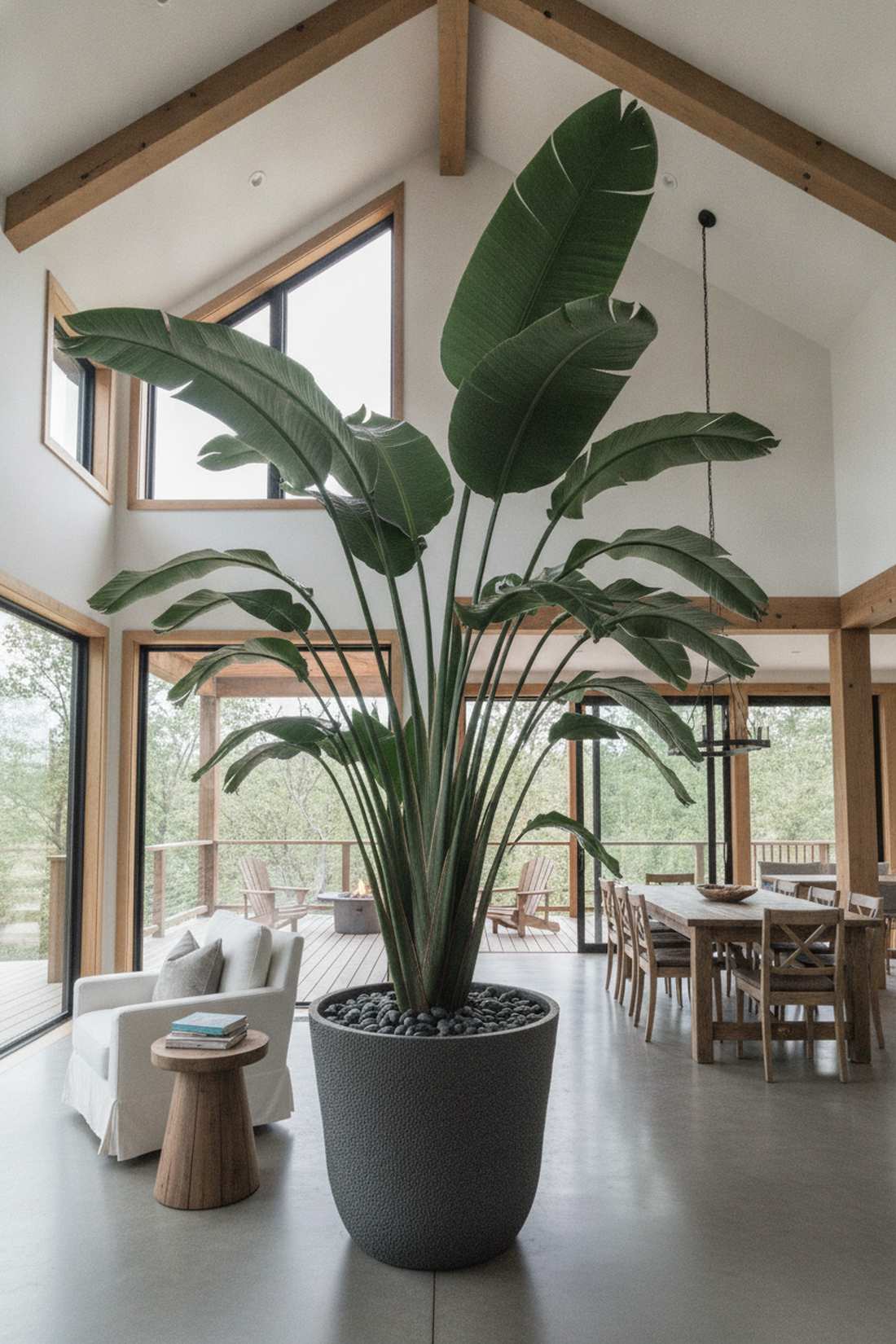
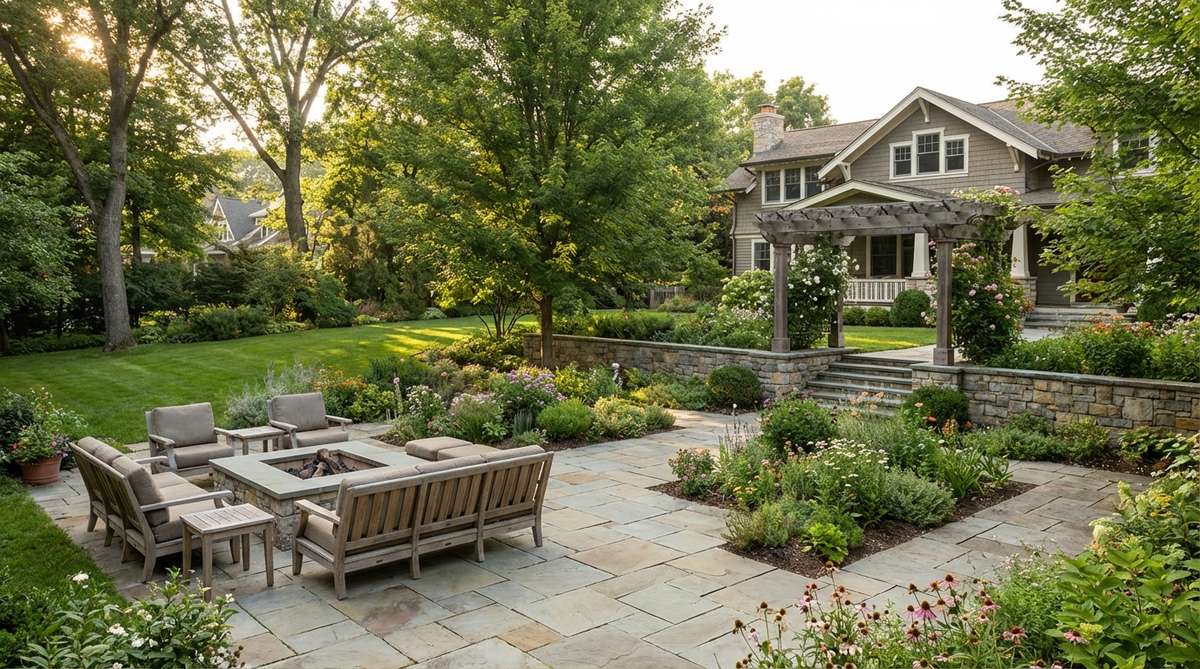
A towering giant banana-like foliage plant that feels like the structural pillar of a luxury resort lobby. It is designed to dominate an atrium or a room with vaulted ceilings.
Smaller plants get lost in big rooms, but this giant looks far more expensive and commands the entire space. Keeping it in a massive, heavy-bottomed planter ensures the huge canopy doesn’t pull the pot over. It rarely flowers indoors, but the massive 4-foot leaves are the real prize.
Expect to invest $80 to $150 for a large floor-ready specimen. Highly recommended for filling massive vertical voids.
- Key Materials: Massive heavy planter, structural soil
- Vibe / Style: Grand architectural luxury
- Difficulty: Easy, just needs space
- Budget Breakdown: Plant: $90 | Floor Planter: $40
- Creator’s Tip: As the leaves naturally split, trim off any fully dead brown edges with sterilized scissors following the natural leaf curve.
- Smart Sourcing: extra-large fiberglass floor planters | heavy stone top-dressing
Exotic Plants for Garden Outdoor Specimens
Hardy exotic plants for garden use bring tropical aesthetics to temperate landscapes through bold foliage and architectural forms. These species withstand outdoor conditions in USDA zones 7-11 or function as seasonal displays in colder regions.
37. Colocasia Esculenta (Elephant Ear)
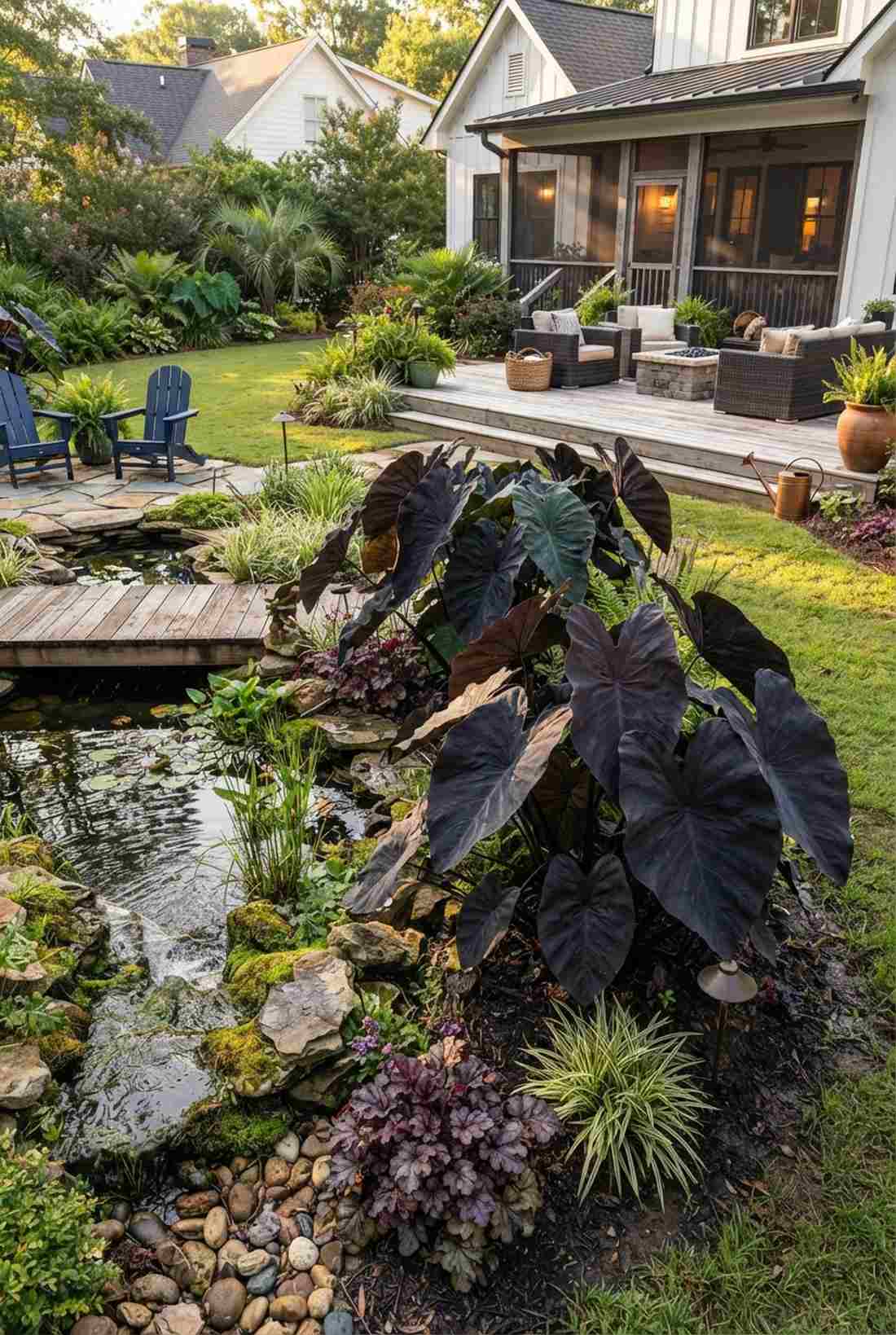
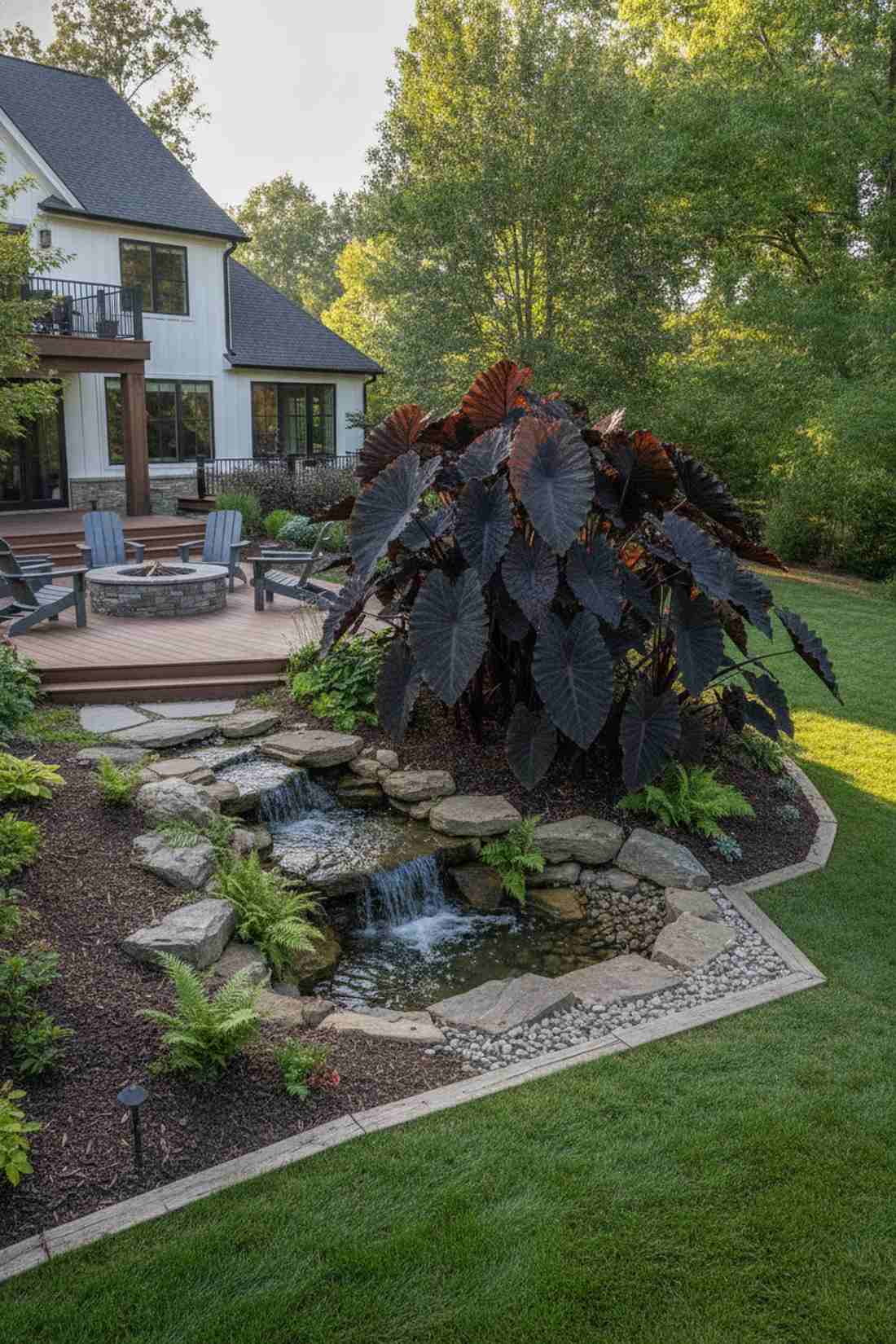
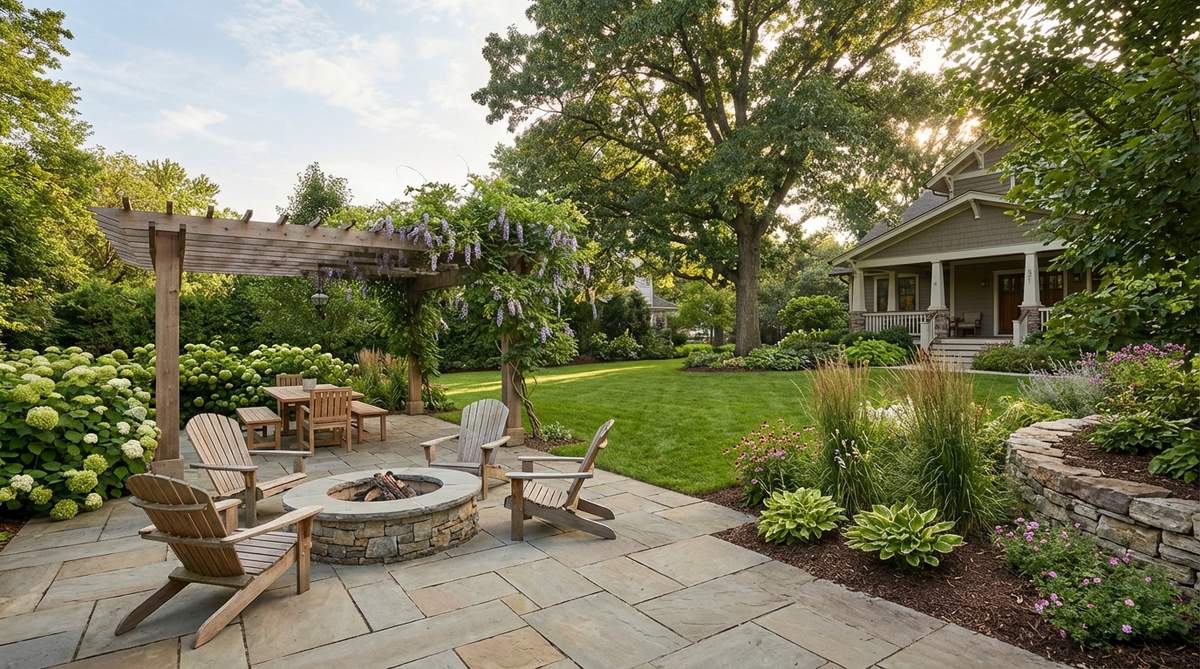
This massive dark-leaved garden accent feels like you planted a prehistoric jungle right by your patio. It works exceptionally well next to water features or low-lying wet spots.
Traditional garden borders are predictable, but burying these massive tubers gives a designer-level finish that grows to staggering sizes in one summer. Utilizing rich, water-retaining exotic plants for garden soil amendments ensures the leaves reach maximum width. The deep black and purple varieties offer insane color contrast.
You can buy a pack of large bulbs for around $20. Pin this to your bold summer landscaping board.
- Key Materials: Large bulbs, heavy organic matter
- Vibe / Style: Prehistoric tropical wetland
- Difficulty: Needs constant moisture
- Budget Breakdown: Bulbs: $15 | Compost: $10
- Creator’s Tip: Dig up the bulbs after the first autumn frost and store them in a cool, dry basement to replant next spring.
- Smart Sourcing: water-retaining soil polymers | premium large elephant ear bulbs
38. Canna Lily
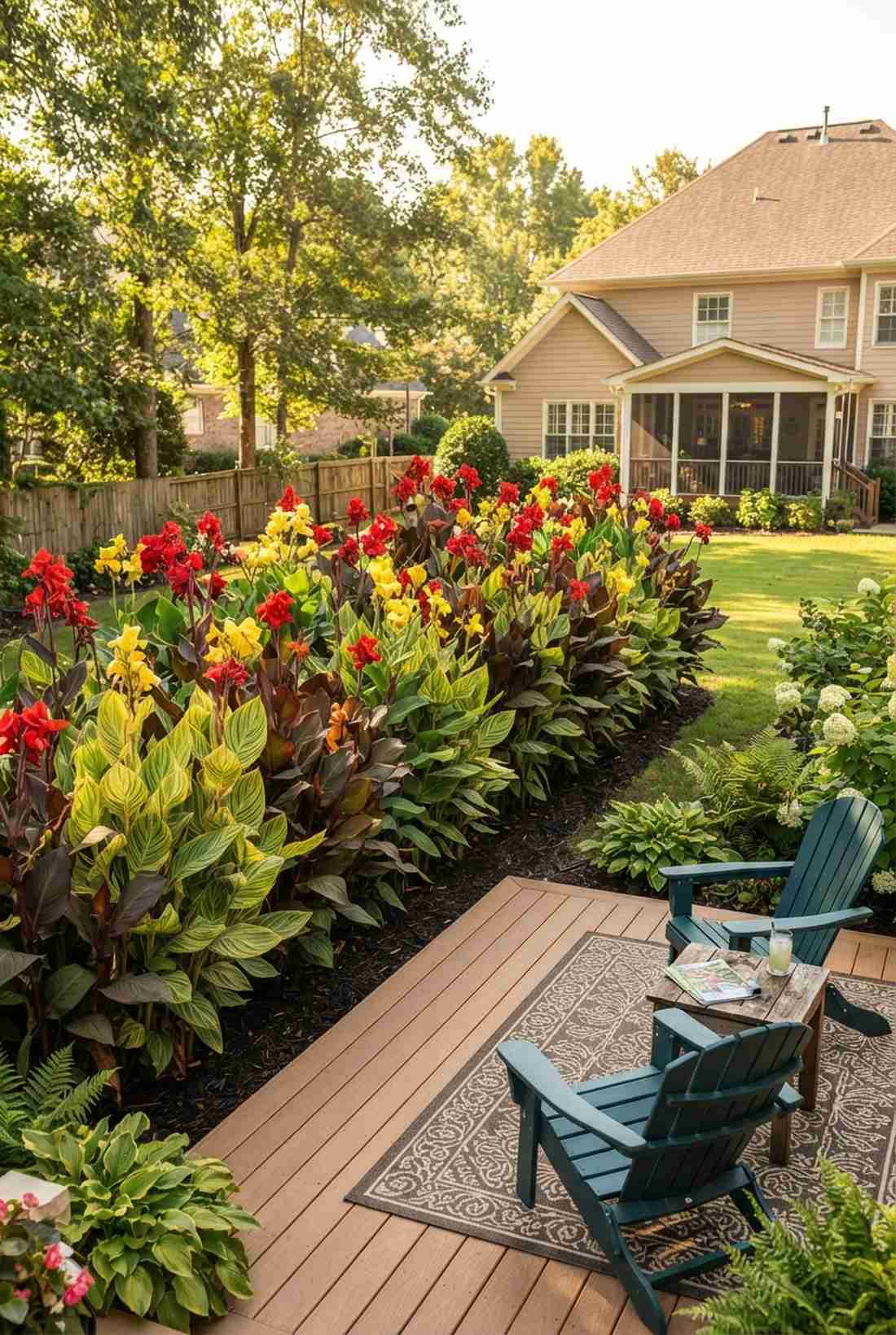
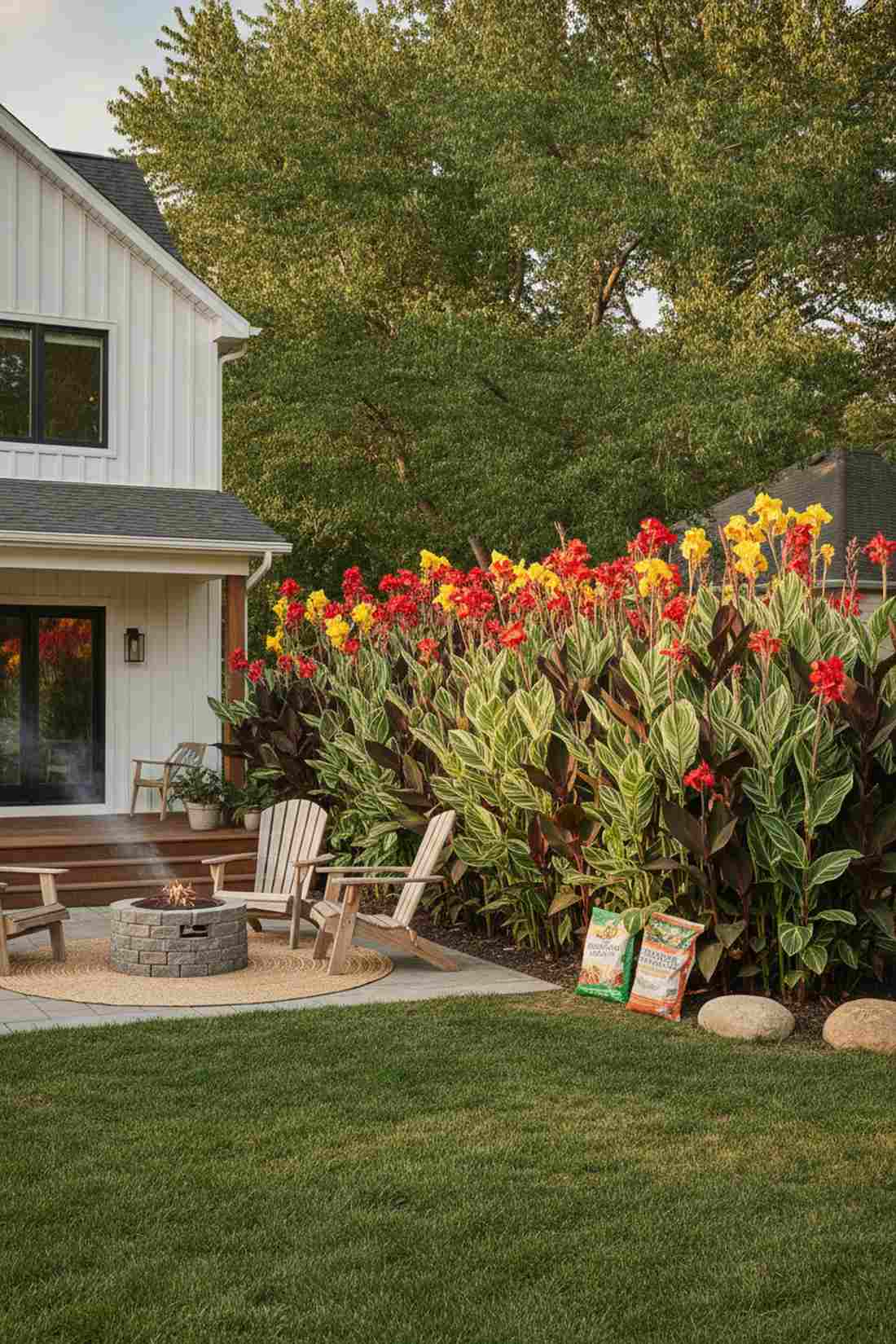
A tall variegated foliage and flower wall that feels like a fiery tropical barricade. It is brilliant for creating quick, dense privacy screens around a seating area.
Wooden fences are expensive, but mass-planting these tall rhizomes delivers a surprisingly premium look that blocks out neighbors beautifully. Mixing the striped-leaf varieties with solid bronze ones creates a dynamic, multi-layered visual. The vivid red and yellow blooms sit proudly on top of the foliage.
Establishing a living privacy wall costs roughly $30 to $50. Save this for an instant, budget-friendly backyard upgrade.
- Key Materials: Bulk rhizomes, slow-release fertilizer
- Vibe / Style: Vibrant living privacy screen
- Difficulty: Fast, easy grower
- Budget Breakdown: Rhizomes: $30 | Fertilizer: $10
- Creator’s Tip: Plant them in tight clusters rather than a single straight line to create a thicker, more natural-looking jungle barrier.
- Smart Sourcing: bulk pack mixed canna rhizomes | granular garden bed fertilizers
39. Tetrapanax Papyrifer (Rice Paper Plant)
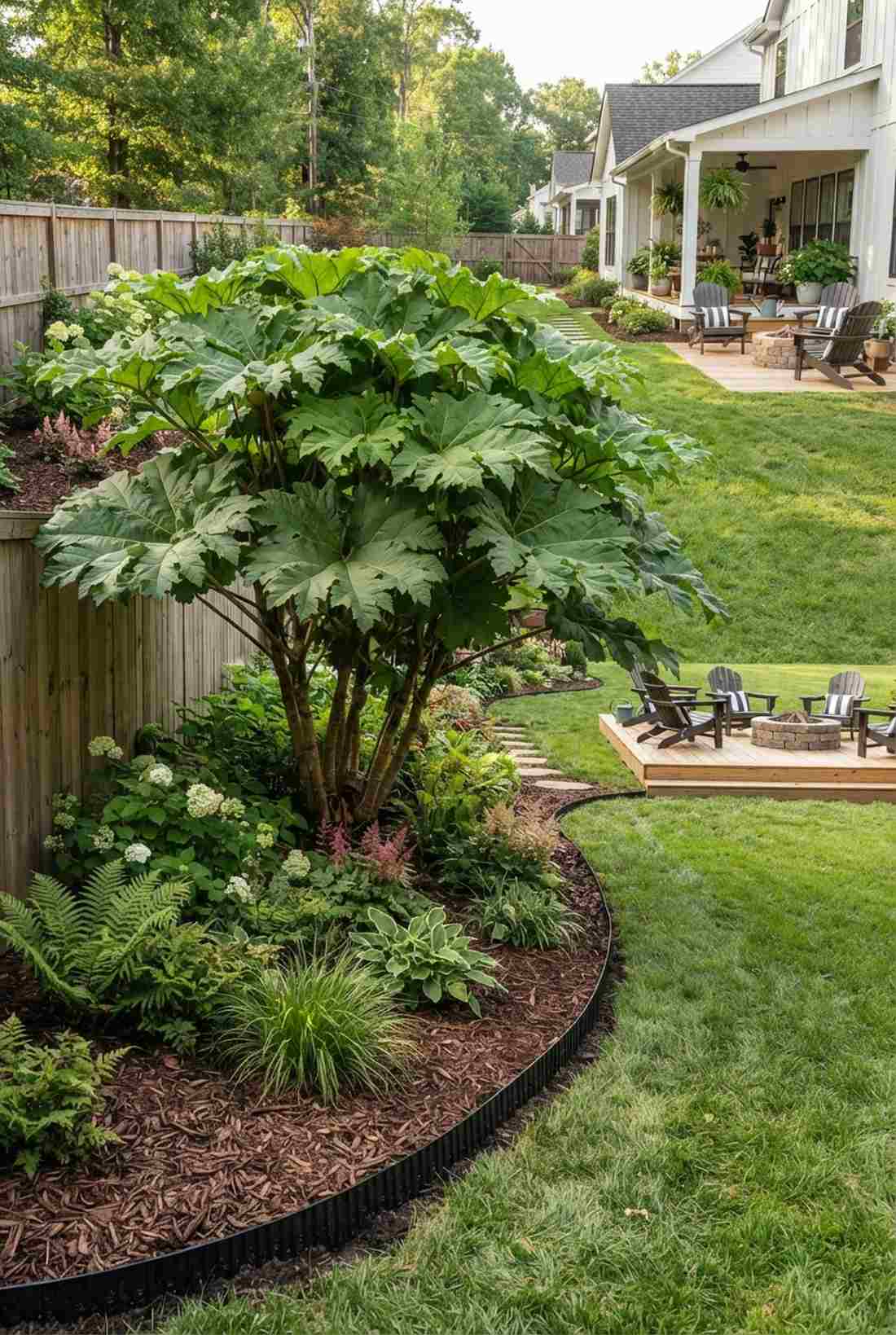
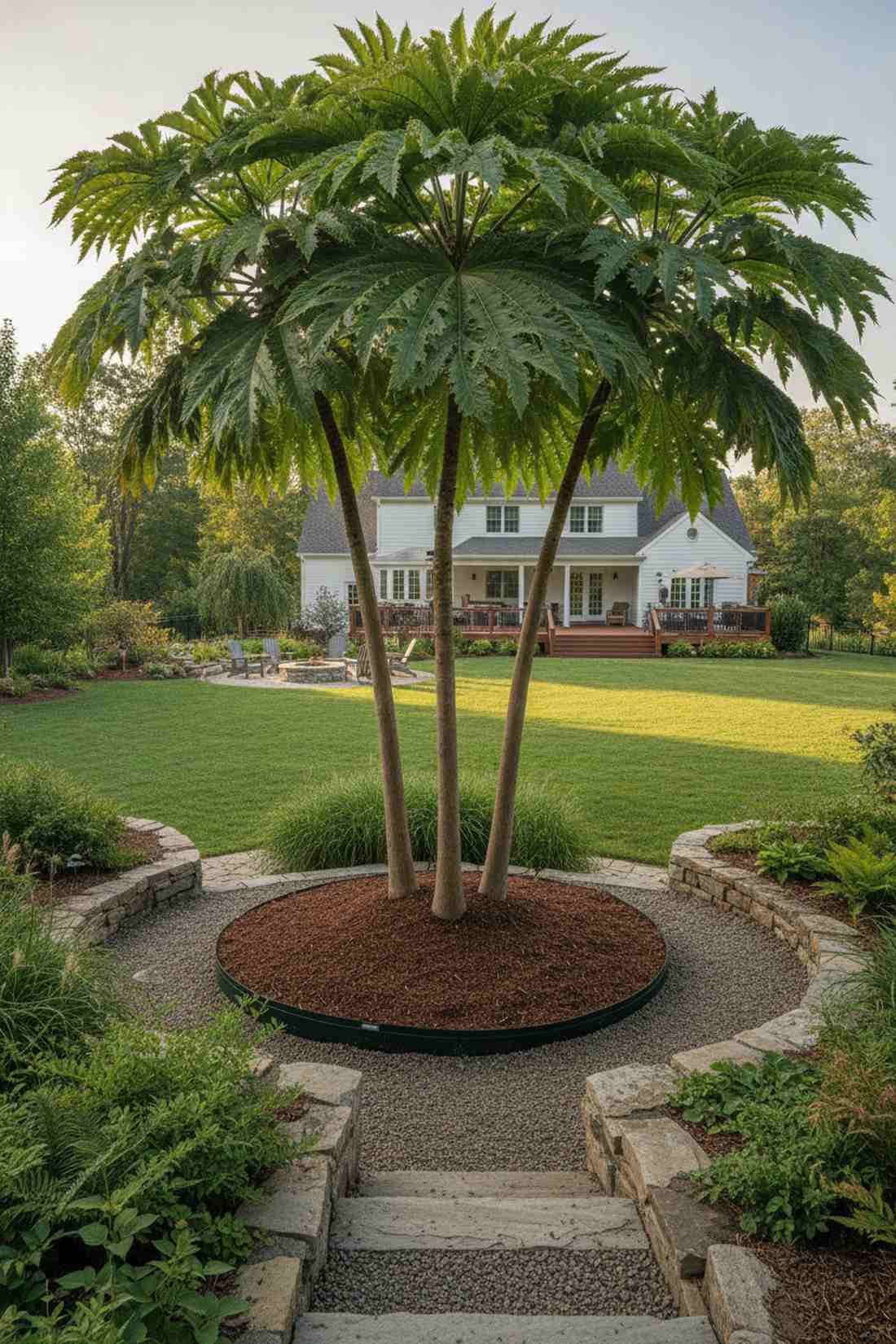
This enormous palmate shrub feels like a canopy from the age of dinosaurs towering over your garden. It is perfect for the back row of a deep garden bed.
While most hardy plants have small leaves, this architectural monster looks far more expensive with leaves spanning up to three feet across. Controlling its aggressive suckering with underground root barriers keeps the display intentional rather than weed-like. The woody stems give it a tree-like stature.
You can source a starter plant for about $35. It is a jaw-dropping addition that redefines temperate gardening.
- Key Materials: Root barrier plastic, heavy mulch
- Vibe / Style: Jurassic park garden
- Difficulty: Needs space management
- Budget Breakdown: Plant: $30 | Root Barrier: $20
- Creator’s Tip: Install a deep plastic root barrier around the planting hole to prevent it from aggressively taking over the entire lawn.
- Smart Sourcing: heavy-duty underground root barriers | thick hardwood mulch
This next outdoor trick is the ultimate cheat code for a massive backyard transformation.
40. Musa Basjoo (Hardy Banana)
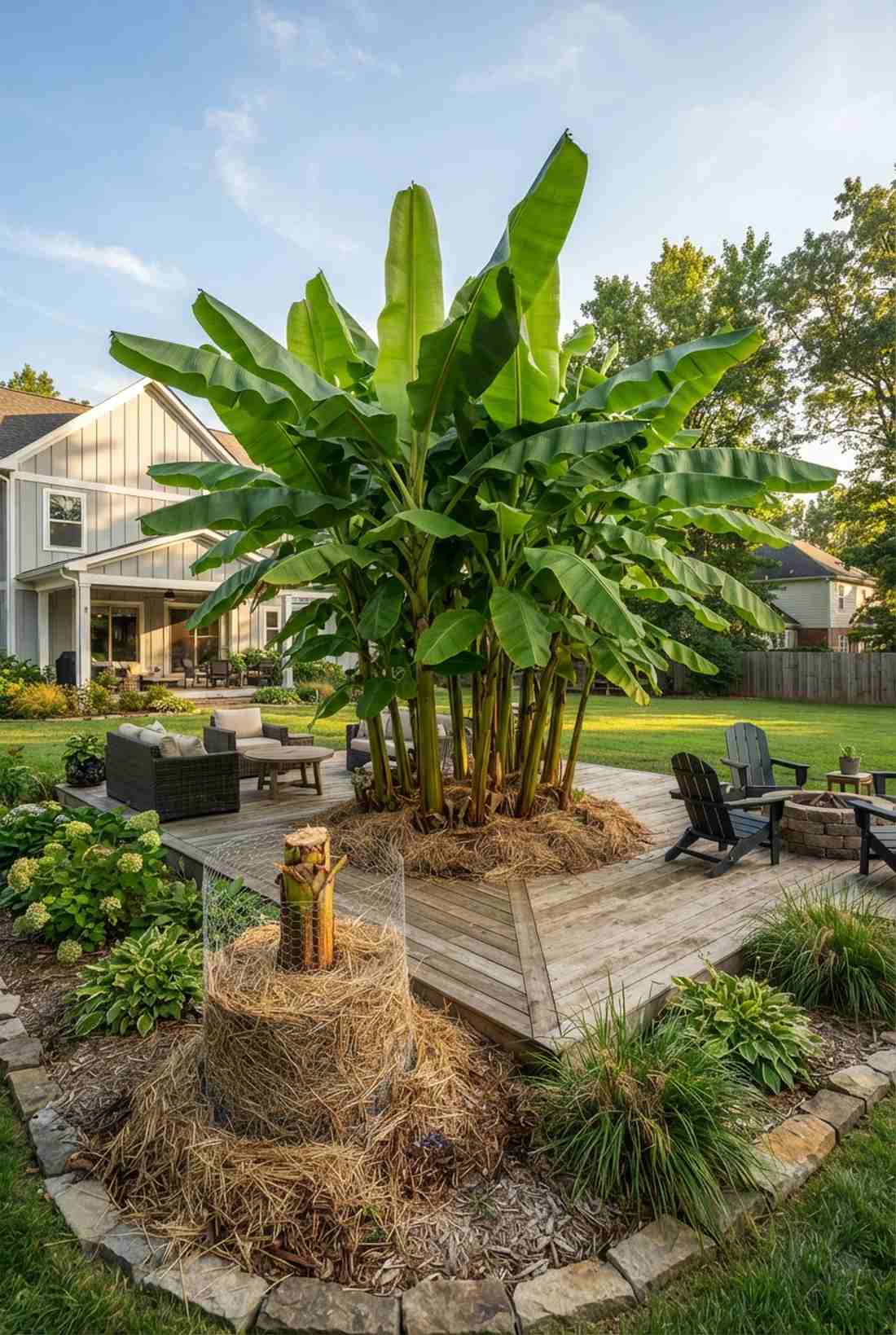
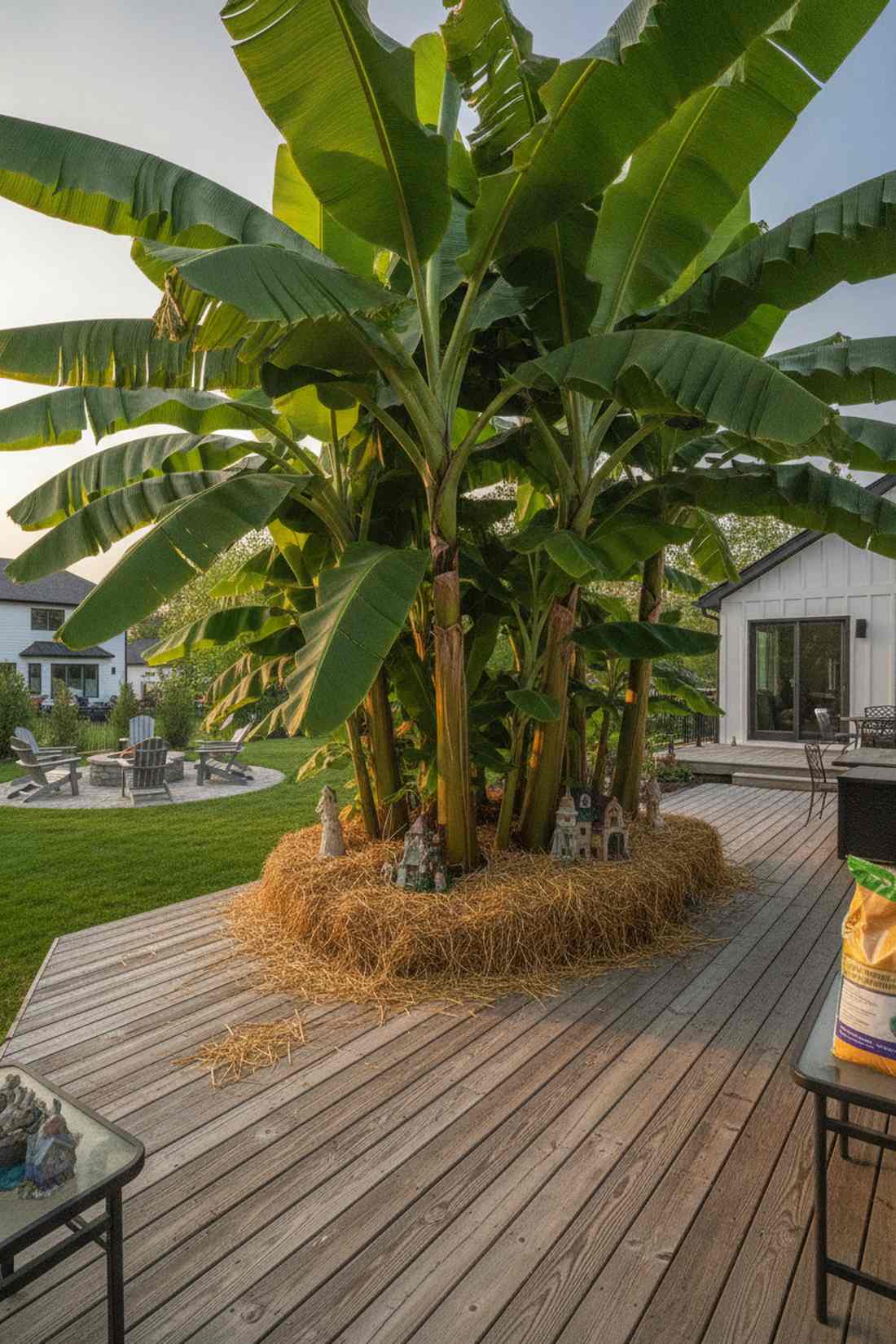
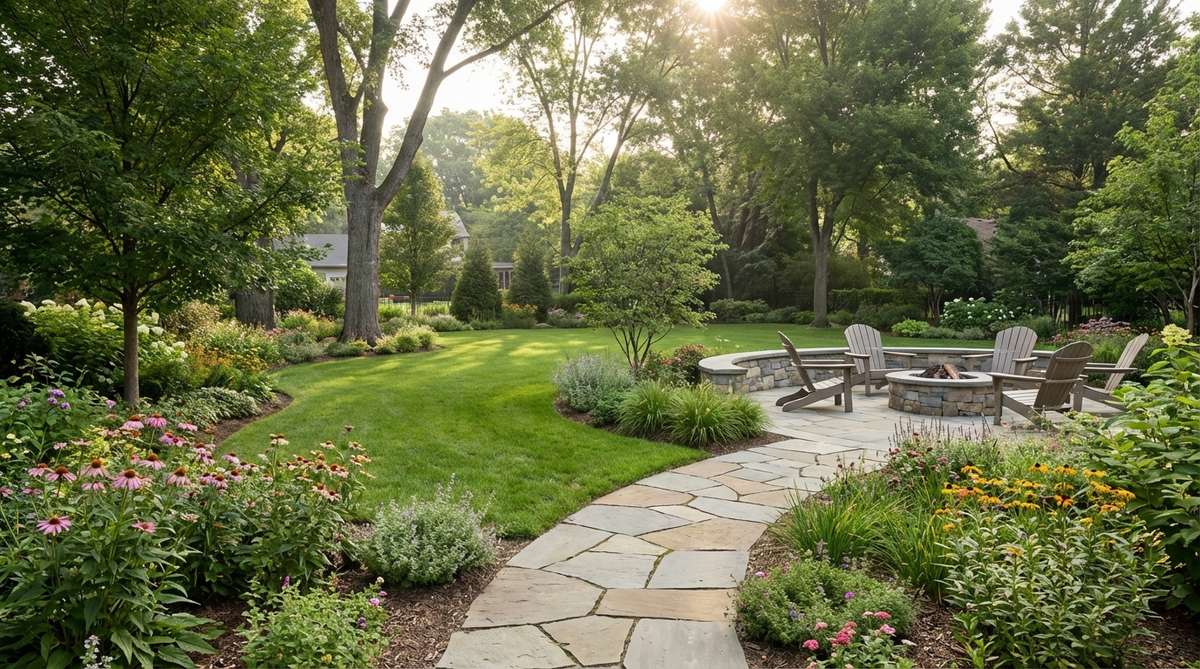
A fast-growing cold-hardy banana grove that feels like a Caribbean oasis surviving the winter snow. It creates a massive, sweeping canopy over a sunny backyard deck.
People assume bananas die in the cold, but this specific variety gives a designer-level finish and bounces back every single spring. Using thick winterizing fairy garden kits style mulch piles protects the underground corms from freezing temperatures. It can shoot up 15 feet in a single warm season.
Expect to spend around $40 for a good starter tree. Pin this if you want absolute tropical dominance in a cold climate.
- Key Materials: Straw winter mulch, high-nitrogen food
- Vibe / Style: Resilient tropical grove
- Difficulty: Requires winter prep
- Budget Breakdown: Plant: $35 | Straw/Mulch: $10
- Creator’s Tip: Cut the frozen mushy trunks down to 2 feet in late fall and wrap them in chicken wire stuffed with dry straw.
- Smart Sourcing: clean agricultural straw bales | high-nitrogen lawn and garden food
41. Bougainvillea
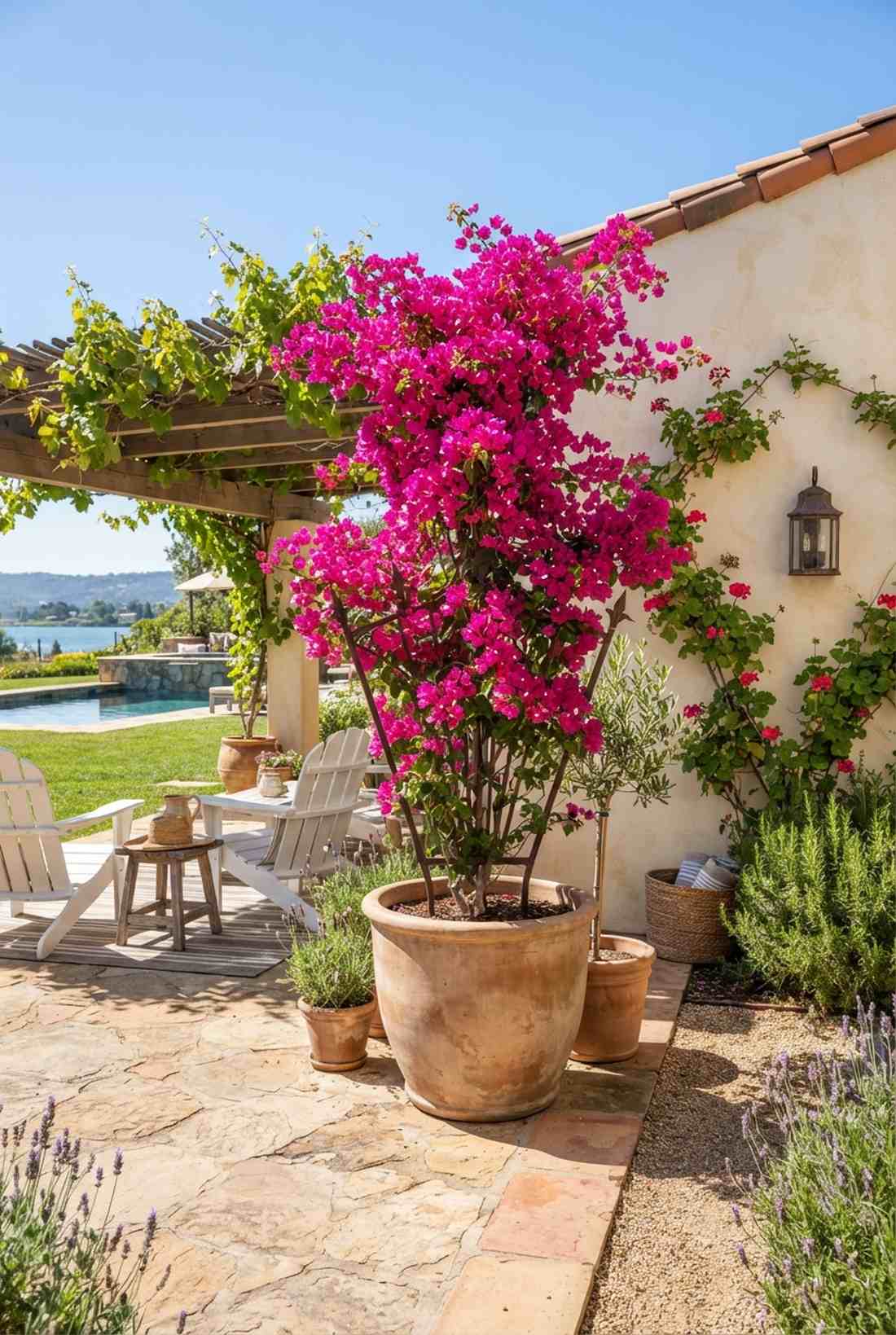
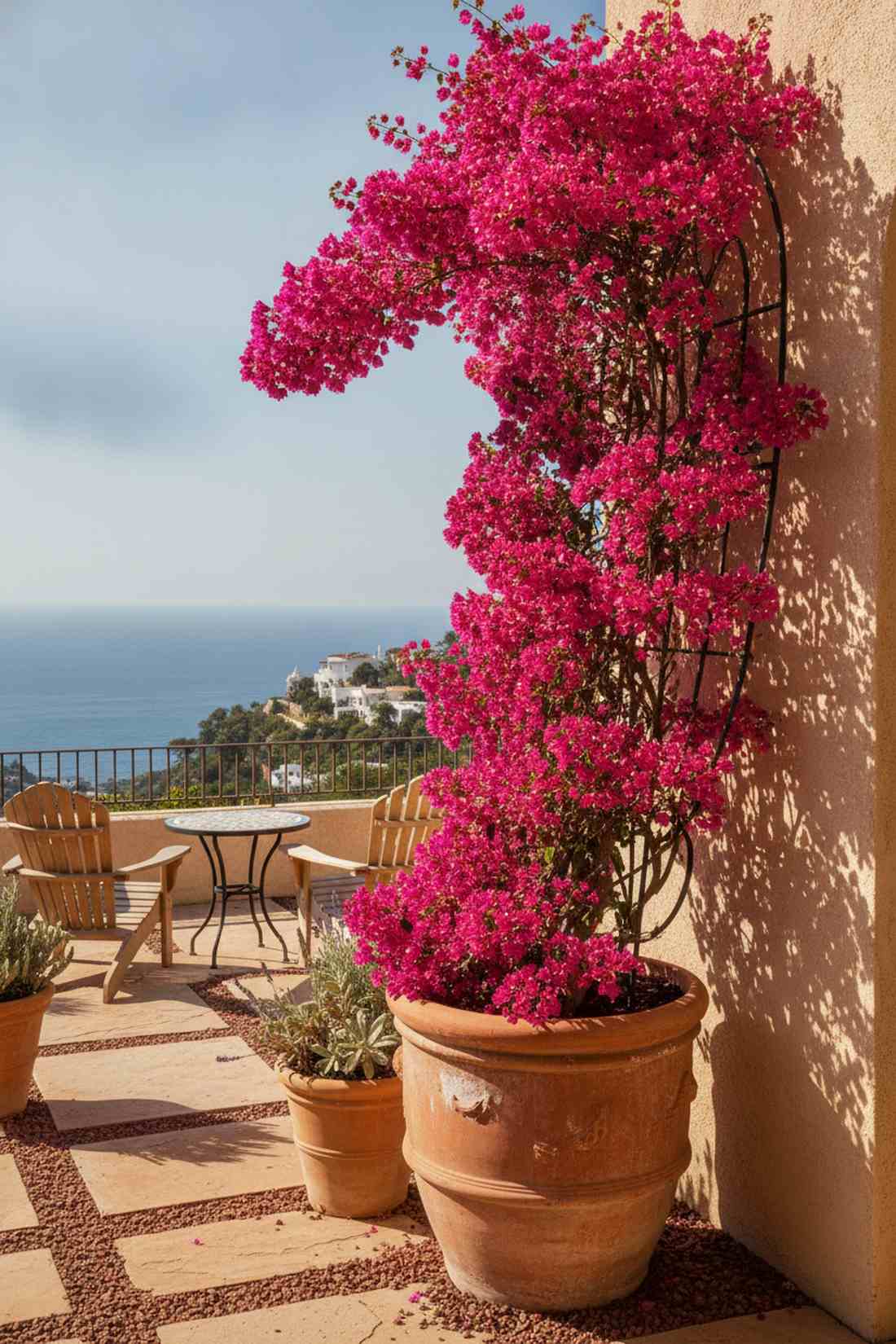
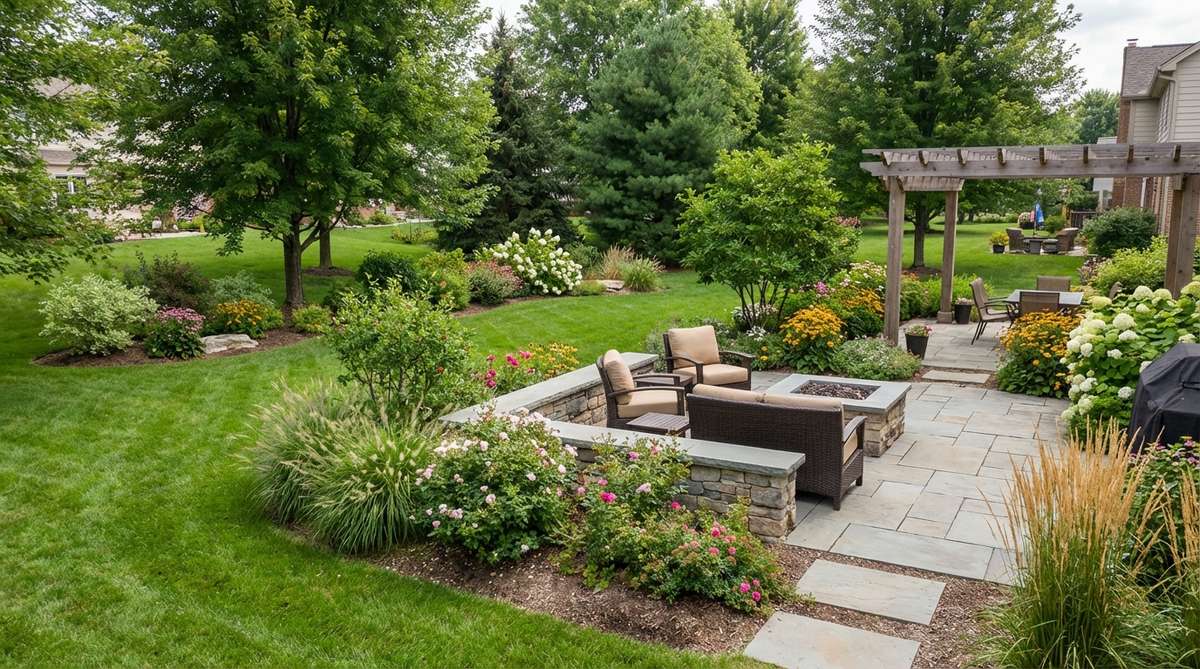
This vibrant magenta climbing vine feels like the colorful walls of a coastal Mediterranean villa. It is strictly designed for baking in the absolute hottest, sunniest spot you have.
Many delicate flowers burn in the sun, but this thorny beast looks far more expensive when it is slightly dehydrated and stressed. Planting it in a highly porous, restrictive container forces it to produce massive sheets of papery blooms instead of just green leaves. The color explosion is unmatched.
A potted trellis setup costs roughly $45. Save this to your sun-drenched patio inspiration board.
- Key Materials: Clay pot, cactus soil, sturdy trellis
- Vibe / Style: Sun-baked Grecian villa
- Difficulty: Loves heat and neglect
- Budget Breakdown: Plant: $25 | Clay Pot: $20
- Creator’s Tip: Do not overwater; it actually blooms significantly better when the soil is allowed to dry out and the plant is slightly stressed.
- Smart Sourcing: unglazed heavy terracotta pots | sturdy metal fan trellises
42. Ensete Ventricosum (Red Abyssinian Banana)
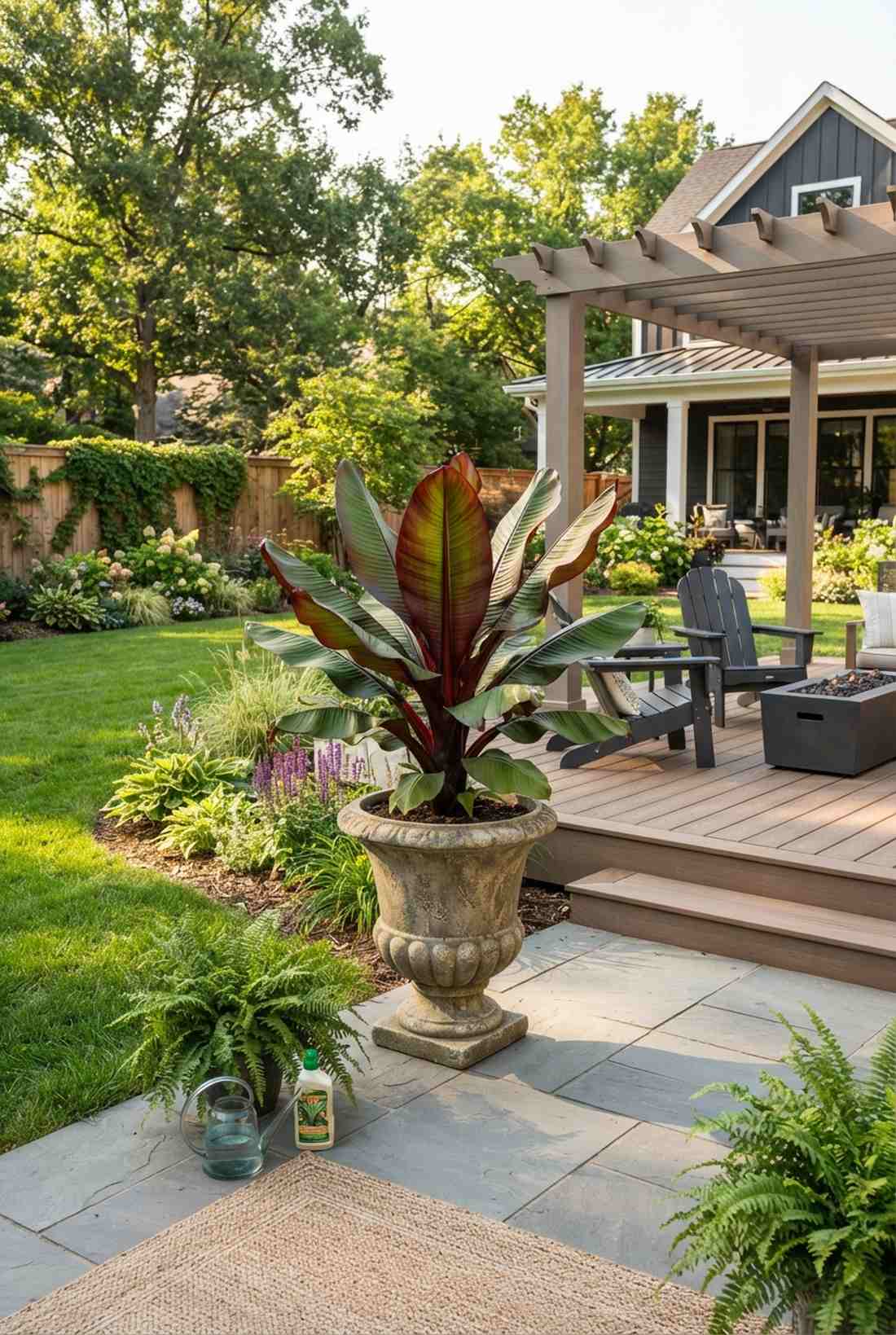
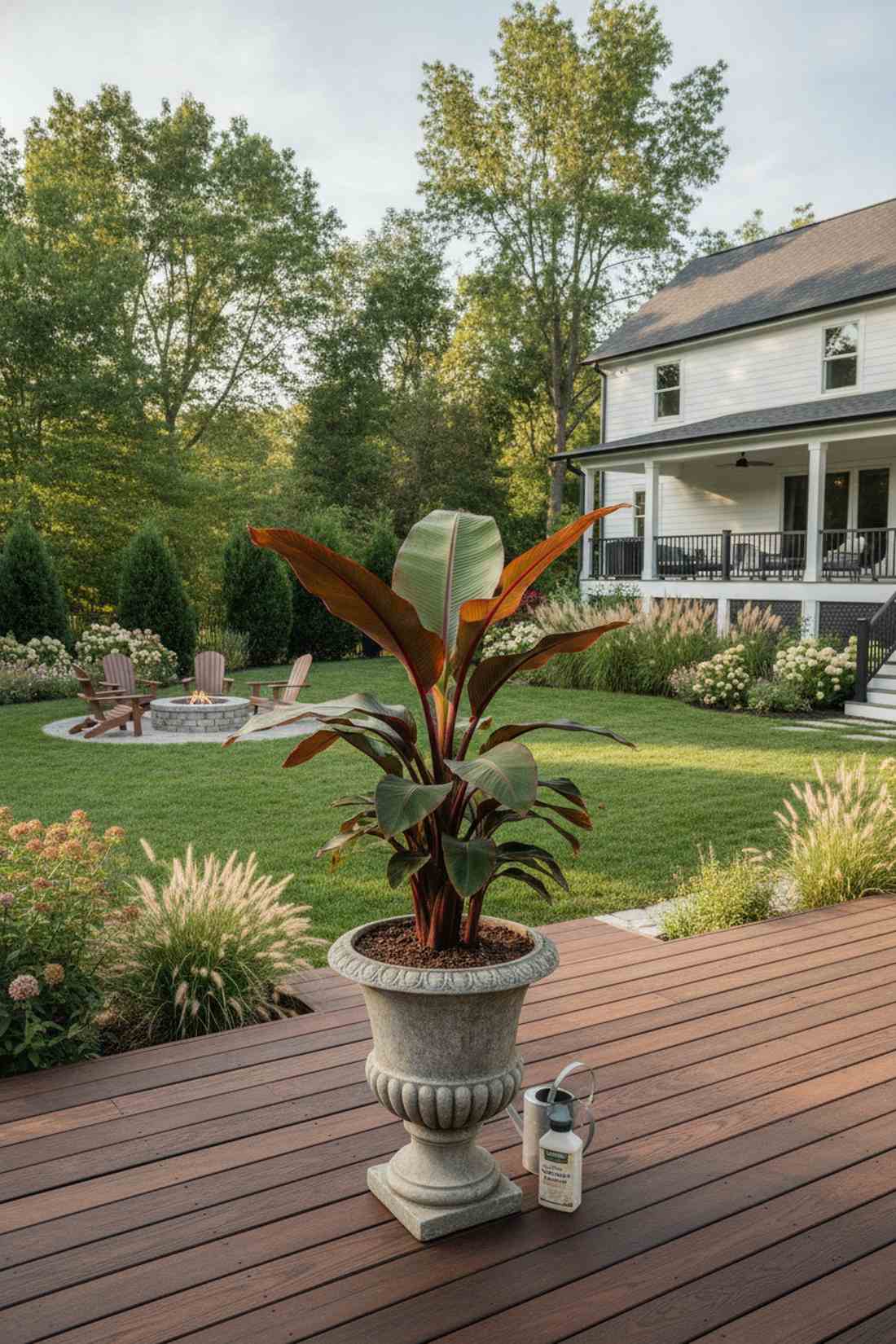
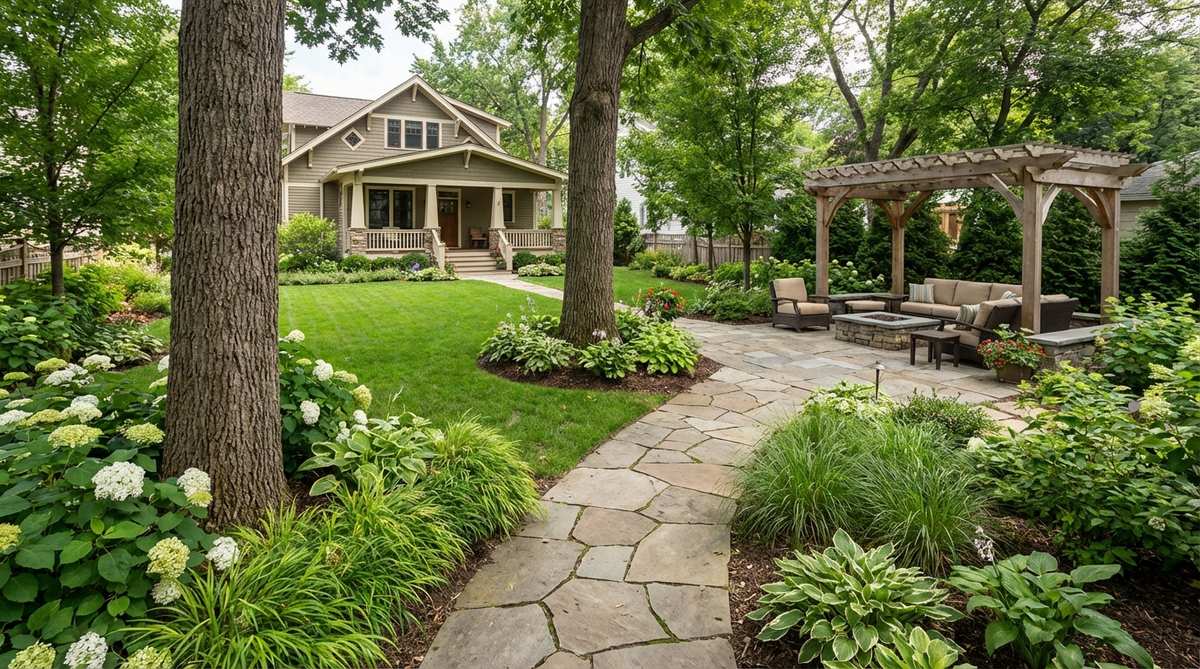
A brilliant red-tinged symmetrical rosette that feels like a hyper-colored centerpiece for a landscape bed. It works flawlessly as a standalone specimen plant in a large summer urn.
Standard green bananas are great, but the intense burgundy midribs on this variety deliver a surprisingly premium look. Because it doesn’t sucker or spread, placing it in a heavy decorative pot creates a highly controlled, neat architectural statement. It grows insanely fast with enough water and fertilizer.
You can create this structural masterpiece for about $35 to $50. It is a fast upgrade that anchors the whole yard.
- Key Materials: Large urn, liquid fertilizer
- Vibe / Style: Bold colorful architecture
- Difficulty: Extremely heavy feeder
- Budget Breakdown: Plant: $30 | Large Urn: $25
- Creator’s Tip: Feed it heavily with a liquid fertilizer every single week during the summer to achieve those massive, deeply red leaves.
- Smart Sourcing: lightweight faux-stone outdoor urns | water-soluble tropical plant food
43. Yucca Rostrata (Beaked Yucca)
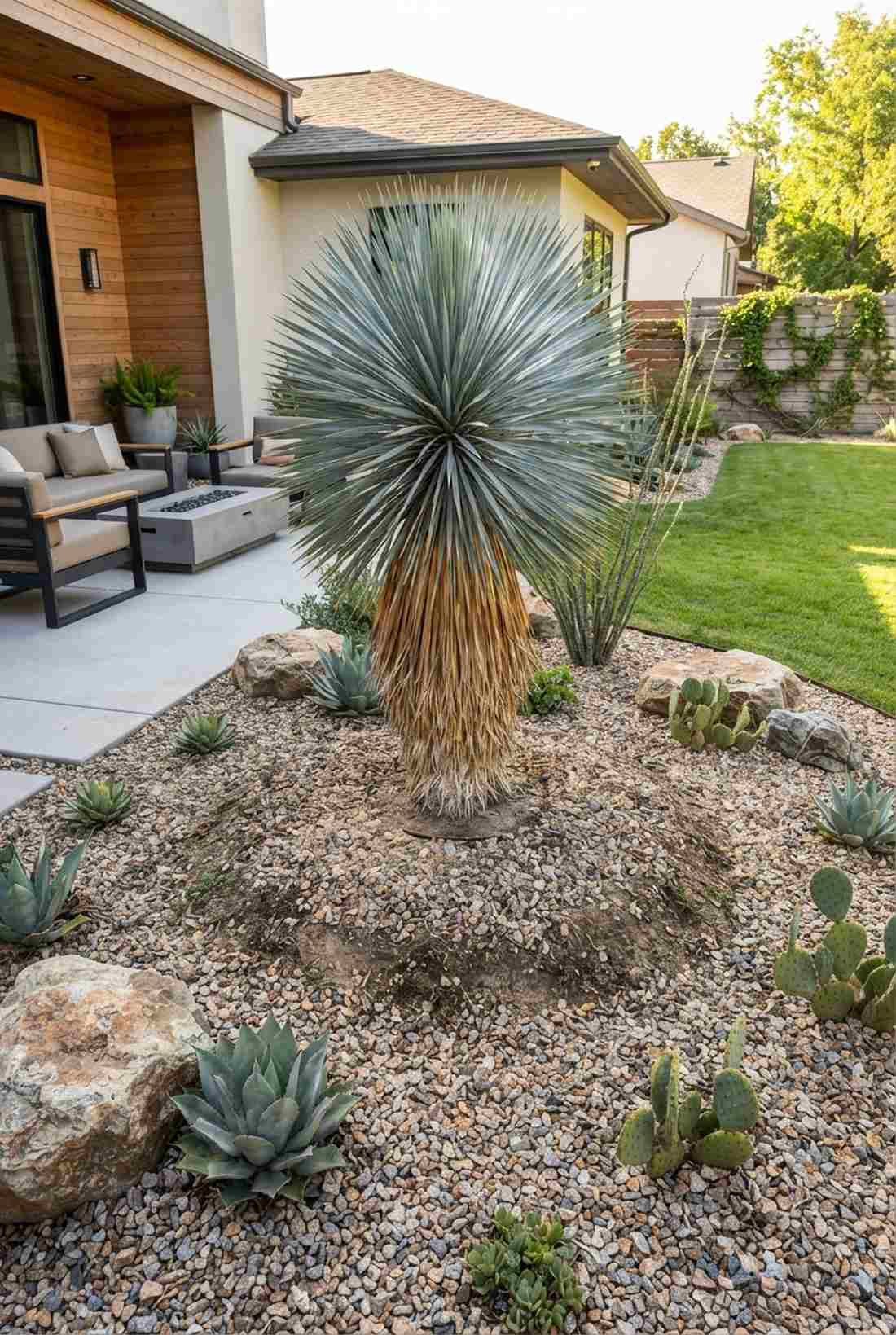
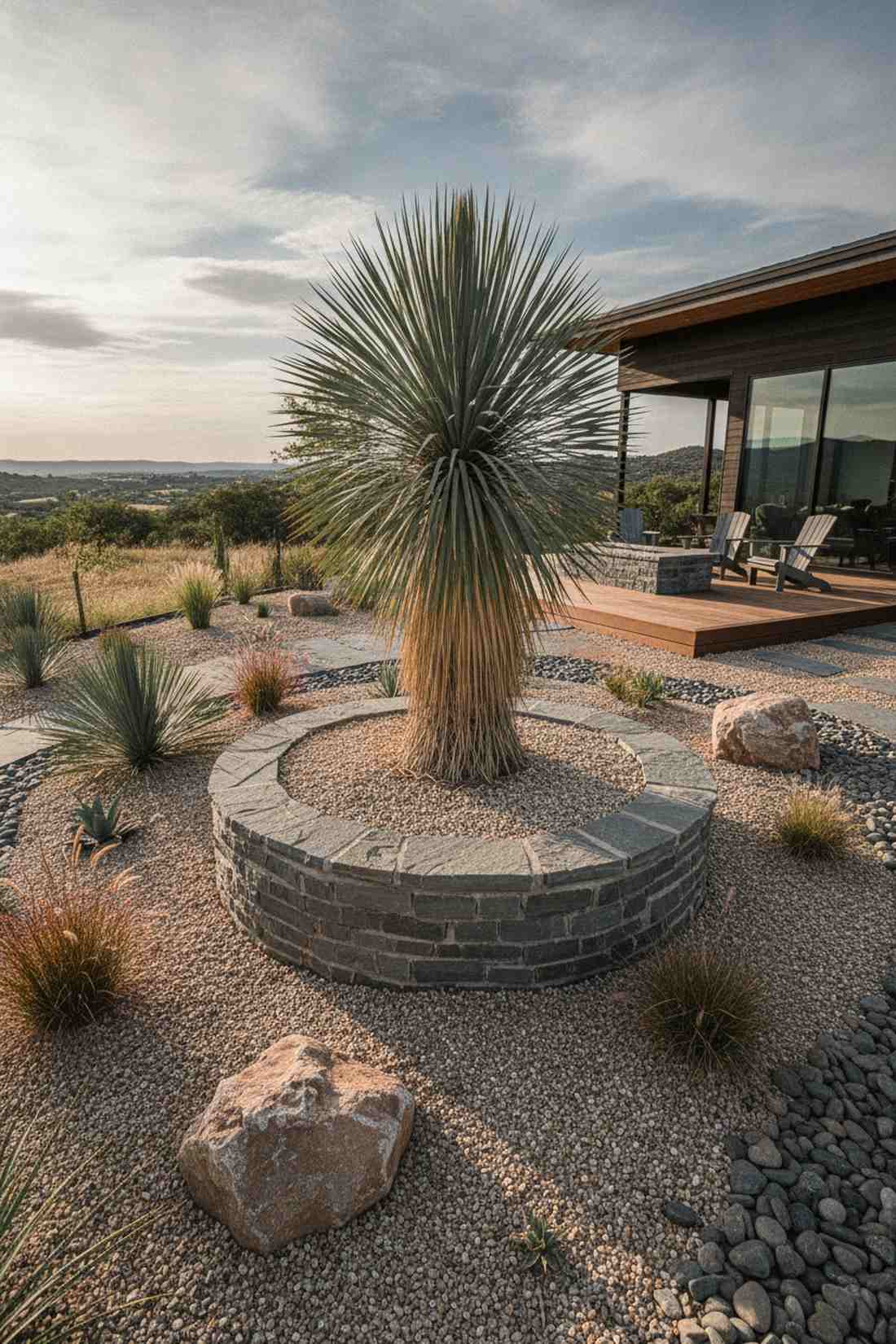
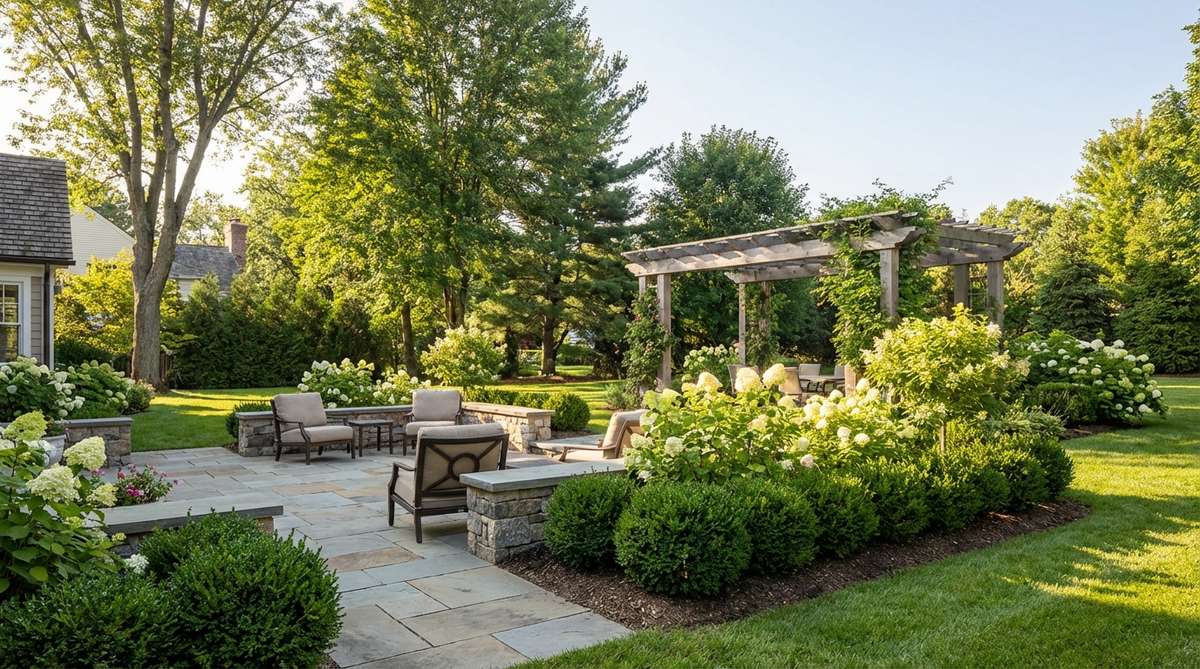
This shimmering blue-gray sphere feels like a modern sculpture dropped into a desert landscape. It is the ultimate zero-maintenance anchor for a gravel xeriscape garden.
Lush green plants require constant water, but this drought-proof architectural marvel looks incredibly expensive while surviving brutal extremes. Planting it slightly elevated with premium drainage materials guarantees the trunk won’t rot during wet winters. The perfect spherical burst of leaves provides year-round structure.
A mature-looking specimen can run $100+, but small ones start around $40. Save this to your modern xeriscape board.
- Key Materials: Crushed gravel, elevated planting mound
- Vibe / Style: Modern arid minimalism
- Difficulty: Bulletproof if kept dry
- Budget Breakdown: Plant: $60 | Gravel/Soil: $20
- Creator’s Tip: Do not trim the old dead leaves hanging down the trunk; they form a natural protective “skirt” that insulates the plant.
- Smart Sourcing: crushed granite top dressing | fast-draining cactus and citrus soils
Prepare to rethink your entire garden layout once you see this upcoming arrangement.
44. Hedychium Coronarium (White Ginger)
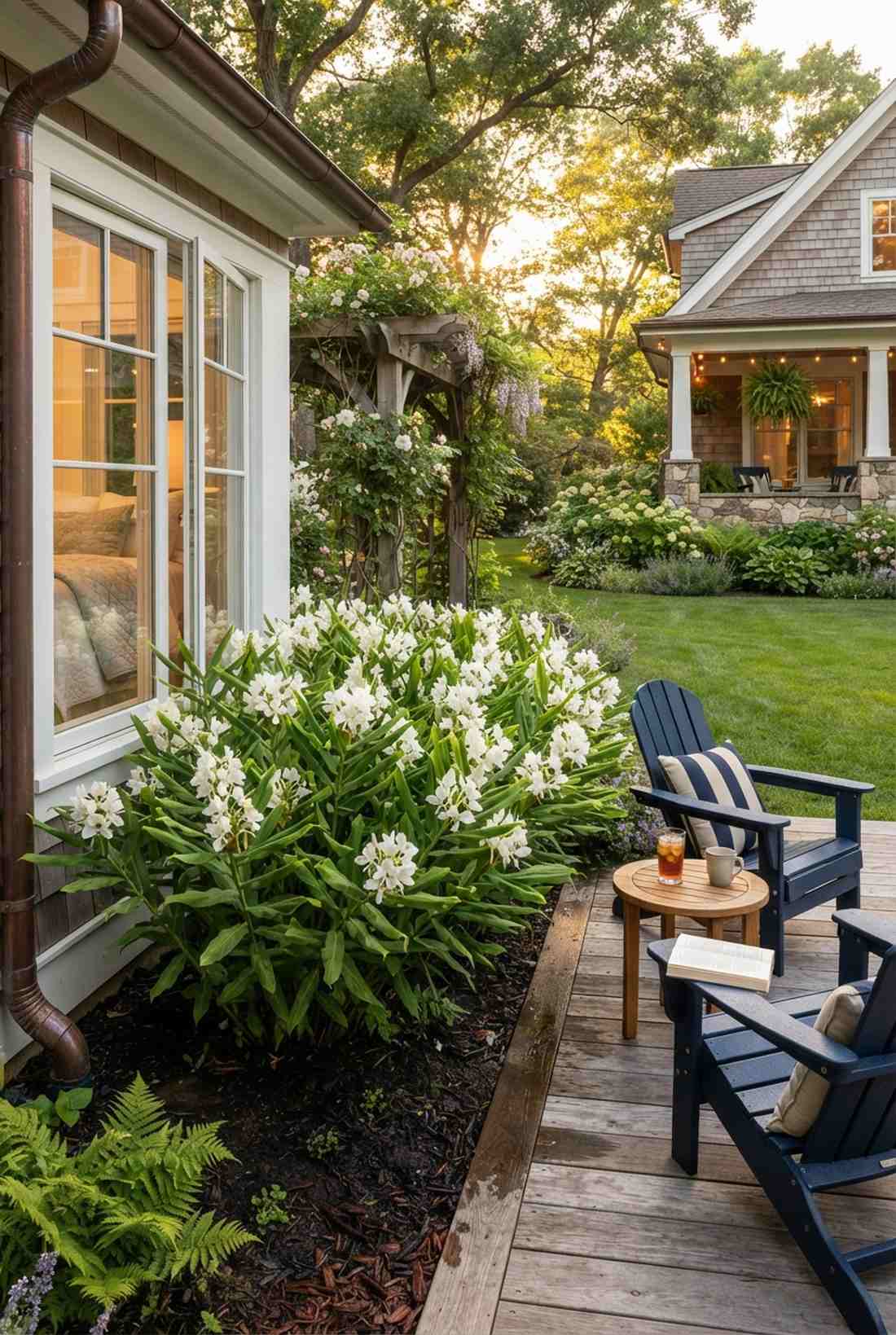
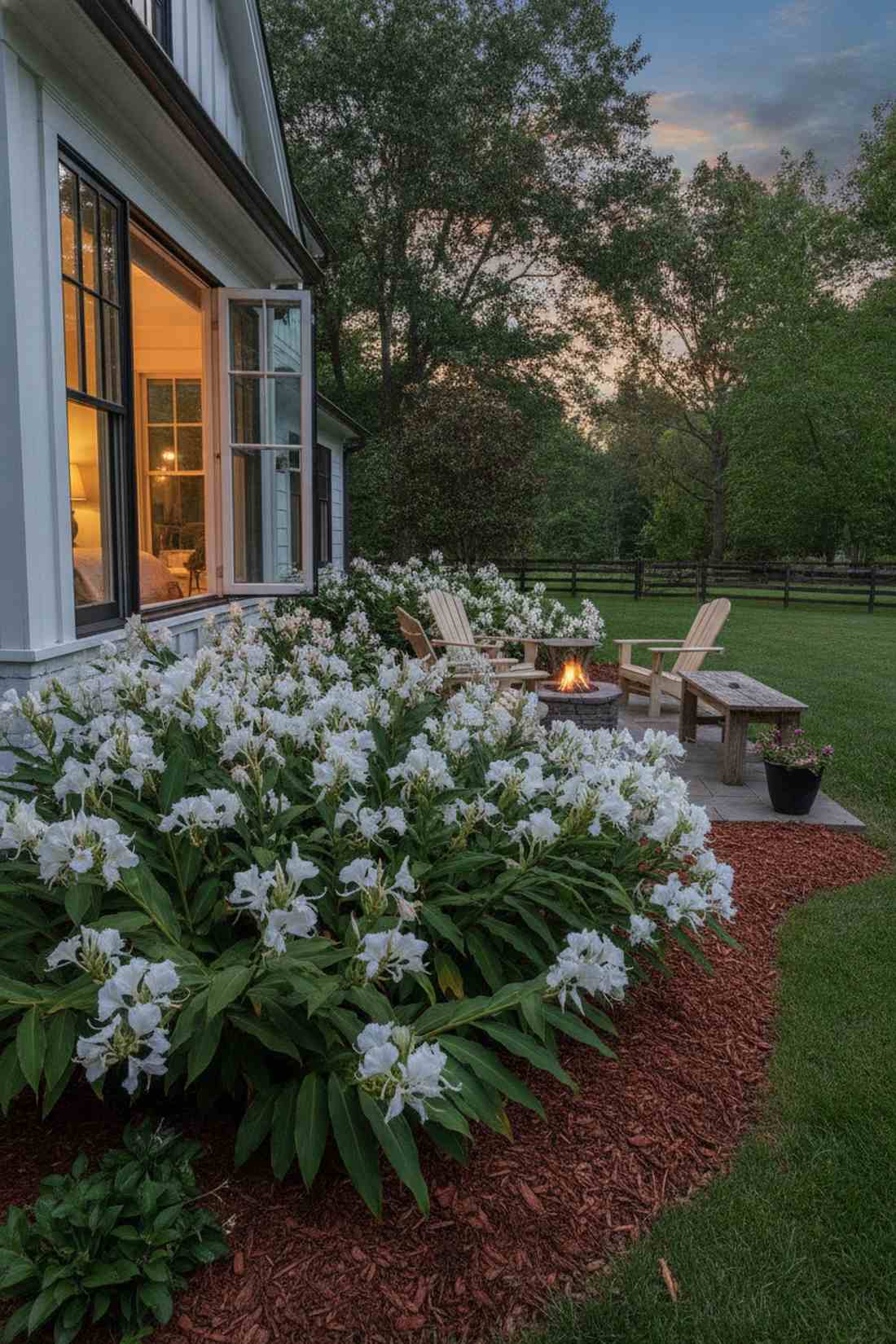
An intoxicating white butterfly-bloom cluster that feels like a fragrant cloud resting on tall green stalks. Perfect for planting near an open bedroom window or patio seating.
Visuals are great, but incorporating intensely fragrant exotic plants names gives a designer-level finish to the garden’s atmosphere. Cultivating them in rich, damp soil ensures they form massive, thick colonies that bloom relentlessly in late summer. The evening perfume is absolutely legendary.
A starter pack of roots costs about $25. Pin this if you want a garden that smells as good as it looks.
- Key Materials: Rich compost, moisture-retaining mulch
- Vibe / Style: Perfumed twilight garden
- Difficulty: Easy and spreading
- Budget Breakdown: Roots: $20 | Mulch: $10
- Creator’s Tip: Plant these in an area where the soil stays naturally damp, like near a downspout or low garden depression.
- Smart Sourcing: organic moisture-control compost | hardwood bark mulch
45. Heliconia Psittacorum (Parrot Heliconia)
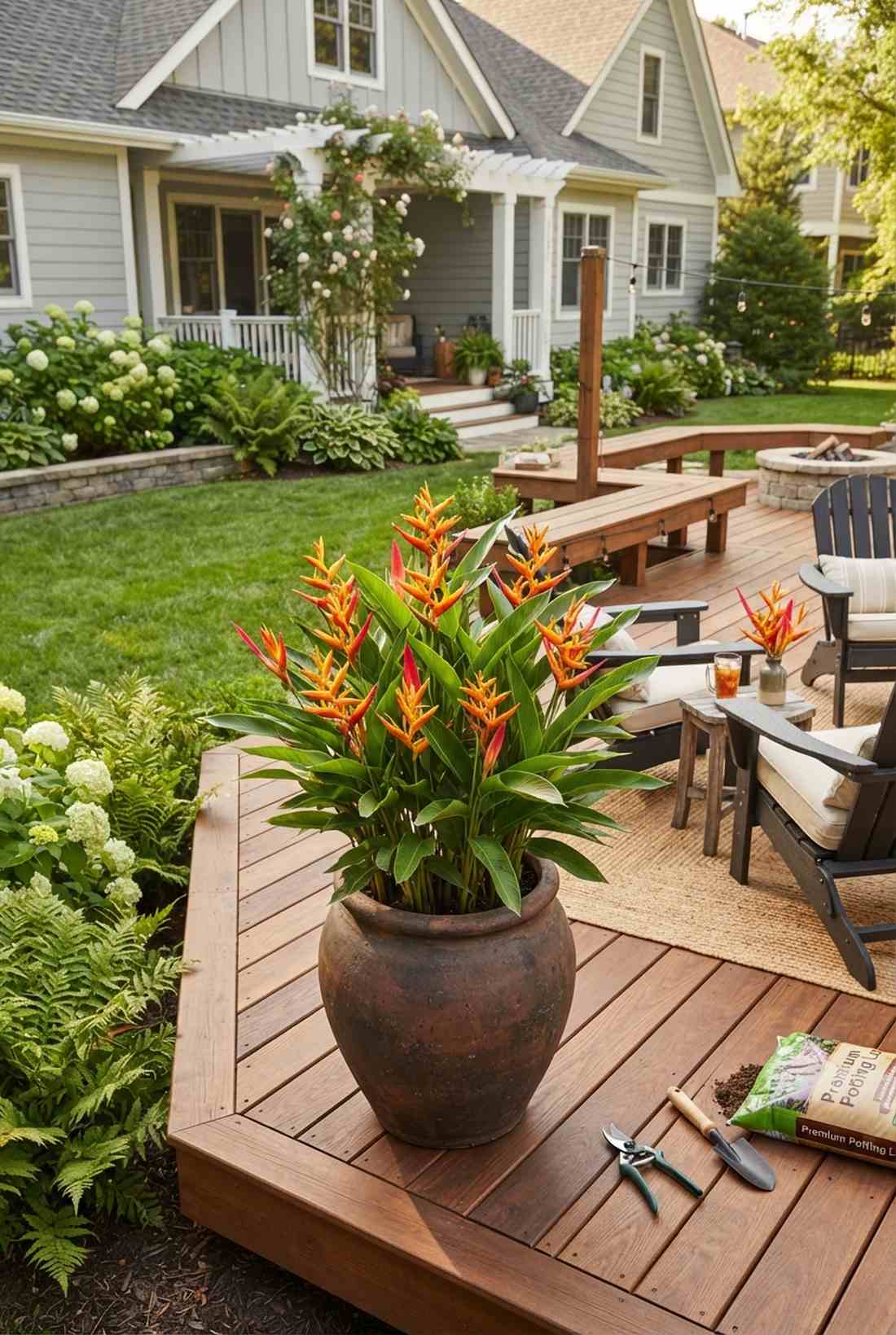
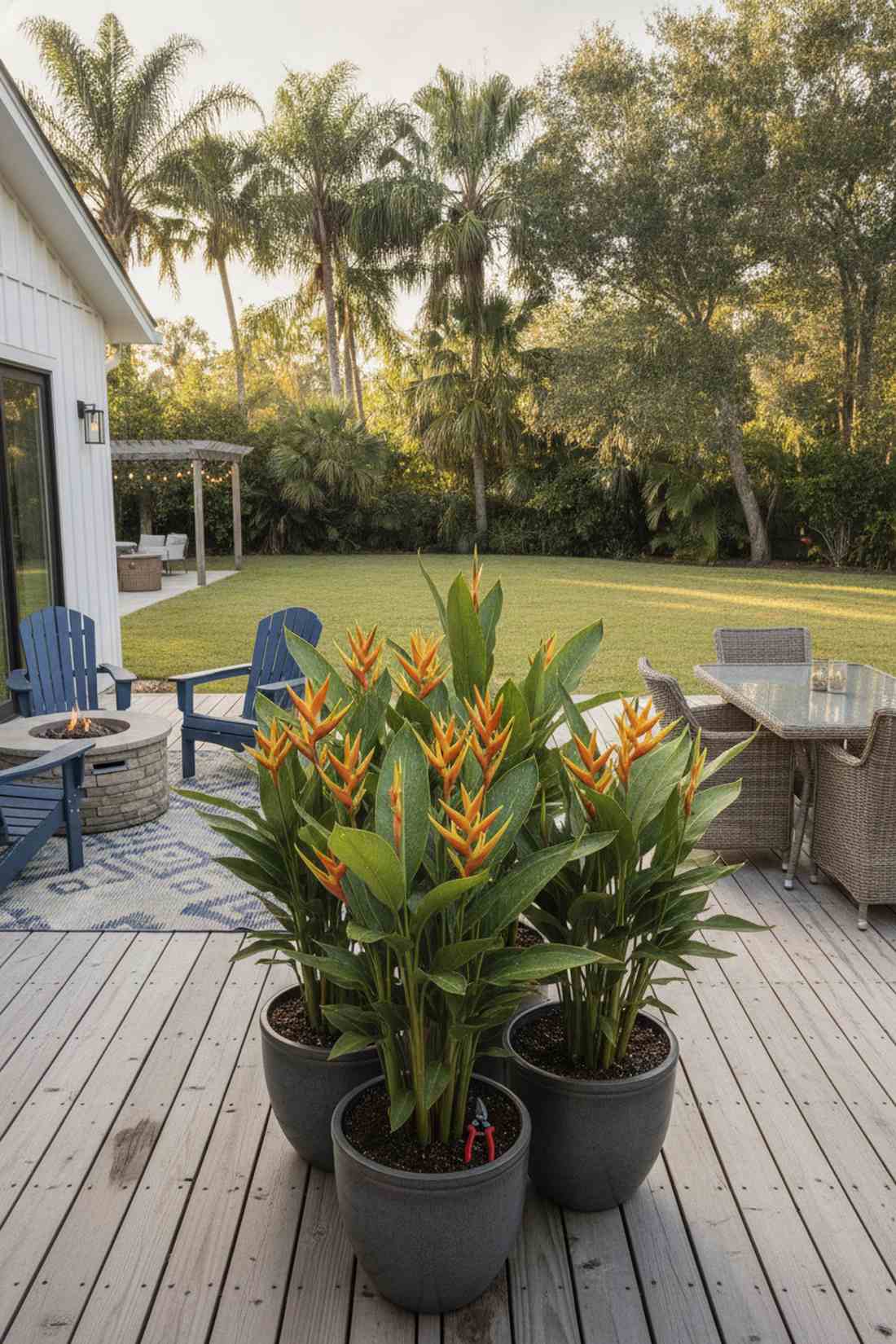
This vibrant zig-zag flower spike feels like a flock of colorful tropical birds hiding in the foliage. It makes a stunning, exotic container plant for a hot summer deck.
Large heliconias get unruly, but this compact variety delivers a surprisingly premium look that stays completely manageable in pots. Utilizing heavy-duty loam and constant moisture keeps the orange and yellow bracts firing all summer long. They also make incredibly long-lasting cut flowers for indoor vases.
You can set up a blooming patio pot for roughly $35 to $50. Highly recommended for unique floral arrangements.
- Key Materials: Heavy outdoor pot, loamy soil
- Vibe / Style: Festive tropical parrot colors
- Difficulty: Needs warmth and water
- Budget Breakdown: Plant: $30 | Pot & Loam: $15
- Creator’s Tip: Once a stalk finishes flowering, cut it all the way down to the dirt, as that specific stalk will never bloom again.
- Smart Sourcing: premium indoor/outdoor potting loam | sharp bypass pruning shears
Material Guide: Cheap vs. Premium Aesthetic
Knowing exactly where to save and where to spend makes all the difference in achieving that “looks expensive but isn’t” vibe.
- Standard vs. UV-Resistant/Premium: Cheap plastic pots warp and fade in months. Upgrading to UV-coated fiberglass or thick ceramic instantly makes a $15 plant look like a $100 luxury installation.
- Pre-made Kits vs. Sourcing Locally: Scavenging for the right soil mixes locally often leads to root rot. Pre-mixed chunky aroid soils and starter kits prevent expensive plant deaths and save massive amounts of time.
46. Caladium
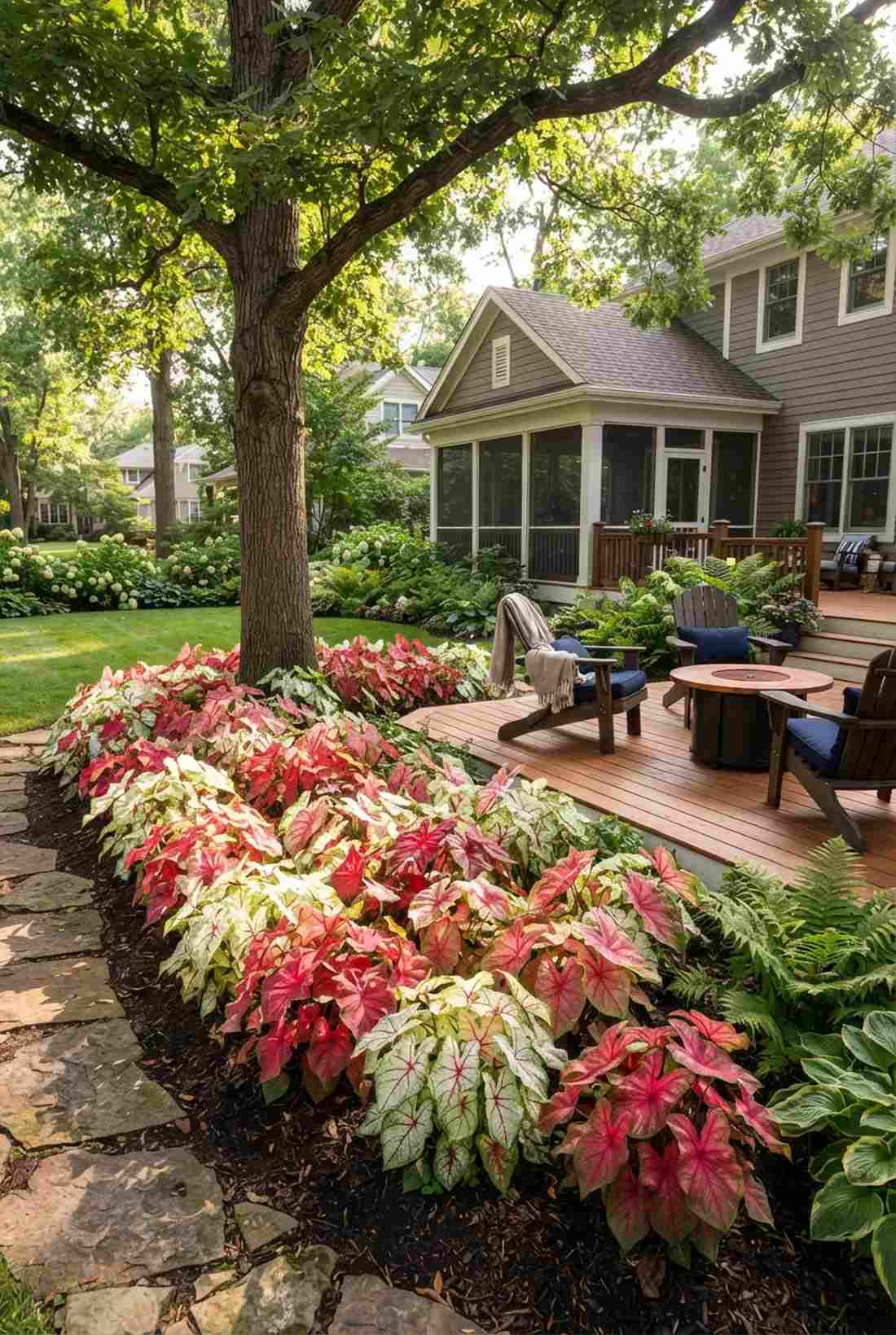
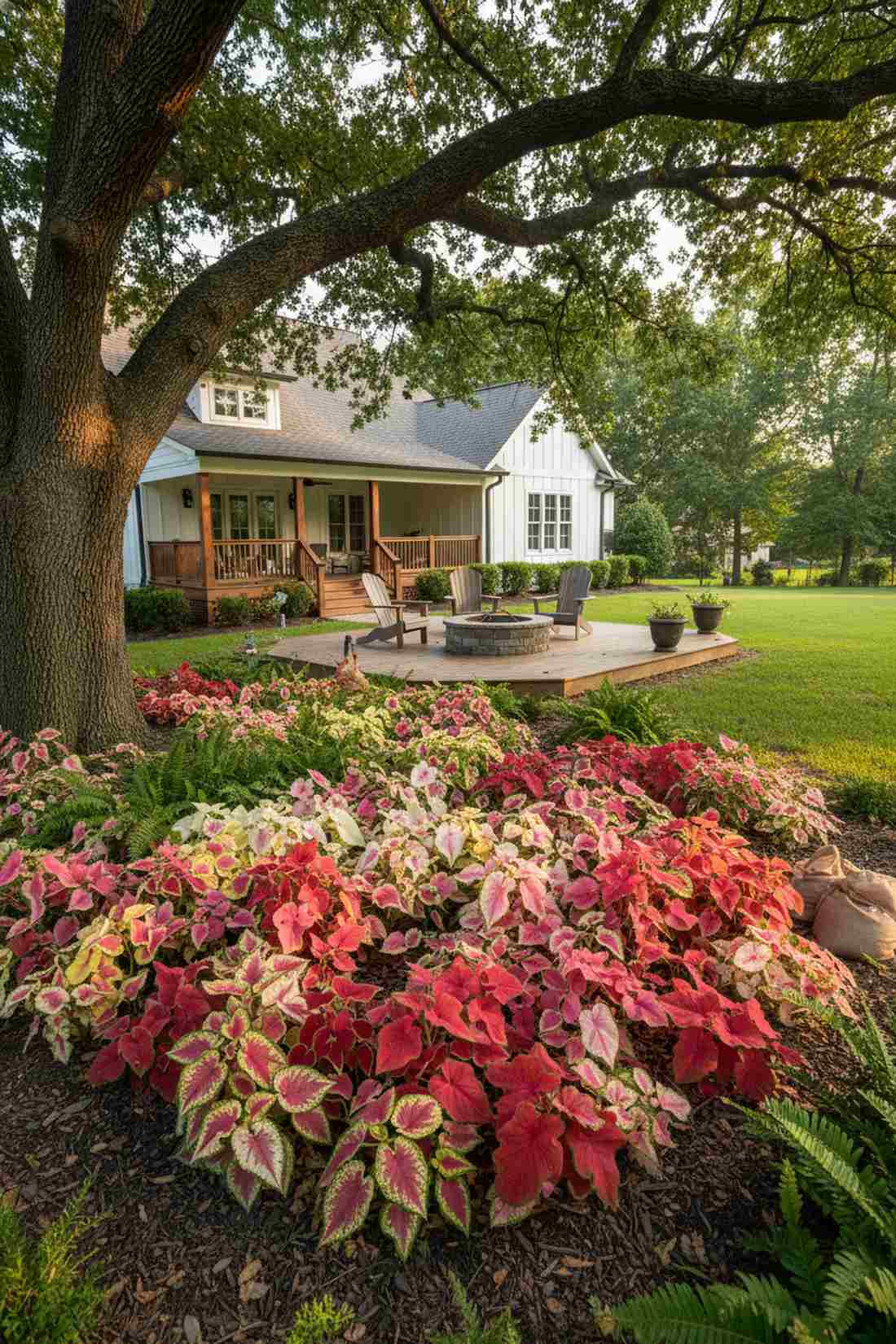
A translucent paper-thin colorful foliage spread that feels like stained glass glowing in the shade. It is the absolute perfect filler for dark, shaded spots under large trees.
Most shade plants are boringly green, but planting these tubers gives a designer-level finish bursting with bright pinks, reds, and whites. Using them in dense clusters rather than spaced out creates a thick, visually arresting carpet of color. They thrive in the summer heat as long as they stay out of direct sun.
A bulk bag of tubers costs around $20. Save this for an easy, high-impact shade garden solution.
- Key Materials: Bulk tubers, loose shaded soil
- Vibe / Style: Stained-glass shade garden
- Difficulty: Very easy summer color
- Budget Breakdown: Tubers: $20 | Soil Prep: $10
- Creator’s Tip: Plant them close together (about 4 inches apart) to create a massive, bushy mound of continuous color.
- Smart Sourcing: mixed color caladium tubers (bulk pack) | shade-garden soil conditioners
Rare Exotic Indoor Plants Premium Selections
These rare exotic indoor plants represent the pinnacle of houseplant collecting with extremely limited availability and specialized care requirements. Advanced growers pursue these specimens for their exceptional beauty and exclusivity.
47. Alocasia Dragon Scale (Alocasia Baginda)
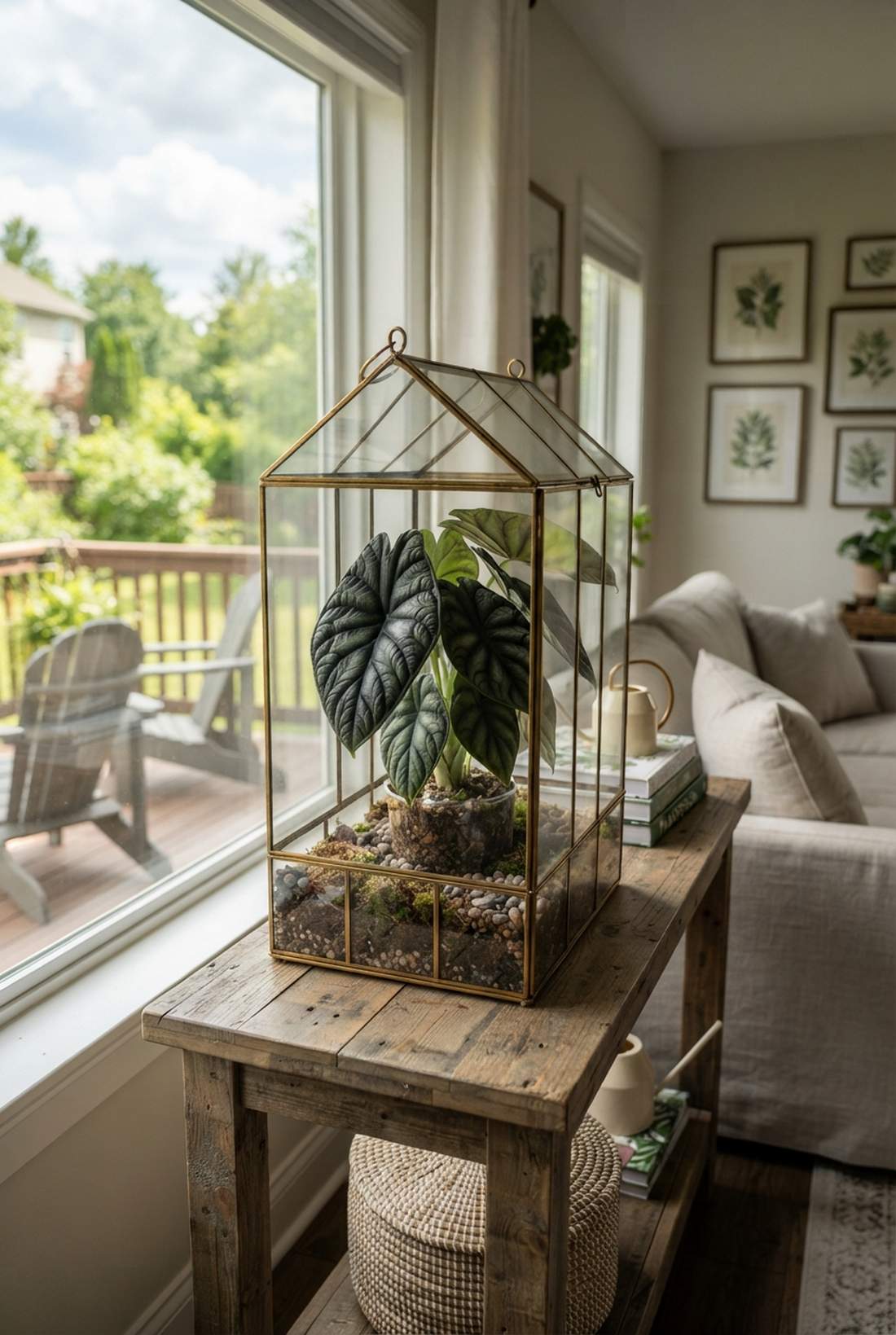
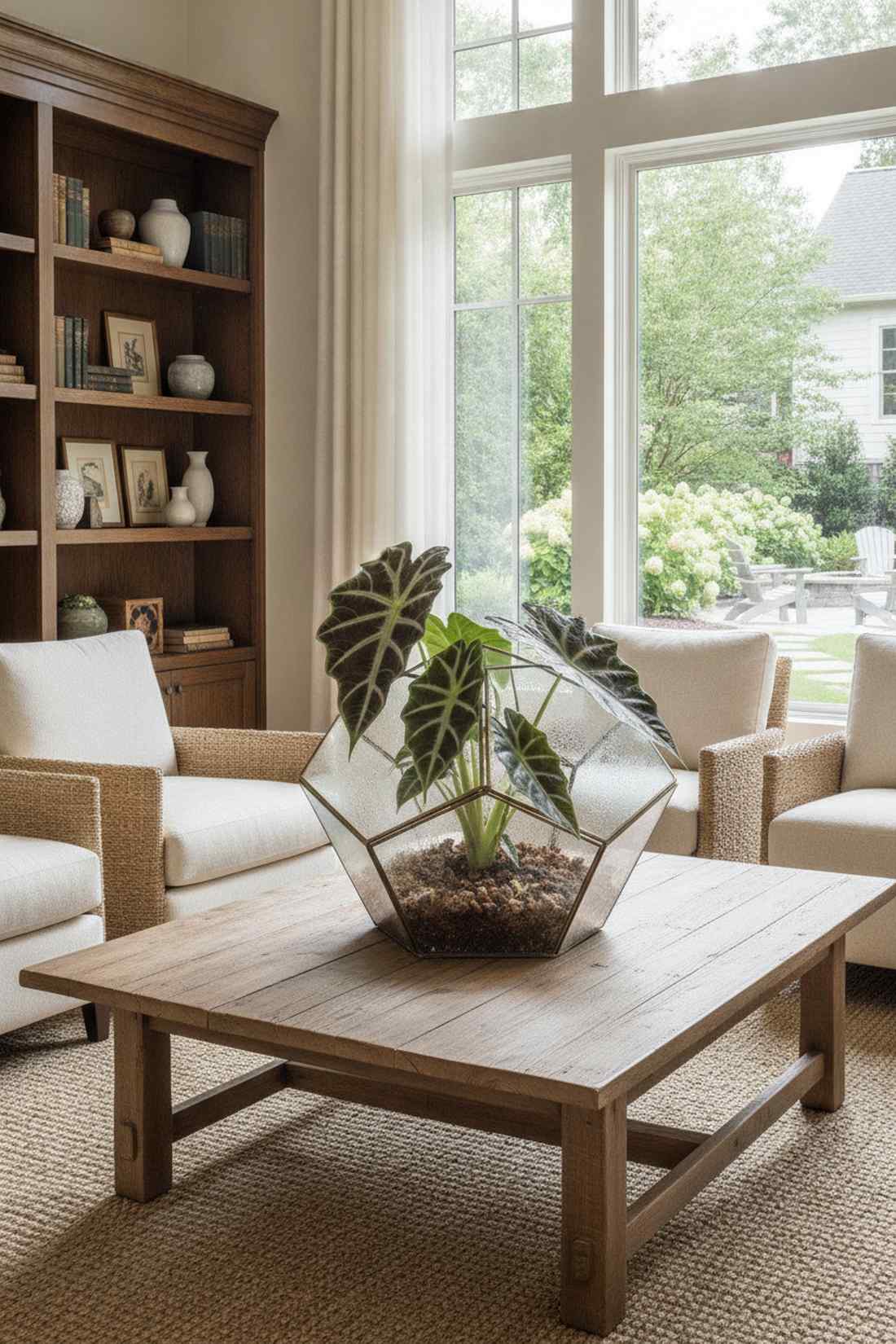
This deeply textured reptilian leaf feels like a dragon’s armor resting in a glass display. It is flawlessly suited for a small, high-humidity tabletop terrarium.
Smooth leaves are common, but this deeply corrugated foliage looks far more expensive and catches the light aggressively. Housing it in specialized terrarium accessories keeps the edges from crisping and highlights the metallic green and black contrast. It remains perfectly compact, making it a premium space-saver.
You can secure this prehistoric gem for roughly $40 to $60. Pin this if you love highly tactile, textured foliage.
- Key Materials: Glass enclosure, chunky aroid mix
- Vibe / Style: Fantasy reptilian curio
- Difficulty: Needs high humidity
- Budget Breakdown: Plant: $45 | Glass Enclosure: $25
- Creator’s Tip: Keep the soil slightly drier than other Alocasias; their thick leaves are very prone to edema and root rot if kept soaking wet.
- Smart Sourcing: tabletop glass wardian cases | premium chunky aroid dirt
This specific rare plant hack completely bypasses the crazy collector prices online.
48. Philodendron Gloriosum
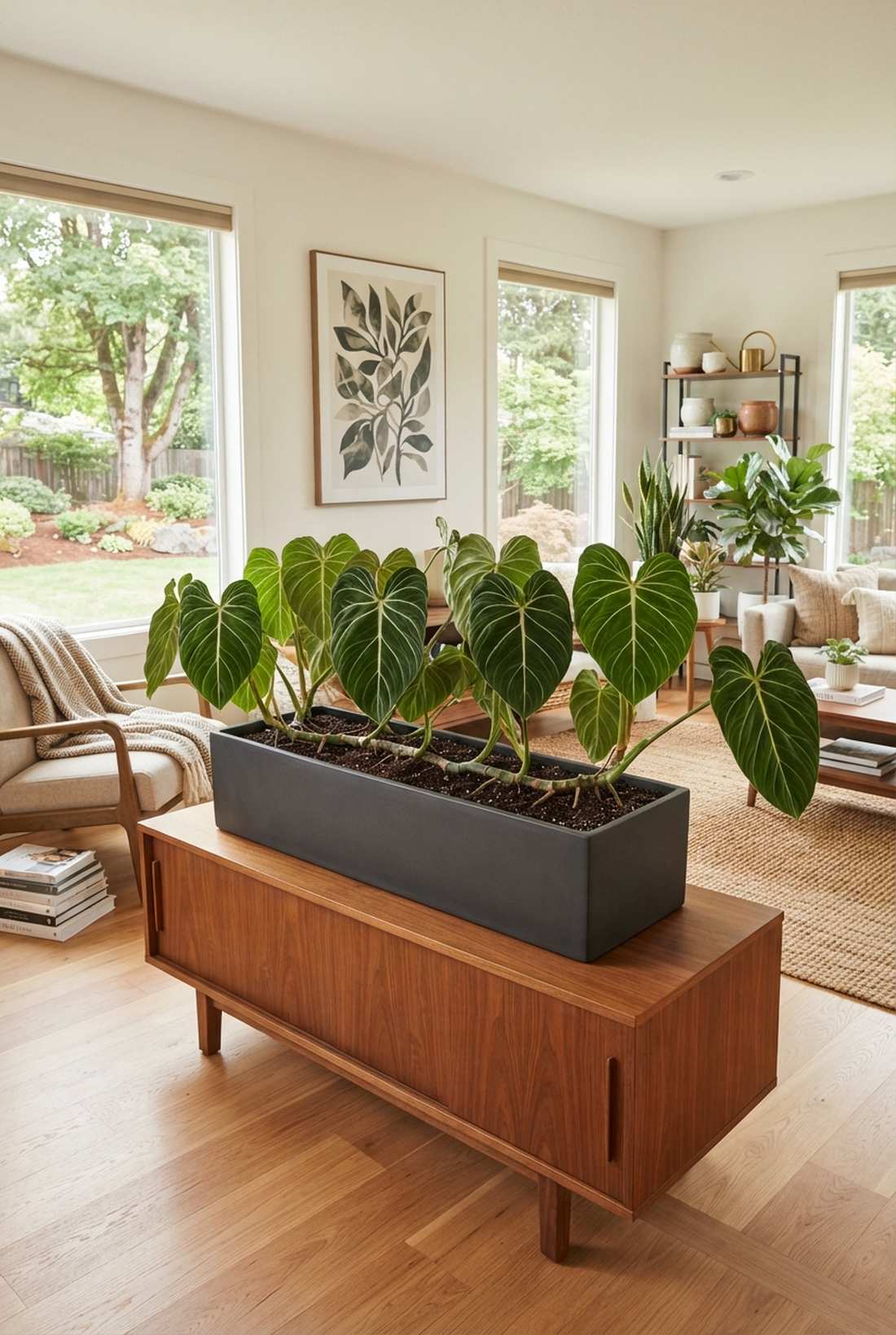
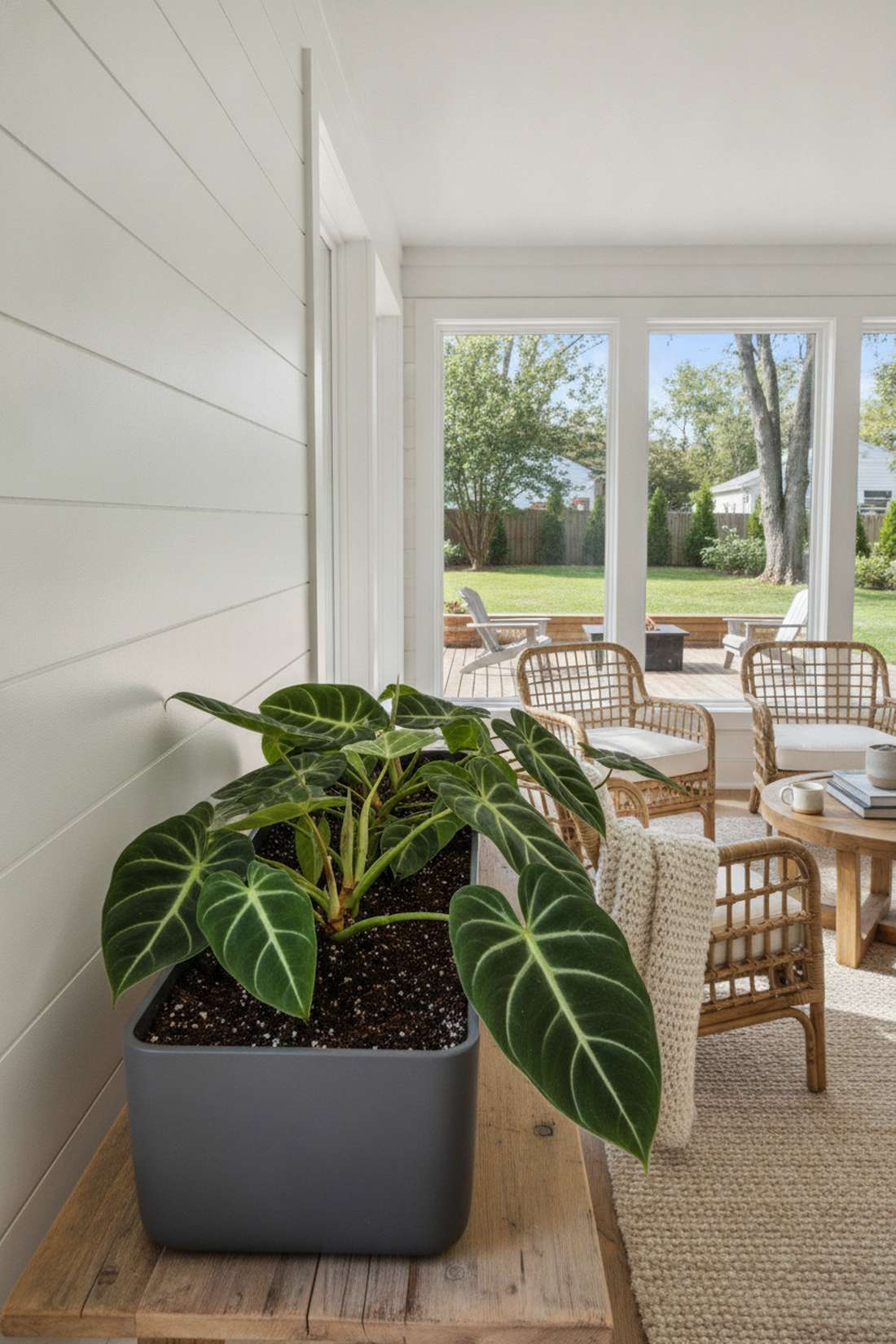
A sprawling velvet heart-shaped creeper that feels like a luxurious green carpet rolling across your shelf. It requires a long, rectangular planter to accommodate its horizontal growth.
Most people try to make this climb, but planting it in a wide rectangular trough gives a designer-level finish as it crawls gracefully along the dirt. Using premium rare exotic indoor plants soil allows the thick rhizome to root down continuously. The stark white veins against the dark velvet are breathtaking.
A crawling setup will cost about $60 to $90. Save this to your premium collector plant board.
- Key Materials: Long rectangular trough, airy soil
- Vibe / Style: Creeping velvet luxury
- Difficulty: Moderate, needs space to crawl
- Budget Breakdown: Plant: $50 | Trough Planter: $25
- Creator’s Tip: Leave the thick horizontal stem (rhizome) resting on top of the soil; if you bury it, the entire plant will rot.
- Smart Sourcing: long rectangular window-box planters | aerated tropical soil mixes
49. Anthurium Clarinervium
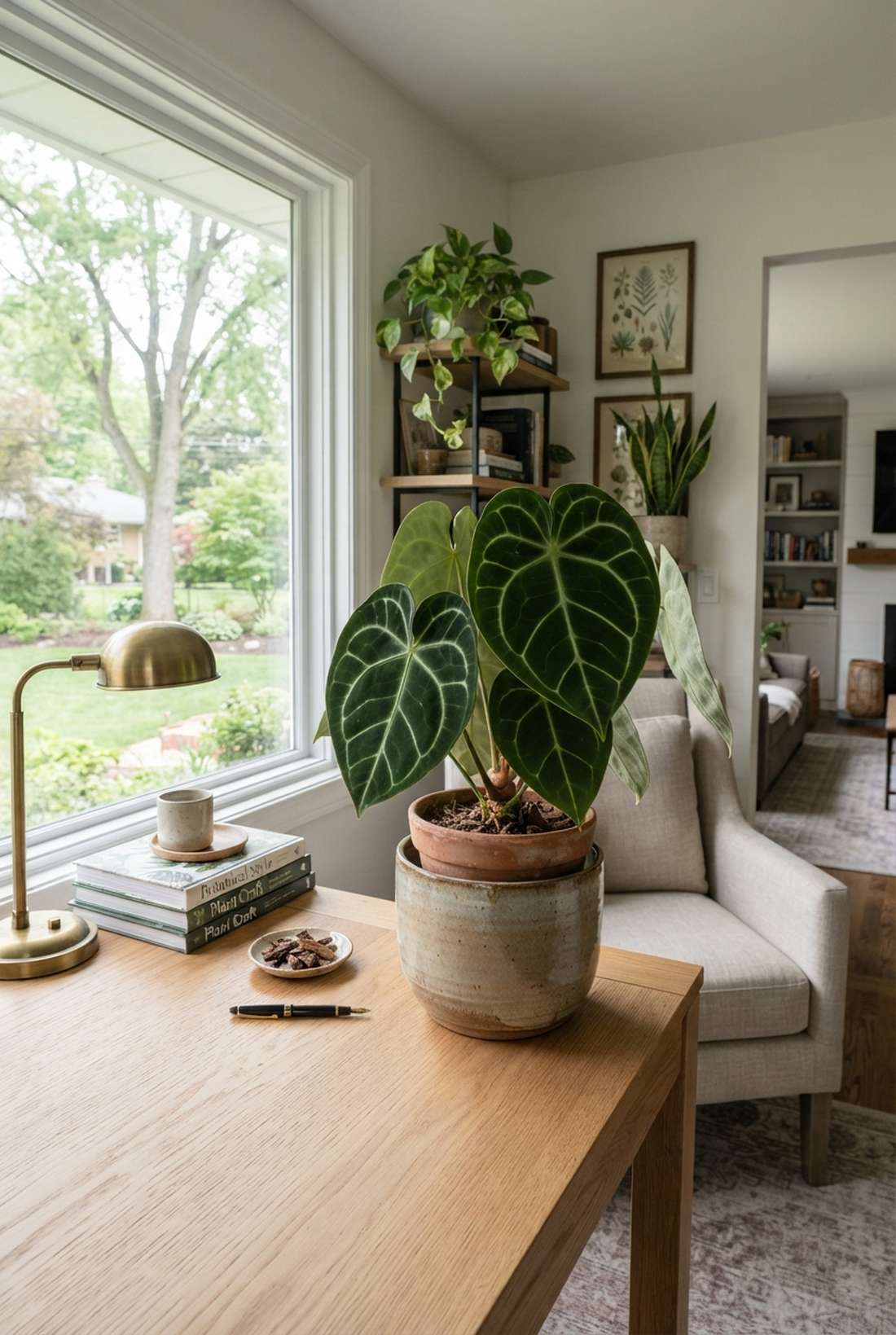
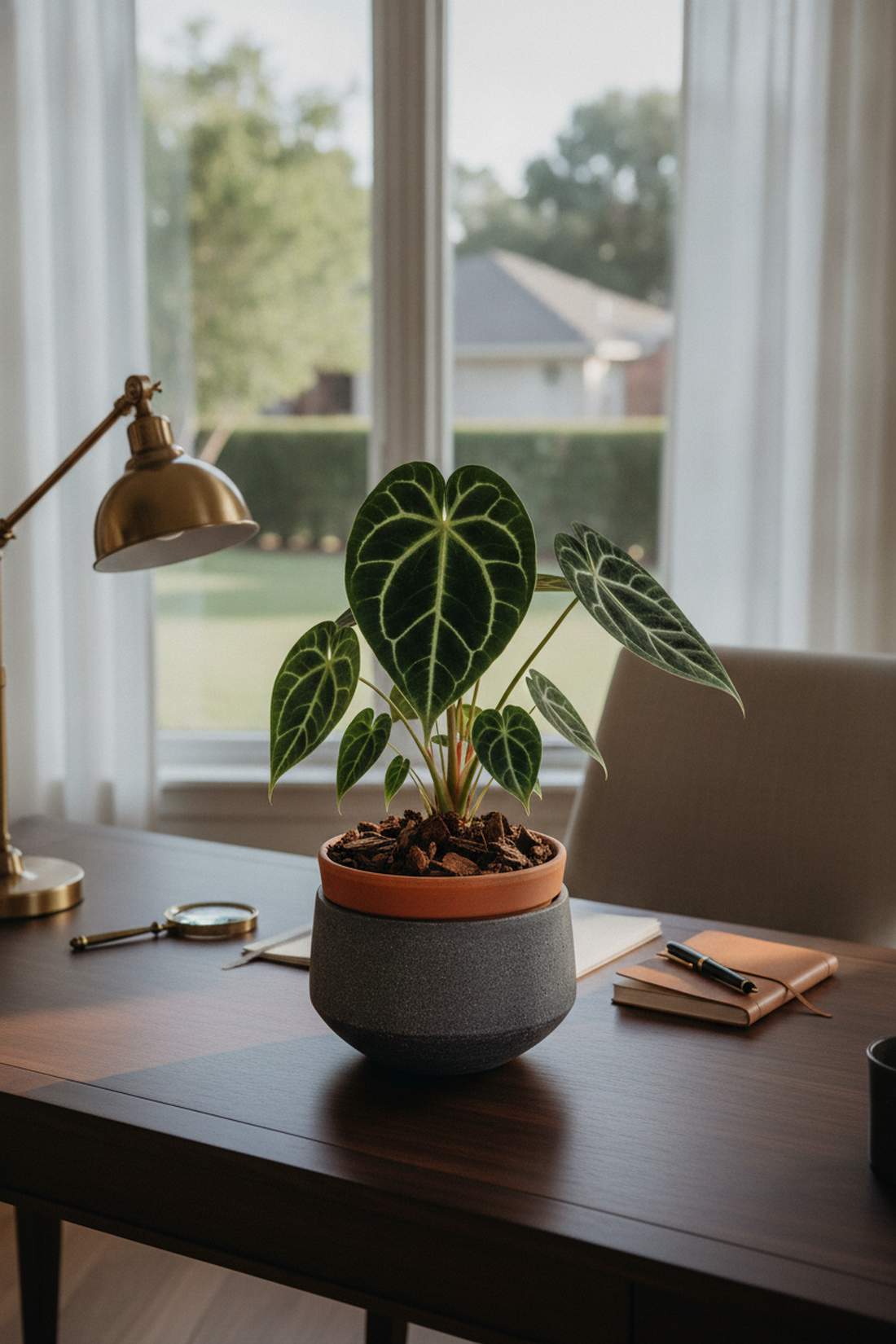
This stiff cardboard-like velvet heart feels like a perfectly preserved antique botanical illustration. It makes a stunning, compact centerpiece for a bright, indirect-lit desk.
Flimsy leaves tear easily, but this rigid, dark green masterpiece delivers a surprisingly premium look with crisp, glowing white veins. Planting it in a highly porous, bark-heavy mix prevents the thick roots from suffocating. It holds its beautiful shape perfectly without any staking.
Expect to spend around $50 to $70 for an established plant. Highly recommended for a clean, structural aesthetic.
- Key Materials: Orchid bark mix, heavy ceramic pot
- Vibe / Style: Antique botanical illustration
- Difficulty: Needs excellent drainage
- Budget Breakdown: Plant: $55 | Bark & Pot: $20
- Creator’s Tip: Use a terracotta pot inside a decorative cachepot to help the chunky bark mix dry out quickly between waterings.
- Smart Sourcing: premium fir bark chunks | unglazed terracotta liner pots
50. Philodendron Melanochrysum (Black Gold Philodendron)
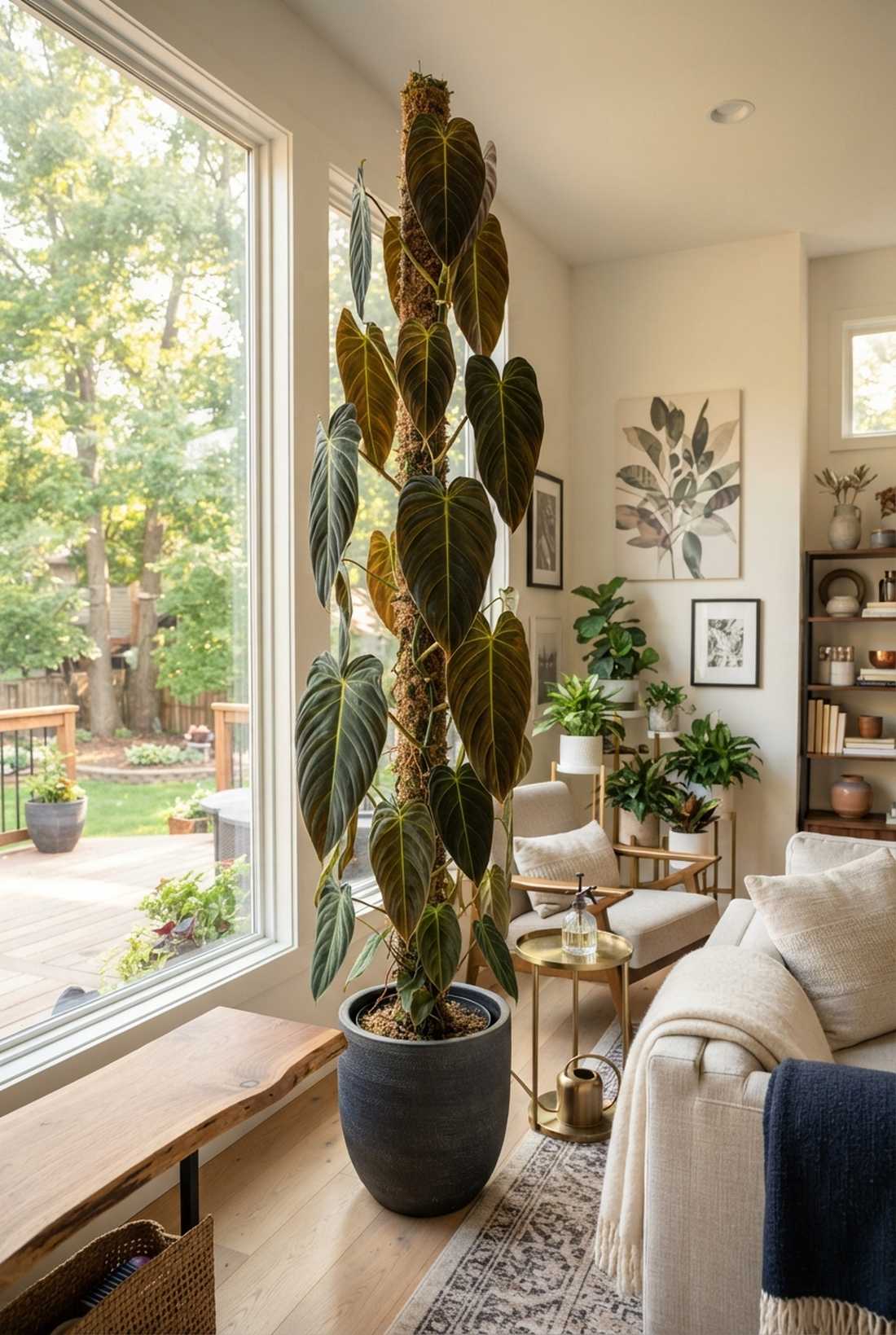
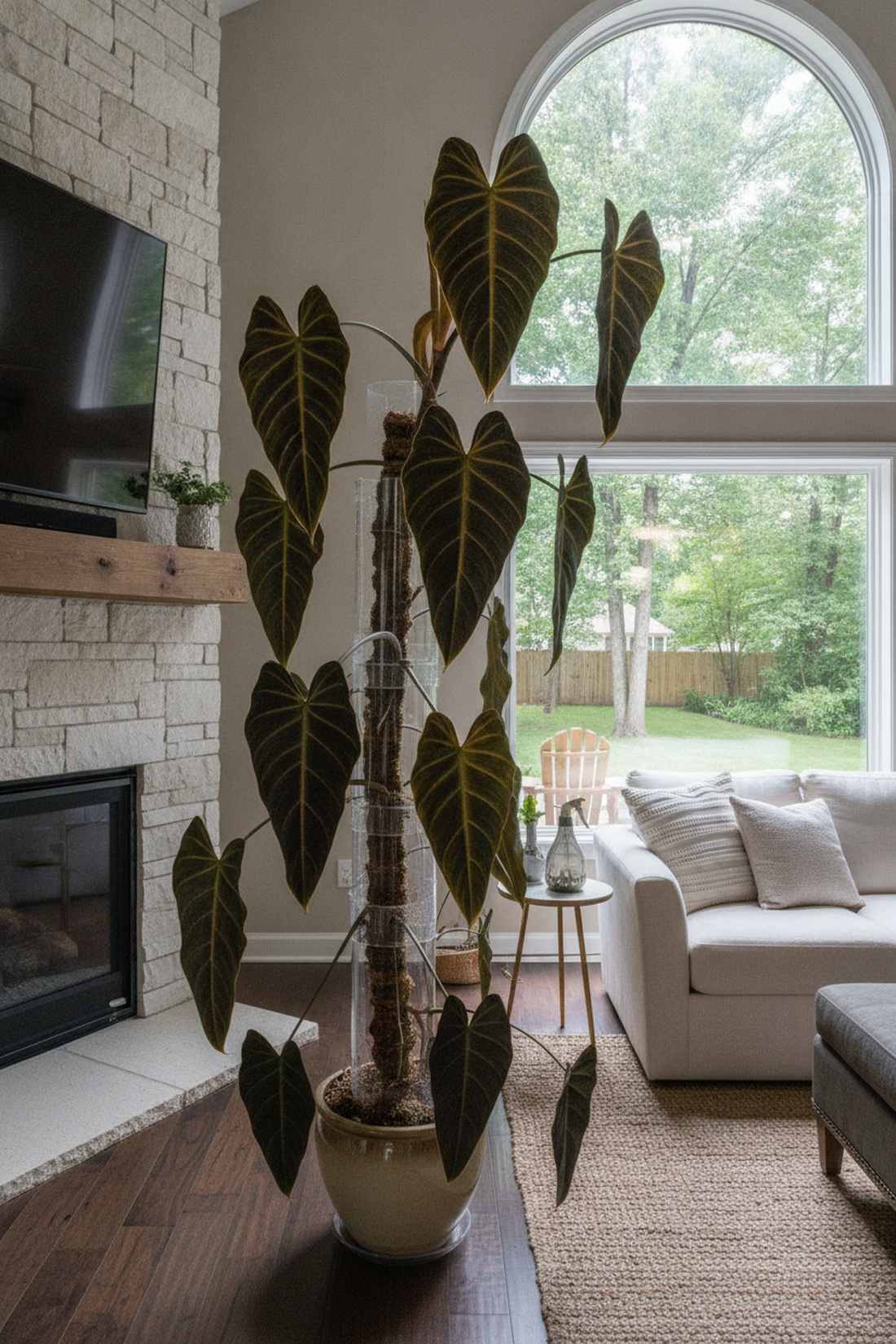
A towering elongated dark velvet climber that feels like an elegant drape of black and gold fabric. It demands a tall vertical space and a heavy moss pole to reach its potential.
Without support, the leaves stay tiny, but giving it a proper climbing structure looks incredibly expensive as the leaves stretch over two feet long. Keeping the moss pole constantly moist encourages the aerial roots to latch on tightly. The iridescent copper-green color shifts beautifully in the light.
You can set up this climbing giant for about $70 to $100. Pin this to your vertical indoor jungle board.
- Key Materials: Extendable moss pole, spray bottle
- Vibe / Style: Towering dark elegance
- Difficulty: Requires diligent pole watering
- Budget Breakdown: Plant: $60 | Pole: $20
- Creator’s Tip: The leaves will only size up if the aerial roots are actively growing into a damp moss pole, not just strapped to dry coir.
- Smart Sourcing: stackable clear moss poles | continuous misting spray bottles
51. Homalomena Rubescens
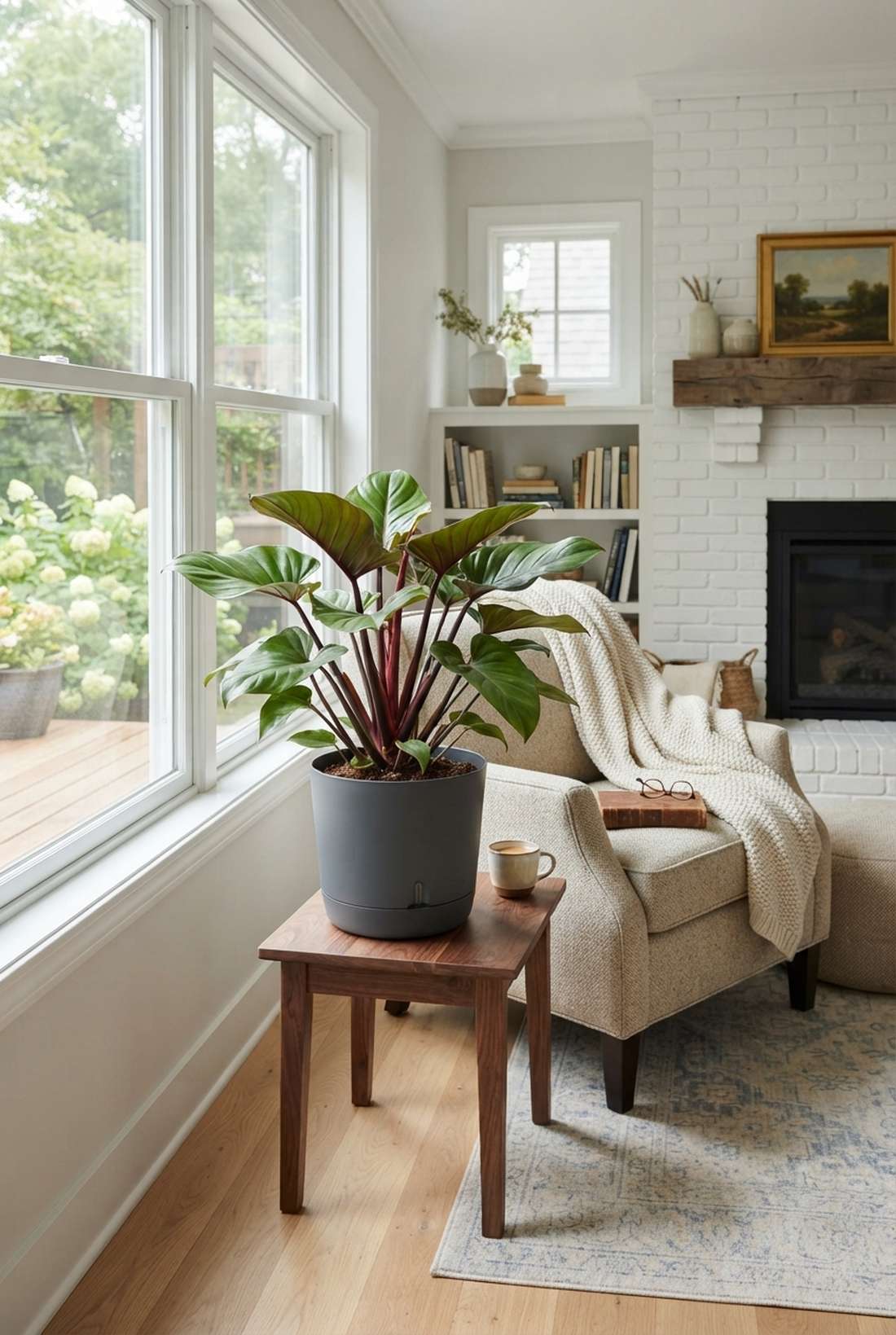
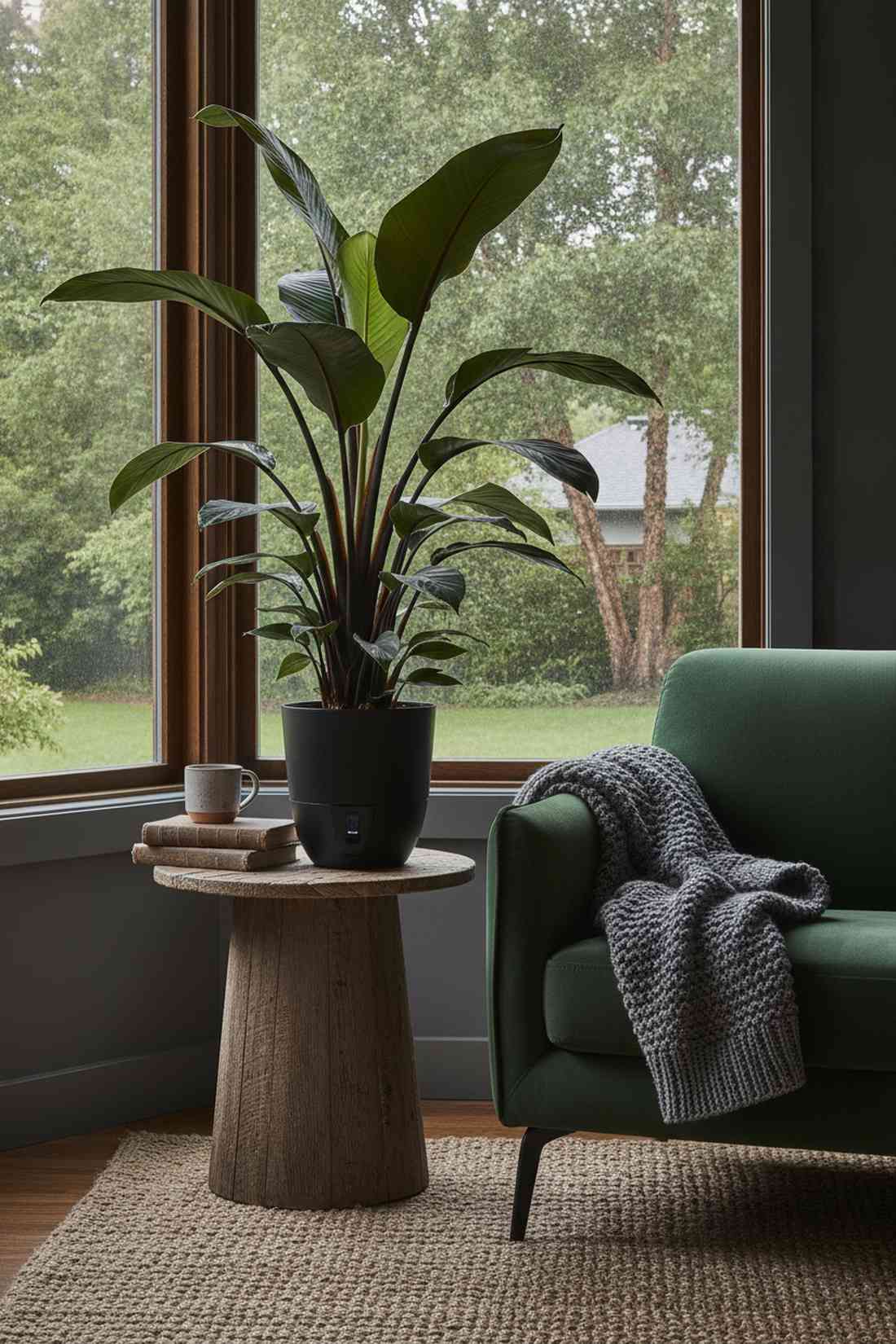
This burgundy-stemmed clumping foliage feels like a rich, moody addition to a shaded reading nook. It is a fantastic, uncommon alternative to standard peace lilies or aglaonemas.
Common mall plants are boring, but this shield-shaped beauty gives a designer-level finish with its deep red stems and glossy green tops. Utilizing basic miniature garden supplies like a self-watering pot keeps it perfectly hydrated without the guesswork. It forms a dense, neat mound that requires zero pruning.
You can snag this under-the-radar gem for roughly $35. Save this if you want an easy-care plant nobody else has.
- Key Materials: Self-watering pot, rich potting soil
- Vibe / Style: Moody understated elegance
- Difficulty: Very easy and forgiving
- Budget Breakdown: Plant: $25 | Pot: $15
- Creator’s Tip: This plant will dramatically faint and droop when it is thirsty, but will pop right back up within hours of watering.
- Smart Sourcing: modern self-watering planters | premium organic potting soils
The upcoming indoor setup feels so premium you will assume it costs hundreds.
52. Syngonium Albo Variegata
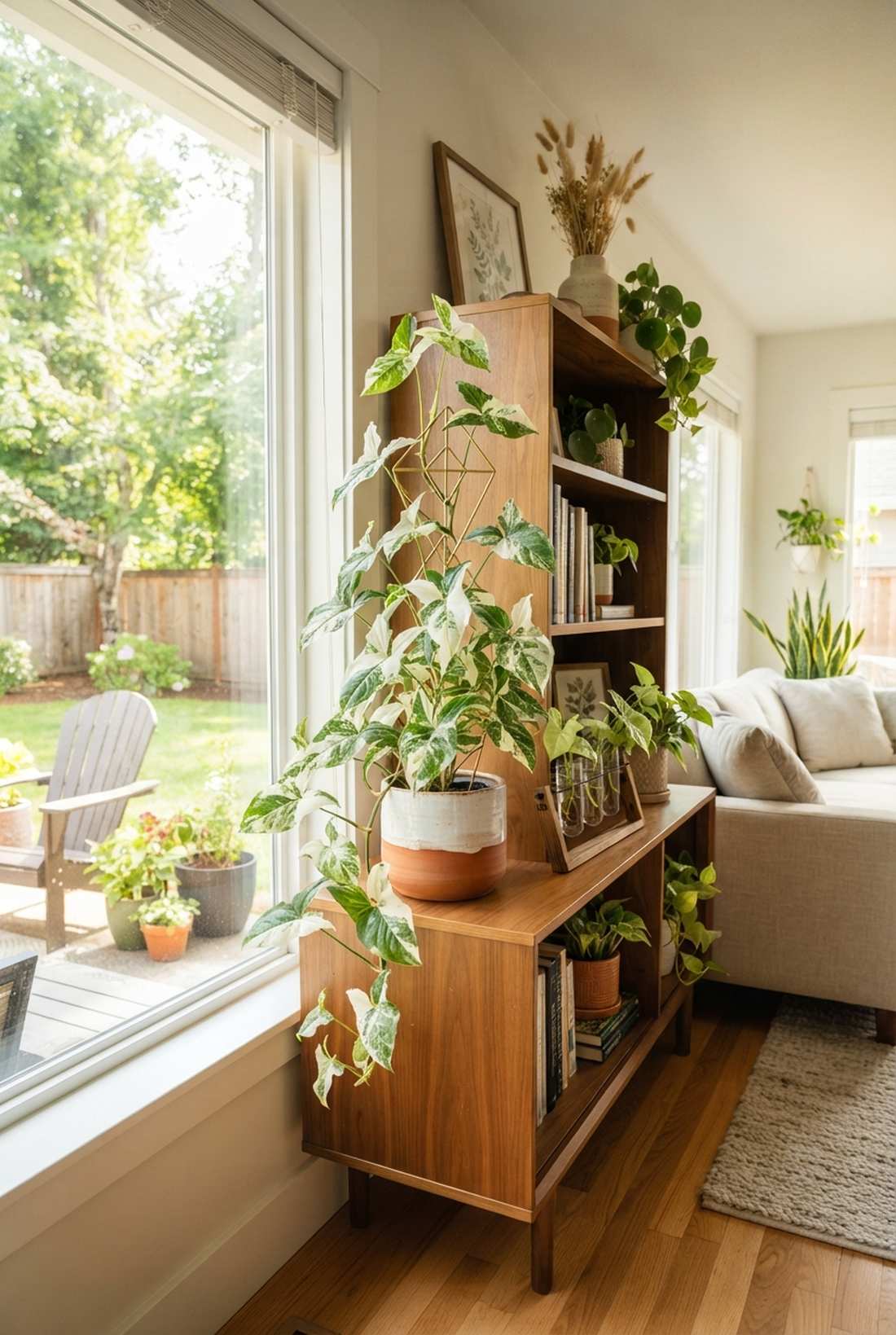
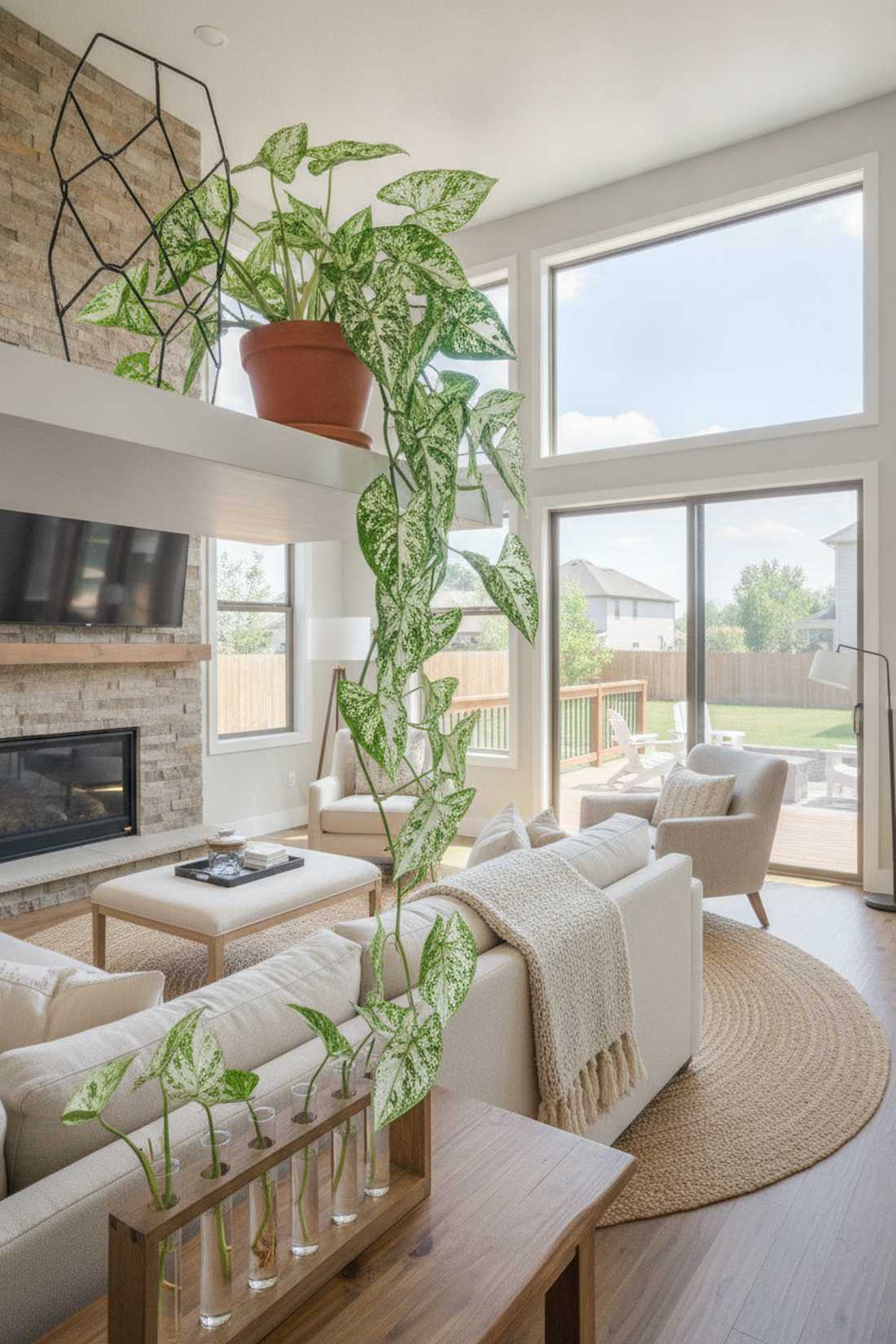
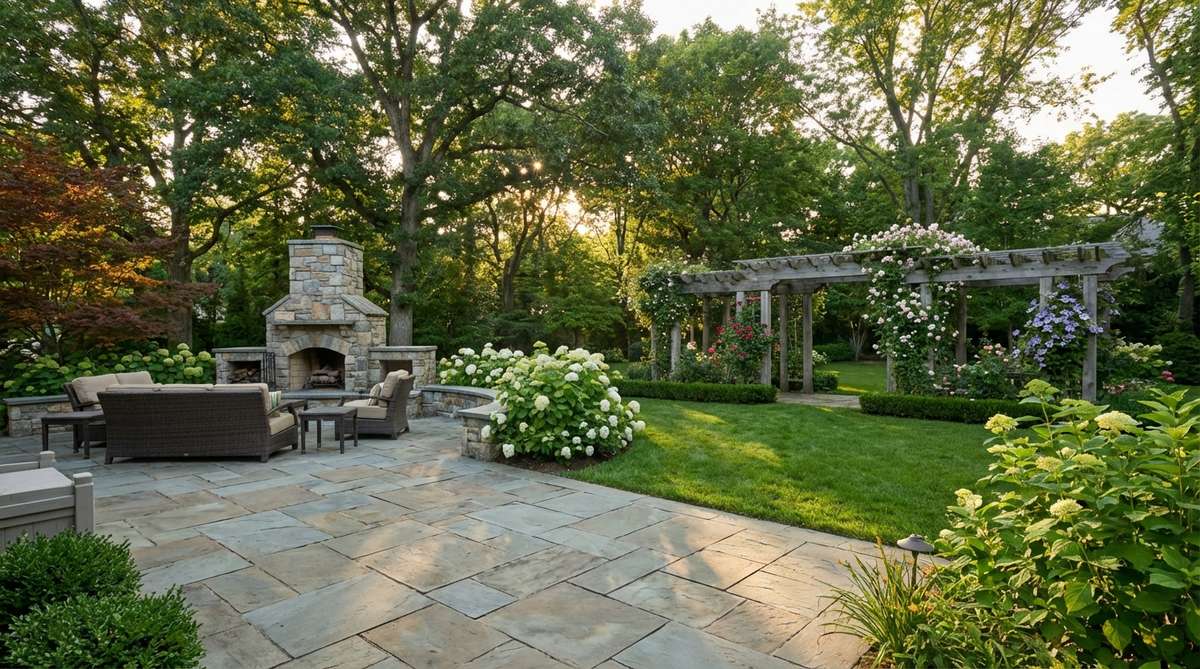
An aggressive white-splashed arrowhead vine that feels like a bucket of white paint was flicked across the leaves. It looks spectacular trailing from a high shelf or climbing a small trellis.
Monstera Albos are insanely expensive, but this fast-growing alternative delivers a surprisingly premium look for a fraction of the cost. Keeping it in bright indirect light ensures the pure white sections stay crisp and don’t revert to green. It propagates incredibly easily in a glass of water.
A lush, highly variegated pot costs about $40. Pin this for a budget-friendly luxury aesthetic.
- Key Materials: Small trellis, bright window
- Vibe / Style: High-contrast modern trailing
- Difficulty: Fast, easy grower
- Budget Breakdown: Plant: $30 | Trellis: $10
- Creator’s Tip: Cut the vine back aggressively if it starts producing all-green leaves to encourage the variegated nodes to branch out.
- Smart Sourcing: small geometric metal trellises | glass propagation station tubes
53. Scindapsus Treubii Moonlight
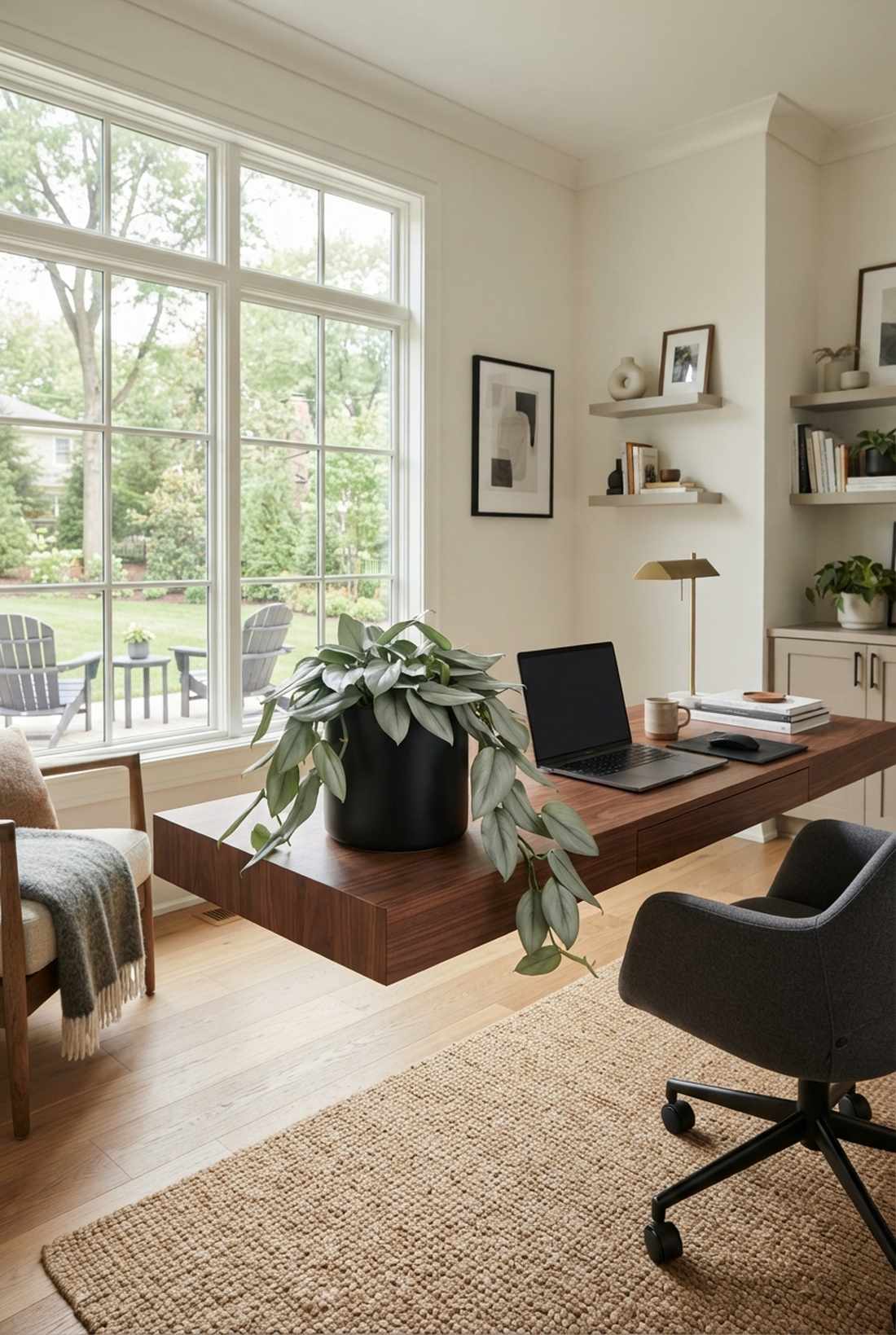
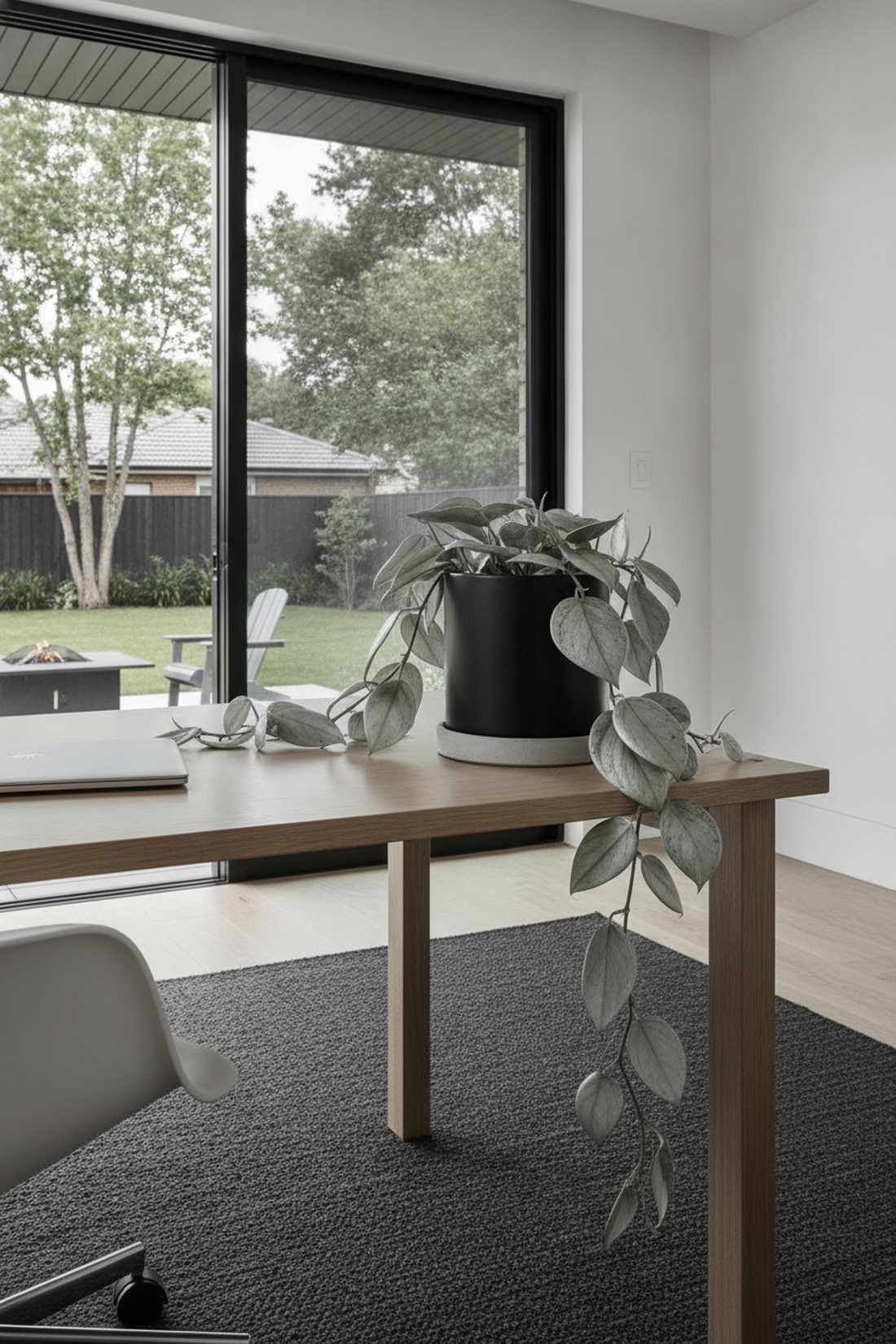
This shimmering silver trailing plant feels like liquid mercury spilling over the edge of a pot. It is an incredibly sophisticated choice for a sleek, monochromatic home office.
Basic green pothos look common, but this thick, silvery foliage looks far more expensive and elegant. Planting it in a matte black or white ceramic pot makes the ghostly silver color pop brilliantly. It tolerates lower light while maintaining its stunning metallic sheen.
You can create this sleek silver cascade for roughly $30. Save this to your modern office decor board.
- Key Materials: Matte ceramic pot, well-draining soil
- Vibe / Style: Sleek metallic minimalism
- Difficulty: Low-light tolerant, easy
- Budget Breakdown: Plant: $20 | Ceramic Pot: $15
- Creator’s Tip: Wait until the thick leaves begin to slightly curl inward before watering to completely avoid root rot.
- Smart Sourcing: matte black ceramic cylinders | perlite-heavy indoor soils
54. Rhaphidophora Tetrasperma Variegata
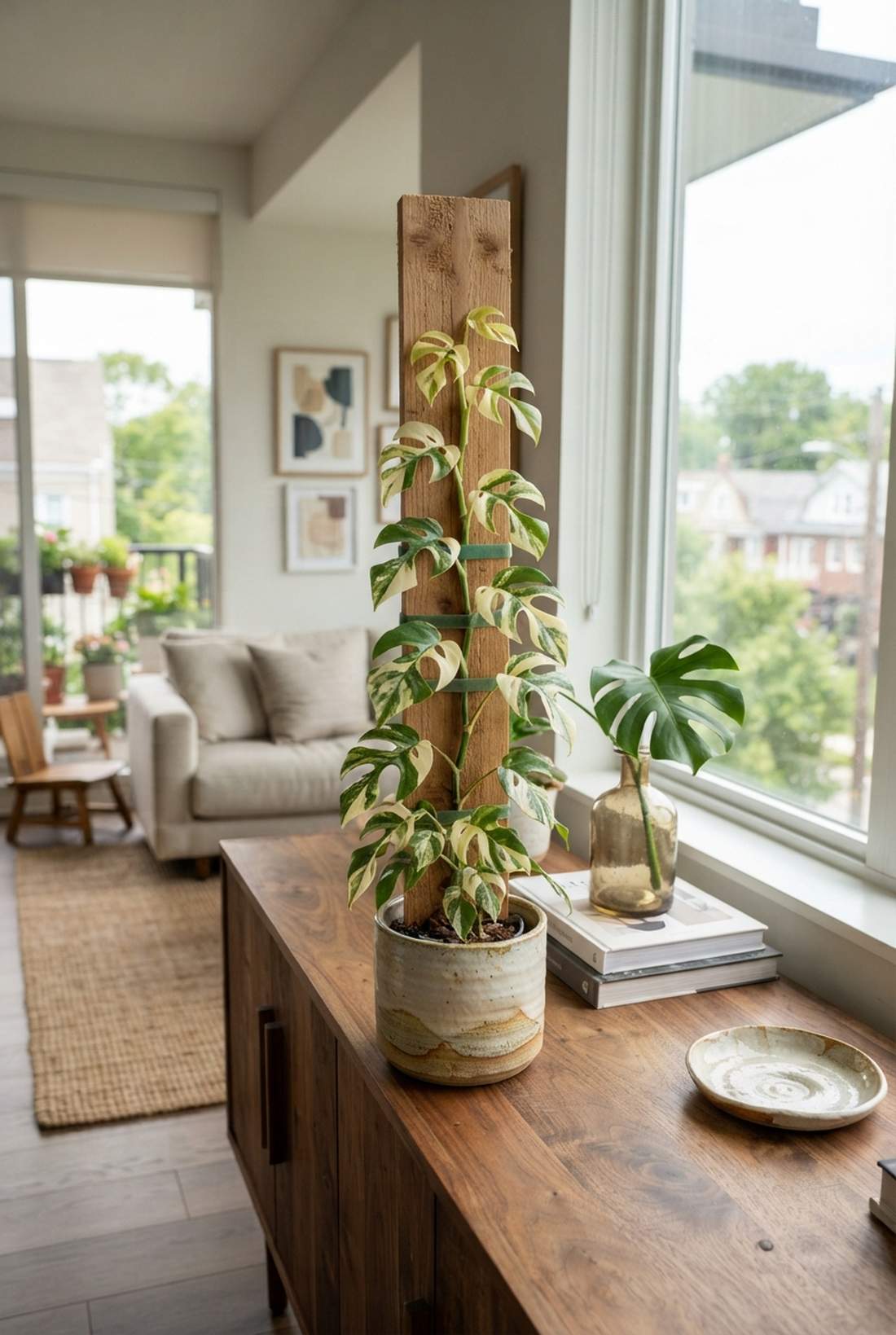
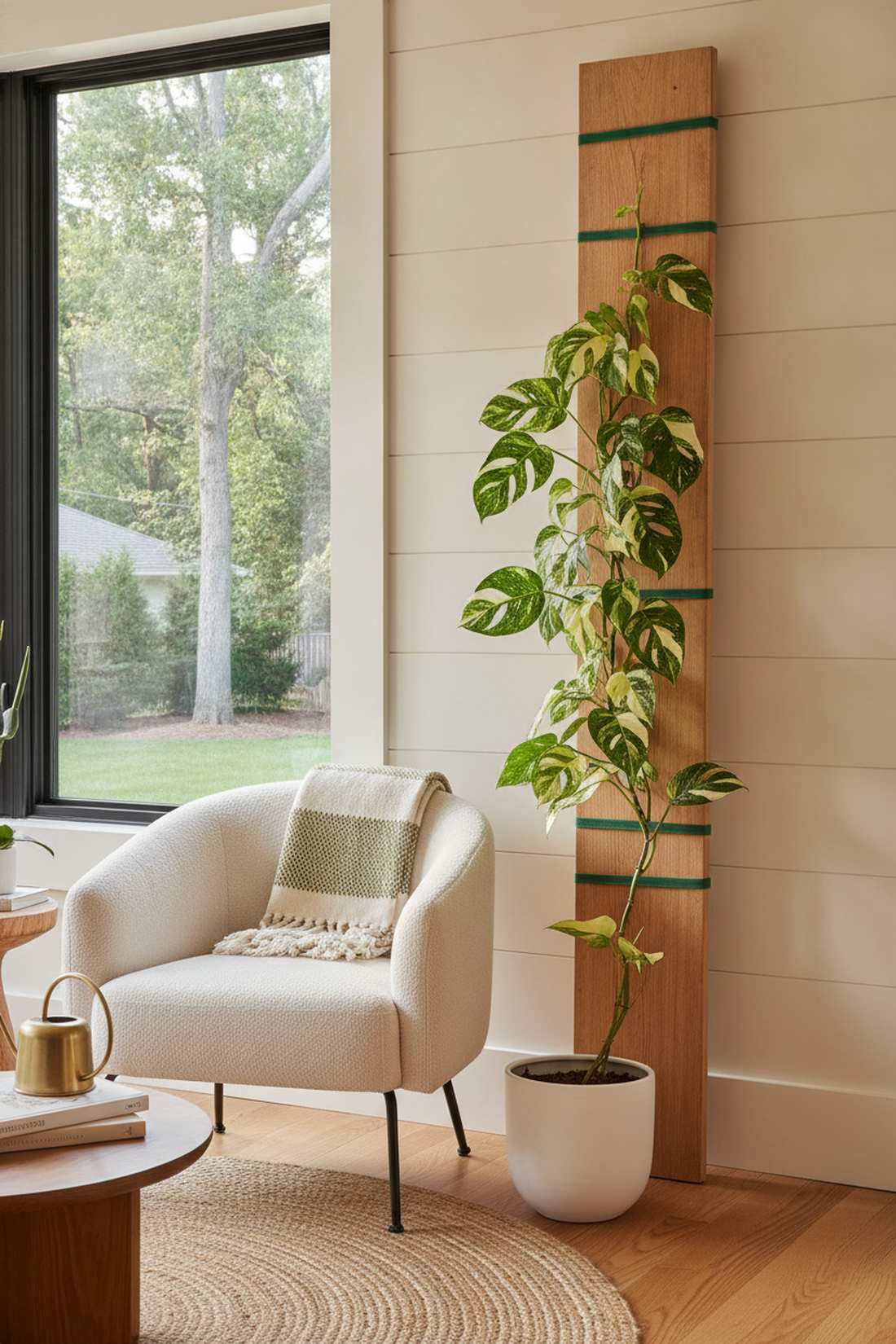
A wildly split miniature variegated climbing vine that feels like a shrunken, highly prized Monstera. It is the perfect vertical accent for tight spaces that can’t fit massive plants.
Large plants overtake small apartments, but this mini-climber gives a designer-level finish while hugging a slim support pole. Securing it to a narrow wooden plank encourages the leaves to split perfectly while showing off the yellow or white striping. It grows incredibly fast once established.
A rooted cutting will set you back about $80 to $120. Highly recommended for high-end small space styling.
- Key Materials: Cedar mounting plank, plant velcro
- Vibe / Style: Compact luxury jungle
- Difficulty: Needs structural support
- Budget Breakdown: Plant: $90 | Plank & Ties: $15
- Creator’s Tip: Use a flat cedar or untreated pine board instead of a round moss pole to encourage the leaves to lay flat and scale upwards.
- Smart Sourcing: untreated cedar mounting planks | reusable soft plant velcro
55. Monstera Peru (Monstera Karstenianum)
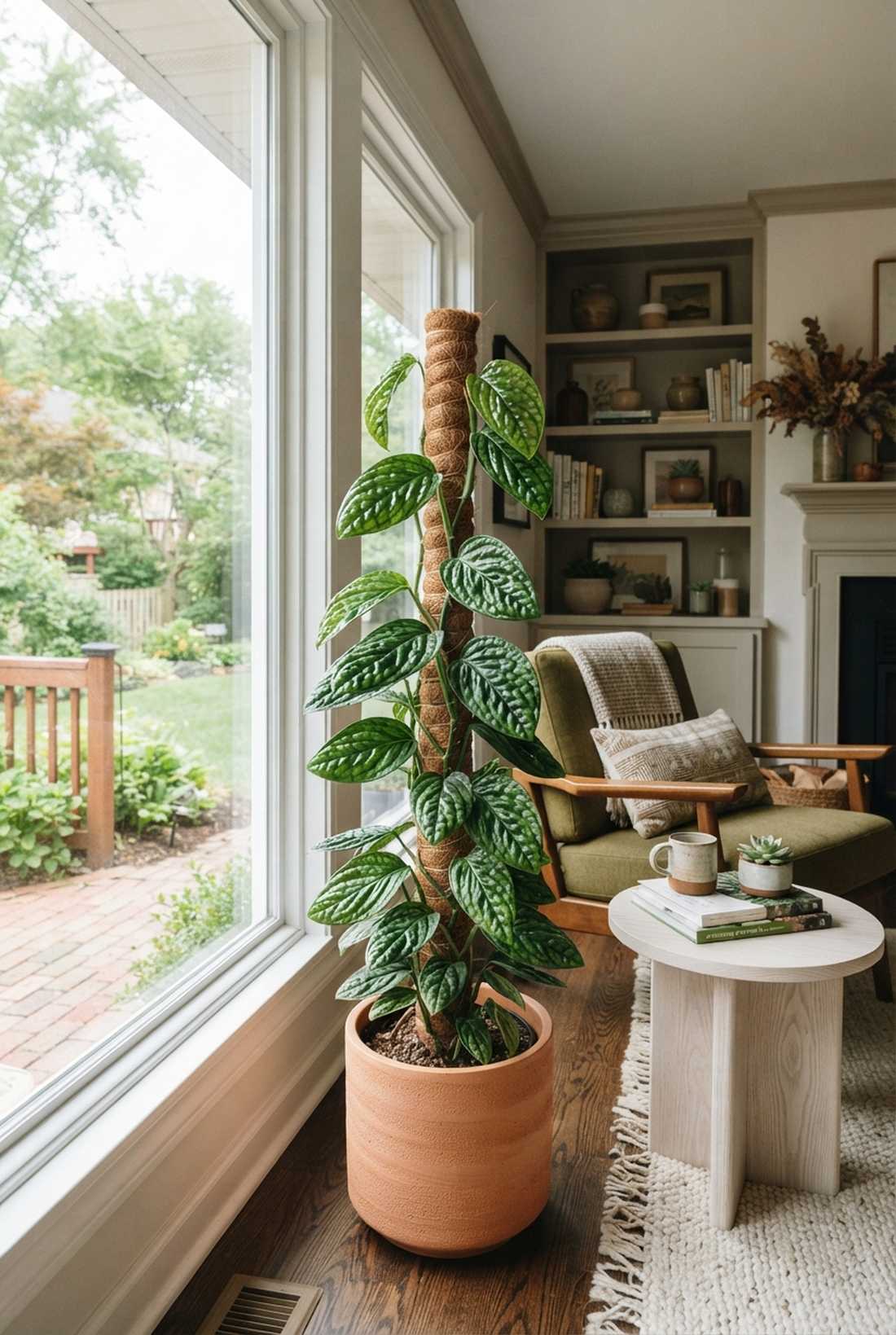
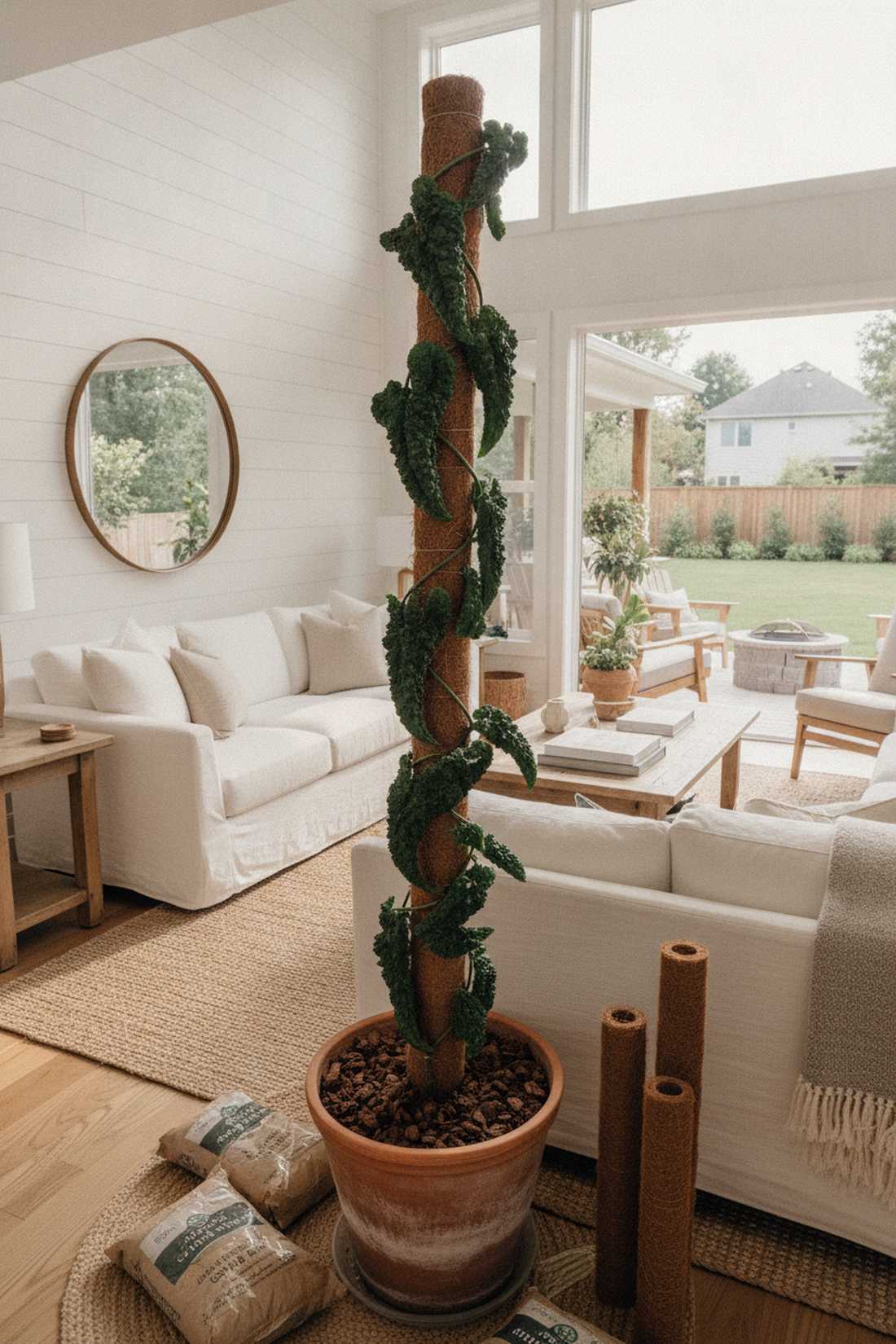
This deeply puckered rigid vine feels like textured green leather wrapping around a support structure. It looks incredible climbing a rough coir pole in a brightly lit room.
Most monsteras have holes, but this unusual variety looks far more expensive with its incredibly stiff, blistered texture. Skipping regular dirt and using premium orchid bark keeps the epiphytic roots happy and prevents yellowing. The glossy, three-dimensional leaves are visually fascinating.
You can build this textured totem for about $35 to $50. Pin this if you prefer tactile, highly structural plants.
- Key Materials: Coir pole, chunky bark mix
- Vibe / Style: Rugged textured vertical
- Difficulty: Easy, prefers to be under-watered
- Budget Breakdown: Plant: $25 | Coir Pole: $15
- Creator’s Tip: It will trail if you let it, but the leaves will stay very small; force it to climb a pole to get massive, deeply textured foliage.
- Smart Sourcing: stackable coco coir poles | premium chunky orchid bark
Carnivorous plants usually look messy, but this next display trick fixes that instantly.
Exotic Carnivorous Plants Living Sculptures
Carnivorous exotic plants combine unusual morphology with active insect-trapping mechanisms, creating interactive living displays. These specialized species require specific environmental conditions but reward dedicated growers with fascinating behavior.
56. Nepenthes Ventrata (Tropical Pitcher Plant)
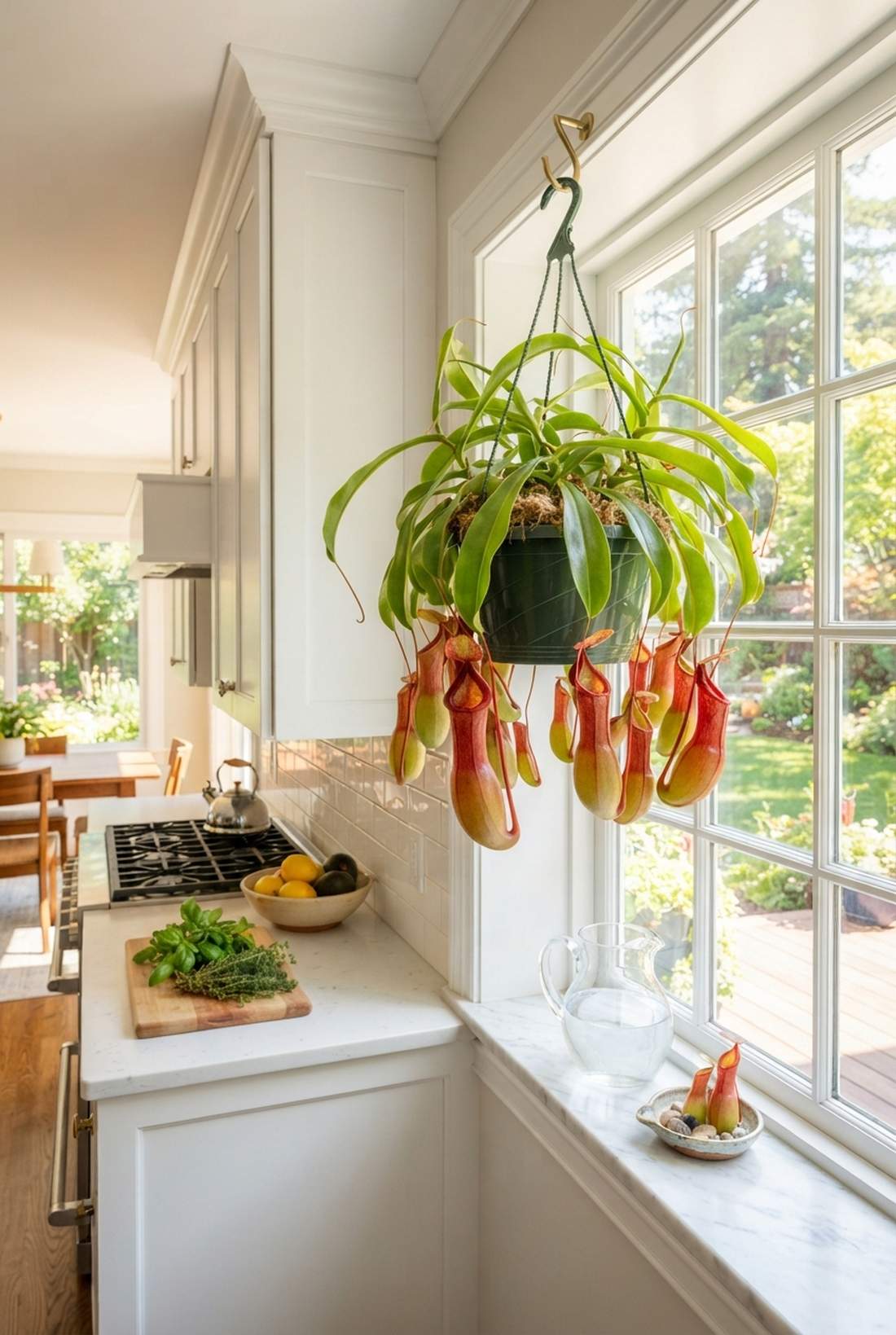
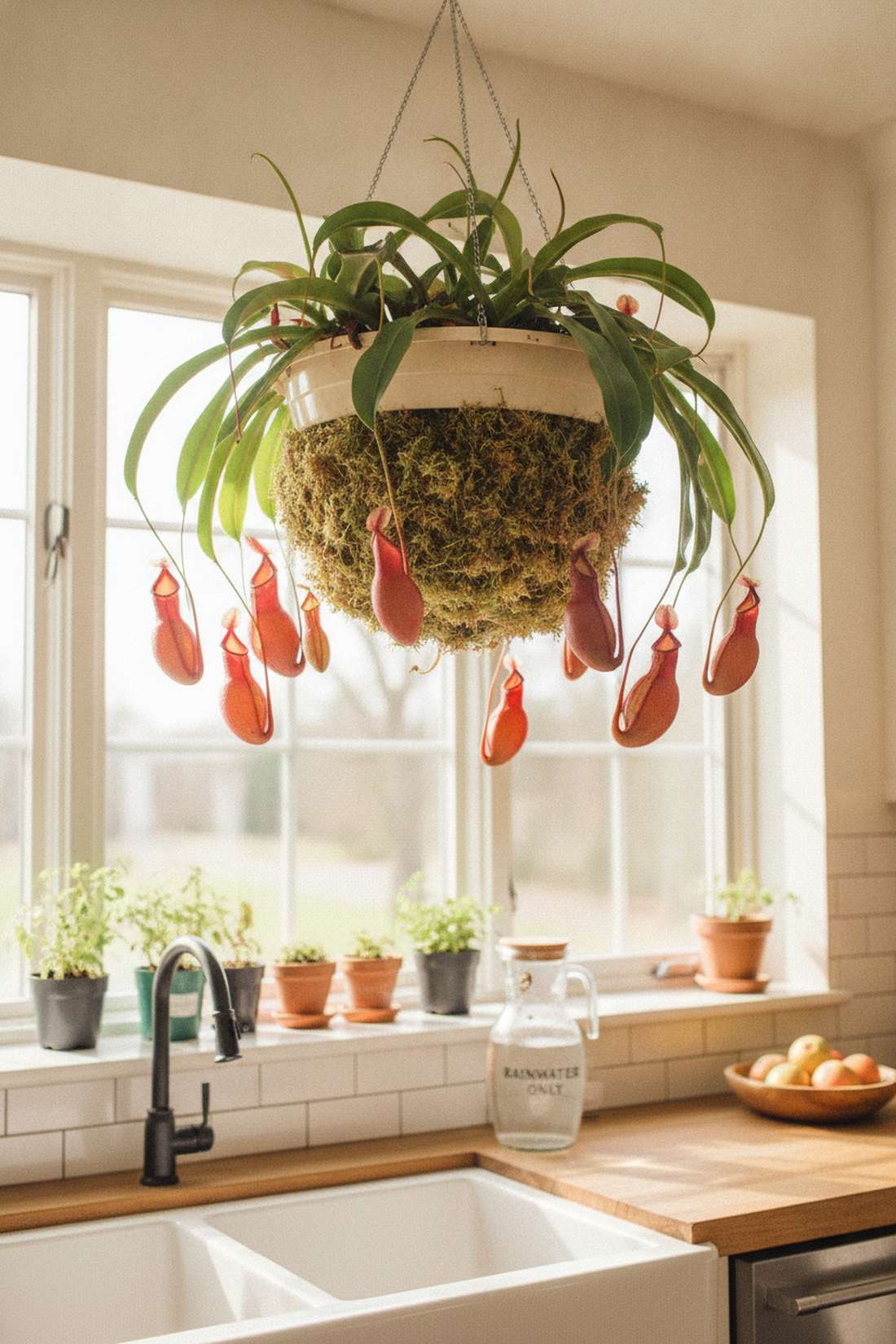
A hanging carnivorous pitcher display that feels like a collection of colorful hanging stomachs waiting for a meal. It is a brilliant, functional addition to a sunny, humid kitchen window.
Flimsy bug traps are ugly, but hanging these massive red pitchers delivers a surprisingly premium look that actively eats gnats. Utilizing zero-nutrient fairy garden kits style sphagnum moss ensures the delicate roots are never burned by minerals. The pitchers dangle elegantly from the tips of the leaves.
A lush hanging basket costs about $30 to $45. Save this to your functional and bizarre home decor board.
- Key Materials: Hanging basket, pure sphagnum moss
- Vibe / Style: Exotic functional jungle
- Difficulty: Needs pure water and bright light
- Budget Breakdown: Plant: $25 | Moss: $10
- Creator’s Tip: Never use tap water or fertilizer; use only distilled water or rainwater, or the plant will stop producing pitchers entirely.
- Smart Sourcing: pure long-fiber sphagnum moss | plastic hanging nursery baskets
57. Venus Flytrap (Dionaea Muscipula)
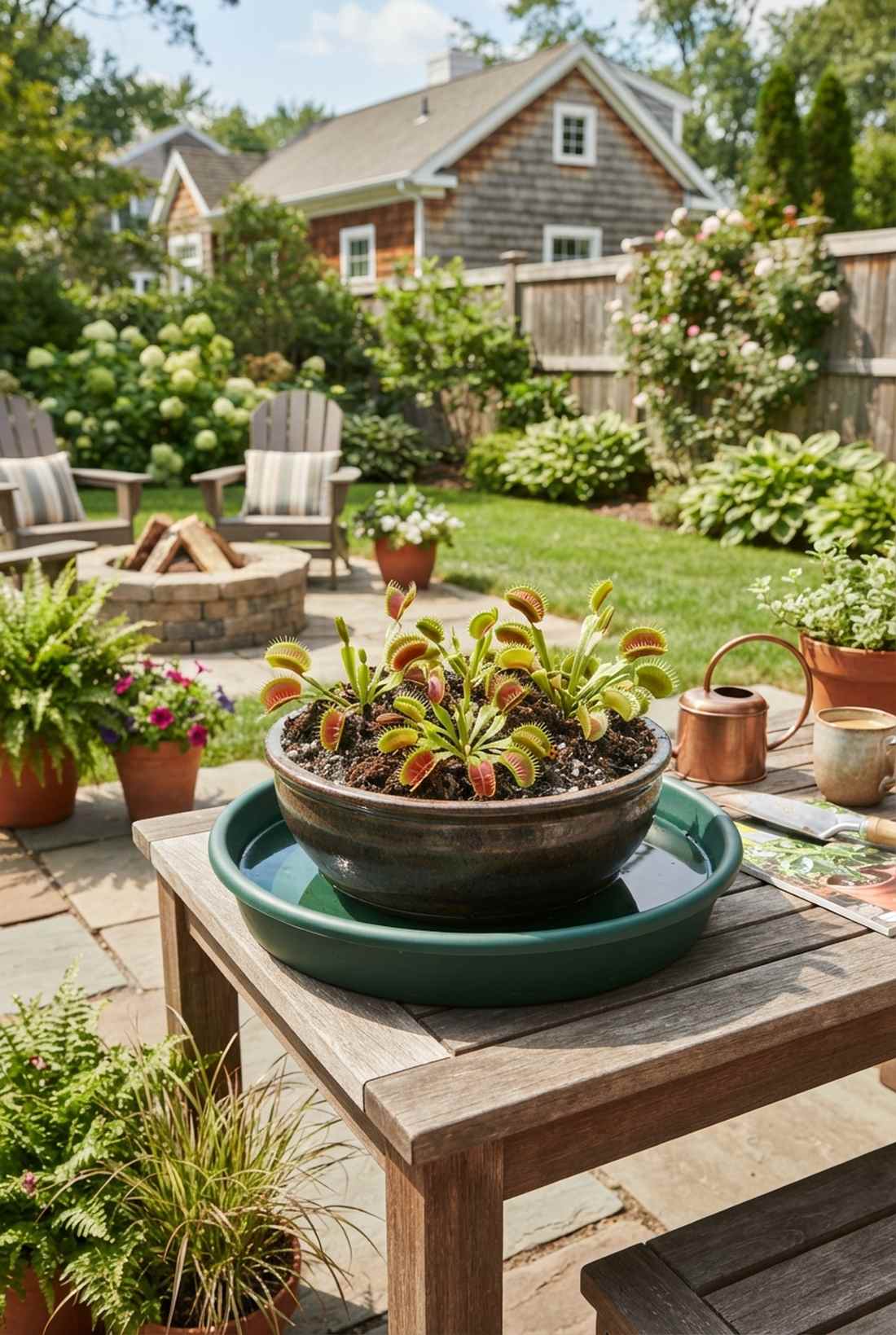
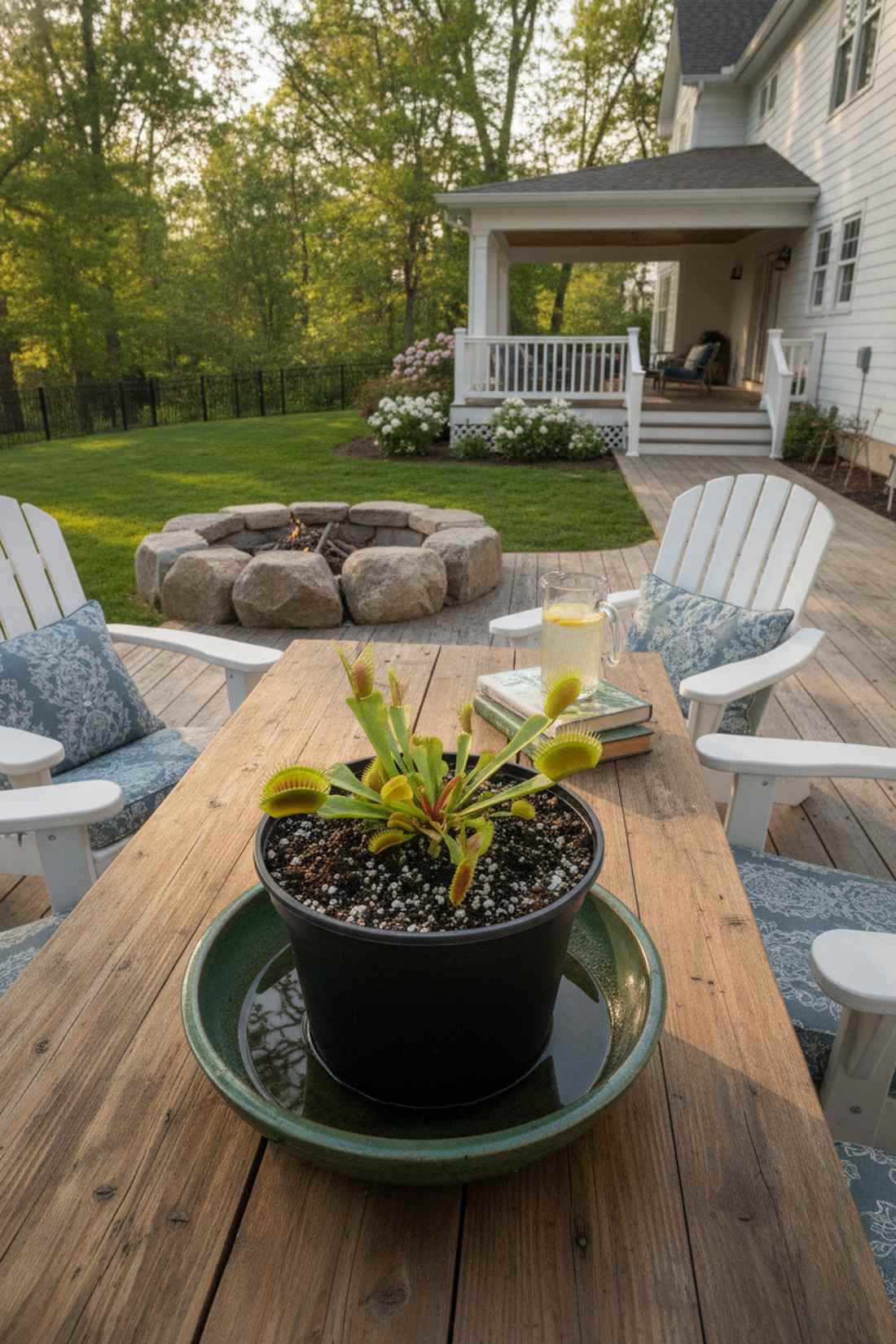
This snapping jawed bog plant feels like a tiny alien monster living in a dish. It makes a fascinating, highly interactive display for a full-sun outdoor patio table.
Most people kill these indoors, but putting them outside in a deep water tray looks far more expensive and keeps them thriving. Potting them in pure peat moss replicates their natural acidic bog environment perfectly. The red-lined traps snap shut visibly when triggered.
You can create a proper bog bowl for roughly $20. Pin this if you want a plant that actually moves.
- Key Materials: Deep water tray, peat moss/perlite mix
- Vibe / Style: Interactive alien bog
- Difficulty: Requires absolute full sun
- Budget Breakdown: Plant: $10 | Tray & Peat: $10
- Creator’s Tip: Never trigger the traps with your finger just for fun; closing empty traps exhausts the plant and can kill it.
- Smart Sourcing: pure unfertilized peat moss | deep plastic water trays
58. Sarracenia Purpurea (Purple Pitcher Plant)
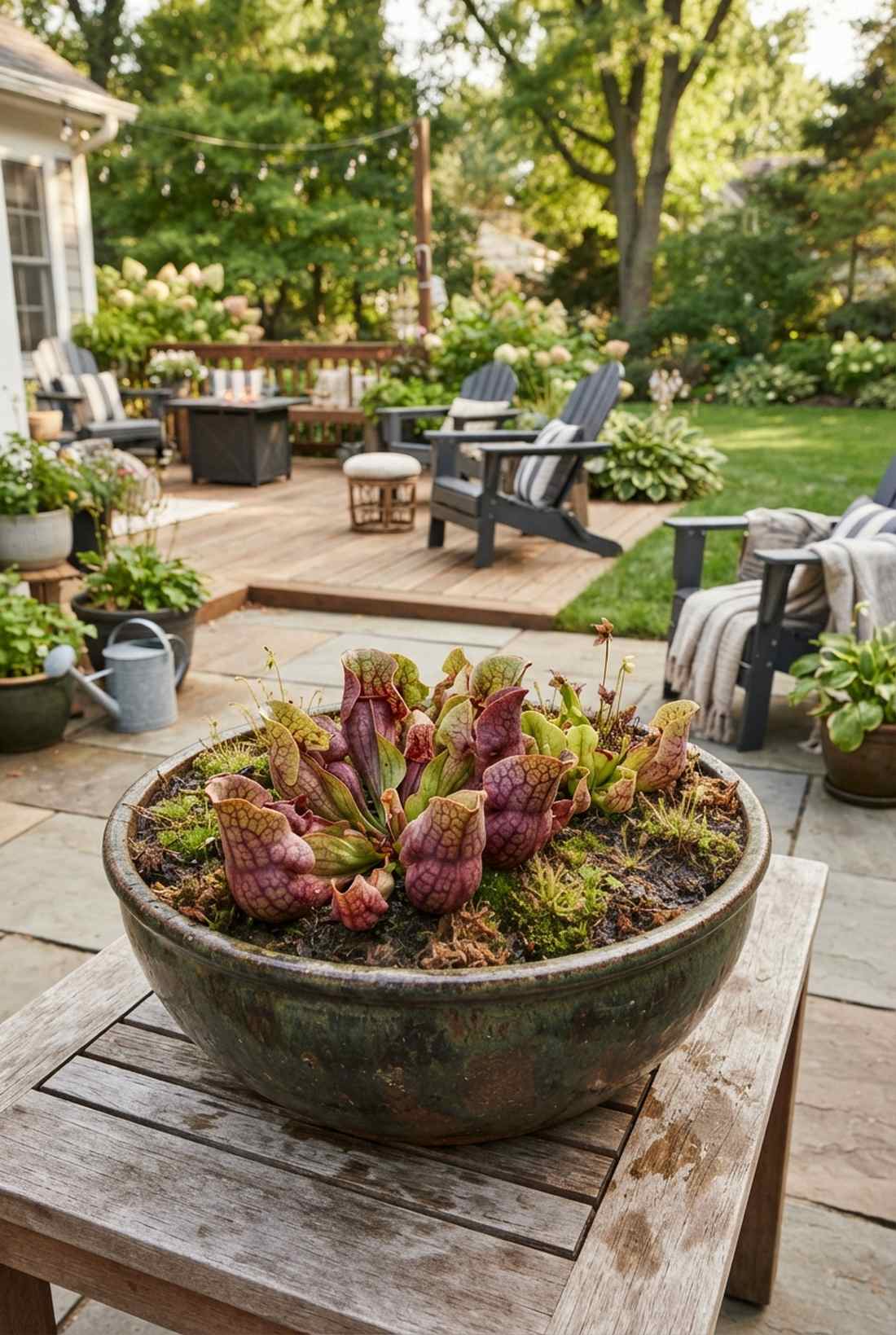
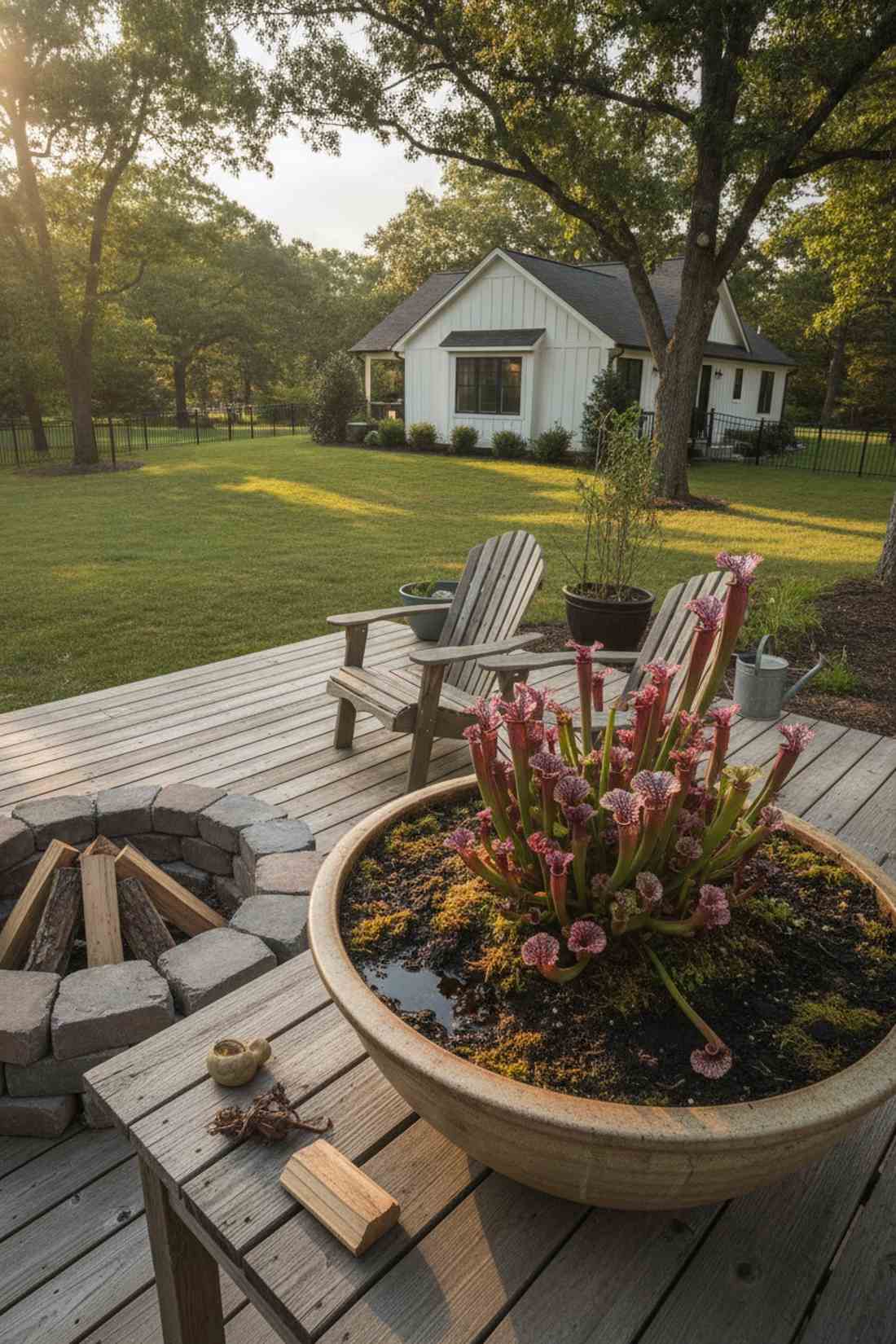
A squat purple-veined tubular trap that feels like a cluster of beautiful, deadly goblets. It is the absolute best choice for a cold-weather outdoor container bog garden.
While tropicals die in the cold, this rugged predator gives a designer-level finish while happily freezing solid in winter. Using an undrained, wide ceramic bowl creates the perfect permanent swamp condition it craves. The traps fill with rainwater and naturally drown outdoor pests.
Establishing an outdoor bog bowl costs about $30. Highly recommended for a unique patio conversation piece.
- Key Materials: Undrained bowl, distilled water, peat
- Vibe / Style: Rugged outdoor swamp curio
- Difficulty: Very easy, survives freezes
- Budget Breakdown: Plant: $15 | Bowl & Soil: $15
- Creator’s Tip: Do not cover the top of the pitchers; they rely on natural rain to fill the traps with the water needed to drown bugs.
- Smart Sourcing: wide undrained ceramic bowls | carnivorous plant soil blends
59. Drosera Capensis (Cape Sundew)
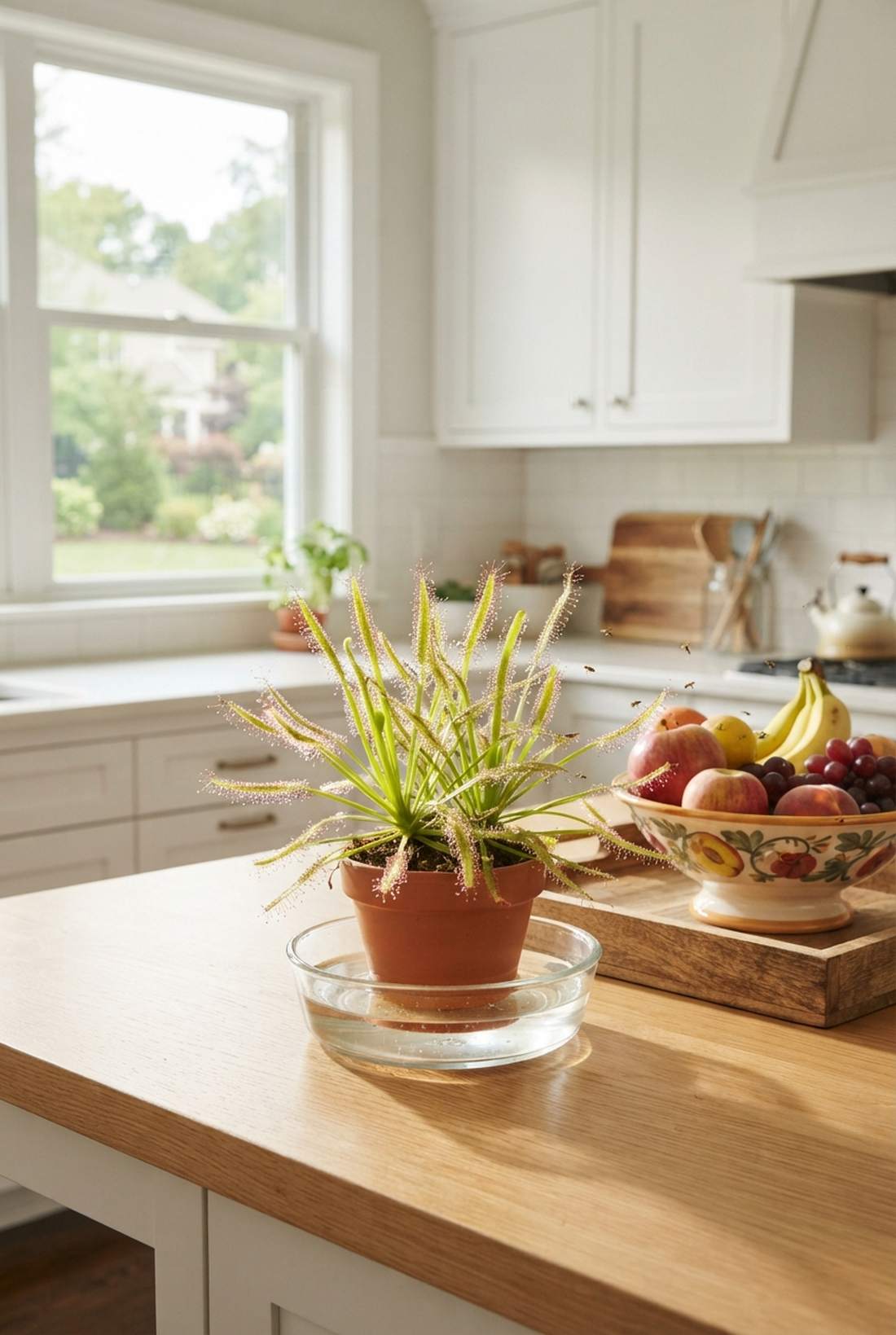
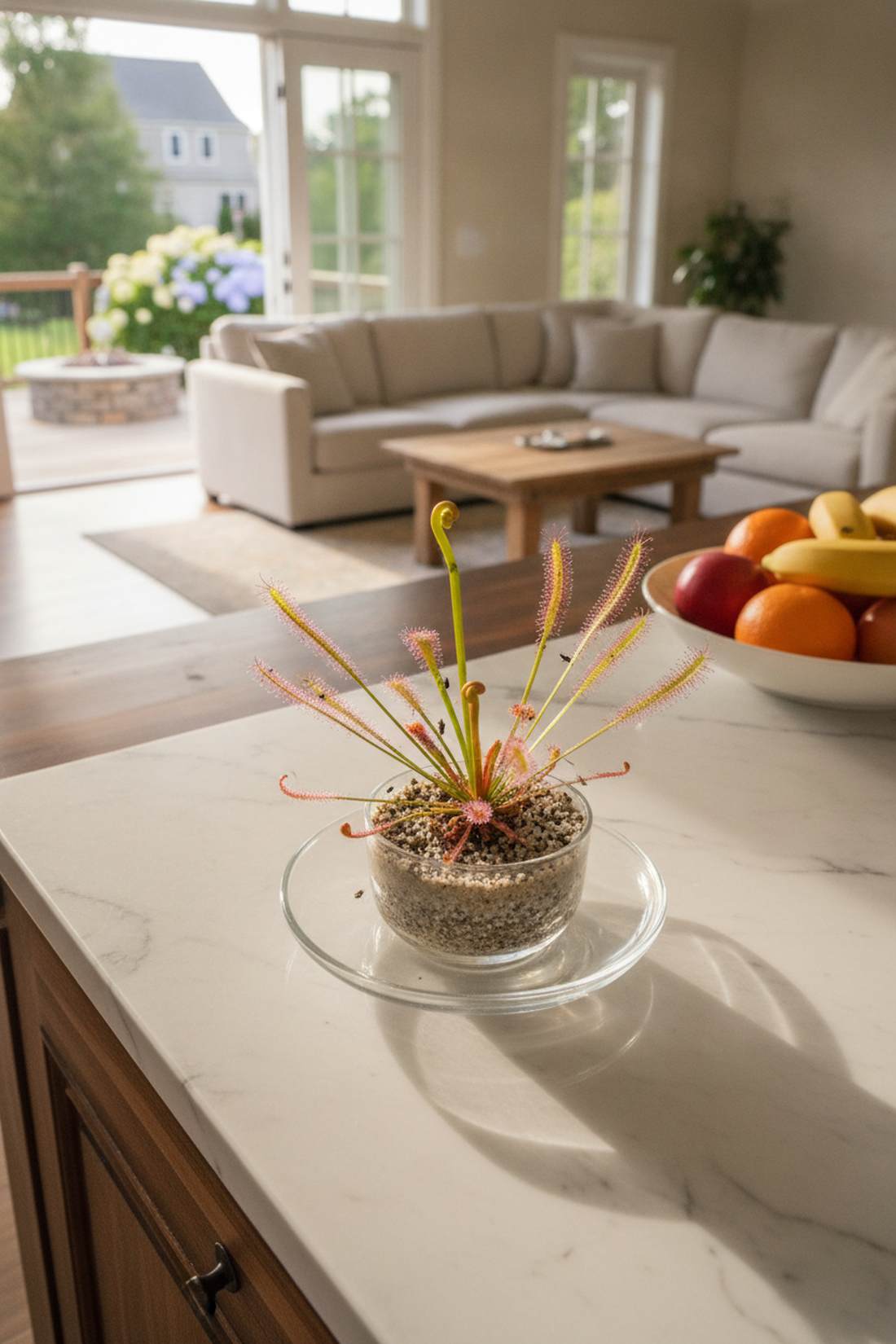
This sparkling tentacled sticky trap feels like a delicate piece of jewelry covered in morning dew. It is incredibly effective at decimating fruit fly populations near a fruit bowl.
Chemical sprays are toxic, but utilizing this glittering predator looks far more expensive and naturally clears your kitchen of pests. Setting it in a high-quality glass water tray keeps the roots wet and the tentacles producing maximum sticky glue. The leaves slowly curl around anything they catch.
You can set up this glittering bug-catcher for under $20. Save this to your natural pest-control board.
- Key Materials: Glass saucer, pure water, peat/sand mix
- Vibe / Style: Glistening deadly elegance
- Difficulty: Easy, perfect for beginners
- Budget Breakdown: Plant: $12 | Glass Saucer: $5
- Creator’s Tip: If the plant stops producing sticky “dew” drops, it means the humidity is too low or it needs significantly more sunlight.
- Smart Sourcing: clear glass plant saucers | silica sand soil additives
Do not arrange another terrarium until you see this game-changing layout approach.
60. Utricularia Sandersonii (Bladderwort)
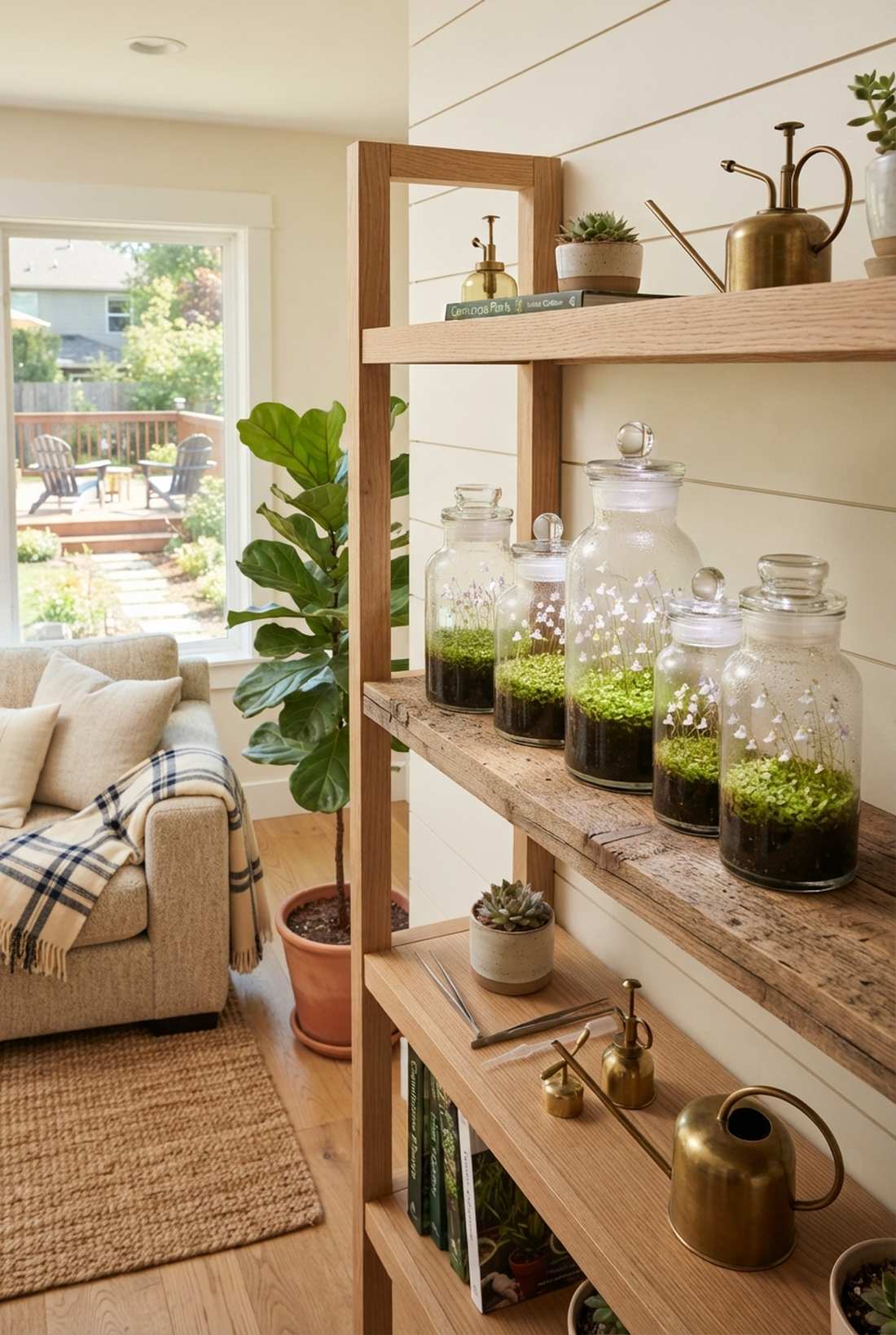
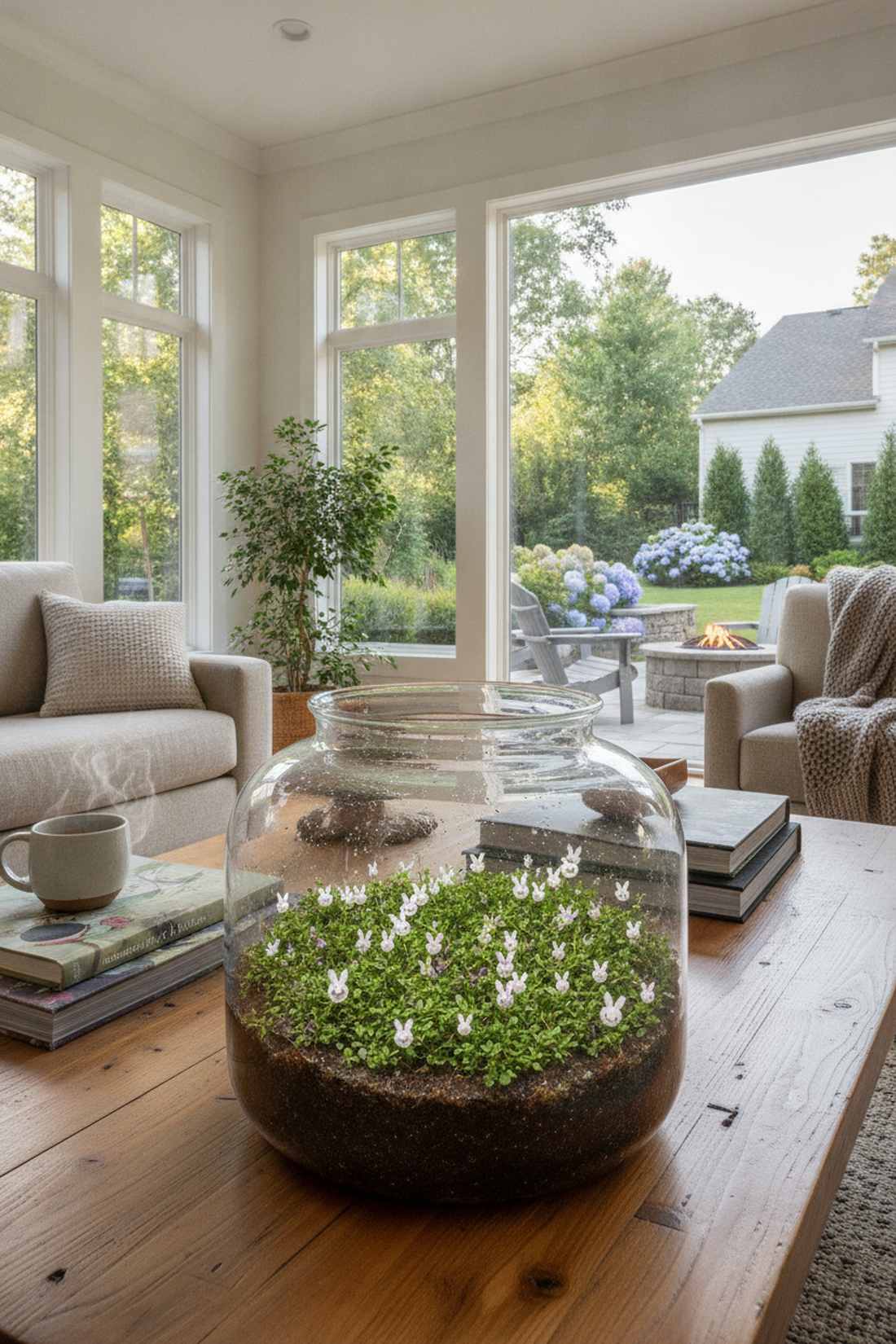
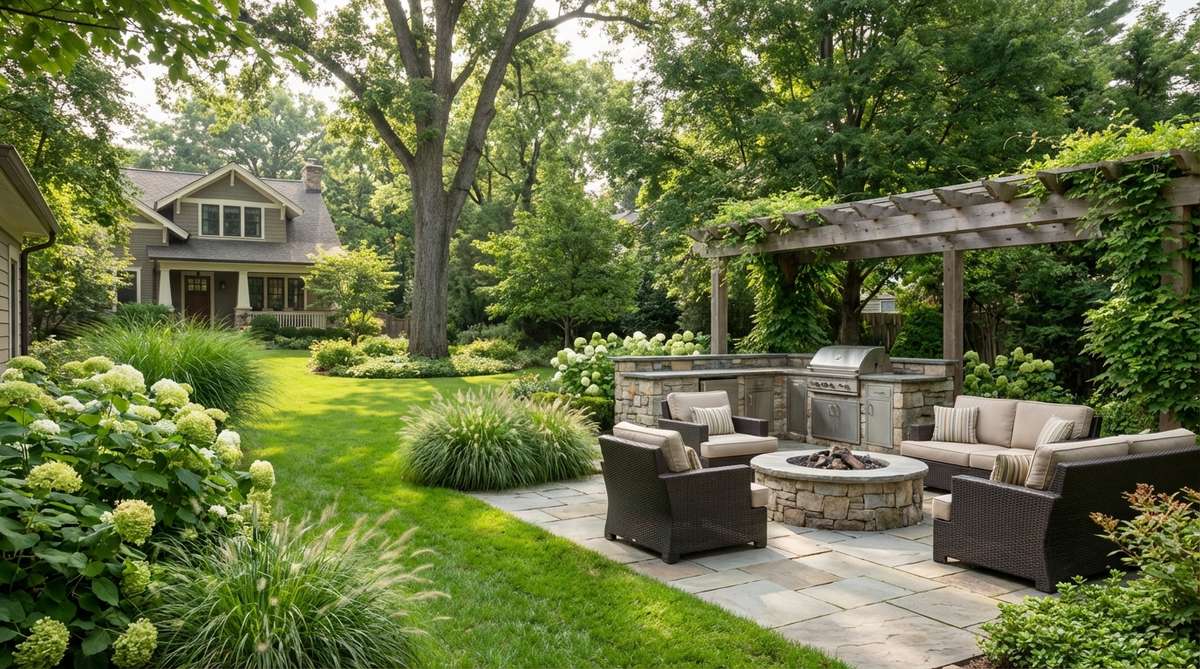
A tiny flowering carpet bog that feels like a miniature field of angry bunnies hiding a deadly secret. It perfectly fills the bottom of a sealed glass terrarium.
Looking at just dirt is boring, but topping your soil with this blooming predator delivers a surprisingly premium look. Integrating specialized miniature garden supplies keeps the microscopic underground traps submerged in wet peat. The tiny white and purple flowers bloom relentlessly above the tiny leaves.
Creating this flowering micro-bog costs about $25. Pin this if you love intricate, miniature ecosystems.
- Key Materials: Glass jar or terrarium, pure wet peat
- Vibe / Style: Whimsical deadly meadow
- Difficulty: Easy if kept soaking wet
- Budget Breakdown: Plant plug: $15 | Glass Jar: $10
- Creator’s Tip: Keep the water level constantly at or just slightly above the soil line; this plant prefers to be almost entirely flooded.
- Smart Sourcing: small glass apothecary jars | pure carnivorous peat blends
61. Cephalotus Follicularis (Albany Pitcher Plant)
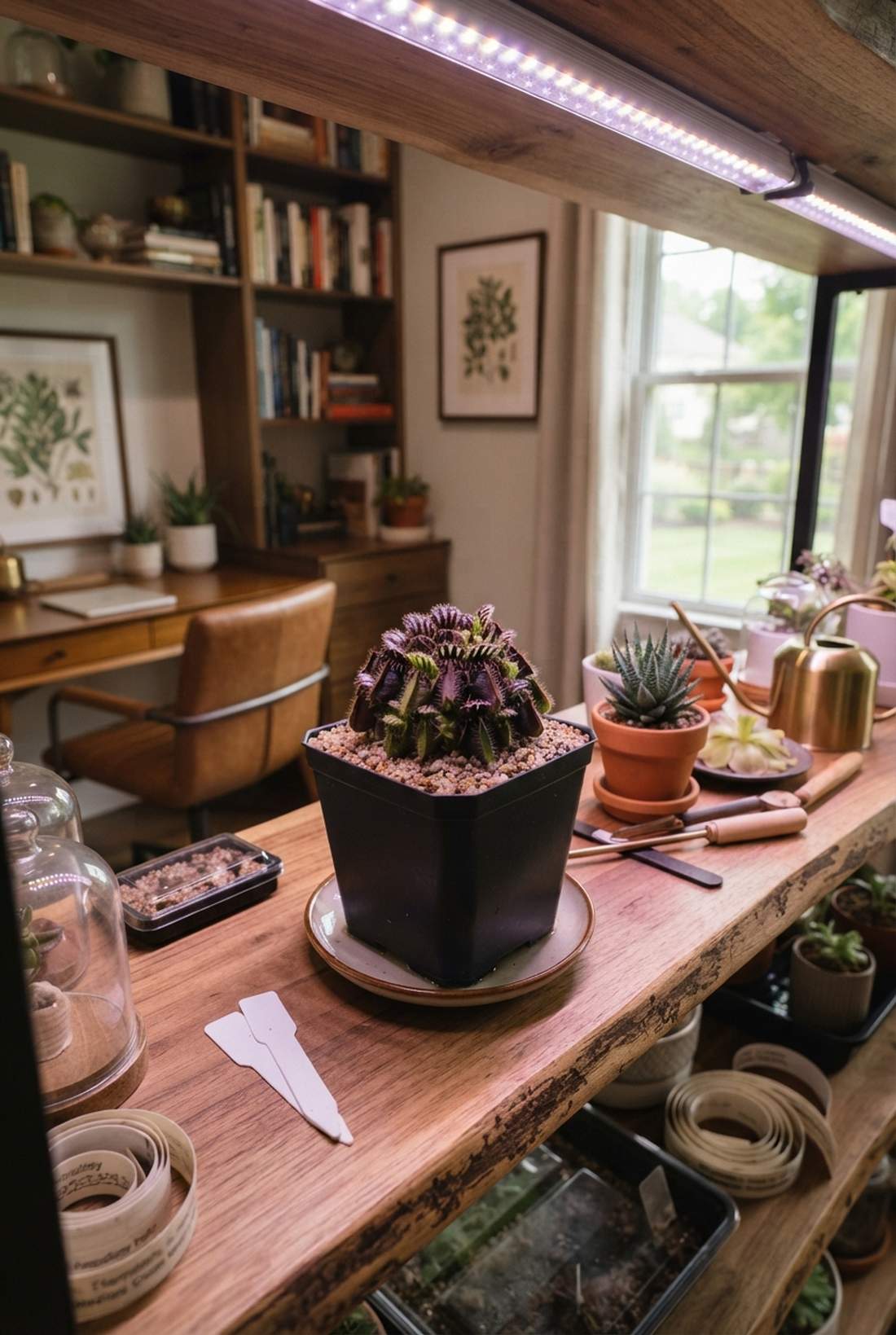
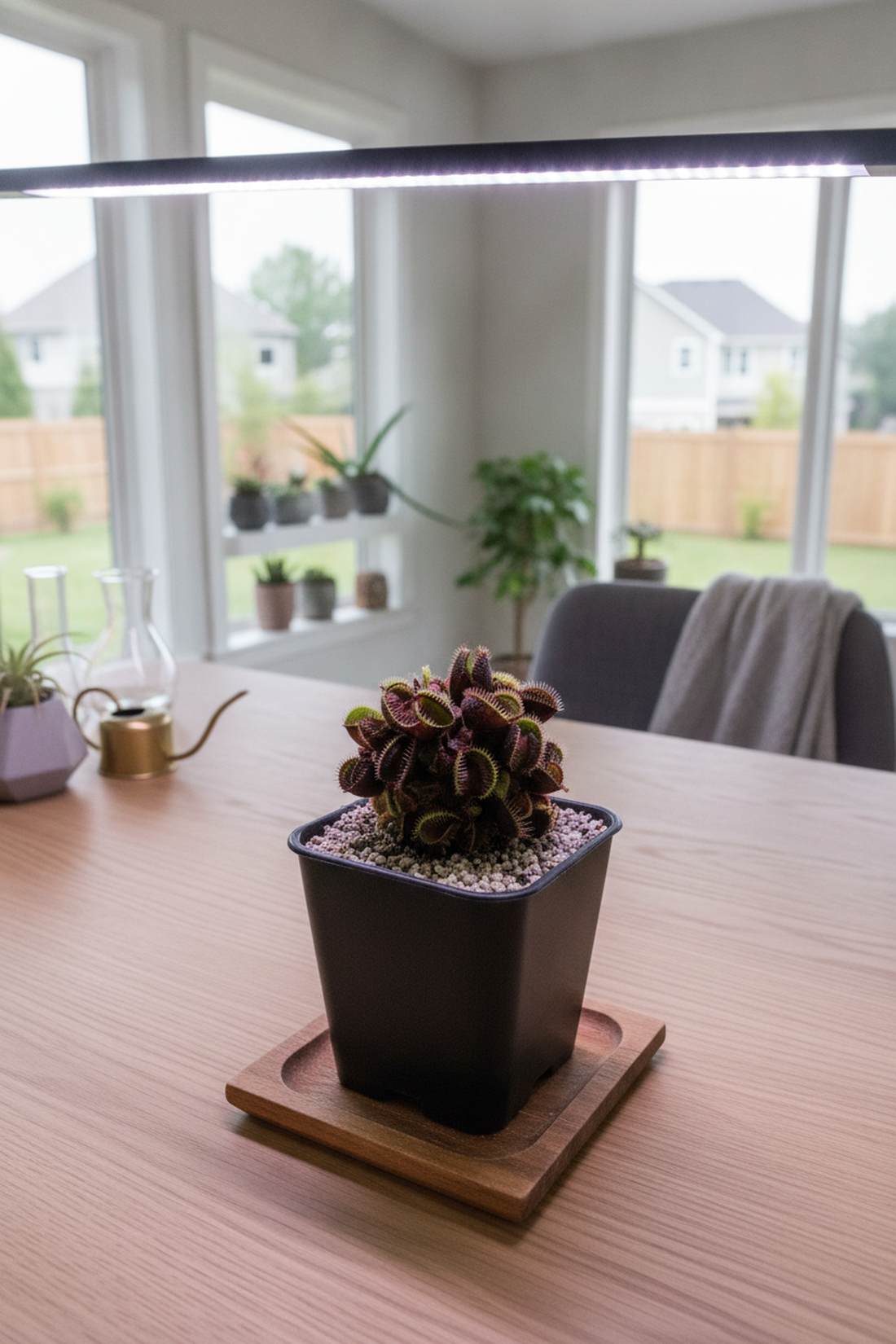
This tiny hairy pitcher cluster feels like a compact fortress of spiked, gaping mouths. It is an incredibly sought-after jewel for a dedicated, cool-climate indoor grow shelf.
Common pitcher plants are huge, but this rare miniature looks far more expensive and fits perfectly into a small, stylized desk planter. Using high-end exotic carnivorous plants lighting triggers the green traps to turn deep, vicious black-red. It grows slowly into a tight, perfect mound.
A healthy starter plant costs roughly $60 to $80. Save this to your premium rare plant wishlist.
- Key Materials: Small deep pot, coarse sand/peat mix
- Vibe / Style: Premium miniature oddity
- Difficulty: Prone to sudden root rot
- Budget Breakdown: Plant: $65 | Pot & Soil: $10
- Creator’s Tip: Water from the bottom and ensure the crown of the plant stays dry, or the tight cluster of pitchers will quickly rot.
- Smart Sourcing: deep plastic square nursery pots | coarse horticultural silica sand
62. Darlingtonia Californica (Cobra Lily)
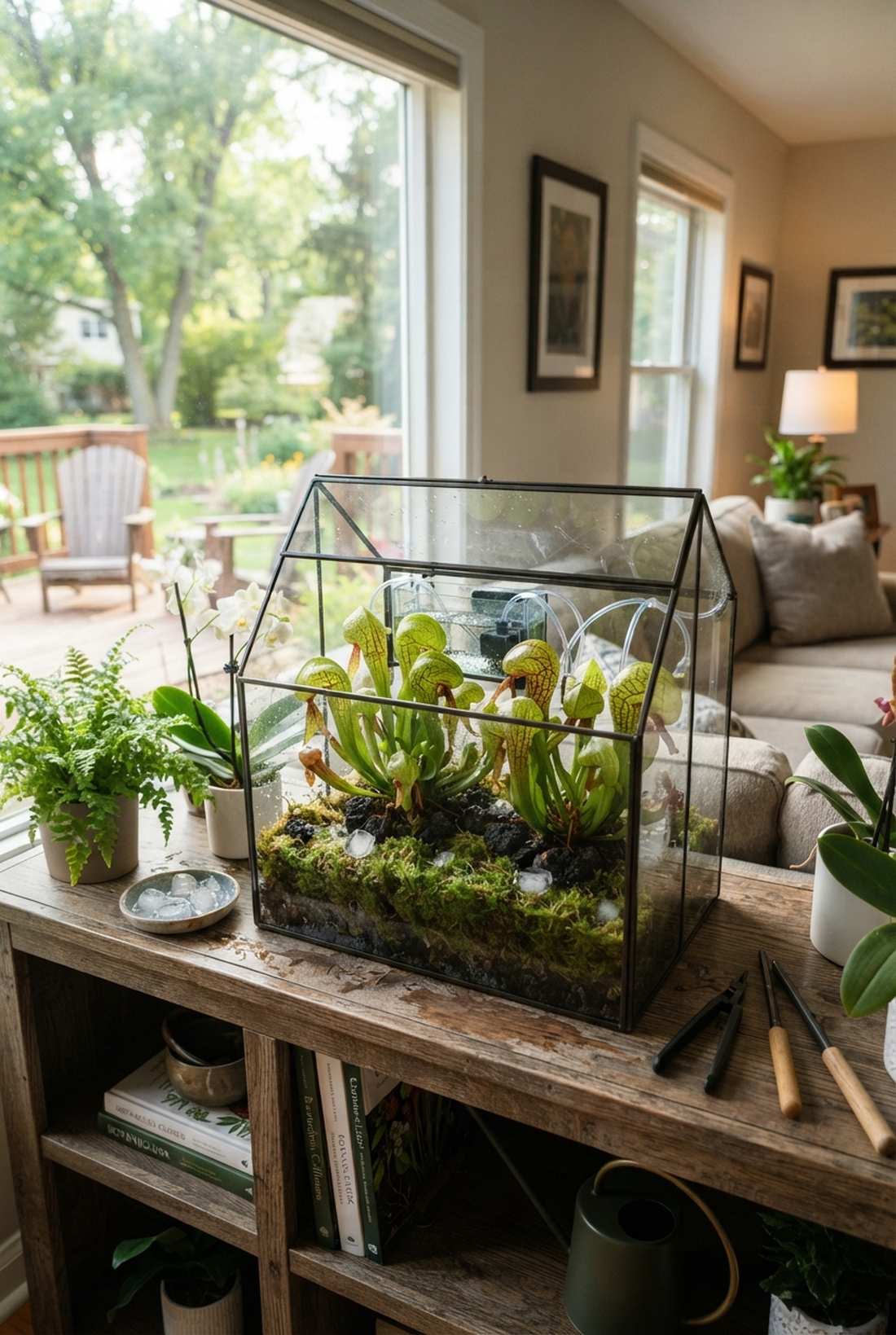
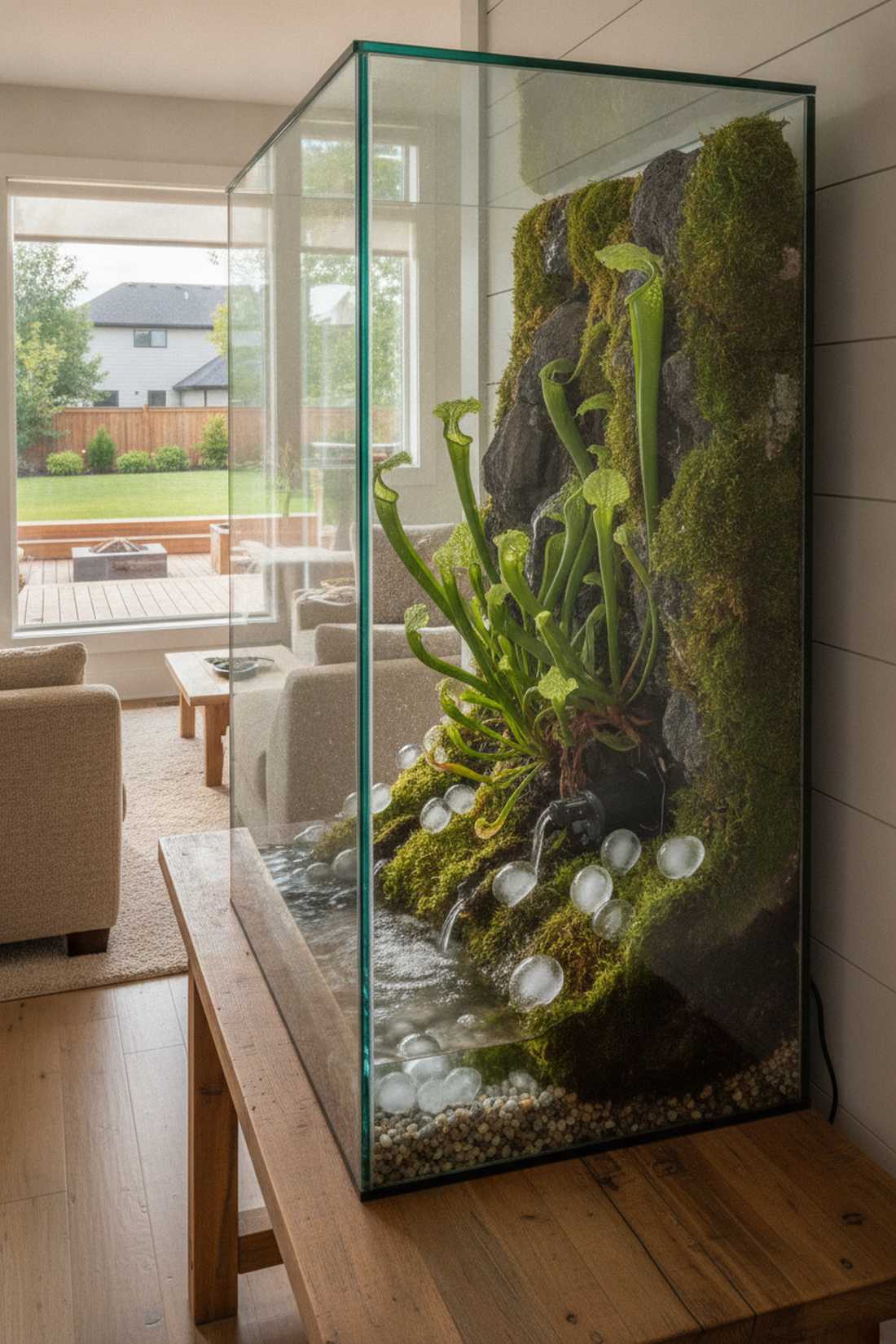
An imposing hooded serpentine pitcher that feels like a nest of translucent green cobras waiting to strike. It demands a specialized setup with cool, running water over the roots.
Standing water kills them, but rigging a small terrarium accessories pump to flow cold water over the roots gives a designer-level finish and keeps them alive. Planting them in pure, live sphagnum moss mimics their icy mountain stream habitat. The twisted, tongue-like appendages are completely bizarre.
This complex, animated setup costs around $70 to $100. Pin this if you enjoy building advanced, engineered plant habitats.
- Key Materials: Live moss, micro water pump, ice cubes
- Vibe / Style: Engineered mountain stream
- Difficulty: Extremely challenging root temps
- Budget Breakdown: Plant: $45 | Pump & Basin: $35
- Creator’s Tip: During hot summer days, place a few ice cubes made of pure distilled water on top of the soil to keep the roots chilled.
- Smart Sourcing: micro submersible water pumps | live green sphagnum moss cultures
63. Heliamphora Minor (Sun Pitcher)
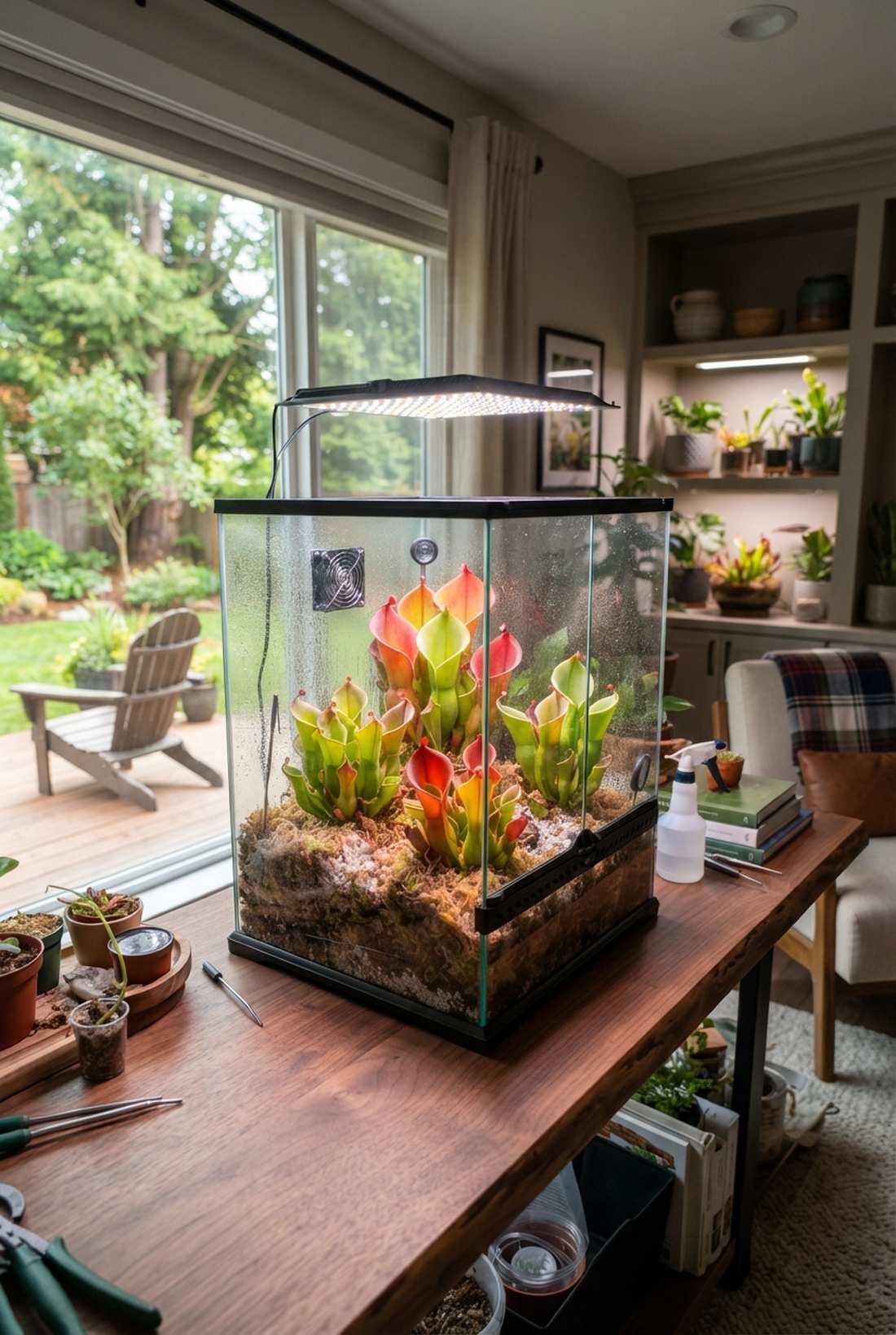
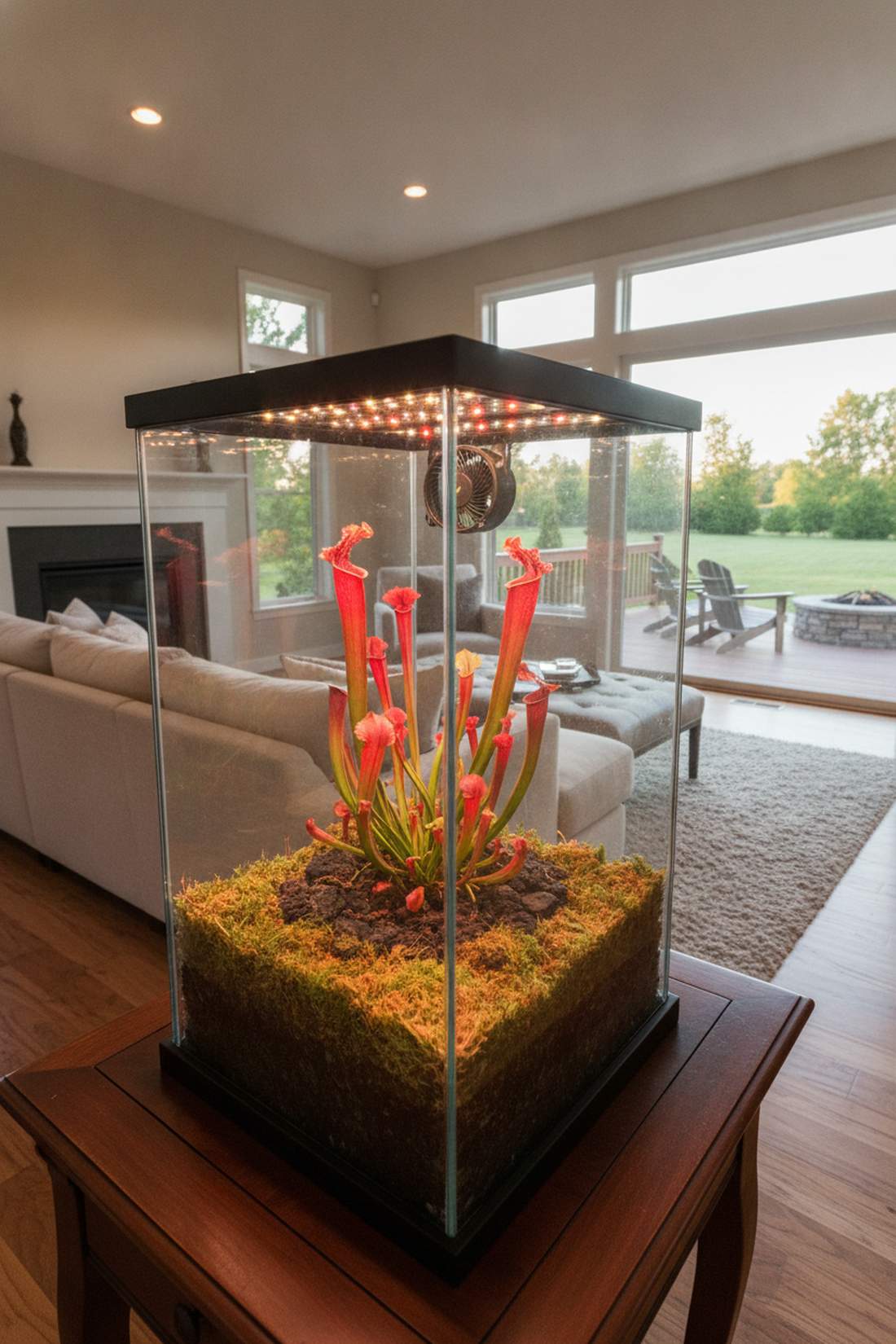
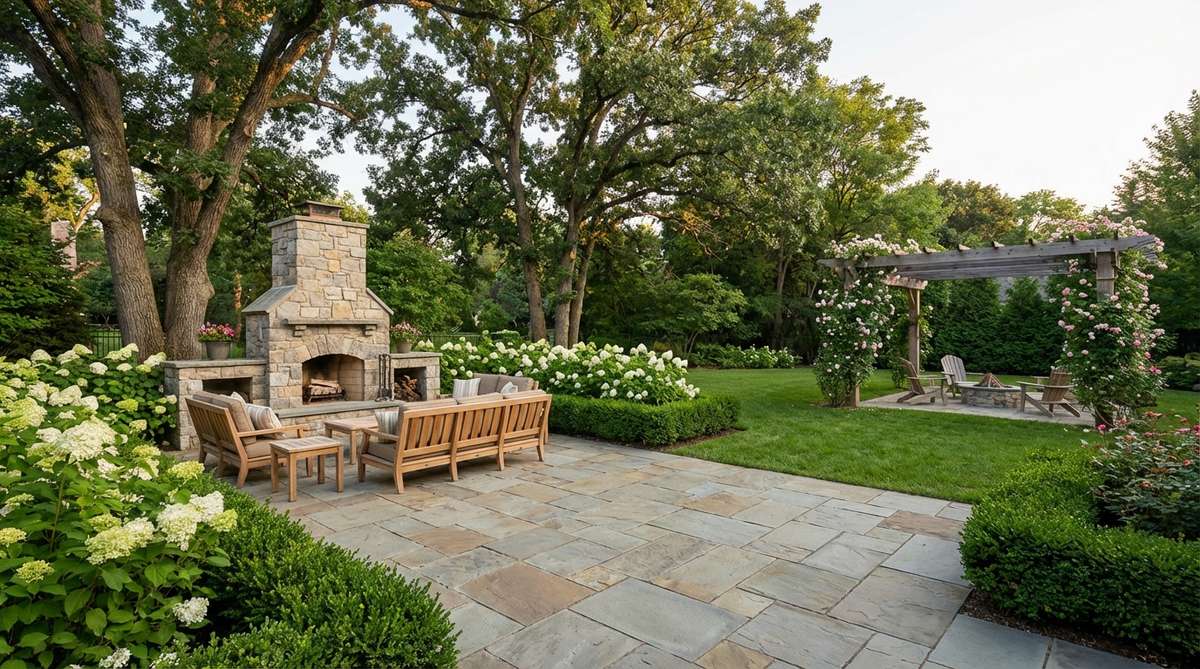
This brittle tubular nectar trap feels like a delicate, glowing vase from a lost plateau. It requires a high-humidity, brightly lit glass enclosure to thrive.
Standard houseplants tolerate dry air, but housing this in a climate-controlled glass cube looks incredibly expensive and prevents the brittle pitchers from cracking. Utilizing premium exotic indoor house plants LED panels ensures the green tubes flush a brilliant, vibrant red. They lack digestive enzymes, relying entirely on bacteria to break down bugs.
A full terrarium setup for this species costs about $100+. Highly recommended for dedicated terrarium builders.
- Key Materials: Enclosed glass tank, intense LED lighting
- Vibe / Style: Pristine highland plateau
- Difficulty: Needs cool temps and high humidity
- Budget Breakdown: Plant: $60 | Tank & Light: $50
- Creator’s Tip: Use a small computer fan inside the tank; they need 90% humidity but will rot instantly without constant, brisk airflow.
- Smart Sourcing: glass terrarium cubes | terrarium specific LED light panels
This final trick guarantees your exotic setup stays alive and looks professionally styled.
64. Pinguicula Gigantea (Giant Butterwort)
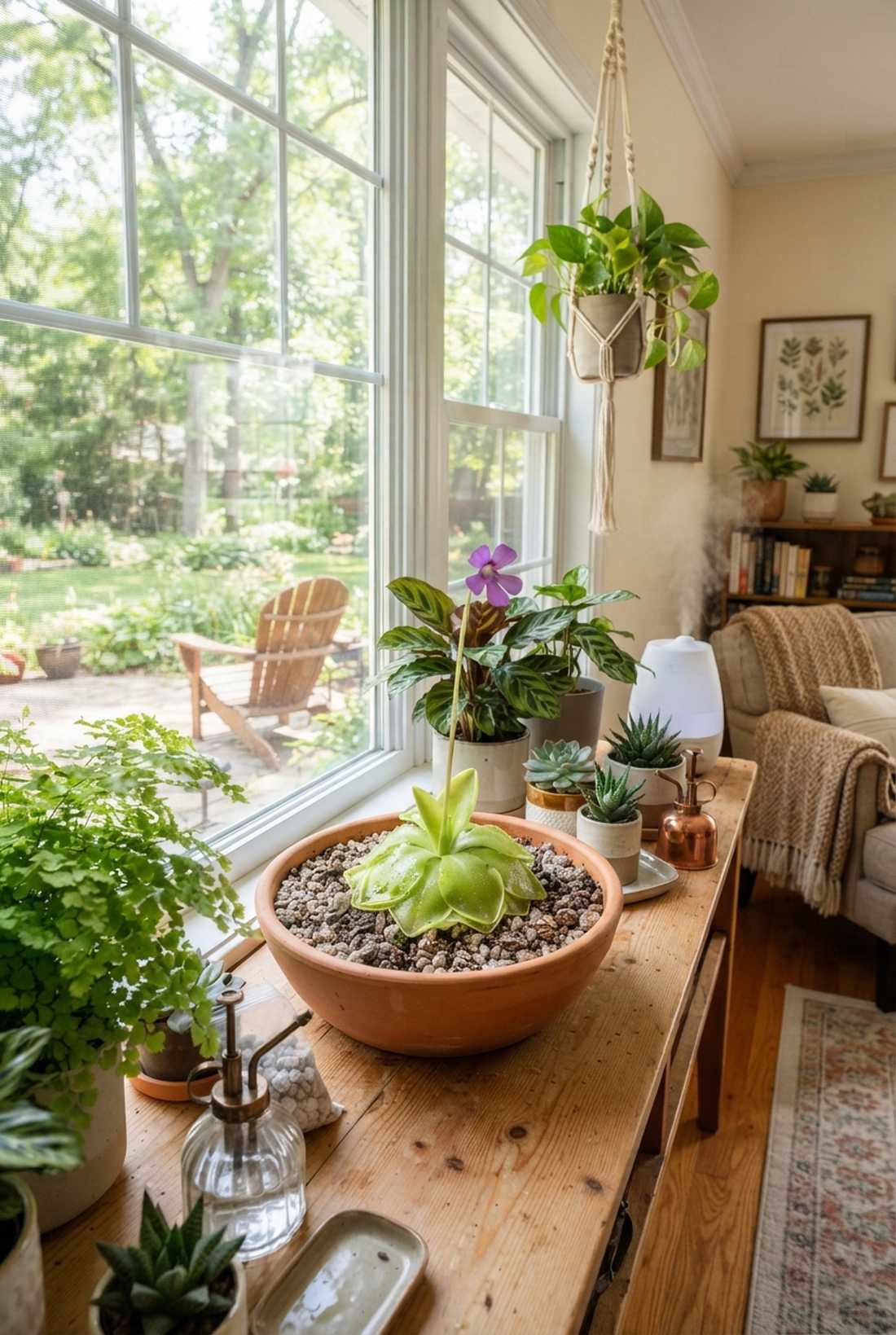
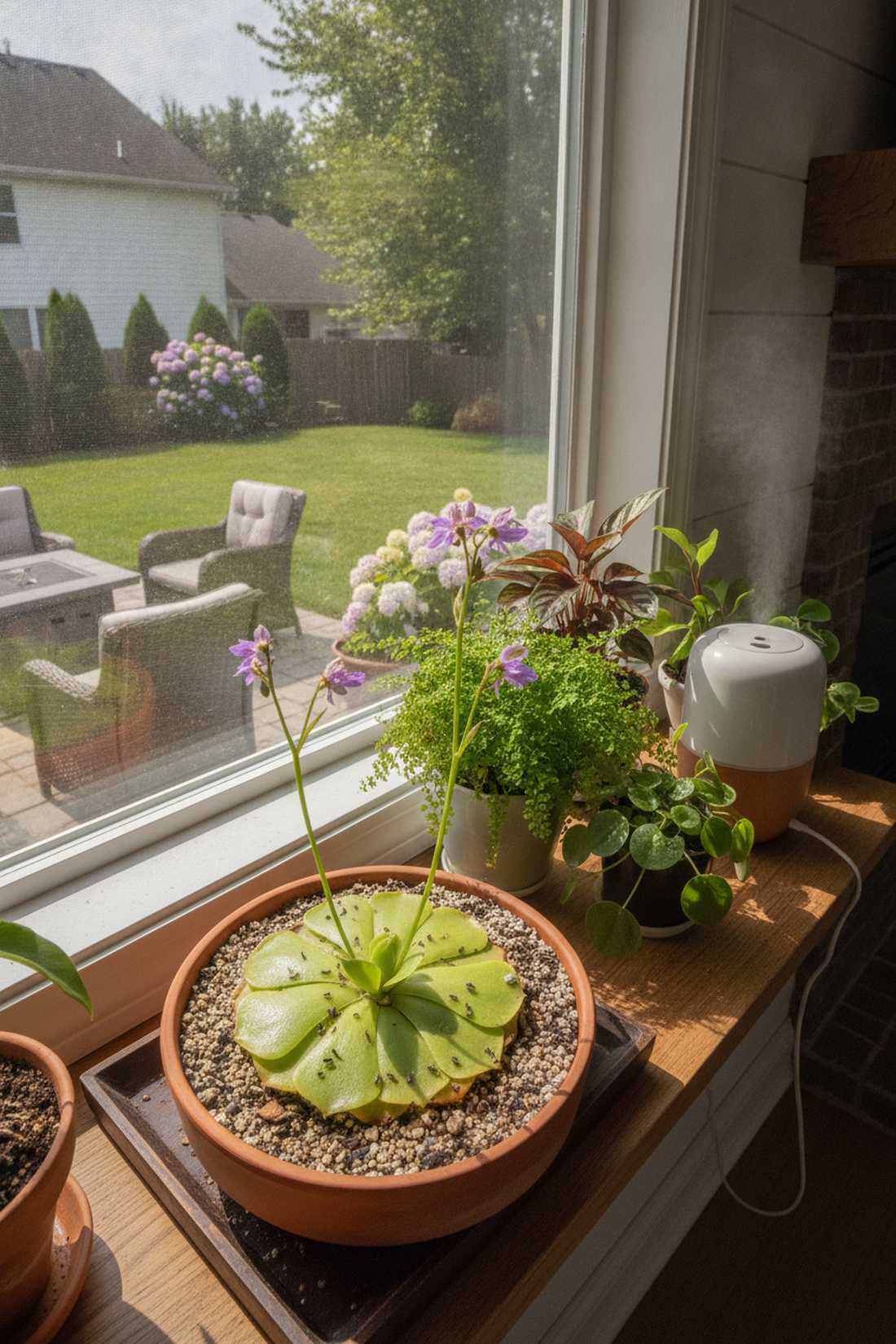
A broad sticky succulent-like rosette that feels like living flypaper coated in bright green grease. It is fantastic for sitting right next to a sunny collection of moisture-loving houseplants to control gnats.
Chemical traps are ugly, but this beautiful flowering rosette delivers a surprisingly premium look while catching hundreds of tiny flies. Potting it in an unglazed terracotta bowl with limestone-heavy soil mimics its natural Mexican cliffside habitat. The large purple flowers look just like orchids.
You can set up this giant sticky trap for roughly $30. Save this for elegant, natural pest control.
- Key Materials: Shallow terracotta pot, pumice/peat mix
- Vibe / Style: Functional blooming succulent
- Difficulty: Easy, tolerates normal household humidity
- Budget Breakdown: Plant: $20 | Pot & Soil: $10
- Creator’s Tip: Never top-water this plant; water from underneath so you don’t wash away the sticky mucilage on the leaves.
- Smart Sourcing: shallow terracotta clay bowls | horticultural pumice stones
65. Genlisea Violacea (Corkscrew Plant)
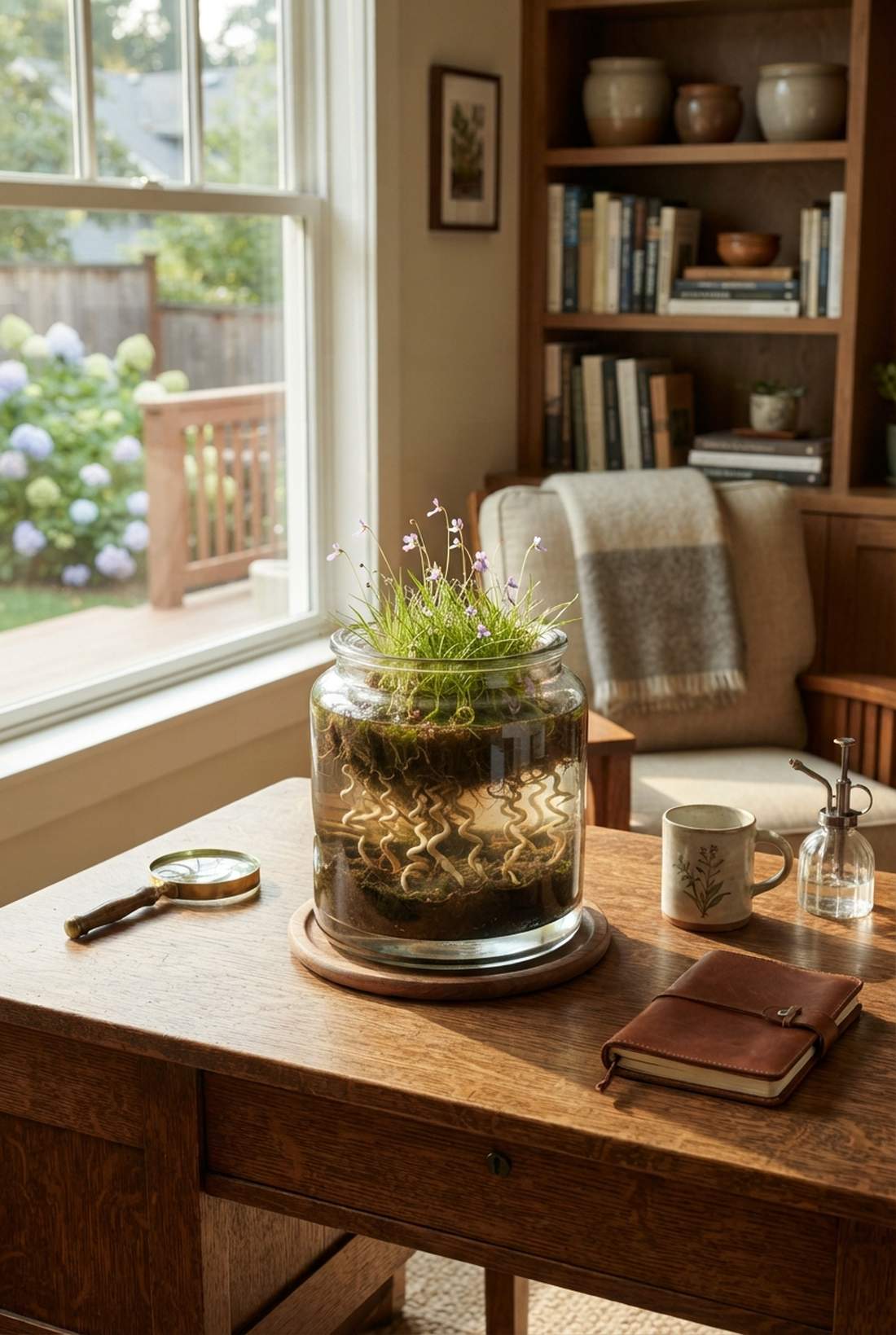
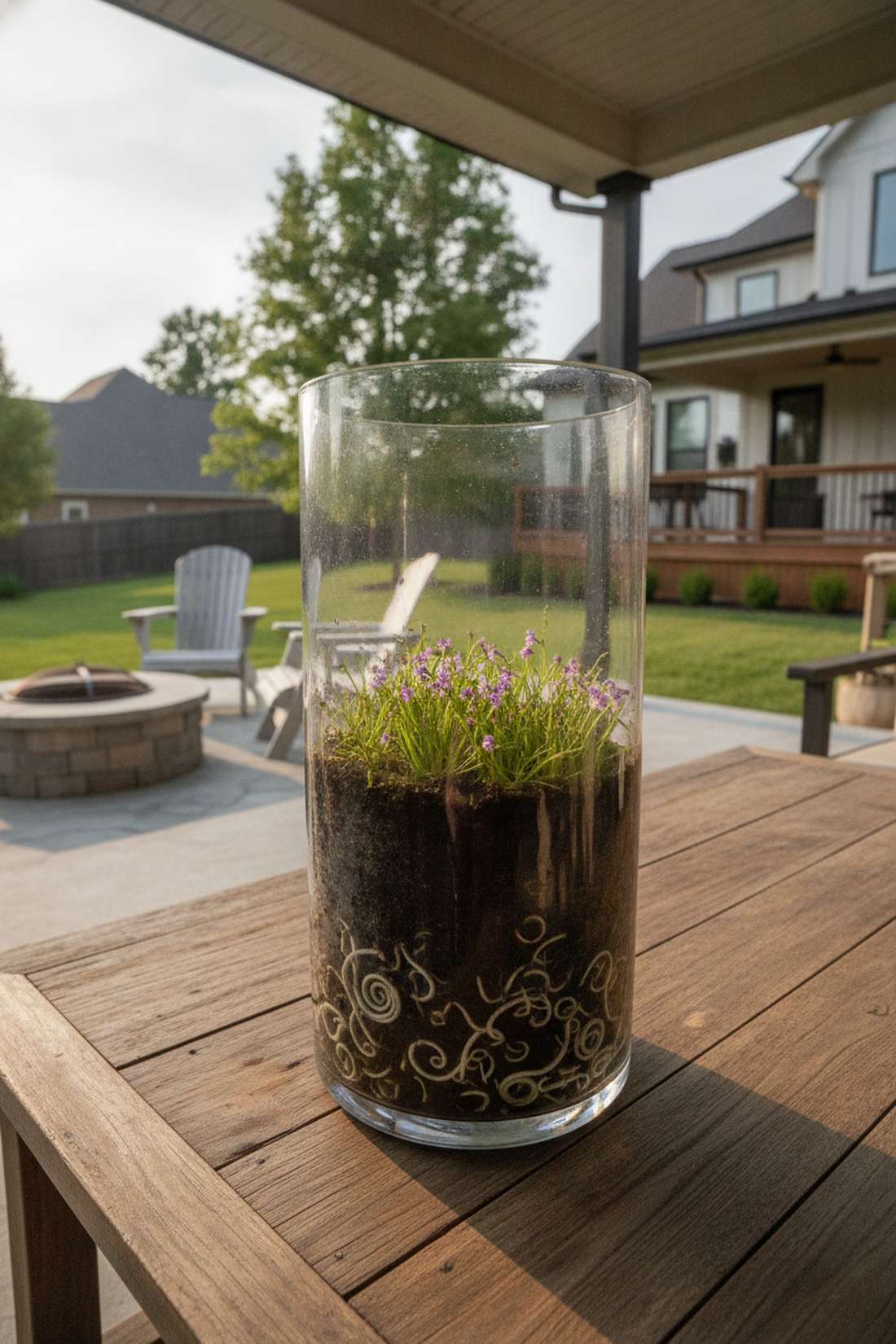
This hidden subterranean predator feels like a patch of innocent grass hiding a twisted, underground trap maze. It is perfect for a small, heavily flooded glass jar display.
Most carnivores trap above ground, but utilizing a clear glass vessel looks far more expensive and allows you to actually see the pale, corkscrew traps beneath the dirt. Keeping the water level permanently above the soil line mimics the flooded African savannas it calls home. The tiny purple blooms add a beautiful top layer.
A clear glass micro-swamp setup costs about $25. Pin this if you love incredibly weird, invisible plant mechanics.
- Key Materials: Clear glass vase, pure peat moss
- Vibe / Style: Invisible flooded ecosystem
- Difficulty: Needs to be completely waterlogged
- Budget Breakdown: Plant: $15 | Vase: $10
- Creator’s Tip: Press the pure peat moss firmly against the side of the glass so you can clearly observe the white corkscrew traps growing downward.
- Smart Sourcing: heavy-bottom clear glass vases | pure carnivorous peat blends
66. Nepenthes Rajah
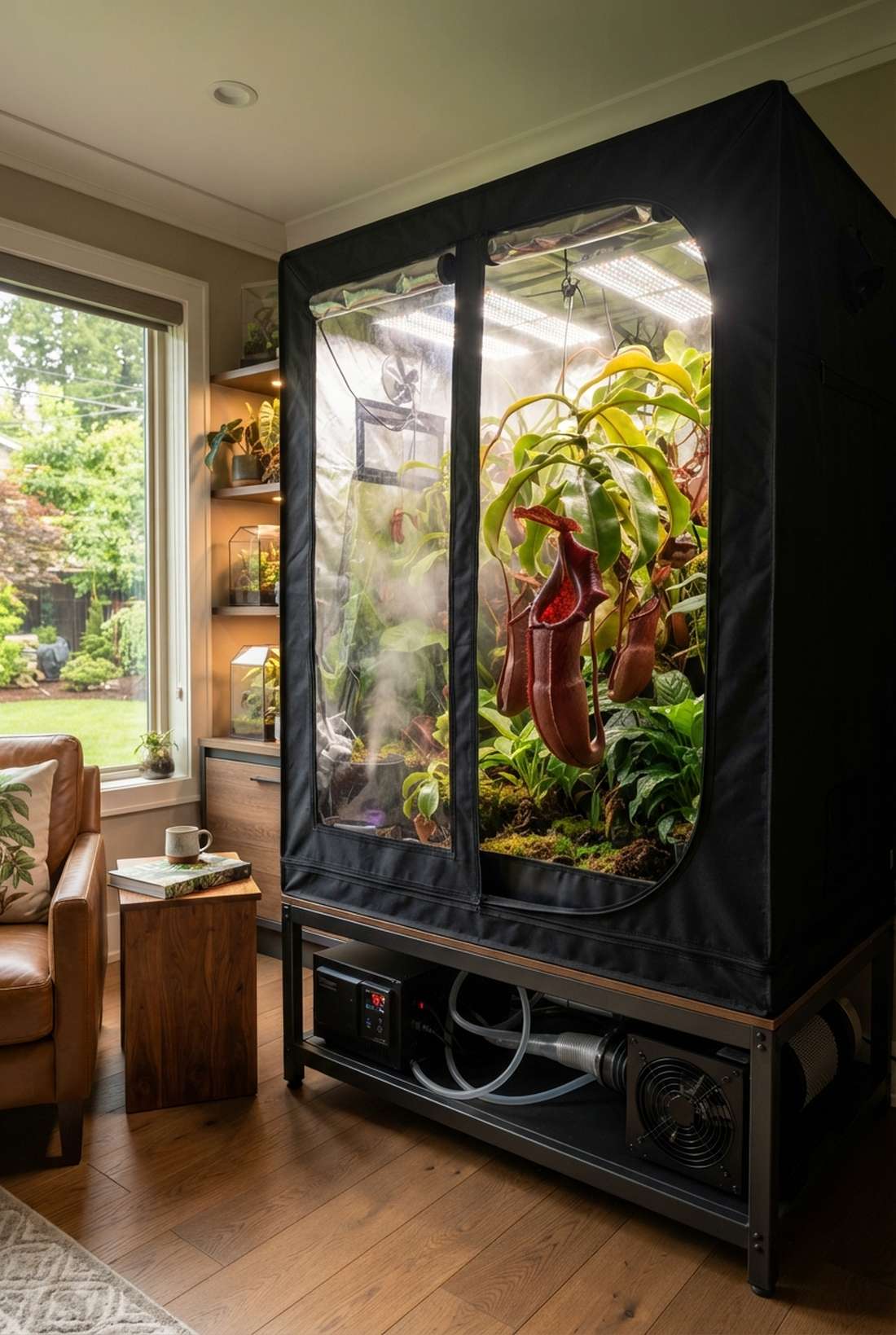
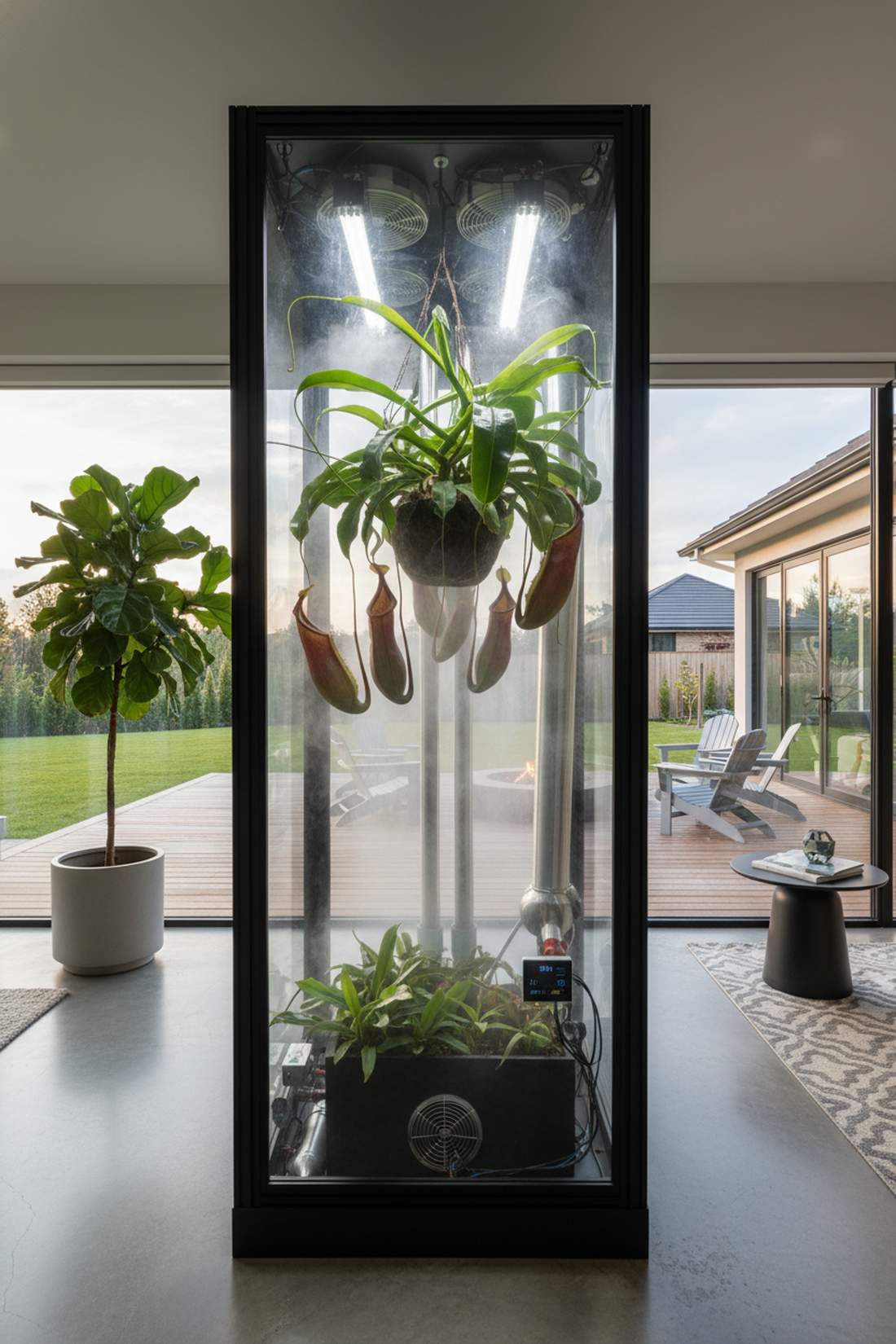
The ultimate giant tropical pitcher that feels like a massive, terrifying bucket hanging in the jungle. It requires a massive, dedicated grow tent with strict temperature drops at night.
Small pitchers are cute, but acquiring the undisputed king of carnivores gives a designer-level finish that blows away any other collection. Using heavy-duty commercial garden kits like automated foggers is mandatory to keep this monster alive outside of Borneo. The pitchers can easily hold over a half-gallon of fluid.
This highly restricted rarity setup can cost well over $300. Save this to your absolute wildest botanical dream board.
- Key Materials: Automated grow tent, fogger, cooling system
- Vibe / Style: Apex predator jungle
- Difficulty: Ultimate expert level
- Budget Breakdown: Plant: $150+ | Tent & Fogger: $150
- Creator’s Tip: It strictly requires a 15-20 degree temperature drop at night; without cool highland nights, it will slowly decline and die.
- Smart Sourcing: automated ultrasonic reptile foggers | climate-controlled indoor grow tents
Conclusion
Executing these exactly 66 exotic plants blueprints instantly upgrades your space from basic to premium without wasting money on dead foliage. Skip the generic local nursery traps and source the high-end, productized kits, specialized soils, and UV-coated accessories mentioned above to guarantee a designer finish. Whether you build a cheap string of pearls basket or invest in a massive tropical statement, smart sourcing ensures your indoor jungle thrives.
Frequently Asked Questions
What are the easiest exotic plants for beginners?
If you want a premium look without the risk, skip delicate ferns and grab starter kits for Monstera Adansonii or ZZ plants. Using pre-mixed chunky aroid soil ensures you will not overwater, making them virtually bulletproof while maintaining that expensive jungle aesthetic.
How do I increase humidity for tropical indoor plants?
Stop misting with cheap spray bottles—it ruins the foliage and causes fungal rot. Instead, invest in UV-coated clear acrylic drip trays filled with decorative pebbles, or purchase a smart ultrasonic desk humidifier to protect your expensive broad-leaf specimens effortlessly.
Why are some rare exotic plants so expensive?
High-CPC genetics like unstable white variegation (Albo) take years to propagate and often fail. You are paying for genetic rarity. If you want the exact same visual impact on a budget, buy highly stable, mass-produced tissue-cultured starter kits instead of risking money on unrooted cuttings.