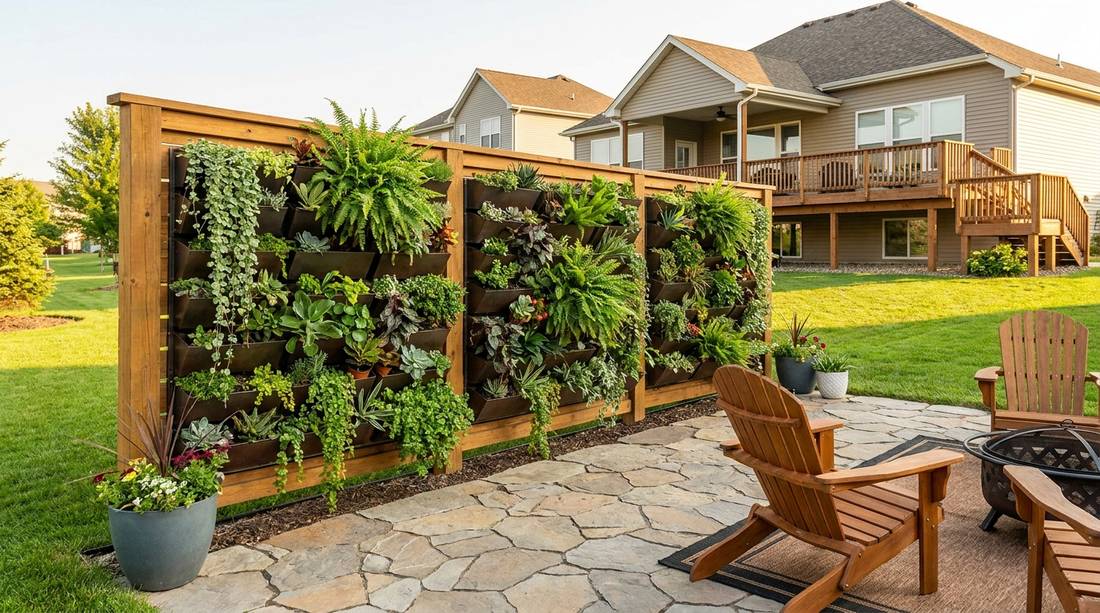
A customized green garden fence instantly elevates dead backyard space. Premium vertical kits deliver massive visual impact for surprisingly little money. You get a high-end designer finish without the steep landscape architect fees.
Design Snapshot Key Principles
- Color Depth: Darker greens create dramatic backdrops; lighter shades expand small spaces.
- Growth Rate: Match climber vigor to maintenance capacity—fast growers need regular pruning.
- Seasonal Interest: Layer evergreen structure with deciduous flowering vines for year-round appeal.
- Climate Adaptation: Select paint finishes and plant hardiness zones appropriate to your region.
Paint-Only Transformations
1. Sage Green Cottage Charm
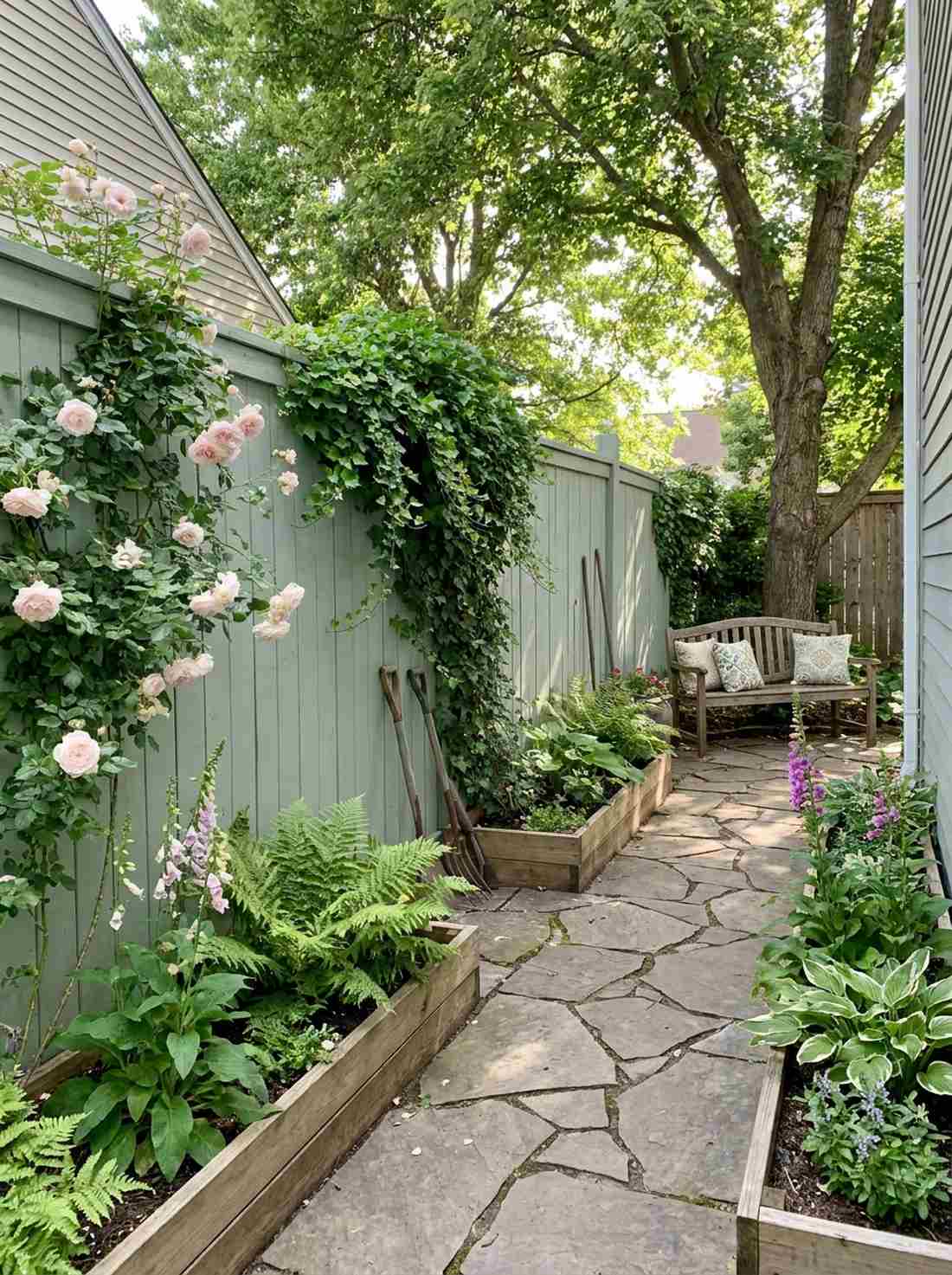
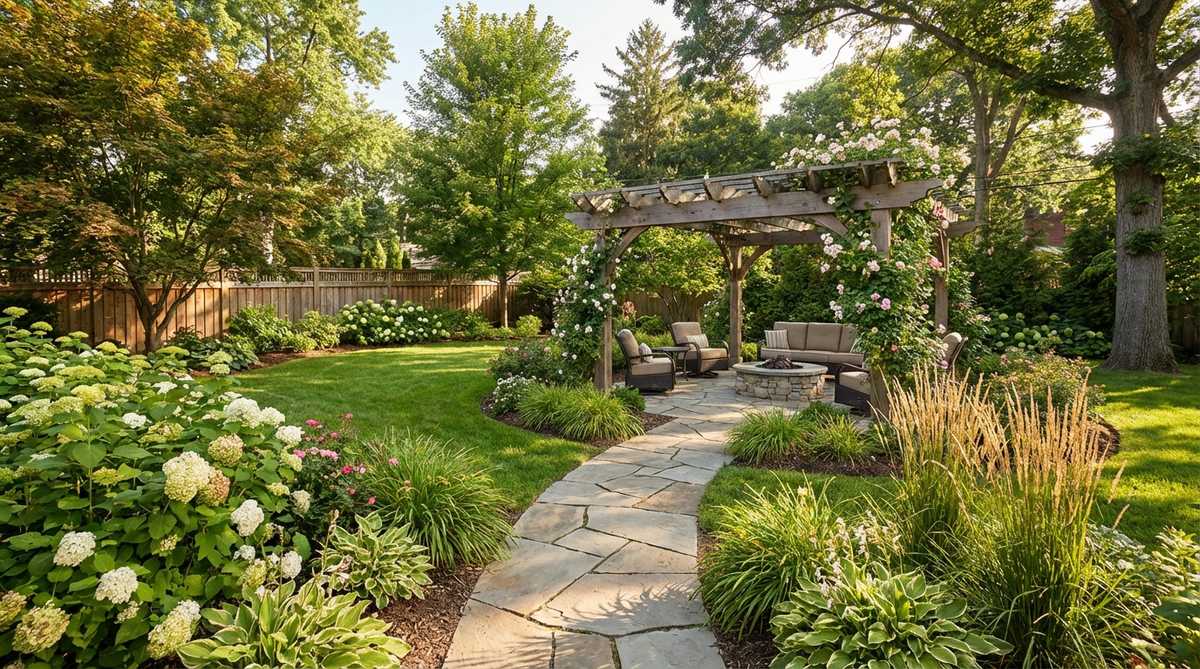
This layout feels like a tiny hidden forest you accidentally discovered behind an old manor. A muted sage garden border works exceptionally well for a shaded balcony or narrow side-yard.
Skipping raw wood for a subtle tone delivers a surprisingly premium look instantly. By layering weather-resistant outdoor acrylics over your base, the finish outlasts generic stains by years.
You can easily pull this off for around $25–$40 per fence panel. Pin this if you’re planning a small space upgrade this spring!
- Key Materials: Exterior-grade acrylic sage paint
- Vibe / Style: English cottage revival
- Difficulty: Beginner-friendly painting
- Budget Breakdown: Paint: $30 | Priming gear: $15.
- Creator’s Tip: Sand the boards lightly first to guarantee maximum pigment adhesion.
- Smart Sourcing: Grab a bulk pack micro-fiber exterior rollers and a UV-coated exterior sage paint gallon.
2. Forest Green Privacy Screen
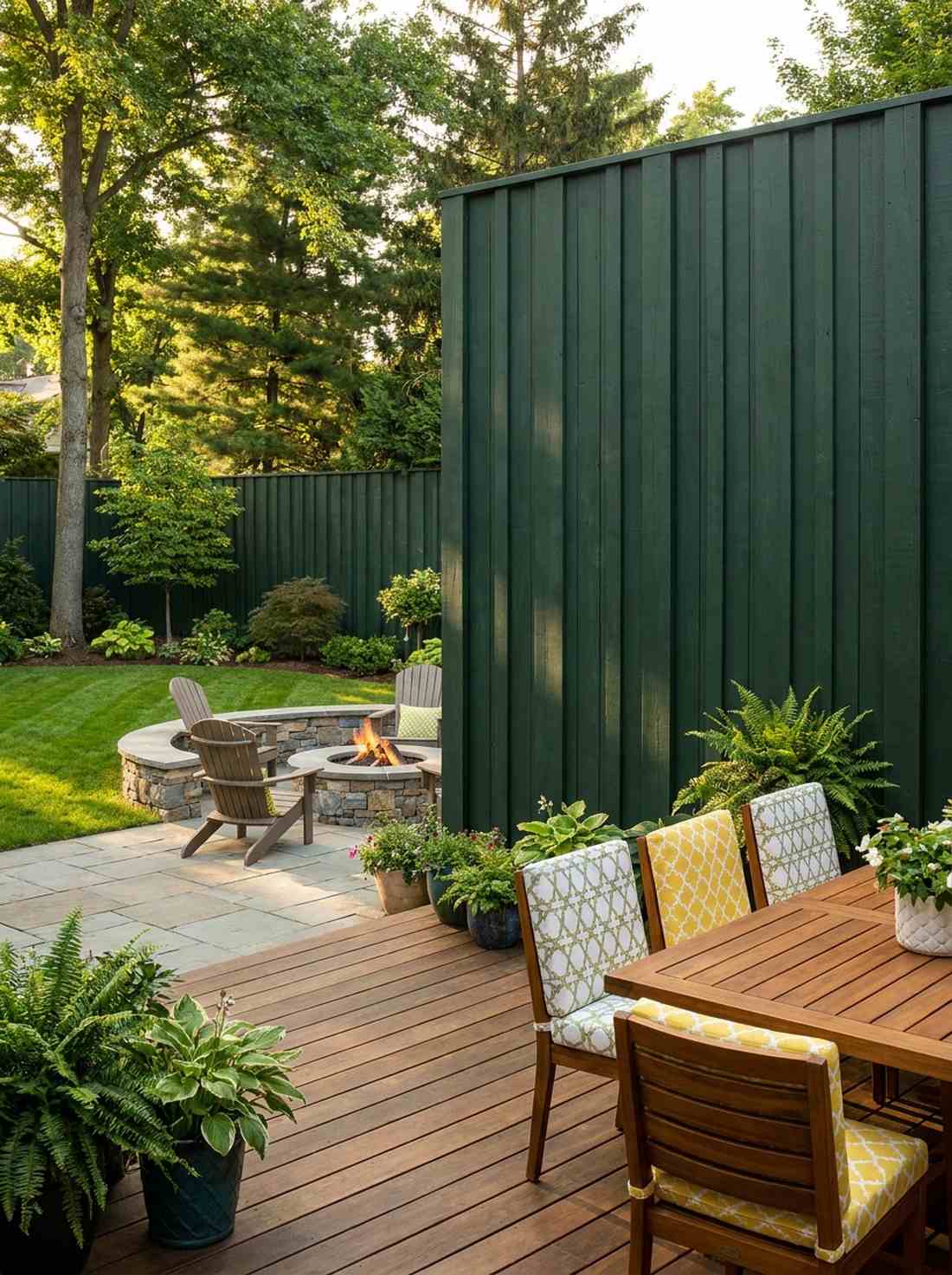
Immersing your yard in deep tones creates an emotional, moody sanctuary away from nosy neighbors. A dark forest vertical screen provides the ultimate backdrop for bright patio furniture.
Many homeowners choose flimsy slat screens, but opting for a deeply painted solid boundary looks far more expensive than it is. Using premium heavy-duty landscape coatings ensures the color never chalks in the sun.
Expect to spend about $45 on quality outdoor coverage. It’s a fast upgrade that completely changes the vibe of your outdoor dining area.
- Key Materials: Deep forest outdoor stain
- Vibe / Style: Modern architectural
- Difficulty: Easy weekend project
- Budget Breakdown: Premium Stain: $45 | Brushes: $10.
- Creator’s Tip: Use a sprayer for slatted sections to save hours of manual brushwork.
- Smart Sourcing: Invest in a pre-mixed dark forest wood sealant and a high-capacity paint sprayer kit.
3. Mint Green Space Expander
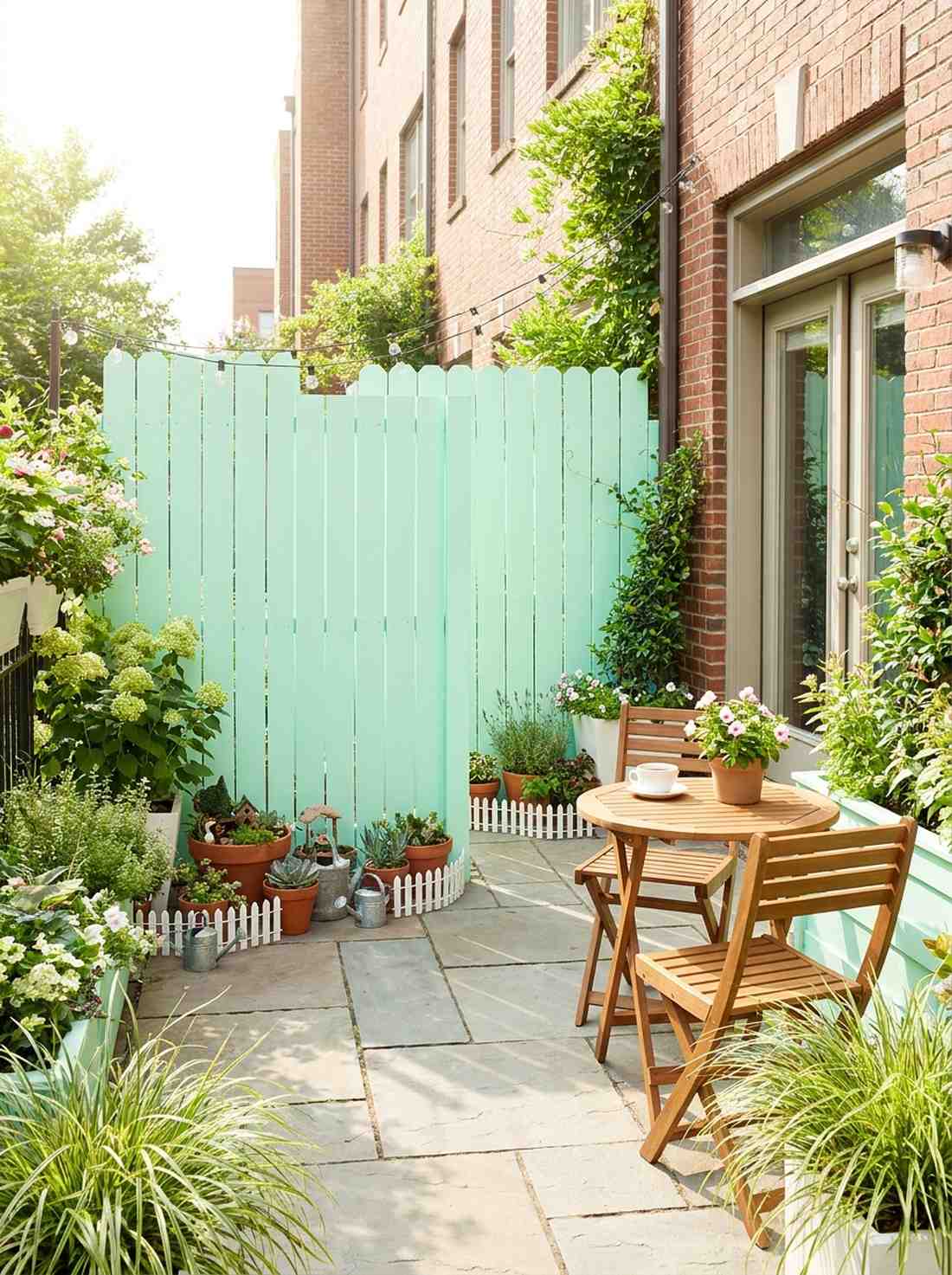
Soft mint tones trick the eye into thinking your tiny plot is an expansive botanical garden. Implementing a lightweight mint paneling layout is perfect for cramped townhome patios.
Dark colors trap small spaces, but a luminous pastel base gives a designer-level finish that breathes life into the yard. Adding high-end miniature garden supplies around the base pulls the whole look together seamlessly.
This optical illusion costs roughly $35 in supplies. Save this to your DIY weekend garden board!
- Key Materials: Mint exterior latex paint
- Vibe / Style: Airy pastel retreat
- Difficulty: Very simple
- Budget Breakdown: Paint: $25 | Tarp & Tape: $10.
- Creator’s Tip: Apply this exclusively to fences that get morning sun to amplify the brightness.
- Smart Sourcing: Use pre-cut painter’s masking tape (bulk roll) and weather-shield mint exterior paint.
4. Emerald Accent Panels
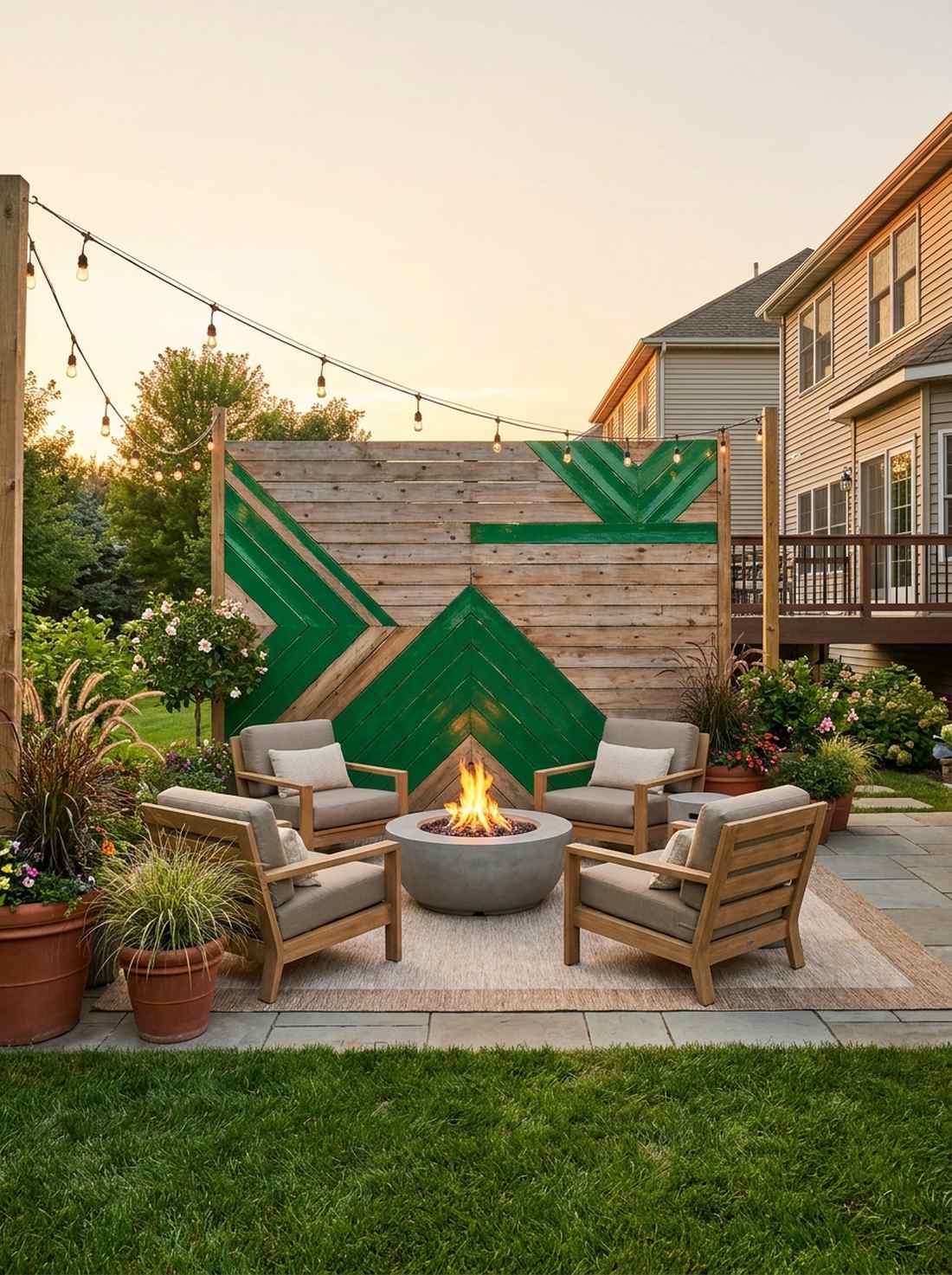
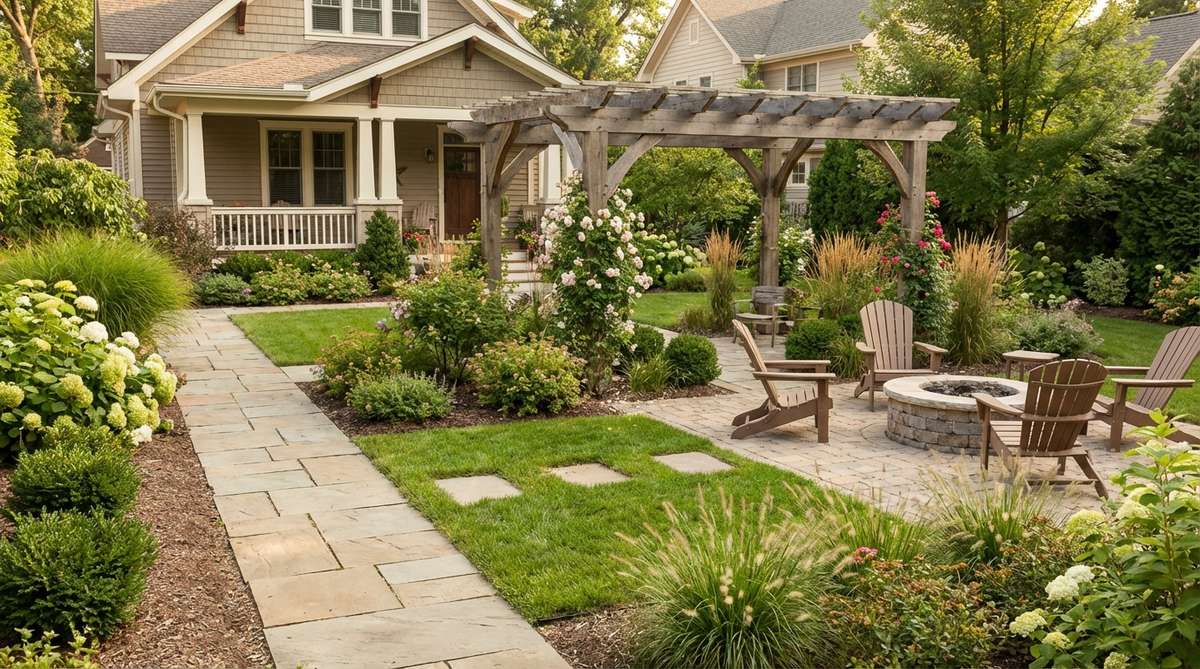
Pops of vibrant emerald feel straight out of a luxurious resort lounge. Setting up bold geometric accent panels works beautifully behind an outdoor fire pit or seating area.
Painting an entire wall emerald is overwhelming, but sectioning it off elevates the surrounding architecture dramatically. It forces the eye to notice the lush garden staging supplies you place nearby.
You can create these accent spots for under $20. Highly recommended for a quick weekend win.
- Key Materials: Emerald semi-gloss outdoor paint
- Vibe / Style: High-contrast modern
- Difficulty: Easy masking and rolling
- Budget Breakdown: Accent Paint: $20 | Stencils: $5.
- Creator’s Tip: Leave the adjacent panels natural cedar for maximum visual contrast.
- Smart Sourcing: Try a UV-resistant emerald enamel quart and heavy-duty exterior masking film.
Most beginners completely ignore this next layout, but it looks exactly like a $500 custom landscape installation…
5. Two-Tone Green Gradient
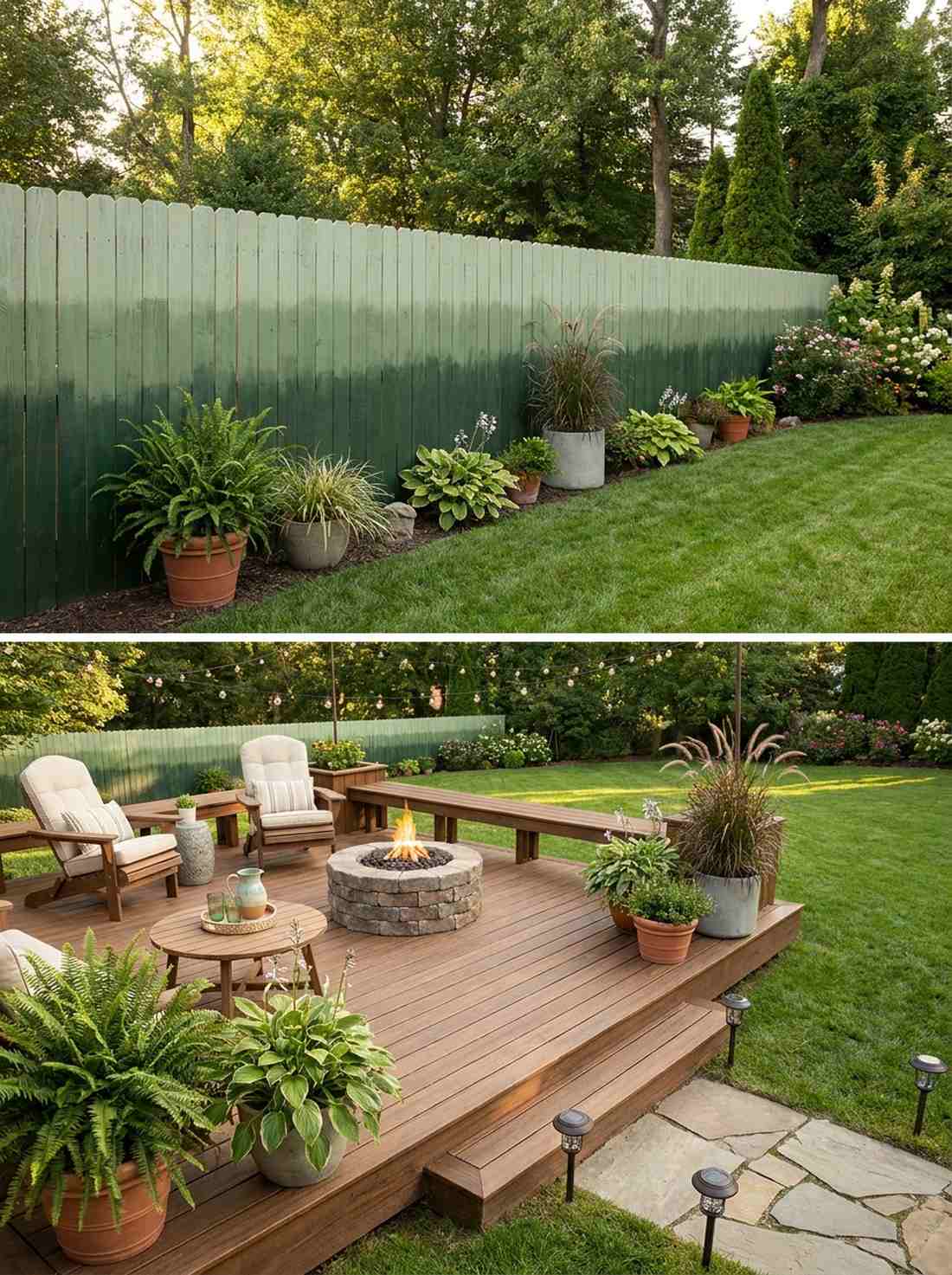
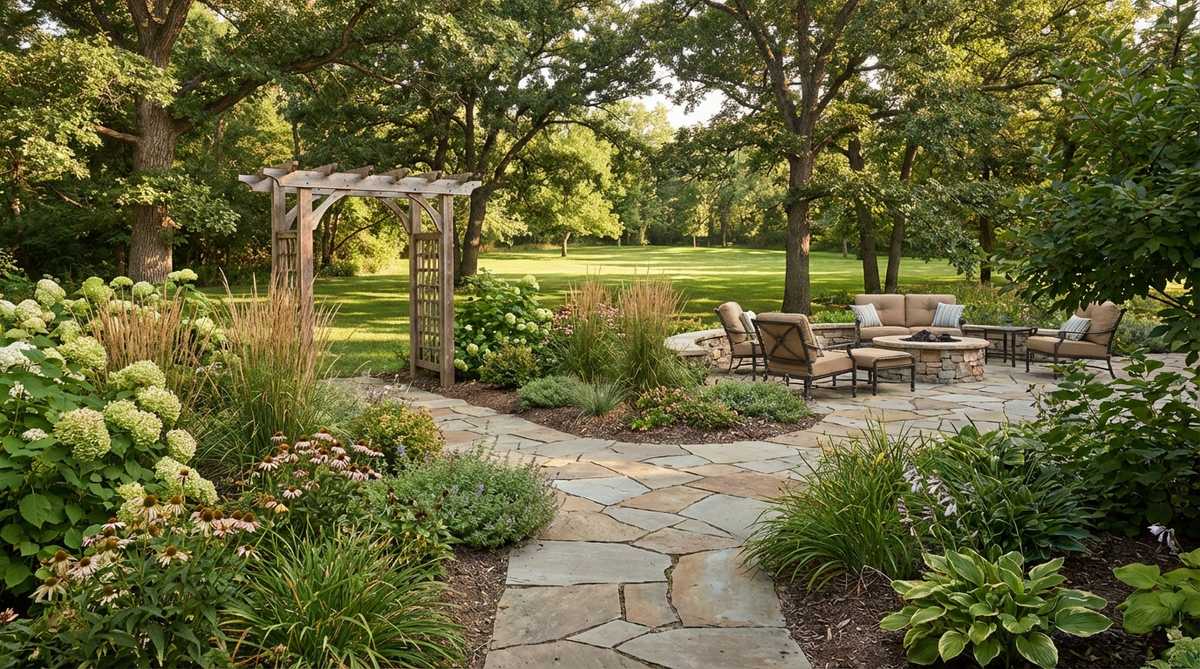
An ombre fade from dark to light creates a soothing, artistic vibe that mimics the forest floor. A gradient fade boundary wall is the ultimate conversation starter for backyard dinner parties.
Most basic fences look flat, but blending tones upward creates an incredible illusion of height and luxury. It easily rivals custom-built privacy solutions that cost ten times as much.
Expect to invest around $50 for the different paint tiers. Pin this if you want to make your small yard look massively taller!
- Key Materials: Three shades of exterior green paint
- Vibe / Style: Artistic contemporary
- Difficulty: Intermediate blending
- Budget Breakdown: Multiple Quarts: $45 | Blending Sponges: $5.
- Creator’s Tip: Blend the meeting lines while the paint is still wet using a dry brush technique.
- Smart Sourcing: Purchase a multi-pack detail brush kit and all-weather outdoor gradient base paints.
Classic Climbers for Coverage
6. Boston Ivy Rapid Screen
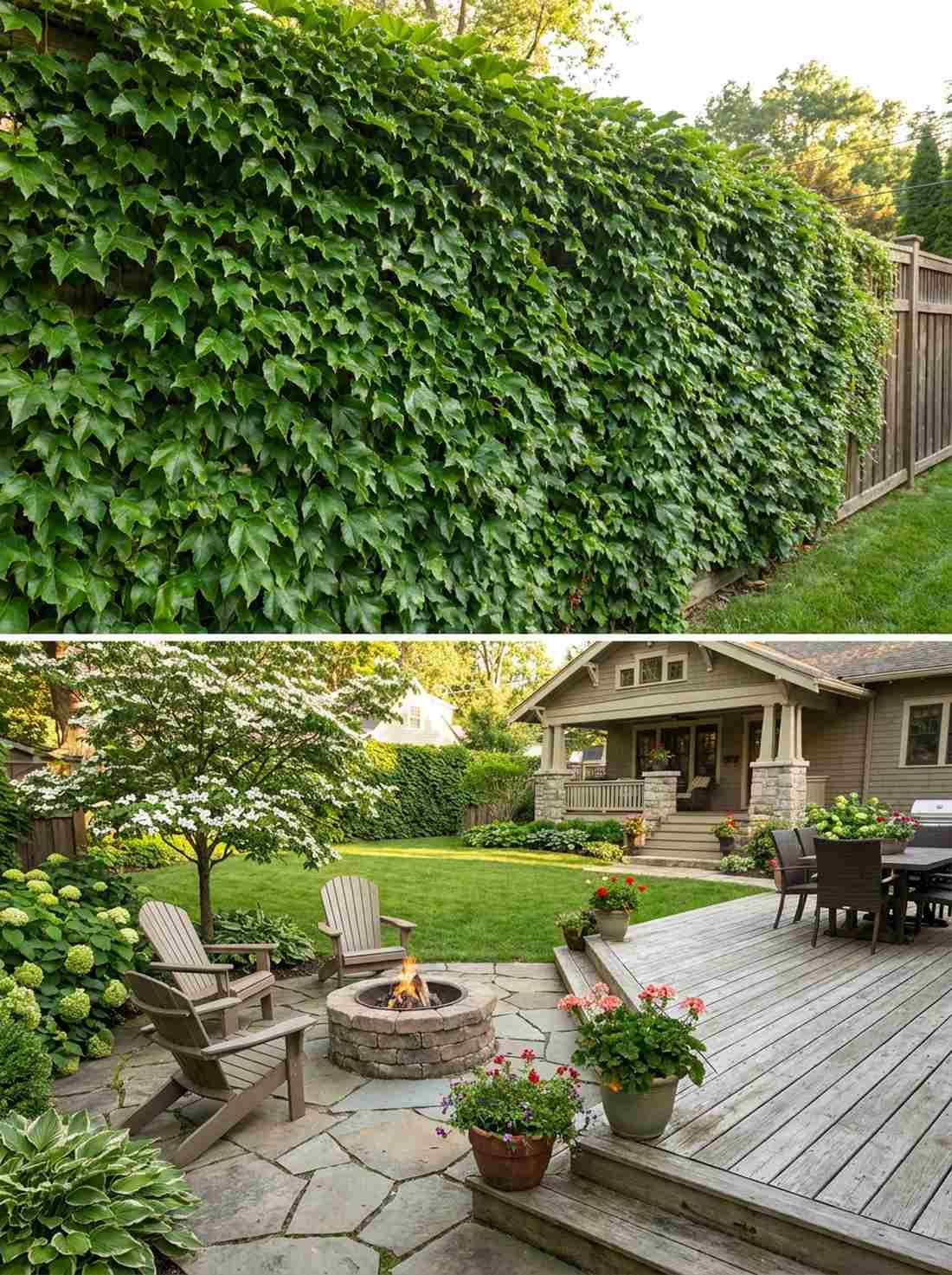
Watching Boston Ivy devour an ugly boundary feels like nature reclaiming a forgotten castle. A rapid living privacy screen acts as the perfect natural shield for exposed urban backyards.
Instead of waiting years for shrubs to mature, this aggressive climber delivers lush results in just one season. Utilizing professional-grade root starter kits guarantees the vine clings instantly without destroying the wood underneath.
You can establish this massive living wall for roughly $40. Save this to your garden transformation board!
- Key Materials: Boston Ivy starter plants
- Vibe / Style: Classic academic/historic
- Difficulty: Low setup, high maintenance
- Budget Breakdown: Ivy Starts: $30 | Rooting Hormone: $10.
- Creator’s Tip: Prune heavily at the top to force lateral growth across the panels.
- Smart Sourcing: Pick up a pre-rooted Boston ivy bulk pack and organic climbing vine fertilizer spikes.
7. Virginia Creeper Native Coverage
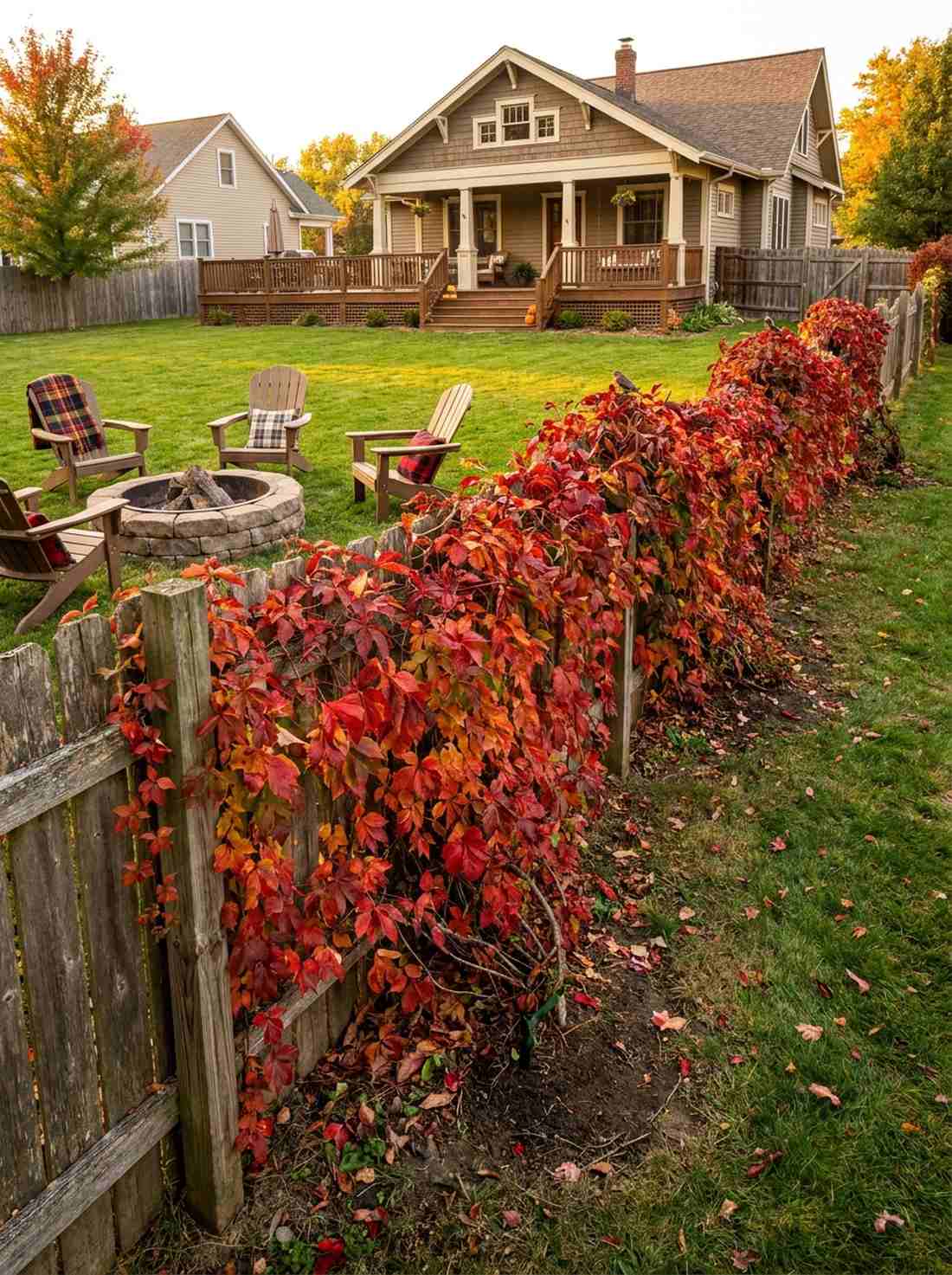
The fiery red autumn transition of this vine feels like a private seasonal art show. A native foliage boundary thrives perfectly along chain-link or bare wooden property lines.
While exotic plants struggle to adapt, native creepers explode with growth and require virtually zero winterizing. They effortlessly mask aging structures, saving you the cost of a full fence replacement.
Starting this ecosystem costs just $20 to $30. It’s a brilliant way to invite local birds right to your window.
- Key Materials: Virginia Creeper rootlings
- Vibe / Style: Wild woodland transition
- Difficulty: Extremely easy
- Budget Breakdown: Starter Vines: $20 | Soil Amendments: $10.
- Creator’s Tip: Plant them right at the base of the posts to give them an immediate vertical runway.
- Smart Sourcing: Grab a native vine starter kit and heavy-duty plant tie rolls.
8. English Ivy Evergreen Wall
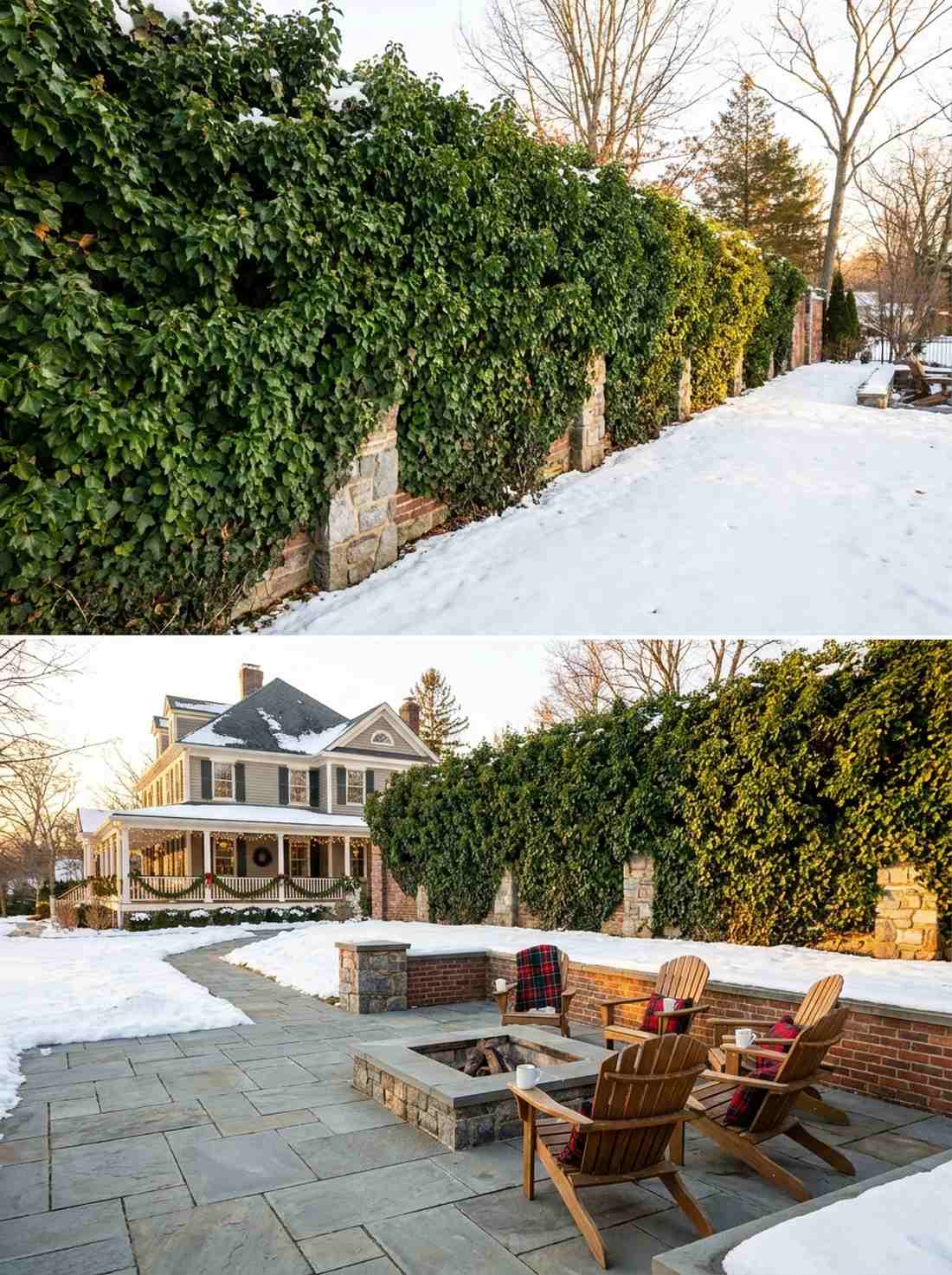
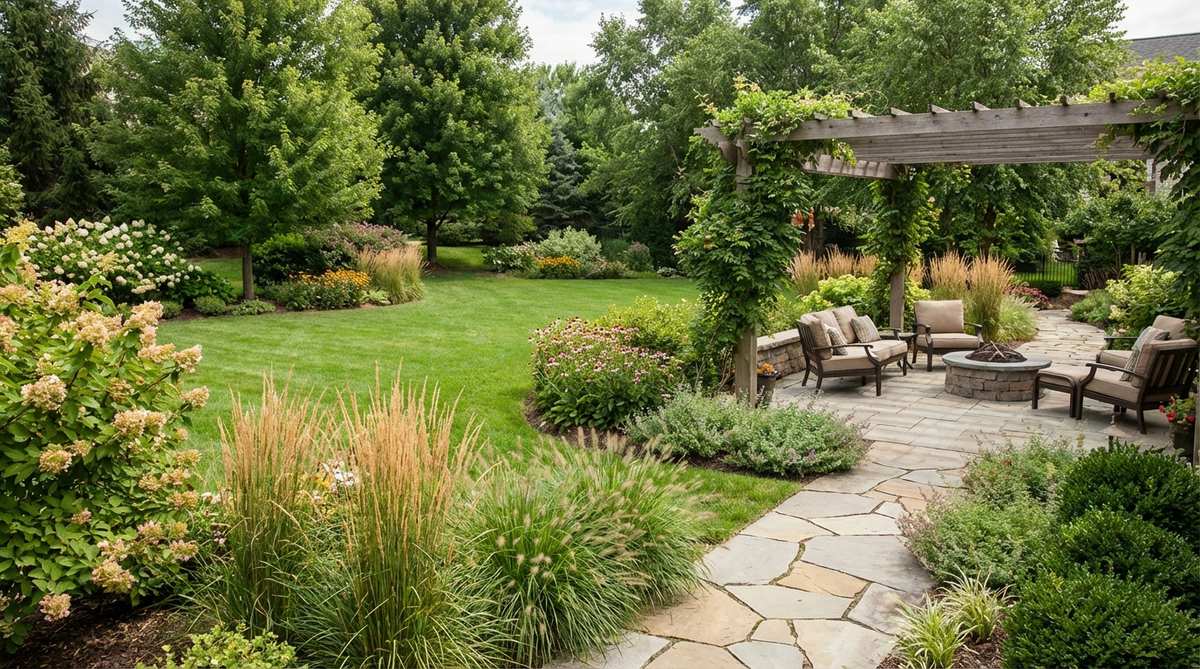
Maintaining a lush, manicured wall of green through dead winter brings incredible life to snowy landscapes. An evergreen property barrier is ideal for covering unsightly neighborhood views year-round.
Many climbers die back, leaving bare twigs, but this classic choice keeps your perimeter completely private 365 days a year. Incorporating sturdy fairy garden trellis accessories can help guide the initial runners for a cleaner aesthetic.
You can map out a dense layout for about $35. Pin this layout to keep your yard green all winter!
- Key Materials: English Ivy trays
- Vibe / Style: Formal estate
- Difficulty: Beginner setup
- Budget Breakdown: Ivy Flats: $30 | Anchors: $5.
- Creator’s Tip: Use masonry hooks if training against brick pillars to avoid structural damage.
- Smart Sourcing: Use pre-grown English ivy plug trays and stainless steel vine anchor clips.
9. Trumpet Vine Hummingbird Magnet
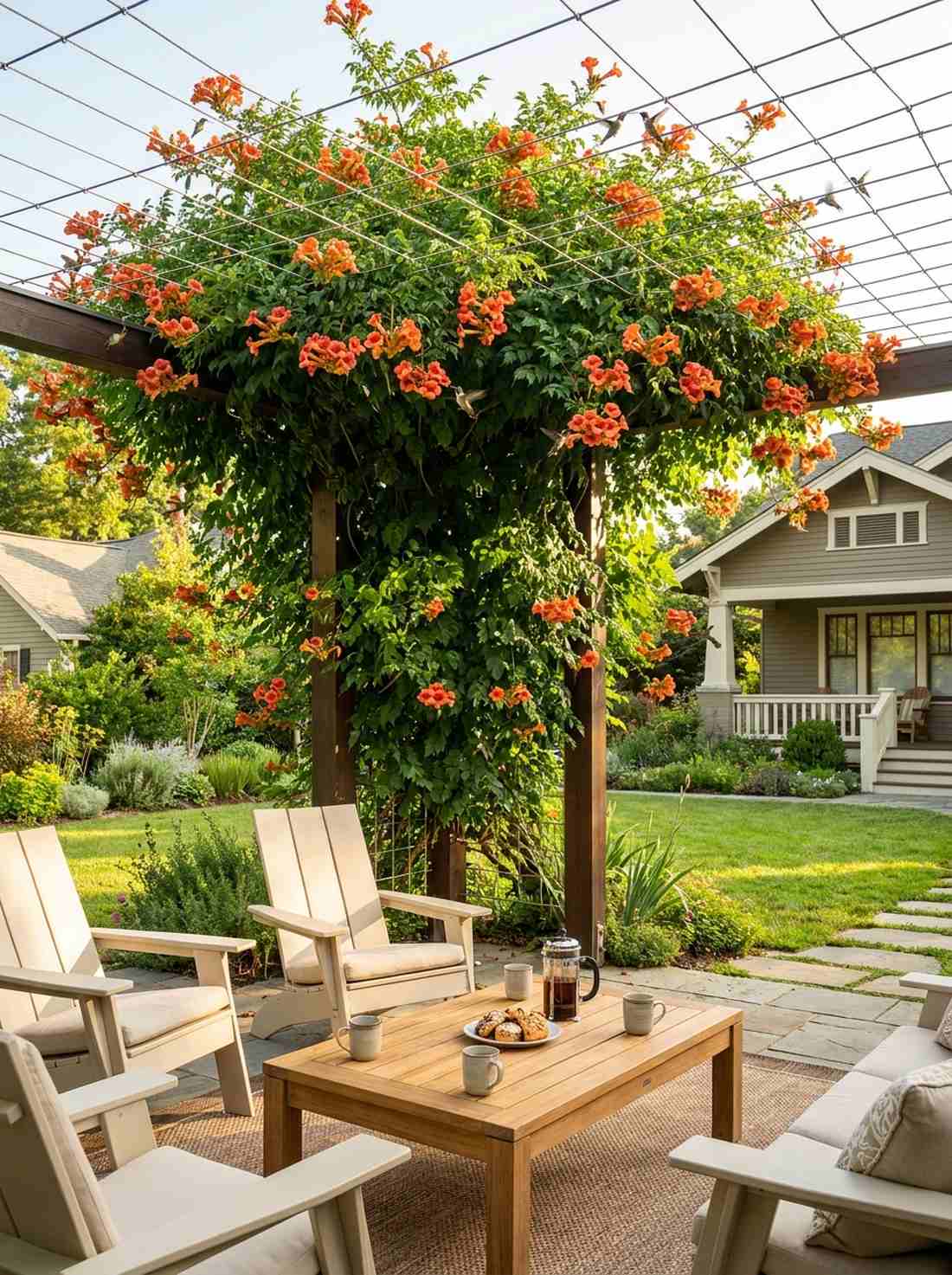
Vibrant orange blooms practically vibrate against the green leaves, turning your yard into a wildlife sanctuary. A flowering nectar trellis is the ultimate setup for patios where you enjoy morning coffee.
Relying on plain green vines gets boring, but this explosive bloomer adds an architectural focal point that commands attention. Setting up heavy-gauge support wires ensures the massive weight of mature vines won’t collapse your barrier.
Creating this hummingbird haven costs roughly $45. It’s an investment that pays off every single summer.
- Key Materials: Trumpet Vine, thick support wire
- Vibe / Style: Tropical bird haven
- Difficulty: Intermediate structural setup
- Budget Breakdown: Vine: $25 | Wire Support Kit: $20.
- Creator’s Tip: Keep this vine away from house siding; it’s so strong it can pull off shingles.
- Smart Sourcing: Secure a commercial-grade stainless wire trellis kit and a mature trumpet vine root ball.
Wait until you see the next setup—it costs almost nothing but transforms the entire yard instantly.
💡 Must-Have Supplies for High-End Setups
To build these setups faster and ensure they last, skip the generic craft aisles and invest in the right foundational kits.
- Base & Support: Heavy-duty rust-proof stainless steel wire grid kits
- Setup Tools: Professional outdoor vine anchor and tie starter kits
- Weather/Durability Protection: UV-blocking transparent wood sealant gallons
Flowering Vine Combinations
10. Clematis on Sage
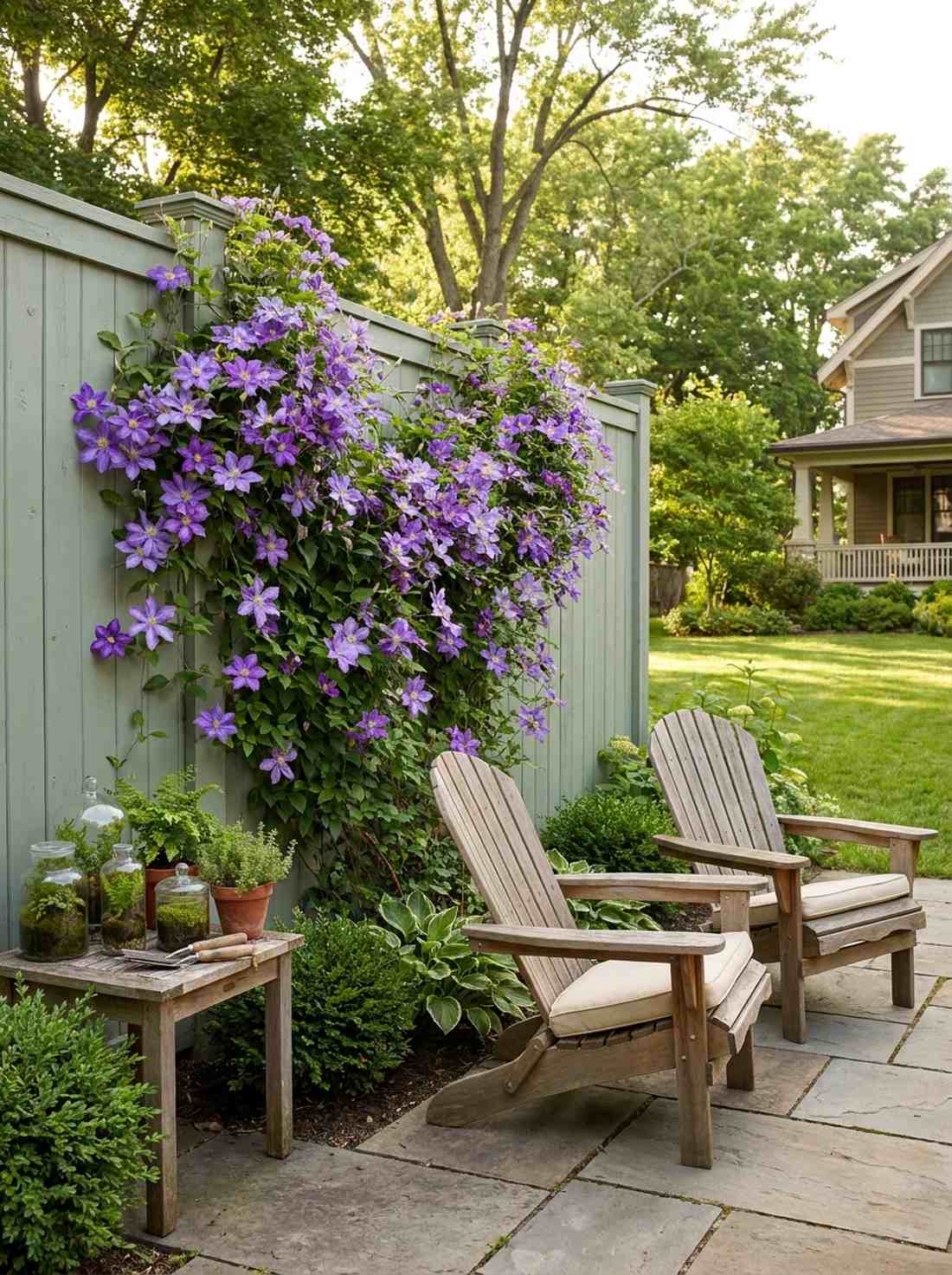
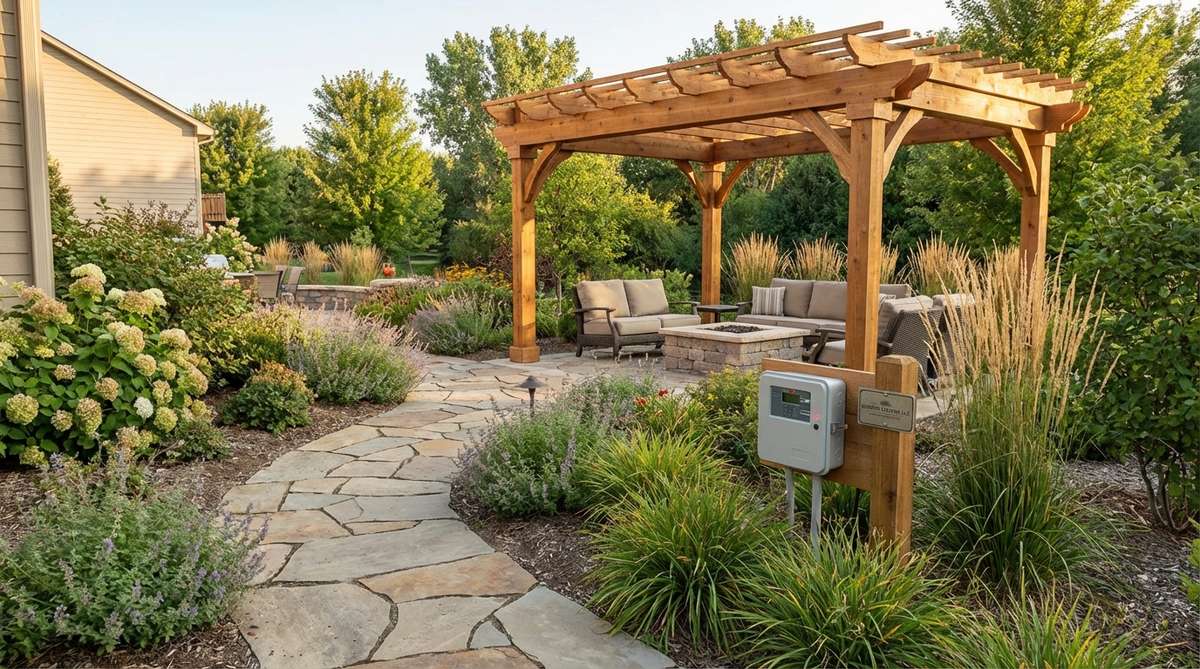
Bright purple stars popping against a dusty green background feels incredibly romantic and intentional. A soft pastel climber display works magic behind cozy wooden garden benches.
Throwing generic seeds at a wall rarely works out, but properly stringing a Clematis against a contrasting painted surface creates an expensive, curated garden look. Adding terrarium accessories nearby brings the microscopic scale of the garden to life.
You can execute this delicate pairing for $35–$50. Save this to your spring planting inspiration board!
- Key Materials: Sage paint, Clematis plant
- Vibe / Style: Romantic Victorian
- Difficulty: Intermediate pruning
- Budget Breakdown: Clematis: $25 | Paint Touch-up: $10.
- Creator’s Tip: Clematis likes its “head in the sun, feet in the shade”—plant low shrubs around the base to protect the roots.
- Smart Sourcing: Look for a pre-started Clematis vine container and UV-coated outdoor sage touch-up paint.
11. Climbing Roses with Forest Green
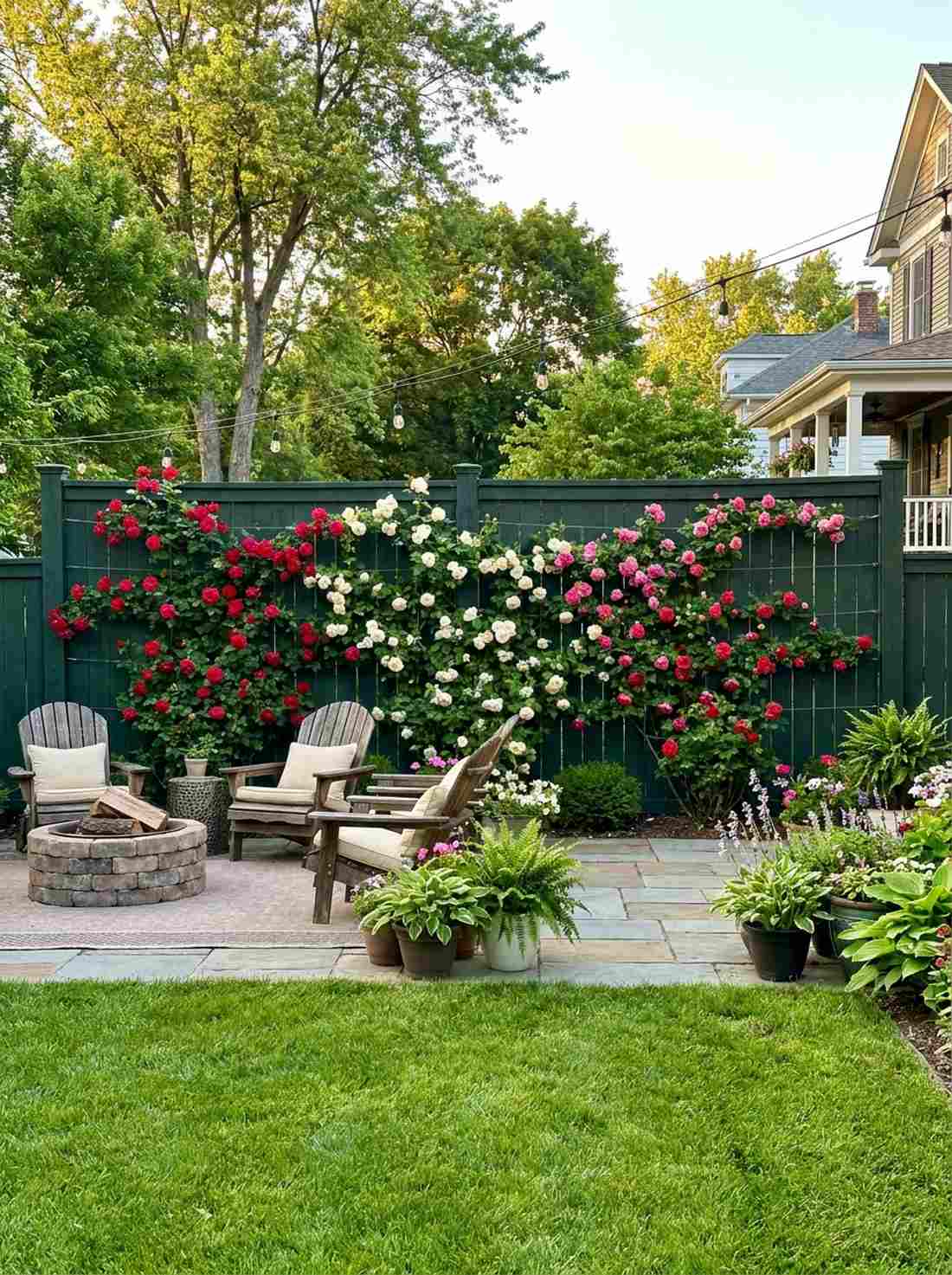
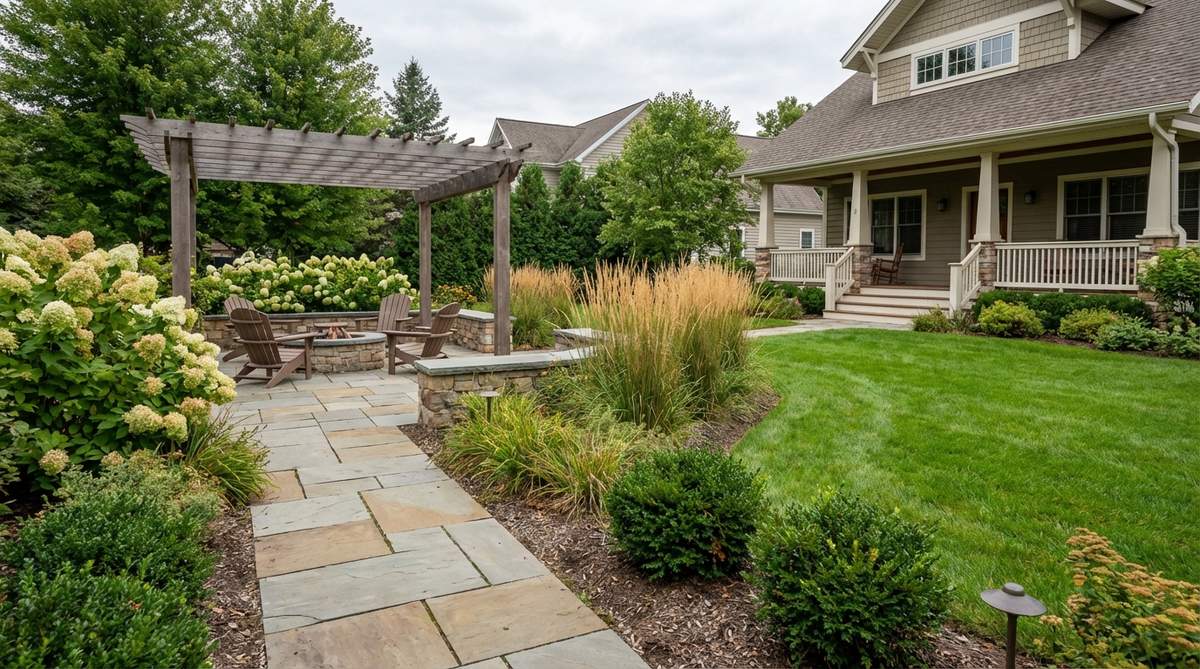
Vivid roses climbing a dark, moody background create an atmosphere straight out of a classic novel. A high-contrast floral boundary is the ultimate sophisticated backdrop for a garden party.
A stark white wall makes roses look washed out, but a deep forest green base visually thrusts the bright petals forward. It completely tricks the eye, making budget-friendly rose varieties look like premium heritage breeds.
This dramatic floral architecture costs around $60 to set up properly. Highly recommended for adding curb appeal.
- Key Materials: Forest green stain, Climbing Rose bush
- Vibe / Style: Sophisticated traditional
- Difficulty: Intermediate training
- Budget Breakdown: Rose Bush: $40 | Stain Base: $20.
- Creator’s Tip: Train the rose canes horizontally along wires; this tricks the plant into blooming across the whole width.
- Smart Sourcing: Use a heavy-duty horizontal wire training kit and disease-resistant bare-root climbing roses.
12. Honeysuckle Fragrance Screen
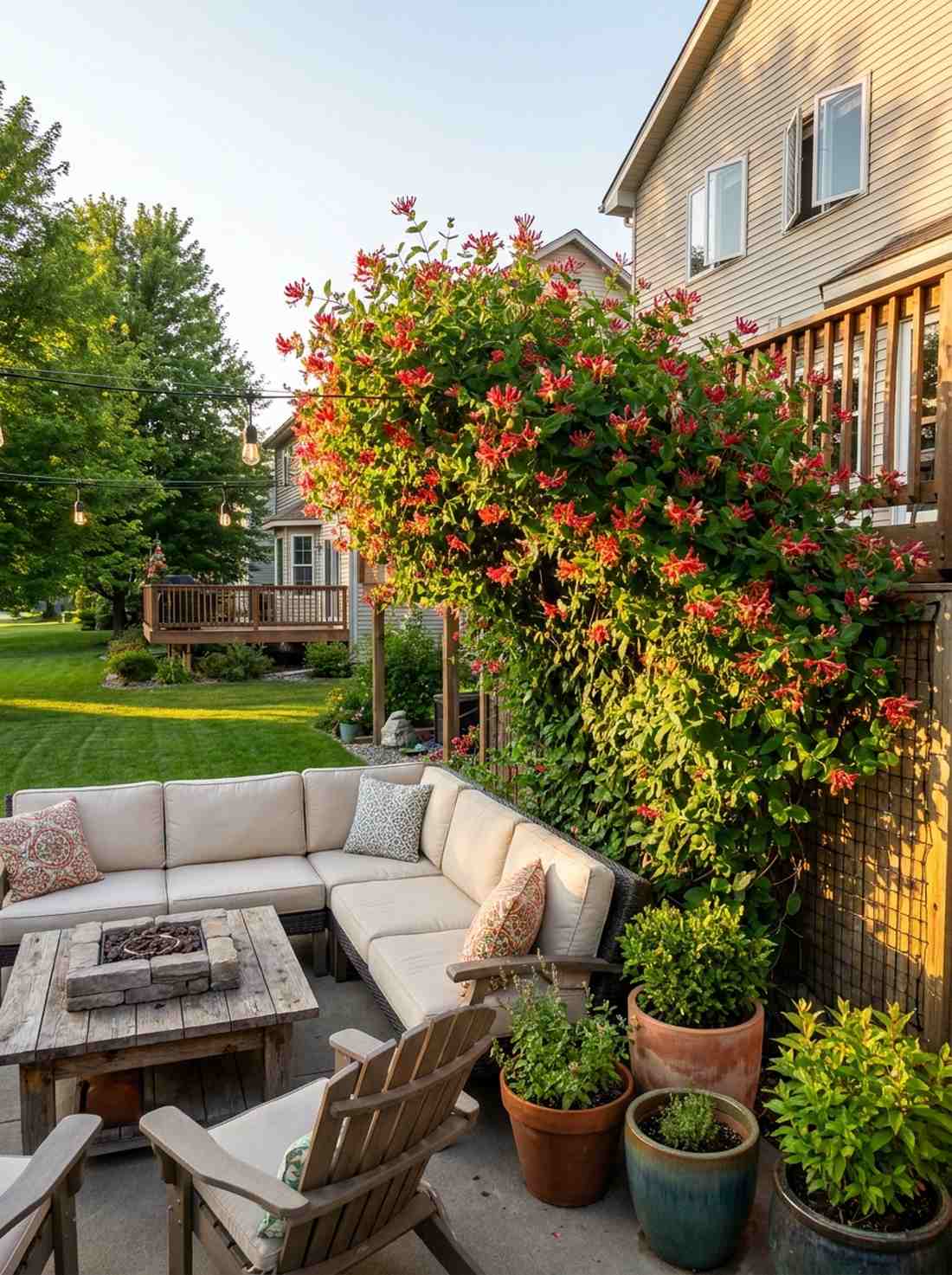
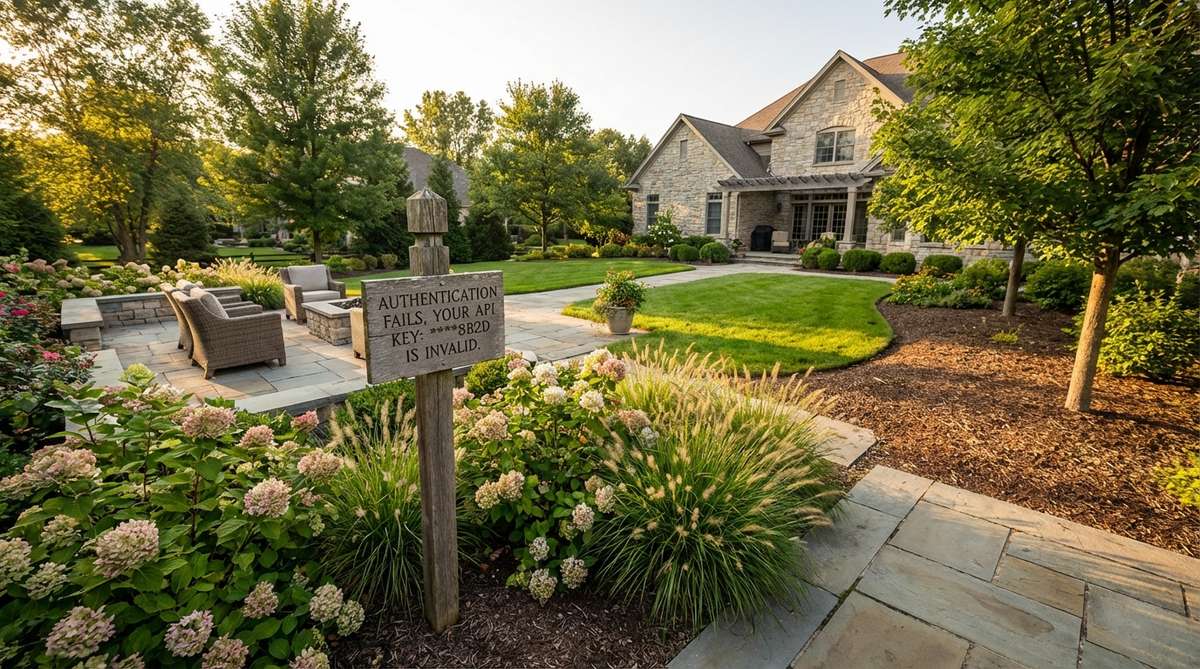
The sweet, intoxicating scent drifting across your patio on a warm evening is unmatched. A fragrant sensory wall transforms dull seating areas into immersive outdoor living rooms.
Visuals are great, but engaging the sense of smell delivers a truly luxurious backyard experience that feels totally high-end. Utilizing commercial-grade structural netting ensures the twisting vines don’t choke each other out over time.
You can wrap your fence in fragrance for about $30. Pin this to remember for your summer patio revamp!
- Key Materials: Coral honeysuckle, trellis netting
- Vibe / Style: Sensory cottage garden
- Difficulty: Easy growing
- Budget Breakdown: Honeysuckle: $20 | Netting: $10.
- Creator’s Tip: Plant them near windows so the summer breeze carries the scent indoors.
- Smart Sourcing: Source bulk pack heavy-duty trellis netting and a fragrant honeysuckle starter plant.
13. Jasmine Evening Perfume
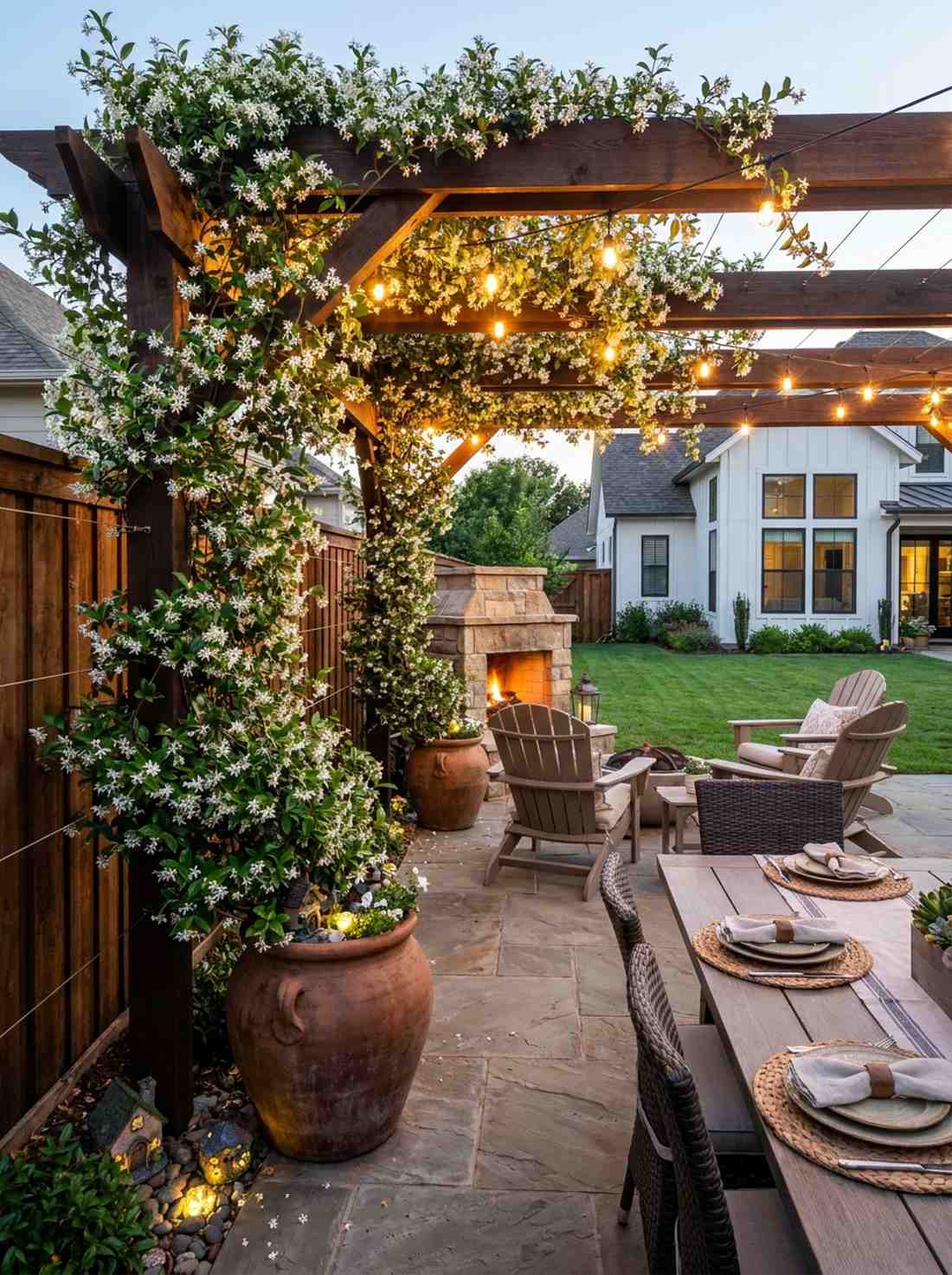
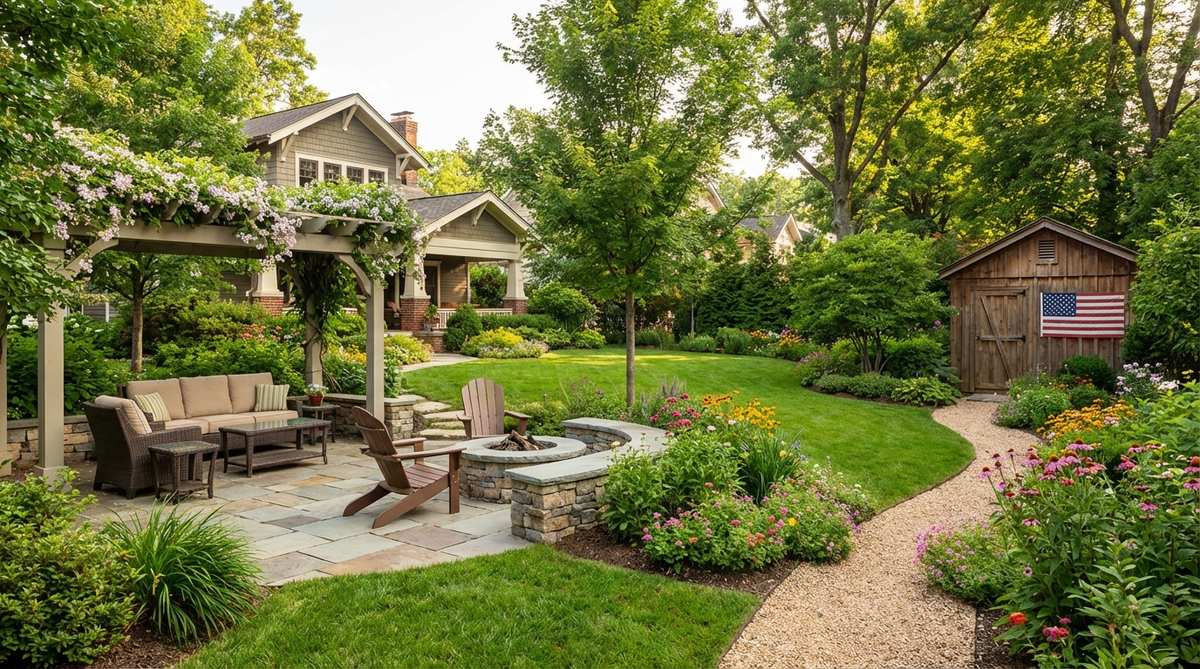
Gleaming white star-shaped flowers glowing against dark leaves at twilight feels magical. An evening illumination trellis is absolutely perfect for framing outdoor string lights and dining areas.
Standard green ivy is common, but integrating night-blooming jasmine creates an ultra-premium ambiance that guests will constantly compliment. Pairing it with subtle fairy garden kits hidden at the base adds a whimsical secret touch.
Creating this sensory masterpiece costs around $40. It’s an affordable luxury you’ll enjoy every single night.
- Key Materials: Star Jasmine, wire guides
- Vibe / Style: Mediterranean evening
- Difficulty: Moderate frost protection
- Budget Breakdown: Jasmine Vine: $25 | Wire: $15.
- Creator’s Tip: In cooler zones, plant it in a large pot against the fence so you can move it indoors before freezing.
- Smart Sourcing: Buy pre-potted star jasmine vines and weather-proof wall anchor loops.
14. Wisteria Cascade Display
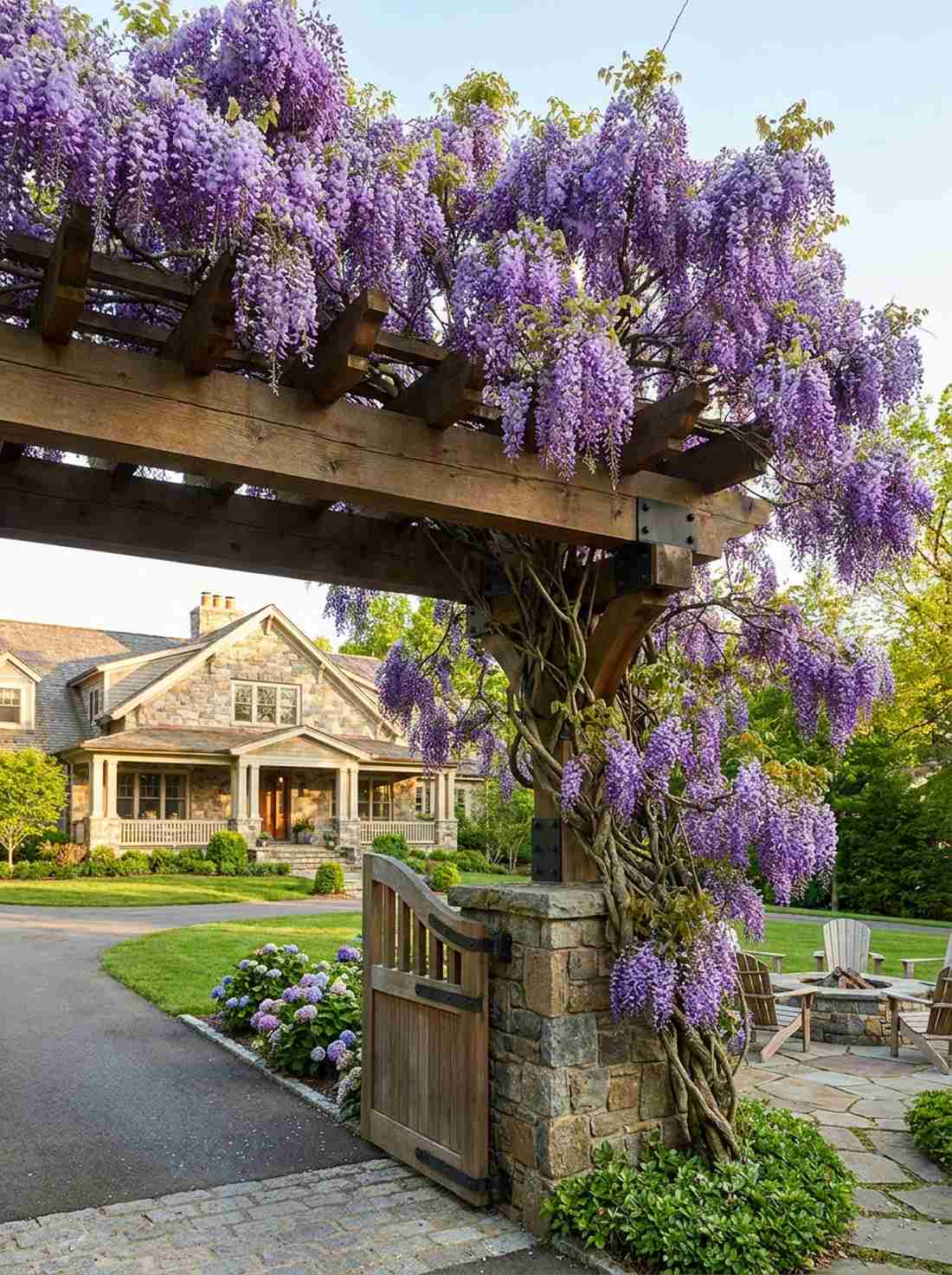
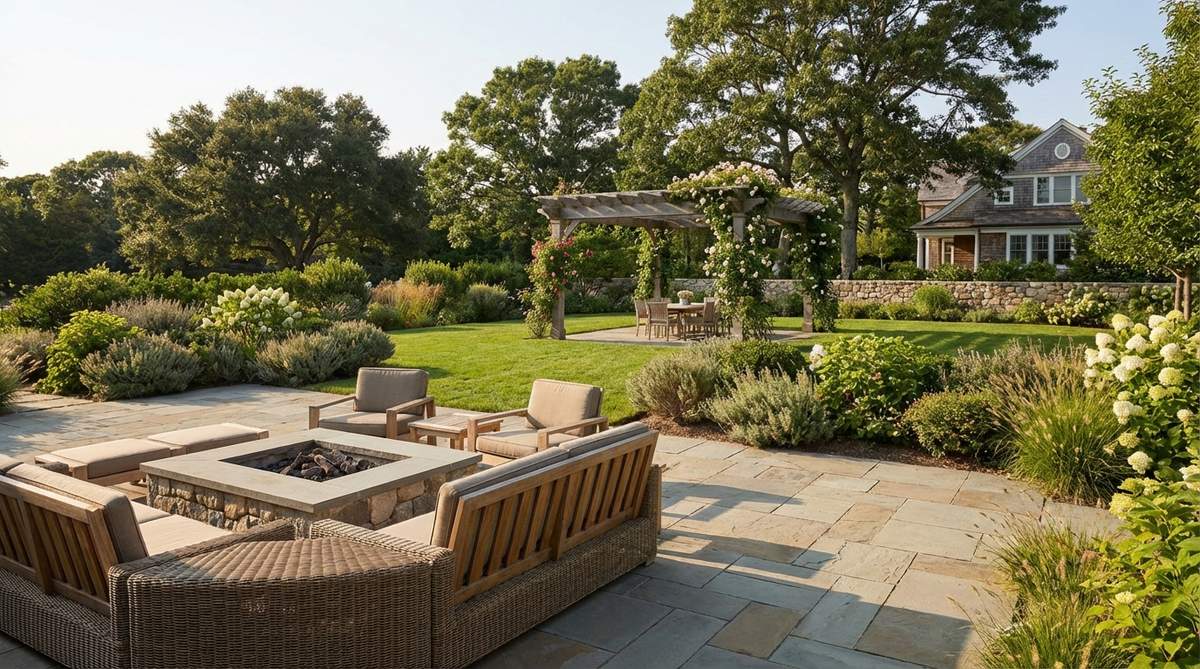
A massive waterfall of purple blossoms draping over your boundary feels like a royal botanical garden. A cascading floral canopy creates unparalleled drama over entry gates and pergolas.
Flimsy garden stakes will snap under this beast, so utilizing heavy timber or steel brackets is the secret to keeping this display safe and stunning. The dense purple canopy delivers an incredibly expensive architectural look.
Securing this heavy-duty installation costs roughly $75–$100. Save this if you want absolute neighborhood bragging rights!
- Key Materials: Wisteria vine, heavy-duty brackets
- Vibe / Style: Dramatic grand estate
- Difficulty: Advanced pruning and support
- Budget Breakdown: Wisteria: $40 | Heavy Brackets: $45.
- Creator’s Tip: Prune mercilessly twice a year—once in summer and once in late winter—to force massive blooms.
- Smart Sourcing: Purchase a grafted wisteria bare-root starter and industrial-grade steel pergola brackets.
If you think those were good, this next durable layout is going absolutely viral for small spaces right now.
15. Climbing Hydrangea Shade Solution
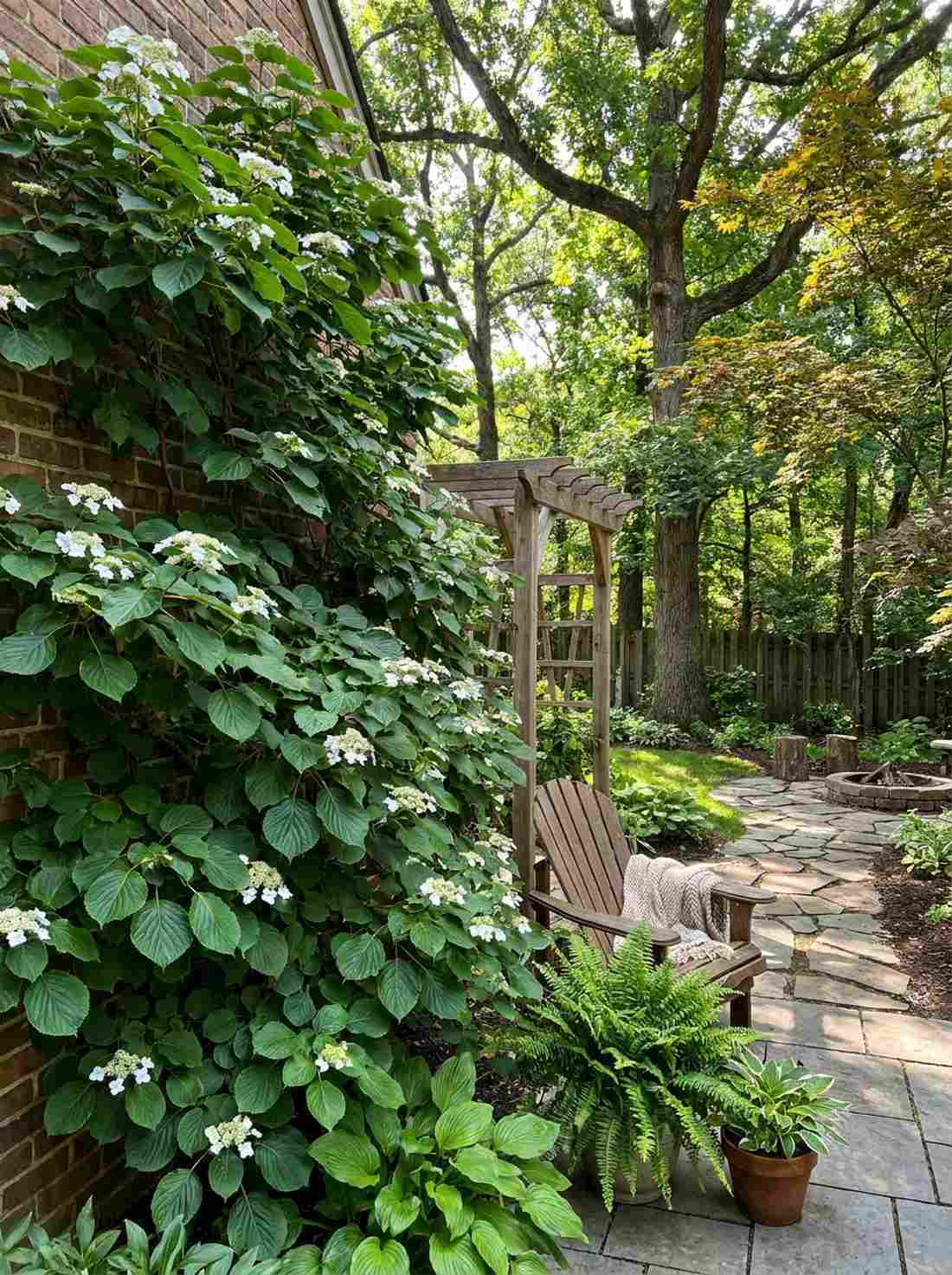
Lush, deeply veined leaves with delicate white lacecap flowers thrive where nothing else survives. A deep shade floral climber brings dead, dark corners of the yard back to life.
Most blooming plants shrivel in the dark, but this powerhouse vine specifically gives a designer-level finish to sun-starved property lines. It slowly climbs using tiny rootlets, requiring zero ugly synthetic ties to keep it secured.
This shade savior requires about $45 to get started. Highly recommended for properties with heavy tree cover.
- Key Materials: Climbing Hydrangea
- Vibe / Style: Lush woodland
- Difficulty: Slow to establish, easy care
- Budget Breakdown: Hydrangea Plant: $35 | Soil Prep: $10.
- Creator’s Tip: Be incredibly patient; this vine “sleeps the first year, creeps the second, and leaps the third.”
- Smart Sourcing: Invest in a shade-tolerant climbing hydrangea pot and organic root-stimulating compost.
Low-Maintenance Pairings
16. Painted Panels with Potted Climbers
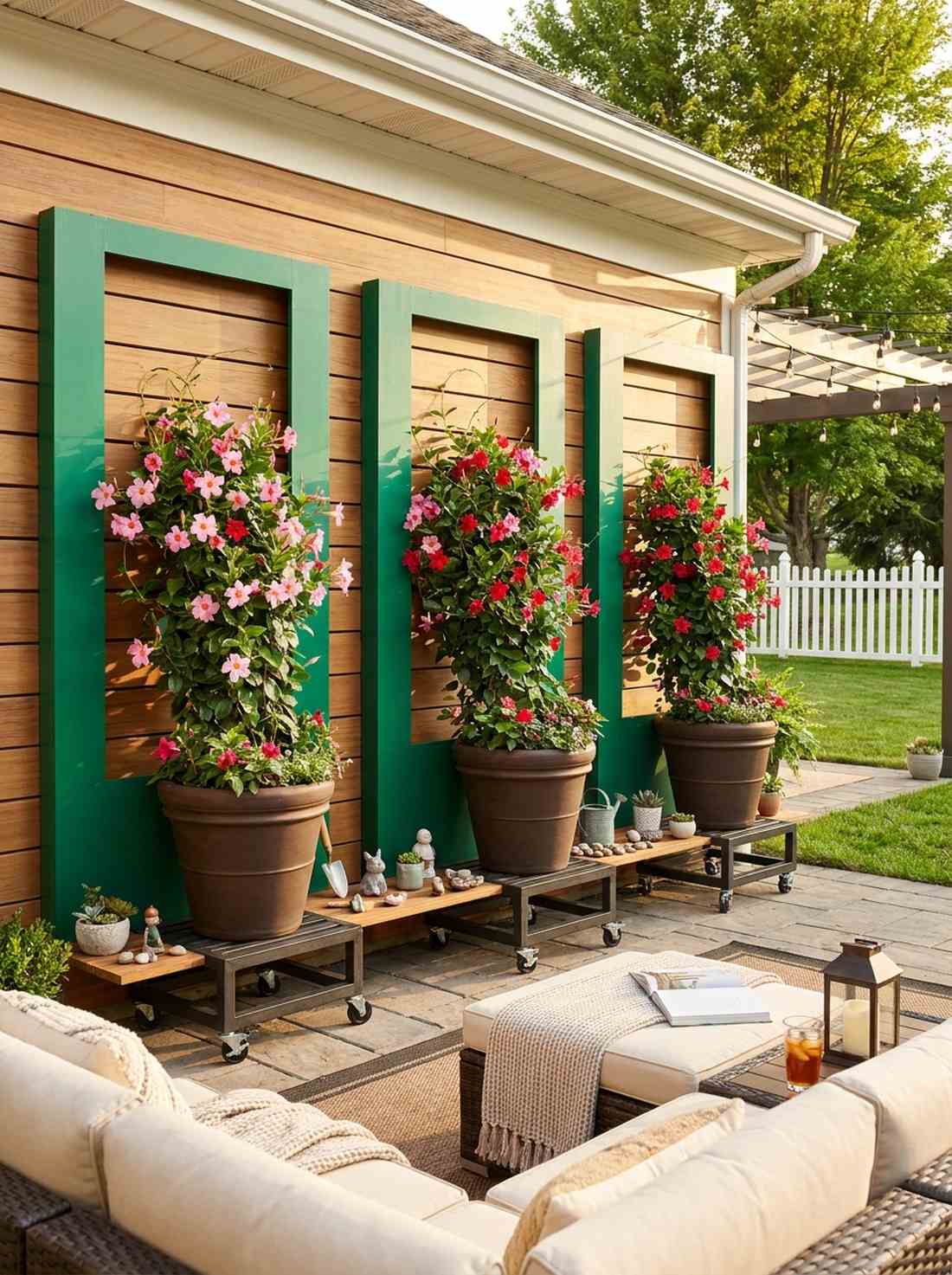
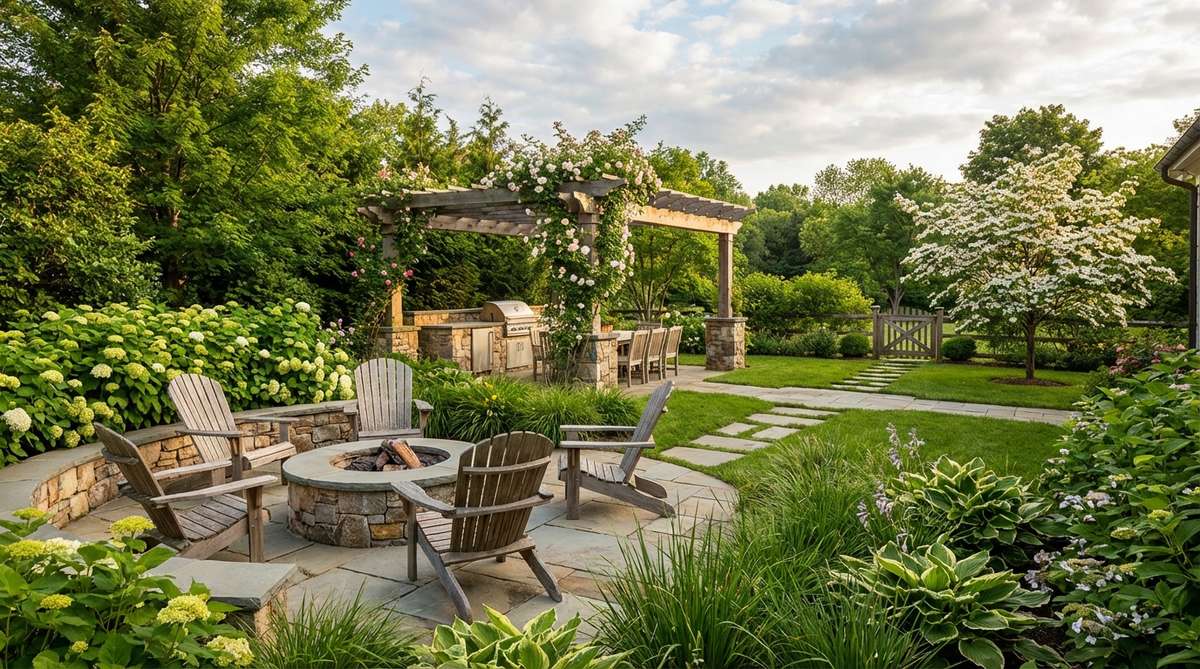
Bold emerald panels acting as picture frames for massive leafy pots creates a slick, modular aesthetic. A container-based vertical garden is the ultimate hack for renters who can’t plant in the ground.
Instead of battling poor soil, isolating the climbers in premium soil bins delivers explosive, pristine growth every time. Mixing in miniature garden supplies around the pots gives the entire setup a quirky, personalized charm.
You can set up this modular display for $50. Pin this layout for a genius renter-friendly patio hack!
- Key Materials: Emerald paint, large planters, Mandevilla
- Vibe / Style: Modern modular
- Difficulty: Easy renter setup
- Budget Breakdown: Large Pots: $30 | Paint: $20.
- Creator’s Tip: Add heavy casters to the bottom of the planters so you can rotate the vines into the sun easily.
- Smart Sourcing: Grab heavy-duty rolling planter bases and pre-cut emerald color swatches to test.
17. Maintenance-Free Ivy Wall
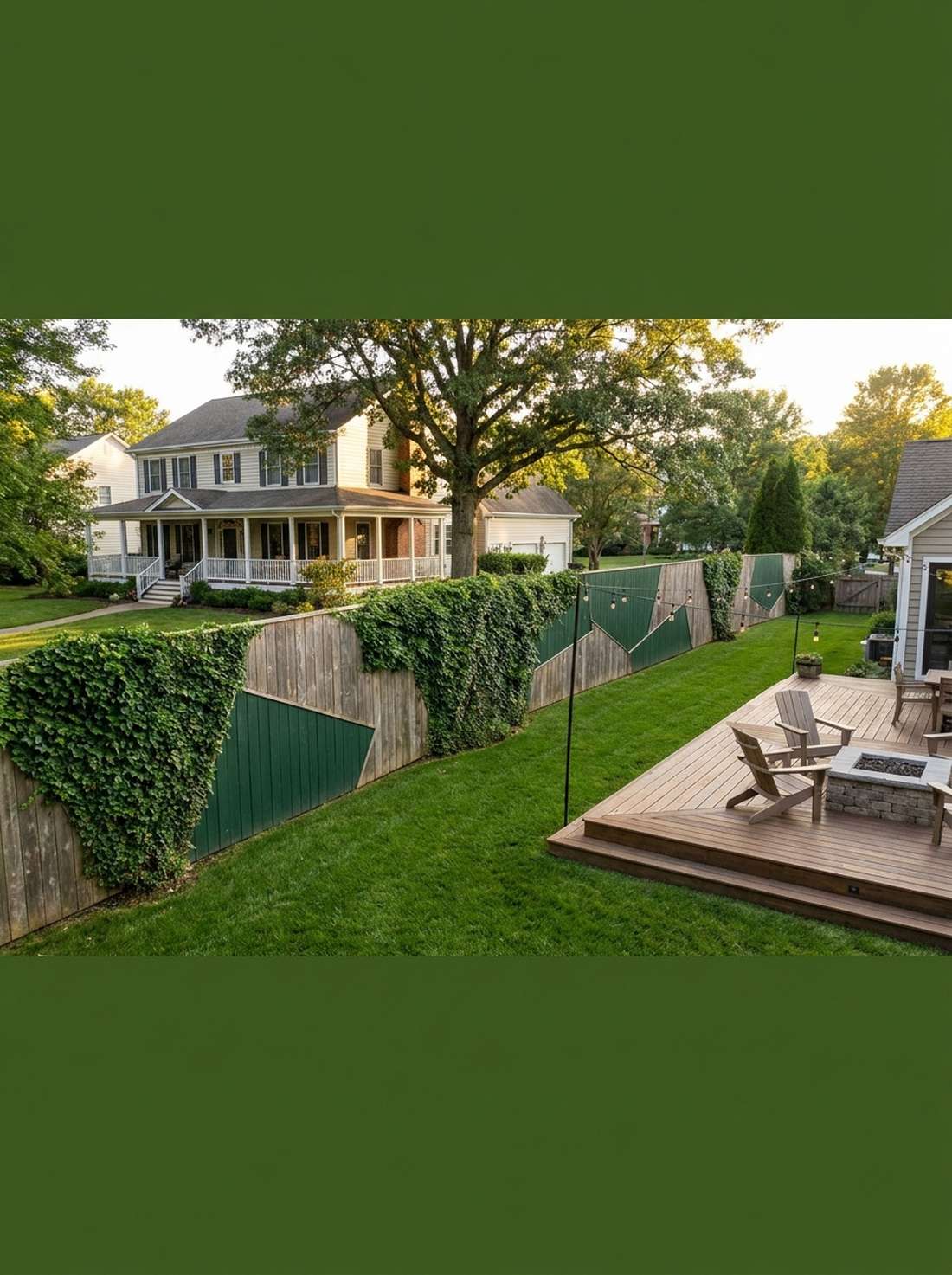
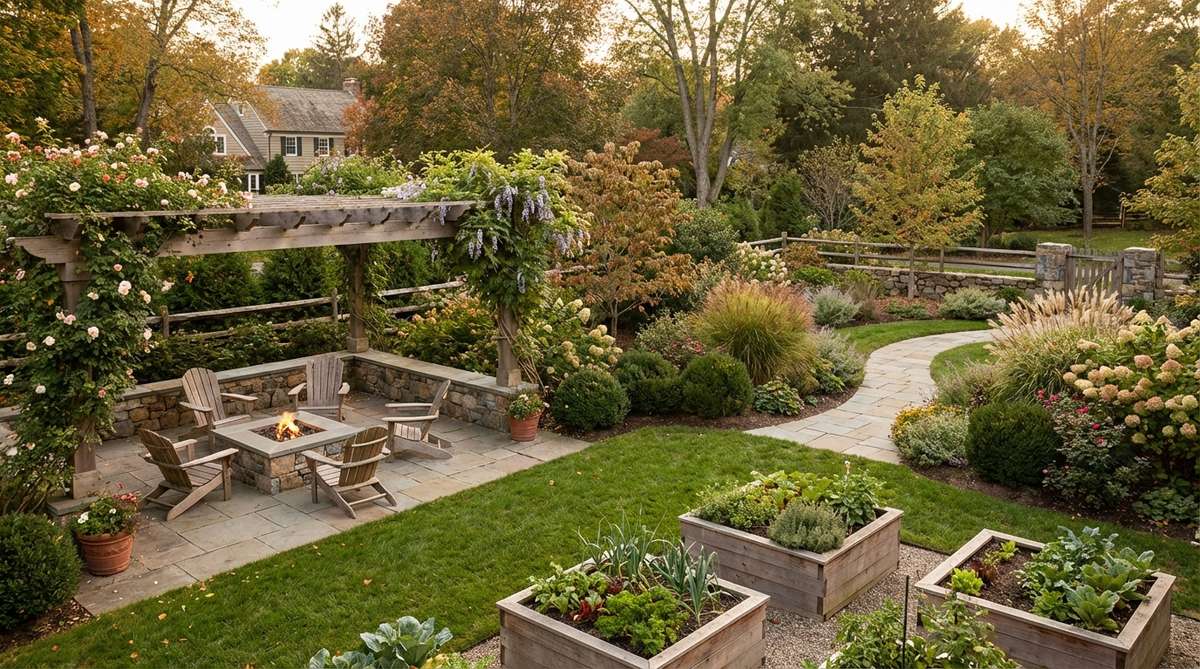
Crisp, sharp lines of deep green paint contrasting with wild ivy patches looks incredibly deliberate and modern. A patchwork organic boundary is ideal for massive suburban backyards that need breaking up.
Letting ivy overrun everything looks abandoned, but carving out strategic geometric painted gaps makes it look like a high-end landscape architect designed it. It requires drastically less water and upkeep than traditional flower beds.
This clever spacing technique costs under $40 to execute. It’s a fast upgrade that completely changes the perimeter.
- Key Materials: Forest green paint, Ivy, edgers
- Vibe / Style: Controlled organic
- Difficulty: Low maintenance
- Budget Breakdown: Ivy Flats: $20 | Paint Base: $20.
- Creator’s Tip: Use an electric hedge trimmer once a month to keep the lines between ivy and paint razor-sharp.
- Smart Sourcing: Pick up a cordless lightweight hedge trimmer and bulk pack outdoor painter’s tape.
18. Native Vine Ecosystem
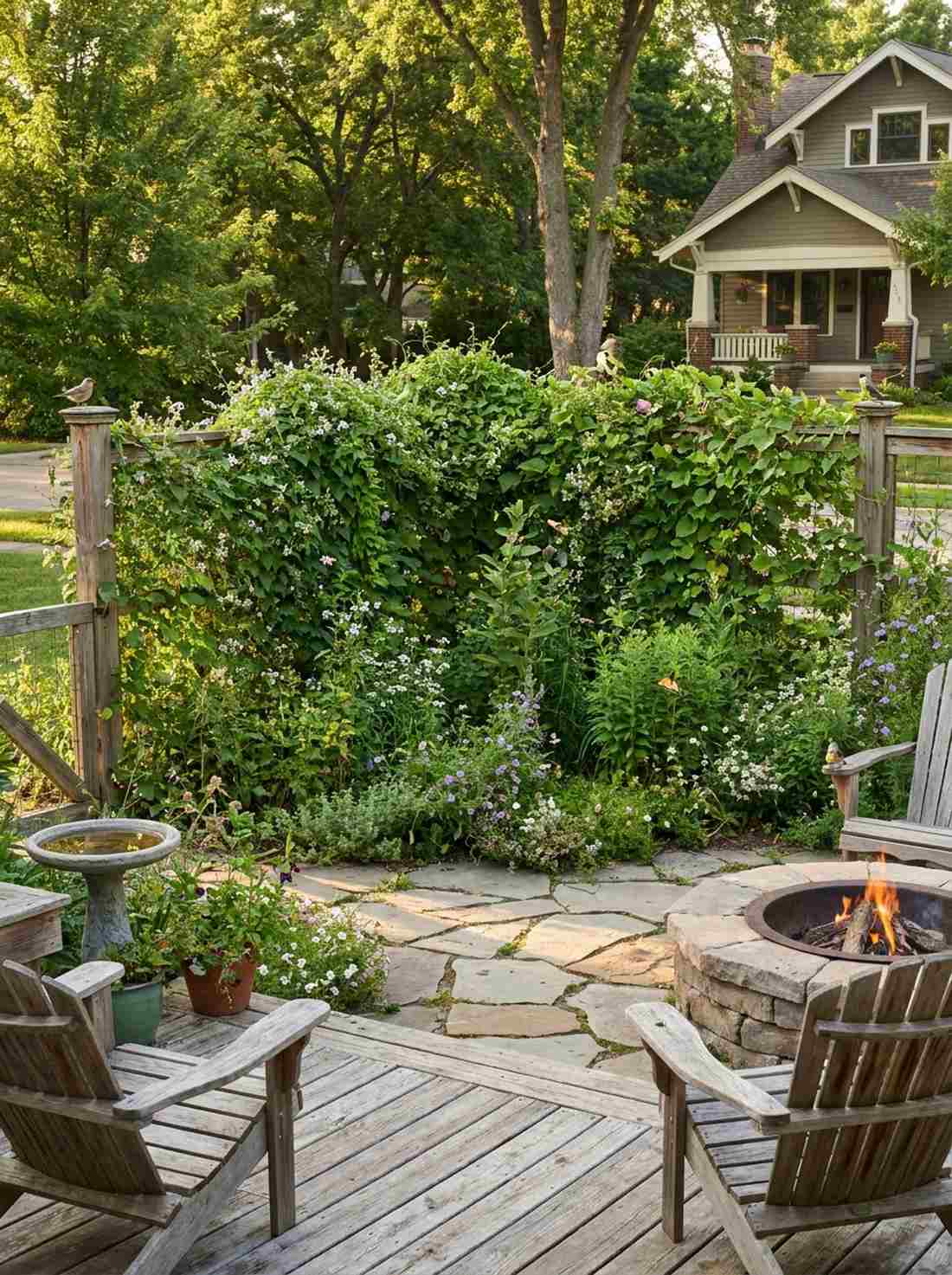
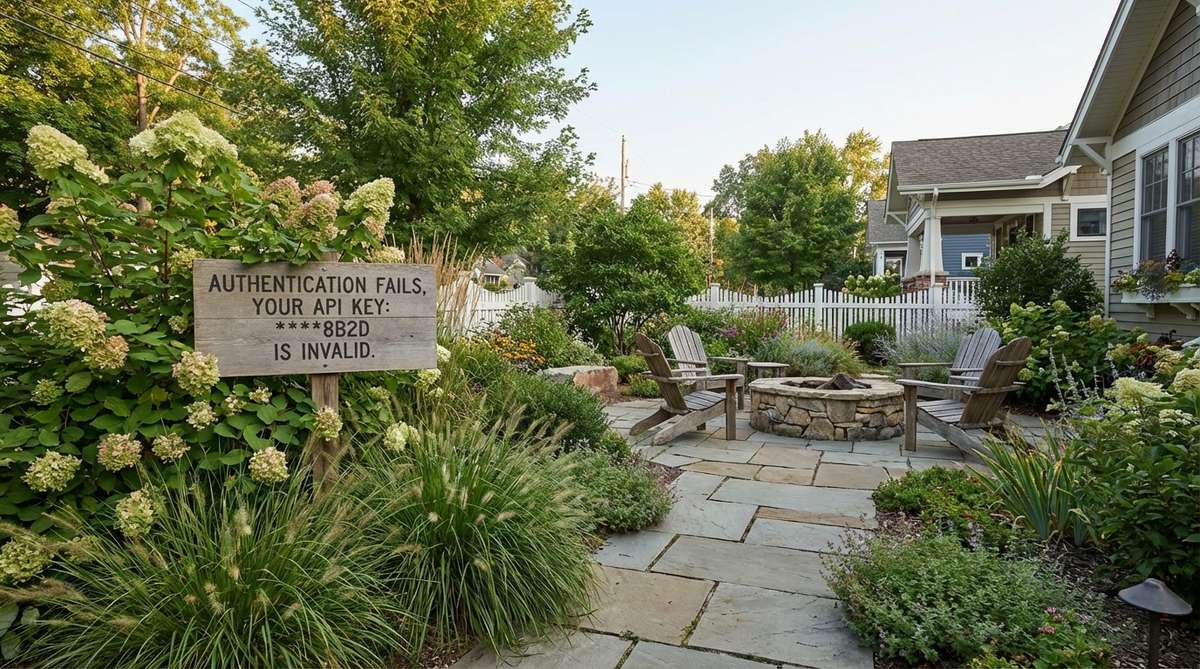
A thriving, untouched wall of local greenery feels wonderfully restorative and grounded. A sustainable wildlife fence turns an ugly property divide into a living sanctuary for birds and bees.
Forcing fussy exotics to grow is exhausting, but using hyper-local vines guarantees a lush, indestructible wall that practically ignores droughts. It completely eliminates the need for expensive chemical fertilizers and constant watering.
You can seed this native haven for under $25. Save this if you want a zero-effort, eco-friendly yard!
- Key Materials: Local native creeper seeds
- Vibe / Style: Wild rewilding
- Difficulty: Zero effort once planted
- Budget Breakdown: Native Seeds/Starts: $15 | Mulch: $10.
- Creator’s Tip: Check your local university extension office list to find the exact vine native to your specific zip code.
- Smart Sourcing: Use a native wildflower and vine seed bulk pack and organic moisture-retaining mulch.
19. Drought-Tolerant Trumpet Vine
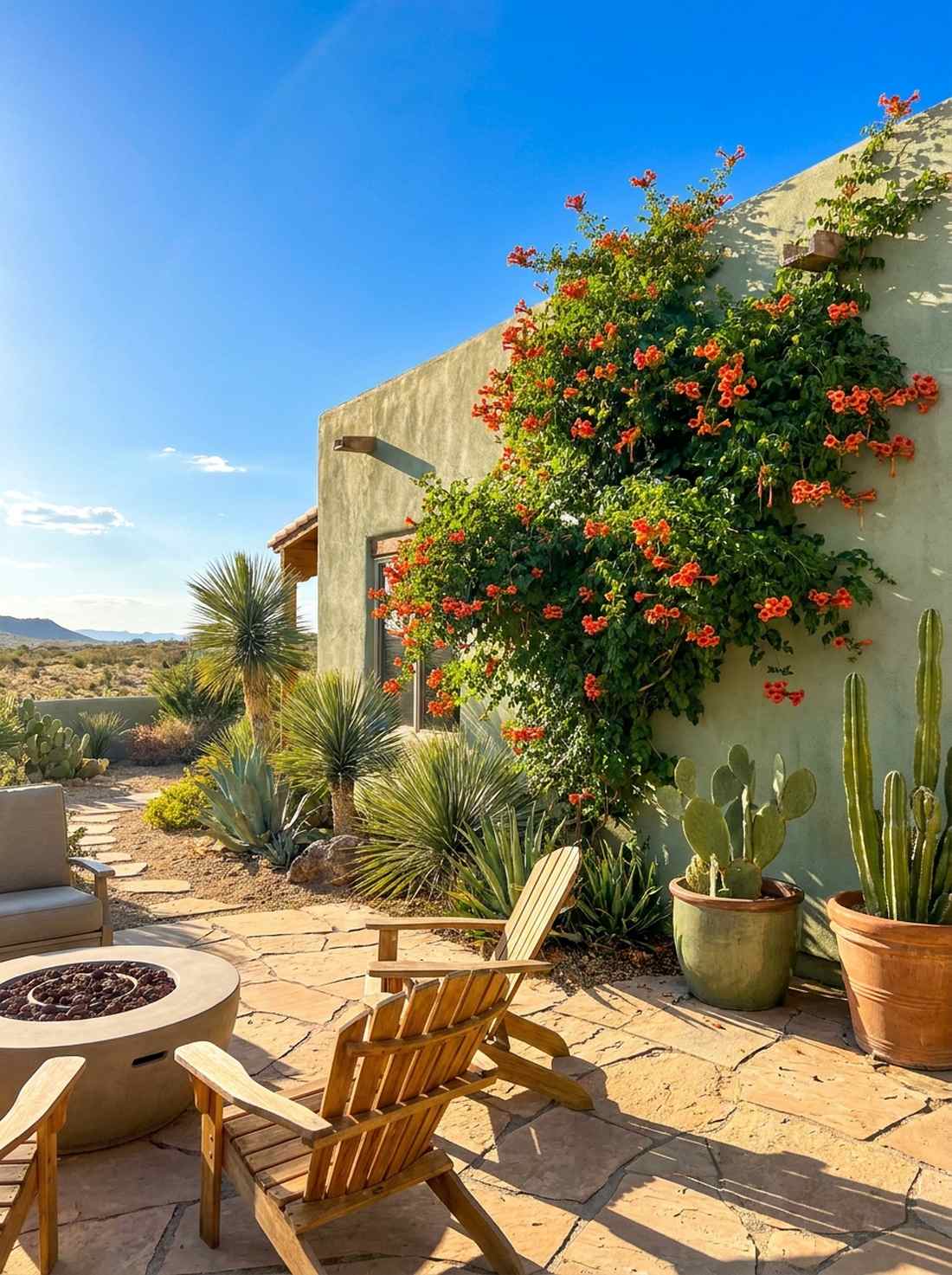
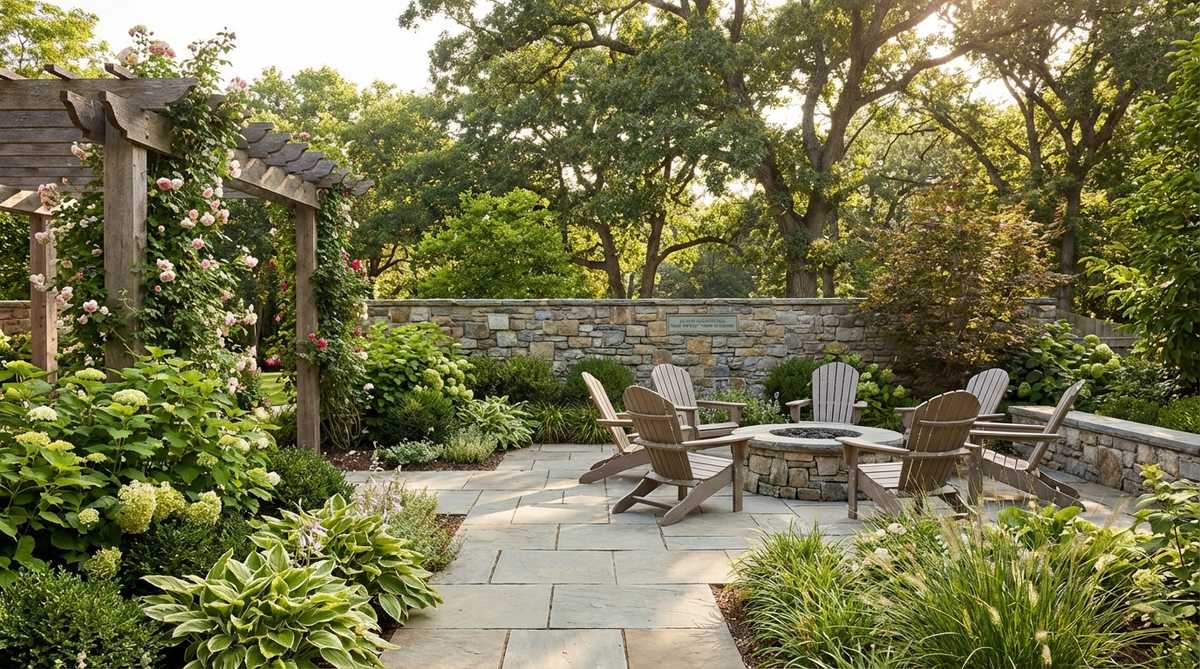
Vivid orange flowers bursting out of a dry, sun-baked wall feels like a desert oasis. A xeriscape vertical blooming wall is a lifesaver for scorching southern or western exposures.
Most fences warp and vines crisp up in extreme heat, but this bulletproof combination delivers a surprisingly premium look in the harshest climates. Once the taproot sets, you can literally forget about watering it entirely.
Drought-proofing your boundary costs roughly $35. Highly recommended for water-restricted zones.
- Key Materials: Trumpet vine, sage paint
- Vibe / Style: Desert oasis
- Difficulty: Heat-proof and hardy
- Budget Breakdown: Vine Start: $20 | Drought Soil Mix: $15.
- Creator’s Tip: Paint the fence a lighter shade like sage rather than dark green so it doesn’t absorb excess heat and bake the vine.
- Smart Sourcing: Secure a heat-reflective exterior sage paint and a drought-resistant trumpet vine root.
Material Guide: Cheap vs. Premium Aesthetic
Knowing exactly where to save and where to spend makes all the difference in achieving that “looks expensive but isn’t” vibe.
- Standard vs. UV-Resistant/Premium: Generic hardware store paints will chalk and peel in 12 months. Investing in UV-resistant outdoor acrylics prevents fading and saves you from scraping/repainting every single year.
- Pre-made Kits vs. Sourcing Locally: Scavenging wire and screws piece by piece takes hours. Buying stainless steel trellis starter kits ensures everything is rust-proof and drastically speeds up weekend installations.
People pay contractors thousands for what the next simple weekend build accomplishes…
Statement-Making Designs
20. Ombre Green with White Clematis
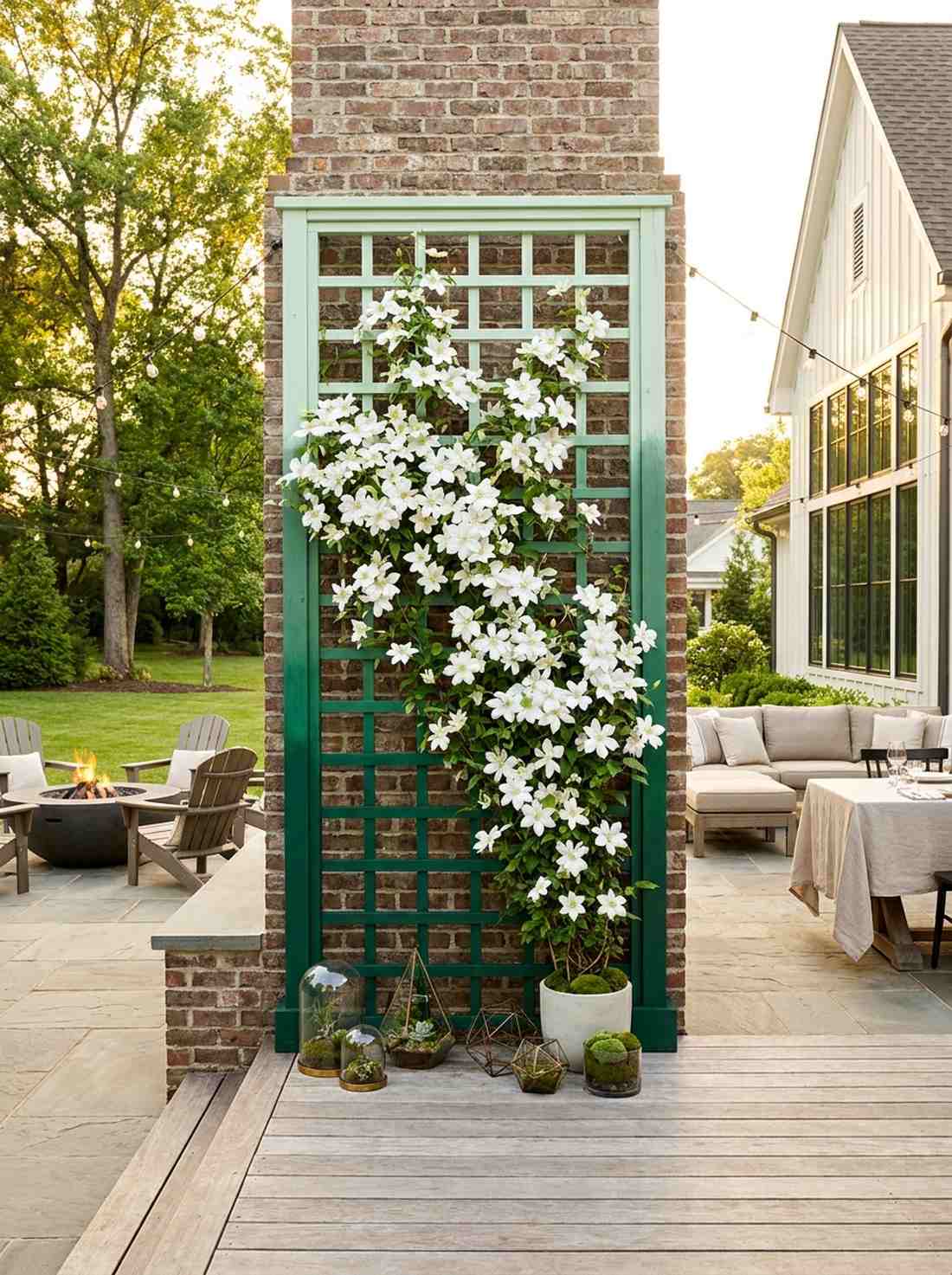
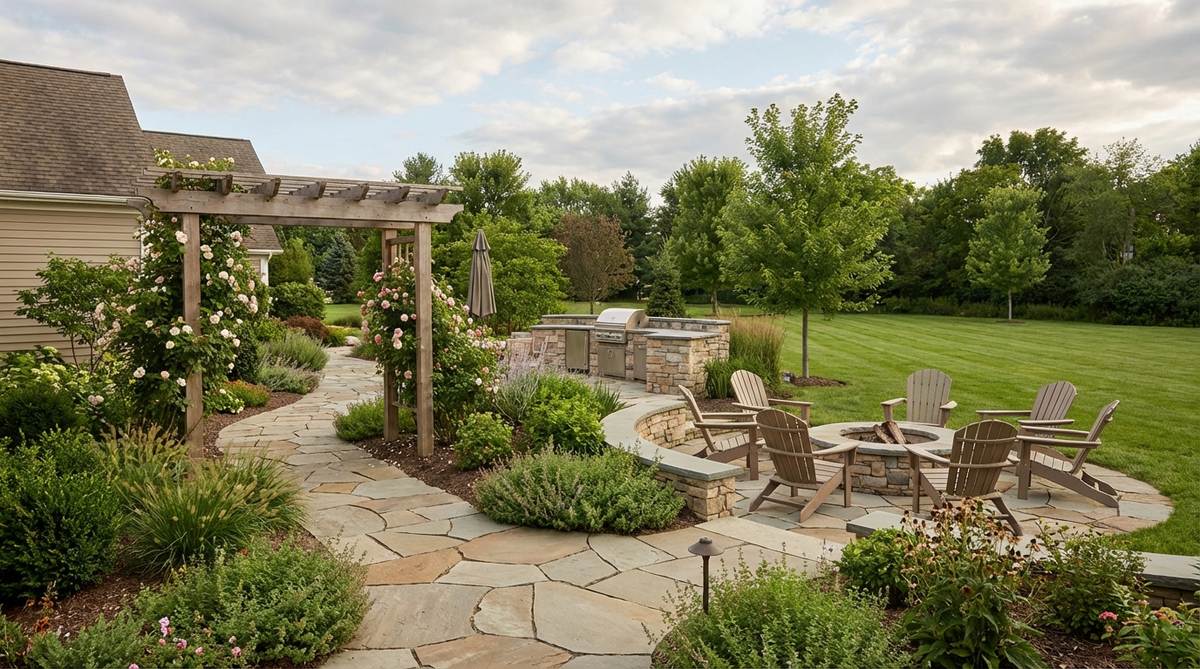
A seamless color fade draped in pure white blossoms looks like an installation at a modern art museum. A custom ombre floral trellis serves as the ultimate focal point for a luxury patio design.
Standard solid colors are fine, but blending a backdrop creates a high-end illusion of depth that makes the white petals visually pop. Adding specialized terrarium accessories at the base amplifies the designer aesthetic.
This masterclass in optical illusion costs about $60. Pin this trick for your next major backyard overhaul!
- Key Materials: 3-tone green paint, White Clematis
- Vibe / Style: High-end artistic
- Difficulty: Advanced painting
- Budget Breakdown: Paint Quarts: $40 | Clematis: $20.
- Creator’s Tip: Use a damp rag to feather the edges where the paint colors meet for a flawless, soft transition.
- Smart Sourcing: Use a pre-cut blending sponge bulk pack and a pure white blooming clematis vine.
21. Vertical Herb Garden Fence
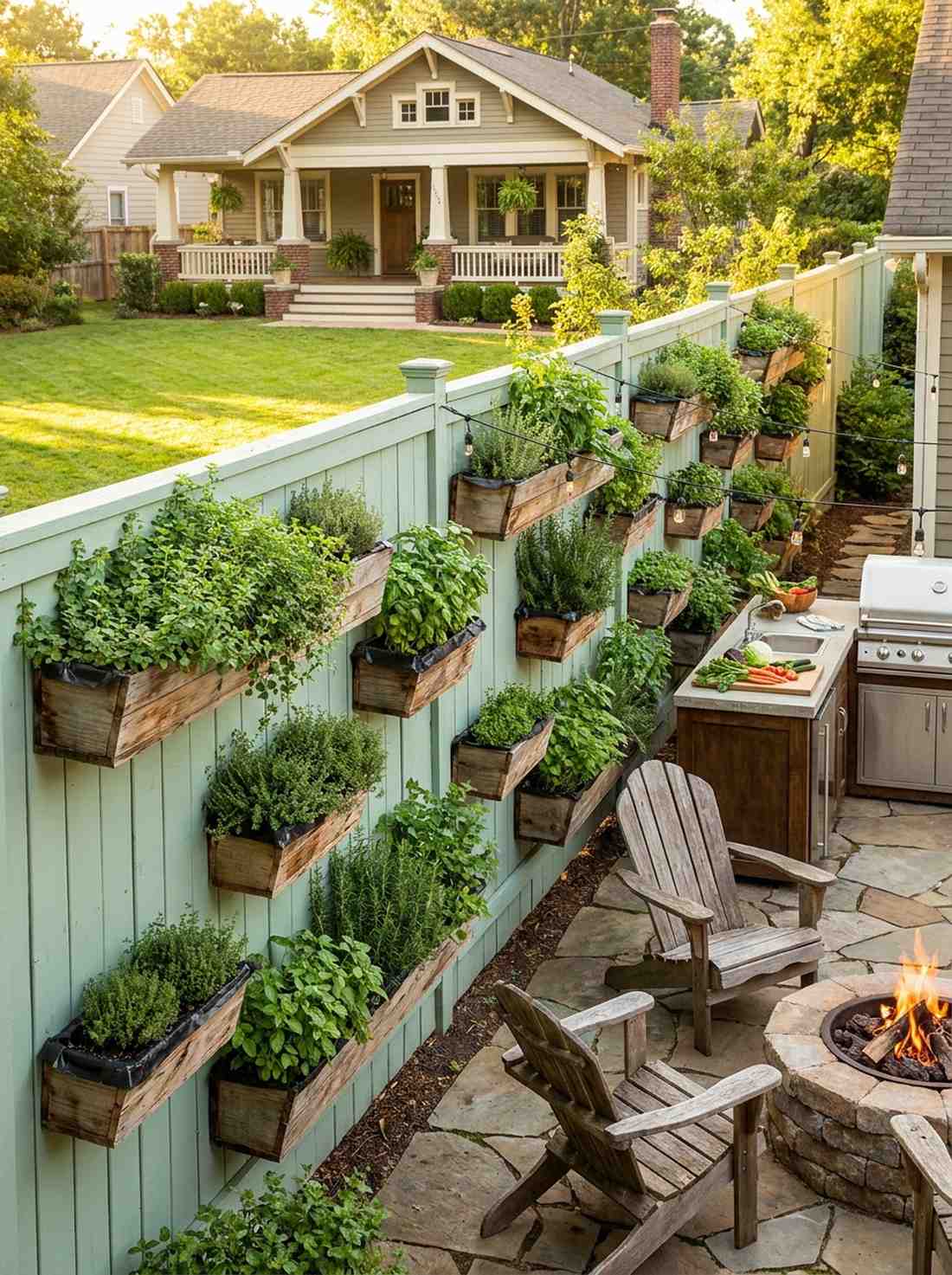
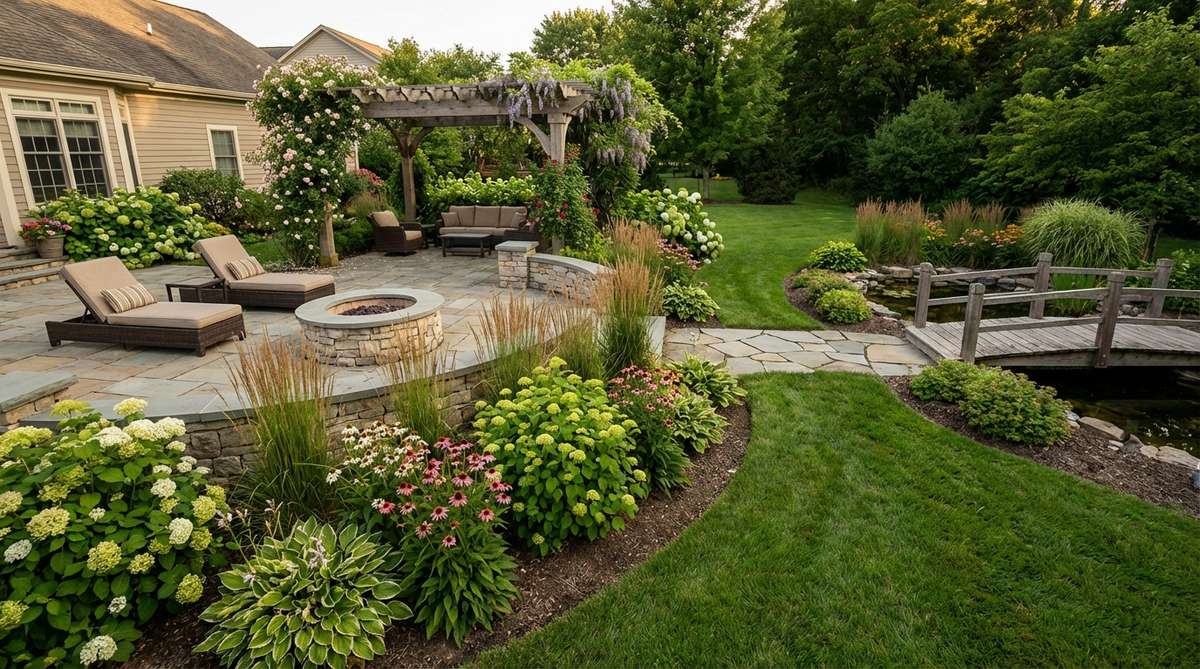
A minty-green wall dripping with fresh, edible foliage feels like a rustic Italian chef’s private sanctuary. An edible vertical boundary is perfect for maximizing flavor in cramped urban side yards.
Rather than letting vines just look pretty, strapping functional herb bins to the structure gives a designer-level finish that is actually useful. It completely frees up ground space while perfuming the air with oregano and thyme.
You can build this chef’s wall for $50 to $70. Save this idea to supercharge your outdoor cooking space!
- Key Materials: Mint paint, planter boxes, trailing herbs
- Vibe / Style: Urban farm chic
- Difficulty: Intermediate mounting
- Budget Breakdown: Planters: $40 | Herbs: $20.
- Creator’s Tip: Line the wooden planter boxes with heavy plastic (poke drainage holes!) so wet soil doesn’t rot the wood against the fence.
- Smart Sourcing: Grab weather-proof vertical wall planters and a culinary herb seed starter kit.
22. Checkerboard Paint and Vine
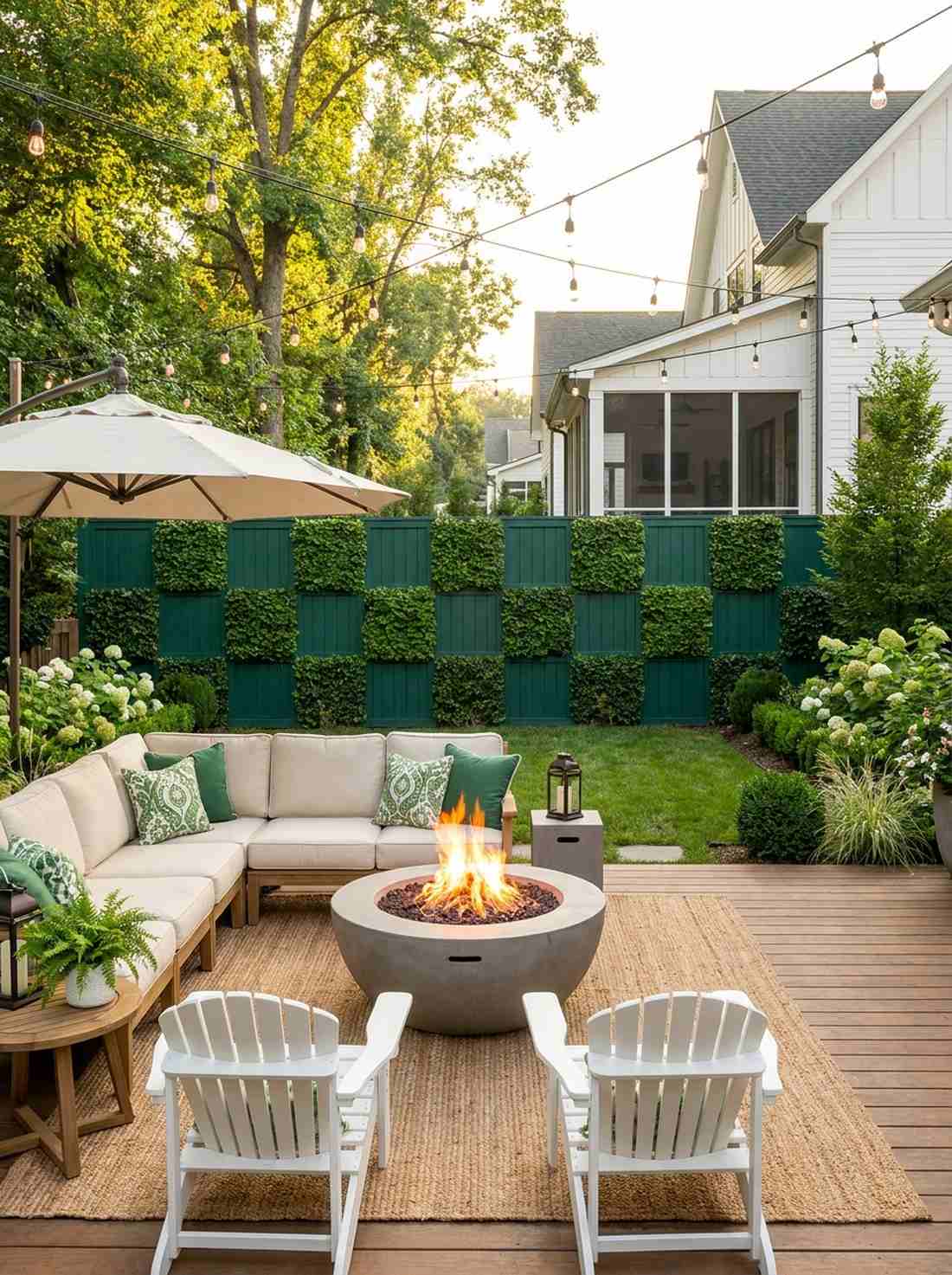
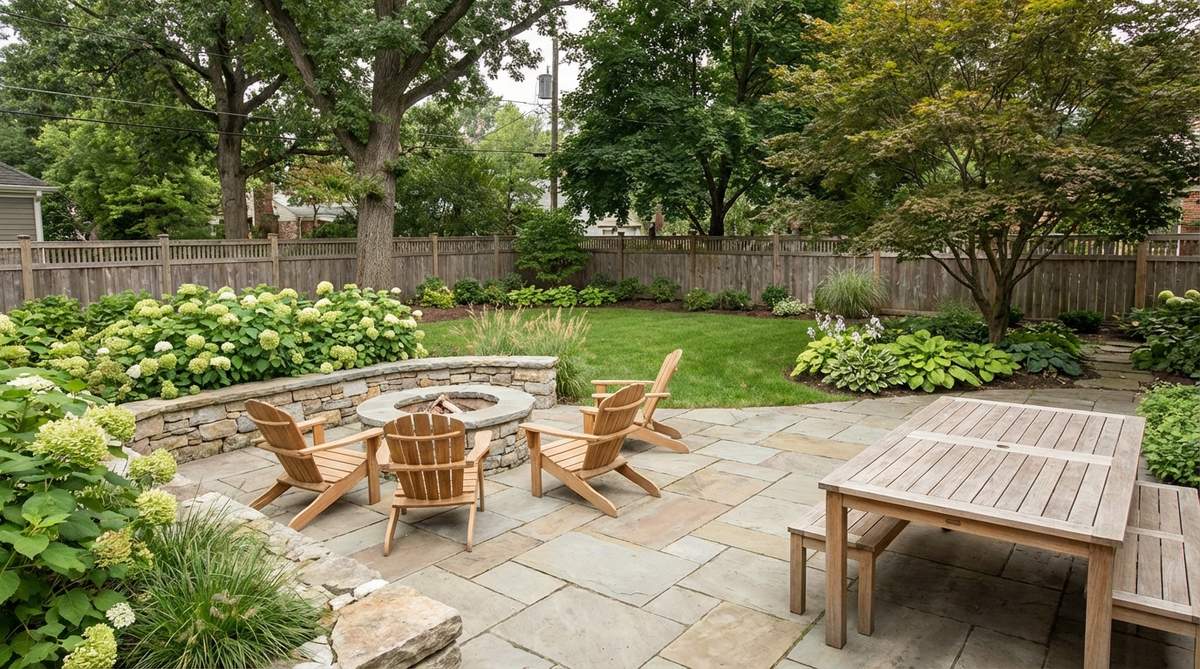
Alternating squares of lush green paint and raw climbing ivy creates a surreal, Alice-in-Wonderland vibe. A geometric living pattern wall forces everyone who walks into your yard to stop and stare.
Slapping vines everywhere looks chaotic, but rigidly trimming them into a grid layout looks far more expensive than it is. It turns a boring privacy screen into a structured architectural masterpiece.
Setting up this grid will run you about $45 in materials. It’s a fast upgrade that completely changes the boundary dynamic.
- Key Materials: Masking tape, Boston Ivy, Emerald paint
- Vibe / Style: Whimsical structured
- Difficulty: High maintenance trimming
- Budget Breakdown: Paint & Tape: $25 | Ivy: $20.
- Creator’s Tip: Run taut string lines across the fence before planting so your trimming lines stay perfectly level over the years.
- Smart Sourcing: Purchase heavy-duty laser level mapping tools and UV-coated emerald exterior enamel.
23. Climbing Rose Color Blocks
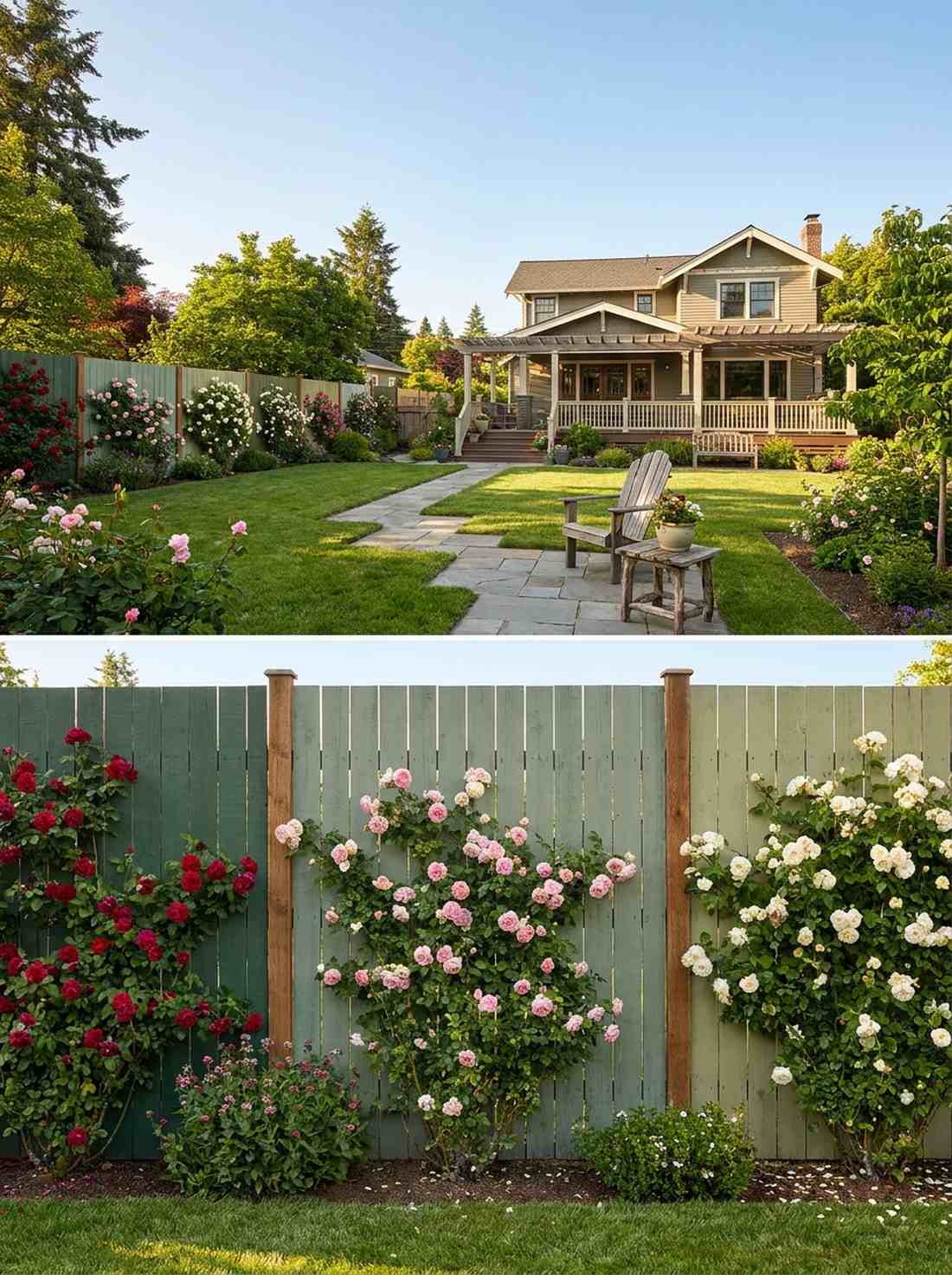
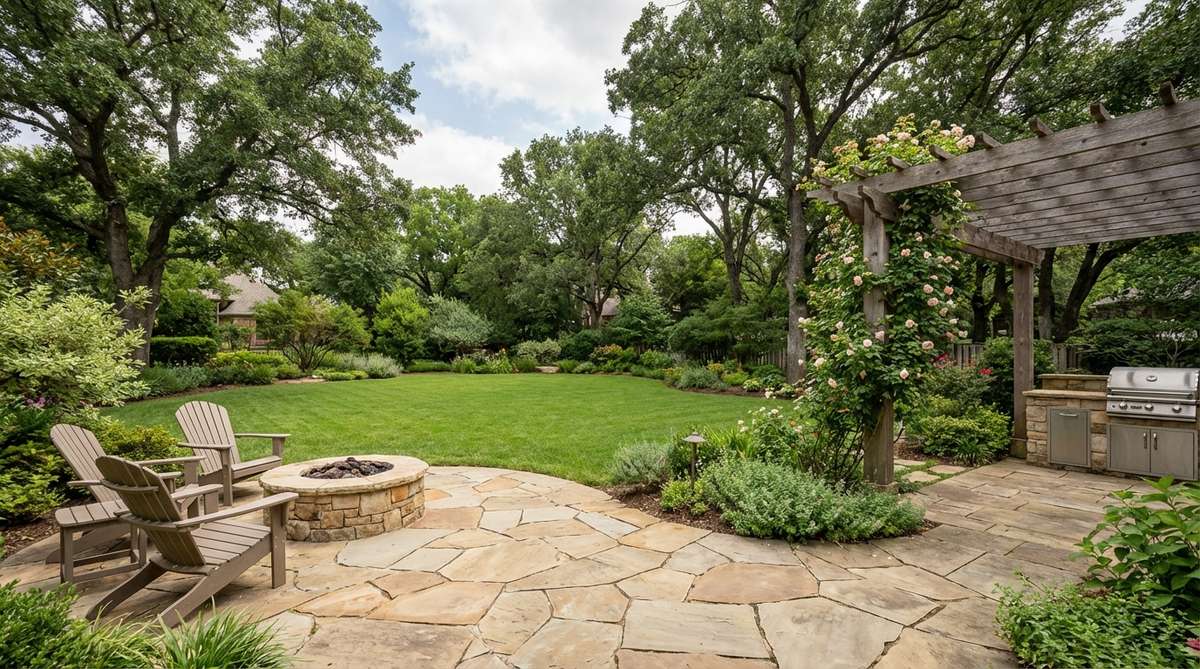
Distinctly colored wall sections matching different rose blooms feel like you are walking through distinct rooms of an estate. A color-blocked floral screen brilliantly organizes long, monotonous fence lines.
Instead of a messy jumble of colors, partitioning the boundary creates immense visual order and delivers a surprisingly premium look. Sourcing high-end fairy garden kits for each section gives each “room” its own unique identity.
This organized floral architecture costs roughly $80 for multiple zones. Pin this if you have an incredibly long, boring yard line!
- Key Materials: Varied green paints, mixed climbing roses
- Vibe / Style: Estate garden zoning
- Difficulty: Intermediate planning
- Budget Breakdown: Paints: $40 | Rose Bushes: $40.
- Creator’s Tip: Use vertical structural posts as the natural stopping point for each paint color to keep the breaks looking logical.
- Smart Sourcing: Invest in a multi-pack exterior paint sampler and premium bare-root climbing rose sets.
24. Mixed Texture Green Wall
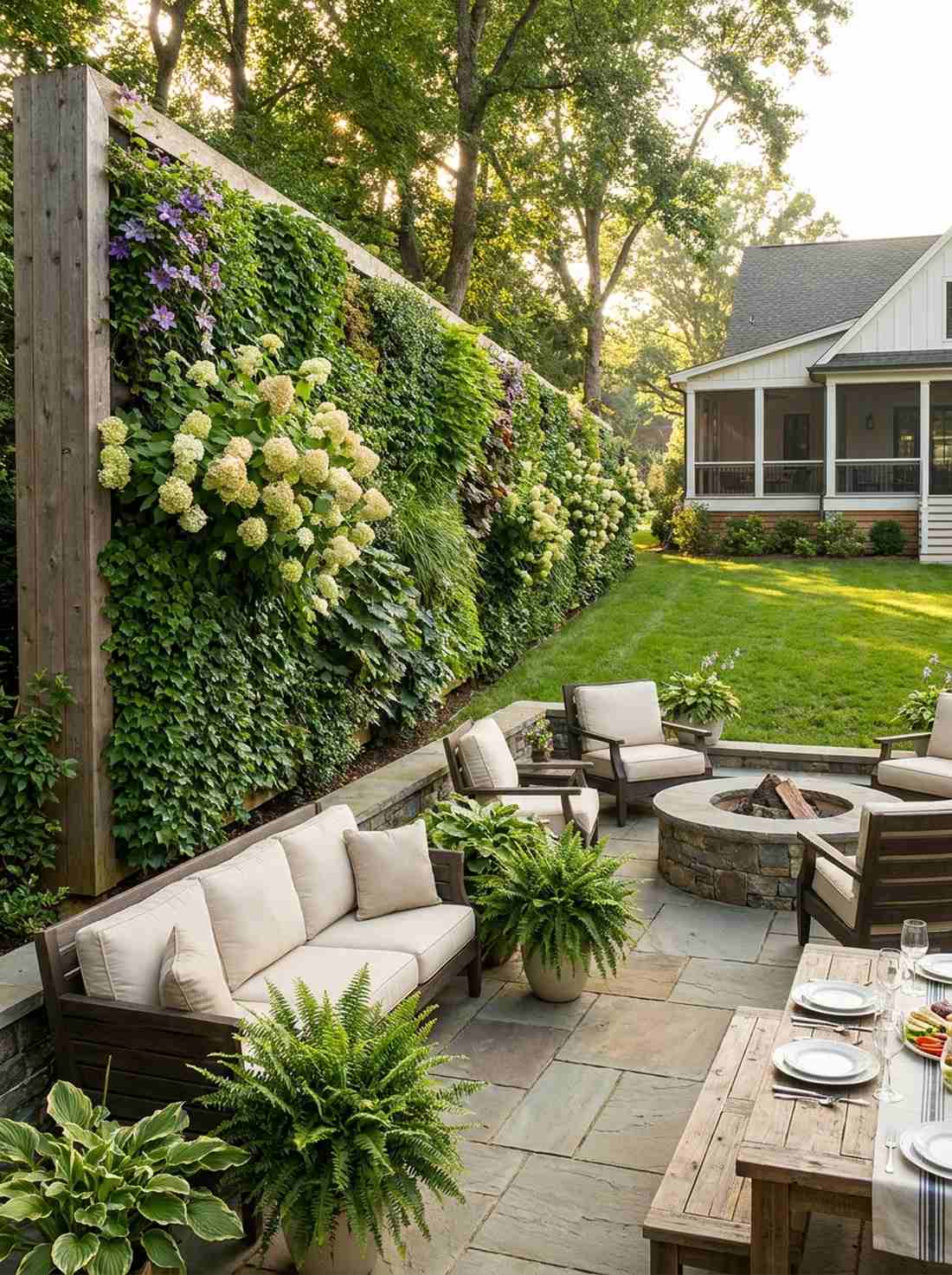
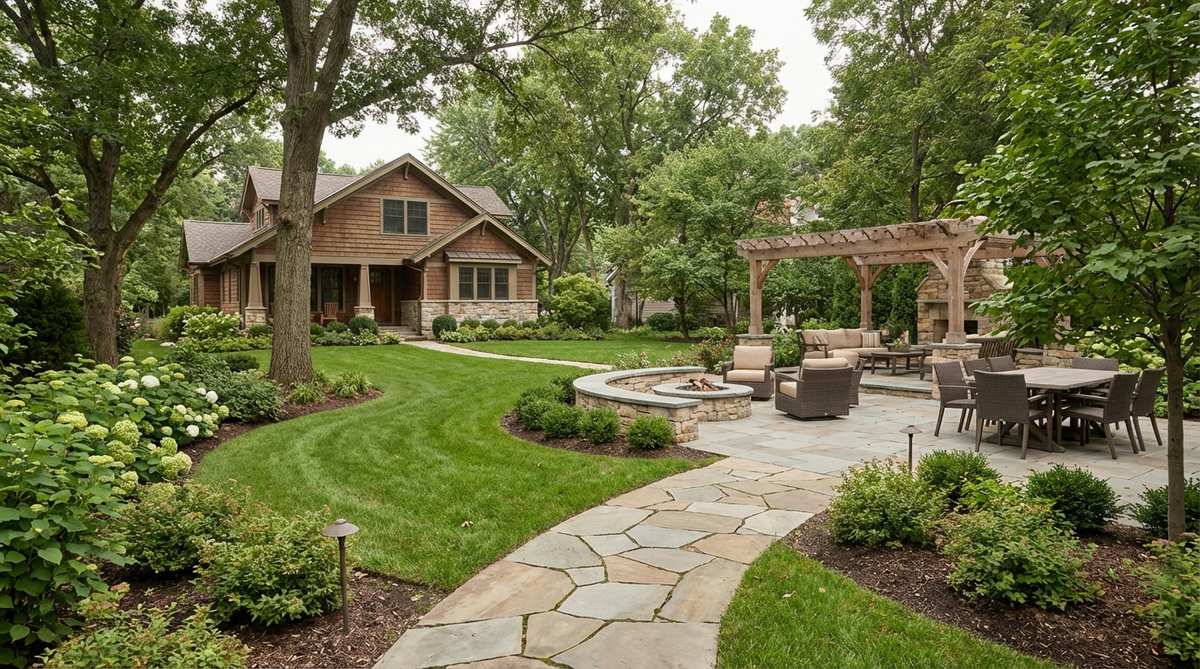
Layering tiny ivy leaves behind massive hydrangea blooms creates a deeply rich, tactile jungle aesthetic. A multi-species foliage barrier is the best way to add immense 3D depth to a flat wooden board.
Monocultures get boring fast, but interplanting varied leaf shapes looks far more expensive than standard setups. It guarantees that even when one plant drops its flowers, the wall remains structurally fascinating.
You can mix this textured tapestry for around $65. Highly recommended for creating a lush, immersive boundary.
- Key Materials: Boston Ivy, Climbing Hydrangea, Clematis
- Vibe / Style: Deep woodland tapestry
- Difficulty: Advanced vine management
- Budget Breakdown: Mixed Vines: $50 | Base Paint: $15.
- Creator’s Tip: Plant the fastest growing vines on the absolute edges, otherwise they will quickly choke out the delicate bloomers in the center.
- Smart Sourcing: Secure a mixed premium climbing vine bundle and heavy-duty vine training clips.
This upcoming trick is heavily guarded by landscape designers, yet it takes an hour to set up.
Eco-Friendly Solutions
25. Zero-VOC Paint with Native Vines
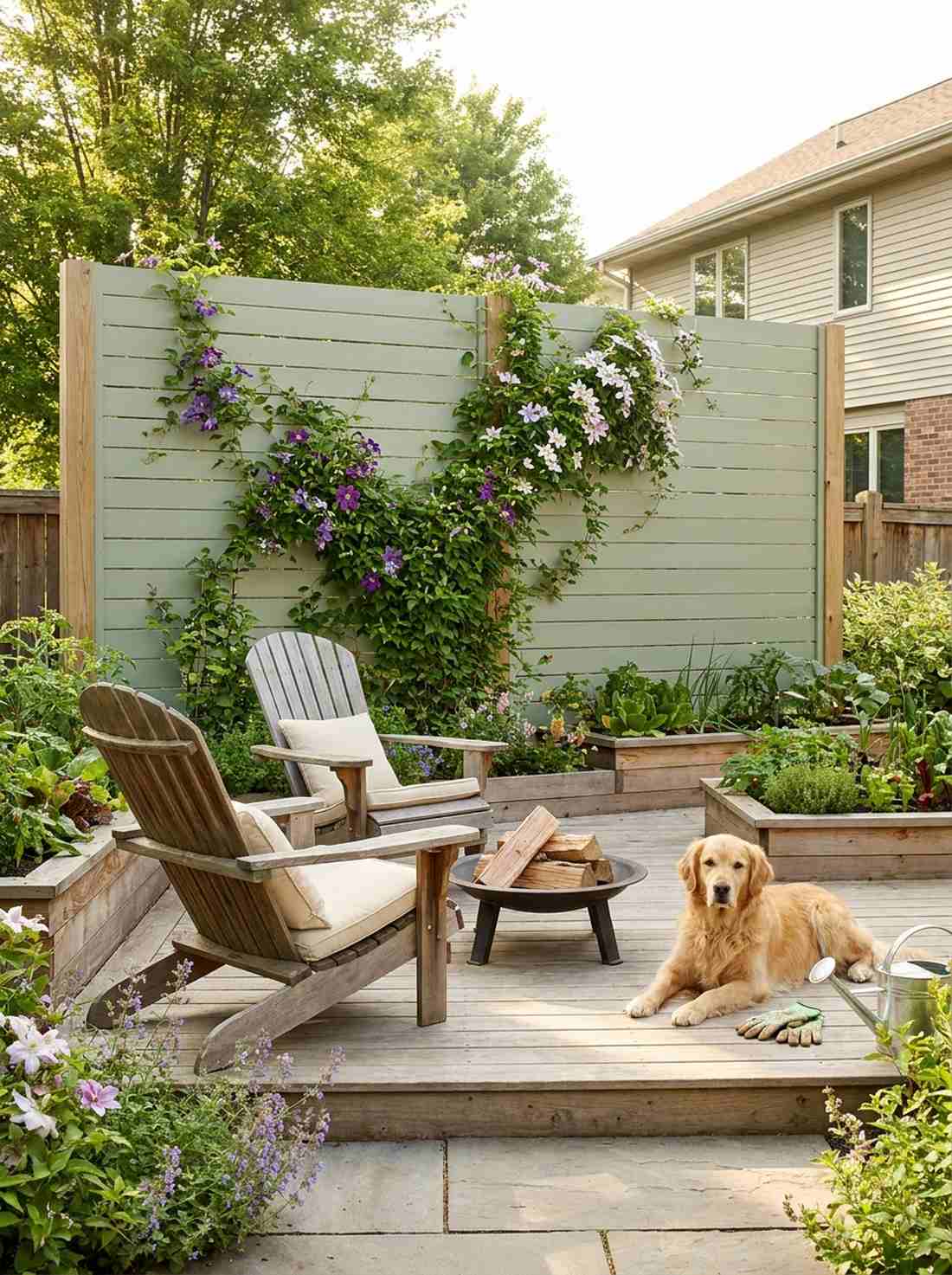
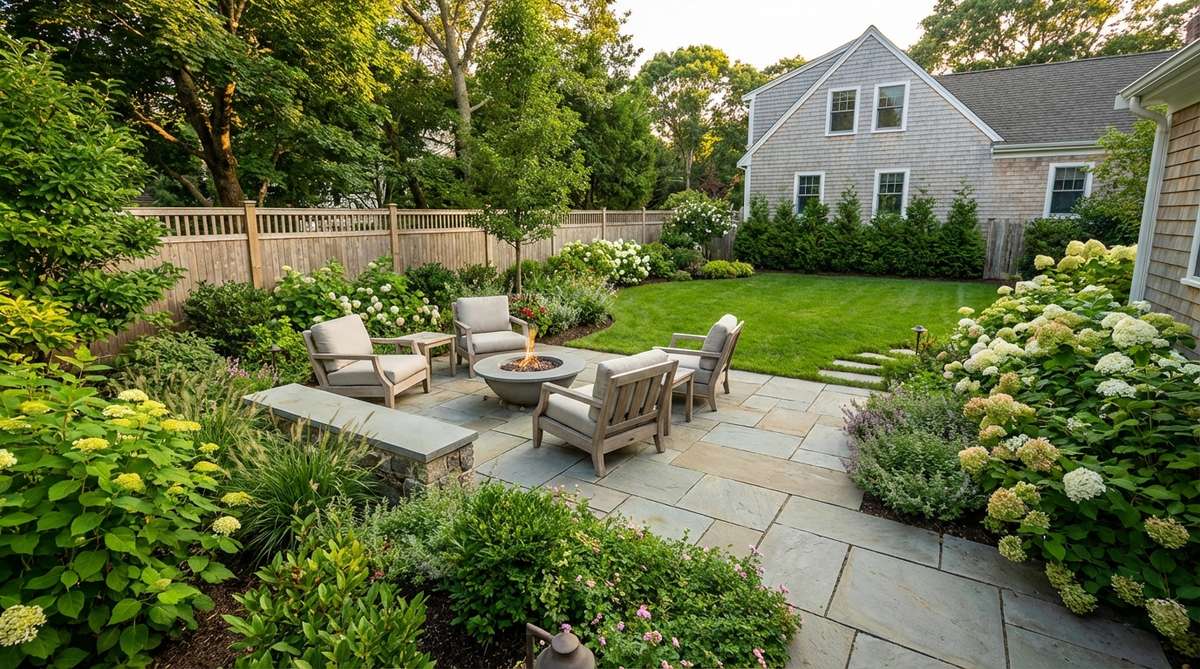
A crisp, clean painted boundary covered in local greenery feels remarkably fresh and completely guilt-free. A sustainable low-emission screen is the absolute safest bet for yards with curious pets or free-roaming chickens.
Traditional chemical stains off-gas toxins into your vegetable beds, but utilizing earth-friendly paints gives a designer-level finish while protecting the local soil biology. Paired with native vines, it becomes a totally self-sustaining system.
This eco-friendly barrier costs around $50 to establish. Save this setup for a completely non-toxic backyard!
- Key Materials: Zero-VOC exterior green paint, Native Clematis
- Vibe / Style: Clean modern eco
- Difficulty: Easy and safe
- Budget Breakdown: Eco-Paint: $35 | Native Seed: $15.
- Creator’s Tip: Zero-VOC paints dry incredibly fast in the sun, so paint in the early morning to prevent lap marks.
- Smart Sourcing: Try a certified Zero-VOC exterior green gallon and organic native vine seed packets.
26. Rainwater Collection Green Fence
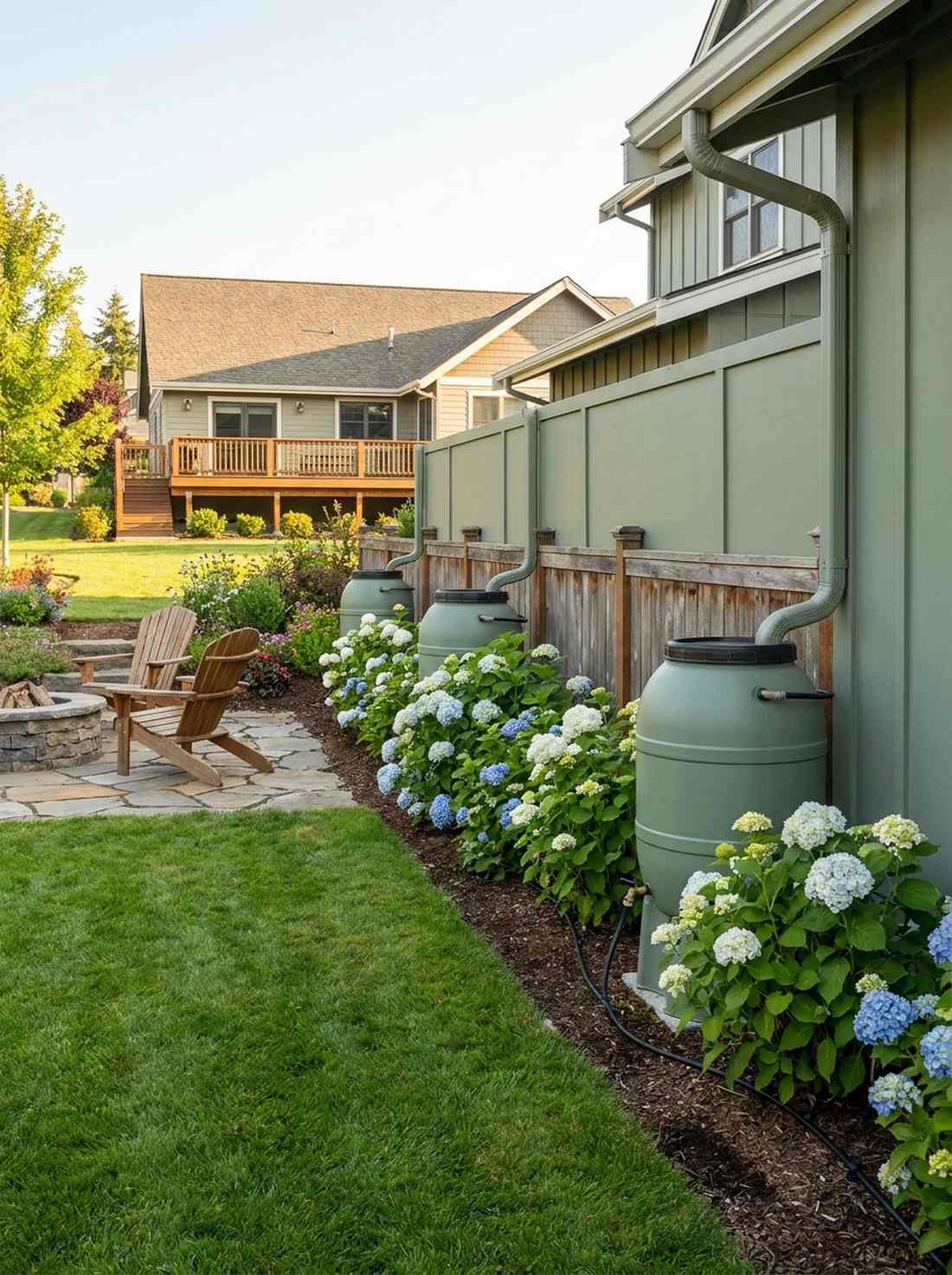
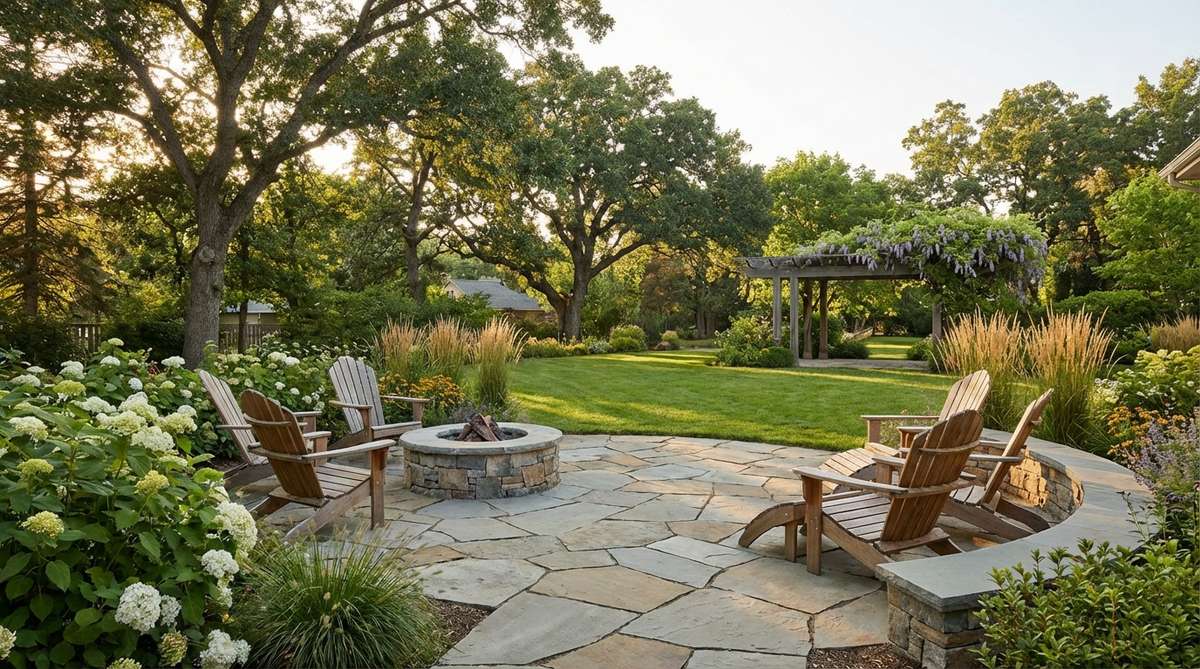
Lush, deeply hydrated vines wrapping around hidden water barrels feels incredibly futuristic and off-grid. An integrated irrigation boundary solves the headache of dragging heavy hoses to the back of the property.
Ugly plastic rain barrels usually ruin the aesthetic, but painting them to match the sage wall seamlessly hides the hardware. It looks far more expensive than it is and automatically feeds your thirsty climbers during droughts.
Building this self-watering system costs roughly $80. Pin this brilliant utility hack to lower your water bill!
- Key Materials: Sage paint, gutter attachments, Hydrangea
- Vibe / Style: High-tech homestead
- Difficulty: Intermediate plumbing setup
- Budget Breakdown: Barrel & Gutter: $50 | Paint & Plant: $30.
- Creator’s Tip: Install a simple drip hose straight from the barrel spigot directly to the root base of the vines for automated watering.
- Smart Sourcing: Invest in a seamless rain barrel diverter kit and pre-cut slow drip irrigation tubing.
27. Wildlife Corridor Design
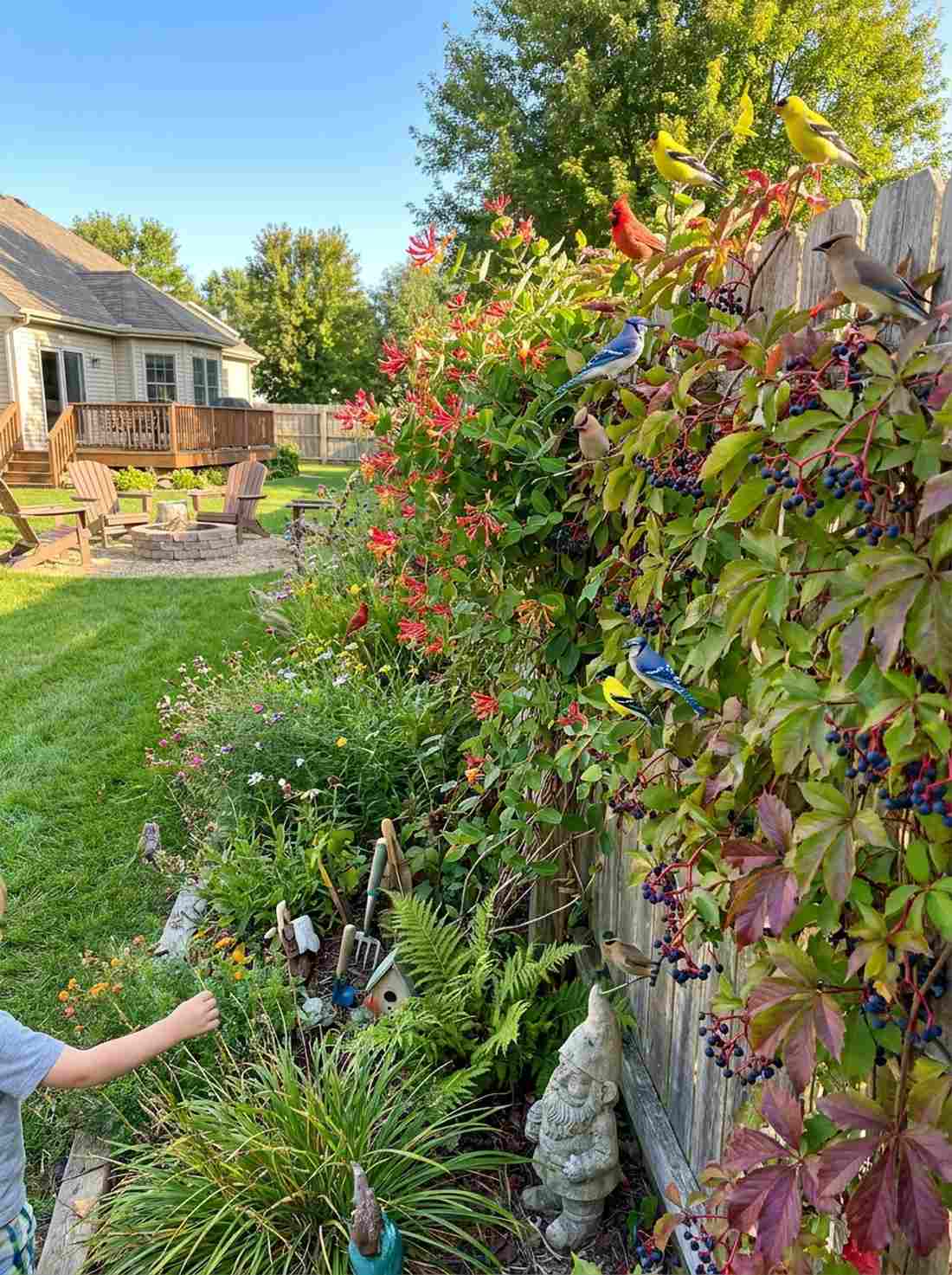
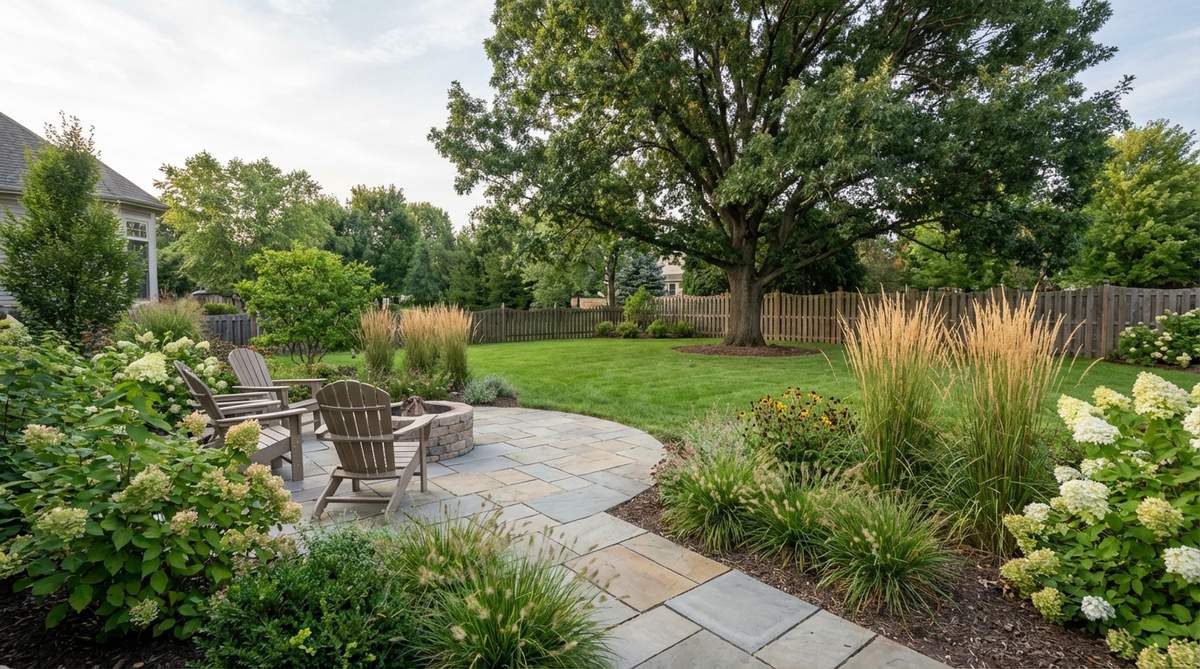
A tangled, vibrant mix of native berries and flowers acts like a glowing neon sign for local songbirds. A habitat restoration boundary transforms a boring wooden wall into an active nature documentary.
Sterile lawns are outdated; turning your perimeter into an active food source delivers a surprisingly premium look full of natural movement. Throwing in hidden miniature garden supplies makes the habitat look magical to kids exploring the yard.
You can ignite this bird sanctuary for under $35. It’s a fast upgrade that completely changes the yard’s energy.
- Key Materials: Coral honeysuckle, Virginia creeper
- Vibe / Style: Lively bird haven
- Difficulty: Very easy
- Budget Breakdown: Vine Starts: $25 | Berry Supplements: $10.
- Creator’s Tip: Do not prune this layout in late autumn; leave the dead-looking seed heads on the vines so the birds have winter food.
- Smart Sourcing: Grab a bulk pack wild bird suet feeder and native berry-producing vine starts.
28. Compost-Fed Climber System
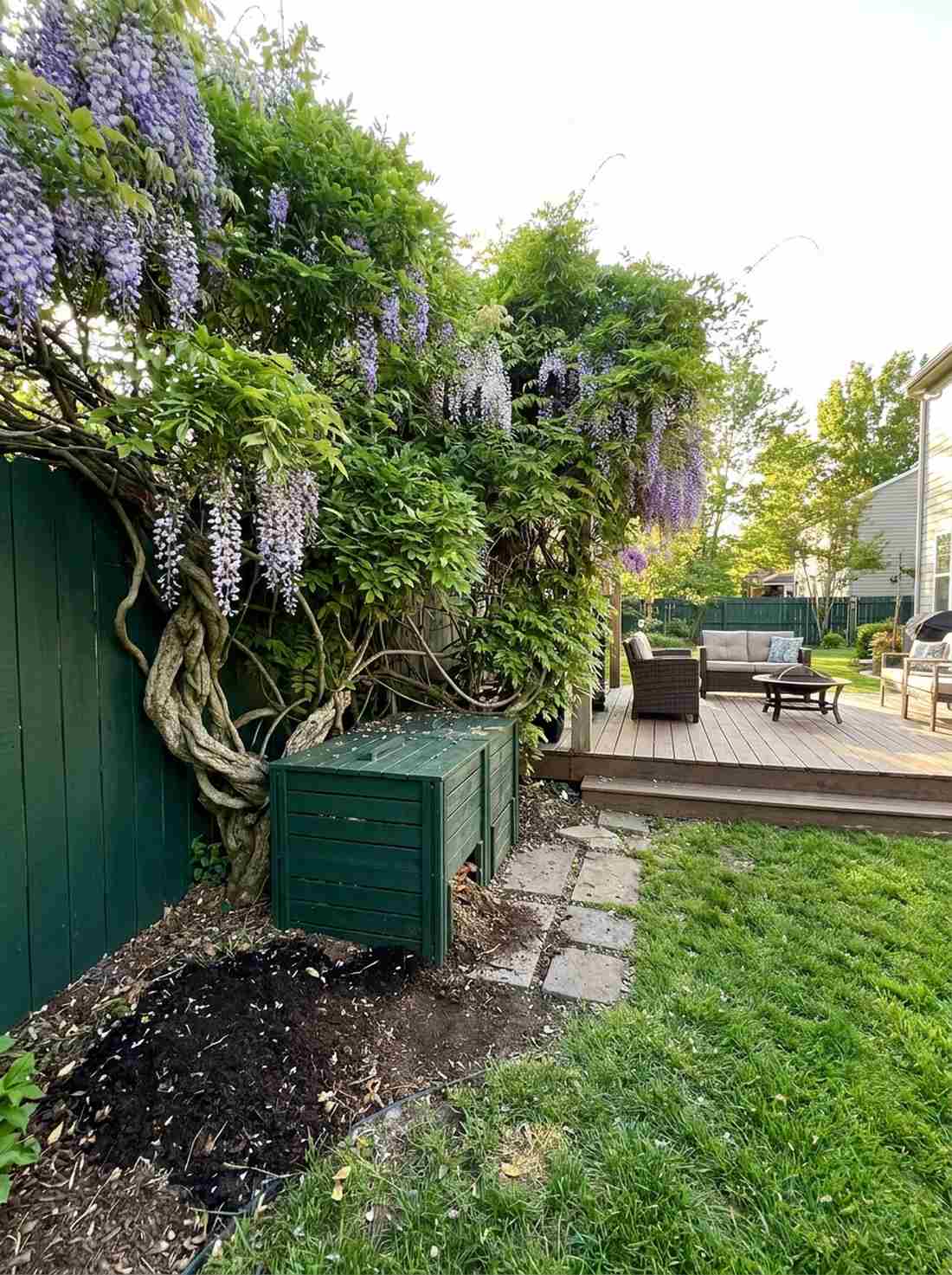
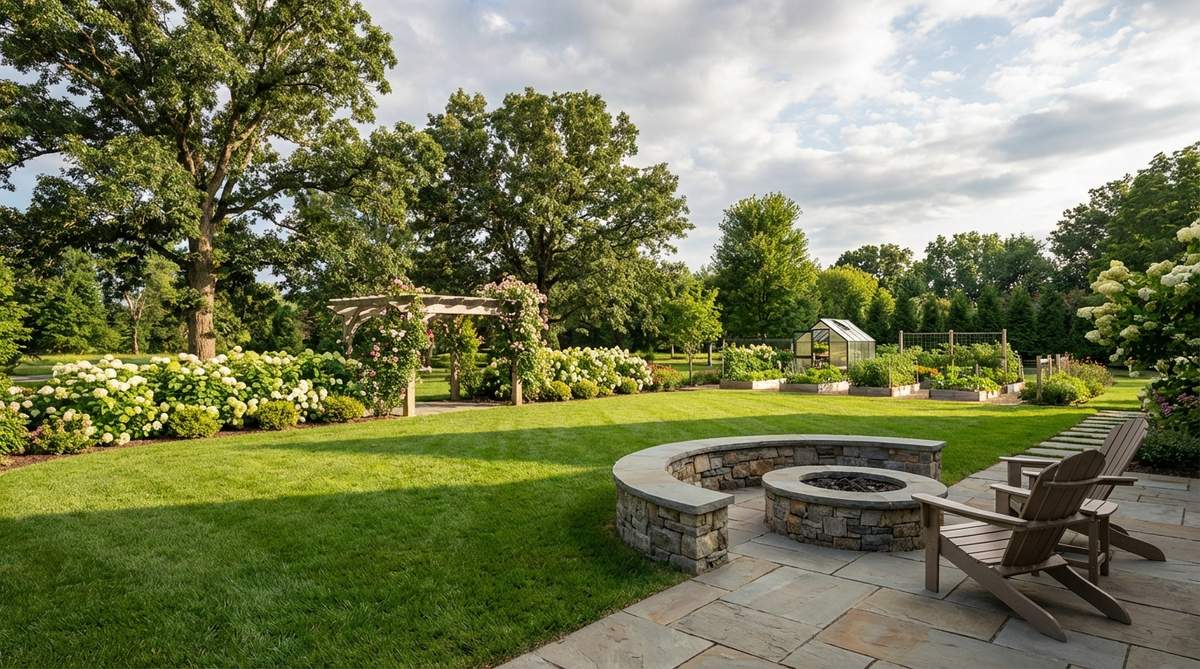
Massive, impossibly thick vines exploding out of a hidden corner feel incredibly lush and prehistoric. A closed-loop nutrient wall is the smartest way to recycle kitchen scraps into massive vertical growth.
People spend a fortune on synthetic bloom boosters, but tucking a camouflaged compost bin right against the climbers gives a designer-level finish for free. The vines feed directly from the nutrient runoff, supercharging their bloom cycle.
Setting up this natural fertilizer station costs about $40. Save this genius permaculture trick for massive blooms!
- Key Materials: Forest paint, Wisteria, compost mesh
- Vibe / Style: Brilliant permaculture
- Difficulty: Intermediate planning
- Budget Breakdown: Compost Bin: $20 | Paint & Plant: $20.
- Creator’s Tip: Paint the wooden compost structure the exact same dark forest green as the fence so it entirely disappears from view.
- Smart Sourcing: Use a heavy-duty modular compost bin and a UV-coated exterior forest green paint.
Conclusion
A brilliantly designed green garden fence merges UV-resistant painted surfaces with premium vertical climbers to deliver an incredibly high-end result on a strict budget. Whether you opt for the rapid explosion of Boston ivy, the aromatic luxury of jasmine, or the optical illusions created by ombre sage and forest tones, these 28 precise layouts prove you don’t need a landscape architect to achieve perfection. Start by sourcing smart, productized starter kits for a single test section, observe the massive aesthetic upgrade, and confidently expand your new designer boundary across the entire property.
Frequently Asked Questions
What is the fastest growing vine to cover a fence?
Trumpet vine and Virginia creeper are aggressive beasts, capable of masking an ugly boundary by 20-30 feet in a single season. If you want immediate visual impact without the wait, grabbing bulk pack root starters of Boston ivy will deliver an incredibly dense privacy screen fast. Just remember to invest in heavy-duty pruning shears, as these fast-growing vines require monthly maintenance to maintain that crisp, high-end look.
Which green paint color makes a small garden look bigger?
Luminous mint greens and pale sage act as optical illusions, visually pushing the boundary lines outward to make cramped spaces feel expansive. Rather than trapping light like dark stains, these lighter values reflect ambient sunlight beautifully. Pairing UV-coated exterior pastel paints with sleek vertical planters guarantees your small patio looks like an expensive, airy boutique courtyard rather than a claustrophobic box.
Do climbing vines damage wooden fences?
Self-clinging climbers like English ivy can easily trap moisture and rot untreated lumber over time, ruining your investment. To get that lush “looks expensive but isn’t” aesthetic safely, you must prep the boundary first with commercial-grade wood sealants or UV-blocking outdoor acrylics. Alternatively, using stainless steel wire trellis kits keeps twining vines safely suspended a few inches away from the wood surface.
How often should I repaint a green garden fence?
If you use cheap hardware store options, you’ll be scraping and repainting every 1-2 years due to sun bleaching. However, upgrading to premium UV-resistant exterior enamels extends the life of your boundary to 3-5 years, even in brutal southern exposures. Catching minor peeling early with pre-cut color touch-up swatches saves you the massive hassle and cost of a full property repaint.
Can I grow vegetables on a green painted fence?
Absolutely, vertical farming looks incredible and saves massive amounts of ground space when using lightweight climbing vegetables like pole beans or peas. However, you must ensure you are using certified Zero-VOC exterior green paint so toxic chemicals don’t leach into your food supply. For total safety, mount weather-proof vertical planter boxes directly to the boundary, allowing your edibles to thrive without ever touching the painted lumber.