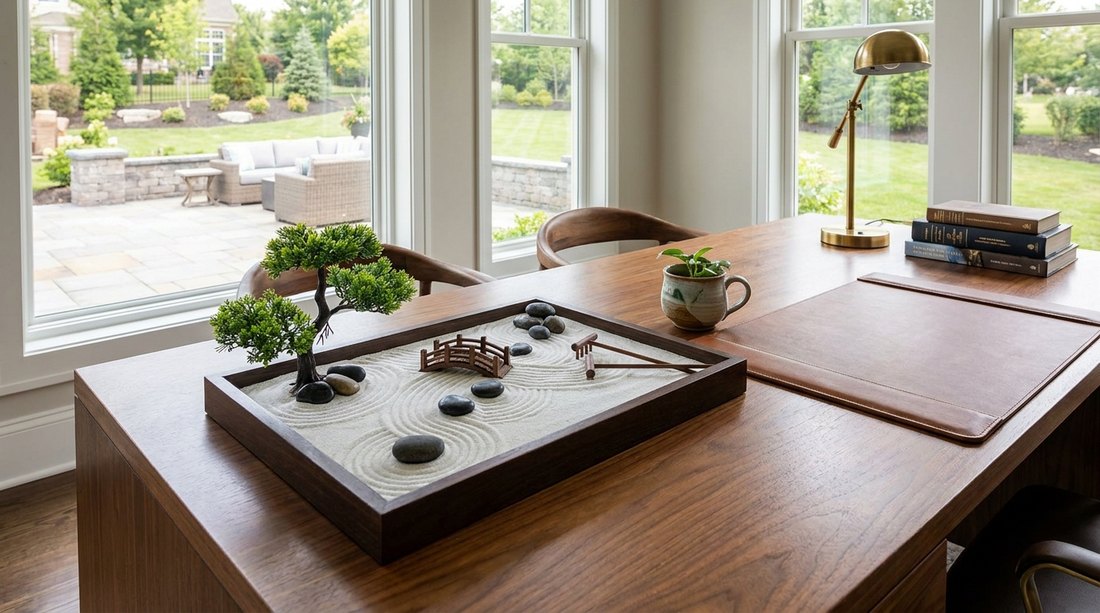
Finding the perfect zen garden miniature transforms any chaotic desktop into a high-end relaxation zone. We break down the exact materials, premium sourcing tricks, and budget-friendly layouts to elevate your space.
Design Snapshot Key Principles
- Material Quality: Natural wood, bamboo, and ceramic bases provide durability and authentic aesthetic appeal
- Sand Texture: Fine quartz or crushed marble sand holds raking patterns longer and creates superior visual contrast
- Stone Selection: Natural river rocks and basalt stones offer smooth finishes with traditional symbolic meaning
- Space Planning: Desktop kits range from 8-12 inches for compact workspaces to 18+ inches for meditation rooms
Traditional Zen Garden Mini Essentials
1. Basic Bamboo Tray With White Sand
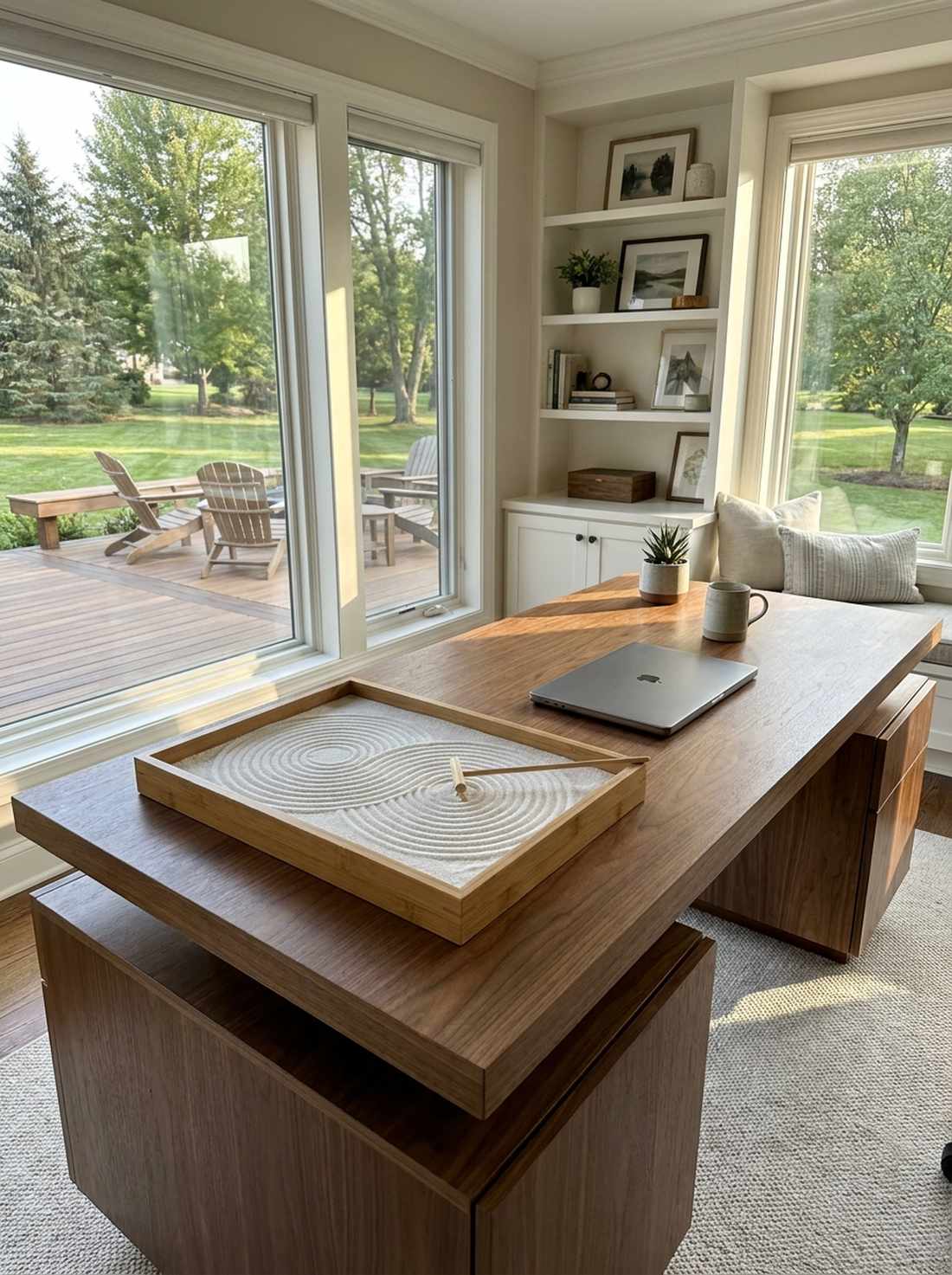
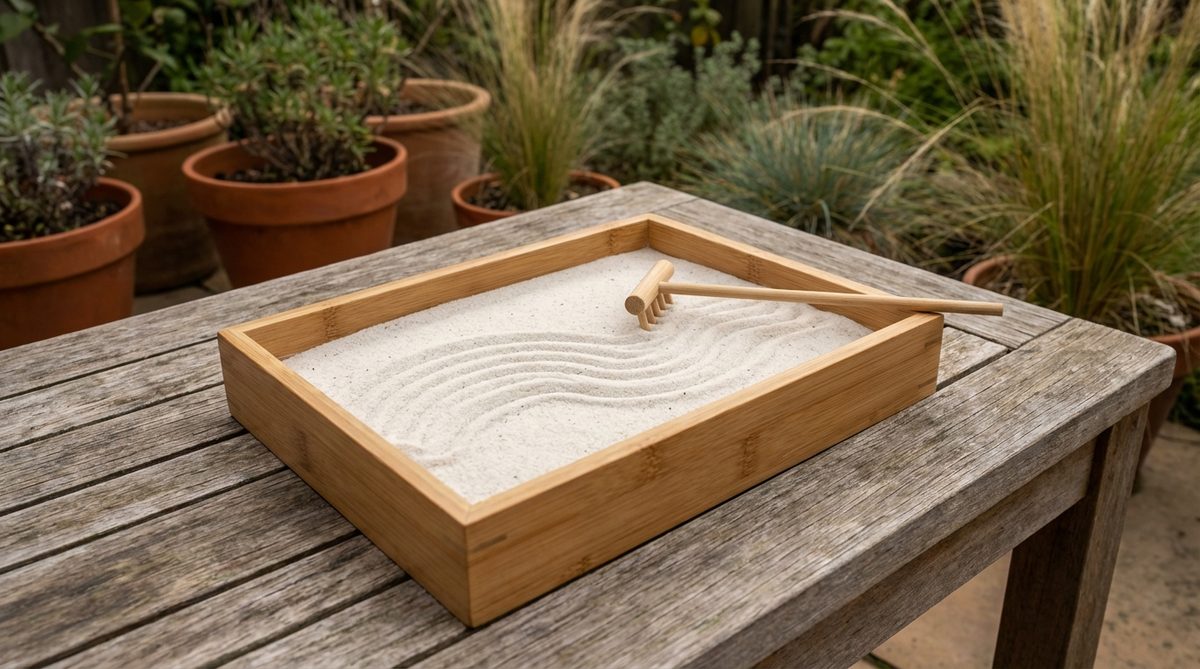
Brings a profound stillness that feels like a quiet morning in Kyoto. A minimalist bamboo desk sandbox works beautifully for cluttered office environments.
Instead of raw unfinished wood, opting for an oiled bamboo frame gives a designer-level finish. Upgrading to high-quality miniature garden supplies ensures the fine-grain silica holds deep ridges from the rake without collapsing.
You can easily pull this off for around $15–$25. Save this to your DIY weekend garden board!
- Key Materials: Pre-sealed bamboo tray, ultra-fine white quartz
- Vibe / Style: Clean corporate minimalist
- Difficulty: Absolute beginner
- Budget Breakdown: Tray: $10 | Premium Sand: $8.
- Creator’s Tip: Dampen the sand very slightly before raking for razor-sharp pattern lines.
- Smart Sourcing: ultra-fine quartz sand (bulk pack) and a varnished bamboo starter tray.
2. Three Stone Arrangement Set
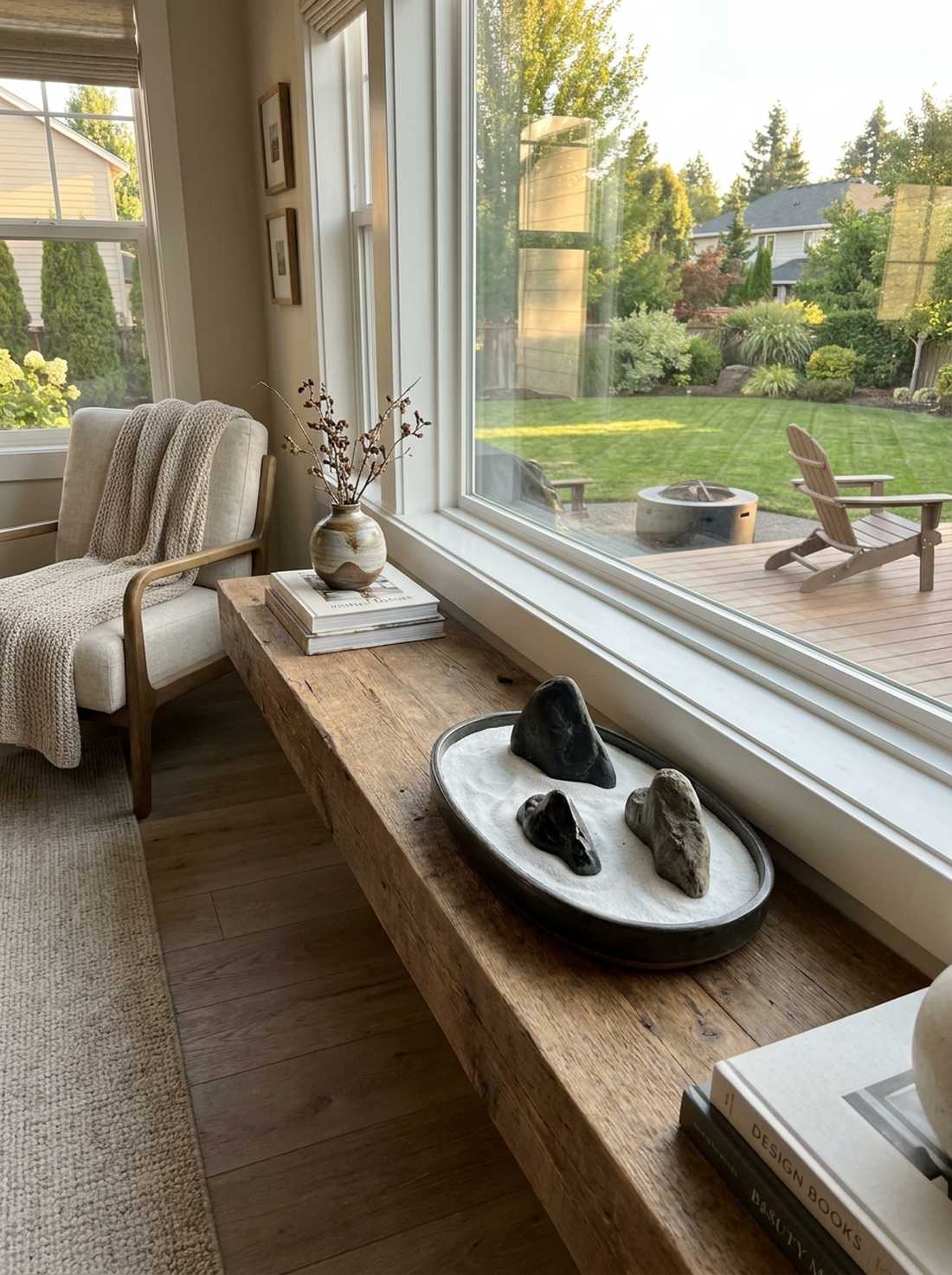
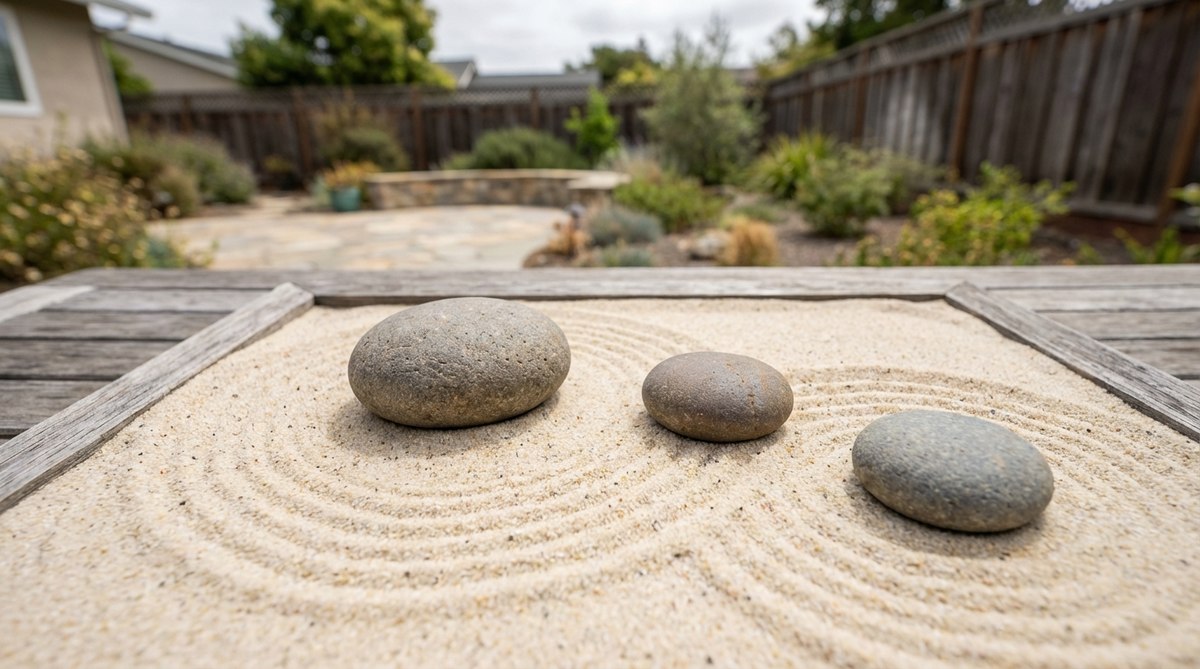
Embodies raw tranquility that feels like an ancient temple courtyard. This asymmetrical stone garden design is ideal for floating shelves or narrow windowsills.
Many beginners crowd their trays, but limiting the focus to three distinct stones looks far more expensive than it is. Using genuine basalt rocks adds a hefty, premium weight that cheap plastic simply can’t replicate.
Expect to spend $18-$30 for high-grade stones. It’s a fast upgrade that completely changes the vibe.
- Key Materials: Polished basalt stones, contrasting white sand
- Vibe / Style: Traditional philosophical focus
- Difficulty: Easy placement
- Budget Breakdown: Stone Trios: $12 | Sand Base: $8.
- Creator’s Tip: Bury the bottom third of the stones to make them look like natural mountains.
- Smart Sourcing: river rock trios (pre-polished) and heavy-duty zen garden kits.
3. Single Rake Minimalist Kit
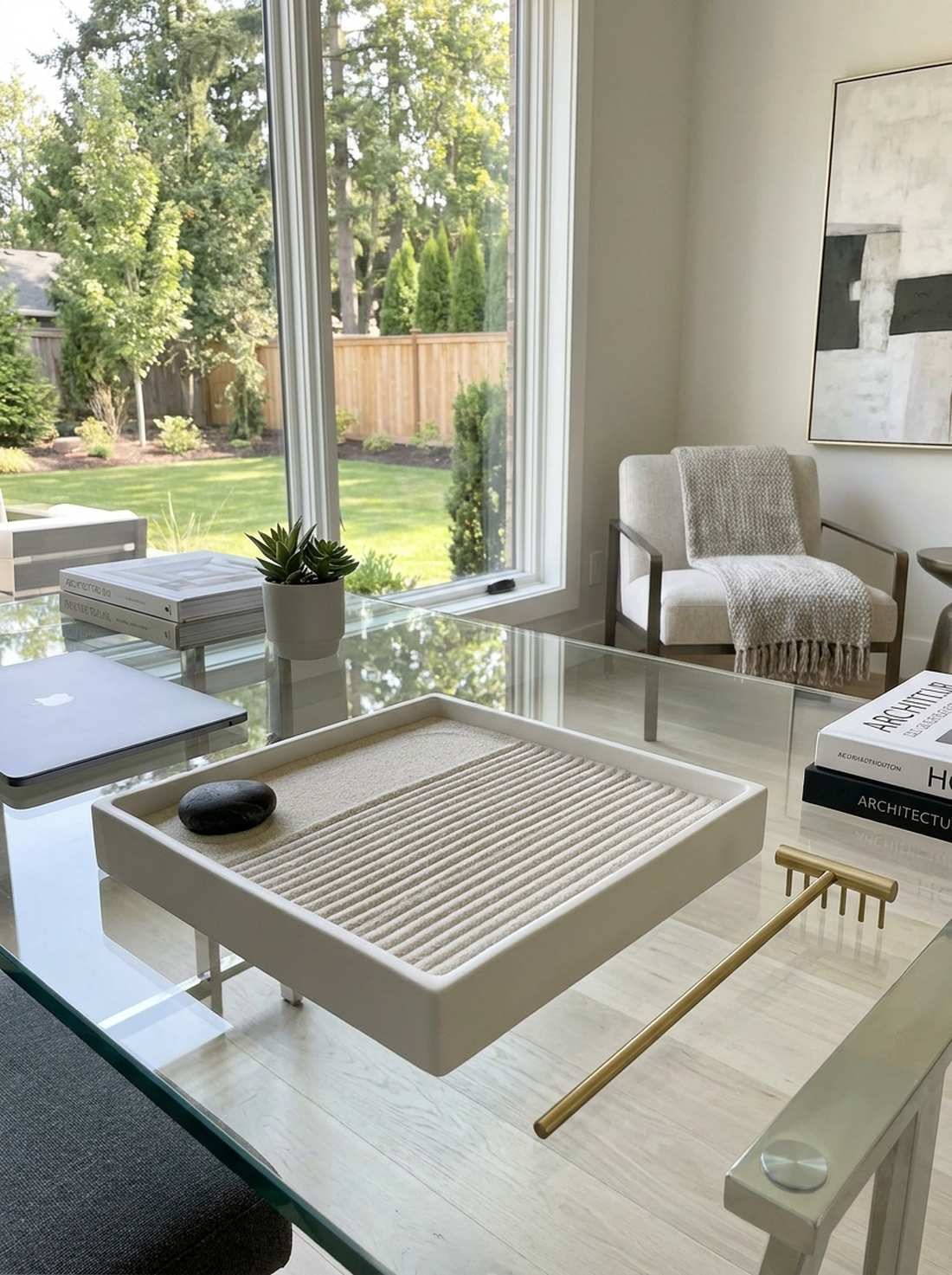
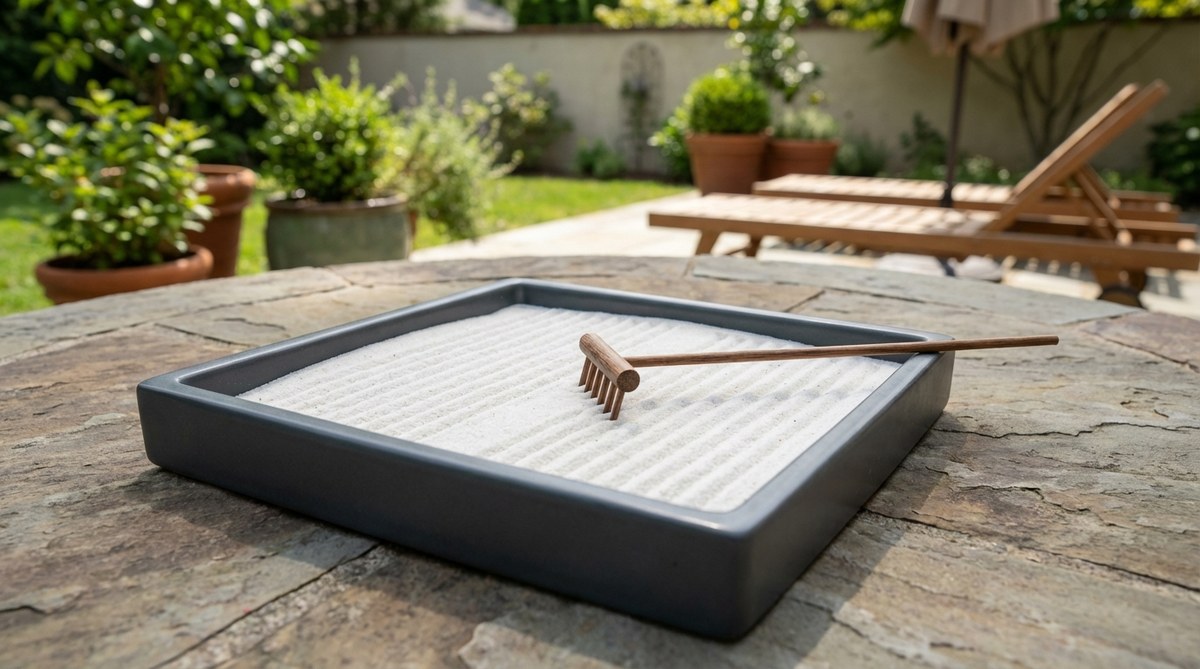
Radiates a grounded energy that feels like a deep breath of fresh air. A single-tool square meditation setup fits flawlessly on modern glass desks.
While some opt for massive setups, embracing the rigid square geometry delivers a surprisingly premium look. Utilizing a weighted multi-tined tool ensures parallel lines remain flawless without jittering.
A simple yet effective setup usually runs around $20. Pin this if you’re planning a small space upgrade!
- Key Materials: Ceramic square tray, wide-tooth wood rake
- Vibe / Style: Geometric modernism
- Difficulty: Beginner friendly
- Budget Breakdown: Tray: $15 | Tool: $5.
- Creator’s Tip: Use a square ceramic tile as a highly durable, waterproof base.
- Smart Sourcing: multi-tine brass rakes and matte ceramic tray kits.
4. Five Wisdom Stones Collection
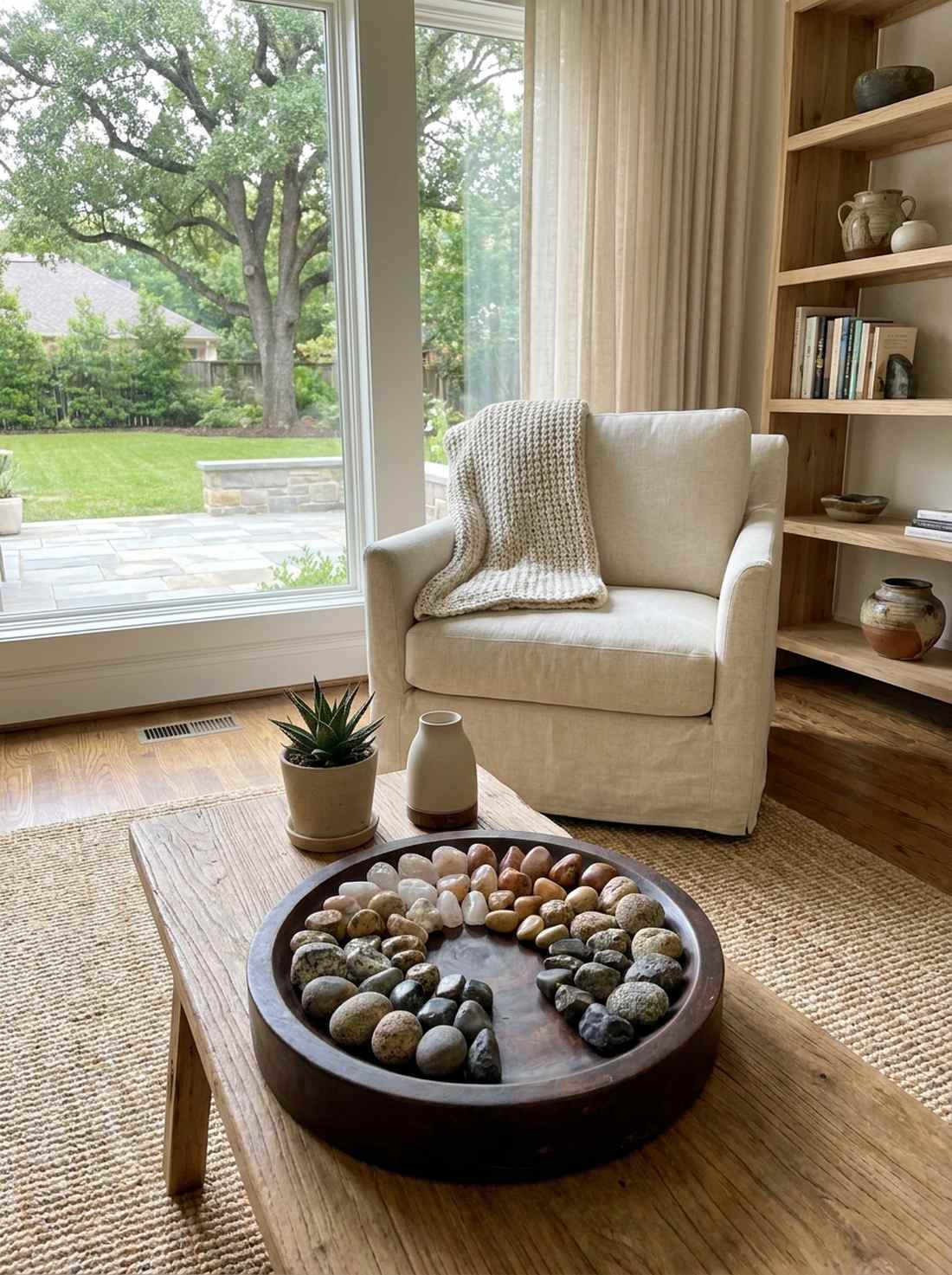
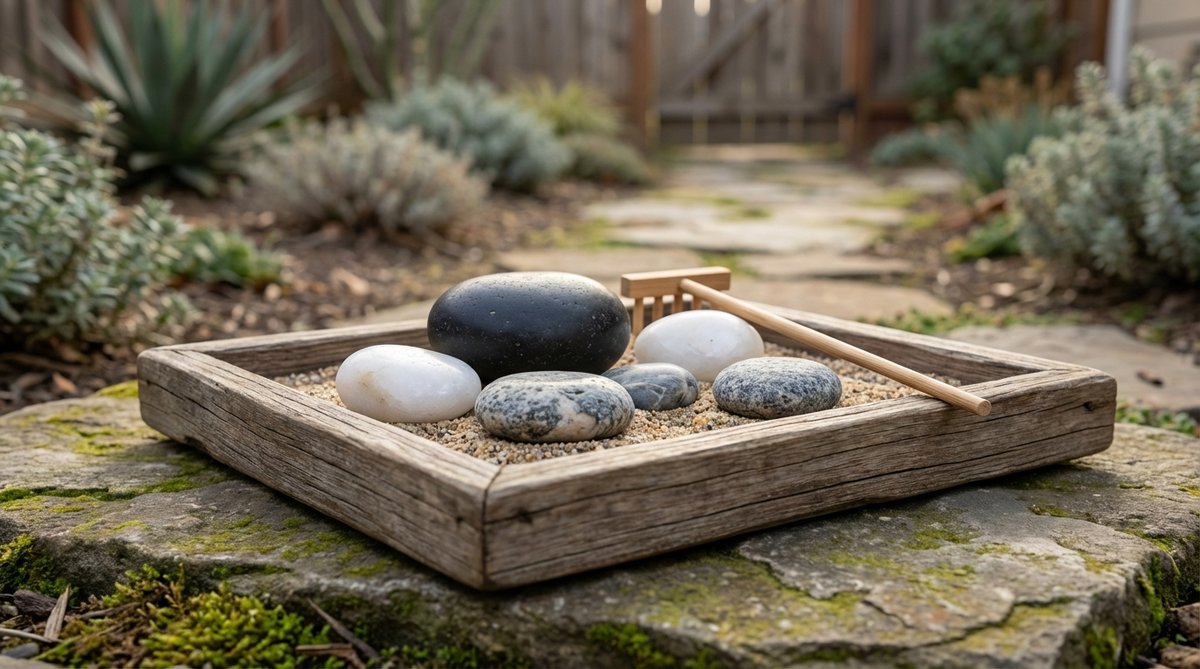
Feels like unlocking a hidden layer of mindfulness right at your fingertips. The multi-colored wisdom stone arrangement is perfect for dedicated meditation corners.
Standard monochromatic setups are fine, but introducing subtle color variations elevates the aesthetic dramatically. Curating top-tier fairy garden kits and stones creates brilliant visual contrast against stark backgrounds.
You can source these specialty stones for about $25 altogether. Highly recommended for a quick weekend win.
- Key Materials: Quartz, granite, and basalt assortment
- Vibe / Style: Earthy and balanced
- Difficulty: Intermediate arrangement
- Budget Breakdown: Mixed Stones: $15 | Base Setup: $10.
- Creator’s Tip: Arrange the stones in a subtle arc to create visual flow.
- Smart Sourcing: assorted tumbled gems (bulk pack) and deep-dish wooden bases.
This next setup is ridiculously cheap but looks like a $100 custom display…
5. Rectangular Wooden Platform
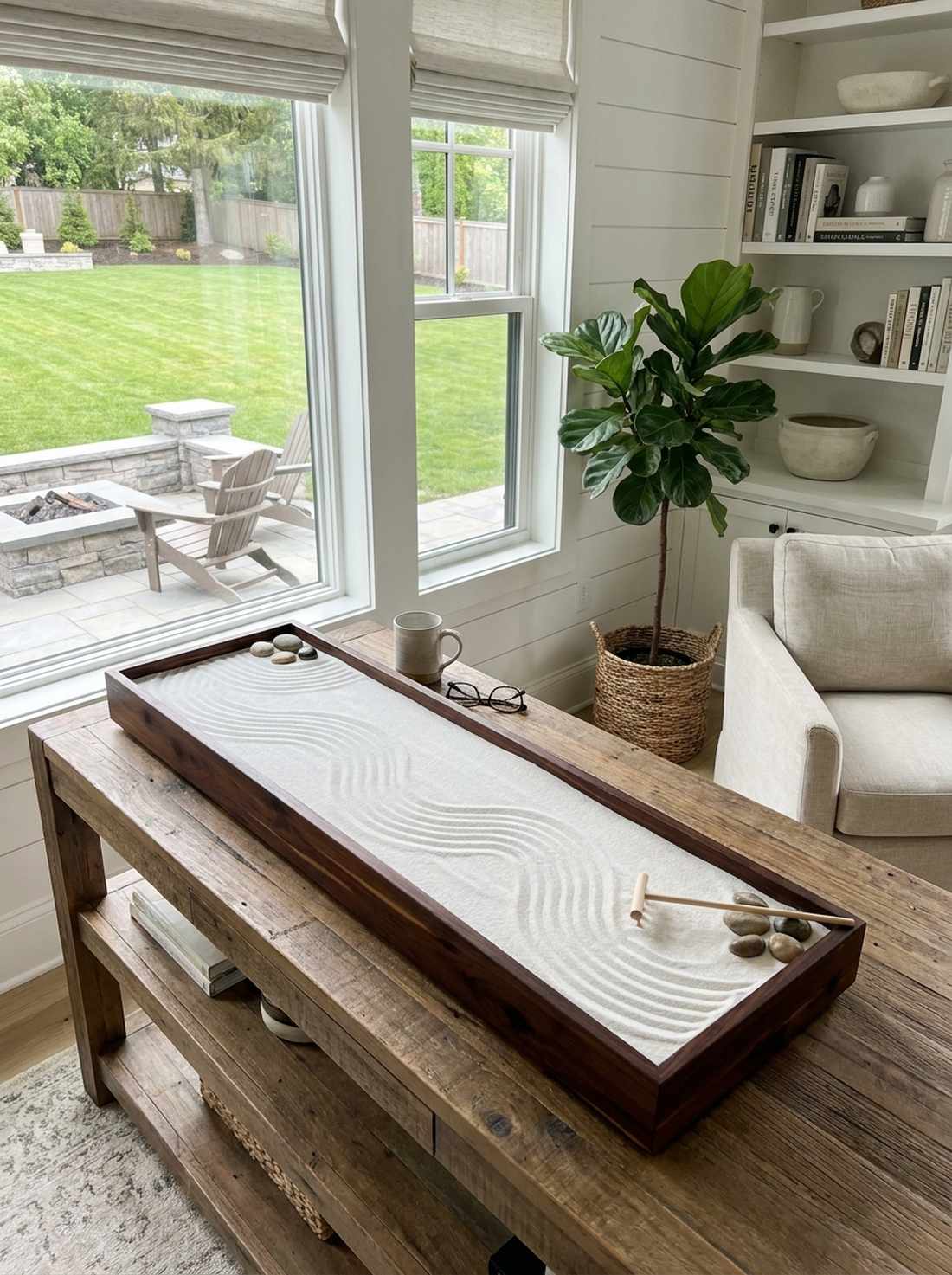
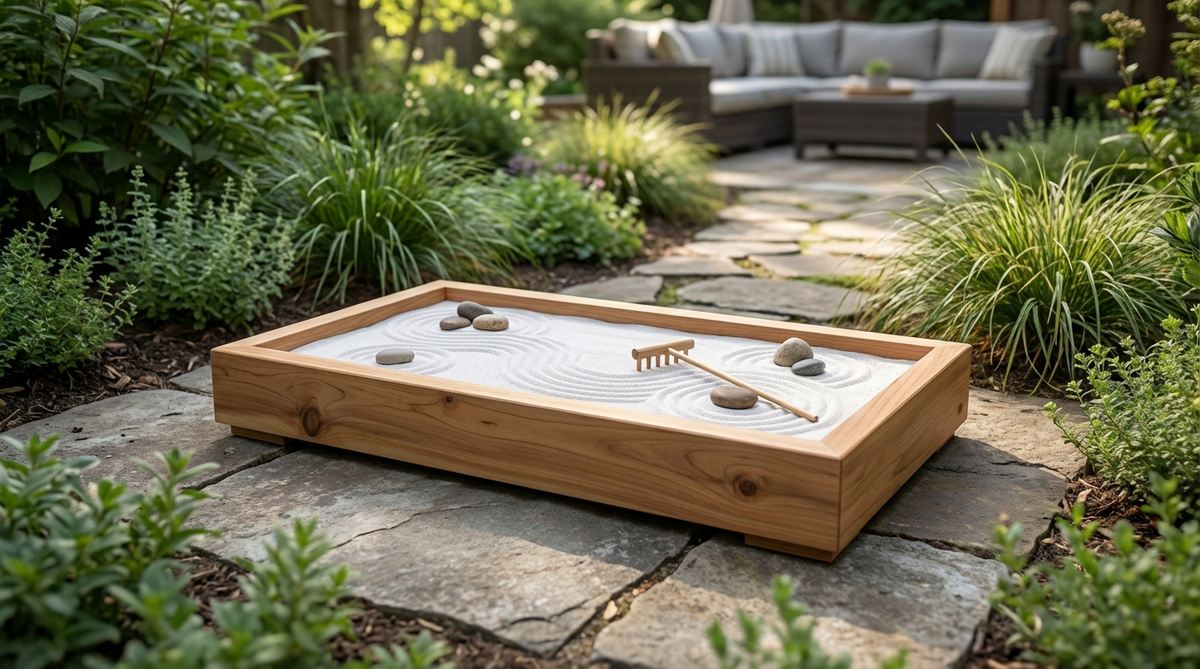
Offers a sweeping canvas that feels like gazing across an open ocean. The elongated cedar meditation platform works exceptionally well for long console tables.
People often ignore proportions, but this wide-format design looks incredibly sophisticated in linear spaces. A solid cedar construction not only resists warping but actively repels moisture from humid environments.
You’ll likely spend $35-$50 depending on wood quality. Save this layout for your next home office remodel.
- Key Materials: 12×6 inch cedar tray, fine sweeping sand
- Vibe / Style: Expansive and architectural
- Difficulty: Easy
- Budget Breakdown: Cedar Platform: $30 | Materials: $10.
- Creator’s Tip: Oil the cedar once a year to keep the rich, dark tones vibrant.
- Smart Sourcing: pre-cut cedar trays (waterproofed) and bulk fine-grain sand.
6. Crushed Marble Sand Upgrade
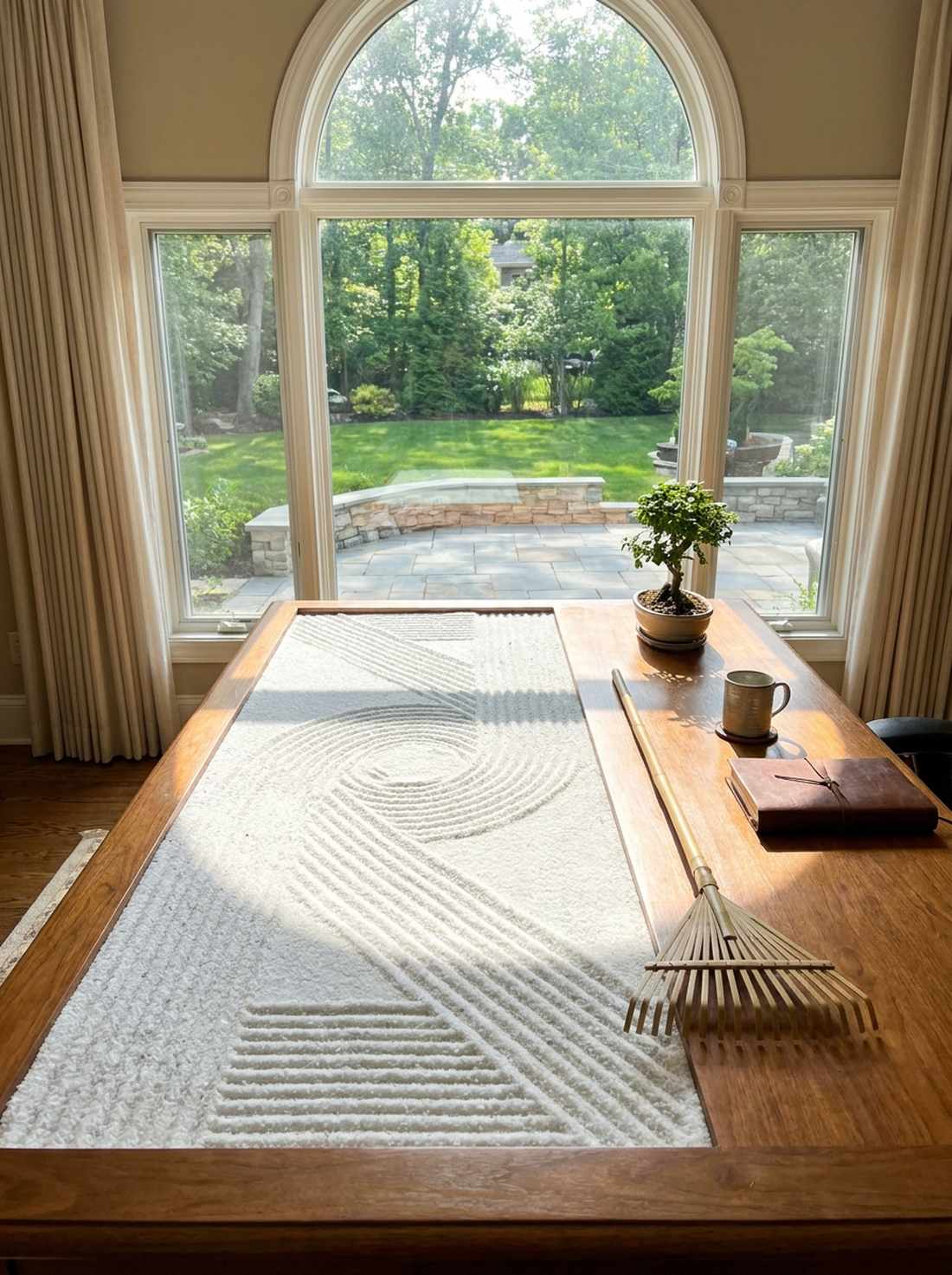
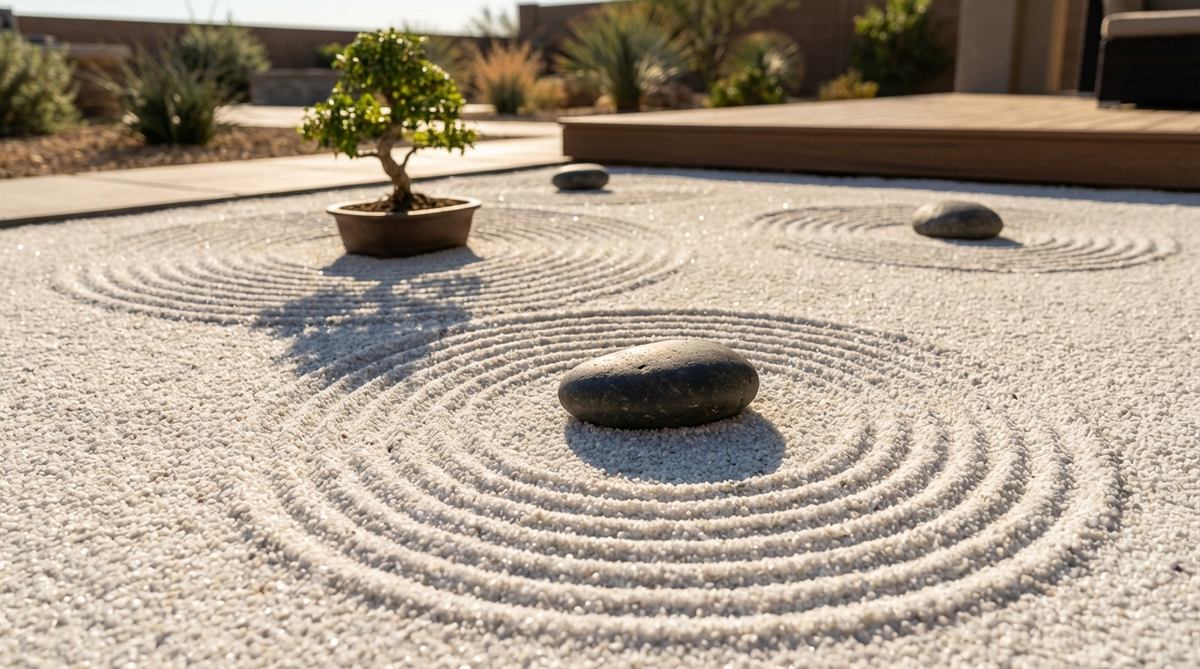
Delivers a blindingly crisp look that feels like fresh snow on a mountaintop. This high-contrast marble sand base is stunning under direct window lighting.
Switching from basic silica to crushed marble is a trade secret that gives a designer-level finish. This heavier medium prevents sudden gusts from a desk fan from ruining your perfectly raked patterns.
A bag of this premium material costs roughly $15-$20. It’s a no-brainer upgrade for any existing layout.
- Key Materials: Finely crushed white marble
- Vibe / Style: Ultra-premium luxury
- Difficulty: Beginner
- Budget Breakdown: Premium Marble: $18 | Rake: $5.
- Creator’s Tip: Keep the sand depth at exactly one inch for the sharpest rake lines.
- Smart Sourcing: crushed marble sand (dust-free bag) and heavy-duty rake sets.
7. Dual Rake Tool Set
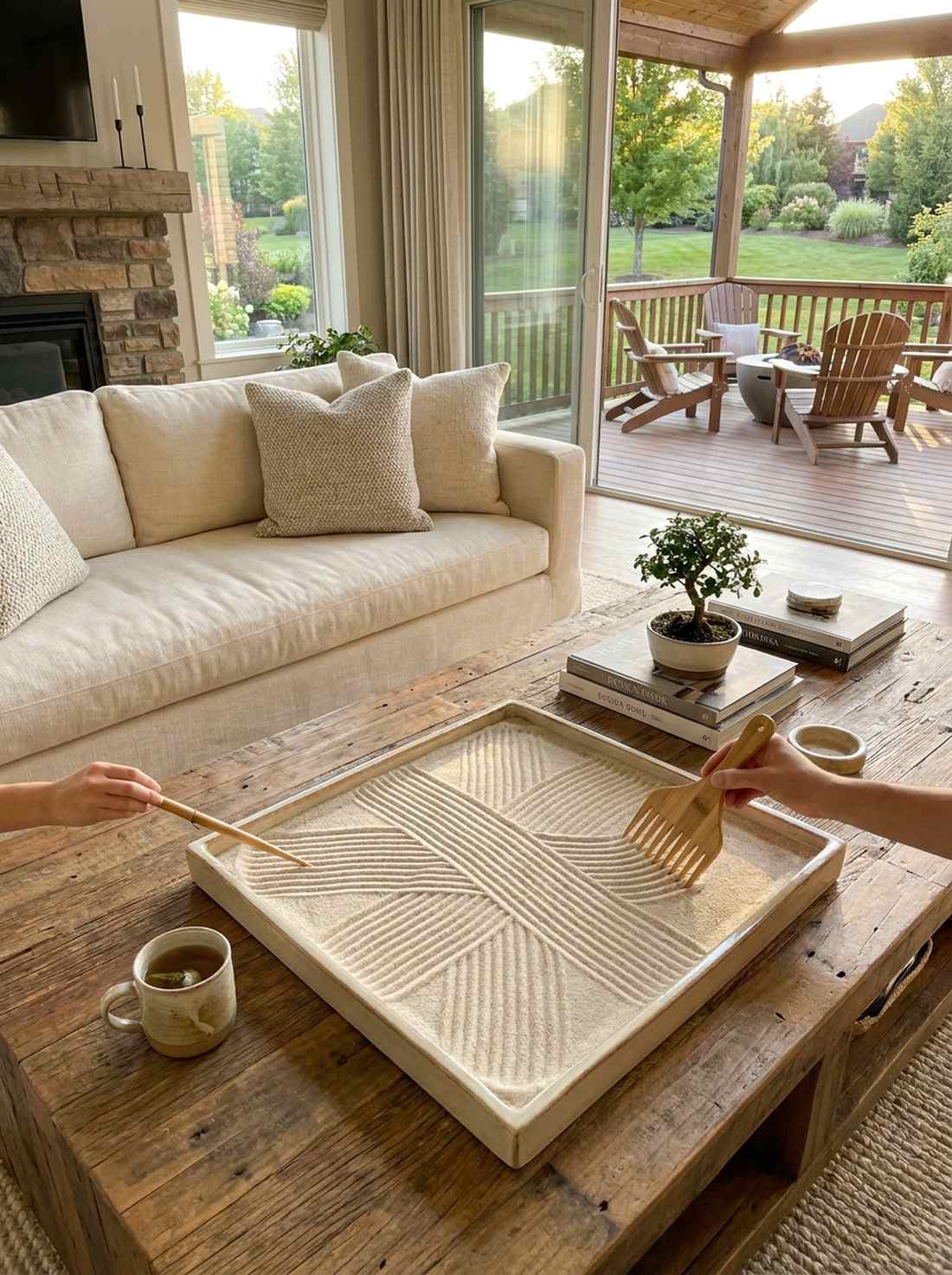
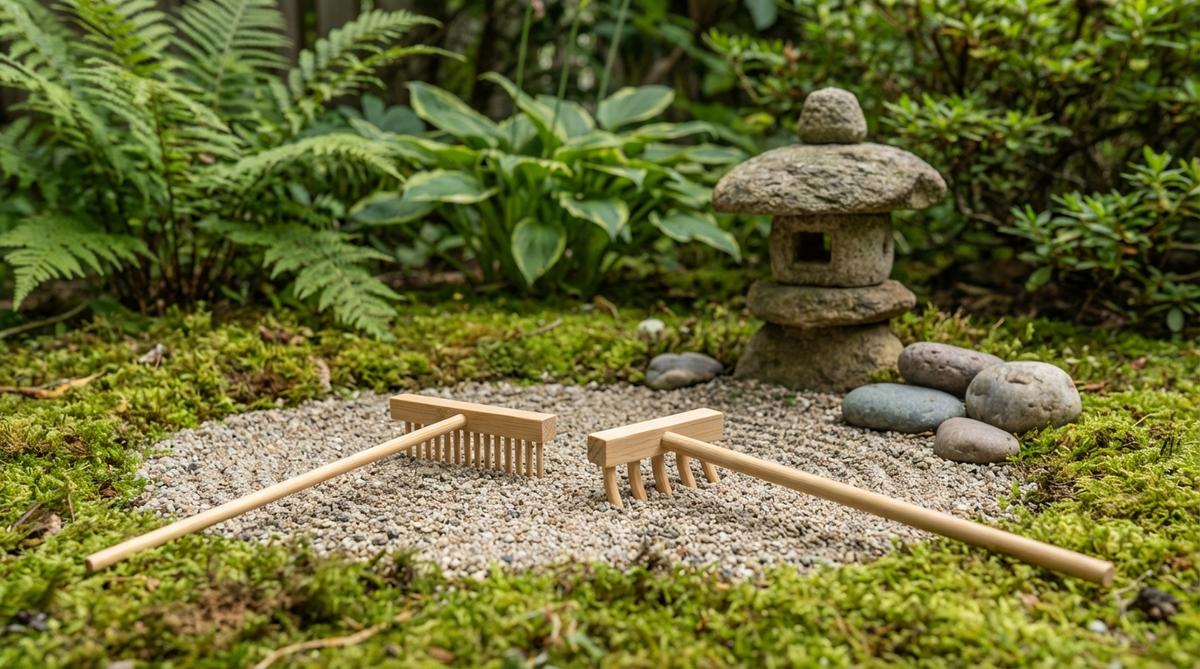
Provides a tactile richness that feels like painting with texture instead of color. A multi-tool rake and stylus kit is brilliant for those who want varying wave patterns.
Limiting yourself to one rake restricts creativity, whereas dual sizes allow for complex, intersecting ripple designs. Upgrading to sturdy terrarium accessories ensures the tines don’t snap under heavy-handed pressure.
Grab a professional set for about $15. Pin this idea to keep your daily rituals fresh and engaging!
- Key Materials: Wide-tooth comb rake, fine-point stylus
- Vibe / Style: Creative and interactive
- Difficulty: Intermediate
- Budget Breakdown: Dual Tool Set: $15 | Tray: $10.
- Creator’s Tip: Alternate tool usage daily to map different meditative intentions.
- Smart Sourcing: bamboo zen tool kits (multi-pack) and high-density styling rakes.
8. Natural Driftwood Accent Piece
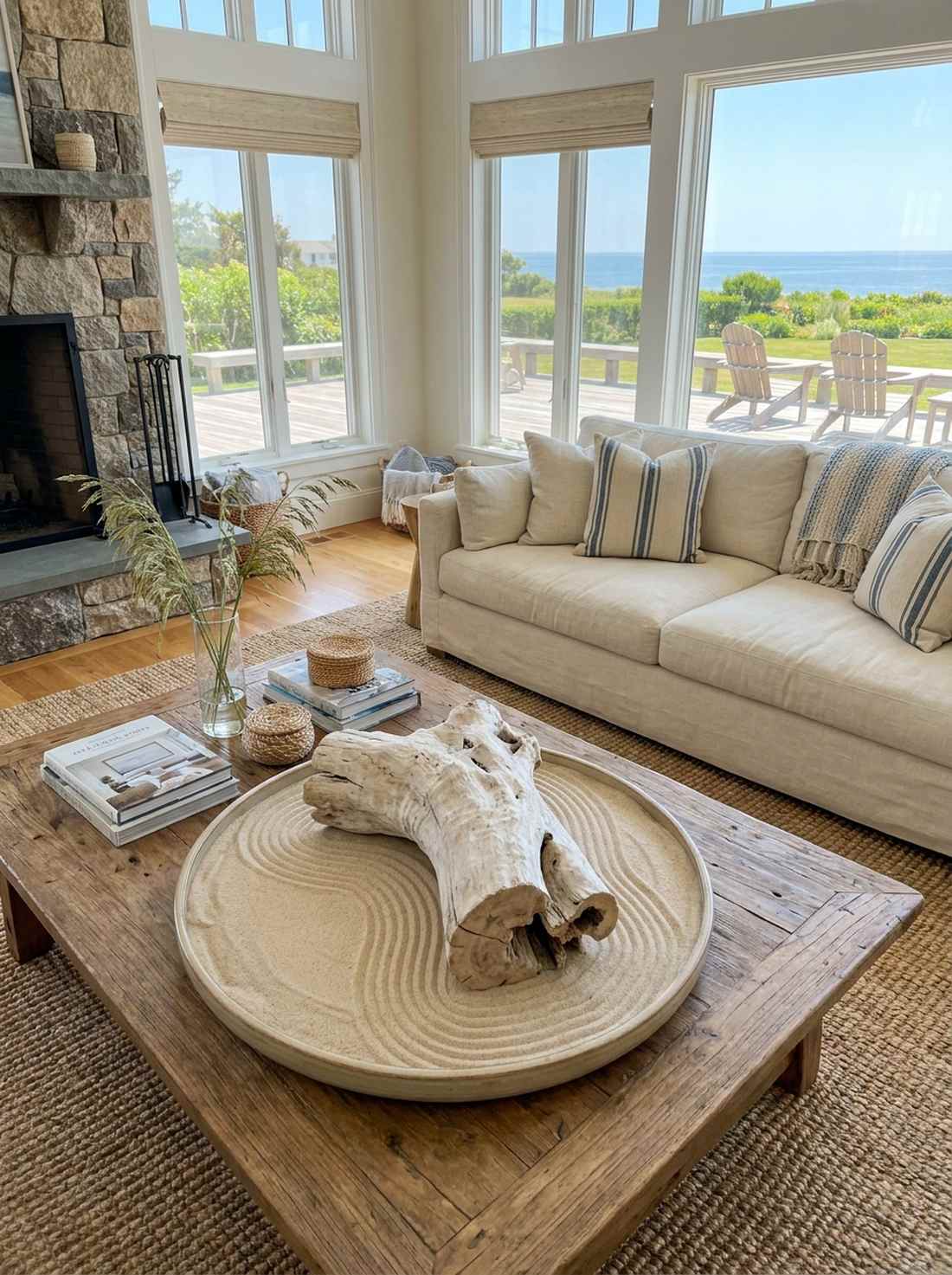
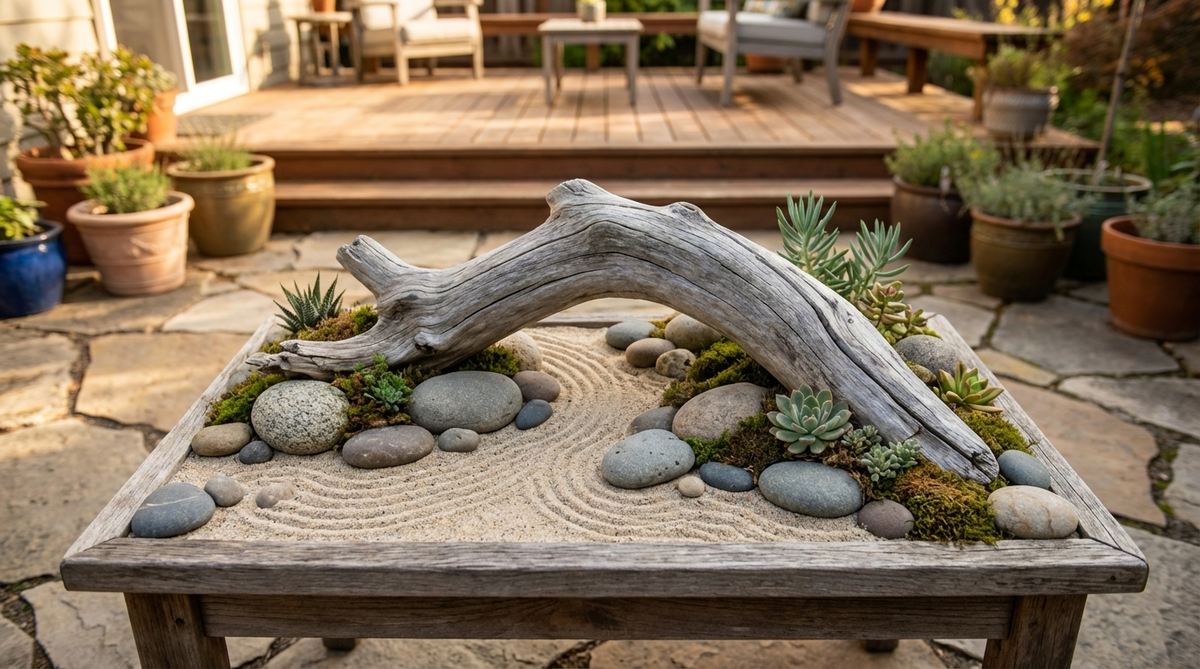
Creates a raw, weathered look that feels like a forgotten beach cove. Adding a bleached driftwood centerpiece acts as a beautiful focal point on a coffee table.
While symmetrical stones are classic, injecting organic, irregular wood shapes totally breaks up the visual monotony. Authentic, naturally sanitized wood pieces look infinitely better than artificial resin logs.
You can curate this for just $10-$20. Highly recommend this for a coastal or boho interior vibe.
- Key Materials: Sanitized driftwood chunk, beige sand
- Vibe / Style: Coastal zen
- Difficulty: Easy
- Budget Breakdown: Driftwood: $10 | Sand: $8.
- Creator’s Tip: Let the rake lines flow completely around the wood rather than stopping abruptly.
- Smart Sourcing: sanitized driftwood pieces (aquarium safe) and beige desert sand.
Most people get this completely wrong… until they try the exact layout coming up next.
💡 Must-Have Supplies for High-End Setups
To build these setups faster and ensure they last, skip the generic craft aisles and invest in the right foundational kits.
- Base & Support: solid hardwood zen garden starter kits
- Setup Tools: brass multi-tine raking tools
- Weather/Durability Protection: UV-coated acrylic tray sealants
Zen Garden At Home With Natural Materials
9. Living Moss Garden Base
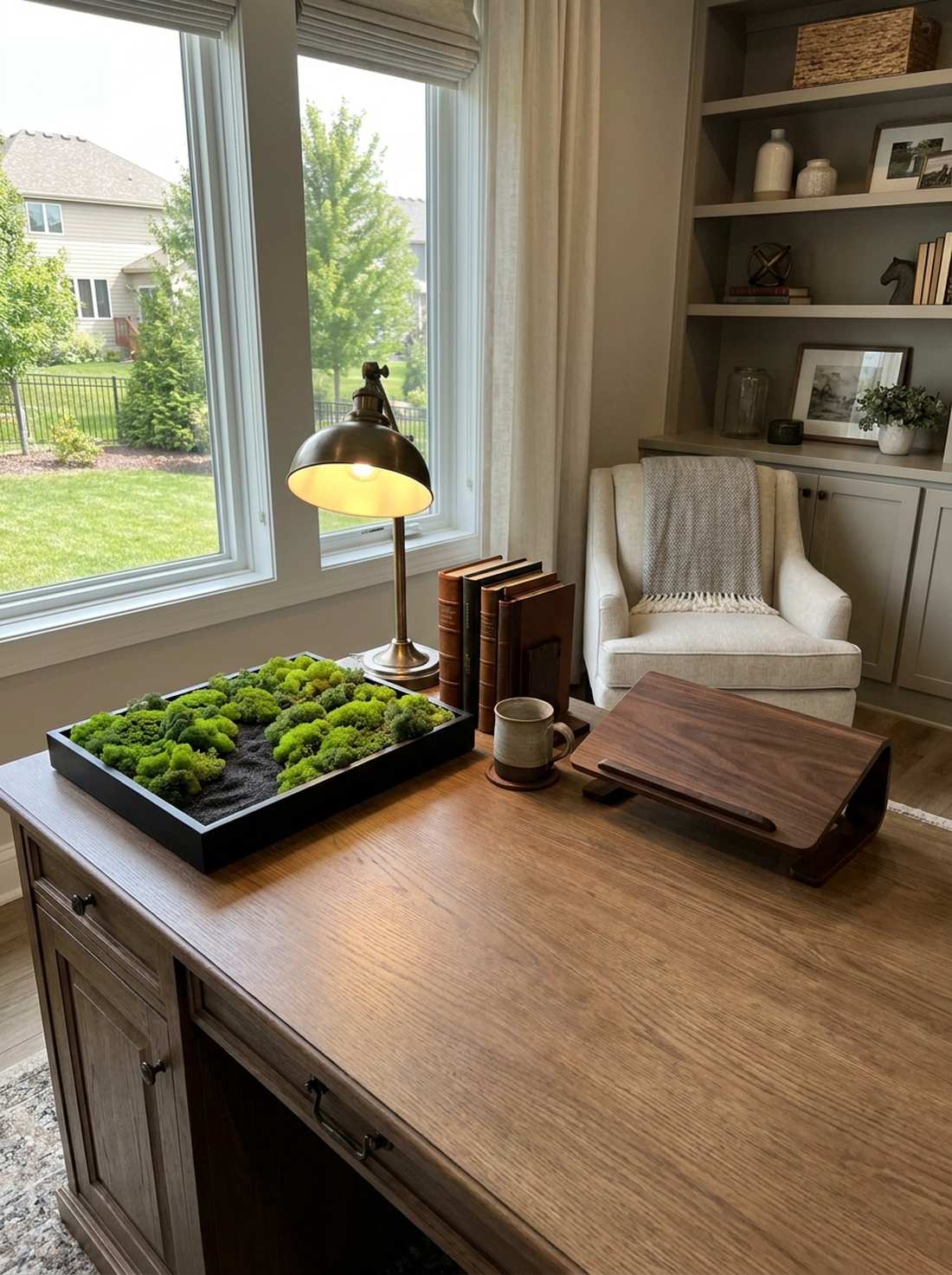
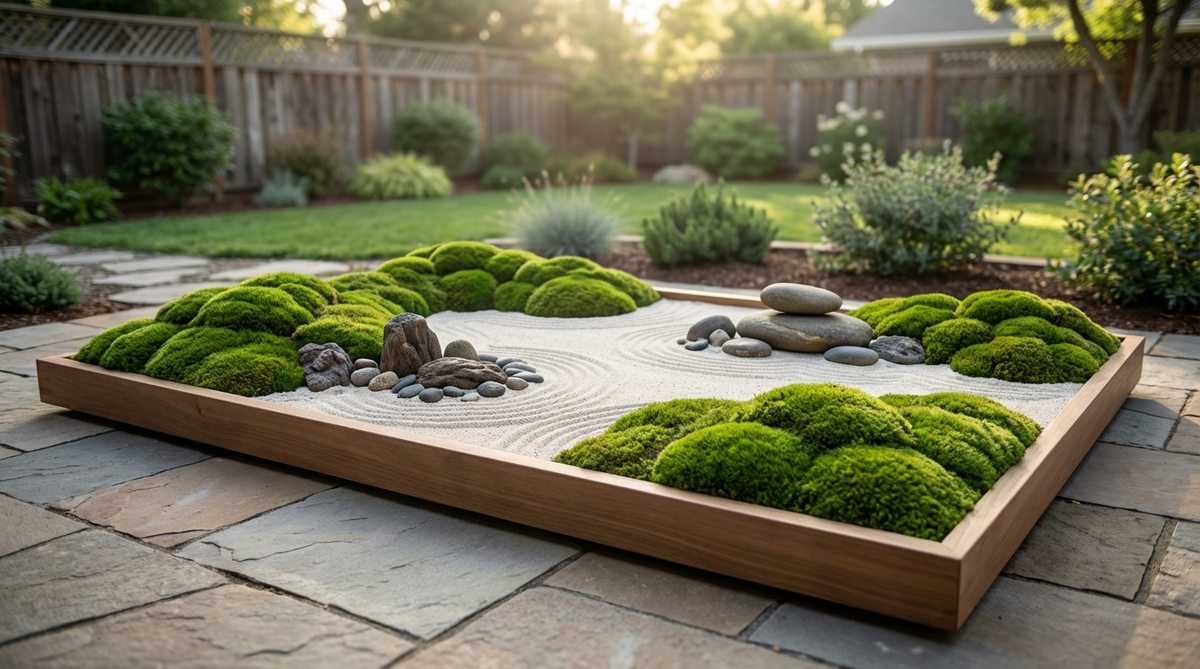
Feels like a tiny hidden forest you accidentally discovered in the wild. A preserved moss landscape setup is an unbelievable addition for shaded, cozy desk corners.
Adding a splash of green completely disrupts the dullness of a monochrome tray, delivering a surprisingly premium look. By utilizing treated biophilic elements, you bypass the headache of daily watering entirely.
This lush look sets you back about $20-$35. Save this to your indoor biophilic design board!
- Key Materials: Preserved reindeer moss, black sand
- Vibe / Style: Lush indoor woodland
- Difficulty: Easy
- Budget Breakdown: Moss Pack: $15 | Base: $10.
- Creator’s Tip: Keep preserved moss away from direct sunlight to maintain its vibrant green hue.
- Smart Sourcing: pre-cut preserved moss sheets (bulk pack) and matte black tray bases.
10. Succulent Integrated Tray
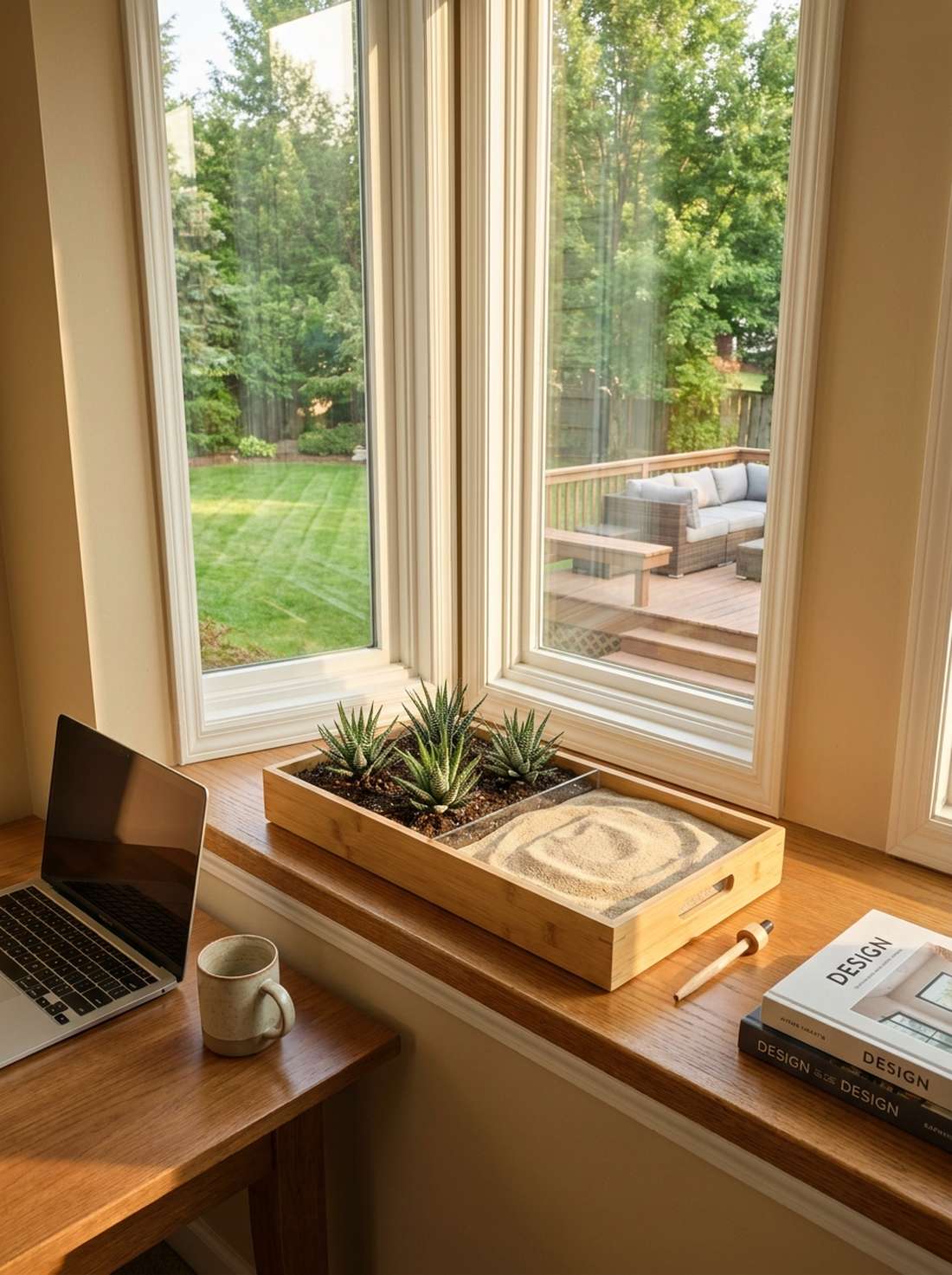
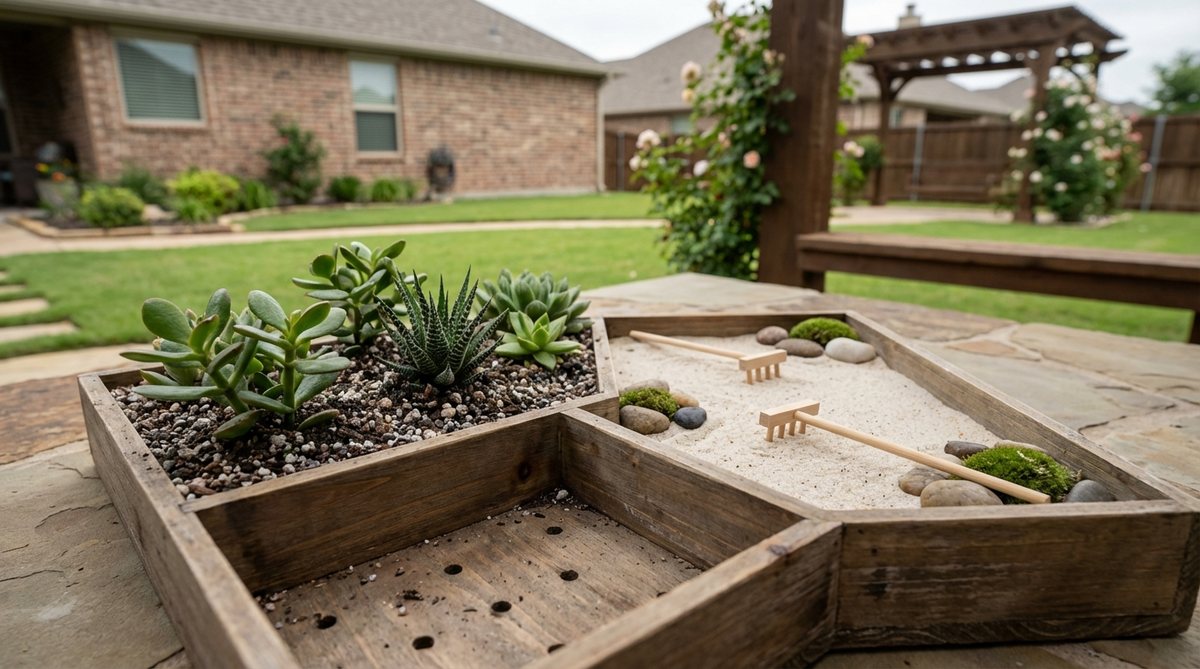
Brings a surge of life that feels like a tiny desert oasis blooming indoors. The split-compartment succulent planter thrives beautifully on sunlit office windowsills.
Mixing wet soil and dry sand usually ends in disaster, but a divided tray physically isolates the elements perfectly. Grabbing specific miniature garden supplies with built-in drainage prevents root rot while keeping the sand pristine.
Expect a total cost of $35-$50. It’s a flawless two-in-one piece for plant lovers.
- Key Materials: Divided bamboo tray, live Haworthia, soil
- Vibe / Style: Desert botanical
- Difficulty: Intermediate
- Budget Breakdown: Divided Tray: $25 | Plants & Soil: $15.
- Creator’s Tip: Use a dropper to water the succulent so you don’t splash mud onto the sand.
- Smart Sourcing: divided planter trays (leak-proof) and live succulent starter kits.
11. Bonsai Companion Arrangement
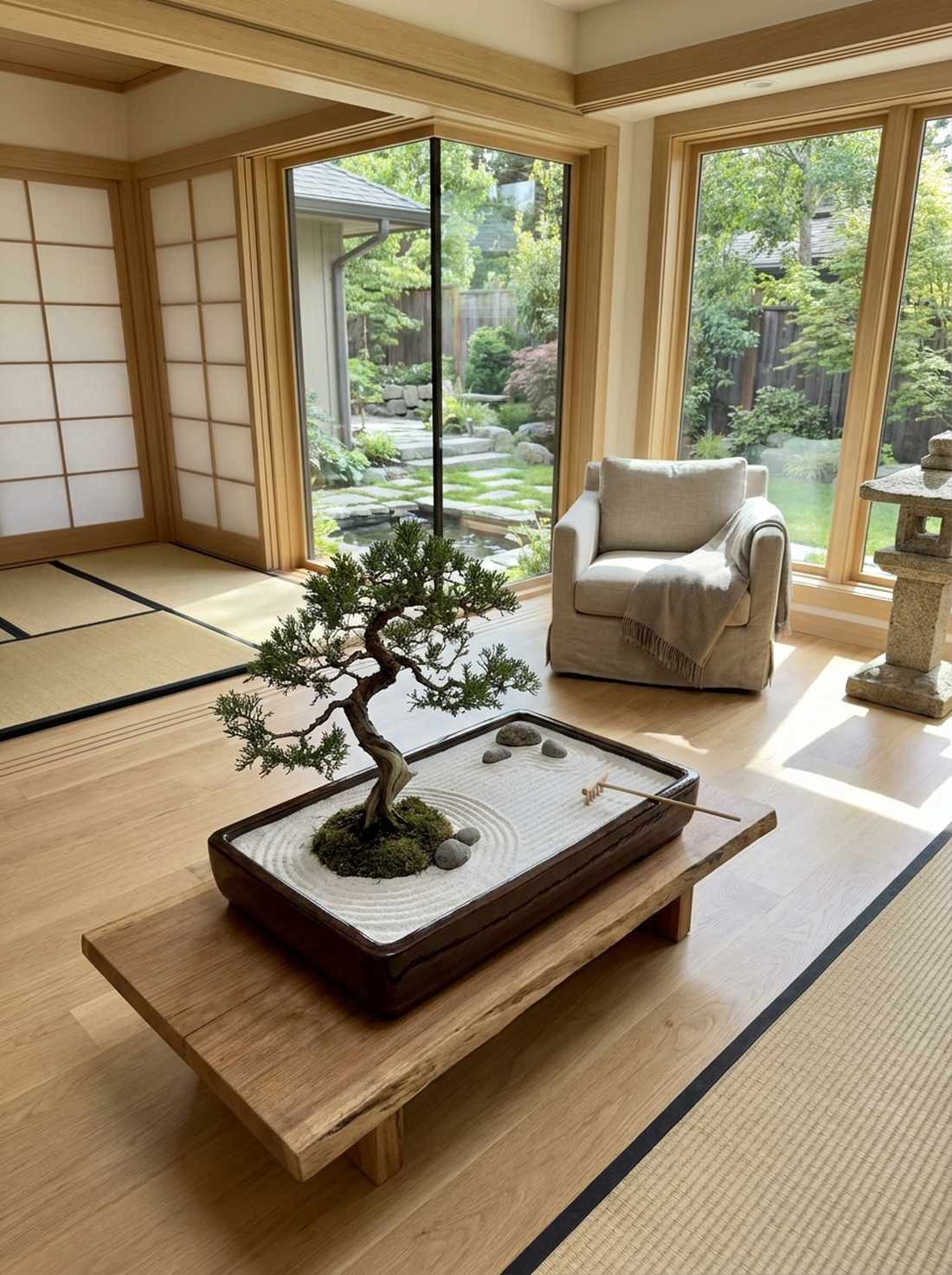
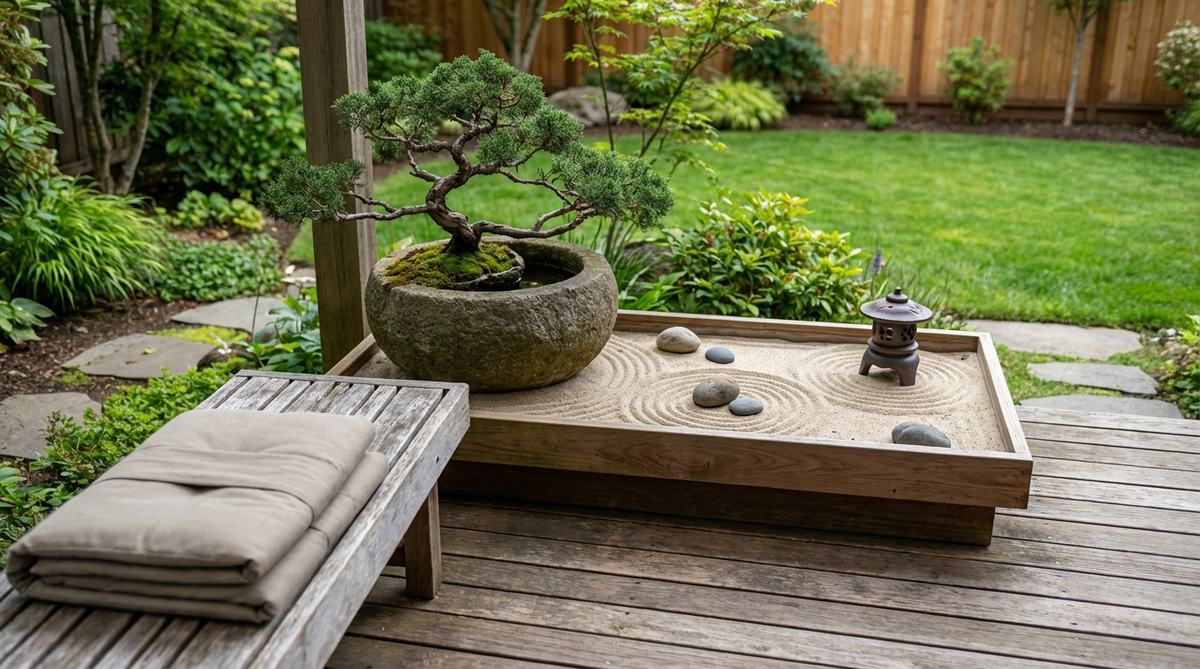
Radiates ancient wisdom that feels straight out of a feudal Japanese estate. A miniature bonsai integration acts as the ultimate centerpiece for a dedicated meditation room.
It demands slightly more attention, but combining arboriculture with raked sand looks far more expensive than it is. Proper structural support keeps the tree stable without taking up too much raking real estate.
This premium arrangement runs $45-$80. Pin this if you want absolute authenticity in your setup.
- Key Materials: Juniper bonsai starter, deep rectangular tray
- Vibe / Style: Authentic Japanese heritage
- Difficulty: Advanced maintenance
- Budget Breakdown: Bonsai Tree: $35 | Ceramic Base: $25.
- Creator’s Tip: Trim the roots carefully yearly to keep the tree appropriately scaled to the tray.
- Smart Sourcing: indoor bonsai starter bundles and heavyweight ceramic basins.
12. Bamboo Shoot Accent Kit
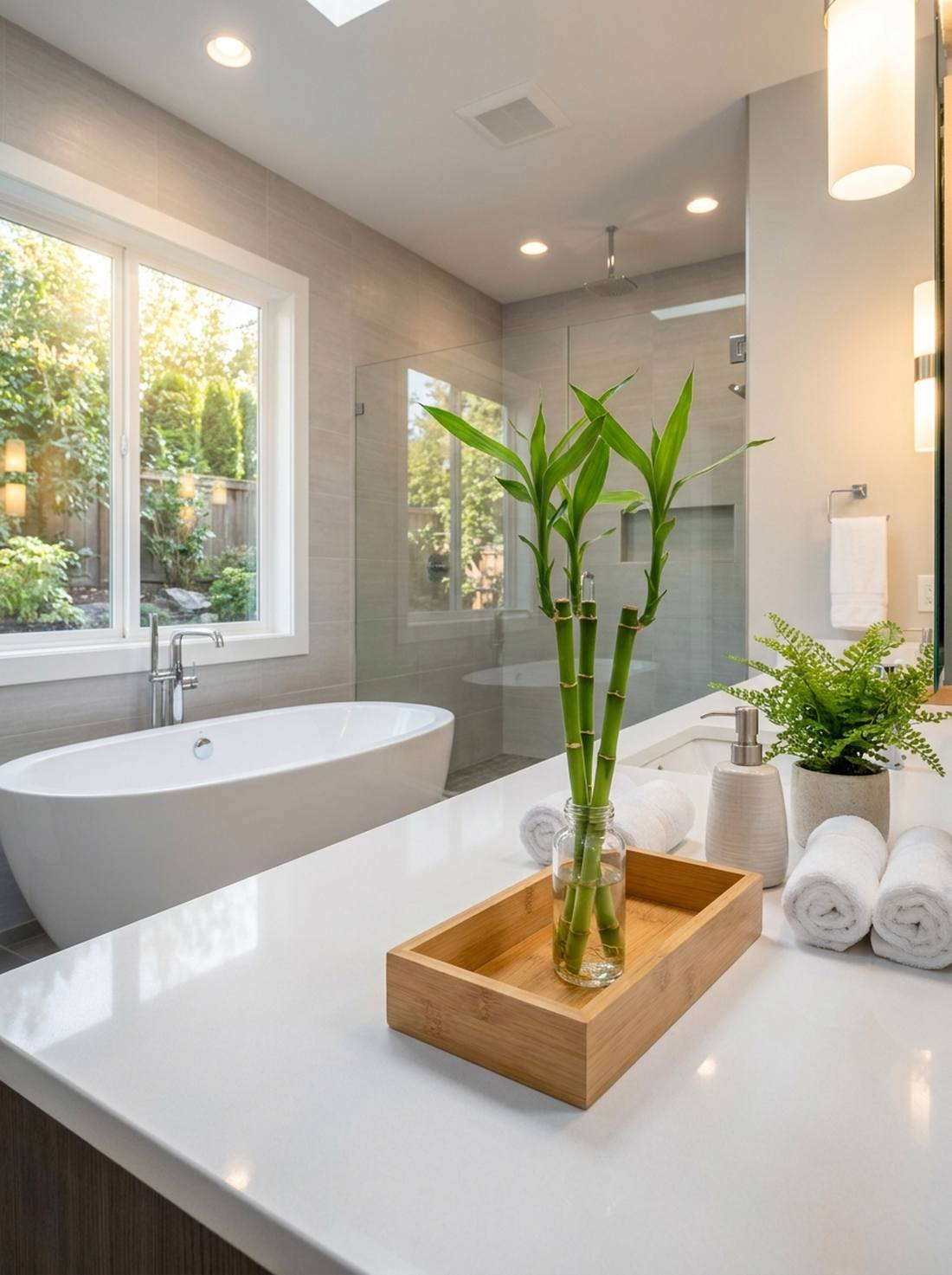
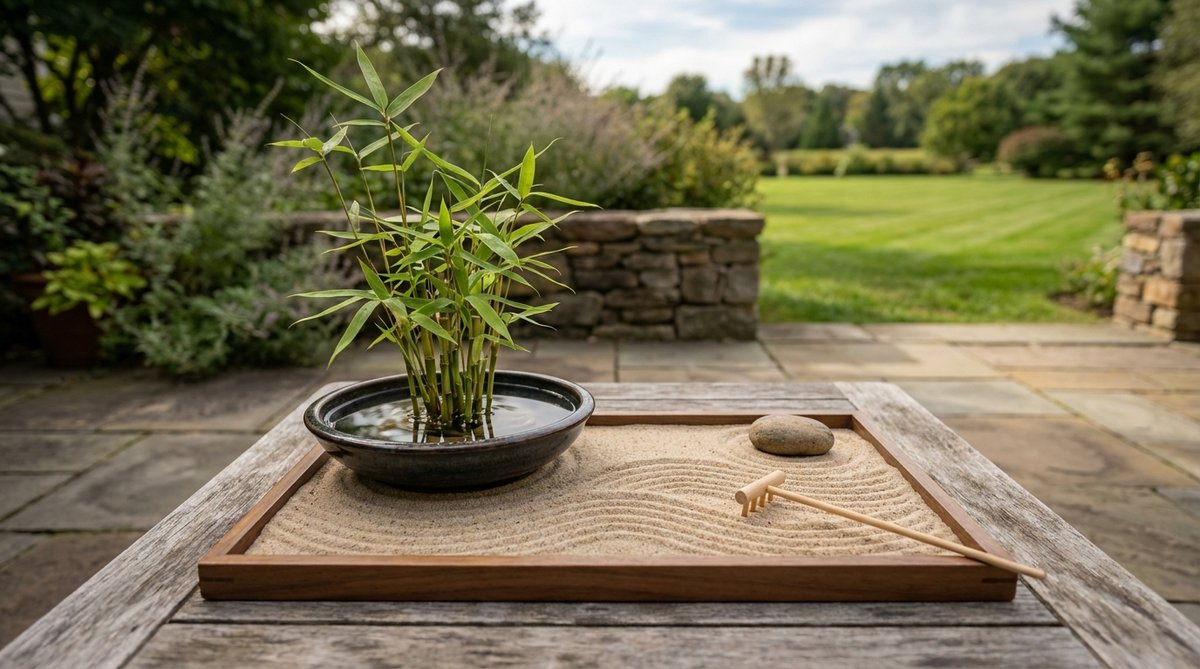
Injects an uplifting verticality that feels like fresh energy surging upward. The live bamboo water vessel kit is wonderfully suited for humid bathroom vanities.
Many ignore vertical height, but towering green stalks draw the eye up and make a small desk feel larger. Keeping the water source entirely encapsulated prevents the sand from turning into unmanageable mud.
Easily put together for under $25. A very refreshing and crisp aesthetic upgrade.
- Key Materials: Lucky bamboo stalks, mini glass vial, tray
- Vibe / Style: Spa-like tranquility
- Difficulty: Easy
- Budget Breakdown: Bamboo & Vial: $10 | Tray Set: $15.
- Creator’s Tip: Use distilled water in the vial to prevent white mineral buildup on the glass.
- Smart Sourcing: hydroponic glass vials (miniature) and lucky bamboo shoot packs.
13. Air Plant Crystal Combination
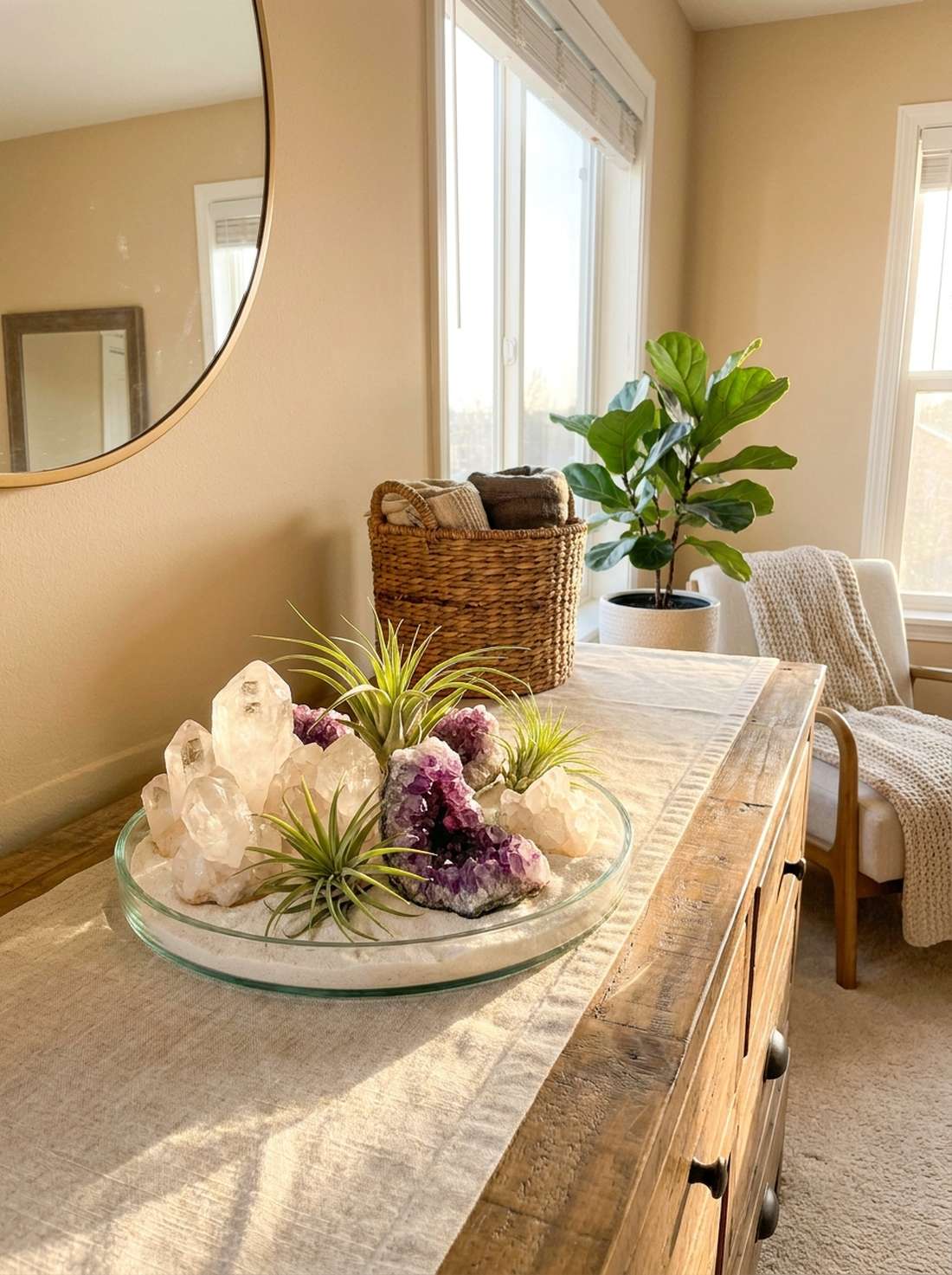
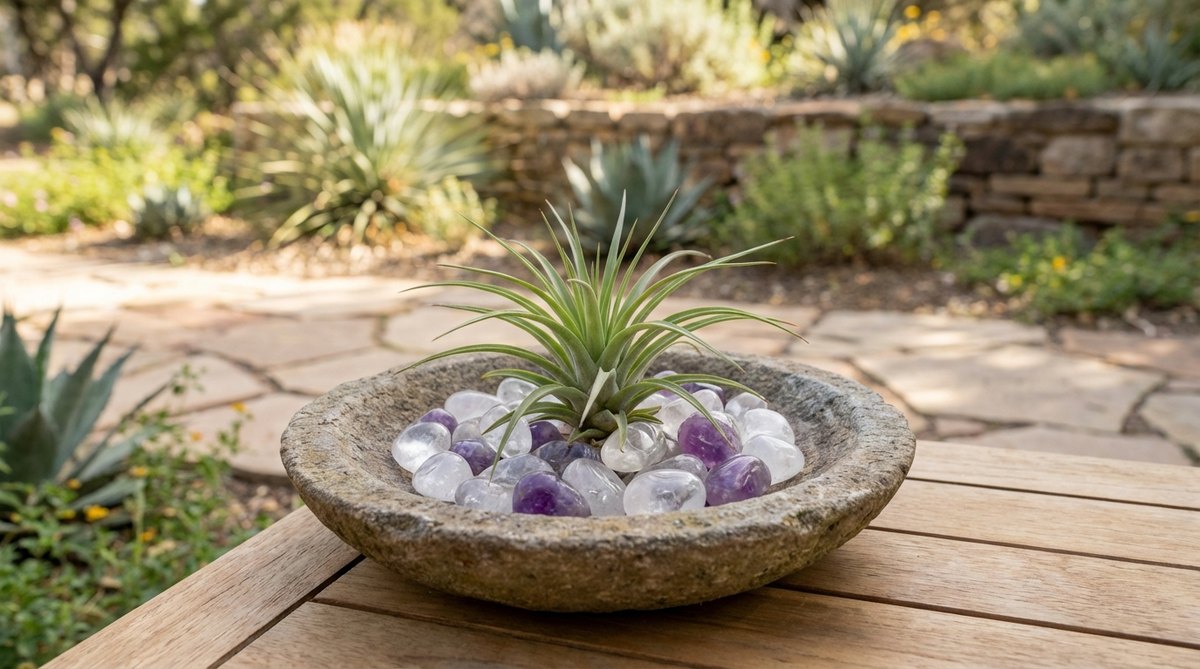
Carries an ethereal, floating quality that feels purely magical. This crystal and tillandsia energy garden is a breathtaking addition to a sunny bedroom dresser.
Air plants require zero soil, making them the absolute smartest choice for clean sand environments. Pairing them with vibrant amethyst or quartz gives a designer-level finish that caters to modern holistic aesthetics.
You can create this mystical vibe for about $30. Save this for your next mystical decor project!
- Key Materials: Clear quartz clusters, Tillandsia air plants
- Vibe / Style: Bohemian crystal energy
- Difficulty: Easy
- Budget Breakdown: Crystals: $15 | Air Plants: $10 | Sand: $5.
- Creator’s Tip: Remove the plant from the tray entirely when misting it, then replace it once dry.
- Smart Sourcing: raw quartz points (bulk pack) and air plant starter sets.
14. Preserved Eucalyptus Bundle
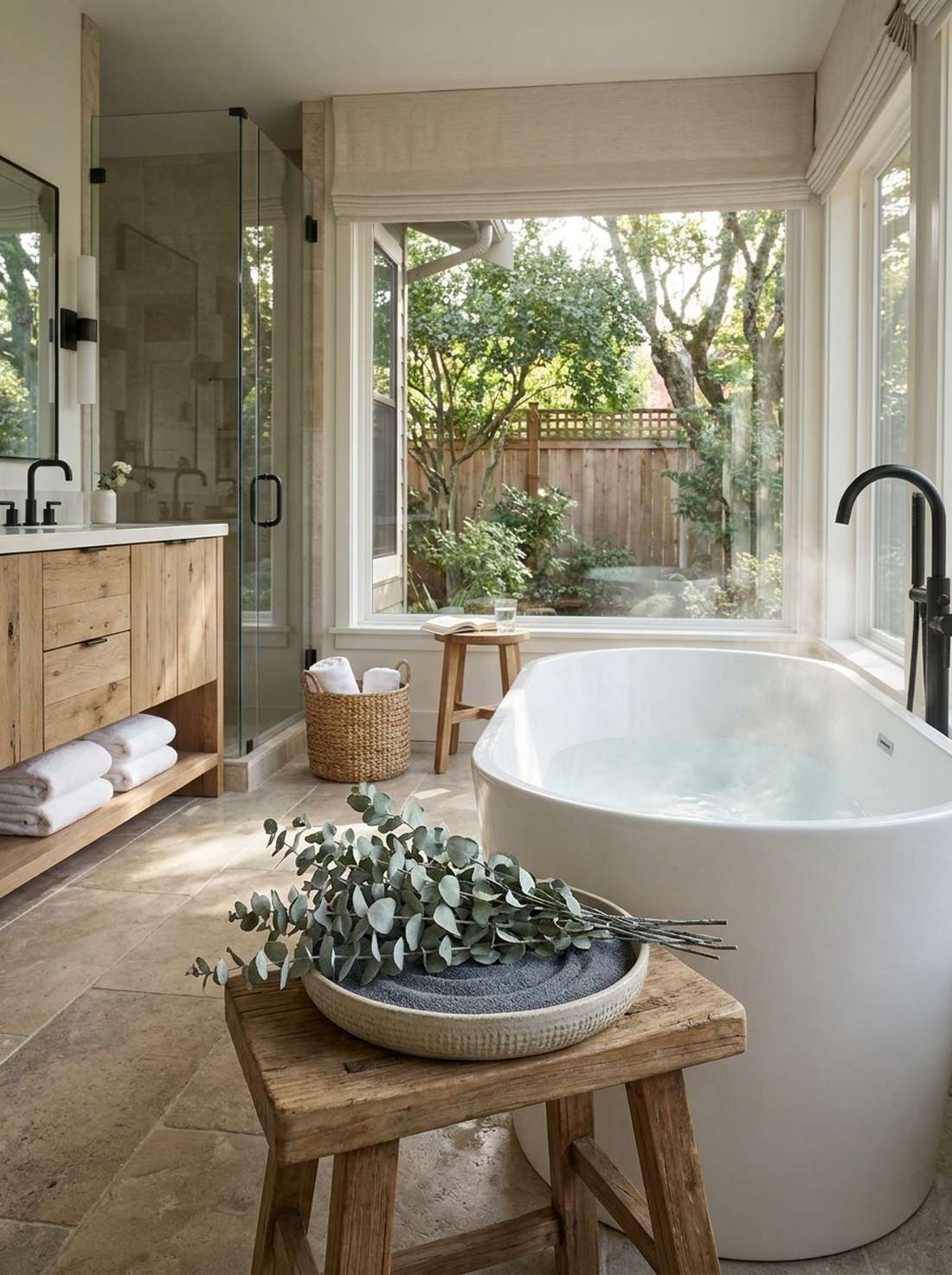
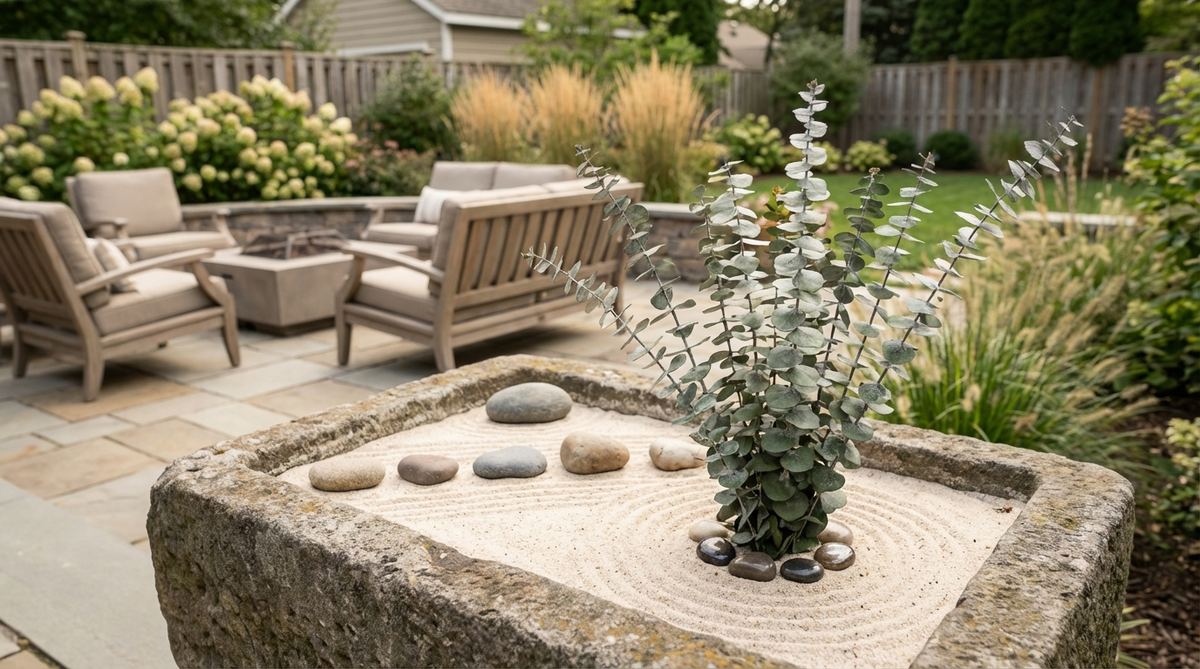
Emits a gentle, spa-like aura that feels like an expensive wellness retreat. A dried eucalyptus sensory tray perfectly complements a calming bathroom or reading nook.
Instead of visual-only appeal, adding aromatic dried foliage engages multiple senses simultaneously. These pre-treated branches maintain their silvery-green charm for months without crisping up or shedding into the sand.
A bundle and base will cost roughly $20–$30. It’s an incredible low-maintenance aromatherapeutic trick.
- Key Materials: Preserved eucalyptus sprigs, gray sand
- Vibe / Style: Aromatherapy minimalist
- Difficulty: Easy
- Budget Breakdown: Dried Bundle: $12 | Tray Base: $15.
- Creator’s Tip: Gently crush one hidden leaf once a month to release a fresh burst of natural oils.
- Smart Sourcing: preserved eucalyptus bundles (no-shed) and slate gray quartz sand.
If you think those were good, wait until you see how this next trick completely elevates the aesthetic…
15. Natural Wood Slice Base
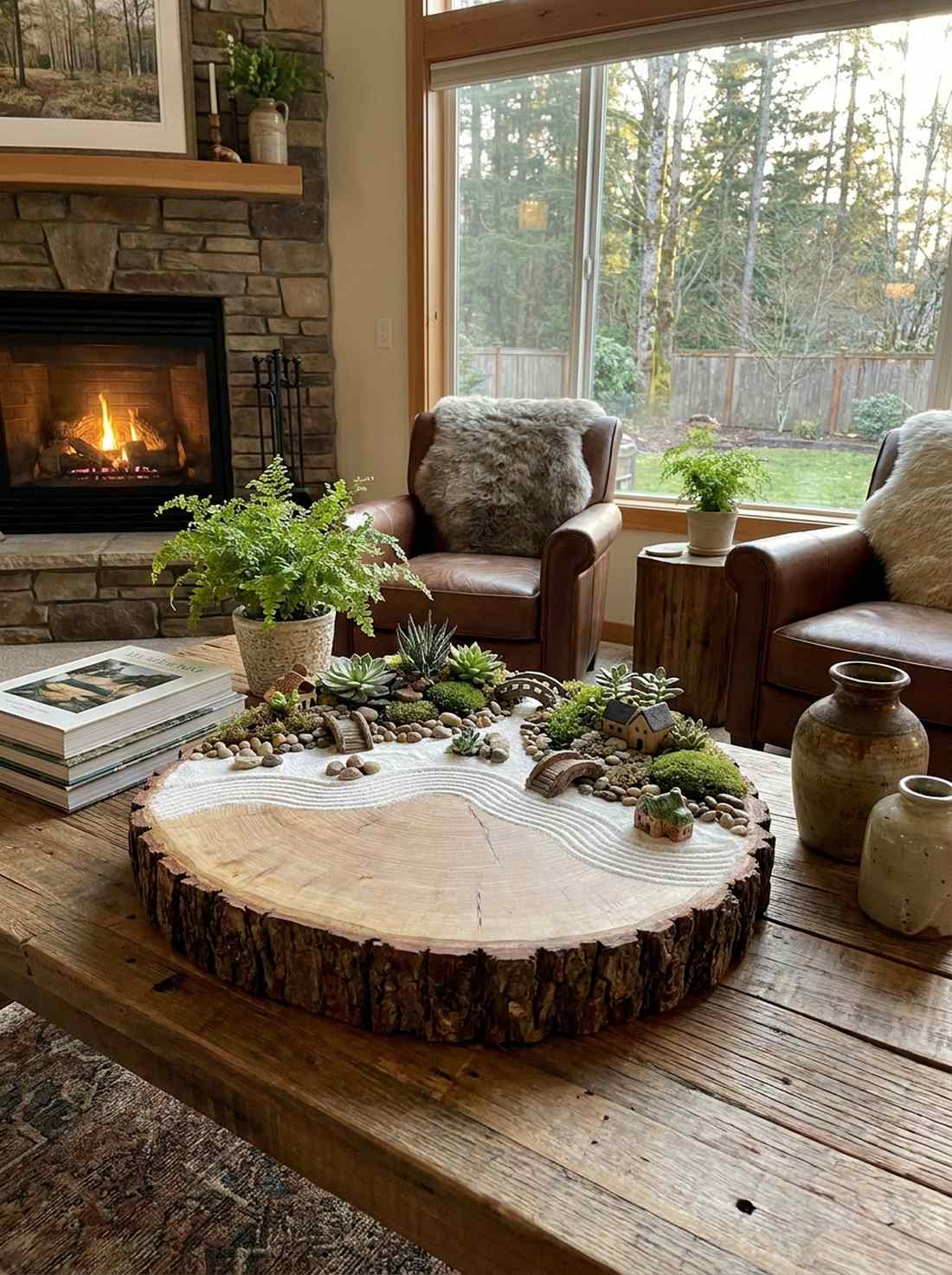
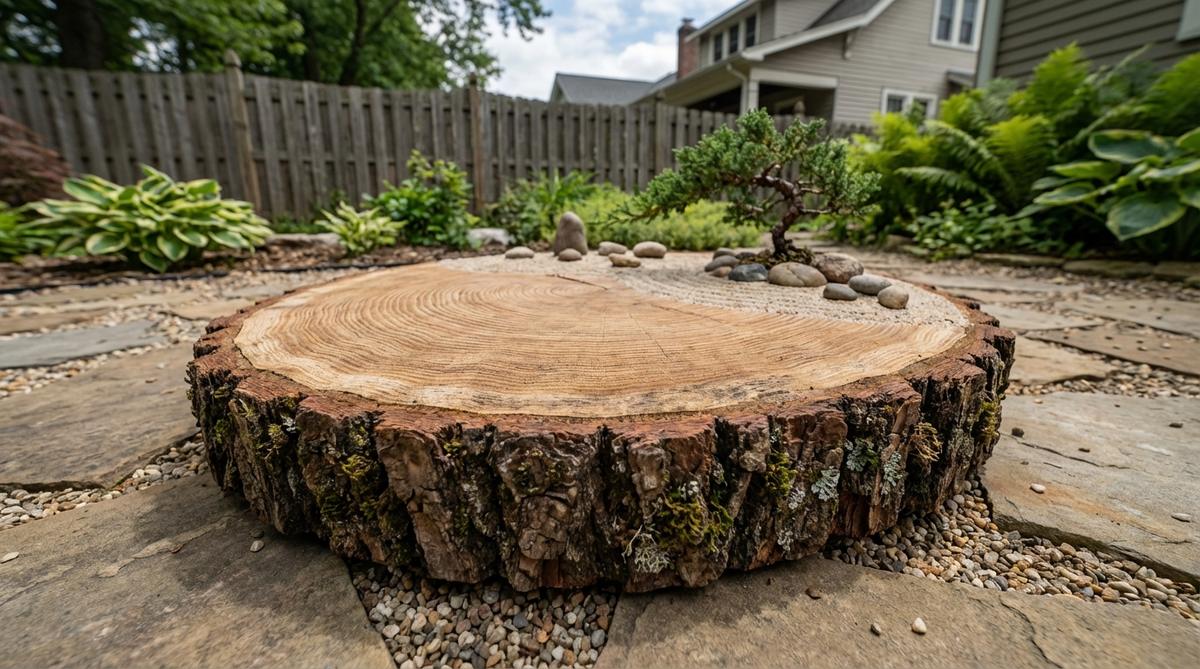
Exudes a warm, rustic charm that feels like a cozy cabin getaway. Using a raw live-edge wood cross-section acts as a brilliant conversation piece for a living room table.
Ditching the standard squares for organic, bark-lined edges completely redefines the miniature garden supplies category. Securing a properly kiln-dried slice ensures sap won’t leak and ruin your meticulous sand arrangements.
Sourcing a good slice costs around $25-$40. Pin this to your rustic interior styling board!
- Key Materials: Kiln-dried wood slice, sealing wax, sand
- Vibe / Style: Organic woodland
- Difficulty: Intermediate (requires sealing)
- Budget Breakdown: Wood Slice: $25 | Sealant: $8.
- Creator’s Tip: Apply a clear matte polyurethane to the top face before adding sand to seal the pores.
- Smart Sourcing: large rustic wood slices (kiln-dried) and clear matte wood sealants.
16. River Pebble Variety Pack
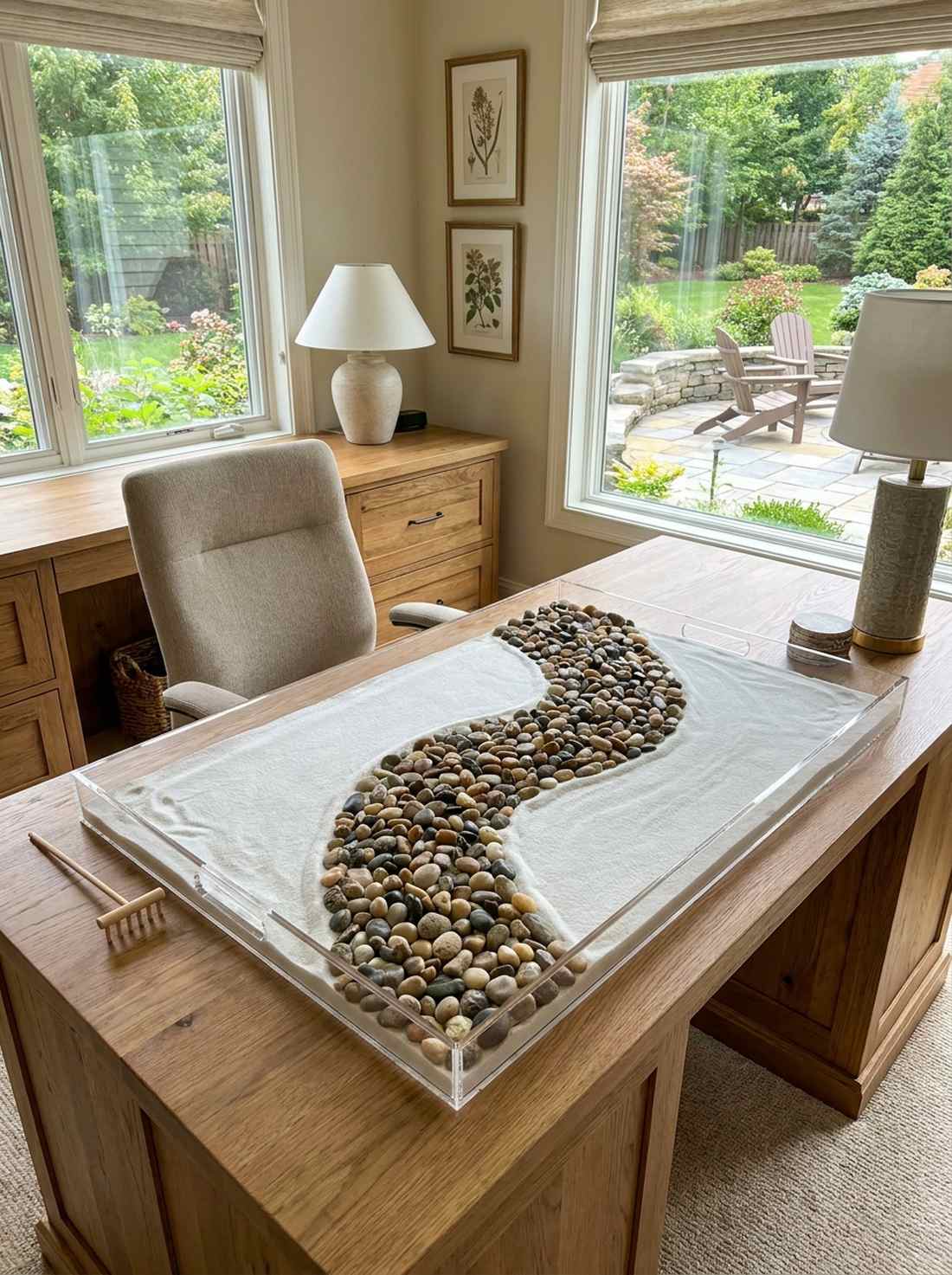
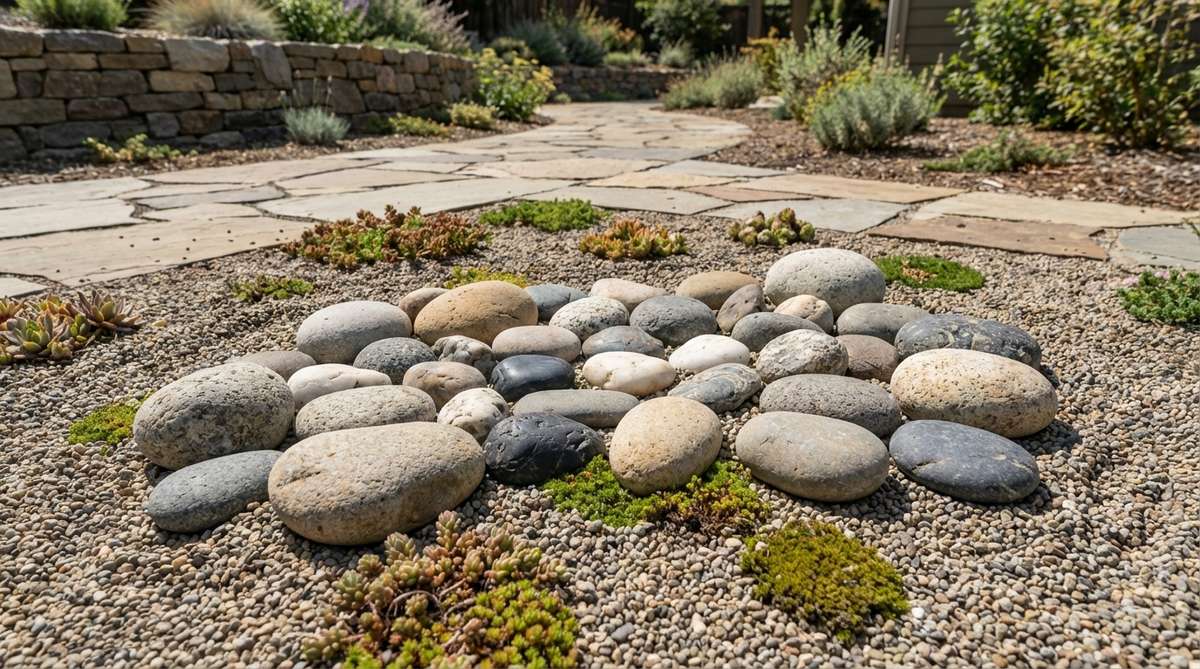
Provides dynamic texture that feels like a babbling brook frozen in time. A multi-sized pebble pathway layout gives incredible depth to standard office desks.
Using uniform stones is boring, but mixing quarter-inch to two-inch pebbles looks far more expensive than it is. This approach allows you to carve out tiny simulated riverbeds that cut dramatically across the white sand.
A diverse stone pack is super cheap, usually under $15. It’s a quick tactical upgrade.
- Key Materials: Mixed river pebbles, high-contrast sand
- Vibe / Style: Dynamic natural landscape
- Difficulty: Easy
- Budget Breakdown: Mixed Pebbles: $10 | Tray: $10.
- Creator’s Tip: Wash and dry the pebbles before use to remove any residual dust that might cloud the sand.
- Smart Sourcing: mixed river stones (pre-washed) and acrylic clear base trays.
Themed Miniature Collections
17. Buddha Statue Meditation Set
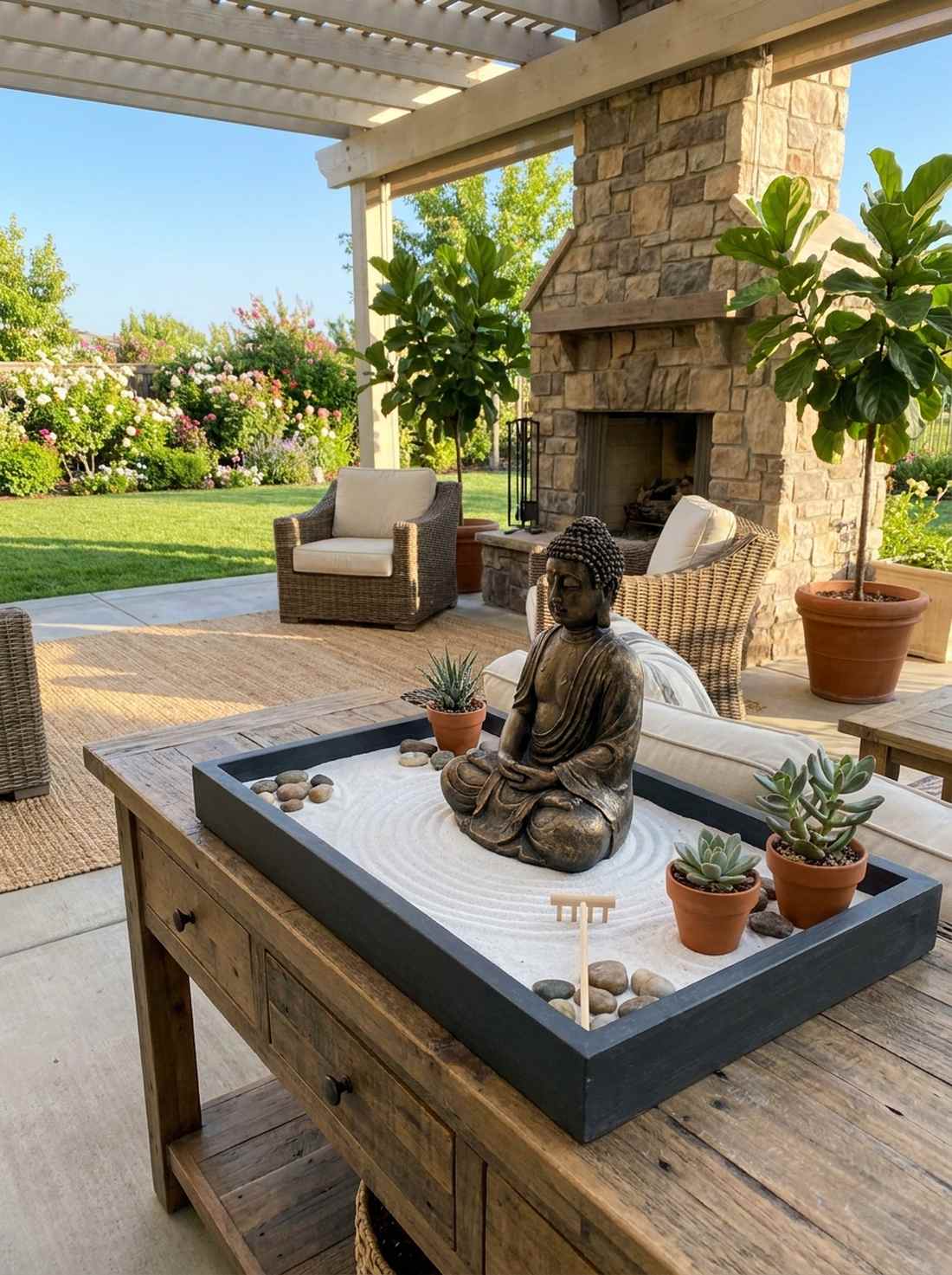
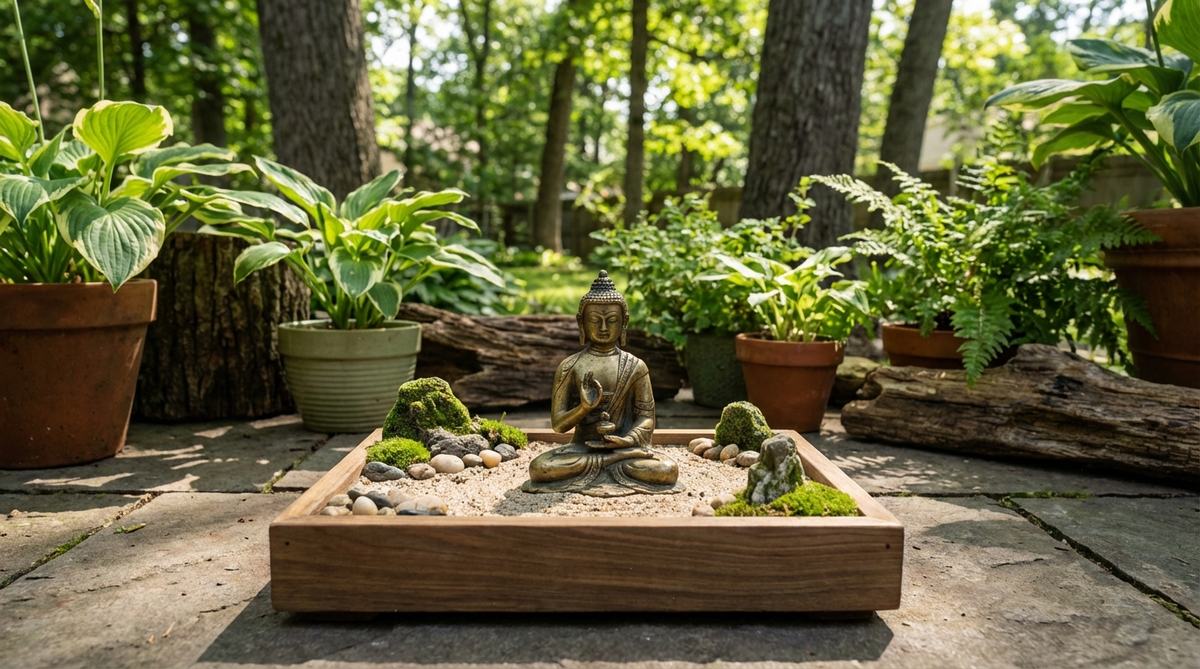
Anchors the room with a profound peace that feels deeply spiritual. A resin Buddha focal point garden is a breathtaking addition to a personal altar space.
A bare layout is fine, but anchoring the design with a detailed figure gives a designer-level finish. High-quality fairy garden kits often feature UV-resistant statues that won’t lose their golden or bronze luster over time.
Expect to invest $30-$45 for a quality resin cast. Pin this if you’re building a dedicated meditation corner!
- Key Materials: Bronze-finish resin Buddha, wide tray
- Vibe / Style: Zen spiritual focus
- Difficulty: Easy
- Budget Breakdown: Statue: $20 | Base Kit: $15.
- Creator’s Tip: Position the figure slightly off-center to maintain traditional Japanese asymmetrical balance.
- Smart Sourcing: UV-coated resin Buddha figures and premium desktop sandbox kits.
18. Koi Fish Pond Design
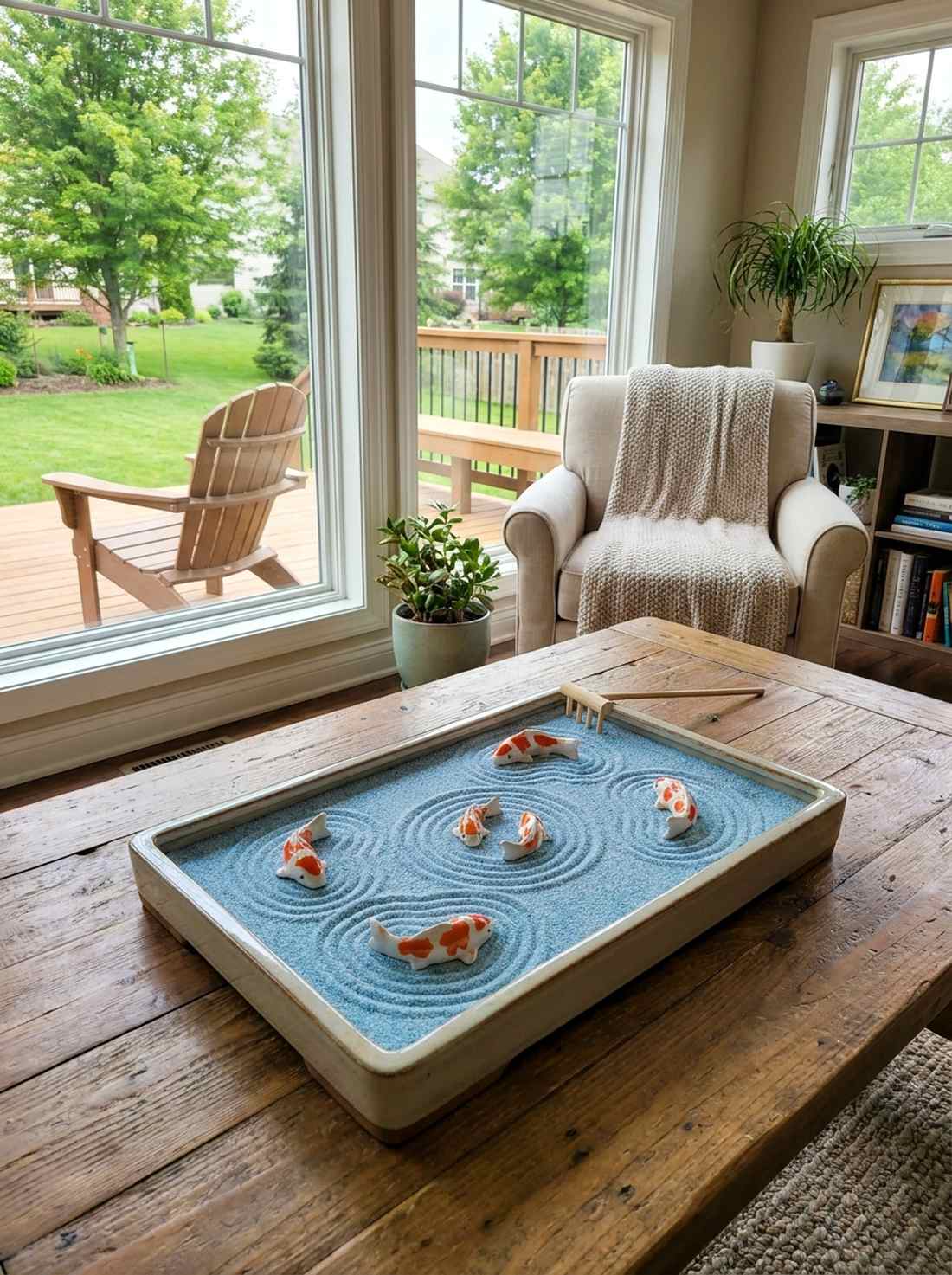
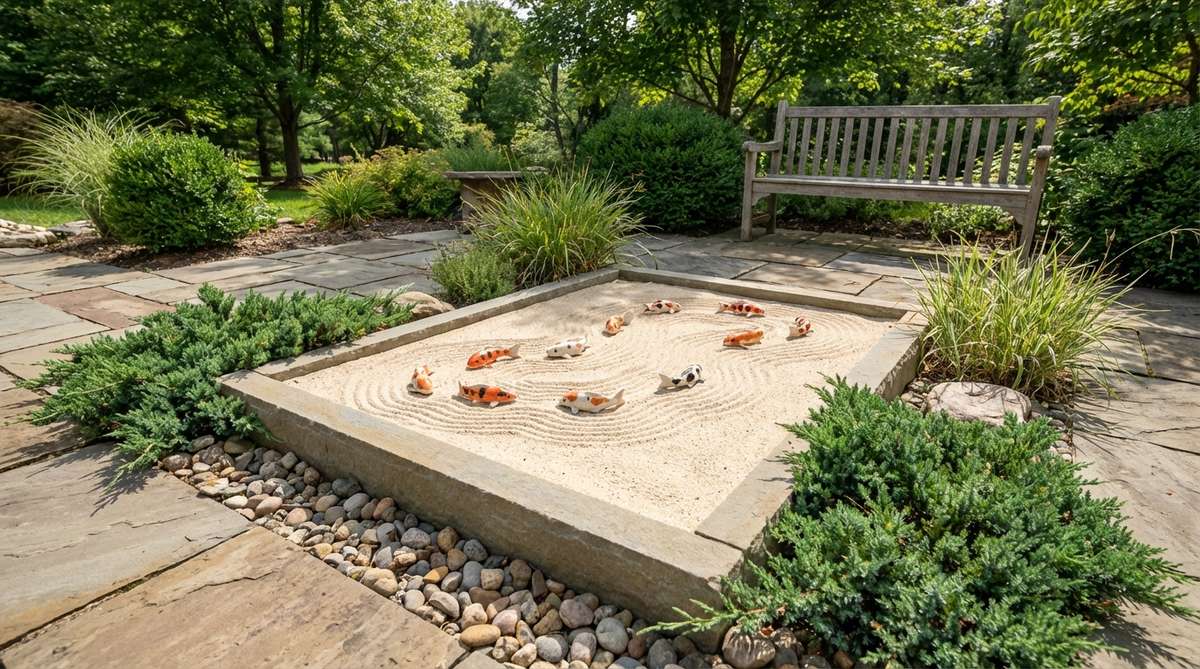
Creates a whimsical illusion that feels like looking into a crystalline pond. The ceramic koi ripple arrangement sparks endless joy on a receptionist desk or waiting area.
Most people rely strictly on stones, but swimming ceramic figures add a completely unexpected pop of bright orange and white. Carefully raking circular ripples around the figures mimics water movement with stunning realism.
The miniatures cost about $12. An incredibly playful twist on strict tradition.
- Key Materials: Glazed ceramic koi miniatures, blue-tinted sand
- Vibe / Style: Playful aquatic illusion
- Difficulty: Intermediate raking
- Budget Breakdown: Koi Minis: $12 | Sand: $10.
- Creator’s Tip: Gently push the belly of the fish down into the sand so it truly looks submerged.
- Smart Sourcing: glazed miniature koi figures (multi-pack) and fine blue-tinted quartz.
19. Pagoda Temple Centerpiece
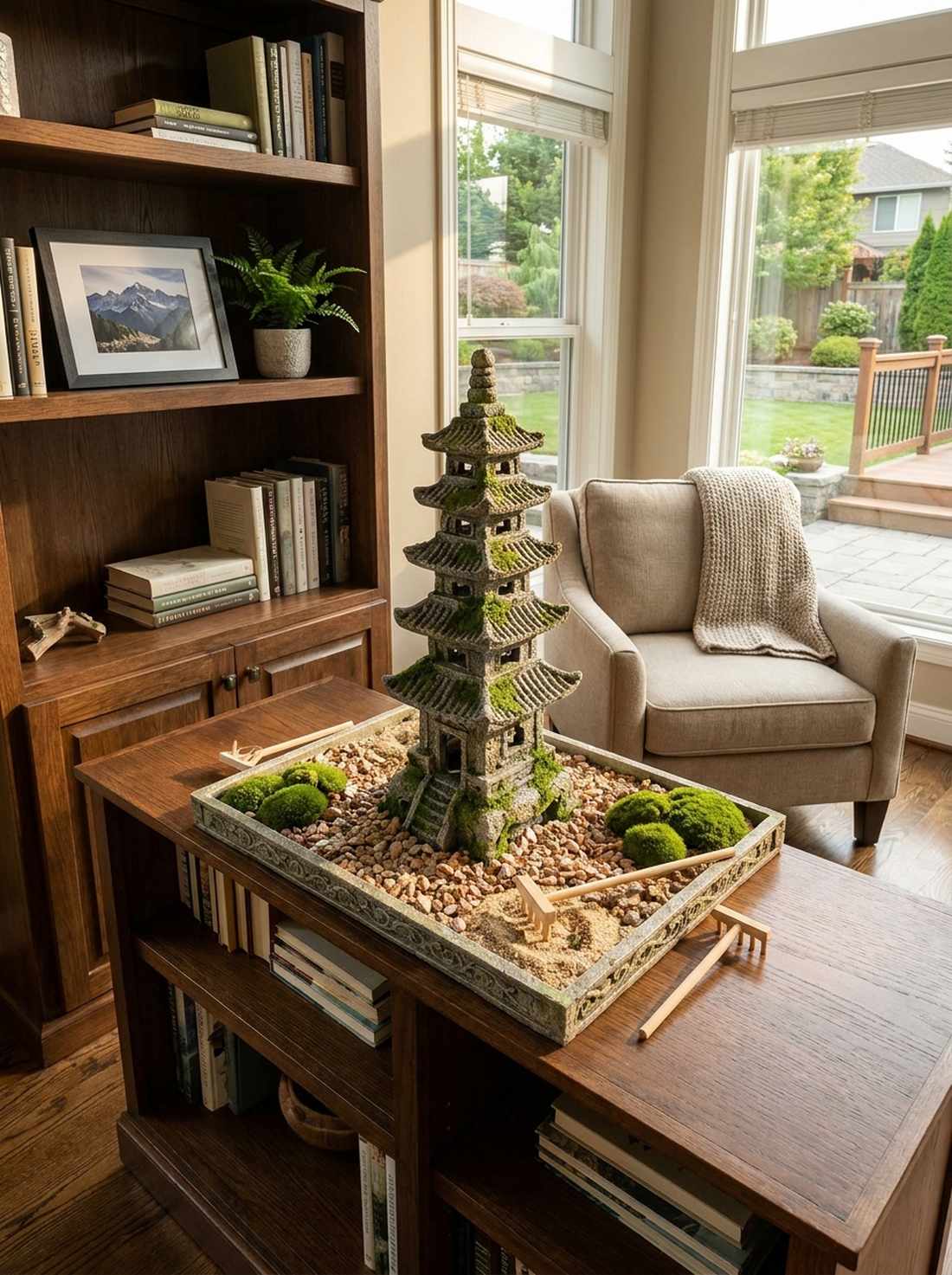
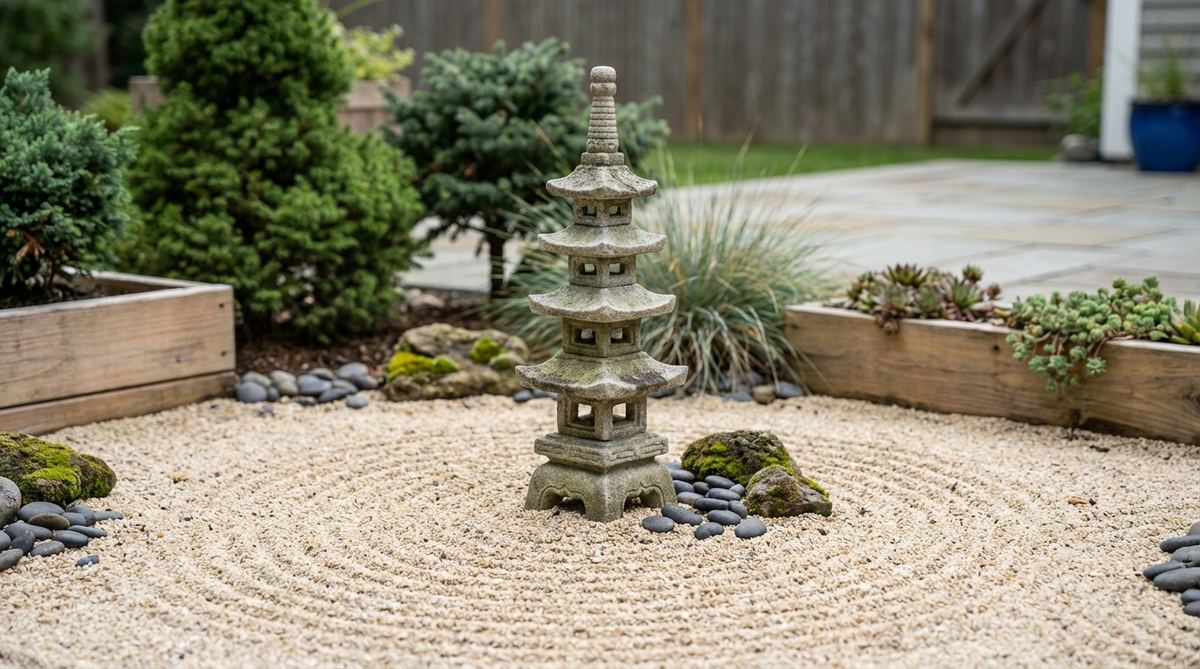
Strikes a majestic silhouette that feels like viewing a distant mountain temple. This multi-tiered architectural garden commands attention on sturdy bookshelves.
While minimal setups are common, utilizing vertical architecture instantly upgrades the visual weight of the scene. Weatherproof terrarium accessories ensure the tiny roof tiers don’t snap during regular dusting or raking.
You can construct this scene for $25–$40. Save this idea for a dramatic interior upgrade!
- Key Materials: Resin or stone pagoda, moss patches
- Vibe / Style: Historical architectural
- Difficulty: Easy placement
- Budget Breakdown: Pagoda: $18 | Tray & Sand: $15.
- Creator’s Tip: Surround the base of the pagoda with small crushed rocks to simulate a real foundation.
- Smart Sourcing: heavy-resin mini pagodas and architectural garden starter kits.
A lot of folks overpay for this specific vibe, but this upcoming setup hacks the price perfectly…
20. Bridge Pathway Element
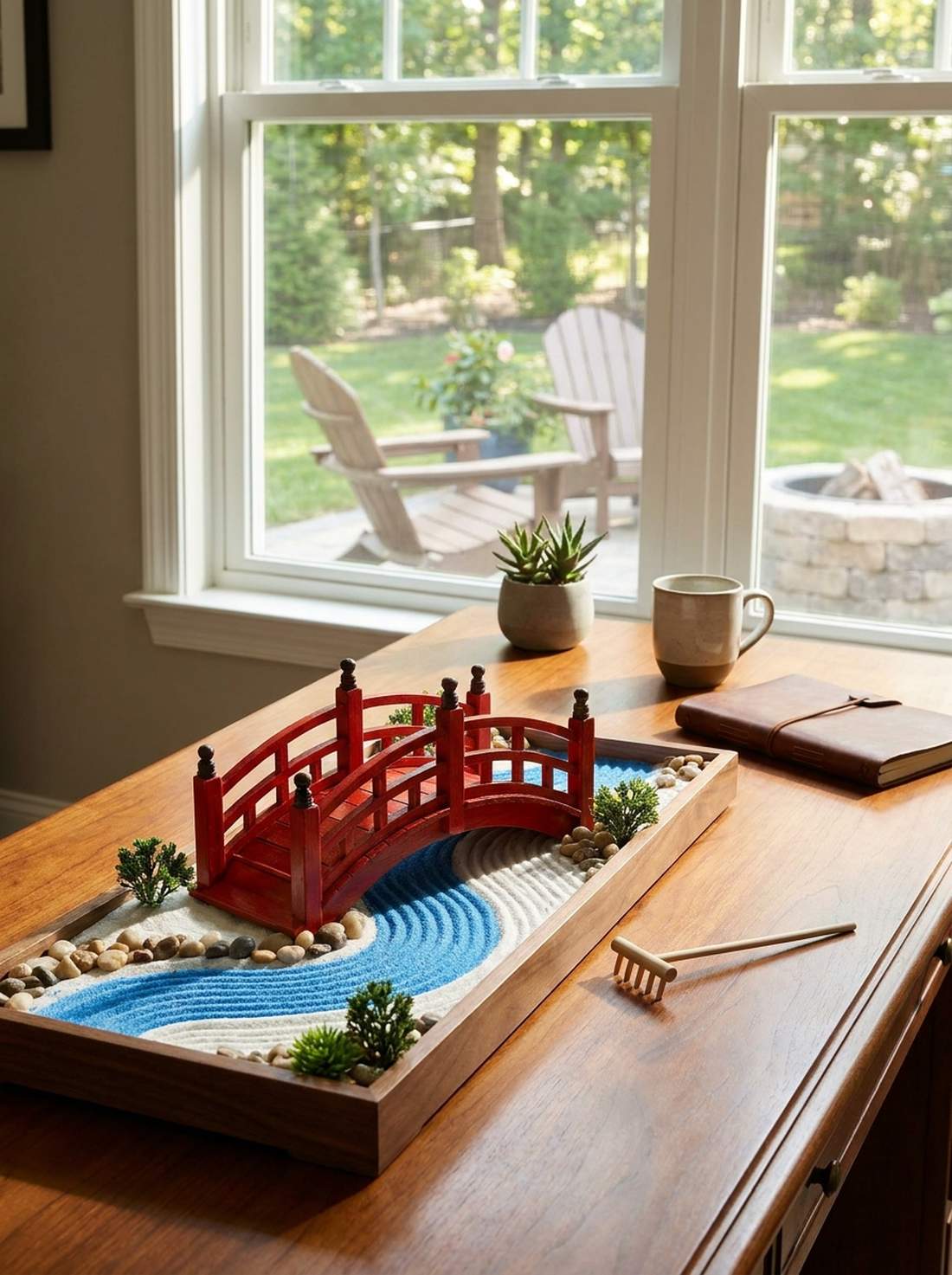
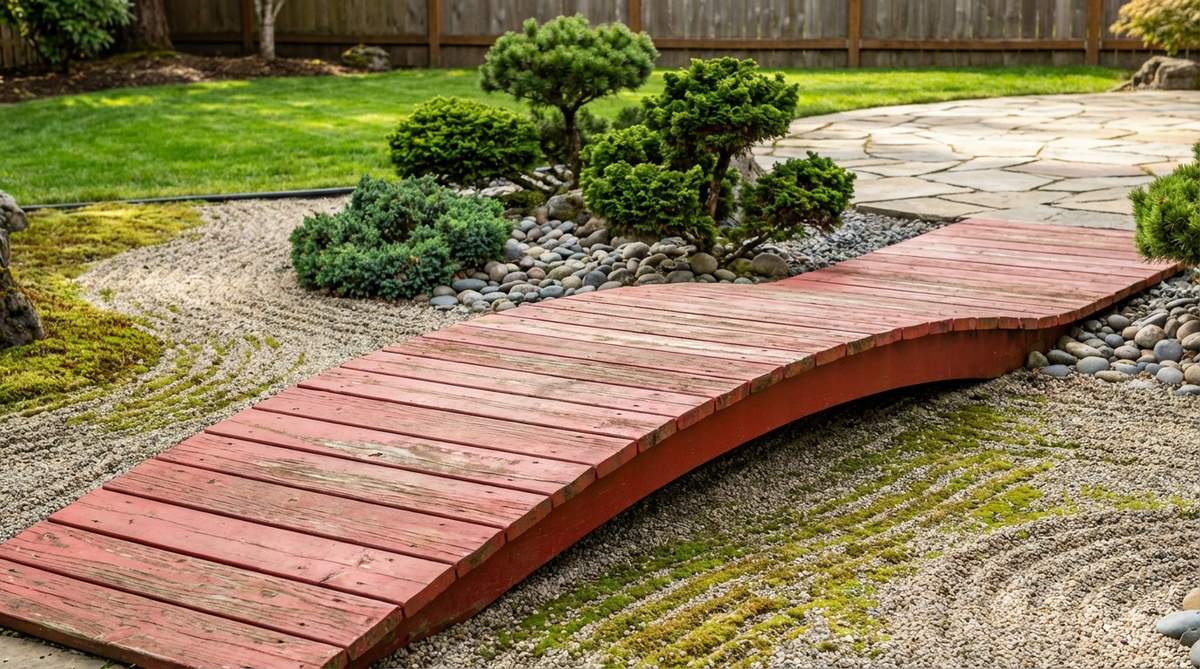
Suggests a journey that feels like crossing over into total relaxation. The red-lacquered bridge layout brings an intense, beautiful pop of color to a neutral study.
Integrating a bridge completely changes how you interact with the space, making it look far more expensive than it is. Raking a ‘river’ underneath the arching structure provides an incredibly satisfying daily ritual.
A sturdy mini bridge costs around $10-$15. Highly recommended for a vibrant desktop aesthetic.
- Key Materials: Miniature wooden bridge, contrasting sands
- Vibe / Style: Vibrant scenic pathway
- Difficulty: Intermediate
- Budget Breakdown: Bridge: $12 | Base Setup: $15.
- Creator’s Tip: Use two different shades of sand (white and blue) to distinctly separate the ‘water’ from the ‘banks’.
- Smart Sourcing: miniature wooden arch bridges (sealed) and dual-color sand packs.
21. Lotus Flower Accent Pieces
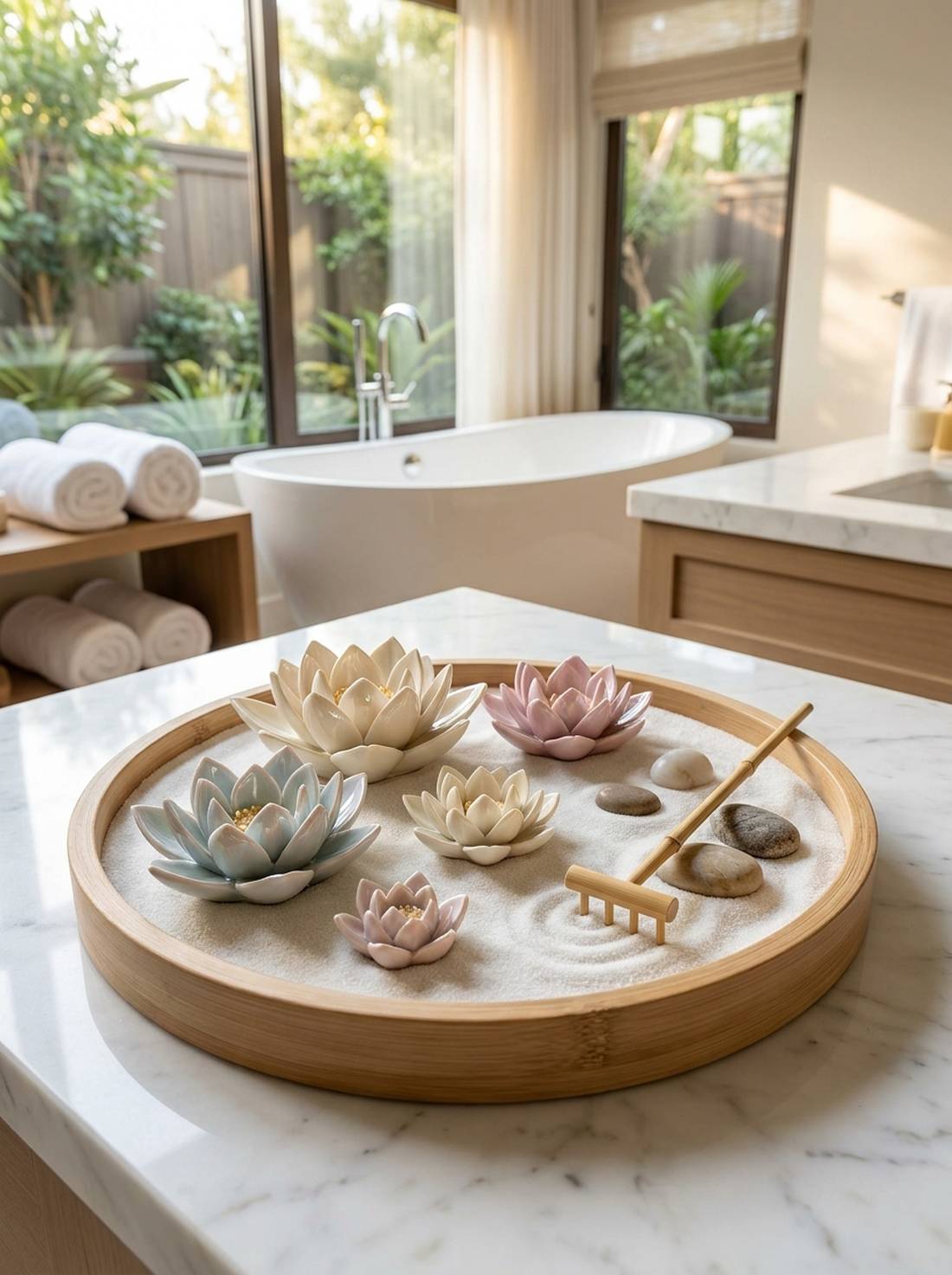
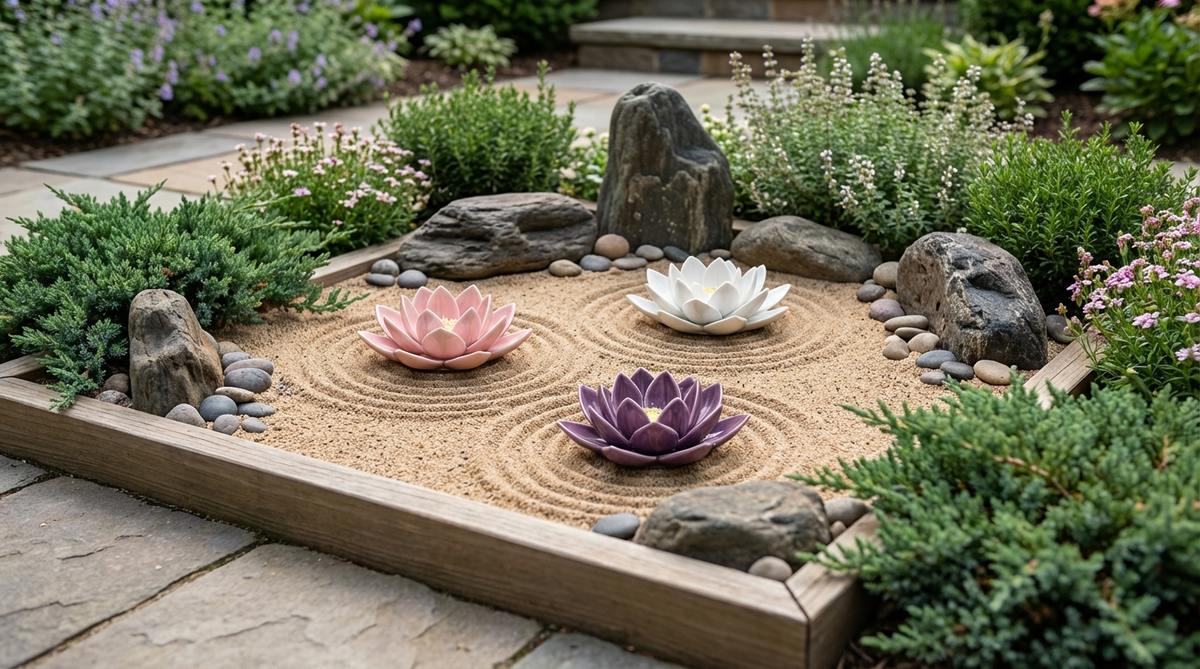
Delivers a soft, symmetrical beauty that feels like an early spring bloom. This ceramic lotus blossom design is wonderfully elegant for a bedroom vanity or spa setting.
Stones can feel too heavy, but ceramic petals offer a delicate, feminine contrast that brightens the whole tray. High-grade miniature garden supplies feature glazed finishes that reflect ambient light beautifully across the sand.
You can snag a set of ceramic blossoms for under $20. Pin this to your wellness retreat board!
- Key Materials: Glazed ceramic lotus flowers, fine white sand
- Vibe / Style: Soft botanical elegance
- Difficulty: Easy
- Budget Breakdown: Ceramic Flowers: $15 | Tray: $10.
- Creator’s Tip: Use varying sizes of flowers grouped together to mimic natural, asymmetrical growth.
- Smart Sourcing: glazed ceramic lotus figures and ultra-white premium sand.
22. Lantern Illuminated Garden
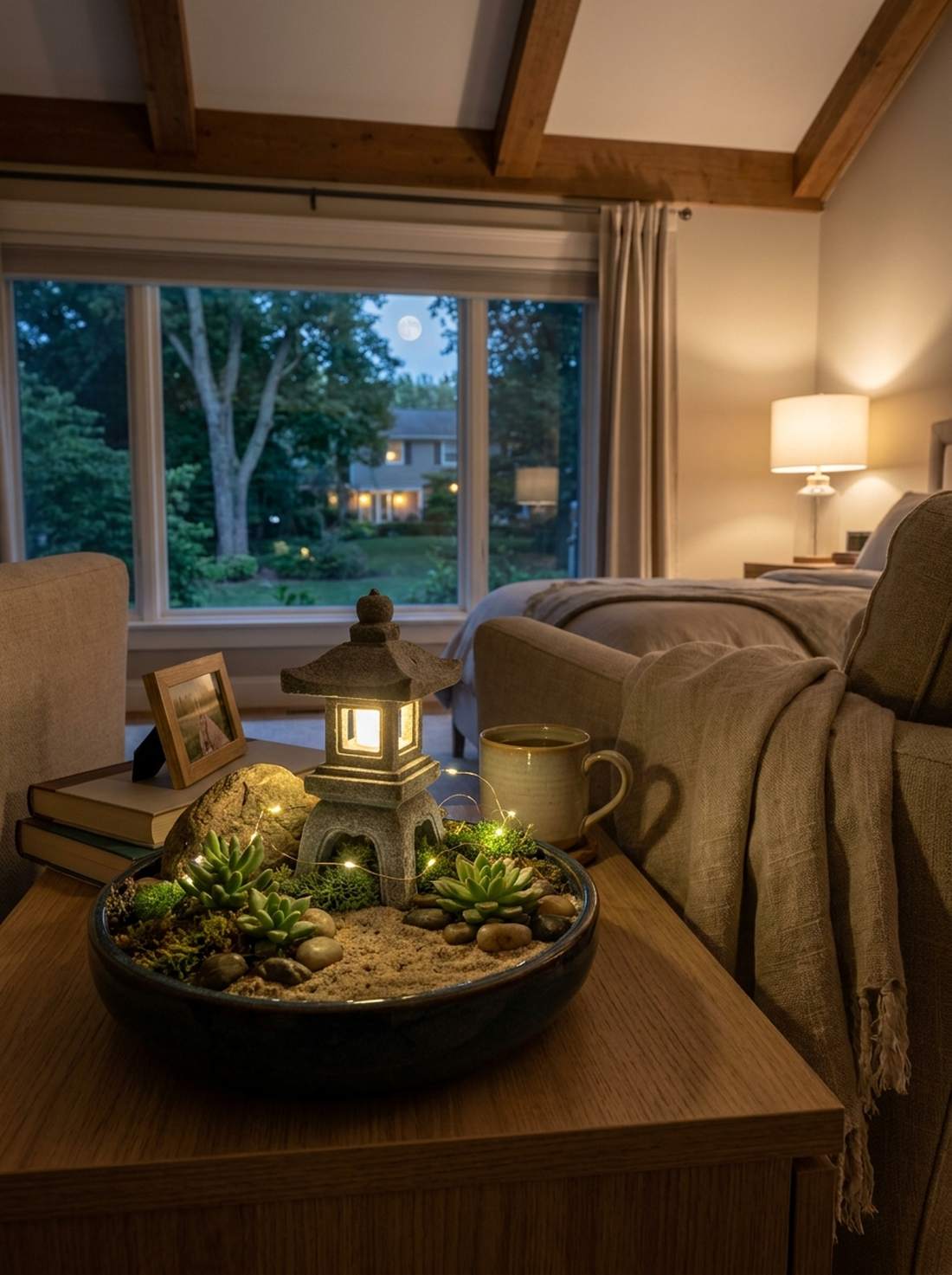
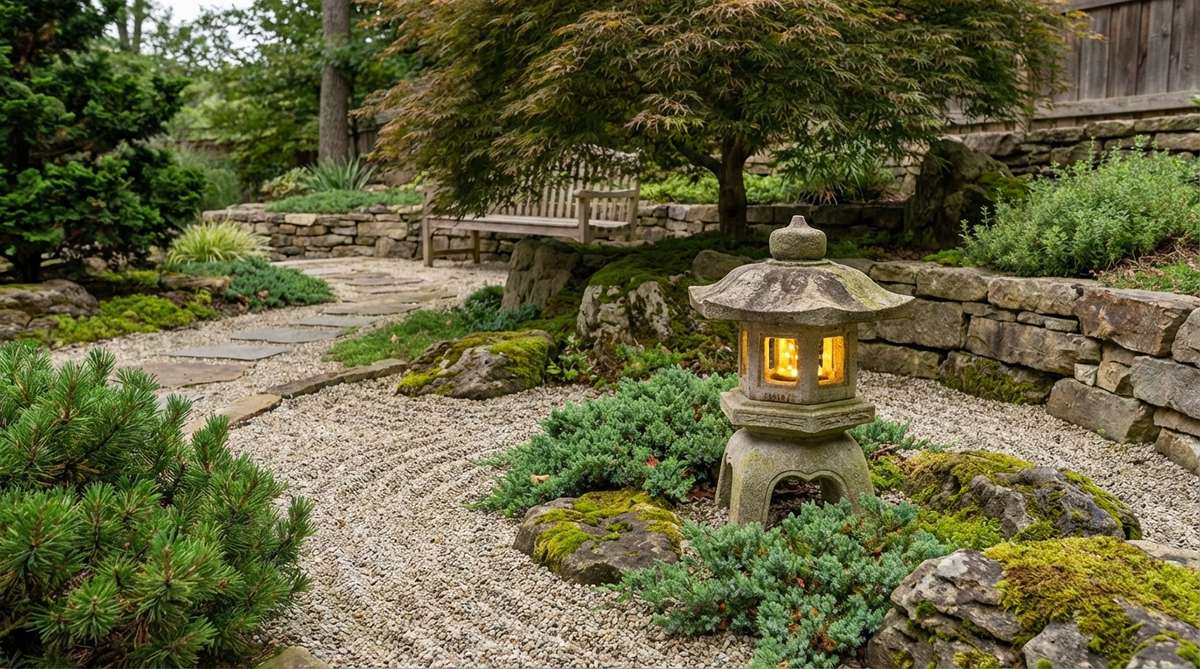
Casts a moody, comforting glow that feels like a midnight stroll through a quiet village. An LED-lit stone lantern setup is unmatched for bedside nightstand ambiance.
Basic setups vanish in the dark, but adding micro-lighting gives a designer-level finish that works 24/7. Battery-powered fairy garden kits ensure you get that glowing window effect without ugly wires trailing off your desk.
Expect to spend $25-$45 for a quality lit piece. An absolute must-have for evening unwind routines.
- Key Materials: Miniature stone lantern with LED, battery pack
- Vibe / Style: Evening ambient mood
- Difficulty: Intermediate (hiding wires)
- Budget Breakdown: Lit Lantern: $20 | Base Sand: $10.
- Creator’s Tip: Bury the tiny watch-battery pack under a large rock so it remains completely hidden but accessible.
- Smart Sourcing: LED miniature stone lanterns and deep-dish hiding bases.
23. Crane Bird Figurines
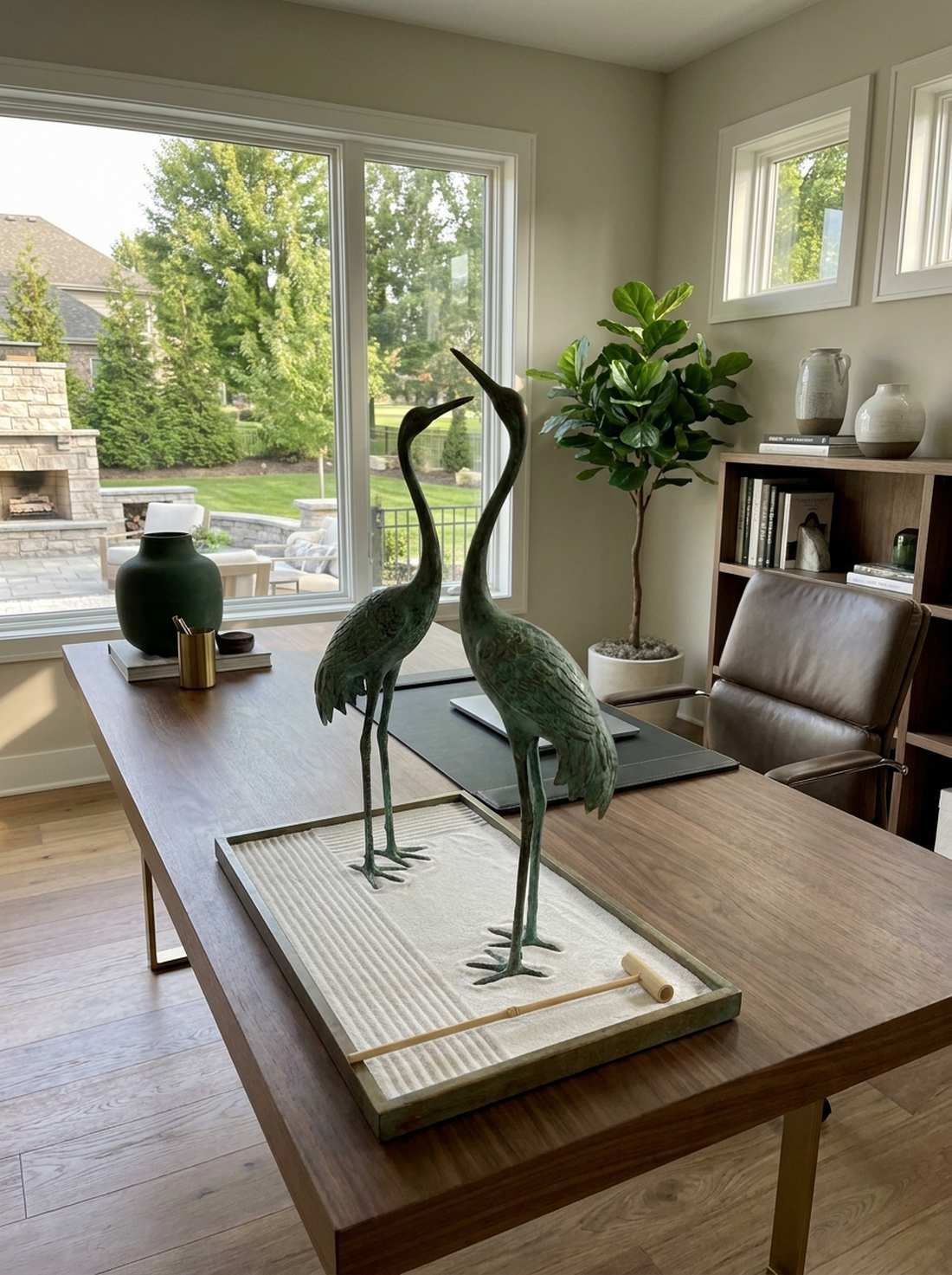
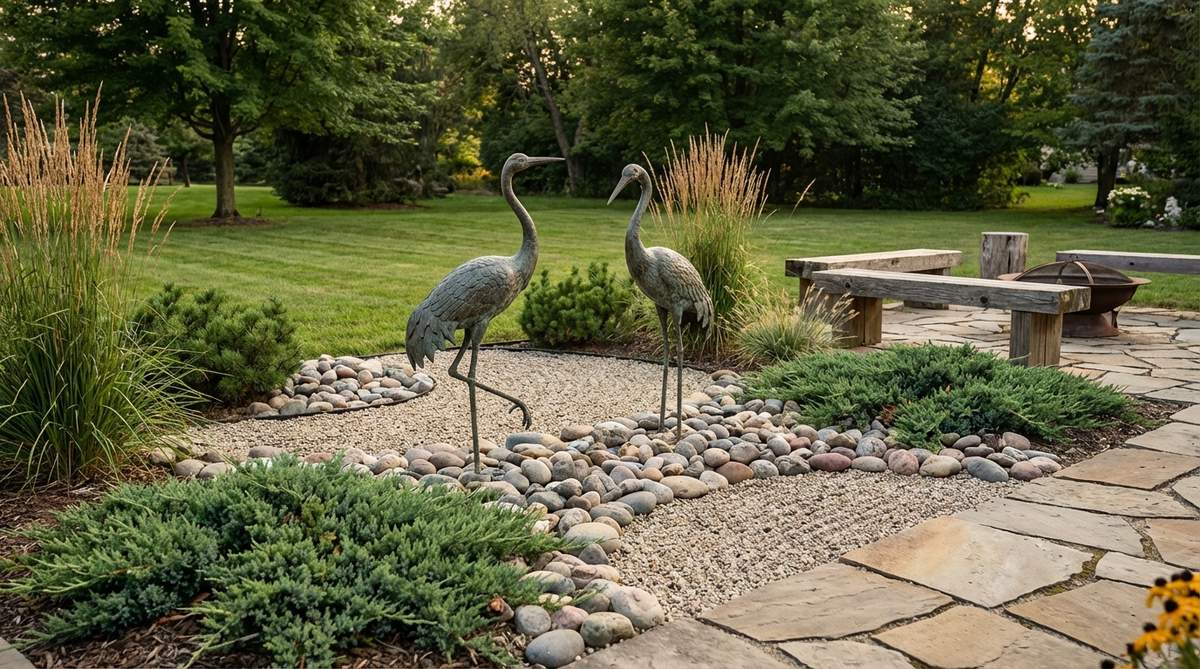
Captures an elegant posture that feels like poetry in motion. The metallic crane bird arrangement injects sophisticated, sweeping curves into any sharp, modern office.
Placing cheap plastic animals ruins the vibe, but choosing oxidized brass or ceramic figures looks incredibly luxurious. Paired cranes represent longevity, making this specific arrangement an incredibly thoughtful meditation gift.
Sourcing metal figures usually costs $20-$35. Save this for when you need a high-end gifting idea!
- Key Materials: Brass or ceramic crane pair, sweeping rake
- Vibe / Style: Sophisticated wildlife
- Difficulty: Easy
- Budget Breakdown: Crane Pair: $25 | Sand Setup: $15.
- Creator’s Tip: Rake long, straight lines parallel to the birds to emphasize their elegant, tall necks.
- Smart Sourcing: oxidized brass crane figures and premium meditation desk kits.
24. Seasonal Cherry Blossom Kit
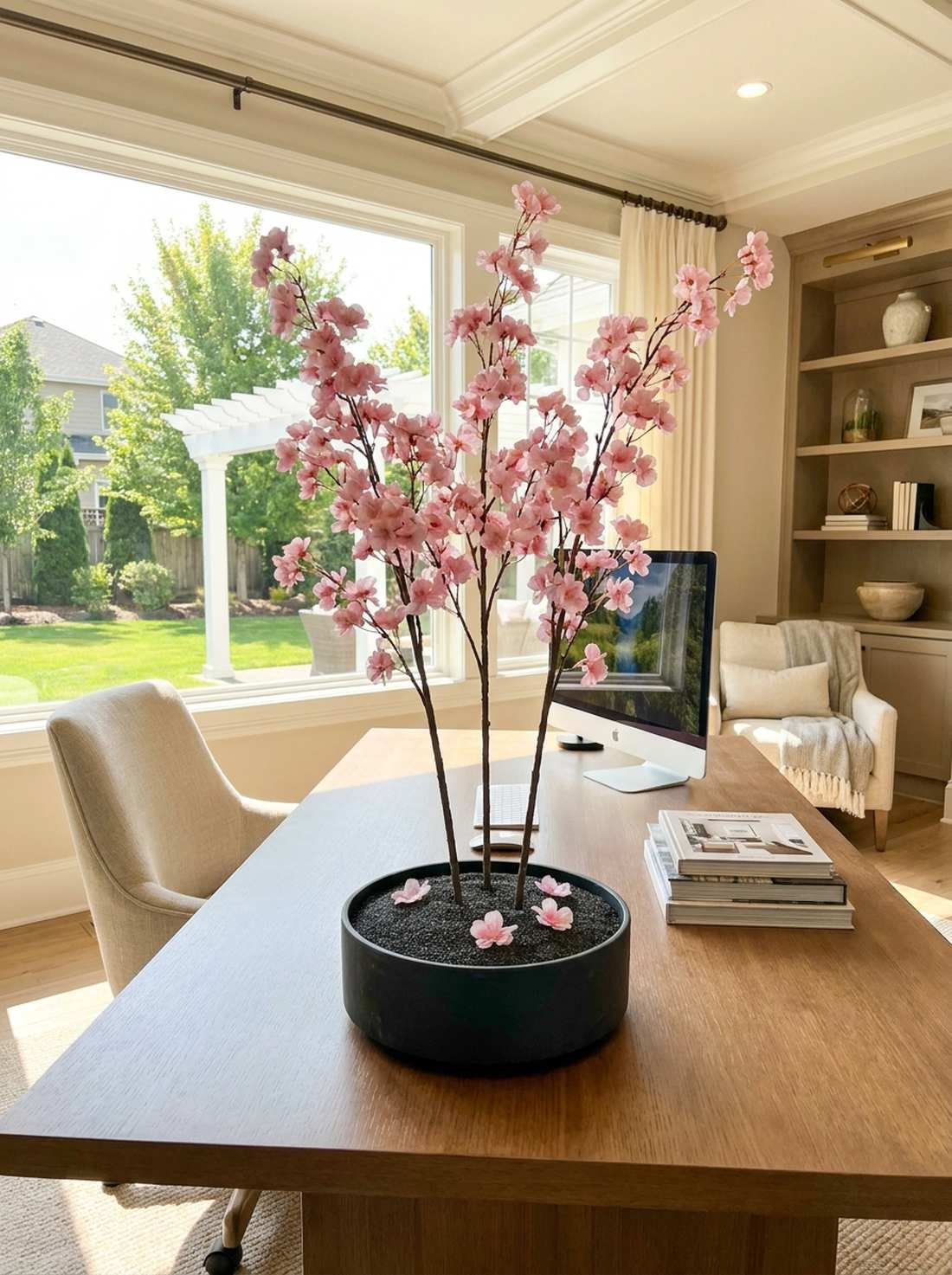
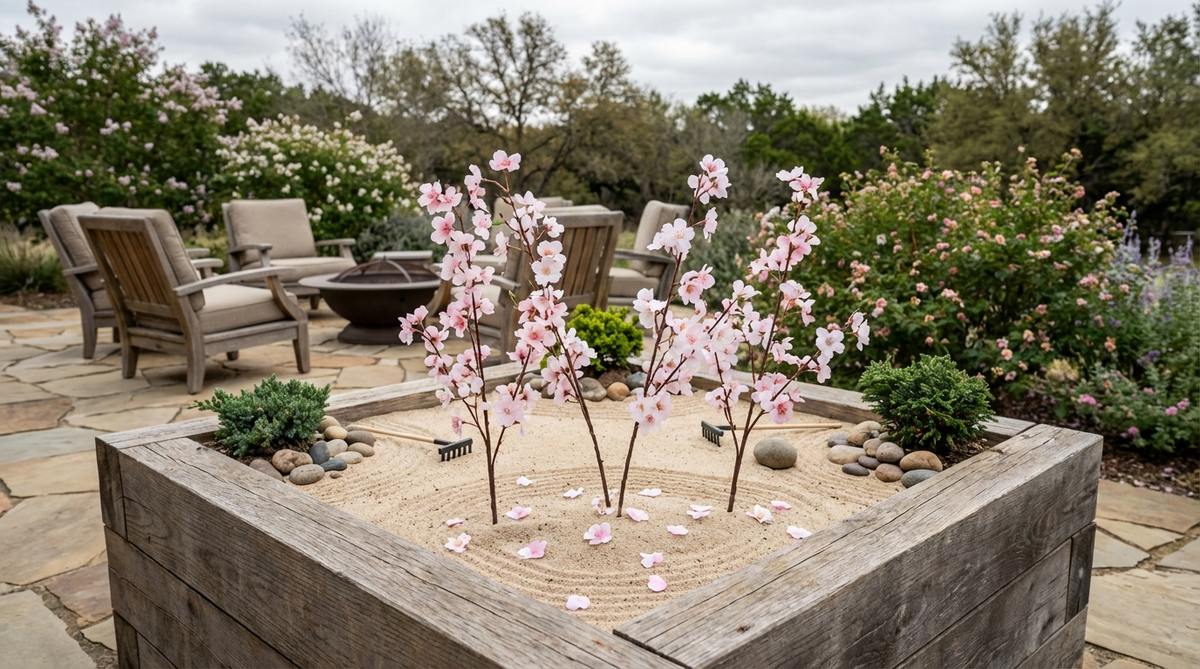
Floods the room with a cheerful pop of pink that feels like a perpetual springtime festival. A faux sakura branch display completely livens up a sterile, windowless cubicle.
Maintaining real floral drops is impossible, but high-end artificial silks bring that exact vibe without the decay. Quality terrarium accessories ensure the petals don’t easily detach when you’re deeply engrossed in raking the sand below.
You can set this up for roughly $25-$35. Pin this idea for a massive mood-boosting layout!
- Key Materials: Silk cherry blossom sprig, dark sand
- Vibe / Style: Bright spring festival
- Difficulty: Easy
- Budget Breakdown: Silk Branches: $15 | Base: $15.
- Creator’s Tip: Pluck 2 or 3 loose petals and rest them on the sand to create the illusion of a gentle breeze.
- Smart Sourcing: UV-resistant silk sakura branches and dark slate contrast sand.
Don’t skip this next one—it’s secretly the highest-rated layout for modern workspaces…
Premium Crafted Meditation Sets
25. Solid Walnut Handcrafted Tray
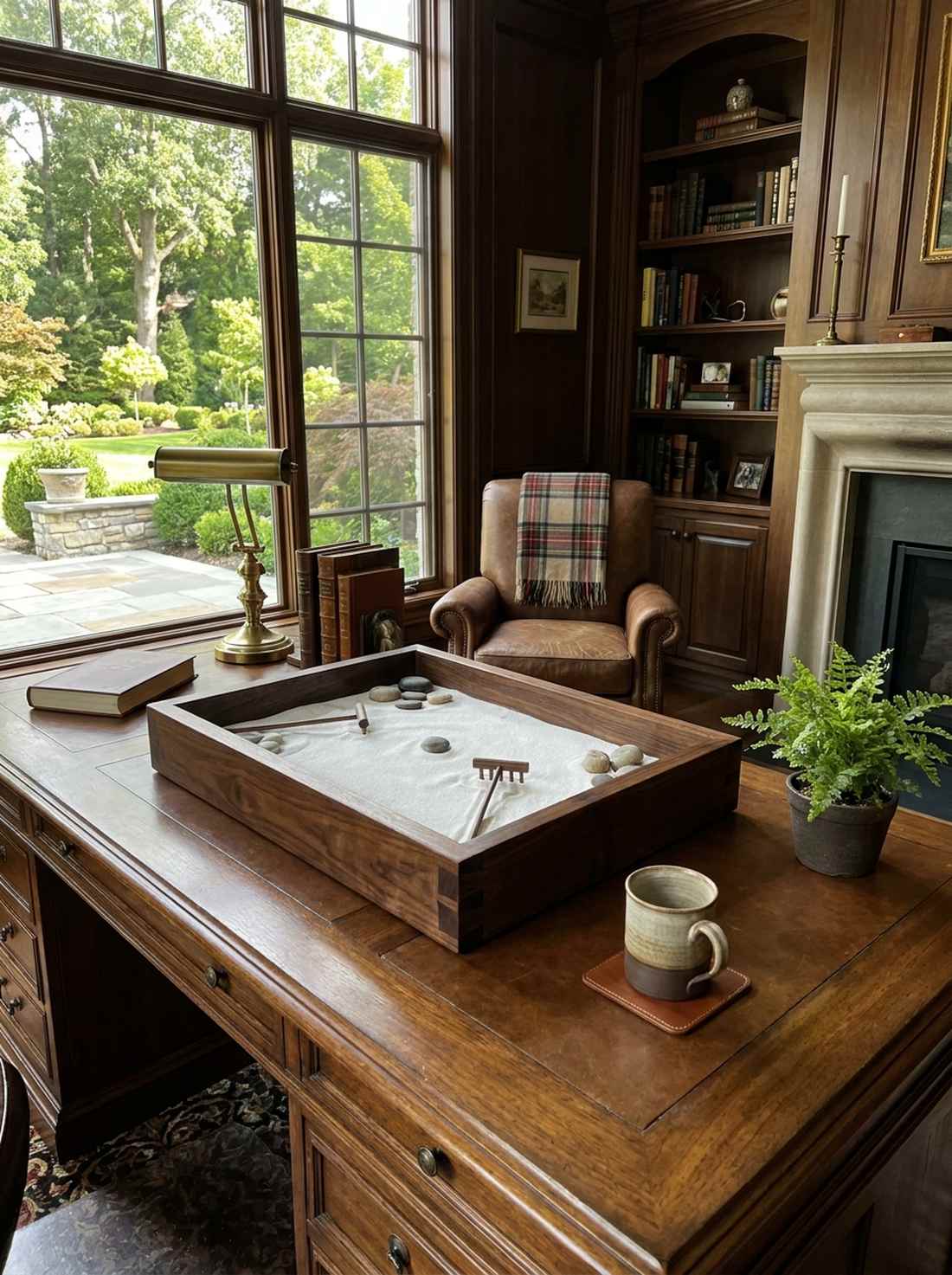
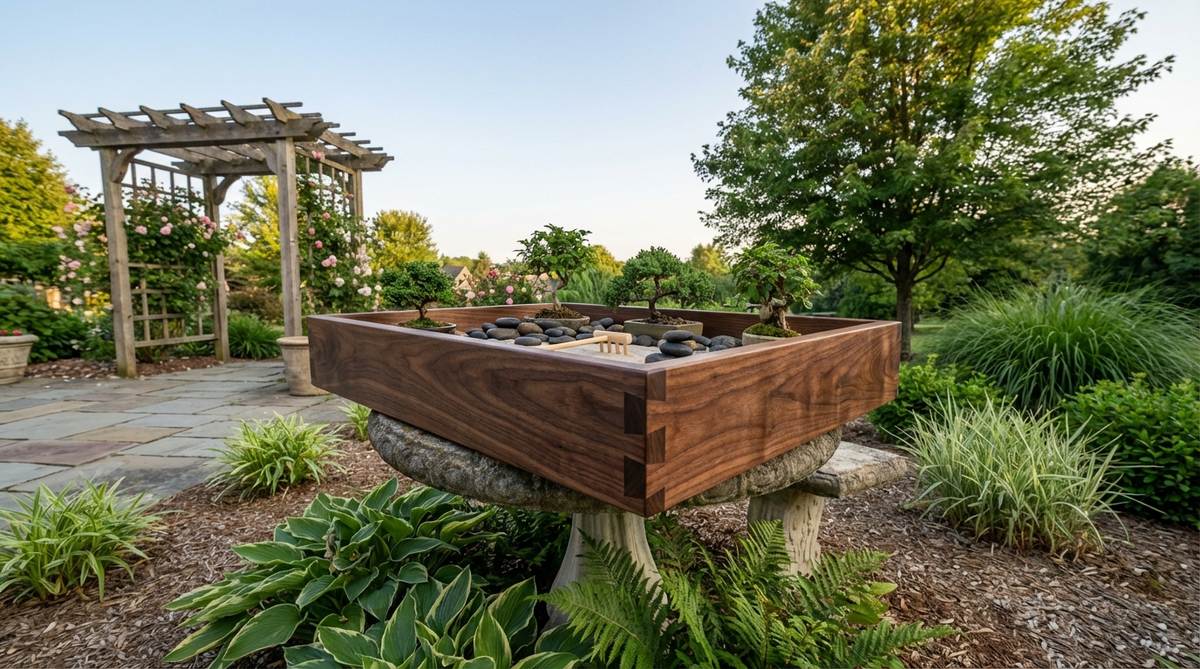
Exudes a heavy, dark-academia richness that feels like a vintage executive suite. A dovetail walnut meditation board is the absolute pinnacle of premium desk decor.
Flimsy glued boxes crack over time, but interlocking hardwood joinery looks far more expensive than it is and lasts decades. Investing in genuine hardwood prevents the edges from warping, even in heavily air-conditioned or humid spaces.
Expect a heavy upfront cost of $75–$120. It is a genuine heirloom piece worth every penny.
- Key Materials: Hand-oiled walnut tray, premium quartz
- Vibe / Style: Executive luxury
- Difficulty: Easy placement
- Budget Breakdown: Walnut Tray: $80 | Accessories: $20.
- Creator’s Tip: Rub the wood with beeswax twice a year to maintain that deep, chocolate-brown luster.
- Smart Sourcing: solid walnut dovetailed bases and museum-quality quartz sand.
26. Japanese Cherry Wood Edition
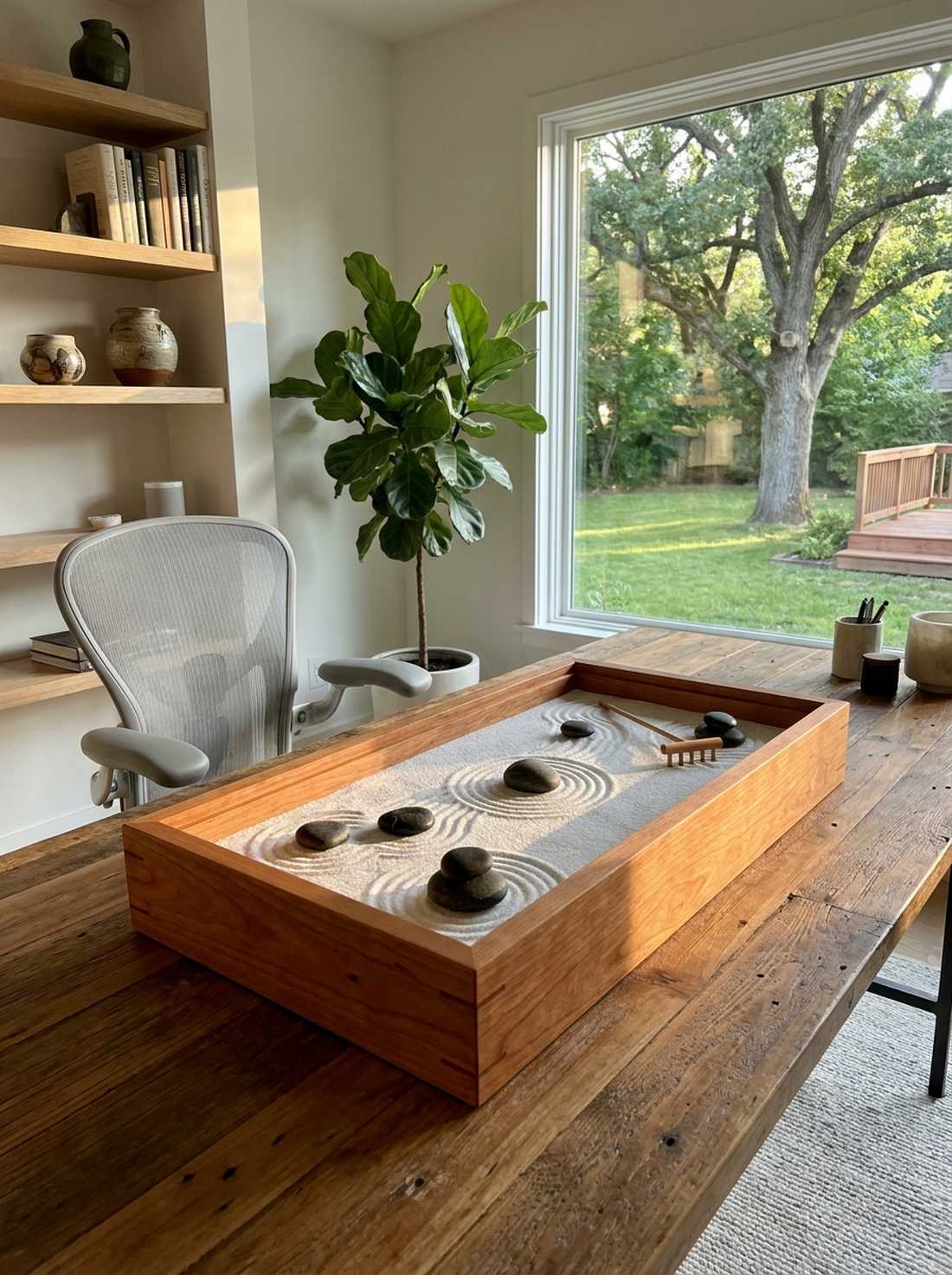
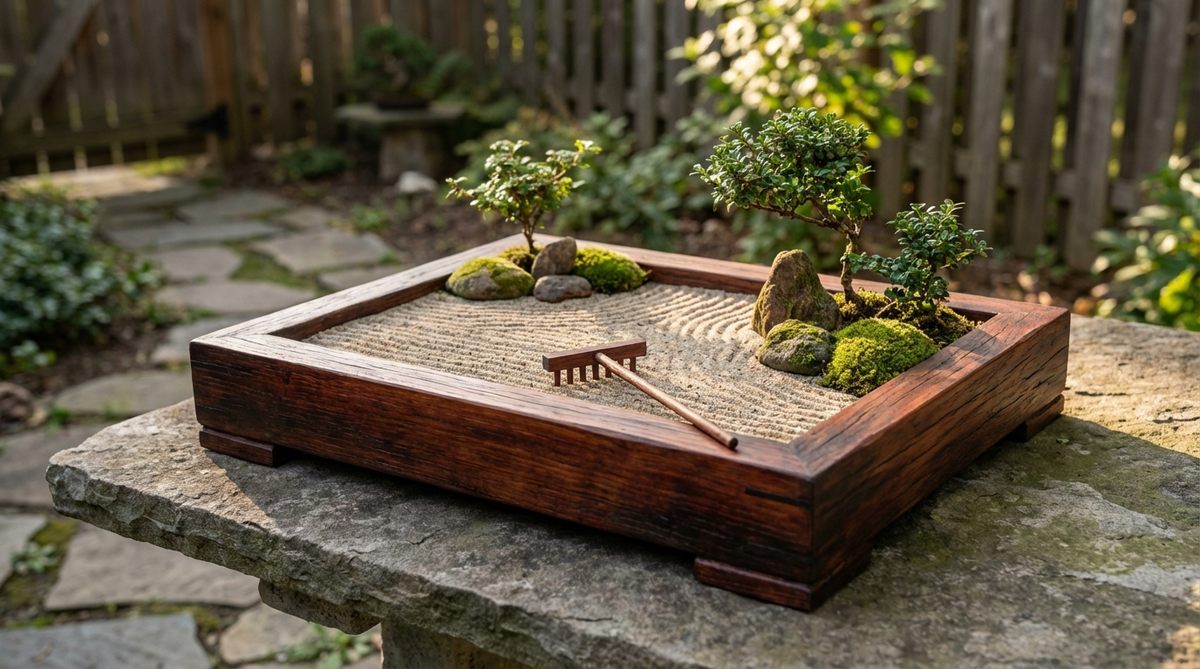
Glows with a warm, reddish patina that feels like a master craftsman’s workshop. The authentic cherry wood sandbox is perfect for brightly lit, minimalist home offices.
Most commercial kits use cheap pine, but cherry wood darkens and actually improves visually as it ages under sunlight. It perfectly bridges the gap between high-end miniature garden supplies and traditional carpentry art.
This premium wood selection runs about $60-$90. Pin this if you value authentic, aging materials!
- Key Materials: Cherry wood frame, traditional stones
- Vibe / Style: Artisan craftsman
- Difficulty: Easy
- Budget Breakdown: Cherry Frame: $65 | Sand & Stones: $15.
- Creator’s Tip: Place it near a window; the UV rays will naturally deepen the cherry wood’s red hues over time.
- Smart Sourcing: kiln-dried cherry wood trays and authentic river stone packs.
27. Black Lacquer Ceramic Bowl
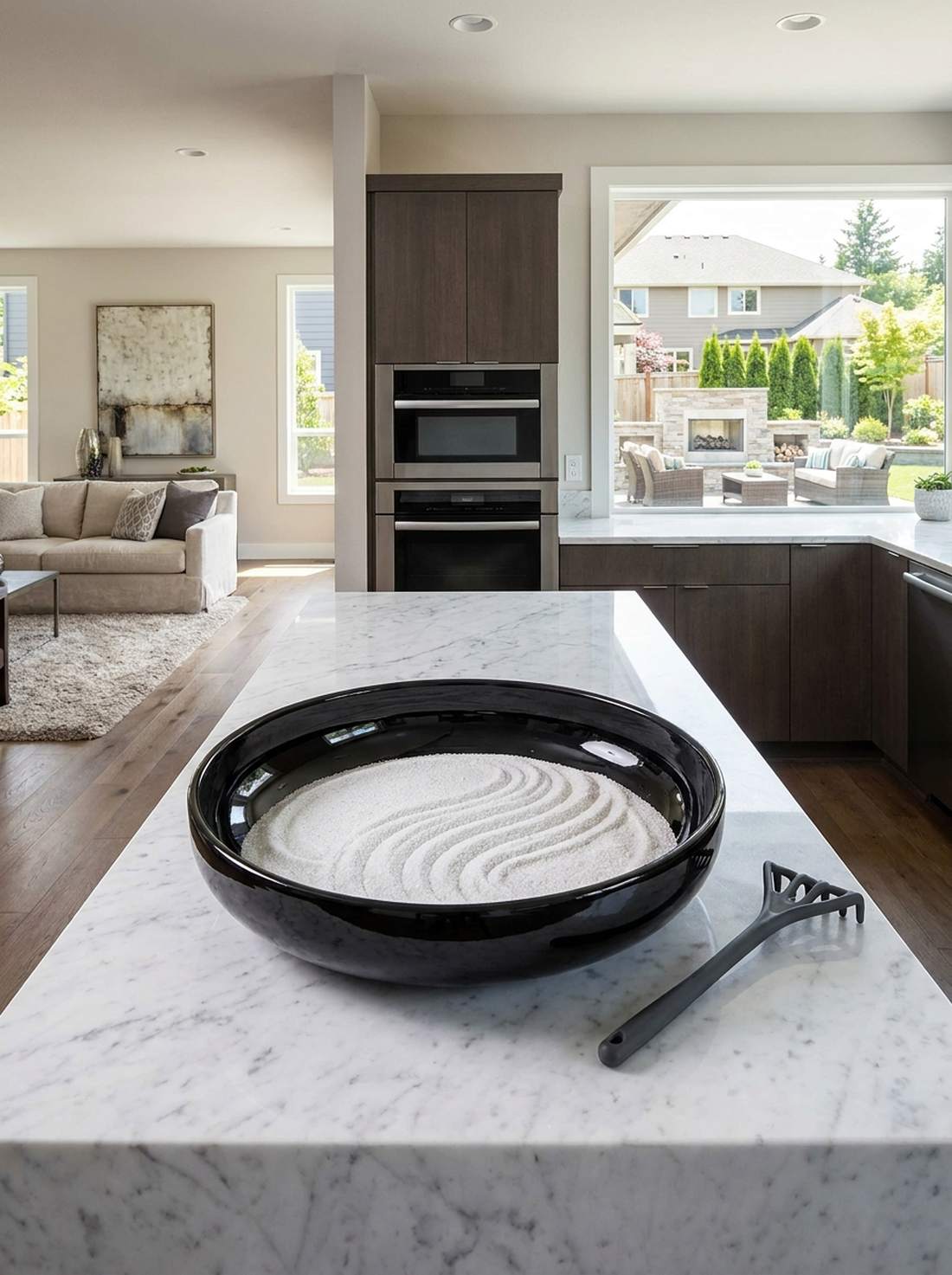
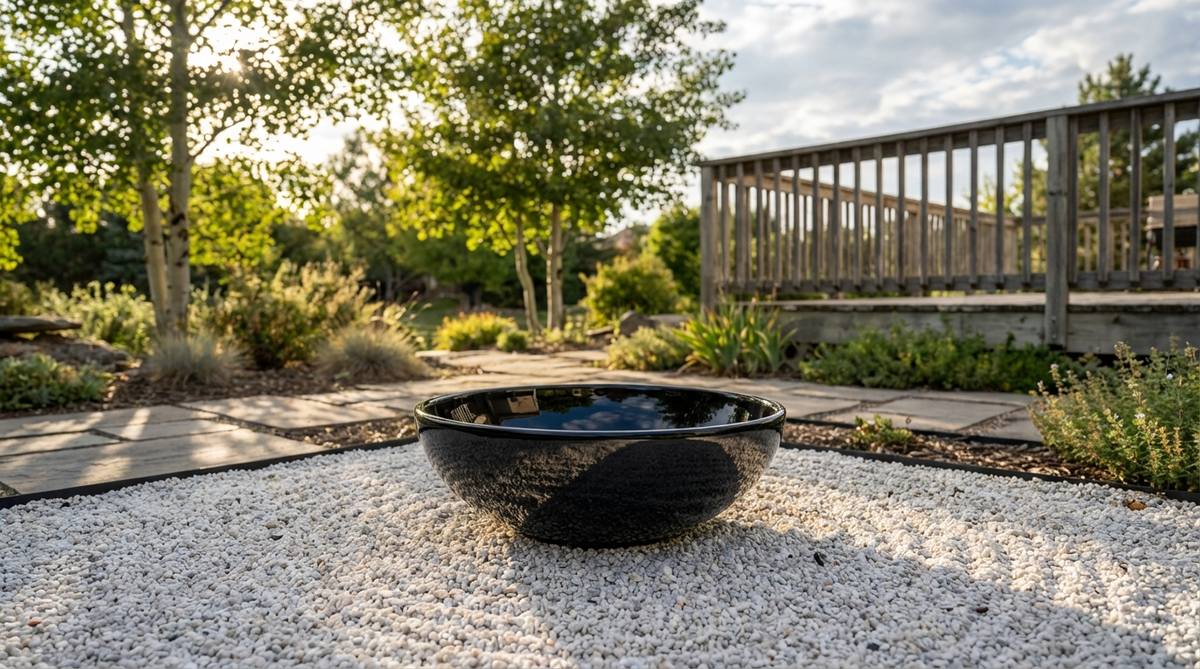
Creates a dramatic, bottomless void effect that feels intensely futuristic and sleek. The glossy lacquered bowl design sits flawlessly on modern marble countertops.
A flat tray is standard, but the sweeping curves of a deep bowl completely contain the sand while offering massive visual contrast. A high-gloss finish reflects the white sand beautifully, giving a designer-level finish that commands attention.
A heavy ceramic bowl setup usually costs $45-$65. An incredible choice for contemporary homes.
- Key Materials: 12-inch black ceramic bowl, white marble sand
- Vibe / Style: High-contrast modernism
- Difficulty: Intermediate (curved raking)
- Budget Breakdown: Lacquer Bowl: $40 | Marble Sand: $15.
- Creator’s Tip: Use a flexible silicone rake instead of rigid wood to effortlessly follow the bowl’s interior curves.
- Smart Sourcing: glossy black ceramic bowls (wide mouth) and flexible silicone raking tools.
28. Copper Inlay Design Tray
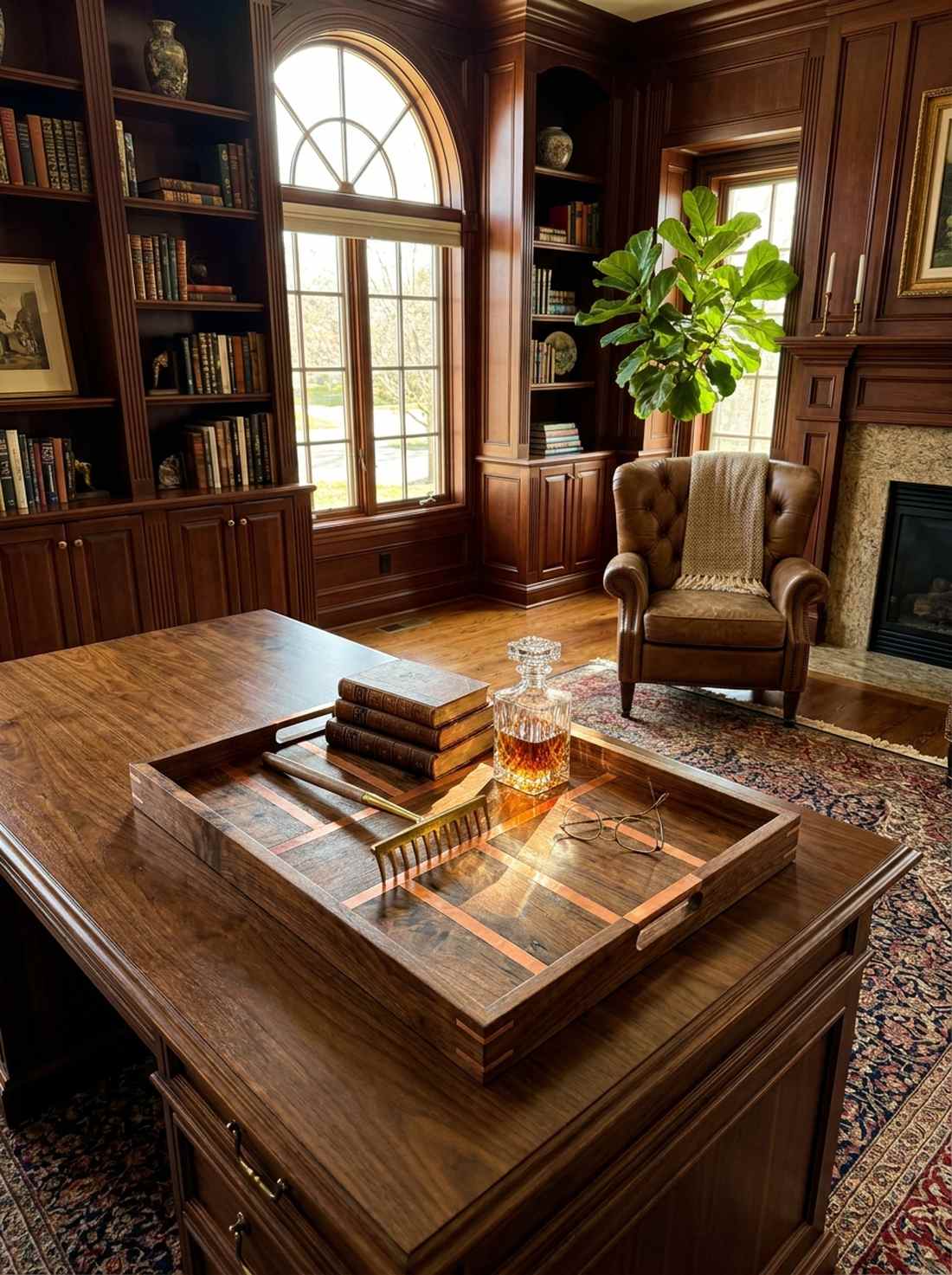
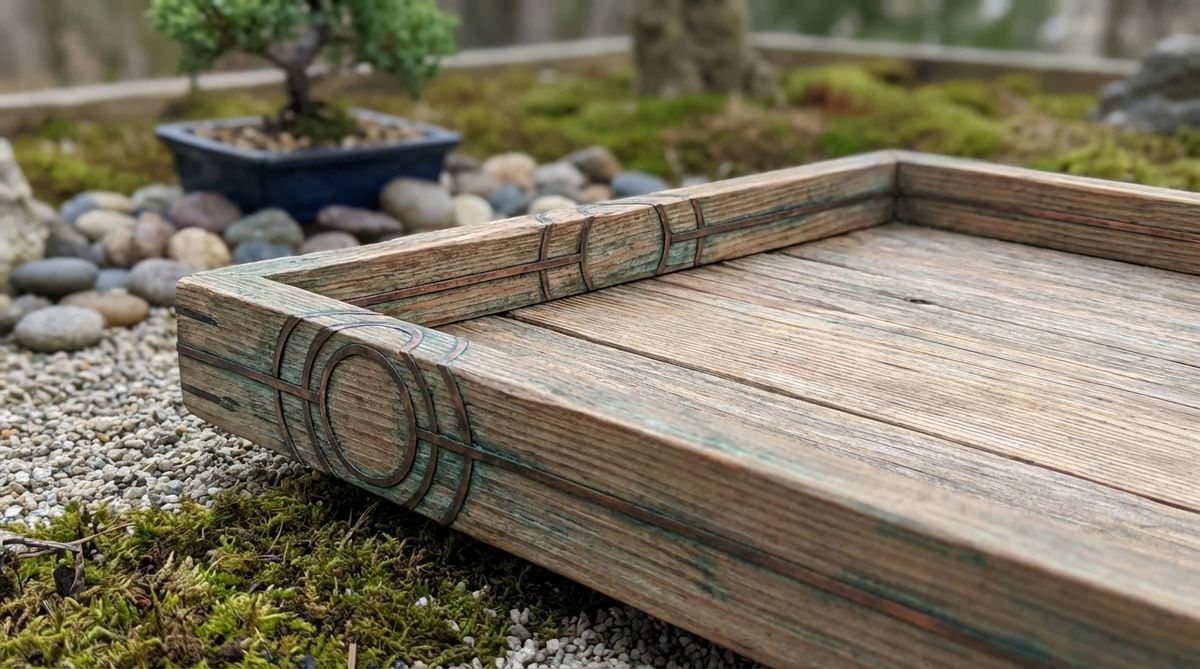
Catches the light with a brilliant metallic flash that feels incredibly sophisticated. A wood tray with copper geometric inlay elevates a standard library or study room instantly.
Plain edges can be boring, but embedding raw metal into the frame looks far more expensive than it is. As the copper ages, it develops a stunning green patina that adds an entirely new layer of visual history to the piece.
These artisan-crafted trays run anywhere from $50-$85. Save this to your premium office decor board!
- Key Materials: Wood tray with copper strips, brass rake
- Vibe / Style: Artisan industrial
- Difficulty: Easy
- Budget Breakdown: Inlay Tray: $60 | Rake: $15.
- Creator’s Tip: You can either polish the copper monthly for high shine or let it naturally oxidize for a rustic look.
- Smart Sourcing: copper-inlay wooden trays and heavy brass raking kits.
29. Hand-Selected Suiseki Stones
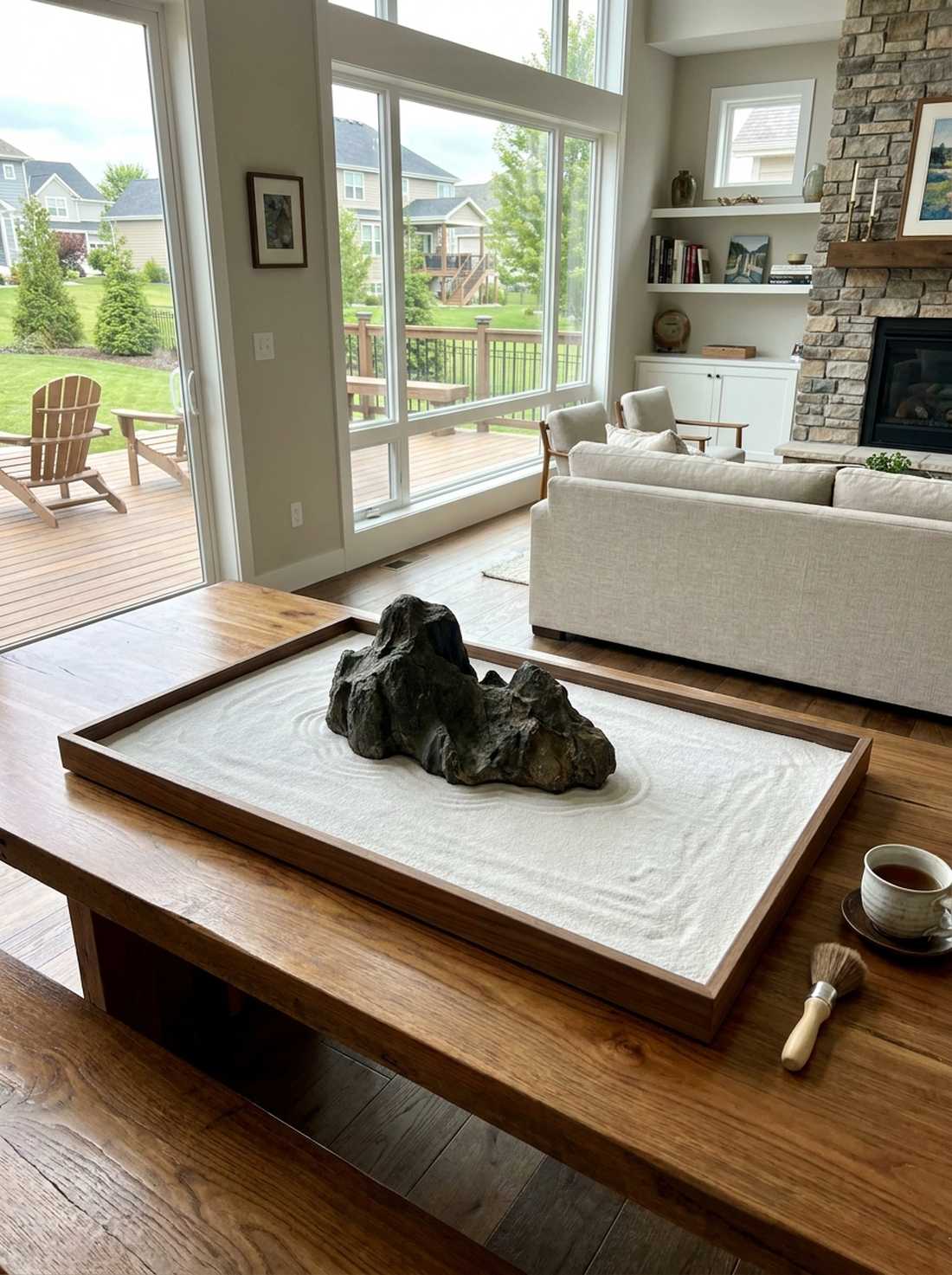
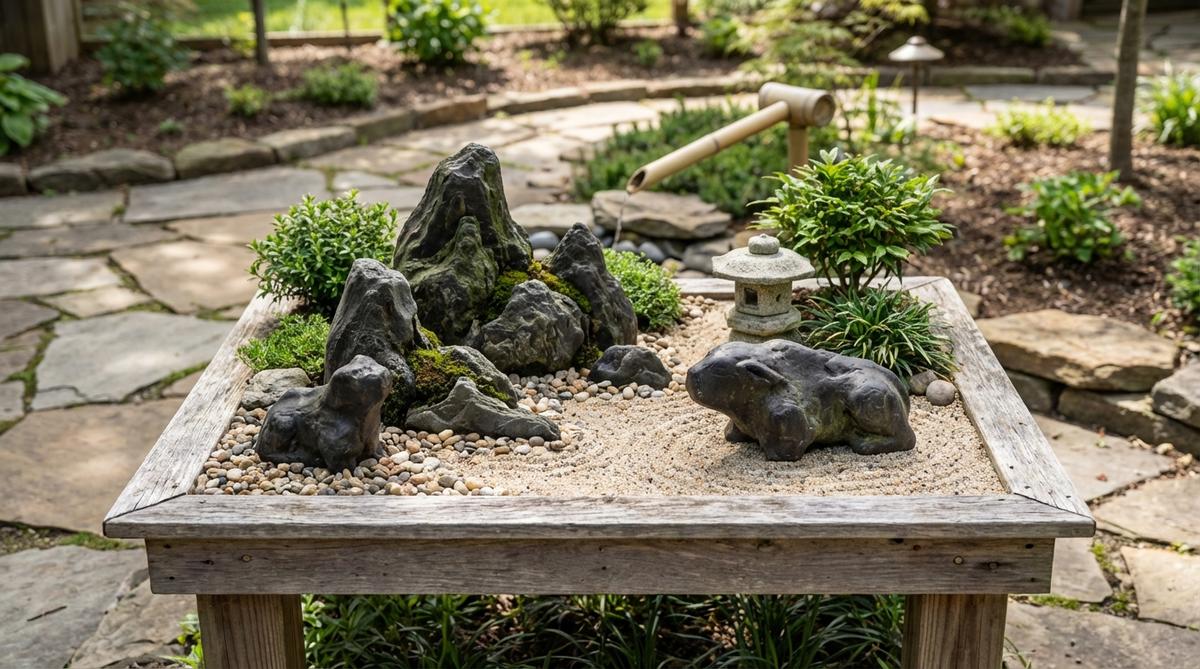
Brings a museum-quality reverence that feels like holding a miniature mountain range. A genuine Suiseki viewing stone setup is the ultimate flex for serious meditation practitioners.
Generic pebbles pale in comparison to naturally eroded stones that genuinely resemble sprawling landscapes. Sourcing authentic stones from specialty fairy garden kits transforms a simple desk toy into a profound piece of natural art.
Premium stones can cost $40 to well over $100 depending on shape. A worthy investment for true purists.
- Key Materials: Authentic Suiseki stone, vast sand tray
- Vibe / Style: Museum-grade purist
- Difficulty: Easy placement, hard sourcing
- Budget Breakdown: Suiseki Stone: $50+ | Base: $25.
- Creator’s Tip: Never wash a Suiseki stone with soap; only use a dry, soft-bristle brush to maintain its ancient patina.
- Smart Sourcing: authentic Suiseki viewing stones and extra-large minimalist trays.
This following idea is highly controversial among purists, but the visual contrast is undeniably stunning…
30. Museum Quality Sand Garden
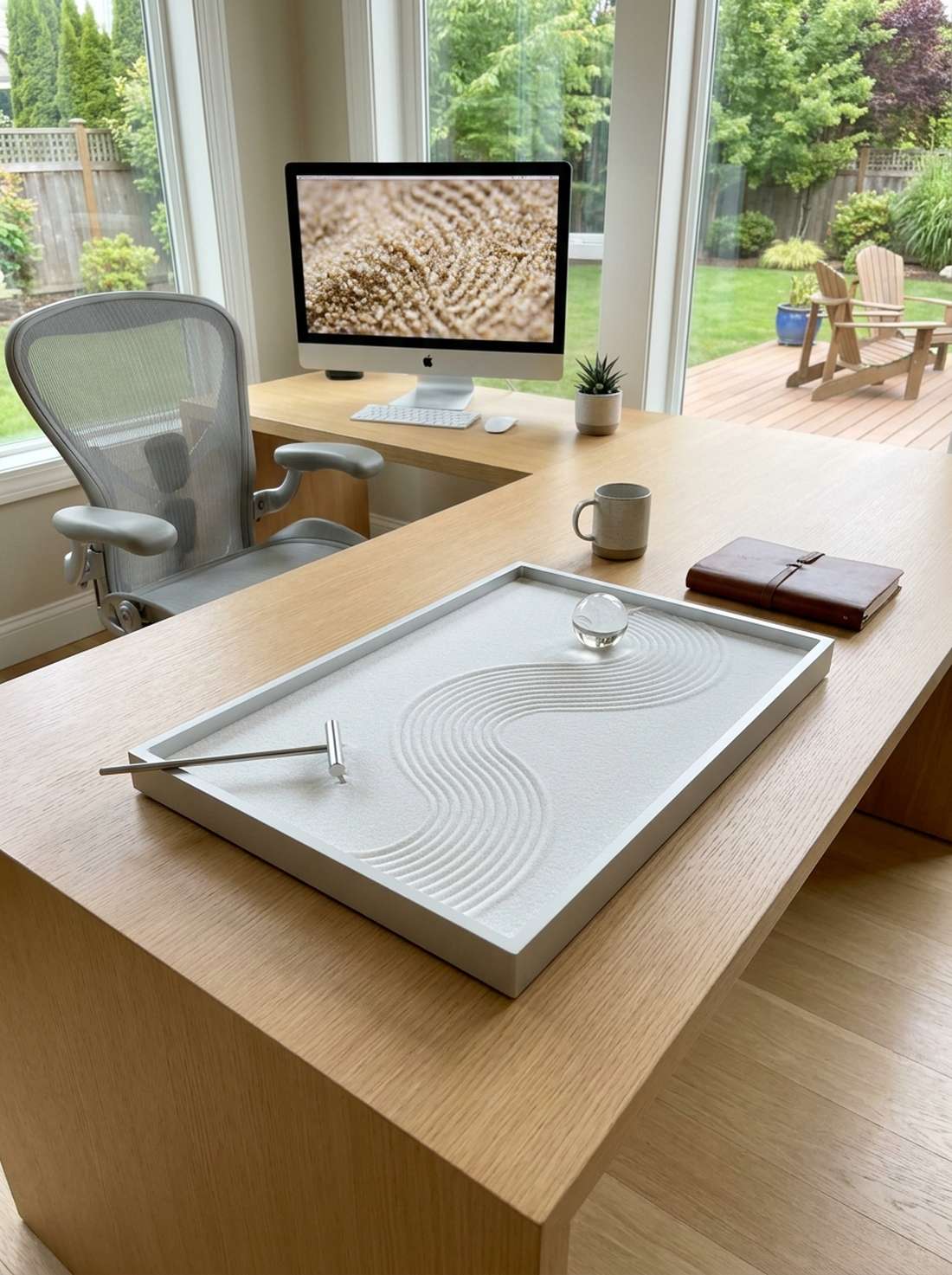
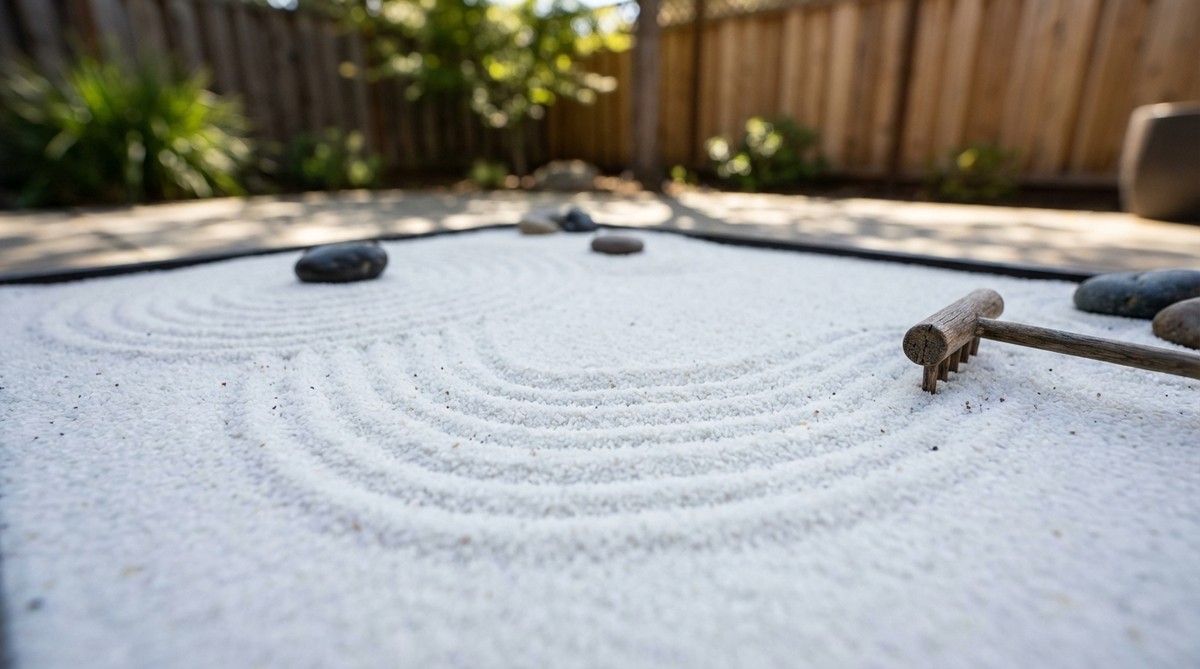
Reflects light with a blinding purity that feels almost unnaturally perfect. Upgrading to an ultra-refined spherical sand base is a game-changer for macro photography and hyper-focused minds.
Standard craft sand has jagged edges that clump, but perfectly spherical grains flow like liquid and hold razor-sharp rake lines. This premium desk decor secret ensures your patterns look digitally rendered rather than messily scraped.
A bag of this elite material costs around $25–$35. Pin this if you demand absolute perfection in your layout!
- Key Materials: Spherical glass/quartz blend, precision rake
- Vibe / Style: Hyper-clean perfectionism
- Difficulty: Easy
- Budget Breakdown: Museum Sand: $30 | Precision Rake: $15.
- Creator’s Tip: Keep the tray covered when not in use; even a speck of household dust is highly visible on this sand.
- Smart Sourcing: spherical quartz sand (dust-free) and precision metal stylus rakes.
31. Artisan Forged Metal Rakes
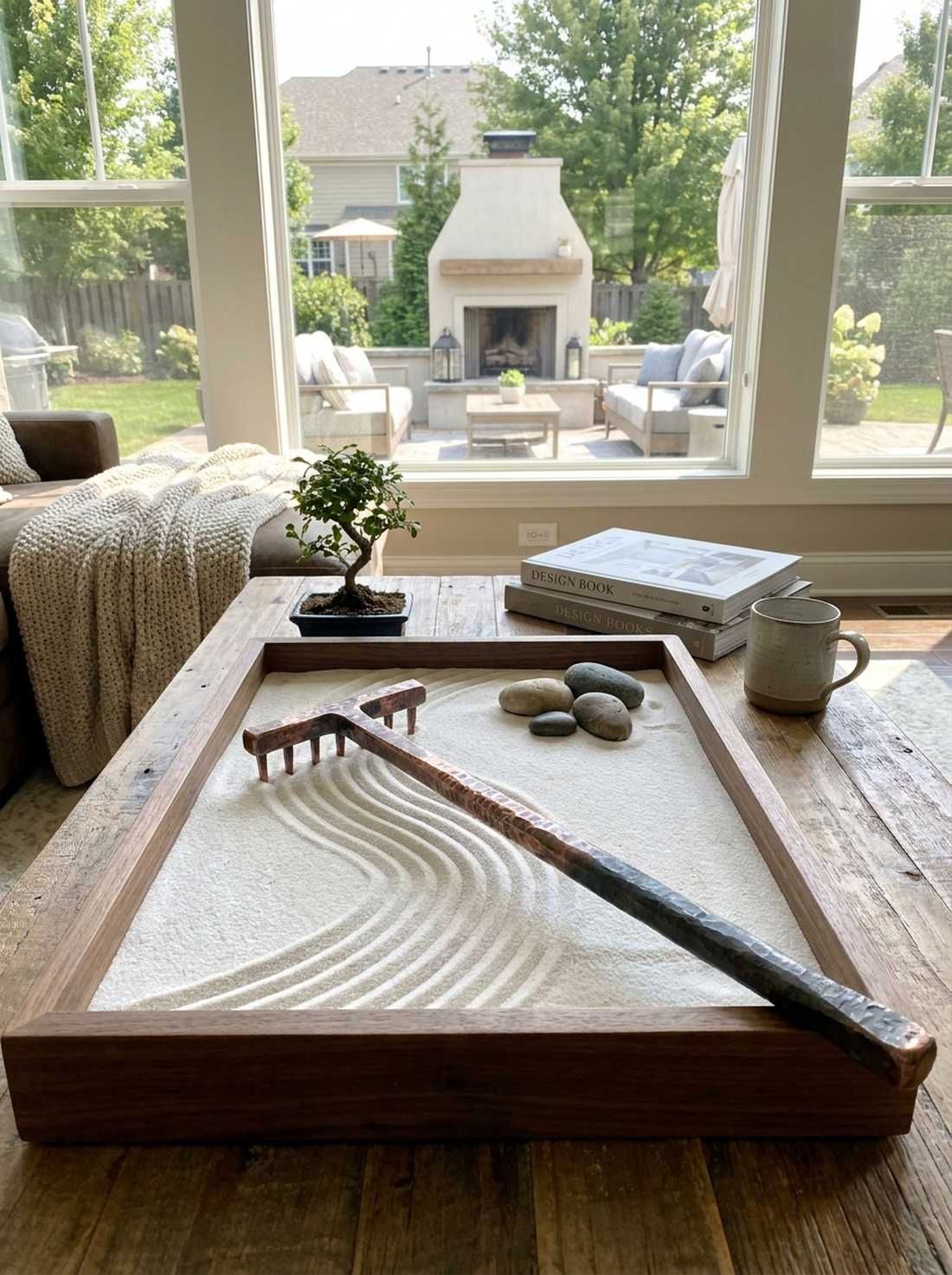
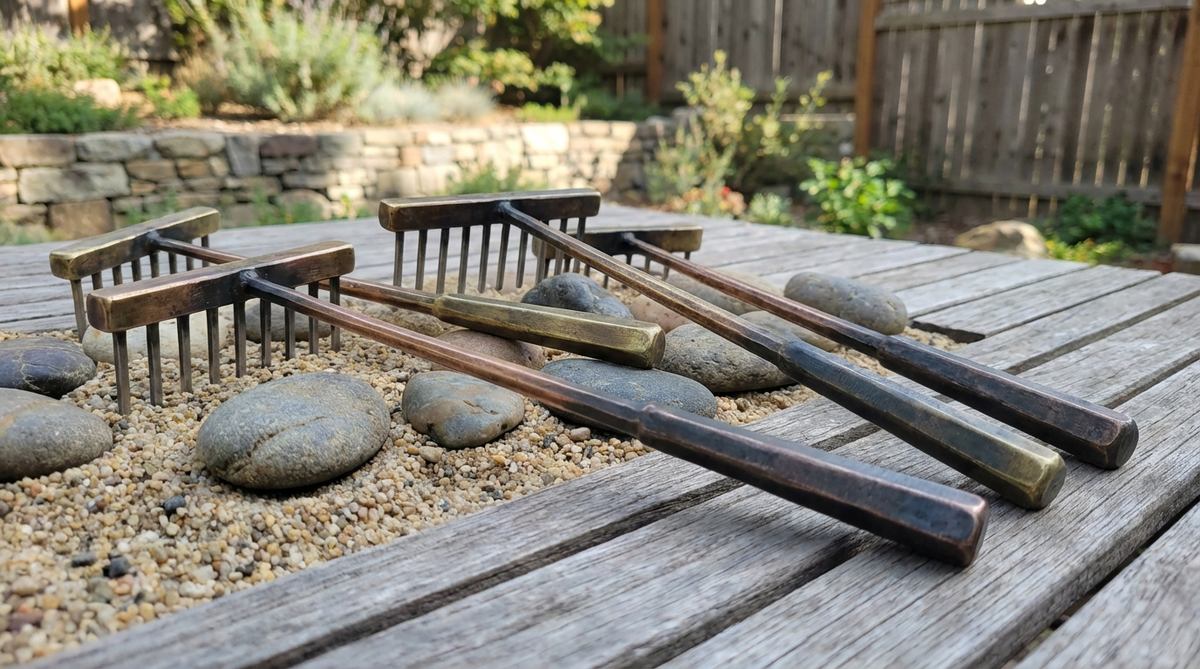
Slices through the sand with a heavy, satisfying glide that feels like carving soft butter. Switching to a hand-forged copper rake tool completely redefines the physical sensation of the practice.
Cheap bamboo splinters easily, but a weighted metal tool gives a designer-level finish and superior ergonomic control. The weight of the metal does the work for you, requiring zero downward pressure to create deep, flawless grooves.
A custom-forged tool usually costs $30-$50. Highly recommended to elevate the actual physical experience.
- Key Materials: Forged copper or iron rake, deep sand
- Vibe / Style: Heavy industrial artisan
- Difficulty: Beginner friendly
- Budget Breakdown: Forged Rake: $40 | Deep Tray: $20.
- Creator’s Tip: Let the natural oils from your hands build up on the handle over time to create a personalized, darkened patina.
- Smart Sourcing: hand-forged copper meditation rakes and heavy-duty desktop sandbox kits.
32. Limited Edition Designer Series
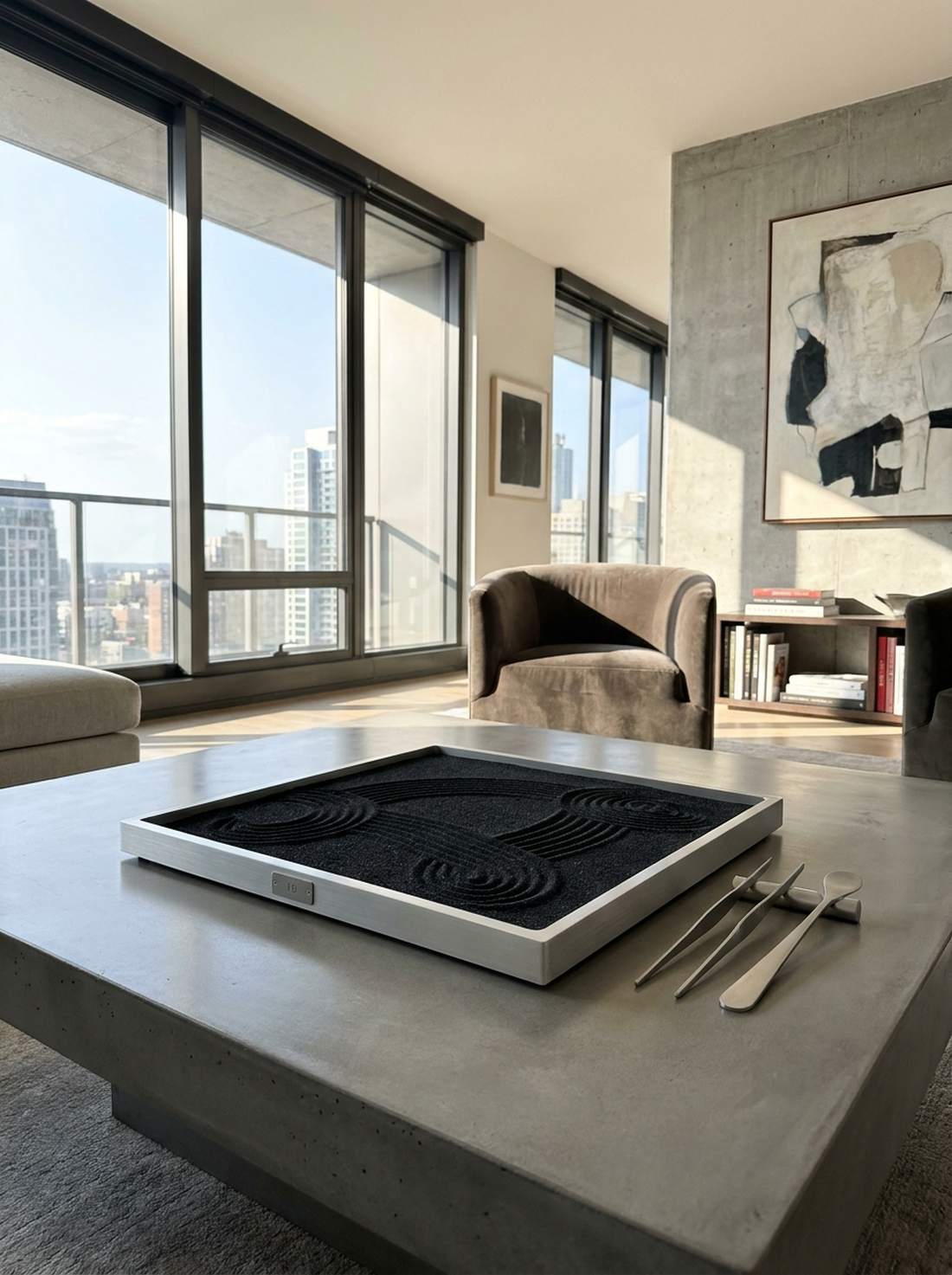
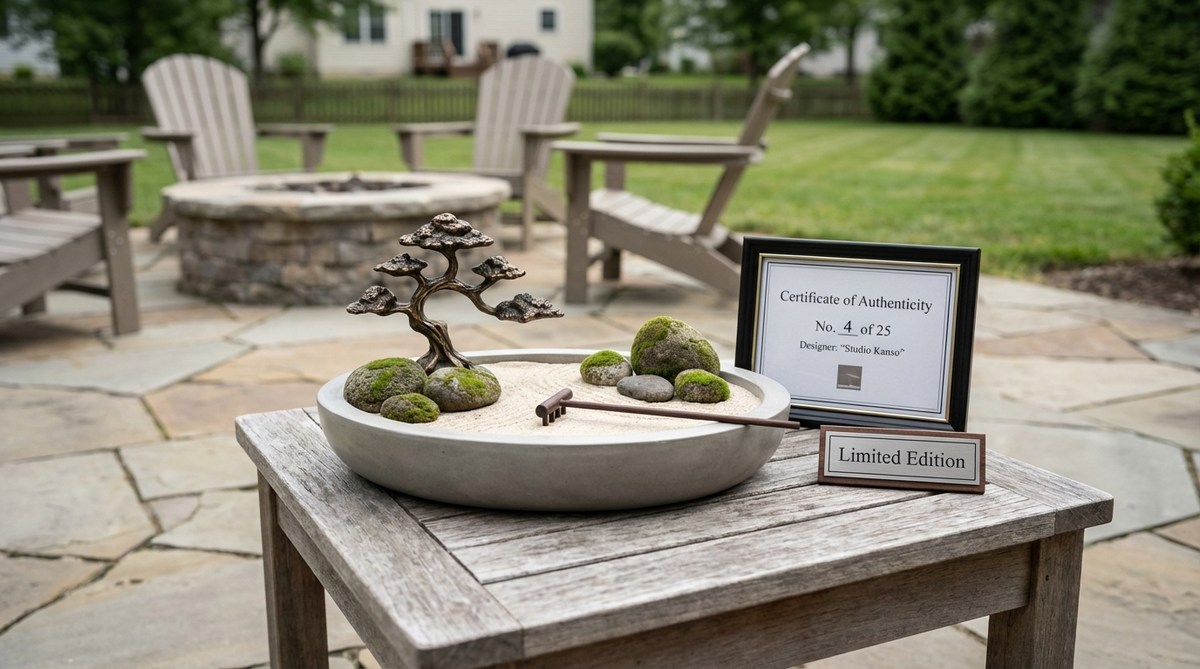
Radiates an exclusive, bespoke energy that feels like a modern art gallery exhibit. A numbered artist-series meditation board acts as a stunning statement piece in a luxury apartment.
Mass-produced items blend in, but snagging a signed, limited-run piece looks far more expensive than it is. These setups often blend unorthodox materials like brushed aluminum and black sand, pushing the boundaries of traditional zen.
Prices range wildly from $100 to $300+. Save this idea for when you want a truly unreplicable centerpiece!
- Key Materials: Aluminum base, black sand, abstract tools
- Vibe / Style: Avant-garde luxury
- Difficulty: Easy
- Budget Breakdown: Designer Kit: $150+ | Included Accessories: $0.
- Creator’s Tip: Keep the certificate of authenticity taped to the bottom of the tray to preserve its collectible value.
- Smart Sourcing: brushed aluminum designer trays and pitch-black volcanic sand.
33. Six Inch Square Micro Garden
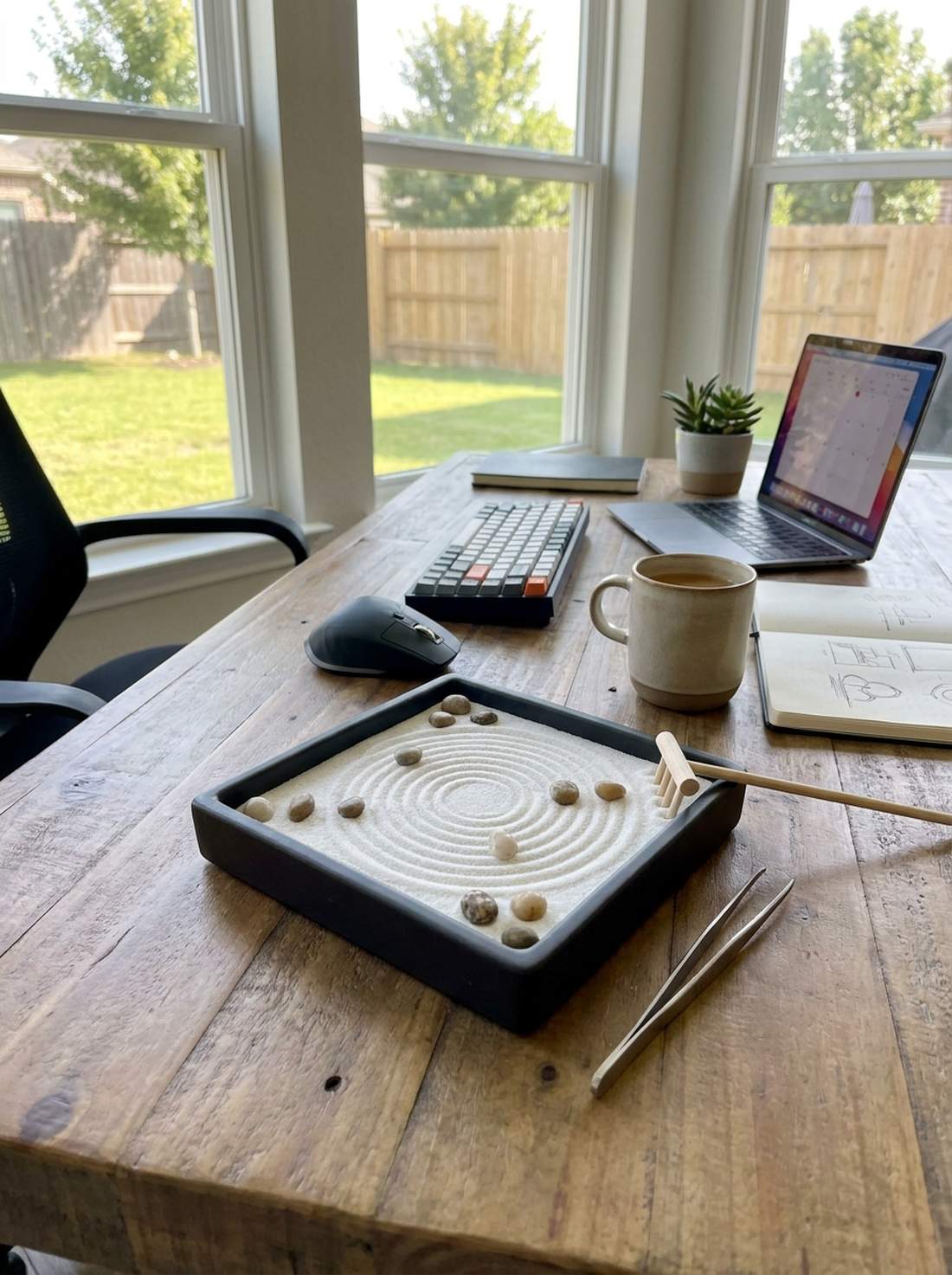
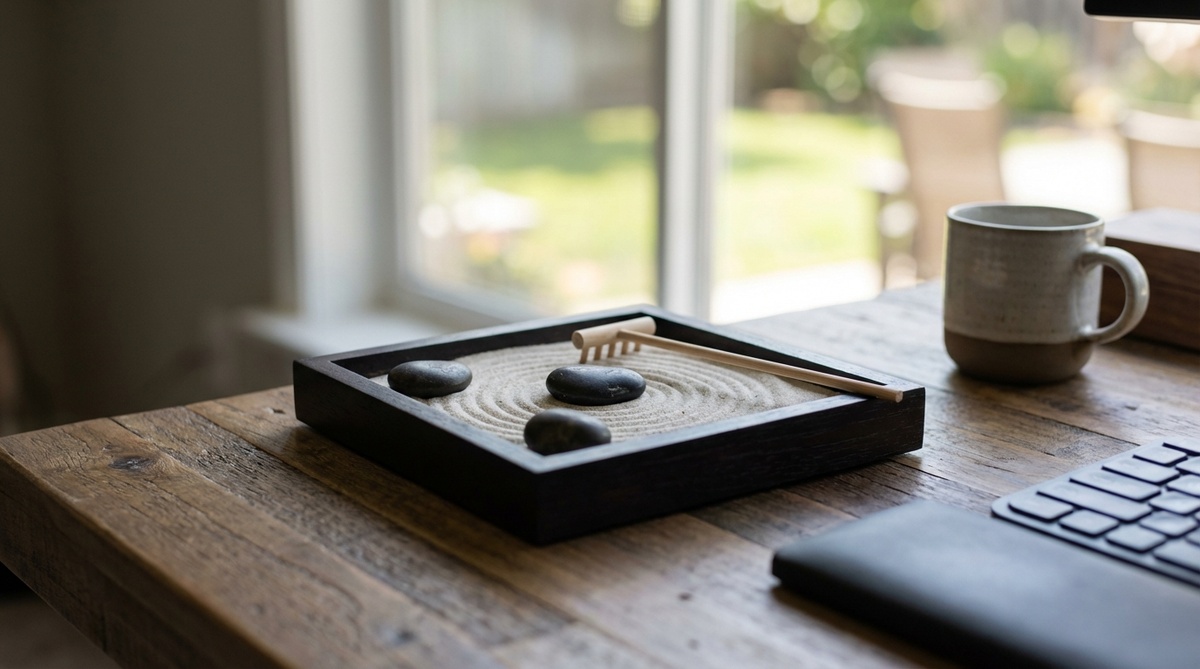
Packs a punch of tranquility that feels perfectly scaled for a busy lifestyle. This ultra-compact micro tray is an absolute lifesaver for cramped cubicles or narrow keyboard trays.
You don’t need massive real estate; sizing down tightly forces a hyper-focused, minimalist aesthetic that works beautifully. Tiny terrarium accessories fit perfectly here, allowing you to enjoy the mindfulness ritual without sacrificing crucial desk space.
These tiny kits are super affordable, usually under $15. A perfect entry-level option for tight quarters.
- Key Materials: 6×6 mini tray, micro rake, tiny pebbles
- Vibe / Style: Space-saving minimalist
- Difficulty: Easy
- Budget Breakdown: Micro Kit: $12 | Extra Pebbles: $3.
- Creator’s Tip: Use tweezers to place stones in this small setup to avoid messing up the delicate sand lines.
- Smart Sourcing: micro zen garden starter kits and precision placement tweezers.
34. Sliding Lid Storage Garden
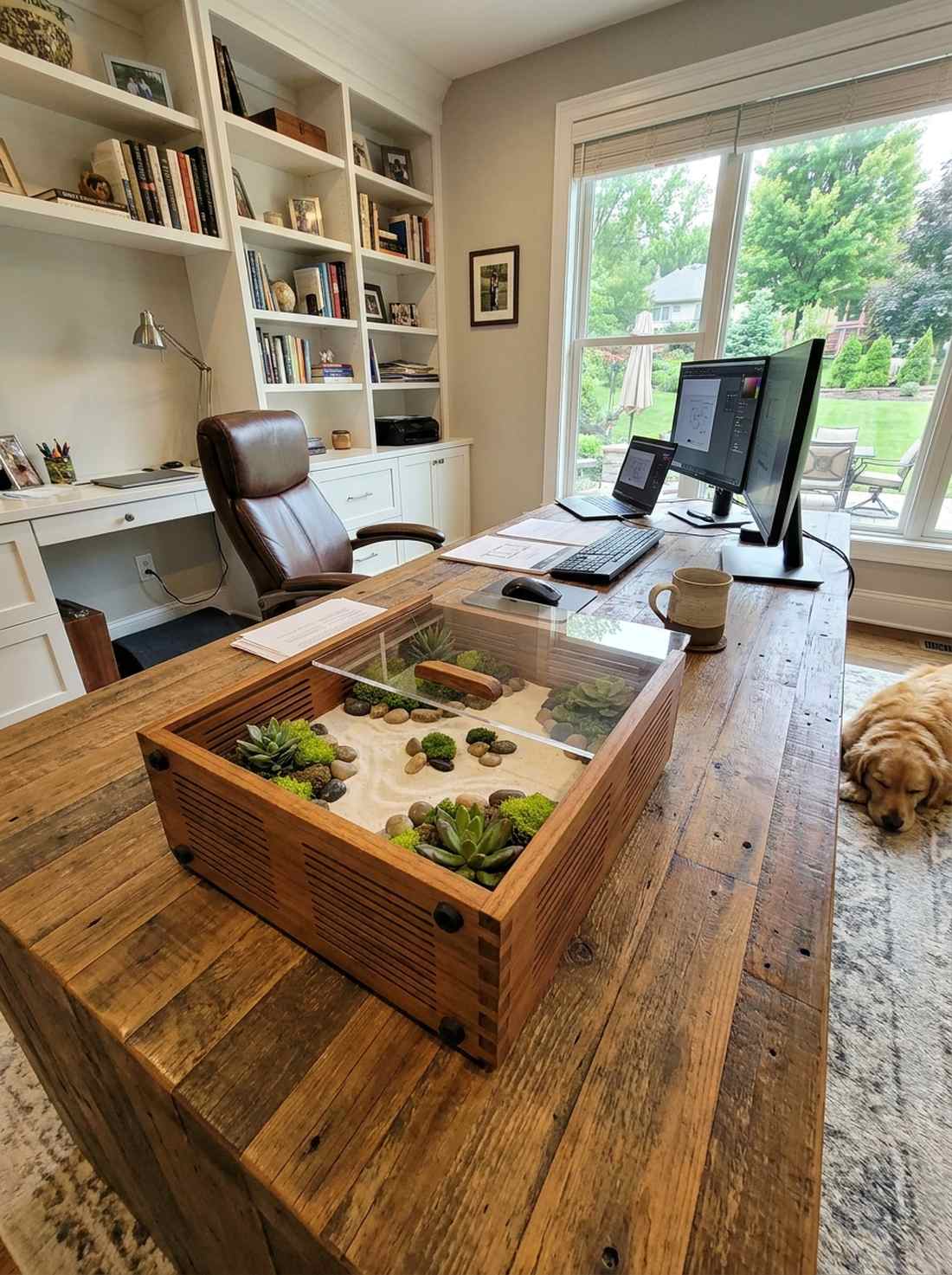
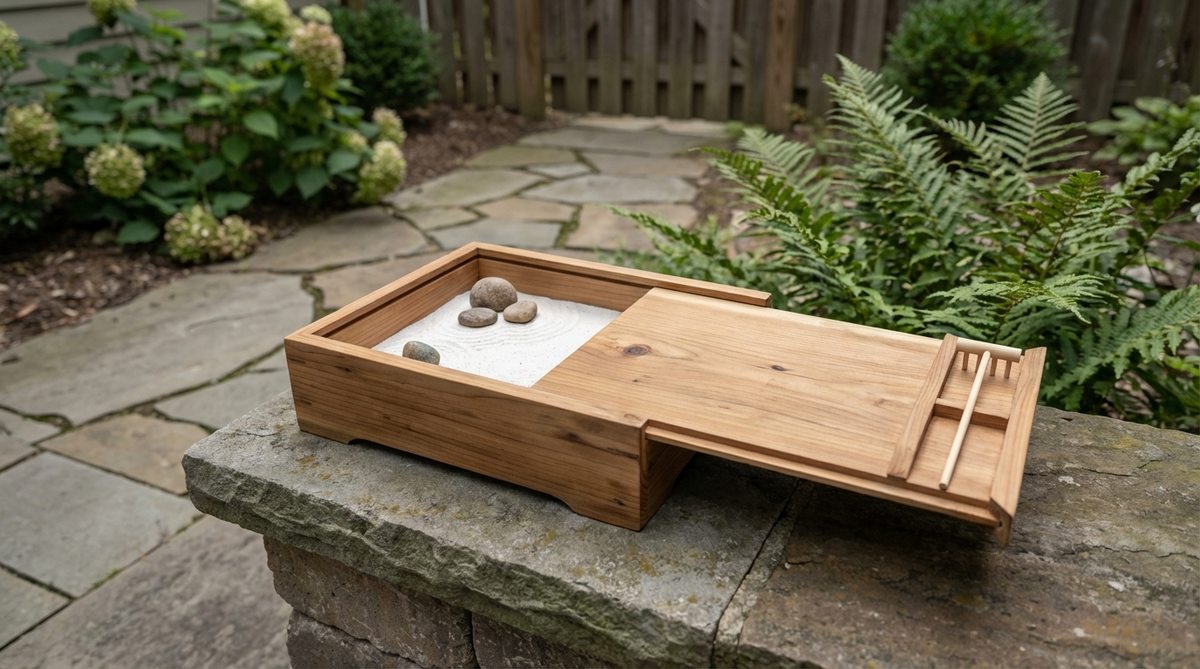
Offers a clever, hidden escape that feels like a secret compartment. A wooden box with a sliding dust cover is an incredibly smart solution for active, messy workspaces.
Open trays constantly collect dust and coffee spills, but a closable lid completely solves the most common layout mistake. The cover neatly protects the premium desk decor while doubling as a smooth resting pad for your mouse or mug.
These specialized boxes run around $25-$40. Pin this if you have pets or a notoriously dusty office!
- Key Materials: Slotted wood box, acrylic or wood lid
- Vibe / Style: Stealthy and practical
- Difficulty: Easy
- Budget Breakdown: Storage Box Kit: $30 | Sand: $5.
- Creator’s Tip: Attach four small rubber bumpers to the bottom to prevent the box from sliding when you open the lid.
- Smart Sourcing: sliding-lid wood garden boxes and anti-slip rubber bumpers.
Before you buy generic supplies, check out how this next arrangement instantly upgrades the space…
35. Corner Wedge Design
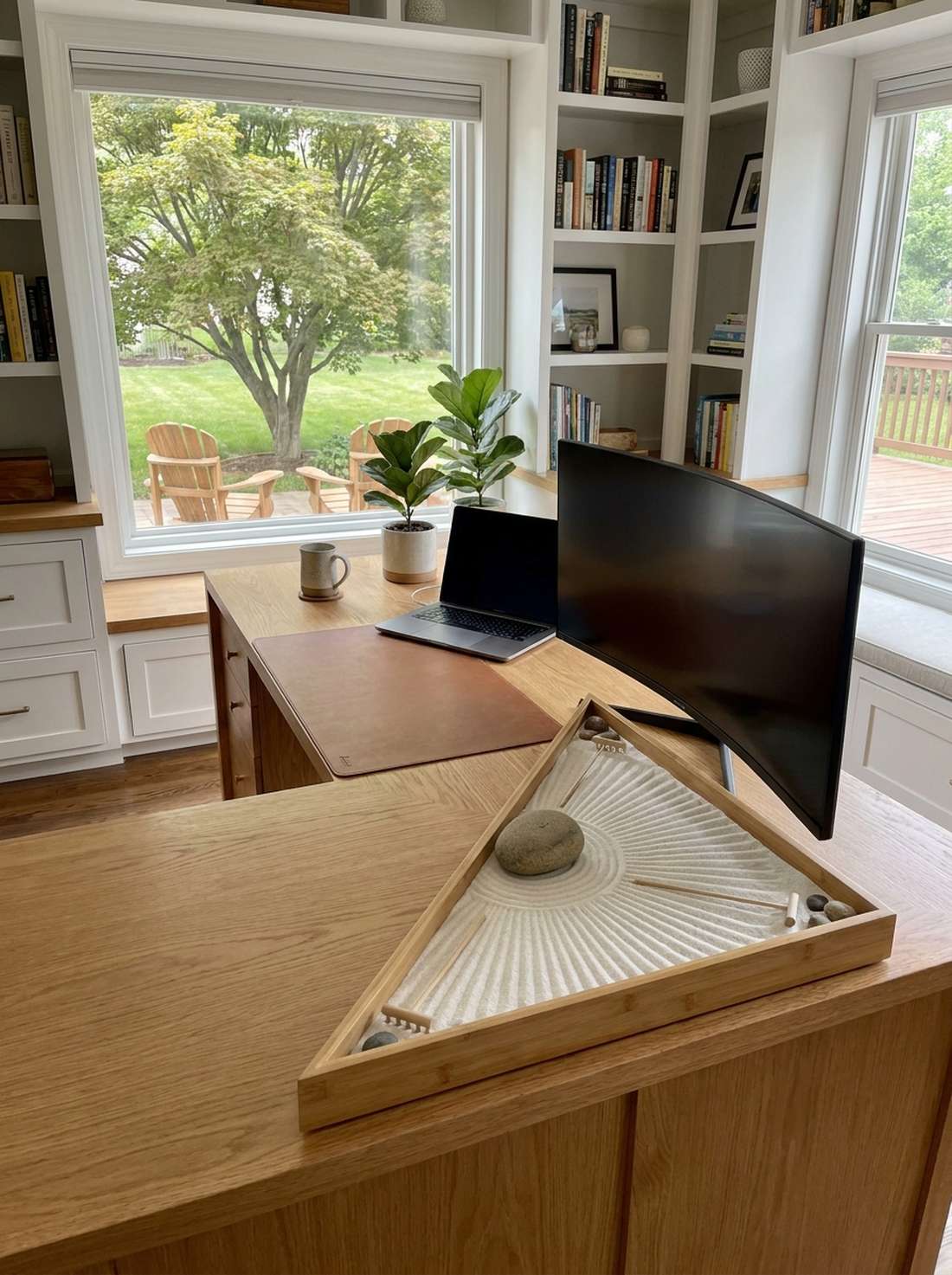
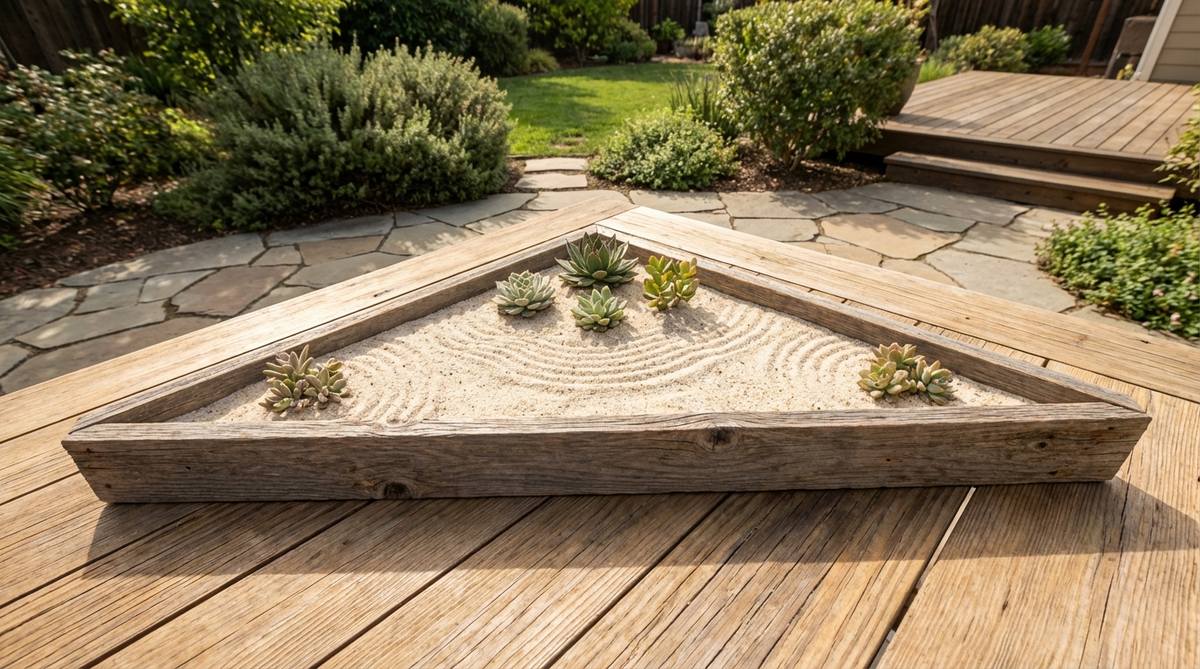
Utilizes dead space in a way that feels incredibly satisfying and bespoke. The triangular corner wedge layout brilliantly maximizes L-shaped desks without getting in the way.
Everyone buys rectangles, but a wedge perfectly hugs the corner of your monitor, giving a designer-level finish. Raking outward from the 90-degree corner creates a stunning sunburst pattern that you simply can’t achieve in standard shapes.
A custom wedge tray will cost about $30-$45. Highly recommended for optimizing workstation real estate.
- Key Materials: Triangular wood base, fine sand
- Vibe / Style: Ergonomic and clever
- Difficulty: Intermediate (custom raking)
- Budget Breakdown: Corner Tray: $35 | Sand/Tools: $10.
- Creator’s Tip: Place your largest stone exactly in the deepest part of the corner to anchor the sunburst lines.
- Smart Sourcing: corner-wedge bamboo trays and fine quartz sand (bulk pack).
36. Keyboard Sized Meditation Strip
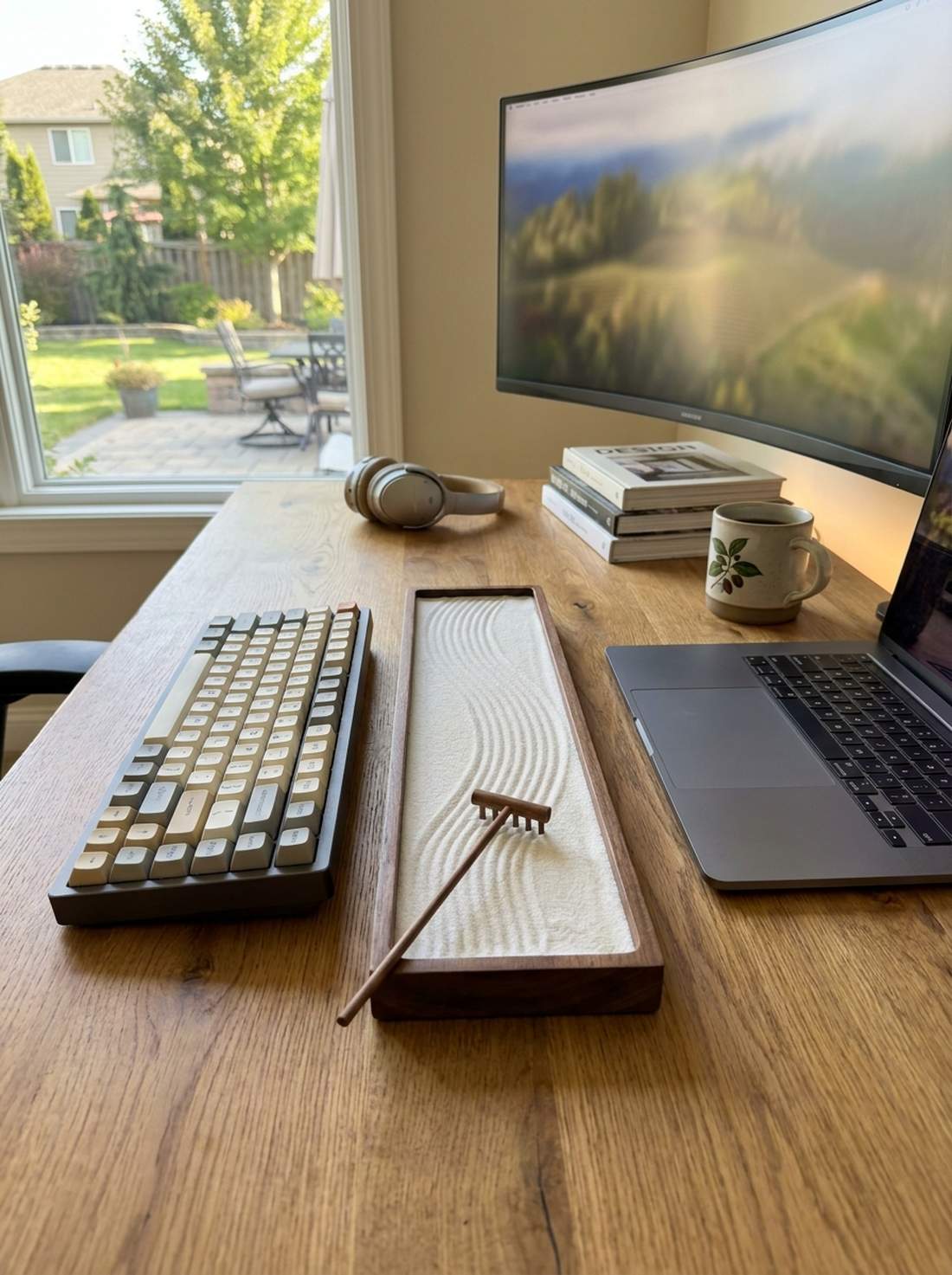
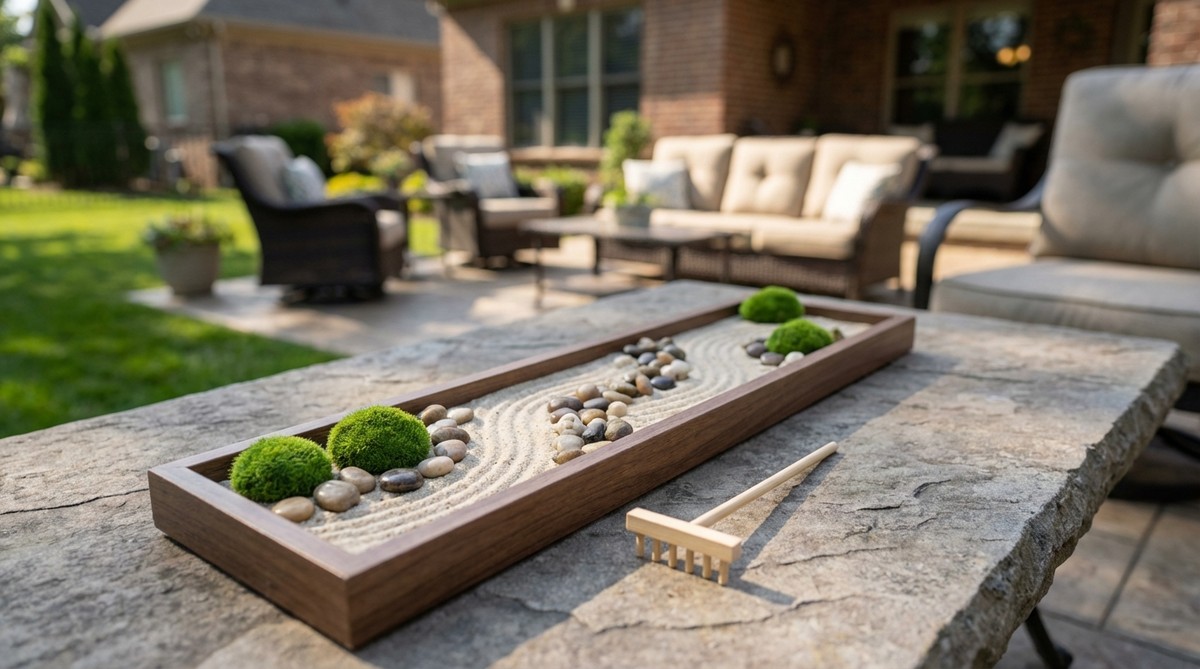
Stretches horizontally to create a vibe that feels like a long, tranquil shoreline. A narrow, elongated meditation strip aligns flawlessly right above or below your computer keyboard.
Bulky squares get pushed aside, but this ultra-wide format looks far more expensive than it is and stays within arm’s reach. Long, uninterrupted rake strokes spanning 15 inches provide an intensely satisfying physical release during long typing sessions.
Expect to spend $25-$35 for this unique profile. Pin this to your ultimate desk setup board!
- Key Materials: 15×4 inch tray, long-handle rake
- Vibe / Style: Sleek and integrated
- Difficulty: Easy
- Budget Breakdown: Strip Tray: $25 | Accessories: $10.
- Creator’s Tip: Keep the sand level very low (half an inch) to ensure energetic raking doesn’t spill over onto your keyboard.
- Smart Sourcing: elongated slim desk trays and low-spill miniature sand kits.
37. Magnetic Sand Tray
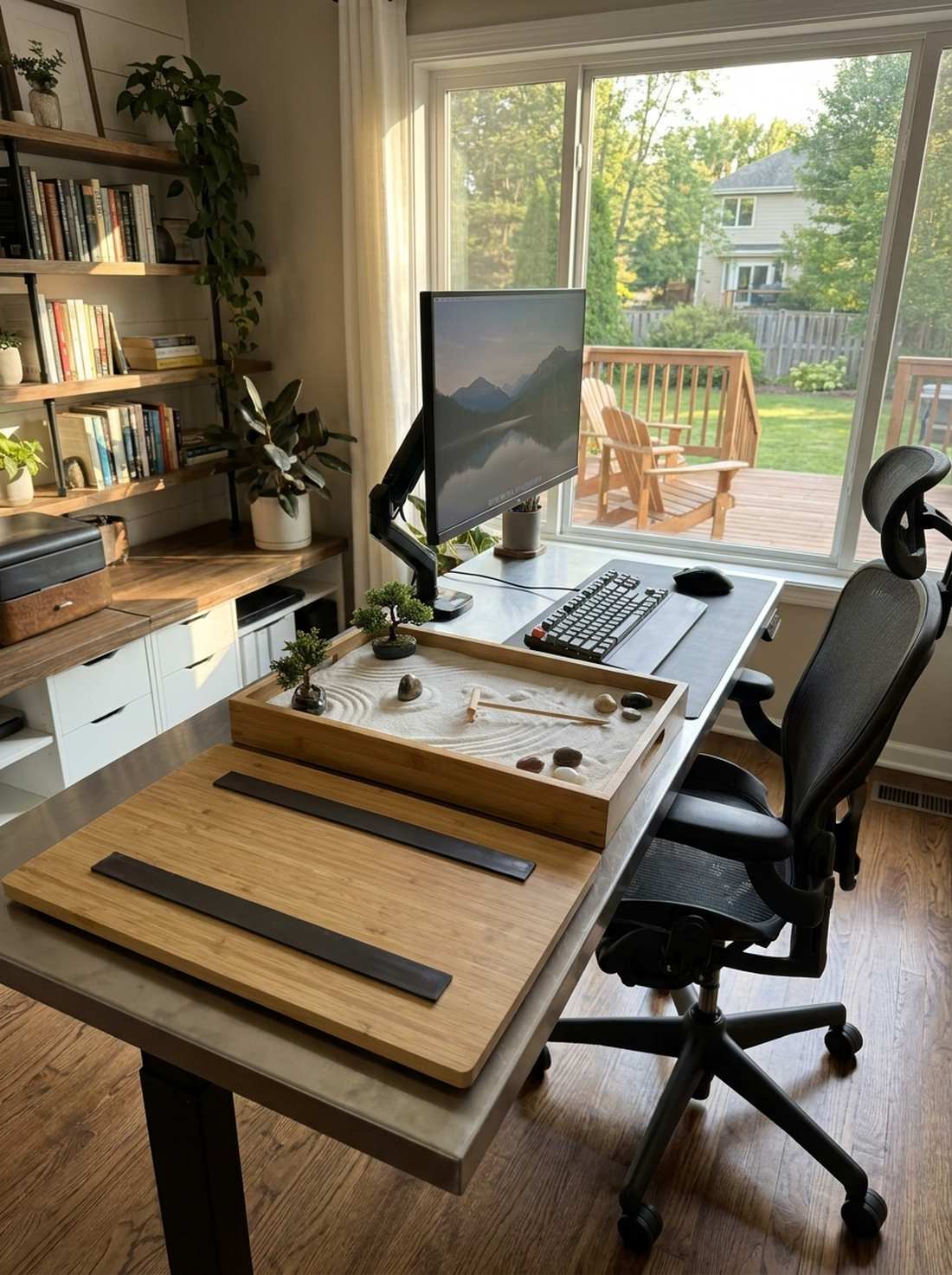
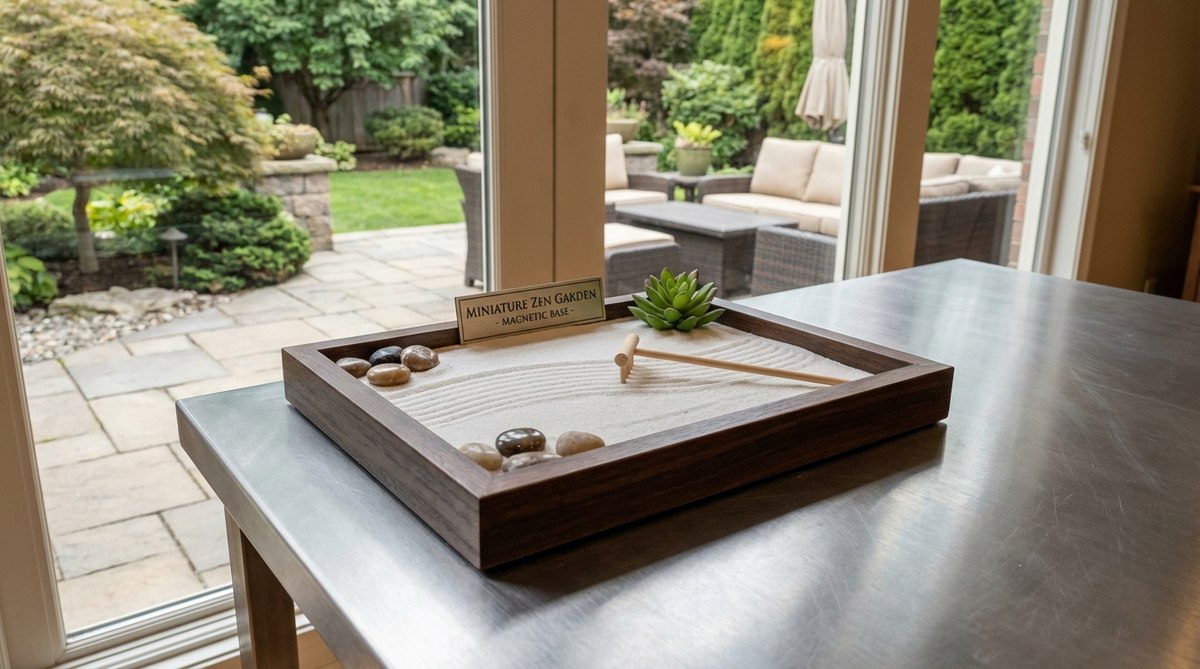
Defies gravity with a rigid stability that feels brilliantly engineered. Applying magnetic base strips secures the tray tightly to metal filing cabinets or steel standing desks.
Accidental bumps ruin beautiful patterns, but a magnetically anchored base solves this frustrating problem instantly. It allows you to confidently use high-end miniature garden supplies on surfaces that constantly shift or elevate throughout the day.
Adding magnetic strips to a tray costs less than $15. An absolute game-changer for motorized standing desk users.
- Key Materials: Lightweight tray, heavy-duty adhesive magnets
- Vibe / Style: Industrial and secure
- Difficulty: Easy DIY modification
- Budget Breakdown: Standard Tray: $15 | Magnets: $5.
- Creator’s Tip: Use two long strips of magnet rather than small dots to ensure the tray doesn’t wobble when raking.
- Smart Sourcing: heavy-duty adhesive magnet rolls and lightweight bamboo starter kits.
38. Nested Stacking Set
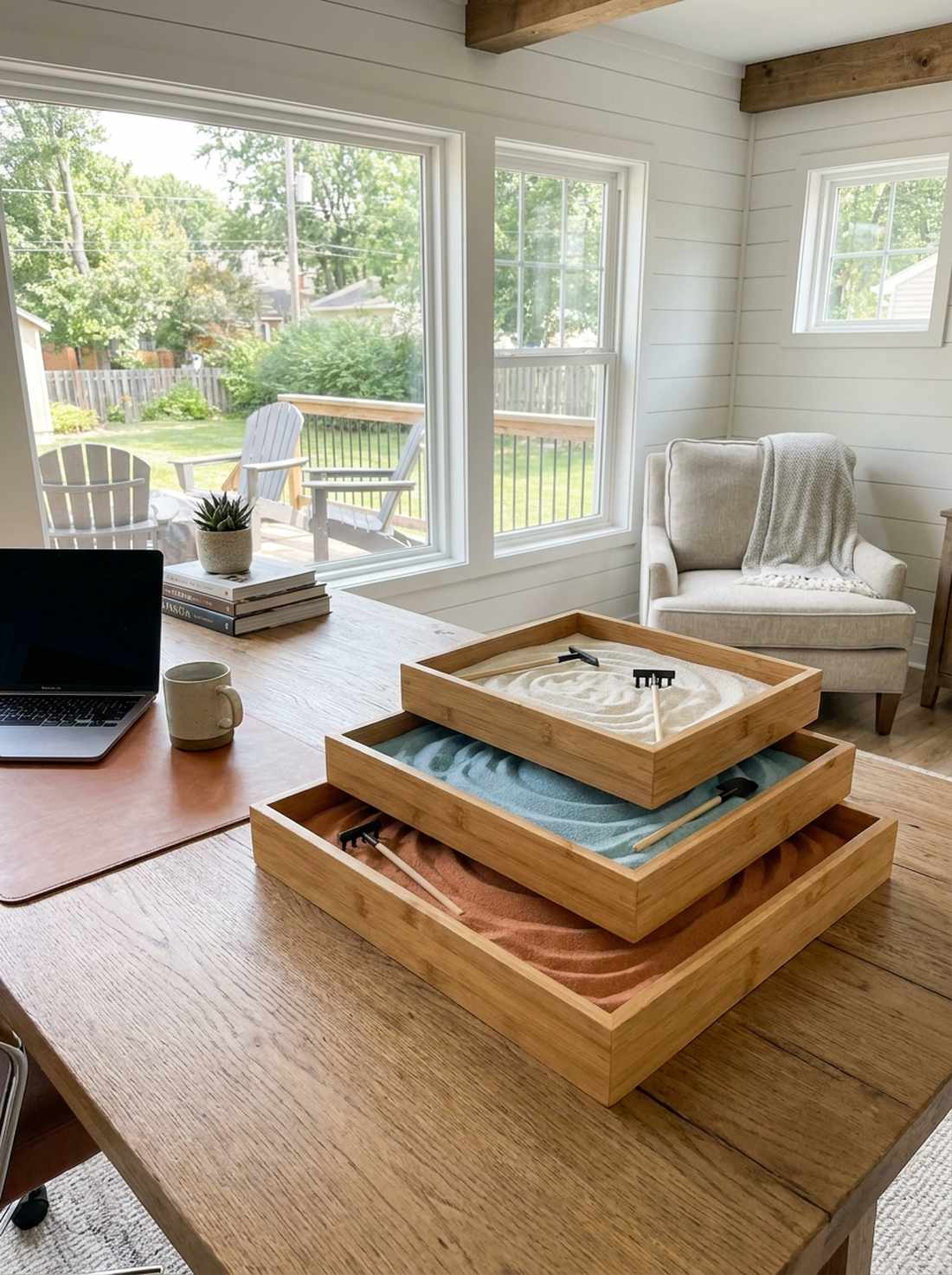
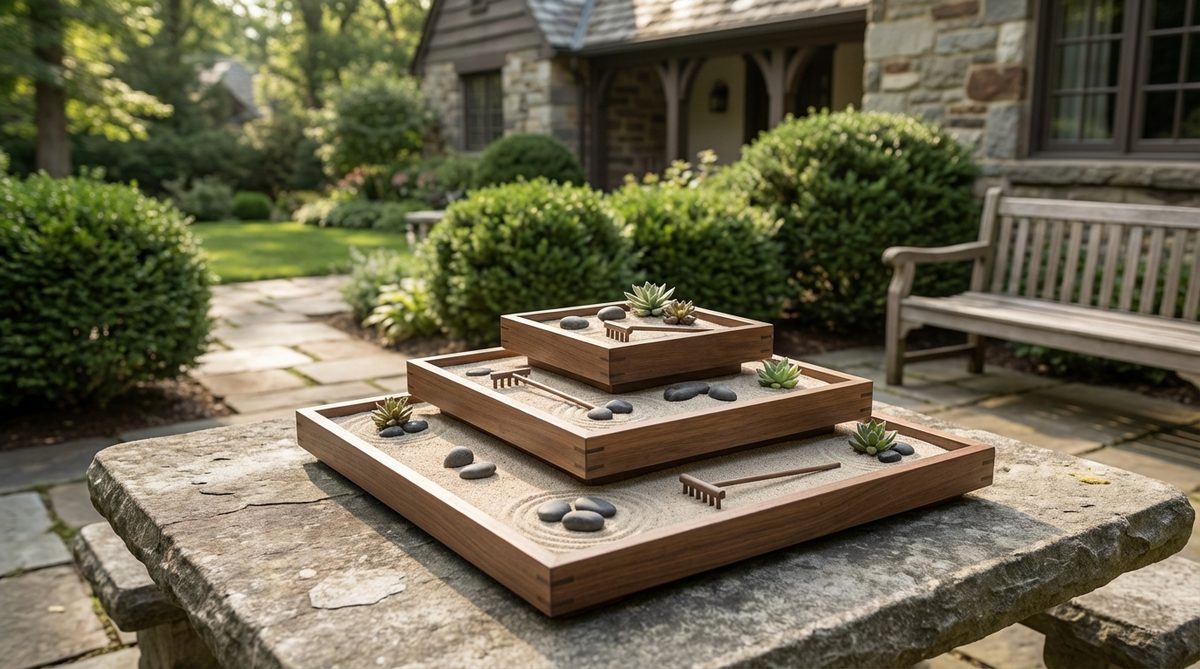
Offers a modular flexibility that feels like an interactive desk puzzle. A three-tier nesting tray system is fantastic for those who want varying sizes depending on their daily stress levels.
Most setups are static, but being able to pull out a tiny tray for a two-minute break or a large one for a deep session is incredibly smart. These interlocking kits give a designer-level finish while compressing down into a tiny storage footprint.
A full nested set usually runs $40-$60. Save this idea if you love multifunctional organization!
- Key Materials: Graduated bamboo trays (set of 3)
- Vibe / Style: Modular and organized
- Difficulty: Easy
- Budget Breakdown: Nesting Set: $45 | Extra Sand: $10.
- Creator’s Tip: Keep different colored sand in each tray to create a layered, multi-colored display when fully unstacked.
- Smart Sourcing: nested bamboo tray kits (3-piece) and multi-color sand variety packs.
39. Clip-On Monitor Garden
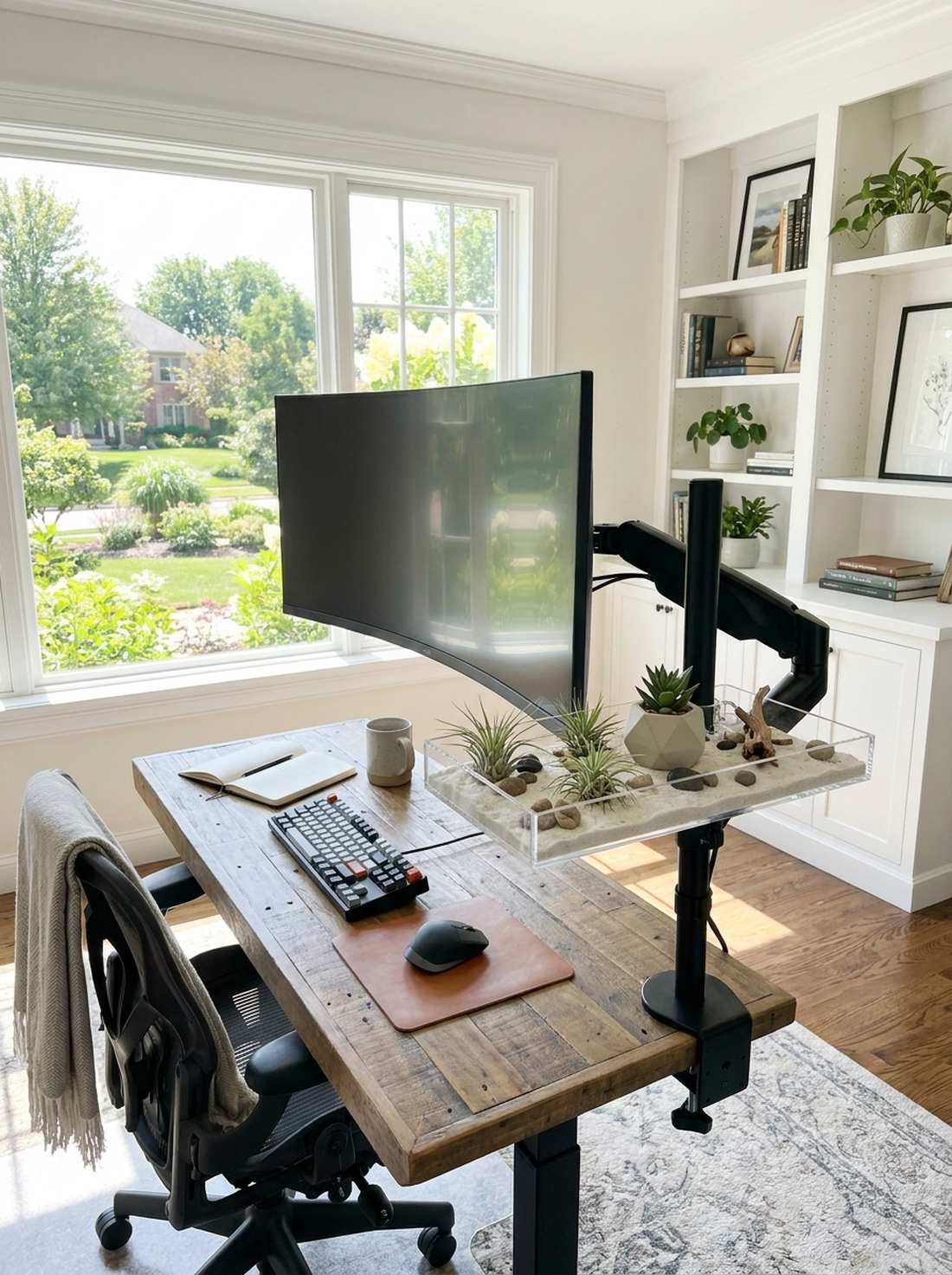
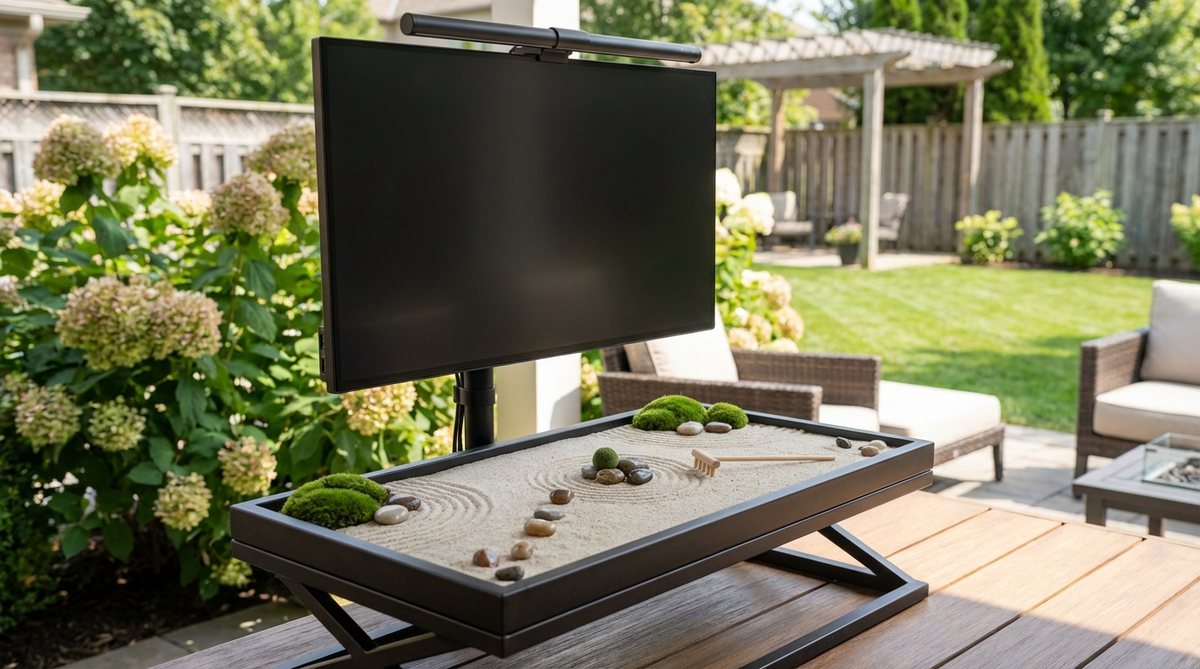
Elevates your focus with a floating effect that feels like magic. A monitor-mounted bracket tray is a wild, space-saving hack for ultra-minimalist tech setups.
Desk real estate is precious, so moving the garden vertically onto the monitor stand completely solves the clutter issue. Using lightweight terrarium accessories guarantees it won’t stress the monitor arm while keeping the sand safely away from spilled coffees.
Bracket setups cost around $25-$35. An incredible ergonomic twist for heavy screen users.
- Key Materials: Clamp-on bracket, lightweight acrylic tray
- Vibe / Style: Tech-forward floating
- Difficulty: Intermediate (requires clamping)
- Budget Breakdown: Clamp Tray: $25 | Lightweight Sand: $5.
- Creator’s Tip: Make absolutely sure your monitor stand has a flat lip before purchasing a clamp-based tray.
- Smart Sourcing: clamp-on acrylic desk shelves and lightweight faux sand materials.
We almost didn’t include this next trick, but it completely solves the most common layout mistake…
40. Pen Holder Integrated Tray
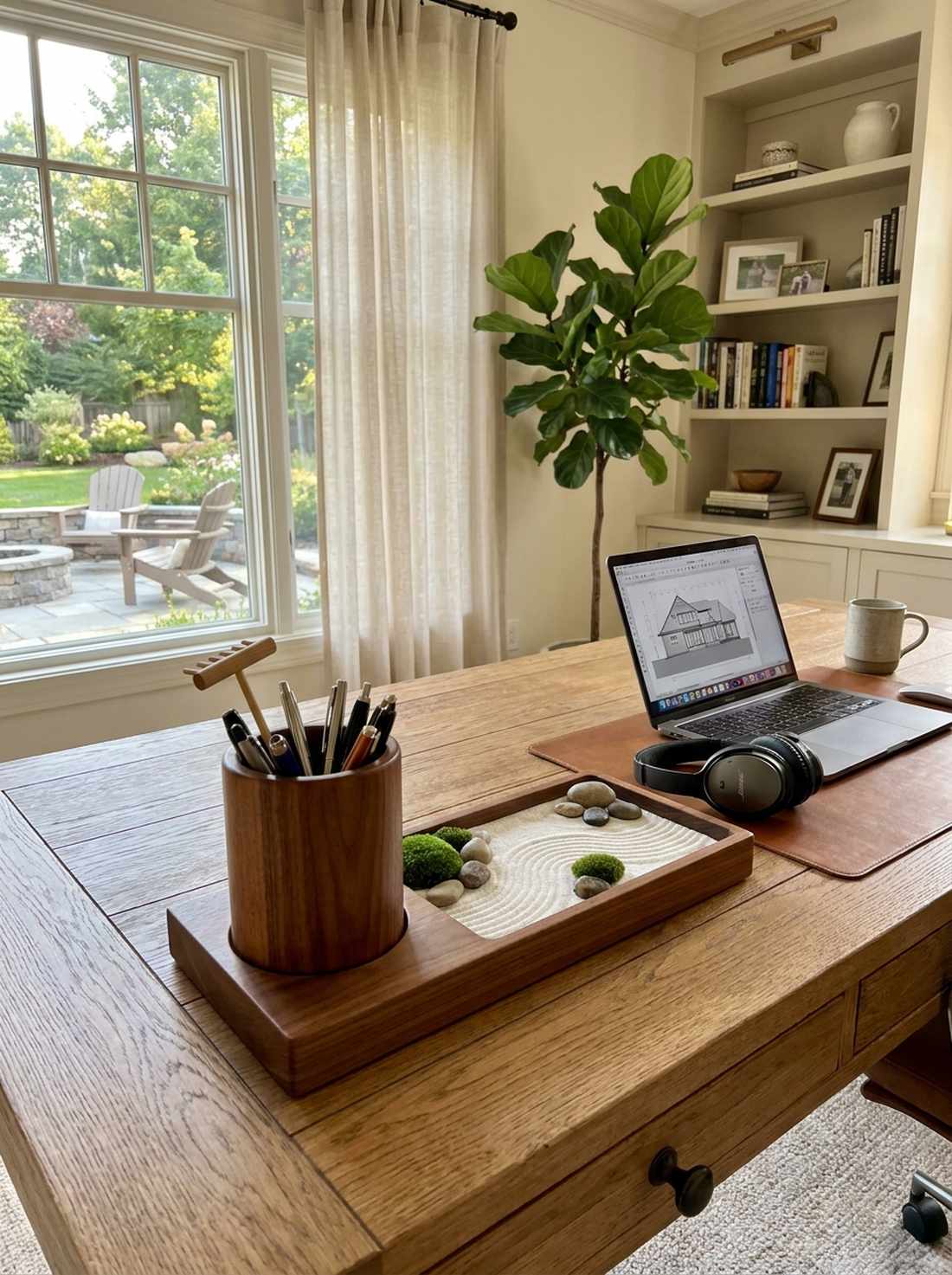
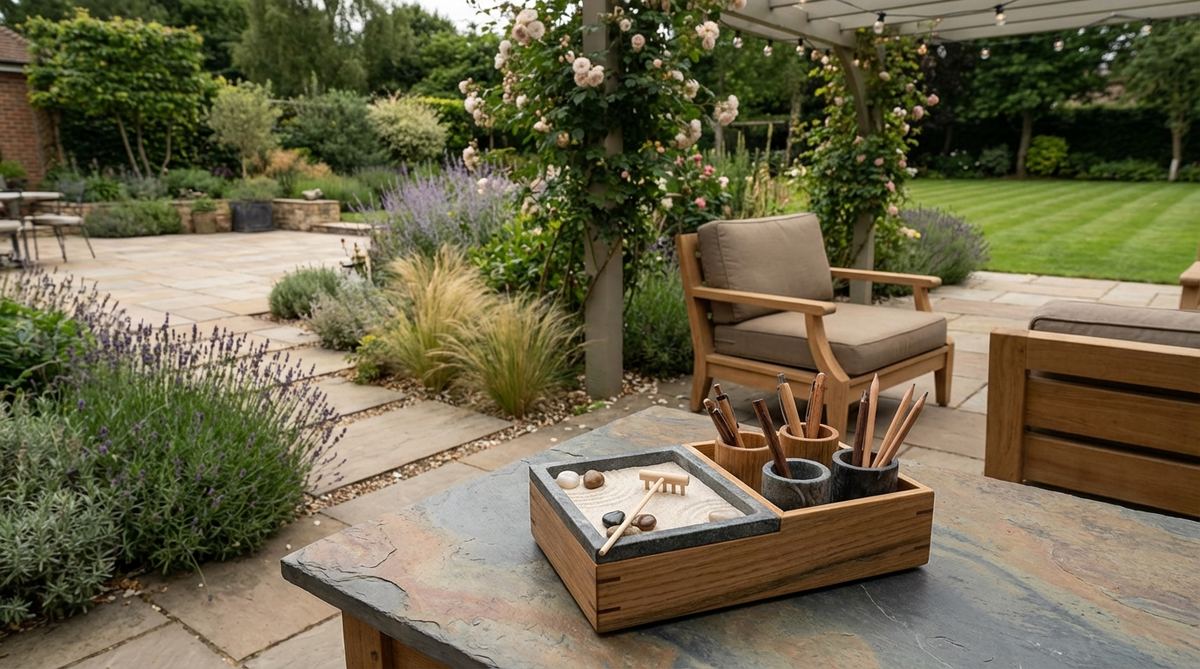
Fuses productivity with peace in a way that feels seamlessly efficient. The hybrid pen cup and sand tray combo is the ultimate all-in-one corporate gift.
Standalone gardens can feel like useless clutter to some, but attaching functional storage looks far more expensive than it is. This consolidates premium desk decor with actual utility, ensuring it never gets pushed into a drawer.
These dual-purpose kits run about $25-$40. Pin this for the perfect coworker holiday present!
- Key Materials: Dual-compartment organizer, raking tool
- Vibe / Style: Highly functional corporate
- Difficulty: Easy
- Budget Breakdown: Organizer Base: $30 | Sand/Stones: $10.
- Creator’s Tip: Store the rake right alongside your pens so it is always within immediate reach.
- Smart Sourcing: wood desk organizers with shallow trays and all-in-one desktop sandbox kits.
Material Guide: Cheap vs. Premium Aesthetic
Knowing exactly where to save and where to spend makes all the difference in achieving that “looks expensive but isn’t” vibe.
- Standard vs. UV-Resistant/Premium: Upgrading to UV-coated components stops your sand from yellowing and prevents resin figures from fading under intense office lights.
- Pre-made Kits vs. Sourcing Locally: High-end starter kits often save both time and money by bundling perfectly scaled accessories instead of guessing with mismatched craft store pieces.
Enhanced Feature Gardens
41. LED Backlit Display
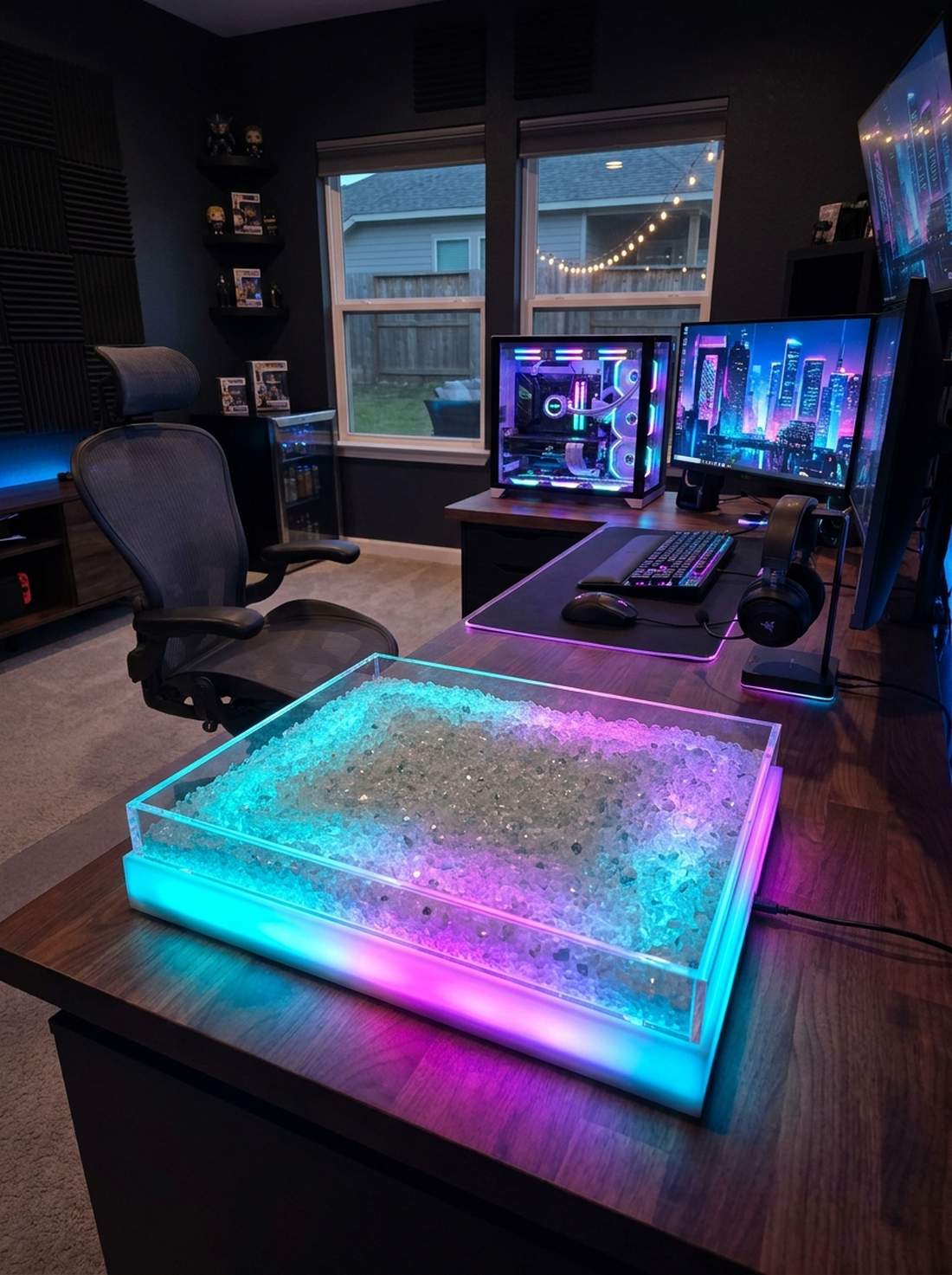
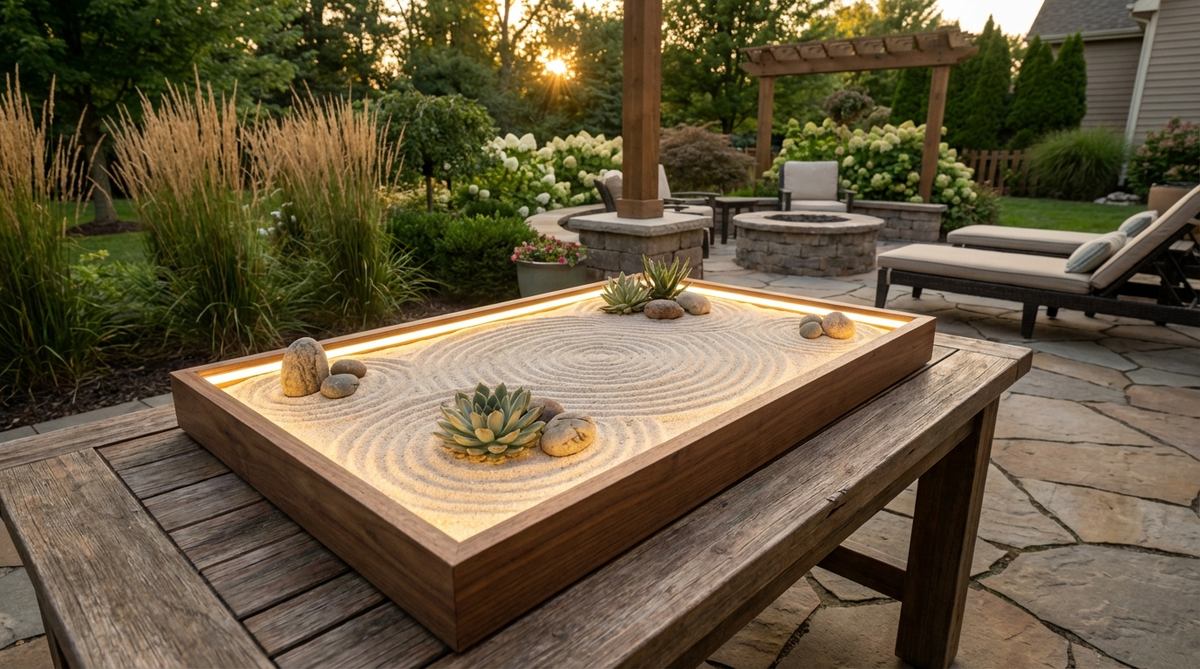
Pulsates with a soft, neon energy that feels like a futuristic cyber-zen retreat. An under-glow LED illuminated base completely transforms a gaming desk or dark studio.
Standard wood is classic, but injecting programmable RGB lighting under translucent sand gives a designer-level finish that appeals to streamers and tech lovers. Using acrylic bases diffuses the harsh LEDs into a smooth, glowing ambient light.
You can build this glowing setup for $35-$50. Save this to your ultimate RGB gaming setup board!
- Key Materials: Acrylic tray, battery LED light strip, glass sand
- Vibe / Style: Cyberpunk chill
- Difficulty: Intermediate DIY
- Budget Breakdown: LED Tray: $35 | Glass Sand: $15.
- Creator’s Tip: Use crushed clear glass instead of opaque sand to let the light shine through brilliantly.
- Smart Sourcing: translucent crushed glass sand (safe-edge) and USB-powered LED display bases.
42. Water Fountain Integration
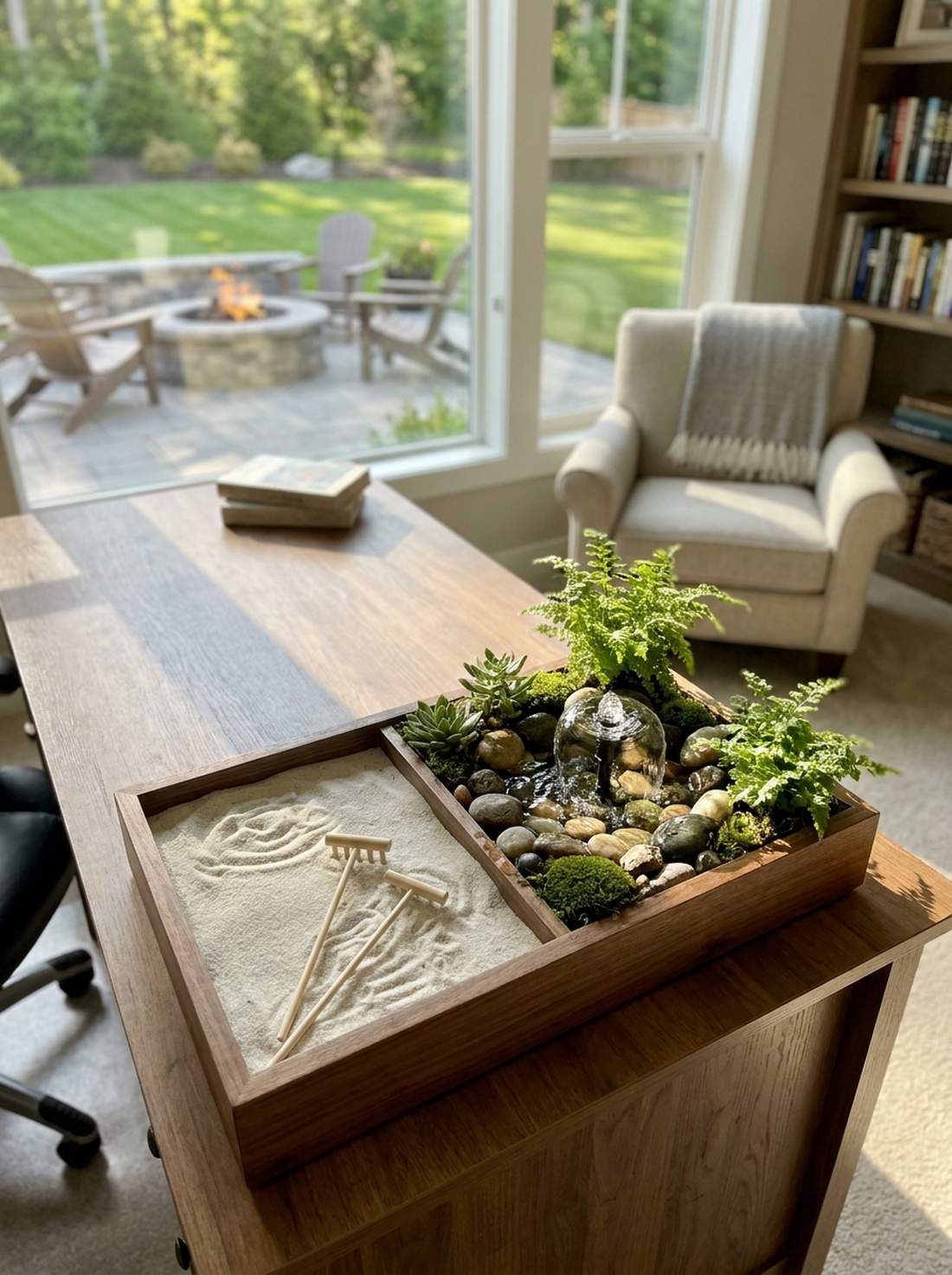
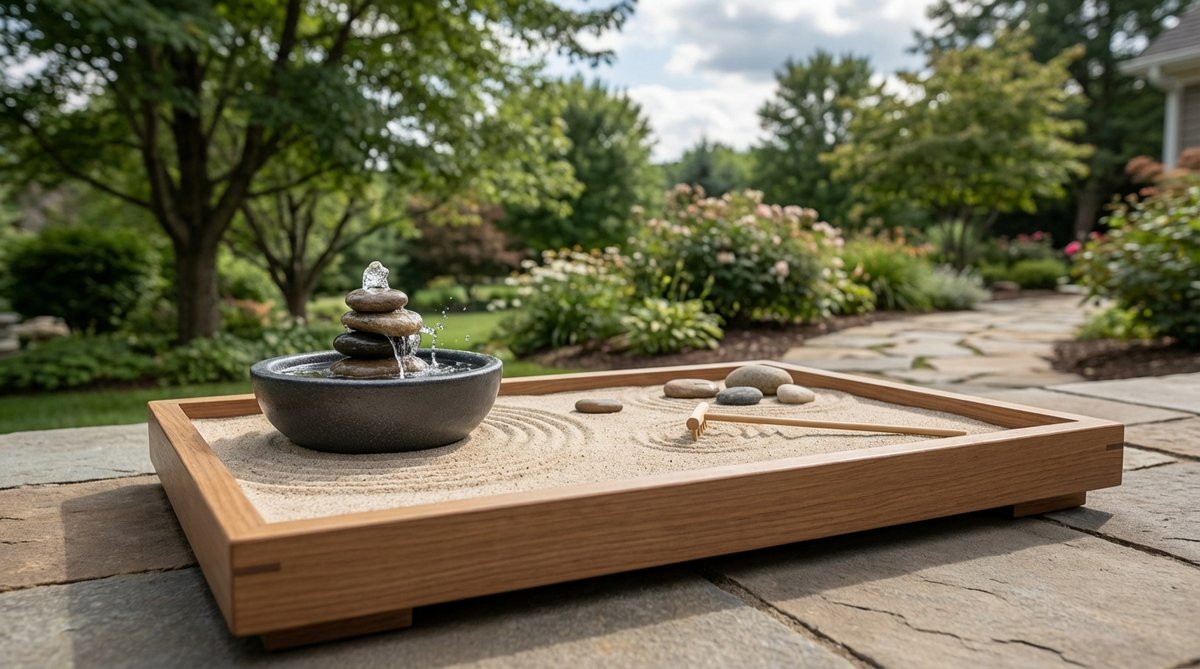
Creates a continuous, bubbling soundscape that feels like sitting beside a secluded forest spring. The miniature recirculating water pump combo is vital for drowning out noisy open offices.
Visuals alone can’t stop auditory distractions, but combining a sandbox with a micro-fountain completely solves the problem. High-quality fairy garden kits often feature silent-motor pumps, so you only hear the water, not a buzzing machine.
Expect to invest $45-$70 for a leak-proof setup. Highly recommended for sensory immersion.
- Key Materials: Divided waterproof base, micro USB pump
- Vibe / Style: Multi-sensory spa
- Difficulty: Intermediate (water management)
- Budget Breakdown: Fountain Kit: $40 | Base/Sand: $20.
- Creator’s Tip: Add a drop of white vinegar to the water weekly to completely prevent algae buildup in the pump.
- Smart Sourcing: desktop water fountain starter kits and leak-proof dual compartment trays.
43. Bluetooth Speaker Base
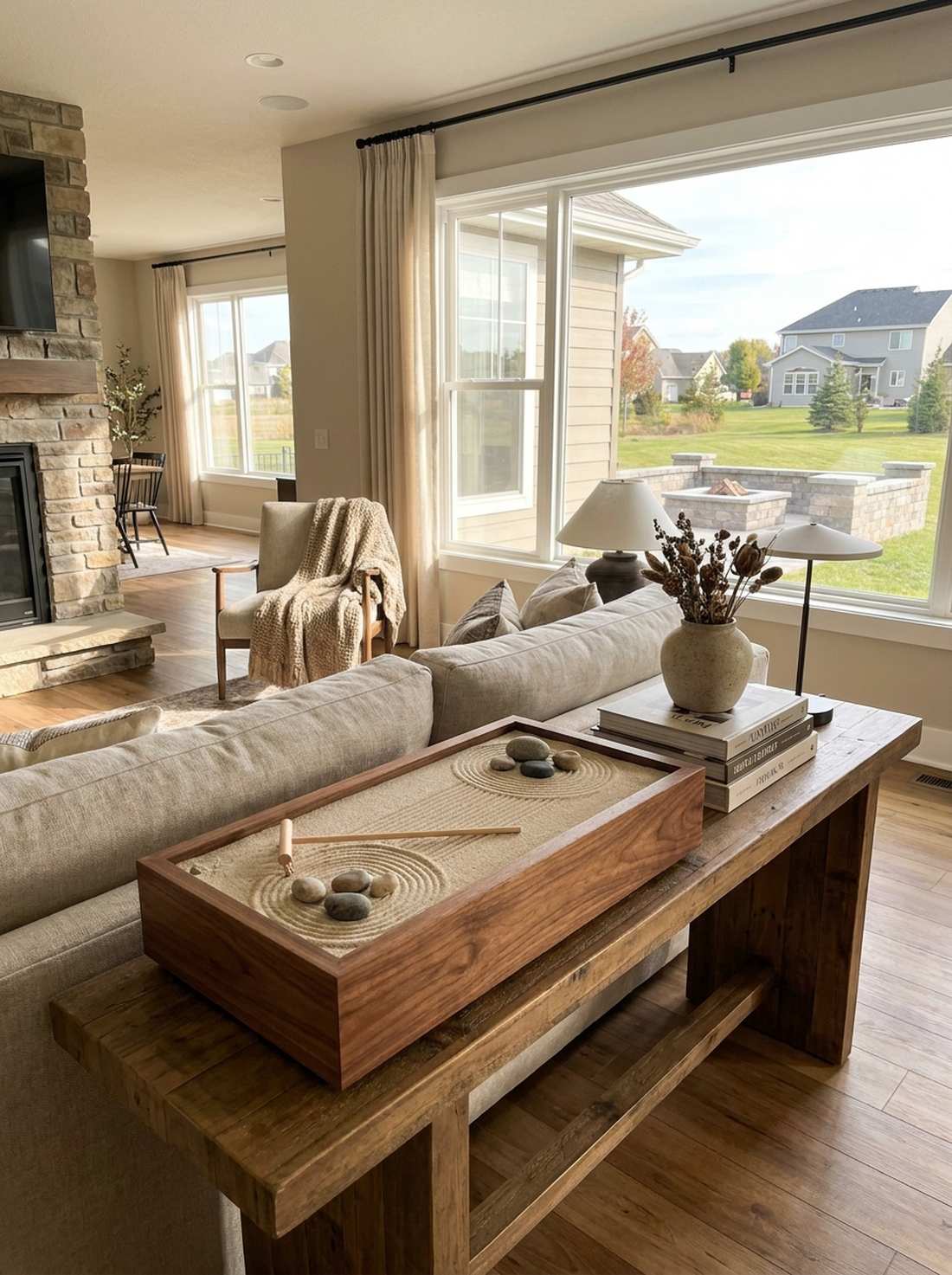
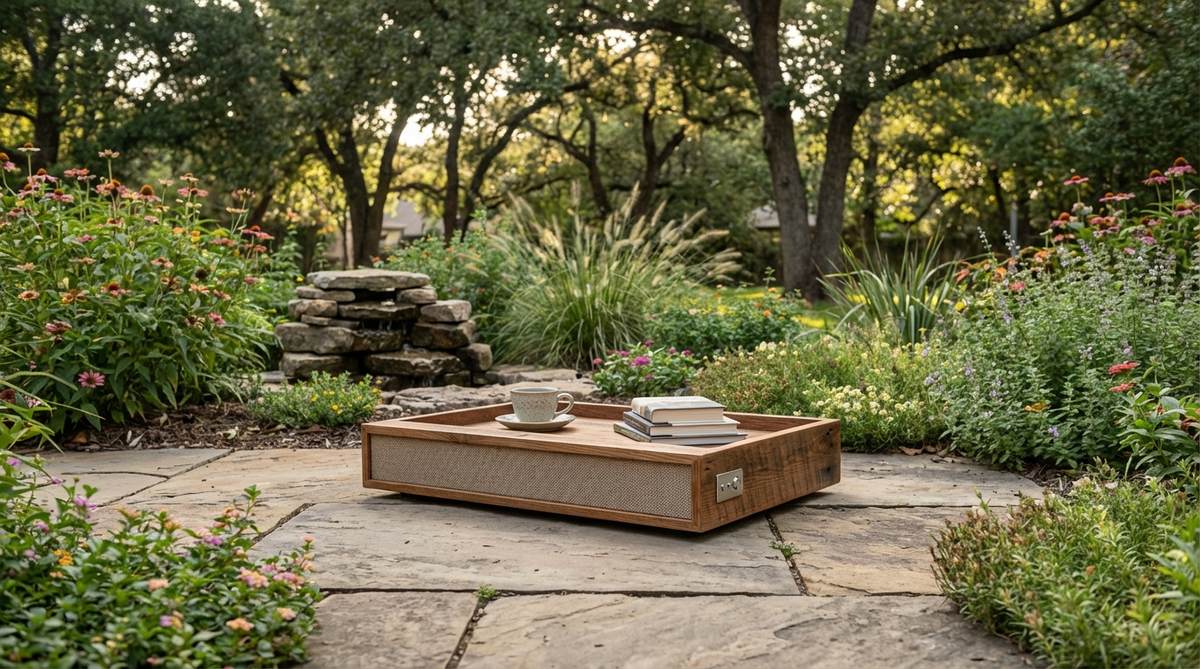
Surrounds you in an invisible cocoon of sound that feels deeply immersive. A wood base with concealed acoustic drivers is the ultimate stealth tech for modern living rooms.
Cluttering a desk with separate speakers ruins the aesthetic, but hiding the tech inside a thick wooden base looks far more expensive than it is. You can stream guided meditations or lo-fi beats directly from the very object you are raking.
These tech-hybrid bases run around $60-$90. Pin this if you love hidden smart-home gadgets!
- Key Materials: Hollow wood tray, micro Bluetooth speaker
- Vibe / Style: Stealth smart-decor
- Difficulty: Easy (pre-built) or Advanced DIY
- Budget Breakdown: Speaker Base: $75 | Sand Pack: $10.
- Creator’s Tip: Keep the volume low; heavy bass vibrations will slowly destroy your meticulously raked sand patterns.
- Smart Sourcing: Bluetooth-integrated wooden trays and premium desk decor accessories.
44. Aromatherapy Diffuser Chamber
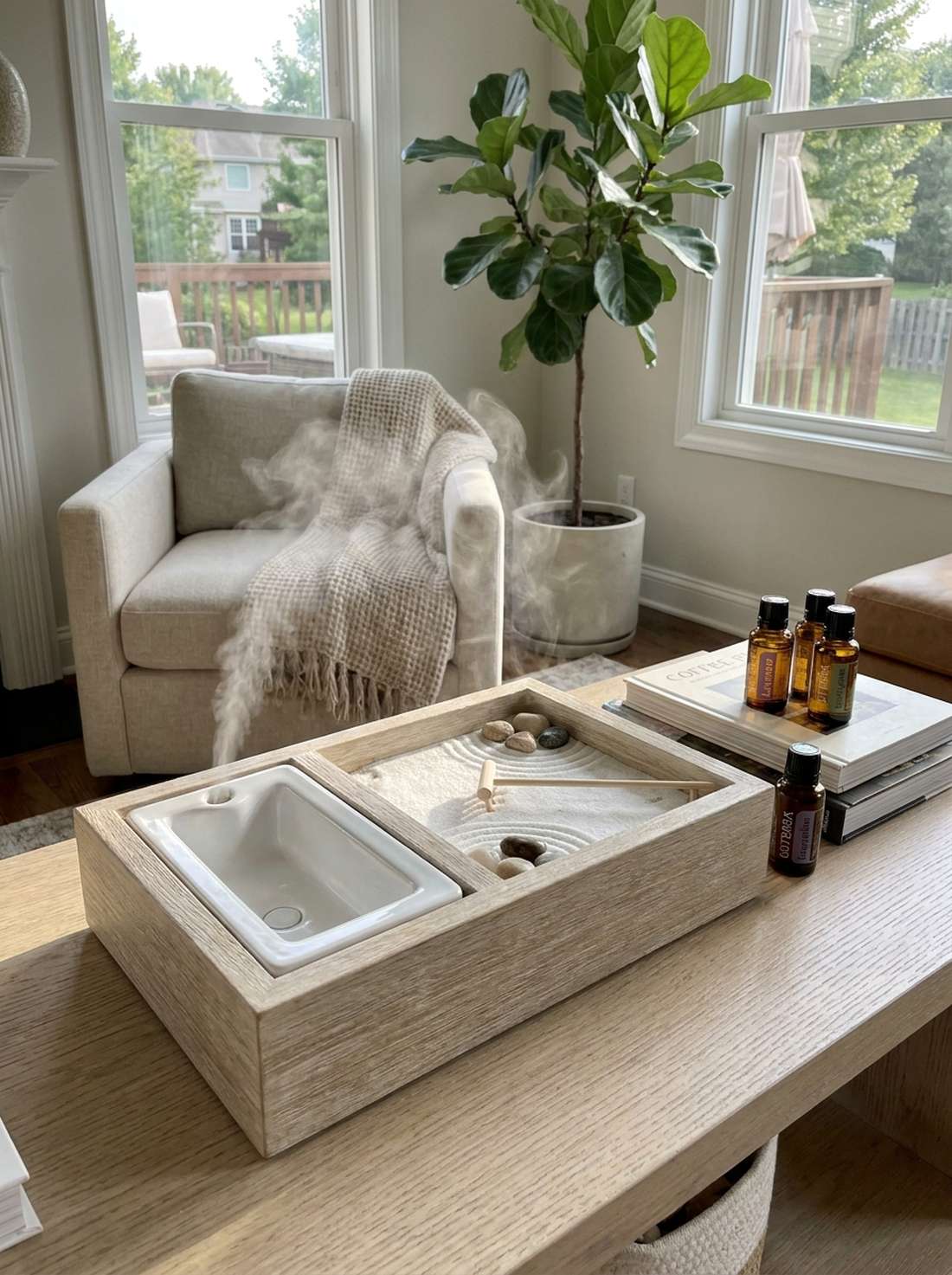
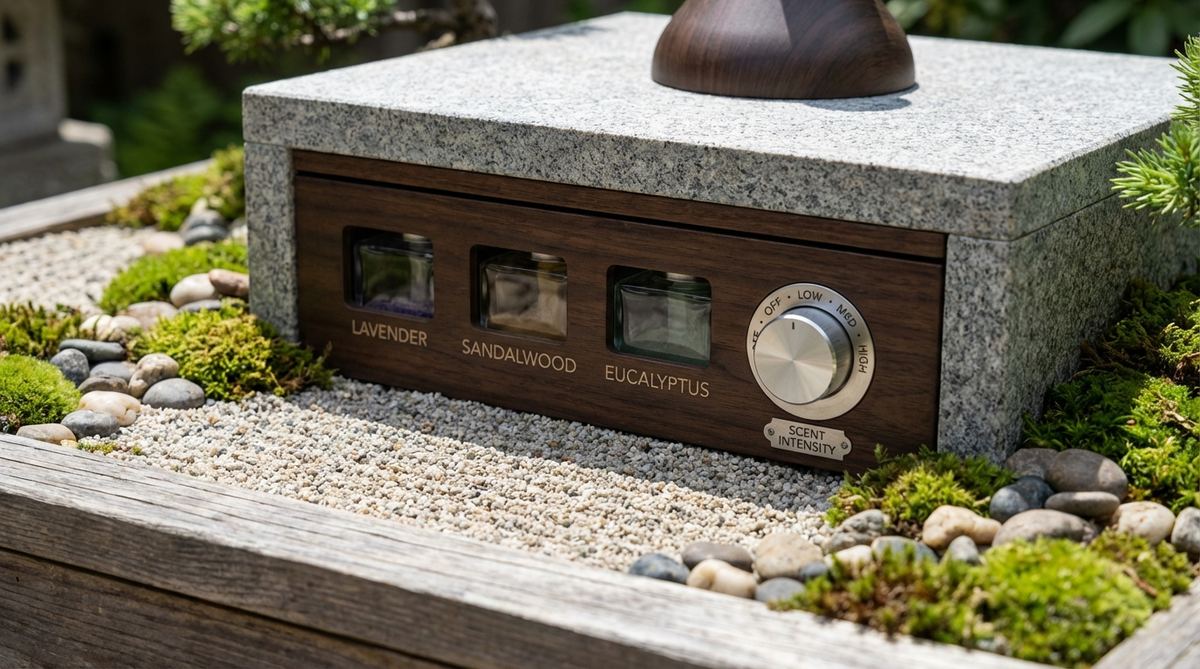
Fills the air with a calming mist that feels like a high-end luxury spa treatment. Integrating an essential oil ultrasonic diffuser into the tray corner engages the olfactory senses powerfully.
Looking at sand is great, but pairing it with lavender or eucalyptus steam gives a designer-level finish to your relaxation routine. It requires a specialized base that separates the moisture from the dry sand perfectly.
These combo units usually cost $40-$65. An absolute game-changer for high-stress environments.
- Key Materials: Diffuser-integrated base, essential oils
- Vibe / Style: Holistic wellness
- Difficulty: Easy
- Budget Breakdown: Diffuser Tray: $45 | Oil Pack: $15.
- Creator’s Tip: Direct the mist nozzle slightly away from the sand to prevent it from clumping over time.
- Smart Sourcing: 2-in-1 diffuser zen garden kits and 100% pure essential oil packs.
Here’s a little-known secret: the next setup uses a completely different material base that rarely fades…
45. Rotating Platform Motor
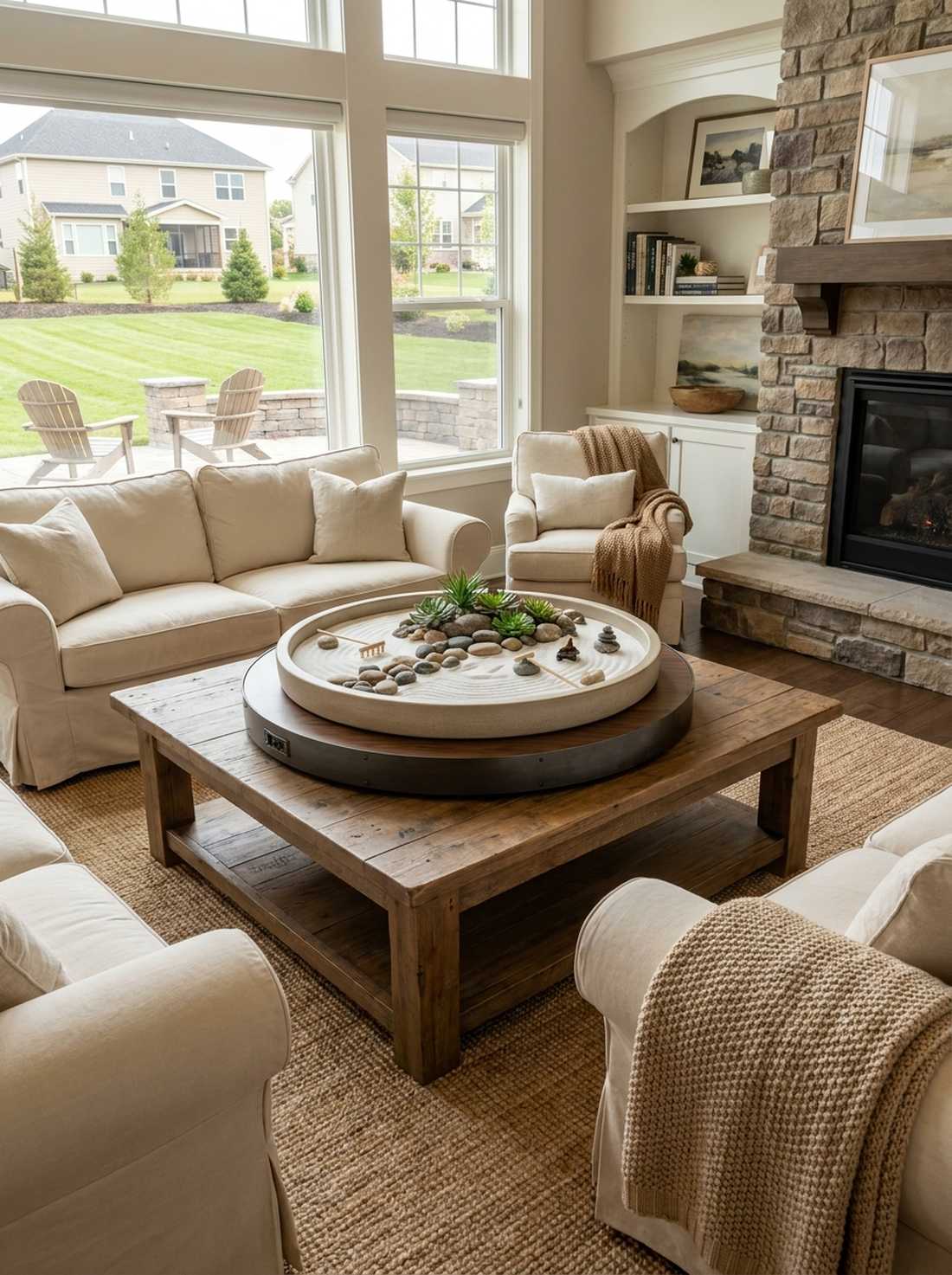
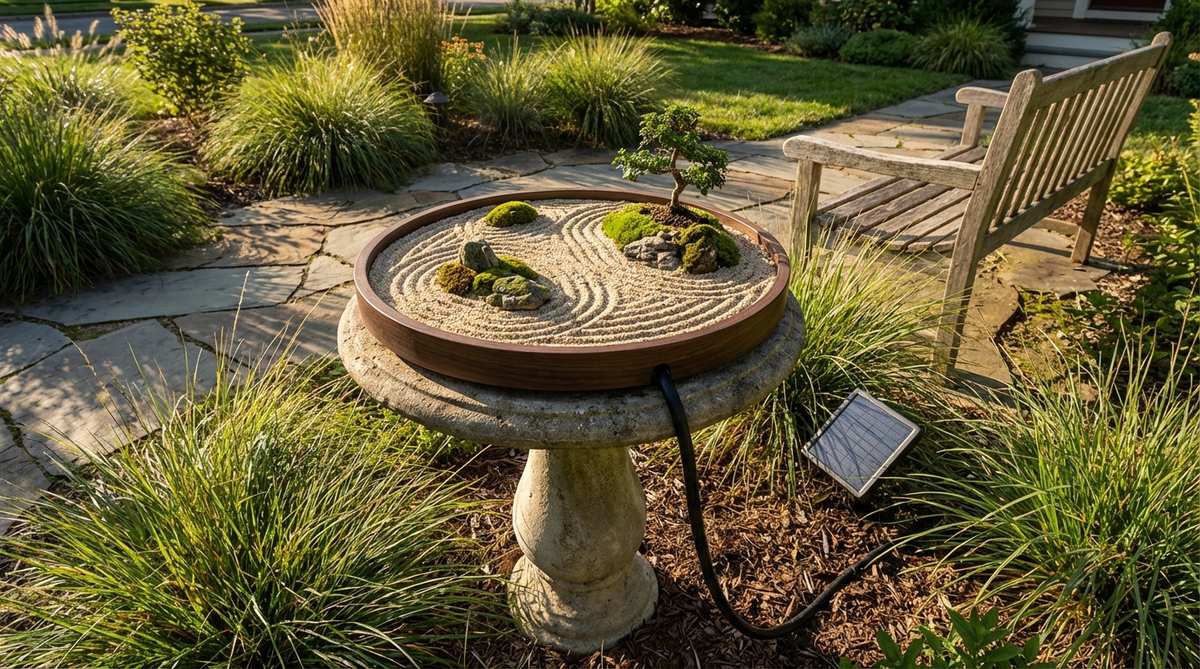
Generates a slow, hypnotic movement that feels like watching a planet turn. Placing your tray on a motorized display turntable gives you a constantly shifting 360-degree perspective.
Static displays can get boring, but a slow kinetic rotation looks far more expensive than it is and catches the eye beautifully. It allows you to appreciate the depth of your miniature garden supplies from every single angle without touching it.
A heavy-duty turntable costs just $20-$30. Pin this idea for an unforgettable coffee table centerpiece!
- Key Materials: USB turntable base, round sand tray
- Vibe / Style: Kinetic art exhibit
- Difficulty: Easy
- Budget Breakdown: Motor Base: $25 | Garden Kit: $20.
- Creator’s Tip: Buy a turntable specifically rated for 10+ lbs, as sand and rocks get very heavy very quickly.
- Smart Sourcing: heavy-duty motorized display turntables and round ceramic tray bases.
46. Fiber Optic Star Field
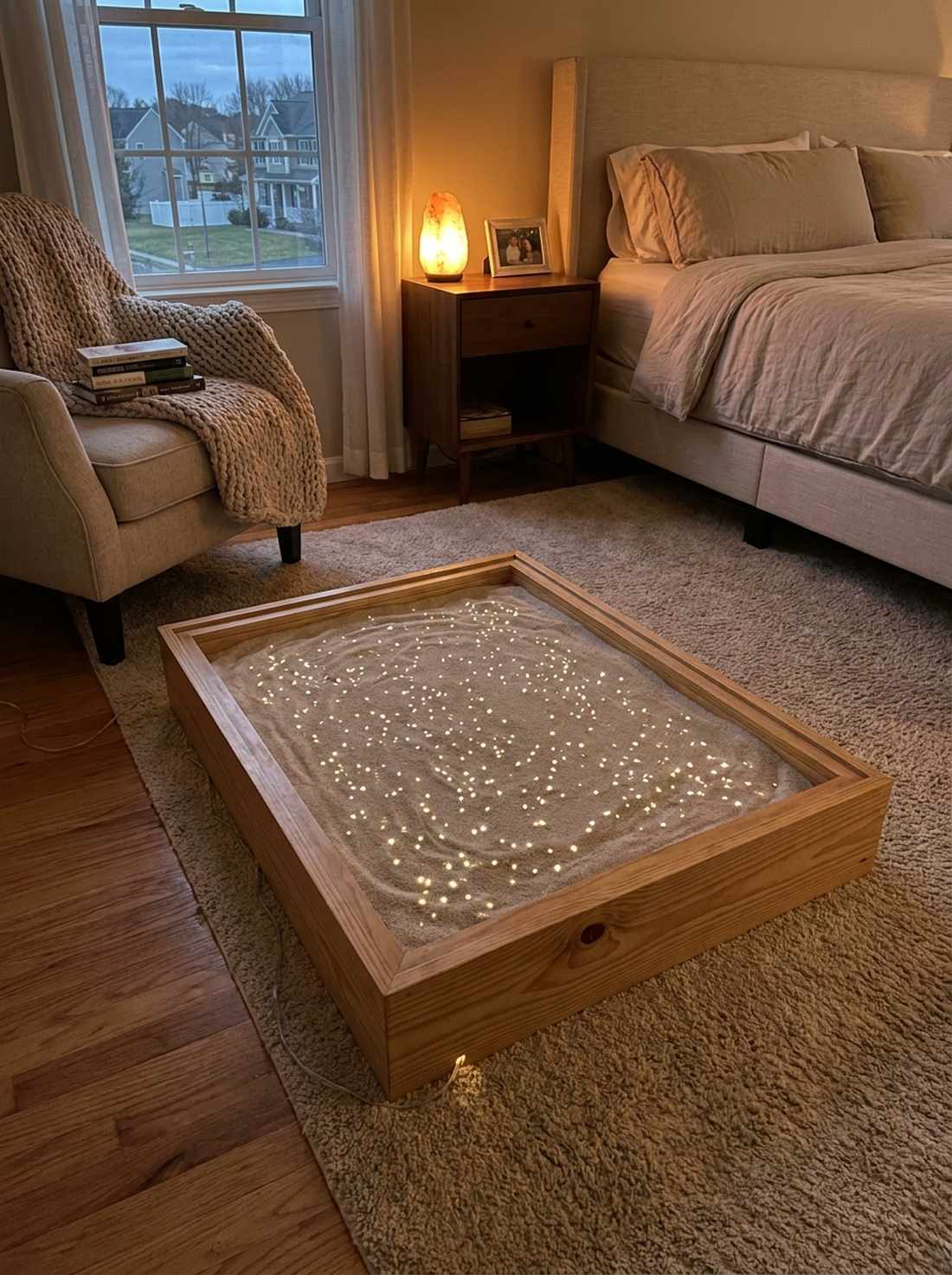
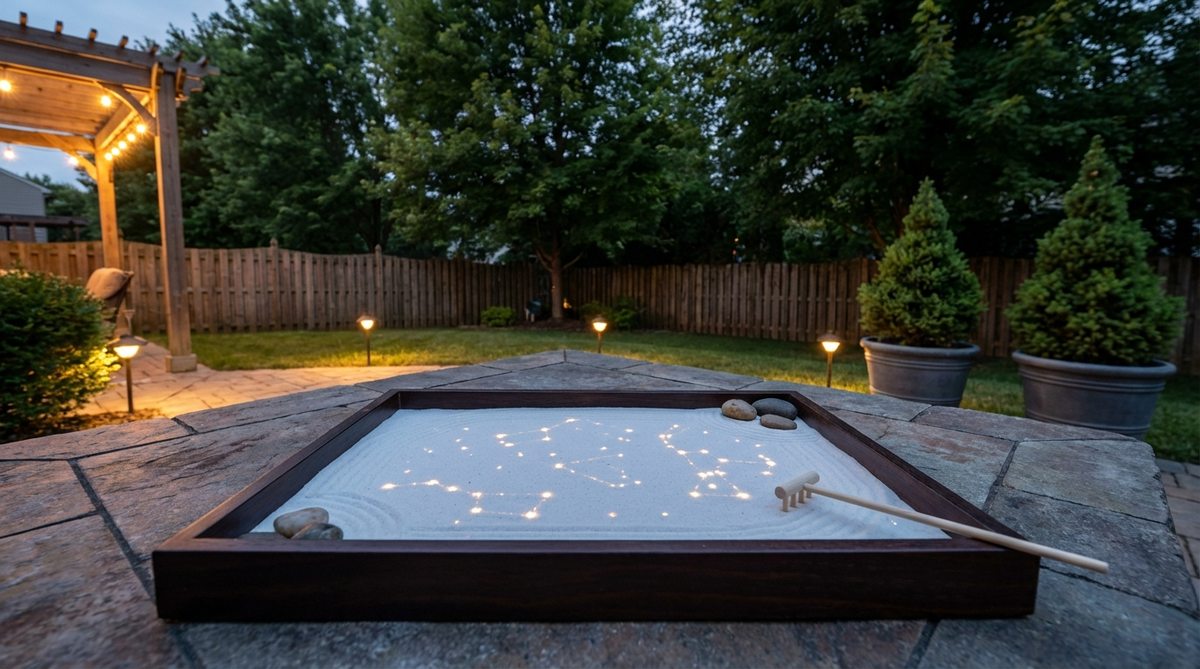
Twinkles softly from below, creating an effect that feels like gazing at a miniature galaxy. A fiber-optic embedded floor tray is absolute magic for a dimly lit bedroom.
Overhead lighting casts harsh shadows, but threading tiny optical fibers through the base board gives a designer-level finish that illuminates the sand from within. It takes patience to build, but the payoff is a breathtaking celestial landscape.
A DIY fiber kit and tray runs about $40-$60. Save this for your next ambitious weekend craft project!
- Key Materials: Drill-ready base, fiber optic light engine
- Vibe / Style: Celestial dreamscape
- Difficulty: Advanced DIY
- Budget Breakdown: Fiber Kit: $35 | Wood Base: $20.
- Creator’s Tip: Snip the fibers flush with the wood surface so your rake doesn’t catch on them.
- Smart Sourcing: micro fiber-optic lighting kits and drillable soft-pine trays.
47. USB Powered Heating Element
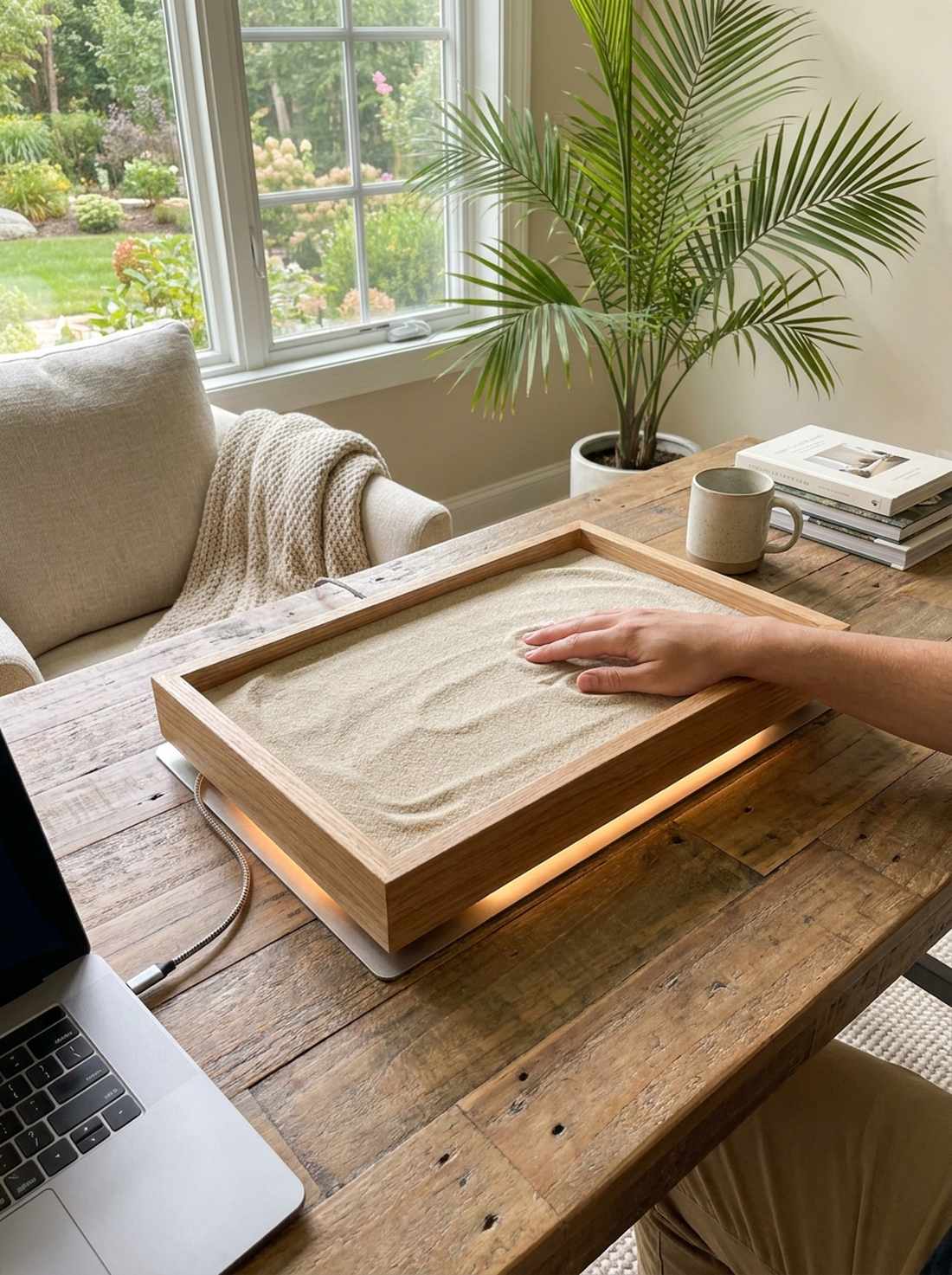
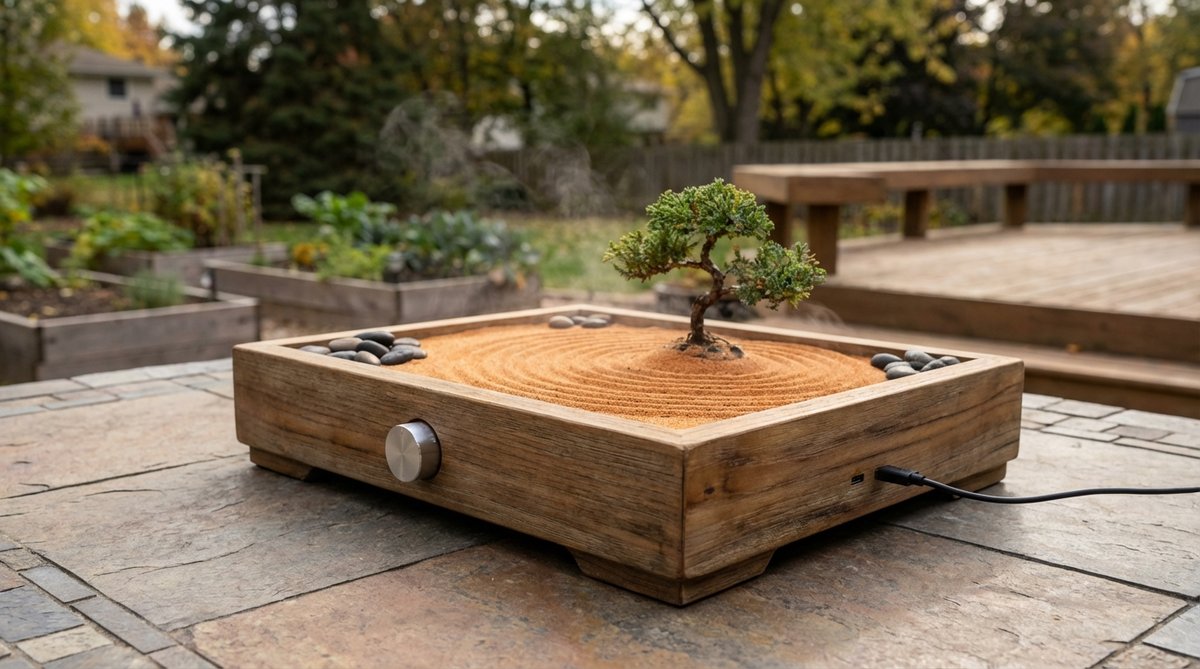
Radiates a comforting warmth that feels like sun-baked sand on a tropical beach. A gently heated metallic sub-plate is a revelation for freezing, over-air-conditioned offices.
Touching cold sand is jarring, but warming the base to a mild 90 degrees completely solves this sensory disconnect. Using premium desk decor materials ensures the heat is distributed evenly without warping the wooden frame.
Heat-pad modifications cost roughly $25-$40. Highly recommended for tactile, hands-on relaxation.
- Key Materials: USB terrarium heat mat, heat-safe tray
- Vibe / Style: Tropical warmth
- Difficulty: Intermediate
- Budget Breakdown: Heat Mat: $15 | Metal Base: $25.
- Creator’s Tip: Never place the heat mat directly on wood; use a thin sheet of aluminum as a safe thermal bridge.
- Smart Sourcing: low-wattage terrarium heat mats and heat-resistant metallic trays.
48. Humidity Control System
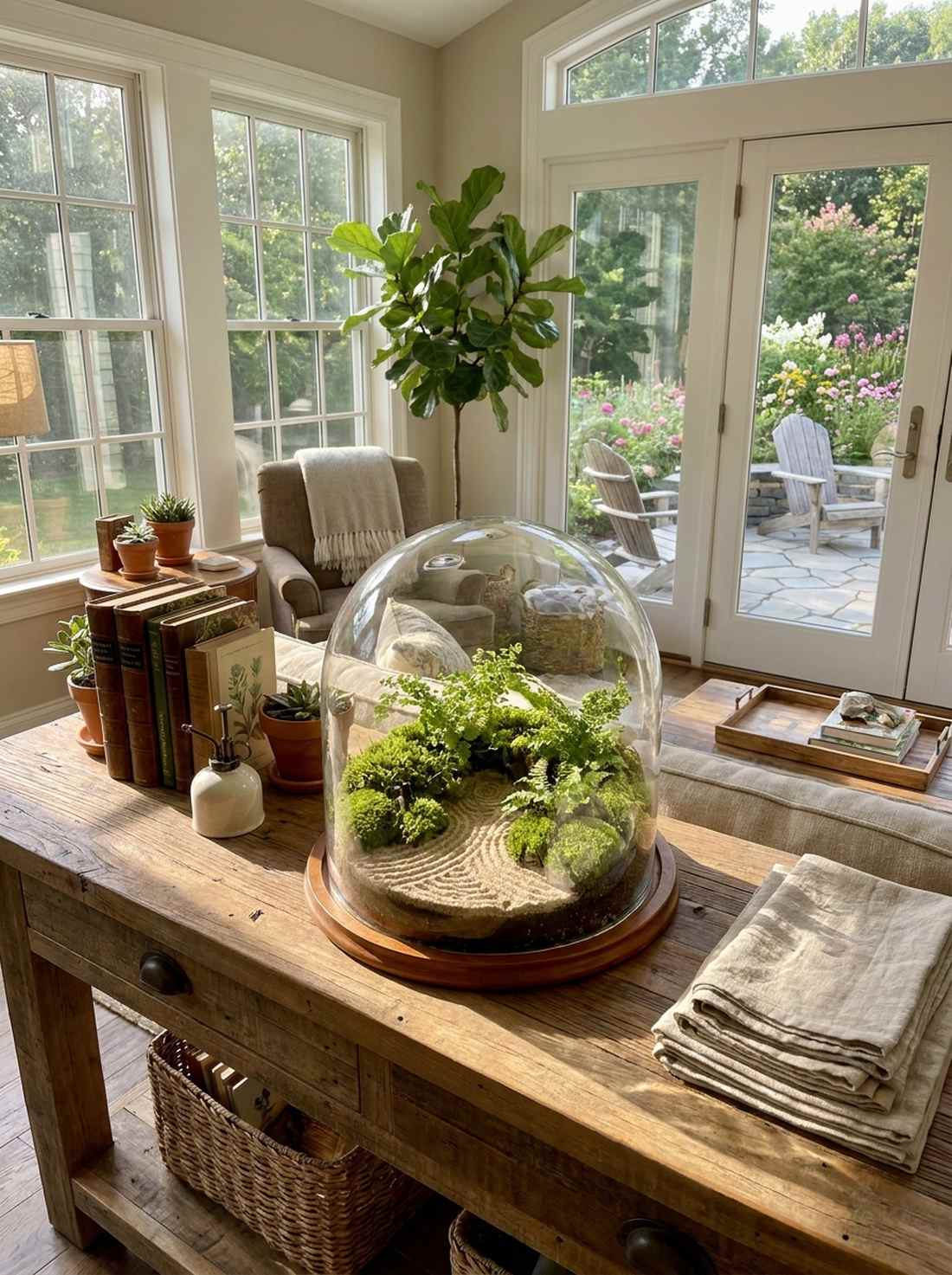
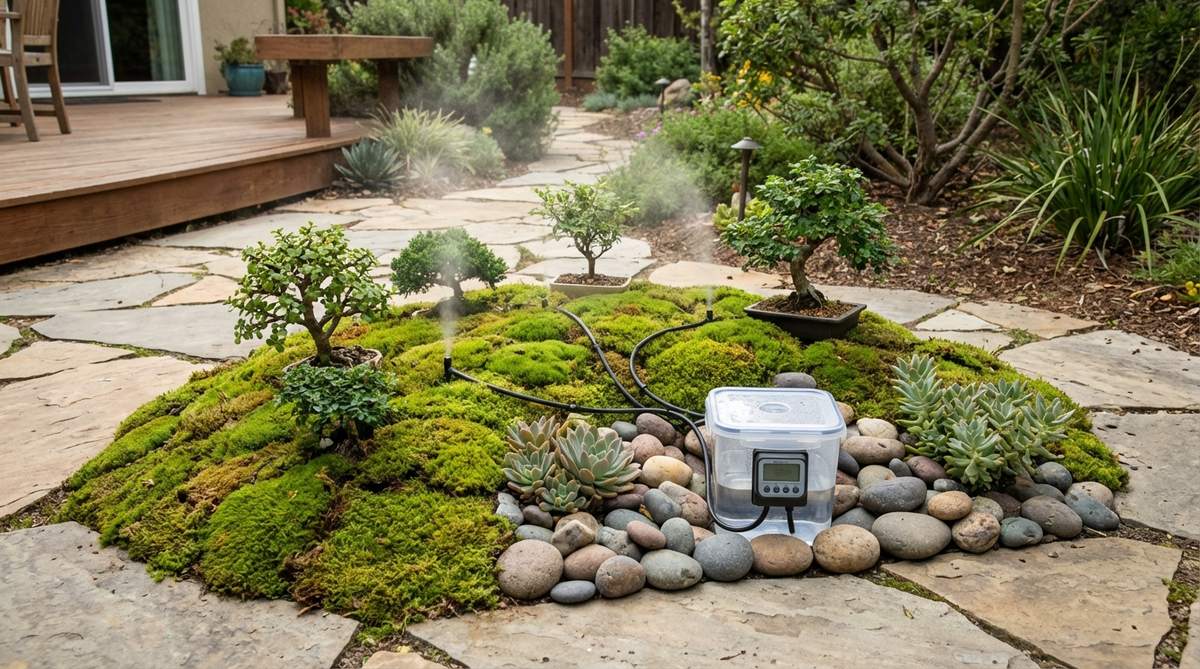
Maintains a perfectly balanced microclimate that feels like a high-end botanical conservatory. A glass-domed enclosure with micro-vents keeps delicate mosses and ferns thriving alongside the sand.
Open-air living setups dry out instantly, but enclosing the entire system looks far more expensive than it is while locking in vital moisture. This hybrid terrarium approach protects your pristine sand patterns from dust while nurturing live plants.
A quality glass cloche setup runs $50-$80. Pin this if you struggle to keep indoor plants alive!
- Key Materials: Glass cloche dome, wood base, live moss
- Vibe / Style: Botanical laboratory
- Difficulty: Intermediate
- Budget Breakdown: Glass Dome: $45 | Base Kit: $25.
- Creator’s Tip: Lift the dome for 10 minutes a day to allow fresh air exchange and prevent mold growth.
- Smart Sourcing: large glass cloche domes (vented) and live moss starter kits.
49. Basic Component Starter Kit
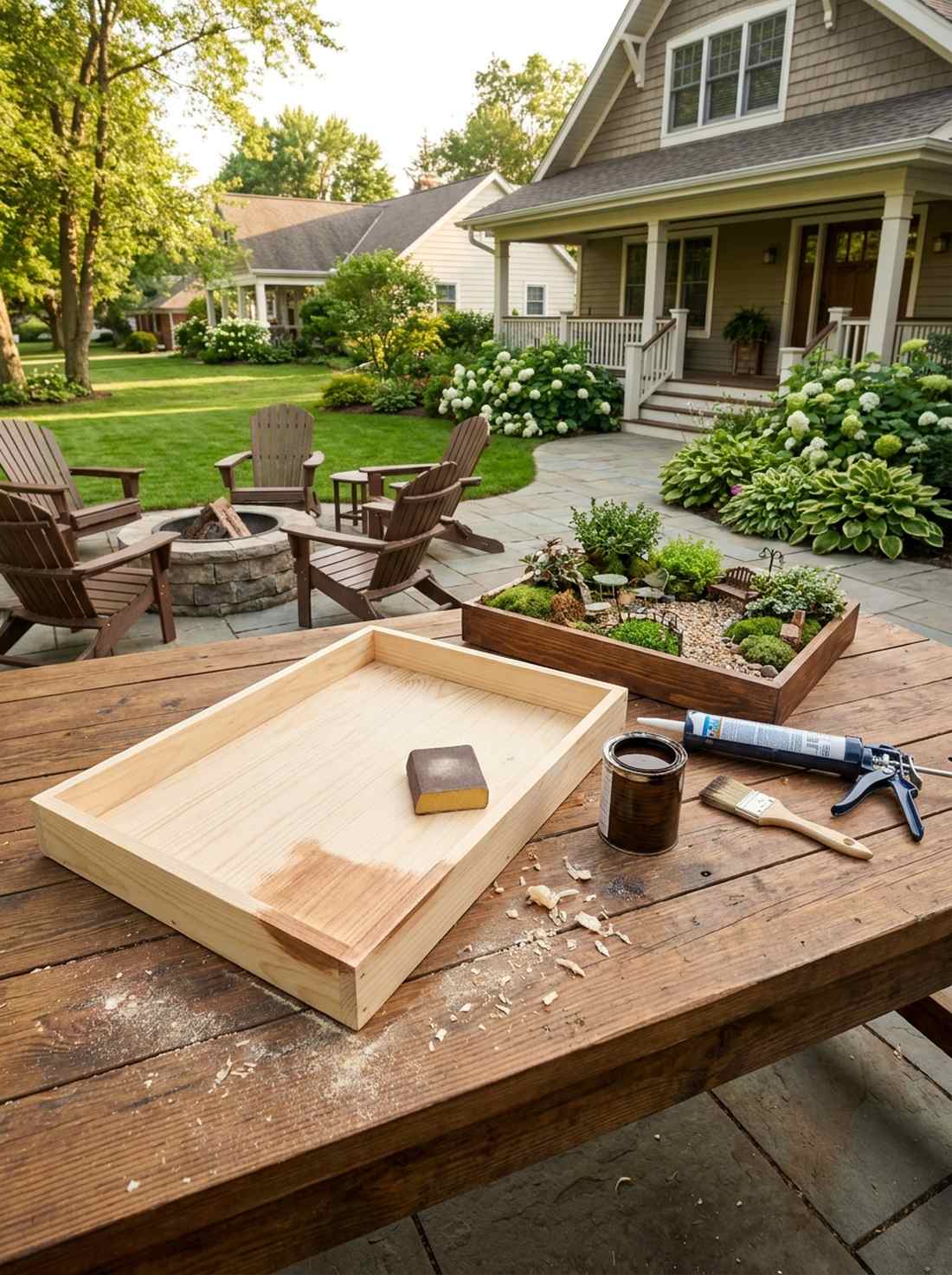
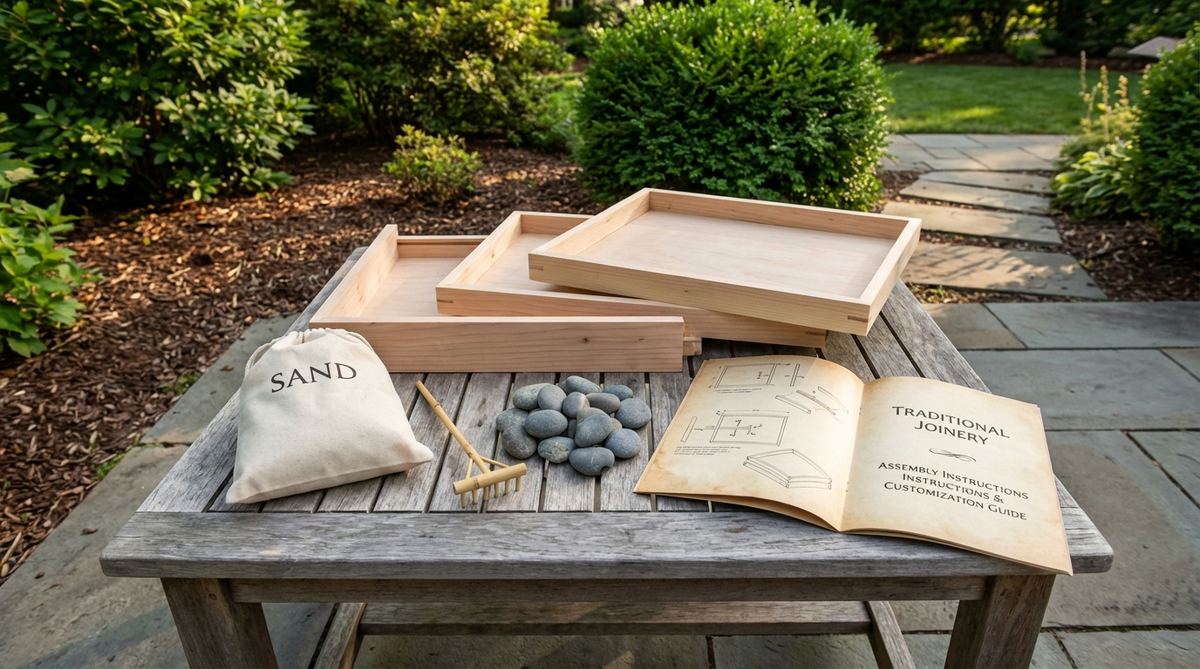
Provides a blank canvas that feels incredibly empowering and deeply personal. A raw, unfinished wood DIY build kit is the perfect weekend activity for creative minds.
Buying pre-finished is easy, but sanding and staining the wood yourself gives a designer-level finish matched perfectly to your room’s specific furniture. High-quality fairy garden kits that provide raw materials allow you to dictate the exact depth and width.
These raw kits are super cheap, usually $15-$25. Save this to your DIY craft ideas board!
- Key Materials: Unfinished pine tray, sandpaper, stain
- Vibe / Style: Hand-crafted personalization
- Difficulty: Easy DIY
- Budget Breakdown: Raw Kit: $18 | Wood Stain: $7.
- Creator’s Tip: Always seal the inside corners with a bead of clear silicone before adding sand to prevent tiny leaks.
- Smart Sourcing: unfinished wooden tray kits (bulk) and clear silicone sealant tubes.
If you have exactly 10 minutes, this upcoming design offers the highest visual ROI by far…
DIY And Customizable Kits
50. Interchangeable Accessory System
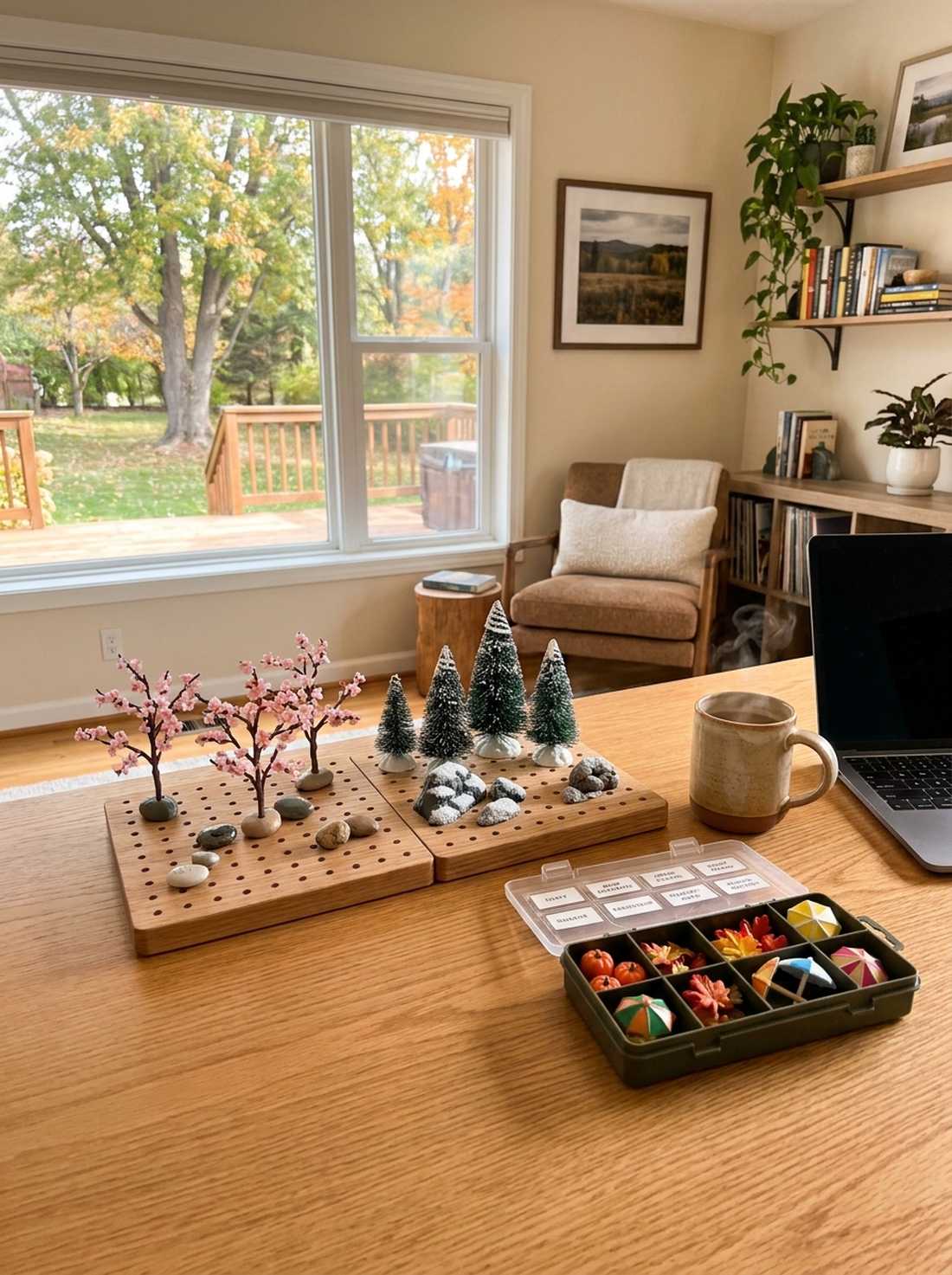
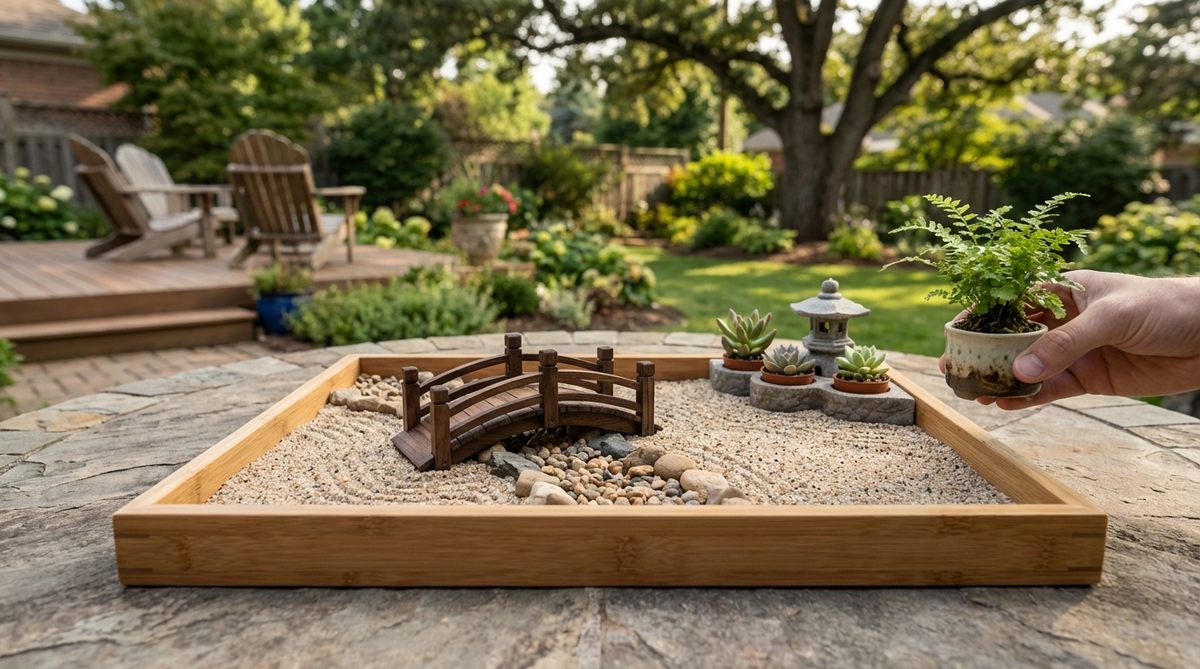
Delivers endless variety that feels like a brand-new setup every single month. A modular base with snap-in seasonal decor prevents you from ever getting bored of your desk view.
Static displays lose their charm, but swapping out cherry blossoms for snow-capped stones completely solves visual fatigue. Investing in premium miniature garden supplies with a standardized peg system allows for flawless, mess-free swapping.
A robust modular kit sets you back $40-$60. Highly recommended for those who love seasonal decorating.
- Key Materials: Peg-board style base, themed accessory packs
- Vibe / Style: Dynamic and seasonal
- Difficulty: Easy
- Budget Breakdown: Modular Base: $30 | Add-ons: $20.
- Creator’s Tip: Store off-season accessories in a small divided tackle box to keep them pristine and organized.
- Smart Sourcing: seasonal fairy garden accessory packs and modular slotted wood bases.
51. Paint Your Own Figurine Set
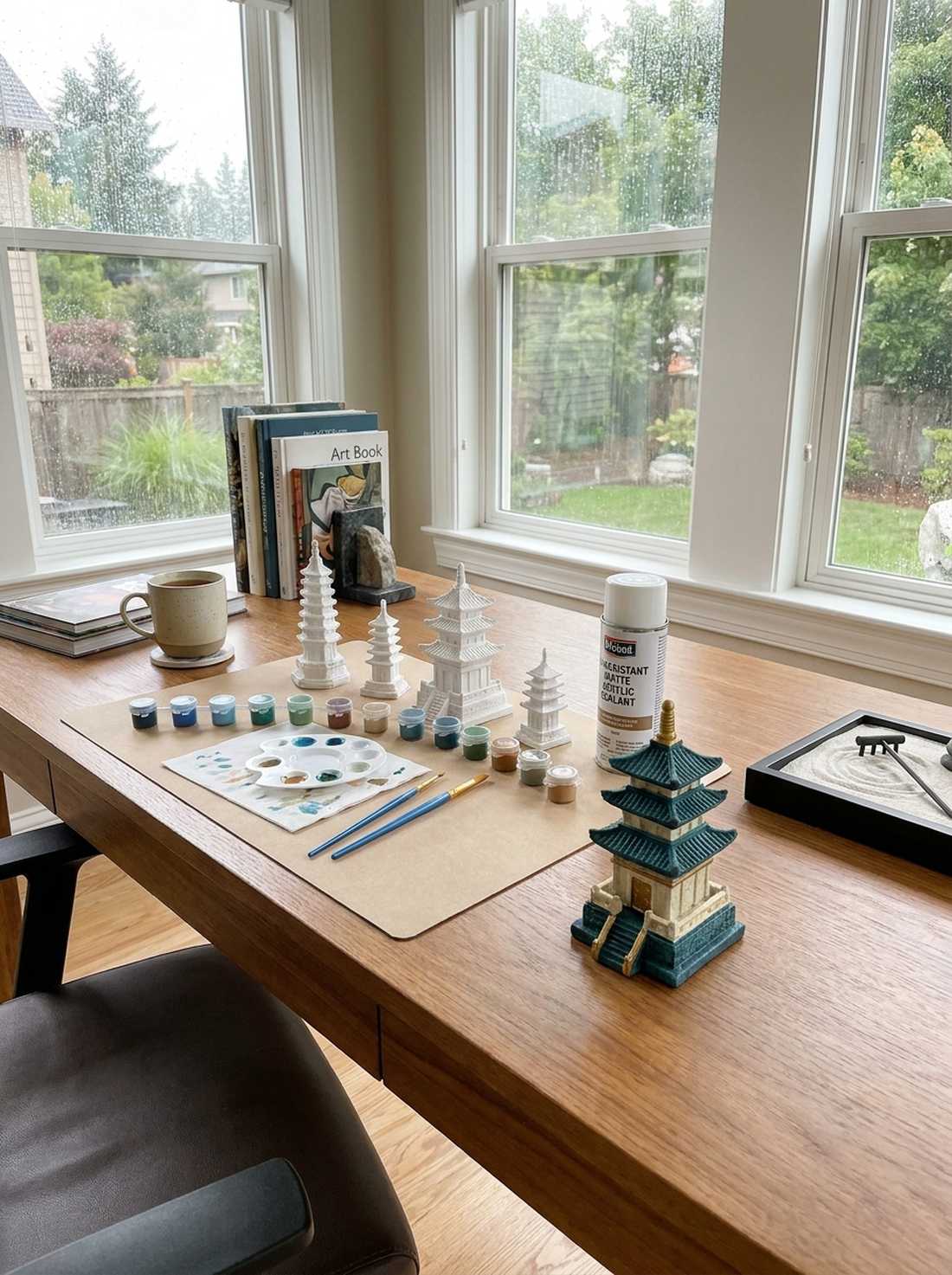
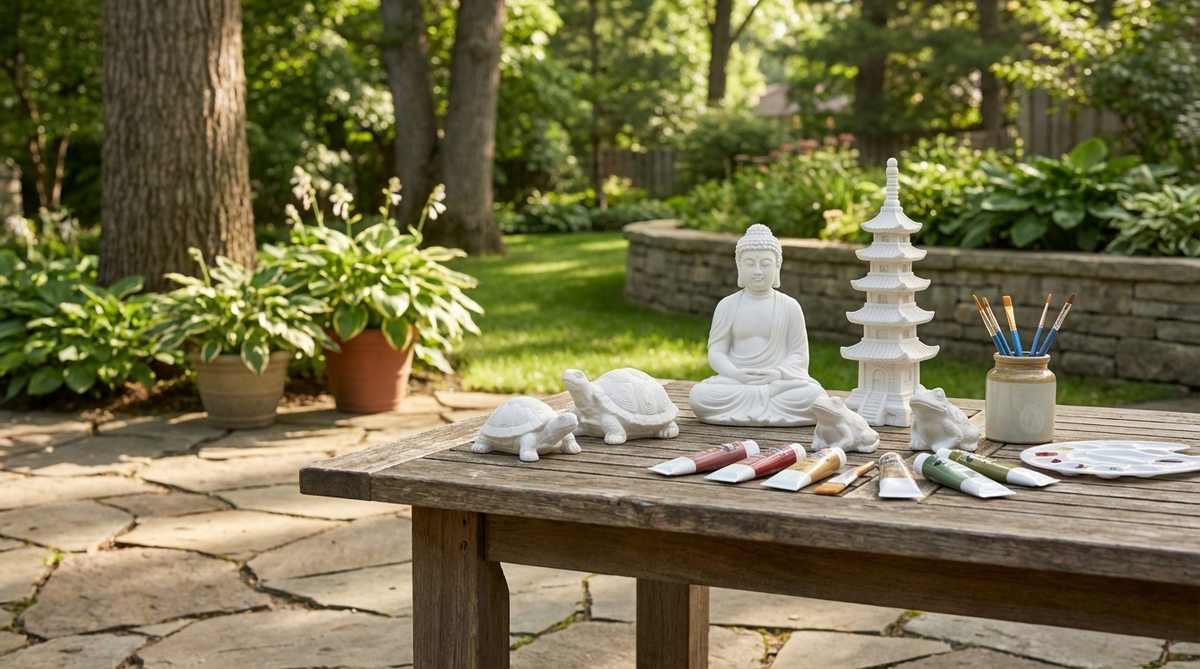
Unleashes inner creativity that feels wildly therapeutic and nostalgic. A blank resin casting kit with acrylics adds a layer of art therapy before the meditation even begins.
Factory-painted figures are fine, but customizing the color palette to match your office looks far more expensive than it is. Using UV-coated sealants over your paint job ensures the colors won’t chip when they scrape against the sand.
A complete painting kit is about $20-$30. Pin this for a fantastic rainy day activity!
- Key Materials: Blank resin pagodas/figures, acrylic paint set
- Vibe / Style: Artistic expression
- Difficulty: Intermediate (painting skills)
- Budget Breakdown: Blank Figures: $15 | Paints & Sealant: $15.
- Creator’s Tip: Use a matte clear-coat spray after the paint dries to give the figures an authentic, non-plastic stone look.
- Smart Sourcing: blank resin miniature castings (bulk pack) and UV-resistant matte acrylic sealants.
52. Stone Collecting Expedition Kit
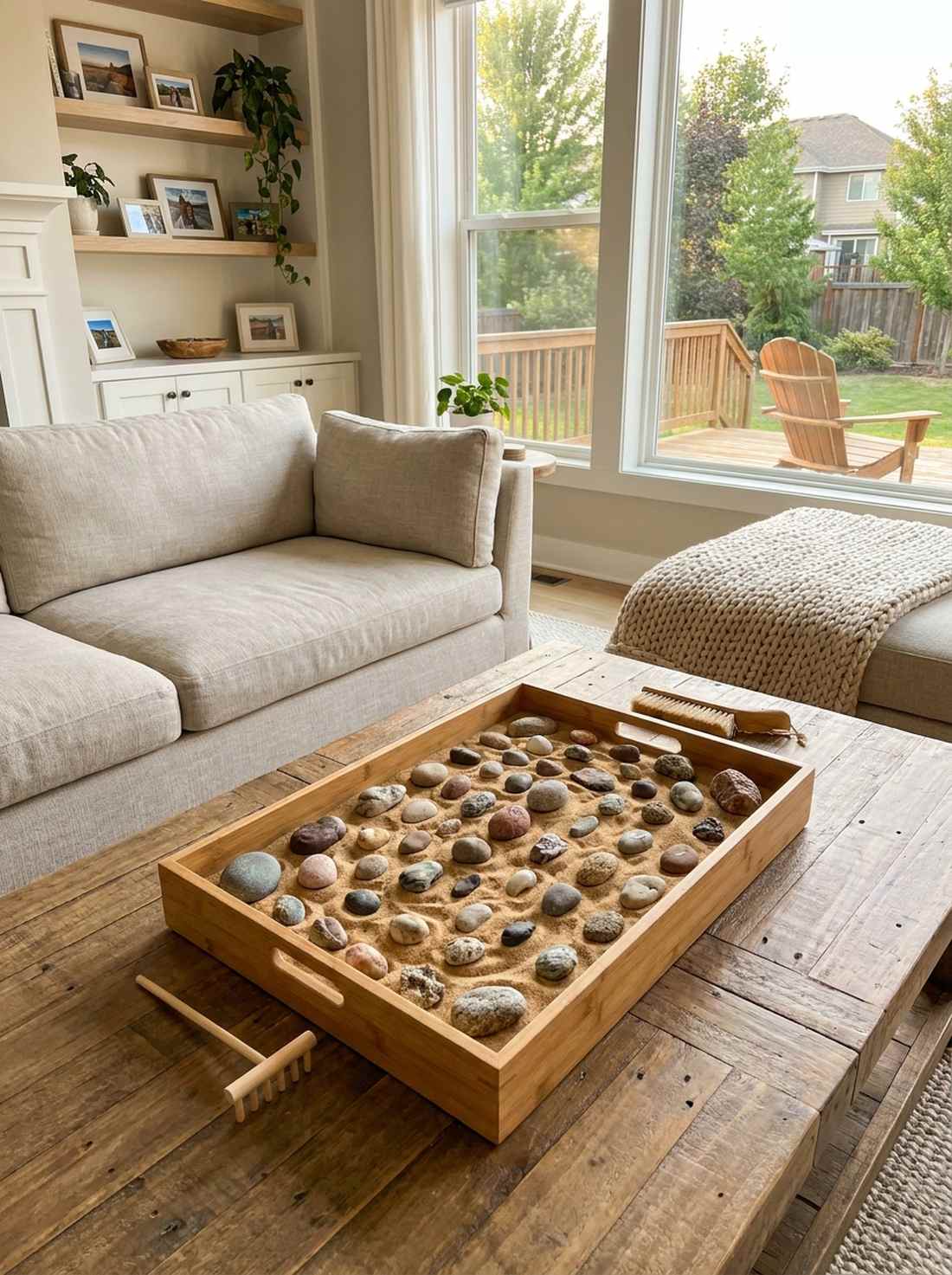
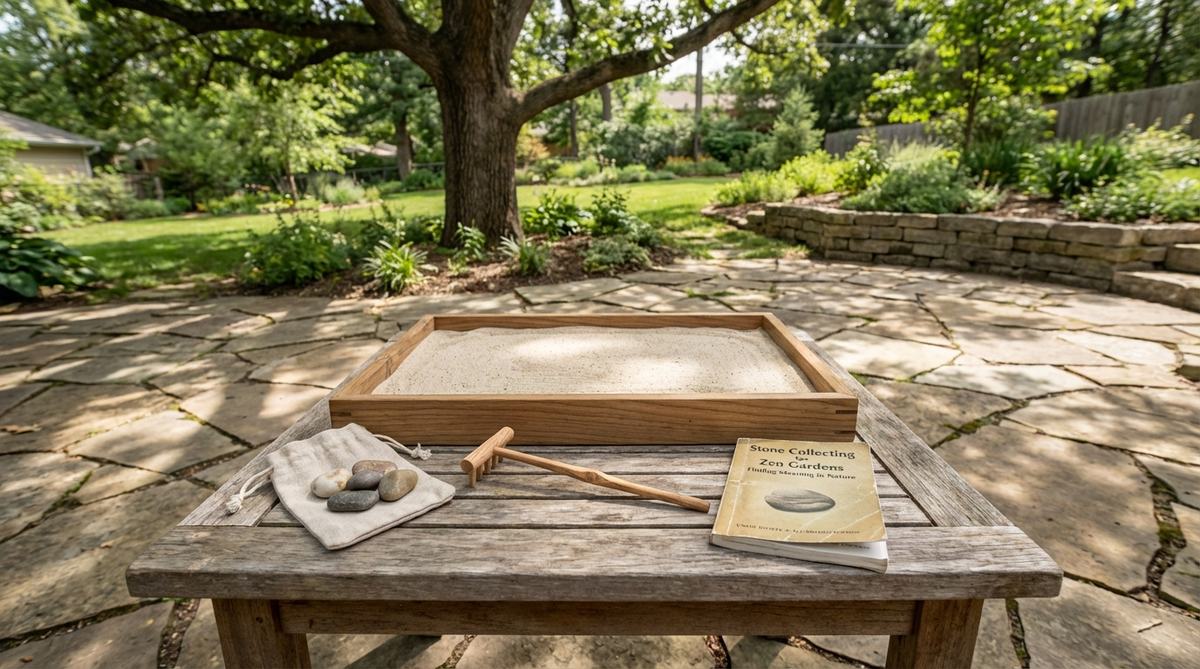
Embeds deep memories into a layout that feels profoundly sentimental. An empty tray designed for foraged travel stones turns your meditation space into a map of your life.
Buying generic rocks is quick, but placing a stone from your favorite hike or beach vacation gives a designer-level finish with massive emotional weight. It transforms premium desk decor into a highly personal storytelling device.
The base kit is only $15; the stones are free! A beautiful, deeply personal approach to mindfulness.
- Key Materials: Deep minimalist tray, premium sand, memory stones
- Vibe / Style: Sentimental traveler
- Difficulty: Easy
- Budget Breakdown: Deep Base: $20 | Sand: $10.
- Creator’s Tip: Boil foraged stones for 10 minutes to kill any bacteria or pests before introducing them to your indoor tray.
- Smart Sourcing: extra-deep bamboo starter bases and heavy-grain desert sand.
53. Color Mixing Sand Palette
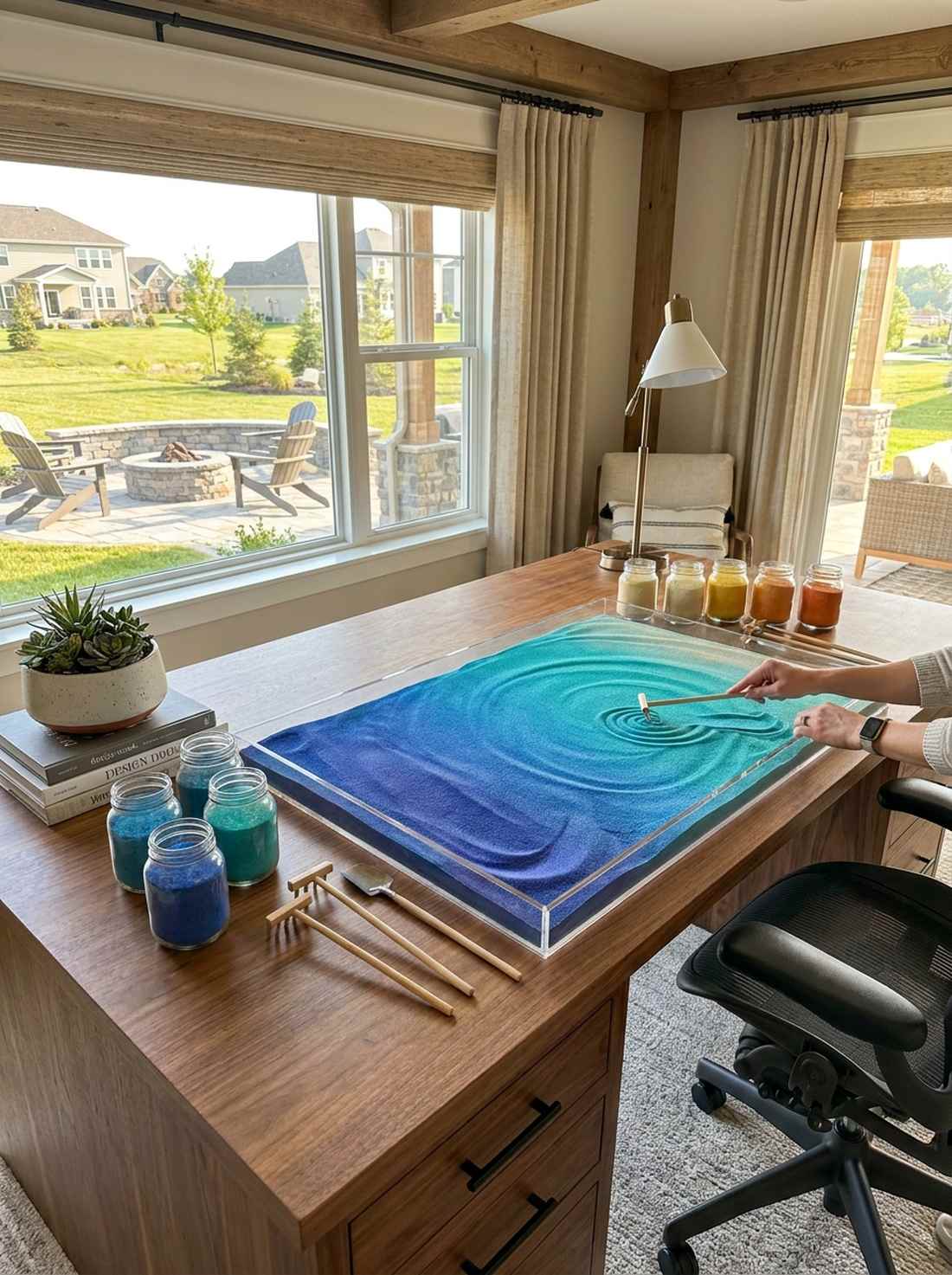
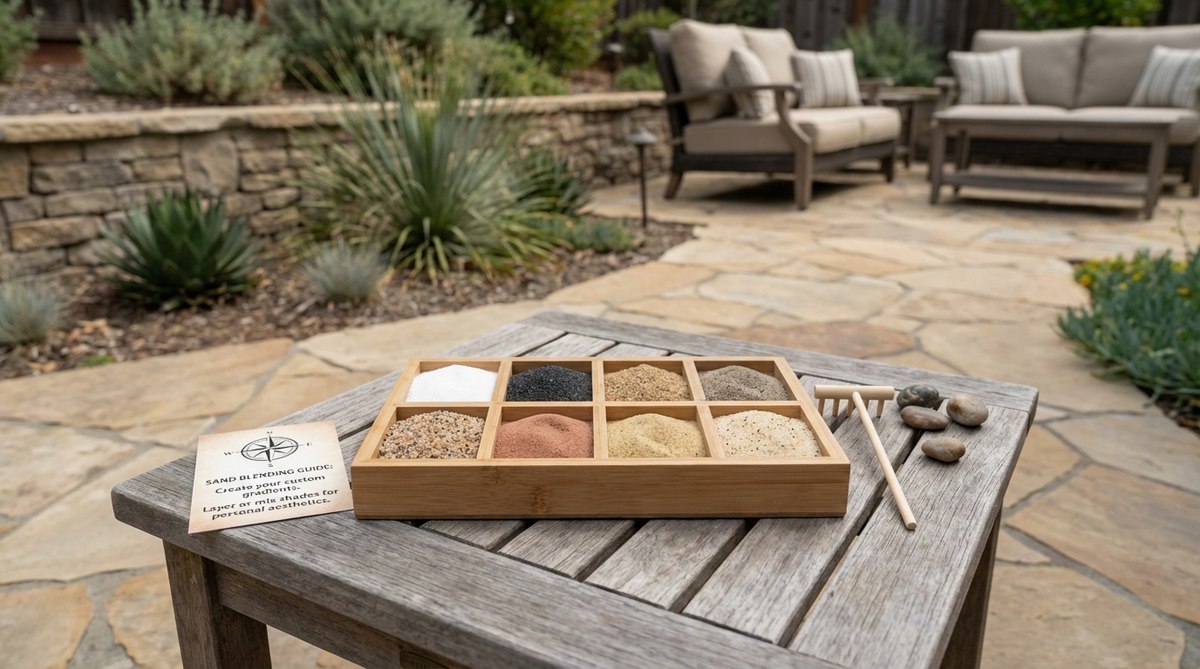
Explodes with vibrant gradients that feel like a sunset melting across your desk. A multi-hue sand blending kit allows you to rake incredible ombre patterns.
Pure white is traditional, but creating a smooth fade from deep blue to bright teal looks incredibly striking and custom. Specialized fairy garden kits offer highly pigmented sands that won’t bleed their colors onto your hands or tools.
A multi-pack of colored sand costs $20-$30. Save this idea for a wildly colorful aesthetic upgrade!
- Key Materials: Pigmented quartz sand (4+ colors), wide tray
- Vibe / Style: Vivid gradient art
- Difficulty: Advanced raking
- Budget Breakdown: Color Pack: $25 | Tray: $15.
- Creator’s Tip: Use a piece of stiff cardboard to temporarily separate the colors while pouring, then gently lift it to create a perfect seam.
- Smart Sourcing: vibrant pigmented quartz sand packs and wide-format acrylic trays.
54. Custom Rake Design Blanks
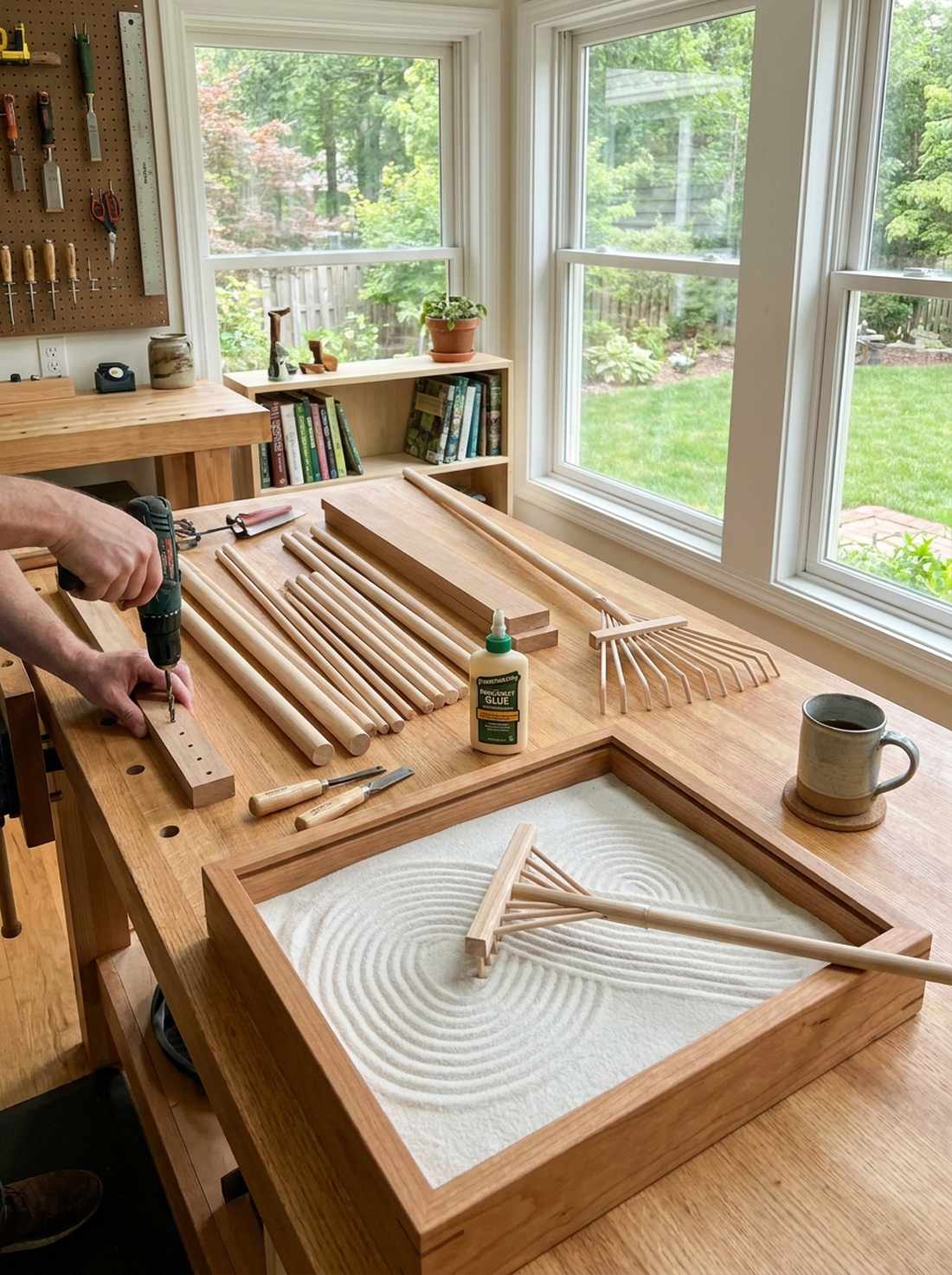
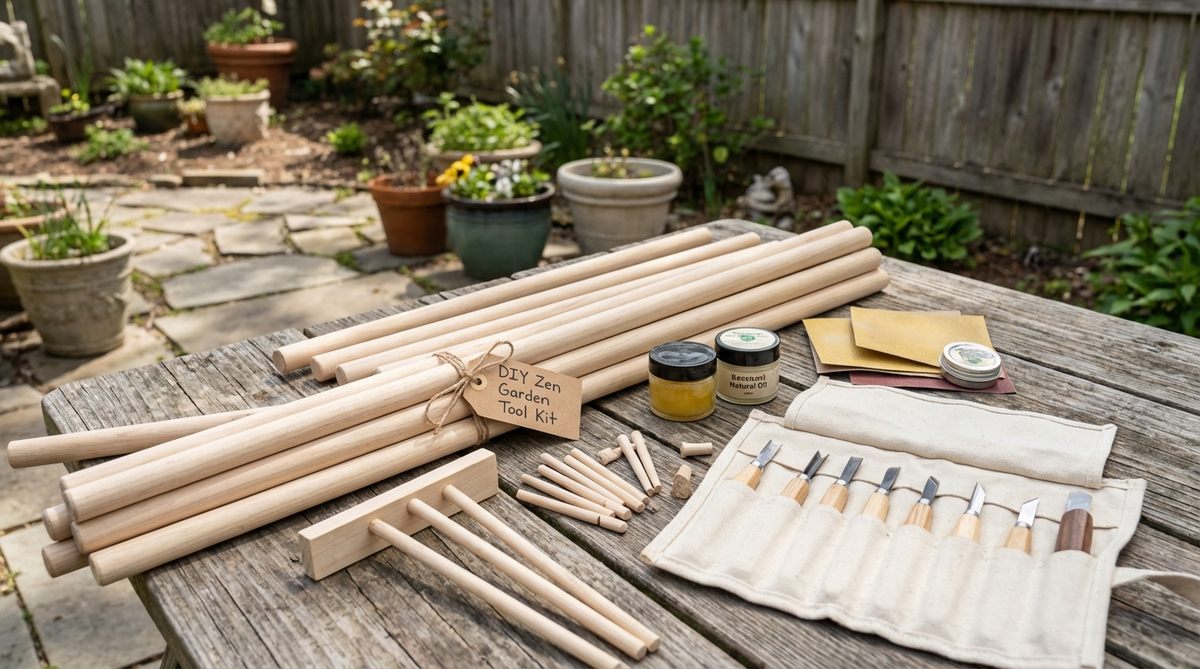
Puts the power of the pattern entirely in your hands, feeling like true mastery. Using unfinished dowels and interchangeable tines lets you dictate exactly how wide or narrow your ripples are.
Stock rakes limit your expression, but drilling your own custom spacing looks far more expensive than it is when you achieve completely unique sand weaves. This hack completely elevates the standard miniature garden supplies into bespoke artistry.
DIY tool supplies cost less than $15. Highly recommended for perfectionists who hate stock tools.
- Key Materials: Hardwood blanks, dowel pins, wood glue
- Vibe / Style: Bespoke engineer
- Difficulty: Intermediate DIY
- Budget Breakdown: Wood Blanks: $10 | Glue/Tools: $5.
- Creator’s Tip: Space the tines closer together on one side and wider on the other to create a dual-action master tool.
- Smart Sourcing: hardwood dowel assortment packs and precision woodcraft glue.
Almost done, but this final handful of ideas includes the absolute best-kept secret for budget luxury…
55. Printable 3D Design Files
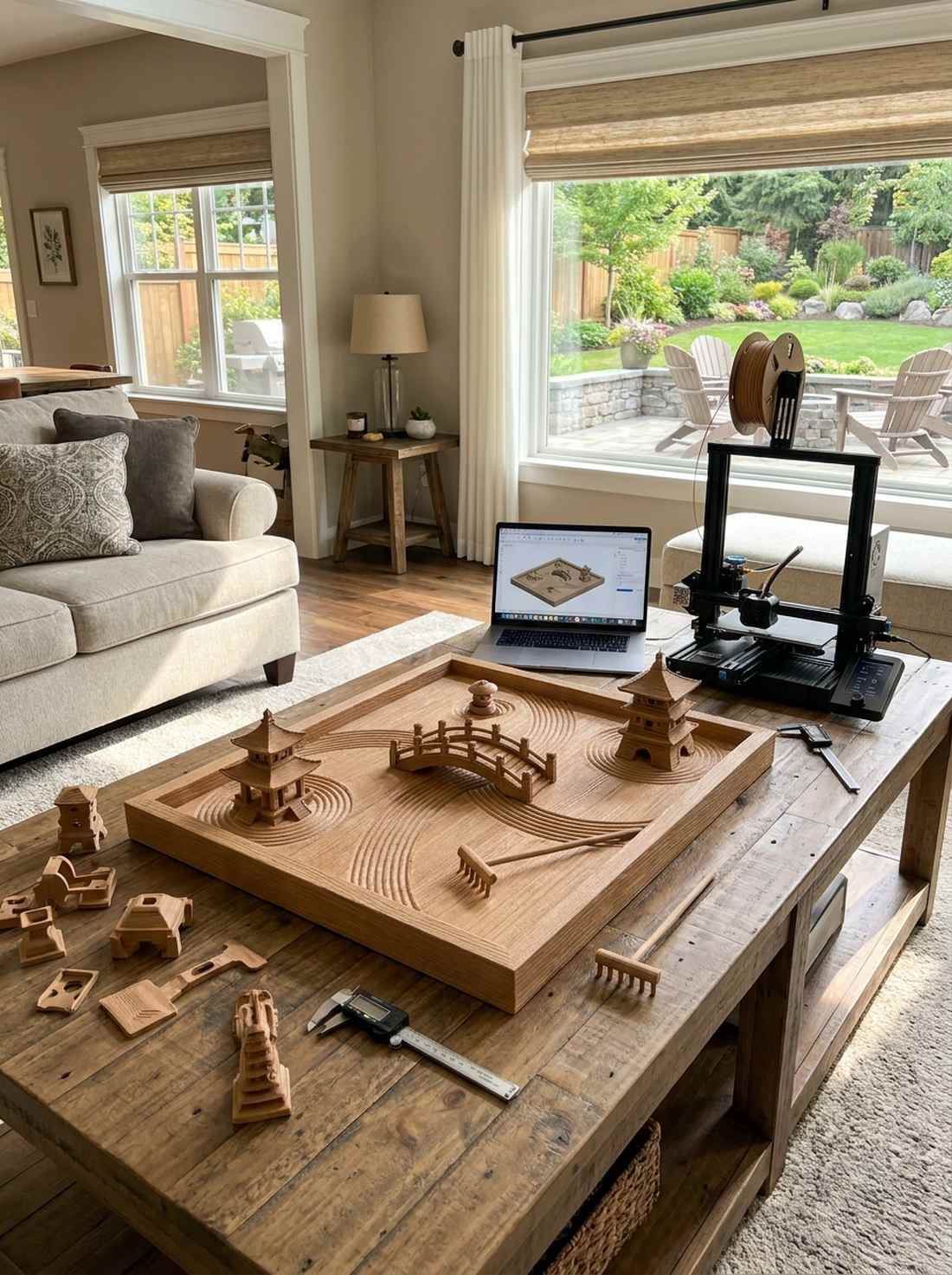
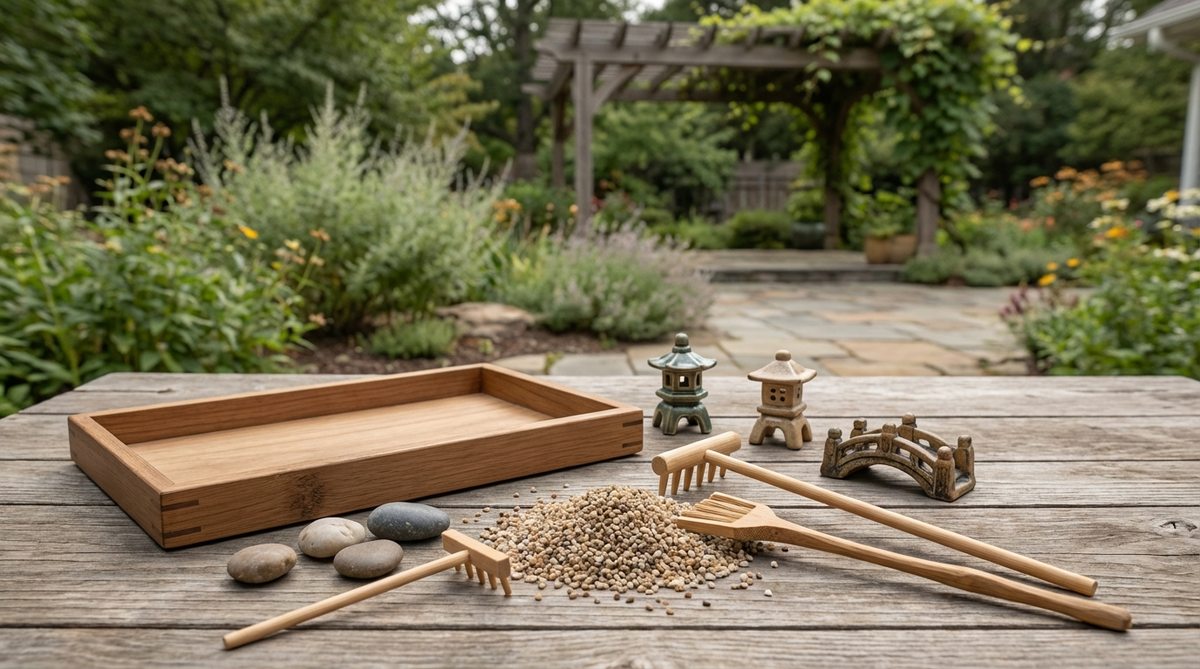
Brings infinite architectural possibilities that feel straight out of a sci-fi maker lab. Utilizing digital STL files for custom resin printing means you can literally design any landscape you can imagine.
Relying on store-bought items is limiting, but printing your own perfectly scaled pagodas or rakes gives a designer-level finish that is 100% unique to you. Printing with wood-infused PLA filament even mimics the texture and weight of real carved timber.
Files are often under $5, and filament is cheap. Pin this if you own a 3D printer!
- Key Materials: 3D printer, wood-PLA filament, digital files
- Vibe / Style: High-tech maker
- Difficulty: Advanced tech
- Budget Breakdown: STL Files: $5 | Filament: $20.
- Creator’s Tip: Print the base tray with a high infill percentage (40%+) so it’s heavy enough to not slide around your desk.
- Smart Sourcing: wood-infused PLA filament rolls and premium desktop sandbox kits (sand only).
Final Thoughts On Zen Garden Miniature Selection
Choosing the right zen garden miniature among these 55 setups depends entirely on your available space, aesthetic preferences, and budget. While traditional designs with natural materials provide authentic experiences, leveraging premium miniature garden supplies and smart e-commerce sourcing elevates a cheap craft project into luxury decor. Whether you select a basic bamboo starter kit or invest in an elaborate LED-lit, UV-coated fountain design, the visual and mental ROI is massive. Stop overpaying for generic retail setups, grab the right bulk materials, and build a high-end desktop sanctuary that completely transforms your daily workflow.
Frequently Asked Questions
What size zen garden miniature works best for office desks?
Desktop setups measuring 8-12 inches provide the ultimate balance between functionality and premium desk decor appeal. If you are tight on space, utilizing a 6-inch micro starter kit saves real estate, but upgrading to a 14+ inch elongated tray looks significantly more expensive and luxurious. Always measure your keyboard clearance before ordering pre-cut tray bases.
How often should I change the sand in my miniature zen garden?
You should replace your base material every 6-12 months, but investing in UV-coated premium sand prevents yellowing and drastically extends its lifespan. Cheap craft sand clumps up in humid offices, whereas high-grade crushed marble or spherical quartz (often found in bulk packs) maintains a crisp, pristine white look for years without needing replacement.
Can I add my own decorations to a basic zen garden kit?
Absolutely. Customizing your layout with premium terrarium accessories or high-quality resin fairy cottage kits instantly elevates the standard aesthetic. To maintain that “looks expensive but isn’t” vibe, avoid cheap plastic pieces; instead, source authentic river stones, UV-resistant figurines, or polished crystals that seamlessly blend with your overall interior design.
Do living plants require special care in desktop zen gardens?
Live additions completely change the vibe, but you must isolate moisture. Using divided leak-proof trays ensures your succulent or bonsai starter kits thrive without turning your pristine sand into mud. Alternatively, buying bulk packs of pre-cut preserved moss gives you the lush, expensive biophilic look with absolutely zero watering or maintenance required.
What materials make the most durable zen garden trays?
Solid hardwoods like kiln-dried walnut and sealed bamboo provide exceptional durability and a massive aesthetic upgrade over flimsy plastics. If you want a setup that lasts decades, skip the cheap softwood boxes and invest in heavy-duty ceramic bowls or UV-coated acrylic bases that resist warping, moisture damage, and daily wear and tear.