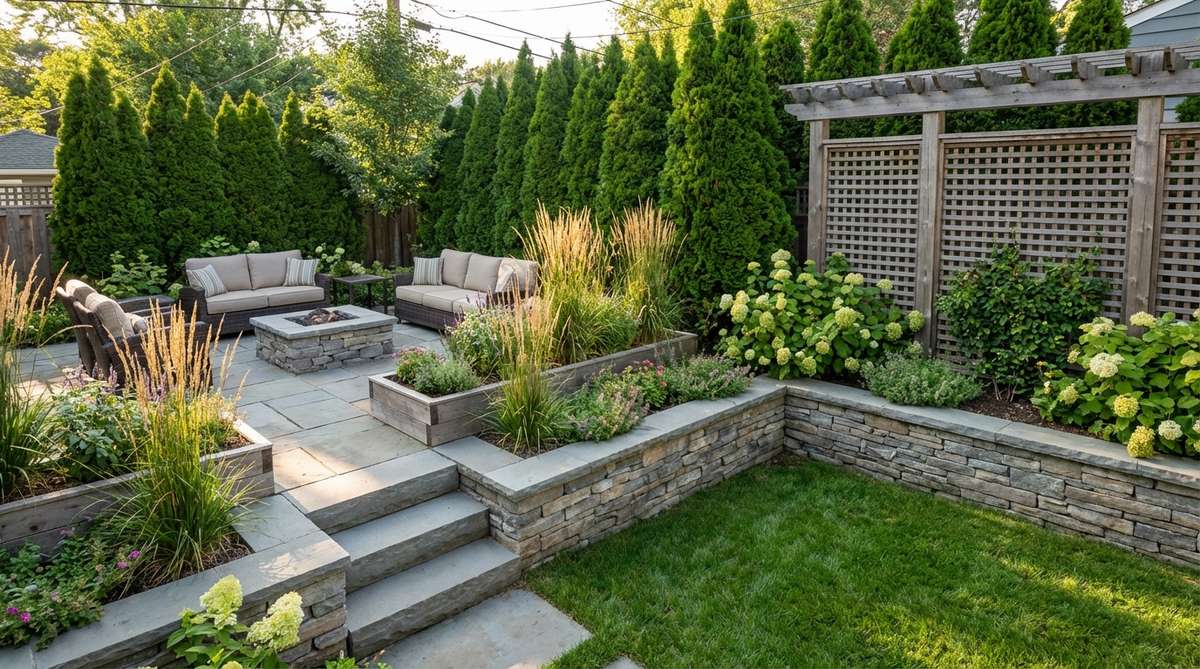
Transforming small garden ideas into reality requires understanding spatial design principles that professional landscape architects use to maximize visual impact. Whether you’re working with a compact urban patio or a narrow side yard, the strategies outlined here will help you create layers, define zones, and build depth that makes your space feel significantly larger. Fresh Garden Ideas brings you expert techniques proven to elevate small garden design beyond typical cramped layouts.
Design SnapshotKey Principles
- Vertical Integration: Utilize walls, fences, and overhead structures to expand planting zones upward rather than outward
- Layered Planting: Arrange plants in foreground, mid-ground, and background tiers to create dimensional perspective
- Spatial Division: Break up rectangular footprints with curved paths, screens, or material transitions that obscure full views
- Reflected Light: Position mirrors and reflective surfaces strategically to multiply perceived square footage
Smart Layout Strategies for Small Garden Design
Professional designers approach small garden layout by dividing footprints into functional zones that create visual complexity. These zoning techniques prevent the eye from reading the entire space at once, which naturally makes small gardens feel more expansive.
1. Botanical Bento Box Zoning
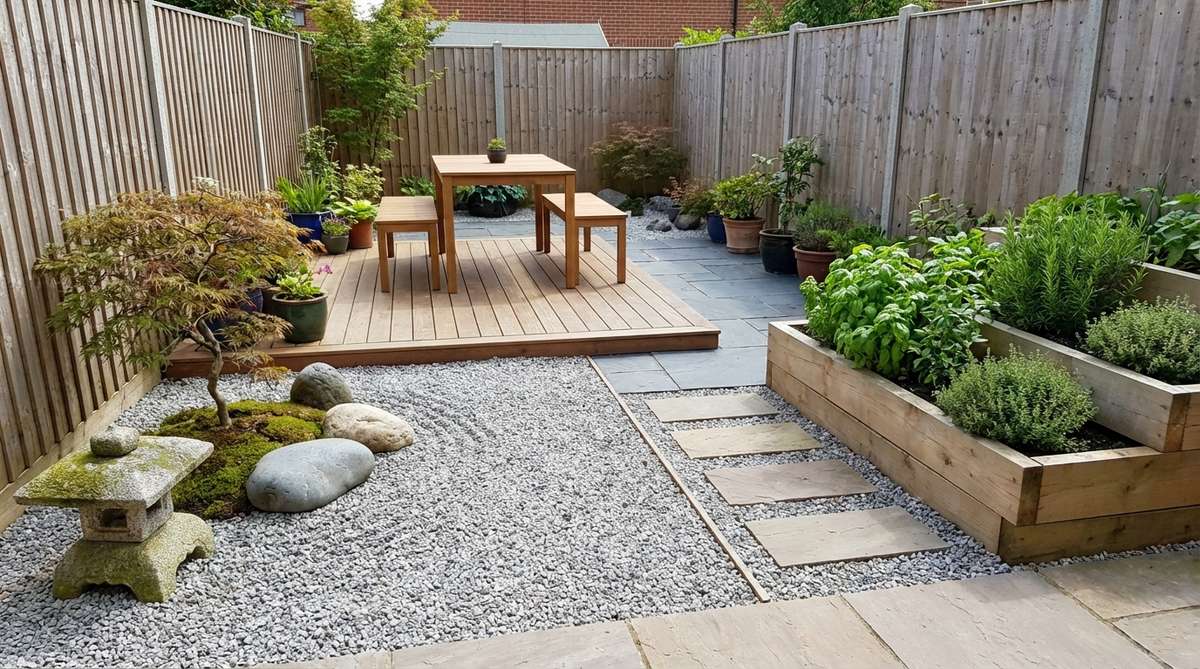
This Japanese-inspired approach compartmentalizes gardens under 200 square feet into distinct “rooms” using flooring changes and low dividers. A gravel meditation corner, timber-decked dining zone, and raised herb bed each occupy dedicated rectangles.
Material transitions between pavers, decking, and planted beds create boundaries without walls. Each zone functions independently while contributing to the whole composition.
The segmented layout tricks the brain into perceiving multiple outdoor spaces rather than one cramped area. Visitors mentally register three separate experiences in a single compact footprint.
2. Curved Border Pathways
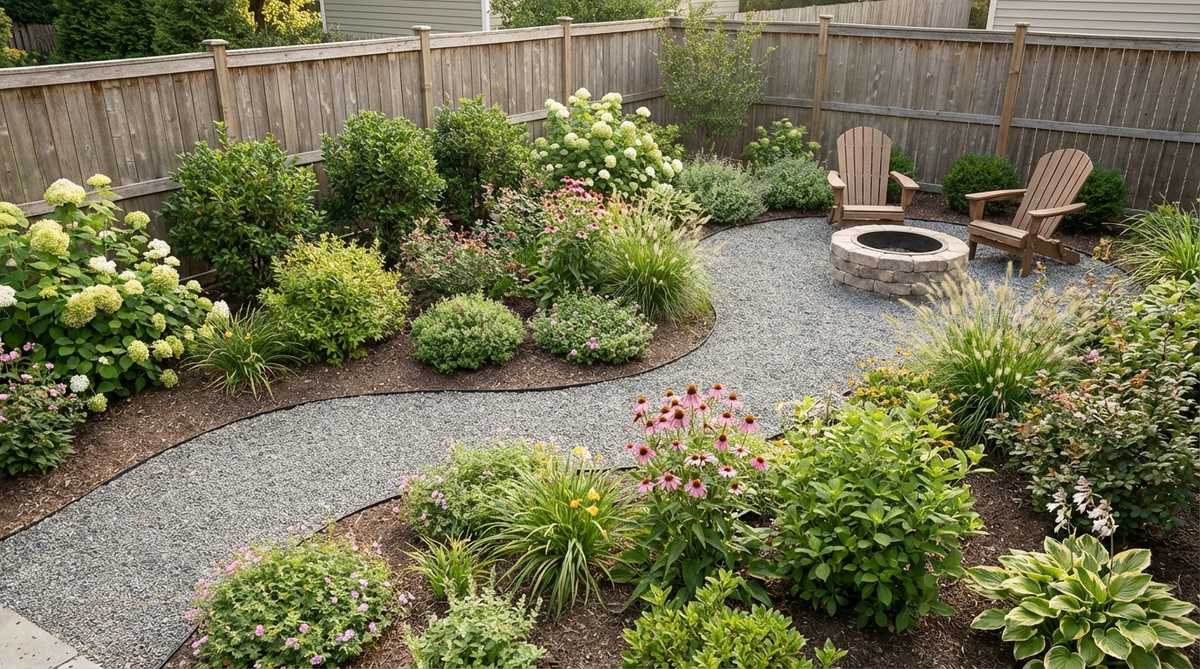
Replace straight lawn edges with sinuous planting borders that follow gentle S-curves. The eye follows these flowing lines rather than measuring rectangular dimensions.
Mix gravel or mulched paths that snake between curved beds. This layout obscures sightlines to fence corners and prevents immediate comprehension of total square footage.
3. Diagonal Paving Patterns
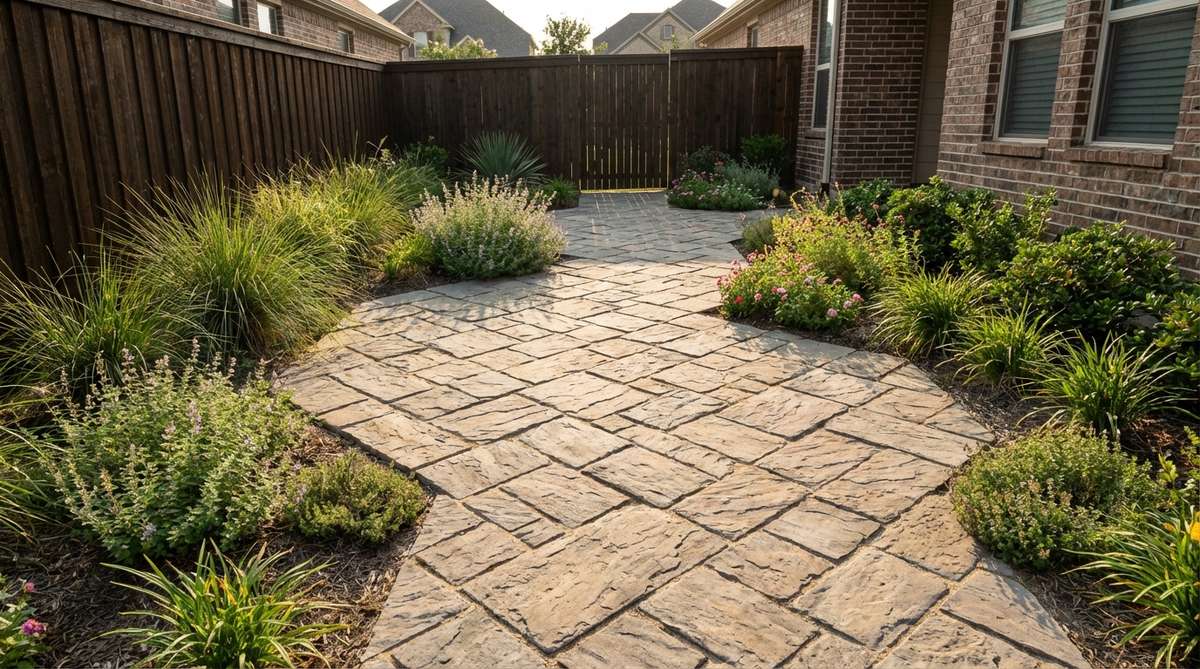
Rotate paver orientation 45 degrees to property lines. Diagonal lines create longer visual pathways across narrow spaces.
This technique works particularly well in rectangular side yards where length-to-width ratios feel awkward. The angled geometry redirects attention away from confined widths.
4. Sunken Conversation Pits
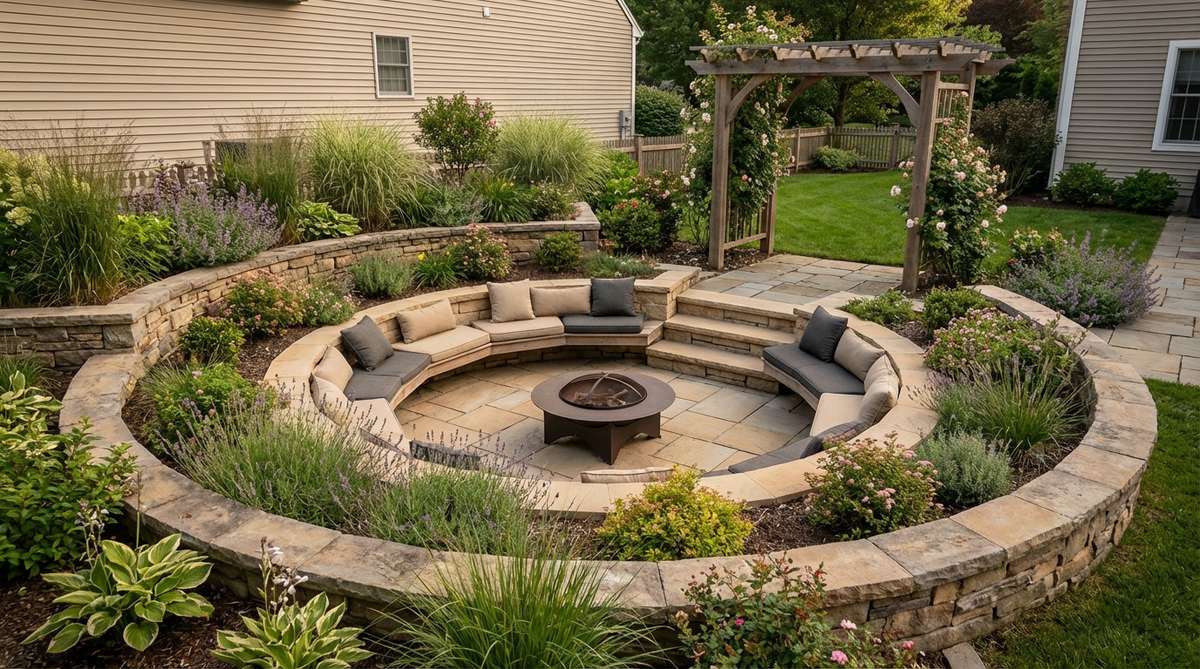
Excavate seating areas 12 to 18 inches below grade to create distinct elevation changes. Built-in benches at the lower level produce an intimate gathering space.
The vertical drop adds architectural dimension to flat lots. Raised planting beds around the perimeter further emphasize the sunken effect.
5. Off-Center Focal Points
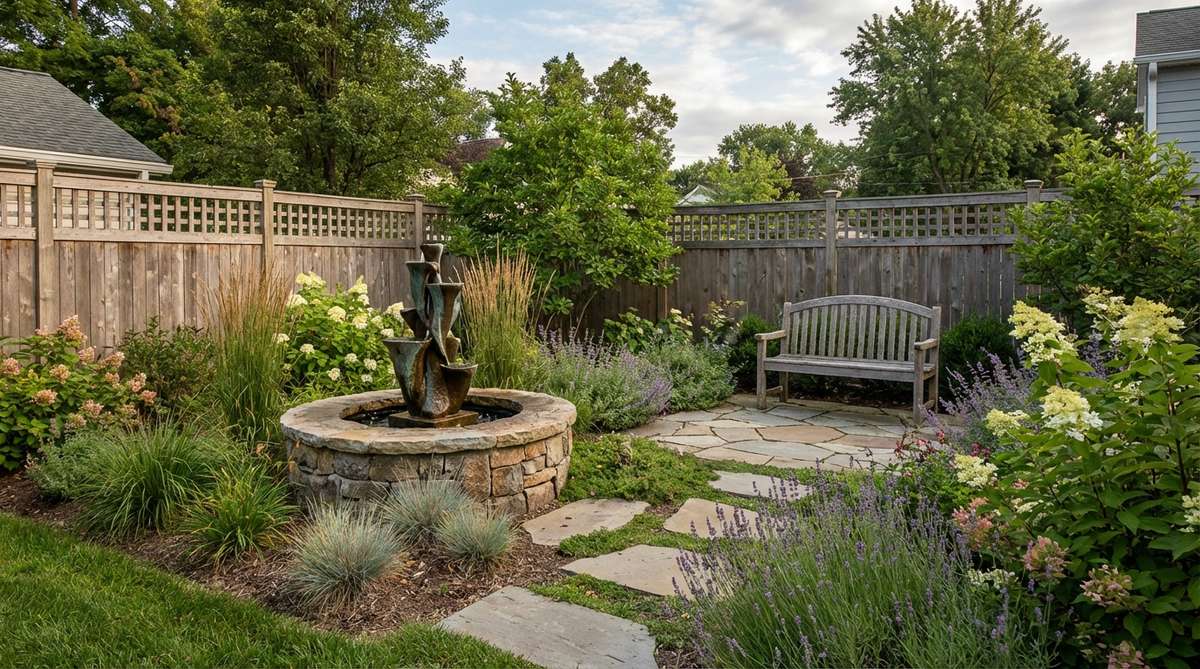
Position water features, sculptures, or specimen trees away from direct centerlines. Asymmetrical placement creates discovery moments that extend perceived space.
Place the focal element two-thirds into the garden depth. This ratio follows classical proportion principles used in landscape architecture.
6. Hidden Utility Zones
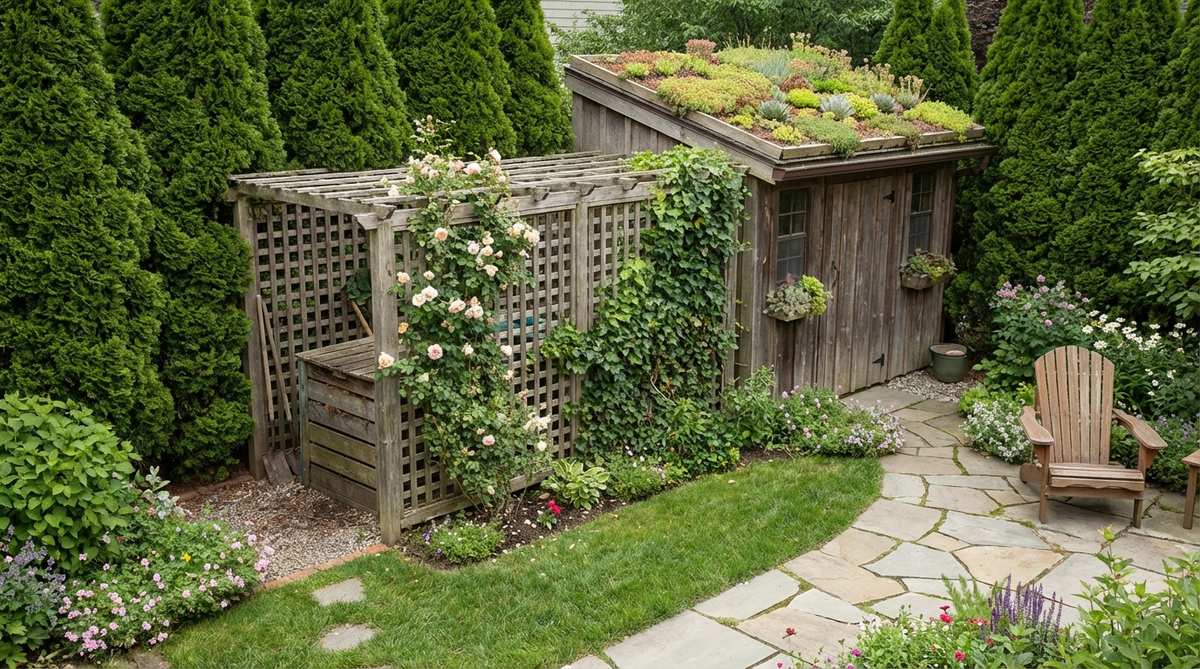
Screen composting areas and tool storage behind lattice or evergreen hedges. Concealing functional zones preserves visual square footage for beauty.
Compact shed designs with green roofs can double as planting platforms. The vertical use maximizes every horizontal inch.
7. Threshold Garden Rooms
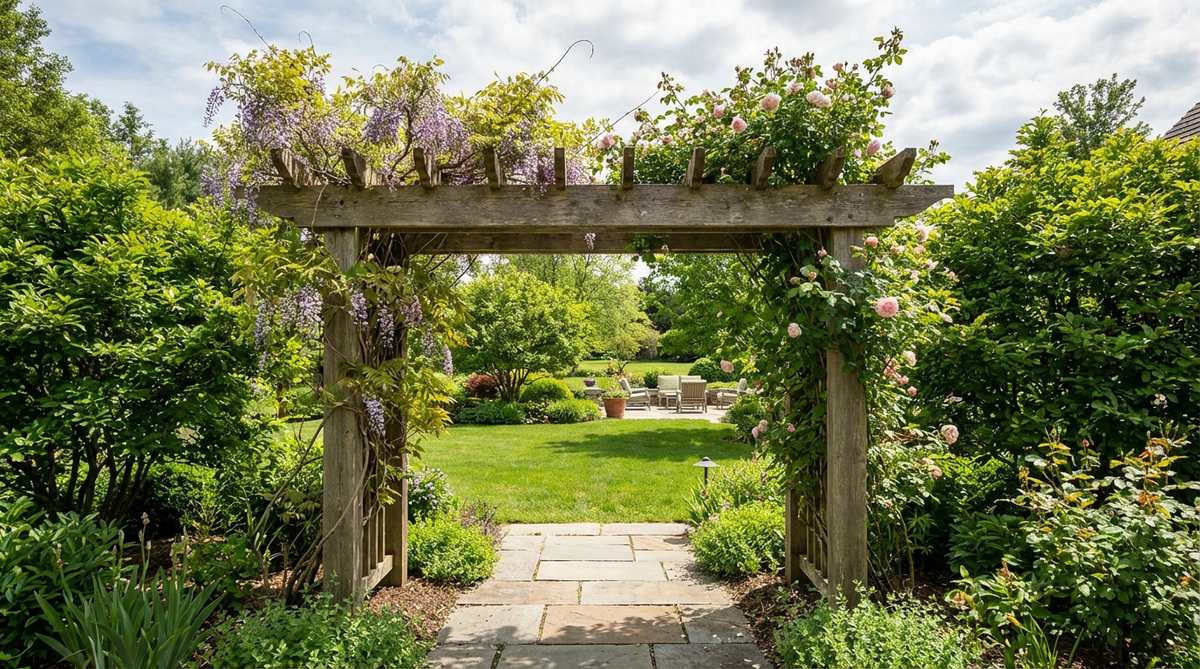
Install arches or pergola crossbeams at transition points between zones. These architectural thresholds signal passage from one garden room to another.
The vertical frame creates mystery by partially obscuring what lies beyond. Human psychology interprets these thresholds as doorways to additional space.
Vertical Growing Solutions for Small Garden Landscape
When horizontal square footage limits planting capacity, vertical structures multiply growing zones exponentially. These systems transform walls and fences into productive green surfaces.
8. Modular Living Walls
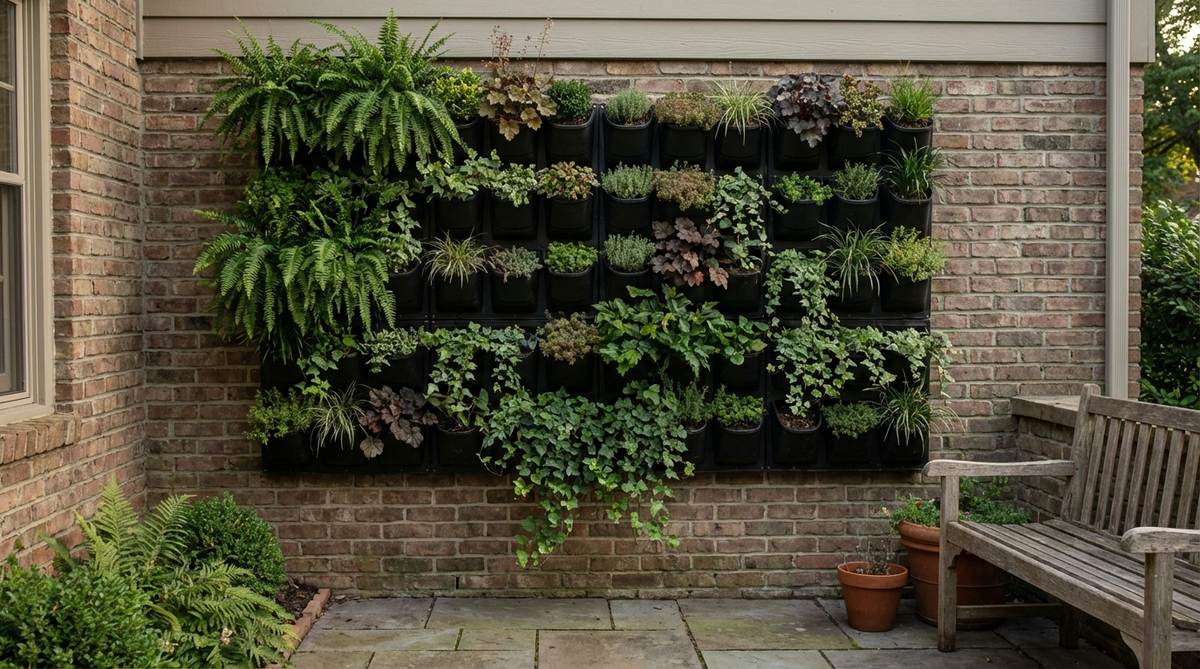
Prefabricated panel systems with individual planting pockets attach directly to exterior walls. These vertical gardens can support 30 to 50 plants in a four-square-foot footprint.
Select trailing varieties for lower pockets and upright forms for upper sections. Drip irrigation lines integrated into panels automate watering.
The dense foliage coverage creates a dramatic green backdrop that draws the eye upward. This vertical emphasis makes ceilings feel higher and spaces less enclosed.
9. Freestanding Trellis Walls
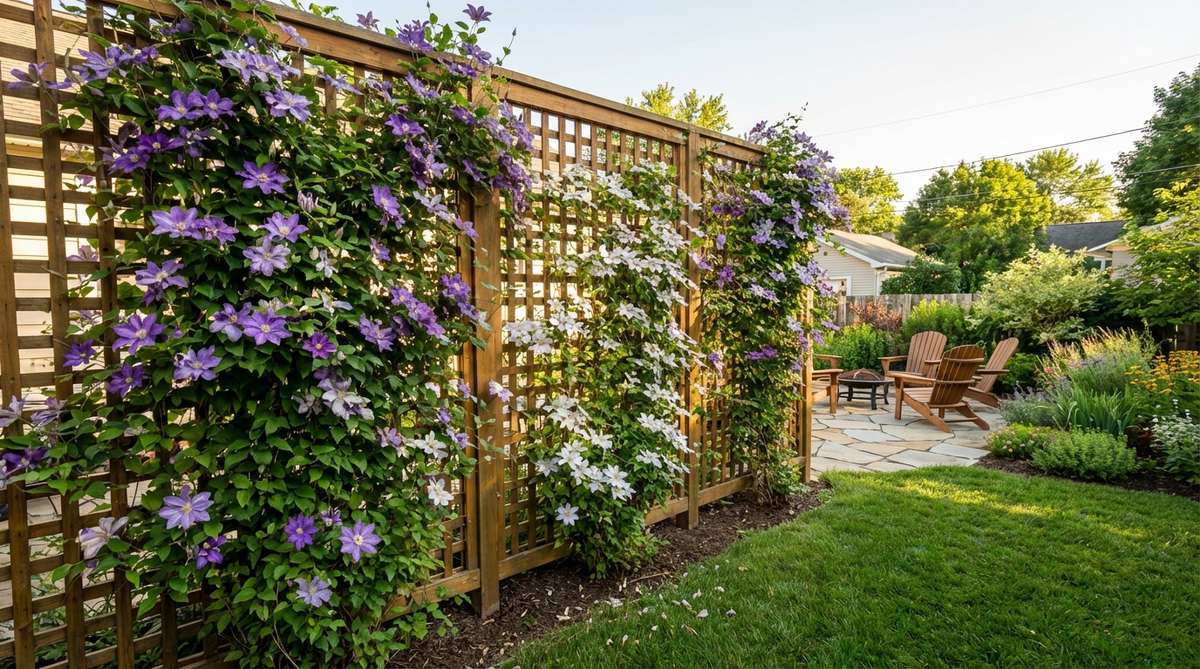
Position lattice screens perpendicular to boundary fences to create internal garden divisions. Fast-growing climbers like clematis or jasmine provide privacy within weeks.
The freestanding placement allows circulation around both sides. This three-dimensional accessibility adds functional square footage.
10. Tiered Plant Towers
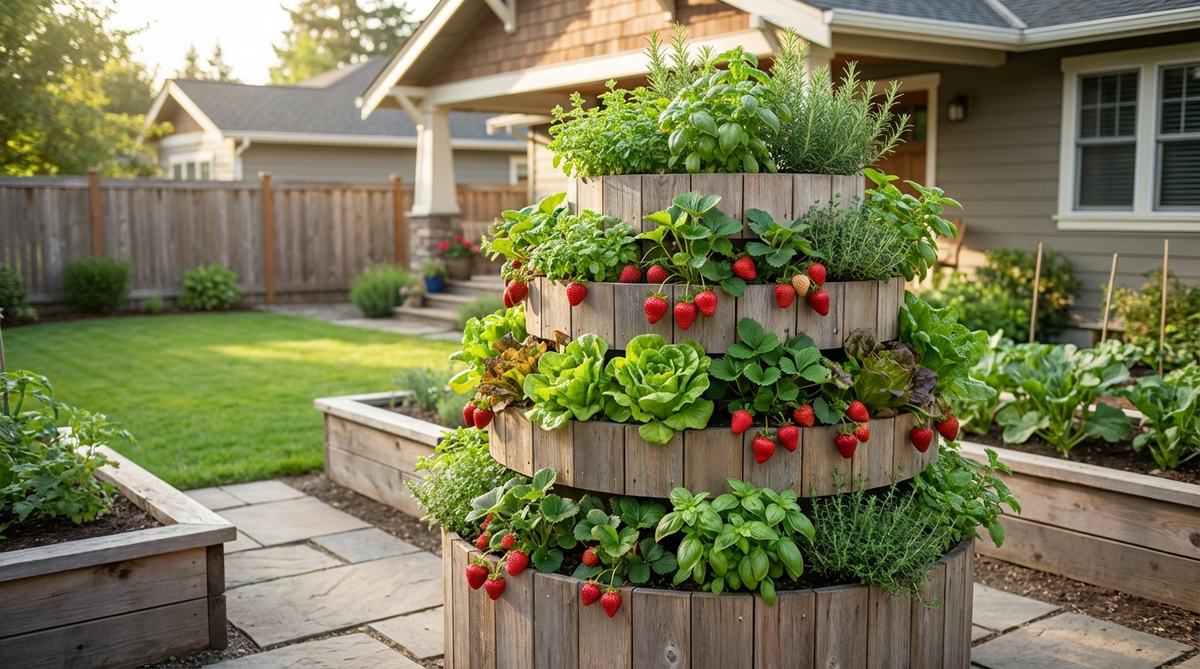
Cylindrical structures with graduated planting rings stack six to eight levels vertically. Each tier rotates slightly to expose all plants to sunlight.
Designers use towers for strawberries, lettuce, and herbs in high-production small garden landscaping ideas. The vertical orientation yields more harvest per square foot than traditional rows.
11. Cable Wire Systems
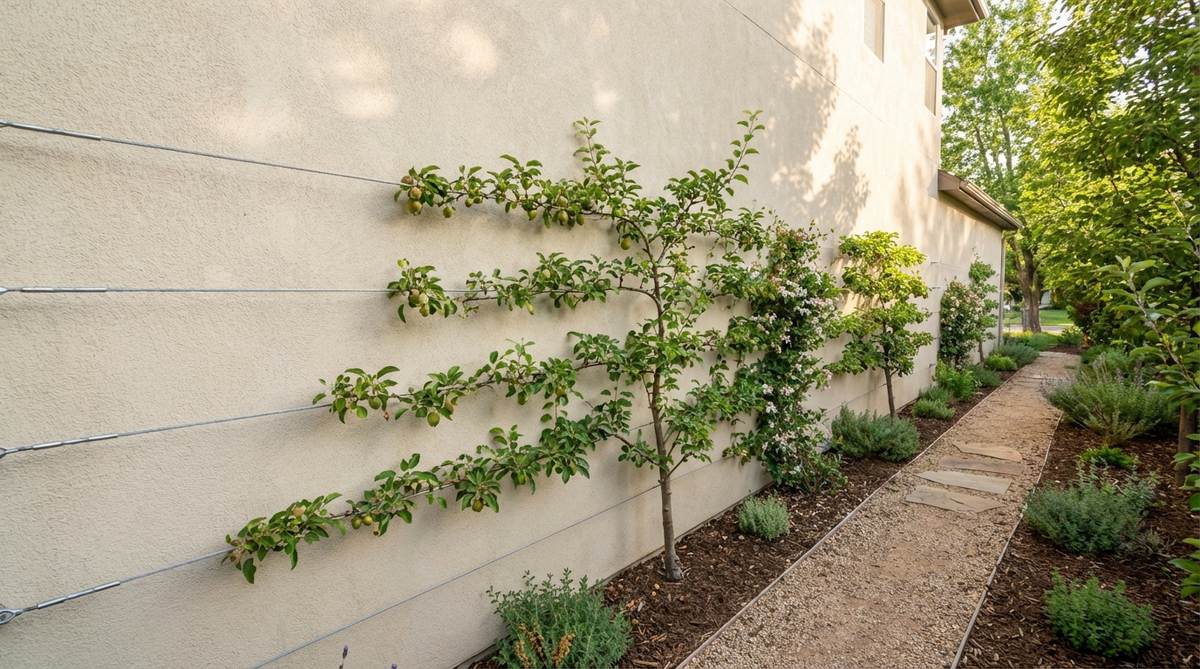
Stretch horizontal galvanized cables at 12-inch intervals up blank walls. Train espaliered fruit trees or ornamental vines along these support lines.
The minimal hardware remains nearly invisible once plants mature. This technique works exceptionally well for narrow side yards where depth limitations prevent traditional planting beds.
12. Hanging Gutter Gardens
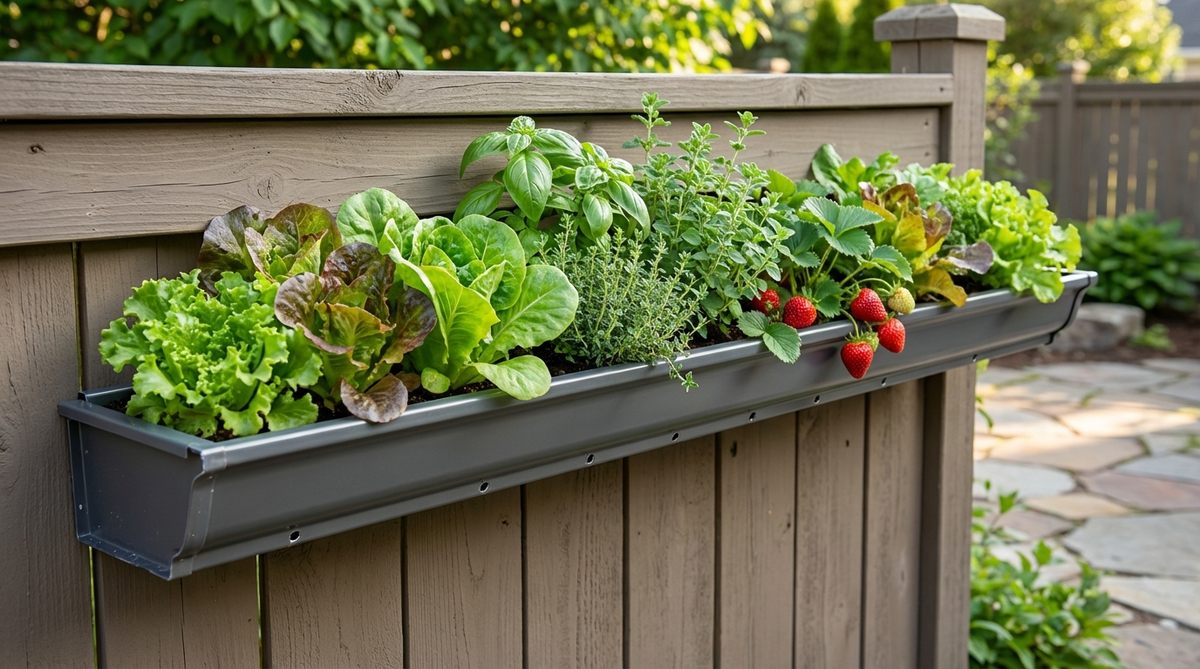
Repurpose vinyl rain gutters as suspended planters mounted to fence tops or pergola beams. Drill drainage holes every six inches.
The narrow profile suits shallow-rooted crops like lettuce, spinach, and annual flowers. Multiple gutter rows create layered growing zones at varying heights.
13. Vertical Pallet Planters
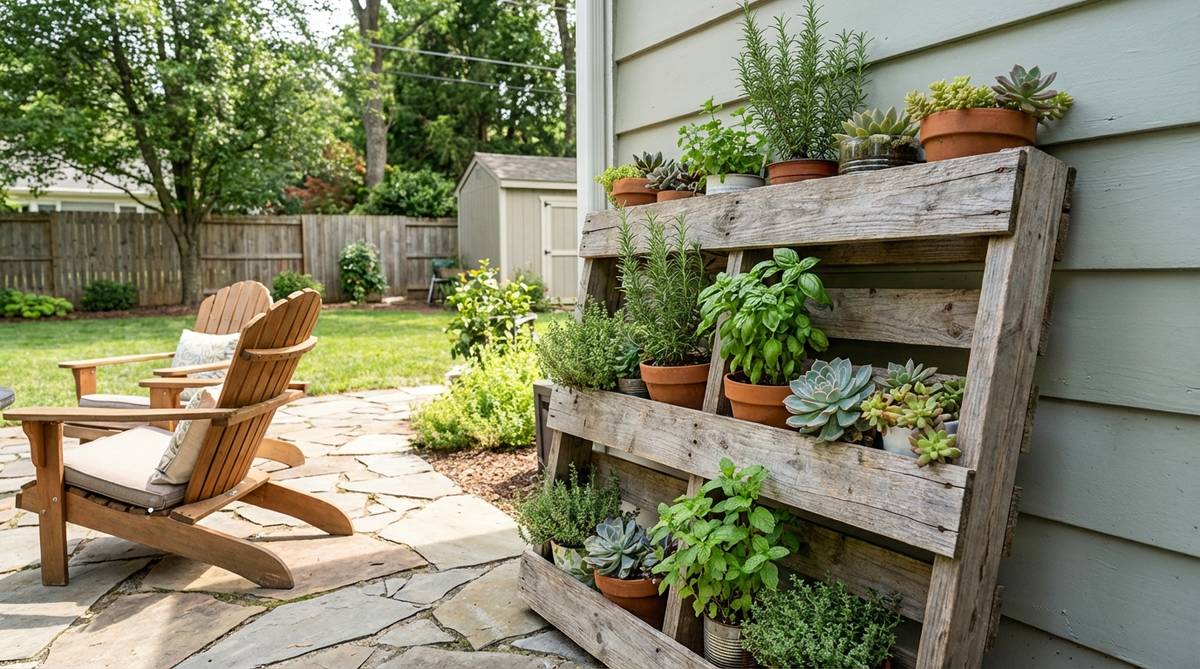
Stand shipping pallets vertically and staple landscape fabric to backs. Fill gaps between slats with potting mix to create planting pockets.
This budget-friendly solution works for herbs, succulents, and compact annuals. Lean pallets against walls or mount securely for permanent installations.
14. Obelisk Climbing Structures
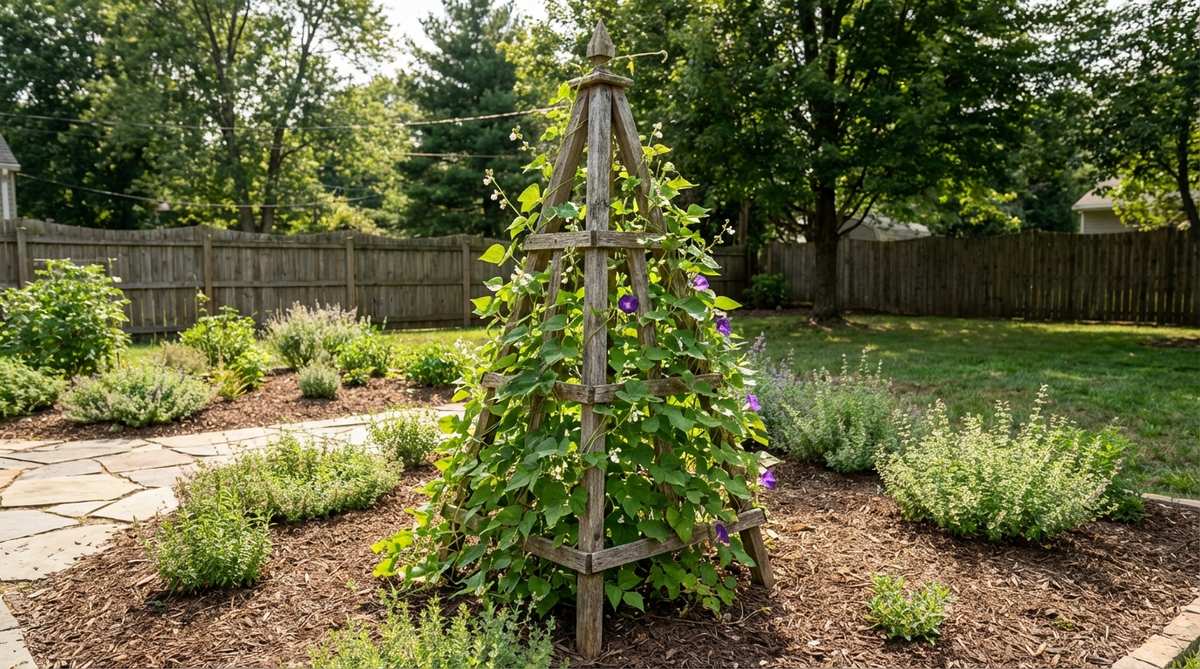
Place four-sided pyramidal supports in planting beds to add immediate vertical interest. Pole beans, morning glories, or climbing roses spiral upward.
The tapering geometry draws eyes skyward while maintaining narrow ground footprints. Obelisks function as living sculptures during growing seasons.
15. Pergola Overhead Gardens
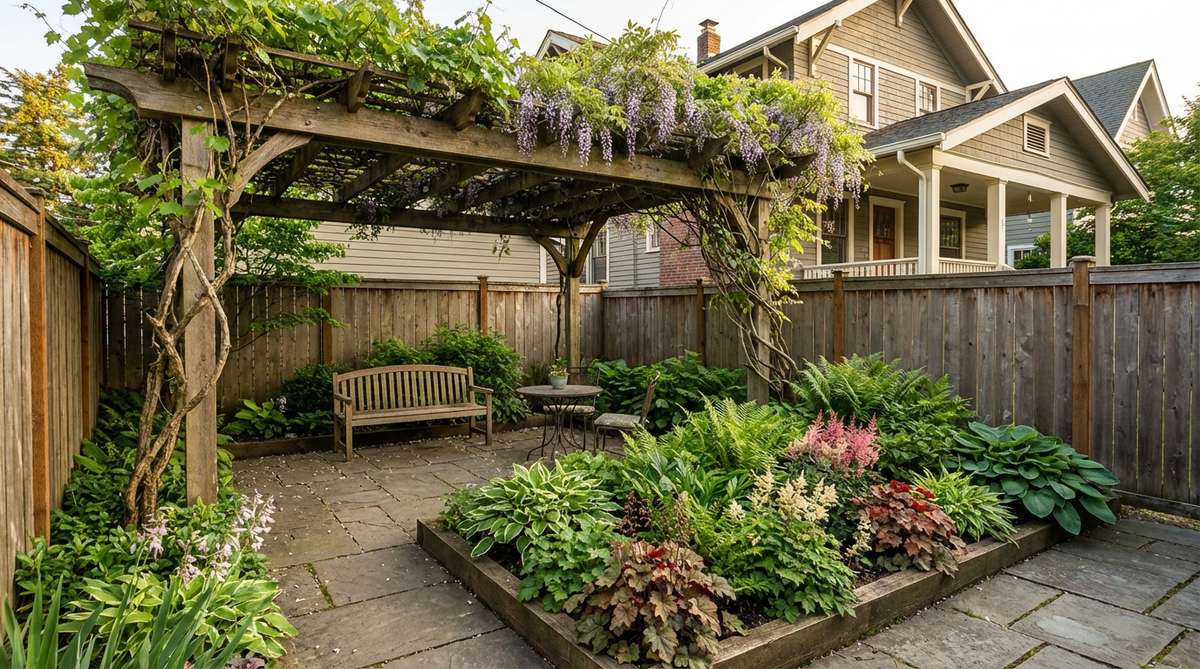
Train grape vines, kiwi, or wisteria across pergola rafters to create edible or flowering ceilings. The overhead canopy adds a spatial layer above typical ground-level gardens.
Dappled shade beneath supports shade-tolerant understory plantings. This vertical layering maximizes photosynthetic surface area in compact lots.
16. Window Box Stacking
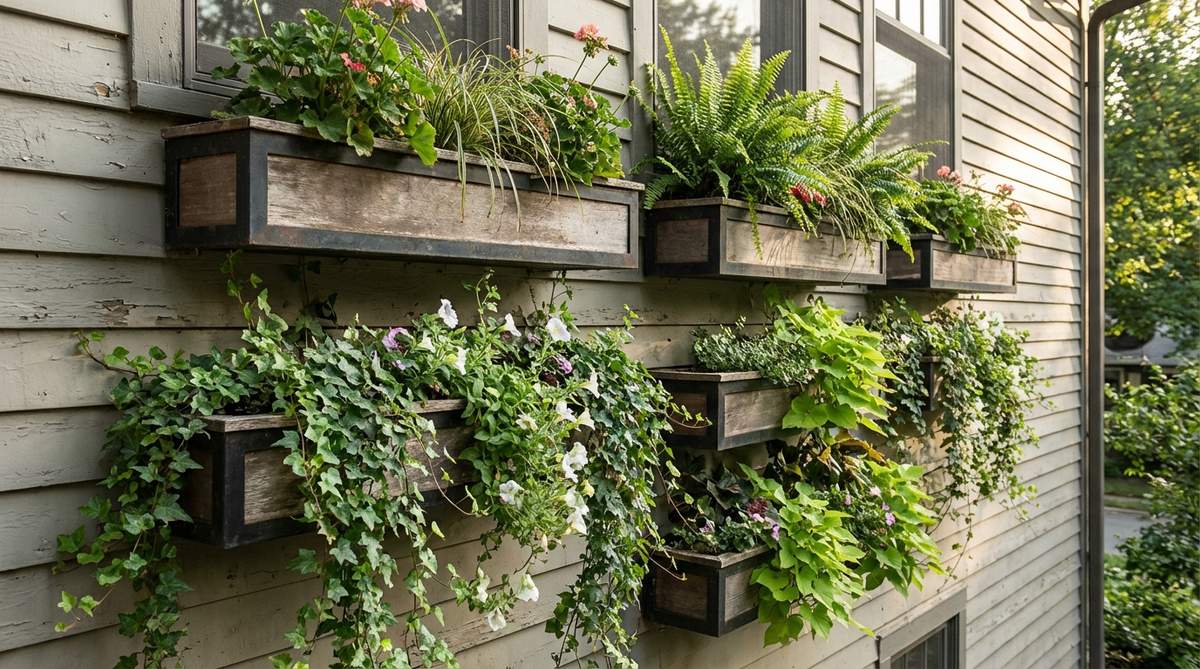
Mount multiple window boxes vertically on exterior walls at staggered intervals. Each tier can showcase different plant palettes or seasonal displays.
The cascading arrangement creates a stepped green facade. Choose trailing varieties for lower boxes and upright specimens for upper positions.
Visual Depth and Illusion Techniques
Professional landscape architects manipulate perception using optical tricks that make small gardens appear significantly larger. These methods rely on human visual psychology rather than actual dimension changes.
17. Strategic Mirror Placement
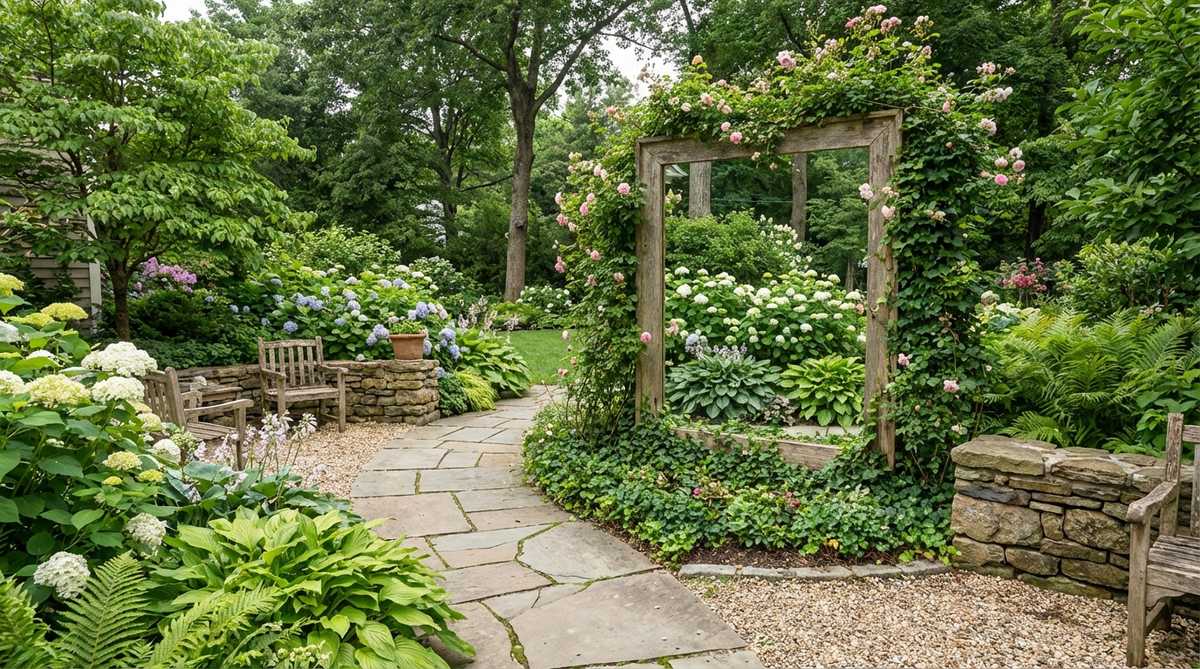
Position large outdoor mirrors at path terminals to reflect garden views backward. The brain interprets these reflections as continuation of space beyond.
Tilt mirrors slightly downward to reduce glare while capturing ground-level plantings. Frame edges with climbing foliage to blend mirrors into the landscape.
The technique works best when mirrors reflect attractive garden features rather than property boundaries. Careful placement doubles perceived depth without adding square footage.
18. Forced Perspective Planting
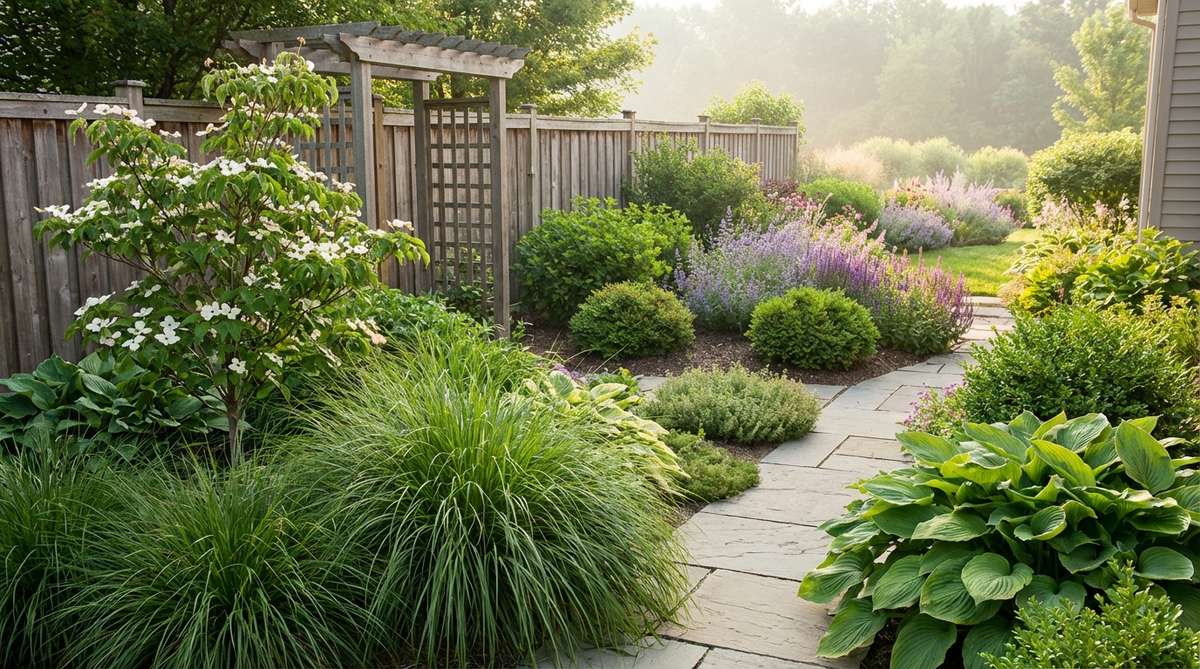
Graduate plant sizes from large specimens in foregrounds to progressively smaller cultivars toward boundaries. This scale reduction mimics natural distance perspective.
Place bold-textured plants with large leaves near viewing points. Transition to fine-textured grasses and perennials in background zones.
19. Color Gradient Depth
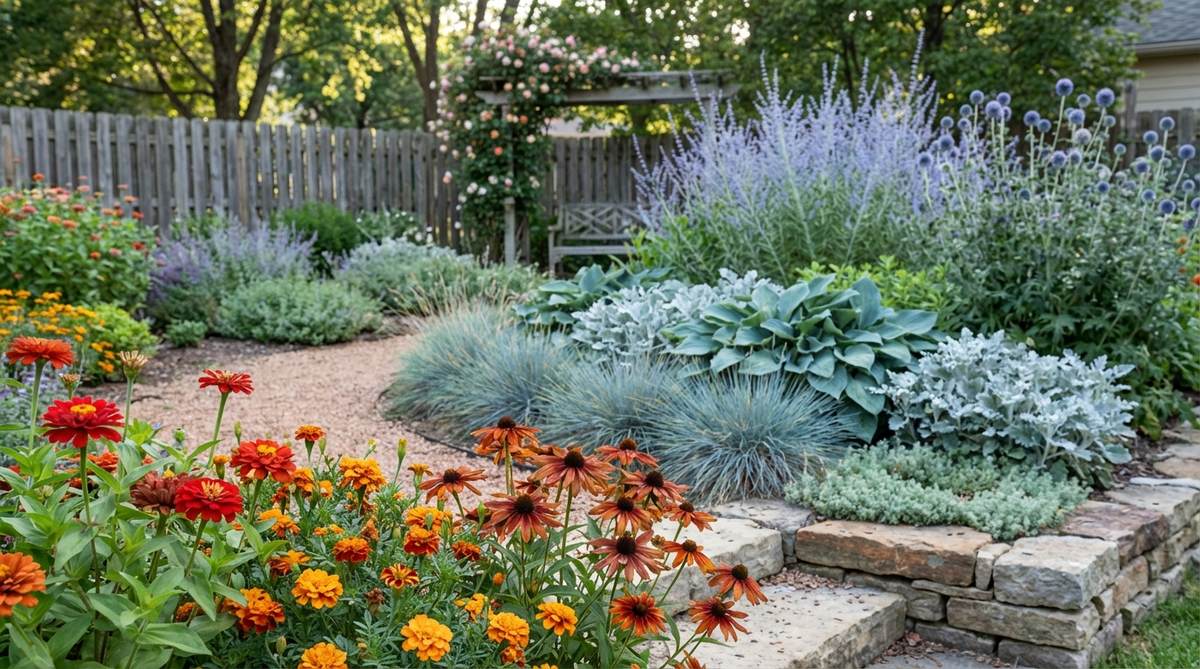
Design planting palettes that transition from warm saturated hues in foregrounds to cool pale tones in backgrounds. Warm colors advance visually while cool colors recede.
Position red and orange blooms near patios. Transition through purples and finish with blue and silver foliage at fence lines.
20. Trompe-l’Oeil Murals
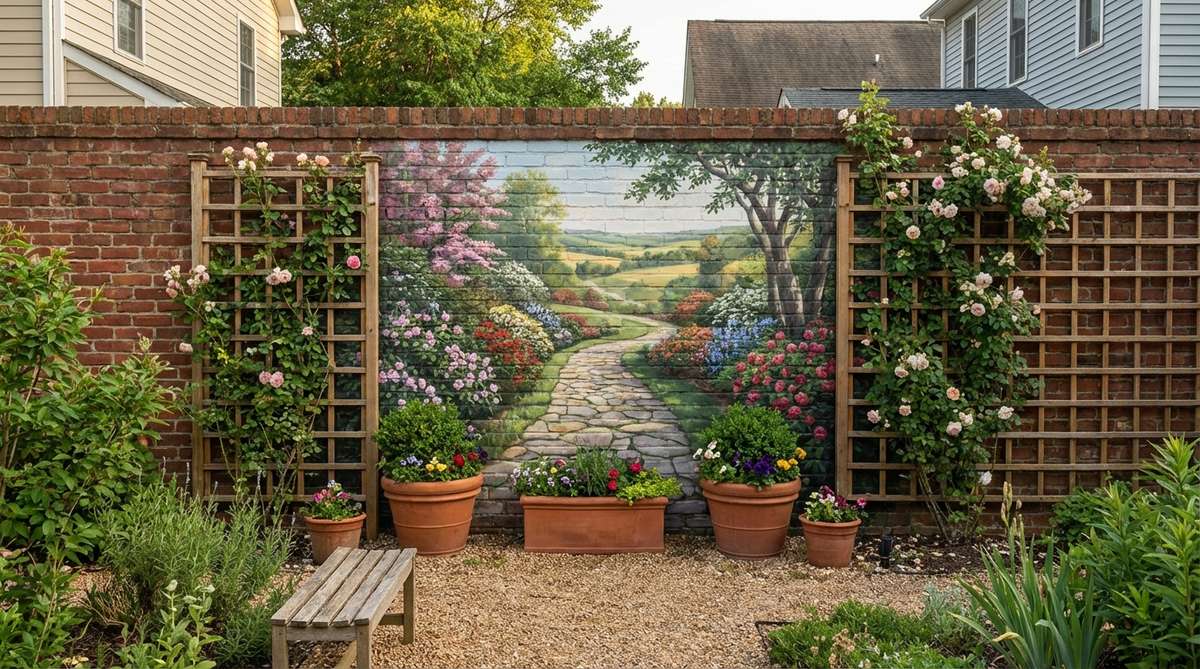
Commission painted scenes on boundary walls depicting garden paths vanishing into distant landscapes. These hyperrealistic murals convince the brain that space extends beyond physical limits.
Integrate three-dimensional elements like actual trellises or planters in front of murals. This layering enhances the illusion of depth.
21. Reflective Water Features
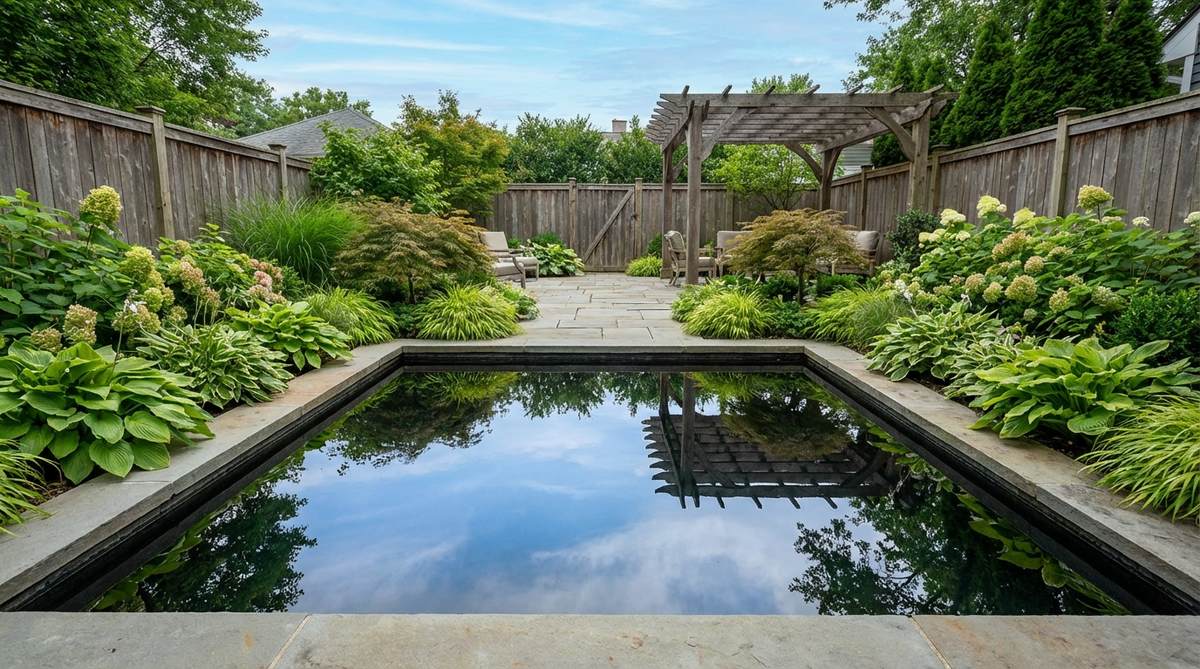
Install shallow rectangular pools or water tables that mirror overhead sky and surrounding plantings. The reflected images double visual complexity.
Still water provides the clearest reflections. Position these features to capture interesting architectural elements or specimen trees.
22. Layered Screening
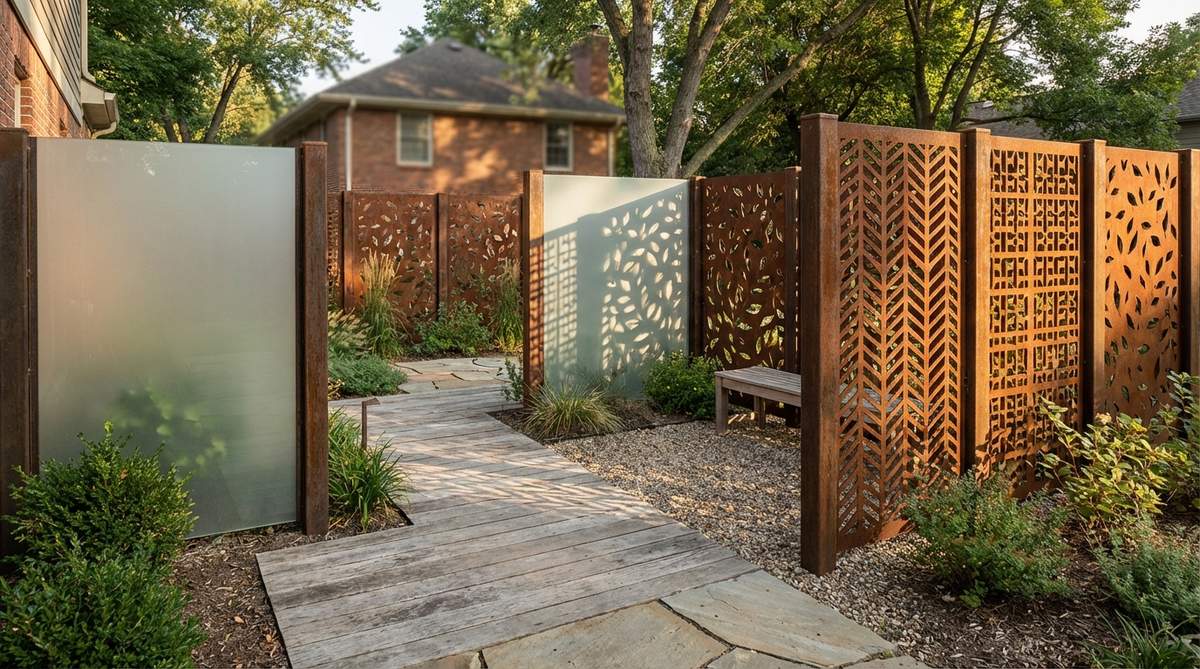
Install translucent screens or pierced metal panels that partially obscure background views. The brain fills in hidden areas with imagined space.
Laser-cut patterns in screens cast interesting shadows while maintaining visual permeability. This technique adds mystery without complete concealment.
23. Graduated Paving Sizes
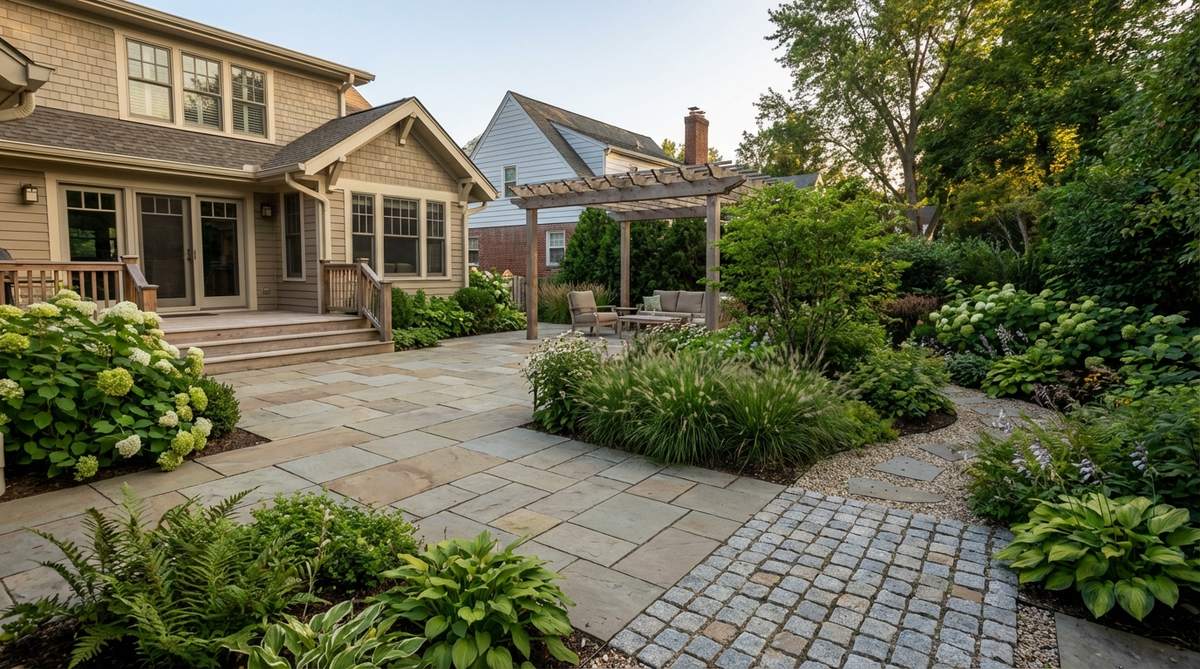
Use large-format pavers near the house and progressively smaller units toward garden ends. The diminishing scale exaggerates perceived distance.
This classical technique appears in historic European garden design. Modern materials make the approach accessible for contemporary small garden layout ideas.
Container and Portable Garden Ideas
Container systems offer flexibility impossible with in-ground plantings. These portable solutions let you reconfigure layouts seasonally and chase optimal sun exposure throughout the day.
24. Wheeled Planter Systems
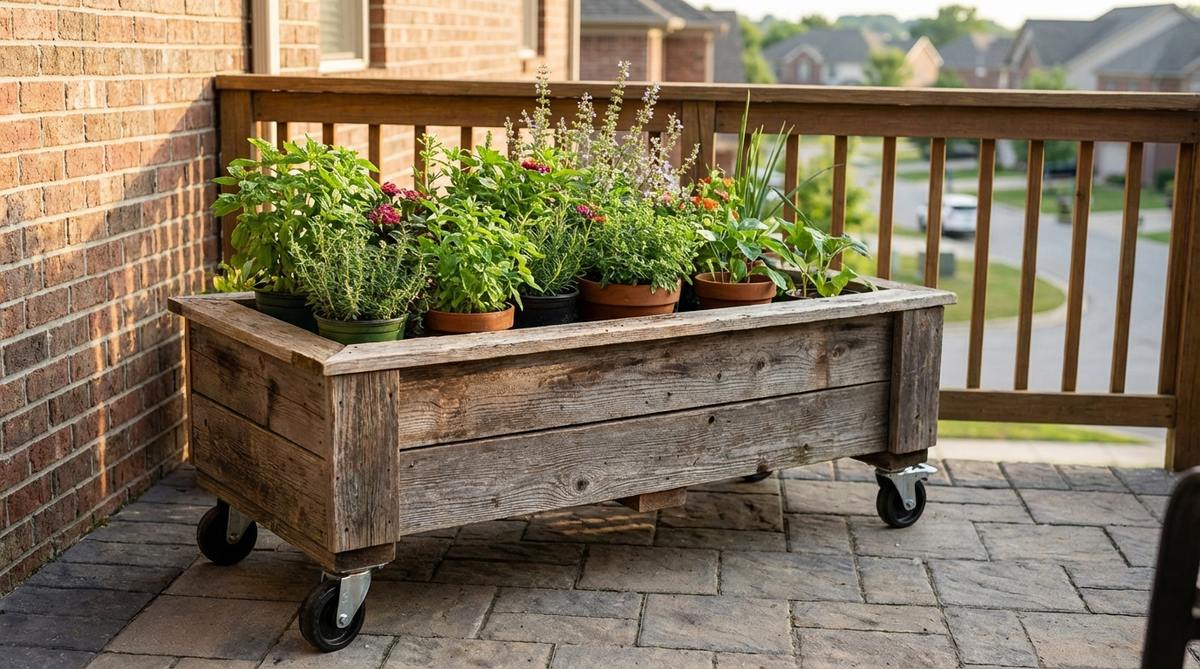
Install heavy-duty casters beneath large containers to create mobile garden elements. Roll planters to follow sun patterns or rearrange for entertaining.
Locking wheels stabilize containers when positioned. This mobility proves particularly valuable on apartment balconies where sun angles shift dramatically with seasons.
Designers use wheeled systems to create temporary privacy screens or block undesirable views. The flexibility transforms static small gardens into dynamic spaces.
25. Tiered Corner Displays
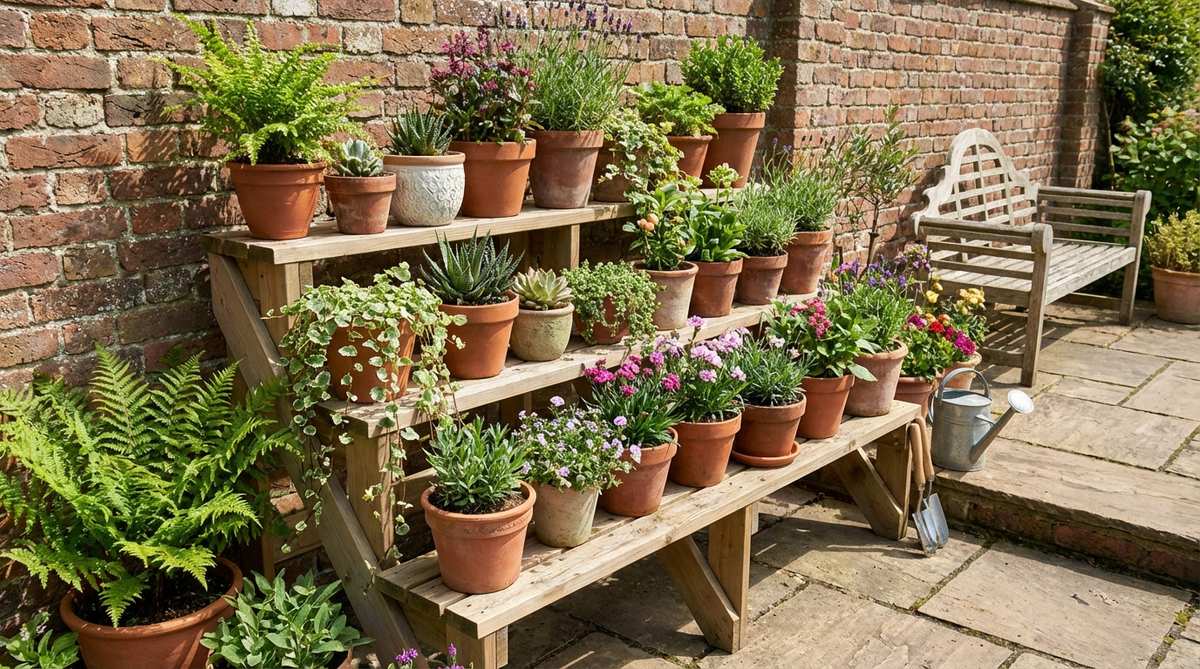
Stack plant stands in unused corners to create ascending displays of container gardens. Each tier receives adequate light while maximizing vertical density.
The triangular footprint fits naturally into 90-degree corners. Mix container sizes and plant types to build visual interest.
26. Railing Saddle Planters
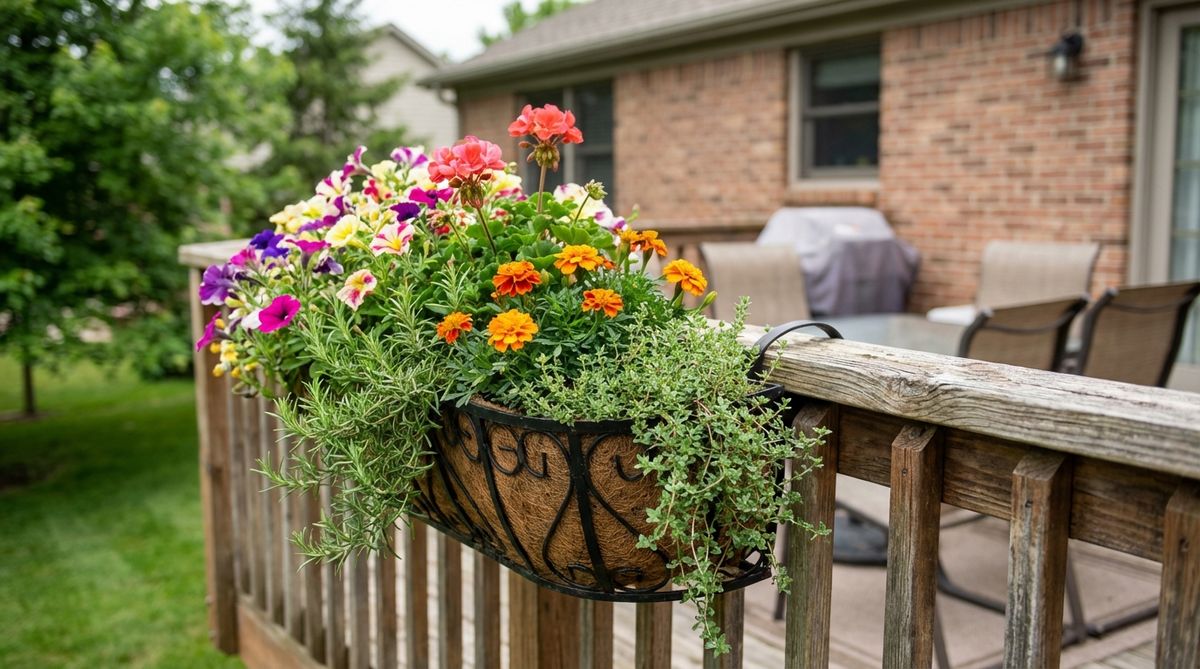
Hang specialized containers that straddle balcony or deck railings. These units maximize perimeter planting without consuming floor space.
Ensure secure attachment to prevent wind displacement. Choose compact flowering annuals or trailing herbs for these elevated positions.
27. Self-Watering Reservoirs
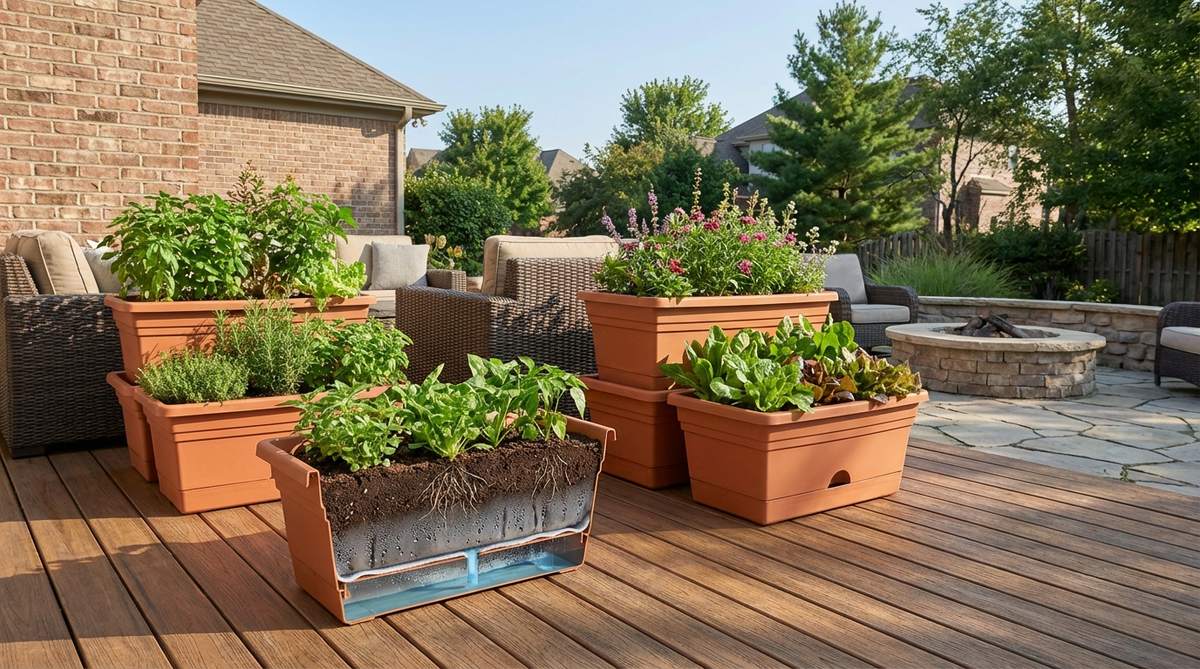
Upgrade to containers with built-in water reservoirs that wick moisture upward to roots. These systems reduce maintenance while preventing overwatering.
The technology suits busy urban gardeners who cannot water daily. Reservoir capacities handle hydration for three to five days in most climates.
28. Upcycled Container Gardens
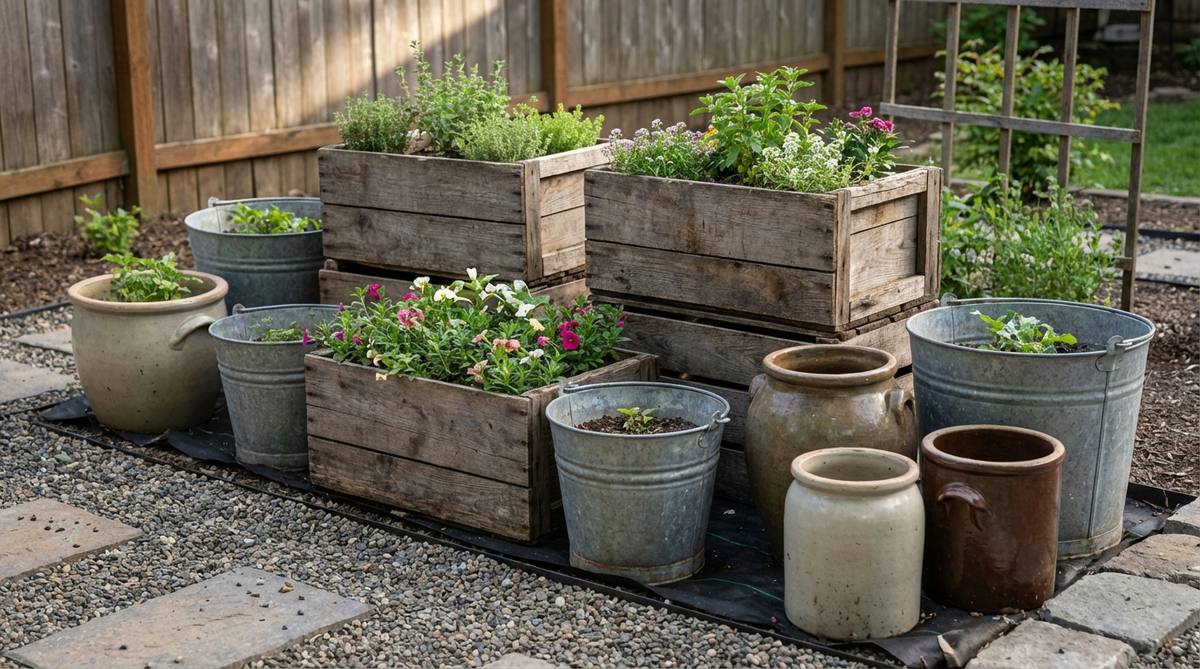
Repurpose vintage crates, galvanized buckets, or ceramic vessels as unique planters. These characterful containers add personality to small garden decoration.
Drill drainage holes in non-porous materials. Line wooden containers with landscape fabric to prevent soil loss while allowing water egress.
29. Seasonal Rotation Systems
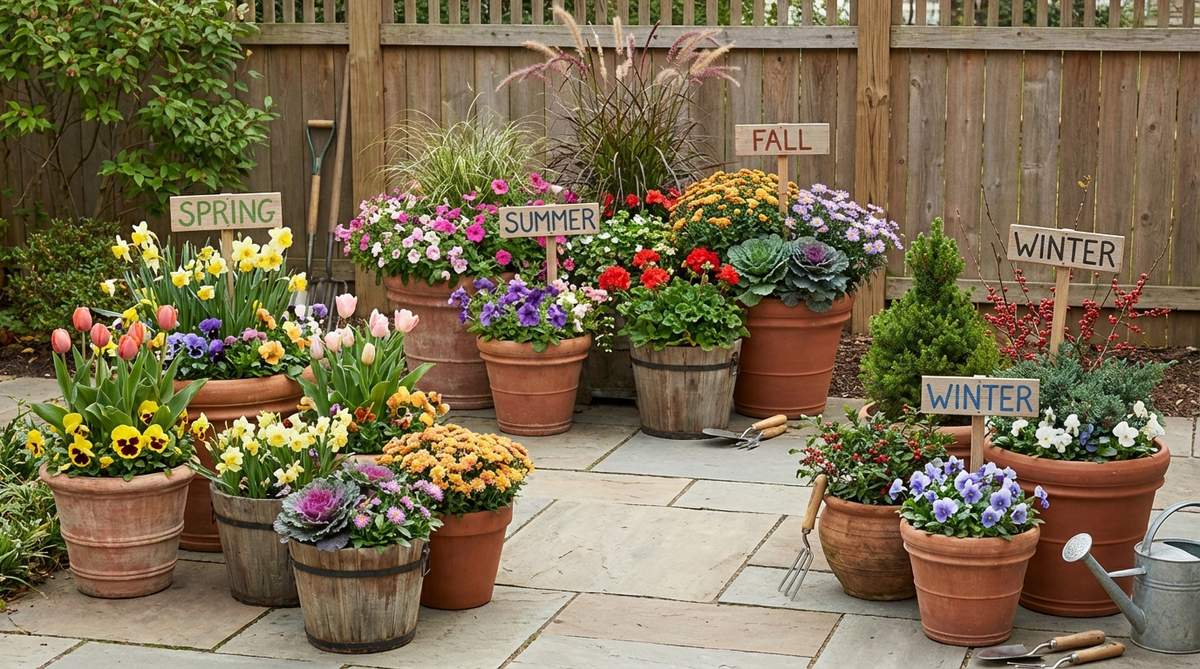
Maintain separate container collections for spring, summer, fall, and winter displays. Swap containers as seasons change to keep gardens perpetually fresh.
Store off-season containers in garages or sheds. This rotation prevents visual fatigue and showcases optimal plant performance year-round.
30. Companion Planting Bowls
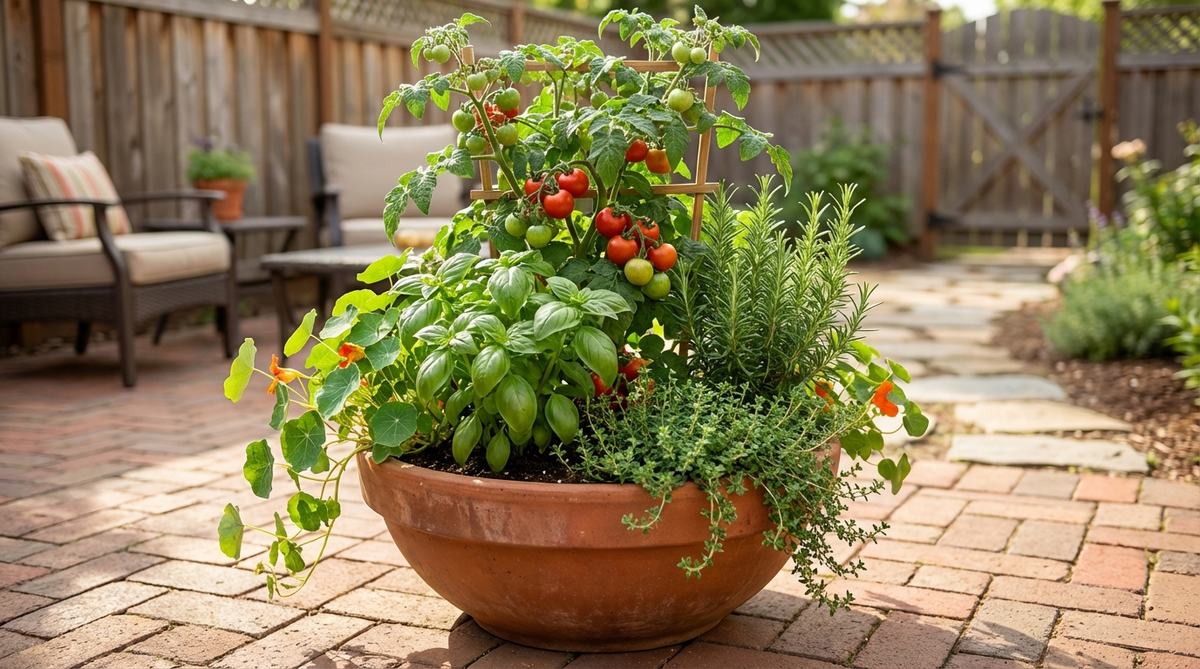
Combine complementary species in single large containers. Pair deep-rooted tomatoes with shallow basil, or structure plants with trailing companions.
The interplanting maximizes productivity per container. Choose species with compatible water and nutrient requirements.
31. Compact Raised Beds
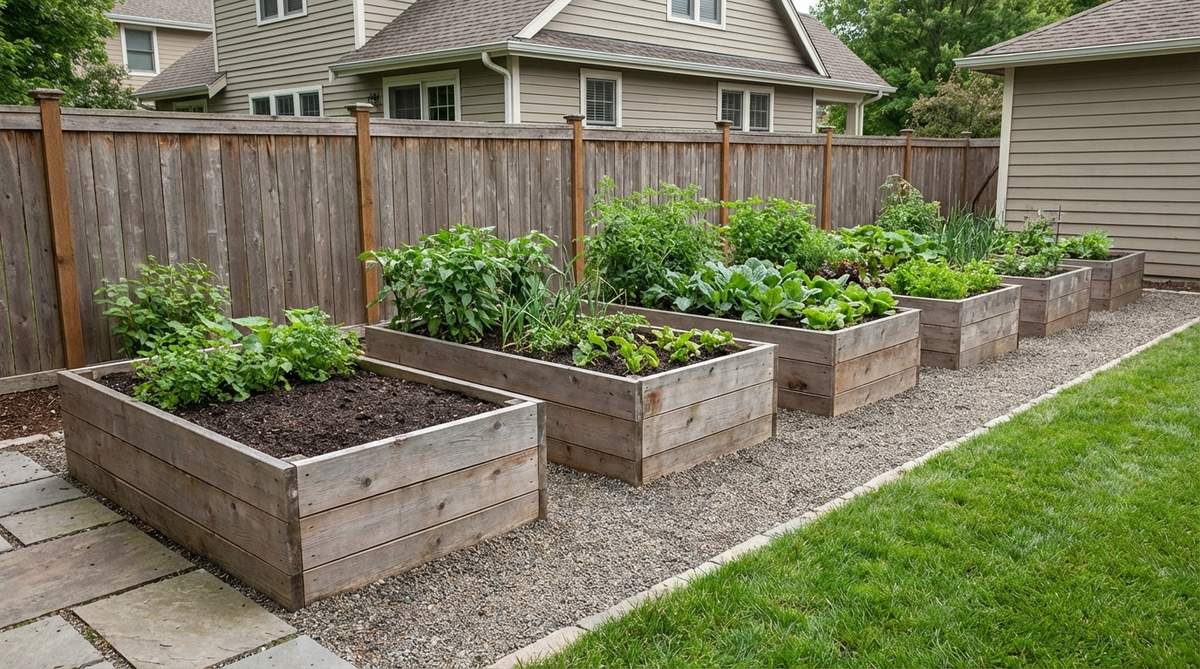
Build 18-inch-tall raised beds with 2×3-foot footprints. The elevated height improves ergonomics and drainage while defining planting zones.
Cedar or composite lumber resists rot. These semi-permanent structures bridge the gap between in-ground beds and fully portable containers.
Plant Layering and Texture
Strategic plant selection creates dimensional depth through height gradation and textural contrast. These layering principles form the foundation of professional small garden landscaping ideas.
32. Foreground Groundcovers
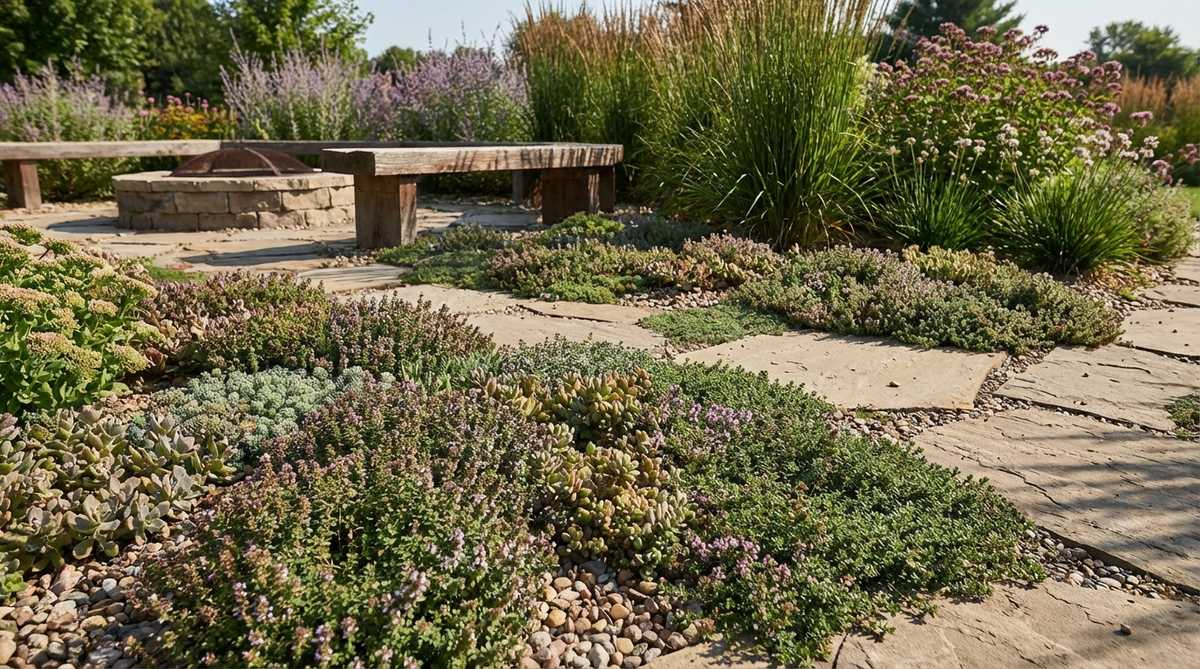
Establish low-growing groundcovers like creeping thyme or sedum in front-most planting zones. These carpet-forming plants define garden floors.
The horizontal plane contrasts with vertical elements behind. Choose varieties that tolerate foot traffic for paths and seating areas.
Groundcover foliage textures range from fine grasses to bold succulents. Mix textures to maintain visual interest at ground level.
33. Mid-Level Perennials
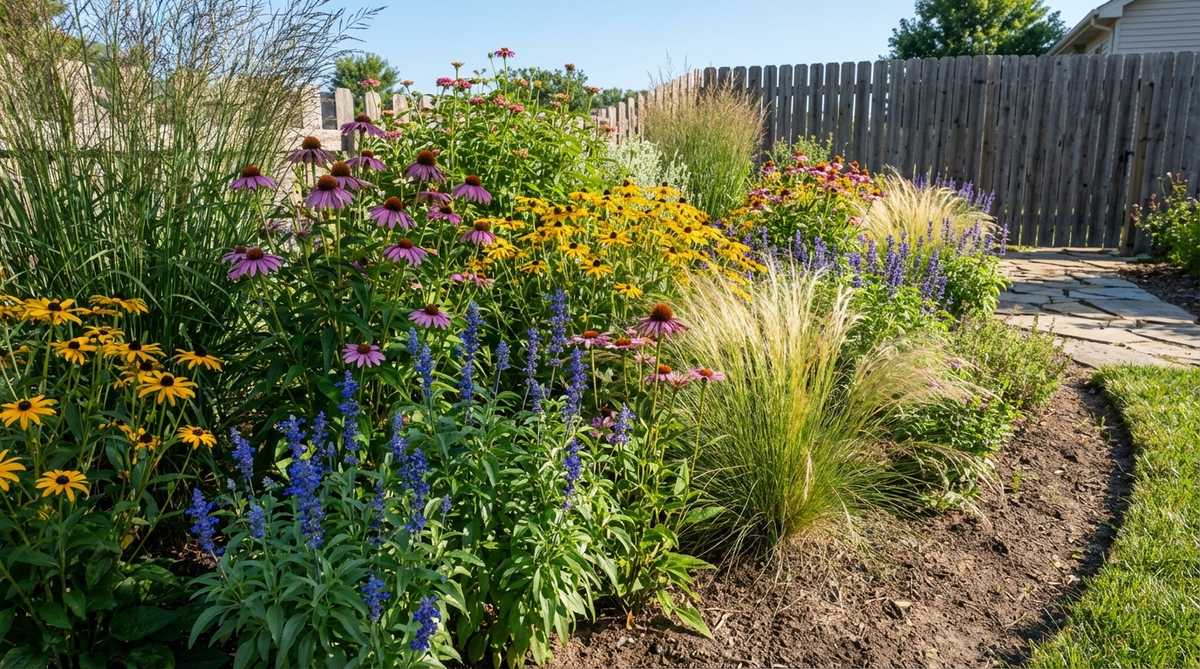
Position 18 to 36-inch perennials in middle planting layers. These workhorses provide seasonal color while bridging groundcovers and tall specimens.
Select varieties with staggered bloom times for continuous interest. Ornamental grasses add movement and texture during non-flowering periods.
34. Backdrop Evergreens
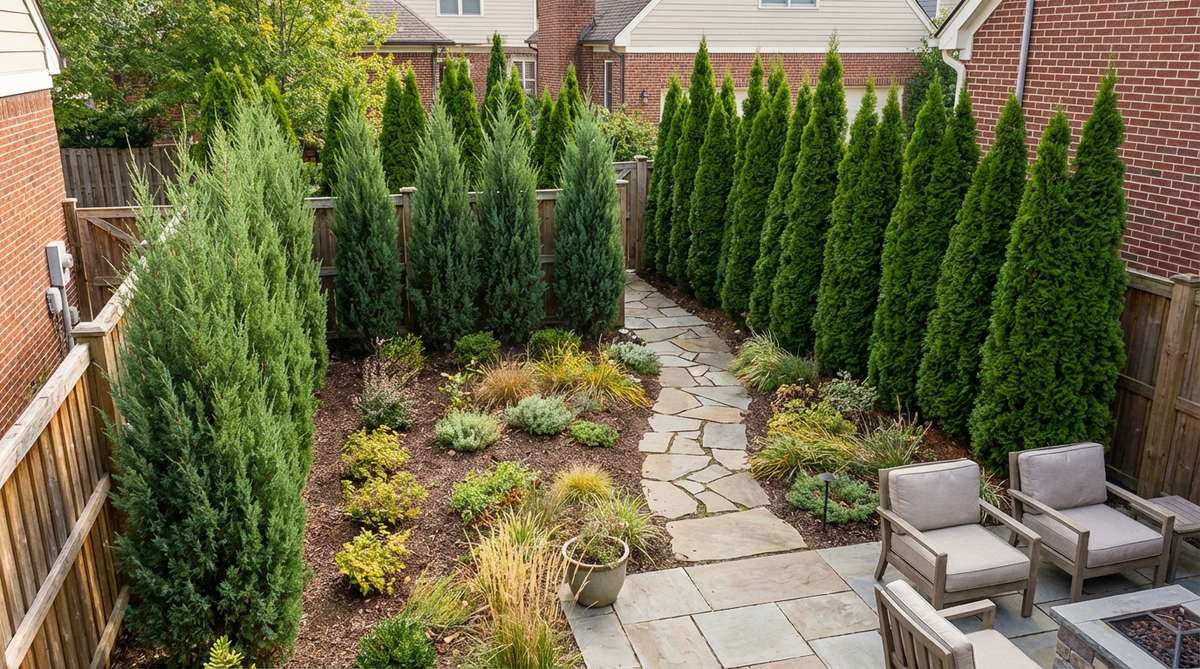
Install narrow evergreen shrubs like columnar junipers or arborvitae along boundaries. Year-round foliage provides consistent backdrop structure.
The vertical forms draw eyes upward and soften hard fence lines. Choose cultivars that mature within available width constraints.
35. Accent Specimen Trees
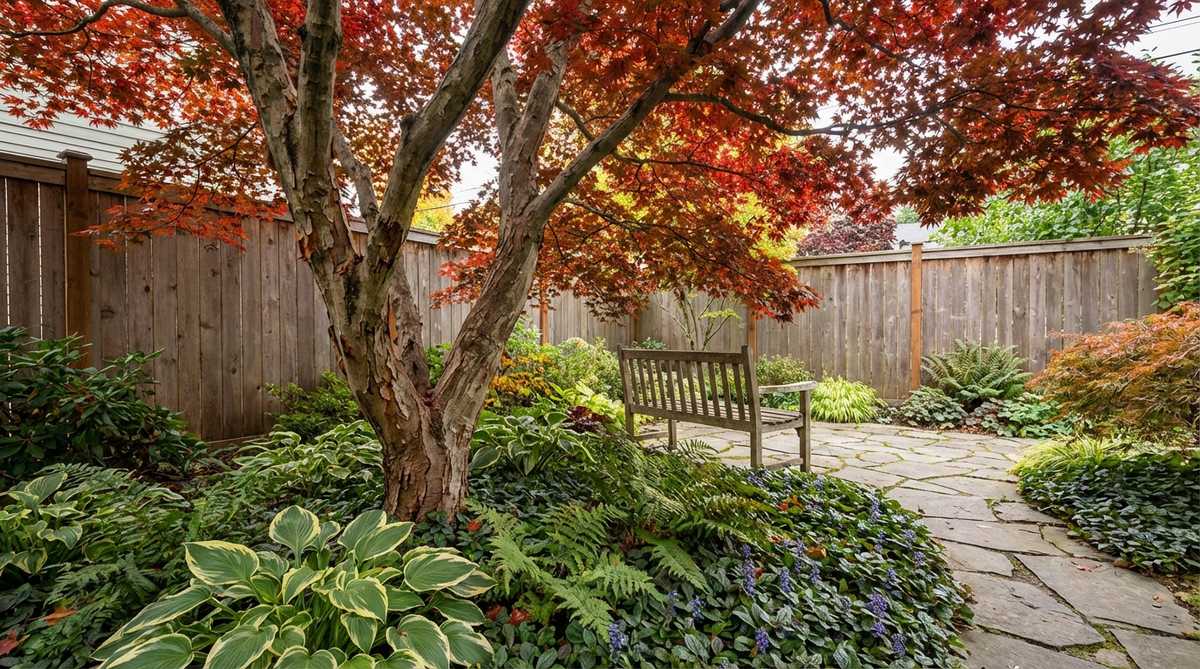
Feature single standout trees with interesting bark, form, or seasonal color. Japanese maples, dogwoods, or ornamental cherries excel in small footprints.
Position specimens off-center for dynamic composition. Underplant with shade-tolerant groundcovers to maximize planting density.
36. Textural Contrast Mixing
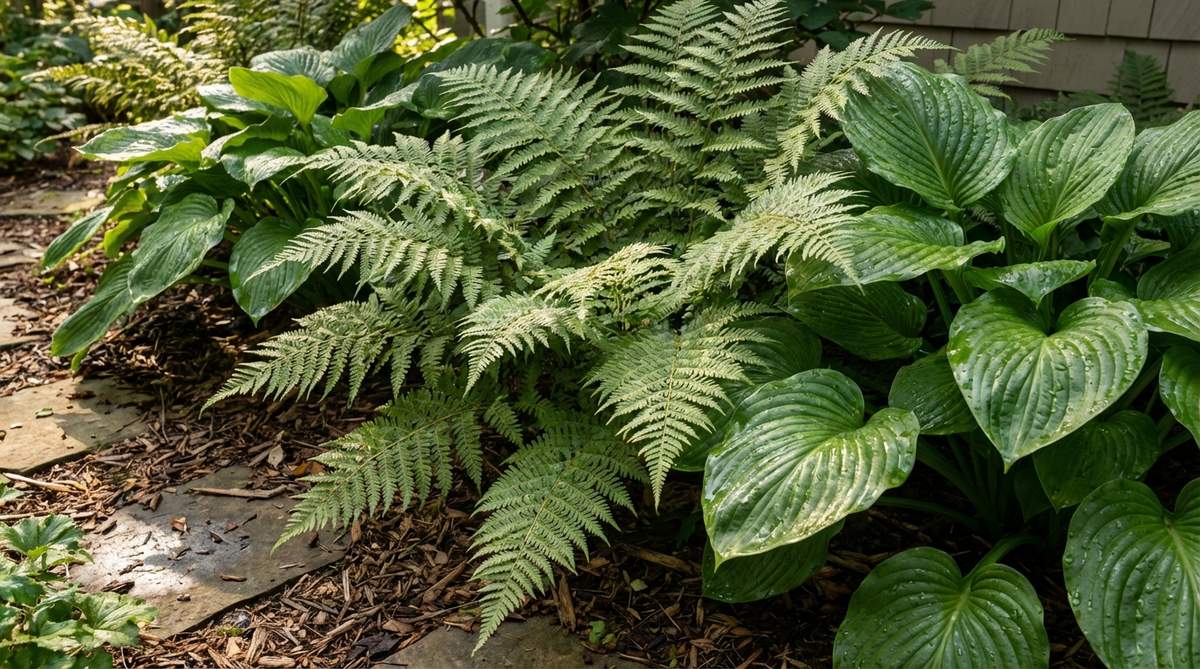
Juxtapose fine-textured plants like ferns against bold-leaved hostas. The contrast makes each plant more visually distinct and interesting.
Glossy foliage reflects light differently than matte leaves. Mix both finish types to create depth through varied light interaction.
37. Native Plant Selections
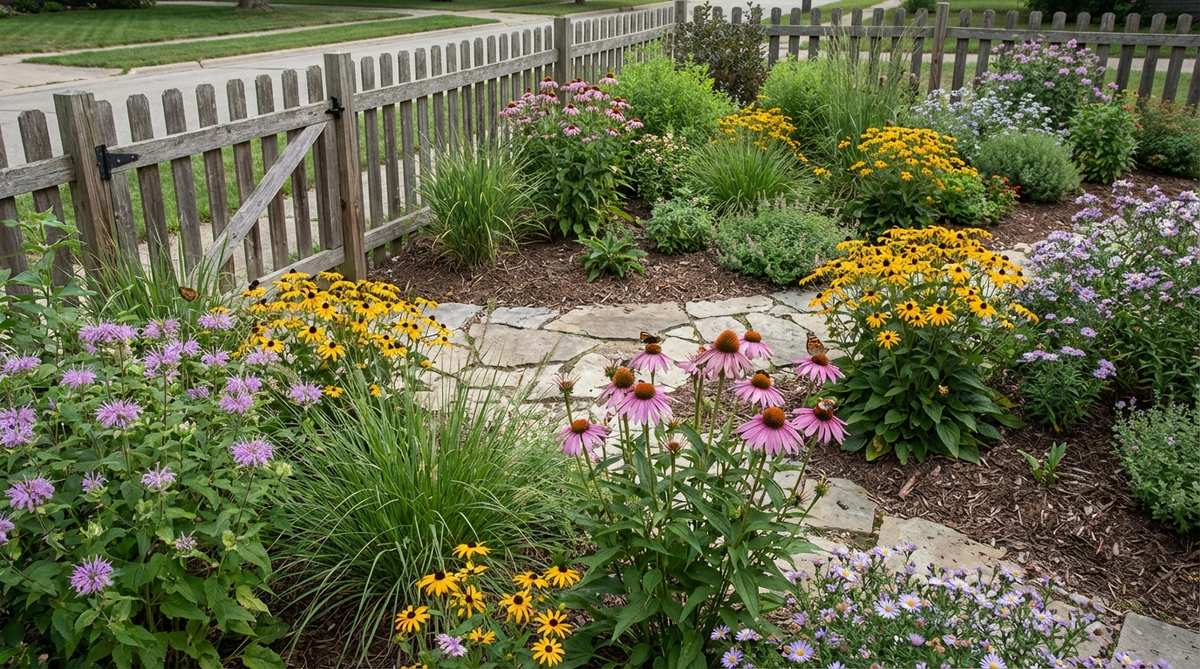
Choose regionally appropriate natives that thrive with minimal intervention. These species naturally suit local climate and soil conditions.
Native selections support local pollinators and wildlife. The ecological benefits enhance garden value beyond pure aesthetics.
38. Seasonal Succession Planning
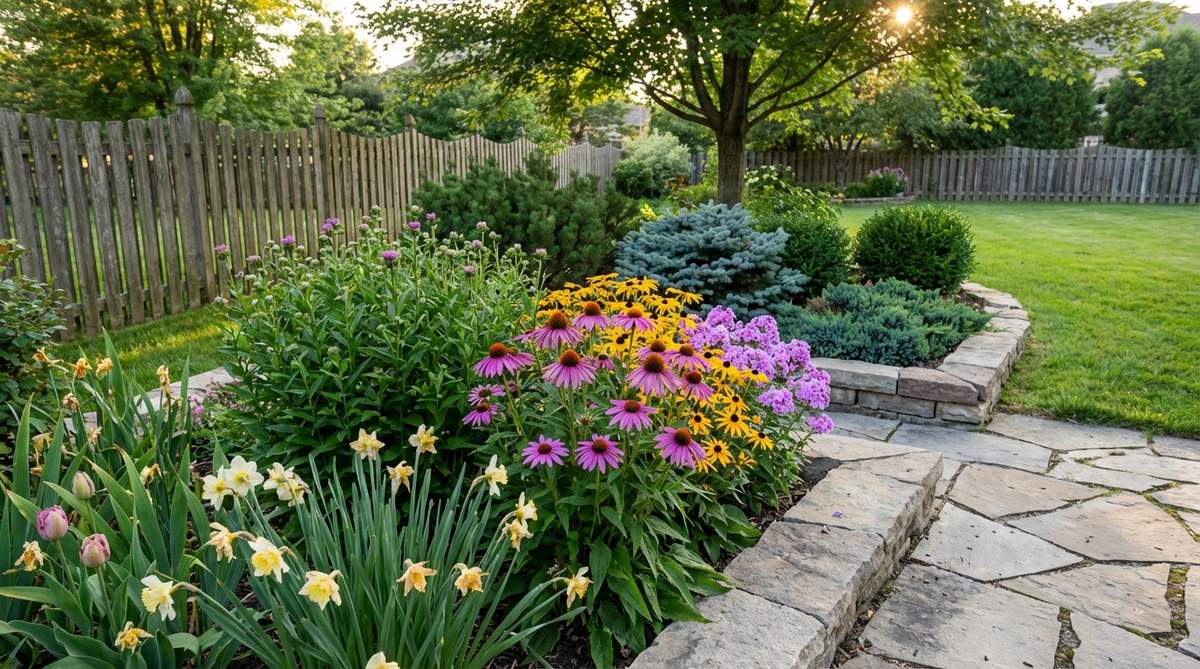
Layer plants with overlapping interest periods. Spring bulbs give way to summer perennials, followed by fall asters and winter evergreens.
This succession maintains visual appeal across twelve months. Plan bloom sequences during design phases to avoid seasonal dead zones.
39. Edible Ornamental Integration
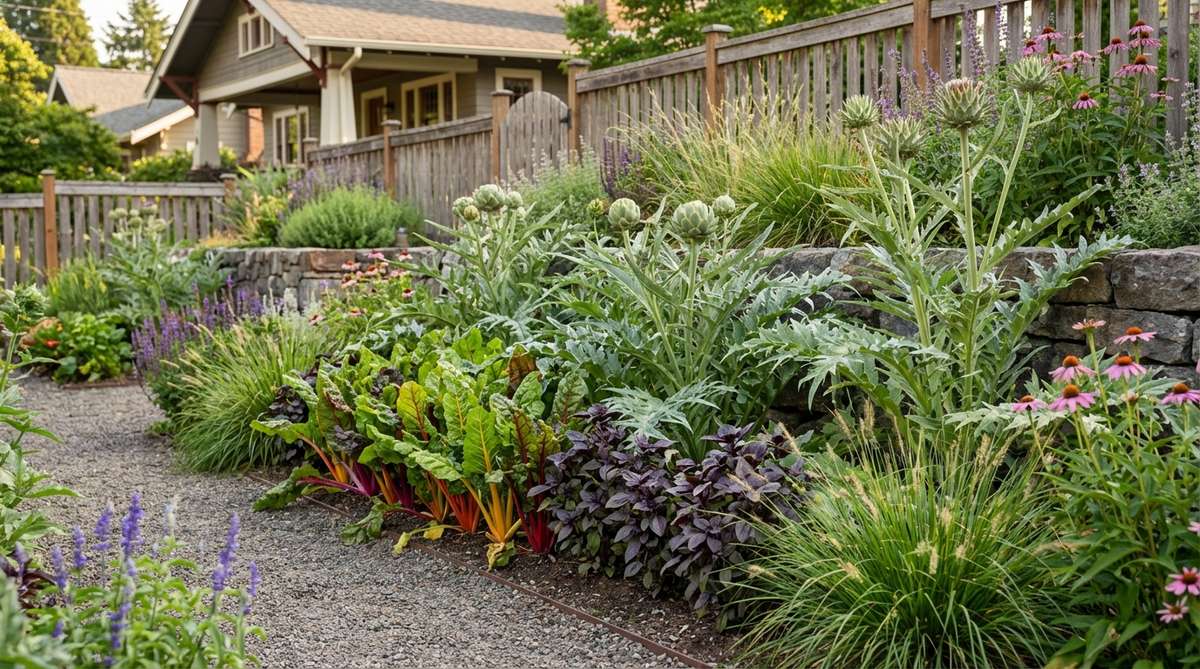
Blend productive crops like rainbow chard or purple basil into ornamental borders. Many vegetables offer attractive foliage and form.
This integration maximizes utility in limited square footage. Artichokes and cardoons provide bold architectural structure rivaling purely ornamental plants.
40. Grass Softening Layers
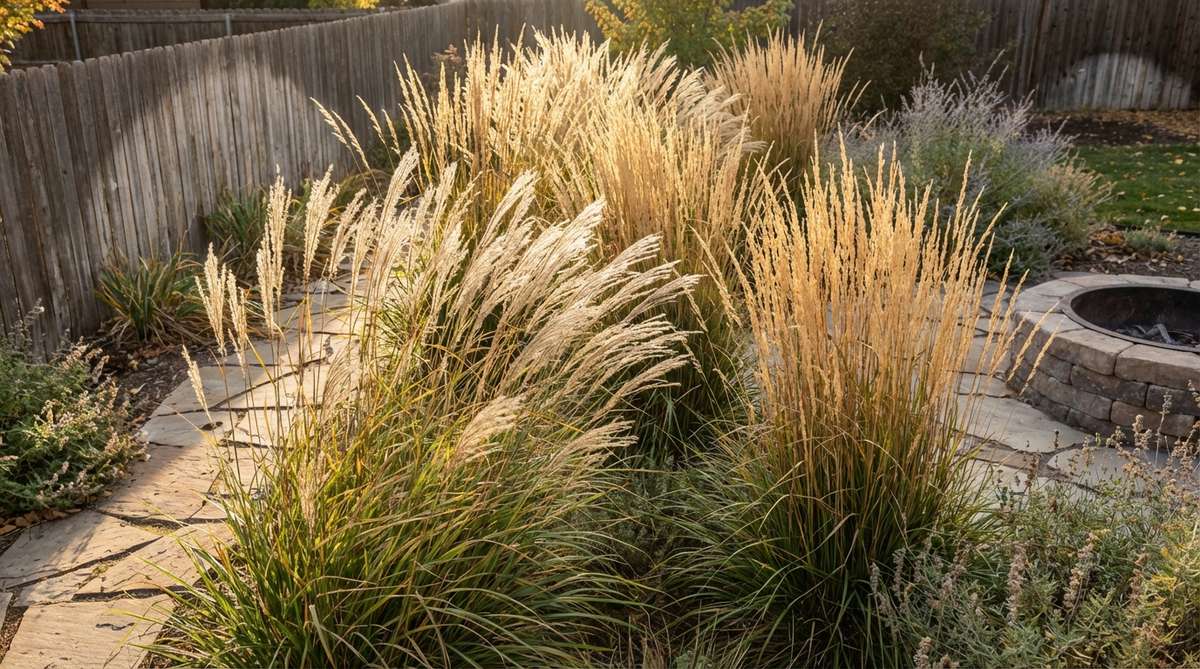
Introduce ornamental grasses that sway with breezes and catch low-angle sunlight. The movement and backlighting add temporal dimension.
Grasses transition gracefully through seasons. Tawny winter foliage provides interest when most perennials go dormant.
Lighting and Ambiance
Strategic illumination extends garden usability into evening hours while creating dramatic after-dark spatial effects. Lighting transforms small gardens into enchanting nighttime environments.
41. Uplighting Boundary Walls
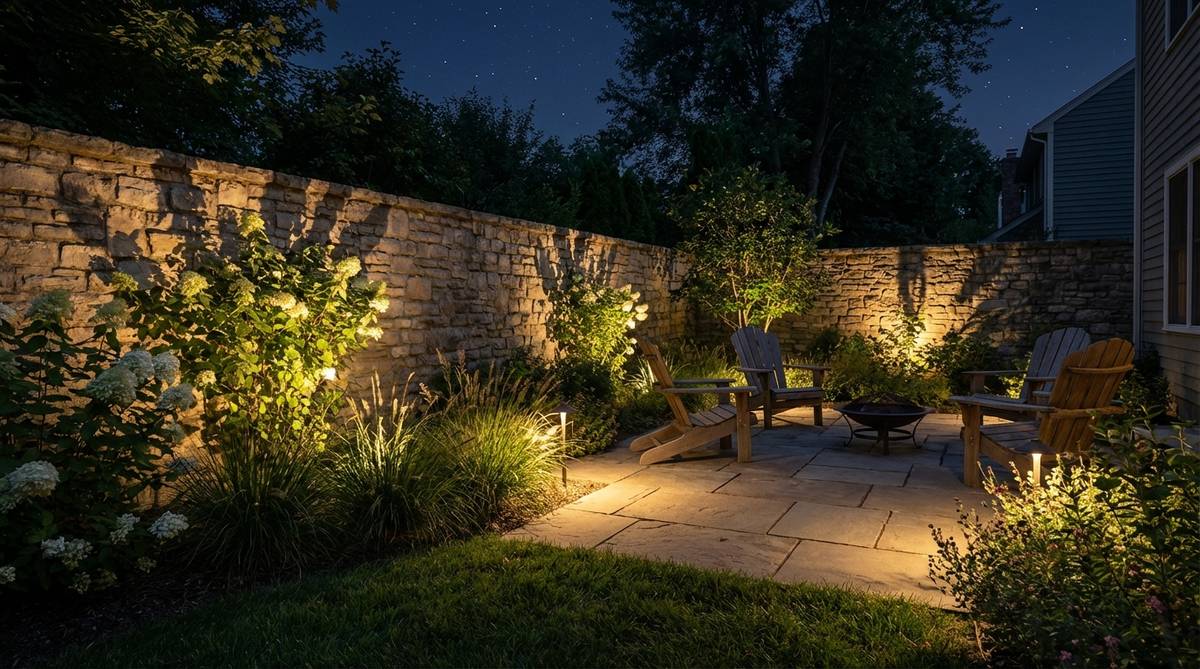
Position ground-level fixtures to wash light upward across boundary fences or walls. The vertical illumination visually extends space beyond physical limits.
Soft white LEDs highlight wall textures without glare. This technique creates ambient glow that makes perimeters recede rather than confine.
The upward light direction mimics moonlight for natural feel. Integrate fixtures into planting beds to conceal hardware.
42. Pathway Step Lights
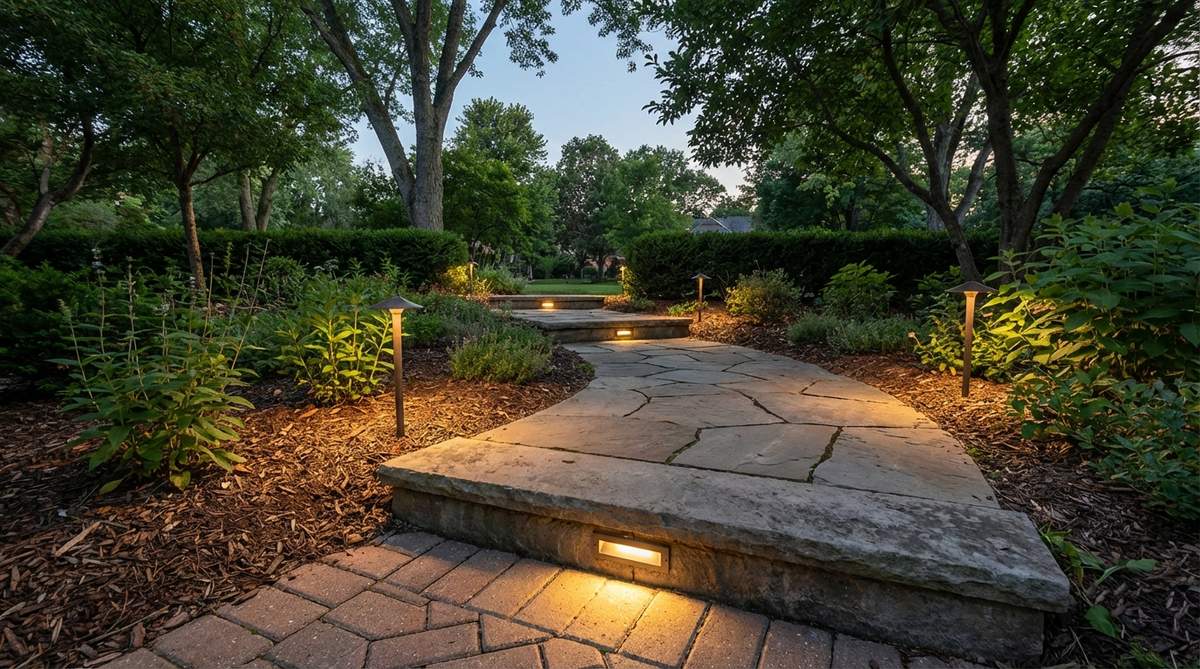
Install low-voltage fixtures along path edges or within step risers. The subtle guidance enhances safety without overpowering garden ambiance.
Recessed lights eliminate tripping hazards. Choose fixtures with downward-facing shields to prevent light pollution.
43. String Light Canopies
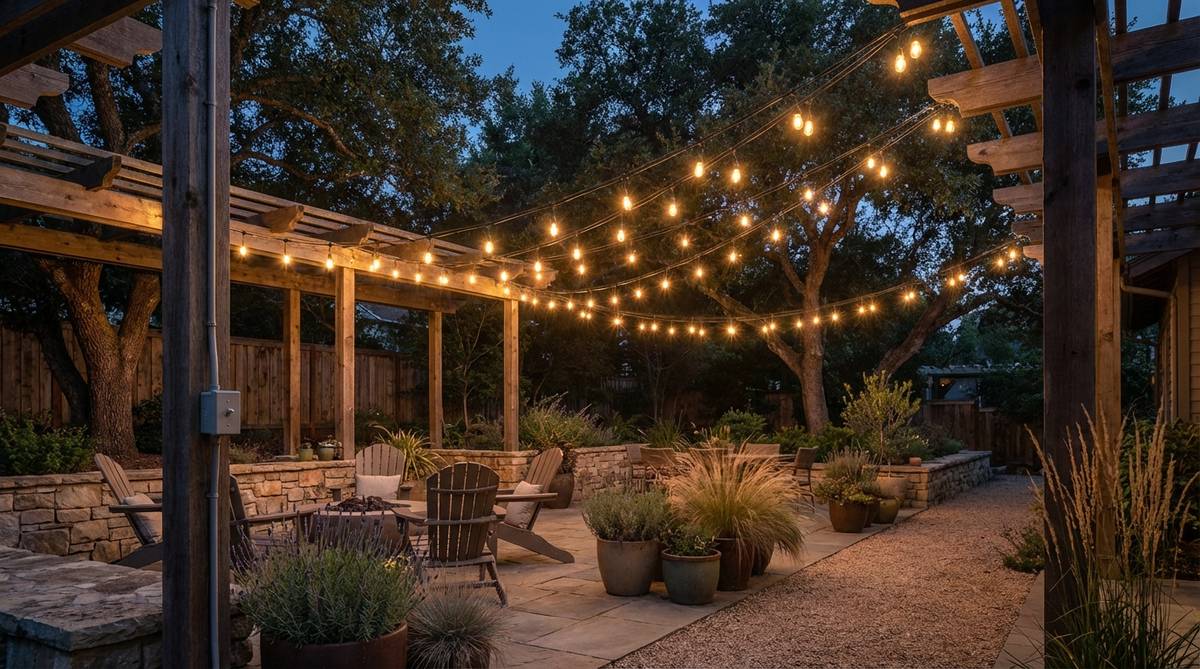
Suspend bistro-style string lights overhead to define outdoor rooms. The horizontal plane of light creates ceiling effects that add spatial dimension.
Dimmers allow ambiance adjustment for different occasions. Solar or battery options eliminate wiring complexity in small spaces.
44. Accent Plant Spotlights
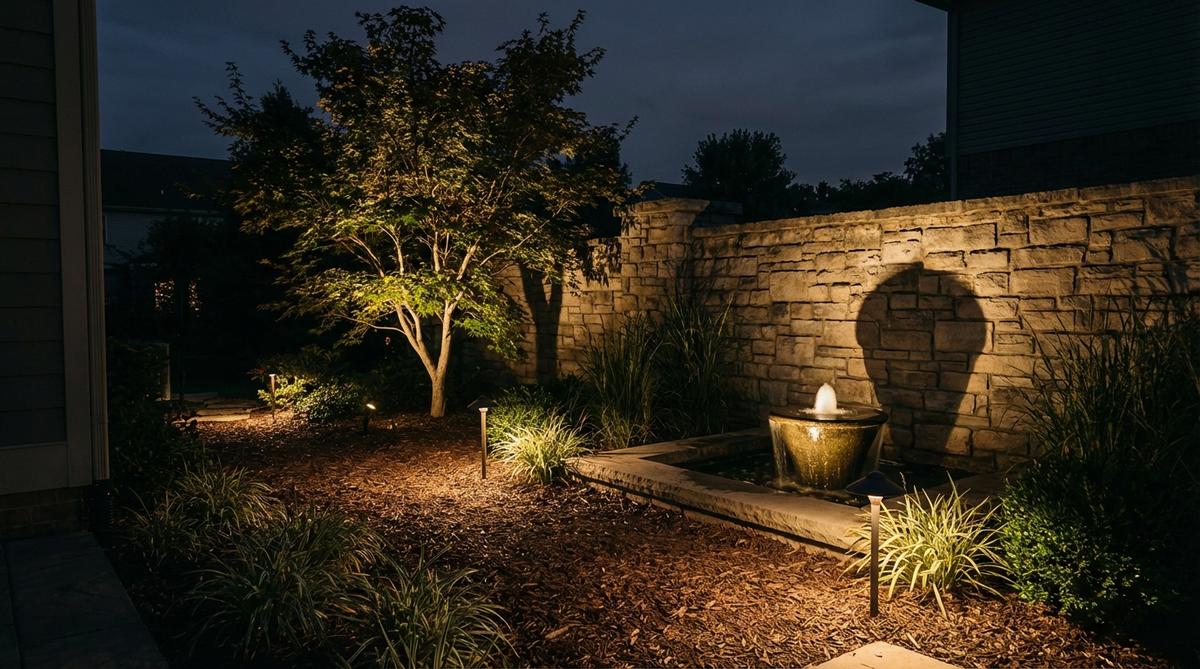
Direct narrow-beam fixtures at specimen plants or architectural features. The selective illumination draws attention to design focal points.
Adjust beam angles to graze foliage or bark textures. The dramatic shadows and highlights add depth invisible during daylight.
45. Water Feature Lighting
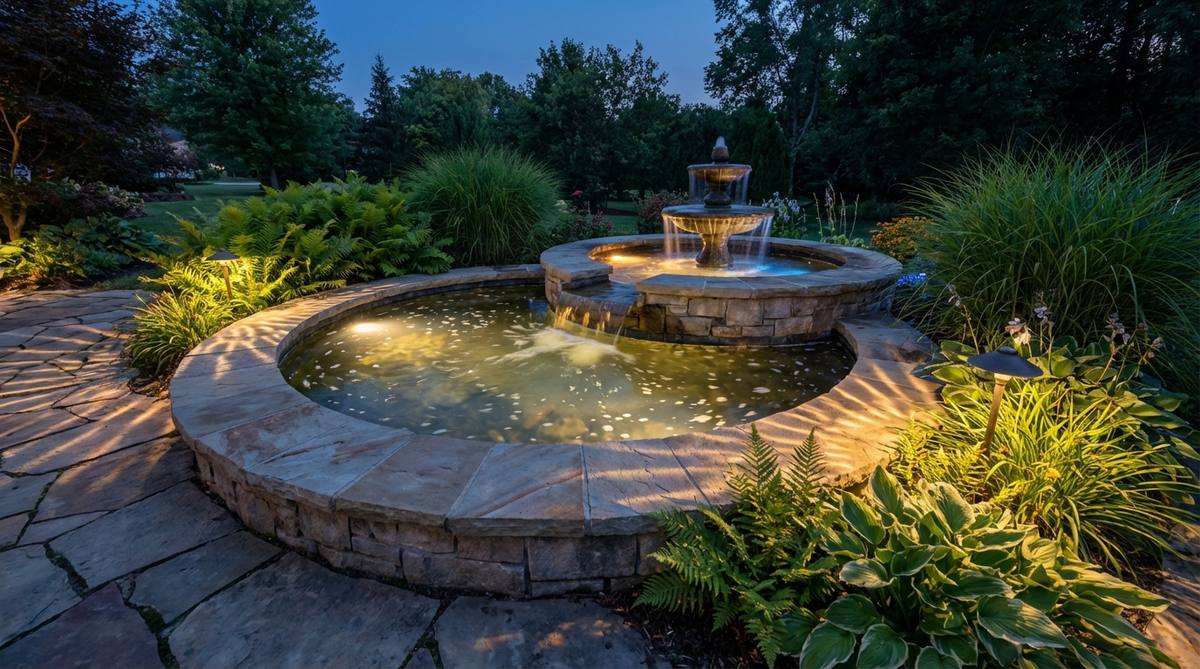
Submerse waterproof LEDs in fountains or ponds to create glowing focal points. Moving water disperses light into dancing patterns.
Colored LEDs allow mood changes for special events. Stick with warm white for everyday elegance that complements plant palettes.
46. Solar Lantern Clusters
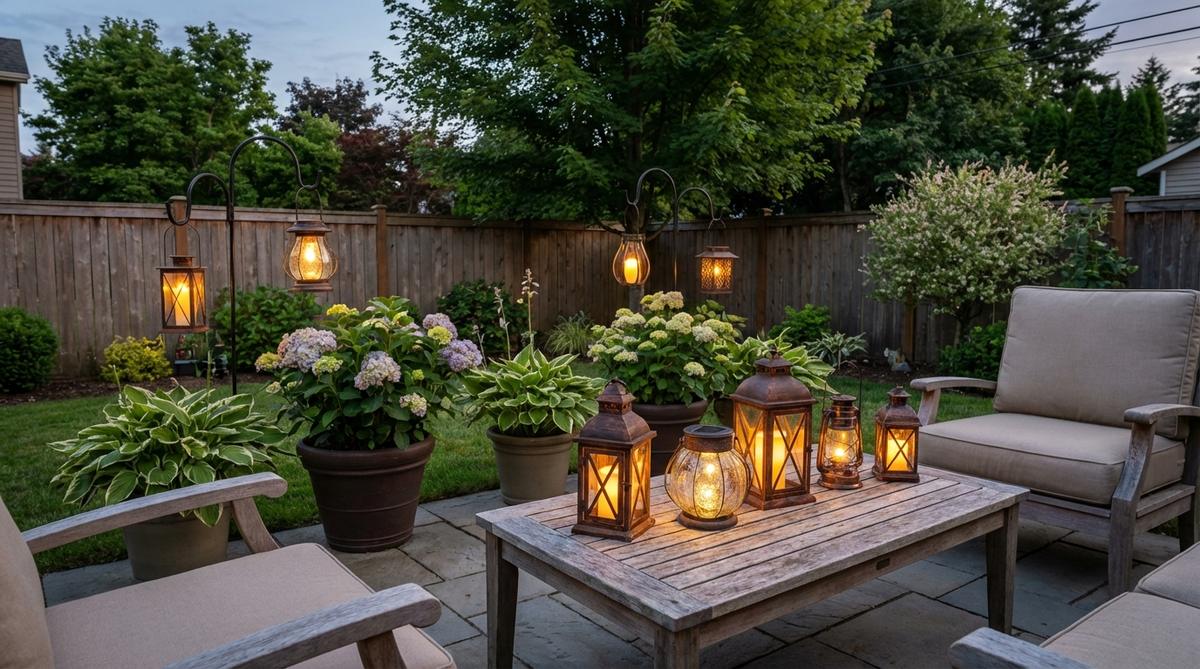
Group decorative solar lanterns on tables or hang from hooks. The portable fixtures require no wiring while providing soft ambient light.
Replace batteries annually for consistent performance. Position lanterns where they receive six hours of direct sun for full overnight charges.
47. Under-Bench Illumination
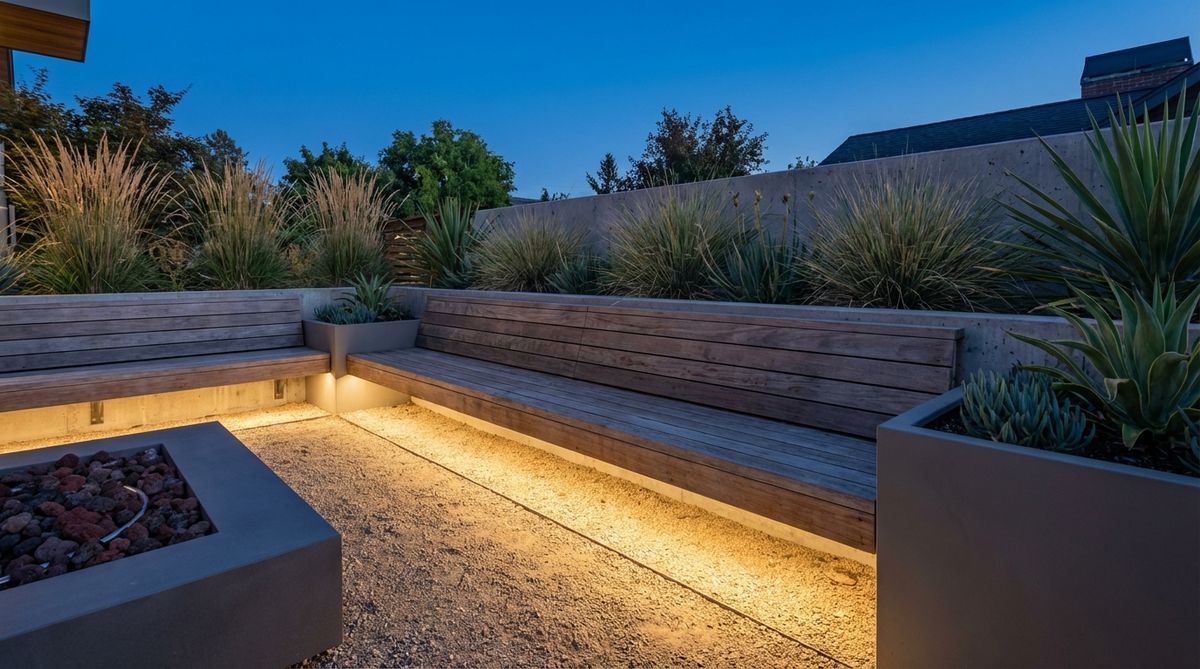
Mount LED strips beneath built-in seating to create floating effects. The indirect illumination defines seating areas without harsh downlighting.
This technique works particularly well for contemporary small garden decor ideas. The modern aesthetic suits urban spaces.
Hardscape and Structure
Permanent non-plant elements provide year-round structure while defining circulation and function zones. Quality hardscaping elevates small garden design from amateur to professional.
48. Permeable Paving Systems
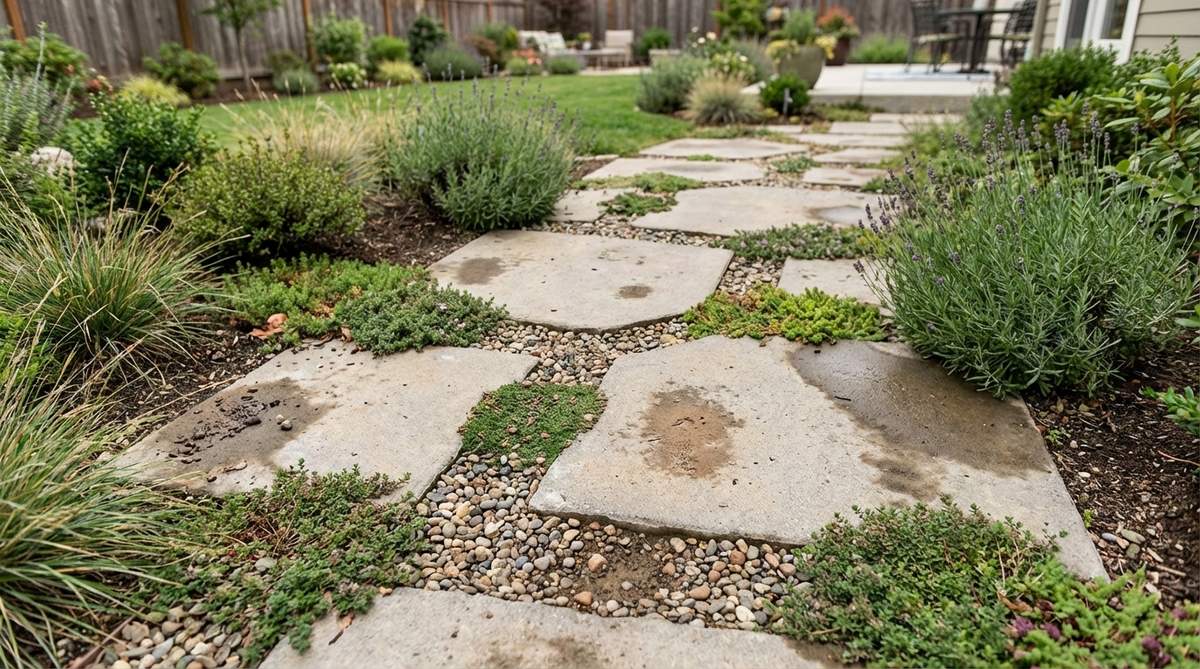
Install pavers with wide joints filled with creeping groundcovers or fine gravel. These systems handle foot traffic while allowing water infiltration.
The environmental benefits include reduced runoff and groundwater recharge. Aesthetic advantages come from softened edges that blend hardscape with plantings.
Choose unit sizes proportional to garden scale. Oversized pavers overwhelm small spaces while tiny units appear busy.
49. Built-In Planter Benches
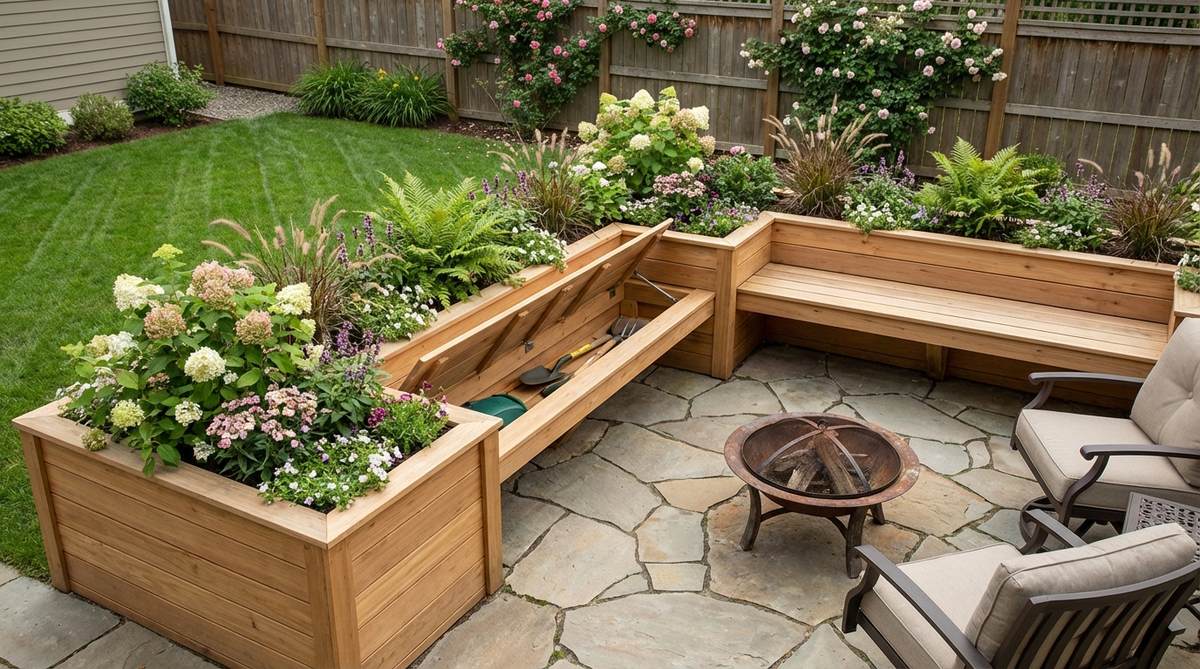
Construct seating with integrated planting boxes along rear and sides. This dual-function approach maximizes utility per linear foot.
Cedar or composite materials weather gracefully. Add hinged lids to create hidden storage beneath seats.
50. Decorative Screen Panels
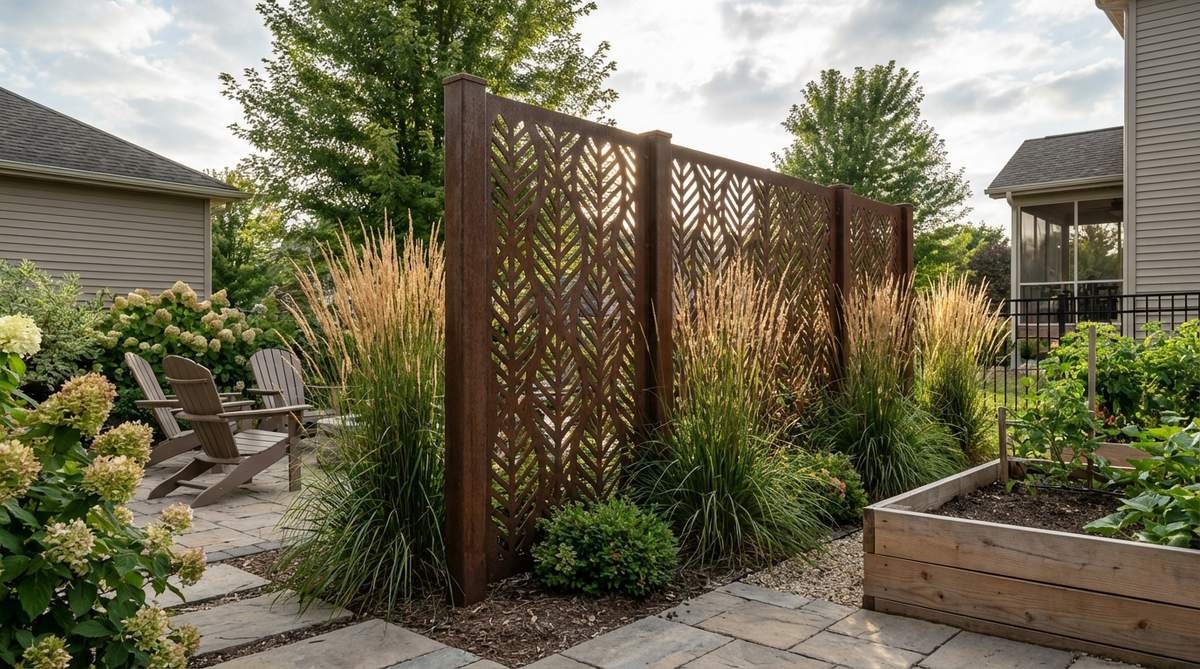
Install laser-cut metal or wood screens to partition zones without solid walls. The perforated designs maintain airflow and filtered views.
Patterns range from geometric to organic motifs. Choose designs that complement overall garden style and architectural context.
51. Compact Water Fountains
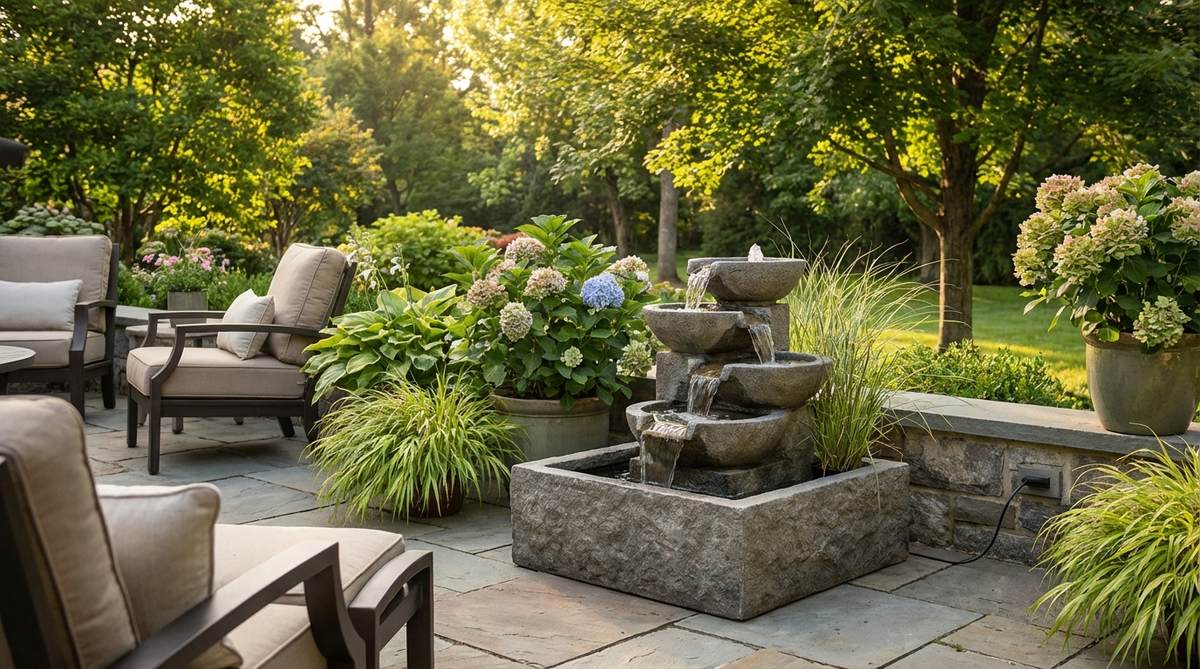
Introduce recirculating fountains with footprints under two square feet. The sound masks urban noise while adding sensory dimension.
Self-contained units require only electrical outlets. Position fountains as focal points visible from primary seating areas.
52. Garden Arch Gateways
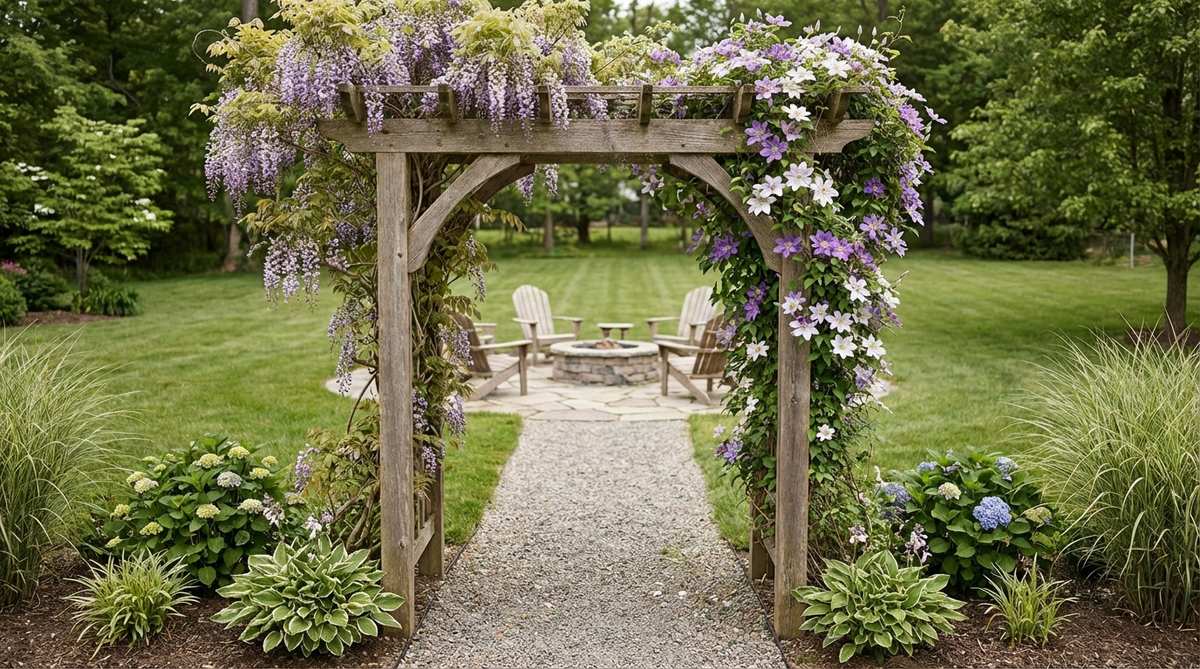
Frame transitions between zones with arbors or arches. These vertical structures create thresholds that psychologically divide continuous spaces.
Train flowering vines across arches for seasonal color. The overhead canopy adds spatial layering above ground-level plantings.
53. Decorative Edging Systems
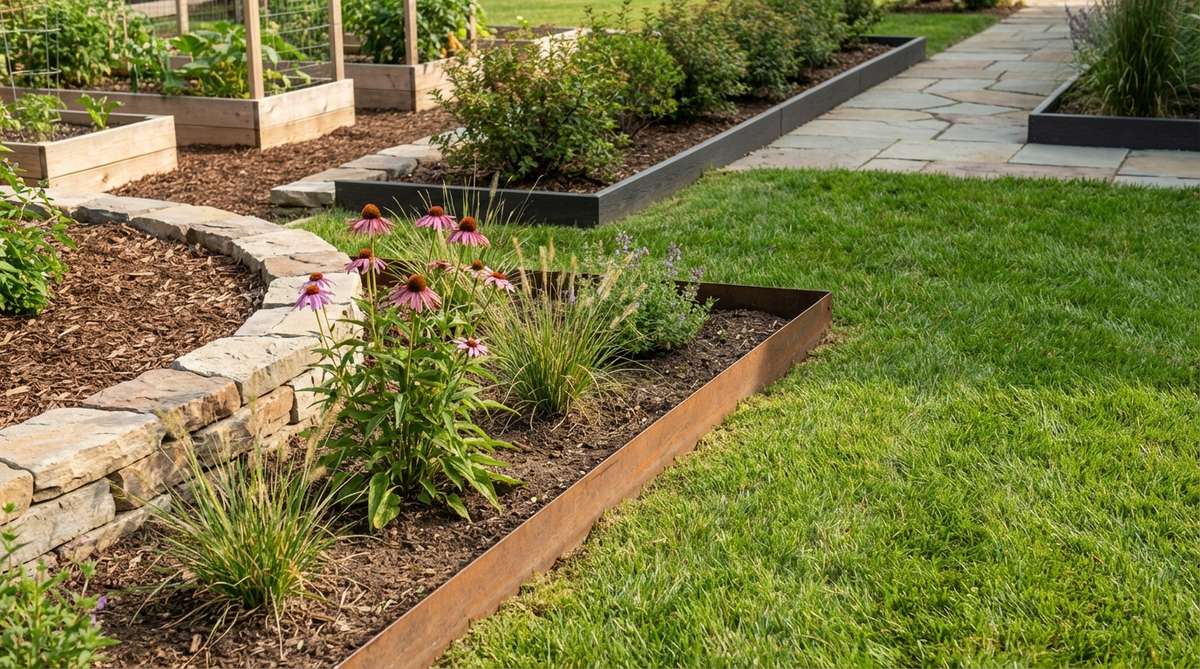
Define planting bed boundaries with steel, stone, or composite edging. Clean lines separate cultivation zones from lawns or paths.
Proper edging prevents grass encroachment into beds. The maintenance reduction justifies installation costs.
54. Compact Fire Features
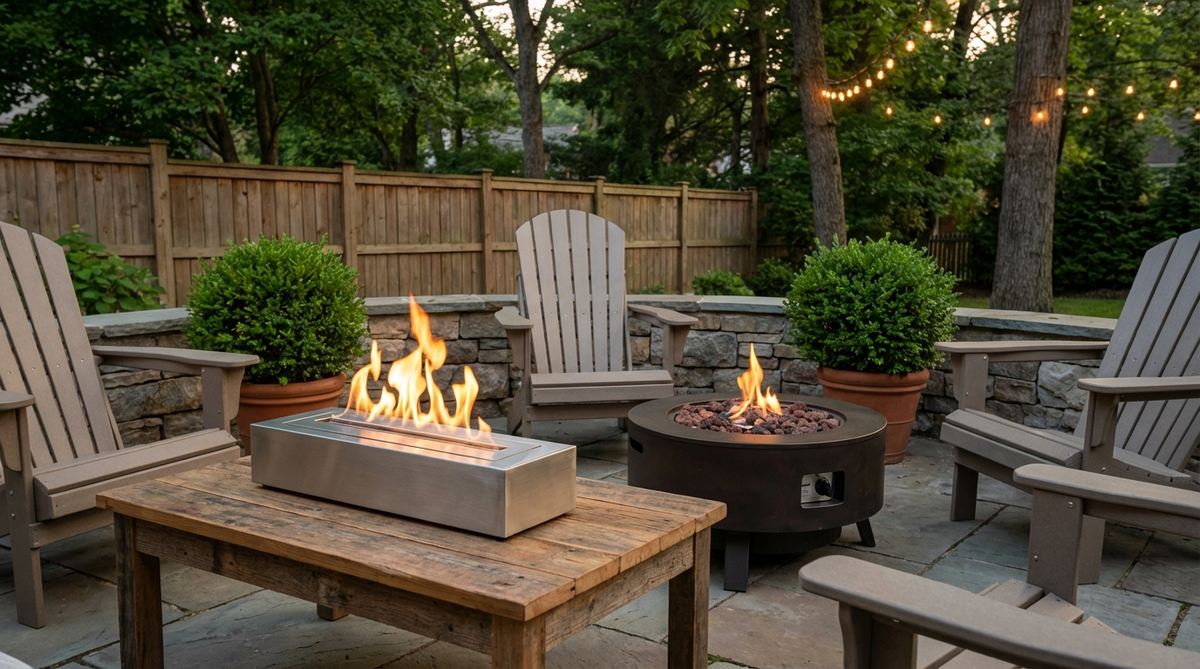
Install tabletop bioethanol burners or small propane fire bowls. These scaled-down features provide warmth and ambiance without consuming significant space.
Portable units move to storage when not in use. Check local codes regarding open flame restrictions in urban areas.
Small Garden Decoration and Finishing Touches
Thoughtful accessories personalize spaces while reinforcing design themes. These finishing elements transform functional small gardens into expressive outdoor living rooms.
55. Vertical Art Installations
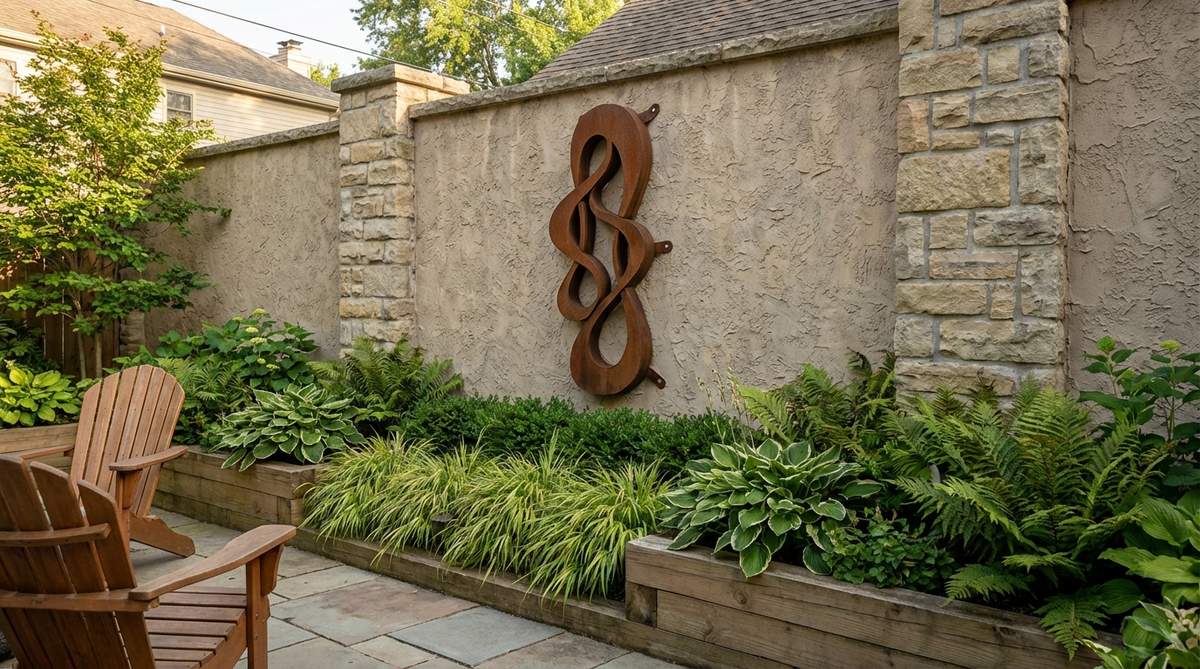
Mount weather-resistant sculptures or decorative panels on boundary walls. Vertical artwork draws eyes upward and adds personality without consuming ground space.
Rotate pieces seasonally to refresh visual interest. Choose scales appropriate to viewing distances in compact gardens.
Abstract forms complement organic planting while figurative pieces create focal points. Balance artistic elements with plant masses to avoid cluttered feels.
56. Decorative Pot Groupings
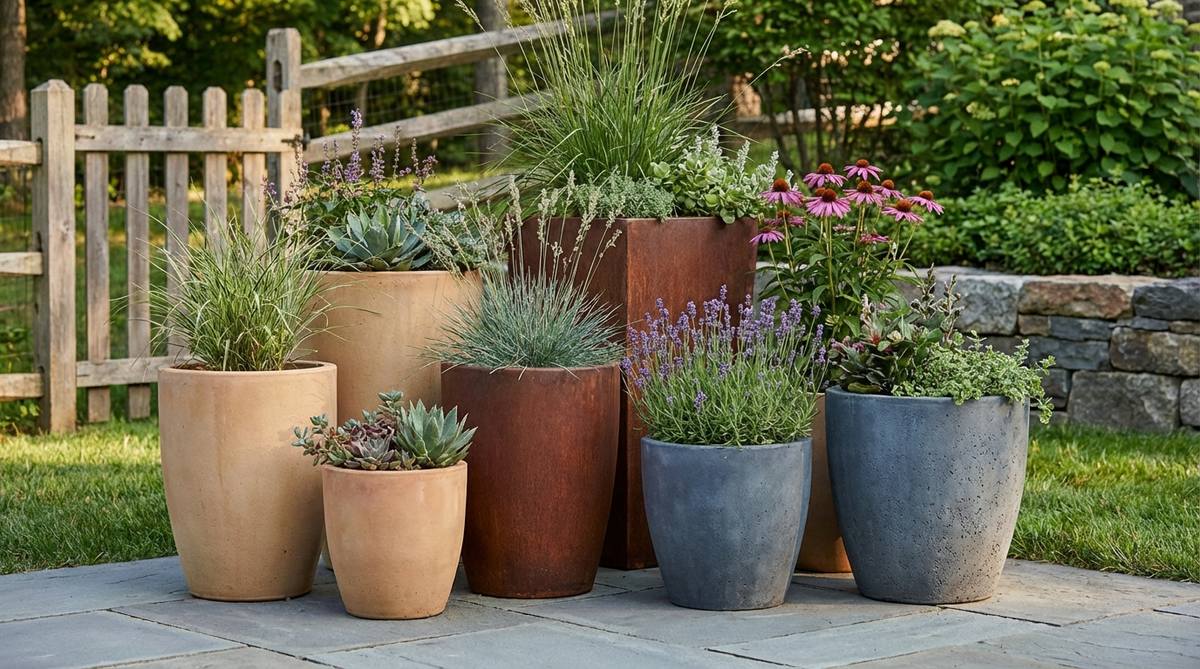
Cluster containers in odd-numbered groups with varied heights and finishes. The asymmetrical arrangements feel more dynamic than paired placements.
Mix materials like ceramic, metal, and concrete for textural richness. Unify diverse containers through consistent color palettes or planting themes.
57. Outdoor Mirror Frames
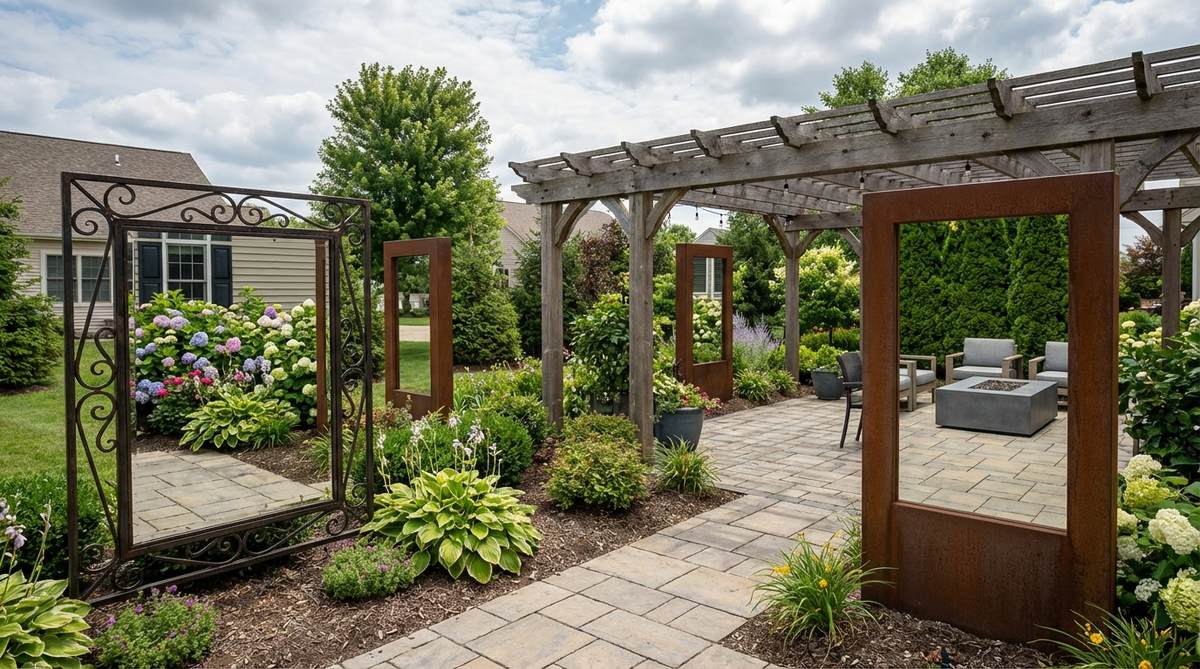
Select weatherproof mirrors with decorative frames that function as garden jewelry. Ornate frames draw attention to mirrors as intentional design elements rather than tricks.
Antique or vintage-style frames suit cottage gardens. Contemporary frames with clean lines complement modern small garden landscape designs.
58. Wind Chime Accents
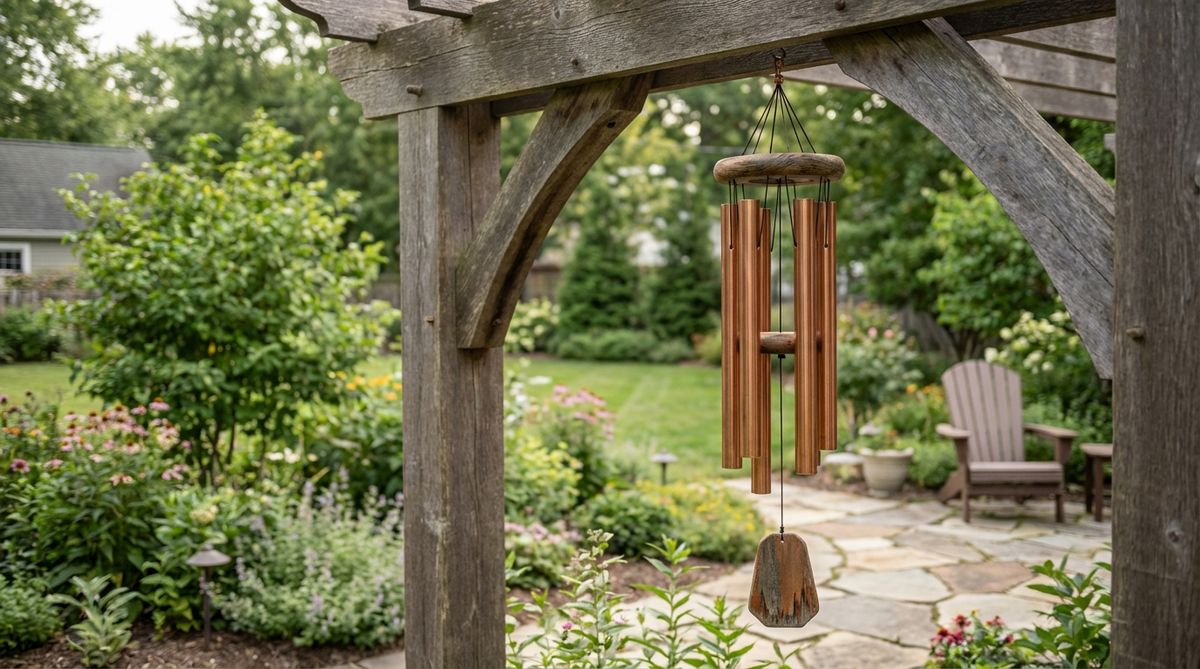
Hang tuned wind chimes from tree branches or pergola beams. The auditory dimension enhances spatial perception through sound.
Choose tones that harmonize rather than clang. Quality chimes produce melodic sounds that enhance rather than annoy.
59. Decorative Mulch Layers
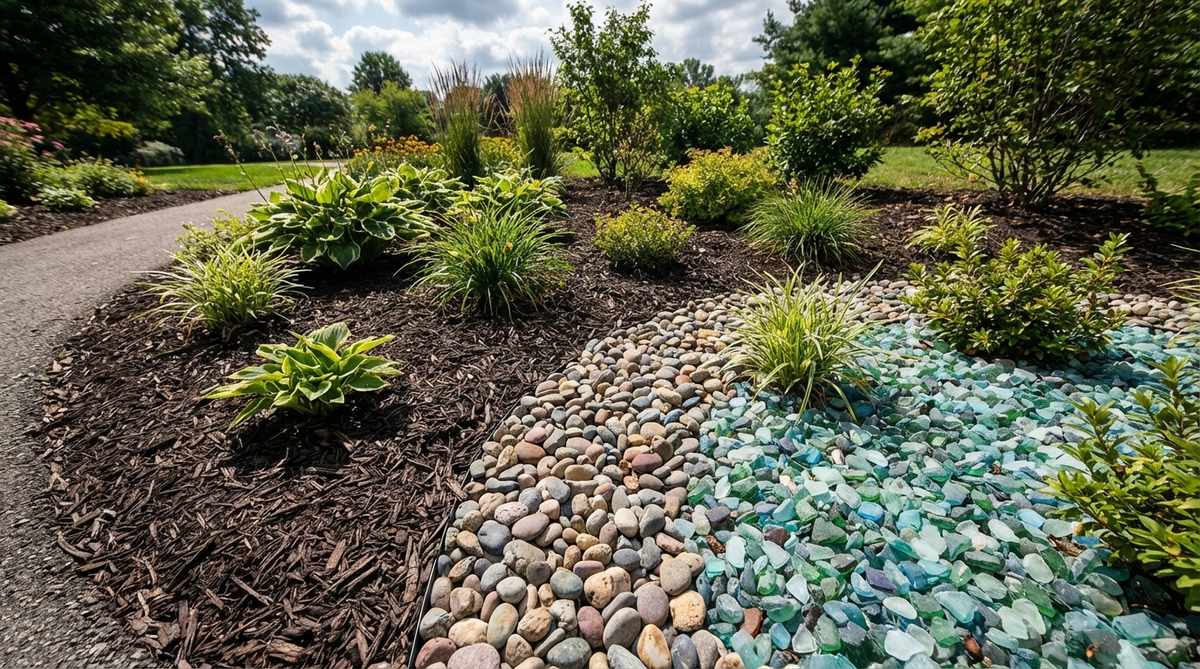
Top planting beds with colored stone, glass mulch, or shredded bark. These finished surfaces unify beds while suppressing weeds.
Inorganic mulches last longer but organic materials improve soil. Choose based on garden style and maintenance preferences.
50. Bistro Furniture Sets
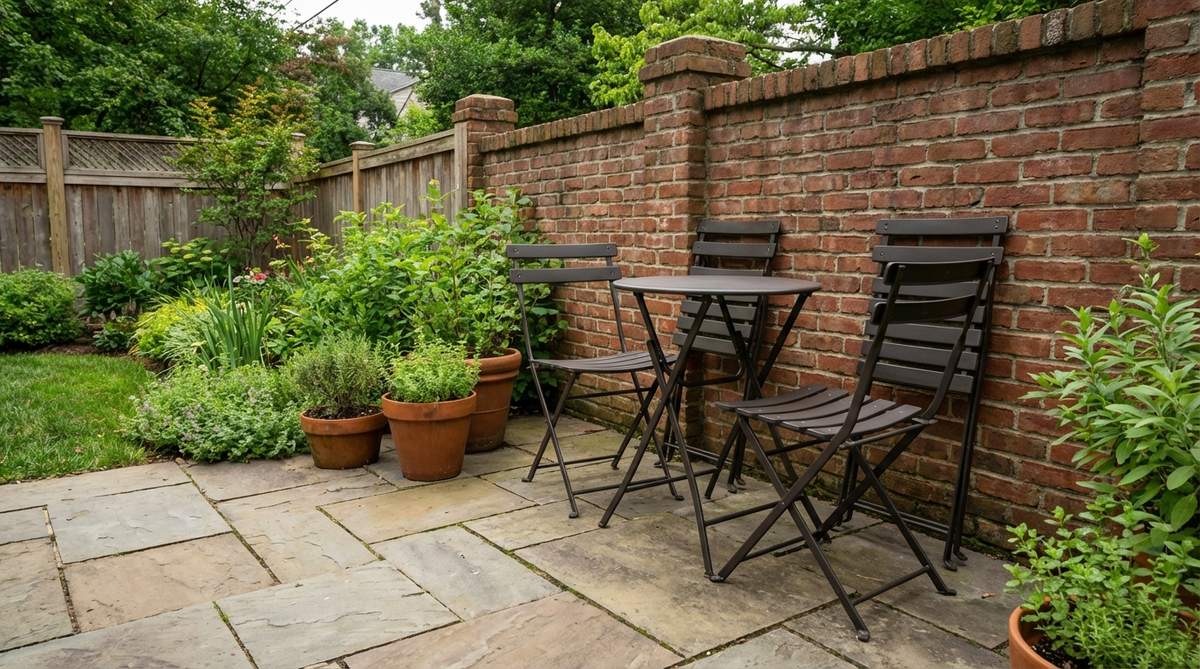
Select compact two-person table sets with folding capabilities. These space-efficient furnishings provide function without permanent footprint commitments.
Metal bistro sets weather well while maintaining narrow profiles. Folding designs store flat against walls when not entertaining.
Transform Your Compact Space into a Dimensional Retreat
Implementing these small garden ideas transforms constrained yards into layered landscapes that feel substantially larger than their measurements. The strategies covered here address layout optimization, vertical expansion, visual trickery, and sensory enrichment that professional designers use daily. Start with two or three techniques that address your most pressing spatial challenges, then gradually layer additional approaches as confidence builds. Fresh Garden Ideas encourages you to view limitations as creative opportunities rather than obstacles—some of the most memorable gardens occupy surprisingly modest footprints.
Frequently Asked Questions
What is the most effective technique to make a small garden look bigger?
Vertical layering combined with strategic mirror placement produces the most dramatic spatial expansion. Position tall plants and structures at boundaries to draw eyes upward, then add mirrors at path terminals to reflect garden views backward. This combination multiplies perceived square footage through both vertical and horizontal illusion. Avoid revealing entire garden layouts at once by installing screens or arches that create discovery moments as visitors move through spaces.
How many plants can fit in a small garden without overcrowding?
Plant density depends on mature sizes rather than current container dimensions. Professional designers calculate coverage based on spread at five years growth, then reduce counts by 15 percent to prevent overcrowding. A 100-square-foot garden typically supports one small tree, three to five medium shrubs, eight to twelve perennials, and groundcovers as fillers. Vertical growing systems and containers can triple these numbers by utilizing overhead and elevated zones.
What are the best low-maintenance plants for small gardens?
Native perennials adapted to local climates require minimal intervention once established. For small spaces, select compact cultivars of coneflowers, black-eyed Susans, sedums, and ornamental grasses. Evergreen shrubs like boxwood, dwarf conifers, and nandina provide year-round structure without seasonal cleanup. Avoid high-maintenance roses, hybrid tea varieties, and plants requiring frequent division. Self-sufficient plant communities reduce water, fertilizer, and pruning demands.
How do I create privacy in a small garden without blocking light?
Install semi-transparent screens or grow plants on open frameworks like lattice rather than solid fencing. Columnar evergreens planted in narrow rows provide vertical screening while allowing light penetration at ground level. Ornamental grasses in containers create movable privacy barriers that filter views without complete obstruction. Position taller elements strategically to block specific sightlines rather than enclosing entire perimeters, which preserves openness and light flow.
Can small gardens include both functional and decorative elements?
Successful small garden design integrates utility and beauty rather than separating them. Edible plants like herbs, rainbow chard, and dwarf fruit trees offer ornamental value matching purely decorative species. Built-in seating with storage compartments serves multiple purposes in single footprints. Vertical structures function as both growing supports and architectural features. The most efficient small gardens treat every element as multi-functional, eliminating single-purpose installations that waste precious square footage.
What is the ideal budget for designing a small garden?
Small garden budgets range from $1,500 for DIY container gardens to $15,000 for comprehensive professional designs with quality hardscaping. Allocate 40 percent to permanent structures like paving and built-ins, 30 percent to plants, 20 percent to lighting and water features, and 10 percent to decorative elements. Phased implementation spreads costs across multiple seasons. Prioritize foundational elements like layout and hardscaping first, then add plants and accessories as budgets allow.