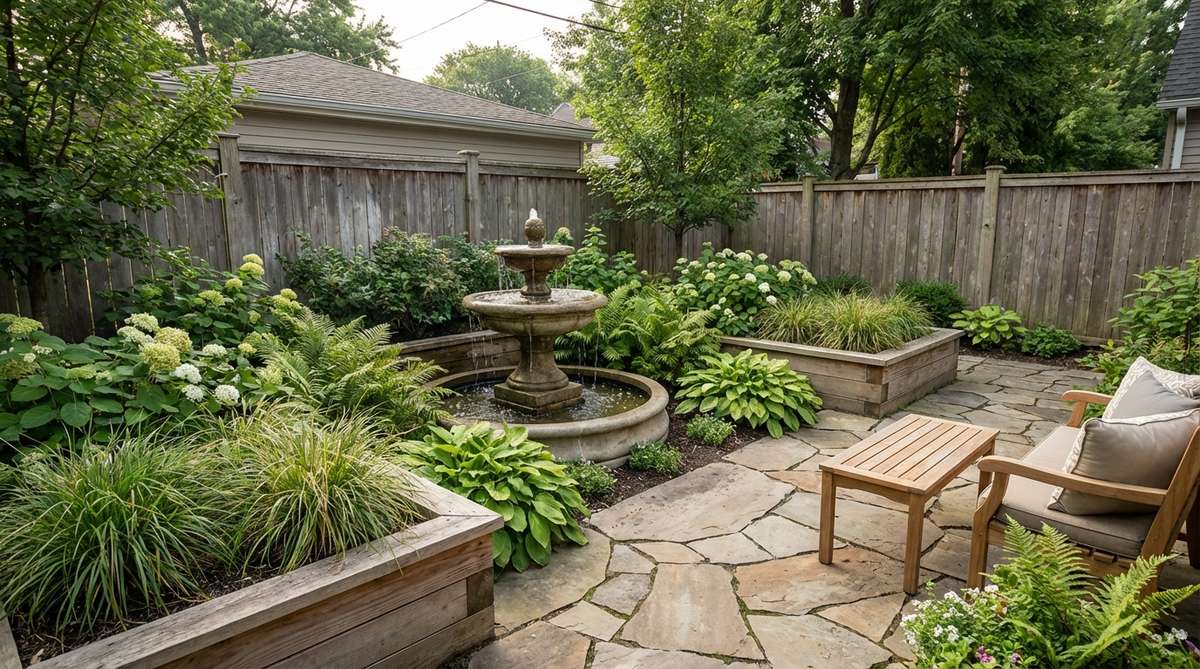
A small garden fountain transforms cramped outdoor spaces into peaceful retreats through the gentle movement of water and ambient sound. Limited square footage no longer restricts homeowners from enjoying water features, as modern designs prioritize vertical space and self-contained systems. Fresh Garden Ideas presents over 35 fountain solutions that maximize impact while respecting spatial constraints.
Design SnapshotKey Principles
- Vertical Integration: Wall-mounted and tiered fountains utilize height rather than floor space, fitting narrow pathways and small patios.
- Self-Contained Systems: Recirculating designs eliminate the need for plumbing or ponds, simplifying installation and reducing maintenance.
- Proportional Scale: Compact fountains measuring 18-30 inches complement rather than overwhelm tight quarters while delivering full sensory impact.
- Multi-Functional Design: Modern features serve dual purposes—acting as planters, birdbaths, or lighting elements alongside water circulation.
Self-Contained Wonders for Plug-and-Play Simplicity
Self-contained fountains require no external plumbing or reservoir construction, as the pump and basin integrate into a single unit. These compact systems range from 18 to 30 inches in height, fitting patios, entryways, and garden corners without excavation. Designers favor these features for clients with limited installation time or rental properties where permanence is not an option.
1. Zen Sphere with Cast Stone Basin
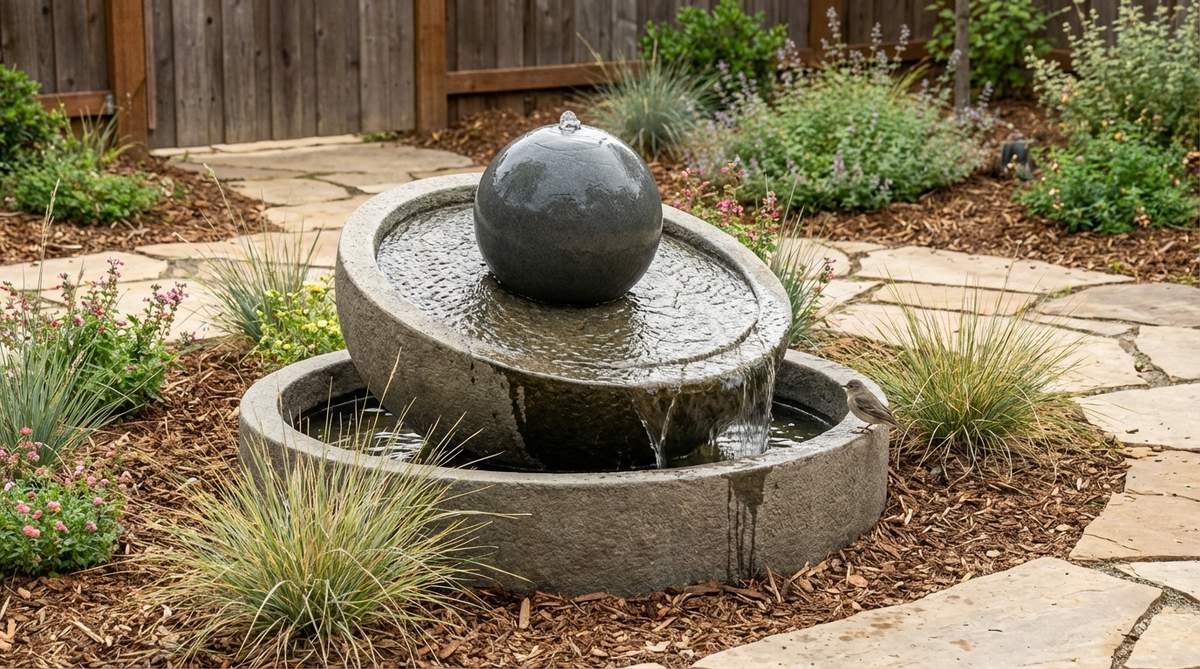
Water flows from the sphere’s apex and travels down its curved surface, creating a mesmerizing visual as light catches the moving liquid. The round form reads equally well from all angles, allowing flexible placement in garden beds or as pathway markers.
Cast stone construction withstands freeze-thaw cycles in temperate climates while maintaining its textured finish. Position this fountain amid low-growing perennials or ornamental grasses to soften its geometric form.
The continuous water movement attracts songbirds during daylight hours, adding secondary wildlife interest to the primary acoustic benefit.
2. Beveled Yoga Frog with Meditation Theme
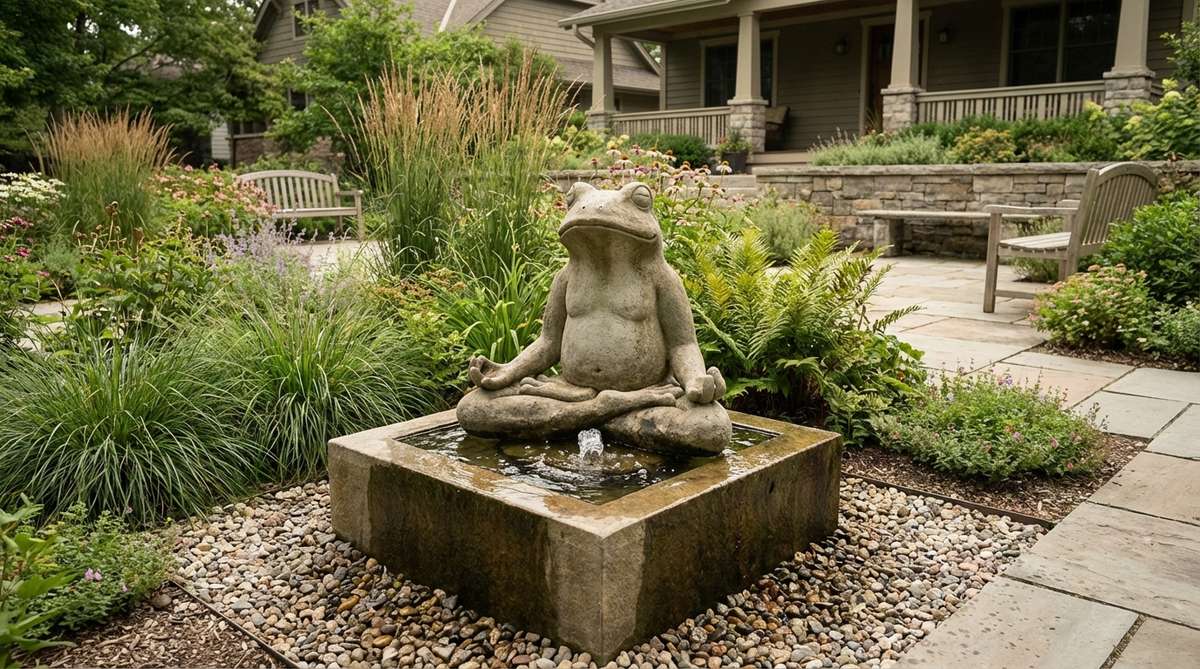
A sculptural frog in a lotus position perches atop a beveled base, injecting whimsy into spaces that lean too formal. Water bubbles from the base rather than the figure, maintaining a calm surface around the sculpture.
This feature works indoors during winter months when outdoor freezing poses a risk to pumps and basins. Surround it with potted ferns or hostas to reinforce the meditative atmosphere.
3. Oval Jensen Fountain with Twin Water Patterns
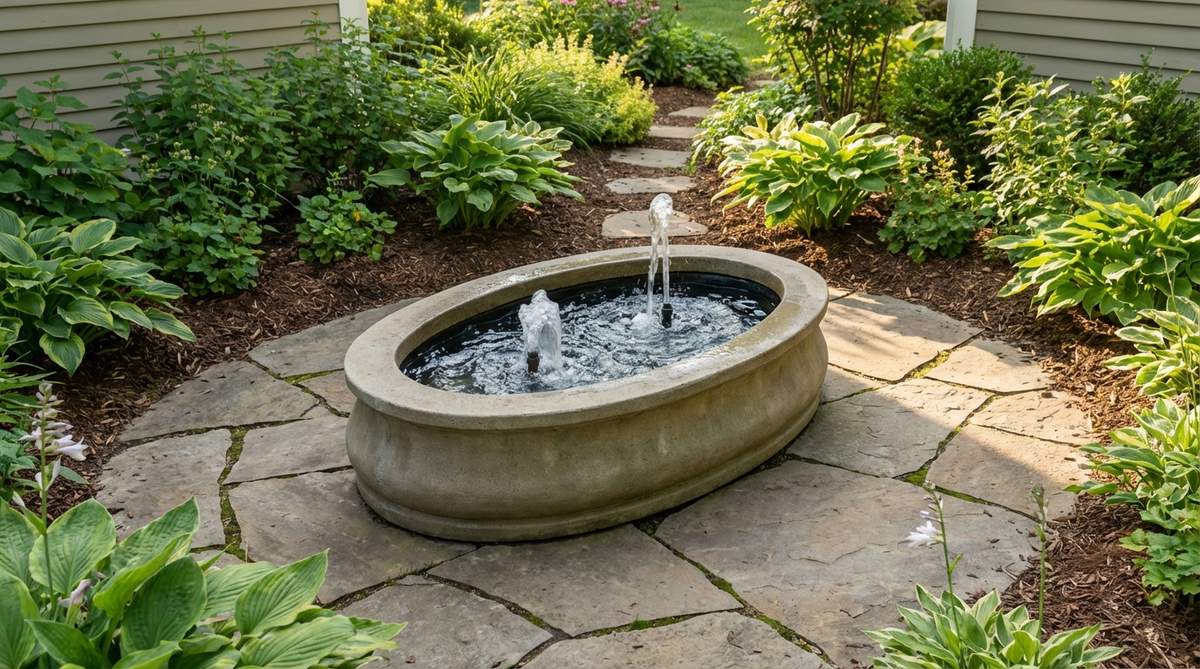
An oval basin supports both bubbling and streaming water effects, delivering acoustic variety within a single footprint. The elongated shape fits narrow garden beds or side-yard passages where circular models prove too wide.
Cast stone material accepts staining or patina finishes to match existing hardscape elements. Its compact 24-inch length makes it ideal for corners and alcoves that standard circular fountains cannot occupy.
4. Low-Profile Girona Bowl
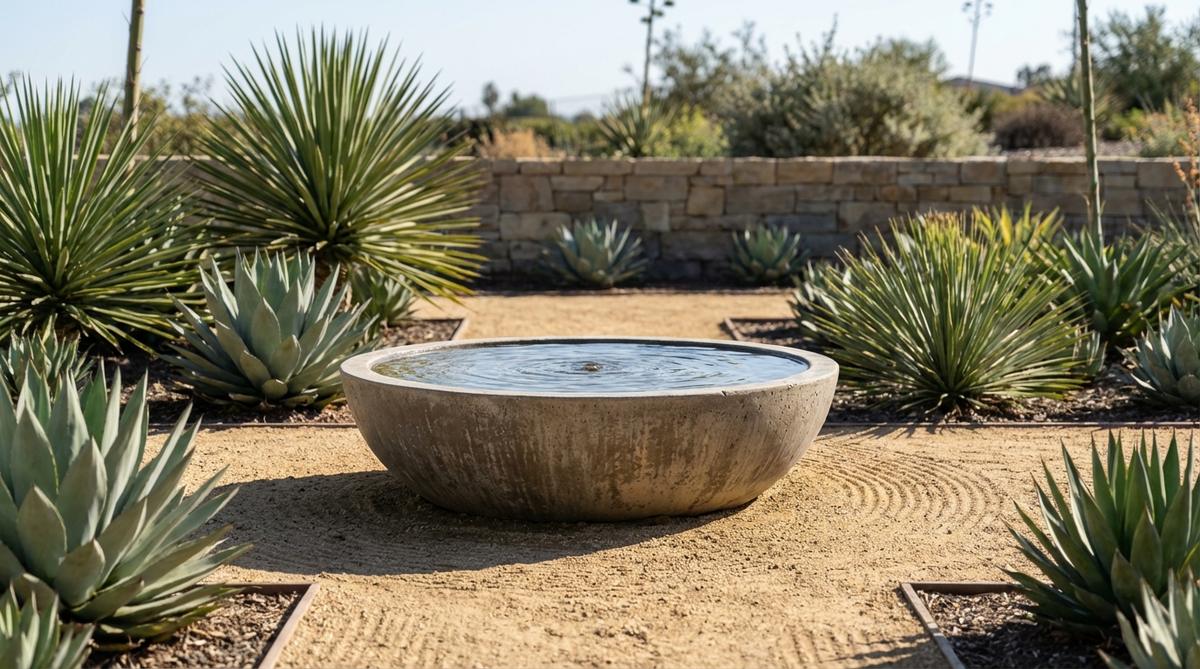
A minimalist circular bowl with textured interior surfaces catches and redirects water in subtle patterns. Its low-slung design registers at knee height, preventing visual obstruction of garden views beyond.
The simple geometry suits modern rock gardens where clean lines dominate. Pair this bowl with decomposed granite groundcover and architectural succulents for desert-inspired compositions.
5. Neils Bubbler with Copper Spiller
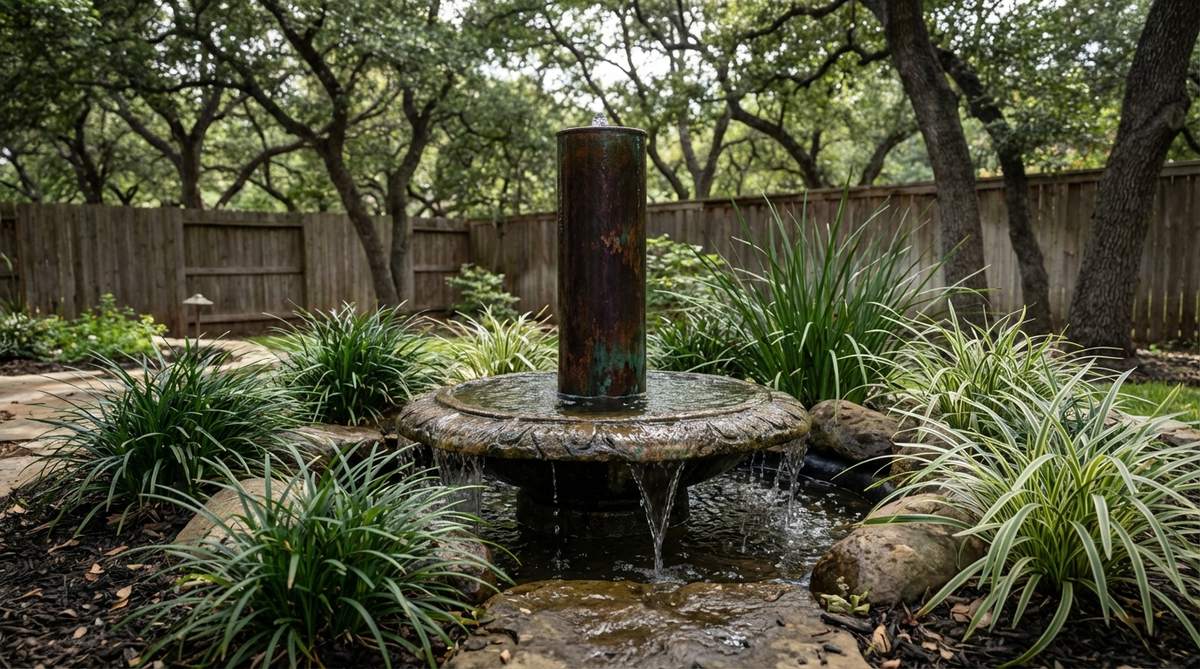
Water emerges from a central copper tube, spreading across the basin’s rim before descending back into the reservoir. The copper element develops a natural patina over seasons, shifting from bright orange to deep brown.
This fountain thrives in partial shade where the copper’s reflective quality brightens dim corners. Surround the base with shade-tolerant liriope or mondo grass for textural contrast.
Wall-Mounted Elegance for Vertical Gardens
Wall fountains liberate floor space by utilizing vertical surfaces, extending only 6 to 12 inches from mounting walls. These features fit narrow walkways, courtyard walls, and balcony railings where freestanding models would block circulation. Landscape architects specify wall-mounted designs when clients prioritize square footage efficiency without sacrificing water’s sensory benefits.
6. Flat Panel Cascade with Slate Surface
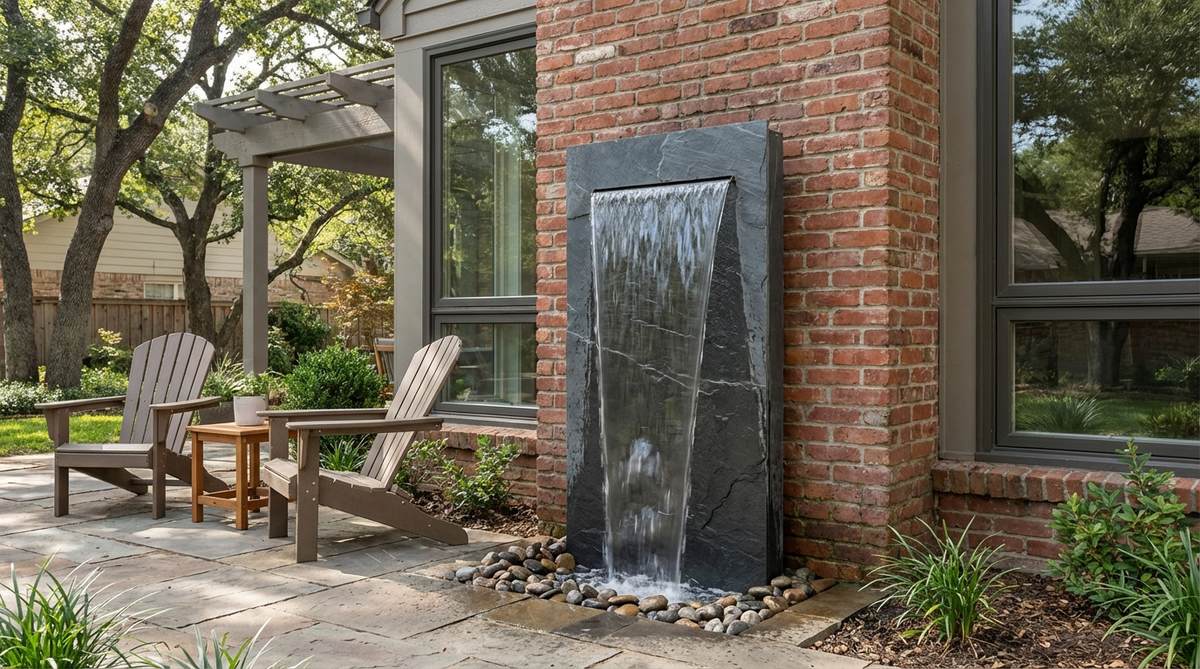
Water descends a slim slate panel in a continuous sheet, producing a gentle rustle rather than loud splashing. The panel measures 40 inches tall by 8 inches wide, fitting between windows or alongside doorways.
Slate’s natural stratification adds visual texture that complements stone or brick walls. Install this feature on a garden wall facing a seating area to direct sound toward gathering spaces.
7. Tiered Wall Fountain with Copper Spillways
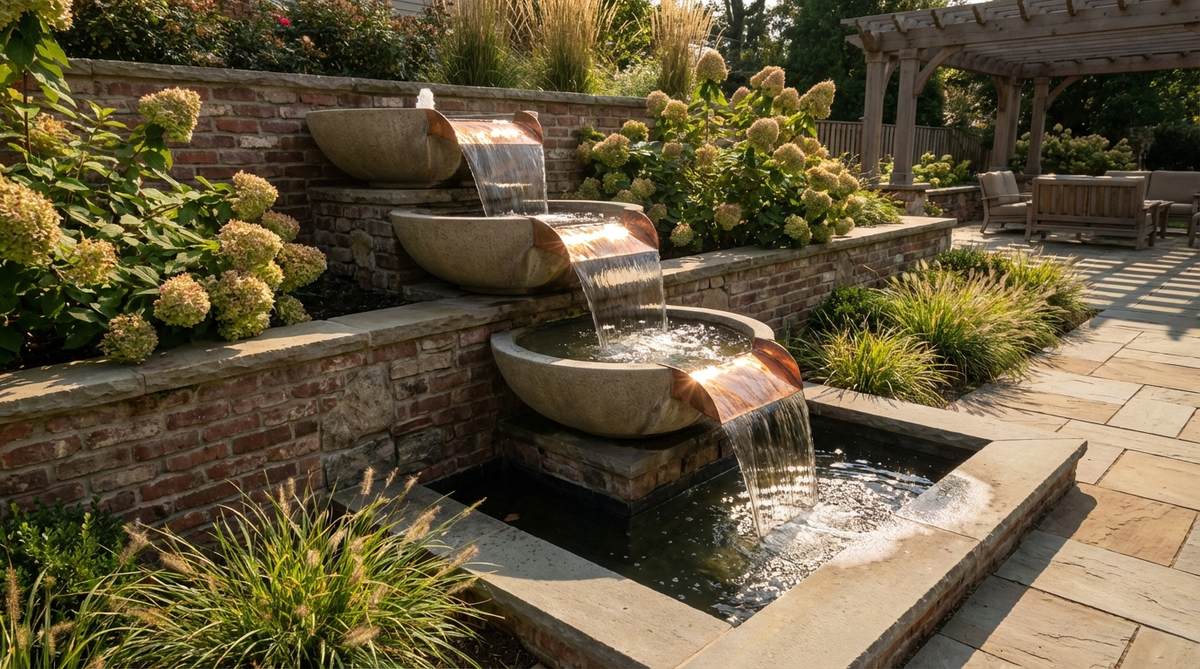
Multiple basins stack vertically, each feeding the level below through curved copper channels. The multi-drop configuration amplifies sound volume compared to single-tier designs while maintaining a narrow profile.
Copper spillways catch afternoon sun, creating glinting highlights that animate shaded walls. This fountain works well in courtyard settings where surrounding walls reflect and amplify water sounds.
8. Lion Head Spout with Classical Detailing
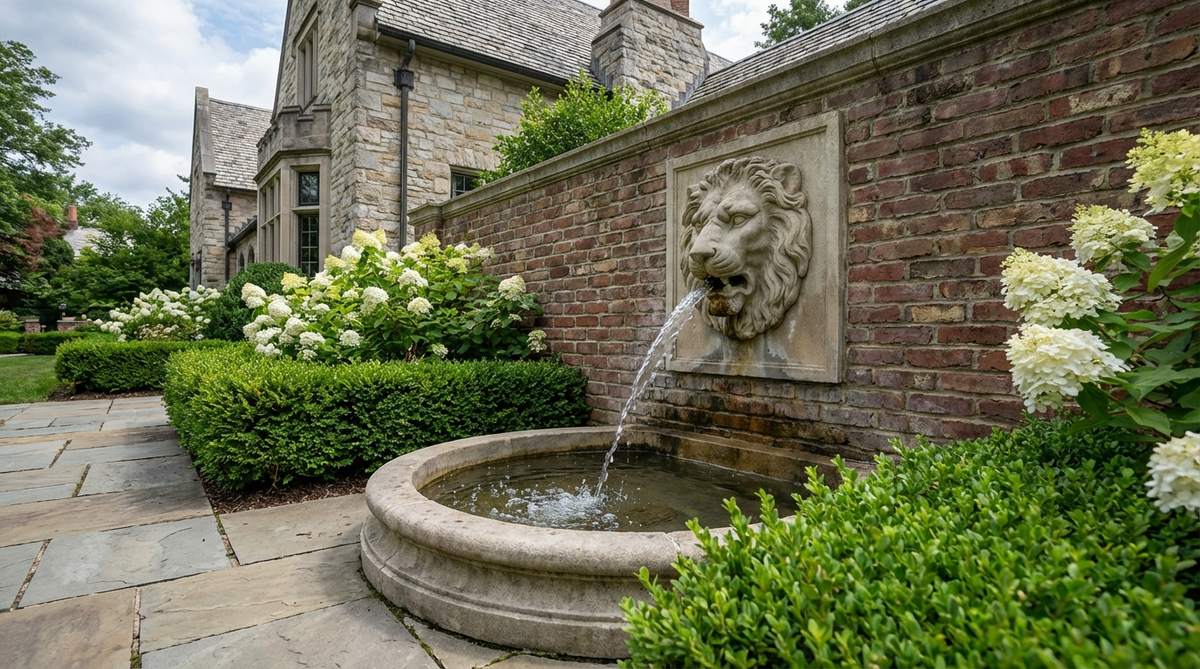
A cast stone lion mask projects water from its mouth into a shallow basin mounted below. This traditional European motif suits formal gardens and historical home styles.
The spout height dictates water sound intensity—mounting the lion 18 inches above the basin produces a livelier splash than a 12-inch gap. Position this fountain on a garden wall flanked by boxwood topiaries to reinforce its formal character.
9. Glass Panel Fountain with LED Backlighting
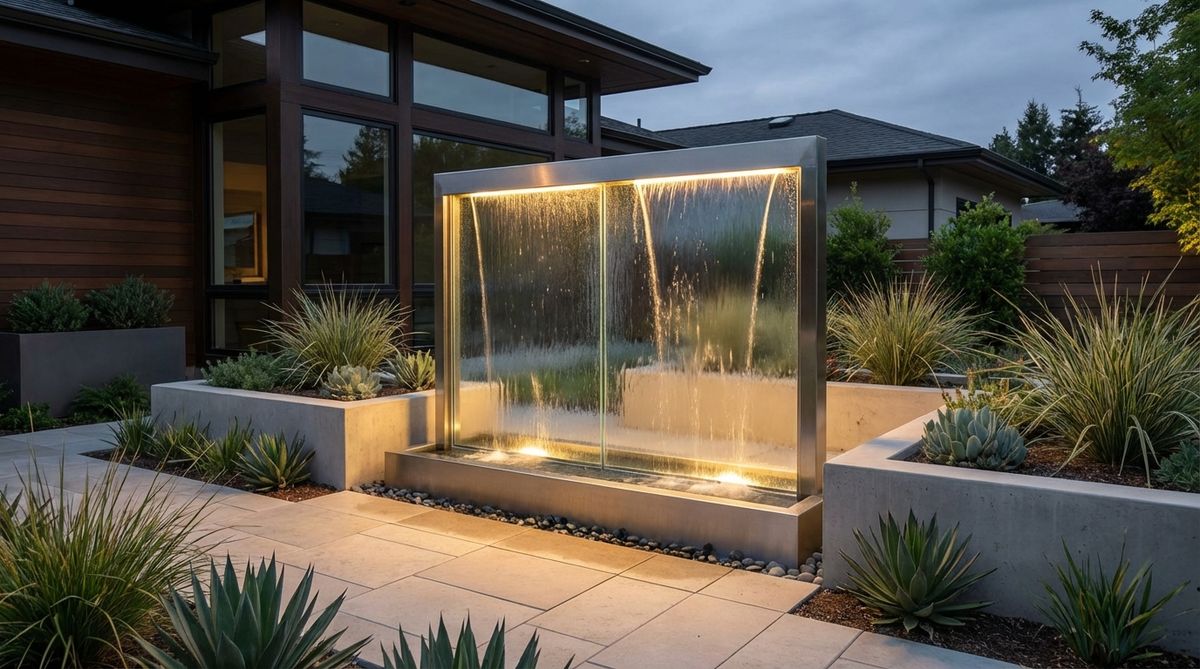
Water flows down a tempered glass surface while integrated LEDs illuminate the descent from behind. The combination of light and water movement creates dramatic effects during evening hours.
This contemporary design suits modern architecture with clean lines and minimal ornamentation. Mount it on a stucco or smooth-finished wall where the glass surface contrasts with building textures.
10. Lotus Medallion Wall Fountain
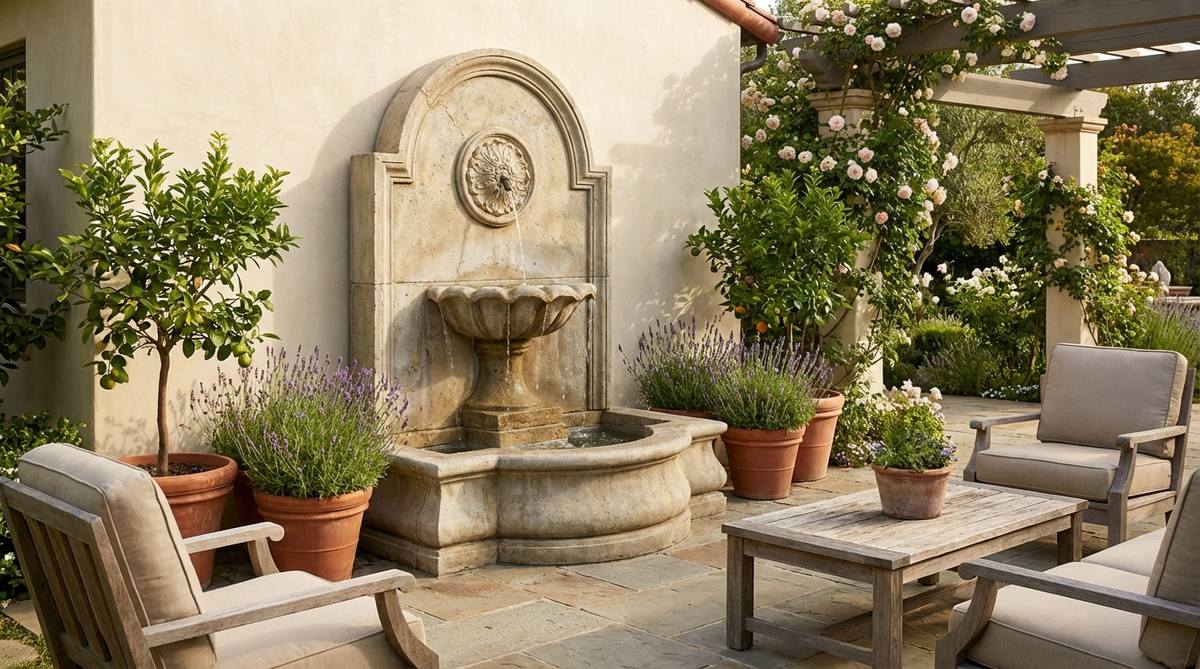
A decorative medallion anchors the top of this fountain, with water spilling from its center into a scalloped basin. The relief carving adds dimensional interest to flat walls.
Cast stone accepts various finish treatments, from aged limestone to terracotta glazes. This fountain complements Mediterranean and Tuscan landscape themes when paired with potted citrus and lavender plantings.
Bubbler Fountains That Maximize Ground-Level Appeal
Bubbler fountains push water upward through a central spout, creating gentle surface movement rather than dramatic cascades. These low-profile features measure 12 to 24 inches in height, reducing visual mass while maintaining acoustic presence. Garden designers select bubblers for spaces where tall fountains would compete with surrounding plantings or architectural elements.
11. Rustica Pot with Textured Finish
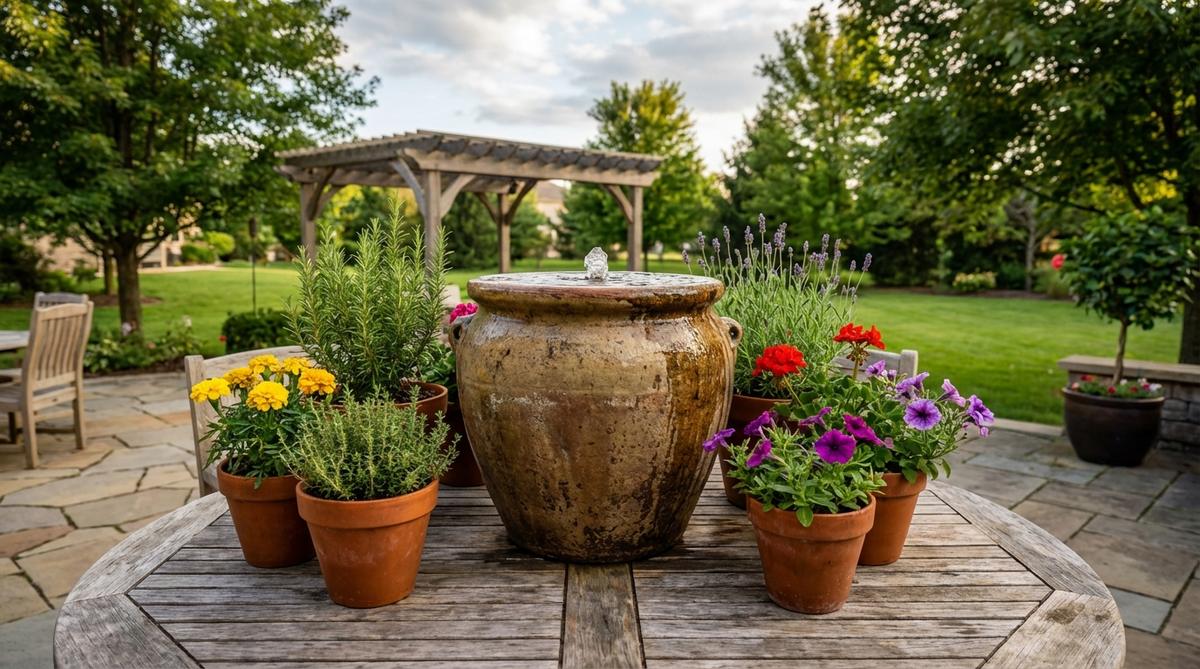
Water bubbles from the center of a weathered ceramic pot, its surface texture suggesting decades of outdoor exposure. The pot’s earthy tones blend with natural garden palettes rather than commanding attention.
This compact fountain fits patio tables or low plant stands, bringing water sounds to elevated surfaces. Nestle it among potted herbs or flowering annuals for integrated container garden displays.
12. Camellia Birdbath with Bubbling Center
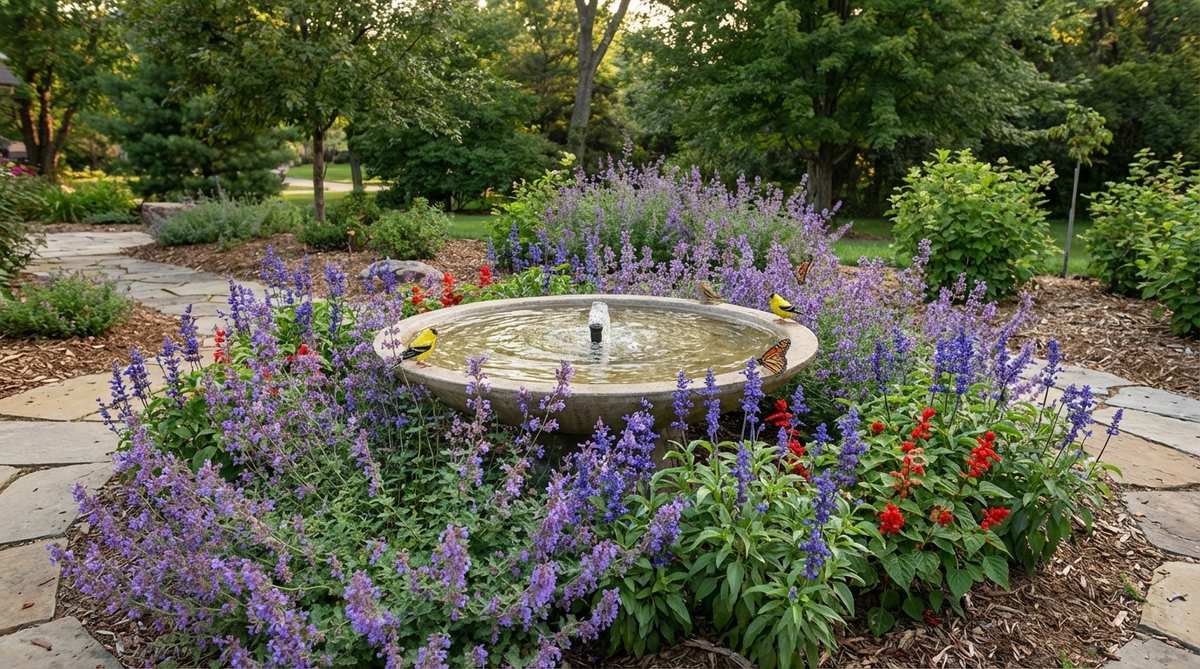
A shallow basin supports both fountain function and bird activity, as the gentle bubbler does not intimidate avian visitors. Water depth remains under two inches, accommodating small songbirds that prefer wading to diving.
Position this dual-purpose feature within view of interior windows to observe bird behavior throughout the day. Surround the base with low-growing catmint or salvia that attracts butterflies alongside birds.
13. Stacked Pebble Column
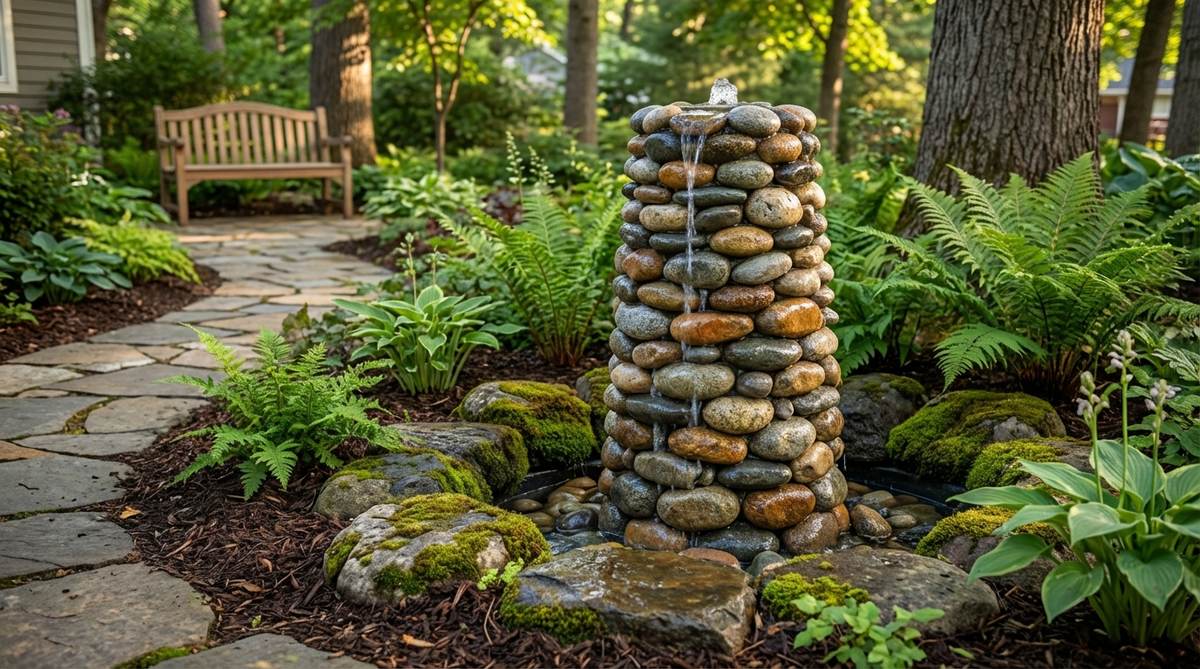
Smooth river stones stack to form a 30-inch column, with water emerging from the top and trickling down the stone surfaces. The naturalistic appearance suits woodland gardens and native plant landscapes.
Water highlights the stones’ colors and patterns, intensifying grays, tans, and rust tones. This feature requires a 52-inch diameter subsurface basin but presents minimal above-ground footprint beyond the column itself.
14. Triple Basalt Columns Kit
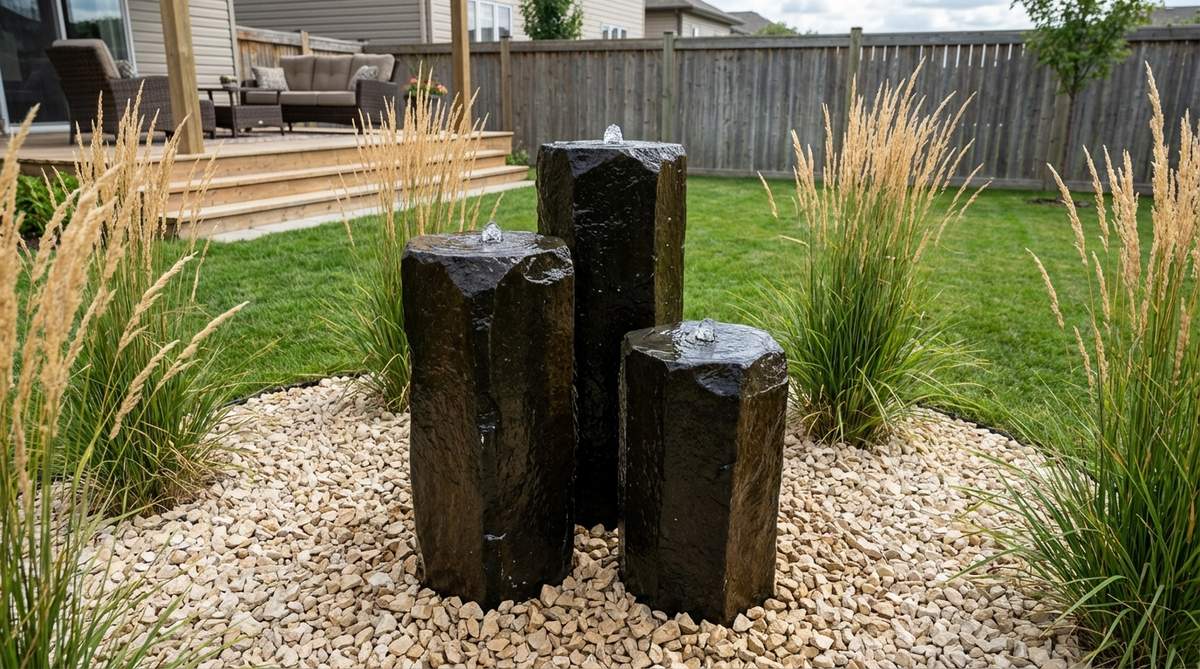
Three polished basalt columns of varying heights create a clustered composition, each bubbling water from its apex. The grouping delivers greater visual weight than single columns while occupying the same floor space.
Basalt’s dark coloration provides strong contrast against light-colored gravel or crushed stone basins. Accent the installation with ornamental grasses that echo the columns’ vertical lines.
15. Bronze Boden Bubbler
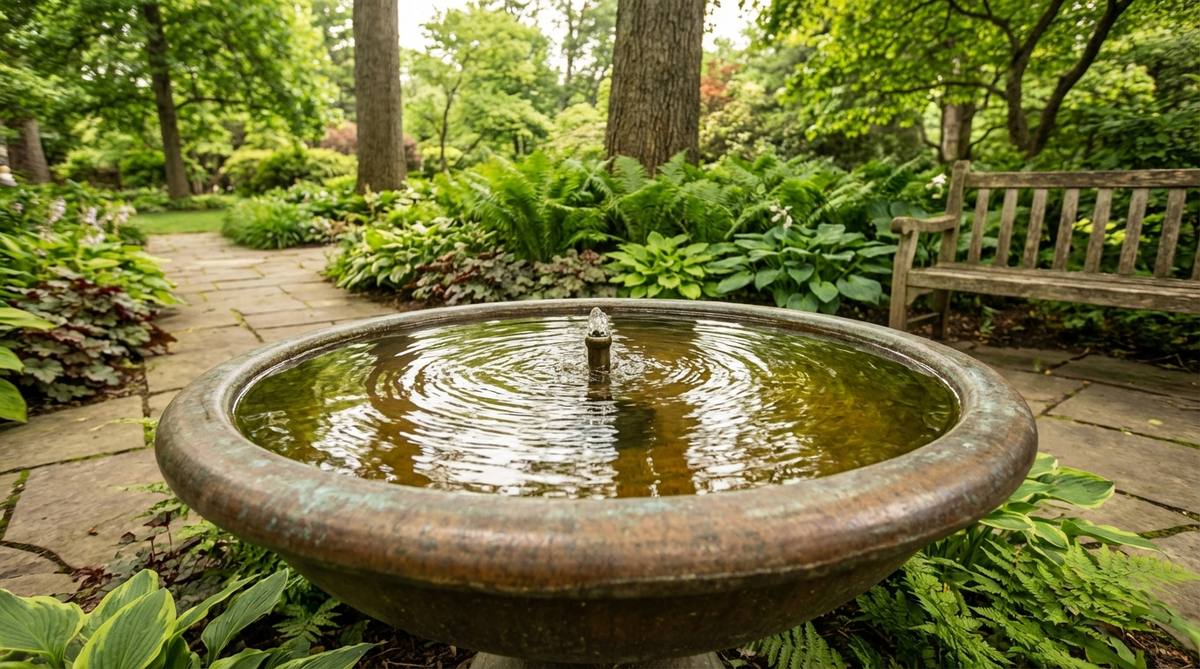
A cast basin finished in bronze glaze centers around a single bubbling spout. The metallic surface reflects surrounding foliage, creating the illusion of greater depth.
Bronze finishes suit both traditional and transitional garden styles, bridging formal and casual design languages. Surround this fountain with ferns and shade-loving perennials that appreciate its cool, moist microclimate.
Tiered Cascades for Layered Water Movement
Multi-level fountains direct water through successive basins, each spill point generating distinct acoustic notes. These vertical compositions range from 24 to 48 inches in height, establishing focal points without requiring large footprints. Landscape professionals deploy tiered designs when clients request traditional fountain aesthetics within contemporary space constraints.
16. Carrera Oval Three-Tier
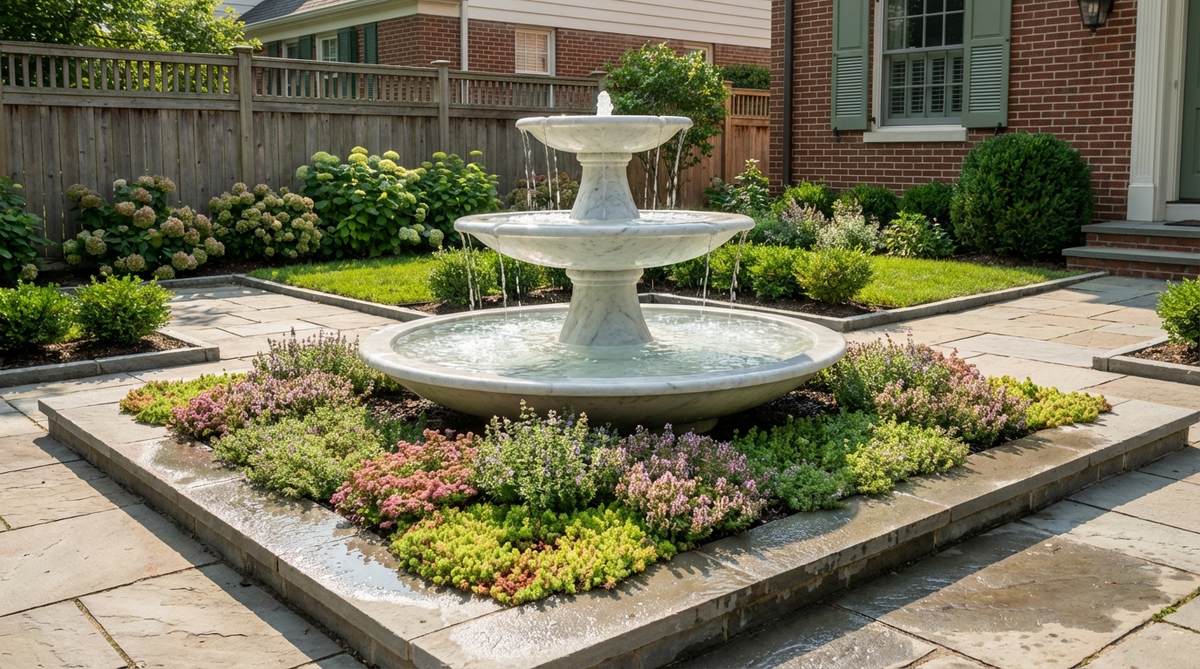
Three oval basins decrease in size as they ascend, creating a tapered silhouette that draws the eye upward. Wide, shallow basins produce softer water sounds than narrow, deep alternatives.
The oval footprint fits rectangular garden beds and border edges where circular models would overhang. Cast stone construction allows placement directly on patio surfaces without additional basin installation.
Surround the base with low-growing sedum or creeping thyme that tolerates occasional water splashing.
17. Cascade Garden Fountain with Round Bowls
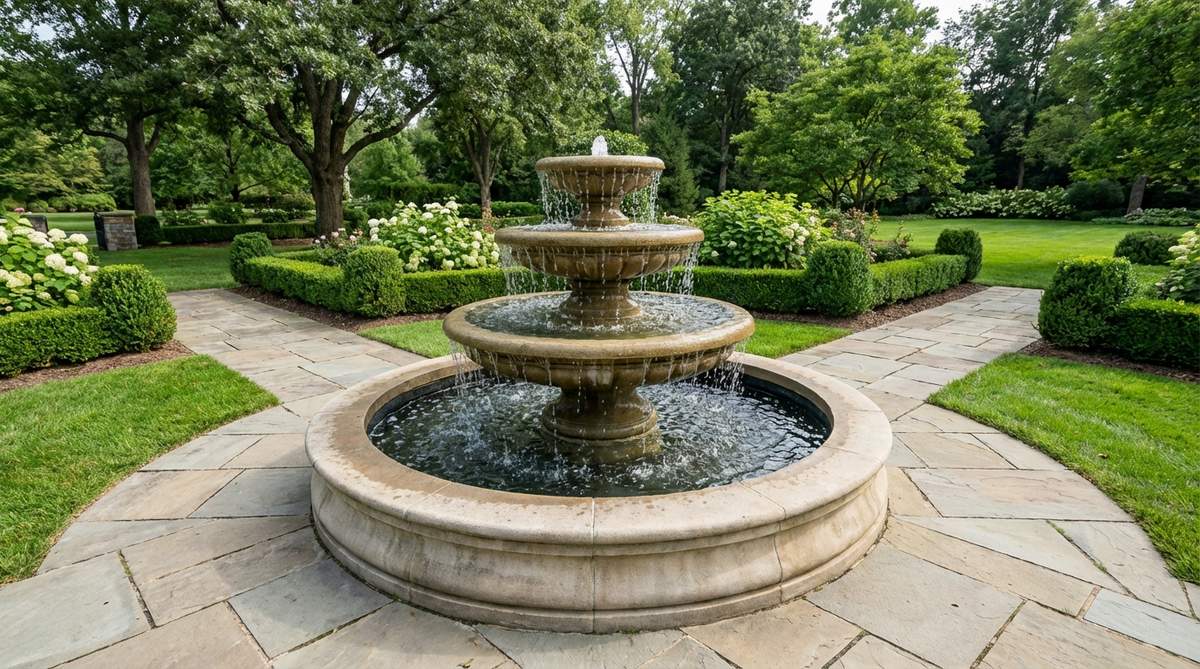
Three circular bowls stack concentrically, each centered above the other for symmetrical water distribution. The graduated sizing creates a classical fountain profile recognized across garden styles.
Water cascades from upper to lower bowls in steady sheets when the pump rate is properly calibrated. This fountain anchors formal garden layouts, particularly when positioned at pathway intersections or courtyard centers.
18. Katsura Fountain with Copper Spillers
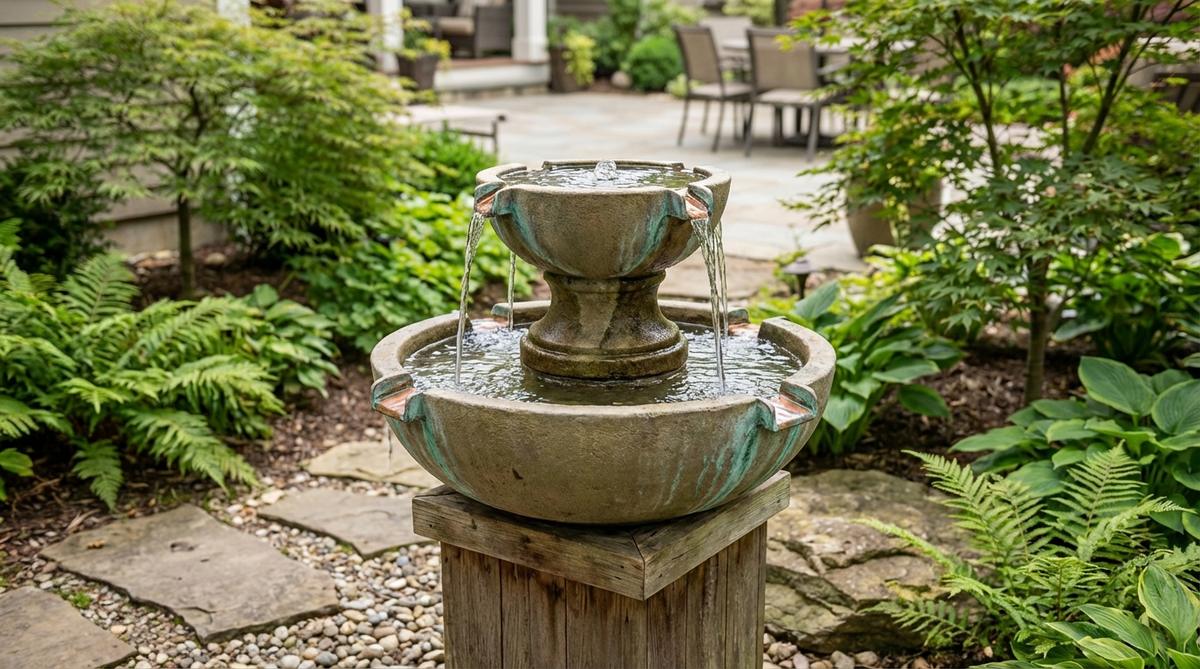
Two cast stone tiers incorporate four copper spillways that direct water in precise streams. The Asian-inspired design emphasizes clean lines and material contrast.
Copper elements develop verdigris patina in moist climates, shifting from metallic sheen to soft green-blue. This tabletop-scale fountain transitions between indoor and outdoor use, serving as a centerpiece for dining tables or entryway consoles.
19. Square One Fountain with Modern Geometry
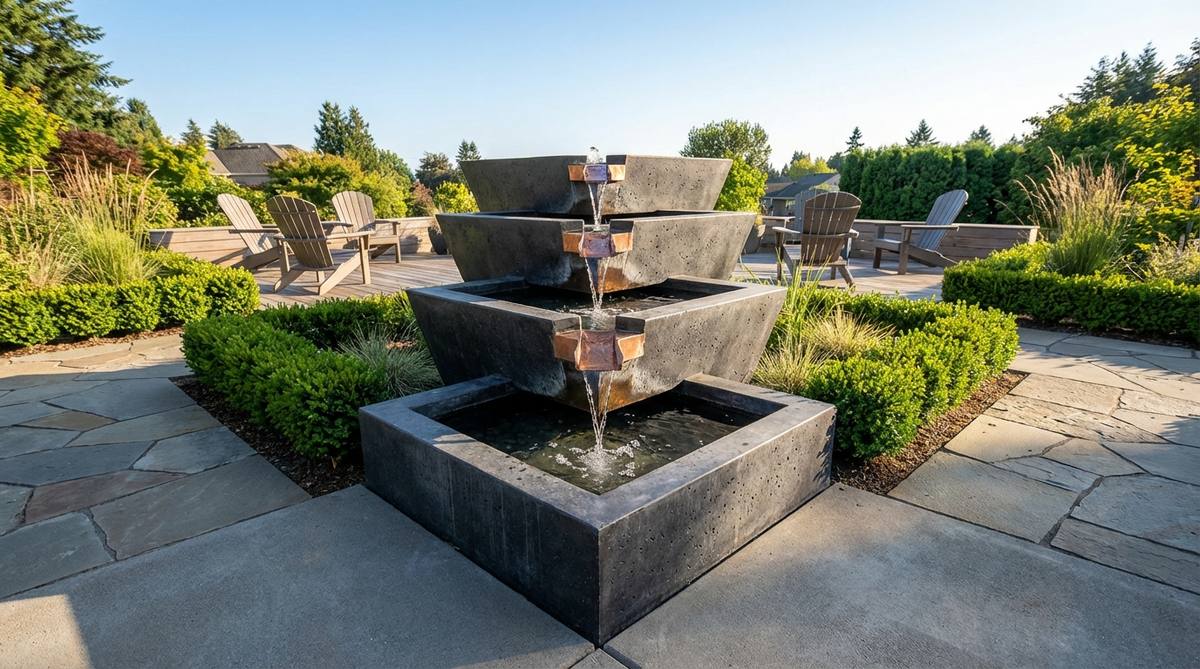
Angular basins stack in precise alignment, delivering contemporary aesthetics through geometric repetition. Four copper spillers channel water from the upper tier to the lower basin at cardinal points.
The square footprint fits modern grid-based landscape designs where curves would conflict with architectural lines. Pair this fountain with clipped evergreens and linear hardscape materials like bluestone or concrete pavers.
20. Facet Fountain with Bold Edges
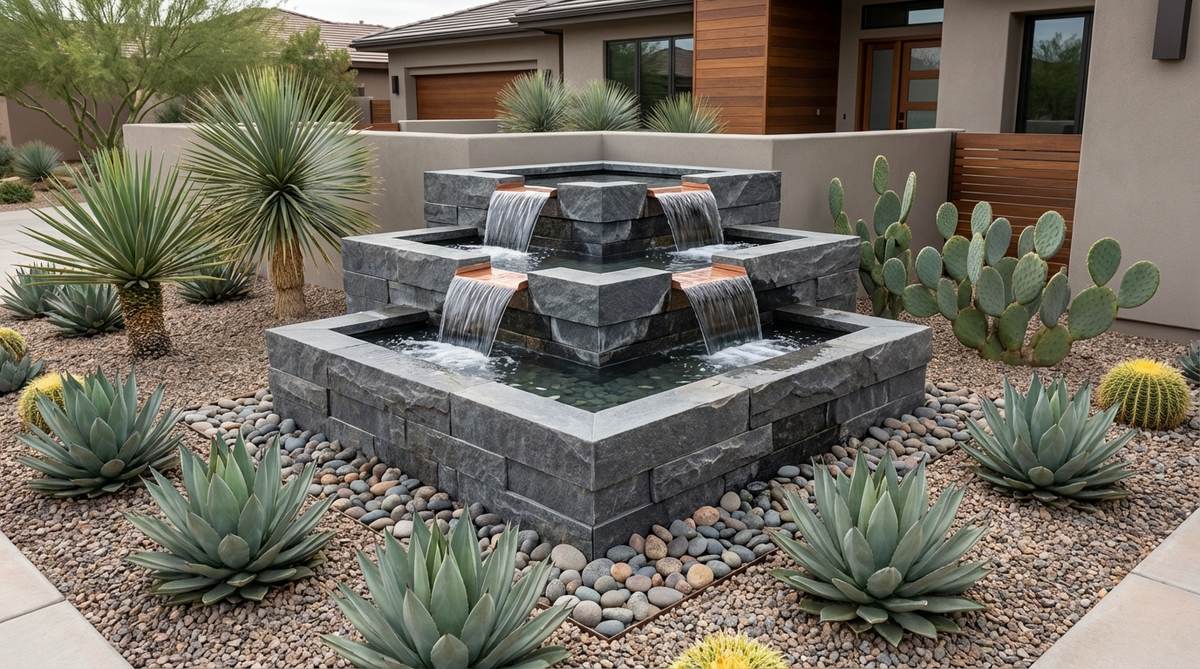
Sharp-edged basins define this statement piece, its angular profile commanding attention in minimalist settings. Water flows from copper spillers positioned at each corner, creating symmetrical descent patterns.
The geometric form complements rock gardens and xeriscape designs where organic curves would feel out of place. Surround it with architectural agaves or yuccas that match its sculptural quality.
Solar-Powered Features for Wire-Free Installation
Solar fountains eliminate electrical wiring requirements through integrated photovoltaic panels that power submersible pumps. These self-sufficient systems operate during daylight hours, reducing energy costs to zero while simplifying placement options. Designers specify solar features for locations distant from electrical outlets or when clients prioritize sustainable technology.
21. Solar Panel Bowl Fountain
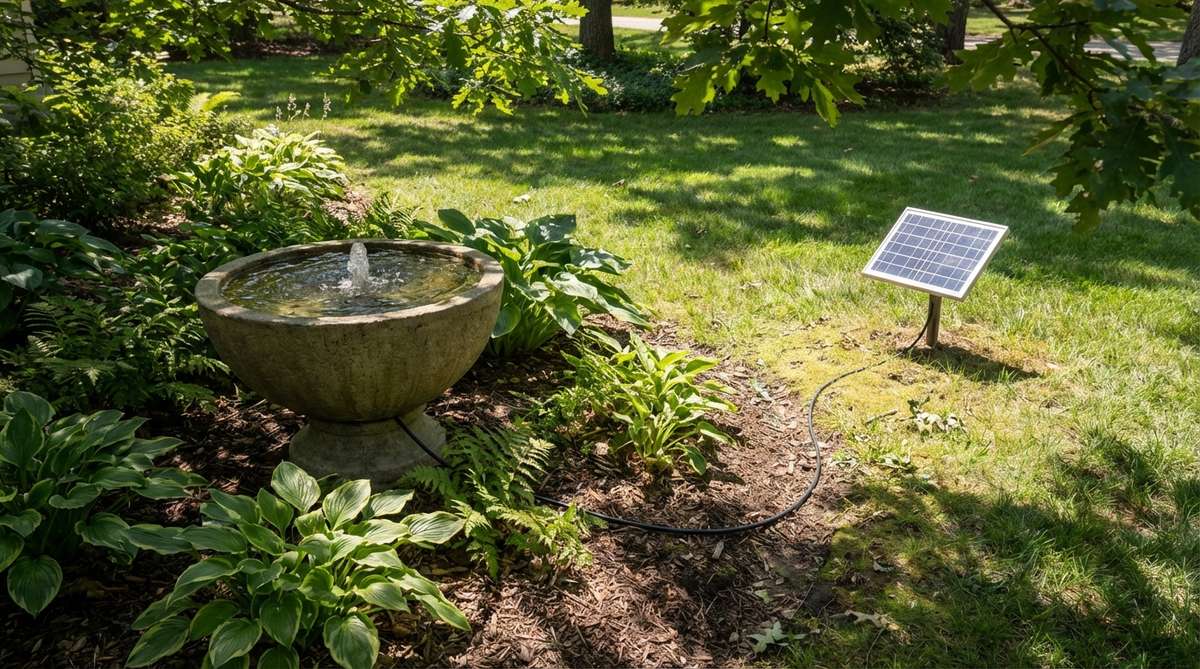
A separate solar panel connects to the pump via weatherproof cable, allowing panel placement in full sun while the fountain occupies shade. This split configuration works in partially shaded gardens where direct panel mounting would limit operational hours.
Position the panel in an unobstructed south-facing location up to 15 feet from the fountain itself. Water flow adjusts automatically based on sunlight intensity, producing stronger streams at midday and gentler movement during early morning and late afternoon.
22. Compact Solar Bubbler for Small Spaces
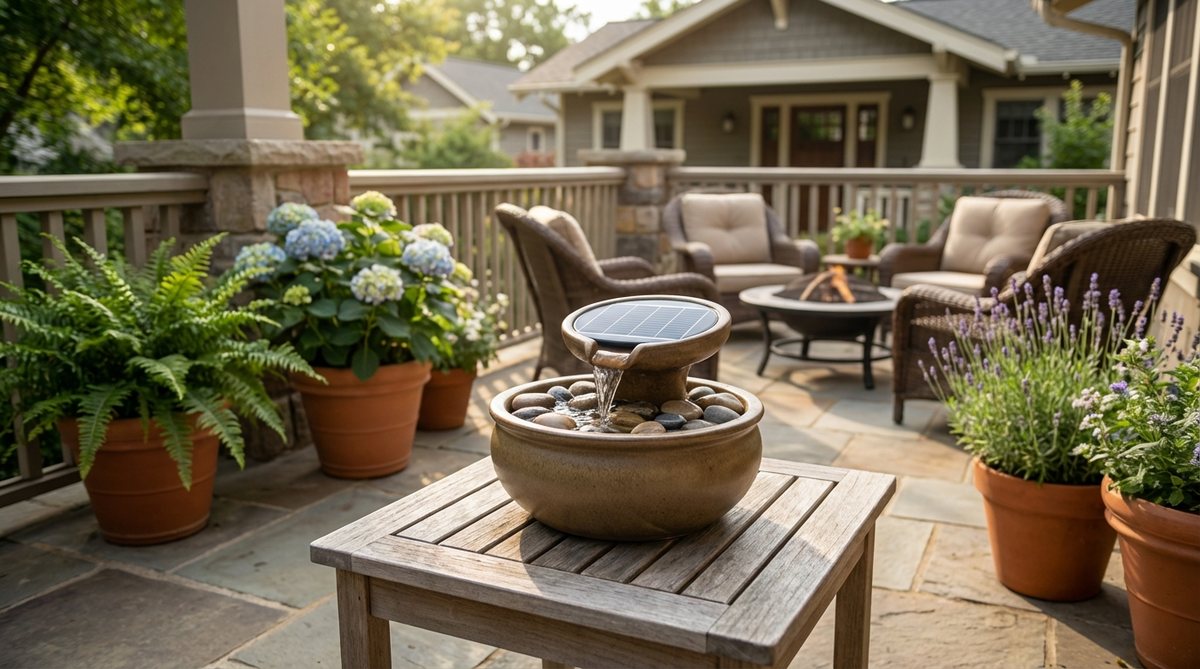
This tabletop-scale fountain integrates a small solar panel directly into its lid or rim. The all-in-one design requires no assembly beyond filling the basin and positioning it in sunlight.
Water capacity limits runtime—smaller basins require more frequent refilling in hot, dry climates. This fountain suits balcony tables and small courtyard corners where conventional power access proves challenging.
23. Solar Sphere with LED Lighting
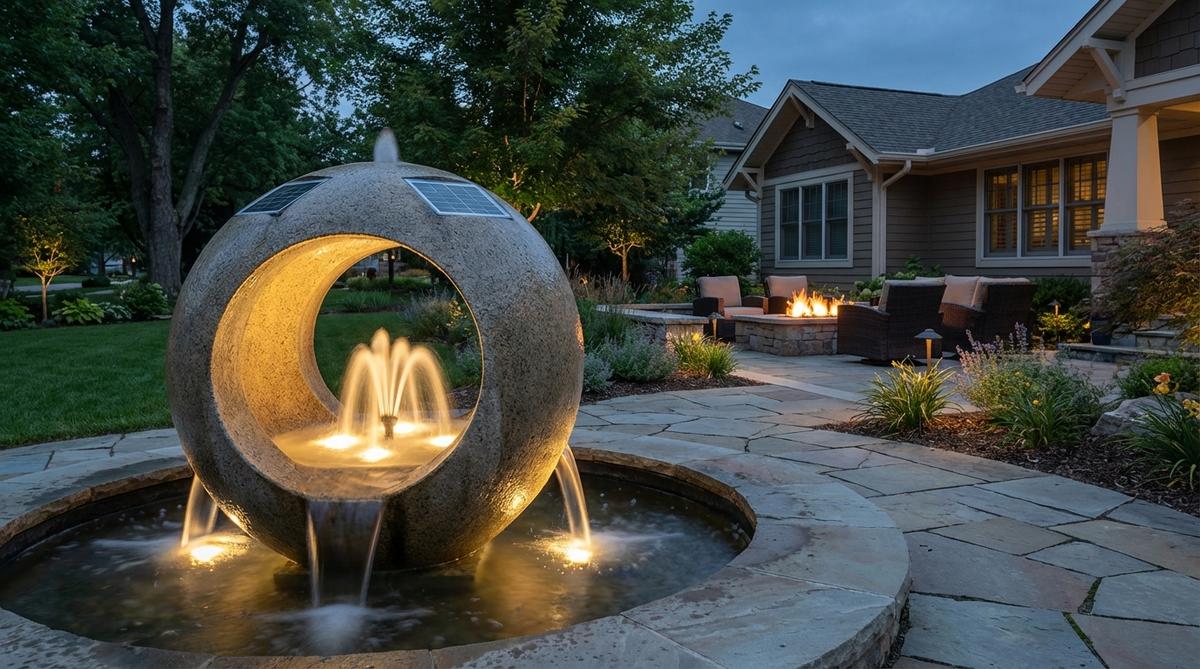
A hollow sphere houses both solar panel and LED lights, creating illuminated water displays after sunset using stored daytime energy. The dual functionality extends fountain enjoyment beyond daylight hours.
Battery capacity determines evening runtime—premium models operate 6 to 8 hours on a full charge. Place this feature where evening gatherings occur, directing light toward seating areas or pathways.
24. Solar-Powered Bird Fountain
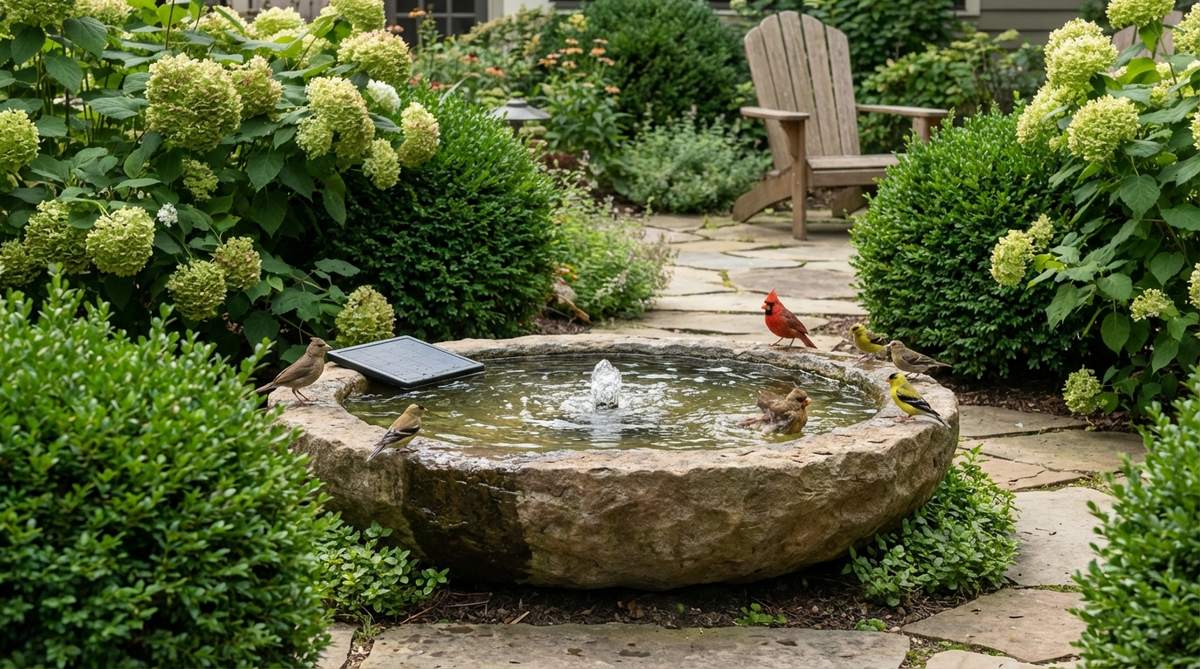
Shallow basins with gentle solar bubblers attract birds while maintaining motion that prevents mosquito breeding. The low-profile design allows birds to approach confidently without intimidating heights.
Position this fountain within 10 feet of protective shrubs where birds can retreat if startled. Water depth should not exceed two inches for optimal songbird access.
Tabletop Designs for Balconies and Patios
Portable fountains measuring 8 to 16 inches in height bring water elements to elevated surfaces like dining tables, plant stands, and railing caps. These miniature features deliver acoustic benefits without requiring floor space or permanent installation. Urban gardeners with limited square footage rely on tabletop models to incorporate water in balcony and rooftop settings.
25. Ceramic Bowl with Bamboo Spout
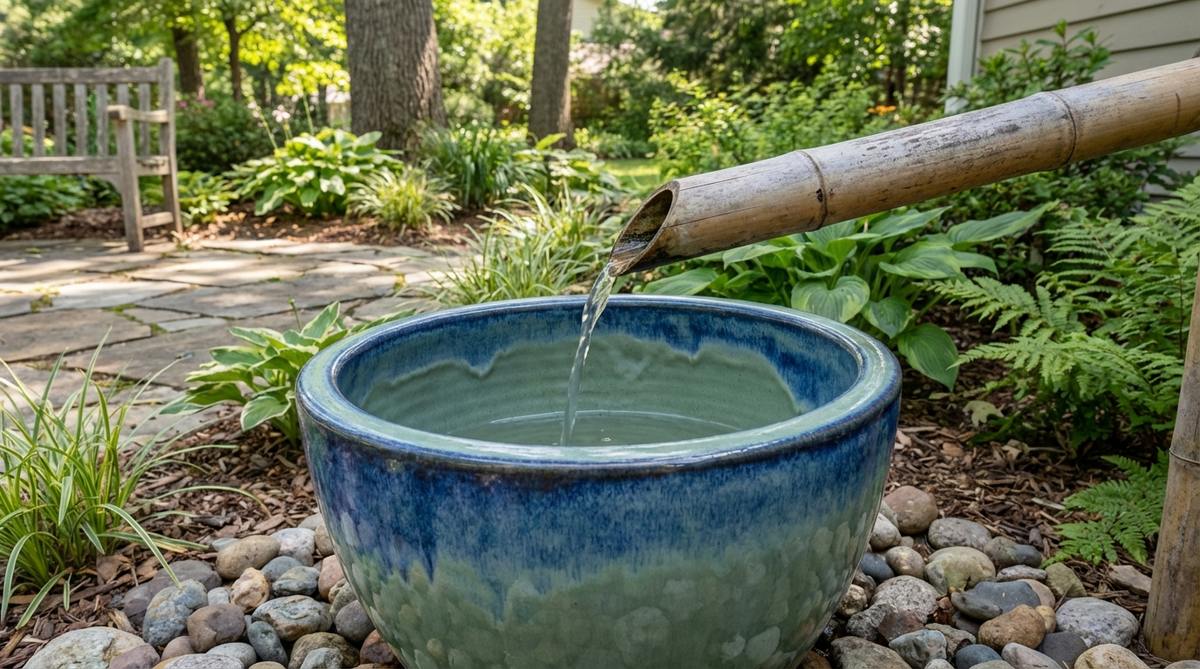
A glazed ceramic bowl supports a natural bamboo tube that arcs over the rim, directing water back into the basin. The combination of smooth glazed surfaces and organic bamboo creates material contrast.
Ceramic accepts vibrant glaze colors from cobalt blue to celadon green, allowing coordination with outdoor furniture and container plantings. This fountain transitions indoors during freezing weather, serving as a desktop or sideboard accent.
26. Mini Zen Garden Fountain
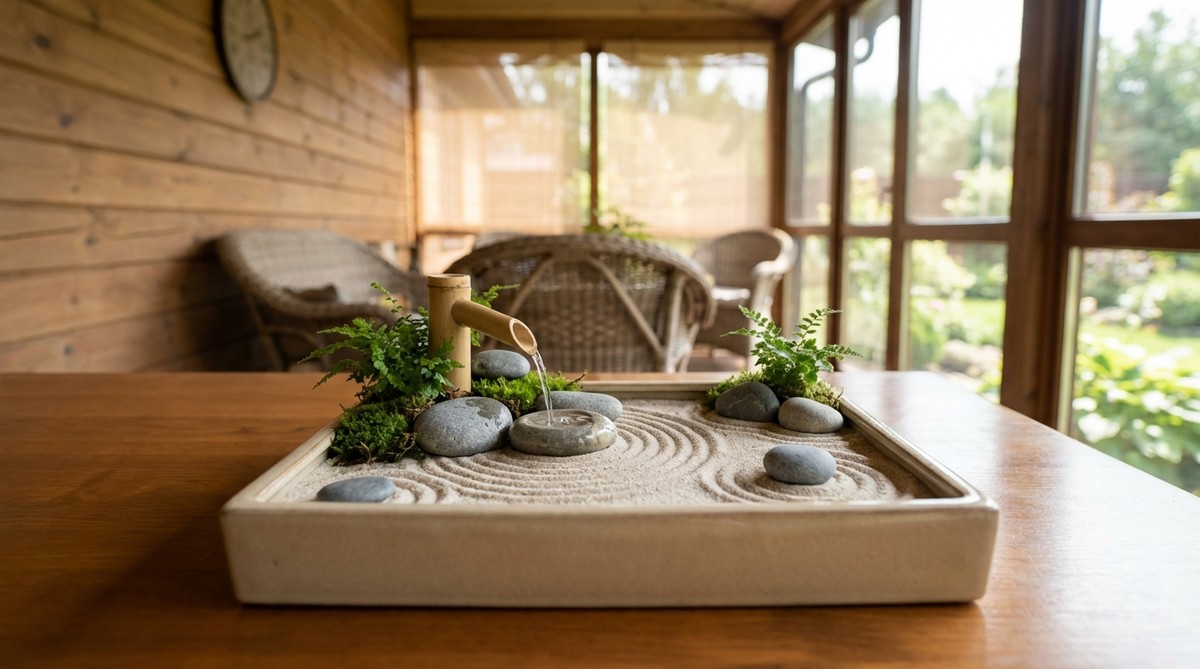
A shallow tray combines raked sand, stones, and a small bubbling element in a complete desktop landscape. The meditative composition invites interaction through adjustable stone placement and sand patterns.
Water flow remains minimal to prevent splashing beyond the tray boundaries. This fountain suits covered porches and three-season rooms where occasional moisture poses no concern.
27. Stacked Stone Tabletop Model
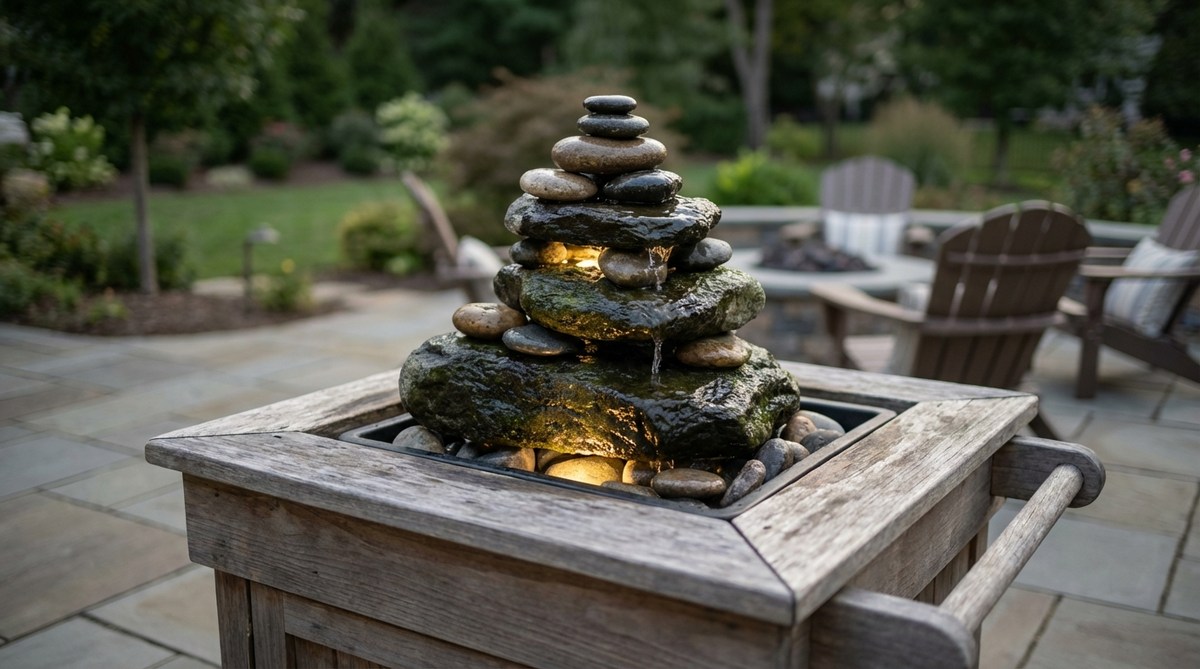
Polished river stones form a miniature cairn, with water trickling down their surfaces into a hidden reservoir. The naturalistic appearance suits indoor and outdoor applications equally.
LED uplighting integrated into the base illuminates the stones and water movement during evening hours. Place this fountain on console tables or outdoor serving stations to create ambient sound during gatherings.
28. Buddha Head Miniature
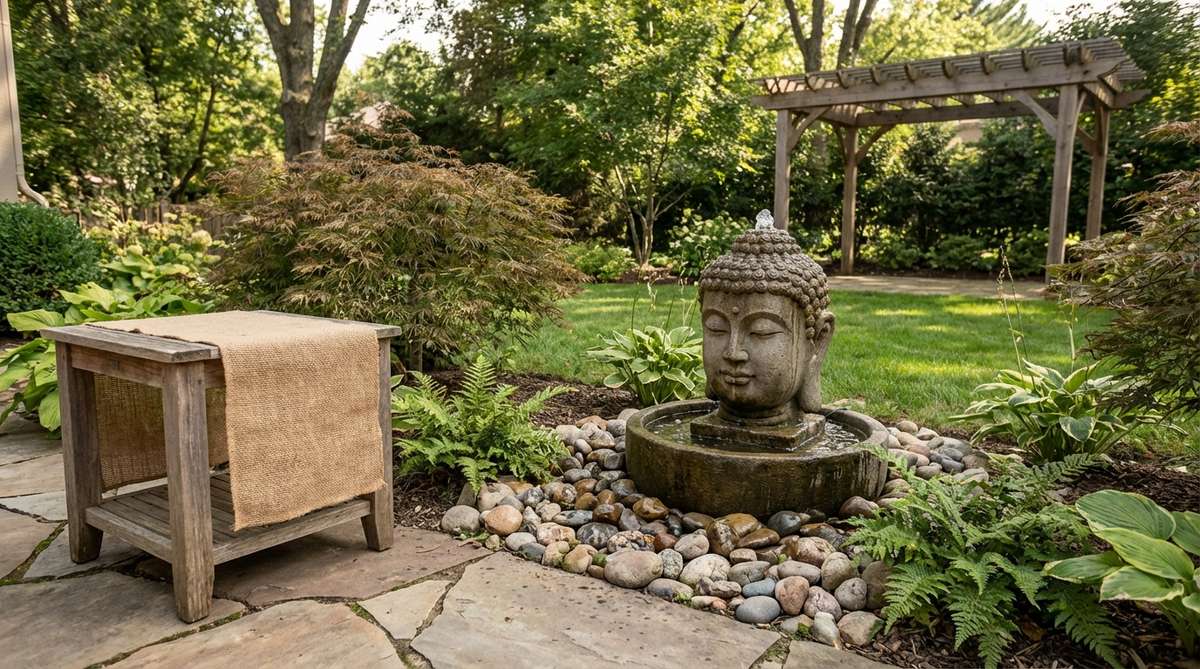
Water flows from the crown of a small Buddha sculpture, descending across the face into a catch basin. The symbolic imagery reinforces meditation spaces and contemplative garden areas.
Pair this fountain with incense holders and candles to complete a dedicated mindfulness corner. The compact scale allows placement on narrow window sills or small side tables.
DIY Fountain Projects on Budget-Friendly Terms
Handcrafted fountains constructed from repurposed materials and basic pump kits deliver custom results at fraction of retail costs. These projects range from simple bubbler assemblies requiring an afternoon to complex installations spanning multiple days. DIY approaches allow precise customization to match existing garden themes while respecting tight budgets.
29. Terra Cotta Pot Cascade
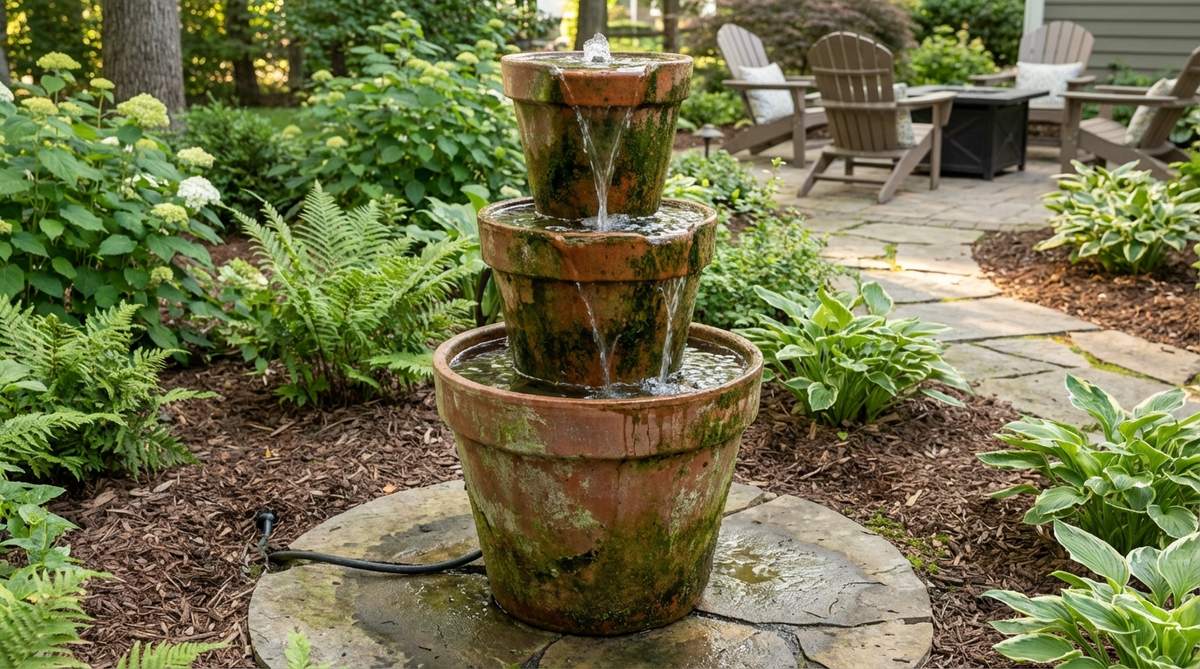
Stack three graduated clay pots vertically, drilling drainage holes to accommodate water flow between levels. A submersible pump at the base pushes water through PVC tubing hidden within the stack.
Terra cotta’s porous nature develops moss and algae over time, contributing to aged aesthetics. This project requires basic power tools and plumbing supplies available at hardware stores, with total costs under $75.
Seal the interior surfaces with marine-grade sealant to slow water absorption and reduce pump workload.
30. Whiskey Barrel Teapot Fountain
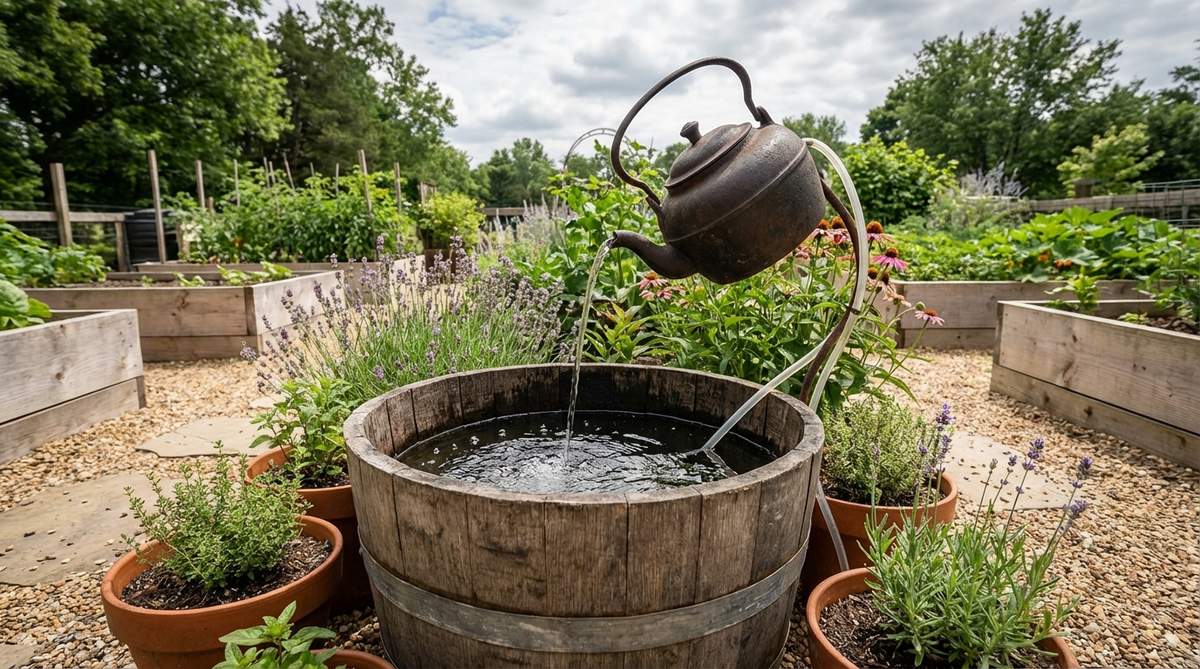
Mount an iron teapot at an angle above a cut whiskey barrel, creating the illusion of continuous pouring. Water recirculates from the barrel reservoir through tubing into the teapot.
This whimsical design injects personality into vegetable gardens and cottage landscapes. The barrel holds 10 to 15 gallons, reducing refill frequency during hot weather.
31. Rock Fountain with Stacked Stones
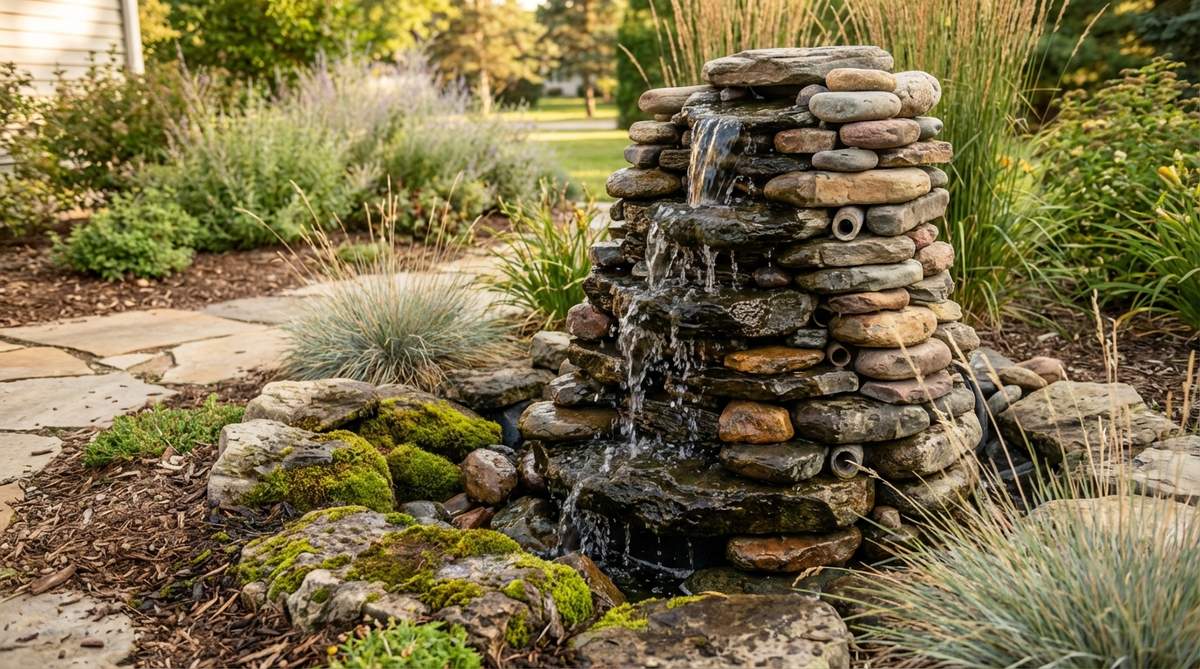
Drill through flat stones to create a vertical shaft for pump tubing, then stack the stones to form a naturalistic column. Water emerges from the top stone and descends the exterior surfaces.
Source stones from landscaping suppliers or river beds, selecting pieces with interesting colors and textures. This project takes two to three days including drilling time, with total costs around $100.
32. Bamboo Water Spout
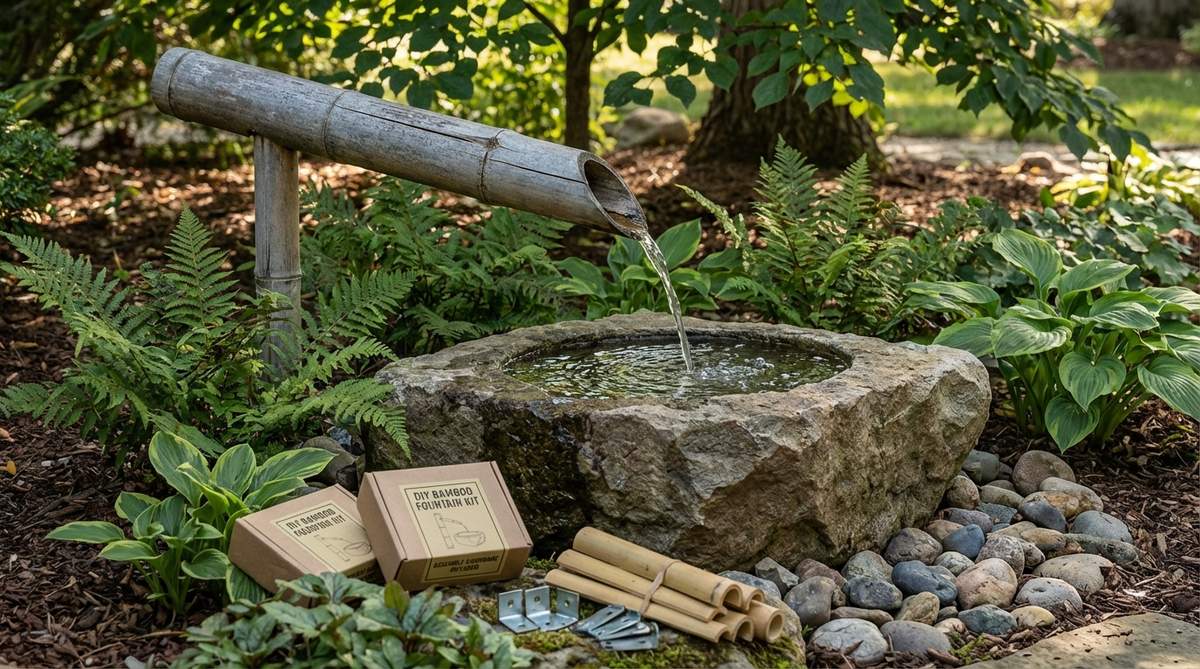
Cut bamboo culms at angles to create traditional Asian-style spouts that direct water into stone basins. Natural bamboo develops a weathered gray patina when exposed to outdoor conditions.
Assembly kits simplify this project for beginners, providing pre-cut bamboo and mounting hardware. Position the spout 12 to 18 inches above the basin for optimal sound production.
33. Decorative Bowl with River Rocks
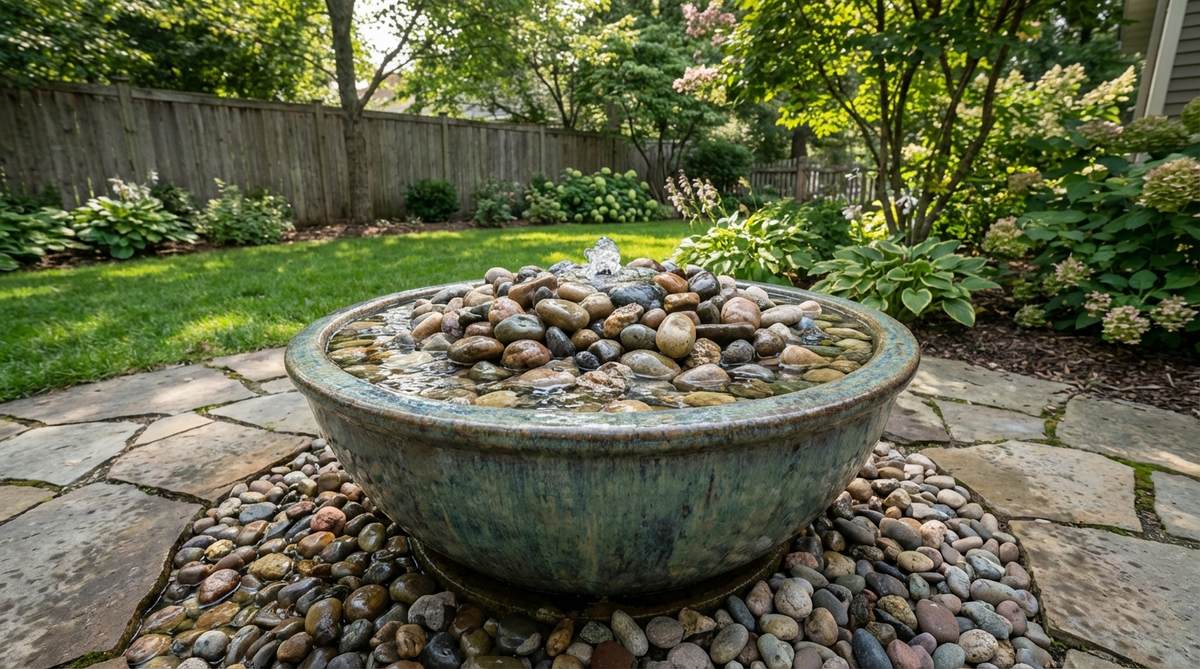
Fill a glazed ceramic bowl with polished stones, hiding a small submersible pump beneath them. Water bubbles up through the stone arrangement, creating gentle surface movement.
This 15-minute project requires only a bowl, pump, and decorative rocks—total cost under $40. Adjust stone placement to direct water flow or reveal more bubbling surface as desired.
Pondless Waterfalls for Compact Naturalistic Spaces
Recirculating streams eliminate standing water through subsurface gravel reservoirs, delivering waterfall aesthetics without pond excavation. These features occupy narrow footprints as small as 3 by 6 feet, fitting side yards and border edges where traditional ponds would consume excessive space. Pondless designs reduce maintenance requirements while improving safety around children and pets.
34. Stone Ledge Spillway
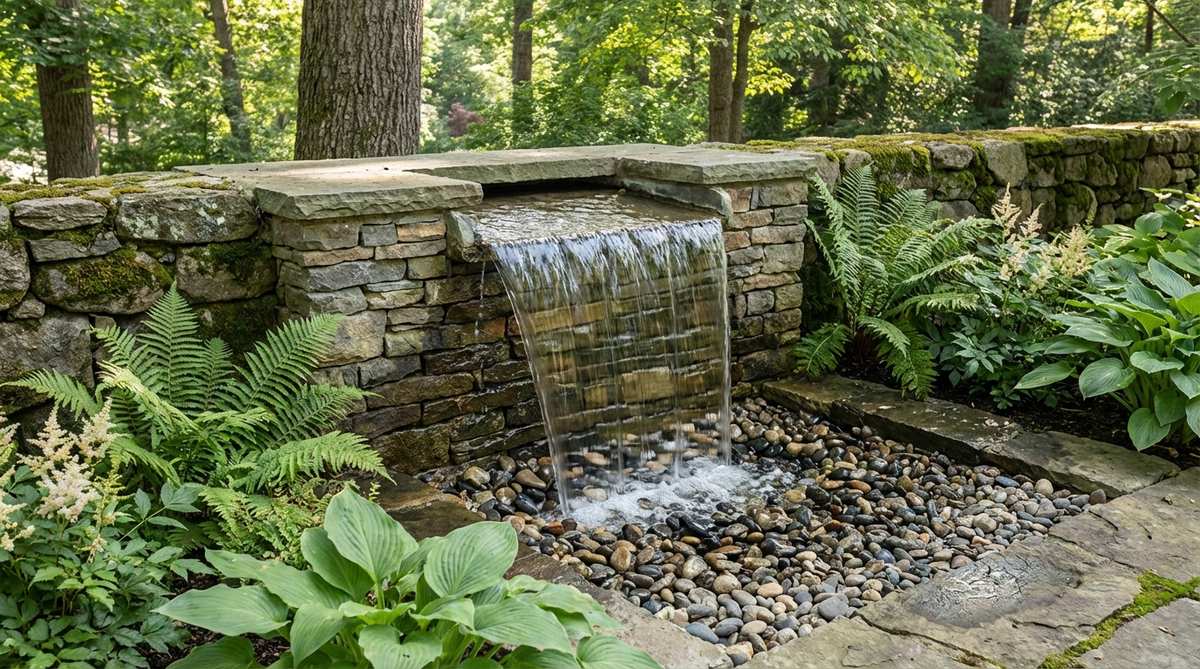
Water flows over a single horizontal stone ledge into a gravel basin below, mimicking natural rock formations. The spillway stone extends 18 to 24 inches in width, creating a curtain of water.
Position this feature along garden walls or fence lines where vertical surfaces provide backing. The underground reservoir requires 24 inches of depth but no visible pond excavation.
Surround the spillway with moisture-loving ferns and hostas that thrive in the humid microclimate.
35. Multi-Level Rock Cascade
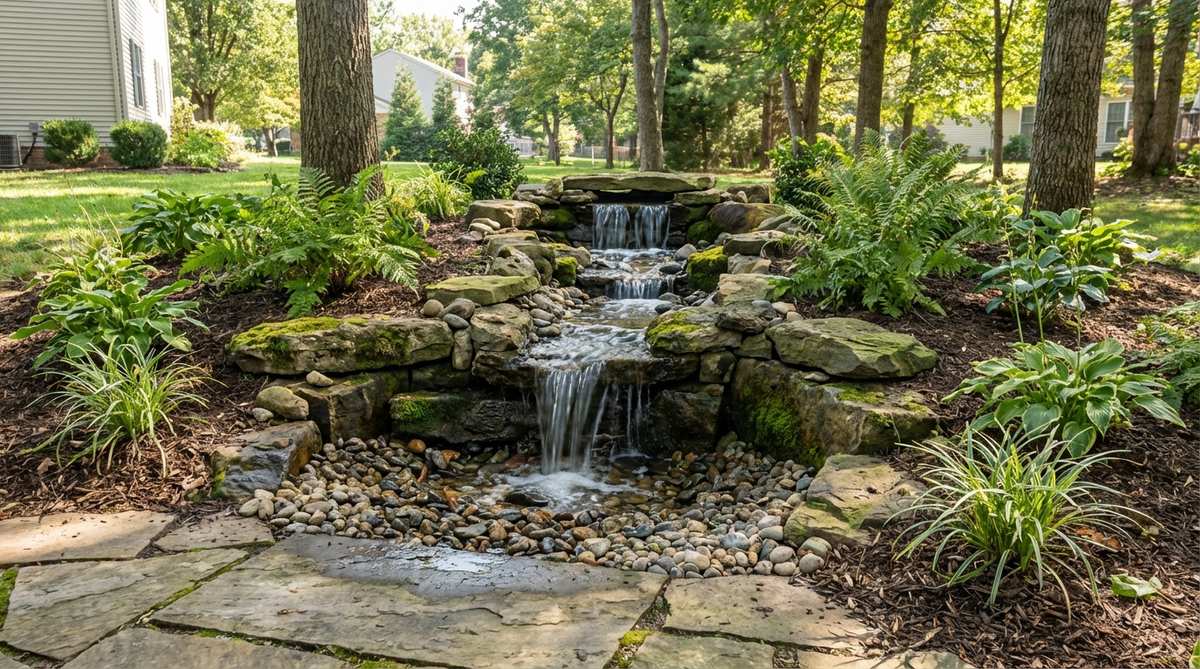
Water descends through three to five rock ledges arranged in naturalistic patterns. Each drop point generates distinct water sounds that combine into layered acoustic texture.
This feature occupies a footprint as small as 4 by 8 feet when designed for compact gardens. Stream width remains narrow—12 to 18 inches—to maximize drop height within tight spaces.
36. Corner Waterfall with Retaining Wall
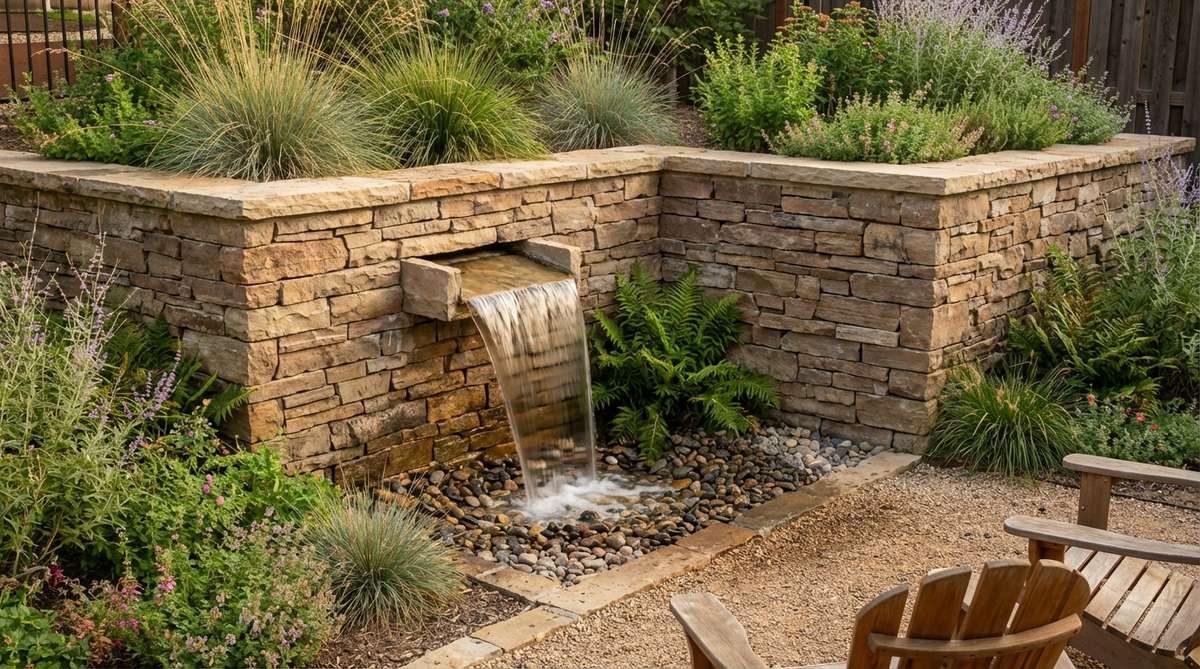
Build a low retaining wall into a garden corner, incorporating a waterfall spillway into its face. The structural wall serves dual purposes, providing both grade change and water feature.
This integration saves space by combining two landscape elements into a single footprint. The reservoir tucks behind the wall, invisible from primary viewing angles.
37. Fern Grotto Waterfall
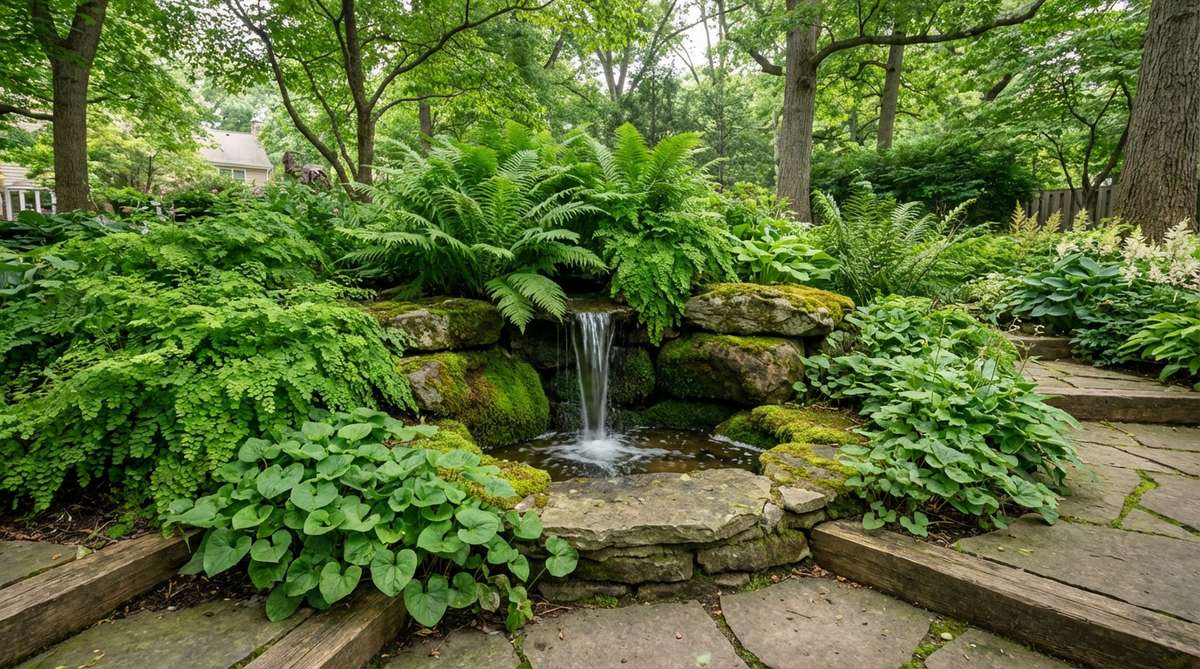
Water emerges from beneath overhanging ferns and moss-covered rocks, creating a woodland atmosphere. Dense plantings around the water source obscure mechanical components while reinforcing naturalistic themes.
This feature requires partial to full shade for optimal plant health. Incorporate native woodland species like maidenhair fern and wild ginger that thrive in consistently moist conditions.
Conclusion
Compact gardens no longer mean compromising on water features, as these 37 small garden fountain options demonstrate spatial efficiency alongside acoustic and visual impact. Wall-mounted designs, self-contained systems, and pondless installations transform tight quarters into sensory-rich environments through strategic vertical use and recirculating technology. Begin with accurate site measurements, assess sunlight exposure for solar options, and select fountain scales that complement rather than overwhelm surrounding plantings—your limited space holds greater potential than initial impressions suggest.
Frequently Asked Questions
What size fountain works best in a garden under 100 square feet?
Fountains measuring 18 to 24 inches in height and width maintain proportional scale in gardens under 100 square feet. Wall-mounted models or tabletop designs consume minimal floor space while delivering full acoustic benefits. Avoid fountains exceeding 30 inches in any dimension, as they dominate small spaces and obstruct garden views.
Do small fountains require professional installation?
Self-contained and solar-powered fountains require no professional installation—they operate immediately after positioning and filling. Wall-mounted models need secure anchoring into masonry or studs but remain within DIY capabilities for homeowners comfortable with power tools. Pondless waterfalls benefit from professional design to ensure proper drainage and pump sizing.
How often do compact fountains need water refilling?
Evaporation rates vary by climate, fountain size, and sun exposure—small fountains in hot, dry regions require refilling every 2 to 3 days, while those in humid shade may last a week. Fountains with basin capacities under 2 gallons need more frequent attention than larger models. Check water levels weekly at minimum to prevent pump damage from running dry.
Can small garden fountains operate during winter?
Fountains in climates with freezing temperatures require winterization to prevent pump and basin damage. Drain all water, remove pumps for indoor storage, and cover basins to exclude precipitation. Frost-resistant materials like cast stone withstand freeze-thaw cycles better than ceramic or thin resin. Resume operation after final spring frost dates pass.
What maintenance do small fountains require beyond refilling?
Clean pumps monthly by removing debris screens and rinsing away accumulated sediment. Scrub basin interiors every 6 to 8 weeks to prevent algae buildup, using mild dish soap and a soft brush. Add fountain water treatment tablets to discourage algae growth and mineral deposits. Inspect electrical connections quarterly for corrosion or wear, particularly on outdoor-rated cords.