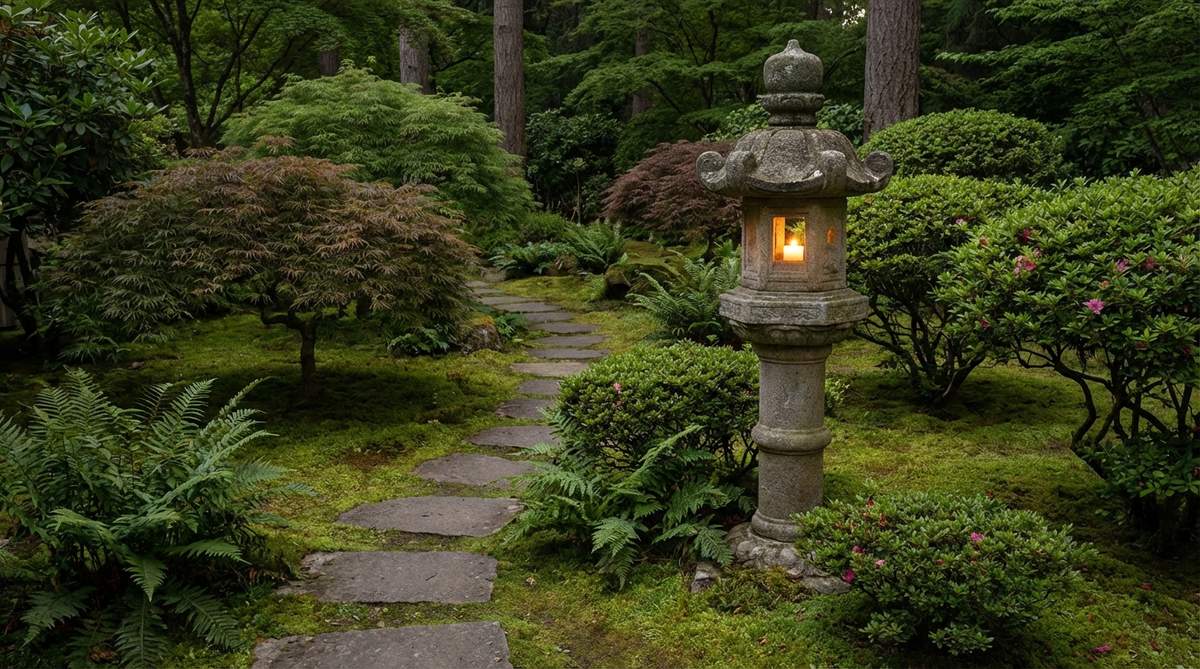
Japanese garden lanterns, known as toro, transform outdoor spaces into serene sanctuaries through centuries-old design principles. Originally lighting temple paths as offerings to Buddha, these stone and metal fixtures evolved into essential elements of garden architecture during the Heian period. Fresh Garden Ideas brings you this comprehensive guide to selecting and placing authentic lantern styles that balance functional illumination with timeless aesthetic appeal.
Design SnapshotKey Principles
- Material Authenticity: Traditional toro use granite stone or cast bronze, developing natural patina over time that enhances visual depth
- Five-Part Structure: Classic lanterns feature hoju (jewel top), kasa (roof), hibukuro (fire chamber), chudai (platform), and sao (shaft or legs)
- Placement Strategy: Position lanterns near water features, along pathways, or at garden focal points following Sakuteiki principles
- Scale Balance: Match lantern height and proportion to surrounding plantings and structures for harmonious integration
Traditional Stone Pedestal Lanterns For Formal Gardens
Pedestal-style lanterns establish vertical presence in formal garden settings. These tachi-doro designs feature complete five-part structures elevated on cylindrical shafts, making them ideal for pathway markers and entrance statements.
1. Kasuga Taisha Shrine Lantern
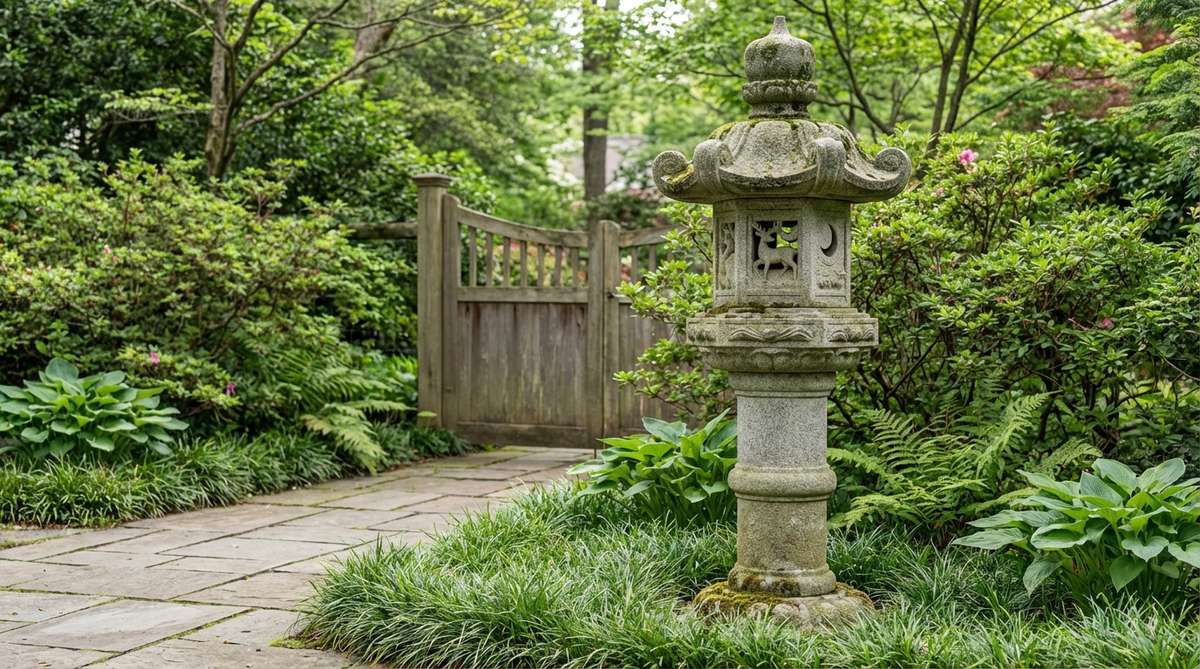
This tall hexagonal design originated at Nara’s famous Kasuga shrine during the 8th century. The modest umbrella features six or eight upward-curled sides, while the fire chamber displays carved patterns of deer, moon crescents, or sun motifs.
Designers position kasuga-doro near secondary gates or along formal approach paths. The slender profile reaches over two meters, creating dramatic vertical lines without overwhelming smaller garden spaces.
Carvers traditionally use granite that weathers to soft gray tones. Place this style where its height can guide visitors through transitional garden zones.
2. Taima Temple Classical Form
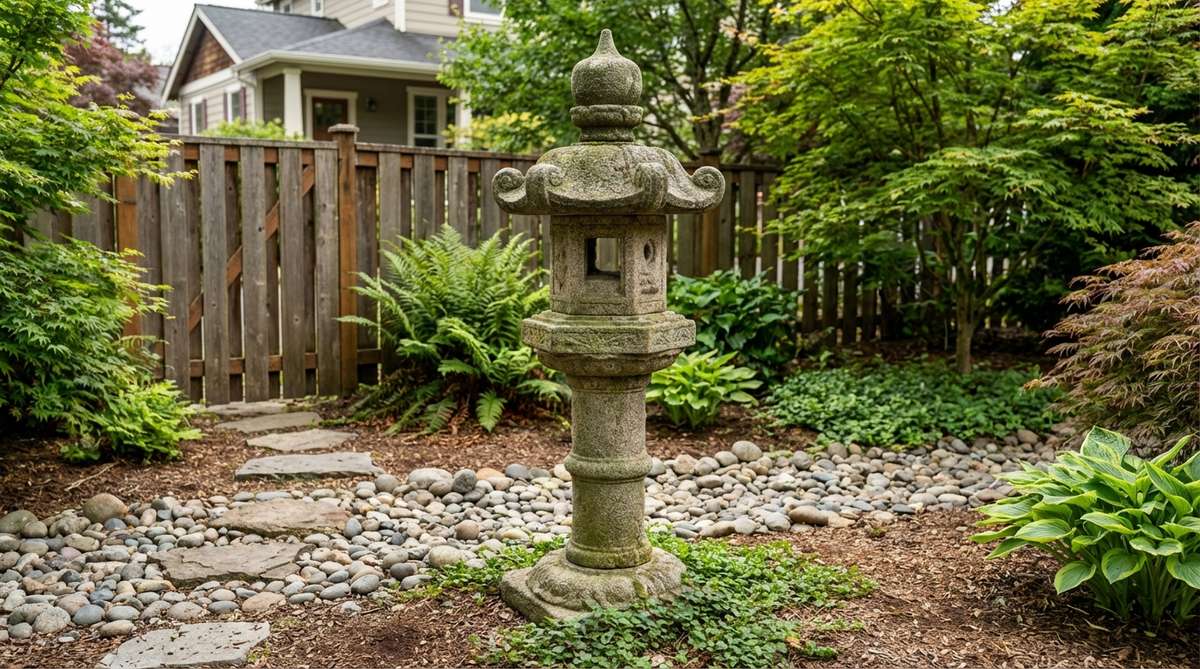
Japan’s oldest extant stone lantern style features six distinct components stacked to create balanced proportions. The design dates to the Nara period, establishing the template for subsequent toro evolution.
This formal style includes a prominent jewel finial, hexagonal roof, and robust pedestal base. Stonemasons craft each section separately, allowing for precise alignment and traditional joinery methods.
Position Taima-ji lanterns at garden entrances or beside meditation spaces. The classical proportions convey permanence and respect for historical garden design principles.
3. Tall Cylindrical Shaft Design
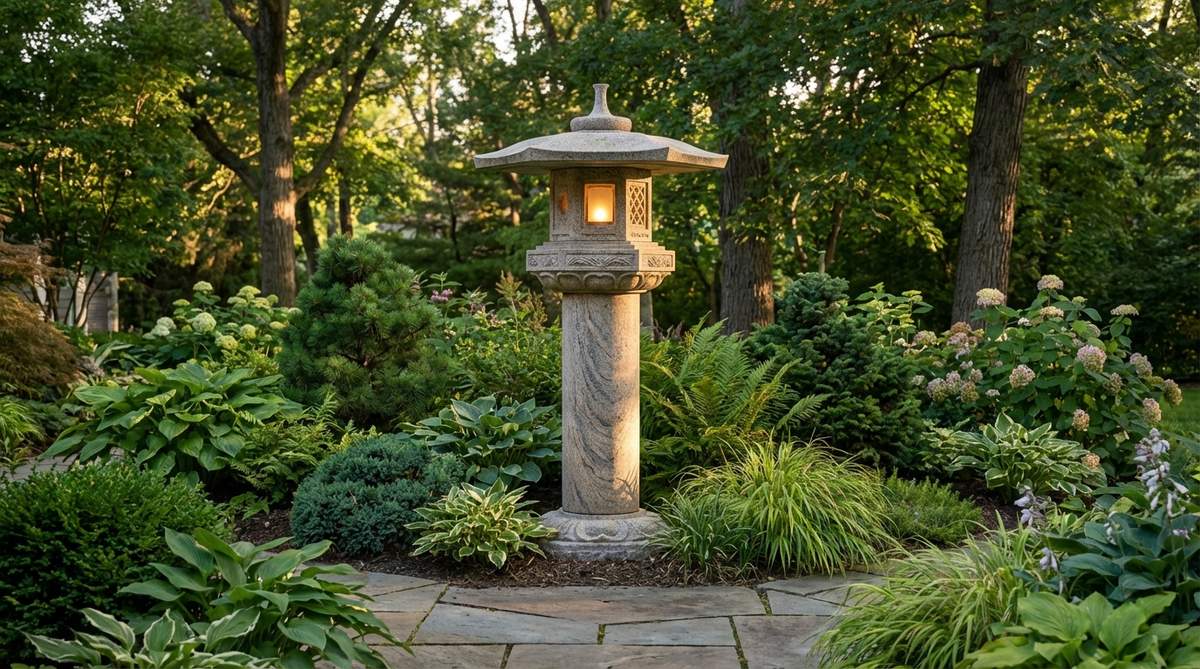
These pedestal lanterns feature elongated circular shafts that lift the light chamber to eye level or higher. The smooth column contrasts with ornate fire boxes and multi-sided roofs.
Craftsmen polish the shaft section to showcase granite grain patterns. This creates visual interest during daytime while the elevated position projects light farther along pathways after dark.
Use cylindrical designs where overhead branches might obscure shorter fixtures. The height ensures illumination reaches through layered plantings.
4. Hexagonal Platform Lantern
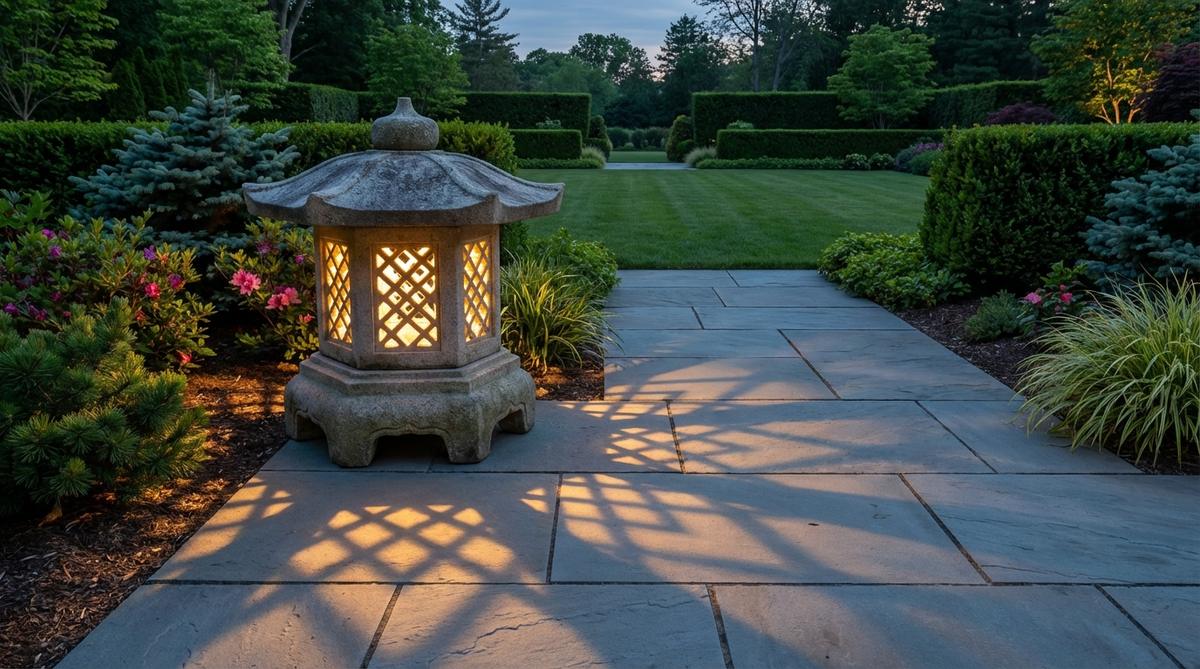
Six-sided platforms and fire chambers define this geometric style. Each face of the hibukuro features window cutouts that project patterned light when candles or LED sources are lit.
The angular form creates dramatic shadows across gravel and stone surfaces. Designers pair hexagonal lanterns with rectilinear paving patterns to reinforce structured garden layouts.
Install near water basins or alongside straight pathway sections. The crisp geometry complements formal hedging and architectural garden elements.
5. Lotus-Carved Yuunoki Style
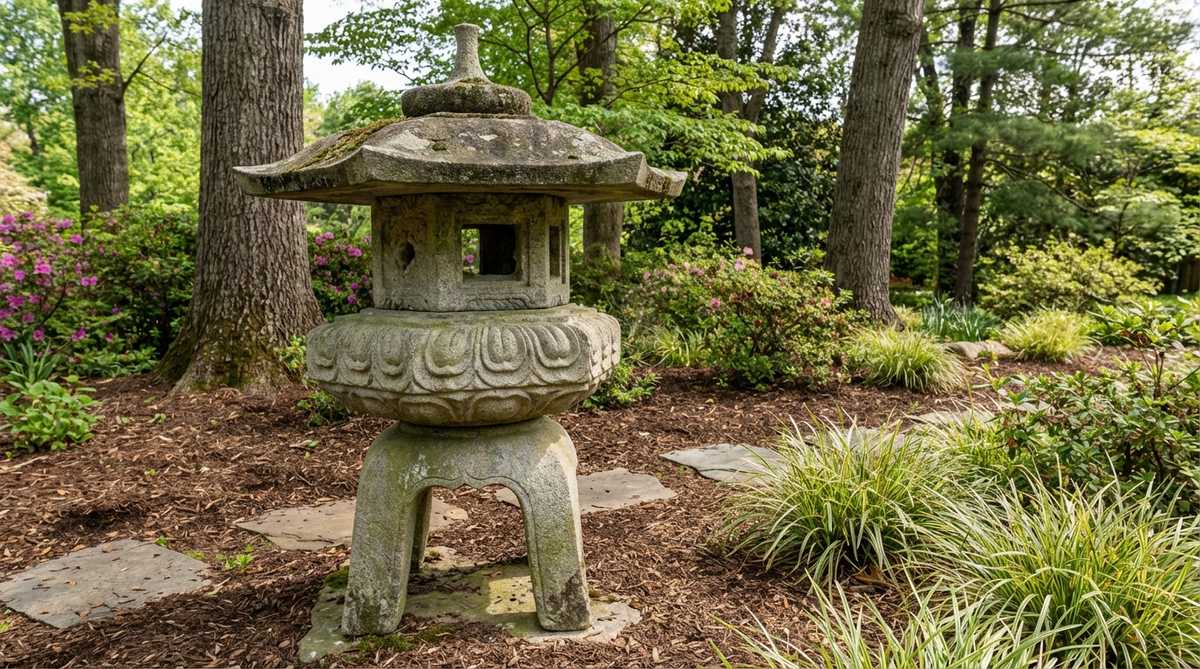
Yuunoki lanterns distinguish themselves through lotus petal carvings on the platform section. This Edo-period favorite gained popularity in tea house gardens and shrine precincts.
The roof maintains simple lines without dramatic curves, allowing the botanical relief work to serve as the primary decorative element. Artisans hand-carve each petal to create flowing organic forms.
Position where morning or afternoon light emphasizes the carved depth. The lotus symbolism connects to Buddhist teachings about enlightenment rising from earthly origins.
Waterside Snow-Viewing Designs For Pond Reflection
Yukimi-doro lanterns feature oversized roofs and low profiles specifically designed for waterside placement. The name derives from “ukimi” meaning floating view, as these lanterns create mirror reflections on pond surfaces.
6. Classic Three-Legged Yukimi
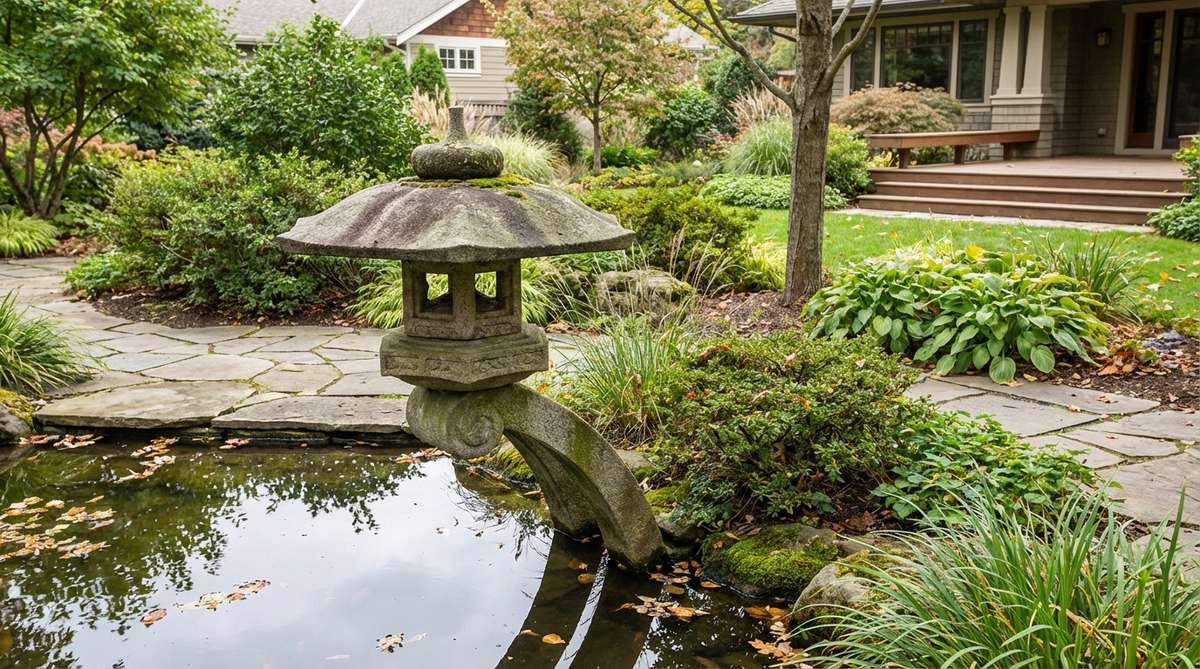
Three curved legs support a broad umbrella and compact fire chamber in this iconic design. Traditional placement positions two legs in shallow water with one anchored on land, creating asymmetric visual interest.
The wide kasa roof extends well beyond the light chamber, designed to catch snow in winter months. When illuminated at dusk, the reflection doubles the lantern’s presence on still water surfaces.
Install at pond edges where the broad roof can cast shadows over water plants. The low center of gravity ensures stability on soft or uneven ground.
7. Round Umbrella Pond Lantern
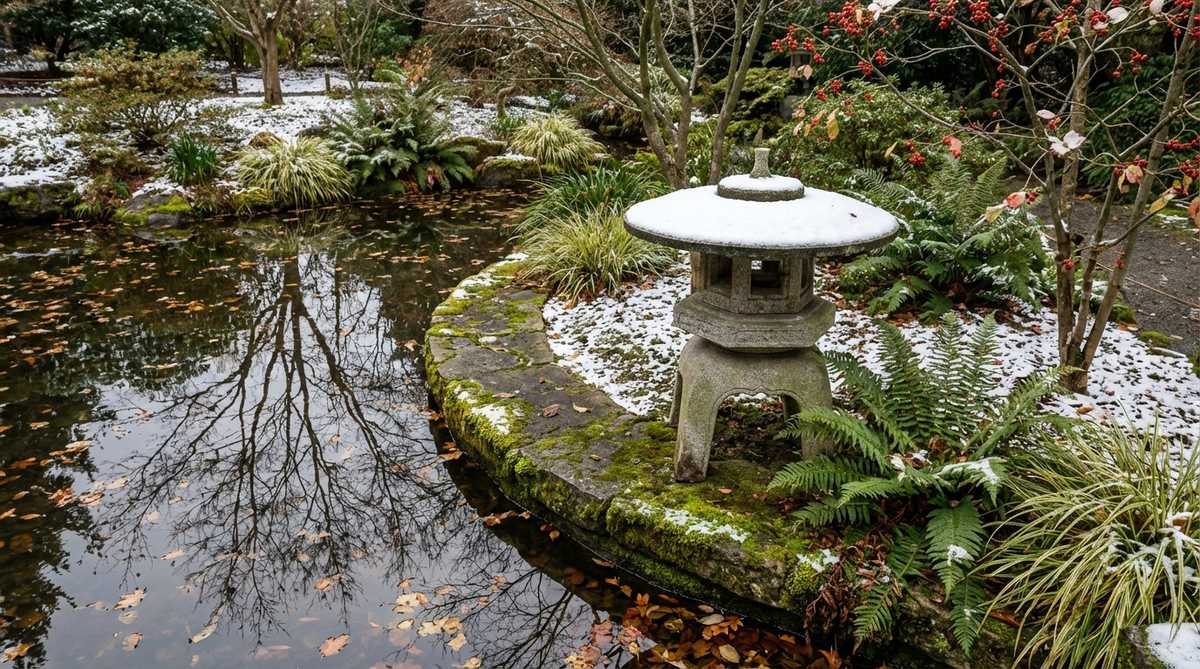
Circular roofs replace the standard hexagonal form in this yukimi variation. The unbroken curve creates gentle shadows and allows snow to accumulate evenly across the surface.
Stonemasons carve the round kasa from single granite pieces, requiring exceptional skill to maintain consistent thickness. The smooth edge complements naturalistic pond contours and informal garden styles.
Place near curved pond banks or beside cascade features. The circular form echoes ripple patterns and softens geometric paving nearby.
8. Wide Eave Reflection Style
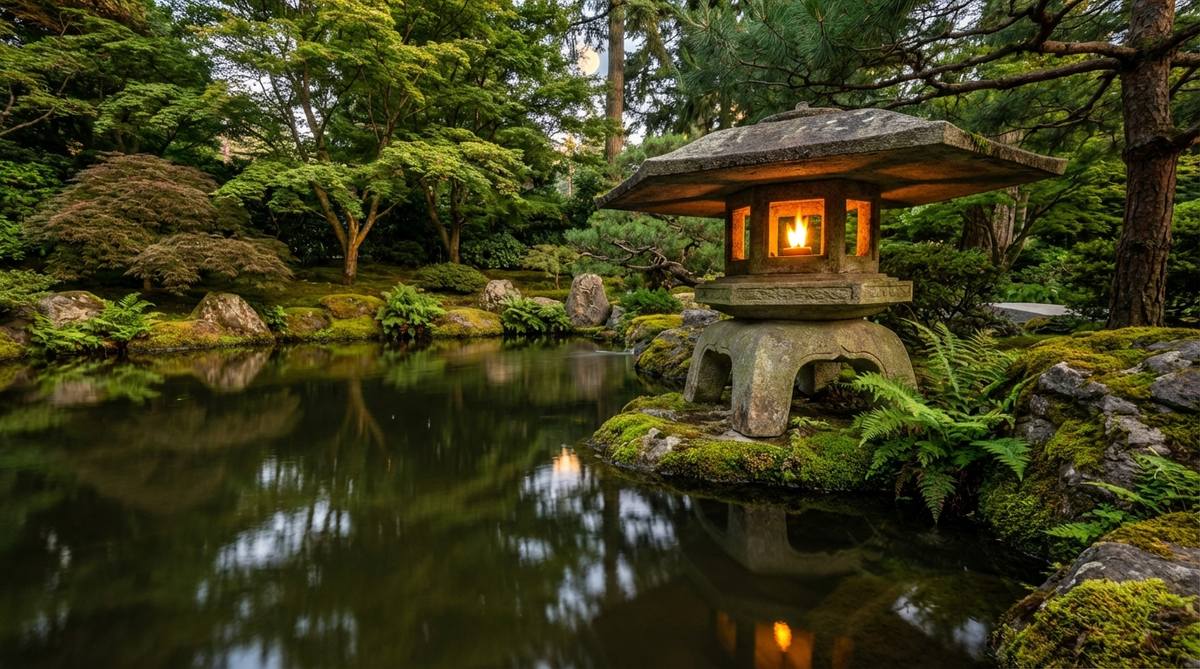
Exaggerated roof overhangs characterize this specialized waterside design. The extended eaves project up to twice the diameter of the fire chamber, maximizing reflected surface area.
Designers orient these lanterns to catch both actual flame light and ambient moonlight. The doubled visual effect creates layered illumination across pond surfaces and surrounding moss beds.
Install where viewing angles from seating areas or moon-viewing platforms capture full reflections. Consider sight lines during both daytime and evening hours.
9. Izumo Regional Stone Variant
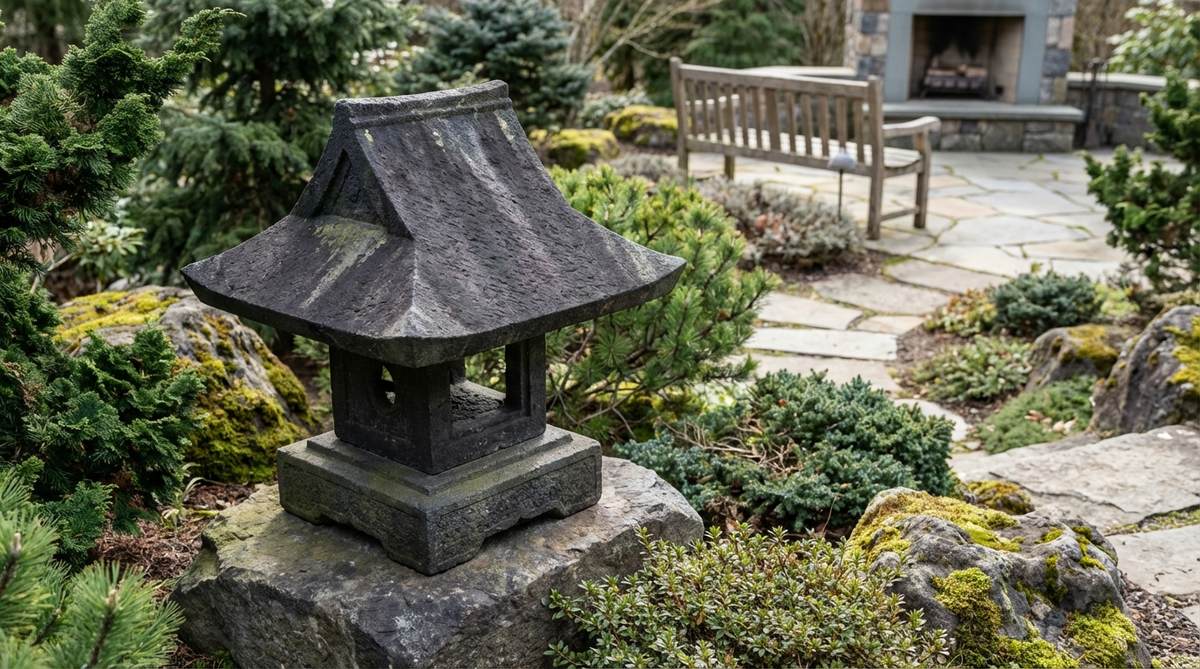
Matsue City artisans craft distinctive yukimi lanterns from local raitai stone found only in Shimane Prefecture. This dense volcanic material develops rich charcoal-gray patina with exceptional frost resistance.
The regional style features slightly steeper roof angles and more compact proportions than standard yukimi forms. These adaptations suit northern climate conditions while maintaining traditional aesthetics.
Specify Izumo-style lanterns for gardens in cold climates. The dense stone withstands freeze-thaw cycles that crack lesser granite varieties.
10. Four-Legged Symmetrical Base
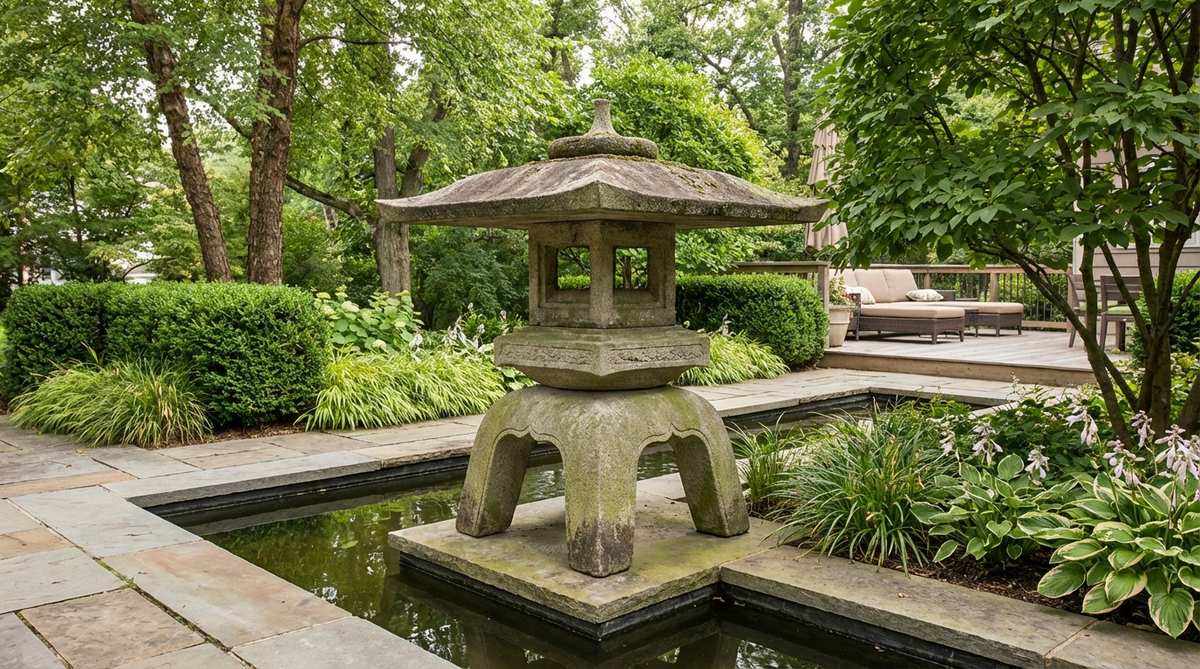
Four evenly-spaced legs provide maximum stability for larger yukimi designs. The symmetrical footprint simplifies installation on level ground or built terraces.
This variation allows for heavier roof sections and taller fire chambers. Craftsmen can incorporate more elaborate window patterns without compromising structural integrity.
Use four-legged versions on formal pond edges with straight borders. The regular spacing aligns with geometric hardscape layouts.
11. Six-Legged Wide-Spread Design
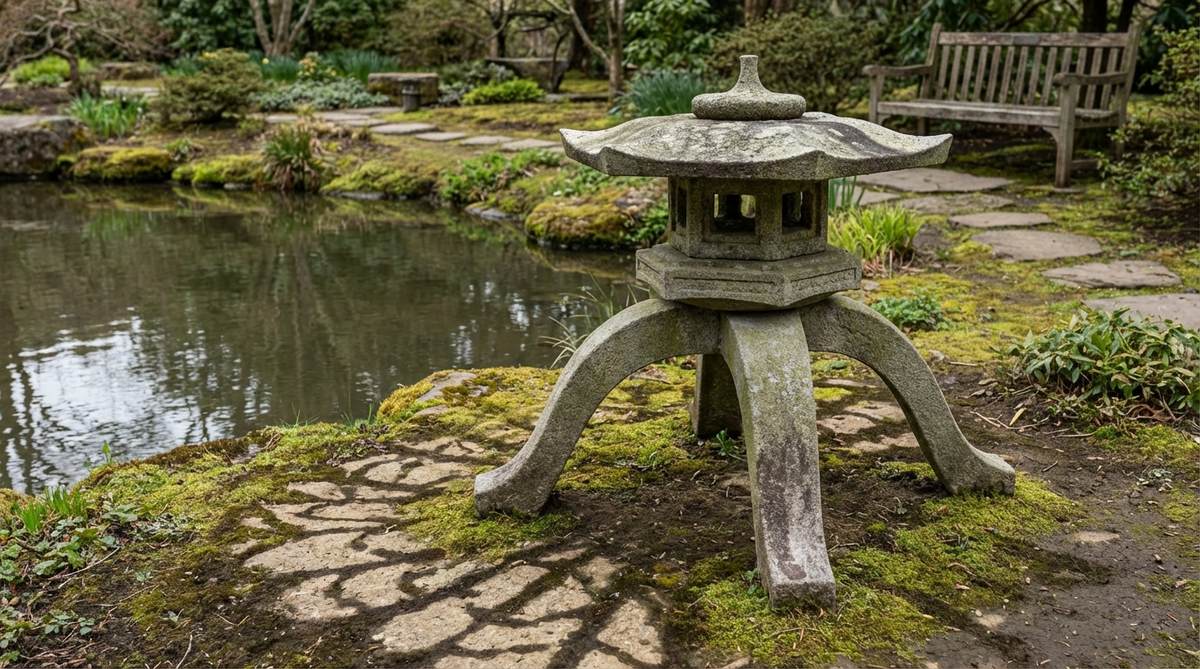
Six curved supports distribute weight across maximum surface area. This rare configuration suits extra-large yukimi lanterns or installations on very soft ground.
The radial leg arrangement creates intricate shadow patterns during daylight hours. Each support curves outward at the base, resembling natural root systems.
Employ six-legged styles in bog gardens or beside natural springs where ground stability varies. The broad footprint prevents sinking into saturated soil.
Tea Garden Rustic Styles Embodying Wabi-Sabi
Tea masters during the Azuchi-Momoyama period developed specialized lantern forms that expressed wabi-sabi principles of imperfection and transience. These designs feature asymmetric elements and weathered finishes.
12. Oribe Asymmetric Cube Lantern
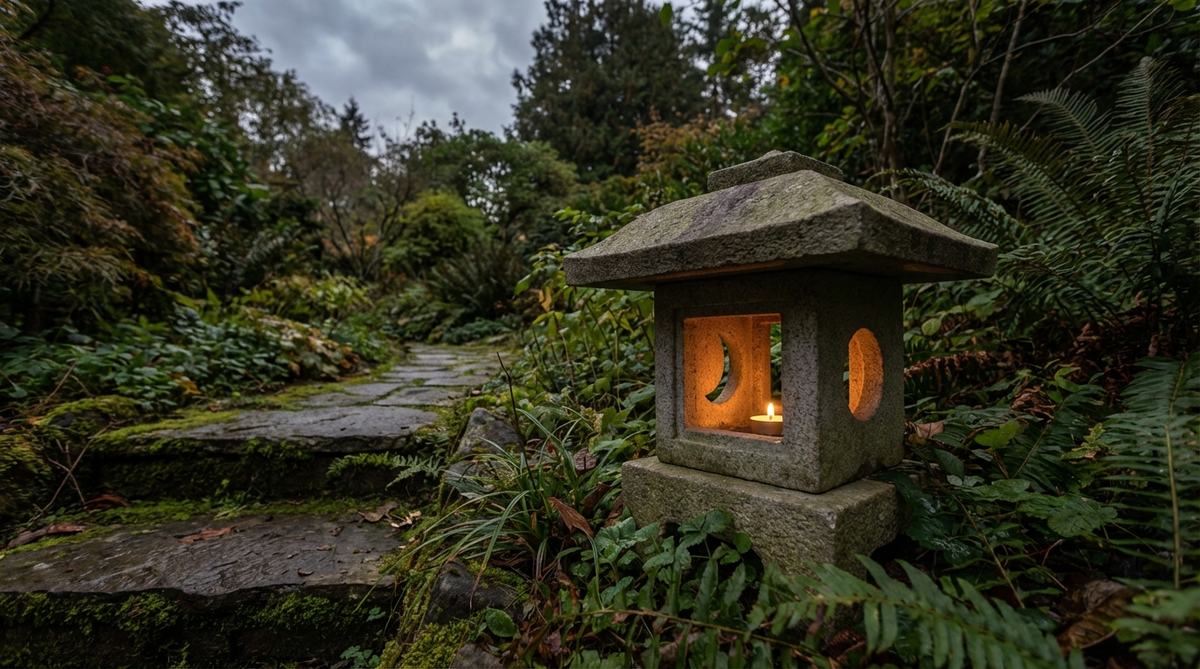
Furuta Oribe designed this distinctive style with a cubic fire box featuring four different window shapes. The front and rear windows are square, while the sides display crescent moon and full moon cutouts representing phases of illumination.
The modest four-sided roof and compact scale suit intimate tea garden spaces. Designers position oribe-doro along roji paths where guests pause before entering the tea house.
The asymmetric window patterns create varied light projections as candles flicker. This intentional irregularity reinforces tea ceremony values of rustic simplicity.
13. Weathered-Finish Stone Selection
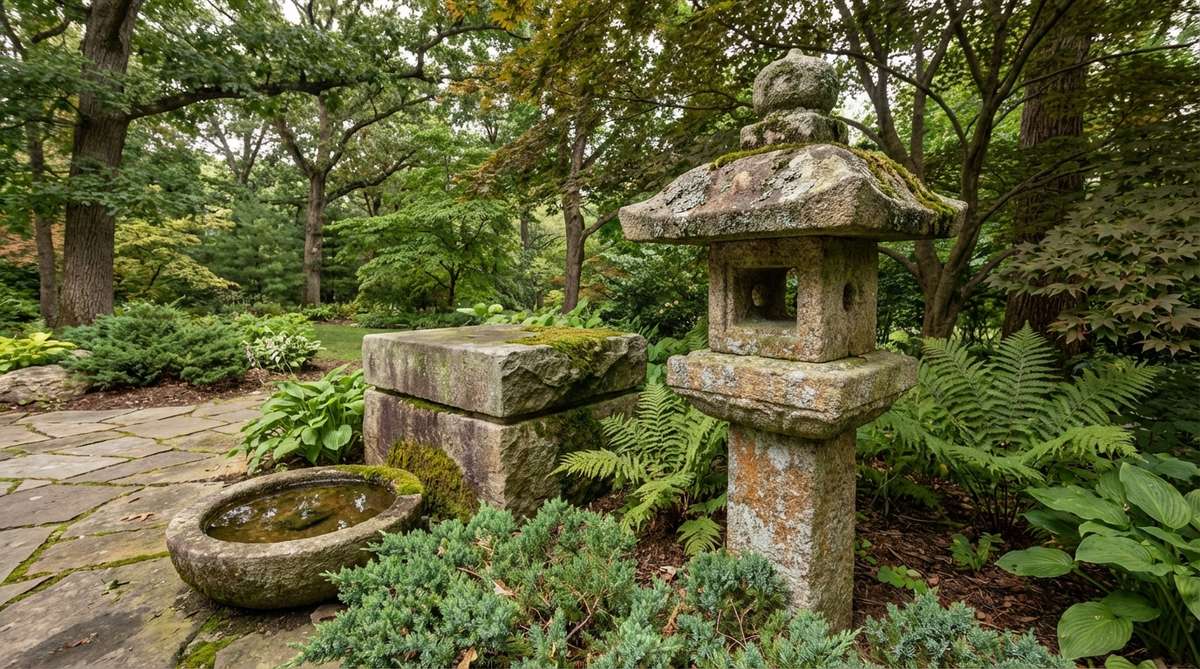
Tea garden lanterns often feature stones selected for existing moss growth, lichen patches, or natural weathering. This contrasts with shrine lanterns that showcase freshly-cut granite surfaces.
Artisans source river stones or quarry pieces with established patina. Some craftsmen artificially age new lanterns using organic washes that encourage moss colonization.
Choose pre-weathered stones for instant maturity in new gardens. The aged appearance suggests continuity with historical landscape traditions.
14. Low-Profile Path Marker
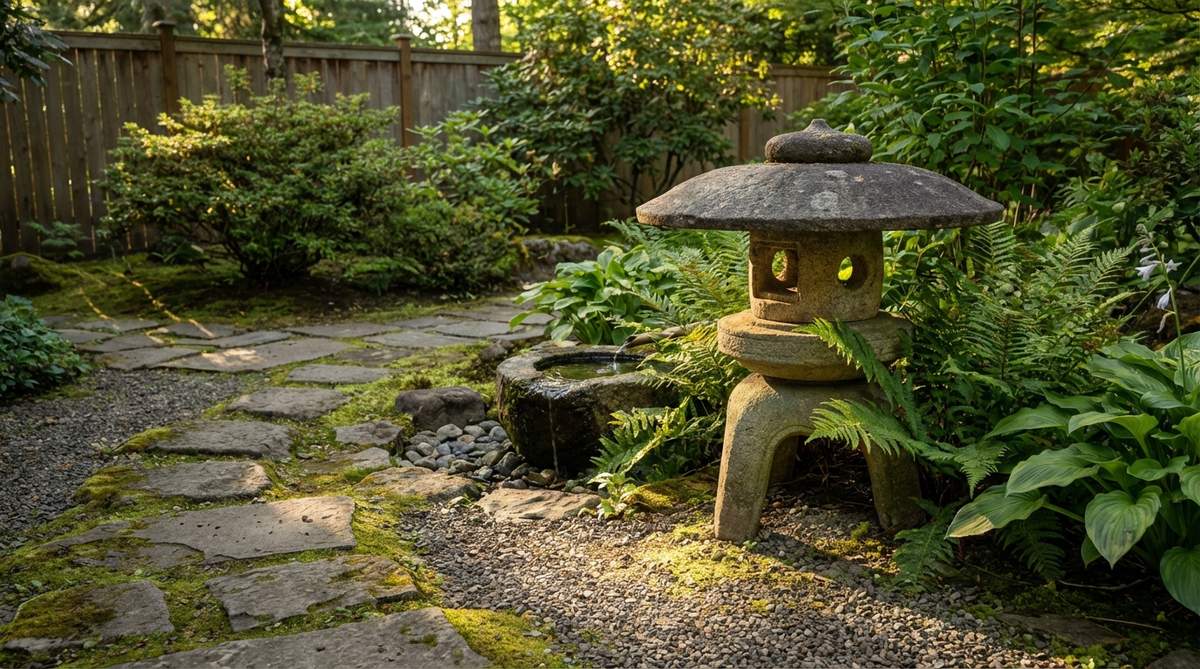
Tea garden lanterns typically stand shorter than formal shrine styles, ranging from 50 to 90 centimeters in height. The reduced scale creates intimate human proportions along narrow roji paths.
Lower positioning focuses light on immediate ground surfaces rather than distant views. This guides footsteps without illuminating the entire garden composition.
Install at path intersections or beside water basins. The modest height encourages attention to immediate surroundings and mindful movement.
15. Irregular Stone Base Platform
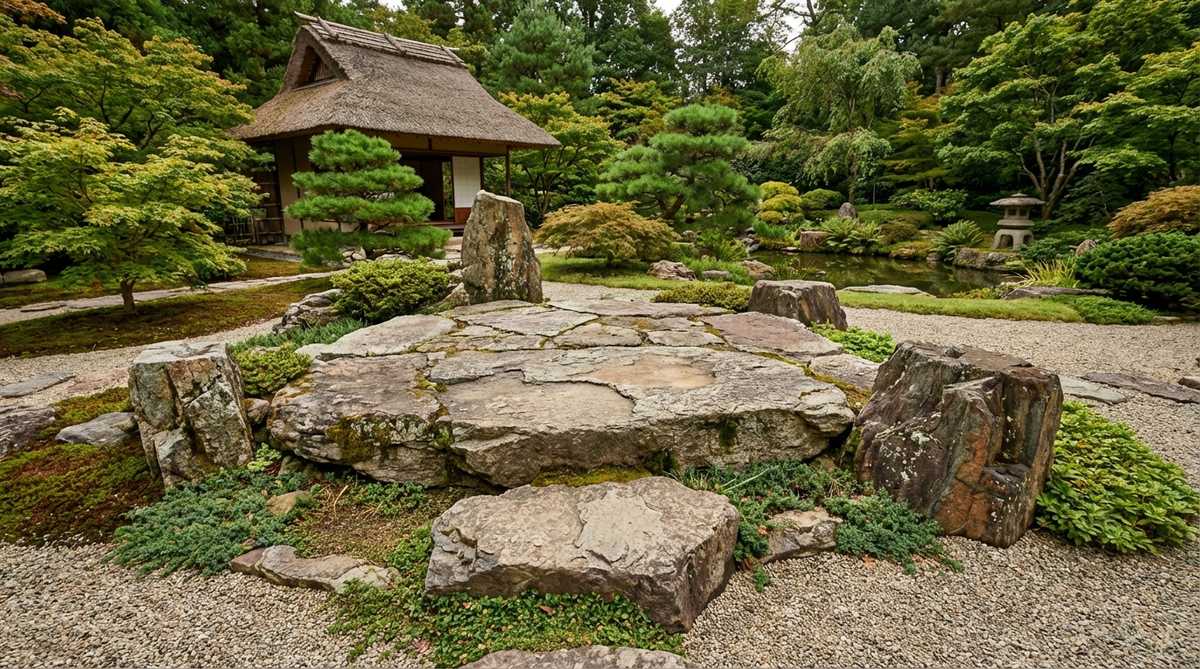
Tea masters favored naturally-shaped base stones over precisely-cut geometric pedestals. Irregular foundations express acceptance of inherent material qualities rather than forced uniformity.
Stonemasons select foundation pieces that require minimal cutting, preserving natural fracture planes and weathered surfaces. This approach reduces labor while celebrating raw material character.
Match base irregularity to surrounding stepping stone patterns. Varied textures and forms create visual rhythm along garden paths.
16. Minimal-Carving Plain Surface
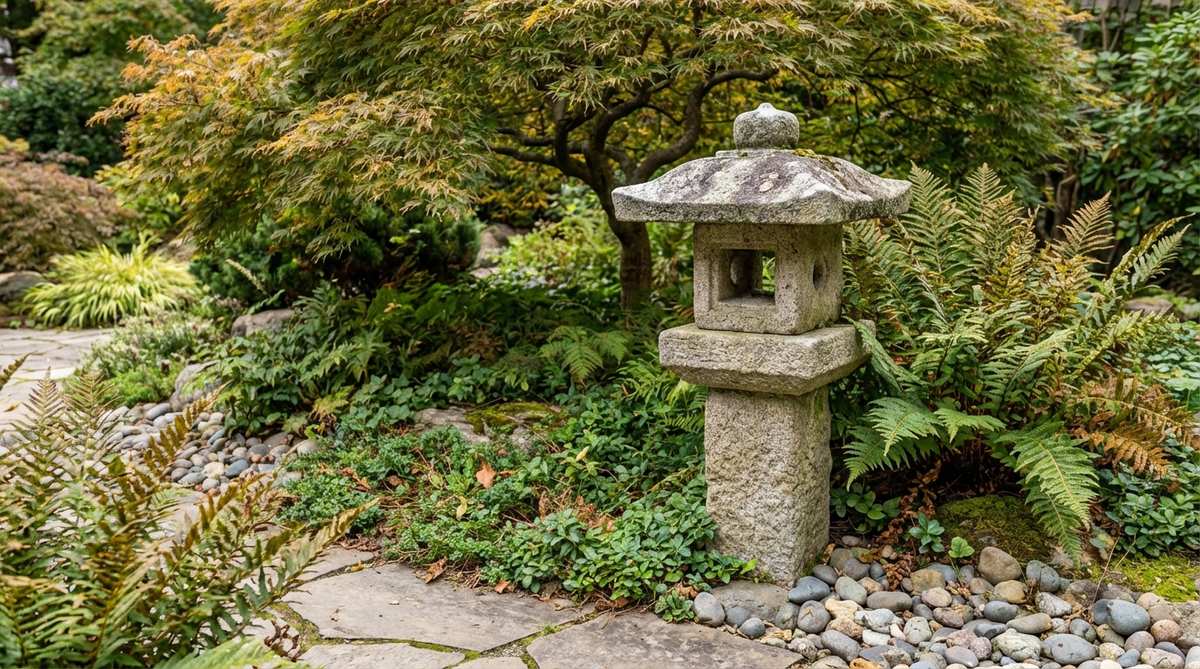
Wabi-sabi aesthetics favor unadorned surfaces over elaborate relief carving. Tea garden lanterns often feature plain fire chambers and simple roof lines.
The restrained approach directs attention to stone color, grain patterns, and natural inclusions. Subtle surface variations become the primary decorative elements.
Specify plain styles for gardens emphasizing plant textures and seasonal change. Ornate lanterns can compete with delicate foliage effects.
Metal & Bronze Illumination With Lasting Patina
Cast metal lanterns offer alternative aesthetics to stone designs. Bronze and iron toro develop rich patina colors ranging from blue-green verdigris to deep brown oxidation.
17. Bronze Hexagonal Hanging Style
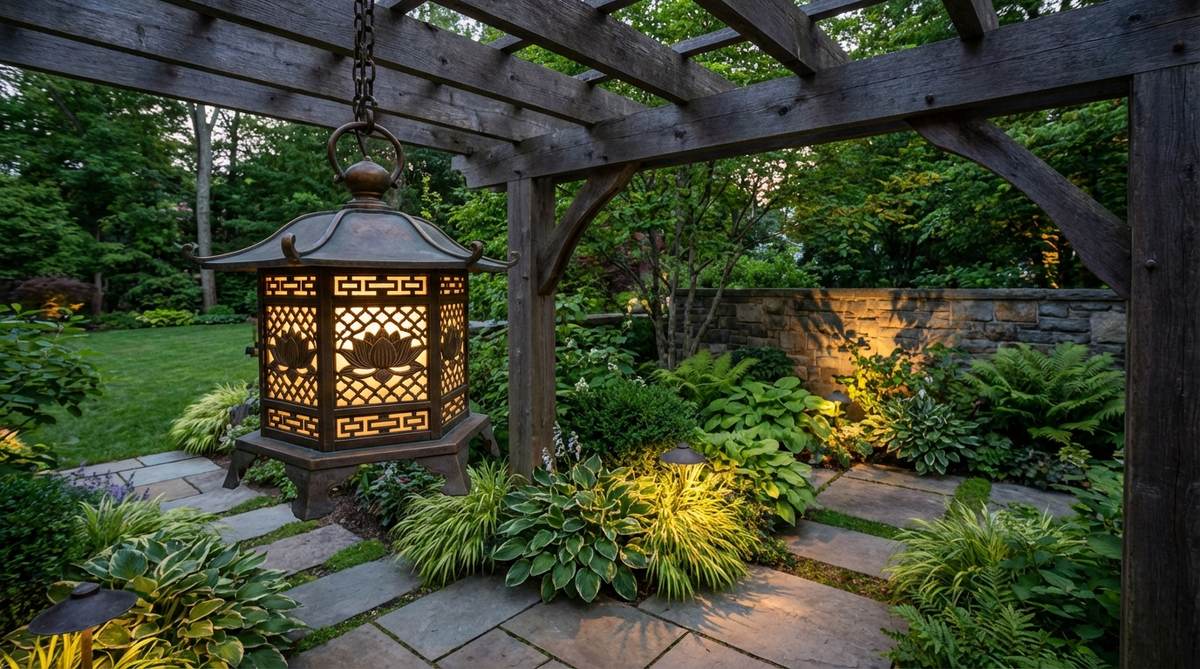
Tsuri-doro hanging lanterns cast in bronze feature six-sided chambers suspended from roof eaves or pergola beams. Openwork panels create intricate light patterns across surrounding surfaces.
Metalworkers pierce decorative motifs including lotus flowers, geometric patterns, or calligraphic characters through bronze walls. The cutouts serve both aesthetic and ventilation functions.
Suspend at covered entry points or beneath arbor structures. The elevated position protects flame sources from wind while projecting light downward onto walkways.
18. Cast Iron Ground Lantern
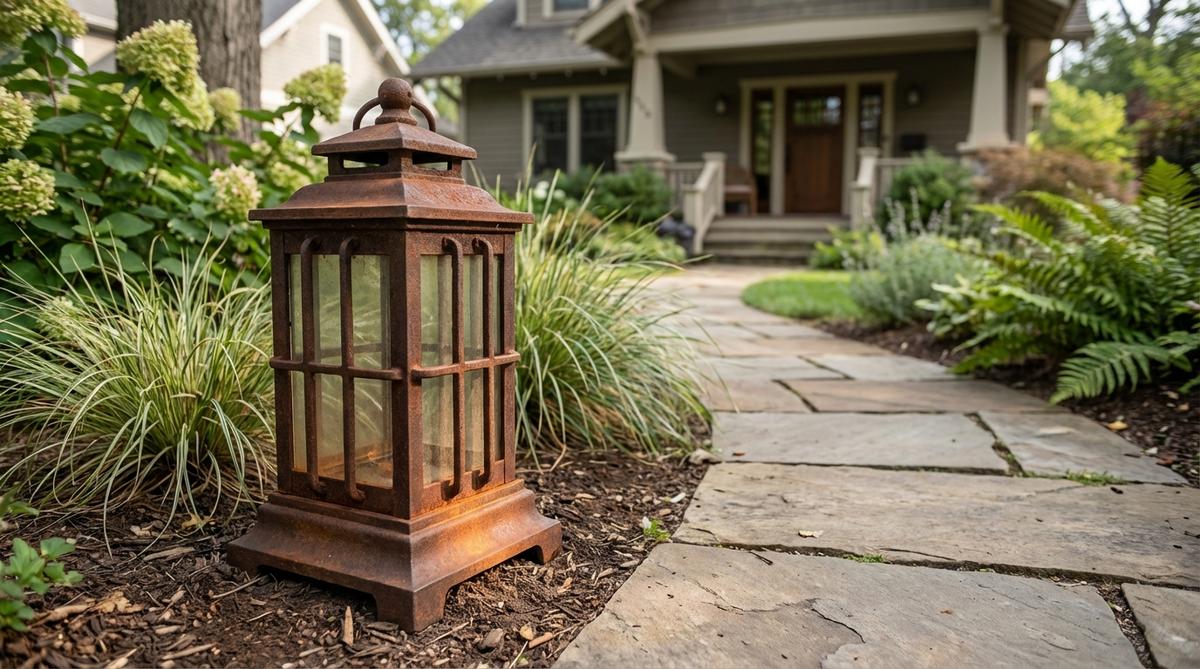
Heavy cast iron construction creates durable ground-level lanterns suitable for high-traffic areas. The material weight resists tipping in windy conditions without requiring deep foundation work.
Iron surfaces develop russet-brown rust patina that contrasts beautifully with green plantings. Clear sealants can preserve bright metal finishes if preferred over natural oxidation.
Position cast iron styles along driveway edges or public garden pathways. The robust construction withstands accidental contact from foot traffic or maintenance equipment.
19. Verdigris Copper Finish
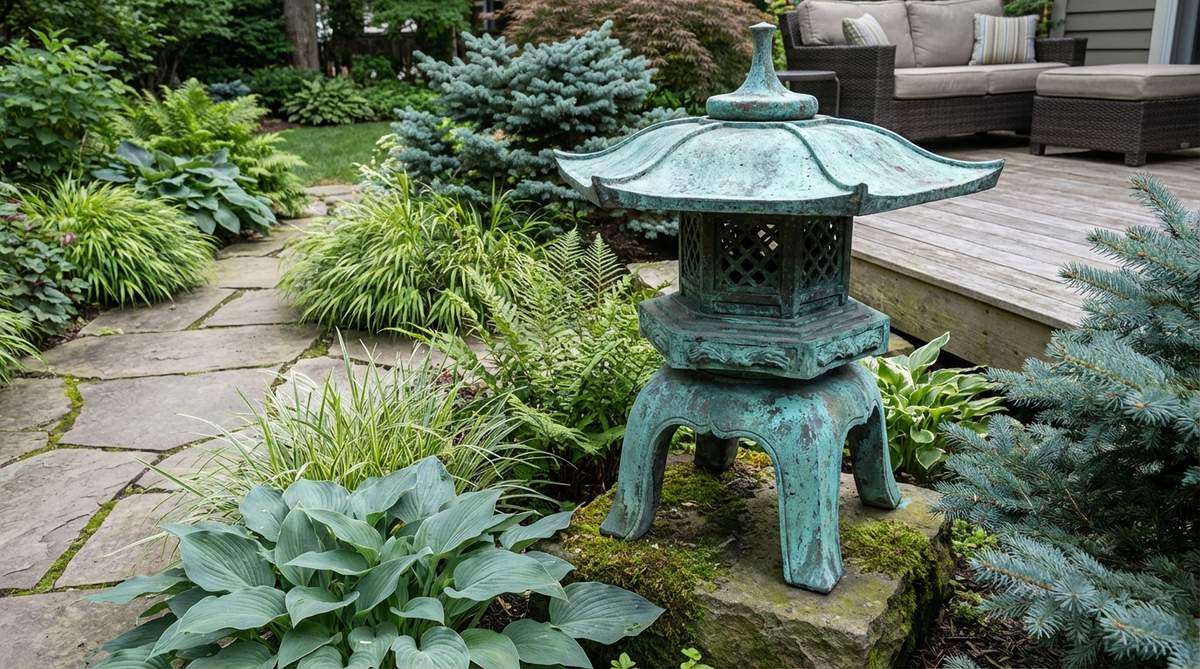
Copper alloy lanterns develop distinctive blue-green verdigris patina when exposed to weather. This coloration process requires several seasons but produces luminous surface character.
Designers accelerate patina development using salt spray or acidic treatments. Alternatively, patience allows natural oxidation to create subtle color variations across different surface planes.
Install copper lanterns near blue-flowering plants or silver-foliage perennials. The verdigris tones create sophisticated color harmonies with cool-palette plantings.
20. Enameled Cloisonne Decoration
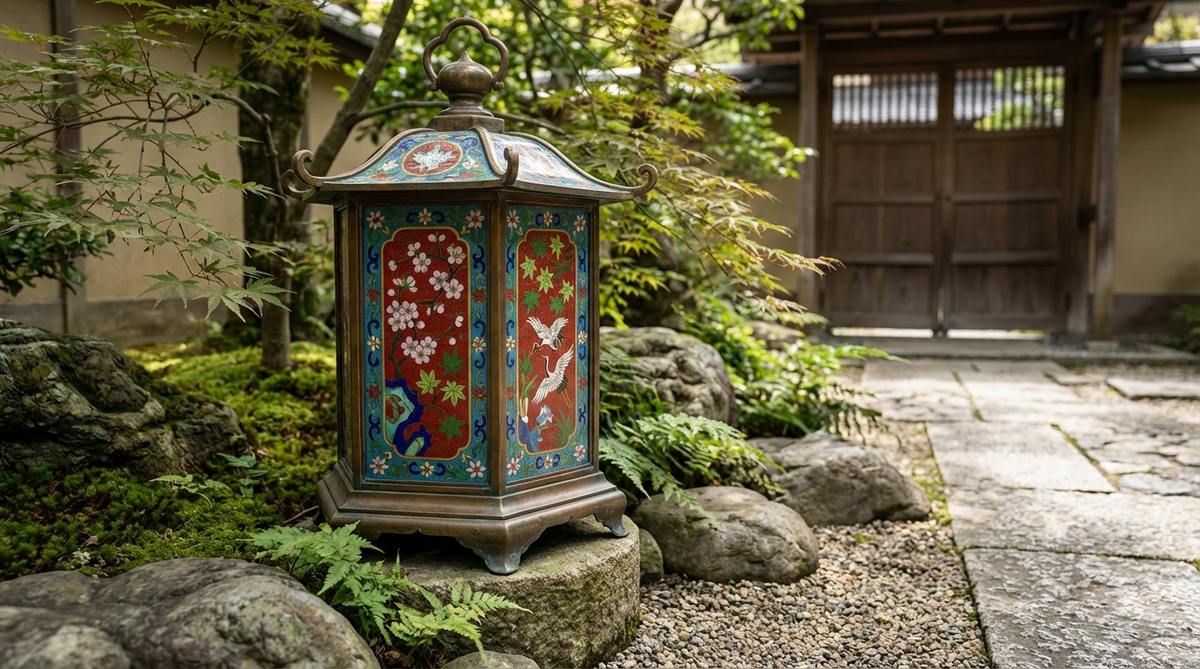
High-end metal lanterns feature cloisonné enamel work in red, blue, green, and gold. Artisans apply colored glass paste within metal wire frameworks, then fire the assembly to create permanent decorative panels.
The jewel-like colors resist fading and add ceremonial elegance to formal gardens. Traditional motifs include cherry blossoms, maple leaves, and crane symbols.
Reserve enameled lanterns for protected courtyards or covered temple approaches. The delicate surface work deserves shelter from harsh weather exposure.
21. Bronze With Gold-Gilt Accents
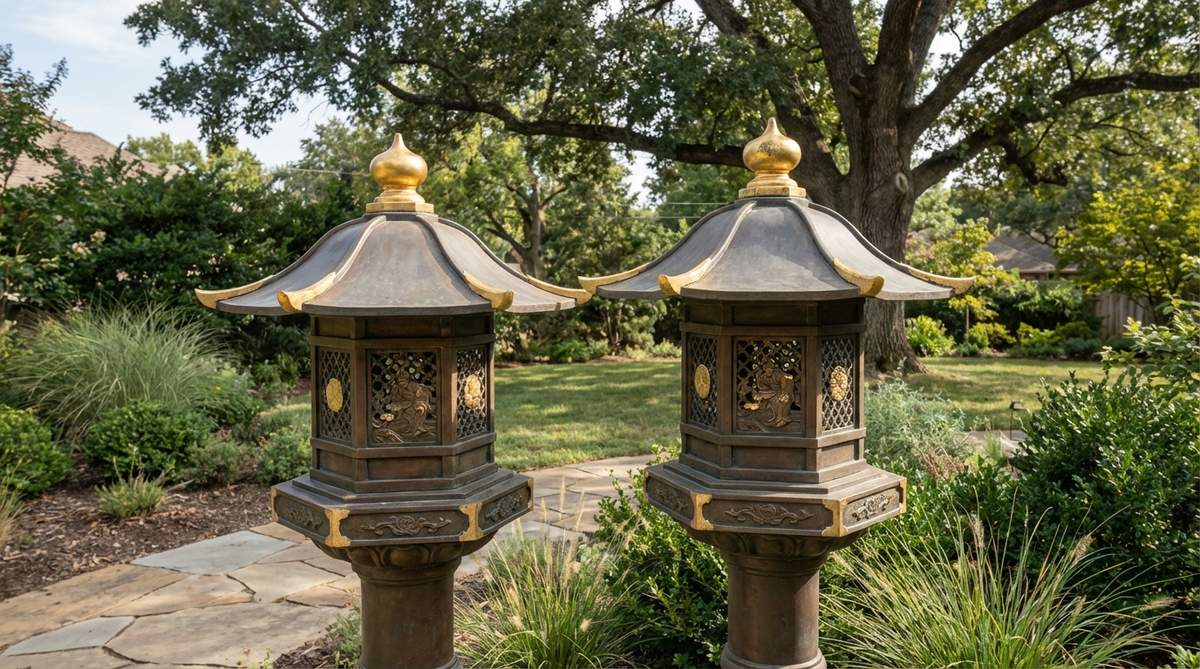
Premium bronze lanterns receive gold leaf applications on finial tips, roof edges, or decorative relief elements. The metallic contrast creates focal points that catch sunlight during daytime hours.
Traditional gilt methods apply thin gold sheets over adhesive sizing. Modern alternatives include gold powder suspended in durable resin coatings.
Use gilt-accented lanterns sparingly as garden focal points. Too many gilded elements can overwhelm rather than enhance overall composition.
22. Hammered-Texture Metal Surface
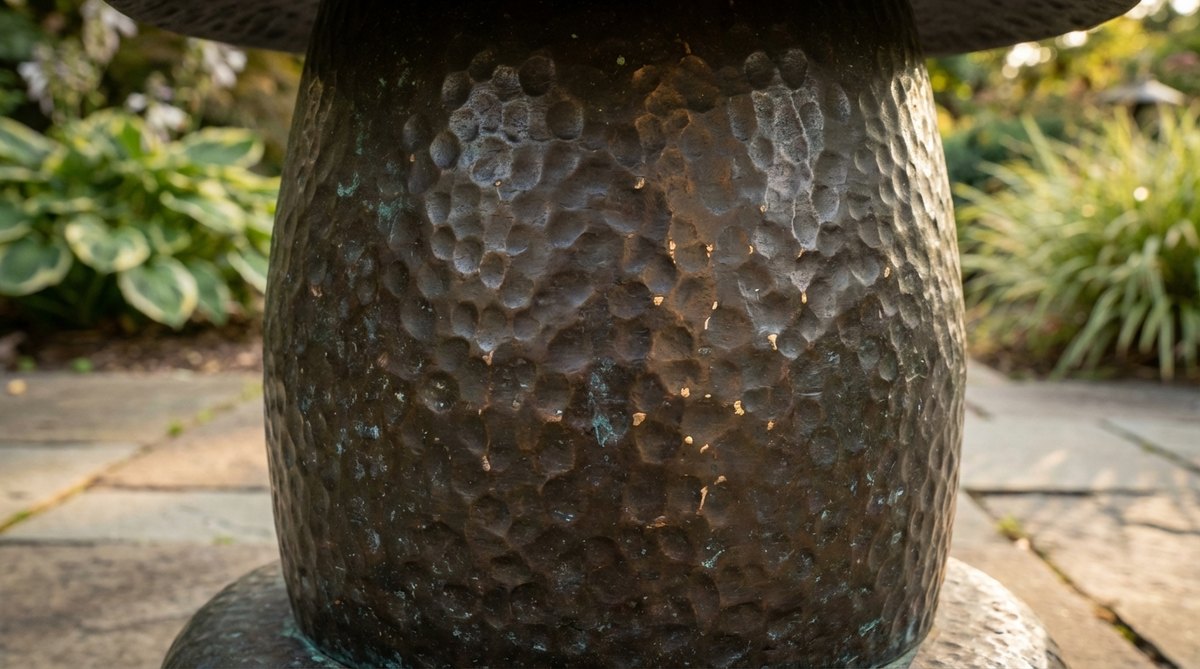
Hand-hammered bronze or copper creates dimpled surfaces that scatter light in multiple directions. The texture develops organically as metalworkers shape heated material over anvils.
Hammered finishes catch and reflect ambient light differently than smooth castings. The irregular surface creates visual interest even when lanterns remain unlit.
Specify hammered textures for gardens emphasizing handcraft details. The visible tool marks connect to artisanal making traditions.
Compact Movable Lanterns For Flexible Placement
Oki-doro movable lanterns lack permanent bases, allowing seasonal repositioning. These portable designs suit small courtyards and adaptable garden layouts.
23. Three-Light Window Box
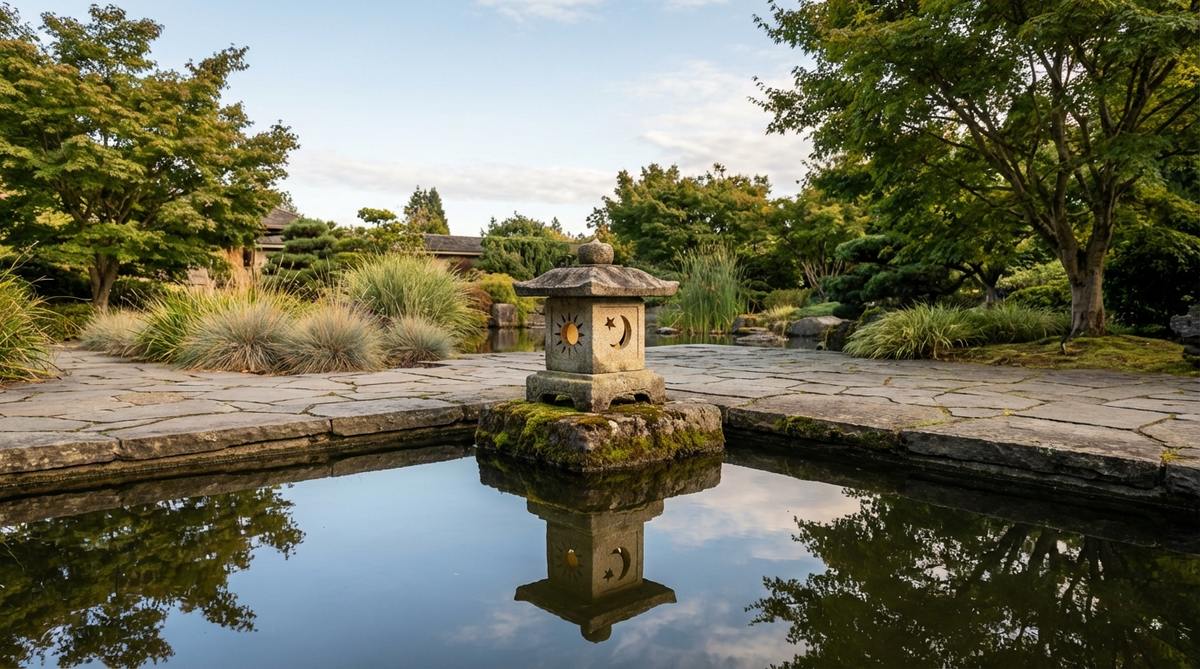
Zanko-doro features three symbolic window shapessun, moon, and star cutouts on different faces. The compact stone box measures approximately 30 centimeters per side with a low-pitched roof.
Designers place these small lanterns near water where all three windows can reflect on pond surfaces. The celestial symbolism connects garden spaces to universal natural cycles.
Move zanko-doro seasonally to highlight different plantings or seasonal focal points. The manageable size allows one person to reposition without equipment.
24. Square-Base Pedestal-Free
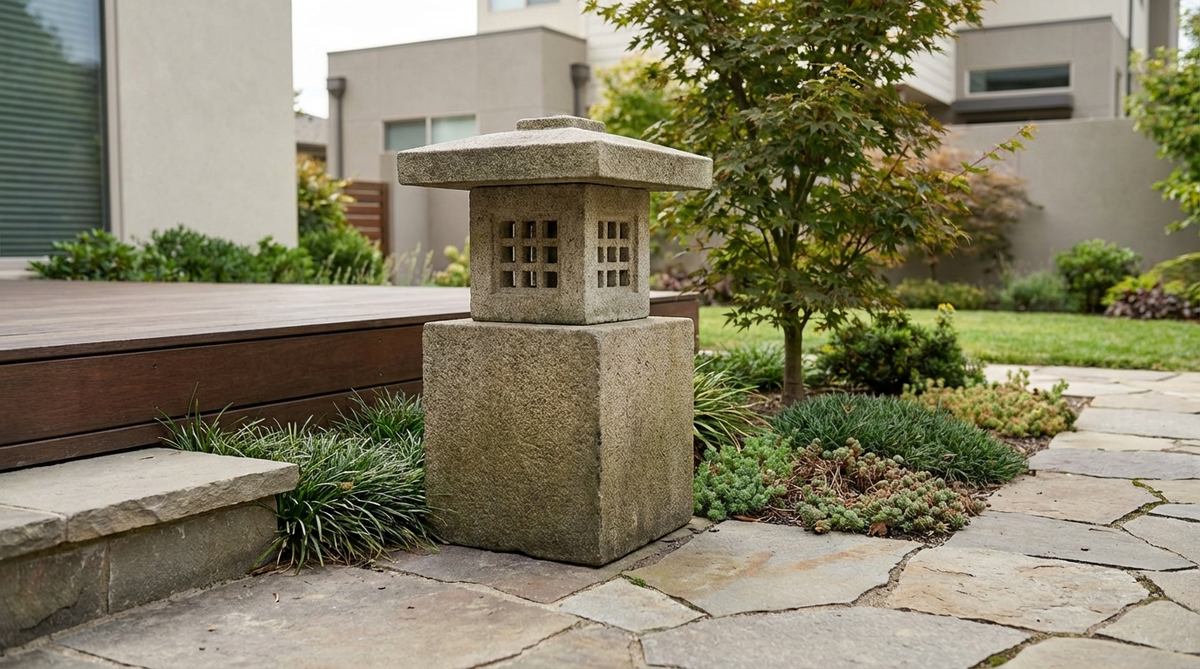
Simple cubic lanterns rest directly on paving or gravel without shaft or leg components. The fire chamber and roof sit atop a solid square base ranging from 20 to 40 centimeters across.
This minimalist form works in contemporary gardens where traditional proportions might appear too ornate. The clean geometry complements modern architecture and simplified plantings.
Position square oki-doro along deck edges or beside entry steps. The stable footprint prevents tipping on uneven surfaces.
25. Lightweight Lava Stone
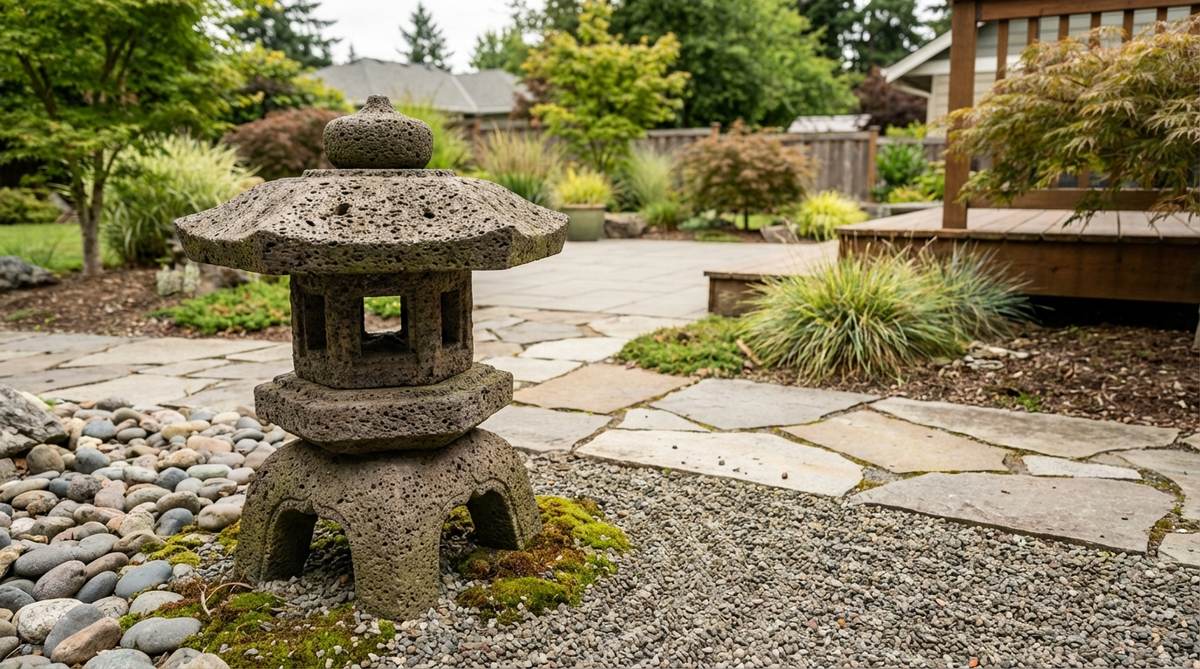
Volcanic lava stone creates surprisingly light movable lanterns despite substantial appearance. The porous material weighs significantly less than solid granite while maintaining durability.
Natural pores in lava stone provide drainage and allow moss colonization. The rough texture develops rich patina quickly in humid garden environments.
Choose lava stone for gardens where frequent repositioning serves design needs. The reduced weight simplifies seasonal rearrangement without sacrificing visual presence.
26. Concrete-Cast Reproduction
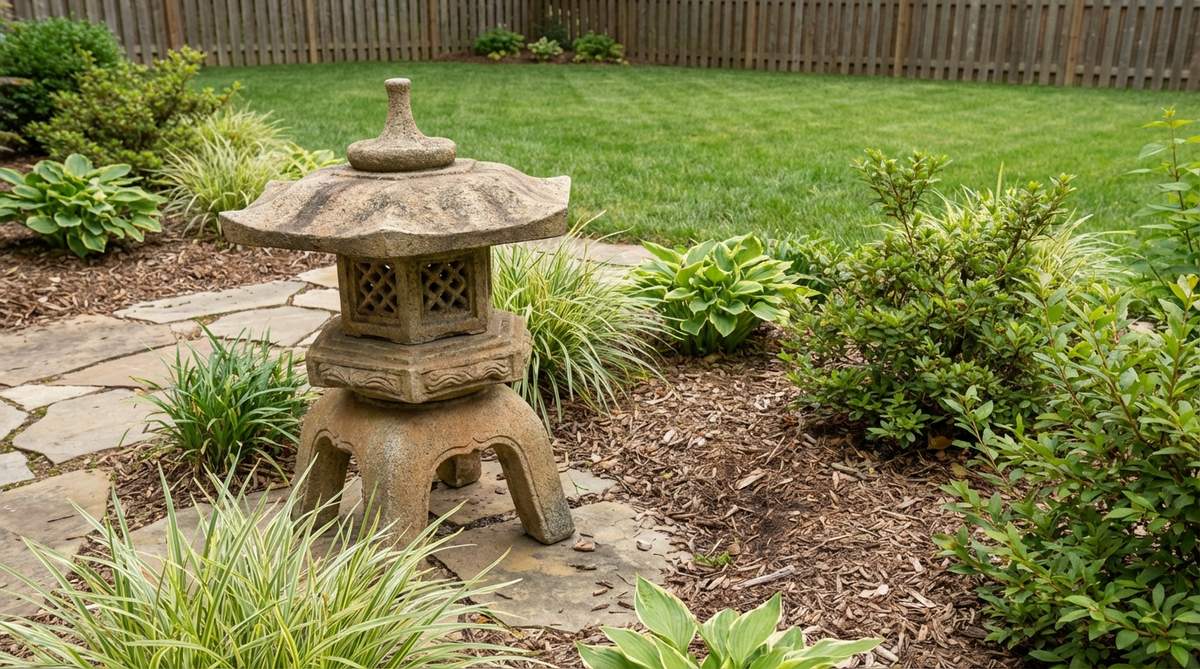
Architectural concrete molds reproduce traditional stone lantern forms at reduced cost and weight. Modern casting techniques achieve convincing granite textures and accurate proportions.
Quality concrete lanterns incorporate aggregates and pigments that mimic natural stone coloration. Surface treatments can accelerate moss growth for aged appearance.
Deploy concrete reproductions in public gardens or rental properties where theft concerns make expensive stone inadvisable. The authentic appearance satisfies aesthetic requirements economically.
Modern Interpretations For Contemporary Gardens
Contemporary designers reinterpret traditional toro forms using new materials and lighting technologies while respecting essential proportions and symbolic meanings.
27. Solar-Powered LED Conversion
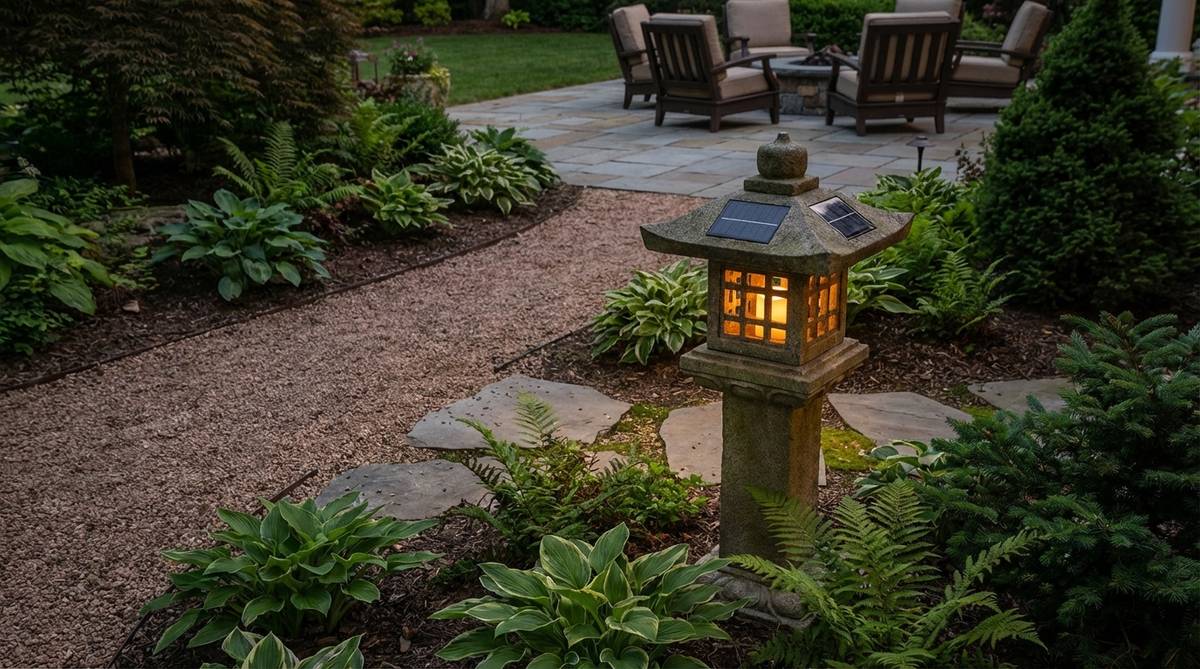
Photovoltaic panels integrated into lantern roofs eliminate wiring requirements. LED light sources replicate warm candle glow while providing reliable illumination throughout evening hours.
Modern electronics fit within traditional fire chambers without visible modification. Solar charging sustains nightly operation from dusk to dawn in most climate zones.
Install solar lanterns along remote garden paths where electrical installation proves impractical. The sustainable technology aligns with garden design values emphasizing natural harmony.
28. Stainless Steel Contemporary Form
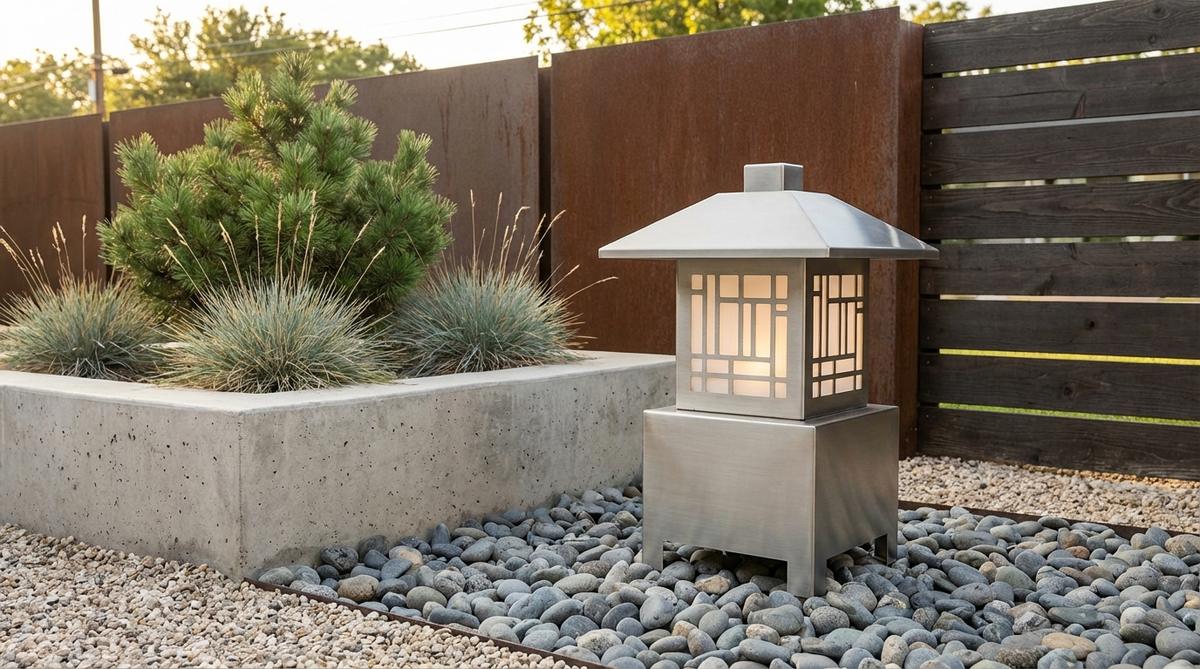
Brushed stainless steel offers weather-resistant alternative to traditional materials. Contemporary designers simplify classic five-part structures into streamlined geometric forms.
The reflective metal surface creates mirror-like effects in modern minimalist gardens. Laser-cut window patterns can reproduce traditional motifs or introduce new geometric compositions.
Pair stainless steel lanterns with gravel, concrete paving, and architectural plantings. The industrial material suits urban rooftop gardens and contemporary hardscape designs.
29. Glass-Fiber Reinforced Concrete
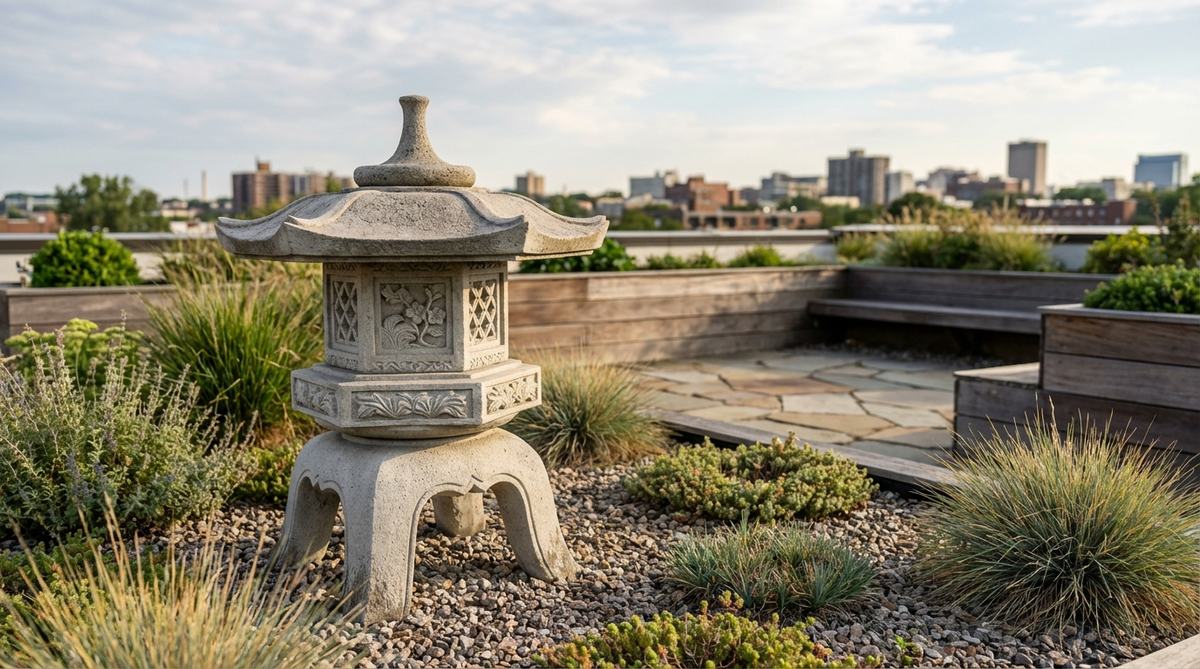
GFRC technology produces thin-walled lanterns with excellent strength-to-weight ratios. The composite material allows intricate relief carving impossible in traditional stone.
Manufacturers pre-finish GFRC surfaces with integral color or apply stone-texture coatings. The lightweight construction simplifies shipping and installation compared to solid granite equivalents.
Specify GFRC lanterns for rooftop gardens with load restrictions. The reduced weight prevents structural concerns while maintaining authentic visual scale.
30. Corten Steel Rust Finish
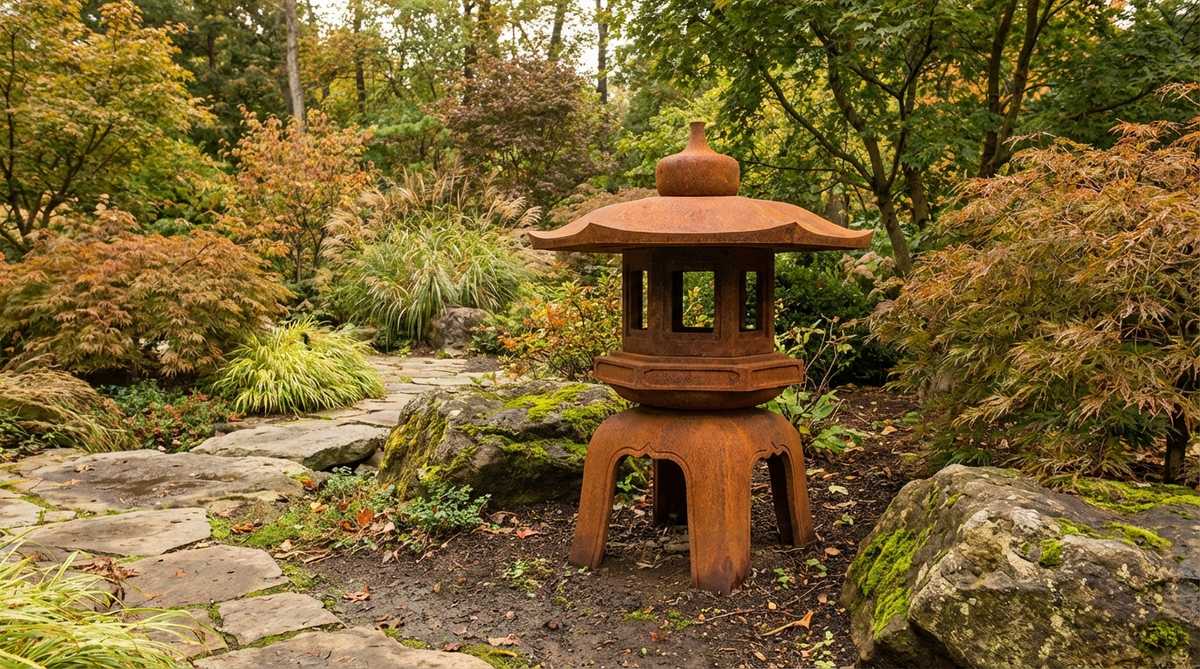
Weathering steel develops stable rust patina that protects underlying metal while creating warm orange-brown coloration. The industrial material brings contemporary edge to traditional forms.
Corten surfaces complement autumn foliage colors and reddish stone mulches. The material choice signals modern design sensibility while respecting classic proportions.
Use weathering steel lanterns in transitional gardens bridging traditional and contemporary styles. The rust tones harmonize with both natural and industrial landscape elements.
31. Aluminum Powder-Coated Color
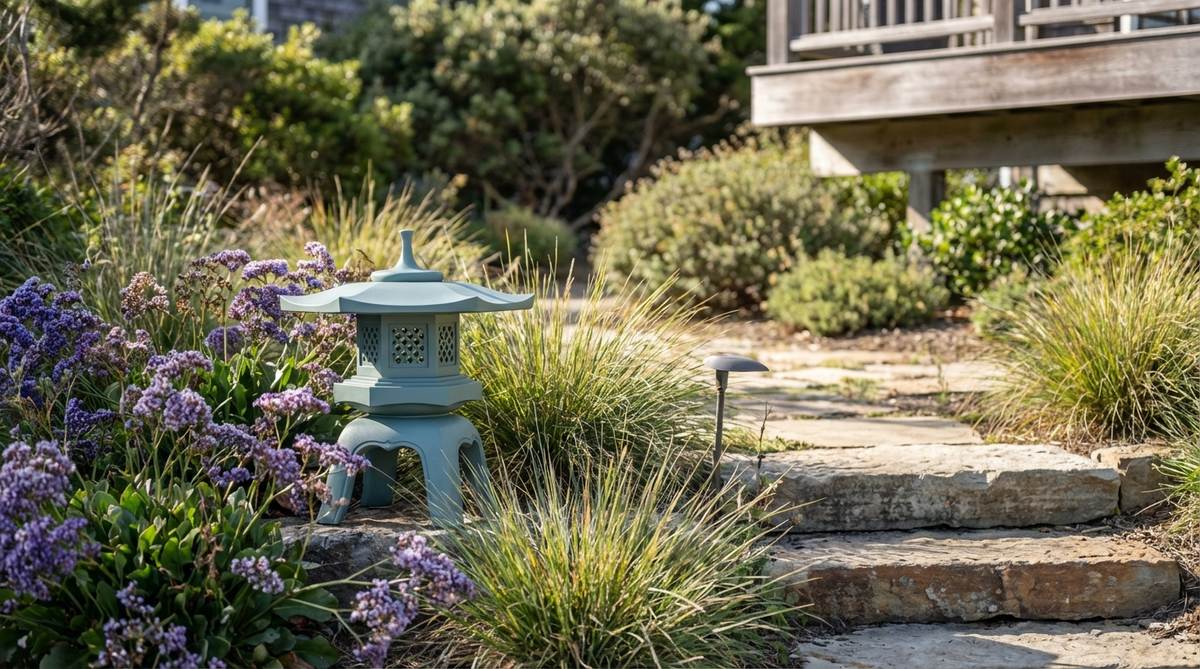
Lightweight aluminum castings receive durable powder-coat finishes in custom colors. This allows lanterns to coordinate with specific garden color schemes or architectural palettes.
The corrosion-resistant material performs well in coastal environments where salt air degrades other metals. Custom colors enable playful reinterpretation of traditional forms.
Select powder-coated aluminum for gardens emphasizing personal expression over historical accuracy. The technology expands creative possibilities while maintaining structural authenticity.
32. Smart Lighting Integration
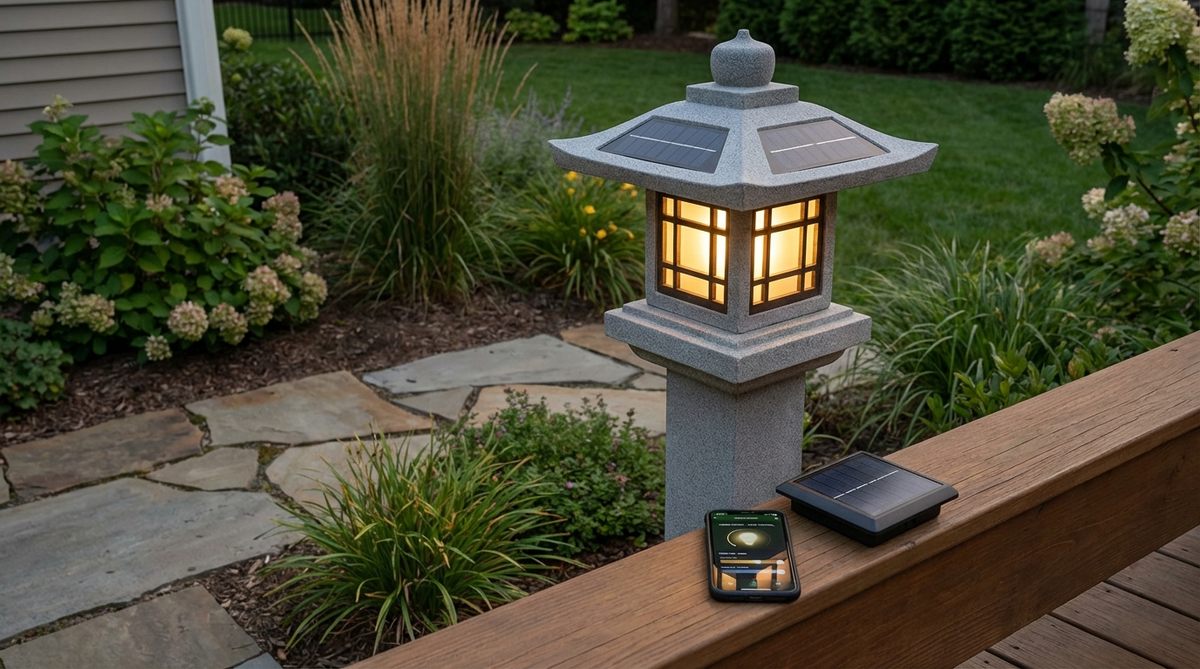
Connected LED systems allow smartphone control of brightness, color temperature, and automated schedules. Traditional lantern exteriors house sophisticated lighting technology.
Users adjust illumination levels for different occasions without physical access to fixtures. Dimming capabilities extend battery life in solar-powered installations.
Integrate smart lanterns in high-tech homes where garden lighting coordinates with whole-house automation systems. The invisible technology preserves traditional aesthetics while adding modern convenience.
Creating Timeless Garden Atmosphere
Selecting appropriate japanese garden lanterns involves balancing historical authenticity with practical site requirements. Whether choosing traditional stone yukimi-doro for waterside reflection, rustic oribe lanterns for tea garden paths, or contemporary metal interpretations for modern landscapes, proper placement following Sakuteiki principles ensures these fixtures enhance rather than dominate garden compositions. Consider your garden’s scale, style, and functional lighting needs when specifying toro designs. Begin with one or two carefully-positioned lanterns that establish focal points, then expand your collection as the garden matures and your understanding of seasonal lighting effects deepens.
Frequently Asked Questions
What is the difference between stone and metal japanese garden lamp designs?
Stone lanterns, typically carved from granite, develop natural weathering and moss growth over decades, creating aged patina valued in traditional garden design. Metal lanterns made from bronze, iron, or copper offer lighter weight, intricate cast details, and distinctive oxidation colors like verdigris blue-green or rust brown. Stone suits permanent installations in formal or naturalistic gardens, while metal works well for hanging styles, contemporary interpretations, or situations requiring portability.
Where should I place yukimi lanterns in my garden?
Position yukimi snow-viewing lanterns at pond edges where their wide roofs can reflect on water surfaces, ideally with two legs in shallow water and one on land for traditional three-legged styles. Place them where viewing angles from seating areas, moon-viewing platforms, or main pathways capture both the actual lantern and its reflection. Avoid locations where overhanging branches block the broad roof surface that defines this style’s characteristic silhouette.
Can I use LED lights in traditional stone lanterns?
Modern LED technology fits easily within traditional lantern fire chambers without visible modification to exterior appearance. Solar-powered LED systems eliminate wiring requirements while providing reliable warm-glow illumination from dusk to dawn. Choose LEDs with warm color temperatures between 2200K and 2700K to replicate authentic candle light rather than harsh cool white that disrupts traditional garden atmosphere.
How do I maintain and clean granite garden lanterns?
Allow natural moss and lichen growth to develop on stone surfaces, as this patina enhances authenticity in traditional garden design. Remove only debris accumulation from roof surfaces and fire chambers that blocks light projection. Avoid pressure washing or chemical cleaners that strip beneficial weathering; instead use soft brushes and water for occasional cleaning of window openings. In freezing climates, ensure fire chambers drain completely to prevent ice expansion that cracks stone.
What size lantern works best for small residential gardens?
Small gardens benefit from compact oki-doro movable lanterns measuring 30-50 centimeters tall, or low yukimi styles under 50 centimeters that provide presence without overwhelming limited space. Avoid tall pedestal kasuga or tachi-doro lanterns exceeding 100 centimeters that create disproportionate scale in intimate courtyards. Position smaller lanterns near focal points like water basins, beside entry steps, or at path intersections where their modest size enhances rather than dominates the composition.