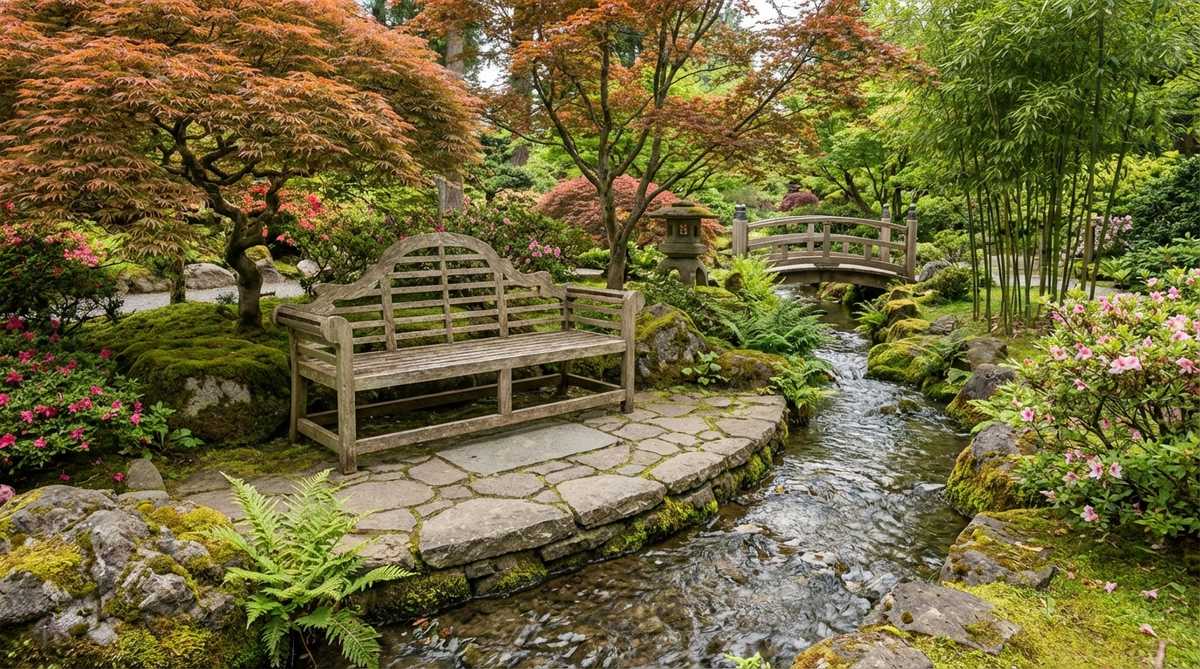
A well-placed japanese garden bench transforms an outdoor space into a sanctuary for meditation and reflection. The right seating encourages slow observation of seasonal changes, flowing water, and carefully composed landscapes. Fresh Garden Ideas brings you expert selections that blend traditional craftsmanship with functional design for American gardens.
Design SnapshotKey Principles
- Material Authenticity: Stone, teak, and bamboo provide durability while honoring Japanese aesthetics
- Sightline Planning: Position benches to frame specific views rather than panoramic overlooks
- Low Profile: Seating should sit close to ground level to foster humility and connection with nature
- Minimal Ornamentation: Clean lines and natural finishes prevent distraction from surrounding landscape
Traditional Stone Seating for Permanence
Stone benches anchor Japanese gardens with weatherproof durability that improves over decades. These pieces require zero maintenance while developing natural patina that enhances their organic character. Designers use granite and slate for their ability to absorb and radiate heat during cool morning meditation sessions.
1. Natural Boulder Slab Bench
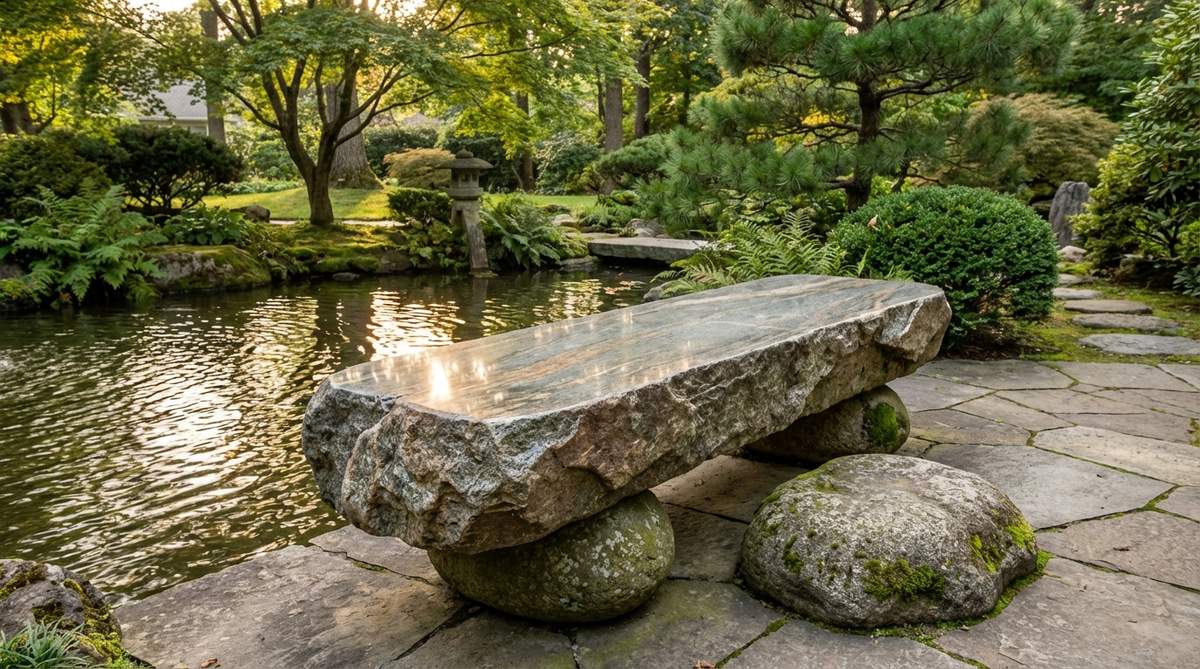
Water-worn boulders split lengthwise create the most authentic traditional seating. The polished top surface contrasts with rough natural edges, showcasing the stone’s geological history.
Support the slab with two rounded stones selected to match the bench’s coloring and texture. Position these 120-135 cm pieces near water features where their reflective surface catches light patterns.
The 180 kg weight ensures stability without anchoring, allowing seasonal repositioning as garden views evolve.
2. Carved Granite Meditation Seat
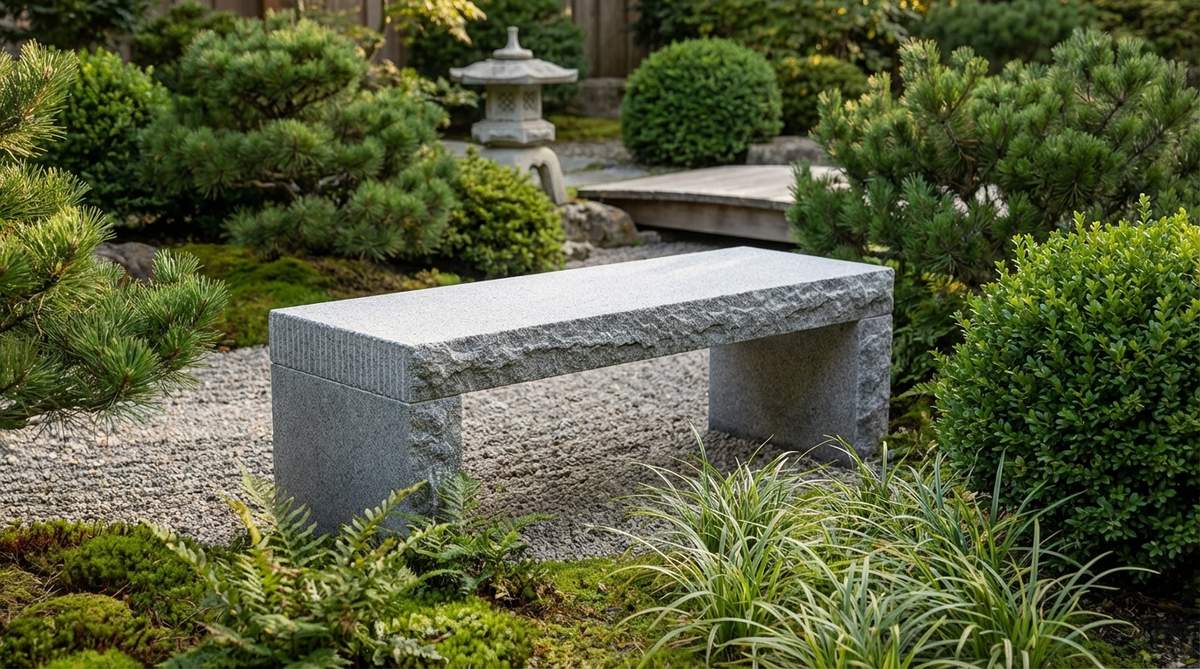
Precision-cut granite benches offer uniform dimensions suited to strolling garden pathways. Artisans shape these from single blocks, leaving subtle chisel marks that reveal handcrafted origins.
The 38 cm height positions sitters low enough to view gravel patterns and ground-level plantings at eye level. Pair with evergreen shrubs that frame the seat without overwhelming its clean geometry.
3. Slate-Backed Garden Perch
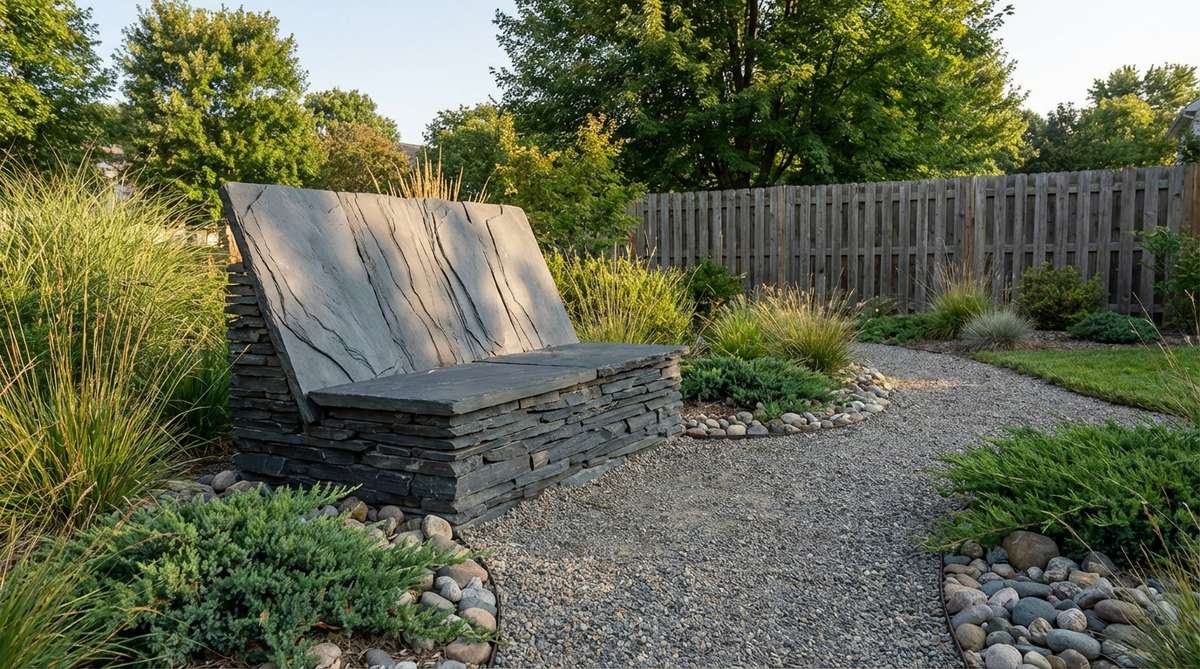
Layered slate pieces form vertical backs that provide lumbar support for extended contemplation. The stratified appearance adds textural interest while maintaining the minimalist aesthetic.
Install these near garden transitions where paths curve or elevation changes, creating natural pause points. The back angle should tilt 5-10 degrees to encourage upright but relaxed posture.
4. River Stone Cluster Seat
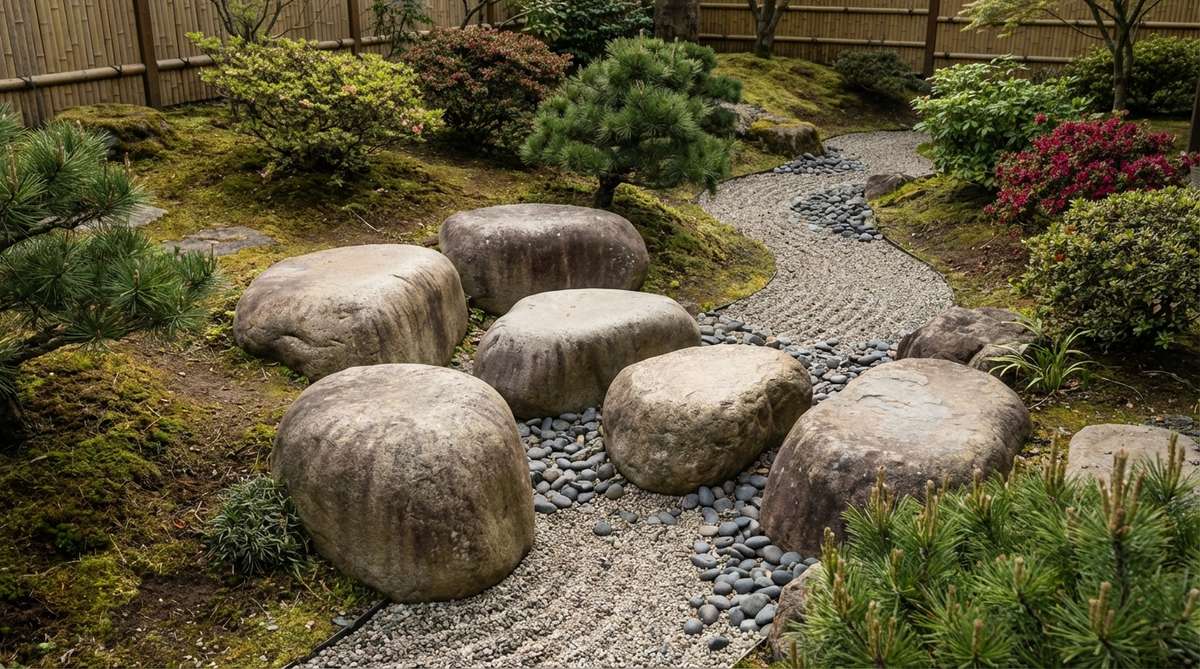
Arrange 5-7 smooth river stones in a tight cluster to form an informal sitting area. Each stone’s rounded top provides a distinct seating option for individuals or small groups.
This arrangement works particularly well beside dry streambeds where the stones echo the garden’s water symbolism. Select stones 45-50 cm tall to accommodate different body types and preferences.
5. Basalt Column Bench
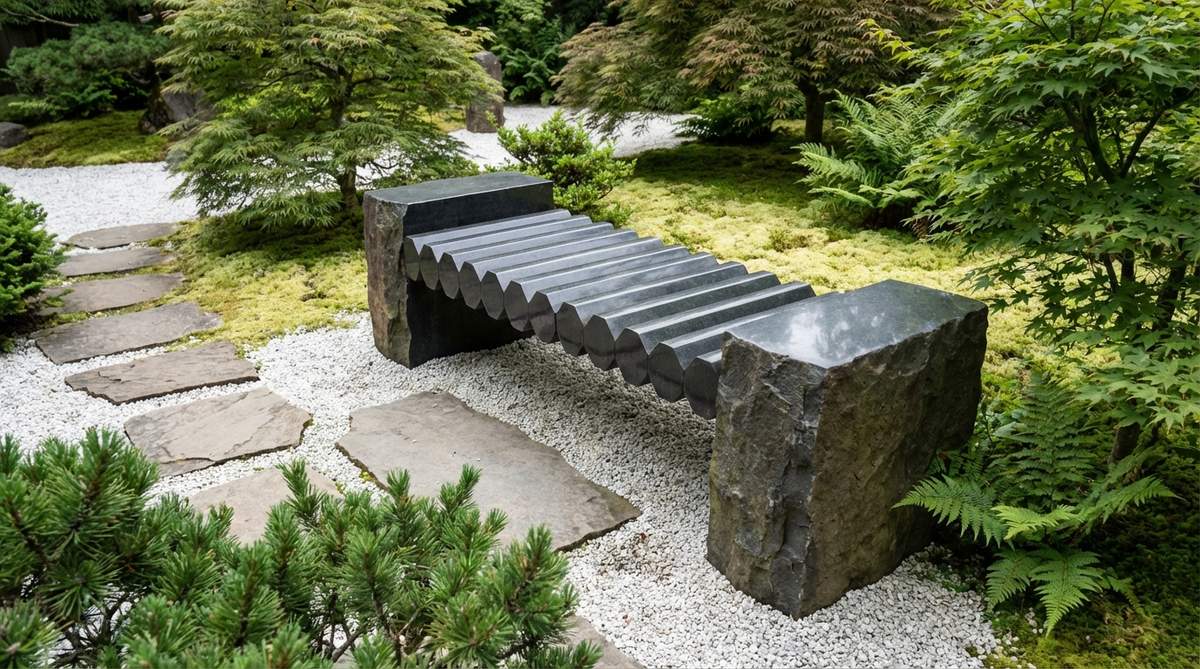
Hexagonal basalt columns laid horizontally span between two support stones for dramatic visual impact. The geometric natural formation adds sculptural quality while remaining functionally comfortable.
Position these statement pieces where they become focal points during the approach walk. The dark coloring creates strong contrast against white gravel or light-colored groundcovers.
Wooden Benches with Asian Influence
Wood benches introduce warmth and crafted detail to contemplative spaces. Teak, cedar, and white oak withstand outdoor conditions while developing silver-gray patinas. Mortise-and-tenon joinery eliminates metal fasteners for authentic period construction.
6. Curved Crest Rail Teak Bench
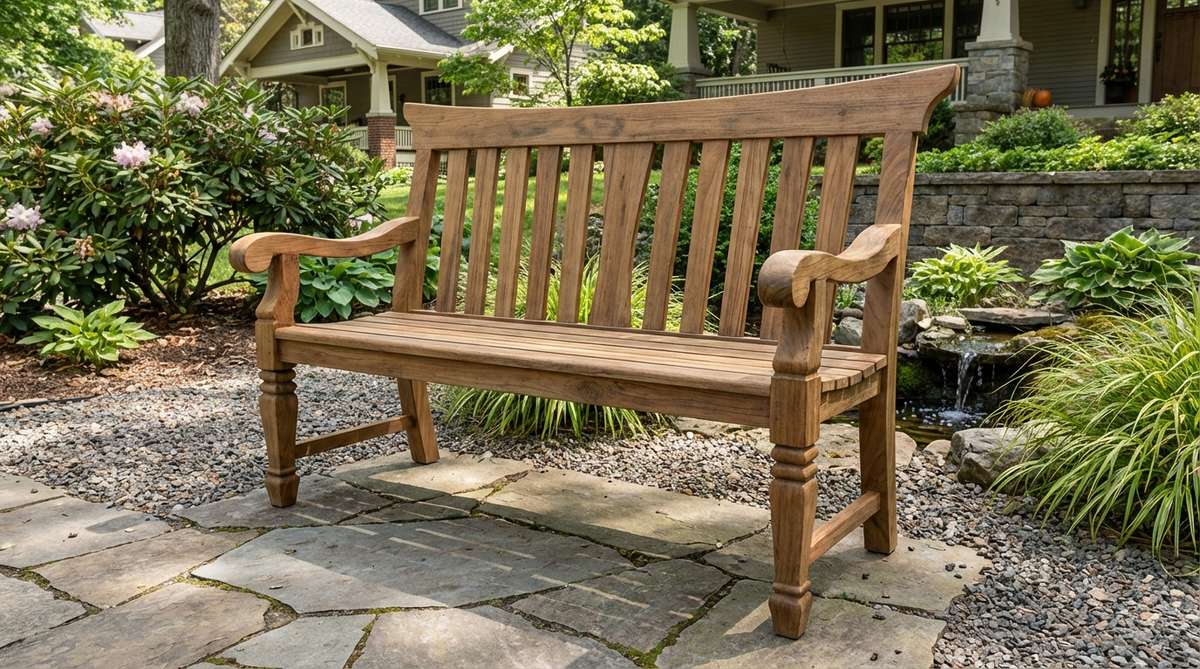
Buddhist temple gates inspire the flowing top rail and tapered back splats of this hybrid design. Tudor-style chunky front legs ground the piece while angled rear legs create dynamic sightlines.
Teak’s natural oils repel moisture and resist decay for 50+ years of outdoor use. The curved armrests guide hand placement for meditation postures without restrictive rigidity.
Build from 4/4, 6/4, and 8/4 stock laminated with marine-grade epoxy for outdoor structural integrity.
7. Low Platform Meditation Bench
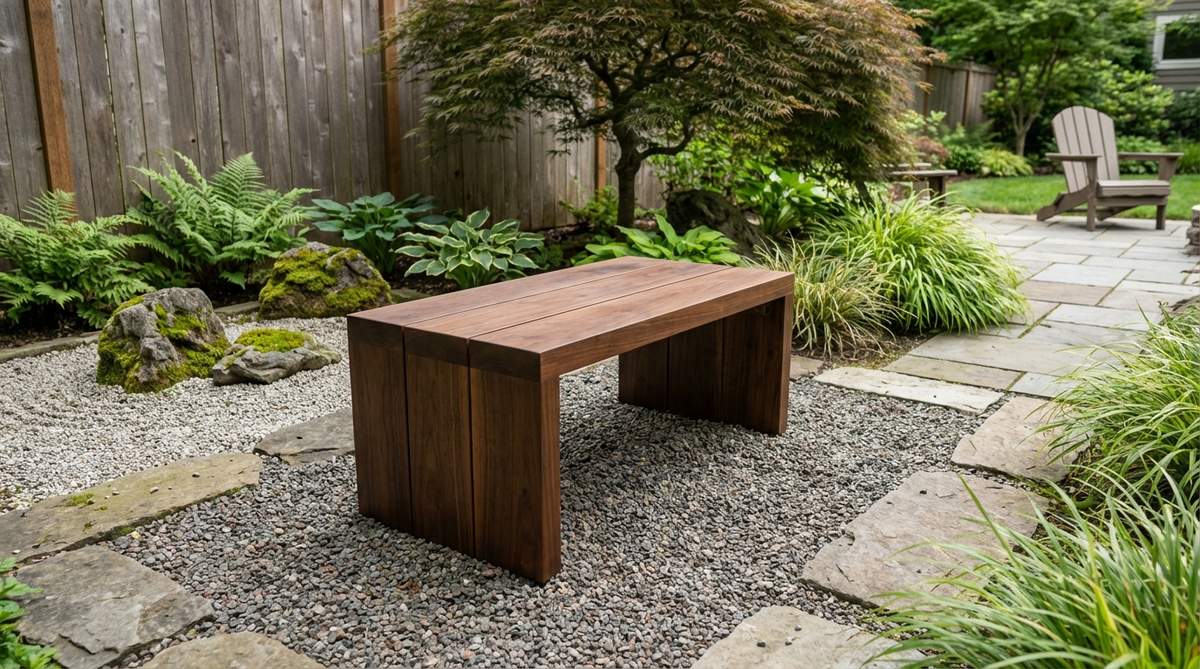
18-inch-high platforms accommodate traditional seiza kneeling or cross-legged sitting positions. Wide plank construction from single boards eliminates seams that trap moisture.
Finish with hand-rubbed tung oil rather than film-building varnishes that crack and peel. The platform should measure 24 inches deep to support various meditation postures comfortably.
8. Japanese Joinery Backless Seat
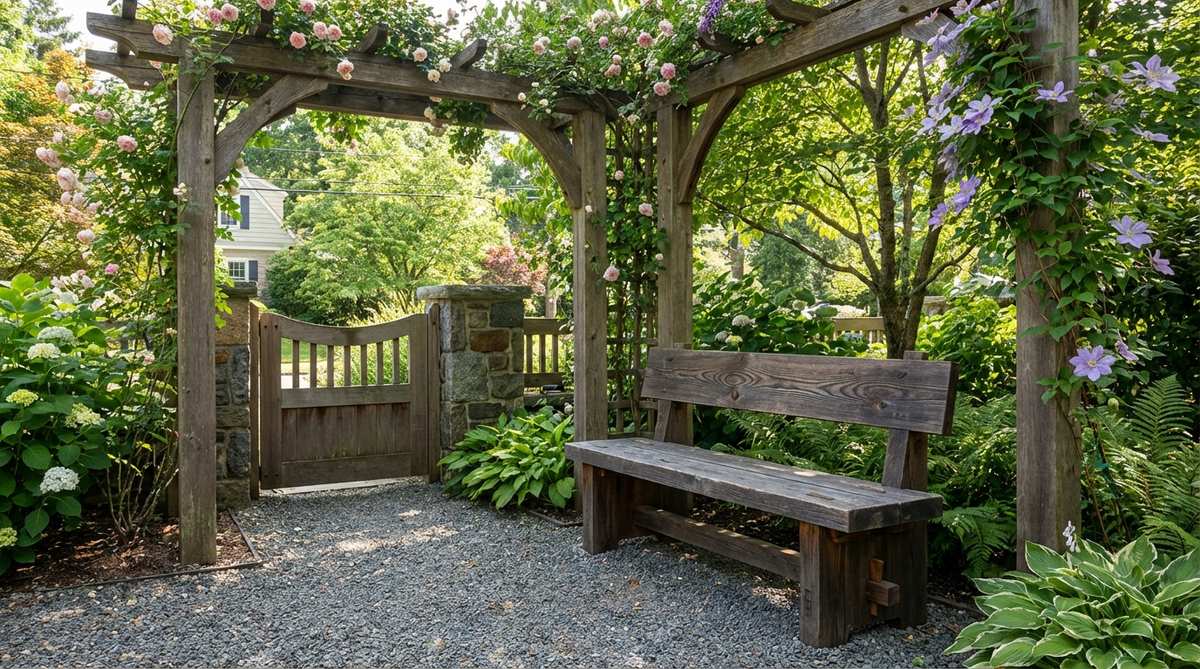
Visible through-tenons and wedges showcase traditional woodworking techniques. Craftsmen select boards for interesting grain patterns that become design features.
The nut-and-bolt-free construction relies on fitted wooden pegs cut specifically for each joint. This approach creates living furniture that tightens naturally as wood fibers compress over time.
Position these simple benches under arbors or beside gates where their craftsmanship receives close inspection.
9. Cedar Plank Floating Bench
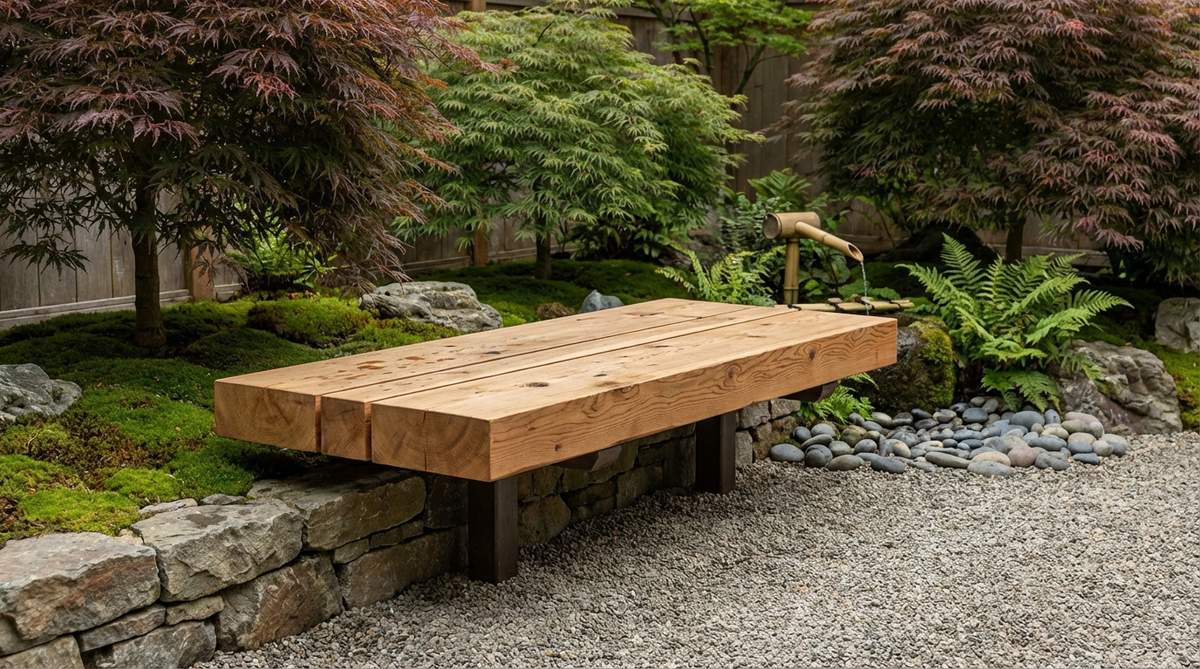
Thick cedar slabs cantilever from concealed steel posts embedded in the ground. The floating appearance suggests lightness despite robust construction.
Spanish cedar or western red cedar both offer natural rot resistance without chemical treatment. Allow 6-8 inches of overhang beyond supports for proper visual balance.
10. Split Log Rustic Seat
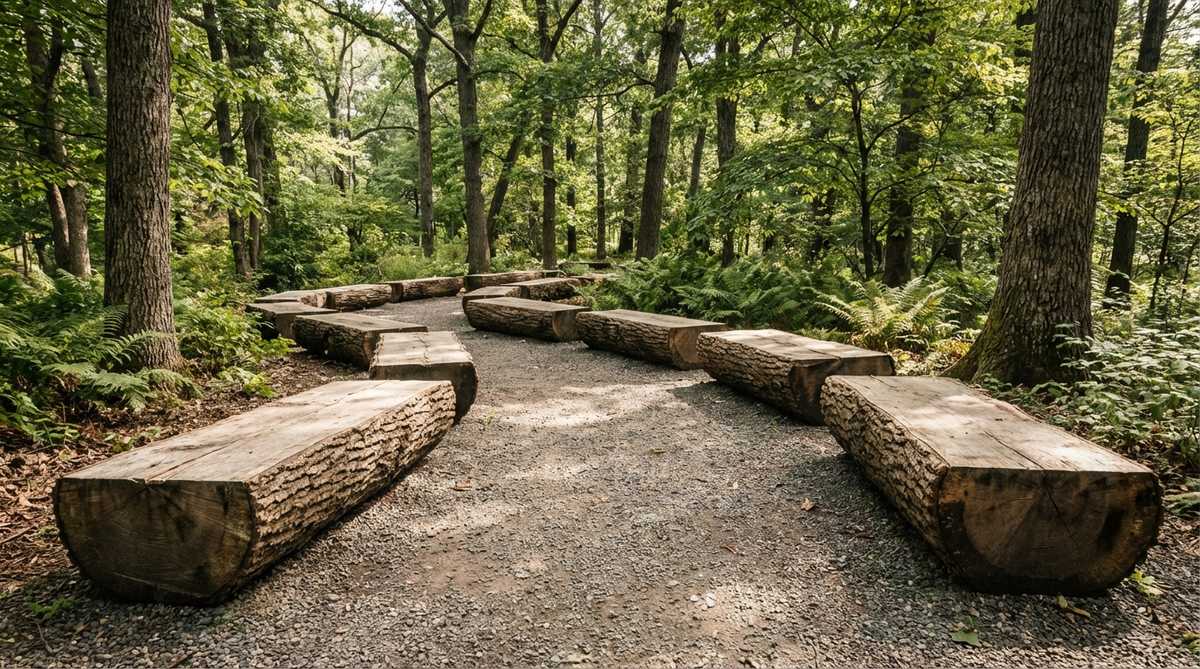
Half-logs placed flat-side-up provide immediate, no-construction seating along woodland garden paths. The bark remains intact on curved sides for textural authenticity.
White oak and black locust species resist ground contact decay for 15-20 years. Position these temporary seats during garden establishment, replacing them with permanent installations as the landscape matures.
Bamboo-Inspired Lightweight Options
Bamboo construction offers portability for seasonal garden arrangements. These benches fold for storage or move easily to follow optimal sun angles throughout the year. Lightweight designs suit small urban gardens where flexibility matters more than permanence.
11. Folding Bamboo Meditation Stool
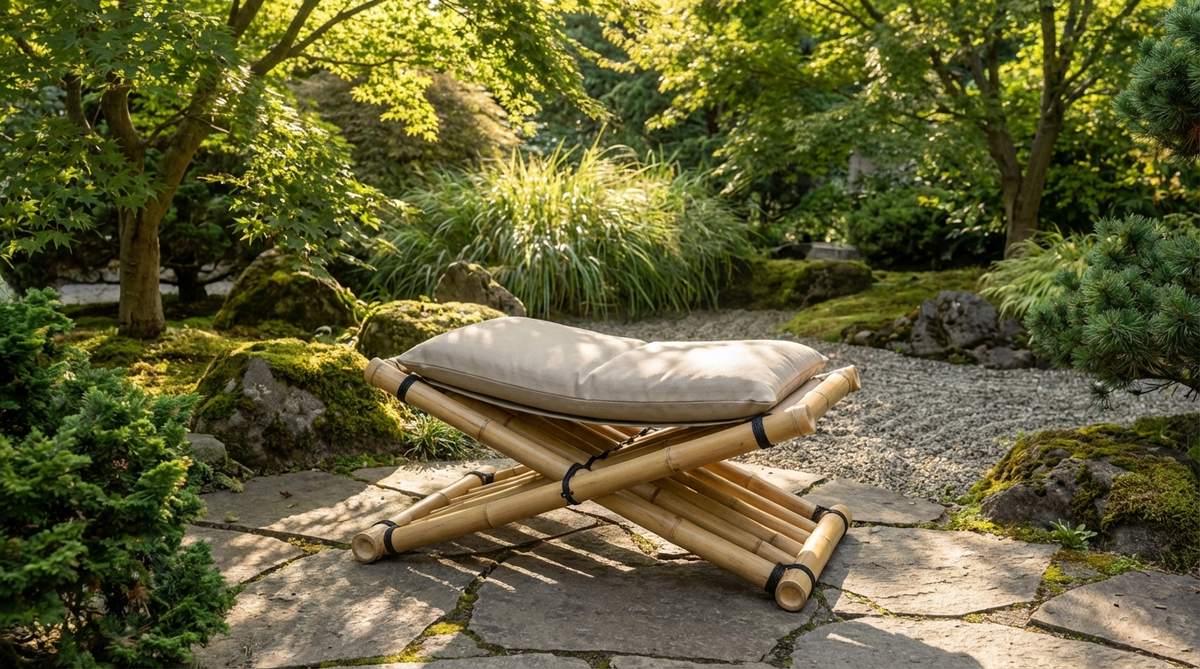
55-inch-long benches fold flat for winter storage or repositioning during garden parties. Natural bamboo poles lashed with black cord create authentic detailing.
The low 12-inch height accommodates floor cushions while elevating sitters above damp ground. Use these as plant stands during off-season months to maximize value.
12. Bamboo Pole Bundle Bench
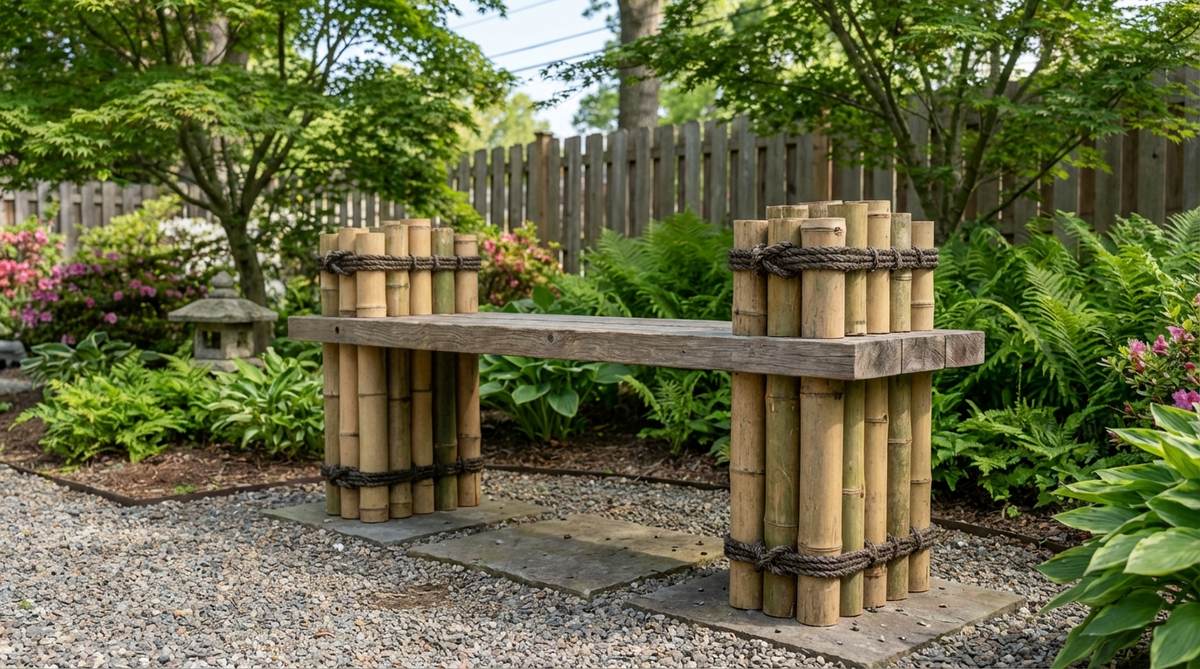
Group 8-10 bamboo poles vertically in two tight clusters as support columns. Span them with a plank seat made from bamboo board or complementary hardwood.
The vertical orientation showcases bamboo’s natural nodes and color variation. Bind poles at top and bottom with dark hemp rope tied in traditional decorative knots.
This DIY-friendly design requires no special tools and assembles in under two hours.
13. Reinforced Resin Bamboo Replica
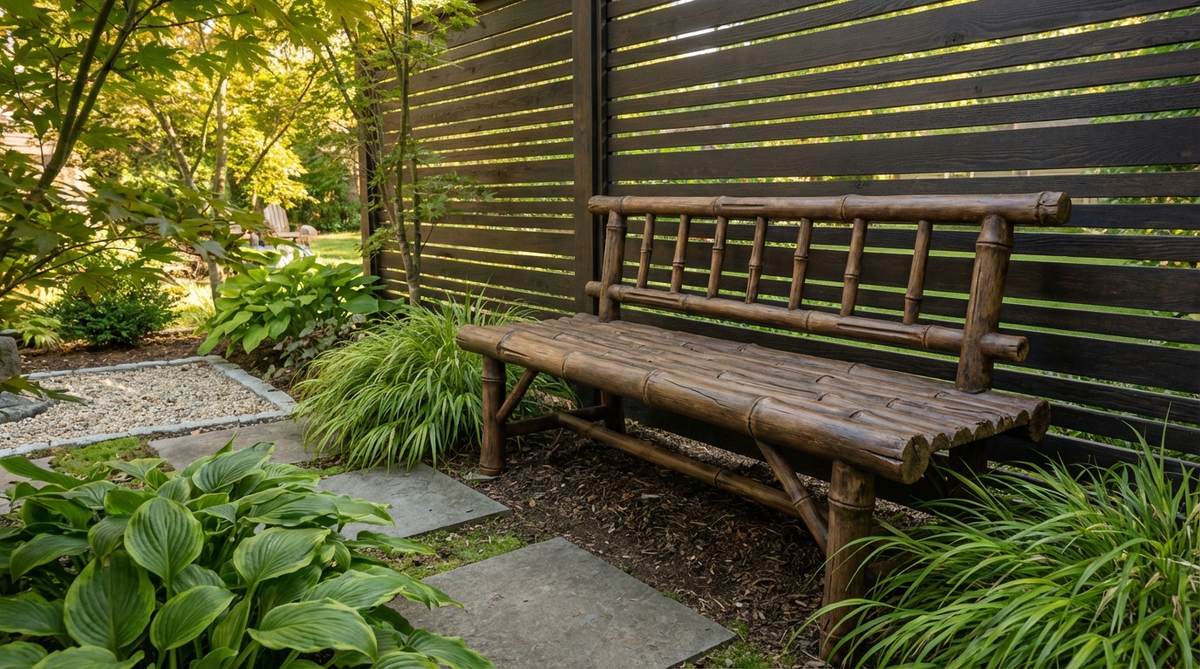
ASA resin molded to replicate aged bamboo provides the look without maintenance concerns. Japanese manufacturers hand-paint these pieces to match specific bamboo varieties.
Three-dimensional surface textures mimic nodes, splits, and weathering patterns convincingly from three feet away. The material withstands temperature extremes that would crack natural bamboo.
Specify benches with concealed mounting systems for clean installation along fence lines or privacy screens.
14. Bamboo-Backed Wooden Bench
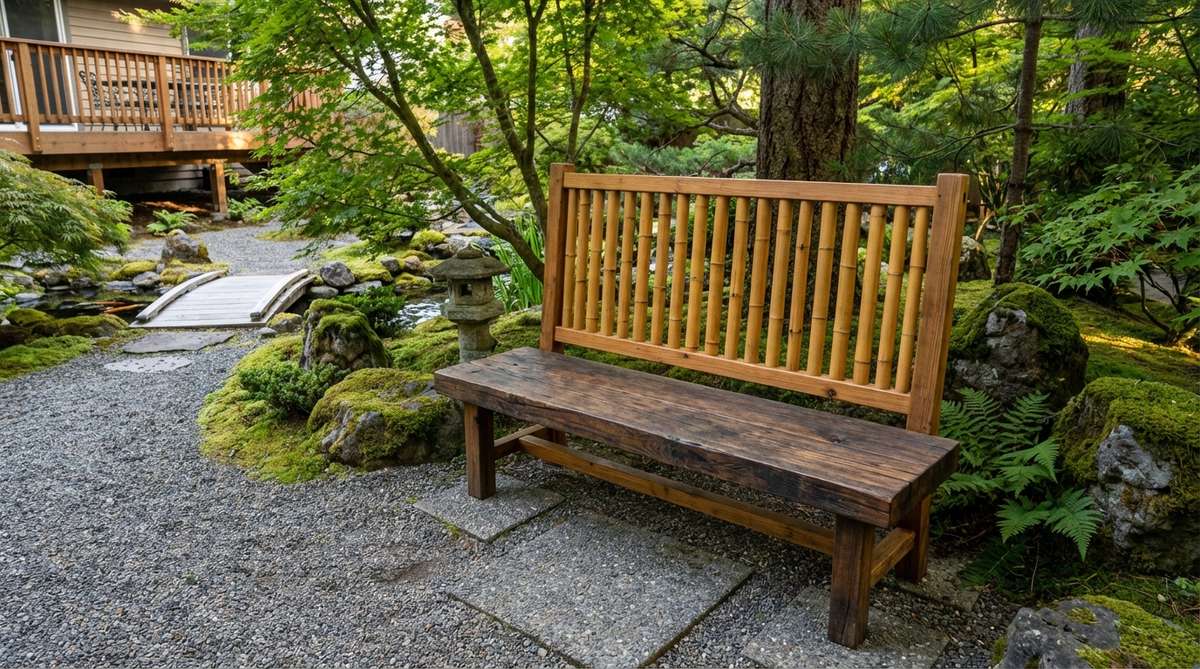
Combine a hardwood seat with bamboo pole backrests for mixed material interest. The contrast highlights each material’s distinct properties and cultural associations.
Space bamboo vertical slats 2-3 inches apart for lumbar support without feeling caged. This design works particularly well as transition seating between formal and natural garden zones.
Contemplative Viewing Stations
Strategic seat placement creates specific viewing experiences rather than general garden overlooks. Each station frames a particular scene for focused meditation. Designers choreograph the sequence of views along strolling paths for narrative progression.
15. Moon-Viewing Platform Seat
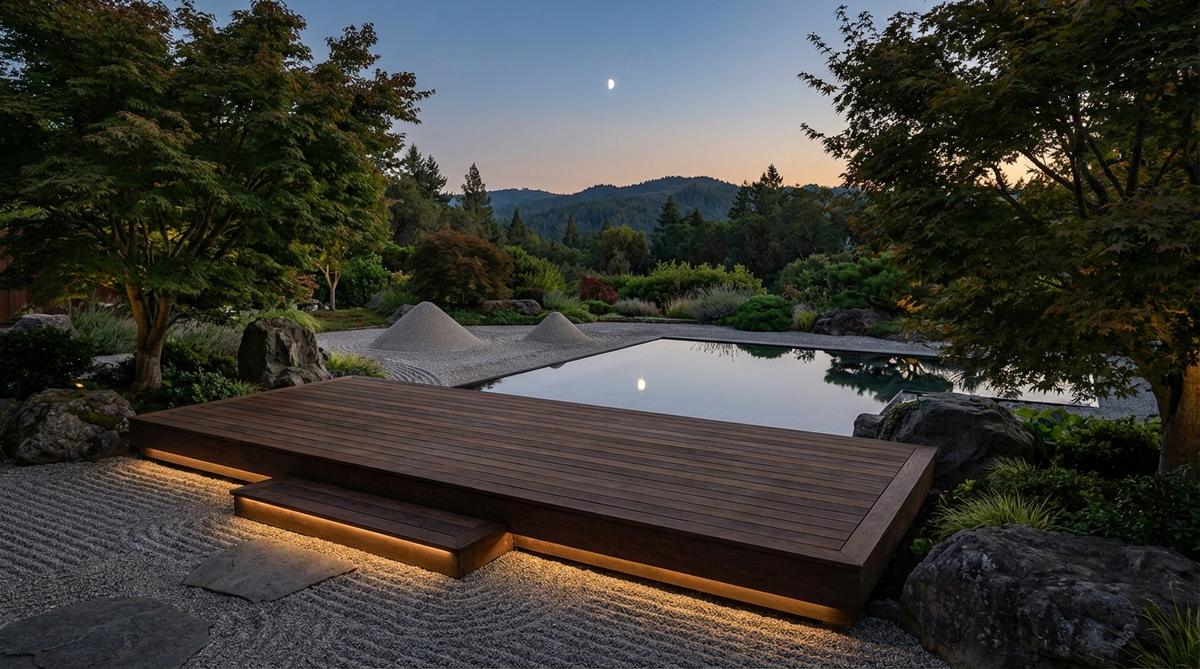
Position elevated seating to observe kogetsudai sand mounds and their lunar reflections. The platform should sit 24-30 inches high for optimal viewing angles across dry gardens.
Build from weather-resistant lumber with wide 16-inch treads for stable standing during evening observation sessions. Orient the platform eastward toward moon-rising hills or mountains.
Add subtle indirect lighting beneath the platform to illuminate gravel patterns without washing out moonlight.
16. Water Feature Observation Bench
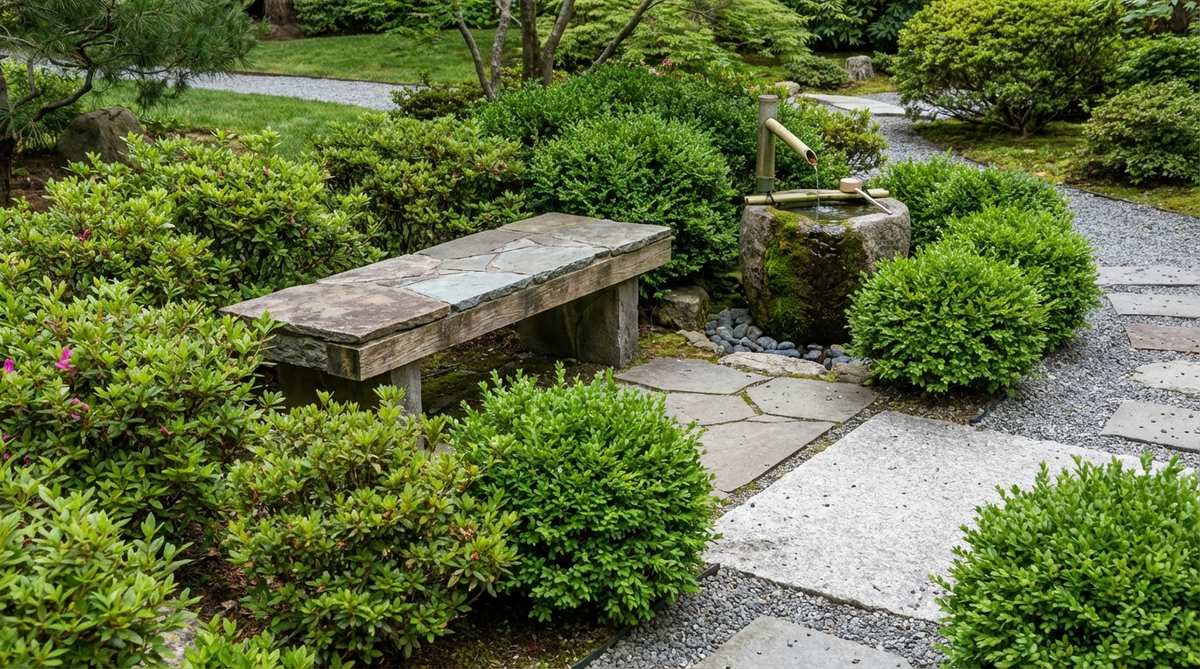
Place stone or wooden benches 6-8 feet from tsukubai water basins to appreciate the full soundscape. This distance allows the ear to distinguish individual water droplets hitting the basin.
Angle the seat 15-20 degrees off-axis from the water source to create asymmetric visual interest. Evergreen shrubs behind the bench enclose the space without blocking views.
17. Dry Landscape Viewing Bench
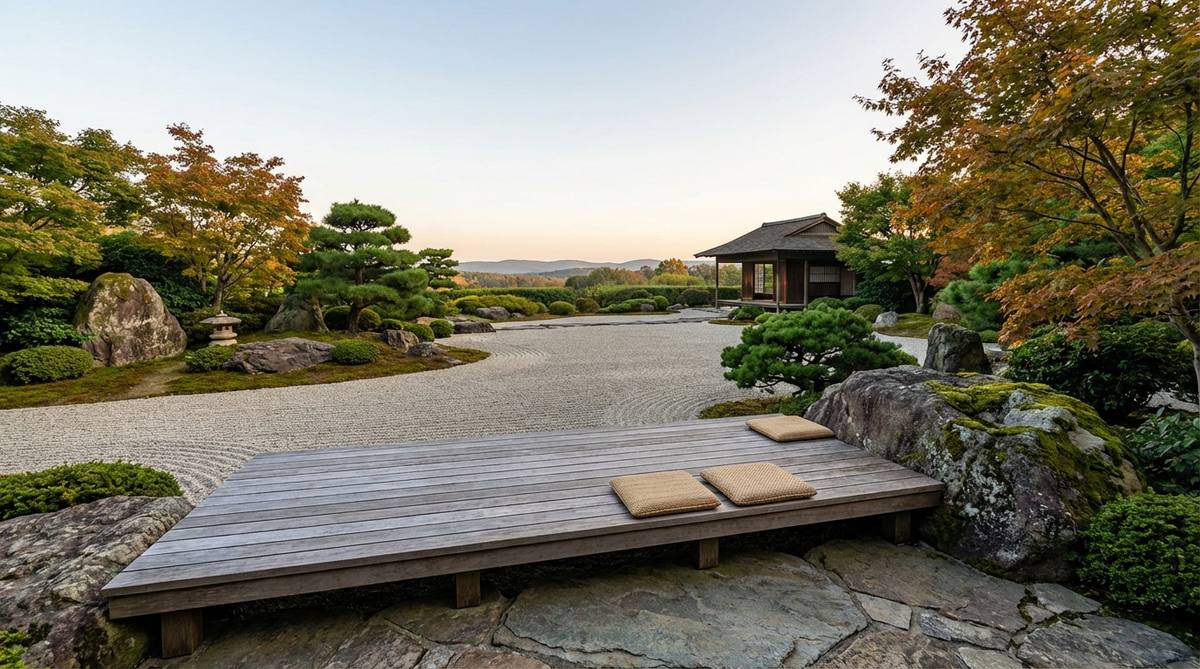
Zen gardens require fixed seating positions that reveal intended compositions. Install permanent benches or platforms at the designer’s specified vantage point.
The seat height should position eyes at the horizon line of raked gravel patterns. Wider benches accommodate side-by-side sitting for shared contemplative experiences.
Resist the urge to add multiple viewing stations—singular perspective maintains compositional integrity.
18. Seasonal Blossom Bench
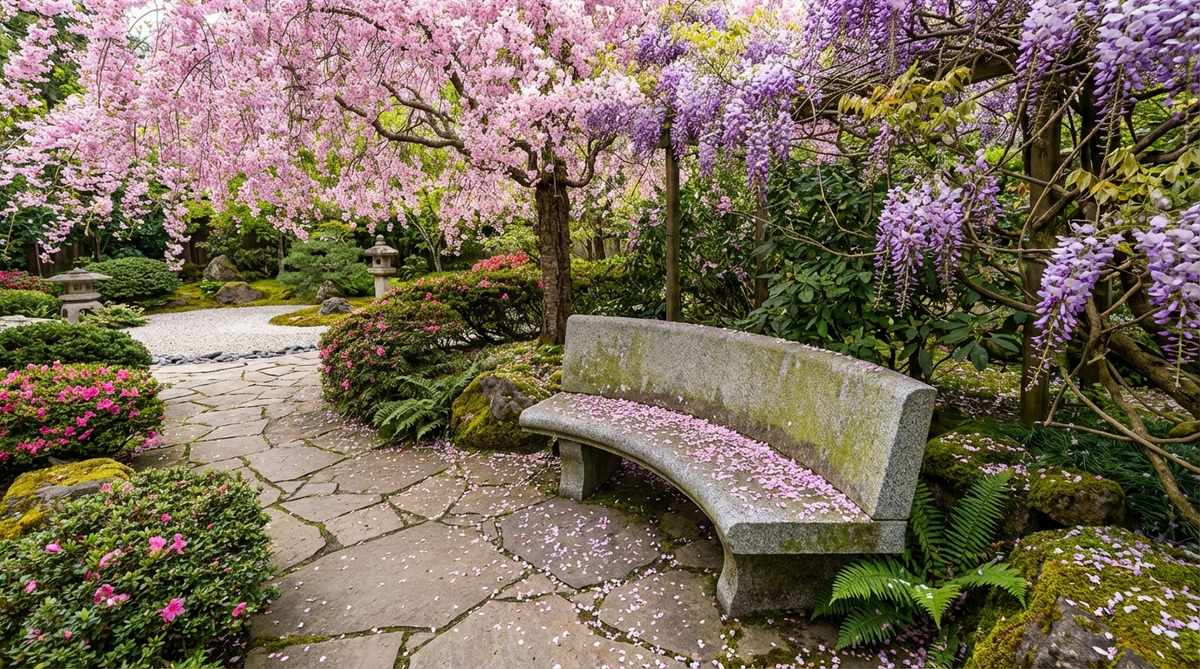
Site benches beneath flowering trees like cherry or wisteria for peak bloom viewing. The seat becomes an event destination during 7-10 day flower periods.
Position seating to capture fallen petals on the bench surface as part of the aesthetic experience. Smooth stone seats showcase petal patterns better than textured wood.
Tea Garden Seating Arrangements
Roji-style tea gardens require specific seating for ritual preparation and waiting. These benches serve functional purposes within ceremony sequences while maintaining contemplative qualities. Material selection emphasizes natural wear patterns that honor tea’s humble origins.
19. Machiai Waiting Bench
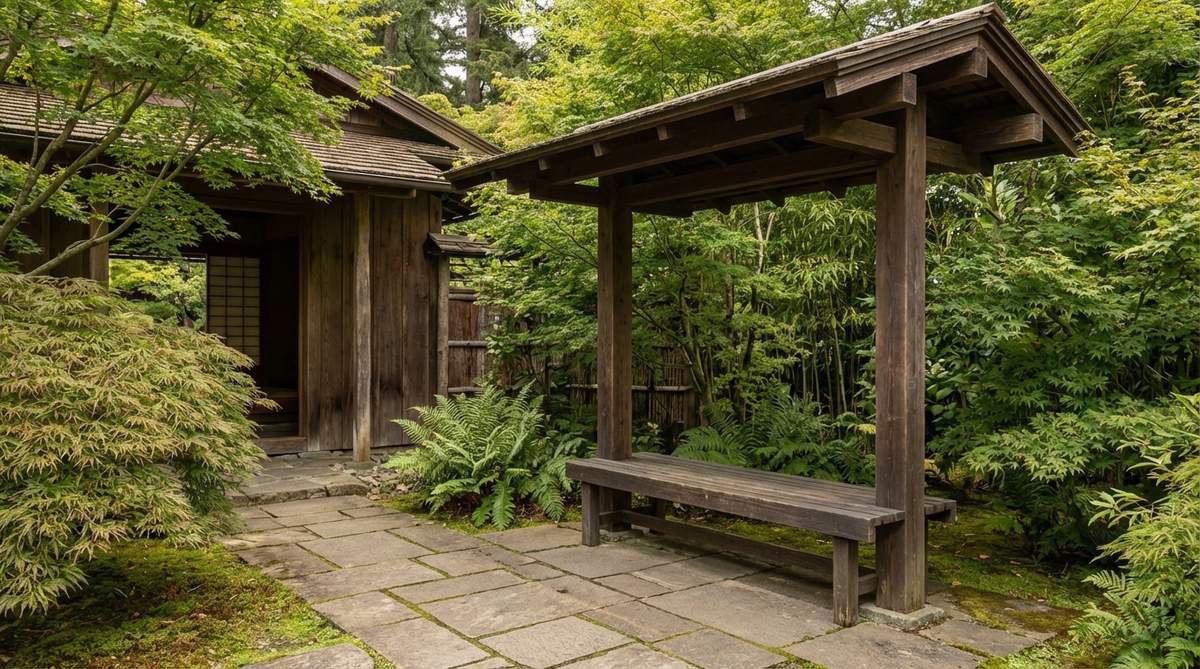
Covered benches shelter guests before tea ceremonies begin. The roof structure should extend 18 inches beyond the seat to protect from rain without feeling enclosed.
Build simple post-and-beam covers from cedar or cypress using traditional joinery. Bench height at 16 inches accommodates the lowering of the body into humble readiness.
Place these waiting benches within sight of the tea house entrance but separated by screening plants.
20. Tsukubai Purification Seat
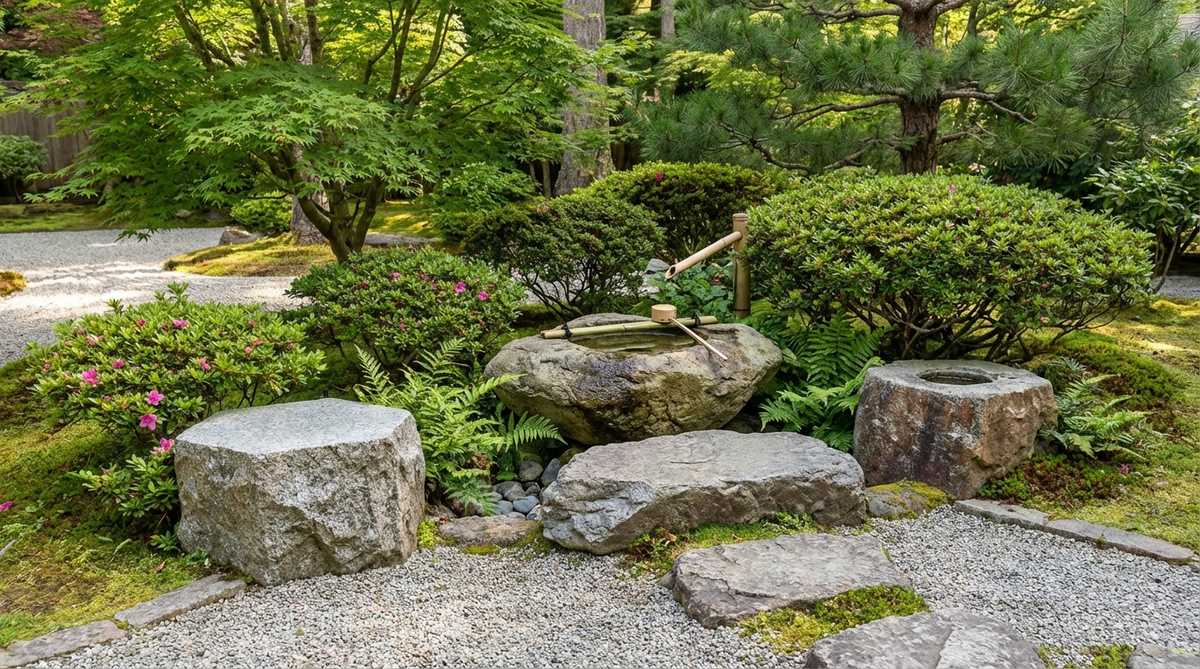
Low stone seats beside water basins support the cleansing ritual before entering tea spaces. Position them 3-4 feet from the basin for comfortable reach without standing.
The water bucket stone (yuoke-ishi) and candleholder stone (teshoku-ishi) flank the primary seating stone. This three-stone arrangement follows tea ceremony school specifications.
Select stones with flat tops but rough sides to indicate their transitional role between outside and sacred space.
21. Azumaya Gazebo Bench
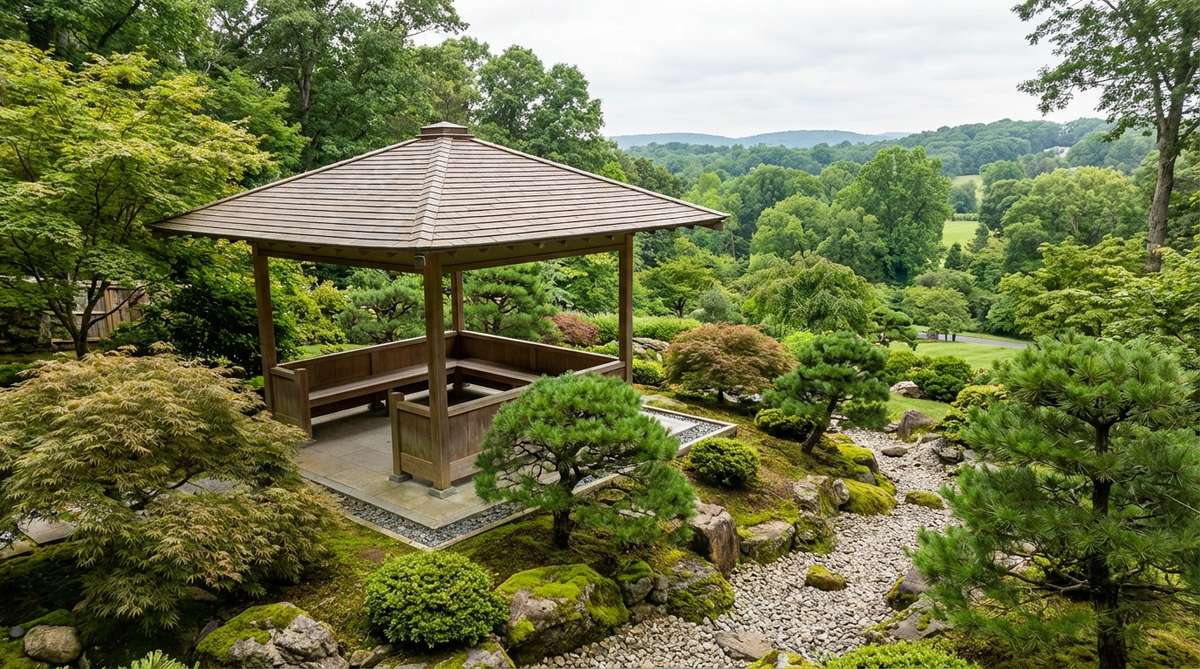
Four-posted open gazebos house perimeter benches for group contemplation. The structure provides shelter while maintaining visual connection to surrounding gardens.
Built-in benches should measure 18-20 inches deep with optional back supports for extended sitting. Leave the floor open to ground or install deck boards with 1/4-inch gaps for drainage.
Position azumaya at garden high points where views extend to borrowed scenery beyond property lines.
22. Arbor Shade Bench
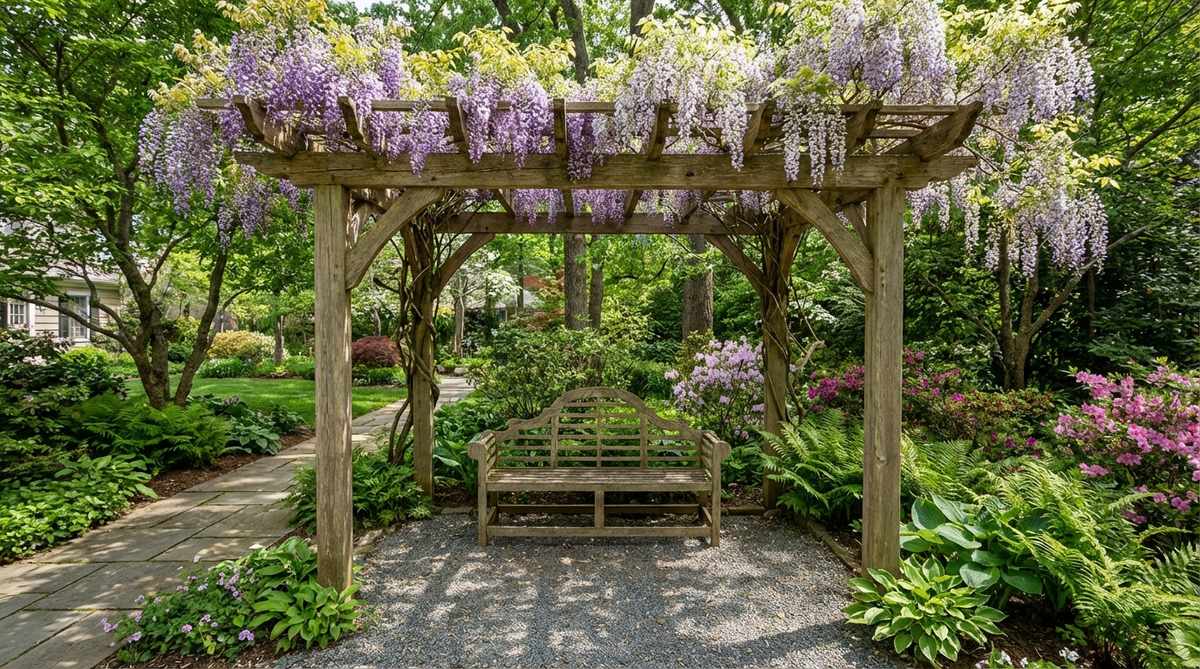
Wisteria pergolas combine overhead flowering with sheltered seating beneath. The arbor should stand 7-8 feet tall to accommodate mature vine draping.
Install benches along one or two sides rather than wrapping the perimeter to maintain open circulation. Cedar or teak weathers gracefully under falling wisteria blossoms and dripping morning dew.
Modern Interpretations of Tradition
Contemporary designers adapt Japanese principles using current materials and fabrication methods. These benches honor traditional aesthetics while addressing modern garden scales and maintenance expectations. The goal remains creating peaceful observation points regardless of construction approach.
23. Cast Stone Patina Bench
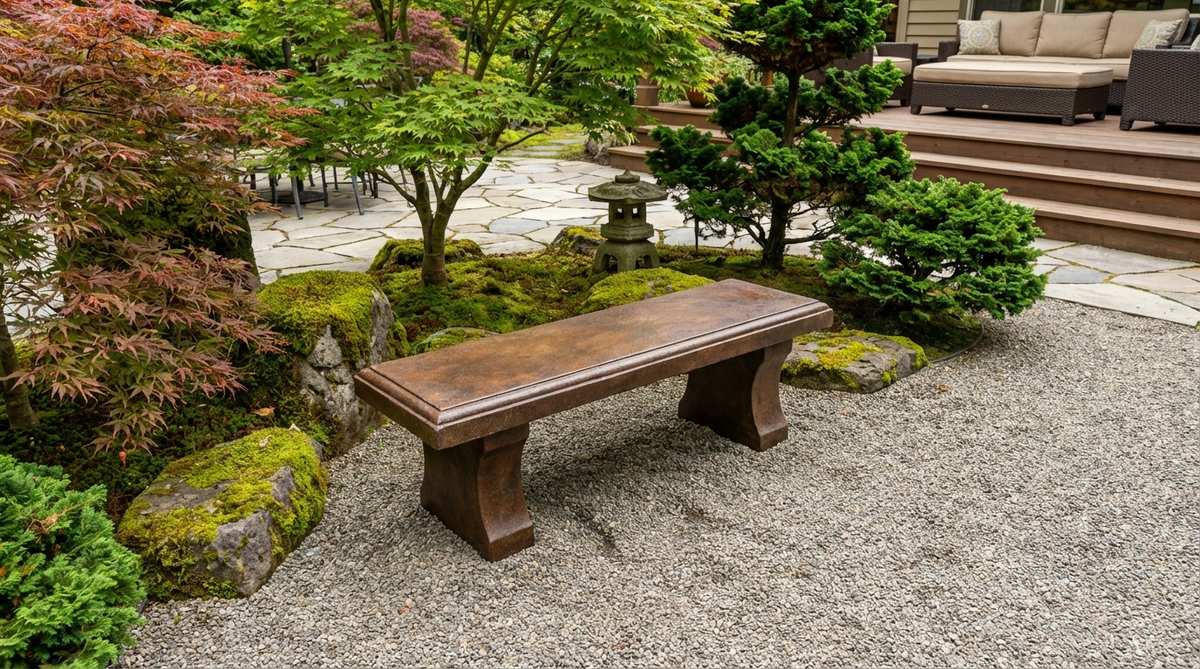
High-quality cast stone replicates hand-carved appearance at reduced cost and weight. Multi-step hand-applied patinas create rich brown tones that mimic aged granite.
The casting process captures intricate textures impossible to carve economically. These benches weather naturally like stone while weighing 40% less for easier installation.
Position them on patios or pool areas where their formal finish complements hardscape elements.
24. Steel Frame Wood Slat Bench
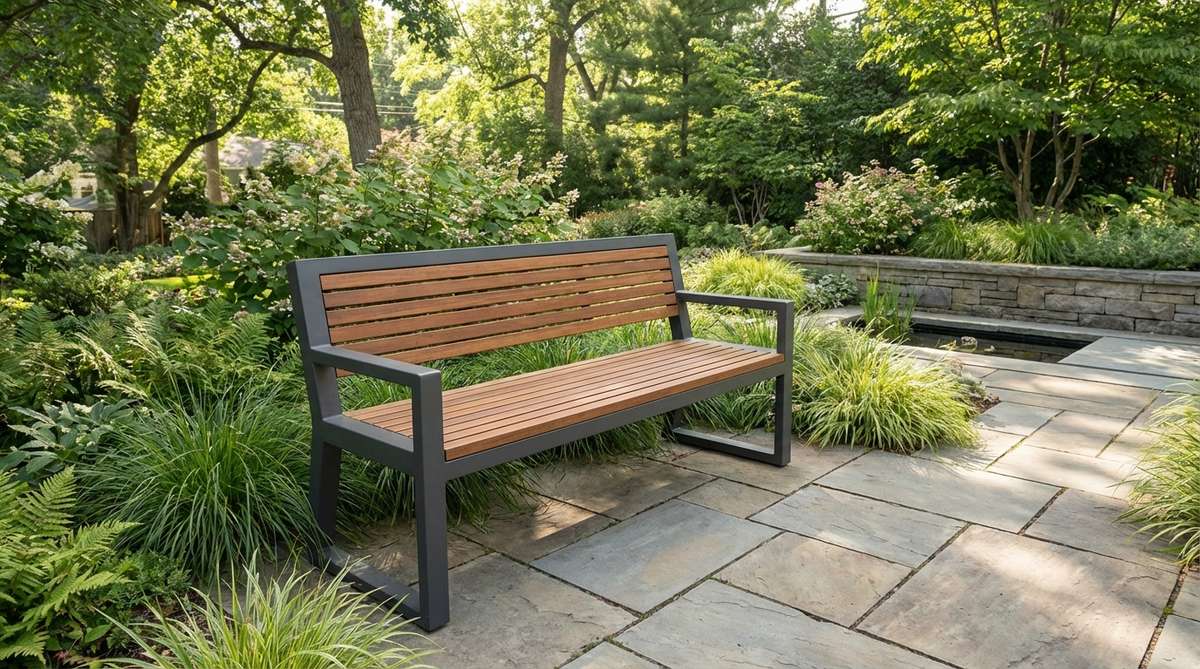
Powder-coated steel provides structural support while wood slats maintain visual warmth. The contrasting materials create contemporary tension within traditional forms.
Space slats 1/2 inch apart for quick drainage and air circulation beneath seated bodies. Use sustainably harvested ipe or recycled plastic lumber for eco-conscious installations.
25. Concrete Aggregate Bench
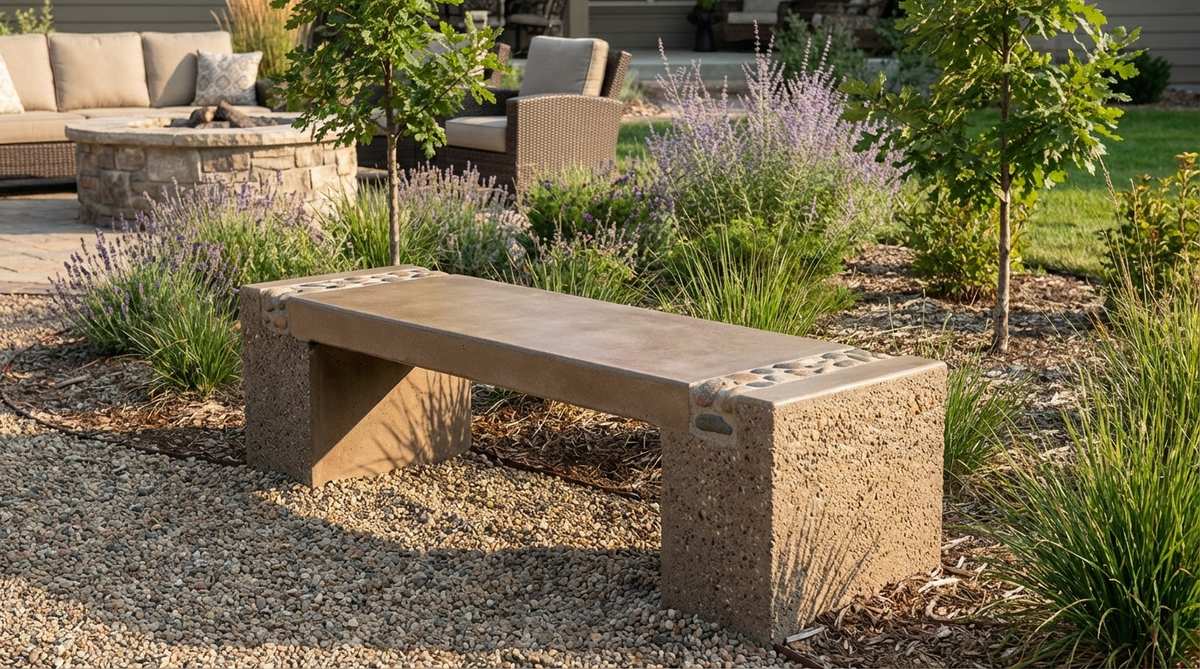
Polished concrete embedded with river stones unifies modern material with natural elements. The smooth top surface provides comfortable seating while exposed aggregate sides add texture.
Form these benches on-site for custom dimensions matching specific garden proportions. Integral color during mixing eliminates painting and its associated maintenance.
The thermal mass stores solar heat, extending comfortable sitting seasons into cool evenings.
Conclusion
Selecting the right japanese garden bench transforms outdoor spaces into purposeful meditation environments. Stone options provide permanent anchors that improve with age, while wooden and bamboo designs offer flexibility and handcrafted warmth. Position seating to frame specific views rather than panoramic overlooks, honoring the Japanese principle that contemplation requires focused attention. Start with a single well-placed bench and observe how it shapes your garden experience before adding additional seating stations.
Frequently Asked Questions
What is the ideal height for a Japanese garden bench?
Traditional Japanese garden benches sit 16-18 inches high, lower than Western standard 18-inch seat heights. This reduced elevation fosters humility and brings viewers closer to ground-level garden details like gravel patterns, moss, and low plantings. Stone benches often measure 14-16 inches, while wooden benches with backs can reach 18 inches. Meditation platforms may sit as low as 12 inches to accommodate floor cushions and traditional sitting postures.
Which wood species work best for outdoor Japanese benches?
Teak remains the premium choice for outdoor Japanese benches due to its natural oils that repel moisture and resist decay for 50+ years. More affordable alternatives include Spanish cedar, white oak, ipe, and western red cedar, all offering natural rot resistance without chemical treatment. Avoid pressure-treated lumber as its industrial appearance conflicts with Japanese aesthetics. Apply hand-rubbed oil finishes rather than film-building varnishes for authentic appearance and easier maintenance.
How do I position a bench for optimal contemplative viewing?
Place benches to frame specific garden features rather than providing panoramic views. Position seating 6-10 feet from focal points like water basins, stone arrangements, or specimen plantings for proper scale appreciation. Orient benches 15-20 degrees off-axis from features to create asymmetric compositions that feel more natural. Consider seasonal sun angles and ensure morning light illuminates the primary view. Test positions by sitting on temporary stools before permanent installation.
Can I use a Japanese garden bench in a small urban space?
Japanese benches work exceptionally well in small gardens where every element requires intentional placement. Choose lightweight folding bamboo benches or narrow stone seats that can be repositioned seasonally. A single well-placed bench in a 10×10 foot space creates adequate meditation area when surrounded by appropriate plantings. Focus on one quality piece rather than multiple seats. Urban gardens benefit from benches with backs since nearby walls or fences can feel confining without lumbar support.
Do Japanese garden benches require special maintenance?
Stone benches require zero maintenance and improve with natural weathering and patina development. Wooden benches need annual oil applications to maintain moisture resistance, though some owners prefer allowing wood to silver naturally. Remove fallen leaves and debris monthly to prevent staining and moisture accumulation. Bamboo pieces should be brought under cover during winter in climates with freeze-thaw cycles. Inspect joinery annually on wooden benches, tightening or replacing wedges as needed.