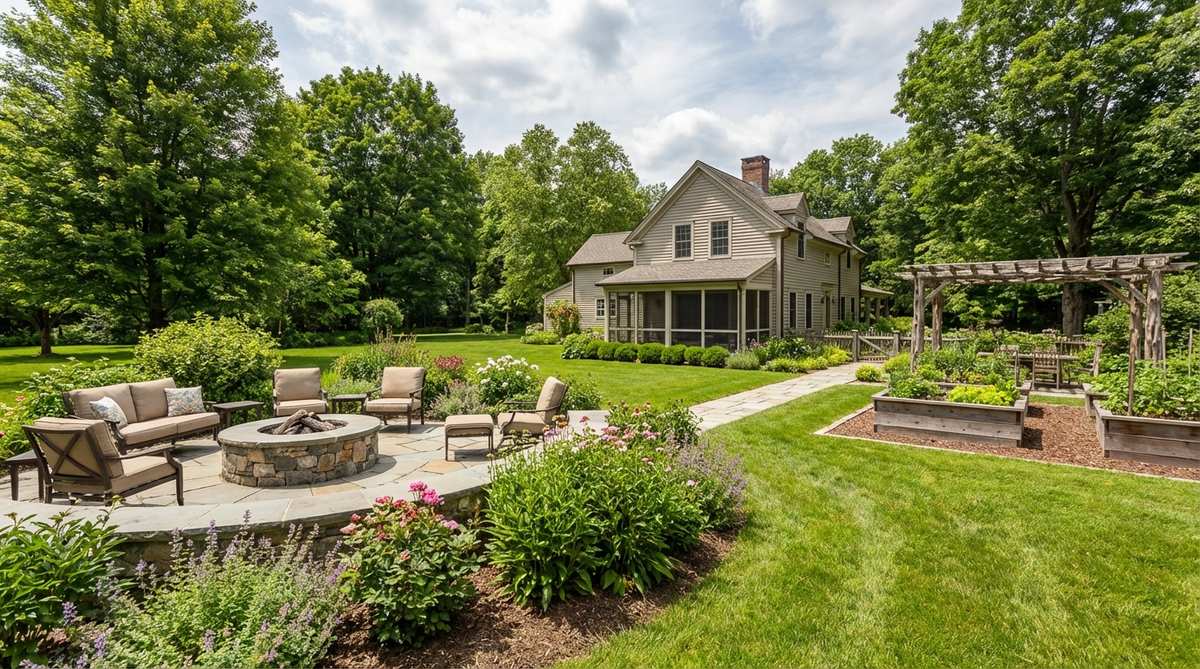
Designers increasingly turn to green gardens as sophisticated statements of restraint and botanical mastery. This approach strips away color competition to reveal the architectural bones of landscape design—leaf shape, texture contrast, and spatial depth become the primary language. Fresh Garden Ideas presents over 50 proven concepts that transform single-hue planting from limitation into liberation.
Design SnapshotKey Principles
- Texture Dominance: Combine fine ferns, bold hostas, and architectural grasses to create visual weight without color
- Tonal Layering: Use lime greens, emerald foliage, and dark evergreens to establish depth through shade variation
- Structural Rhythm: Alternate upright forms with trailing plants and mounding shrubs for dynamic composition
- Seasonal Consistency: Select evergreen specimens and perennials that maintain green interest across all months
Foundational Foliage Frameworks
Establishing structure begins with selecting plants that provide year-round green presence. These foundational concepts create the permanent skeleton upon which seasonal interest builds.
1. Boxwood Matrix Borders
Low clipped hedges of Buxus create geometric boundaries that frame looser plantings within. The tight leaf structure reflects light uniformly, establishing clean visual lines.
Plant specimens 18 inches apart and maintain at 12-24 inch heights depending on desired visual weight. Shear twice annually in late spring and early autumn to preserve crisp edges.
This framework allows wildflower or perennial displays to rotate seasonally while maintaining consistent green structure. Boxwood alternatives include Ilex crenata for acidic soils or Pittosporum tenuifolium in milder zones.
2. Yew Cone Punctuation
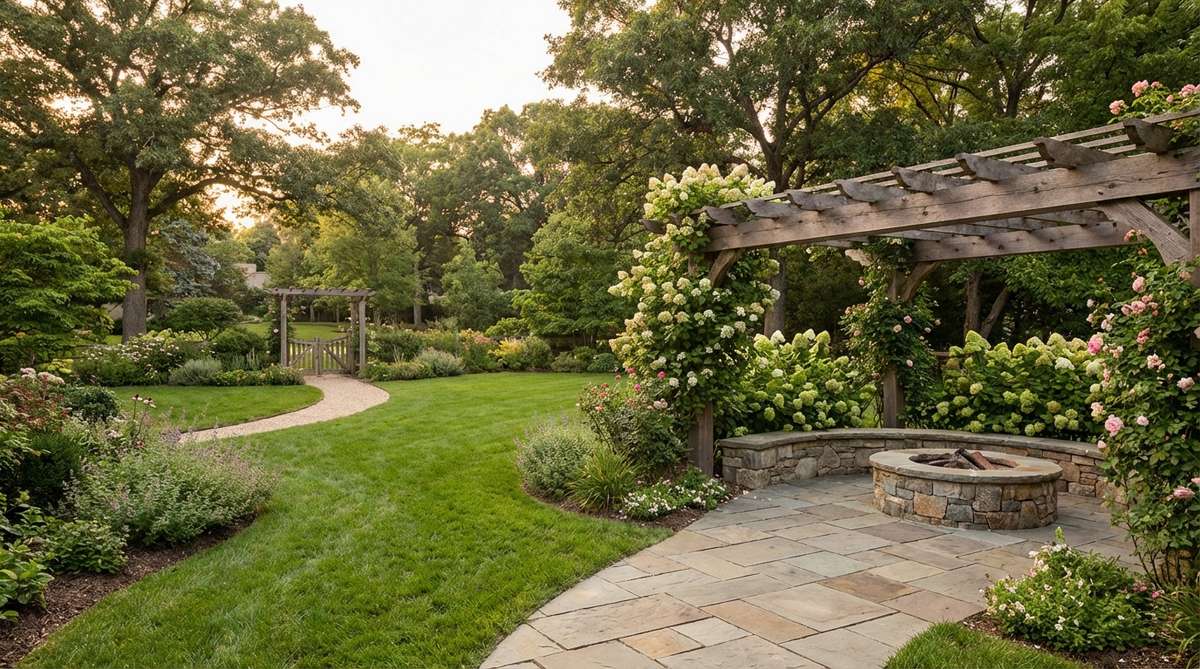
Taxus baccata shaped into vertical cones provides dark green focal points that anchor sight lines. These evergreen sentinels create rhythm when repeated at regular intervals along pathways or bed edges.
Position three-foot specimens with eight-foot spacing to establish formal cadence without overcrowding. Trim annually in mid-summer to maintain pyramidal form.
The deep green foliage provides contrast against lighter lime-toned perennials. Yew tolerates heavy shade better than boxwood, making it valuable for north-facing exposures.
3. Bamboo Screening Walls
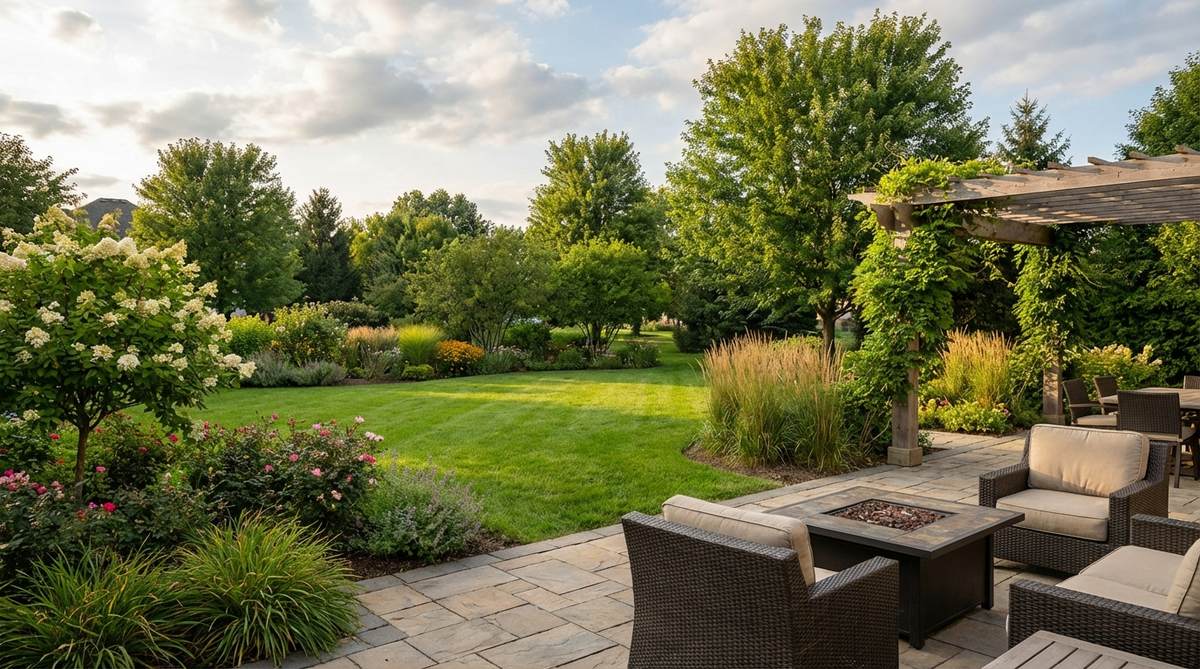
Clumping bamboo species like Fargesia create living walls that filter views while maintaining permeability. The vertical canes and cascading foliage generate movement and sound in wind.
Plant running-bamboo-free varieties in 24-inch trenches filled with amended soil to encourage dense growth. Space rhizomes 36 inches apart for full coverage within two seasons.
This approach works particularly well along property boundaries where solid fencing would feel oppressive. The varied green tones within bamboo foliage add subtle depth to monochromatic schemes.
4. Massed Ornamental Grass Drifts
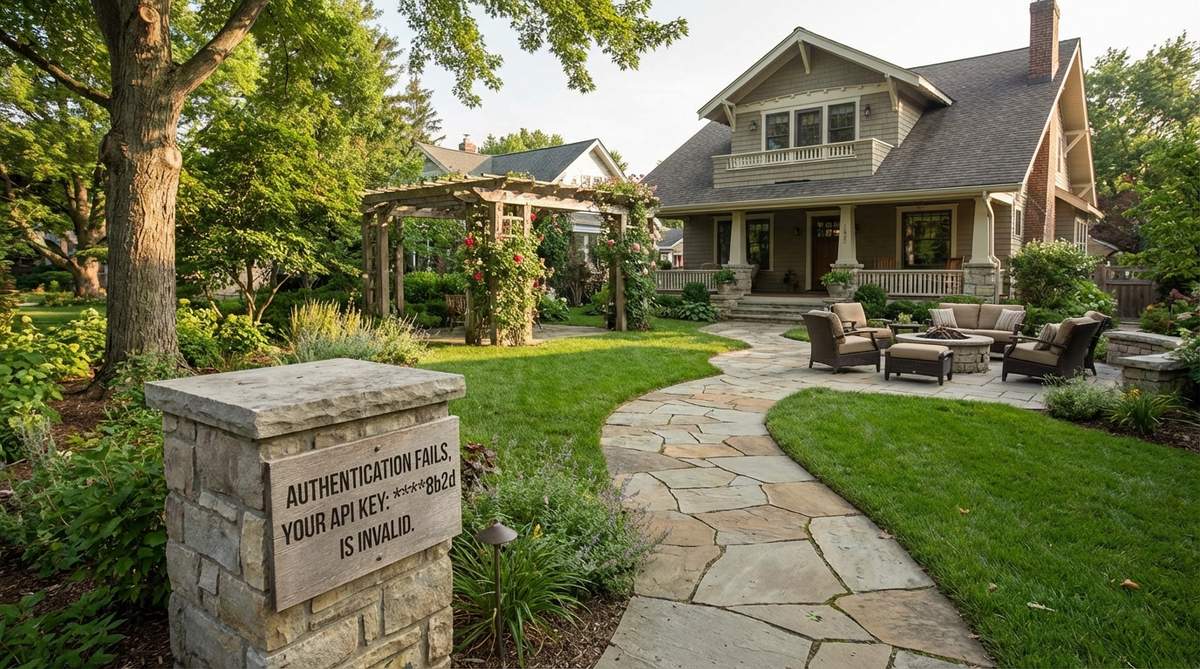
Plant groupings of five to fifteen identical grass cultivars create billowing green volumes. Miscanthus, Panicum, and Calamagrostis species offer varying heights and textures within the green spectrum.
Arrange plants in asymmetrical clusters rather than straight rows to mimic natural prairie patterns. Maintain 30-inch spacing for four-foot mature specimens.
The movement and seasonal color shifts within green—from chartreuse new growth to bronzed winter blades—provide interest without introducing competing hues. Cut back to six inches each late winter before new growth emerges.
5. Holly Hedge Architecture
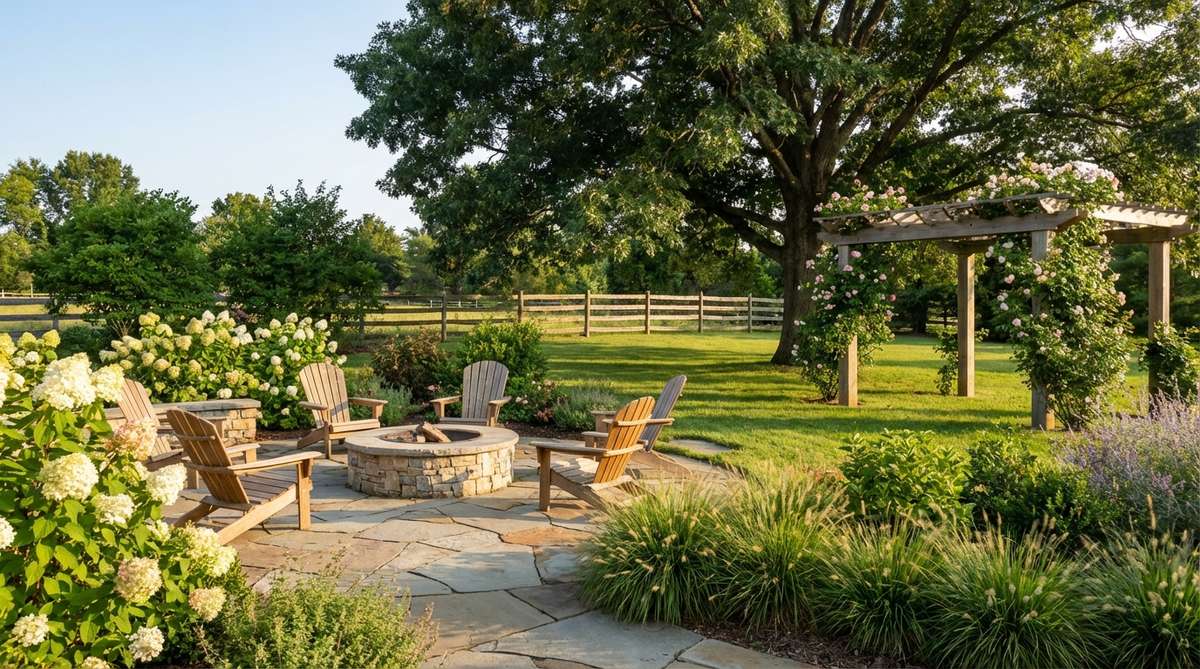
Ilex species form dense evergreen barriers with glossy foliage that catches light dynamically. The prickly texture deters foot traffic while providing wildlife habitat.
Select varieties based on mature height requirementsIlex crenata for low borders, Ilex aquifolium for tall screens. Plant 24-30 inches apart and allow two seasons before initial shaping.
Holly maintains deep green color through winter when deciduous plants recede. The subtle variation between new and mature foliage adds tonal interest within the monochromatic palette.
6. Arborvitae Column Rhythm
Narrow cultivars of Thuja occidentalis create vertical green pillars without lateral spread. These evergreen columns define spaces while preserving sightlines and airflow.
Position specimens with spacing equal to half their mature width—typically 30-48 inches for columnar varieties. Minimal pruning maintains natural form while preventing browning from excessive shearing.
The fine-textured foliage provides soft contrast against bold-leafed perennials. Arborvitae thrives in full sun to partial shade, adapting to various moisture conditions once established.
Textural Contrast Compositions
Visual interest in green gardens emerges primarily through texture juxtaposition. Combining plants with contrasting leaf sizes, shapes, and surface qualities creates dynamic green garden image impact.
7. Hosta Fern Pairings
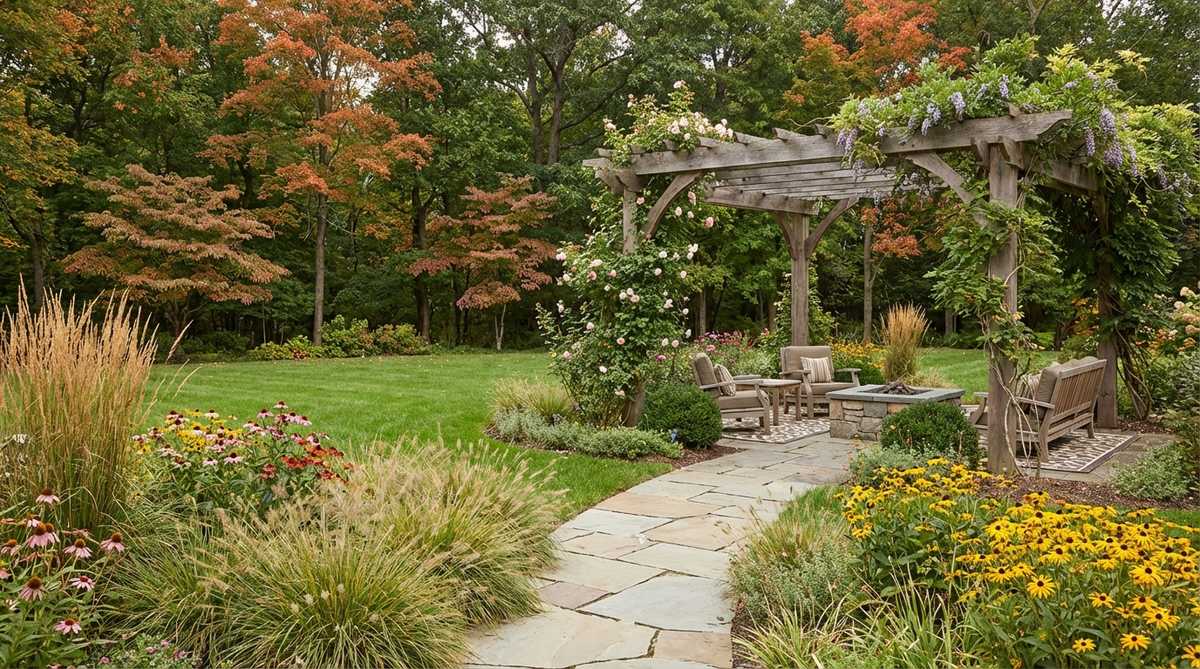
Broad ribbed hosta leaves contrast dramatically with delicate fern fronds. Plant Hosta sieboldiana varieties alongside Athyrium or Dryopteris species for maximum textural tension.
Position hostas in foreground positions with ferns as backdrop fillers. This arrangement highlights the bold leaf architecture while ferns soften harsh edges.
Both thrive in shade and moist soil, simplifying maintenance while creating lush green volumes. Select blue-green hosta cultivars to add cool tones against the warmer green of most ferns.
8. Ornamental Grass Broad-Leaf Combos
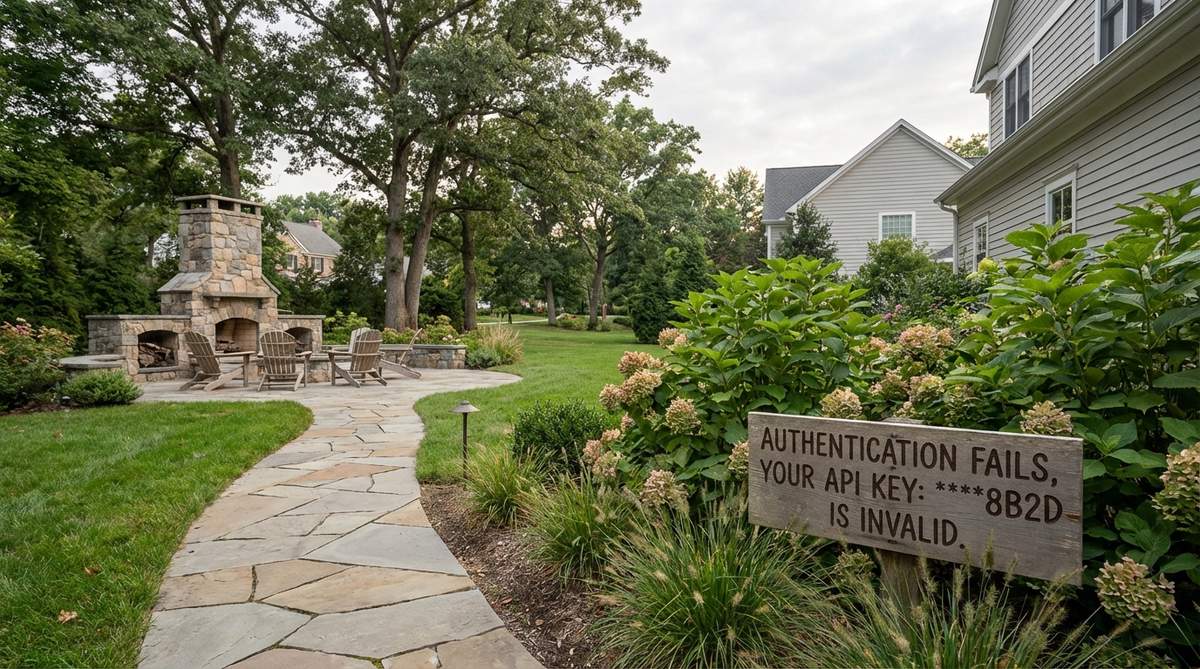
Fine-bladed grasses like Hakonechloa macra gain visual power when planted beside large-leafed Bergenia or Ligularia. The linear foliage reads as texture rather than individual leaves.
Create drifts of three to five grasses punctuated by single bold specimens. This ratio prevents either texture from dominating while maintaining readable contrast.
The grass movement activates static bold leaves, adding temporal dimension to the composition. Both plant types offer green foliage options that coordinate within monochromatic schemes.
9. Succulent Groundcover Matrices
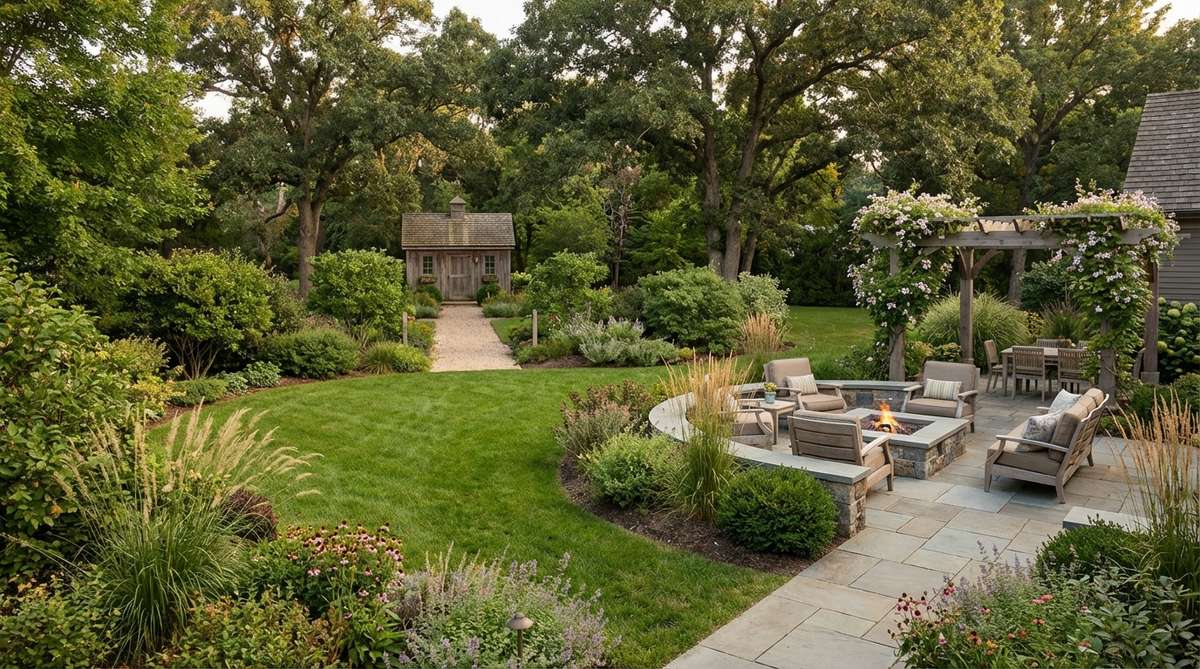
Fleshy-leafed sedums and sempervivums create geometric green patterns at ground level. The smooth, sculptural foliage contrasts with any adjacent fibrous or hairy-leafed plants.
Plant in gravel mulch to enhance drainage and highlight individual rosette forms. Space specimens to allow spreading while maintaining definition between varieties.
Succulent texture reads as architectural rather than organic, useful for contemporary green garden landscape designs. Select green cultivars without red or purple pigmentation to maintain color discipline.
10. Needle Evergreen Broadleaf Combinations
Conifers with fine needles—Chamaecyparis, Cryptomeria, Juniperus—provide textural foil for broadleaf evergreens like Rhododendron or Camellia. The needle texture appears soft from distance but reveals intricate detail up close.
Layer conifers behind broadleaf specimens to create depth through textural progression. Prune selectively to maintain natural form rather than imposing artificial shapes.
Both plant groups retain foliage year-round, ensuring textural interest persists through winter. This pairing works equally well in shade or sun depending on species selection.
11. Spiky Mounding Contrasts
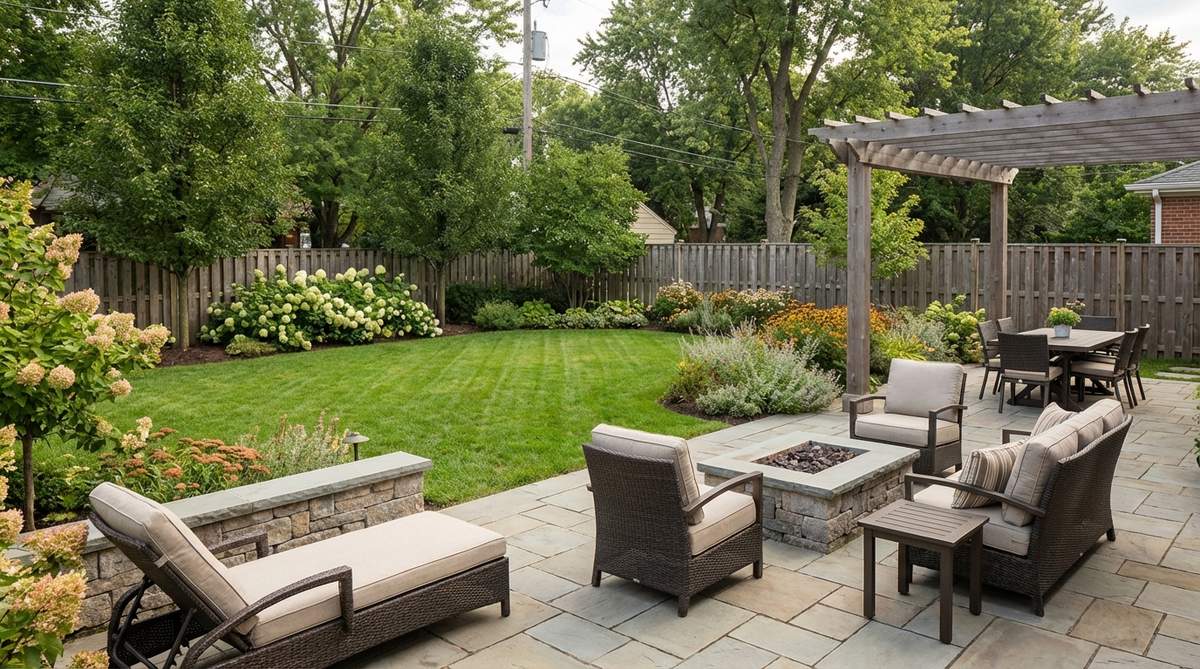
Upright iris foliage or Sisyrinchium striatum blades pierce through mounding Ajuga or Pachysandra. The vertical elements prevent creeping groundcovers from appearing monotonous.
Plant spiky specimens in groups of three or five within groundcover fields. This creates visual nodes that guide the eye through larger planted areas.
The height variation adds vertical dimension while maintaining cohesive green tones. Spiky plants also provide structural interest after blooming, when flowers fade but foliage persists.
12. Glossy Matte Leaf Interplay
Combine reflective foliage like Aucuba japonica with felted gray-green Stachys byzantina or Artemisia. Light interaction between surfaces creates tonal variation within the green range.
Position glossy plants where they capture morning or late afternoon light for maximum effect. Matte plants serve as visual rest points between high-contrast zones.
This technique exploits light quality rather than pigment difference to generate interest. The approach proves particularly effective in low-light conditions where color saturation decreases.
Vertical Green Garden Landscape Solutions
Vertical planting maximizes green coverage in limited footprints while creating dramatic focal elements. These concepts exploit unused vertical surfaces to expand green garden landscape potential.
13. Climbing Hydrangea Walls
Hydrangea anomala petiolaris clings to masonry without support structures, creating living green facades. The large glossy leaves overlap to form dense coverage that cools building surfaces.
Plant 24 inches from wall bases and train initial growth horizontally before allowing vertical ascent. This encourages lateral branching for fuller coverage.
The vine tolerates significant shade, making it ideal for north walls where few climbers thrive. White flowers appear in early summer but the primary value lies in season-long green foliage mass.
14. Modular Living Wall Panels
Manufactured panel systems filled with ferns, sedges, and creeping Jenny create vertical green tapestries. Each module contains individual planting pockets with integrated irrigation.
Install panels on structurally sound surfaces with waterproof backing. Select shallow-rooted shade plants for longevity in the restricted root zone.
This technology brings green garden image impact to urban balconies and courtyard walls. Plant selection determines whether the composition reads as wild or formal.
15. Ivy Trained on Cable Systems
Horizontal cables spaced 18 inches apart support Hedera helix cultivars trained into green screens. The controlled structure prevents ivy’s natural tendency toward chaotic growth.
Anchor stainless steel cables to posts or building facades using turnbuckles for tension adjustment. Weave new growth horizontally along wires, pinching vertical shoots.
This creates formal green panels that can partition spaces or conceal utilities. Select slow-growing ivy varieties like ‘Baltica’ to reduce maintenance frequency.
16. Clematis Armandii Pergola Canopies
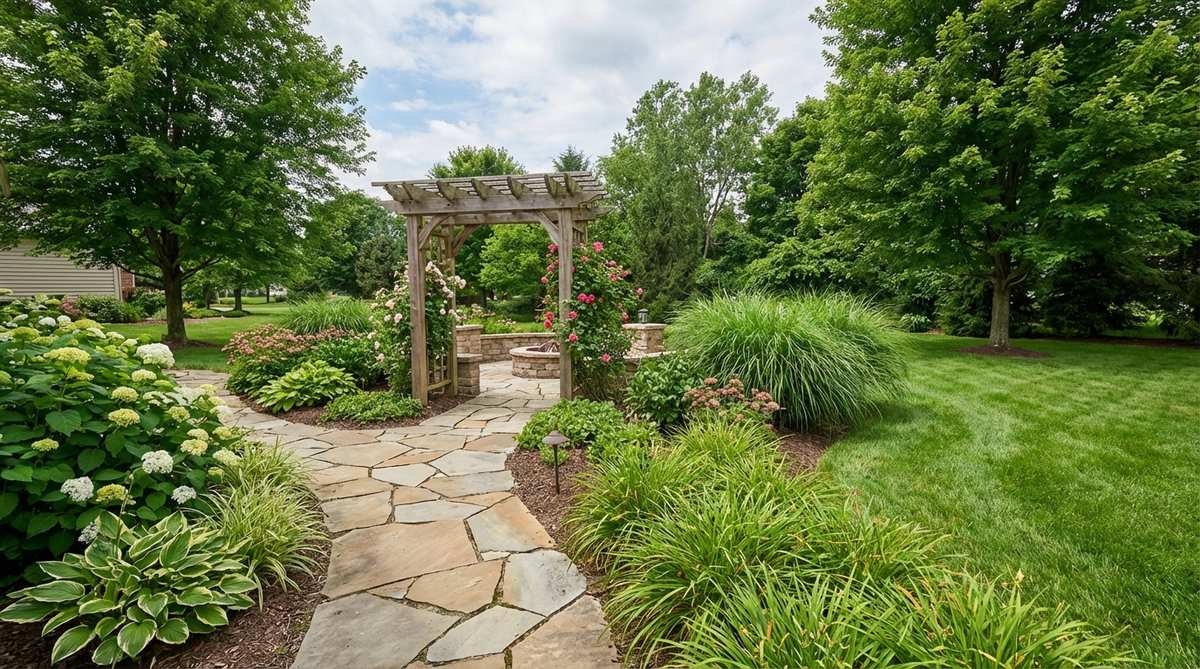
This evergreen clematis forms overhead green canopies on pergolas and arbors. The trifoliate leaves create dappled shade while maintaining open visual connection to sky.
Train stems along overhead beams, distributing growth evenly across the structure. Prune after flowering to control vigor and prevent weight from damaging supports.
The glossy dark green foliage provides year-round presence in mild climates. Fragrant white blooms appear in spring but fade quickly, returning visual focus to foliage.
17. Boston Fern Hanging Layers
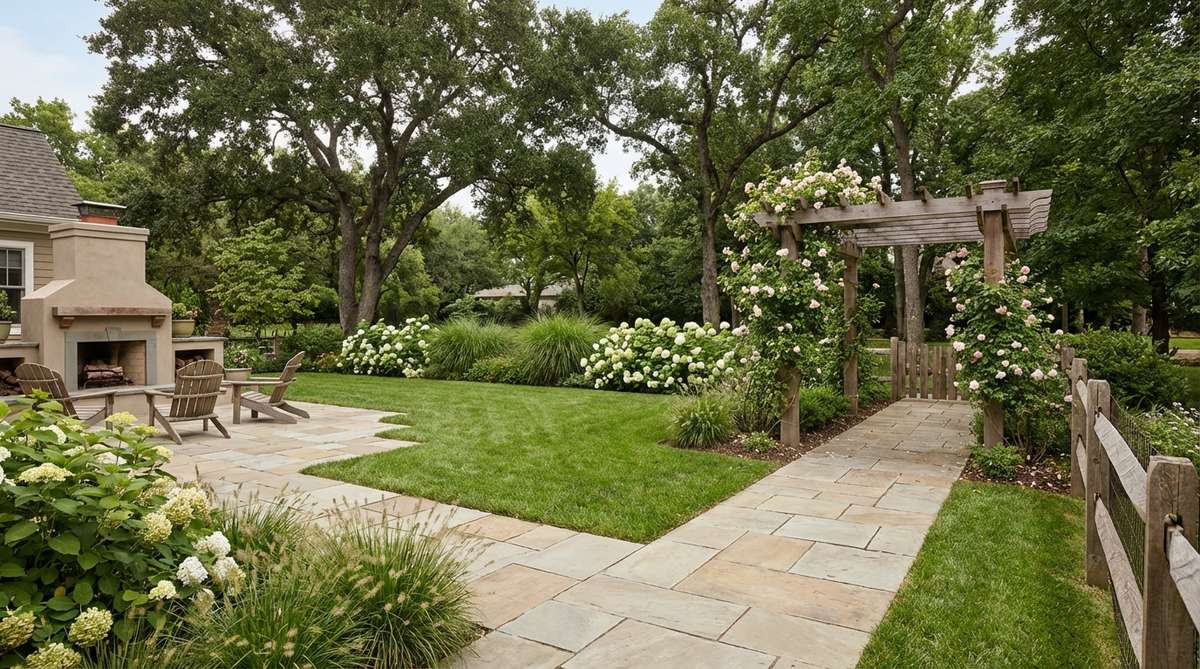
Nephrolepis exaltata suspended at varying heights creates cascading green volumes in shaded areas. The arching fronds reach 36 inches, generating substantial visual mass from minimal floor space.
Hang baskets at staggered heights using adjustable chains for easy lowering during maintenance. Group odd numbers at different levels for natural rhythm.
This approach activates overhead space often left barren. The lush green fronds soften hard architectural elements while improving air quality.
18. Star Jasmine Espalier Forms
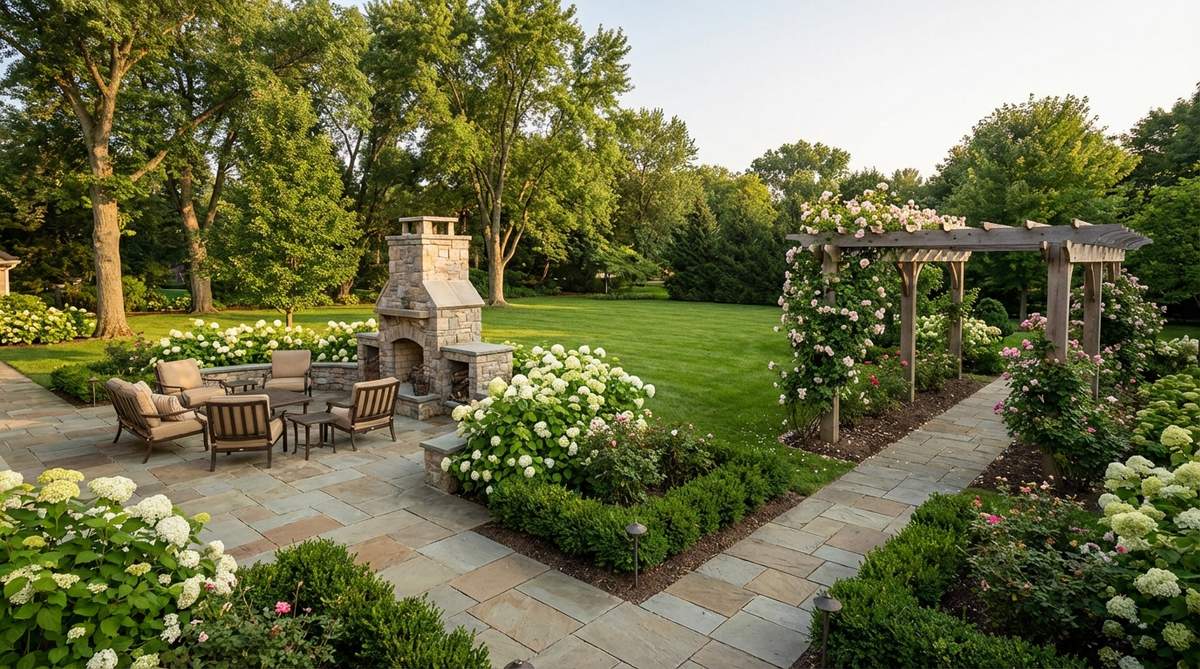
Trachelospermum jasminoides trained flat against walls or fences creates living green art. The evergreen leaves form tight mats that highlight the geometric training structure.
Install horizontal wires or wooden lath grids before planting. Tie new growth to supports and remove forward-facing shoots to maintain flat profile.
While flowers appear briefly, the glossy green foliage provides the primary visual contribution. This technique suits contemporary gardens where controlled forms complement minimalist architecture.
Shade-Dominant Green Schemes
Shade gardens naturally favor green palettes since most shade bloomers flower briefly. These concepts embrace that limitation, building compositions around foliage architecture and texture.
19. Woodland Fern Colonies
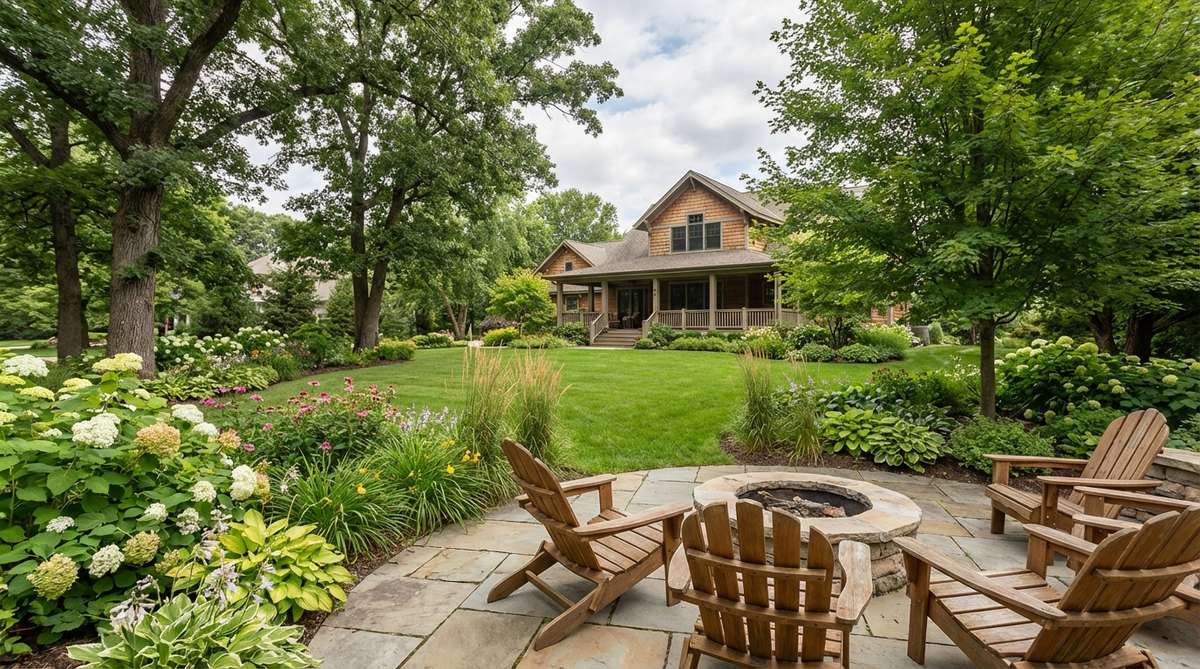
Mass plantings of native ferns—Dryopteris, Athyrium, Polystichum—recreate forest floor conditions. Different species provide varied frond shapes while maintaining green cohesion.
Prepare soil with leaf mold and position crowns at grade level. Space plants 18-24 inches apart depending on mature spread.
The layered fronds create depth as they overlap at varying heights. This low-maintenance approach thrives in conditions too shaded for most alternatives.
20. Hellebore Groundcover Carpets
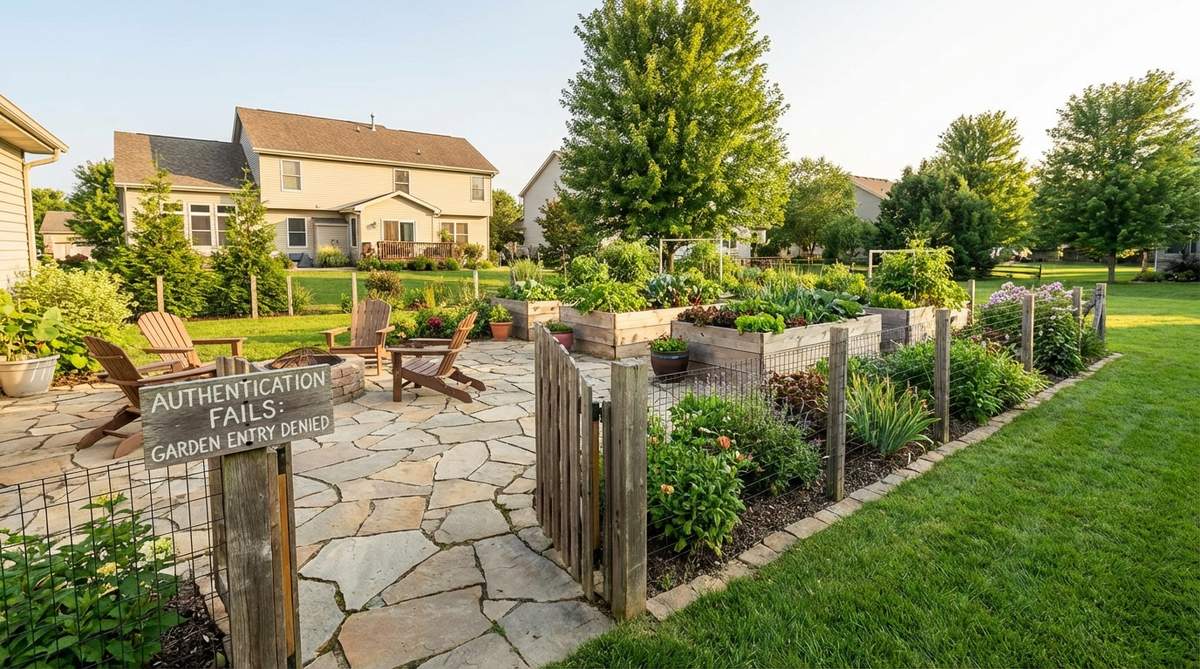
Helleborus foetidus provides lime-green flowers above deeply divided evergreen foliage. The palmately compound leaves create fine texture at ground level.
Plant in groups of five or more beneath deciduous trees where winter light reaches them during bloom. Allow self-seeding to naturalize colonies over time.
The architectural foliage persists year-round, maintaining green interest long after flowers fade. Hellebores tolerate dry shade once established, solving difficult planting scenarios.
21. Solomon’s Seal Arching Layers
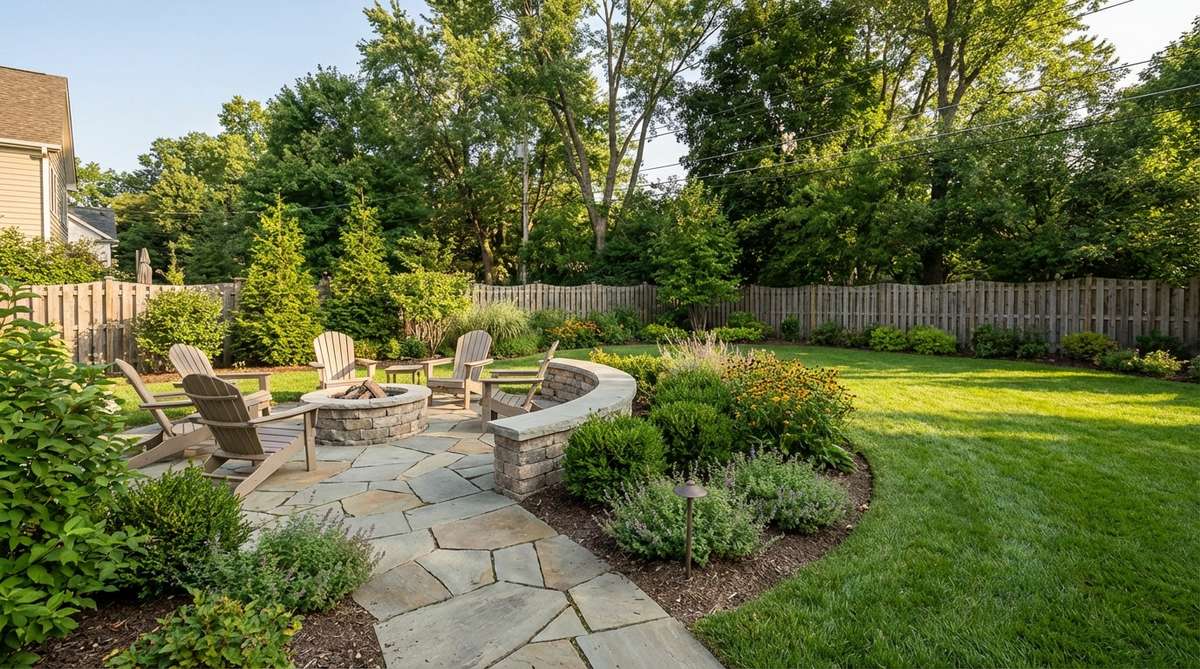
Polygonatum species produce gracefully arching stems lined with parallel-veined leaves. The horizontal branching creates mid-height green layers in shade gardens.
Plant rhizomes four inches deep in organically rich soil. Space 18 inches apart for individual specimen clarity or closer for merged effect.
The architectural form provides strong visual lines without requiring staking or support. Foliage remains attractive from emergence through autumn yellowing.
22. Epimedium Weed-Suppressing Mats
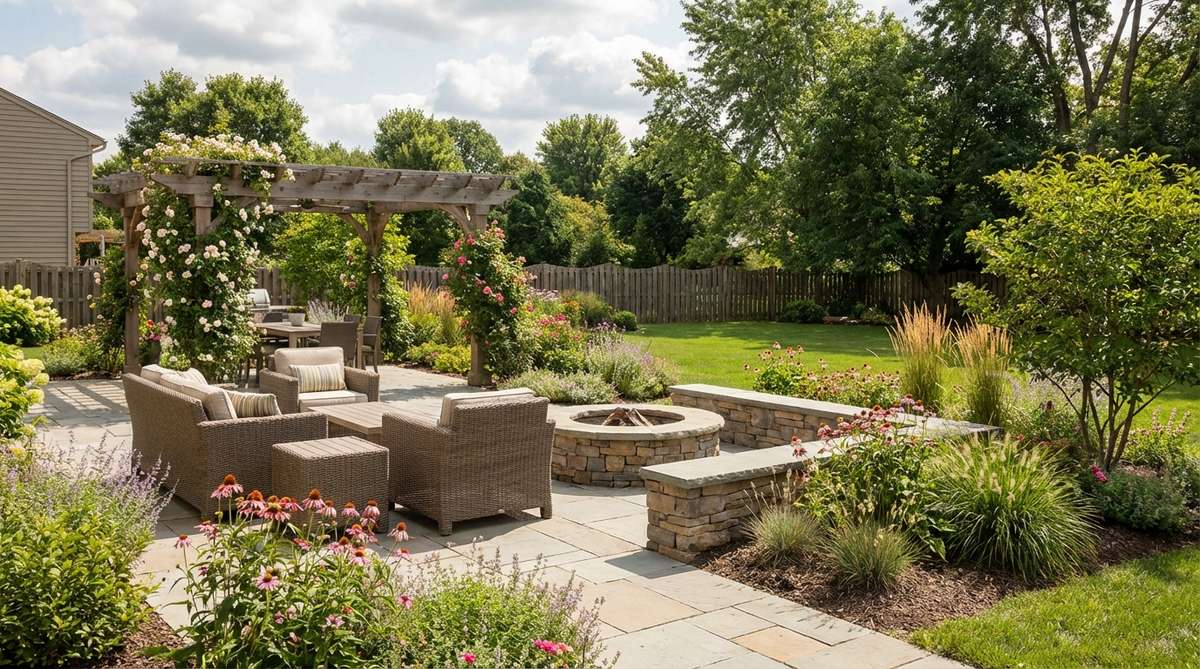
Barrenwort forms dense evergreen to semi-evergreen carpets that outcompete weeds. The heart-shaped leaves create intricate green patterns when viewed closely.
Shear previous year’s foliage in late winter before new growth to reveal delicate spring flowers. Space plants 12 inches apart for coverage within two seasons.
This tough groundcover handles dry shade and root competition from trees. The foliage often develops bronze tints in winter, adding subtle color variation within the green theme.
23. Japanese Forest Grass Luminous Mounds
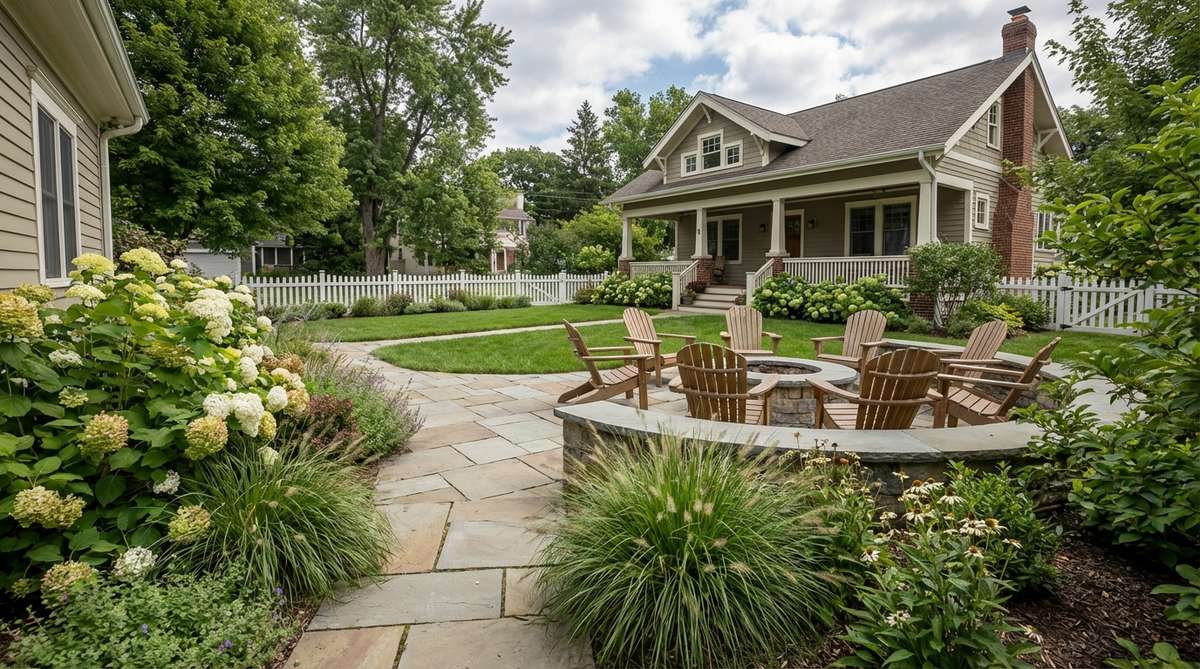
Hakonechloa macra creates glowing lime-green mounds in shade. The cascading blades catch available light, appearing to generate their own luminescence.
Plant in drifts along shaded path edges or at woodland borders. Provide consistent moisture for best color and growth.
The bright green contrasts beautifully with darker evergreen ferns or hostas. Foliage bleaches to warm tan in winter, extending seasonal interest beyond the growing season.
24. Sweet Woodruff Fragrant Carpets
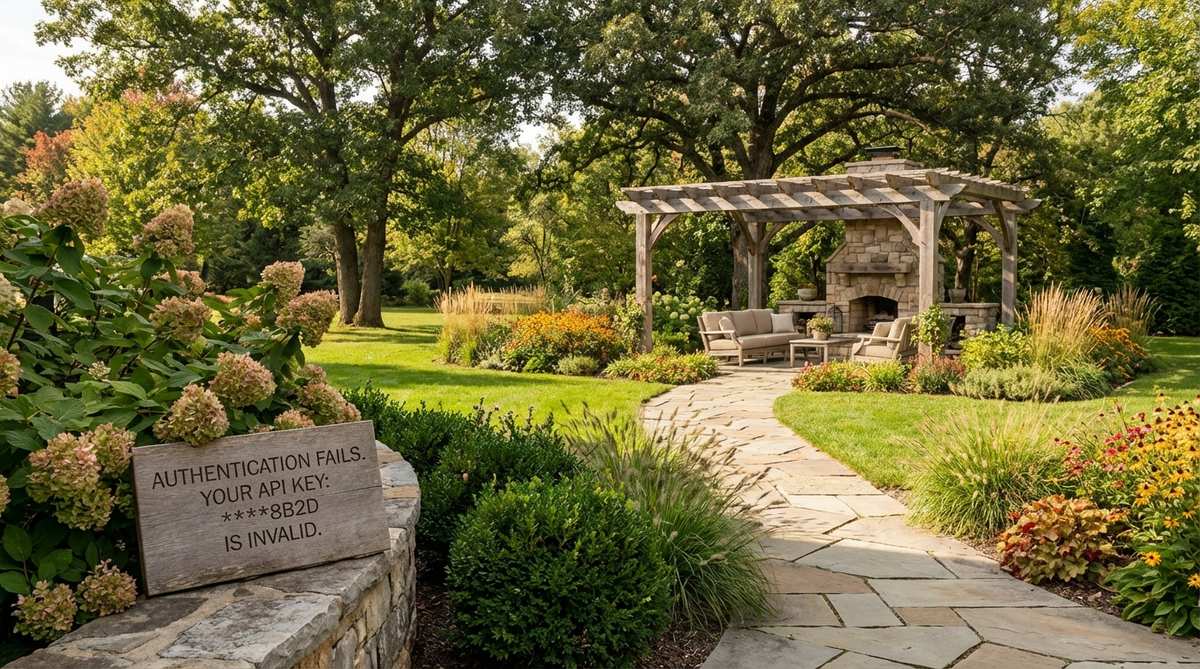
Galium odoratum spreads rapidly to form whorled-leaf green mats in deep shade. The tiny white flowers contribute minimal color, keeping focus on foliage texture.
Plant divisions 10 inches apart in spring. This vigorous spreader fills gaps quickly but can overwhelm delicate companions.
The dried foliage releases sweet hay fragrance, adding sensory dimension beyond visual impact. Use as deciduous groundcover beneath spring-blooming shrubs.
Architectural Evergreen Anchors
Bold structural plants provide permanent focal points in monochromatic green schemes. These specimens carry visual weight regardless of season.
25. Fatsia Japonica Statement Shrubs
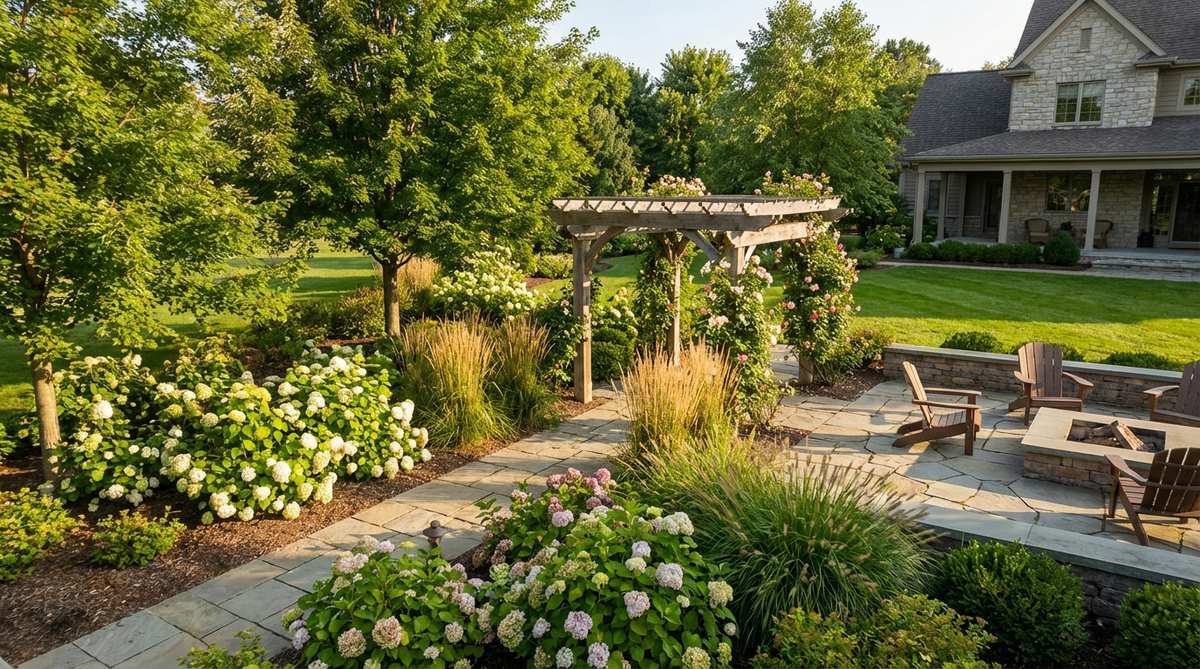
Glossy palmate leaves reaching 16 inches across create tropical impact in temperate zones. The bold foliage commands attention as singular specimens or massed groups.
Position in sheltered locations with afternoon shade to prevent leaf scorch. Space multiple plants six feet apart for merged canopy effect.
The coarse texture contrasts effectively with fine-leaved companions. White flower spheres appear in autumn but remain secondary to the dramatic foliage.
26. Yucca Rostrata Desert Geometry
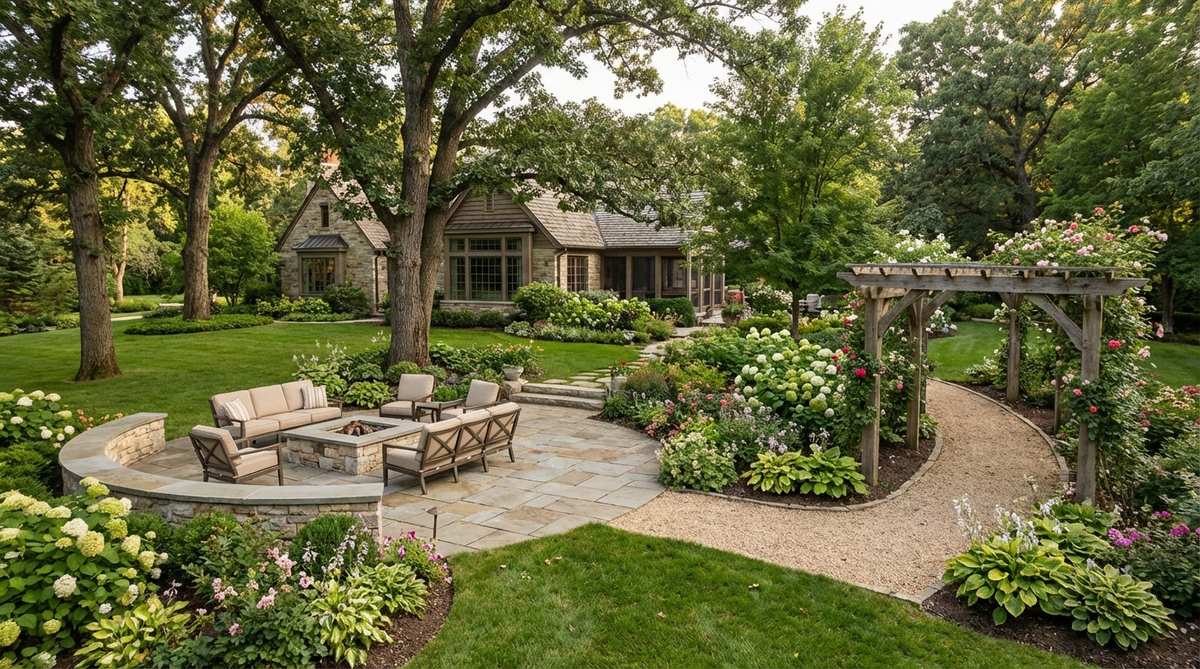
Blue-green sword leaves radiate from central trunks creating spherical forms. The rigid structure reads as sculpture in minimalist green gardens.
Plant in full sun with excellent drainage. Single specimens serve as focal points while grouped plantings create rhythmic patterns.
The color leans toward blue-gray green, providing cool tones within the monochromatic palette. Eventual flowering stalks reach 10 feet but occur infrequently.
27. Phormium Tenax Blade Fountains
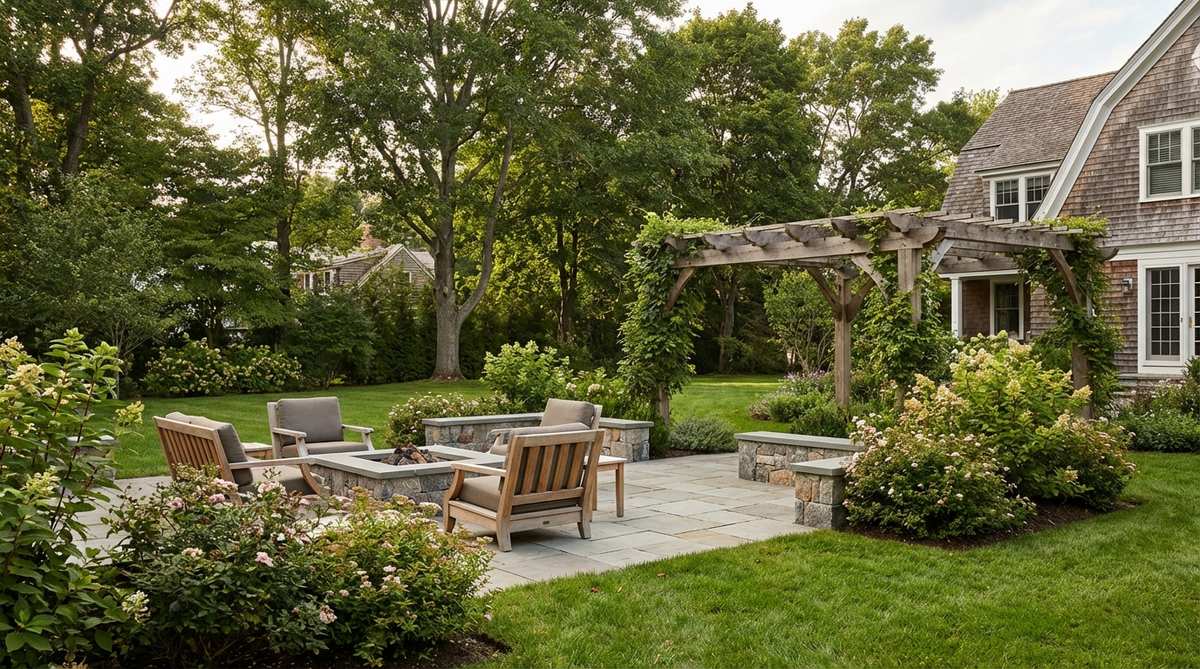
New Zealand flax produces upright then arching strap leaves in shades from yellow-green to deep bronze-green. The fountaining form creates dynamic movement.
Select green cultivars without red or orange pigmentation to maintain monochromatic discipline. Plant in full sun to partial shade with moderate water.
The vertical emphasis provides counterpoint to horizontal groundcovers and mounding shrubs. Foliage remains evergreen in mild climates, deciduous in cold zones.
28. Agave Attenuata Soft Succulent Rosettes
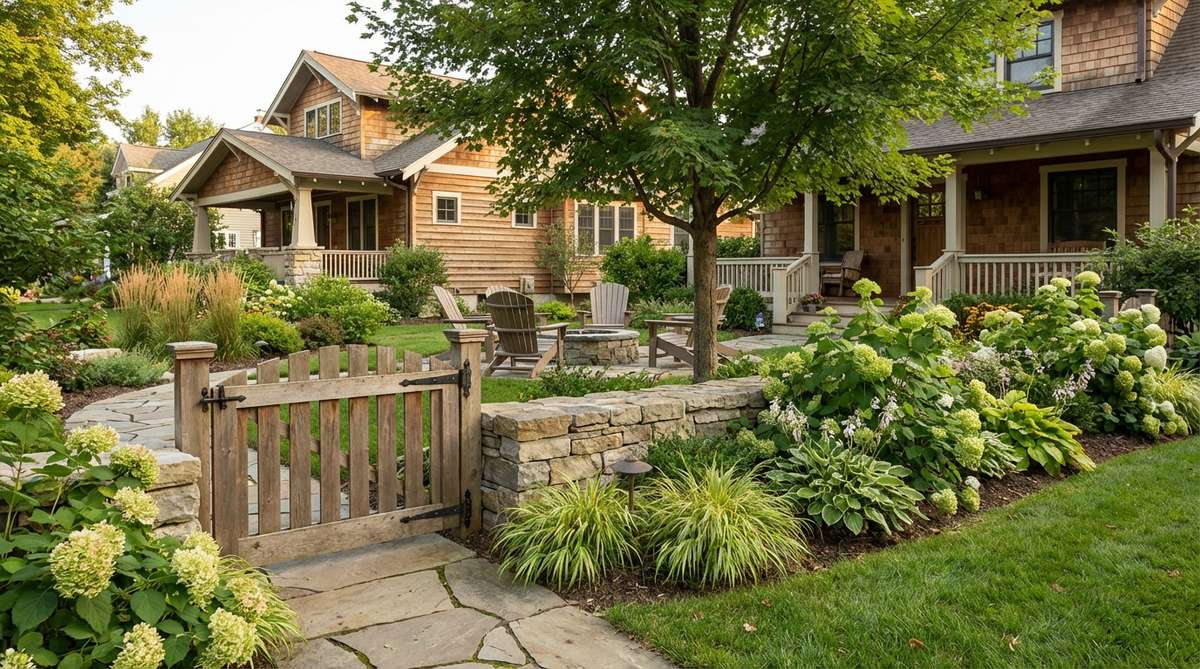
Smooth gray-green leaves lack terminal spines, making this agave suitable for high-traffic areas. The sculptural rosettes grow to four feet across.
Plant in well-drained soil with morning sun and afternoon shade in hot climates. Space three feet apart when massing for textural impact.
The fleshy leaves create strong geometric forms that anchor contemporary compositions. Eventually produces arching flower spikes before the rosette dies and offsets replace it.
29. Pittosporum Tenuifolium Wavy Foliage Screens
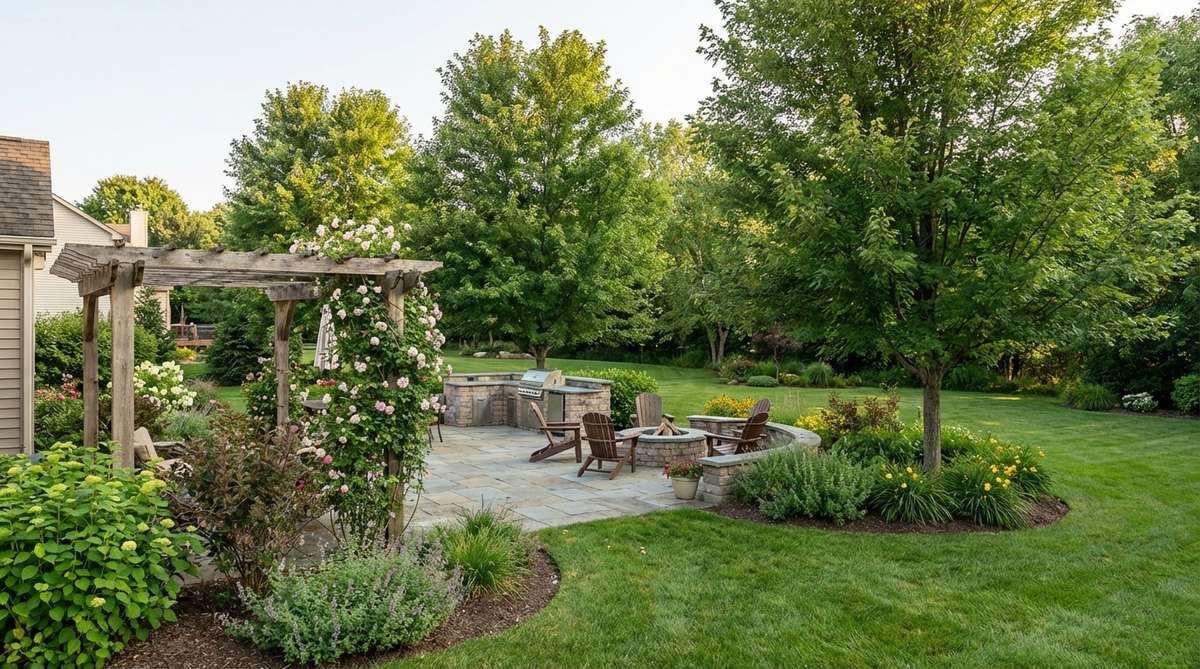
Small oval leaves with distinctive crinkled edges create fine-textured evergreen mass. The black stems provide subtle contrast against lime to dark green foliage.
Prune minimally to maintain natural billowing form. Plant 36 inches apart for screening or use as singular specimens.
Cultivars offer foliage ranging from chartreuse to deep green, allowing tonal variation within monochromatic bounds. Fragrant flowers appear in spring but remain visually inconspicuous.
30. Euphorbia Characias Chartreuse Spires

Evergreen stems clothed in narrow blue-green leaves culminate in lime-green flower heads. The vertical form and acid-green blooms create electric focal points.
Plant in full sun with sharp drainage. Cut flowered stems to base after bloom to encourage fresh growth.
The architectural form works well in gravel gardens or Mediterranean schemes. Toxic sap requires glove use during pruning but plant toxicity deters deer browsing.
Ground Layer Green Tapestries
Groundcovers unify designs while suppressing weeds and conserving moisture. These low-growing plants create continuous green surfaces that knit compositions together.
31. Ajuga Reptans Creeping Carpets
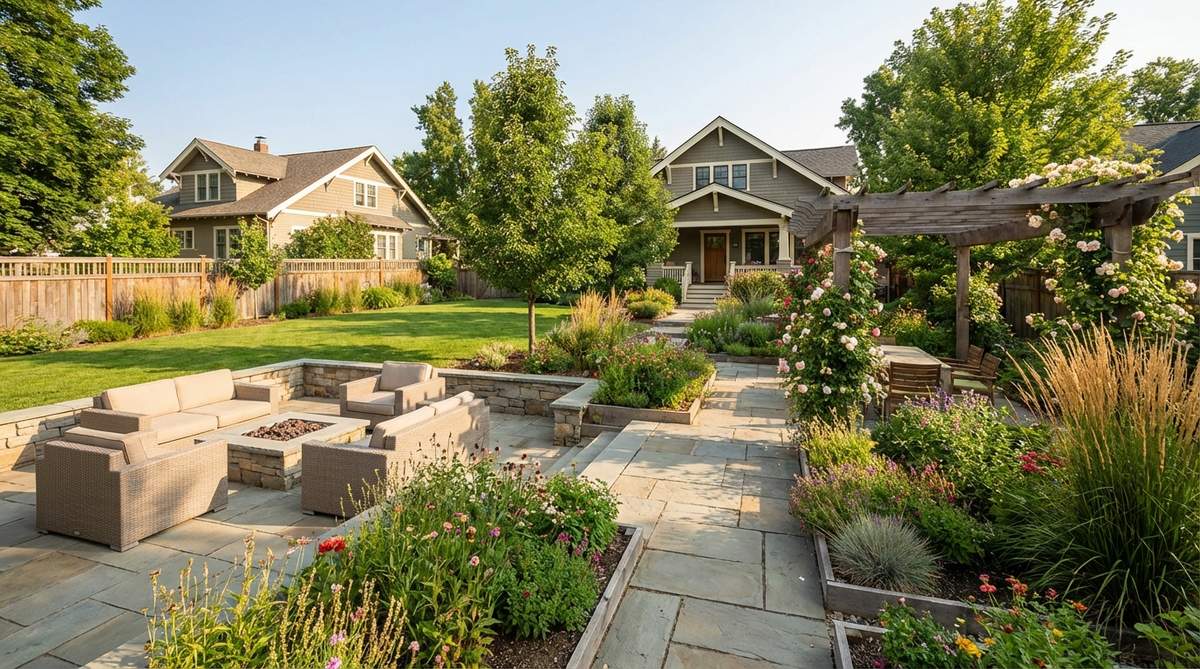
Bronze-green to deep green rosettes spread rapidly via stolons. The low-growing foliage hugs ground contours, filling gaps between taller plants.
Plant plugs eight inches apart for coverage within one season. Tolerates foot traffic better than many alternatives.
Blue flower spikes emerge in spring but remain brief. The primary contribution comes from consistent evergreen coverage that requires minimal maintenance.
32. Pachysandra Terminalis Shade-Tolerant Mats
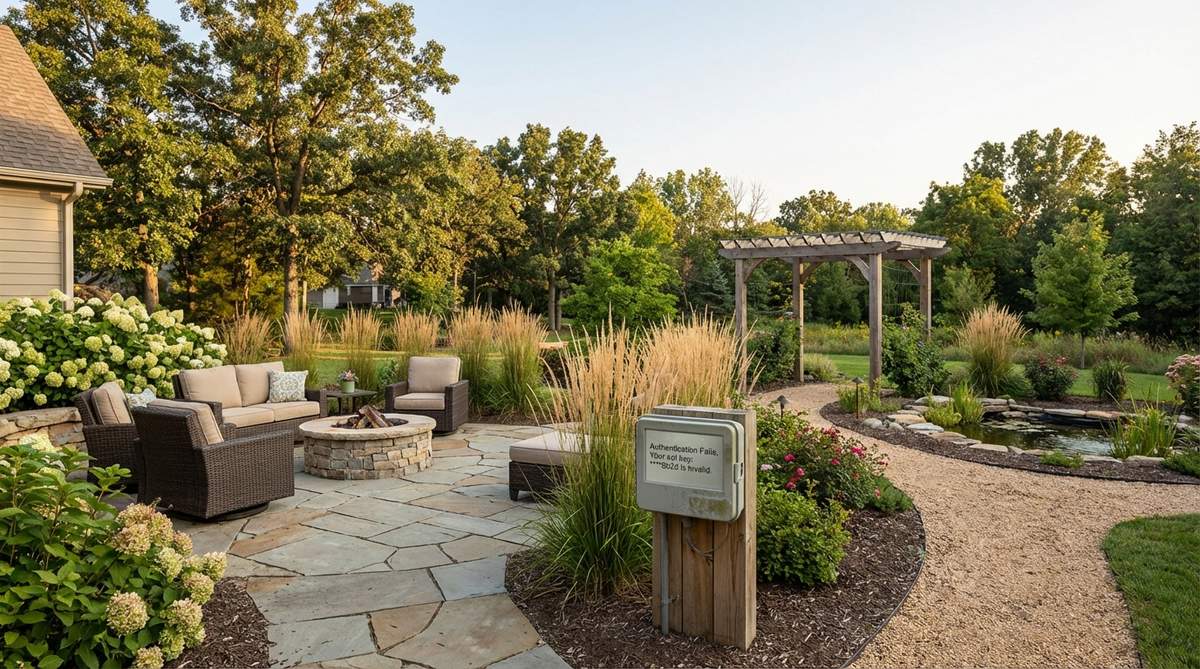
Whorled evergreen leaves create uniform green carpets in deep shade. The spreading habit fills difficult areas beneath trees where grass fails.
Plant divisions six inches apart in acidic soil amended with organic matter. Water consistently until established.
The glossy foliage reflects available light, brightening dark corners. Requires annual edge trimming to prevent encroachment into adjacent beds.
33. Irish Moss Fine-Textured Seams
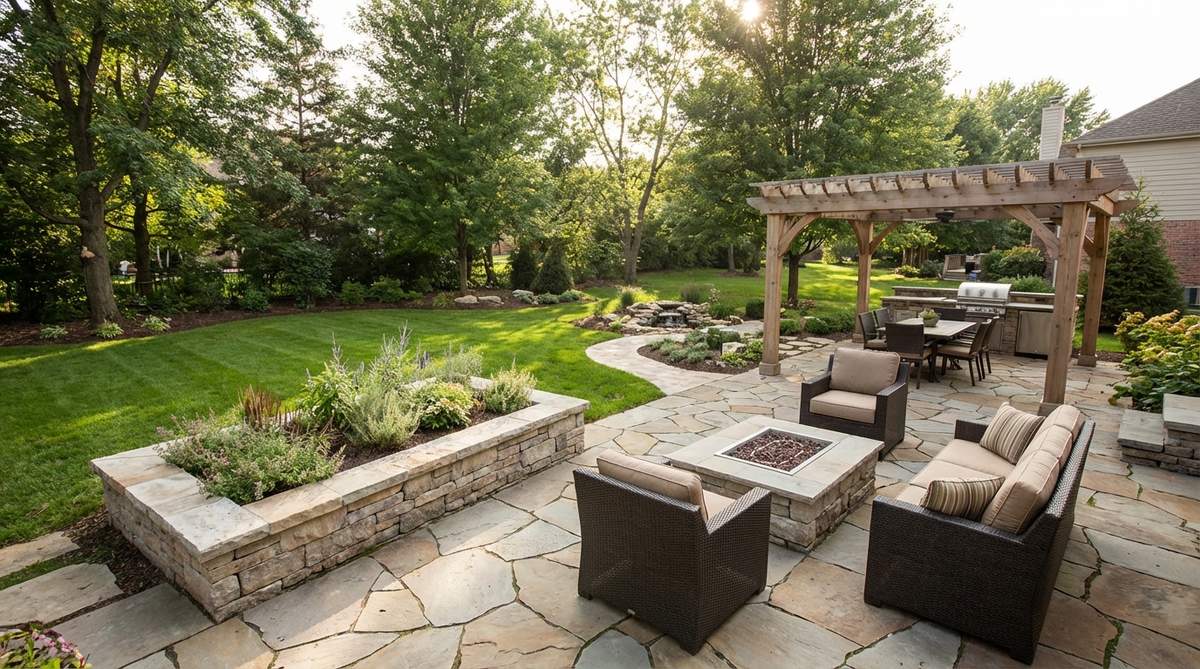
Sagina subulata forms moss-like mats between pavers or along path edges. The tiny leaves create ultra-fine green texture.
Plant small divisions directly in soil-filled joints. Provide consistent moisture and part shade in hot climates.
The delicate appearance contrasts with hard paving materials. Tiny white flowers appear in summer but barely register against the green matrix.
34. Sedge Meadow Alternatives
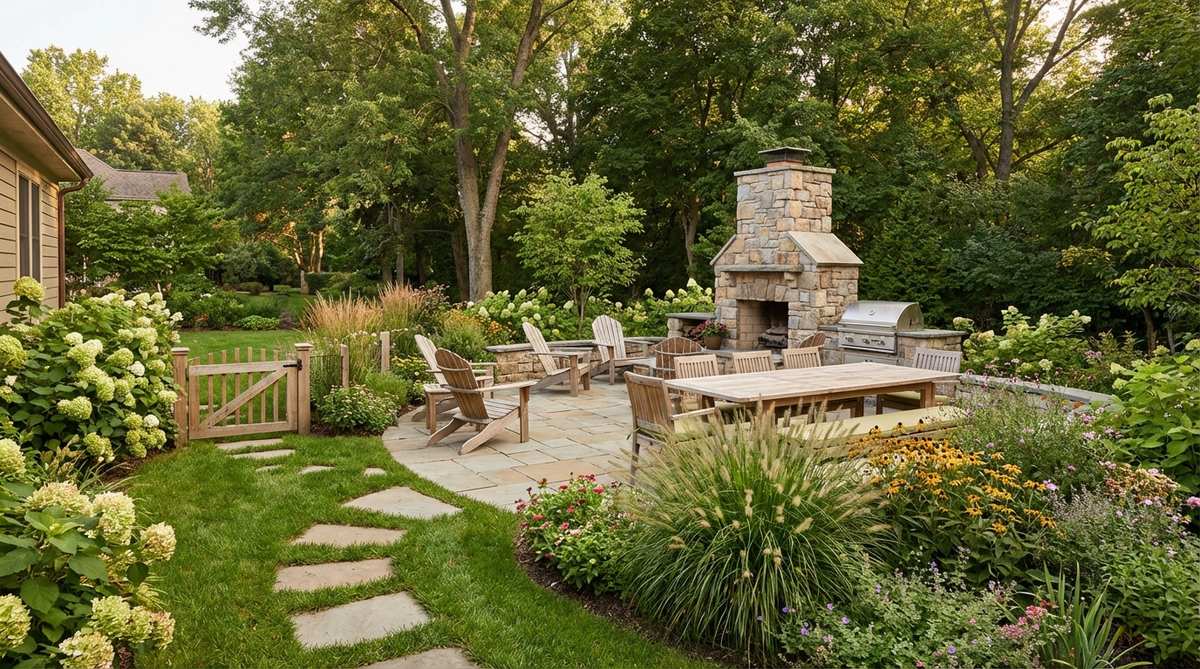
Carex species offer grass-like appearance with greater shade and moisture tolerance. The fine blades create textured green surfaces that move in breeze.
Select species based on site conditionsC. pensylvanica for dry shade, C. eburnea for alkaline soils. Plant four-inch plugs on 12-inch centers.
This low-maintenance alternative to turf grass requires no mowing while providing year-round green coverage. The varied blade widths and growth habits among species allow textural variation.
35. Baby Tears Living Paving
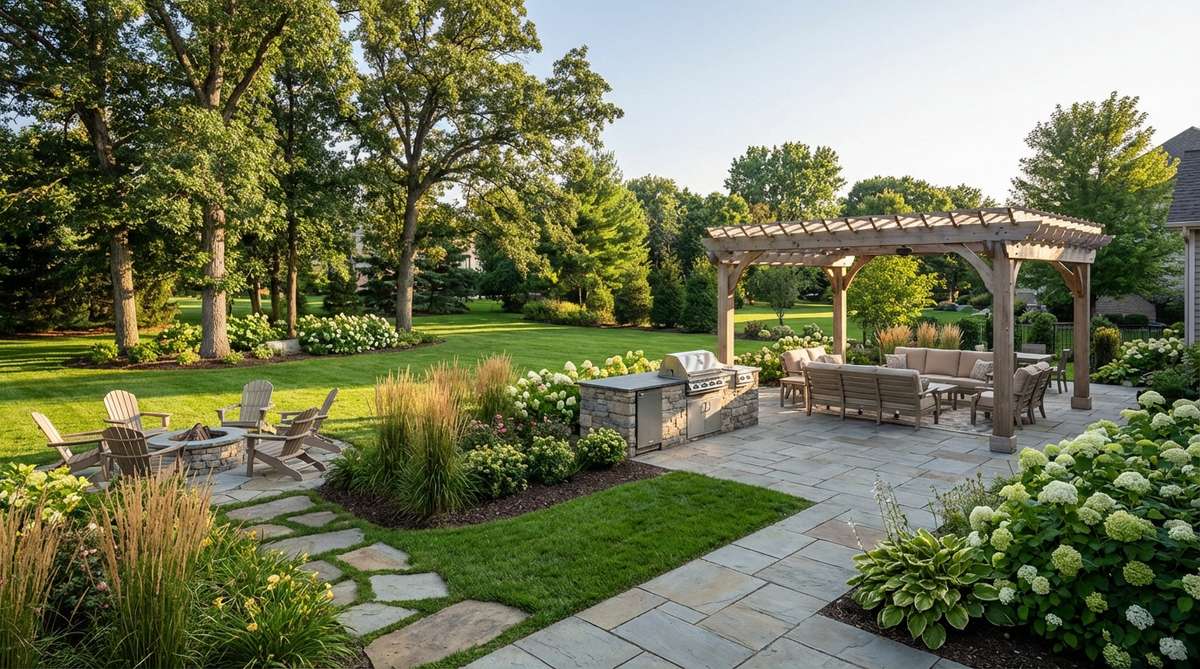
Soleirolia soleirolii creates dense mats of tiny round leaves. The emerald green foliage appears almost artificial in its uniformity.
Plant in shade with consistent moisture. Spreads rapidly to fill available space including vertical surfaces.
Use between stepping stones or as lawn alternative in mild climates. The fine texture provides strong contrast against bold architectural plants.
36. Creeping Thyme Fragrant Pathways
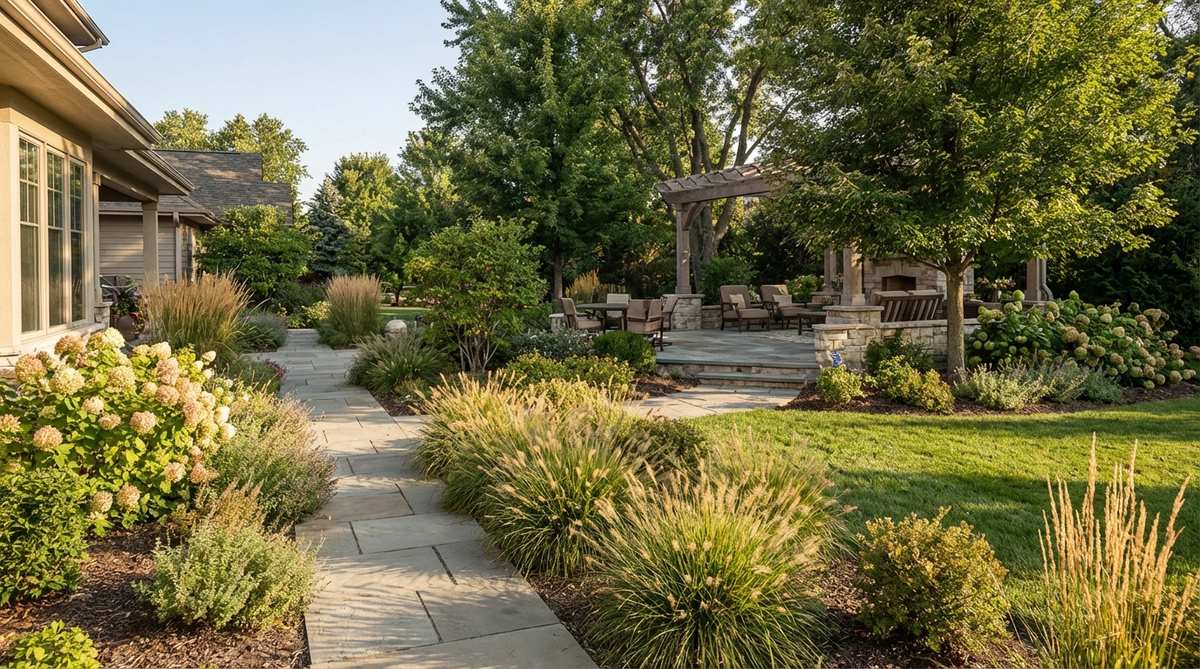
Thymus praecox varieties with green foliage form low mats that release fragrance when walked upon. The tiny leaves create dense coverage.
Plant in full sun with excellent drainage. Space divisions six inches apart along path edges or between pavers.
Select green-leaved cultivars rather than golden or variegated forms. Brief summer flowers attract pollinators but foliage provides year-round structure.
Contemporary Green Garden Image Concepts
Modern design aesthetics favor clean lines and controlled palettes. These concepts align monochromatic green planting with contemporary architectural vocabularies.
37. Geometric Boxwood Parterre
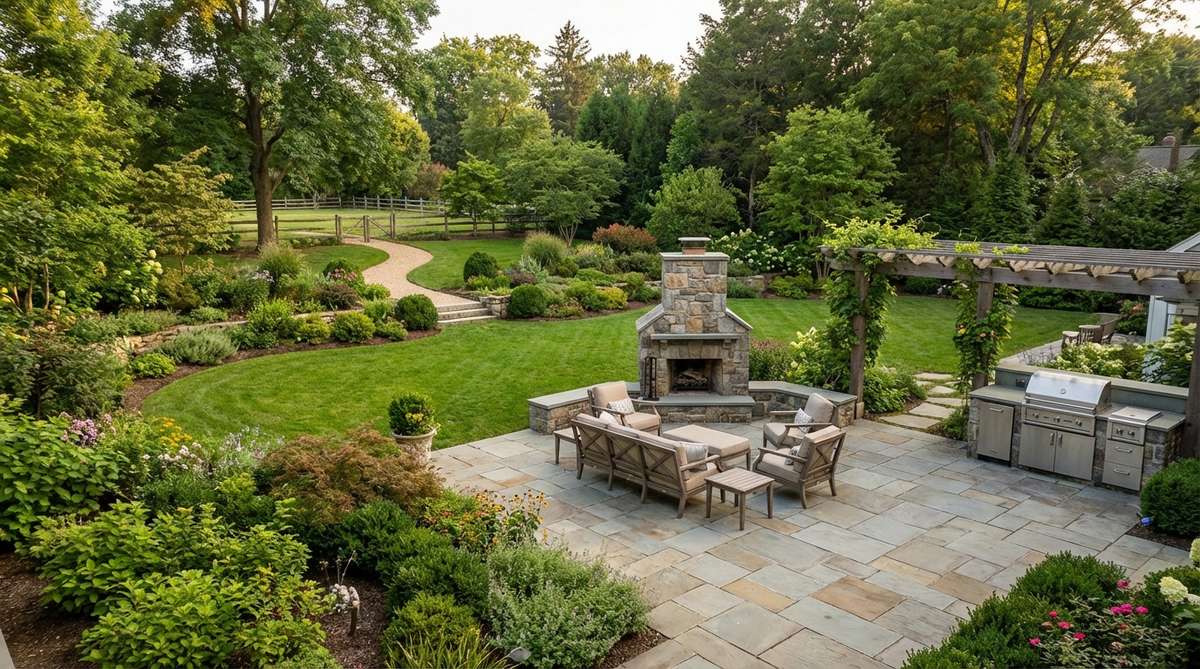
Low hedges form interlocking geometric patterns viewed from above. The precise lines create formal green garden image impact suited to modern homes.
Mark patterns with landscape paint before planting. Space boxwood 10 inches apart for tight lines, 16 inches for looser definition.
Fill interior spaces with gravel or contrasting groundcover to highlight the pattern. This approach works best in flat terrain where sight lines allow pattern appreciation.
38. Single-Species Grass Fields
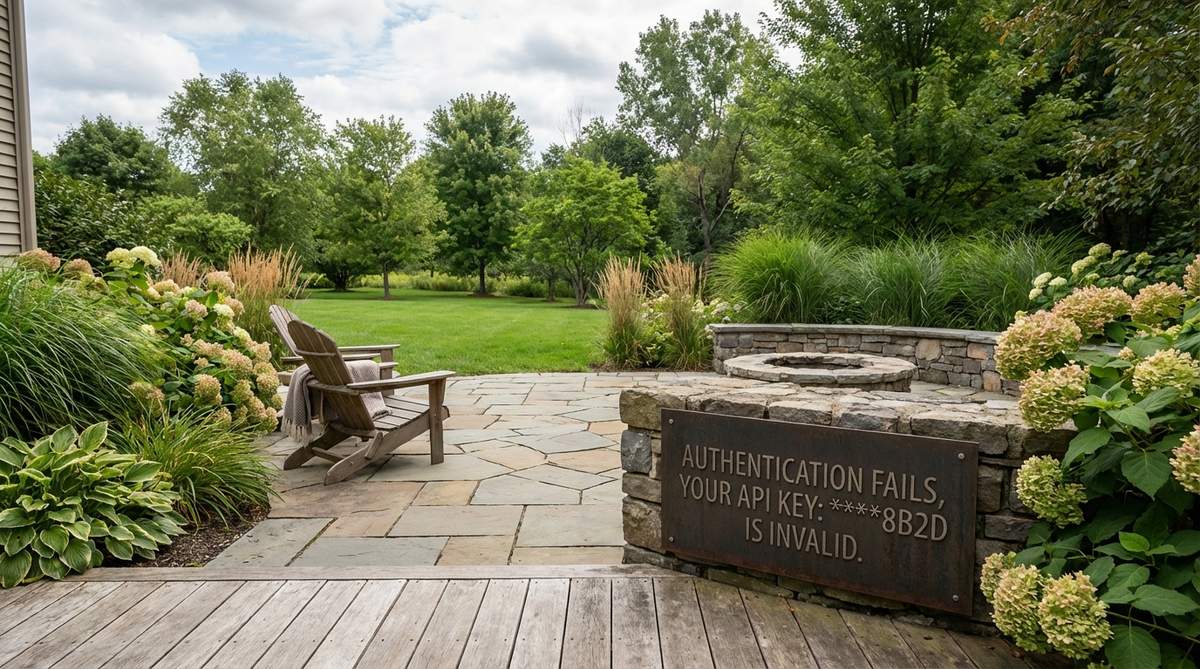
Mass plantings of identical ornamental grass create unified green fields that reference prairie landscapes. The repetition generates visual calm through simplicity.
Plant grasses in offset grid patterns for natural appearance. Use single species rather than mixed varieties to maintain color and texture uniformity.
The monolithic approach provides restful visual space in busy urban contexts. Seasonal color shifts occur simultaneously across the entire planting, creating dramatic transformation.
39. Steel-Edged Green Panels
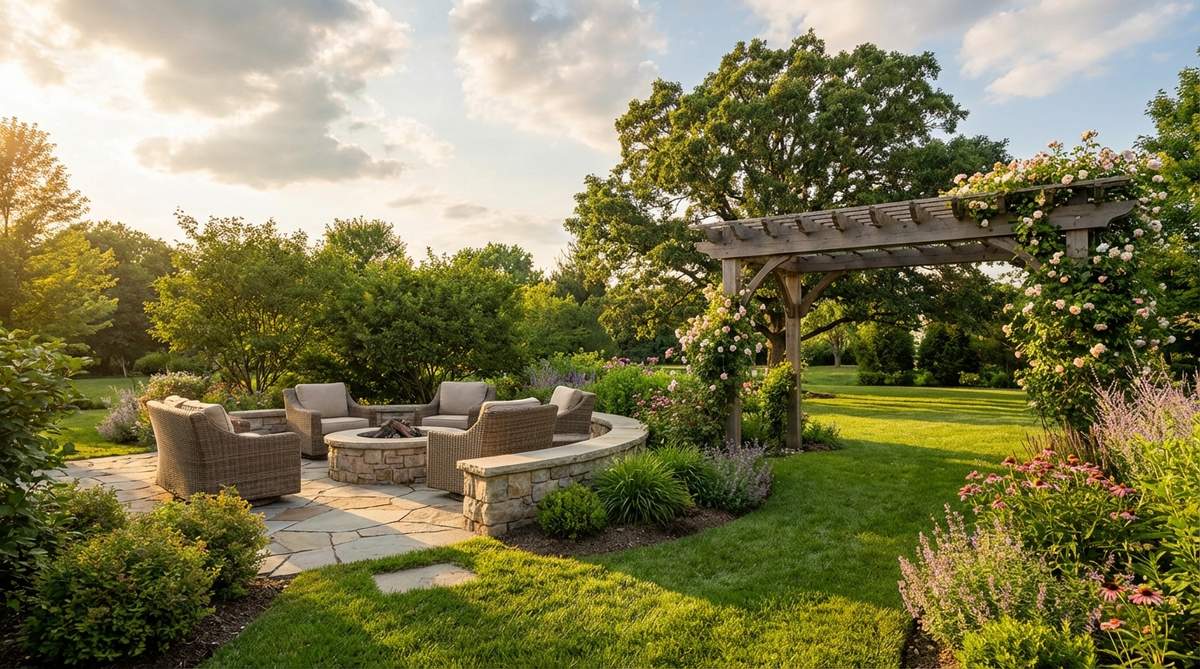
Corten or stainless steel edges define precise planting zones filled with single groundcover species. The industrial edging emphasizes the organic plant material.
Install metal edging flush with grade or slightly raised. Fill zones with uniform plants spaced according to coverage timeline.
This creates living green rectangles that function as garden rooms. The material contrast between metal and foliage heightens both elements.
40. Tiered Platform Plantings
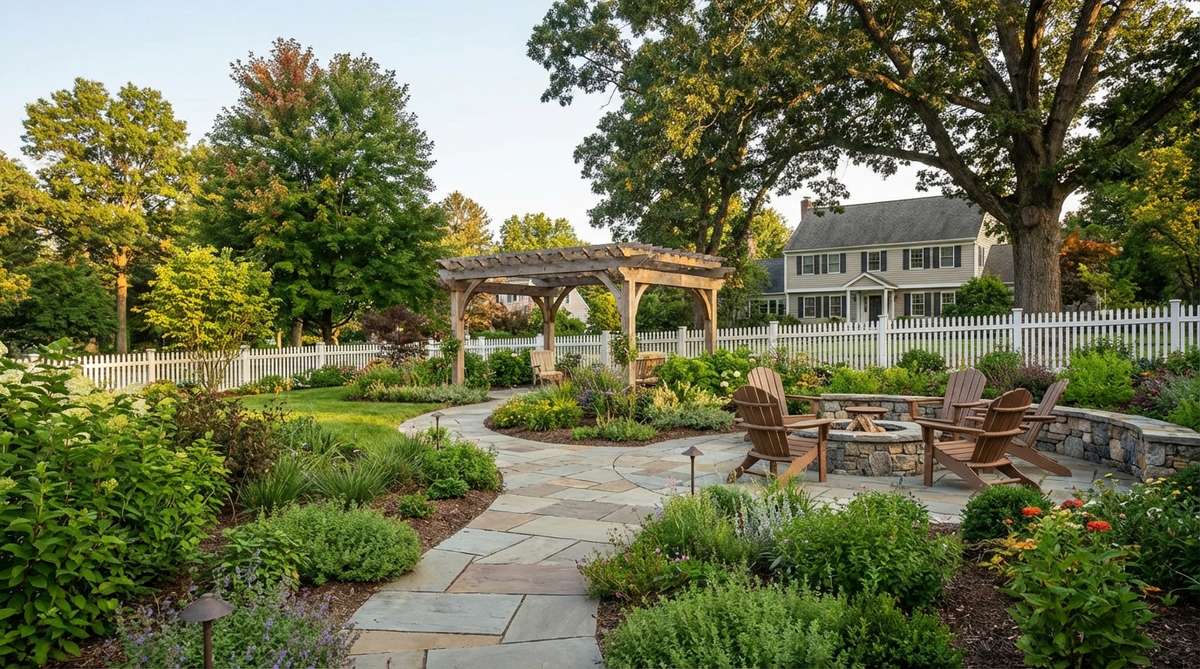
Raised beds at varying heights create green stepped landscapes. Each level features different plant heights while maintaining cohesive green tones.
Construct platforms with consistent materials—concrete, wood, or steel. Plant tallest specimens on lowest tiers, graduating to groundcovers on highest levels.
This inverts typical planting hierarchy, creating sculptural compositions. The technique works well in small spaces where vertical variation compensates for limited footprint.
41. Grid-Planted Specimen Arrays
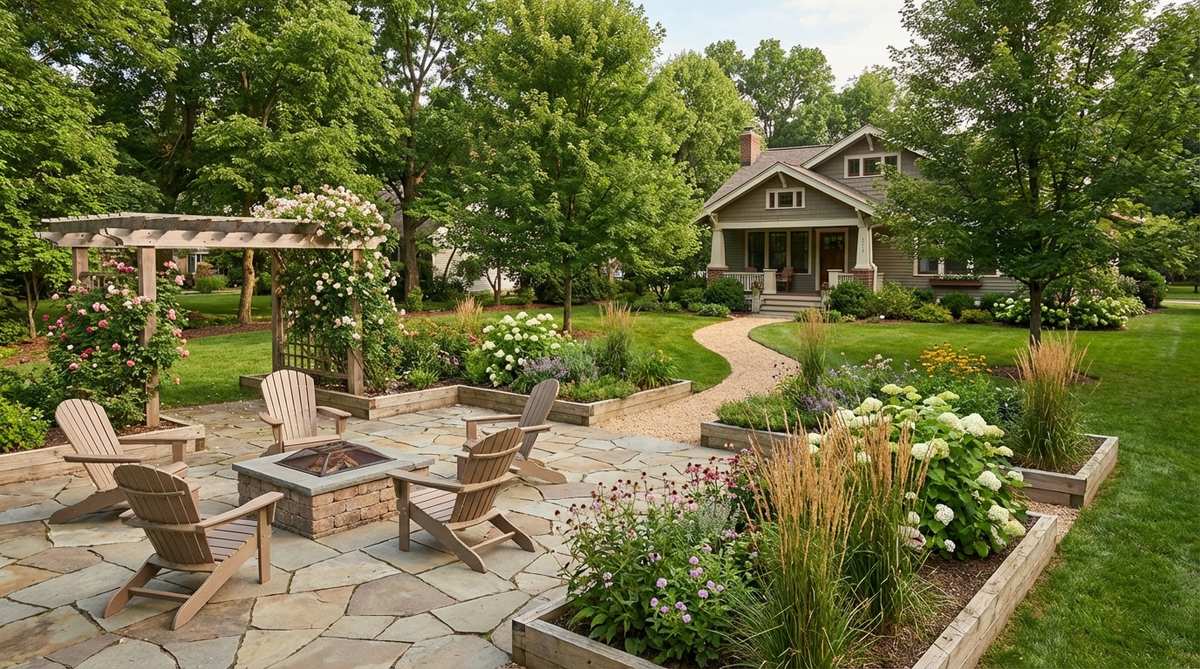
Identical plants positioned in precise grids create ordered green fields. The regular spacing allows individual plant form to remain distinct while reading as unified composition.
Mark grid intersections before planting. Use spacing equal to mature plant diameter to prevent merging.
This technique suits contemporary spaces where formality complements architecture. Select specimens with consistent mature size and form for best results.
42. Linear Hedge Corridors
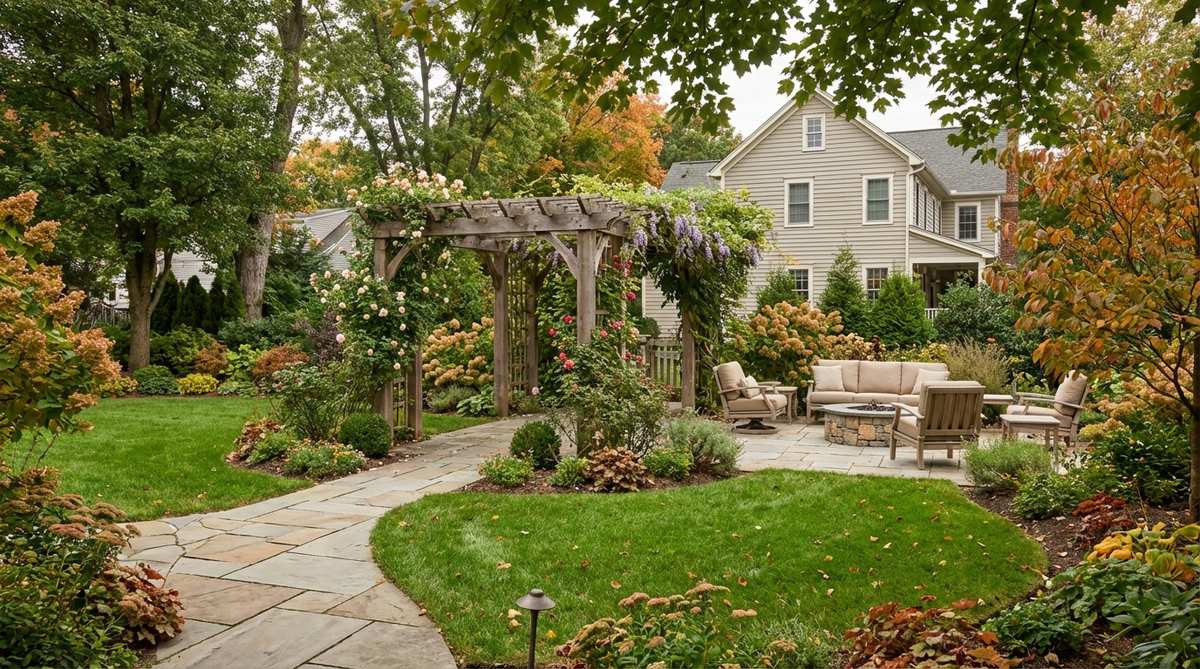
Parallel hedges create green walls that define circulation paths. The linear emphasis guides movement while framing views.
Plant hedges three to six feet apart depending on desired pathway width. Maintain uniform height through regular shearing.
This creates outdoor rooms without solid construction. The living walls modify microclimate, creating cooler passages in summer.
Water-Efficient Monochromatic Designs
Drought-tolerant plants often feature gray-green or blue-green foliage. These concepts exploit water-wise plants while maintaining monochromatic green cohesion.
43. Native Grass Prairie Restoration
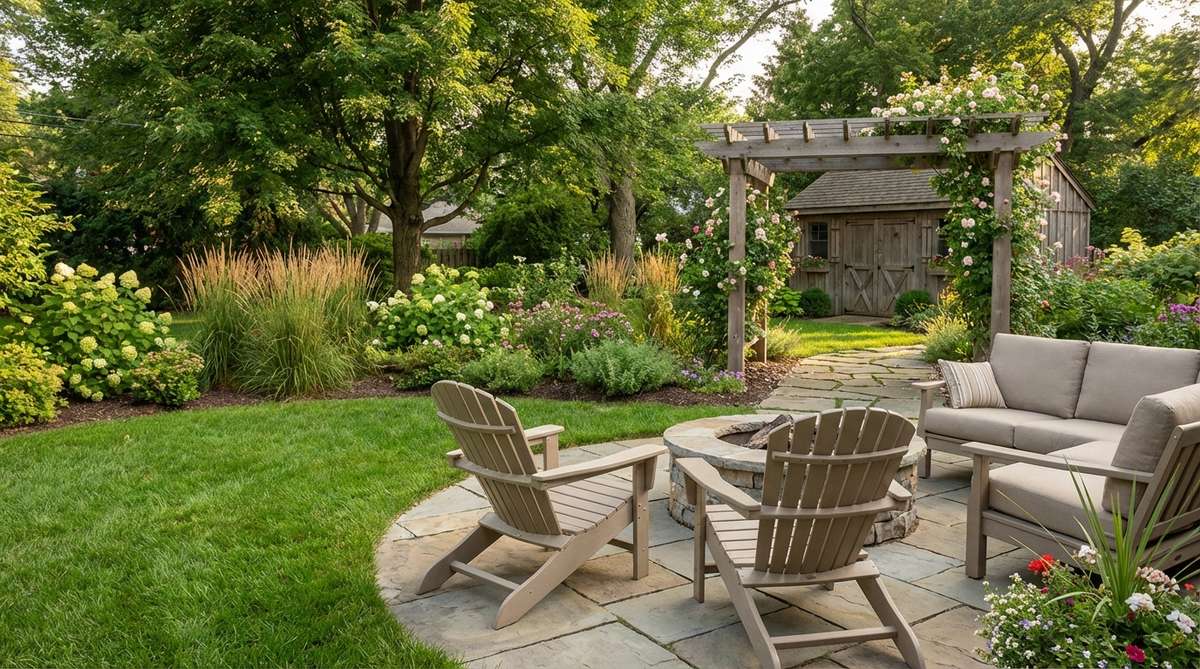
Bouteloua, Schizachyrium, and Sporobolus species create self-sustaining green landscapes. The deep root systems access moisture unavailable to shallow-rooted alternatives.
Prepare sites by eliminating existing vegetation and planting plugs in late spring. Space 18 inches apart in offset rows.
First-year growth appears minimal as roots establish. Second season brings rapid above-ground development, creating dense green coverage that requires no supplemental irrigation.
44. Artemisia Silver-Green Foliage
Finely dissected aromatic leaves in gray-green tones provide drought tolerance with delicate texture. Species range from six-inch groundcovers to four-foot shrubs.
Plant in full sun with lean, well-drained soil. Avoid excess fertility which causes floppy growth.
The silver-green reads as cool contrast against warmer green tones. Cut back woody species in early spring to encourage fresh growth.
45. Lavender Structural Mounds
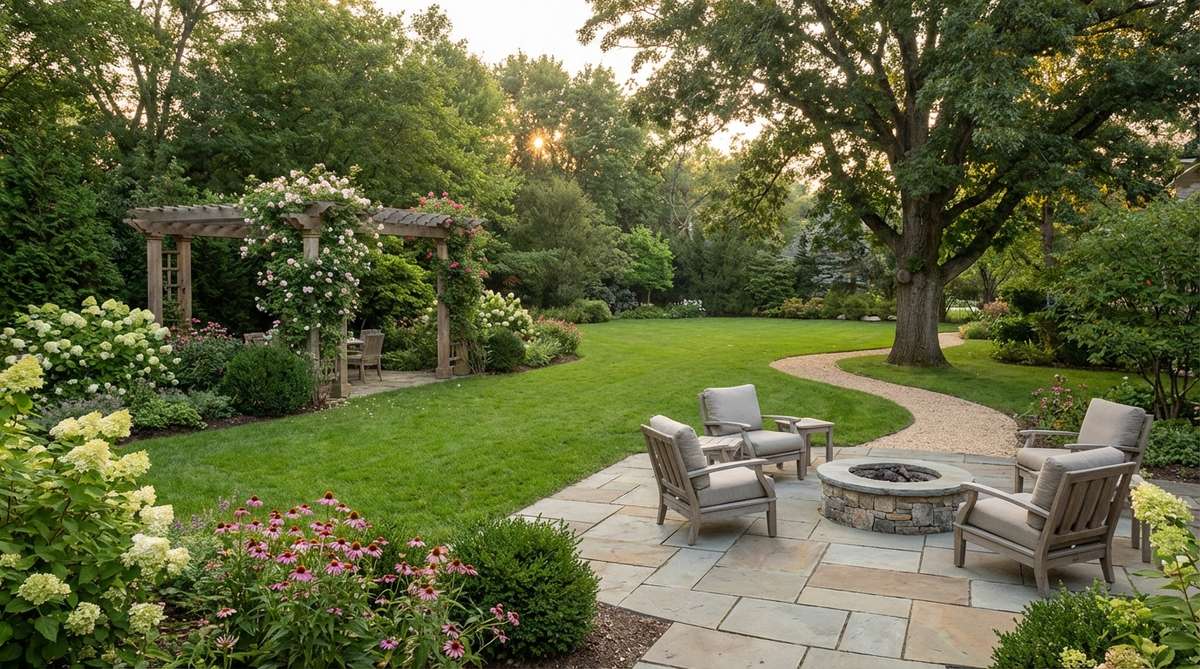
Gray-green narrow leaves form evergreen mounds that require minimal water once established. Select green-foliaged varieties rather than silver cultivars.
Plant in full sun with alkaline, sharply drained soil. Space 24 inches apart and shear after flowering to maintain compact form.
The aromatic foliage and drought tolerance suit Mediterranean-climate gardens. Prune lightly to avoid cutting into old wood which regenerates poorly.
46. Sage Shrub Anchors
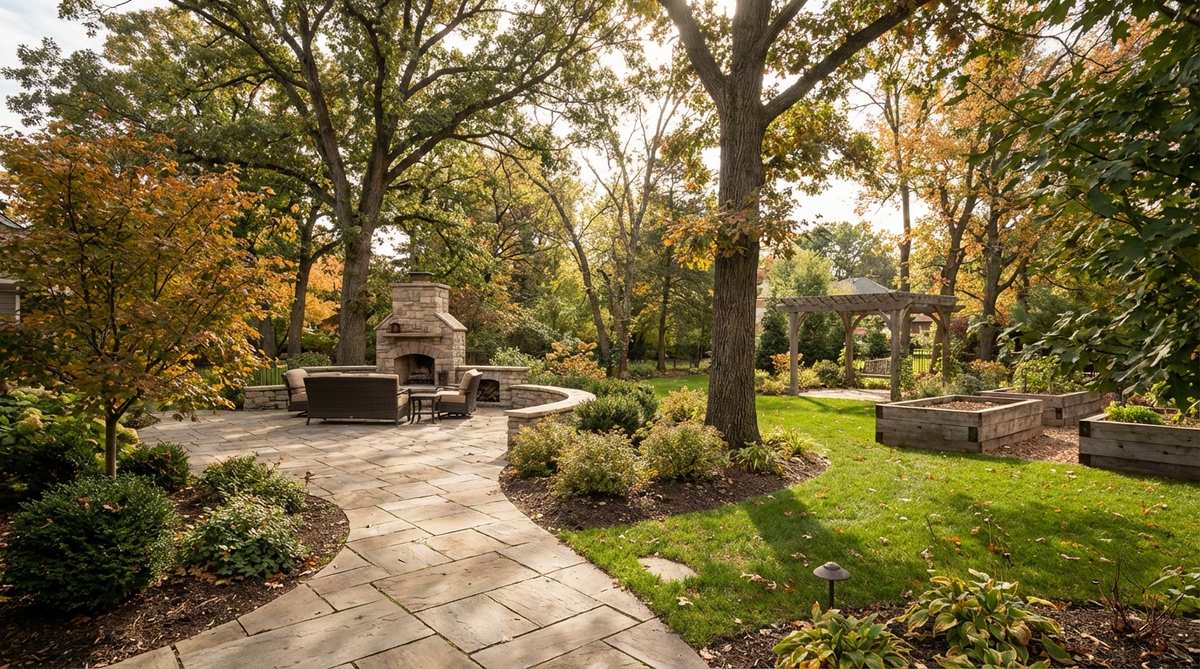
Salvia species offer diverse forms from prostrate groundcovers to four-foot shrubs. The gray-green to bright green foliage withstands heat and drought.
Select species based on climateS. greggii for hot zones, S. officinalis for cooler areas. Provide full sun and infrequent deep watering.
The varied foliage textures among species allow combinations within single genus. Cut back by one-third after flowering to encourage bushy regrowth.
47. Sedum Green Roof Systems
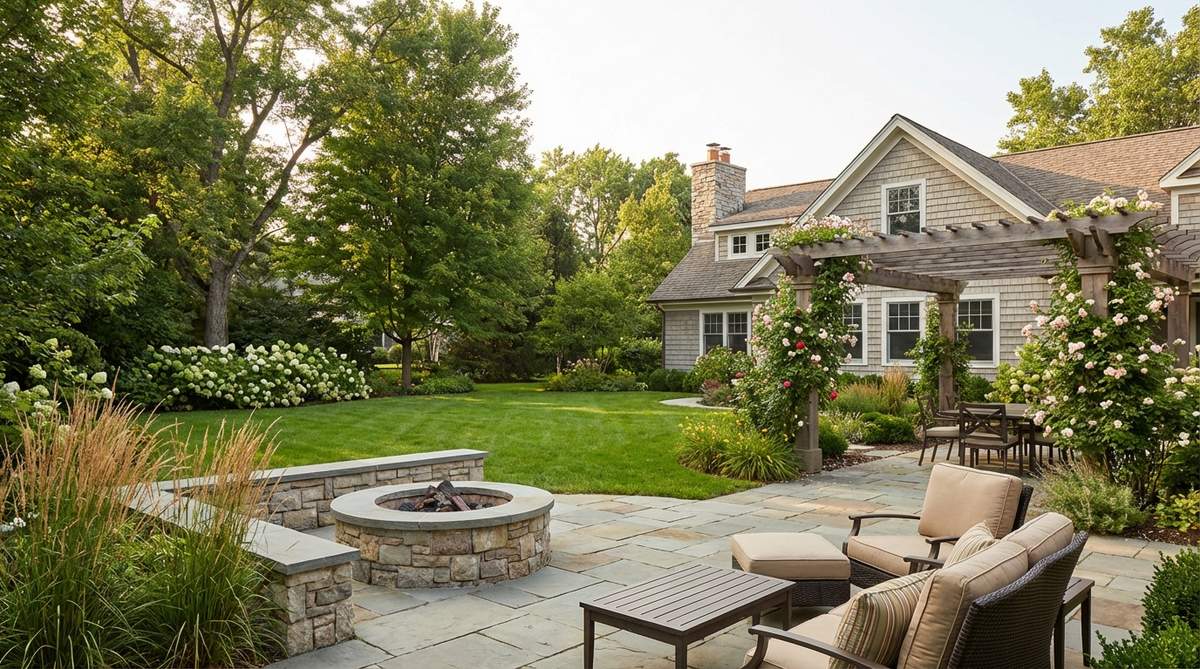
Shallow-rooted succulent species colonize roof surfaces with minimal substrate depth. The fleshy green leaves store water, eliminating irrigation needs.
Install engineered growing medium four to six inches deep over waterproof membrane. Plant sedum mats or plugs in spring.
Select species that remain green year-round rather than those that develop red tones. The living roof moderates building temperature while managing stormwater.
48. Fountain Grass Xeric Drifts
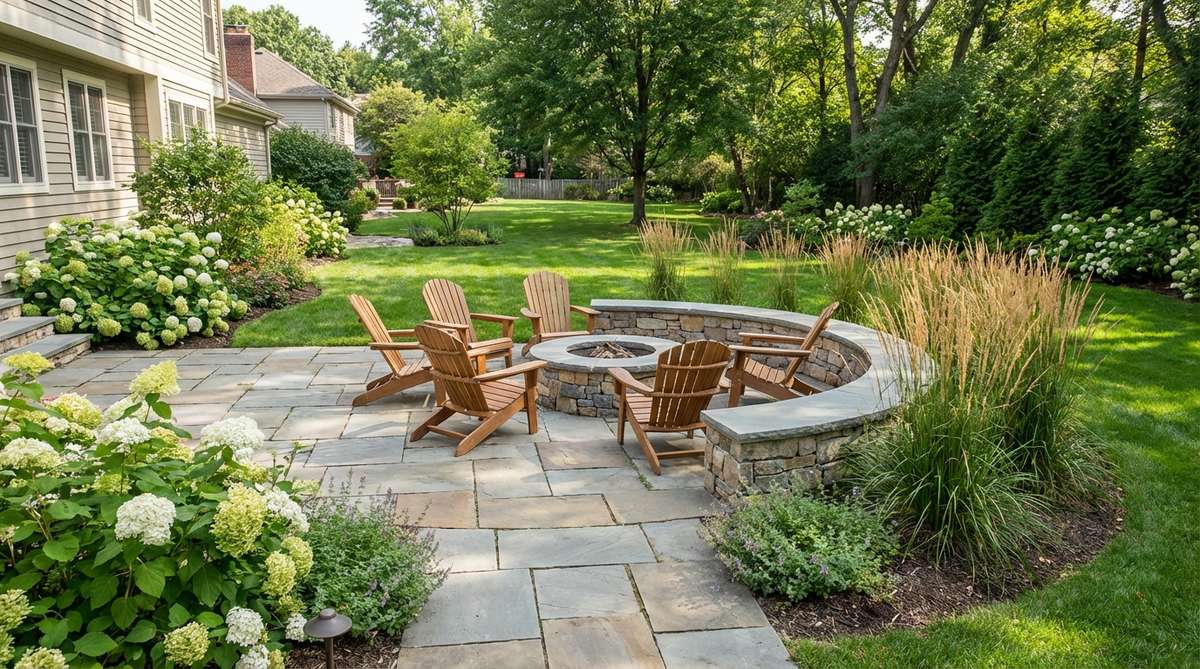
Pennisetum species create arching green fountains that thrive on minimal water. The fine-textured foliage moves dynamically in wind.
Plant in full sun with well-drained soil. Space 36 inches apart for individual definition or closer for merged effect.
The green foliage transitions to tan in winter, extending seasonal interest. Cut to ground level in late winter before new growth emerges.
49. Juniper Groundcover Slopes
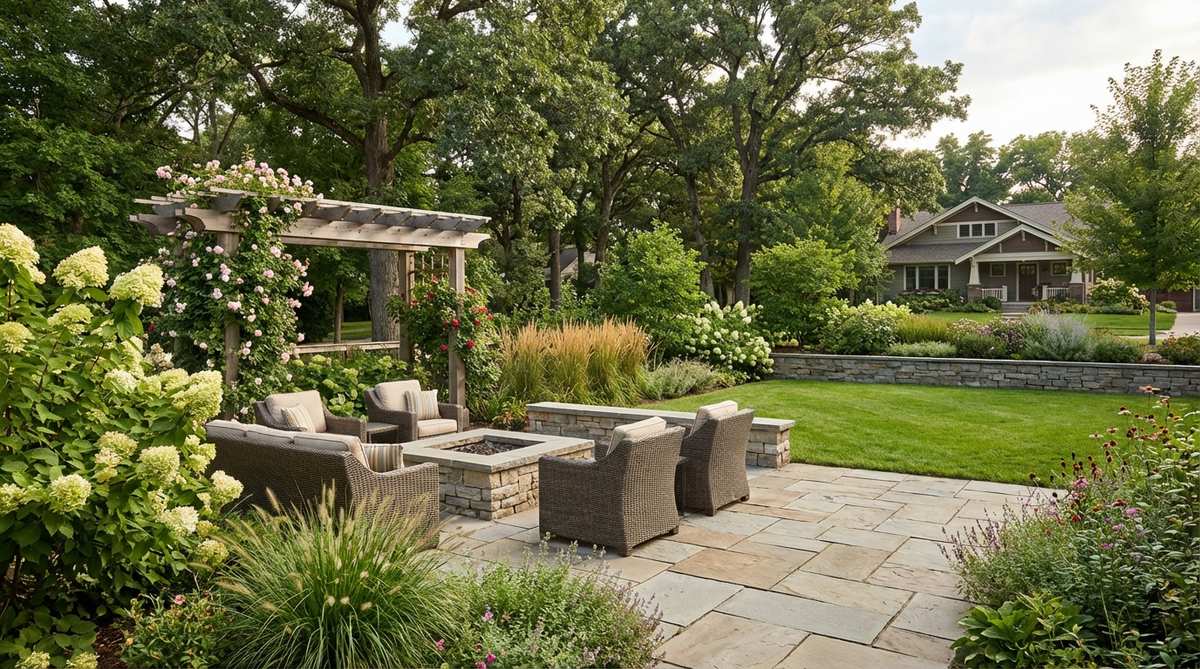
Prostrate juniper cultivars provide evergreen coverage on slopes too steep for mowing. The scale-like foliage creates fine green texture.
Plant on centers equal to mature spread—typically 48-72 inches. Once established, plants require no supplemental water in most climates.
Select green cultivars rather than blue or gold forms. The spreading habit stabilizes soil while eliminating high-maintenance turf grass.
50. Agave Gravel Garden Specimens
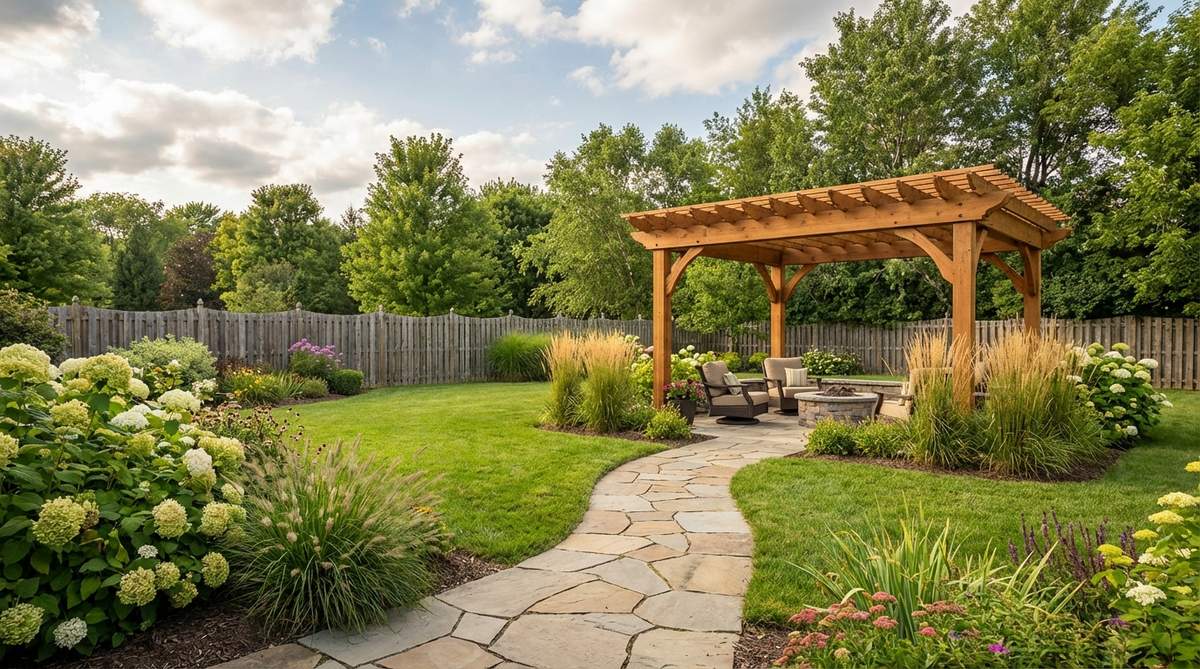
Various agave species provide architectural green rosettes in gravel-mulched beds. The sculptural forms create focal points with zero water requirements.
Plant in native soil amended with gravel for drainage. Space according to mature size—three to eight feet depending on species.
The bold forms contrast with fine-textured gravel. Select green-leaved species rather than variegated or blue forms to maintain monochromatic discipline.
51. California Native Shrub Tapestries
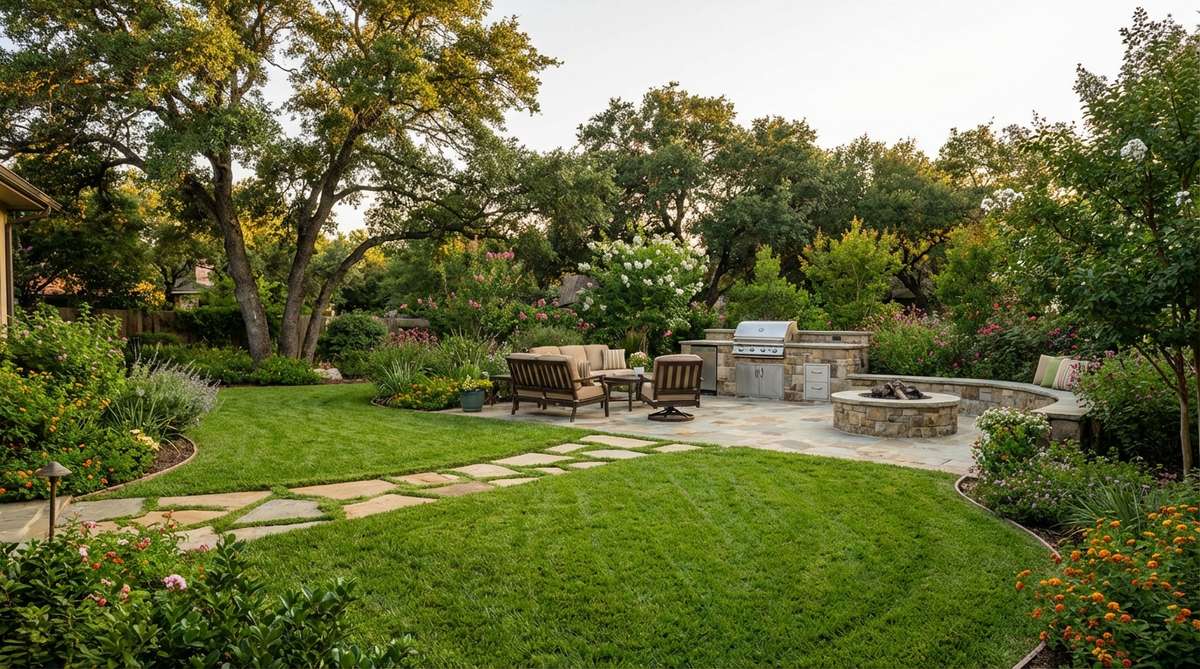
Ceanothus, Arctostaphylos, and Rhamnus species create evergreen green tapestries adapted to summer drought. The varied leaf sizes and growth habits provide textural diversity.
Plant in autumn to leverage winter rains for establishment. Avoid summer watering once established to prevent root diseases.
The regional adaptation ensures long-term survival with minimal inputs. Select green-foliaged cultivars within each genus for color consistency.
52. Pine Needle Understory Gardens
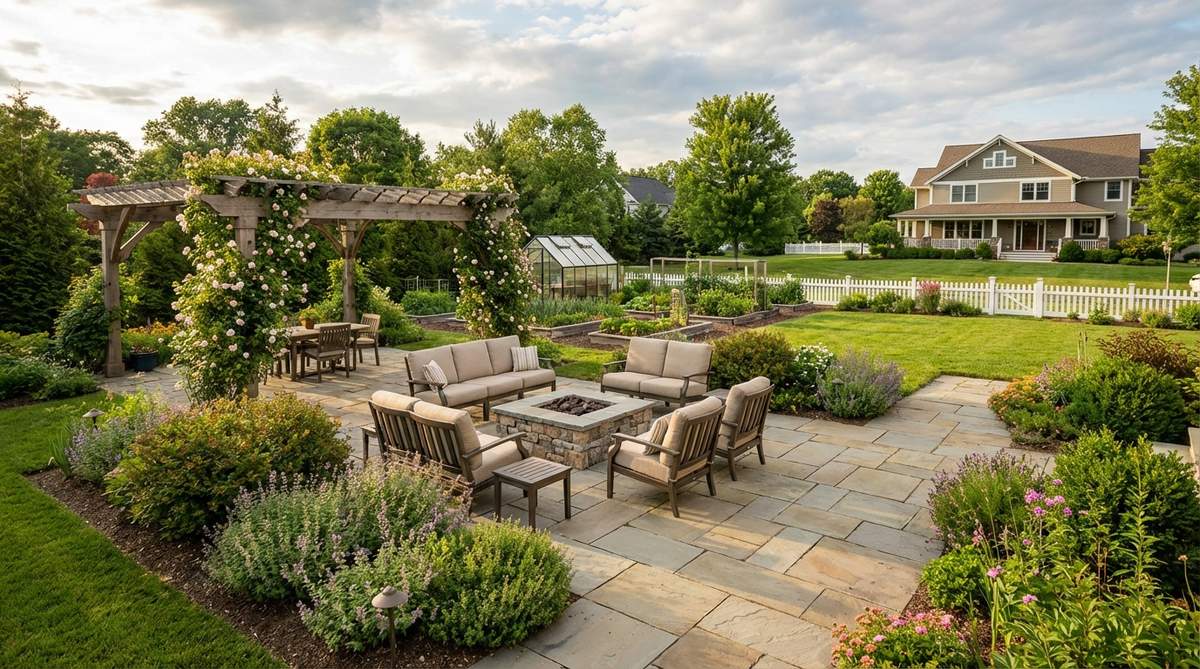
Beneath established pines, plant shade and drought-tolerant evergreens that thrive in acidic conditions. Ferns, Mahonia, and Vaccinium create layered green compositions.
Leave pine needle duff in place as natural mulch. Select plants adapted to the allelopathic compounds pines release.
This low-water approach exploits existing tree canopy. The monochromatic green scheme unifies diverse plant forms into cohesive composition.
Conclusion
Monochromatic green gardens reveal landscape design’s fundamental elements—form, texture, and spatial relationship—without the distraction of competing colors. These 50+ concepts demonstrate that limiting palette expands creative possibility rather than constraining it. Implement these strategies to develop sophisticated outdoor spaces where botanical architecture takes center stage, creating gardens that reward close observation while providing cohesive visual impact from distance.
Frequently Asked Questions
What makes green gardens more challenging than multicolored designs?
Green gardens demand greater attention to texture, form, and tonal variation since color contrast cannot mask weak compositions. Designers must exploit leaf size, surface quality, and growth habit to generate visual interest. This constraint forces more sophisticated plant selection and spatial arrangement.
How do you prevent monochromatic green gardens from appearing monotonous?
Vary plant heights, textures, and green tones from chartreuse to deep forest. Combine glossy with matte surfaces, fine with bold leaves, and upright with trailing forms. Include plants with different seasonal interest—spring emergence, summer fullness, winter structure—to maintain dynamic change within the green palette.
Which green plants provide year-round interest in cold climates?
Evergreen conifers, boxwood, holly, and yew maintain foliage through winter. Hellebores, Bergenia, and certain ferns offer evergreen or semi-evergreen coverage in zones 5-7. Ornamental grasses provide tan winter structure that contrasts with evergreen companions.
Can green garden landscapes work in small urban spaces?
Monochromatic green schemes excel in confined areas by creating visual cohesion that makes spaces feel larger. Vertical elements like climbing plants, wall-mounted containers, and tiered planters maximize green coverage without consuming floor space. The unified color palette prevents the visual fragmentation that occurs with mixed colors in small footprints.
What maintenance challenges do all-green gardens present?
Green gardens require vigilant edge definition to prevent aggressive spreaders from dominating restrained growers. Regular shearing maintains formal evergreen shapes, while selective pruning preserves natural forms. Leaf debris shows prominently against green backgrounds, necessitating frequent cleanup for polished appearance.