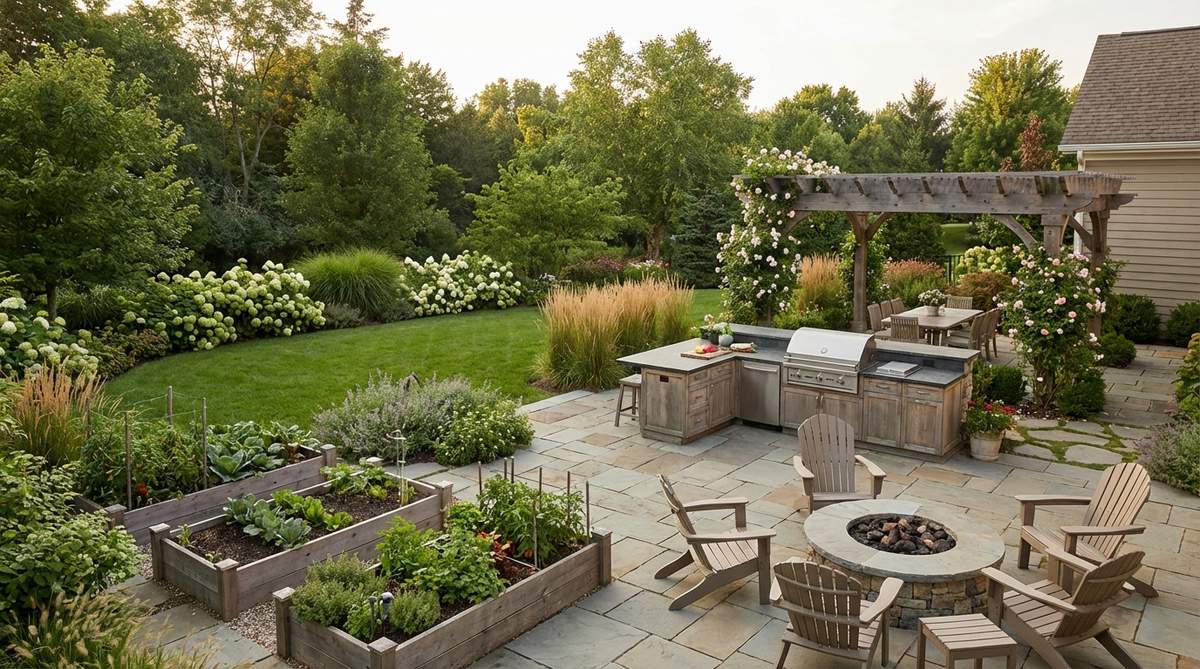
A green garden fence creates an instant connection between your outdoor structure and the natural landscape, whether you achieve it through carefully selected paint or living climbers. This guide from Fresh Garden Ideas presents over 25 proven combinations that American gardeners use to transform ordinary fences into stunning vertical gardens.
Design SnapshotKey Principles
- Color Depth: Darker greens create dramatic backdrops; lighter shades expand small spaces
- Growth Rate: Match climber vigor to maintenance capacity—fast growers need regular pruning
- Seasonal Interest: Layer evergreen structure with deciduous flowering vines for year-round appeal
- Climate Adaptation: Select paint finishes and plant hardiness zones appropriate to your region
Paint-Only Transformations
Strategic paint application delivers immediate results when you need a cohesive garden backdrop. These shades work independently or serve as foundations for future planting schemes.
1. Sage Green Cottage Charm
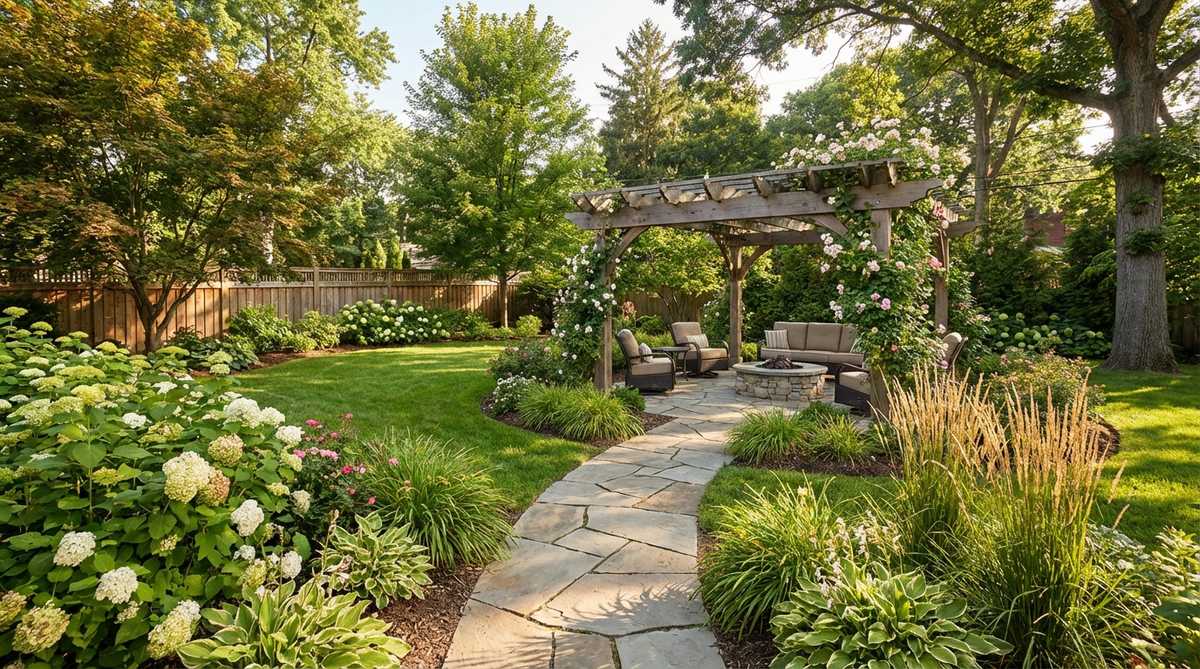
Sage green fence paint creates a soft, muted backdrop that complements perennial borders without competing for visual attention. This shade sits between gray and green, offering the warmth of natural tones with contemporary sophistication.
Apply exterior-grade sage paint in two coats over primed wood, allowing 24 hours between applications. The slightly dusty finish makes colorful blooms pop while maintaining a cohesive garden palette.
Homeowners appreciate sage for its versatility across architectural styles, from farmhouse to modern minimalist. It weathers gracefully and requires recoating every 3-5 years depending on sun exposure.
2. Forest Green Privacy Screen
Deep forest green paint transforms a standard fence into an instant privacy barrier that recedes into the landscape. This rich shade mimics evergreen foliage, creating visual continuity between hardscape and plantings.
Designers use forest green on tall fences where lighter colors would create stark vertical planes. The dark value absorbs light rather than reflecting it, reducing visual mass.
Pair this shade with lighter-colored structures like garden sheds or pergolas to establish hierarchy. Forest green works particularly well in shaded gardens where intense hues would appear too heavy.
3. Mint Green Space Expander
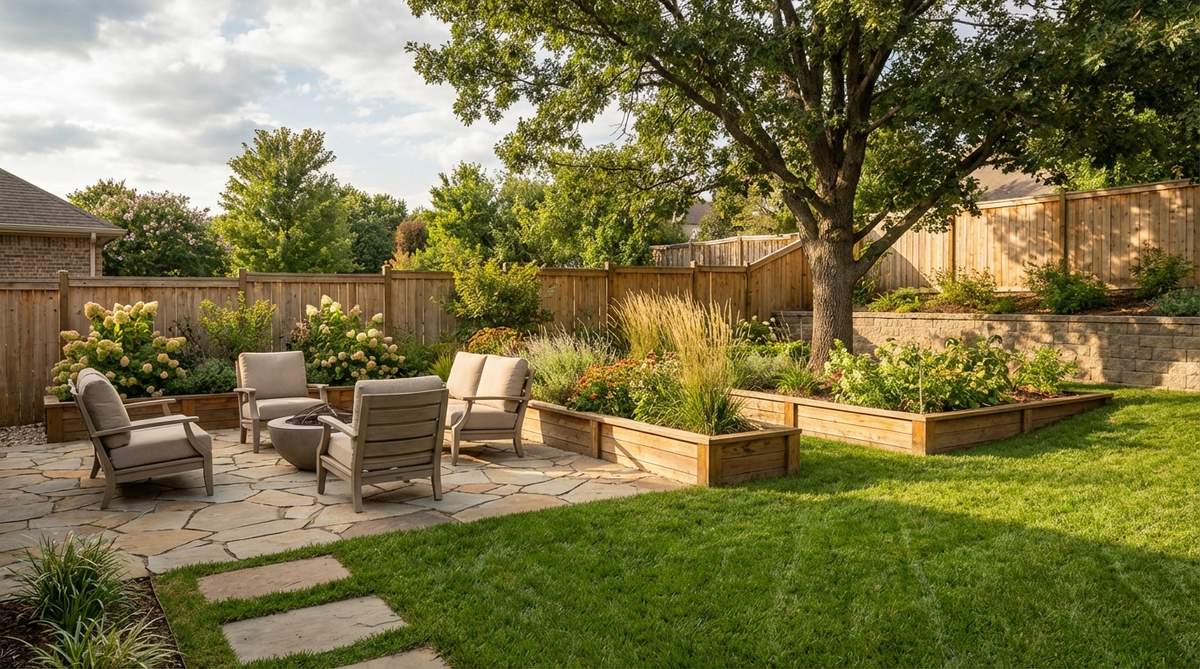
Mint green opens up compact gardens by blending fence boundaries into the surrounding greenery. This pale, cool-toned shade reflects more light than darker alternatives, making narrow side yards feel wider.
Apply mint green when you want the fence to support rather than dominate the garden composition. This color harmonizes with silver-leafed plants like lamb’s ear and artemisia.
4. Emerald Accent Panels
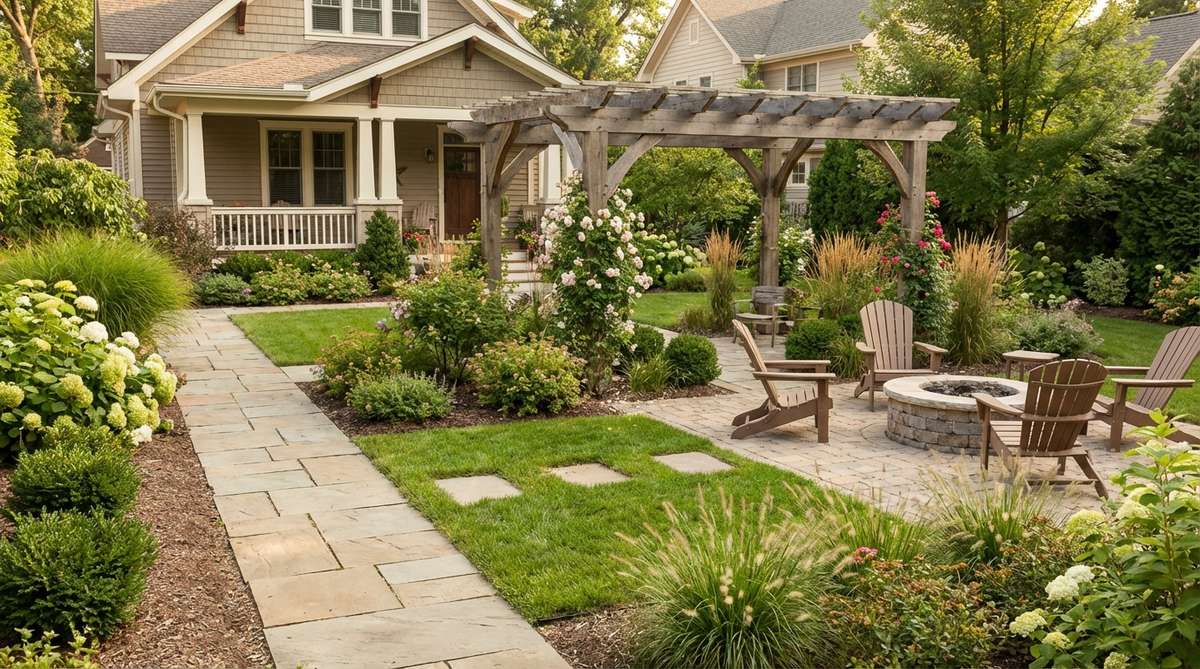
Vibrant emerald green panels inserted between natural wood sections create rhythm along fence lines. This technique works best on horizontal board fences where alternating materials establish pattern.
Paint every third or fourth section in emerald while leaving adjacent boards in natural cedar or light stain. The repetition guides the eye horizontally, emphasizing garden width over height.
5. Two-Tone Green Gradient
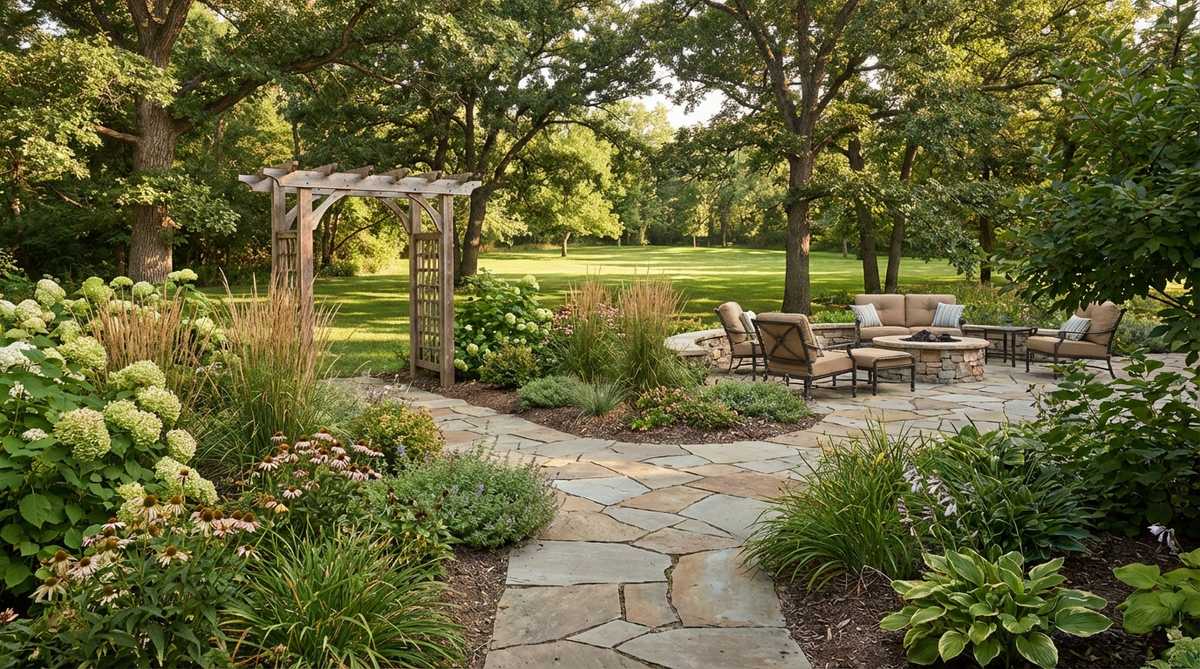
Combining two green shades on a single fence adds depth without introducing competing colors. Paint the lower half in darker forest green and transition to sage or mint above the midpoint.
This gradient technique grounds the fence visually while preventing top-heavy appearance. The darker base hides soil splash and lawn equipment marks more effectively than light tones.
Classic Climbers for Coverage
These reliable climbers establish quickly and provide dense screening throughout the growing season. American gardeners turn to these species when coverage speed matters.
6. Boston Ivy Rapid Screen
Boston ivy clings to fence surfaces using adhesive pads, eliminating the need for support wires or trellises. This deciduous vine covers 50 feet vertically and provides complete privacy within three growing seasons.
The three-lobed leaves overlap densely, creating a uniform green wall through summer before transitioning to scarlet in fall. Plant 24 inches apart for continuous coverage on long fence runs.
This vine thrives in zones 4-8 and tolerates urban pollution better than most climbers. Prune in late winter to control spread and maintain the fence perimeter you establish.
7. Virginia Creeper Native Coverage
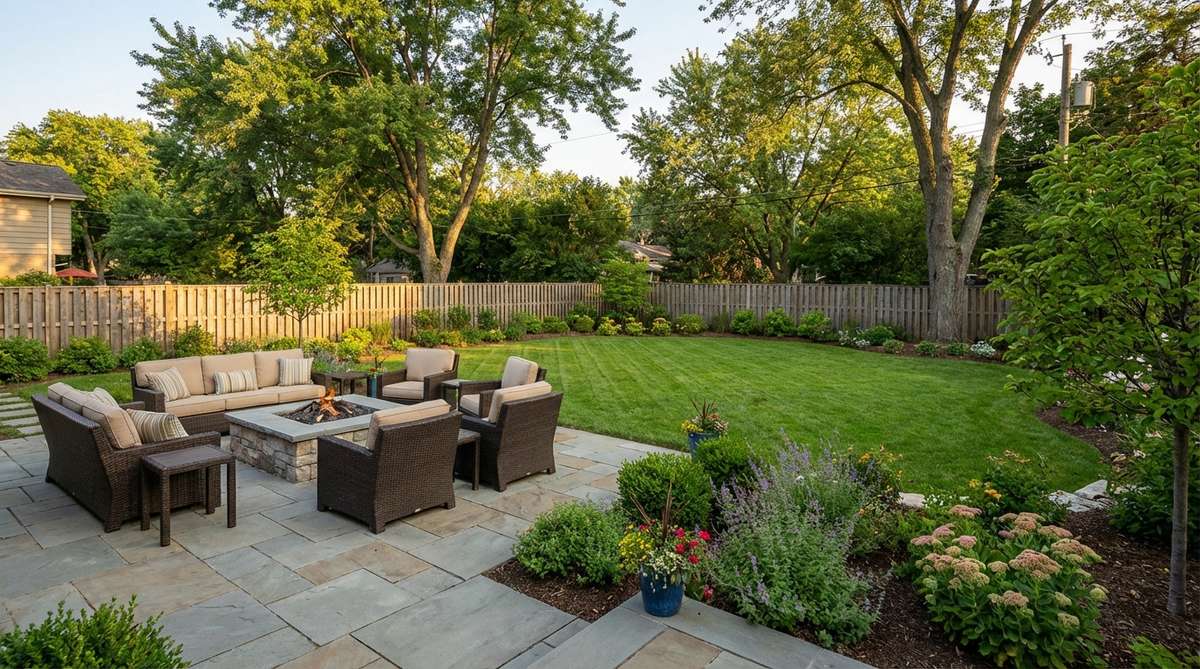
Virginia creeper brings native plant benefits to fence coverage, supporting local wildlife with berries and dense foliage. This vigorous grower reaches 30-50 feet and self-attaches like Boston ivy.
The five-leaflet compound leaves turn brilliant crimson in autumn, providing seasonal drama on neutral-painted fences. Plant this species where aggressive growth suits the space, as it requires annual pruning.
8. English Ivy Evergreen Wall
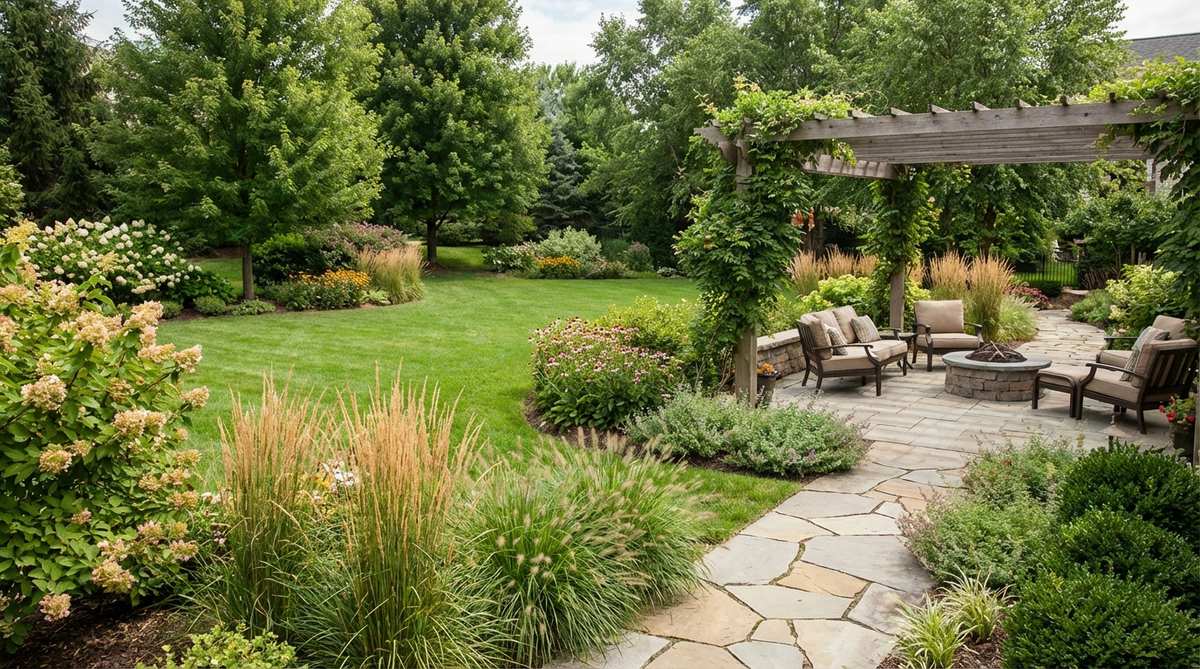
English ivy maintains green coverage year-round, making it valuable for fences visible from indoor living spaces. The glossy leaves create a formal, manicured appearance once established.
Control this vigorous grower by trimming edges monthly during peak growing season. English ivy performs best in zones 5-9 and tolerates deep shade where flowering vines struggle.
9. Trumpet Vine Hummingbird Magnet
Trumpet vine produces clusters of orange-red tubular flowers that attract hummingbirds throughout summer. This powerhouse climber covers fences rapidly using aerial rootlets.
Plant trumpet vine against mint green or sage painted fences to emphasize the warm flower tones. This deciduous vine suits zones 4-9 and requires aggressive pruning to prevent spread into unwanted areas.
Flowering Vine Combinations
Pairing paint colors with flowering climbers creates layered visual interest and seasonal progression. These combinations balance structure with ornamental impact.
10. Clematis on Sage
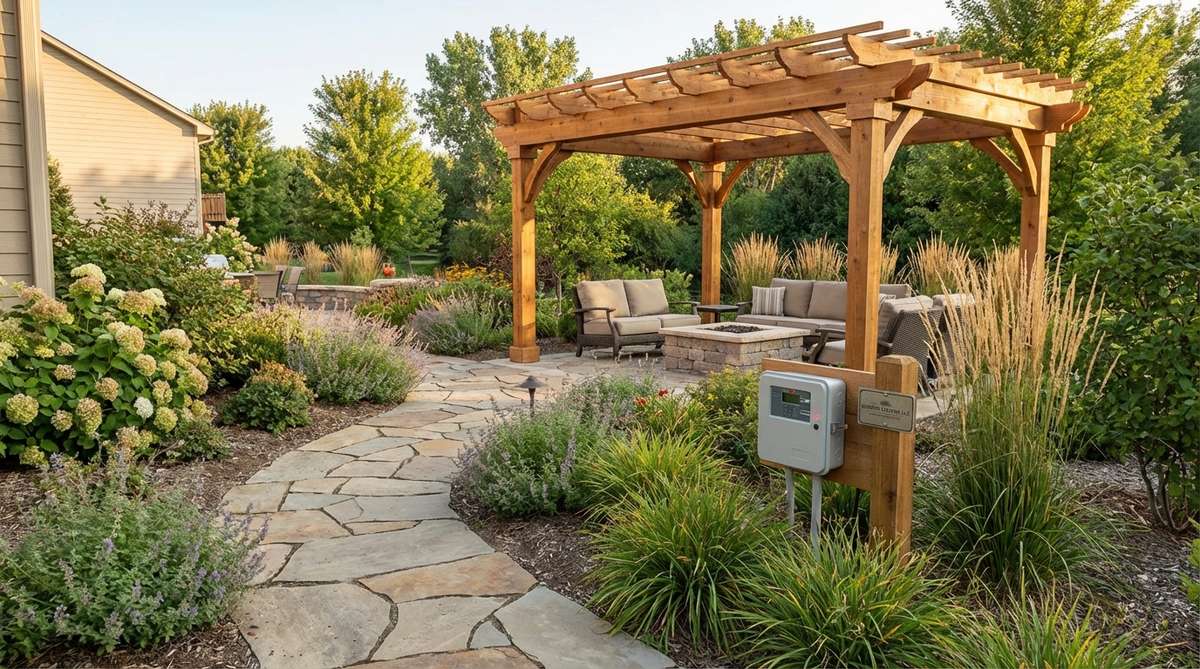
Large-flowered clematis hybrids display best against sage green backgrounds that don’t compete with bloom color. Purple, pink, and white varieties gain intensity when framed by muted green.
Install horizontal wire supports 12-18 inches apart before planting clematis at 8-inch spacing from the fence base. These vines require roots in shade and tops in sun.
Clematis blooms in waves from late spring through fall depending on variety. Combine early, mid, and late-season cultivars for extended flowering on a single fence section.
11. Climbing Roses with Forest Green
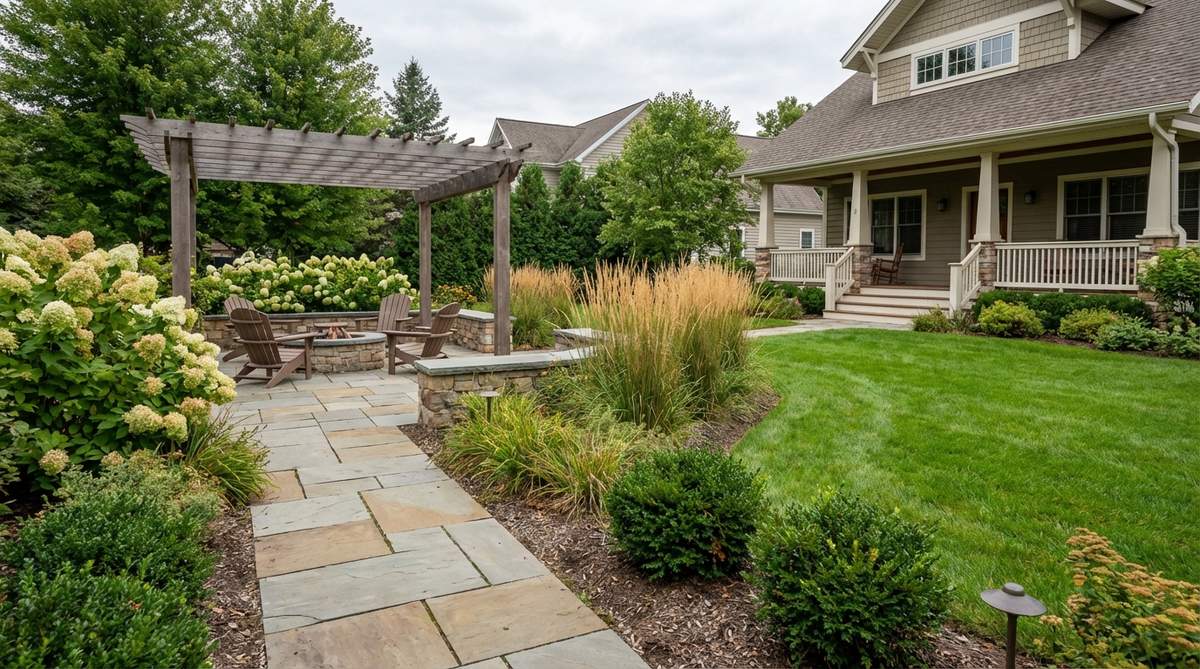
Climbing roses produce the most dramatic impact against deep forest green fences where blooms float above the dark background. This classic pairing suits formal and cottage garden styles equally.
Space climbing rose cultivars 8 feet apart, training canes horizontally along wire supports to maximize bloom production. Horizontal training encourages flowering shoots along the entire cane length.
12. Honeysuckle Fragrance Screen
Coral honeysuckle twines up fences and arbors, producing tubular red-orange flowers with remarkable fragrance. This native vine attracts hummingbirds and butterflies throughout the bloom period.
Pair honeysuckle with natural cedar fences or mint green paint for contrast against the warm flower color. This semi-evergreen performs in zones 4-9 and grows 10-20 feet.
13. Jasmine Evening Perfume
Star jasmine covers fences with glossy evergreen foliage and intensely fragrant white flowers in early summer. This twining climber suits zones 8-10 and requires frost protection in cooler regions.
Plant jasmine against sage or light green painted fences to showcase the white blooms. Evening fragrance makes this vine ideal for fences near patios and outdoor seating areas.
14. Wisteria Cascade Display
Wisteria produces long pendant flower clusters in lavender, blue, or white that cascade down fence faces. This vigorous climber requires sturdy support and aggressive pruning to maintain control.
Install wisteria on fences with reinforced posts capable of supporting mature vine weight. Prune twice annually—after flowering and again in late winter—to contain growth and maximize bloom production.
15. Climbing Hydrangea Shade Solution
Climbing hydrangea thrives in partial to full shade where most flowering vines fail. White lacecap blooms appear in early summer against glossy heart-shaped foliage.
This slow-starting vine takes 3-4 years to establish before showing vigorous growth. Once mature, climbing hydrangea reaches 30-50 feet and attaches using aerial rootlets.
Low-Maintenance Pairings
These combinations minimize upkeep while delivering consistent performance. Busy gardeners achieve professional results without intensive intervention.
16. Painted Panels with Potted Climbers
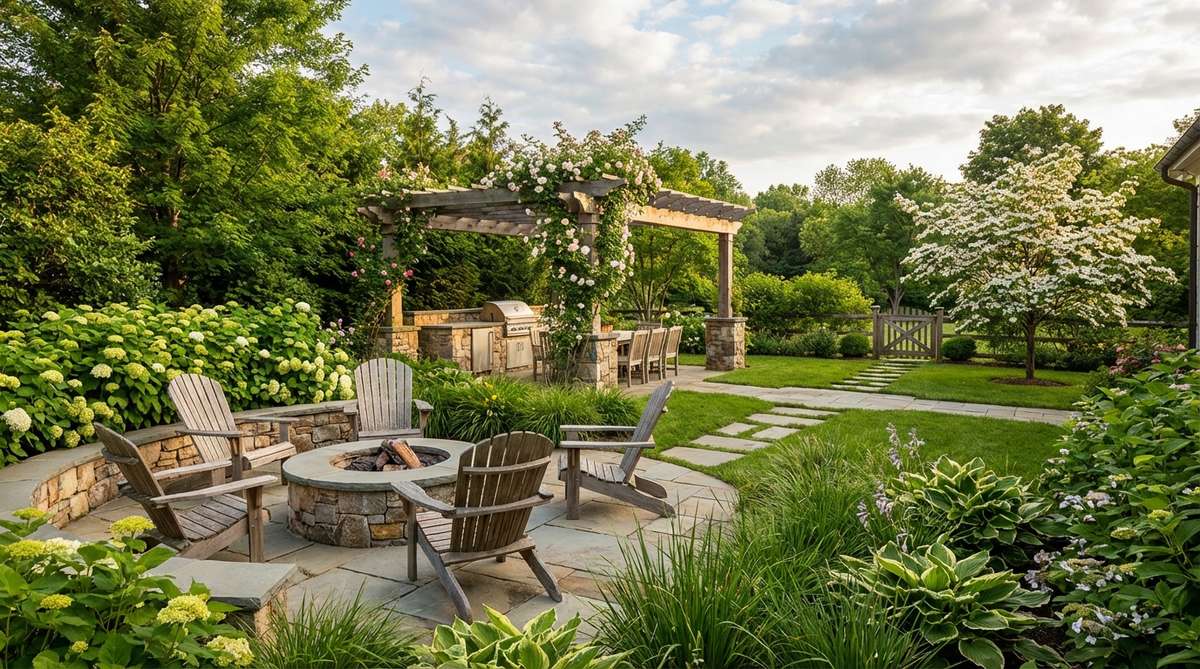
Emerald green painted fence sections serve as backdrops for large container-grown climbers like mandevilla or morning glory. This approach allows seasonal rotation without permanent planting.
Position 15-gallon containers at 4-foot intervals along the fence base, training vines onto temporary supports attached to painted boards. Replace with different specimens each season to vary the display.
17. Maintenance-Free Ivy Wall
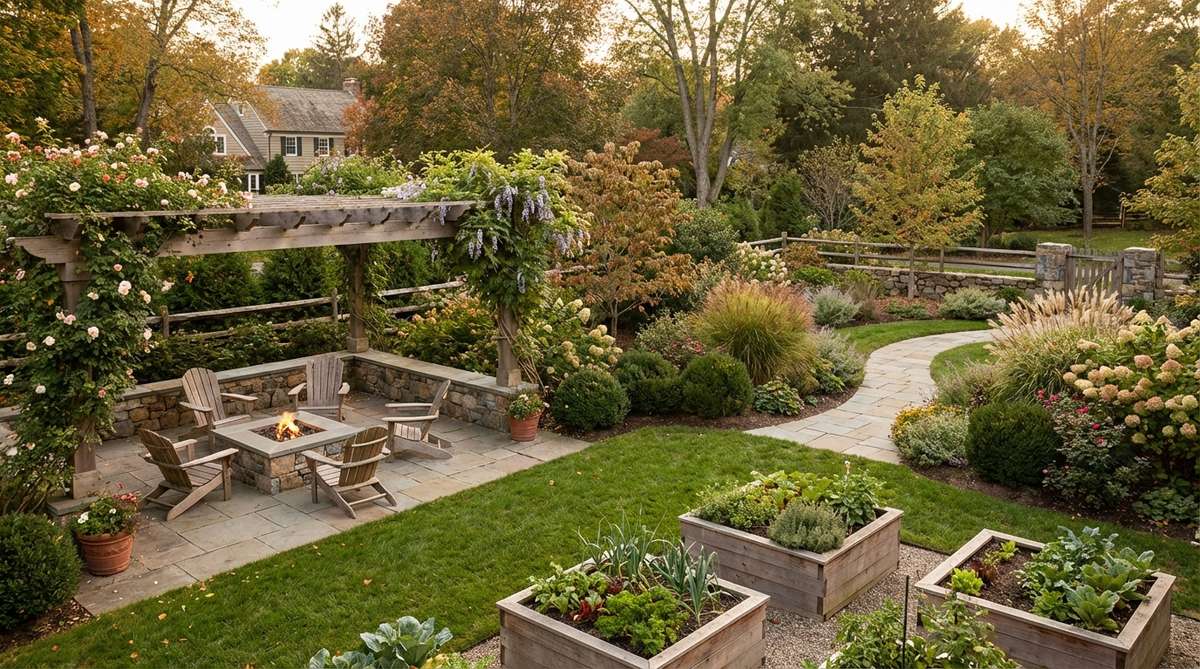
Combining English ivy with forest green paint on alternating fence sections creates a patchwork effect with minimal maintenance. The painted sections provide relief from dense ivy coverage.
This design works particularly well on long boundary fences where unbroken ivy would appear monotonous. Edge-trim ivy monthly to maintain the painted panel reveals.
18. Native Vine Ecosystem
Virginia creeper planted against natural cedar fencing requires zero supplemental irrigation once established. This native combination supports local insects and birds without chemical inputs.
Allow the vine to grow naturally with annual pruning only at the fence perimeter. Native combinations resist regional pests and diseases better than exotic species.
19. Drought-Tolerant Trumpet Vine
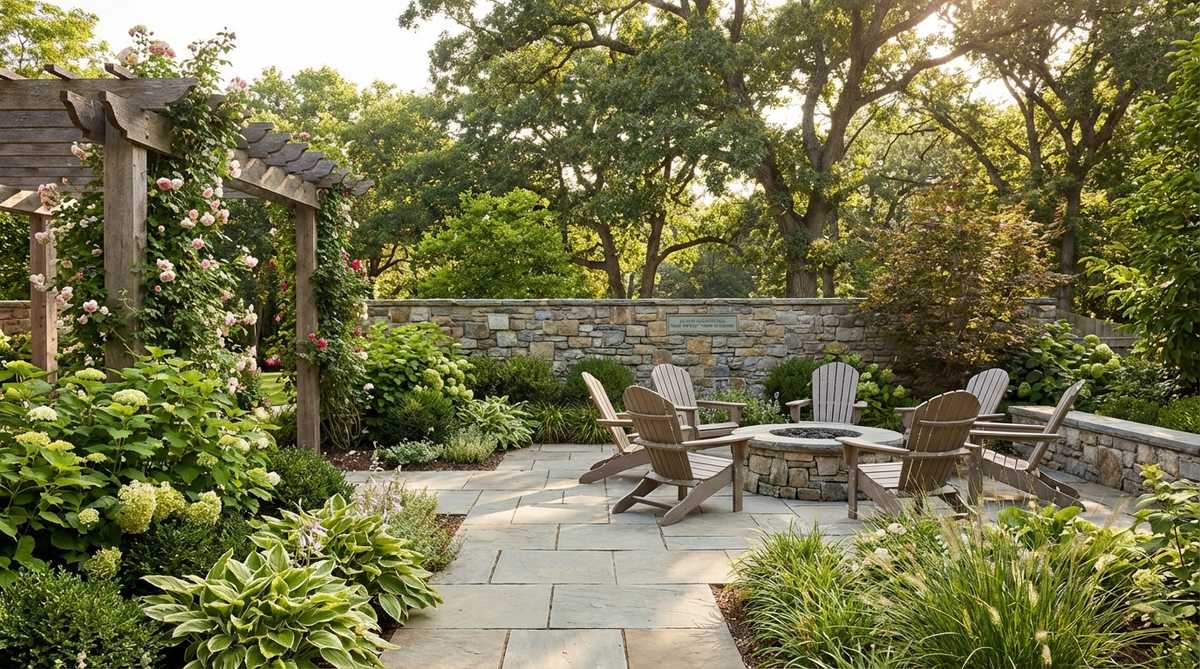
Trumpet vine survives on rainfall alone in most American climates once root systems establish. Pair with sage green paint that weathers without showing water stains.
This combination suits xeriscaping and low-water gardens in western states. Prune trumpet vine hard in early spring to control size and promote flowering.
Statement-Making Designs
Bold combinations transform fences into garden focal points. These designs prioritize visual impact and artistic expression.
20. Ombre Green with White Clematis
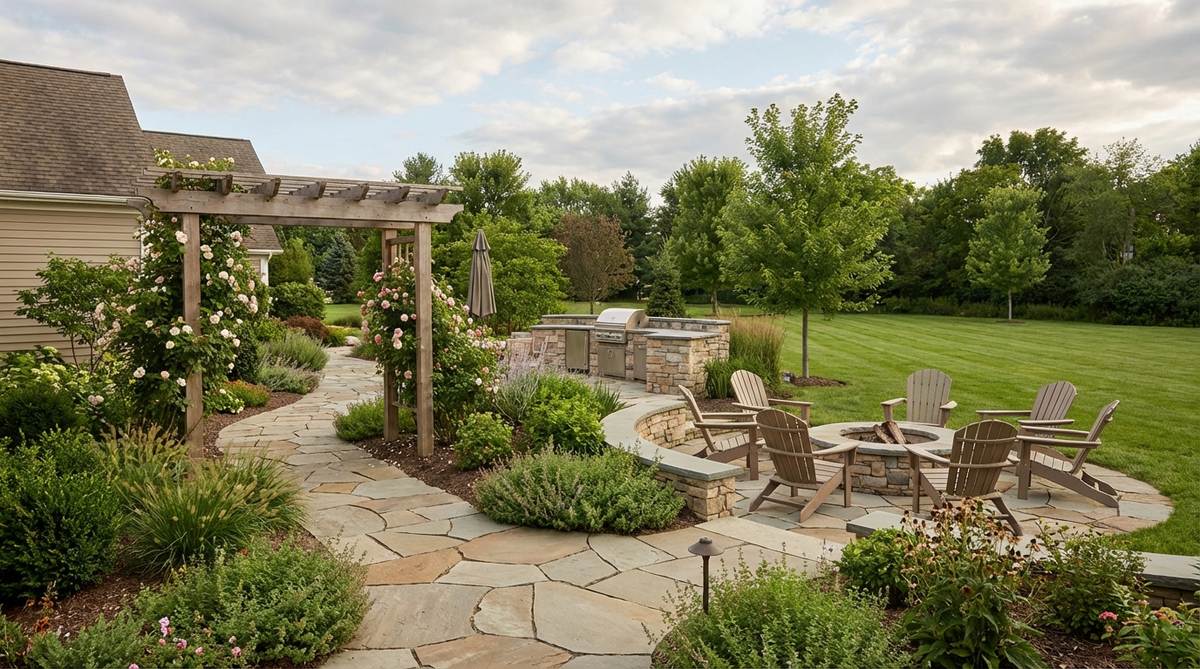
Paint fence boards in graduated green shades from forest at the base through sage to mint at the top. Train white clematis varieties to climb this gradient, creating a fade-to-white effect.
This technique requires careful paint application using three distinct green values. The white clematis blooms appear to emerge from darker tones and dissolve into lighter ones.
21. Vertical Herb Garden Fence
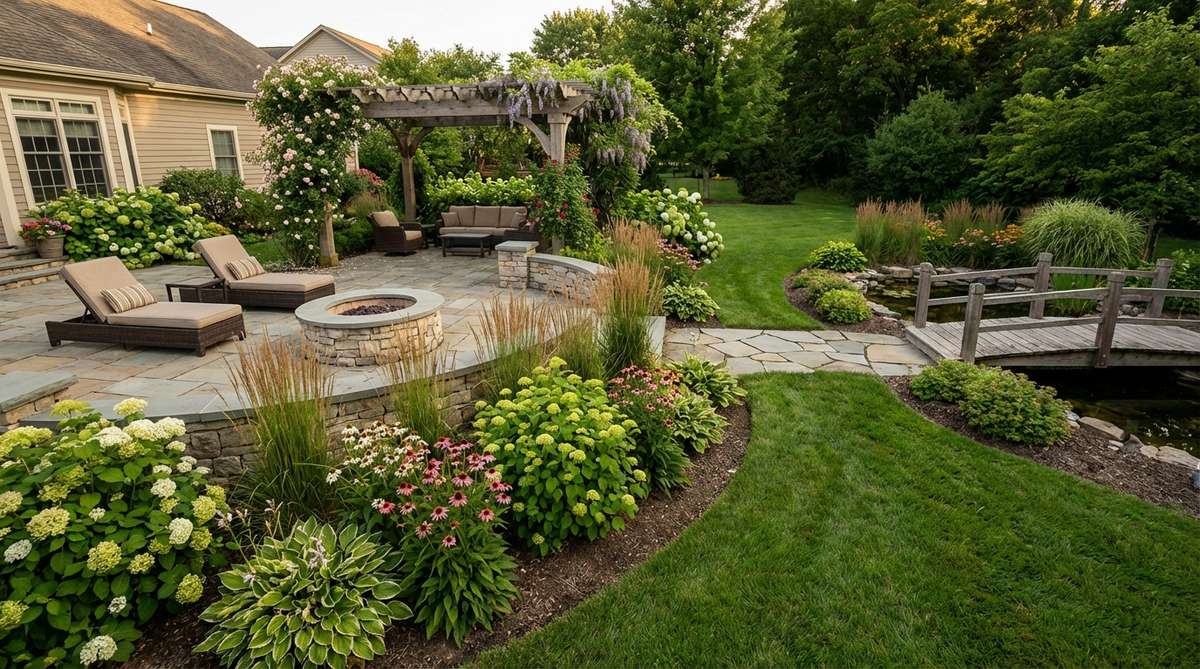
Mint green painted fence serves as the base for mounted planter boxes filled with cascading herbs like oregano and thyme. This functional design combines edible landscaping with vertical coverage.
Install staggered planters at 18-inch vertical intervals, creating a stepped effect. Herbs drape downward, softening the geometric planter arrangement.
22. Checkerboard Paint and Vine
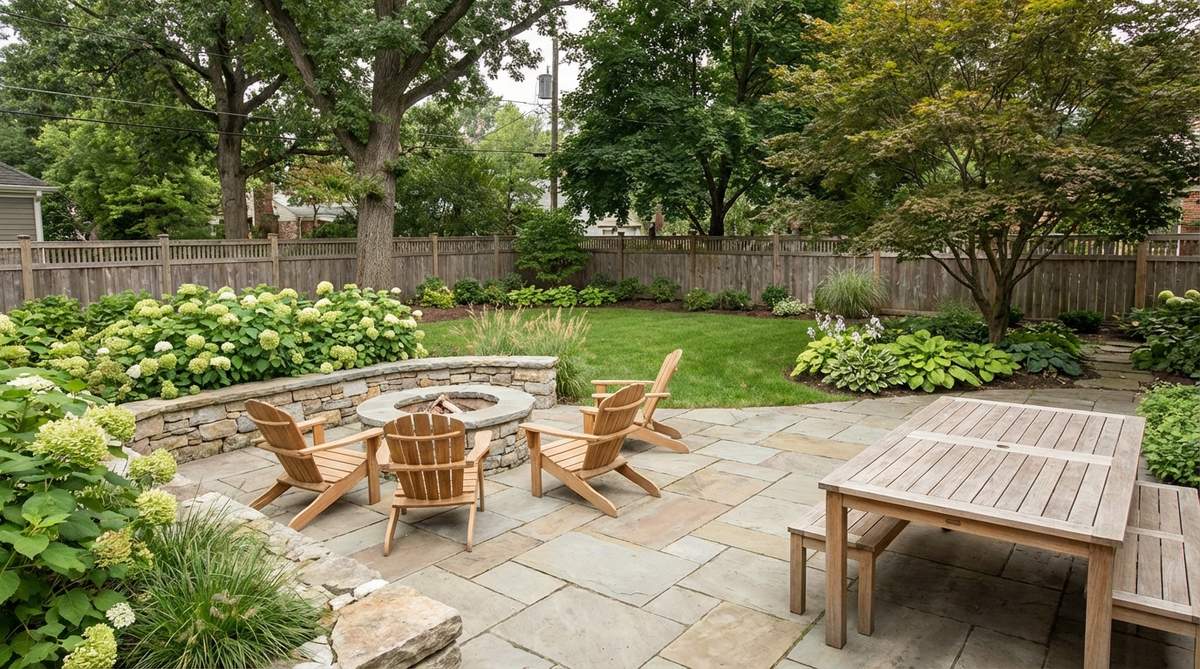
Alternate painted emerald squares with bare wood sections on board-and-batten fencing. Plant Boston ivy to cover only the natural wood areas, creating a living checkerboard pattern.
This design requires precise vine management to prevent growth onto painted sections. Monthly trimming maintains sharp pattern edges during growing season.
23. Climbing Rose Color Blocks
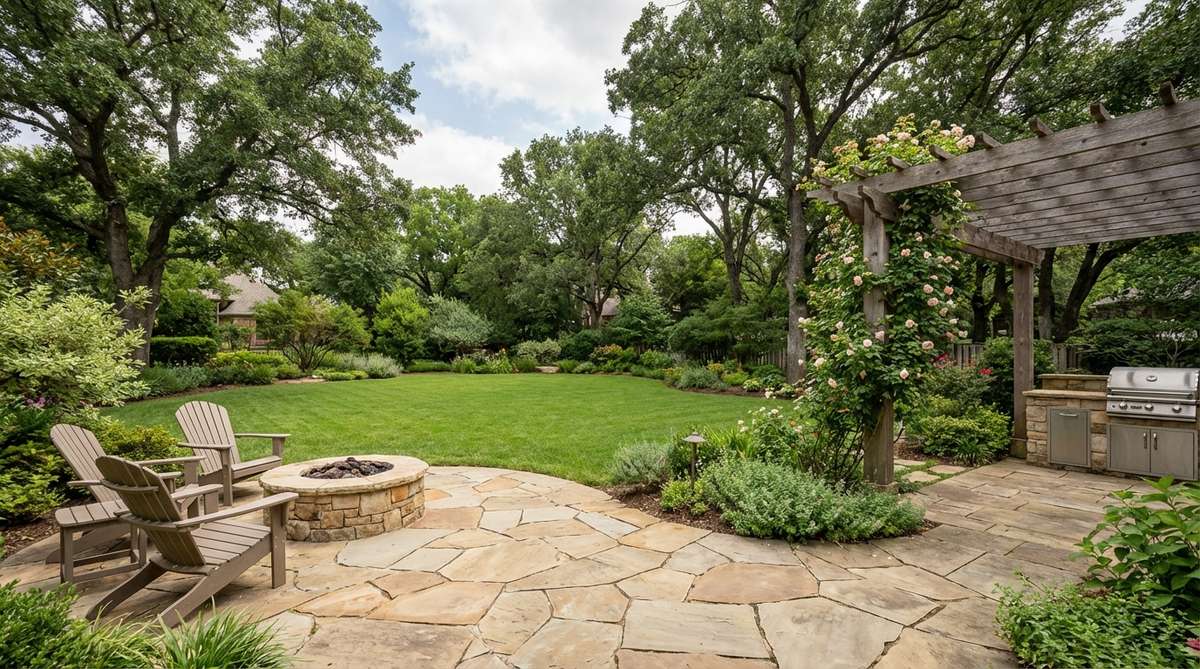
Paint fence sections in different green values—mint, sage, and forest—then match climbing rose colors to each segment. Pink roses against mint, white against sage, red against forest.
This method creates distinct garden rooms along a single fence line. Each color block establishes its own character while maintaining green as the unifying theme.
24. Mixed Texture Green Wall
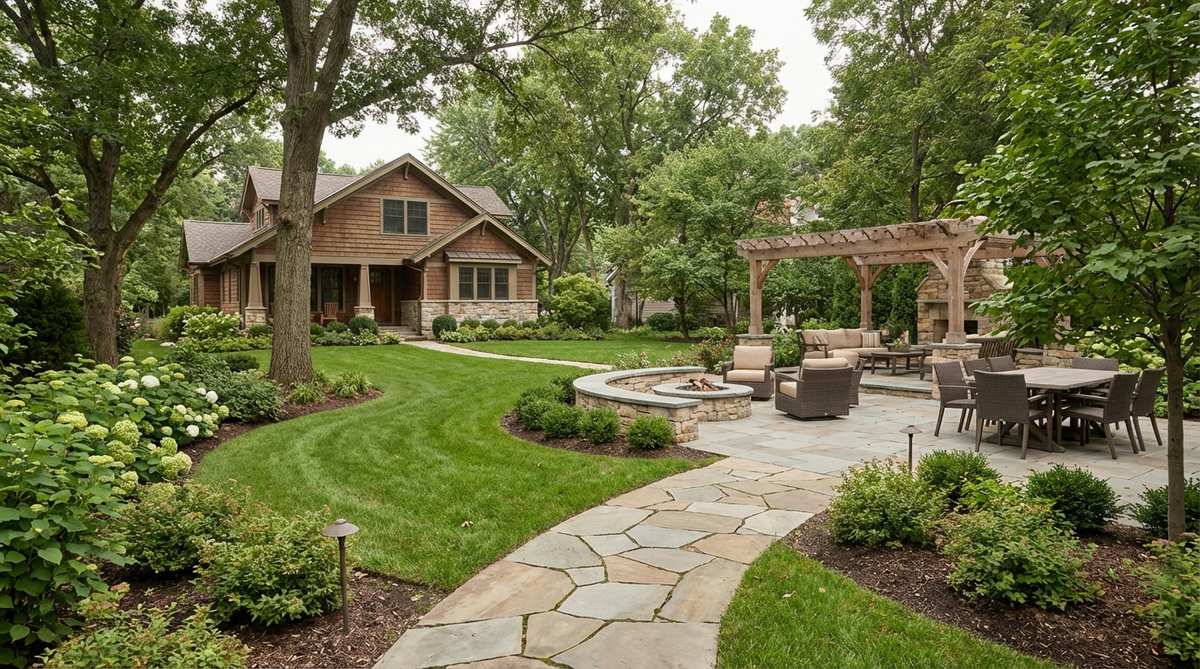
Combine painted sage background with three climber types—fine-textured Boston ivy, bold-leafed climbing hydrangea, and flowering clematis. This layered approach creates depth and seasonal variation.
Plant the strongest grower (ivy) at ends, climbing hydrangea in middle sections, and clematis throughout for vertical accent. Varying growth rates and leaf sizes prevent monotony.
Eco-Friendly Solutions
Sustainable fence treatments minimize environmental impact while supporting garden ecology. These approaches prioritize plant health and wildlife habitat.
25. Zero-VOC Paint with Native Vines
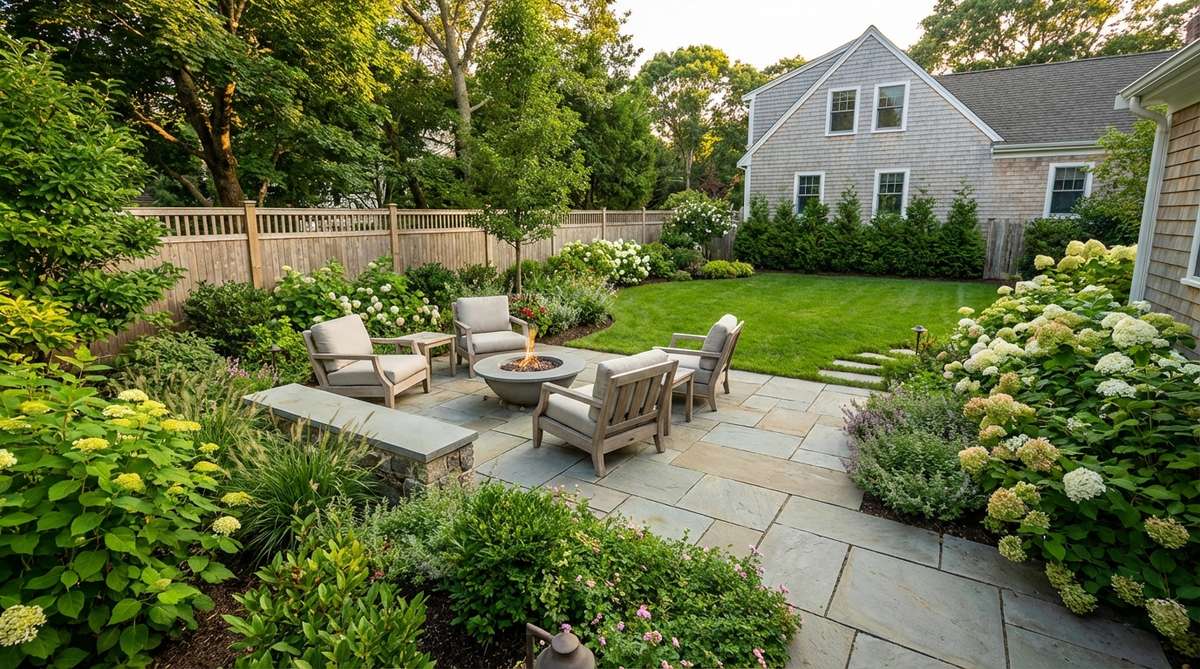
Low-emission green paints paired with native clematis or coral honeysuckle create eco-conscious fence designs. Zero-VOC formulas protect air quality without sacrificing durability.
Native climbers require no fertilizer or pesticides once established, reducing chemical runoff. This combination supports pollinator populations and beneficial insects.
26. Rainwater Collection Green Fence
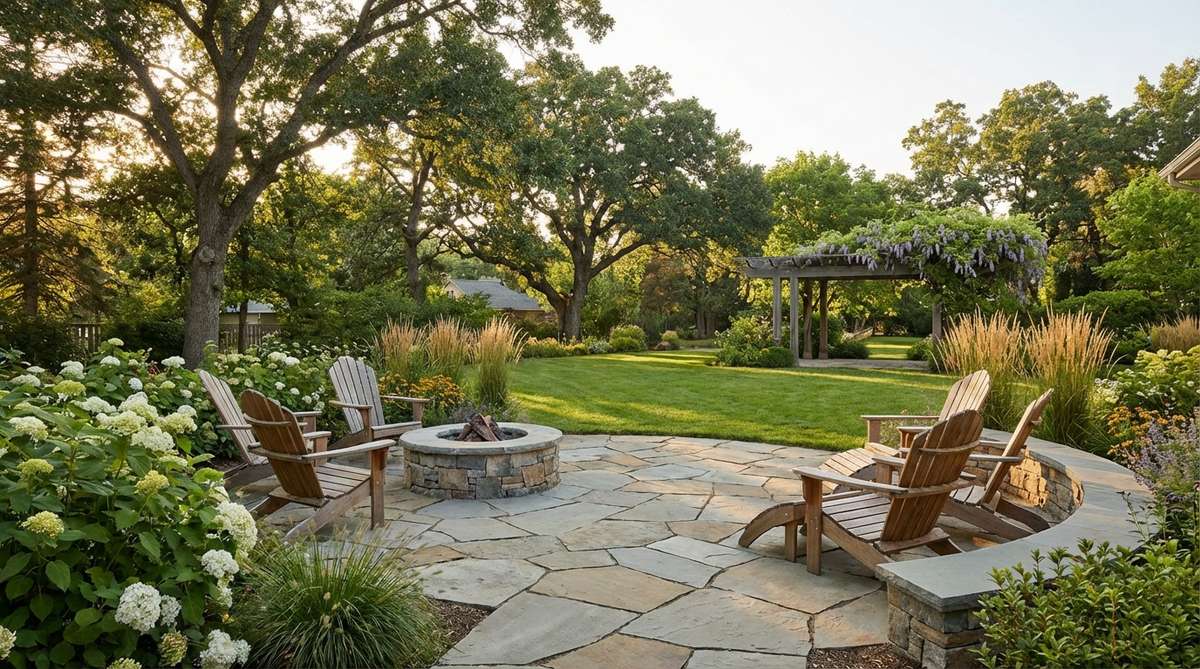
Install rain gutters along fence tops to harvest water for irrigation, then paint fence surfaces in sage green to blend collection hardware. Train moisture-loving climbers like climbing hydrangea below collection points.
This integrated system reduces municipal water usage while supporting lush vine growth. Position barrels at fence ends for easy access and mosquito control.
27. Wildlife Corridor Design
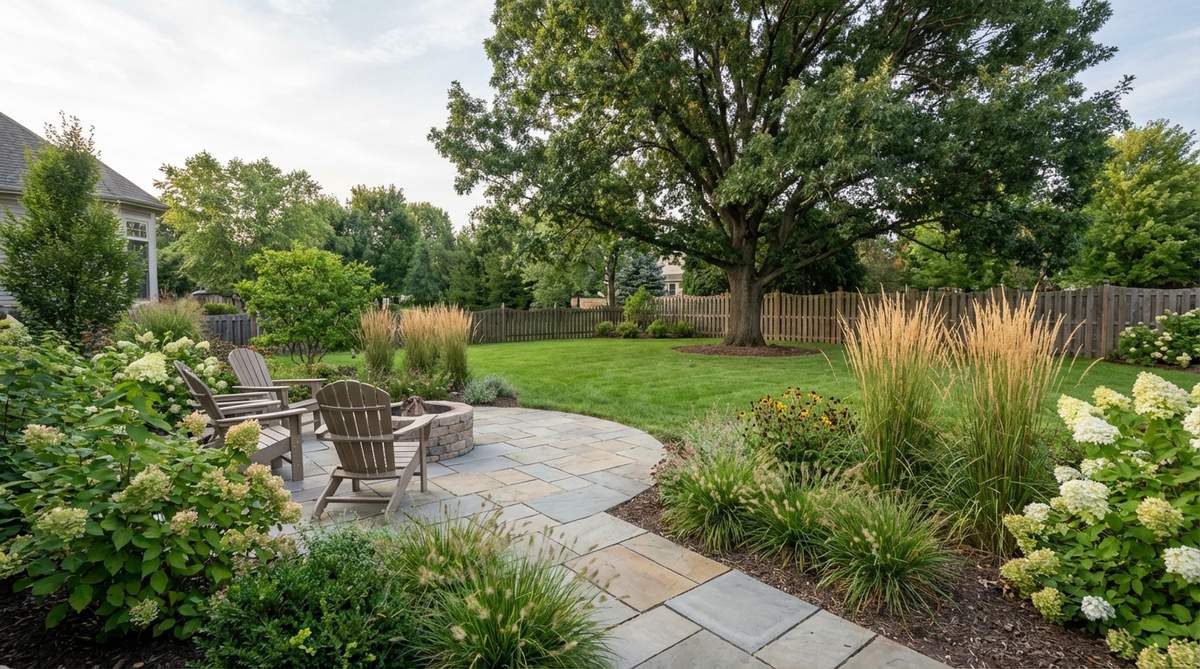
Virginia creeper and coral honeysuckle planted against natural cedar fencing creates a certified wildlife habitat. These natives provide berries, nesting sites, and nectar without invasive tendencies.
Allow vines to grow in naturalistic patterns rather than training them formally. Dense coverage offers shelter for songbirds and beneficial insects year-round.
28. Compost-Fed Climber System
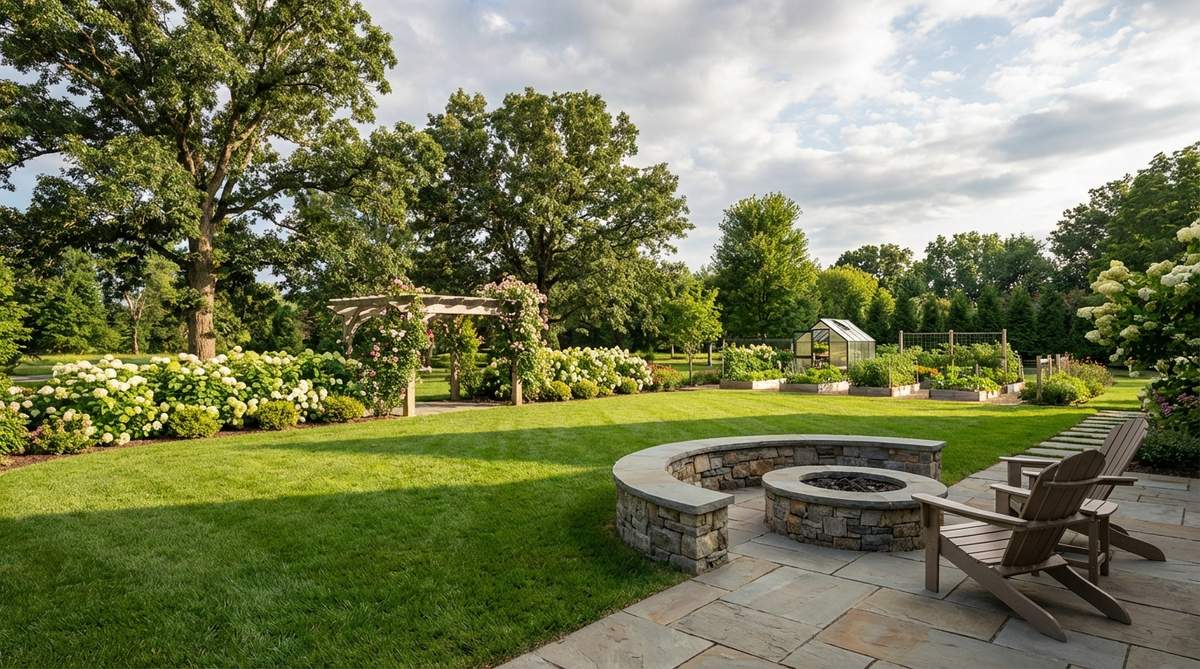
Build compost bins directly against painted green fences, then plant heavy-feeding climbers like wisteria and climbing roses adjacent to bins. Nutrient-rich compost tea feeds vines naturally.
This closed-loop system eliminates synthetic fertilizers while producing vigorous growth. Paint fence sections in forest green to camouflage compost structures.
Conclusion
A well-designed green garden fence integrates painted surfaces and living climbers to create seamless transitions between built structures and natural plantings. Whether you choose rapid-coverage vines like Boston ivy, fragrant options like jasmine, or strategic paint applications in sage and forest tones, the key lies in matching growth characteristics to your maintenance capacity and design goals. Start with one fence section as a test area, observe seasonal performance, then expand successful combinations throughout your property for cohesive results.
Frequently Asked Questions
What is the fastest growing vine to cover a fence?
Trumpet vine and Virginia creeper grow most aggressively, covering 20-30 feet in a single season once established. Boston ivy and English ivy follow closely behind with 10-15 feet of annual growth. These vigorous climbers require monthly pruning during peak growing season to prevent spread beyond intended boundaries.
Which green paint color makes a small garden look bigger?
Mint green and pale sage expand perceived space by blending fence boundaries into surrounding foliage. These light values reflect more ambient light than darker shades, reducing the visual weight of vertical surfaces. Pair light green fences with deeper green plantings in the foreground to enhance depth perception.
Do climbing vines damage wooden fences?
Self-clinging vines like English ivy and Boston ivy can trap moisture against fence boards, accelerating rot in untreated wood. Paint or seal fences before planting climbers to create protective barriers. Twining vines such as clematis and honeysuckle cause less structural concern when trained on wire supports positioned 2-3 inches away from fence surfaces.
How often should I repaint a green garden fence?
Exterior-grade fence paint requires recoating every 3-5 years depending on sun exposure and regional weather patterns. South and west-facing fences in intense sun zones need attention more frequently than shaded installations. Inspect painted surfaces annually for peeling or fading, addressing problem areas with spot treatments before full repainting becomes necessary.
Can I grow vegetables on a green painted fence?
Vining vegetables like pole beans, peas, and small-fruited squash perform well on wire supports attached to painted fences. Ensure paint is fully cured (minimum 30 days) before installing edible plants to prevent chemical contact. Choose food-safe finishes if vegetables will touch painted surfaces directly, or maintain 3-inch clearance using standoff brackets.