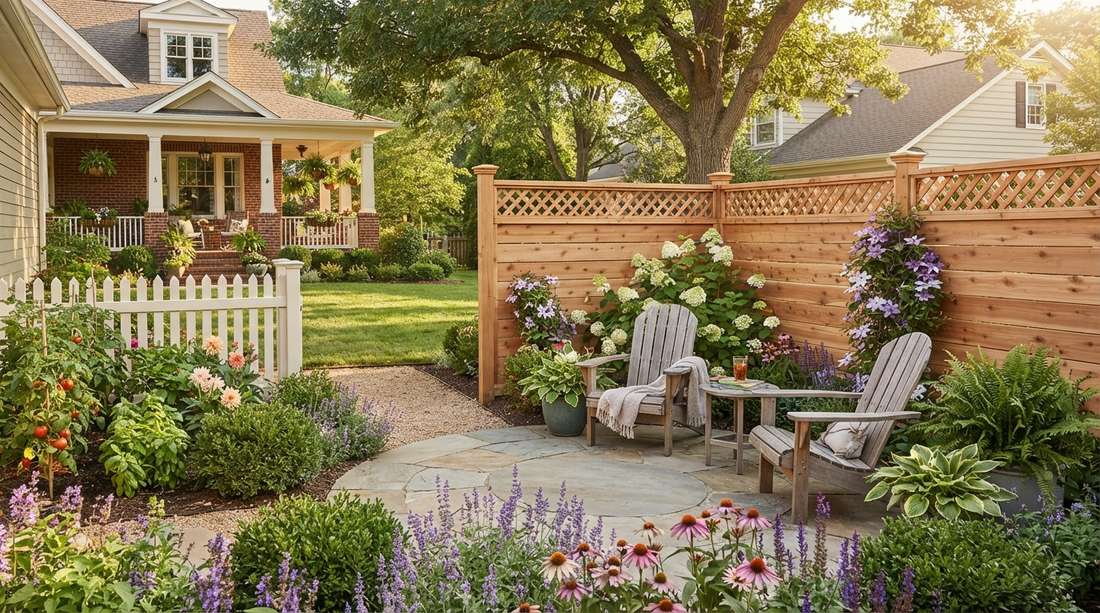
A strategically planned small garden fence instantly transforms cramped yards into private, designer-level sanctuaries. Securing the right commercial-grade materials guarantees a premium aesthetic without inflated contractor costs. Discover exact layout blueprints and budget-friendly upgrades that actually last.
Design Snapshot: Key Principles
- Vertical Emphasis: Upward lines create height illusion, making small spaces feel more expansive while maintaining privacy.
- Strategic Transparency: Alternating solid and open sections balance privacy needs with airflow and natural light penetration.
- Material Economy: Lightweight materials like aluminum and narrow-profile wood reduce visual bulk without sacrificing structural integrity.
- Integrated Function: Multi-purpose designs incorporate planters, lighting, and storage to maximize utility in constrained footprints.
Contemporary Slatted Designs for Modern Privacy
Slatted fencing dominates current small garden fence trends because narrow gaps filter views while preserving essential light and air circulation. This category suits homeowners who prioritize privacy without creating closed-in atmospheres.
1. Vertical Narrow Slat Fence
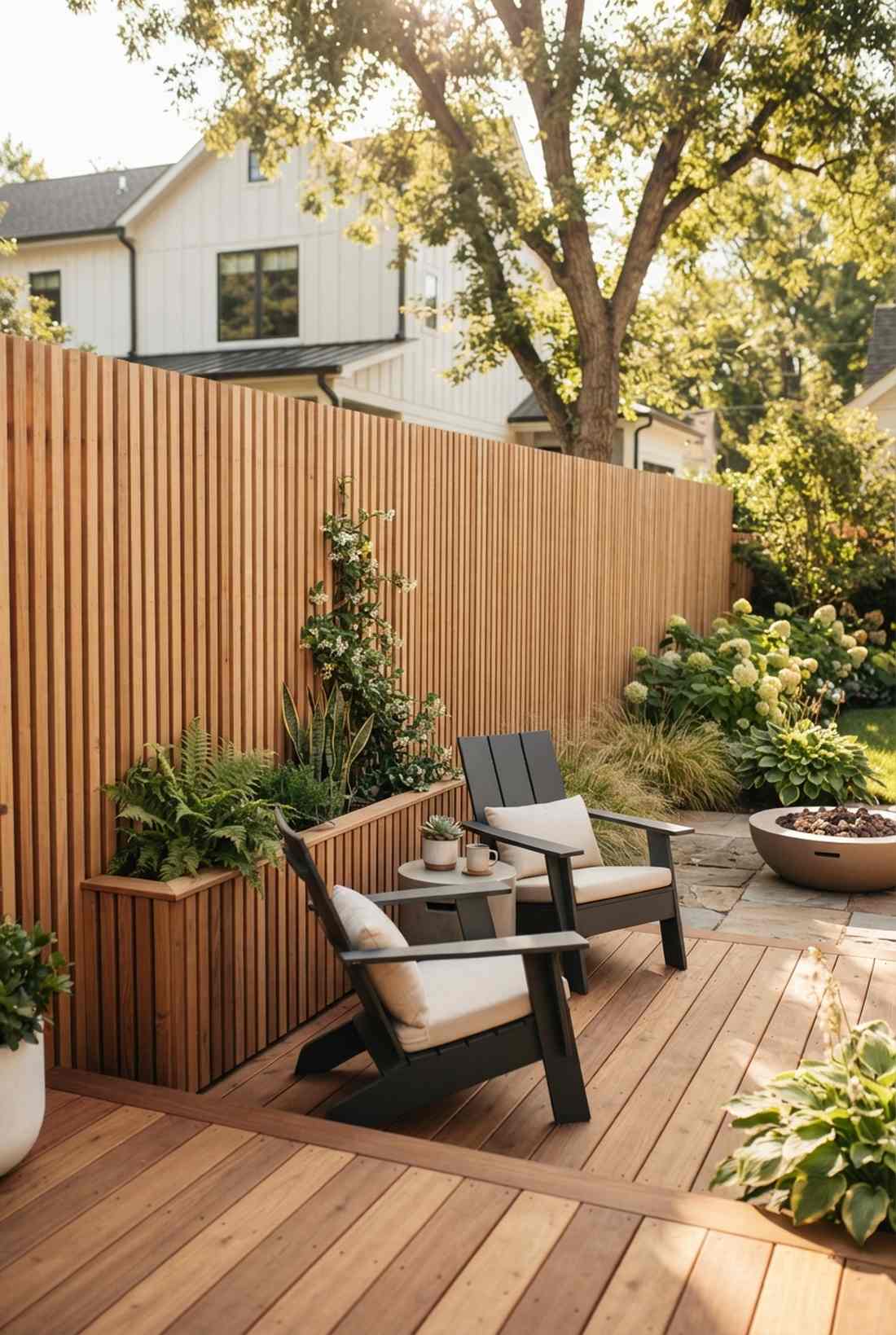
This modern vertical privacy screen feels like a secluded luxury spa you’d find in a high-end resort. It works exceptionally well for a tight patio where you need serious boundary definition without blocking natural sunlight.
Most homeowners assume custom slatted looks cost thousands, but this setup delivers a surprisingly premium look on a shoestring budget. By sourcing quality pre-cut lumber and outdoor-grade sealants, you effortlessly create a high-end small garden fence.
You can easily pull this off for around $15–$25 per linear foot. Save this to your DIY weekend garden board for your next backyard upgrade!
- Key Materials: Narrow pre-sanded cedar slats, galvanized brad nails
- Vibe / Style: Minimalist urban sanctuary
- Difficulty: Beginner-friendly weekend project
- Budget Breakdown: Materials: $15 | Framing: $10
- Creator’s Tip: Use a scrap piece of wood as a spacer block for flawlessly consistent gaps.
- Smart Sourcing: Pre-cut cedar slat bundles (bulk pack) and UV-coated clear wood sealant.
2. Horizontal Slat Cedar Fence
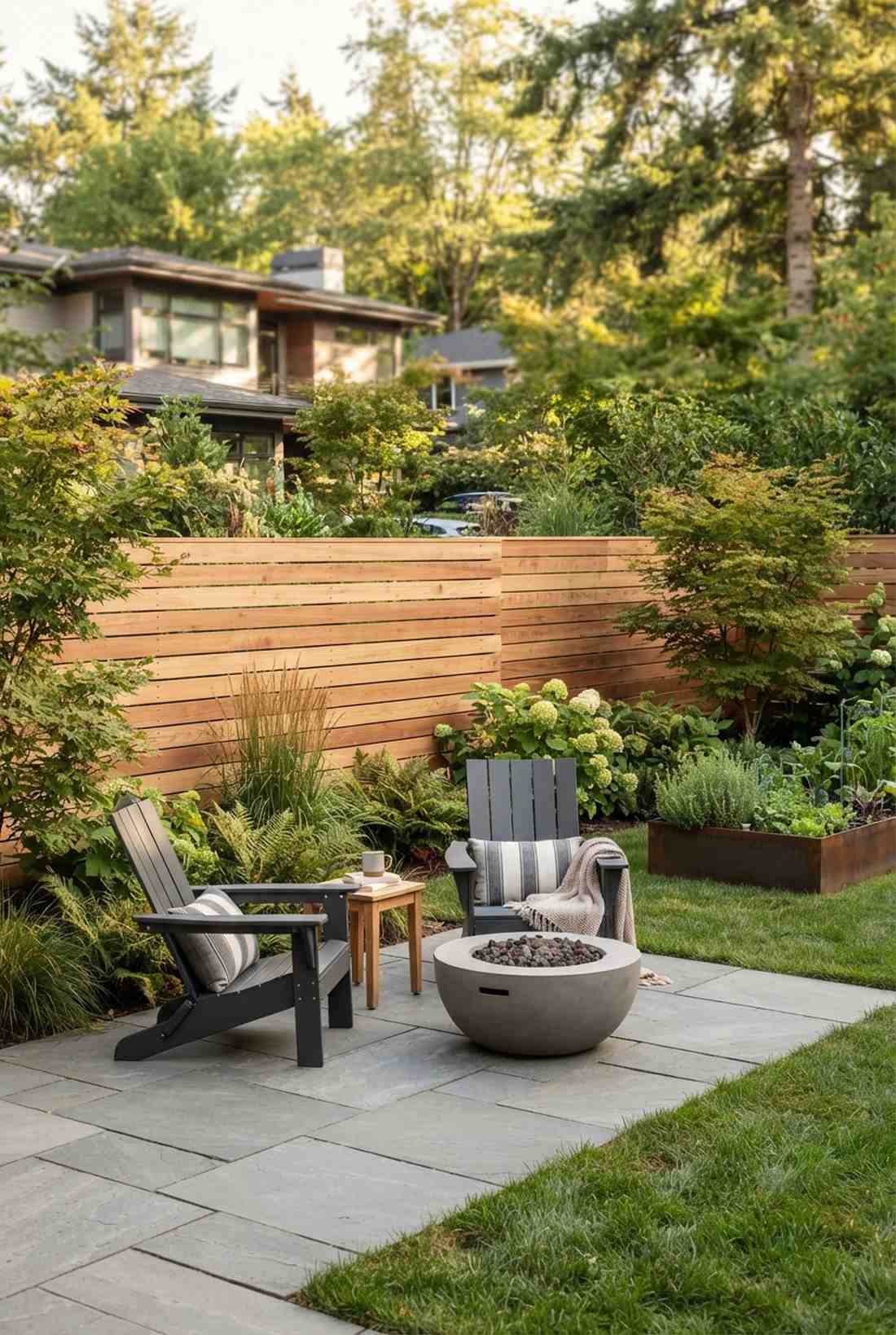
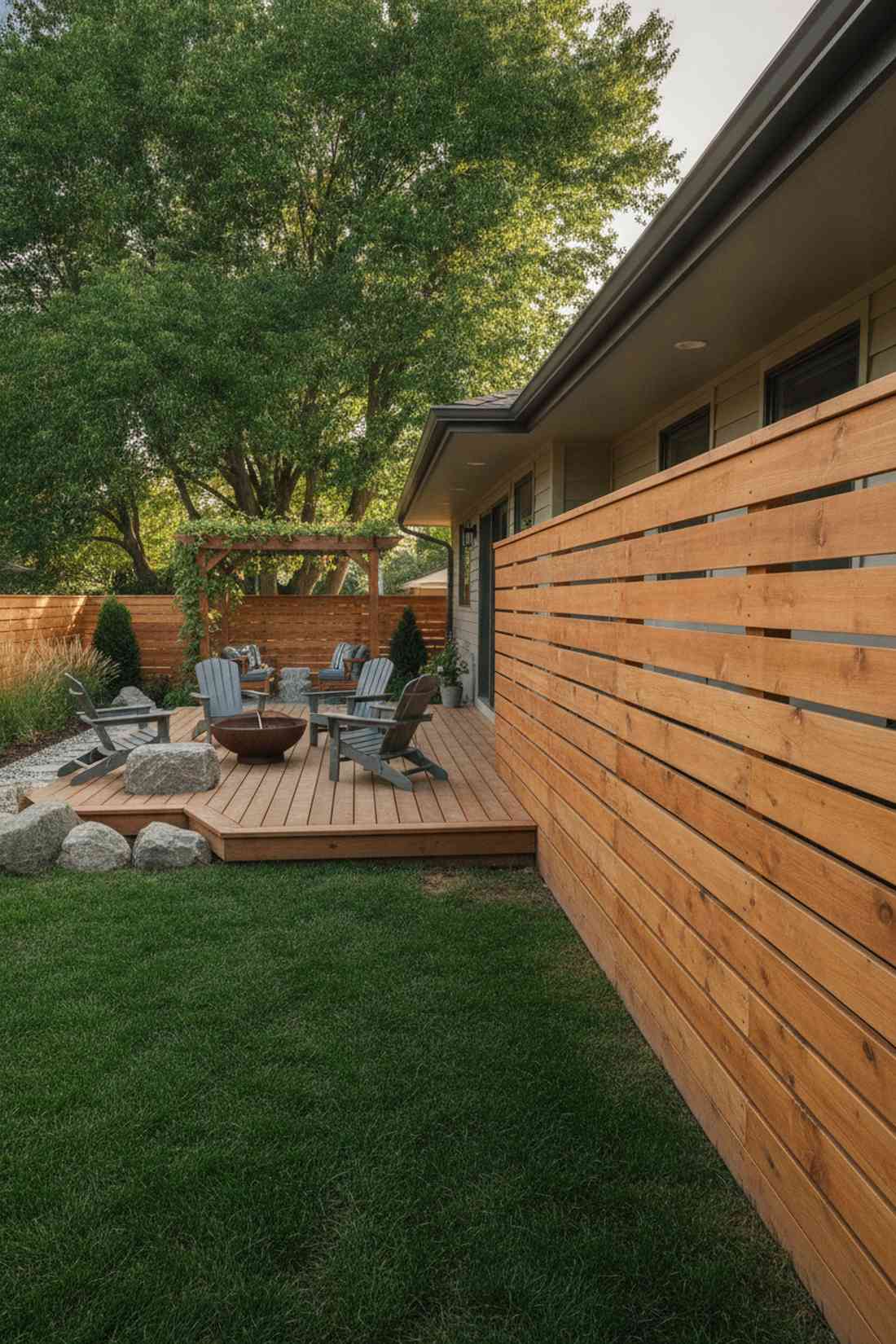
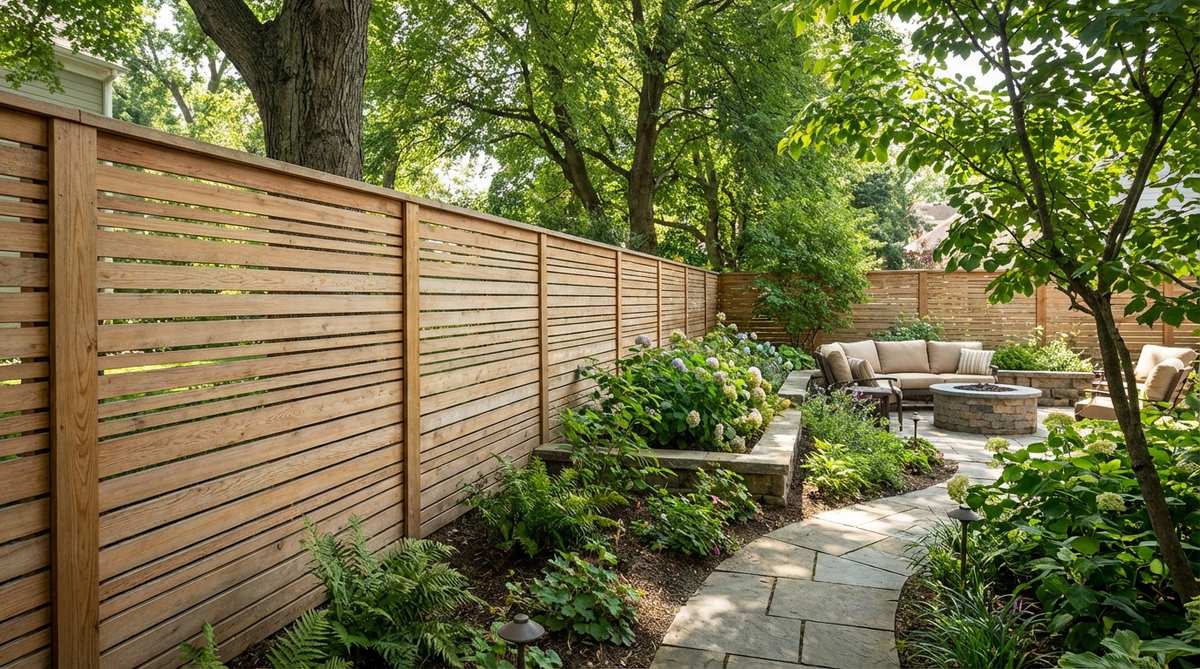
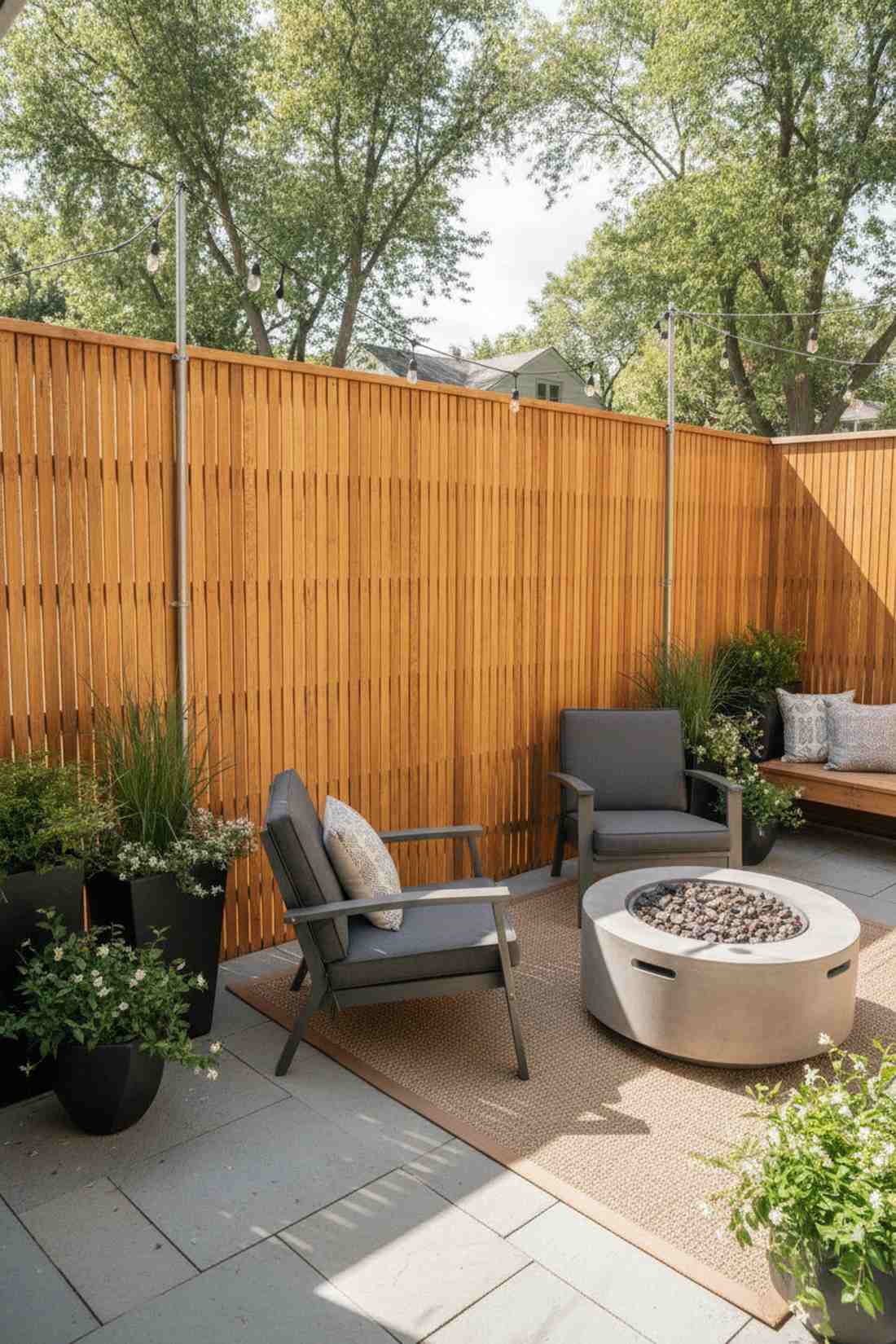
A warm cedar horizontal fence instantly evokes the feeling of a cozy, modern woodland retreat. This layout is perfect for visually stretching narrow side yards, creating an optical illusion of a much wider space.
People often overcomplicate their layouts, yet this simple staggered approach looks far more expensive than it is. Utilizing commercial-grade wood screws and premium outdoor stain transforms basic lumber into a striking architectural feature.
Expect to spend roughly $20–$35 per panel depending on your wood grade. It’s a fast upgrade that completely changes the vibe of your exterior.
- Key Materials: Premium cedar decking boards, exterior wood screws
- Vibe / Style: Contemporary mid-century modern
- Difficulty: Intermediate measuring required
- Budget Breakdown: Cedar boards: $25 | Hardware: $10
- Creator’s Tip: Pre-drill all your holes at the ends of the boards to prevent the cedar from splitting over time.
- Smart Sourcing: Weather-proof stainless steel deck screws and a premium cedar tone water-proofer kit.
3. Blackened Steel Slat Screen
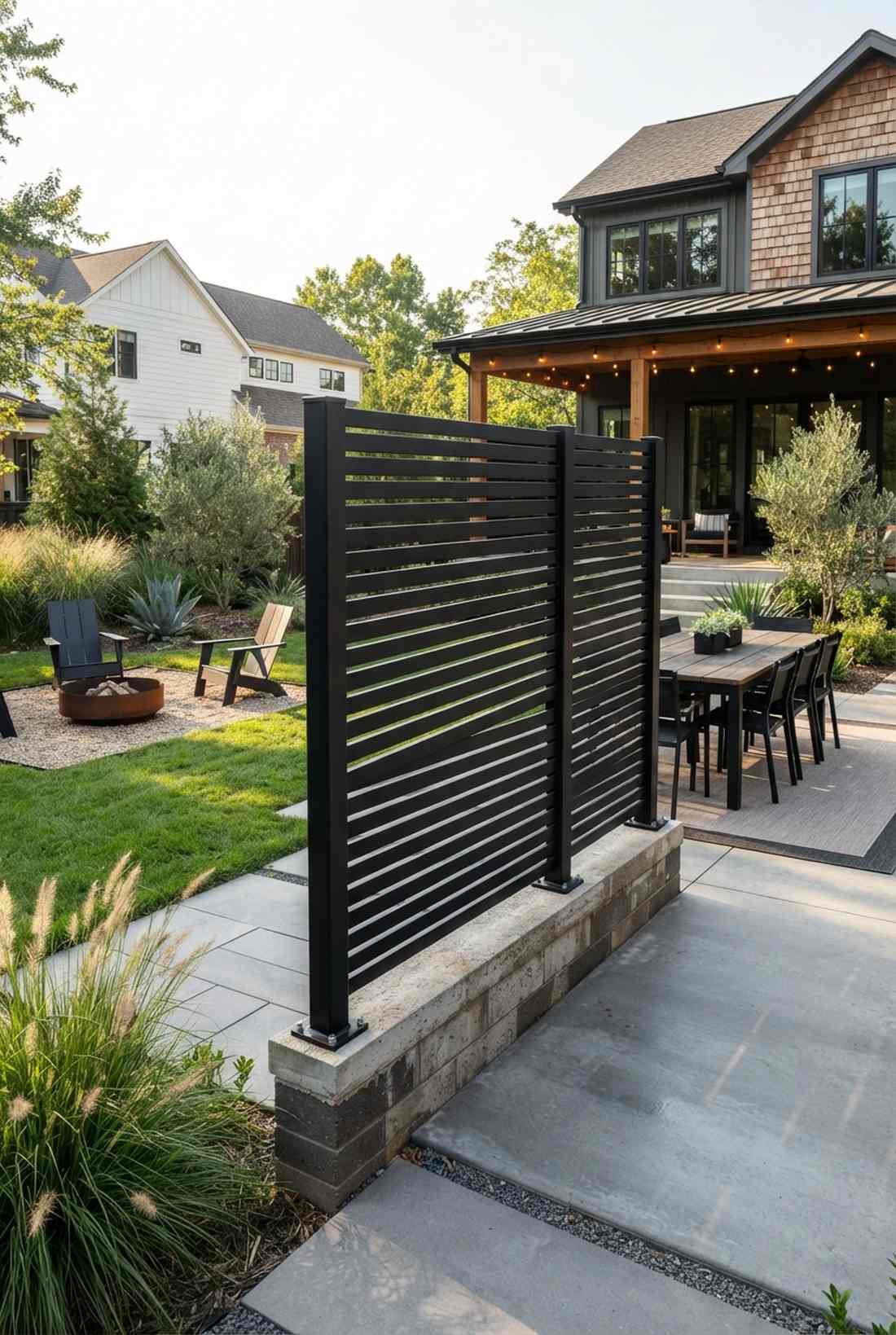
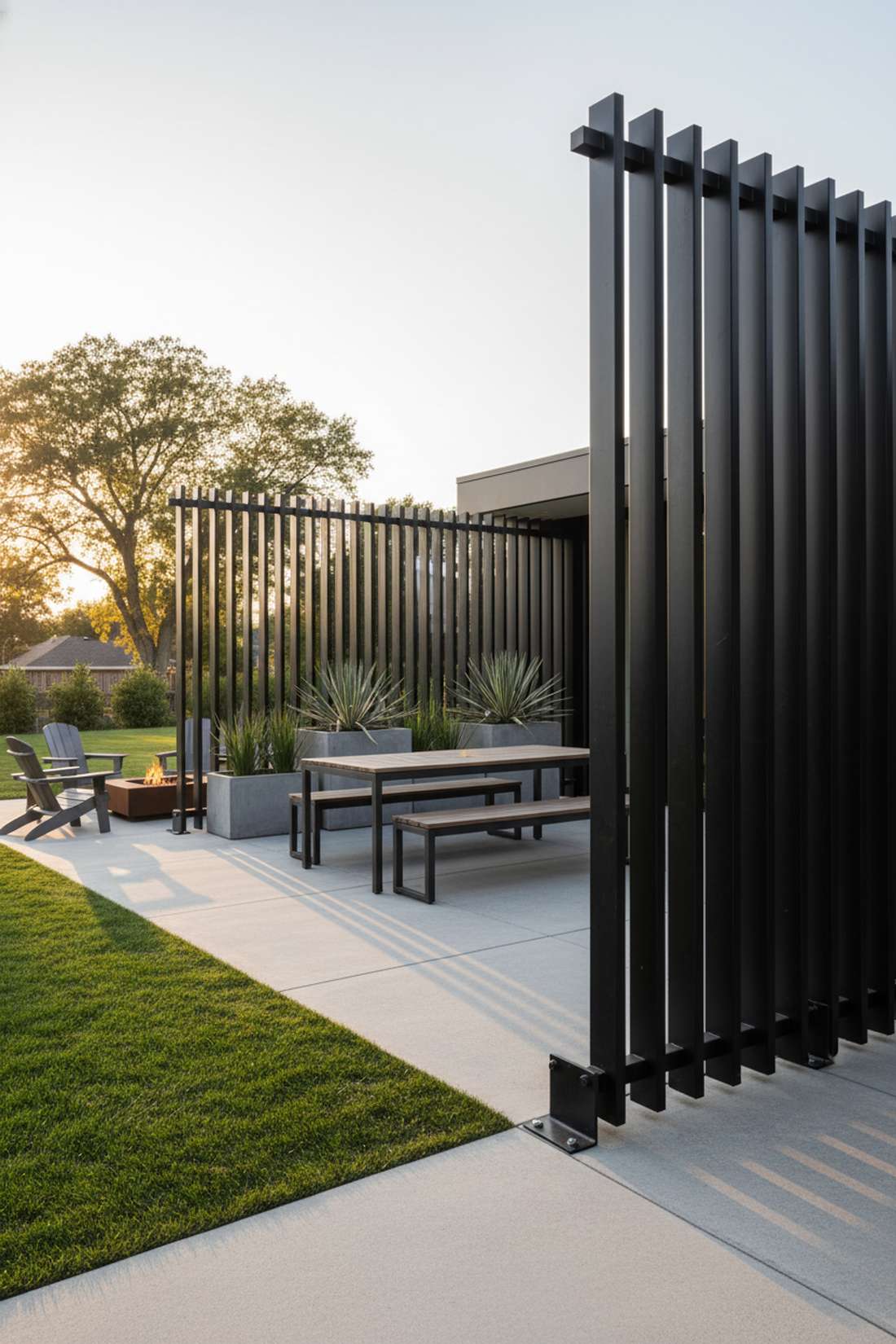
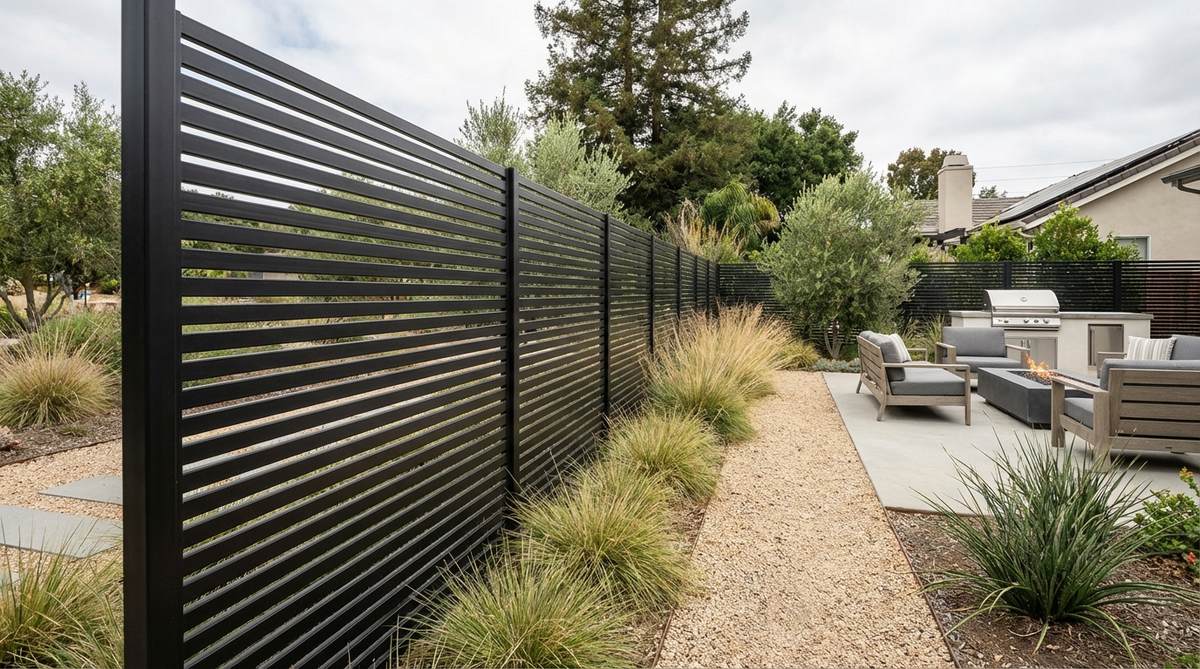
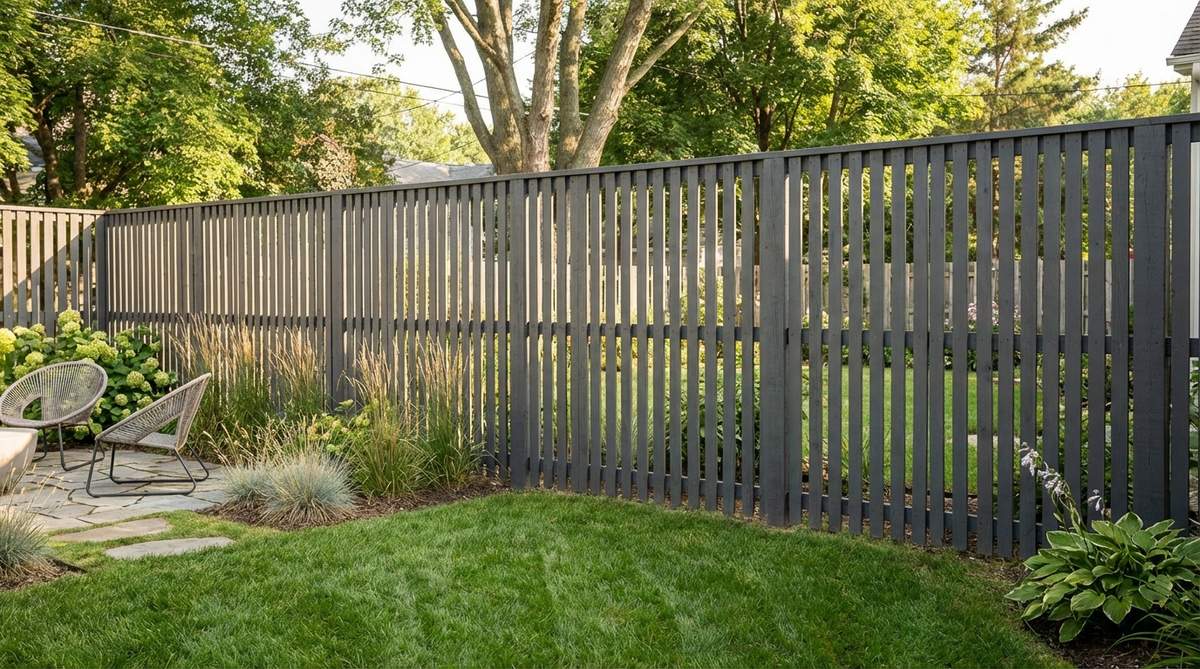
This matte black metal garden screen looks straight out of an upscale architectural magazine. It is the ultimate solution for bordering a sleek concrete patio or a minimalist outdoor dining area.
Forget flimsy plastic panels; investing in metal provides a designer-level finish that outlasts everything else. Securing industrial outdoor fencing supplies ensures your boundary laughs in the face of harsh weather and strong winds.
While the initial cost is higher at $40–$60 per foot, zero maintenance makes it a steal. Pin this if you’re planning a permanent, modern outdoor upgrade.
- Key Materials: Powder-coated steel slats, heavy-duty brackets
- Vibe / Style: Industrial modern luxury
- Difficulty: Advanced (requires metal mounting hardware)
- Budget Breakdown: Steel panels: $45 | Brackets: $15
- Creator’s Tip: Use a leveling laser during installation to ensure the stark black lines don’t look warped.
- Smart Sourcing: Rust-resistant black metal slat kits and heavy-duty masonry anchors (bulk pack).
4. Alternating Width Wood Screen
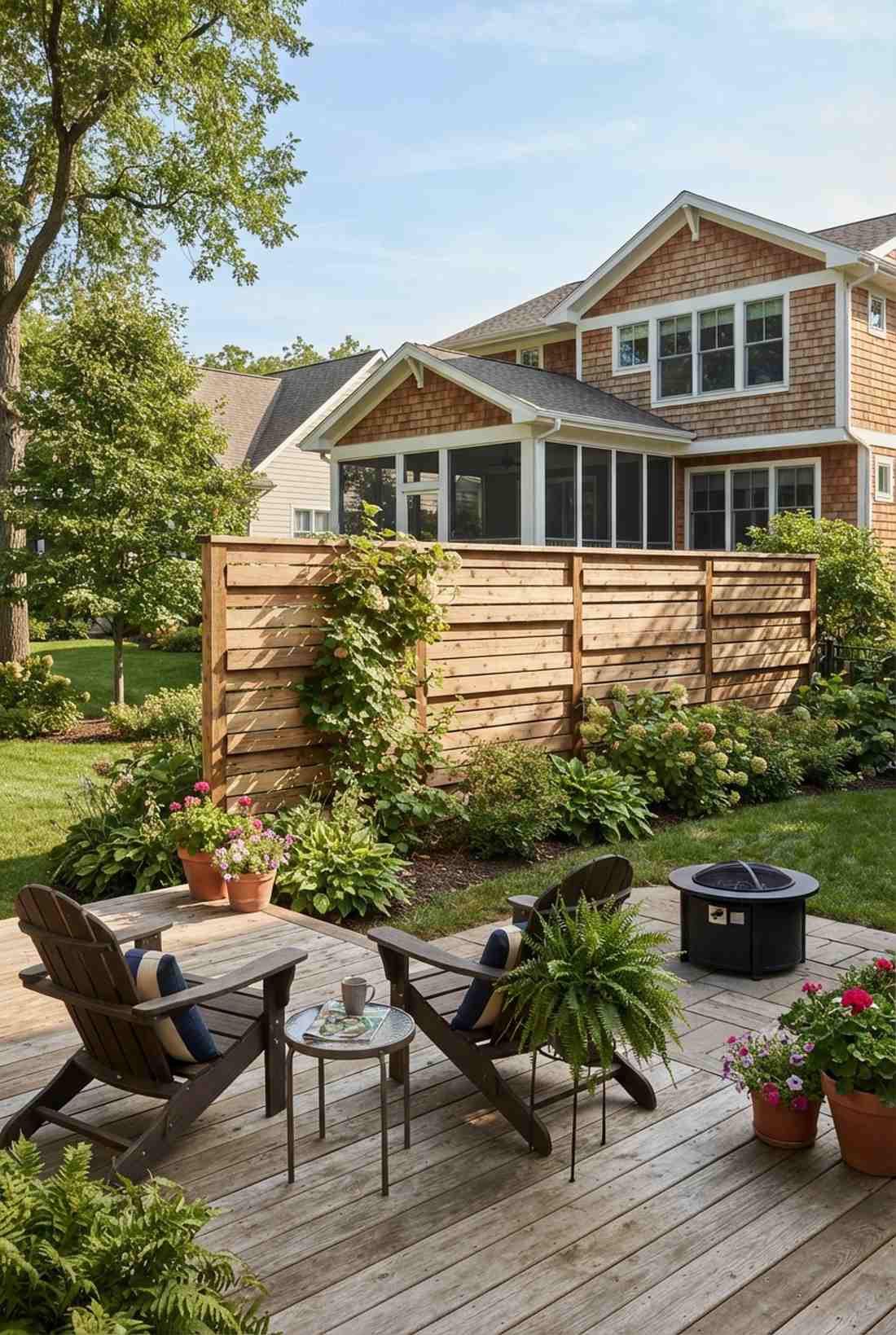
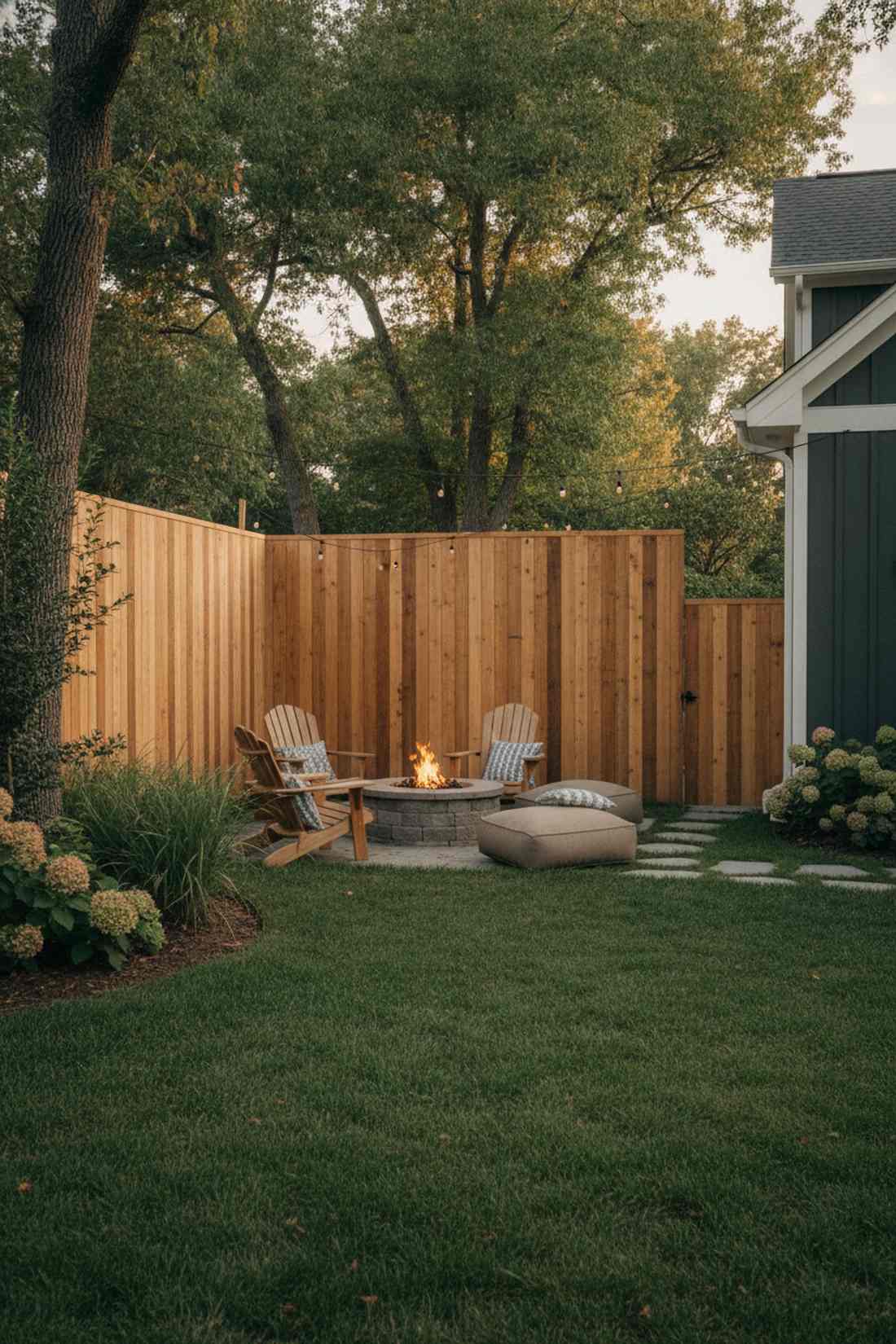
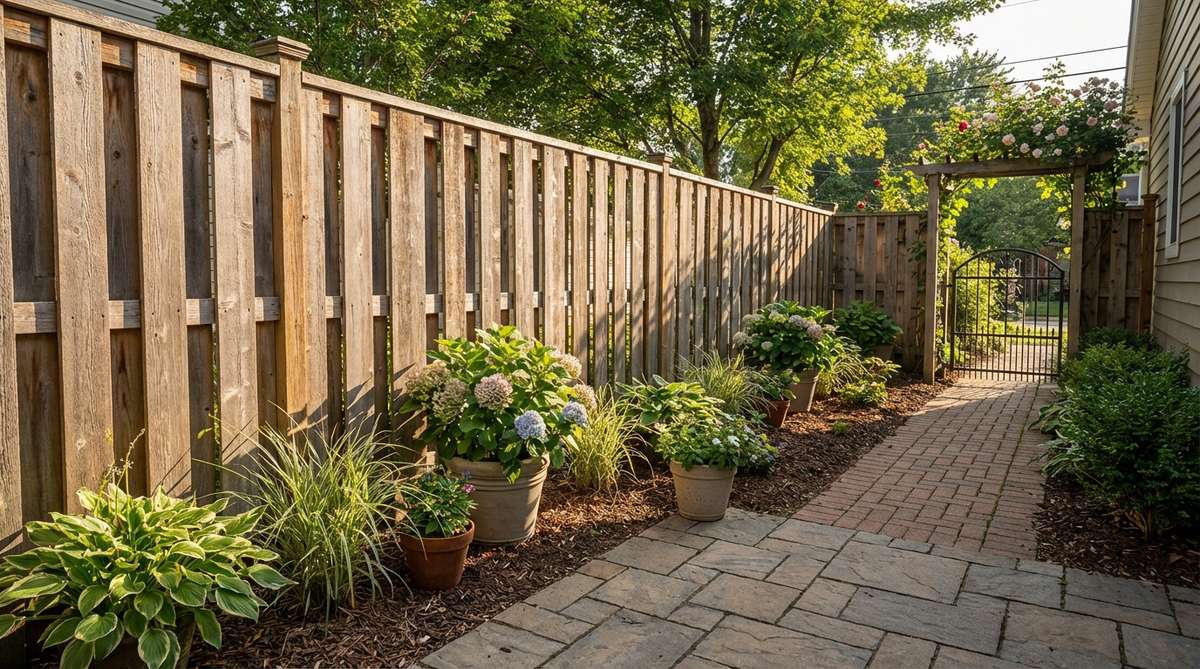
A mixed-width wooden privacy wall feels delightfully organic, like a custom-built treehouse enclosure. This is highly recommended for breaking up long, monotonous property lines that usually feel like prison walls.
The secret to this designer finish lies in intentional irregularity, creating dynamic shadow lines throughout the day. Skipping uniform panels and opting for varied lumber widths instantly upgrades basic small garden fence ideas.
Budget around $18–$28 per foot depending on how much wide lumber you mix in. Highly recommended for a creative weekend win.
- Key Materials: Alternating 1×3 and 1×6 pressure-treated pine boards
- Vibe / Style: Playful modern craftsman
- Difficulty: Easy, just requires extra math
- Budget Breakdown: Lumber mix: $20 | Stain: $8
- Creator’s Tip: Create a repeating 3-board pattern so it looks intentionally designed rather than randomly thrown together.
- Smart Sourcing: Pre-treated mixed-width lumber packs and heavy-duty pneumatic brad nailers.
Hold up—this next setup completely changes the game if you’re tired of replacing rotted wood every few years…
5. Vertical Slatted Composite Fence
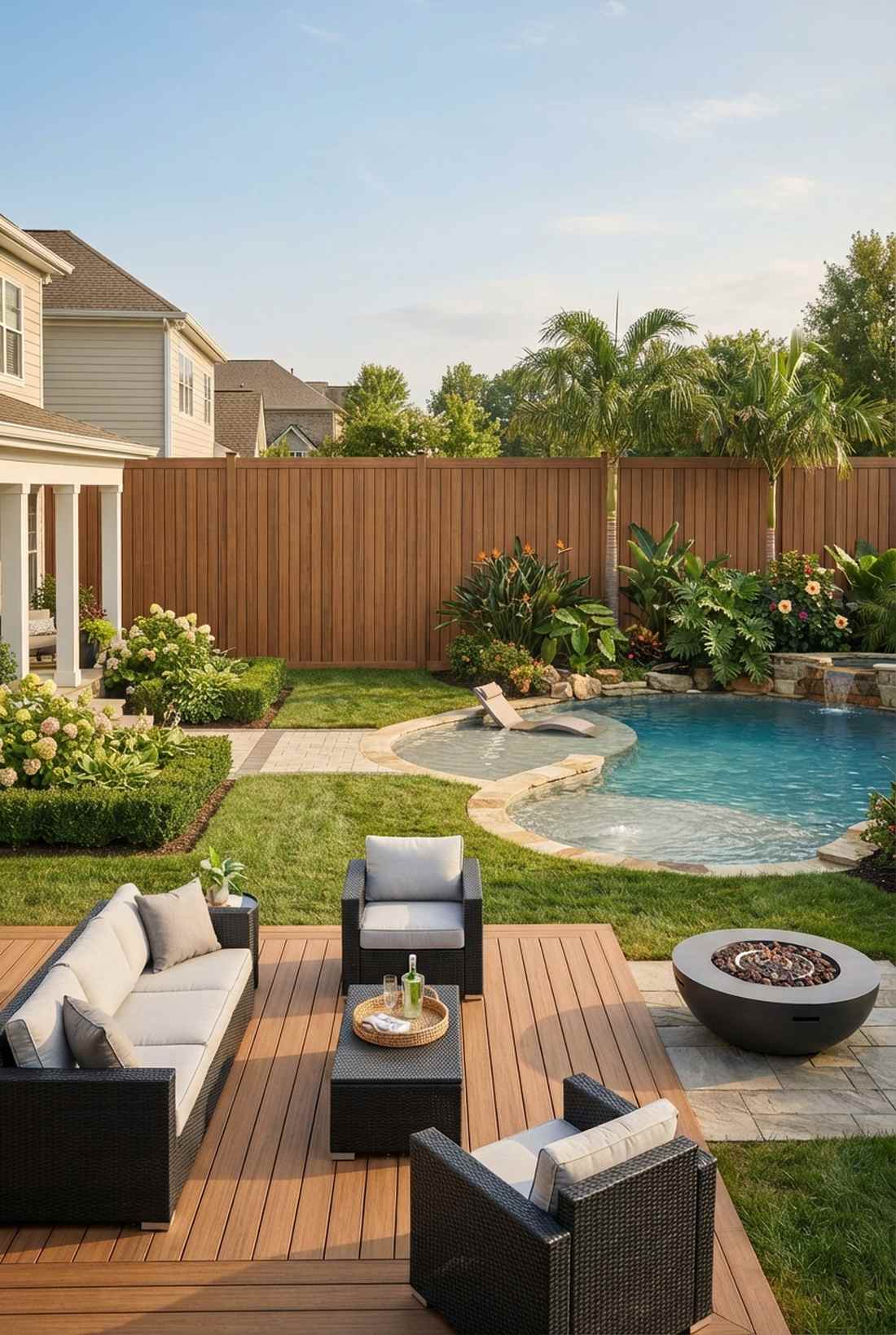
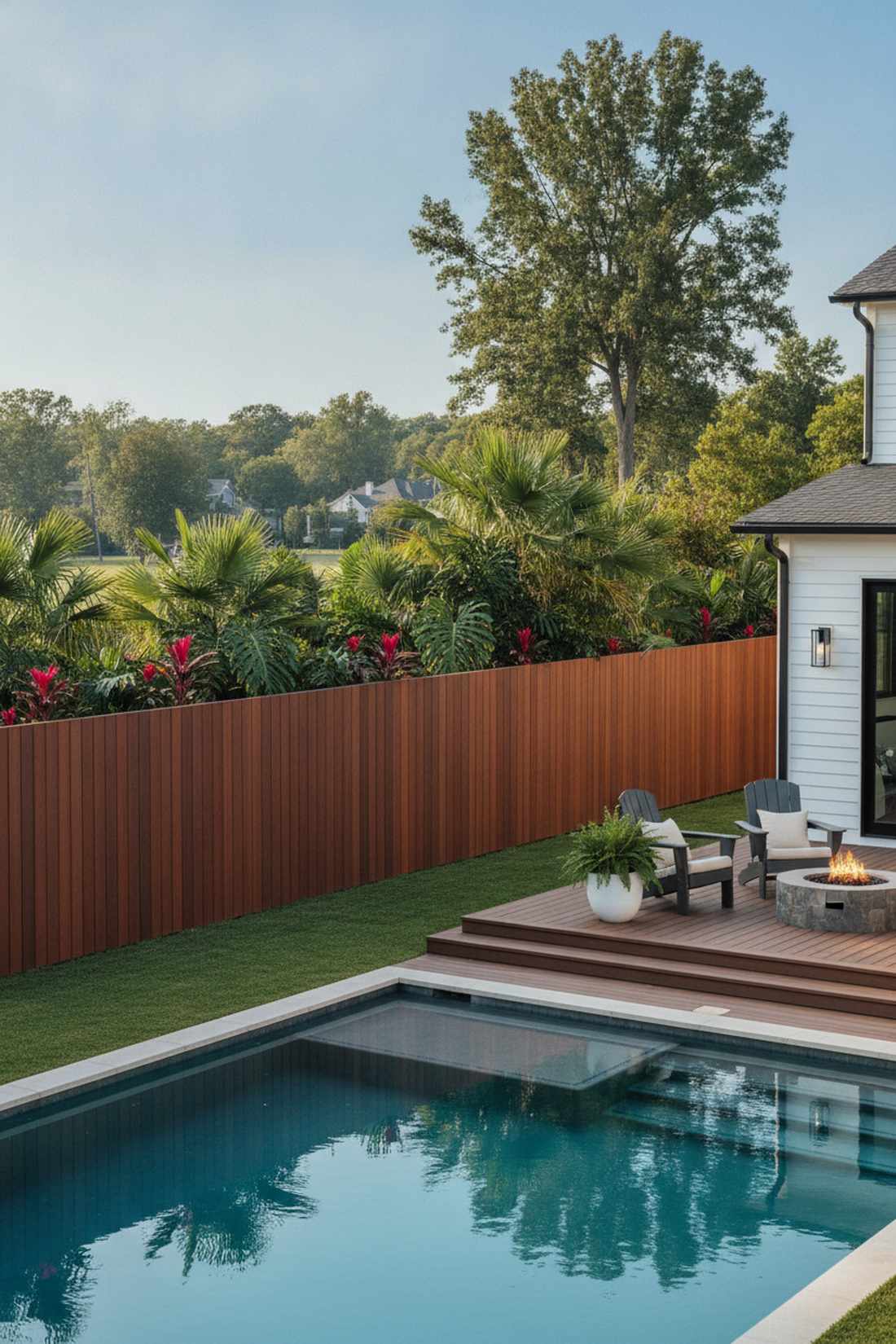
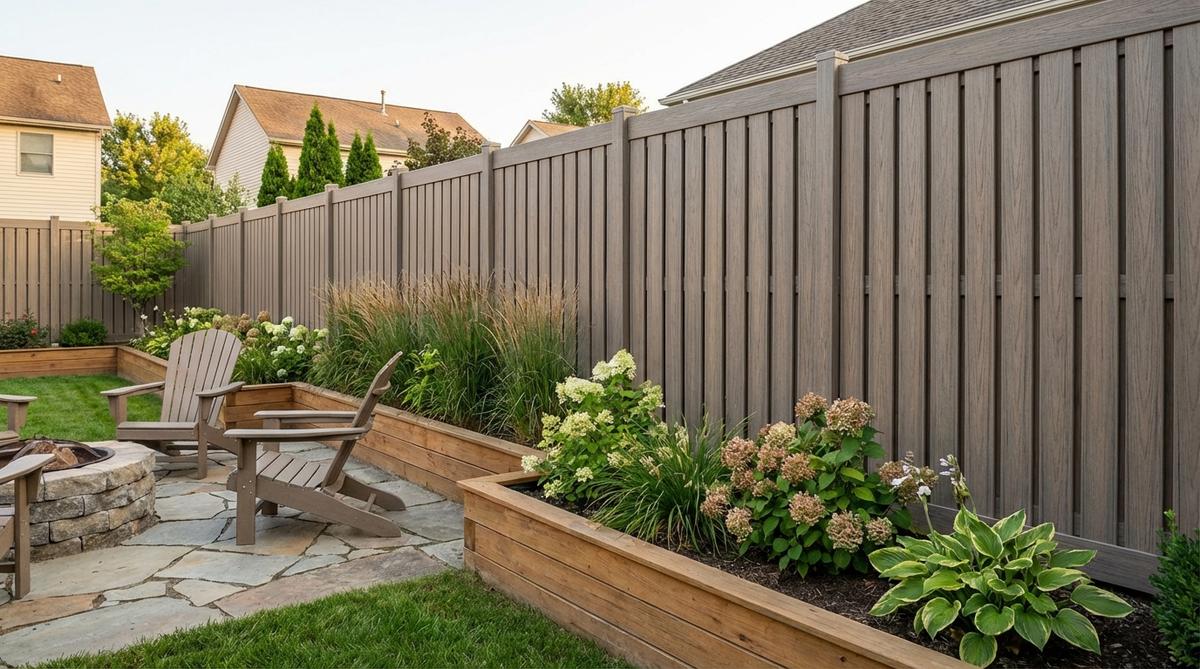
This seamless composite privacy fence delivers the comforting vibe of natural wood without any of the exhausting upkeep. It serves as an immaculate backdrop for lush, tropical poolside plantings or formal garden beds.
A massive mistake people make is buying cheap vinyl that fades, but this UV-protected material looks flawless for decades. Using premium composite decking boards as fencing material is the ultimate high-RPM garden hack.
This long-term investment runs about $35–$55 per foot. Save this to your “Forever Home” exterior inspiration board!
- Key Materials: Hollow-core composite deck boards, hidden fastener clips
- Vibe / Style: Impeccable zero-maintenance luxury
- Difficulty: Intermediate
- Budget Breakdown: Composite boards: $40 | Hidden fasteners: $15
- Creator’s Tip: Ensure your support posts are strictly 4 feet apart, as composite materials can sag if spans are too wide.
- Smart Sourcing: UV-coated composite fascia boards (bulk pack) and concealed fence bracket kits.
6. Louvered Privacy Slat Design
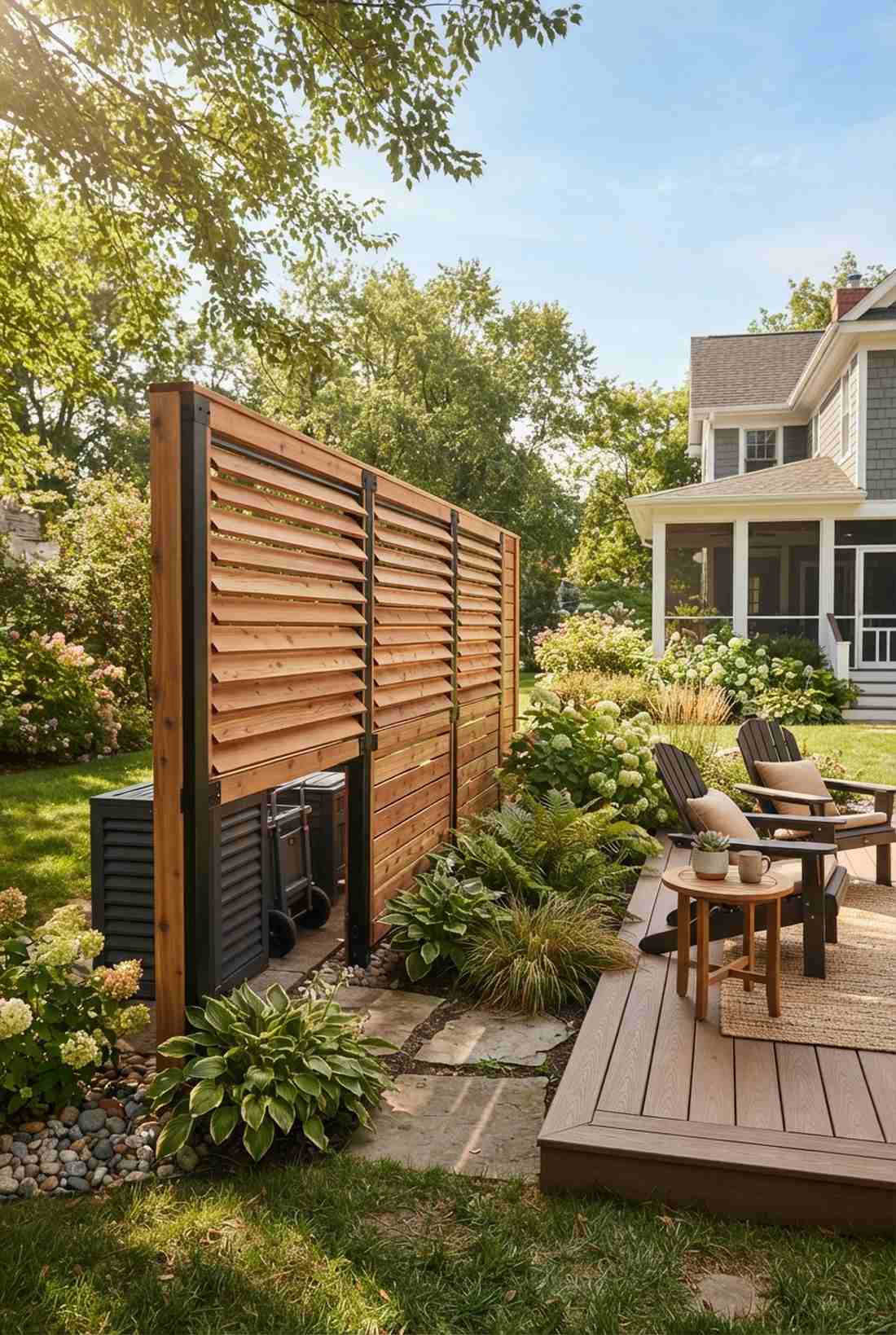
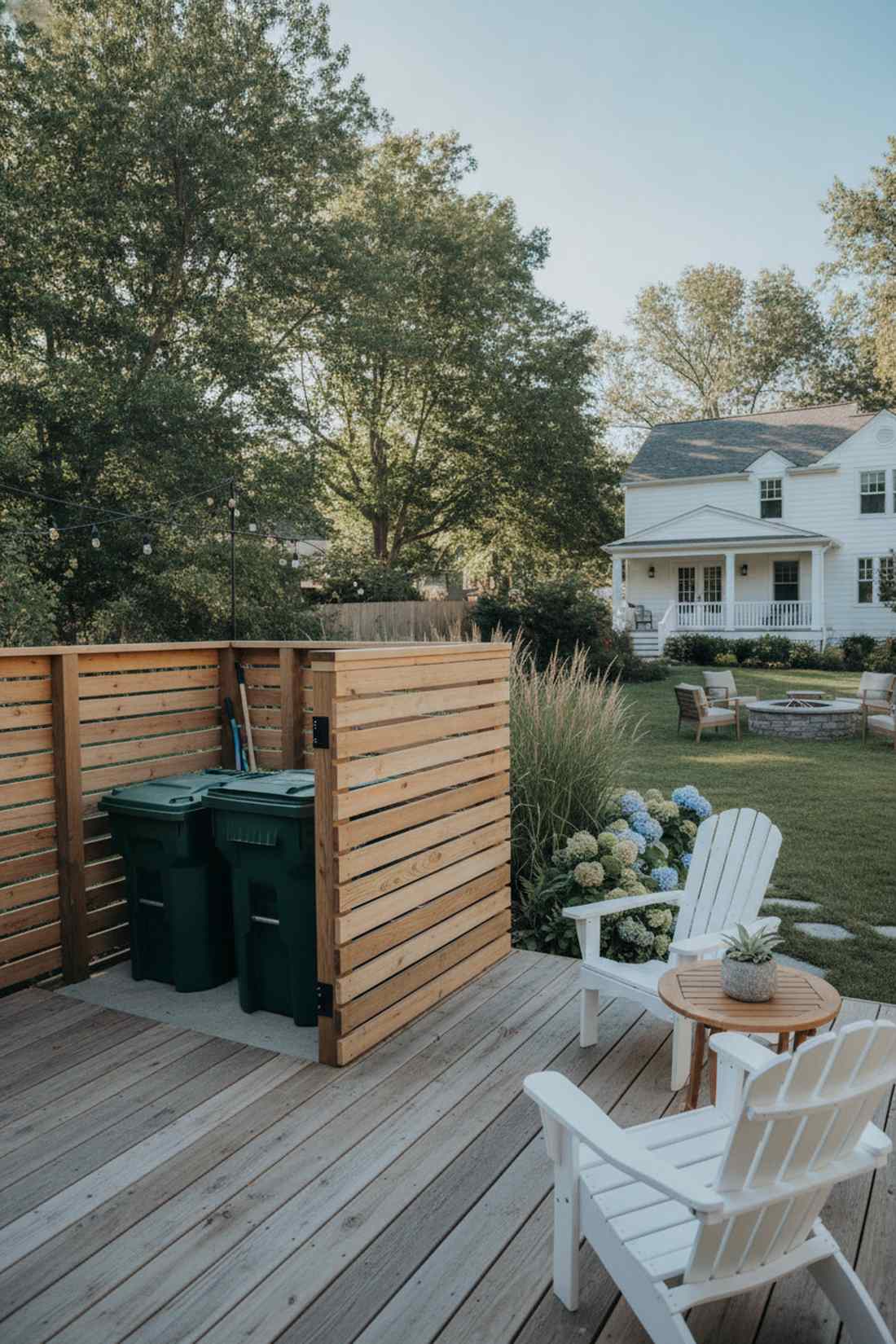
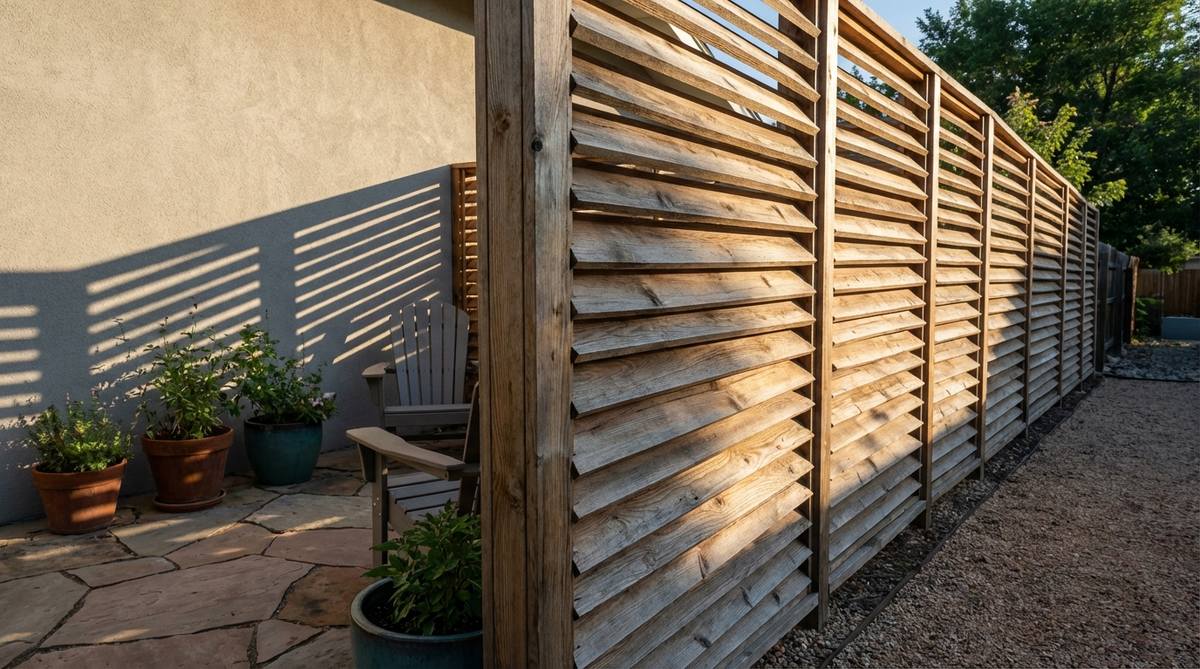
An angled louvered wooden fence feels like a breezy Caribbean cabana you never want to leave. It is an absolute lifesaver for hiding ugly garbage can areas or blocking a direct line-of-sight from the street.
You might think angled installations are an engineering nightmare, but pre-made brackets make this foolproof. Utilizing specialized louver hardware transforms standard wood cuts into a functional, breathable masterpiece.
You can execute this genius airflow design for about $25–$35 per foot.
- Key Materials: 1×4 lumber, louver bracket hardware sets
- Vibe / Style: Coastal architectural breeze
- Difficulty: Intermediate bracket installation
- Budget Breakdown: Wood slats: $15 | Bracket systems: $20
- Creator’s Tip: Mount the slats angling downward toward the outside to shed rain away from your garden interior.
- Smart Sourcing: Pre-measured louver fence bracket kits and waterproof exterior wood glue.
Classic Boundary Solutions with Timeless Appeal
Traditional fence styles adapt successfully to small gardens when executed with attention to proportion and scale. These proven designs establish clear boundaries while contributing to property curb appeal.
7. Picket Fence with Narrow Spacing
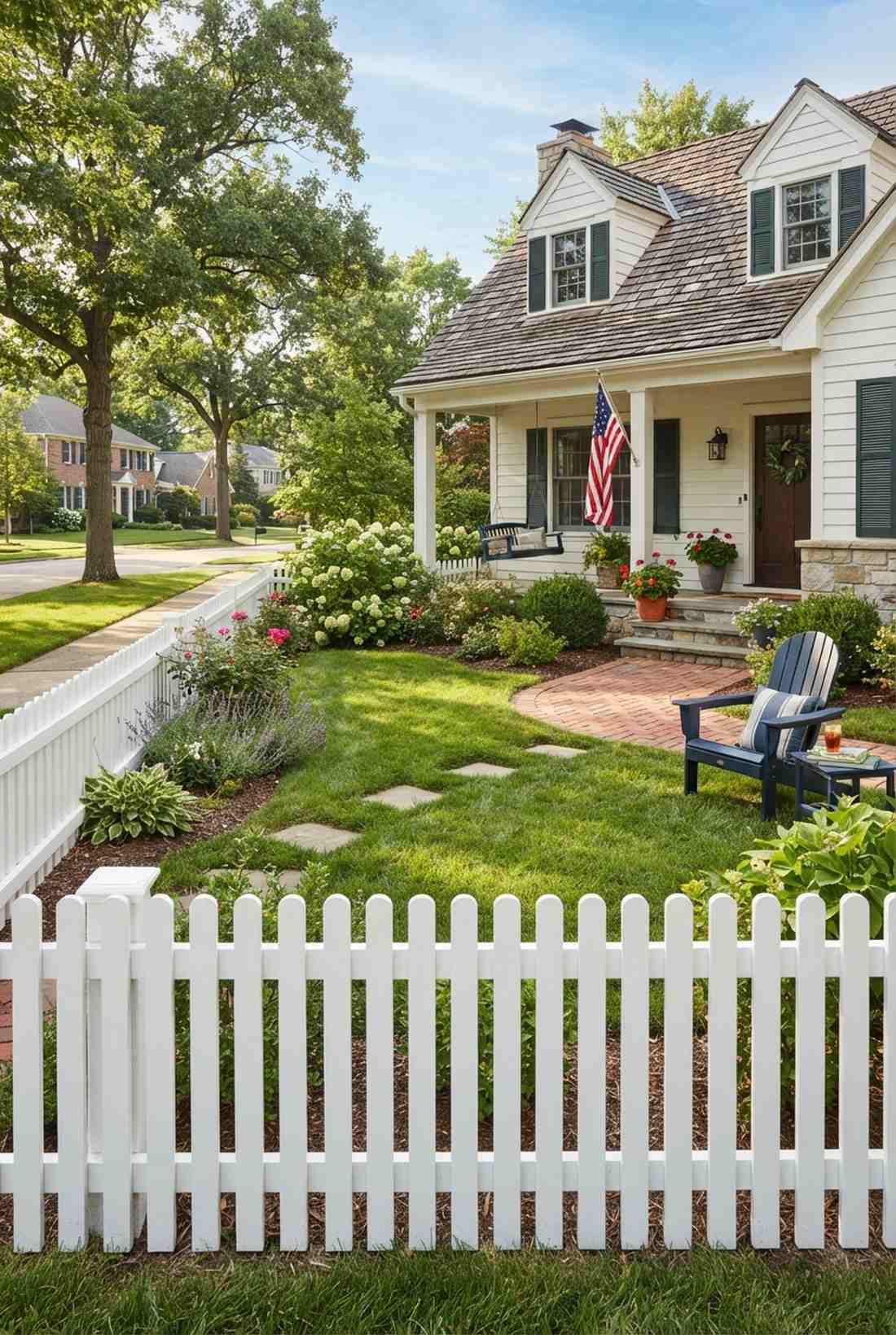
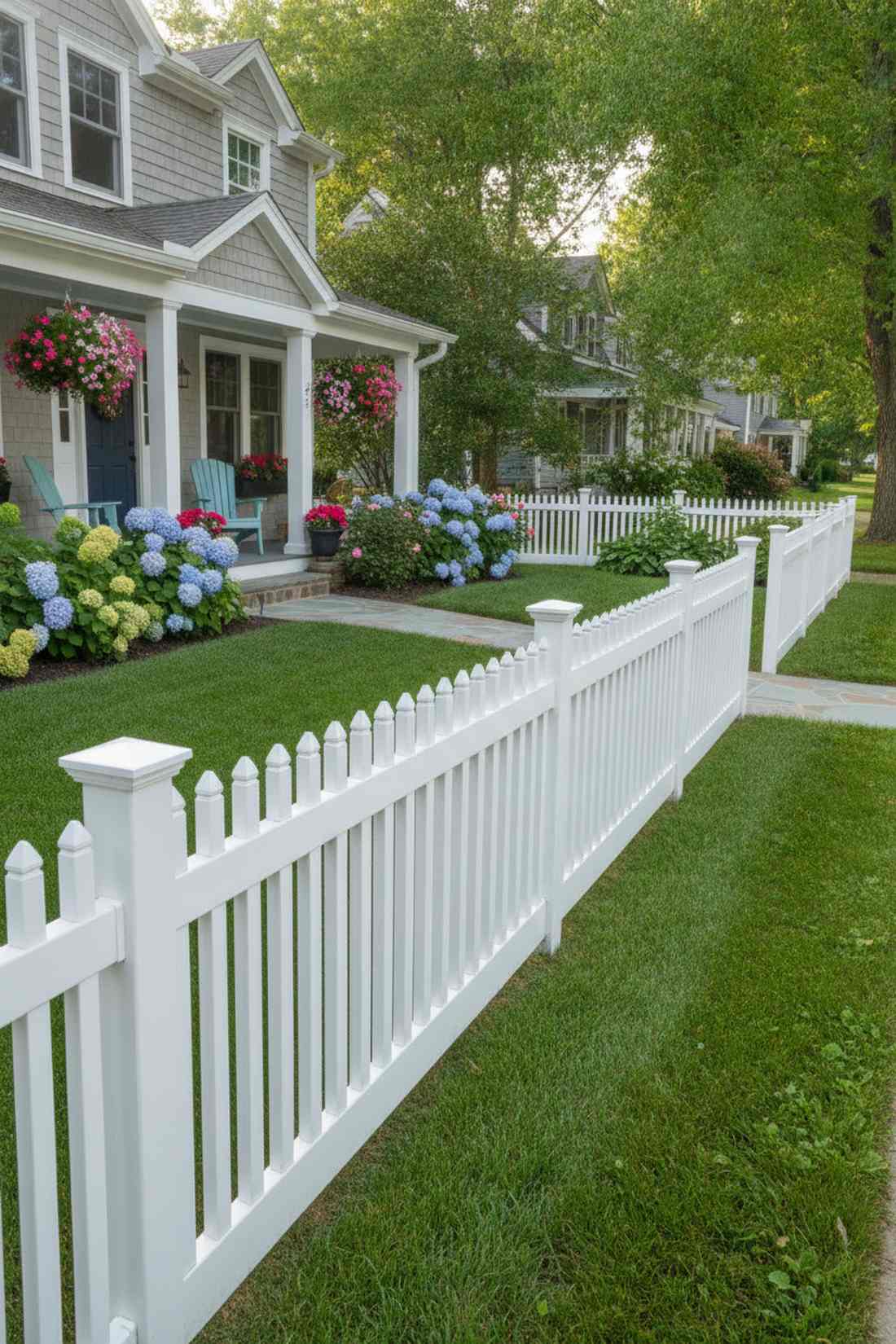
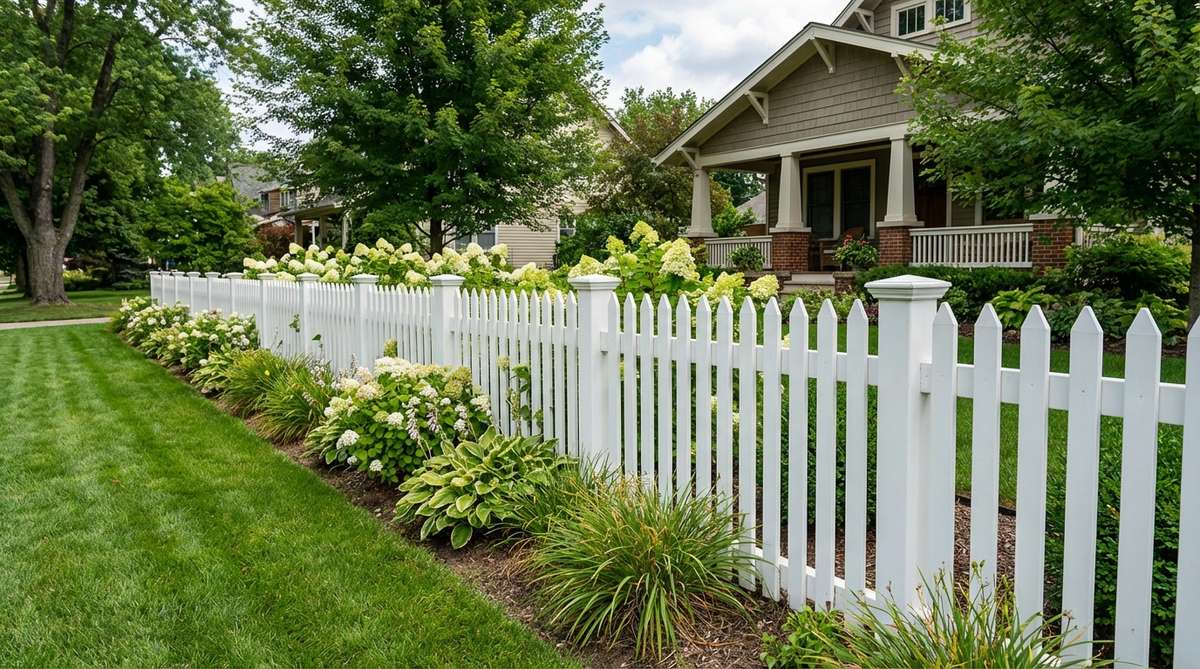
This tightly-spaced white picket fence feels straight out of a nostalgic storybook where everything is perfectly manicured. It’s the ultimate charming curb-appeal booster for an exposed front yard.
Many homeowners settle for wide, gap-filled barriers, but closing the distance between pickets delivers a surprisingly premium look. Securing a dense pack of traditional fencing pickets ensures maximum privacy without violating neighborhood height codes.
Expect to budget around $15–$25 per foot for classic wood or vinyl. Pin this to your front yard makeover board!
- Key Materials: Pre-primed wooden pickets, 2×4 backer rails
- Vibe / Style: Classic cottage charm
- Difficulty: Easy DIY
- Budget Breakdown: Pickets: $15 | Paint: $5
- Creator’s Tip: Cut a small 2-inch wooden block to use as a universal spacer so your gaps are mathematically perfect.
- Smart Sourcing: Pre-primed dog-ear picket bundles and high-gloss weather-resistant exterior paint.
8. Board-on-Board Shadow Box Fence
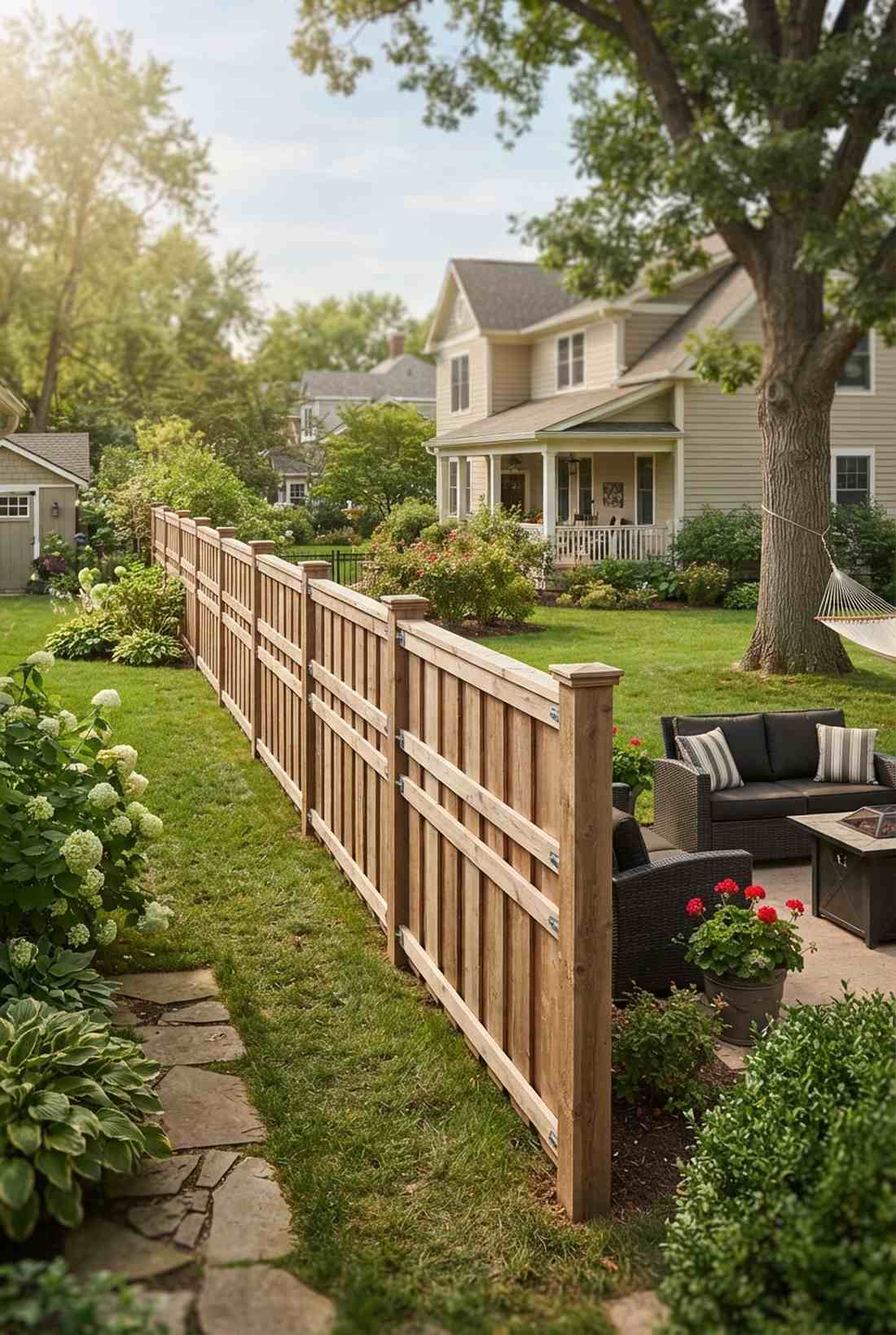
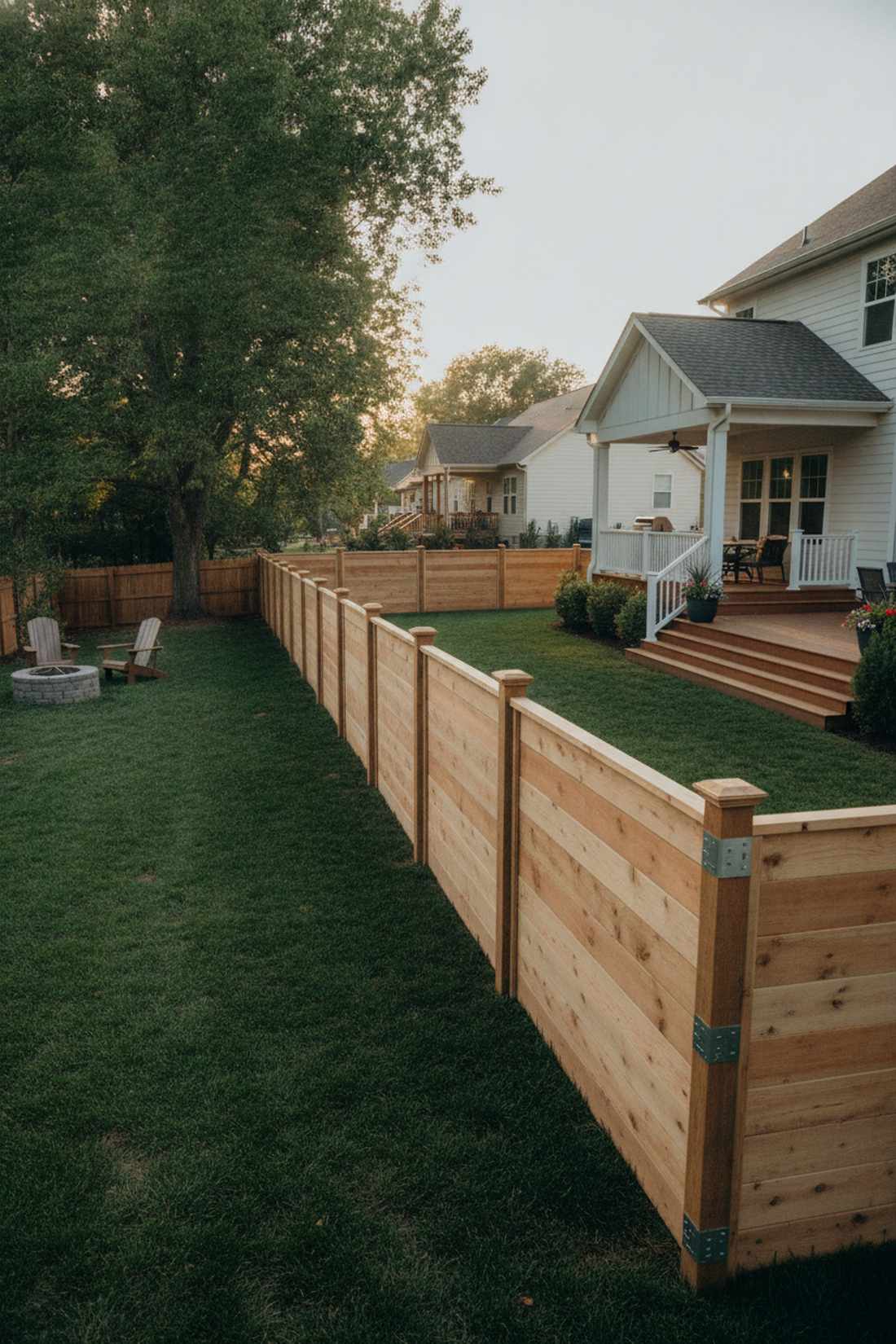
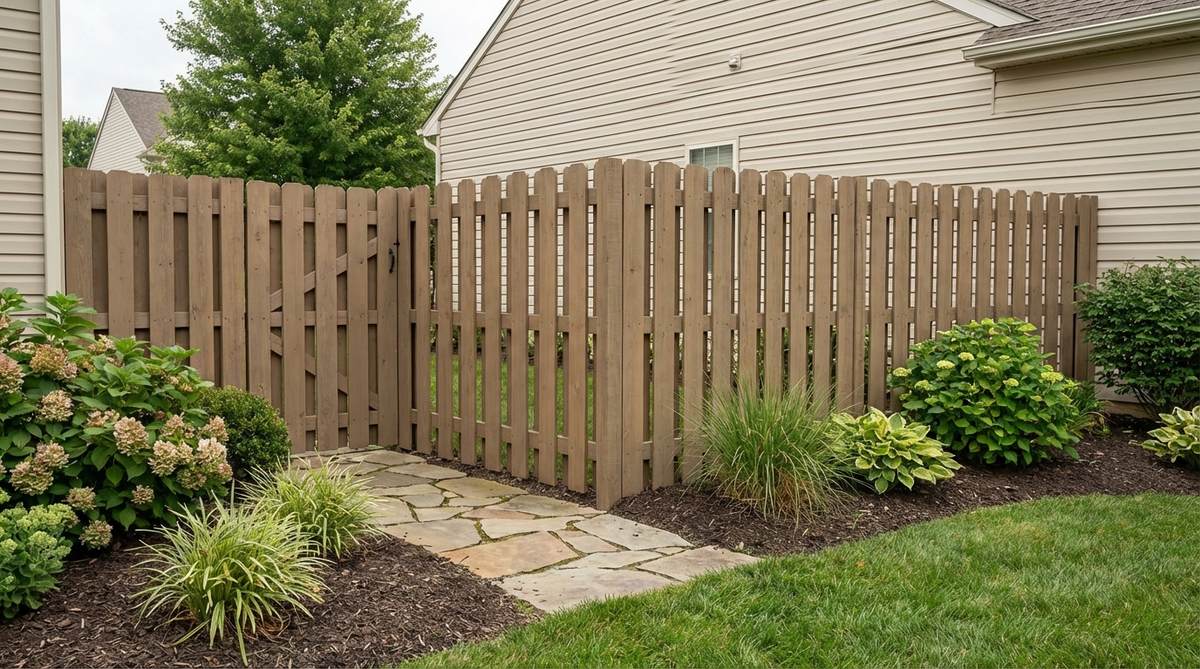
A staggered shadow box fence feels like a deeply protective fortress that still lets the breeze whisper through. It works perfectly for shared property lines where both neighbors want a “good side” to look at.
Skip the overpriced contractor quotes; this overlapping layout gives a designer-level finish using completely standard materials. The overlapping depth creates an incredibly sturdy structure that stands up to severe neighborhood wind tunnels.
This neighbor-friendly build costs roughly $22–$35 per foot.
- Key Materials: 6-inch fence boards, sturdy 4×4 posts
- Vibe / Style: Traditional suburban solid
- Difficulty: Intermediate
- Budget Breakdown: Boards: $25 | Posts: $10
- Creator’s Tip: Overlap the boards by at least 1 full inch on each side to ensure total privacy even when the wood slightly shrinks.
- Smart Sourcing: Heavy-duty galvanized fence brackets and pre-cut privacy fencing boards (bulk pack).
💡 Must-Have Supplies for High-End Setups
To build these small garden fence ideas faster and ensure they last decades, skip the generic craft aisles and invest in the right foundational kits.
- Base & Support: Heavy-duty galvanized steel ground spikes
- Setup Tools: Professional pneumatic brad nailer starter kit
- Weather/Durability Protection: Commercial-grade UV-resistant transparent wood sealant
9. Gothic Pointed Picket Fence
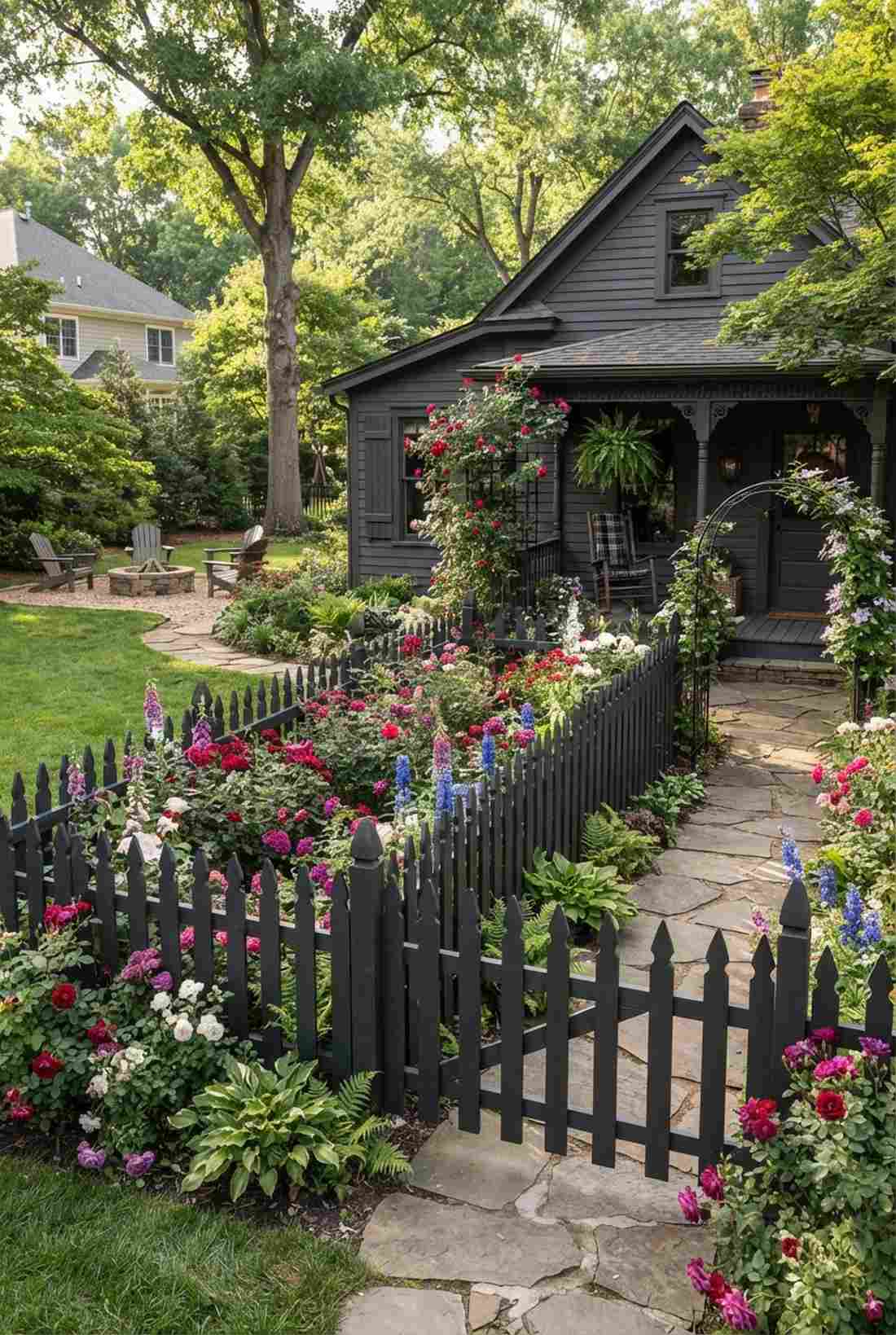
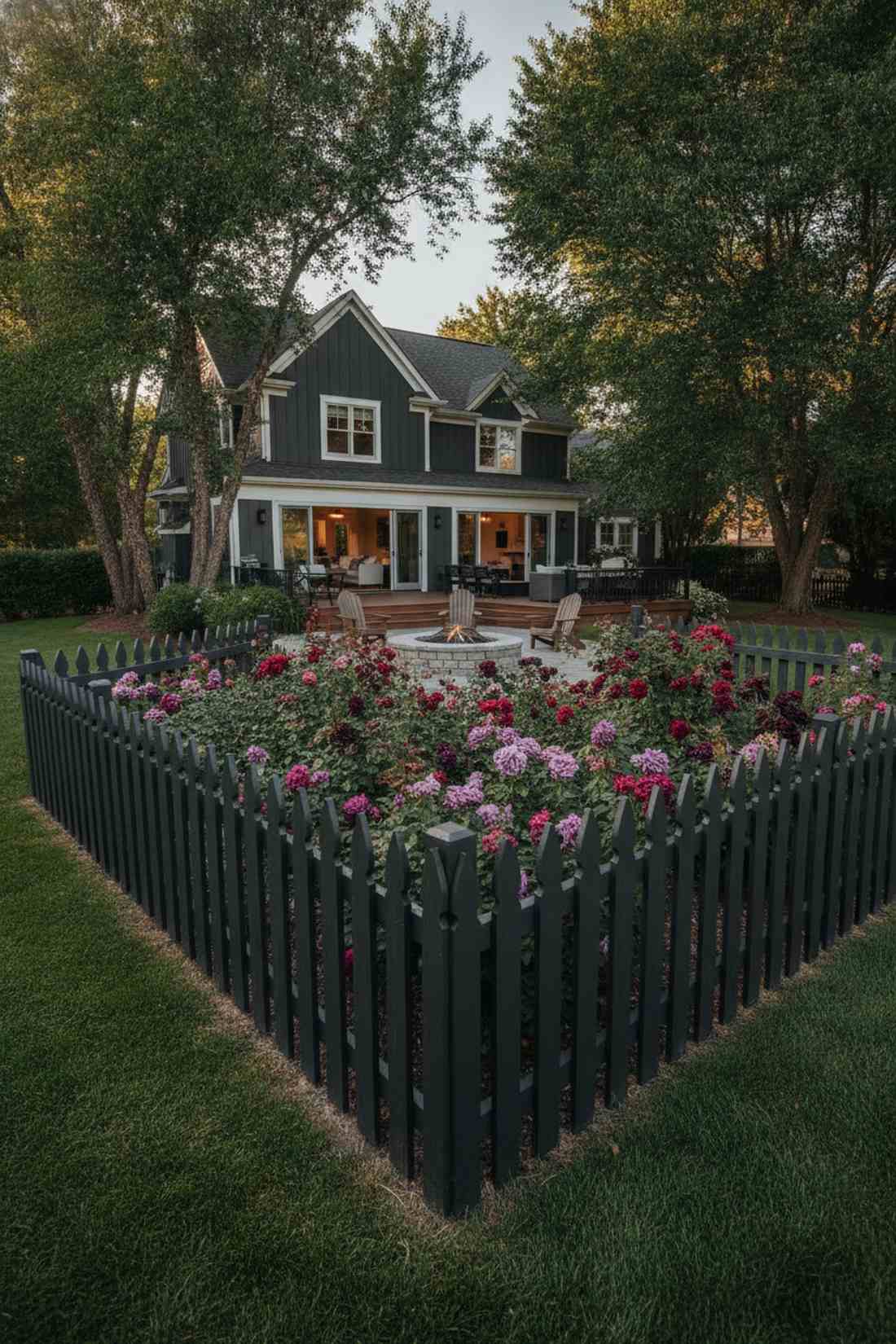
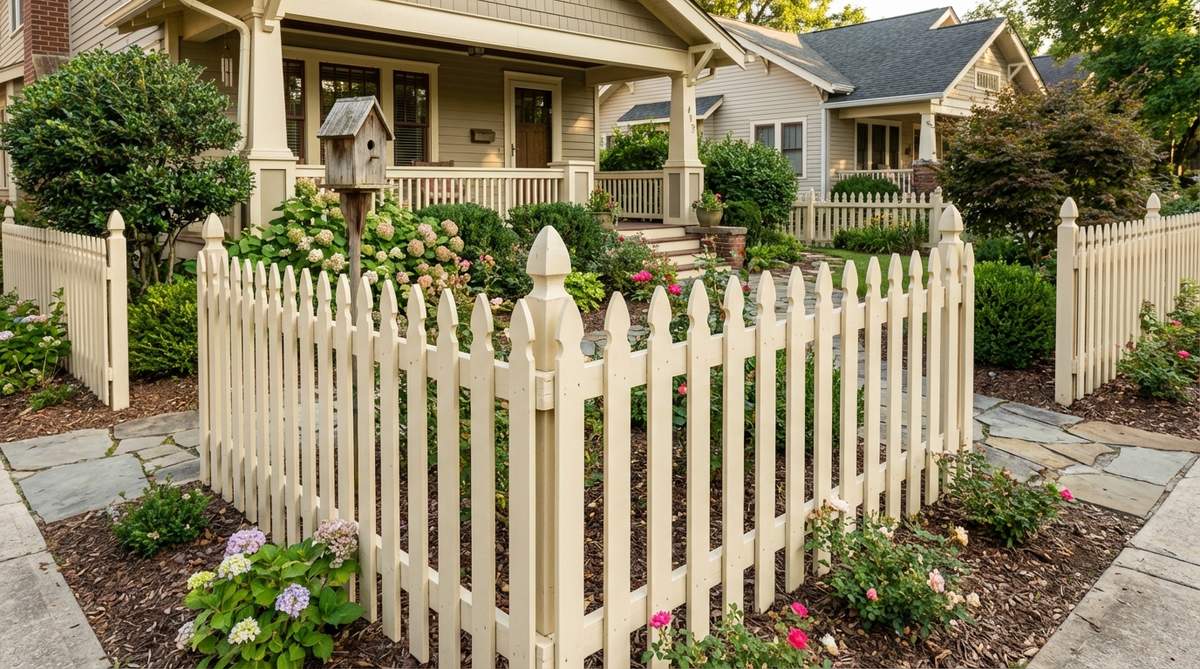
This sharp gothic picket border feels like you’ve stepped into a beautifully moody Victorian botanical garden. It is perfect for wrapping around a vibrant rose garden to add architectural contrast to soft floral blooms.
Standard flat panels can look incredibly cheap, but these pointed finials instantly force the eye upward to create height. Utilizing specialty routed pickets proves you don’t need a massive budget to achieve historical elegance.
You can recreate this moody classic for about $18–$28 per foot. Save this if you love dark academia or vintage aesthetics!
- Key Materials: French gothic-cut pickets, dark exterior wood stain
- Vibe / Style: Historical Victorian drama
- Difficulty: Easy
- Budget Breakdown: Gothic pickets: $20 | Stain: $8
- Creator’s Tip: Paint the pickets in a matte black or charcoal grey to immediately modernize the traditional gothic shape.
- Smart Sourcing: Pre-cut gothic wood pickets (bulk pack) and ebony exterior wood stain kits.
Most people completely ruin their backyard privacy by using the wrong overlapping method… until they try the exact layout coming up next.
10. Close Board Feather Edge Fence
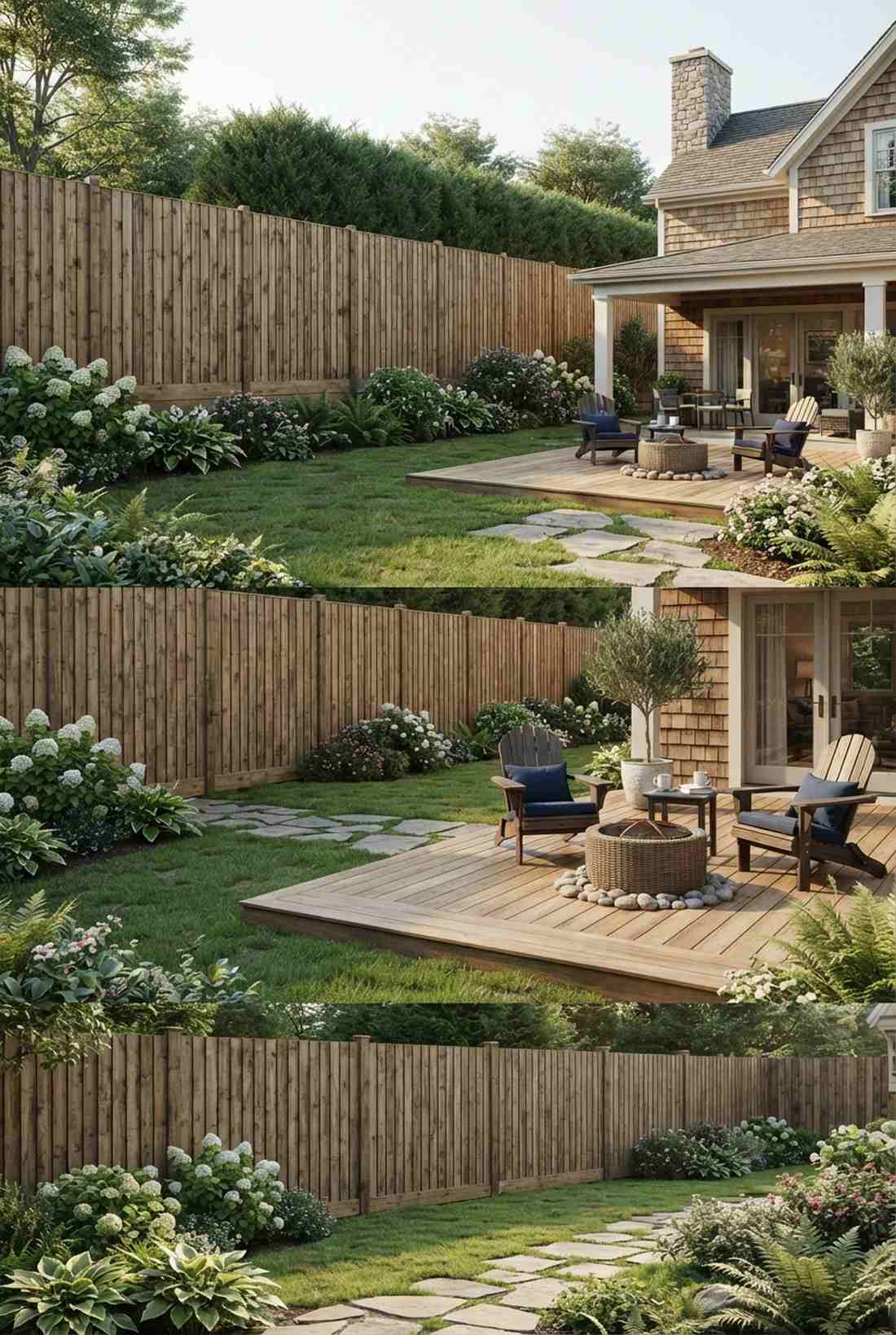
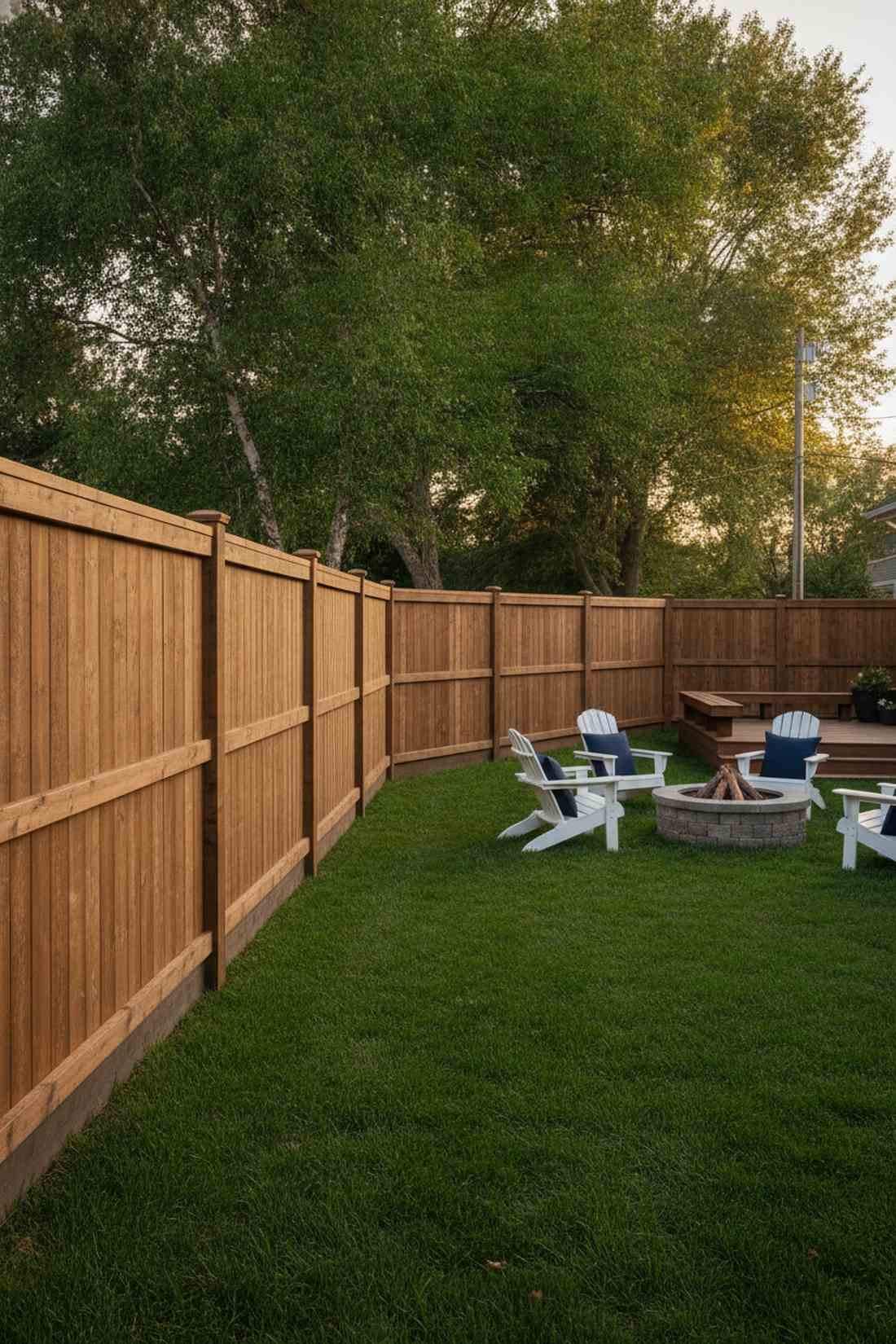
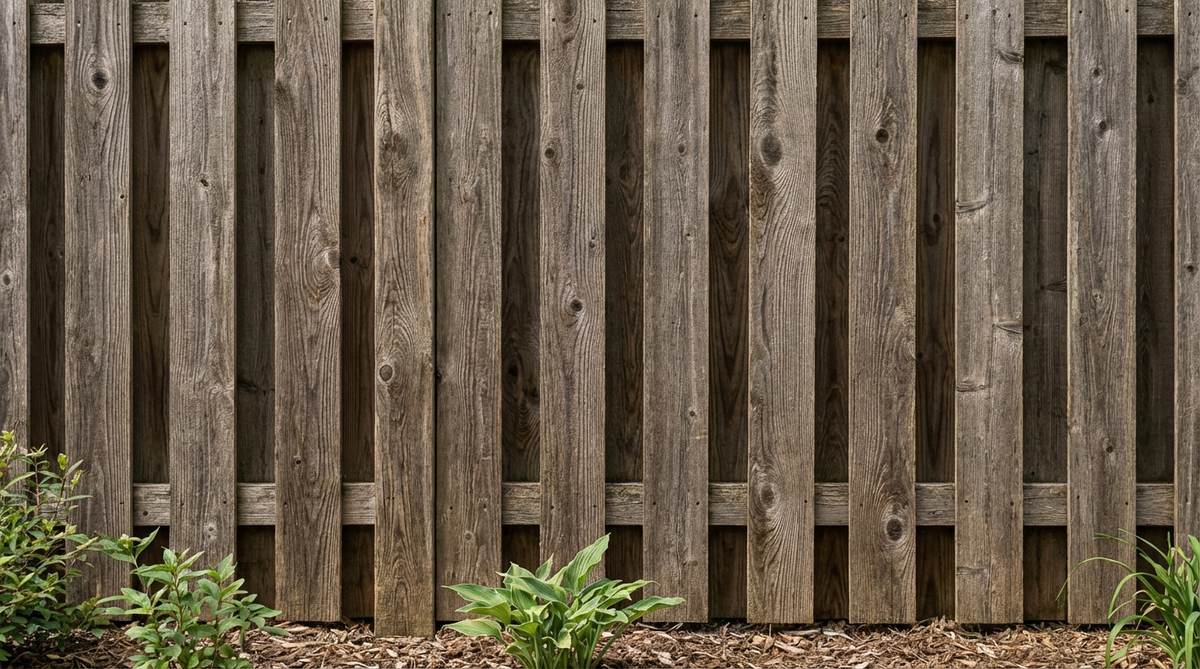
A heavy-duty feather edge fence feels like an impenetrable shield protecting your own private courtyard. This is the absolute best choice for backyards facing busy streets or noisy commercial parking lots.
Contractors often overcharge for maximum privacy, but this overlapping tapered board technique is highly cost-effective and bulletproof. Sourcing thick, tapered feather-edge boards creates an acoustic barrier that actually dampens outside noise.
This ultra-private barricade comes in around $20–$30 per foot.
- Key Materials: Tapered feather-edge boards, heavy arris rails
- Vibe / Style: Unbreakable countryside fortress
- Difficulty: Intermediate
- Budget Breakdown: Tapered wood: $22 | Rails: $8
- Creator’s Tip: Install a gravel board at the very bottom to prevent the vertical panels from ever touching damp soil.
- Smart Sourcing: Pre-tapered feather edge cladding panels and pressure-treated timber gravel boards.
11. Split Rail Rustic Fence
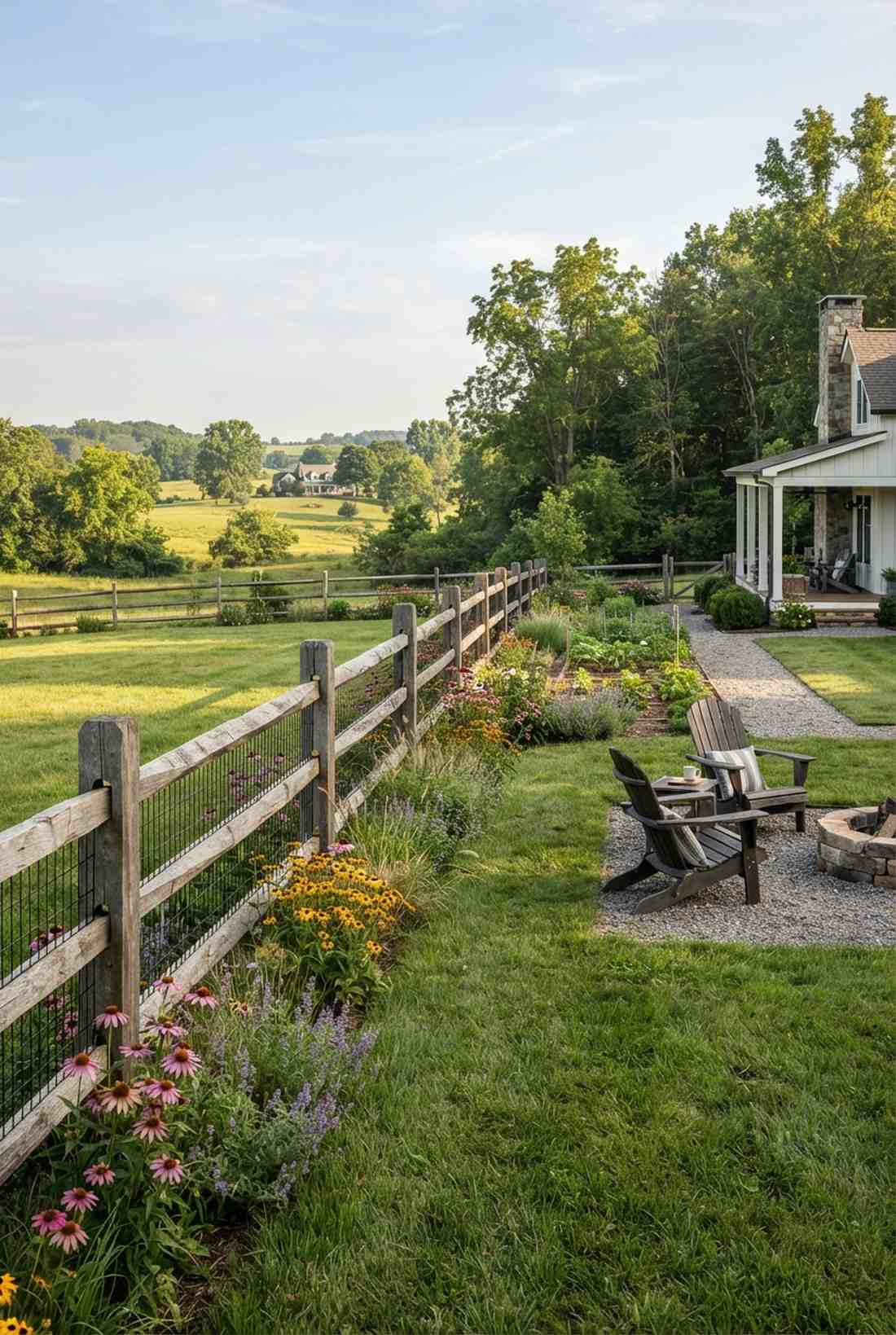
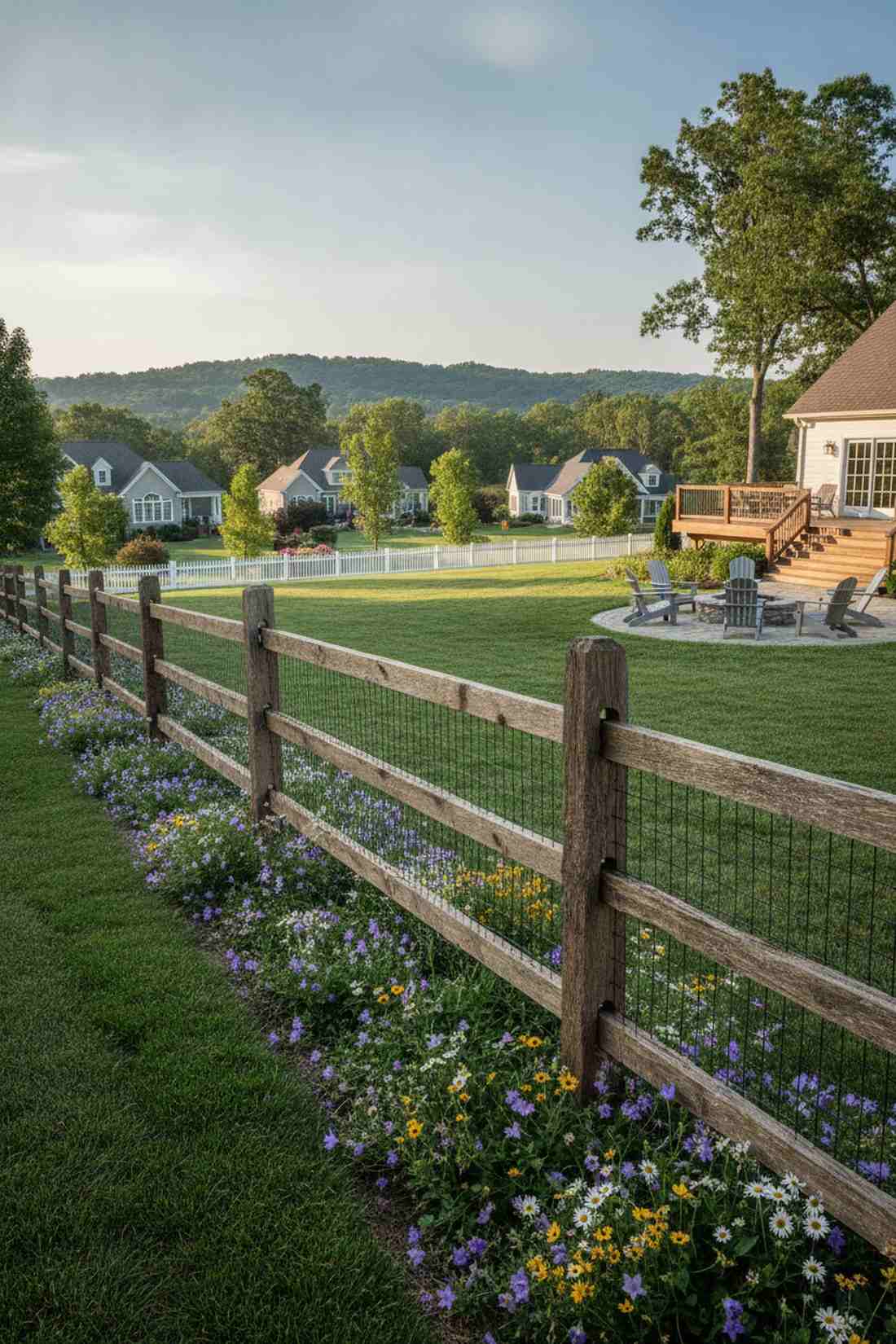
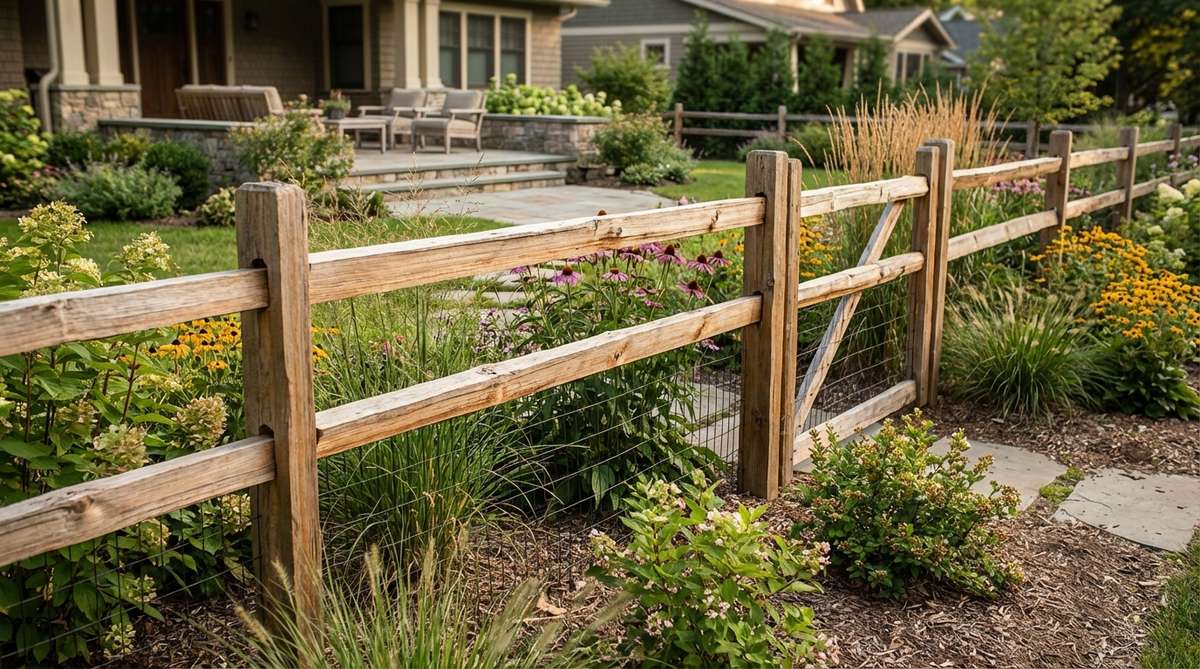
This charming split rail boundary feels like a tranquil morning on a quiet rural farmstead. It beautifully defines the edge of a property line without blocking the sweeping views of surrounding nature.
Most fences try too hard to block the world, but this open-air layout perfectly frames your landscape instead of hiding it. Wrapping the back with hidden wire mesh creates an invisible small garden fence that safely contains pets.
Achieve this wide-open rustic look for as little as $12–$20 per foot. Pin this to your farmhouse exterior board!
- Key Materials: Rough-hewn cedar rails, mortised timber posts
- Vibe / Style: Relaxed country farmhouse
- Difficulty: Easy
- Budget Breakdown: Rails & Posts: $15 | Hidden mesh: $5
- Creator’s Tip: Plant trailing wildflowers at the base of the posts to soften the heavy timber look.
- Smart Sourcing: Mortised cedar post kits and black vinyl-coated welded wire fencing (bulk roll).
12. Lattice Panel Boundary Fence
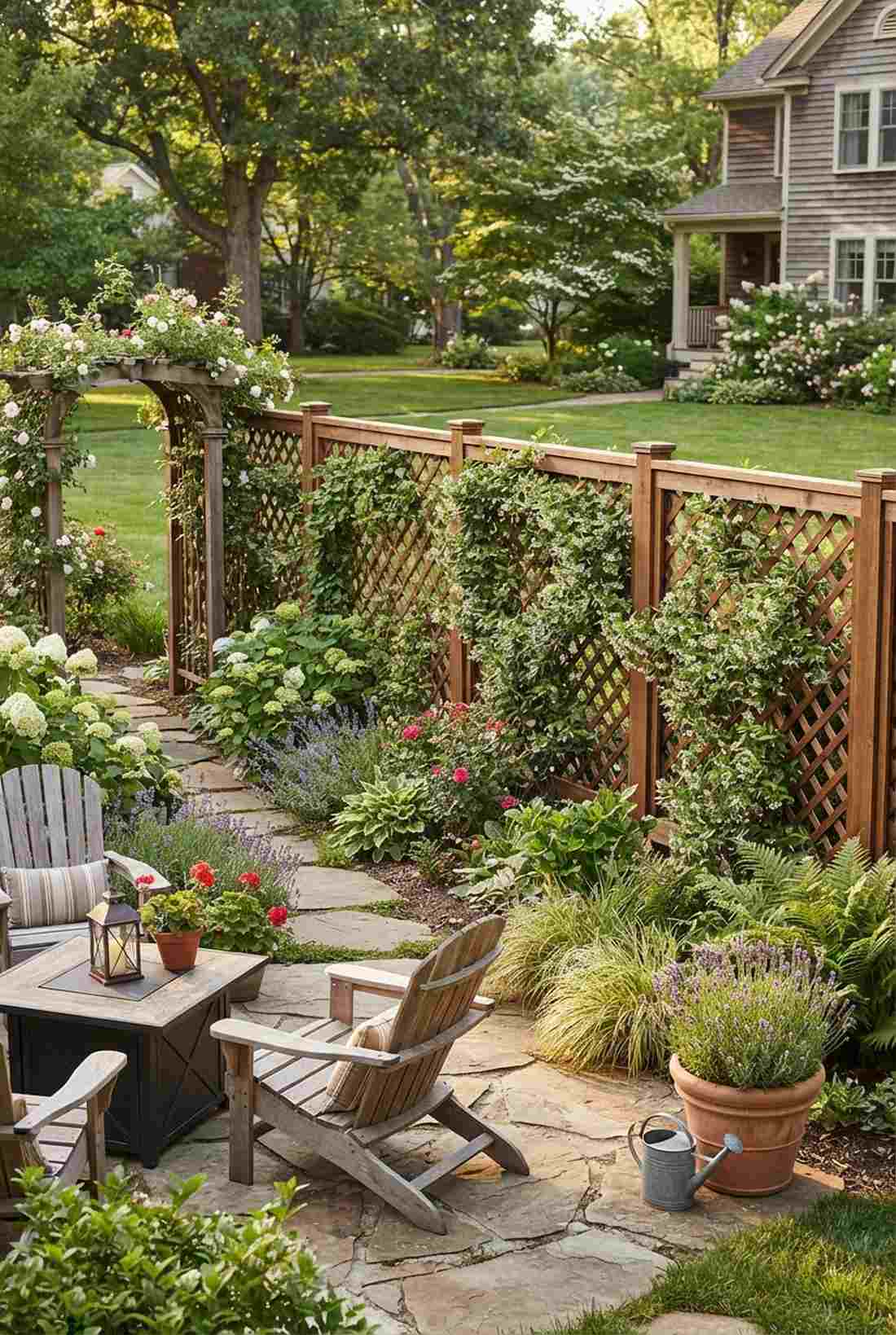
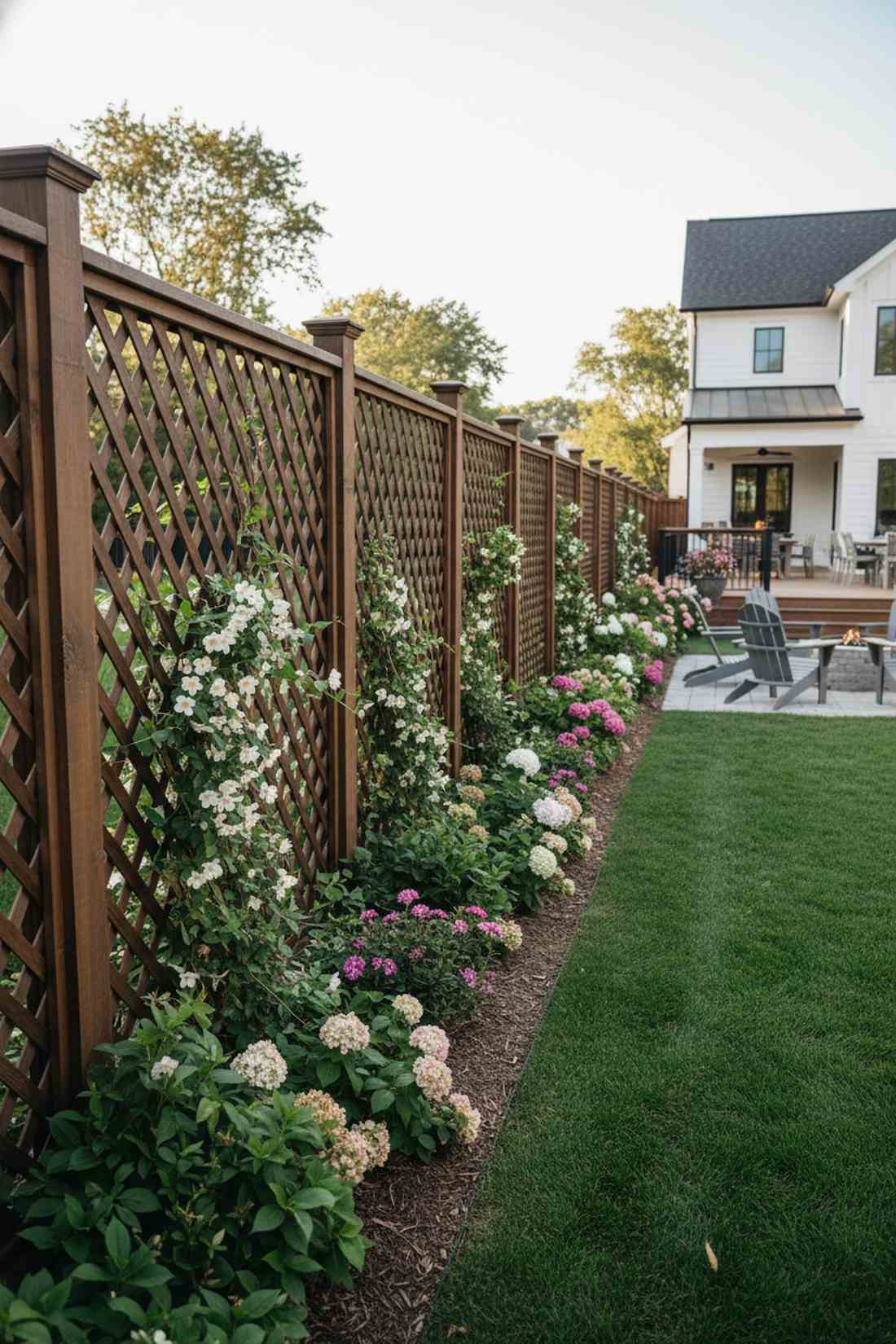
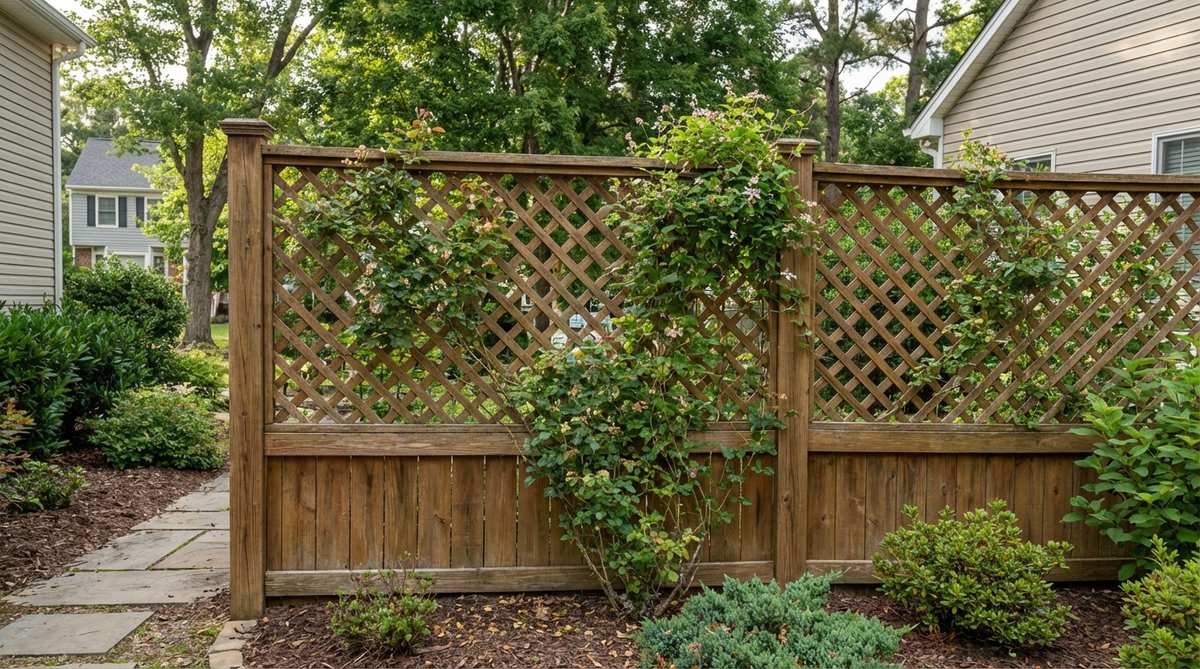
A diamond lattice garden screen feels like a romantic secret garden waiting to burst into bloom. It serves as an immaculate framework for climbing ivy and fragrant jasmine vines.
The secret to this designer finish is upgrading to heavy-duty wood lattice instead of the flimsy plastic sheets. Building a solid frame around thick wooden crisscross panels creates a highly stable, beautiful vertical planter.
These elegant garden dividers cost roughly $15–$25 per panel.
- Key Materials: Heavy-duty wood lattice panels, framing lumber
- Vibe / Style: Classic botanical garden
- Difficulty: Beginner-friendly
- Budget Breakdown: Lattice panels: $18 | Framing: $7
- Creator’s Tip: Frame every single panel with 1×2 wood trim to hide the rough cut edges and give it a custom-built look.
- Smart Sourcing: Heavy-duty wooden lattice sheets (bulk pack) and U-channel fence framing kits.
Vertical Garden Integration for Living Boundaries
Living fences transform functional boundaries into productive garden features, maximizing utility where horizontal space limits traditional planting beds. These designs merge hardscaping with horticulture for multi-layered privacy solutions.
13. Trellis Backed Planter Fence
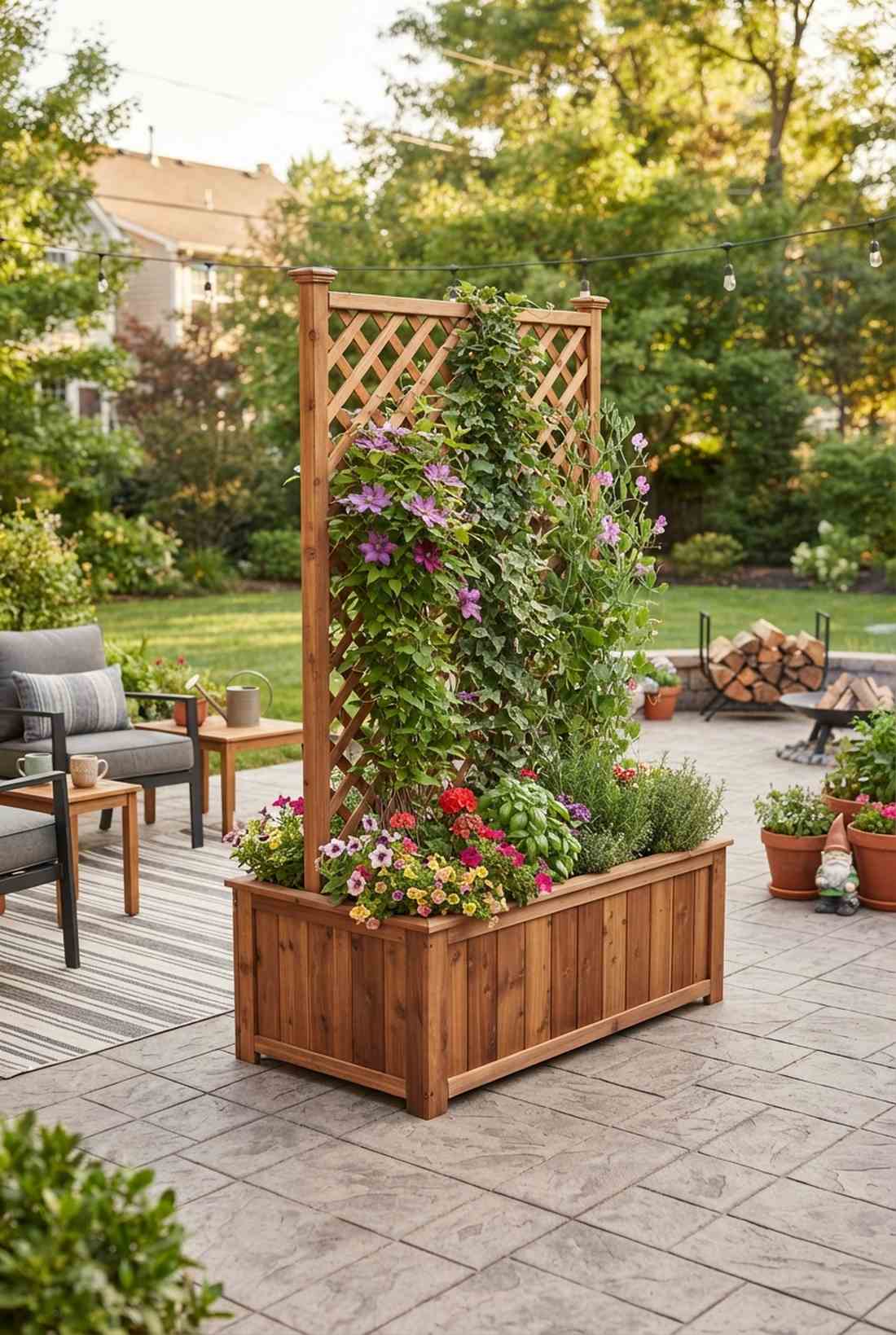
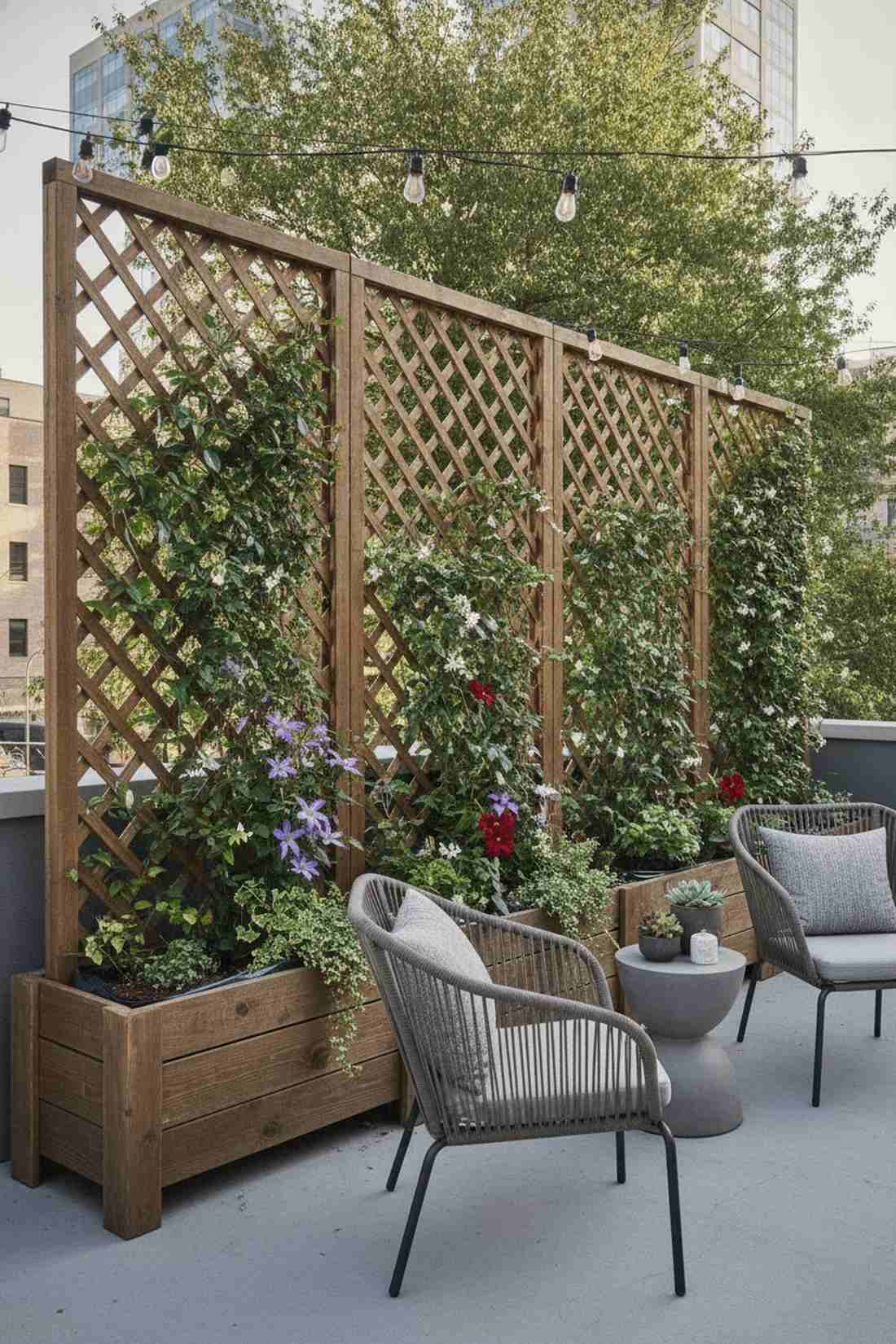
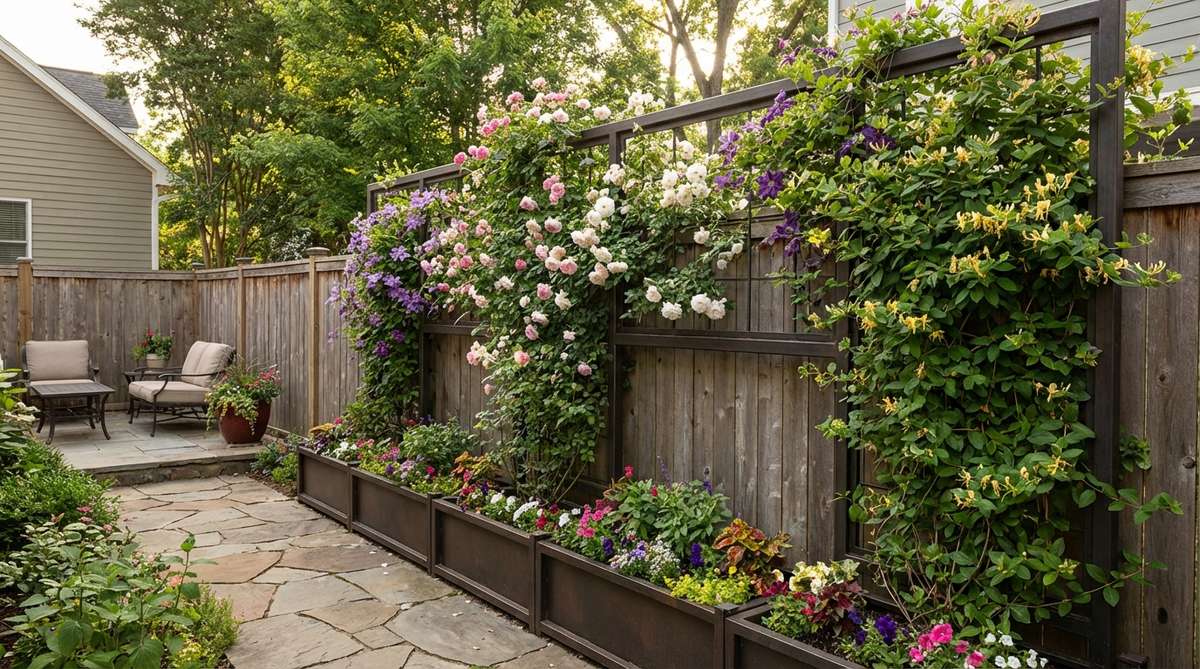
This integrated planter box wall feels like a lush, living tapestry that breathes life into concrete patios. It is the perfect dual-purpose solution for renters wanting to add height without digging post holes.
You might think living walls are impossible to maintain, but this all-in-one planter setup makes watering incredibly efficient. Combining miniature garden supplies with tall climbing support instantly doubles your usable outdoor space.
You can build these freestanding units for about $50–$80 each. Save this to your small patio garden board!
- Key Materials: Large wooden planter box, attached trellis backing
- Vibe / Style: Lush urban oasis
- Difficulty: Intermediate assembly
- Budget Breakdown: Planter base: $40 | Trellis back: $30
- Creator’s Tip: Line the inside of the planter box with heavy plastic to prevent wet soil from rotting the wood over time.
- Smart Sourcing: Pre-built wooden planter boxes with trellis and heavy-duty planter liner rolls.
If you think your yard is too small for a garden, wait until you see how this next vertical trick forces greenery into zero square feet…
14. Living Wall Modular System
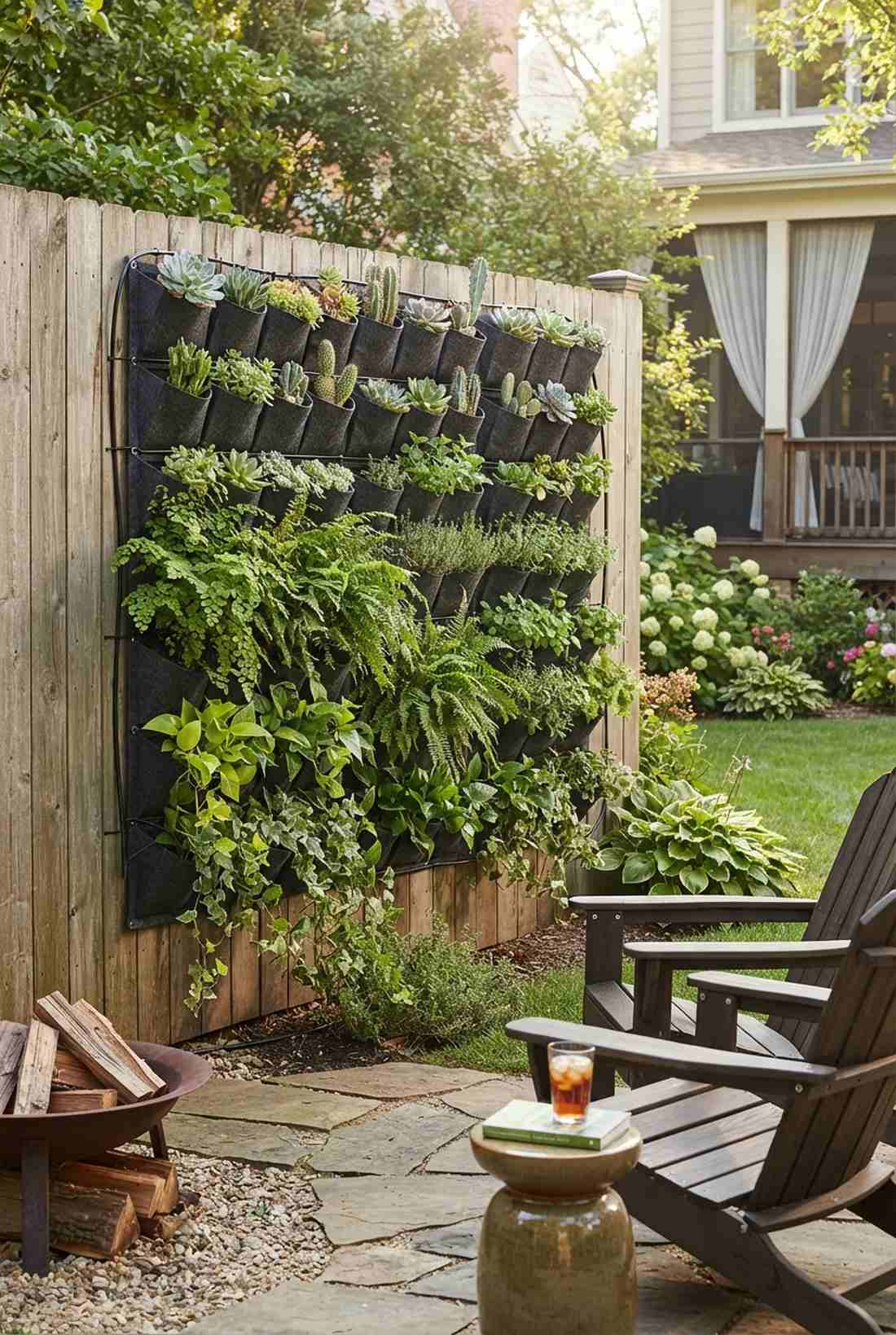
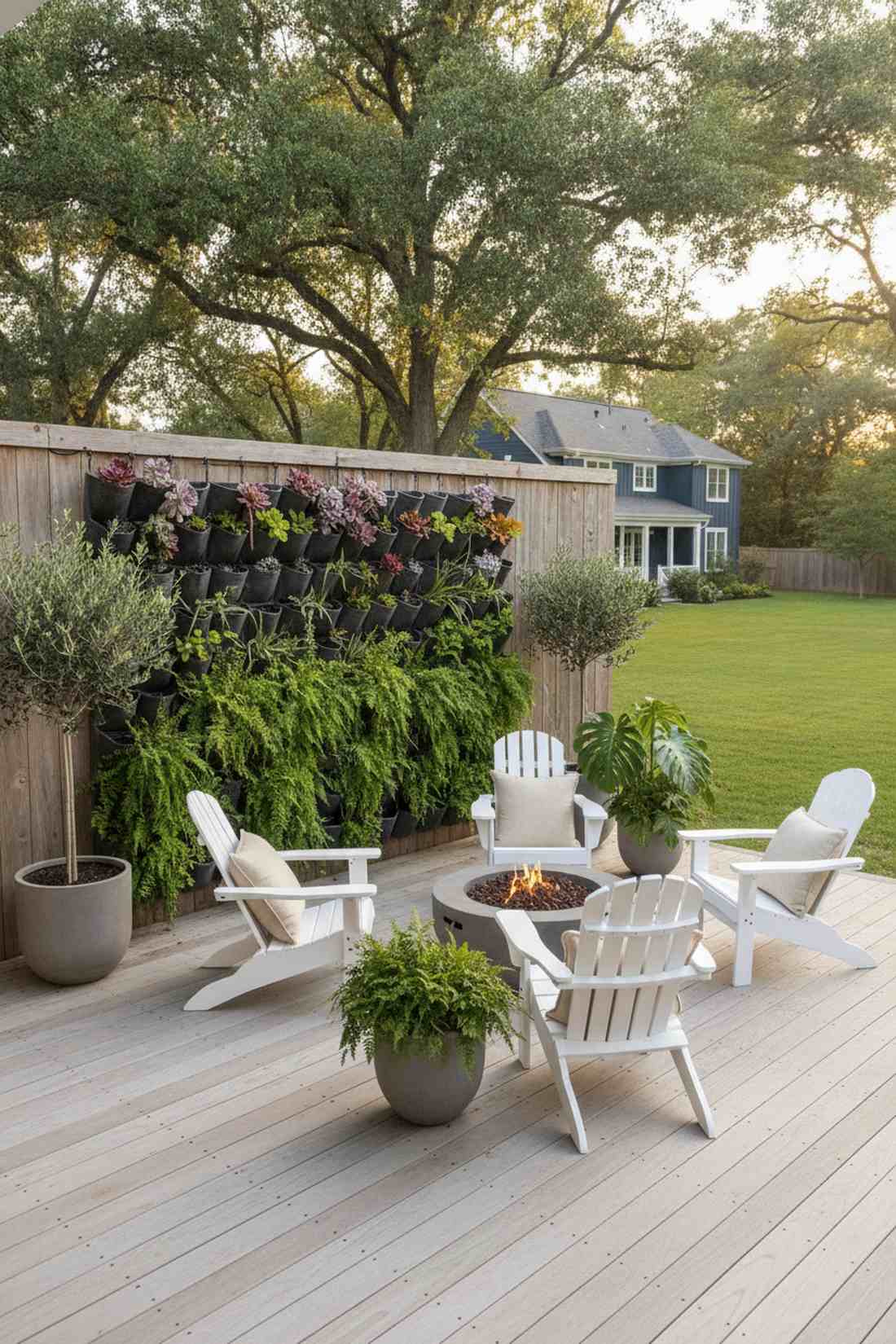
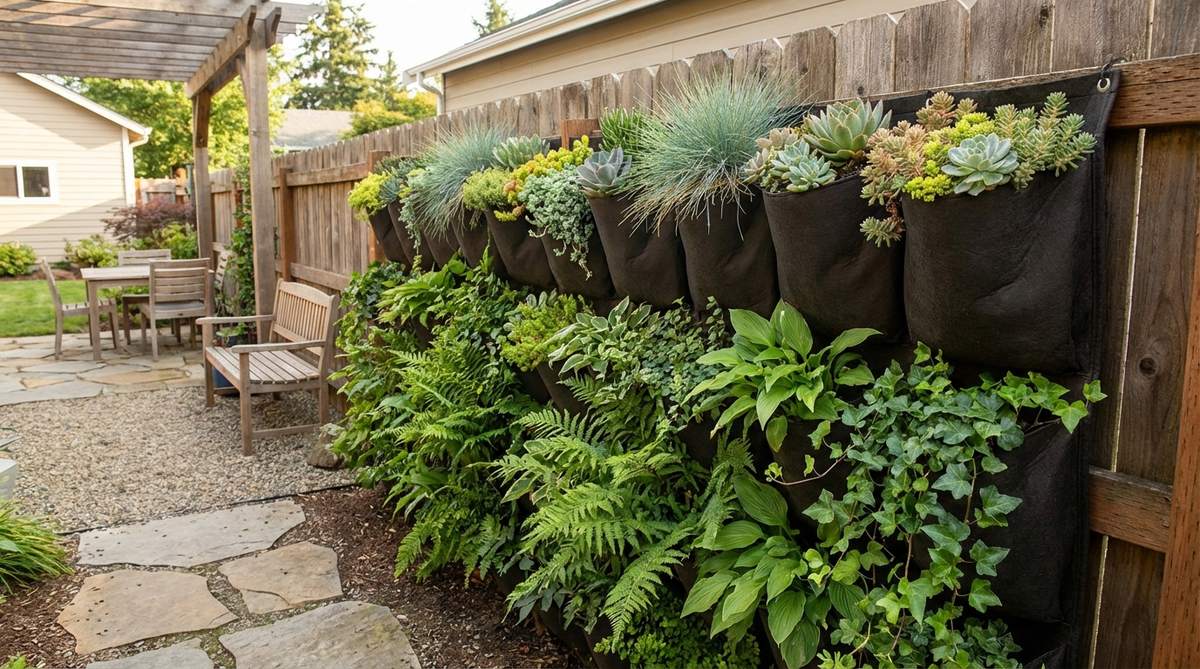
A modular vertical green wall feels like a breathtaking modern art installation made entirely of foliage. It completely masks ugly concrete block walls or aging wooden fences with a vibrant cascade of ferns.
Forget the overpriced landscape architects; this layout proves you don’t need a massive yard to cultivate a jungle. Installing a grid of weather-resistant planting pockets turns any dead boundary into a high-yield growing zone.
Pocket systems range from $30–$70 per section.
- Key Materials: Felt or plastic modular wall planters, drip irrigation tubing
- Vibe / Style: High-end botanical architecture
- Difficulty: Intermediate (requires irrigation setup)
- Budget Breakdown: Planter pockets: $45 | Irrigation: $25
- Creator’s Tip: Put drought-tolerant succulents at the top and thirsty ferns at the bottom where gravity pulls the water.
- Smart Sourcing: Multi-pocket vertical garden felt bags (pack of 4) and micro-drip irrigation starter kits.
15. Espalier Trained Fruit Fence
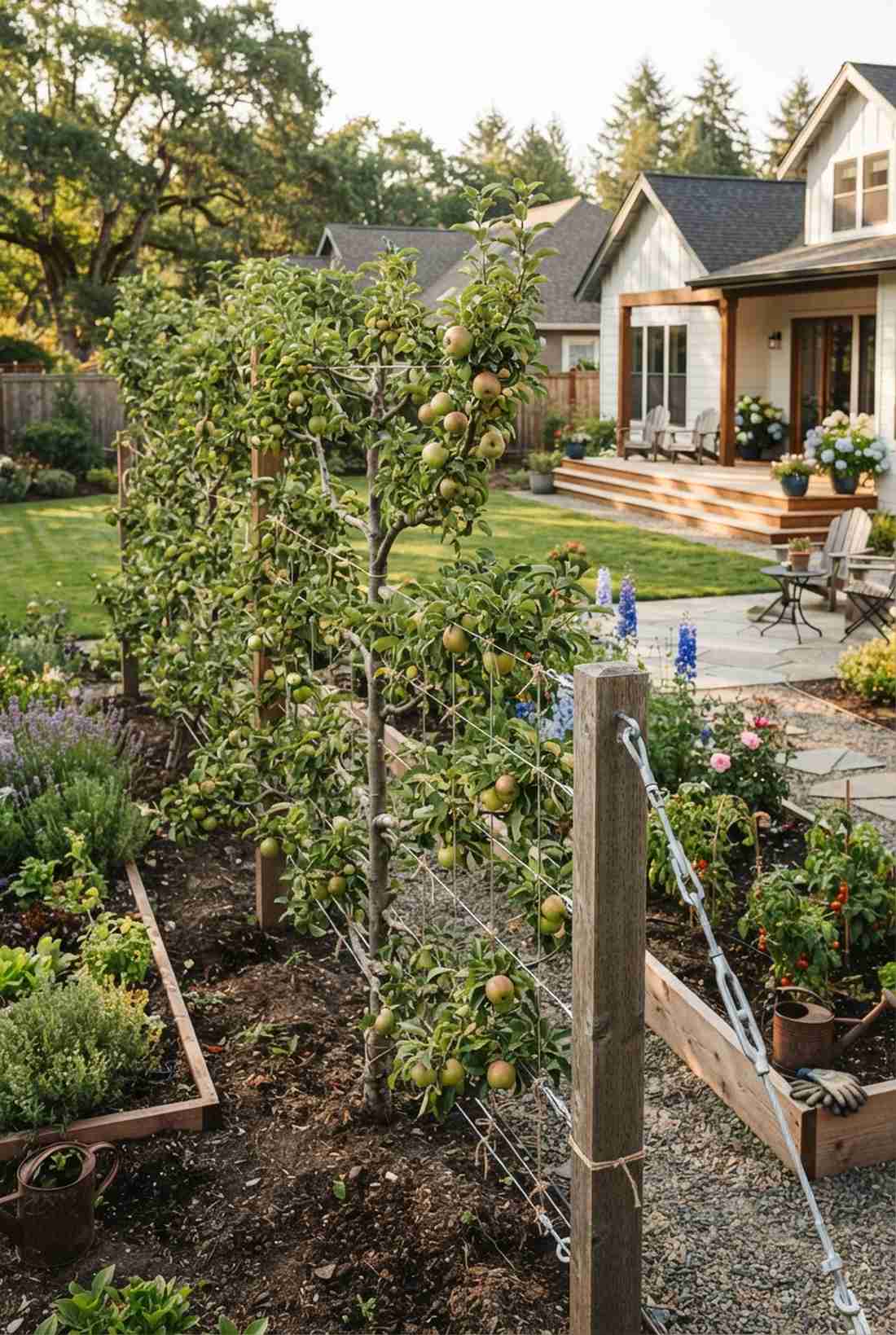
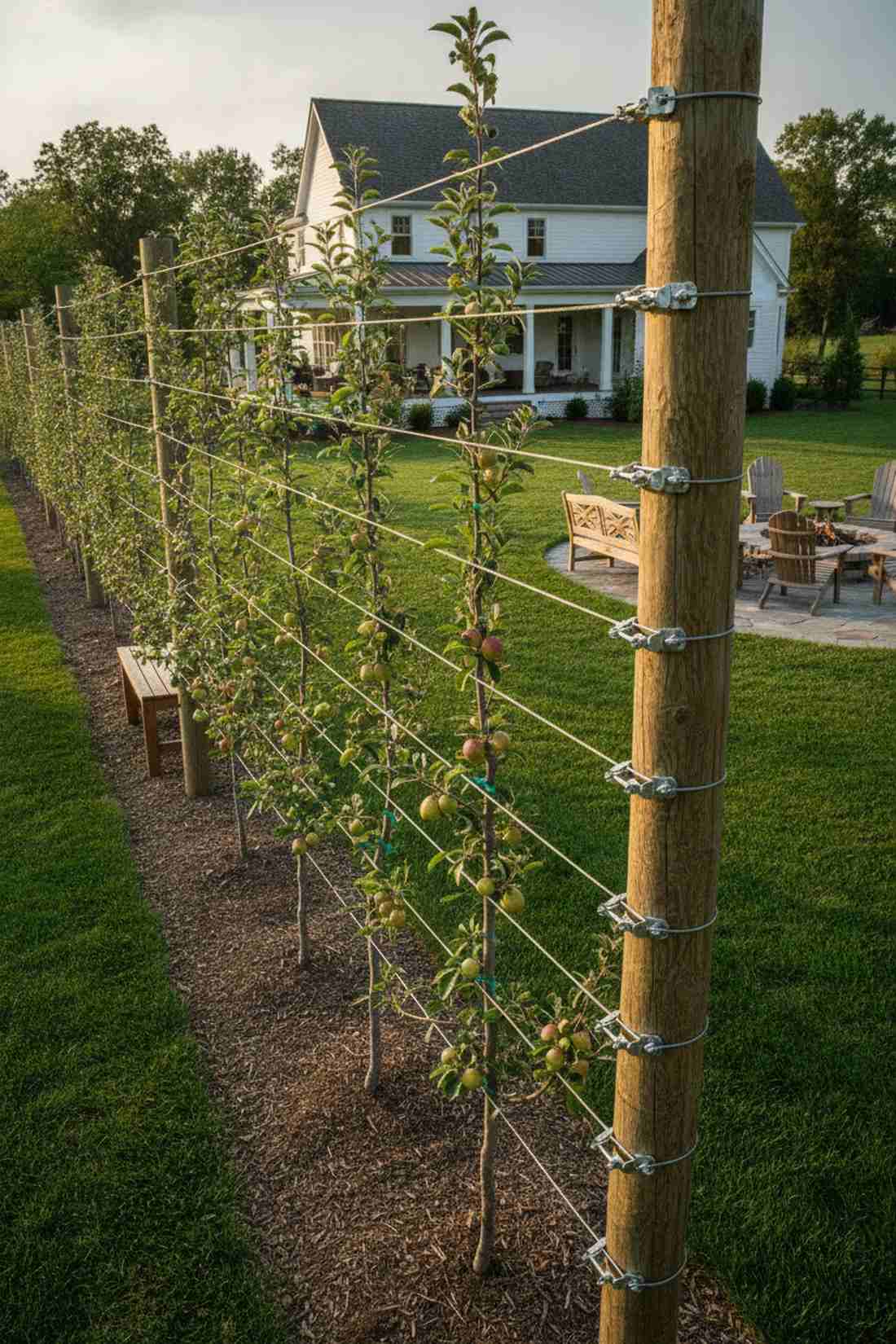
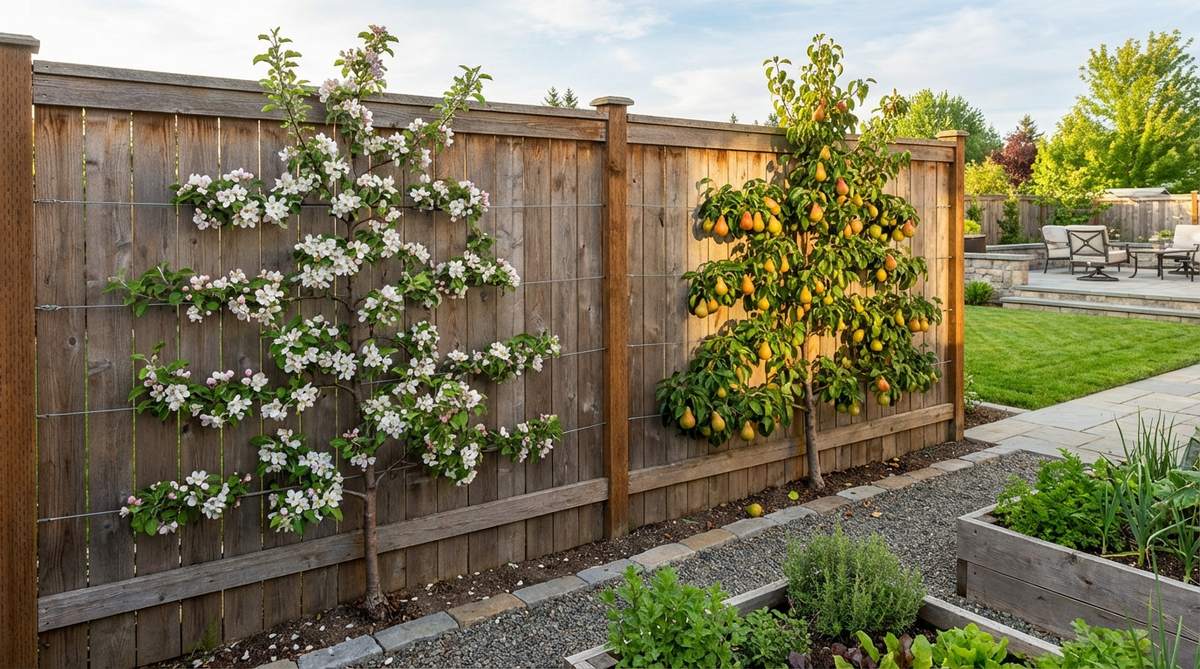
This flat-grown fruit tree fence feels like walking through an ancient, romantic European vineyard. It is a genius strategy for maximizing food production along a sun-drenched property line.
What makes this look so expensive is the sheer patience and architectural pruning involved in training the branches. Weaving living wood through a heavy-duty wire tension system creates a stunning small garden fence that literally feeds you.
The wire setup costs around $20–$40, plus the cost of your saplings. Pin this if you’re building an urban homestead!
- Key Materials: Galvanized wire rope, heavy-duty turnbuckles, fruit tree saplings
- Vibe / Style: Elegant French country orchard
- Difficulty: Advanced (requires pruning knowledge)
- Budget Breakdown: Wire hardware: $30 | Trees: $50+
- Creator’s Tip: Always use turnbuckles at the end of your wire runs so you can easily tighten them as the heavy fruit grows.
- Smart Sourcing: Stainless steel wire rope tension kits and heavy-duty orchard training ties.
16. Bamboo Screen with Planters
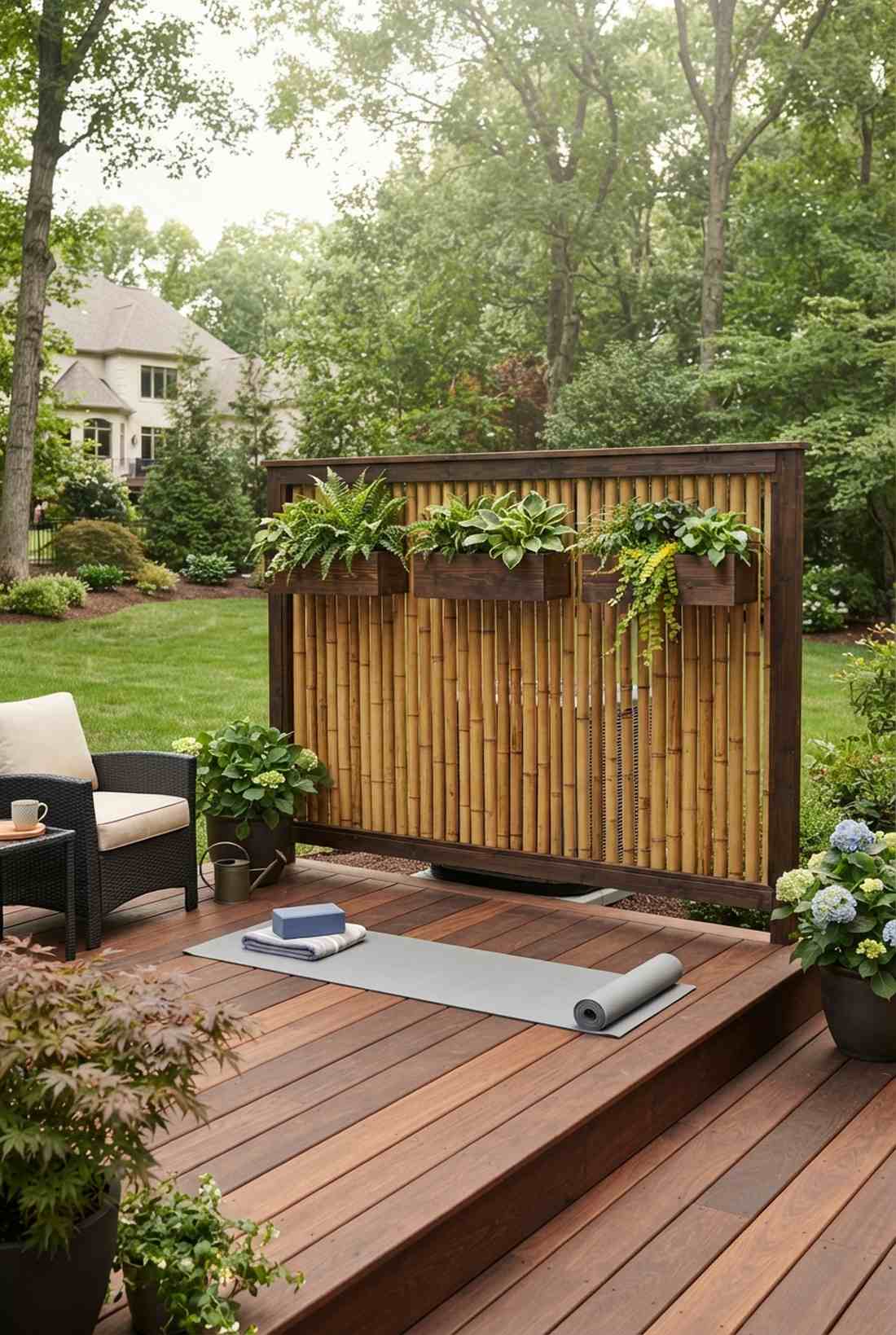
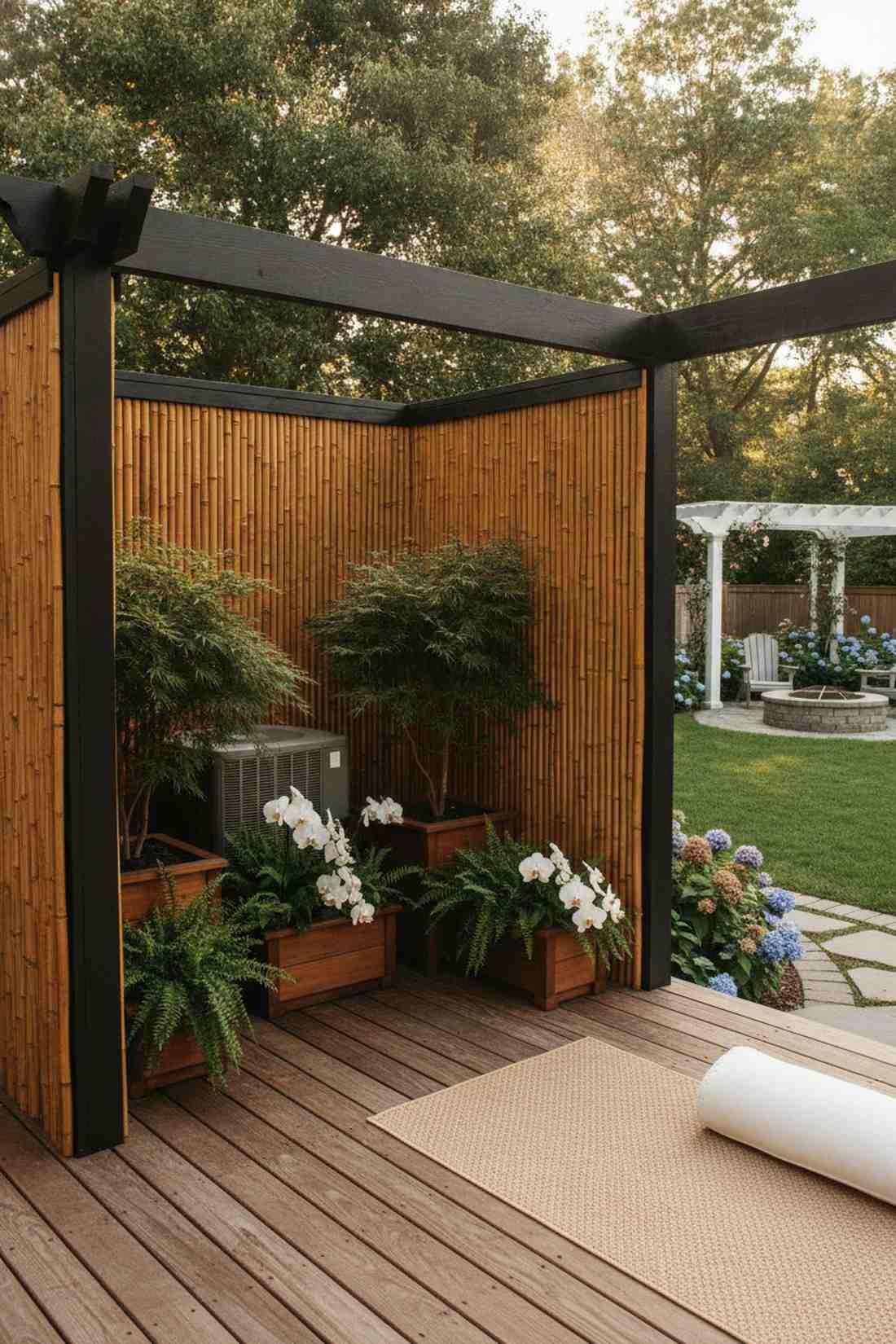
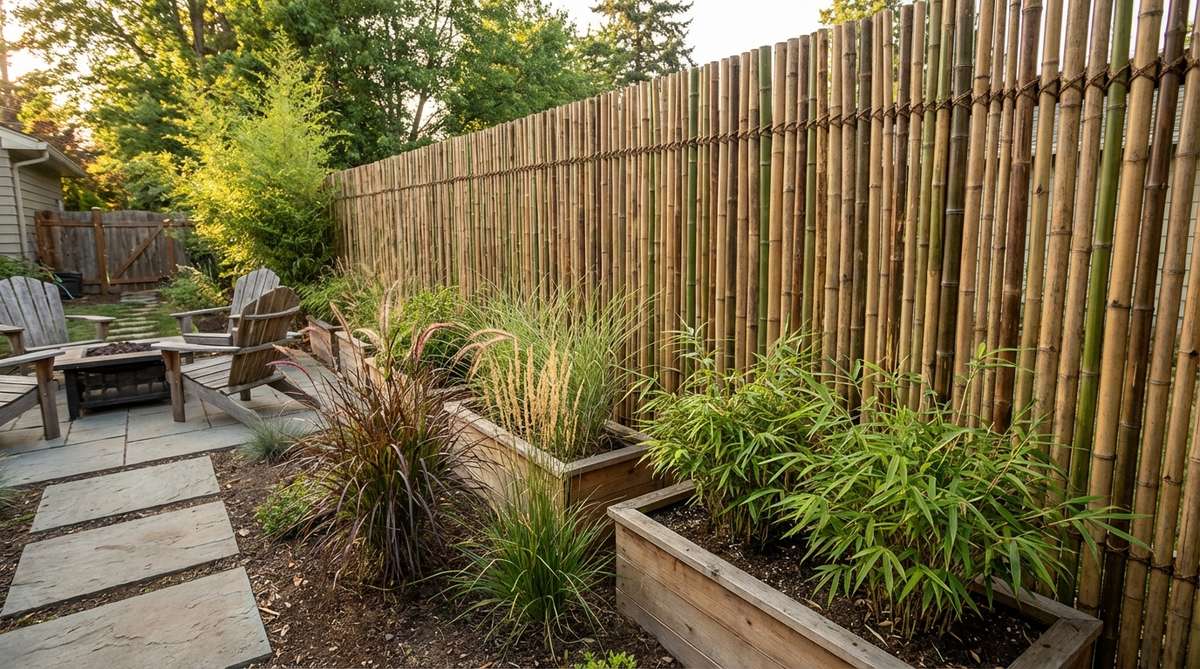
A natural bamboo privacy screen feels like a deeply meditative Zen garden tucked away in the city. It works flawlessly for hiding ugly air conditioning units or creating a private yoga corner on a deck.
Most people just zip-tie cheap reeds, but this layout delivers a surprisingly premium look by framing thick poles inside dark wood. Utilizing thick, treated bamboo rolls provides incredible durability and instant island aesthetics.
You can roll this out for about $30–$50 per panel.
- Key Materials: 1-inch thick bamboo fencing rolls, dark stained lumber framing
- Vibe / Style: Peaceful Asian-inspired retreat
- Difficulty: Easy to roll and attach
- Budget Breakdown: Bamboo roll: $40 | Framing wood: $10
- Creator’s Tip: Seal the bamboo with a clear UV-protective marine varnish to stop it from turning grey and splitting in the sun.
- Smart Sourcing: Thick rolled bamboo fencing panels and UV-protective clear marine varnish.
17. Wire Mesh Climbing Support
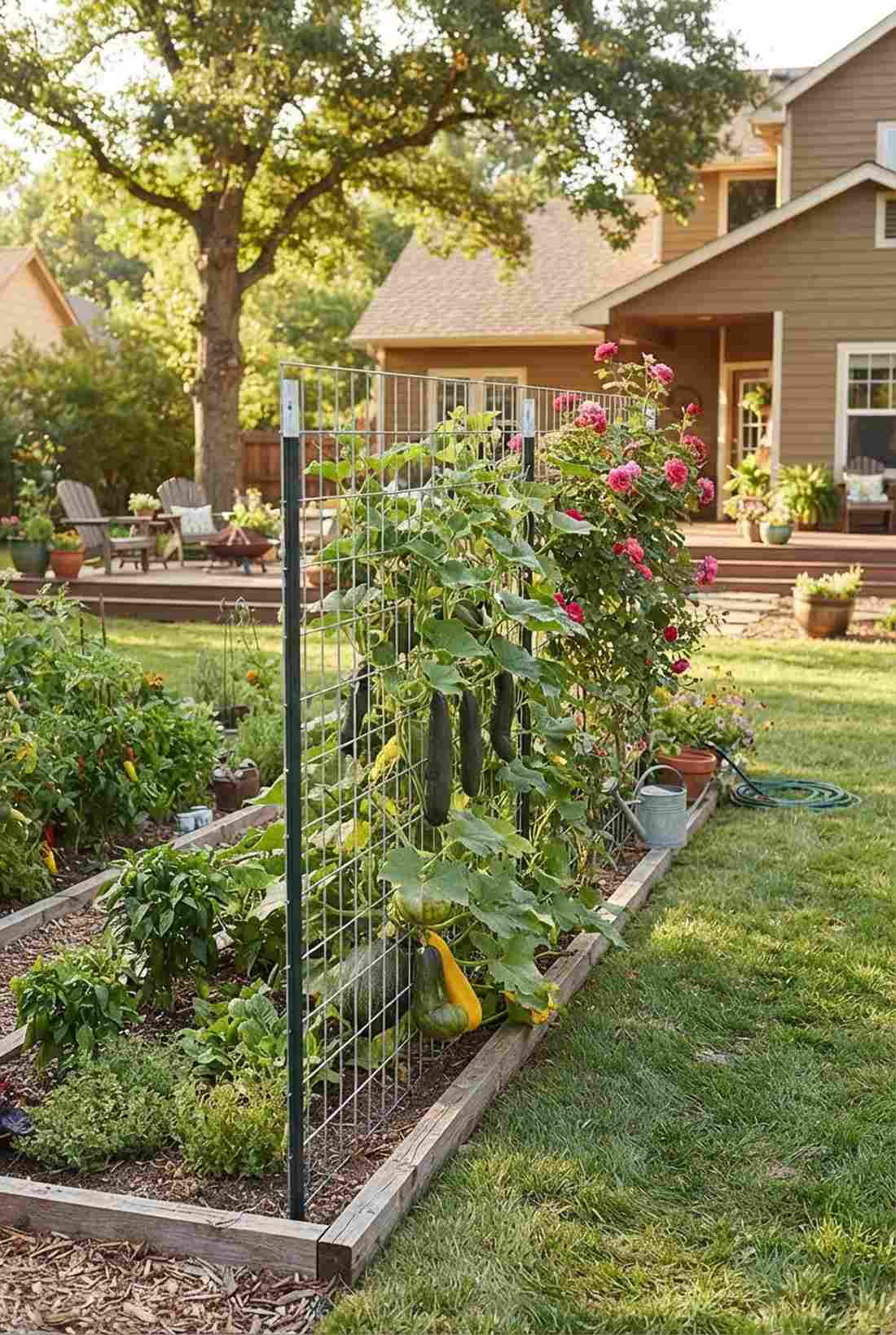
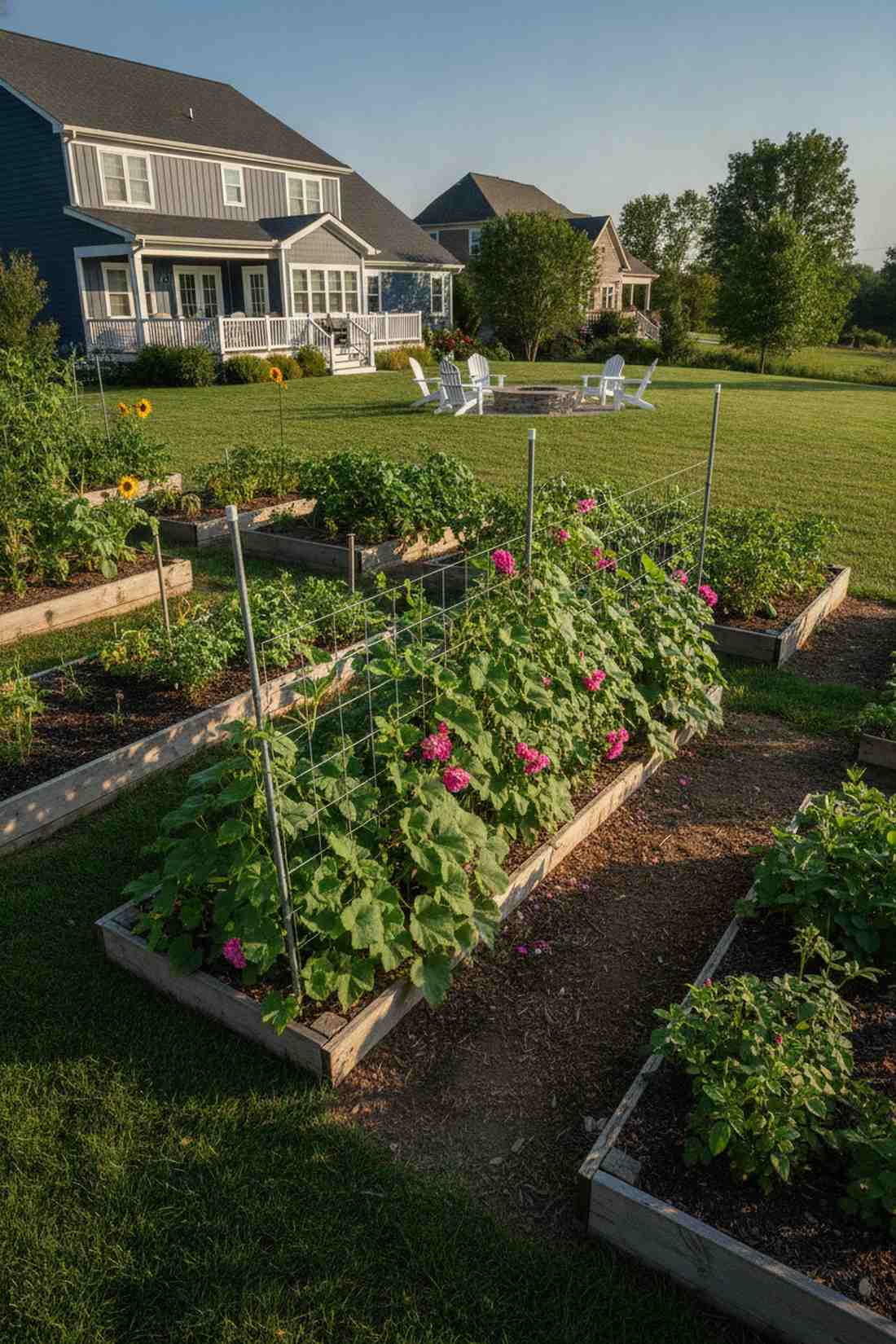
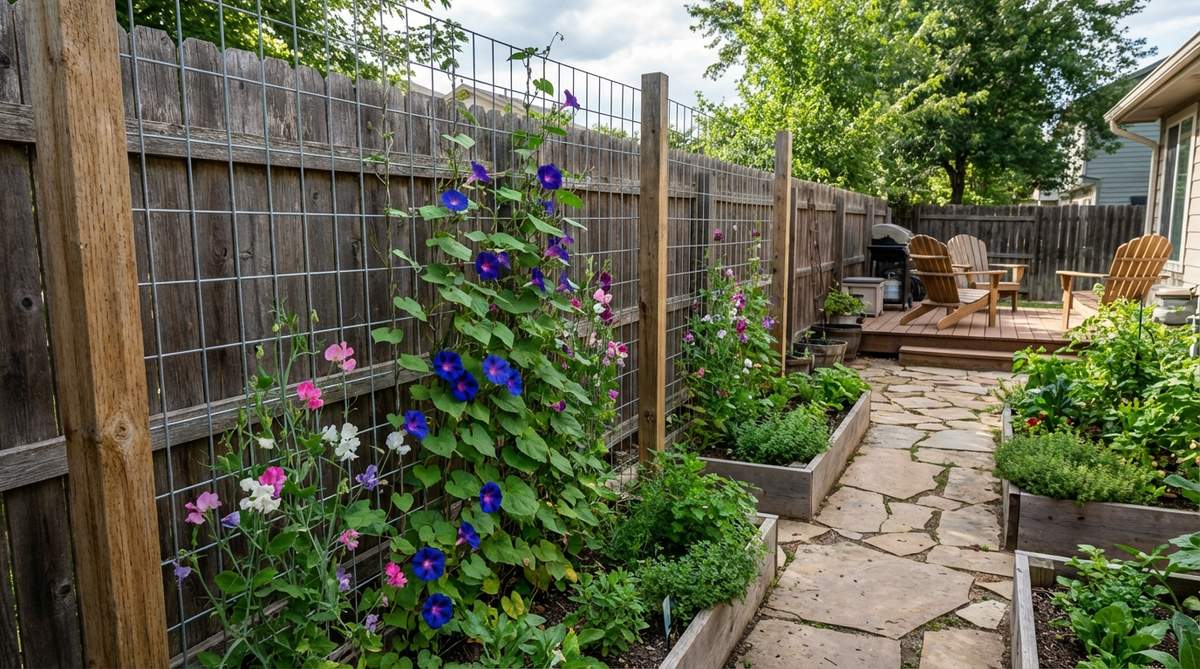
This invisible wire vine support feels like magical floating foliage hovering on the edge of your property. It’s an ultra-minimalist small garden fence for separating vegetable beds without blocking the afternoon sun.
A massive mistake people make is buying bulky wooden trellises that rot, but this welded wire disappears entirely behind the plants. Snapping galvanized cattle panels to simple metal T-posts creates an unbreakable wall for heavy squash and climbing roses.
You can set up a 16-foot span for under $40. Save this for cheap, instant garden organization!
- Key Materials: Galvanized welded wire panels, metal T-posts
- Vibe / Style: Utilitarian invisible structure
- Difficulty: Very easy
- Budget Breakdown: Wire panels: $25 | T-posts: $15
- Creator’s Tip: Buy agricultural “cattle panels” instead of garden wire; they are rigid enough to stand up straight without sagging.
- Smart Sourcing: Heavy-duty galvanized welded wire rolls and steel U-channel fence posts (bulk pack).
Are your garden tools rusting? Before you build a shed, check out how this next boundary actually doubles as storage…
18. Green Wall Pocket Garden
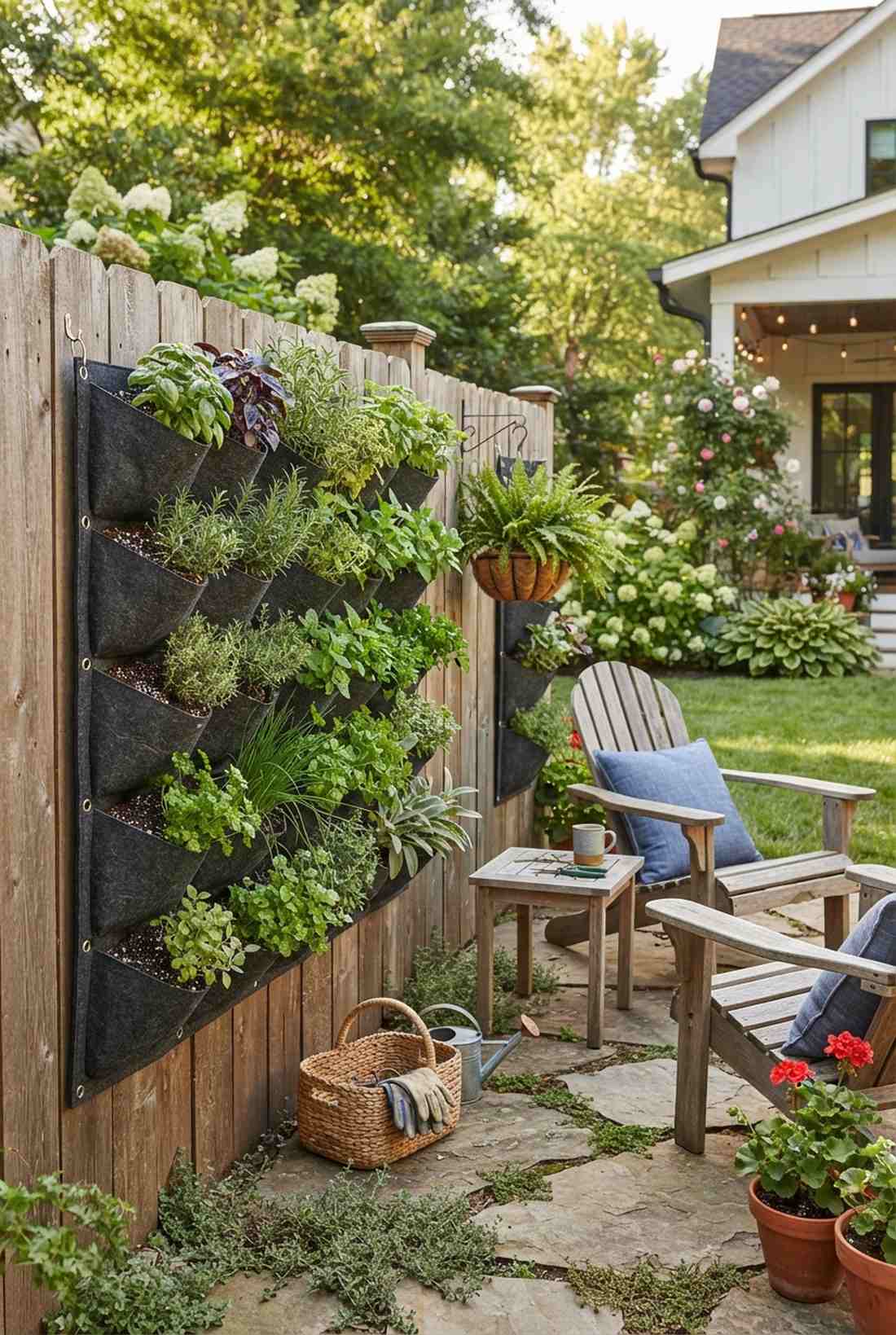
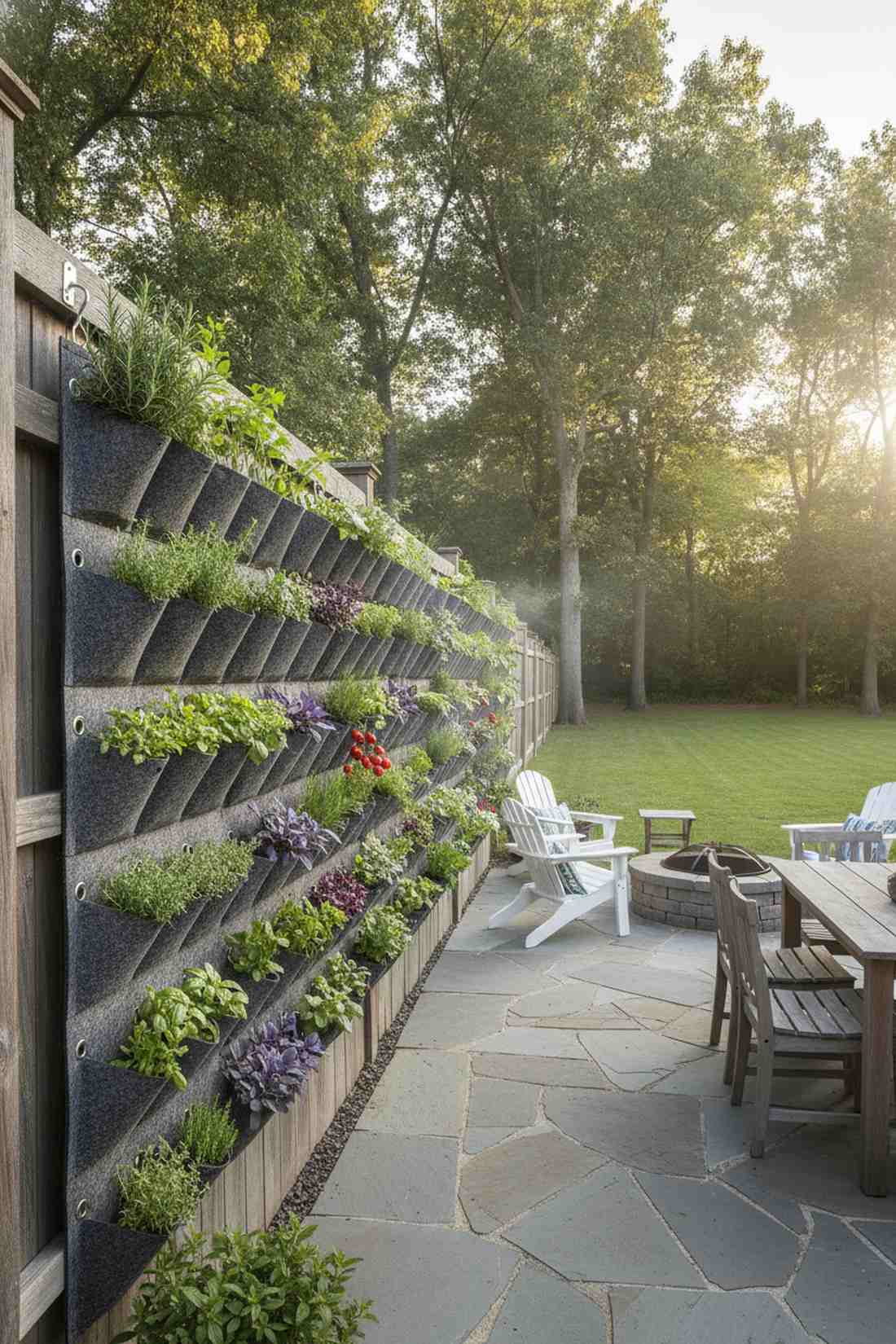
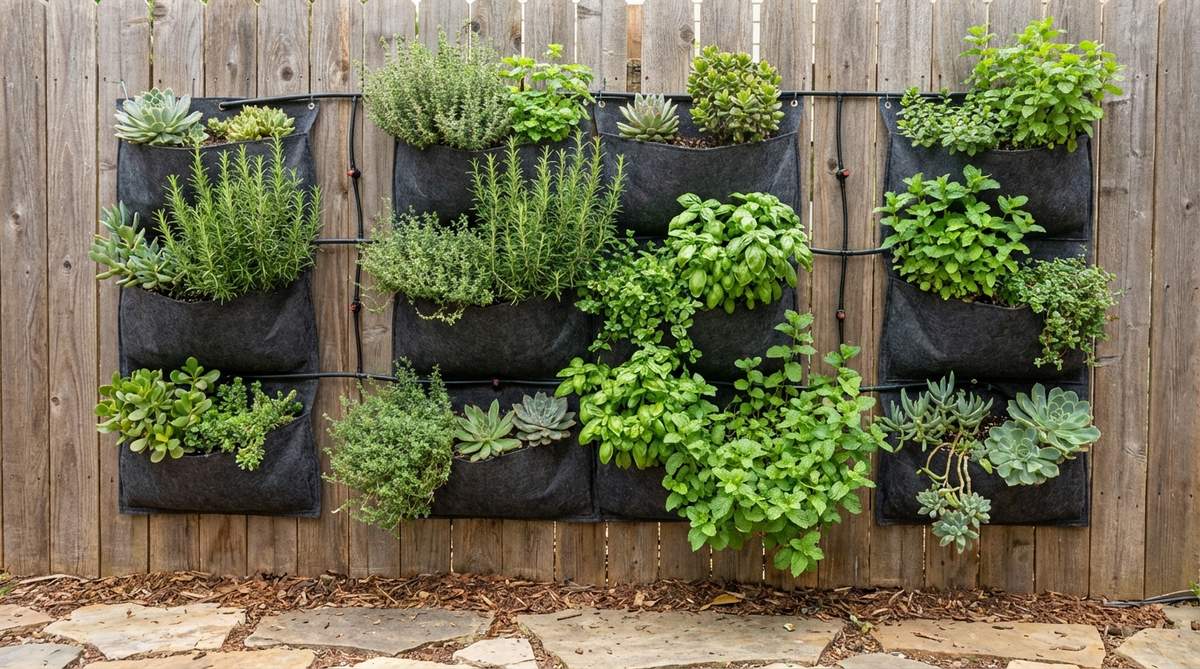
A vibrant hanging pocket fence feels like a cozy chef’s pantry relocated right into the fresh air. This setup transforms a boring wooden boundary fence into a massive, fragrant vertical herb garden.
People often get this wrong until they realize proper drainage is the only way to prevent wall rot. Using waterproof-backed fabric pockets ensures your fairy garden supplies and fresh herbs thrive without destroying the wood behind them.
You can hang these pocket ecosystems for around $20–$35 a pop.
- Key Materials: Waterproof-backed felt planters, heavy-duty hanging grommets
- Vibe / Style: Lush culinary courtyard
- Difficulty: Super easy
- Budget Breakdown: Pocket bags: $25 | Hardware: $5
- Creator’s Tip: Add a handful of perlite to every pocket’s soil mix to guarantee the roots get oxygen in such a tight space.
- Smart Sourcing: Waterproof-backed vertical wall planter bags and stainless steel outdoor mounting hooks.
Horizontal Panel Systems That Stretch Space
Horizontal orientations counteract the confining feeling of small gardens by emphasizing width over height. These small garden fence ideas create visual expansion through directional emphasis and contemporary styling.
19. Wide Plank Horizontal Fence
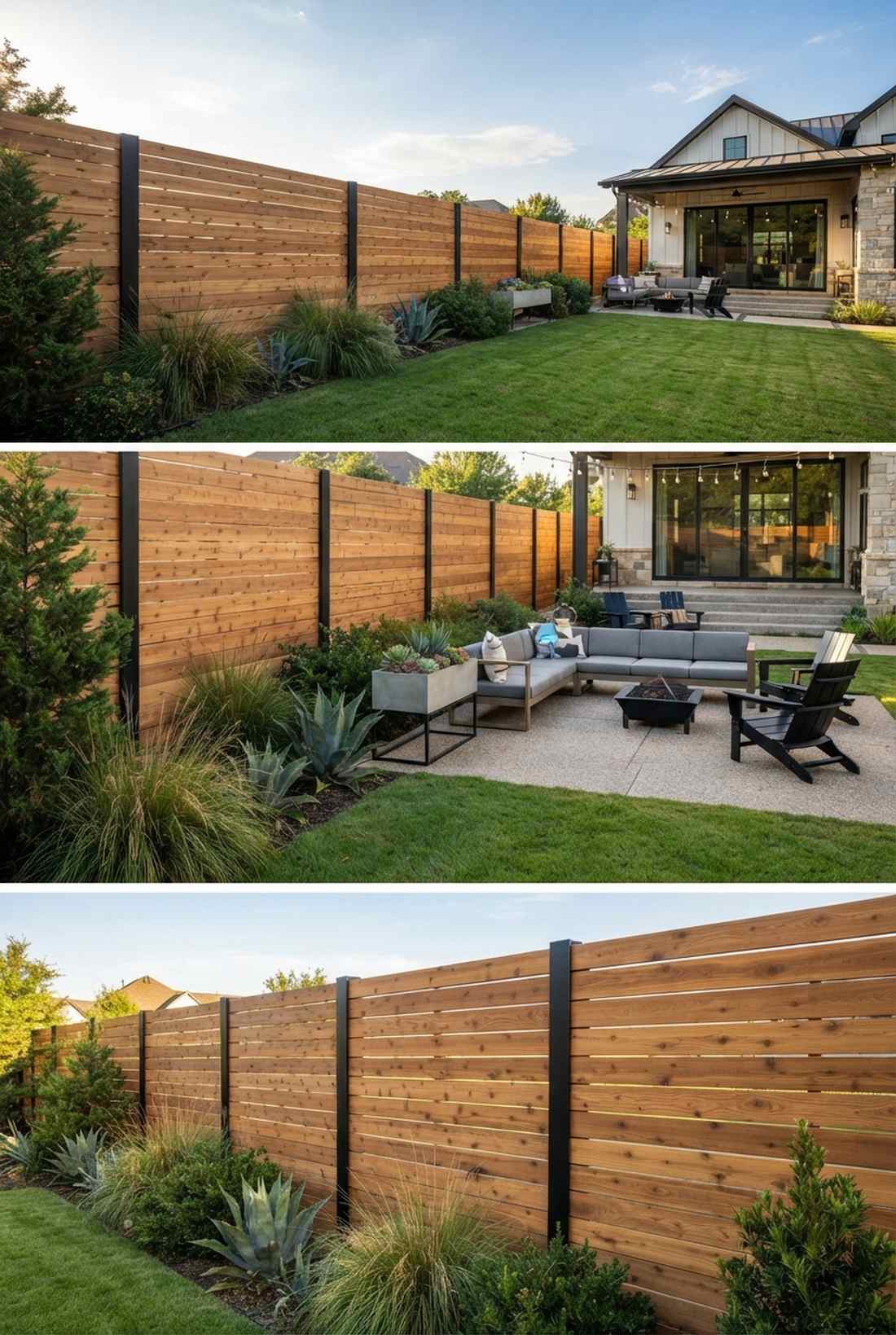
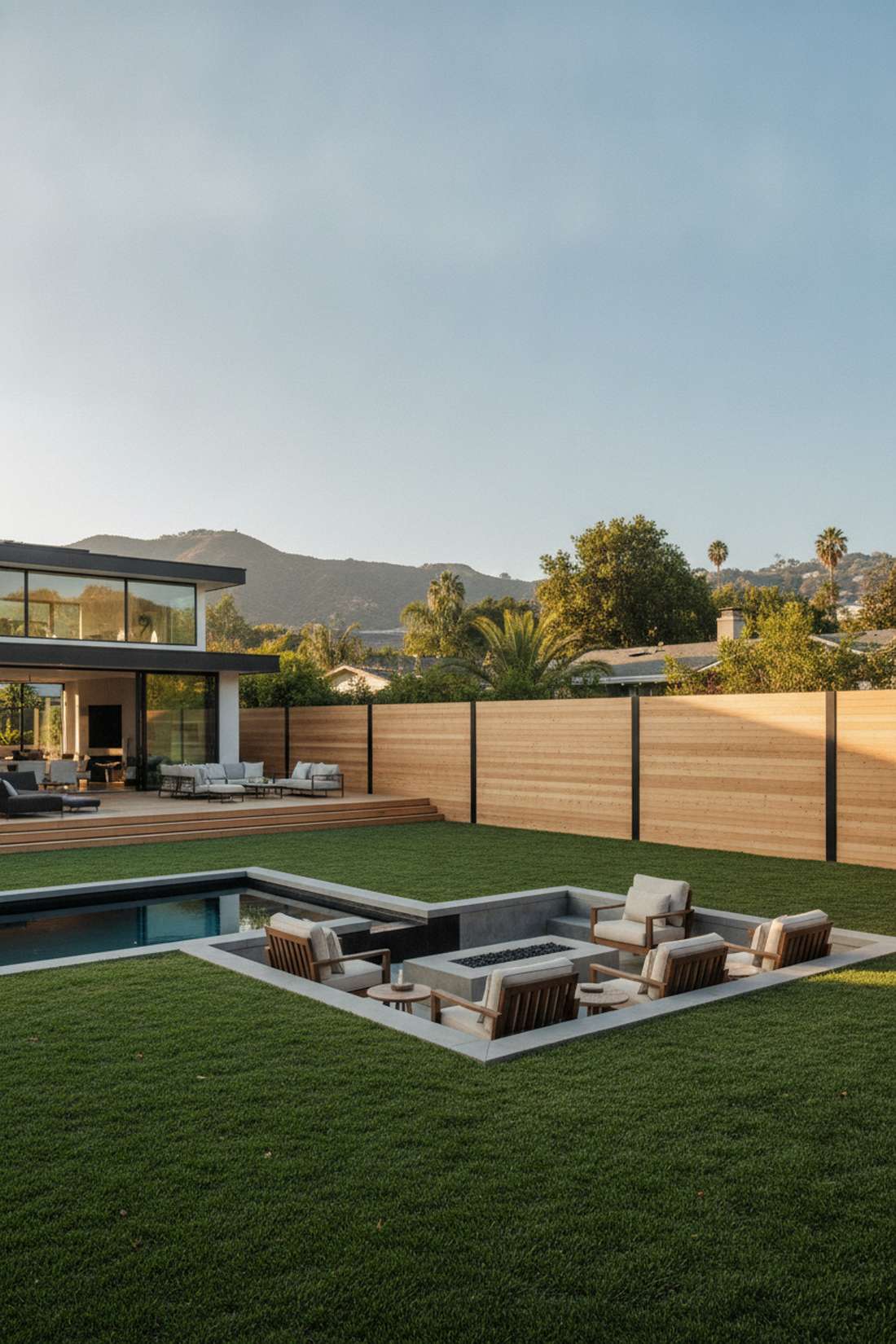
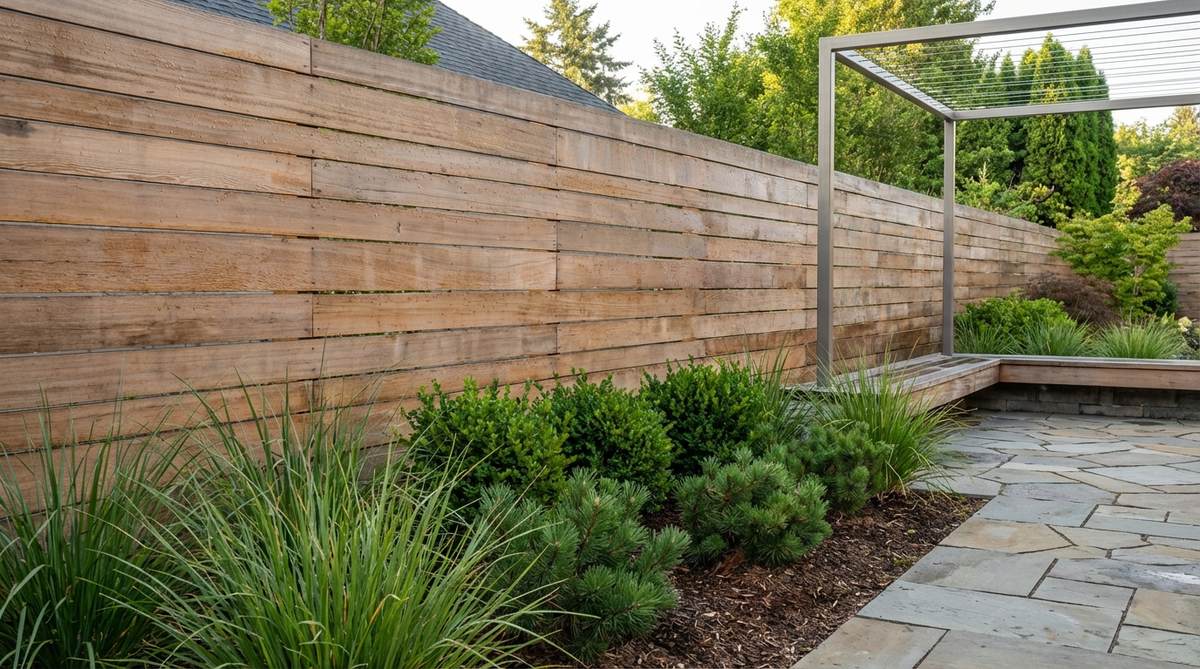
This wide-plank modern boundary feels incredibly expansive, like a sleek compound in the Hollywood Hills. It is specifically designed to visually stretch tight, claustrophobic yards by forcing the eye to look side-to-side.
Most fences try too hard to look busy, but this ultra-clean layout gives a designer-level finish through pure simplicity. Fastening heavy 8-inch boards horizontally completely reimagines standard privacy fencing into premium architecture.
Expect materials to run about $25–$40 per foot. Pin this if you’re chasing that modern luxury aesthetic!
- Key Materials: 1×8 premium lumber, sleek metal fence posts
- Vibe / Style: High-end modern minimalist
- Difficulty: Intermediate
- Budget Breakdown: Wide boards: $30 | Posts: $10
- Creator’s Tip: Paint the vertical support posts pitch black so they visually disappear, making the wood planks look like they are floating.
- Smart Sourcing: Pre-cut premium wide lumber boards and matte black steel post kits.
20. Staggered Horizontal Board Design
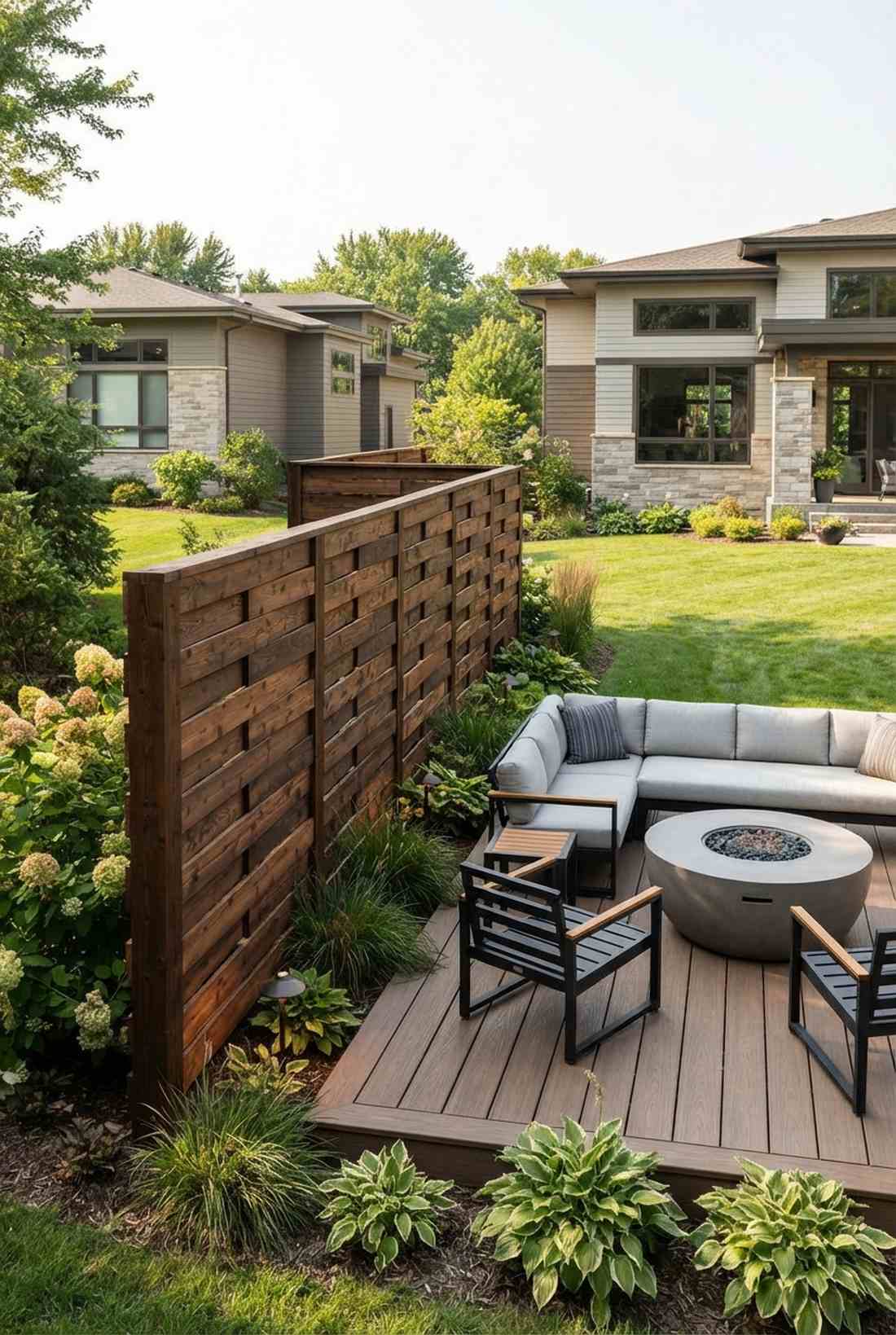
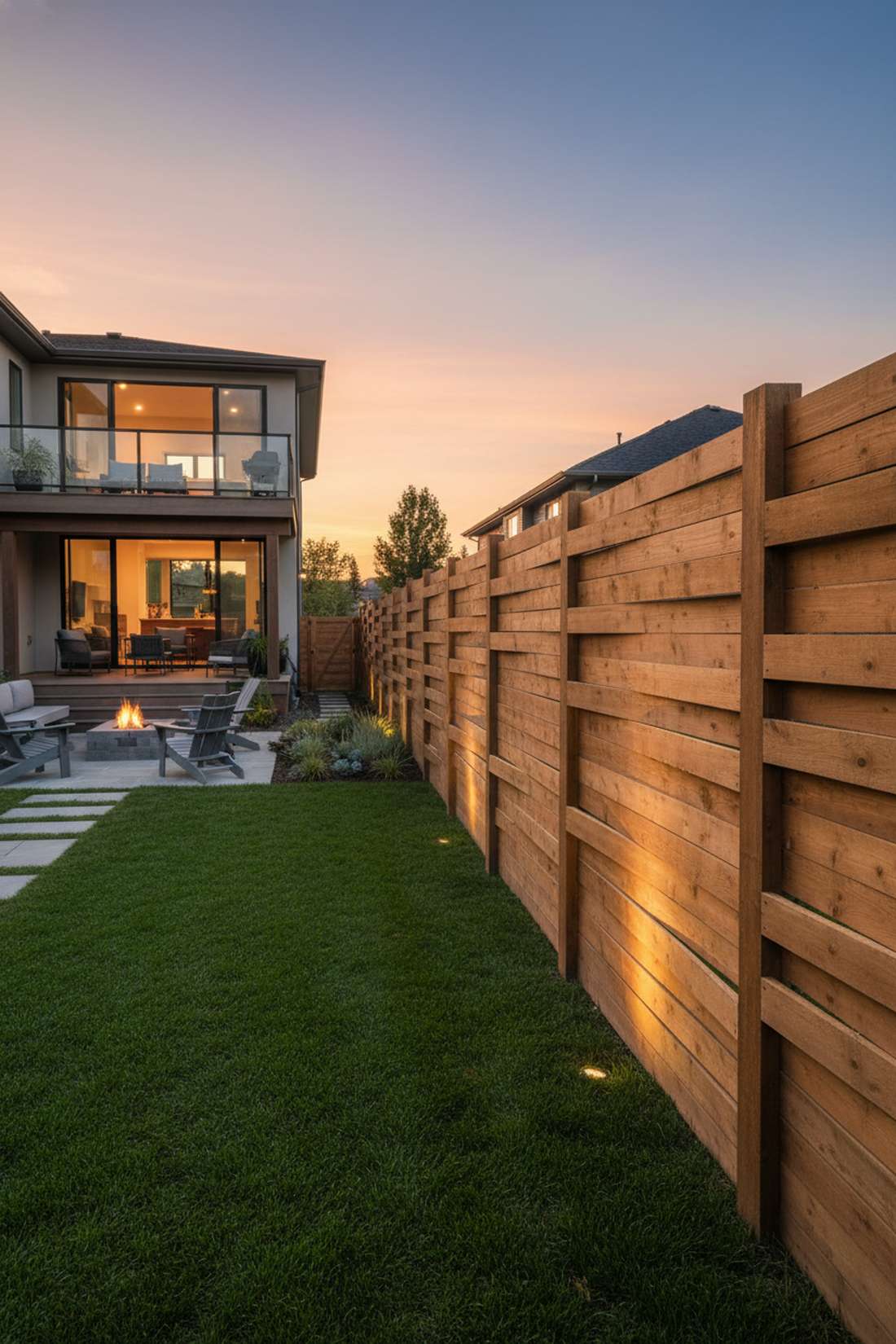
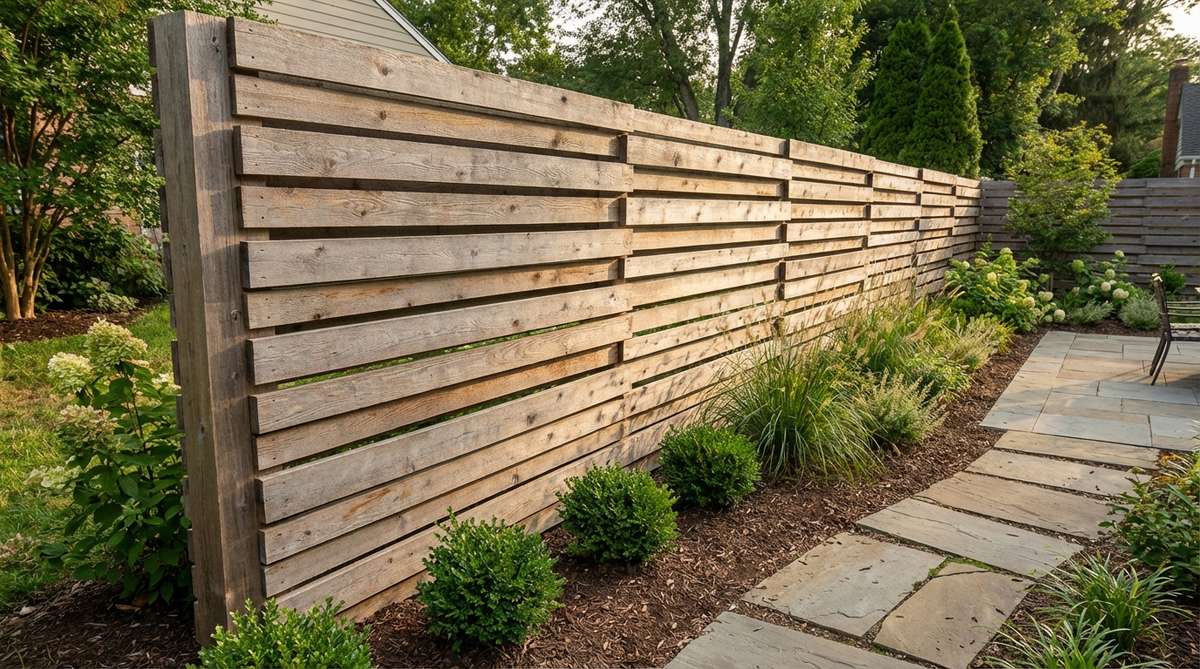
A 3D staggered wood barrier feels like a high-end architectural baffle wall you’d see at an upscale gallery. It creates the perfect backdrop for dramatic landscape uplighting to cast incredible nighttime shadows.
Skip the overpriced contractor quotes; this overlapping layout creates deep, expensive-looking texture using cheap standard lumber. By alternating boards on the front and back of the central post, you build a small garden fence that breathes beautifully.
This high-texture build costs roughly $22–$35 per foot.
- Key Materials: Standard 1×6 boards, deep-set 4×4 posts
- Vibe / Style: Dynamic contemporary texture
- Difficulty: Intermediate
- Budget Breakdown: Wood planks: $25 | Anchors: $10
- Creator’s Tip: Use a semi-transparent stain so the natural wood grain remains visible while still protecting against UV damage.
- Smart Sourcing: Weather-treated horizontal privacy boards (bulk pack) and premium semi-transparent decking stain.
21. Corrugated Metal Horizontal Panel
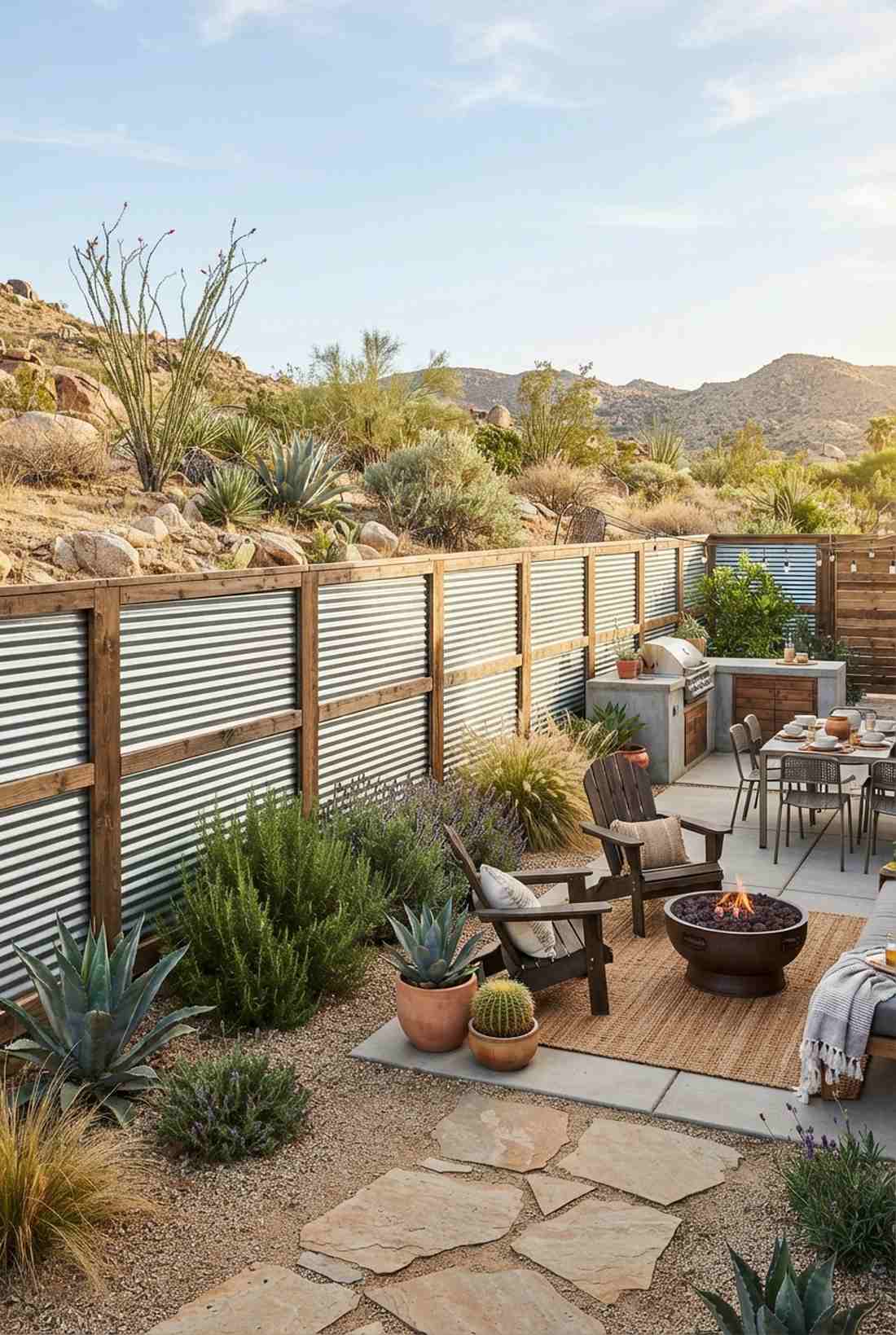
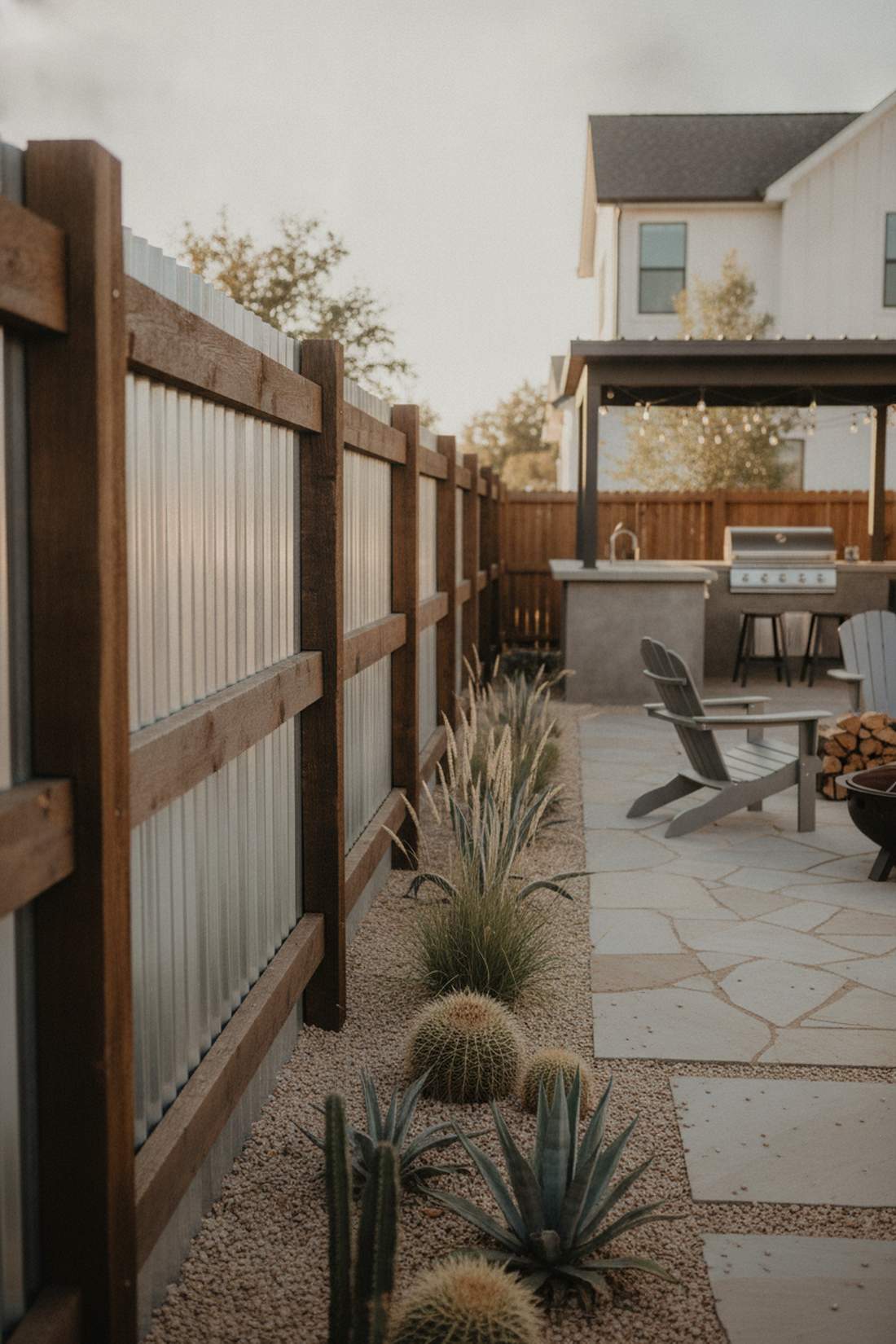
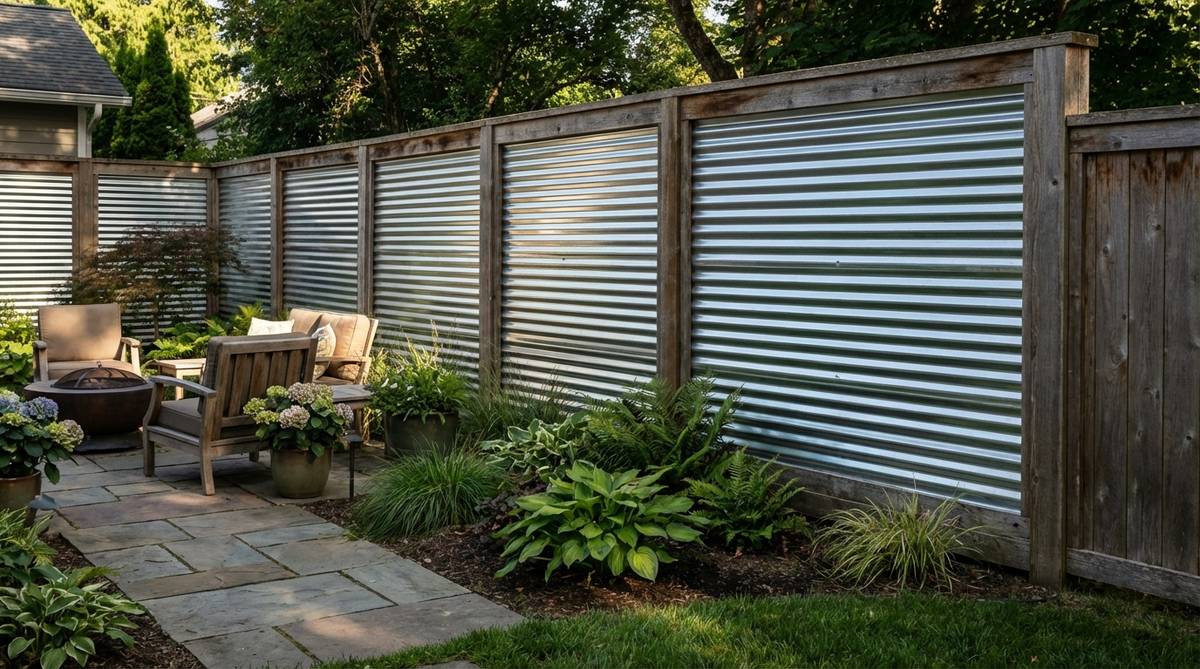
This framed corrugated tin fence feels like a trendy, upcycled urban coffee shop patio. It is highly recommended for creating an indestructible, fire-resistant boundary in dry, arid climates.
Forget the flimsy big-box store panels; wrapping raw metal inside chunky wooden frames makes it look intentional and expensive. Sourcing industrial roofing tin provides unmatched longevity and a brilliant textural contrast to soft garden plants.
This hybrid metal build will run you about $20–$30 per foot. Save this for an edgy, low-maintenance yard!
- Key Materials: Galvanized corrugated metal roofing panels, thick wood framing
- Vibe / Style: Industrial rustic chic
- Difficulty: Intermediate (requires cutting metal)
- Budget Breakdown: Metal sheets: $18 | Wood frame: $12
- Creator’s Tip: Always cut the metal panels with a specialized nibbler tool to avoid jagged, rusting edges and warped waves.
- Smart Sourcing: Galvanized corrugated metal sheets (bulk pack) and heavy-duty metal cutting nibblers.
22. Ipe Wood Horizontal Screen
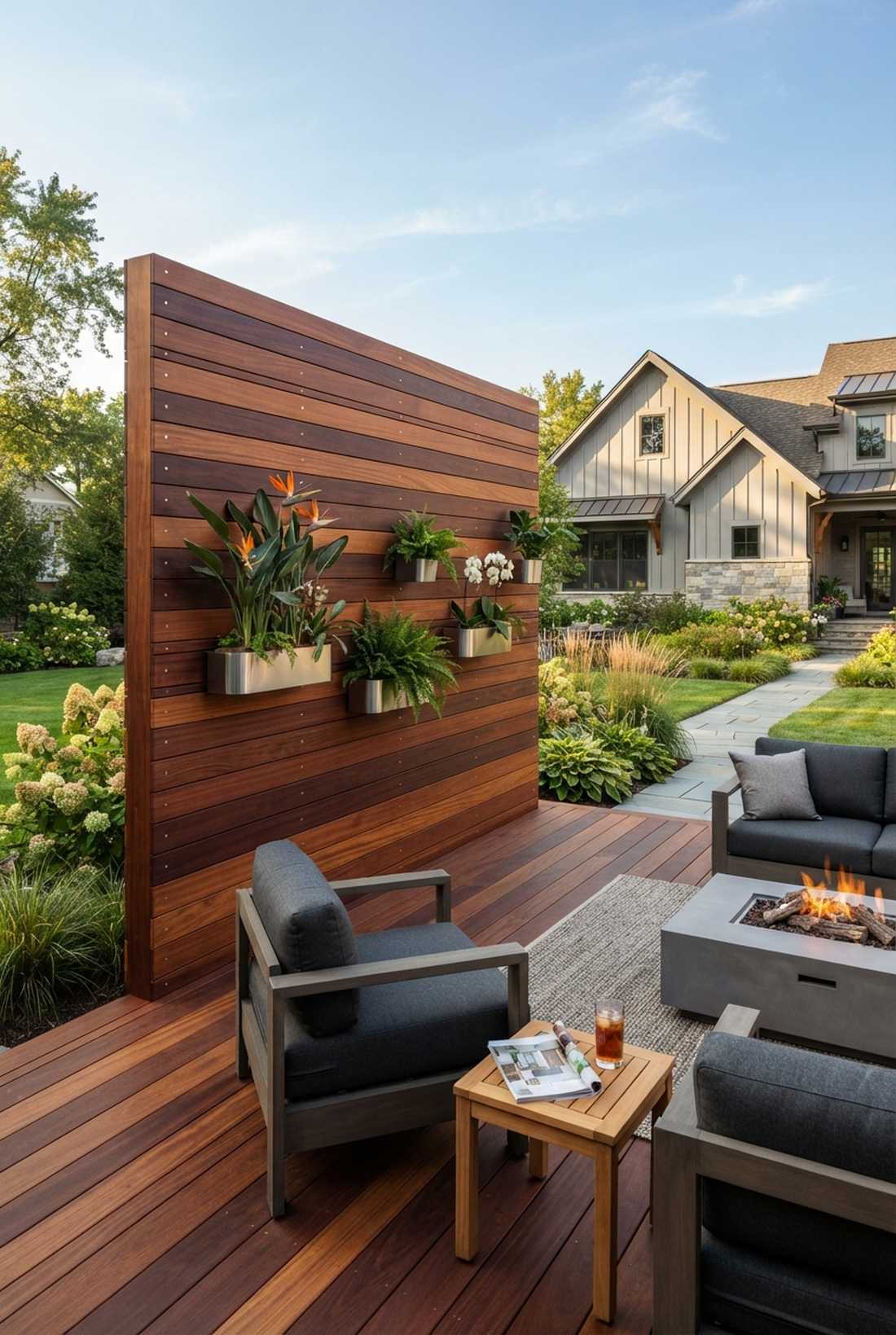
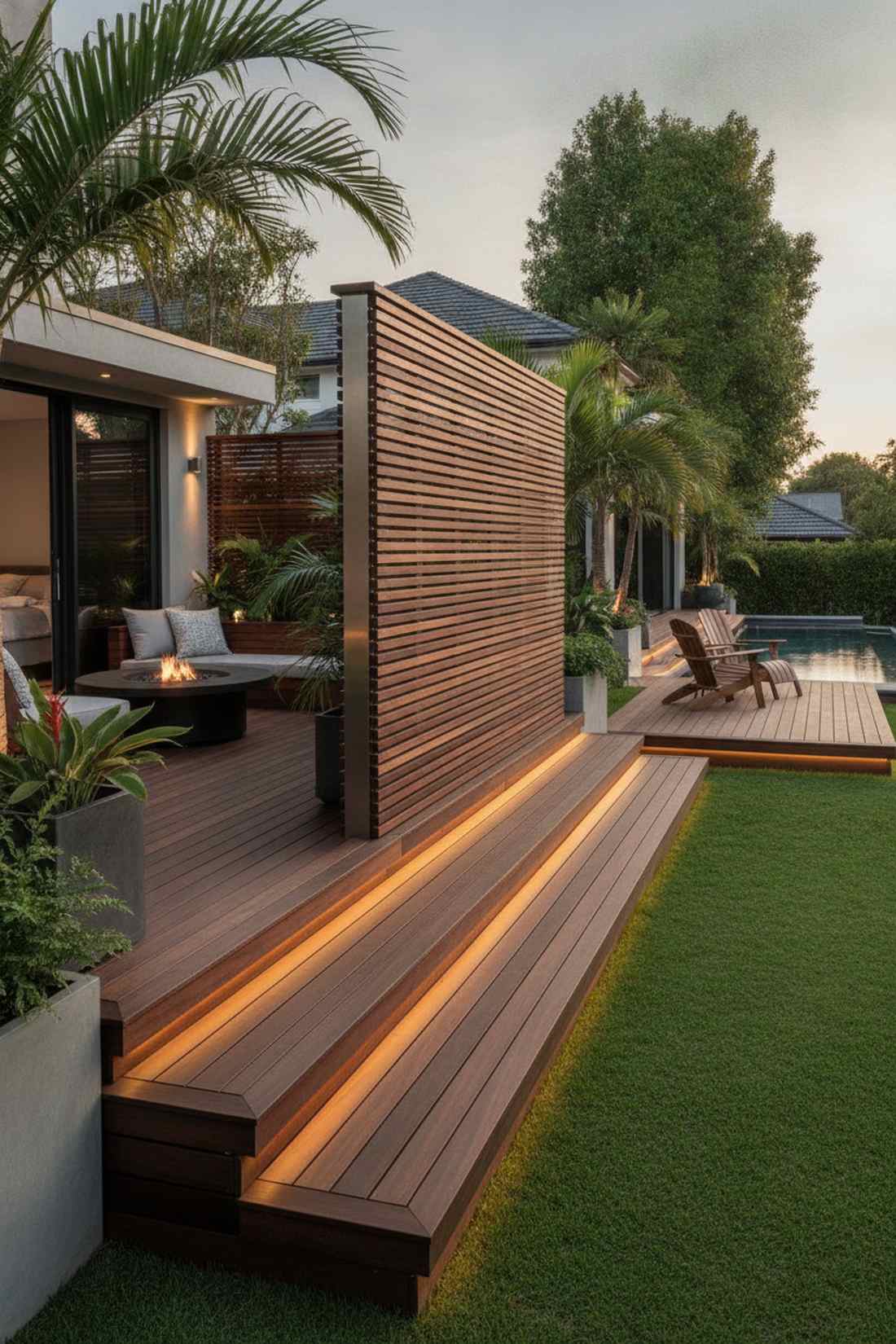
An exotic Ipe wood privacy wall feels like the deck of a multi-million dollar luxury yacht. It is the absolute pinnacle of small garden fences for those wanting a rich, tropical aesthetic that outlasts the house itself.
What makes this look so expensive is that it literally is the hardest wood on earth, requiring specialized tools to even puncture. Investing in ironwood ensures a boundary that naturally resists rot, fire, and insects without any toxic chemical treatments.
This ultra-premium upgrade costs around $50–$80 per foot.
- Key Materials: Ipe hardwood decking boards, stainless steel hardware
- Vibe / Style: Ultra-premium tropical luxury
- Difficulty: Advanced (wood is extremely hard to cut)
- Budget Breakdown: Ipe wood: $60 | Hardware: $20
- Creator’s Tip: You must pre-drill every single hole; Ipe is so dense it will instantly snap standard deck screws in half.
- Smart Sourcing: Premium Ipe hardwood decking packs and carbide-tipped wood drill bit sets.
Most people throw away their old deck boards… but this next design recycles them into an incredibly modern property line.
23. Composite Deck Board Fence
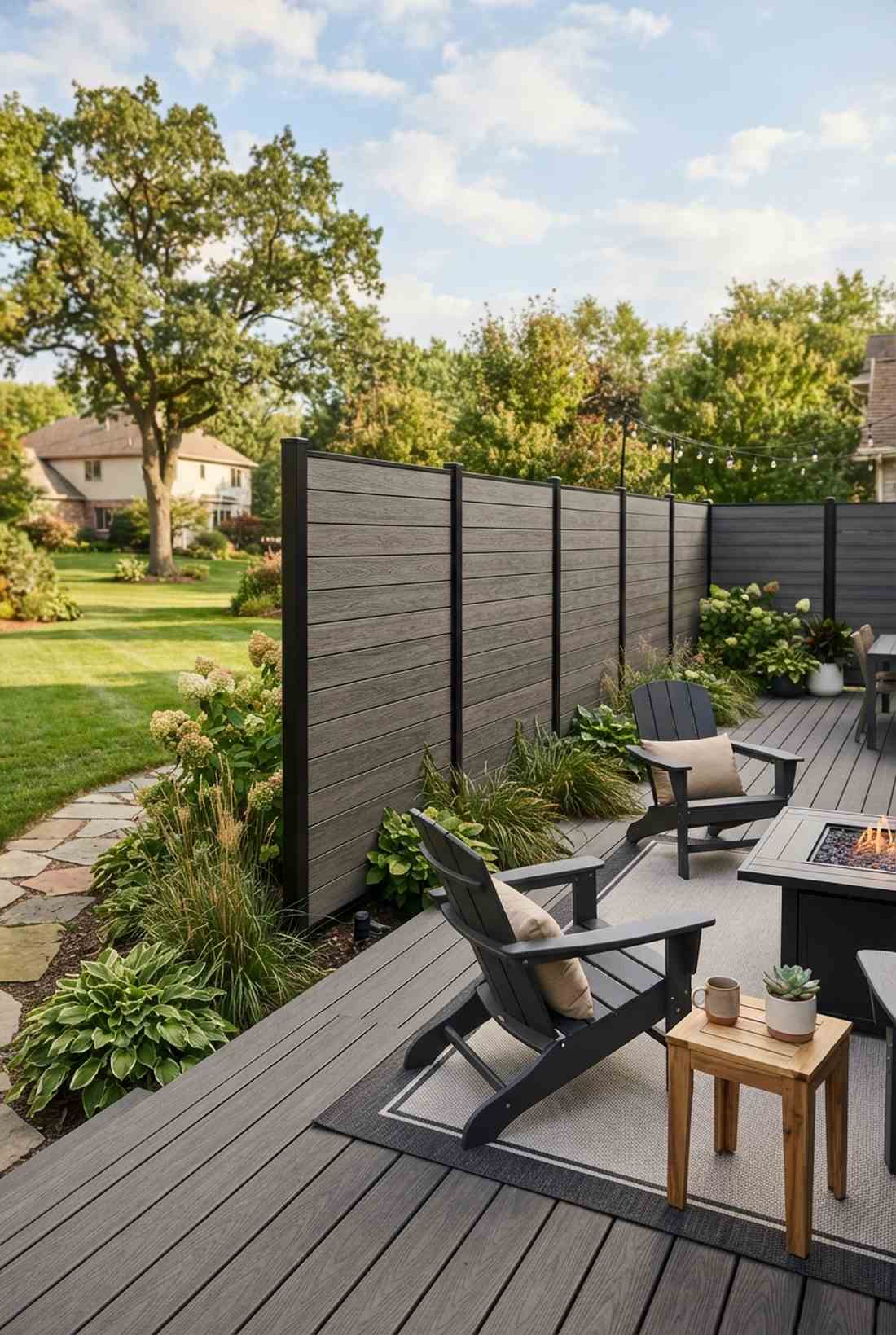
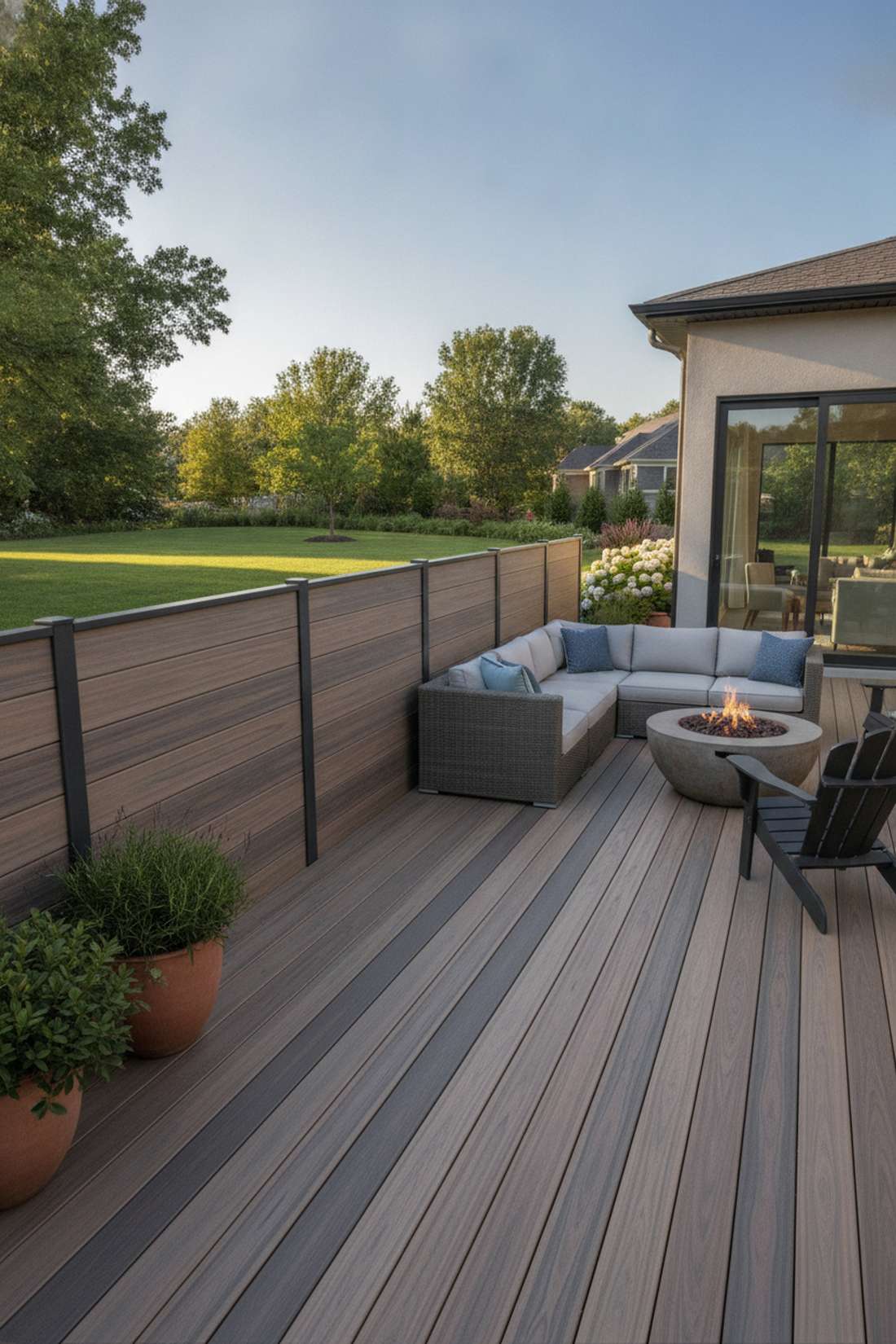
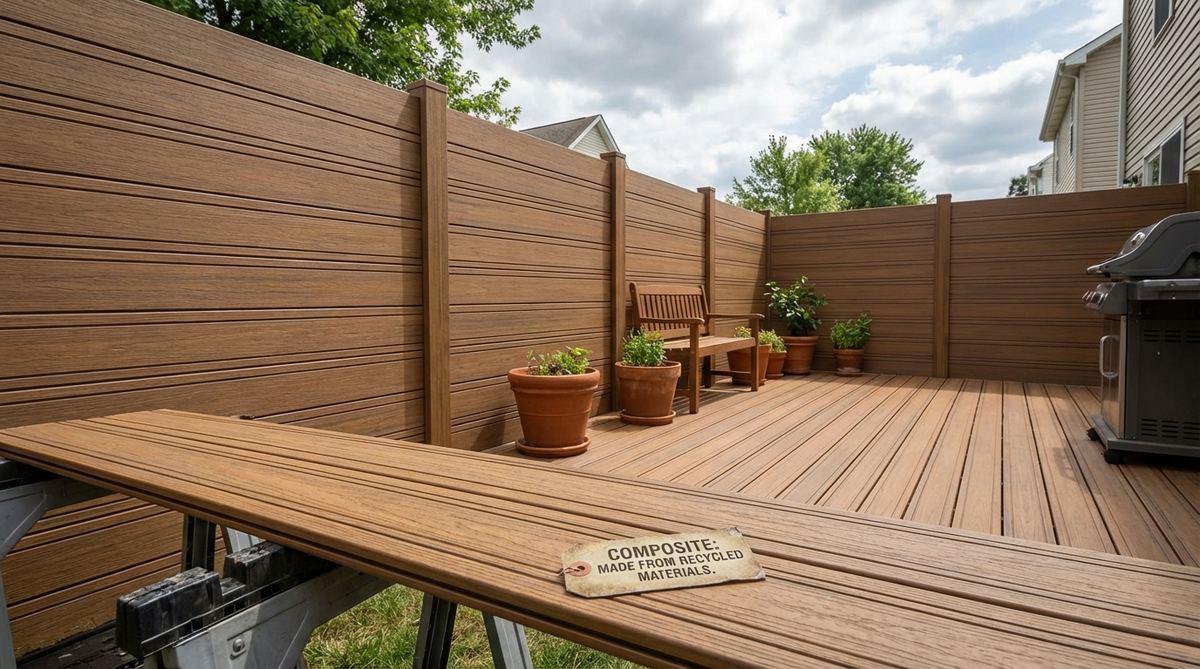
This repurposed composite board wall feels like a seamless extension of your patio flooring. It perfectly coordinates your ground level with your eye level for a highly unified, custom-designed exterior.
People often get this wrong until they realize deck boards make the strongest, most weather-proof fencing panels imaginable. Utilizing heavy grooved composite boards delivers a surprisingly premium look that literally never needs to be painted or stained.
Expect to spend $40–$60 per foot for high-quality composite. Pin this for a zero-maintenance weekend build!
- Key Materials: Grooved composite deck boards, aluminum track channels
- Vibe / Style: Coordinated modern zero-maintenance
- Difficulty: Intermediate
- Budget Breakdown: Composite panels: $45 | Metal channels: $15
- Creator’s Tip: Slide the boards into vertical aluminum U-channels so they can naturally expand and contract in the summer heat.
- Smart Sourcing: UV-coated composite deck boards (bulk pack) and aluminum U-channel fence frame rails.
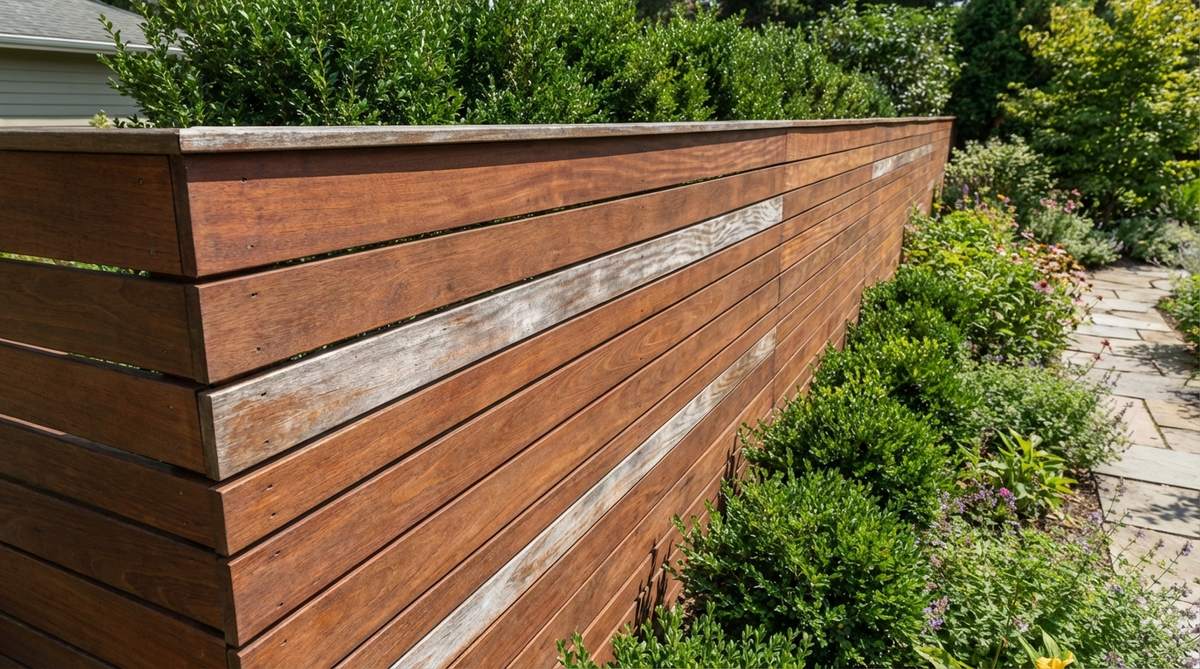
24. Reclaimed Wood Horizontal Plank Fence
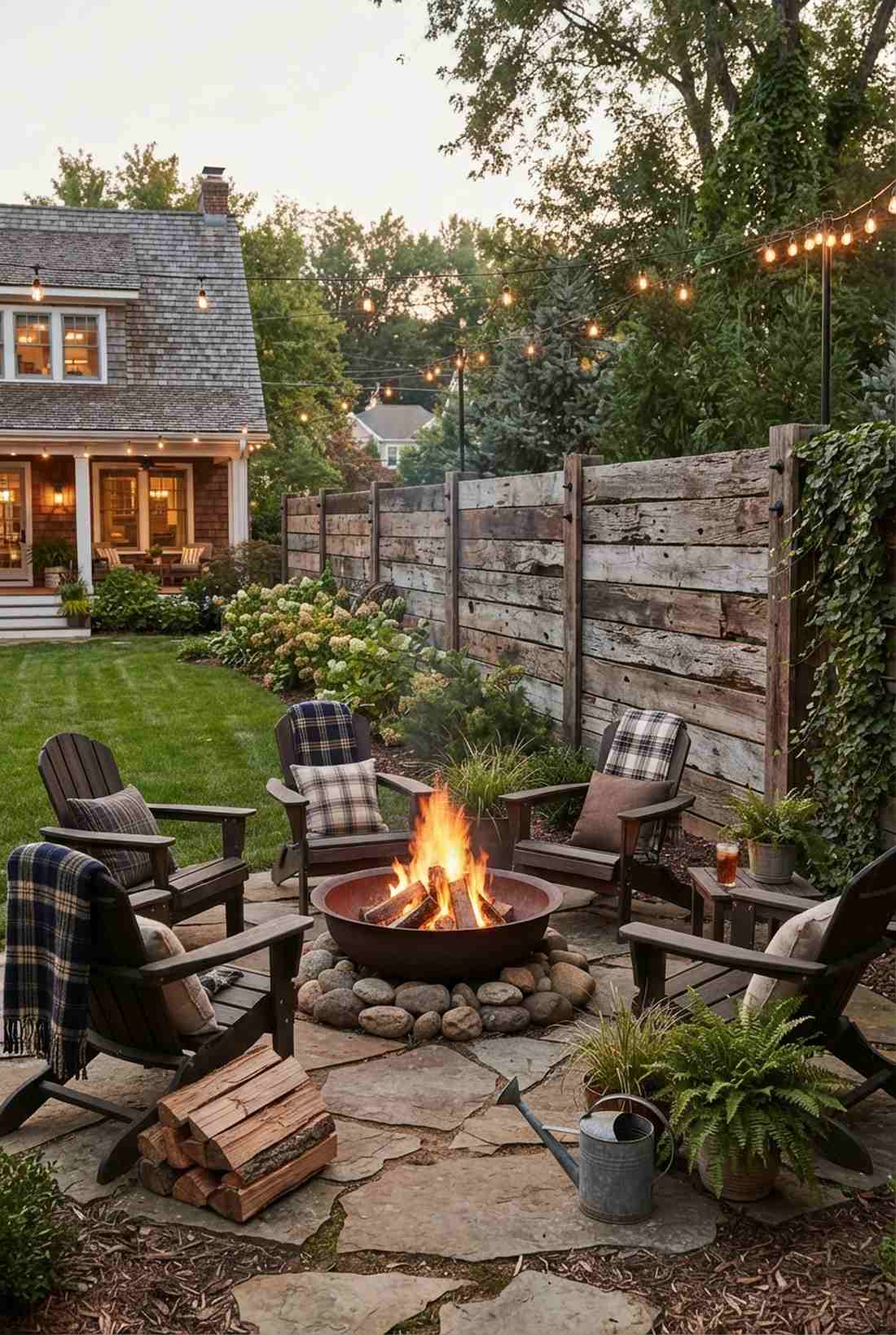
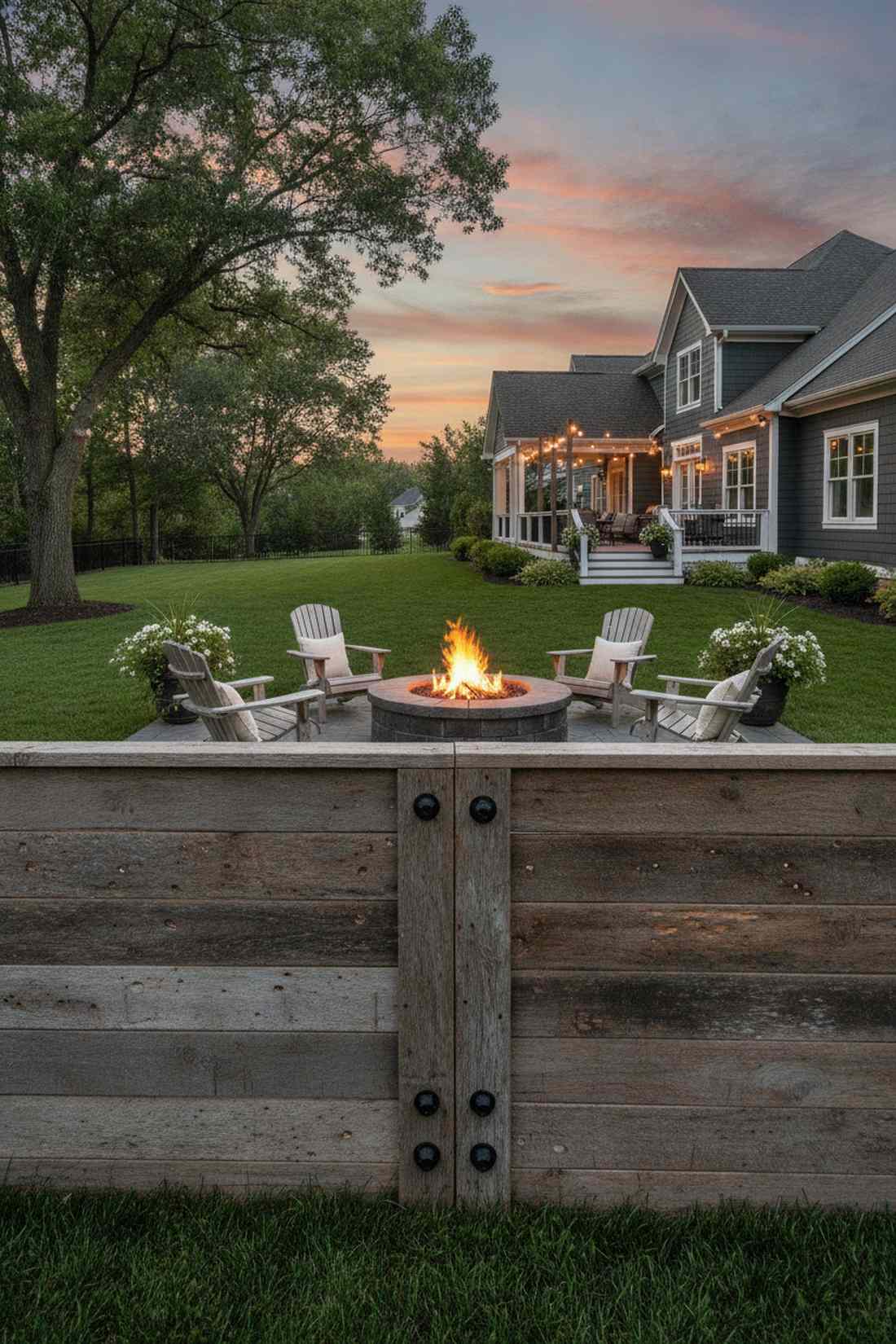
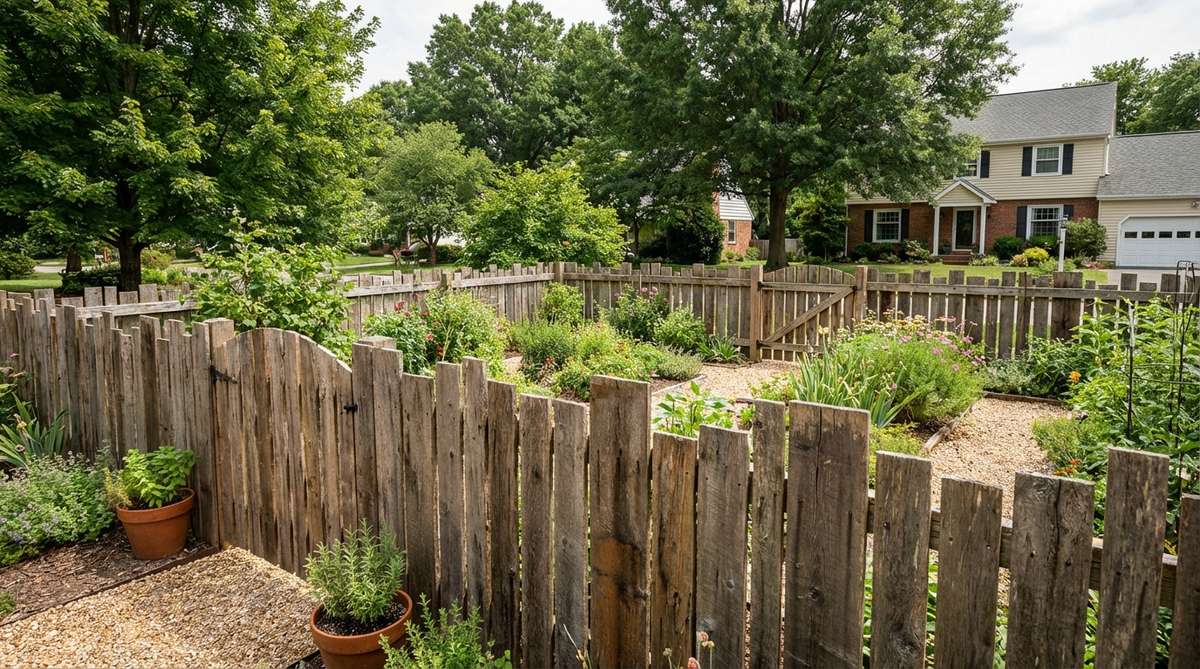
A weathered reclaimed wood barrier feels like a piece of history resurrected in your own backyard. It works wonders for establishing a deeply textured, rustic vibe behind a crackling outdoor fire pit.
The secret to this designer finish is letting the natural nail holes, saw marks, and silver patinas steal the show. Salvaging old barn wood or scaffolding planks turns generic small garden fence ideas into bespoke architectural masterpieces.
Costs vary wildly, from $0 (if scavenged) to $30 per foot for curated barn wood.
- Key Materials: Salvaged barn wood or scaffolding planks, heavy lag bolts
- Vibe / Style: Authentic historical rustic
- Difficulty: Easy to intermediate
- Budget Breakdown: Reclaimed wood: $0-$20 | Hardware: $10
- Creator’s Tip: Apply a clear matte water-sealer to freeze the current weathered look and prevent the wood from completely rotting away.
- Smart Sourcing: Clear matte penetrating wood sealer and vintage-style black lag bolts (bulk pack).
Mixed Material Compositions for Visual Interest
Combining different materials within single fence designs creates sophisticated boundaries that layer textures and forms. These small garden wall concepts integrate multiple elements for enhanced aesthetic complexity.
25. Wood and Steel Frame Fence
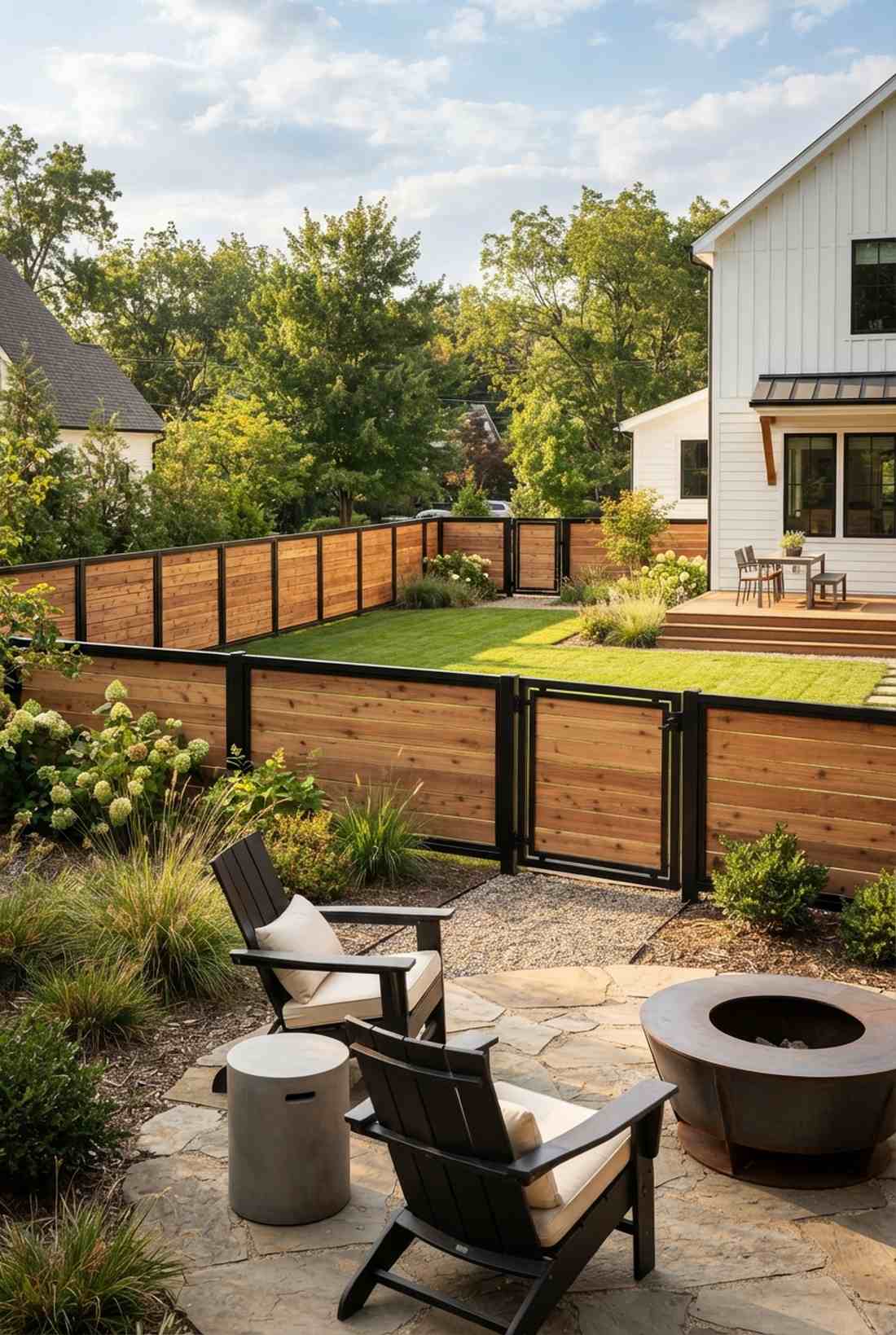
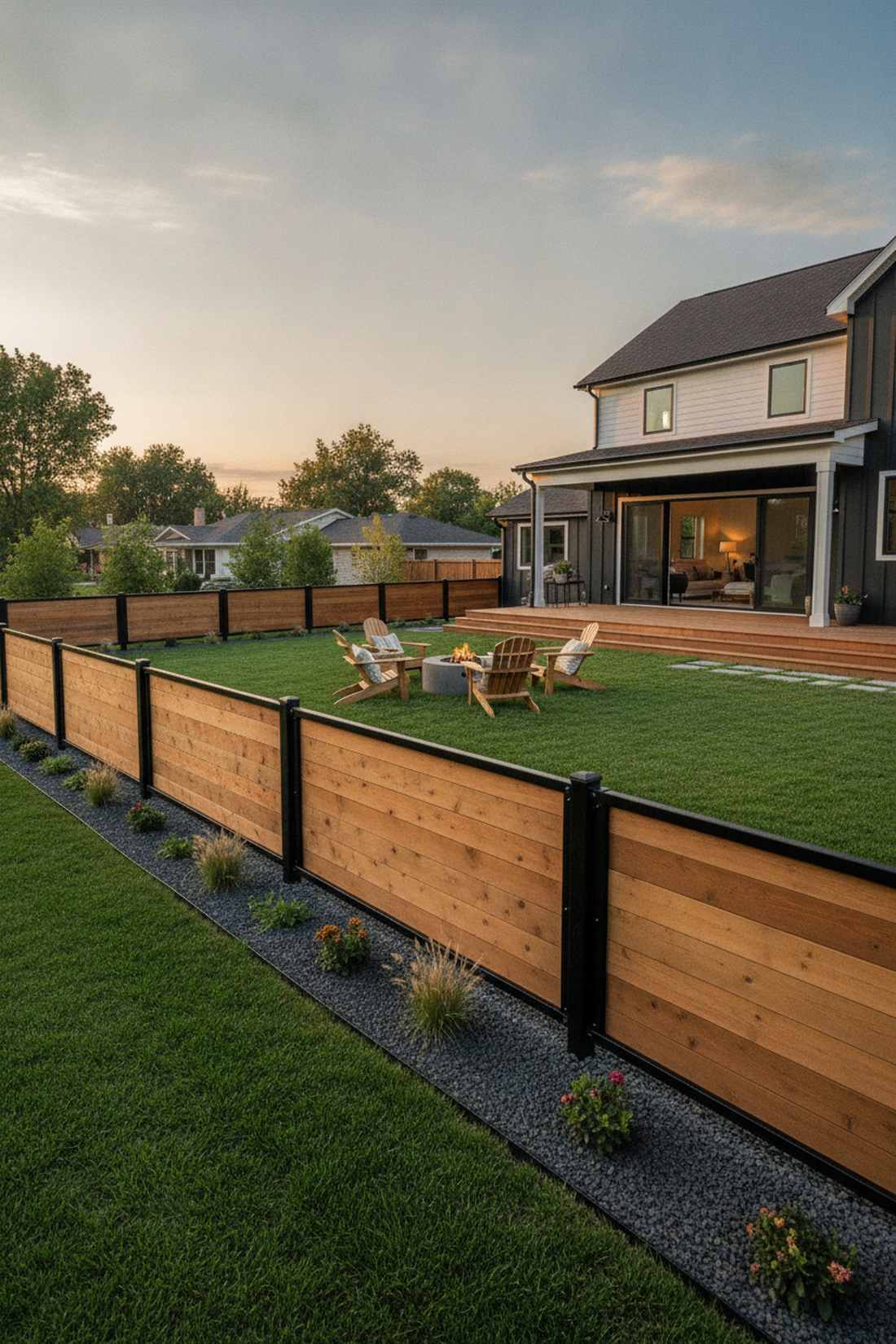
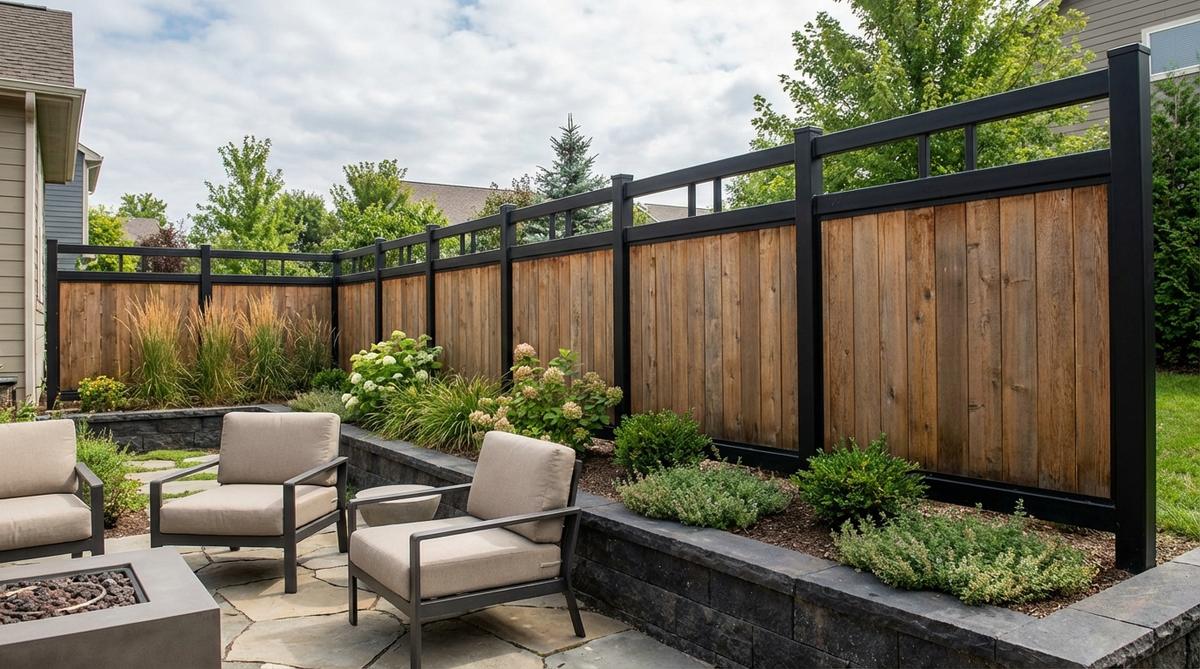
This warm wood and black steel hybrid feels like a chic, custom-built industrial loft brought outdoors. It serves as an incredibly rigid boundary that perfectly frames bright green lawn spaces with sharp contrast.
Most homeowners assume mixed-material frames require custom welding, but bolt-together kits make this incredibly easy. Combining miniature garden supplies with raw industrial metal creates a high-end small garden fence that looks professionally installed.
You can assemble these premium panels for about $35–$55 per foot. Save this to your modern farmhouse inspiration board!
- Key Materials: Pre-welded steel frame kits, cedar insert panels
- Vibe / Style: Modern industrial farmhouse
- Difficulty: Intermediate assembly
- Budget Breakdown: Steel frame kits: $35 | Cedar inserts: $20
- Creator’s Tip: Leave a quarter-inch gap around the wooden inserts inside the metal frame so the wood has room to swell when it rains.
- Smart Sourcing: Bolt-together metal fence framing kits and pre-cut cedar panel inserts.
26. Stone Pillar and Metal Infill
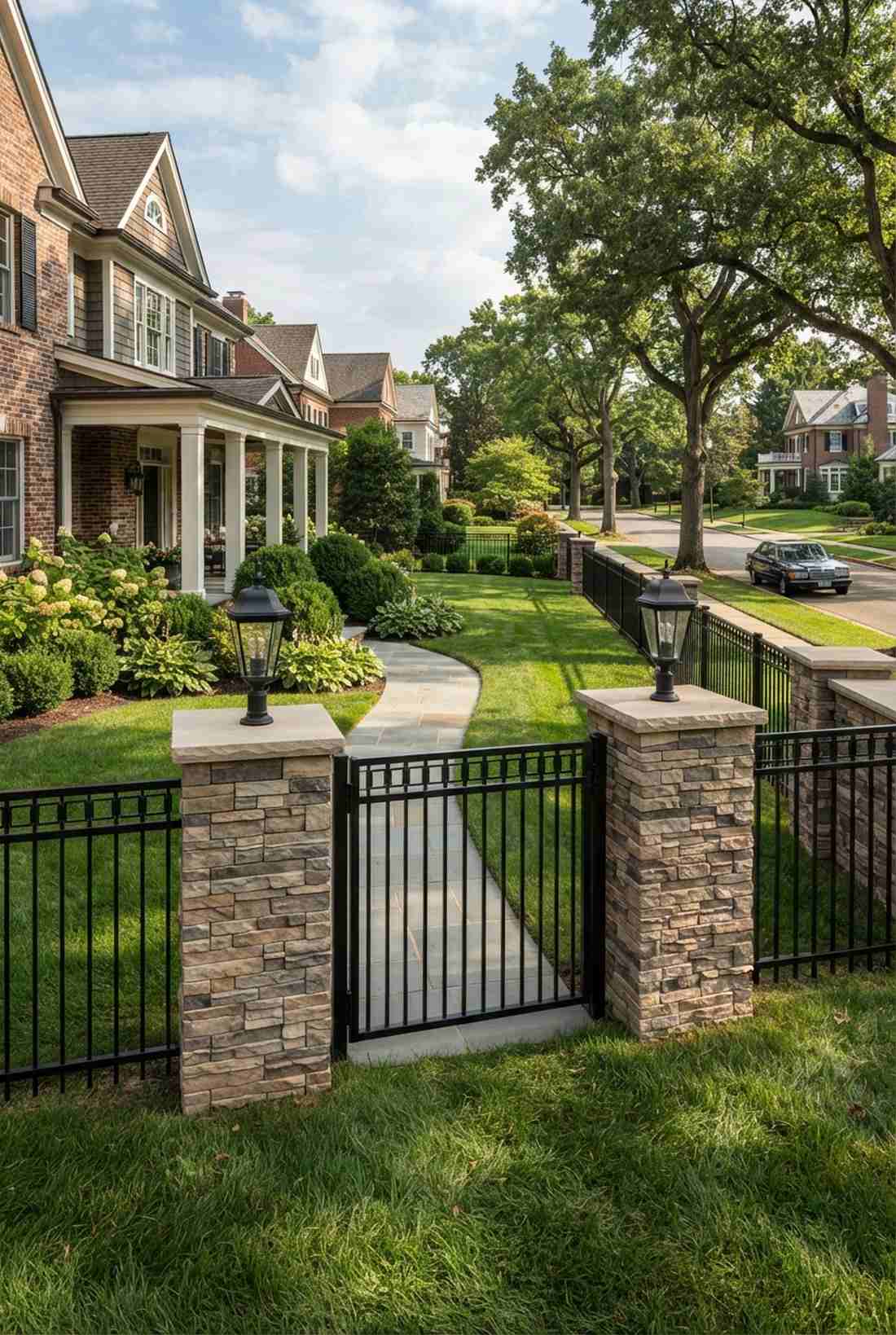
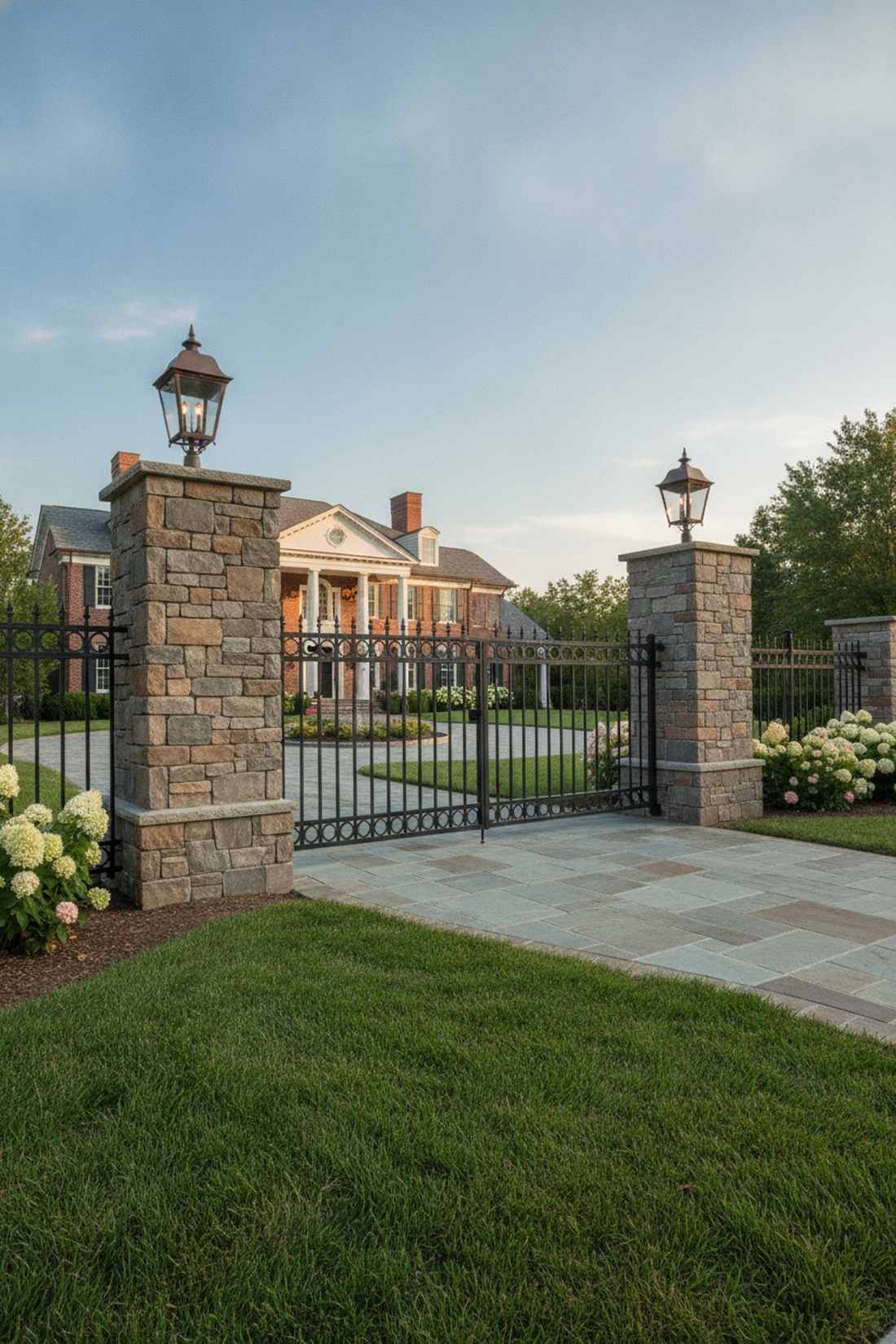
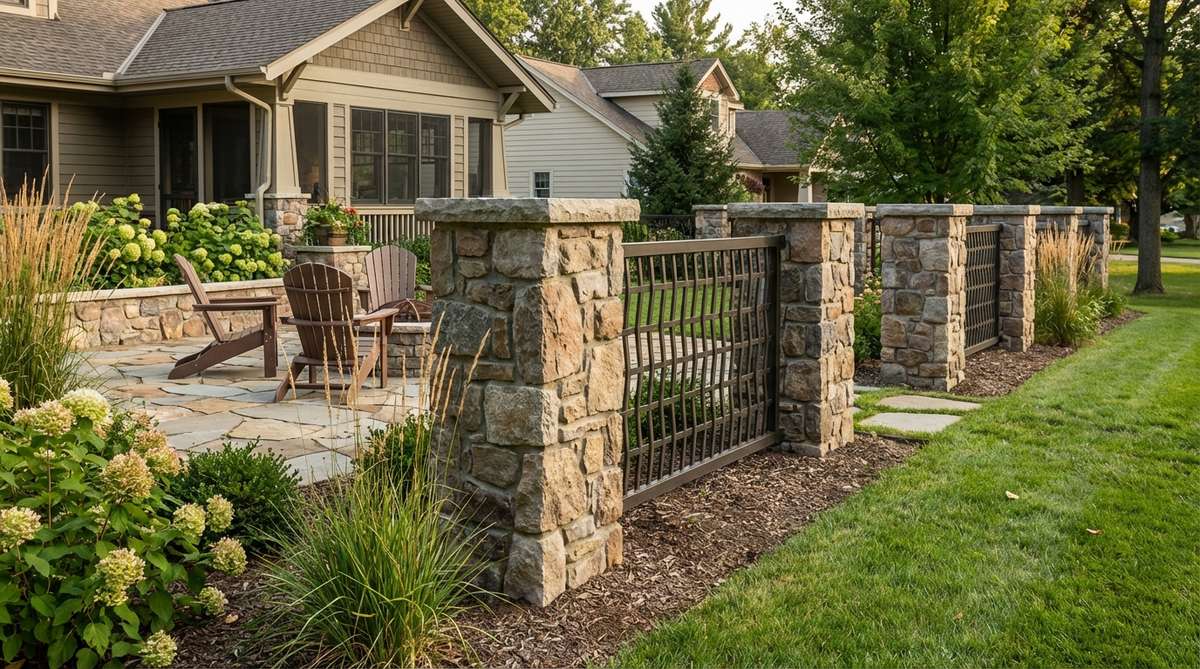
A masonry pillar and wrought iron fence feels like the grand entrance to a historic, sprawling estate. This is the absolute best way to define a front property line without blocking the view of your home’s facade.
Skip the overpriced contractor quotes; using faux-stone veneer over concrete blocks gives a designer-level finish for a fraction of the cost. The heavy stone anchors paired with lightweight metal grating create perfect visual balance.
Expect to budget $50–$80 per foot for the mixed materials.
- Key Materials: Concrete blocks, faux stone veneer, metal rail panels
- Vibe / Style: Stately traditional elegance
- Difficulty: Advanced (requires basic masonry)
- Budget Breakdown: Stone pillars: $45 | Metal panels: $35
- Creator’s Tip: Run low-voltage lighting wires up through the hollow concrete blocks before capping them to easily add pillar lanterns later.
- Smart Sourcing: Peel-and-stick faux stone veneer panels and pre-fab aluminum fence infill sections.
27. Gabion Basket and Wood Combination
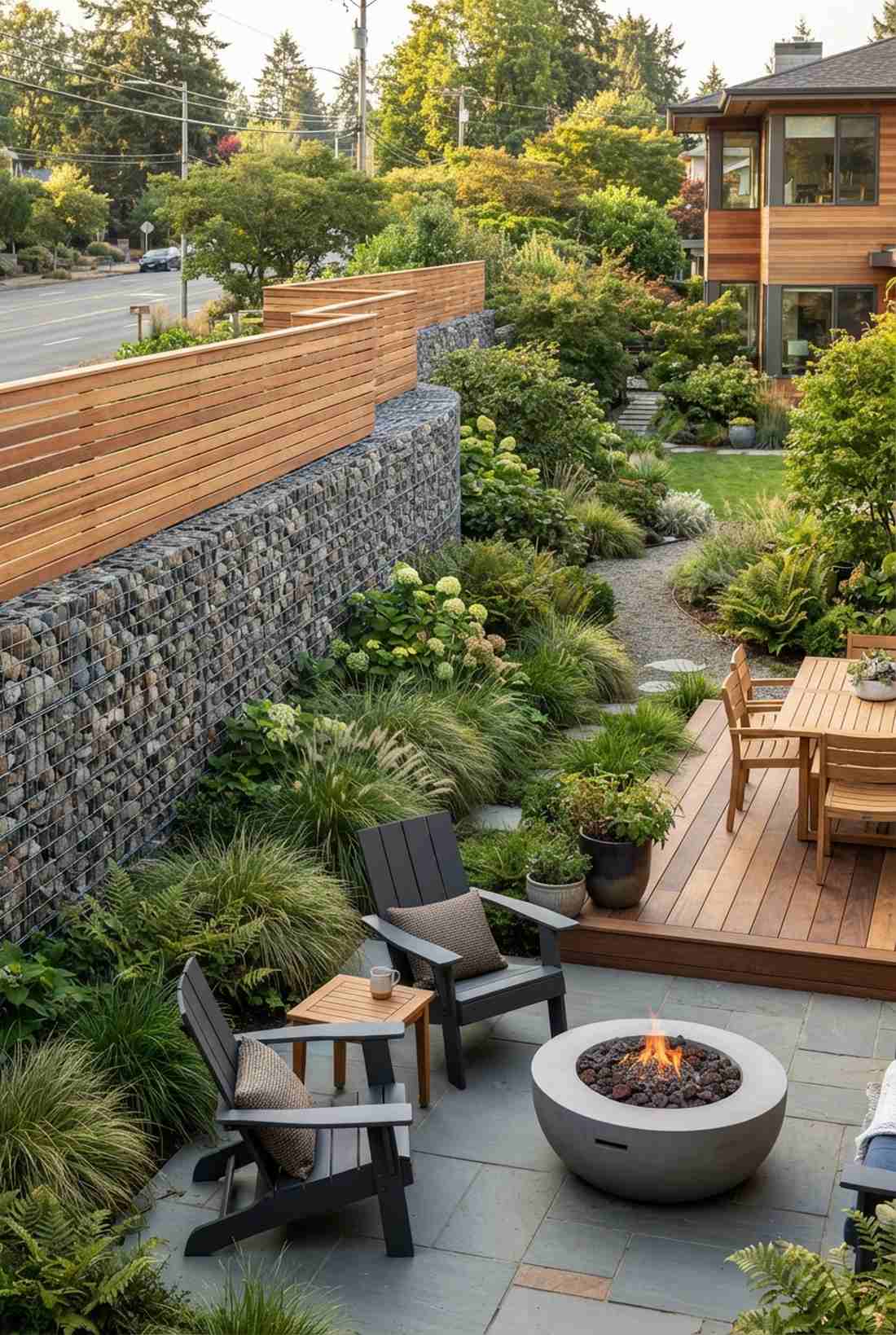
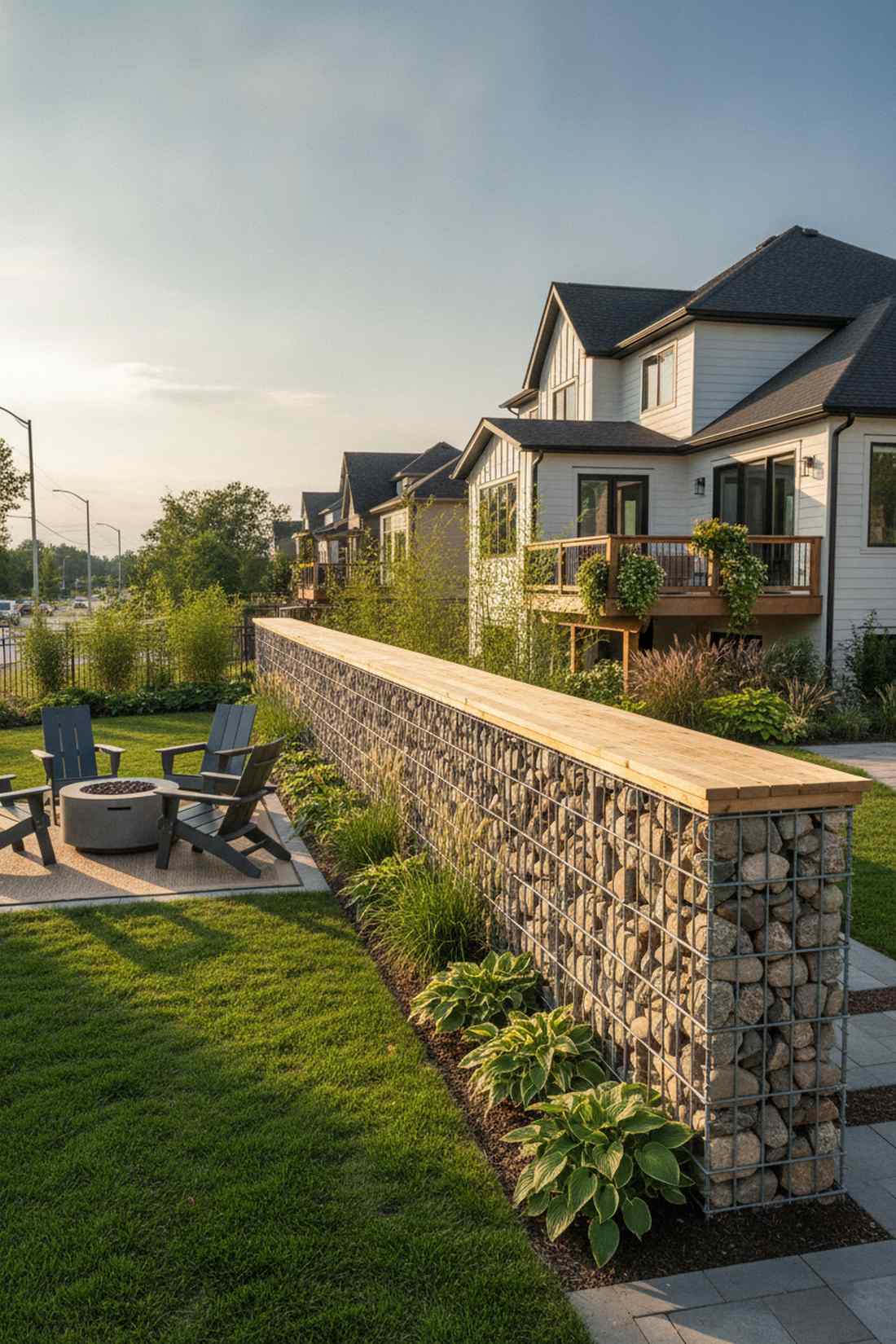
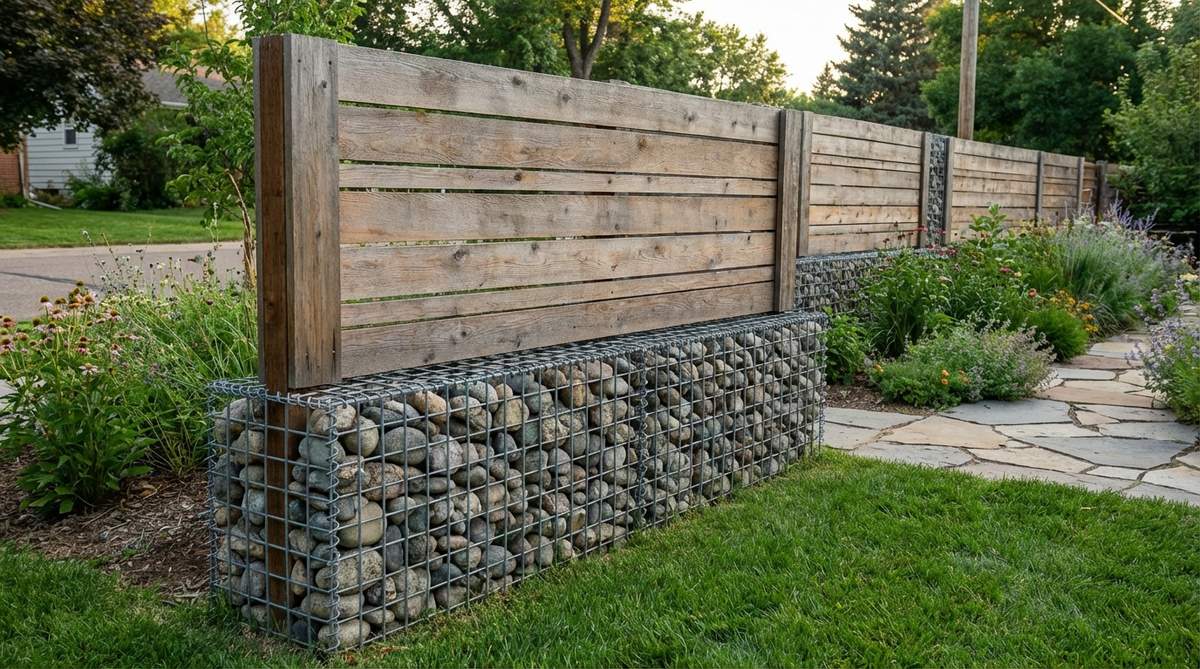
This rock-filled wire basket wall feels like a rugged, eco-friendly fortress straight out of a modern landscape exhibit. It is highly recommended for urban yards near busy streets because the dense rocks literally absorb traffic noise.
A massive mistake people make is pouring expensive solid concrete walls, but this dry-stacked stone setup looks far more organic. Topping heavy gabion rock cages with light slatted wood creates a stunning, multi-textured small garden wall.
You can build these acoustic barriers for around $40–$60 per foot. Pin this if you need serious soundproofing!
- Key Materials: Galvanized gabion cages, local river rock, wooden topper panels
- Vibe / Style: Ultra-modern eco-brutalism
- Difficulty: Intermediate (extremely heavy labor)
- Budget Breakdown: Wire cages: $20 | Stones & Wood: $40
- Creator’s Tip: Hand-pack the stones perfectly flat against the front wire face for a clean look, then dump the rest of the rocks in the middle.
- Smart Sourcing: Heavy-duty galvanized gabion wire baskets (bulk pack) and cedar fence topper kits.
28. Brick and Wrought Iron Fence
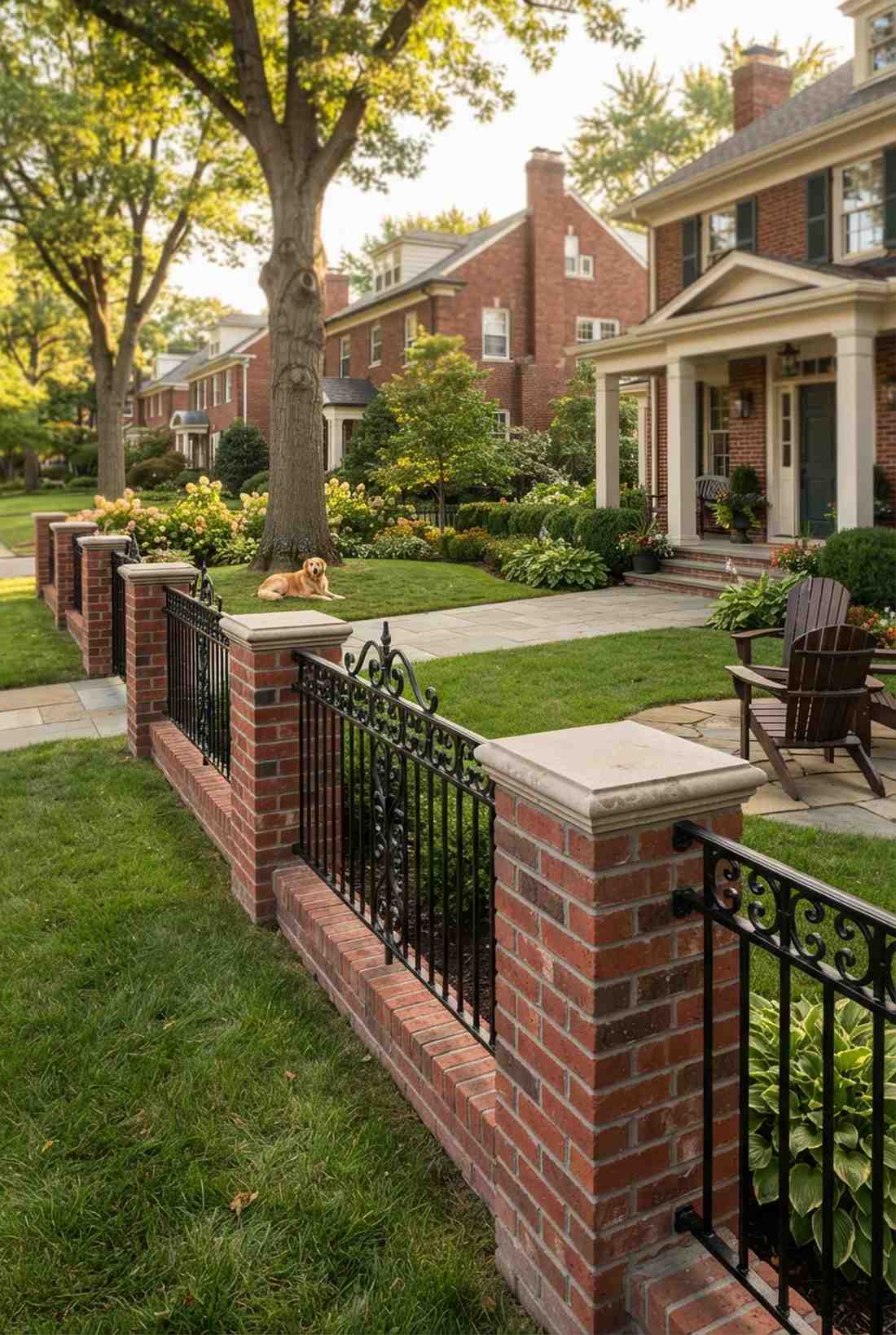
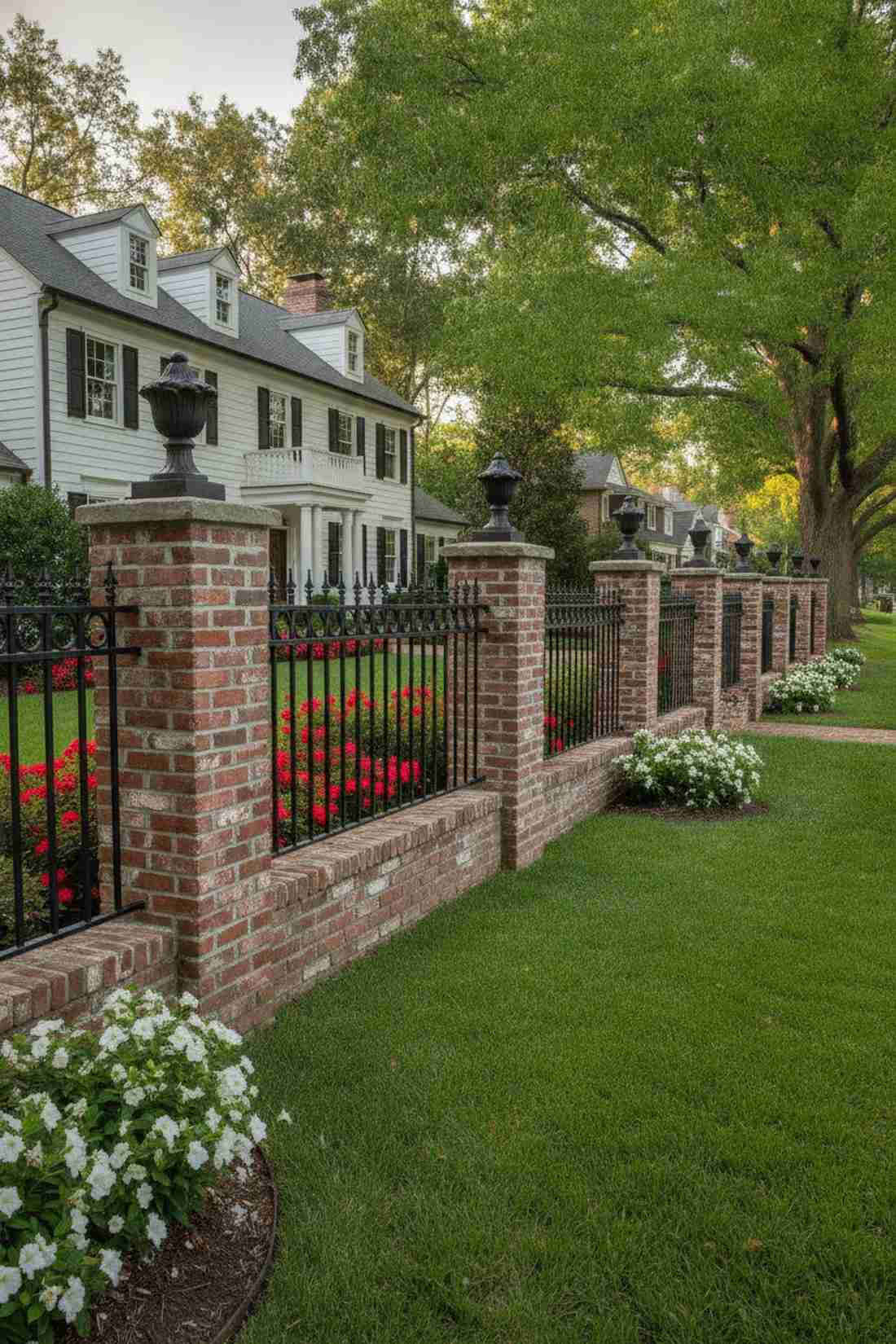
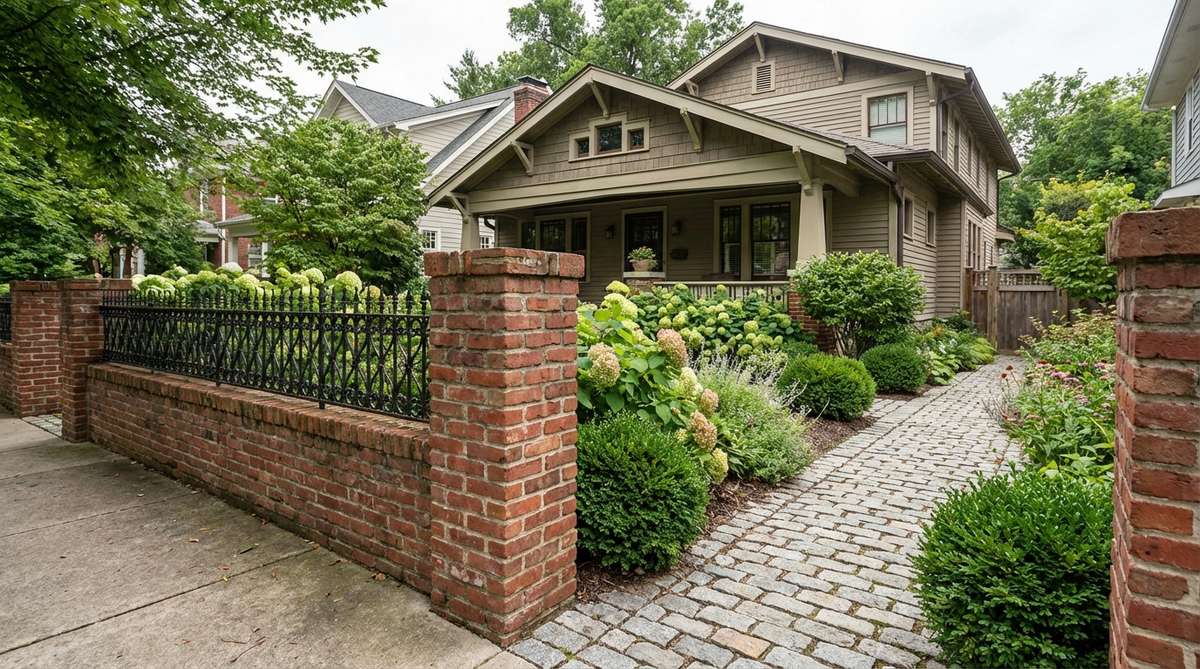
A classic red brick and iron border feels like a prestigious stroll through a historic downtown district. It provides excellent ground-level security for pets while keeping the upper half completely transparent for neighborhood views.
What makes this look so expensive is the timeless durability of kiln-fired clay paired with heavy ornamental ironwork. By building a short retaining wall base, you elevate standard metal fencing into permanent, high-value real estate architecture.
This forever-fence requires an investment of $60–$90 per foot.
- Key Materials: Red clay bricks, mortar, ornamental iron panels
- Vibe / Style: Heritage colonial charm
- Difficulty: Advanced masonry required
- Budget Breakdown: Brick base: $50 | Iron top: $40
- Creator’s Tip: Order your metal fence panels first, then build the brick pillars perfectly spaced to fit them—never the other way around.
- Smart Sourcing: Pre-mixed outdoor masonry mortar and ornamental aluminum fence panels (bulk pack).
If you live in a hurricane zone or get extreme winds, you absolutely need to see how this next hybrid wall is built…
29. Concrete Block and Cedar Panel
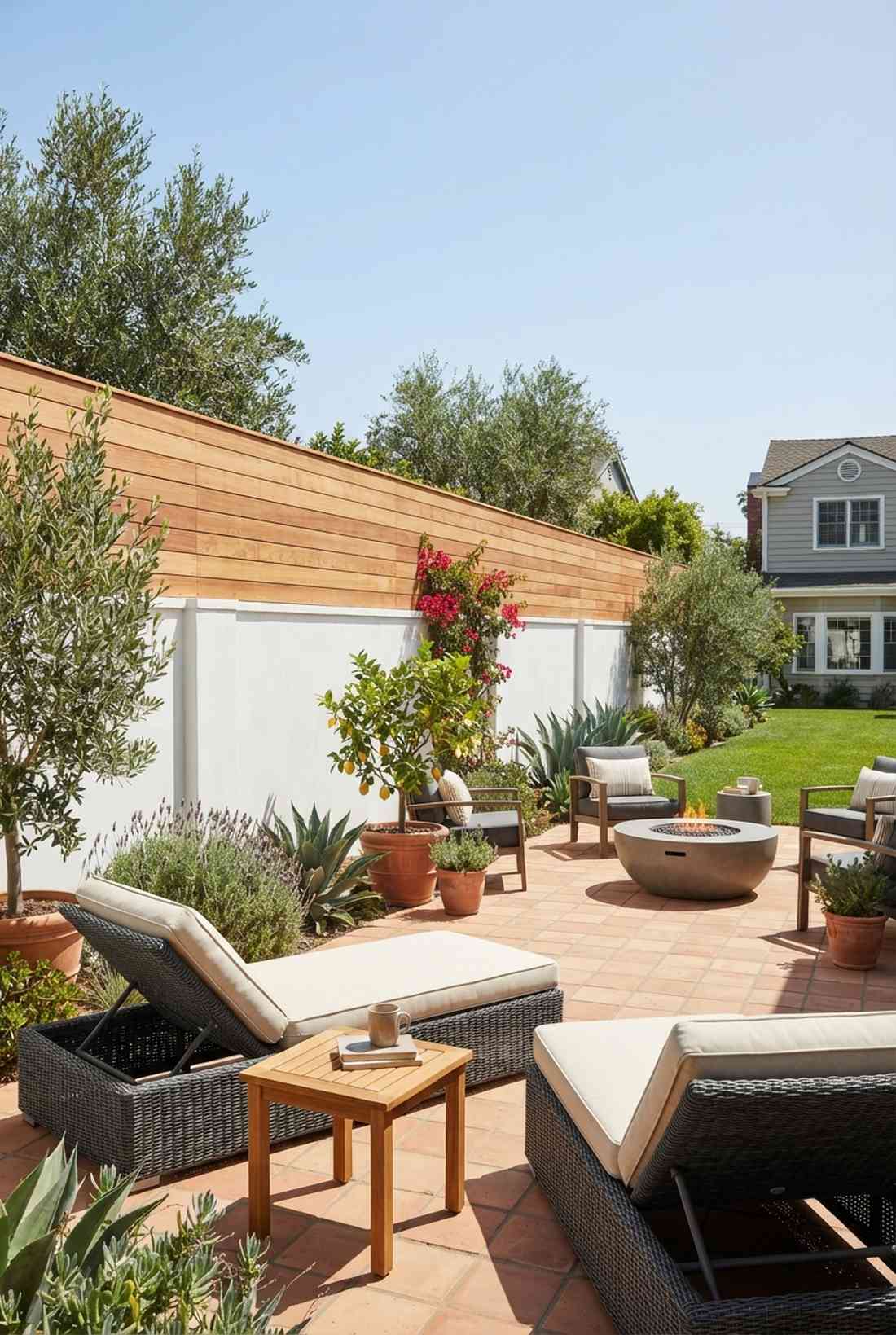
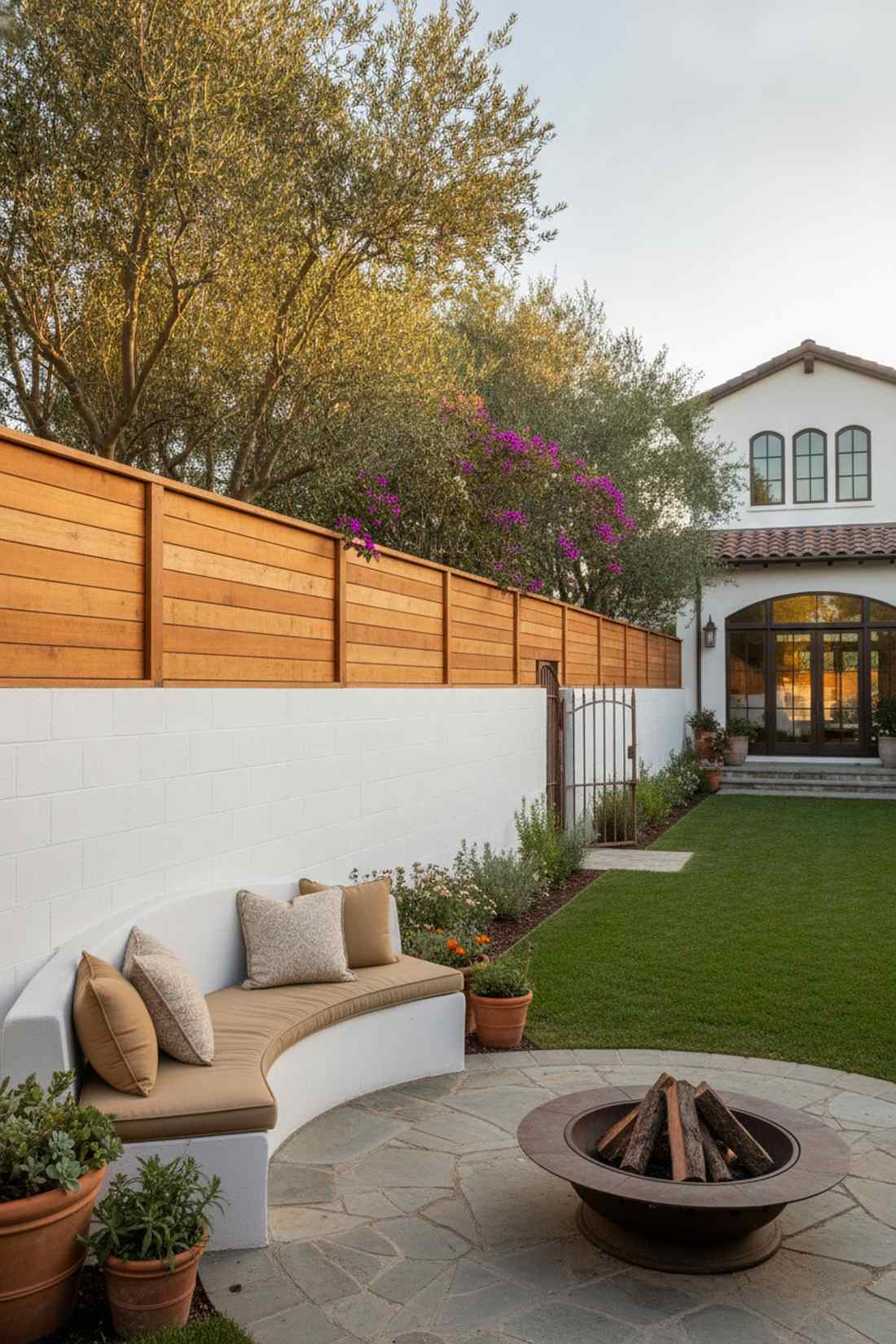
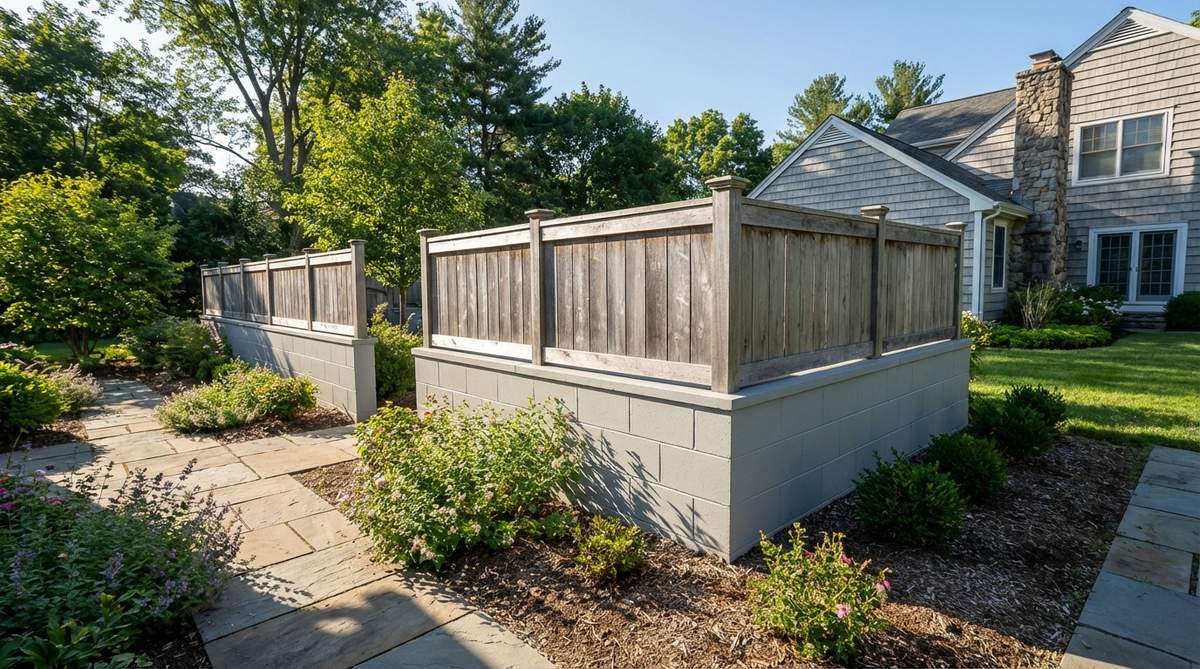
This stucco block and cedar hybrid feels like a highly secure, sun-drenched Mediterranean courtyard. It is the ultimate solution for storm-prone regions where purely wooden fences would snap in half during high winds.
Most homeowners assume solid privacy walls are too oppressive, but topping cinderblocks with warm wood delivers a surprisingly premium look. The unbreakable masonry base handles all the structural stress while the upper wood provides soft, natural privacy.
Budget roughly $45–$70 per foot for this hybrid beast. Save this for heavy-duty property protection!
- Key Materials: Cinder blocks, surface stucco, cedar privacy panels
- Vibe / Style: Secure modern Mediterranean
- Difficulty: Advanced (requires pouring footers)
- Budget Breakdown: Block base: $40 | Cedar top: $30
- Creator’s Tip: Paint the stucco base in a bright, blinding white to make the natural orange tones of the upper cedar panels dramatically pop.
- Smart Sourcing: Pre-mixed exterior stucco finish and pre-cut cedar fence topper panels.
30. Glass Panel and Aluminum Post Fence
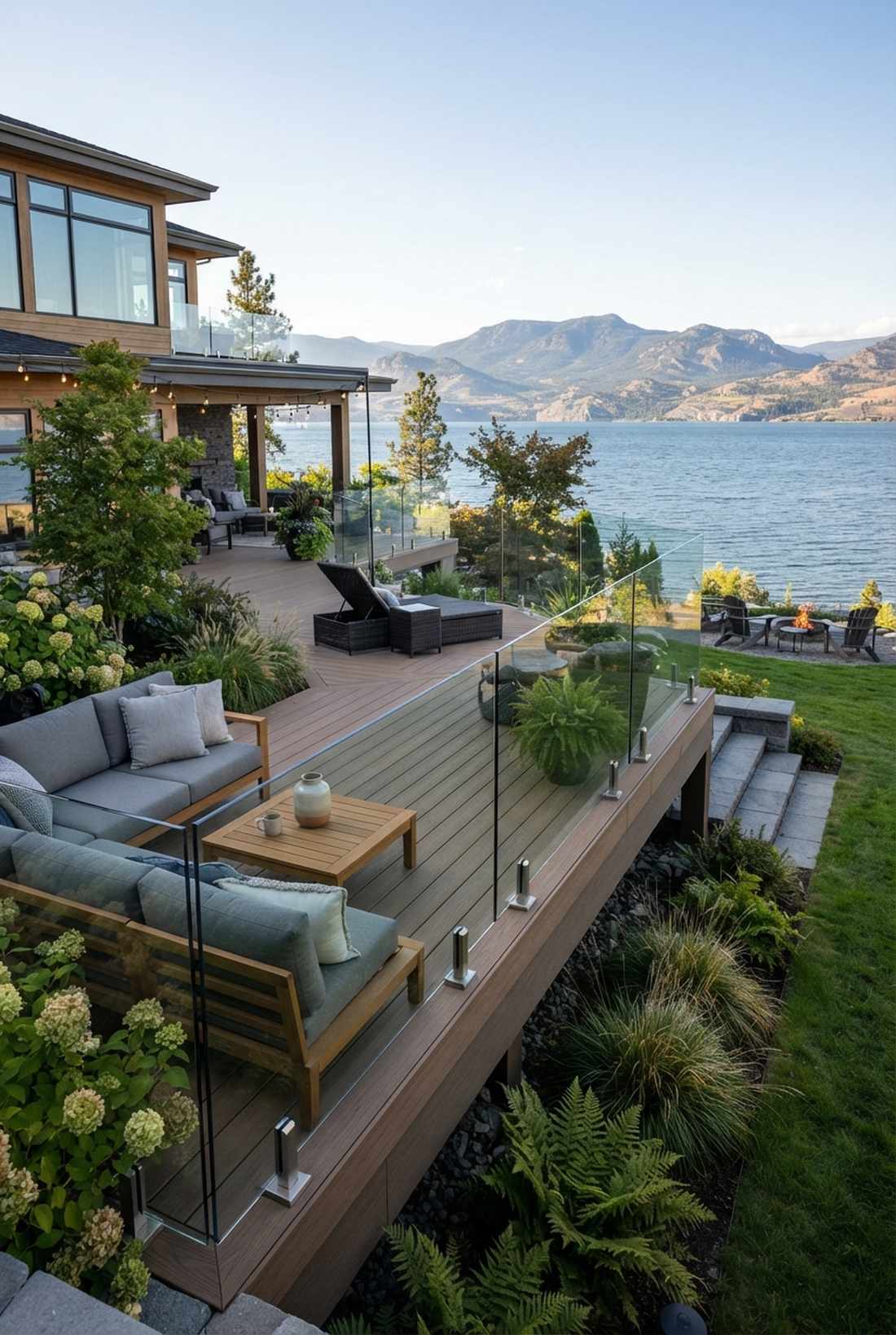
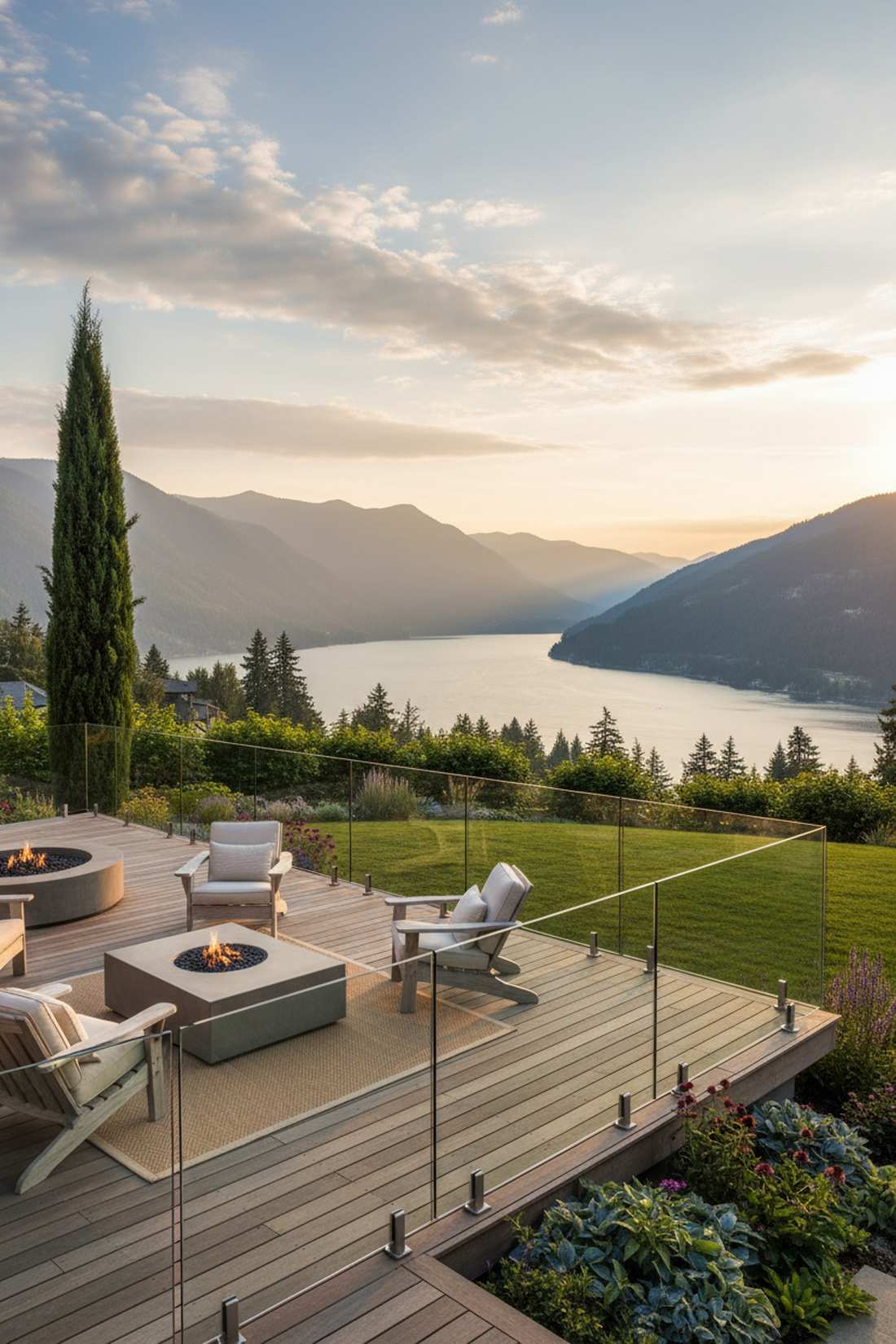
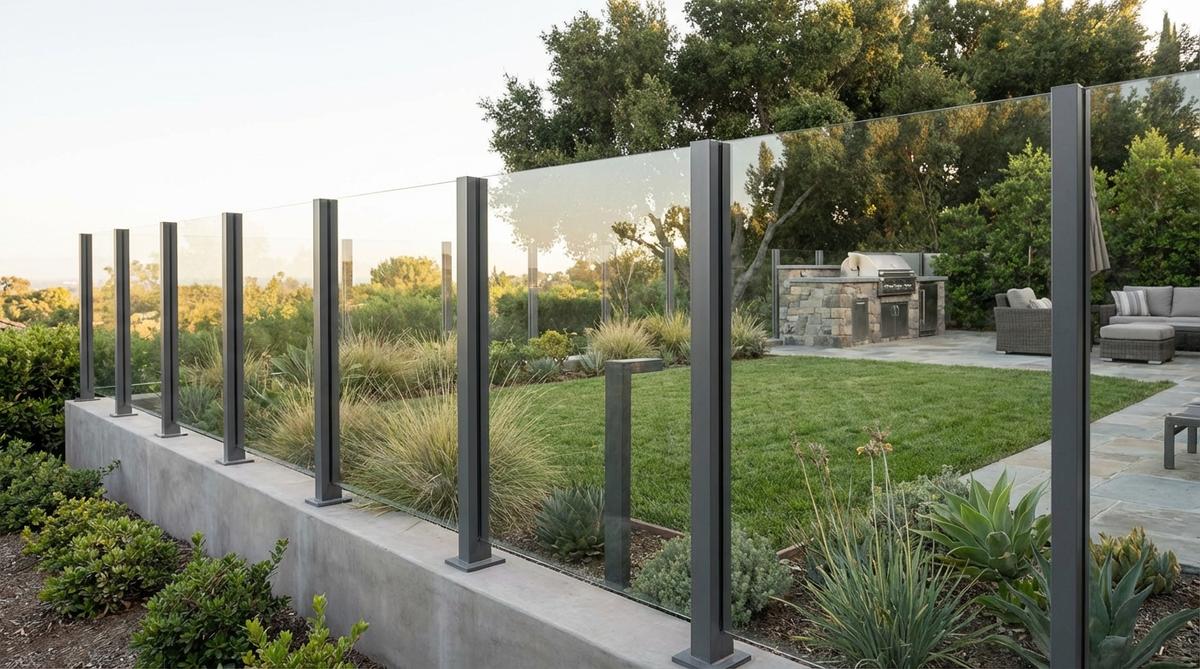
An invisible glass panel fence feels like standing on the balcony of an ultra-luxury penthouse. This is the only acceptable option if your small garden overlooks a lake, ocean, or stunning mountain vista.
People often get this wrong by using acrylic that scratches and fogs, but tempered safety glass remains crystal clear forever. Using minimal aluminum tracks allows you to define a small garden fence boundary without interrupting a single inch of your view.
This premium scenic barrier will cost around $80–$120 per foot.
- Key Materials: Thick tempered glass panels, marine-grade aluminum posts
- Vibe / Style: Invisible luxury resort
- Difficulty: Advanced (requires glass handling)
- Budget Breakdown: Glass panels: $80 | Aluminum posts: $40
- Creator’s Tip: Apply a ceramic rain-repellent coating to the glass immediately after installation so water spots and dirt wash right off.
- Smart Sourcing: Marine-grade aluminum glass fence spigots and nano-ceramic glass coating spray.
Space-Efficient Small Garden Gates
Well-designed small garden gates provide access without consuming valuable space during operation. These solutions balance functionality with aesthetic considerations in constrained layouts.
31. Narrow Profile Single Gate
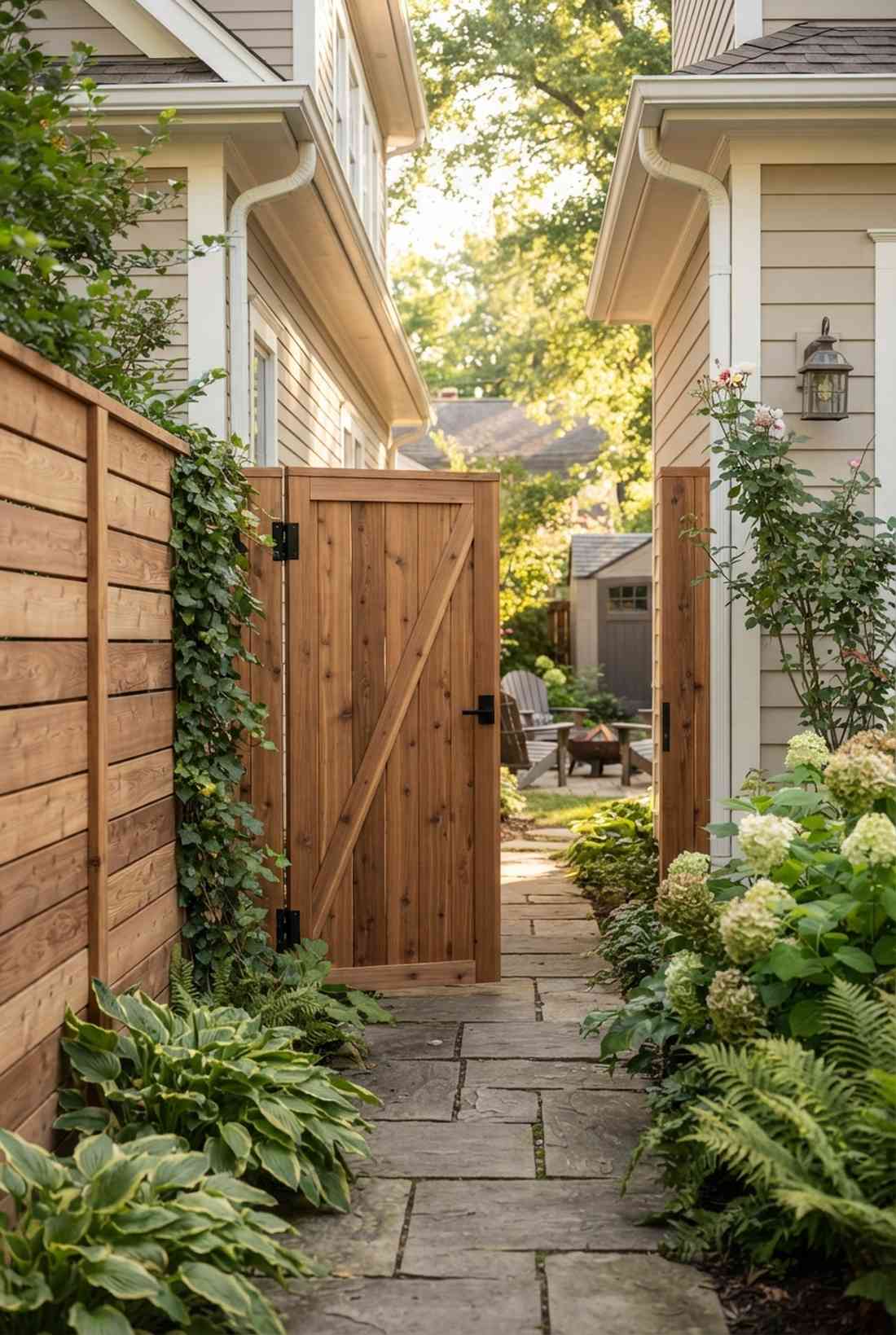
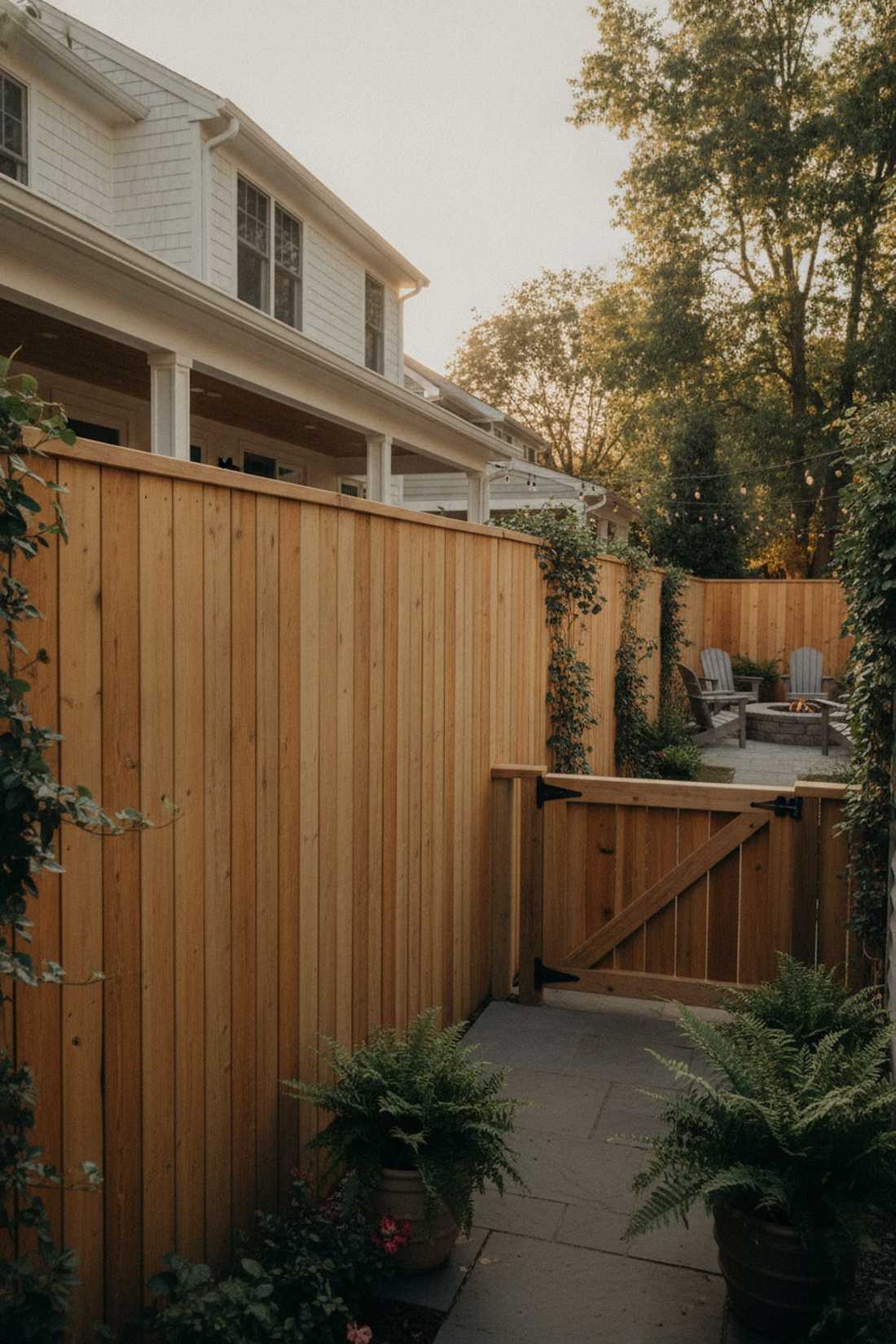
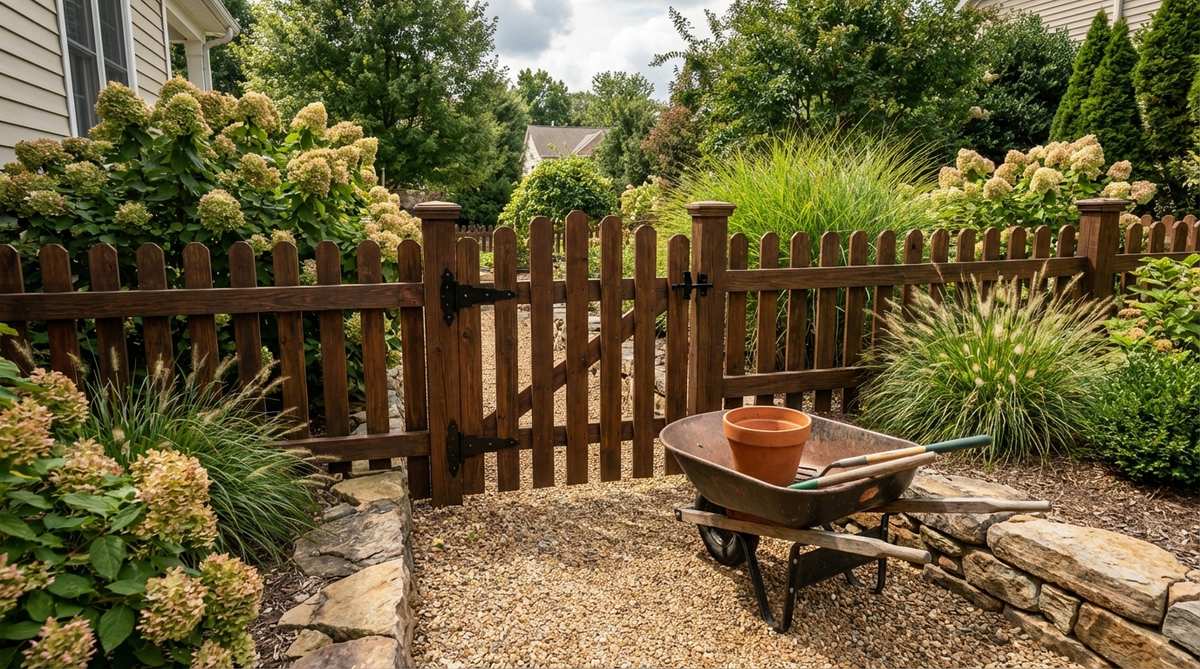
This slimline custom entry gate feels like a secret, exclusive entrance to a private VIP garden. It is explicitly designed for impossibly tight side-yards where a standard swing gate would smash into the side of the house.
The secret to this designer finish is hiding the hinges and building the gate out of the exact same material as the fence. By ensuring visual continuity, you disguise the entrance completely, creating a highly secure small garden gate that blends in.
You can construct this hidden door for about $60–$100 total. Pin this if you have a narrow alleyway alongside your house!
- Key Materials: Fence-matching lumber, heavy-duty concealed hinges
- Vibe / Style: Seamless hidden boundary
- Difficulty: Intermediate carpentry
- Budget Breakdown: Wood frame: $40 | Heavy hardware: $60
- Creator’s Tip: Always install a diagonal cross-brace starting from the bottom hinge corner pointing up to the latch side to prevent sagging.
- Smart Sourcing: Heavy-duty concealed outdoor gate hinges and anti-sag gate bracing kits.
32. Sliding Track Gate System
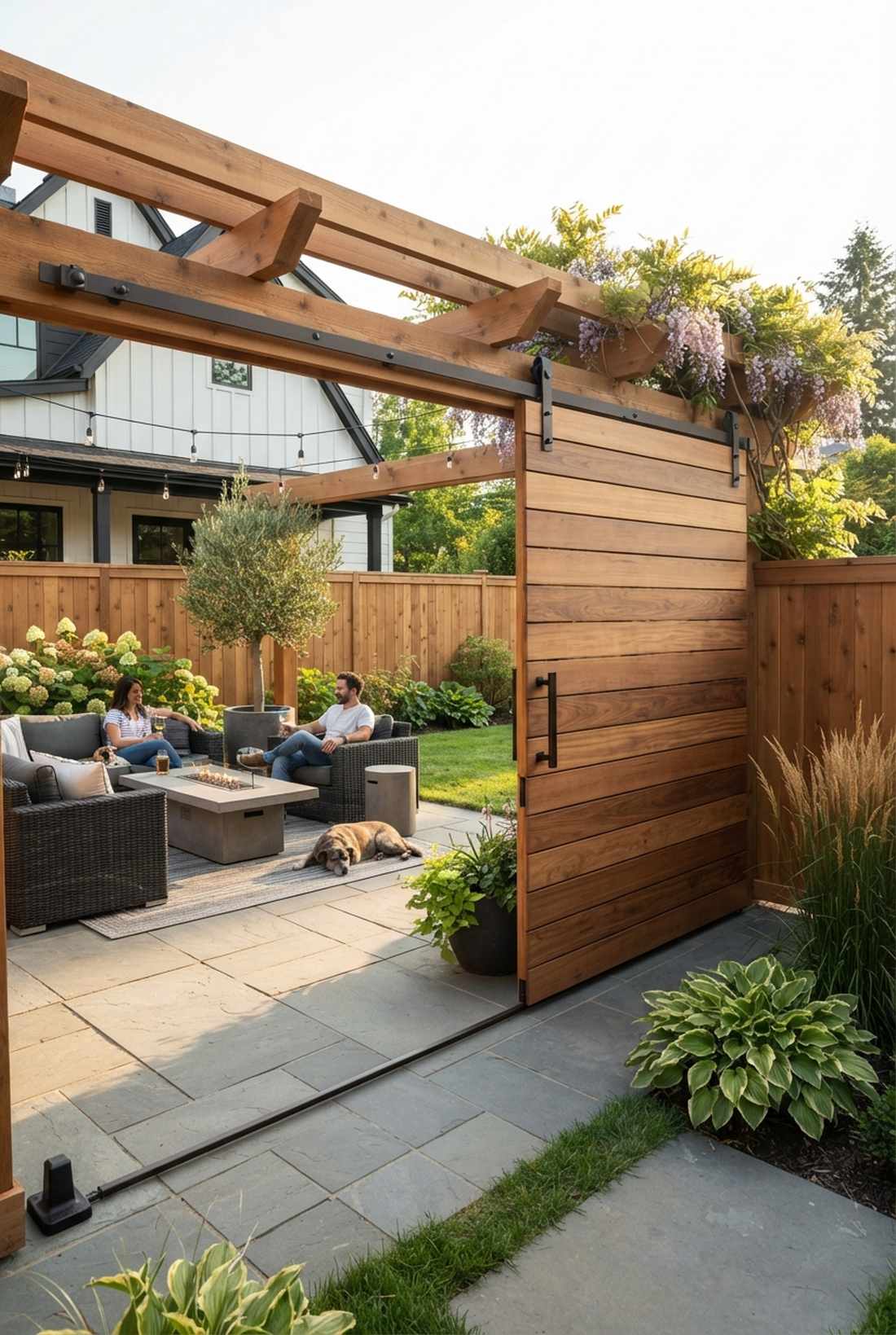
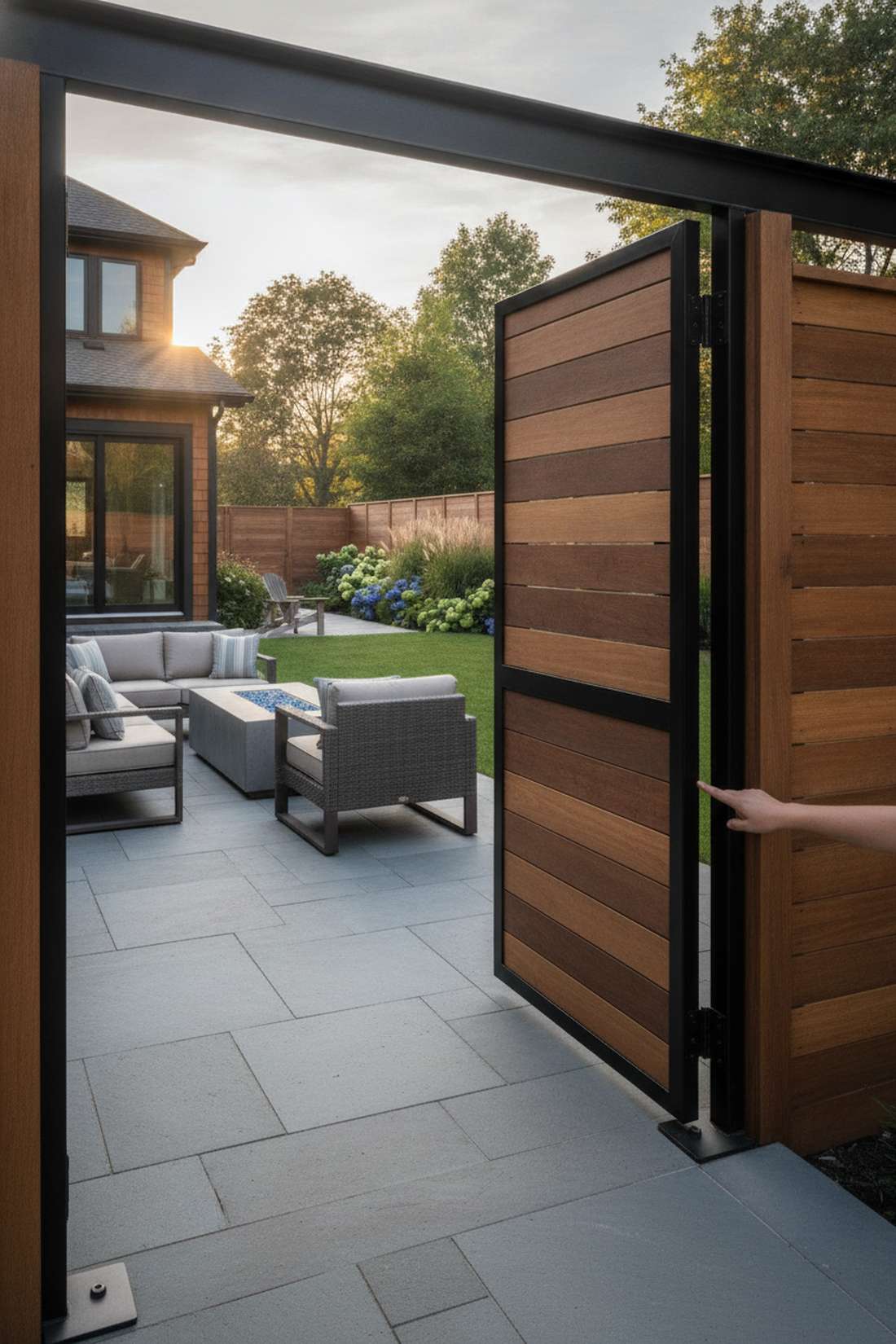
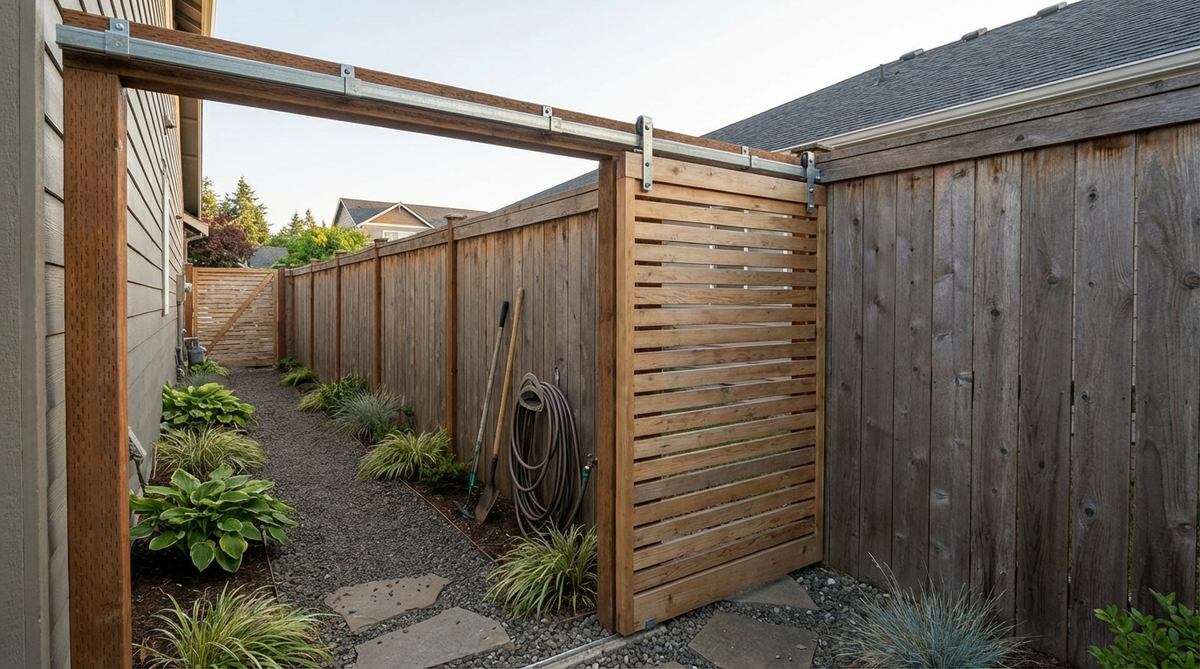
A modern sliding track gate feels like a highly-engineered piece of smart-home architecture. It is an absolute must-have if your patio furniture is placed too close to the fence for a traditional gate to swing open.
Forget the flimsy big-box store hinges; upgrading to an overhead roller track proves you don’t need swing-clearance to have an entrance. This gliding mechanism delivers a surprisingly premium look and effortless, one-finger operation even with heavy wood.
Track hardware and materials cost roughly $150–$250 per gate.
- Key Materials: Heavy-duty barn door sliding track, custom wood panel
- Vibe / Style: Sleek space-saving engineering
- Difficulty: Advanced hardware installation
- Budget Breakdown: Track system: $120 | Gate panel: $80
- Creator’s Tip: Install a heavy rubber stopper on the ground at the end of the track so the gate doesn’t slide completely off the rails.
- Smart Sourcing: Heavy-duty exterior sliding gate track kits and weather-proof rubber gate stops.
33. Dutch Door Garden Gate
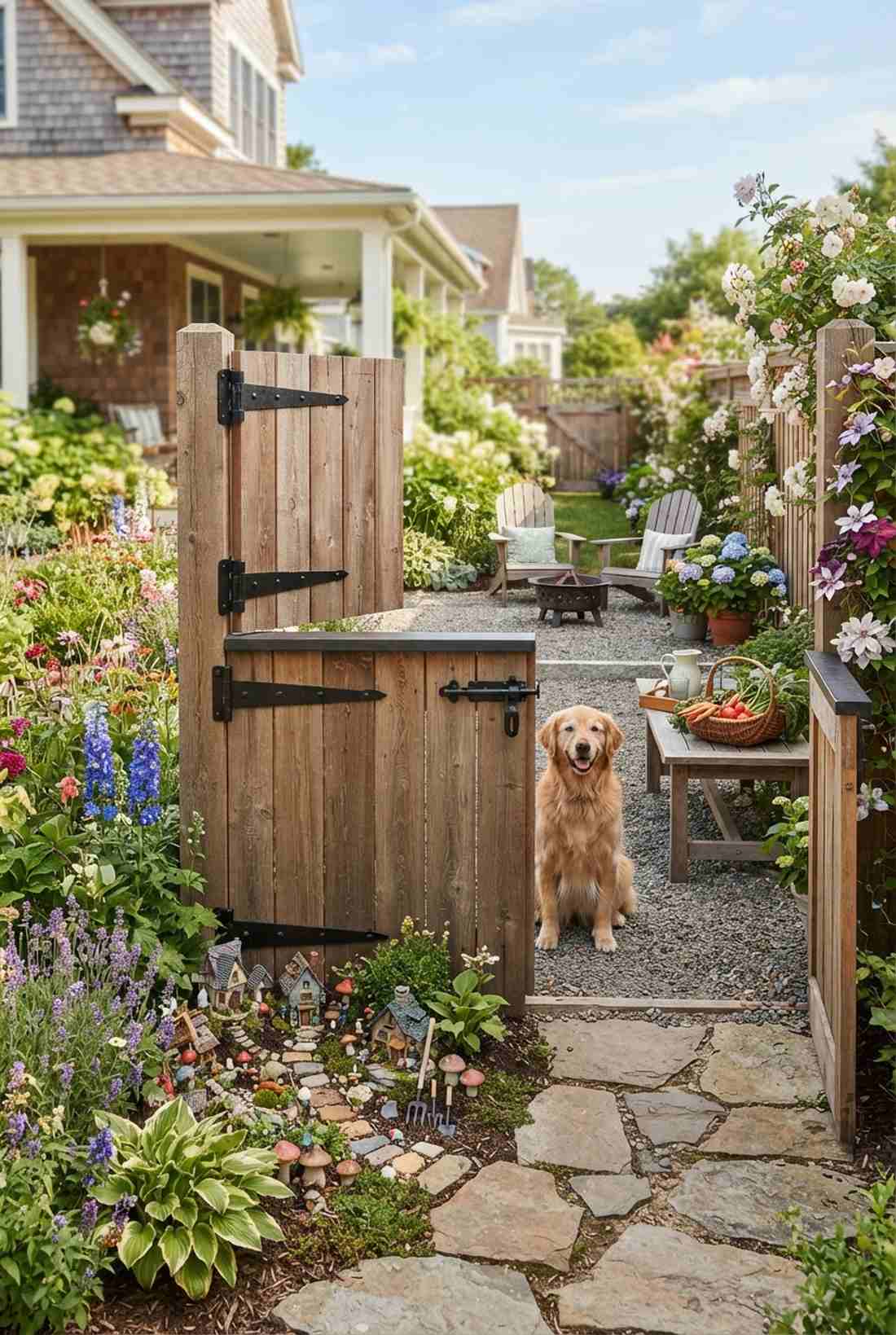
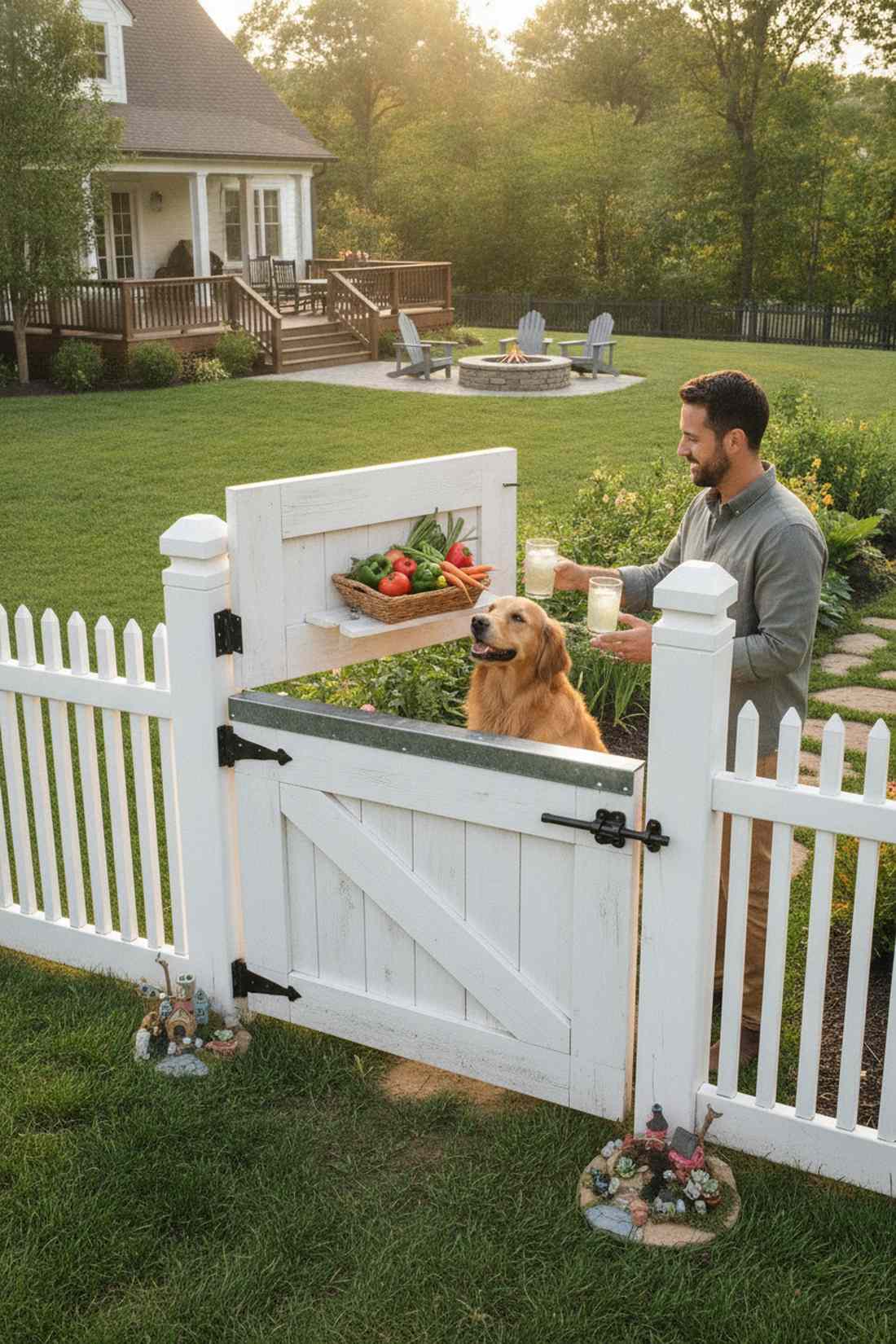
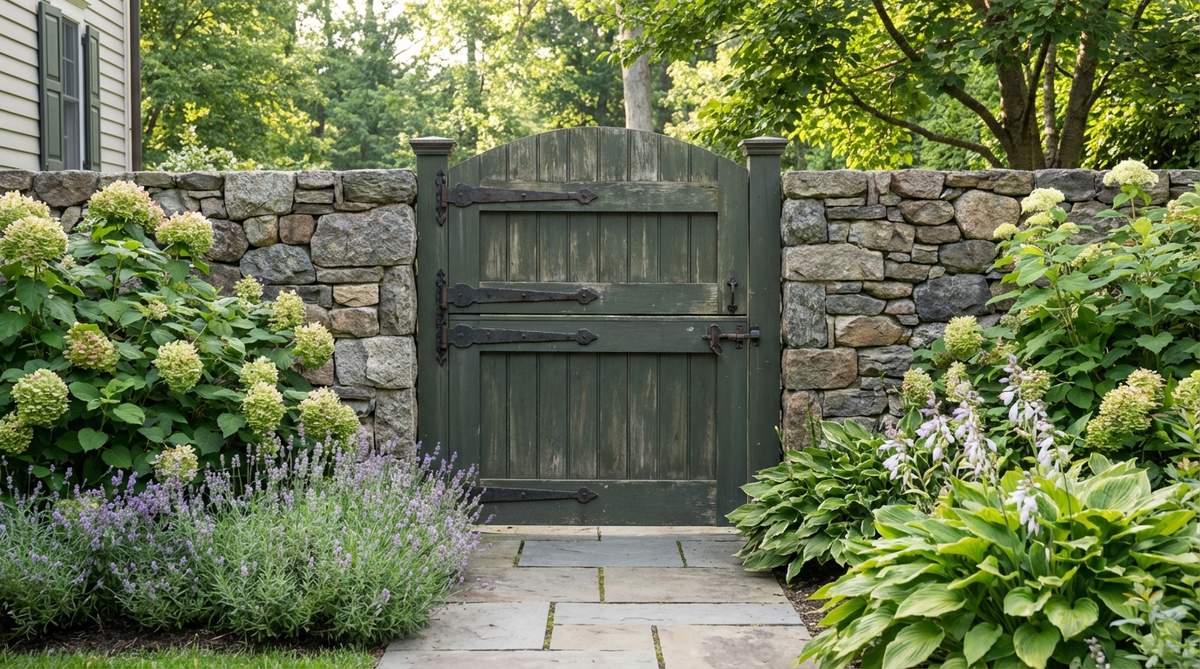
This split-level farmhouse gate feels like a welcoming country kitchen that opens right into nature. It allows you to keep dogs safely contained at the bottom while passing fresh vegetables or drinks right over the top.
Most homeowners assume split gates are structurally weak, but using thick structural framing makes them bulletproof. Throwing some fairy garden supplies near the base of this dual-swinging door creates incredible nostalgic charm and high functionality.
This dual-action entry costs around $100–$150 to frame out. Save this for the ultimate pet-friendly boundary!
- Key Materials: Thick frame lumber, 4 heavy T-hinges, slide latch
- Vibe / Style: Charming functional farmhouse
- Difficulty: Intermediate woodworking
- Budget Breakdown: Wood materials: $80 | Hardware: $70
- Creator’s Tip: Install a heavy metal shelf cap on the top edge of the lower door so you can lean on it without destroying the wood over time.
- Smart Sourcing: Heavy-duty rustic black T-hinges (bulk pack) and heavy-duty iron gate latches.
34. Arched Top Entry Gate
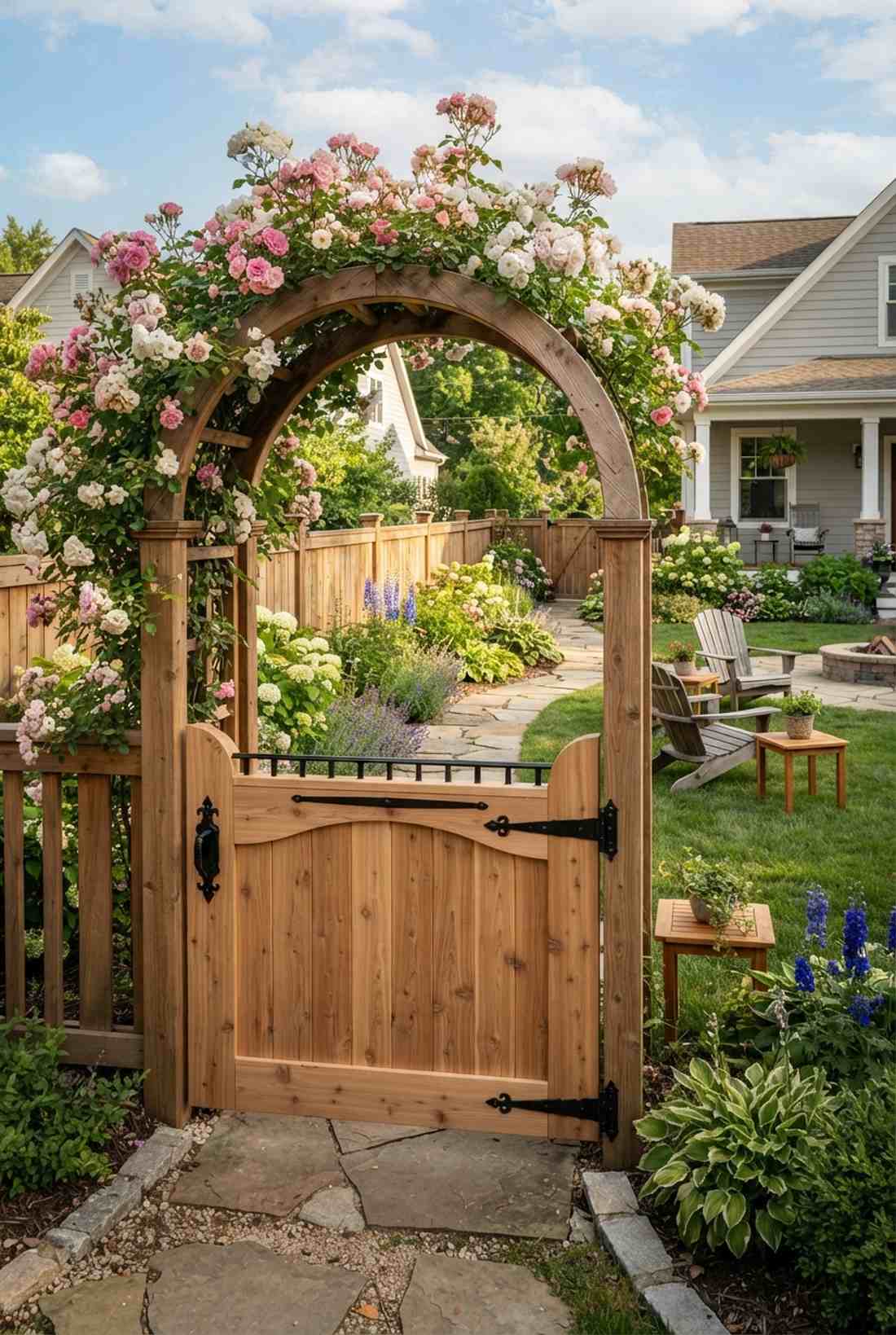
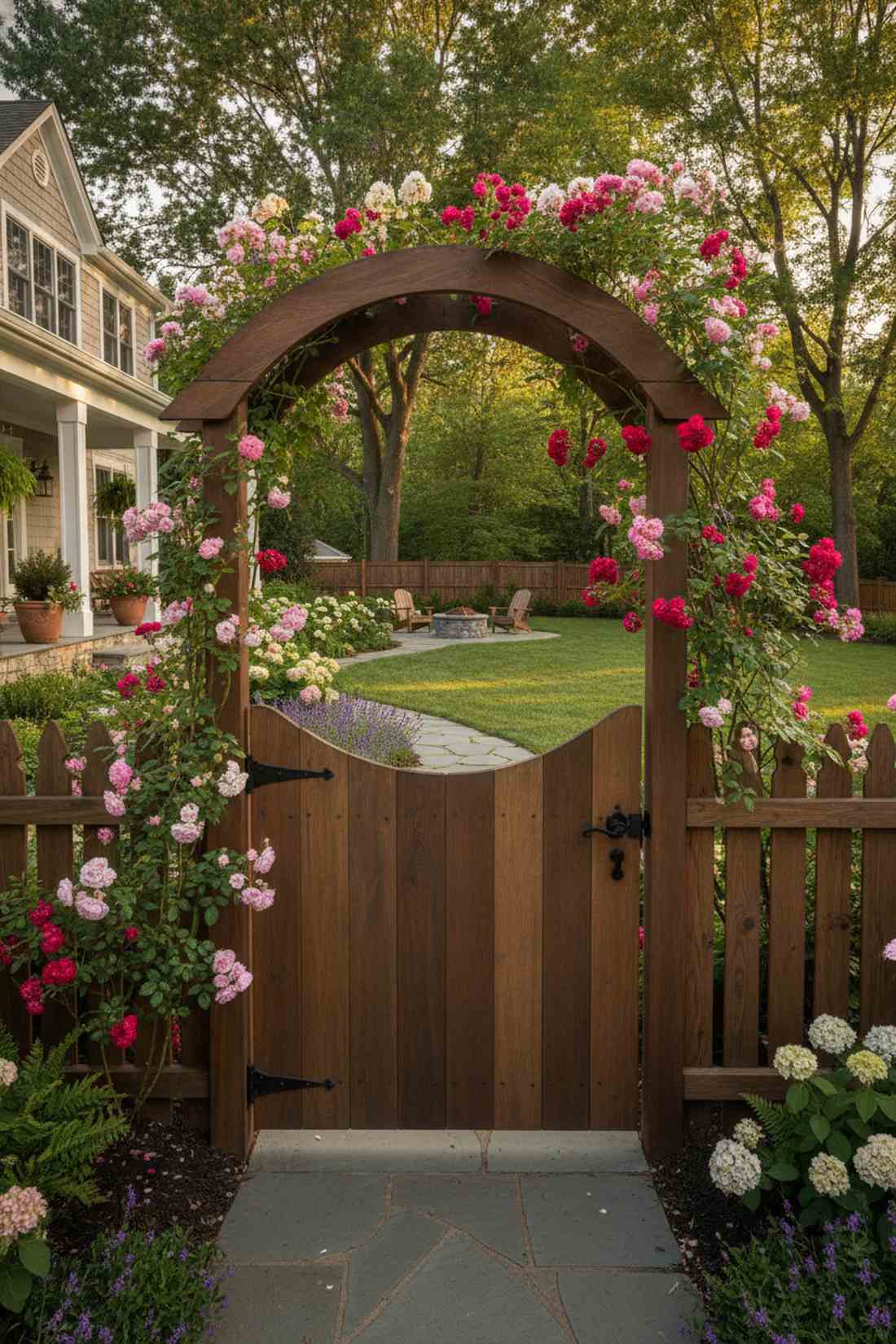
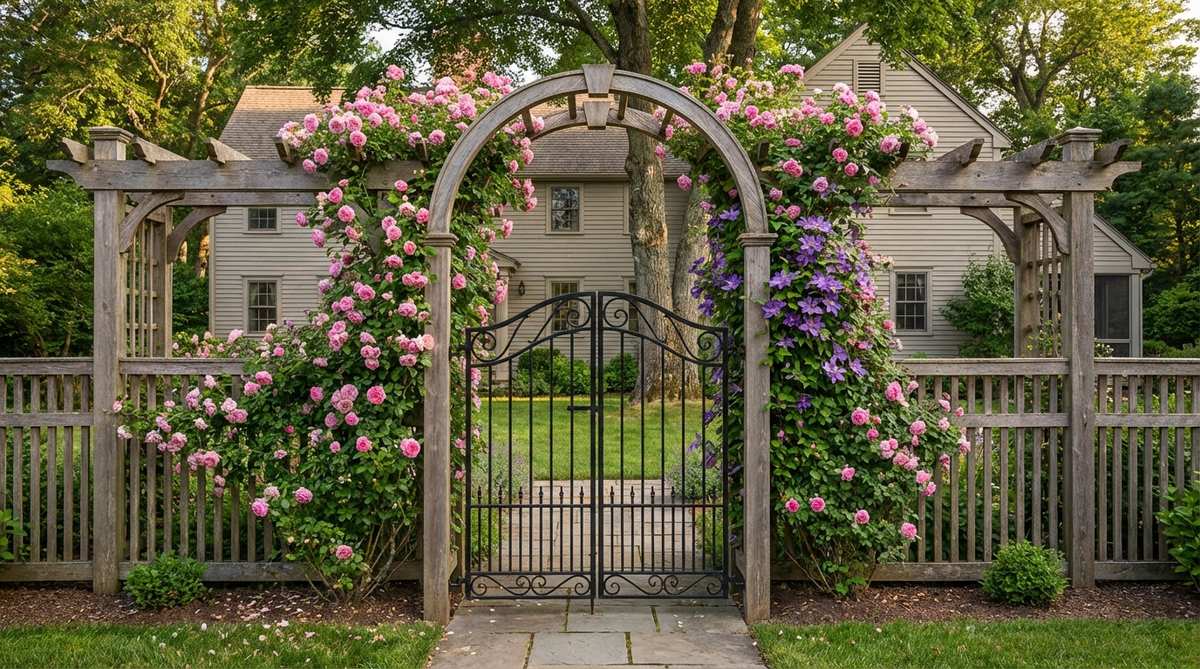
An elegant curved-top wooden gate feels like passing through a magical portal into a lush wonderland. It beautifully breaks up the harsh, rigid square lines of traditional fencing with a welcoming, soft architectural curve.
What makes this look so expensive is the custom jigsaw curve cut right into the top rails. Framing an arched small garden gate underneath a blooming rose trellis delivers a breathtaking first impression to any backyard.
You can custom cut this look for about $80–$120.
- Key Materials: Wide 1×10 boards (for the arch cut), heavy latch
- Vibe / Style: Romantic storybook entrance
- Difficulty: Intermediate (requires jigsaw skills)
- Budget Breakdown: Wide wood boards: $50 | Gate hardware: $40
- Creator’s Tip: Use a flexible piece of PVC pipe bent across the top of the wood to trace a perfectly smooth, symmetrical arch before cutting.
- Smart Sourcing: Decorative iron gate hardware kits and heavy-duty jigsaw wood cutting blades.
35. See-Through Metal Gate
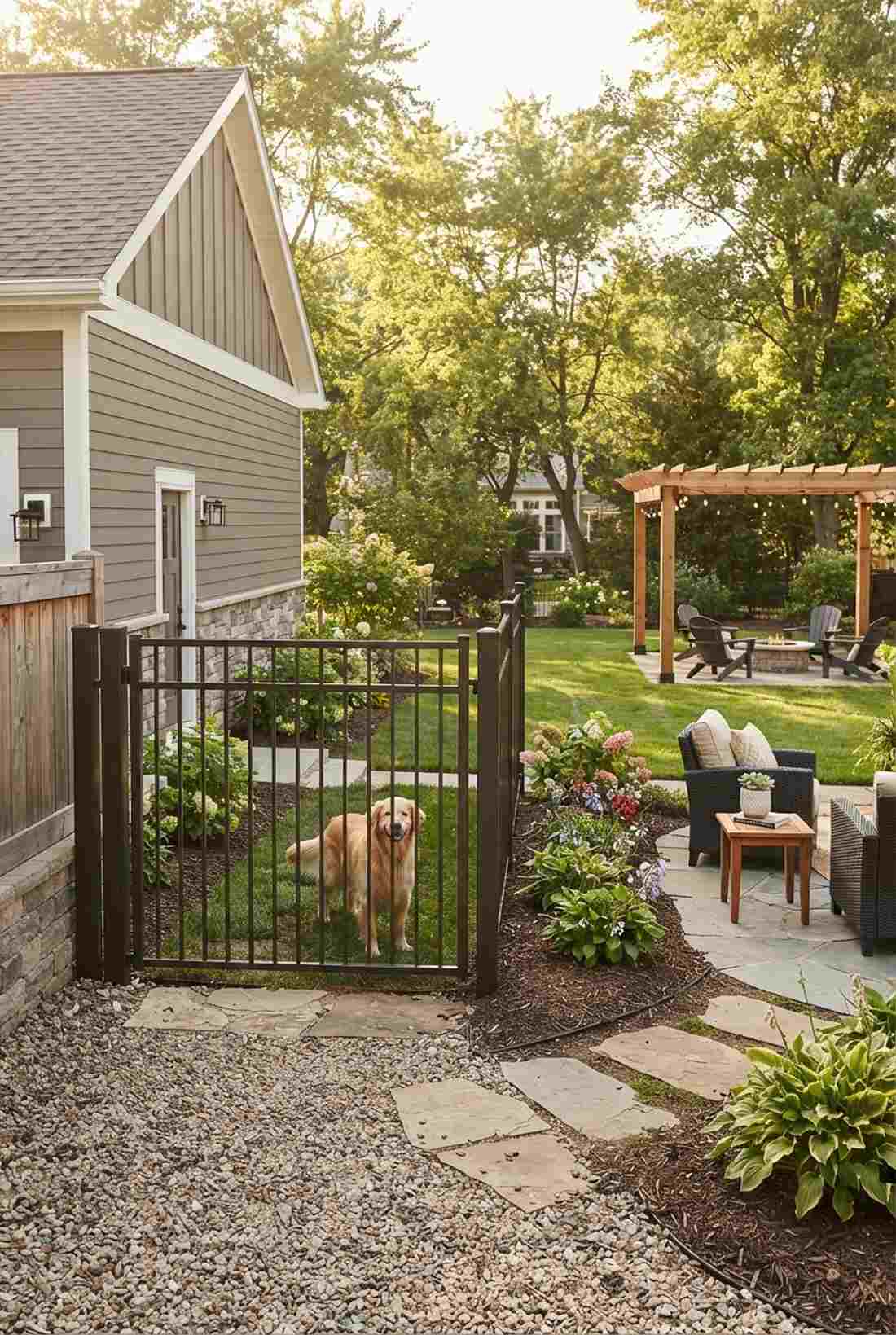
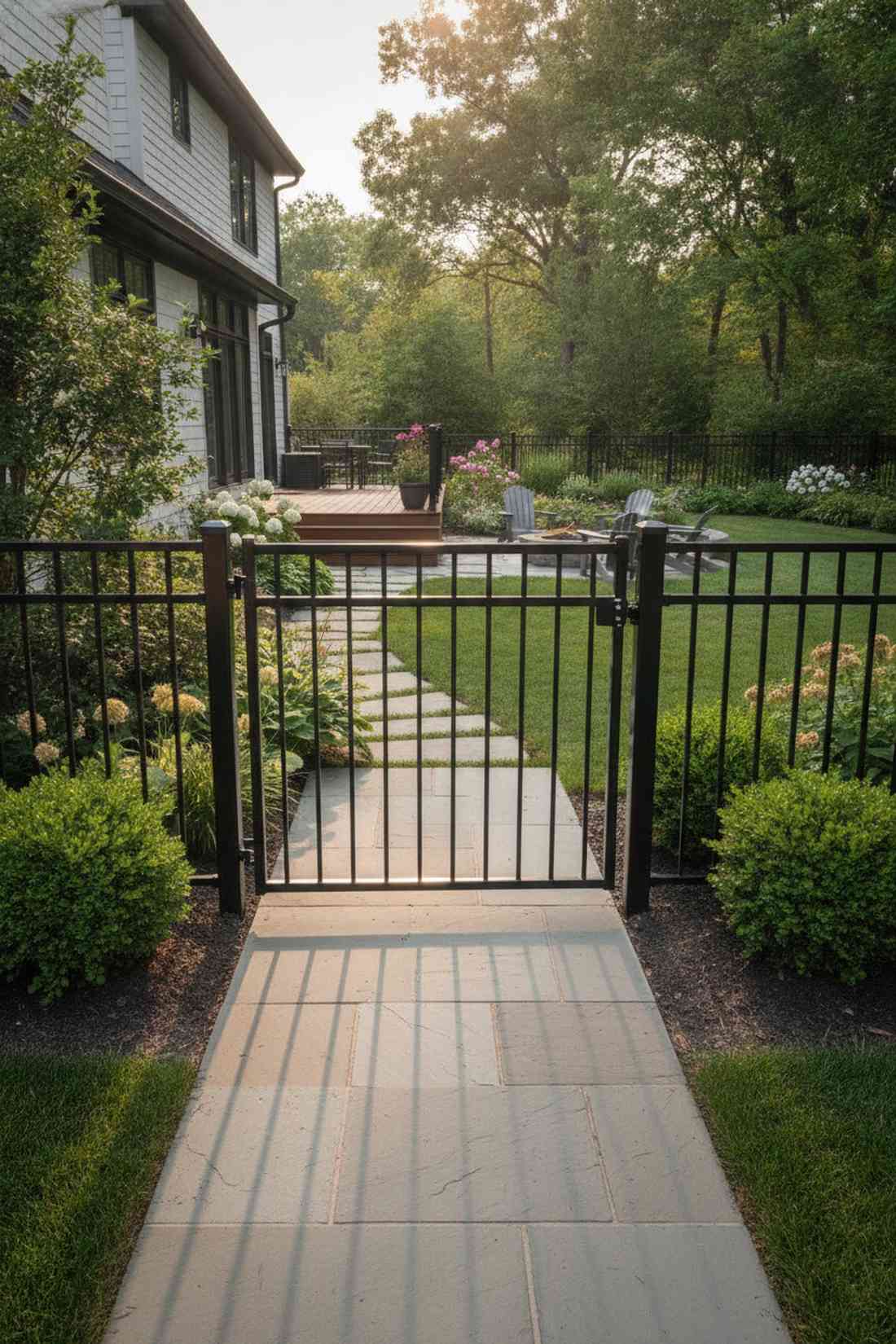
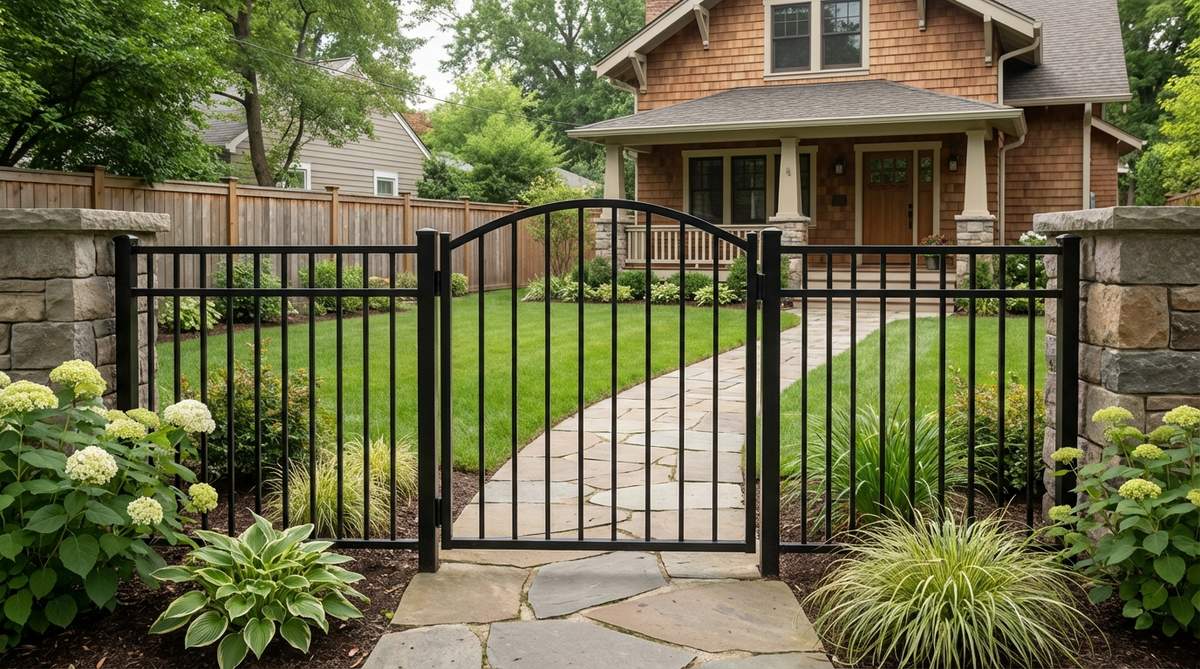
This open-bar iron gate feels incredibly secure without creating a claustrophobic, boxed-in atmosphere. It is exactly what you need to protect a side entrance while still letting the afternoon breeze flow freely.
Skip the overpriced custom iron-forges; pre-fabricated metal gates look far more expensive than they are. The sleek vertical bars stop intruders and pets dead in their tracks while visually connecting different zones of your property.
These pre-welded metal gates start around $150–$300. Pin this for modern, see-through security!
- Key Materials: Pre-welded powder-coated aluminum gate, matching post hinges
- Vibe / Style: Modern transparent security
- Difficulty: Easy bolt-on installation
- Budget Breakdown: Metal gate: $200 | Post anchors: $50
- Creator’s Tip: Ensure you buy aluminum rather than raw steel; aluminum is much lighter so it won’t cause your fence posts to sag over time.
- Smart Sourcing: Pre-welded aluminum garden gates and self-closing adjustable gate hinges.
36. Custom Salvaged Door Gate
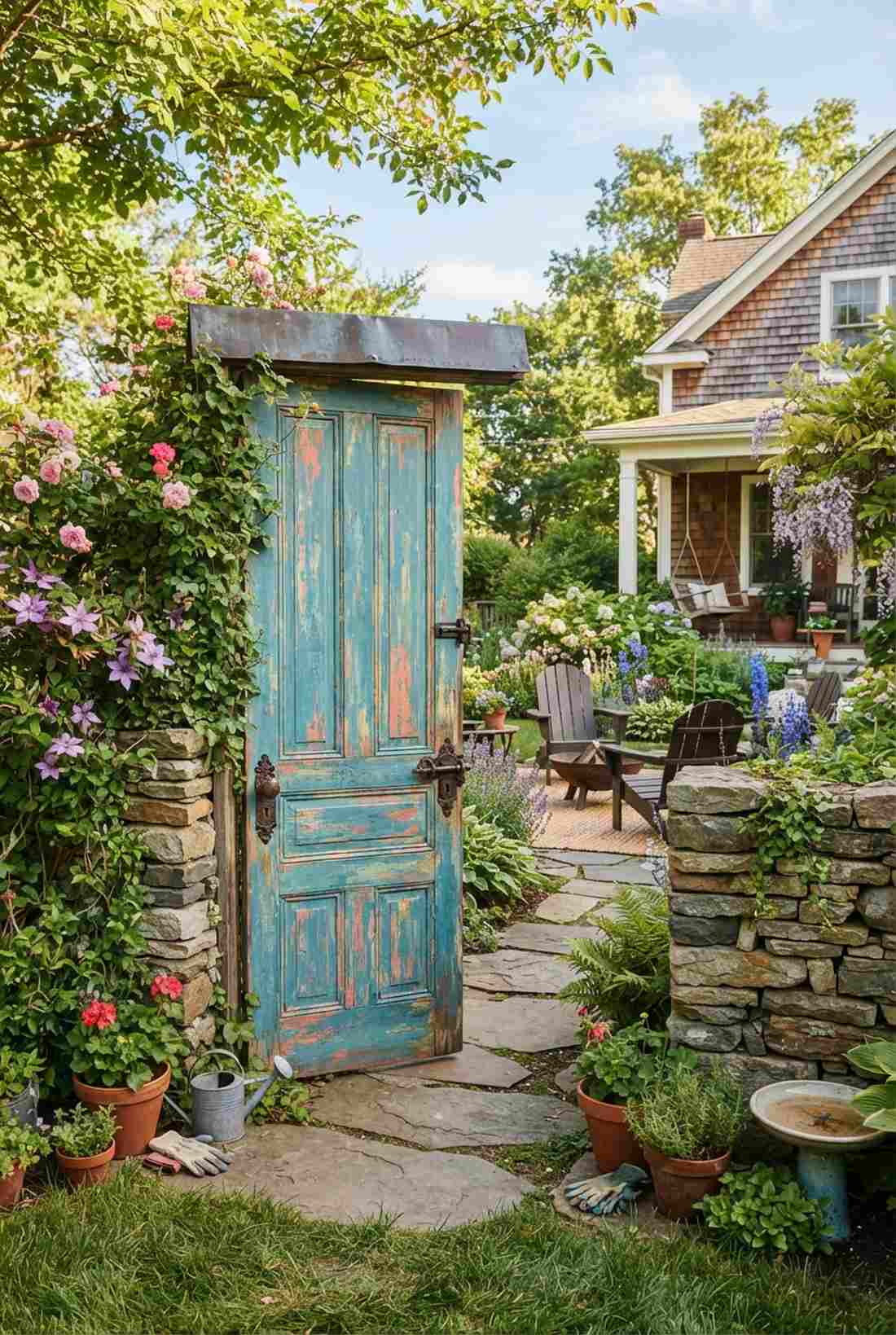
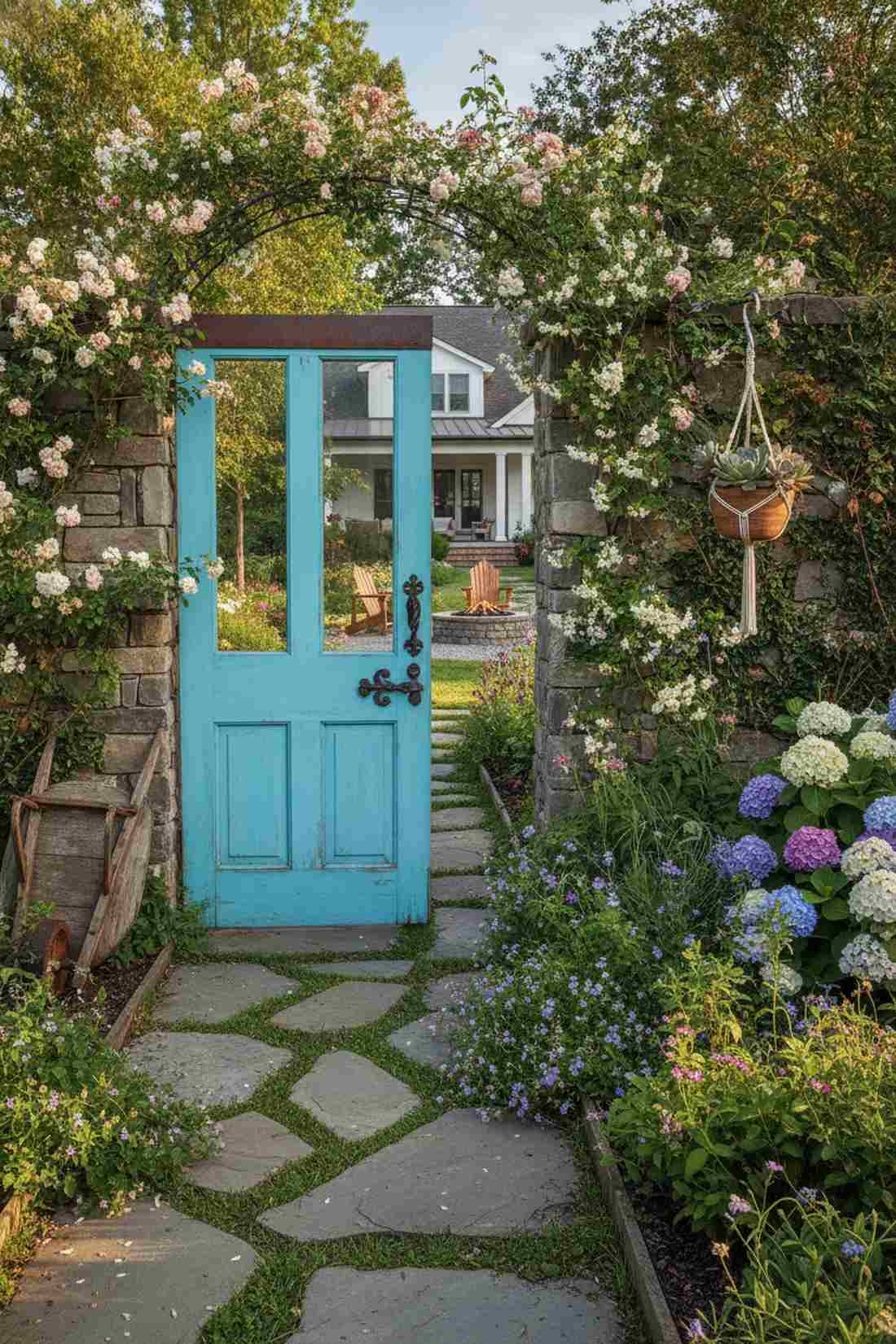
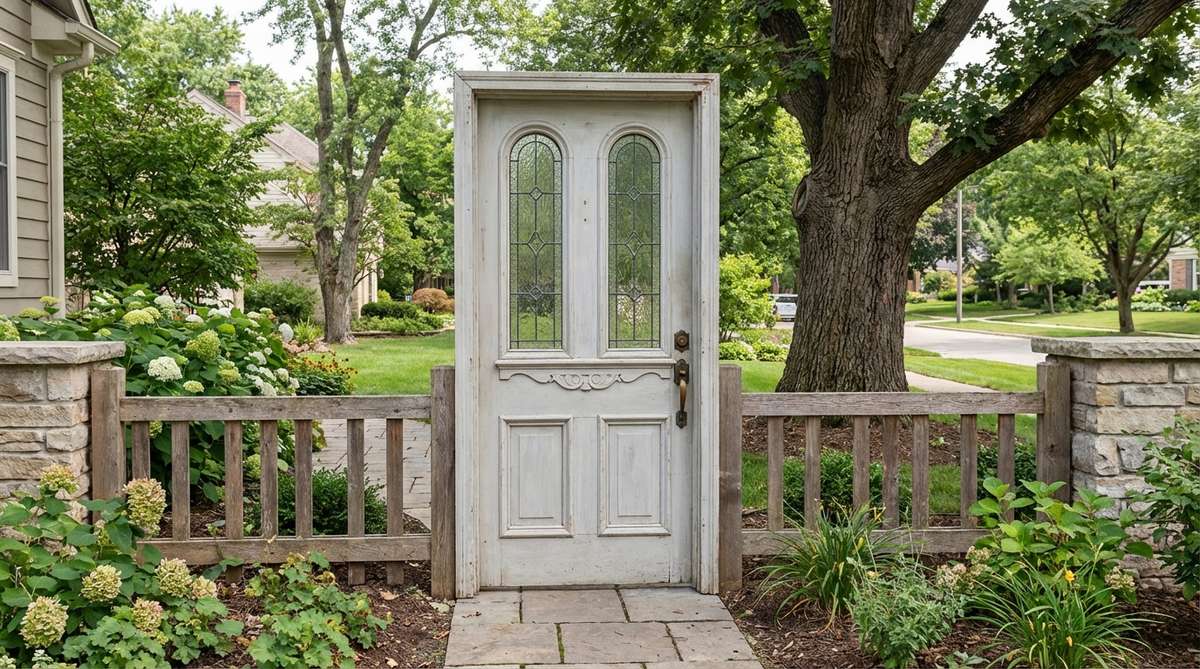
A repurposed vintage interior door feels like a whimsical, Alice-in-Wonderland architectural feature. Standing brightly painted in the middle of a garden wall, it provides massive personality and undeniable artistic charm.
People often get this wrong by letting the old wood rot in the rain, but heavy marine-grade sealants make this completely waterproof. Rescuing an old paneled door from a demolition yard transforms generic boundaries into highly unique small garden gates.
Depending on your thrifting skills, this costs $20–$80.
- Key Materials: Salvaged solid wood door, marine varnish, vintage hardware
- Vibe / Style: Whimsical bohemian upcycle
- Difficulty: Intermediate prep and seal
- Budget Breakdown: Vintage door: $30 | Sealant: $30
- Creator’s Tip: You must cap the absolute top edge of the door with a strip of metal or thick paint, as this is where rainwater pools and causes splitting.
- Smart Sourcing: Marine-grade waterproof spar urethane and vintage-style iron door knobs.
Material Guide: Cheap vs. Premium Aesthetic
Knowing exactly where to save and where to spend makes all the difference in achieving that “looks expensive but isn’t” vibe.
- Standard vs. UV-Resistant/Premium: Standard big-box wood warps and greys in 12 months. Upgrading to UV-coated stains or composite boards stops fading entirely, saving you hundreds in replacement costs.
- Pre-made Kits vs. Sourcing Locally: While raw lumber is cheap, utilizing heavy-duty pre-welded brackets or starter kits often saves both time and money because you avoid buying specialized, expensive one-time-use tools.
Decorative Garden Wall Hybrids
Combining solid walls with lighter fence elements creates boundaries with varied textures and heights. These garden wall concepts layer materials for sophisticated perimeter treatments.
37. Low Stucco Wall with Fence Topper
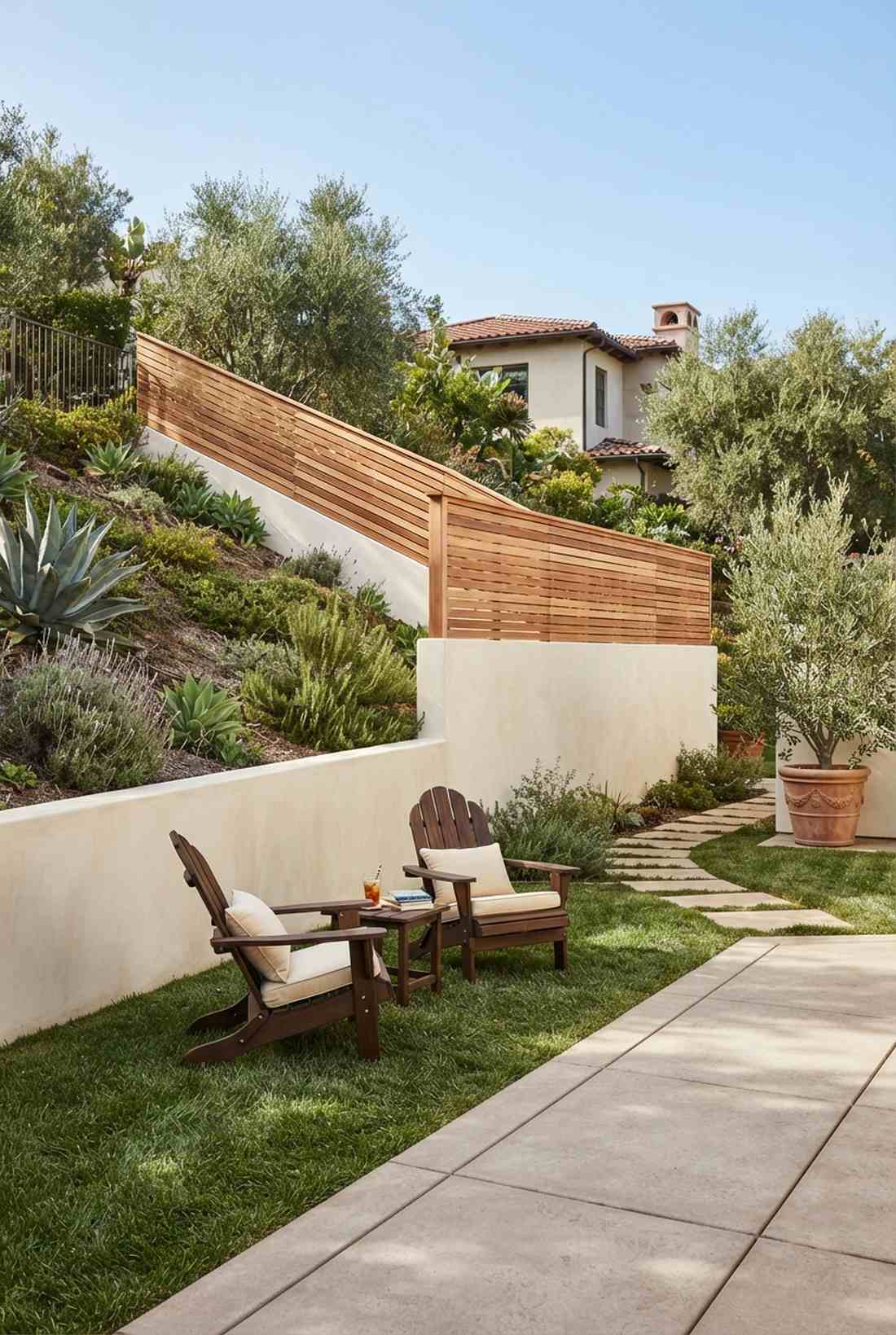
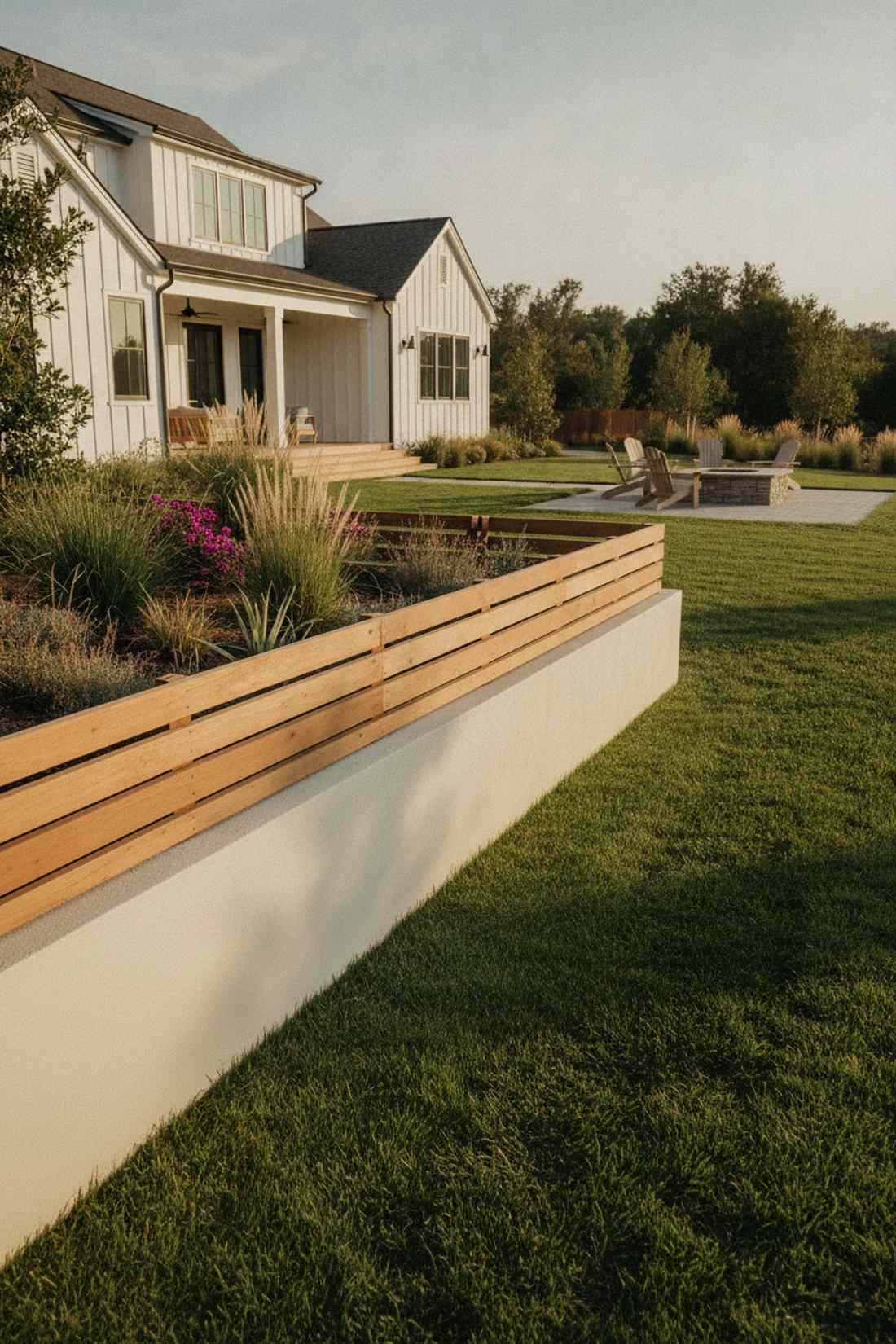
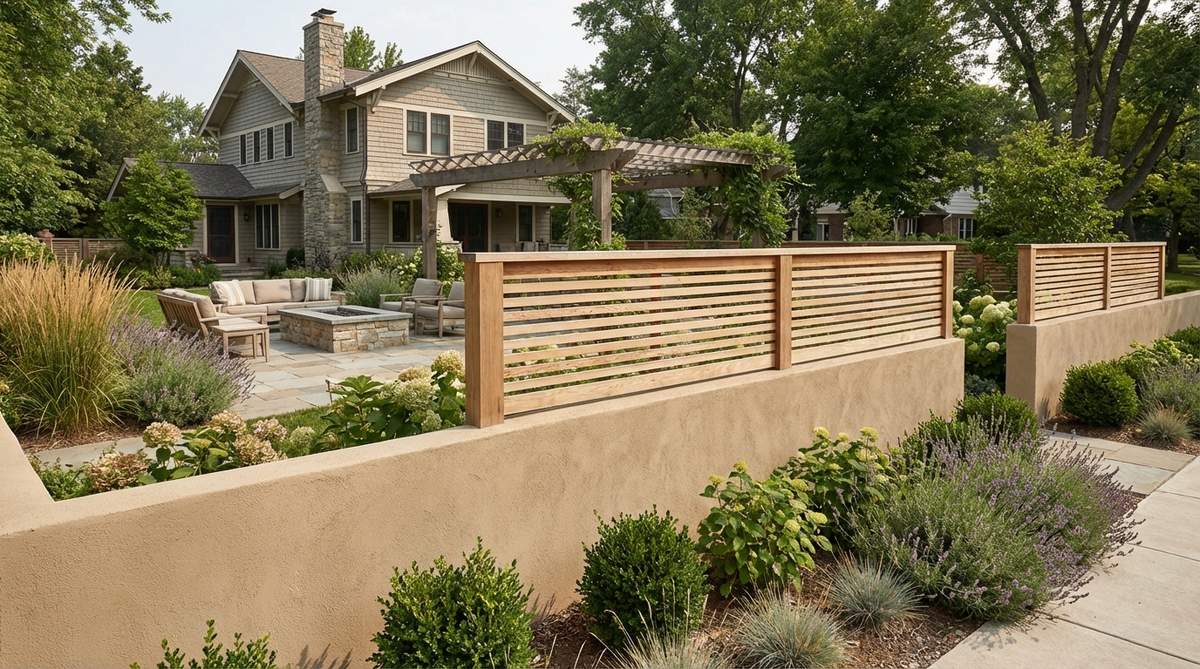
This stucco half-wall with a wooden top feels perfectly balanced, like a manicured estate in Southern California. It’s an incredibly smart way to handle properties that sit on a sloped hill needing soil retention.
Most homeowners assume retaining walls have to be ugly cinderblocks, but smoothing it with stucco delivers a surprisingly premium look. Using a solid concrete base to stop erosion while adding slatted wood on top creates a multi-functional small garden wall.
This hybrid construction runs about $40–$70 per linear foot. Save this to your landscape retaining wall board!
- Key Materials: Concrete base blocks, exterior stucco, wood slat panels
- Vibe / Style: High-end modern retaining barrier
- Difficulty: Advanced masonry and carpentry
- Budget Breakdown: Masonry base: $40 | Wood top: $30
- Creator’s Tip: Install drainage pipes behind the stucco base wall, otherwise heavy trapped rainwater will eventually crack the concrete wide open.
- Smart Sourcing: Ready-to-use exterior stucco mix and pre-built cedar fence topper panels.
38. Stone Veneer Base with Lattice Top
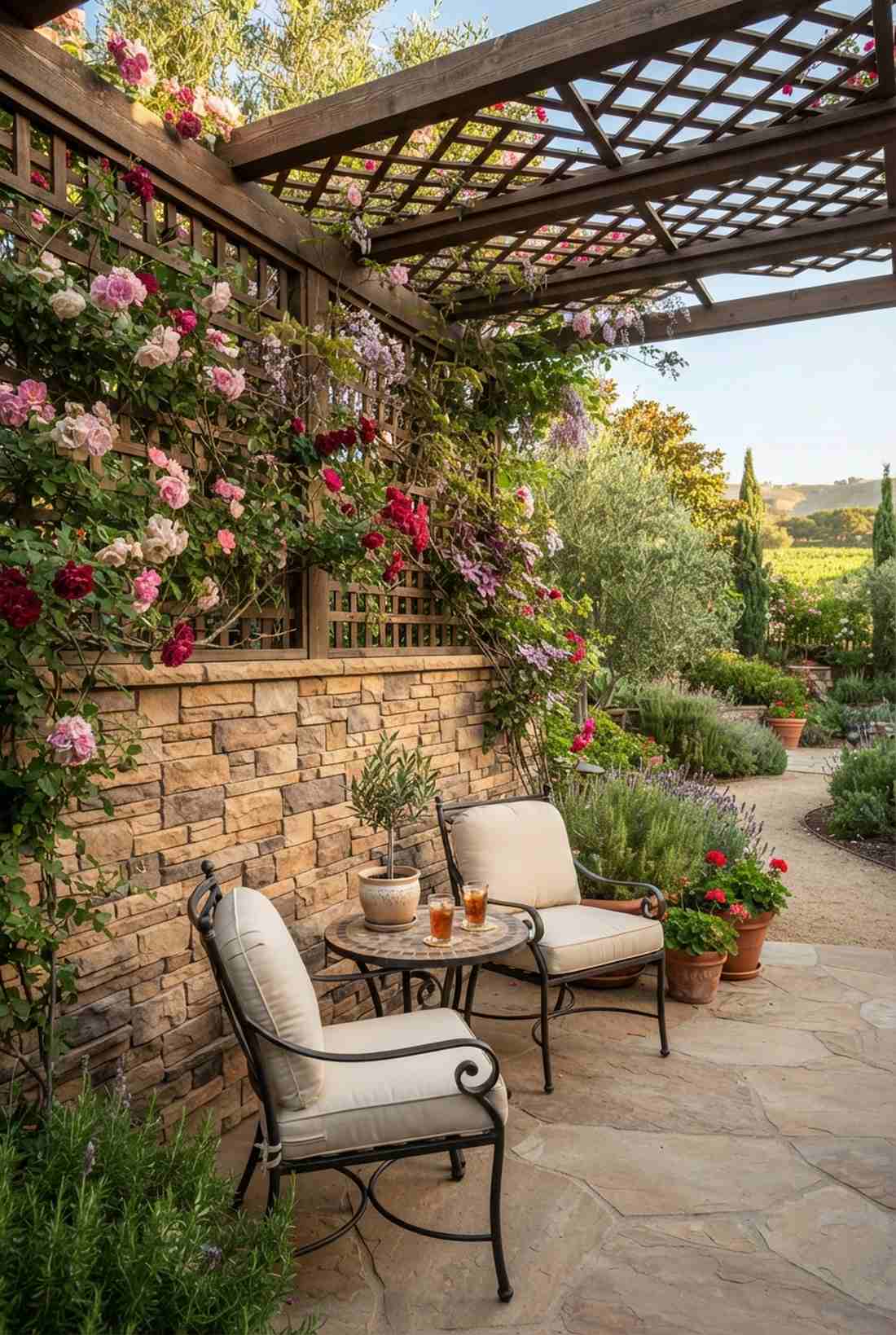
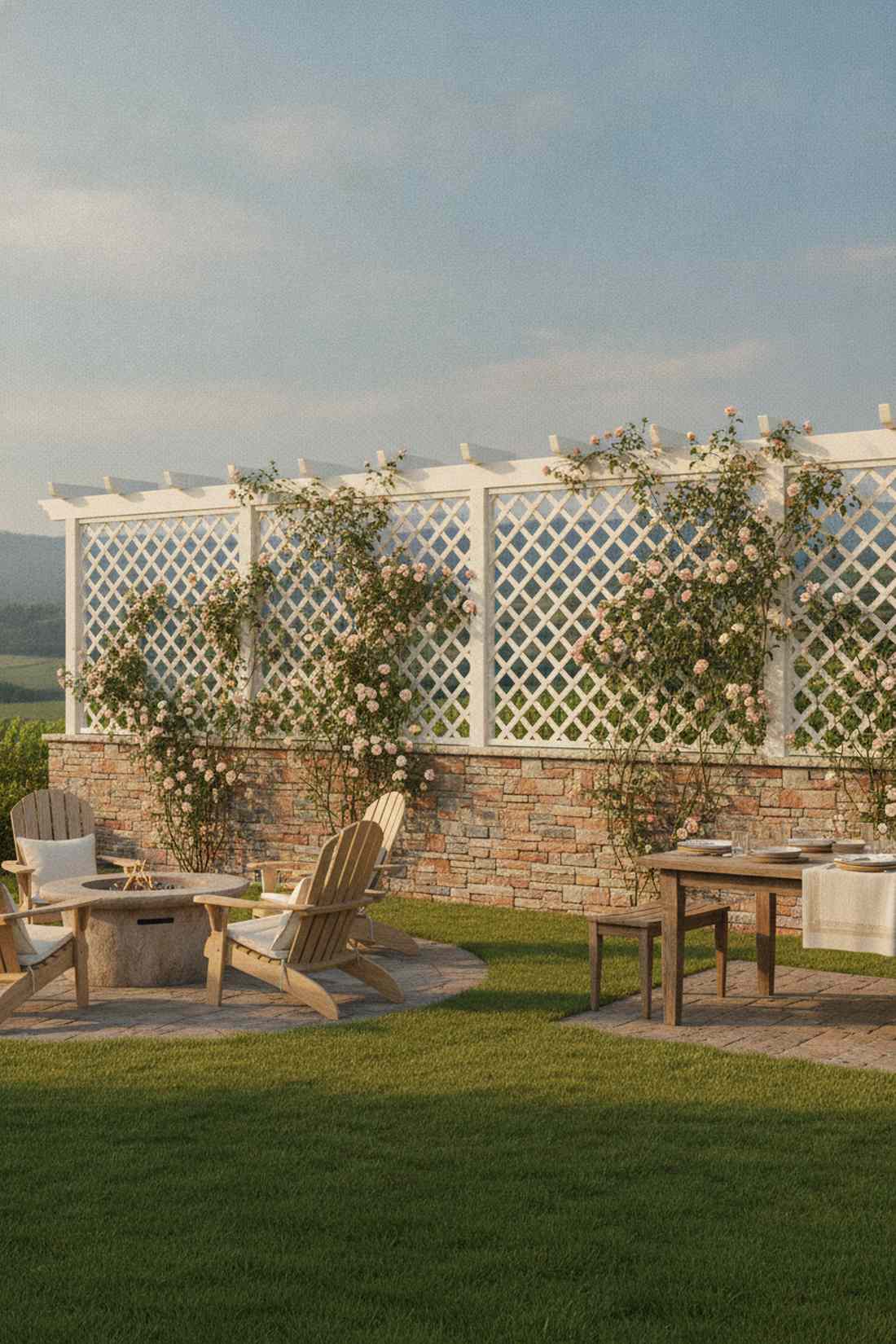
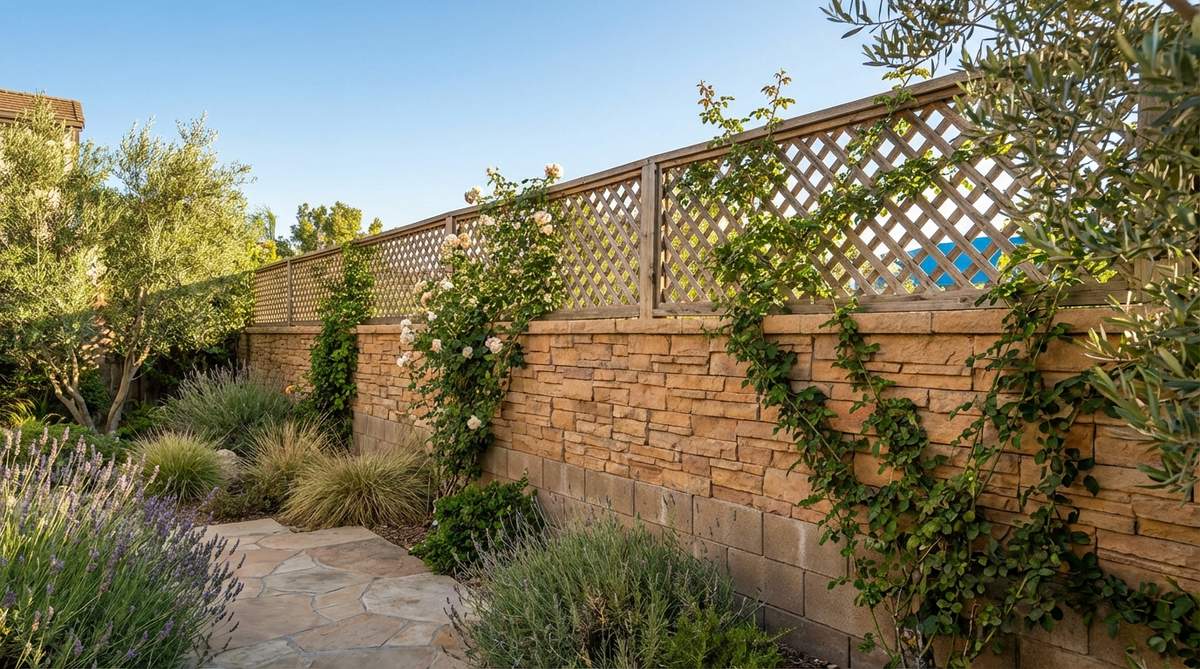
A faux-stone wall capped with lattice feels like a romantic Tuscan villa overlooking a vineyard. The heavy stone provides total privacy while seated, while the open lattice above lets you gaze at the sky.
The secret to this designer finish is that zero real stones are used; lightweight polymer veneers stick right onto flat surfaces. Tying climbing roses into the upper lattice transforms a basic barrier into an incredibly expensive-looking garden feature.
Expect to spend $50–$80 per foot for the veneer and lattice.
- Key Materials: Faux stone siding panels, heavy-duty lattice toppers
- Vibe / Style: Romantic European countryside
- Difficulty: Intermediate
- Budget Breakdown: Stone panels: $50 | Lattice wood: $25
- Creator’s Tip: Use a specialized exterior construction adhesive to glue the faux stone panels, as standard glues will melt in the summer heat.
- Smart Sourcing: Polymer faux stone veneer panels (bulk pack) and extreme-duty exterior construction adhesive.
39. Raised Bed Integrated Wall
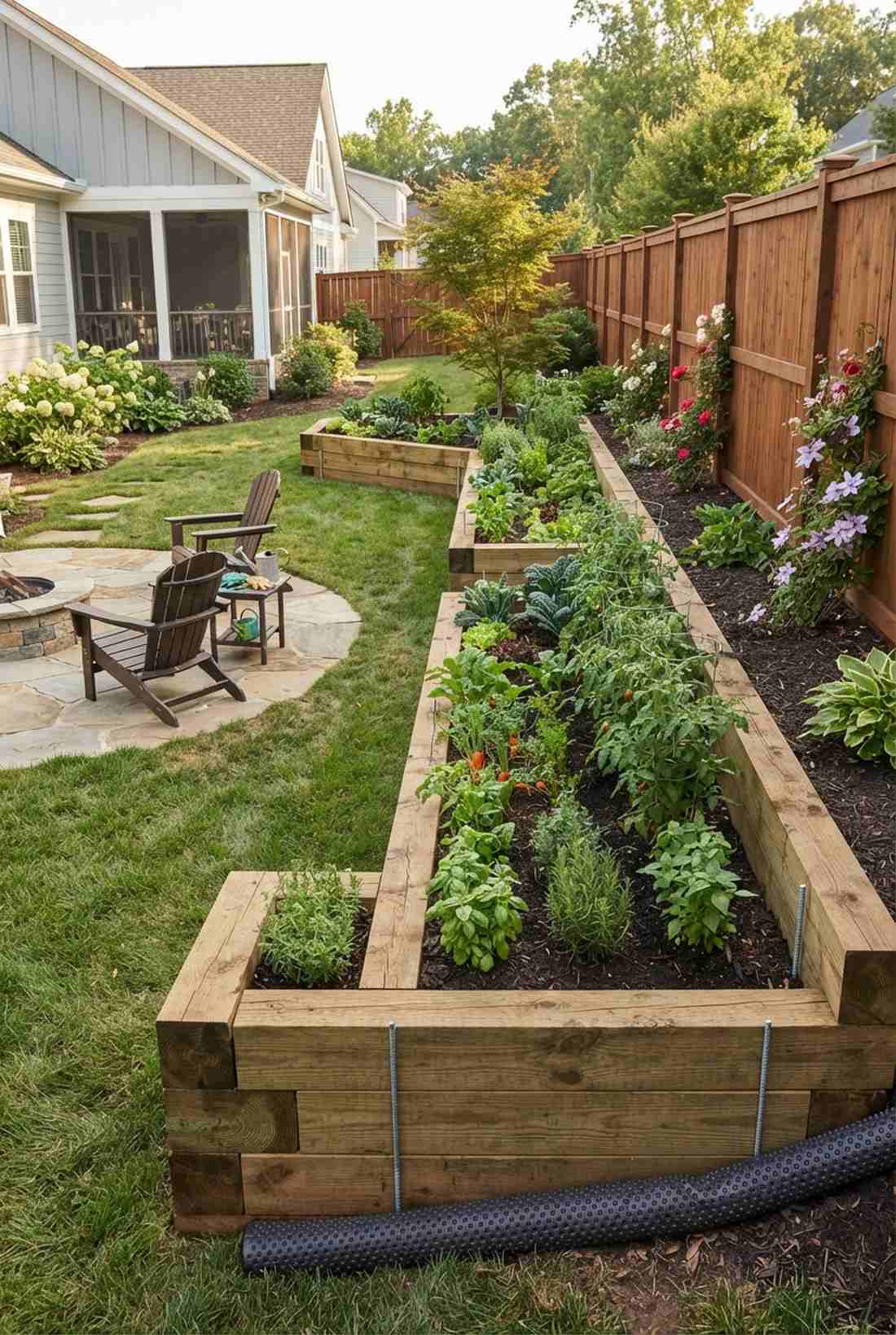
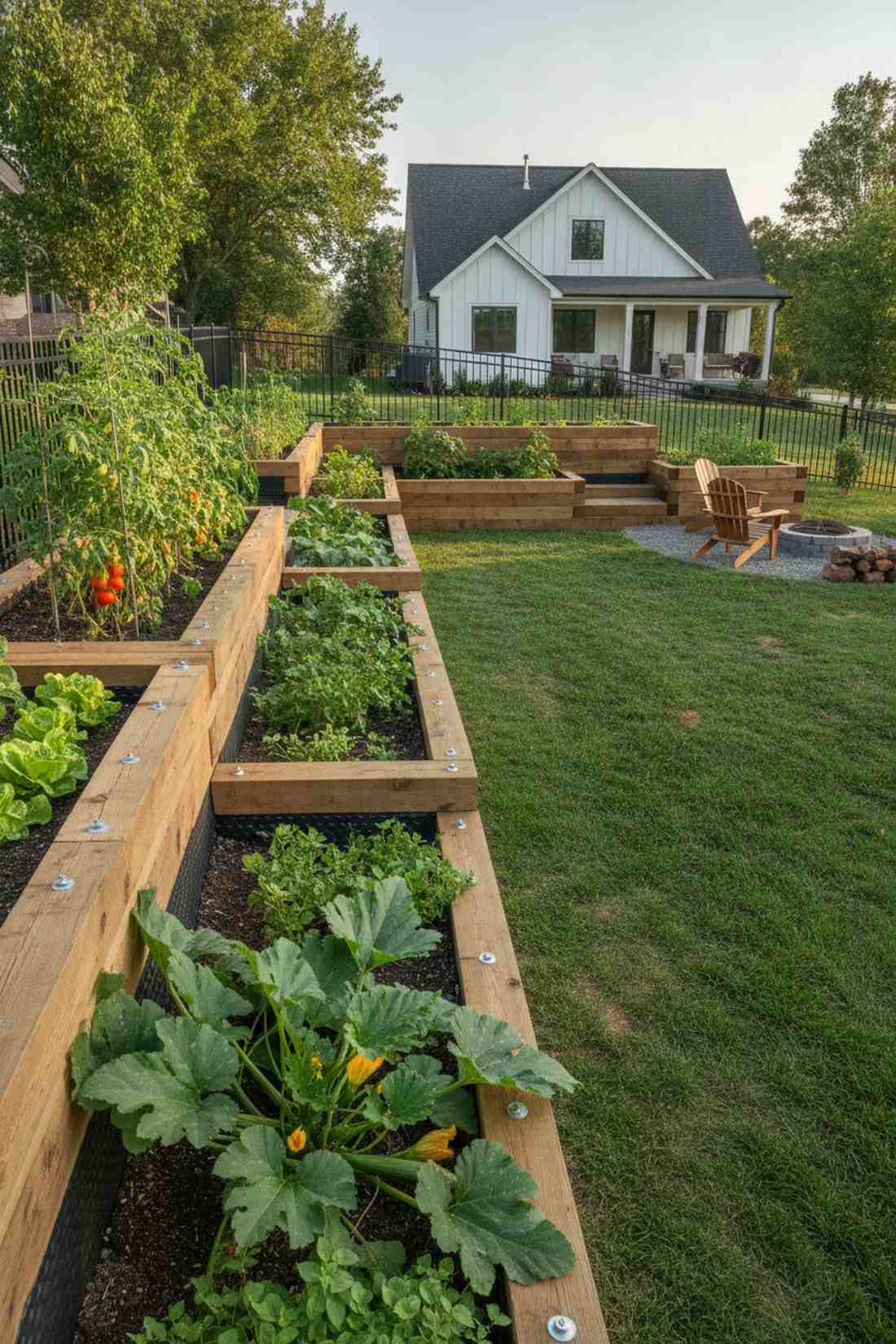
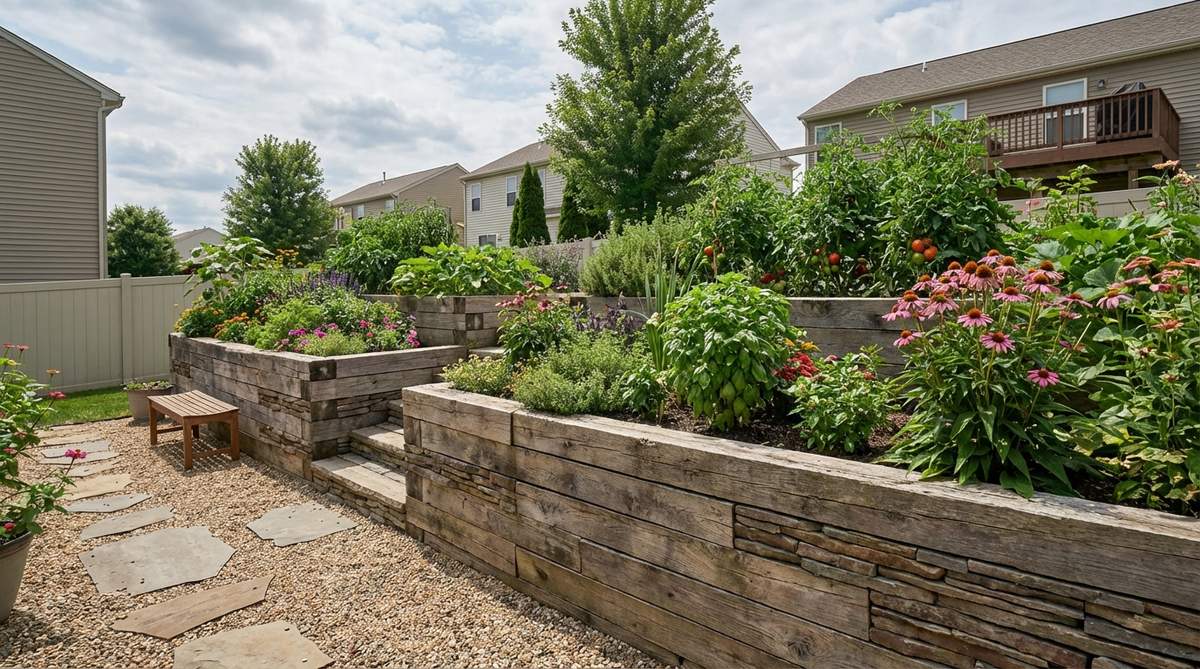
This built-in planter retaining wall feels like a highly functional, professionally landscaped terrace. By pushing the planting boxes directly into the boundary line, you free up massive amounts of walking space in the center of the yard.
Skip the overpriced contractor quotes; doubling up your perimeter fence to act as the back wall of a planter box is pure genius. Utilizing thick landscaping timbers creates a rugged small garden wall that yields massive vegetable harvests.
You can build these integrated planters for about $30–$50 per foot. Pin this for ultimate small-yard space saving!
- Key Materials: 6×6 pressure-treated timbers, heavy rebar stakes
- Vibe / Style: Highly organized terraced landscaping
- Difficulty: Intermediate (very heavy lifting)
- Budget Breakdown: Heavy timbers: $35 | Rebar anchors: $10
- Creator’s Tip: Line the inside of the raised bed with dimpled drainage board to stop wet soil from constantly pressing against your boundary fence.
- Smart Sourcing: Dimpled foundation drainage board rolls and heavy-duty galvanized rebar stakes (bulk pack).
40. Serpentine Curved Brick Wall
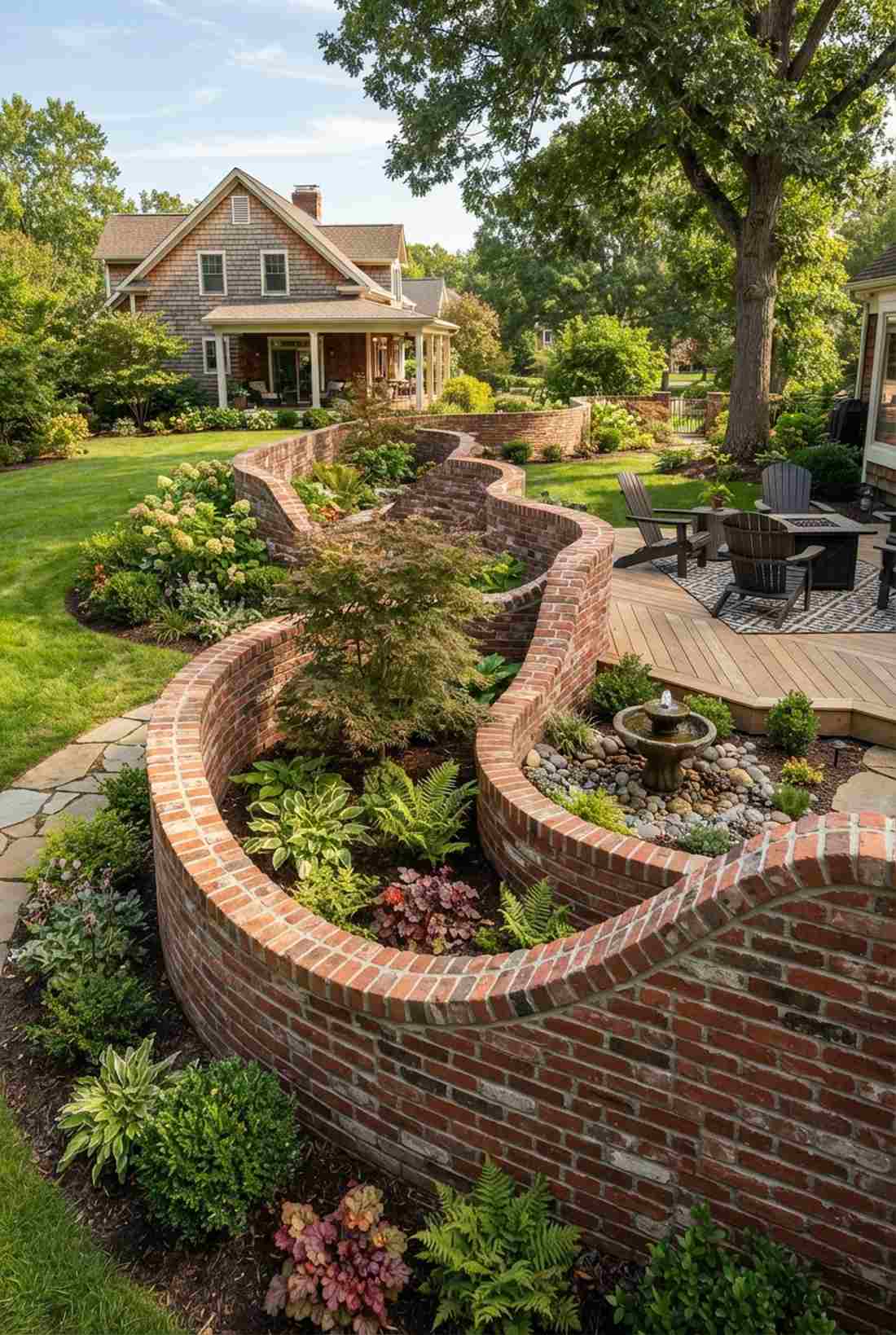
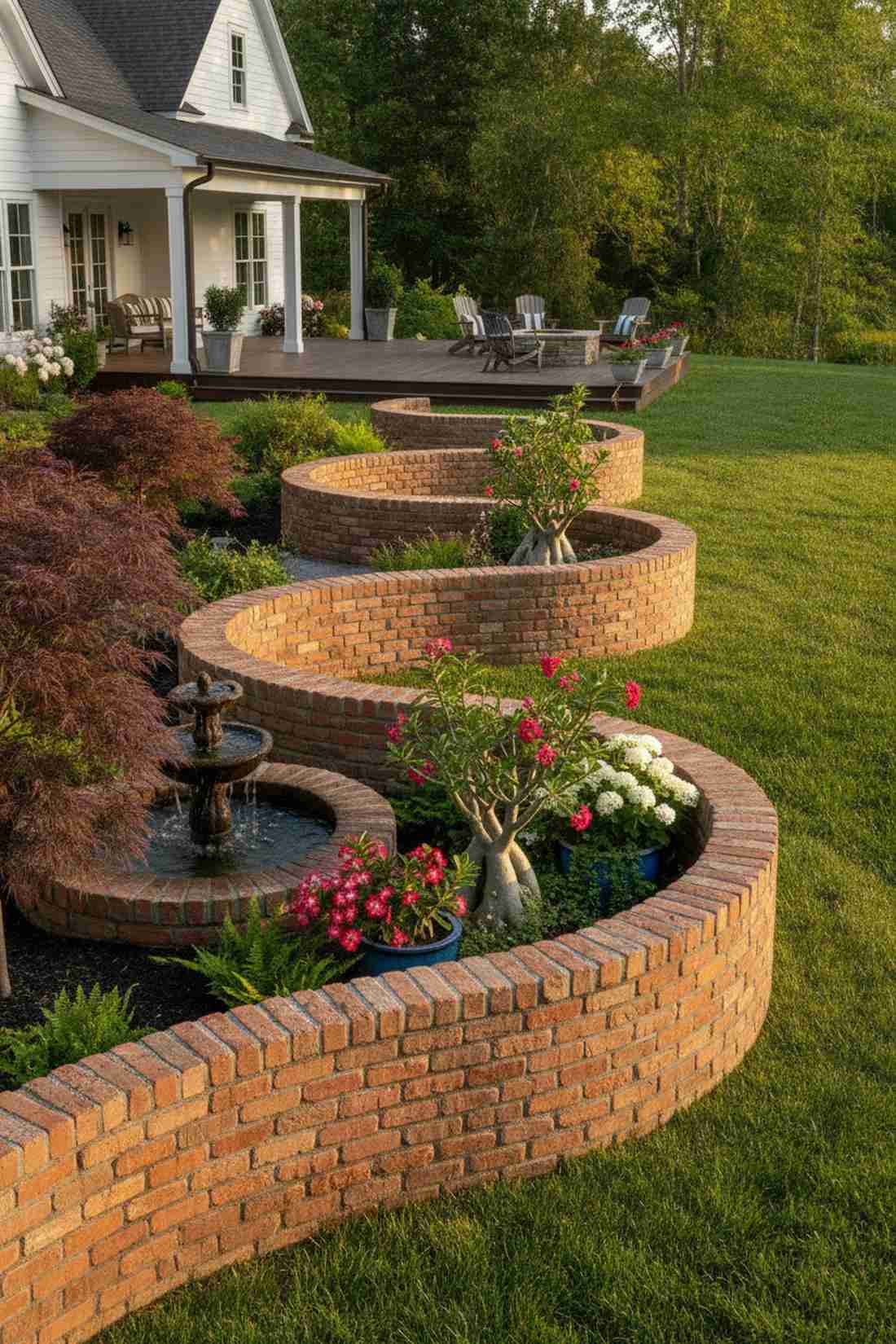
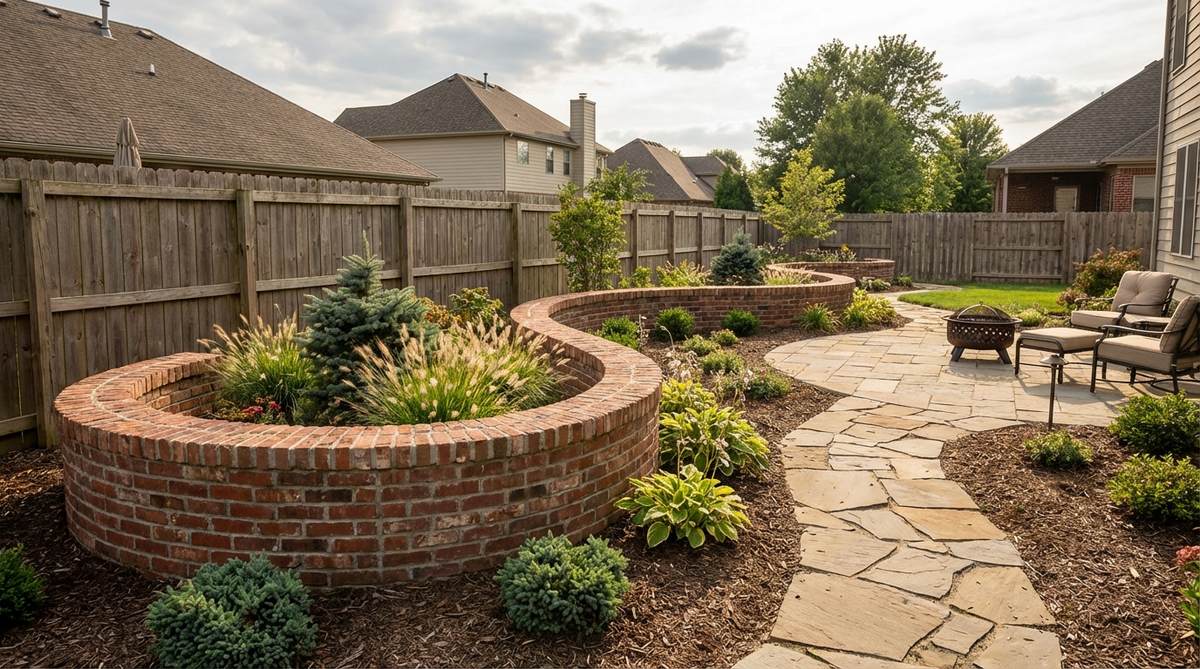
An undulating curved brick ribbon wall feels incredibly dynamic, adding beautiful wave-like motion to a static landscape. Those concave pockets naturally create perfect micro-climates for highlighting rare specimen plants or small fountains.
A massive mistake people make is building purely straight lines, but this snake-like shape actually makes the wall physically stronger. Utilizing miniature garden supplies inside the curves creates breathtaking, sweeping focal points that draw the eye.
These architectural brick curves cost around $60–$100 per foot.
- Key Materials: Standard clay bricks, heavy mortar mix
- Vibe / Style: Dynamic historical architecture
- Difficulty: Advanced (requires master bricklaying skills)
- Budget Breakdown: Bricks: $60 | Mortar: $20
- Creator’s Tip: Lay out the curve using a heavy garden hose on the ground first, then spray-paint the line so your trench is perfectly smooth.
- Smart Sourcing: High-strength outdoor masonry mortar and masonry trowel starter kits.
You don’t need solid concrete to block the wind. Check out how this next geometric trick filters air perfectly…
41. Perforated Concrete Block Screen
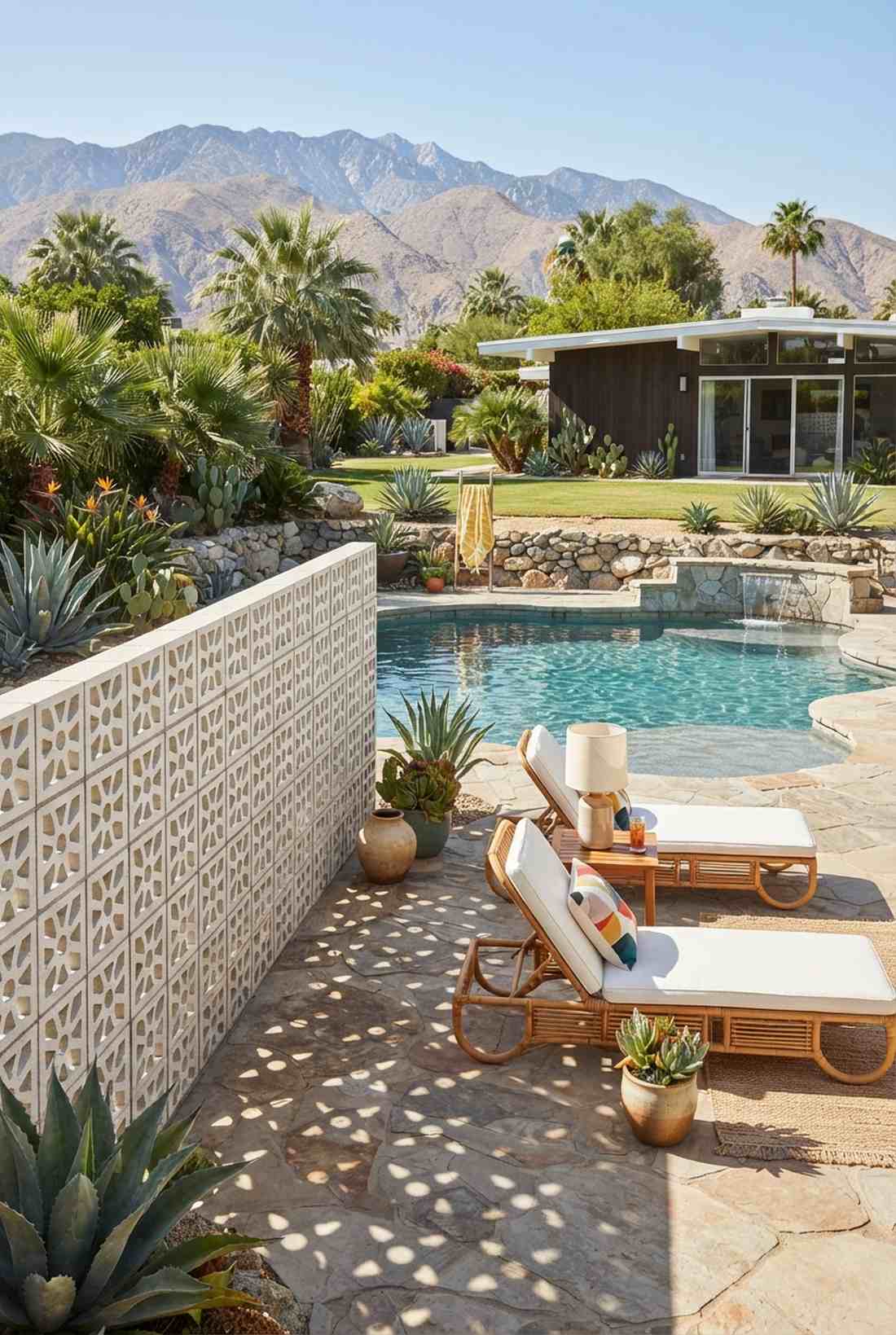
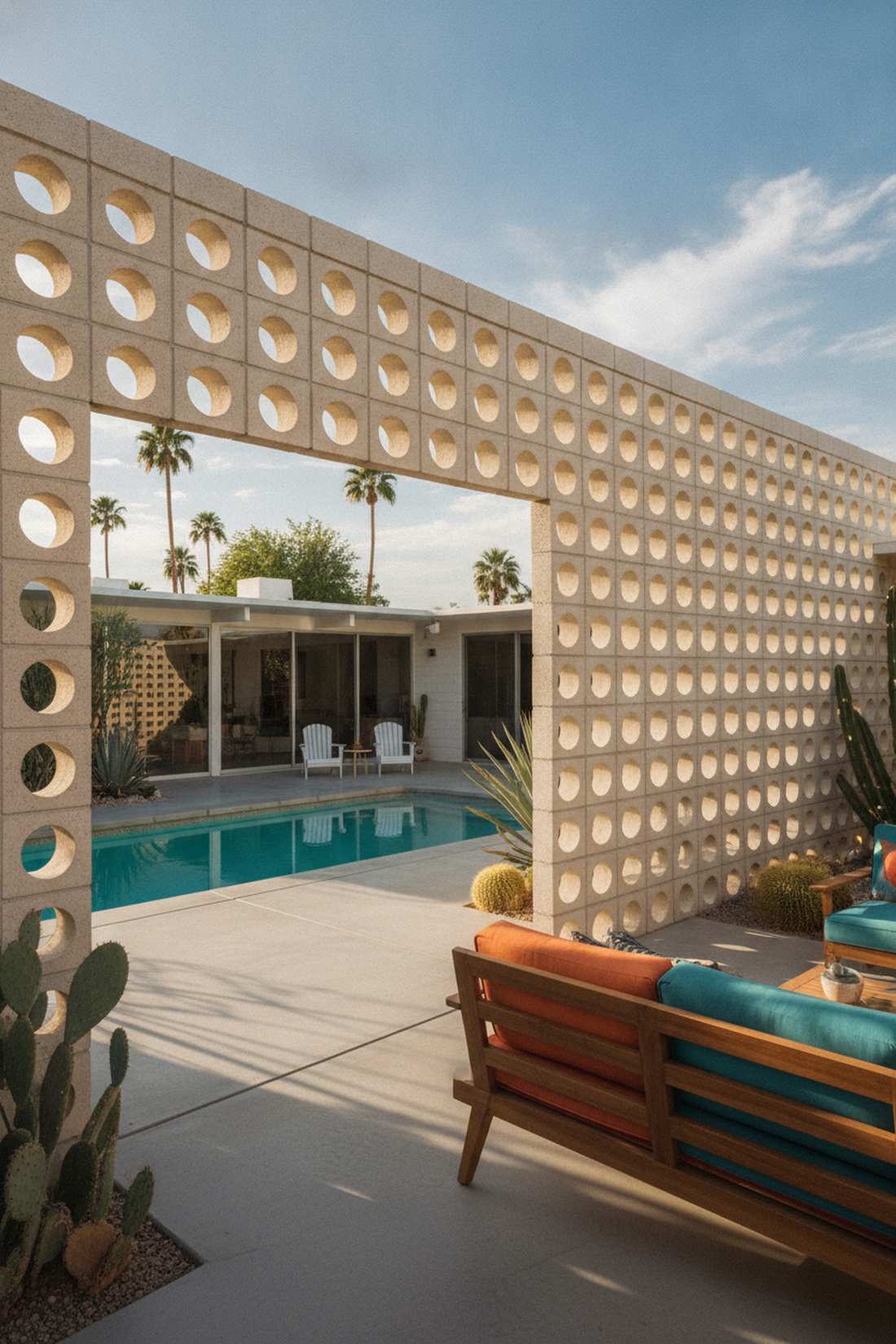
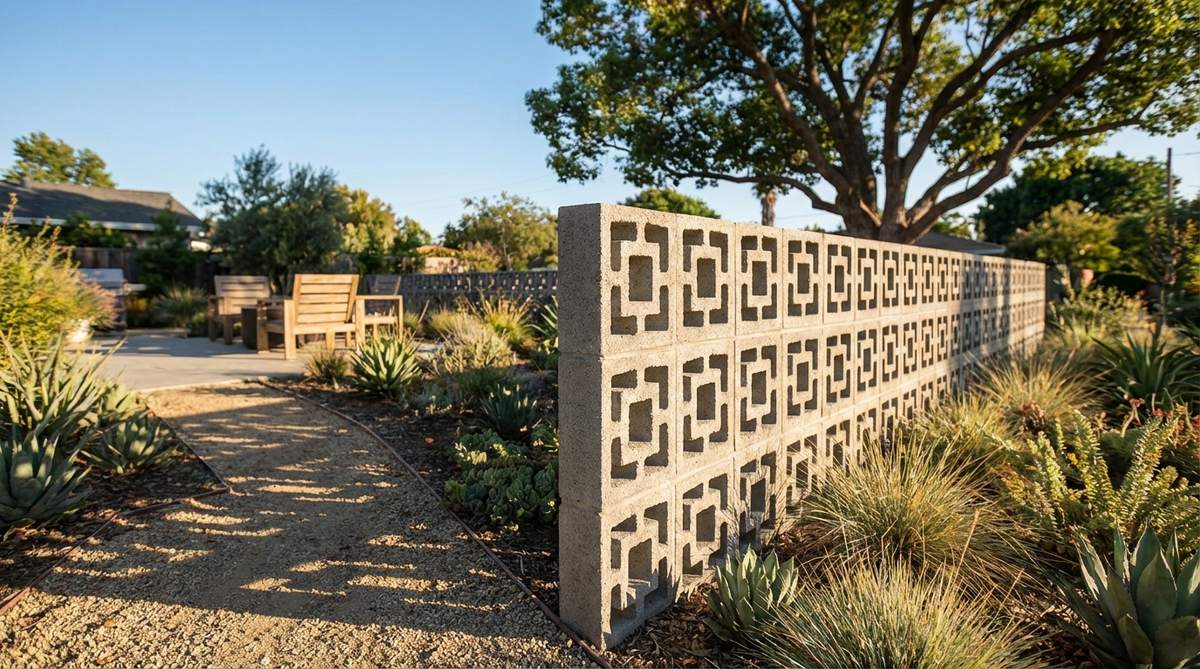
This geometric breeze block wall feels like a swanky, retro Palm Springs pool house from the 1960s. It provides massive structural weight while allowing cooling cross-breezes to freely pass through the decorative holes.
People often get this wrong by using standard ugly cinderblocks, but these patterned cutouts deliver a surprisingly premium look. Stacking mid-century perforated blocks creates incredible, shifting sun shadows that dance across your patio all day long.
Breeze blocks run about $40–$70 per linear foot. Save this to your Mid-Century Modern exterior board!
- Key Materials: Decorative concrete breeze blocks, masonry mortar
- Vibe / Style: Retro Palm Springs chic
- Difficulty: Advanced masonry
- Budget Breakdown: Decorative blocks: $50 | Mortar & rebar: $20
- Creator’s Tip: Run vertical steel rebar down through the outer edge blocks and fill them with solid concrete to anchor the entire wall against strong winds.
- Smart Sourcing: Decorative concrete breeze blocks and heavy-duty steel rebar rods (bulk pack).
42. Living Roof Garden Wall
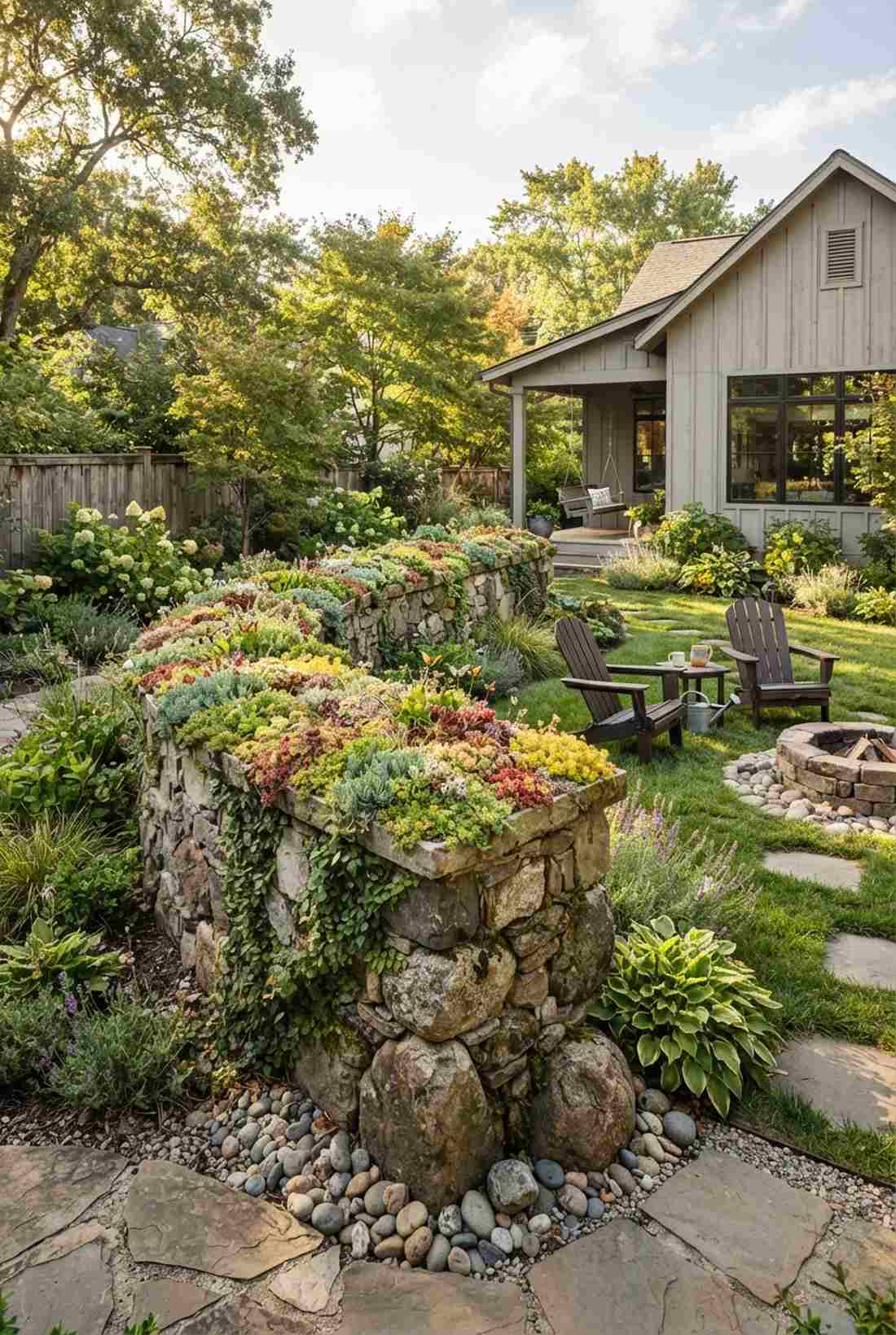
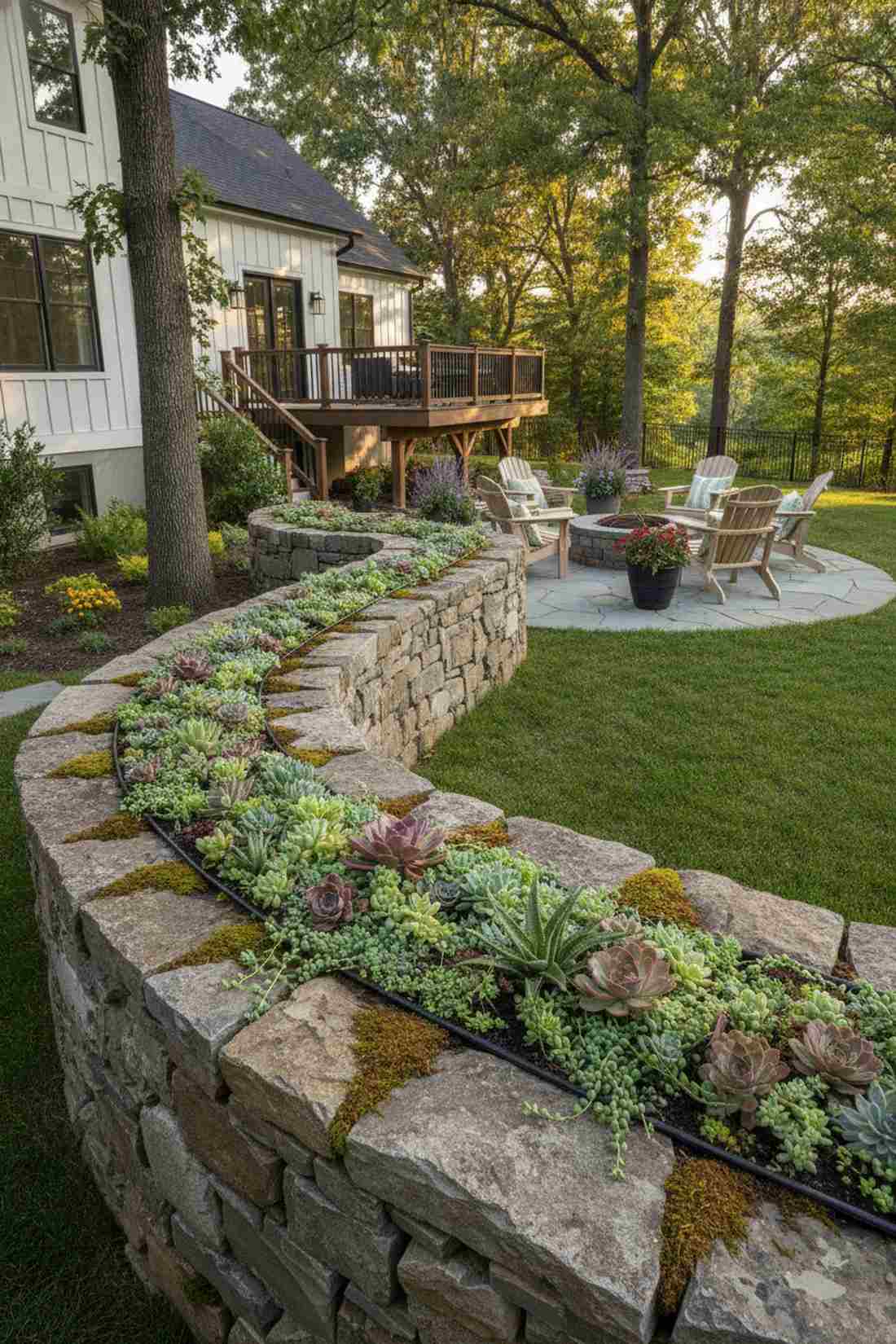
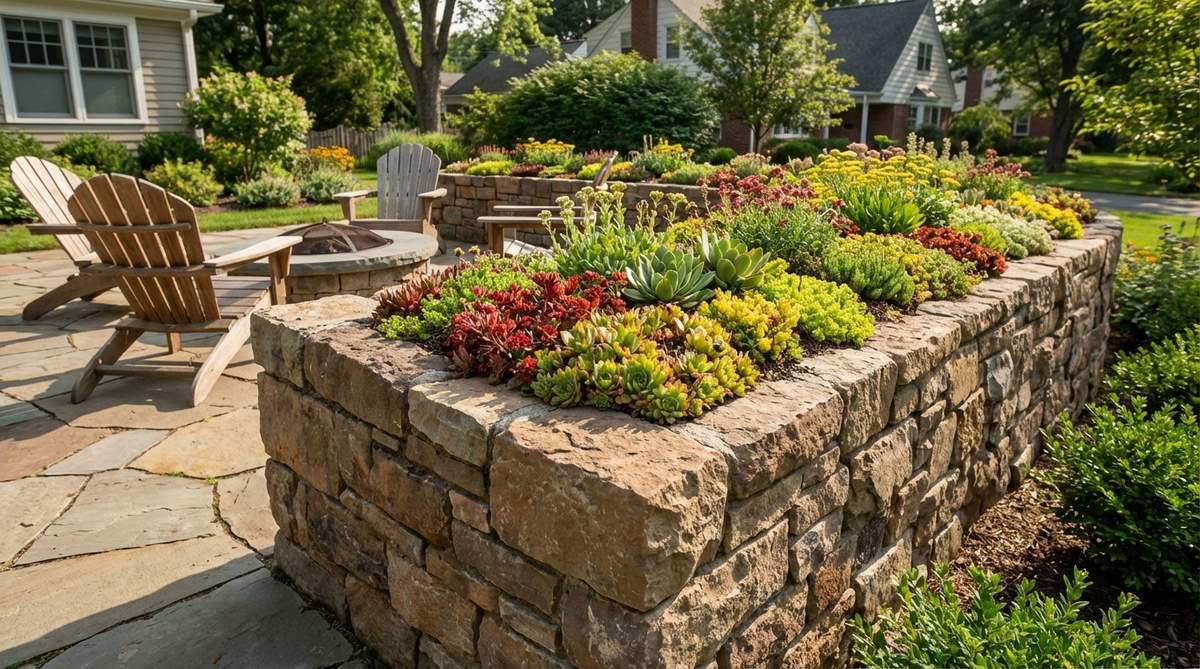
A thick stone wall topped with living succulents feels like an ancient, moss-covered ruin reclaimed by nature. It is a stunning, eco-friendly way to soften the harsh, brutalist edges of thick masonry boundaries.
The secret to this designer finish is capping the wall with a shallow, waterproof trough filled with ultra-durable alpine plants. Integrating shallow-rooting sedums on top of your small garden wall creates a brilliant pollinator habitat that requires almost zero watering.
Adding a living cap costs roughly $20–$35 extra per foot.
- Key Materials: Waterproof roofing membrane, shallow soil, sedum plants
- Vibe / Style: Organic fairy-tale ruins
- Difficulty: Intermediate
- Budget Breakdown: Waterproofing: $15 | Plants & Soil: $20
- Creator’s Tip: Slightly slope the top of the wall backward toward your yard so heavy rains don’t wash the soil down the front face of the masonry.
- Smart Sourcing: Waterproof EPDM rubber membrane rolls and live sedum/succulent flat kits (bulk pack).
Eco-Conscious Alternatives and Recycled Materials
Sustainable fencing options reduce environmental impact while creating attractive boundaries. These designs emphasize recycled materials and renewable resources suitable for environmentally conscious gardeners.
43. Recycled Plastic Composite Panel
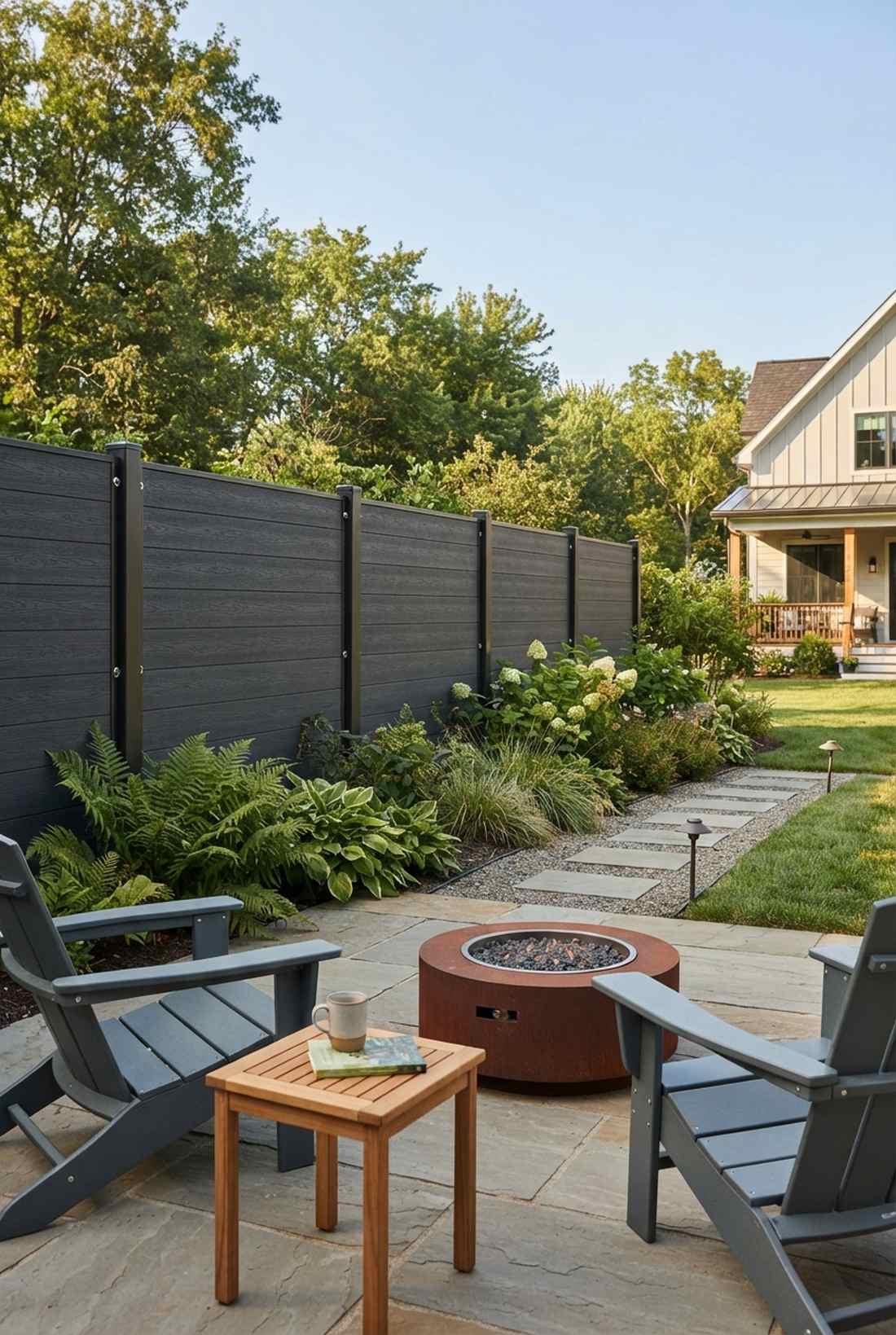
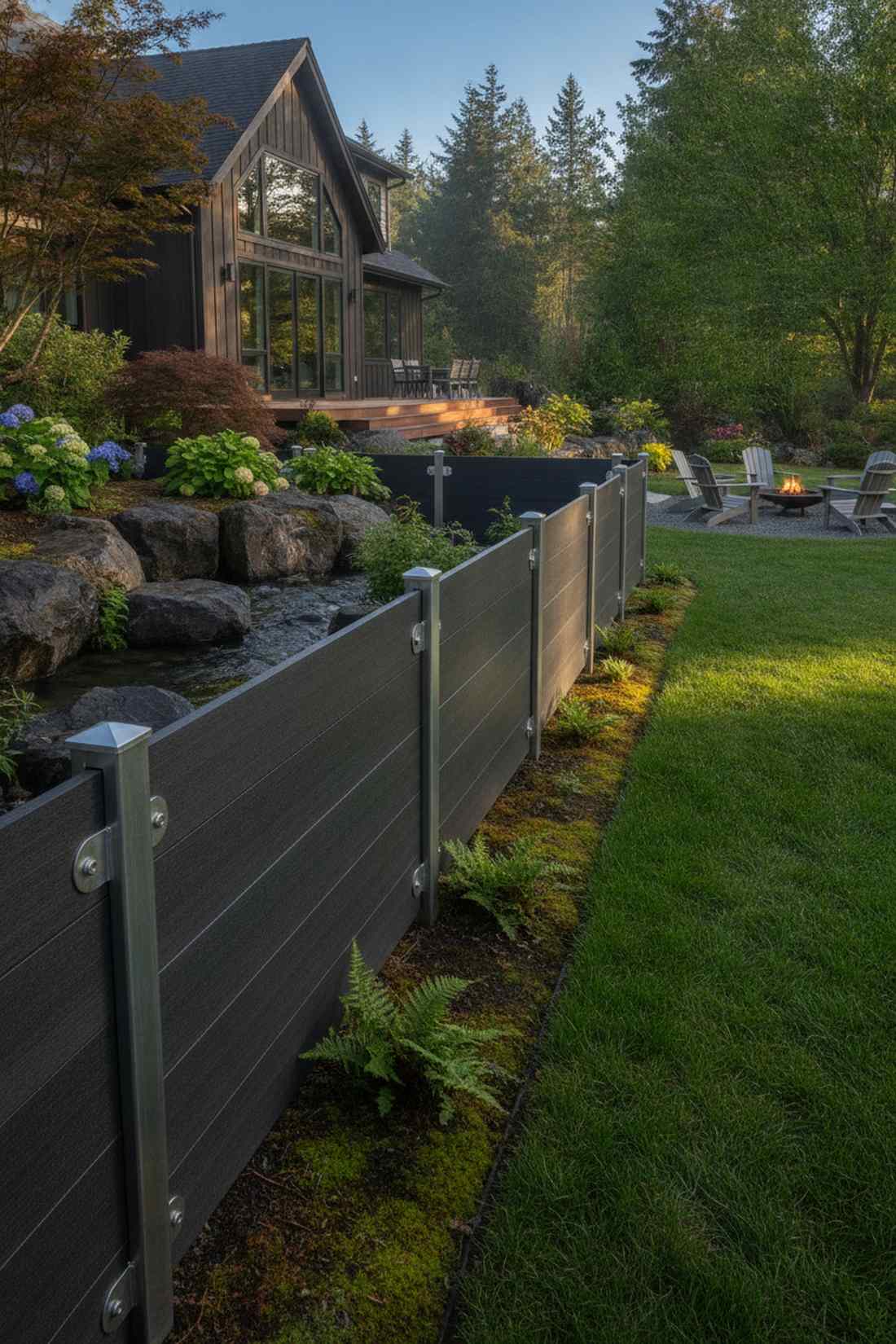
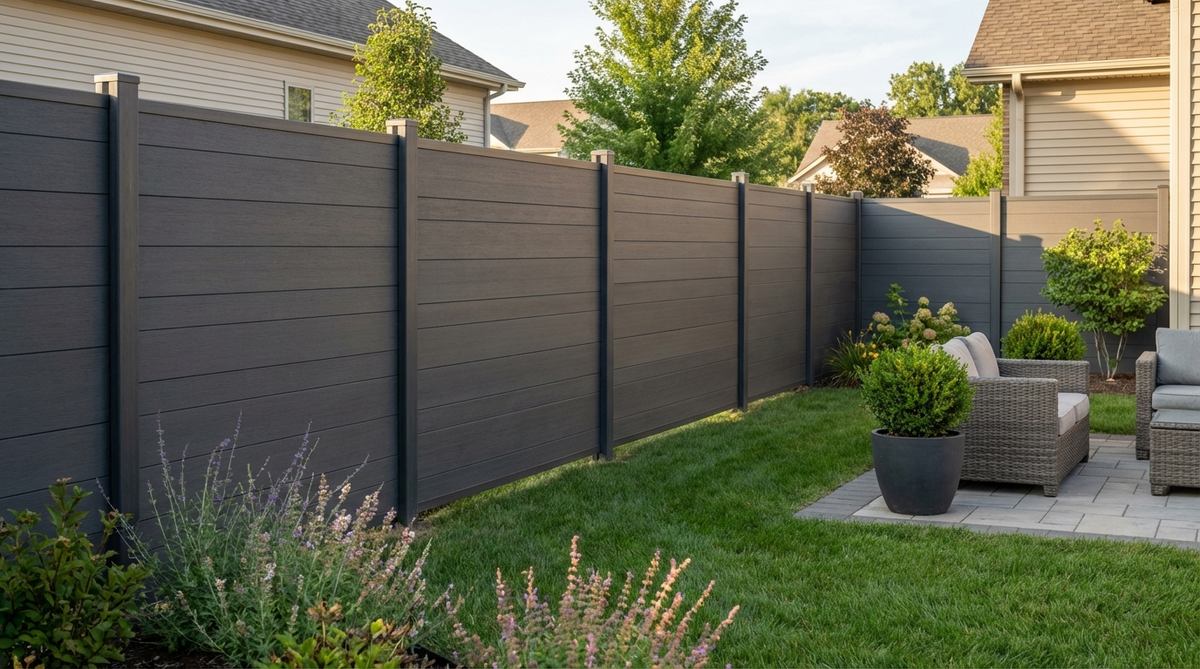
This sleek recycled plastic barrier feels like a cutting-edge, eco-friendly smart home exterior. Because it resists absolutely all rot and insect damage, it’s perfect for wet, damp yards where wood quickly turns to mush.
Most homeowners assume eco-friendly materials look cheap, but these high-density panels deliver a surprisingly premium look. Sourcing thick, post-consumer recycled sheets gives you a small garden fence that outlasts traditional timber by decades.
These ultra-durable panels cost around $35–$60 per foot. Pin this if you hate painting and staining!
- Key Materials: High-density polyethylene (HDPE) panels, metal posts
- Vibe / Style: Ultra-modern zero-maintenance
- Difficulty: Easy to intermediate
- Budget Breakdown: Recycled panels: $45 | Hardware: $15
- Creator’s Tip: Use oversized washers when bolting the plastic panels to the frame to prevent the bolt heads from sinking into the plastic on hot days.
- Smart Sourcing: UV-coated recycled plastic fence panels (bulk pack) and stainless steel oversized fender washers.
44. Reclaimed Pallet Wood Fence
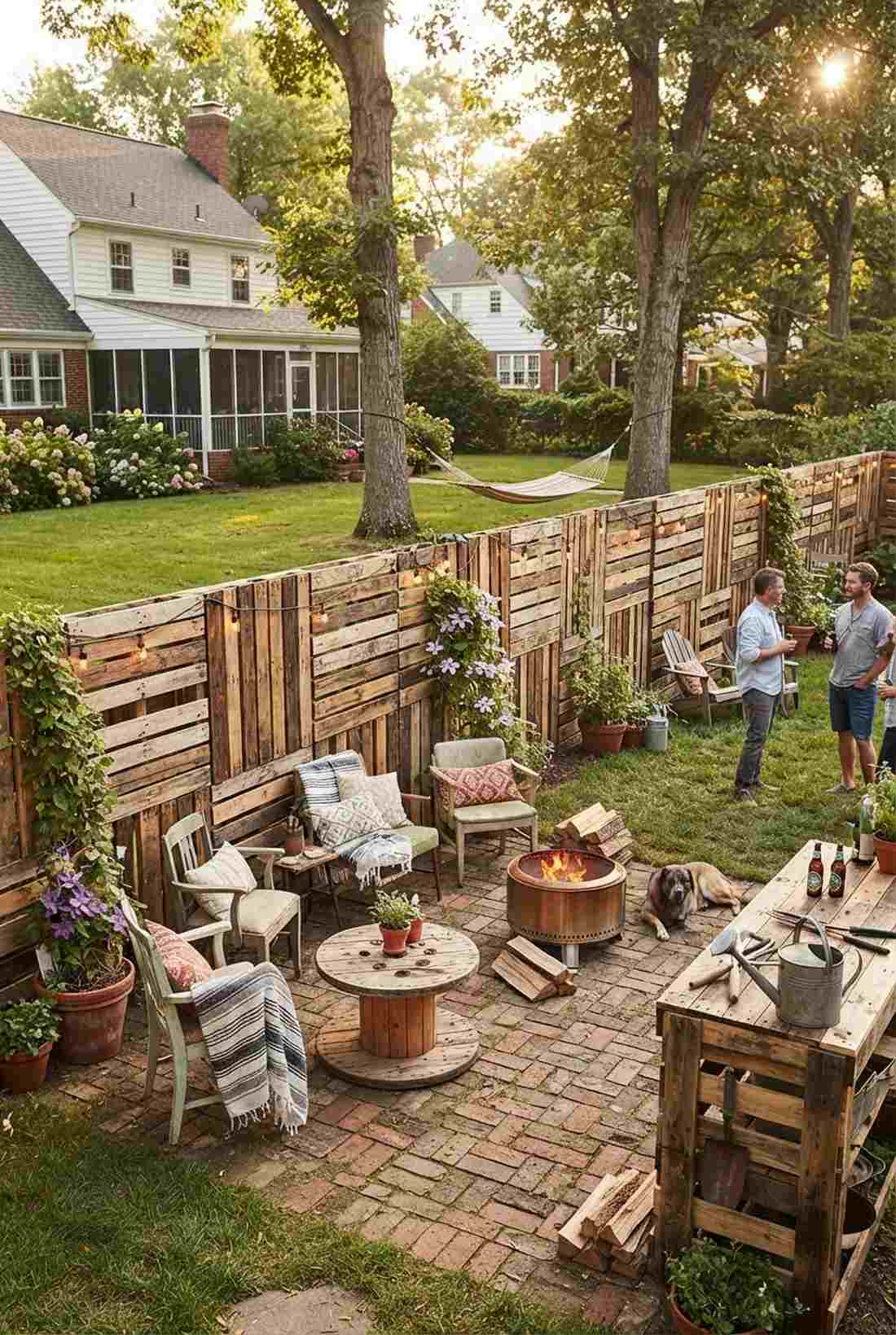
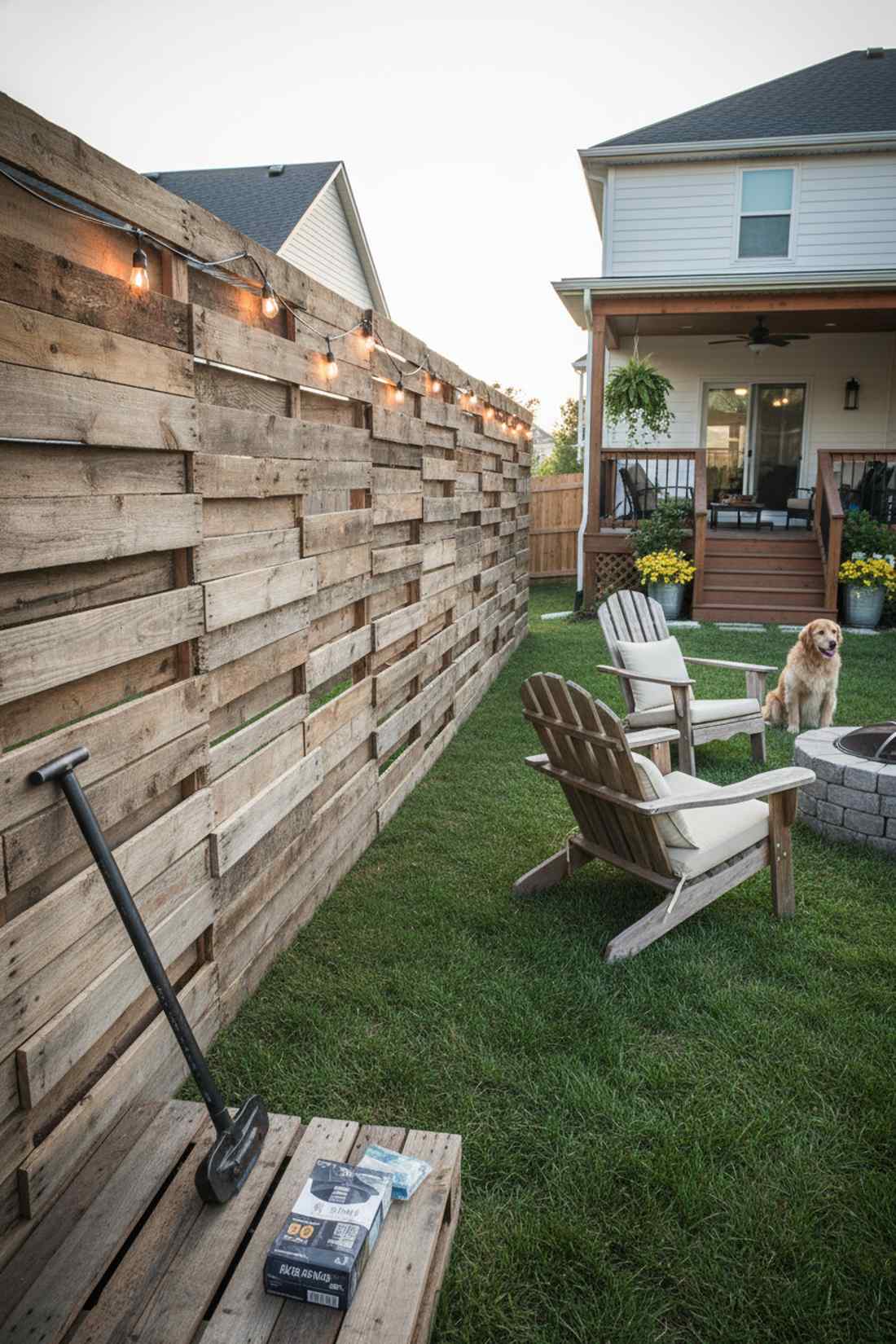
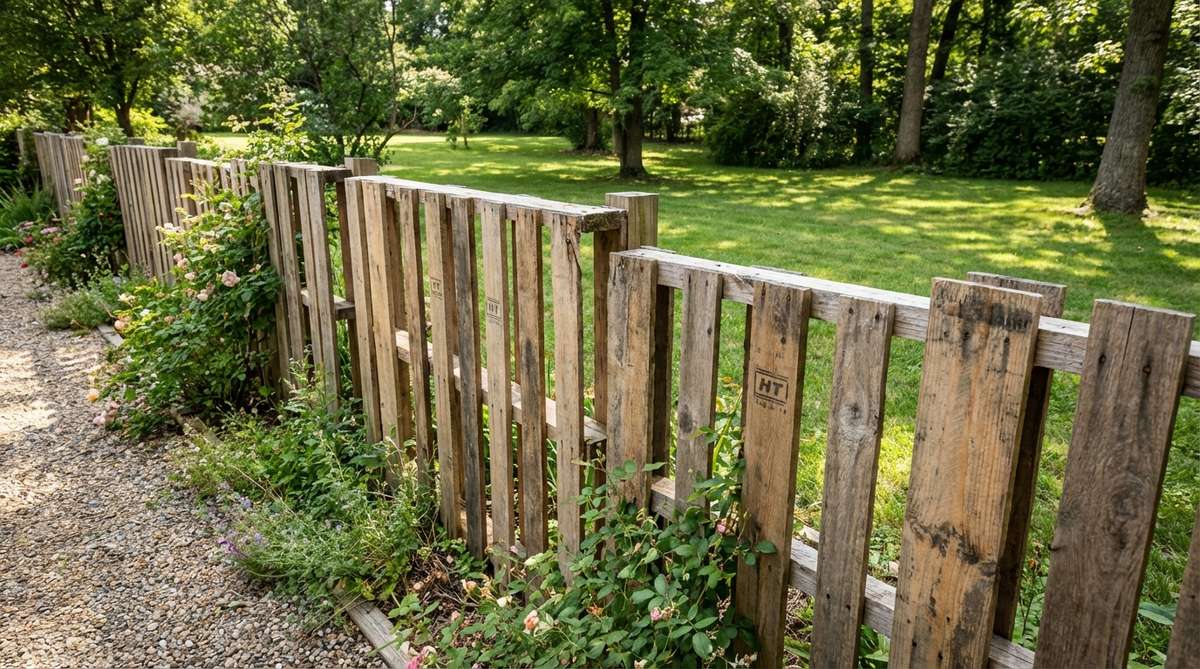
A staggered upcycled pallet wall feels incredibly rugged, like a trendy pop-up beer garden. It is the absolute king of budget-friendly boundaries for renters or massive yards needing cheap coverage fast.
Skip the overpriced contractor quotes; breaking down shipping crates delivers a highly textured, rustic vibe for pennies on the dollar. Snagging heat-treated pallets ensures your boundary is safe from toxic chemicals while providing deep, authentic wood grain.
You can build this entire fence for as little as $5–$15 per foot.
- Key Materials: Dismantled heat-treated (HT) pallets, heavy exterior screws
- Vibe / Style: Gritty industrial upcycle
- Difficulty: Very labor-intensive (dismantling wood)
- Budget Breakdown: Pallets: $0-$5 | Heavy screws: $10
- Creator’s Tip: Buy a heavy-duty pallet buster tool immediately; trying to pry them apart with a standard hammer and crowbar will splinter the wood and ruin your weekend.
- Smart Sourcing: Heavy-duty steel pallet buster tools and weather-proof deck screws (bulk pack).
Wait until you see this ancient technique… you can literally plant a fence into the ground and watch it grow into a solid wall.
45. Living Willow Fedge
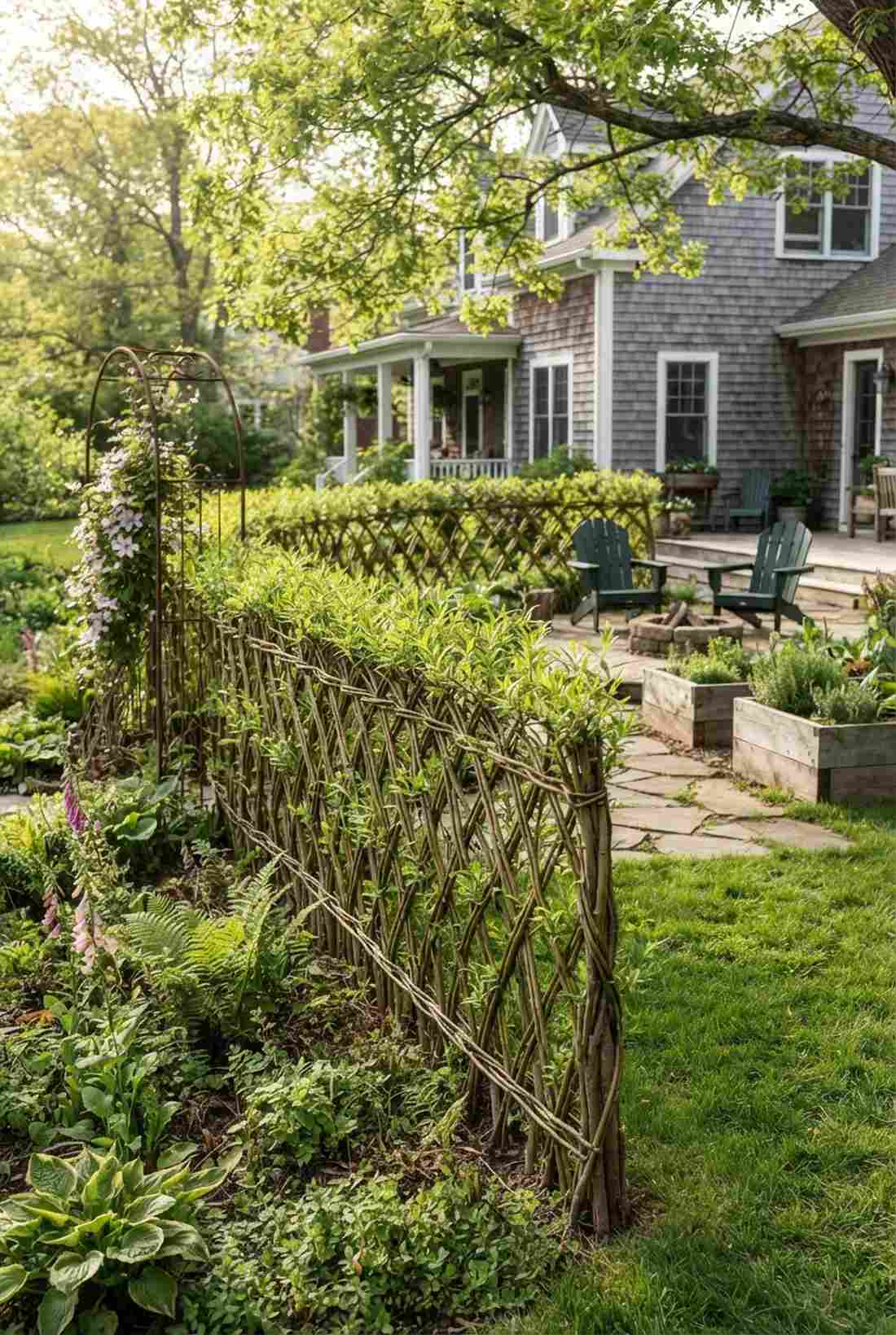
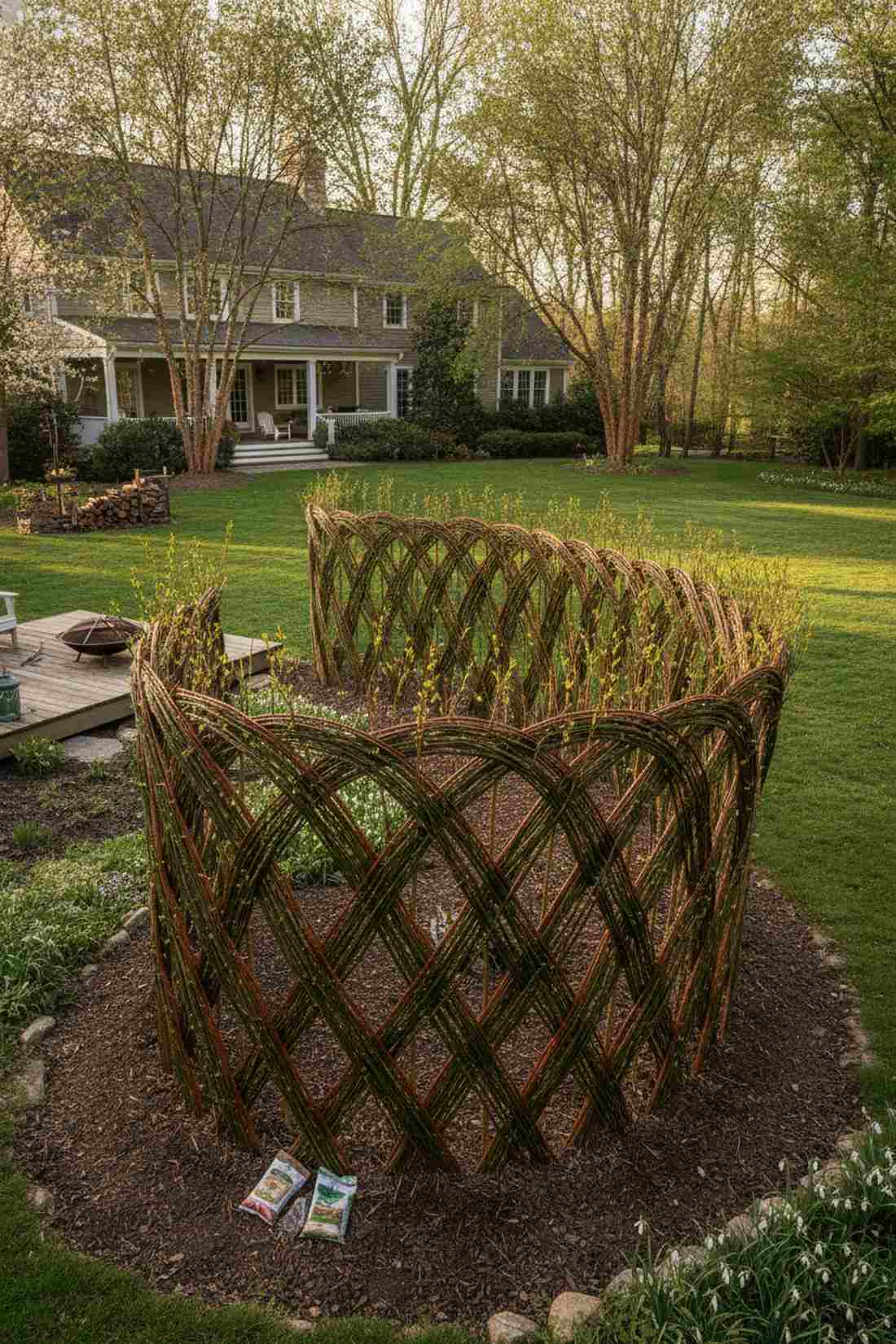
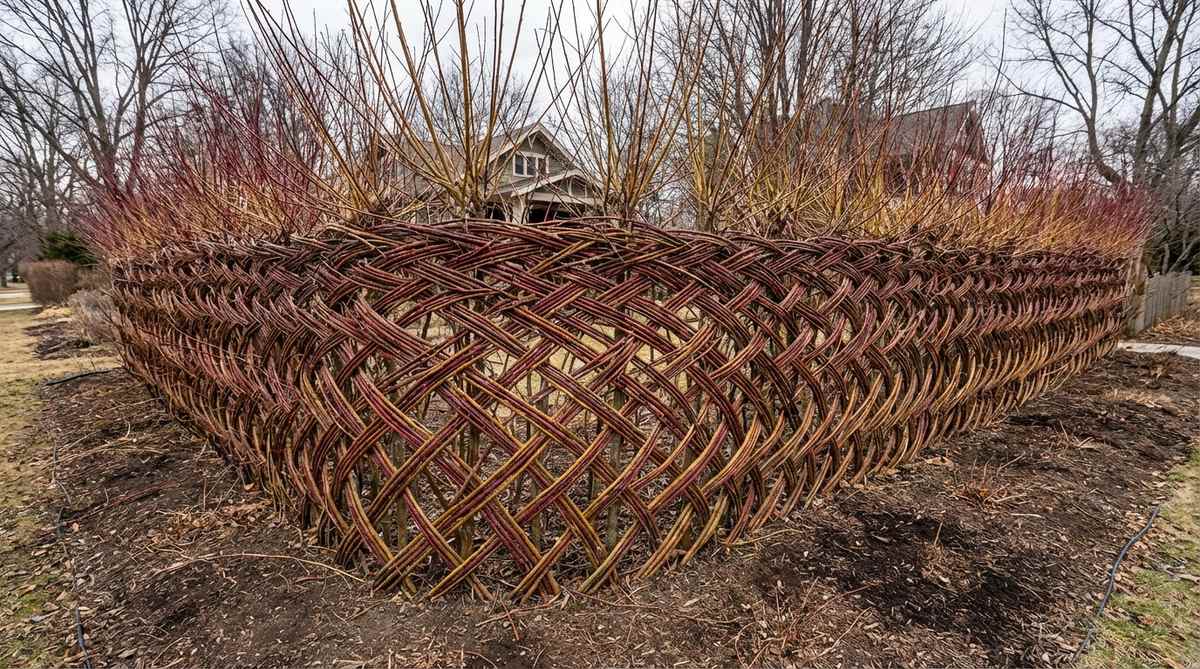
This woven living willow branch wall feels like an ancient Celtic boundary straight out of a fantasy novel. Once rooted, it physically grows thicker and stronger every single year, turning into an impenetrable green hedge.
What makes this look so expensive is the intricate, diamond-woven basket pattern that sprouts vibrant green leaves in the spring. Jamming dormant willow branches straight into wet soil creates a living, breathing small garden fence that literally self-repairs.
This magical living structure costs only $10–$20 per foot for the raw cuttings.
- Key Materials: Dormant willow whips (long branches), organic compost
- Vibe / Style: Mystical ancient woodland
- Difficulty: Intermediate (requires specific planting timing)
- Budget Breakdown: Willow whips: $15 | Compost: $5
- Creator’s Tip: You MUST plant this in late winter or early spring before the branches bud, otherwise they won’t root into the soil properly.
- Smart Sourcing: Dormant willow cuttings/whips (bulk pack) and heavy-duty root growth hormone powder.
46. Bamboo Pole Tied Screen
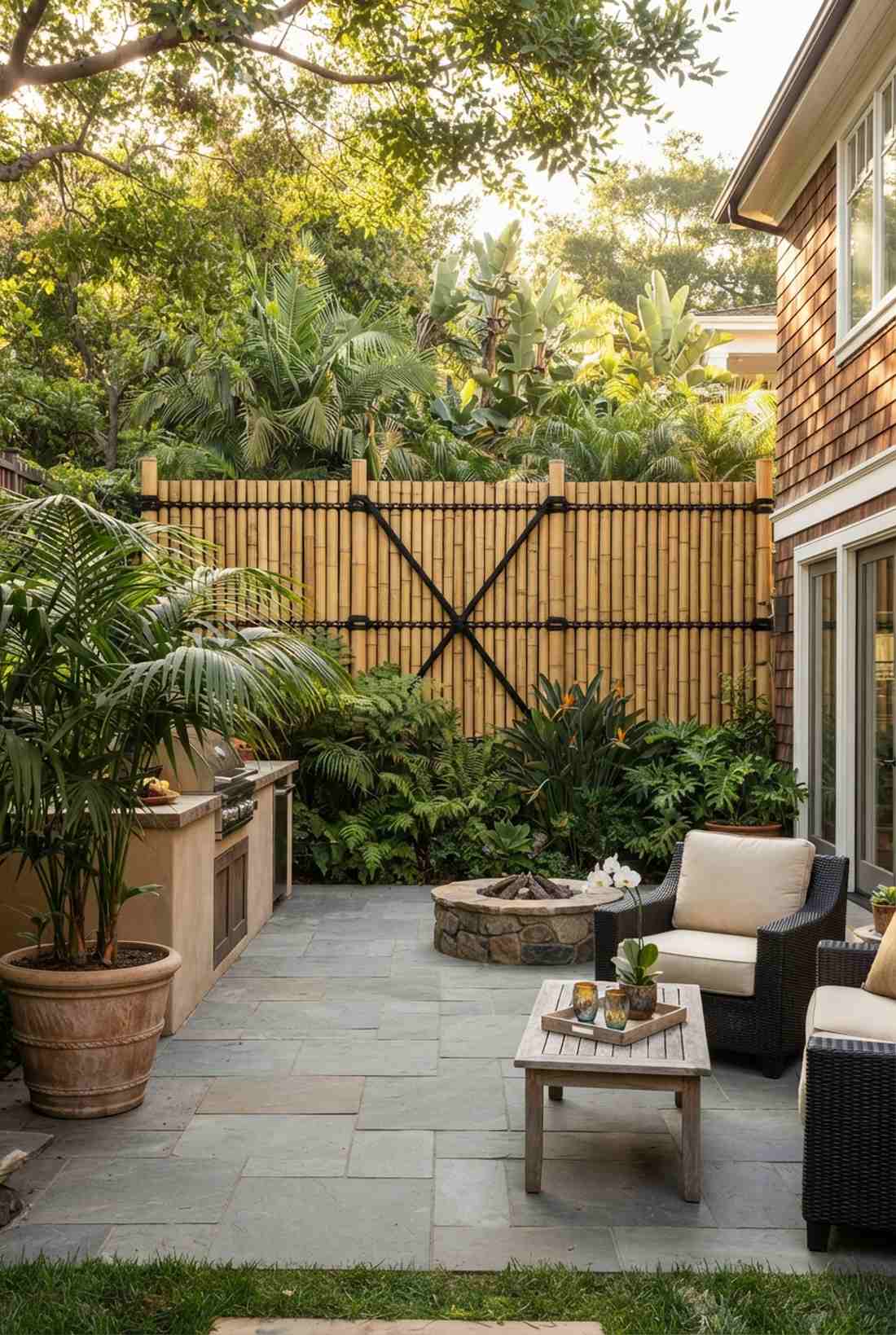
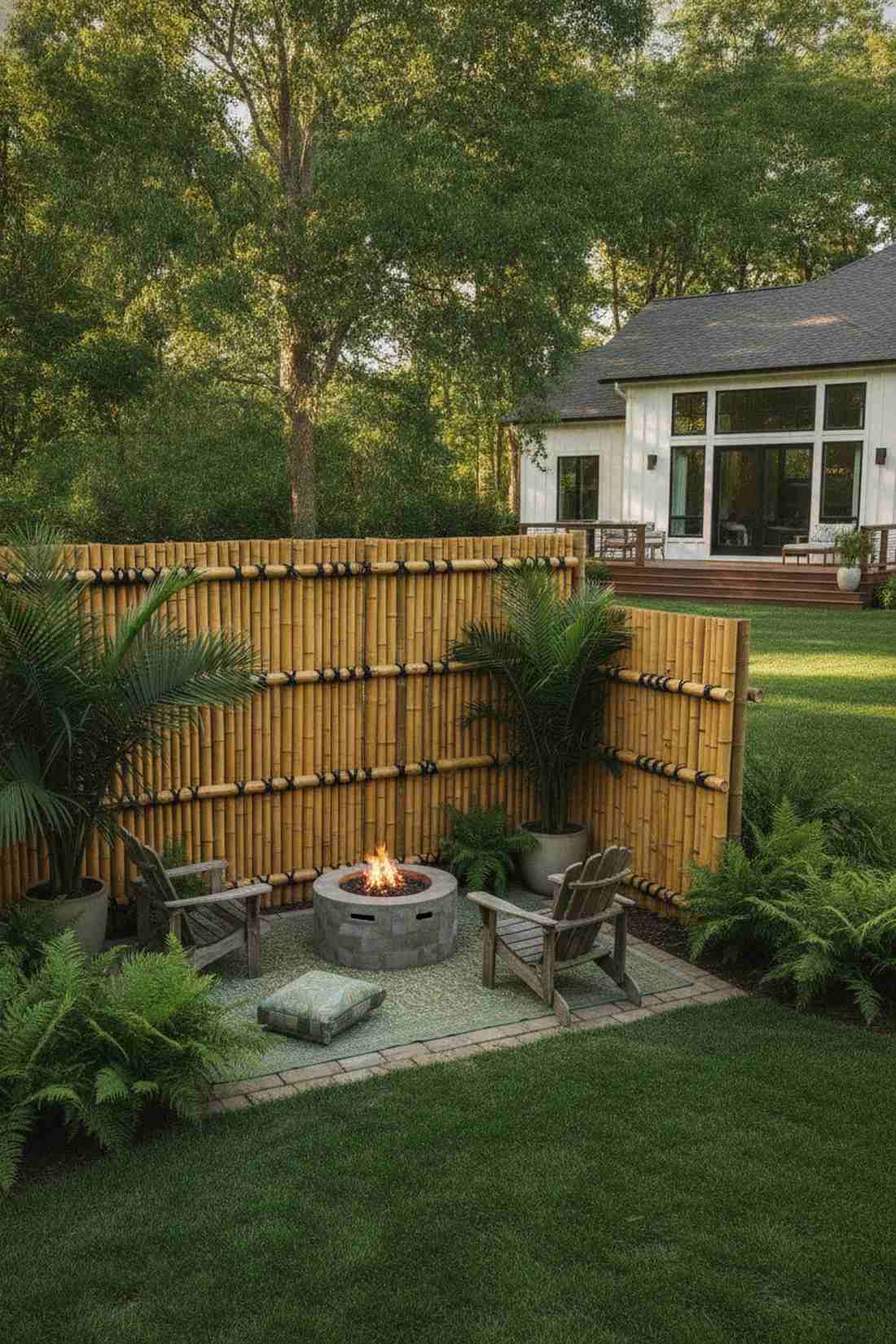
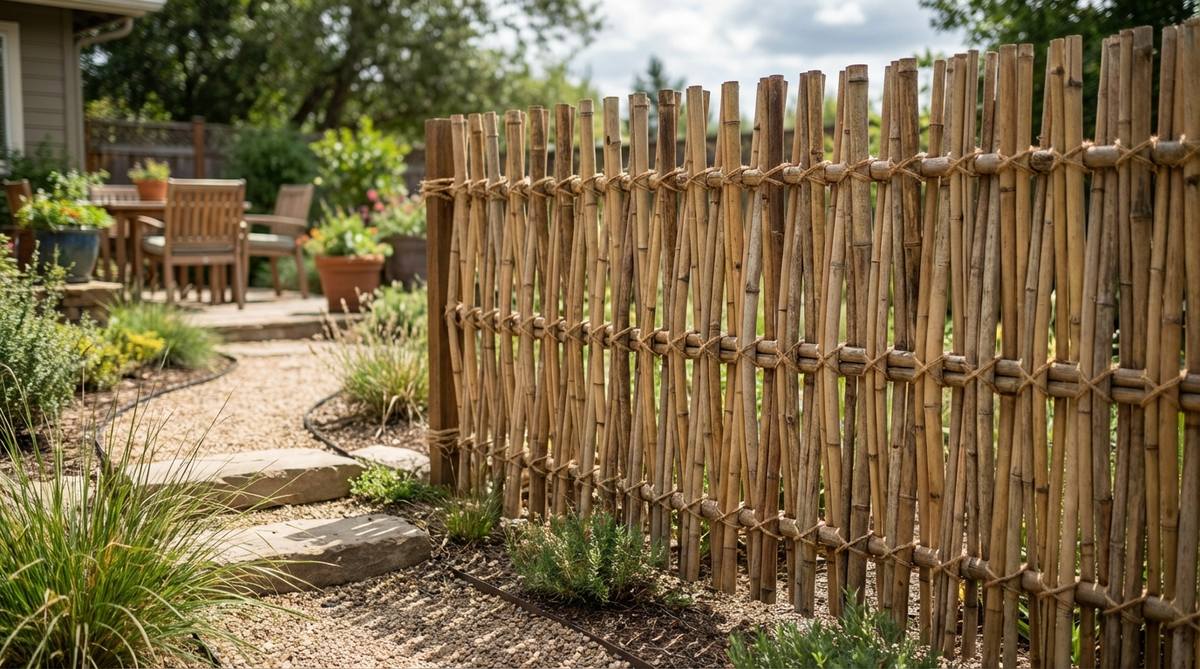
A thick-tied raw bamboo fence feels like an exclusive, hidden courtyard in a tropical jungle resort. Because bamboo grows back at lightning speed, it is the ultimate highly sustainable, rapidly renewable privacy wall.
People often get this wrong by using thin wire that snaps, but lashing massive poles together with dark outdoor cordage delivers a surprisingly premium look. Tying thick stalks with black wax rope creates a striking visual contrast that elevates the whole yard.
Expect to spend $25–$45 per foot for thick structural poles. Save this for a fast, eco-friendly upgrade!
- Key Materials: 2-inch thick bamboo poles, heavy waxed lashing cord
- Vibe / Style: High-end tropical resort
- Difficulty: Easy but repetitive tying
- Budget Breakdown: Bamboo poles: $35 | Waxed cord: $10
- Creator’s Tip: Cut the bamboo poles just above the natural solid “nodes” (the joints) so rainwater doesn’t pool inside the hollow tubes and cause rot.
- Smart Sourcing: Thick structural bamboo poles (bulk pack) and UV-resistant black waxed lashing cord.
47. Upcycled Window Frame Fence
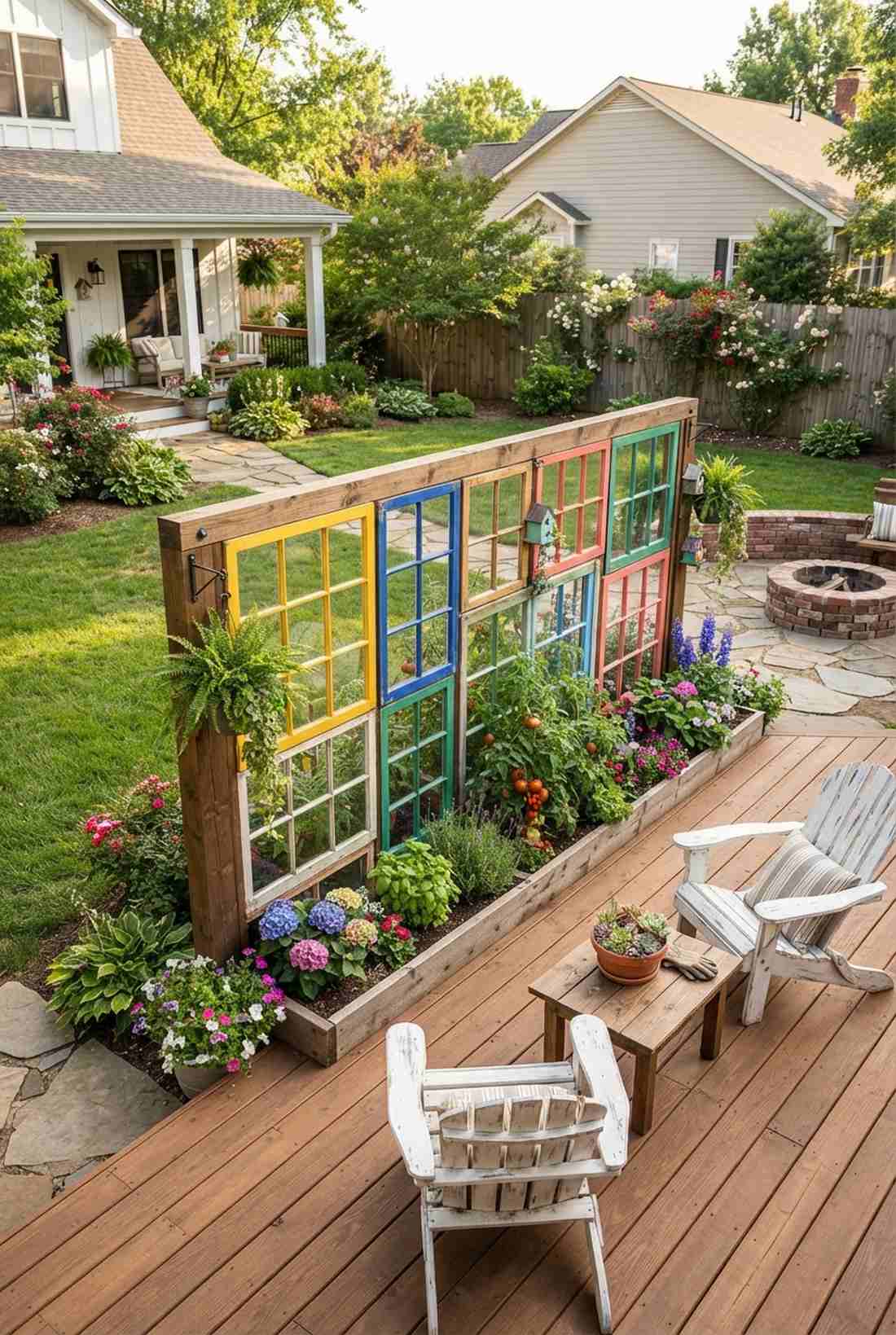
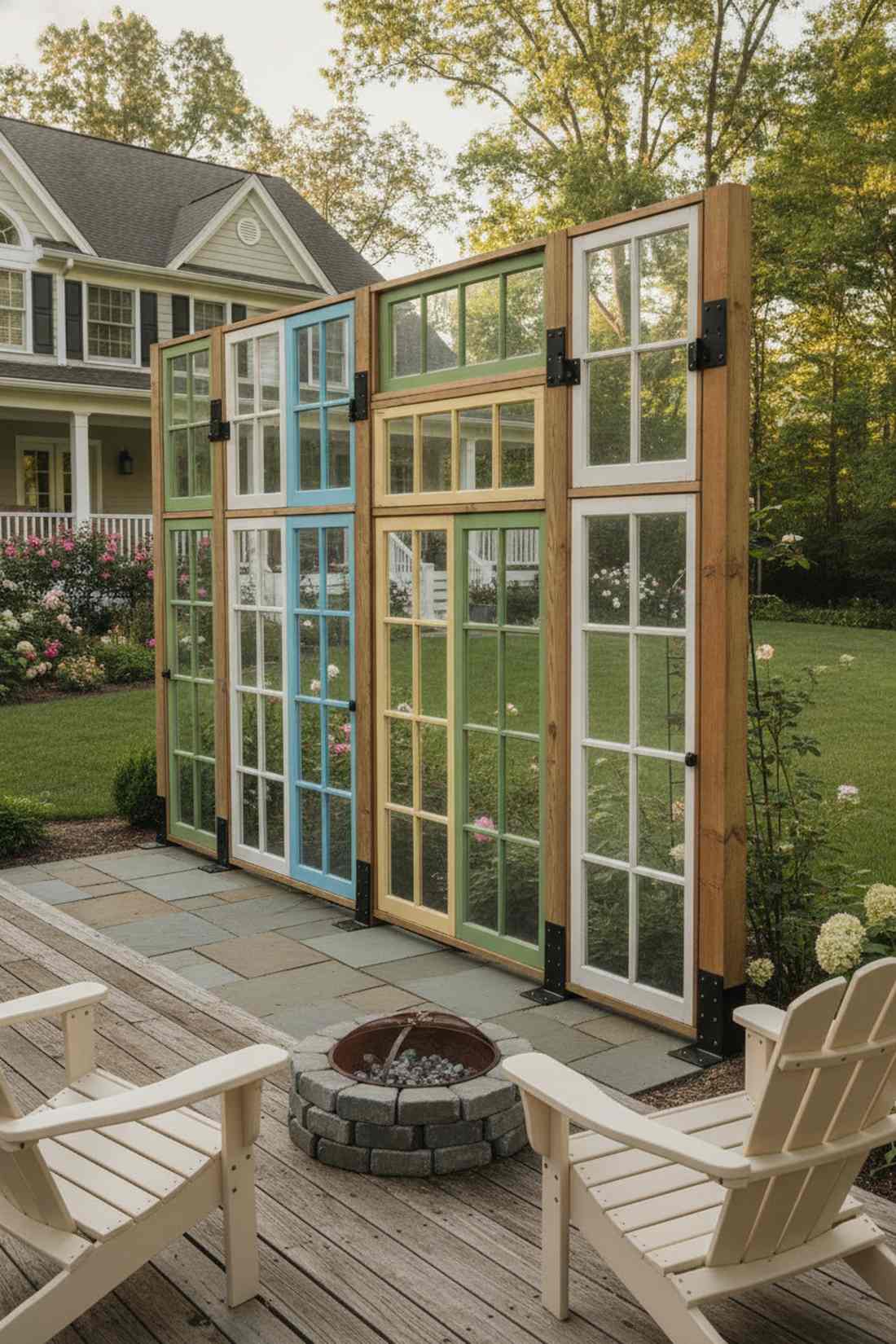
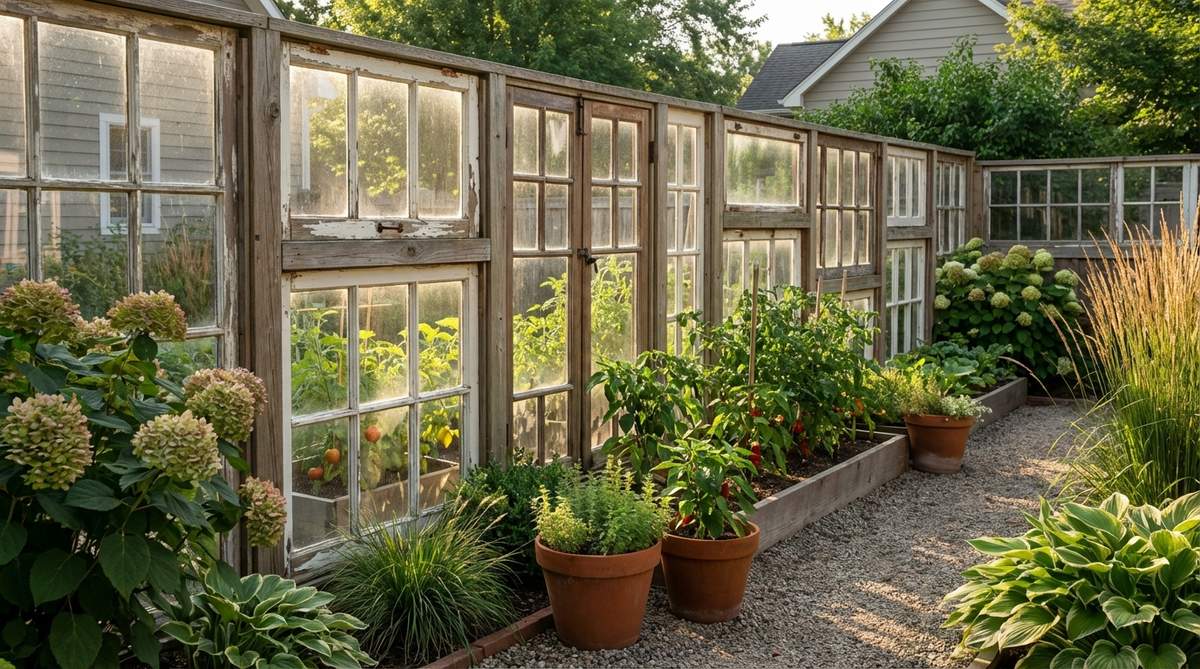
This vintage window pane partition feels like a whimsical, sunlit greenhouse wall dropped into the middle of your yard. It is highly recommended for shielding delicate plants from harsh winds without blocking any essential sunlight.
Forget the flimsy big-box store panels; bolting antique glass sashes together creates a breathtaking, translucent small garden fence. Sealing the cracked wood frames in bright, glossy colors gives a designer-level finish that acts as a massive piece of outdoor art.
Thrifted windows will cost you about $15–$40 per panel.
- Key Materials: Salvaged wood window sashes, heavy framing lumber
- Vibe / Style: Shabby-chic garden art
- Difficulty: Intermediate
- Budget Breakdown: Old windows: $25 | Framing wood: $15
- Creator’s Tip: Use clear silicone caulk around every single pane of old glass to stop them from rattling and shattering during heavy windstorms.
- Smart Sourcing: Clear outdoor waterproof silicone caulk and heavy-duty framing timber brackets.
48. Recycled Metal Drum Screening
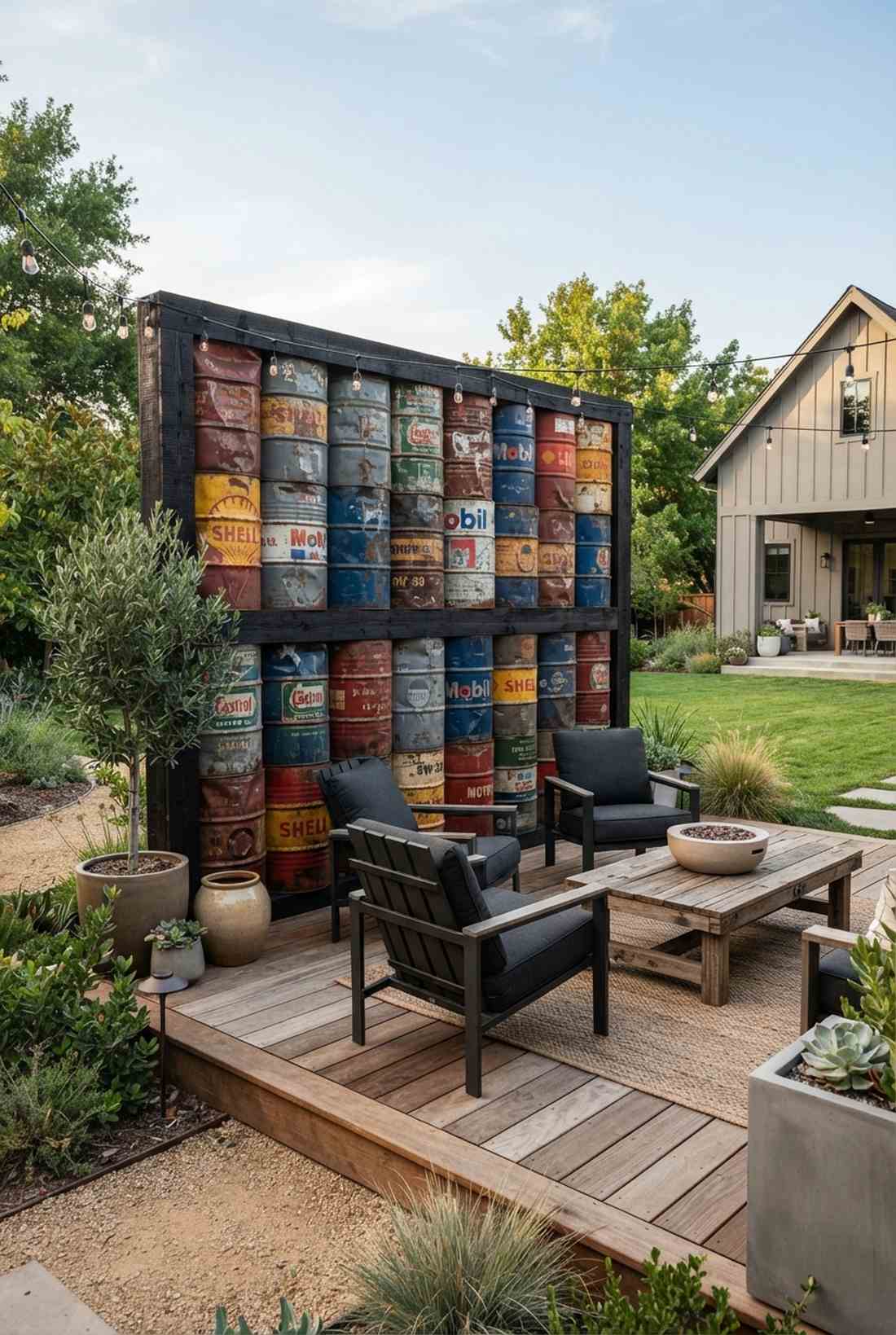
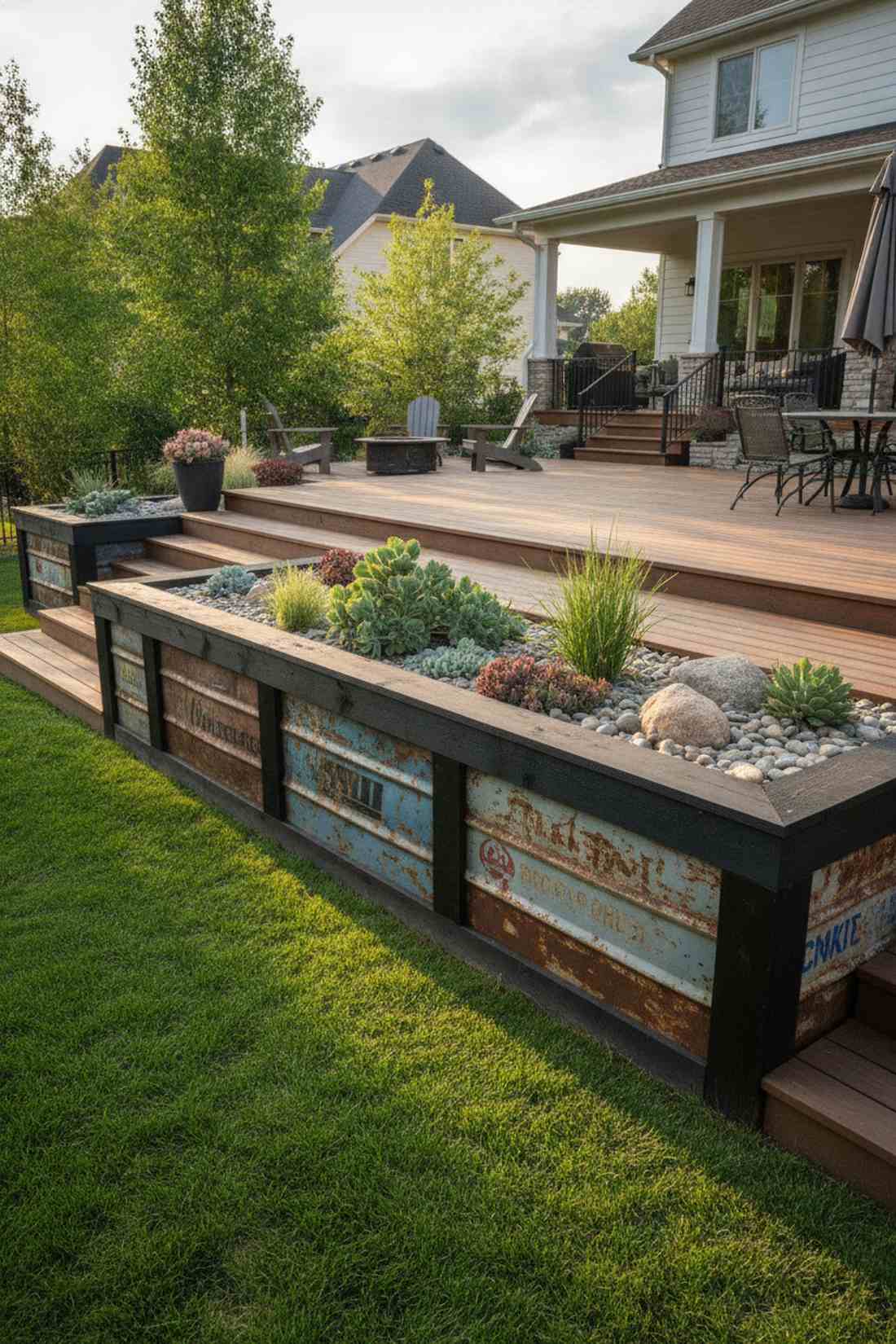
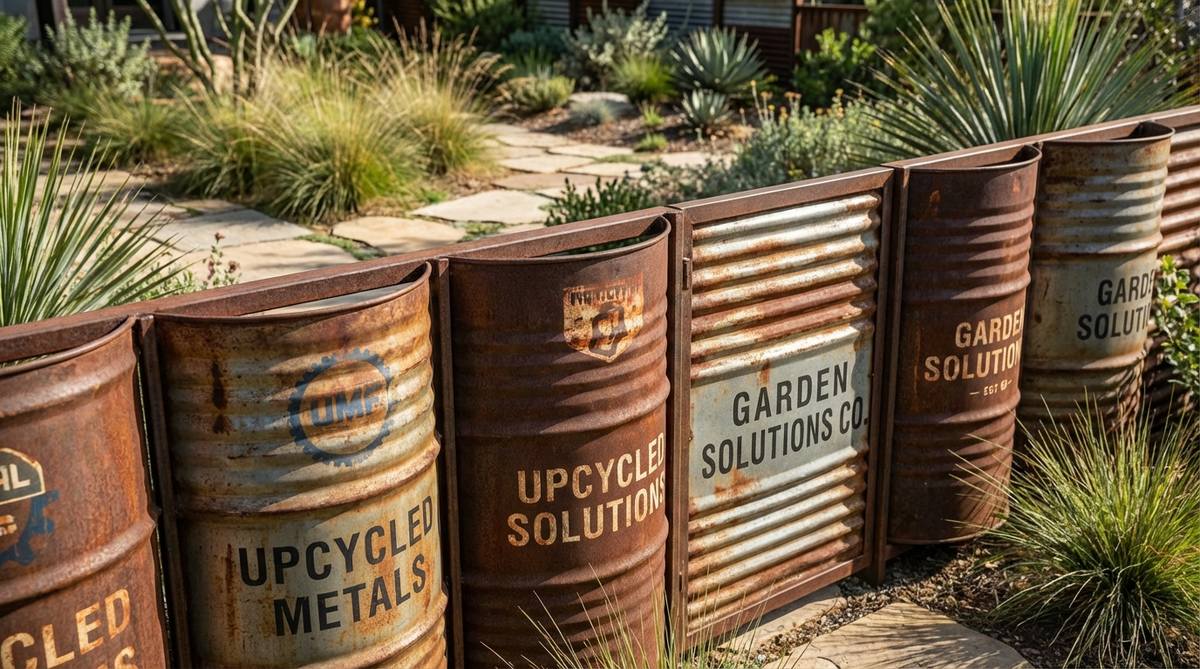
A flattened industrial oil drum wall feels like an incredibly edgy, high-end installation in a downtown arts district. The faded logos and battered paint colors provide an unmatched urban texture that cannot be bought in stores.
Most homeowners assume junk metal looks trashy, but framing brightly colored, flattened barrels in thick black wood looks incredibly deliberate and expensive. Cutting apart recycled metal creates an impenetrable, fire-proof small garden wall that screams personality.
Scrap barrels are incredibly cheap, making this cost around $10–$25 per foot. Pin this if you love bold, industrial statement pieces!
- Key Materials: Cleaned 55-gallon steel drums, heavy angle-grinder, wood frame
- Vibe / Style: Edgy urban industrial
- Difficulty: Advanced (requires heavy metal cutting)
- Budget Breakdown: Scrap barrels: $10 | Framing & Blades: $15
- Creator’s Tip: You must aggressively file down the cut edges of the metal and spray them with clear rust-blocker to prevent dangerous, rusty razor edges.
- Smart Sourcing: Heavy-duty metal cut-off wheels (bulk pack) and clear rust-preventative enamel spray.
Designing Your Perfect Small Garden Fence
Selecting among these 48 small garden fence designs comes down to mastering the balance between raw aesthetics and high-RPM durability. Knowing exactly where to source your commercial-grade post brackets, UV-resistant sealers, and premium composite decking boards guarantees a high-end look without the designer price tag. Whether you’re constructing custom small garden gates to hide a side yard or building a sweeping small garden wall with integrated planters, always invest heavily in your base supports. Begin with a single test section to ensure your heavy-duty gate latches and materials perform properly under local weather conditions before committing to the full perimeter installation.
Frequently Asked Questions
What is the best fence height for small gardens?
Most high-end small garden fence layouts peak between 4 and 6 feet tall, providing excellent privacy without making the yard feel like a prison box. Going taller casts massive shadows that ruin your landscaping, while shorter 3-foot options serve strictly as decorative borders. Before purchasing bulk privacy screen fabric or premium wood, always check local zoning laws, as front yard boundaries often have strict 4-foot maximums.
How much does a small garden fence cost to install?
A DIY small garden fence typically runs between $15 to $100 per linear foot, heavily dependent on your material sourcing. Utilizing pre-cut picket bundles keeps costs near $15–$25, while premium upgrades like UV-coated composite boards or specialized small garden wall masonry jump to $75–$100 per foot. To save massive amounts of cash, invest in a pneumatic brad nailer starter kit and execute the labor yourself.
What fence material lasts longest in small gardens?
Commercial-grade aluminum, heavy vinyl, and UV-coated composite boards easily deliver 30–50 years of flawless service life. These premium synthetic and metal materials completely ignore rot, termites, and moisture warping that destroys standard pine. If you absolutely want real wood, you must source naturally resistant cedar or Ipe and actively protect it using a commercial-grade UV-resistant matte wood sealant every two years.
Can I install a garden fence without concrete footings?
You can easily install lightweight small garden gates and low borders using heavy-duty galvanized steel post anchors driven directly into compacted gravel. However, for 6-foot solid privacy screens catching heavy wind, skipping concrete is a massive mistake. In freezing climates, always sink your posts below the frost line (24-36 inches) and secure them with fast-setting outdoor concrete mix to prevent total structural failure.
How do I make a small garden fence look bigger?
To stretch a cramped yard, utilize horizontal slat layouts that physically force the eye to track side-to-side rather than focusing on the shallow depth. Coat your small garden wall in light, reflective paints, and intentionally incorporate semi-transparent lattice or louver panels that let you see outside the boundary. Enhancing the perimeter with premium landscape uplighting also creates deep shadows that trick the brain into perceiving more space.
What plants grow best along small garden fences?
Plant selection entirely depends on your boundary’s sun exposure; south-facing barriers are perfect for sun-thirsty climbing roses and fragrant jasmine. For shadowed, north-facing boundaries, utilize miniature garden supplies and shade-lovers like climbing hydrangea or creeping ferns. To quickly hide an ugly boundary, use heavy-duty wall planter bags filled with fast-growing annuals like morning glory for instant, vibrant coverage without damaging the wood.