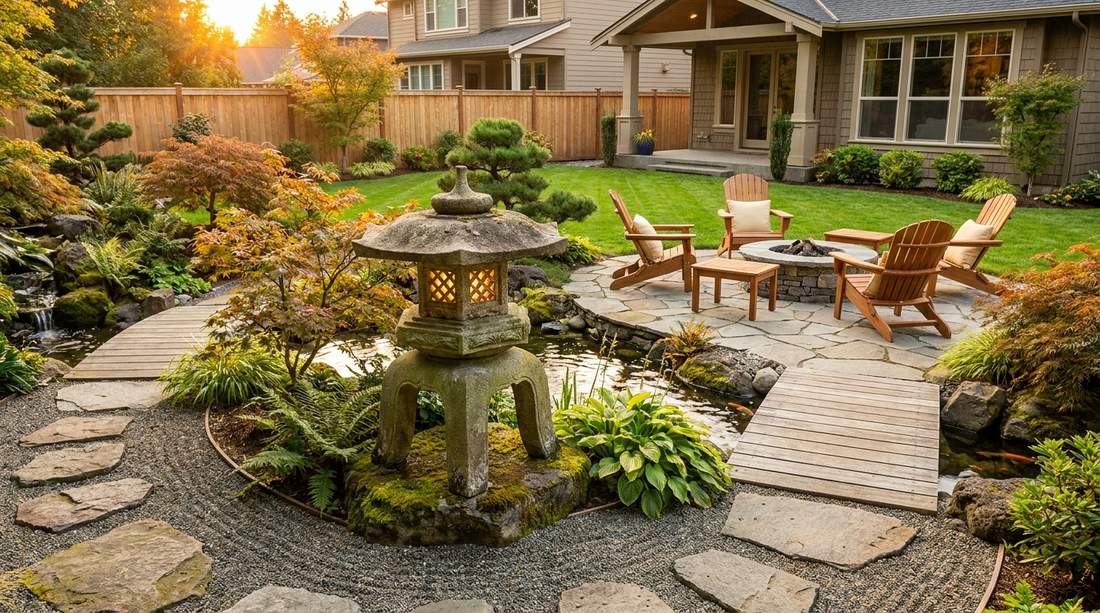
Installing authentic japanese garden lanterns instantly transforms basic yards into high-end outdoor sanctuaries. We break down the exact materials and layout blueprints needed to achieve a premium look without overspending.
Design SnapshotKey Principles
- Material Authenticity: Traditional toro use granite stone or cast bronze, developing natural patina over time that enhances visual depth
- Five-Part Structure: Classic lanterns feature hoju (jewel top), kasa (roof), hibukuro (fire chamber), chudai (platform), and sao (shaft or legs)
- Placement Strategy: Position lanterns near water features, along pathways, or at garden focal points following Sakuteiki principles
- Scale Balance: Match lantern height and proportion to surrounding plantings and structures for harmonious integration
Traditional Stone Pedestal Lanterns For Formal Gardens
Pedestal-style lanterns establish vertical presence in formal garden settings. These tachi-doro designs feature complete five-part structures elevated on cylindrical shafts, making them ideal for pathway markers and entrance statements.
1. Kasuga Taisha Shrine Lantern
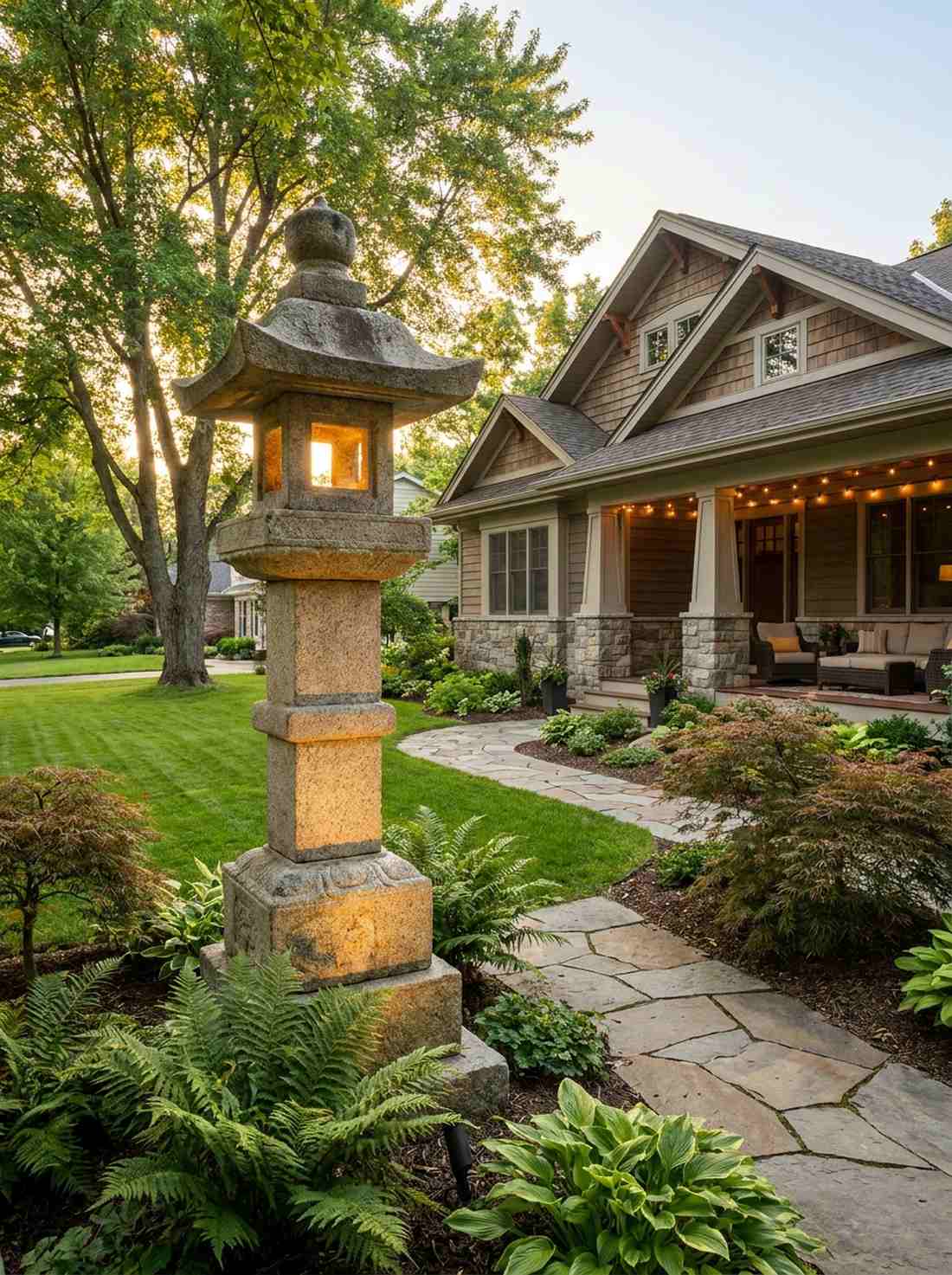
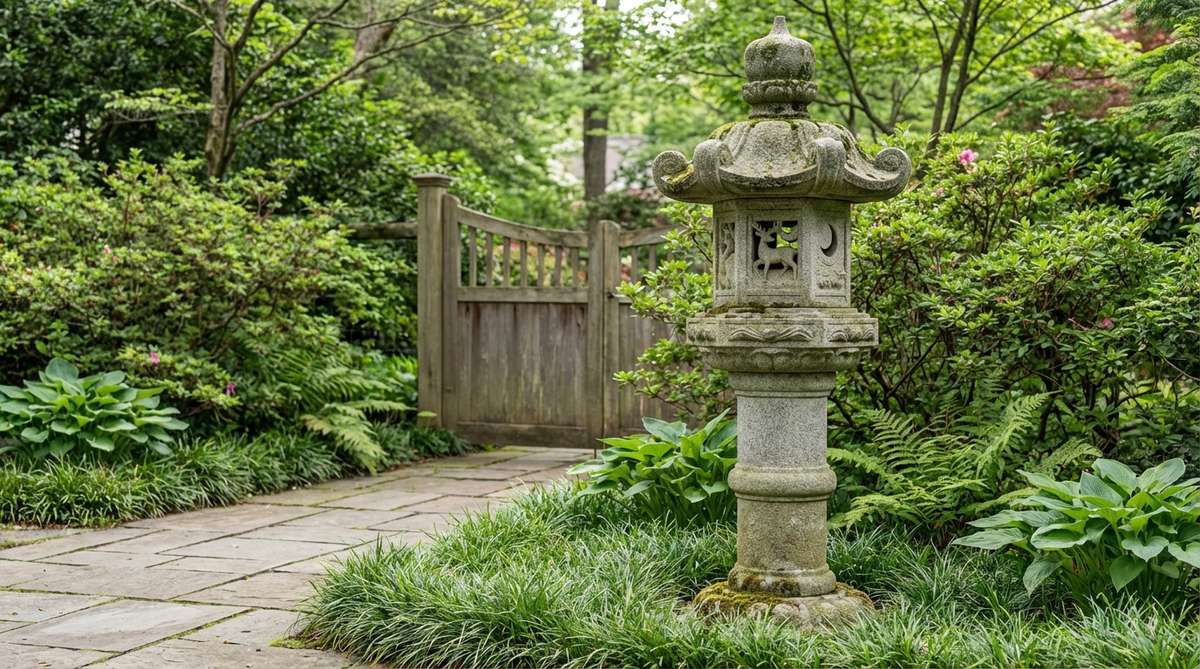
This towering pillar feels like an ancient hidden sanctuary you accidentally discovered. Tall stone entryway lighting works exceptionally well for guiding guests through shaded, formal front yard transitions.
Most homeowners settle for cheap plastic stakes, but a heavy granite profile delivers a surprisingly premium look. Upgrading to a commercial-grade zen garden lighting kit ensures the structure survives harsh winters without chipping.
You can easily pull this off for around $150–$300 depending on the stone source. Save this to your outdoor landscaping inspiration board!
- Key Materials: Pre-cut weathered granite blocks
- Vibe / Style: Majestic temple approach
- Difficulty: Moderate (requires level foundation)
- Budget Breakdown: Materials: $200 | Base Pad: $25
- Creator’s Tip: Tamp down crushed gravel underneath to prevent winter leaning.
- Smart Sourcing: heavy-duty granite tower kits and pre-poured leveling base pads
2. Taima Temple Classical Form
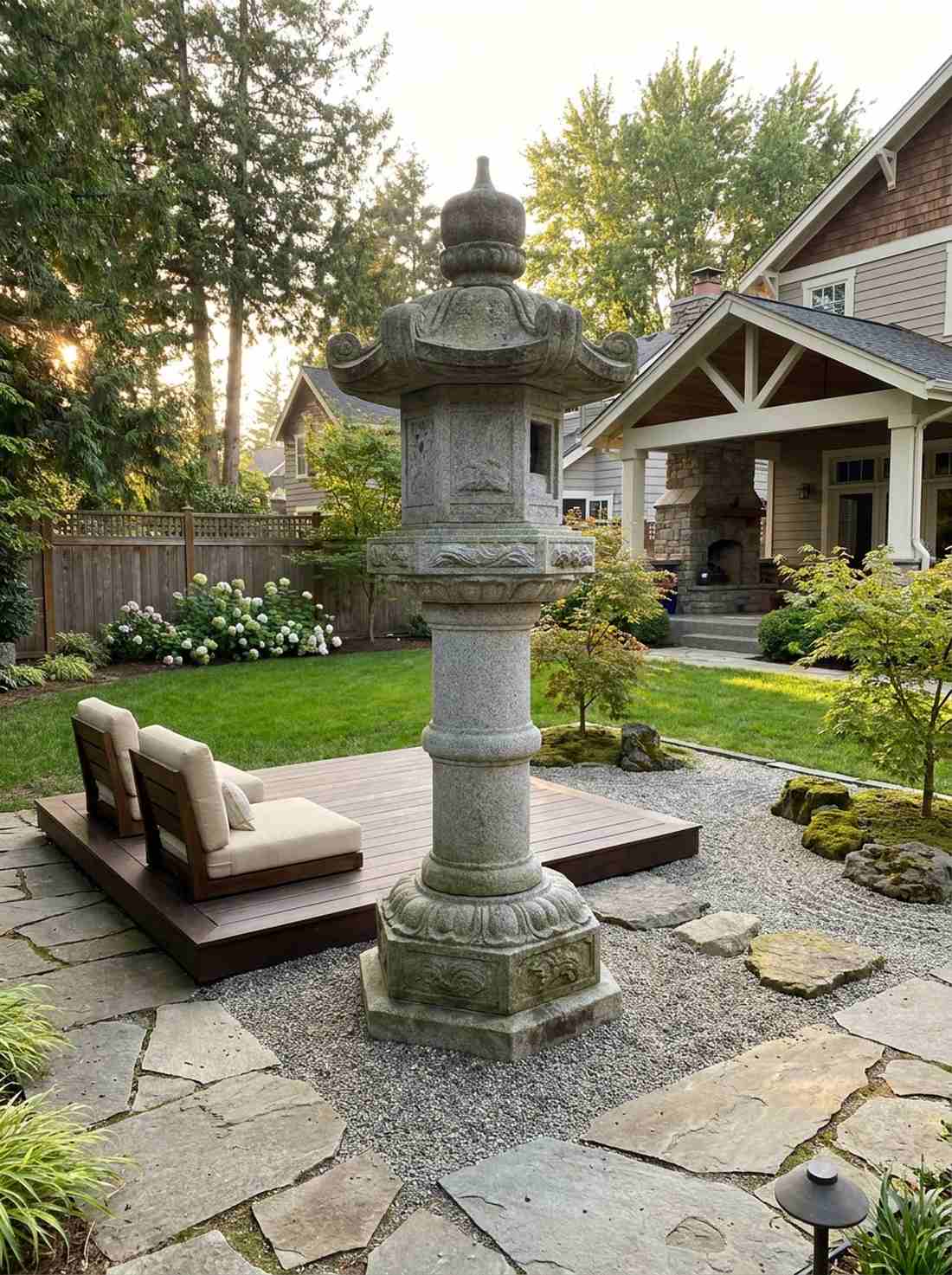
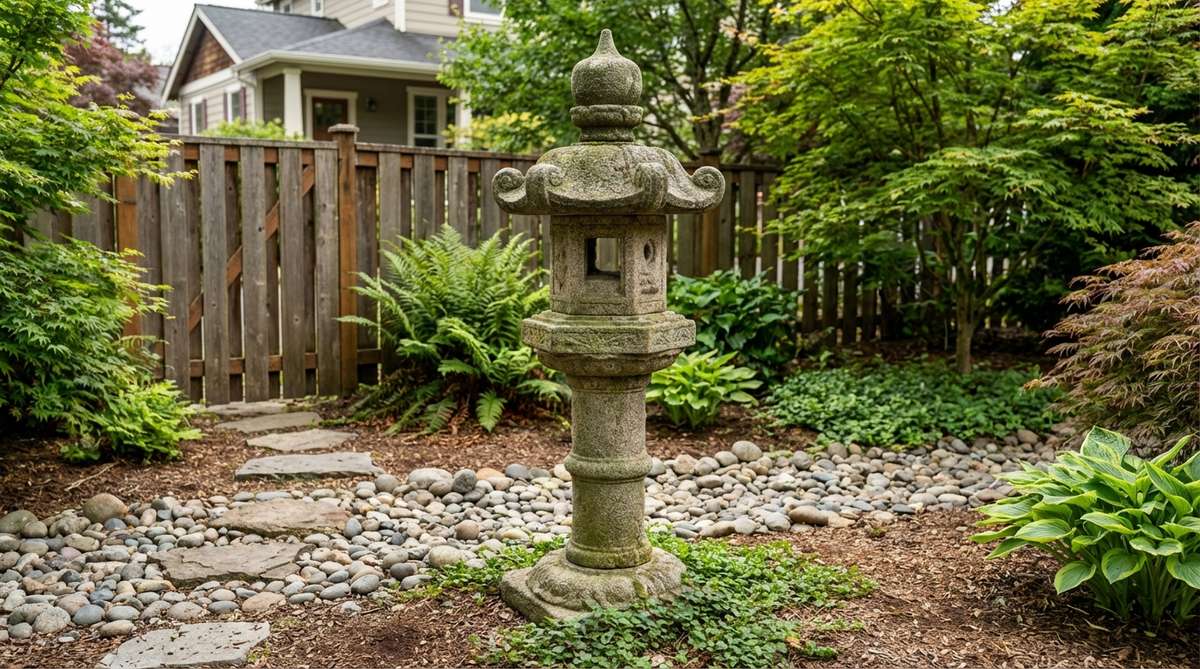
Immaculate proportions make this setup feel straight out of a Kyoto postcard. Classical courtyard focal points are perfect for anchoring a dedicated outdoor meditation corner.
Many DIYers underestimate scale, yet securing a robust, pre-carved finial gives a designer-level finish. Integrating high-end replica stone sculptures elevates the entire yard’s perceived value instantly.
Expect to budget between $200 and $400 for a solid centerpiece. It’s a fast upgrade that completely changes the vibe of your lawn.
- Key Materials: Hexagonal cut granite panels
- Vibe / Style: Historical Zen elegance
- Difficulty: Intermediate
- Budget Breakdown: Lantern: $250 | Joining Epoxy: $15
- Creator’s Tip: Use exterior masonry epoxy for areas with high wind or heavy foot traffic.
- Smart Sourcing: weather-sealed stone adhesive kits and six-piece classical temple replicas
3. Tall Cylindrical Shaft Design
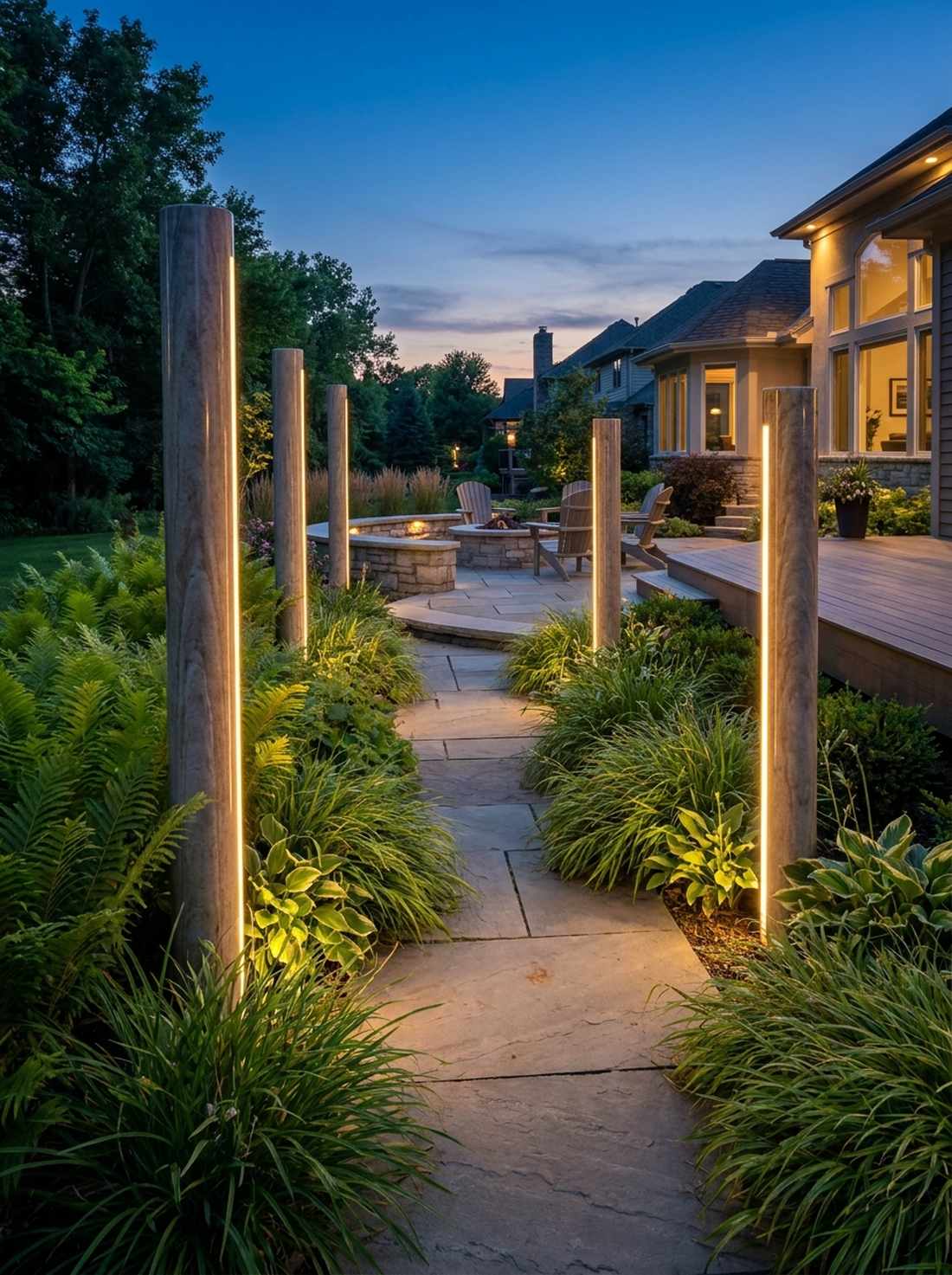
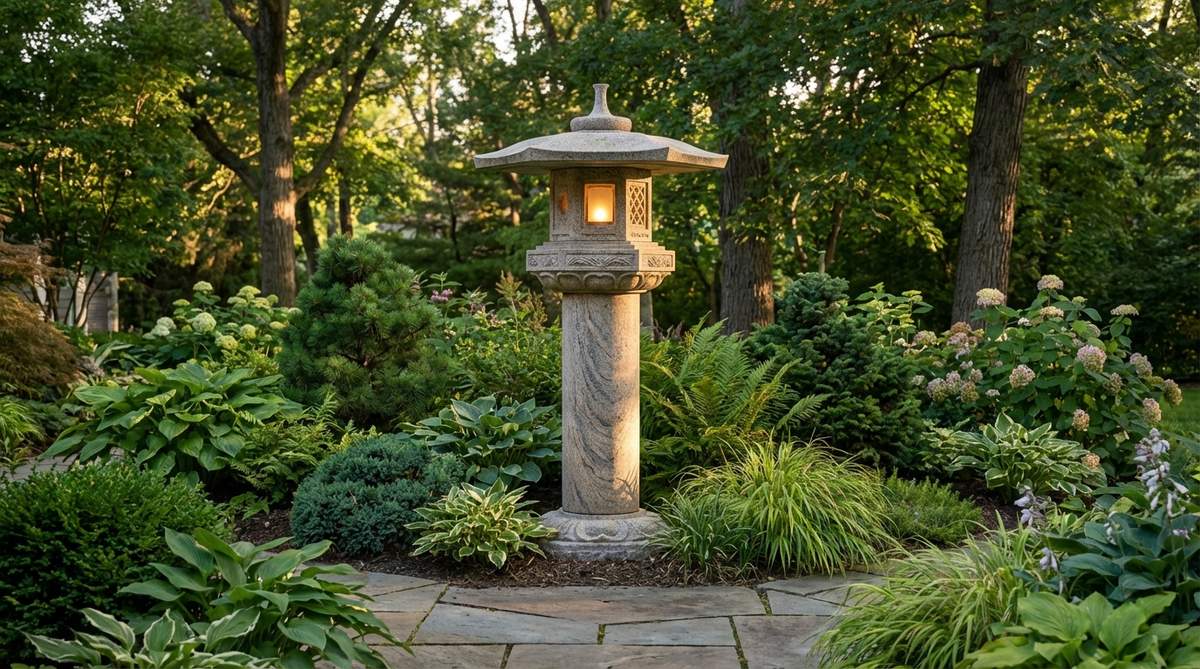
The smooth vertical lines give off an aura of a tranquil botanical garden. Elevated pathway illumination is highly recommended for planting beds where tall ferns might obscure lower fixtures.
Contractors often charge thousands for custom lighting, but sourcing an extended cylindrical shaft looks far more expensive than it is. Utilizing a UV-resistant outdoor japanese garden lamp setup prevents the stone from dulling over time.
Setup costs hover around $120–$250 if you catch a seasonal landscaping sale. Pin this if you need lighting solutions for overgrown garden borders.
- Key Materials: Polished stone columns
- Vibe / Style: Streamlined modern Zen
- Difficulty: Easy
- Budget Breakdown: Shaft Assembly: $140 | Lighting Insert: $30
- Creator’s Tip: Hide low-voltage wiring directly behind the polished shaft.
- Smart Sourcing: pre-drilled cylindrical stone posts and waterproof LED insert pods
4. Hexagonal Platform Lantern
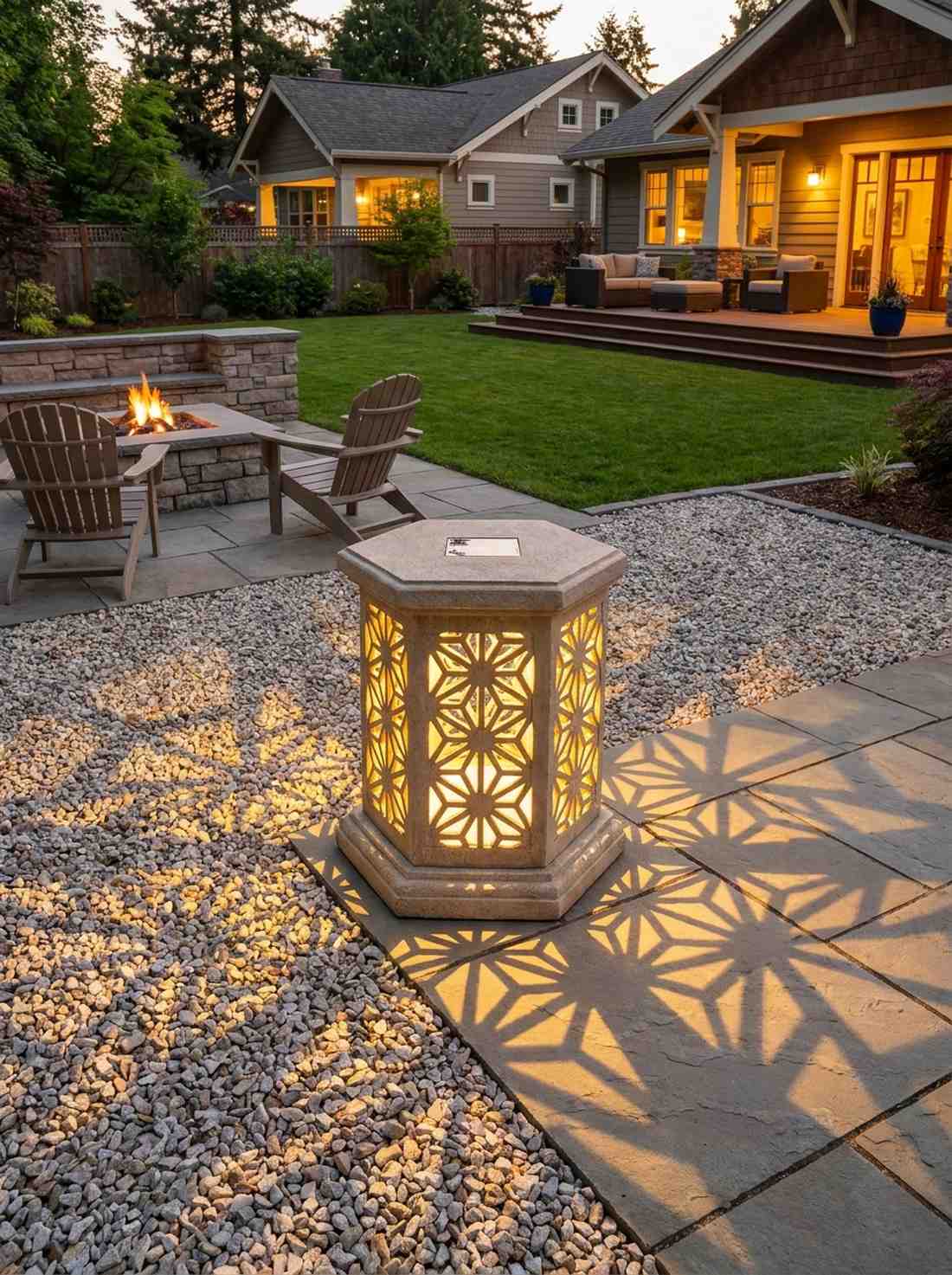
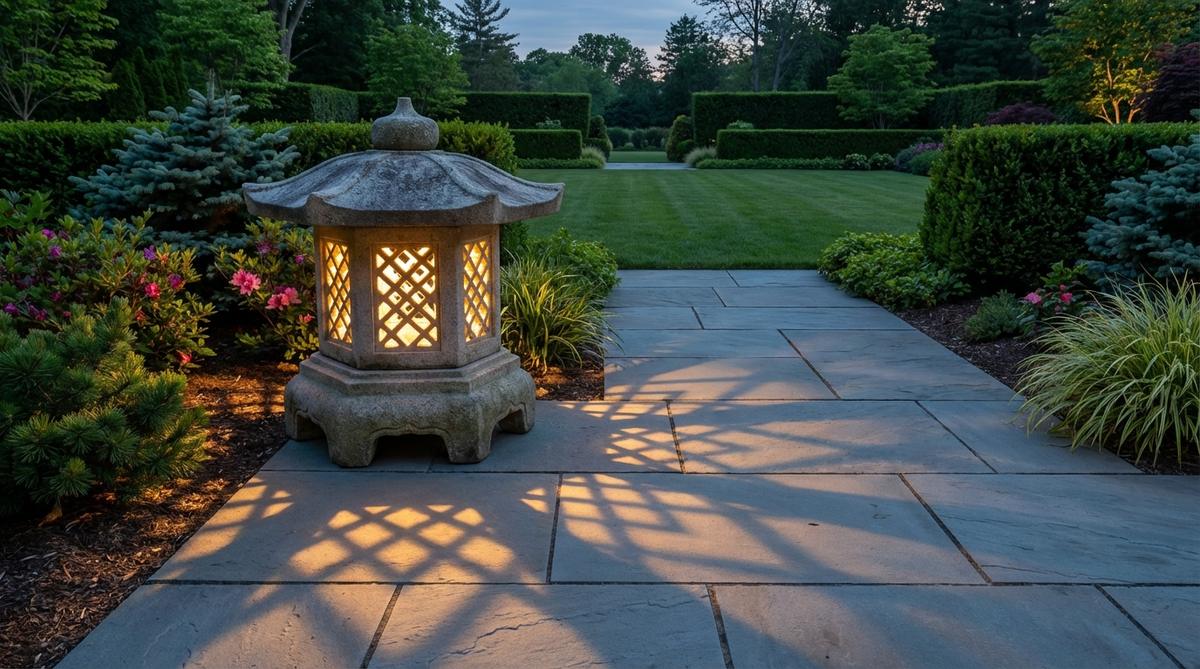
Sharp geometric angles throw shadows that feel like a luxury resort patio at midnight. Angular gravel patio decor works exceptionally well alongside rectilinear paving stones.
It is wild how many people ignore shadow play, considering window cutouts cast intricate, high-value patterns across your lawn. Dropping in a solar-powered fire chamber light adds automatic evening drama without wiring hassles.
This layout runs about $90–$180 depending on the intricate carving level. Highly recommended for a quick weekend win.
- Key Materials: Six-sided carved stone caps
- Vibe / Style: Crisp architectural shadow play
- Difficulty: Beginner-friendly
- Budget Breakdown: Lantern Base: $110 | LED Light: $20
- Creator’s Tip: Place it near light-colored gravel to maximize the evening shadow contrast.
- Smart Sourcing: geometric stone patio lanterns and flickering solar light inserts (bulk pack)
Most people get waterside reflections completely wrong… until they try the exact asymmetric layout coming up next.
5. Lotus-Carved Yuunoki Style
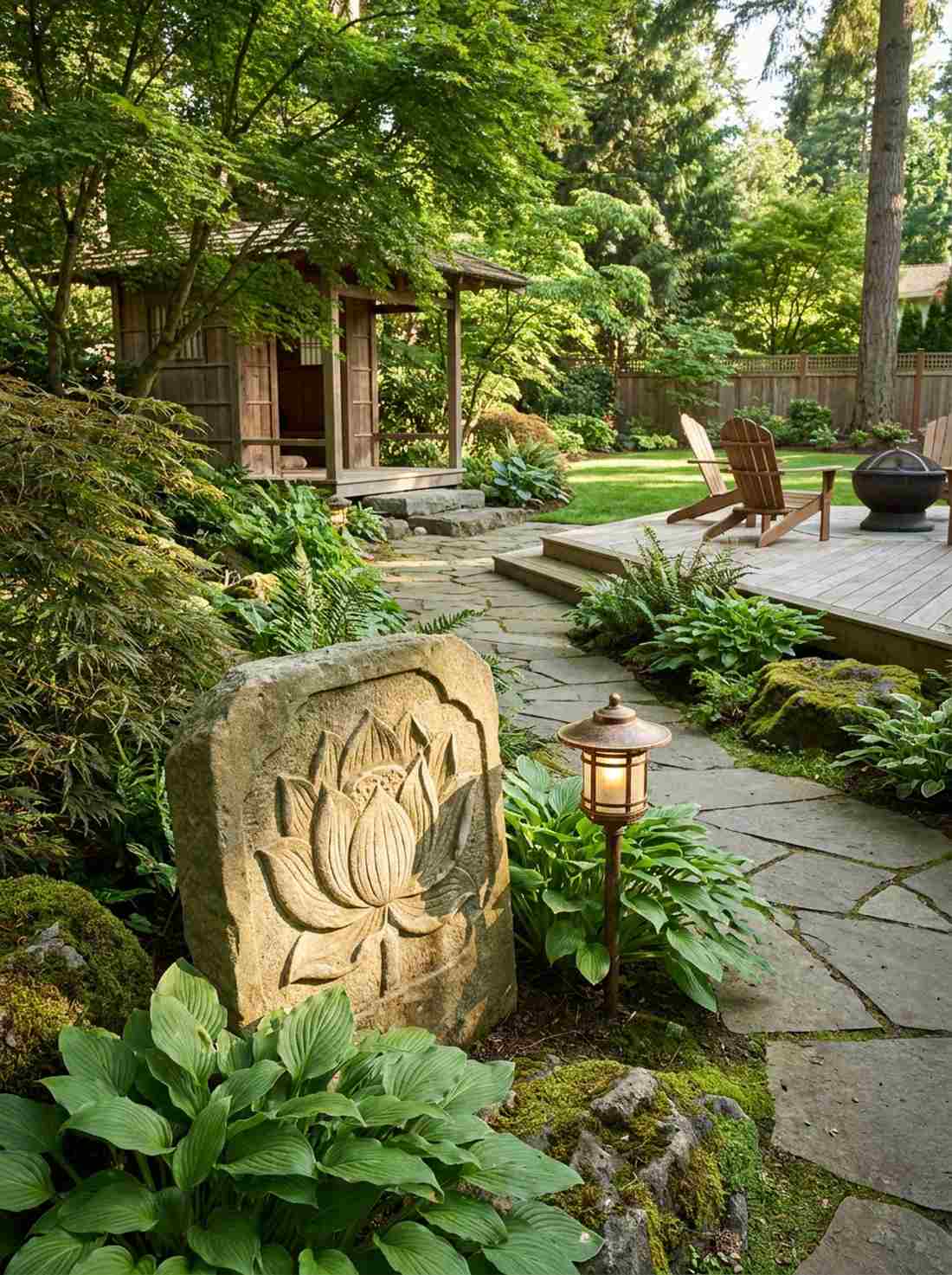
The delicate floral relief feels like a sacred relic resting in your backyard. Ornate tea house path lighting is the ultimate flex for a shaded, hosta-lined walkway.
Generic garden center statues look cheap, whereas investing in authentic botanical relief work delivers an incredibly bespoke aesthetic. Sourcing a pre-weathered lotus carving kit saves you years of waiting for natural patina.
You can achieve this curated look for roughly $150–$280. Save this idea for your dedicated spring garden makeover!
- Key Materials: Hand-carved lotus relief stone
- Vibe / Style: Romantic Edo-period sanctuary
- Difficulty: Easy
- Budget Breakdown: Carved Stone: $180 | Base Plate: $20
- Creator’s Tip: Angle the carved face toward the morning sun to highlight the petal depth.
- Smart Sourcing: botanical relief stone markers and aged patina finishing sprays
Waterside Snow-Viewing Designs For Pond Reflection
Yukimi-doro lanterns feature oversized roofs and low profiles specifically designed for waterside placement. The name derives from “ukimi” meaning floating view, as these lanterns create mirror reflections on pond surfaces.
6. Classic Three-Legged Yukimi
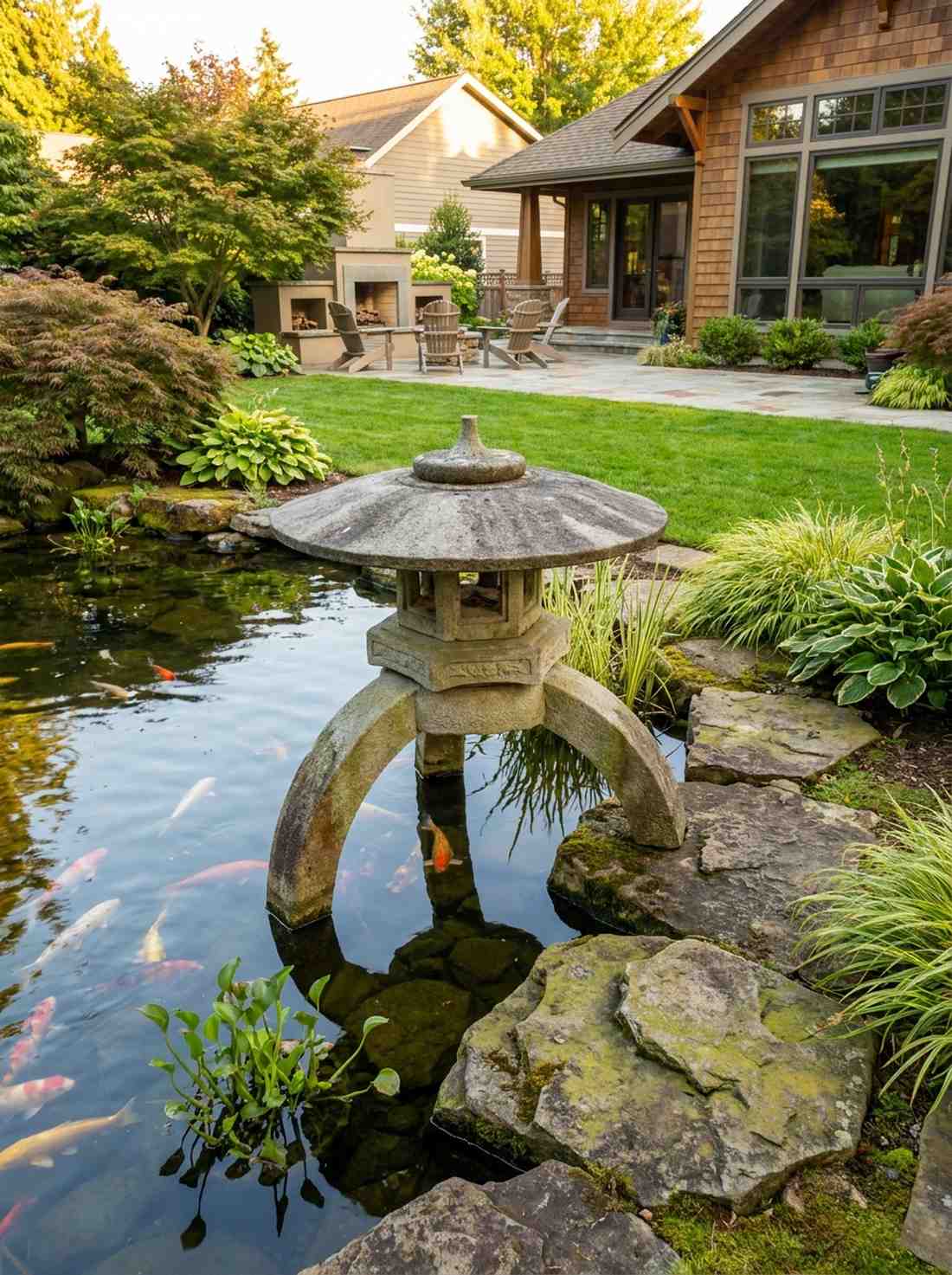
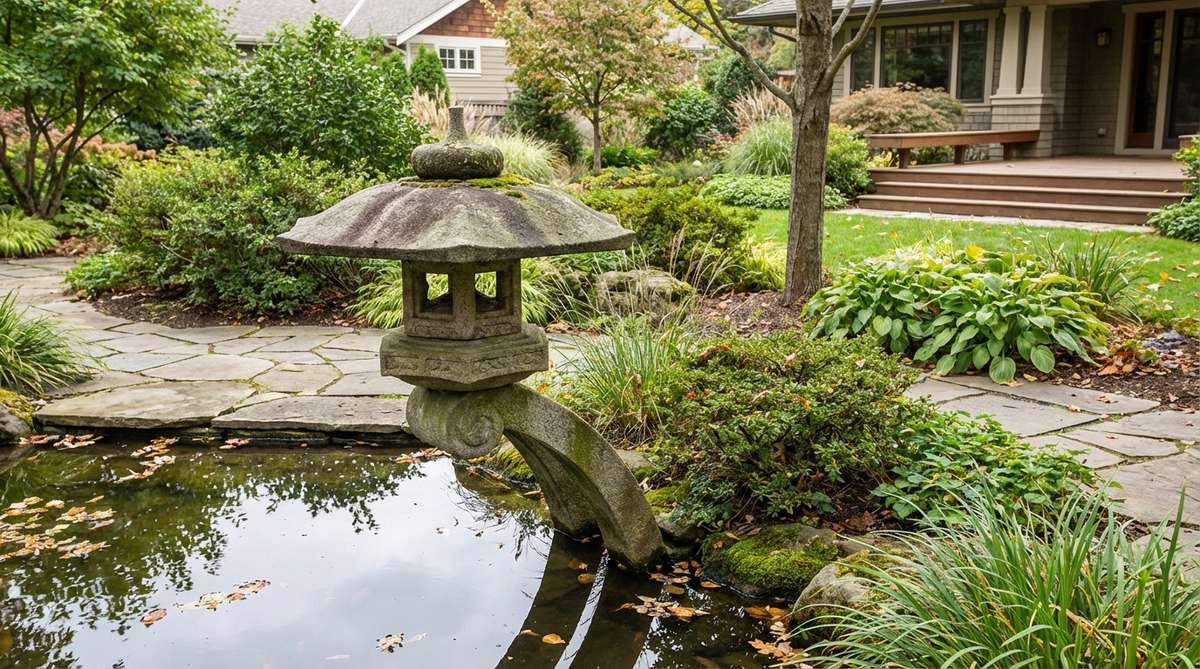
This wide-brimmed beauty looks like a tranquil floating island guarding your koi pond. Low-profile water feature accents are perfect for bridging the gap between land and shallow water.
Balancing stones can be tricky, which is why a pre-leveled three-legged base gives a designer-level finish instantly. Utilizing cast concrete yukimi molds keeps it affordable while maintaining that heavy, premium silhouette.
A beautiful reproduction costs just $80–$150. Pin this to your backyard pond inspiration board!
- Key Materials: Wide-brim stone roof, tripod base
- Vibe / Style: Classic floating reflection
- Difficulty: Moderate (balancing on banks)
- Budget Breakdown: Lantern: $120 | Pond Footing: $15
- Creator’s Tip: Rest two legs in the water and one on land for authentic asymmetry.
- Smart Sourcing: three-legged snow viewing lanterns and submersible stabilizing base plates
7. Round Umbrella Pond Lantern
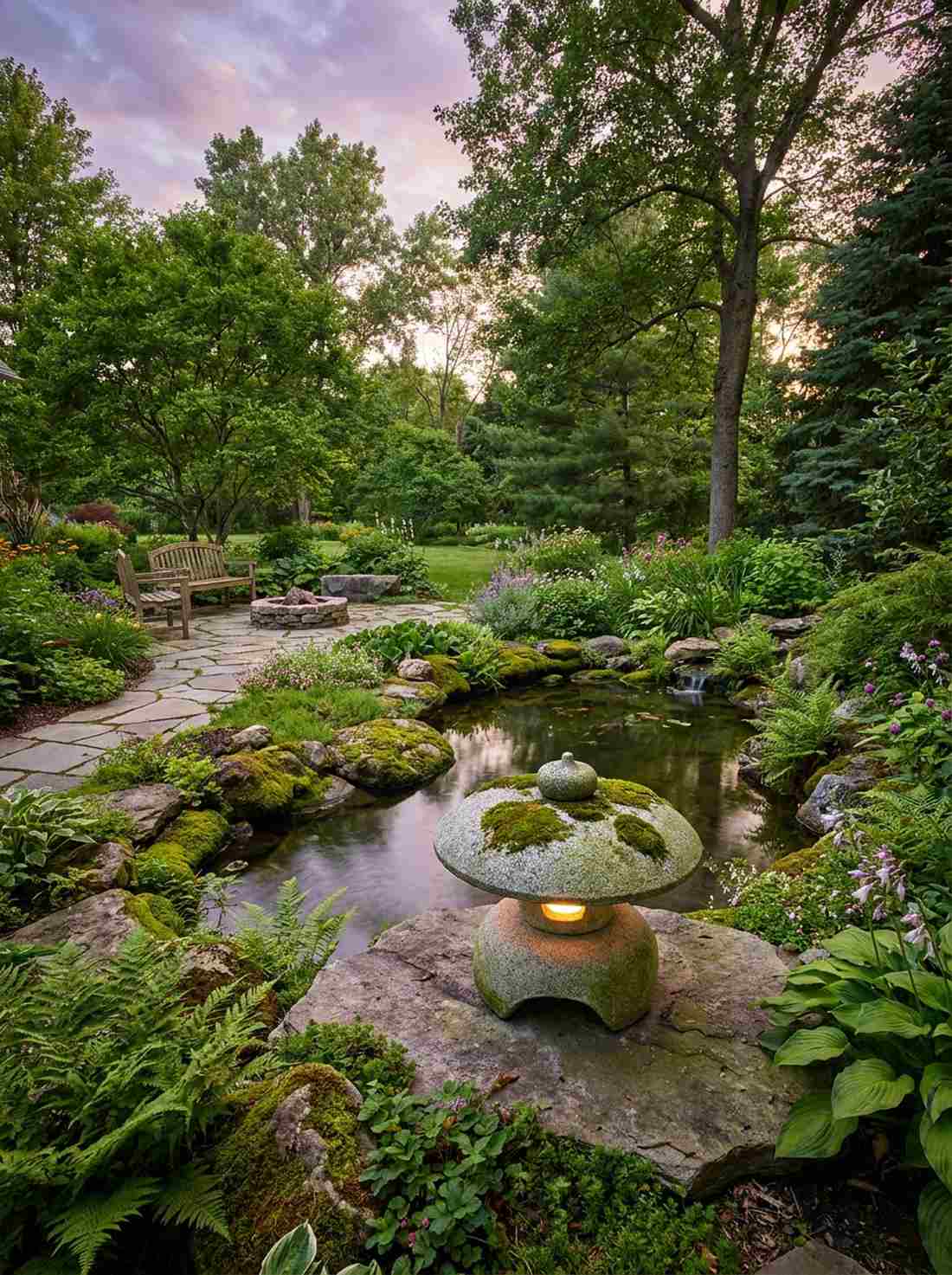
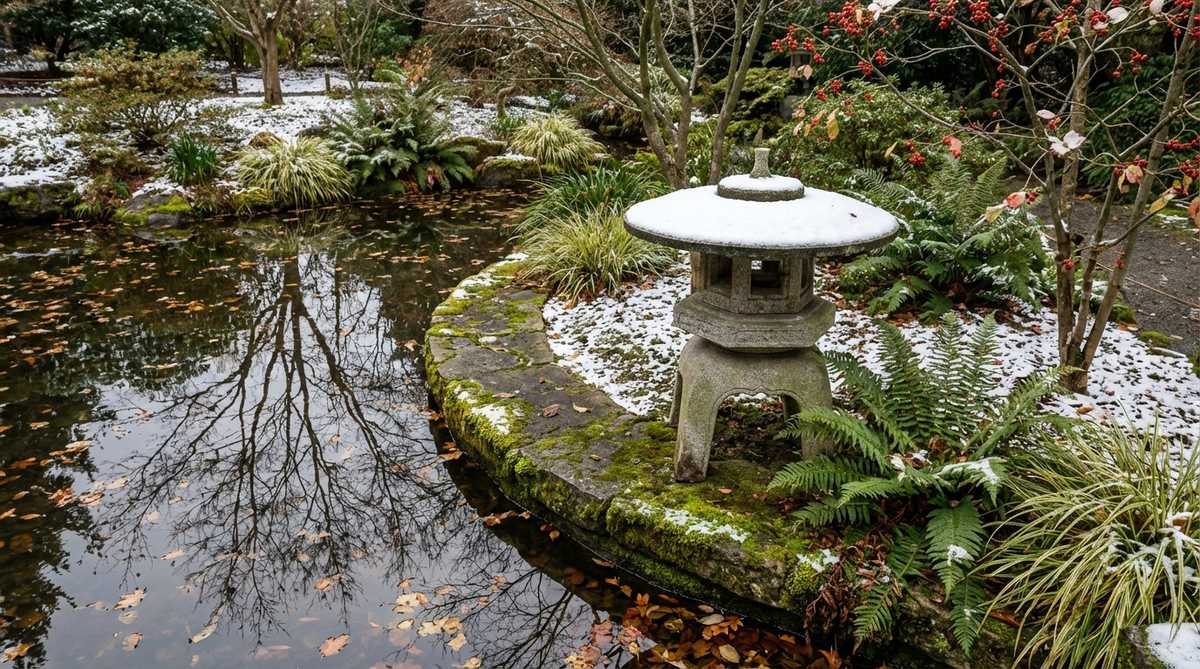
The soft curves of this roof feel like a gentle mushroom cap resting in the moss. Curved natural pool lighting seamlessly blends into informal, organic garden layouts.
Boxy lanterns clash with round ponds, but opting for an unbroken circular roof anchors the space with high-end fluidity. Finding a frost-proof garden accessory set guarantees the umbrella cap won’t crack during winter snowfalls.
Expect to spend around $100–$200 for a solid piece. It completely elevates the look of a simple water basin.
- Key Materials: Smooth circular granite cap
- Vibe / Style: Soft, organic woodland
- Difficulty: Easy
- Budget Breakdown: Stone Set: $160 | Moss Spores: $15
- Creator’s Tip: Brush buttermilk on the roof to encourage rapid moss colonization.
- Smart Sourcing: circular dome pond lanterns and live moss starter slurries
8. Wide Eave Reflection Style
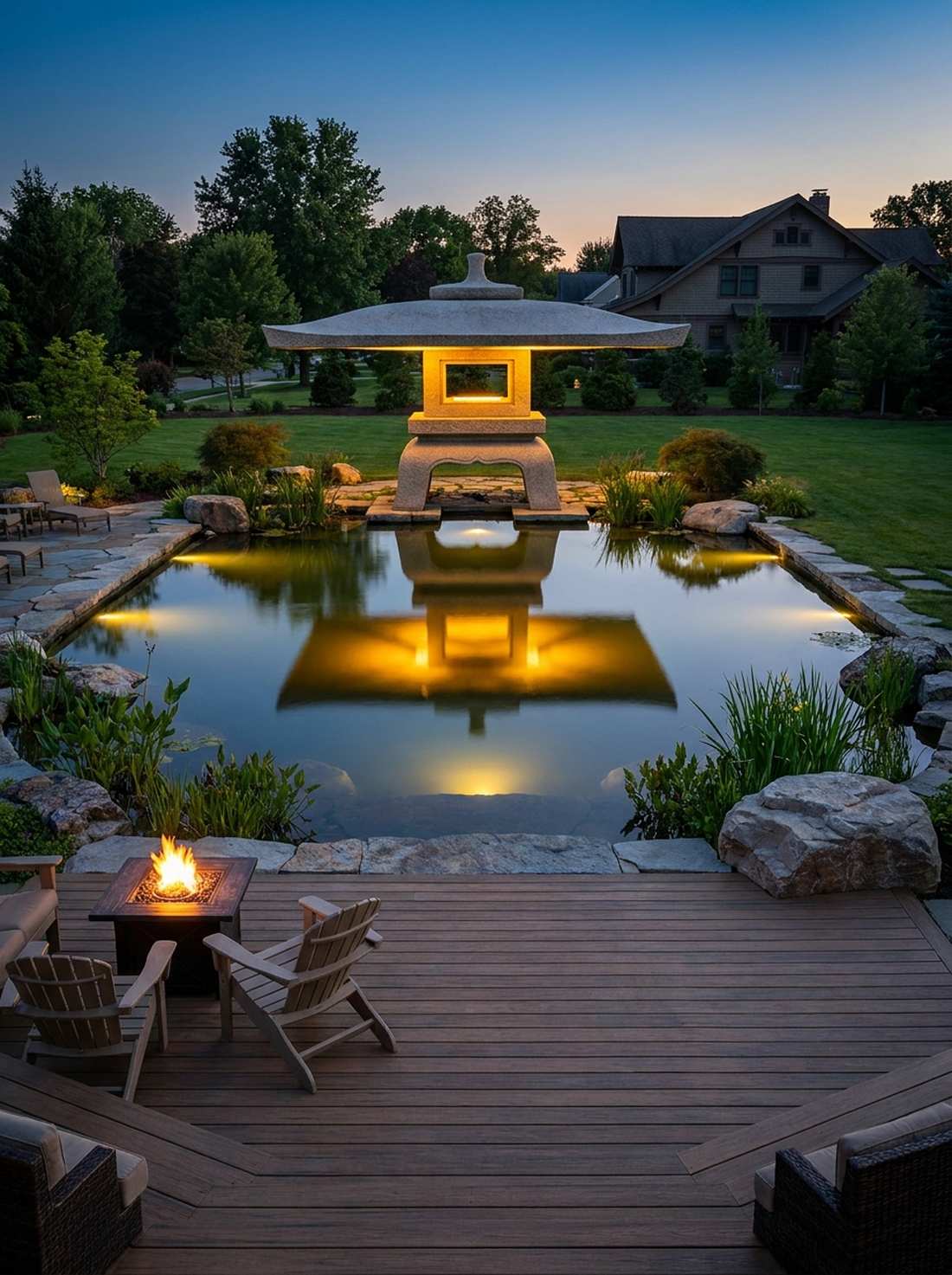
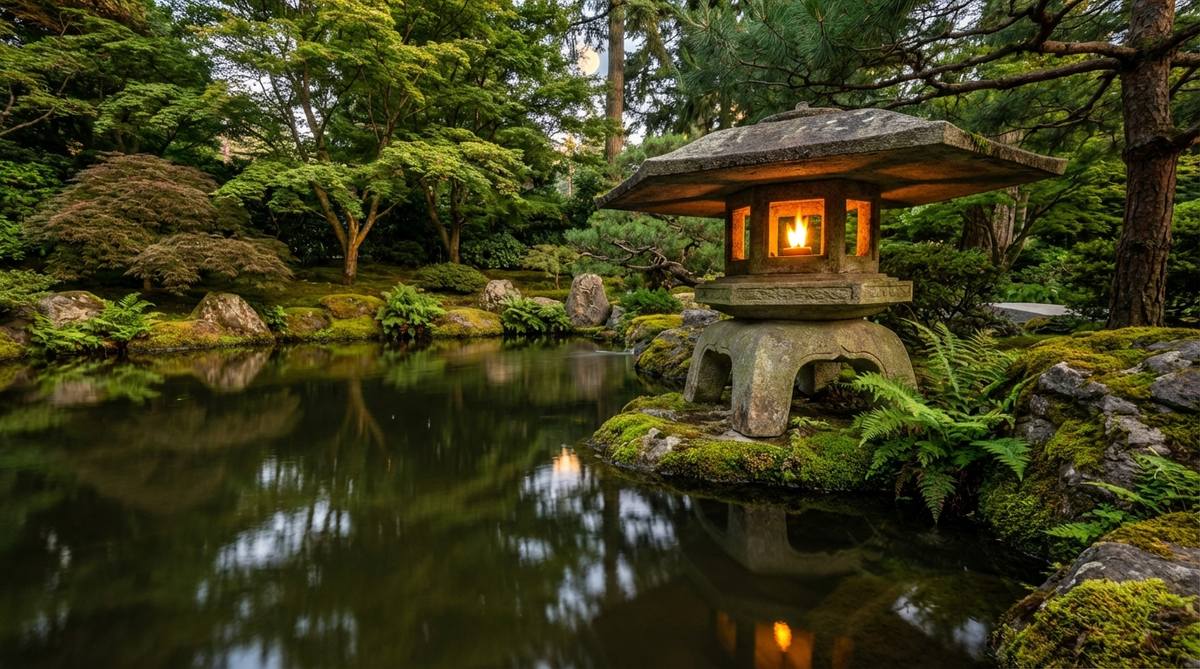
This exaggerated roofline feels like an ancient pavilion hovering over the water. Extended overhang pond decor works exceptionally well when you want to double the light via water reflection.
Most backyard ponds lack a focal point, yet this broad silhouette delivers a surprisingly premium look at twilight. Adding a waterproof submersible spotlight beneath the eaves turns the entire pond into a glowing masterpiece.
You can easily put this together for $150–$250. Save this to your luxury backyard ideas folder!
- Key Materials: Extended granite eaves
- Vibe / Style: Dramatic twilight theater
- Difficulty: Intermediate
- Budget Breakdown: Lantern: $190 | Under-lighting: $30
- Creator’s Tip: Position exactly opposite your primary seating area for the best reflection.
- Smart Sourcing: wide-brimmed stone garden lamps and remote-controlled submersible LED pucks
9. Izumo Regional Stone Variant
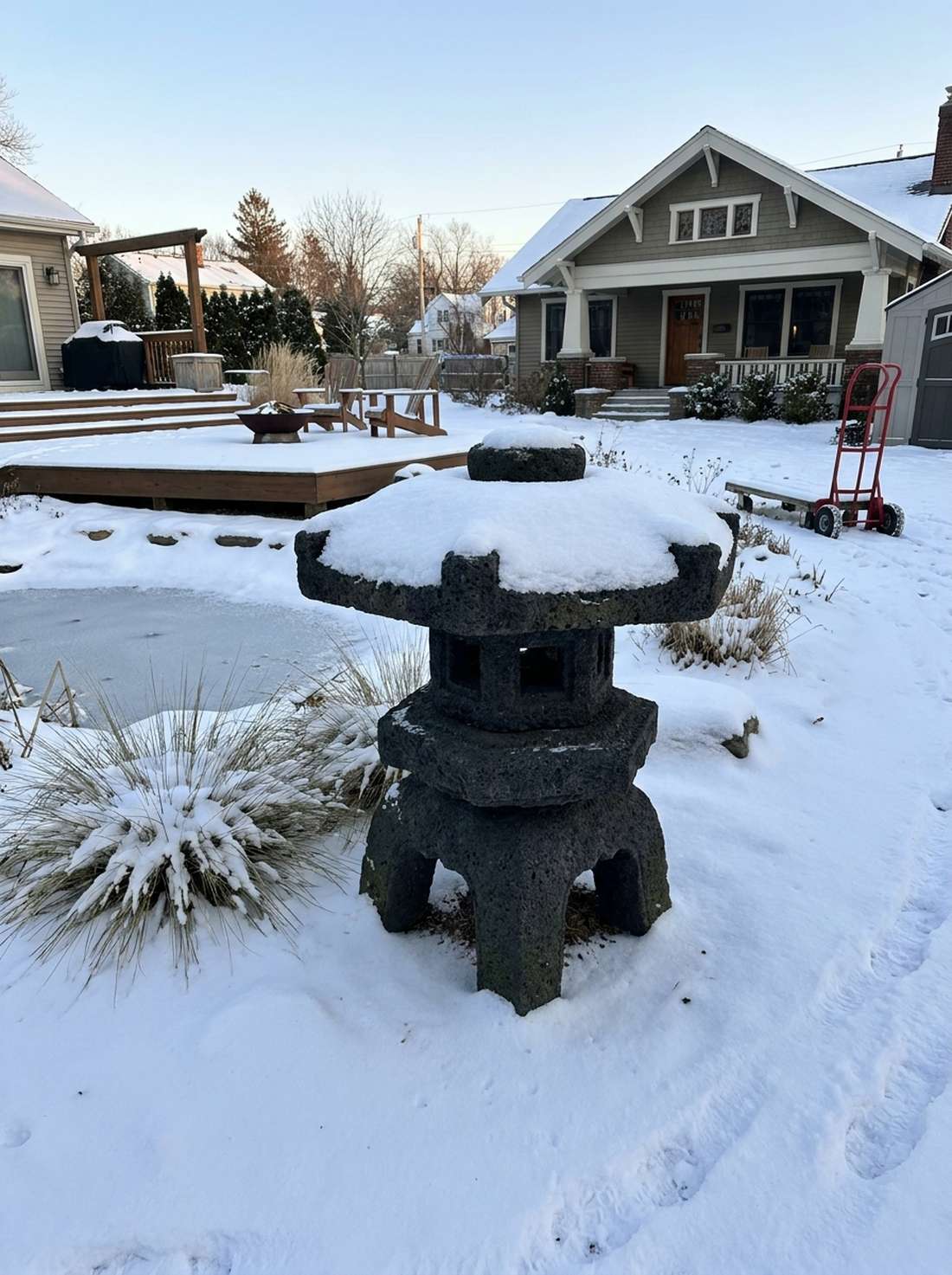
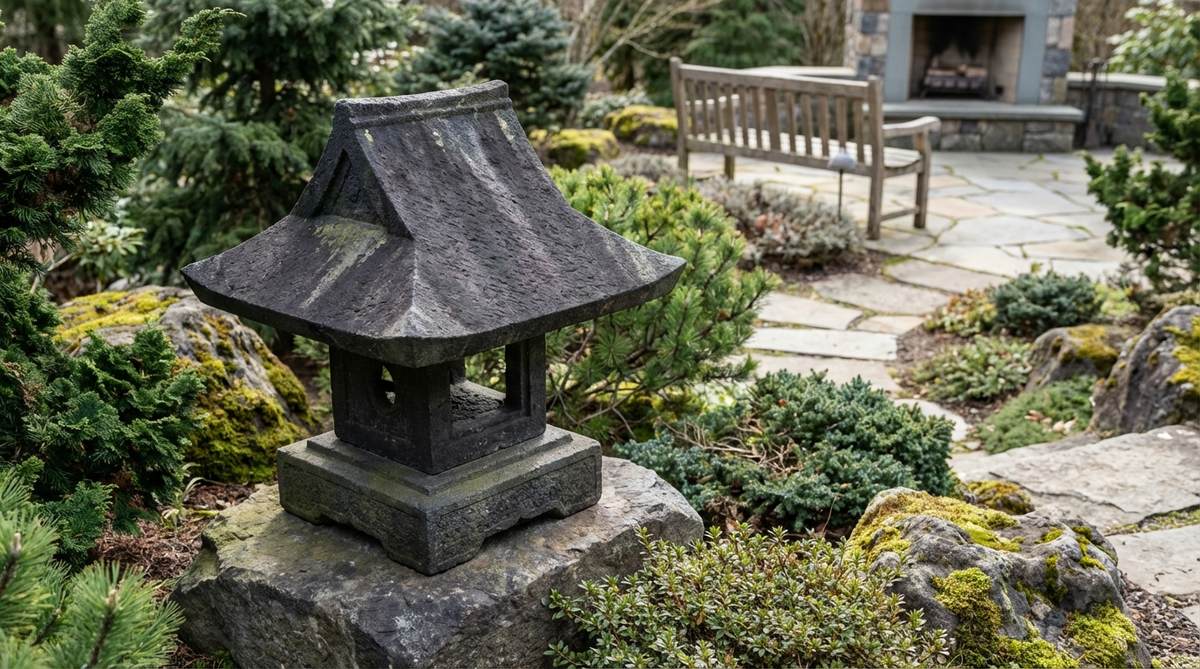
Deep charcoal tones make this piece feel like a rugged volcanic artifact. Cold-climate stone fixtures are the ultimate solution for northern gardens that freeze solid.
Standard materials shatter in the frost, but sourcing dense volcanic rock looks far more expensive while surviving blizzards. Investing in a heavy-duty winterized landscape kit saves you the headache of replacing cracked lanterns every spring.
These specialized dense stones run about $250–$400. Highly recommended if you live in snowy regions.
- Key Materials: Dense Raitai volcanic stone
- Vibe / Style: Rugged mountain resilience
- Difficulty: Heavy lifting required
- Budget Breakdown: Izumo Stone: $300 | Delivery: $50
- Creator’s Tip: Leave it uncovered all winter; the snow accumulation is part of the design.
- Smart Sourcing: frost-proof volcanic stone lanterns and heavy-duty landscaping dolly kits
💡 Must-Have Supplies for High-End Setups
To build these setups faster and ensure they last, skip the generic craft aisles and invest in the right foundational kits.
- Base & Support: commercial-grade leveling mats (bulk pack)
- Setup Tools: exterior masonry epoxy starter kits
- Weather/Durability Protection: matte finish UV-protective stone sealants
10. Four-Legged Symmetrical Base
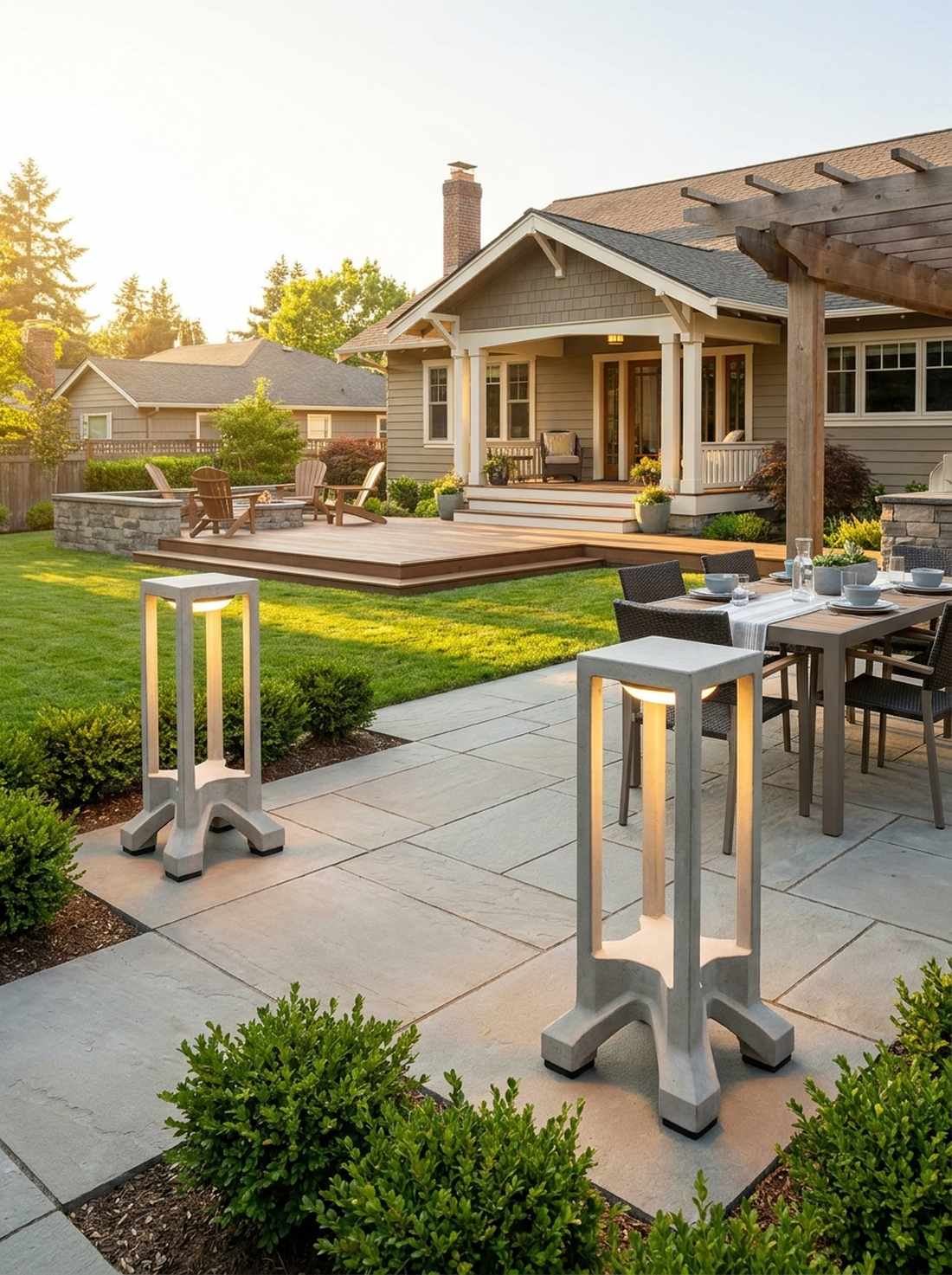
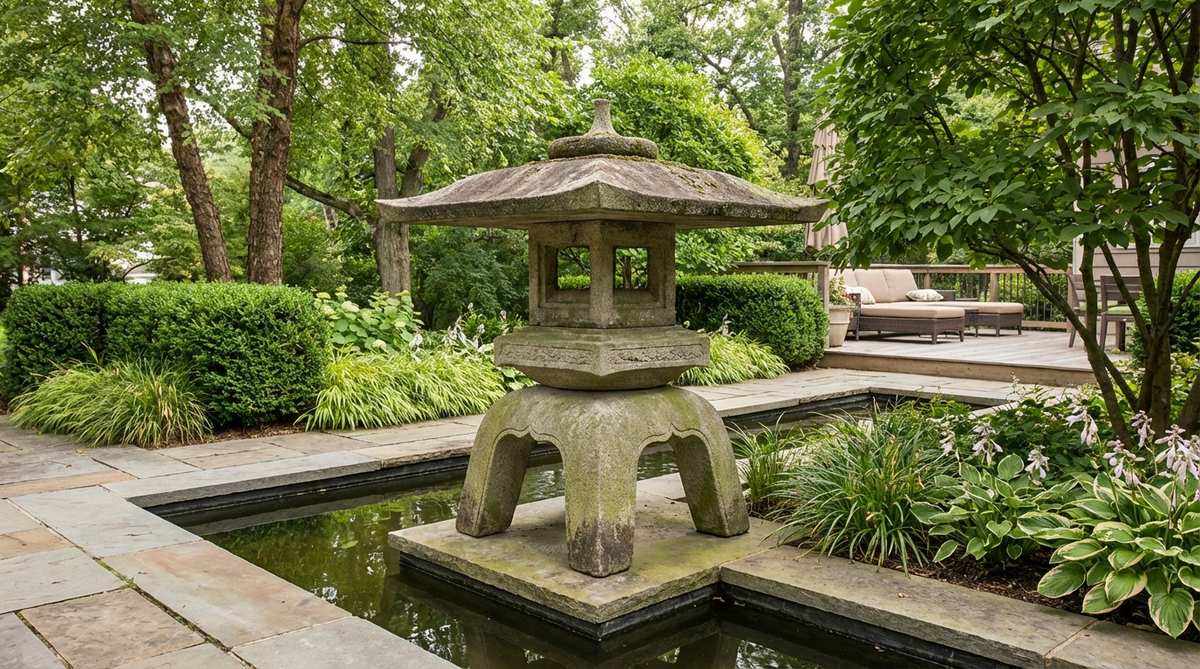
A perfectly balanced frame gives off strong architectural, courtyard-ready energy. Formal terrace perimeter lighting is ideal for straight-edged hardscapes or modern deck borders.
Uneven ground ruins tripod designs, but a four-point stance gives a designer-level finish on flat pavement. Picking up a pre-cast symmetrical courtyard lamp ensures it won’t tip over during heavy windstorms.
You can snag these for $110–$180. Pin this if you want to frame a rectangular patio space!
- Key Materials: Four-leg square footprint base
- Vibe / Style: Structured geometric stability
- Difficulty: Easy
- Budget Breakdown: Lantern Set: $130 | Non-slip pads: $10
- Creator’s Tip: Place rubber anti-slip pads under the feet if setting it on a wooden deck.
- Smart Sourcing: four-legged concrete replica lanterns and heavy-duty outdoor rubber footing pads
11. Six-Legged Wide-Spread Design
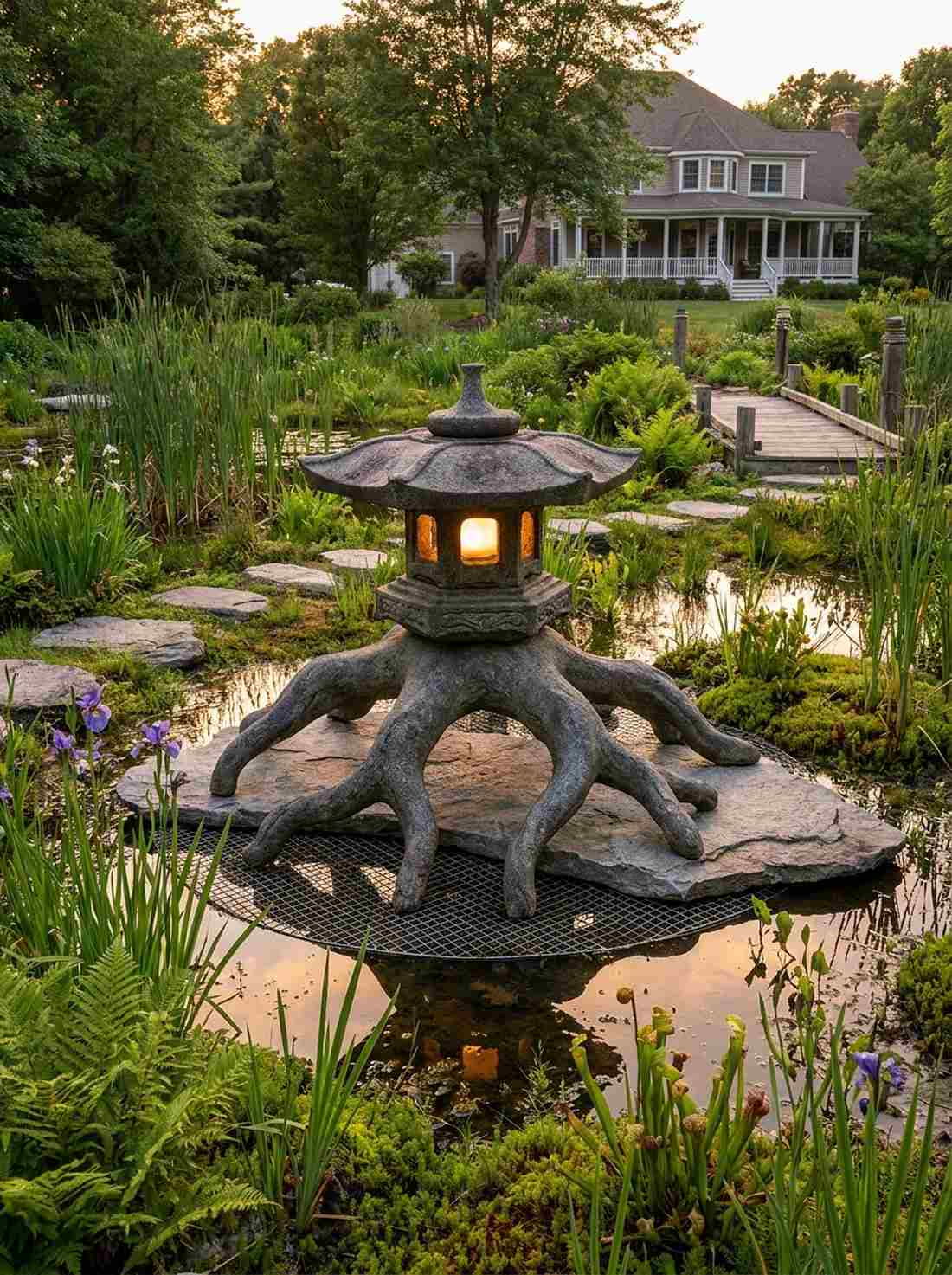
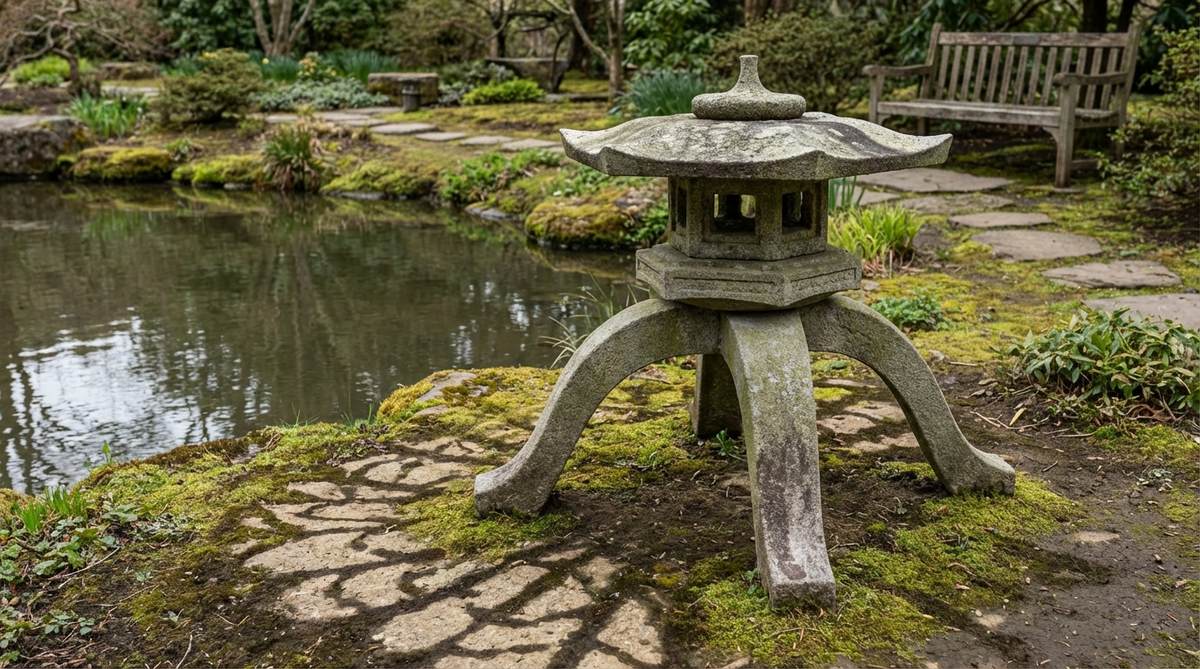
Intricate root-like legs make this fixture feel like a mythical creature guarding a swamp. Bog garden stability anchors are highly recommended for marshy or heavily saturated soil.
Heavy stones sink in mud, but a six-point radial distribution looks incredibly custom while solving sinkage issues. Using a wide-footprint terrain lantern kit prevents your investment from slowly vanishing into soft earth.
A large six-legged piece costs around $250–$500. It’s a massive upgrade that anchors challenging wet landscapes.
- Key Materials: Six-point radial stone base
- Vibe / Style: Ancient marshland guardian
- Difficulty: Advanced (requires multiple people)
- Budget Breakdown: Oversized Lantern: $350 | Base Mesh: $25
- Creator’s Tip: Lay down a wire mesh under the soil to further prevent sinking.
- Smart Sourcing: six-legged oversized yukimi lanterns and soil stabilization grid rolls
Tea Garden Rustic Styles Embodying Wabi-Sabi
Tea masters during the Azuchi-Momoyama period developed specialized lantern forms that expressed wabi-sabi principles of imperfection and transience. These designs feature asymmetric elements and weathered finishes.
12. Oribe Asymmetric Cube Lantern
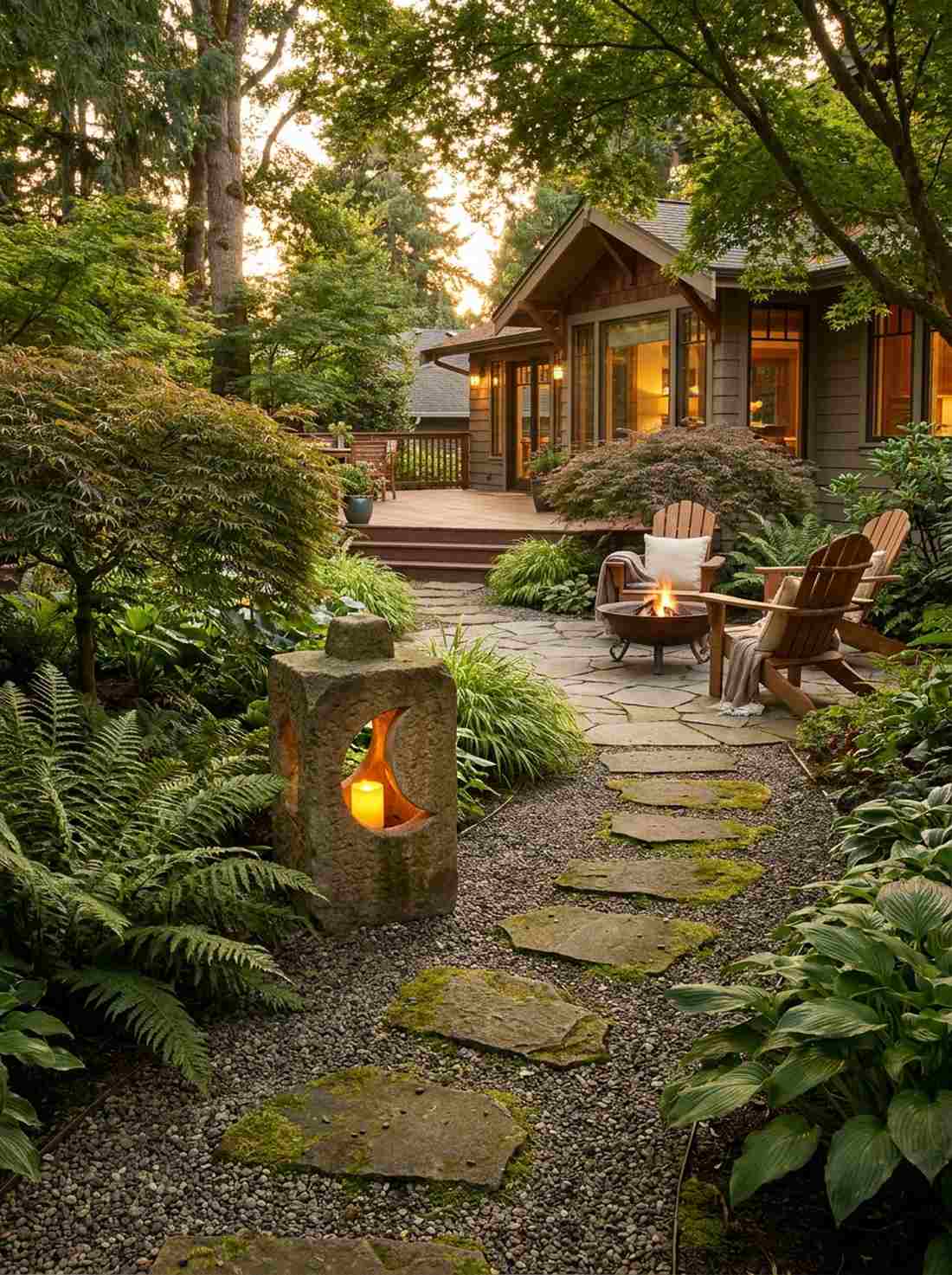
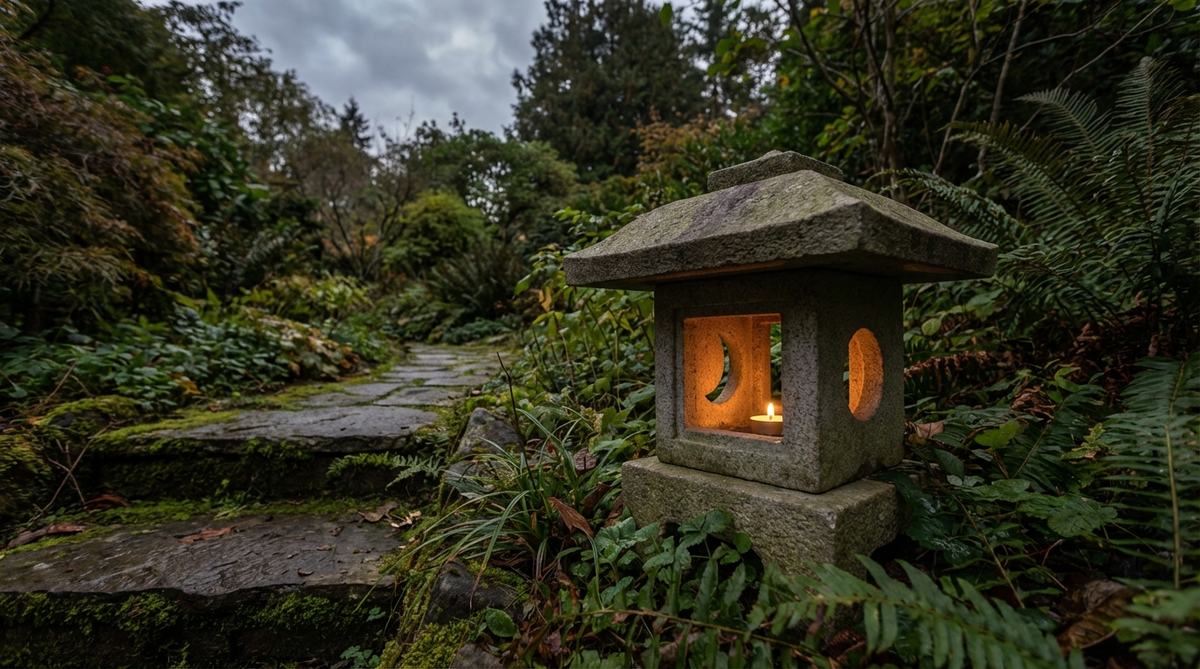
This quirky, mismatched cubic design feels like a hidden treasure for those who look closely. Intimate stepping stone pathway decor is perfect for slowing down guests before entering a seating area.
Perfection is boring in a tea garden, whereas intentional asymmetry delivers a surprisingly premium look rooted in history. Buying a pre-cut wabi-sabi garden kit instantly adds layers of intellectual design to an otherwise plain walkway.
This setup will run you about $90–$160. Pin this if you love the rustic, imperfect aesthetic!
- Key Materials: Cubic fire box, carved moon shapes
- Vibe / Style: Quirky Wabi-Sabi elegance
- Difficulty: Beginner
- Budget Breakdown: Oribe Lantern: $110 | Pathway Gravel: $30
- Creator’s Tip: Orient the crescent moon cutout to face the path where guests walk.
- Smart Sourcing: asymmetric Oribe garden lamps and warm-glow flickering tea lights (bulk pack)
13. Weathered-Finish Stone Selection
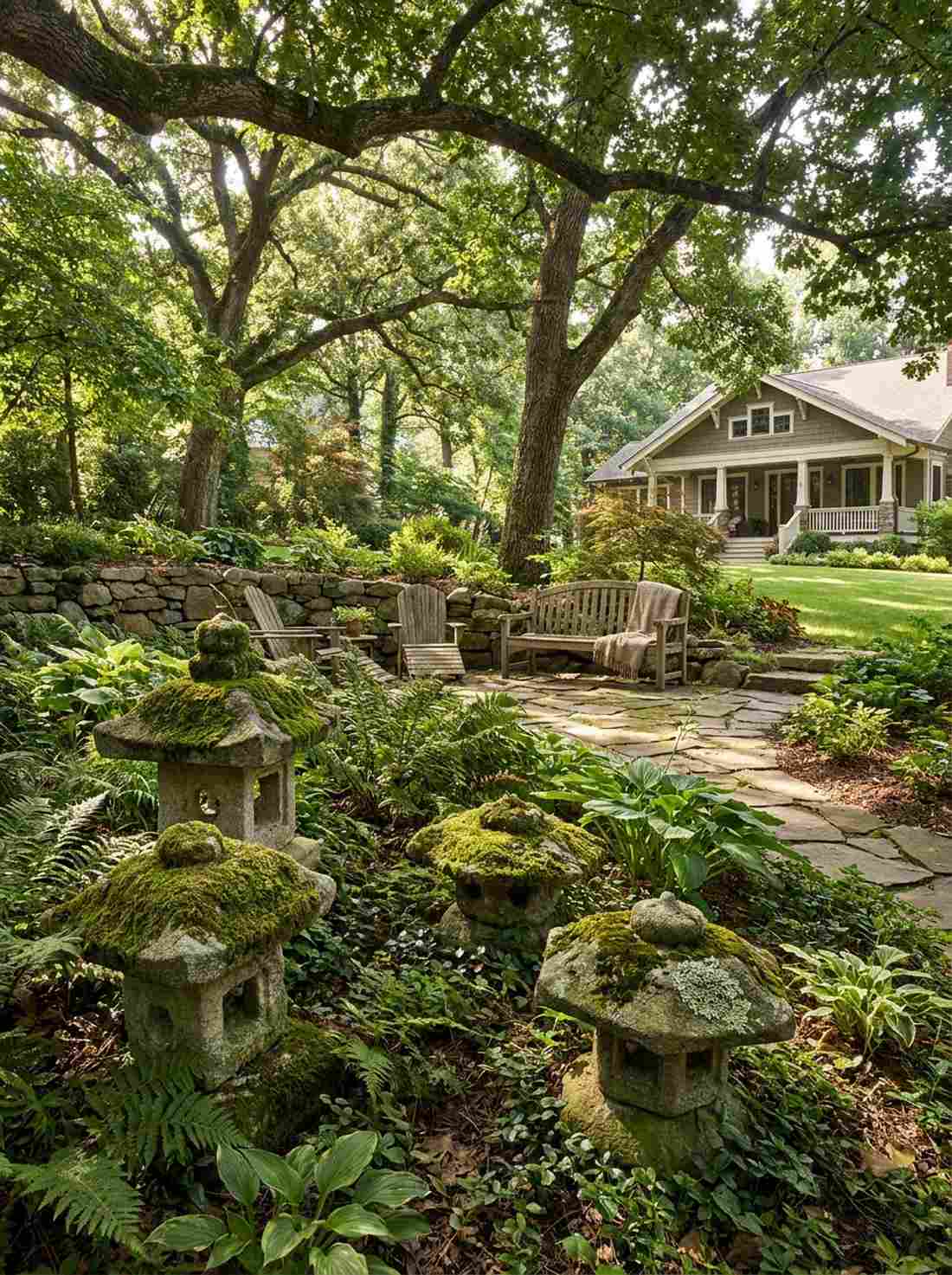
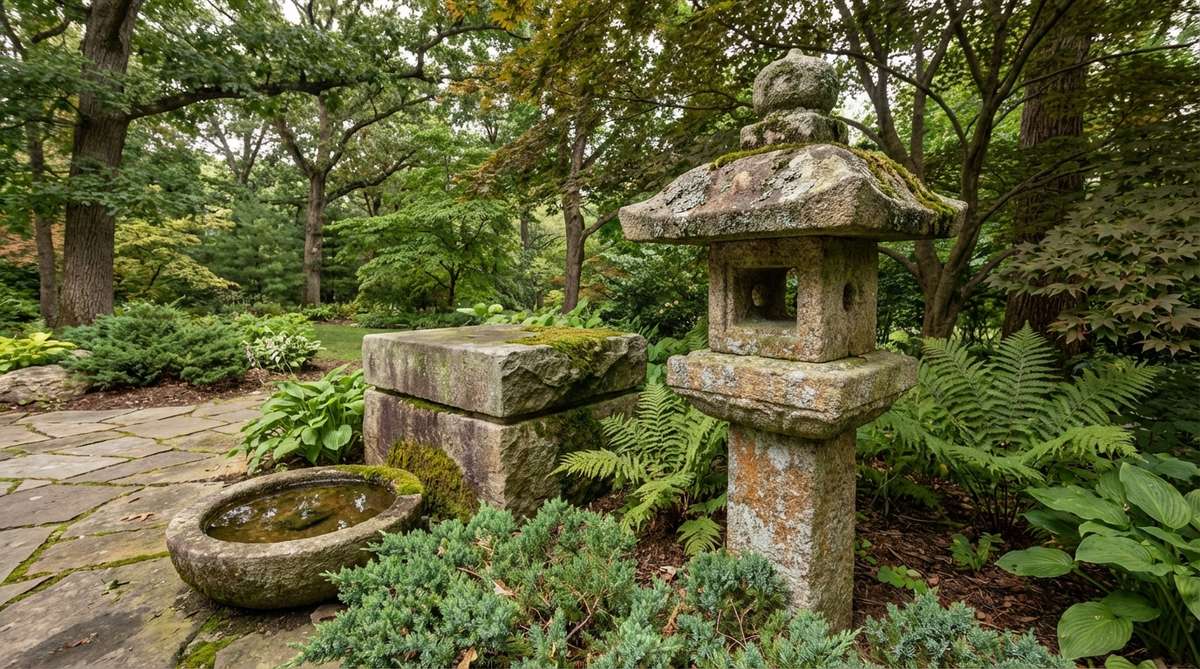
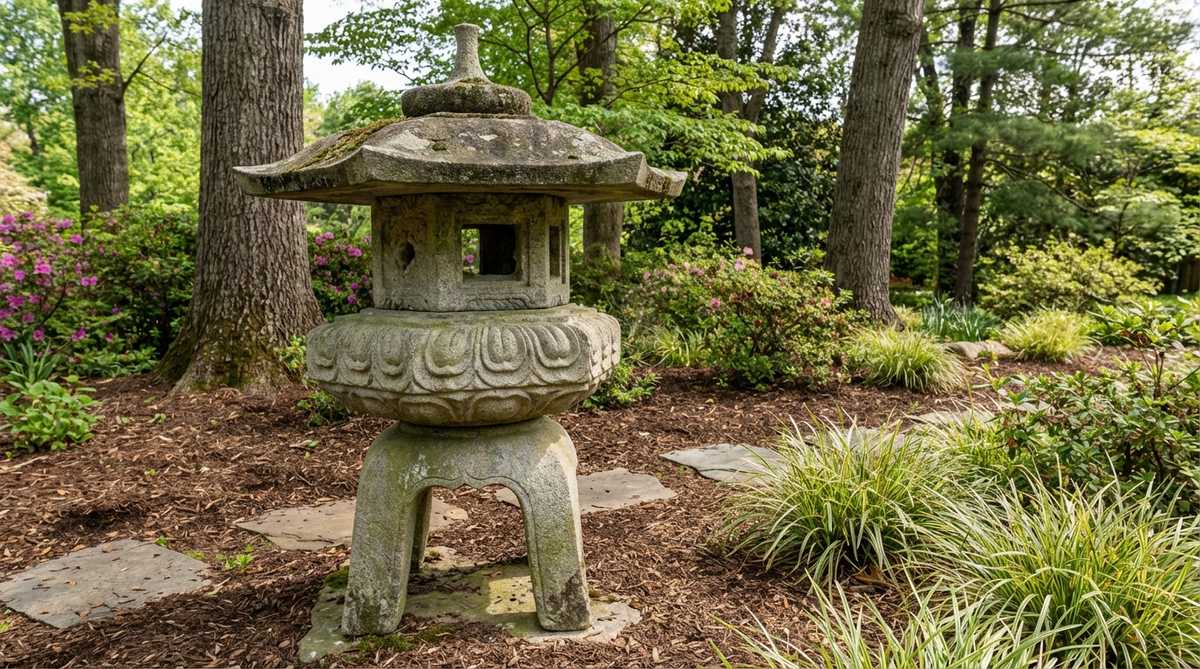
Covered in lush green lichen, this setup feels like it has been sitting untouched for a century. Aged woodland garden features are perfect for tucking under old, shady oak trees.
Brand new granite looks too sterile, but artificially aged stone looks far more expensive than it is. Applying a rapid moss-growing formula spray turns a basic block into an ancient relic in just weeks.
You can easily pull this off for $60–$120. It completely changes the atmosphere of a shaded corner.
- Key Materials: River stones, liquid moss
- Vibe / Style: Ancient overgrown ruins
- Difficulty: Easy
- Budget Breakdown: Rough Stone Base: $75 | Aging Spray: $20
- Creator’s Tip: Mist the stone lightly every evening during the first month to set the moss.
- Smart Sourcing: tumbled rough-cut river stone lanterns and liquid moss accelerator sprays
14. Low-Profile Path Marker
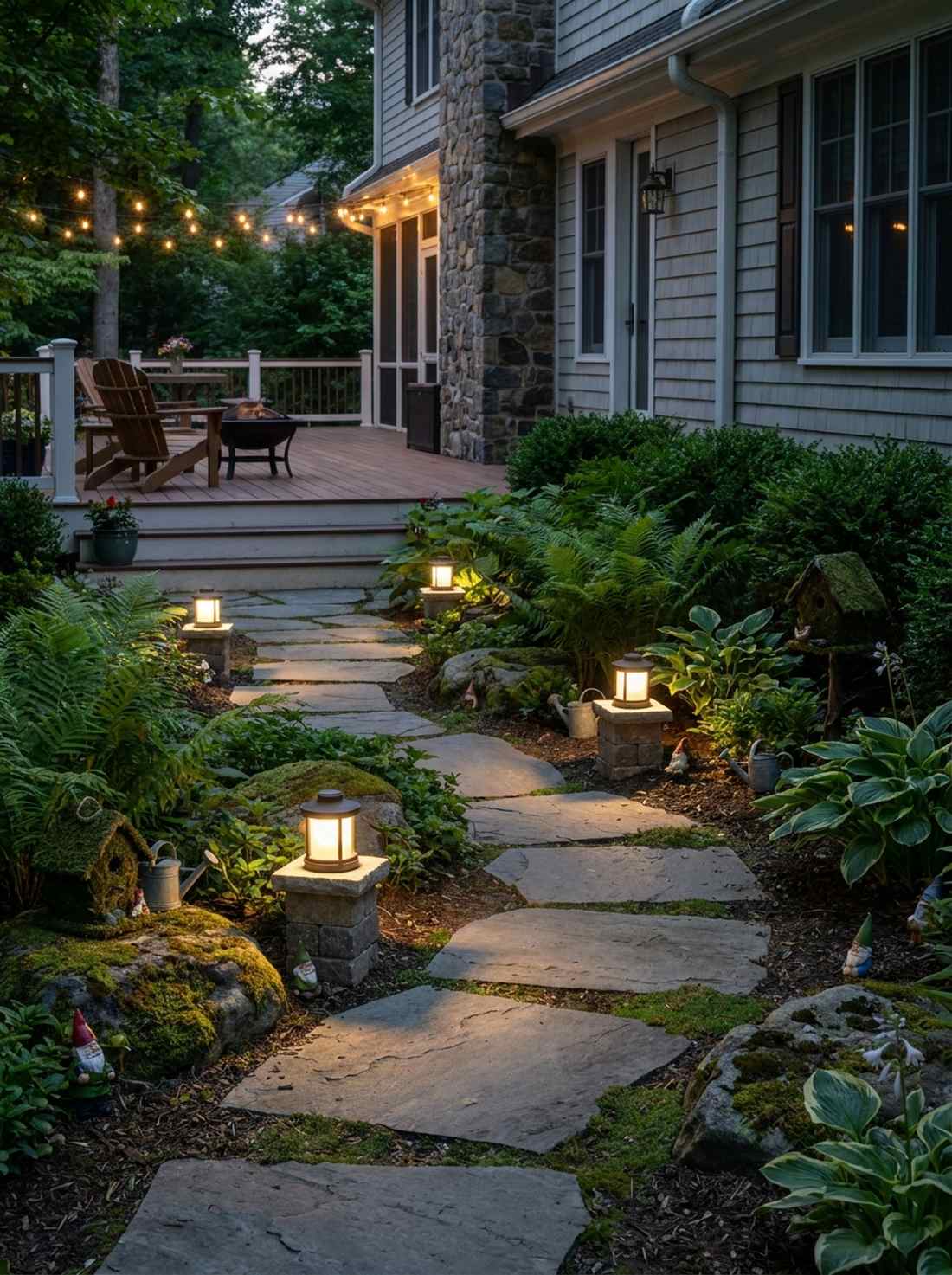
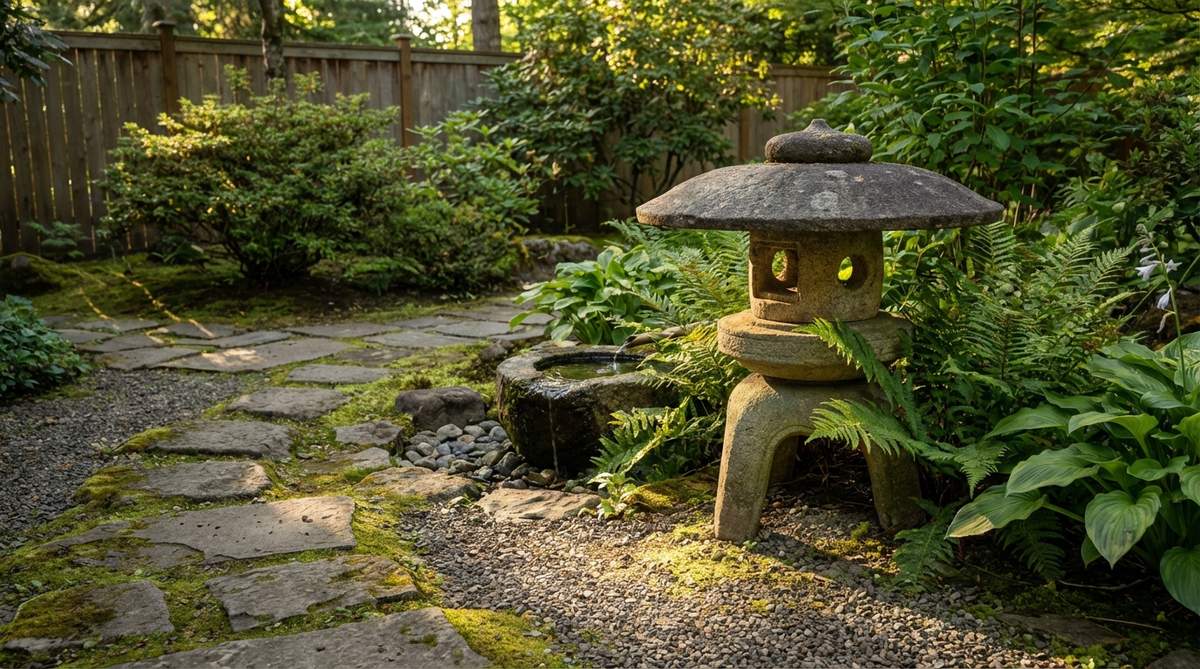
Barely rising above the ferns, this humble light feels like a magical fairy guide. Knee-high trail illumination works exceptionally well for narrow, winding side yards.
Blinding spotlights ruin night vision, but a muted, ankle-level glow gives a designer-level finish to nighttime strolls. Incorporating miniature garden supplies creates a subtle, romantic mood without overwhelming the space.
Expect to spend $40–$90 per marker. Save this for your minimalist backyard upgrade list!
- Key Materials: Short stone pedestals, soft LEDs
- Vibe / Style: Subtle fairy-tale trail
- Difficulty: Beginner
- Budget Breakdown: Mini Lantern: $50 | Ground Spikes: $10
- Creator’s Tip: Space them out by at least 8 feet so the light pools don’t overlap.
- Smart Sourcing: miniature stone pathway lamps (set of 2) and low-lumen warm outdoor pathway bulbs
This next rustic base trick is ridiculously cheap but creates a custom display that neighbors will think you hired an architect for…
15. Irregular Stone Base Platform
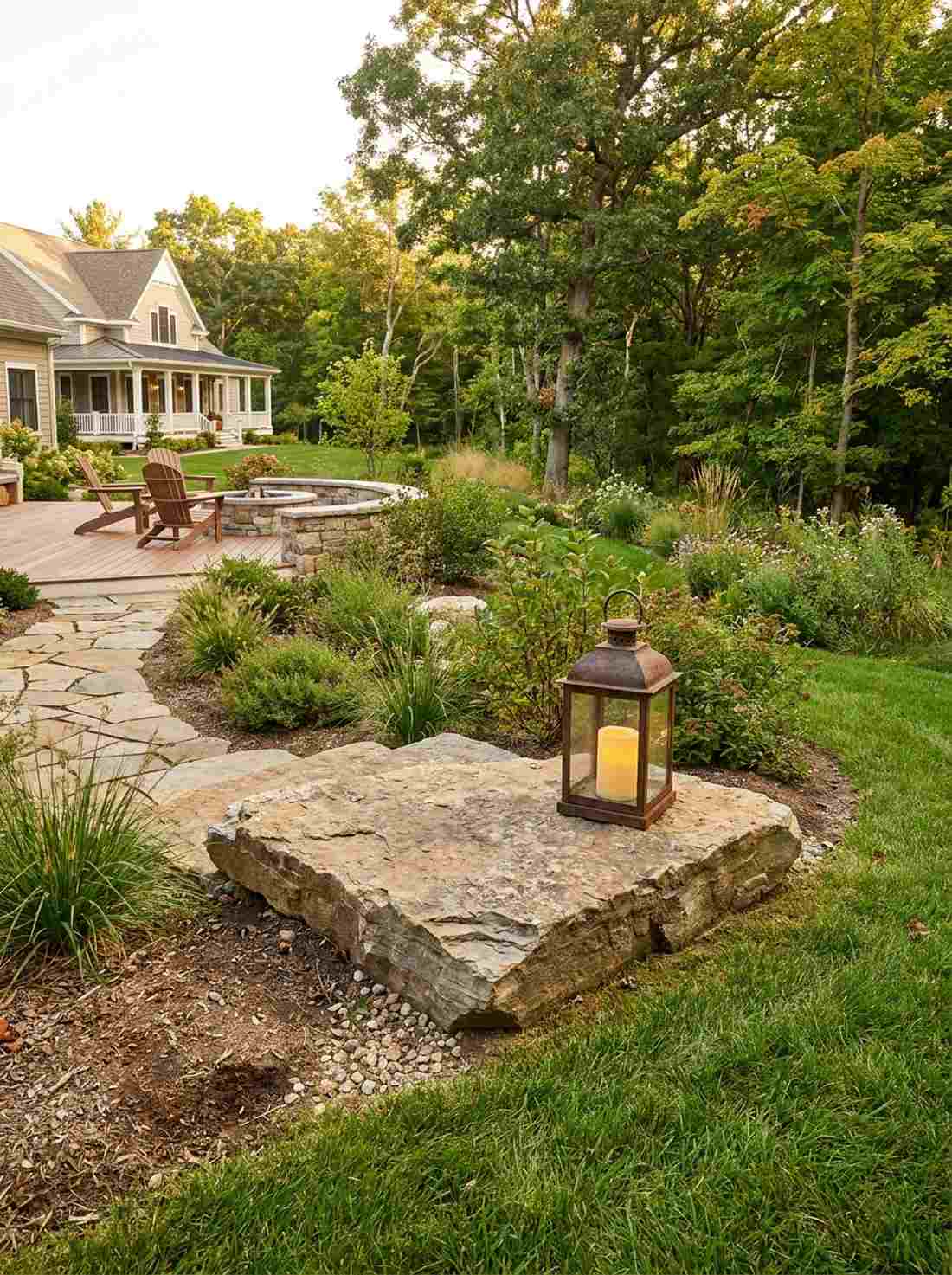
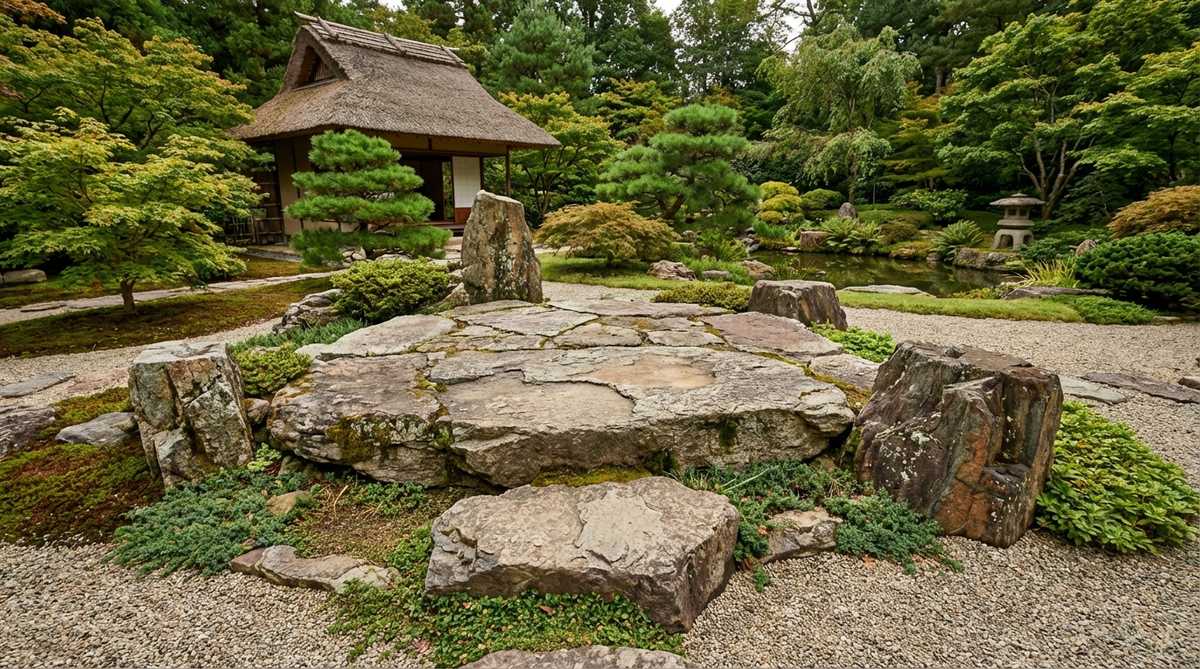
Resting on a jagged boulder, this setup feels entirely born from the earth. Natural boulder foundation stands are ideal for bridging manicured lawns with wilder forest edges.
Pre-cut concrete pads look artificial, whereas placing your lantern on an unpolished slab delivers an incredibly bespoke aesthetic. Sourcing raw flagstone foundation pieces grounds the fixture securely while celebrating raw nature.
You can achieve this organic base for around $30–$80. Highly recommended for rugged landscape designs.
- Key Materials: Raw flagstone slab, unpolished rock
- Vibe / Style: Unrefined natural harmony
- Difficulty: Intermediate (requires leveling stone)
- Budget Breakdown: Base Boulder: $40 | Leveling Sand: $10
- Creator’s Tip: Dig the boulder halfway into the dirt so it looks naturally embedded.
- Smart Sourcing: large flat flagstone base rocks and polymeric sand bags
16. Minimal-Carving Plain Surface
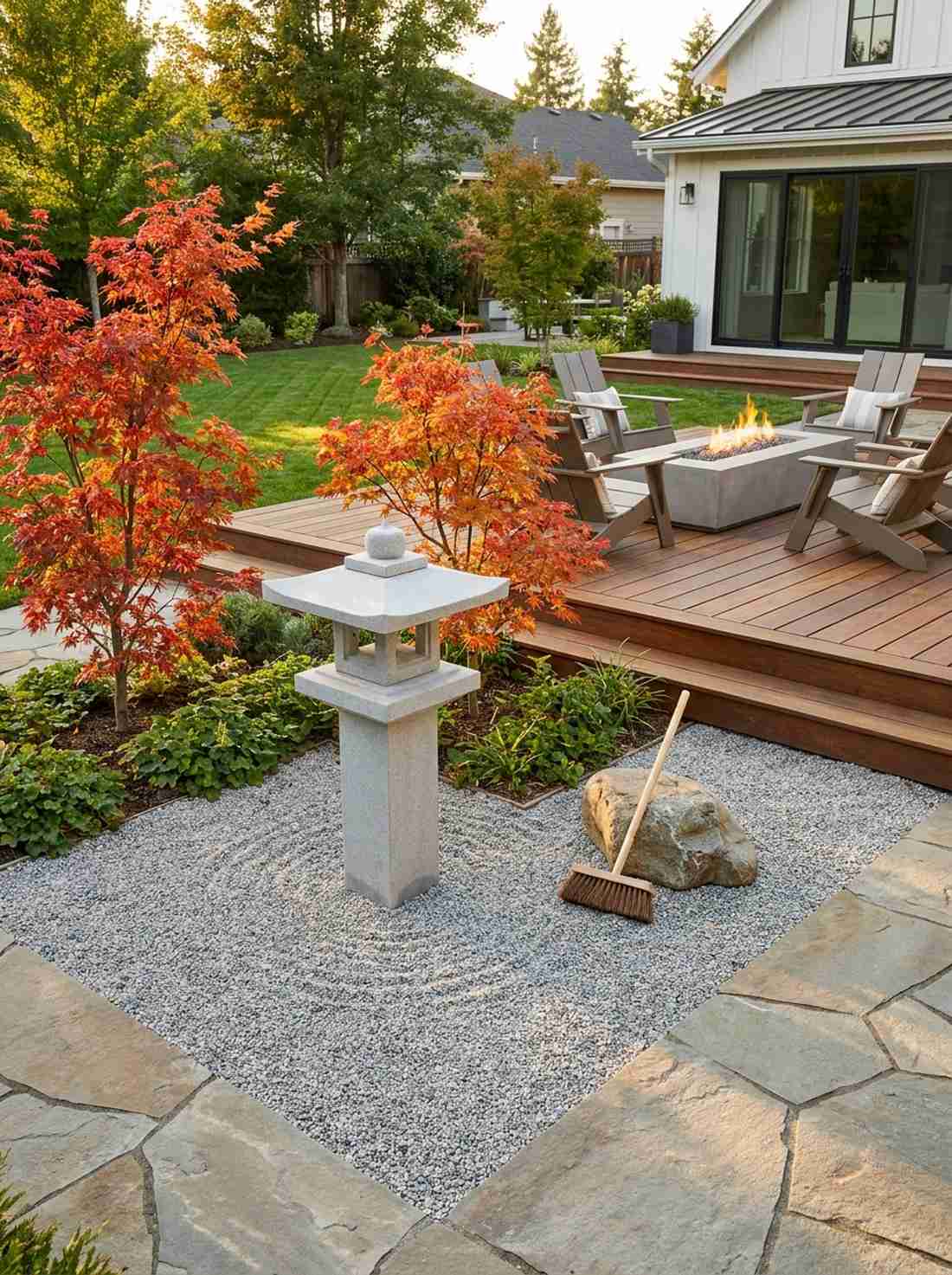
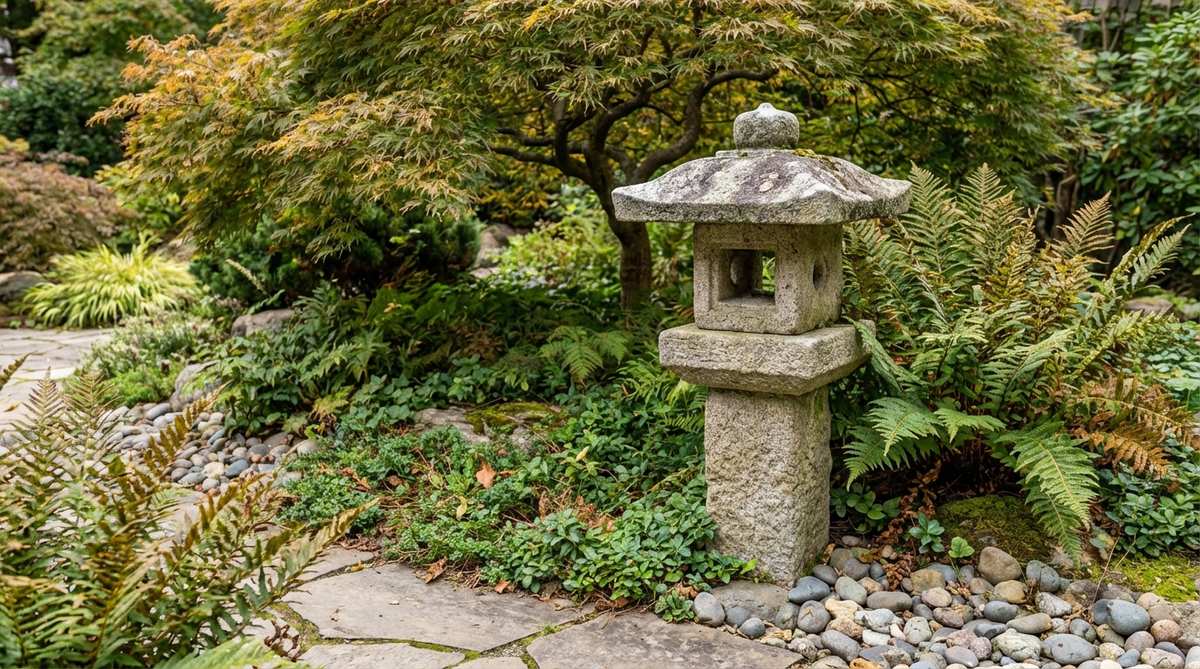
Smooth, unadorned faces make this fixture feel like a breath of fresh air. Minimalist gravel courtyard accents are perfect for letting your vibrant maple leaves do the talking.
Over-decorated pieces can clutter a space, but a completely plain stone surface looks surprisingly premium and modern. Picking up a sleek uncarved japanese garden lantern kit ensures your foliage remains the true star of the yard.
This streamlined piece usually runs $80–$140. Pin this if you love clean, uncluttered outdoor spaces!
- Key Materials: Sanded smooth granite slabs
- Vibe / Style: Ultra-clean modern Zen
- Difficulty: Easy
- Budget Breakdown: Minimalist Lantern: $100 | Cleaning Brush: $15
- Creator’s Tip: Keep the stone scrubbed clean of moss to maintain the stark minimalist vibe.
- Smart Sourcing: smooth-finish contemporary stone lanterns and stiff-bristle stone cleaning brushes
Metal & Bronze Illumination With Lasting Patina
Cast metal lanterns offer alternative aesthetics to stone designs. Bronze and iron toro develop rich patina colors ranging from blue-green verdigris to deep brown oxidation.
17. Bronze Hexagonal Hanging Style
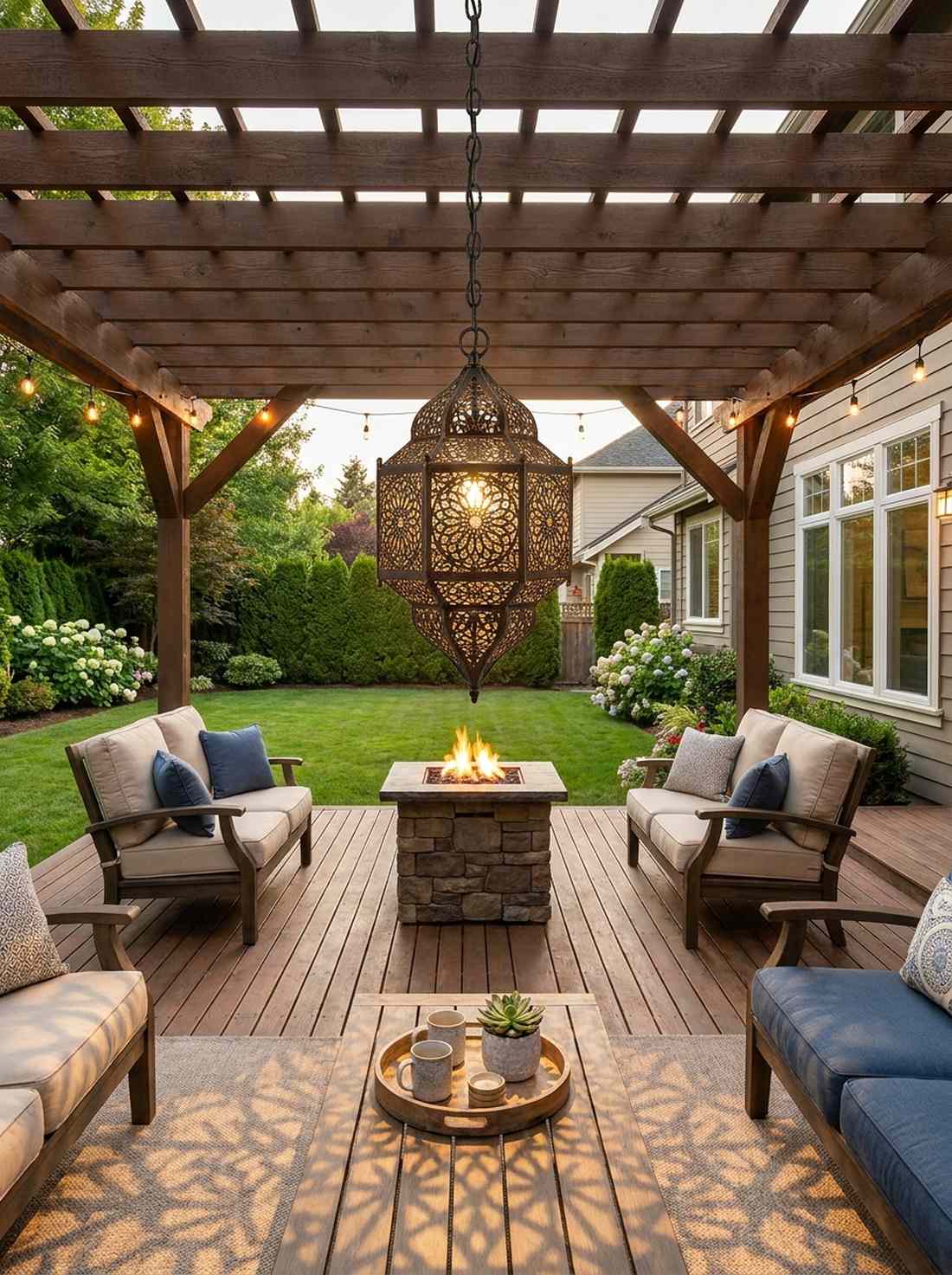
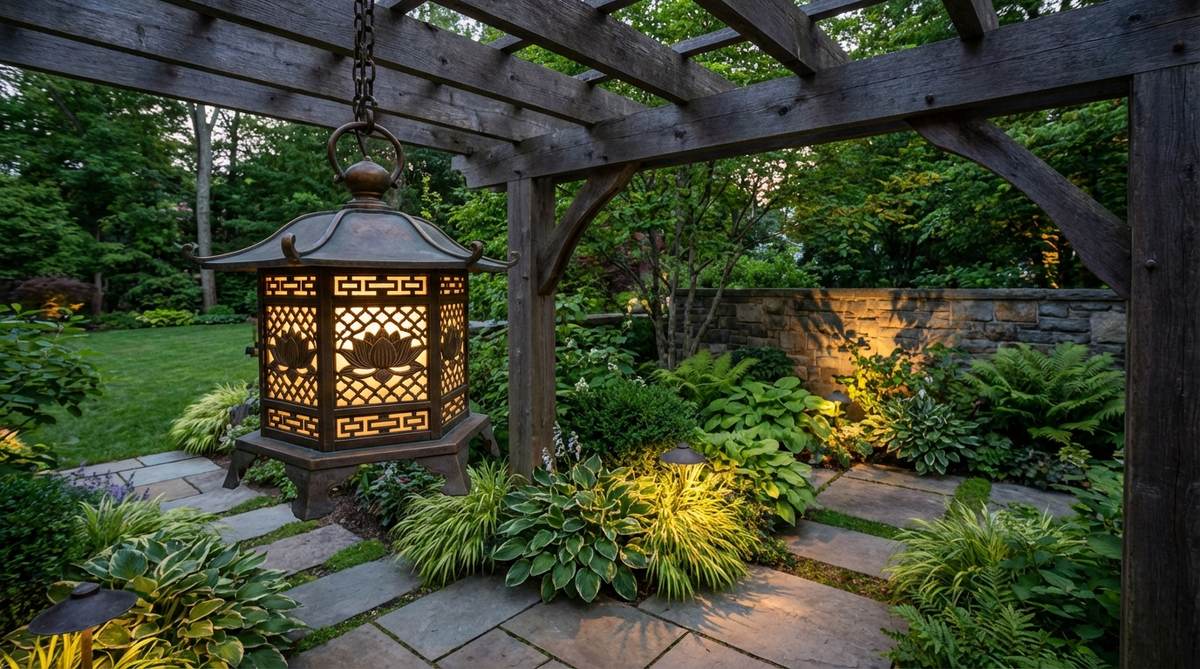
Dangling from a pergola, this intricate metalwork feels like a vintage temple wind chime. Suspended porch overhang lighting is highly recommended for protecting light sources from heavy rain while freeing up floor space.
Heavy stone isn’t always practical, but a lightweight hanging bronze fixture gives a designer-level finish to outdoor ceilings. Installing a pre-wired hanging pagoda lamp casts mesmerizing, lacy shadows across your wooden deck.
You can easily pull this off for around $60–$120. Pin this for your next covered patio renovation!
- Key Materials: Cast bronze, heavy duty chain
- Vibe / Style: Floating elegant pavilion
- Difficulty: Intermediate (requires secure hooks)
- Budget Breakdown: Hanging Lamp: $85 | Ceiling Hook: $10
- Creator’s Tip: Hang it precisely at eye-level when seated to enjoy the pierced metalwork.
- Smart Sourcing: cast bronze hanging garden lanterns and heavy-duty outdoor ceiling hooks
18. Cast Iron Ground Lantern
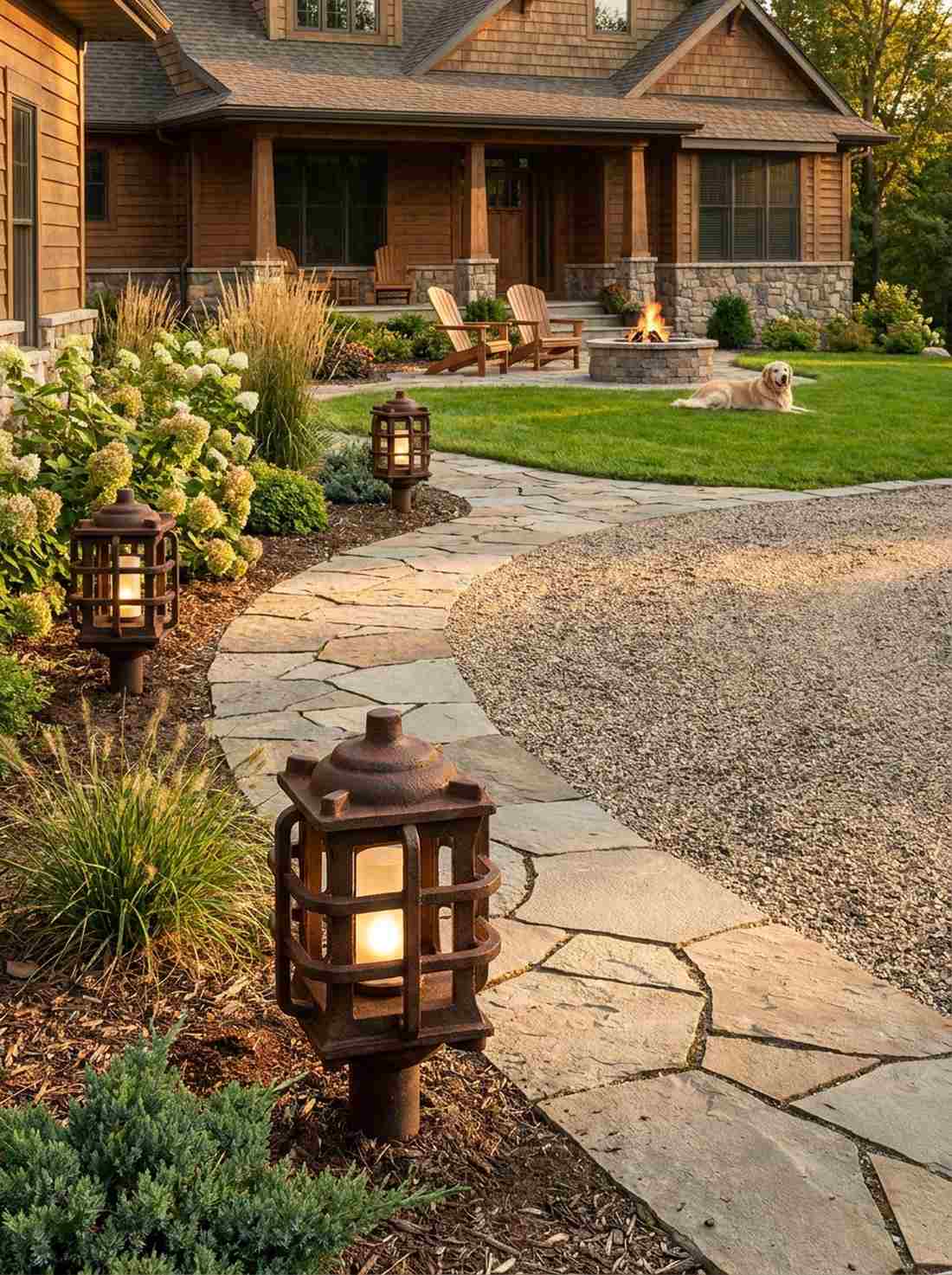
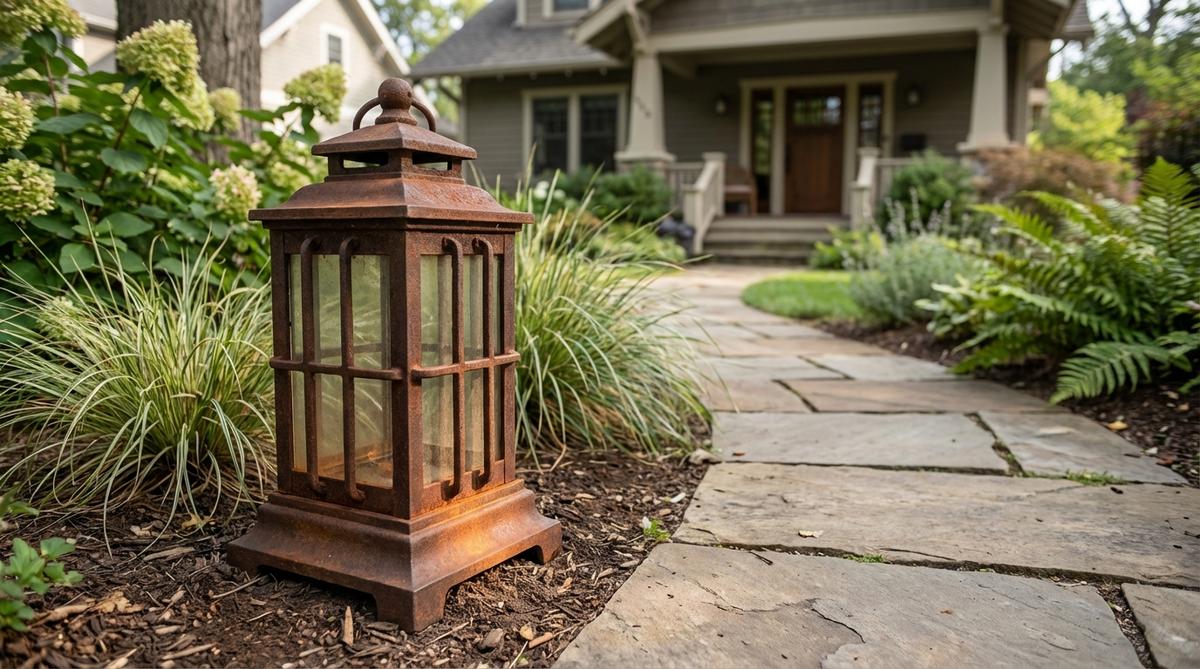
A heavy, dark rust finish gives this piece a fortress-like durability. High-traffic driveway border lights work exceptionally well where mowers or foot traffic might bump delicate stone.
Most pathway lights snap easily, but heavy iron construction looks far more expensive while being virtually indestructible. Snagging a cast iron toro supply kit guarantees your lighting survives kids, dogs, and bad weather.
These robust pieces cost between $50–$130. It’s a fantastic, low-stress addition to busy walkways.
- Key Materials: Solid cast iron, rust finish
- Vibe / Style: Industrial rustic strength
- Difficulty: Beginner-friendly
- Budget Breakdown: Iron Lantern: $70 | Clear Sealant: $15
- Creator’s Tip: Spray it with clear matte enamel if you want to stop the rust process at its current color.
- Smart Sourcing: heavy cast iron ground lanterns and matte clear rust-stopping spray
19. Verdigris Copper Finish
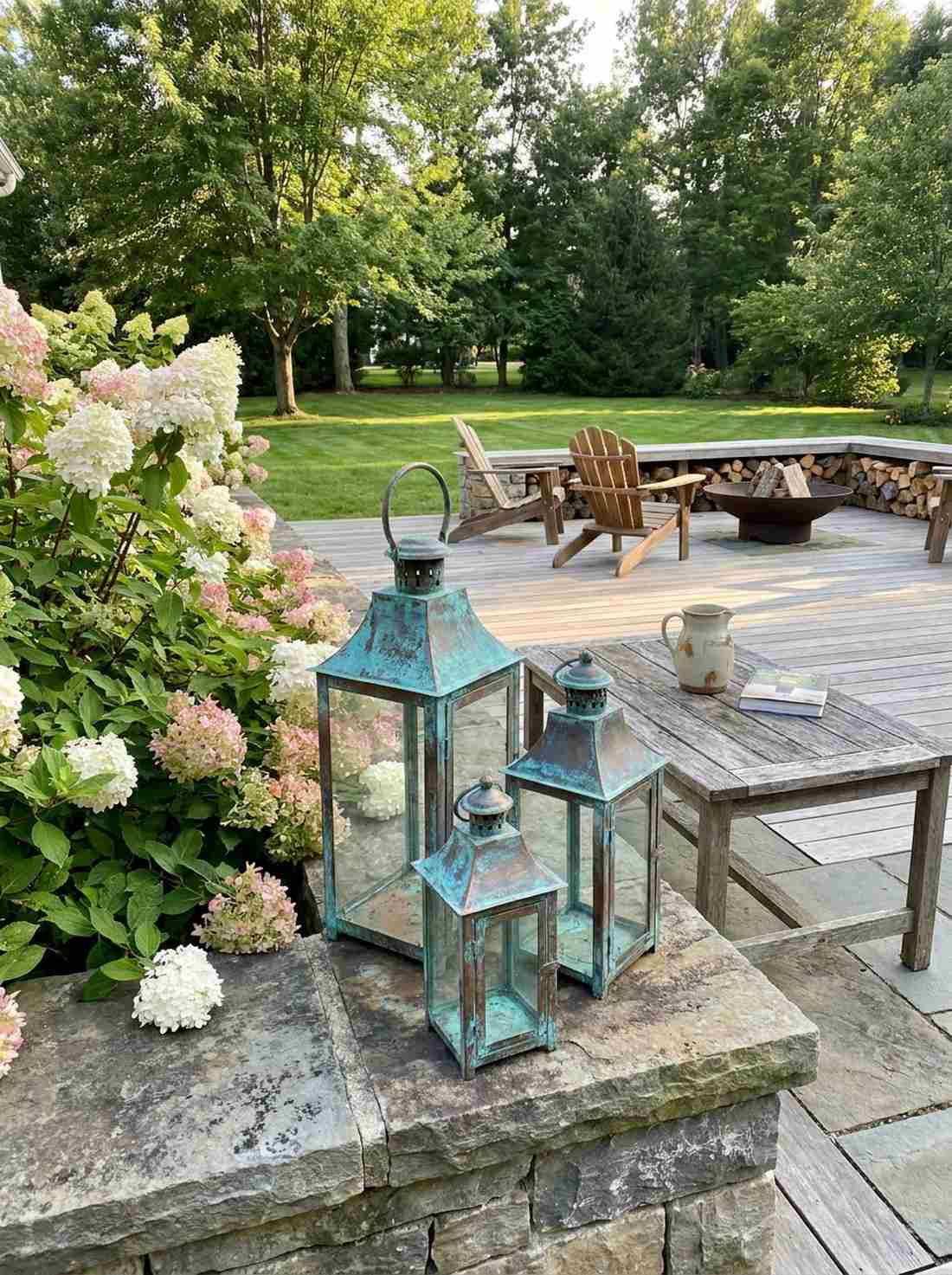
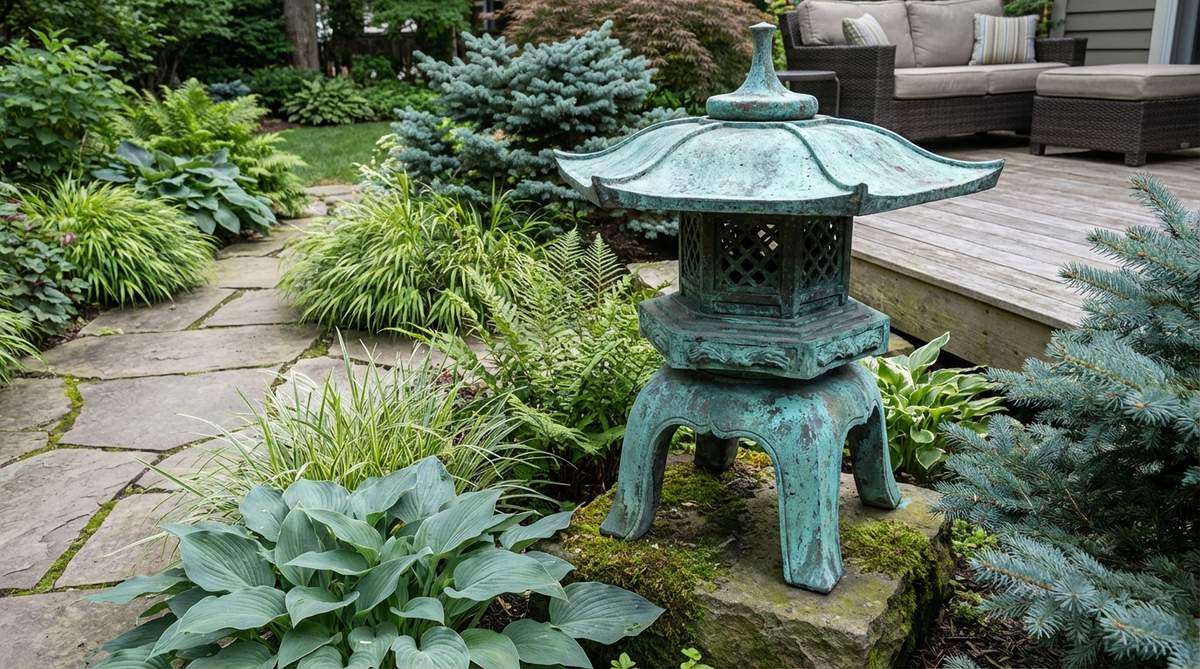
The striking blue-green crust makes this piece feel like sunken treasure pulled from the ocean. Colorful focal point decor is perfect for contrasting against bright pink or white blooming hydrangeas.
Fading black metal is boring, whereas forced copper oxidation delivers a surprisingly premium look with zero effort. Grabbing an accelerated patina copper lantern set gives you that 100-year-old aesthetic in just a few days.
This vibrant setup costs roughly $90–$160. Save this if you want a pop of sophisticated color in your garden!
- Key Materials: Copper alloy sheet, acidic spray
- Vibe / Style: Antique coastal relic
- Difficulty: Easy
- Budget Breakdown: Copper Lantern: $110 | Patina Solution: $25
- Creator’s Tip: Use a sea salt and vinegar spray to naturally speed up the blue-green crusting.
- Smart Sourcing: raw copper garden lamps and verdigris patina aging solutions
Stop scrolling! If you want a luxury aesthetic but live in a tiny apartment, this next trick completely bypasses the need for heavy stone…
20. Enameled Cloisonne Decoration
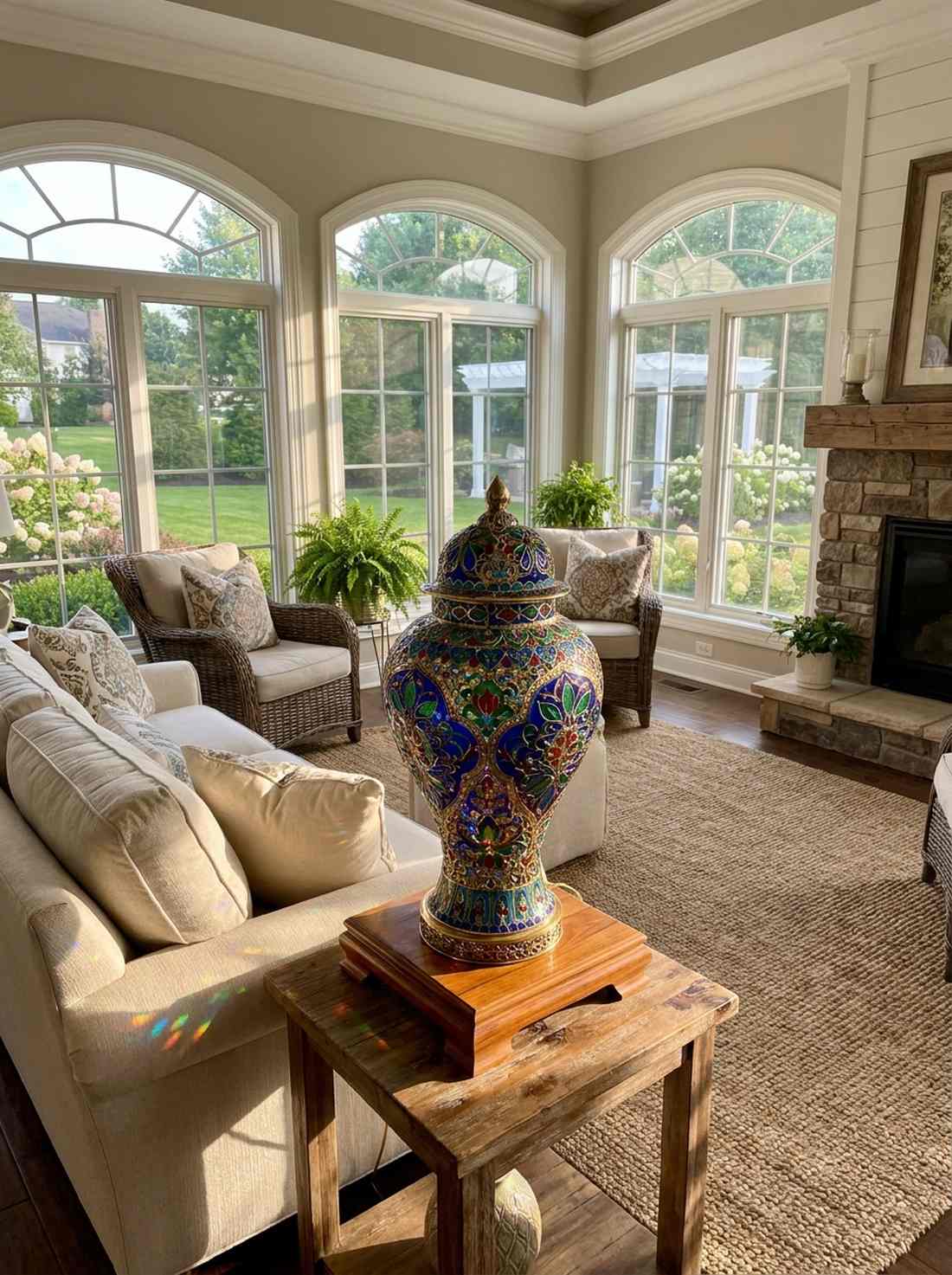
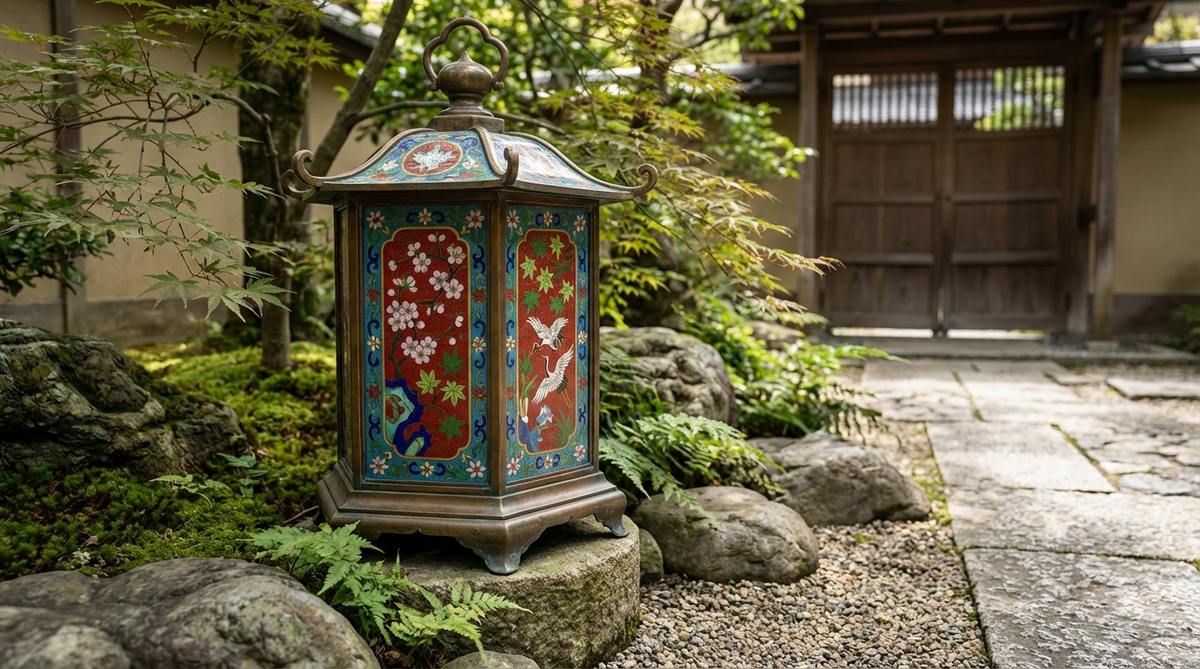
Jewel-toned glass inlays make this fixture feel like a piece of royal indoor jewelry. Protected sunroom accent lighting is highly recommended for sheltered spots away from harsh winter storms.
Bare metal can feel cold, but incorporating fired enamel details gives a designer-level finish that dazzles in the sunlight. Finding a premium cloisonné accent lamp bridges the gap between outdoor hardscape and fine art.
Expect to invest $150–$300 for intricate glasswork. Pin this to your luxury indoor-outdoor living board.
- Key Materials: Metal wirework, fired glass paste
- Vibe / Style: Opulent ceremonial elegance
- Difficulty: Easy (placement only)
- Budget Breakdown: Enameled Lantern: $200 | Display Stand: $40
- Creator’s Tip: Keep this strictly under covered patios to prevent the glass paste from weather-cracking.
- Smart Sourcing: cloisonne enamel outdoor accent lamps and elevated teak display stands
21. Bronze With Gold-Gilt Accents
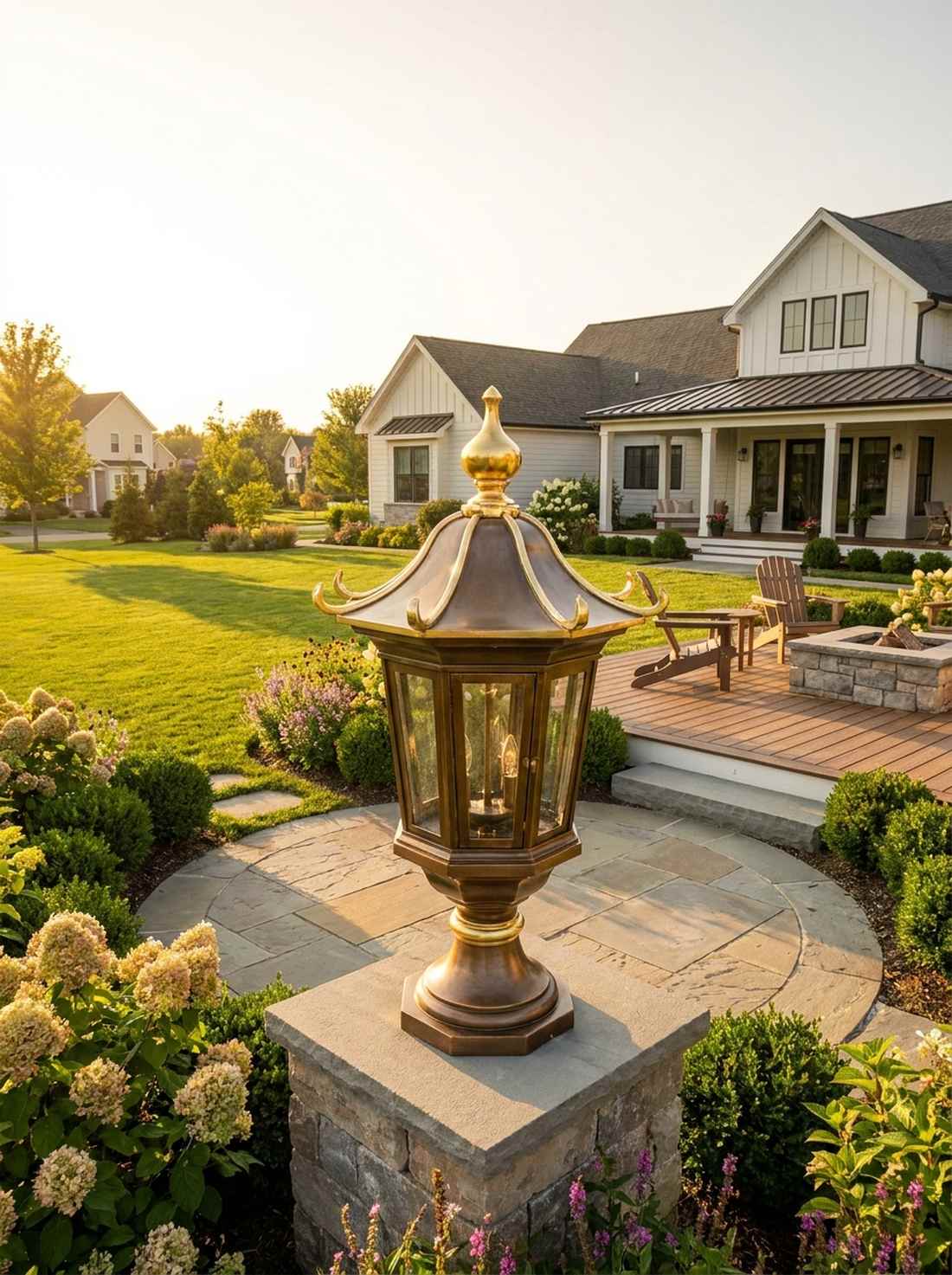
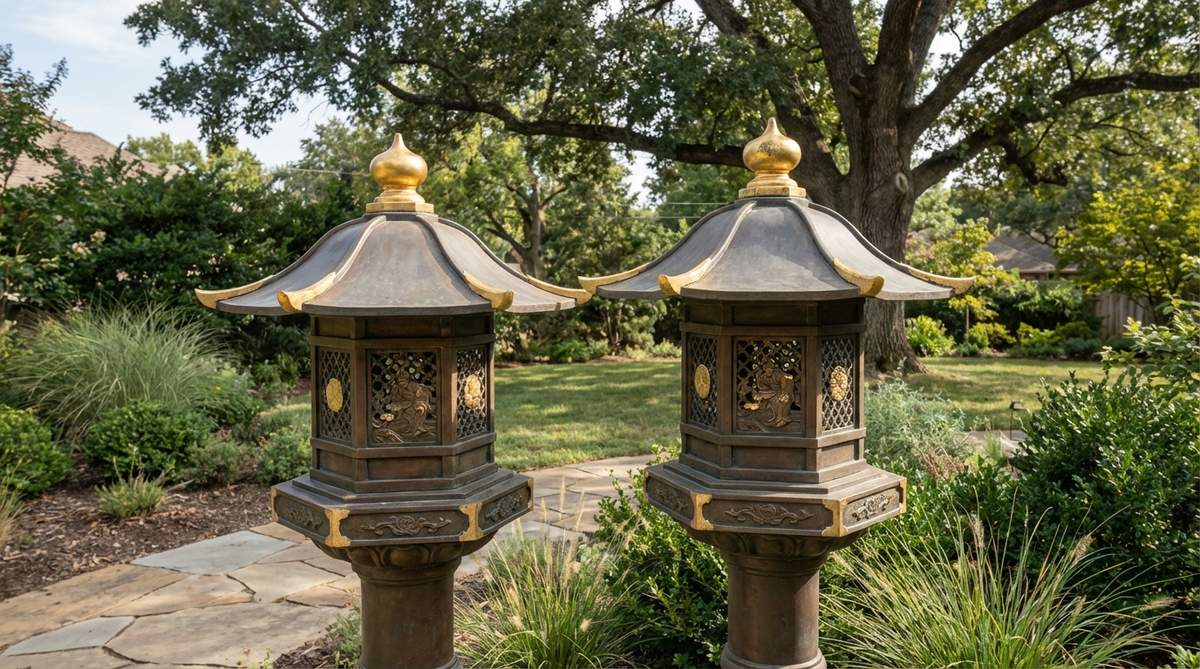
Glinting in the sun, this touched-up piece feels like a sacred offering at a major temple. Gilded courtyard focal points work exceptionally well when you want one single item to command the entire lawn.
A dull statue gets lost in the bushes, but a touch of gold leaf looks incredibly bespoke and high-end. Grabbing a weatherproof gold-leaf starter kit allows you to custom-highlight the finial or roof edges yourself.
You can DIY this upgrade for under $50 if you already own a lantern. Highly recommended for a flashy weekend craft!
- Key Materials: Bronze base, gold leaf sizing
- Vibe / Style: Flashy premium prestige
- Difficulty: Intermediate (requires delicate leafing)
- Budget Breakdown: Base Lamp: $100 | Gold Leaf Kit: $35
- Creator’s Tip: Apply the gold leaf only to the highest points so it catches the golden hour sunlight.
- Smart Sourcing: bronze-finish outdoor lanterns and exterior-grade gold leafing starter kits
22. Hammered-Texture Metal Surface
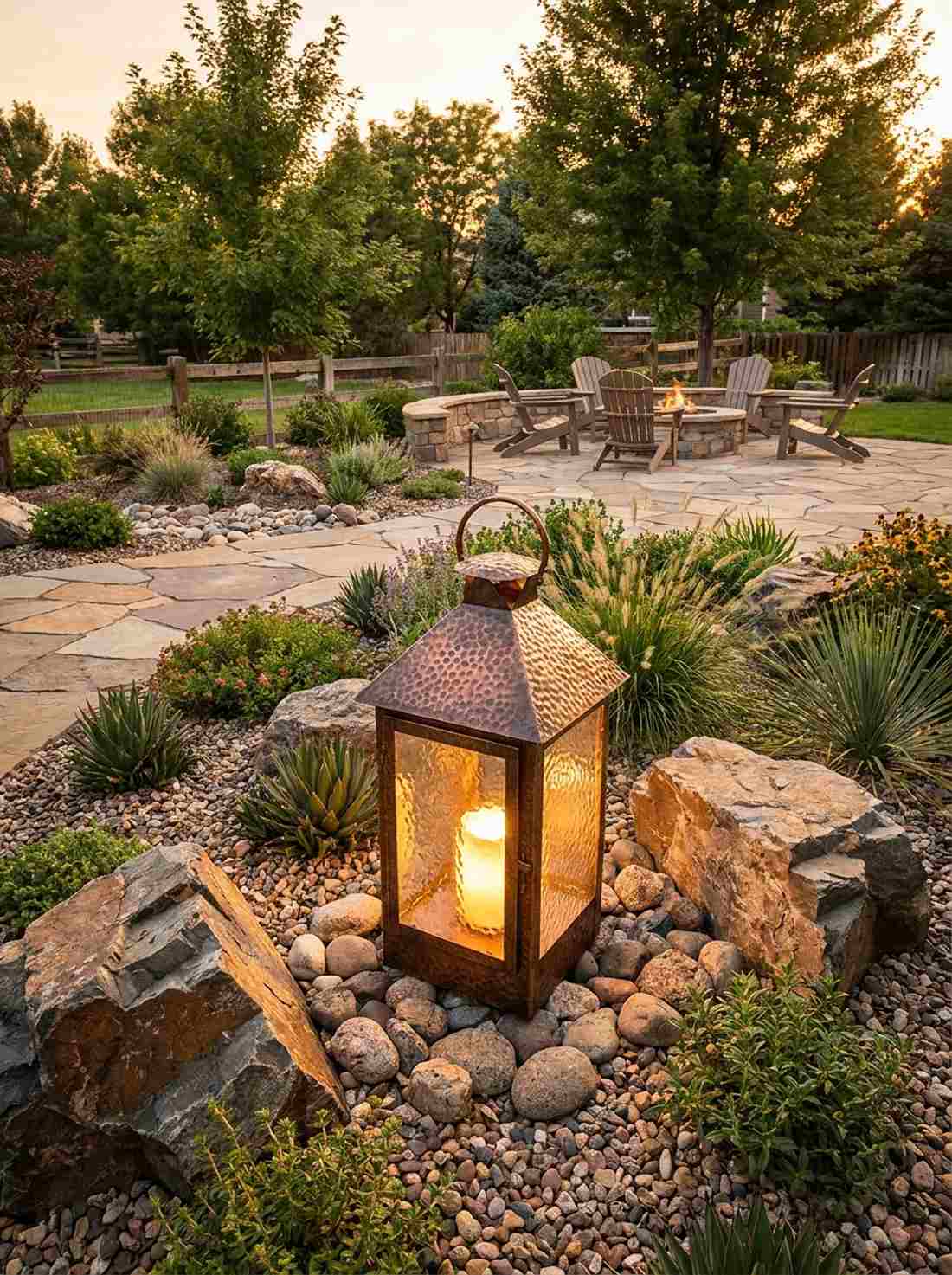
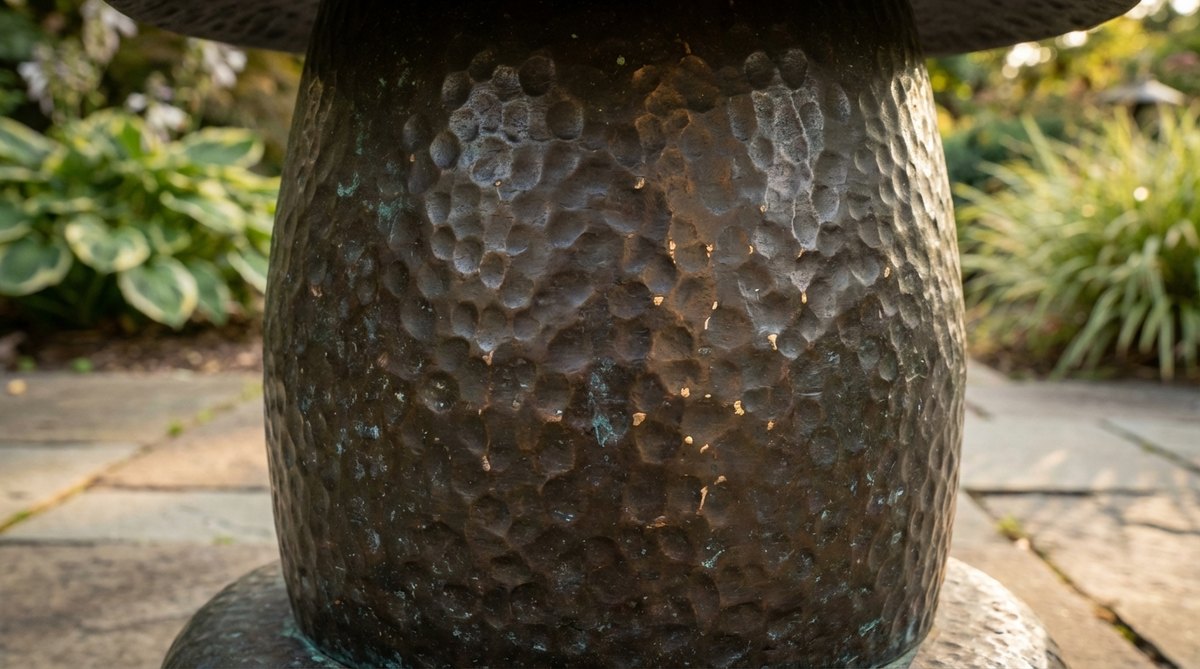
The dimpled metal scatters light, making the lantern feel like it was forged by a medieval blacksmith. Textured rock garden lighting is perfect for complementing rough gravel and jagged accent boulders.
Smooth factory metals lack character, whereas hand-hammered copper delivers a surprisingly premium look even during the daytime. Opting for a hammered artisan garden fixture brings distinct artisanal energy to your outdoor space.
These textured pieces run about $80–$150. Save this if you love raw, handcrafted garden materials!
- Key Materials: Hand-beaten copper or iron
- Vibe / Style: Artisan crafted warmth
- Difficulty: Easy
- Budget Breakdown: Hammered Lamp: $95 | Polishing Cloth: $10
- Creator’s Tip: Let it oxidize naturally, but occasionally polish the high spots to maintain contrast.
- Smart Sourcing: hammered metal outdoor japanese lamps and metal oxidation polishing pads (bulk pack)
Compact Movable Lanterns For Flexible Placement
Oki-doro movable lanterns lack permanent bases, allowing seasonal repositioning. These portable designs suit small courtyards and adaptable garden layouts.
23. Three-Light Window Box
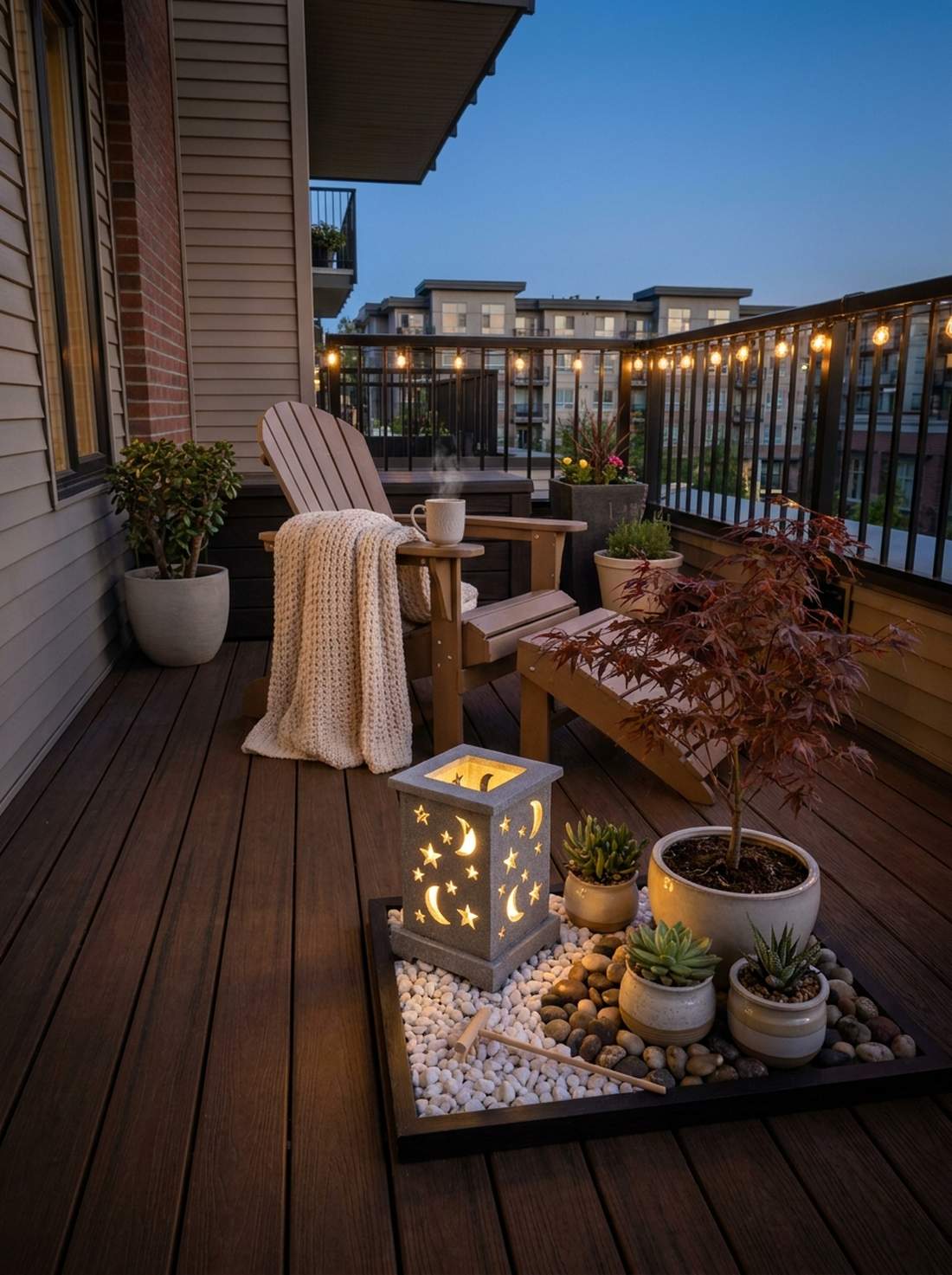
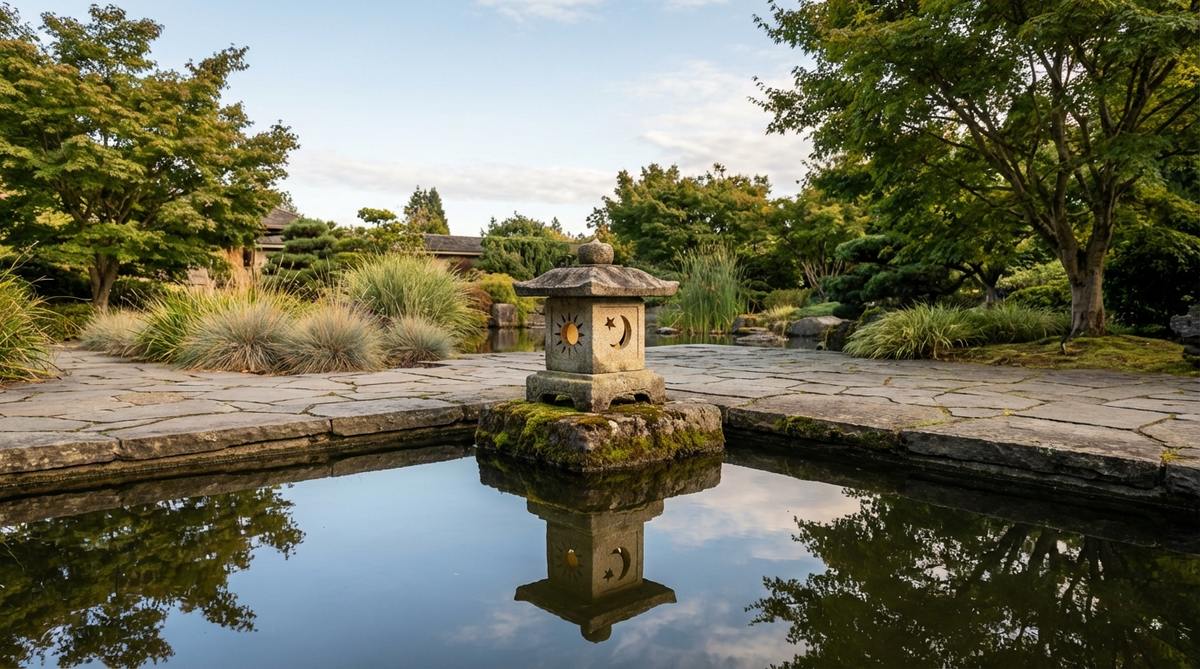
This tiny cubic box feels like a glowing puzzle resting near the water’s edge. Compact deck corner illumination is highly recommended for tiny townhouse patios or apartment balconies.
Giant towers overwhelm small spaces, but a pedestal-free box looks surprisingly premium while being easy to move. Picking up a miniature zen garden supply kit lets you shift your lighting with the changing seasons.
You can easily pull this off for $40–$80. Pin this if you have zero yard space but want the Zen vibe!
- Key Materials: Small stone box, star/moon cutouts
- Vibe / Style: Celestial modular flexibility
- Difficulty: Beginner
- Budget Breakdown: Zanko-doro Box: $55 | LED candles: $15
- Creator’s Tip: Spin the box 90 degrees every season to display a different celestial cutout.
- Smart Sourcing: compact square stone garden lanterns and weatherproof flameless tea lights
24. Square-Base Pedestal-Free
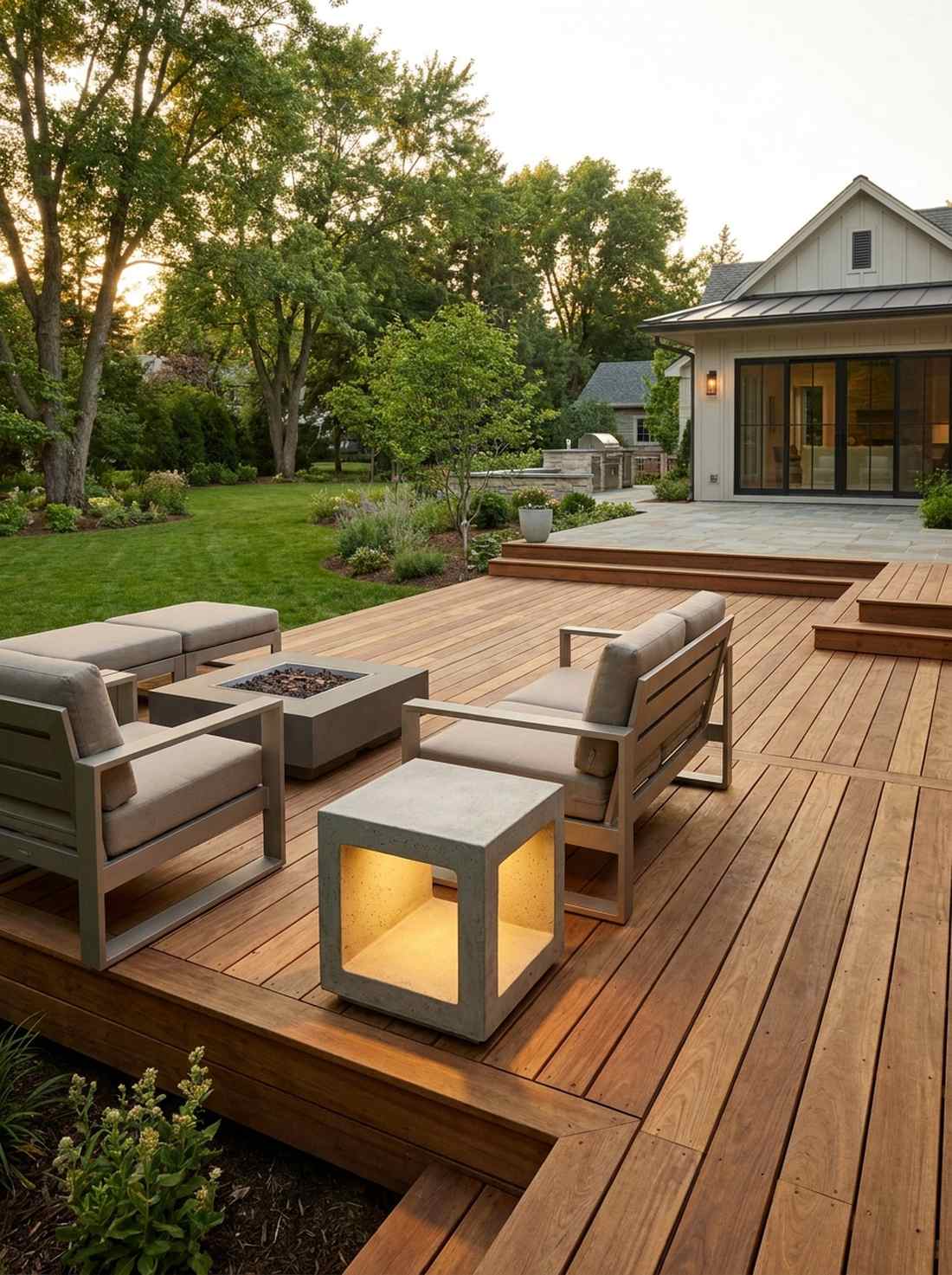
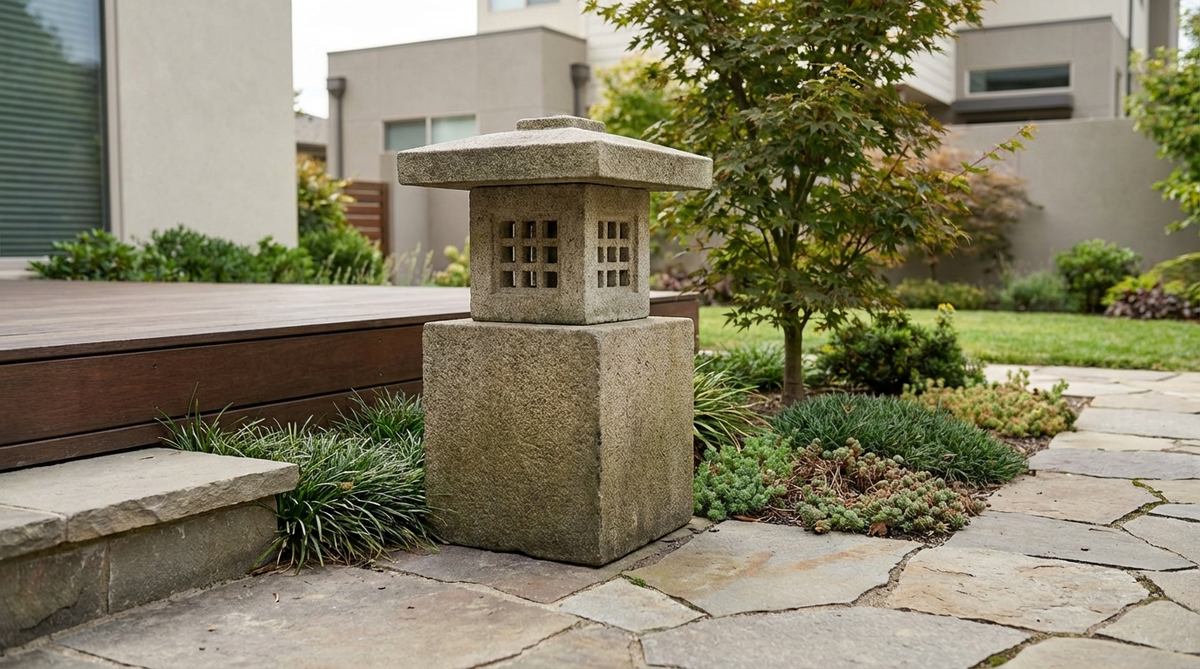
Squat and sturdy, this blocky design feels like a modern art installation on your deck. Minimalist wooden deck decor works exceptionally well next to sleek outdoor furniture.
Tall wobbly lamps are a hazard on wooden planks, whereas a flat-bottomed cube gives a designer-level finish that won’t tip over. Choosing a modern pre-cast concrete lantern bridges traditional function with contemporary styling.
This robust cube costs around $60–$110. It is an incredibly easy, plug-and-play patio upgrade.
- Key Materials: Flat-bottom stone or concrete cube
- Vibe / Style: Sturdy contemporary block
- Difficulty: Easy
- Budget Breakdown: Cube Lantern: $75 | Felt Pads: $5
- Creator’s Tip: Stick heavy felt pads to the bottom so you can slide it across your deck without scratching.
- Smart Sourcing: flat-base concrete garden cubes and heavy-duty outdoor furniture sliders
Material Guide: Cheap vs. Premium Aesthetic
Knowing exactly where to save and where to spend makes all the difference in achieving that “looks expensive but isn’t” outdoor vibe.
- Standard vs. UV-Resistant/Premium: Generic resin fades and cracks in one summer, but spending $20 more on UV-coated fiberglass or actual stone ensures your lantern lasts decades.
- Pre-made Kits vs. Sourcing Locally: Scavenging quarries takes days, whereas buying a pre-cut outdoor japanese garden lamp kit guarantees the roof perfectly fits the base, saving you massive installation headaches.
25. Lightweight Lava Stone
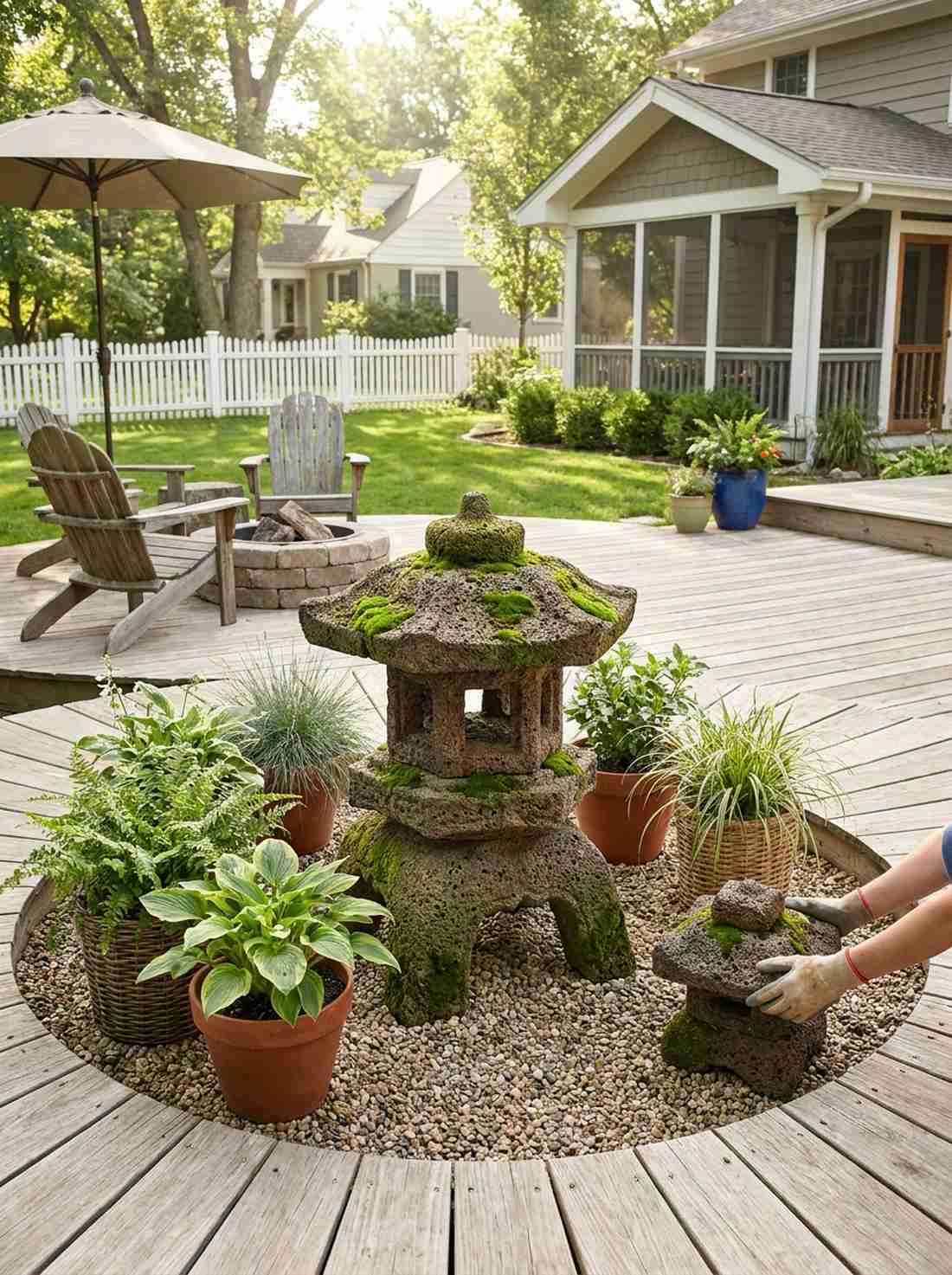
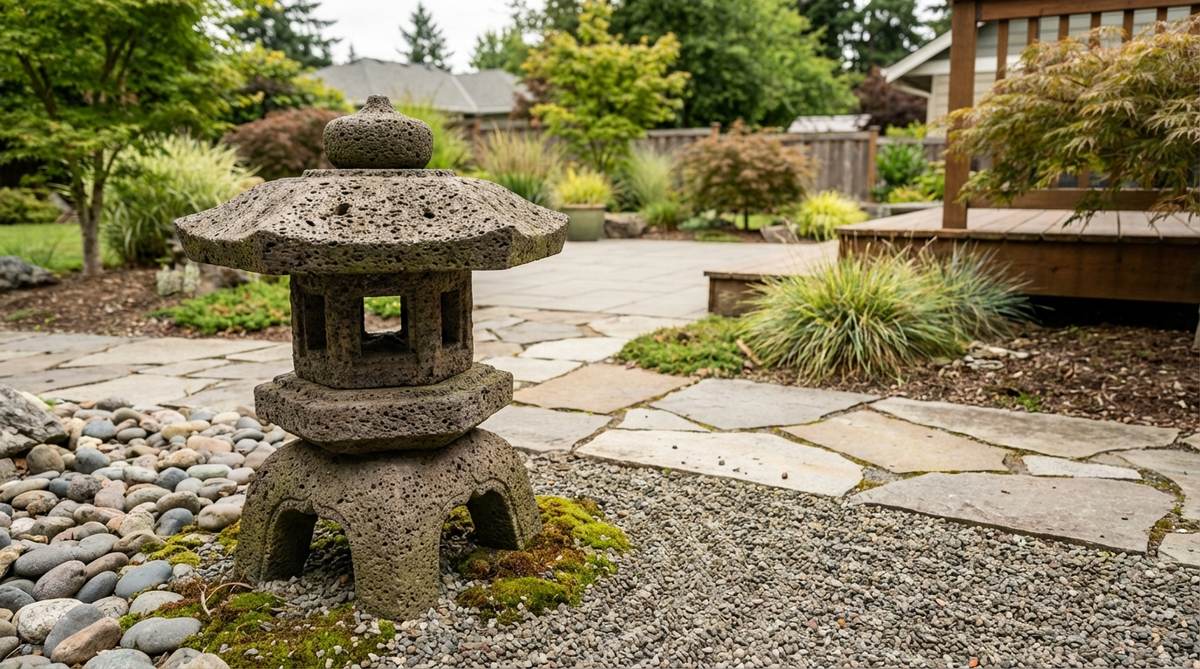
Porous and rough, this piece feels incredibly ancient yet is shockingly easy to lift. Movable seasonal garden decor is perfect for renters who want high-impact landscaping they can take when they move.
Solid granite breaks backs, but cast volcanic rock looks incredibly custom while weighing a fraction of the original. Using a lightweight lava rock lantern kit lets you redesign your garden’s focal points every single weekend.
You can snag these for $70–$140. Save this if you hate permanent, heavy yard installations!
- Key Materials: Air-puffed volcanic lava stone
- Vibe / Style: Rented-friendly rustic
- Difficulty: Beginner (very light)
- Budget Breakdown: Lava Lantern: $90 | Moving Straps: $0 (not needed)
- Creator’s Tip: The pores hold water perfectly, making it the fastest material to grow live moss on.
- Smart Sourcing: lightweight volcanic stone lanterns and spray-on liquid moss kits
26. Concrete-Cast Reproduction
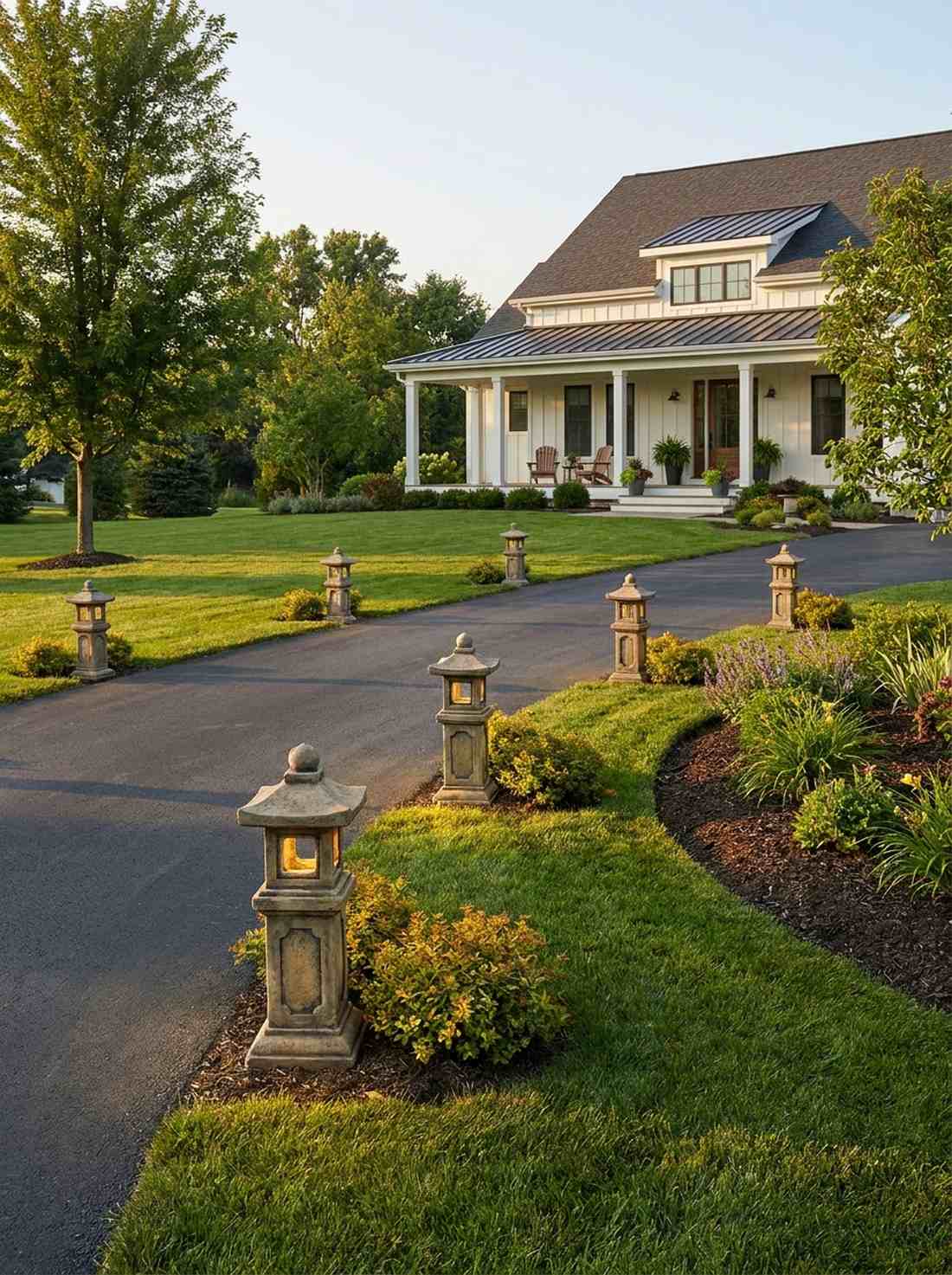
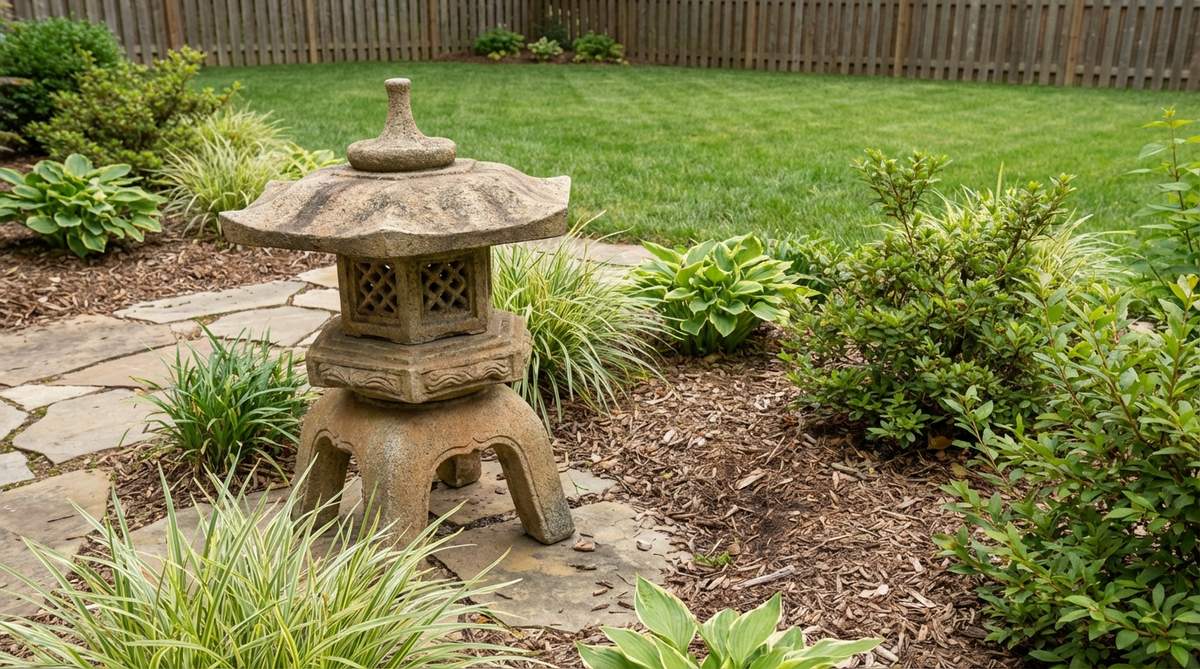
This flawless replica feels exactly like a museum piece but at a fraction of the cost. Budget-friendly front yard makeovers work exceptionally well for large properties needing multiple light sources.
Buying six real granite lamps will bankrupt you, whereas pigmented concrete molds deliver a surprisingly premium look in bulk. Snatching up architectural cast concrete markers (bulk pack) ensures a cohesive aesthetic down a long driveway.
Expect to spend $40–$80 per piece. Pin this if you need a high-volume lighting solution on a budget!
- Key Materials: Pigmented cement, stone-texture molds
- Vibe / Style: Smart economic uniformity
- Difficulty: Easy
- Budget Breakdown: Concrete Lamp: $60 | Stone Paint Touch-up: $10
- Creator’s Tip: Dab it lightly with watered-down black acrylic paint to create fake aging in the crevices.
- Smart Sourcing: pre-cast concrete garden lantern replicas and weatherproof outdoor acrylic paint sets
27. Solar-Powered LED Conversion
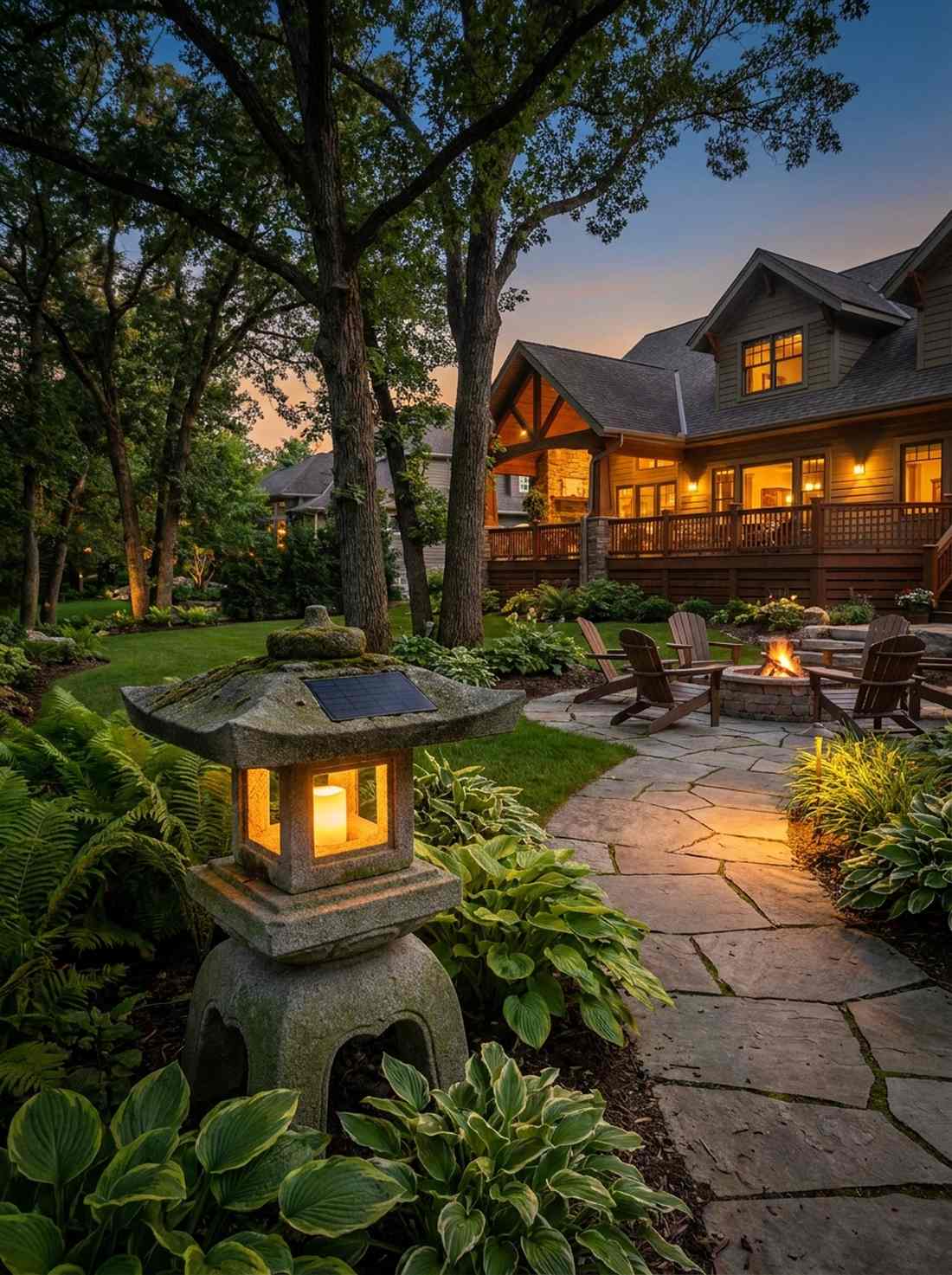
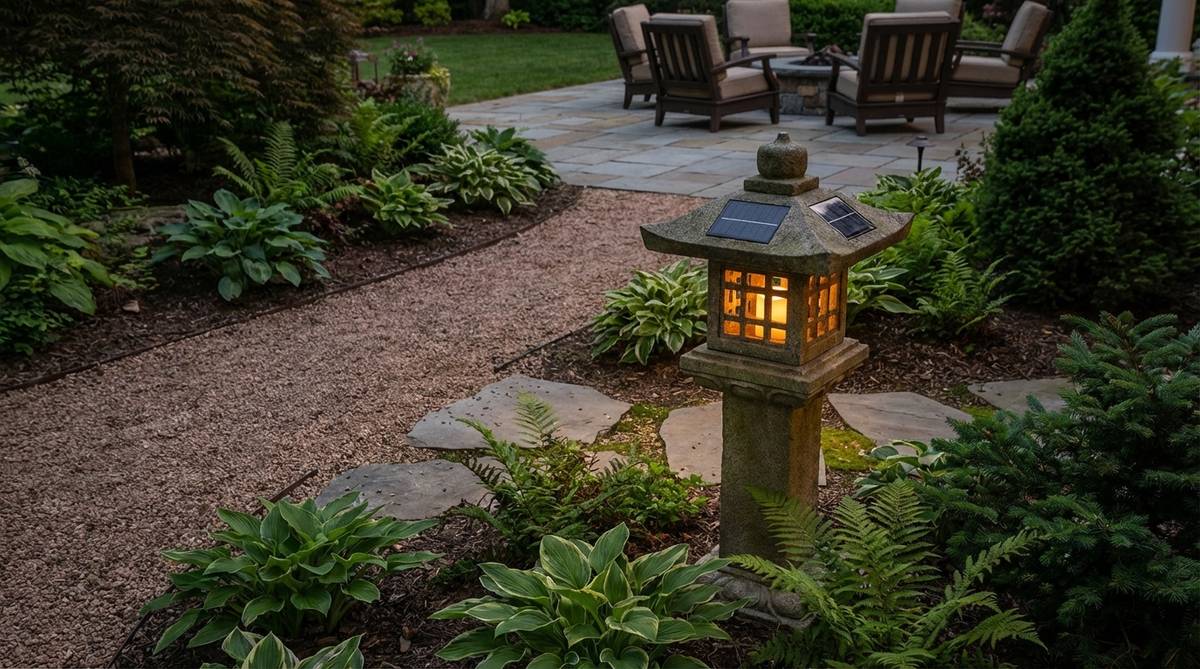
Glowing warmly at dusk, this tech-hidden fixture feels like magic without the ugly wires. Off-grid landscape lighting is highly recommended for the far corners of your yard where extension cords can’t reach.
Trenching electrical wire ruins your lawn, but dropping in a modern solar roof gives a designer-level finish instantly. Picking up a UV-resistant solar conversion kit bridges ancient stone aesthetics with zero-maintenance modern tech.
This seamless upgrade costs roughly $30–$70 over the base lantern price. Highly recommended for effortless evening ambiance.
- Key Materials: Hidden photovoltaic roof panels, warm LED
- Vibe / Style: Invisible modern convenience
- Difficulty: Beginner
- Budget Breakdown: Solar Insert: $35 | Mounting Tape: $5
- Creator’s Tip: Choose LEDs labeled “2700K Warm White” to mimic real candle fire instead of harsh blue light.
- Smart Sourcing: warm-glow solar lighting inserts (bulk pack) and heavy-duty outdoor double-sided tape
Warning: If you have a sleek, contemporary home, traditional stone will look totally out of place. The next material completely solves this…
28. Stainless Steel Contemporary Form
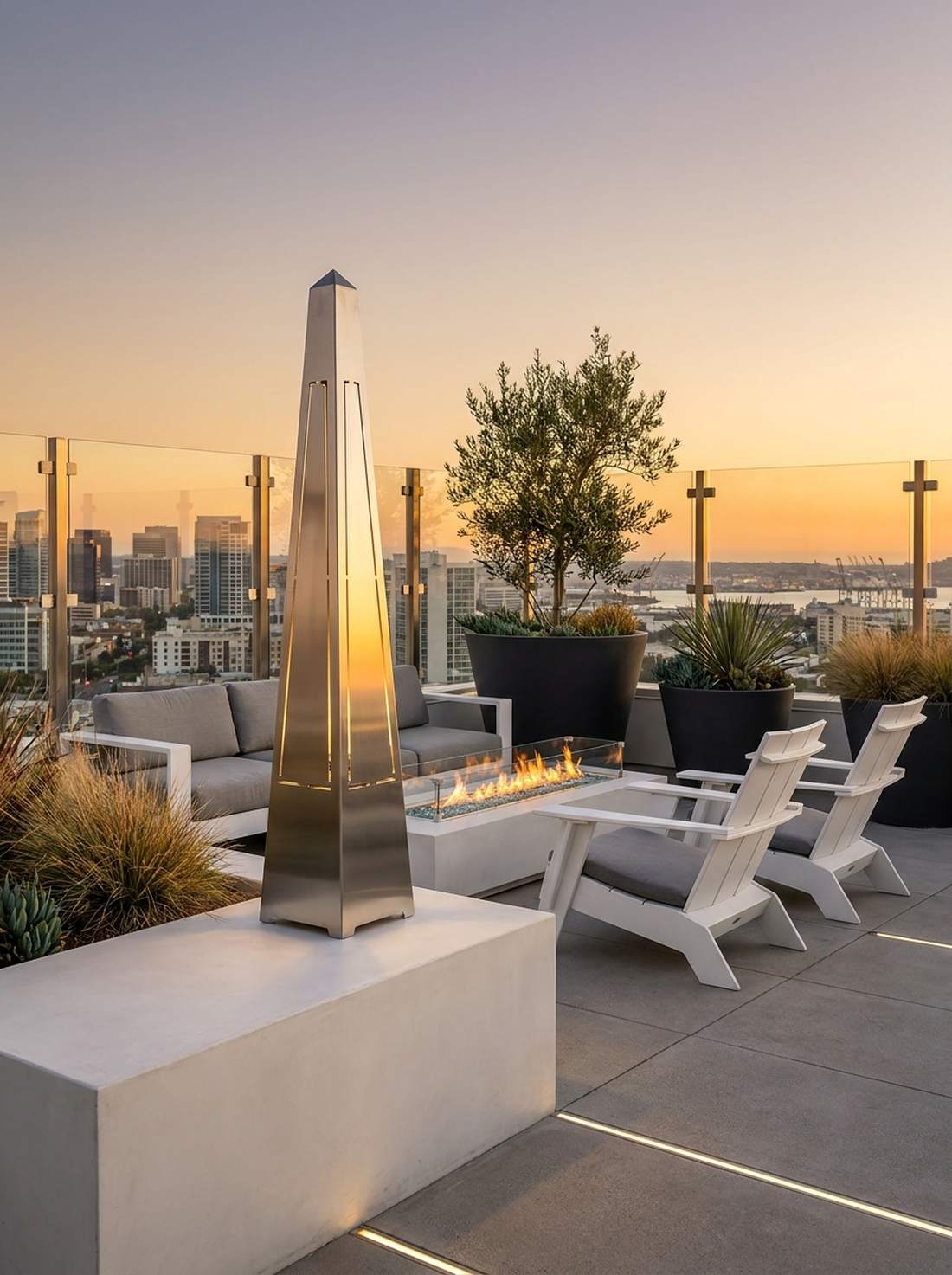
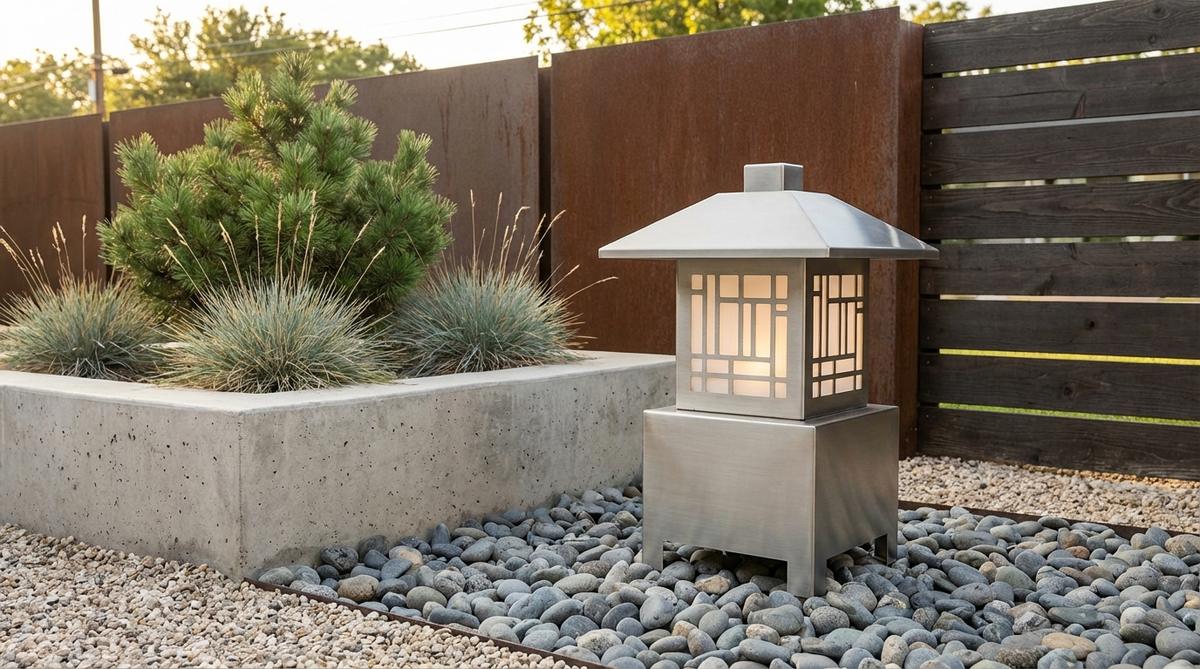
Gleaming like a mirror, this sharp obelisk feels like it belongs in a high-end rooftop lounge. Reflective urban balcony decor is perfect for modern architectural spaces paired with white concrete.
Mossy rocks clash with glass houses, but laser-cut steel looks far more expensive and fits the minimalist brief perfectly. Investing in a brushed steel modern garden lamp creates an aggressive, high-value contrast.
Expect to spend around $150–$300 for premium metal. Pin this to your ultra-modern landscaping board!
- Key Materials: Laser-cut brushed stainless steel
- Vibe / Style: Sleek industrial minimalism
- Difficulty: Easy
- Budget Breakdown: Steel Lantern: $200 | Metal Polish: $15
- Creator’s Tip: Wipe it down with WD-40 occasionally to prevent fingerprints and maintain the mirror shine.
- Smart Sourcing: laser-cut stainless steel patio lanterns and outdoor metal protective polish
29. Glass-Fiber Reinforced Concrete
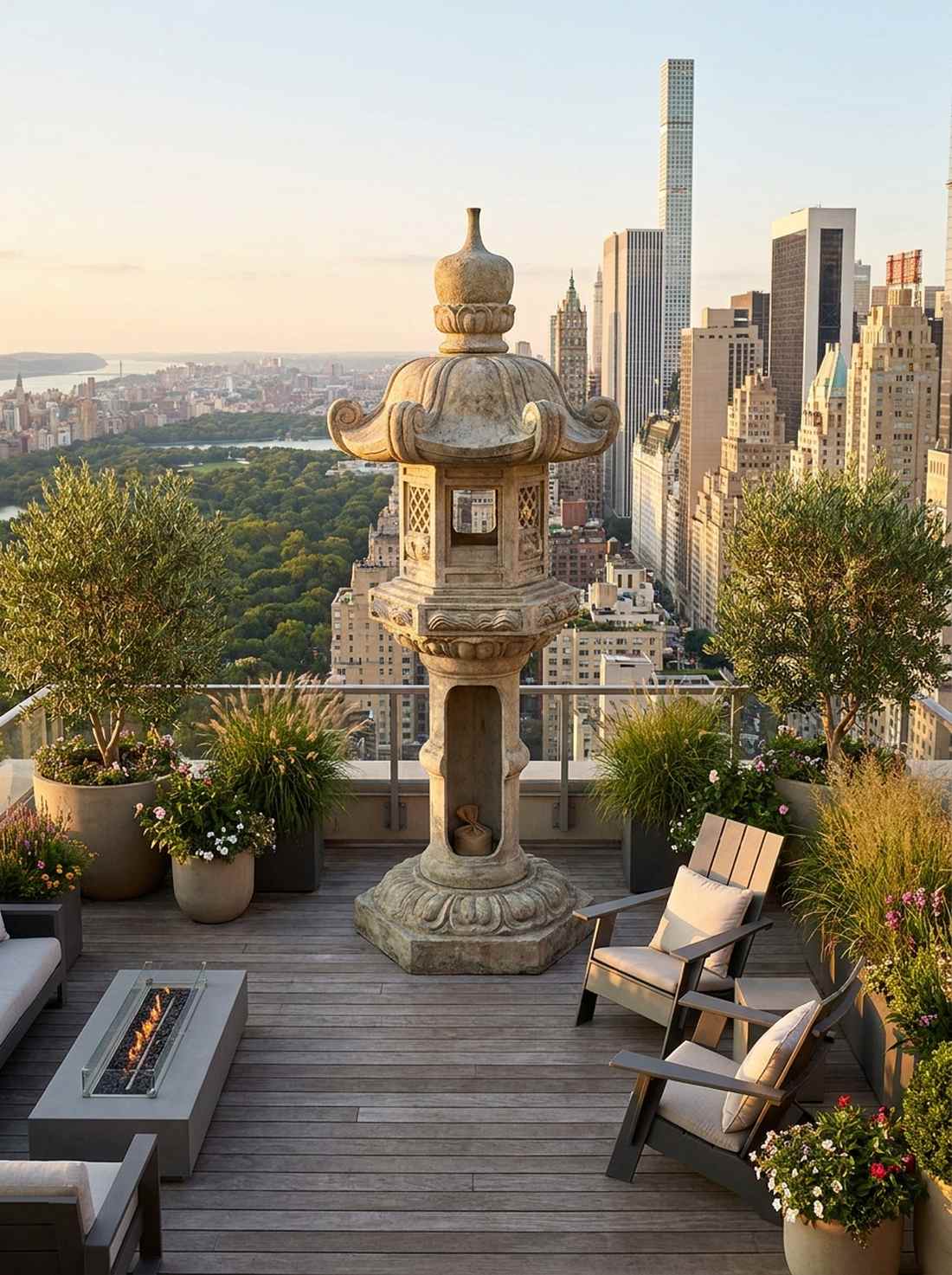
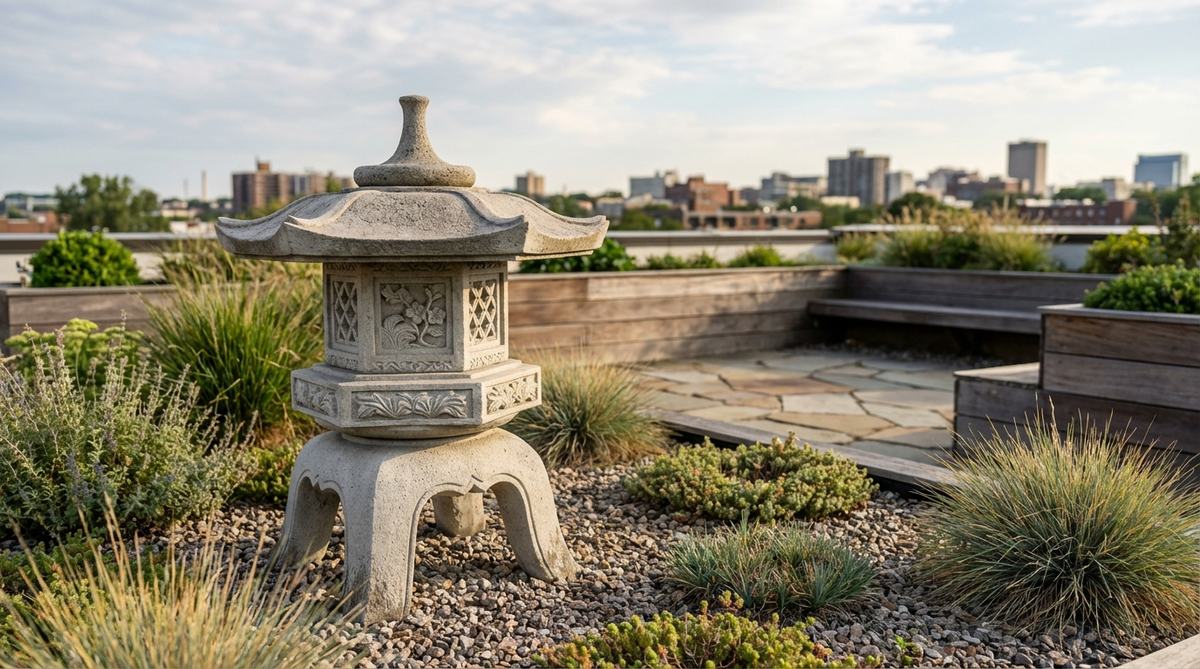
Looking impossibly carved yet hollow inside, this piece feels like advanced aerospace engineering met Zen design. Weight-restricted rooftop garden features are highly recommended for penthouse balconies.
Solid blocks can crack apartment balconies, but GFRC delivers an incredibly bespoke aesthetic safely under weight limits. Sourcing a fiber-reinforced hollow garden lantern kit gives you massive scale without the structural panic.
You can get this high-tech faux stone for $120–$250. It’s a lifesaver for elevated urban gardeners.
- Key Materials: GFRC composite shell
- Vibe / Style: Massive scale, zero weight
- Difficulty: Beginner
- Budget Breakdown: GFRC Lantern: $180 | Sandbags (for base): $10
- Creator’s Tip: Since it’s hollow and light, hide a small sandbag inside the base chamber so wind doesn’t blow it over.
- Smart Sourcing: lightweight GFRC stone replicas and fillable outdoor anchor weight bags
30. Corten Steel Rust Finish
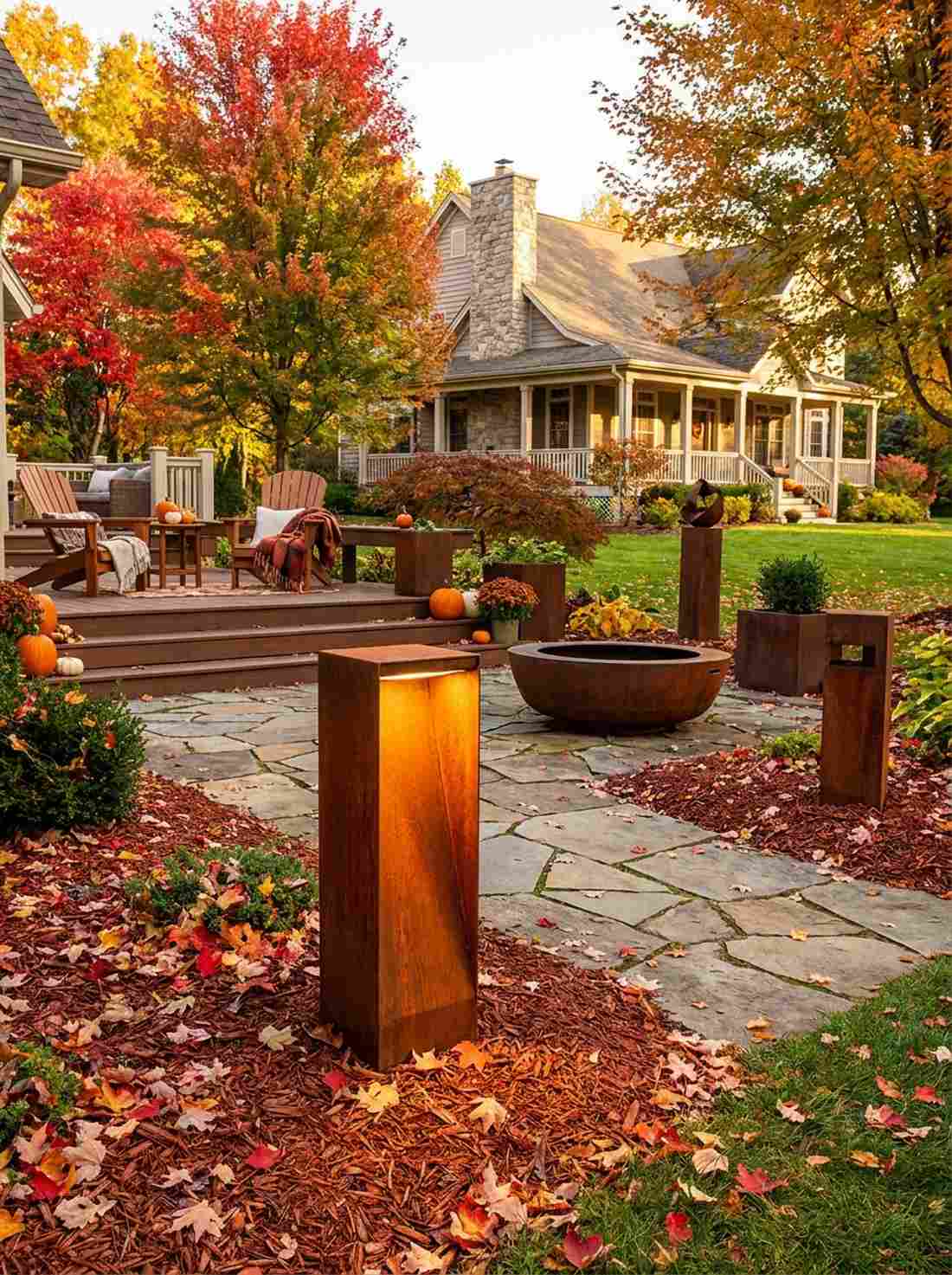
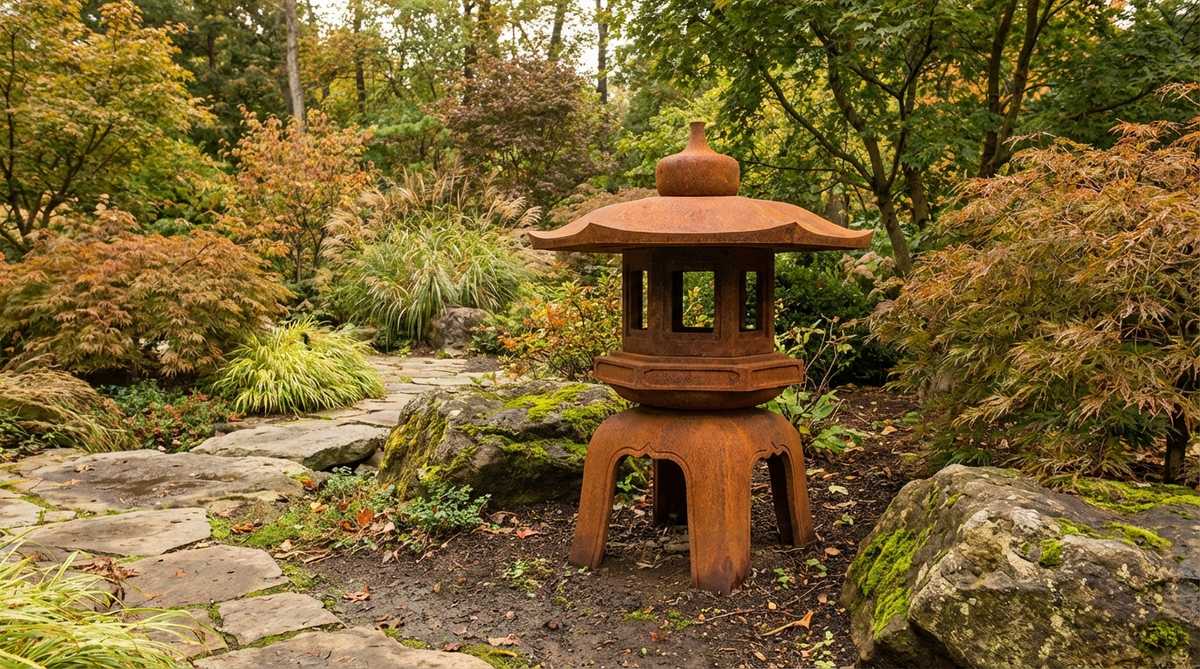
The fiery orange-brown patina feels like a modern art sculpture blooming in the fall. Industrial rust-toned patio accents work exceptionally well surrounded by red mulch and autumn maples.
Standard painted metal chips and peels, whereas weathering steel delivers a surprisingly premium look that gets better with age. Grabbing a corten steel modern outdoor lamp provides a striking, permanent bridge between industrial edge and classic shape.
This trendy material runs about $180–$350. Save this if you want an evolving, dynamic piece of yard art!
- Key Materials: Weathering corten alloy plates
- Vibe / Style: Edgy autumnal warmth
- Difficulty: Easy
- Budget Breakdown: Corten Lantern: $220 | Ground Stakes: $15
- Creator’s Tip: Don’t place it directly on light-colored concrete, as the rust runoff will stain the floor during the first year.
- Smart Sourcing: corten steel weathering garden lanterns and protective patio barrier mats
31. Aluminum Powder-Coated Color
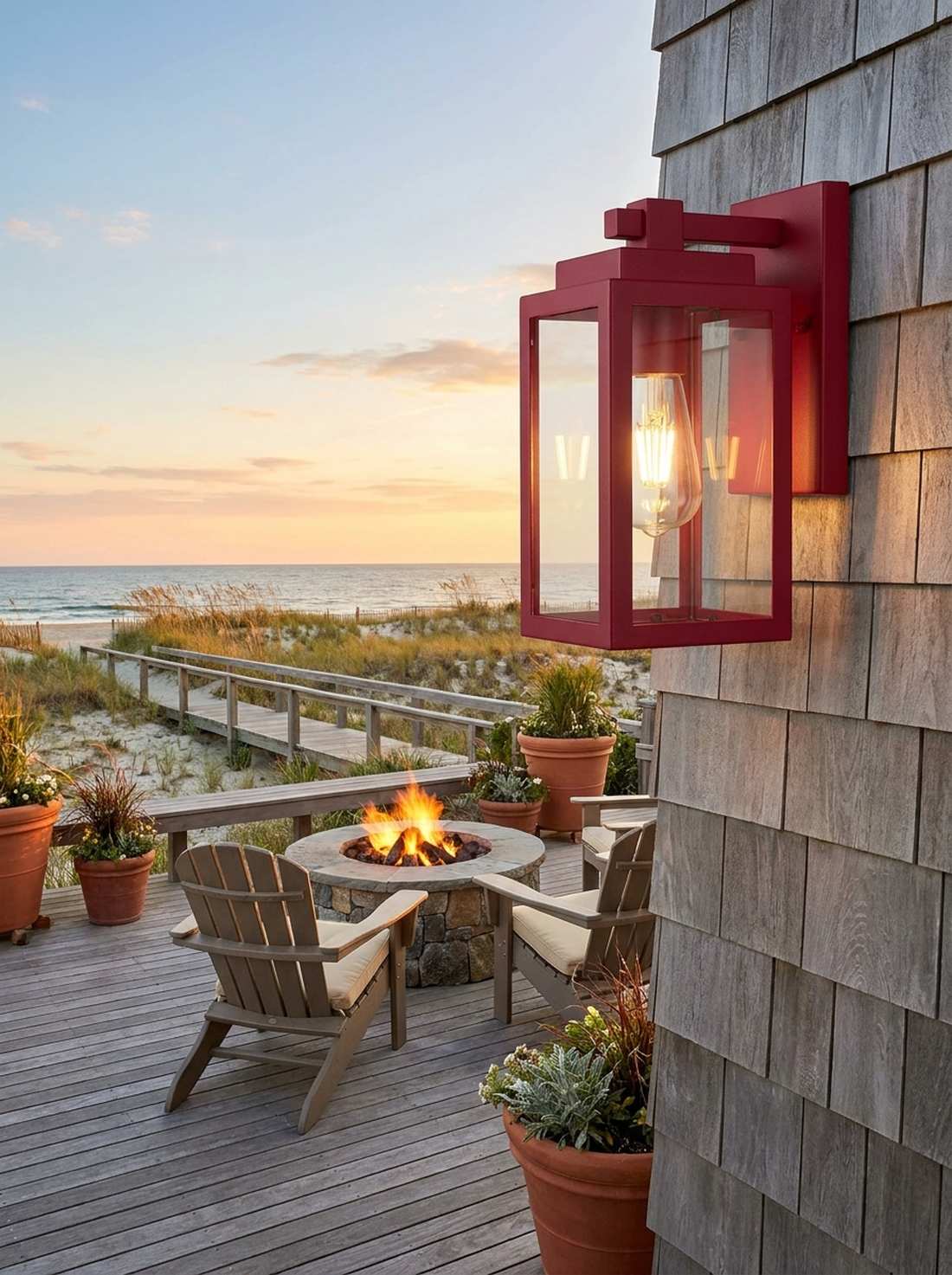
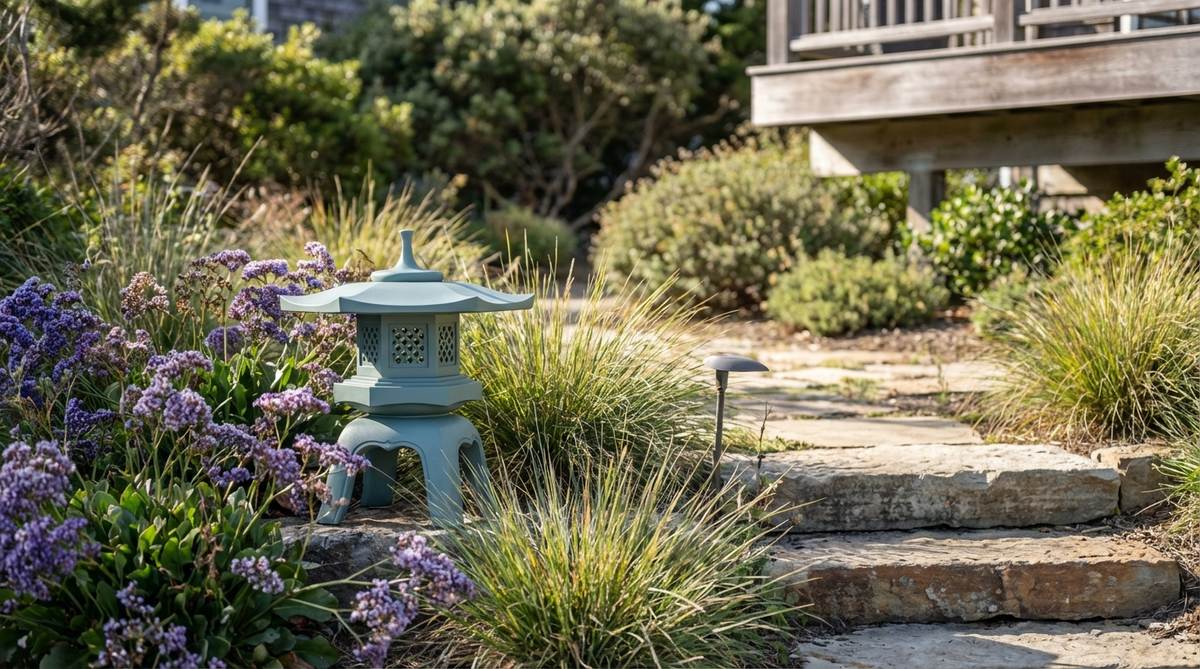
Coated in a vibrant custom matte finish, this lantern feels fun, coastal, and entirely unique. Salt-proof beach house lighting is highly recommended for coastal homes where ocean air destroys normal fixtures.
Iron turns to dust near the beach, but powder-coated aluminum looks incredibly custom while being 100% immune to salt rot. Utilizing a marine-grade outdoor aluminum lamp set means you never have to sand or repaint your fixtures again.
These immune setups cost around $100–$200. Pin this if you live anywhere near the ocean!
- Key Materials: Cast aluminum, baked powder coat
- Vibe / Style: Bold, rust-proof modernism
- Difficulty: Easy
- Budget Breakdown: Aluminum Lantern: $140 | LED Bulb: $10
- Creator’s Tip: Pick a bold color like matte black or deep red to make it pop against green landscaping.
- Smart Sourcing: powder-coated aluminum garden fixtures and marine-grade mounting hardware
32. Smart Lighting Integration
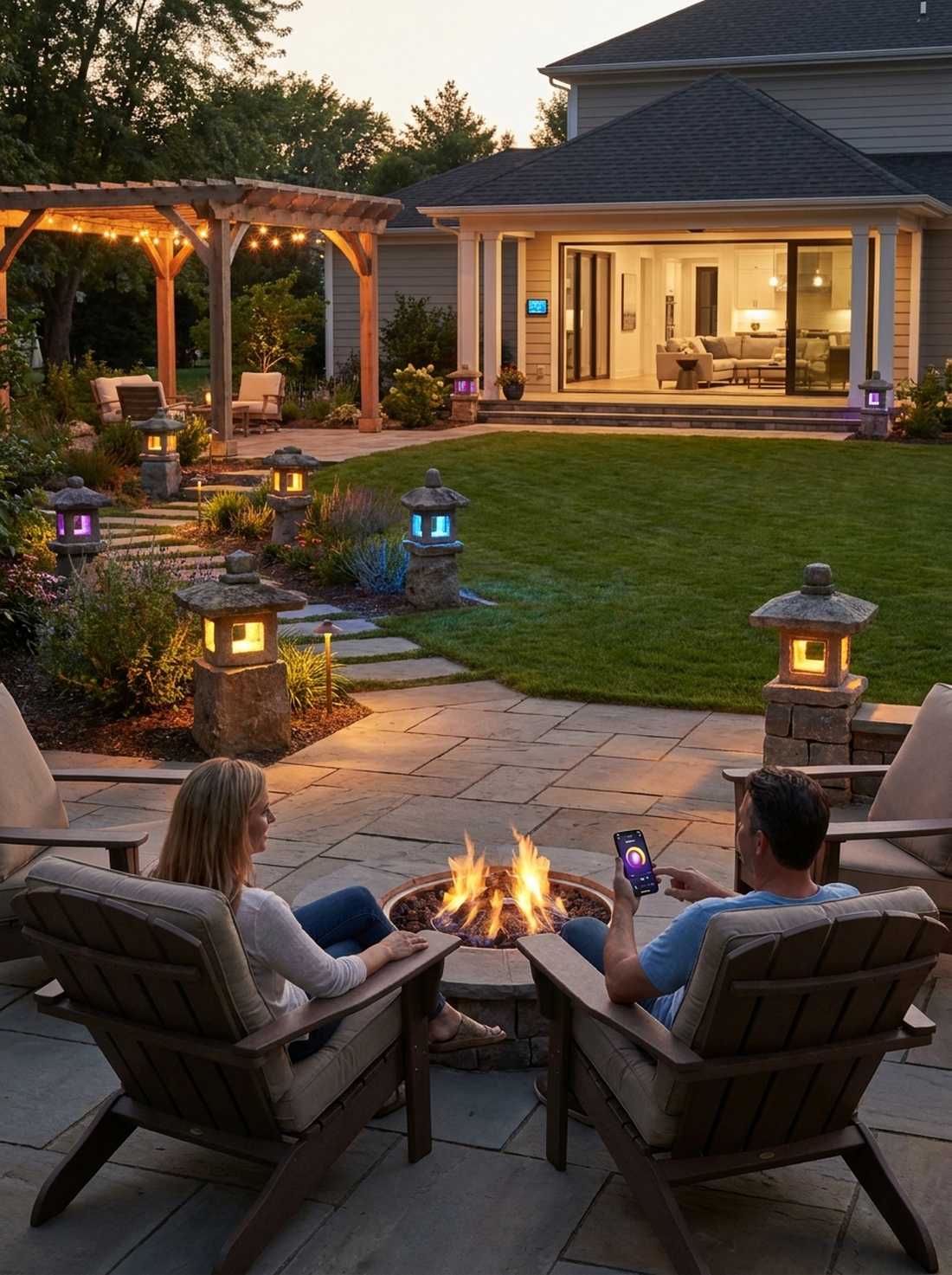
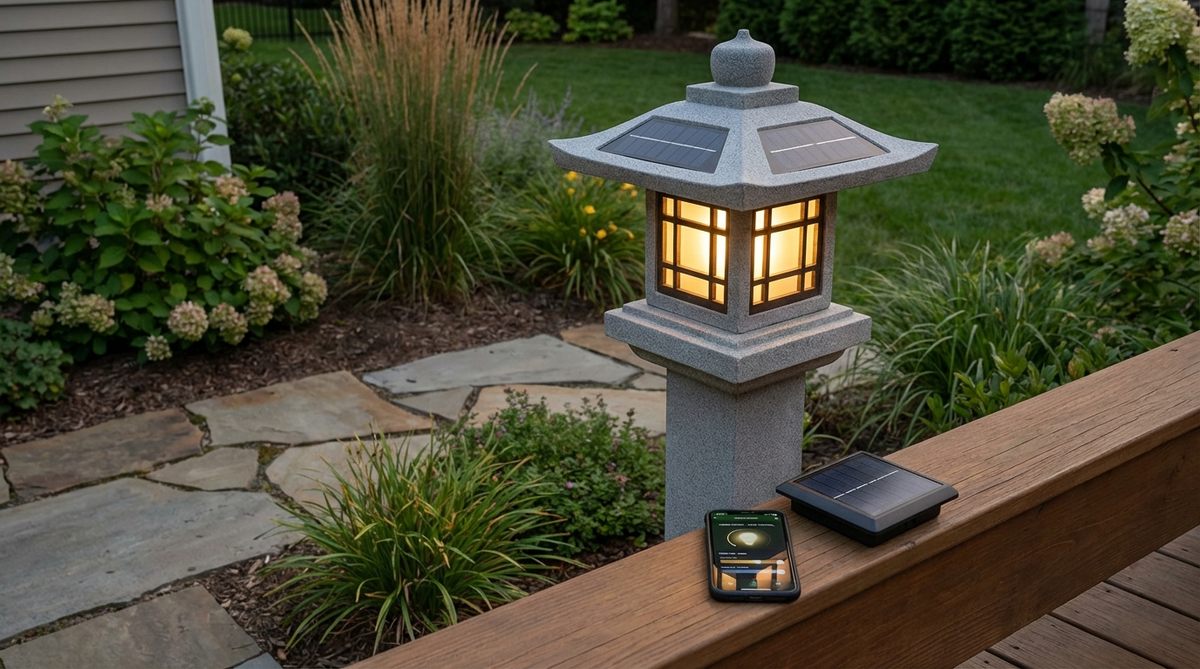
Glowing with a soft hue you control from your phone, this ancient shape hides a high-tech brain. App-controlled mood lighting works exceptionally well for tech-heavy smart homes and dynamic party patios.
Fumbling with manual switches is outdated, whereas sliding a color-changing bulb into a stone shell gives a designer-level finish to your evening routine. Deploying a smart-home compatible outdoor bulb kit lets you dim the yard from the couch.
You can upgrade any lantern for about $40–$90. It completely modernizes the traditional landscape experience.
- Key Materials: WiFi-enabled LED pucks, stone housing
- Vibe / Style: Invisible high-tech luxury
- Difficulty: Easy (requires WiFi reach)
- Budget Breakdown: Smart LED Puck: $45 | Outdoor Extension Cable: $20
- Creator’s Tip: Set an automated schedule on your phone so the lanterns slowly dim as it gets later into the night.
- Smart Sourcing: WiFi-enabled outdoor LED pucks and weatherproof smart plug hubs
Creating Timeless Garden Atmosphere
Selecting the perfect fixture from these 32 japanese garden lanterns involves balancing historical authenticity with smart, budget-friendly sourcing. Whether you are opting for a premium UV-resistant stone yukimi-doro for waterside reflection, or leveraging a high-end metal corten blueprint for a modern landscape, proper placement guarantees a luxurious aesthetic. Always consider your garden’s scale and use smart starter kits to avoid overpaying for standard materials. Begin with one carefully positioned piece to establish a focal point, then expand your collection using these blueprints as your outdoor space matures.
Frequently Asked Questions
What is the difference between stone and metal japanese garden lamp designs?
Stone lanterns provide a heavy, permanent aesthetic that develops a highly desirable mossy patina, making them perfect for high-end organic layouts. Metal options, particularly those sourced from cast iron toro supplies or copper kits, offer a lighter footprint and striking oxidation colors. If you want a cheaper, durable option, metal starter kits are easier to move, while premium stone is better for permanent architectural anchors.
Where should I place yukimi lanterns in my garden?
Position yukimi snow-viewing lanterns at pond edges where their wide roofs can create maximum reflection. To get a luxury resort look, place two legs in the shallow water using submersible stabilizing base plates and one on land. Ensure your placement aligns with your main patio seating so guests can view the mirrored water effect.
Can I use LED lights in traditional stone lanterns?
Absolutely. Modernizing old stone with warm-glow solar lighting inserts (bulk pack) completely eliminates the need for expensive electrician trenching. Simply drop a waterproof LED puck inside the fire chamber to replicate authentic candlelight. Stick strictly to 2200K–2700K warm white bulbs to keep the premium, relaxing aesthetic intact.
How do I maintain and clean granite garden lanterns?
Do not pressure wash them, as this destroys the valuable aged look that makes them appear expensive! If you need to clear the light pathways, use a simple stiff-bristle stone cleaning brush just on the window cutouts. If you want to protect the stone from winter cracking, applying a matte finish UV-protective stone sealant to the base ensures longevity.
What size lantern works best for small residential gardens?
For tiny patios or townhouses, avoid massive pedestal towers and opt for compact oki-doro models under 50 centimeters. Utilizing miniature zen garden supply kits or flat-bottomed concrete cubes delivers a high-end aesthetic without cluttering your floor space. Position these smaller pieces near entry steps or balcony corners to maximize visual impact.