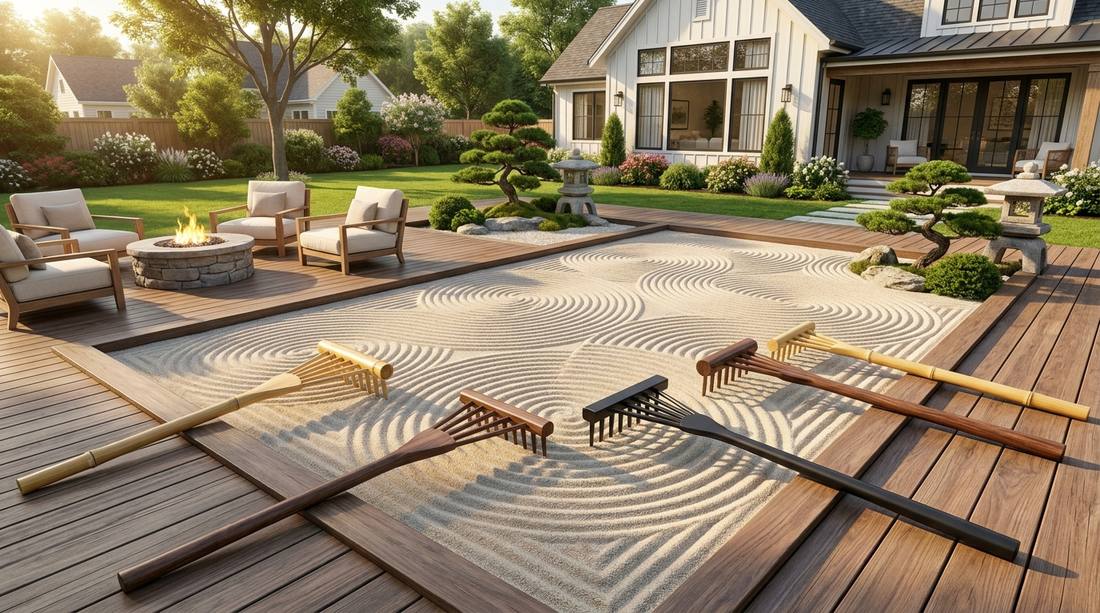
A high-quality zen garden rake instantly elevates your meditative sand art. Smart material choices deliver a designer-level aesthetic without the premium price tag. Upgrading your tools changes the entire visual dynamic.
Design SnapshotKey Principles
- Tine Spacing: Wider spacing (15-25mm) creates bold patterns suitable for 6mm gravel, while narrow spacing produces delicate desktop designs
- Material Selection: Bamboo offers traditional authenticity and flexibility, metal provides durability for outdoor gardens, and wood allows customization
- Handle Length: Hand-held rakes (5-7 inches) suit small spaces, while long-handled versions (36-48 inches) enable standing maintenance of large gardens
- Tine Depth: Deep tines (25-40mm) are essential for creating pronounced peaks and troughs in 100mm-thick gravel beds
Traditional Bamboo Zen Garden Tools
1. Classic Hand-Held Bamboo Rake
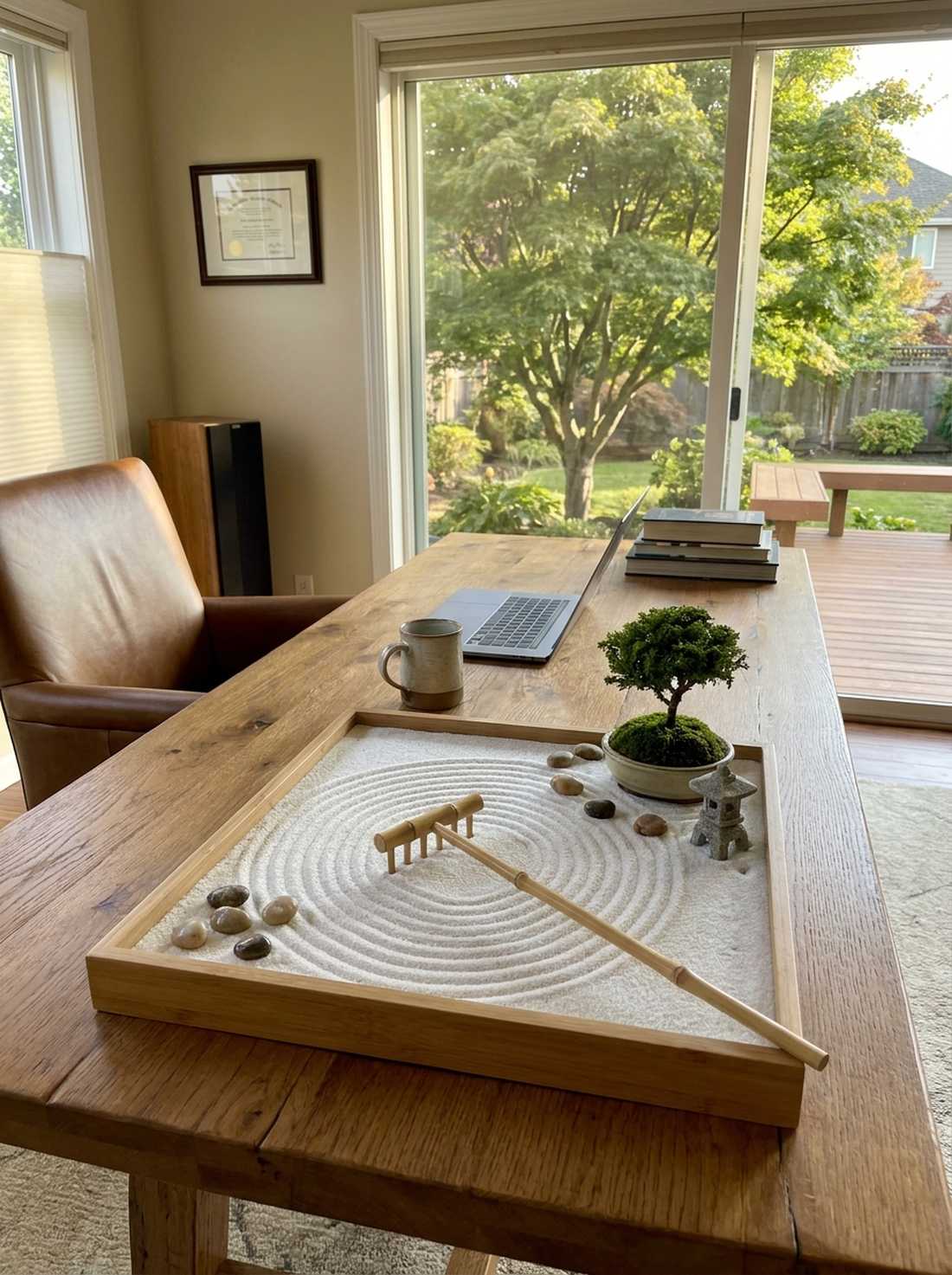
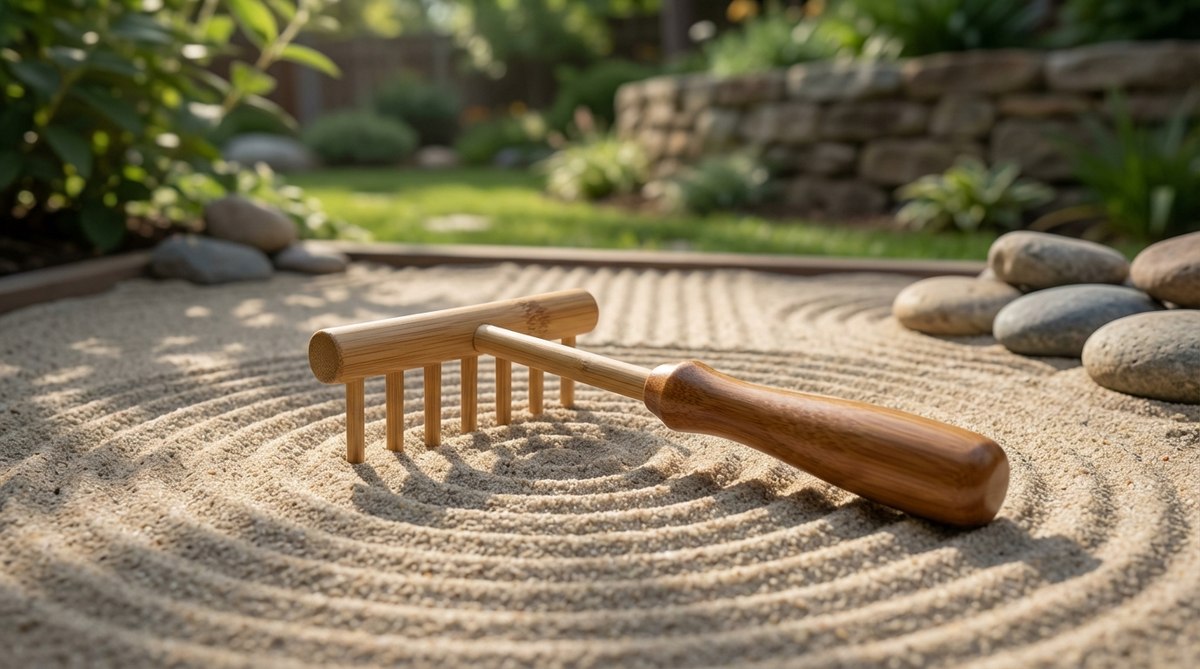
Feels like discovering a hidden Kyoto courtyard right on your desk. Traditional miniature desk decor works exceptionally well for small indoor plant arrangements.
The classic five-tine structure delivers a surprisingly premium look instantly. Basic wooden dowels often splinter, so grabbing high-quality zen garden tools prevents messy, uneven sand lines.
You can easily pull this off for around $12. Pin this if you’re planning a small space upgrade!
- Key Materials: Hand-carved bamboo pieces, fine-grain white silica sand
- Vibe / Style: Authentic minimalist sanctuary
- Difficulty: Easy beginner setup
- Budget Breakdown: Materials: $10 | Base Tray: $15
- Creator’s Tip: Soak the tips in mineral oil once a month to prevent the bamboo from splitting.
- Smart Sourcing: pre-cut bamboo craft sticks (bulk pack) or polished mini sand smoothing starter kits.
2. Tie-On Bamboo Rake Head
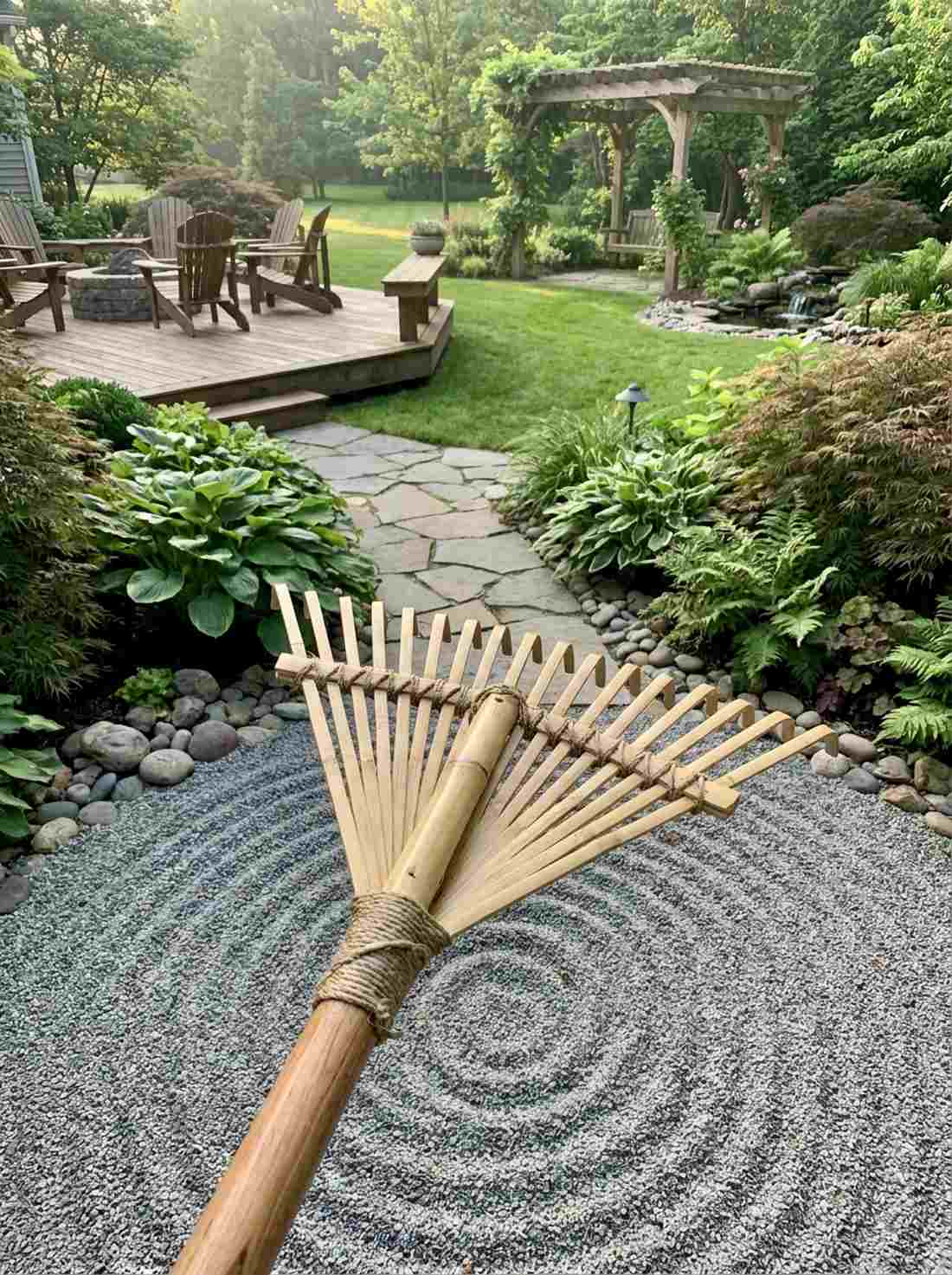
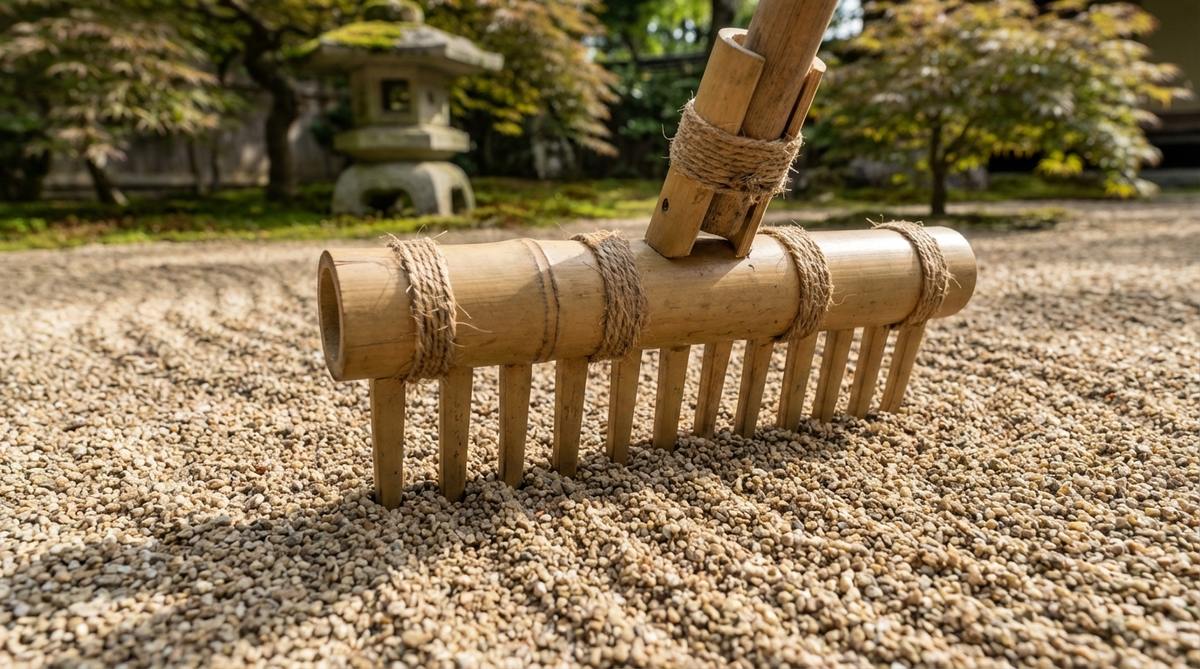
Captures the essence of an ancient temple sanctuary perfectly. Expansive outdoor meditation space fits beautifully alongside shaded garden borders.
Skipping full-size custom builds saves hundreds while yielding a jaw-dropping finish. Upgrading a standard handle with a dedicated attachment looks far more expensive than it actually is.
Expect to spend roughly $25–$40 for the setup. It’s a fast upgrade that completely changes the vibe.
- Key Materials: Heavy-duty natural fiber twine, wide-gauge bamboo tines
- Vibe / Style: Professional landscaper finish
- Difficulty: Intermediate assembly required
- Budget Breakdown: Attachment Head: $20 | Hardwood Handle: $15
- Creator’s Tip: Wet the twine before tying; as it dries, it shrinks and creates a rock-solid grip on the handle.
- Smart Sourcing: weather-treated hemp cord (heavy-duty spool) or pre-drilled wooden yard poles.
3. Wide-Tine Bamboo Rake
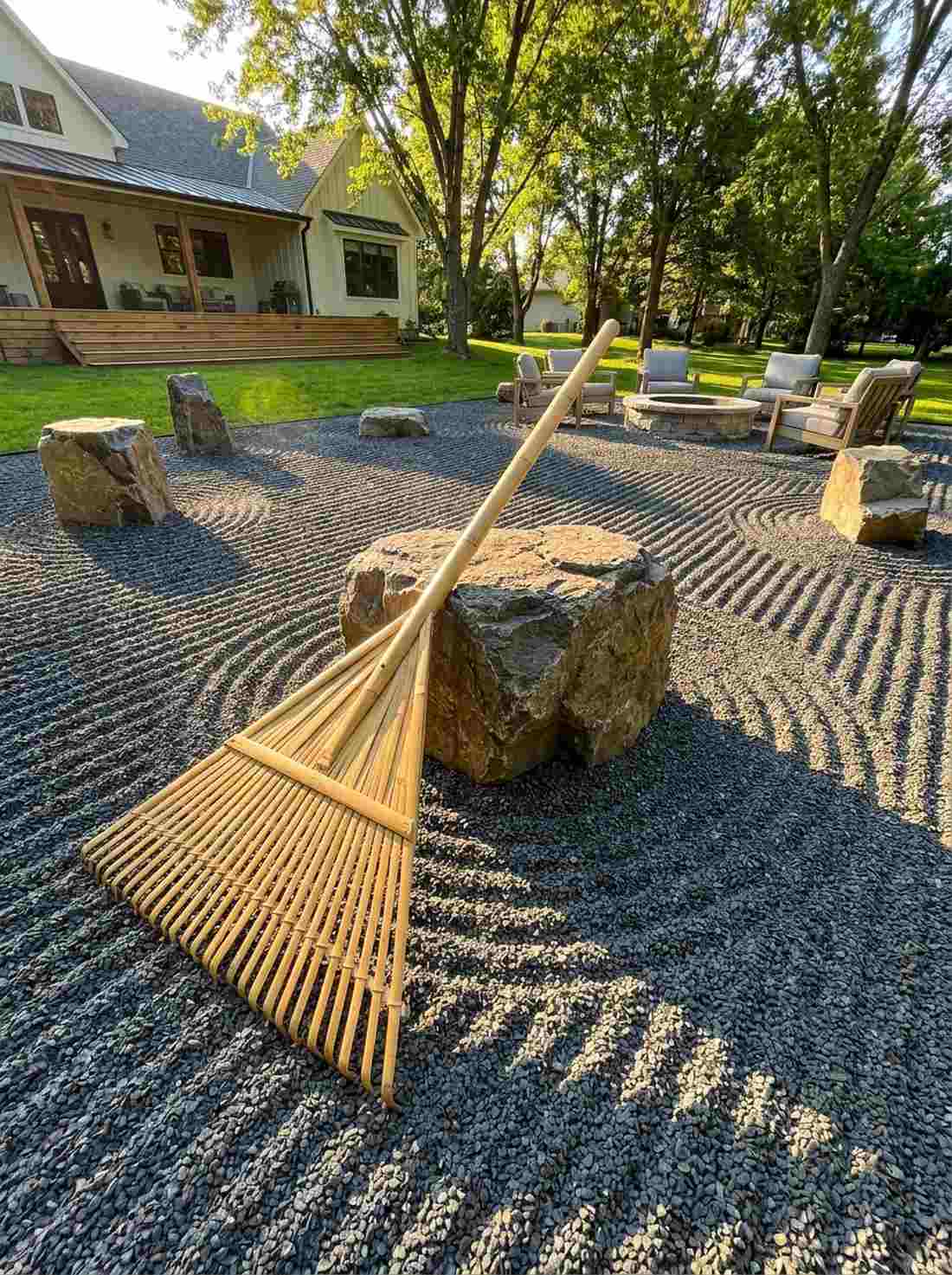
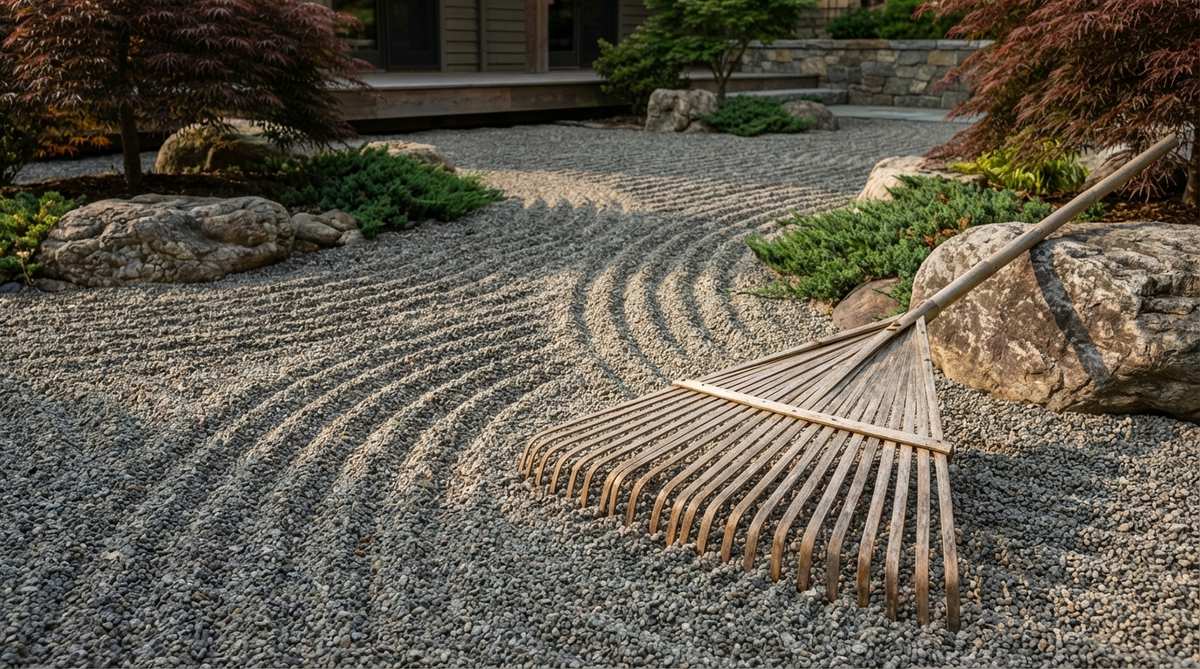
Echoes the dramatic crashing waves of a coastal retreat. Bold stone yard centerpieces are perfect for high-contrast sunlight areas.
Going wider creates deep shadows that force observers to stop and stare. Utilizing thick-gauge prongs transforms generic gravel paths into intentional art installations instantly.
This aesthetic shift costs merely $20 to execute. Save this to your DIY weekend garden board!
- Key Materials: Thick structural bamboo, coarse 8mm crushed gravel
- Vibe / Style: Dramatic shadow play
- Difficulty: Requires some physical strength
- Budget Breakdown: Rake Tool: $20 | Extra Gravel: $30
- Creator’s Tip: Rake right after a light rain; the damp gravel holds steep, dramatic peaks much better.
- Smart Sourcing: UV-coated landscaping stones (bulk pack) or reinforced outdoor zen garden tools.
4. Narrow-Tine Precision Rake
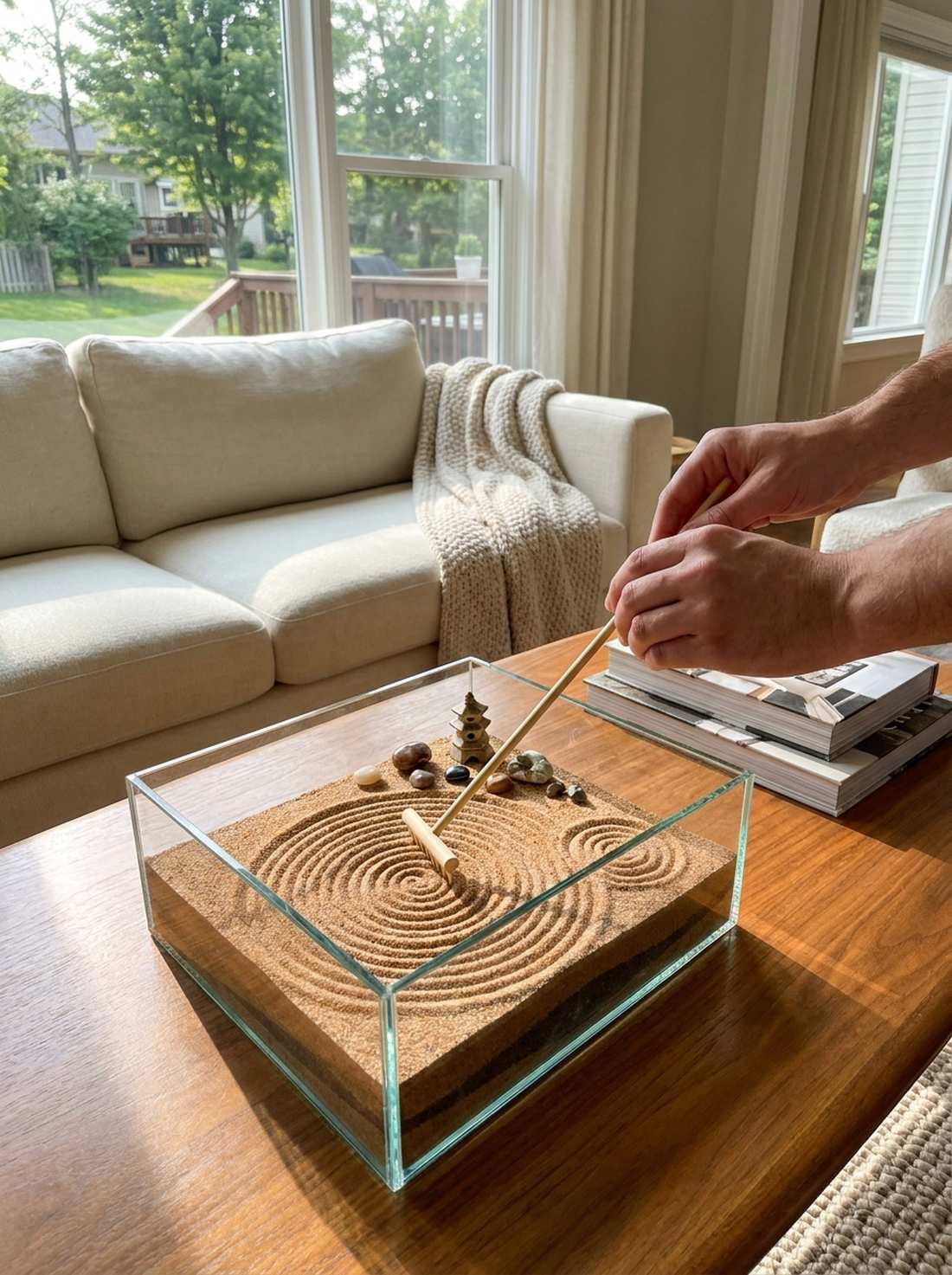
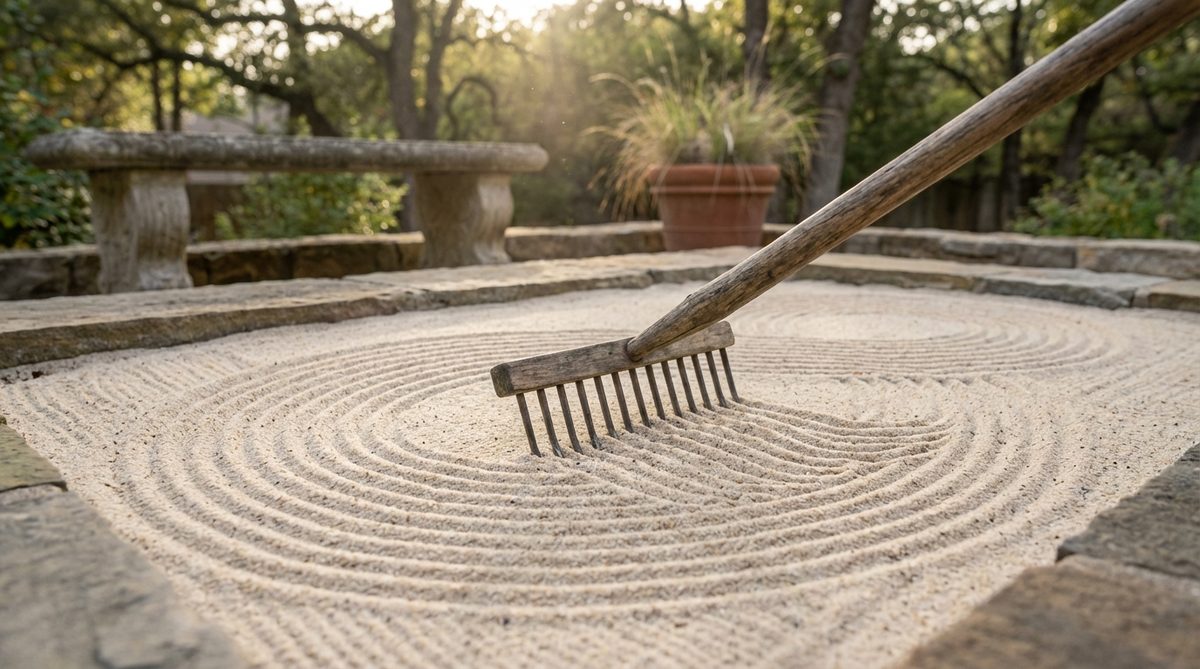
Brings the intricate delicacy of woven silk directly to your tabletop. Detailed terrarium accessories work flawlessly for tight, glass-enclosed spaces.
The secret to mind-bending spirals is ditching bulky wooden tines entirely. Fine-point spacing gives a designer-level finish that thicker alternatives simply cannot replicate.
You can assemble this refined setup for around $15. Highly recommended for a quick weekend win.
- Key Materials: Micro-spaced bamboo head, colored fine art sand
- Vibe / Style: Ultra-precise geometric art
- Difficulty: Requires a steady hand
- Budget Breakdown: Detail Tool: $15 | Premium Sand: $8
- Creator’s Tip: Keep your elbow locked and pivot from the shoulder for perfectly smooth circles.
- Smart Sourcing: ultra-fine quartz sand (starter kits) or precision-cut craft dowels.
Most people get their sand patterns completely wrong… until they try the exact multi-purpose layout coming up next.
5. Double-Sided Bamboo Rake
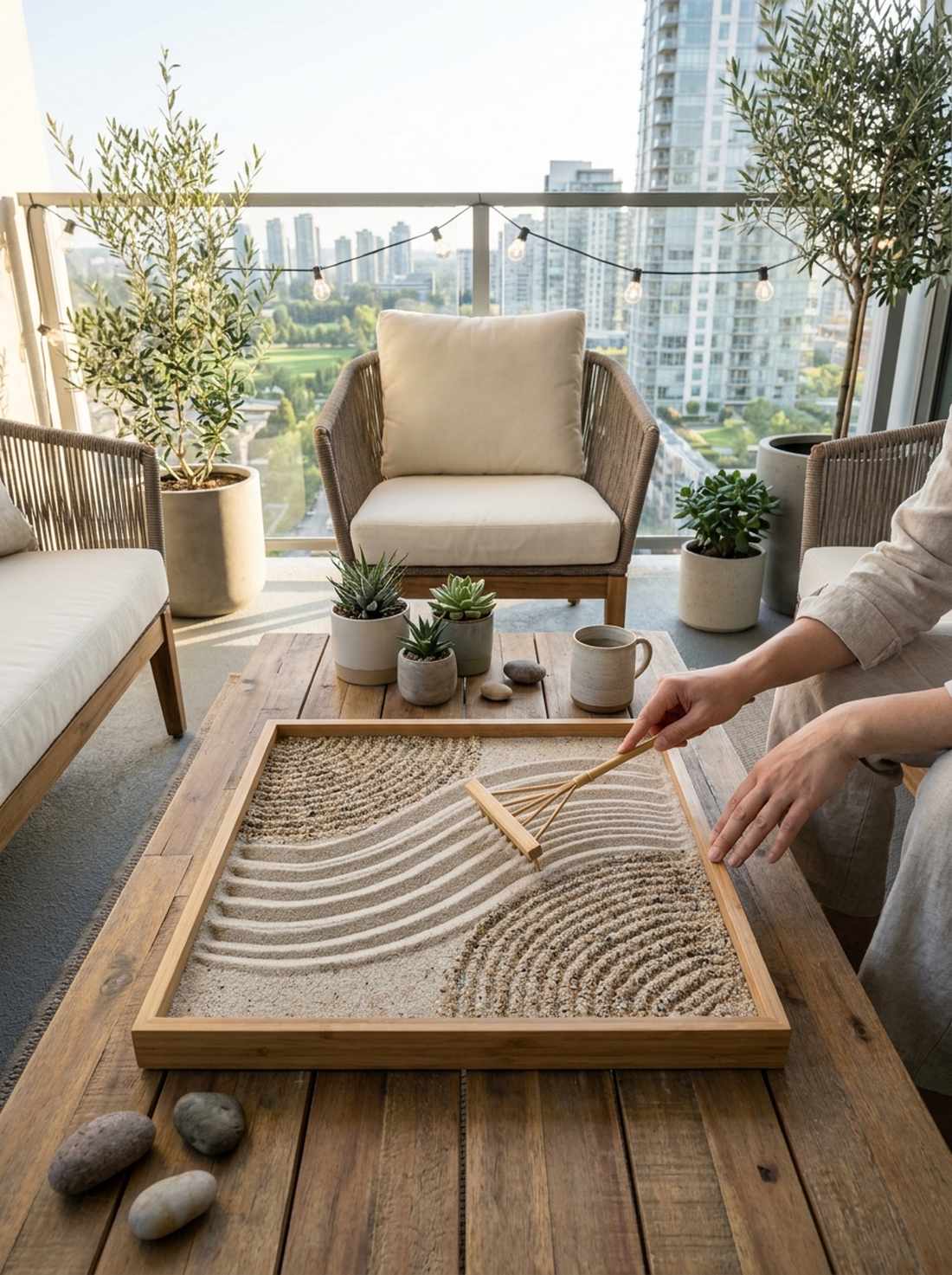
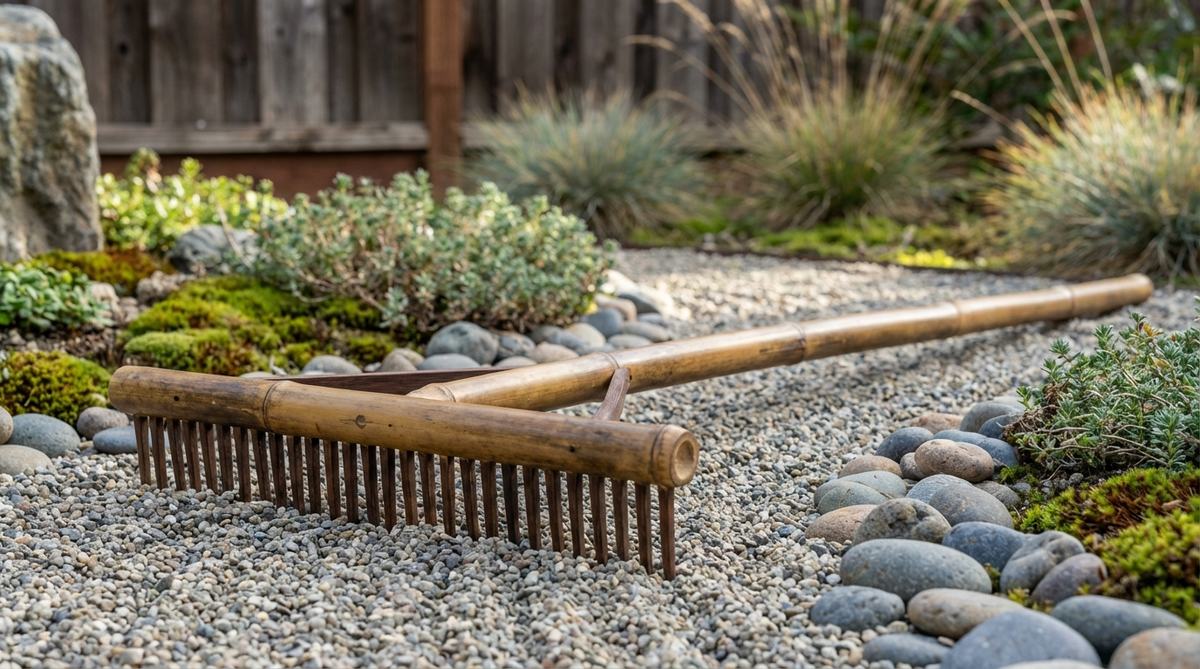
Gives off serious minimalist architect vibes instantly. Versatile dual-texture layouts suit modern apartment balconies effortlessly.
Flipping the head mid-stroke creates an eye-catching juxtaposition everyone assumes required two separate tools. It’s an inexpensive trick that maximizes the utility of your miniature garden supplies.
Grabbing a dual-purpose piece runs around $18 total. Pin this if you love efficient multi-tools!
- Key Materials: Double-edged wooden frame, fine/coarse mixed sand
- Vibe / Style: High-efficiency modernism
- Difficulty: Perfect for everyday practice
- Budget Breakdown: Dual Rake: $18 | Display Box: $12
- Creator’s Tip: Use the wide side to set the base pattern, then flip to the narrow side to add inner focal details.
- Smart Sourcing: dual-action miniature tools (premium set) or sealed wood finishing wax.
Modern Metal and Composite Rakes
6. Stainless Steel Garden Rake
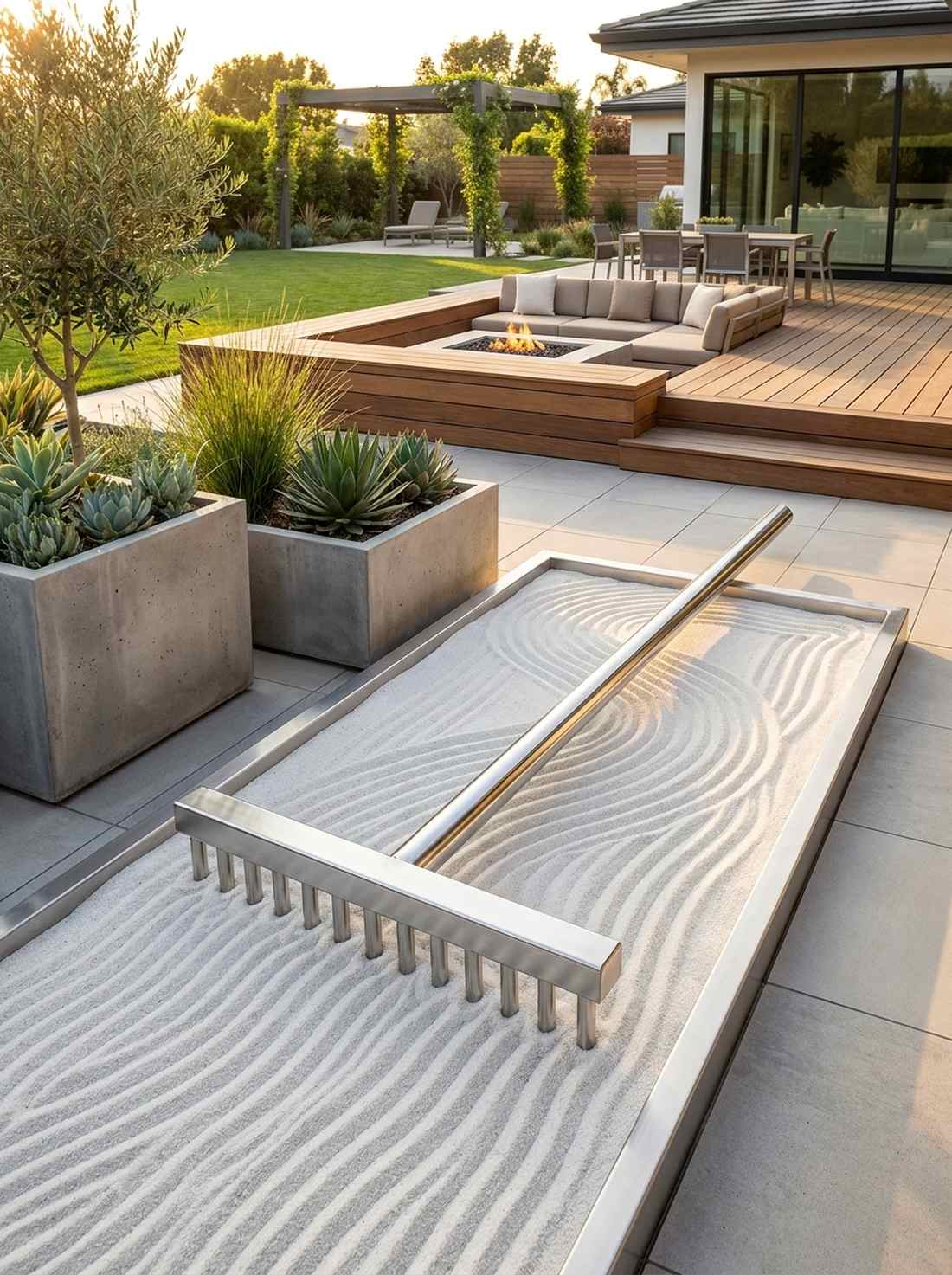
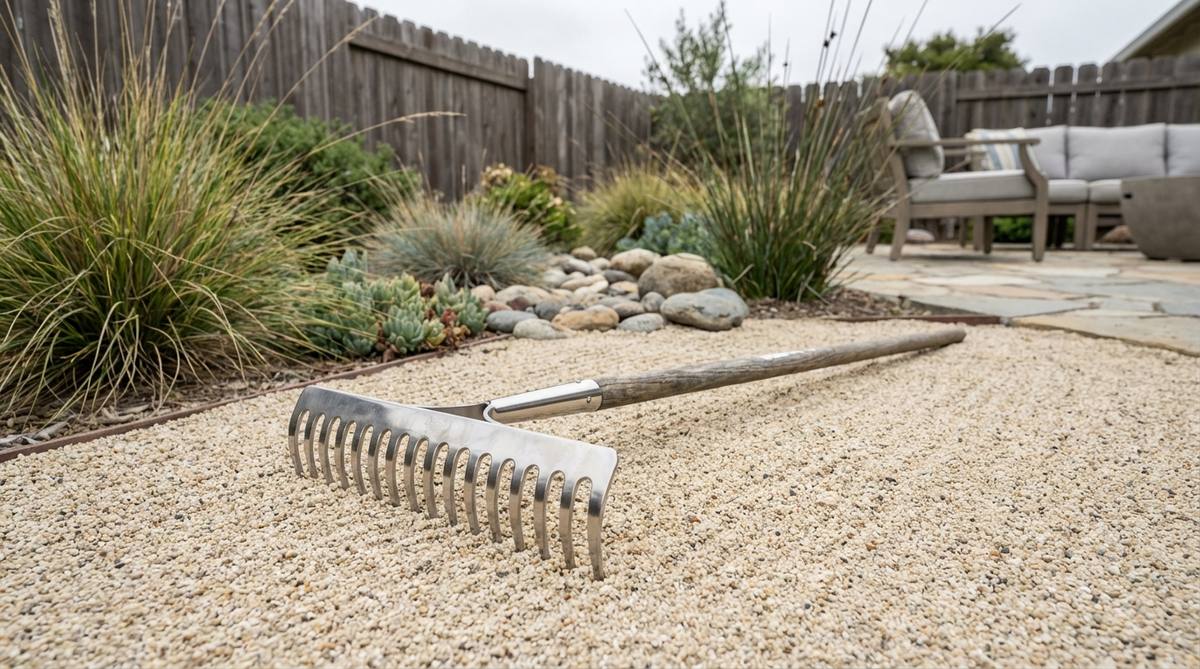
Screams ultra-modern luxury with a sleek industrial edge. Contemporary patio accents look stunning next to concrete planters.
Wood eventually rots, but a solid metal frame guarantees razor-sharp sand lines year-round. Investing in weather-resistant zen garden tools eliminates the need for constant seasonal replacements.
A durable metal upgrade typically costs $30 to $50. Save this if you hate replacing broken yard gear!
- Key Materials: Rust-proof stainless steel, uniform round tines
- Vibe / Style: Industrial minimalist luxury
- Difficulty: Zero maintenance required
- Budget Breakdown: Steel Rake: $45 | Base Material: $0
- Creator’s Tip: Wipe the tines with a microfiber cloth after use to prevent hard water spots from forming.
- Smart Sourcing: marine-grade stainless outdoor gear (commercial pack) or heavy-duty metal polish.
7. Copper Rake for Electroculture
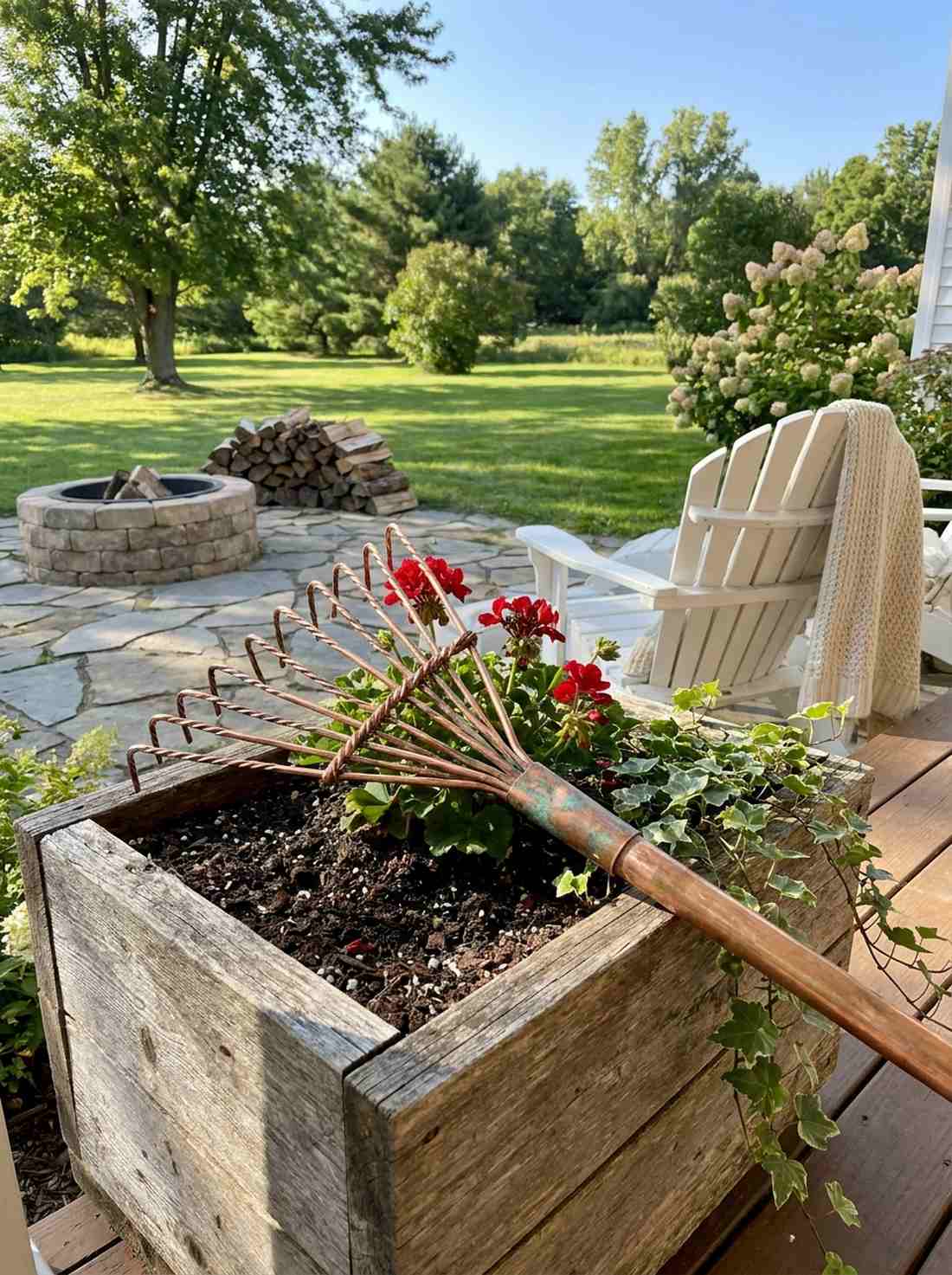
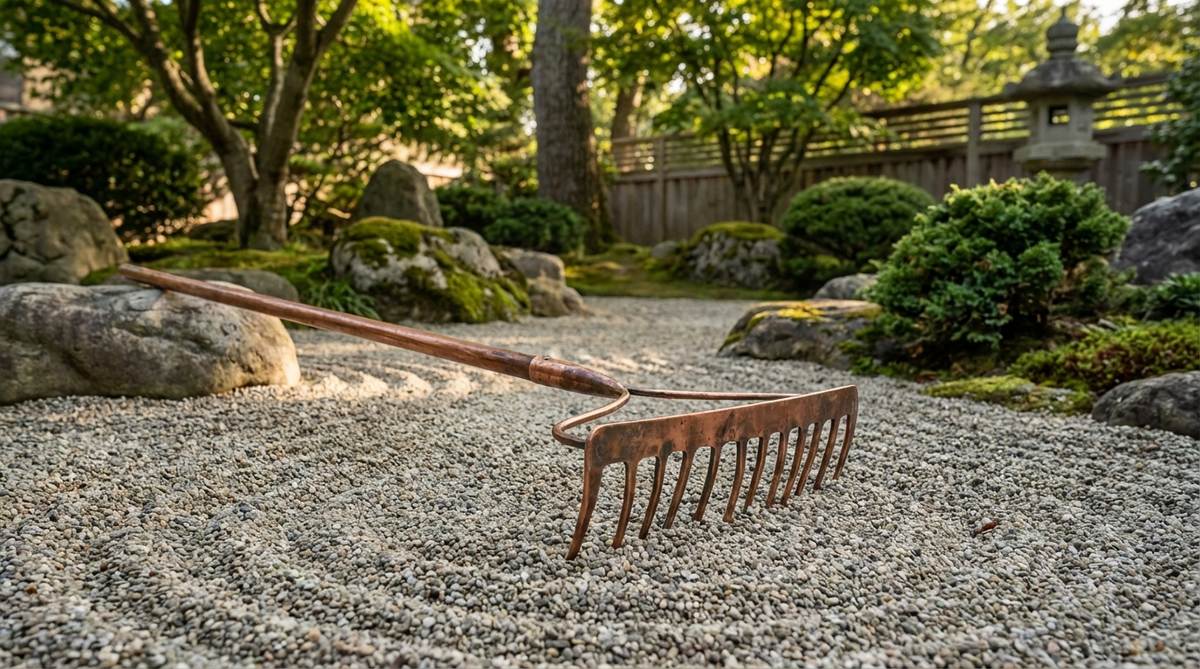
Radiates a warm, earthy energy that feels deeply grounded in nature. Rustic metallic garden accents thrive visually in sunny window boxes.
Copper naturally patinas over time, adding a living, breathing element to static sand. This organic aging process gives the aesthetic a remarkably high-end custom feel without trying too hard.
Sourcing solid copper components hovers around $35–$60. Pin this if you love the vintage farmhouse aesthetic!
- Key Materials: Hand-forged copper wire, conductive metal tubing
- Vibe / Style: Earthy bohemian warmth
- Difficulty: Intermediate care required
- Budget Breakdown: Copper Frame: $40 | Protective Coat: $10
- Creator’s Tip: Let it turn green naturally, or seal it immediately with clear acrylic if you want to keep the shiny penny look.
- Smart Sourcing: raw copper wire spools (bulk pack) or clear protective acrylic sealant (spray pack).
8. Aluminum Lightweight Rake
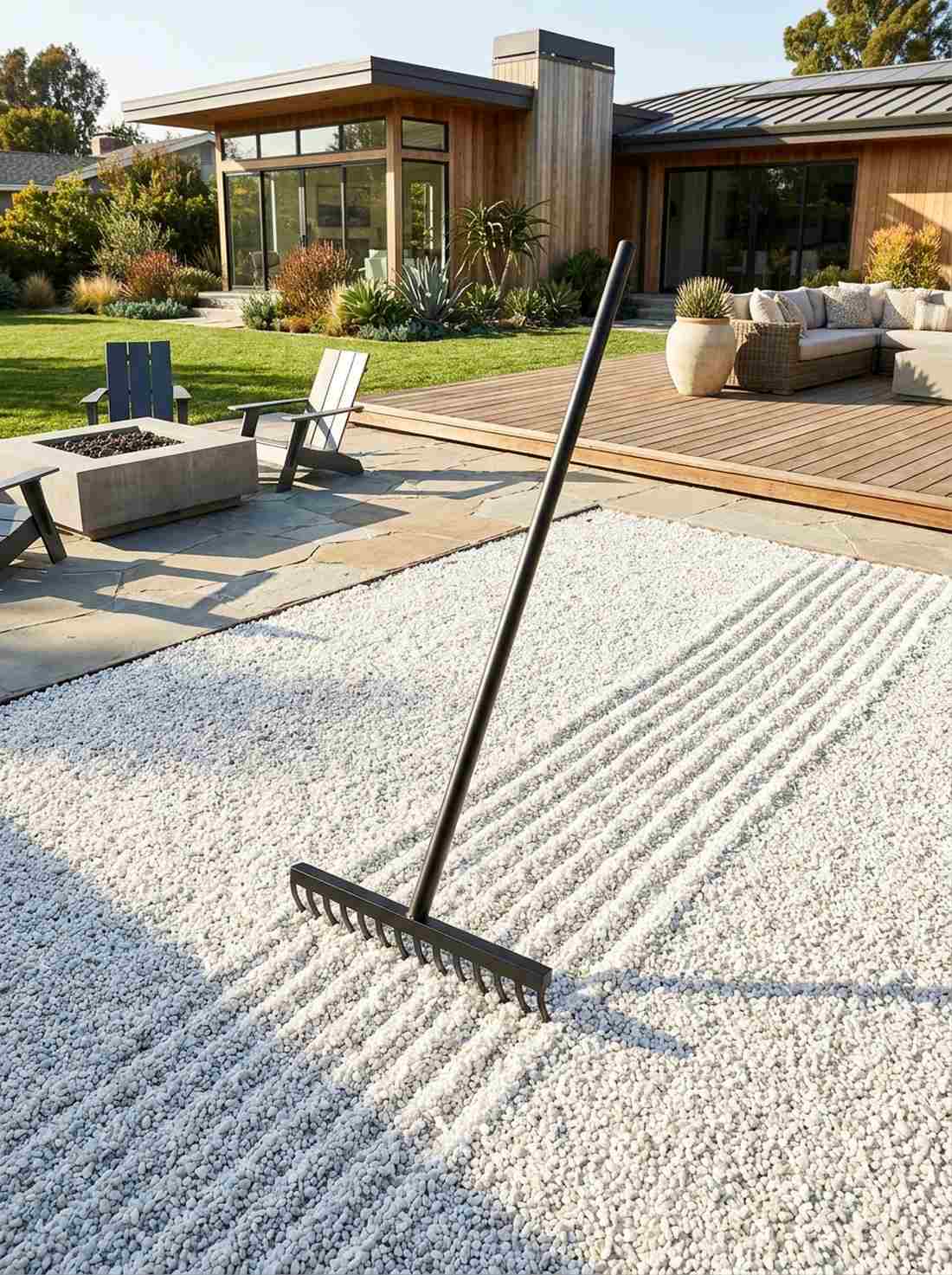
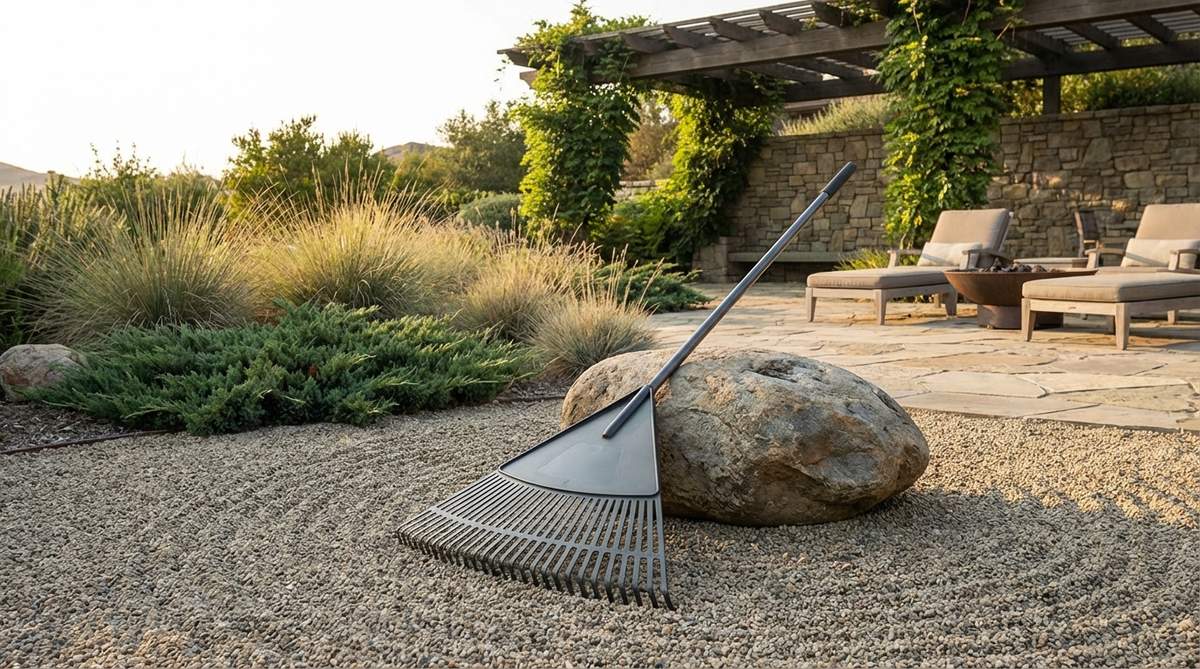
Effortless and breezy, feeling like a modern art museum exhibit piece. Matte black yard tools elevate stark white gravel beds beautifully.
Ditching heavy steel prevents wrist fatigue while keeping furrows impossibly straight. The anodized finish delivers a surprisingly premium look that won’t ever flake or rust onto your stones.
You can secure this lightweight alternative for about $25. It’s a fast swap that saves your joints.
- Key Materials: Hollow aluminum tubing, dark anodized finish
- Vibe / Style: Museum-quality modernism
- Difficulty: Exceptionally easy handling
- Budget Breakdown: Aluminum Tool: $25 | Matching Tray: $20
- Creator’s Tip: Because it’s lightweight, you’ll need to apply slightly more downward pressure when working with thick outdoor gravel.
- Smart Sourcing: anodized aluminum piping (pre-cut) or ergonomic foam handle grips (starter sets).
9. Composite Weather-Resistant Rake
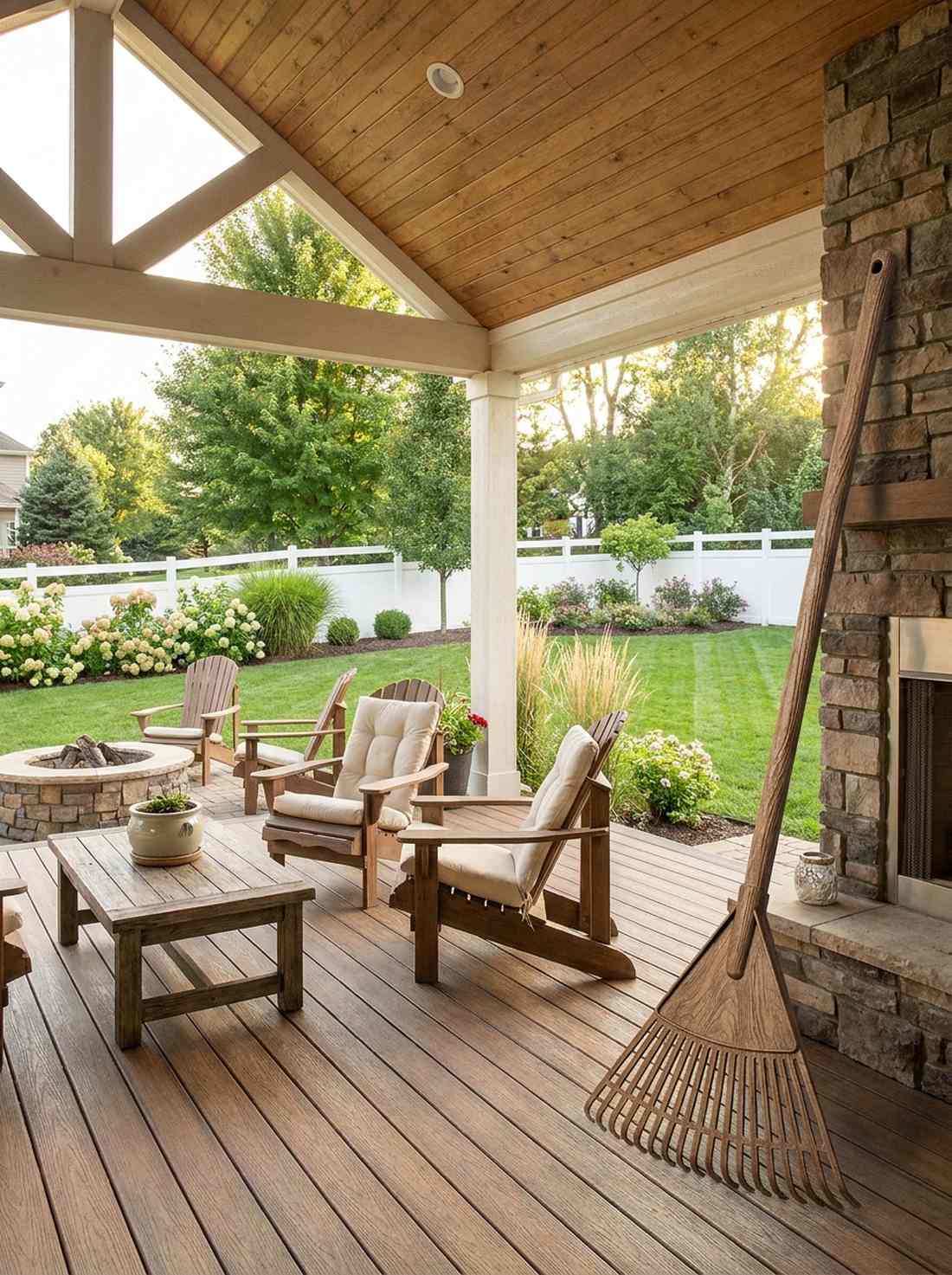
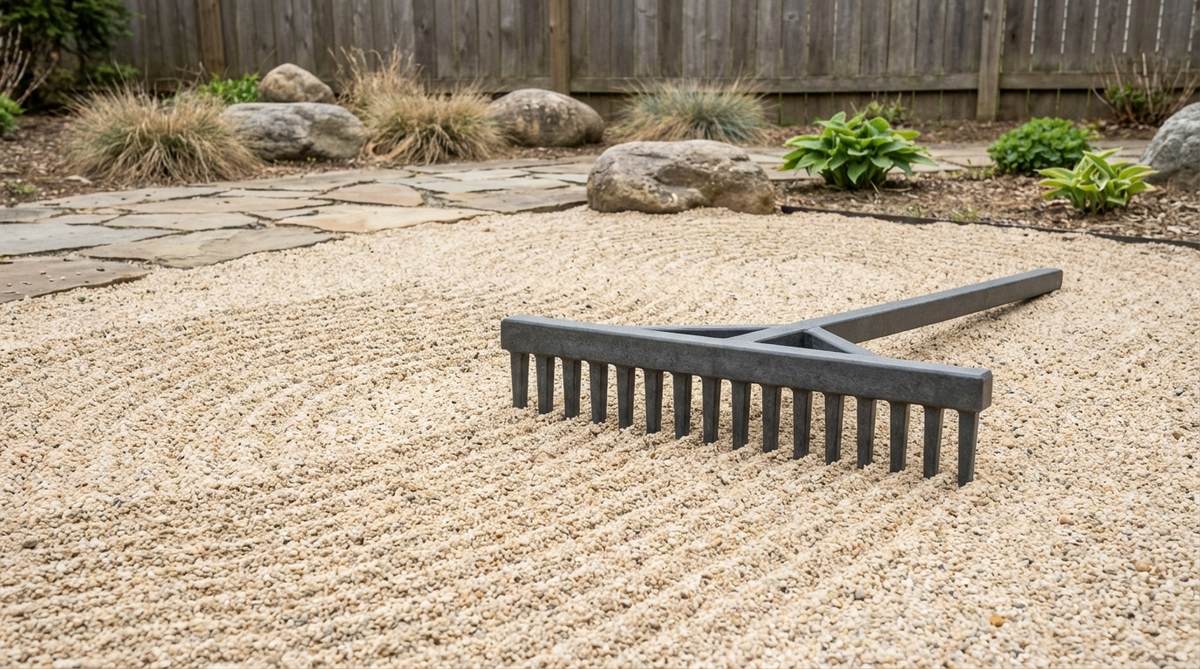
The ultimate blend of natural aesthetics and bulletproof modern longevity. All-weather backyard installations hold up perfectly under covered porches.
Poly-blends mimic real wood grains so well that guests will never notice the difference. Sourcing high-quality polymer fairy garden kits ensures your outdoor designs survive harsh winters without cracking.
This zero-maintenance solution runs approximately $40. Save this to your long-term landscaping board!
- Key Materials: Molded polymer composite, UV-resistant coating
- Vibe / Style: Practical faux-natural
- Difficulty: Easy set-and-forget setup
- Budget Breakdown: Composite Rake: $40 | Warranty: Included
- Creator’s Tip: If the tines get dirty, simply throw the entire rake into the dishwasher—it won’t warp like wood.
- Smart Sourcing: UV-coated polymer resin supplies (bulk pack) or pre-molded composite handles.
This next desk-sized setup is ridiculously cheap but looks like a $100 custom display imported straight from Kyoto…
💡 Must-Have Supplies for High-End Setups
To build these setups faster and ensure they last, skip the generic craft aisles and invest in the right foundational kits.
- Base & Support: pre-cut acrylic display trays (bulk pack)
- Setup Tools: miniature sand smoothing starter kits
- Weather/Durability Protection: UV-resistant clear wood sealants
Miniature Desktop Meditation Rakes
10. Three-Piece Bamboo Mini Rake Set
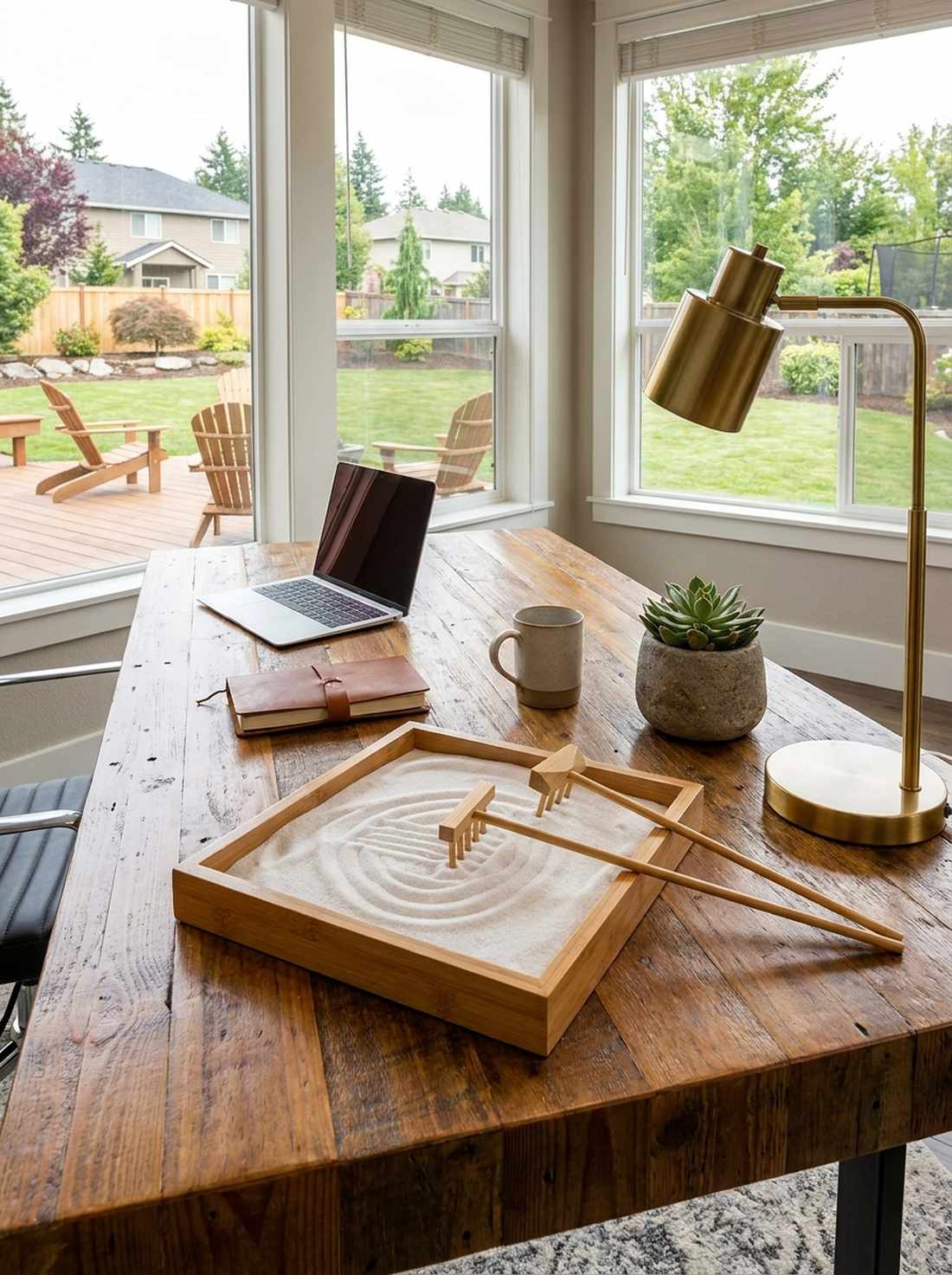
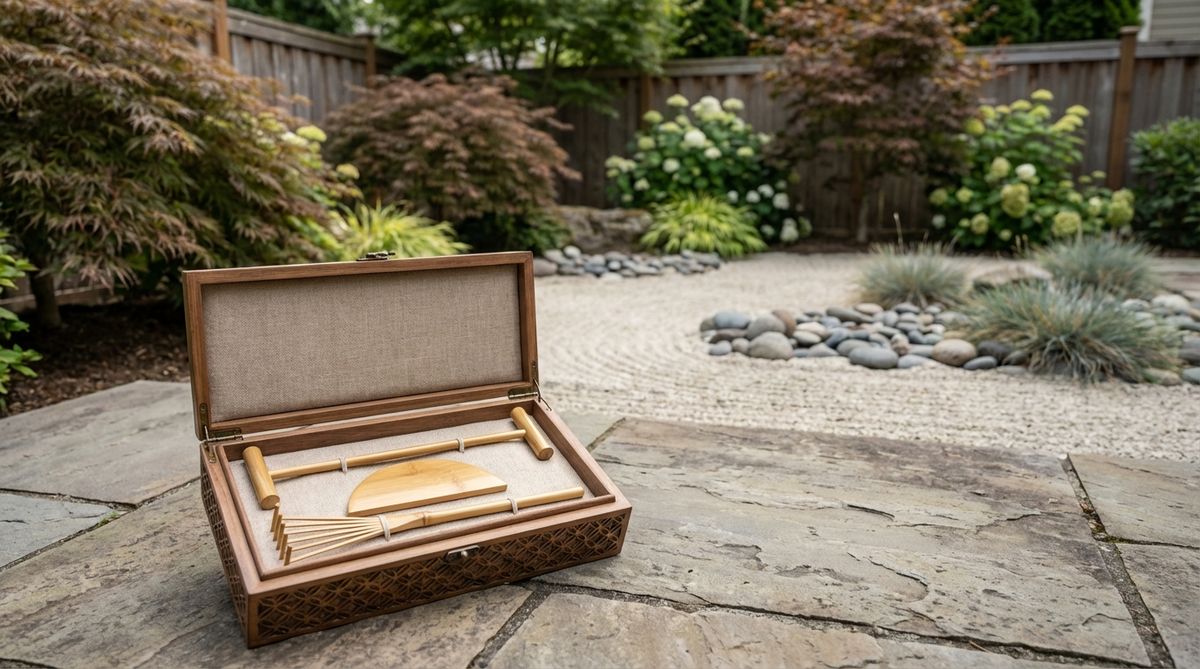
Feels like a curated mindfulness retreat sitting right in the palm of your hand. Compact office desk decor is ideal for stressful corporate environments.
A trio of distinct shapes unlocks endless geometric possibilities previously restricted to giant outdoor beds. Utilizing proper miniature garden supplies elevates a plain sand bowl into an interactive daily sculpture.
Snagging a full trio usually costs just $10–$15. Pin this to your mental wellness and office decor board!
- Key Materials: Mixed-shape bamboo heads, polished display box
- Vibe / Style: Executive wellness
- Difficulty: Beginner friendly variety
- Budget Breakdown: 3-Piece Kit: $12 | Sand Base: $5
- Creator’s Tip: Use the straight edge to erase your board completely before starting a fresh meditation session.
- Smart Sourcing: miniature wooden rake starter kits or pre-sifted white play sand (bulk bag).
11. Single-Tine Drawing Tool
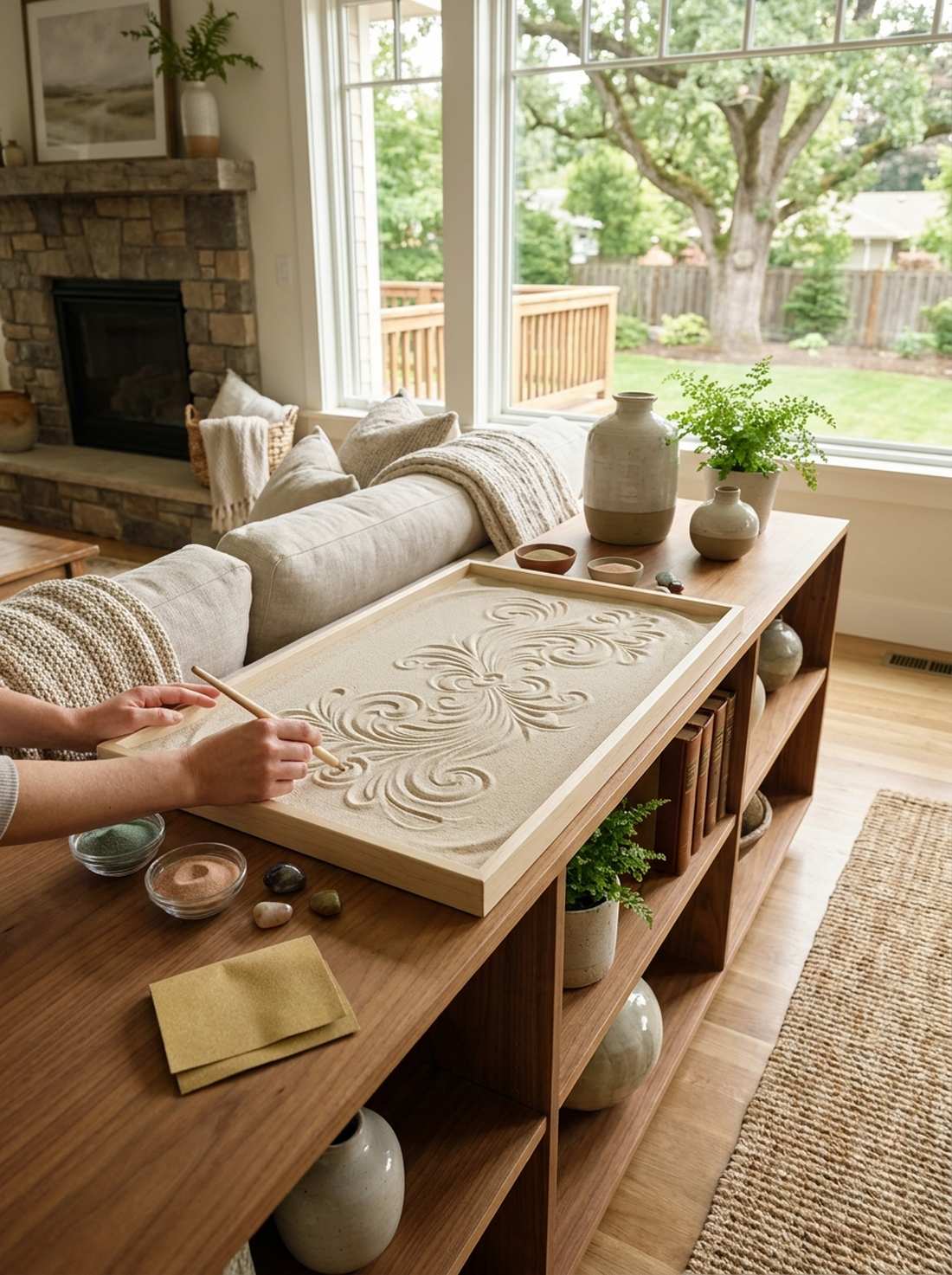
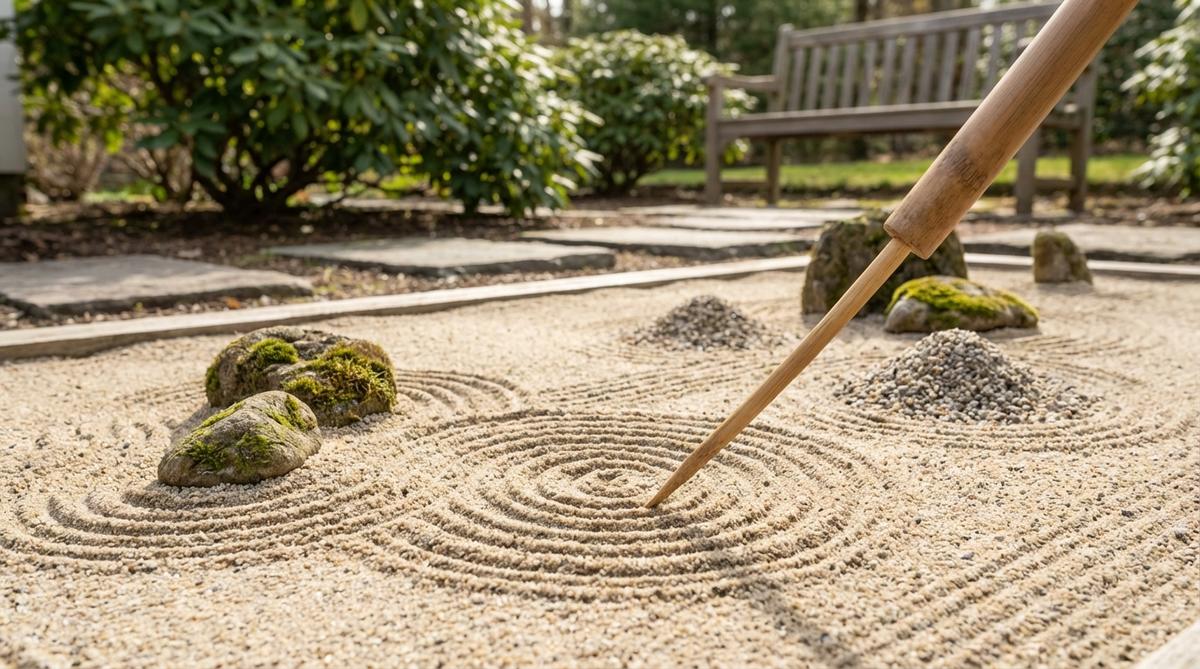
Whispers delicate elegance exactly like a master calligrapher’s brush. Precision sand art tools are exceptional for highly detailed shelf displays.
Relying solely on multi-pronged rakes ruins the chance for custom freehand flower designs. A dedicated stylus looks incredibly simplistic but executes complex curves flawlessly.
Sourcing this detail implement takes barely $5. Highly recommended for adding your personal signature.
- Key Materials: Sharpened wooden stylus, fine-grit sandpaper
- Vibe / Style: Calligraphic precision
- Difficulty: Requires creative freehand skills
- Budget Breakdown: Stylus: $5 | Finish: $0
- Creator’s Tip: Sand the tip to a rounded point rather than a sharp needle so it glides smoothly without catching the base.
- Smart Sourcing: hardwood carving stylus tools (multipack) or fine-grit sanding sponges (bulk pack).
12. Fan-Shaped Mini Rake
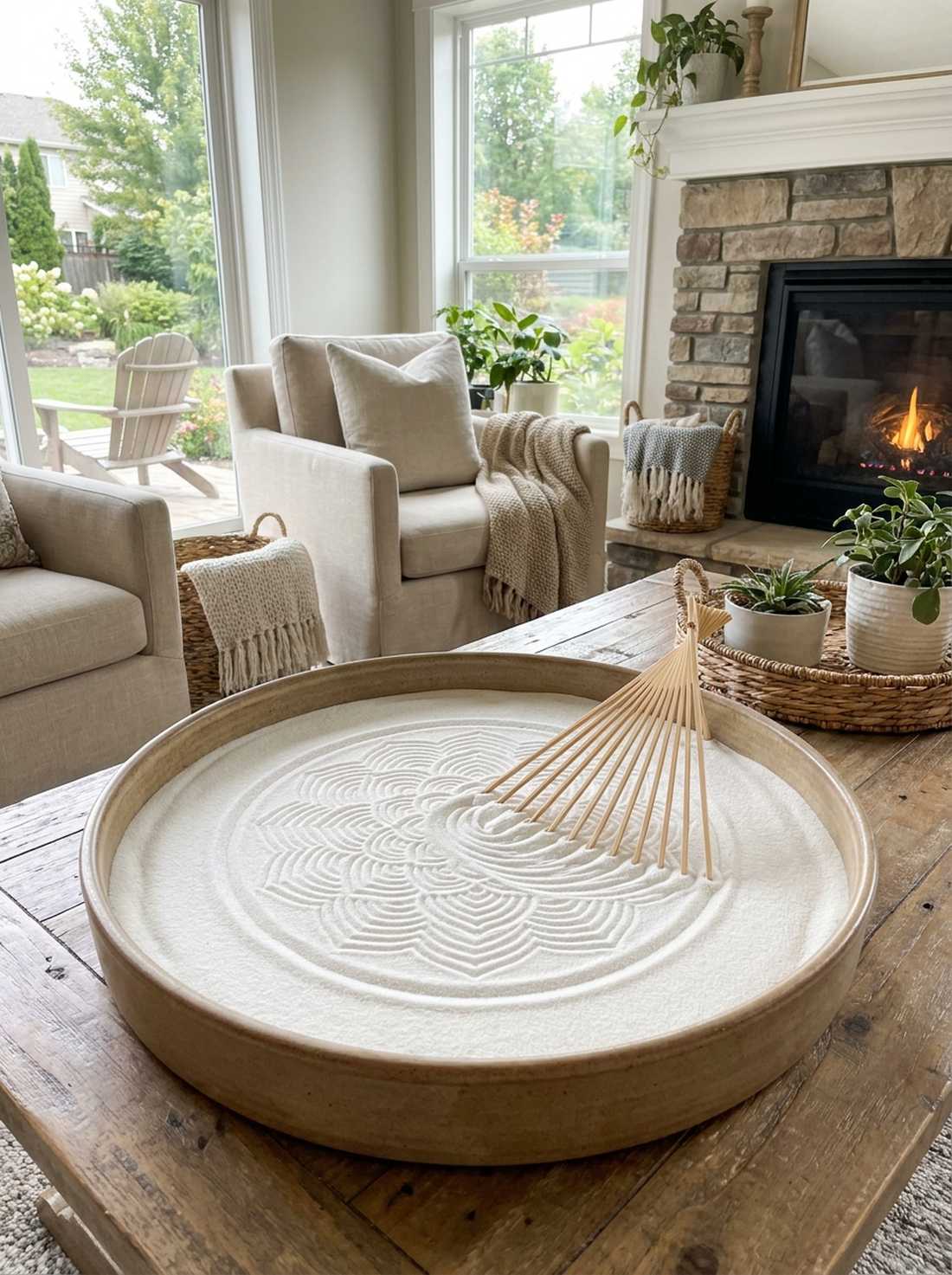
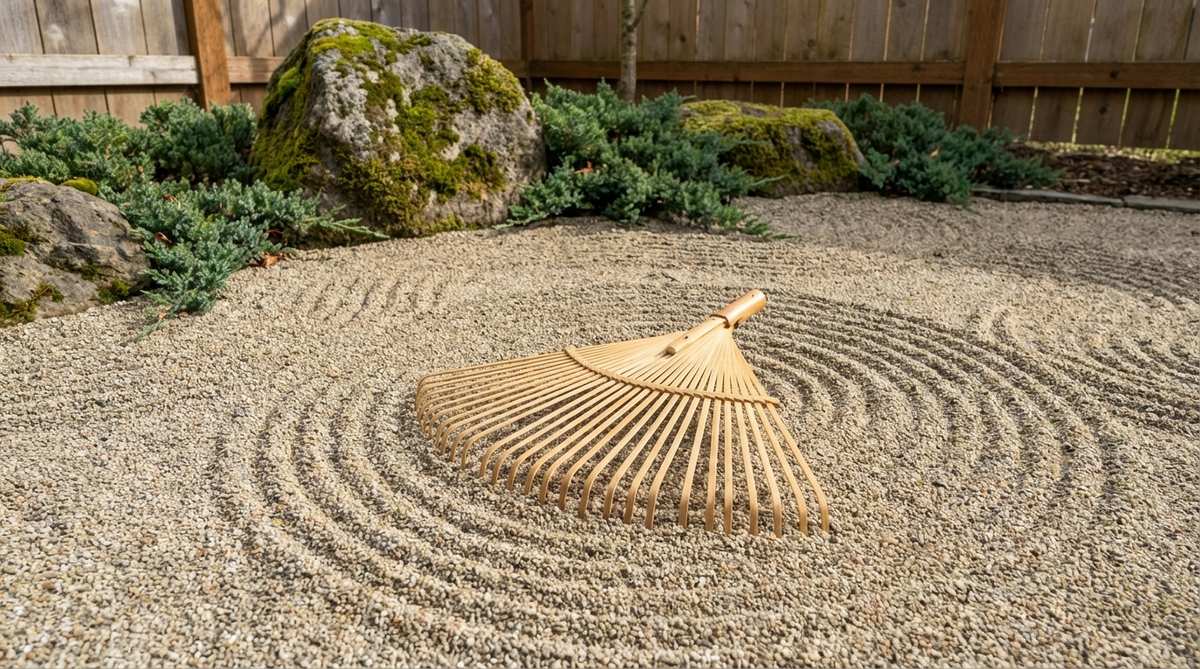
Brings the mesmerizing geometry of a blooming lotus flower immediately into focus. Symmetrical tabletop features fit perfectly into circular ceramic bowls.
Struggling to make perfect circles with a straight edge is a rookie mistake everyone makes at first. A flared head automatically generates flawless ripples that look far more expensive than they actually are.
This specialized geometry sets you back around $12. Save this if you love perfectly round mandala patterns!
- Key Materials: Radiating wooden tines, round ceramic tray
- Vibe / Style: Perfect geometric harmony
- Difficulty: Creates instant professional circles
- Budget Breakdown: Fan Rake: $12 | Round Base: $15
- Creator’s Tip: Plant the inner tine deeply and drag the outer edge lightly to create a fading whirlpool effect.
- Smart Sourcing: pre-assembled fan rake heads or shallow ceramic planting bowls (starter kit).
13. Six-Piece Meditation Tool Set
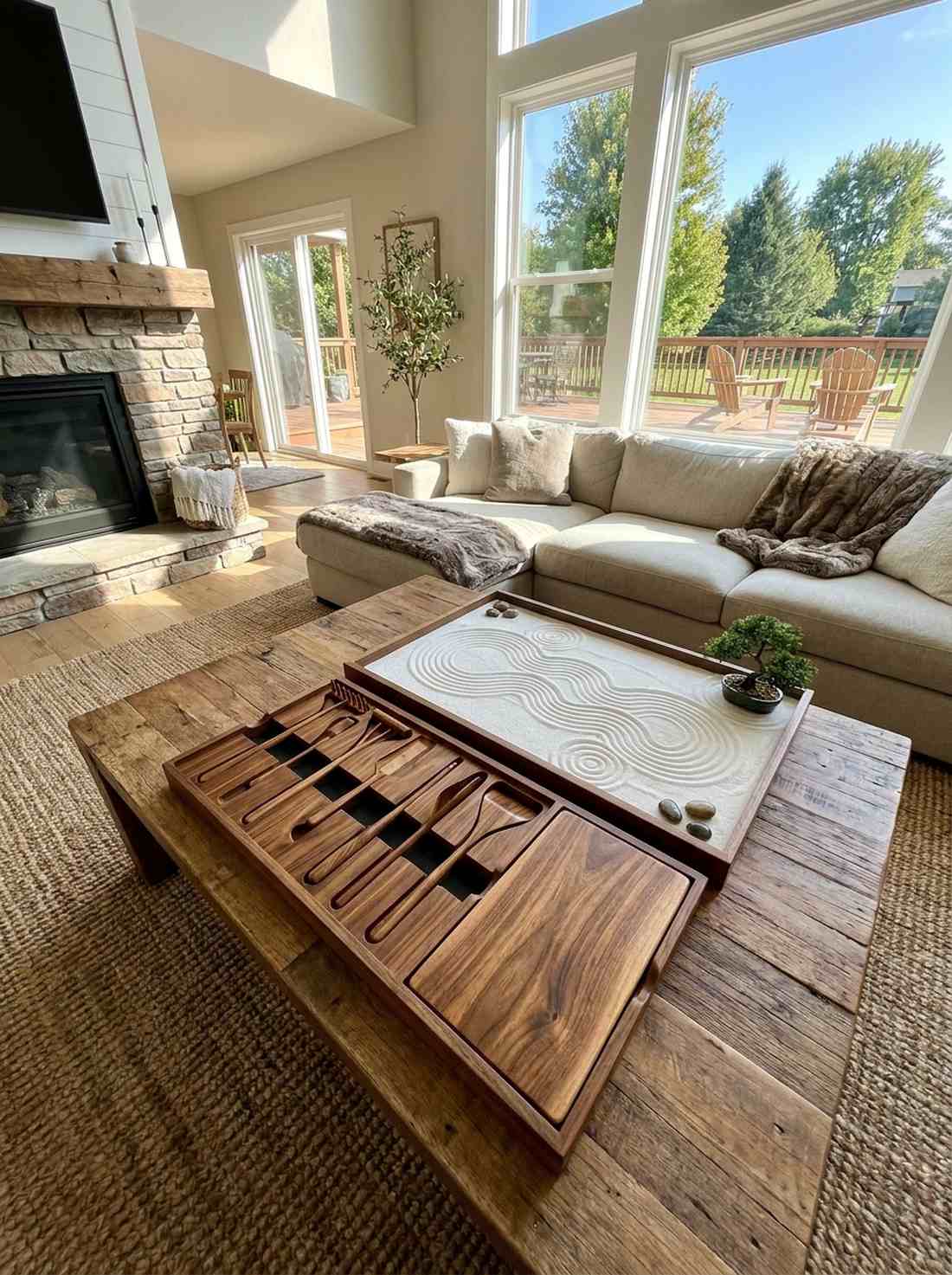
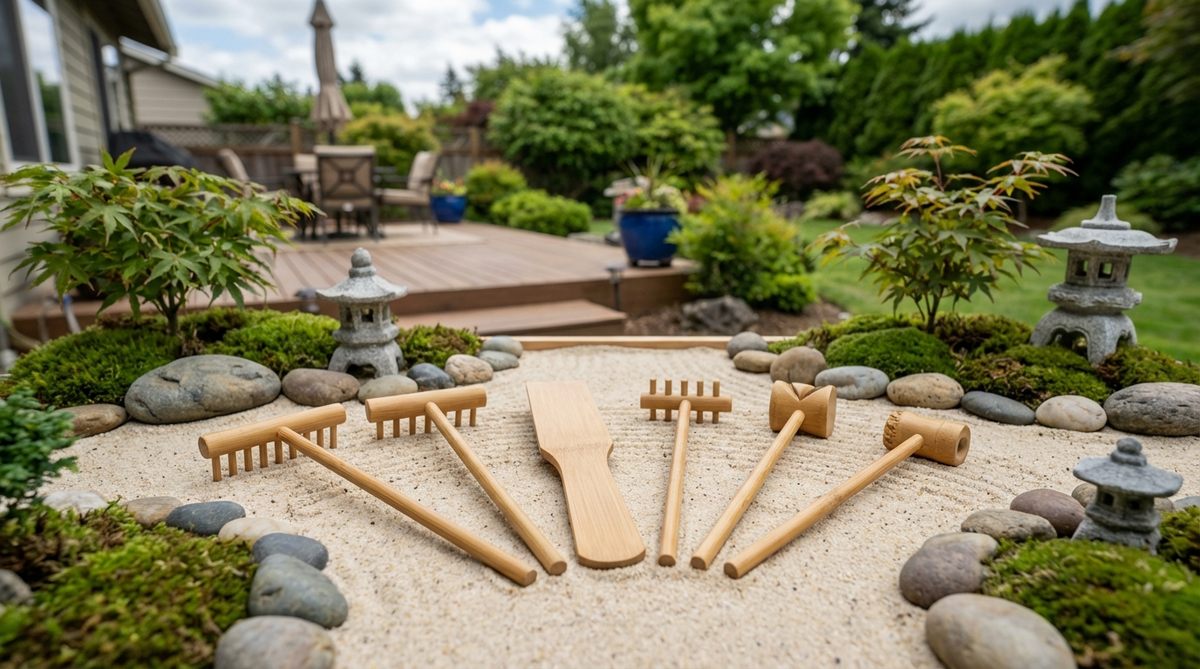
The ultimate arsenal for someone serious about their daily sand canvas. Premium tabletop meditation kits command immediate attention in any living room.
Owning the complete spectrum of widths guarantees you will never hit a creative wall again. These bundled zen garden tools drastically outperform piecing together random household items over time.
A master kit typically lands in the $20–$35 range. Pin this for the ultimate gift idea!
- Key Materials: Six unique hardwood tools, specialized smoothing board
- Vibe / Style: Mastercraft professional
- Difficulty: Supports advanced techniques
- Budget Breakdown: Complete Kit: $30 | Storage: Included
- Creator’s Tip: Keep the smoothing board strictly dry—if it touches moisture, the sand will stick and ruin your blank slate.
- Smart Sourcing: comprehensive desktop meditation starter kits or pre-cut hardwood storage cases.
14. Popsicle Stick DIY Mini Rake
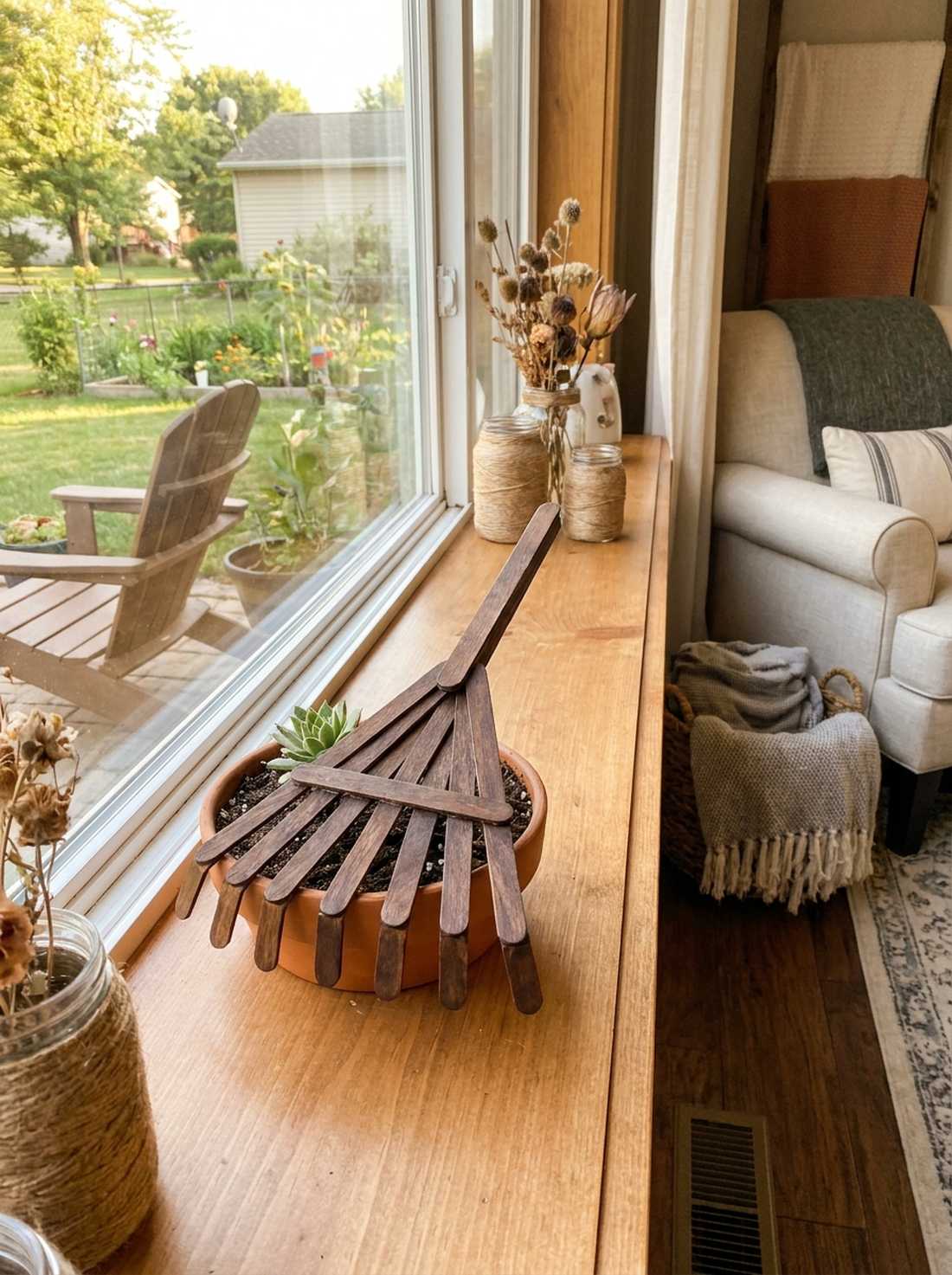
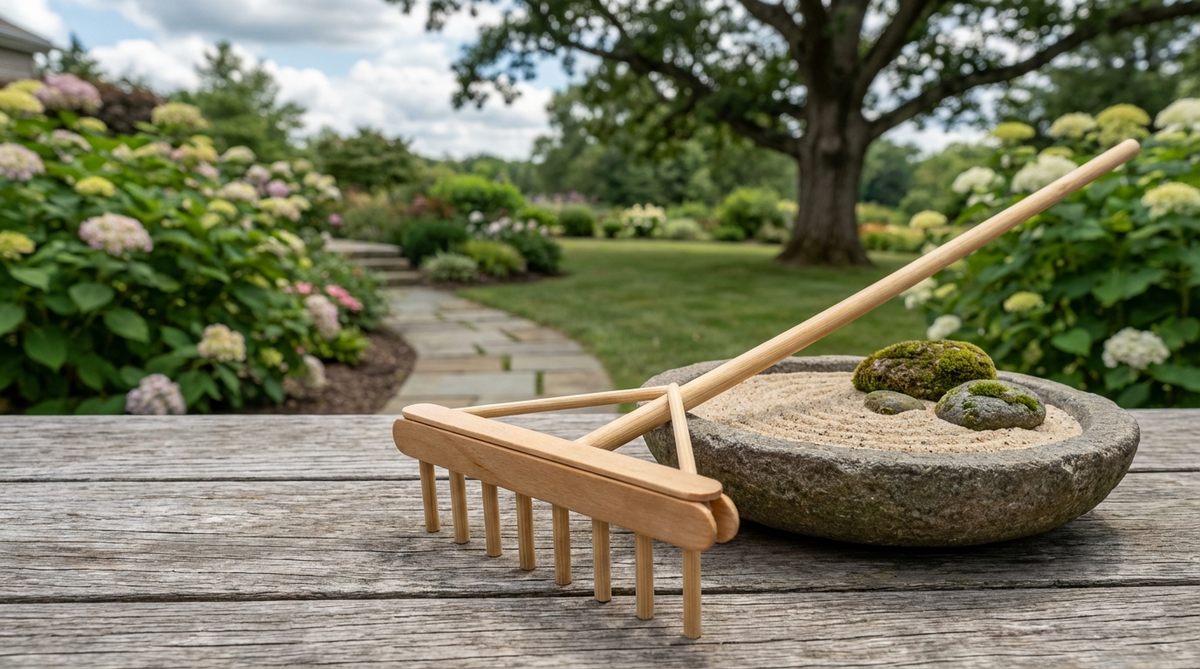
Brims with cozy, handcrafted charm that feels deeply personal and intentional. Upcycled craft room projects shine brightly on well-lit windowsills.
Turning trash into treasure completely bypasses the markup of commercial boutique stores. With a bit of fine sanding and glue, cheap wooden scraps give a surprisingly premium look.
You can build this literally for pennies, maybe $2 max. Save this to your kids’ weekend craft board!
- Key Materials: Craft sticks, hot glue, wood stain
- Vibe / Style: Rustic homemade charm
- Difficulty: Fun and extremely easy
- Budget Breakdown: Craft Sticks: $2 | Glue: $0
- Creator’s Tip: Apply a dark walnut wood stain over the popsicle sticks to completely hide the fact that they are craft supplies.
- Smart Sourcing: jumbo wooden craft sticks (bulk pack) or quick-dry wood stain markers.
Stop overpaying for fixed tools… the multi-functional mechanical setup below changes the DIY game entirely.
Adjustable and Multi-Pattern Designs
15. Adjustable-Width Rake
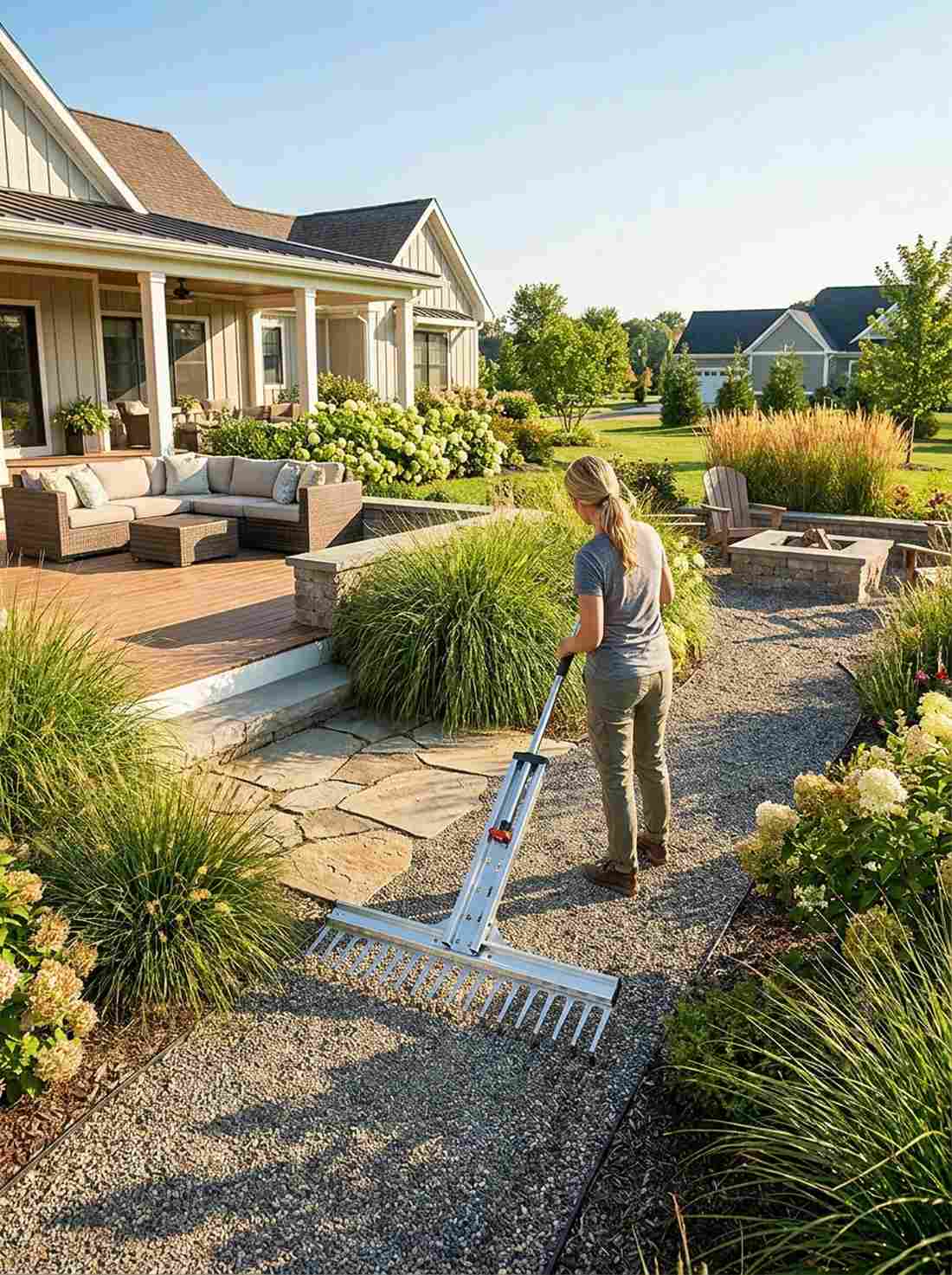
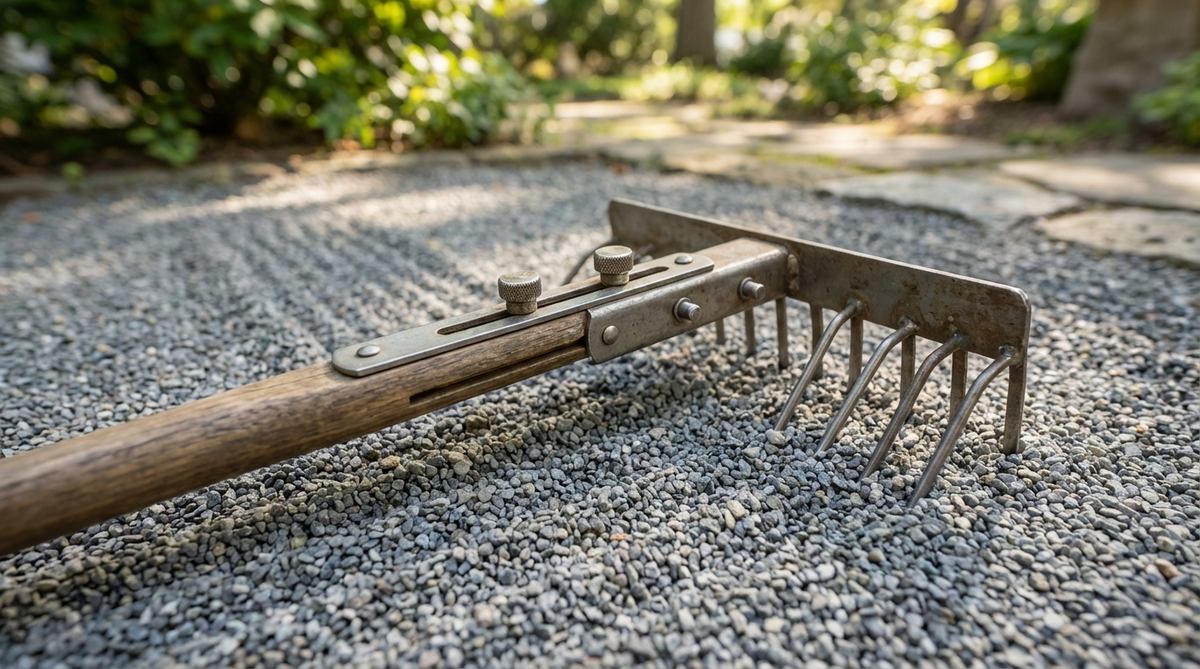
Futuristic utility meets ancient contemplative practice perfectly. Adaptable outdoor garden tools are absolute lifesavers for mixed-gravel pathways.
Locking in custom widths means you only ever need to carry one implement outside. This mechanical marvel makes shifting between fine sand and chunky stones an absolute breeze.
Expect to invest around $45 for reliable sliding mechanisms. Pin this if you love smart gardening gear!
- Key Materials: Sliding metal track, locking pin mechanisms
- Vibe / Style: High-tech functionality
- Difficulty: Requires mechanical adjustment
- Budget Breakdown: Adjustable Rake: $45 | Maintenance Oil: $5
- Creator’s Tip: Always brush dust out of the sliding tracks before adjusting to prevent the mechanism from jamming.
- Smart Sourcing: telescoping landscape rakes (commercial grade) or dry silicone track lubricant.
16. Interchangeable Head System
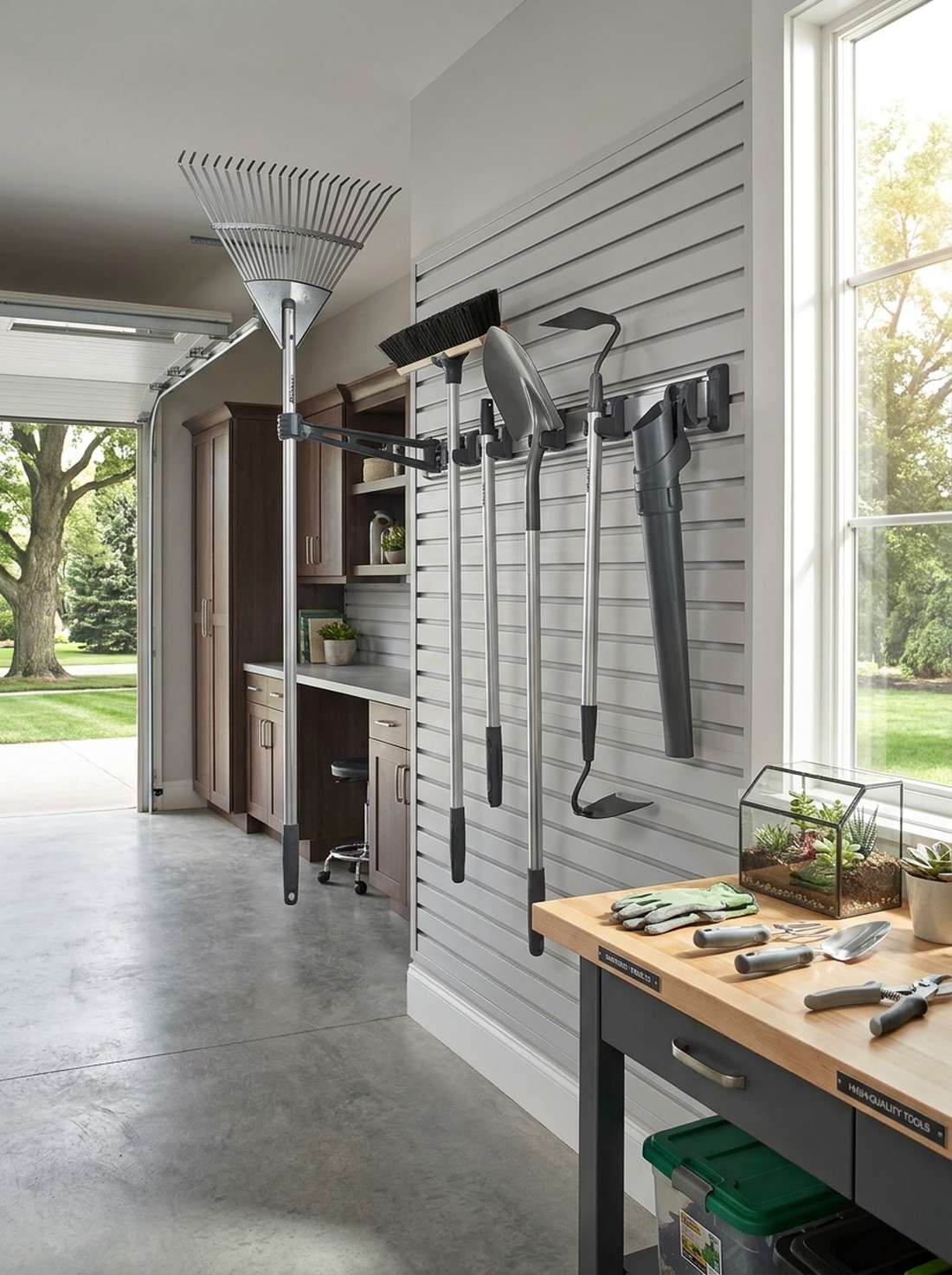
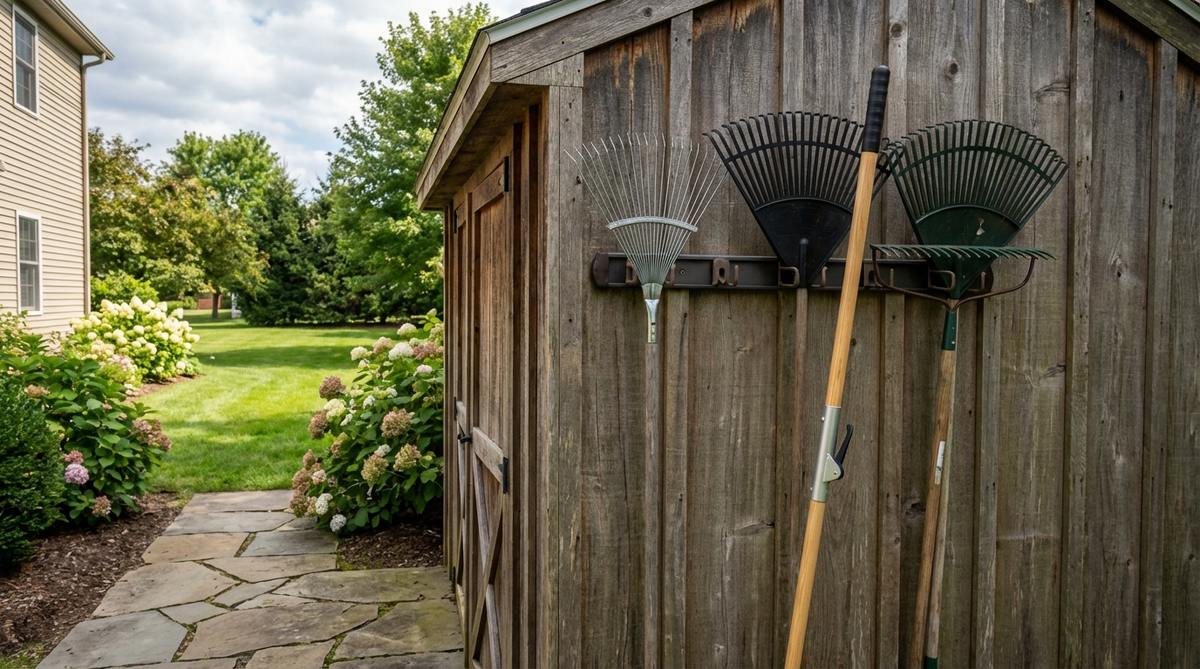
Screams high-efficiency while maintaining a perfectly sleek profile. Modular shed storage solutions work brilliantly for tight, cluttered garage spaces.
Swapping attachments instantly feels like a professional landscaper’s best-kept secret weapon. High-end terrarium accessories increasingly use these quick-release joints for maximum space-saving versatility.
A full modular base set runs between $50 and $70. Save this if you love hyper-organized tool setups!
- Key Materials: Universal aluminum handle, snap-on plastic/metal heads
- Vibe / Style: Professional organization
- Difficulty: Click-and-go simplicity
- Budget Breakdown: Base Handle: $20 | 3-Head Pack: $40
- Creator’s Tip: Mount a simple magnetic strip on your garage wall to hold the unused heads securely out of the way.
- Smart Sourcing: quick-release modular handle kits or heavy-duty magnetic tool strips (bulk pack).
17. Reversible Pattern Rake
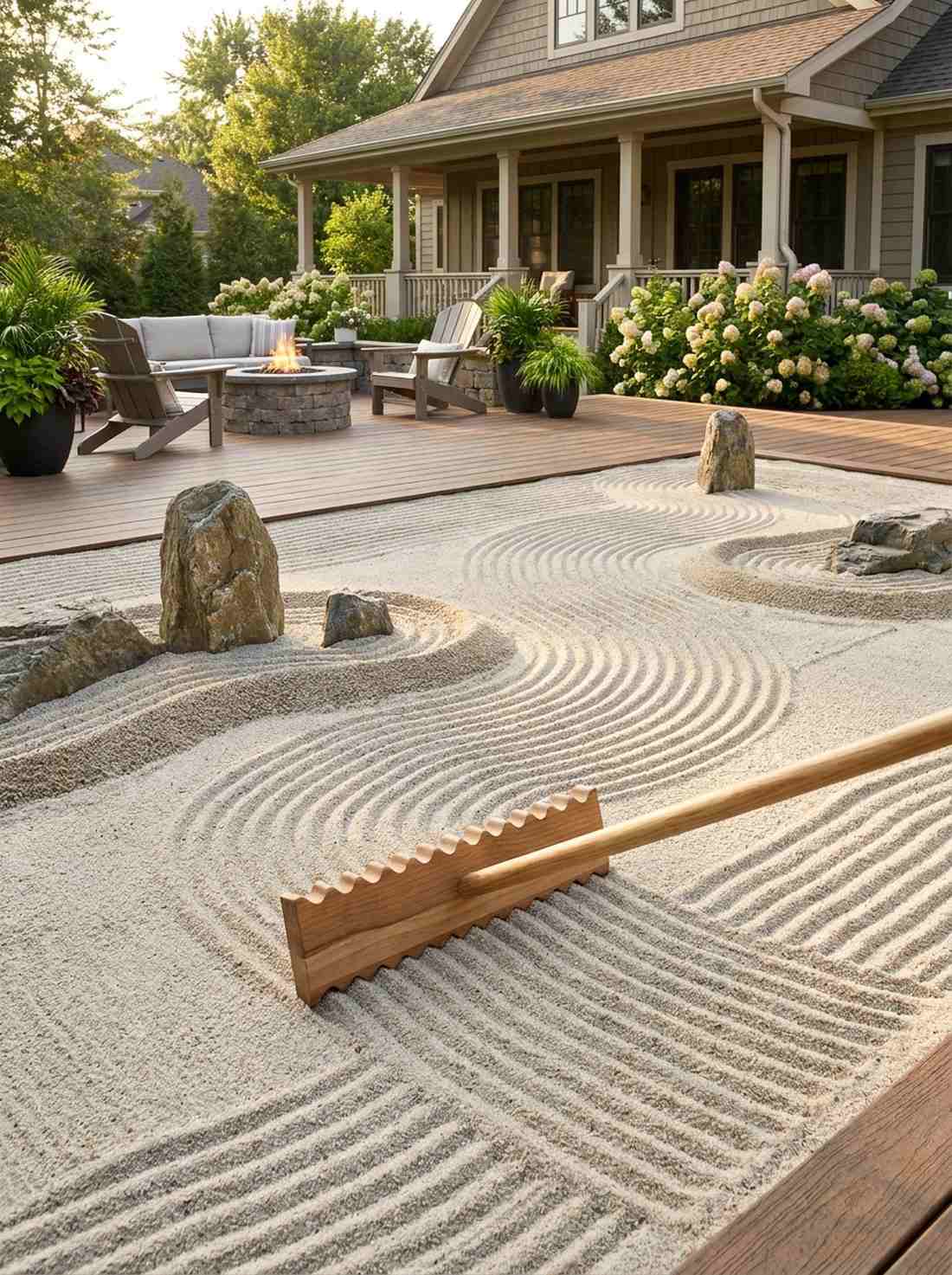
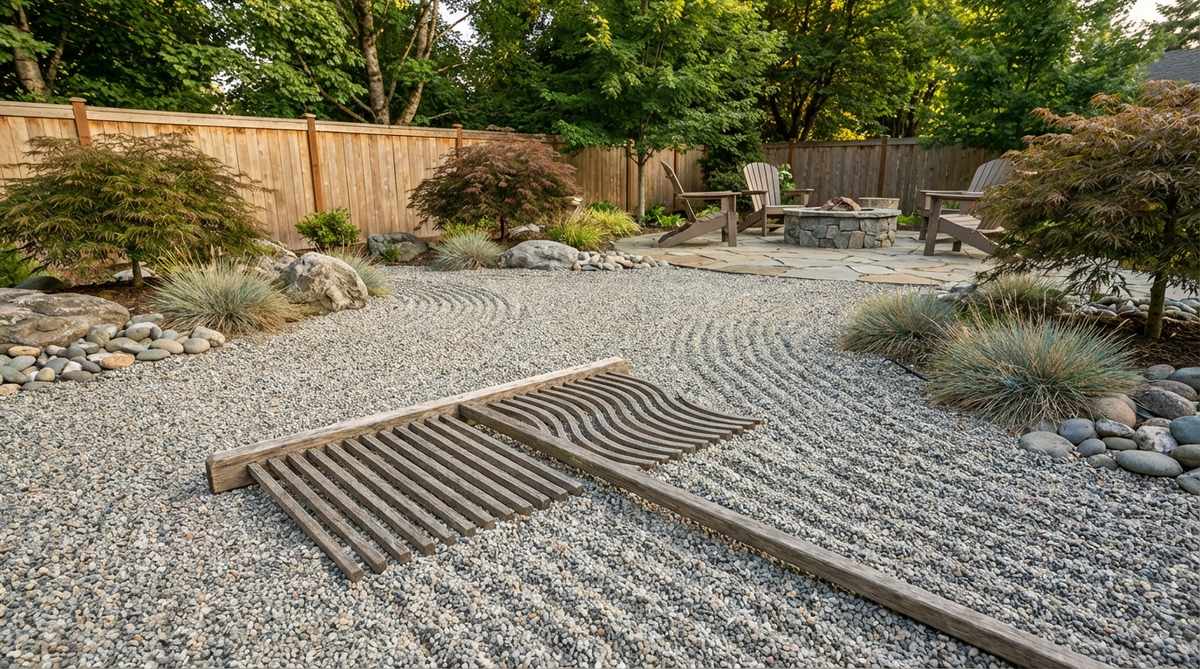
Delivers an oceanic wave texture that feels instantly calming and vast. Textured landscape borders elevate the edges of prominent garden stones beautifully.
Standard straight lines get boring fast, but wavy teeth introduce an immediate rhythmic flow. This dual-edge functionality ensures your patterns never look stagnant or overly repetitive.
This dual-sided approach costs only $25 to execute. Highly recommended for adding organic movement.
- Key Materials: Corrugated wooden edge, straight-cut opposite edge
- Vibe / Style: Fluid oceanic art
- Difficulty: Easiest way to draw waves
- Budget Breakdown: Wave Rake: $25 | Fine Sand: $10
- Creator’s Tip: Pull the wavy side very slowly; rushing the stroke causes the sand to spill back into the furrows.
- Smart Sourcing: pre-cut corrugated rake attachments or kinetic sand base materials (starter kit).
Material Guide: Cheap vs. Premium Aesthetic
Knowing exactly where to save and where to spend makes all the difference in achieving that “looks expensive but isn’t” vibe.
- Standard Wood vs. UV-Resistant Composite: Standard dowels will splinter and warp if left on a sunny patio. Upgrading to UV-coated handles stops fading and guarantees perfectly sharp sand furrows for years.
- Pre-made Kits vs. Sourcing Locally: Scavenging for individual parts often results in mismatched aesthetics. Investing in bundled starter kits ensures identical tine spacing and saves hours of frustrating DIY calibration.
Specialty and Creative Rake Innovations
18. Motorized Automatic Zen Garden
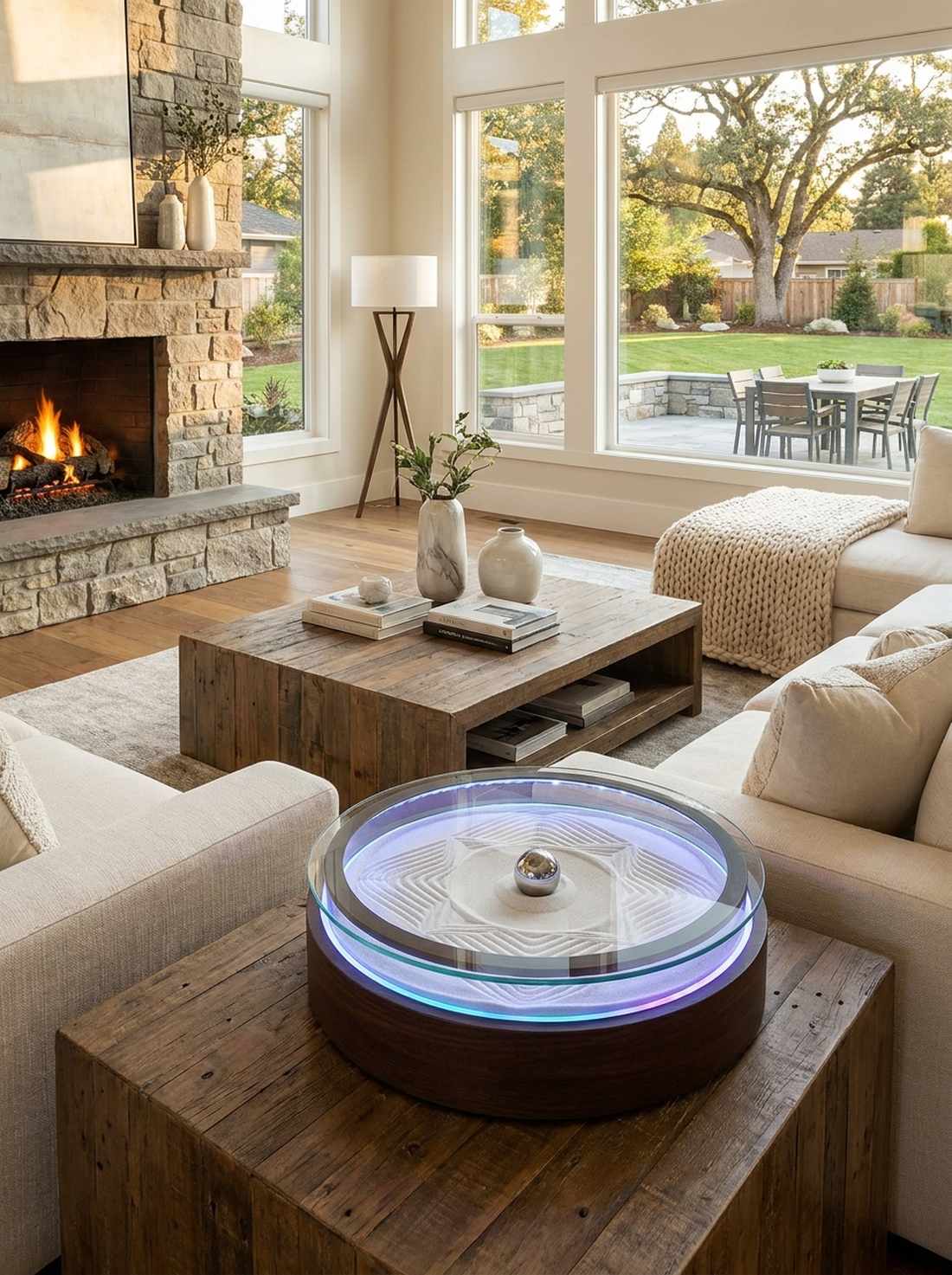
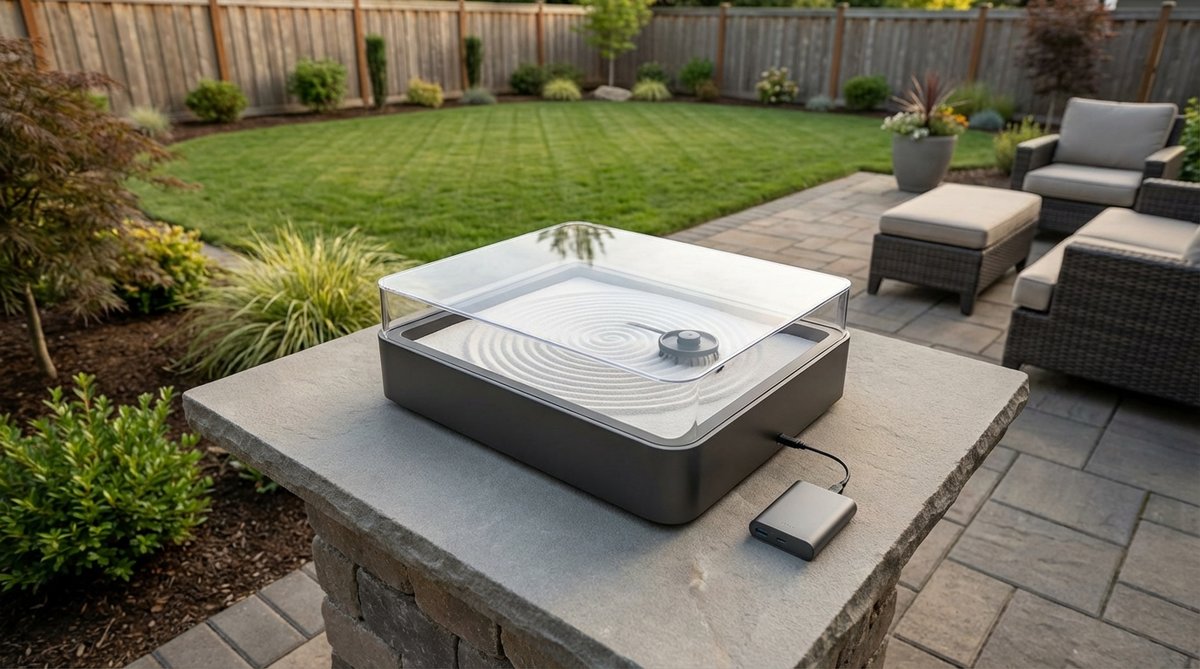
Feels like watching pure magic unfold silently on your coffee table. Kinetic office art displays are incredible conversation starters for modern entryways.
Hand-drawing takes extreme patience, but magnetic autonomous rolling balls do the heavy lifting for you. It’s a high-tech centerpiece that looks far more expensive than it actually is.
These motorized setups typically range from $80 to $150. Pin this if you want the ultimate tech flex!
- Key Materials: Magnetic base track, steel rolling sphere, fine sand
- Vibe / Style: Silicon Valley chic
- Difficulty: Plug-and-play app controlled
- Budget Breakdown: Kinetic Table: $120 | Power Cord: Included
- Creator’s Tip: Add RGB LED light strips under the glass rim to illuminate the shifting shadows at night.
- Smart Sourcing: kinetic magnetic sand art starter kits or steel drawing spheres (replacement pack).
19. Fork and Comb Alternative Tools
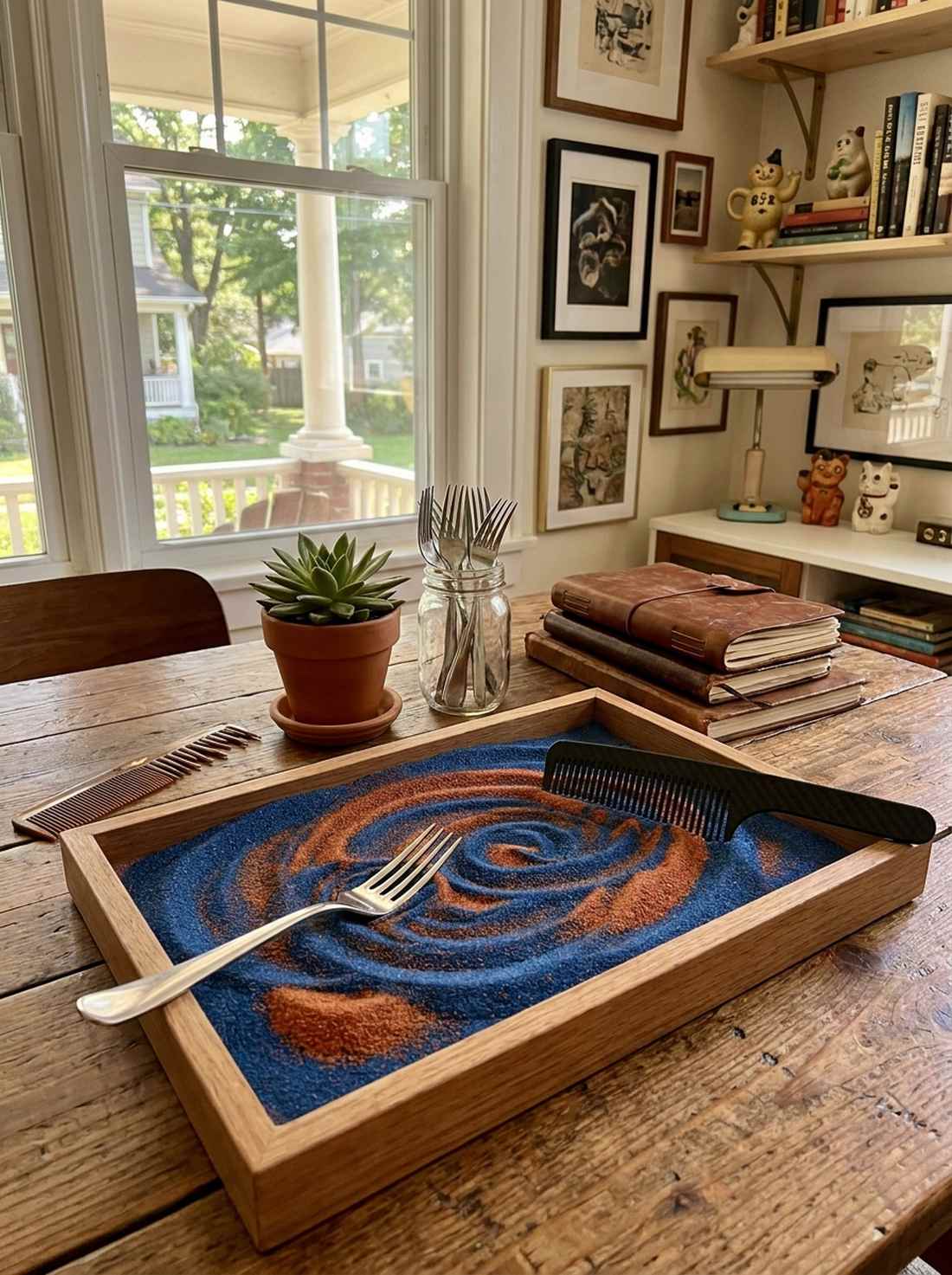
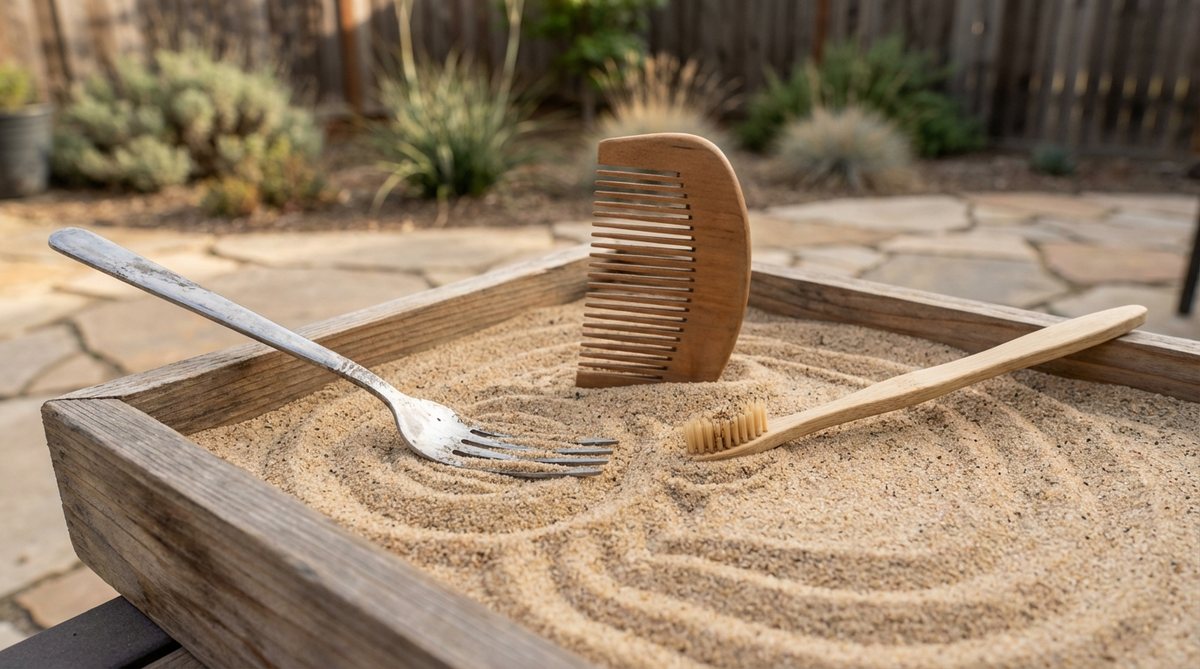
Rebelliously creative and full of unexpected texture and depth. Unconventional desktop arrangements thrive wonderfully in quirky, eclectic apartments.
Traditionalists might scoff, but dense household combs pull incredibly sharp, micro-fine lines. Repurposing daily items delivers a surprisingly premium look without any shipping delays or costs.
This requires literally zero budget since you already own them. Try it today for an instant desk refresh.
- Key Materials: Wide-toothed combs, stainless steel dining forks
- Vibe / Style: Eclectic found-art
- Difficulty: Experimental and fun
- Budget Breakdown: Tools: $0 | Base Sand: $5
- Creator’s Tip: Snap every other tooth off a cheap plastic comb to create the perfect 5mm spacing for miniature setups.
- Smart Sourcing: carbon fiber barber combs (bulk pack) or ultra-fine decorative colored sand.
You won’t believe how modern digital manufacturing is completely changing how these ancient patterns are drawn next…
20. 3D-Printed Custom Rake Designs
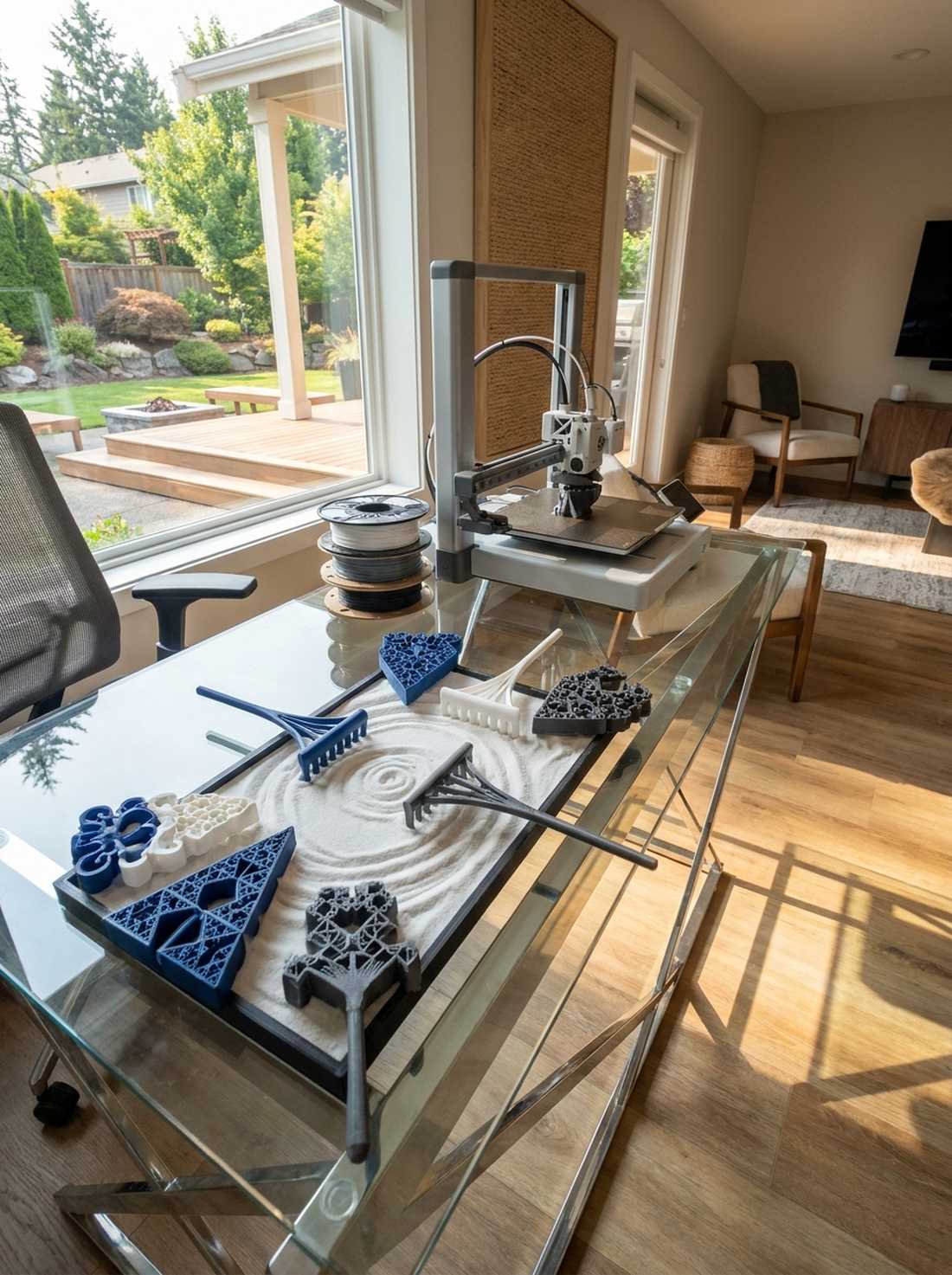
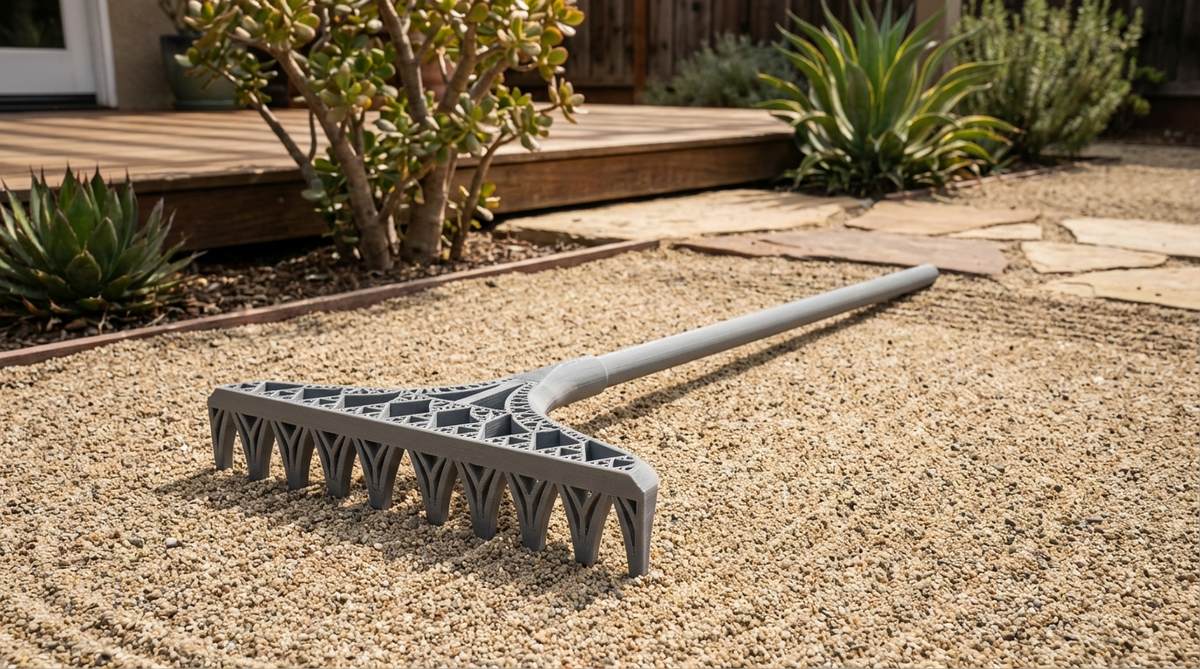
Represents the cutting-edge intersection of tech and pure tranquility. Customizable fractal pattern tools are stunning centerpieces on modern glass desks.
Woodcarving takes weeks, but a solid PETG print drops an exact replica in your lap within hours. Downloading specialized fairy garden kits digitally allows for impossible geometric shapes you can’t buy in stores.
Filament costs make this a $3 to $5 project if you own the printer. Save this to your 3D printing ideas board!
- Key Materials: PETG or ABS filament, downloaded STL files
- Vibe / Style: Futuristic maker-culture
- Difficulty: Requires a 3D printer
- Budget Breakdown: Filament: $4 | Digital File: $0
- Creator’s Tip: Print the tines with 100% infill so they don’t snap off when dragged through heavier gravel.
- Smart Sourcing: PETG rigid filament (bulk spools) or pre-configured 3D model starter packs.
21. Wooden Dowel and Skewer Rake
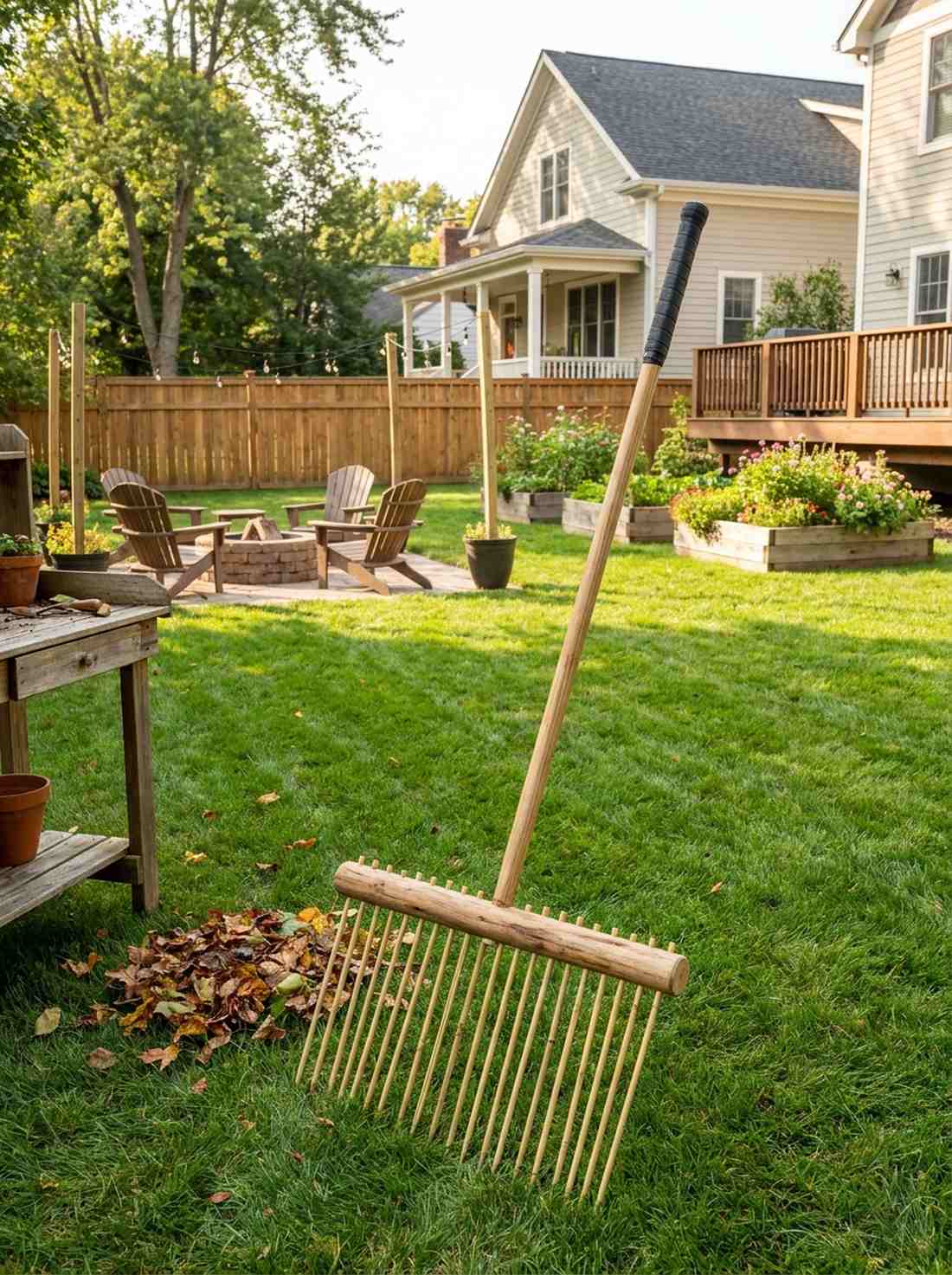
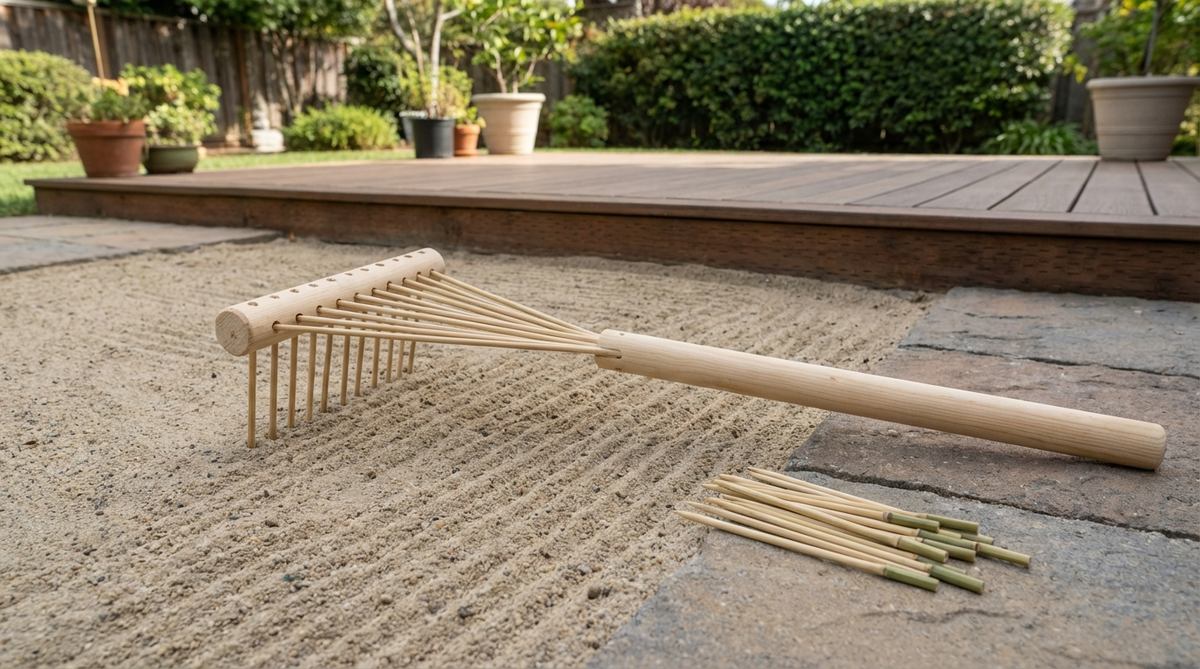
Radiates a rugged, weekend-warrior energy that brings immense personal satisfaction. Budget patio crafts fit wonderfully in casual backyard setups.
Pre-drilling exact holes guarantees your custom spacing never wobbles or snaps out of alignment. Sourcing bulk skewers gives a designer-level finish for a fraction of the cost of store-bought tools.
You can easily pull this off for around $8 in raw parts. Save this to your quick weekend DIY board!
- Key Materials: Thick wooden dowel base, bamboo cooking skewers, wood glue
- Vibe / Style: Practical DIY ruggedness
- Difficulty: Basic drilling required
- Budget Breakdown: Dowels: $5 | Skewers: $3
- Creator’s Tip: Wrap the handle section with tennis racket grip tape to make it significantly more comfortable to hold.
- Smart Sourcing: heavy-duty bamboo skewers (bulk pack) or pre-cut hardwood dowel rods.
22. Curved Handle Ergonomic Rake
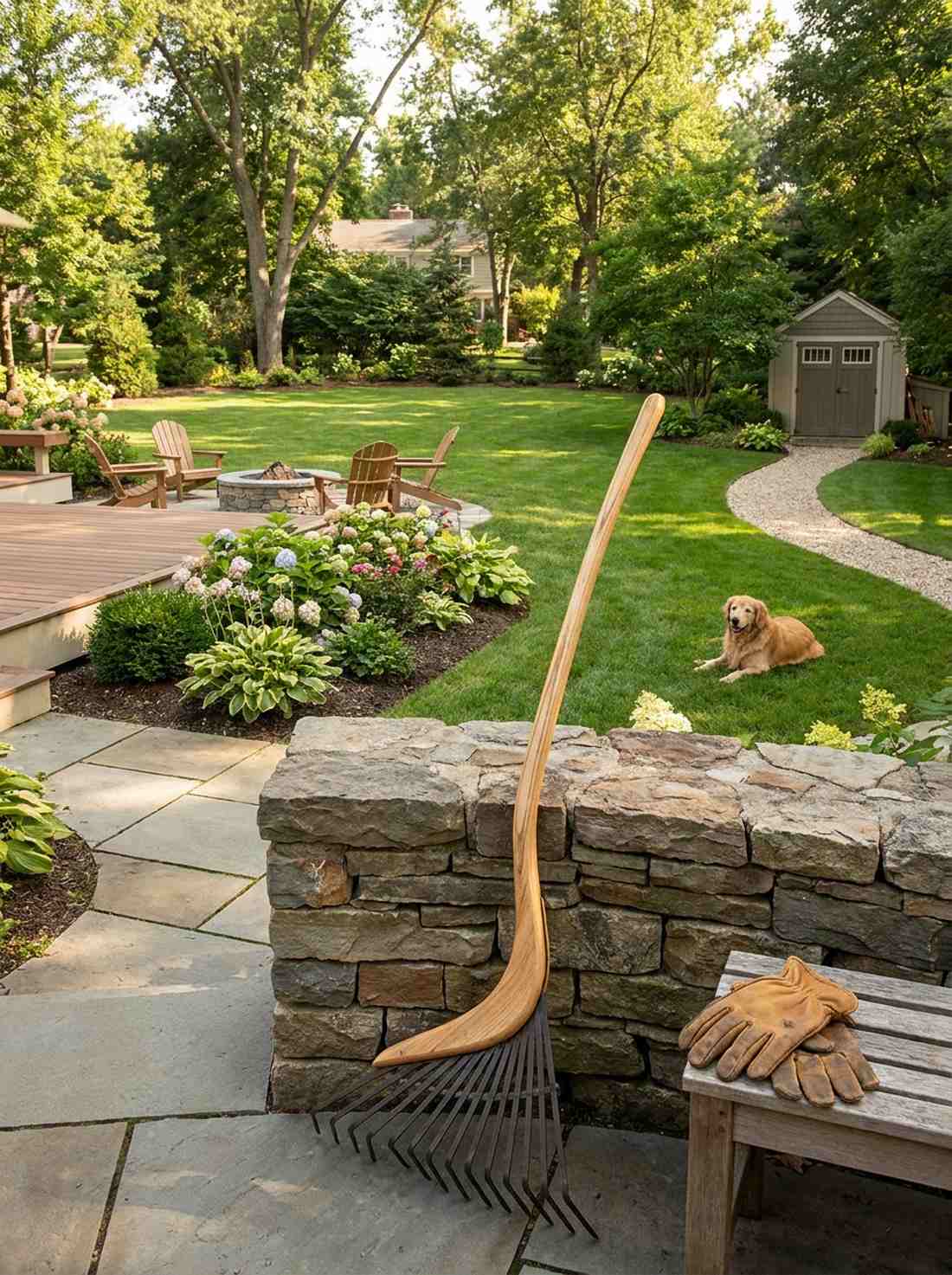
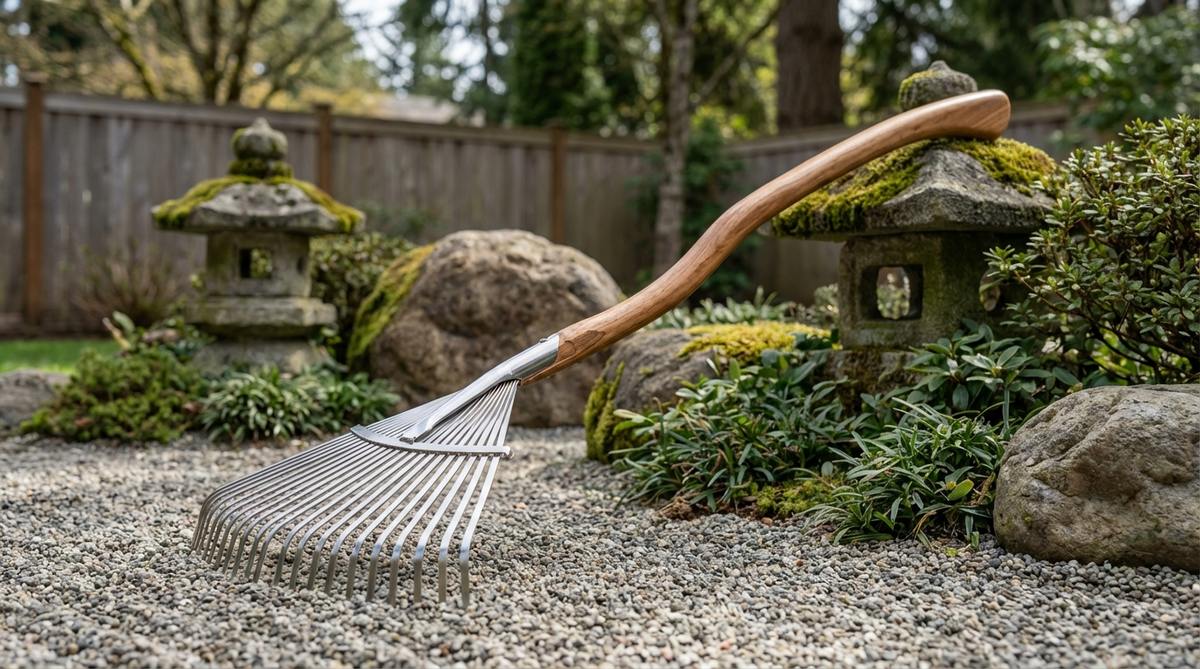
Feels exactly like an extension of your own arm, smooth and painless. Comfort-first gardening gear is an absolute must for extensive yard maintenance.
Ignoring wrist mechanics is a fast track to abandoning your daily meditative routine altogether. The sweeping anatomical bend makes raking large-scale zen garden tools utterly effortless and enjoyable.
An ergonomic upgrade sets you back about $35–$45. Pin this to save your wrists during yard work!
- Key Materials: Steam-bent wooden handle, angled metal tines
- Vibe / Style: Senior-friendly comfort
- Difficulty: Relieves joint pressure instantly
- Budget Breakdown: Ergonomic Rake: $40 | Protective Gloves: $10
- Creator’s Tip: Keep your back completely straight and let the curved handle do the angle-work for you.
- Smart Sourcing: ergonomic yard tools (premium starter kit) or gel-padded garden gloves (multipack).
23. Seasonal Decorative Rake Heads
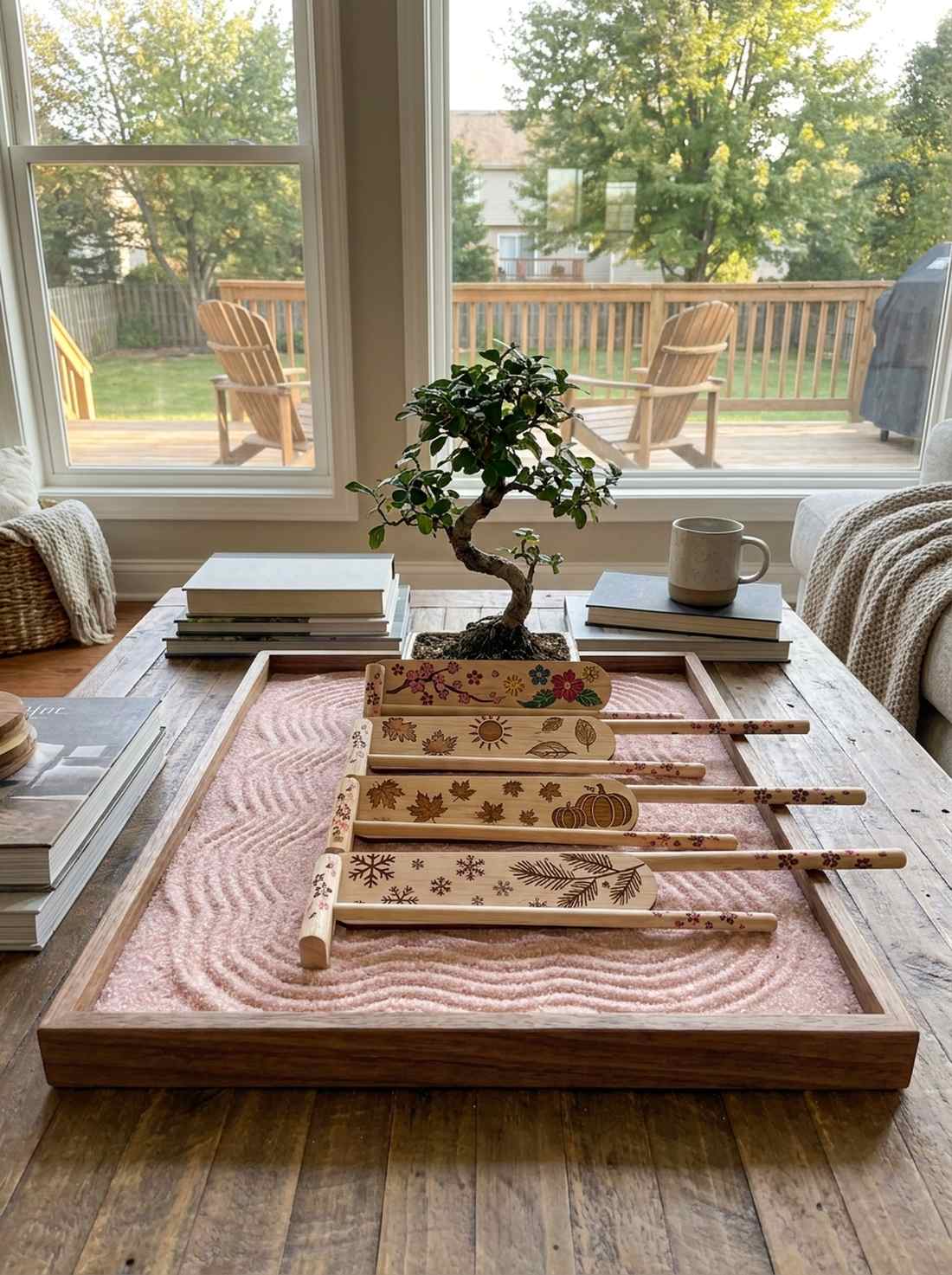
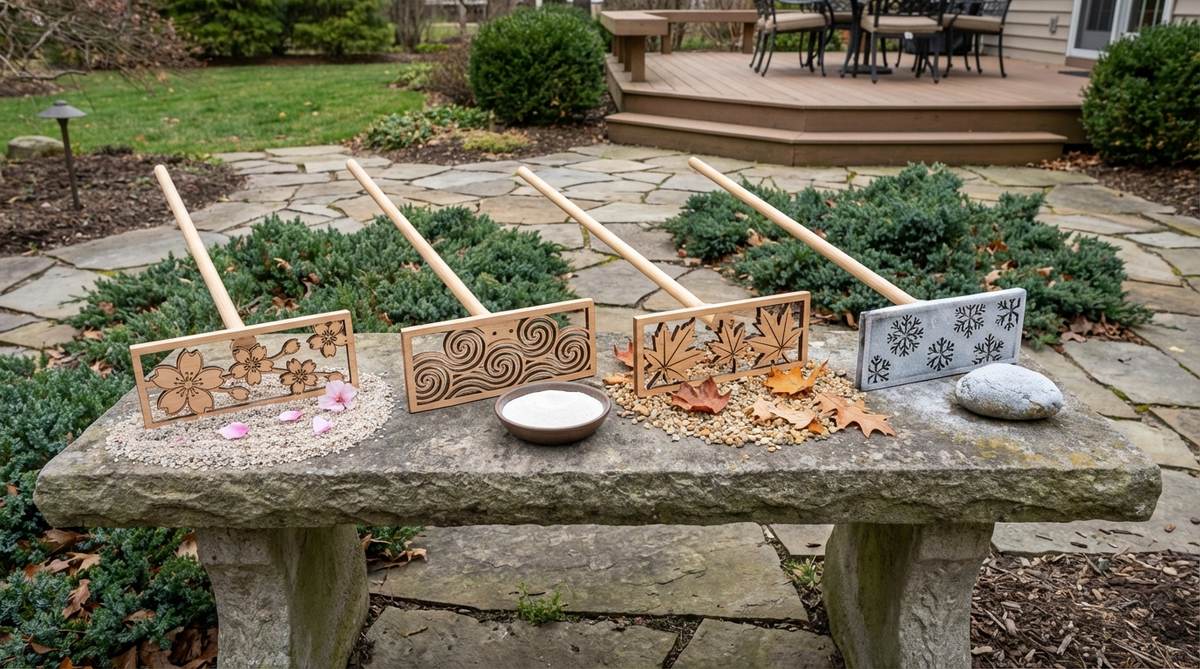
Brings the magic of shifting seasons right to your fingertips. Themed holiday garden accessories look gorgeous layered under a miniature bonsai tree.
Swapping standard handles for cherry blossom engravings adds a deeply personal, customized touch. This subtle decorative flair ensures your setup feels intentionally curated year-round rather than forgotten.
Grabbing a set of seasonal handles costs roughly $30. It’s a fast upgrade that completely transforms the aesthetic.
- Key Materials: Laser-engraved wood, seasonal painted motifs
- Vibe / Style: Festive and ever-changing
- Difficulty: Quick visual updates
- Budget Breakdown: Decorative Heads: $30 | Seasonal Sand: $10
- Creator’s Tip: Change the color of your sand (like pink quartz for spring) to match the carved seasonal handle perfectly.
- Smart Sourcing: laser-cut decorative attachments (starter kits) or colored terrarium sand (bulk pack).
Conclusion
Selecting the right zen garden rake transforms a boring sand tray into a premium, eye-catching centerpiece. These 23 premium zen garden setups prove that achieving a high-end designer look doesn’t require a massive budget. By utilizing smart material sourcing, commercial-grade tools, and strategic layouts, your meditation space will instantly look far more expensive than it is. Grab a reliable starter kit, dial in your visual hooks, and elevate your sand art into a truly captivating masterpiece today.
Frequently Asked Questions
What tine spacing works best for standard zen garden gravel?
For outdoor setups, a spacing of 15-20mm is the industry standard for creating deep, high-contrast shadows in 6mm gravel. If you want that expensive, professionally landscaped look without hiring a crew, invest in commercial-grade zen garden tools designed specifically for these exact measurements. Miniature desk setups require ultra-fine 5-10mm spacing to ensure the patterns don’t look clumsy or washed out.
How often should I replace bamboo zen garden rakes?
Premium bulk kits treated with UV-resistant sealants can last up to 5 years outdoors. Cheaper, untreated wood will warp and splinter after just one harsh season, ruining your pristine sand lines. For desktop terrarium accessories, a quality tool will last a decade since it isn’t exposed to heavy moisture or sun damage.
Can I use a leaf rake for zen garden patterns?
Absolutely not. The flimsy plastic tines on a standard leaf rake will flex under pressure, leaving your sand looking incredibly messy and cheap. High-end zen garden tools rely on rigid, thick-gauge prongs that carve steep, permanent valleys into the gravel—this structural difference is the secret to making your setup look like a $100 custom installation.
What is the difference between hand-held and tie-on zen garden rakes?
Hand-held rakes are compact, perfect for intricate miniature garden supplies and tight balcony planters. Tie-on heads are game-changers for large yards; they snap onto standard poles, saving you from buying a massive, expensive custom tool. Utilizing modular attachments is the smartest way to achieve a professional landscaper finish on a strict budget.
Do metal rakes damage zen garden gravel?
Not if you buy the right ones. Premium stainless steel tools are engineered with smooth, rounded tips that glide through the stones without chipping them. In fact, metal ensures your spacing stays mathematically perfect over the years, giving you that ultra-modern, high-end aesthetic that rotting wooden alternatives simply can’t maintain.