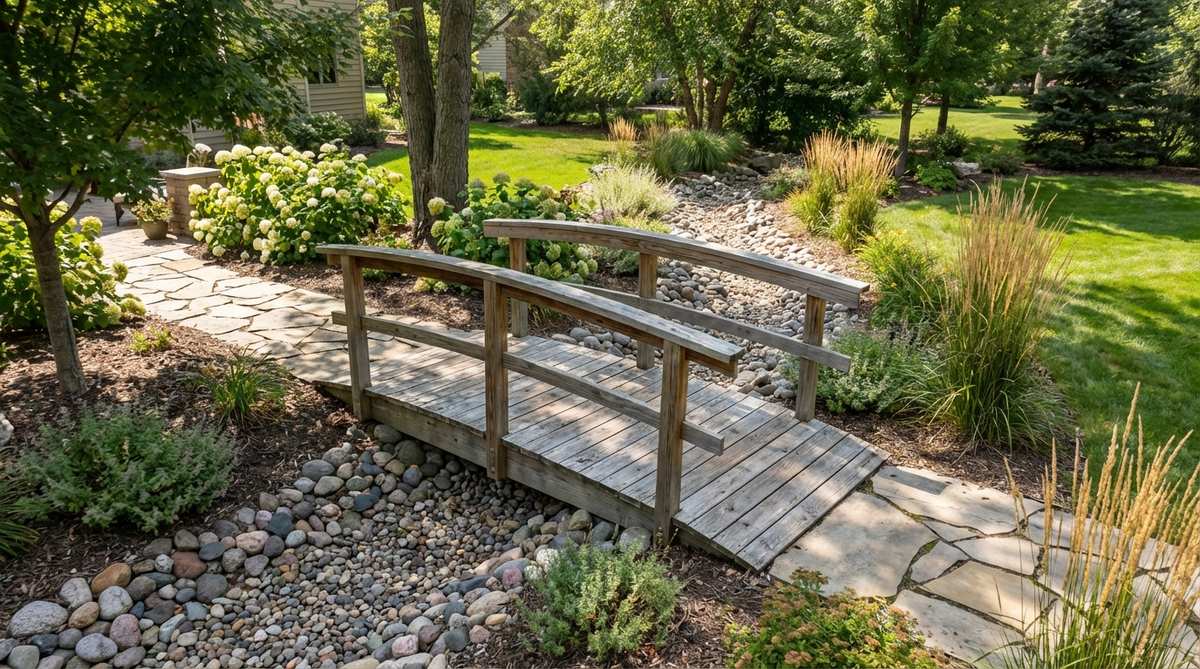
A well-placed small garden bridge transforms an ordinary backyard into a landscape with depth, movement, and visual interest. Whether spanning a koi pond, crossing a dry creek bed, or connecting two garden zones, these structures serve as functional pathways and stunning focal points. Fresh Garden Ideas brings you expert-curated designs that balance aesthetics with practical installation, helping you select the perfect bridge accent for your unique outdoor space.
Design SnapshotKey Principles
- Scale Appropriately: Match bridge size to the feature it crosses—oversized structures overwhelm small water features while undersized bridges look unfinished
- Material Harmony: Choose materials that complement existing hardscape and architectural elements for cohesive landscape design
- Structural Integrity: Ensure proper foundation and load-bearing capacity, especially for functional bridges that receive foot traffic
- Visual Balance: Position bridges to create natural sight lines and frame surrounding plantings rather than dominating the landscape
Classic Arched Bridges for Timeless Appeal
Arched bridges have graced gardens for centuries, offering graceful curves that mirror the natural flow of water and organic landscape forms. These small garden bridge ideas work exceptionally well over narrow streams and pond edges where the gentle rise and fall creates visual rhythm.
1. Traditional White Arched Garden Bridge
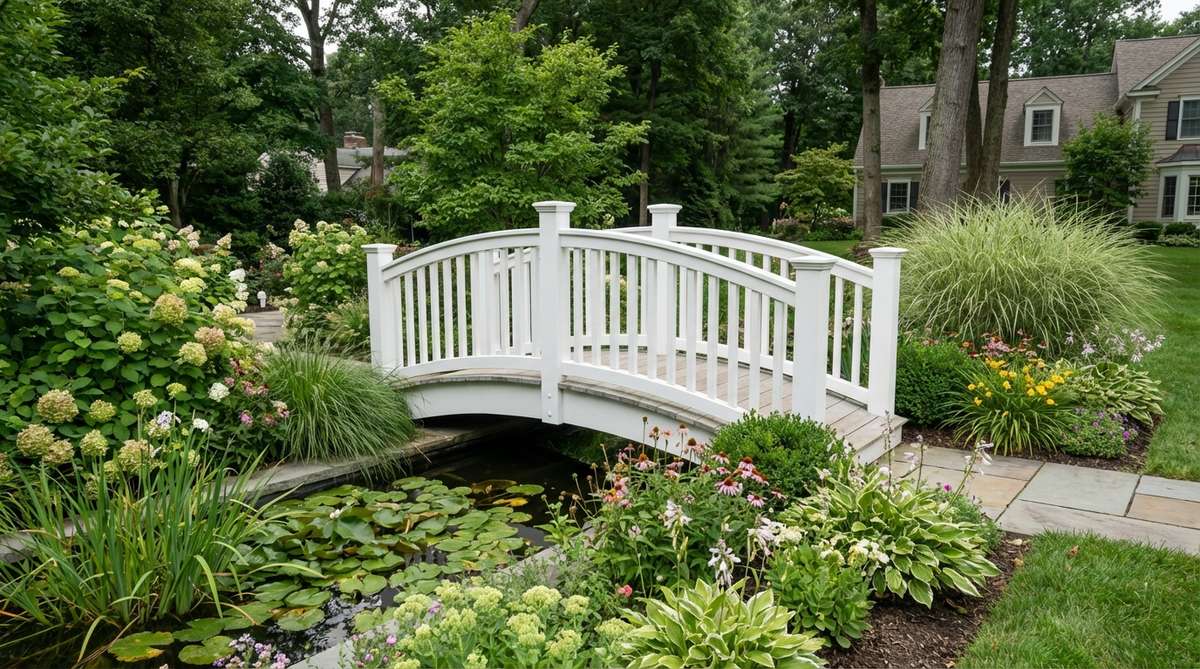
The classic white arch bridge features clean lines and gentle curves that stand out against green foliage. Constructed from painted wood or composite materials, this design typically measures 4-6 feet in length with side railings at 30-36 inches high.
Position this bridge over narrow pond sections or at the head of water features where its bright color creates an immediate focal point. The white finish reflects sunlight and draws attention even from distant viewing angles.
This style pairs beautifully with cottage gardens, formal landscapes, and traditional American yard designs. Apply marine-grade sealant annually to maintain the crisp white appearance and protect against moisture damage.
2. Natural Wood Arched Bridge with Railings
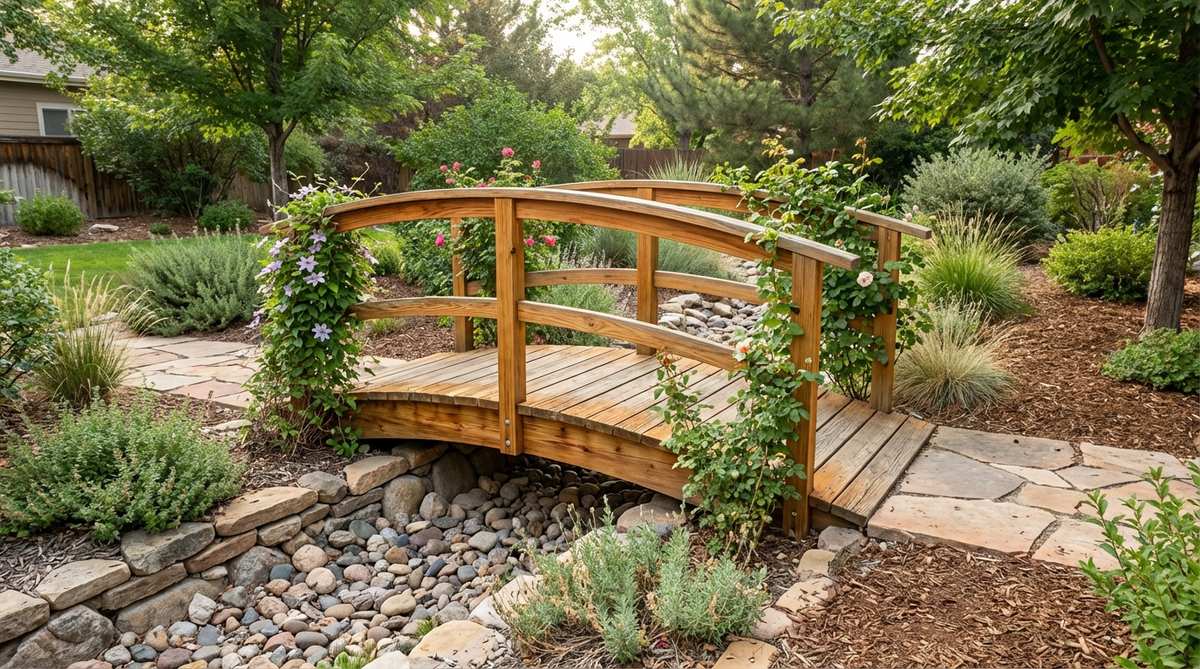
Cedar or redwood construction gives this arched design warm honey tones that deepen with age and weather exposure. The natural wood grain adds texture while the curved profile softens the landscape’s horizontal planes.
Install this bridge where you want a softer transition between garden zones without the stark contrast of painted surfaces. The railings provide safety for crossing water features while supporting climbing vines or hanging planters.
Allow the wood to weather naturally to silver-gray for a rustic patina, or apply clear wood preservative to maintain the original color. This design complements woodland gardens, naturalized landscapes, and informal backyard settings.
3. Double Arch Picket Rail Bridge
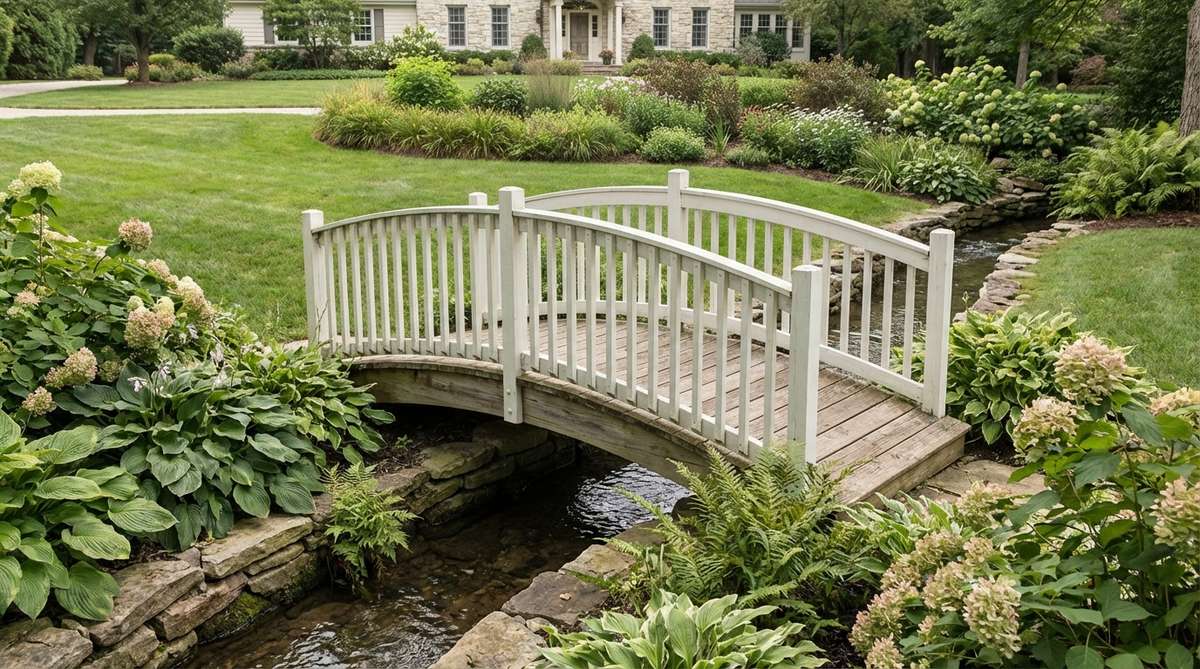
This refined design features two gentle arches—one in the bridge deck and another formed by the picket-style railings. The doubled curve creates elegant symmetry that photographs beautifully from multiple angles.
Place this bridge where guests will view it head-on to appreciate the layered arch effect. The picket railings offer a semi-open design that doesn’t block views of water features below while still defining the crossing path.
This style works particularly well in English gardens, Victorian-inspired landscapes, and properties with traditional architecture. Space pickets 3-4 inches apart to meet safety standards while maintaining the decorative appearance.
4. Low-Profile Arched Crossing
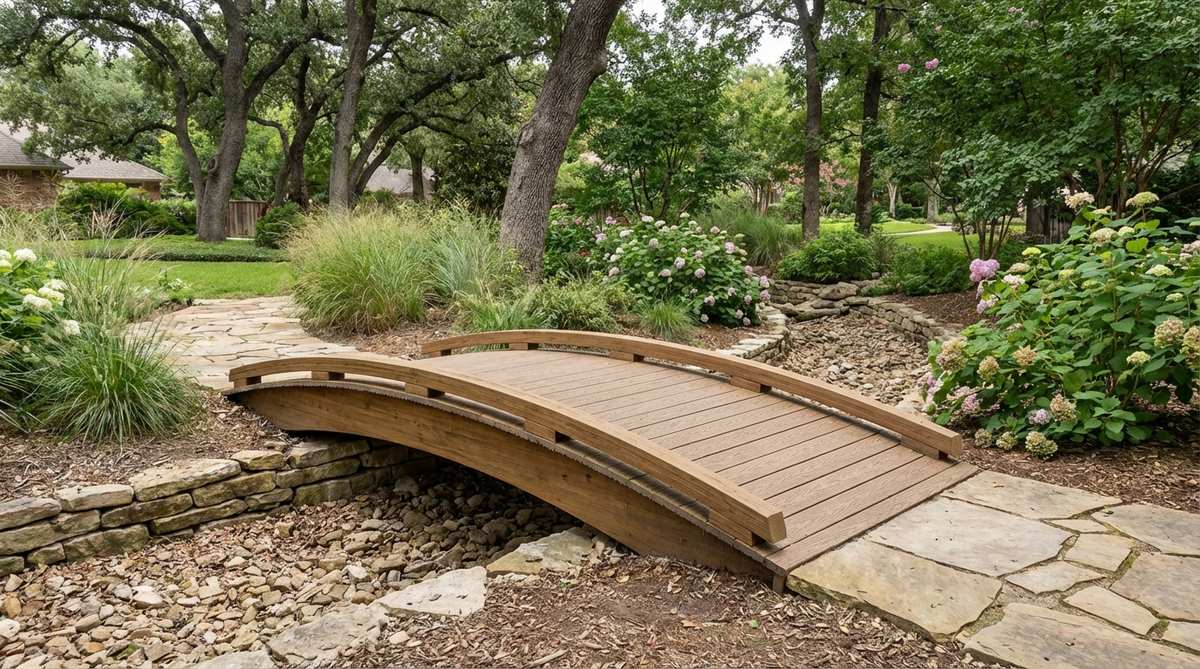
A subtle arch with minimal rise creates an accessible bridge for all ages and mobility levels. This design rises just 6-10 inches at its peak while maintaining the graceful curved aesthetic.
Use this gentle arc over shallow streams, narrow dry beds, or between raised planting areas where dramatic height isn’t necessary. The low profile integrates seamlessly into flat terrain without creating steep approach angles.
This practical design proves ideal for high-traffic garden paths and properties where accessibility matters. Add textured decking material or non-slip coating to prevent slipping on the curved surface during wet conditions.
Asian-Inspired Bridges for Zen Gardens
Japanese and Chinese garden traditions have perfected bridge design over millennia, creating structures that embody harmony, balance, and natural beauty. These small garden bridge ideas bring contemplative elegance to water features while serving as meditation focal points.
5. Red Lacquered Moon Bridge
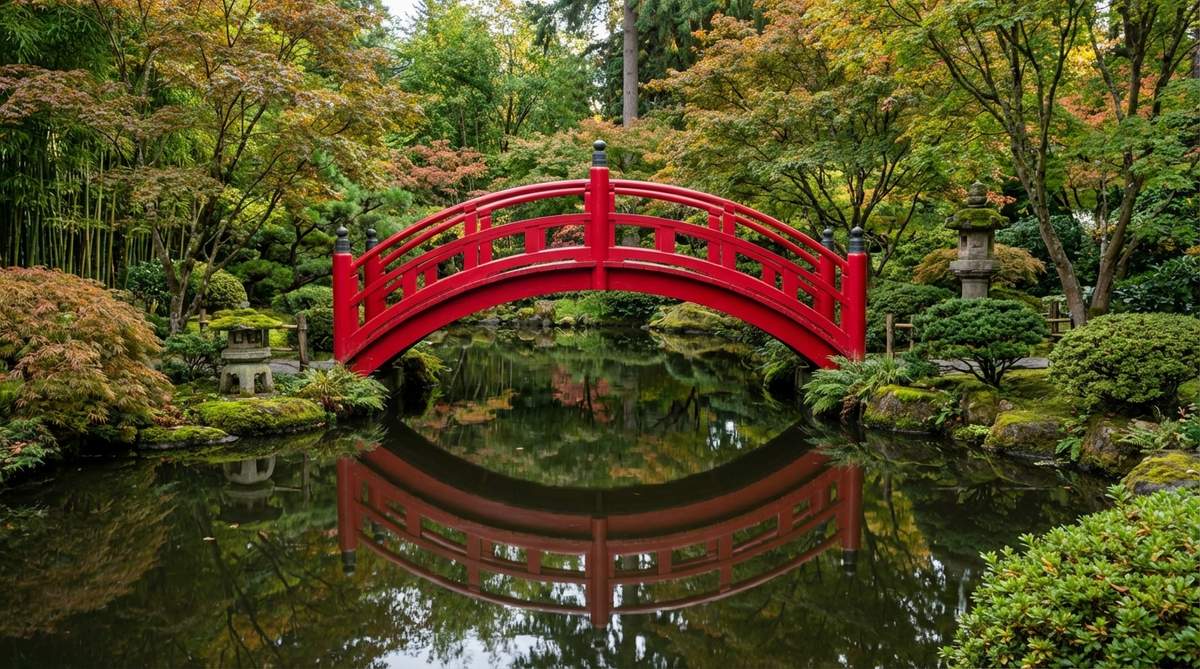
The dramatic crimson finish and steep arch of a traditional moon bridge create striking contrast against water reflections and surrounding greenery. This bold color choice roots in Asian symbolism where red represents good fortune and joy.
Position this bridge where its reflection in still water can complete the circular “moon” shape when viewed from specific angles. The steep 45-degree approach requires sturdy railings and careful placement away from areas frequented by young children or those with mobility challenges.
Pair this bridge with Japanese maples, bamboo groves, and stone lanterns for authentic Asian garden atmosphere. Reapply lacquer every 2-3 years to maintain the vibrant red color and protect the underlying wood from moisture.
6. Natural Wood Zigzag Bridge
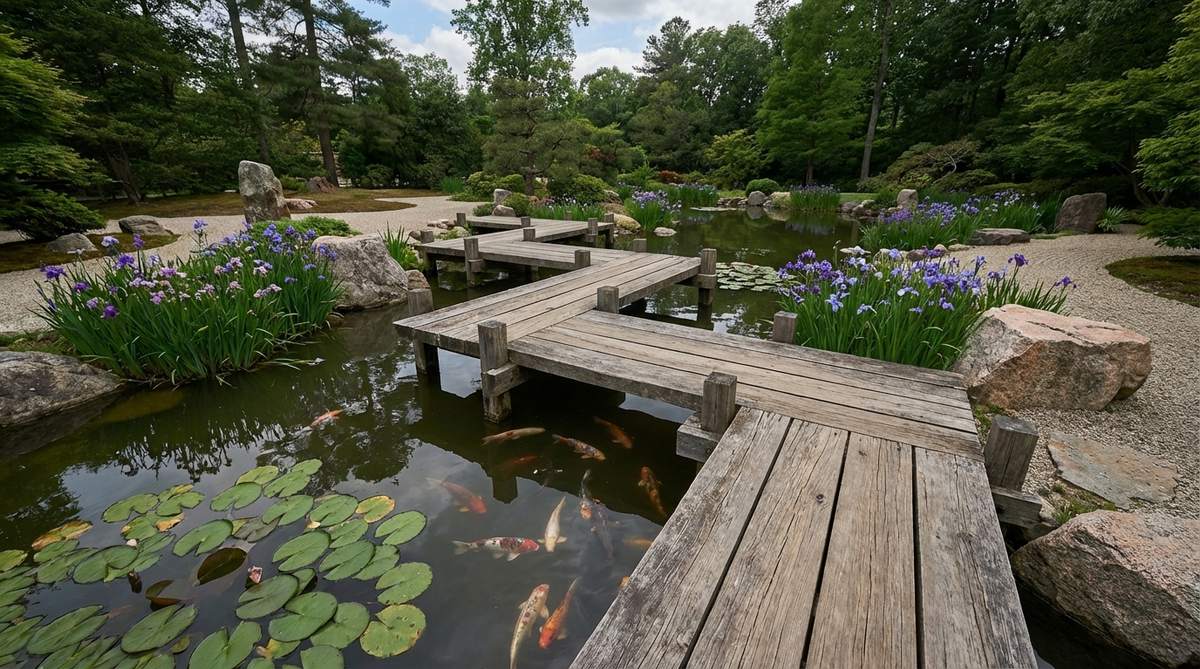
The yatsuhashi or zigzag bridge features a series of connected platform sections that turn at sharp angles across water. This design slows the walker’s pace, encouraging mindful observation of koi, water lilies, and reflections below.
Install this bridge over wider ponds where the angular path can meander 10-15 feet before reaching the opposite shore. Each platform section measures 2-3 feet wide, creating a narrow walking surface that heightens awareness of the surrounding water.
This design works best in Japanese-style gardens with iris beds, stone placements, and raked gravel areas. Treat the wood with natural oils that preserve the grain while providing water resistance without artificial shine.
7. Simple Plank Bridge with Post Details
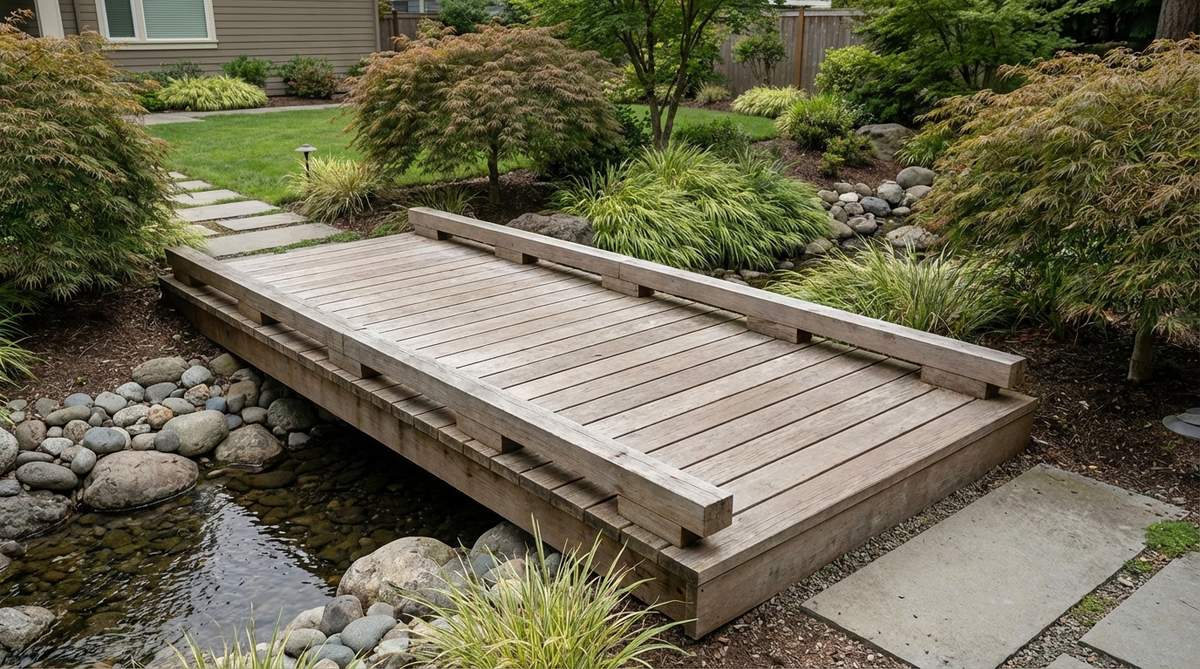
Clean horizontal planks supported by vertical posts create understated elegance that doesn’t compete with the landscape. This minimalist approach features natural wood tones and exposed joinery that celebrates craftsmanship.
Place this low bridge over narrow streams or at pond edges where a subtle crossing maintains the natural feel. The open sides without railings suit shallow water features where fall risk remains minimal.
This design complements modern Japanese gardens, contemporary landscapes, and minimalist outdoor spaces. Use mortise-and-tenon joinery or concealed fasteners to maintain the clean aesthetic and structural integrity.
8. Drum Bridge with Dramatic Arc
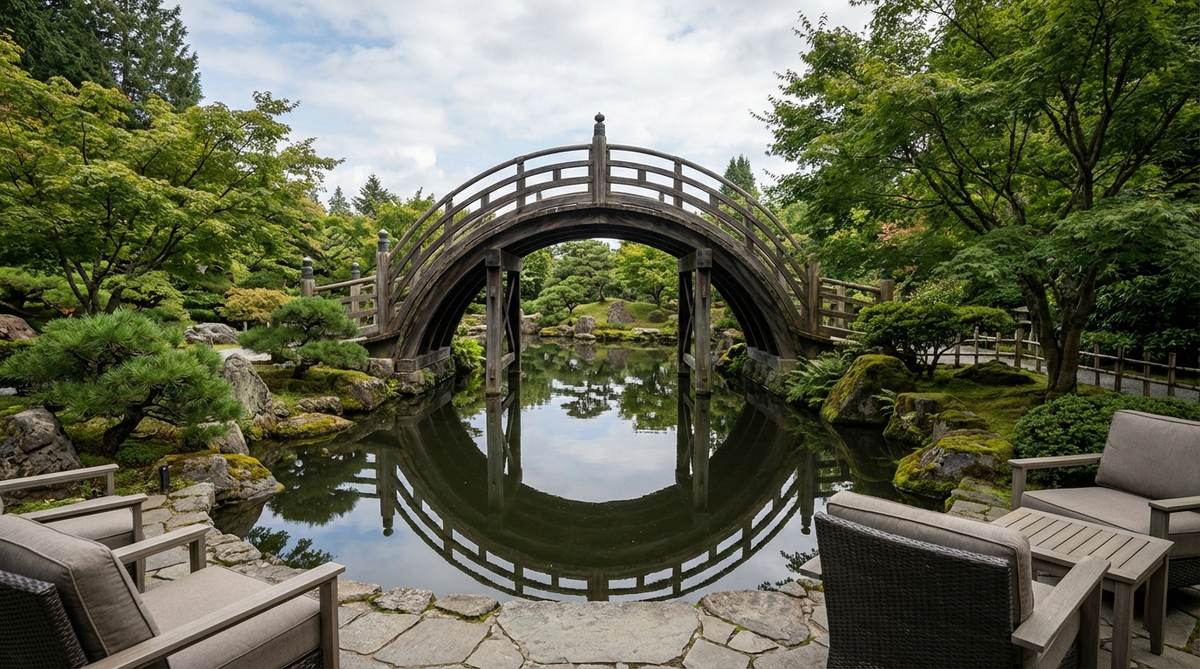
The taiko-bashi or drum bridge features an extremely steep arch that creates a challenging climb and dramatic visual statement. When reflected in calm water, the bridge and its mirror image form a perfect circle.
This bridge works as a sculptural element rather than a primary pathway, positioned where its bold profile can be admired from seating areas. The steep grade requires widely spaced railing slats that provide grip points for ascending and descending.
Reserve this design for decorative applications in authentic Japanese gardens where its cultural significance enhances the overall theme. Ensure solid foundation posts extend deep into the ground to support the cantilevered structure safely.
Rustic Wooden Bridges for Natural Settings
Natural wood bridges blend seamlessly into woodland gardens, wildflower meadows, and informal landscapes. These small garden bridge designs embrace weathered textures, organic materials, and construction methods that celebrate imperfection.
9. Split-Rail Log Bridge
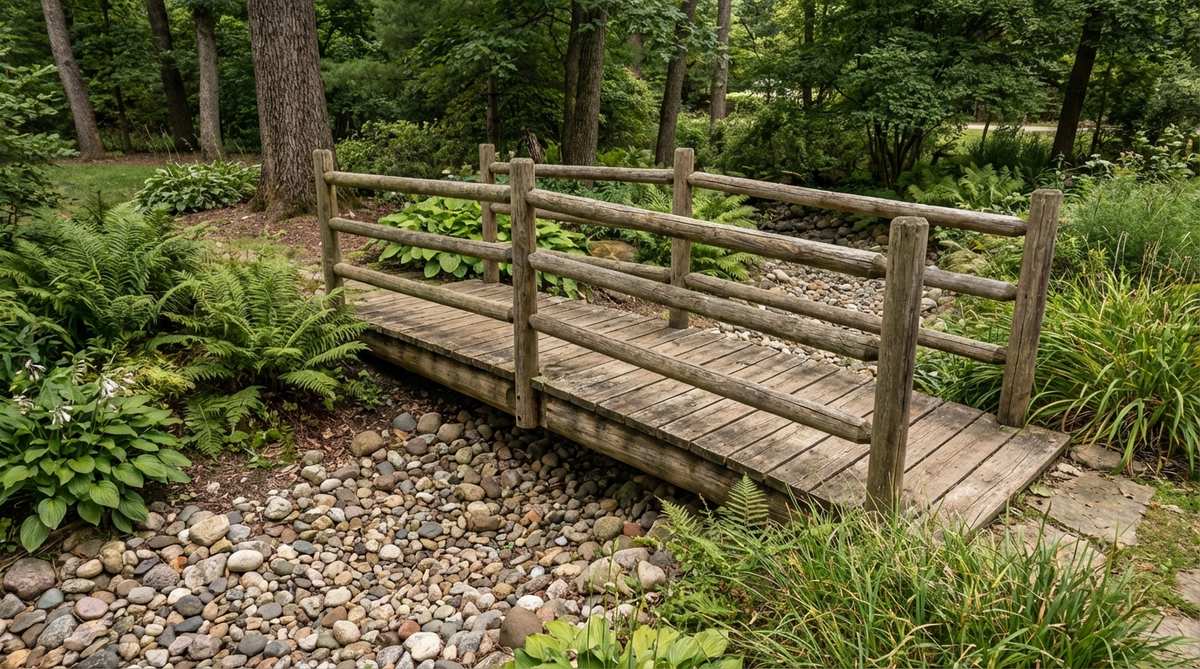
Half-round logs form the railings while flat planks create the walking surface in this robust rustic design. The chunky proportions and rough-hewn texture evoke pioneer craftsmanship and backcountry trails.
Install this bridge over dry creek beds filled with river stones or crossing naturalized stream banks with native plantings. The substantial log railings provide secure handholds while visually anchoring the structure to surrounding woodland settings.
Source locally harvested cedar or locust logs for authentic character and natural rot resistance. Leave bark intact for maximum rustic appeal, or remove it to extend the wood’s lifespan and reduce insect habitation.
10. Reclaimed Timber Beam Bridge
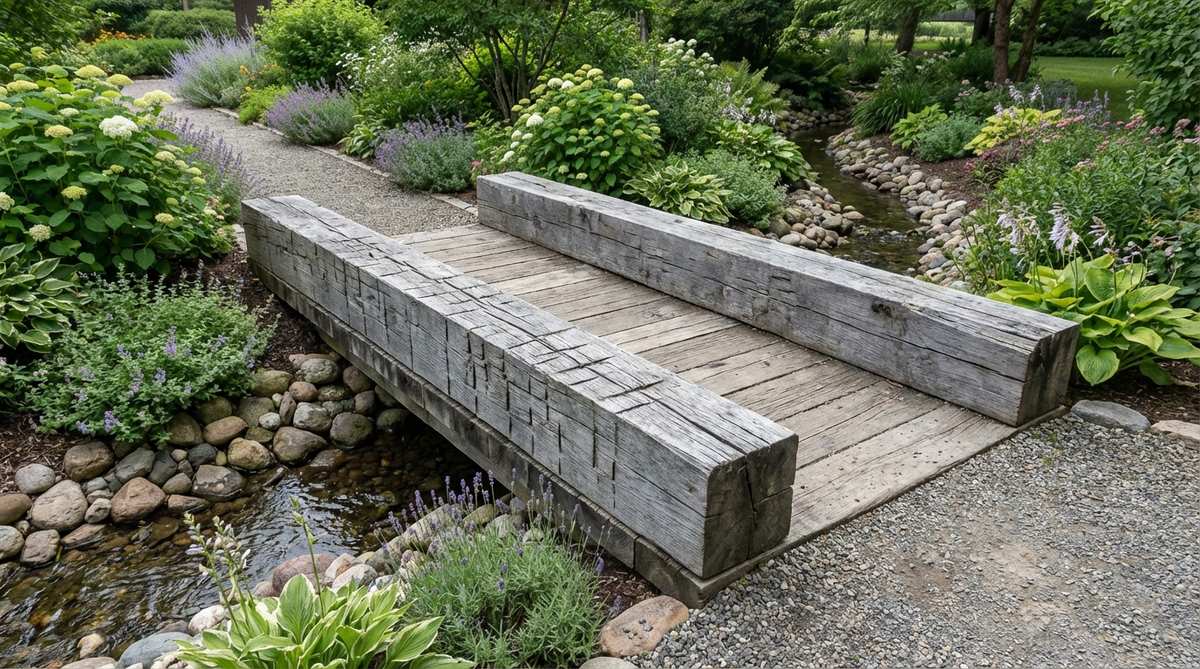
Salvaged barn beams or old dock pilings bring history and character to garden crossings. The weathered gray patina, checking patterns, and irregular surfaces tell stories while providing sturdy construction.
Position this bridge where its aged appearance enhances cottage gardens, heritage landscapes, or rustic outdoor retreats. The substantial dimensions of reclaimed timbers support heavier loads than standard dimensional lumber while requiring minimal foundation work.
Inspect reclaimed materials for structural soundness, removing any sections with excessive rot or insect damage. Clean thoroughly and treat with penetrating wood stabilizer to preserve the weathered appearance while strengthening compromised fibers.
11. Rope-Rail Woodland Bridge
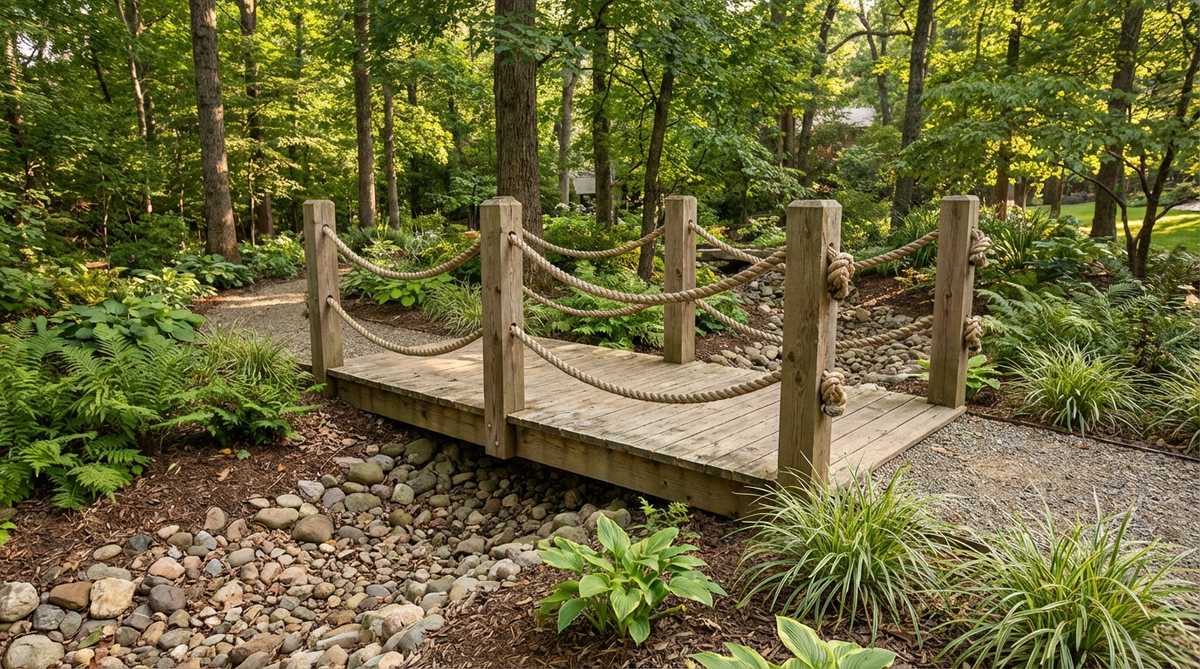
Natural fiber rope threaded through vertical posts creates flexible railings that move slightly with wind and weight. This design adds tactile interest and informal charm to garden crossings.
Use this bridge over narrow dry beds or between garden rooms where the relaxed aesthetic matches casual planting schemes. The rope railings work best for decorative bridges that receive light foot traffic rather than primary pathways.
Choose marine-grade manila rope with 1.5-2 inch diameter for comfortable grip and weather resistance. Replace rope every 3-4 years as exposure to sun and moisture eventually weakens natural fibers, or upgrade to synthetic rope that mimics natural appearance with superior durability.
12. Branch-Rail Organic Bridge
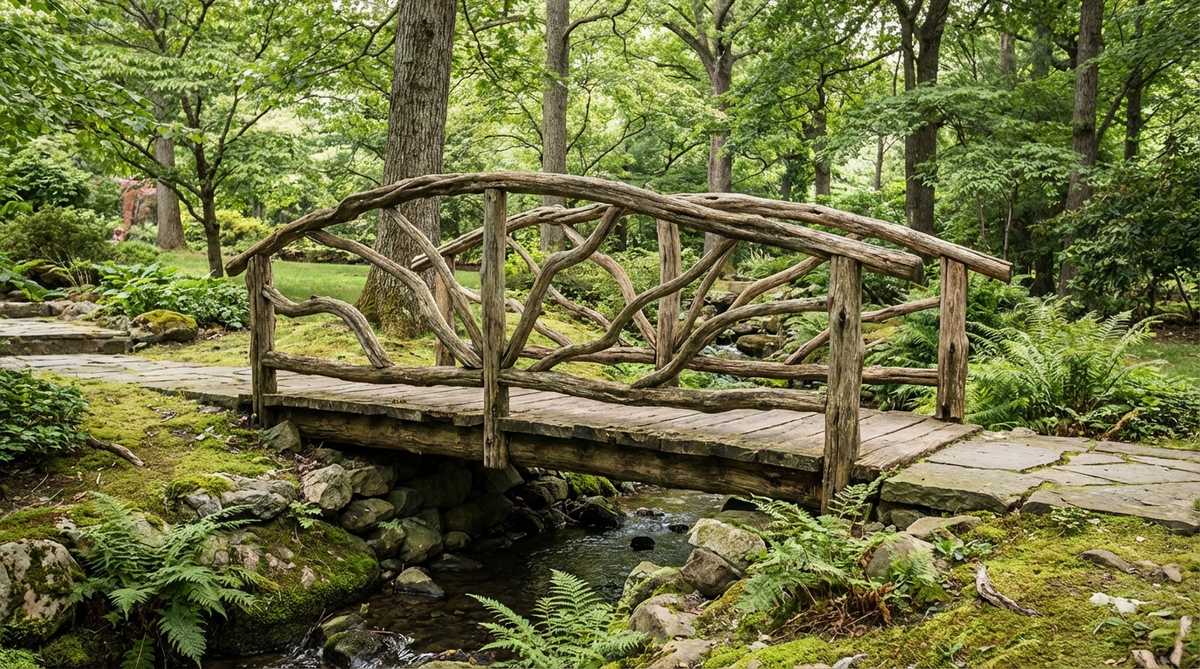
Naturally curved branches and small logs form one-of-a-kind railings that embrace organic shapes. Each bridge becomes unique, incorporating found materials and celebrating natural imperfection.
Build this bridge for woodland gardens, fairy tale themed landscapes, and naturalized areas where the handcrafted appearance enhances the informal character. Select hardwood branches with interesting curves and forks that provide both structural support and visual interest.
Strip bark from branches before installation to prevent beetle infestations and accelerate the weathering process. Seal cut ends and attachment points with wood preservative to extend the lifespan while maintaining the natural aesthetic.
Modern Minimalist Bridge Designs
Contemporary landscapes demand clean lines, innovative materials, and streamlined aesthetics. These modern small garden bridge ideas prove that functional crossings can serve as sculptural art pieces that define outdoor spaces.
13. Steel Beam Linear Bridge
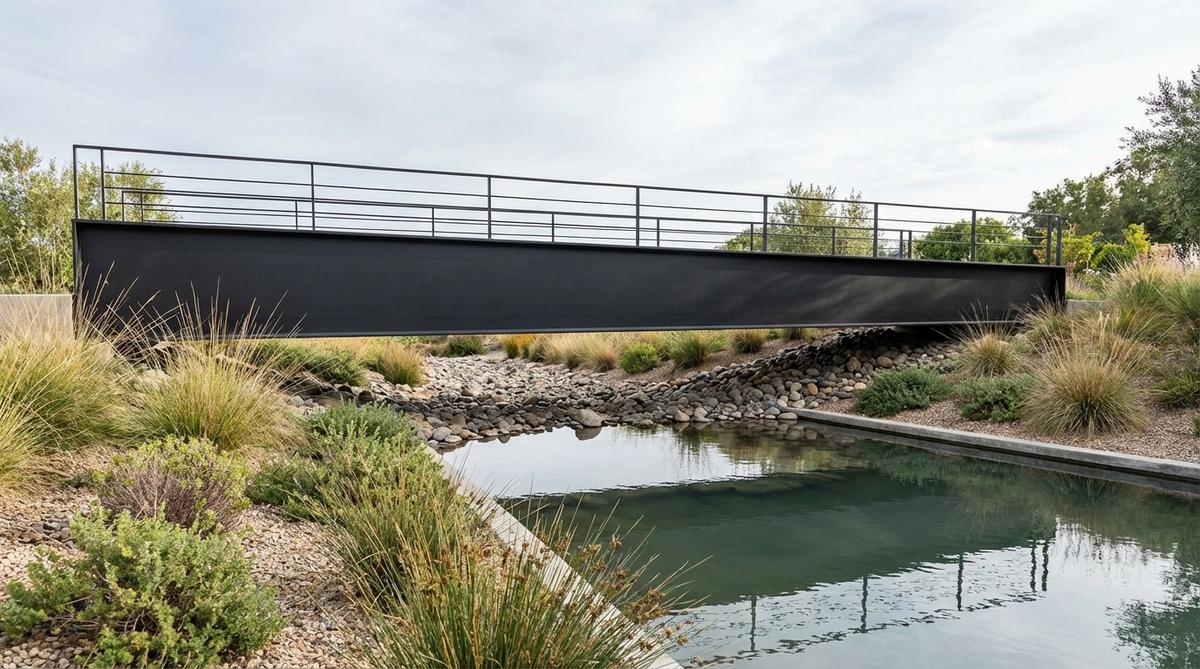
Powder-coated steel beams in matte black or weathering steel create crisp horizontal lines that contrast with organic plantings. This industrial aesthetic brings urban sophistication to residential landscapes.
Install this bridge over reflecting pools, rill water features, or gravel-filled dry beds in contemporary gardens. The narrow profile and minimal railings maintain open sight lines while meeting safety requirements through cable infill or tempered glass panels.
Weathering steel develops a stable rust patina that requires no maintenance while providing natural color variation. Powder-coated steel offers unlimited color options and smooth surfaces but demands professional application for lasting durability.
14. Composite Deck Floating Bridge
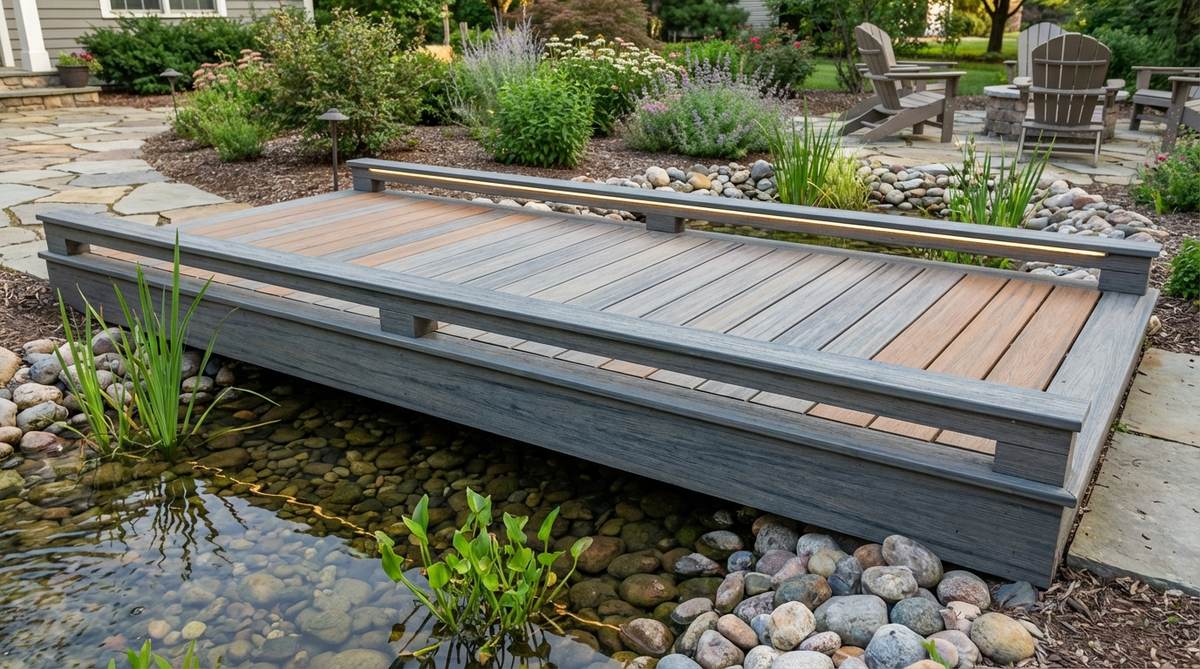
Low-profile composite decking creates a bridge that appears to float just inches above water or ground level. The synthetic lumber resists rot, warping, and fading while offering wood-like texture in modern colorways.
Position this bridge where the minimal rise creates accessible transitions between garden zones without disrupting sightlines. The low profile works particularly well over shallow water features and dry stream beds where dramatic height proves unnecessary.
Choose composite materials with hidden fastening systems to maintain the clean surface appearance. This low-maintenance option eliminates annual staining and sealing while providing slip-resistant texture for safe wet-weather crossing.
15. Cantilevered Concrete Span
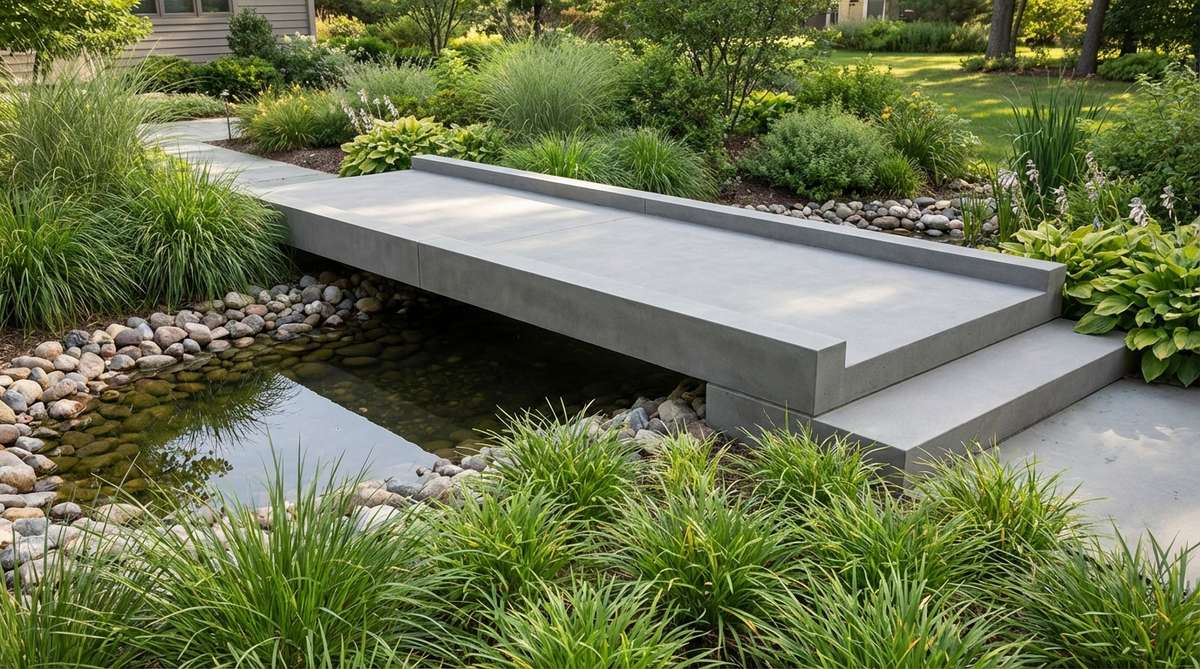
Cast-in-place or precast concrete creates bridges with minimal visual weight despite substantial mass. The smooth surfaces and geometric forms make bold architectural statements in modern landscapes.
Use this bridge style where you want permanent structure that requires zero maintenance over decades. The neutral gray color provides backdrop for surrounding plantings while the solid construction withstands the heaviest traffic and weather extremes.
Stamp, stain, or texture concrete surfaces to add visual interest and slip resistance. This material choice works particularly well for bridging wider spans where wood or composite materials would require visible support posts.
16. Cable-Rail Minimalist Crossing
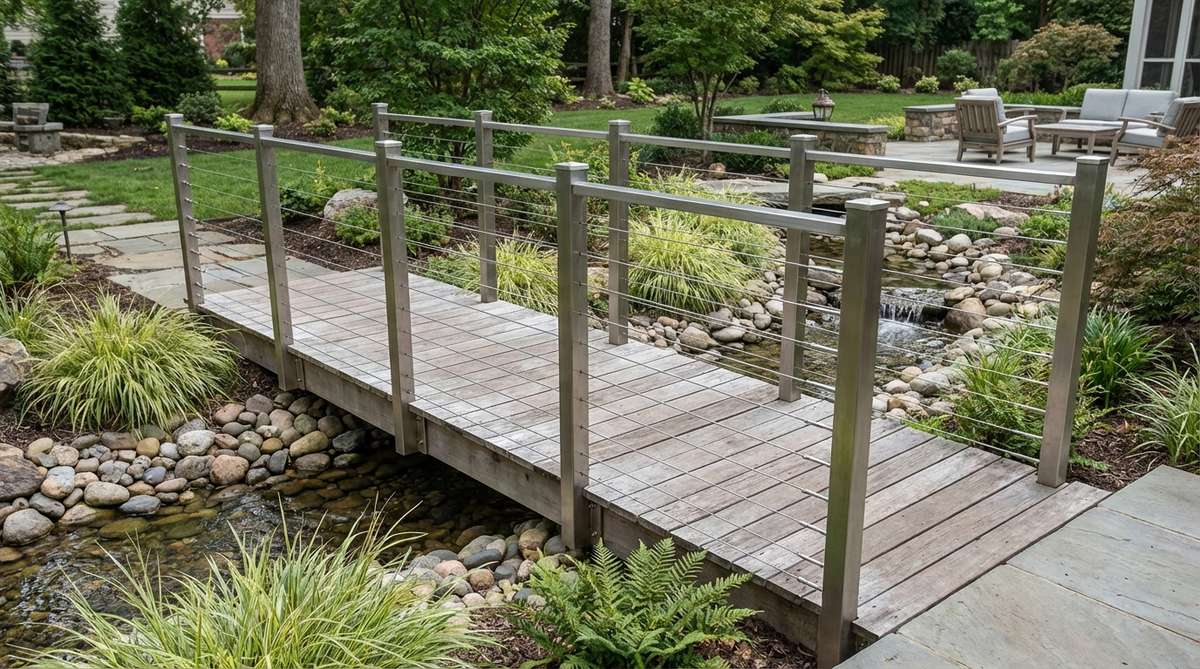
Stainless steel cables strung between metal posts create nearly invisible railings that preserve views. This system combines safety with transparency, letting the water feature or plantings remain the visual focus.
Install cable rails on modern wood, composite, or metal bridge frames where maintaining sight lines matters most. The thin horizontal lines guide movement without blocking views of koi, aquatic plants, or decorative stone work below.
Space cables 3 inches apart maximum to meet building codes and prevent small children from slipping through. Tension the cables properly at installation and check annually, as temperature changes cause metal components to expand and contract.
Decorative Bridges for Dry Creek Beds
Dry creek beds offer all the visual appeal of water features without the maintenance and installation costs. Strategic bridge placement over these stone-filled channels creates the illusion of crossing water while providing garden structure and focal points year-round.
17. Miniature Decorative Accent Bridge
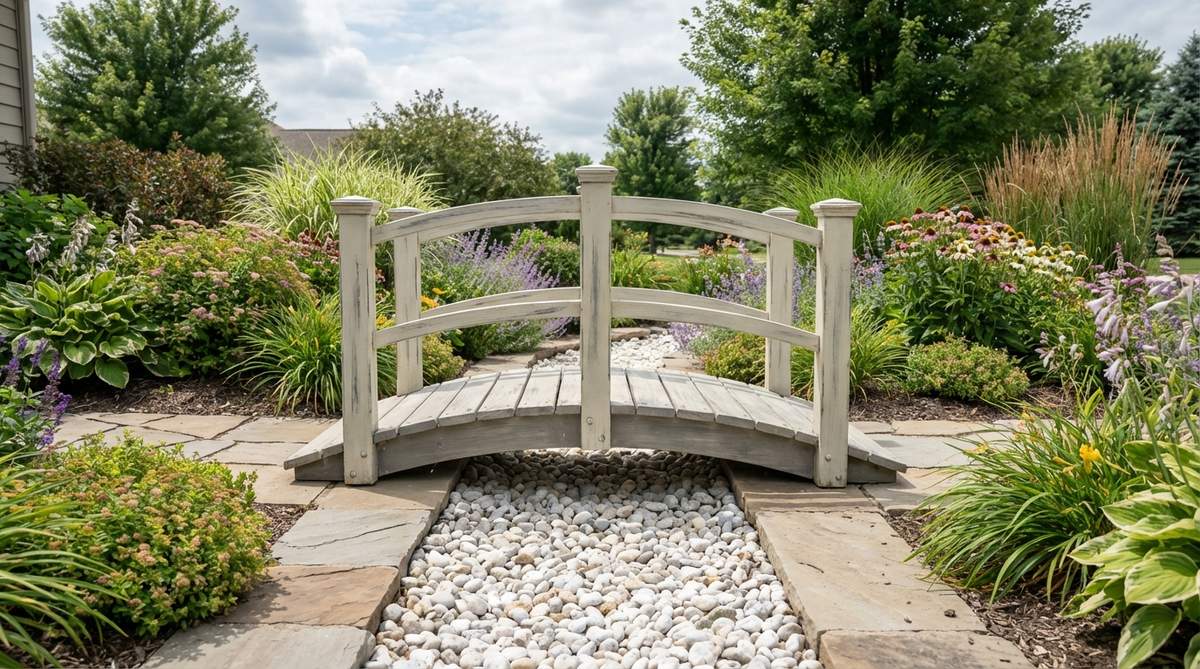
Small-scale bridges measuring just 2-3 feet long serve as garden ornaments rather than functional crossings. These charming accents span narrow dry beds filled with white pebbles, colored glass, or river stones.
Position miniature bridges in front yard landscapes, along pathway edges, or within mixed borders where they add vertical interest at 12-18 inches high. The small scale works perfectly for creating fairy garden scenes or adding whimsy to compact urban yards.
Choose weather-resistant materials like painted resin, treated wood, or powder-coated metal that maintain appearance through seasons. These decorative pieces establish garden focal points without requiring the structural engineering of full-sized bridges.
18. Wide Plank Dry-Bed Crossing
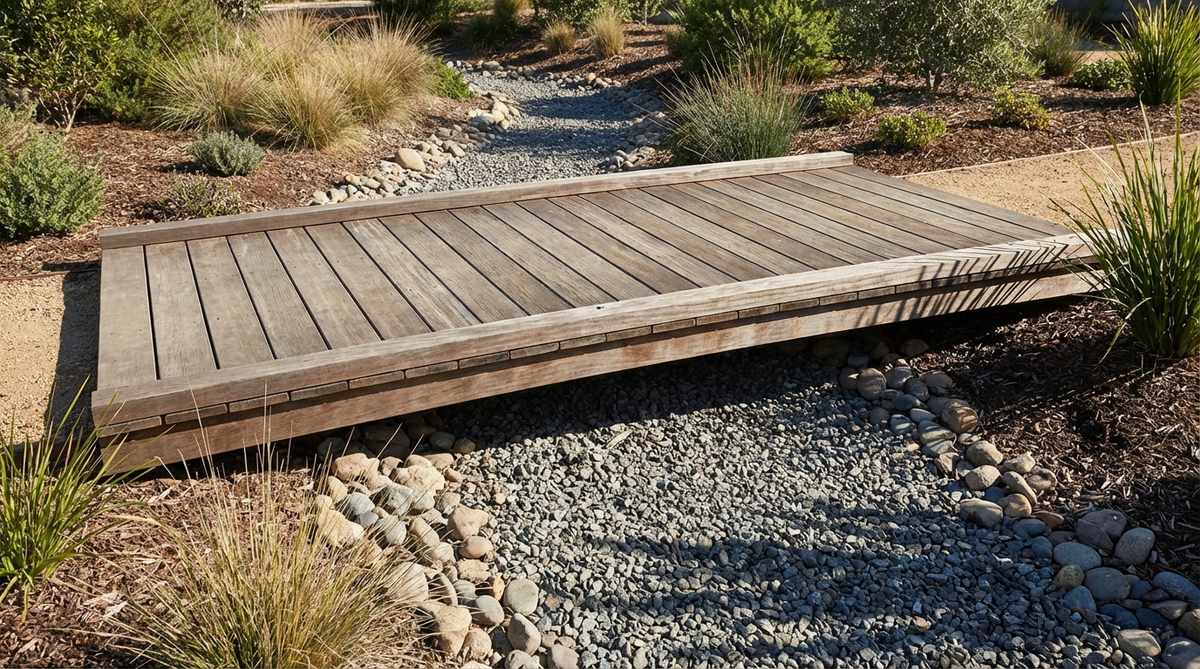
Broad horizontal planks with minimal or no arch create stable crossings over gravel-filled channels. This straightforward design emphasizes function while maintaining clean contemporary aesthetics.
Install this bridge where the dry bed serves as drainage swale or erosion control feature during heavy rains. The wide deck accommodates wheelbarrows, garden carts, and maintenance equipment while providing safe pedestrian crossing.
Extend the bridge deck 6-12 inches beyond the dry creek banks to create visual overhang and shadow lines. This dimensional detail adds depth while ensuring stable footing at approach points on both sides.
19. Painted Pattern Statement Bridge
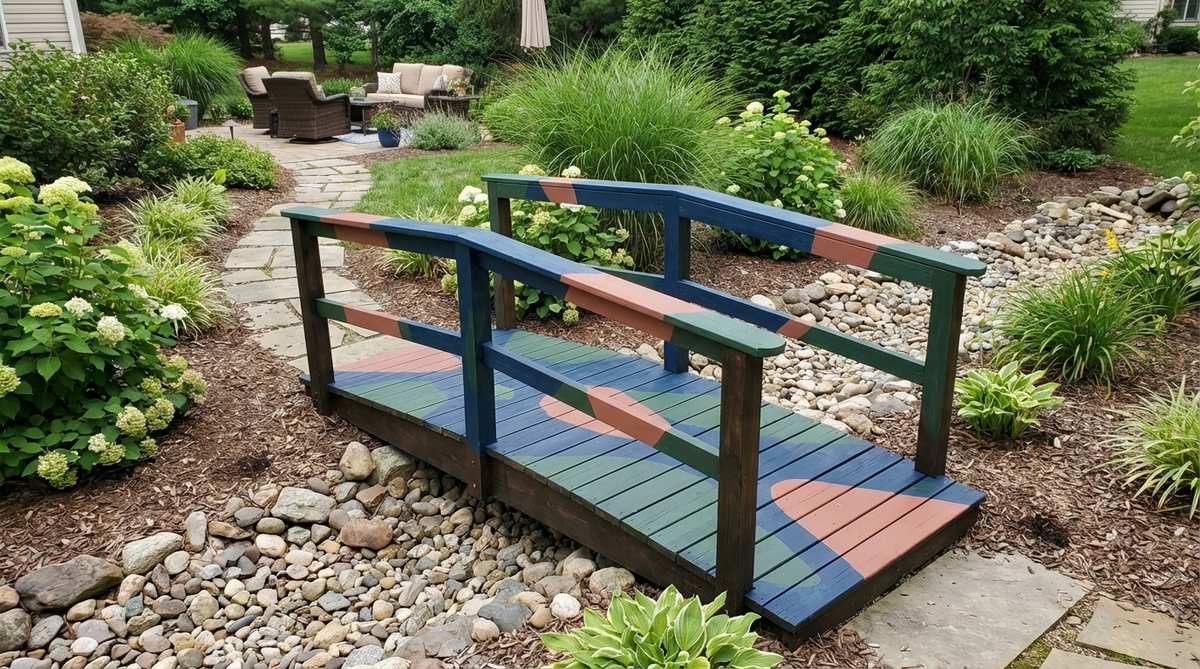
Bold geometric patterns, nature motifs, or abstract designs transform simple bridges into garden art. Weather-resistant deck paint in contrasting colors creates custom looks that reflect personal style.
Apply patterns to flat bridge surfaces over dry beds where the decorative treatment can be viewed from above or approach angles. Popular designs include chevron stripes, faux stone work, or floral stencils that complement surrounding plantings.
Prepare wood surfaces thoroughly before painting, using quality exterior primer and marine-grade deck paint for lasting adhesion. Refresh painted patterns every 2-3 seasons to maintain crisp appearance and protect the underlying structure.
20. Stepping Stone Bridge Alternative
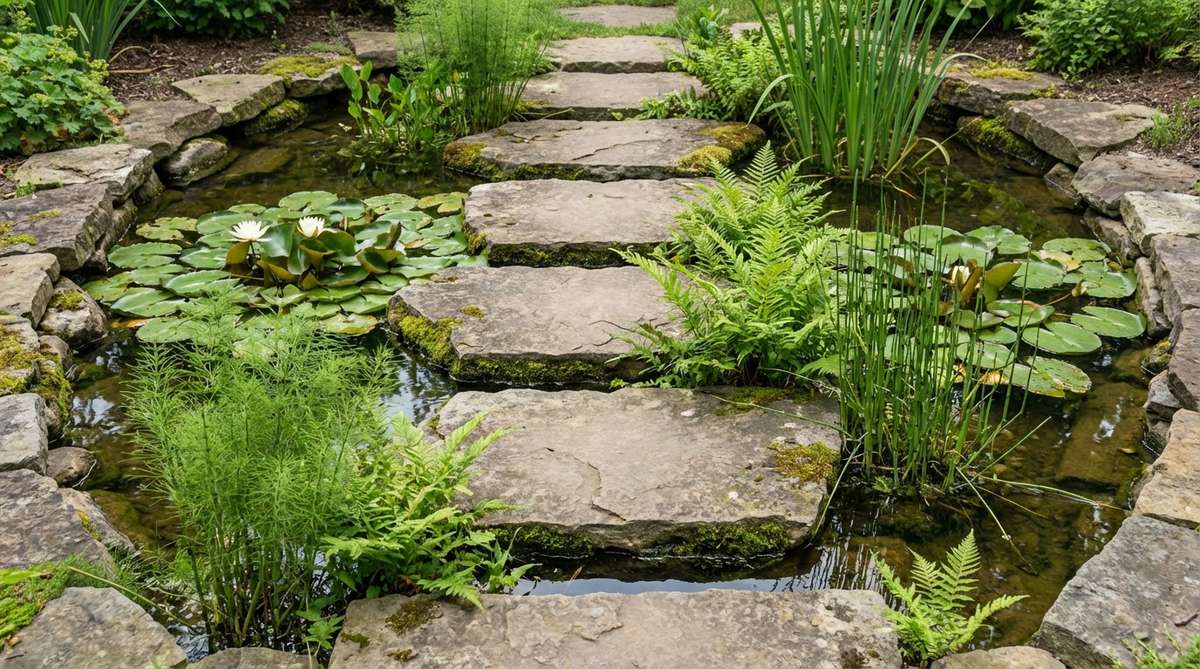
Large flat stones placed at regular intervals create a bridge effect without continuous deck surface. This minimalist approach works beautifully over wider dry beds filled with smaller decorative stones.
Set stepping stones with 18-24 inches between centers, allowing comfortable stride length for adults. Each stone should measure at least 18 inches across to provide stable landing surface that prevents ankle-turning.
Bury stones partially into the ground or gravel bed so they don’t shift underfoot. This design proves particularly effective in Japanese-inspired gardens and xeriscape landscapes where water conservation eliminates actual streams.
Specialty Bridges for Unique Landscapes
Some landscapes call for bridges that go beyond standard designs, incorporating unique materials, innovative construction, or specialized functions. These creative small garden bridge ideas solve specific challenges while adding distinctive character.
21. Living Roof Garden Bridge
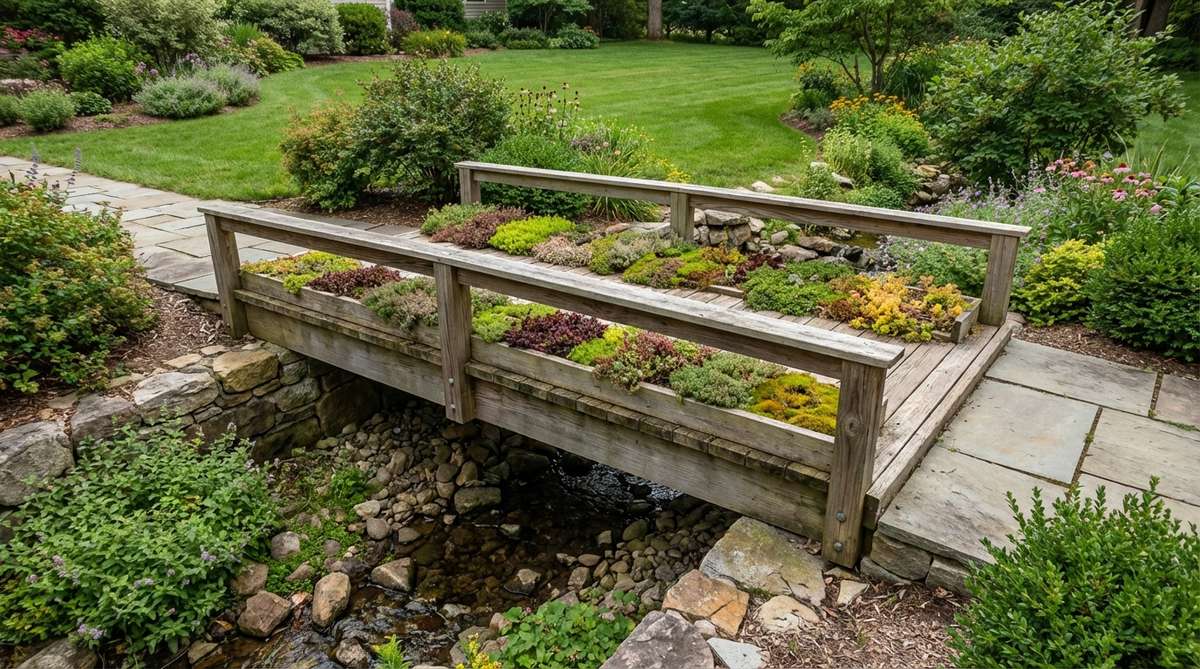
Low-growing sedums, thyme, or moss planted on the bridge deck create a living surface that changes with seasons. This green bridge integrates completely into the landscape, becoming a planted feature rather than built structure.
Build a waterproof tray system into the bridge deck with 2-4 inches of growing medium depth for shallow-rooted plants. Install this bridge where foot traffic remains minimal, as walking on planted surfaces damages growth and compacts soil.
Choose drought-tolerant plants that thrive in the bridge’s sun exposure and drainage conditions. The living surface requires occasional watering during establishment and periodic weeding to prevent aggressive species from taking over.
22. Solar-Lit Evening Bridge
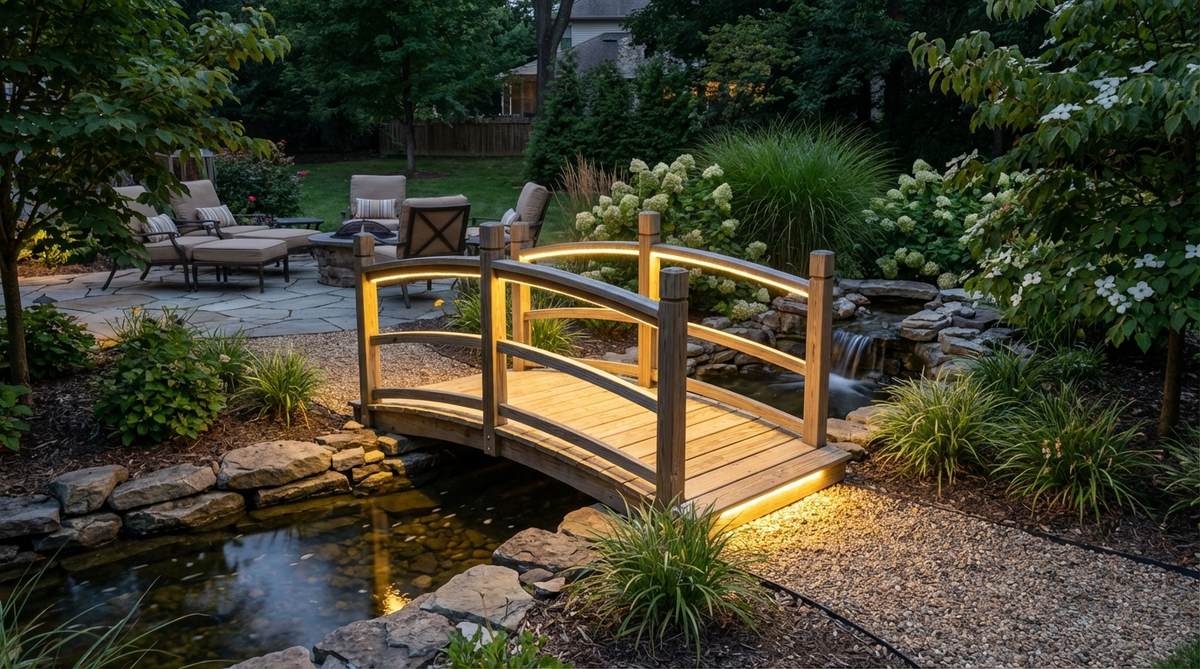
Integrated solar panels charge batteries during daylight hours to power LED lights that illuminate the bridge deck and railings after dark. This self-contained system requires no wiring while extending garden enjoyment into evening hours.
Position solar fixtures where they receive maximum sun exposure during the day, typically on top of posts or along the bridge deck edges. The gentle lighting creates safe crossing while adding magical ambiance to water features at night.
Select warm white LEDs for natural appearance or color-changing systems that create dramatic effects for special occasions. Replace batteries every 2-3 years to maintain lighting duration and intensity as rechargeable cells gradually lose capacity.
23. Bridge-Arbor Combination Structure
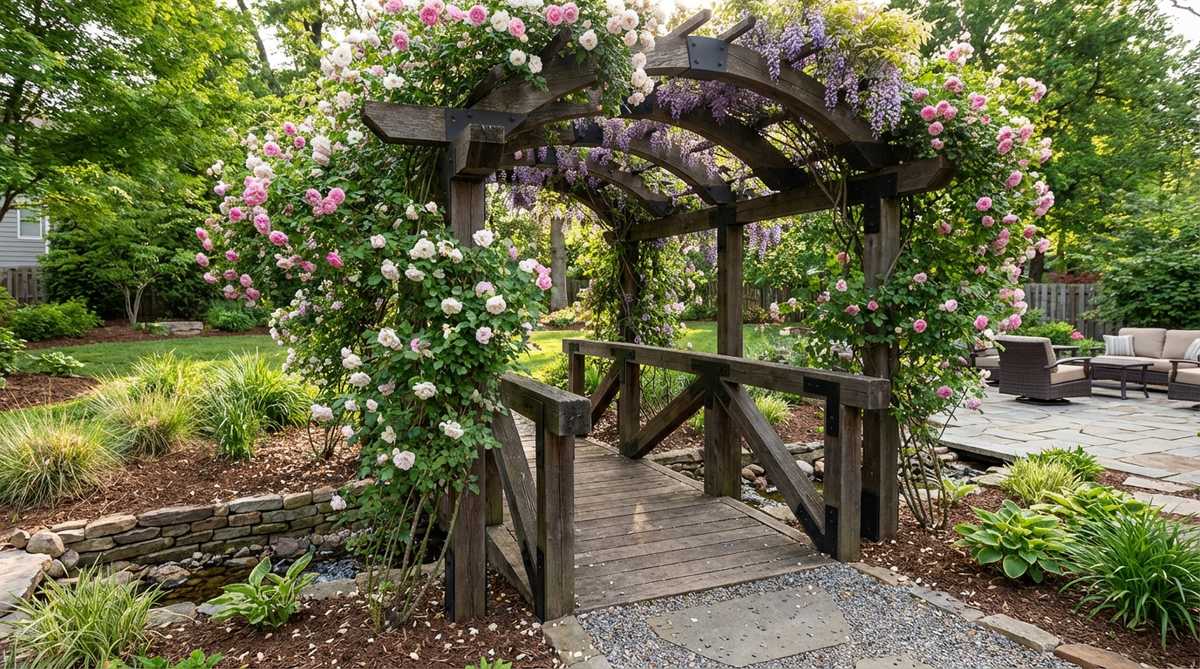
Overhead arches integrated with bridge design create support for climbing roses, wisteria, clematis, or grape vines. This two-in-one structure maximizes vertical growing space while providing shaded crossing.
Build the arbor framework from the same materials as the bridge for cohesive design, or contrast wood bridge decks with metal arbor arches for mixed-material interest. Train flowering vines over the top to create a living tunnel that blooms seasonally.
Ensure the arbor structure stands at least 7 feet high at the lowest point to provide comfortable clearance for walking. Heavy vine growth adds significant weight, so reinforce posts and anchors beyond what a simple bridge requires.
24. Multi-Level Terraced Bridge
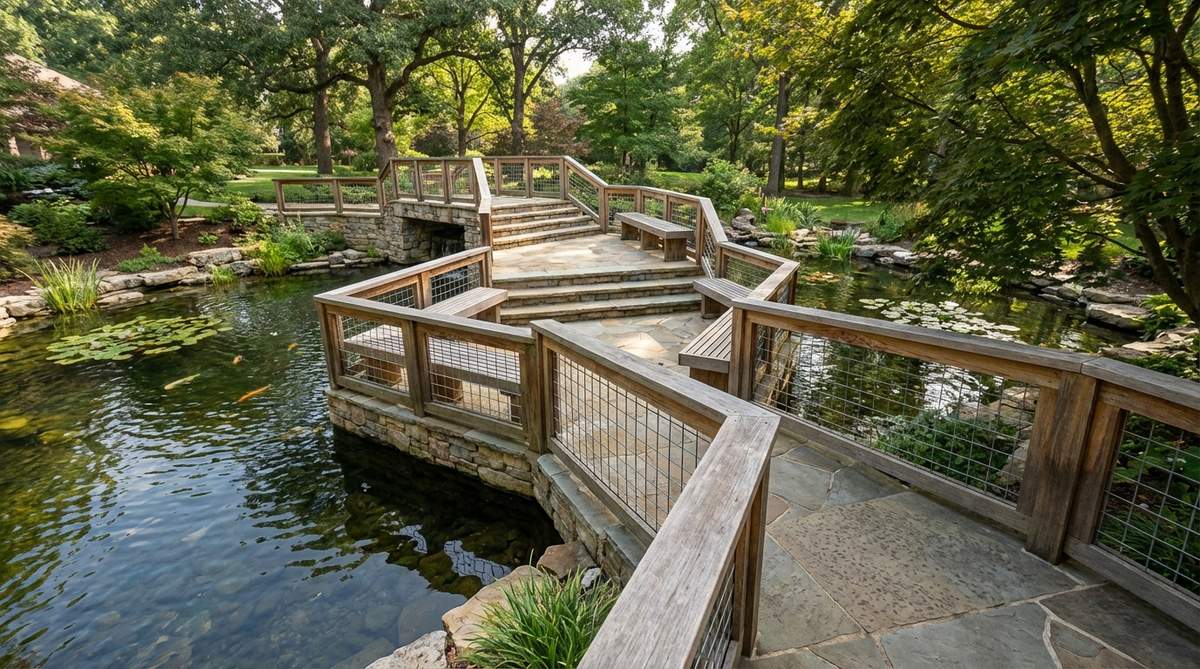
Stepped platforms at different heights create a bridge that doubles as viewing deck for observing fish, water plants, or landscape vistas. Each level provides places to pause and engage with the water feature below.
Design this bridge for wider crossings where the extended path length and pausing points enhance the garden experience. Incorporate built-in seating at landings to encourage lingering and contemplation.
This complex design works best over substantial water features where the multiple levels don’t appear oversized relative to the pond or stream. Ensure each platform meets safety standards with proper railings and non-slip surfaces.
Bringing Your Small Garden Bridge Vision to Life
Selecting the right small garden bridge depends on your landscape’s existing style, the features you’re crossing, and your maintenance preferences. Whether you choose a classic white arch, a dramatic Asian-inspired design, or a contemporary steel span, proper installation ensures your bridge serves as both functional pathway and enduring focal point. Start by assessing your site conditions, measuring the crossing distance accurately, and considering how the bridge will interact with surrounding plantings and hardscape elements. With thoughtful planning and quality construction, your garden bridge will enhance your outdoor space for decades while providing that essential sense of journey and discovery that makes landscapes memorable.
Frequently Asked Questions
What is the ideal length for a small garden bridge?
Small garden bridges typically range from 4 to 8 feet in length, with 6 feet being the most common size for residential landscapes. The bridge should extend 6-12 inches beyond the feature it crosses on each side to create stable approach areas and visual overhang. For decorative miniature bridges used as garden accents rather than functional crossings, 2-3 feet works well. Measure the exact span you need to cross, then add at least one foot to determine your minimum bridge length.
Do I need railings on my garden bridge?
Railings become necessary when the bridge rises more than 12 inches above the ground or water surface, or when the bridge crosses actual water where falling poses safety risks. For low-profile bridges over dry creek beds or between garden zones at ground level, railings remain optional and depend on aesthetic preferences. When required, railings should stand 36-42 inches high with infill spacing no greater than 4 inches to prevent accidents. Even when not structurally necessary, railings provide psychological security and support for climbing plants.
What materials last longest for outdoor garden bridges?
Cedar and redwood offer the best natural rot resistance among wood species, lasting 15-20 years with minimal maintenance. Composite decking materials provide 25-30 year lifespans with virtually no upkeep required beyond occasional cleaning. Steel and aluminum bridges, when properly powder-coated, can last 30+ years, while weathering steel develops a stable patina that protects indefinitely. Pressure-treated pine represents the most economical option with 10-15 year lifespan when sealed regularly. Regardless of material choice, proper foundation work and adequate drainage around posts prove critical for maximizing bridge longevity.
Can I install a garden bridge myself or do I need a professional?
Simple decorative bridges under 6 feet long over dry creek beds represent achievable DIY projects for homeowners with basic carpentry skills and tools. More complex installations involving water crossings, bridges with significant arch designs, or spans longer than 8 feet benefit from professional installation to ensure structural integrity and safety. The foundation work proves most critical—posts must extend below frost line in cold climates and rest on stable footings rather than directly on soil. If your bridge will carry regular foot traffic or cross actual water, consulting a landscape contractor or structural professional ensures proper construction that prevents accidents and premature failure.
How do I maintain a wooden garden bridge?
Inspect wooden bridges each spring for loose fasteners, cracked boards, or soft spots indicating rot, addressing issues immediately to prevent structural failure. Clean the deck surface annually using a deck cleaner to remove organic debris, mildew, and algae that create slippery conditions. Apply clear wood sealer or stain every 2-3 years to protect against moisture penetration and UV damage, choosing products specifically formulated for horizontal surfaces that receive foot traffic. Keep vegetation trimmed away from the bridge structure so air circulates freely and leaves don’t accumulate on the deck. Replace any damaged components promptly rather than allowing deterioration to spread to adjacent areas.