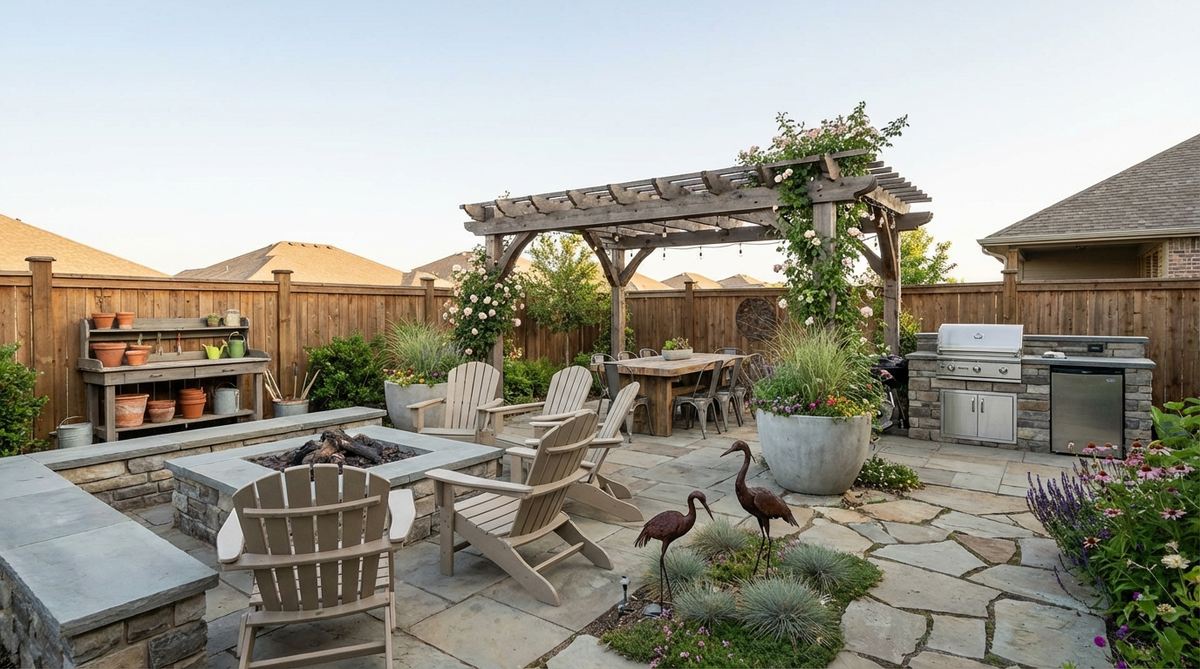
Outdoor decorations define the character of exterior living spaces, turning ordinary patios and gardens into personalized retreats. Designers now prioritize functional beauty that withstands weather while creating memorable experiences. Fresh Garden Ideas brings you proven concepts that merge aesthetic appeal with practical outdoor living solutions.
Design SnapshotKey Principles
- Layered Lighting: Combine ambient, task, and accent lighting to extend usability from dawn through evening hours
- Weather-Resilient Materials: Select finishes and fabrics engineered for UV exposure, moisture, and temperature fluctuations
- Vertical Integration: Maximize limited footprints by building upward with trellises, wall planters, and hanging installations
- Modular Flexibility: Choose movable pieces that adapt to seasonal needs and different entertaining scenarios
Outdoor Decor Ideas for Ambient Lighting
Lighting transforms patios from daytime-only spaces into evening sanctuaries. Designers layer multiple light sources to create depth and flexibility for various activities.
1. String Lights on Overhead Structures
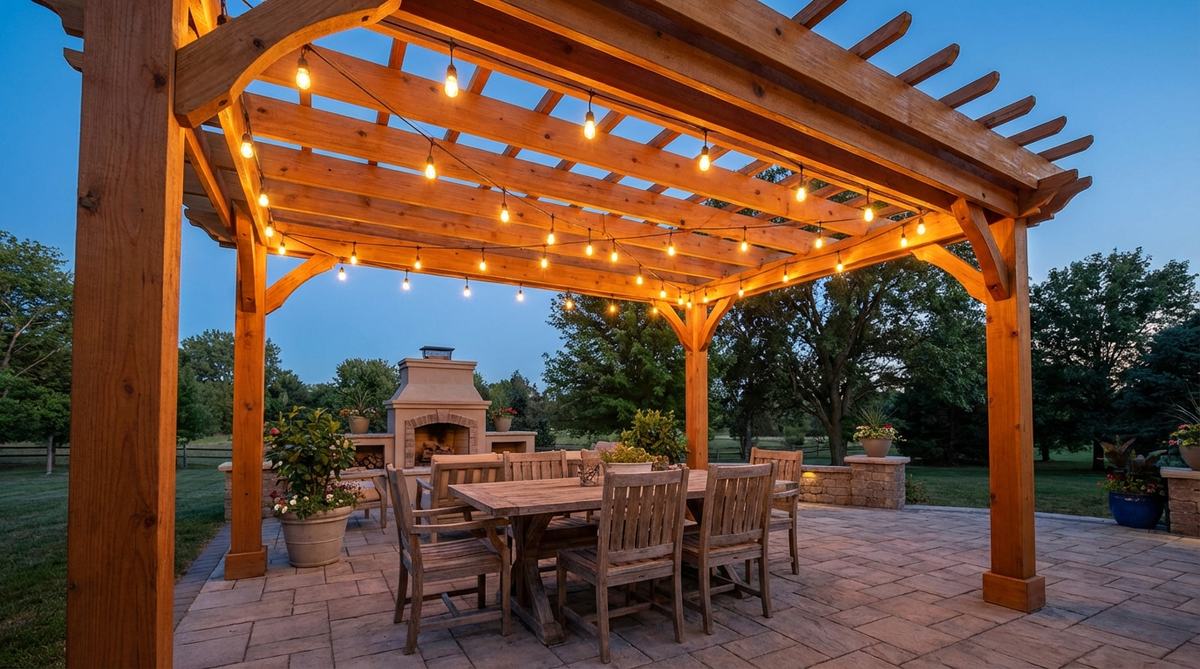
Warm-toned Edison bulbs suspended across pergolas create an inviting canopy effect. The bulbs cast soft pools of light that reduce harsh shadows.
Install weatherproof sockets rated for outdoor use and space bulbs 18-24 inches apart. Use dimmers to control intensity based on occasion.
This approach works particularly well for dining areas where you need enough visibility without overwhelming brightness. String lights add architectural interest even when turned off during daylight hours.
2. Solar Pathway Markers
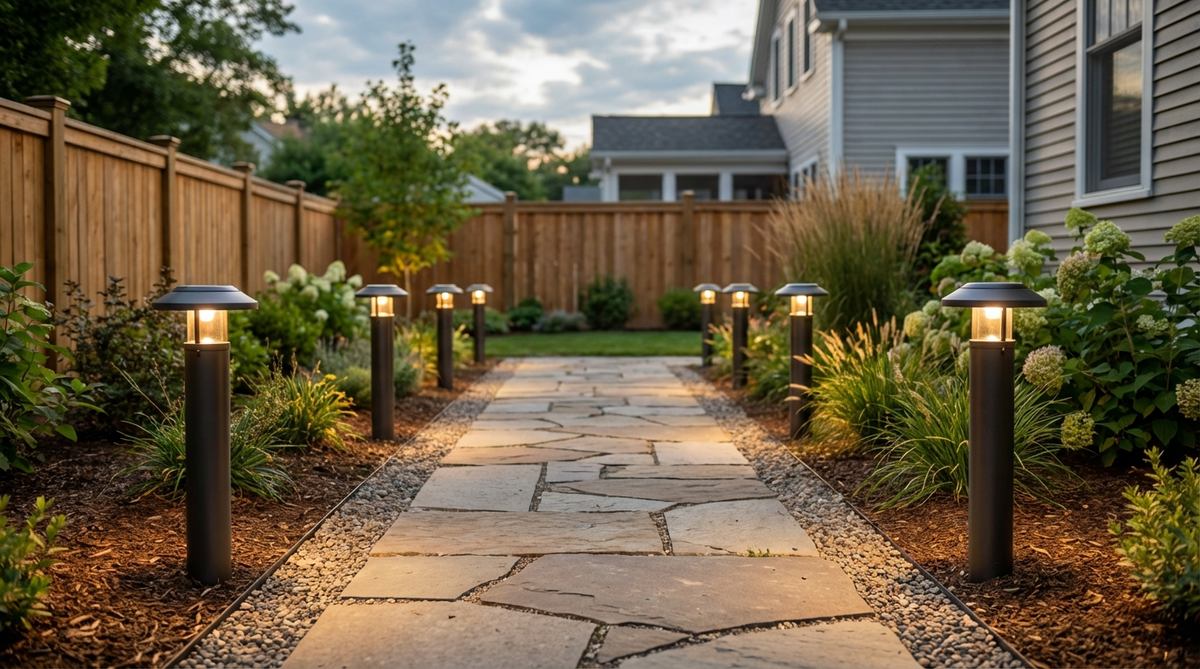
Ground-level solar stakes illuminate walkways without requiring electrical work. Modern designs feature copper, bronze, or black finishes that blend into landscaping.
Position markers every 6-8 feet along paths and stagger placement on alternating sides. Choose models with automatic dusk sensors.
Solar technology has improved significantly, with current models providing 8-10 hours of illumination after a full charge. This option eliminates ongoing energy costs.
3. Wall-Mounted Sconces
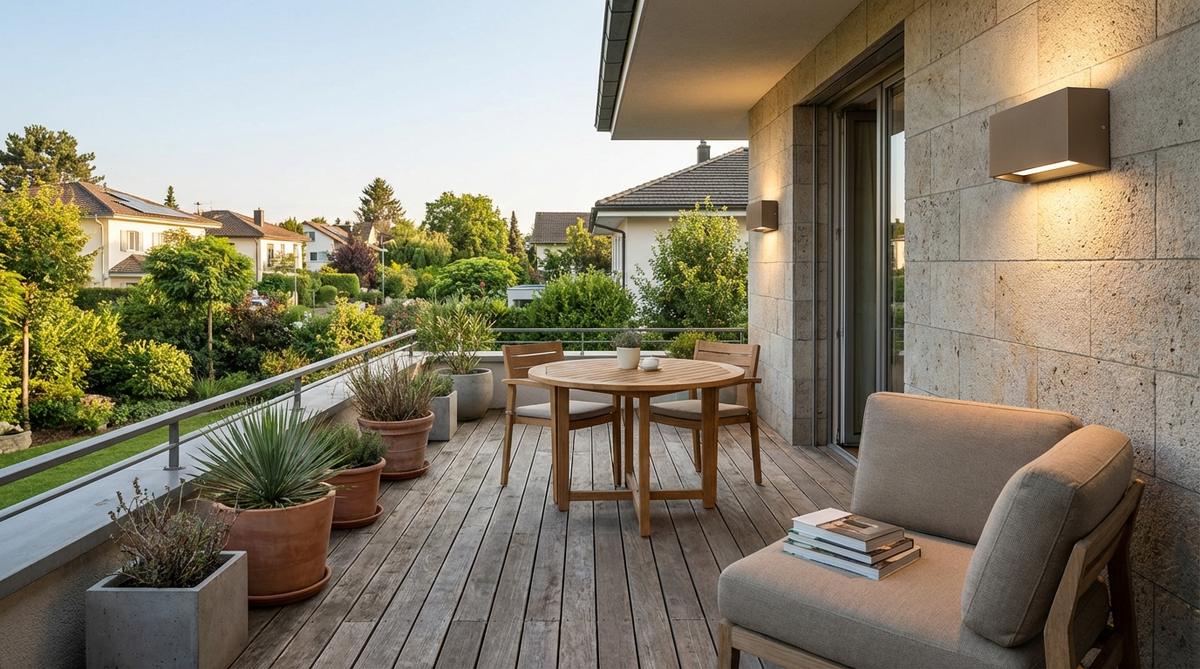
Architectural sconces attached to exterior walls provide task lighting near doors and seating areas. Select fixtures with downward-facing shades to minimize light pollution.
Install sconces 66-72 inches from the ground for optimal light distribution. Pair matching fixtures on either side of doorways or windows.
Modern outdoor sconces include motion sensors and photocells for automated operation. This conserves energy while enhancing security.
4. Lanterns with LED Candles
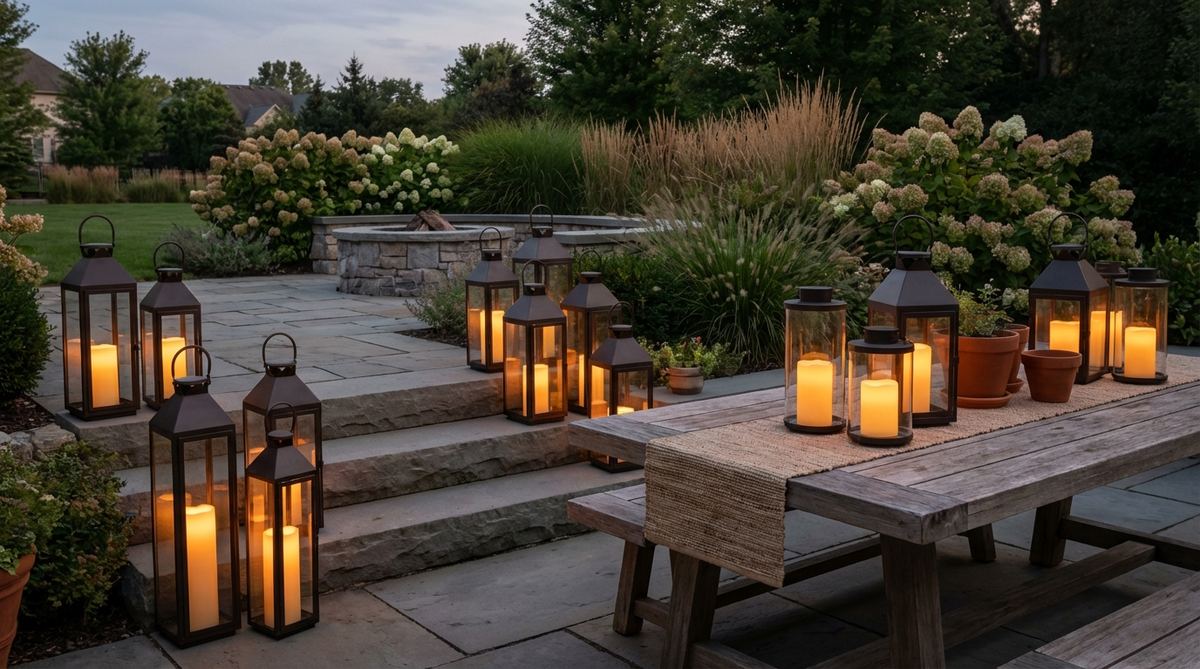
Metal or glass lanterns scattered across tables and steps add decorative visual weight. Battery-operated LED candles eliminate fire risk while maintaining ambiance.
Group lanterns in odd numbers and vary heights for dynamic arrangements. Choose weather-resistant materials like powder-coated steel or sealed glass.
LED candles now feature realistic flicker patterns and warm color temperatures. Replace batteries seasonally to ensure consistent performance.
5. Up-Lighting for Trees
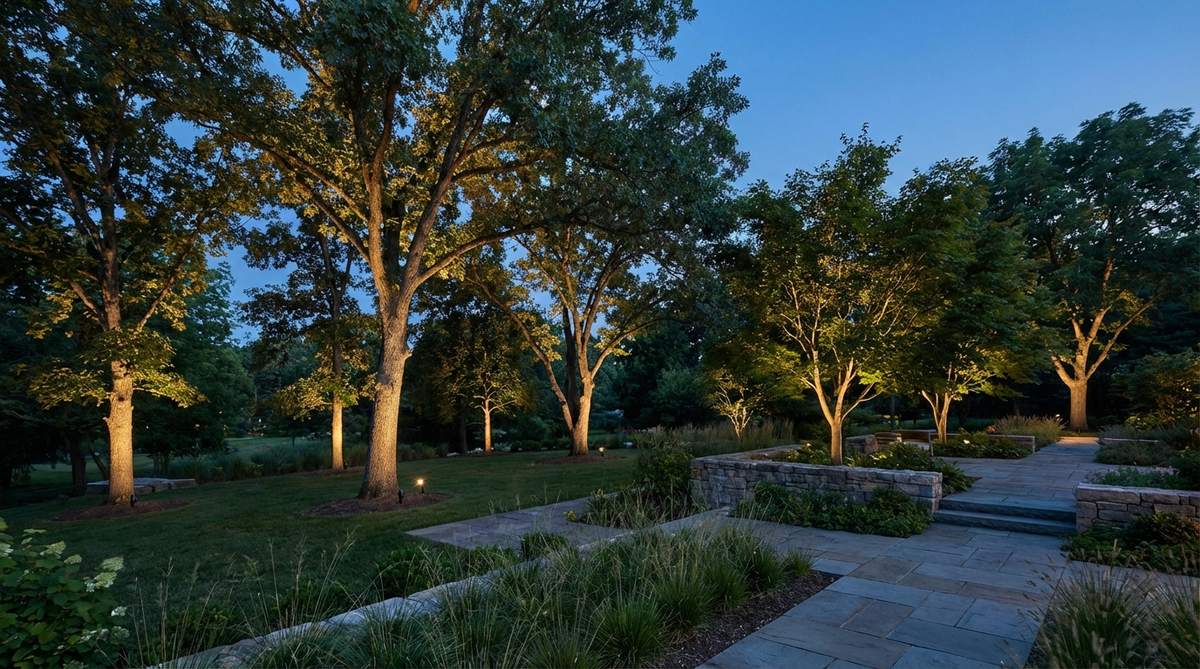
Ground-mounted spotlights aimed upward through tree canopies create dramatic silhouettes. This technique adds dimension to flat yards.
Position fixtures 2-3 feet from trunk bases and angle them at 30-45 degrees. Use narrow beam spreads for tall trees and wider spreads for bushier specimens.
Low-voltage LED systems consume minimal energy and produce less heat than traditional bulbs. Adjust fixtures seasonally as foliage patterns change.
6. Pergola-Integrated LED Strips
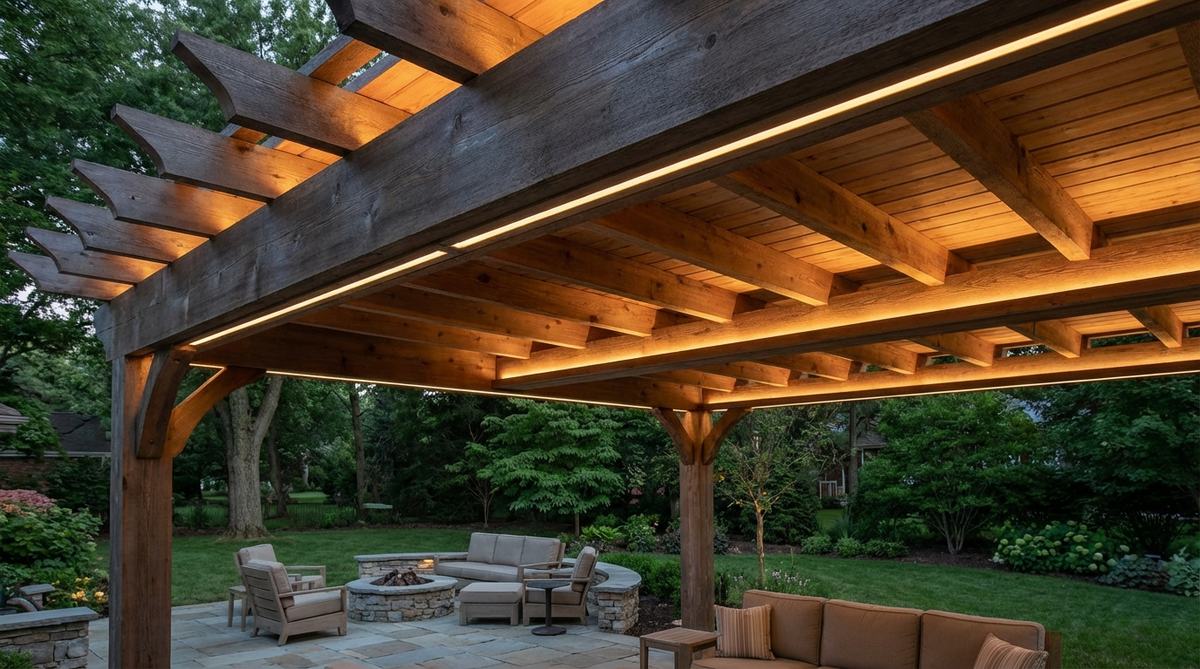
Recessed LED strips hidden within pergola beams provide indirect illumination. The light reflects off ceiling surfaces rather than shining directly into eyes.
Install channels along the interior edges of beams and connect to dimmable controllers. Choose RGB options if you want color-changing capability.
This method maintains clean sightlines while delivering functional light. Strips draw minimal power and last 30,000-50,000 hours.
7. Hurricane Glass Candle Holders
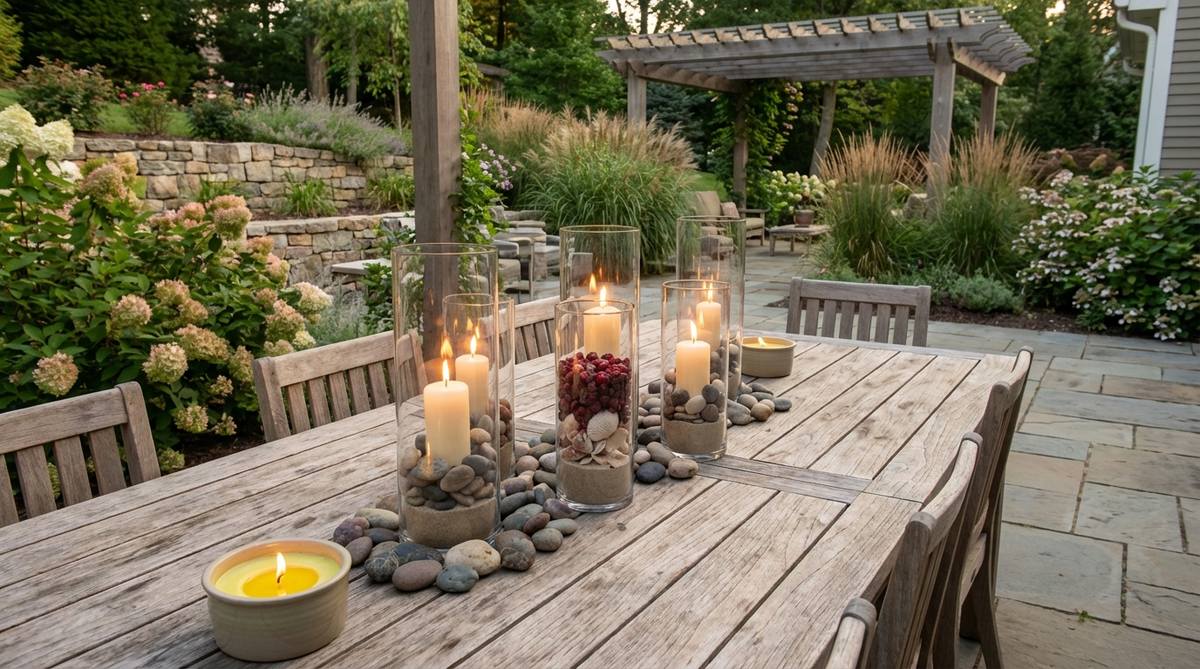
Tall glass cylinders protect flame candles from wind while magnifying their glow. The transparent walls create elegant centerpieces for outdoor tables.
Fill bases with decorative stones or sand for added stability. Use citronella candles to combine ambient lighting with insect deterrence.
Hurricane holders transition easily between seasons by changing interior elements. Add cranberries in fall or shells in summer.
Outdoor Home Decor for Seating Zones
Comfortable seating encourages extended time outdoors. Designers now specify furniture and textiles built to handle exposure while maintaining residential comfort levels.
8. Modular Sectional Sofas
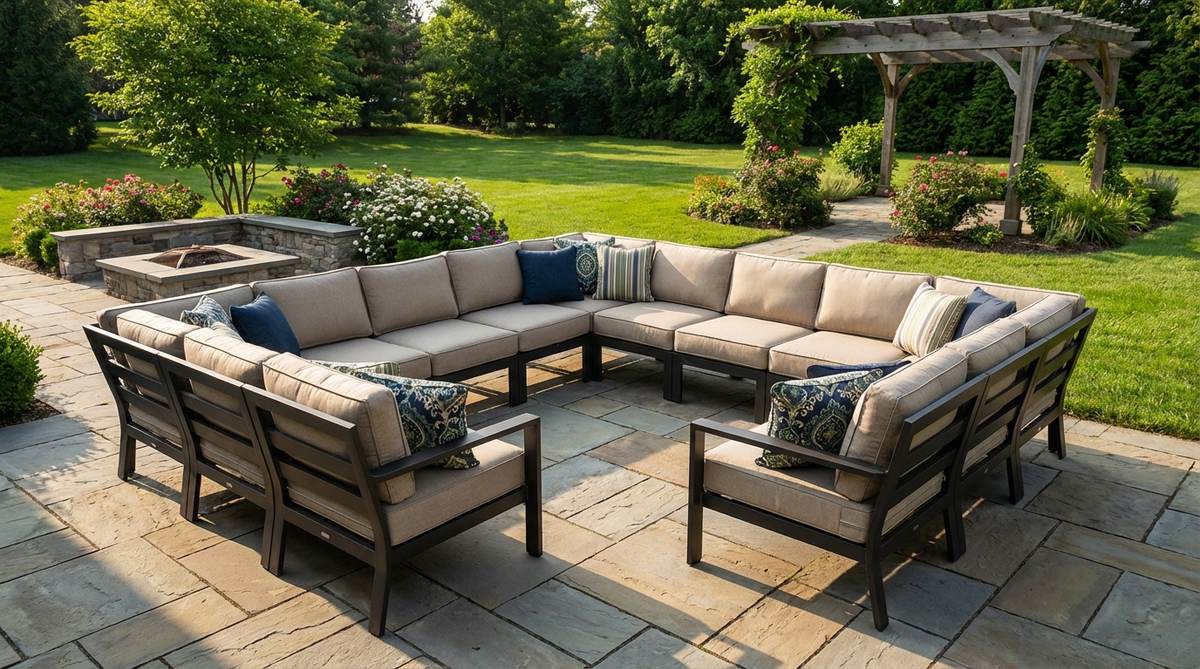
Individual seating units that connect via brackets allow configuration changes. Rearrange pieces to accommodate small gatherings or large parties.
Look for aluminum frames with marine-grade cushions filled with quick-dry foam. Neutral upholstery colors provide a foundation for seasonal accent pillows.
Modular systems typically include corner pieces, armless centers, and ottomans. This versatility maximizes return on investment.
9. Hanging Egg Chairs
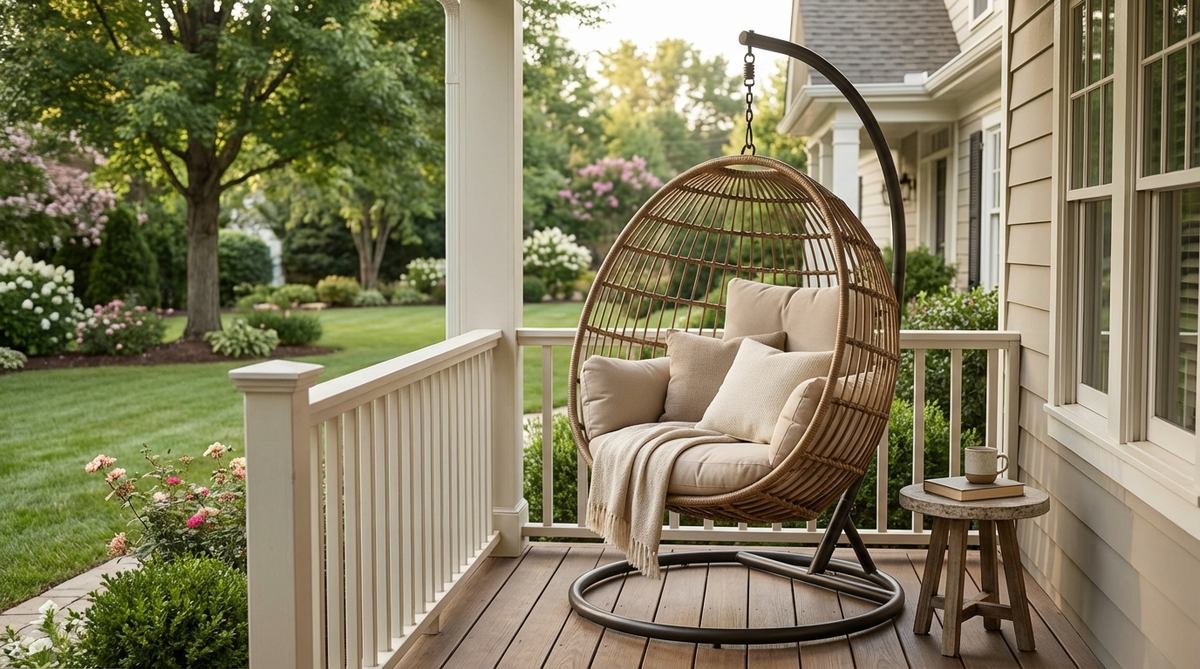
Suspended rattan or wicker chairs create focal points in covered patios. The gentle swaying motion adds a relaxation element.
Mount to structural beams rated for at least 300 pounds and position 18 inches from walls. Add weatherproof cushions in bold patterns.
These chairs work particularly well in corners or flanking fire features. They appeal to multiple age groups.
10. Built-In Banquette Seating
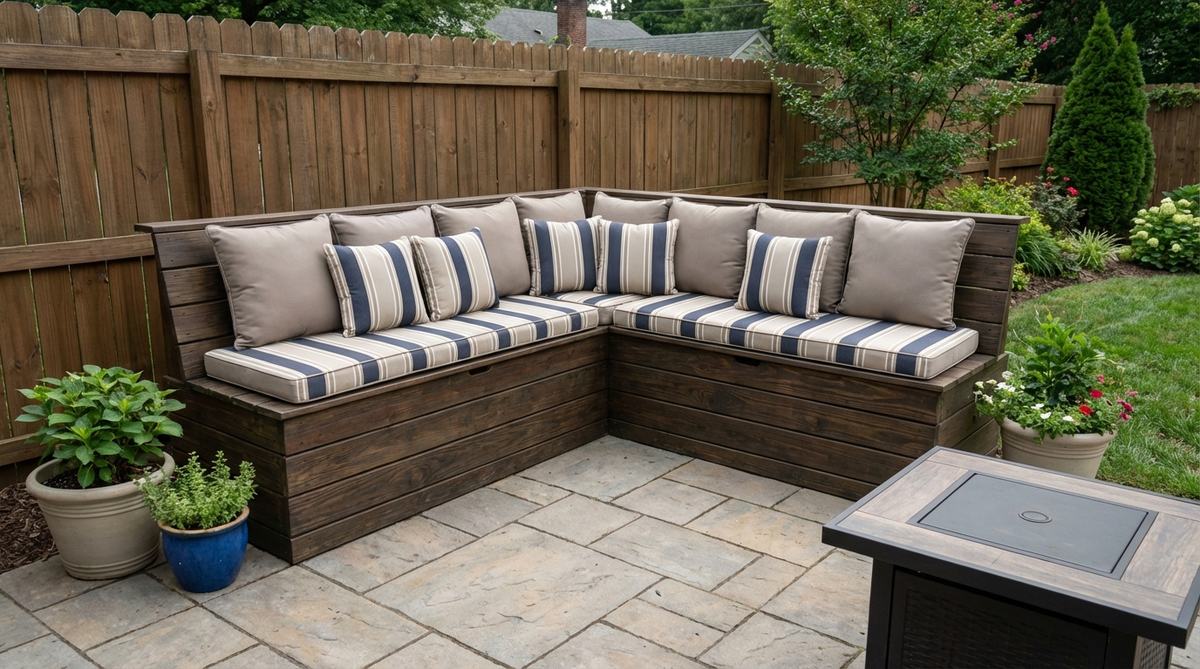
Fixed benches with back cushions maximize seating capacity in compact spaces. Built-ins define zones without blocking sightlines.
Construct frames from pressure-treated lumber or composite materials. Include hinged lids for hidden storage of cushions and outdoor supplies.
Upholster cushions in solution-dyed acrylic fabrics that resist fading and mildew. This approach eliminates furniture shopping and storage concerns.
11. Adirondack Chair Clusters
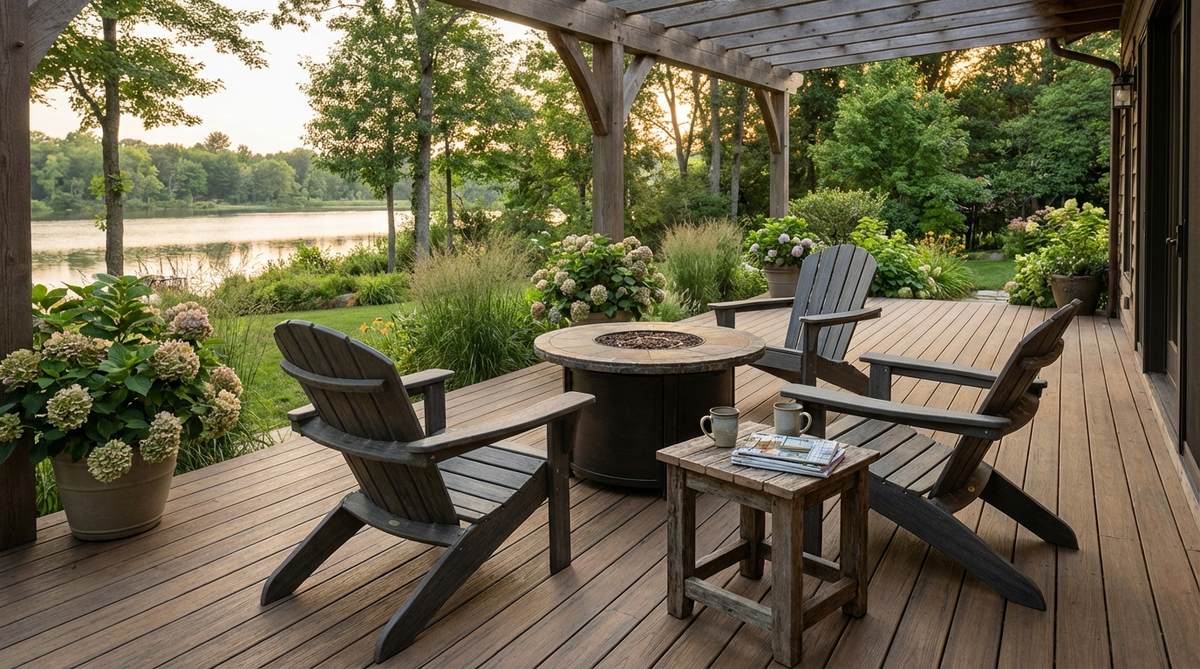
Classic slanted-back chairs arranged around fire pits create casual conversation areas. Modern versions come in recycled plastic that mimics wood grain.
Space chairs 24-30 inches apart for comfortable positioning. Choose coordinating colors or mix complementary hues.
Adirondack designs require no cushions and shed water naturally. They withstand year-round exposure with minimal maintenance.
12. Daybed with Canopy
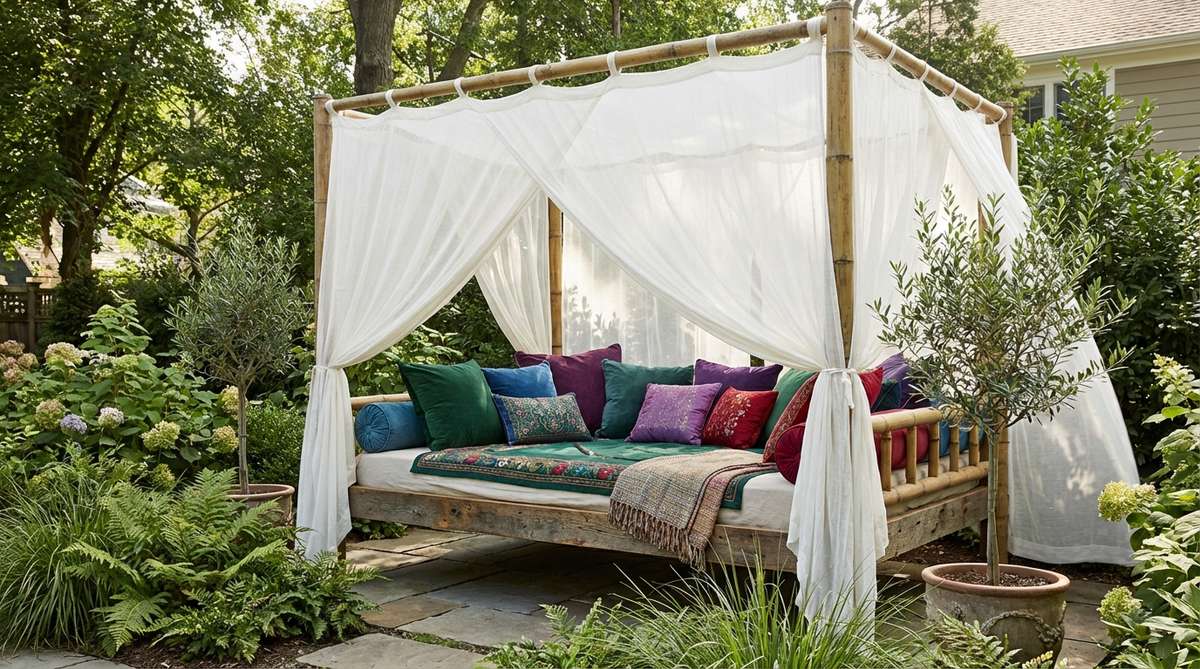
Oversized cushioned platforms topped with fabric canopies provide lounging zones. The shade structure protects from midday sun.
Select powder-coated steel frames with retractable canopy mechanisms. Dress with multiple throw pillows in varying sizes.
Daybeds serve as statement pieces that signal relaxation. They function equally well for reading, napping, or casual socializing.
13. Bistro Table and Chair Sets
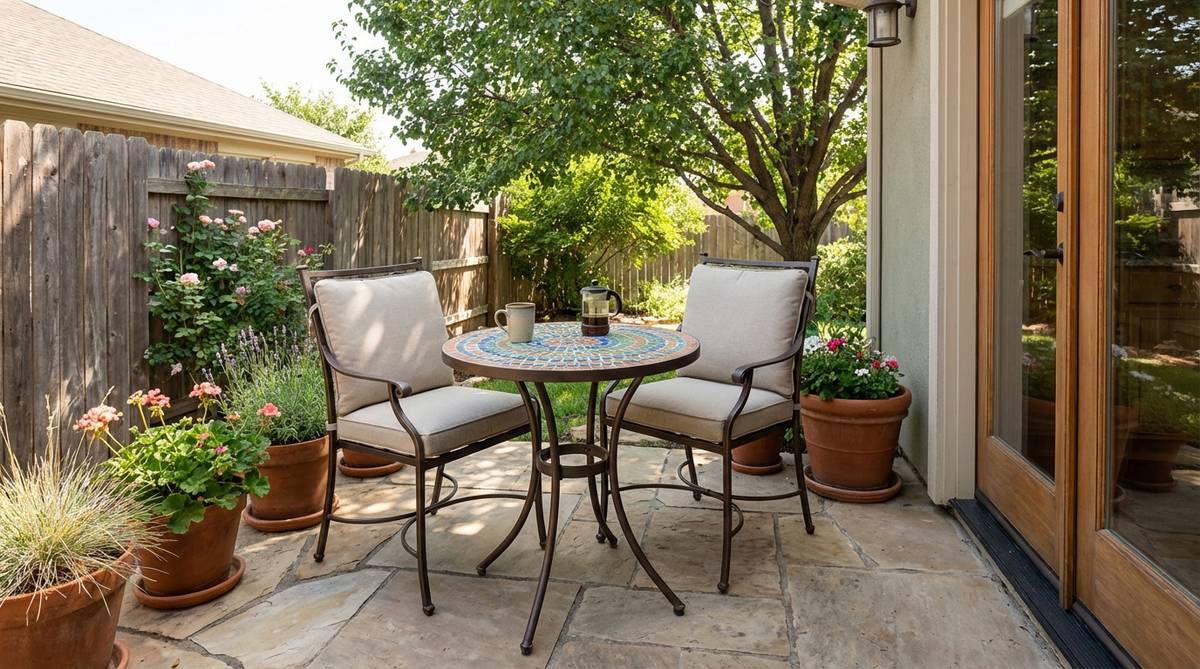
Compact two-seater sets fit small patios and balconies. Folding designs allow storage when not in use.
Choose mosaic tile tops that add color and texture. Pair with cushioned metal chairs in contrasting finishes.
Bistro sets create intimate conversation spots. They work well positioned near kitchen doors for morning coffee rituals.
14. Hammock Between Posts
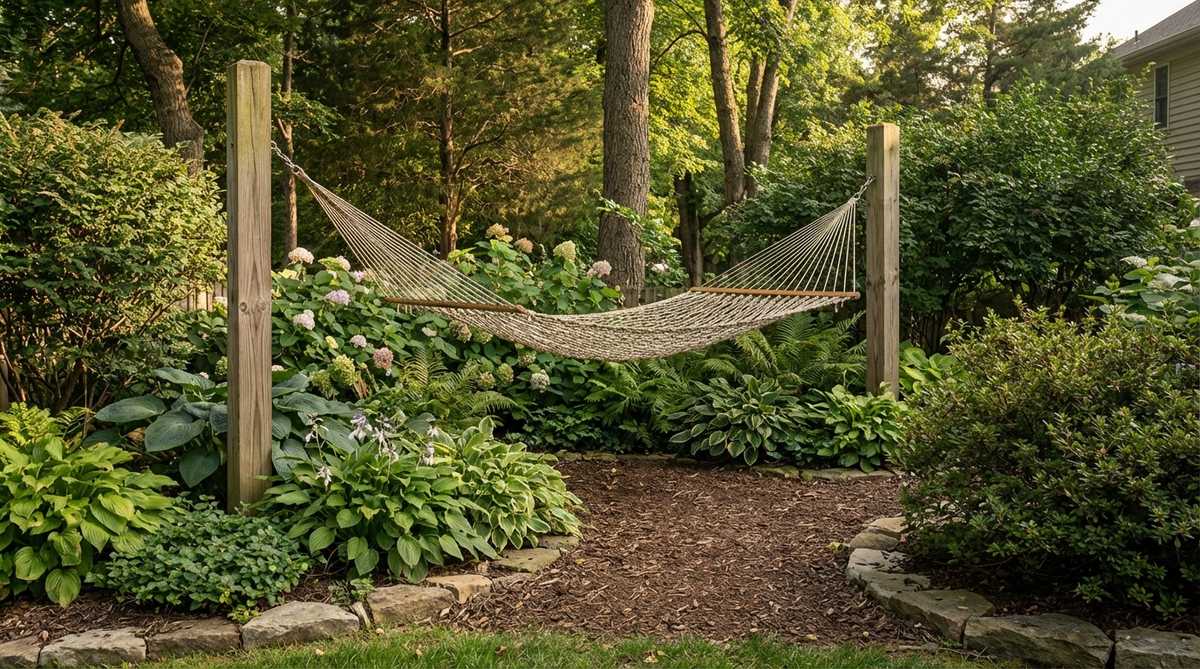
Fabric or rope hammocks strung between trees or installed posts offer casual seating. Spreader bars keep fabric open for easier entry.
Mount eye bolts into studs or structural beams at heights that allow 18-inch ground clearance when occupied. Test weight limits before use.
Hammocks introduce movement and playfulness to gardens. Remove and store fabric during harsh weather to extend lifespan.
Vertical Outdoor Decorations
Walls and fences offer untapped potential for decoration and planting. Vertical elements add dimension without consuming floor space.
15. Living Plant Walls
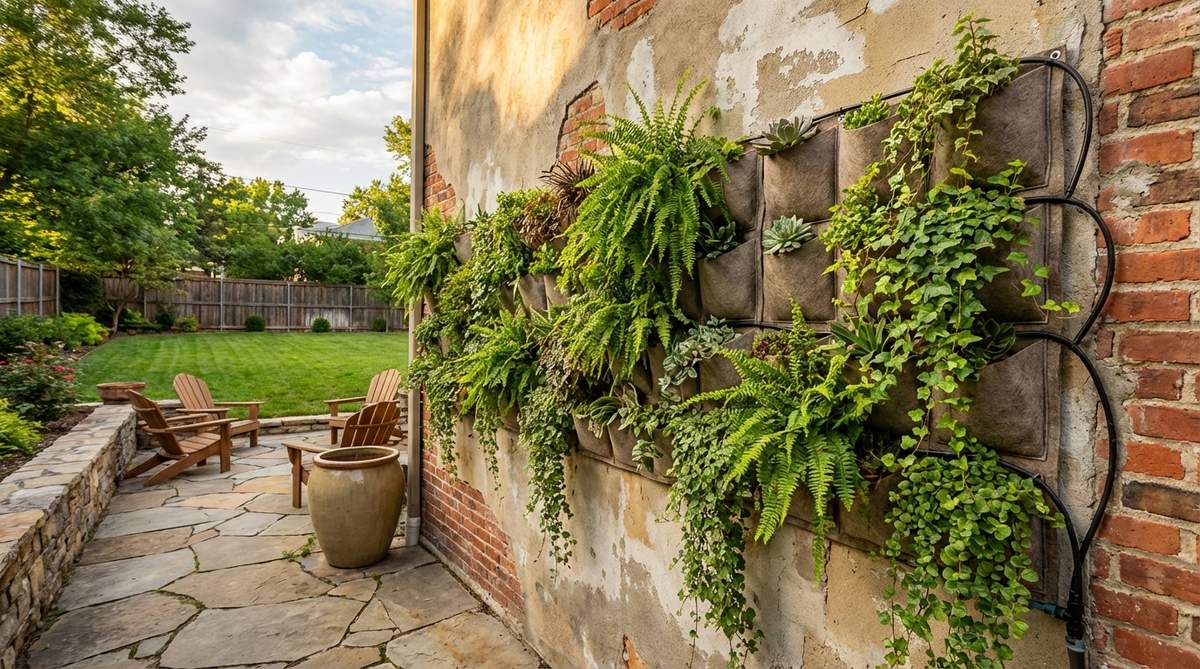
Modular pocket systems mounted to walls hold soil and trailing plants. The layered greenery creates textured backdrops.
Install drip irrigation lines behind panels for automated watering. Select ferns, succulents, or herbs based on sun exposure.
Living walls improve air quality and provide insulation benefits. They transform blank exterior walls into garden features.
16. Trellis Panels with Climbers
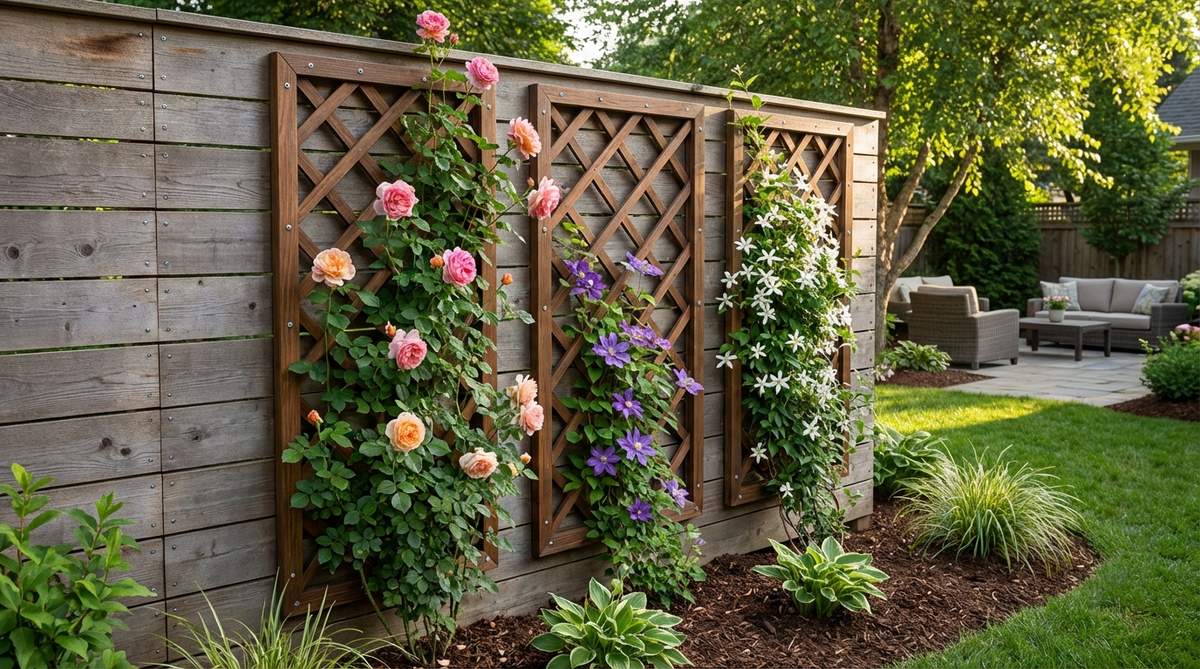
Lattice screens attached to fences support flowering vines. Clematis, jasmine, and climbing roses add seasonal color.
Space trellis 2-4 inches from solid surfaces to allow air circulation behind plants. Use galvanized screws for long-term attachment.
Trellises provide privacy as plants mature. Choose evergreen climbers for year-round coverage.
17. Mounted Wall Planters
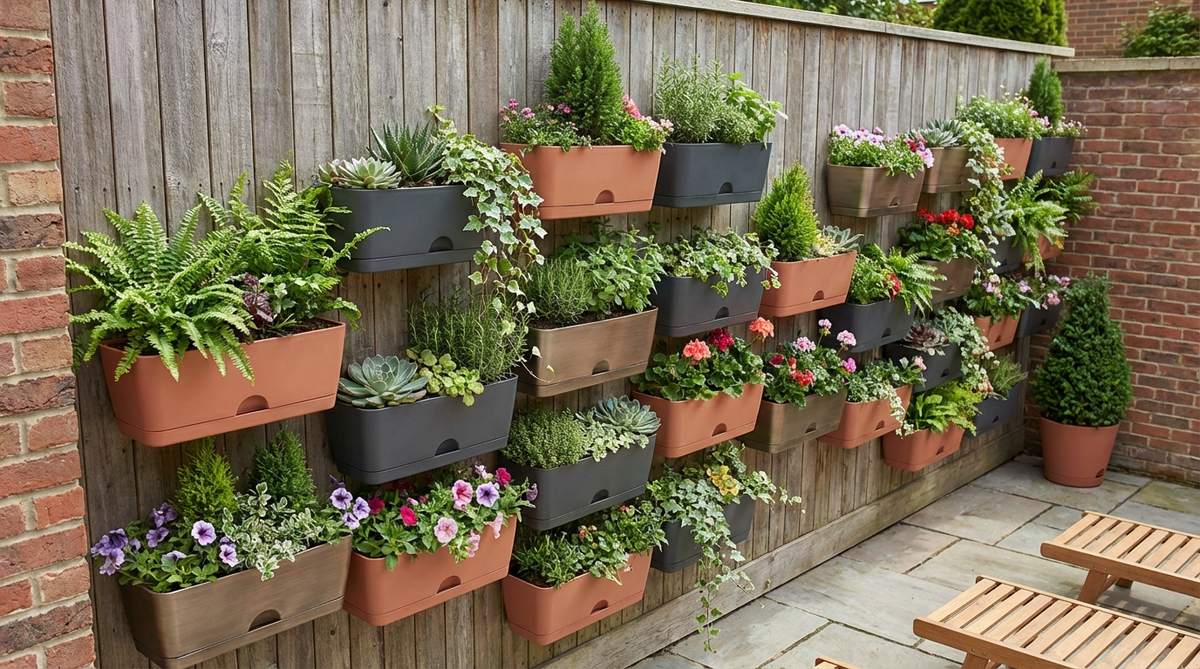
Individual containers fixed to walls at varying heights create vertical gardens. Stagger placement to avoid rigid grid patterns.
Use self-watering planters to reduce maintenance frequency. Coordinate container colors with existing outdoor palette.
This approach works particularly well on balconies where floor space is limited. Rotate plants seasonally for continuous interest.
18. Outdoor Wall Art and Mirrors
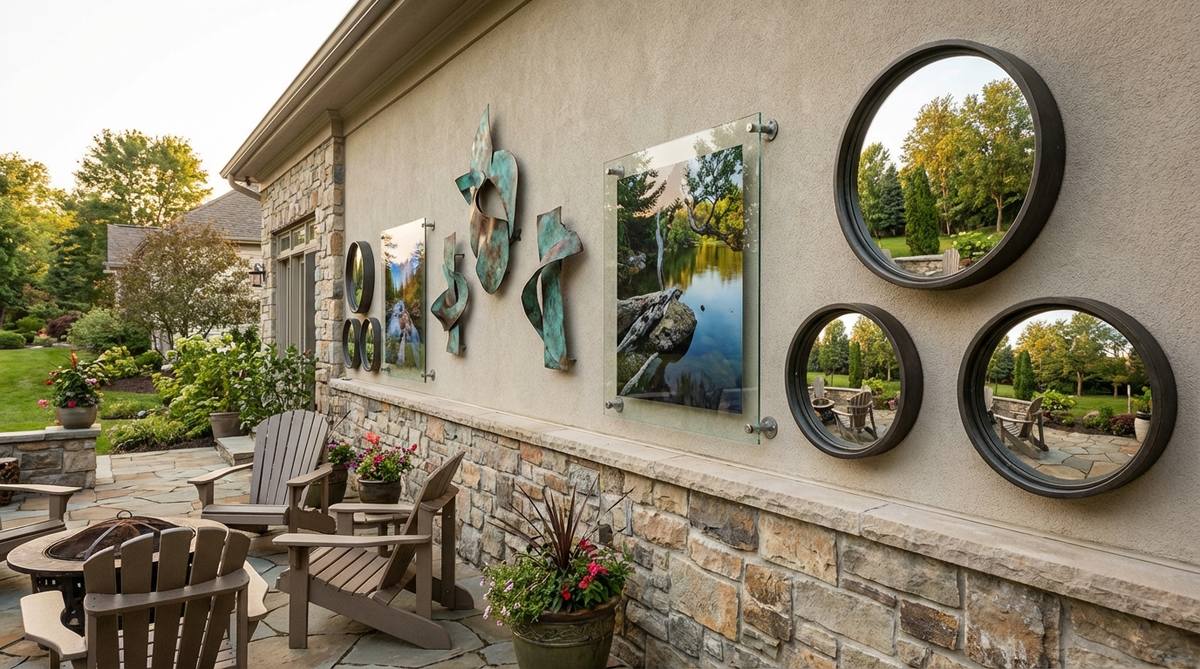
Weather-resistant metal sculptures or framed pieces add personality to exterior walls. Mirrors create illusions of expanded space.
Select art pieces with protective clear coats designed for outdoor use. Position mirrors to reflect garden views rather than direct sunlight.
Wall art serves as conversation starters and reflects personal style. Secure pieces with appropriate anchors for wall material.
19. Vertical Herb Garden
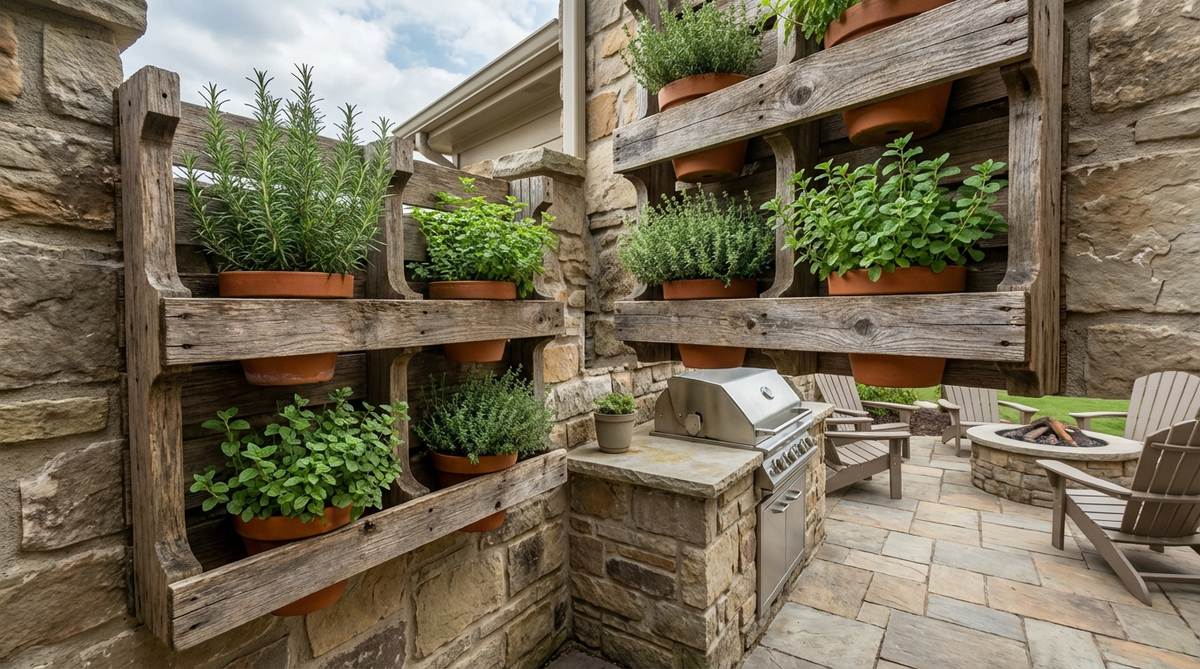
Tiered planter systems mounted near kitchen doors provide fresh culinary herbs. Stackable designs maximize yield in minimal space.
Plant basil, oregano, thyme, and parsley in upper tiers where drainage is best. Position systems to receive 6+ hours of direct sun.
Vertical herb gardens combine functionality with decoration. Harvest regularly to encourage bushier growth.
20. Hanging Basket Arrangements
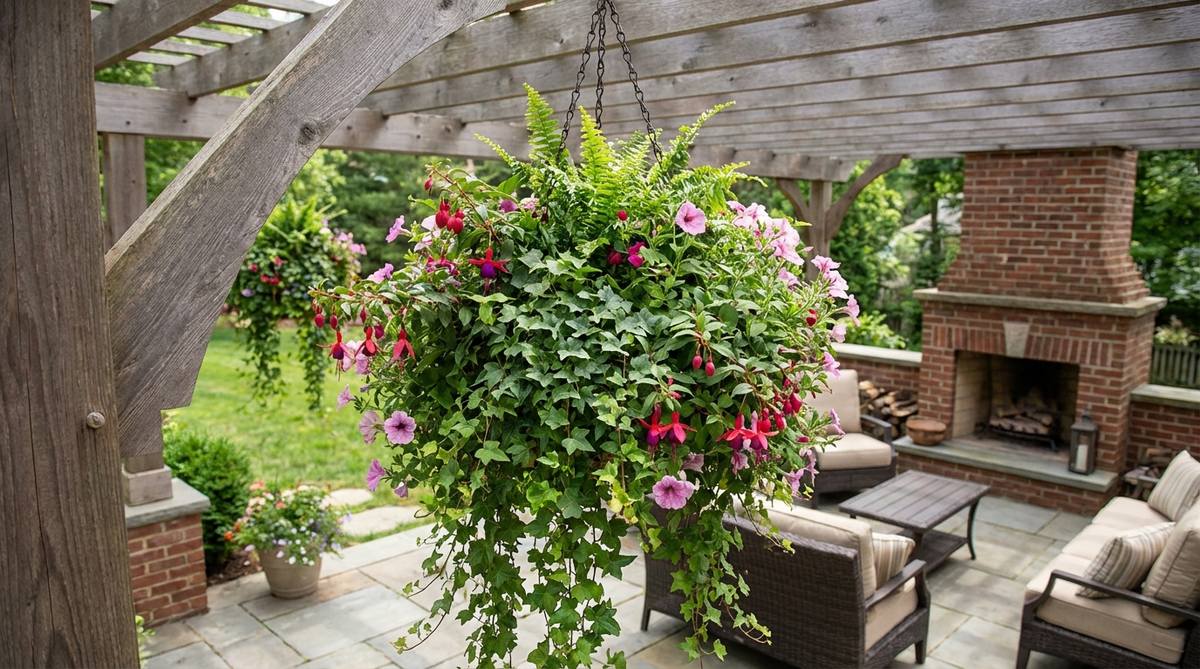
Suspended planters attached to pergola beams or porch ceilings add overhead interest. Use trailing varieties that cascade downward.
Install swivel hooks for easier watering and maintenance access. Mix textures by combining upright and trailing plants in each basket.
Hanging baskets soften hard architectural lines. Water daily during peak summer heat.
21. Privacy Screen Planters
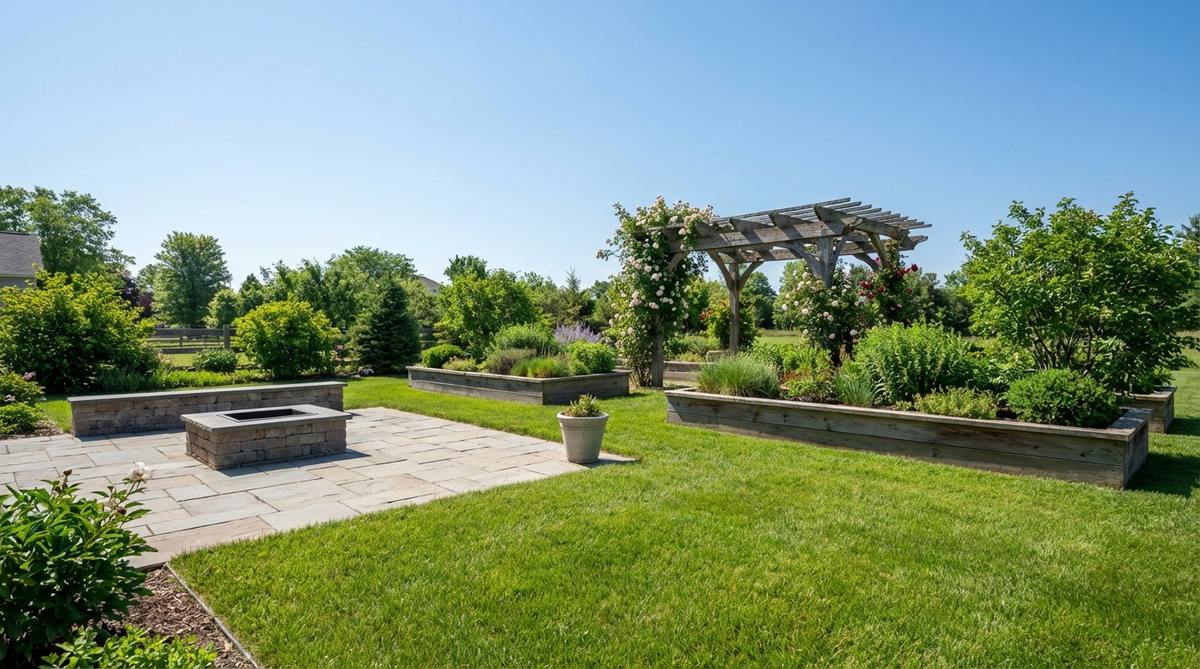
Tall rectangular planters filled with bamboo or ornamental grasses block sightlines. Mobile designs on casters allow repositioning.
Select planters at least 18 inches deep to accommodate root systems. Use clumping bamboo varieties to prevent invasive spreading.
Screen planters define space boundaries without permanent construction. They filter wind and reduce noise.
Outdoor Decorating Ideas for Party
Entertainment spaces require flexible decoration that accommodates groups. Party-focused elements transition easily from casual to formal events.
22. Beverage Station with Styling
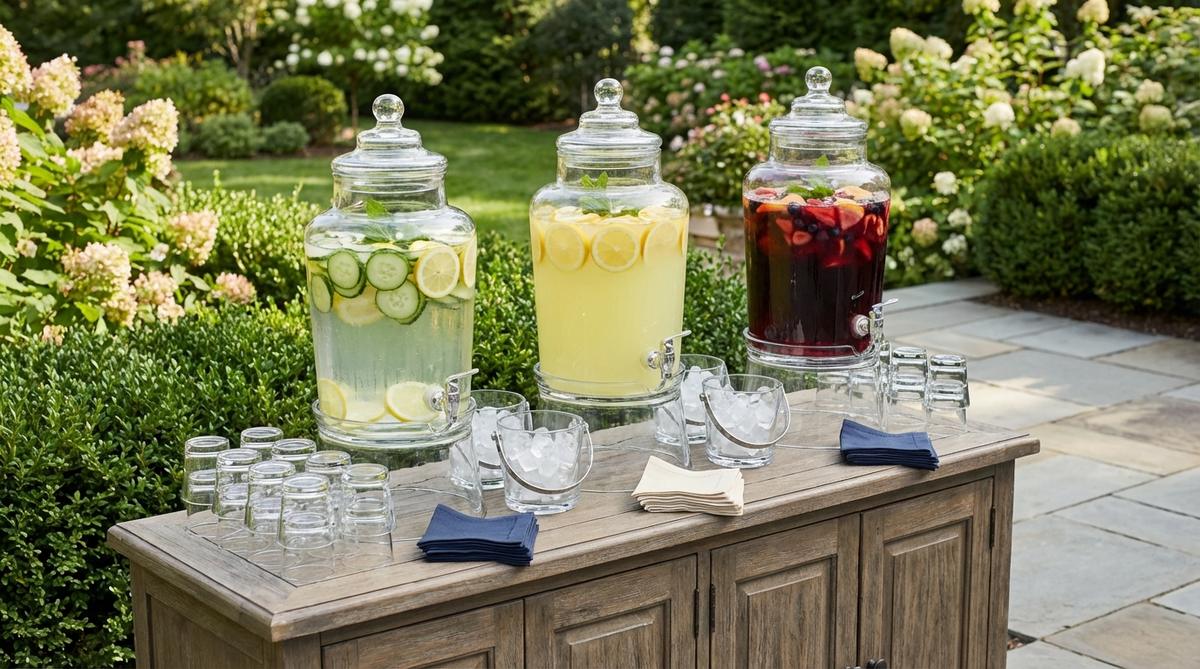
Dedicated drink areas with tiered displays keep refreshments accessible. Use clear dispensers filled with infused water, lemonade, or sangria.
Add floating fruit slices and fresh mint for visual appeal. Set station on credenza or bar cart with coordinated drinkware.
Self-serve beverage areas reduce host duties during gatherings. Stock with ice buckets and cocktail napkins in complementary colors.
23. Market Umbrella Clusters
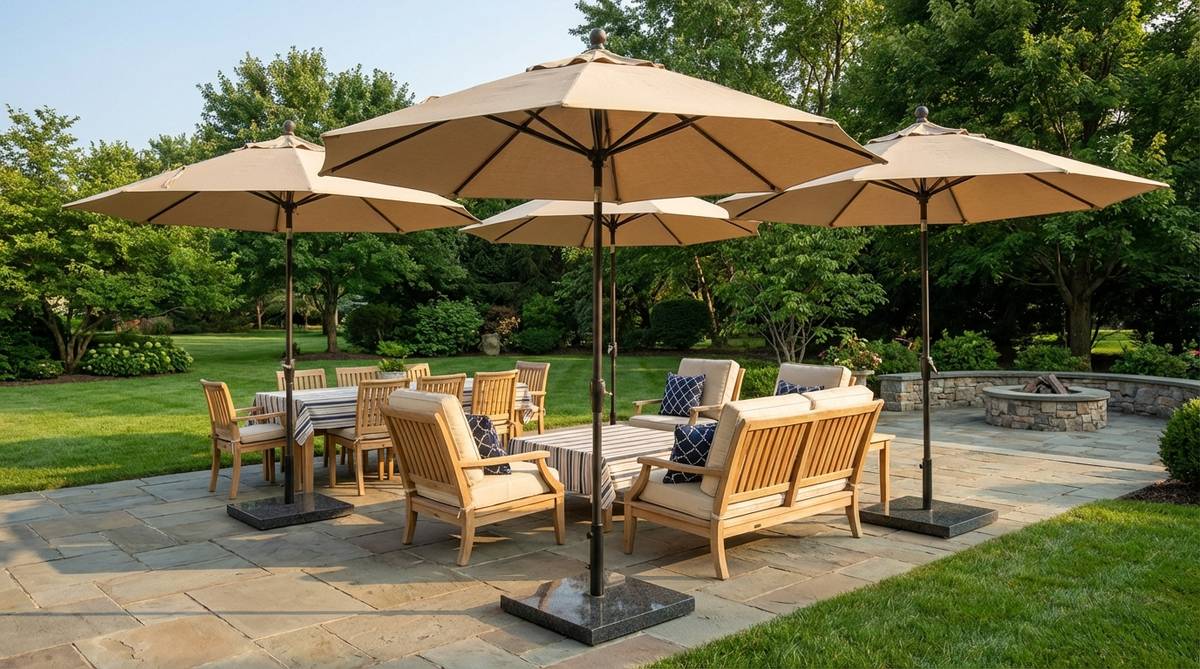
Large tilting umbrellas provide flexible shade over seating and dining zones. Group multiple umbrellas for expansive coverage.
Choose umbrellas with crank-lift mechanisms and weighted bases. Select fade-resistant canopy fabrics in solid colors or bold stripes.
Tilting features allow sun tracking throughout the day. Umbrellas fold down during storms or off-season.
24. String Pennant Banners
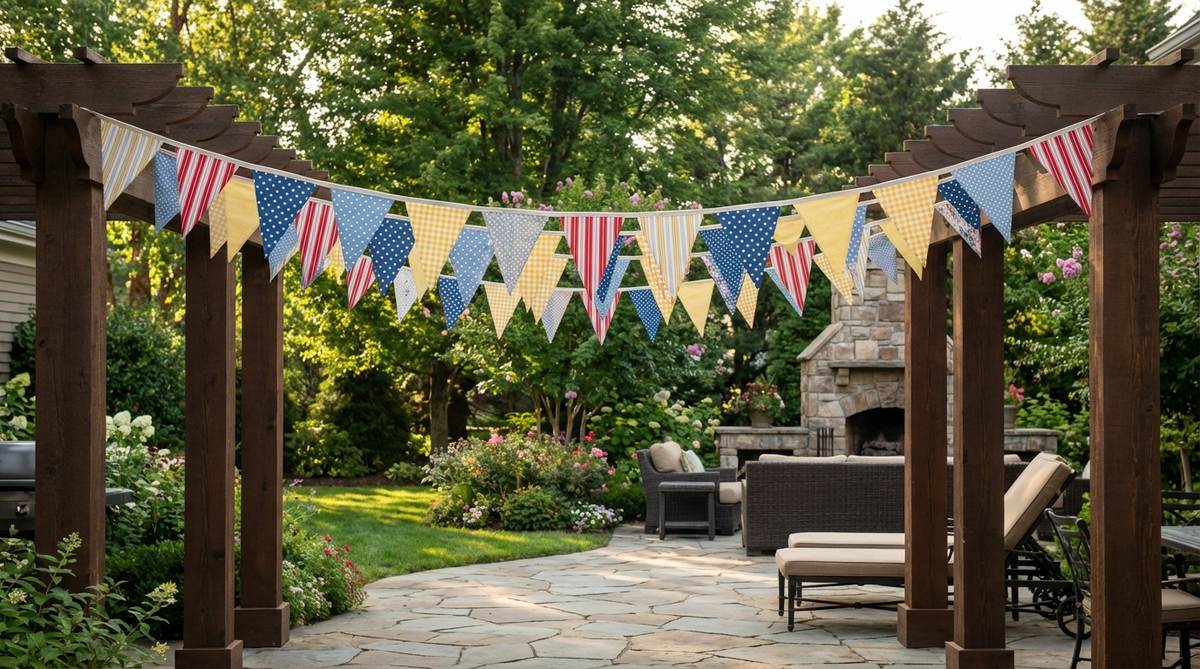
Fabric triangle flags strung between posts add festive touches. Choose weather-resistant materials or plan for removal after events.
String banners at heights above 7 feet to avoid head contact. Mix patterns and colors that coordinate with party themes.
Pennant banners signal celebration and create photo-worthy backdrops. Store flat between uses to prevent wrinkles.
25. Outdoor Bar Cart
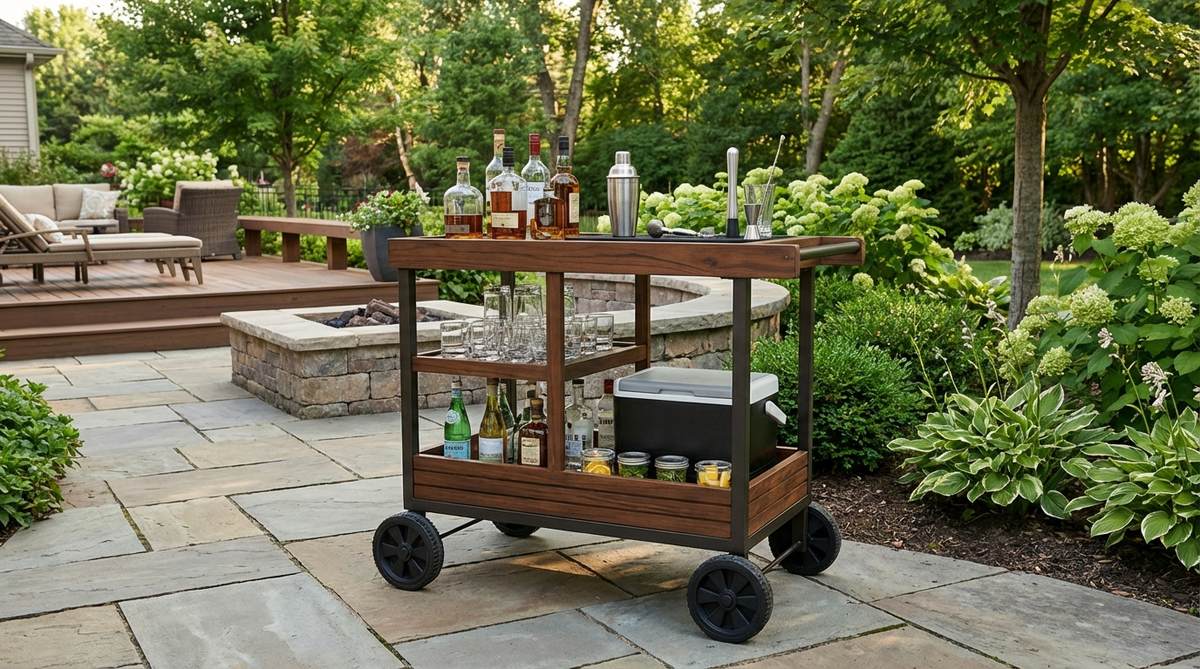
Mobile serving carts styled with bottles, glassware, and bar tools create mixology stations. Multi-tiered designs maximize storage.
Select carts with weather-resistant finishes and locking wheels. Stock with cocktail essentials and garnish containers.
Bar carts roll between indoor and outdoor spaces as needed. They serve as decorative elements even when not in active use.
26. Lawn Games Station
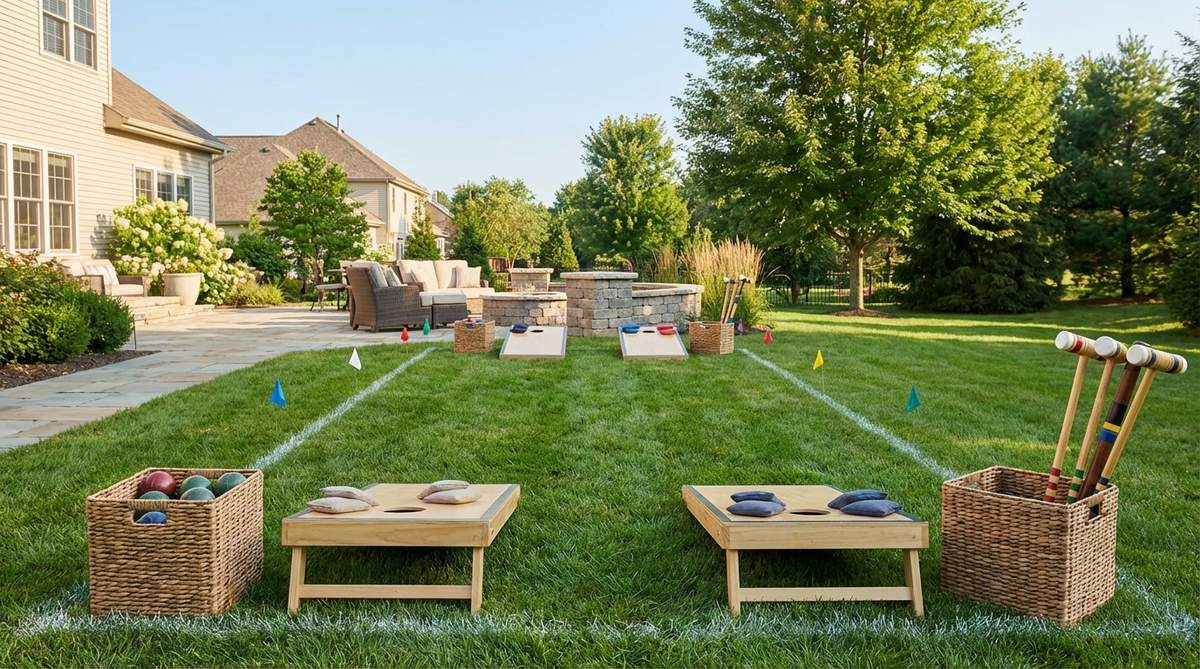
Designated areas for cornhole, bocce, or croquet encourage interaction. Set up games away from dining zones to separate activities.
Store equipment in decorative baskets or bins between uses. Mark game boundaries with landscape flags or spray chalk.
Interactive entertainment extends party duration and appeals to various age groups. Rotate game options for different gatherings.
27. Charcuterie Display Table
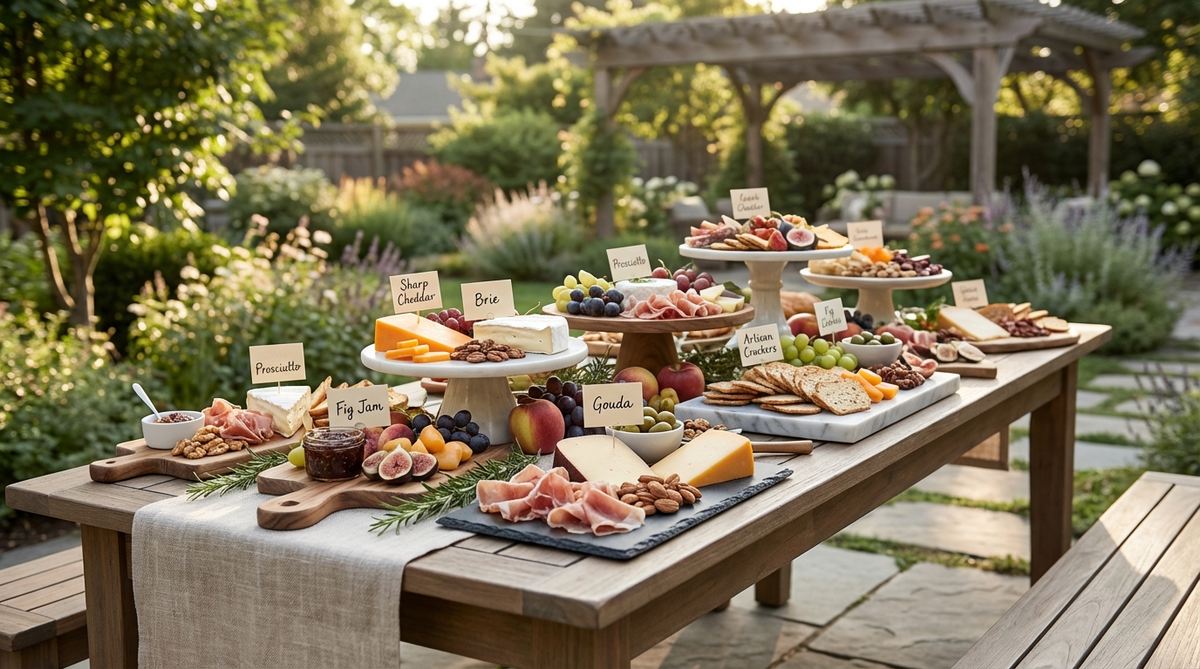
Long tables dressed with runners showcase grazing boards and appetizer spreads. Elevate some platters on cake stands for dimension.
Use wooden boards, slate tiles, or marble slabs as serving surfaces. Include small cards identifying cheeses and accompaniments.
Grazing tables function as both food service and decoration. They allow guests to sample throughout events.
28. Photo Backdrop Wall
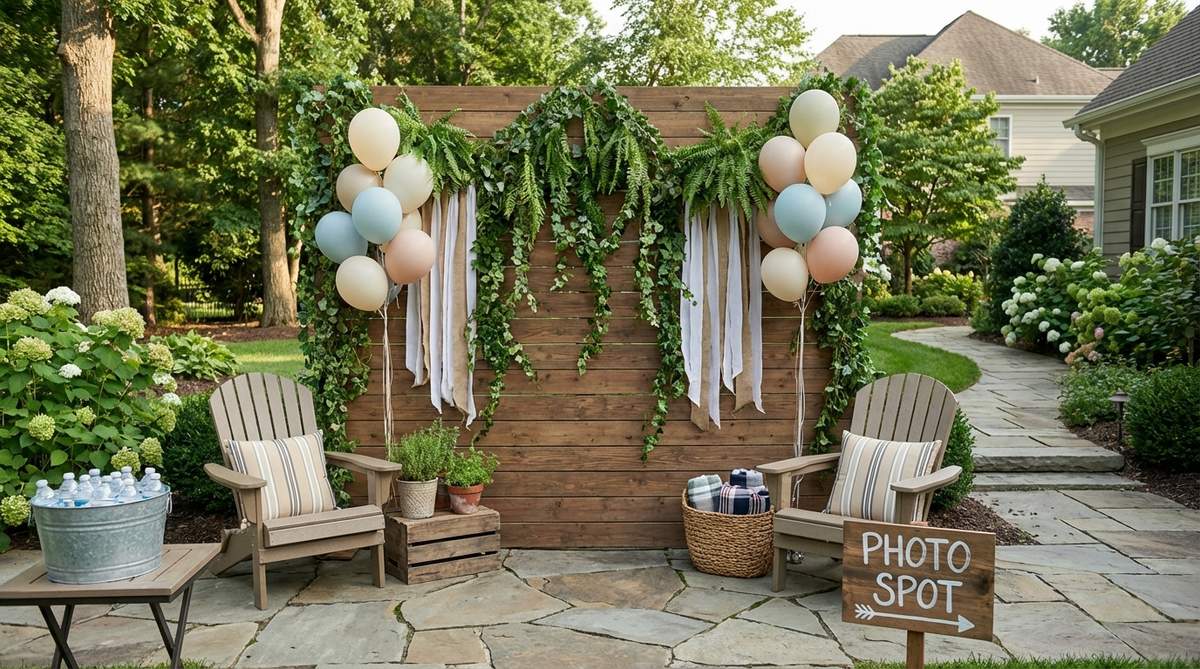
Decorated walls or fabric panels create designated photo zones. Use greenery walls, balloon installations, or streamers.
Position backdrops with flattering natural light and clear surrounding space. Include props in coordinating containers nearby.
Photo zones enhance social media engagement for events. They create lasting memories for hosts and guests.
Outdoor Decor with Fire Features
Fire elements extend outdoor season and serve as natural gathering points. Modern options range from portable to permanent installations.
29. Portable Gas Fire Pit
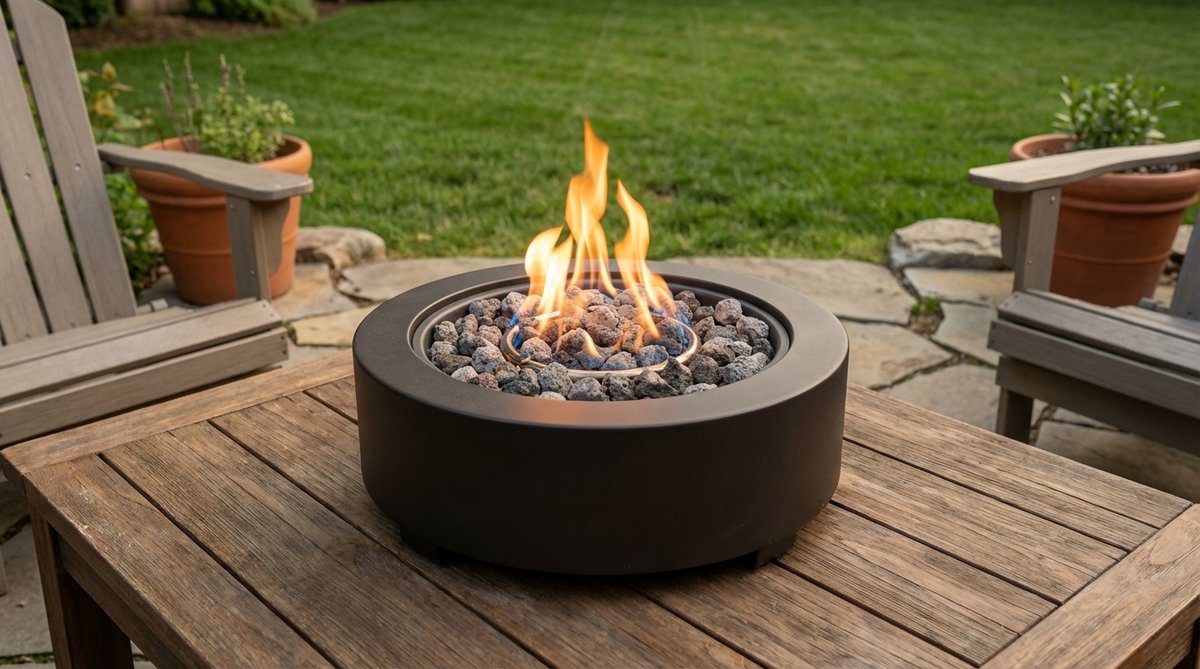
Tabletop propane fire features provide warmth without wood ash. Compact designs fit on dining tables or side tables.
Choose models with adjustable flames and automatic shutoff sensors. Surround fire elements with lava rocks or fire glass.
Portable pits require no installation and store easily. They offer instant ambiance without smoke concerns.
30. Built-In Fire Pit with Seating
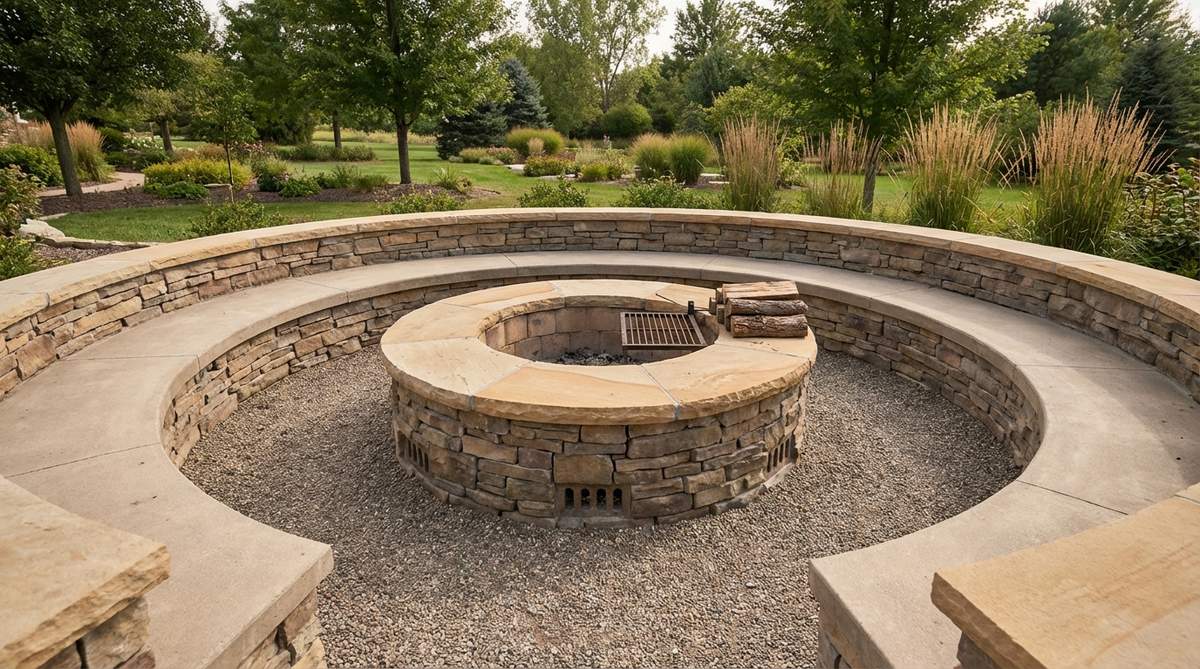
Permanent stone or concrete fire rings surrounded by integrated benches create destination zones. The circular layout encourages conversation.
Install natural gas lines for convenient operation or design for wood burning with proper ventilation. Cap edges with heat-resistant coping stones.
Built-in features become landscape anchors that define gathering spaces. They add significant property value.
31. Chiminea Accent Piece
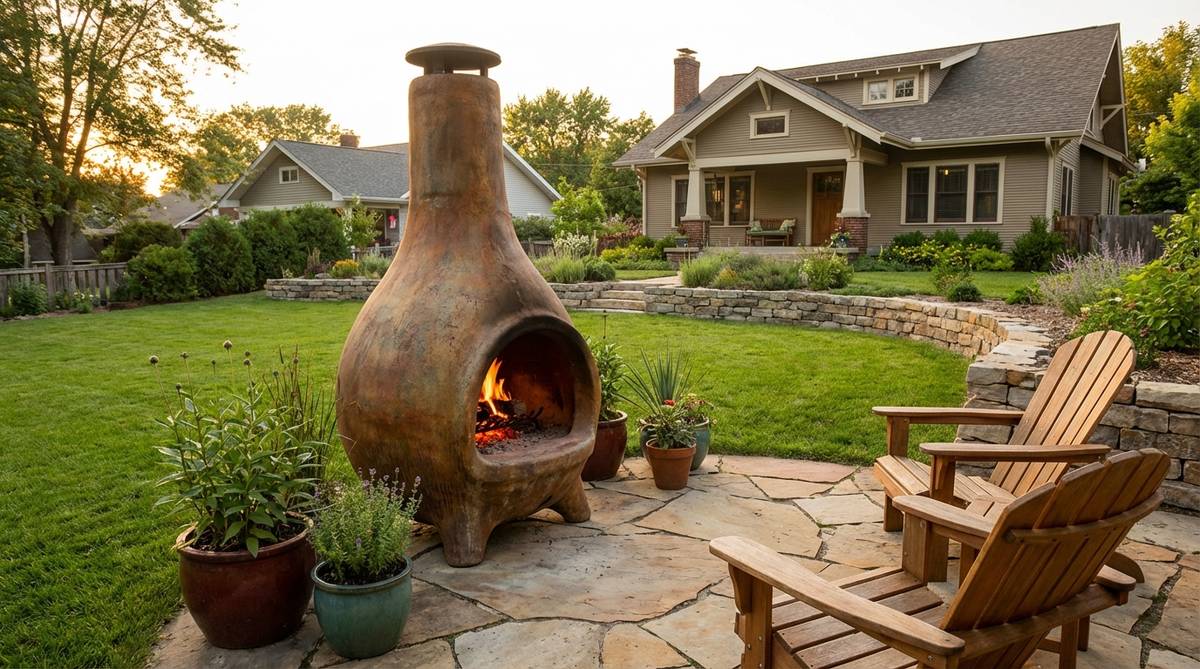
Freestanding clay or cast-iron fireplaces direct smoke upward through chimneys. Their sculptural forms serve as art pieces.
Position chimineas on fireproof pads away from overhangs. Use as heat sources or simply display as decorative elements.
Traditional designs add Southwestern character to patios. Modern versions come in sleek metal finishes.
32. Fire Column Features
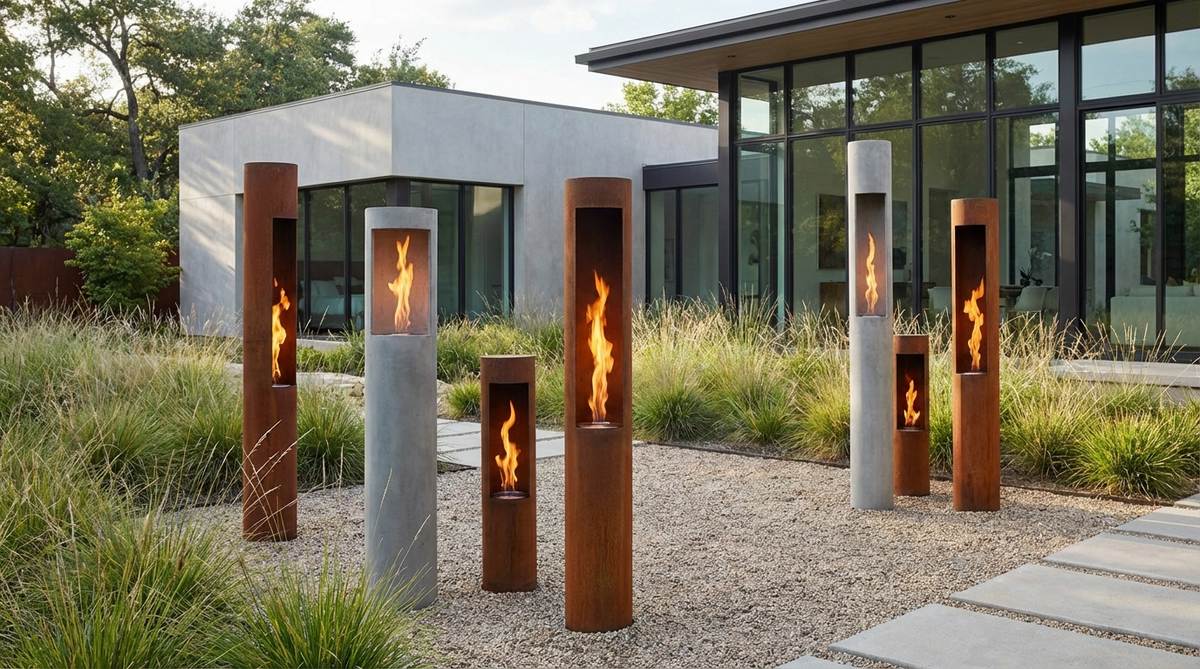
Tall narrow fire vessels in metal or concrete provide vertical flames. They consume less floor space than traditional fire pits.
Arrange multiple columns at varying heights for dramatic effect. Connect to propane tanks concealed in bases.
Fire columns suit contemporary design aesthetics. Their clean lines complement modern architecture.
33. Tabletop Fireplace
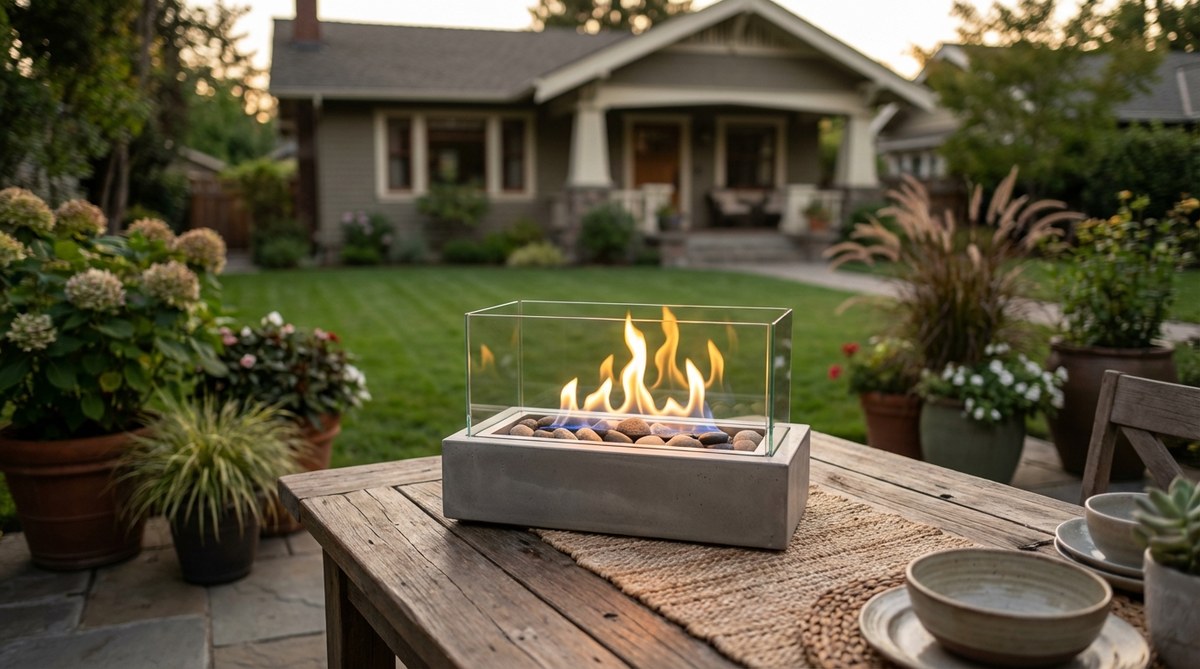
Small bioethanol burners sit on outdoor dining tables as centerpieces. The real flames create ambiance without heat production.
Fill decorative bases with stones or minerals. Use only recommended bioethanol fuel for clean burning.
Tabletop fireplaces bridge the gap between candles and full fire features. They require no venting or gas lines.
34. Fire and Water Combination
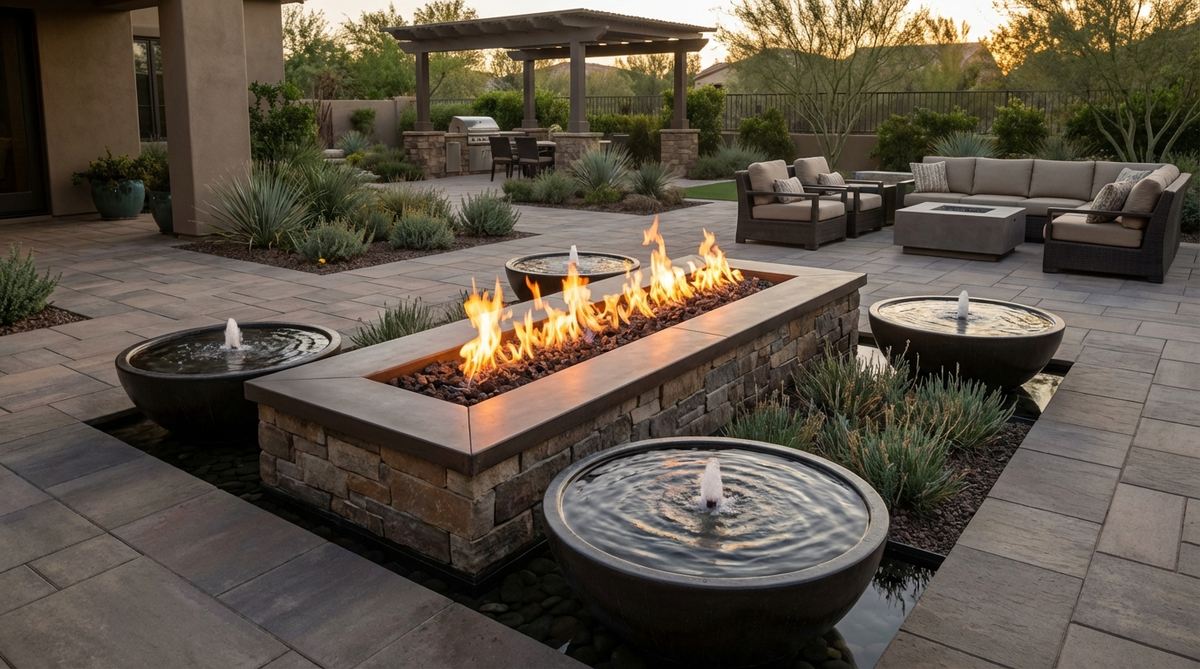
Custom features that combine water bowls with center fire elements create contrasting elements. Flames reflect in surrounding water for enhanced visual impact.
Hire professionals for proper gas line and water feature integration. Use fire glass that complements water bowl materials.
These hybrid features serve as luxury focal points. They deliver both movement and warmth.
Water Feature Outdoor Decorations
Moving water adds soothing sound and visual interest to gardens. Features range from simple fountains to elaborate installations.
35. Tiered Fountain
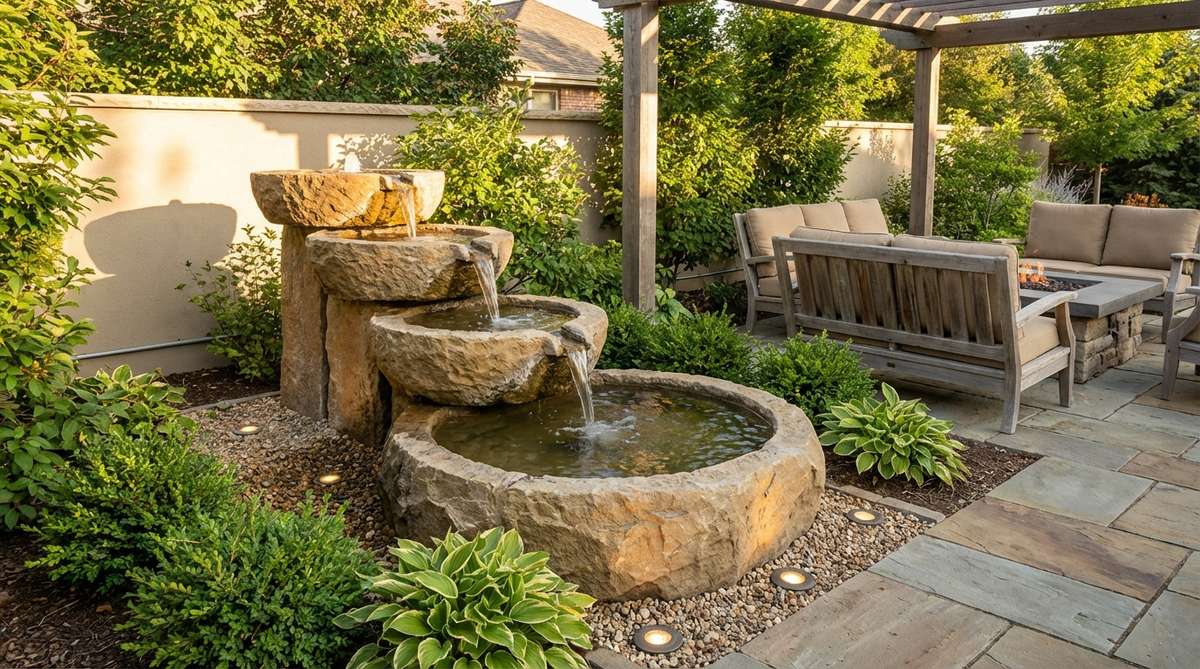
Stacked basin fountains create cascading water flows. The continuous sound masks neighborhood noise.
Position near seating areas for maximum effect. Connect to electrical outlets via GFCI-protected lines and add subtle uplighting.
Tiered designs come in materials from resin to natural stone. Clean basins monthly to prevent algae buildup.
36. Pondless Waterfall
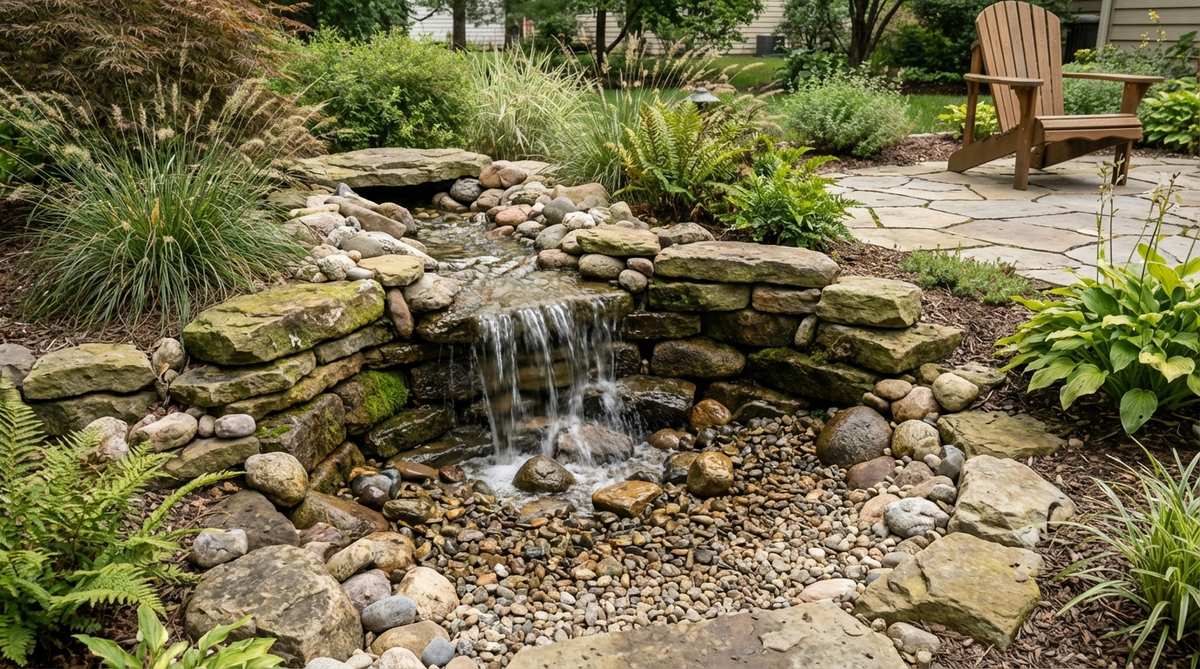
Water cascades over rocks into hidden reservoirs rather than open ponds. This design eliminates standing water concerns.
Use a pump to recirculate water through tubing concealed beneath rocks. Layer stones to create natural-looking drops.
Pondless systems require less maintenance than traditional ponds. They use less water and discourage mosquitos.
37. Wall-Mounted Water Spout
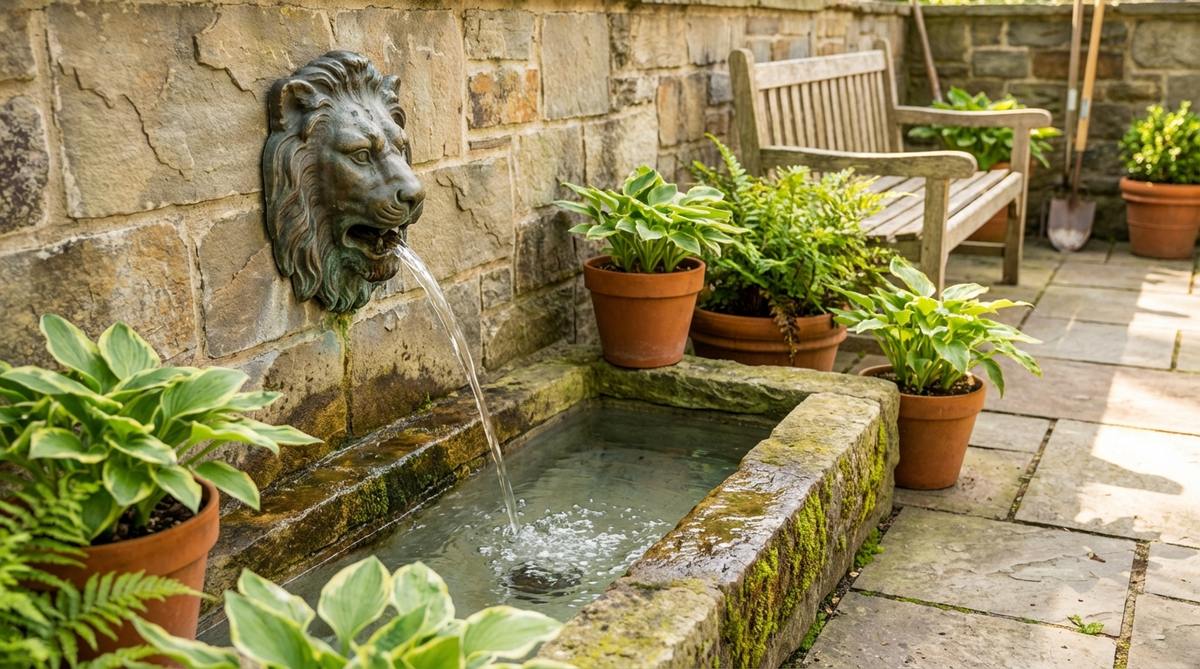
Decorative spigots attached to walls pour into basins below. Lion heads, geometric shapes, or abstract forms serve as spout designs.
Mount spouts at comfortable viewing heights and ensure basins catch all runoff. Use submersible pumps to recirculate water.
Wall fountains suit small patios where floor space is limited. They add vertical interest and soothing sounds.
38. Bubbling Rock Fountain
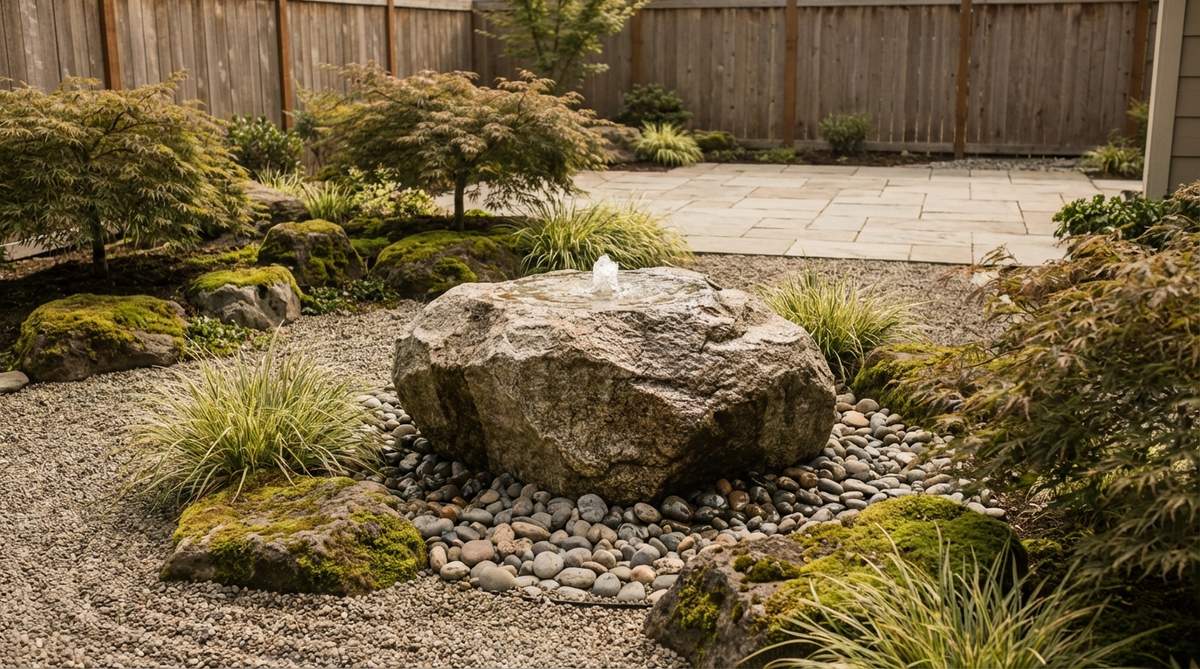
Water emerges from drilled boulders and spills over surfaces. The natural appearance blends into garden settings.
Bury reservoir basins and cover with mesh and decorative gravel. Use core-drilled natural stones for authentic look.
Bubbling rocks provide subtle water features without dominating spaces. They attract birds for added activity.
39. Reflecting Pool
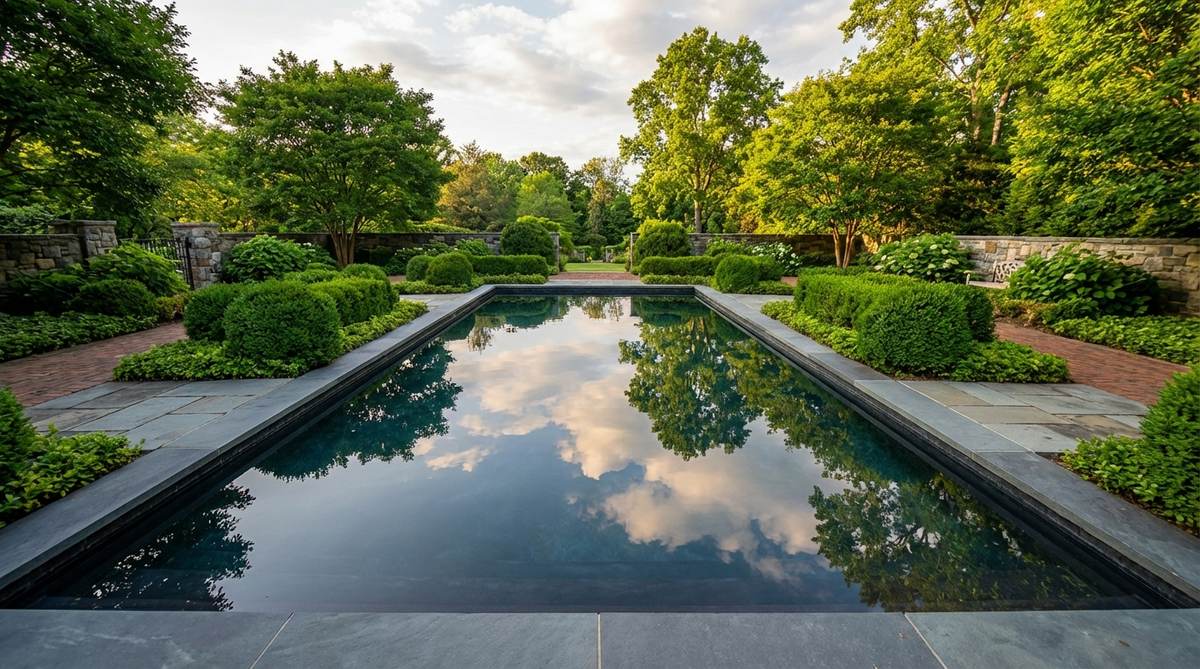
Shallow still-water basins mirror sky and surrounding plantings. Dark liner materials enhance reflection quality.
Design pools with overflow edges for zero-edge effects. Keep water depth at 4-6 inches for best reflection.
Reflecting pools create meditative spaces. They work particularly well in formal garden designs.
40. Rain Chain
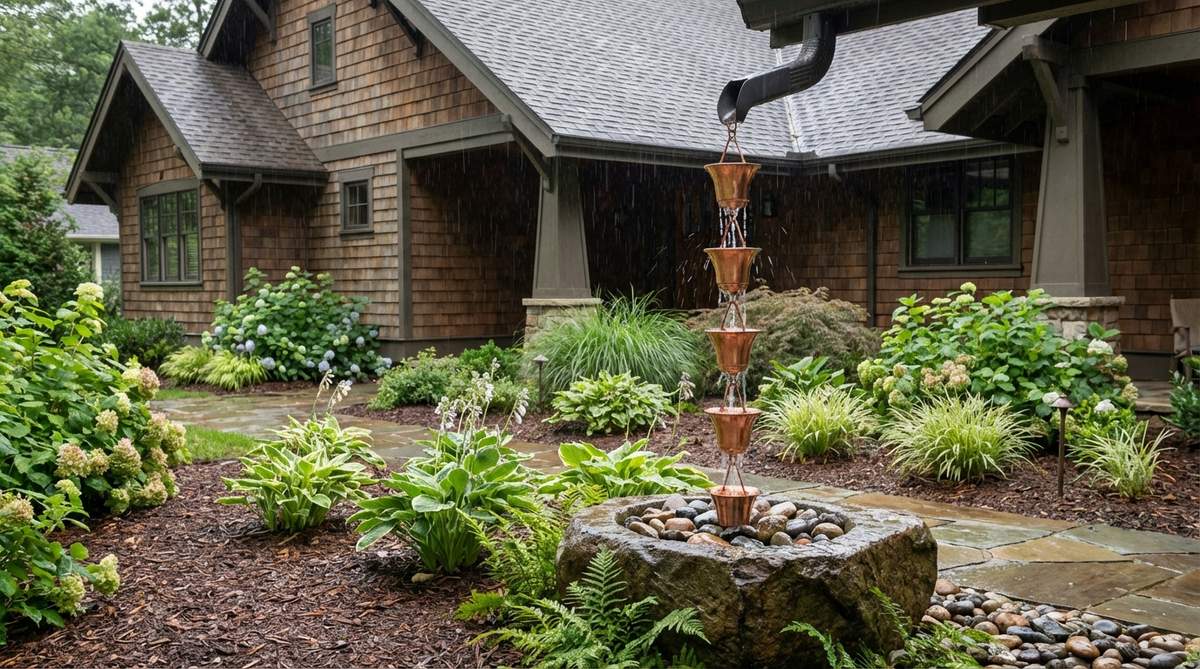
Decorative chains replace downspouts to direct rainfall. Water flows along cups or links creating visual interest during storms.
Attach chains to gutter outlets and position splash basins at ground level. Choose copper for natural patina development or powder-coated metals.
Rain chains transform functional drainage into decorative elements. They produce pleasant tinkling sounds during precipitation.
Outdoor DecorFlooring and Surfaces
Ground treatments define zones and add pattern underfoot. Surface selections impact both aesthetics and functionality.
41. Painted Concrete Patterns
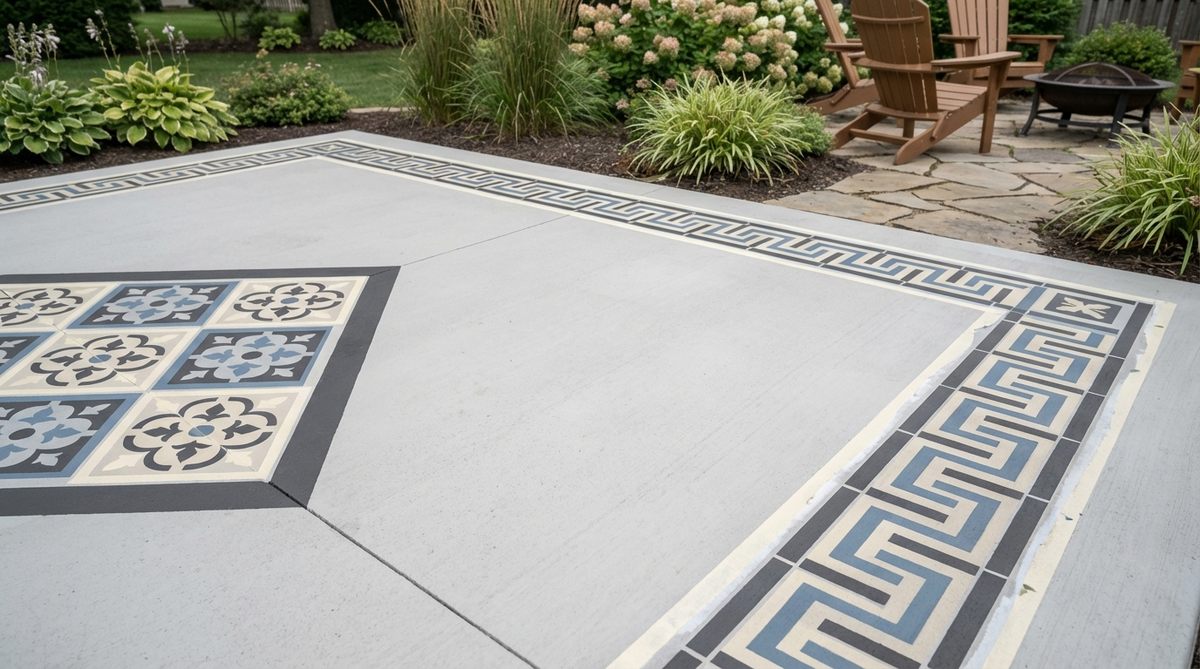
Stenciled designs applied to existing concrete refresh dated patios. Geometric patterns, faux tiles, or borders add visual interest.
Clean and prime surfaces before applying concrete floor paint. Use painter’s tape to create crisp pattern lines.
Painted floors offer budget-friendly transformations. Seal with clear polyurethane for protection.
42. Outdoor Area Rugs
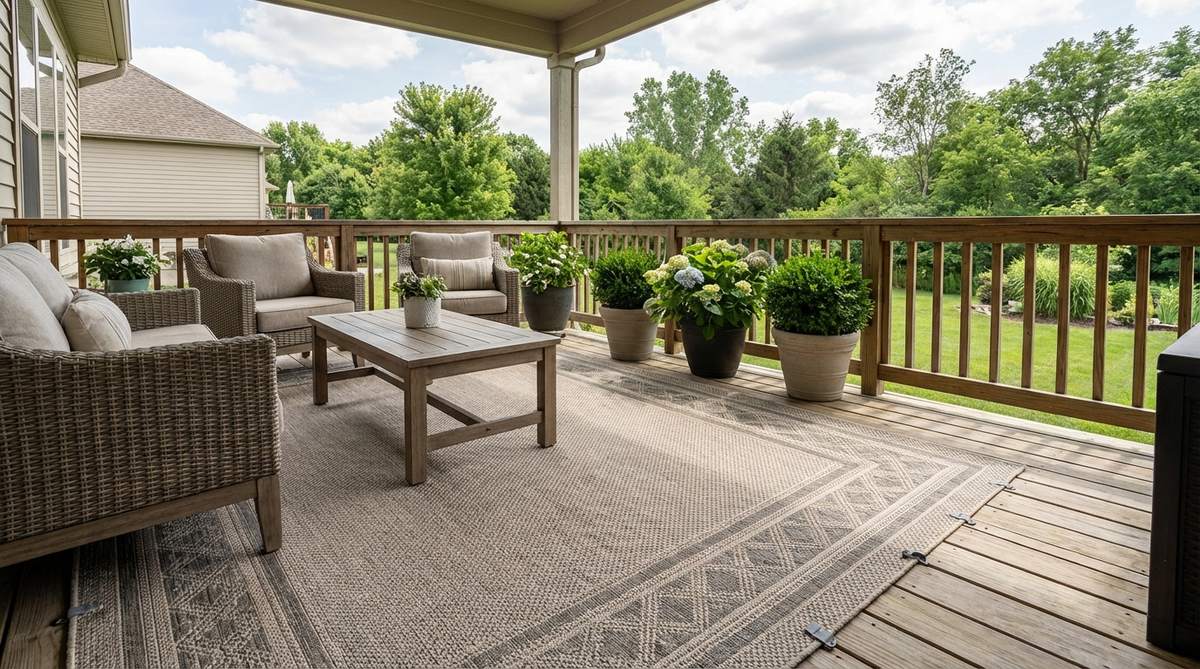
Polypropylene rugs designed for exterior use define seating zones. Patterns and colors soften hard surfaces.
Choose rugs with drainage backing that allows water flow. Secure corners with outdoor rug tape to prevent tripping.
Outdoor rugs add comfort and reduce furniture leg marks on decking. Hose clean and allow to dry fully.
43. Gravel Patio Base
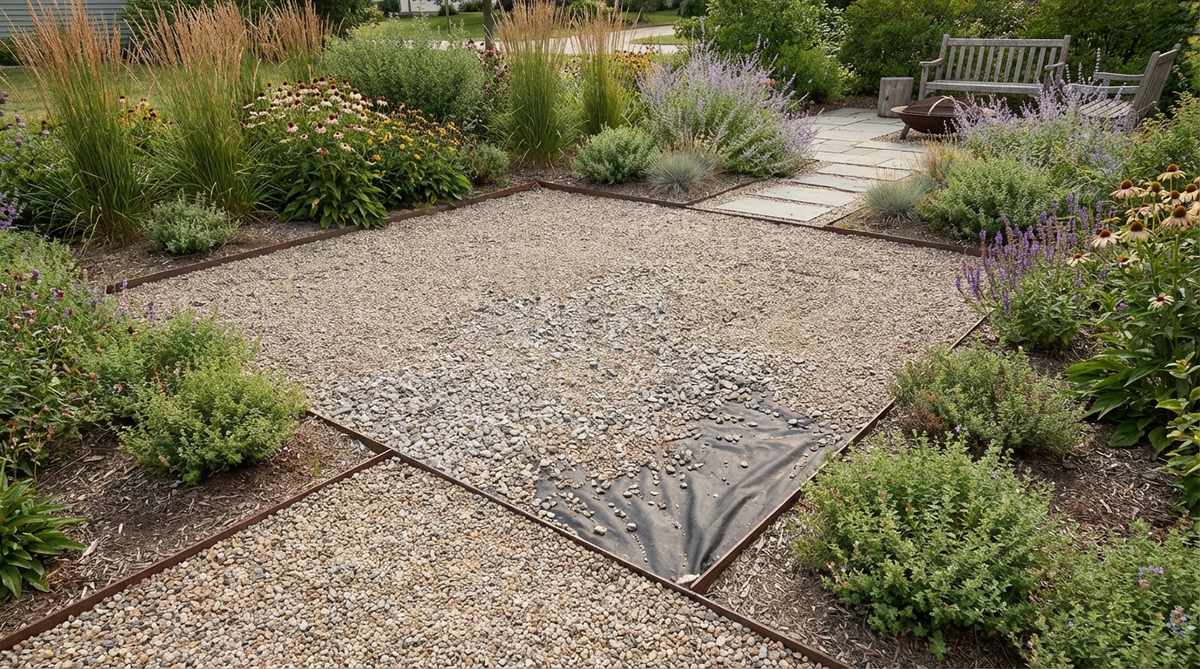
Crushed stone or pea gravel creates permeable surfaces that drain naturally. The texture contrasts with planted areas.
Install landscape fabric beneath gravel to suppress weeds. Edge with metal or stone borders to contain materials.
Gravel patios suit casual design styles and cost less than hardscape alternatives. Rake periodically to maintain even distribution.
44. Mixed Material Pavers
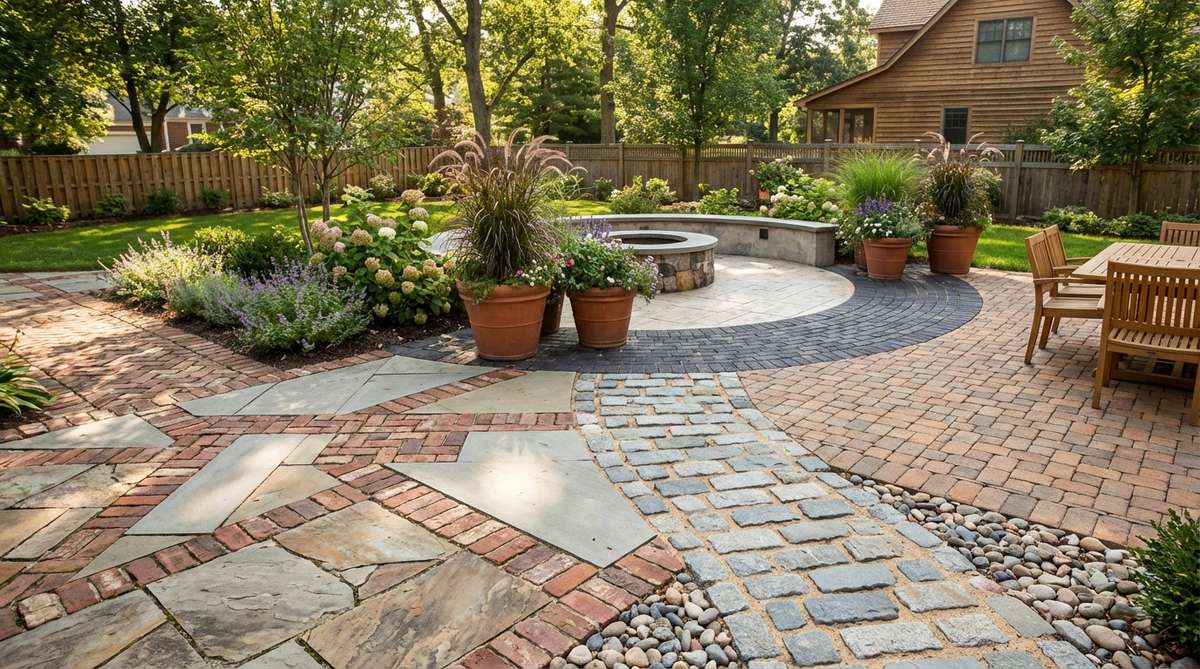
Combining stone, brick, and concrete pavers creates custom patterns. The varied textures add complexity to floor planes.
Set pavers in sand or mortar depending on desired permanence. Use contrasting colors to outline zones or create borders.
Mixed materials allow personalization within budget constraints. Piece together remnants for unique designs.
45. Artificial Turf Between Pavers
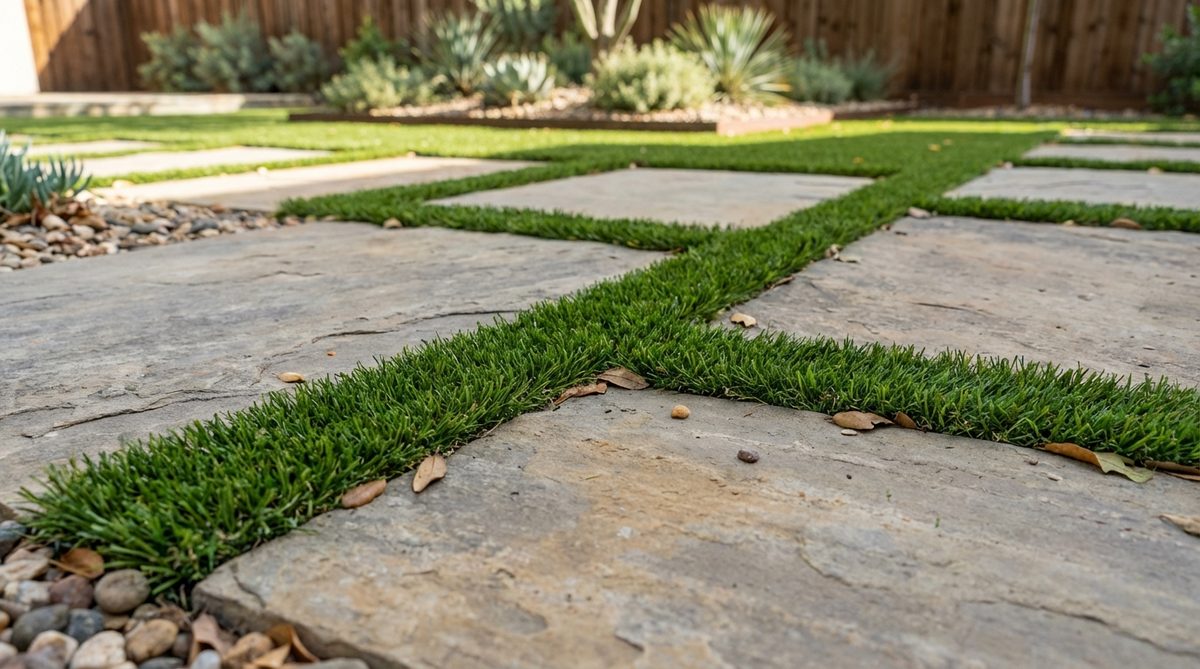
Synthetic grass strips installed in paver joints soften grid patterns. The green infill requires no mowing or watering.
Choose turf products with drainage holes and UV protection. Cut to fit joint widths using utility knives.
Artificial turf adds organic feel without maintenance demands. It stays green year-round regardless of climate.
46. Wooden Deck Tiles
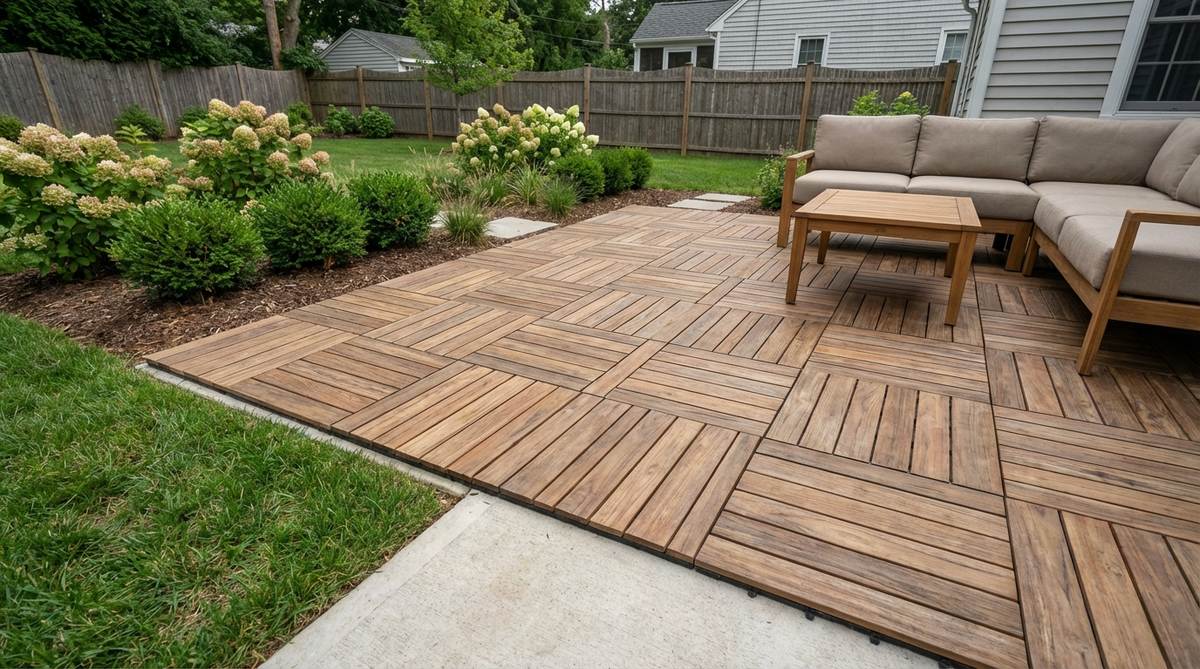
Interlocking wood squares snap together over existing surfaces. They convert concrete patios to wood decks without demolition.
Select tiles made from rot-resistant species like teak or composite materials. Lay in patterns that conceal seams.
Deck tiles install without tools or adhesives. Remove and store during harsh winter conditions.
Container and Planter Outdoor Decor
Pots and planters introduce color, texture, and flexibility. Containerized plants adapt to seasonal changes and design updates.
47. Oversized Statement Planters
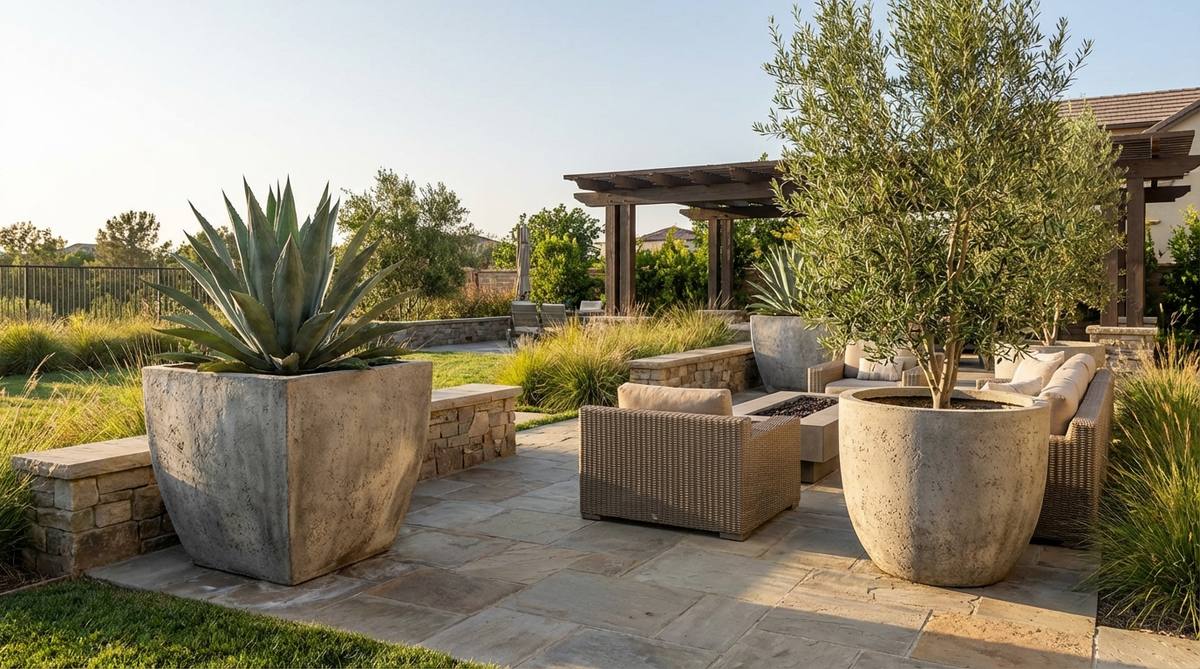
Large-scale pots planted with architectural specimens anchor patio corners. Their mass balances furniture groupings.
Choose lightweight fiberglass or resin planters that mimic concrete or stone. Fill bottoms with packing peanuts to reduce soil weight.
Statement planters establish garden presence immediately. Single dramatic plantings often outperform complex combinations.
48. Tiered Planter Stands
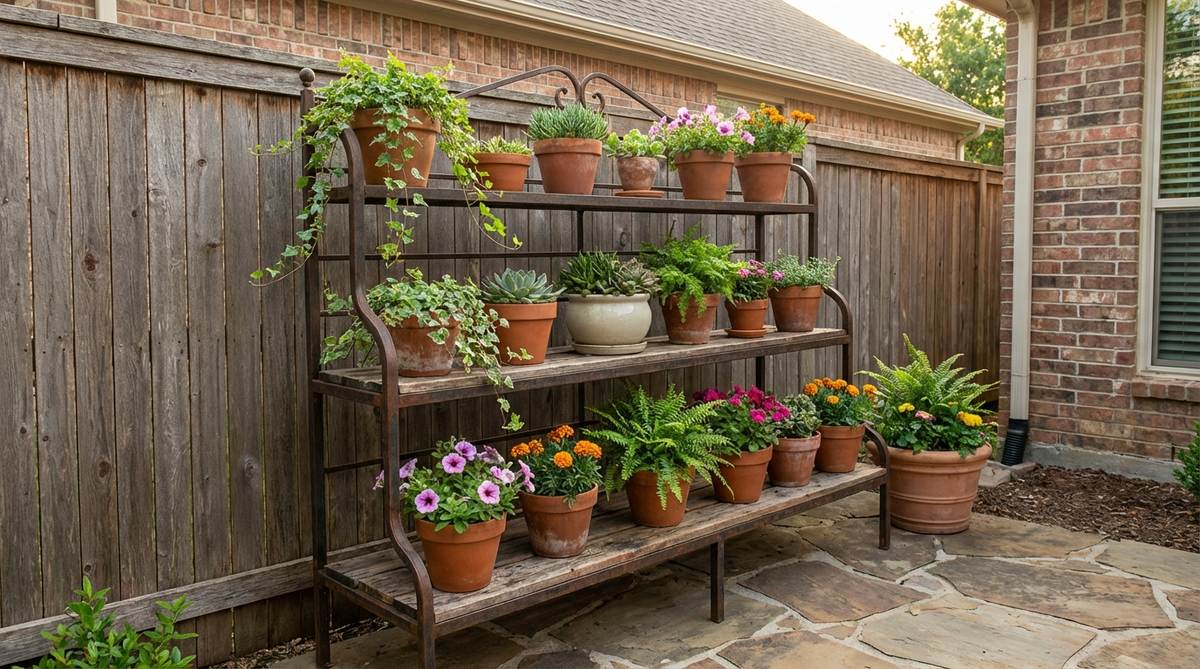
Multi-level metal or wooden stands display multiple pots at varying heights. The vertical arrangement maximizes display space.
Rotate plants seasonally to showcase blooming specimens at eye level. Mix pot sizes and styles for collected look.
Tiered stands work particularly well near blank walls or fences. They create living art installations.
49. Window Box Planters
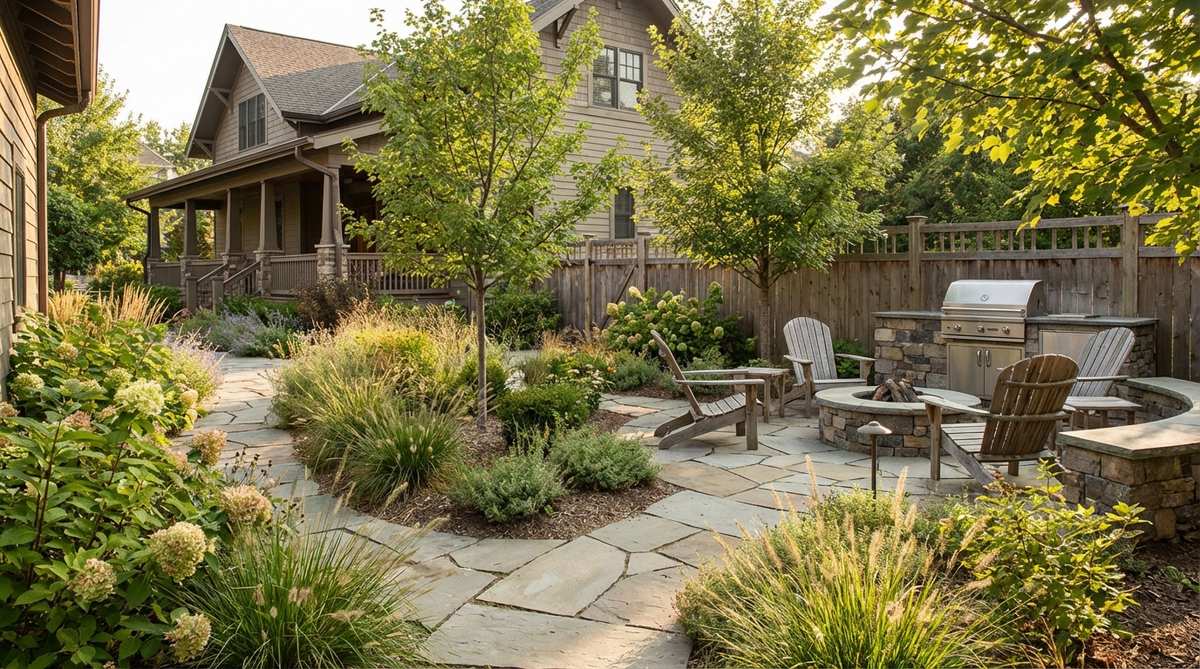
Rectangular containers mounted below windows add charm to home exteriors. Coordinated plantings across multiple boxes create cohesive look.
Secure boxes with heavy-duty brackets rated for filled weight. Install drip trays to protect siding from water stains.
Window boxes bring gardens to upper stories and balconies. Plant trailing varieties for cascading effects.
50. Grouped Pot Collections
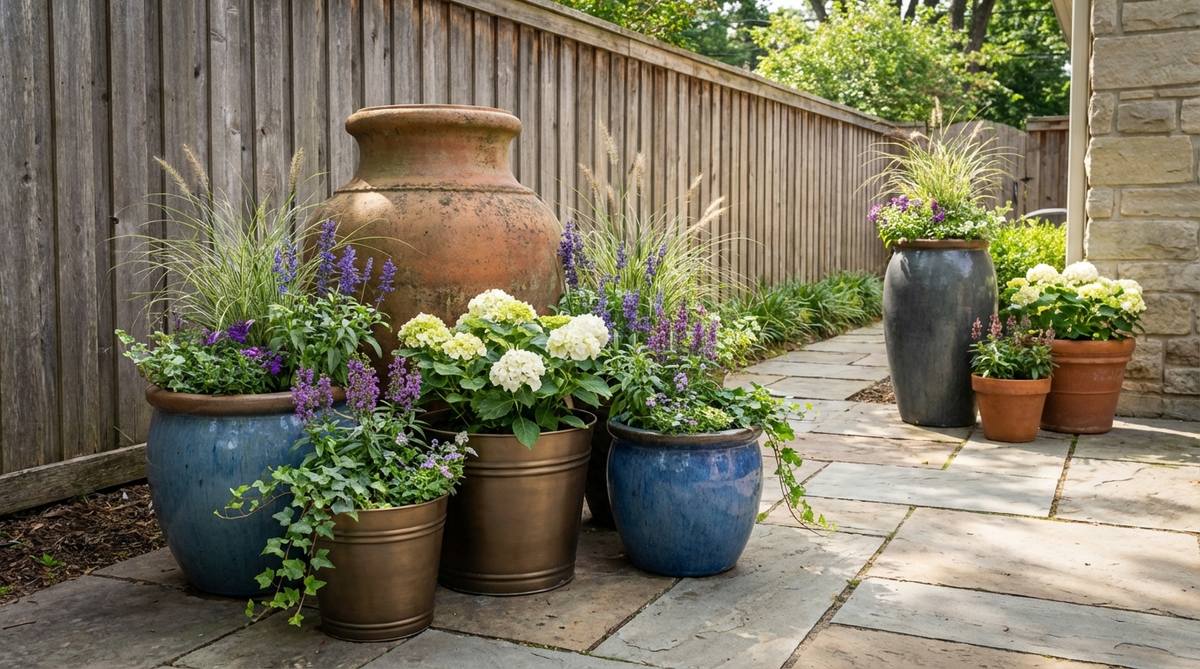
Clusters of varied containers create curated displays. Mix materials like terracotta, glazed ceramic, and metal.
Arrange pots in odd-numbered groupings with tallest in back. Unify diverse pots through coordinated plant color palettes.
Collected arrangements develop over time as you acquire new pieces. They reflect personal style evolution.
51. Raised Planter Beds
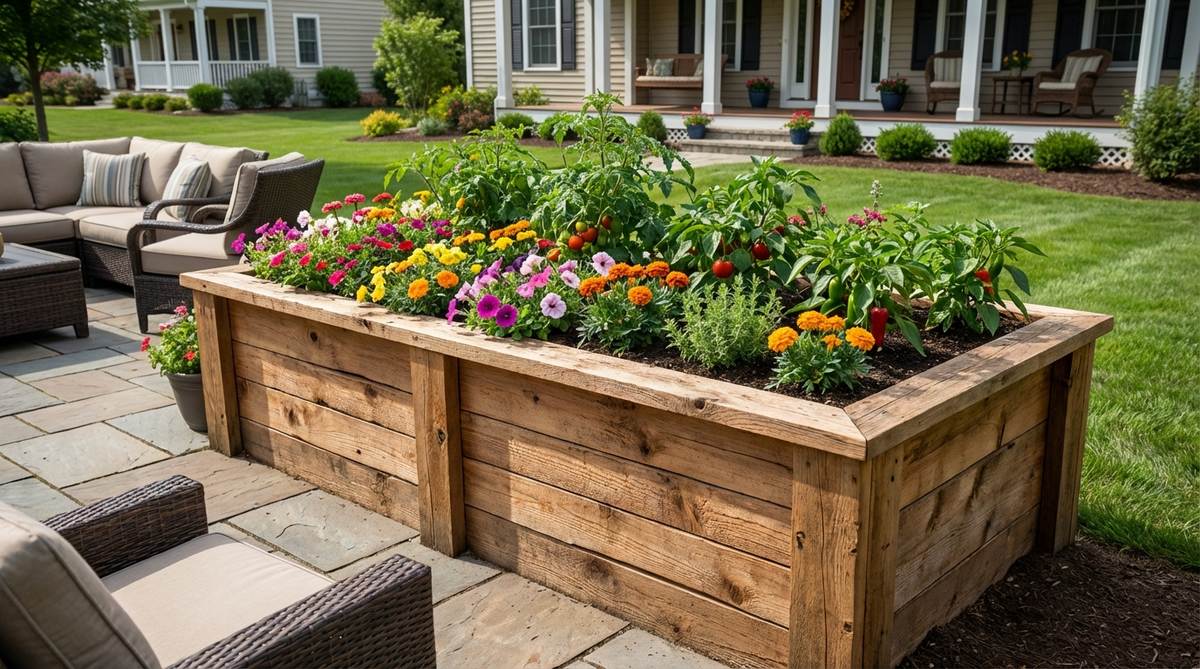
Elevated boxes built at comfortable heights reduce bending for maintenance. They function as garden beds and visual dividers.
Construct from cedar, composite materials, or metal panels. Line interiors with landscape fabric before adding soil.
Raised beds improve drainage and extend growing seasons. They suit vegetable gardens and cutting flower displays.
52. Hanging Macrame Plant Holders
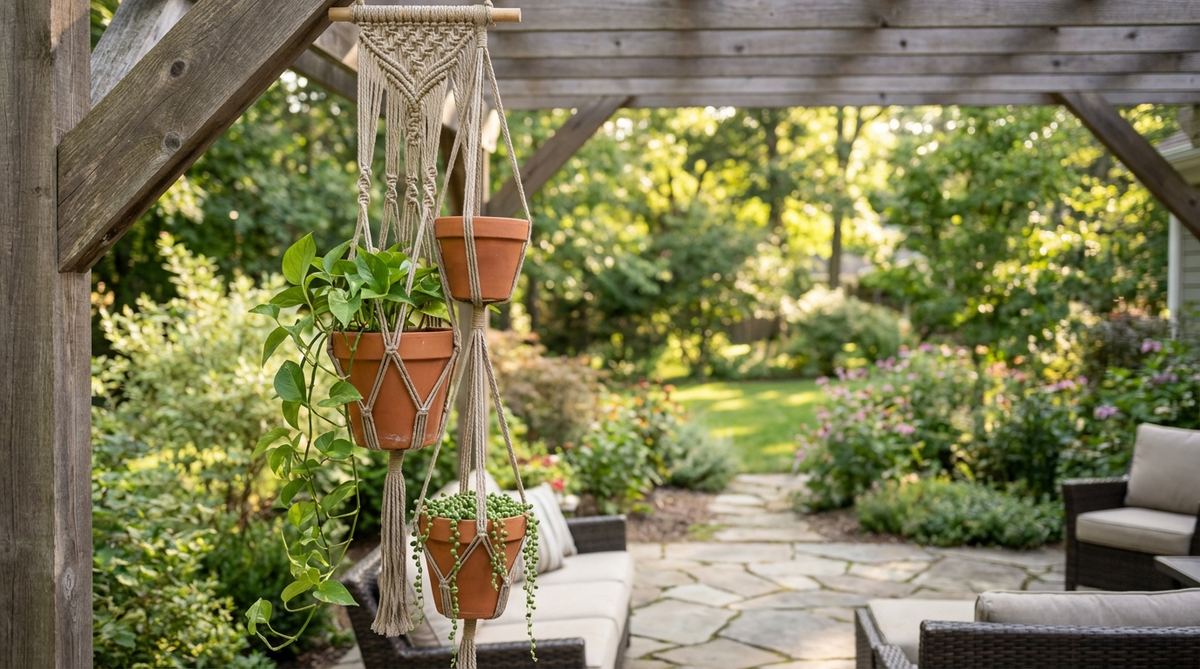
Knotted rope holders suspended from hooks display potted plants at eye level. The textile element adds bohemian character.
Use weather-resistant synthetic cord rather than natural fibers. Adjust cord lengths to stagger plant heights.
Macrame holders showcase trailing plants like pothos or string of pearls. They introduce handcrafted touches.
53. Repurposed Container Planters
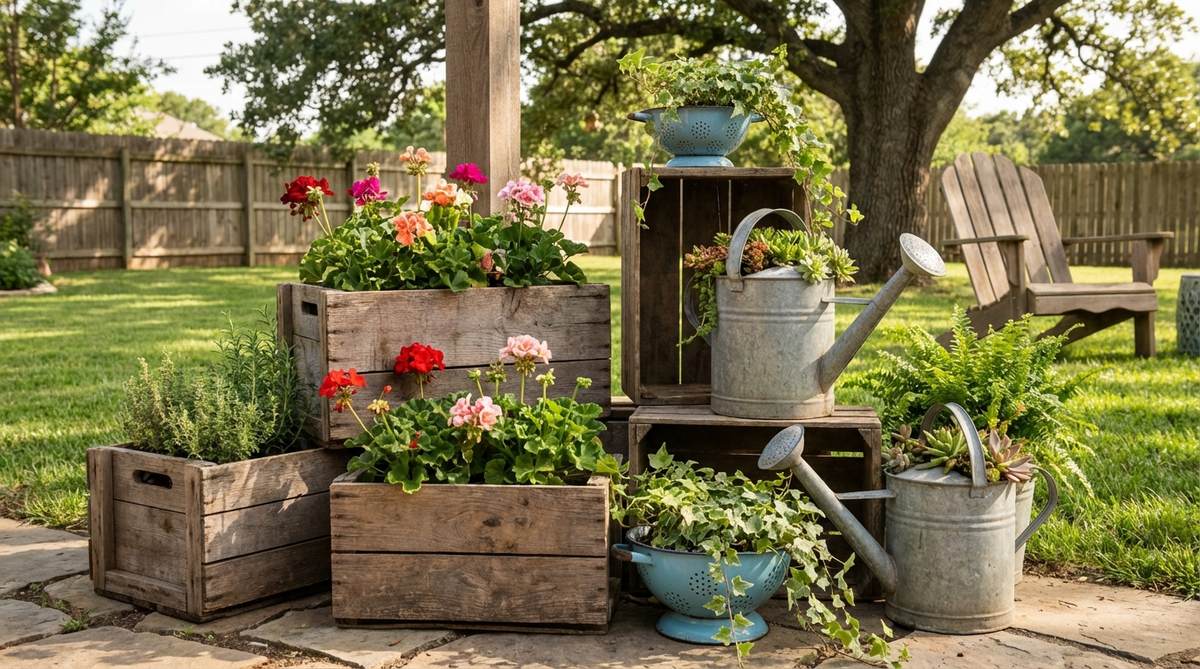
Vintage items like watering cans, colanders, or crates gain new life as planters. The unexpected containers add whimsy.
Drill drainage holes in bottom of non-porous containers. Line metal items with plastic to prevent rust staining.
Repurposed planters express creativity and sustainability values. They serve as conversation starters.
Privacy and Screening Outdoor Decorations
Screening elements create intimate spaces without solid walls. Strategic placement blocks sightlines while maintaining airflow.
54. Lattice Panel Screens
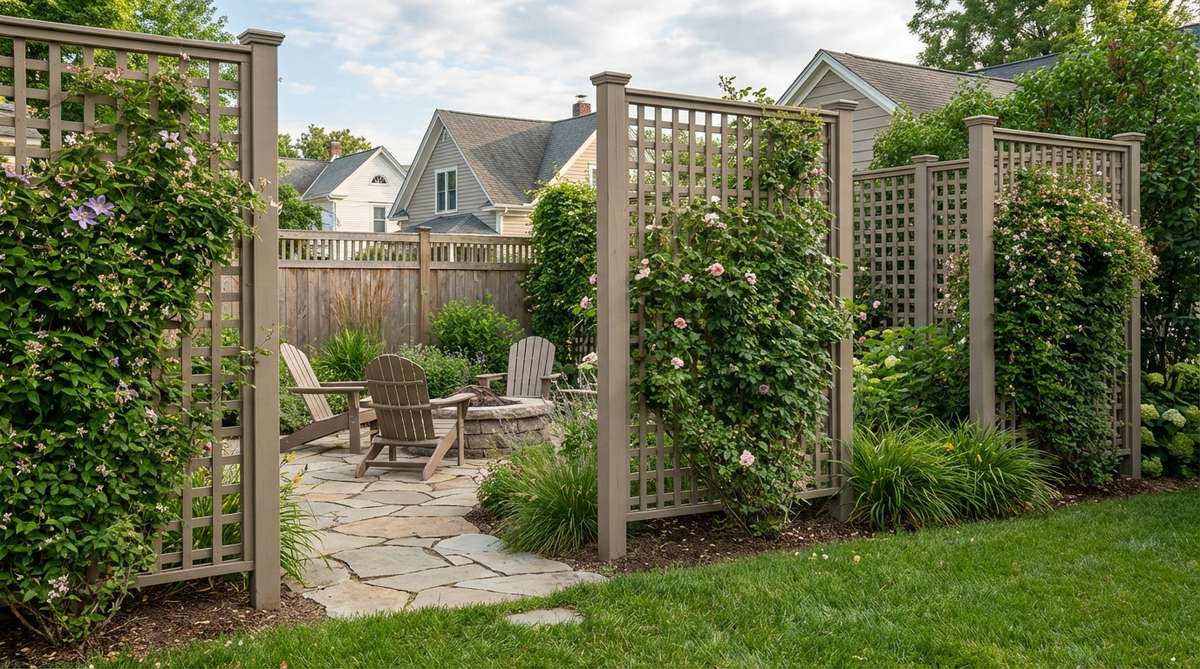
Freestanding lattice frames placed between posts filter views. The open pattern allows light while obscuring details.
Paint or stain panels to coordinate with existing fencing. Train climbing vines through openings for living screens.
Lattice screens define property lines without creating fortress effects. They cost less than solid fencing.
55. Outdoor Curtain Panels
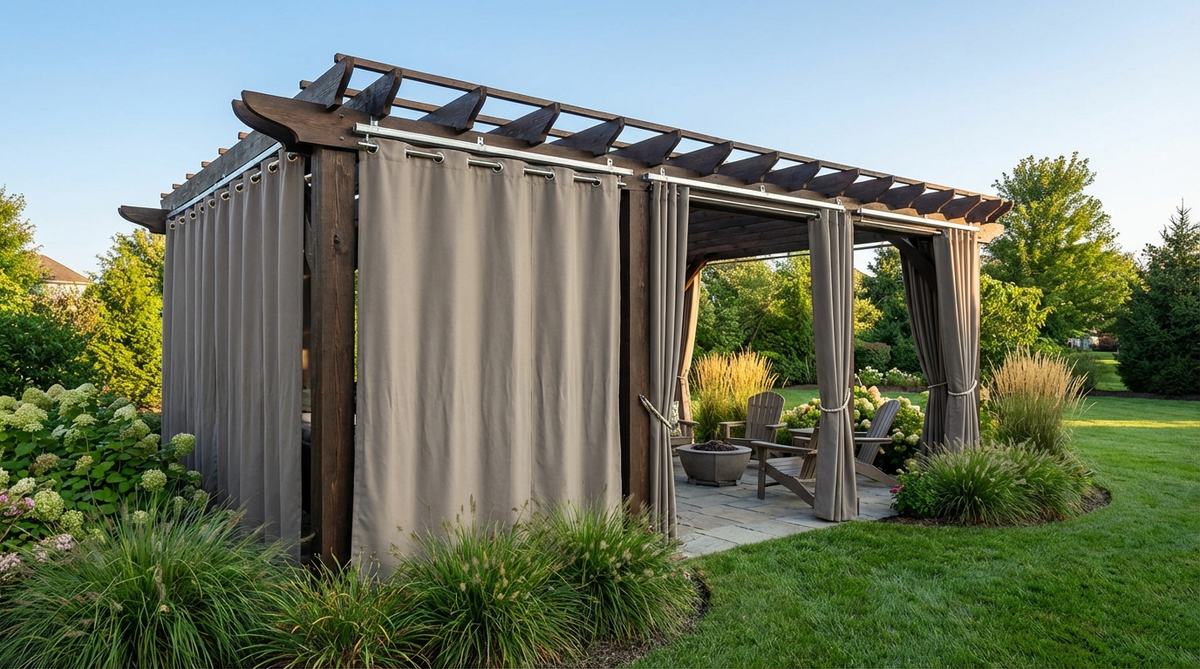
Weather-resistant fabric drapes hung from pergola edges add soft enclosure. The flowing material diffuses wind and creates room-like feel.
Install curtain rods or cables along pergola perimeters. Choose grommeted panels that slide easily for adjustment.
Curtains provide variable privacy that adjusts to needs. They soften architectural structures.
56. Bamboo Roll-Up Shades
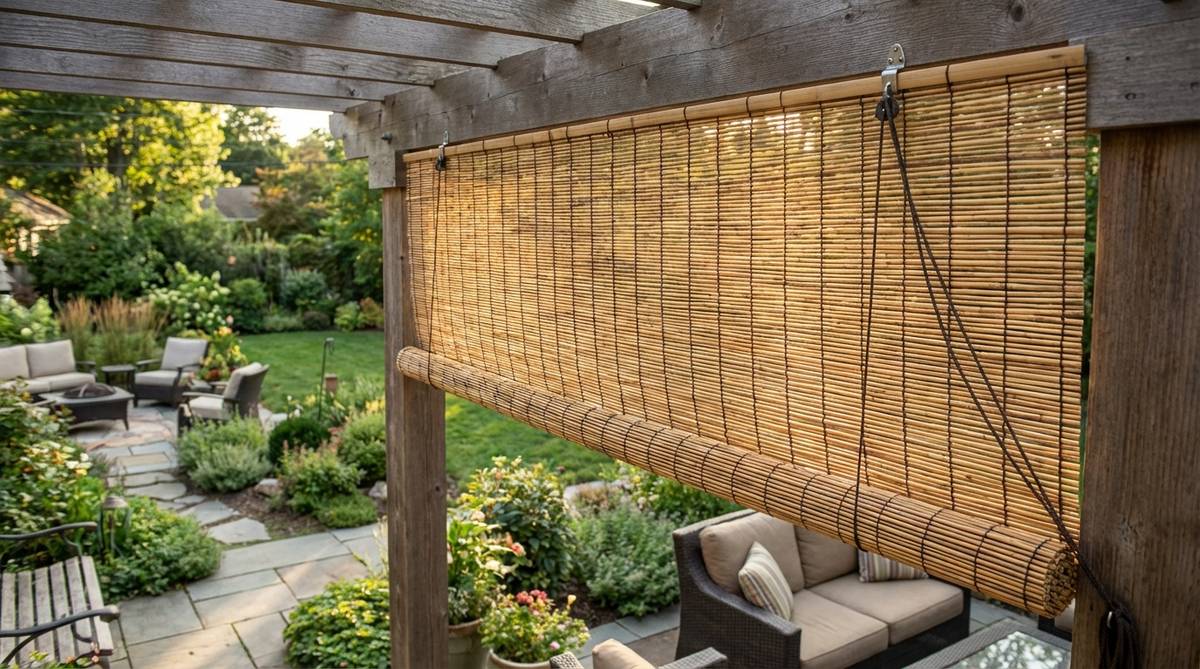
Natural reed shades attached to pergola sides block afternoon sun. Roll-up mechanisms allow opening for breezes.
Mount exterior-grade bamboo shades using corrosion-resistant hardware. Secure bottom edges during windy conditions.
Bamboo shades introduce organic texture and pattern. They filter light while maintaining outdoor connection.
57. Privacy Hedge in Planters
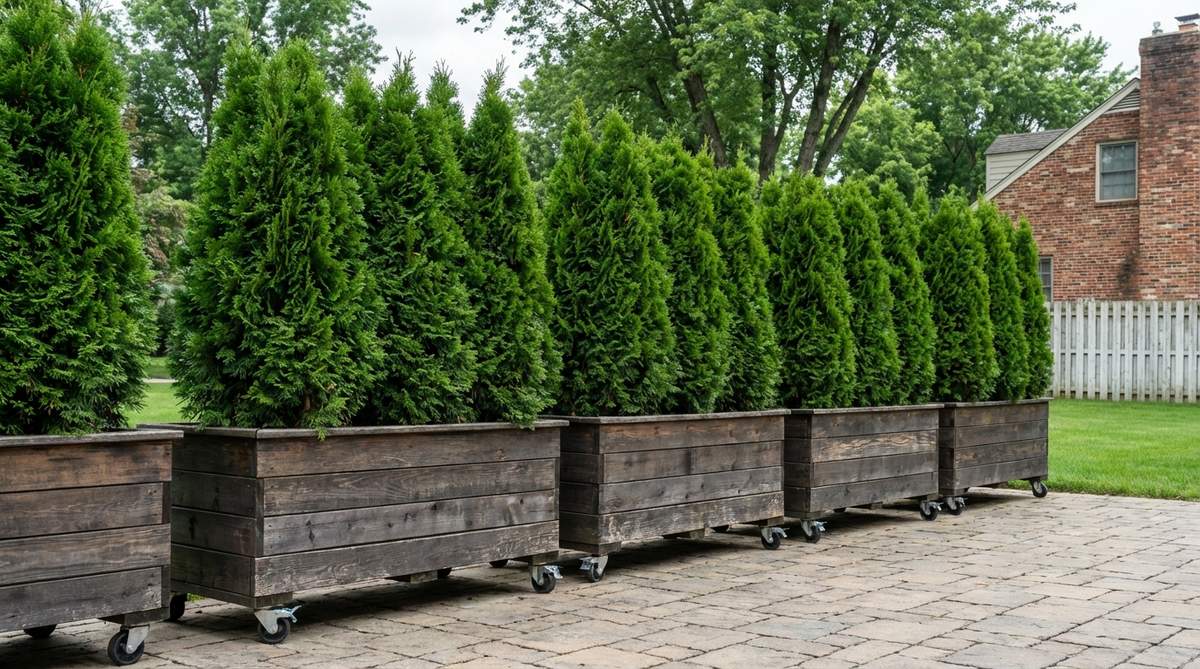
Mobile planter boxes filled with dense evergreens create movable walls. Reposition planters as privacy needs change.
Select narrow upright varieties like arborvitae or cypress. Use planters on casters for easier movement.
Containerized hedges suit renters or those avoiding permanent installations. They green spaces while providing screening.
58. Decorative Metal Panels
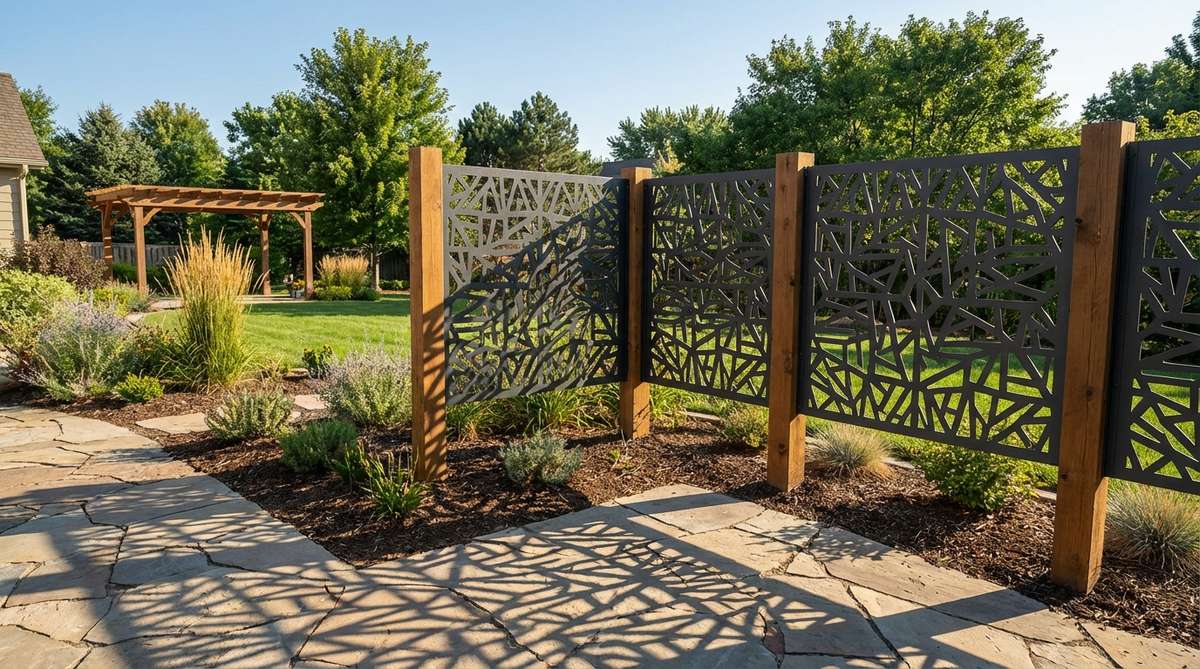
Laser-cut steel or aluminum screens mounted to frames create artistic barriers. Patterns range from geometric to organic designs.
Powder-coat panels for weather resistance and color customization. Position to cast interesting shadow patterns.
Metal screens function as outdoor art while serving practical purposes. They suit modern design aesthetics.
Outdoor Decor Ideas for Dining
Dining areas benefit from thoughtful details that enhance mealtime experiences. Well-appointed tables encourage outdoor entertaining.
59. Extending Dining Table
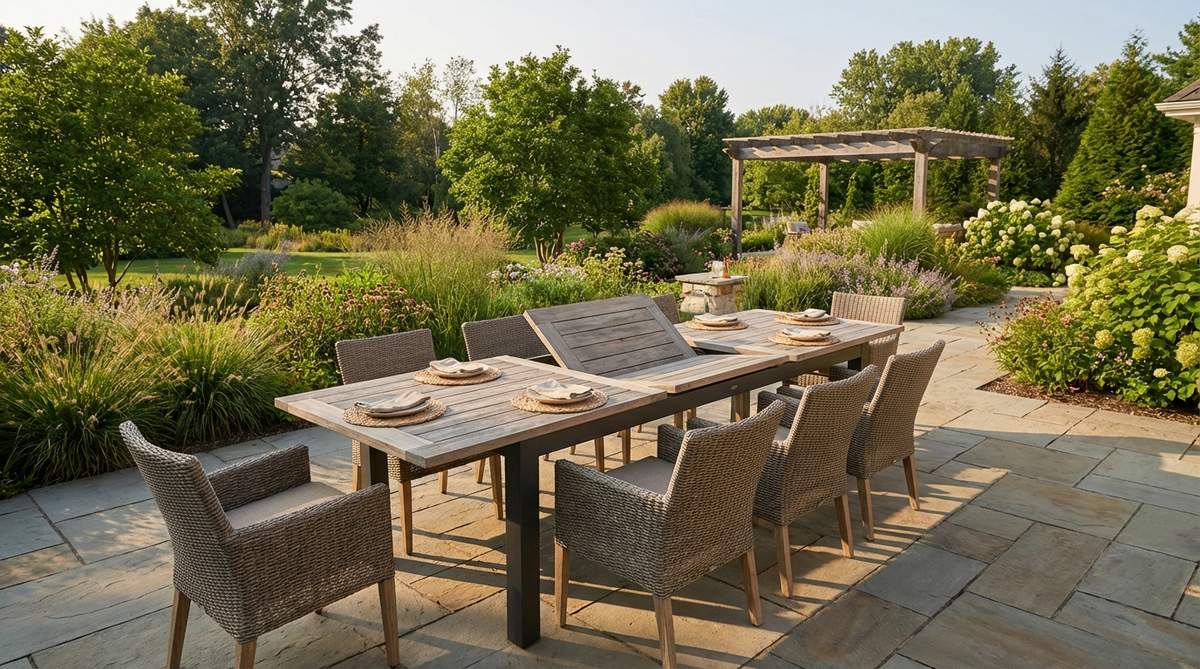
Tables with expandable leaves accommodate varying guest counts. Choose materials like teak or aluminum that weather gracefully.
Select tables with smooth extension mechanisms that operate easily. Store leaves in protected areas between uses.
Flexible sizing prevents need for multiple furniture sets. Extended tables seat 8-10 for gatherings.
50. Layered Table Linens
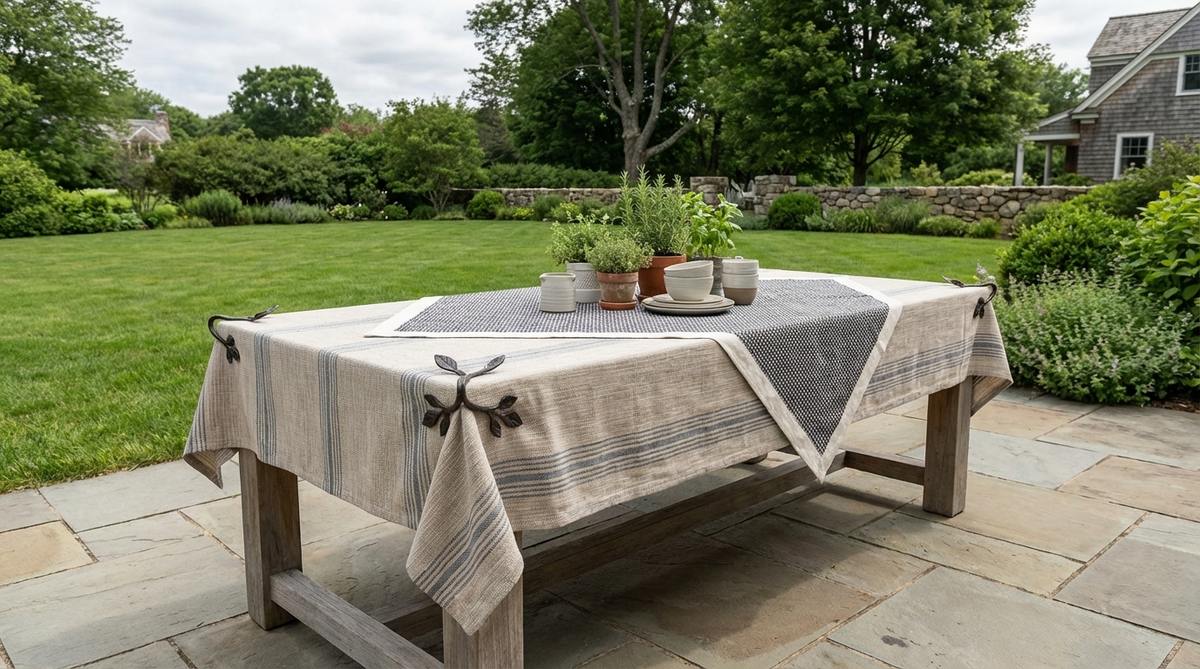
Weather-resistant tablecloths topped with runners create refined table settings. Mix patterns and textures for depth.
Choose solution-dyed fabrics that resist fading and mildew. Weight corners with decorative clips during breezy conditions.
Linens protect table surfaces and set formal tones. Change colors seasonally for variety.
61. Centerpiece Planter Boxes
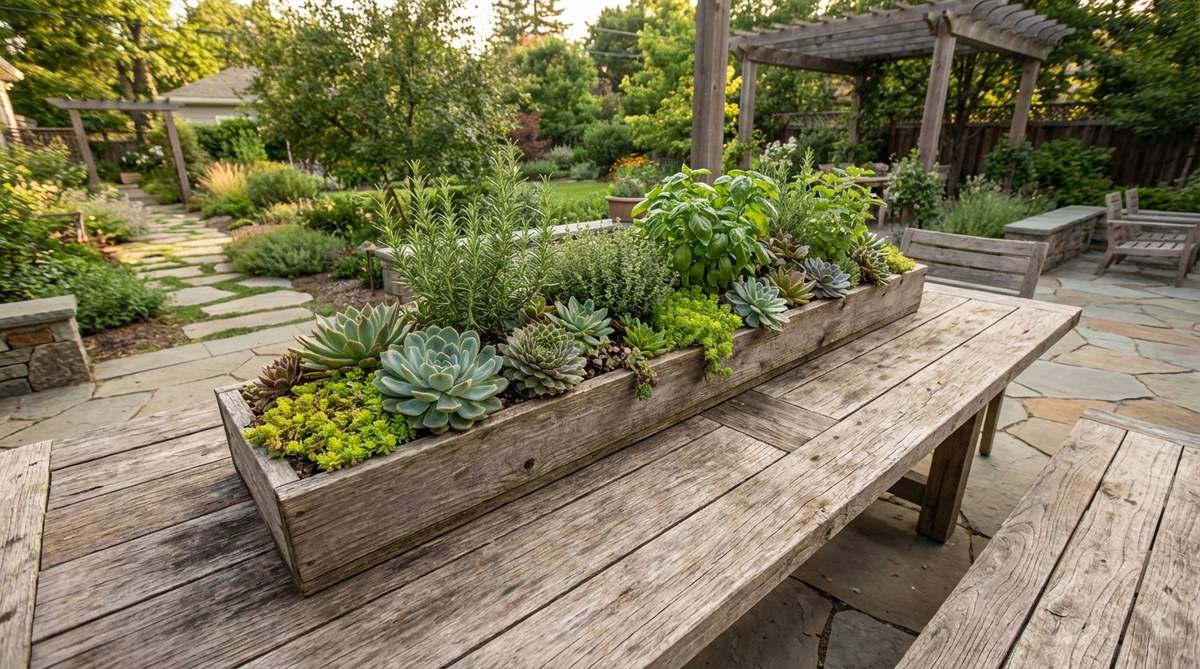
Long narrow wooden boxes planted with succulents or herbs run down table centers. The living arrangements require minimal maintenance.
Line boxes with plastic and add drainage layers before planting. Select low-growing varieties that don’t obstruct conversation.
Planted centerpieces eliminate need for cut flowers. They transition from decoration to ingredient sources.
62. Pendant Light Over Table
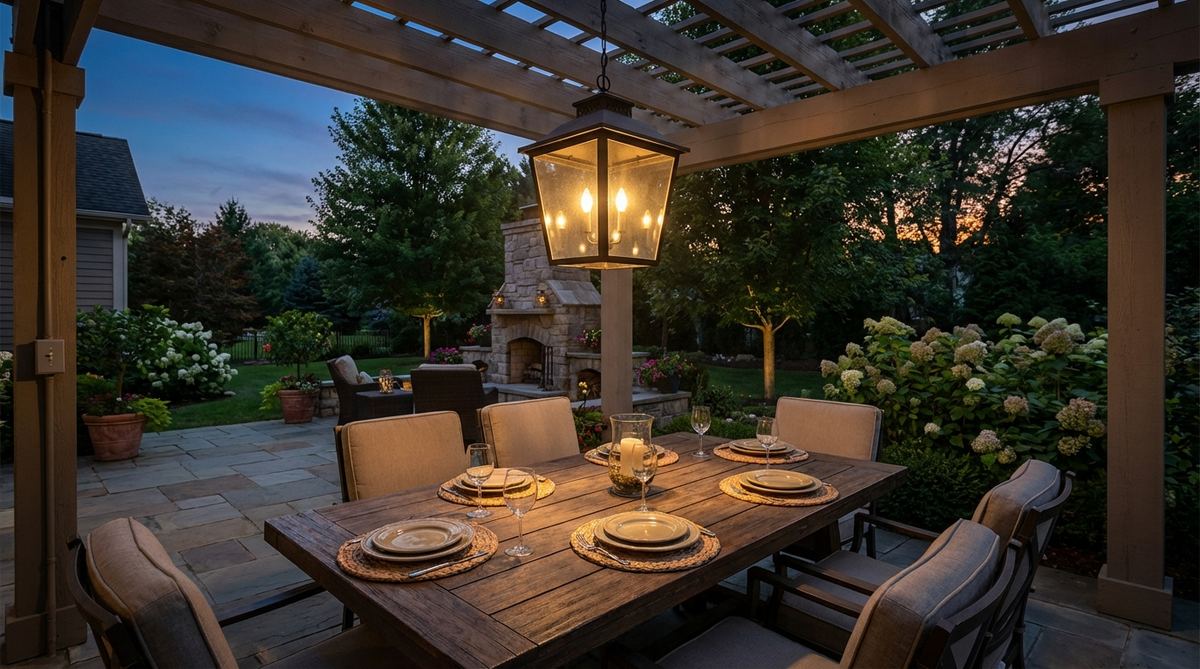
Weatherproof hanging fixtures suspended above dining tables provide task lighting. The defined light pools make evening meals comfortable.
Install junction boxes in pergola ceilings or use plug-in options with decorative cord covers. Position fixtures 30-36 inches above table surfaces.
Pendant lighting designates dining zones and adds sophisticated detail. Dimmable options adjust for ambiance.
63. Built-In Cooler in Table
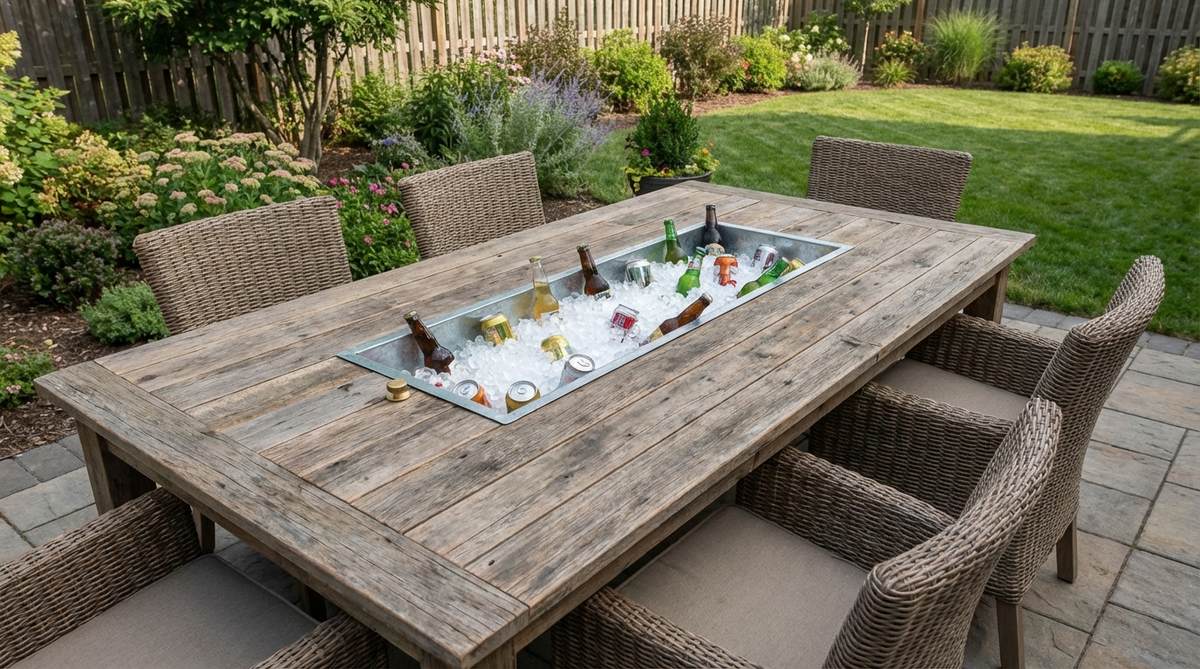
Custom tables with center troughs hold ice and beverages. The integrated storage keeps drinks accessible during meals.
Line cooler compartments with galvanized metal or food-safe plastic. Add drainage plugs for easy cleanup.
Built-in coolers reduce trips inside during gatherings. They add functional luxury to dining spaces.
64. Cushioned Dining Chairs
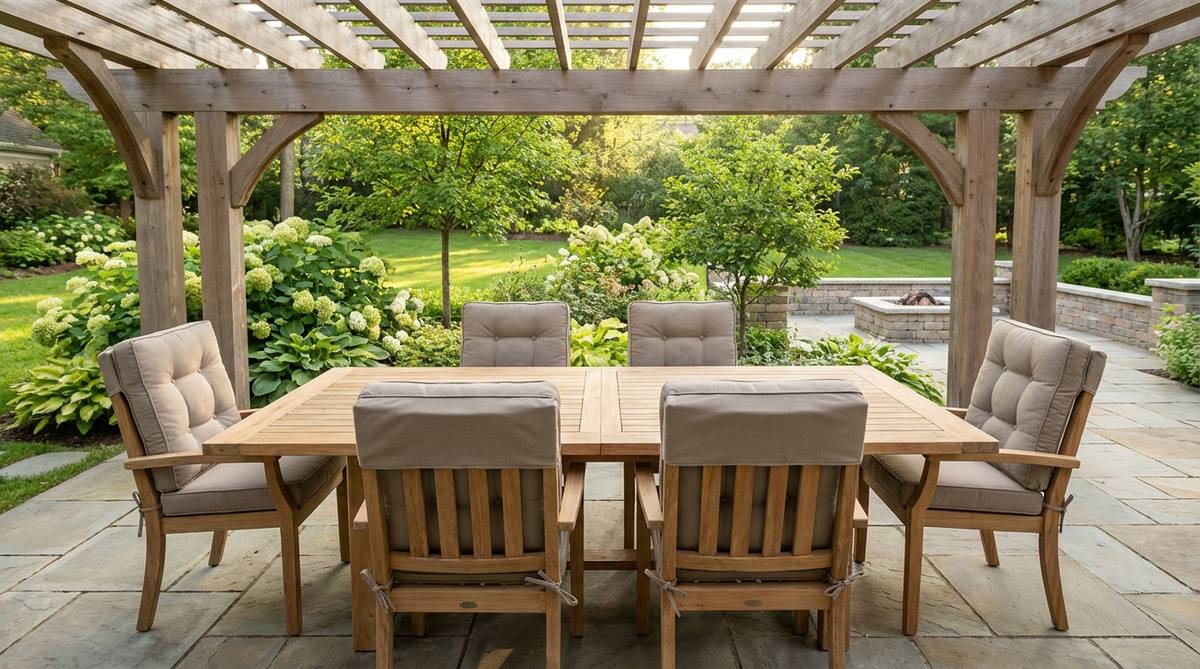
Padded seats encourage extended dining sessions. Removable cushions store easily during inclement weather.
Select quick-dry foam cores wrapped in outdoor fabrics. Attach cushions with ties or non-slip pads.
Comfortable seating transforms outdoor dining from novelty to preference. Coordinate cushion colors with overall palette.
65. Dining Table Umbrella
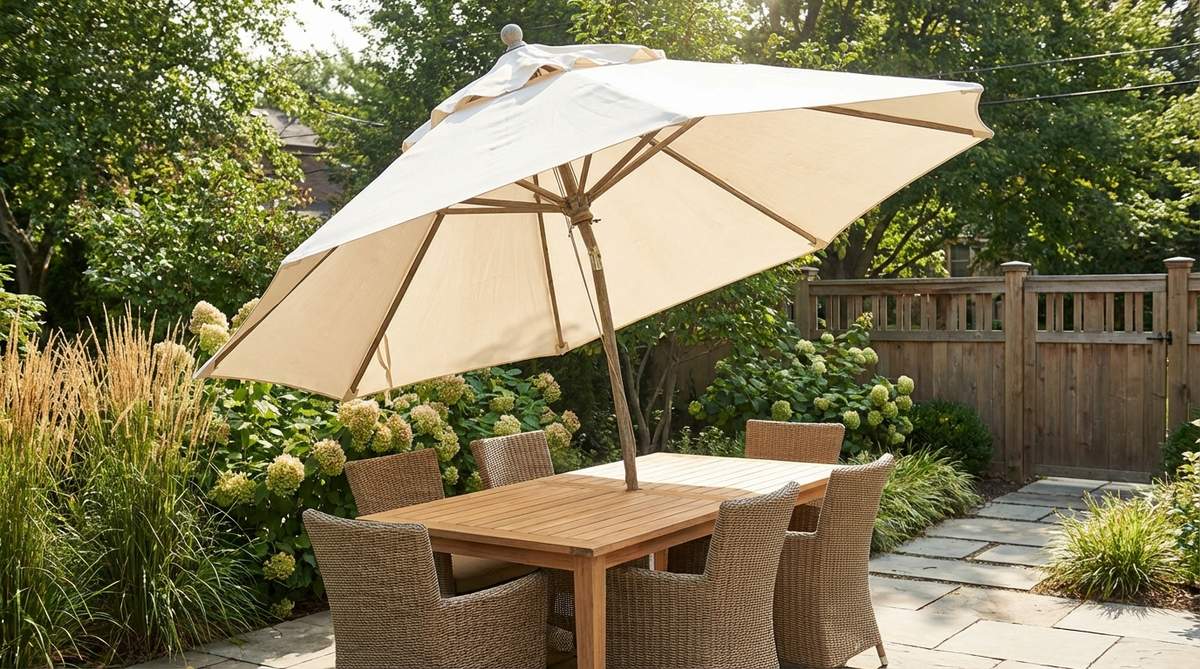
Market umbrellas inserted through table centers provide midday shade. Tilting mechanisms follow sun movement.
Choose umbrellas with vented canopies that allow wind passage. Select diameters that extend 2 feet beyond table edges.
Umbrellas enable comfortable dining during bright daylight. Close during storms to prevent damage.
66. Outdoor Serving Station
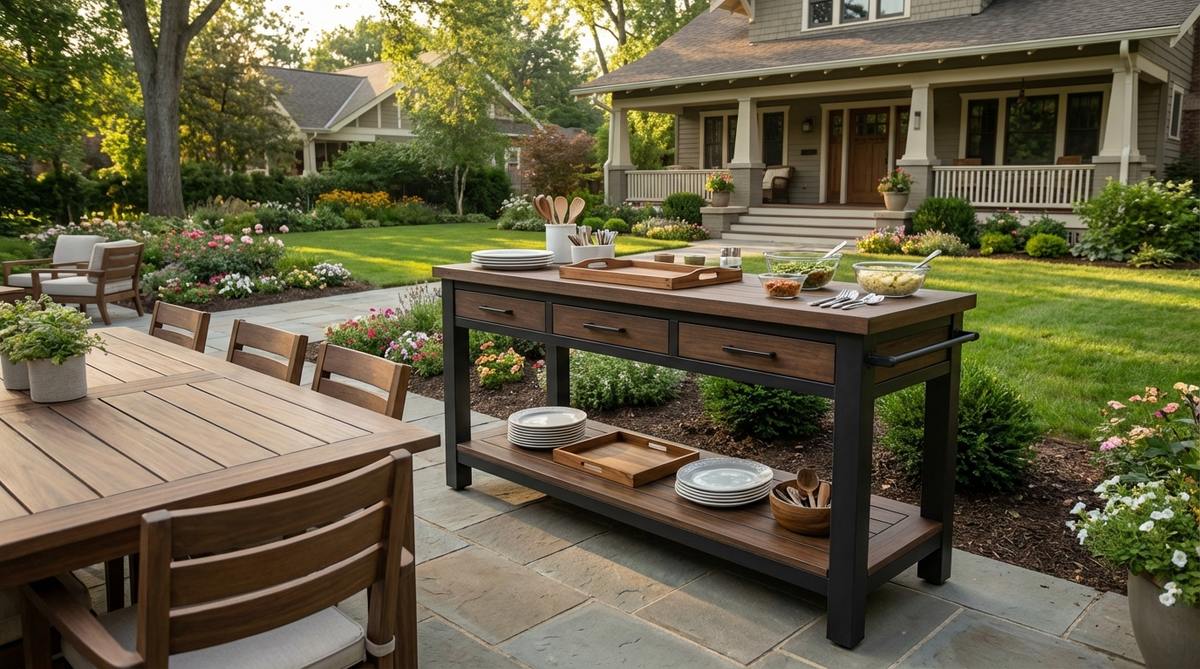
Sideboards or console tables positioned near dining areas hold serving dishes and utensils. The buffet setup reduces table crowding.
Use weather-resistant furniture or bring pieces outside for specific events. Style tops with trays and serving accessories.
Dedicated serving spaces streamline meal service. They create restaurant-like dining experiences.
Conclusion
These outdoor decorations represent current design thinking that balances aesthetics with durability. Successful exterior spaces layer multiple elements rather than relying on single features. Start with foundational pieces like quality seating and lighting, then add personality through textiles, planters, and decorative accents. Fresh Garden Ideas encourages experimentation with combinations that reflect your lifestyle and climate conditions. The most rewarding outdoor spaces evolve gradually as you discover which elements enhance your daily outdoor experiences.
Frequently Asked Questions
What outdoor decorations last longest in harsh weather?
Powder-coated metals, marine-grade polymers, and solution-dyed acrylic fabrics resist fading, rust, and mildew better than natural materials. Look for outdoor decorations specifically rated for UV exposure and temperature extremes. Stainless steel hardware prevents rust on moving parts, while aluminum frames combine light weight with durability. Invest in covers for cushions and pillows to extend their lifespan.
How do I decorate a small patio without overwhelming the space?
Focus on vertical solutions like wall planters and hanging baskets that preserve floor space. Choose multi-functional pieces such as storage benches or nesting tables. Use light colors and transparent materials like glass or acrylic to maintain visual openness. Limit decorations to 3-5 key pieces and ensure adequate circulation space between furniture.
What are budget-friendly outdoor decor ideas?
Paint existing concrete patios with stenciled patterns, string affordable Edison bulb lights, and group inexpensive terracotta pots for impact. Repurpose indoor furniture with weather-resistant paint and sealant. Create DIY planters from galvanized buckets or wooden crates. Use solar lighting to avoid electrical installation costs.
How can I make outdoor decorations work for both everyday and party use?
Select neutral foundational pieces like solid-colored cushions and natural wood furniture that suit daily use. Add removable party elements like string lights, lanterns, and colorful linens for events. Use modular seating that reconfigures for different group sizes. Install dimmable lighting that adjusts from functional to ambient levels.
Which plants work best for outdoor decor in containers?
Drought-tolerant succulents, ornamental grasses, and trailing plants like sweet potato vine require minimal maintenance. For shade areas, use ferns, hostas, and begonias. Select plants based on your USDA hardiness zone and sun exposure. Combine thrillers, fillers, and spillers in each container for professional-looking arrangements.
How do I protect outdoor decorations during winter?
Store fabric cushions, pillows, and lightweight decorations in dry locations. Cover permanent furniture with breathable protective covers. Drain water features and bring ceramic pots indoors to prevent freeze damage. Apply protective sealants to wood furniture before cold weather arrives. Remove glass and delicate ornaments to prevent breakage.