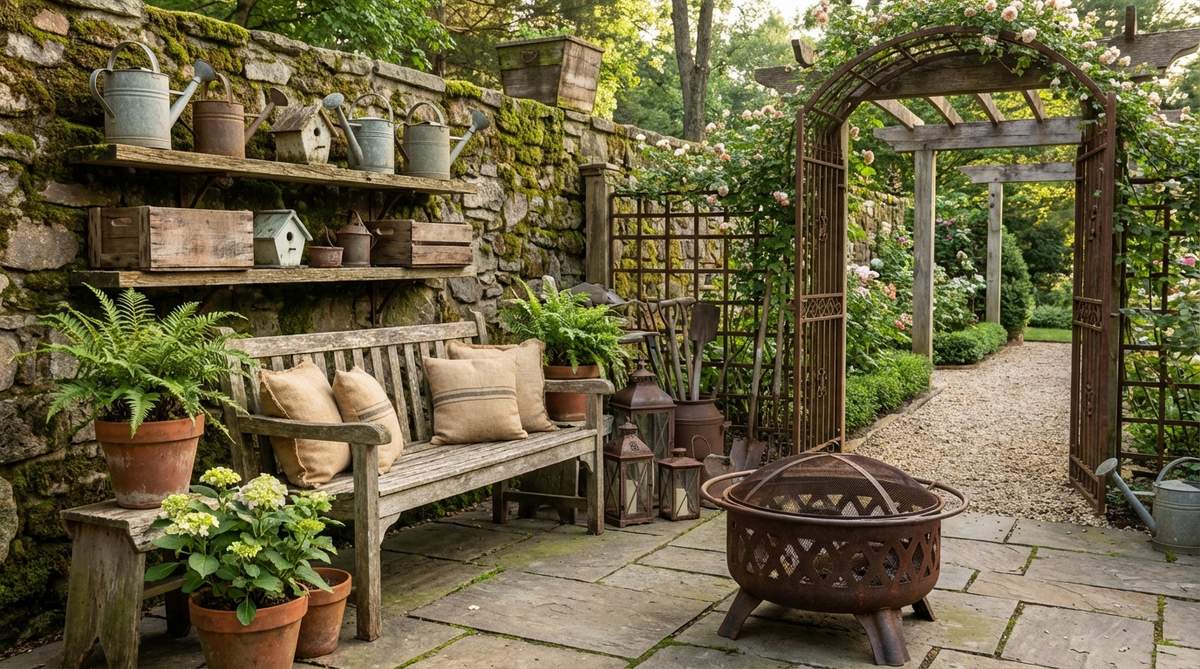
Transform your outdoor space with outdoor decor rustic elements that bring timeless charm and natural beauty to your garden. Fresh Garden Ideas shares expert-curated design concepts featuring reclaimed wood, vintage iron accents, and antique treasures that create warm, inviting outdoor environments with lasting character.
Design SnapshotKey Principles
- Material Authenticity: Embrace weathered wood, forged iron, and aged metals for genuine rustic character
- Imperfect Beauty: Celebrate patina, rust, and natural wear as design assets rather than flaws
- Functional Artistry: Select pieces that serve practical purposes while acting as sculptural focal points
- Organic Integration: Blend manufactured elements with natural textures like stone, gravel, and native plantings
Reclaimed Wood Foundations for Outdoor Charm
Reclaimed wood brings instant warmth and history to outdoor spaces through its naturally weathered character. These sustainable materials reduce environmental impact while delivering one-of-a-kind textures that mass-produced items cannot replicate.
1. Weathered Barn Wood Privacy Screens
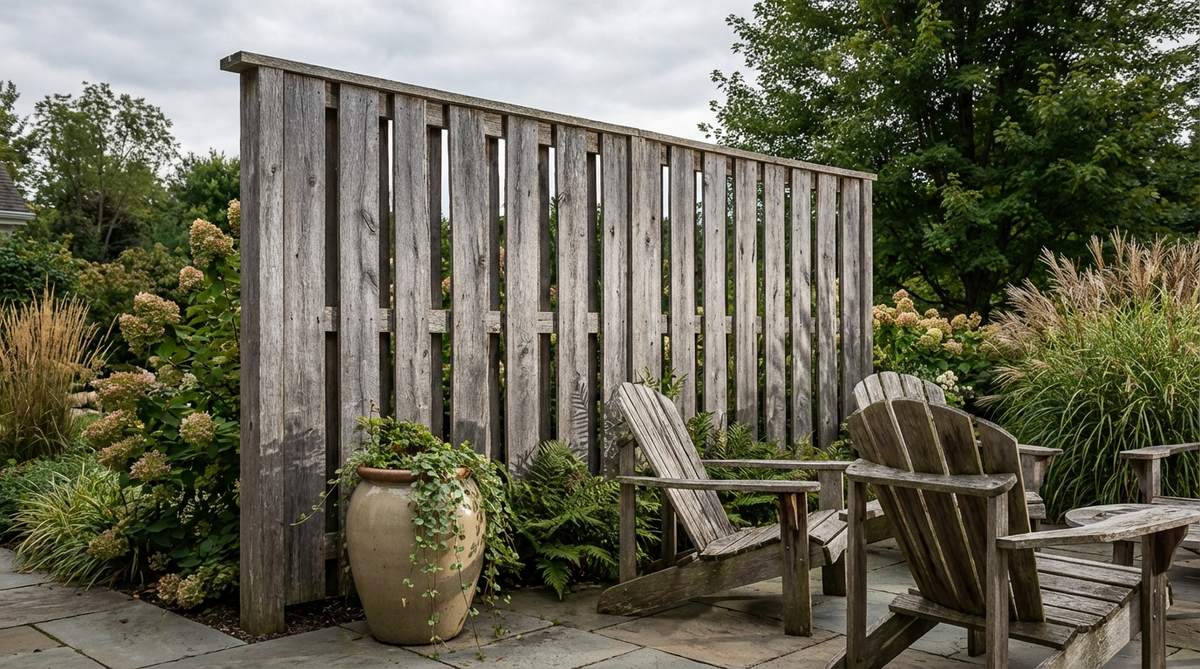
Old barn siding creates privacy barriers with deep patina and dimensional texture. The silvered gray tones complement surrounding greenery while defining distinct outdoor rooms.
Mount vertical planks with intentional gaps to allow air circulation and filtered light. Varying board widths adds visual interest and authentic farmhouse character.
These screens age gracefully outdoors, developing richer color over time. Pair with climbing vines for a softened, naturalized appearance.
2. Rustic Wood Pergola Structures
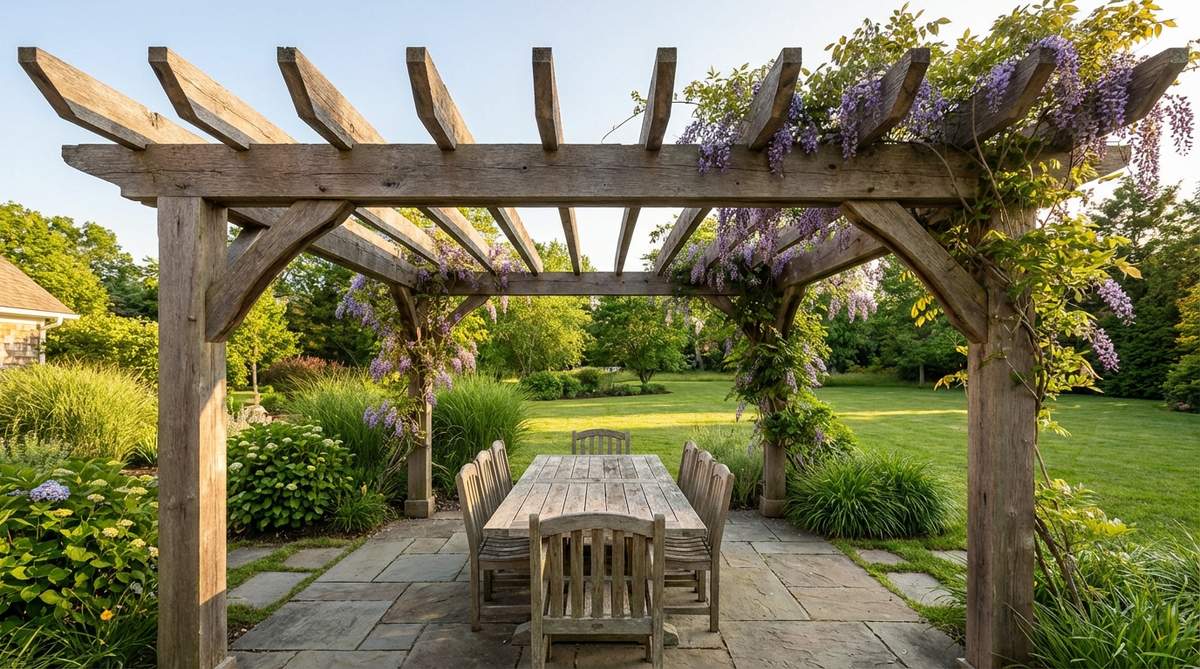
Rough-hewn timber beams form substantial overhead frameworks that provide partial shade. Exposed wood grain and natural edges emphasize handcrafted quality.
Leave posts and beams unsealed to weather naturally, or apply transparent stain to preserve original color. Install cross beams at irregular spacing for casual, organic rhythm.
Train climbing roses or wisteria over the structure for seasonal blooms and enhanced shade. These pergolas become sculptural focal points even in winter months.
3. Reclaimed Wood Planter Boxes
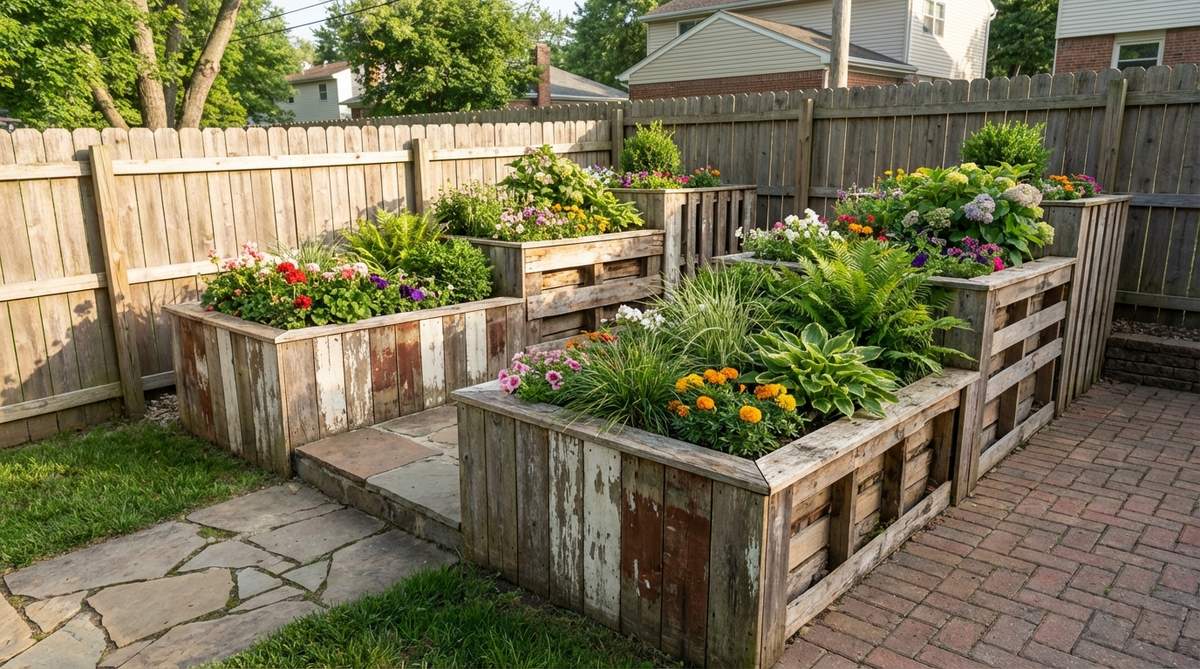
Salvaged fence boards and pallet wood construct elevated planters with rustic appeal. Weathered surfaces contrast beautifully with vibrant flowers and foliage.
Build boxes in graduated heights to create tiered displays that maximize vertical space. Line interiors with landscape fabric before filling with soil.
Group multiple planters together for varied seasonal color. The aged wood develops silver-gray patina that integrates seamlessly into garden landscapes.
4. Driftwood Garden Arches
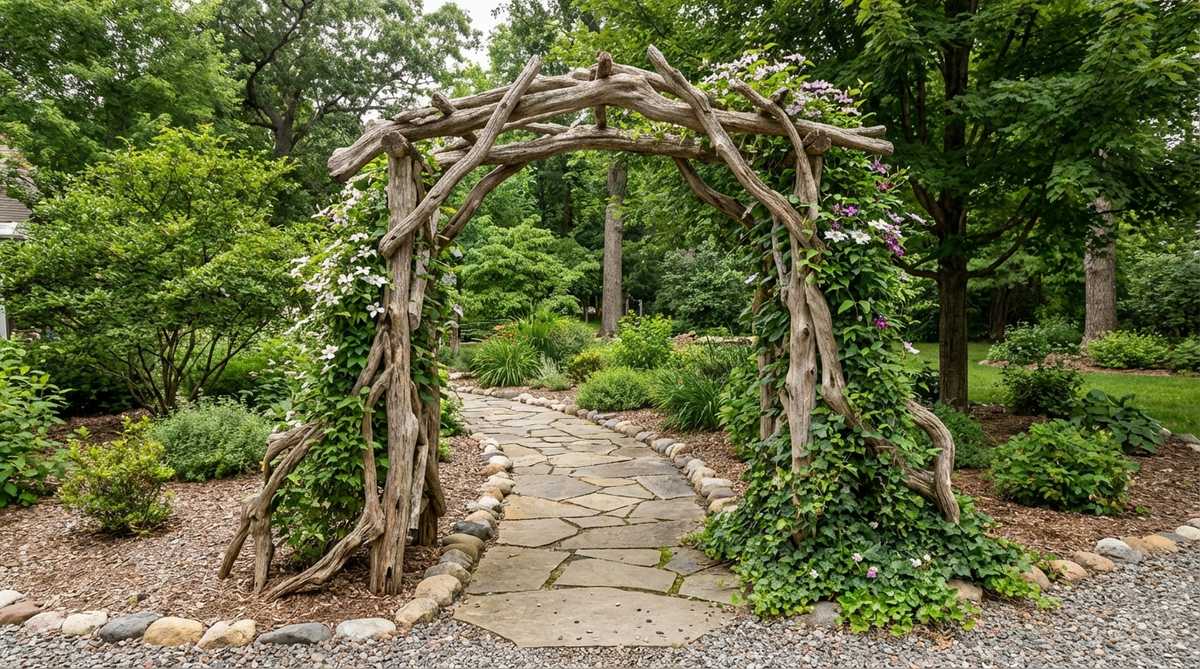
Naturally sculpted driftwood pieces form artistic entrance frames with organic curves. Each arch becomes a unique statement piece shaped by water and time.
Secure larger branches to create the basic structure, then weave smaller pieces through for stability. Position arches at pathway entrances or garden transitions.
These structures support lightweight climbing plants while maintaining visual prominence. The silvered wood color coordinates with stone pathways and gravel mulch.
5. Log Slice Stepping Stones
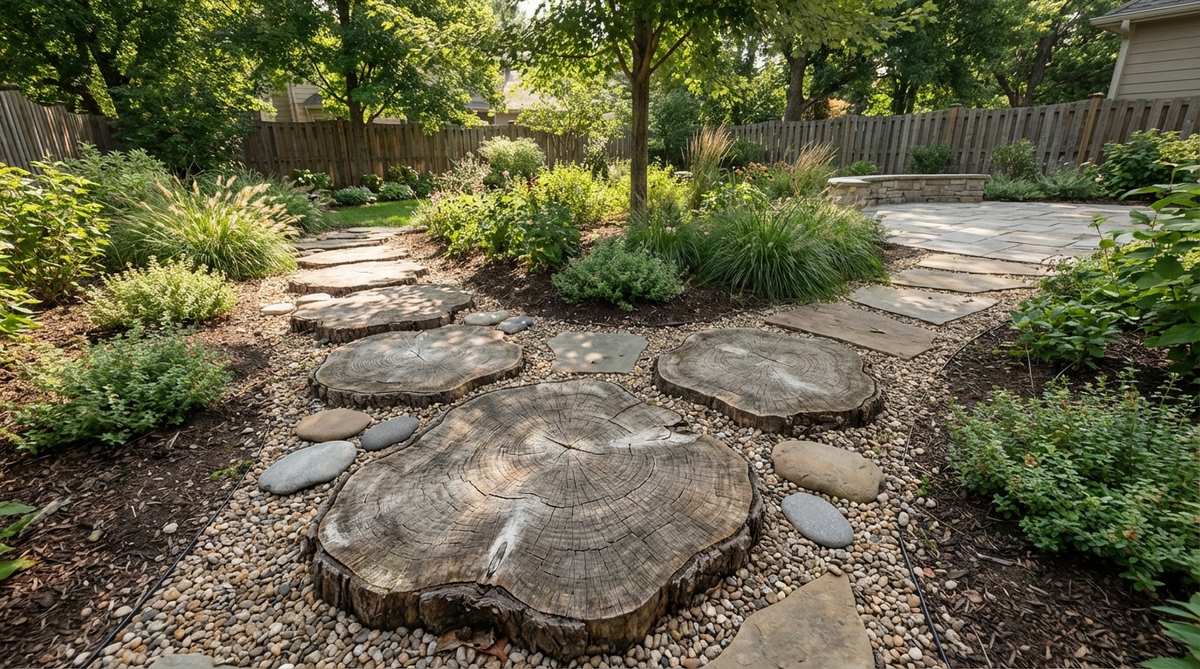
Thick cross-sections of tree trunks create natural stepping stones with tree-ring patterns. The organic shapes add whimsy while providing functional pathways.
Set slices in gravel or soil with top surfaces level to grade. Apply wood preservative to extend lifespan in wet conditions.
Mix log slices with flat stones for textural variety. The irregular shapes encourage meandering paths rather than direct linear routes.
6. Rustic Wooden Arbor Gates
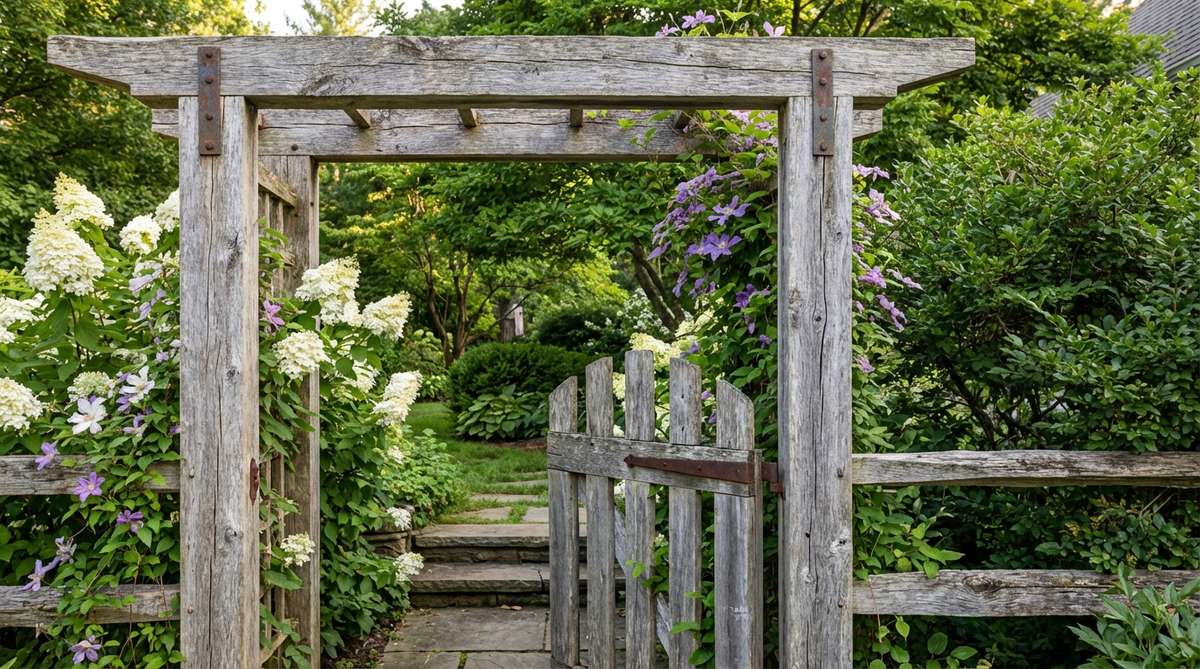
Hand-crafted arbor gates mark garden entrances with vertical and horizontal wood elements. Simple construction techniques highlight natural wood character over precision joinery.
Use mortise-and-tenon joints or decorative metal brackets for authentic period details. Leave wood unsealed to weather into silvery gray tones.
These gates create mystery by partially obscuring views beyond. Plant climbing hydrangeas or clematis on flanking posts for seasonal interest.
Iron Architectural Accents and Structures
Forged and cast iron elements introduce strength and sculptural quality to outdoor designs. These durable materials develop rich rust patinas that enhance rather than diminish their character over time.
7. Wrought Iron Trellises
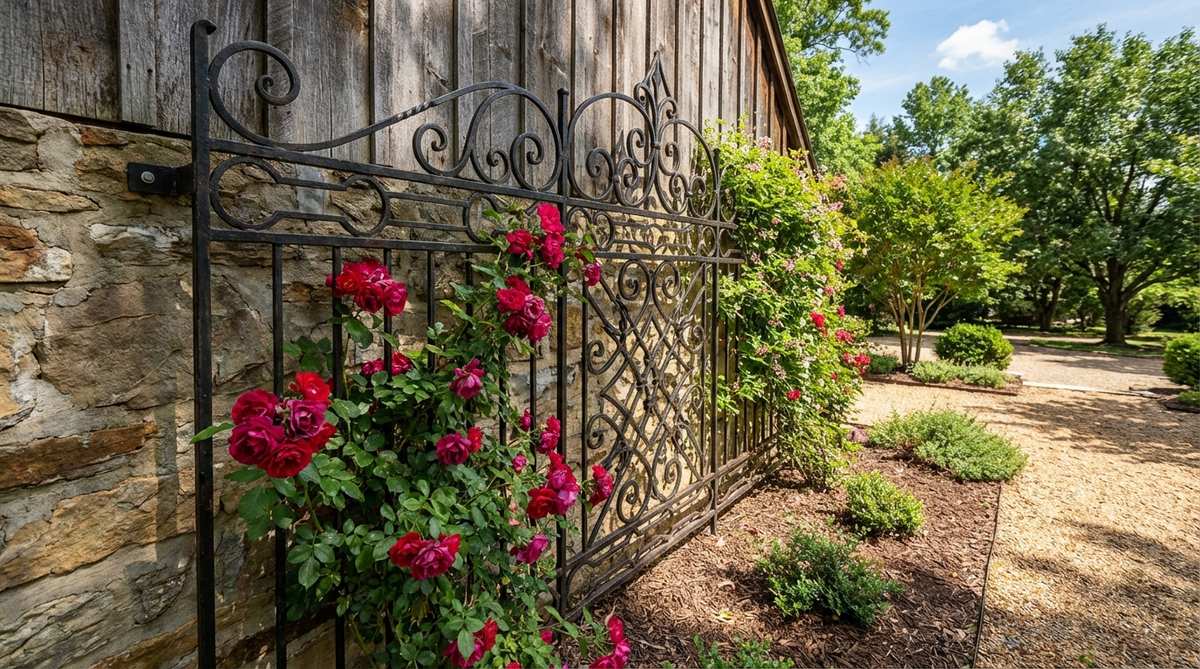
Hand-forged iron trellises feature scrollwork and geometric patterns that recall Victorian gardens. The dark metal contrasts dramatically with blooming roses and flowering vines.
Mount flat trellises against walls or fences as vertical growing supports. Freestanding versions create privacy screens when covered with foliage.
Iron trellises remain functional indefinitely with minimal maintenance. The developing rust adds warmth and authenticity to the garden aesthetic.
8. Cast Iron Garden Benches
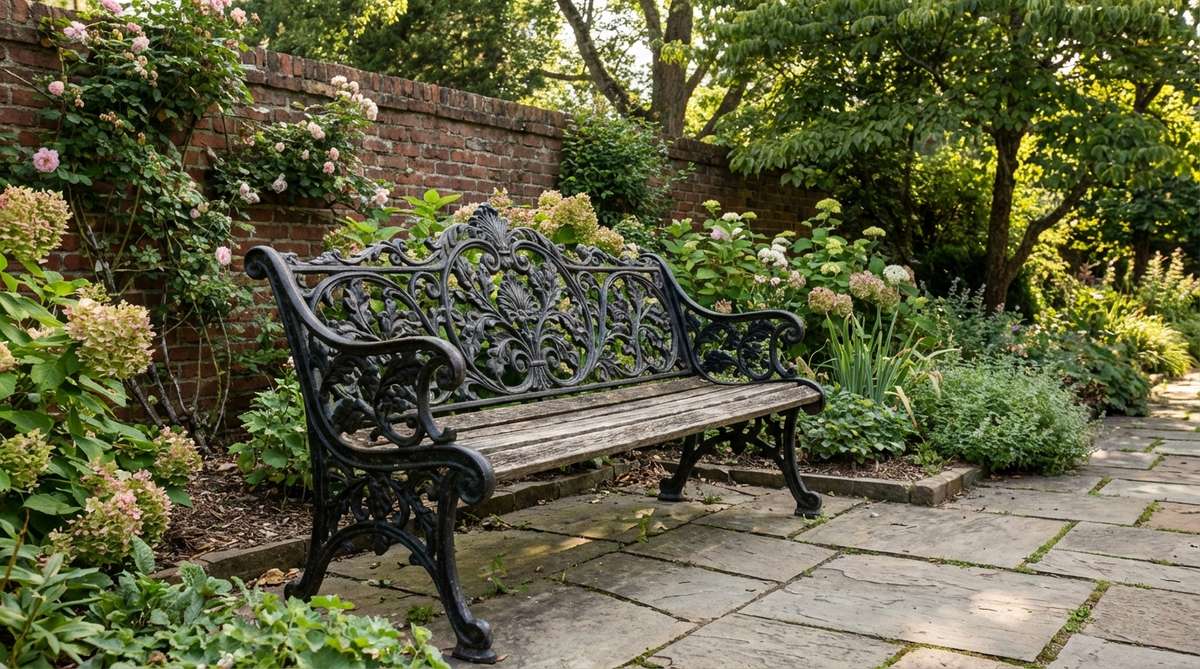
Ornate cast iron benches provide permanent seating with elaborate detailing. Floral motifs, scrolls, and fern patterns evoke heritage garden styles.
Position benches at garden focal points or quiet corners for contemplation. Add wooden seat slats for comfort while maintaining the iron framework.
These substantial pieces anchor garden designs through all seasons. Their weight prevents displacement while their openwork construction maintains visual lightness.
9. Forged Iron Wall Brackets
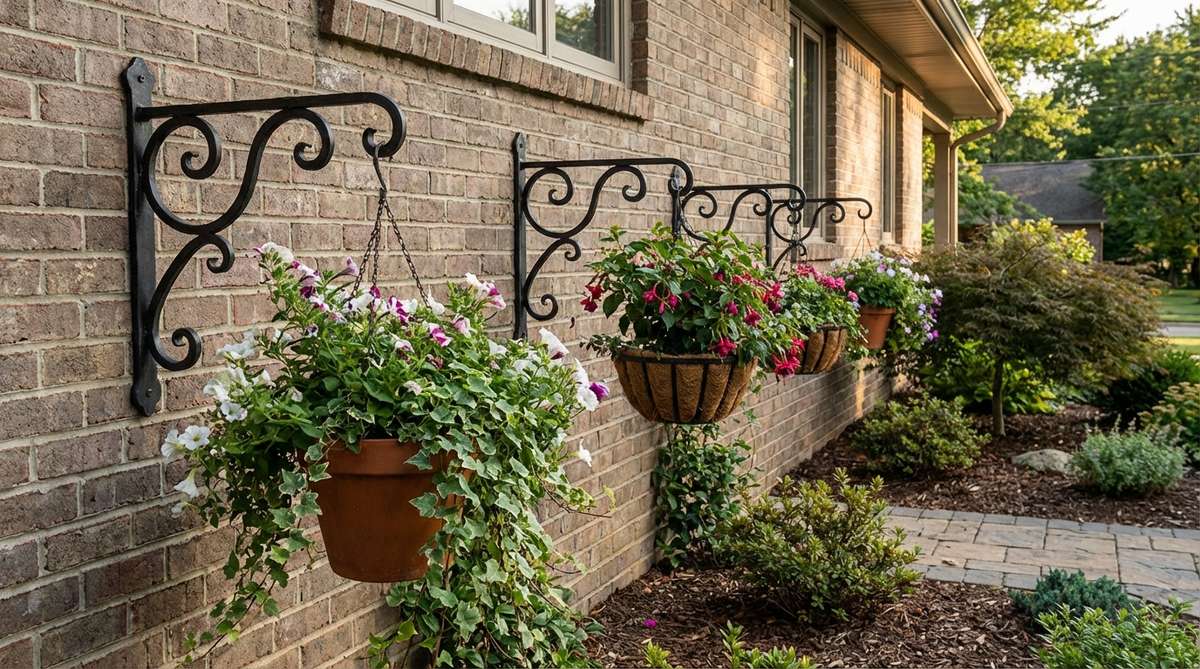
Decorative iron brackets mounted to exterior walls support hanging baskets and planters. Curved and scrolled designs add three-dimensional interest to flat surfaces.
Hang brackets at varying heights to create cascading plant displays. Select sizes proportional to container weight for structural integrity.
The dark iron silhouettes remain visible even when plants are in full bloom. These brackets function year-round, accepting seasonal container changes.
10. Iron Arched Pergolas
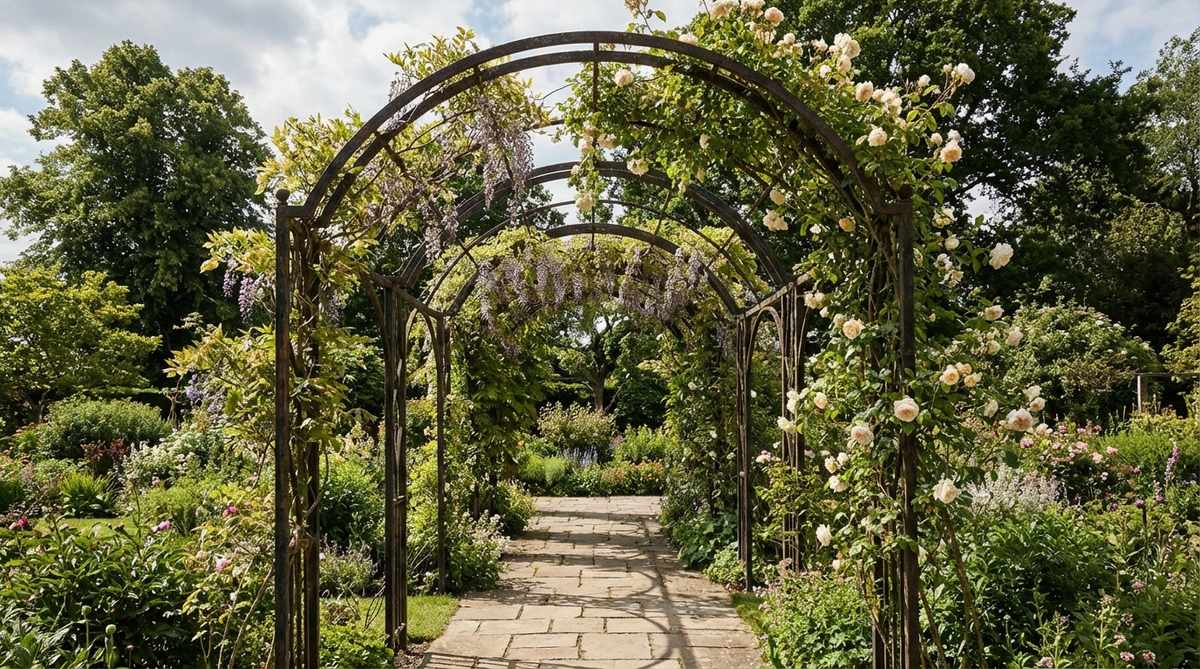
Metal arch frameworks create romantic covered walkways when draped with climbing plants. The structural permanence contrasts with ephemeral blooms and foliage.
Space multiple arches along pathways to form tunneled passages. Paint with rust-inhibiting primer, or allow natural patina to develop.
These structures provide immediate impact even before plants mature. Their architectural presence defines garden circulation patterns.
11. Decorative Iron Fence Panels
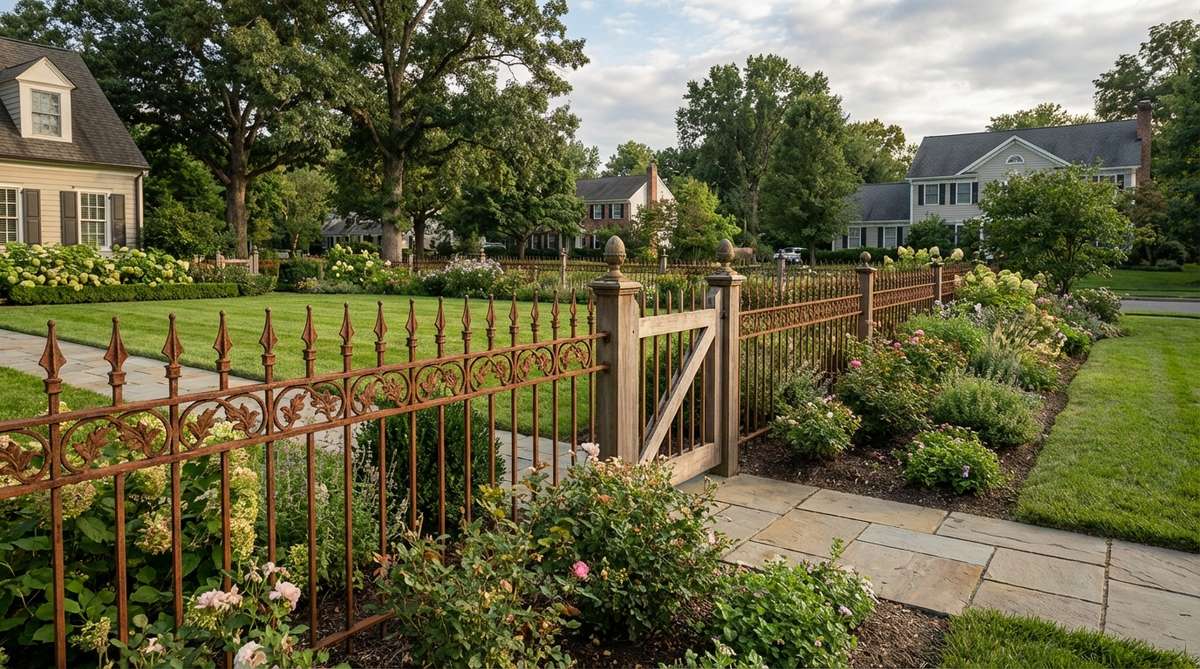
Ornamental iron fencing combines security with visual elegance through repeated design motifs. Spear points, finials, and scrollwork add vertical rhythm.
Install panels as property perimeters or internal garden divisions. The see-through construction maintains sight lines while establishing boundaries.
Iron fencing ages into rich brown and orange rust tones. This weathered appearance complements both formal and cottage garden styles.
12. Iron Obelisk Plant Supports
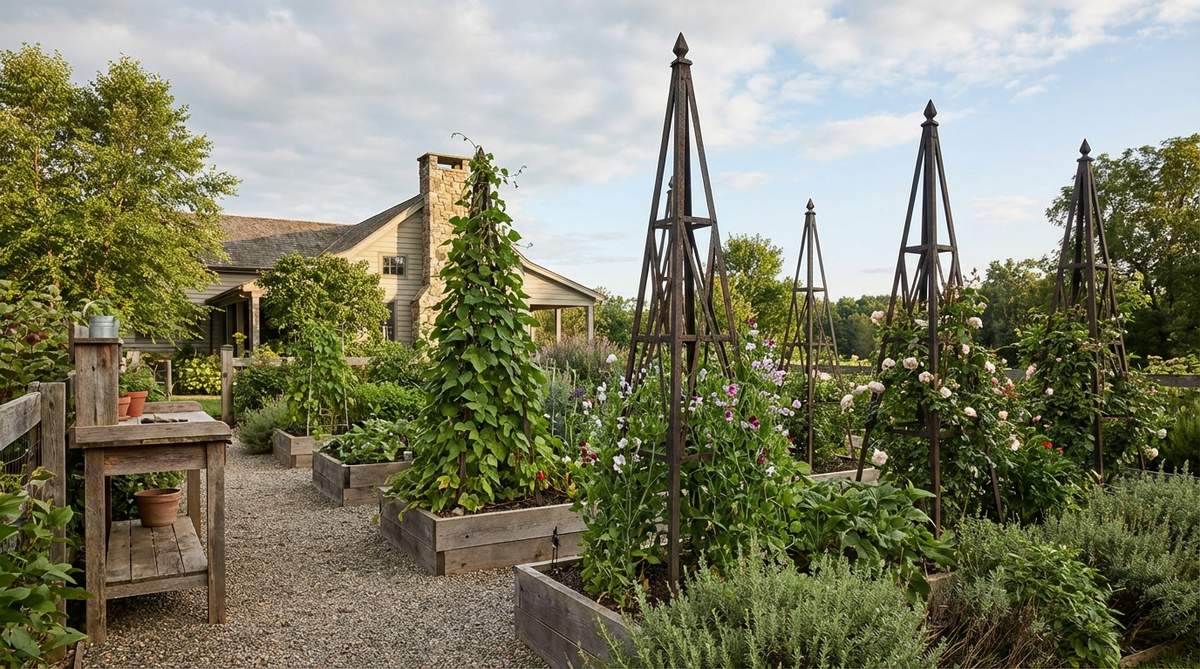
Tall pyramid-shaped structures provide vertical support for climbing vegetables and flowers. The tapering form adds height without overwhelming small gardens.
Position obelisks in vegetable beds for beans and peas, or in perennial borders for clematis. The dark metal recedes visually as plants grow.
These supports remain standing through winter as sculptural elements. Their geometric shapes contrast with organic plant forms.
Antique Repurposed Treasures
Vintage items find new life as distinctive garden decorations when reimagined beyond their original purposes. These conversation pieces add personality and storytelling elements to outdoor spaces.
13. Galvanized Wash Tub Planters
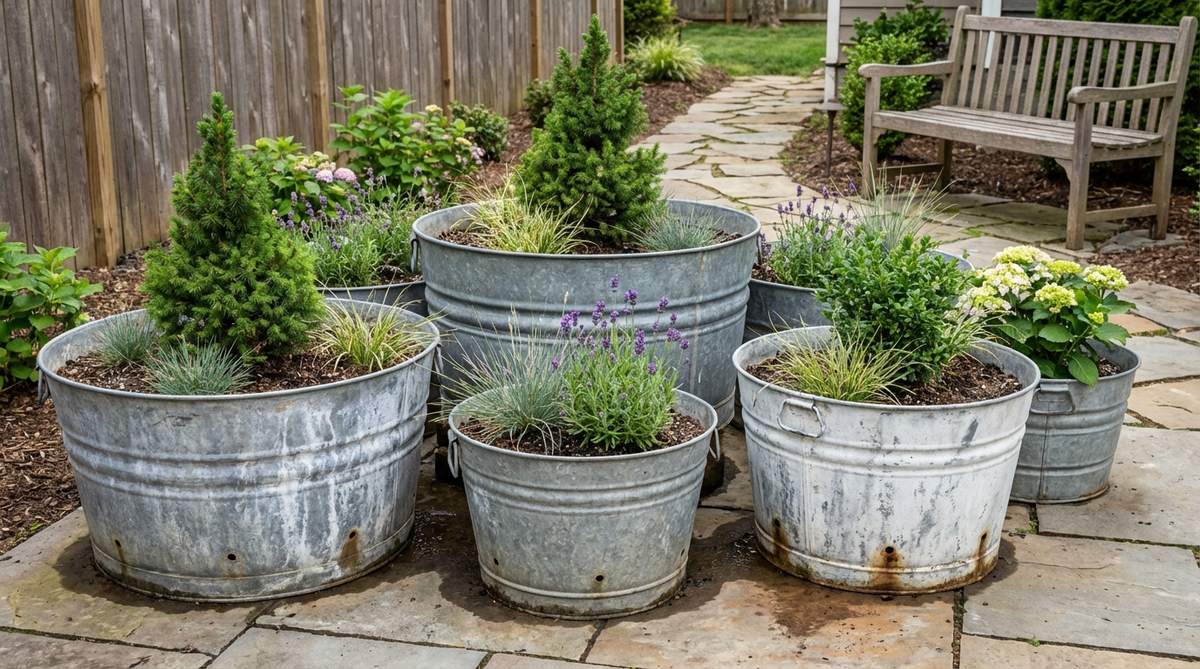
Antique metal washtubs transform into substantial container gardens with industrial charm. The zinc coating weathers into mottled gray surfaces with character.
Drill drainage holes in the bottom before adding potting mix and plants. Group tubs of varying sizes for dynamic container displays.
These durable vessels accommodate large plants including small shrubs and ornamental grasses. Their neutral color complements all flower hues.
14. Vintage Wheelbarrow Displays
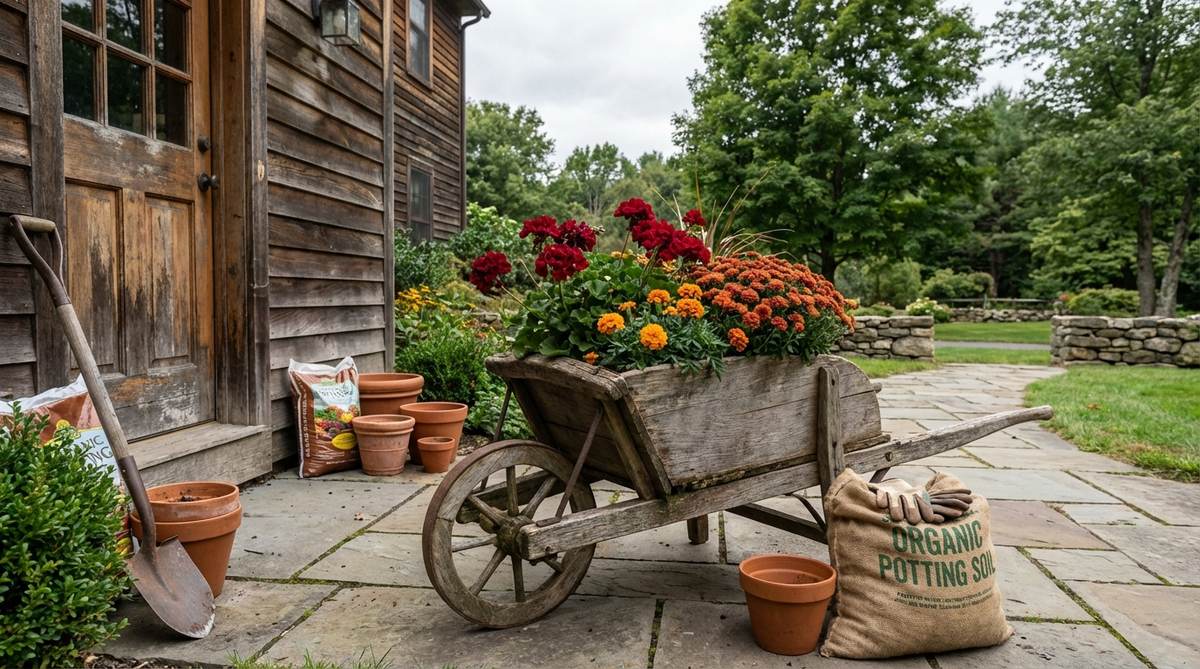
Rusty metal wheelbarrows become mobile gardens filled with seasonal flowers. The weathered red and orange tones add warmth to green spaces.
Position wheelbarrows near entrances or along pathways where their whimsical character creates focal points. Fill with potting soil and plant directly inside.
The working wheel allows repositioning to follow sunlight or change design schemes. These pieces evoke agricultural heritage and simpler times.
15. Antique Milk Can Arrangements
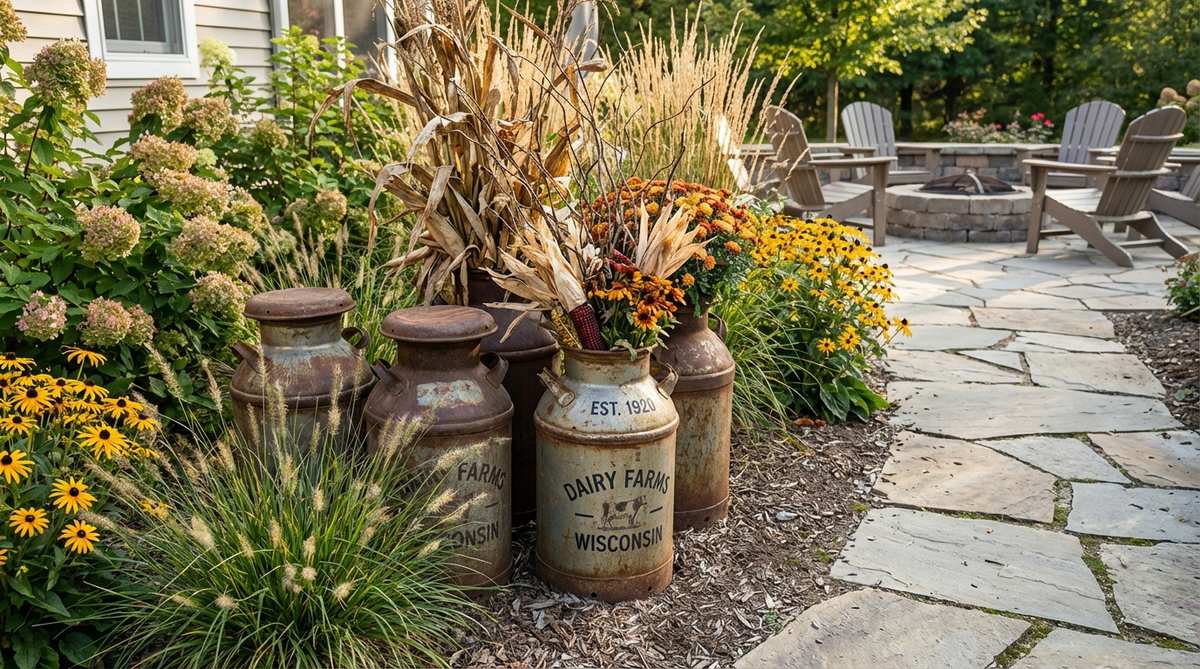
Tall metal milk cans provide vertical interest as standalone sculptures or plant holders. Their cylindrical forms anchor corner spaces and pathway edges.
Fill cans with cut branches, tall dried grasses, or seasonal flower arrangements. Alternatively, leave empty as pure decorative objects.
The industrial character balances soft plantings. Original painted finishes or natural rust both contribute authentic period appeal.
16. Repurposed Farm Tool Displays
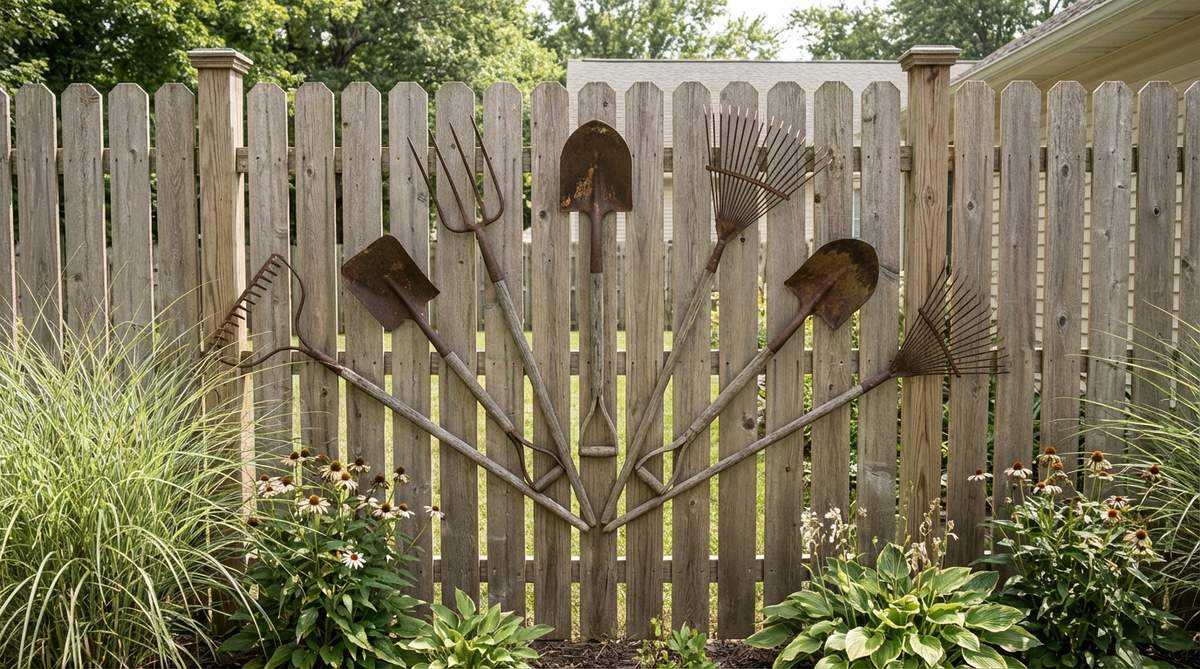
Vintage pitchforks, shovels, and rakes mount on walls or fences as sculptural assemblages. The worn wooden handles and rusted metal heads document decades of use.
Arrange tools in symmetrical or random patterns depending on design preference. Secure firmly to prevent weather-related displacement.
These authentic artifacts connect modern gardens to agricultural traditions. Their functional forms remain recognizable and nostalgic.
17. Antique Watering Can Collection
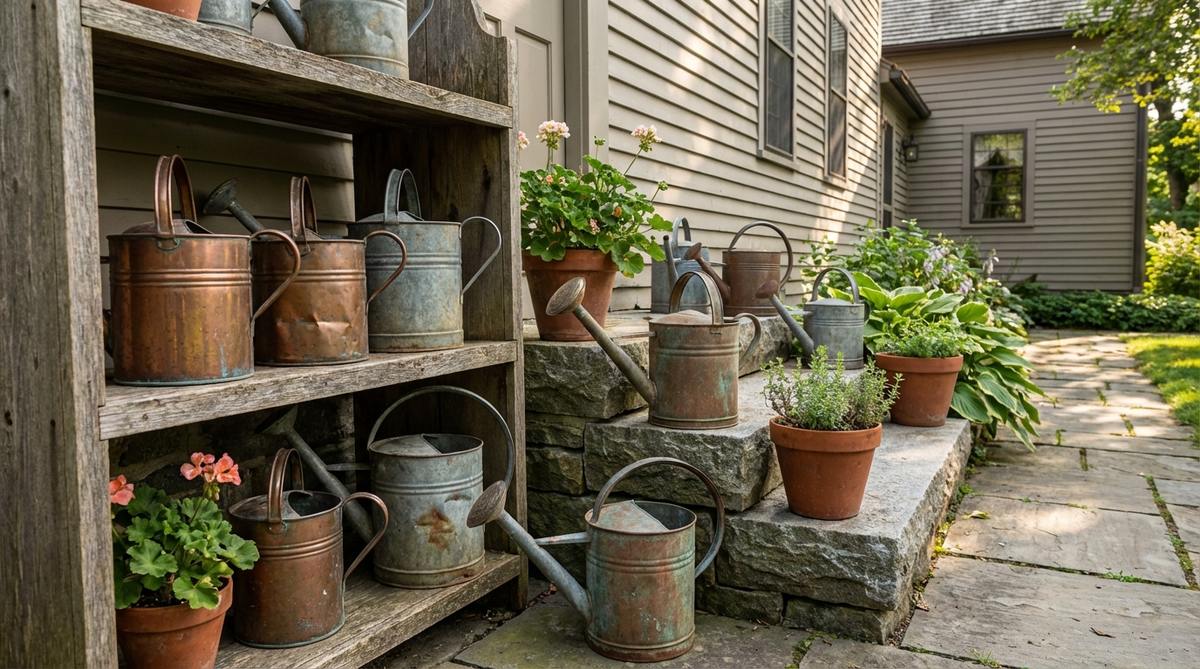
Grouped vintage watering cans create vignettes on steps, shelves, or tables. The varied shapes and patinas tell stories through their weathered surfaces.
Mix sizes and styles for visual variety, from small individual cans to large two-gallon versions. Place some upright, others on sides for casual arrangement.
These pieces remain functional for actual watering or serve purely decorative roles. The galvanized and copper finishes age distinctively over time.
18. Vintage Iron Bed Frame Trellis
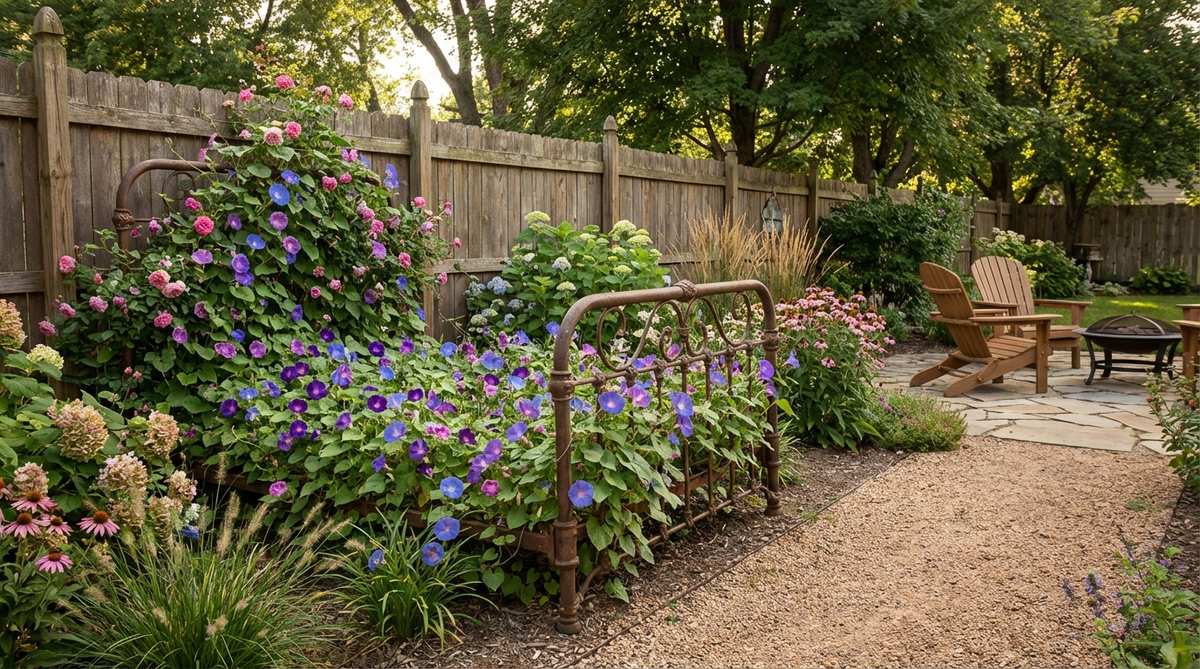
Ornate metal bed headboards repurpose as freestanding garden trellises. The decorative metalwork provides ready-made supports for flowering vines.
Anchor frames securely in the ground or against walls for stability. Plant morning glories, sweet peas, or climbing roses at the base.
The unexpected use of household furniture creates conversation-starting garden art. Scrollwork and finials add Victorian elegance to informal gardens.
Western-Inspired Outdoor Decor Details
Western outdoor decor captures frontier spirit through rugged materials and ranch-style aesthetics. These elements work particularly well in open landscapes with native plantings and natural stone.
19. Wagon Wheel Decorations
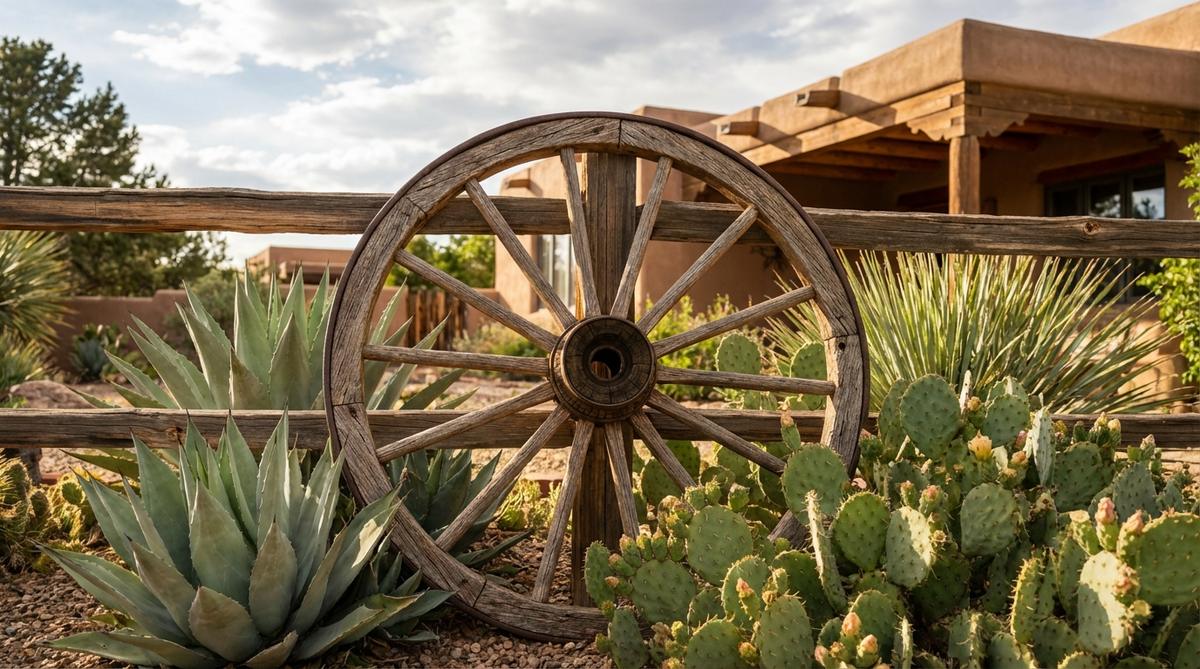
Authentic wooden wagon wheels lean against fences or mount as wall medallions. The radiating spokes create circular geometry that softens angular architecture.
Weather-seal wheels intended for long-term outdoor display, or allow natural deterioration for genuine rustic character. Mount horizontally or vertically for different visual effects.
These iconic western symbols instantly establish regional character. Pair with desert plants like agave and prickly pear for thematic consistency.
20. Horseshoe Pathway Borders
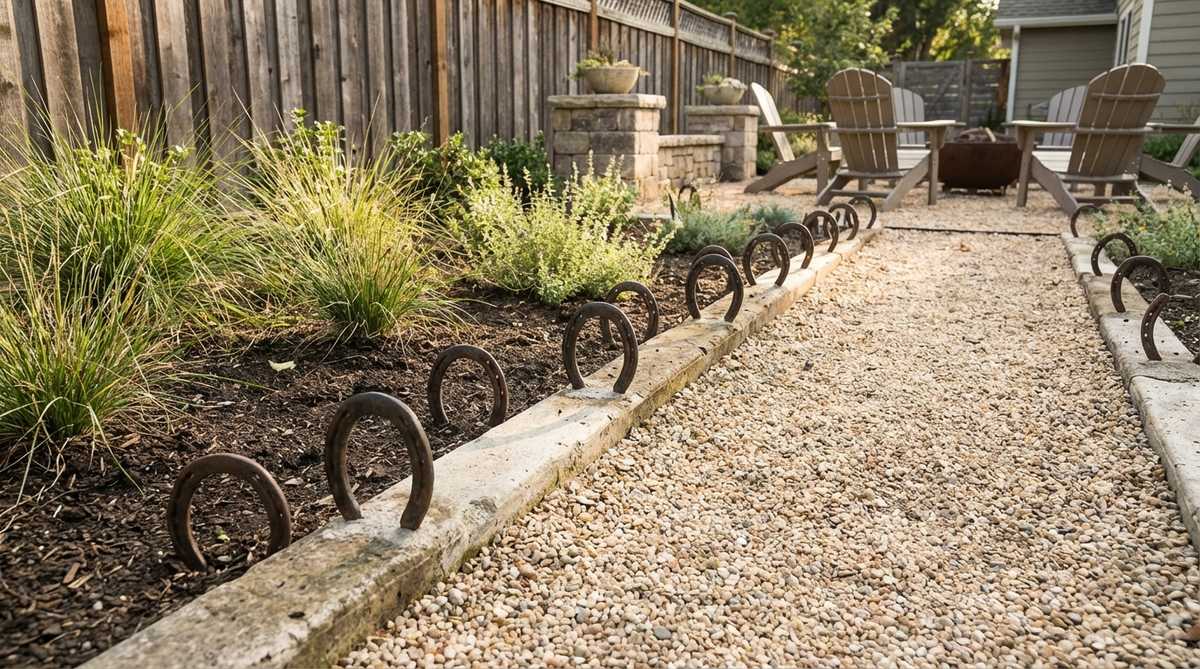
Collected horseshoes embed in concrete or soil to edge walkways and beds. The repeated iron crescents create rhythmic borders with cowboy character.
Press horseshoes partially into wet concrete for permanent installation. Alternatively, pound into soil for temporary seasonal borders.
The dark metal contrasts with light-colored gravel or crushed stone pathways. This small-scale detail reinforces western themes economically.
21. Rustic Hitching Post Planters
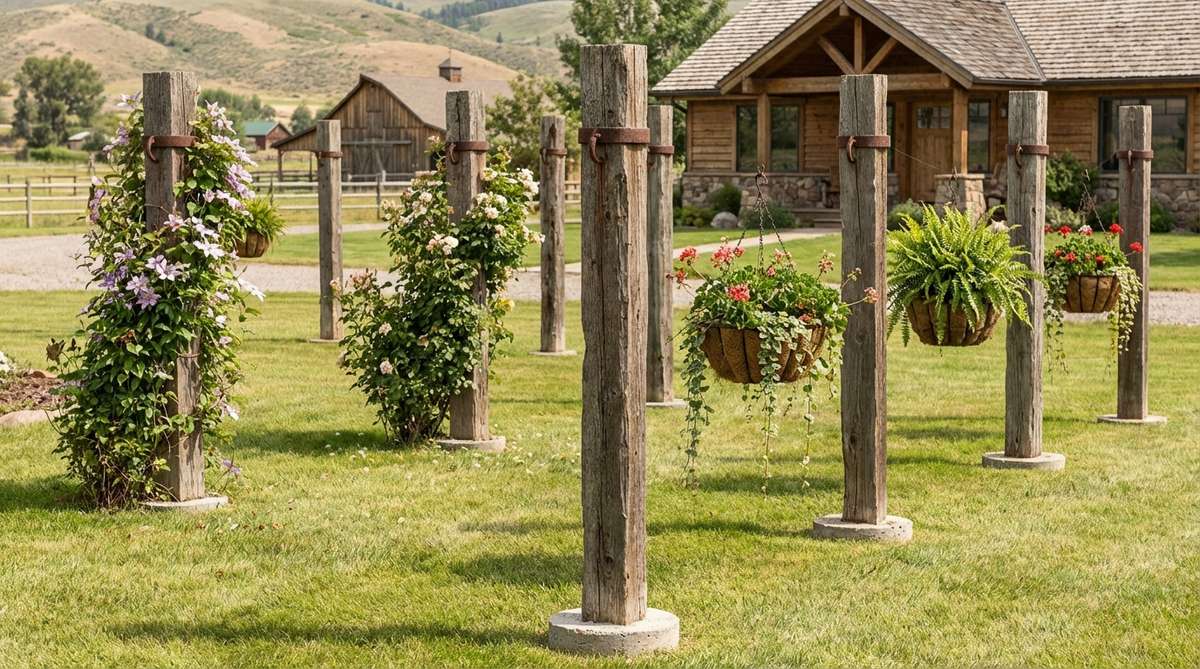
Weathered wooden posts with iron rings transform into distinctive plant supports. The vertical elements add height variations in flat garden areas.
Set posts in concrete footings for stability, then hang baskets from the iron rings. Alternatively, plant climbing vines at the base to spiral upward.
These functional sculptures reference ranch architecture and frontier history. Their simplicity suits informal country garden styles.
22. Weathered Wooden Signs
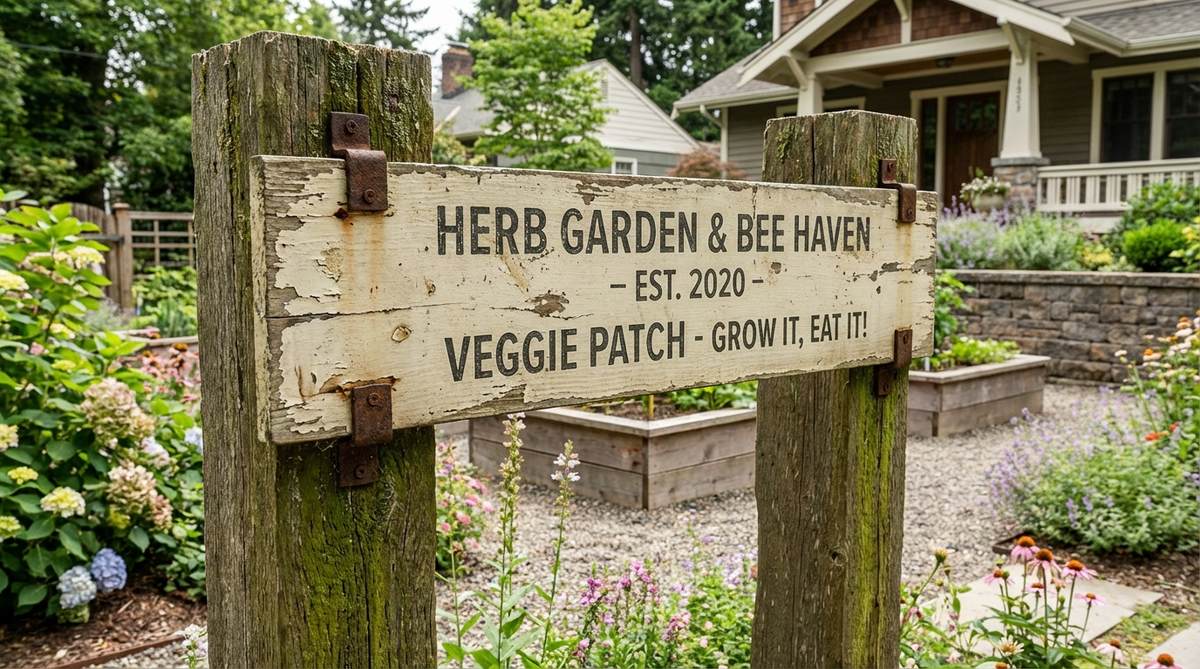
Hand-painted directional signs on rough boards add wayfinding with personality. Playful messages or garden area labels guide visitors with humor.
Mount signs on posts, fence rails, or building exteriors using rustic hardware. Distress new wood intentionally if authentic aged boards are unavailable.
The hand-lettered approach celebrates imperfection and handmade craft. These details personalize gardens and reflect owner personality.
23. Iron Branding Iron Displays
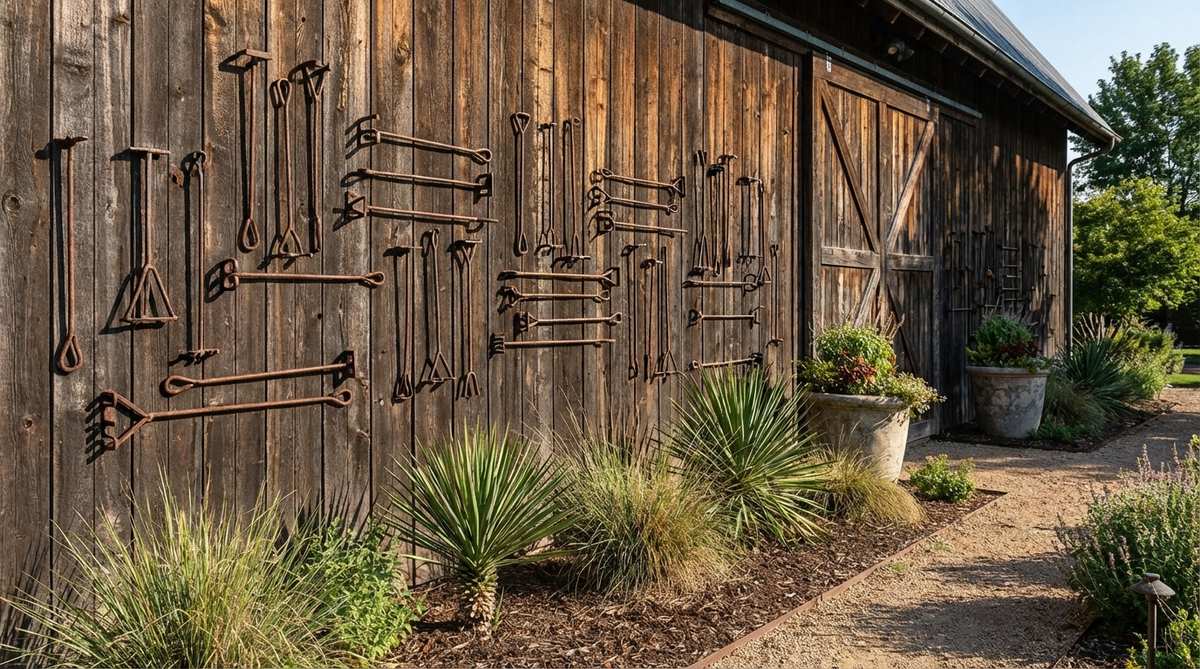
Antique livestock branding irons mount as wall art with strong linear forms. The simple geometric shapes read as abstract sculptures against siding or fencing.
Arrange multiple irons in groupings that create unified compositions. The long handles establish strong directional lines.
These authentic ranch tools carry historical weight and regional identity. Their minimal forms suit both traditional and contemporary western aesthetics.
24. Rustic Lantern Posts
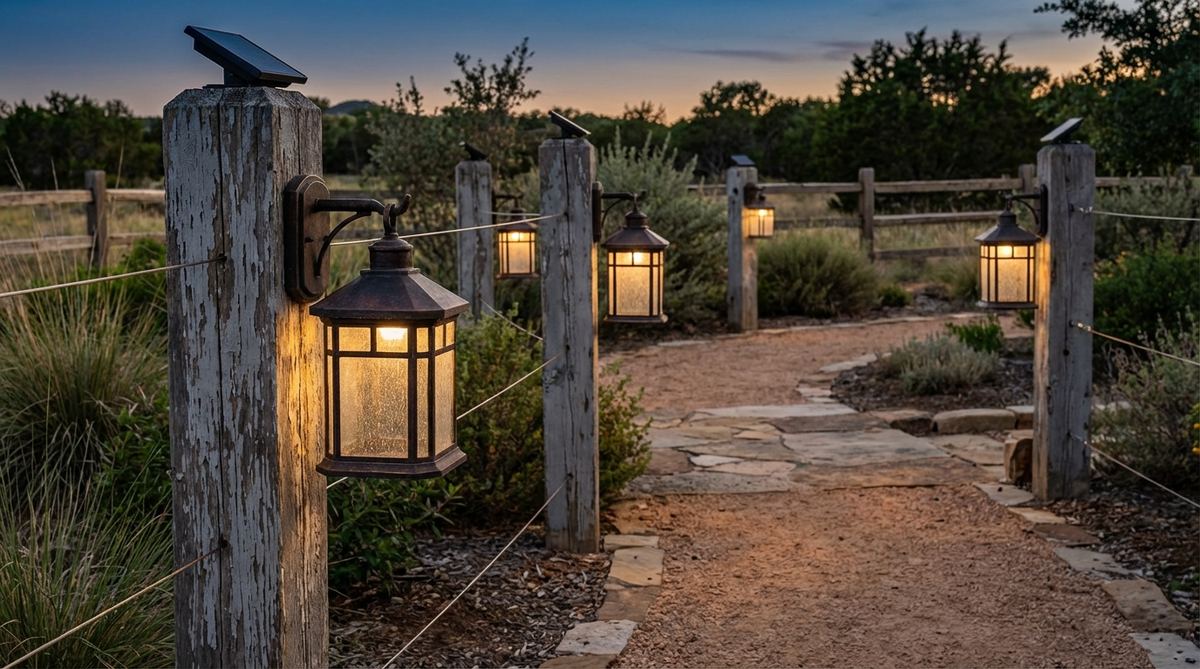
Weathered wood posts topped with vintage-style lanterns illuminate pathways with warm ambient light. The vertical structures punctuate horizontal garden planes.
Install solar-powered or low-voltage lighting for easy operation without trenching for electrical lines. Choose lantern styles with glass panels and metal frames.
These lighting elements function practically while establishing western atmospheric character. Position at regular intervals along main circulation routes.
Functional Rustic Furniture Pieces
Outdoor decor wood furniture provides essential seating and dining functions while maintaining strong design presence. Durable construction ensures these pieces withstand weather while aging gracefully.
25. Log Slab Benches
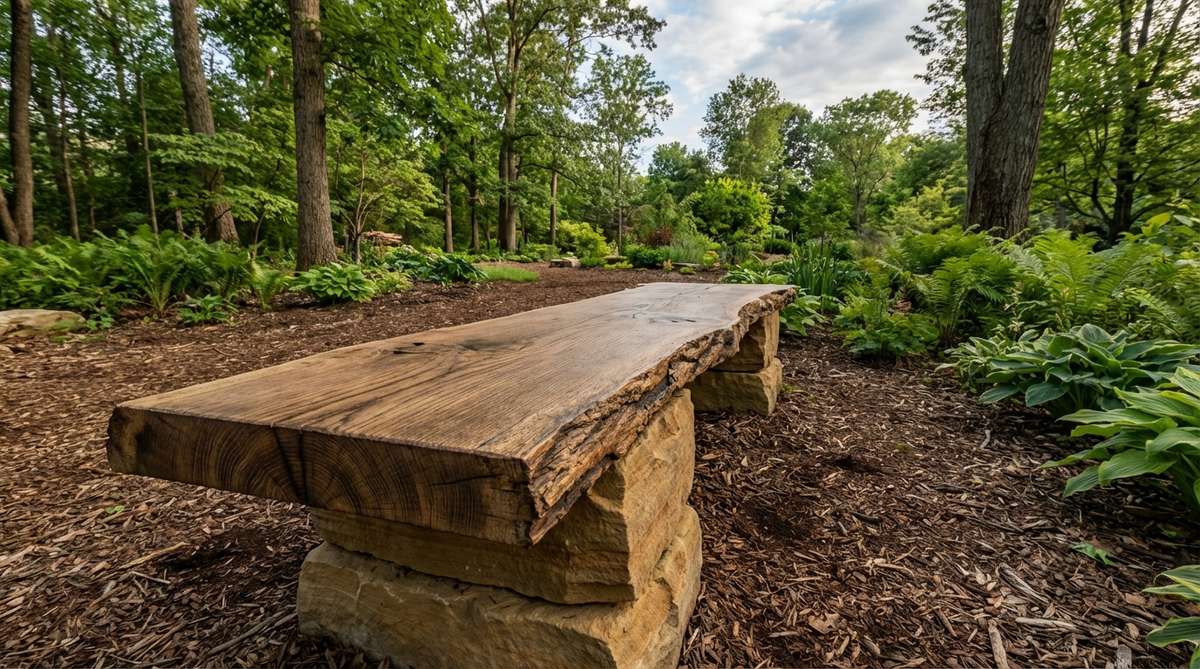
Live-edge wood slabs mounted on log or stone supports create organic seating. The natural edges and visible growth rings celebrate the tree’s original form.
Select hardwood species like oak or cedar for longevity in outdoor conditions. Apply penetrating oil finish to enhance grain while allowing wood to breathe.
These substantial benches accommodate multiple people for casual gathering. Their raw aesthetic suits woodland and naturalistic garden settings.
26. Reclaimed Wood Dining Tables
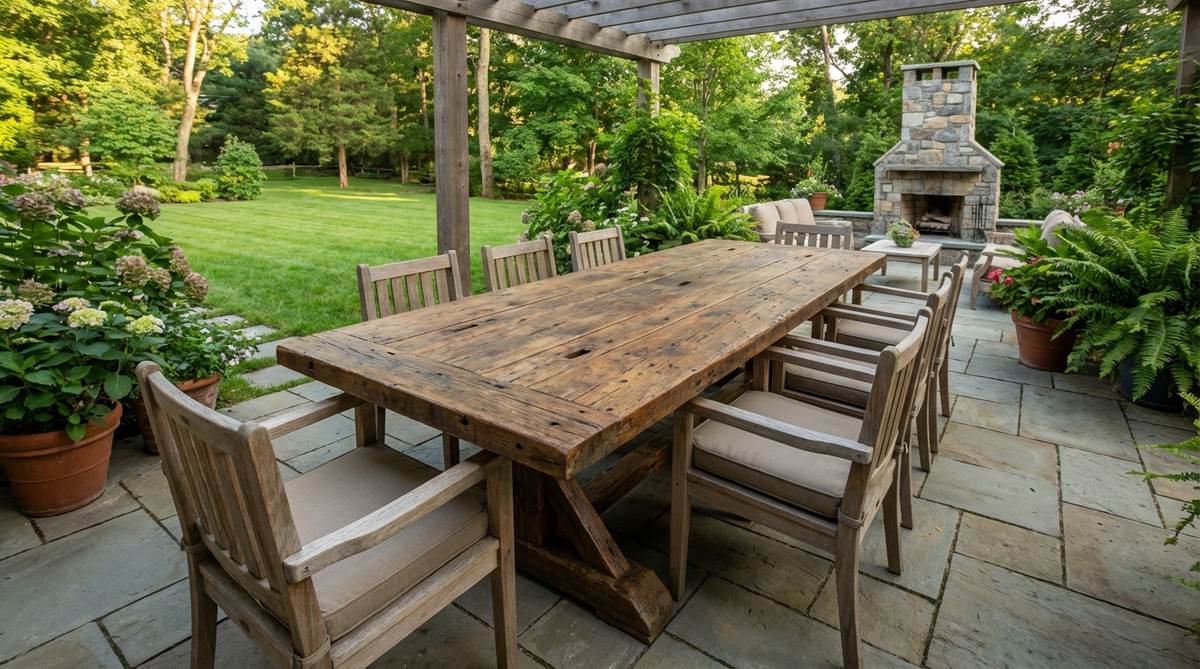
Solid plank tables from salvaged barn wood or old growth timber provide outdoor dining surfaces. The thick boards show mortise holes, nail marks, and other use evidence.
Build simple trestle-style bases that allow tabletop character to dominate. The weathered surfaces gain additional patina from outdoor meals and gatherings.
These tables support family dinners and entertaining while serving as permanent outdoor fixtures. Their scale anchors patio and deck arrangements.
27. Rustic Adirondack Chairs
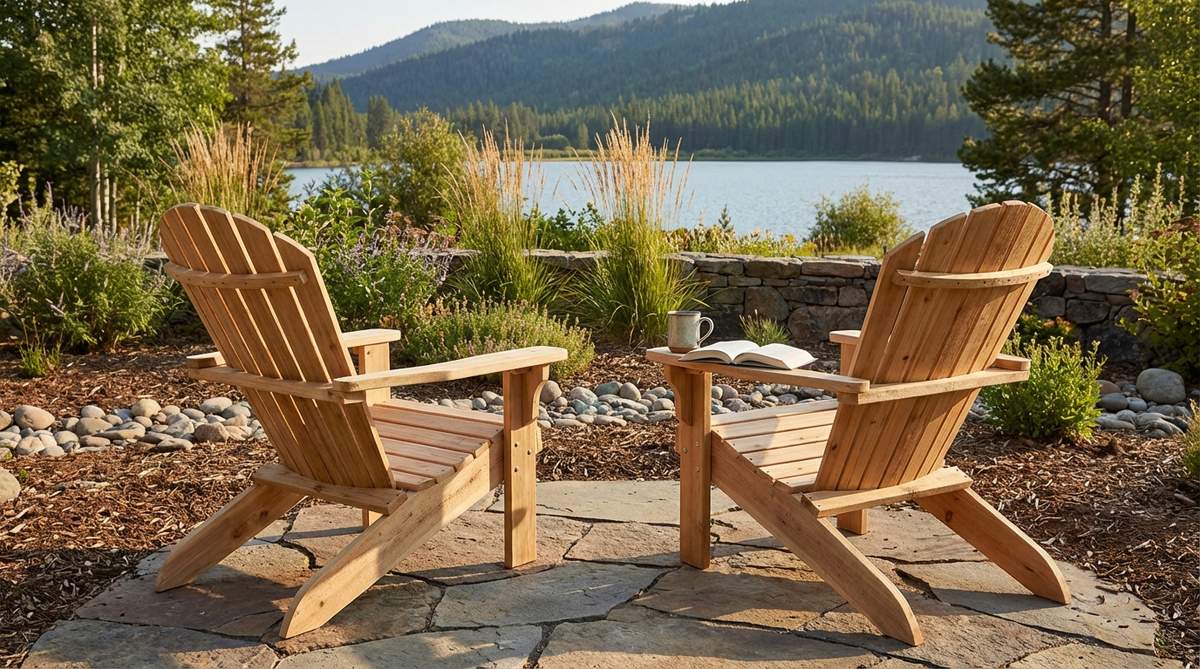
Classic sloped-back chairs constructed from rough-sawn cedar or pine offer comfortable outdoor seating. The wide arms accommodate drinks and books during relaxation.
Build chairs from plans using standard lumber dimensions, or purchase handcrafted versions from local artisans. Leave wood unfinished to weather naturally.
These iconic chairs suit lakeside, mountain, and country properties. Their reclined posture encourages lingering in garden spaces.
28. Wooden Swing Benches
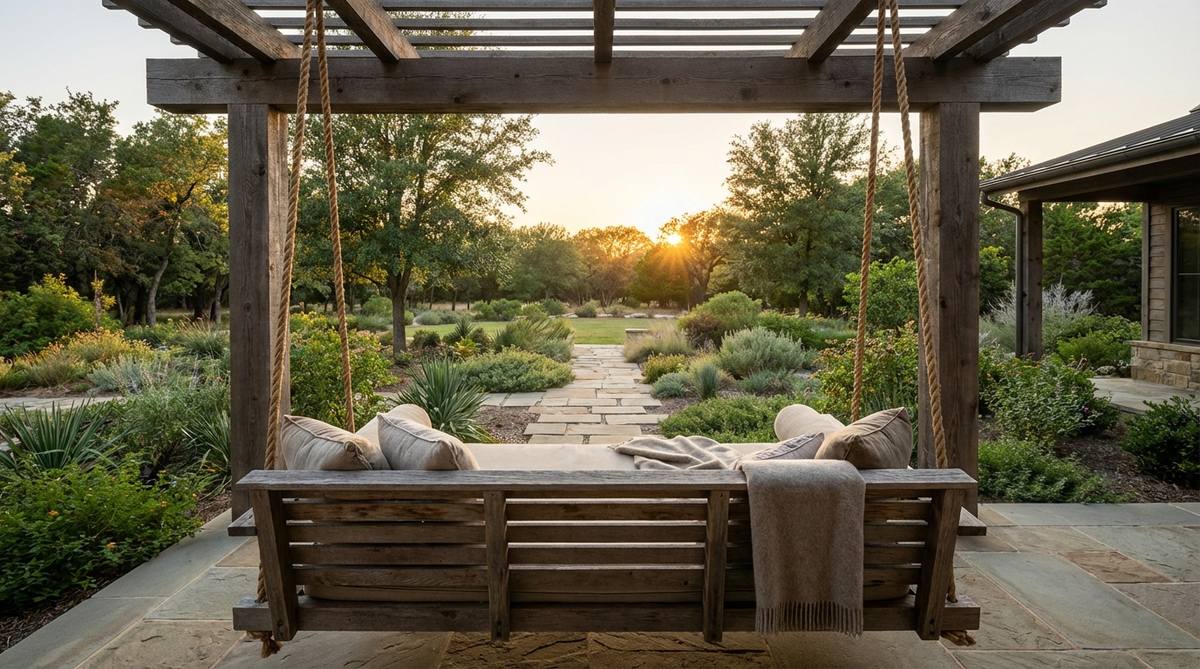
Suspended plank benches hung from porch ceilings or pergola beams provide soothing motion and seating. The gentle sway adds sensory pleasure to outdoor rest.
Use marine-grade rope or galvanized chain for weather-resistant suspension. Select lumber thickness adequate for anticipated weight loads.
These swings become favorite gathering spots for conversation and solitude. Position to frame garden views or face sunset directions.
29. Tree Stump Side Tables
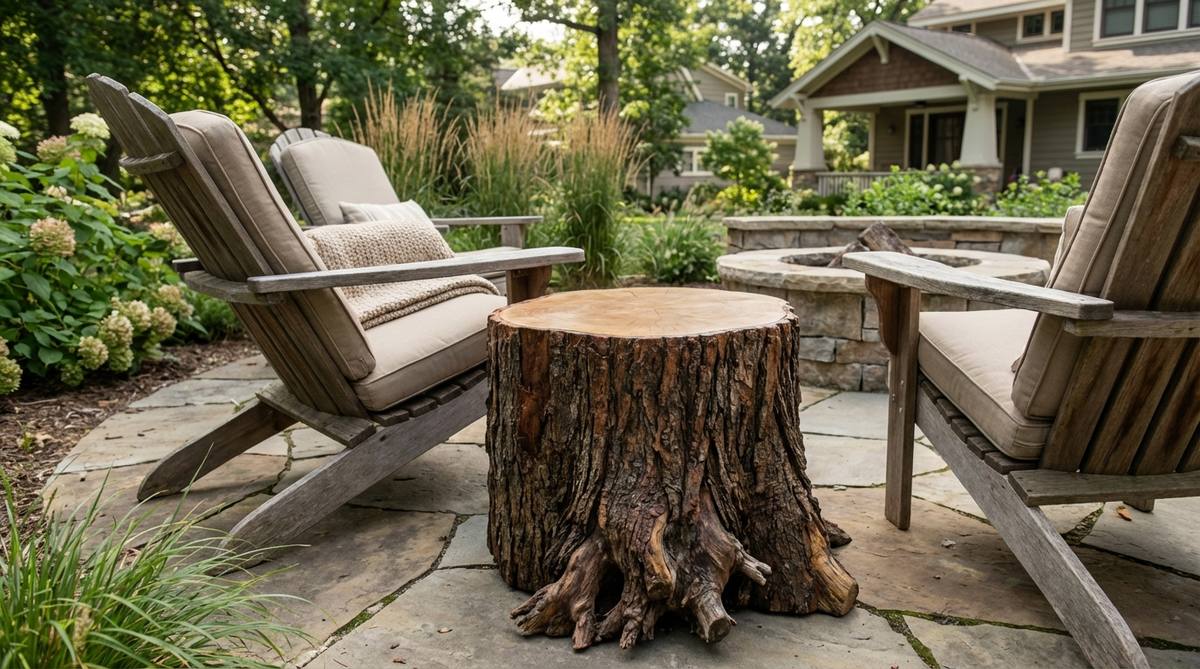
Natural tree stumps with flat-cut tops serve as occasional tables beside seating areas. The bark and root structures remain as found.
Apply clear sealer to top surfaces to prevent checking and splitting. Leave sides natural to preserve organic character.
These instant tables require no construction and celebrate natural forms. Heights vary depending on stump dimensions, offering diverse table options.
30. Wrought Iron Bistro Sets
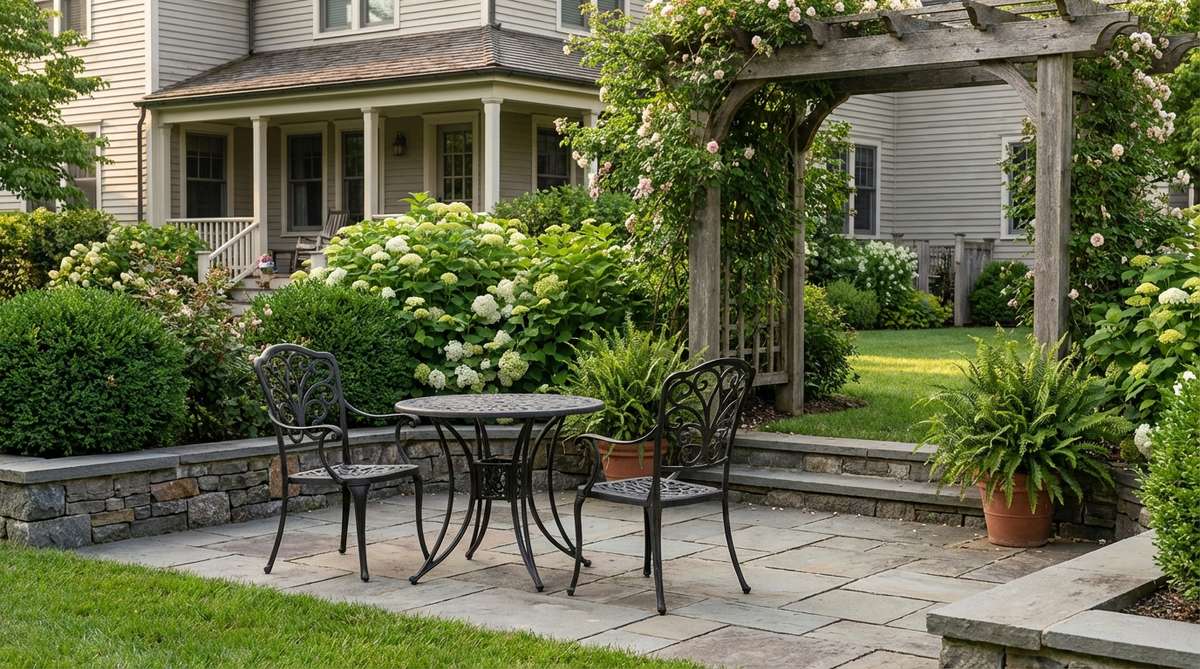
Compact metal table and chair sets in classic French cafe style create intimate dining spots. The dark metal complements any surrounding color palette.
Position sets on patios, decks, or garden clearings for morning coffee or afternoon wine. Folding versions allow seasonal storage.
These elegant pieces bridge rustic and refined design sensibilities. Their ornamental details add sophistication to casual settings.
Decorative Finishing Touches
Smaller accent pieces complete rustic outdoor designs by adding layers of detail and personality. These finishing elements personalize spaces and reflect individual taste.
31. Vintage Bird Houses
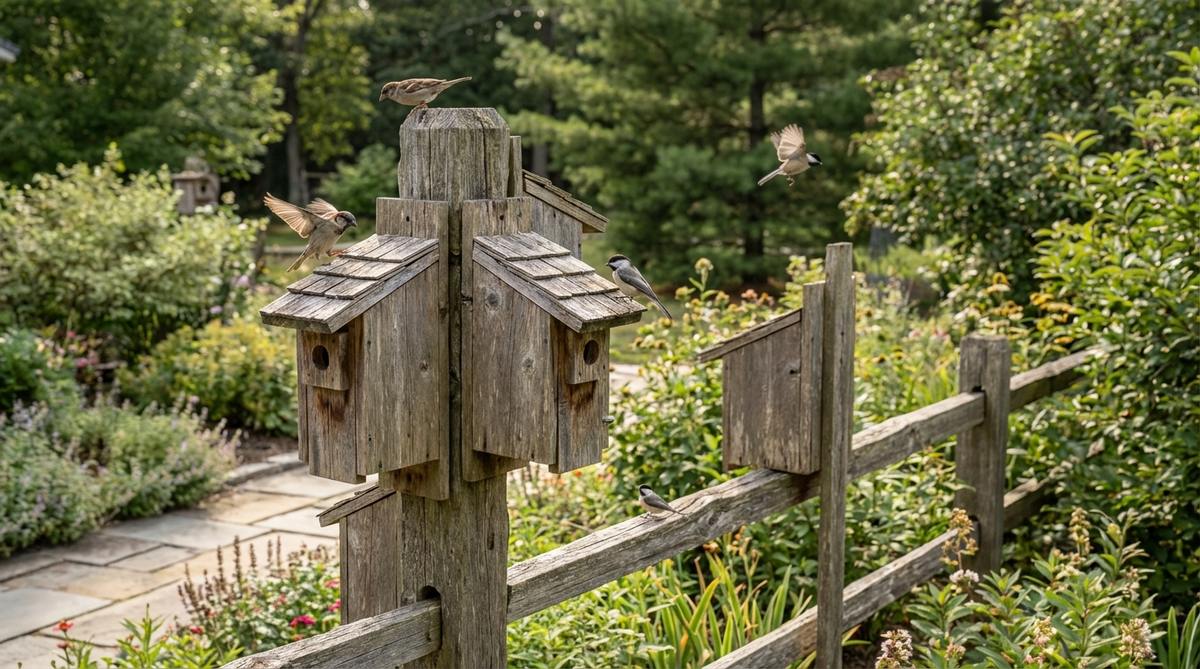
Weathered wooden birdhouses with rustic construction attract wildlife while decorating fences and posts. The aged wood blends with natural surroundings.
Mount houses at appropriate heights for target bird species. Ensure entrance holes match recommended diameters for desired occupants.
These functional decorations bring motion and sound through bird activity. Annual cleaning maintains hygiene for returning nesters.
32. Cast Iron Garden Statuary
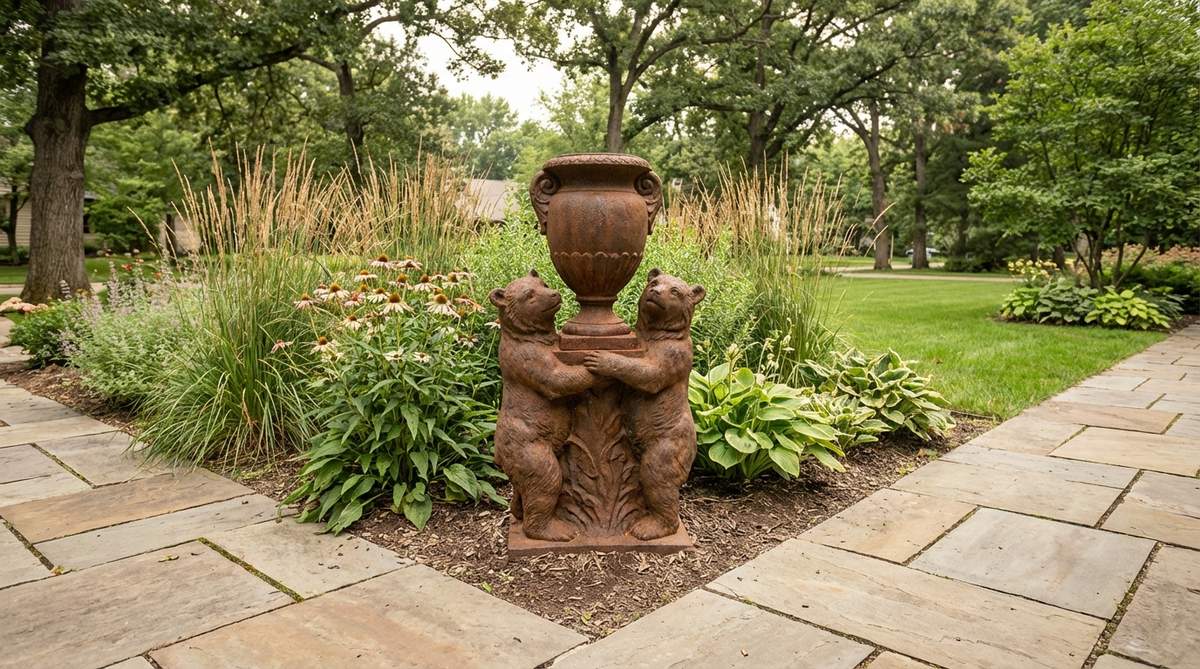
Animal figures, urns, and abstract sculptures in cast iron create permanent garden focal points. The solid forms anchor planting beds and lawn areas.
Select pieces proportional to garden scale to avoid overwhelming or disappearing in the landscape. Position at pathway intersections or sight line terminals.
The developing rust patina integrates statuary into aged garden character. These weighty pieces resist wind displacement and remain stable year-round.
33. Rustic Wind Chimes
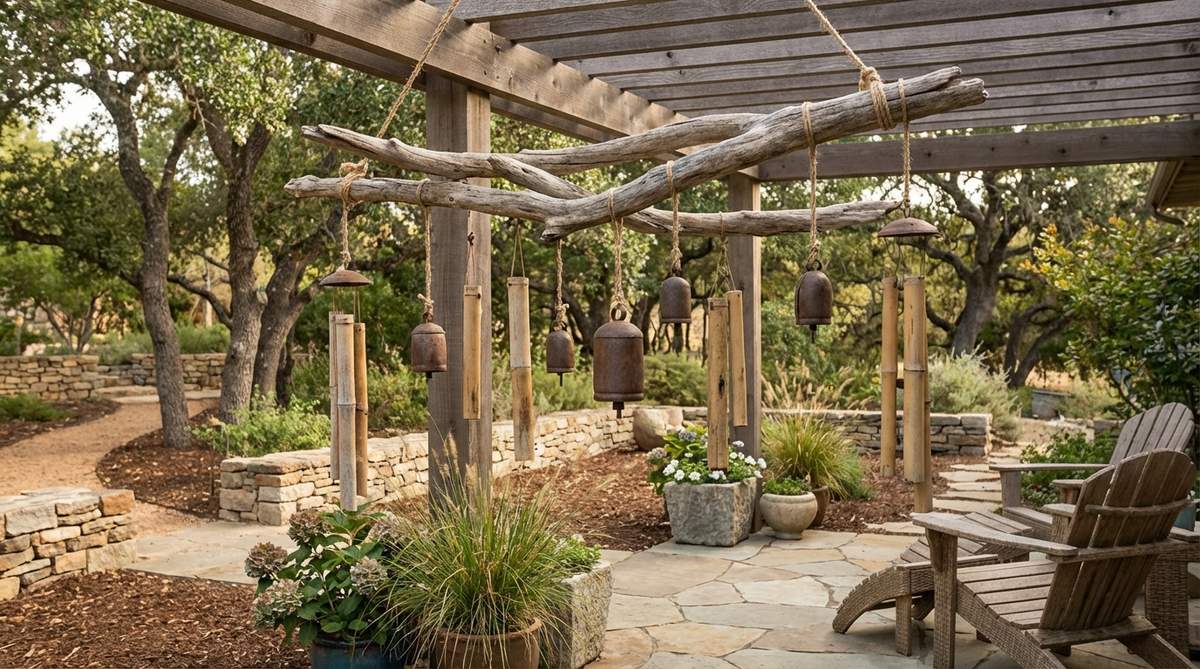
Hand-forged iron chimes or bamboo tubes suspended from driftwood create gentle sound in breezes. The acoustic element adds sensory dimension beyond visual design.
Hang chimes near seating areas where their sounds enhance relaxation. Select tones that blend harmoniously rather than clash.
These kinetic elements respond to weather conditions, bringing gardens to life. The materials weather gracefully, improving with age.
34. Wooden Address Posts
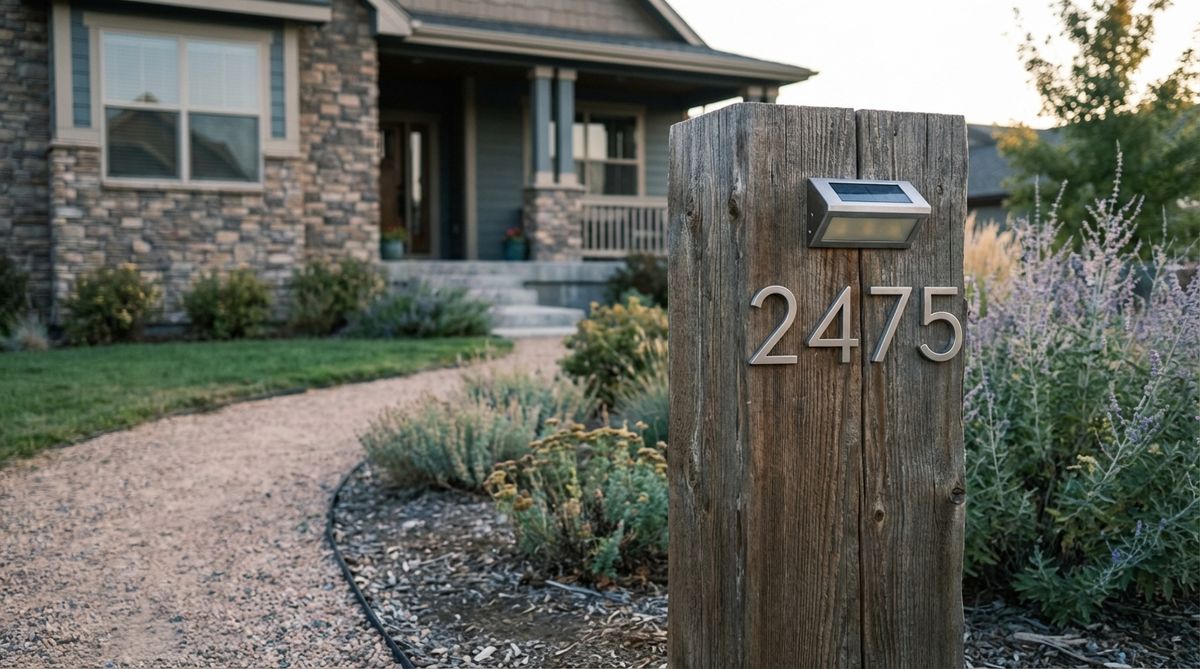
Substantial wood posts with routed or metal numbers mark property entrances with rustic style. The vertical elements establish arrival and welcome.
Use rot-resistant wood species like cedar or pressure-treated lumber for below-grade portions. Mount reflective numbers for nighttime visibility.
These practical markers provide necessary information while contributing to overall aesthetic. Their solid construction conveys permanence and quality.
35. Antique Lantern Collections
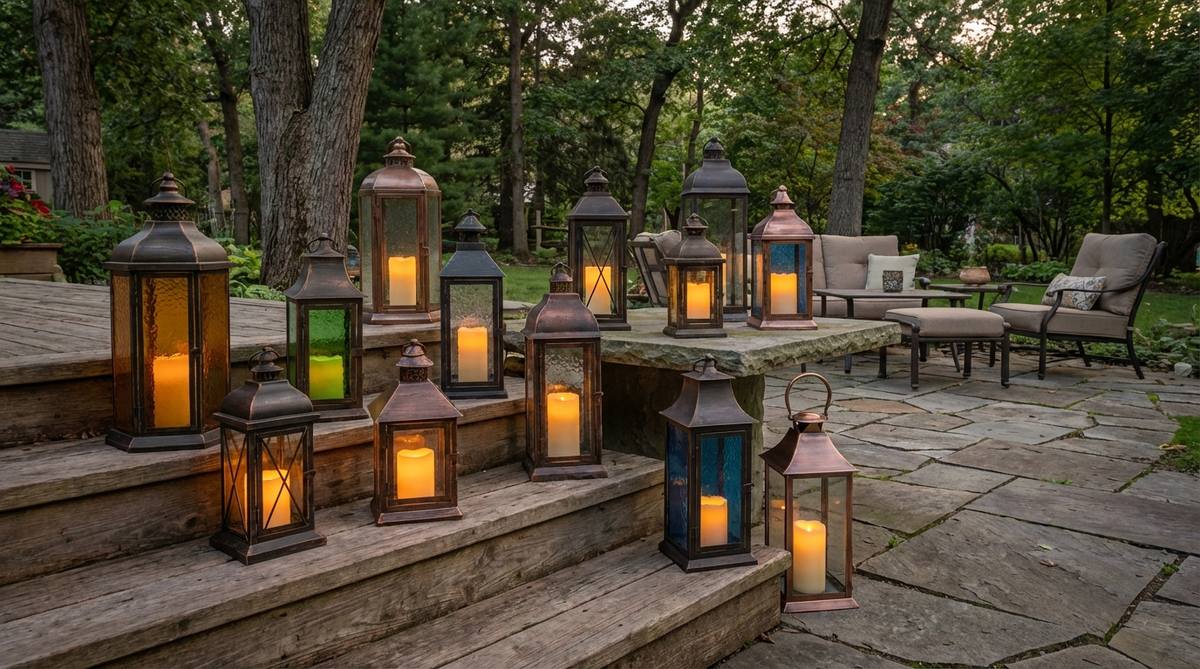
Grouped vintage lanterns on tables, steps, or shelving create atmospheric lighting displays. The varied glass colors and metal finishes add visual texture.
Use battery-operated LED candles for safe flameless illumination. Polish glass panes to maximize light output while leaving metal frames naturally aged.
These portable light sources allow flexible arrangement changes. The warm glow creates inviting ambiance for evening gatherings.
36. Weathered Window Frames
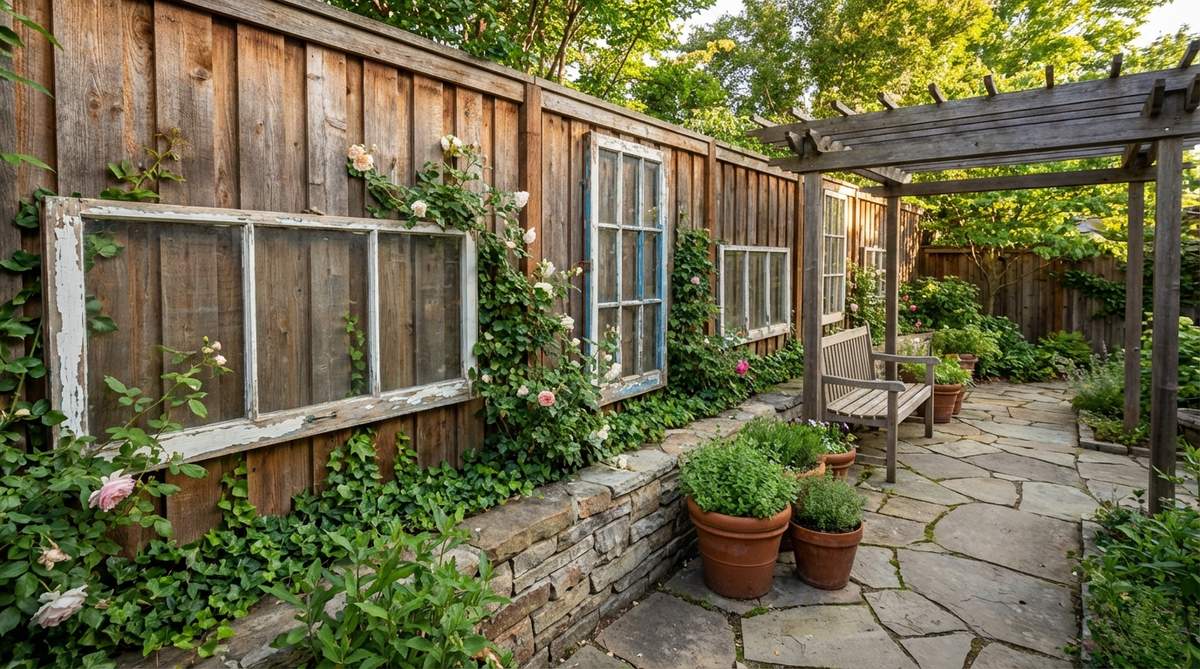
Salvaged window sashes mount on fences or walls as architectural fragments. The glass panes remain or remove for open frame displays.
Hang frames vertically or horizontally depending on muntins pattern and surrounding context. Paint remains add color history.
These repurposed elements reference domestic architecture in garden settings. They create visual interest on blank walls and fence expanses.
Bringing It All Together
Creating compelling outdoor decor rustic environments requires balancing multiple material types while maintaining cohesive aesthetic direction. Start with larger architectural elements like pergolas and fencing to establish structural framework, then layer in furniture pieces and decorative accents that reinforce the rustic theme. Remember that authentic character develops over time as wood weathers and iron gains patina, so embrace the aging process rather than fighting it. Select pieces that speak to your personal style while serving practical functions, ensuring your outdoor spaces remain both beautiful and livable for years to come.
Frequently Asked Questions
How do I protect outdoor wood furniture from weather damage?
Apply penetrating oil finishes or transparent wood sealers annually to preserve natural appearance while providing moisture protection. Alternatively, allow wood to weather naturally into silvery gray patina, which stabilizes and protects itself over time. Choose naturally rot-resistant species like cedar, teak, or white oak for maximum longevity without chemical treatments.
Should I prevent rust on iron garden decorations?
Decorative rust patina actually enhances rustic aesthetic and provides some corrosion protection once established. Apply clear sealer over desired rust level to prevent further deterioration. For structural pieces like benches and arbors, use rust-converting primer and outdoor paint to maintain integrity while preserving dark color and aged appearance.
What plants work best with rustic outdoor decor?
Select informal, cottage-style plants rather than formal geometric plantings. Climbing roses, wisteria, clematis, and honeysuckle soften wooden structures naturally. Ornamental grasses, black-eyed Susans, coneflowers, and lavender complement weathered wood and iron with loose, naturalistic forms. Native plants enhance authentic regional character.
How can I create rustic outdoor decor on a budget?
Source materials from salvage yards, estate sales, and online marketplaces for authentic vintage pieces at reduced cost. Repurpose items from your own property including fallen branches, old tools, and leftover lumber. DIY projects using standard construction materials create custom pieces without premium pricing. Allow natural weathering rather than purchasing pre-aged finishes.
Can rustic outdoor decor work in modern homes?
Rustic elements provide effective contrast to clean contemporary architecture through material authenticity and organic forms. Select pieces with simpler lines and less ornate details for better integration with modern aesthetics. Limit quantity to avoid overwhelming minimalist designs—one substantial rustic piece often suffices as a focal point against contemporary backgrounds.