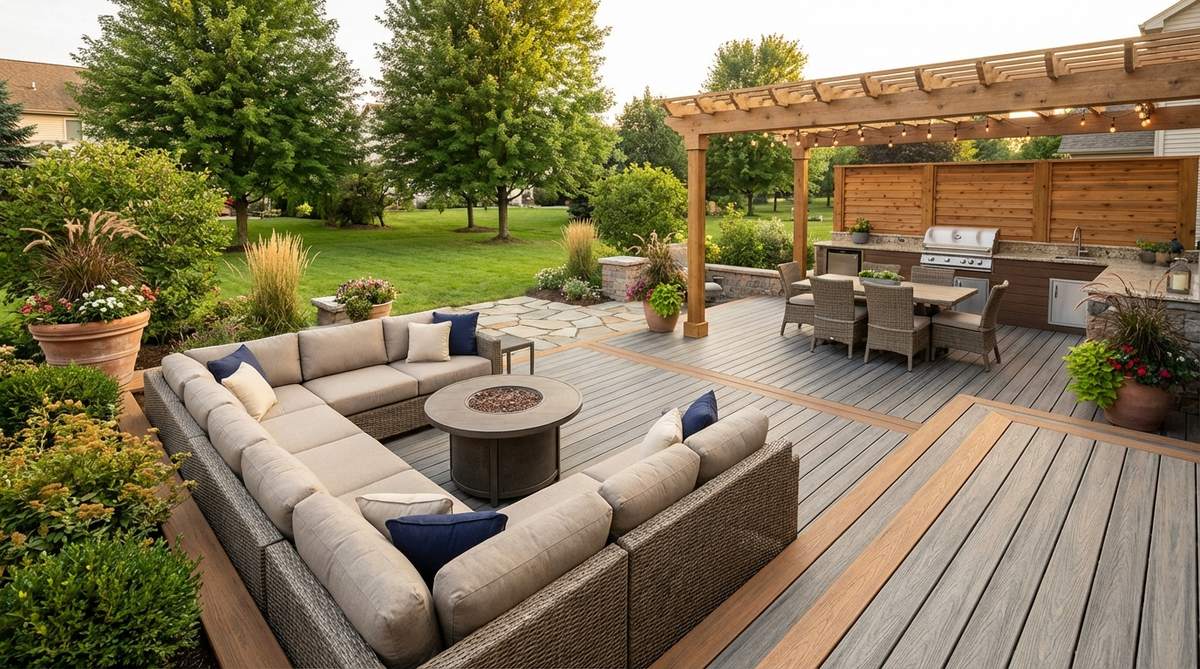
An expertly styled outdoor decor deck transforms your backyard into a sophisticated extension of your home where function meets refined aesthetics. Fresh Garden Ideas brings you professional design strategies that elevate outdoor living through intentional material selection, strategic furniture placement, and layered styling techniques proven to enhance both usability and visual impact.
Design SnapshotKey Principles
- Zoning: Define separate areas for dining, lounging, and conversation using furniture groupings and level changes
- Material Cohesion: Select decking, railings, and furnishings that share complementary tones and textures
- Layered Lighting: Combine ambient, task, and accent lighting to extend usability from dawn through evening
- Seasonal Adaptability: Choose weather-resistant materials and modular elements that transition through changing conditions
Architectural Foundations That Define Outdoor Decor Deck Spaces
The structural design of your deck establishes the framework for all subsequent styling decisions. Designers prioritize elevation changes, material transitions, and built-in elements that create visual interest before any furniture arrives.
1. Multi-Level Deck Layouts
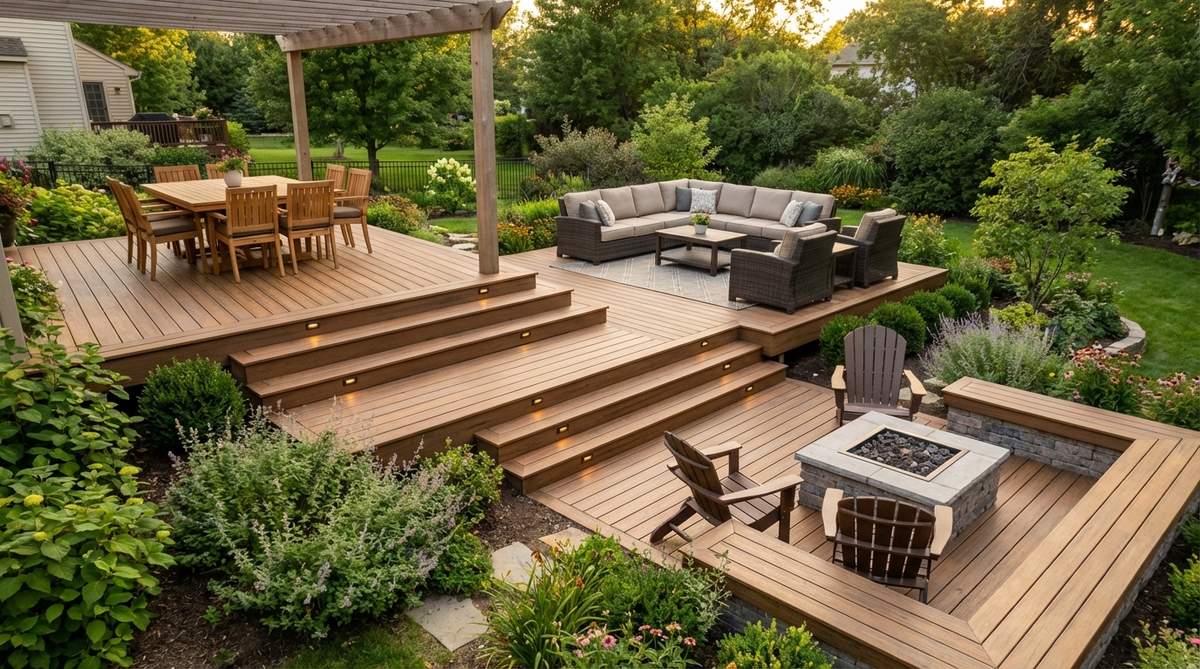
Multi-tiered decks create distinct zones without physical barriers. Each level serves a specific function—upper tiers for dining, mid-levels for conversation, lower areas for fire features or hot tubs.
Designers use 12-18 inch height differences to define spaces while maintaining visual connection. Wide steps double as informal seating during gatherings.
This approach maximizes usable square footage on sloped properties and adds architectural drama to flat yards.
2. Wraparound Poolside Configurations
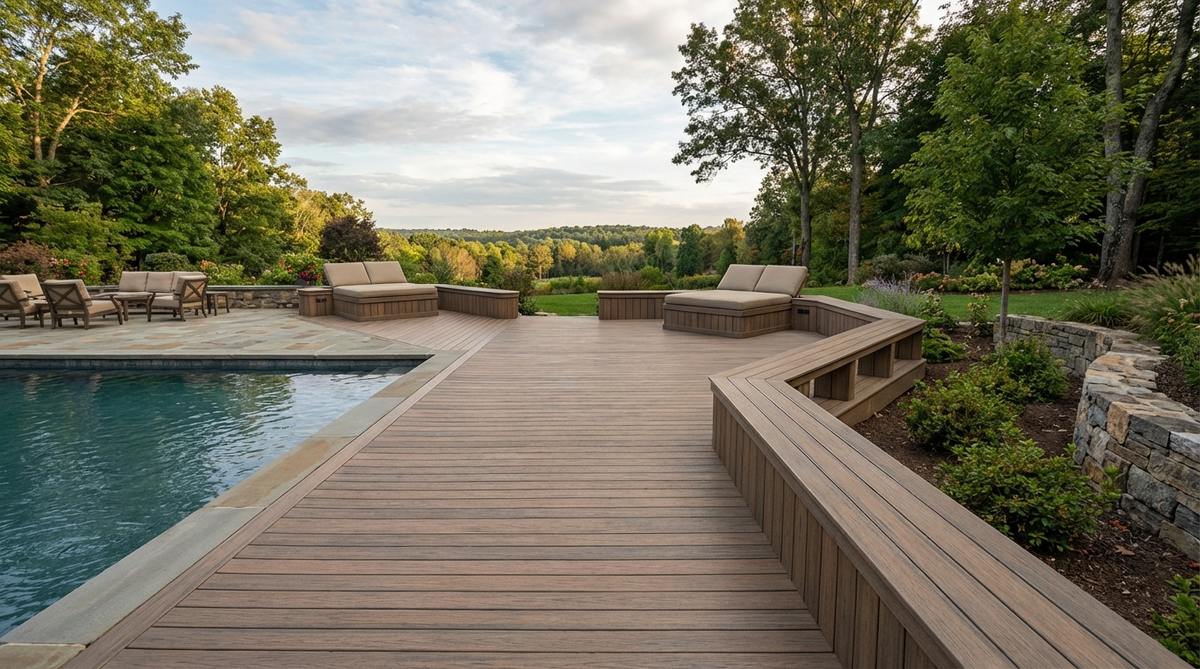
Wraparound decking unifies pool areas with adjacent living spaces. The continuous surface creates seamless flow from house to water, eliminating awkward transitions.
Professionals select slip-resistant composite materials in warm neutrals that stay cool underfoot. Built-in storage benches along perimeters hide pool equipment and provide extra seating.
Corner sections accommodate chaise lounges positioned to face views or landscaping features.
3. Louvered Pergola Integration
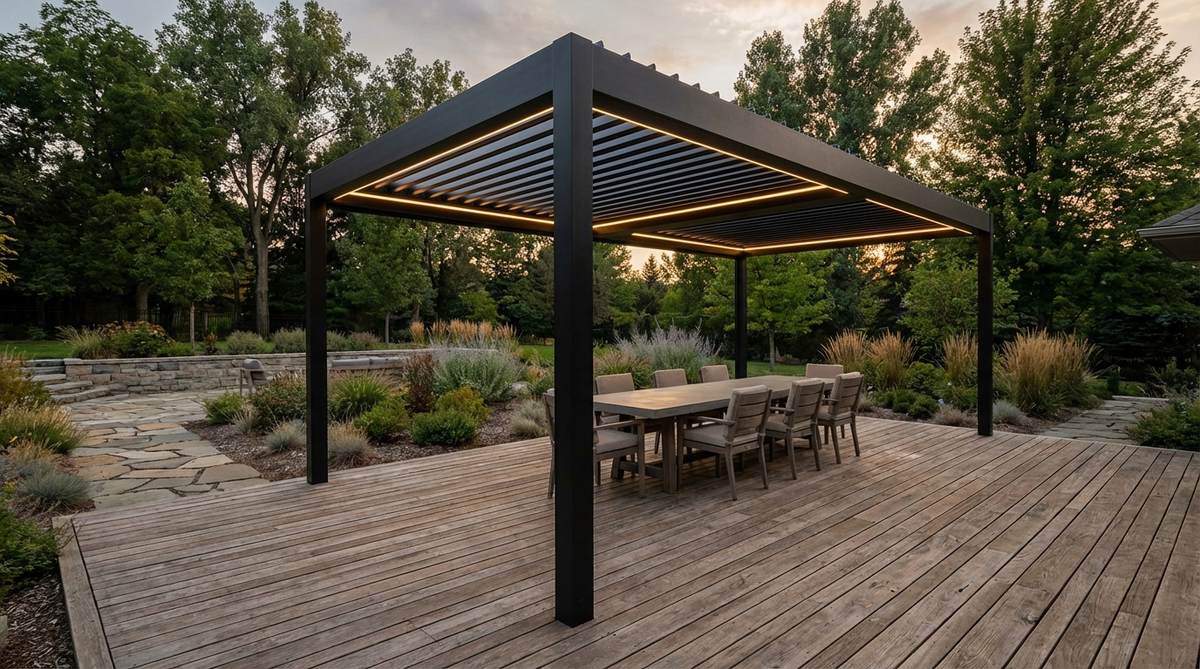
Adjustable louvered pergolas add sculptural impact while offering climate control. Motorized systems rotate to provide full shade, partial sun, or open sky conditions.
These structures anchor dining zones where consistent shade matters most. Metal frameworks in black or charcoal create contemporary contrast against natural decking.
Integrated LED strips in louvers provide indirect evening illumination without additional fixtures.
4. Glass Railing Systems
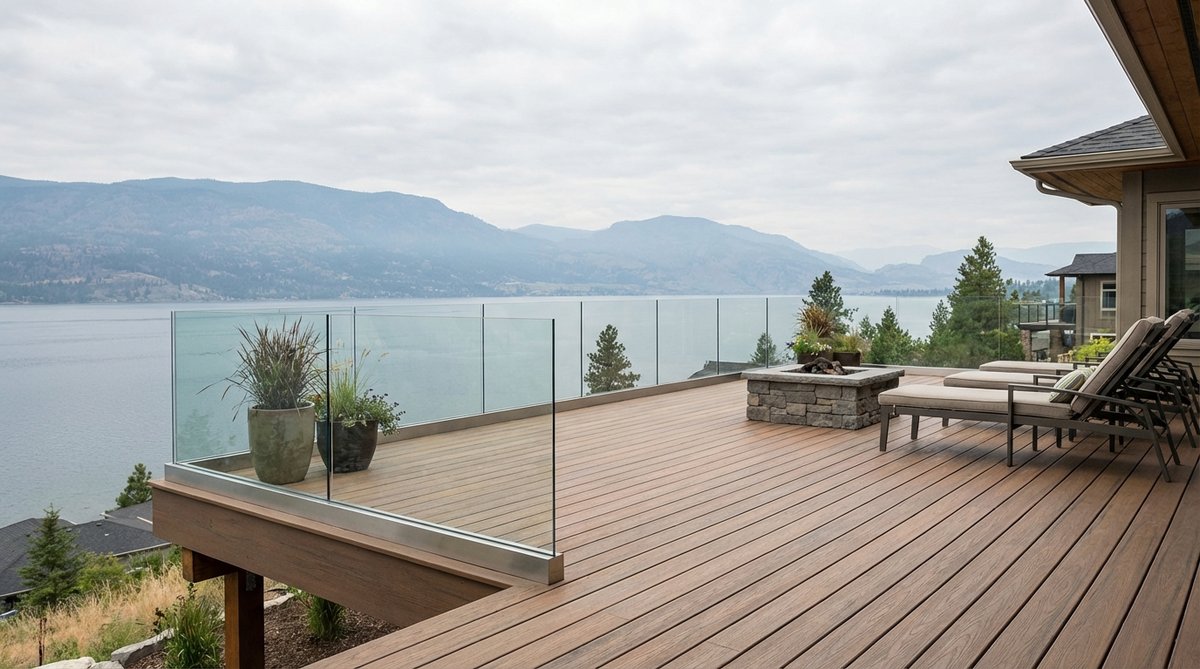
Frameless glass panels preserve sightlines to surrounding views. This design choice works particularly well for elevated decks overlooking water, mountains, or cityscapes.
Professionals spec tempered glass with minimal aluminum or stainless steel channels. The transparent barrier maintains safety codes without visual weight.
Cleaning requires regular maintenance, but the unobstructed views justify the effort for view-focused properties.
5. Continuous Indoor-Outdoor Flooring
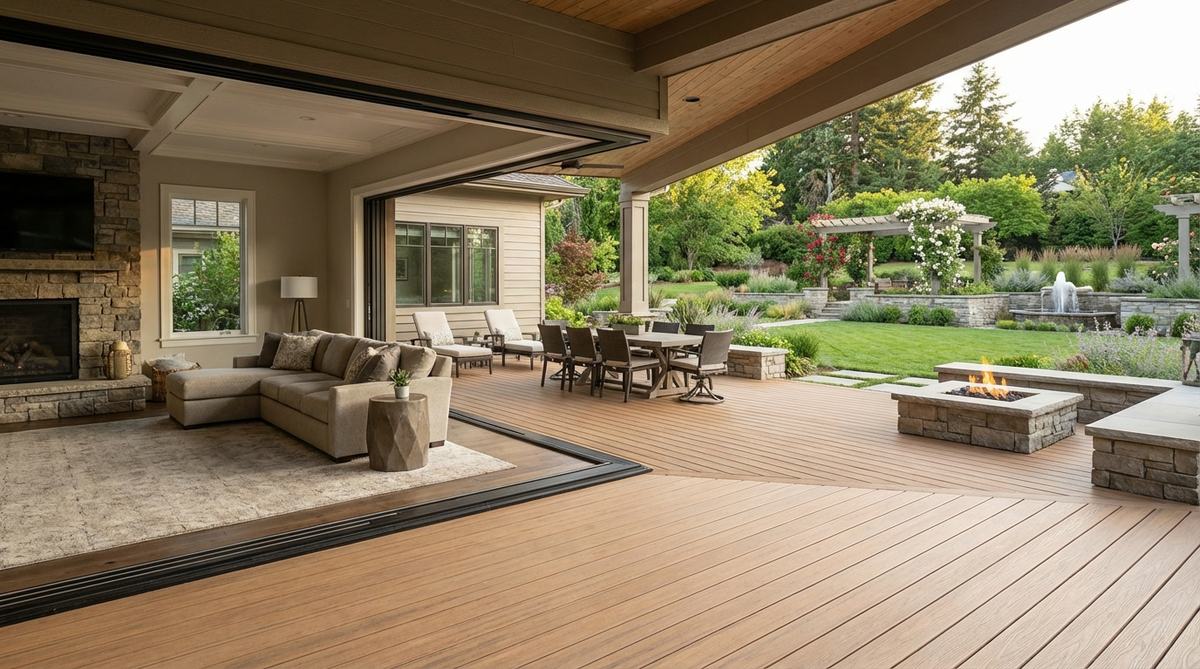
Matching or closely coordinating indoor and deck flooring erases the boundary between interior and exterior. Wide plank composite decking in tones that mirror interior wood or tile creates this effect.
Designers install retractable glass walls that stack completely open. When panels disappear, identical flooring makes the deck feel like an expanded living room.
This strategy works best when deck and interior floors sit at the same elevation with flush thresholds.
6. Custom Pattern Decking Layouts
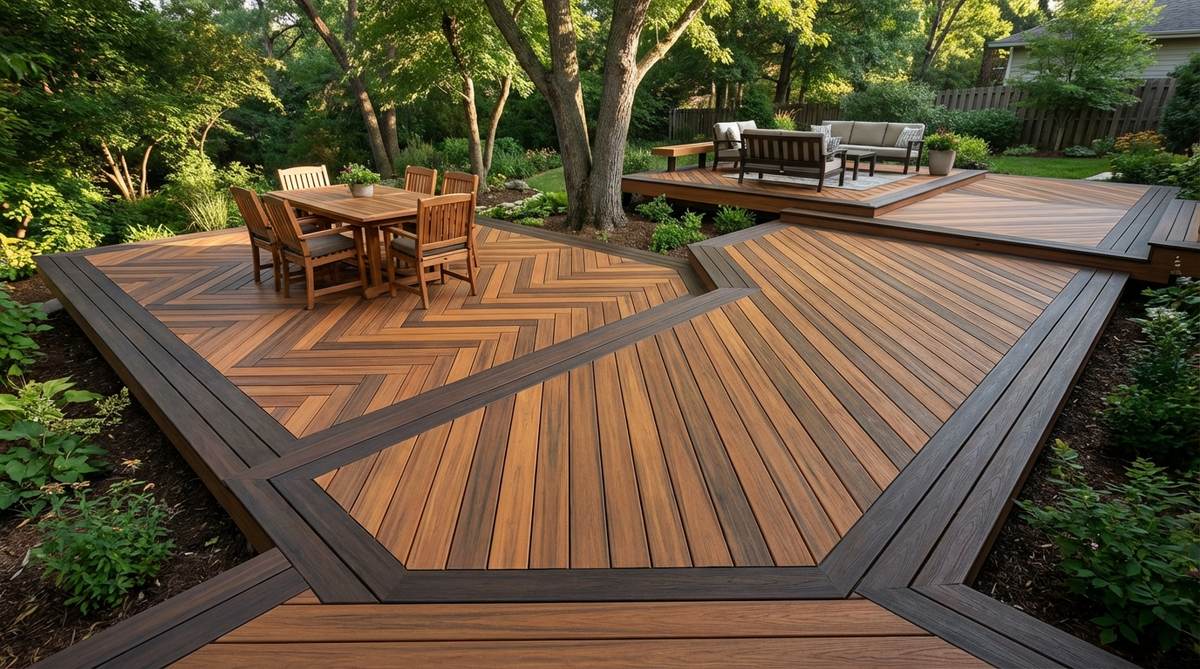
Diagonal, herringbone, or picture-frame board patterns add visual interest to deck surfaces. These layouts require more material and labor but deliver distinctive results.
Professionals use contrasting board colors to emphasize geometric patterns. Dark borders frame lighter field sections for definition.
Pattern changes between deck zones reinforce functional divisions without railings or planters.
Furniture and Seating Strategies For Outdoor Decor Deck Comfort
Furniture selection and arrangement directly impacts how you use your deck daily. Designers prioritize comfort, scale, and weather resistance while creating flexible layouts that adapt to different gathering sizes.
7. Modular Sectional Seating
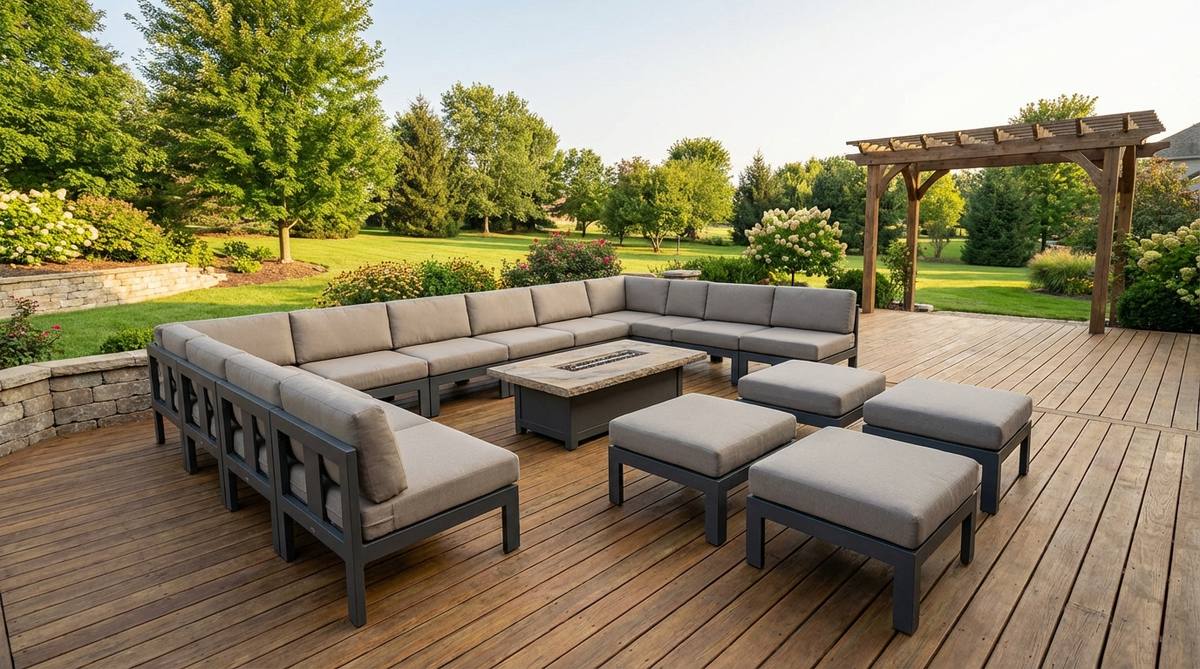
Modular outdoor sectionals offer configuration flexibility for changing needs. Individual pieces rearrange from large L-shapes for parties to separate clusters for intimate conversations.
Professionals select aluminum or resin wicker frames with quick-dry foam cushions wrapped in solution-dyed acrylic fabrics. Neutral upholstery in grays, taupes, or whites provides longevity.
Low-profile sectionals maintain sightlines to surrounding landscapes and architectural features.
8. Built-in Bench Seating
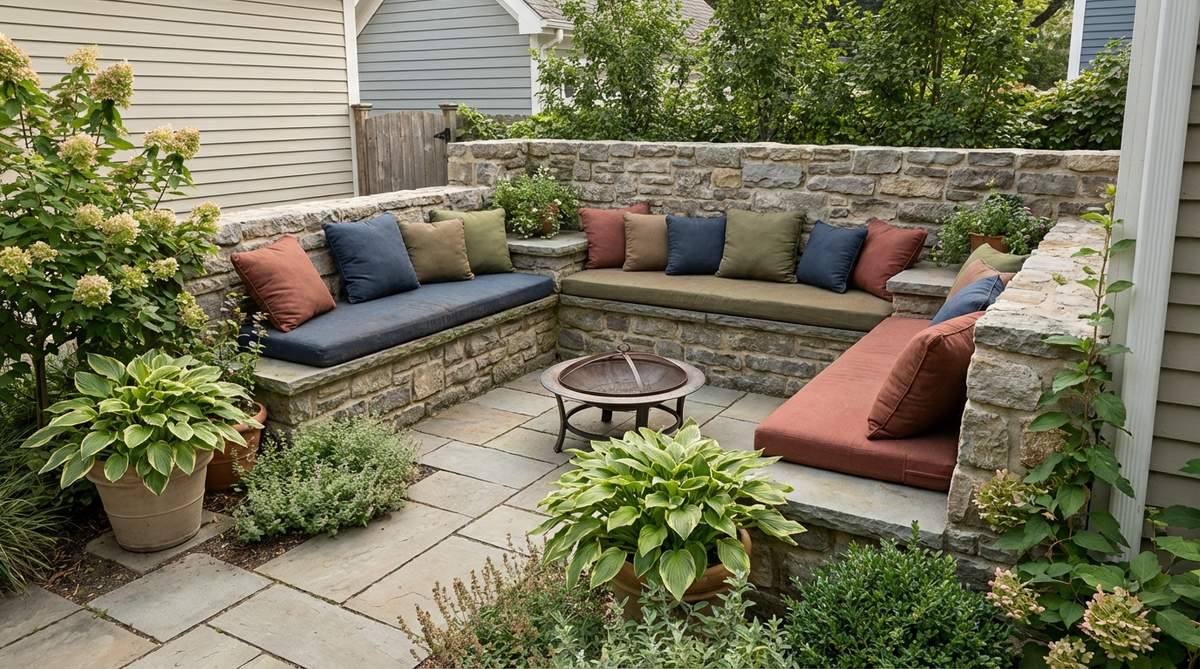
Fixed benches along deck perimeters maximize seating capacity without consuming floor space. Hinged tops convert benches into weatherproof storage for cushions and outdoor accessories.
Designers build benches from matching deck materials for visual continuity. Back cushions attach to railings for comfort without permanent installation.
This approach works particularly well on smaller decks where movable furniture limits circulation.
9. Conversation Pit Sunken Seating
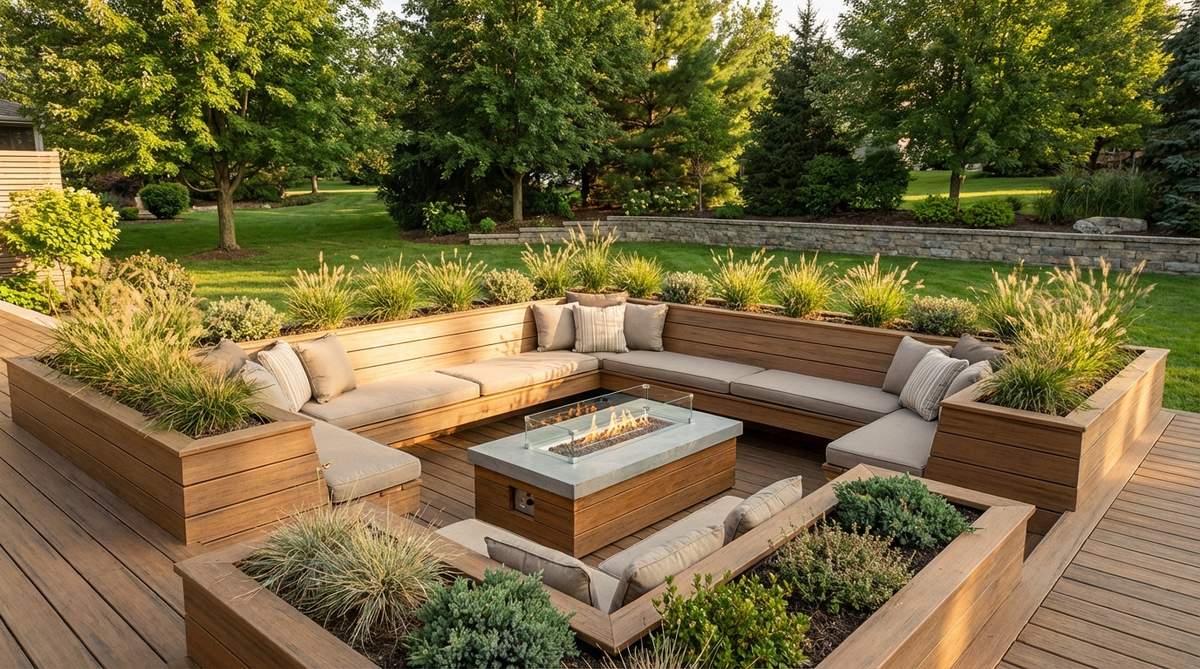
Recessed seating areas create intimate gathering spaces on multi-level decks. The lowered floor section surrounded by built-in cushioned benches focuses attention inward.
Professionals position these pits away from main circulation paths. Central fire tables or low cocktail tables anchor the space functionally.
This layout encourages face-to-face interaction and provides wind protection on exposed sites.
10. Dining Zones With Expandable Tables
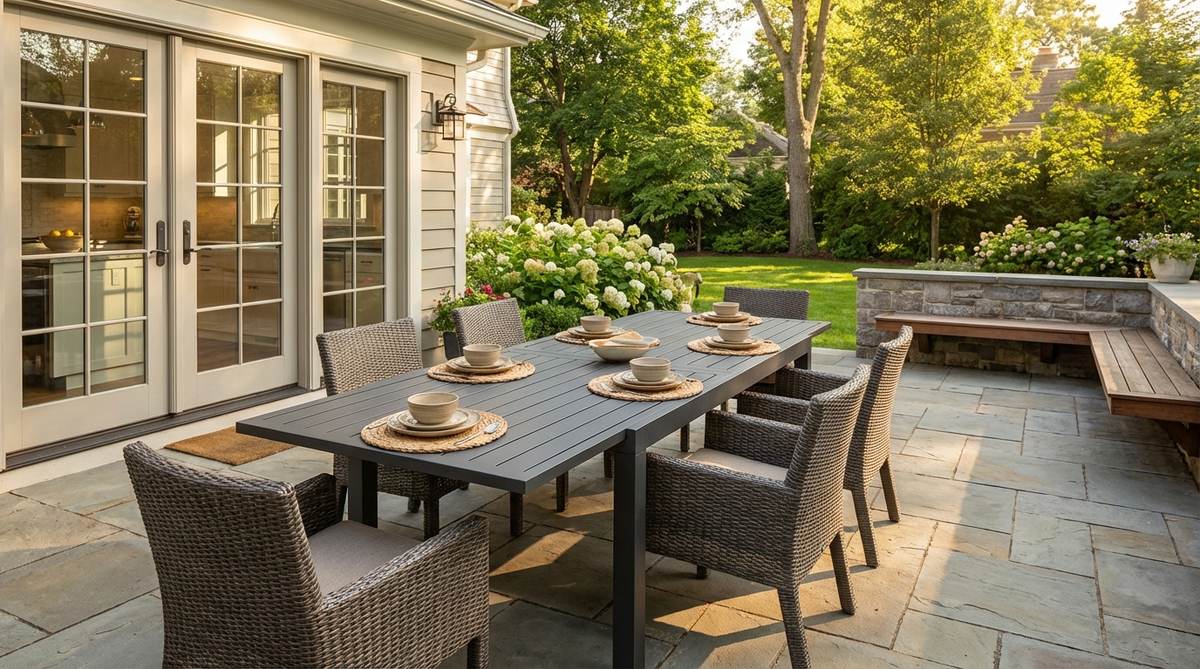
Dedicated dining areas require sufficient clearance for chair movement and serving access. Designers allow 36-42 inches between table edges and fixed elements.
Extendable tables accommodate both daily family meals and larger gatherings. Aluminum frames with powder-coated finishes resist corrosion while maintaining clean lines.
Positioning dining zones near kitchen access doors reduces service trips and keeps hot food warm.
11. Chaise Lounge Sun Shelves
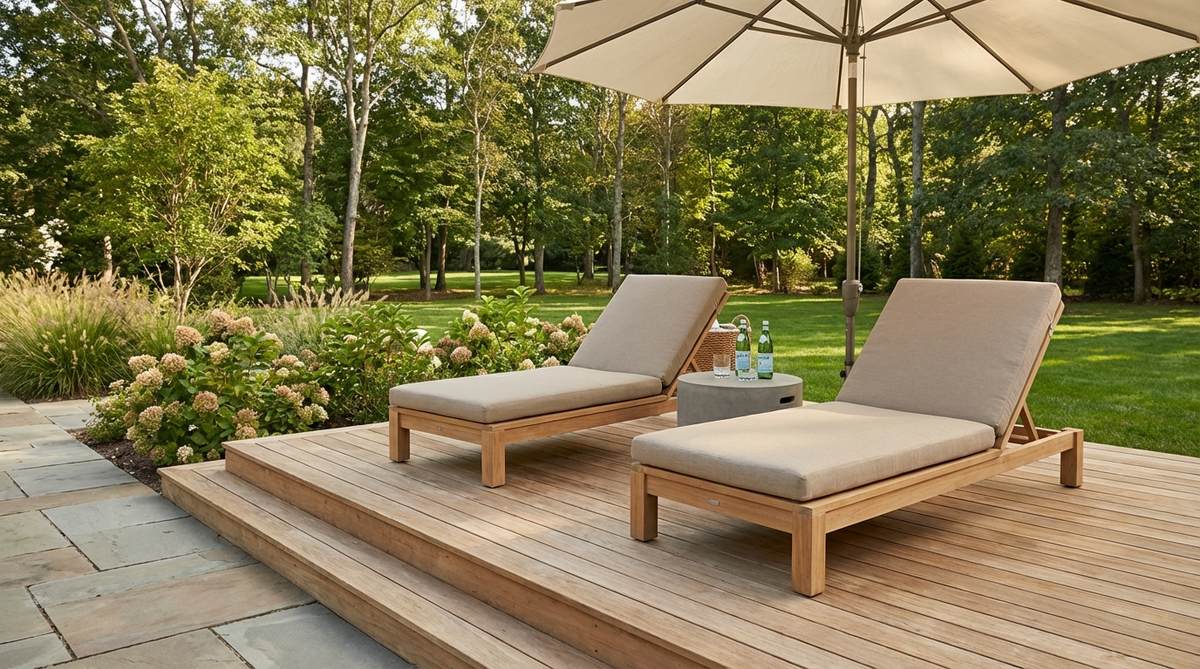
Dedicated lounging areas maximize relaxation potential on larger decks. Designers orient chaises toward optimal sun exposure or view corridors.
Adjustable-back lounges in weather-resistant resin or teak accommodate reading, tanning, or napping positions. Side tables positioned between pairs hold beverages and books.
Freestanding umbrellas or shade sails provide sun relief without permanent structures.
12. Swing Seats and Daybeds
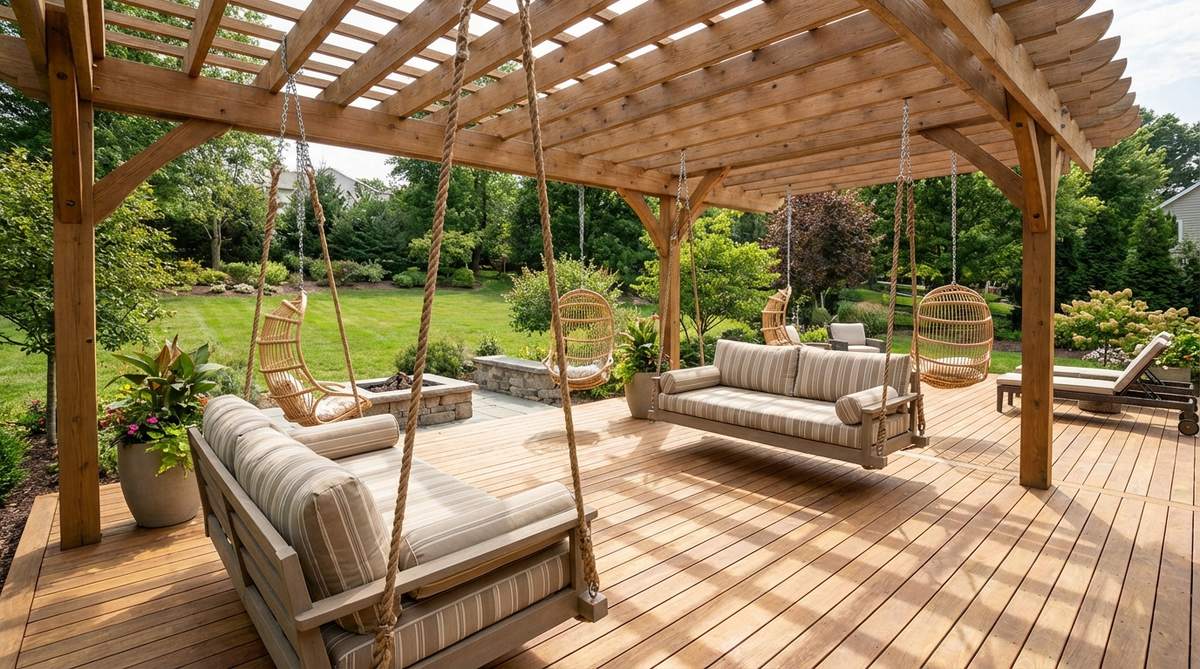
Suspended swing beds or hanging chairs introduce playful movement to deck spaces. Pergola beams or dedicated support posts provide secure mounting points.
Professionals select marine-grade rope or powder-coated chain hardware rated for outdoor exposure. Cushioned platforms accommodate multiple loungers.
Gentle swaying motion creates a resort-like atmosphere that differentiates deck experiences from indoor seating.
Lighting and Ambiance Techniques For Outdoor Decor Deck Environments
Strategic lighting extends deck functionality into evening hours while creating atmosphere. Layered lighting plans combine multiple fixture types at different heights and intensities for both practical illumination and mood setting.
13. Integrated Deck Board Lighting
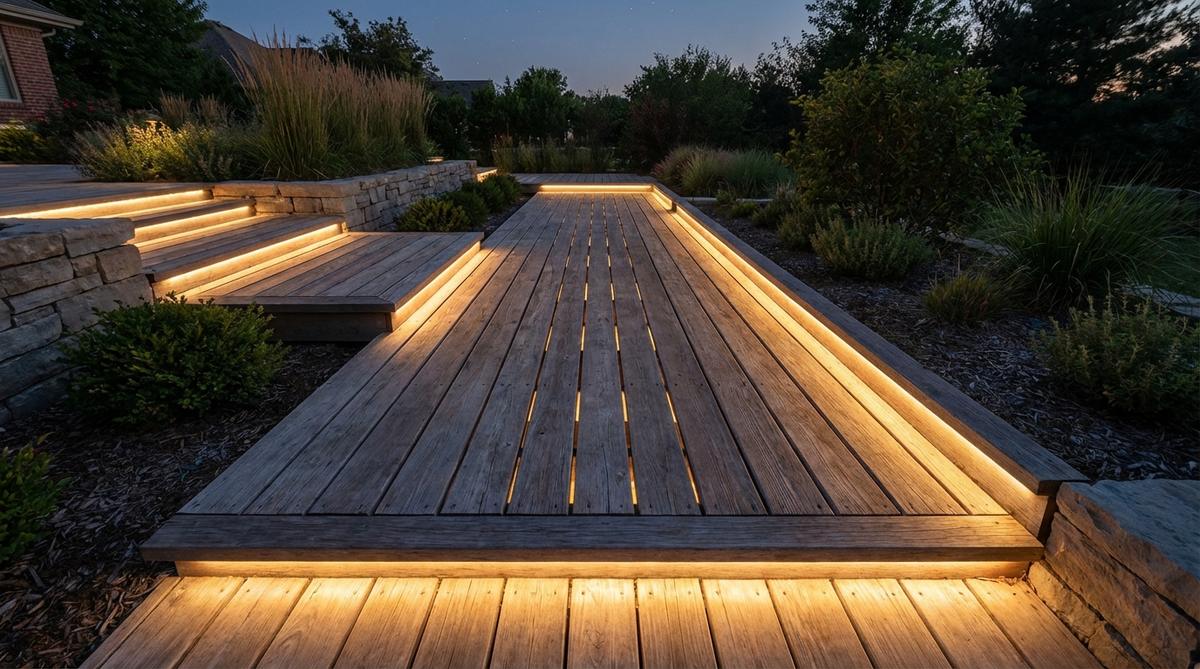
Low-voltage LED strips recessed between deck boards provide subtle pathway illumination. These fixtures define deck edges and step locations for safe nighttime navigation.
Designers specify warm white (2700-3000K) color temperatures that complement wood tones. Spacing fixtures every 6-8 feet delivers adequate visibility without over-lighting.
This approach eliminates trip hazards from surface-mounted fixtures while creating sophisticated ambiance.
14. String Light Canopies
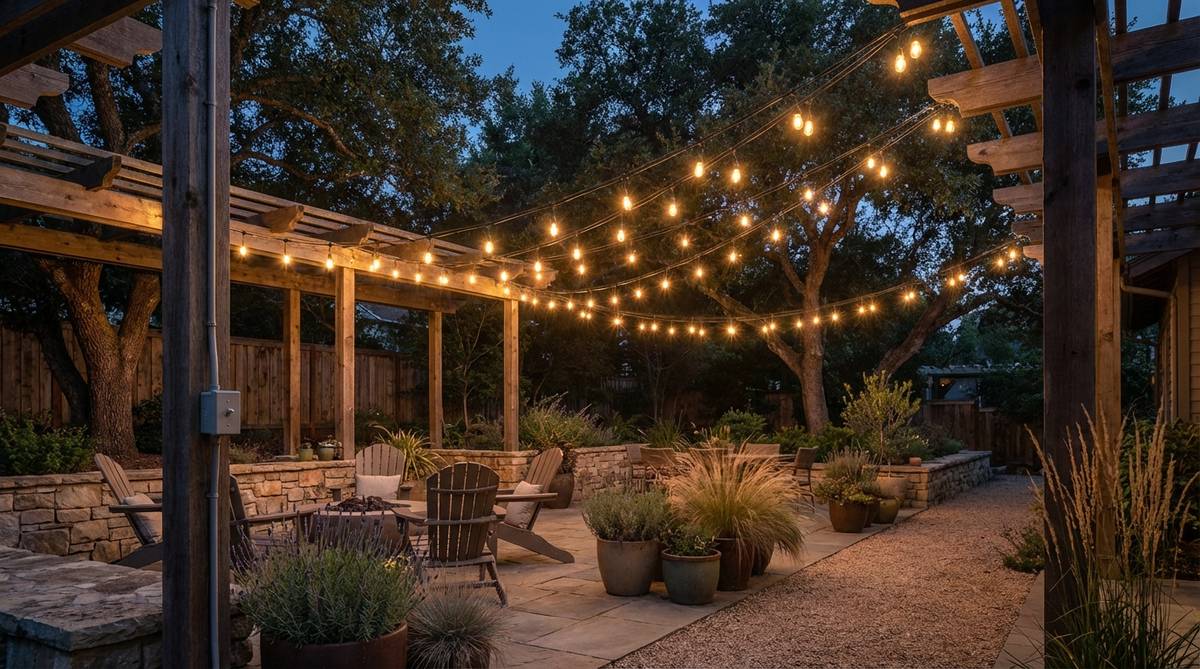
Overhead string lights create ceiling definition on open decks. Designers suspend commercial-grade café lights in zigzag or parallel patterns across deck spans.
Edison-style bulbs deliver warm ambient glow suitable for dining and conversation zones. Professional installations use galvanized cable with tensioners to prevent sagging.
This lighting layer softens the transition from bright interiors to dark yards beyond.
15. Railing Post Cap Lights
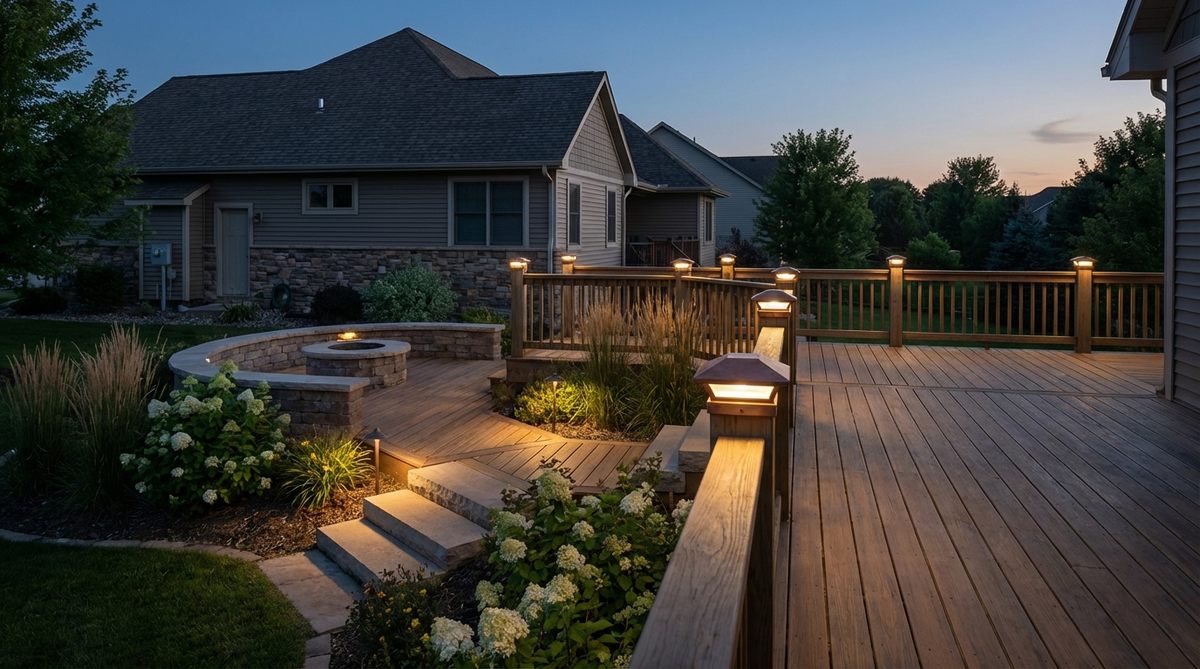
Solar or low-voltage post caps mark deck perimeters while adding decorative detail. These fixtures mount directly onto railing posts without additional wiring.
Professionals choose post caps matching railing finishes—black aluminum caps for metal rails, wood-tone composites for traditional systems. Downward-facing LEDs minimize light pollution.
Consistent post spacing creates rhythmic illumination that defines deck boundaries after dark.
16. Statement Pendant Fixtures
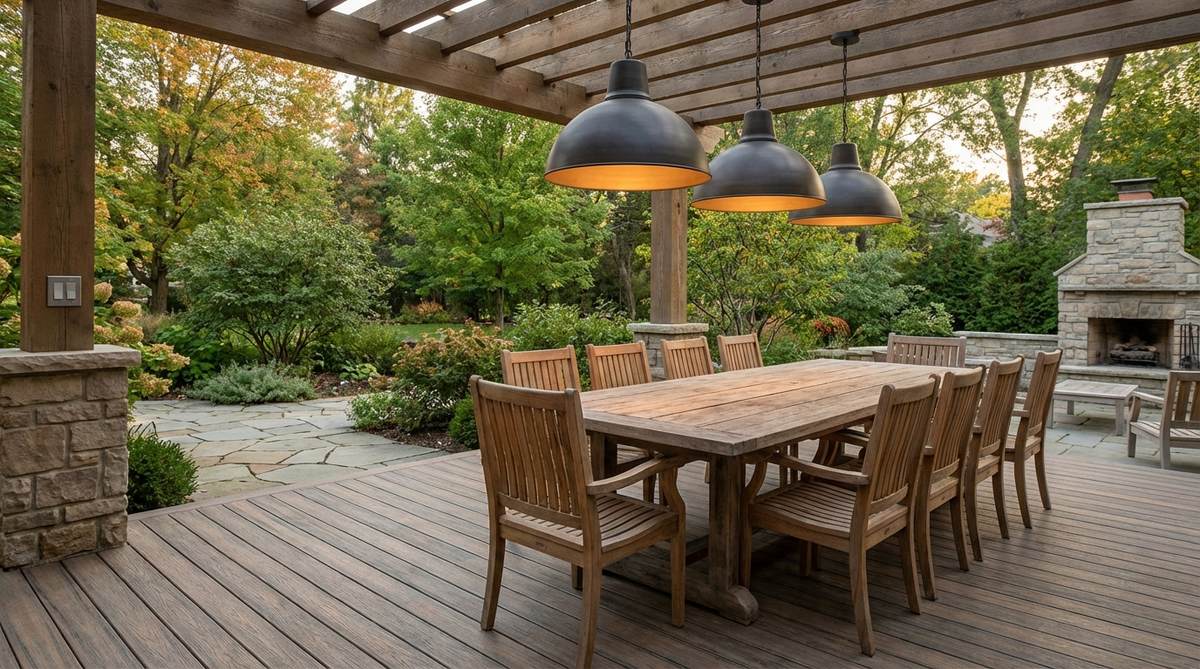
Oversized pendants suspended from pergolas or covered sections serve as focal points. These fixtures scale appropriately for outdoor volumes while providing task lighting over dining tables.
Designers select weather-rated fixtures in materials like powder-coated steel, copper, or resin wicker. Dimmer controls adjust intensity for different activities.
Single large pendants work for intimate settings; grouped fixtures suit longer dining configurations.
17. Landscape Uplighting Integration
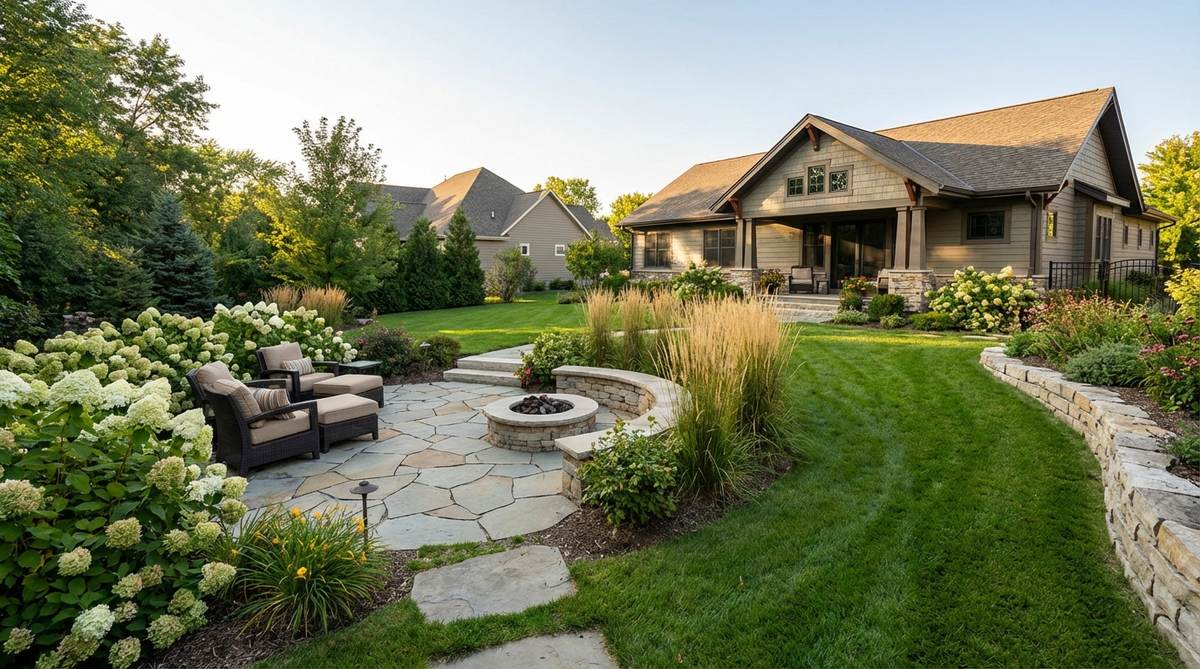
Ground-mounted spotlights positioned around deck perimeters highlight architectural features and nearby plantings. Uplighting tall trees or ornamental grasses creates dramatic backdrops.
Professionals angle fixtures to avoid glare into seating areas and neighboring properties. Narrow beam spreads (10-25 degrees) emphasize texture and form.
This lighting layer connects deck spaces to surrounding landscape design for cohesive nighttime presentation.
18. Color-Changing LED Systems
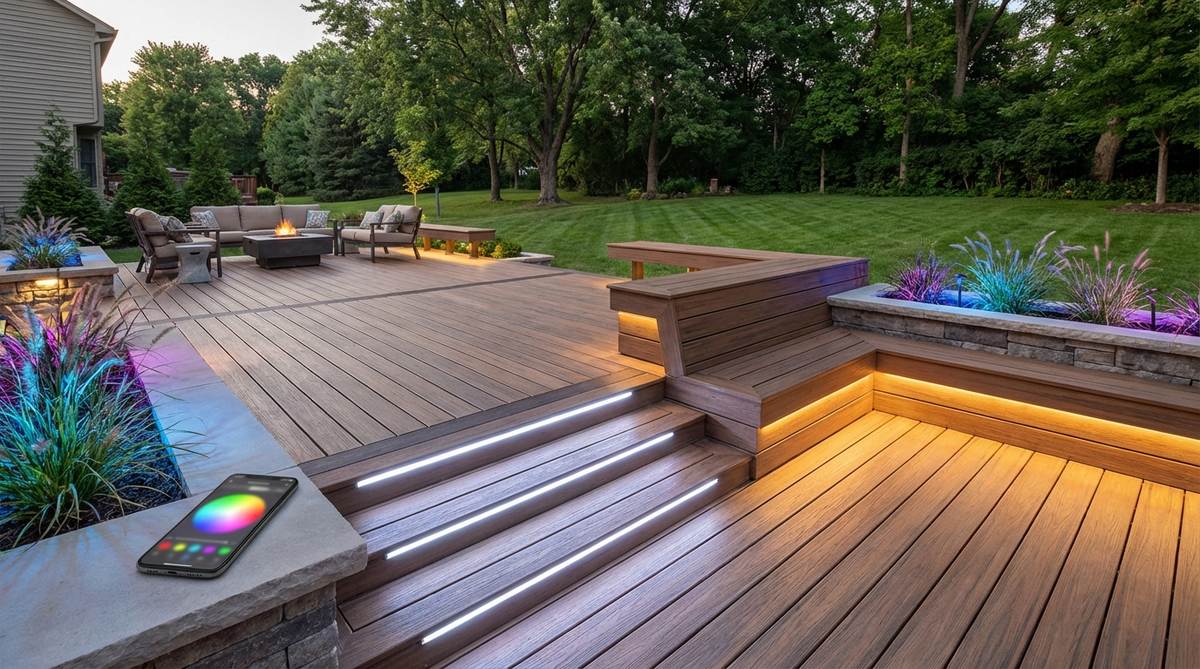
RGB LED systems allow mood customization through smartphone apps. Users shift from cool whites for task lighting to warm ambers for relaxation or vibrant colors for celebrations.
Designers integrate these systems into step risers, under benches, or within planters. Preset scenes simplify operation for non-technical users.
Dynamic color capabilities keep deck environments fresh and adaptable to seasonal themes or special events.
Color and Material Palettes That Elevate Outdoor Decor Deck Design
Cohesive color schemes and material selections establish visual harmony across deck elements. Professionals balance natural tones with strategic contrast while considering how colors perform under direct sunlight and changing seasons.
19. Contemporary Gray Monochrome
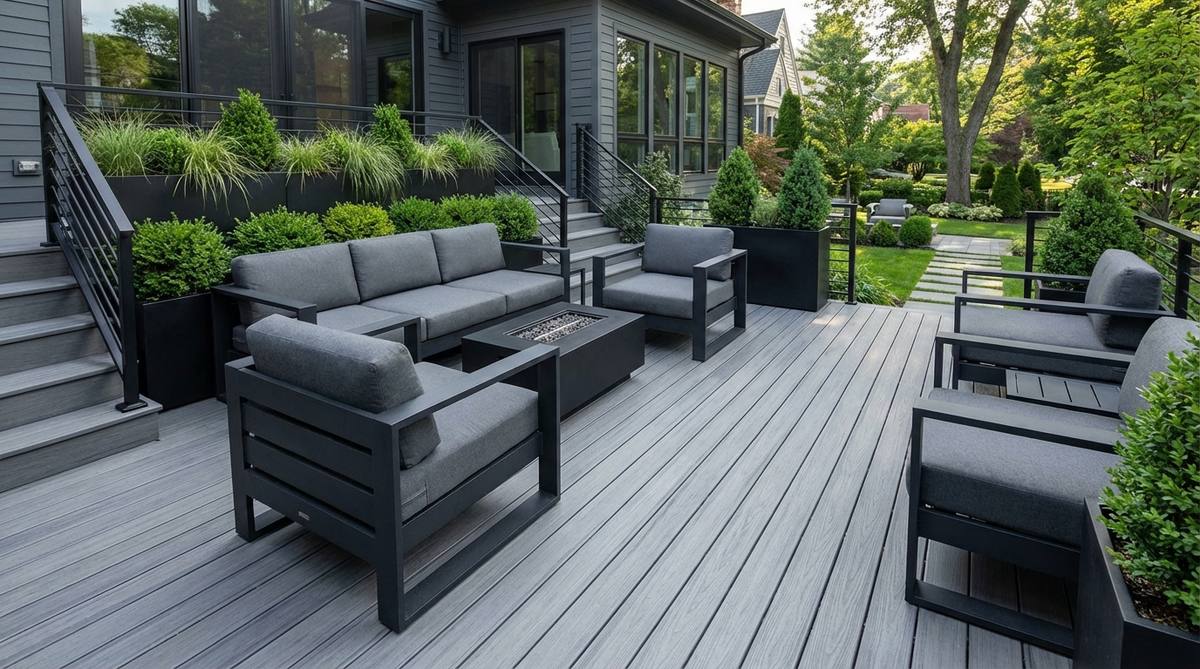
Cool gray decking paired with charcoal furniture and black metal accents creates modern sophistication. This palette suits contemporary architecture and urban settings.
Designers layer multiple gray values—light composite boards, medium cushion fabrics, dark frame finishes—to avoid flat appearance. Greenery provides essential color relief.
Gray surfaces show less dirt than white but reflect less heat than dark browns in full sun exposure.
20. Coastal Fresh Neutrals
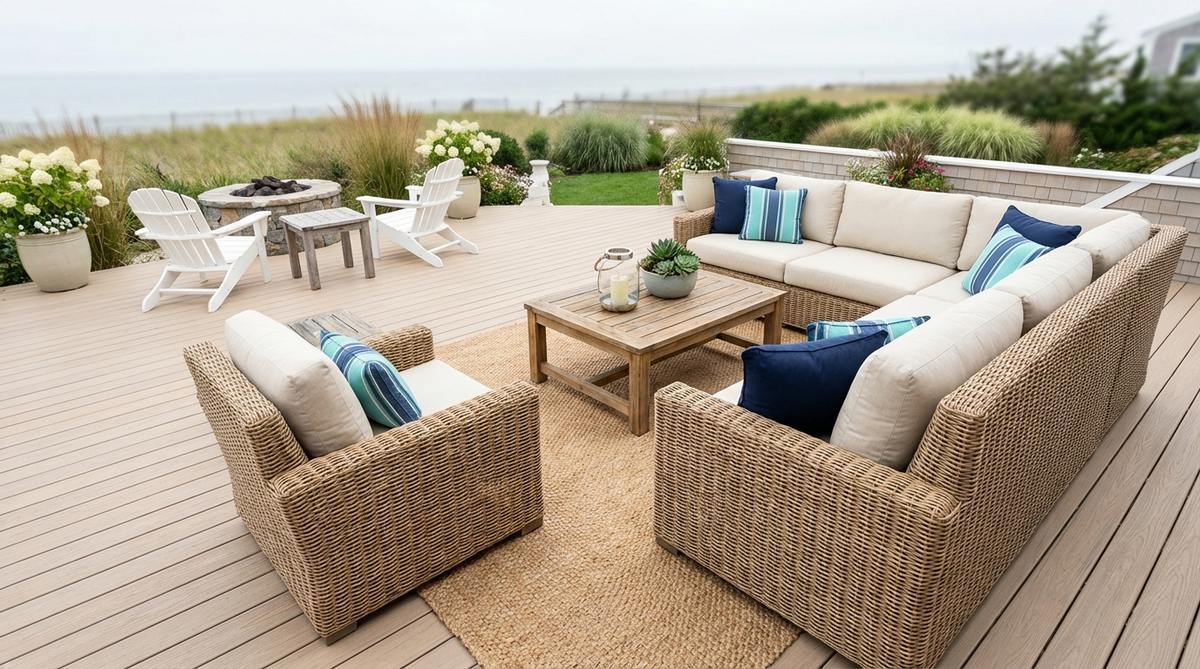
Combinations of soft white, sandy beige, and pale gray evoke seaside environments. This scheme works universally regardless of actual proximity to water.
Professionals select light tan composite decking with white or cream upholstery on natural wicker or teak frames. Navy or aqua accent pillows reference nautical themes without literal anchor motifs.
Light colors keep surfaces cooler in hot climates and maximize brightness in shaded locations.
21. Warm Wood Tones
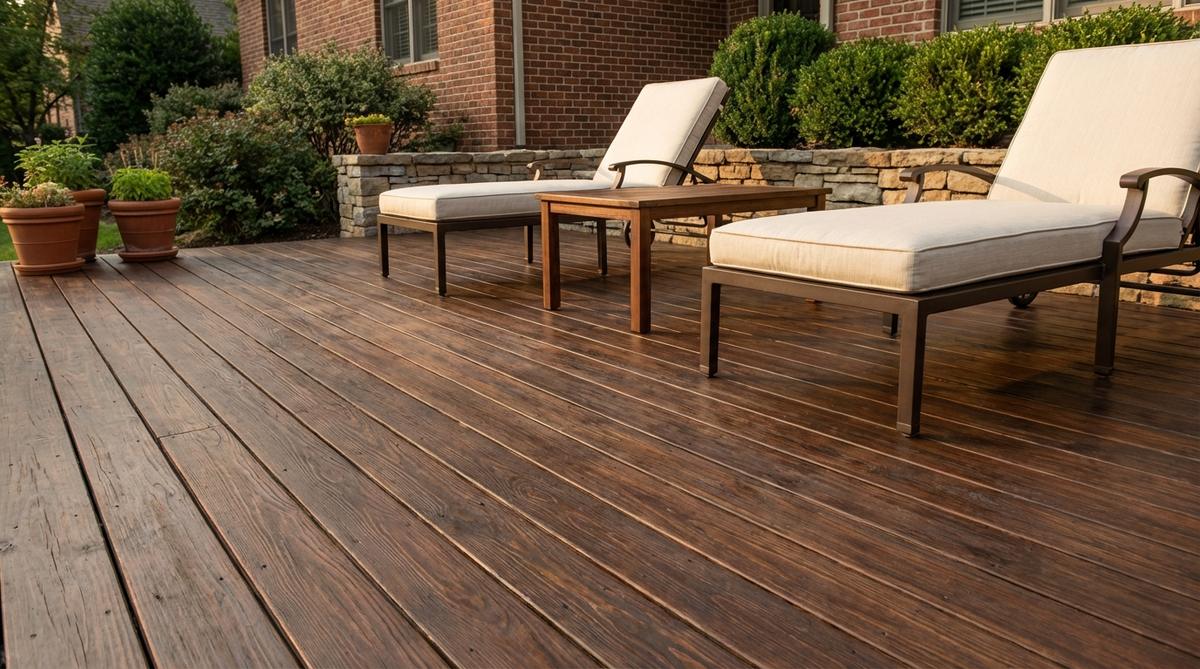
Rich browns in hickory, mahogany, or teak tones create traditional warmth. These colors complement brick, stone, and wood-sided homes naturally.
Designers pair warm decking with furniture in complementary wood species or powder-coated aluminum in bronze finishes. Cream or tan cushion fabrics soften the overall palette.
Darker decking hides stains and wear patterns better than lighter alternatives but retains more heat.
22. Bold Contrast Combinations
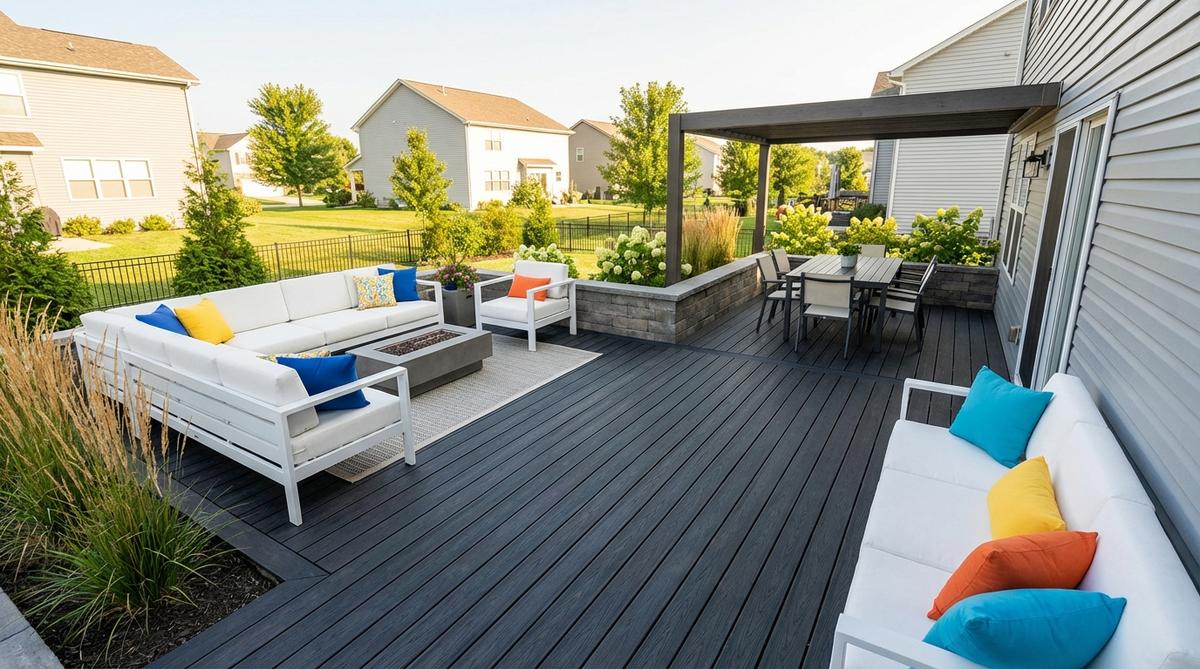
Dark decking paired with light furnishings—or inverse—creates striking visual impact. Charcoal composite boards with white sectionals and bright accent pillows exemplify this approach.
Professionals use contrast strategically to define zones and highlight architectural features. Color-blocking techniques separate dining from lounging areas.
High-contrast schemes photograph dramatically but require careful balance to avoid harsh appearance.
23. Natural Material Mixing
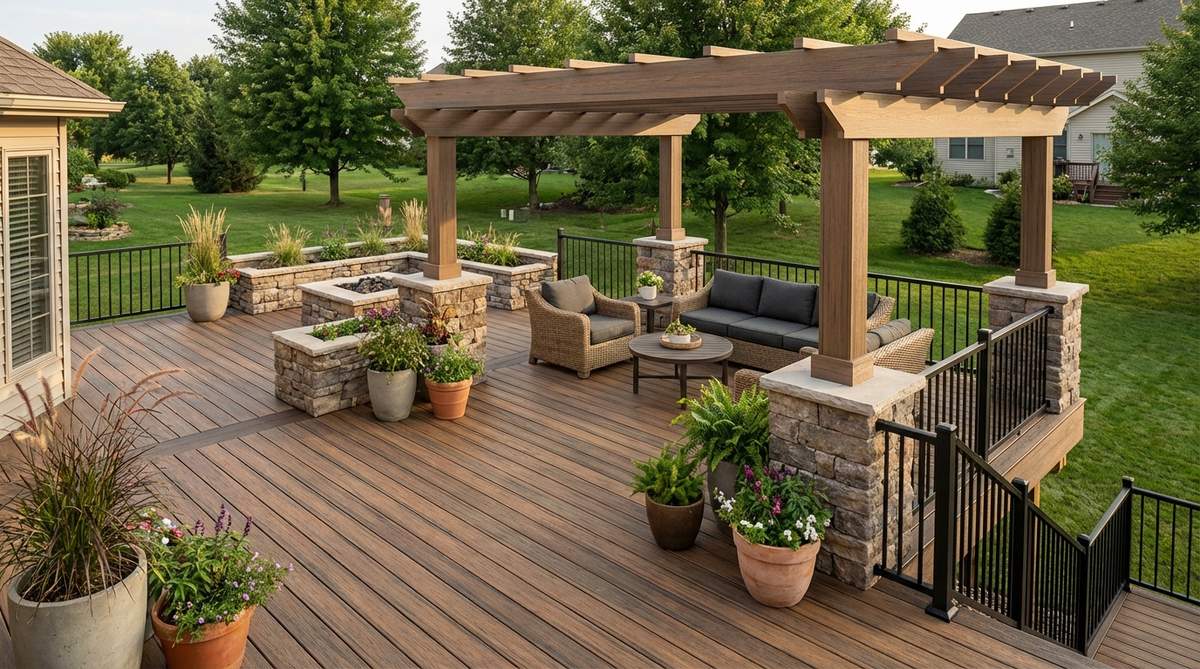
Combining wood-look composite decking with stone accent walls, steel railings, and wicker furniture adds textural richness. Each material brings distinct visual properties.
Designers limit material types to 3-4 to maintain cohesion. Repeating one material—like matching deck boards to pergola beams—ties disparate elements together.
Mixed materials suit eclectic design styles and prevent monotonous single-material installations.
Integrated Features That Maximize Outdoor Decor Deck Functionality
Built-in elements enhance usability while reducing clutter from freestanding accessories. Designers incorporate functional features during initial construction for seamless integration and long-term durability.
24. Outdoor Kitchen Stations
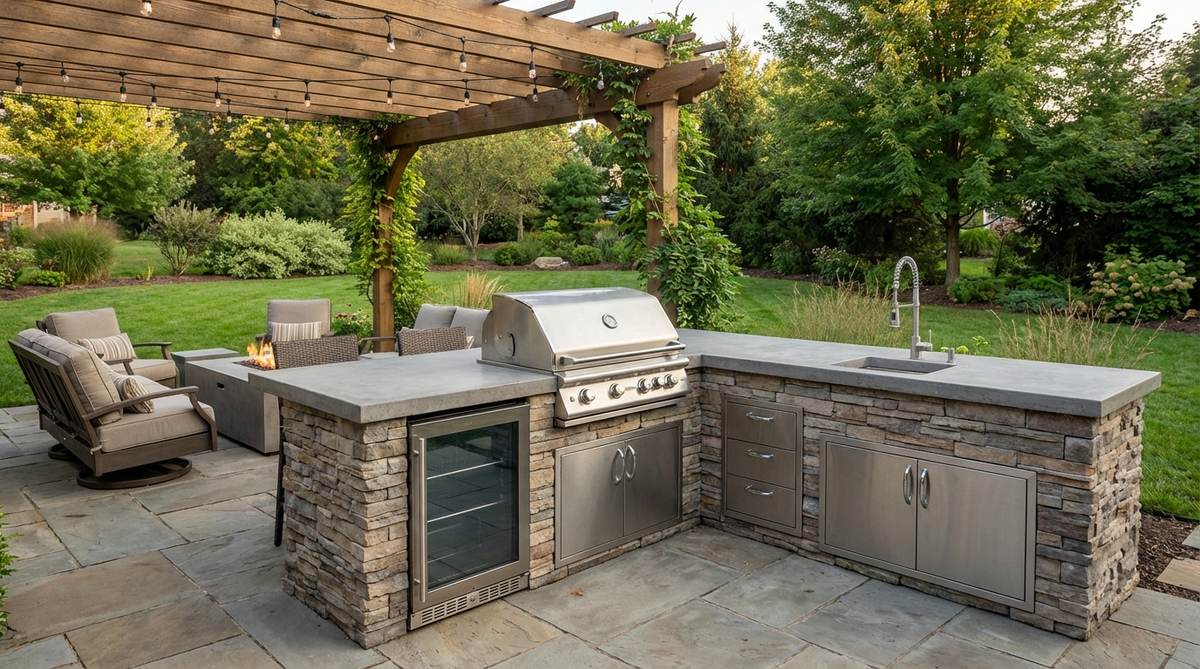
Built-in grills, refrigerators, and prep counters transform decks into complete cooking environments. Professionals position kitchens near interior kitchen access while maintaining separation from main seating.
Weather-resistant cabinetry in stainless steel or marine-grade polymer stores utensils and servingware. Granite or concrete countertops provide durable work surfaces.
Dedicated cooking zones reduce indoor traffic during gatherings and contain food prep mess outdoors.
25. Fire Pit Gathering Circles
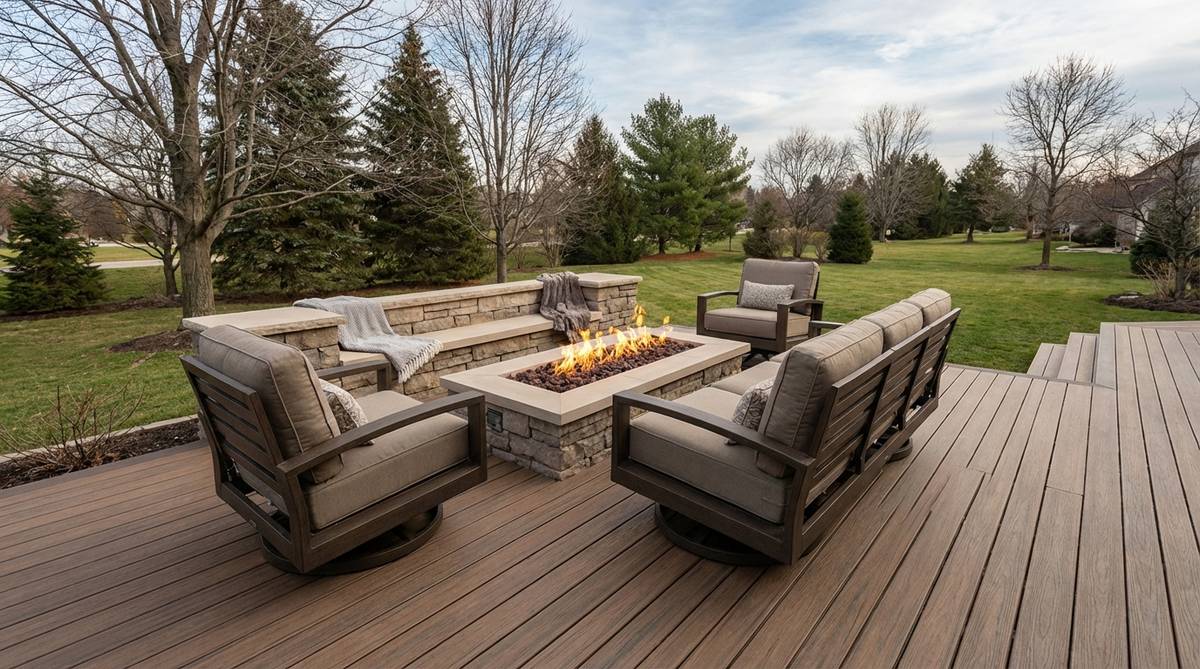
Central fire features extend deck season into cooler months. Designers integrate gas fire tables or wood-burning pits with surrounding seating at appropriate distances.
Professional installations include fireproof decking materials beneath and around features. Buried gas lines eliminate visible propane tanks.
Fire circles create natural gathering focal points that draw attention away from less-finished yard areas.
26. Integrated Planter Boxes
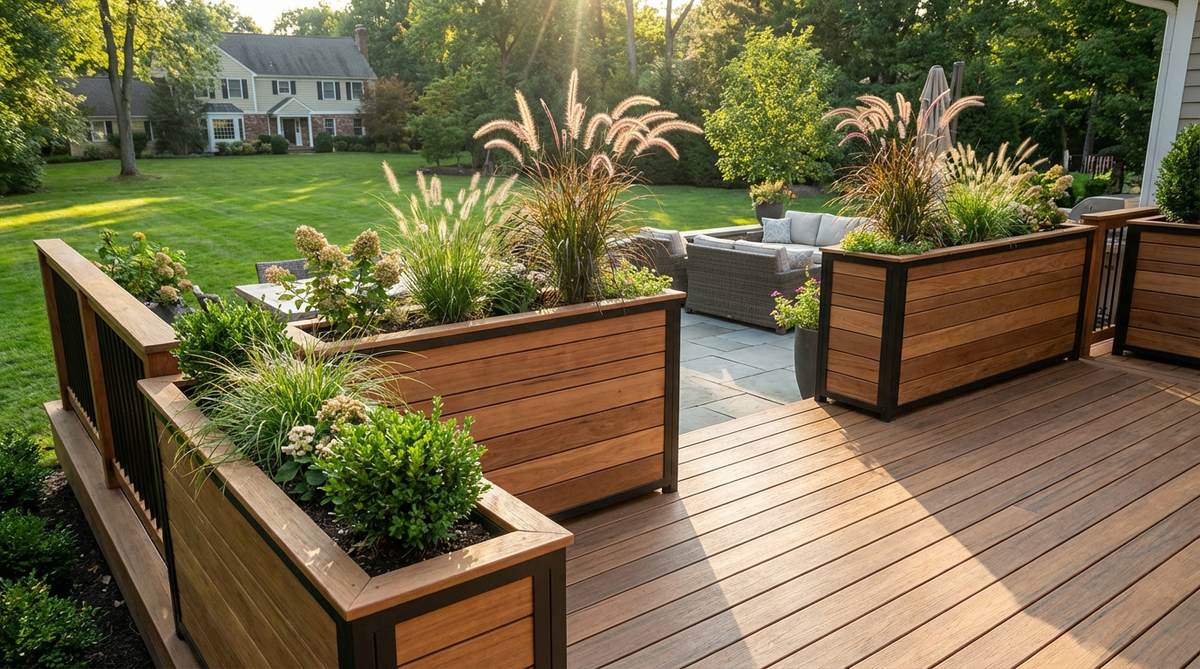
Built-in planters along railings or as freestanding room dividers incorporate greenery structurally. These features soften hardscape while defining spatial zones.
Designers construct planters from matching deck materials with proper drainage and irrigation access. Ornamental grasses, small shrubs, or seasonal flowers suit most climates.
Strategic planter placement provides privacy screening from neighboring properties without solid walls.
27. Hot Tub Recessed Installations
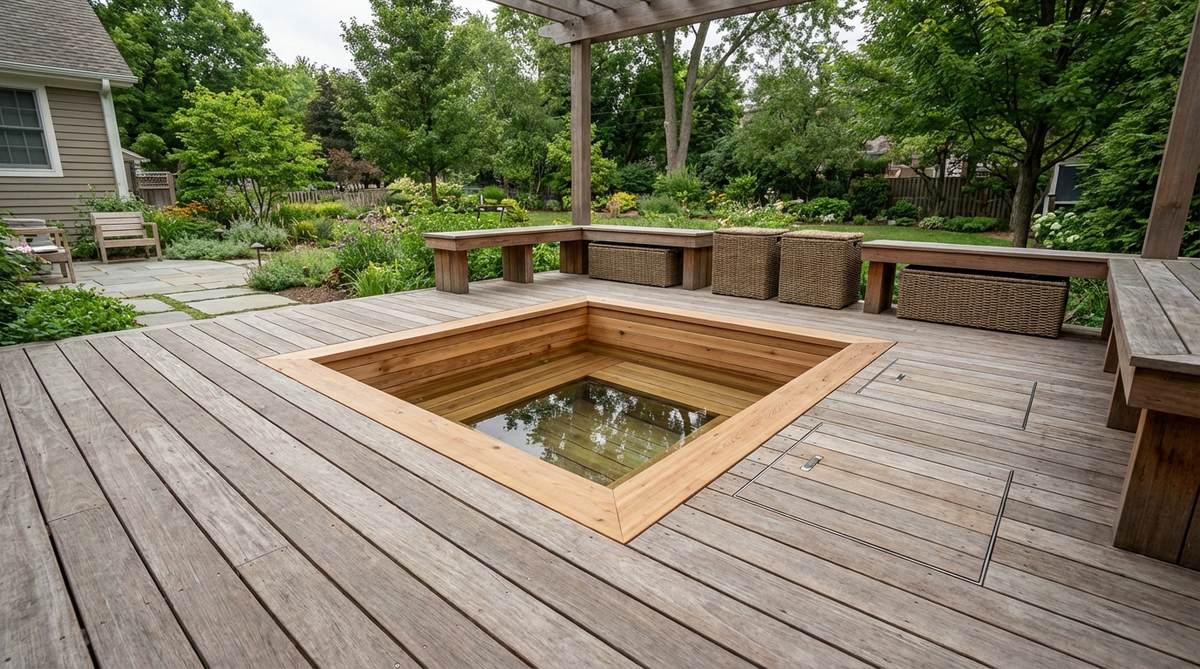
Sunken hot tubs integrate flush with deck surfaces rather than sitting on top. This approach improves aesthetics and simplifies access.
Professionals reinforce framing to support concentrated weight loads and route equipment access hatches discreetly. Surrounding deck space accommodates towel storage and seating.
Recessed installations require careful planning during initial construction but deliver superior results.
28. Privacy Screen Systems
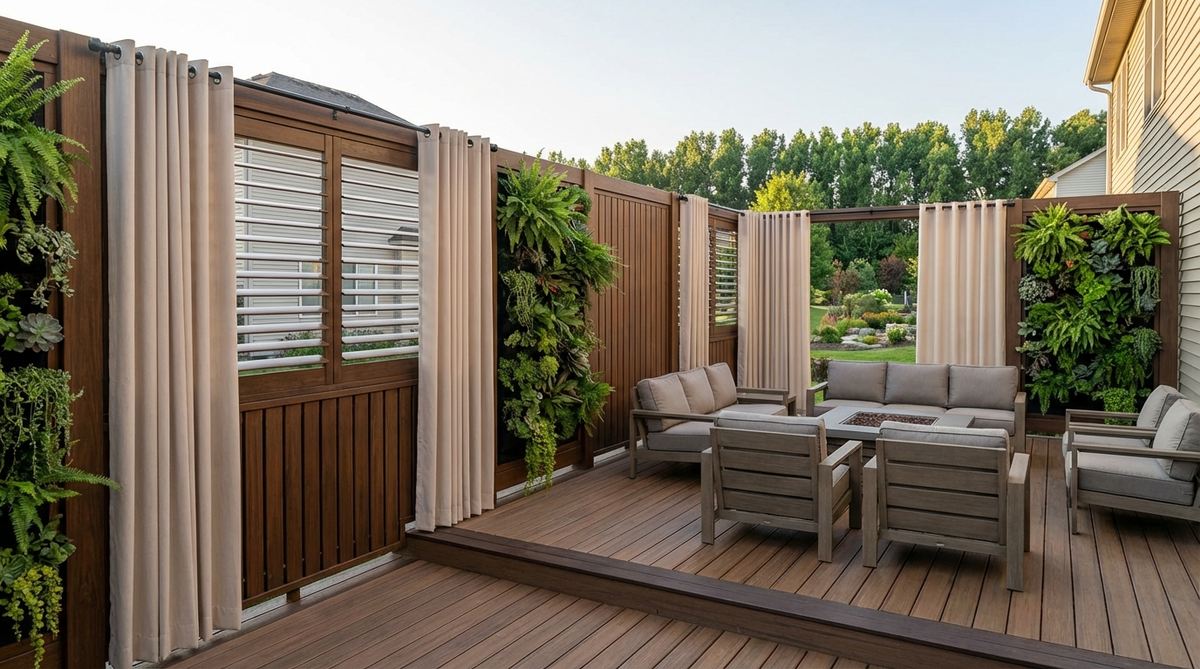
Vertical slat screens, outdoor curtains, or living walls create enclosure without solid barriers. These elements filter views while maintaining airflow.
Designers use screens to block specific sightlines to neighbors while leaving desirable views open. Materials range from composite slats to weather-resistant fabrics on track systems.
Adjustable screens offer flexibility to open spaces for parties or close for intimate family time.
29. Sound System Integration
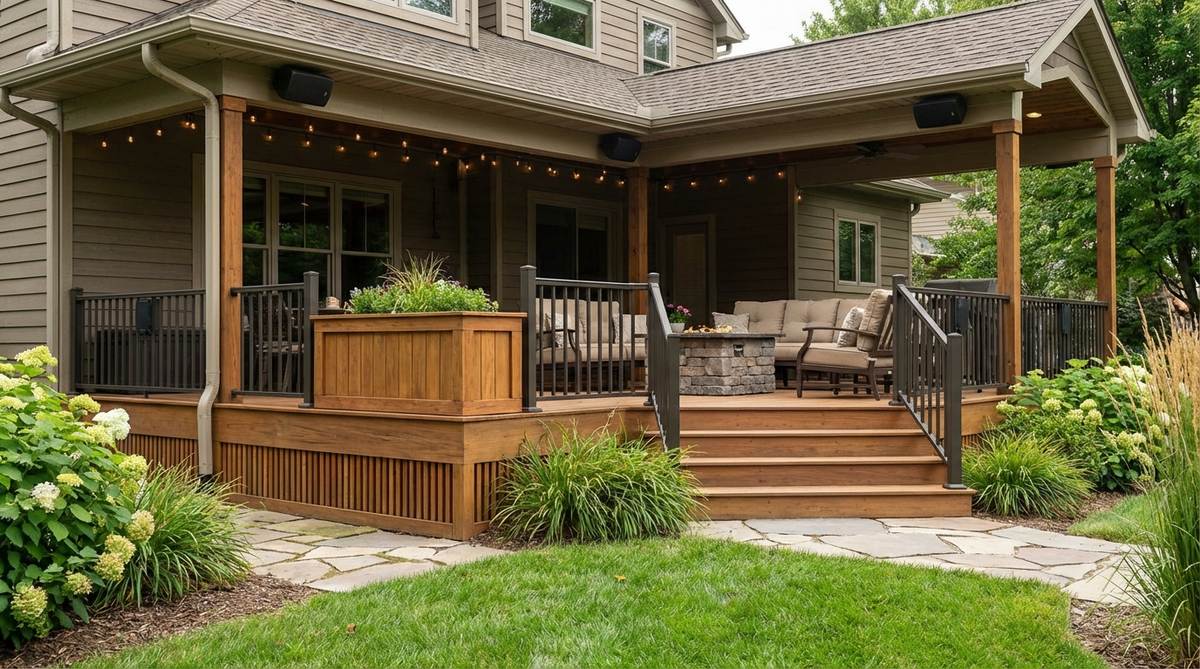
Weather-resistant speakers mounted in soffits, railings, or landscape rocks deliver ambient audio. Wireless systems eliminate visible cable runs.
Professionals position speakers for even coverage without overwhelming volume at any single location. Subwoofers hide in deck skirting or nearby landscape features.
Integrated audio enhances entertaining and creates atmosphere during quiet evenings.
Decorative Details That Personalize Your Outdoor Decor Deck
Finishing touches add personality and complete the design vision. These elements evolve seasonally and reflect individual style preferences while maintaining overall cohesion.
30. Outdoor Area Rugs
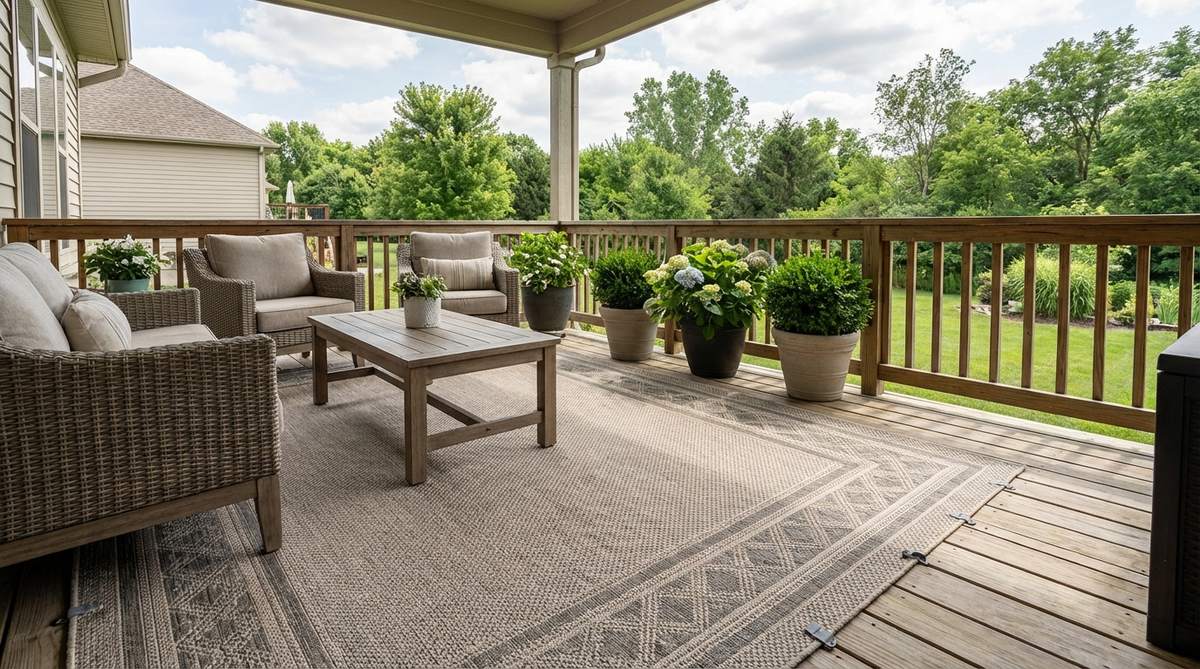
Weather-resistant rugs define furniture groupings and add softness underfoot. Designers select patterns and colors that complement cushion fabrics while hiding dirt.
Polypropylene and polyester rugs withstand moisture and UV exposure. Proper sizing extends beyond furniture footprints—rugs should accommodate all chair legs even when pulled out.
Layering rugs adds visual interest in large deck zones and helps define separate activity areas.
31. Throw Pillows and Textiles
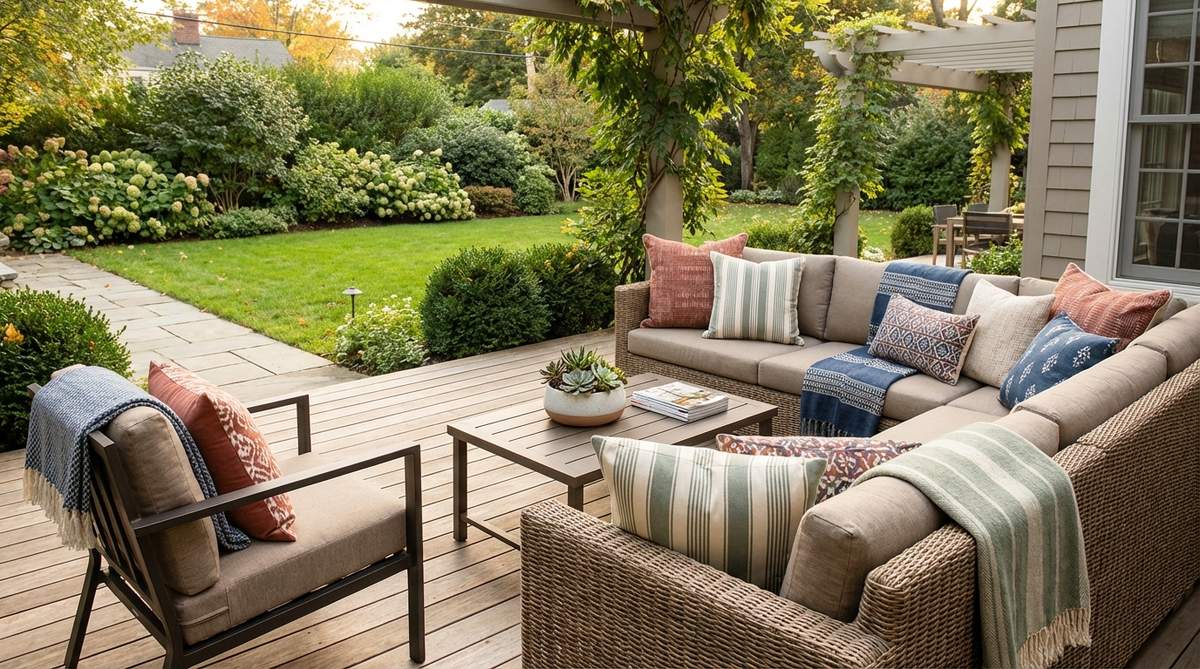
Decorative pillows introduce pattern, texture, and seasonal color changes. Professionals layer 3-5 pillows per seating section in coordinating scales—large geometrics, medium florals, small textures.
Solution-dyed acrylic fabrics resist fading and mildew. Designers refresh pillow covers seasonally to shift color stories without replacing furniture.
Coordinating throw blankets in weather-resistant materials add comfort during cooler evenings.
32. Sculptural Planters
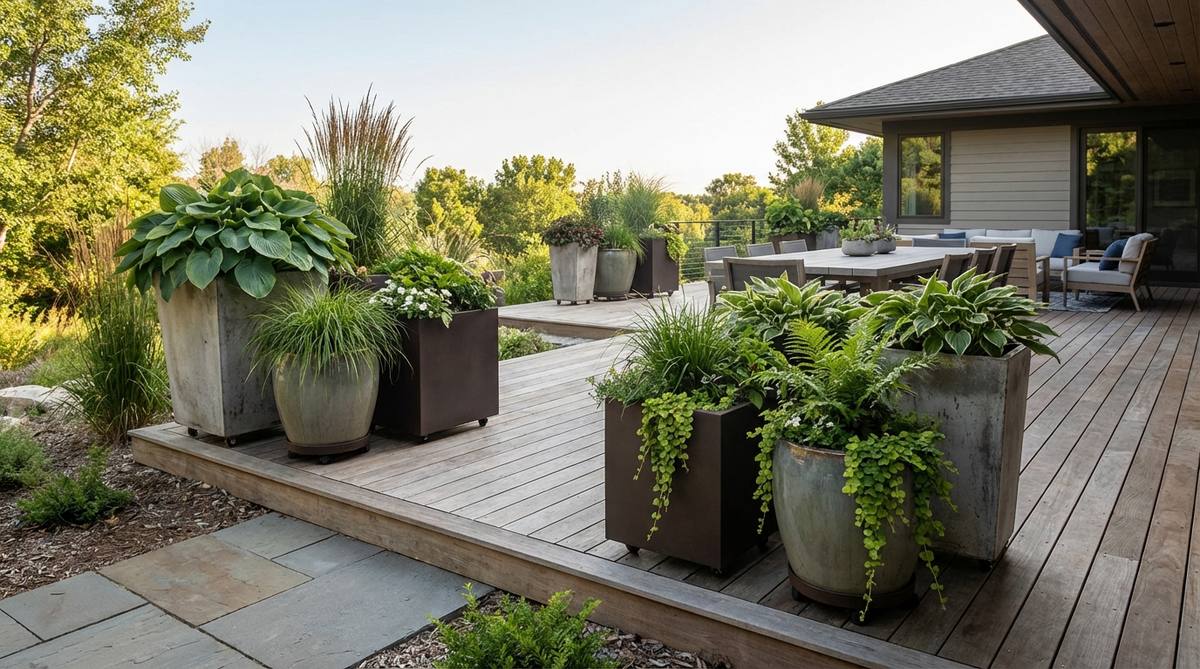
Oversized contemporary planters serve as decorative focal points beyond their planting function. Designers select bold forms in concrete, ceramic, or powder-coated steel.
Grouping planters in odd numbers (3 or 5) at varying heights creates visual rhythm. Planting schemes emphasize foliage texture over constant blooming requirements.
Mobile planters on hidden casters allow seasonal rearrangement and winter storage.
33. Weather-Resistant Artwork
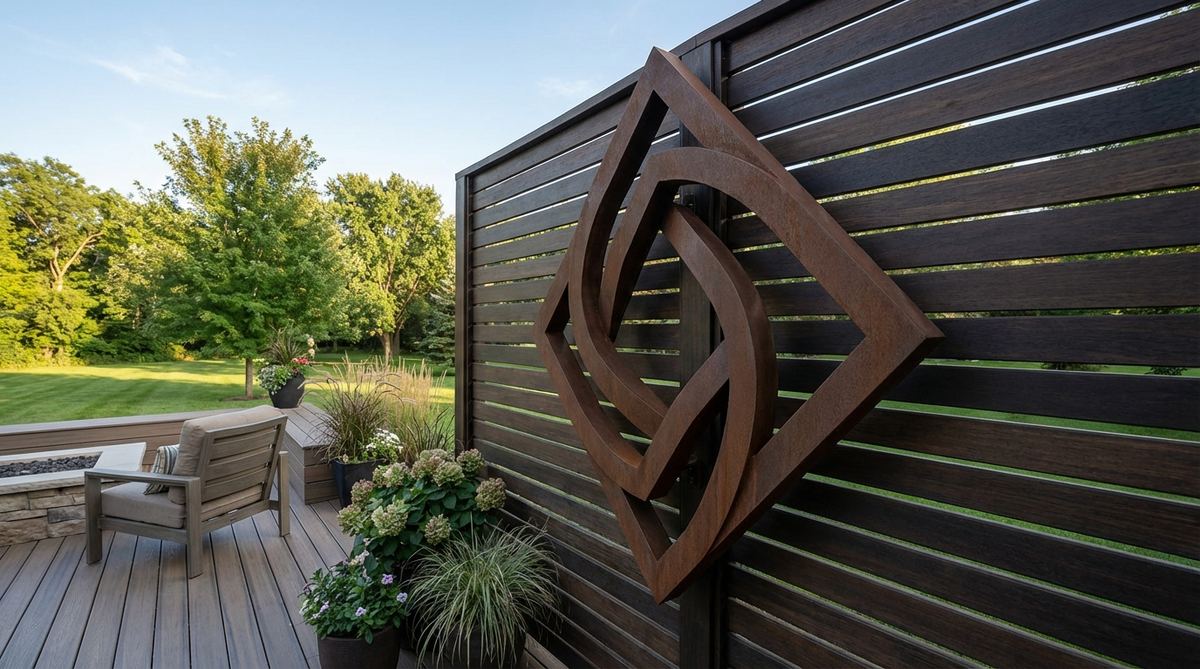
Metal sculptures, ceramic wall pieces, or sealed wood art add personality to vertical surfaces. Professionals mount artwork on privacy screens, fence sections, or directly on home exteriors visible from decks.
Abstract pieces complement multiple design styles better than literal imagery. Proper hanging hardware resists wind loads and weather exposure.
Rotating artwork seasonally keeps deck environments feeling fresh and curated.
34. Lanterns and Candle Displays
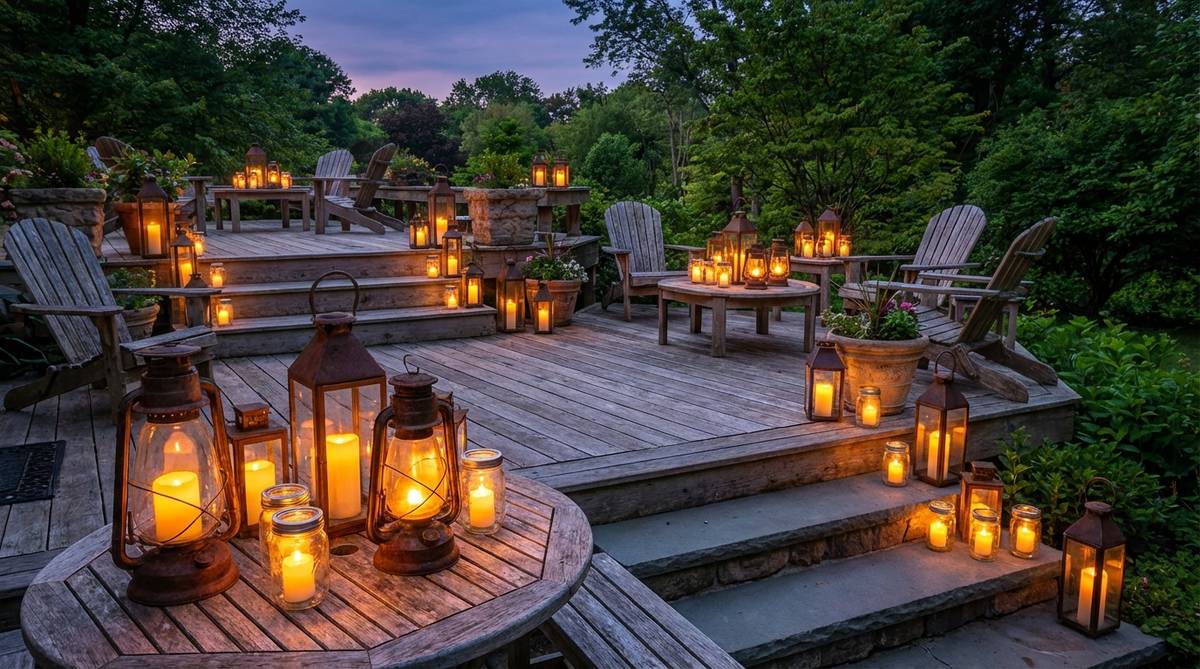
Clustered lanterns on tables, steps, or surrounding landscape add flickering warmth. Designers mix lantern sizes and heights for dimensional interest.
Battery-operated LED candles eliminate fire hazards while maintaining ambiance. Metal and glass lanterns withstand weather better than paper or fabric alternatives.
Grouping lanterns near seating areas provides intimate lighting supplements to overhead fixtures.
Bringing Your Outdoor Decor Deck Vision to Life
Successful outdoor decor deck styling combines architectural planning, thoughtful furniture selection, strategic lighting, and personal decorative touches into cohesive outdoor environments. Designers layer these elements progressively, establishing structural foundations before adding furnishings and finishing with accessories that reflect individual style. Start by defining how you’ll use your deck most frequently—whether for intimate family dinners, large gatherings, or quiet retreat—then select materials, furniture, and details that support those priorities while creating visual harmony across your outdoor living space.
Frequently Asked Questions
What are the most durable materials for outdoor deck furniture?
Aluminum frames with powder-coated finishes, high-density polyethylene (HDPE) wicker, marine-grade teak, and stainless steel components offer superior weather resistance. Professionals recommend cushion fabrics in solution-dyed acrylic with quick-dry foam cores that resist mold, fading, and moisture retention through multiple seasons.
How do I choose the right deck lighting layout?
Effective deck lighting combines three layersambient lighting from overhead string lights or pendants, task lighting over dining and cooking zones, and accent lighting along steps and perimeters. Designers space fixtures to eliminate dark spots while avoiding over-illumination that creates glare or disrupts neighbors.
What deck colors work best for hot climates?
Light gray, beige, and tan composite decking reflects more heat than dark browns or charcoals, keeping surfaces cooler underfoot. Professionals pair light decking with light-colored furniture and shade structures to maximize comfort in regions with intense sun exposure and high temperatures.
How much furniture can I fit on a 12×16 deck?
A 192-square-foot deck typically accommodates either a six-person dining set or a conversation grouping with sectional seating for 4-6 people plus a coffee table. Designers recommend leaving 24-36 inches of circulation space around furniture groups for comfortable movement and serving access.
Should outdoor deck rugs stay outside year-round?
While quality outdoor rugs withstand weather exposure, professionals recommend rolling and storing rugs during extended periods of non-use or harsh winter conditions. This practice extends rug life by reducing UV degradation, preventing mold growth underneath, and protecting from snow and ice damage.
What defines an elevated outdoor living space?
Elevated outdoor living spaces feature intentional design with cohesive material palettes, dedicated functional zones, integrated amenities beyond basic furniture, professional-grade lighting systems, and refined decorative details. These environments function as true extensions of interior spaces rather than basic wooden platforms with mismatched furniture.