Jungle gardens transform ordinary outdoor spaces into lush, layered sanctuaries that mimic the dense vegetation of tropical rainforests. These designs embrace bold foliage, untamed textures, and strategic plant layering to create immersive environments where visitors feel transported to exotic destinations. Fresh Garden Ideas brings you over 50 expert-backed strategies to craft your own wild, overgrown paradise.
Design SnapshotKey Principles
- Layered Canopy Structure: Stack plants in three tiers—tall canopy trees, mid-height shrubs, and ground-level ferns—to replicate rainforest depth
- Bold Foliage Priority: Select plants with large, dramatic leaves like Gunnera, palms, and elephant ears to anchor visual impact
- Dense Planting Strategy: Position specimens close together to create enclosed, mysterious pathways that mimic natural jungle density
- Textural Contrast: Combine varied leaf shapes—strappy Phormium, rounded Bergenia, and broad Hosta—to build visual complexity
Foundation Canopy Layers That Build Overhead Drama
Establishing a proper canopy creates the fundamental structure that defines jungle gardens. These upper-layer specimens provide filtered shade, establish microclimates, and form the architectural framework beneath which all other plantings thrive.
1. Trachycarpus fortunei Windmill Palm
The windmill palm rises to 20 feet with fan-shaped fronds that create dramatic overhead texture. Its fibrous trunk adds vertical interest while tolerating temperatures to -10°F.
Position as focal points in beds or flank entrances to establish immediate tropical character. Pair with broad-leafed understory plants to emphasize the palm’s distinctive silhouette.
This hardy palm requires minimal maintenance once established and provides year-round structure. Plant in clusters of three for enhanced visual weight.
2. Tetrapanax papyrifer Rice Paper Plant
Rice paper plant produces massive palmate leaves up to 2 feet wide on stems reaching 12 feet. The silvery undersides catch light and flutter in breezes.
Cut back severely each spring to control height while encouraging larger leaf production. This technique maintains shrub-like proportions perfect for smaller jungle gardens.
The plant spreads via underground runners, filling space aggressively to create dense screening. Install root barriers to contain spread in confined areas.
3. Paulownia tomentosa Princess Tree
Princess tree develops enormous heart-shaped leaves when coppiced annually. Cutting to ground level each spring produces 20-inch foliage on 12-foot stems.
This treatment transforms a potential 50-foot tree into manageable jungle specimen with tropical proportions. Position behind mid-tier plants to create backdrop drama.
The rapid growth rate fills vertical space within single growing seasons. Avoid in areas with strong winds that shred large leaves.
4. Catalpa ovata Yellow Catalpa
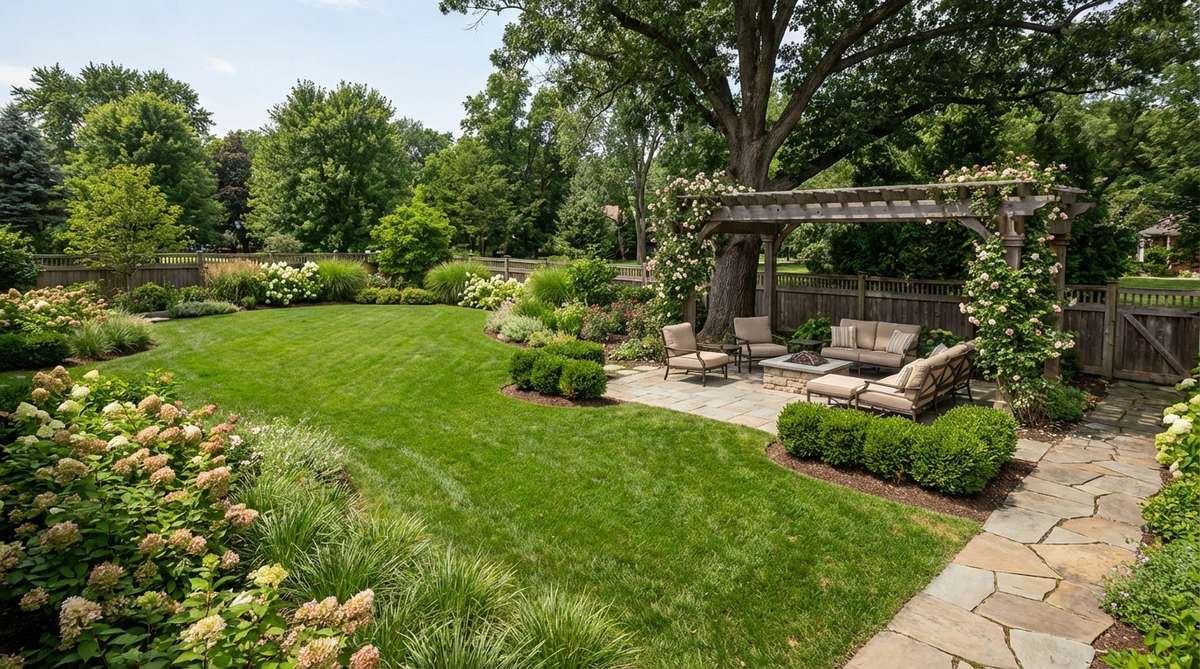
Yellow catalpa naturally grows 30 feet but responds to annual hard pruning by producing chartreuse leaves on compact 8-foot frames. The golden foliage brightens shaded jungle interiors.
Implement severe cutback each spring before new growth emerges. This pollarding technique channels energy into oversized leaf production rather than height.
Combine with purple-leafed Canna or Cotinus for striking color contrast. The yellow tone reads as filtered sunlight through jungle canopy.
5. Dicksonia antarctica Tree Fern
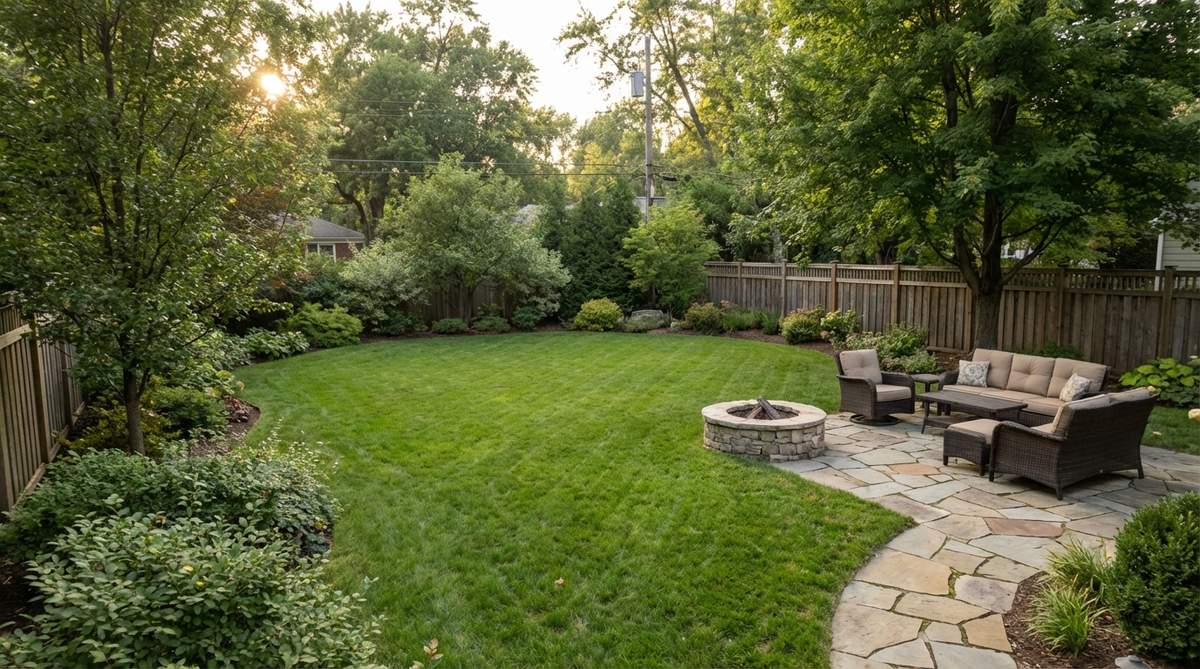
Tree ferns develop 6-foot fibrous trunks topped with arching fronds that create umbrella-like canopies. The prehistoric silhouette anchors authentic jungle character.
Maintain consistent moisture around the trunk and crown for optimal frond production. Protect from harsh winter winds with burlap wrapping in borderline climates.
Position at pathway bends to create surprise focal points. Underplant with low ferns and Epimedium for layered depth.
6. Musa basjoo Hardy Banana
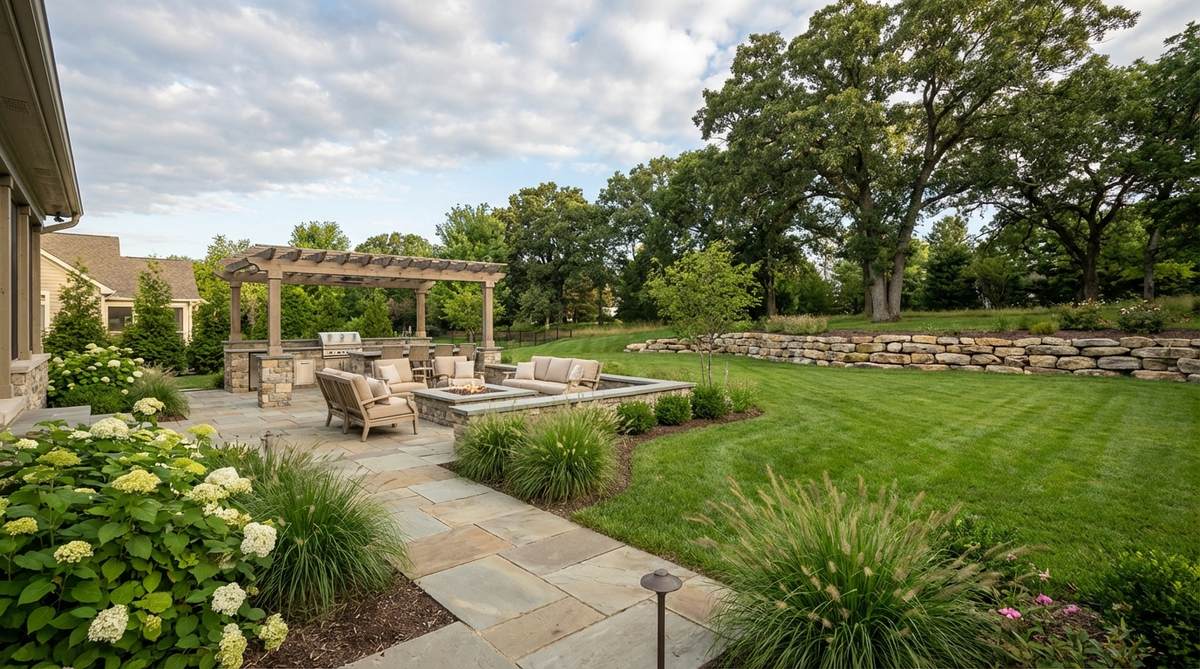
Hardy banana produces 10-foot paddle-shaped leaves that epitomize tropical aesthetics. Stems reach 15 feet in single seasons with proper feeding.
Mulch crowns heavily for winter protection in zones 7-8, allowing regrowth from roots if tops freeze. In warmer zones, established plants develop multi-stemmed colonies.
Plant in groups of 5-7 to create banana groves that function as living screens. The rustling foliage adds authentic jungle sound.
7. Bamboo Privacy Groves
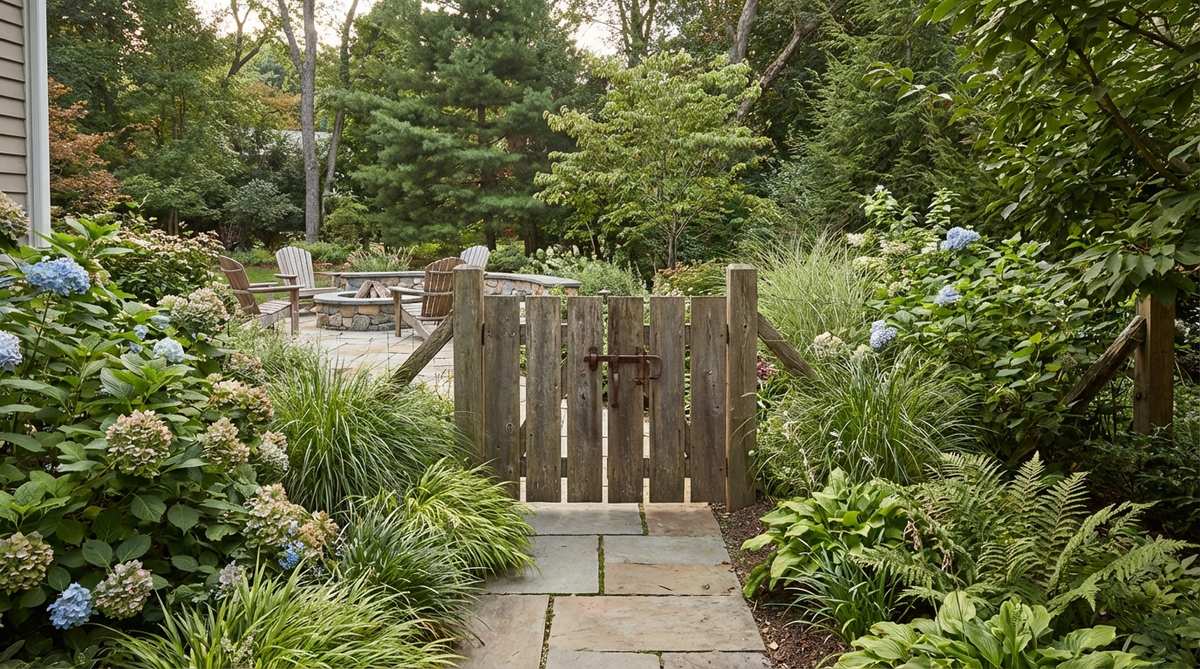
Clumping bamboo varieties like Fargesia murielae form vertical screens reaching 12 feet without invasive spreading. The narrow canes create filtered light effects.
Space plants 3 feet apart for solid screening within three years. The swaying motion and rustling sound enhance sensory jungle immersion.
Use as backdrop plantings or to define garden rooms within larger jungle schemes. Evergreen foliage provides year-round structure.
Bold Foliage Statements That Command Attention
Architectural plants with oversized or distinctively shaped leaves serve as living sculptures throughout jungle gardens. These specimens create focal points and anchor planting compositions with their dramatic presence.
8. Gunnera manicata Giant Rhubarb
Giant rhubarb produces leaves up to 6 feet across on stems reaching equal height. Visitors walk beneath the massive foliage as if under natural umbrellas.
Plant in consistently moist soil with afternoon shade to support rapid growth. Fold dying leaves over crowns in autumn for winter insulation.
Position near water features where reflections double visual impact. Single specimens function as destination focal points in larger gardens.
9. Gunnera tinctoria Compact Giant
The smaller Gunnera species develops 3-foot leaves suitable for confined spaces while maintaining dramatic impact. It tolerates temperatures to -20°F with proper mulching.
Group three plants together to create substantial mass without overwhelming smaller garden areas. The rough-textured foliage contrasts beautifully with smooth-leafed hostas.
This species recovers faster from late frosts than its larger cousin. Use as mid-border statement plants rather than background specimens.
10. Colocasia esculenta Elephant Ear
Elephant ears thrust heart-shaped leaves 2-3 feet long on upright stems to 5 feet. Dark-leafed varieties like Black Magic intensify jungle moodiness.
Plant tubers after frost danger passes in rich, moisture-retentive soil. Fertilize every two weeks during active growth to maximize leaf size.
Dig and store tubers indoors over winter in cold climates. Alternatively, grow as annuals and replant fresh stock each spring.
11. Alocasia portadora Upright Elephant Ear
Alocasias hold leaves more vertically than Colocasias, creating upward-reaching silhouettes. The prominent veining patterns add textural detail at close range.
Grow in containers for easy overwintering indoors where they continue growing as houseplants. Maintain high humidity and bright indirect light.
Cluster pots of varying heights to create container jungle gardens on patios. Bury pots to rim level in beds for seamless integration.
12. Fatsia japonica Japanese Aralia
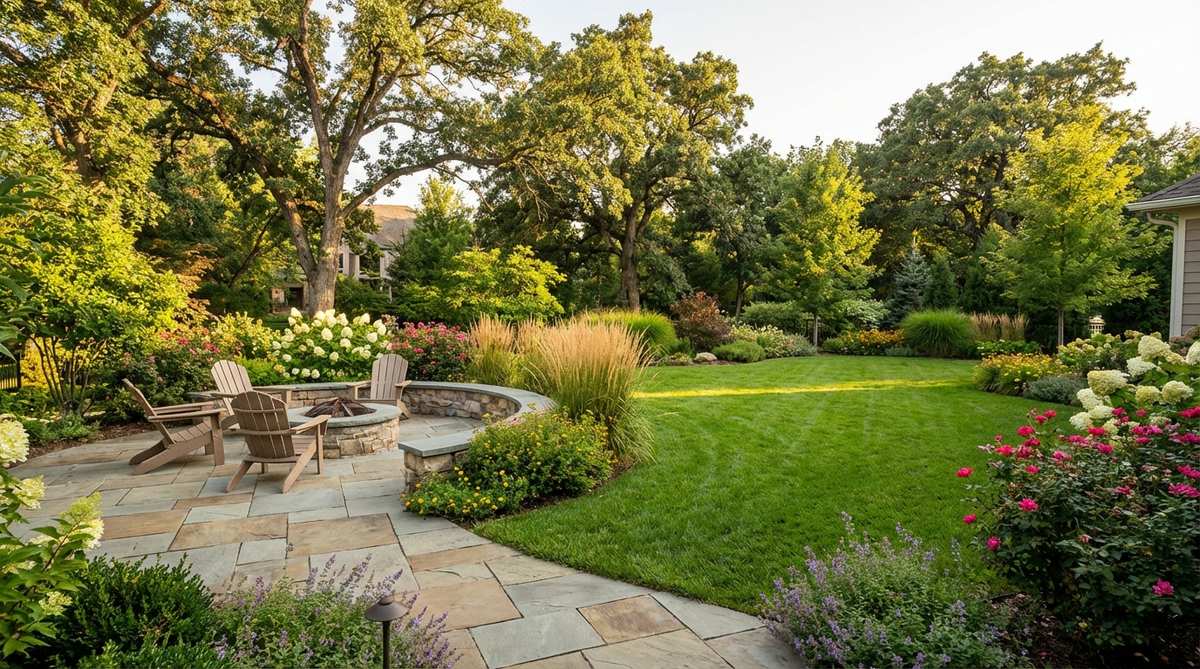
Japanese aralia produces glossy 12-inch palmate leaves on multi-stemmed evergreen shrubs to 8 feet. The bold architecture persists through winter in zones 7-10.
Plant in partial shade where the deep green foliage brightens dark corners. Prune selectively to maintain balanced form and encourage bushiness.
Combine with ferns and Aucuba for textural contrast in shaded jungle areas. Variegated forms like Spider’s Web add luminous accents.
13. Rodgersia pinnata Featherleaf
Rodgersia displays compound leaves up to 18 inches across with bronze-tinted new growth. Plumes of pink or white flowers rise above foliage in early summer.
Establish in moist, humus-rich soil with morning sun and afternoon shade. The bold texture fills mid-tier layers between ferns and larger-leafed specimens.
Bronze-leafed varieties like Chocolate Wings provide color contrast without bright flowers. Mass in groups of 5-7 for substantial impact.
14. Ligularia dentata Golden Groundsel
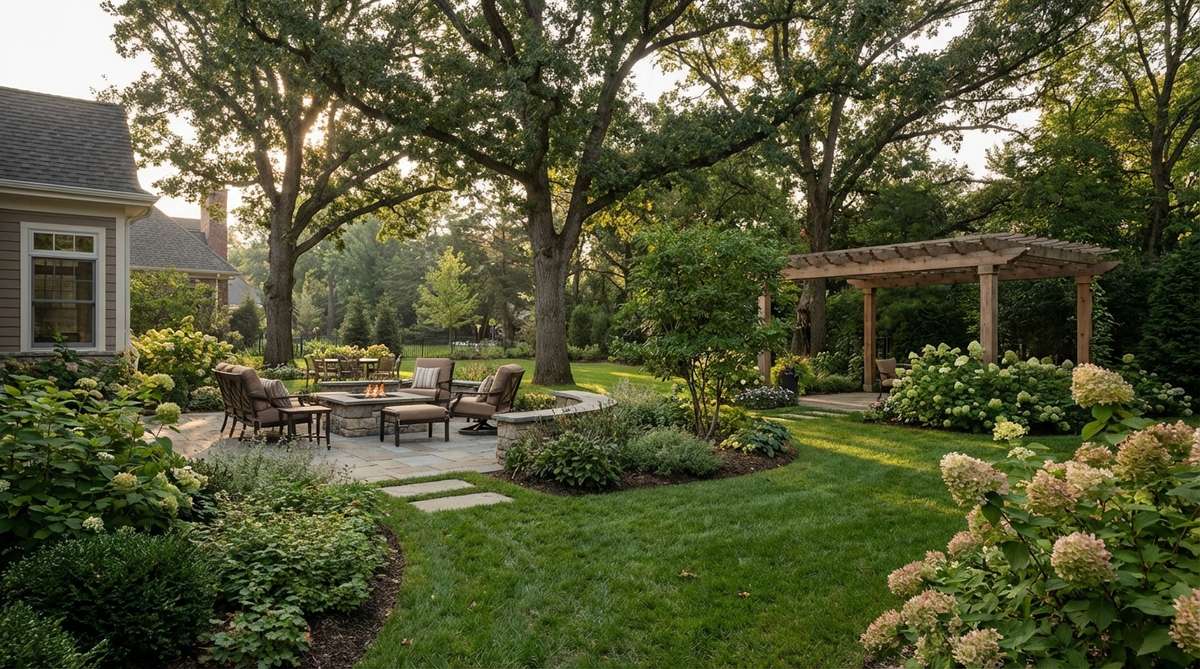
Golden groundsel develops rounded leaves to 12 inches with purple undersides on 3-foot plants. Orange daisy flowers on 4-foot stalks add vertical accents.
Plant in consistently moist locations with morning sun exposure. Foliage wilts dramatically in heat but recovers quickly with evening watering.
Desdemona and Othello cultivars offer the deepest purple tones. Position where backlighting illuminates the contrasting leaf surfaces.
Vertical Climbing Elements Adding Height and Mystery
Climbing plants weave through canopy layers and soften hardscape structures, creating the tangled complexity characteristic of natural jungle environments. These specimens add vertical dimension while filling gaps between planted layers.
15. Clematis armandii Evergreen Clematis
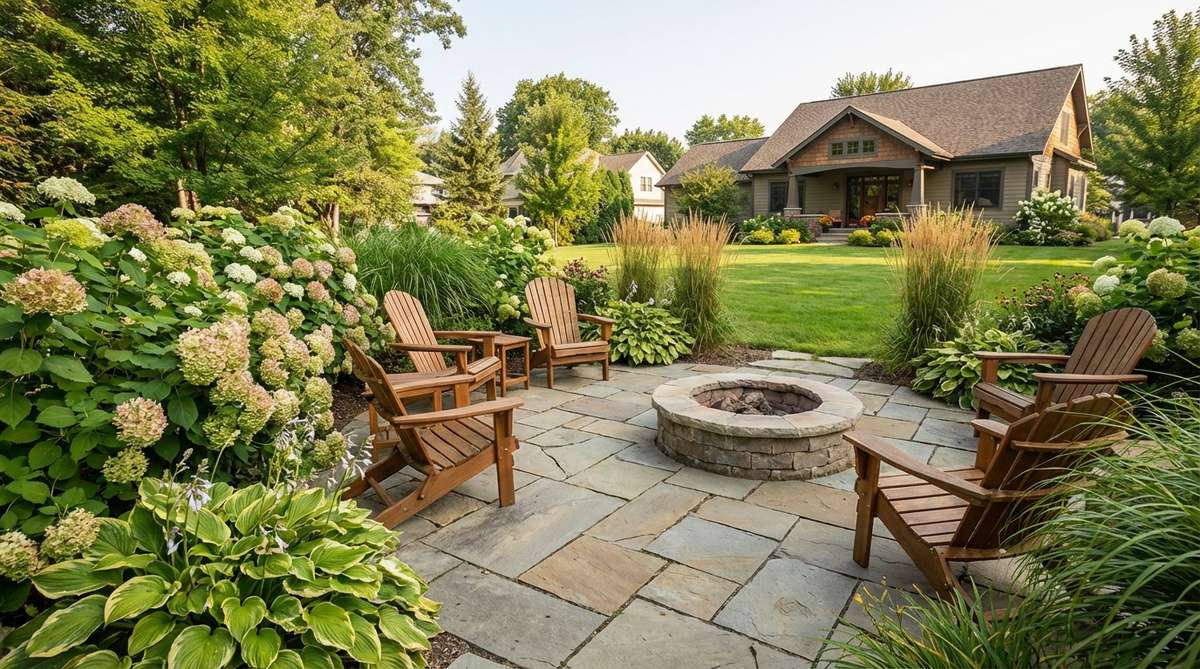
Evergreen clematis produces glossy trifoliate leaves and fragrant white blooms in early spring. Vigorous growth covers 20 feet of vertical surface annually.
Train through tree branches or over pergolas to create overhead canopy effect. The year-round foliage maintains structure when deciduous plants drop leaves.
Prune after flowering to control spread and encourage bushier growth. Combine with large-leafed climbers for textural layering.
16. Parthenocissus quinquefolia Virginia Creeper
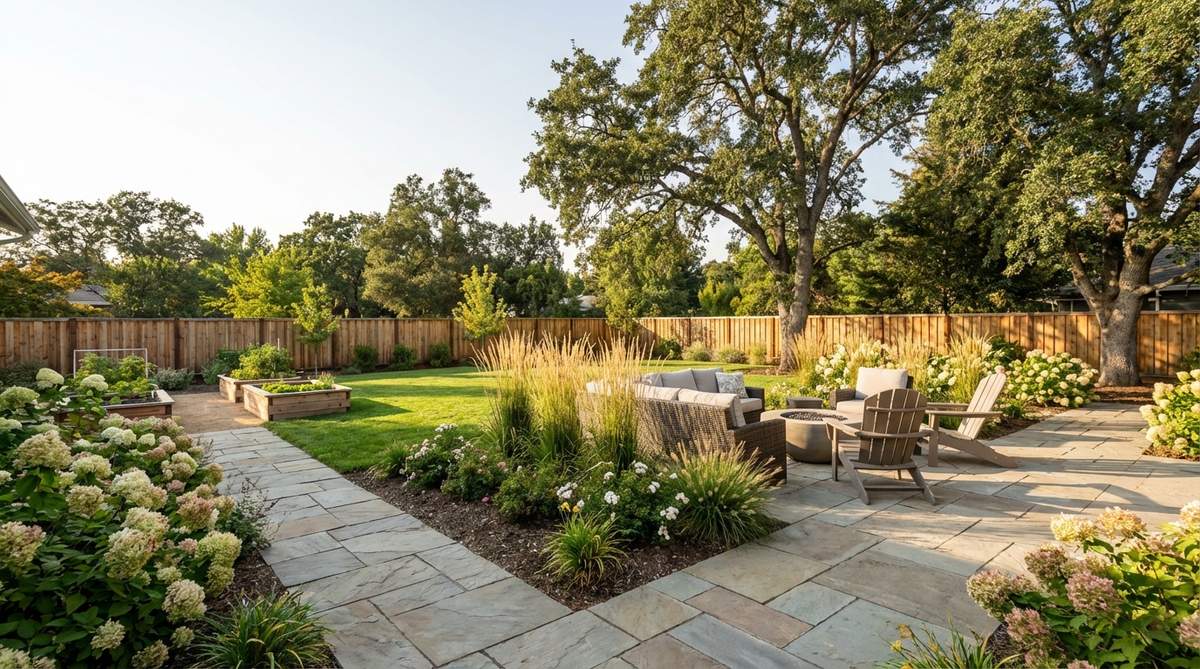
Virginia creeper climbs via adhesive tendrils, covering walls and trees with five-pointed leaves. Fall color transitions from green to brilliant scarlet.
Allow to scramble through established trees to create wild overgrown effect. The rapid coverage softens harsh fence lines within two seasons.
Self-clinging habit requires no support structures. Direct initial growth with temporary ties until tendrils establish attachment.
17. Wisteria sinensis Chinese Wisteria
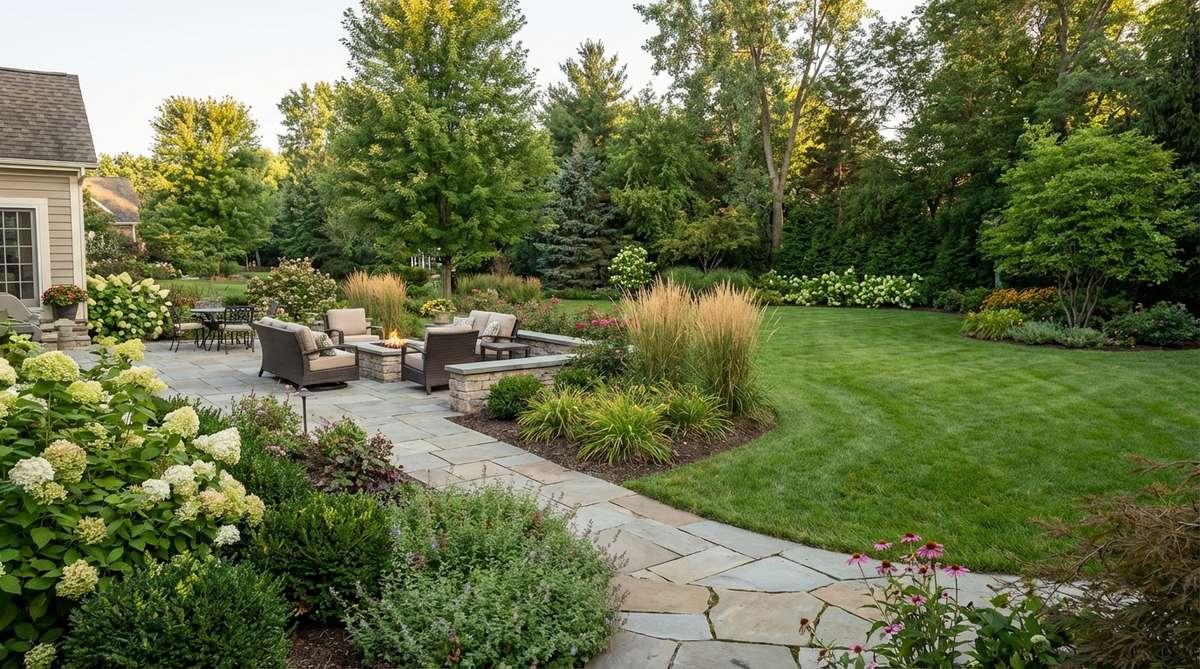
Chinese wisteria produces cascading violet flower clusters up to 12 inches long before leaves emerge. The twisted woody vines add sculptural winter interest.
Provide sturdy support structures as mature vines reach considerable weight. Prune twice yearly—summer and winter—to control spread and maximize bloom.
Train over pergolas or allow to climb into established trees for dramatic flowering canopy. Underplant with shade-tolerant ferns and hostas.
18. Hedera helix English Ivy Ground to Vertical
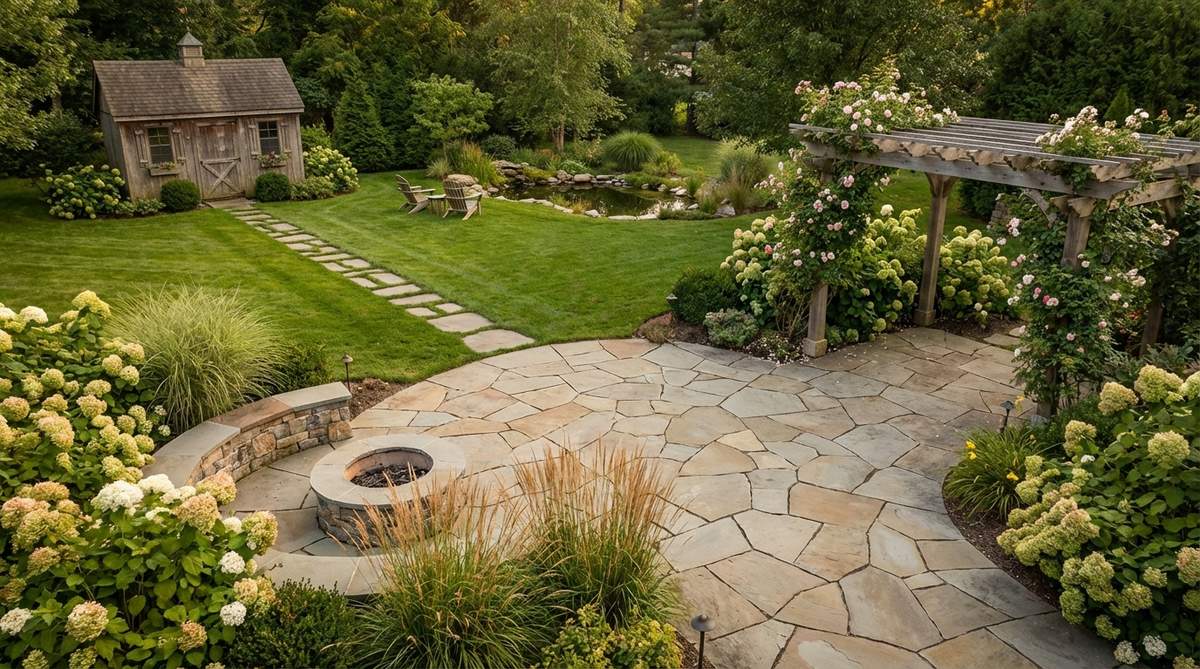
English ivy transitions seamlessly from ground cover to vertical climber, unifying different garden planes. Variegated forms like Glacier brighten shaded areas.
Allow to carpet ground beneath larger specimens before training stems up tree trunks. The layered coverage creates authentic jungle density.
Monitor spread in naturalized areas as ivy becomes invasive in favorable conditions. Regular pruning contains growth within designed boundaries.
19. Lonicera periclymenum Woodbine Honeysuckle
Woodbine honeysuckle twines through shrubs and small trees with fragrant tubular flowers in cream and pink. Evening scent intensifies tropical ambiance.
Plant near seating areas where fragrance reaches occupants. The nectar-rich blooms attract hummingbirds and moths throughout summer.
Prune one-third of oldest stems annually to maintain vigorous flowering growth. Serotina cultivar offers deeper red-purple exterior coloring.
20. Hydrangea anomala petiolaris Climbing Hydrangea
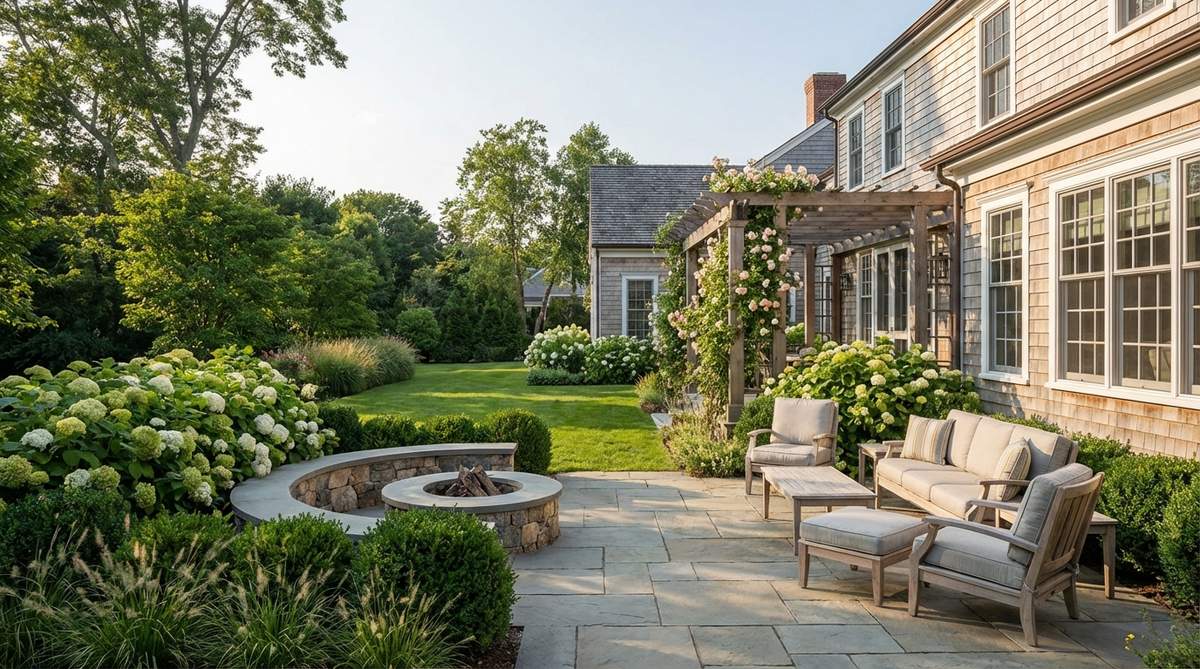
Climbing hydrangea attaches via aerial roots and produces white lacecap flowers on 50-foot vines. The exfoliating bark provides winter texture.
Establish on north or east-facing walls for optimal shade tolerance. Growth starts slowly but accelerates dramatically after three years.
The horizontal branching habit creates tiered layers against flat surfaces. Allow to climb dead tree trunks for naturalistic effect.
Understory Mid-Tier Plants Filling Critical Layers
Mid-height specimens bridge the gap between canopy trees and ground covers, creating the dense multilayered effect essential to convincing jungle gardens. These plants thrive in filtered light and provide the visual bulk that makes spaces feel enclosed and mysterious.
21. Mahonia Soft Caress Evergreen Mahonia
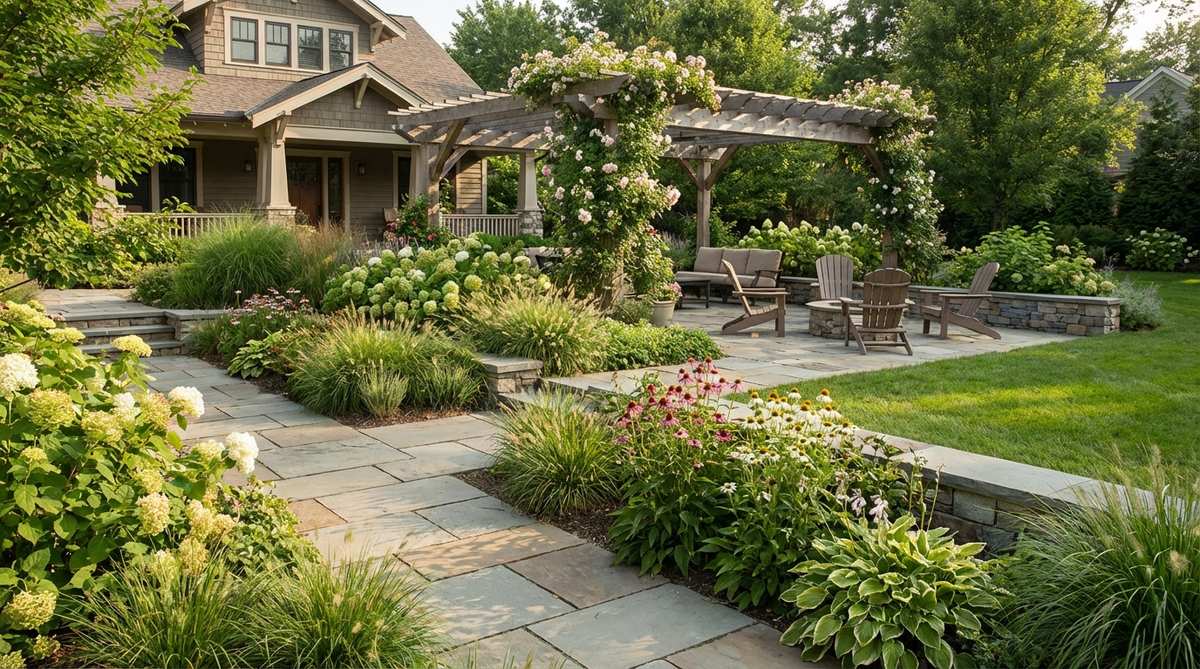
Soft Caress mahonia displays narrow bamboo-like leaflets without spines on 3-foot mounding plants. Yellow flower spikes appear in late winter followed by blue berries.
Position in shade or partial shade where the fine texture contrasts with broad-leafed neighbors. The evergreen habit maintains year-round presence.
Space 4 feet apart for merged mass planting that fills mid-tier gaps. Deer resistance makes it reliable in challenging wildlife areas.
22. Canna Durban Striped Canna
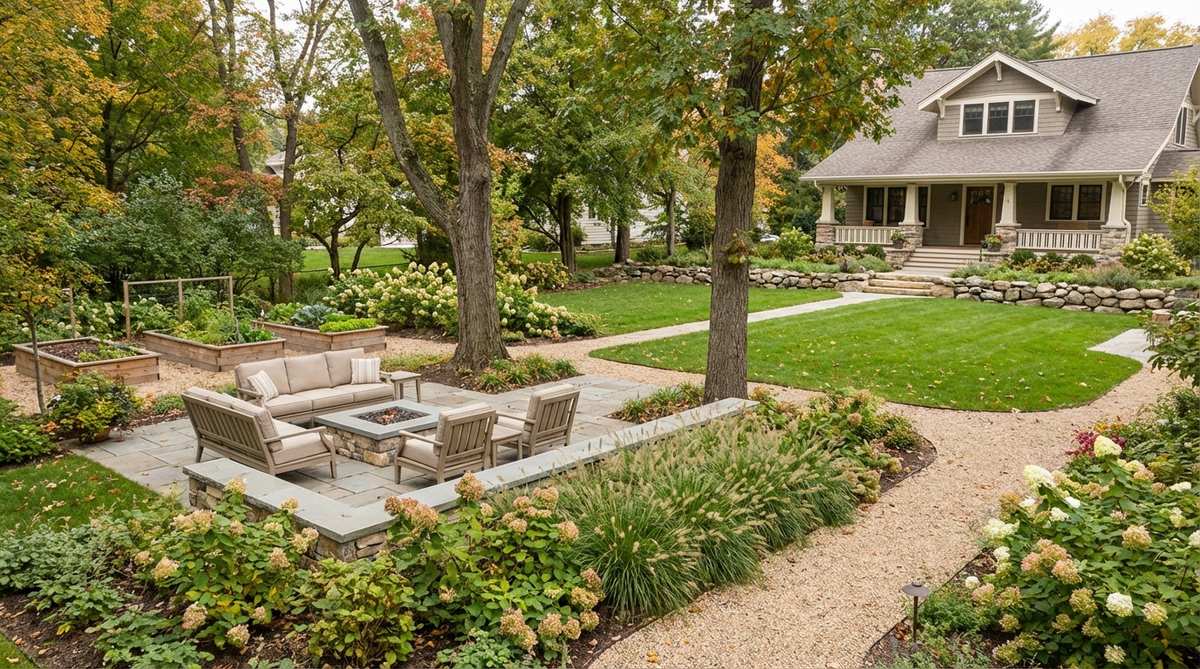
Durban canna features leaves striped in orange, red, pink, and yellow on 6-foot stems. Orange flowers complement the multi-colored foliage.
Plant rhizomes 4 inches deep after last frost in full sun locations. Consistent moisture and monthly fertilization drive vigorous growth.
Dig rhizomes after first frost and store in barely moist peat over winter. Divide every 2-3 years to maintain vigor and increase stock.
23. Canna Australia Burgundy Canna
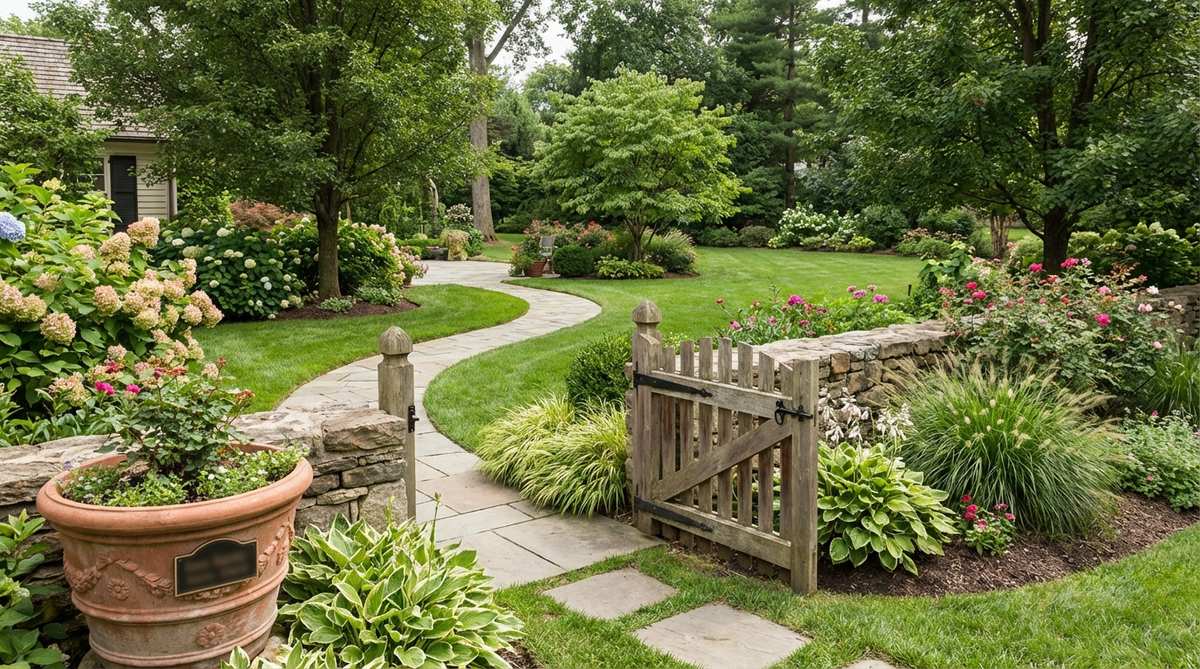
Australia canna produces deep burgundy foliage that reads nearly black in bright light. Scarlet flowers create dramatic contrast against dark leaves.
Use as color anchors throughout jungle plantings to add depth and moodiness. The dark tones make surrounding greens appear more vibrant.
Combine with chartreuse Hakonechloa or golden Carex for maximum contrast. Position where afternoon sun backlights the burgundy tones.
24. Zantedeschia aethiopica Calla Lily
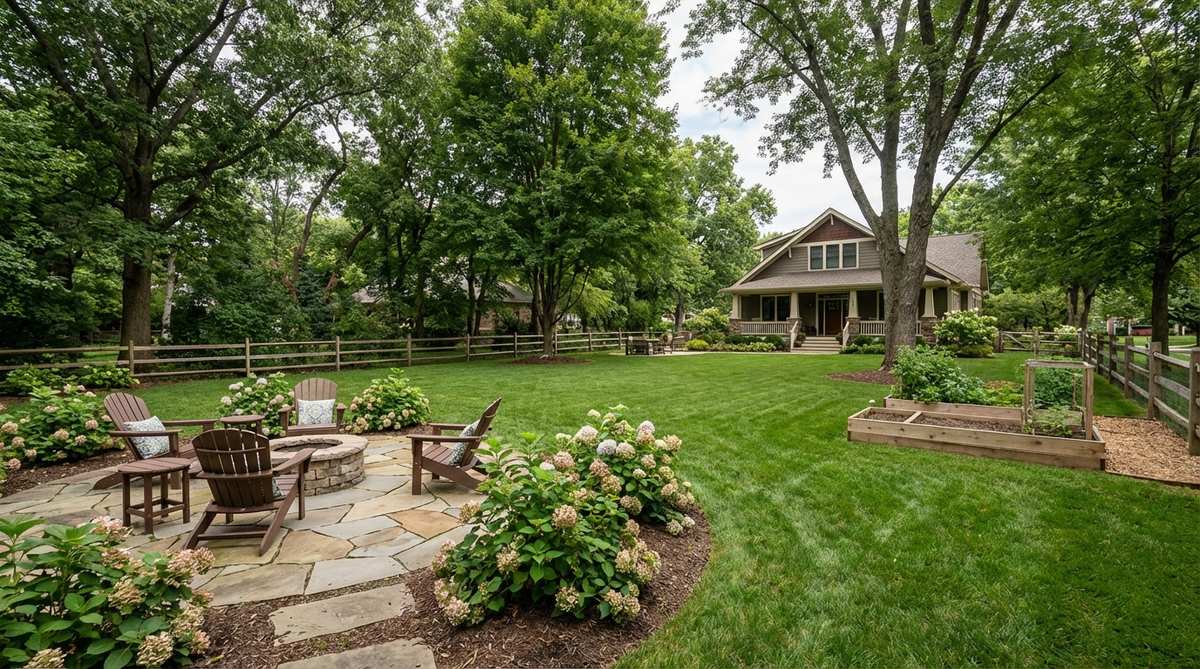
Calla lilies produce elegant white spathes above arrow-shaped leaves on 3-foot plants. The architectural flowers provide refined contrast to wild foliage textures.
Plant in moist soil or shallow water features where constant moisture supports continuous blooming. Hardy to zone 8 with heavy winter mulching.
Pair with deep red Canna Australia for classic tropical color combination. Position in partial shade to prevent flower scorching.
25. Hedychium coronarium White Ginger Lily
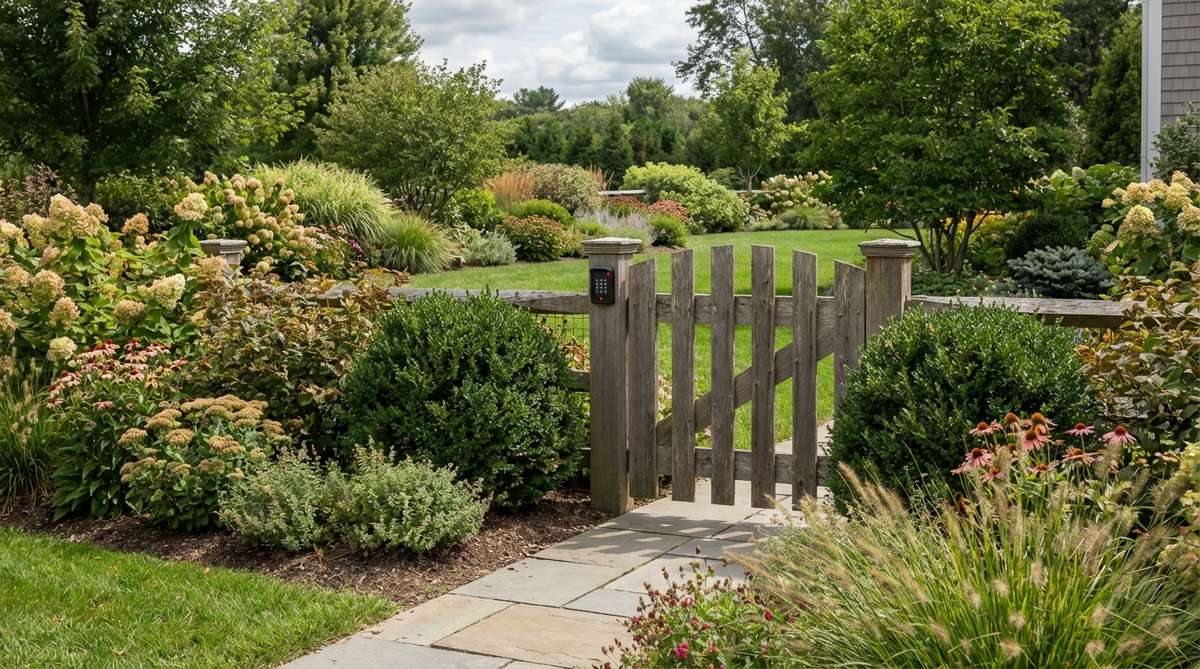
White ginger lily produces intensely fragrant white blooms on 5-foot stems in late summer. The canna-like foliage provides tropical texture even before flowering.
Plant rhizomes in spring after soil warms in rich, moisture-retentive locations. Mulch heavily for winter protection in zone 7-8.
Evening fragrance perfumes entire garden areas. Cluster 5-7 rhizomes per planting hole for substantial flowering impact.
26. Phormium tenax New Zealand Flax
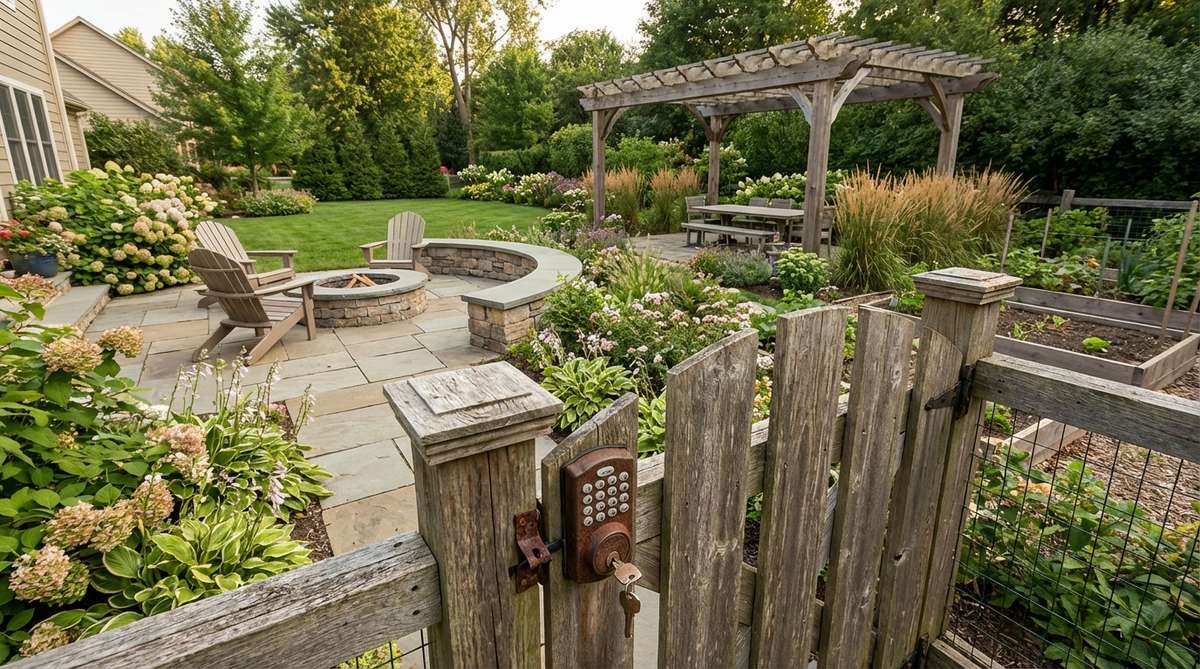
New Zealand flax produces stiff sword-shaped leaves in colors ranging from green to bronze, purple, and variegated combinations. Plants reach 6 feet with architectural presence.
Use as structural punctuation points among softer-textured jungle plants. The upright form contrasts with rounded or arching specimens.
Hardy to zone 8, flax tolerates drought once established. Bronze varieties like Atropurpureum intensify jungle color schemes.
27. Acanthus mollis Bear’s Breeches
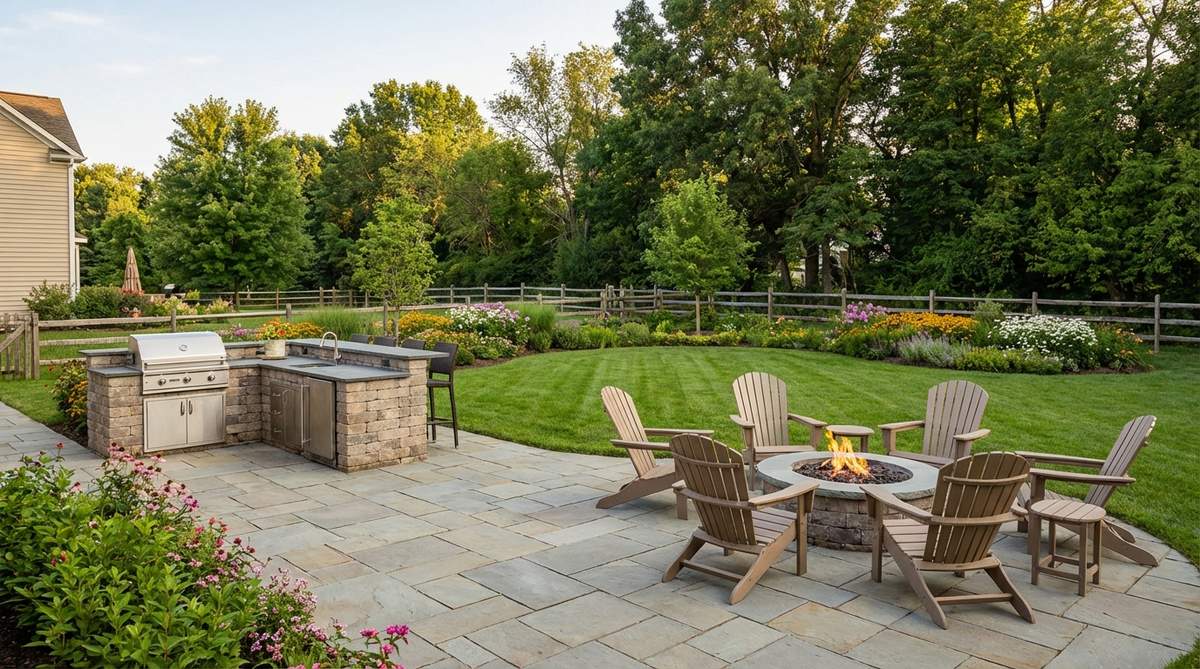
Bear’s breeches develops deeply lobed glossy leaves up to 2 feet long in dense 3-foot rosettes. Spikes of hooded white and purple flowers reach 5 feet in early summer.
Plant in partial shade with adequate moisture for lushest foliage development. The bold texture fills mid-tier layers effectively.
Spreads via underground roots to form substantial colonies over time. Contain with barriers in confined spaces or allow naturalization in larger gardens.
Ground-Level Carpet Plants Completing Lower Layers
The jungle floor consists of shade-tolerant species that carpet the ground plane while thriving under canopy cover. These plants prevent soil erosion, suppress weeds, and complete the layered density essential to authentic jungle aesthetics.
28. Athyrium niponicum Japanese Painted Fern
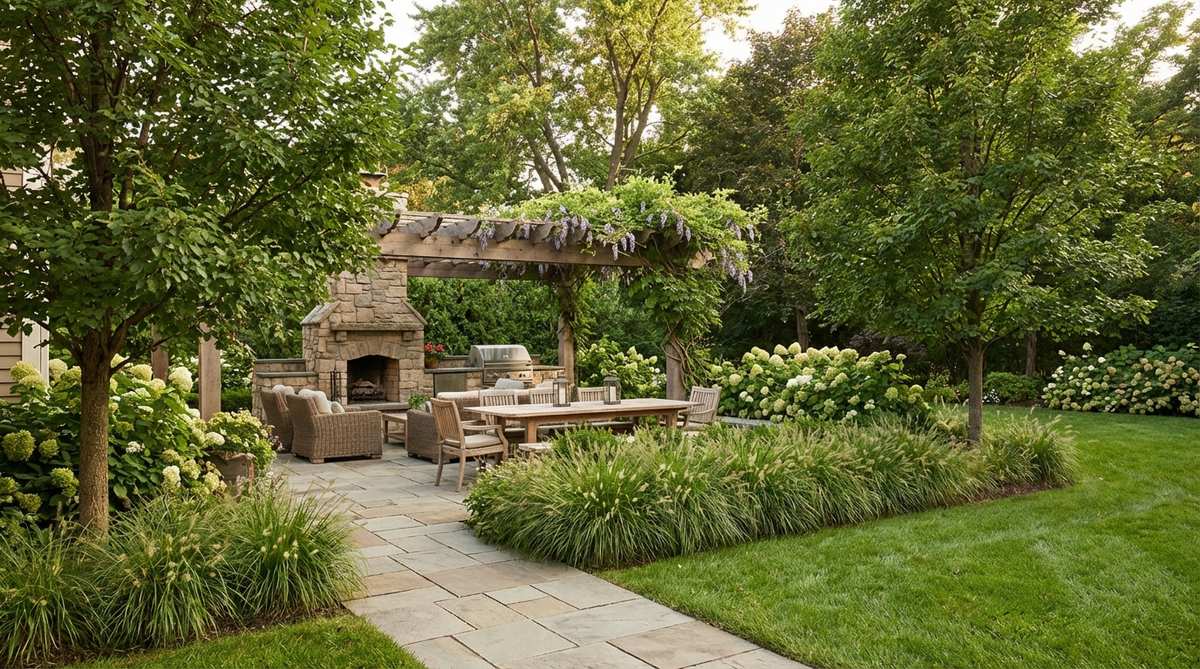
Japanese painted fern displays silvery fronds with purple midribs on 18-inch plants. The metallic sheen brightens shaded jungle floors.
Mass plant in groups of 7-12 for substantial ground coverage beneath larger specimens. Combine with dark-leafed Heuchera for color contrast.
Maintain consistent moisture and add leaf mold annually to replicate woodland conditions. Dies back in winter but returns reliably from hardy crowns.
29. Dryopteris erythrosora Autumn Fern
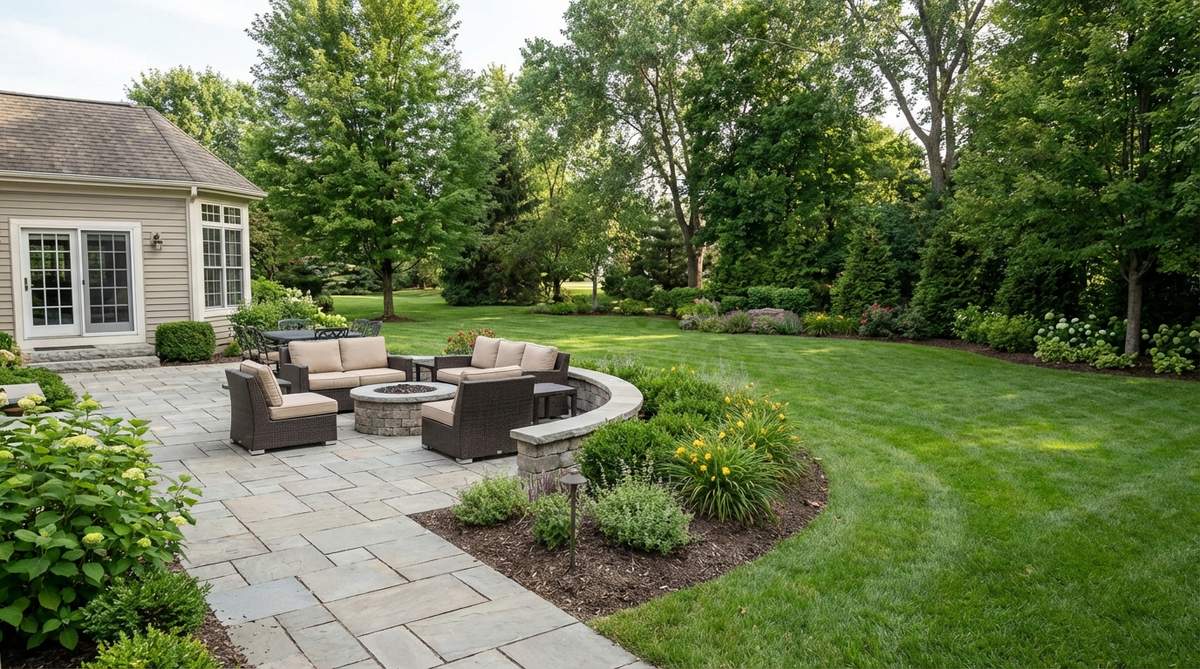
Autumn fern emerges coppery-pink in spring before maturing to glossy green. The evergreen fronds maintain structure through winter in zones 5-9.
Plant 2 feet apart for merged coverage within two years. The year-round presence prevents bare soil exposure during dormant seasons.
Tolerates deeper shade than most ferns while maintaining vibrant coloring. Remove tattered fronds in early spring before new growth emerges.
30. Epimedium grandiflorum Bishop’s Hat
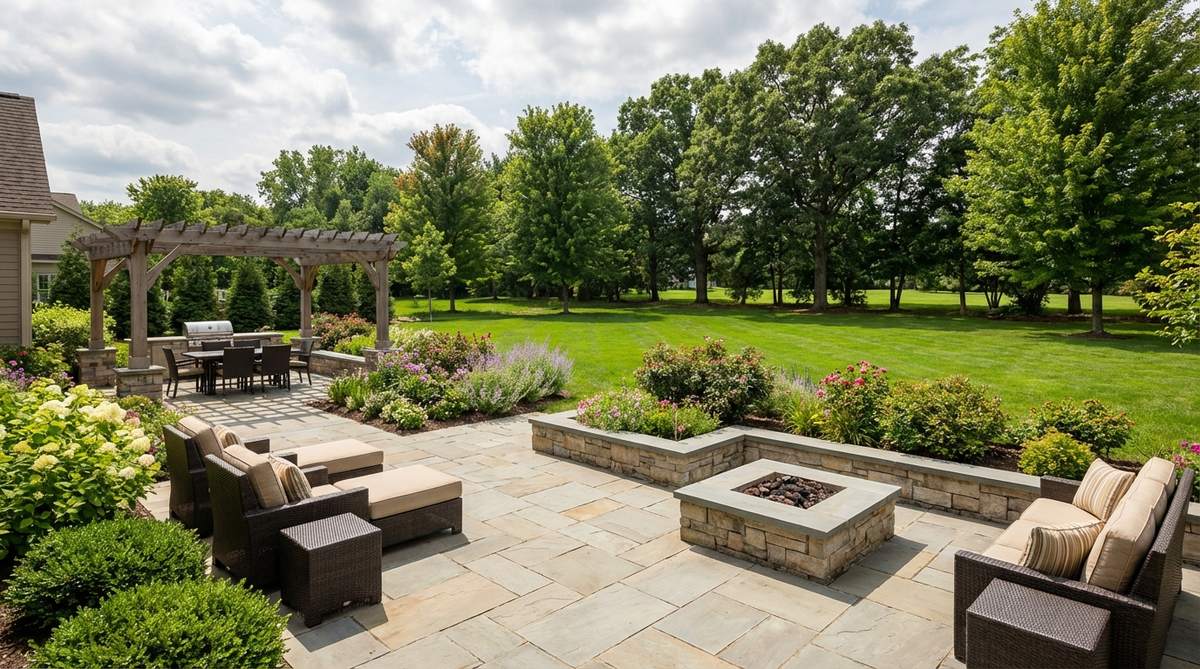
Bishop’s hat produces heart-shaped leaves often edged in bronze or red with delicate spring flowers in pink, white, or yellow. Plants form 12-inch carpets.
Establish in dry shade beneath trees where few other plants survive. The drought tolerance once rooted makes maintenance minimal.
Cut back old foliage in late winter to showcase spring flowers and fresh leaf growth. Spreads slowly via rhizomes to form substantial mats.
31. Hakonechloa macra Japanese Forest Grass
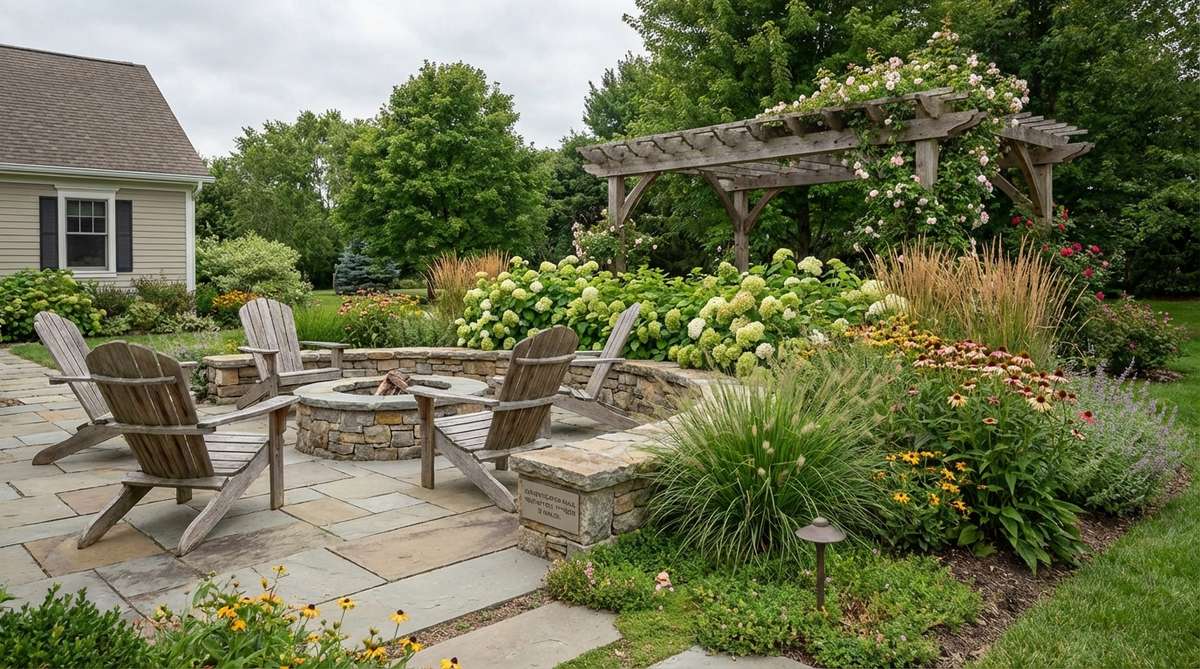
Japanese forest grass forms 18-inch cascading mounds of narrow arching foliage. Aureola cultivar displays brilliant chartreuse leaves with green stripes.
Mass plant at woodland edges or along shaded pathways where the mounding form softens transitions. The flowing habit suggests water movement.
Provide consistent moisture and afternoon shade for optimal color. Falls dormant in winter but returns vigorously from hardy roots.
32. Carex elata Aurea Bowles Golden Sedge
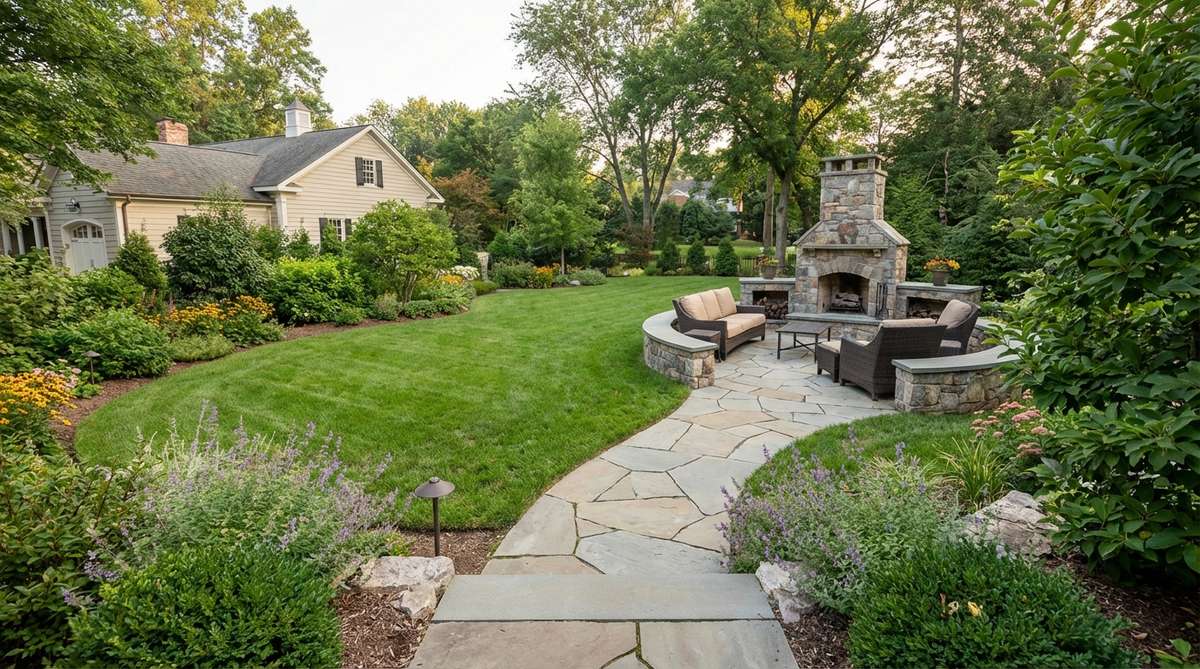
Bowles golden sedge produces bright yellow grass-like foliage in 24-inch tufts. The luminous color simulates dappled sunlight on jungle floors.
Plant in consistently moist soil or shallow water edges. Tolerates full sun in cool climates but requires afternoon shade in warm regions.
Combine with dark-leafed Ophiopogon planiscapus Nigrescens for striking contrast. Cut back shabby foliage in early spring.
33. Liriope muscari Lilyturf
Lilyturf forms evergreen clumps of narrow arching leaves to 18 inches with spikes of purple flowers in late summer. The grasslike texture contrasts with broad-leafed specimens.
Plant 12 inches apart for solid ground coverage that chokes out weeds. Tolerates deep shade and competes successfully with tree roots.
Variegated forms like Variegata brighten dark areas with cream-striped foliage. Mow plantings to ground level in late winter for fresh growth.
34. Ajuga reptans Bugleweed
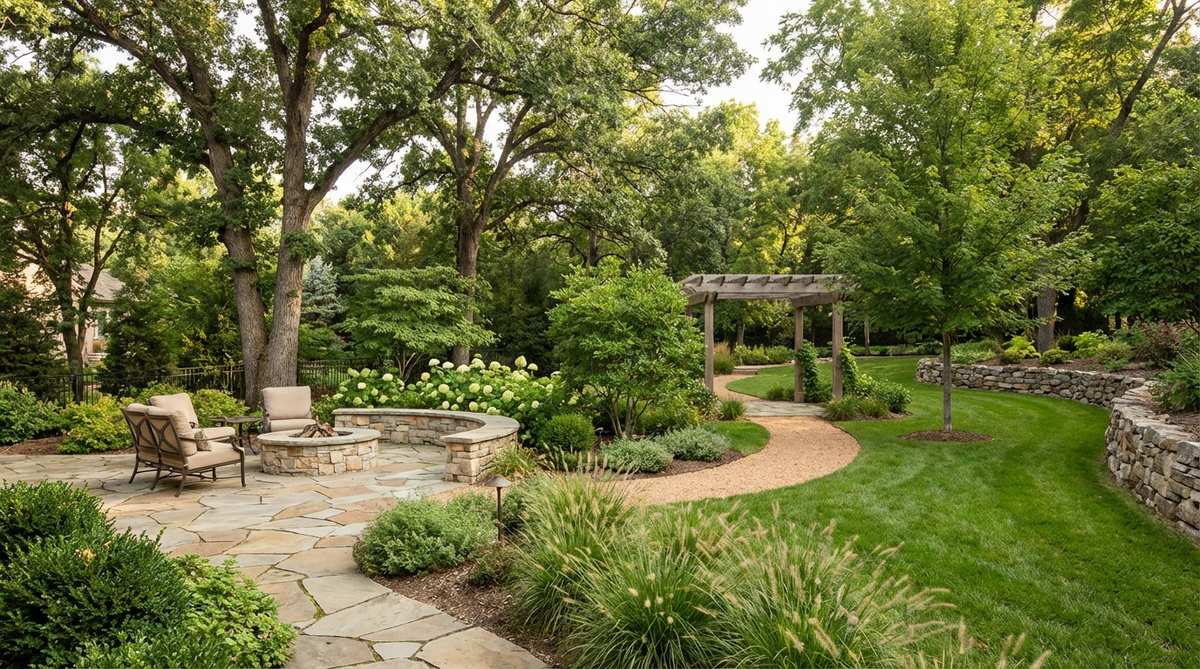
Bugleweed spreads aggressively via stolons to form 4-inch carpets topped with blue flower spikes in spring. Bronze and purple-leafed varieties add color diversity.
Use as fast coverage under established shrubs and trees where rapid establishment prevents erosion. Tolerates foot traffic better than most ground covers.
Contain spread with edging in formal areas or allow naturalization in wild sections. Evergreen in mild climates; semi-evergreen elsewhere.
Water Features Creating Jungle Atmosphere and Sound
Moving water adds sensory depth to jungle gardens through sound, reflection, and humidity. Even small water elements transform spaces by engaging multiple senses while supporting moisture-loving plant selections.
35. Bubbling Rock Fountains
Natural stone drilled for recirculating pumps creates subtle water sounds without formal fountain visibility. Water films over weathered surfaces before disappearing into concealed reservoirs.
Position among low plantings where water sounds travel without visual distraction from equipment. Surround with moisture-loving ferns and sedges.
Use multiple small fountains distributed throughout gardens rather than single large features. The distributed sound creates immersive effect from all locations.
36. Cascading Waterfall Features
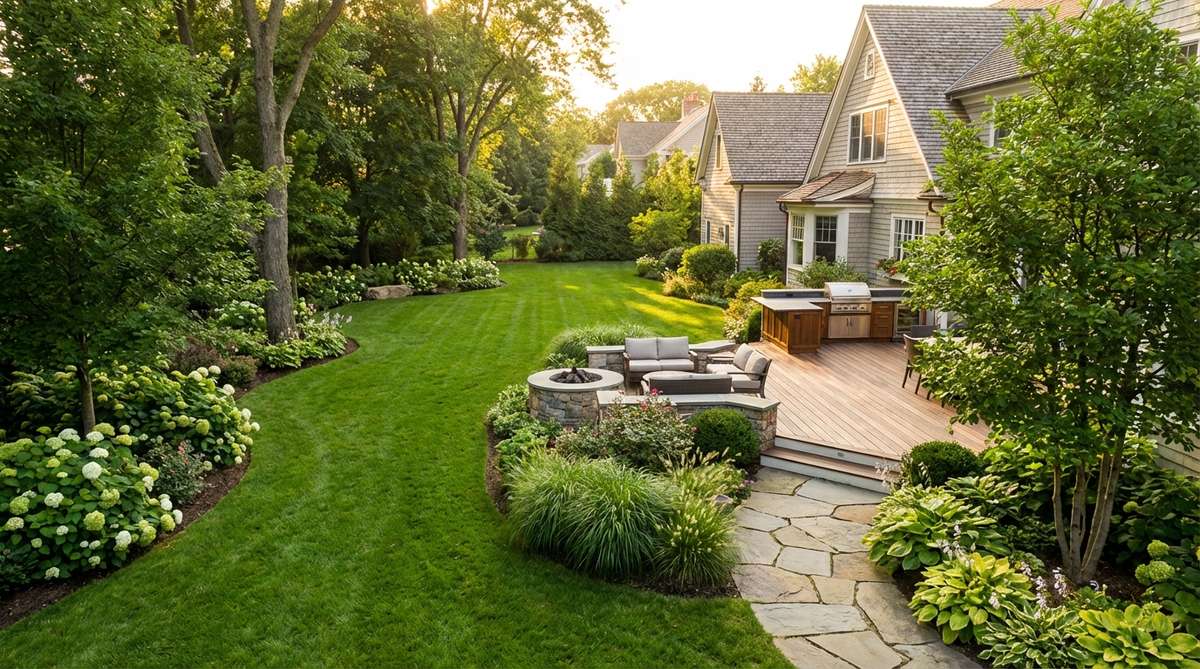
Multi-level waterfalls create varied water sounds as flow tumbles over stone edges. Stack flat rocks to create natural-looking ledges with varied drop heights.
Build water features into berms or existing slopes to minimize pumping height and energy use. Conceal reservoir tanks with overhanging plants and strategic stone placement.
Plant crevices between rocks with creeping Jenny, mazus, or isotoma for softened appearance. The flowing water attracts birds and beneficial insects.
37. Reflecting Pool Still Water
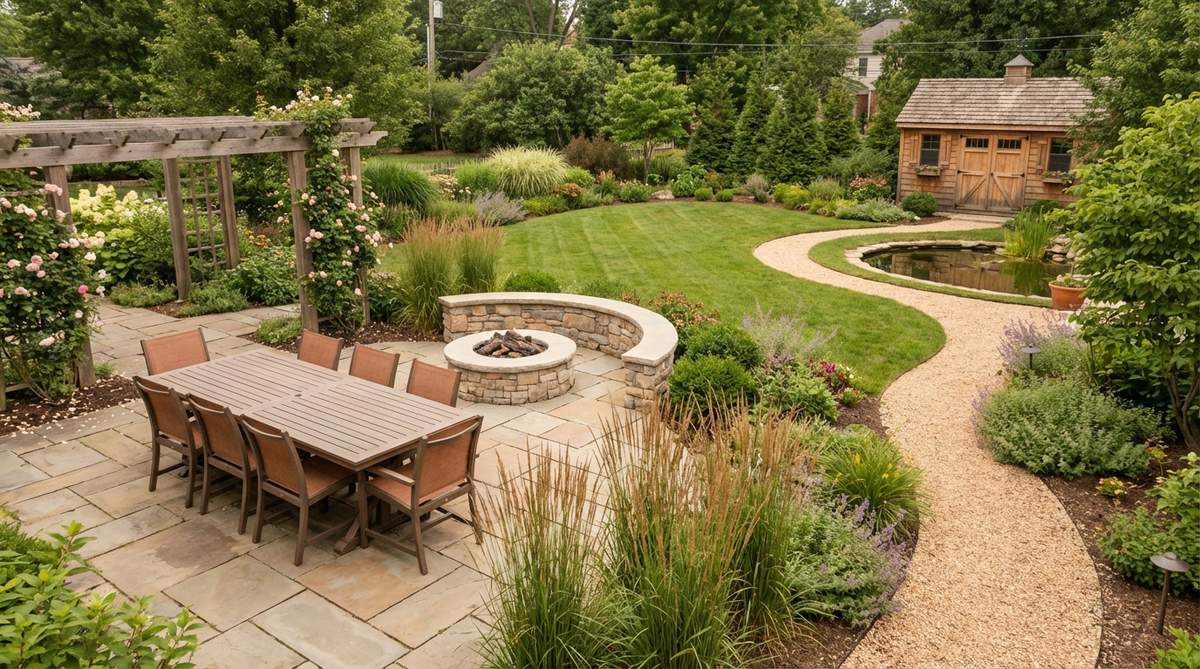
Still water surfaces mirror surrounding plantings and sky, visually doubling garden impact. Dark-bottomed pools create clearer reflections than light-colored liners.
Position reflective pools where bold architectural plants like Gunnera or tree ferns appear in mirrored surface. The doubled visual weight anchors compositions.
Maintain crystal clarity through biological filtration or frequent water changes. Surface tension draws wildlife while providing drinking and bathing opportunities.
38. Stream Beds Through Plantings
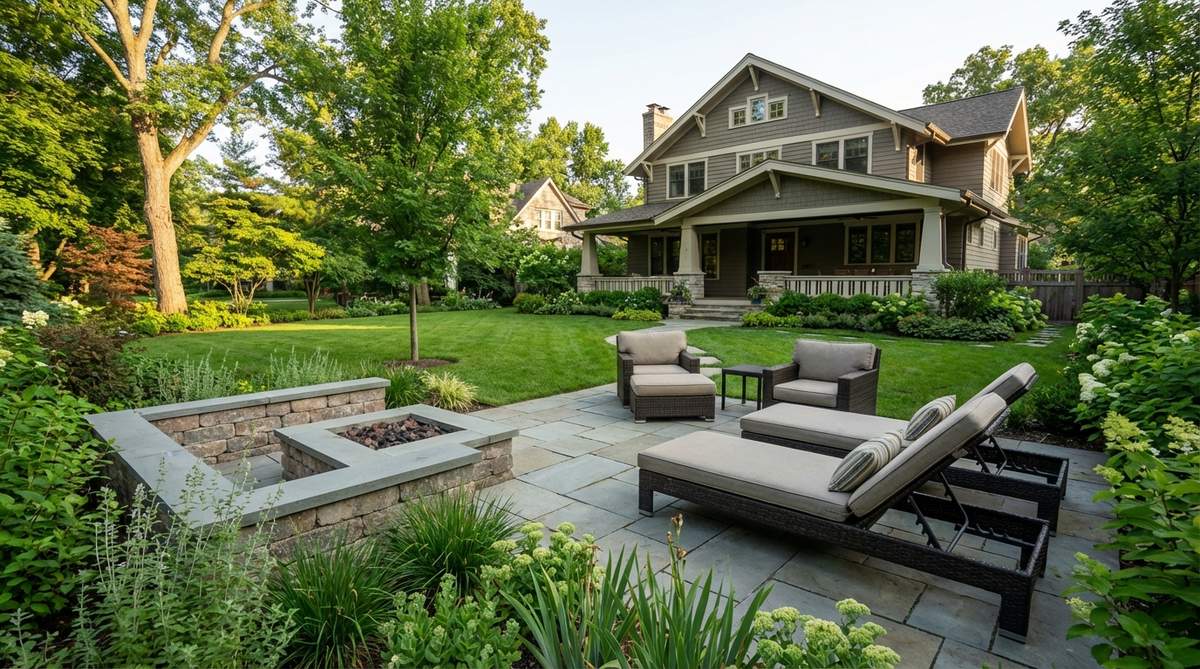
Meandering streams carry water through planted areas at ground level, creating linear water features that integrate naturally. Vary width from 12 to 36 inches for natural appearance.
Line streambeds with rounded river rocks and edge with moisture-loving marginal plants. Position boulders at bends to create natural-looking water deflection.
Bury flexible tubing alongside streambeds to return water to source via concealed recirculation. Adjust pump flow to create desired sound levels.
39. Wall Fountain Vertical Water
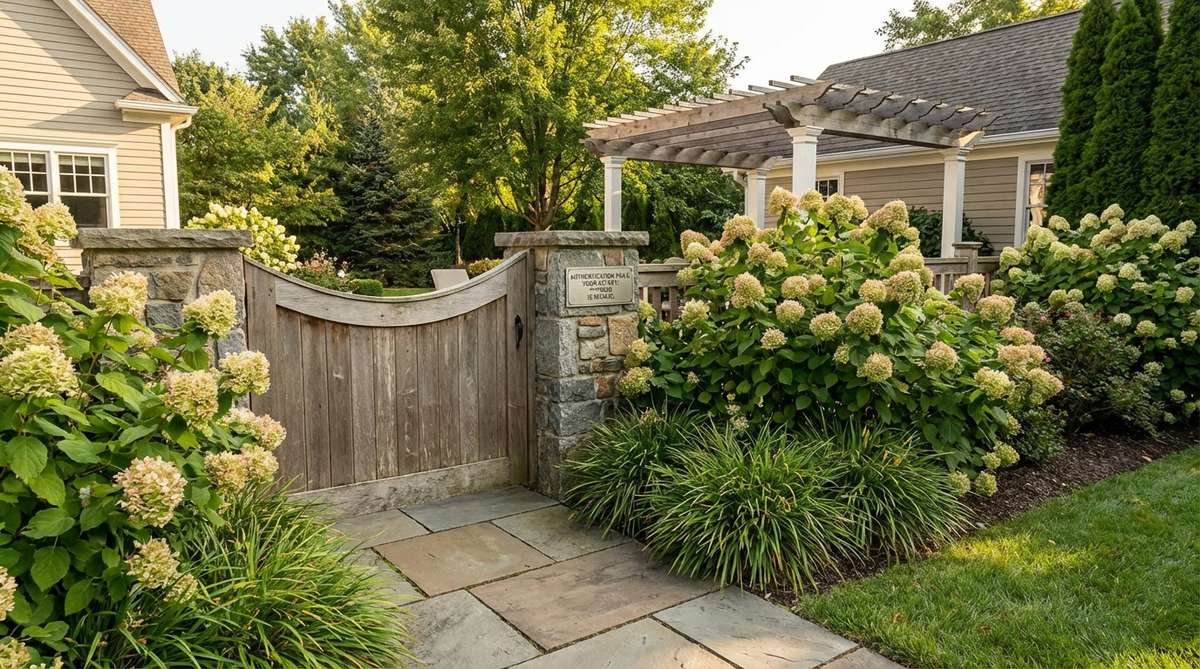
Wall-mounted fountains save ground space while adding water sound to small gardens. Trickle patterns over textured surfaces create varied auditory effects.
Install on fence backdrops or building walls surrounded by shade plants. The vertical orientation suits narrow side yards and courtyard settings.
Conceal catch basins at base with ground covers or decorative rocks. Add spotlights beneath water streams for nighttime drama.
40. Container Water Gardens
Glazed ceramic bowls or repurposed vessels hold miniature aquatic plantings and solar-powered fountains. Group containers at varying heights for layered effect.
Stock with dwarf water lilies, papyrus, or floating plants like water lettuce. Add mosquito dunks to prevent breeding in standing water.
Move containers seasonally to optimize sun exposure or store tender specimens indoors over winter. The portability allows flexible design adjustments.
Pathway Design Strategies Guiding Jungle Exploration
Winding paths through dense plantings create sense of mystery and discovery essential to jungle garden experience. Path materials, widths, and routing determine how visitors move through and perceive space.
41. Narrow Mulch Paths
Paths only 18-24 inches wide force single-file movement through dense plantings, increasing sense of enclosure. Hardwood mulch provides soft walking surface and natural appearance.
Edge paths with overhanging foliage that brushes against visitors for tactile engagement. The narrow width makes small gardens feel larger through extended journey time.
Replenish mulch annually as it decomposes. Dark-colored mulches like cedar or cocoa hull contrast visually with green plantings.
42. Stepping Stone Sequences
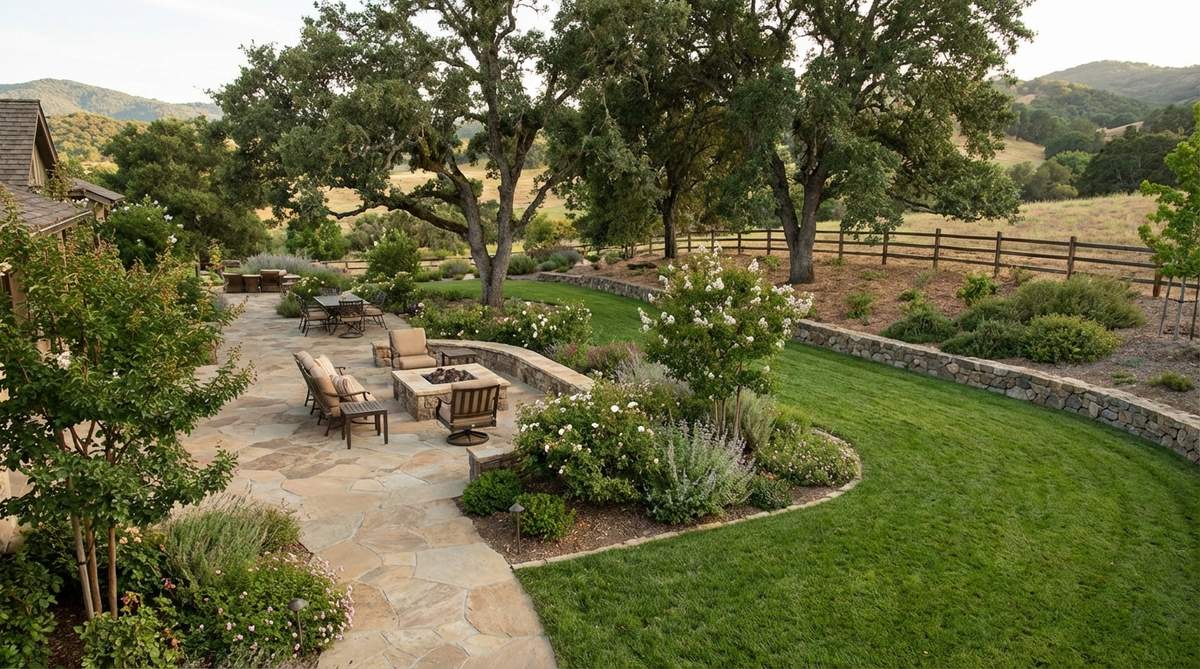
Individual flat stones spaced 18-24 inches apart create irregular pathways through ground covers. The interrupted surface forces slowed movement and observation.
Set stones flush with soil surface for easier mowing around edges. Vary stone sizes and shapes for natural appearance rather than uniform pavers.
Plant low creeping thyme or mazus between stones to soften edges and release fragrance when stepped upon. The informal routing suggests discovered rather than designed paths.
43. Curved Boardwalk Sections
Elevated wooden boardwalks protect planting beds while creating distinct pathway experience above ground level. The raised perspective reveals plant details invisible from ground view.
Build with rot-resistant lumber like cedar or composite materials requiring minimal maintenance. Add horizontal railings for safety in elevated sections.
Route boardwalks through wetland areas or over water features where conventional paths fail. The hollow sound of footsteps adds auditory interest.
44. Decomposed Granite Paths
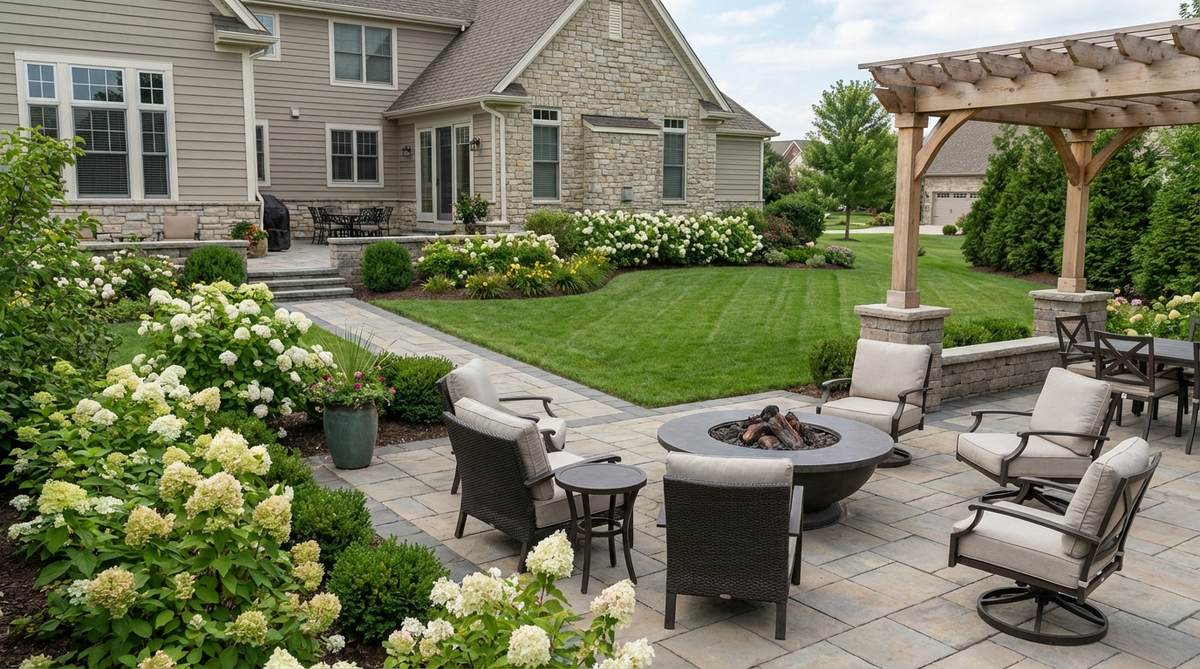
Finely crushed granite compacts into firm walking surfaces with natural tan or gray coloring. The material drains well while resisting weed growth.
Install 3-4 inches deep over compacted base for durability. Edge with steel or aluminum strips to contain material and create clean borders.
The neutral color recedes visually, emphasizing surrounding plantings. Replenish surface material every 2-3 years as it gradually disperses.
45. Hidden Destination Clearings
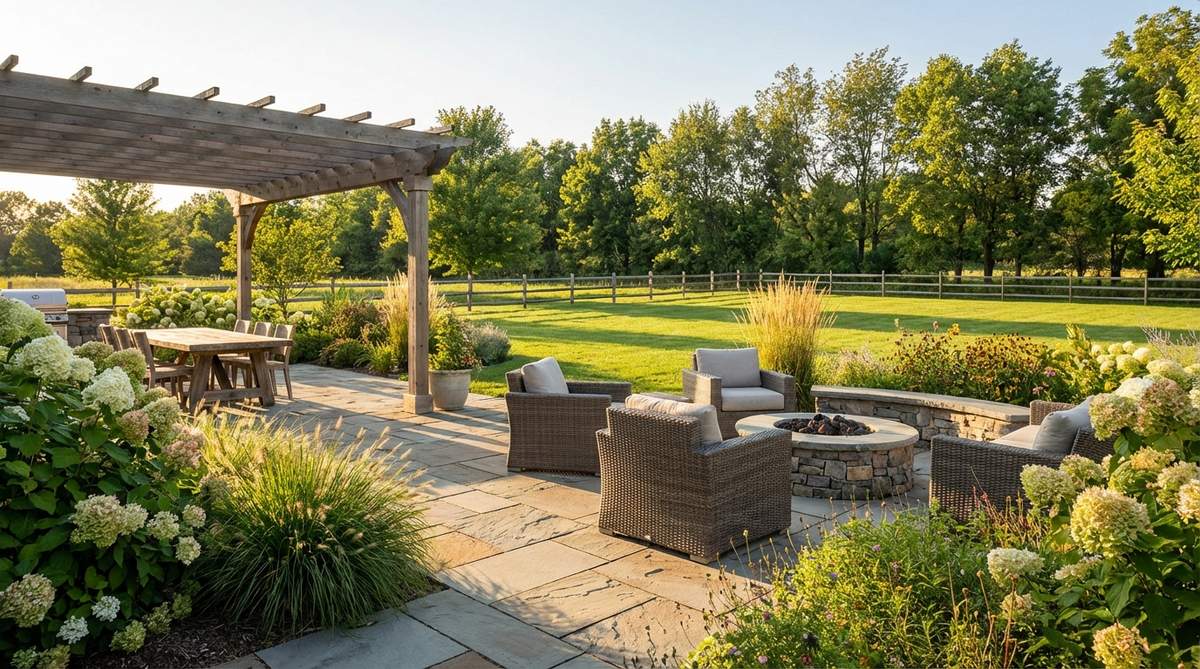
Small open areas along pathways provide seating spots and reveal moments surrounded by dense plantings. These clearings function as reward destinations after enclosed pathway journeys.
Size clearings just large enough for intended furniture—6-8 feet diameter for single bench. Overfill with plants initially then edit for final balance.
Add focal elements like sculpture, water features, or specimen plants to create purpose for destinations. The contrast between enclosed paths and open clearings heightens both experiences.
Color Accent Tropical Blooms Punctuating Green Layers
While foliage dominates jungle gardens, strategic flowering plants add vibrant color punctuation. These specimens introduce exotic flower forms and intense hues that contrast dramatically with surrounding greens.
46. Hibiscus rosa-sinensis Tropical Hibiscus
Tropical hibiscus produces 6-inch flowers in vivid reds, oranges, pinks, and yellows throughout summer. The glossy foliage provides year-round structure in zones 9-11.
Grow as container specimens in cold climates and move indoors before frost. Prune regularly to maintain bushy growth and continuous flowering.
Position where morning sun reaches plants but afternoon shade prevents flower fading. Fertilize every two weeks during active growth with bloom-booster formulations.
47. Hedychium gardnerianum Kahili Ginger
Kahili ginger displays foot-long spikes of fragrant yellow flowers with prominent red stamens on 6-foot stems. The canna-like foliage creates tropical texture before blooming.
Plant rhizomes in spring in rich, moist soil with partial shade. Mulch heavily for winter protection in zones 8-9.
The powerful fragrance carries throughout gardens on evening breezes. Divide every 3-4 years to maintain vigor and control spread.
48. Brugmansia suaveolens Angel’s Trumpet
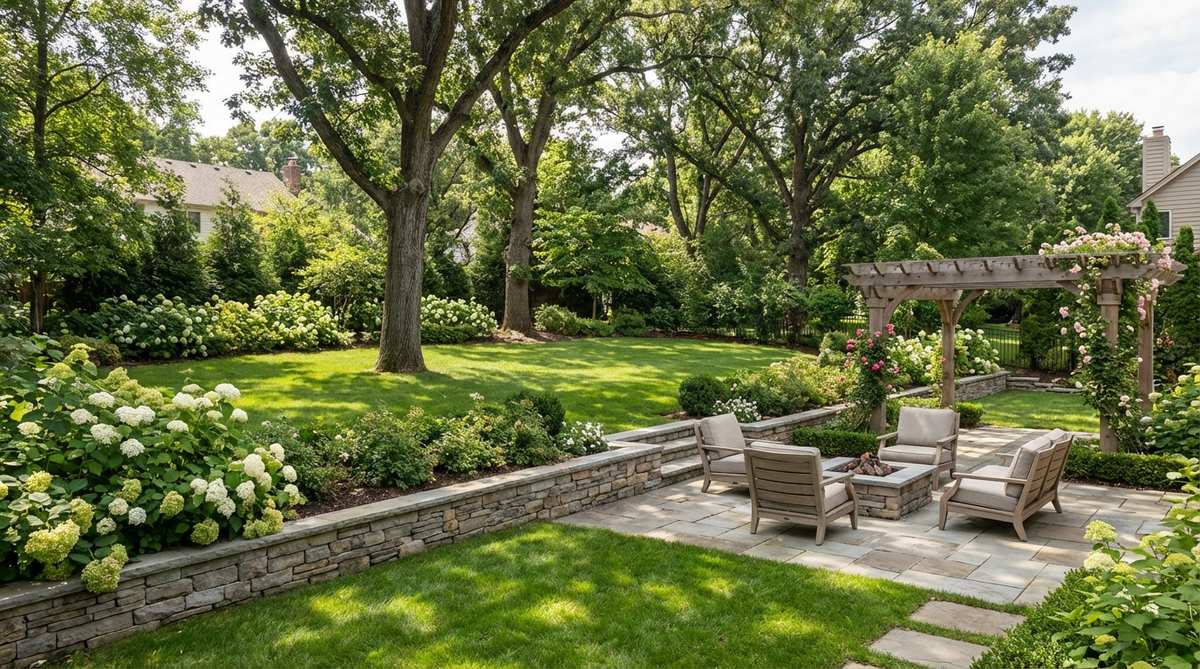
Angel’s trumpet produces pendulous 12-inch tubular flowers in white, peach, or yellow with intense evening fragrance. The rapid-growing shrubs reach 8 feet in single seasons.
Grow in containers for mobility and winter protection in cold climates. Root semi-hardwood cuttings in late summer to maintain stock of favorite colors.
Position near seating areas where evening fragrance reaches occupants. All plant parts contain toxic alkaloids requiring careful handling and placement away from children.
49. Strelitzia reginae Bird of Paradise
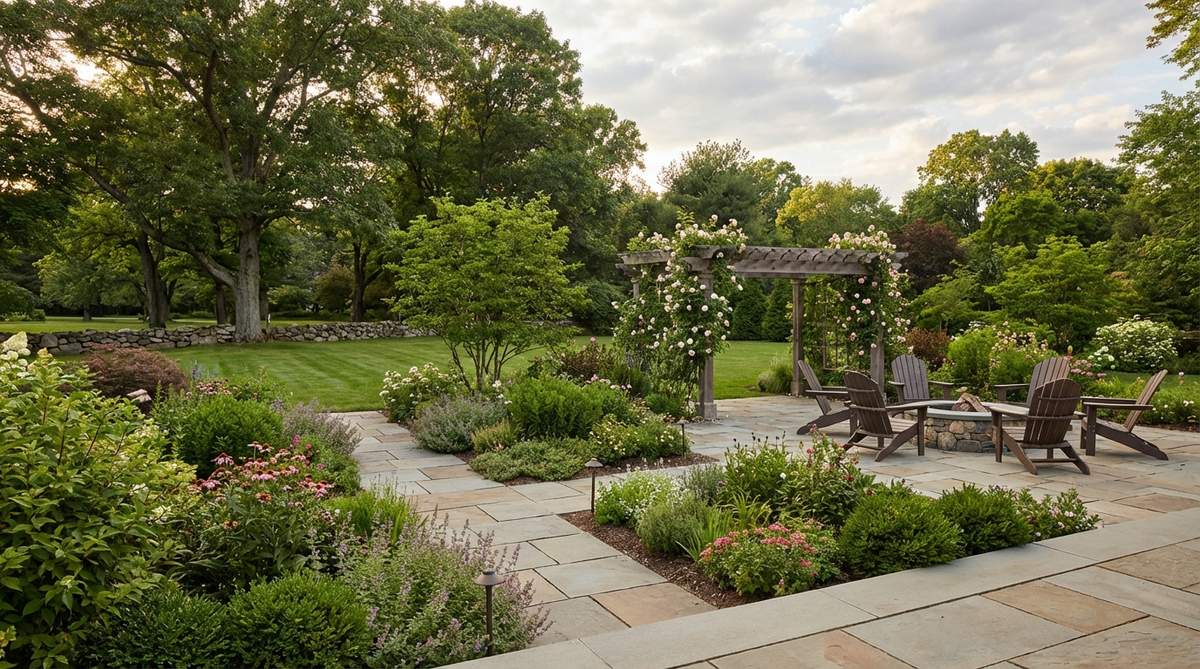
Bird of paradise produces exotic orange and blue flowers resembling tropical birds above paddle-shaped leaves. Plants reach 4-5 feet in zones 9-11.
Grow as specimen container plants in cold climates and overwinter in bright indoor locations. Mature plants bloom more prolifically than young divisions.
Position where distinctive flower profiles show against contrasting backgrounds. Remove spent flower stalks at base to maintain appearance.
50. Mandevilla sanderi Brazilian Jasmine
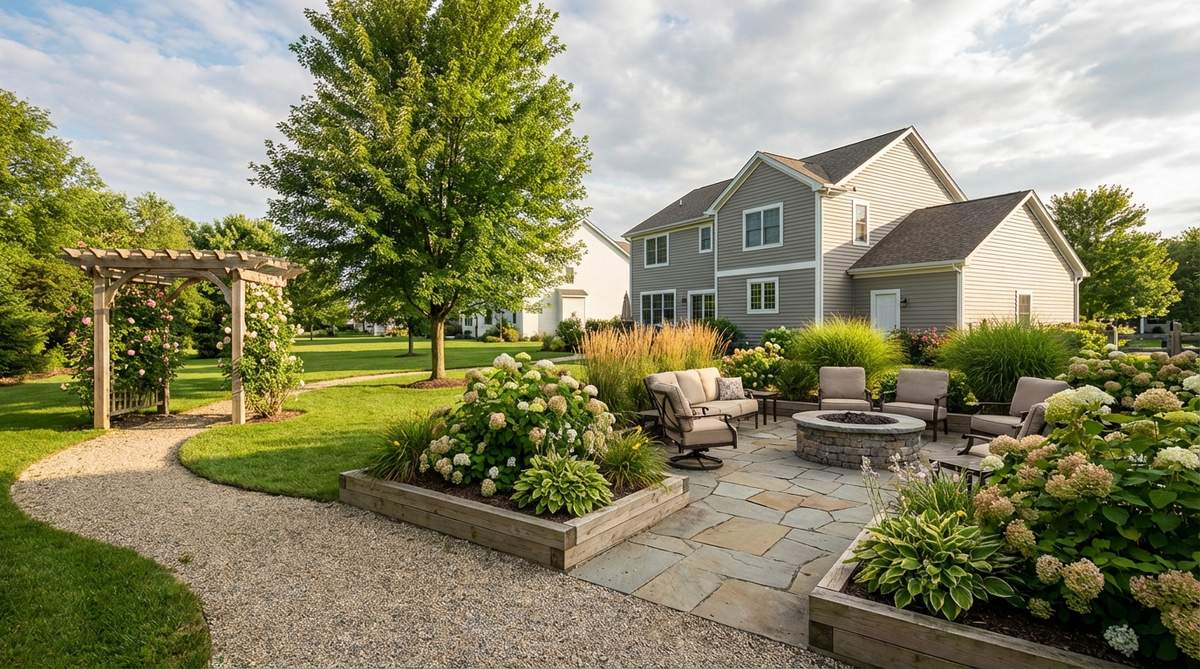
Mandevilla vines produce trumpet-shaped pink, red, or white flowers on twining stems to 10 feet. Glossy oval leaves provide attractive foliage between bloom cycles.
Train on obelisks or allow to scramble through shrubs for vertical color. Fertilize monthly during growing season for continuous flowering.
Treat as annual in cold climates or bring indoors before frost. Cut back by half before moving inside to ease transition.
51. Curcuma alismatifolia Siam Tulip
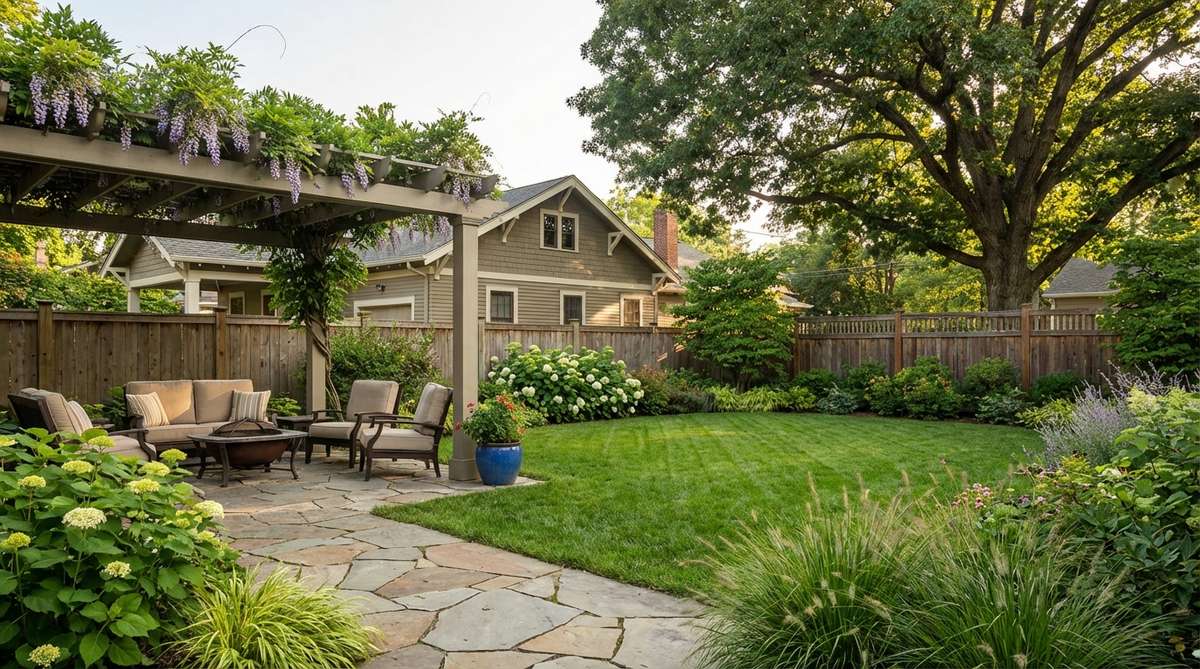
Siam tulips produce cone-shaped flower clusters in pink or white atop 2-foot stems with lance-shaped leaves. The ginger relative blooms throughout summer.
Plant rhizomes in spring after soil warms in well-drained locations. Foliage dies back after first frost; lift and store rhizomes in barely moist peat over winter.
Group 7-10 rhizomes per planting area for substantial color impact. The unusual flower form creates conversation pieces in jungle borders.
Container Jungle Gardens Adapting Wild Style to Confined Spaces
Container plantings allow jungle aesthetics in spaces lacking planting beds or requiring seasonal flexibility. Strategic container selection, placement, and plant combinations create convincing tropical environments on patios, balconies, and rooftops.
52. Mixed Height Container Clusters
Group containers of varying heights from 12 to 30 inches to create elevation changes mimicking natural terrain. Position tallest pots at rear with progressively shorter containers toward front.
Place containers touching or overlapping to eliminate gaps and suggest unified planting. Overplant with trailing specimens that cascade between pots for integration.
Vary pot materials and finishes while maintaining cohesive color palette. Weathered terracotta and dark glazed ceramics complement jungle plantings better than bright colors.
53. Specimen Plant Focal Containers
Large individual containers showcasing single dramatic specimens like tree ferns or Trachycarpus palms function as portable focal points. Position at pathway terminals or clearing centers.
Select containers minimum 24 inches diameter and depth to support substantial root systems. Add casters beneath largest pots for mobility despite weight.
Underplant specimen containers with trailing ivy or creeping Jenny for fuller appearance. The layered plantings conceal container rims and soil surfaces.
54. Sunken Container Integration
Bury plastic nursery pots to rim level within planting beds for seamless container-grown plant integration. The technique allows easy seasonal plant swaps without bed disruption.
Dig holes 2 inches wider than containers to ease installation and removal. Backfill gaps with sand for drainage and simplified extraction.
Replace tired specimens or rotate tender plants to winter storage without disturbing surrounding permanent plantings. Mark buried pot locations for future reference.
55. Vertical Wall Planters
Wall-mounted planters and pocket systems add vertical planting surfaces to limited-space jungle gardens. Stack multiple tiers for dramatic living walls.
Plant with trailing ferns, ivy, and small-scale foliage specimens that tolerate root restriction. Ensure adequate irrigation as vertical plantings dry faster than ground-level containers.
Position vertical gardens on shaded walls where moisture retention improves. Install drip irrigation with timers for consistent water delivery.
Structural Hardscape Elements Supporting Jungle Themes
Non-living structures provide framework and support for planted elements while reinforcing tropical aesthetics. These hardscape components add authentic jungle character through material selection and architectural styling.
56. Bamboo Reed Screening
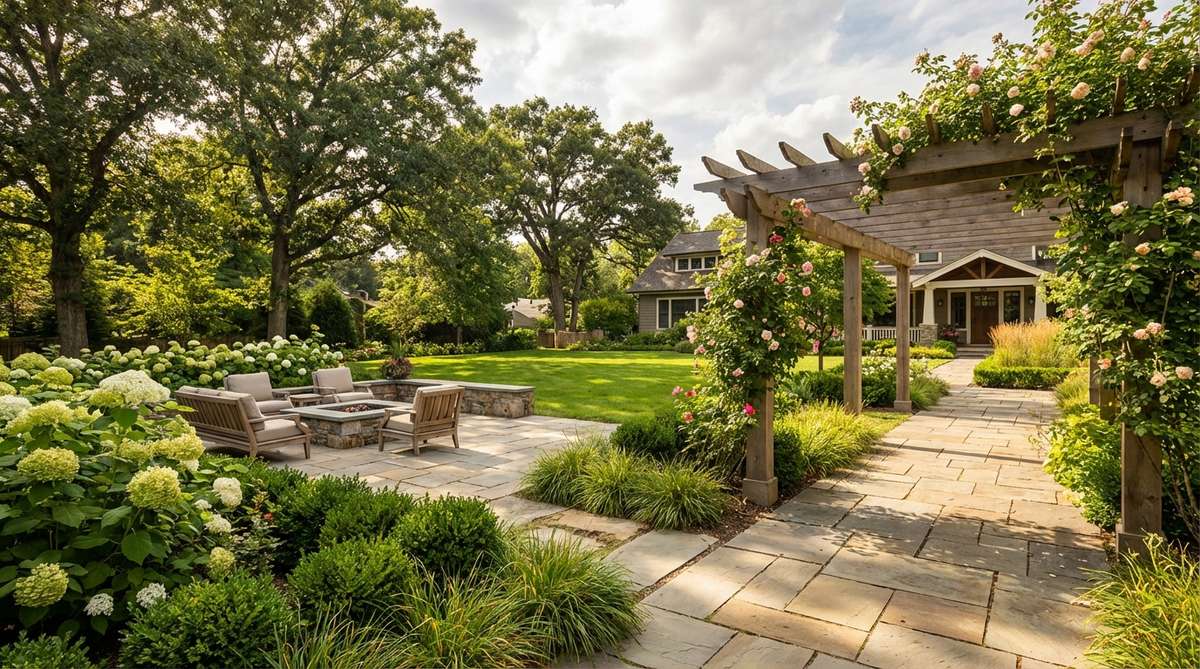
Natural bamboo rolls attached to fence backing create instant tropical screening. The vertical lines complement planted bamboo while concealing modern fencing.
Secure screening with stainless steel wire or zip ties resistant to weather degradation. Replace panels every 5-7 years as natural materials weather.
Layer planted climbers over bamboo screening for integrated appearance. The double screening approach provides immediate privacy while plants establish.
57. Thatched Roof Structures
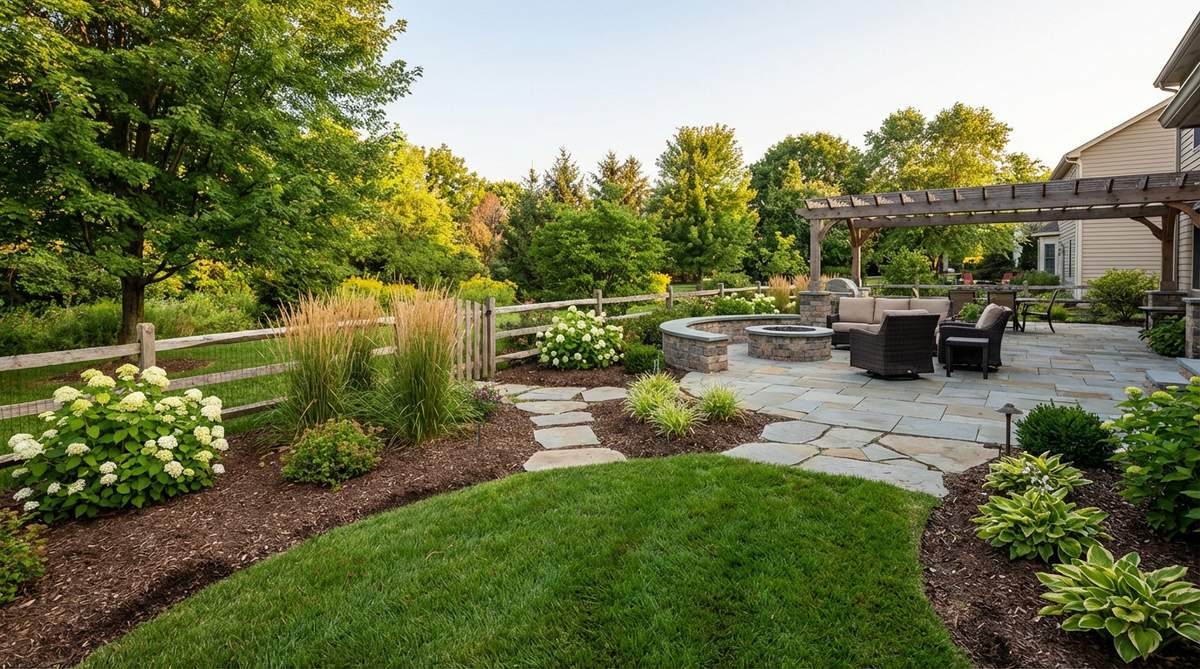
Small pavilions or shed roofs covered with reed or synthetic thatch reinforce tropical themes. The natural materials blend visually with surrounding plantings.
Apply thatch materials over conventional felt roofing for weather protection. Synthetic options last longer than natural reeds while maintaining authentic appearance.
Position thatched structures as destination points within jungle gardens. Add rustic seating and lanterns to create functional retreat spaces.
58. Natural Stone Boulders
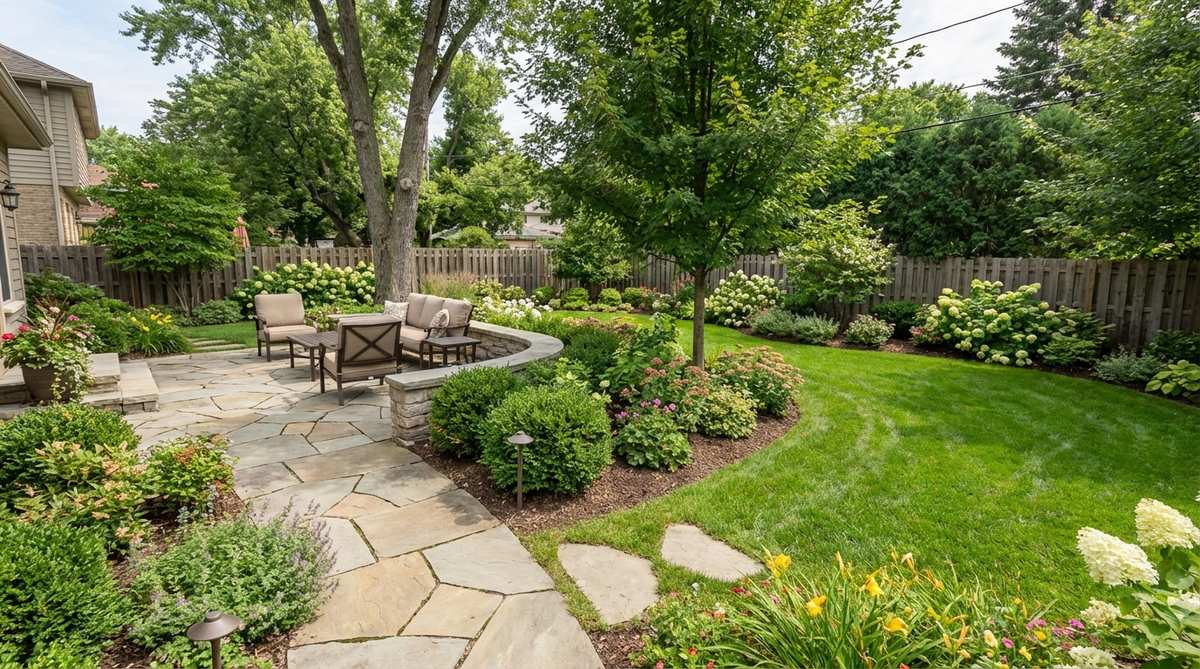
Large weathered boulders positioned throughout plantings suggest natural rock outcrops. The permanent elements add textural contrast and planting elevation changes.
Bury boulders one-third to one-half depth for stable, naturalistic appearance. Cluster multiple stones of varying sizes rather than scattering uniformly.
Plant crevices between grouped boulders with ferns and sedums. Encourage moss growth by coating stones with diluted buttermilk or yogurt.
59. Reclaimed Wood Structures
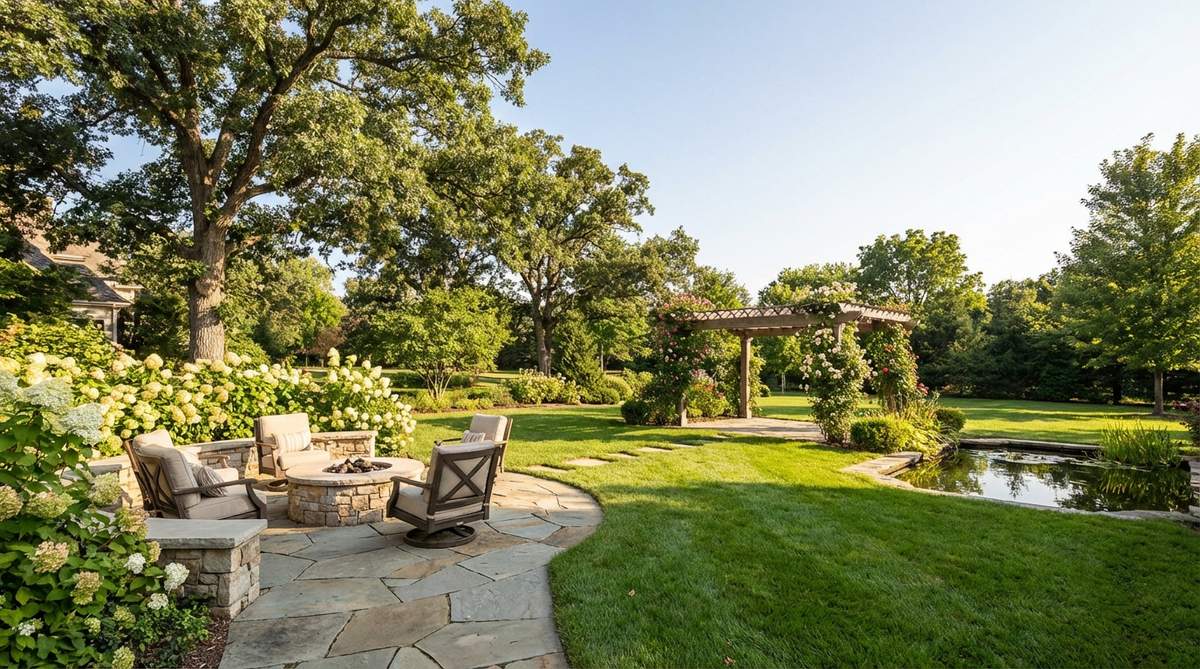
Weathered lumber constructed into arbors, pergolas, or raised bed edging adds rustic character appropriate to jungle settings. The aged appearance suggests established gardens.
Source reclaimed materials from salvage yards or deconstruction sites. Check for treated lumber unsuitable for garden contact applications.
Allow natural weathering and moss development rather than applying stains or sealers. The organic aging process integrates structures into planted surroundings.
50. Decorative Lighting Elements
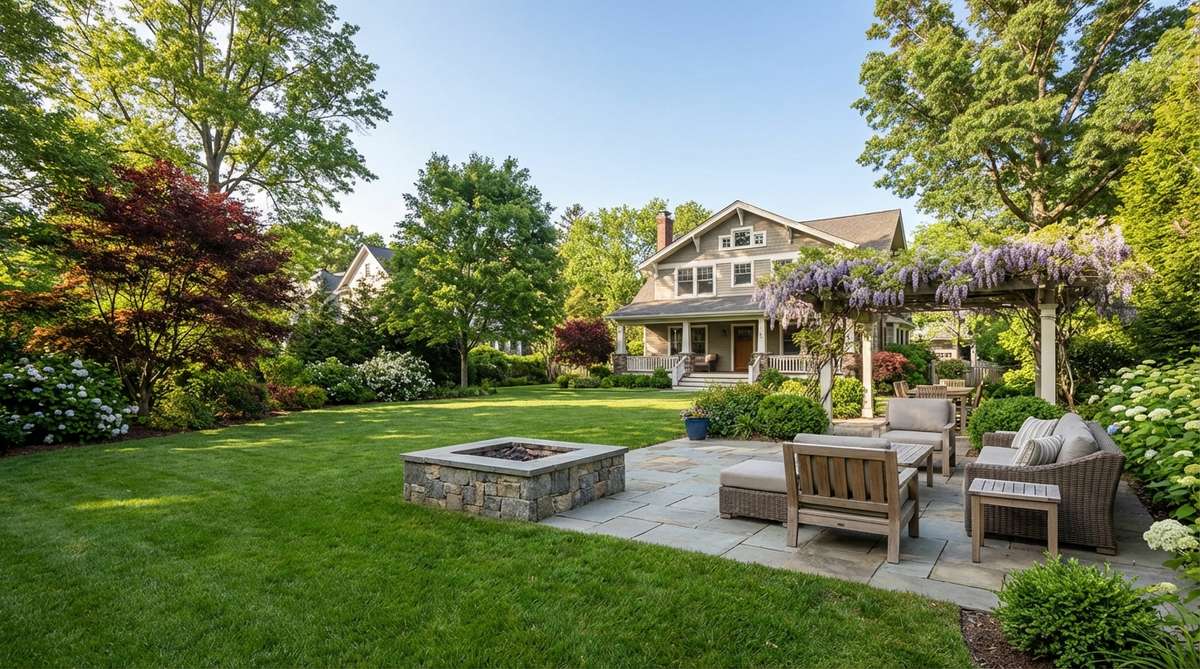
Lanterns, tiki torches, and string lights extend jungle garden enjoyment into evening hours. Warm amber lighting maintains mysterious ambiance better than bright white sources.
Position uplights at base of key specimen plants to cast dramatic shadows on surrounding foliage. The night perspective reveals different garden character than daylight views.
Use solar-powered options to avoid visible wiring throughout plantings. Concentrate lighting at seating areas and along primary pathways for safety.
Bringing Your Jungle Vision to Life
These 50 design strategies demonstrate how layered planting, bold foliage selections, and strategic hardscaping transform conventional gardens into jungle gardens with authentic wild character. Start with foundational canopy plants, build mid-tier density, and complete ground layers before adding accent elements like water features and lighting. The most convincing jungle aesthetics develop through close spacing, textural variety, and patience as plants mature into cohesive compositions. Begin your transformation today by selecting three ideas from different categories to implement this season, then expand your wild oasis annually as confidence and plant knowledge grow.
Frequently Asked Questions
What climate zones work best for jungle garden designs?
Jungle gardens adapt to zones 5-11 by adjusting plant selections to match regional hardiness. Cold climate versions emphasize hardy exotics like Tetrapanax, Paulownia, and tree ferns that survive winters with protection, while warm zones incorporate true tropicals like Strelitzia and Hedychium year-round. The layered structure and dense planting approach translates across all climates when designers select regionally appropriate species with bold foliage characteristics.
How much maintenance do jungle gardens require?
Established jungle gardens require less maintenance than traditional perennial borders because dense planting suppresses weeds and retains soil moisture naturally. Initial establishment demands consistent watering and mulching for two years, but mature plantings become largely self-sustaining except for annual cutbacks of herbaceous species, seasonal fertilization, and periodic thinning of aggressive spreaders. The wild aesthetic tolerates imperfection better than formal styles.
Can small urban spaces support jungle garden aesthetics?
Compact gardens and even balconies accommodate jungle styling through container plantings, vertical wall gardens, and carefully selected dwarf species. Focus on creating one well-developed viewing angle with layered container heights, bold-leafed specimens like Fatsia or Colocasia, and climbing plants trained on trellises to maximize vertical space. Even 6×8 foot areas read as lush jungle environments when properly planted and viewed from single primary perspective.
What are the best starter plants for beginning jungle gardeners?
New jungle gardeners should begin with bulletproof hardy exotics like Trachycarpus fortunei palms, Fatsia japonica, Hakonechloa grass, and autumn ferns that establish reliably with minimal expertise. Add Canna and Colocasia as confidence grows, treating them as annuals in cold climates until mastering overwintering techniques. These foundational species tolerate beginner mistakes while delivering immediate tropical impact, building skills before investing in rare or finicky specimens.
How do I prevent jungle gardens from looking messy or overgrown?
Intentional jungle aesthetics differ from neglect through deliberate plant placement, maintained pathways, and selective editing. Establish clear circulation routes with defined edging, remove truly dead or diseased material promptly, and thin crowded areas to maintain individual plant definition. The key distinction lies in controlled chaos—allowing plants to intermingle naturally while preventing any single species from dominating or pathway edges from disappearing entirely.