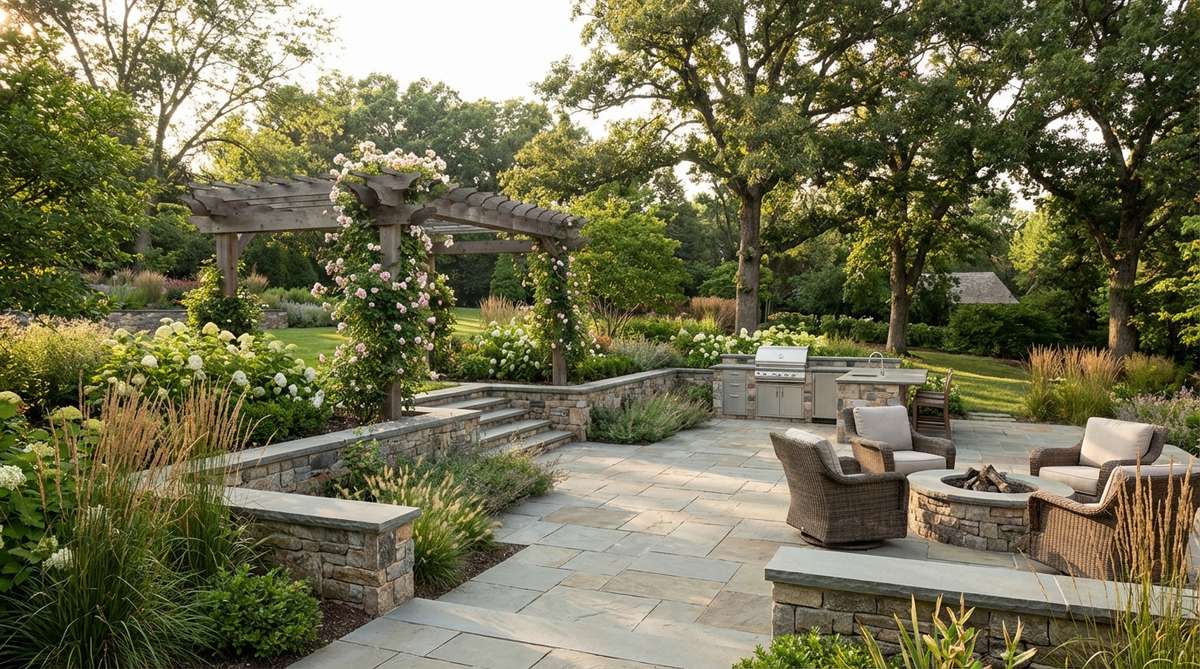
Garden decoration extends beyond simple ornamentation to shape spatial experiences and define outdoor living character. Landscape architects combine structural elements, living materials, and decorative accents to create layered environments that serve functional and aesthetic purposes. Fresh Garden Ideas presents expert-level concepts that integrate design principles with practical application for American homeowners seeking elevated outdoor spaces.
Design SnapshotKey Principles
- Spatial Hierarchy: Layered zones create depth through vertical elements, ground planes, and overhead structures that guide movement and viewing sequences
- Material Continuity: Repeating textures and finishes across hardscape and decor accessories unifies disparate garden areas into cohesive outdoor rooms
- Biophilic Integration: Living and constructed elements blend through strategic placement where structures support plant growth and decorative features enhance ecological function
- Seasonal Transition: Permanent decorative frameworks maintain visual interest during dormant periods while accommodating seasonal plantings and rotating accent pieces
Structural Garden Decor Outdoor Frameworks
Architectural elements provide permanent bones that organize garden spaces and support seasonal plantings. These structures define spatial boundaries while creating vertical interest year-round.
1. Pergola Columns with Climbing Framework
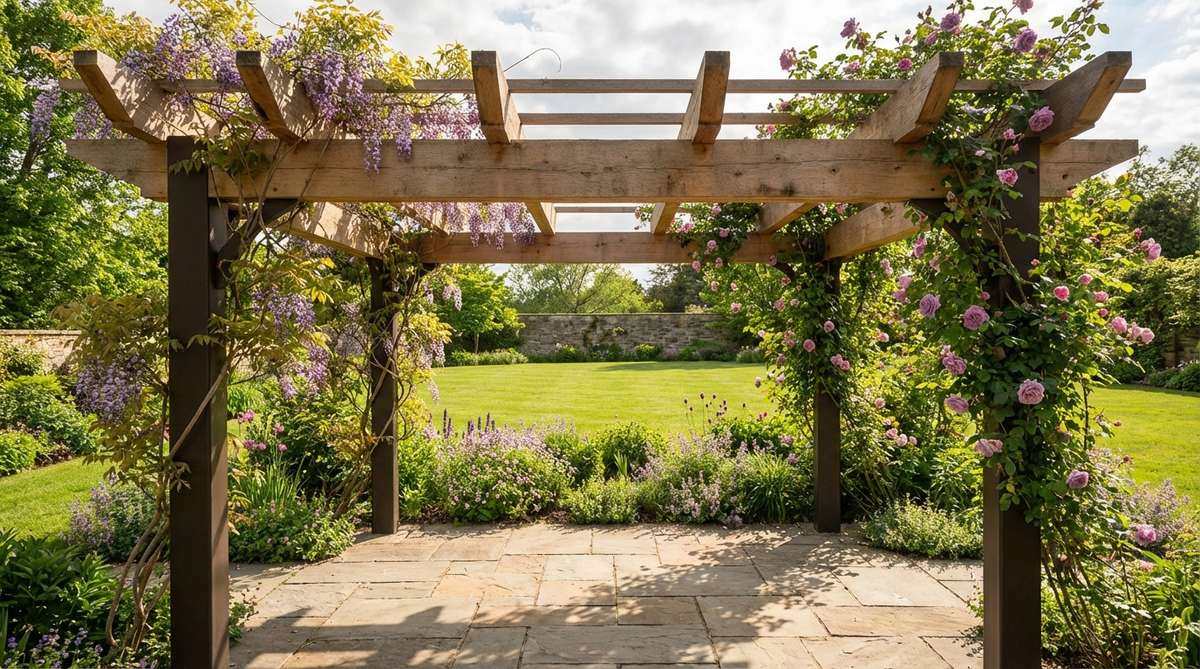
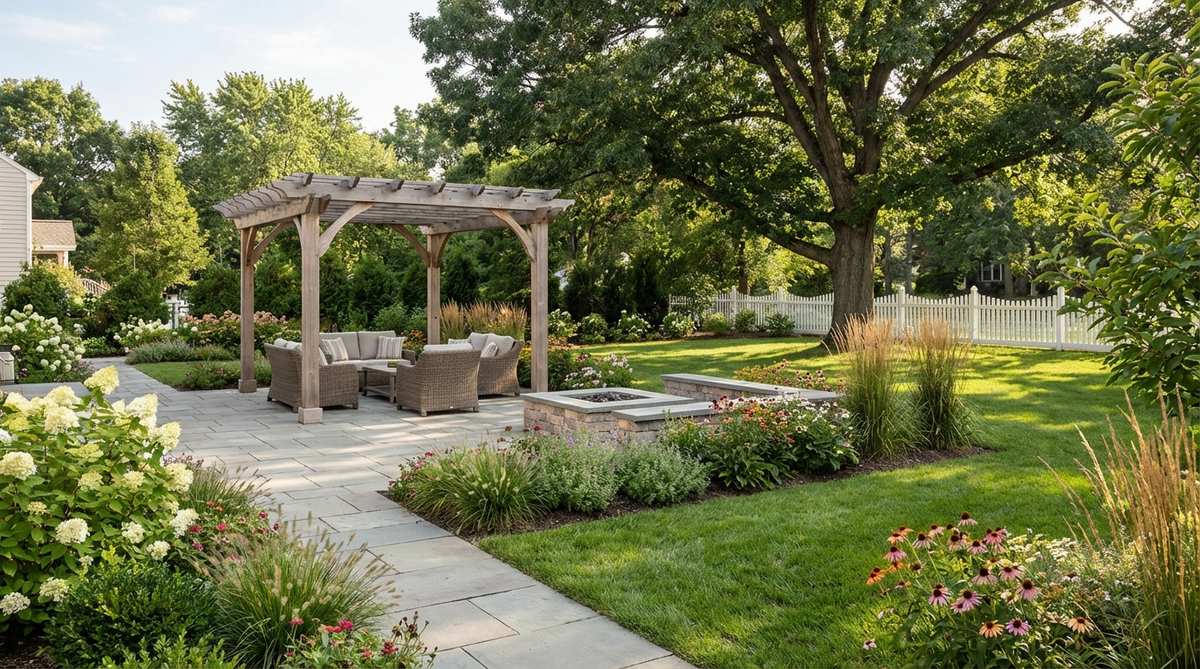
Freestanding pergolas anchor outdoor rooms through vertical posts and overhead beams that filter sunlight into dappled patterns. Cedar or powder-coated aluminum columns withstand weather while supporting wisteria, clematis, or grape vines.
Position pergolas to frame sight lines toward focal points or define transitions between garden zones. Install cross-beams at 16-inch intervals for optimal vine coverage and structural shade distribution.
The overhead structure reduces harsh midday sun by 40-50% while maintaining air circulation beneath. Anchor posts in concrete footings extending below frost line for multi-decade stability.
2. Garden Arbor Entryways
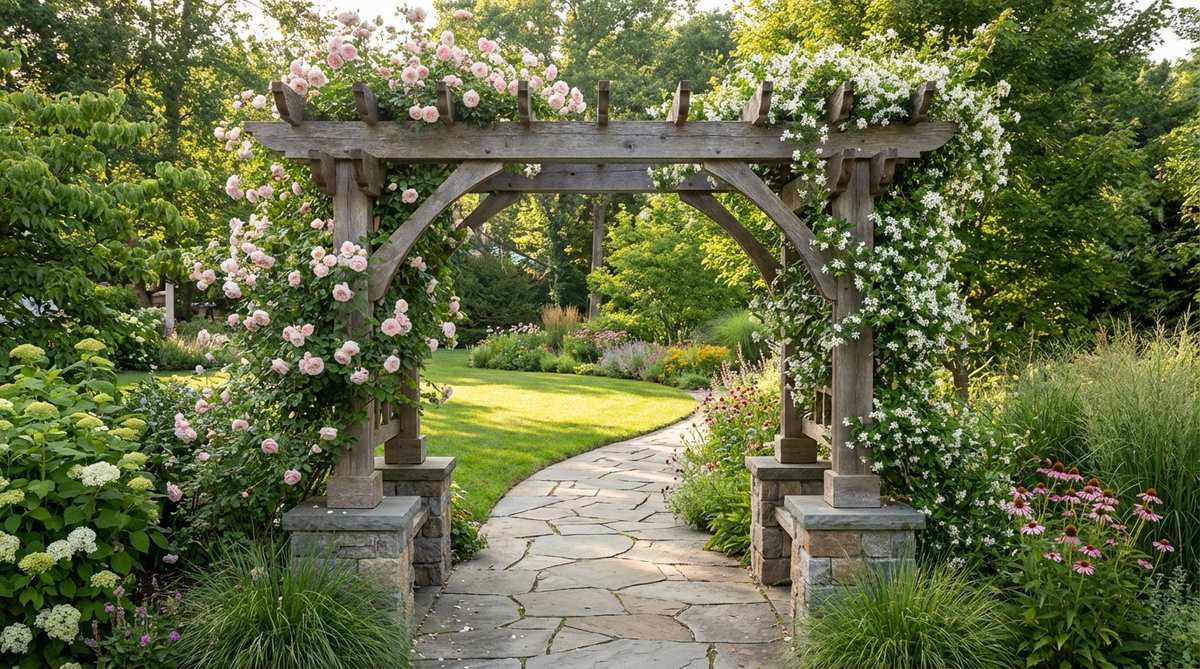
Arched arbors signal threshold moments where one garden area yields to another. Timber or metal frames create vertical gateways that direct foot traffic and frame views.
Designers place arbors at path intersections or property boundaries to establish ceremonial entry sequences. Train climbing roses or jasmine to soften architectural lines with fragrant blooms.
3. Trellis Wall Systems
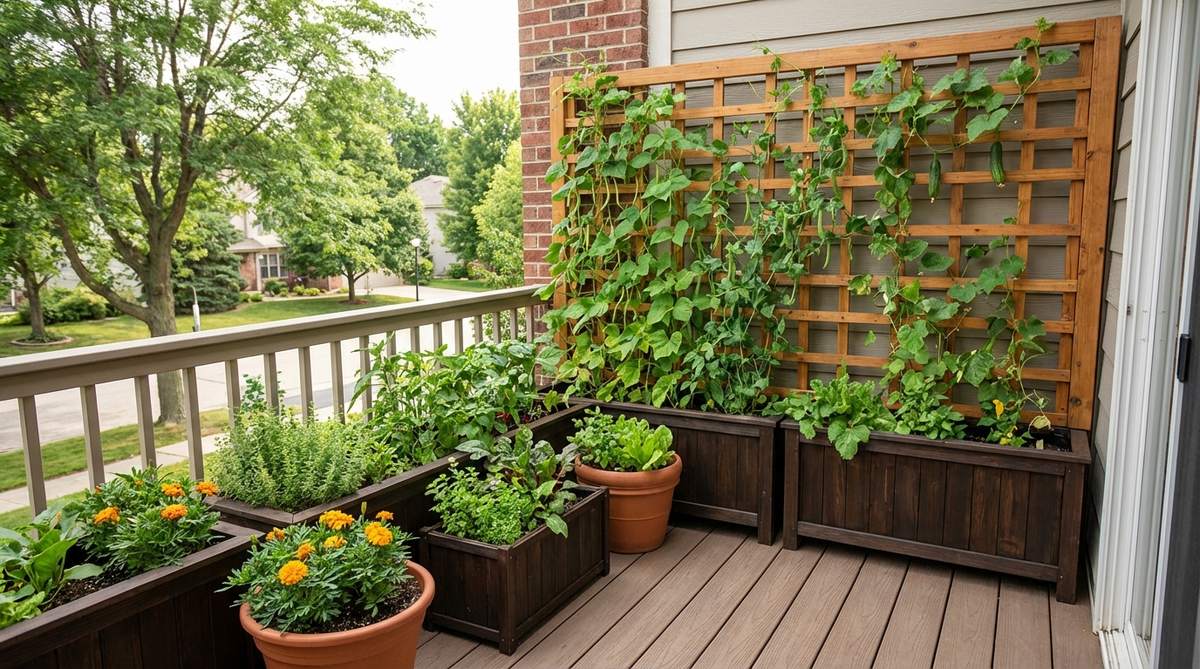
Attached trellis panels transform blank walls into living facades. Grid patterns in wood or vinyl-coated steel provide climbing support while adding three-dimensional texture to flat surfaces.
Mount panels 4-6 inches from wall surfaces to allow air circulation behind foliage and prevent moisture damage. Select diamond, square, or fan patterns to complement architectural style.
4. Geometric Obelisk Structures
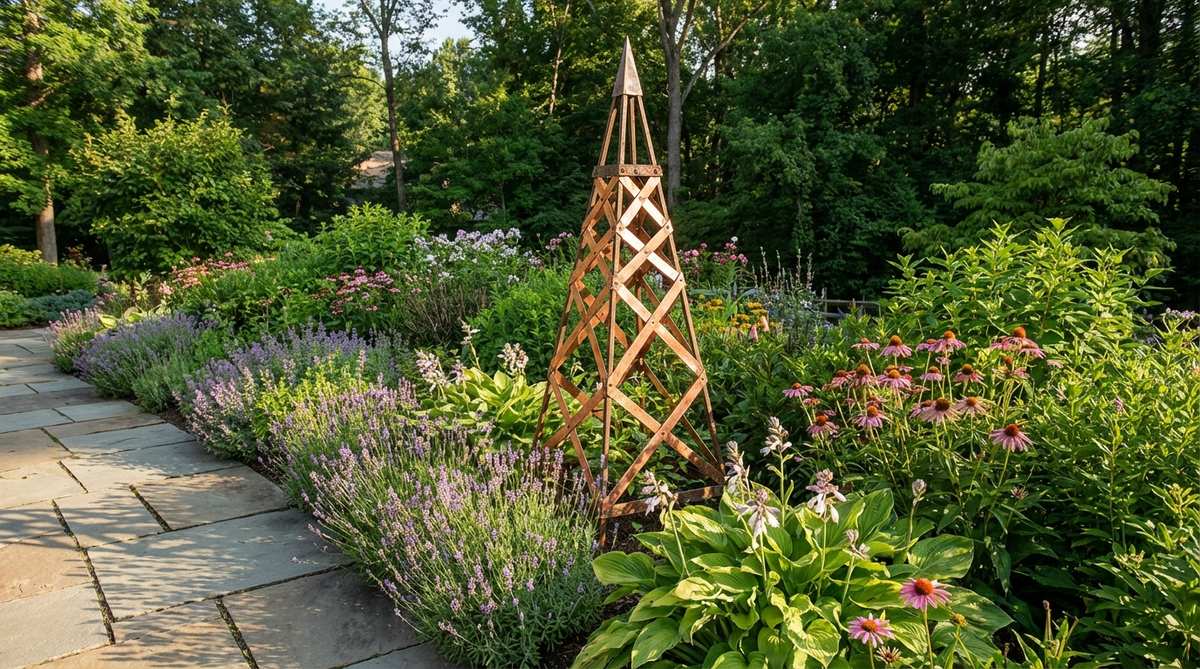
Pyramidal obelisks introduce vertical drama in perennial beds or container groupings. Tapered forms draw eyes upward while occupying minimal ground space.
Position obelisks as repeating elements along borders to establish rhythm and visual continuity. Use copper, wrought iron, or sustainably harvested bamboo to match garden aesthetic.
5. Open Pavilion Structures
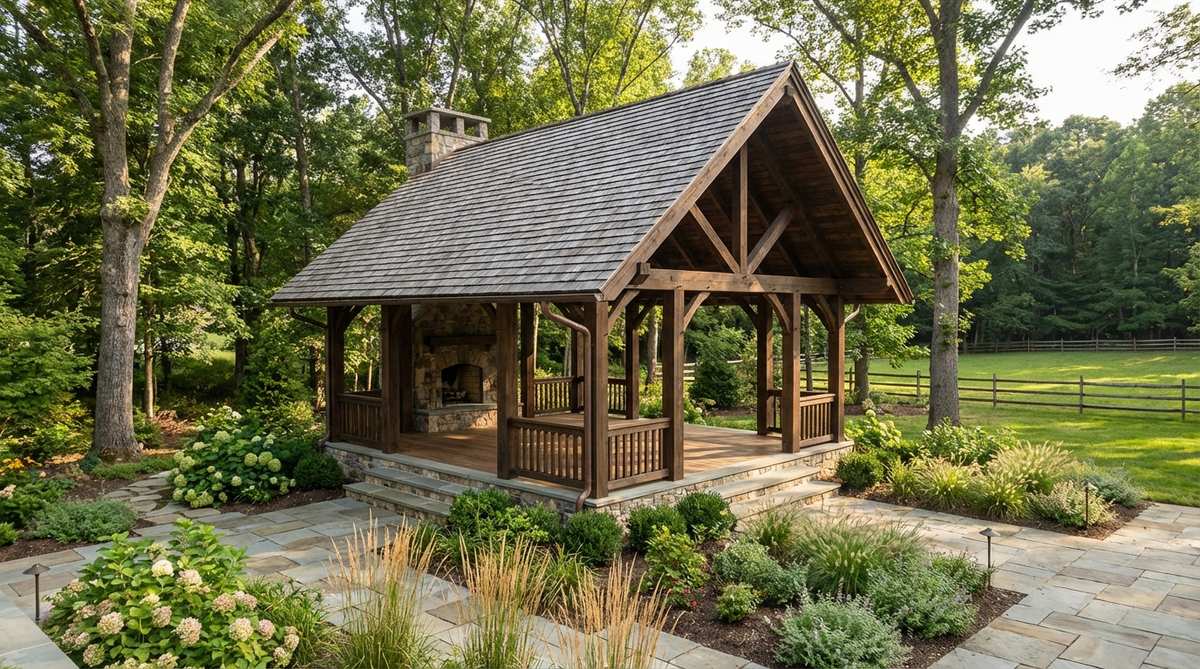
Garden pavilions with open sides create sheltered gathering spaces that maintain visual connection to surrounding landscapes. Post-and-beam construction using weather-resistant hardwoods or engineered lumber provides decades of service.
Install pavilions on elevated platforms for drainage and to define outdoor rooms distinct from ground-level plantings. Roof pitches at 4:12 or steeper shed precipitation while allowing taller guests to stand comfortably beneath.
Vertical Garden Decoration Elements
Vertical surfaces multiply planting opportunities in compact spaces while adding sculptural dimension. Wall-mounted and freestanding systems transform underutilized vertical planes into productive and decorative features.
6. Modular Living Wall Panels
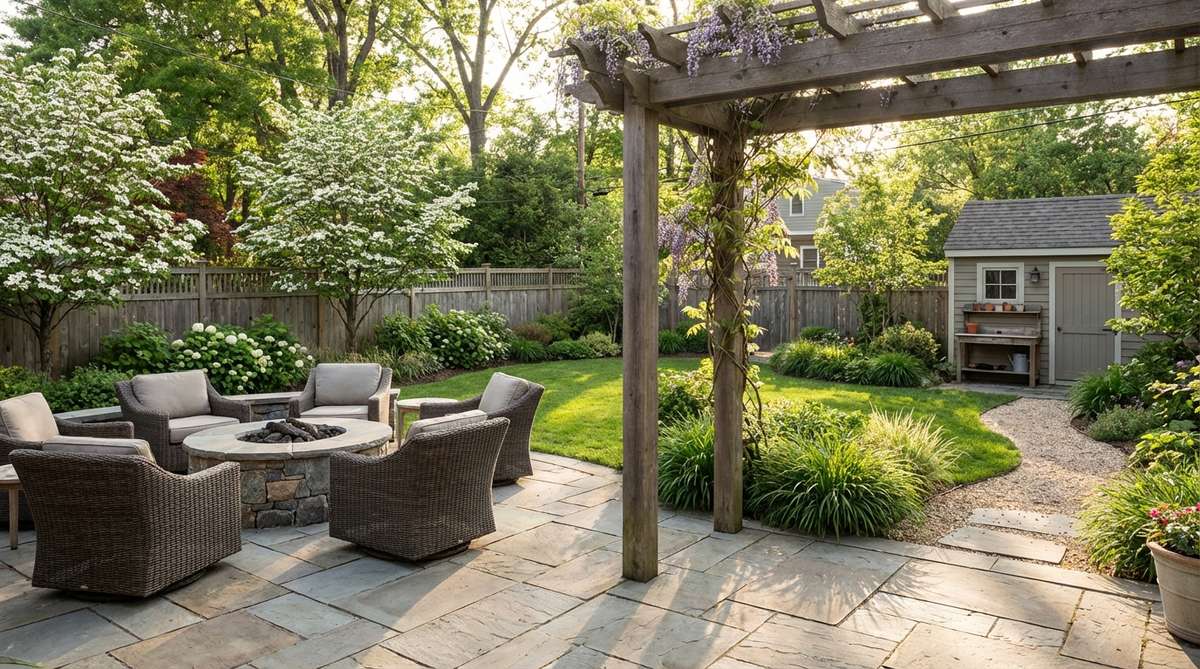
Prefabricated panel systems with integrated irrigation hold shallow-rooted plants in vertical orientation. Sedums, ferns, and trailing species create tapestries of texture against walls or fencing.
Install panels on structures receiving 4-6 hours of appropriate light exposure. Drip irrigation on timers maintains consistent moisture without manual watering.
Living walls reduce ambient temperature near structures by 5-10 degrees through evapotranspiration. Select drought-tolerant species for lower water consumption and reduced maintenance.
7. Espaliered Fruit Tree Frameworks
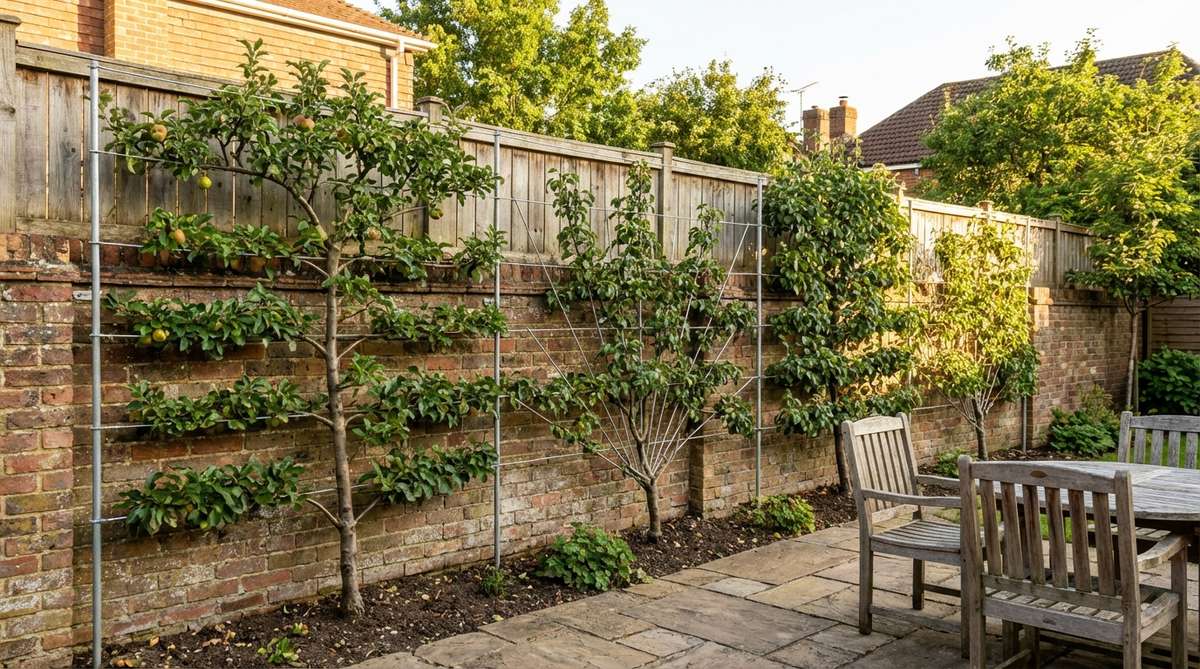
Wire frameworks train fruit trees into flat, two-dimensional forms against walls or fences. Horizontal cordons or fan patterns maximize fruit production in narrow spaces.
Attach galvanized wire at 12-18 inch intervals to create growth tiers. Prune annually to maintain desired form and encourage fruiting spur development.
8. Hanging Basket Arrays
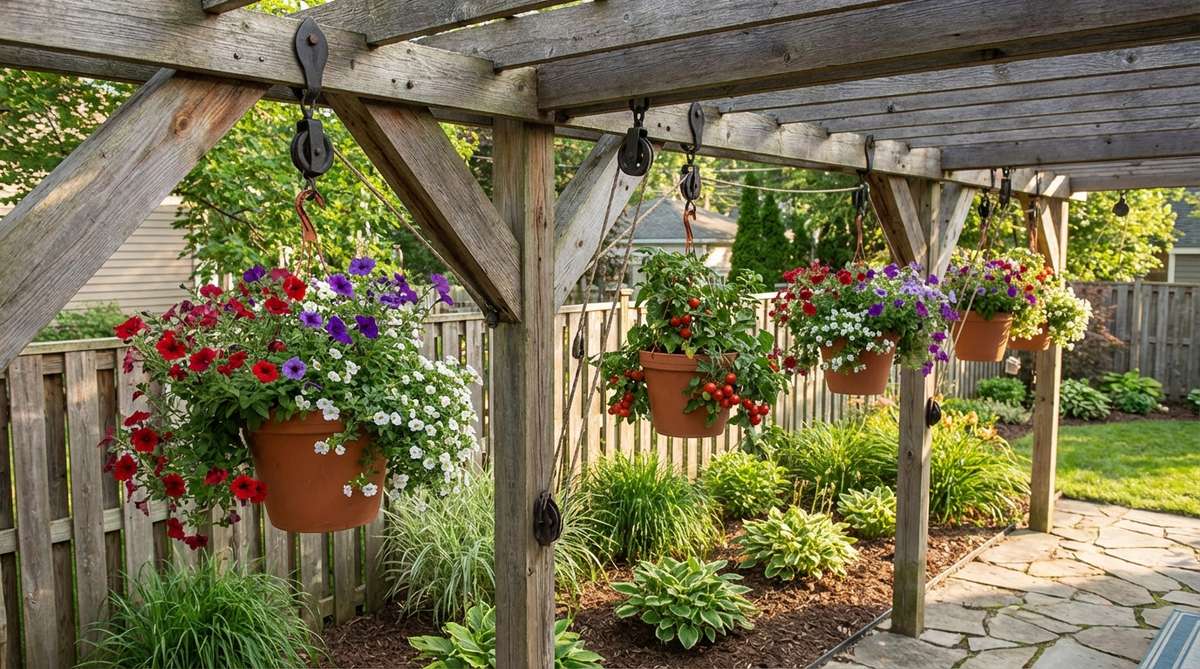
Suspended baskets at varied heights create floating garden layers. Designers group odd numbers in triangular arrangements for dynamic visual impact.
Use swivel hooks rated for wet soil weight plus 50% safety margin. Select self-watering basket designs or install drip systems to maintain consistent moisture during peak growth.
9. Vertical Pallet Gardens
Reclaimed shipping pallets mounted vertically provide rustic planting pockets for herbs and succulents. Landscape fabric stapled to rear and bottom surfaces retains soil while allowing drainage.
Treat untreated pallets with eco-friendly wood preservative or select heat-treated (HT) stamped pallets. Position pockets at slight upward angles to prevent soil washout.
10. Green Screen Fencing
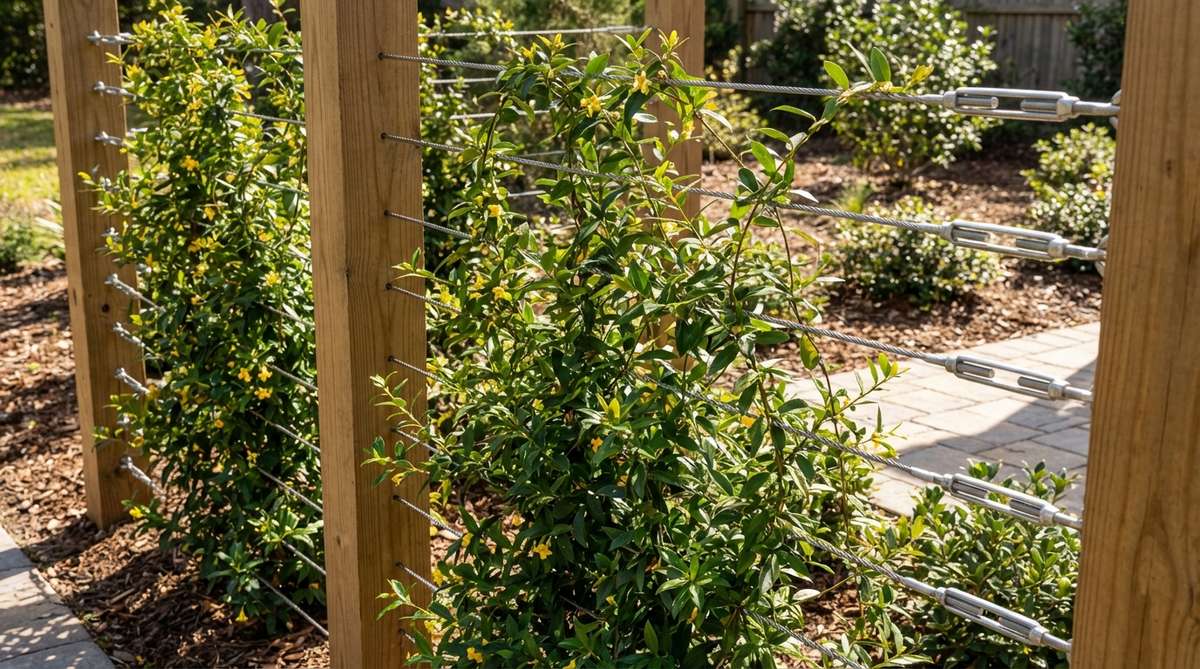
Cable or mesh systems stretched between posts create invisible support for screening plants. Evergreen climbers like Carolina jessamine or evergreen clematis maintain year-round privacy.
Space horizontal cables at 12-inch intervals using turnbuckles for tension adjustment. Stainless steel aircraft cable resists corrosion in humid climates.
Water Features as Outdoor Garden Decor
Moving and still water introduces auditory dimension while attracting wildlife and creating focal points. Contemporary water features range from formal fountains to naturalistic streams that enhance sensory experience.
11. Tiered Fountain Centerpieces
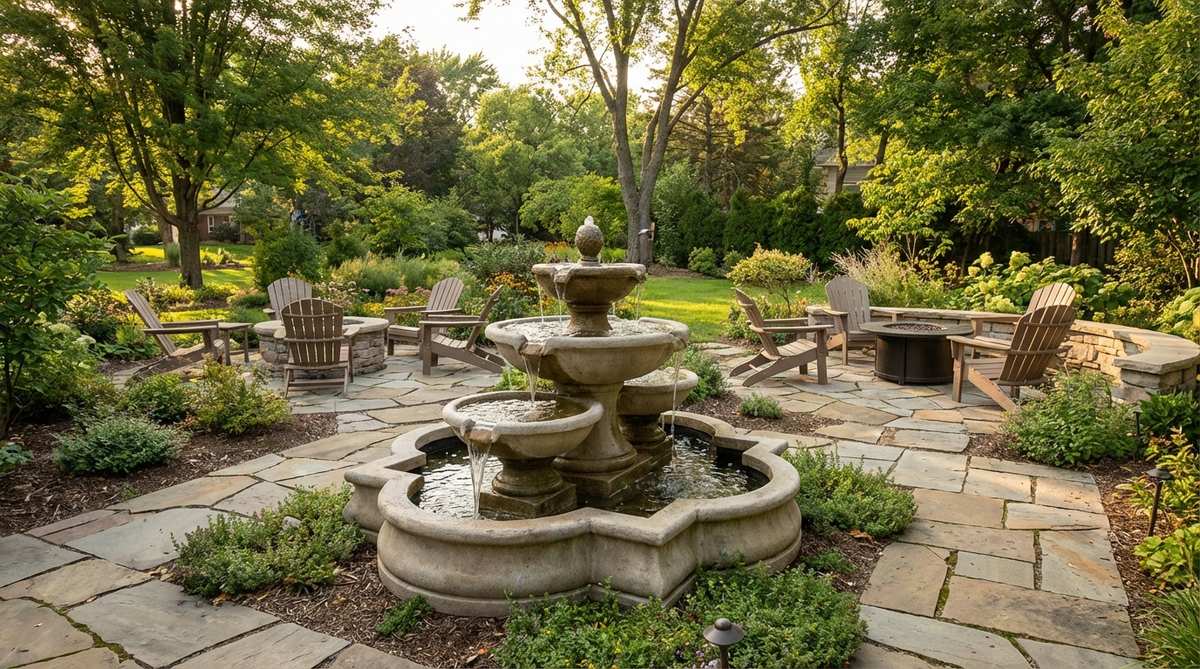
Multi-level fountains with cascading basins generate white noise that masks urban sound pollution. Cast stone, concrete, or glazed ceramic materials withstand freeze-thaw cycles in northern climates.
Position fountains where water sound reaches primary seating areas. Recirculating pumps rated at 200-400 GPH provide adequate flow for medium-sized features while minimizing energy consumption.
Winter operation in frost-prone areas requires heated reservoirs or complete drainage. Solar-powered pump options eliminate electrical wiring in remote garden locations.
12. Pondless Waterfall Systems
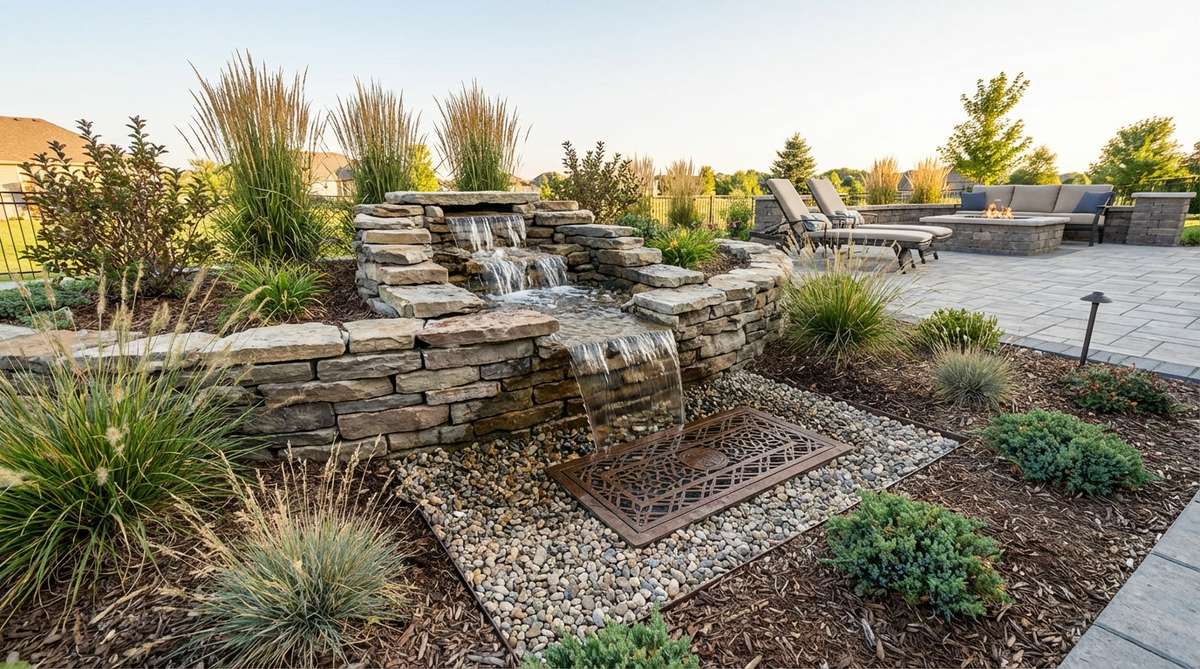
Recirculating waterfalls without exposed basins reduce drowning hazards and maintenance demands. Water flows over stacked stone before disappearing into subsurface reservoirs filled with support matrix.
Excavate reservoir basins 18-24 inches deep and line with commercial-grade pond liner. Pump vaults accessed through decorative grates allow cleaning without dismantling stonework.
13. Reflecting Pool Installations
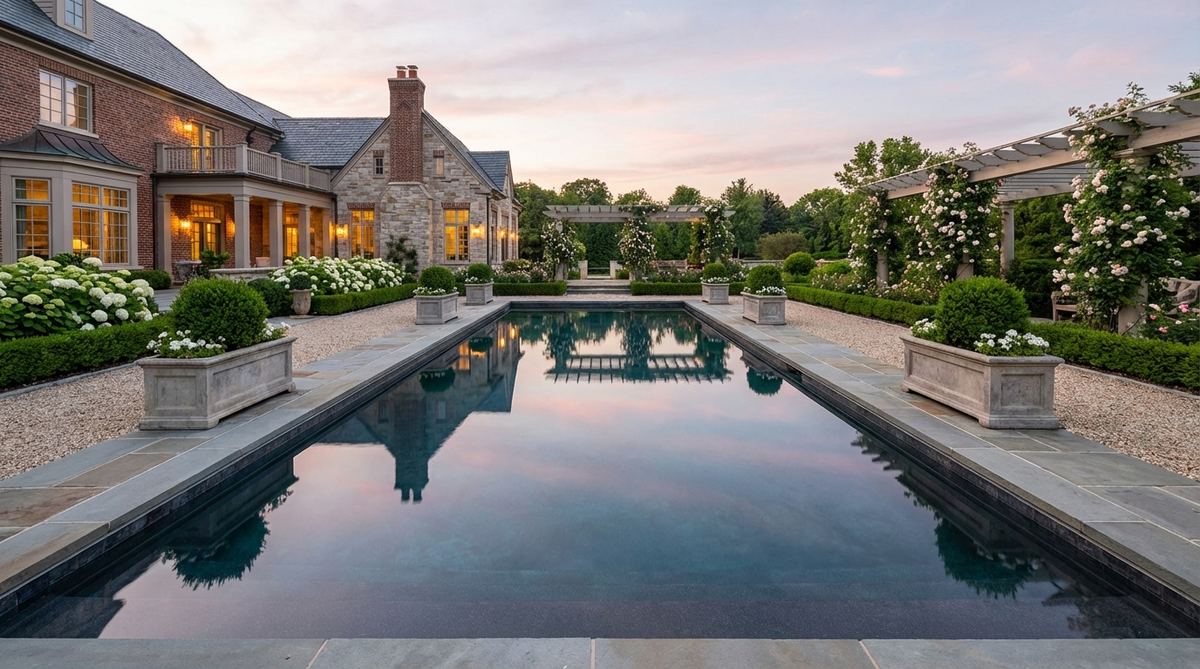
Shallow pools with dark interiors mirror sky and surrounding architecture. Still water creates contemplative atmosphere in formal garden settings.
Maintain water depth at 6-12 inches for optimal reflection without excessive volume. Black or deep charcoal pool finishes enhance reflective qualities and minimize algae visibility.
14. Bubbling Rock Features
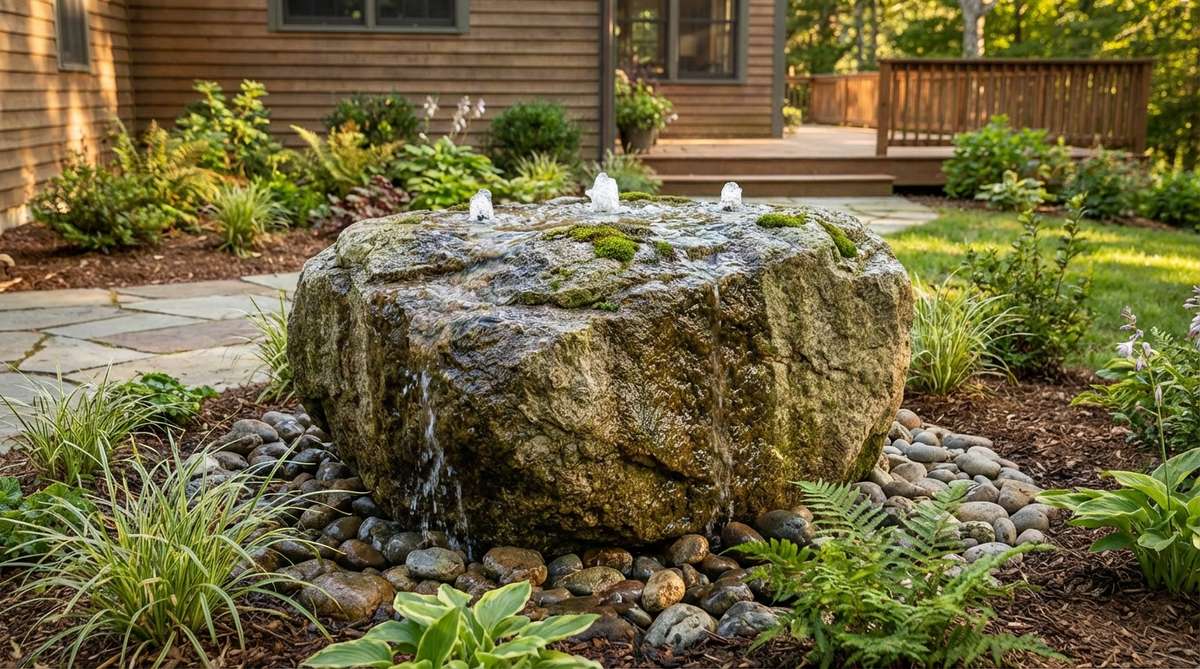
Natural boulders drilled and fitted with submersible pumps create simple water movement. Water wells from stone tops and flows over textured surfaces.
Select dense, non-porous stone like granite or basalt that withstands continuous water exposure. Drill vertical channels 1.5-2 inches diameter through boulder centers using diamond core bits.
15. Wall-Mounted Water Spouts
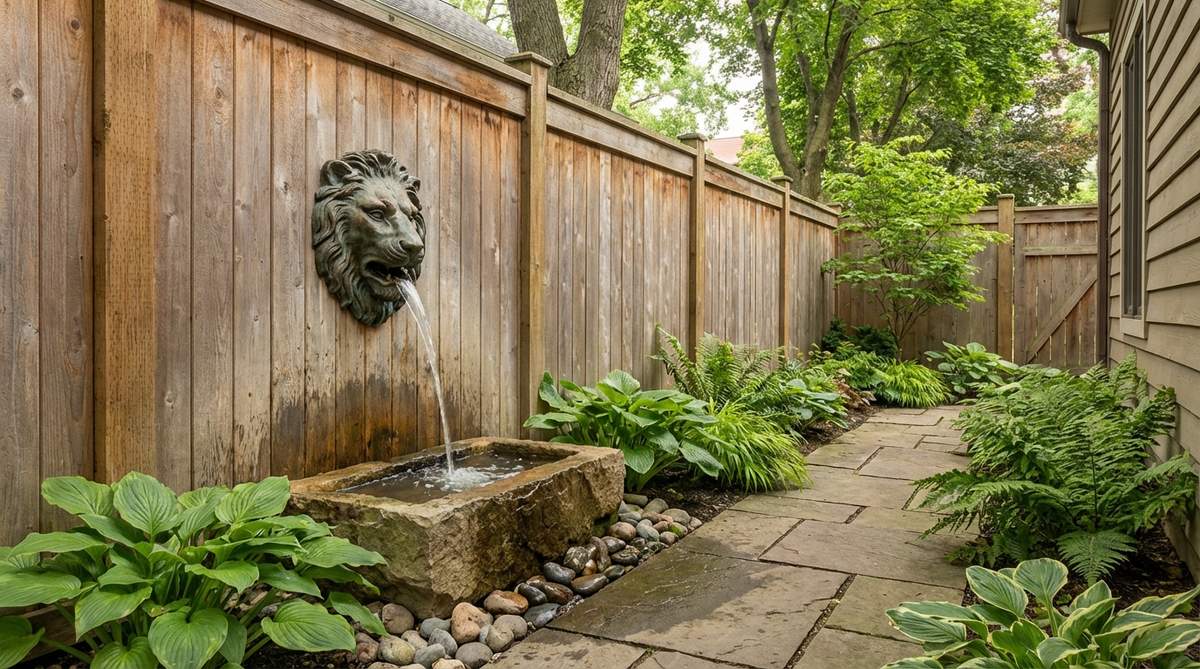
Architectural spouts attached to vertical surfaces deliver water into catch basins or disappearing reservoirs. Bronze, copper, or cast stone spout designs complement various architectural styles.
Install spouts at 30-36 inches above water surface to minimize splash while maintaining audible flow. Copper develops natural patina over time that requires no maintenance.
Garden Decor AccessoriesArtistic Focal Points
Sculpture and ornamental objects anchor sight lines and express personal aesthetic. Strategic placement transforms functional gardens into curated outdoor galleries.
16. Contemporary Metal Sculpture
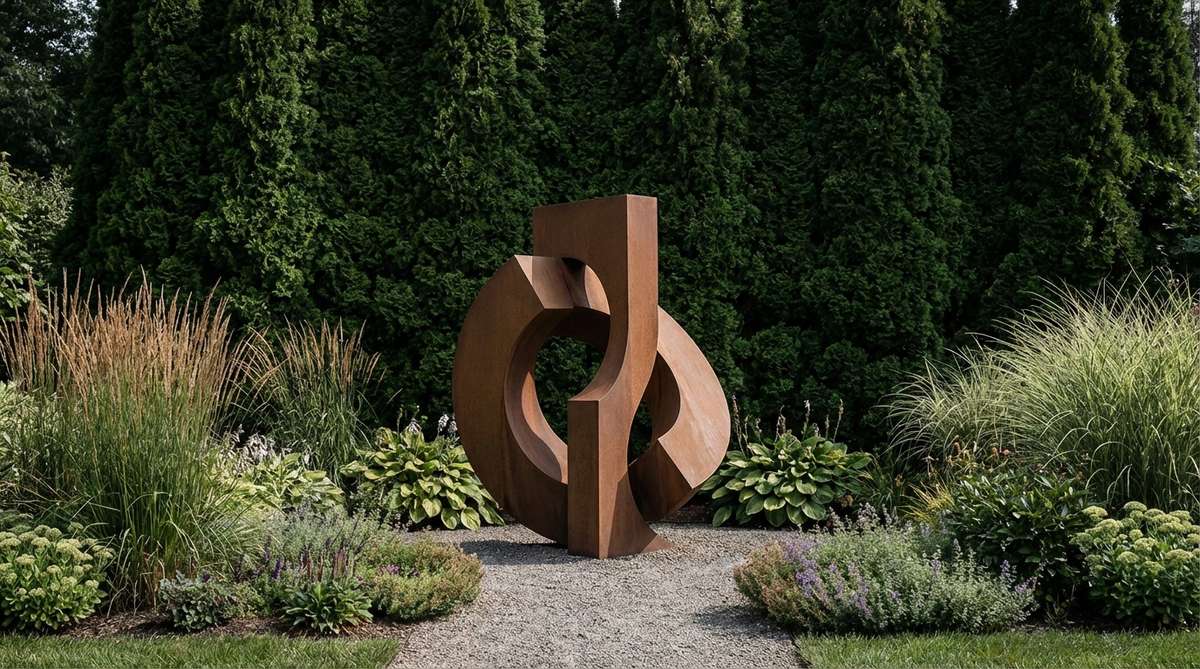
Abstract forms in weathering steel or powder-coated aluminum introduce modern artistic elements. Geometric or organic shapes contrast with soft plant forms.
Position sculpture against contrasting backgrounds like evergreen hedges or open sky. Scale pieces proportionally to surrounding spaces, allocating 18-24 inches of clearance per viewing side.
Weathering steel develops stable rust patina that protects underlying metal. Initial rust runoff may stain adjacent paving during first 6-12 months of exposure.
17. Classical Stone Statuary
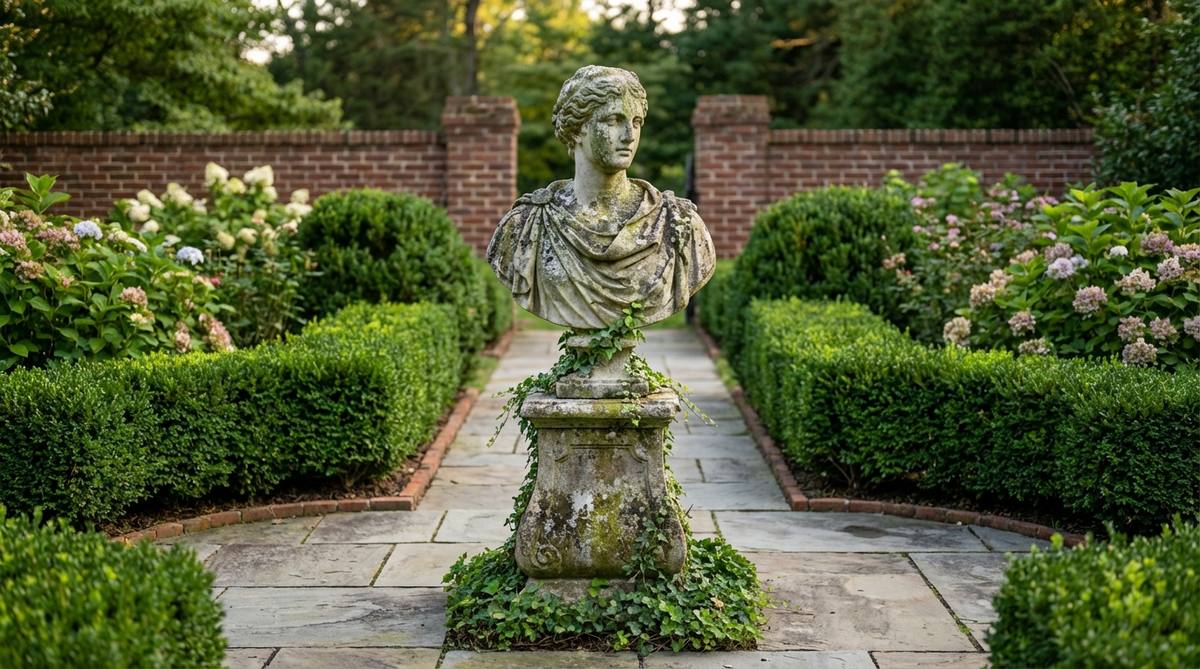
Figurative or architectural reproductions in cast stone or marble provide traditional focal points. Greek and Roman-inspired forms suit formal garden layouts.
Anchor heavy statuary on reinforced bases at path terminals or courtyard centers. Limestone and marble develop moss and lichen growth in humid climates that enhances aged appearance.
18. Gazing Globe Clusters
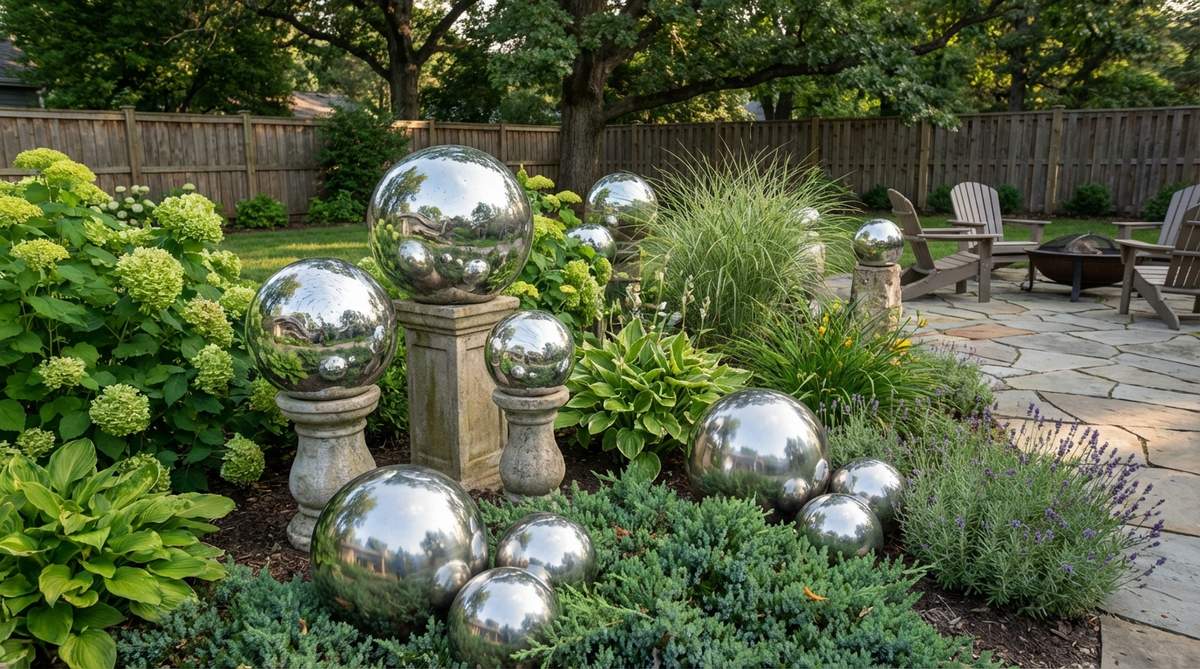
Reflective spheres in varied sizes create kinetic visual interest as they capture and distort garden views. Traditional mirrored glass or contemporary stainless steel finishes available.
Display globes on pedestals or nestle in low plantings where they reflect foliage. Group odd numbers in triangular arrangements for balanced composition.
19. Decorative Obelisk Finials
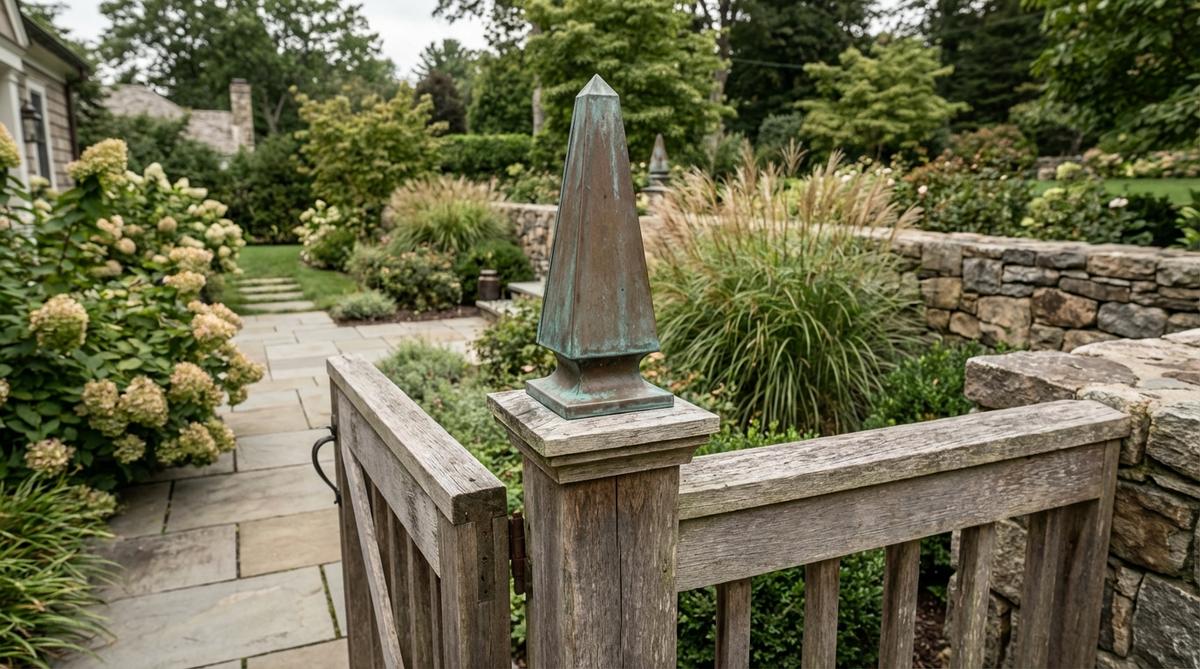
Ornamental caps and finials atop posts or pillars add verticality at entry points. Materials include copper, zinc, cast iron, or carved wood.
Install finials on gate posts, fence corners, or freestanding pillars to define property boundaries. Heights of 4-6 feet above grade establish presence without overwhelming adjacent plantings.
20. Wind Sculpture Kinetics
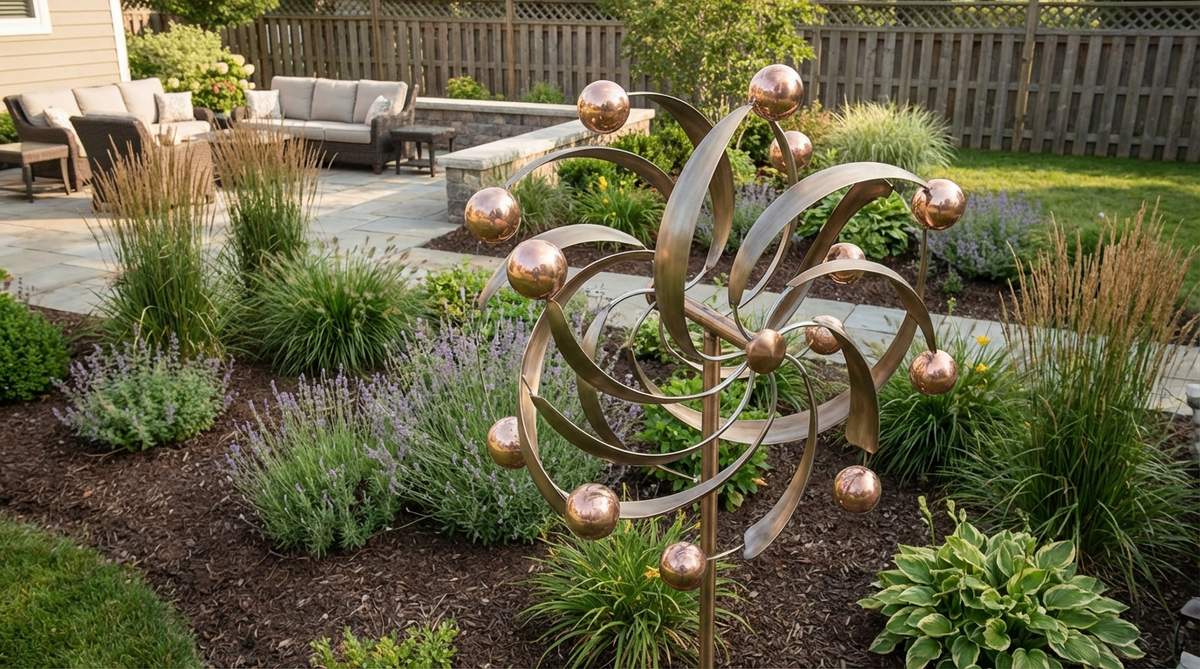
Rotating or oscillating elements respond to air movement with visual motion. Balanced metal arms, spinning orbs, or fabric banners animate static garden beds.
Position kinetic pieces where prevailing winds ensure regular activation. Ball-bearing pivots require annual lubrication for smooth rotation and extended lifespan.
21. Garden Mirror Installations
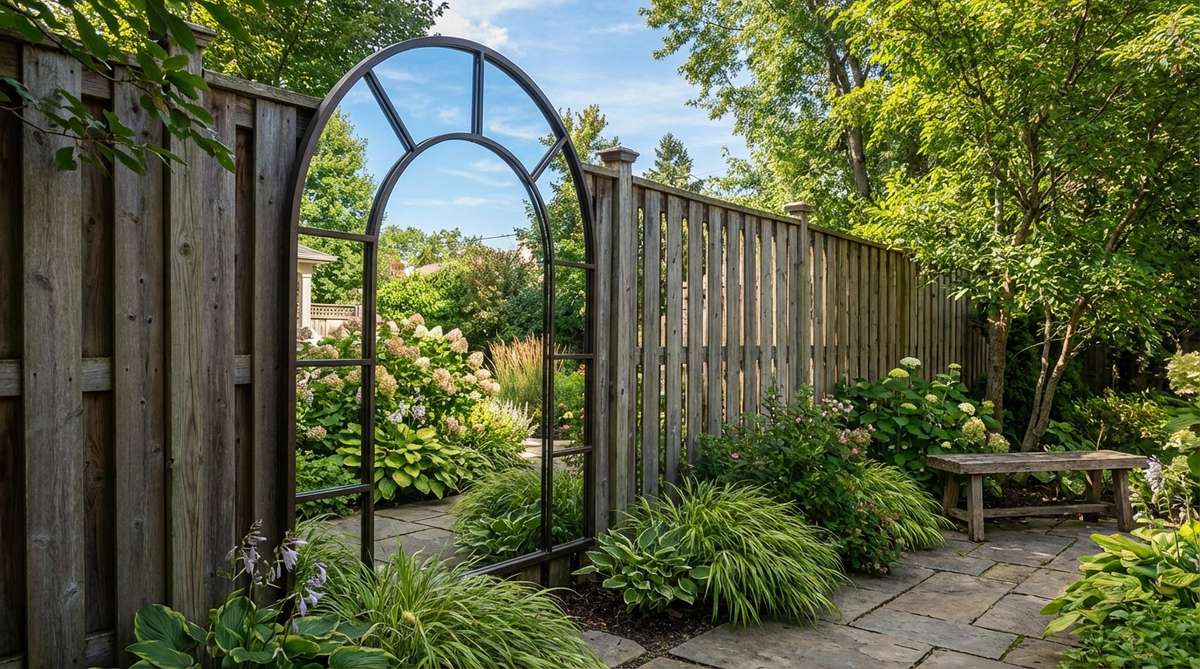
Weather-resistant mirrors mounted on walls or fences create illusory depth and reflect desirable views. Arched or window-shaped frames suggest garden extensions beyond actual boundaries.
Angle mirrors to reflect sky, water, or prime plantings rather than mundane views. Acrylic mirrors withstand impact better than glass while maintaining clarity.
Lighting Garden Decor Ideas
Illumination extends garden enjoyment into evening hours while highlighting architectural features and prized specimens. Layered lighting creates depth and establishes nighttime hierarchy.
22. Uplighting Specimen Trees
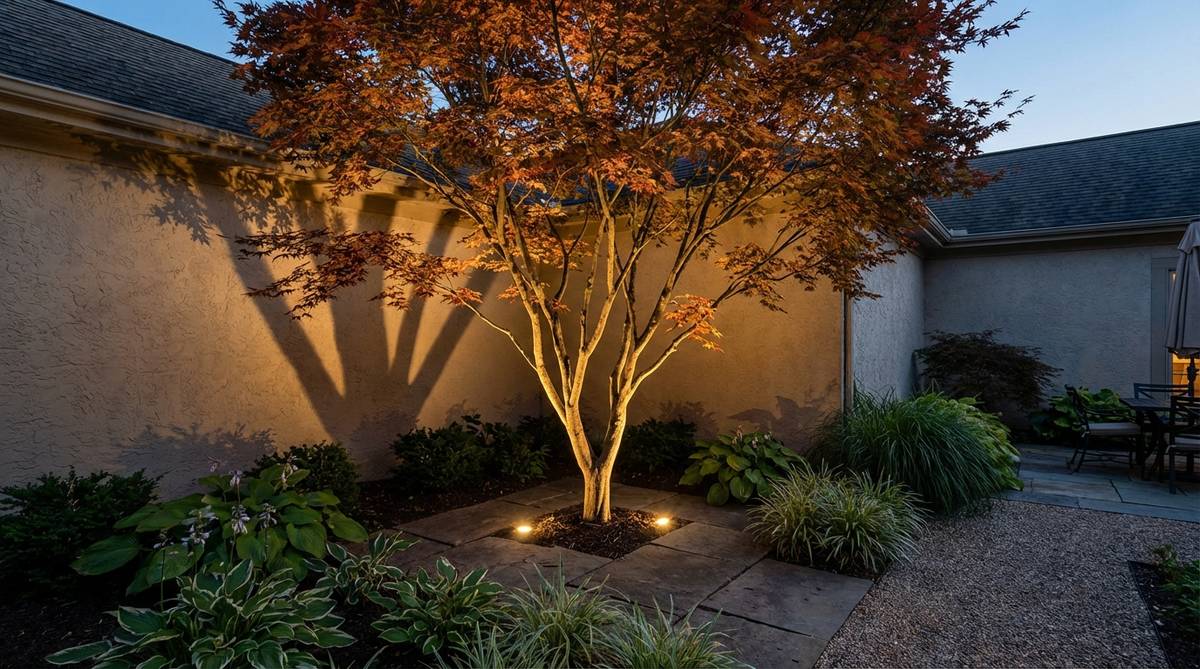
Ground-mounted fixtures positioned at tree bases cast light upward through canopies. Narrow beam angles (10-20 degrees) create dramatic shadowing on branches and trunks.
Install fixtures 18-24 inches from trunks to prevent thermal damage to bark. LED sources at 2700-3000K color temperature provide warm illumination without excessive energy consumption.
Adjustable fixtures accommodate tree growth and allow seasonal repositioning. Shielded lamp housings prevent glare toward adjacent properties or windows.
23. Path Lighting Bollards
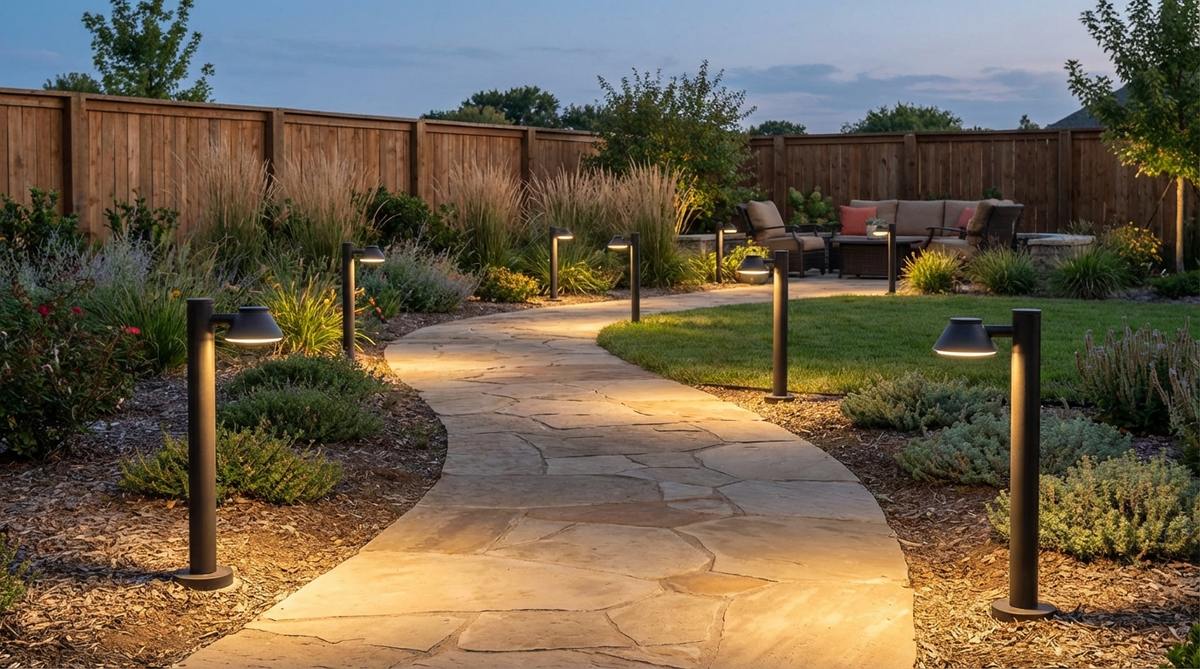
Short posts with downward-facing luminaires mark circulation routes without light pollution. Heights of 18-24 inches illuminate walking surfaces while maintaining dark sky compliance.
Space bollards at 10-15 foot intervals along primary paths. Integrated LED sources eliminate lamp replacement for 15-20 years of typical residential use.
24. String Light Canopies
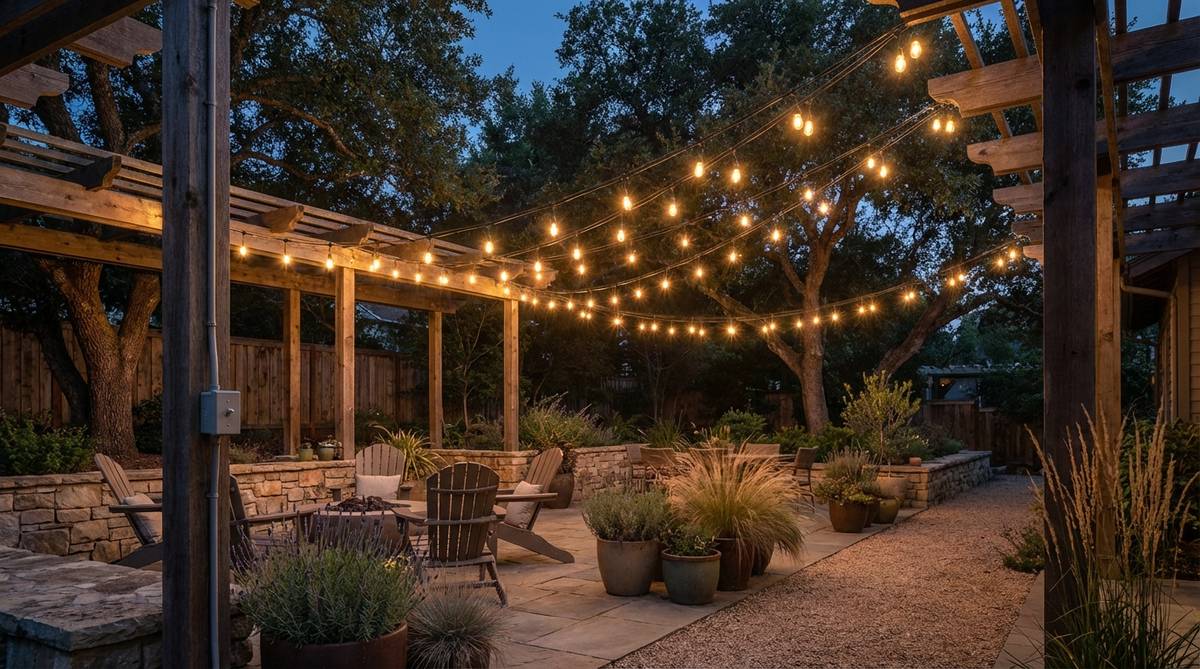
Suspended Edison-style or globe lights strung between posts create festive overhead glow. Commercial-grade weatherproof strands withstand year-round exposure.
Hang lights at 8-10 feet above finished grade in entertaining areas. Dimmers allow adjustment from ambient background to functional task lighting.
25. Recessed Deck Lighting
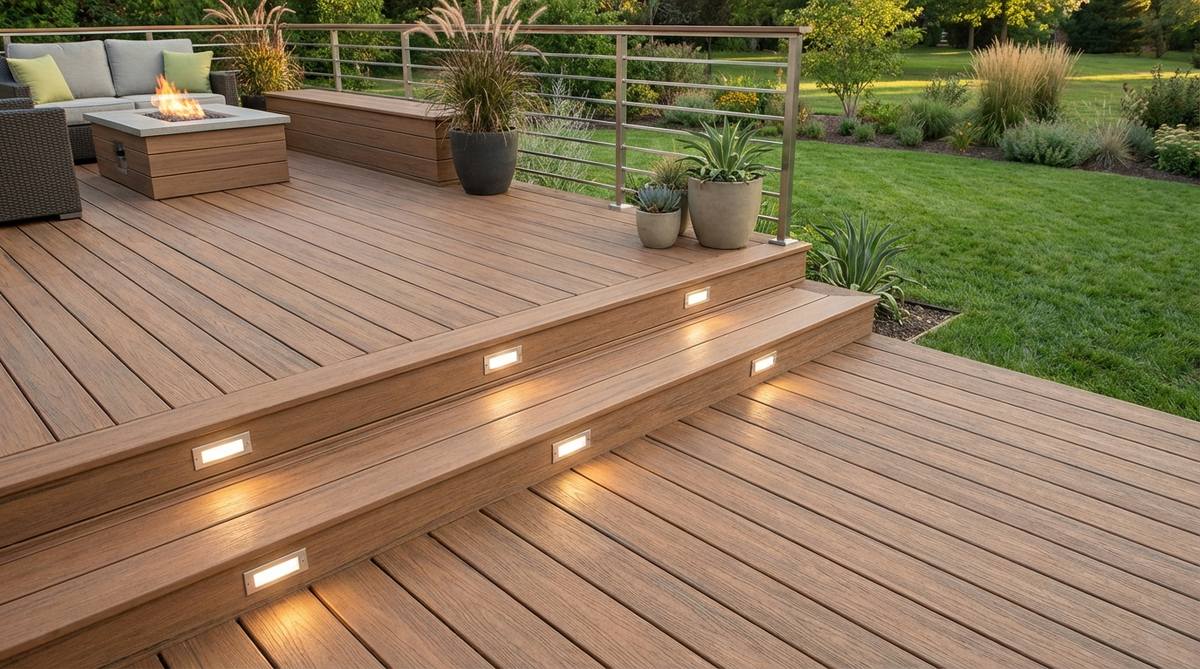
Flush-mounted fixtures in horizontal surfaces provide safety illumination without protruding hazards. Install in stair risers, deck posts, or paving to mark level changes.
Select fixtures rated for wet locations with sealed gaskets preventing water infiltration. Bronze or copper trim finishes develop patina matching other landscape metals.
26. Moonlighting Canopy Effects
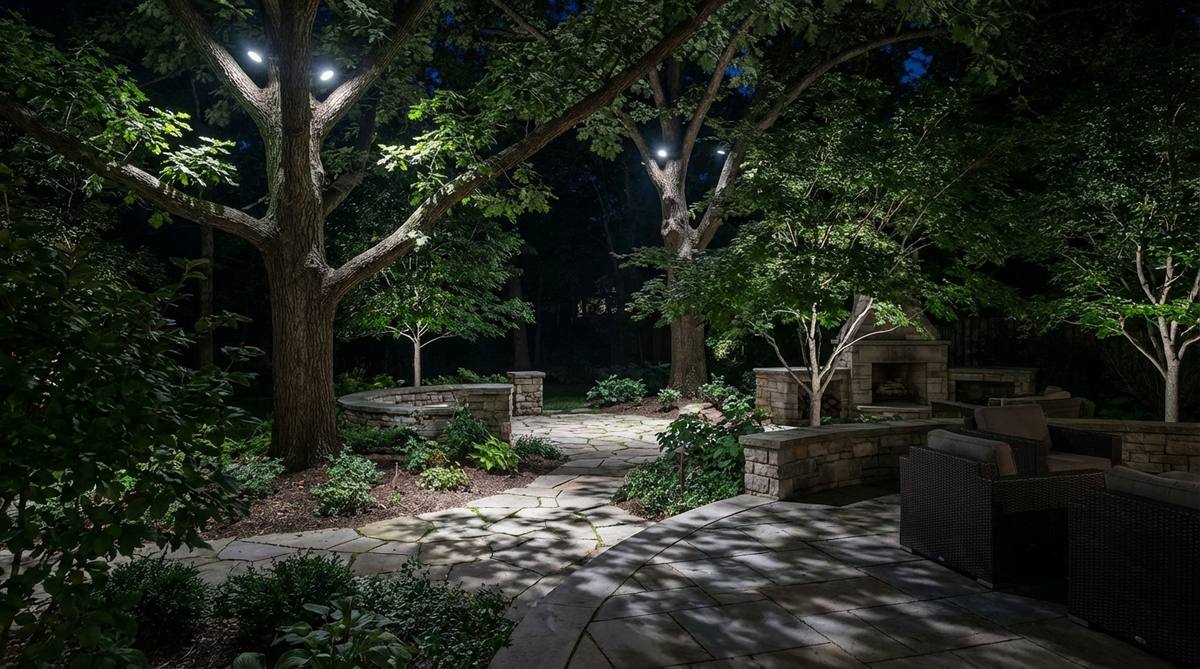
Fixtures mounted high in mature trees direct light downward through foliage, simulating natural moonlight. Broad flood beams create dappled shadow patterns on ground planes.
Position lights 20-30 feet above grade in sturdy branches. Aim fixtures away from primary viewing positions to prevent glare and maintain mysterious ambiance.
27. Accent Lighting for Sculpture
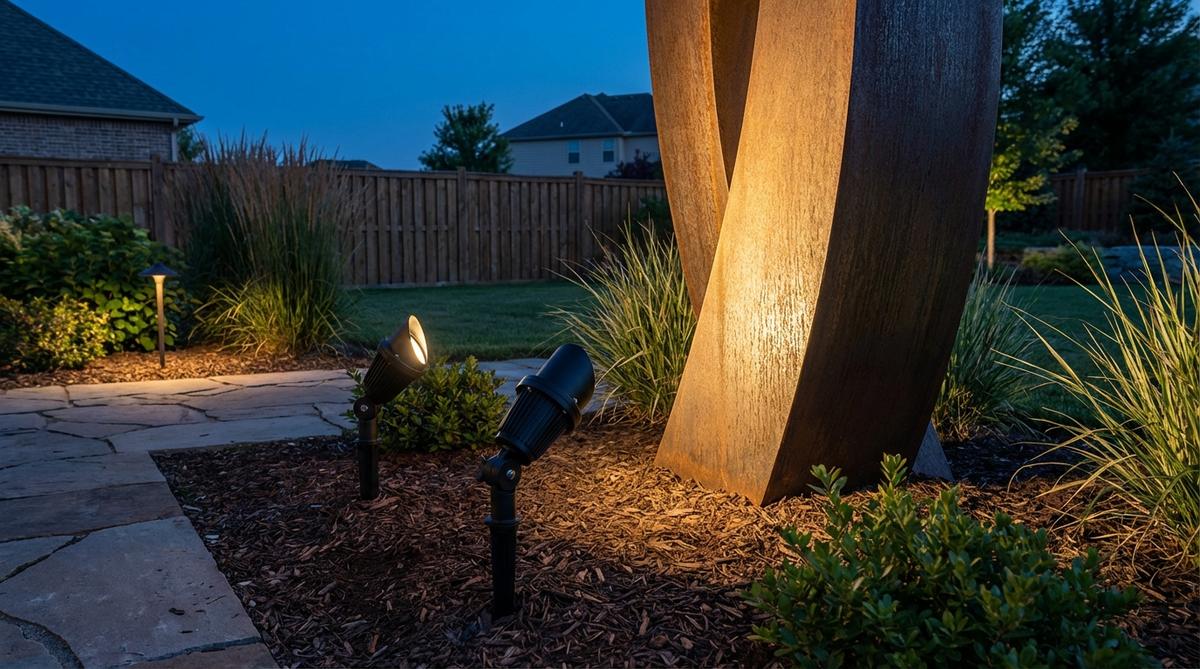
Directional spots highlight three-dimensional artwork with focused beams. Cross-lighting from multiple angles reveals form and surface texture.
Mount fixtures on adjustable stakes or low-profile wall mounts. Use narrow beam spreads (8-15 degrees) for precise illumination control and minimal light spill.
Container Garden Decoration Concepts
Portable plantings offer flexibility for seasonal rotation and spatial arrangement. Designers use containers as sculptural elements that complement or contrast with planted contents.
28. Oversized Statement Planters
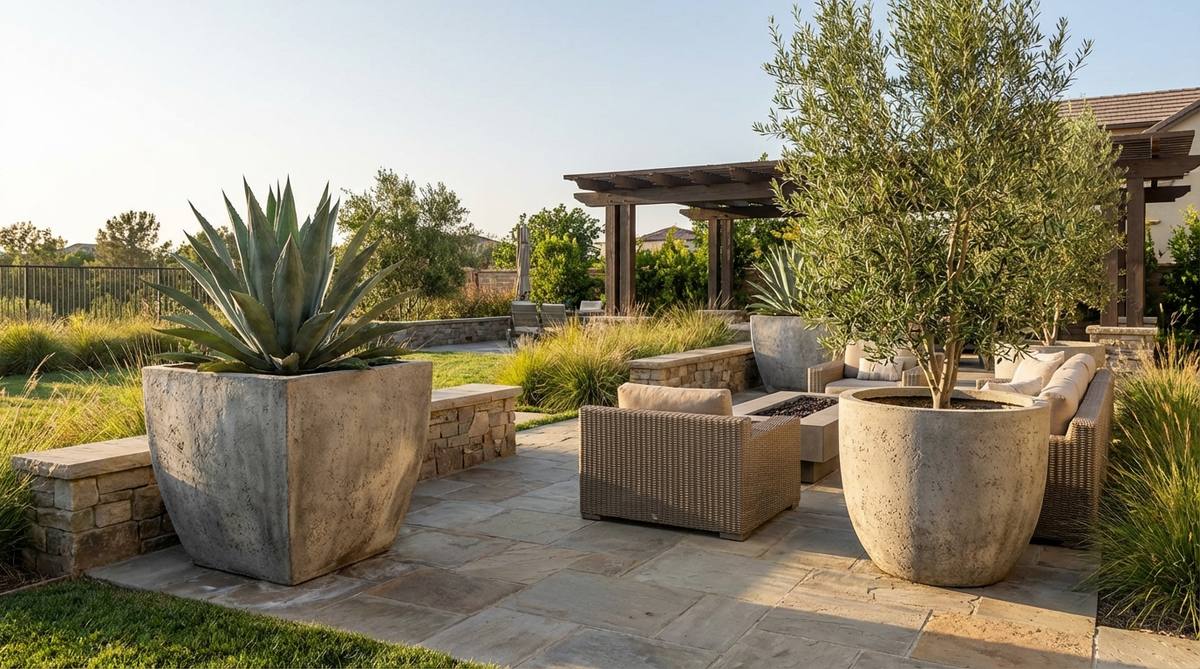
Large-scale vessels 24-36 inches diameter create instant focal points on patios or flanking entries. Materials include glazed ceramic, cast concrete, fiberglass composite, or weathering steel.
Fill bottoms with inverted nursery pots or drainage aggregate to reduce soil volume and overall weight. Single specimen plants or simplified combinations prevent cluttered appearance in dominant containers.
Frost-resistant materials rated for your USDA zone prevent seasonal cracking. Elevate planters on pot feet or hidden risers to ensure drainage and prevent ground contact staining.
29. Matched Container Collections
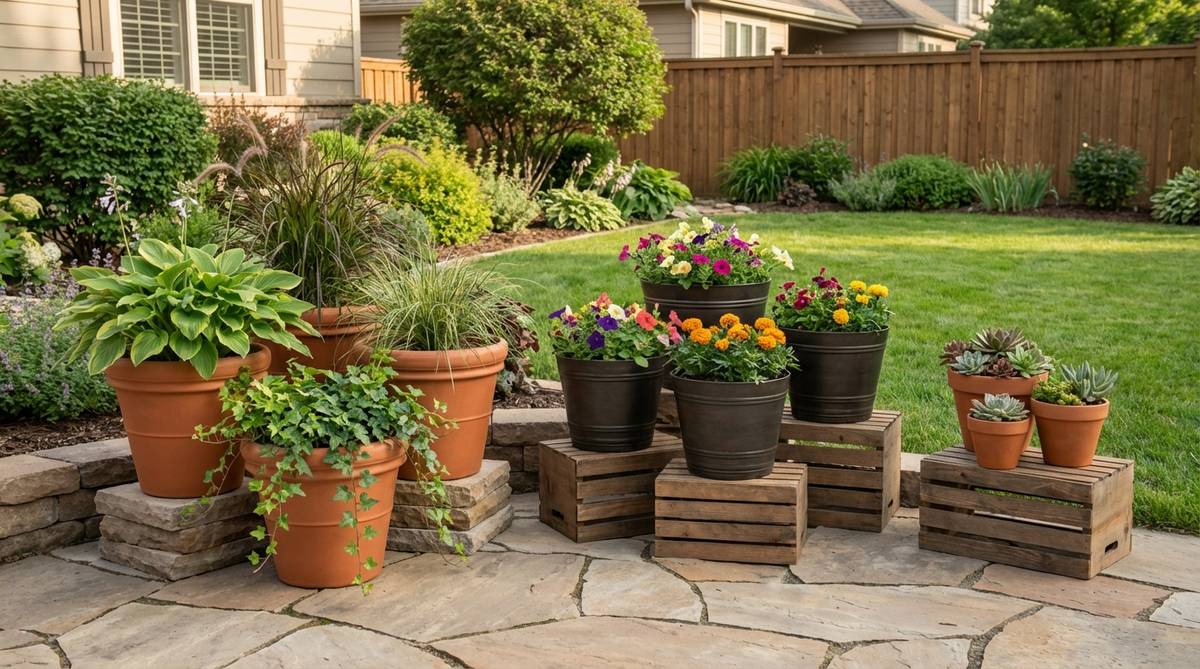
Repeating identical vessels in graduated sizes establishes rhythm along borders or architectural features. Odd-numbered groupings (3, 5, or 7) create balanced asymmetry.
Vary planting schemes within matched containers while maintaining consistent color palette. Stagger heights using inverted pots or custom risers beneath smaller containers.
30. Vertical Tower Planters
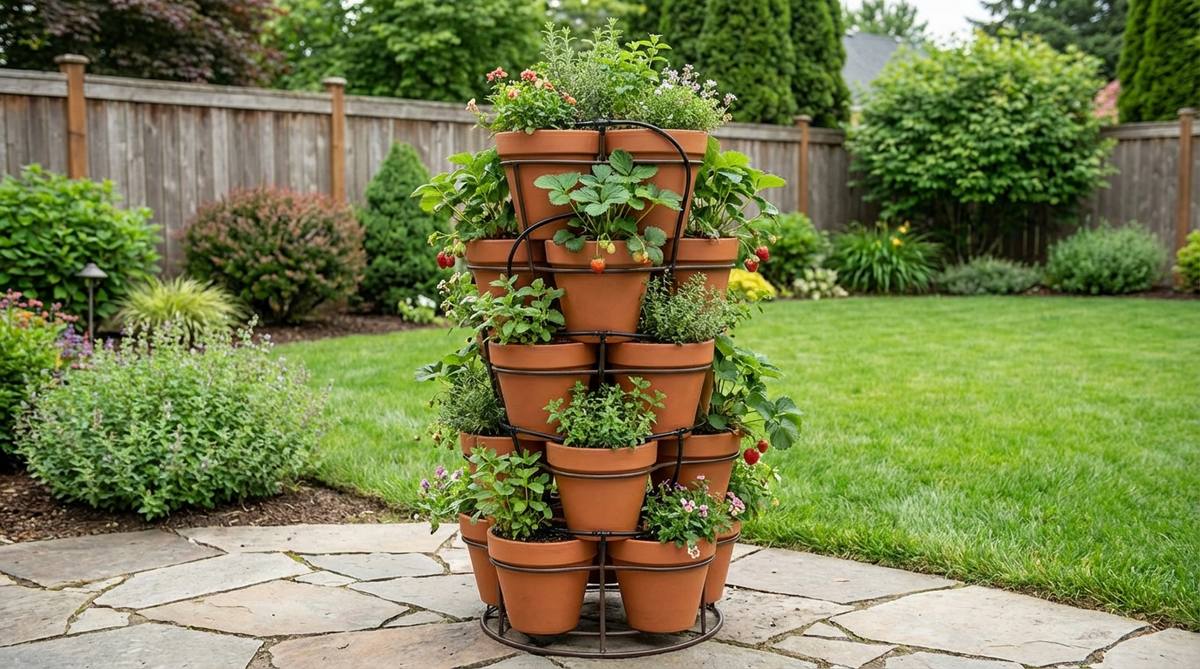
Stacked or tiered containers maximize planting density in compact footprints. Strawberry jars, purpose-built towers, or custom welded structures accommodate dozens of plants in square-foot areas.
Install drip irrigation tubes through tower centers to reach all planting levels. Rotate towers quarterly to ensure even light exposure and balanced growth.
31. Window Box Installations
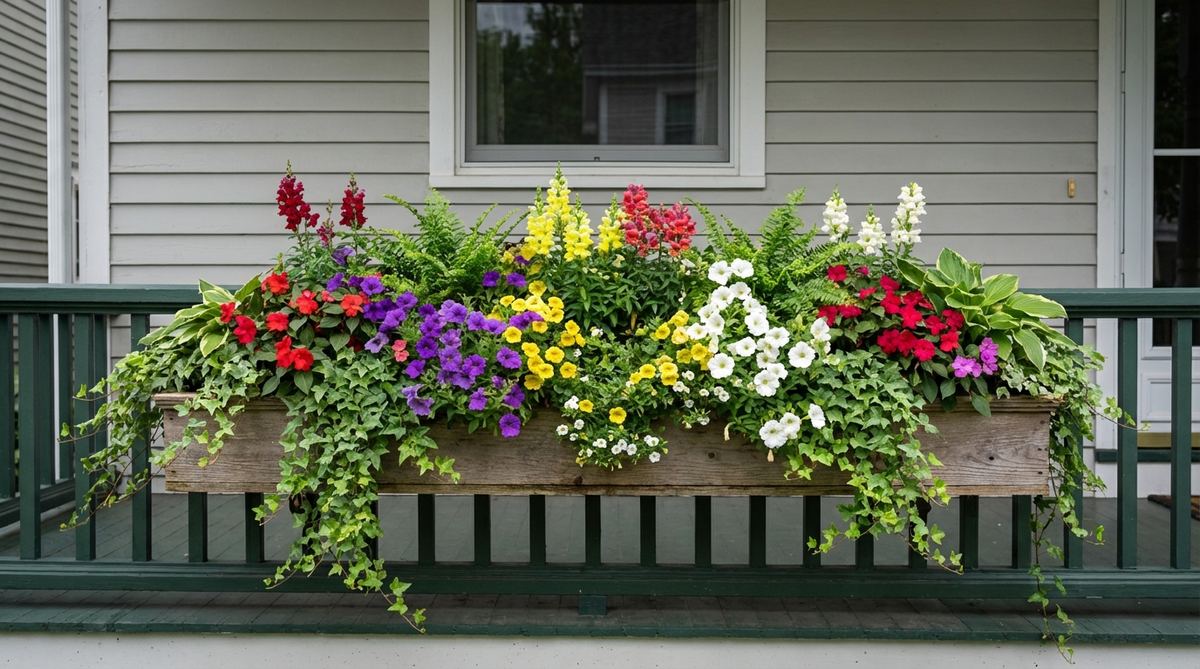
Horizontal planters mounted below windows extend garden presence to building facades. Securely bracketed boxes hold seasonal displays that change with planting calendar.
Select boxes with minimum 8-inch depth for adequate root development. Liner inserts allow pre-planting and quick seasonal swaps without disturbing permanent mounting hardware.
32. Trough Garden Displays
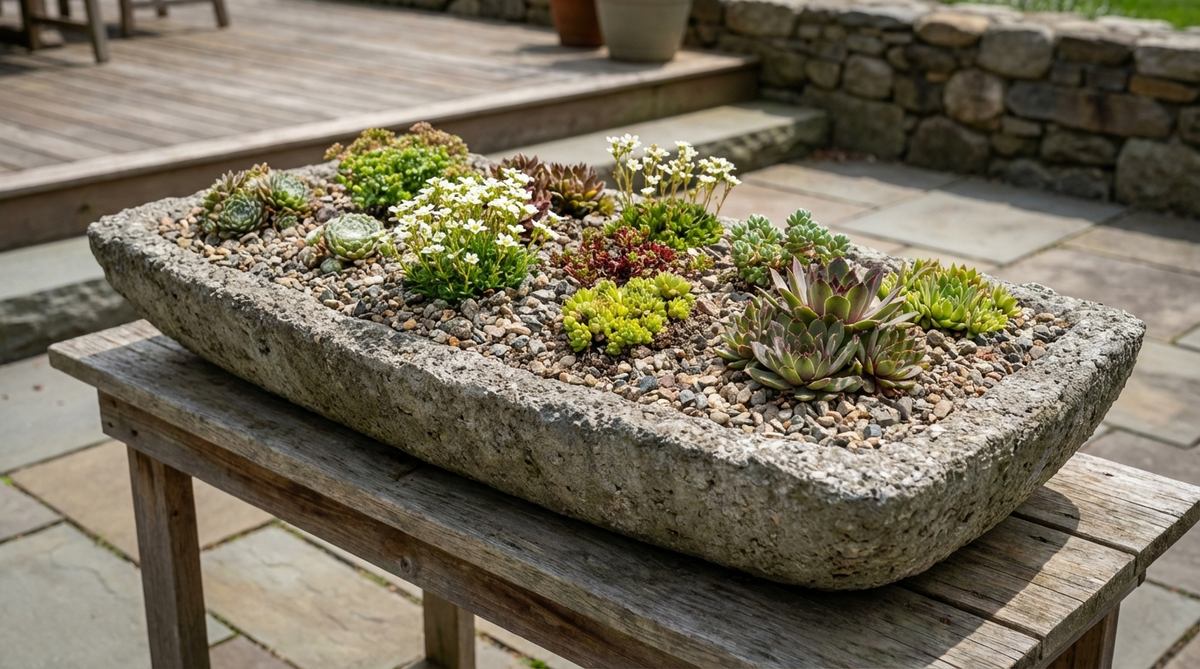
Shallow hypertufa or stone troughs showcase alpine and succulent collections. Gritty, fast-draining soil mixes prevent rot in low-water plants.
Position troughs at table height on custom stands for close viewing of miniature specimens. Top-dress with decorative gravel or crushed stone matching trough material.
Sustainable Garden Decor Unique Solutions
Eco-conscious decoration prioritizes reclaimed materials, local sourcing, and wildlife support. These concepts reduce environmental impact while adding character through patina and natural weathering.
33. Reclaimed Timber Features
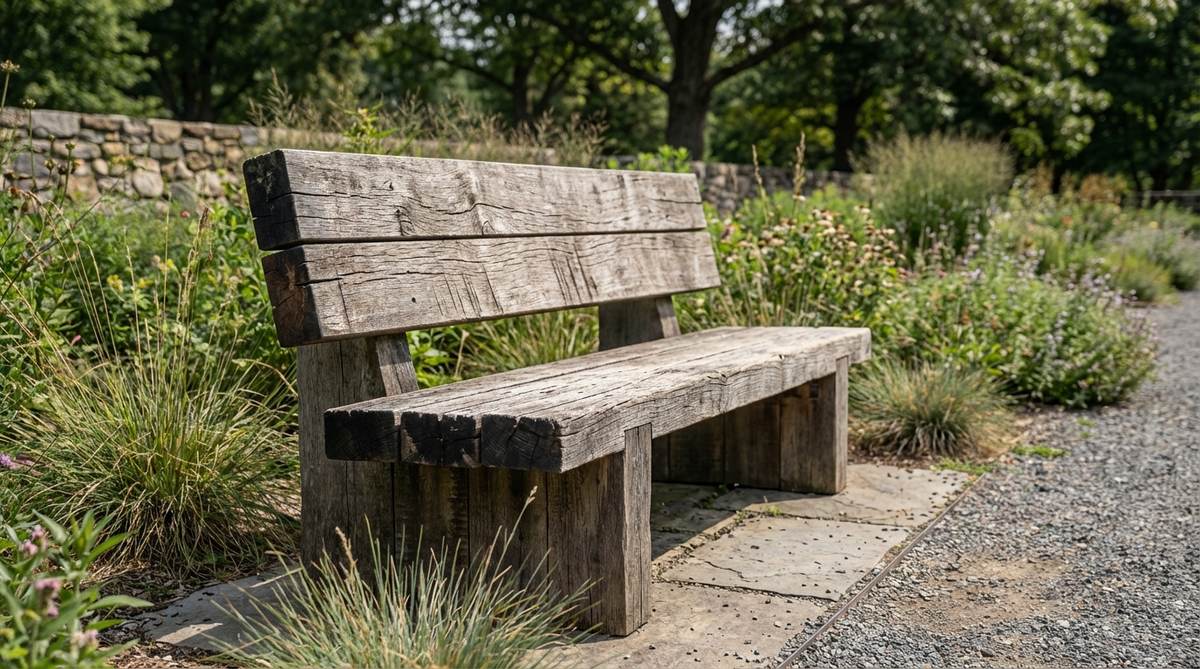
Salvaged barn wood, industrial beams, or decommissioned dock pilings gain second life as benches, edging, or sculptural elements. Weathered surfaces and existing hardware add historical character.
Treat untreated reclaimed wood with eco-friendly preservatives or allow natural weathering to silver. Seal cut ends and drilled holes to prevent moisture infiltration and premature decay.
Source locally to reduce transportation impact and ensure wood species suit regional climate. Hardwoods like oak and chestnut outlast softwoods in ground-contact applications.
34. Gabion Wall Structures
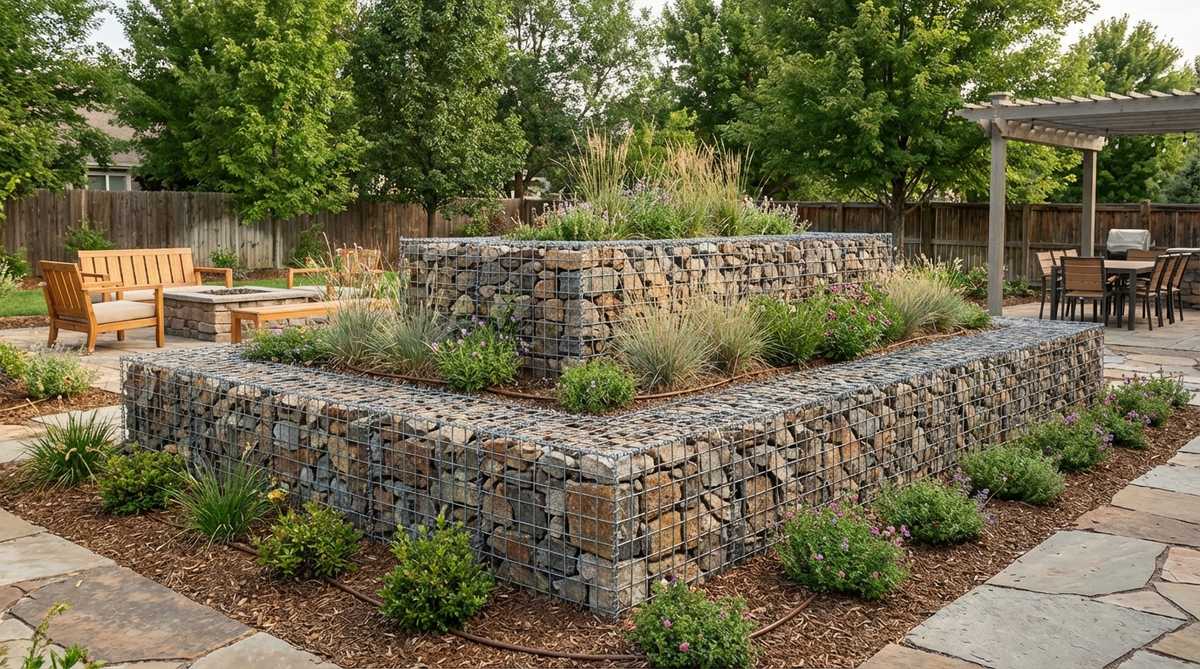
Wire cages filled with stone create permeable walls and raised beds. Modular units stack to desired heights while allowing water and air movement.
Fill gabions with locally quarried stone to minimize transportation costs. Varied stone sizes and colors create visual texture within standardized cage frameworks.
35. Living Roof Structures
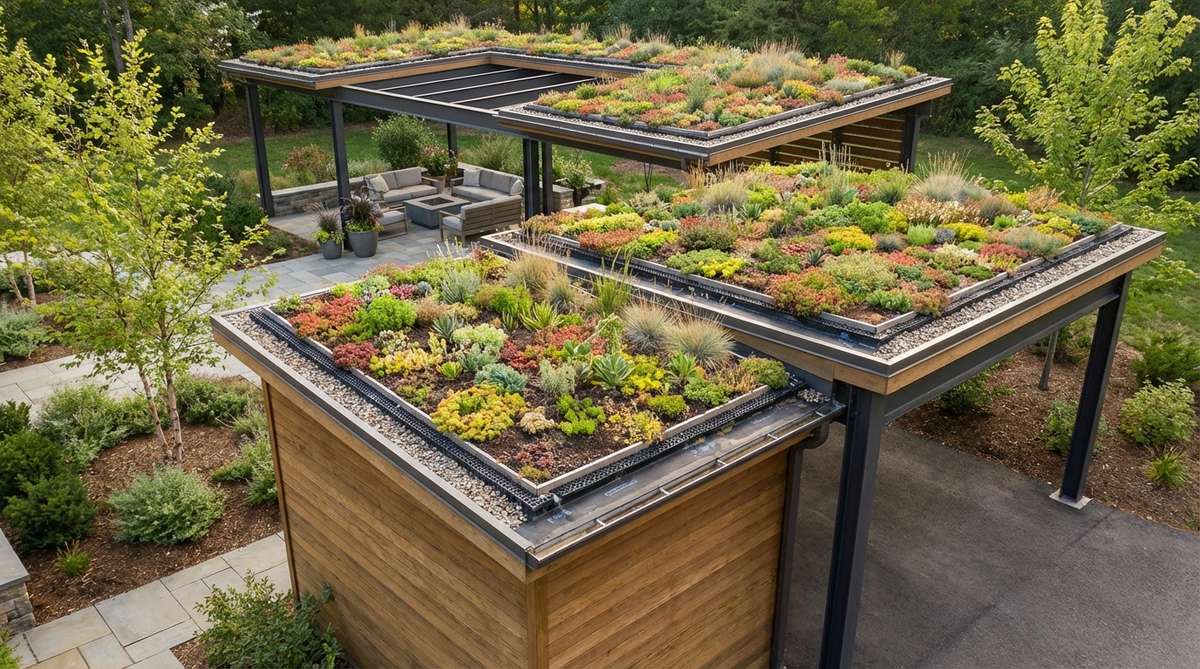
Shed and pavilion roofs planted with sedums or native grasses insulate structures while managing stormwater. Layered systems include waterproofing, drainage mats, growing medium, and vegetation.
Pitch roofs at 2:12 minimum for drainage while preventing soil slippage. Extensive systems with 3-6 inch soil depth support low-maintenance sedum mats without irrigation.
36. Rainwater Harvesting Features
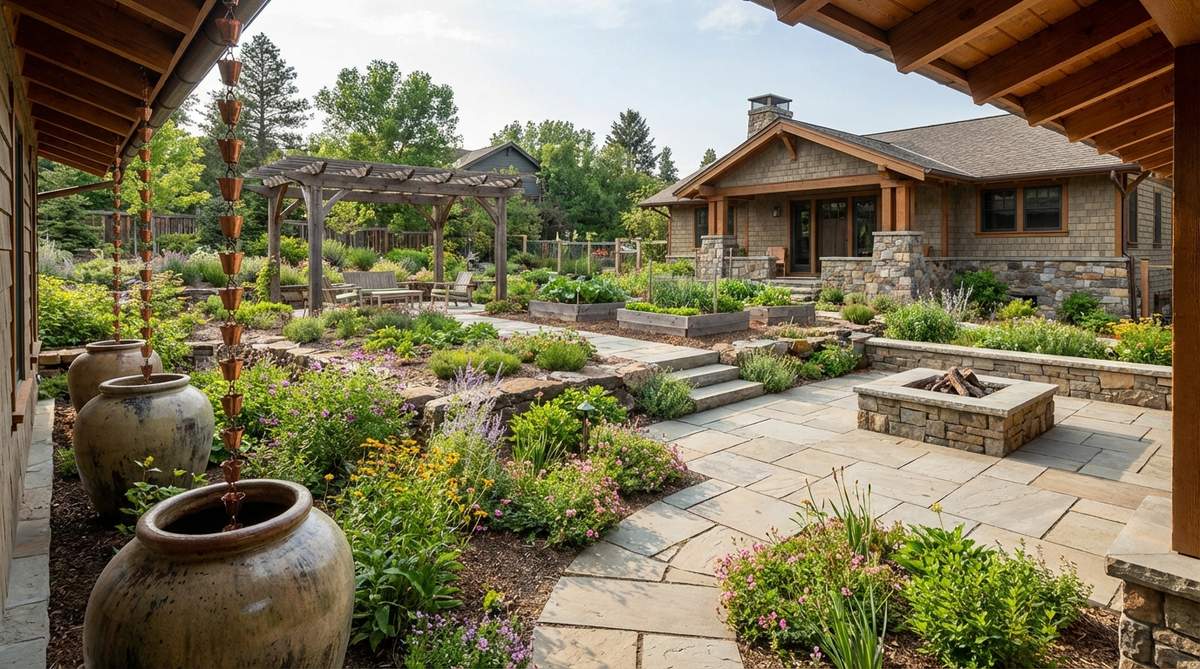
Decorative cisterns and rain chains replace conventional downspouts while collecting precipitation for irrigation. Copper chains or ceramic link systems guide water visibly from gutters to collection vessels.
Size cisterns to capture roof runoff from average storm events (typically 50-100 gallons for residential applications). Elevate barrels 18-24 inches to provide gravity-fed pressure for hose connections.
37. Pollinator Habitat Stations
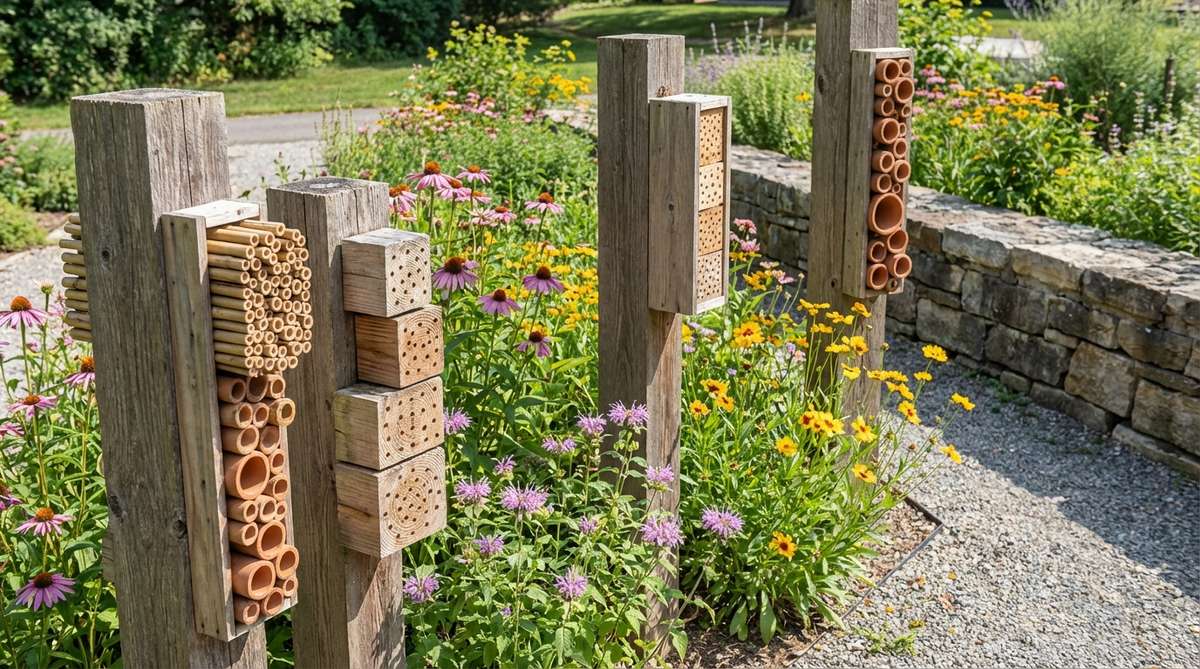
Bundled hollow stems, drilled wood blocks, and clay tubes provide nesting sites for solitary bees. Mount stations on posts or walls in sunny locations near flowering plants.
Tube diameters between 3-10mm accommodate various native bee species. Replace nesting materials annually after emergence to prevent parasite buildup.
38. Composting Bin Enclosures
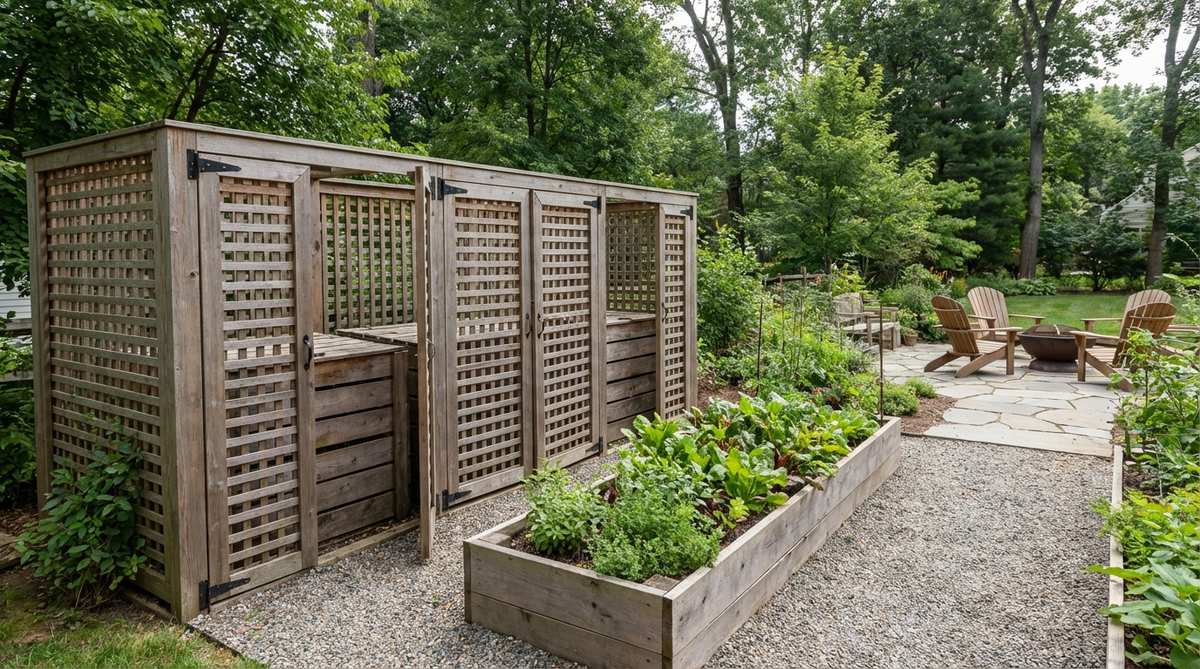
Decorative screens or slatted enclosures conceal utility composting while maintaining airflow. Cedar or vinyl lattice panels on simple frames blend bins into garden design.
Position enclosures near kitchen gardens for convenient access to finished compost. Three-bin systems allow rotation between active, curing, and finished material.
Hardscape Garden Decoration Patterns
Paving patterns and materials contribute decorative dimension while defining circulation and use areas. Textural variation and geometric arrangements transform functional surfaces into design features.
39. Mixed Material Mosaics
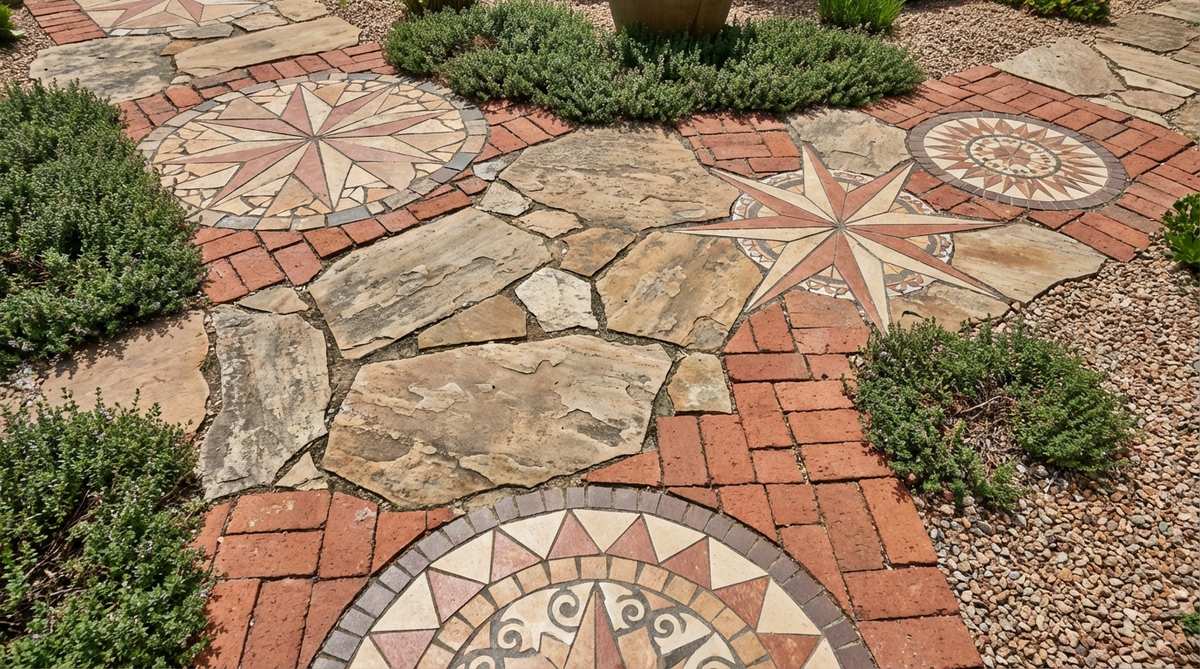
Combining stone, brick, and tile in paving creates visual interest through color and texture contrast. Designers establish primary materials for field areas and accent materials for borders or medallions.
Use contrasting materials to delineate functional zones or direct traffic flow. Arrange accent pieces in geometric or organic patterns that complement overall garden style.
Ensure compatible thickness across materials or adjust substrate depth to maintain flush finished surfaces. Polymeric sand in joints prevents weed growth while allowing water permeability.
40. Permeable Paving Systems
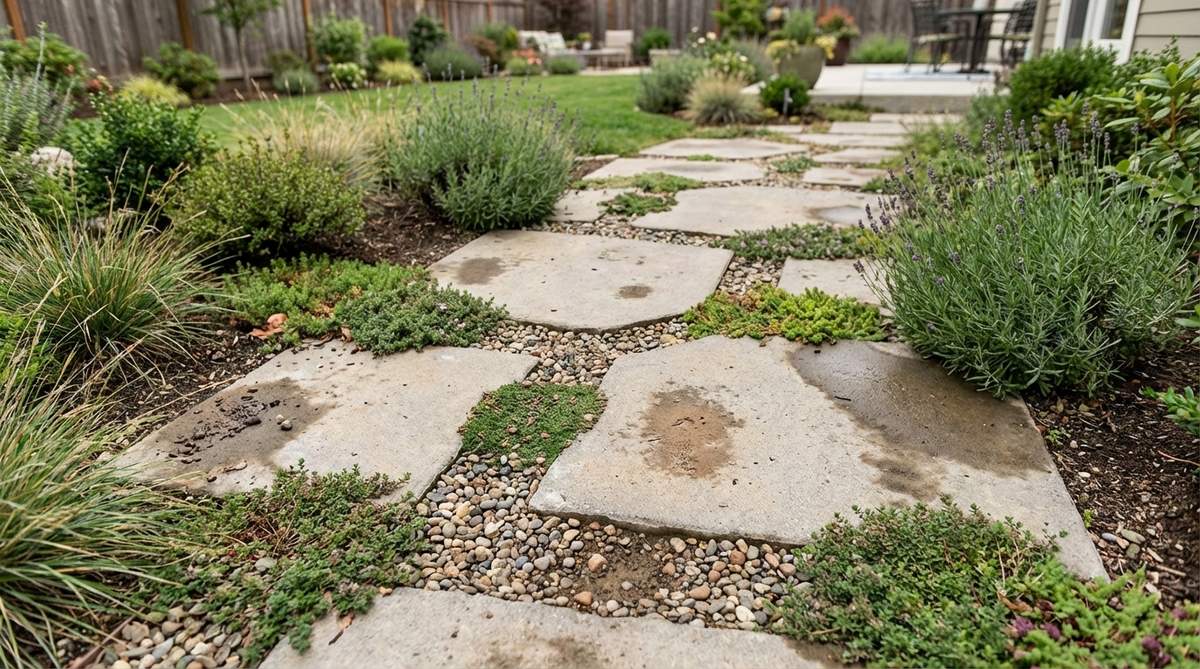
Grid structures filled with gravel or planted with groundcovers reduce runoff while providing load-bearing surfaces. Plastic or concrete grids distribute weight and prevent soil compaction.
Install over compacted aggregate base layers for adequate drainage and structural stability. Low-growing thyme or sedum between pavers withstands moderate foot traffic.
41. Decorative Edging Details
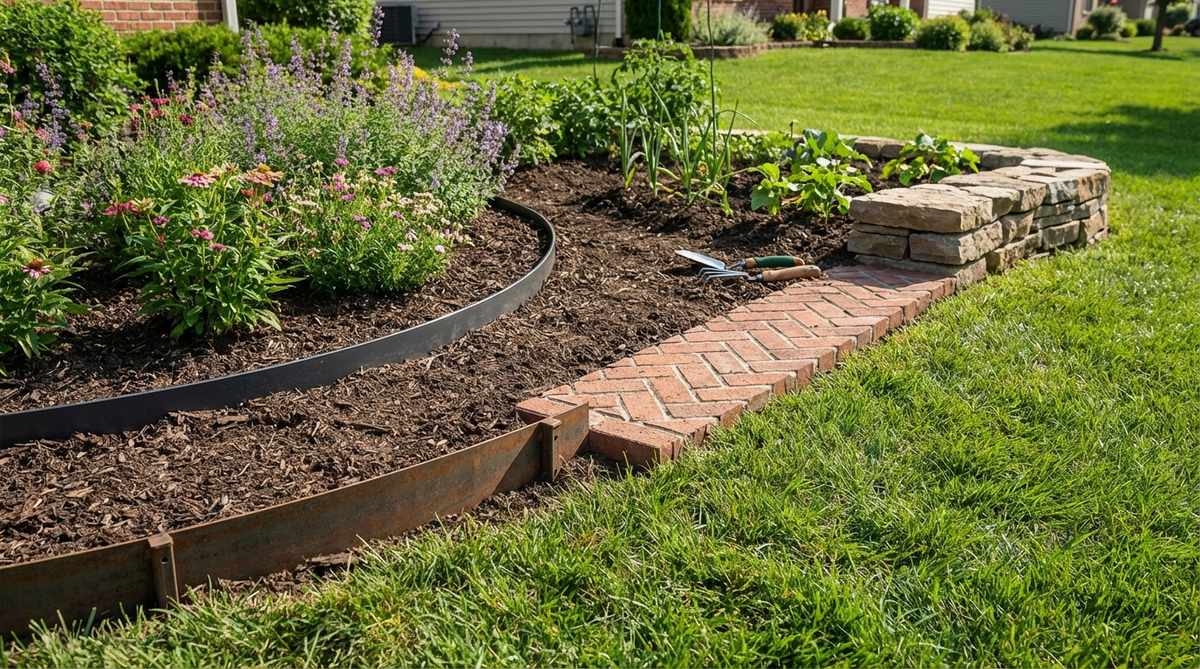
Steel, aluminum, or composite borders separate planting beds from lawns with clean lines. Soldier-course brick or vertically positioned stone creates traditional edging with dimensional presence.
Install metal edging flush with grade or slightly raised (1-2 inches) for mowing clearance. Secure with manufacturer-specified stakes at 3-foot intervals to prevent frost heaving.
42. Stepping Stone Pathways
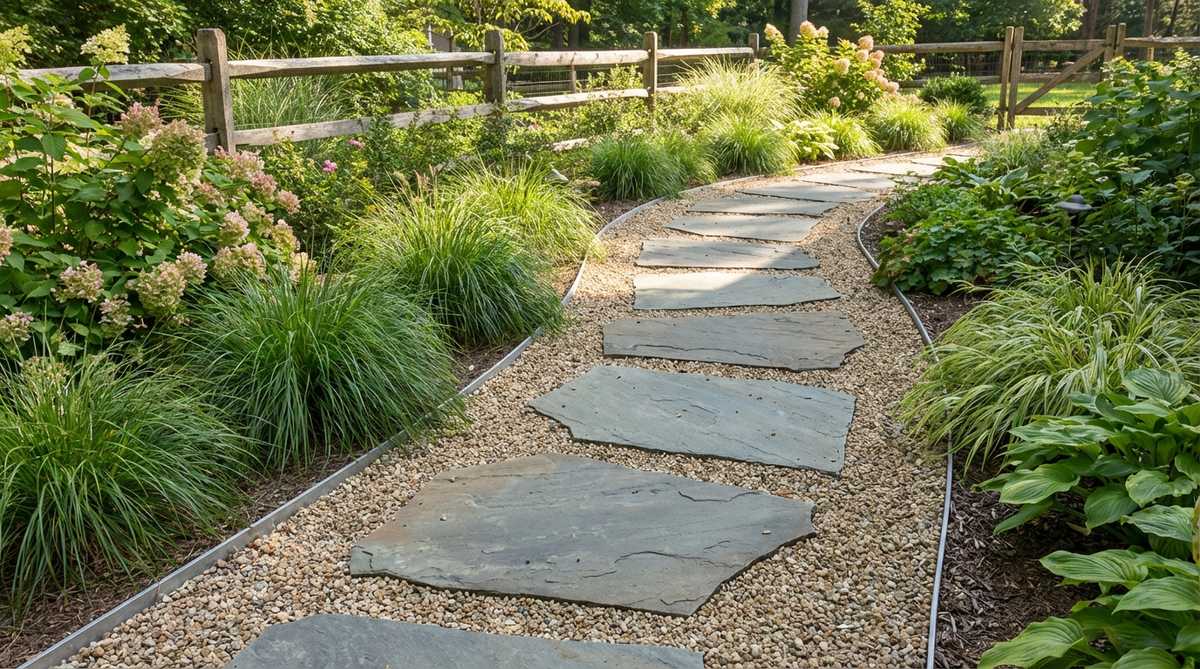
Individual pavers set in groundcover or gravel create informal circulation routes. Irregular flagstone or uniform cut stone offers natural or formal aesthetics.
Space stones 18-24 inches apart to match average stride length. Set top surfaces flush with surrounding grade to prevent tripping hazards and ease mowing.
43. Cobblestone Accents
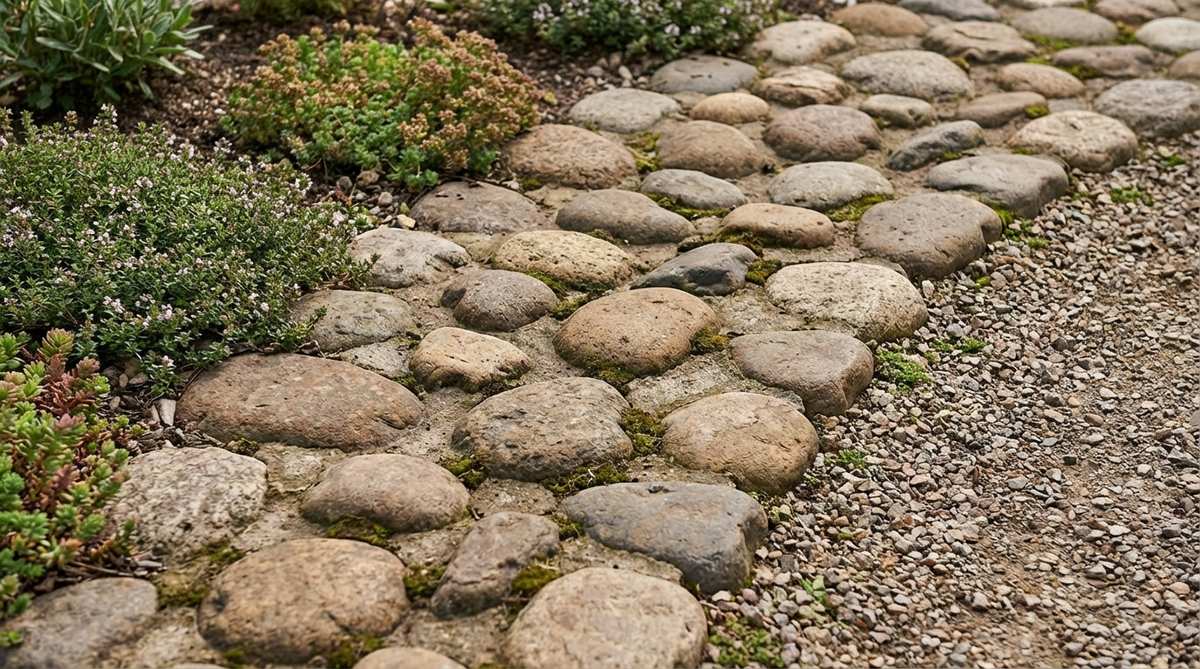
Small granite or basalt sets laid in mortar or sand create textured bands and medallions. Traditional materials suit historic properties or formal European-inspired gardens.
Arrange cobbles in radiating, basketweave, or running bond patterns. Joints between stones allow flexibility in curves and tight radiuses impossible with larger pavers.
Seasonal Garden Decor Outdoor Transitions
Rotating decorative elements maintain fresh visual interest throughout the year. Strategic permanent frameworks accommodate changeable components aligned with seasons and holidays.
44. Rotating Container Displays
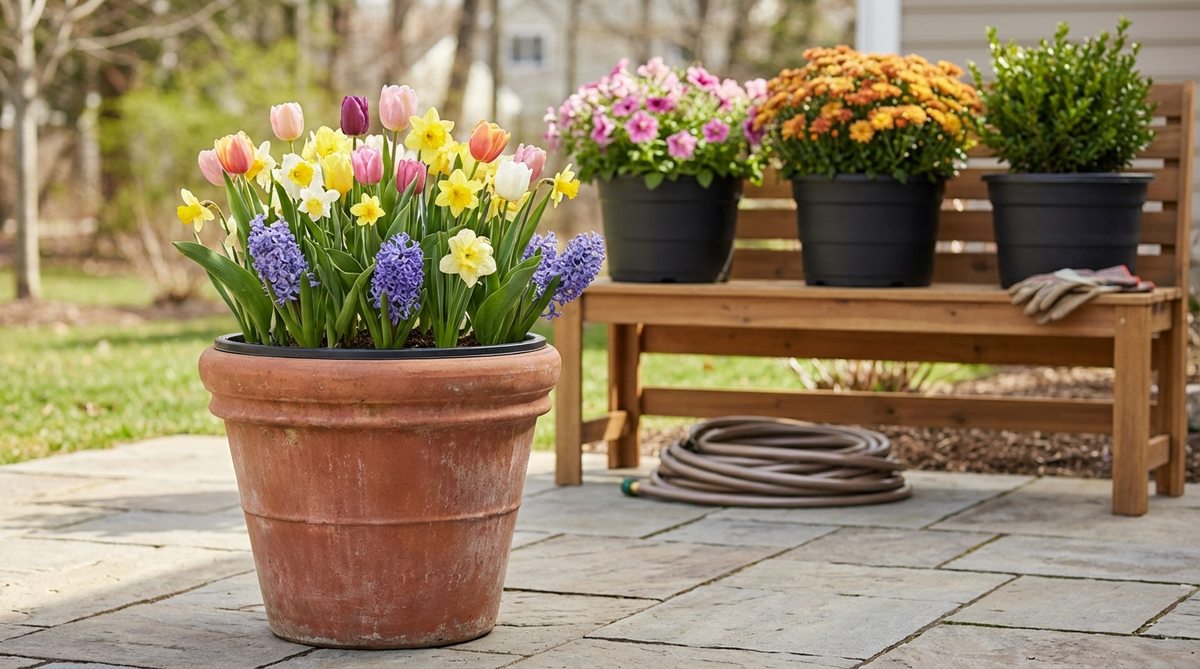
Pre-planted liners allow quick seasonal swaps within permanent decorative vessels. Spring bulbs transition to summer annuals, then fall mums and winter evergreens without replanting entire containers.
Prepare liner sets weeks ahead to establish root systems before display. Store off-season liners in shadowed growing areas while maintaining appropriate watering schedules.
Coordinate color schemes with seasonal palettespastels for spring, bold hues for summer, warm tones for autumn, and evergreens with berried branches for winter.
45. Wreath and Swag Mounts
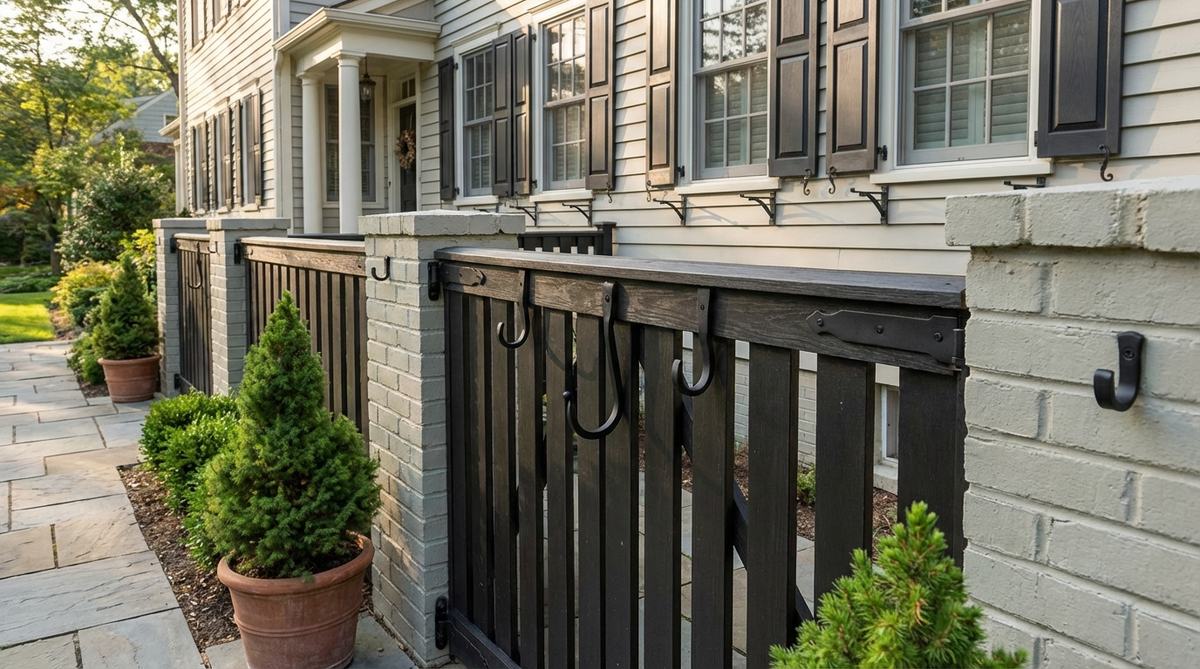
Permanent hooks on gates, fences, and shutters accept seasonal wreaths without new hardware installation. Decorative brackets hold swags and garlands during holiday periods.
Select mounting hardware in finishes matching other landscape metals. Install at eye level (50-66 inches) for optimal viewing from primary approaches.
46. Flag and Banner Systems
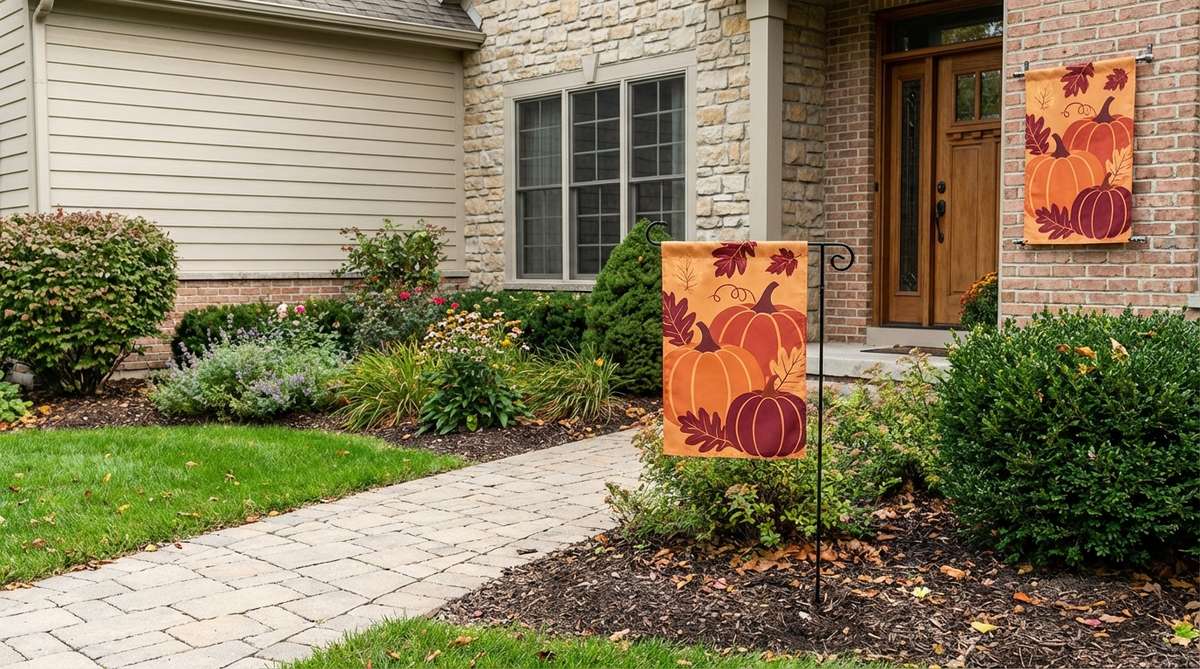
Ground sleeves or wall mounts accept decorative flags marking seasons or celebrations. Interchangeable designs refresh entry areas without permanent commitment.
Choose fade-resistant outdoor fabrics designed for extended sun exposure. Standard garden flag dimensions (12×18 inches) fit widely available decorative designs.
47. Seasonal Lighting Overlays
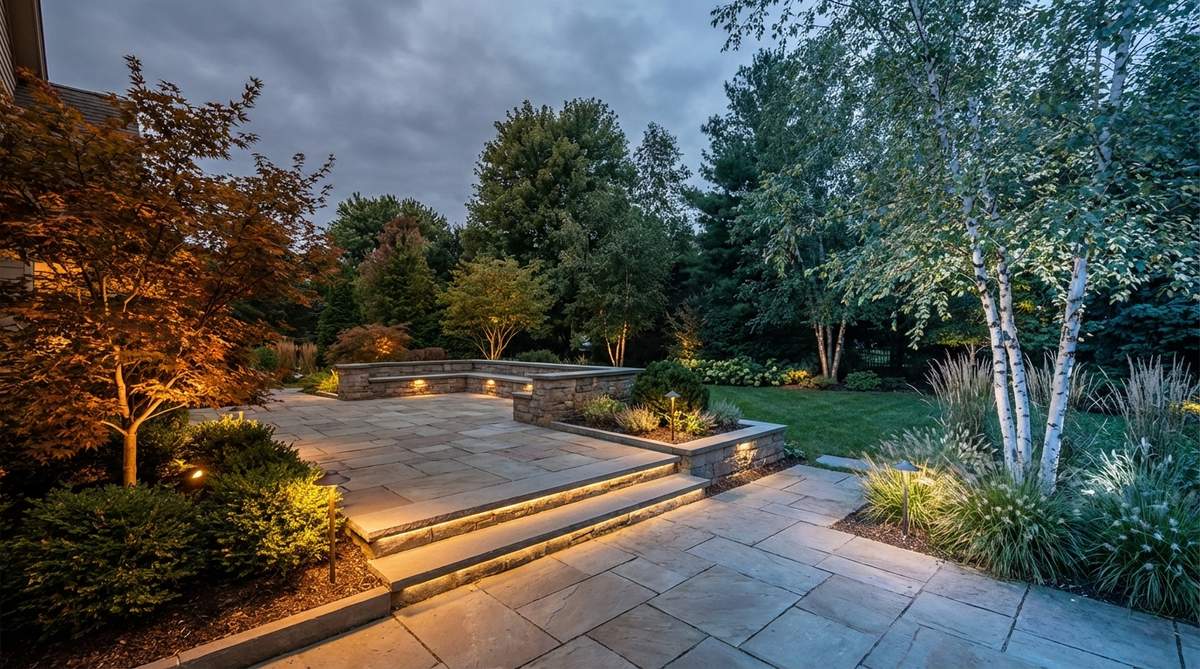
Programmable LED systems change color temperatures and patterns to match seasons. Warm amber tones for autumn transition to cool blues for winter without replacing fixtures.
Install color-changing RGB LED sources in permanent landscape fixtures. Control systems allow scheduling seasonal palettes to activate automatically.
Wildlife-Supporting Garden Decoration
Functional decor attracts and sustains birds, beneficial insects, and small mammals while adding aesthetic value. These elements integrate ecological services with visual appeal.
48. Architectural Birdhouses
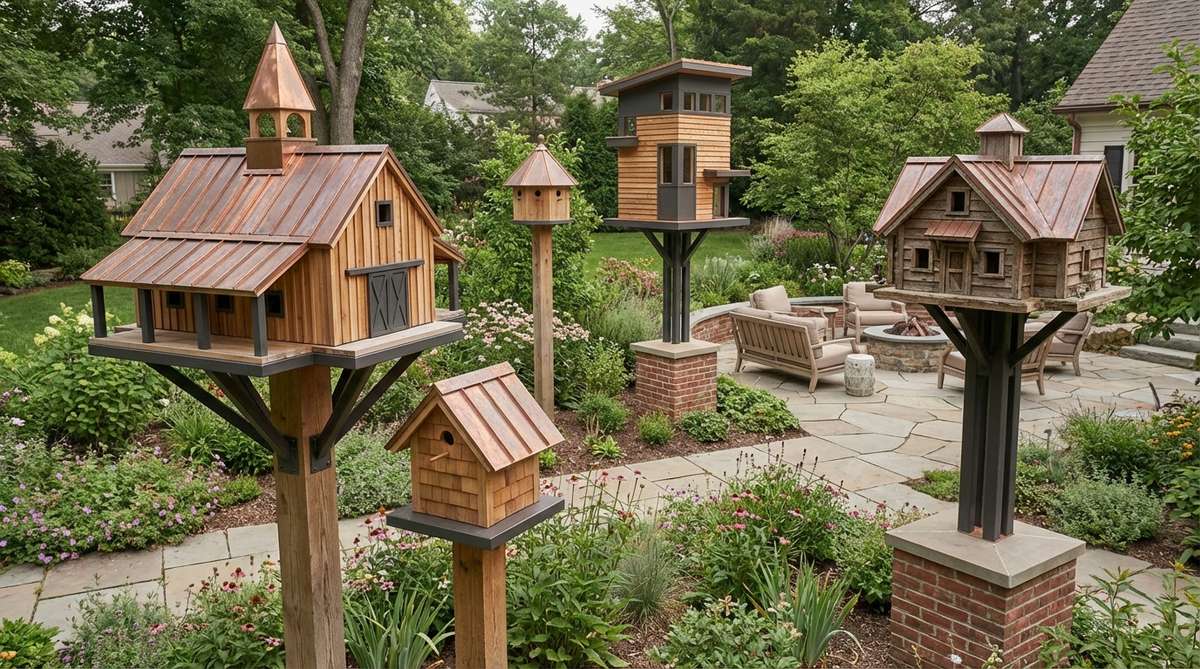
Designer houses matching garden style provide nesting sites for cavity-dwelling birds. Copper-roofed, cedar-sided, or contemporary metal structures combine function with form.
Mount houses 5-15 feet high depending on target species (bluebirds prefer 4-6 feet, wrens accept 6-10 feet). Entry holes sized to species prevent larger birds from usurping nests.
Install in late winter before nesting season begins. Clean out old nesting material each fall to prevent parasite accumulation between breeding cycles.
49. Decorative Bird Baths
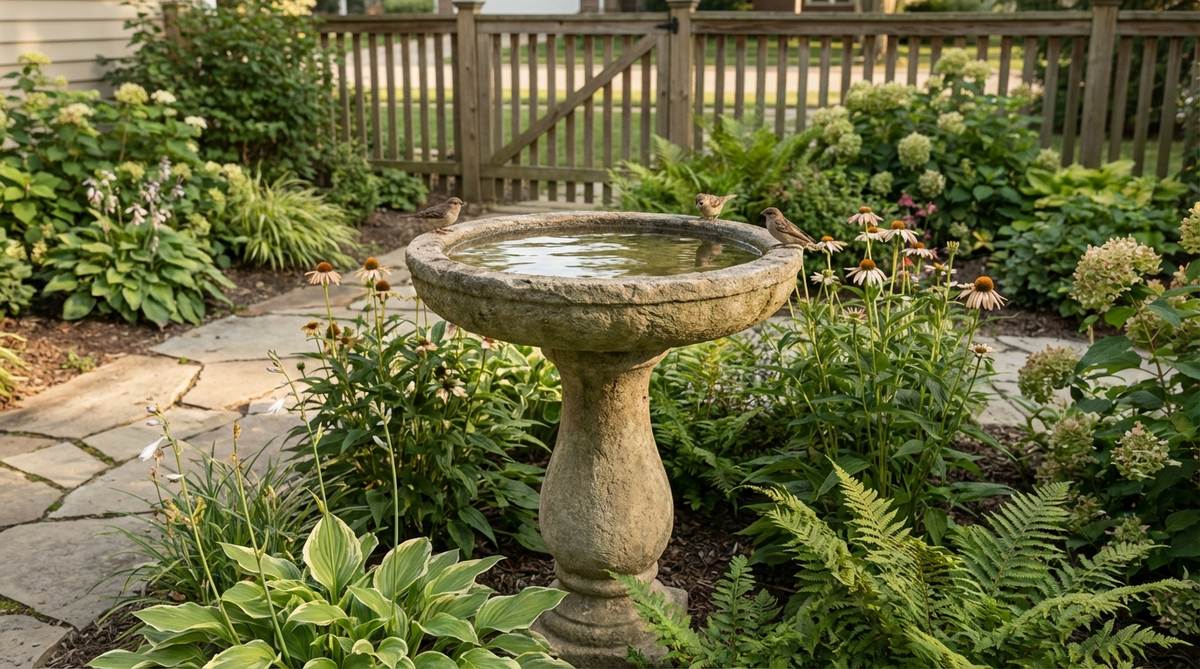
Shallow basins on pedestals or ground-level positions provide drinking and bathing opportunities. Natural stone, glazed ceramic, or cast concrete basins complement various garden aesthetics.
Maintain water depth at 1-2 inches with textured basin bottoms for secure footing. Refresh water every 2-3 days during warm months to prevent mosquito breeding.
50. Butterfly Puddling Stations
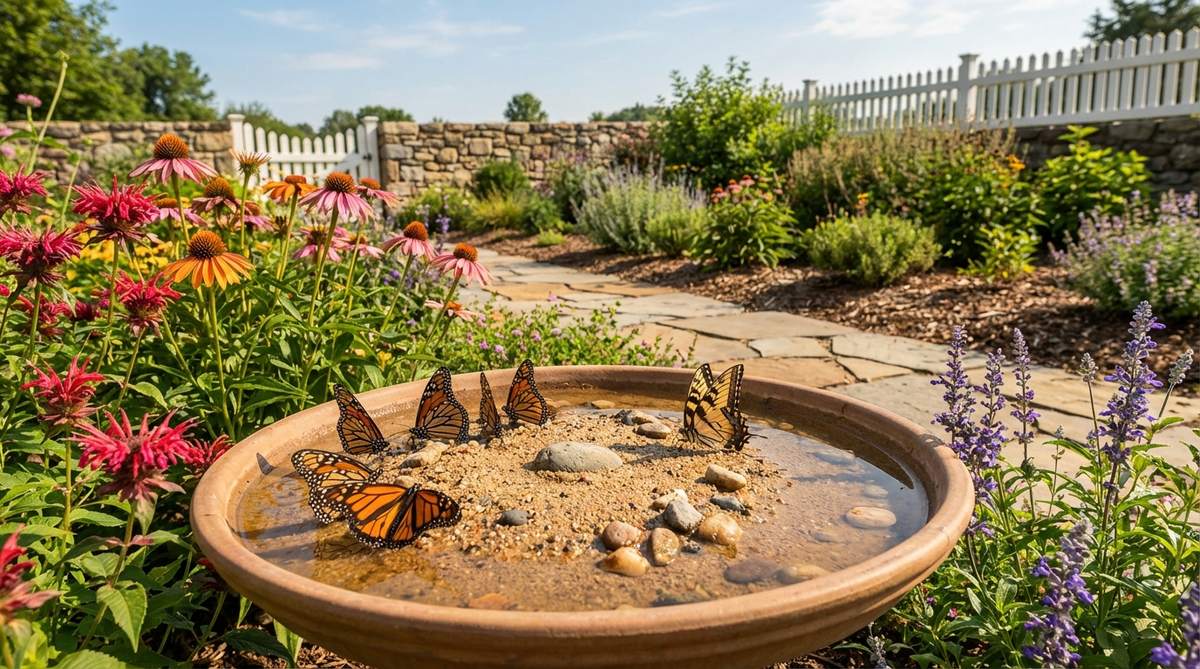
Shallow dishes filled with sand and mineral-rich water attract butterflies seeking nutrients. Decorative ceramic or stone saucers integrate into garden beds near nectar-producing flowers.
Add pinch of sea salt to water for mineral supplementation. Position in sunny locations where butterflies can thermoregulate while feeding.
51. Habitat Brush Piles
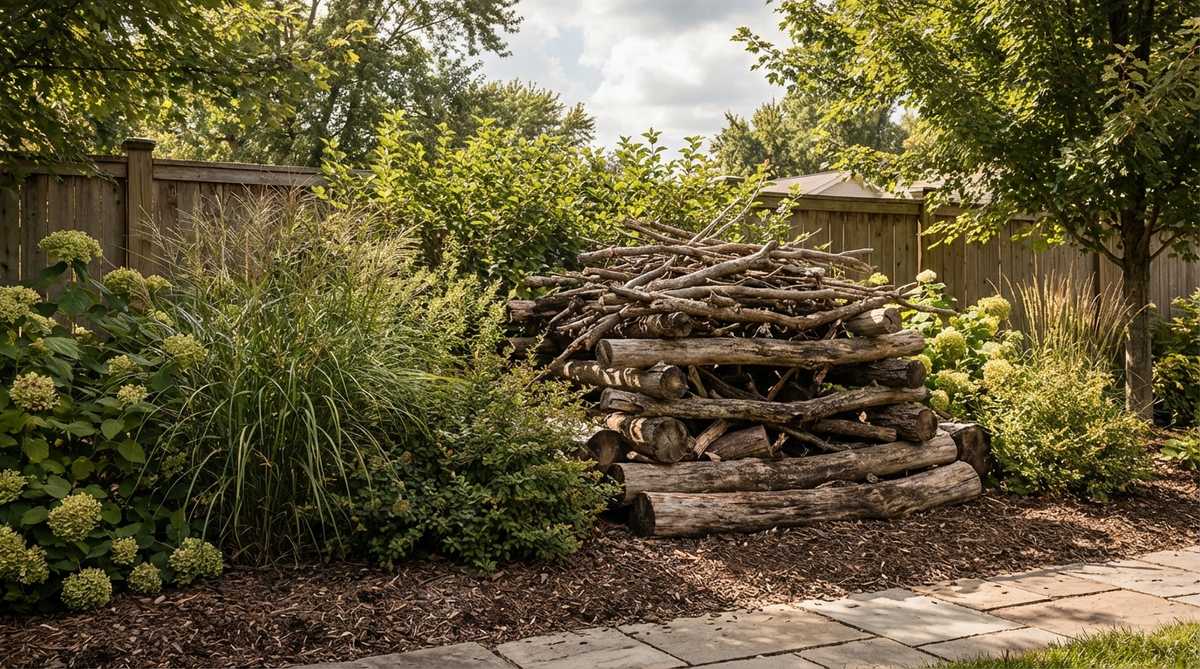
Artfully arranged branches and logs create shelter for ground-dwelling birds and beneficial insects. Strategic placement behind screening plants maintains tidy appearance while providing wildlife value.
Layer larger branches at base with progressively smaller material above. Loosely structured piles allow air circulation and multiple entry points.
52. Insect Hotel Installations
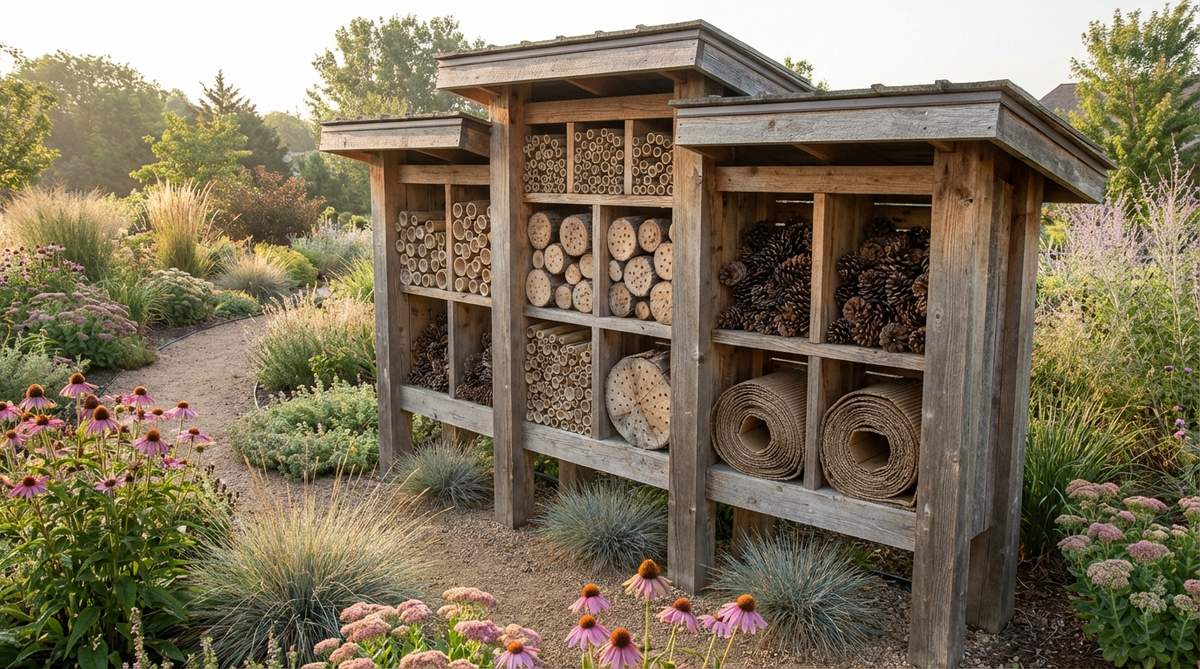
Multi-chamber structures filled with varied materials house different beneficial insects. Bamboo tubes, drilled logs, pine cones, and corrugated cardboard accommodate diverse species.
Mount hotels facing southeast to catch morning sun. Roof overhangs protect nesting chambers from direct precipitation while maintaining interior dryness.
53. Wildlife Water Features
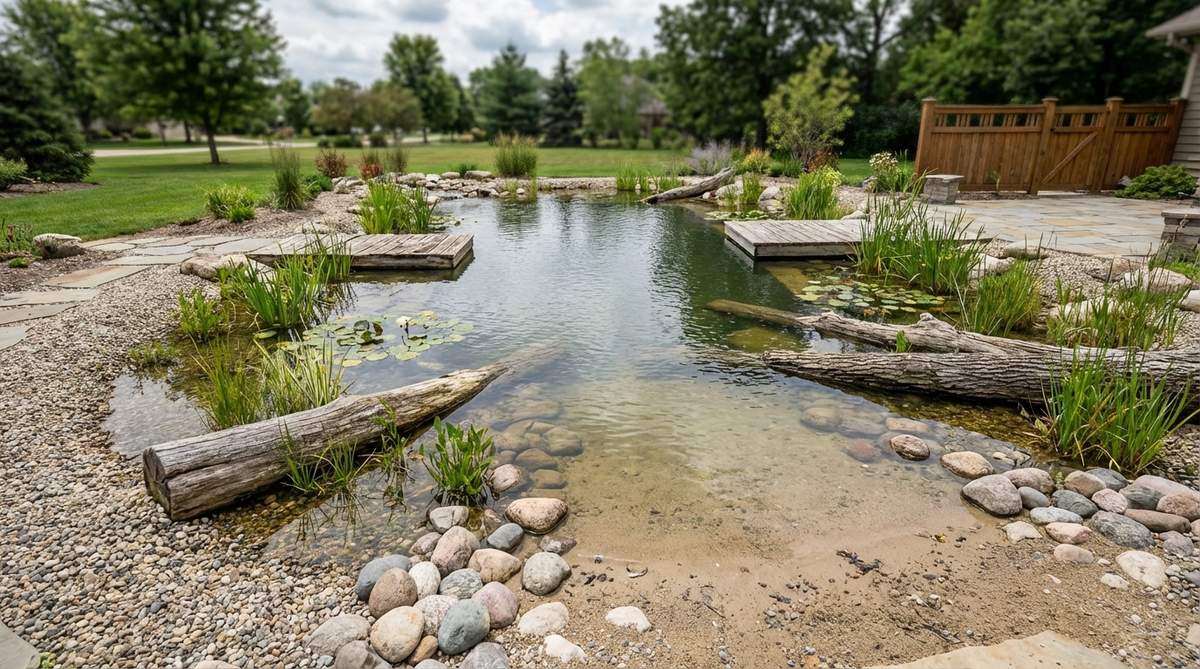
Naturalistic ponds with graduated edges allow animals safe access to water. Shallow beach areas and submerged rocks provide escape routes for small creatures.
Avoid steep-sided formal pools that trap wildlife. Include floating platforms or partially submerged logs as resting spots for amphibians and insects.
Conclusion
Garden decoration integrates structural frameworks, artistic elements, and functional features to establish outdoor spaces that perform across seasons and serve multiple purposes. The concepts presented provide landscape architects and homeowners with evidence-based approaches to spatial design that balance aesthetic goals with ecological responsibility and practical maintenance requirements. Begin with permanent structural elements that organize space, layer in decorative accents that express personal style, and incorporate wildlife-supporting features that connect private landscapes to broader ecological networks.
Frequently Asked Questions
What is the difference between garden decor and garden decoration?
Garden decor refers to the physical objects and accessories placed in outdoor spaces, while garden decoration encompasses the broader practice of arranging structural elements, plants, and ornamental features to achieve aesthetic and functional goals. Decoration includes spatial planning, material selection, and compositional principles that organize decor items into cohesive design schemes. Professional landscape architects use decoration as the comprehensive design process and decor as the individual components within that system.
How do I choose garden decoration that matches my home’s architectural style?
Identify your home’s dominant architectural characteristics including material palette, ornamental details, and formal versus informal massing. Traditional homes with symmetrical facades pair with classical statuary, formal fountains, and geometric layouts, while contemporary structures benefit from abstract sculpture, clean-lined containers, and minimalist water features. Extract 2-3 primary materials from your home’s exterior (brick, stone, metal finishes) and repeat those in garden decor accessories to establish visual continuity between built and planted environments.
What garden decor accessories provide the best return on investment?
Permanent structural elements like pergolas, quality lighting systems, and durable hardscape features deliver highest long-term value through multi-decade service life and enhanced property appeal. Professional-grade outdoor lighting increases usable hours and security while consuming minimal energy with LED technology. Well-designed irrigation systems integrated into decorative water features reduce maintenance labor and ensure plant health. Focus budget on weather-resistant materials rated for your climate zone rather than trendy items requiring frequent replacement.
How can I create unique garden decor without excessive spending?
Repurpose architectural salvage, reclaimed timber, and industrial materials into custom garden decoration. Vintage windows become decorative wall features, salvaged doors convert to headboards for garden benches, and galvanized farm implements transition into sculptural plant supports. Attend estate sales, demolition auctions, and architectural salvage yards for unique pieces at fraction of reproduction costs. Combine inexpensive materials like concrete and pigment to cast custom planters, stepping stones, or decorative spheres using silicone molds borrowed from maker spaces or purchased online.
What are the essential principles for arranging outdoor garden decor?
Apply the design principle of triangulation by positioning elements in odd-numbered groups (3, 5, or 7) at varied heights and depths to create visual movement. Establish clear focal points at sight-line terminals where paths end or seating areas face. Repeat materials, colors, or forms throughout the space to build rhythm and unity while limiting palette to 3-5 dominant elements to prevent visual chaos. Balance mass and void by alternating planted areas with open spaces, and position decor accessories where they enhance rather than compete with seasonal plantings.
How do I maintain garden decoration through different seasons?
Select materials rated for temperature extremes and precipitation patterns in your USDA hardiness zone. Store delicate ceramic and terra cotta pieces indoors during freeze-thaw cycles, or choose frost-proof alternatives like fiberglass composites and cast stone. Apply furniture paste wax to metal sculpture before winter to prevent corrosion, and cover cushioned furniture with breathable covers during off-season. Drain water features completely before first frost and store pumps indoors. Establish maintenance calendar aligning with seasonal transitionsspring setup, summer monitoring, fall preparation, and winter protection protocols.