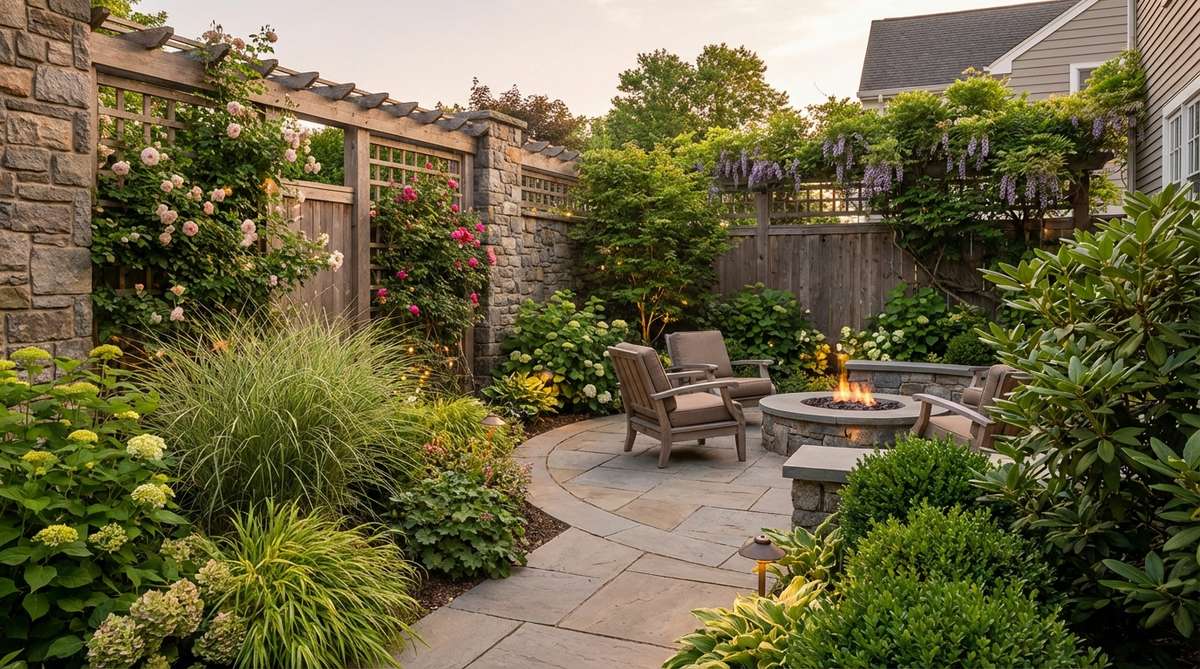
A cozy garden transforms ordinary outdoor areas into warm, intimate sanctuaries where comfort meets natural beauty. Landscape architects prioritize enclosure, layered textures, and strategic lighting to craft spaces that invite lingering conversations and peaceful solitude. Fresh Garden Ideas presents proven design concepts that balance professional technique with achievable installation for homeowners seeking year-round outdoor enjoyment.
Design SnapshotKey Principles
- Enclosure Over Exposure: Designers use vertical elements (hedges, pergolas, trellises) to define boundaries and create shelter from wind and sightlines.
- Scale Reduction: Lowering canopies with tree branches or structures brings down the perceived ceiling height, making expansive yards feel more intimate.
- Layered Lighting: Combining ambient fixtures, accent lights, and fire features establishes warmth without harsh brightness.
- Textural Depth: Mixing soft furnishings (blankets, cushions) with natural materials (stone, wood, woven fibers) adds tactile richness that defines cozy spaces.
Sheltered Seating Zones for Cozy Gardens
Designers position seating in protected corners where structural elements block prevailing winds and create psychological refuge. The right placement captures late afternoon sun while maintaining privacy from neighboring properties.
1. Corner Pocket Seating
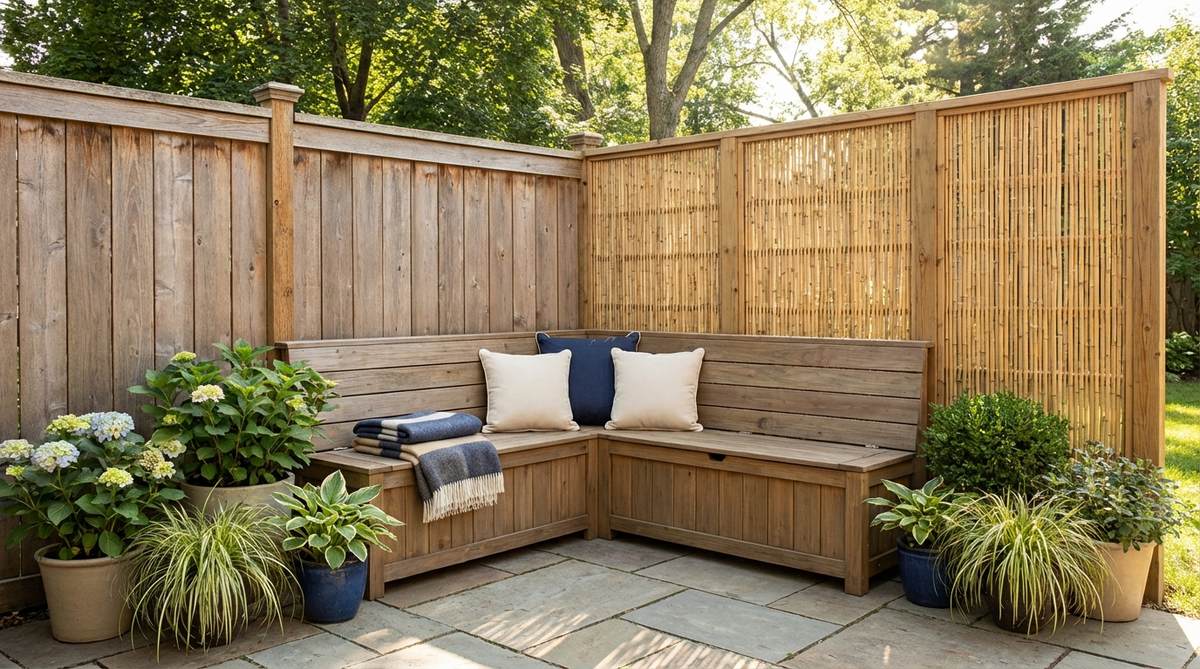
Tucking a bench or chair into the intersection of two fence lines establishes instant enclosure without construction. Bamboo screens or lattice panels mounted at angles reinforce the sheltered feeling while maintaining airflow.
This configuration works particularly well in south-facing corners that trap solar heat during cooler months. Adding a weatherproof storage bench provides both seating and concealed space for cushions and blankets.
2. Pergola-Covered Lounge
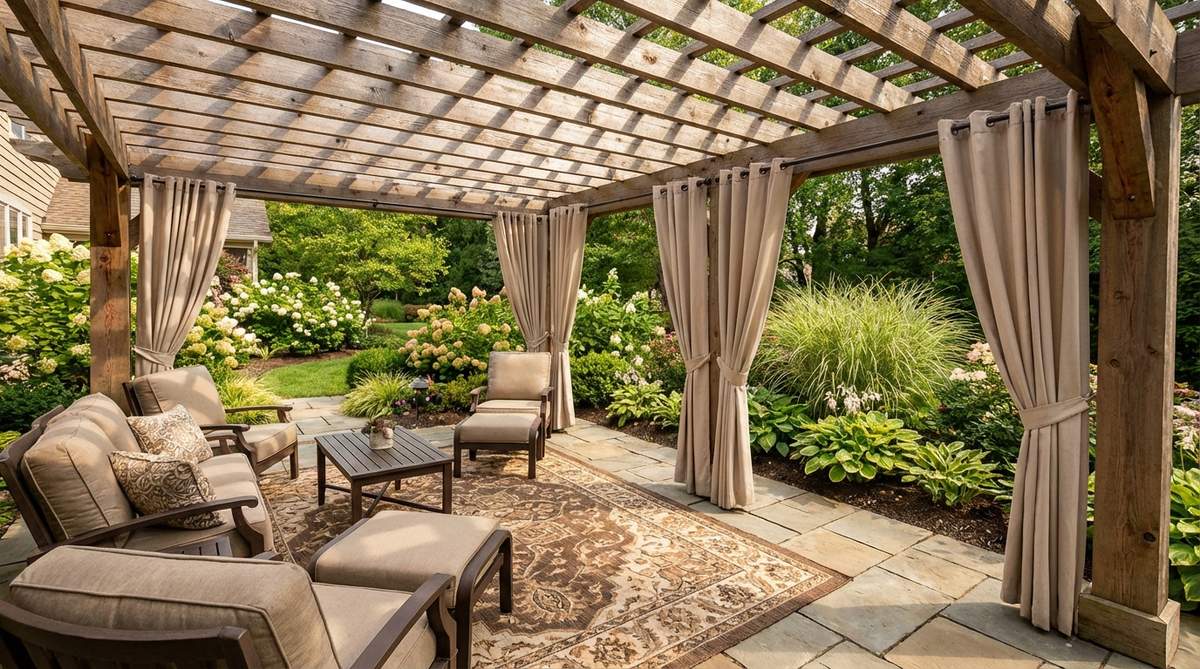
Overhead beams define the ceiling plane while casting dappled shade that shifts throughout the day. Landscape professionals recommend placing pergolas where views extend toward attractive plantings or landscape features.
Mounting curtain rods to the structure allows for flexible privacy control and wind protection. Integrating outdoor-rated rugs beneath the pergola grounds the seating area and absorbs sound.
3. Built-In Seat Walls
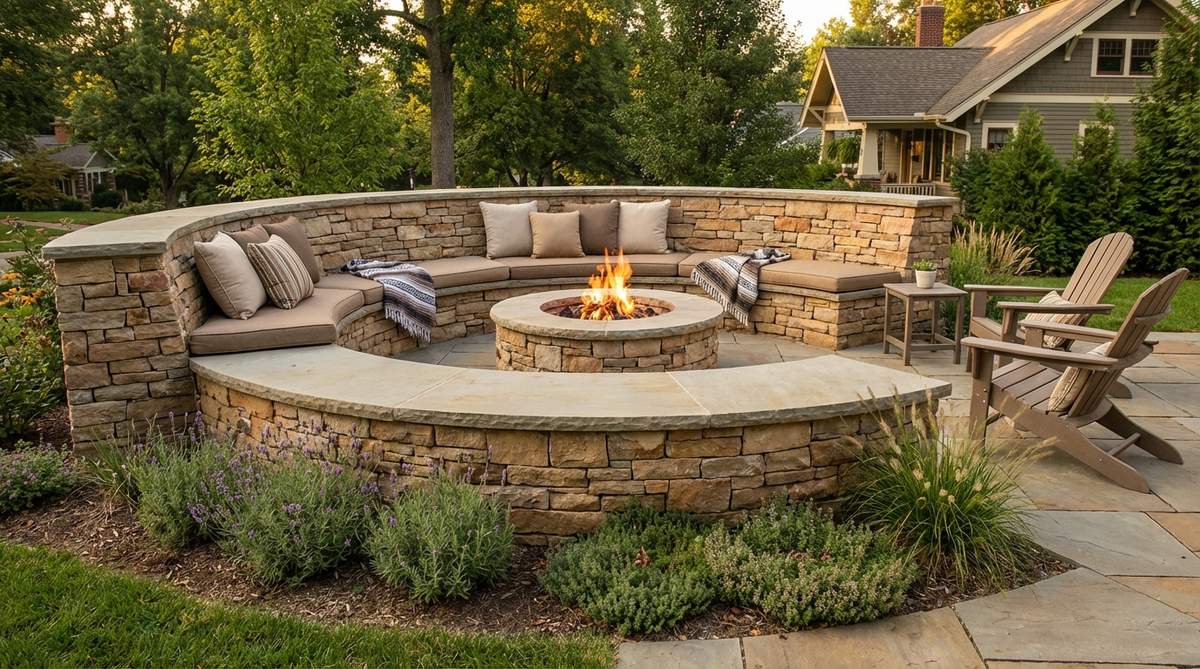
Stone or brick walls at 18-inch height serve dual purposes as both seating surfaces and spatial boundaries. Designers position these elements in U-shapes or L-configurations around fire pits to encourage face-to-face conversation.
Capping seat walls with smooth flagstone creates a comfortable surface that retains daytime warmth into evening hours. Planting low perennials at the wall base softens hard edges while maintaining the defined footprint.
The permanent nature of masonry ensures year-round usability without furniture storage concerns.
4. Tree Canopy Shelter
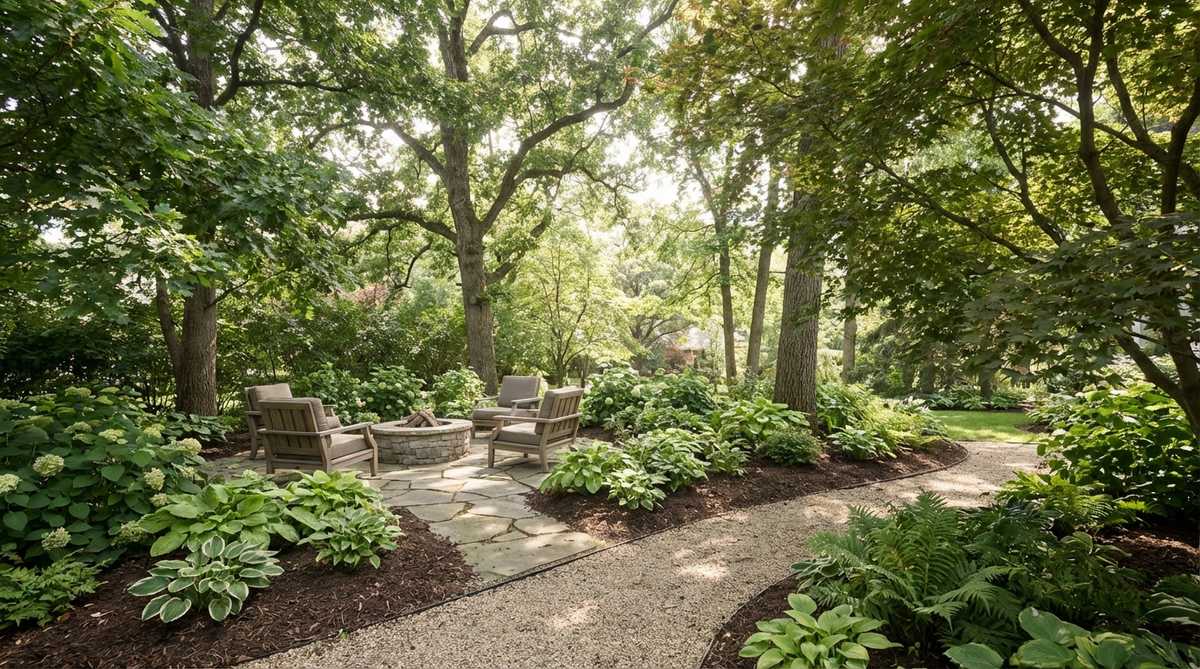
Mature trees with horizontal branching patterns create natural ceiling planes that reduce scale in larger yards. Positioning seating directly beneath established oaks, maples, or magnolias provides instant shade and a sense of protection.
Landscape architects recommend leaving a 6-foot radius of mulched bed around the trunk to prevent soil compaction. Ring the seating zone with shade-tolerant hostas or ferns to complete the enclosure without competing with tree roots.
5. Alcove Garden Room
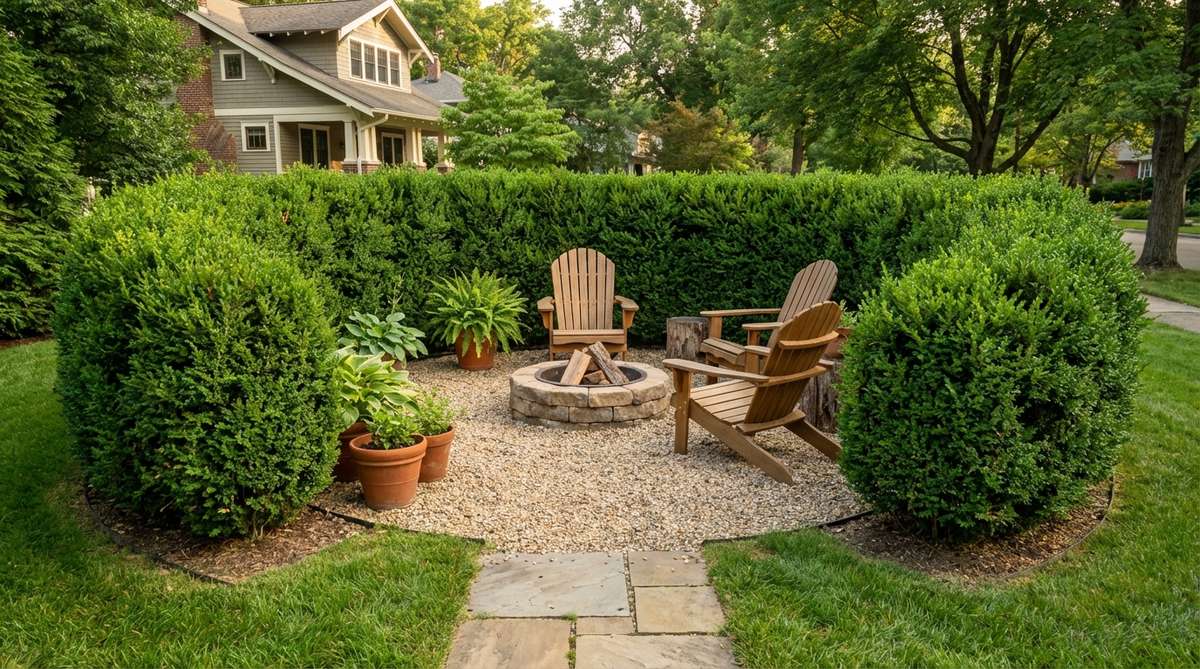
Carving out a dedicated alcove from existing shrubbery or installing U-shaped hedges creates a distinct outdoor room. Evergreen selections like boxwood or yew maintain structure through all seasons.
Flooring the alcove with gravel, pavers, or composite decking differentiates it from surrounding lawn areas. This subtle threshold signals entry into a purposeful retreat space rather than incidental garden passage.
6. Sunken Conversation Pit
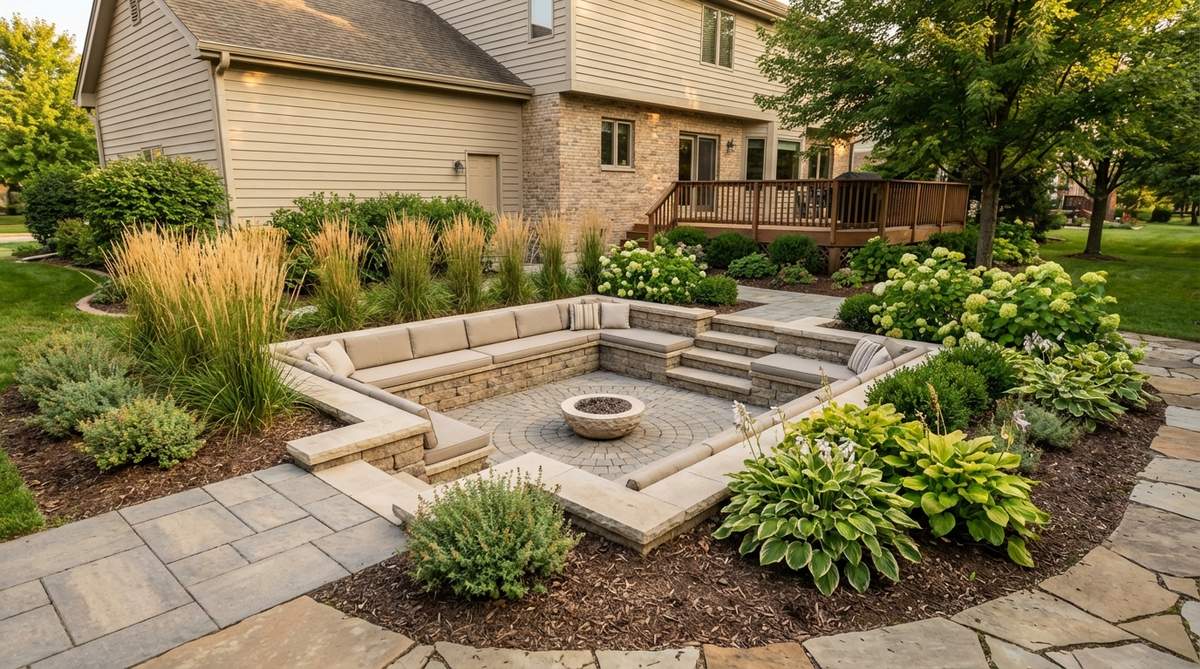
Excavating seating areas 12 to 18 inches below grade level offers wind protection and a cocooning effect. The lowered perspective shifts focus toward the sky and surrounding plantings rather than neighboring structures.
Built-in benches along the perimeter eliminate furniture needs while maximizing seating capacity. Adding a central fire feature transforms the sunken zone into a natural gathering focal point.
7. Hammock Corner Retreat
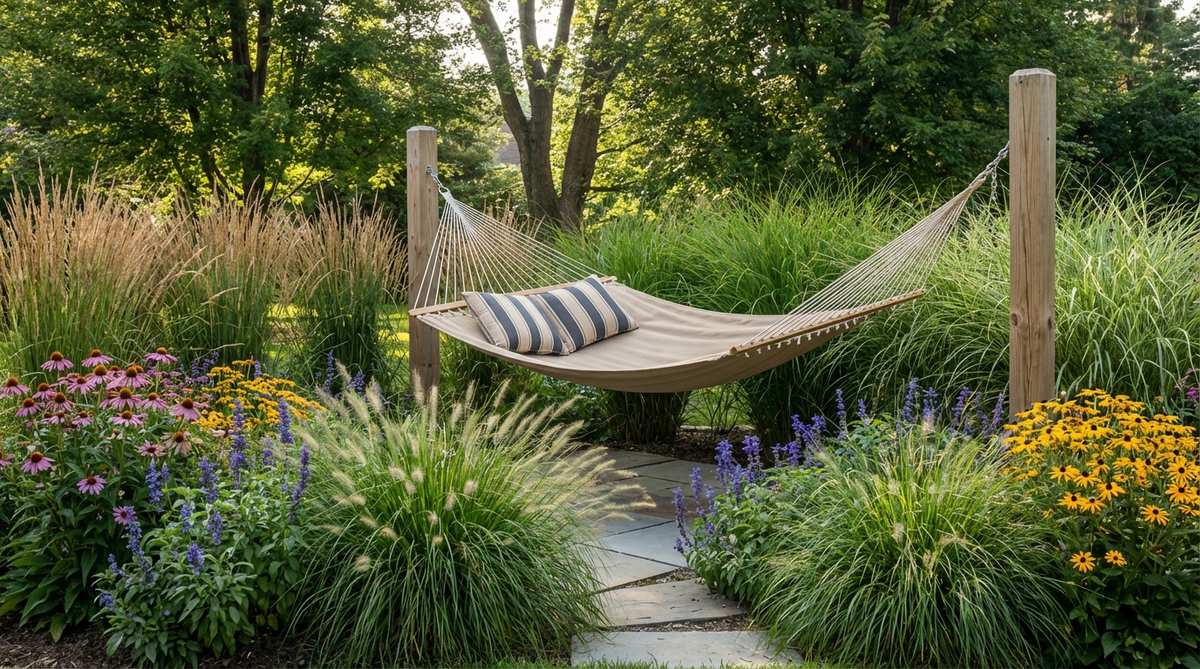
Suspending a hammock between two trees or posts creates a gentle swaying refuge that requires minimal square footage. Select locations that receive morning or late afternoon shade to prevent overheating during use.
Surrounding the hammock with ornamental grasses or flowering perennials establishes visual privacy at eye level when reclining. Weather-resistant hammocks in neutral tones blend into garden settings while colored options serve as accent pieces.
8. Covered Patio Extension
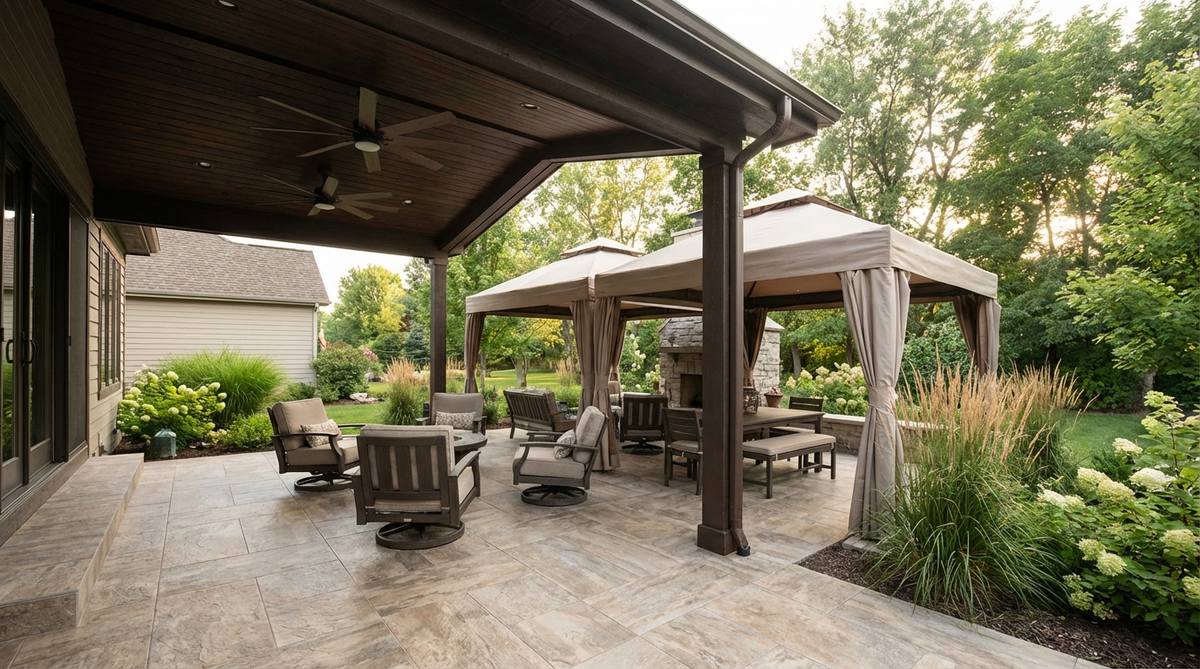
Extending roof overhangs or adding freestanding canopies adjacent to the home creates seamless indoor-outdoor flow. Designers orient these spaces to capture prevailing breezes while blocking harsh western sun.
Installing ceiling fans beneath the cover improves air circulation on humid days. Transitional flooring materials like stamped concrete or porcelain tile connect interior and exterior zones visually.
Ambient Lighting Concepts for Cozy Garden Life
Layered lighting extends usability into evening hours while establishing warmth that electric overhead fixtures cannot replicate. Professionals combine multiple light sources at varying heights to create dimensional glow rather than flat illumination.
9. String Light Canopy
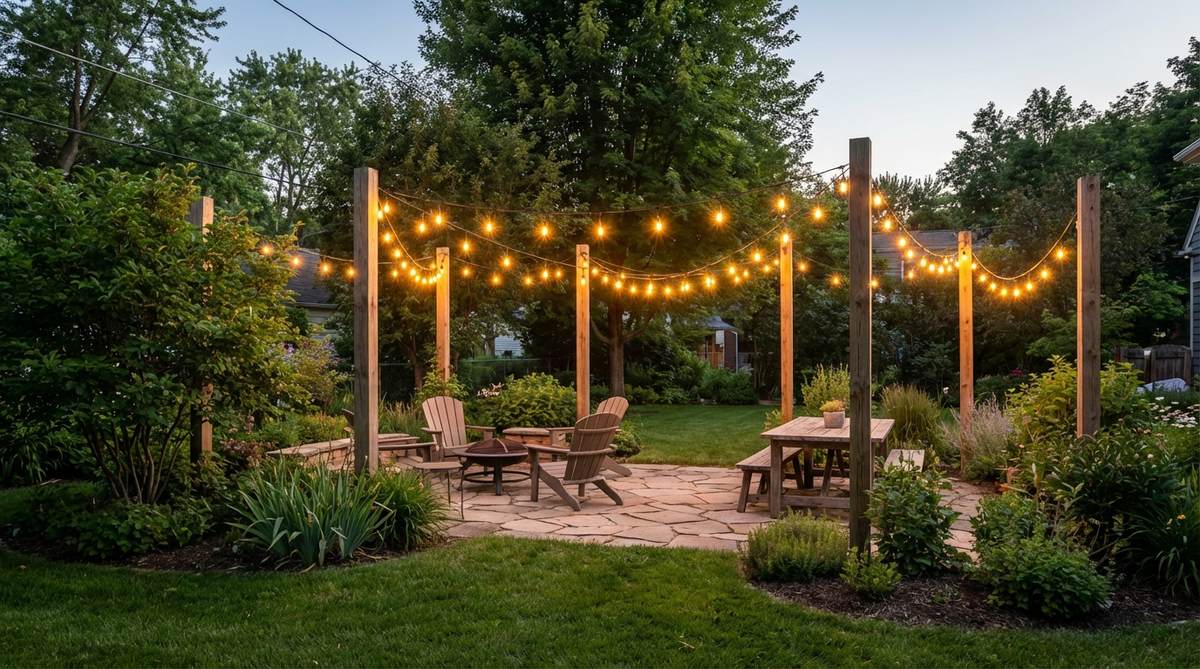
Draping Edison bulb strings in crisscross patterns above seating areas mimics starlight while providing functional illumination. Commercial-grade strands with rubberized sockets withstand weather exposure better than consumer versions.
Mounting points require structural posts or eyebolts anchored into solid lumber to prevent sagging. Designers space bulbs 18 to 24 inches apart to balance light coverage with energy efficiency.
10. Uplighting Trees & Shrubs
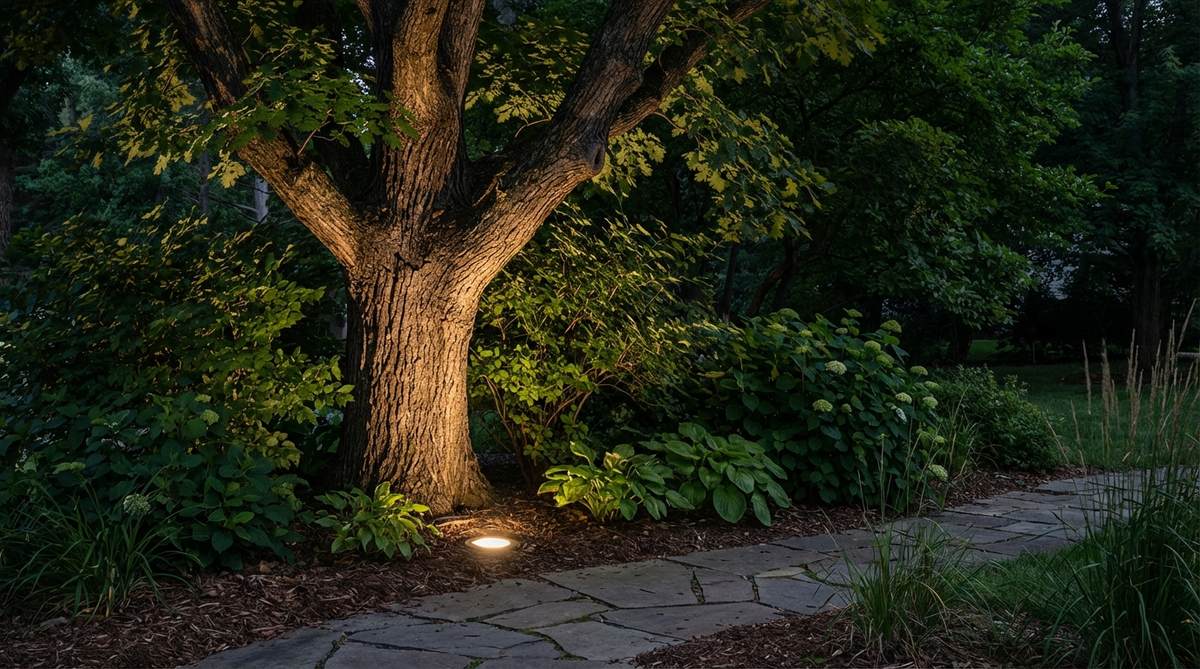
Positioning ground-level spotlights at the base of specimens highlights bark texture and leaf structure after dark. This technique draws the eye upward and expands the perceived garden space beyond the immediate seating zone.
LED fixtures in 3000K warm white temperature maintain a cozy ambiance without the harsh blue cast of cooler bulbs. Solar options work adequately for accent purposes but lack the intensity of low-voltage wired systems.
11. Lantern Clusters
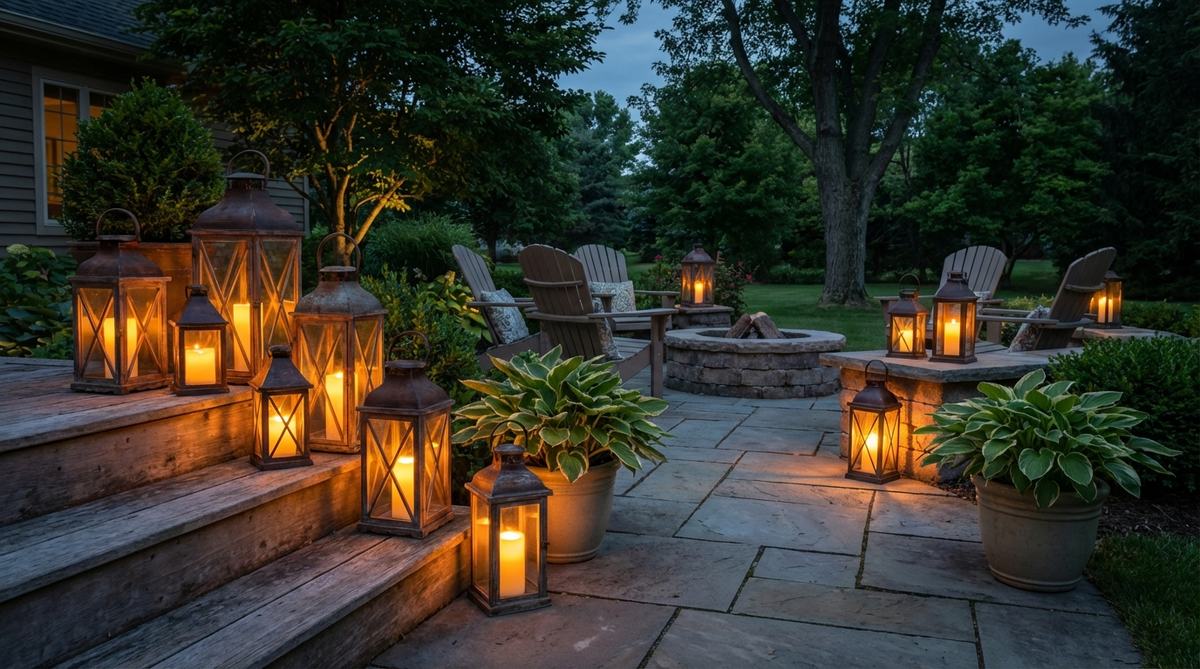
Grouping battery-operated or candle lanterns on tables, steps, and wall ledges creates pockets of soft glow throughout the garden. Varying lantern heights from 8 to 16 inches adds visual interest without uniformity.
Metal lanterns with perforated panels cast decorative shadows on nearby surfaces. Battery-powered flameless candles eliminate fire risk while maintaining the flicker effect of live flames.
12. Path Marker Lights
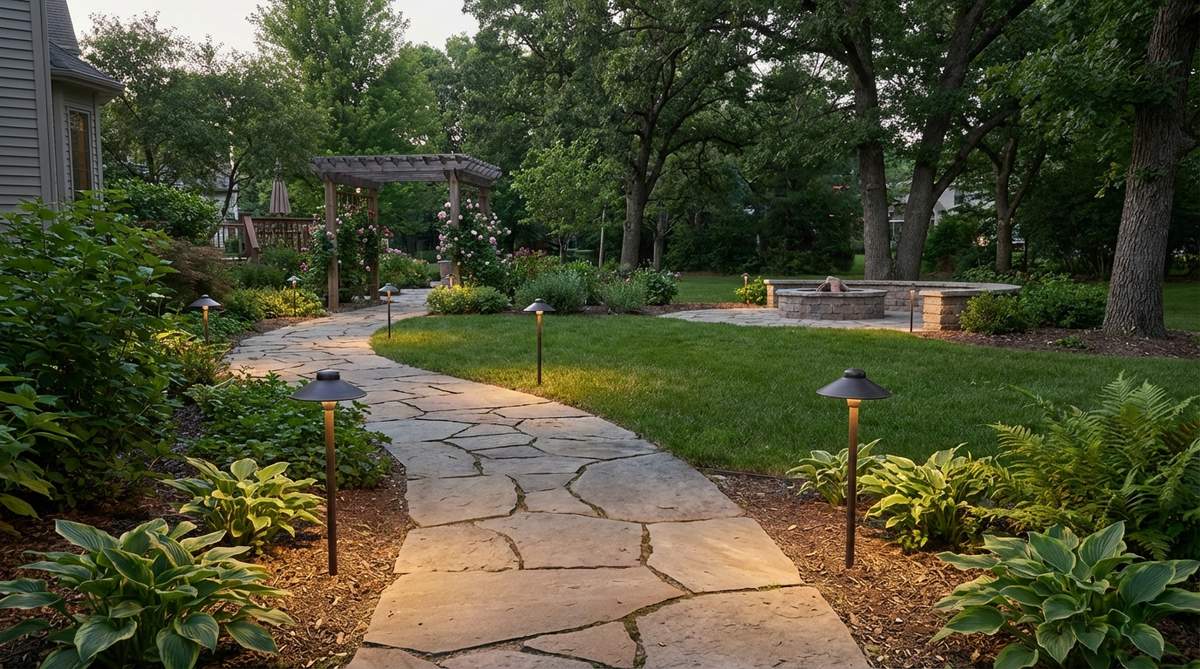
Low-profile fixtures along walkways guide movement while keeping illumination close to the ground. This prevents light pollution and maintains focus on the seating areas rather than circulation routes.
Spacing path lights 6 to 8 feet apart provides adequate guidance without over-lighting. Designers select fixtures with downward-facing shields to prevent glare when approaching from either direction.
13. Under-Bench Lighting
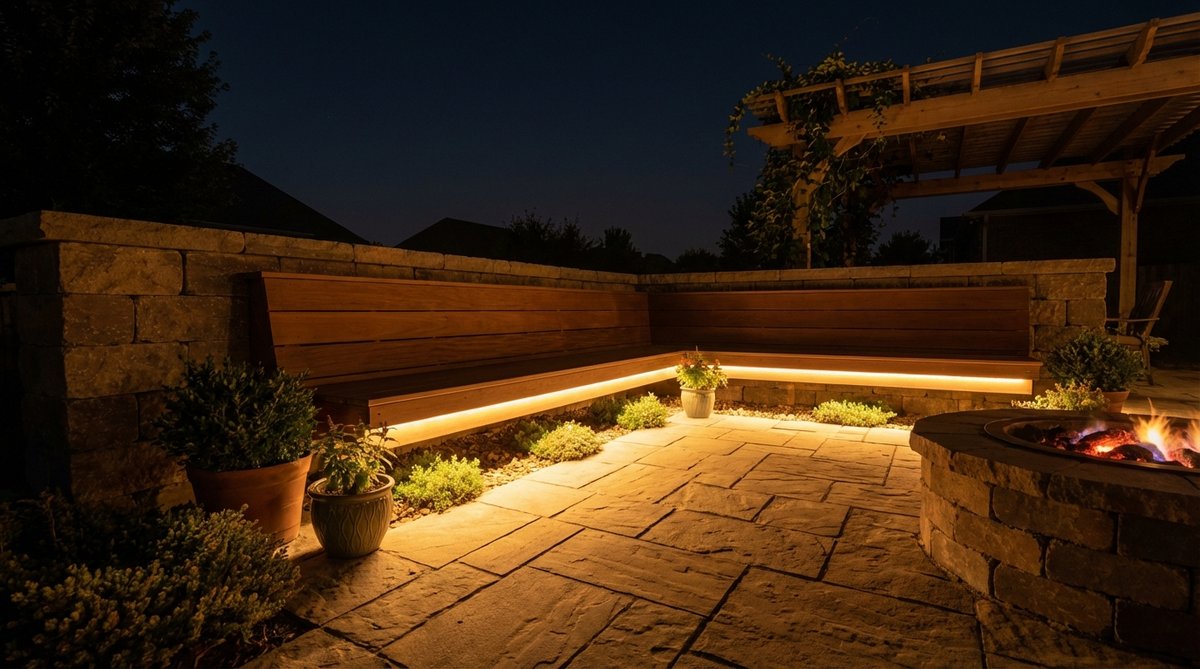
Installing LED strip lights beneath built-in seating or planters creates a floating effect after dark. The indirect glow illuminates the ground plane without shining in guests’ eyes.
This technique works particularly well on deck stairs and tiered patio levels where subtle lighting prevents trip hazards. Warm amber tones integrate better with outdoor settings than cool white LEDs.
14. Moonlight Effect Fixtures
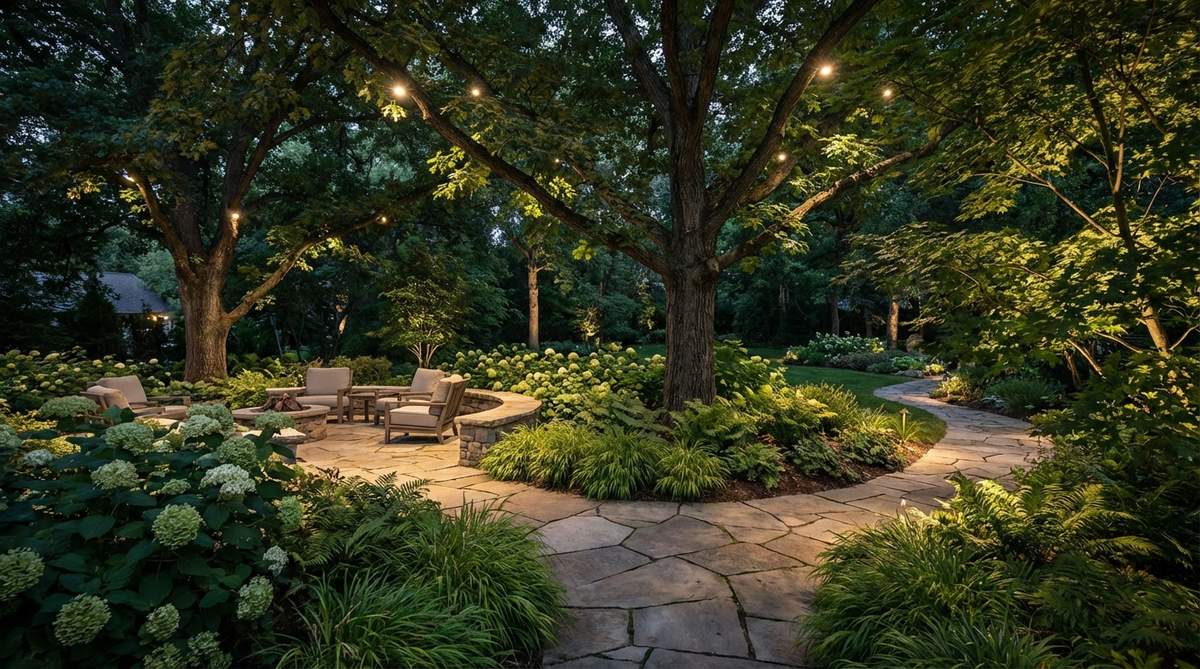
Mounting downlights high in tree branches simulates natural moonlight filtering through foliage. This creates ambient illumination that feels organic rather than artificial.
Fixtures require professional installation to ensure proper waterproofing and branch protection. The effect works best with broad canopy trees where light can diffuse through multiple layers of leaves.
15. Tabletop Fire Bowls
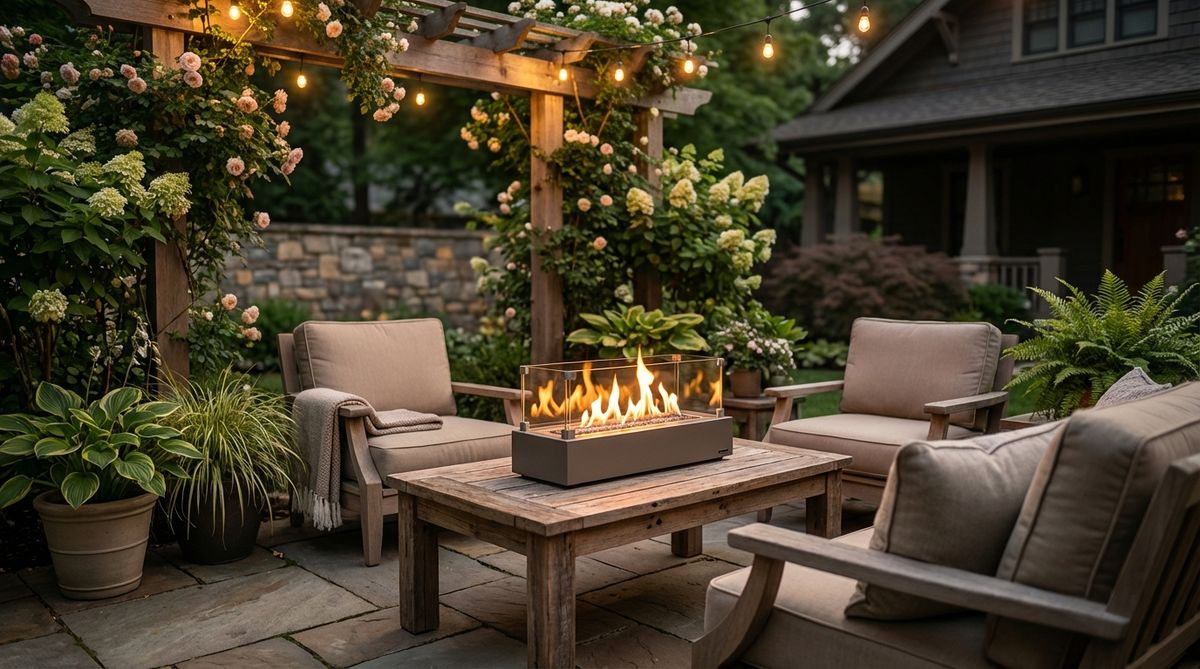
Portable gel fuel or propane fire bowls placed on dining or coffee tables provide both light and focal warmth. The dancing flames create mesmerizing movement that draws conversation naturally.
Select models with tempered glass wind guards to protect flames from breezes while maintaining visibility. These compact features suit small patios where full-sized fire pits exceed available space.
16. Solar Jar Lights
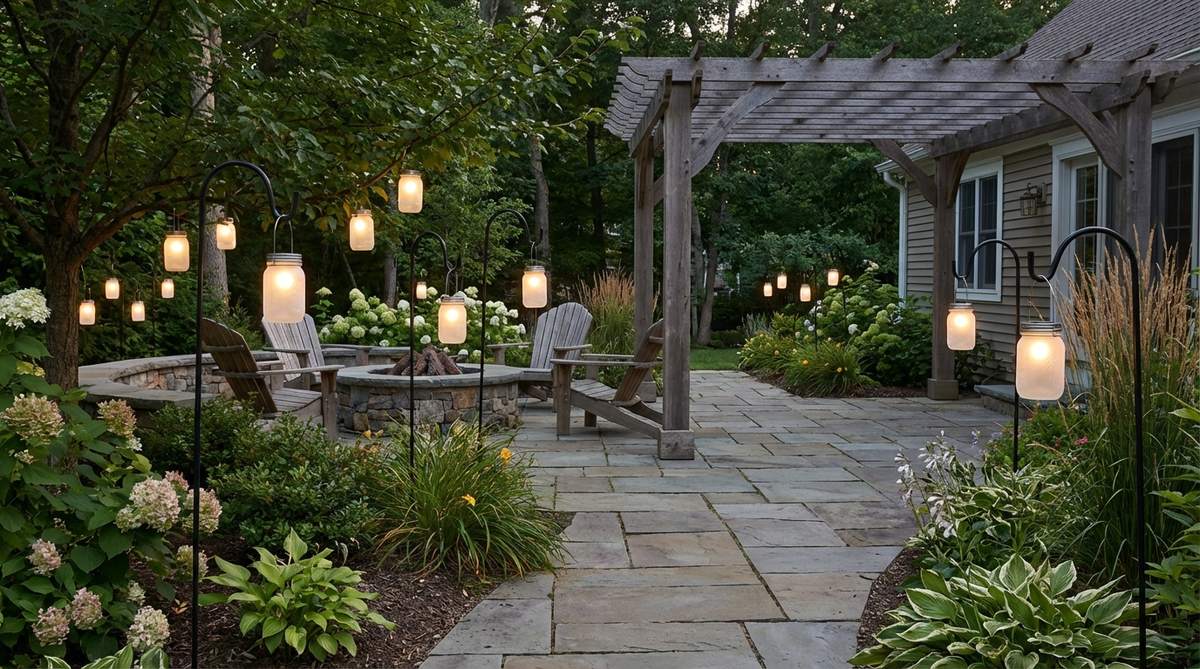
Mason jar-style solar lights hung from shepherd’s hooks or tree branches add whimsical charm to cozy garden corners. The frosted glass diffuses LED bulbs for gentle illumination.
Clustering three to five jars at varying heights creates visual interest without electrical wiring. These work effectively in areas where hardwired lighting installations prove impractical.
Plant Enclosure Strategies for Cozy Garden Ideas
Strategic plant placement creates living walls that provide privacy, wind protection, and sensory richness. Landscape designers layer plants at multiple heights to establish gradual transitions from open lawn to enclosed retreat spaces.
17. Plant Hug Arrangement
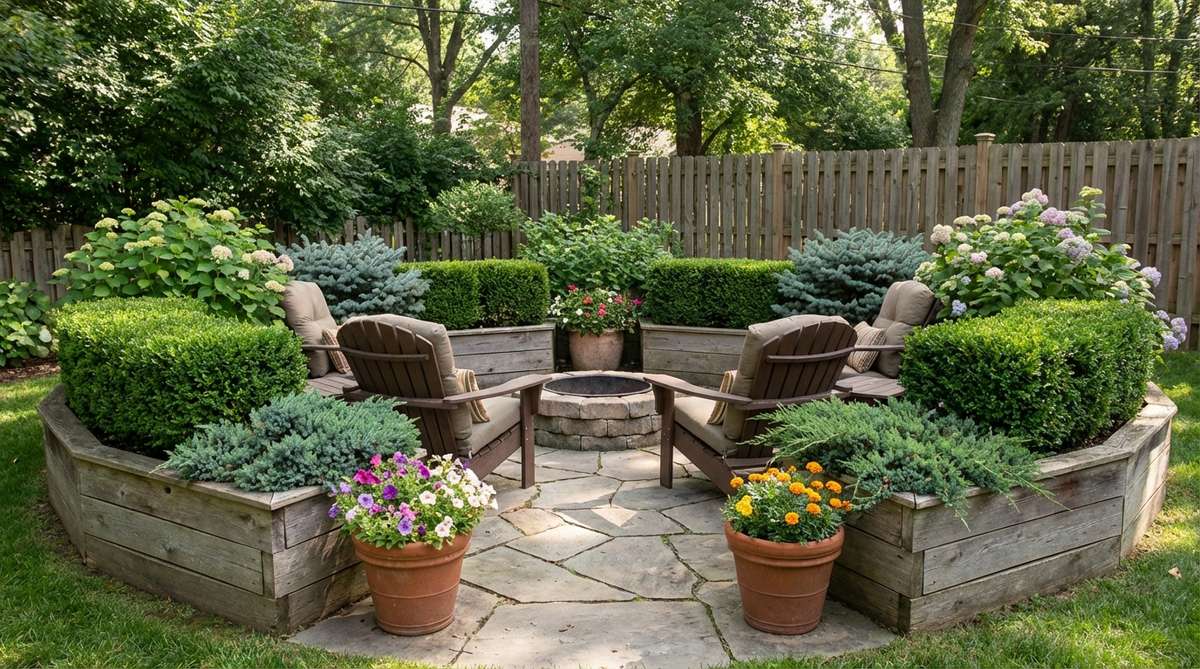
Positioning containers and raised beds in a semicircle around seating forms a protective plant embrace. This technique allows renters or those avoiding permanent installations to create instant enclosure.
Selecting evergreen shrubs like boxwood, pittosporum, or dwarf conifers maintains structure year-round. Interspersing seasonal bloomers adds color rotation without compromising the core privacy screen.
The flexibility of container arrangements permits adjustments as sun patterns shift or seating needs change.
18. Mixed-Height Border
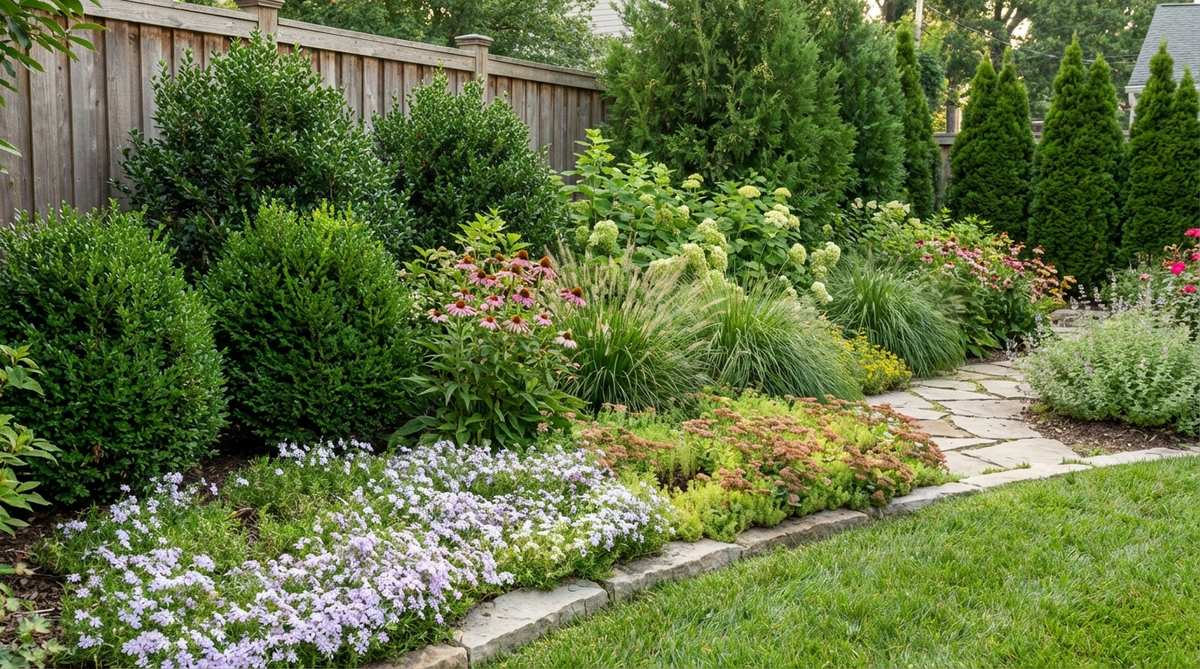
Planting in layered tiers from groundcover through mid-height perennials to tall shrubs creates depth that draws the eye through multiple focal planes. This staggered approach prevents the flat appearance of single-height hedges.
Front layer groundcovers like creeping thyme or ajuga transition from hardscape to planting beds. Middle tier ornamental grasses or coneflowers add seasonal movement and texture, while back row evergreens provide year-round structure.
19. Privacy Hedge Wall
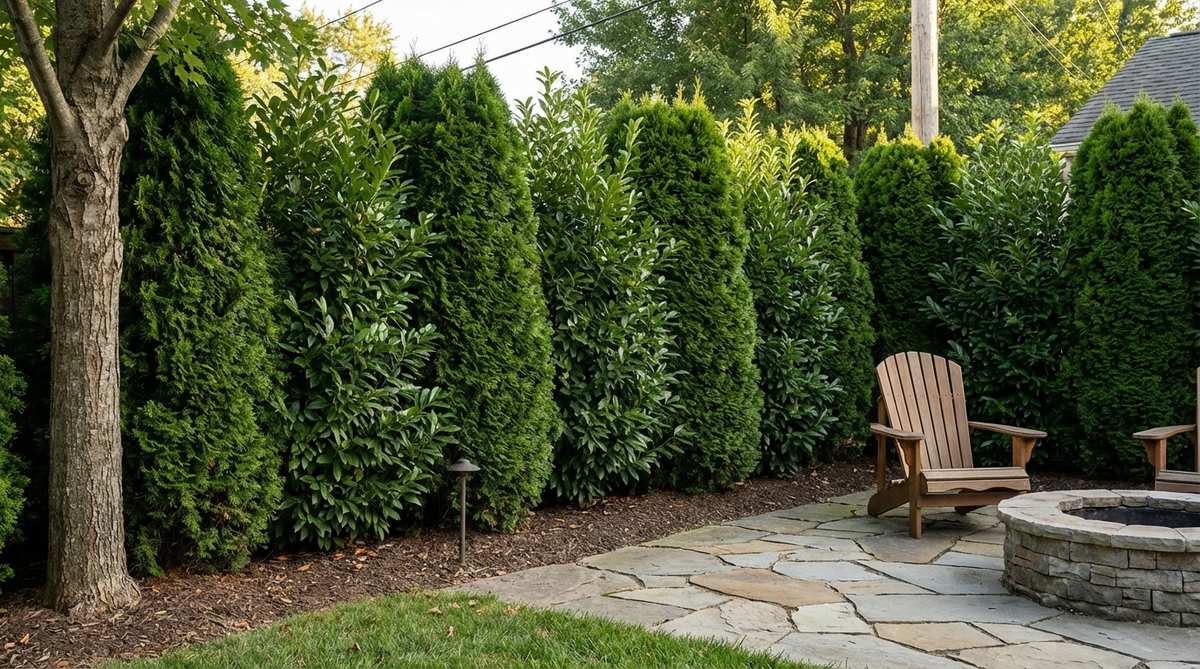
Dense evergreen hedges like arborvitae, Leyland cypress, or cherry laurel block sightlines while absorbing neighborhood noise. Planting hedges 3 to 4 feet apart allows faster closure than wider spacing.
Maintaining hedge heights between 6 and 8 feet provides complete privacy without creating oppressive enclosure. Regular pruning preserves the formal edge while encouraging lateral branching that fills gaps.
20. Ornamental Grass Screen
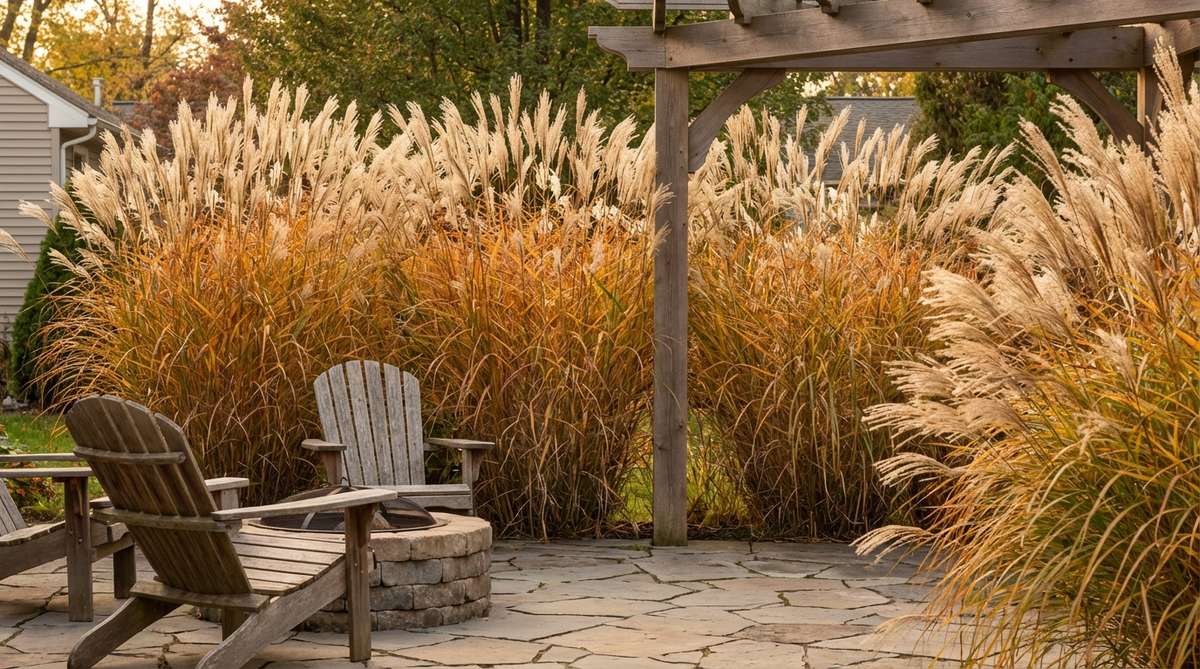
Tall grasses like miscanthus, switchgrass, or giant feather reed grass create translucent veils that obscure views while maintaining airflow. Their seasonal movement adds kinetic interest to static seating areas.
Grasses require minimal maintenance beyond annual spring cutbacks, making them low-commitment privacy solutions. Autumn seed heads extend visual interest into winter months when many perennials have faded.
21. Flowering Shrub Clusters
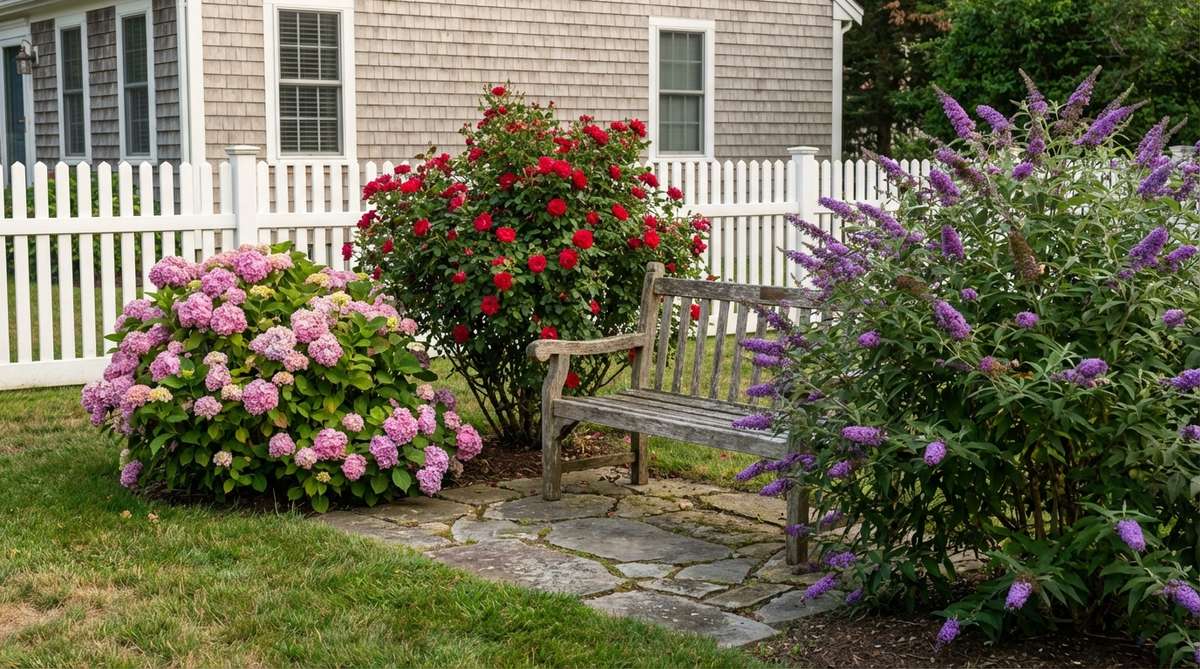
Grouping three to five specimens of the same shrub variety creates visual impact while establishing mass that defines space. Hydrangeas, roses, or butterfly bushes offer seasonal blooms alongside structural presence.
Odd-numbered groupings feel more natural than even pairs. Spacing plants according to mature spread prevents overcrowding that necessitates later removal.
22. Potted Evergreen Boundary
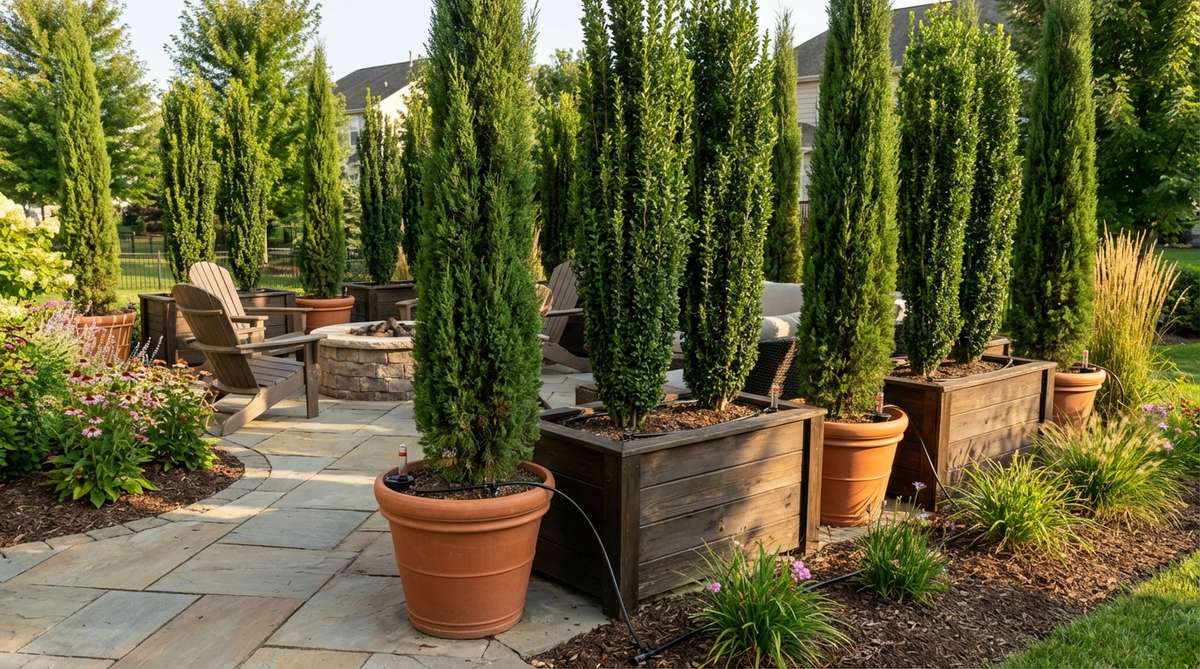
Large containers holding columnar evergreens like Italian cypress or Sky Pencil holly create portable privacy screens. This approach suits renters or homeowners who may relocate plantings as needs evolve.
Containers require consistent watering since roots cannot access ground moisture. Self-watering planters or drip irrigation systems reduce maintenance demands for container-dependent designs.
23. Tiered Planter Wall
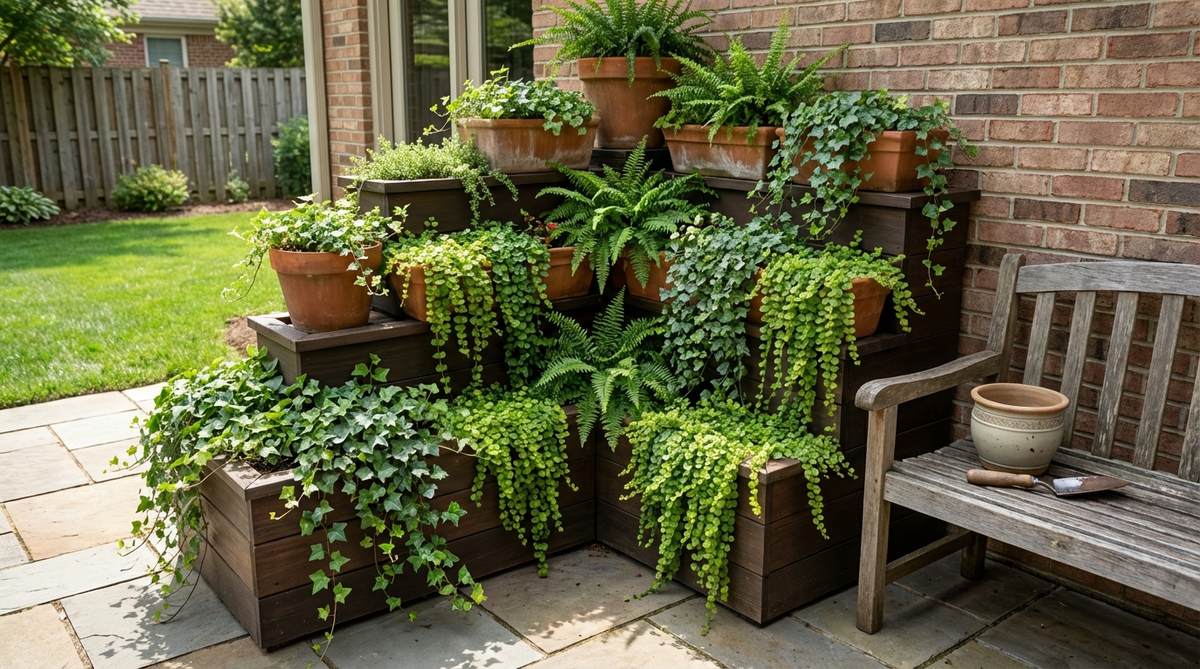
Stacking planters at graduated heights builds a living wall that maximizes vertical space in compact areas. Trailing plants like ivy or creeping jenny cascade down tiers to soften hard container edges.
This configuration works particularly well on patios or balconies where ground planting space is absent. Rotating seasonal annuals through upper tiers keeps the display fresh without overhauling the entire structure.
24. Bamboo Grove Enclosure
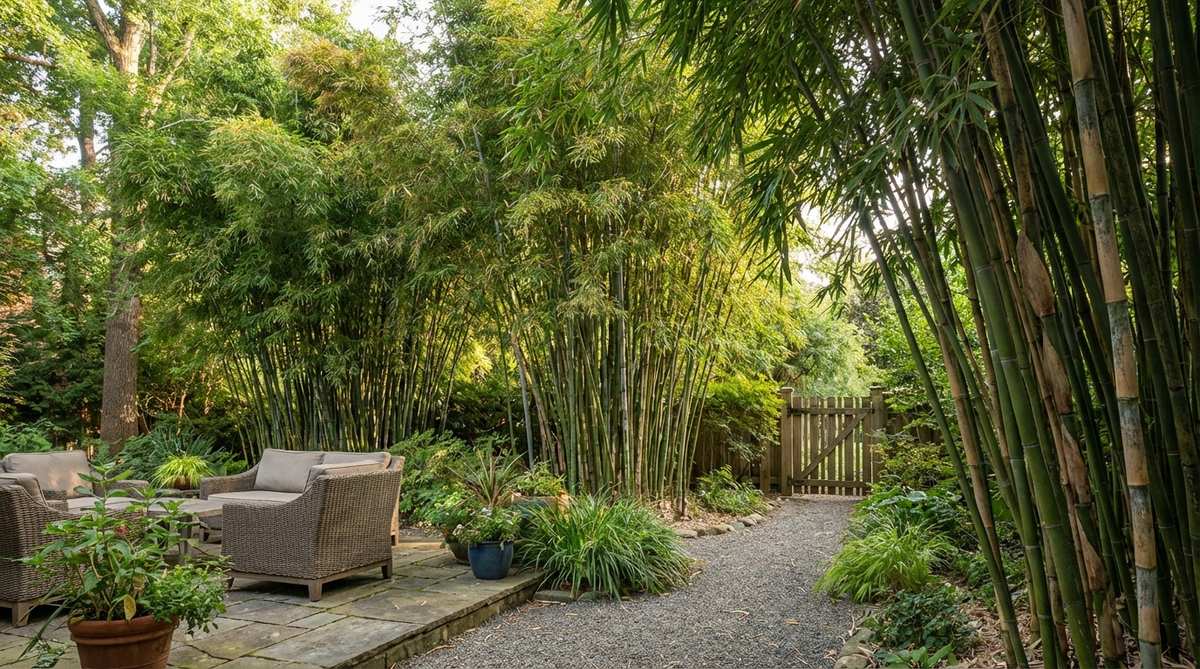
Clumping bamboo varieties create dense vertical screens that rustle pleasantly in breezes. Unlike running bamboo, clumping types remain contained without aggressive underground spreading.
Bamboo grows rapidly to desired heights, offering faster privacy than traditional hedges. The distinctive foliage and cane structure add architectural interest that conventional shrubs cannot replicate.
Fire & Warmth Features for Cozy Garden Corner Designs
Heat sources extend outdoor season usability while creating natural gathering focal points. Designers position fire features to maximize radiant warmth distribution across seating zones without overwhelming intimate spaces with excessive scale.
25. Central Fire Pit
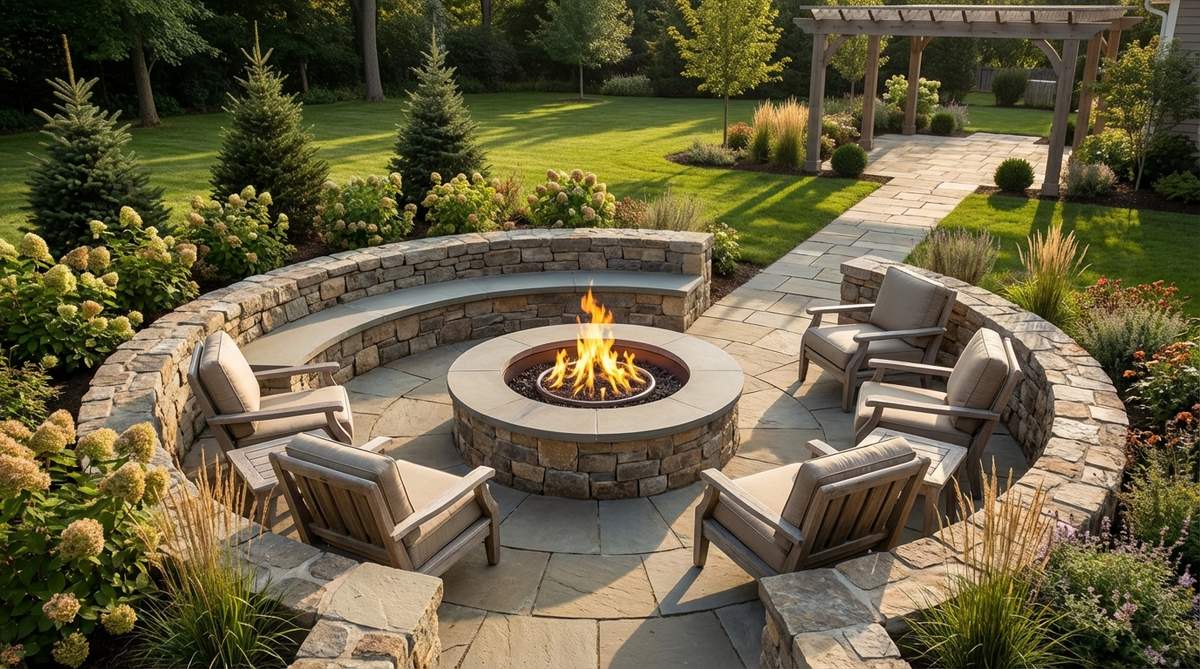
Positioning a wood-burning or gas fire pit at the center of seating arrangements creates 350-degree warmth distribution. Stone or metal rings contain flames while providing edge seating capacity.
Built-in fire pits with surrounding seat walls eliminate furniture needs and resist weather deterioration. Gas models offer instant ignition and flame control that wood-burning versions cannot match.
Clearances of 10 feet from combustible structures prevent fire hazards while maintaining cozy proximity.
26. Linear Fire Feature
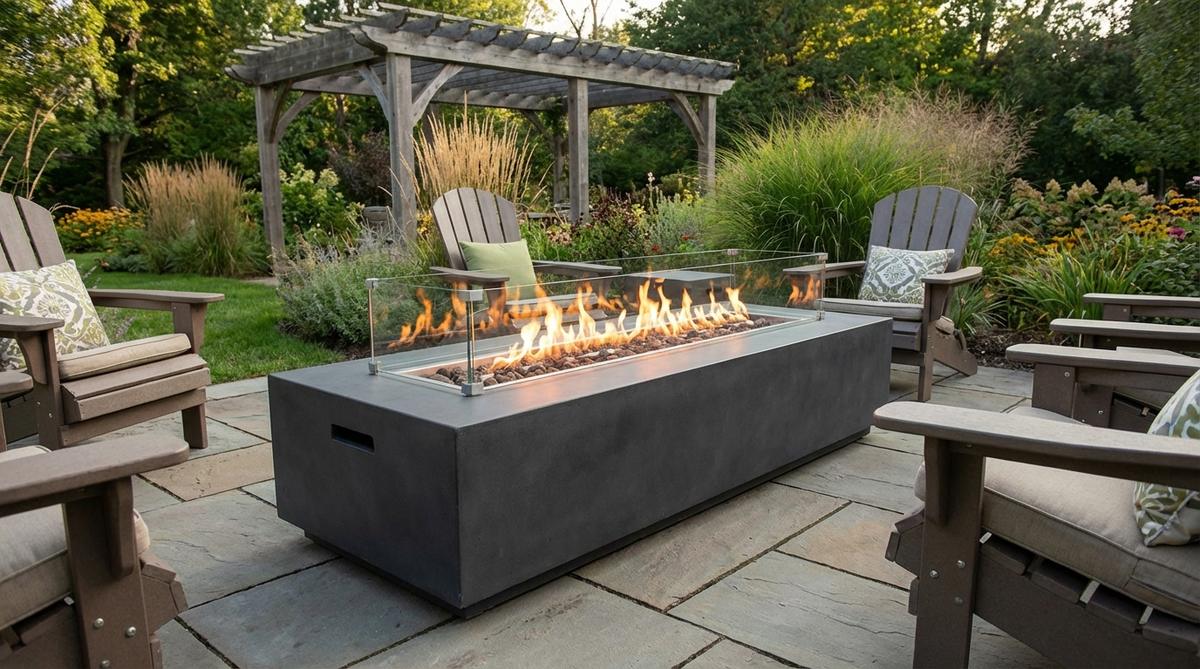
Rectangular gas fire tables or troughs provide modern aesthetics while distributing heat along their length. This configuration suits rectangular patios better than circular fire pits.
Automated ignition systems allow remote operation from indoor spaces. Tempered glass wind guards protect flames without obstructing views across the feature.
27. Chiminea Accent
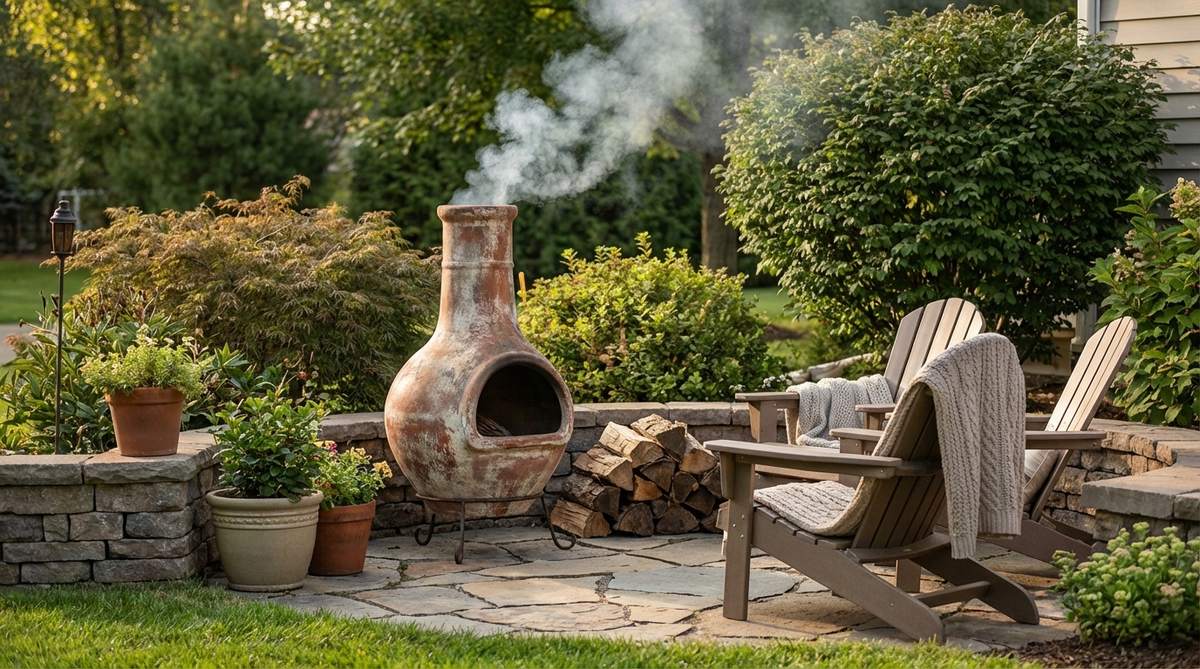
Traditional clay or cast iron chimineas direct smoke upward through their chimney structure while radiating heat from the firebox opening. Their vertical form occupies minimal floor space compared to ground-level fire pits.
Positioning chimineas on non-combustible pads protects deck surfaces from heat damage. The contained fire chamber reduces ember escape compared to open fire bowls.
28. Patio Heater Zones
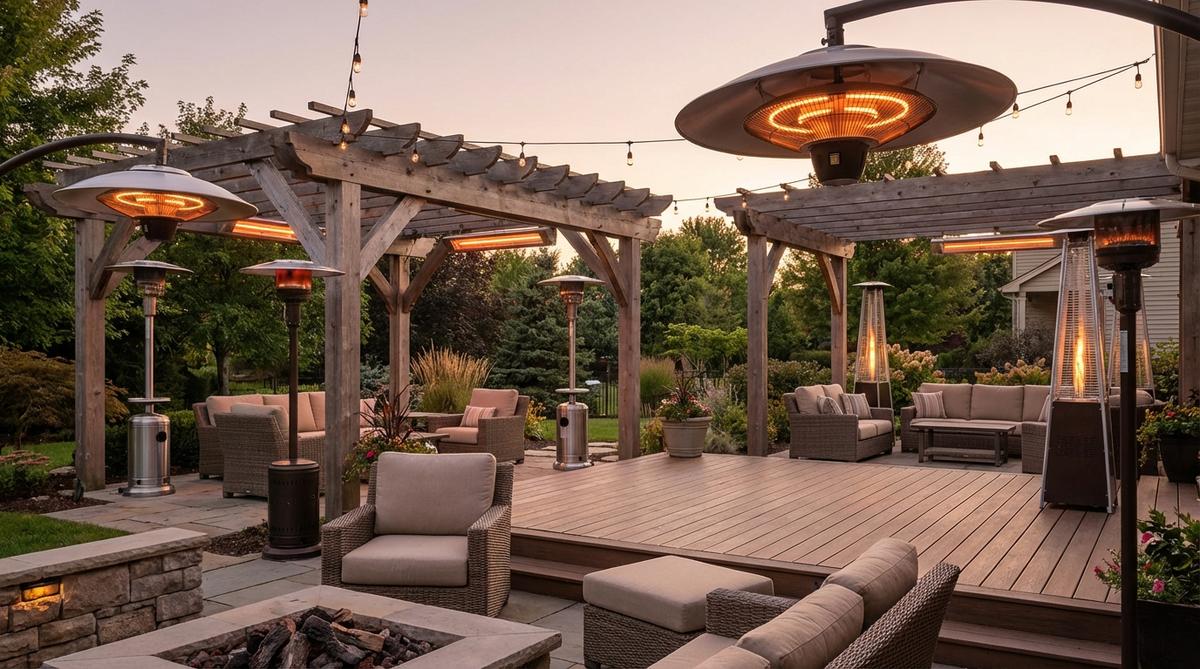
Freestanding propane or electric heaters distribute warmth in 15-foot radii without permanent installation. Positioning multiple units creates overlapping heat zones for larger gathering areas.
Umbrella-style heaters direct warmth downward from overhead positions, keeping heat concentrated at seating level. Electric infrared models mount to walls or pergola beams for space-saving configurations.
29. Fire Bowl Centerpiece
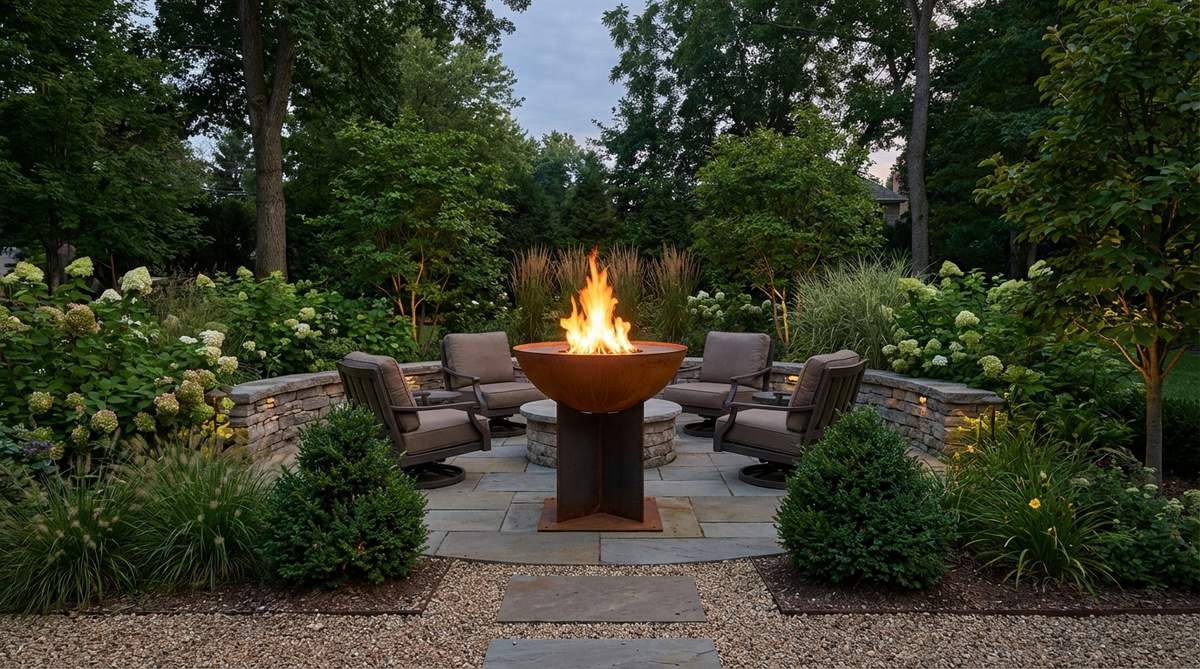
Elevated fire bowls on pedestal bases become sculptural focal points while providing tabletop-height flames. The raised position allows heat to radiate at torso level where seated guests feel maximum benefit.
Copper or corten steel bowls develop distinctive patinas over time that enhance character. Bioethanol fuel options eliminate gas line requirements for portable placement flexibility.
30. Outdoor Fireplace
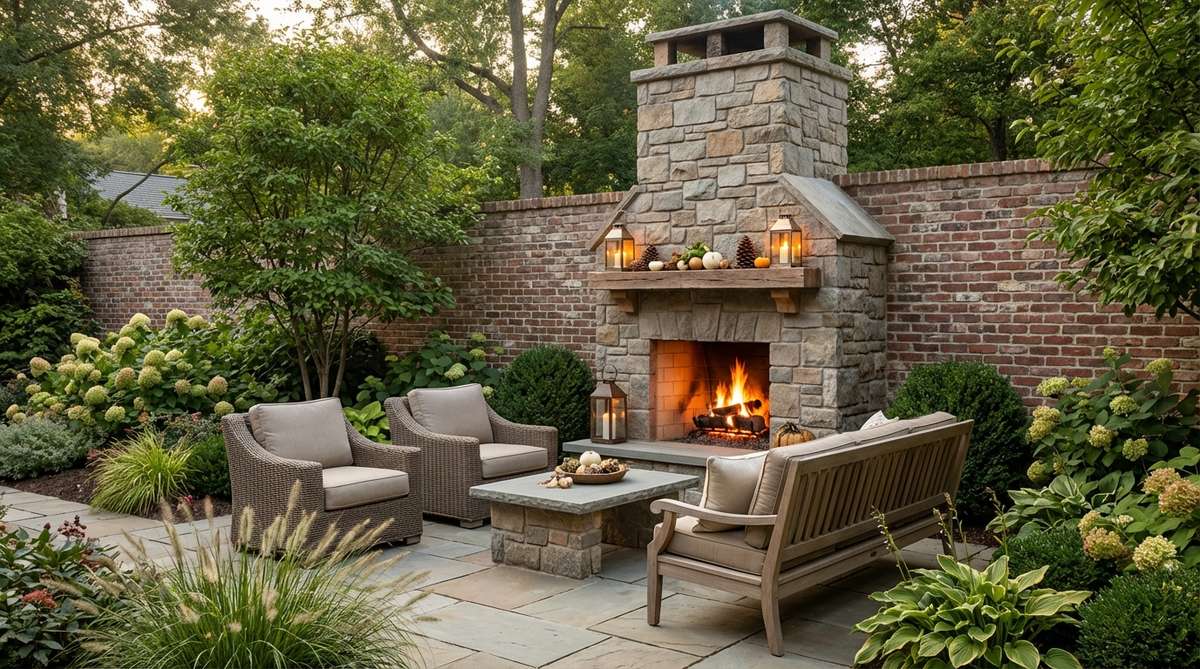
Vertical masonry or prefabricated fireplaces anchor seating areas while projecting heat forward from their firebox openings. The structure serves as both functional feature and architectural backdrop.
Building fireplaces against existing walls maximizes heat reflection into seating zones. Mantel shelves provide display space for lanterns or seasonal decorations that personalize the setting.
31. Heat Lamp Installation
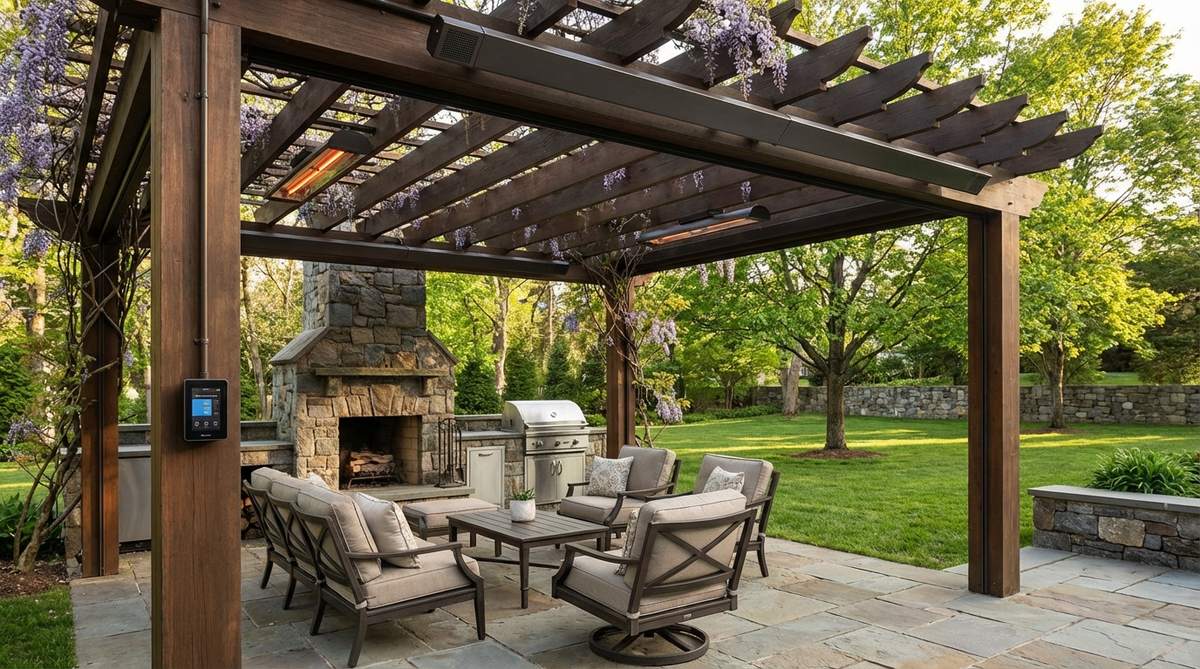
Mounting infrared heat lamps to pergola beams or covered patio ceilings delivers invisible warmth without visible flames. The instant-on capability makes them practical for spontaneous outdoor use.
Unlike combustion heaters, electric models produce no emissions and require no fuel storage. Thermostatic controls maintain consistent temperatures without manual adjustment.
32. Fire Table Dining
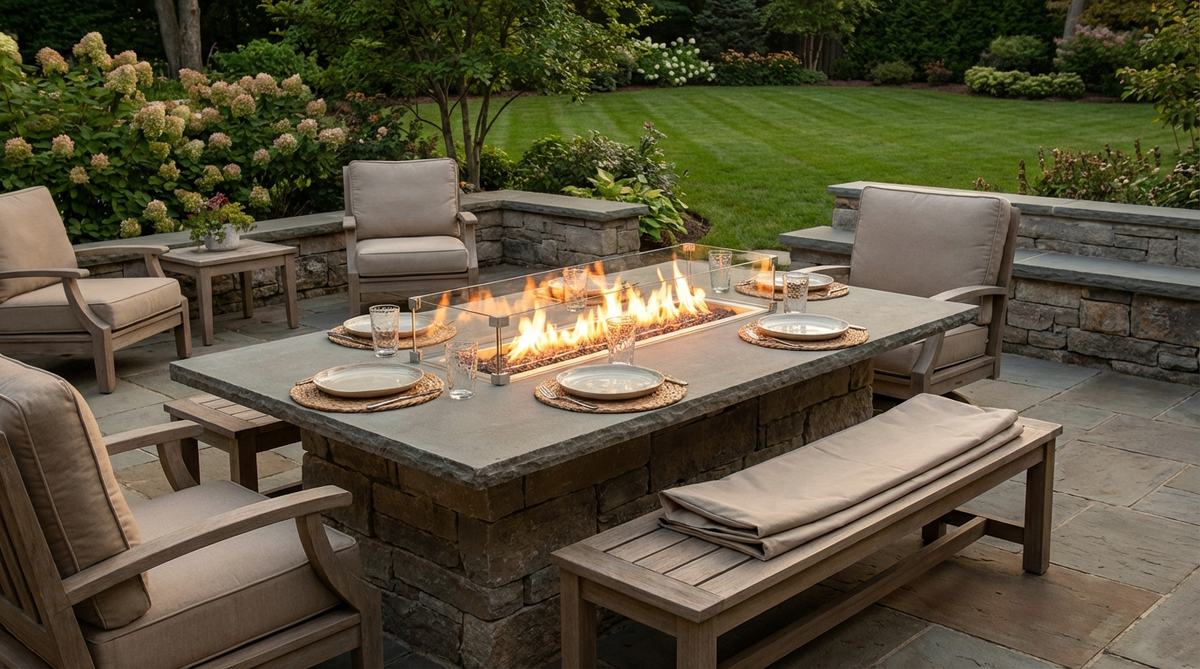
Dining tables with integrated gas fire features combine meal surfaces with ambient warmth. The flames occupy the center section while perimeter areas accommodate plates and glasses.
Protective covers convert fire tables to standard dining surfaces when flames are unnecessary. This dual functionality maximizes investment value in smaller gardens where space limits furniture options.
Textural Comfort Layers That Define Cozy Gardens
Soft furnishings and natural materials add tactile richness that distinguishes inviting retreats from purely functional outdoor spaces. Designers layer weather-resistant fabrics, rugs, and cushions to create sensory depth.
33. Outdoor Rug Foundation
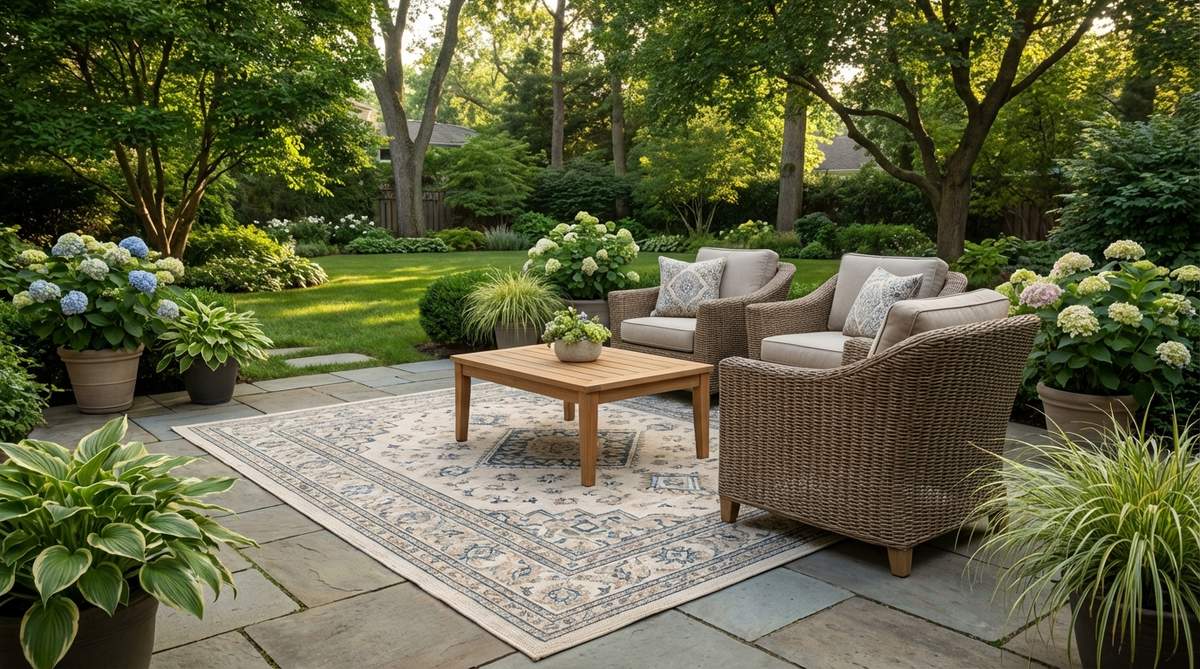
Weather-resistant rugs anchor seating arrangements while defining activity zones on larger patios or decks. Polypropylene materials resist mildew and fading better than natural fibers.
Sizing rugs to extend 18 to 24 inches beyond furniture footprints prevents chairs from catching edges when pulled out. Neutral patterns adapt to changing decor preferences while bold designs make stronger statements.
34. Layered Throw Blankets
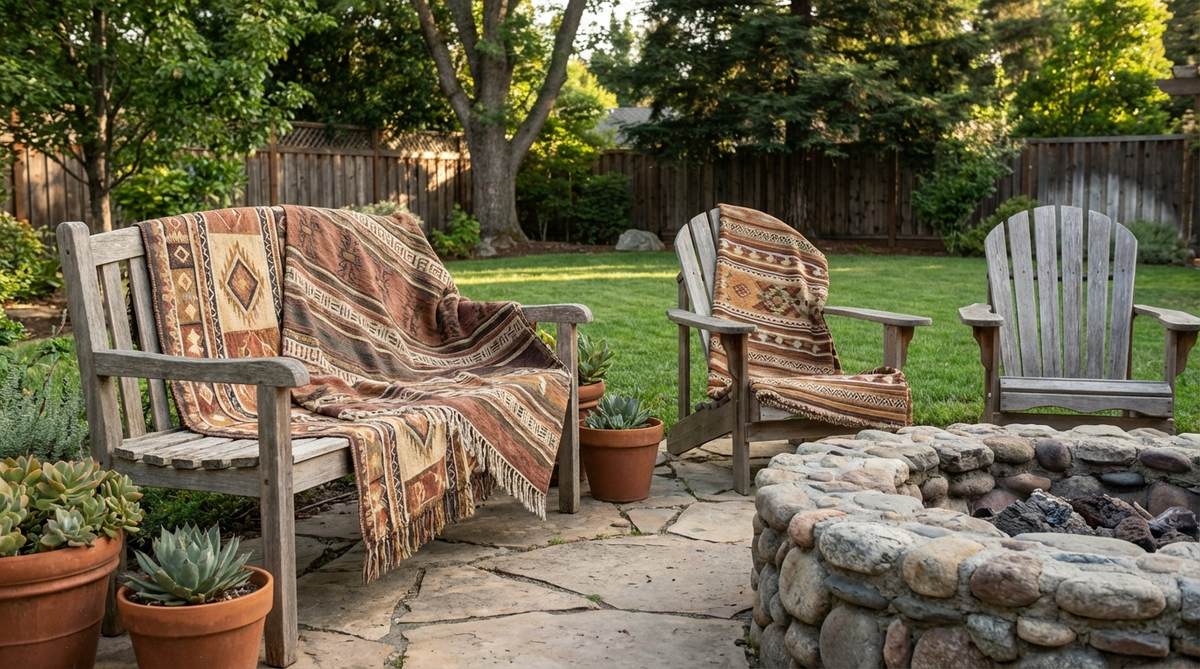
Draping waterproof throw blankets over seating invites guests to wrap up during cooler evenings. Fleece-backed options provide warmth without bulk that inhibits storage.
Storing blankets in weatherproof deck boxes near seating areas ensures easy access without indoor trips. Rotating seasonal colors keeps the space feeling current throughout the year.
35. Cushion Abundance
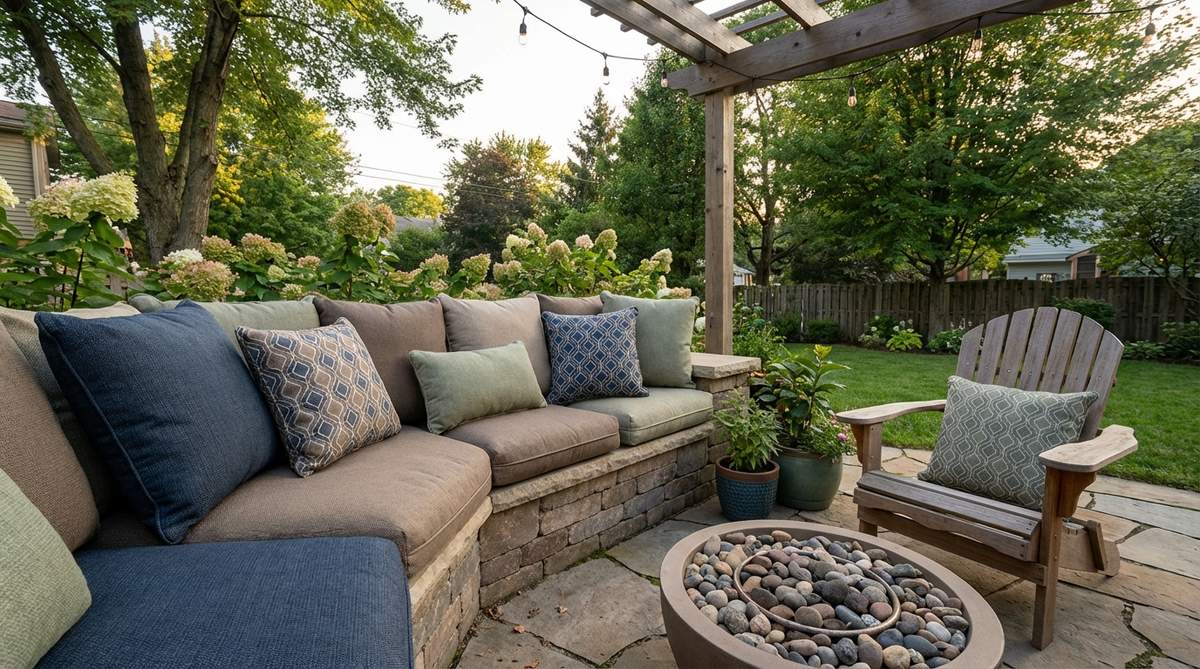
Overstuffed cushions in varying sizes transform hard seating surfaces into plush lounging zones. Mixing solid colors with subtle patterns adds visual interest without overwhelming small spaces.
Solution-dyed acrylic fabrics resist UV fading and water penetration better than untreated textiles. Quick-dry foam cores prevent moisture retention that leads to mildew development.
36. Woven Furniture Textures
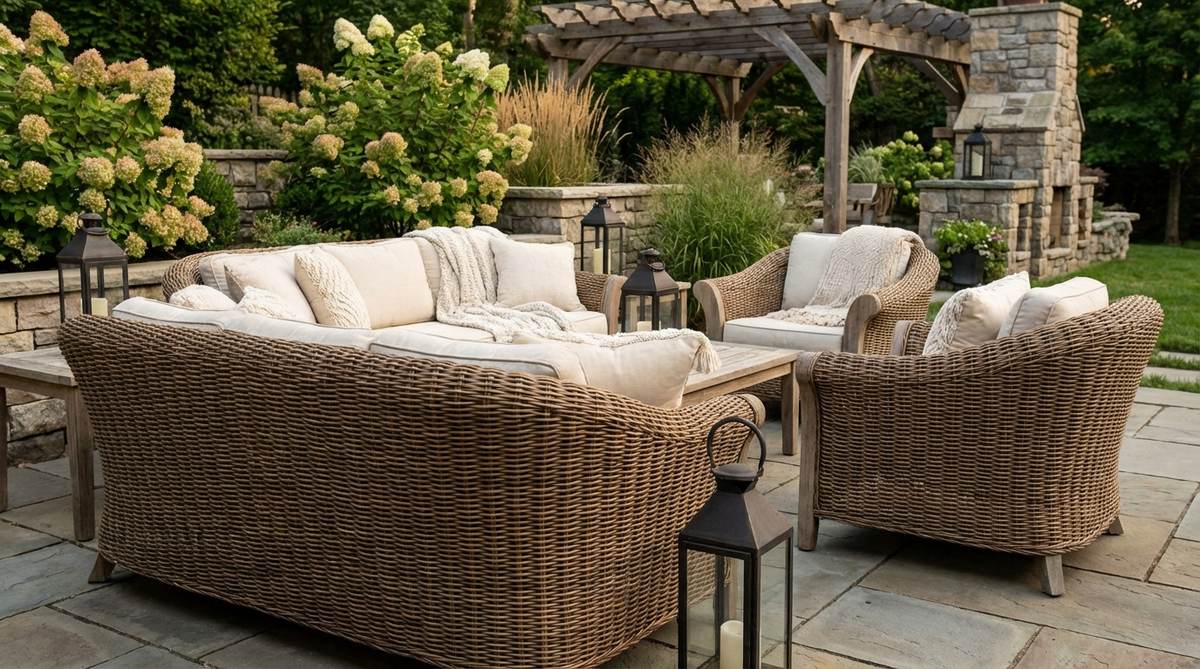
Rattan, wicker, or rope-woven furniture introduces organic texture that softens metal and wood elements. Synthetic wicker replicates natural aesthetics while resisting weather degradation that damages natural materials.
Curved woven forms feel more inviting than angular metal frames. Designers select furniture with deep seats and angled backs that encourage extended relaxation rather than brief perching.
37. Natural Wood Accents
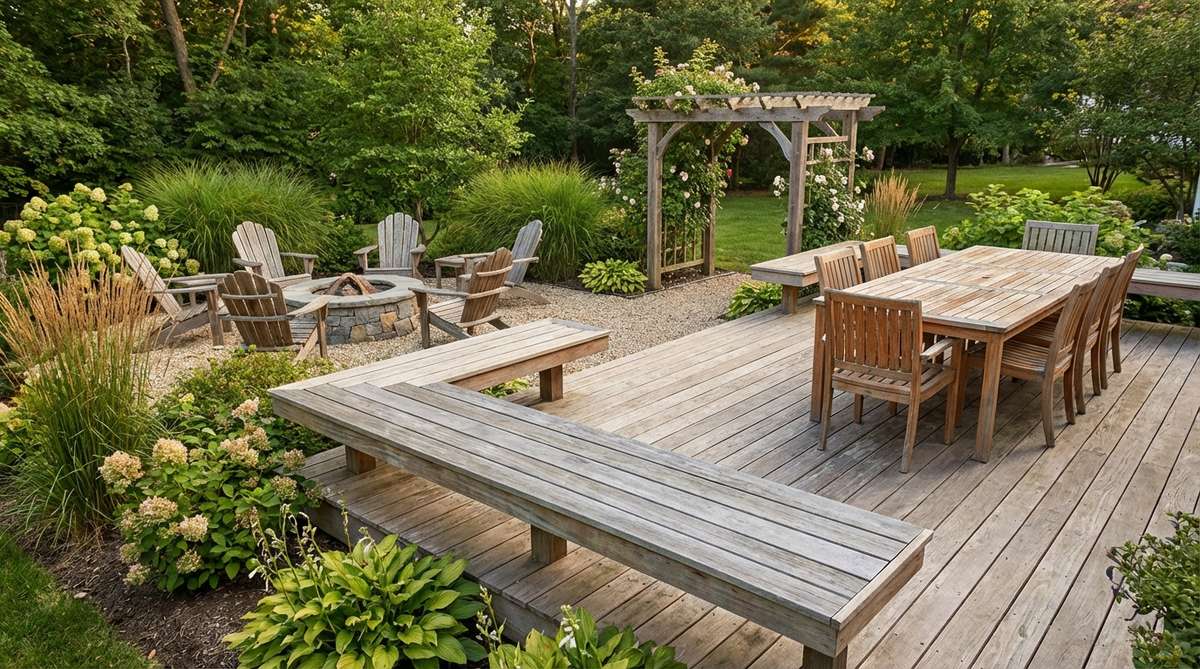
Teak, cedar, or eucalyptus furniture and decking contributes warmth that composite materials cannot replicate. Natural wood grains and color variations add visual complexity to monochromatic schemes.
Allowing wood to weather naturally produces silver-gray patinas that blend into garden settings. Applying protective oils maintains original tones for those preferring warmer hues.
38. Stone Surface Contrast
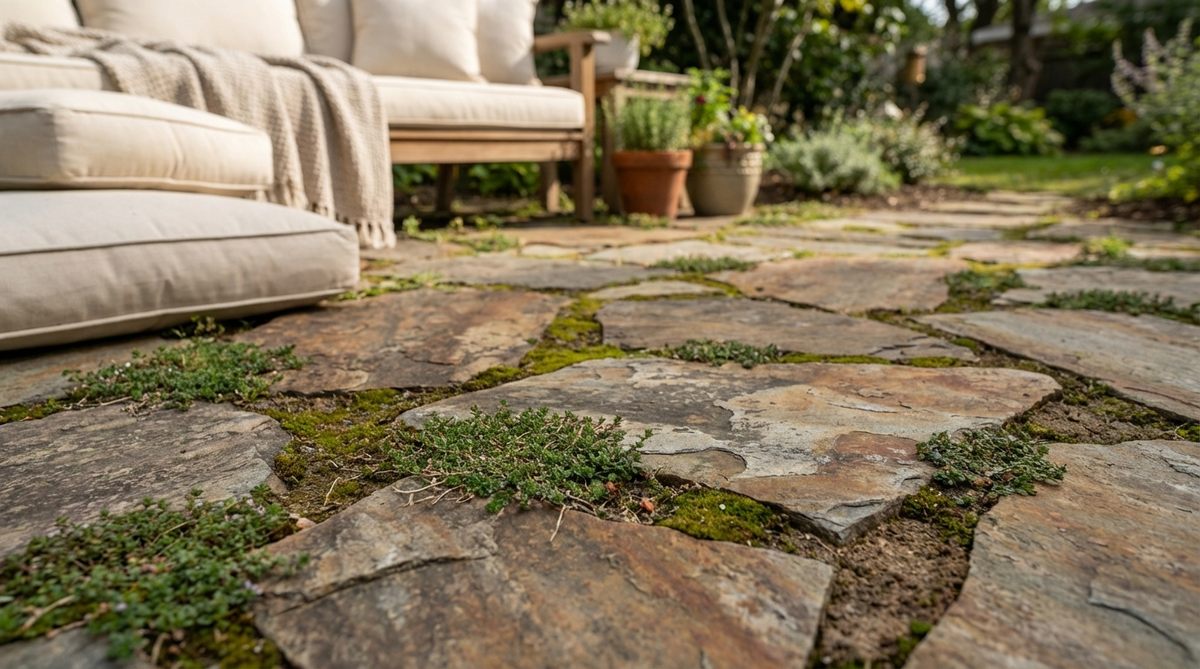
Incorporating flagstone, slate, or textured pavers introduces cool-touch surfaces that balance soft furnishings. The natural color variation in stone adds subtle visual interest across large areas.
Irregular flagstone shapes create organic patterns that feel less formal than uniform pavers. Leaving wide joints for planting creeping thyme or moss softens the hardscape further.
39. Fabric Curtain Panels
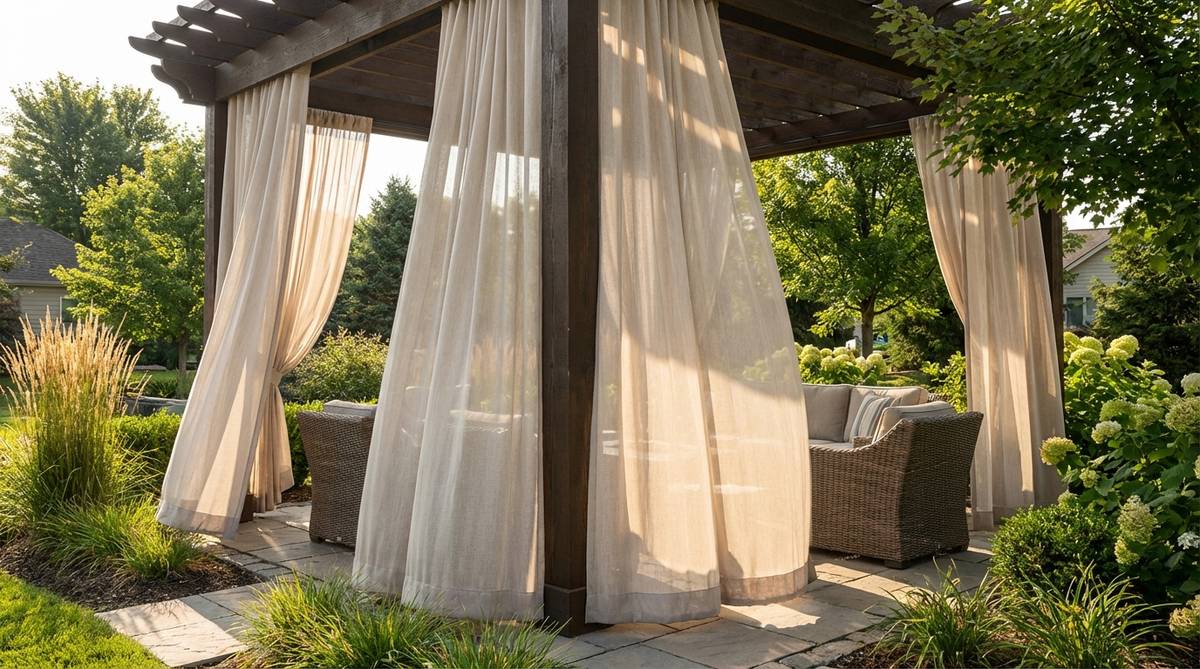
Hanging outdoor-rated curtains from pergola beams or wire cables adds billowing movement while providing adjustable shade and privacy. Sheer fabrics filter light without complete blockage.
Weighted hems prevent excessive wind flutter that causes fabric damage. Selecting neutral tones ensures curtains complement evolving furniture and accessory choices.
40. Potted Texture Variety
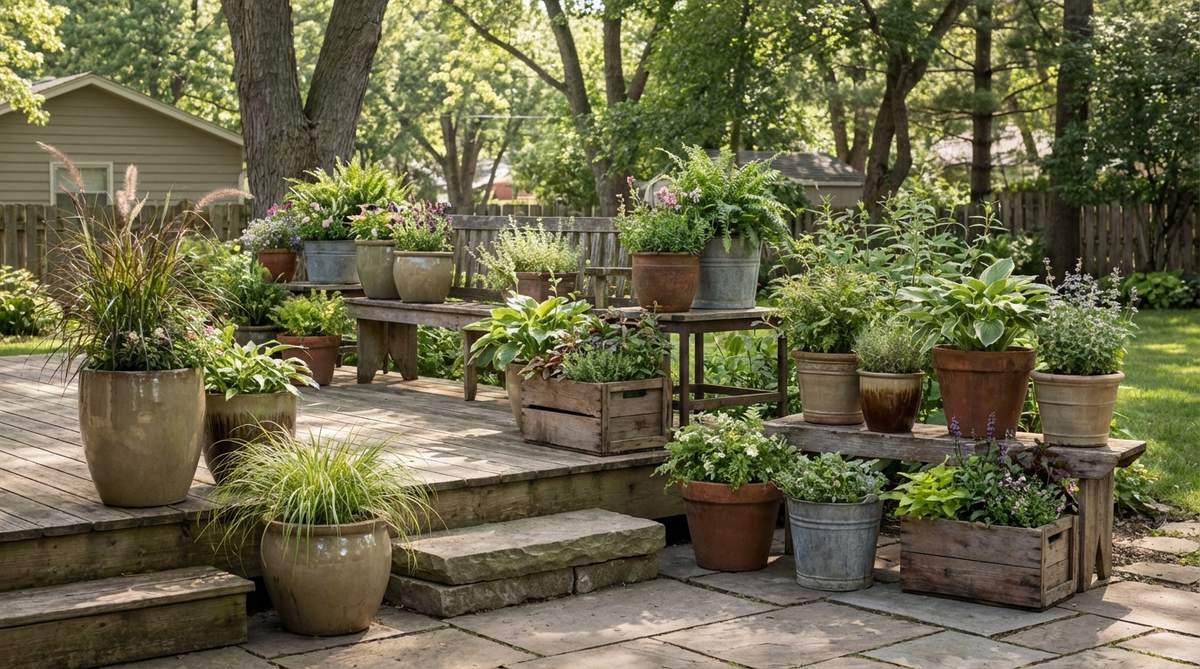
Mixing container materials—ceramic, terracotta, metal, wood—introduces textural diversity at multiple heights. Grouping pots in odd-numbered clusters creates cohesive vignettes rather than scattered placement.
Contrasting smooth glazed finishes with rough terracotta surfaces adds tactile interest. Oversized containers make bolder statements than collections of small pots.
Vertical Garden Structures for Cozy Garden Life
Vertical elements add dimensional interest while maximizing planting capacity in limited square footage. Designers use trellises, arbors, and living walls to create height without consuming ground space.
41. Climbing Rose Trellis
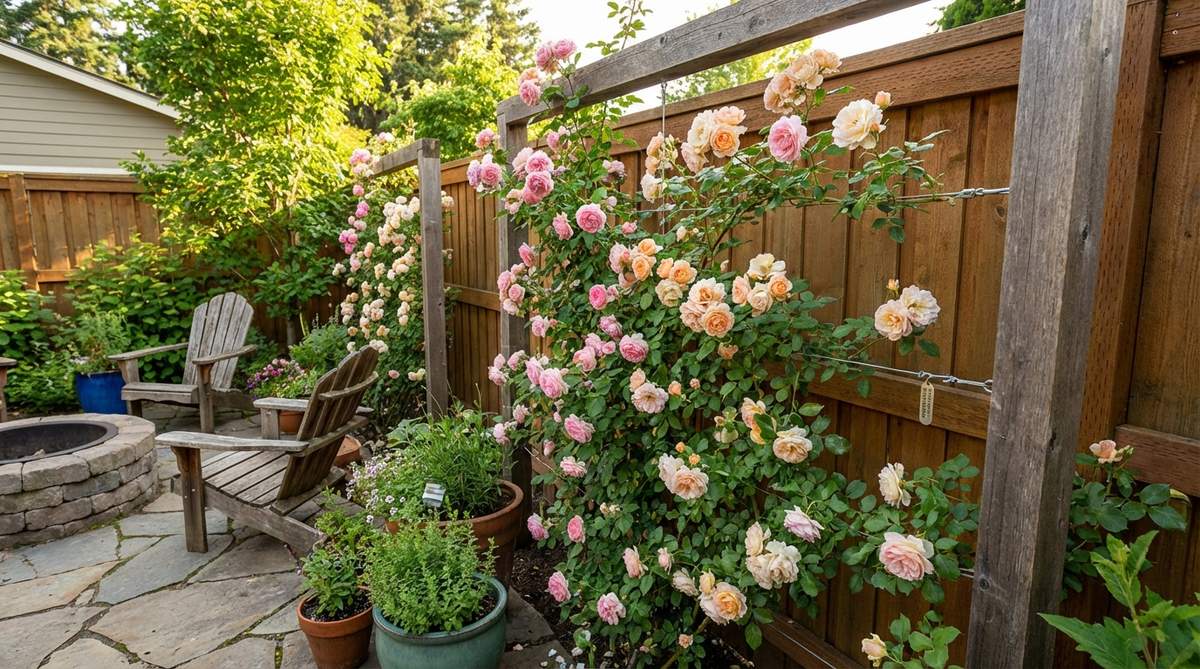
Vertical trellises supporting climbing roses create fragrant privacy screens that bloom seasonally. Training canes horizontally along trellis wires encourages more flowering nodes than vertical growth.
Metal or wood trellises mounted 6 inches from fence surfaces allow air circulation that prevents fungal issues. Repeat-blooming varieties extend floral displays from spring through fall.
42. Vegetable Arbor Entrance
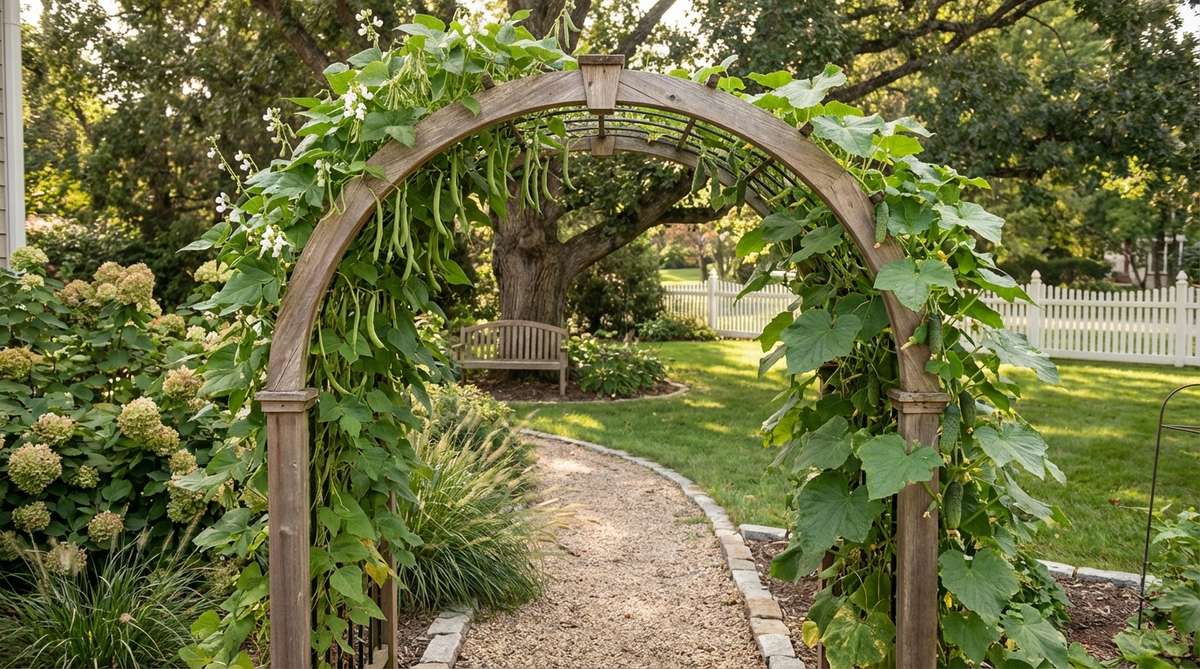
Arched arbors covered in climbing vegetables like pole beans or cucumbers combine function with ornamental appeal. The edible harvest adds purposeful activity to decorative garden spaces.
Positioning arbors at pathway entrances frames views and signals transitions between garden zones. Annual vegetable vines allow design changes each growing season without permanent commitments.
43. Espalier Fruit Wall
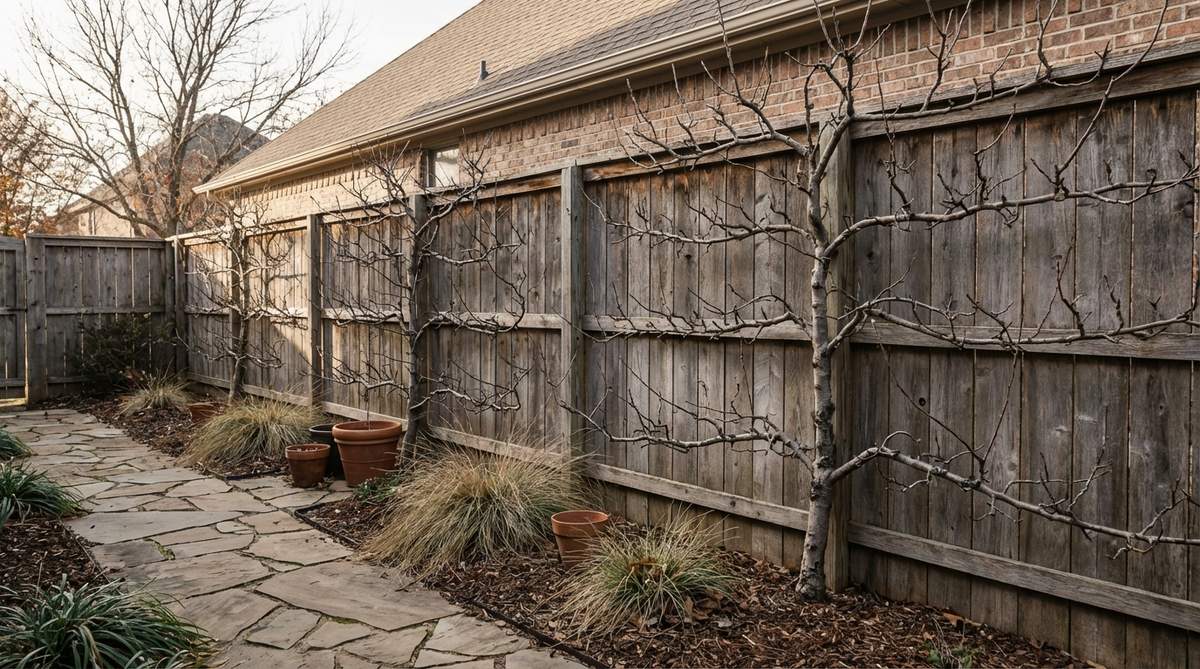
Training fruit trees flat against walls or fences through espalier technique creates productive vertical gardens. Apple, pear, and fig trees adapt well to this formal pruning method.
The structured branching patterns provide winter interest after leaves drop. Espalier suits narrow side yards where standard tree forms would overgrow available space.
44. Living Wall Panel
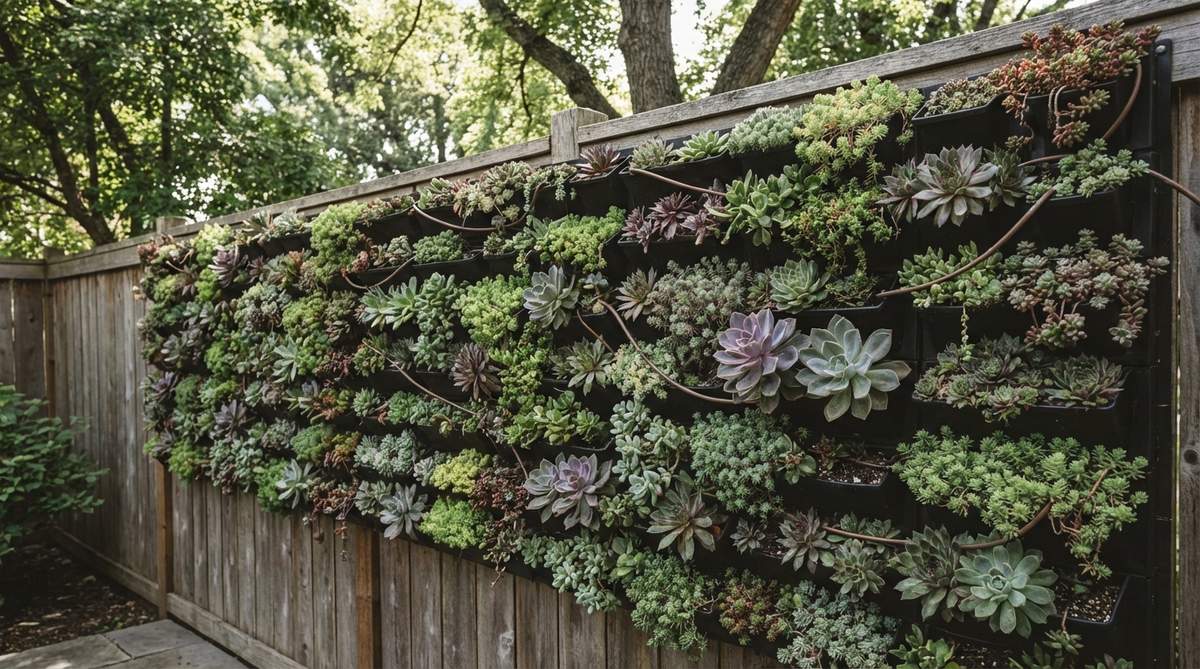
Modular living wall systems with built-in irrigation transform blank fences or walls into vertical gardens. Succulent-filled panels require minimal water while providing year-round color.
The vertical orientation suits shaded walls where traditional plantings struggle. Mixing plant varieties creates tapestry effects that evolve as species mature.
45. Wisteria Pergola Canopy
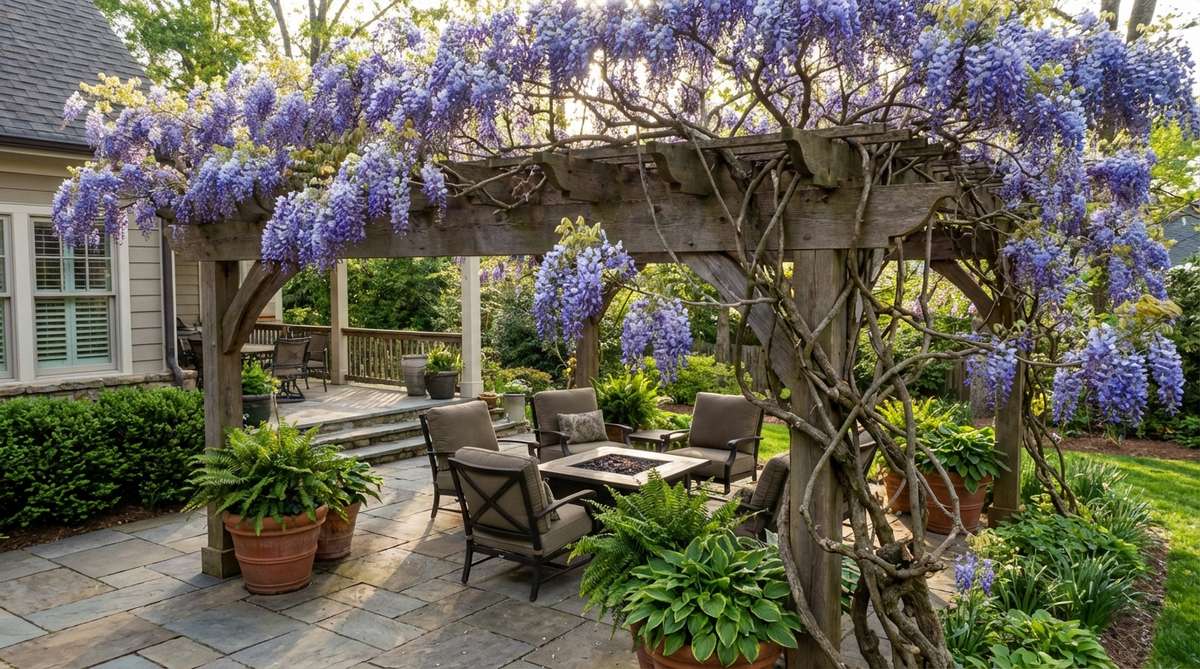
Wisteria vines trained across pergola tops create seasonal shade canopies that drip with fragrant spring blooms. The deciduous nature allows winter sun penetration when warmth is welcome.
Vigorous growth requires annual pruning to prevent structural damage from woody stems. The payoff appears in dramatic flowering displays that define cozy garden character.
46. Lattice Privacy Panel
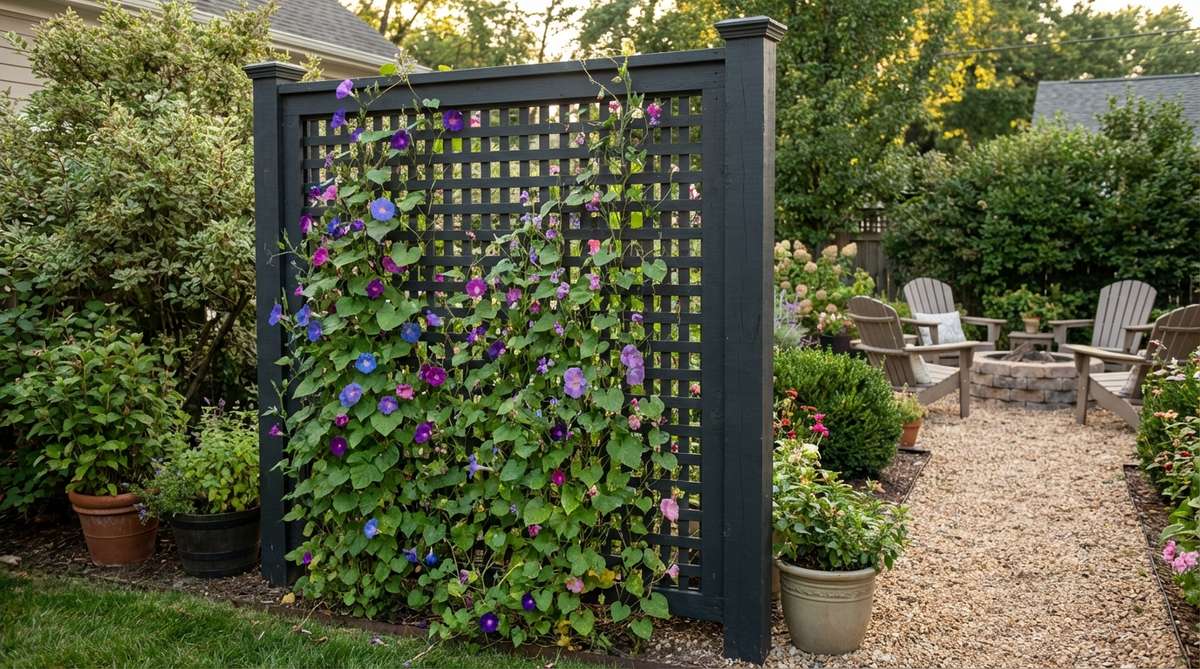
Freestanding lattice screens wrapped in annual vines create instant privacy that adapts seasonally. Morning glories, sweet peas, or black-eyed Susan vines provide fast coverage.
Lattice spacing determines coverage density—tighter grids offer more privacy while wider patterns emphasize the climbing plants. Painting lattice in dark tones makes foliage stand out rather than competing visually.
47. Vertical Herb Garden
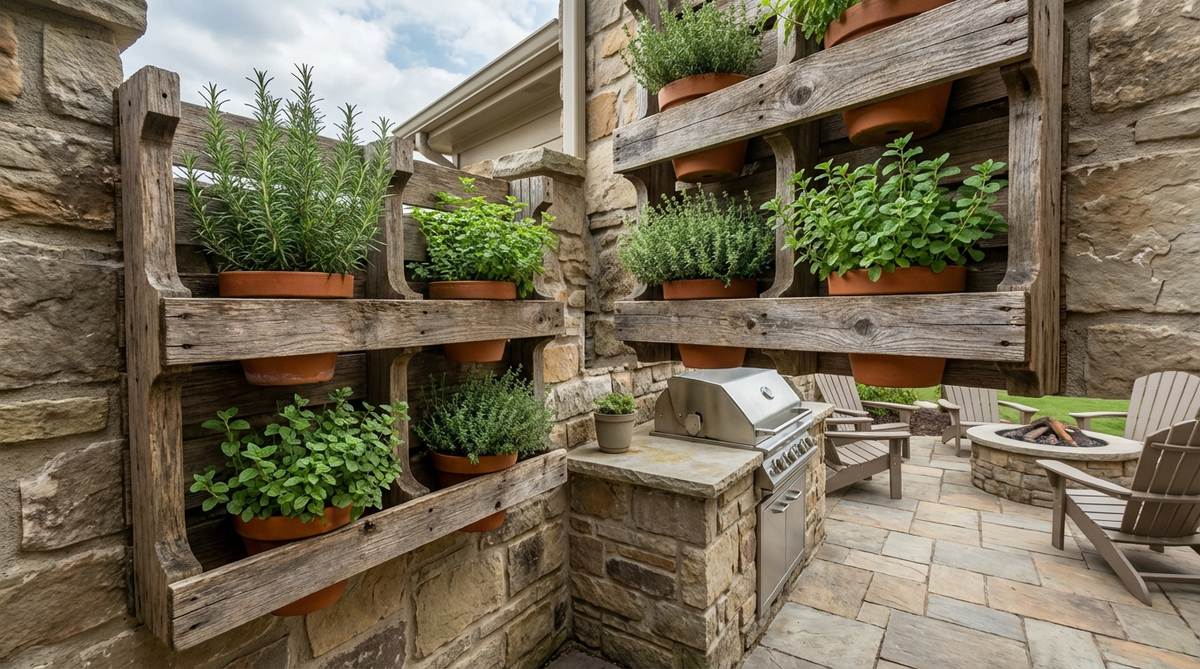
Wall-mounted planters or repurposed pallets create accessible herb gardens near outdoor kitchens or seating areas. The proximity encourages fresh garnishing of meals and beverages.
Herbs like rosemary, thyme, and oregano tolerate vertical growing conditions better than water-hungry species. The aromatic foliage adds sensory dimension when brushed during passage.
48. Ivy-Covered Fence
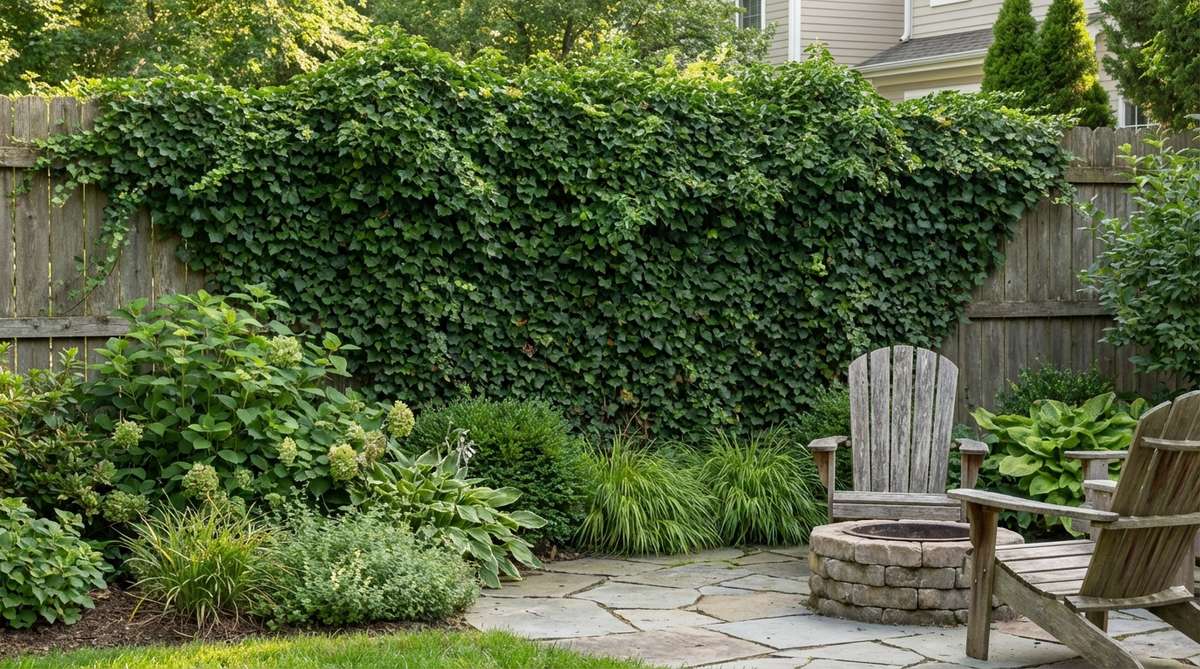
English ivy or Boston ivy transforms chain link or wood fences into lush green backdrops. The evergreen coverage provides year-round screening while softening industrial materials.
Ivy requires containment to prevent unwanted spread into trees or structures. Annual trimming maintains boundaries while encouraging dense lateral growth.
Water & Sound Elements for Cozy Garden Corner Ambiance
Water features introduce soothing sounds that mask traffic noise while adding movement to static plantings. Sound design creates auditory layers that enhance the multisensory cozy garden experience.
49. Tabletop Fountain
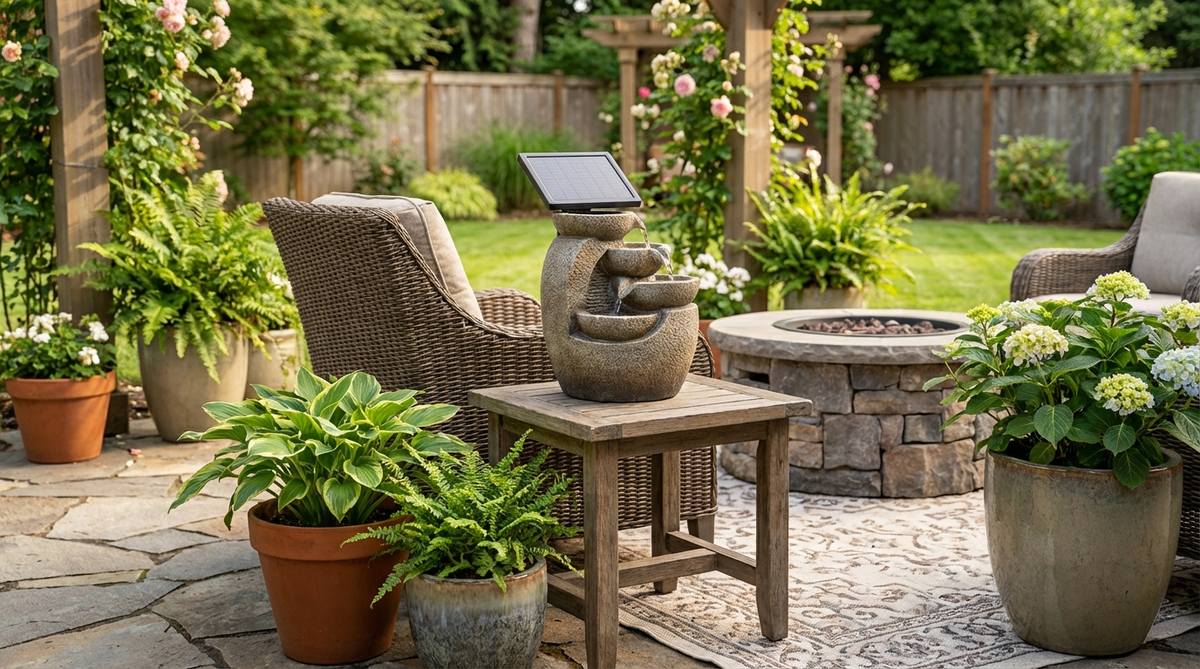
Compact fountains placed on side tables or wall ledges generate gentle water sounds without major installation. Solar-powered models eliminate electrical requirements for placement flexibility.
The contained scale suits small patios where full-sized features would dominate. Ceramic or stone fountains blend into garden aesthetics better than resin alternatives.
50. Bubbling Urn Feature
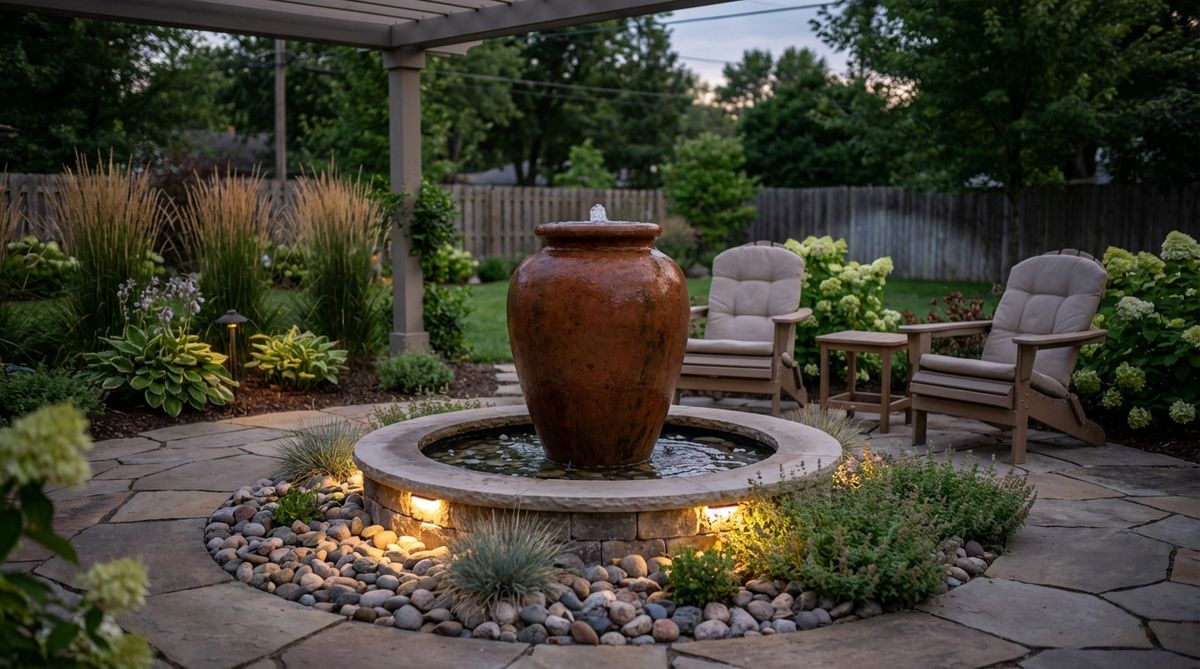
Recirculating urns with water bubbling from their tops create focal points with minimal splash. The self-contained systems require only periodic refilling to compensate for evaporation.
Positioning urns near seating ensures the burbling sound reaches guests without requiring excessive water volume. LED uplights within the basin create nighttime visual interest.
51. Wall-Mounted Spout
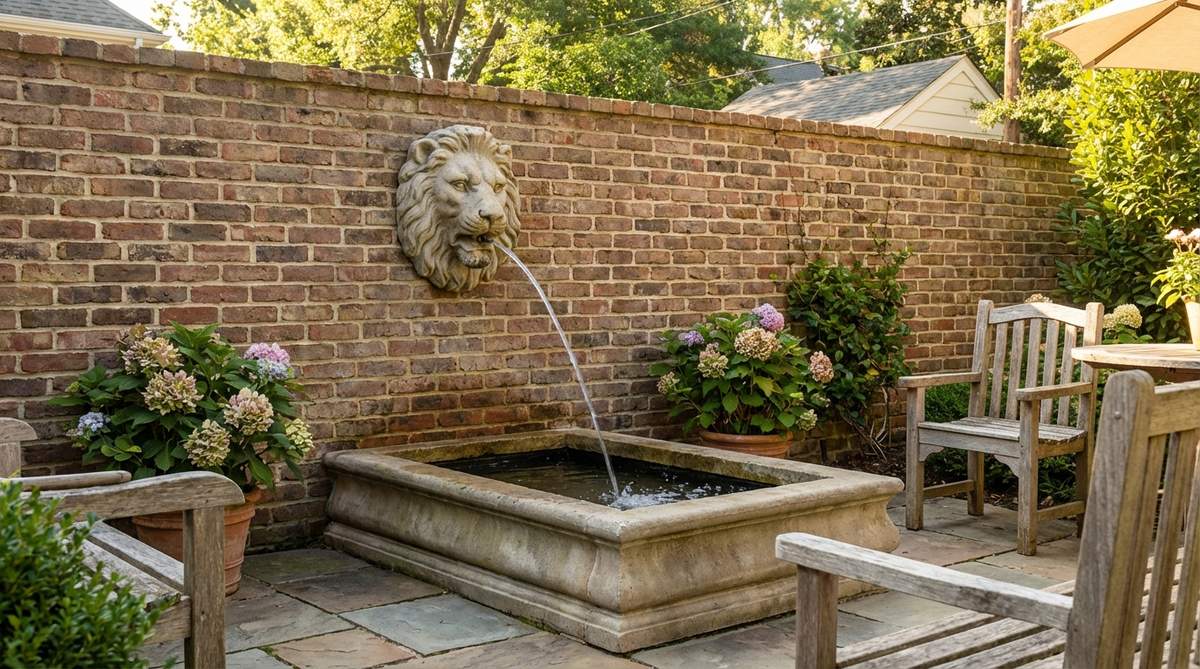
Traditional spigot fountains affixed to walls direct water into catch basins below. The vertical orientation saves floor space while creating pleasant trickling sounds.
Copper or bronze spouts develop attractive patinas over time. Positioning fountains on shaded walls prevents algae growth that requires frequent cleaning.
52. Rain Chain Feature
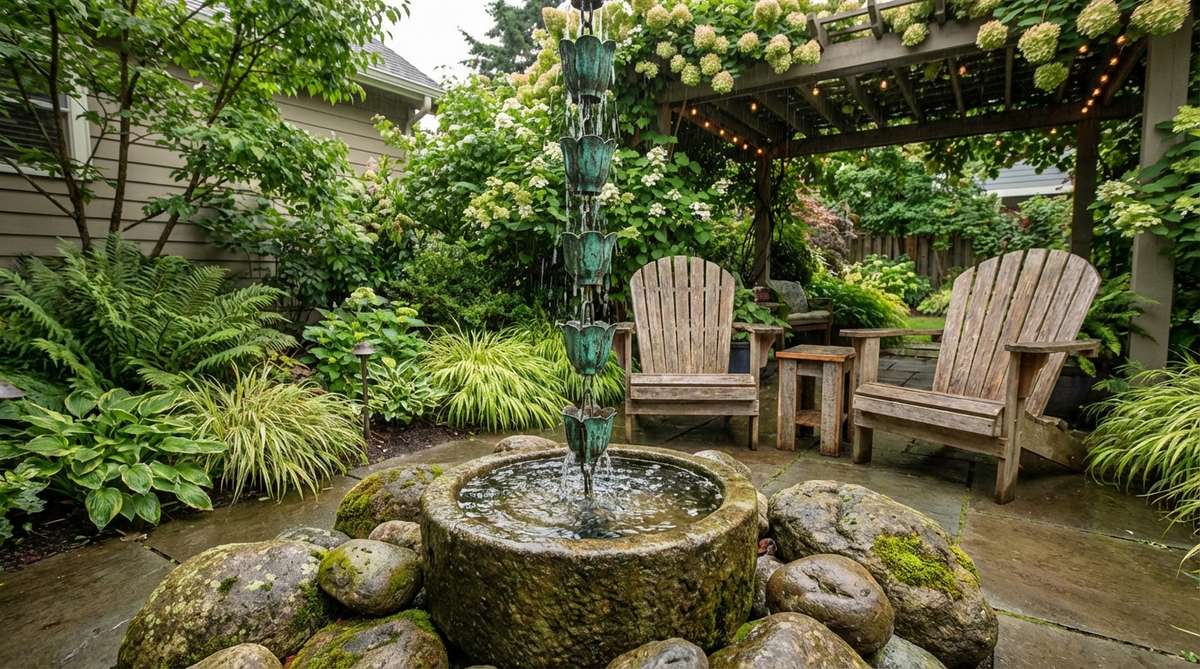
Decorative chains directing downspout water into basins or gravel beds create visual and auditory interest during rainfall. The cascading effect transforms functional drainage into aesthetic features.
Copper rain chains weather to verdant green patinas. Positioning chains where they’re visible from seating areas maximizes their seasonal enjoyment.
53. Koi Pond Corner
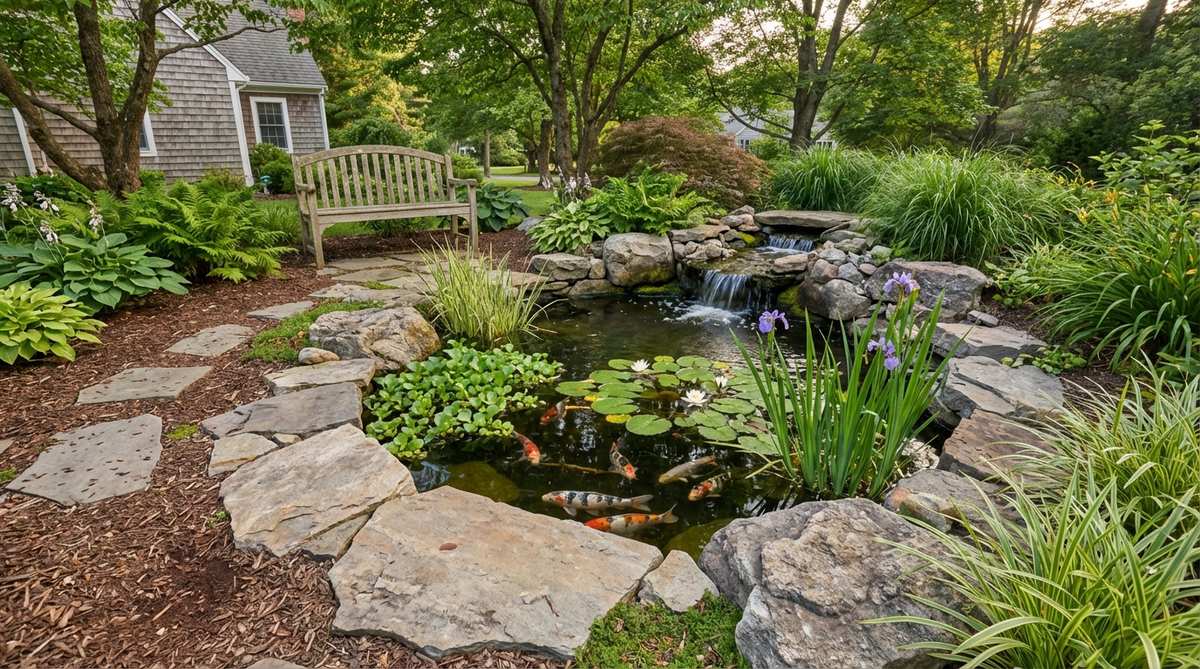
Small preformed ponds tucked into corners support aquatic plants and fish while generating subtle water sounds from filtration systems. The living ecosystem adds dynamic interest beyond static plantings.
Depth requirements of 24 inches prevent freezing in cold climates. Edging ponds with natural stone blends them into surrounding landscapes rather than appearing as artificial inserts.
54. Wind Chime Accents
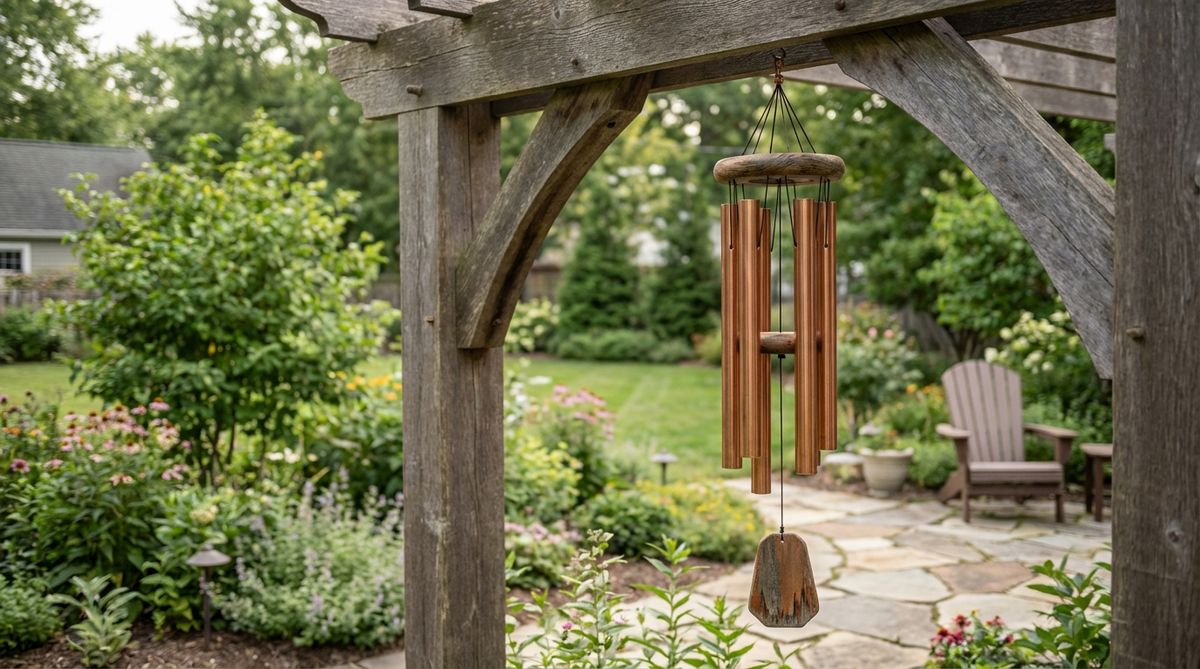
Hanging metal or bamboo chimes from pergola beams or tree branches introduces gentle sound triggered by natural breezes. Selecting chimes with lower-pitched tones creates soothing ambiance rather than sharp clanging.
Positioning multiple chimes at varying distances creates layered sound that shifts with wind direction. Removing chimes during winter prevents ice damage to sensitive tubes.
55. Gravel Pathway Crunch
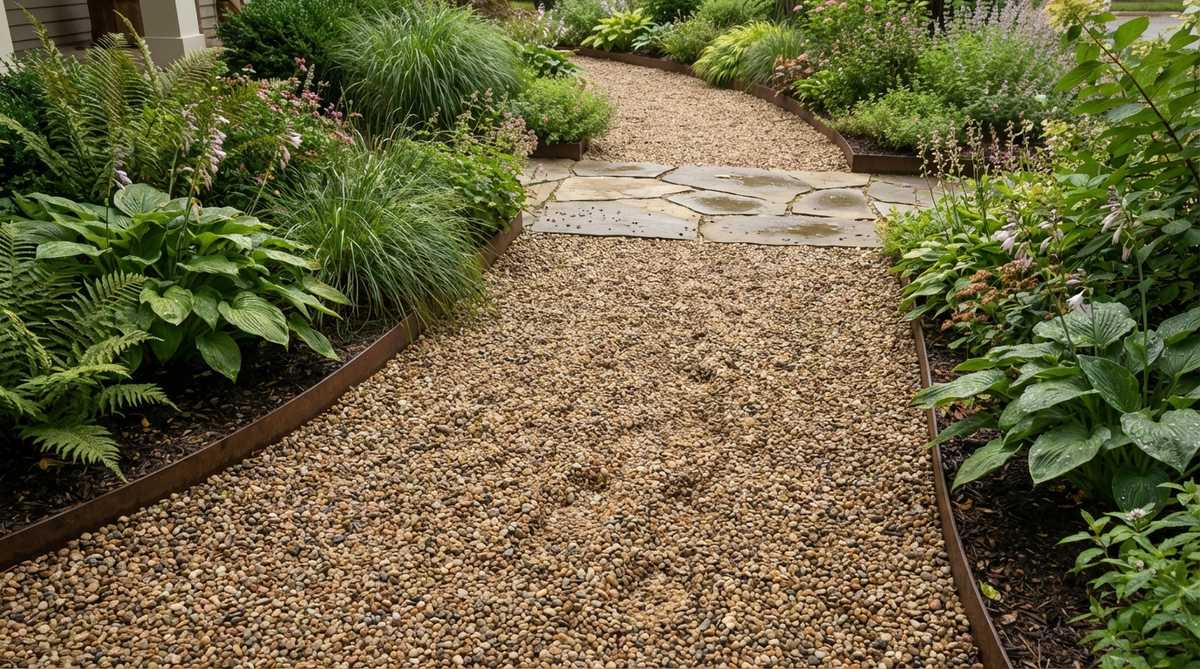
Designing circulation routes with loose pea gravel generates satisfying crunching sounds during passage. The auditory feedback signals movement between garden zones.
Edging gravel paths with metal or stone borders prevents spreading into adjacent beds. The permeable surface allows rainfall absorption better than solid hardscaping.
56. Outdoor Speaker Integration
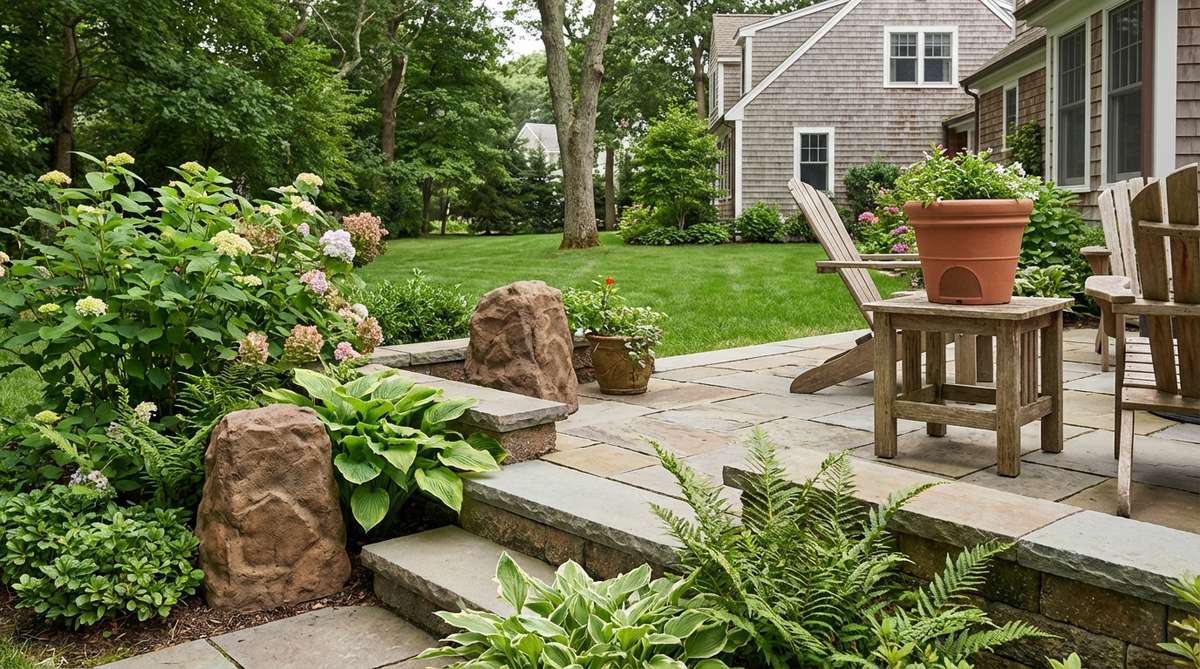
Weather-resistant speakers camouflaged as rocks or planters deliver curated audio without visible technology. Bluetooth connectivity enables music streaming from indoor spaces.
Low-volume background music or nature sounds enhance ambiance without overwhelming conversation. Placing speakers 10 to 15 feet from seating creates surround effects without point-source identification.
Seasonal Adaptation Ideas for Year-Round Cozy Gardens
Designers incorporate elements that function across temperature extremes, extending outdoor enjoyment beyond fair-weather months. Strategic additions enable comfortable use during spring rains, summer heat, autumn chill, and winter frost.
57. Retractable Awning Shade
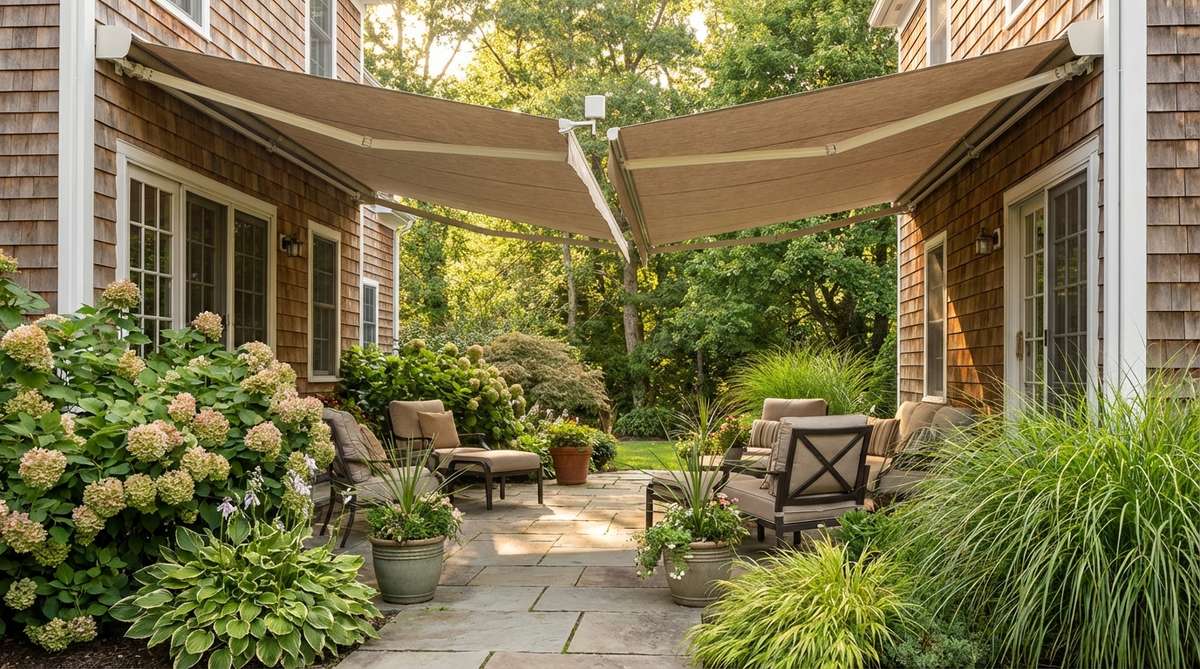
Motorized awnings extend for summer shade and retract for winter sun exposure. The flexibility accommodates seasonal solar angles without permanent alterations.
Fabric selection in solution-dyed acrylics resists fading during extended summer deployment. Integrated wind sensors automatically retract awnings during storms to prevent structural damage.
58. Glass Windbreak Panels
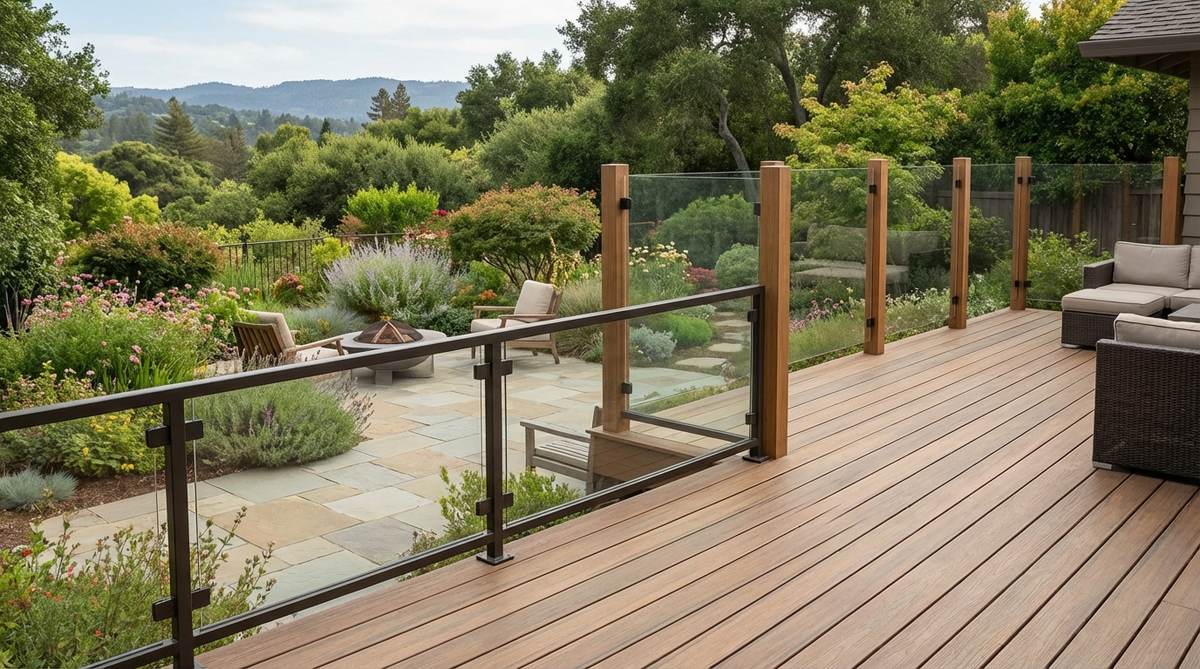
Frameless glass panels mounted to deck railings or freestanding posts block wind while maintaining views. The transparency prevents the enclosed feeling of solid walls.
Tempered safety glass withstands impact without shattering into dangerous shards. Easy-clean coatings reduce water spotting that obscures clarity.
59. Evergreen Structure Planting
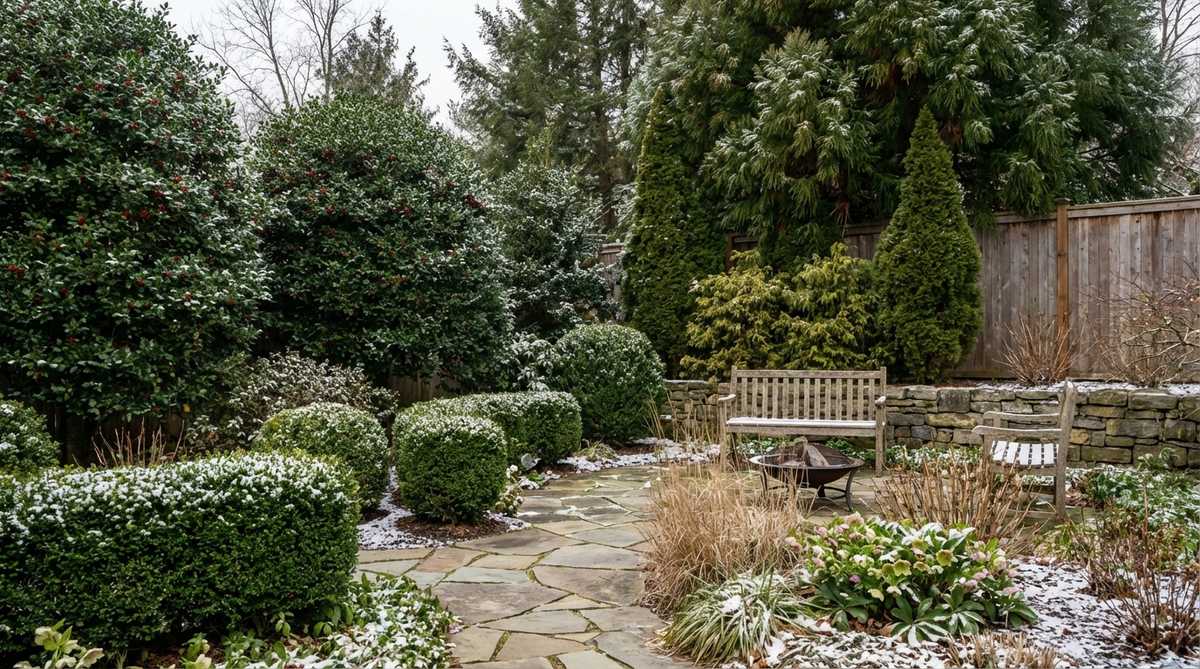
Incorporating evergreen shrubs and trees maintains visual interest after deciduous plants drop leaves. Boxwood, holly, and conifers provide year-round green backdrops.
The permanent structure anchors seasonal displays of perennials and annuals. Winter gardens with strong evergreen bones feel intentional rather than dormant.
50. Heated Flooring Zones
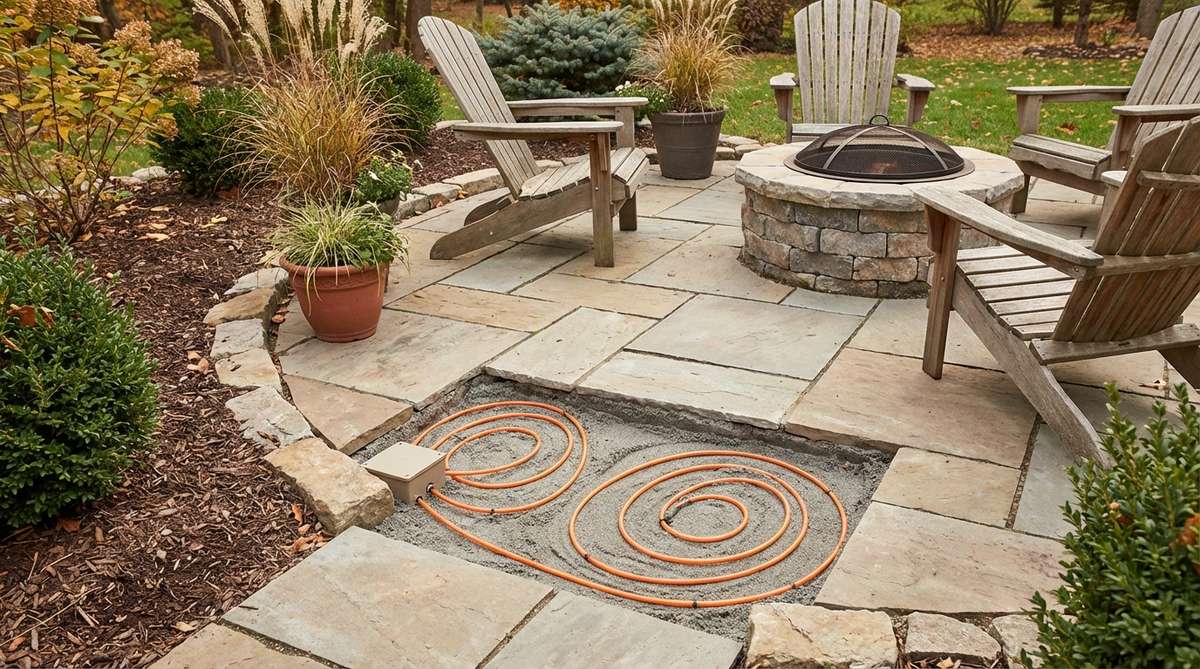
Installing radiant heating beneath paver or tile patios extends barefoot comfort into shoulder seasons. Electric mats or hydronic tubes warm surfaces from below.
The invisible system requires no visible equipment that compromises aesthetics. Programmable controls activate heating only when outdoor use is anticipated.
61. Winterberry Seasonal Color
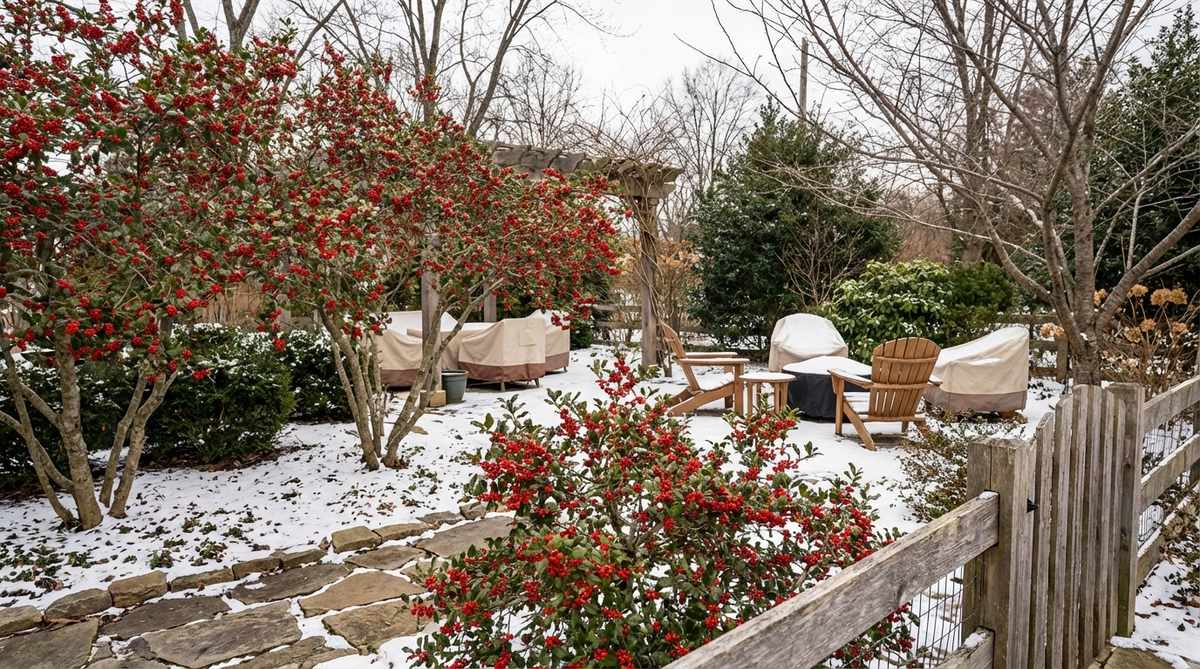
Deciduous holly varieties produce vibrant red berries that persist through winter after leaves drop. The colorful stems provide visual interest when most plants fade.
Planting both male and female specimens ensures berry production. Birds eventually consume berries, creating wildlife activity during quiet winter months.
62. Removable Storm Panels
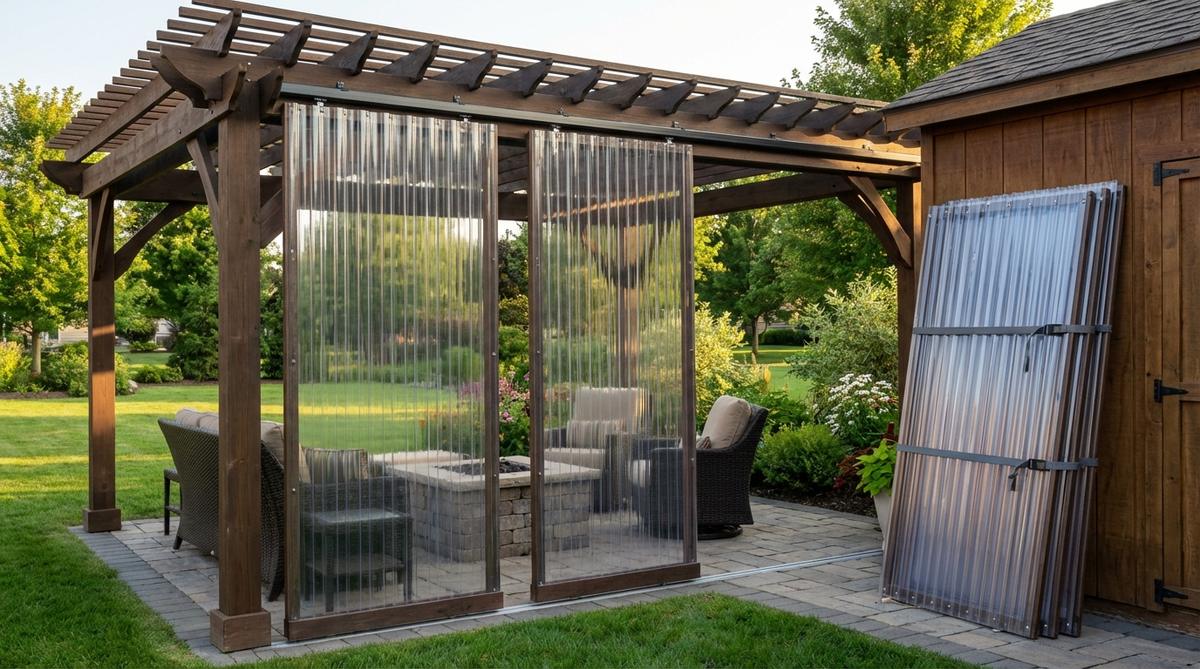
Installing track systems for temporary clear panels converts open pergolas into three-season rooms. The removable nature prevents permanent enclosure that blocks summer breezes.
Polycarbonate panels weigh less than glass while providing similar clarity. Storing panels during warm months preserves them from UV degradation.
63. Autumn Ornamental Grass
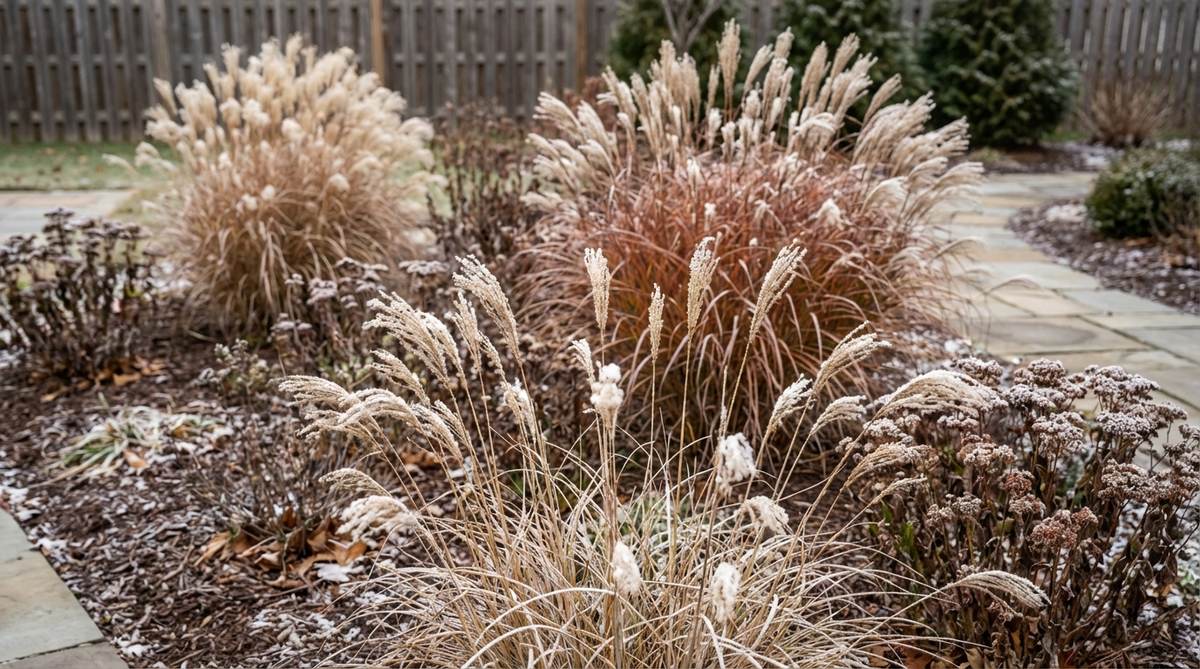
Grasses like maiden grass or flame grass develop colorful fall plumes and remain standing through winter. The dried seed heads catch snow and frost for seasonal beauty.
Leaving grasses uncut until spring provides winter habitat for beneficial insects. The architectural forms prevent gardens from appearing completely barren during dormancy.
64. Festive Lighting Rotation
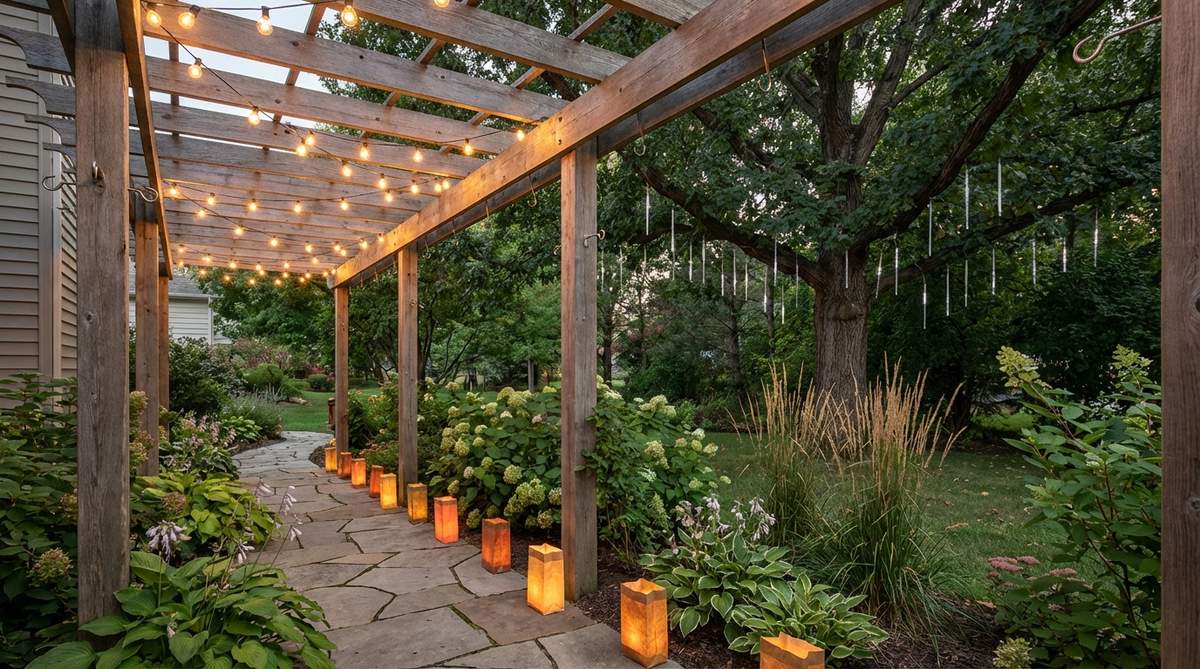
Swapping seasonal lighting displays keeps cozy garden spaces feeling current through holidays and celebrations. Summer string lights transition to autumn luminarias and winter icicle strands.
Installing permanent mounting hooks or clips simplifies seasonal changes without new hardware installation. The rotating displays signal the passage of time and create anticipation for upcoming seasons.
Bringing Your Cozy Garden Vision to Life
Creating intimate outdoor living spaces depends on layering enclosure, lighting, texture, and seasonal adaptability into cohesive designs. The cozy garden concepts presented here combine professional landscape techniques with accessible implementation methods suitable for various budgets and skill levels. Start with foundational elements like strategic seating placement and privacy planting, then build complexity through lighting, fire features, and textural accents that reflect your personal style. The most successful outdoor retreats evolve gradually as homeowners discover which elements generate the most use and enjoyment throughout changing seasons.
Frequently Asked Questions
What makes a garden feel cozy versus just functional?
Cozy gardens prioritize enclosure, scale reduction, and sensory layering beyond basic functionality. Designers achieve this through vertical elements that define boundaries, overhead structures that lower perceived ceiling heights, soft furnishings that add tactile comfort, and lighting that creates warm ambiance after dark. The psychological effect stems from creating outdoor rooms rather than open yards—spaces that feel protective and intimate rather than exposed and vast.
How can I create privacy in a small garden without blocking all sunlight?
Use translucent privacy solutions like ornamental grasses, open lattice with climbing vines, or frosted glass panels that obscure sightlines while allowing light transmission. Position taller screening elements on the north or east sides where they won’t shade seating areas during prime afternoon hours. Staggered planting layers create graduated privacy that blocks direct views without forming solid walls that cast heavy shadows.
What are the most weather-resistant materials for cozy outdoor furnishings?
Teak and eucalyptus woods naturally resist rot and insect damage without treatment. Powder-coated aluminum frames resist corrosion while remaining lightweight. Synthetic wicker replicates natural aesthetics with superior weather tolerance. For fabrics, solution-dyed acrylics resist UV fading and water penetration better than untreated textiles. Combination approaches—metal frames with weather-resistant cushions—balance durability with comfort.
How do I extend my outdoor season into cooler months?
Layer multiple warmth strategies rather than relying on single solutions. Install permanent fire pits or outdoor fireplaces for focal heat, add infrared patio heaters for ambient warmth, and provide throw blankets for personal insulation. Block prevailing winds with glass panels or dense evergreen hedges to reduce wind chill. Position seating in sun-trapping corners that capture and hold solar warmth during winter afternoons.
What lighting techniques create cozy ambiance without harsh brightness?
Use multiple low-intensity sources rather than single high-output fixtures. String lights provide overhead glow without downward glare. Uplighting trees and shrubs creates dimensional depth. Path lights keep illumination at ground level where it guides movement without lighting faces directly. Fire features contribute dancing light that feels organic rather than electric. Layer these sources at varying heights to create depth rather than flat illumination.
Can renters create cozy gardens without permanent installations?
Focus on portable solutions that deliver similar effects. Container gardens create plant enclosures without in-ground planting. Freestanding pergolas or umbrella structures provide overhead coverage without permanent construction. Solar lighting eliminates electrical work. Outdoor rugs, cushions, and portable fire bowls add comfort and warmth. Lattice panels in planter boxes create privacy screens that relocate easily. These elements combine to create intimate spaces without lease violations or lost security deposits.