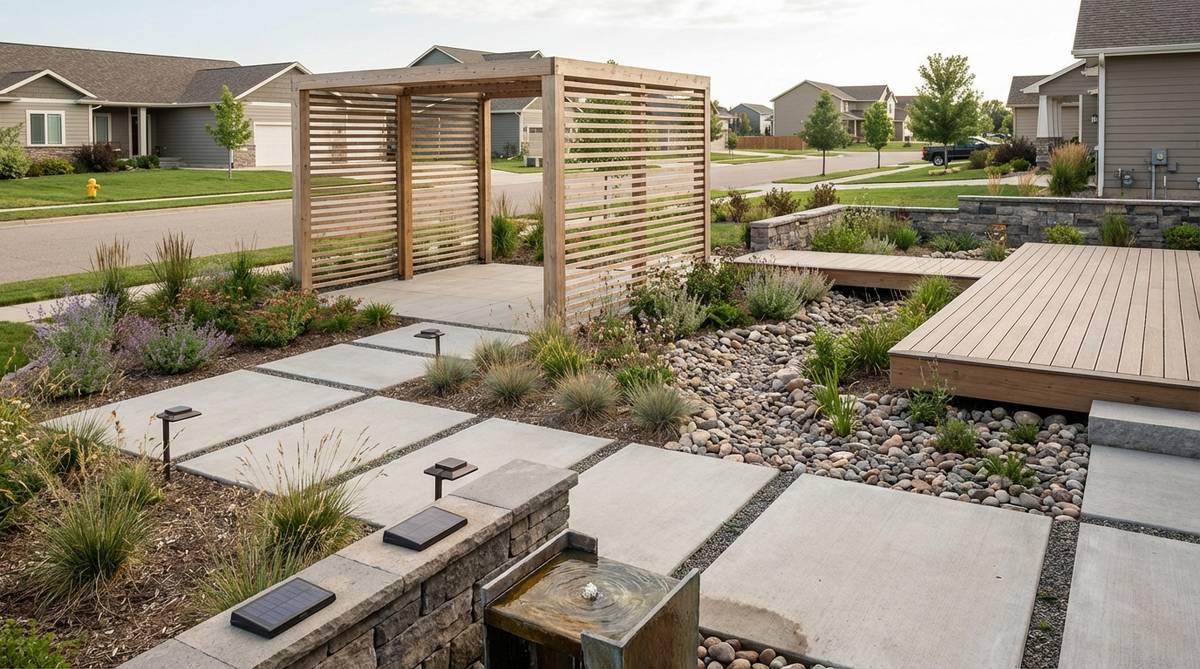
Contemporary gardens are evolving beyond aesthetics to embrace sustainability, native ecosystems, and smart technology. These designs merge clean lines with environmental responsibility, creating outdoor spaces that reflect both modern sensibilities and ecological awareness. Fresh Garden Ideas brings you an expert-curated collection of current trends that redefine how we approach garden design in 2026.
Design SnapshotKey Principles
- Climate Adaptation: Drought-tolerant plants and fire-resistant landscapes address changing environmental conditions
- Layered Ecosystems: Structural shrubs, ornamental grasses, and seasonal perennials create dynamic, resilient plantings
- Material Consciousness: Recycled, biodegradable, and locally-sourced materials reduce environmental impact
- Tech-Enhanced Efficiency: Smart irrigation, LED systems, and weather-responsive controls optimize resource use
Sustainable Planting Strategies for Contemporary Gardens
Current planting design prioritizes resilience over perfection. Designers select species that tolerate temperature extremes while maintaining visual interest across seasons.
1. Native Plant Communities
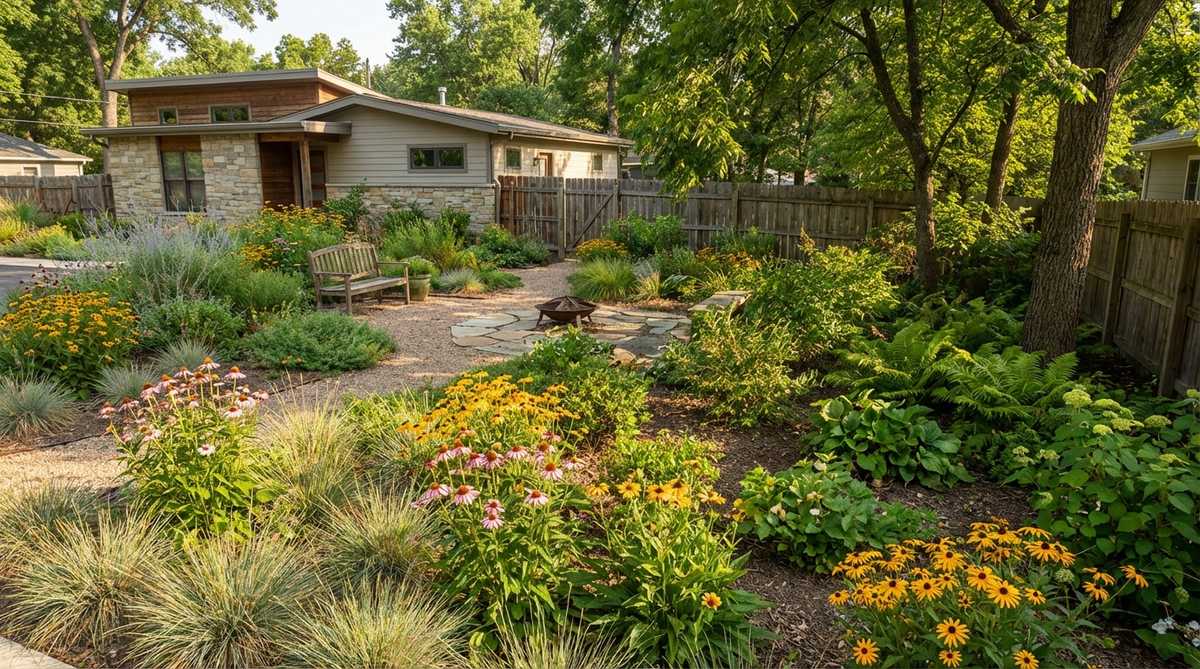
Regional species adapted to local soil and rainfall patterns form the foundation of low-maintenance gardens. These plants support beneficial insects and pollinators while requiring minimal supplemental water.
Group natives by microclimate needs rather than arbitrary borders. Woodland-edge species transition naturally to full-sun meadow plantings, creating visual flow and ecological function.
Expect reduced fertilizer requirements and fewer pest problems. Native plantings establish quickly and develop deep root systems that stabilize soil and filter runoff.
2. Drought-Tolerant Layered Borders
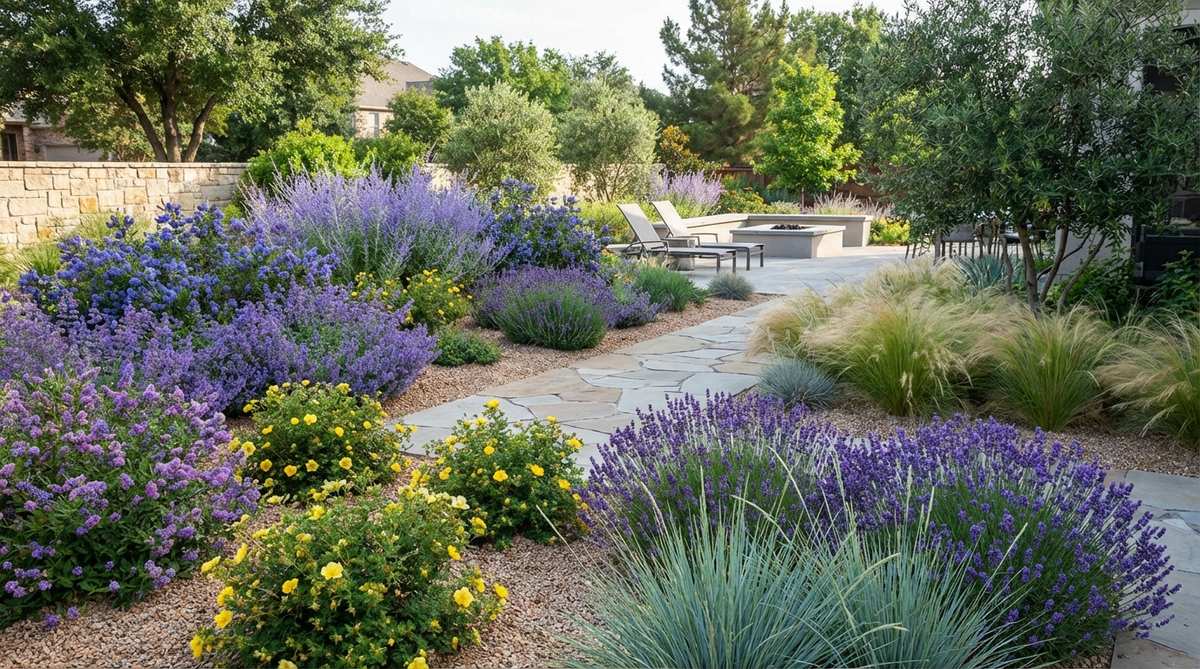
Combine Rock Rose, California Lilac, and English Lavender as structural elements. Add ornamental grasses like Mexican Feather Grass or Blue Oat Grass for movement.
Layer heights strategicallyshrubs at 3-4 feet, grasses at 2-3 feet, and low perennials at 12-18 inches. This arrangement creates depth while allowing each plant adequate air circulation.
Mulch heavily with gravel or decomposed granite to retain moisture and suppress weeds. This system thrives with weekly deep watering rather than frequent shallow irrigation.
3. Meadow-Style Perennial Mixes
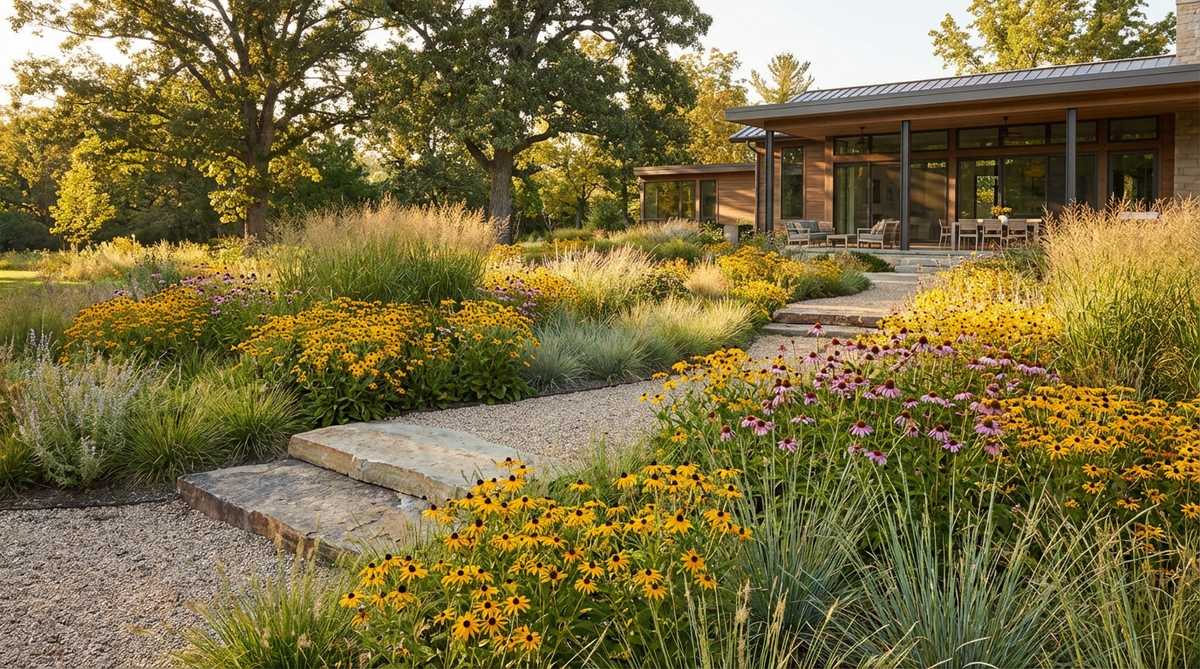
Replace traditional lawns with naturalized perennial meadows featuring Black-Eyed Susan, Coneflower, and native grasses. This approach reduces mowing to twice annually.
Establish meadows by clearing existing turf, amending soil lightly, and broadcasting seed in fall. Spring germination produces first-year foliage with blooms appearing the second season.
4. Xeriscaping with Architectural Succulents
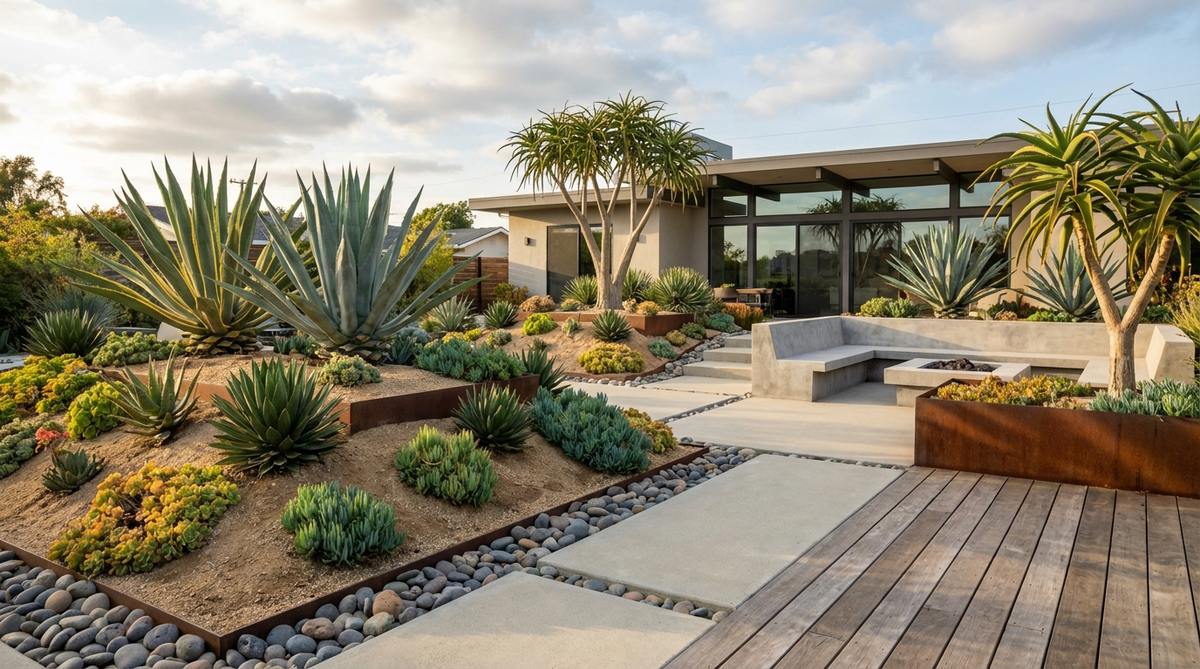
Agave, Aloe, and Sedum varieties provide sculptural form while surviving on rainfall alone in many climates. Their geometric shapes complement modern hardscaping.
Plant in raised mounds or berms to ensure excellent drainage. Succulents rot quickly in standing water but tolerate poor soil and intense heat.
5. Pollinator-Focused Flower Drifts
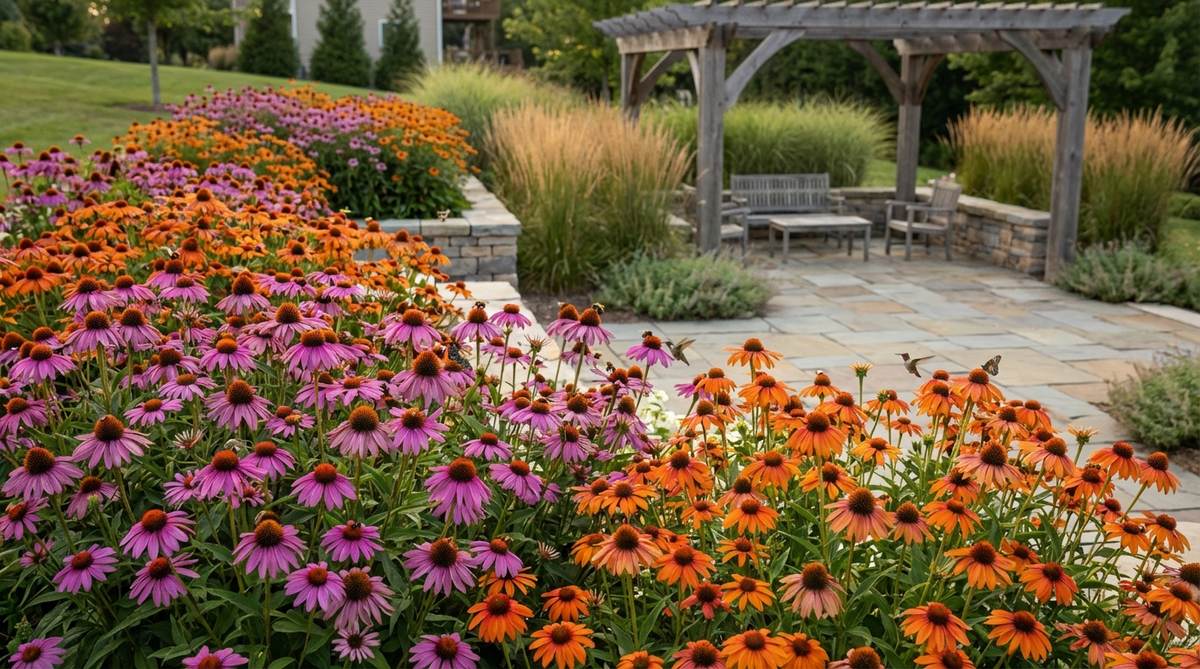
Mass plantings of single species create visual impact and feeding stations for bees, butterflies, and hummingbirds. Use odd-numbered groups of 5, 7, or 9 plants minimum.
Select bloom sequences that provide nectar from early spring through fall. Overlap flowering periods so insects always find available food sources.
6. Vertical Green Walls
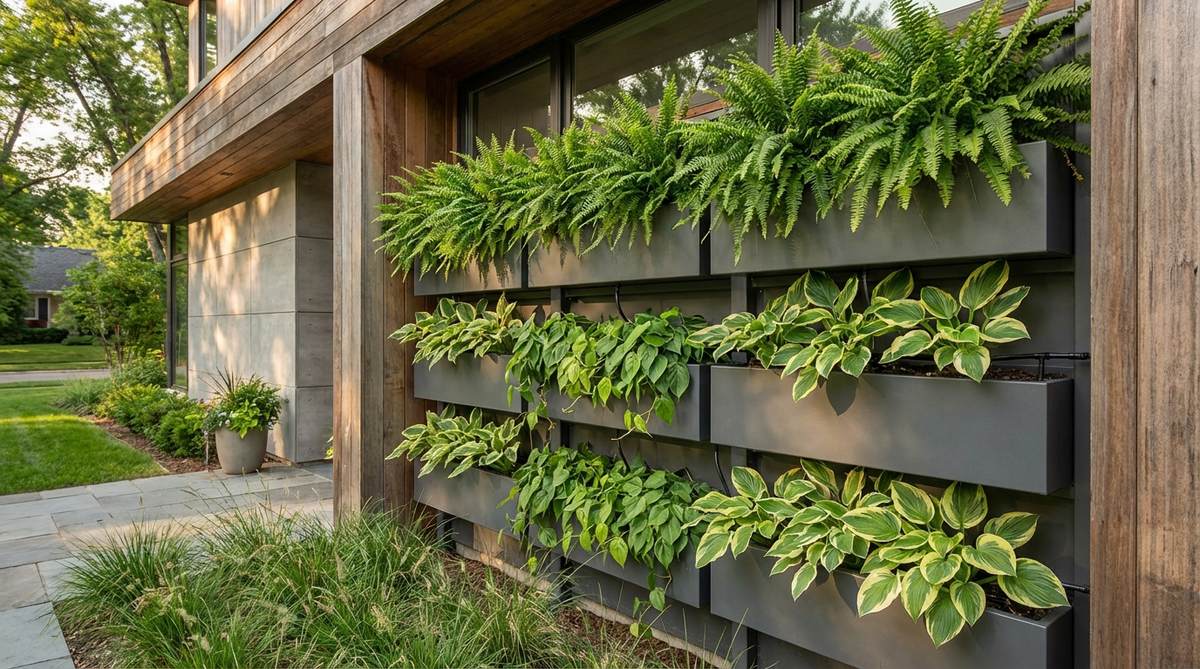
Modular wall planters transform blank fences and building facades into living art. Ferns, trailing Philodendrons, and compact Hostas thrive in these systems.
Install drip irrigation behind planting pockets to maintain consistent moisture. Vertical gardens require more frequent watering than in-ground beds but use significantly less horizontal space.
7. Edible-Ornamental Integration
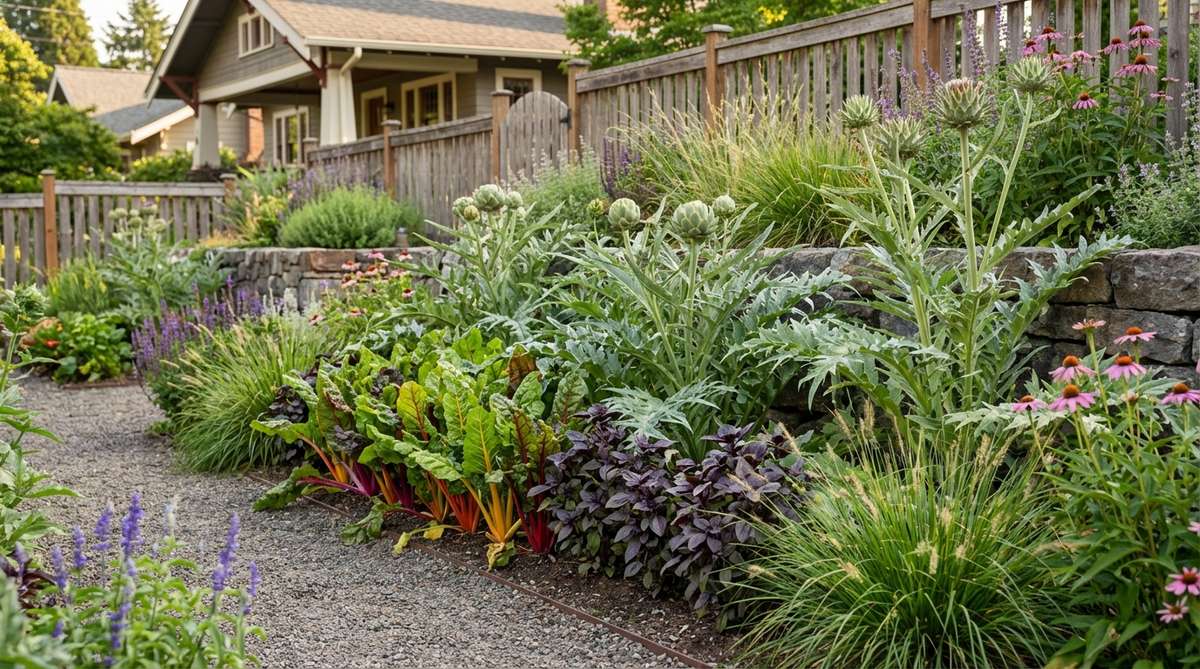
Ruby Chard, Purple Basil, and Tuscan Kale offer striking foliage that rivals traditional ornamentals. Interplant with flowers for a productive yet decorative border.
Position edibles in raised beds at 24-30 inches height for ergonomic harvesting. This elevation also improves drainage and extends the growing season by warming soil earlier.
8. Ornamental Grass Screens
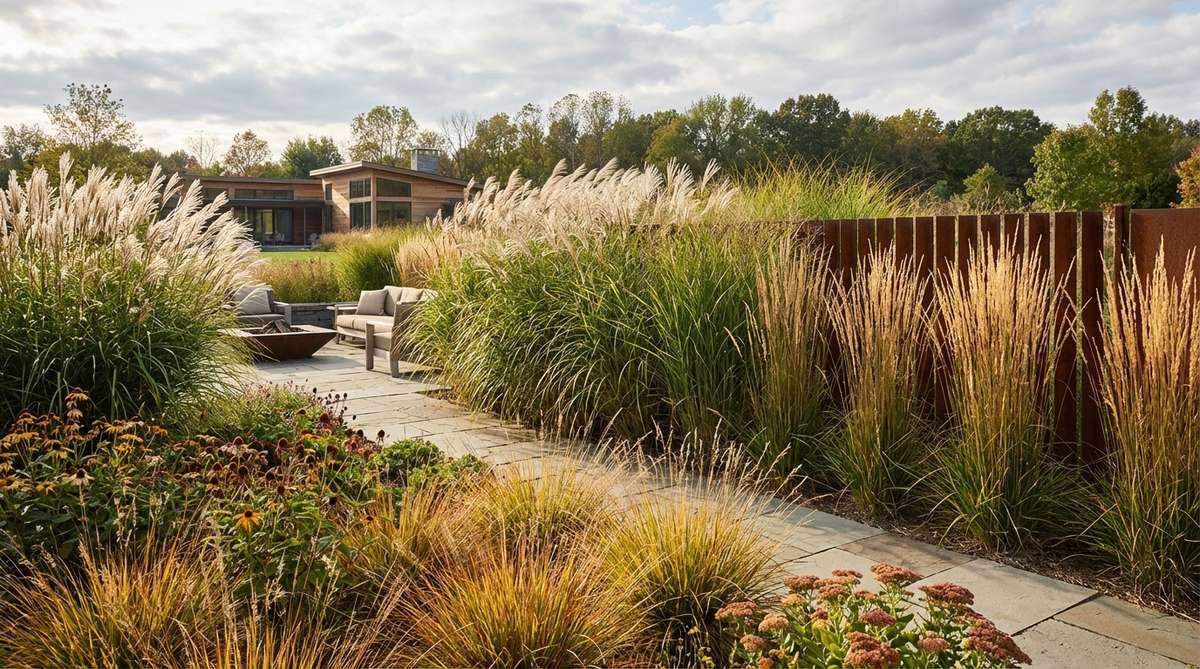
Tall grasses like Miscanthus, Panicum, and Calamagrostis create permeable privacy barriers that move with wind. Plant in staggered rows for density.
Grasses provide four-season interestfresh growth in spring, flowering in summer, warm tones in fall, and architectural seed heads through winter. Cut back once in early spring.
9. Climate-Adapted Shrub Foundations
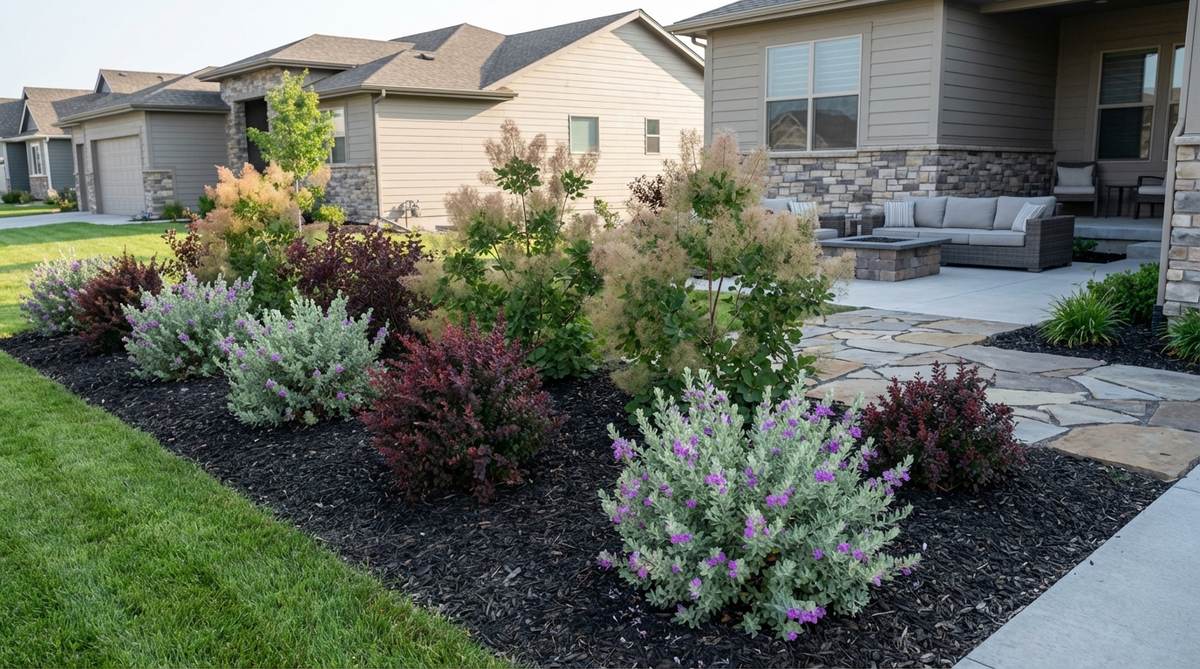
Select shrubs proven in your USDA zone rather than specimens requiring constant intervention. Texas Sage, Barberry, and Smokebush tolerate both heat and cold extremes.
Space foundation plantings 3-4 feet apart to accommodate mature spread. Crowded shrubs develop weak growth and increased disease susceptibility.
10. Seasonal Color Rotation Containers
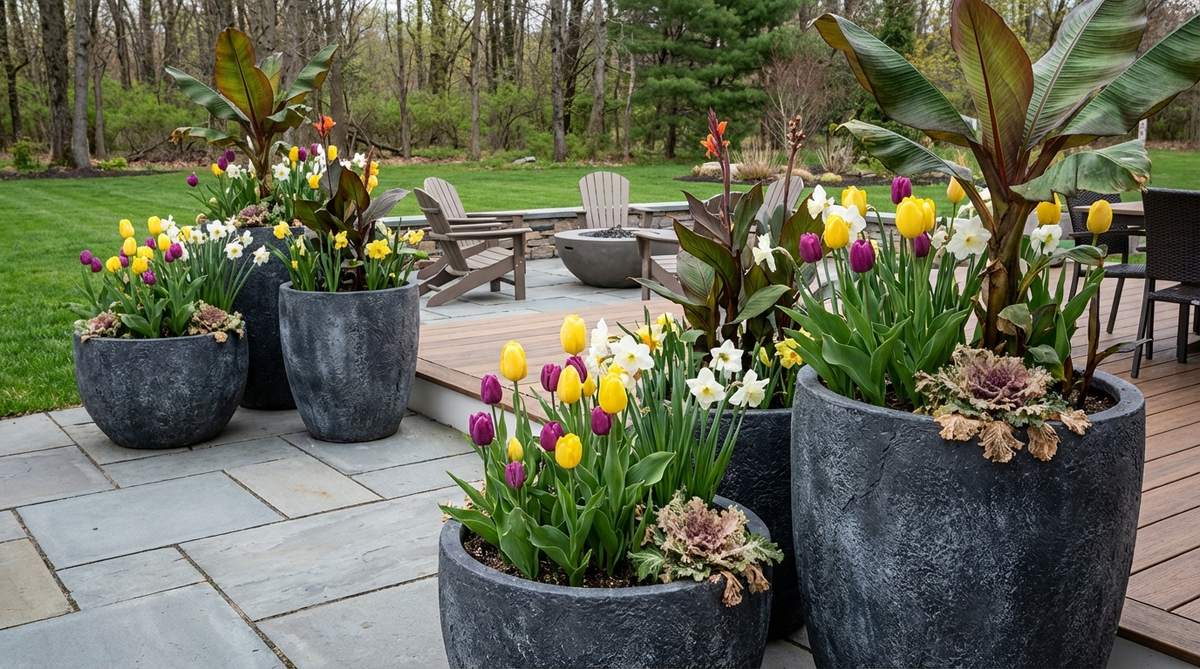
Large-format containers allow quick seasonal updates without permanent commitment. Spring bulbs transition to summer tropicals, then fall ornamental kale.
Use lightweight resin or fiberglass containers that mimic stone or ceramic. These materials withstand freeze-thaw cycles better than terracotta while being easier to relocate.
Contemporary Hardscaping & Eco-Friendly Materials
Modern gardens favor permeable, locally-sourced materials over resource-intensive imports. These selections reduce environmental impact while creating clean, sophisticated aesthetics.
11. Poured Concrete Pavers
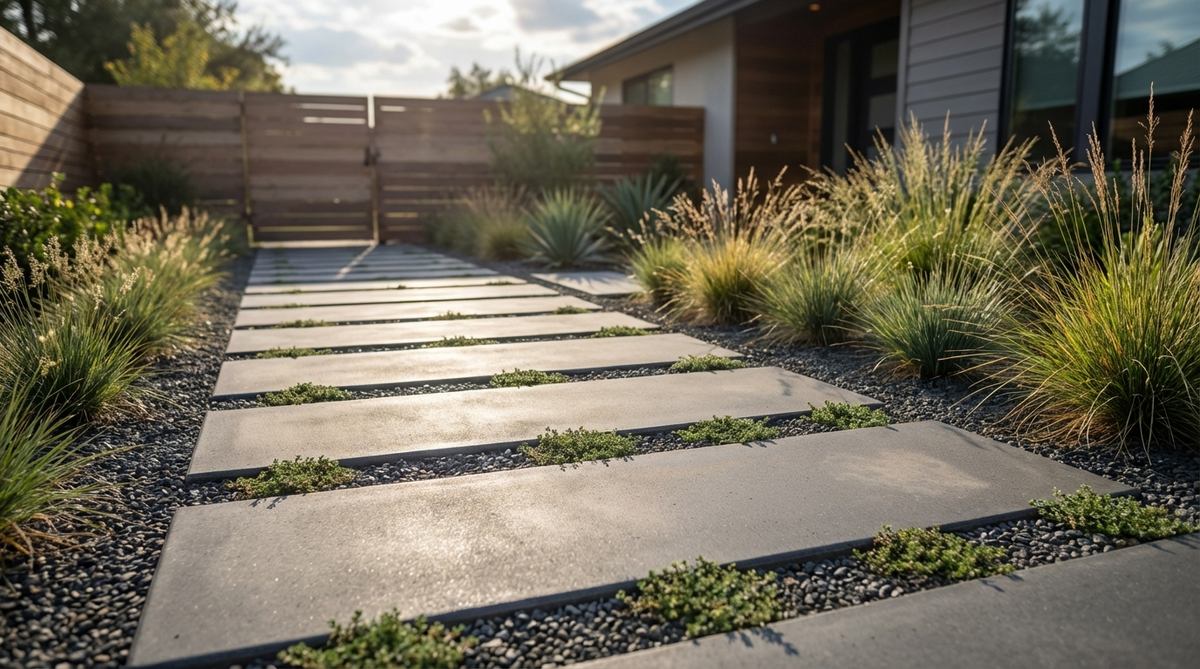
Large-format concrete slabs in charcoal, taupe, or white create minimalist pathways. Space units 2-3 inches apart and fill gaps with fine gravel or low groundcover.
Concrete absorbs and releases heat slowly, moderating temperature fluctuations. Seal surfaces every 2-3 years to prevent staining and moisture penetration.
12. Decomposed Granite Pathways
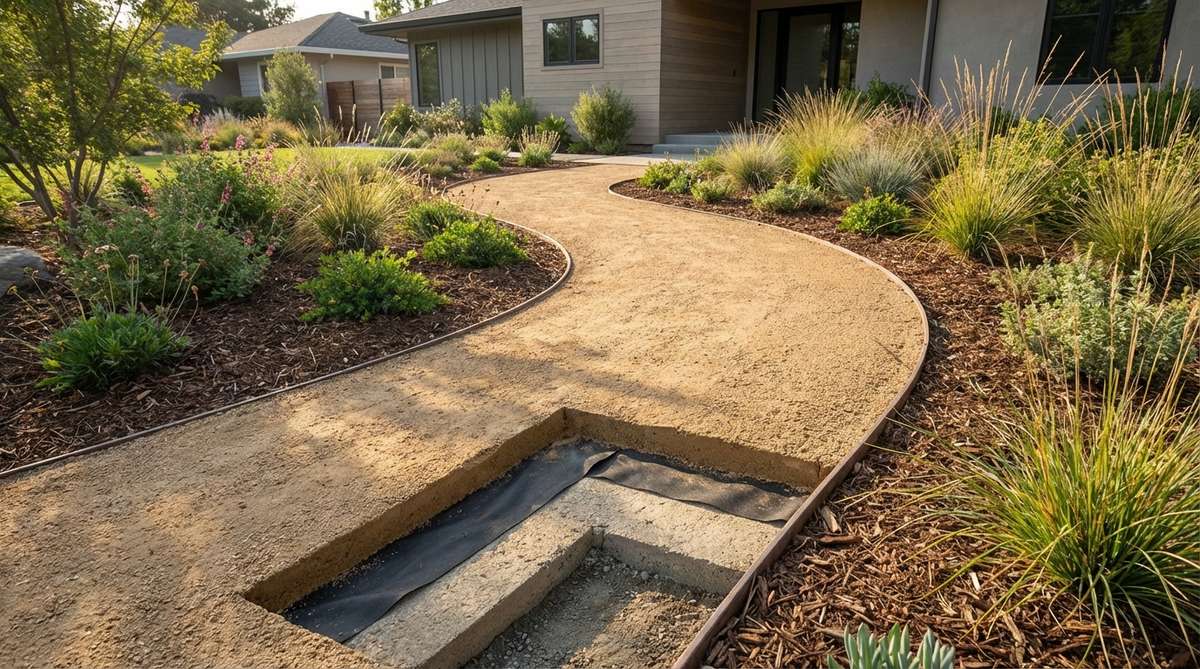
This permeable material compacts into a firm surface while allowing water infiltration. Available in gold, grey, and red tones that complement regional landscapes.
Install over compacted base material with landscape fabric beneath to prevent weed growth. Add 2-3 inches of granite and compact with a plate tamper.
13. Recycled Composite Decking
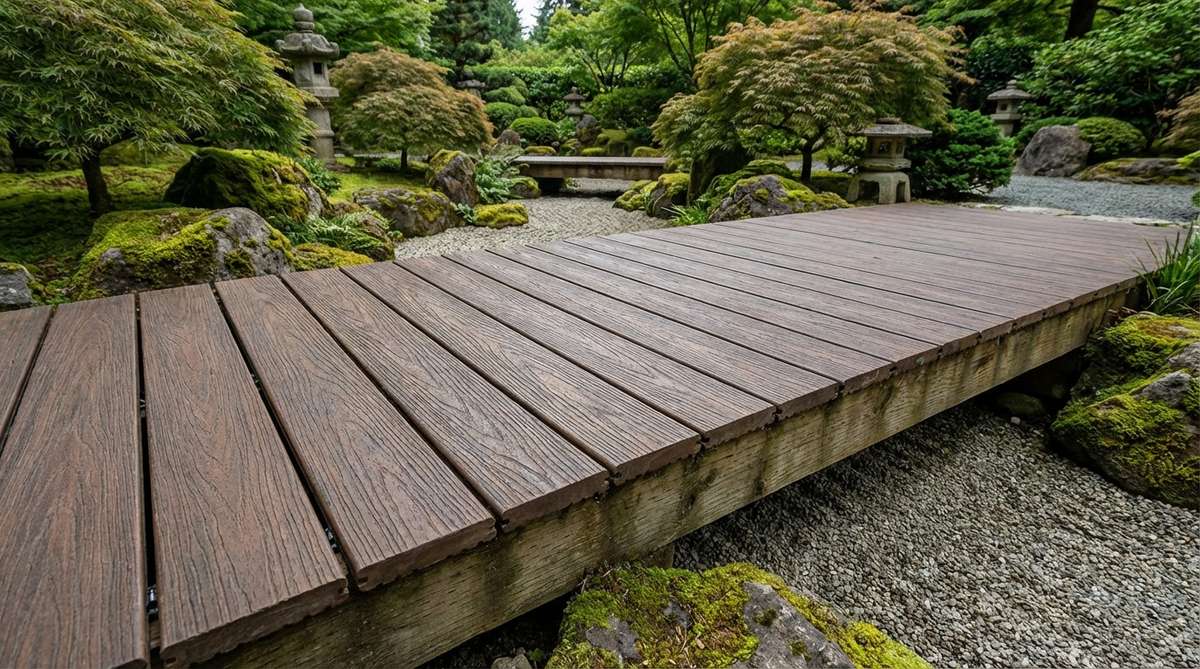
Decking manufactured from reclaimed wood fibers and recycled plastic provides wood appearance without maintenance. These products never require staining or sealing.
Choose hidden fastener systems for clean surfaces without visible screws. Composite materials resist fading, splintering, and insect damage for decades.
14. Steel Edging Systems
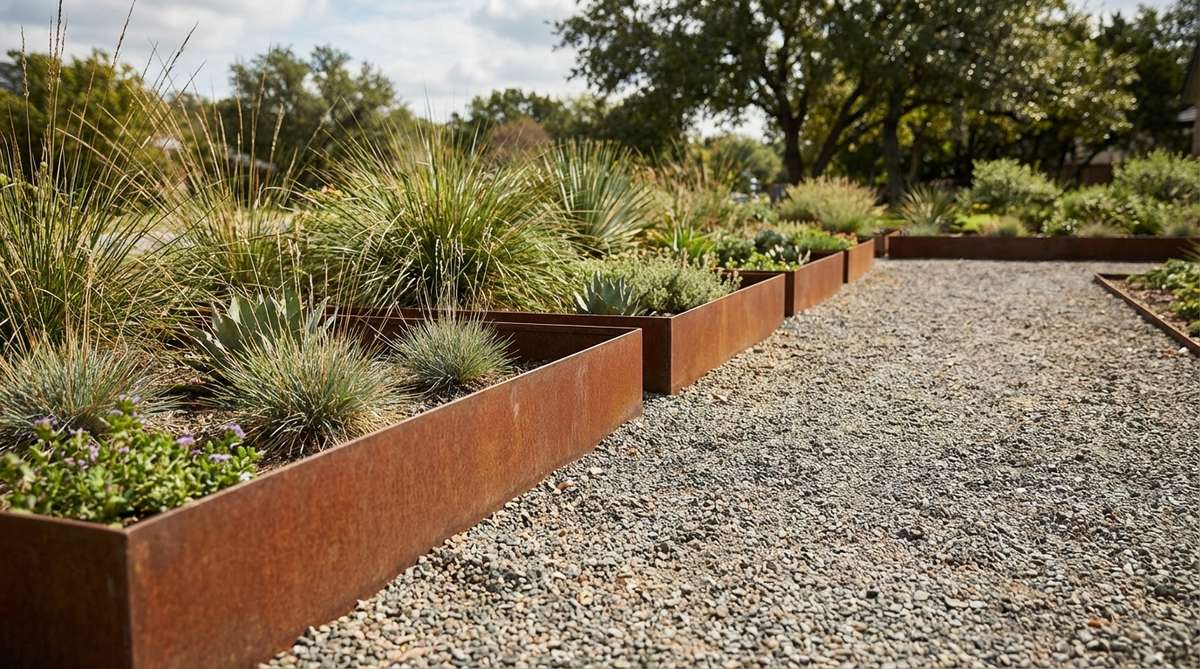
Corten steel develops a protective rust patina that stabilizes without further deterioration. Use 1/4-inch thick strips to separate gravel from planting beds.
Install edging flush with grade or slightly raised for defined borders. Steel creates precise lines that reinforce geometric contemporary design.
15. Permeable Paver Grids
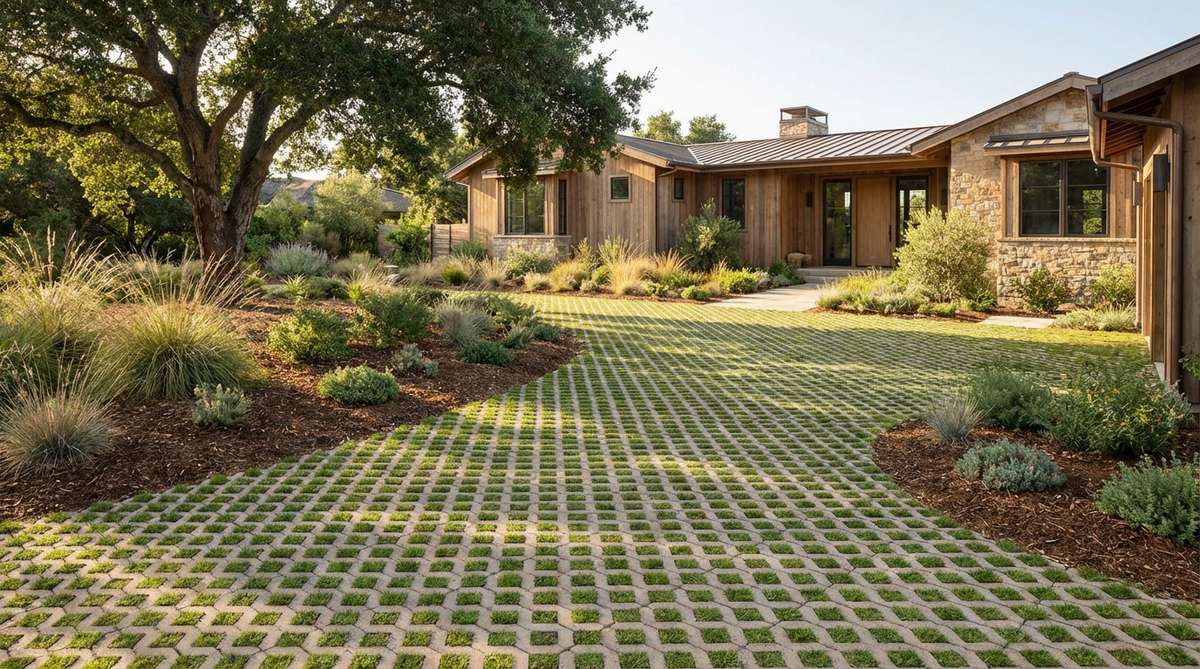
Plastic or concrete grids support vehicle weight while allowing grass or gravel to grow through openings. These systems reduce runoff and heat island effect.
Use for secondary driveways, overflow parking, or fire access lanes. Permeable surfaces recharge groundwater rather than directing rainfall to storm drains.
16. Natural Stone Steppers
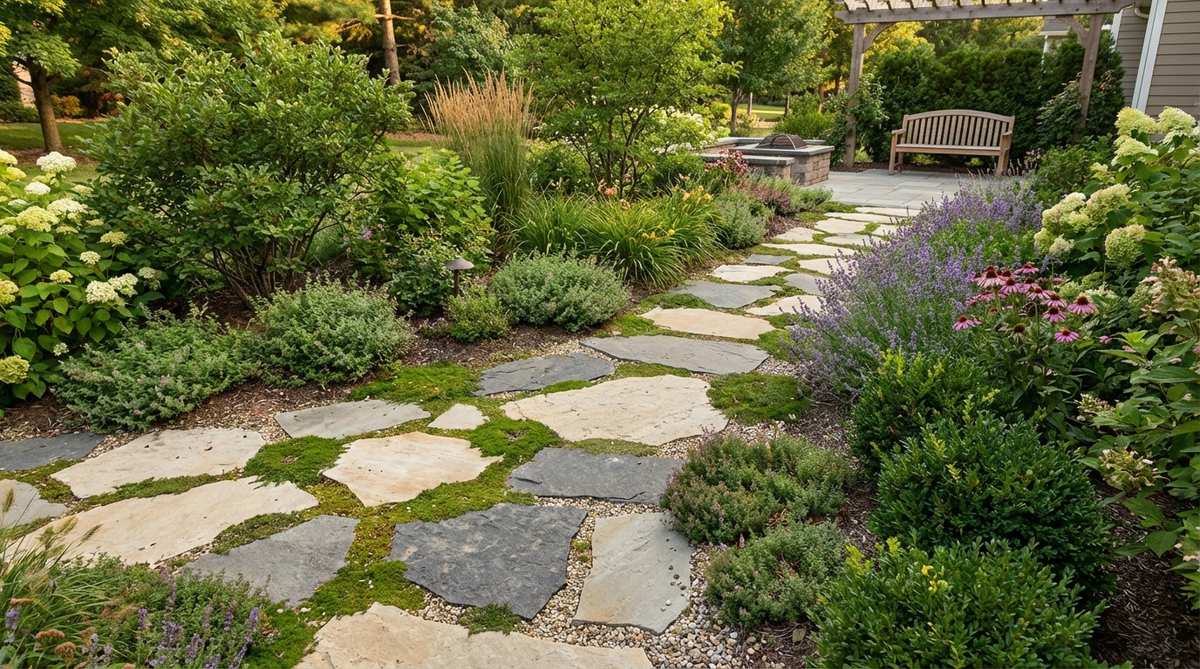
Irregularly-shaped flagstone or bluestone creates organic pathways through planted areas. Space stones 18-24 inches apart for comfortable stride length.
Set steppers flush with surrounding grade to accommodate mowing. Fill gaps with fine gravel, moss, or creeping thyme for textural contrast.
17. Gabion Retaining Walls
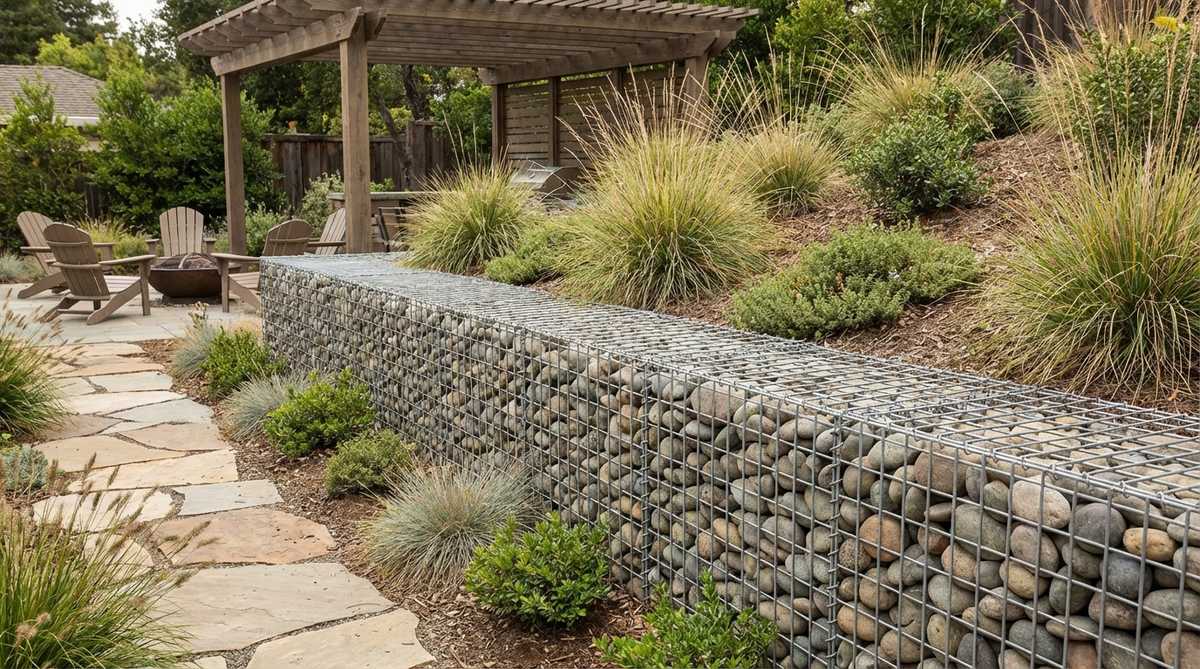
Wire cages filled with local stone provide structural support while allowing water drainage. These industrial-looking elements suit contemporary design vocabulary.
Build gabions in 12-inch increments up to 6 feet without engineering in most jurisdictions. Fill with uniform-sized rock for clean appearance or mixed aggregate for texture.
18. Reclaimed Brick Accents
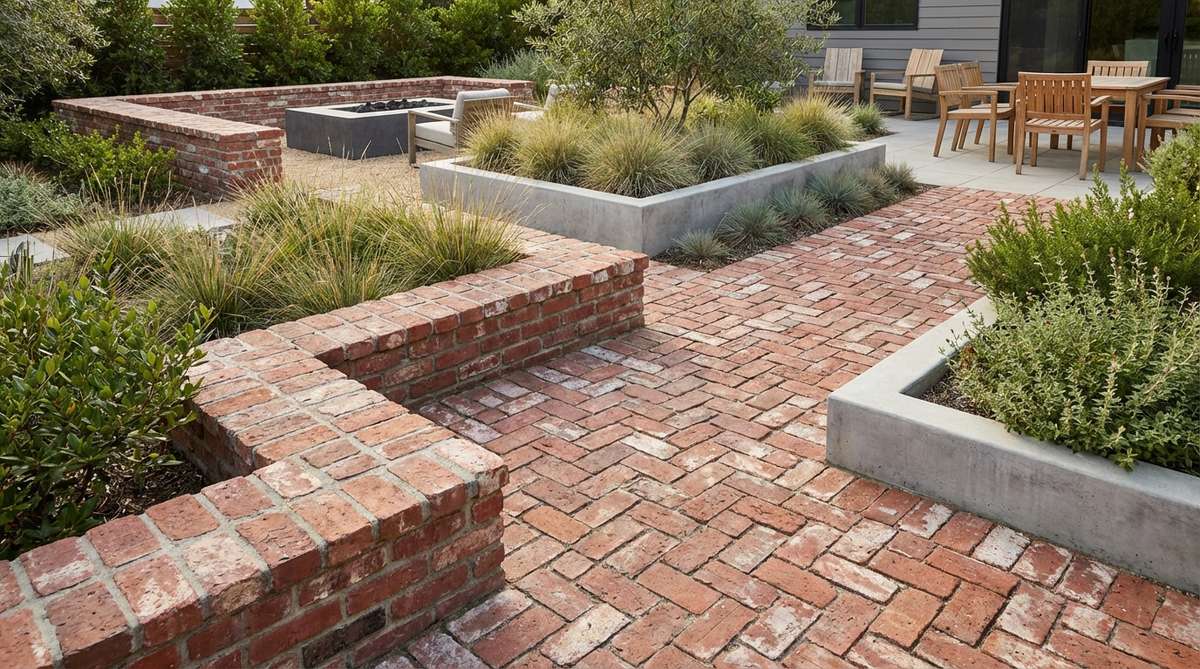
Salvaged brick from demolished buildings adds historical character to modern gardens. Use as edging, paving, or decorative vertical elements.
Clean bricks thoroughly and sort by color consistency. Lay in sand-set or mortar applications depending on traffic levels and drainage requirements.
19. Polished Concrete Seating Walls
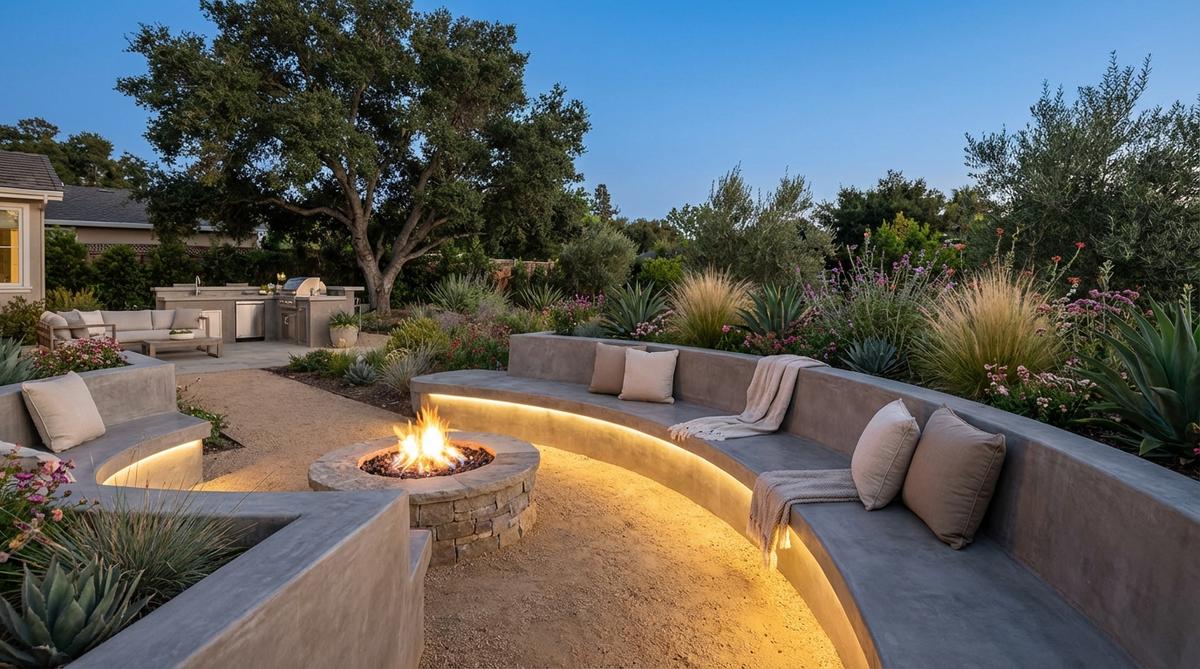
Cast-in-place concrete walls at 18-inch height function as seating, planter edges, and architectural features. Smooth trowel finishes reflect light and simplify maintenance.
Embed rigid foam insulation within wall cores to prevent cold transfer. This detail makes concrete seating comfortable across wider temperature ranges.
20. Basalt Column Water Features
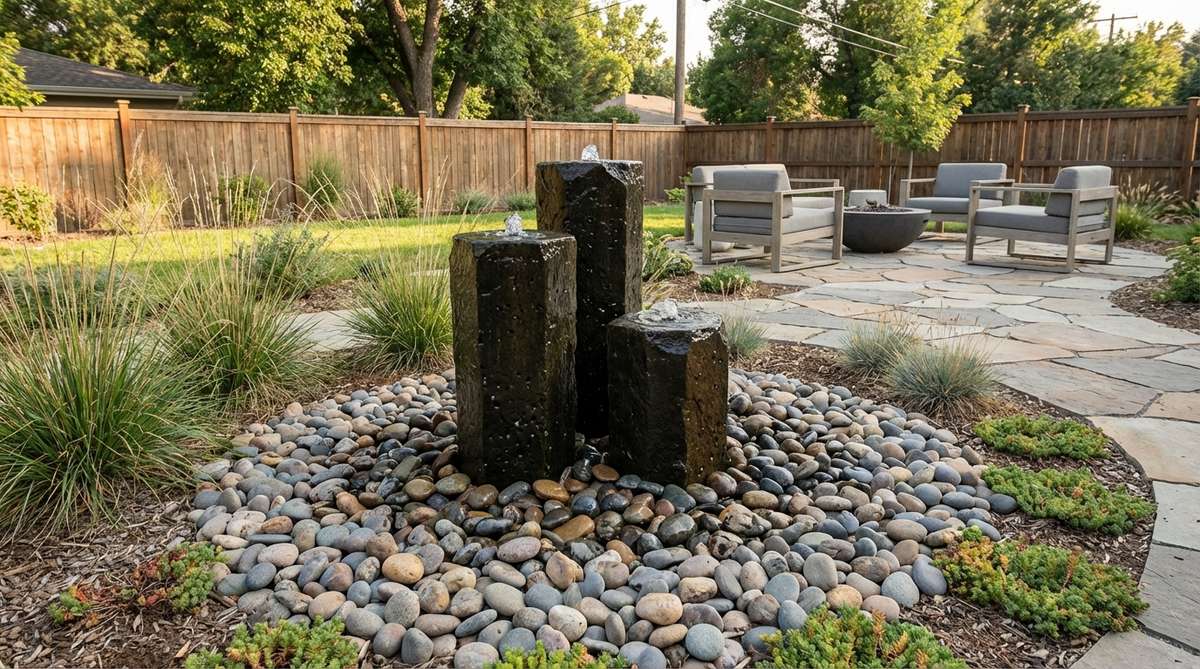
Drilled basalt columns bubbling water create focal points with minimal footprint. Recirculating pumps require only electrical access and small reservoir basins.
Surround columns with river rock in contrasting colors. Water sound masks neighborhood noise while attracting birds and beneficial insects.
Water Conservation Features for Modern Landscapes
Smart water management systems reduce consumption by 40-50% compared to traditional irrigation. These technologies respond to weather conditions and plant needs dynamically.
21. Drip Irrigation Zones
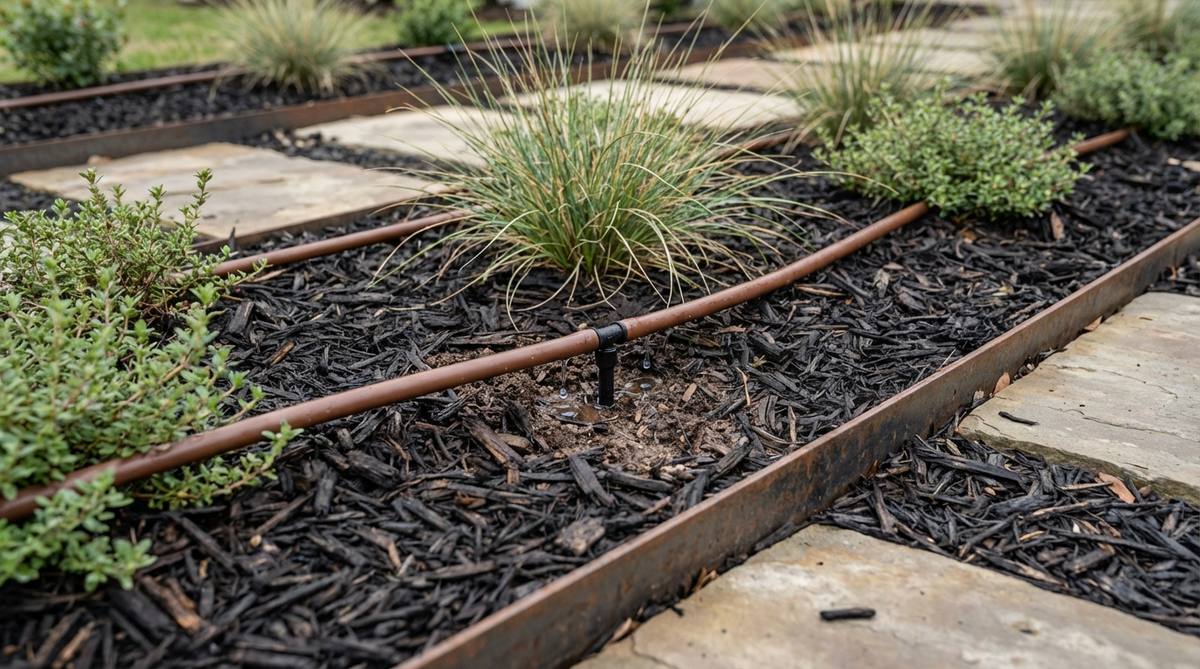
Deliver water directly to root zones through emitter tubing rather than broadcast spray. This precision reduces evaporation loss and prevents foliage diseases.
Zone systems by plant water requirementshigh, moderate, and low. Group species with similar needs to avoid over-watering drought-tolerant plantings.
Install pressure-compensating emitters that deliver consistent flow regardless of elevation changes. Bury tubing 2-3 inches deep under mulch for protection and aesthetics.
22. Smart Irrigation Controllers
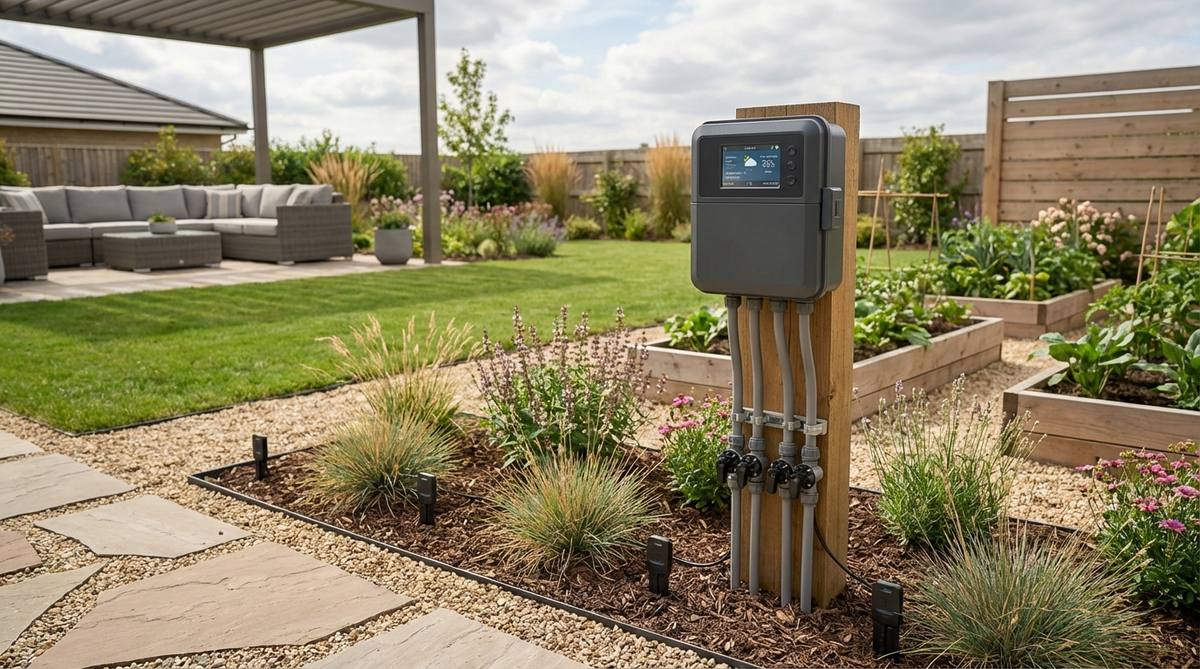
Weather-based controllers adjust watering schedules using local meteorological data. These systems skip cycles during rain and increase duration during heat waves.
Connect controllers to soil moisture sensors for additional precision. Sensors prevent watering when adequate moisture exists and trigger irrigation only when needed.
23. Rain Catchment Cisterns
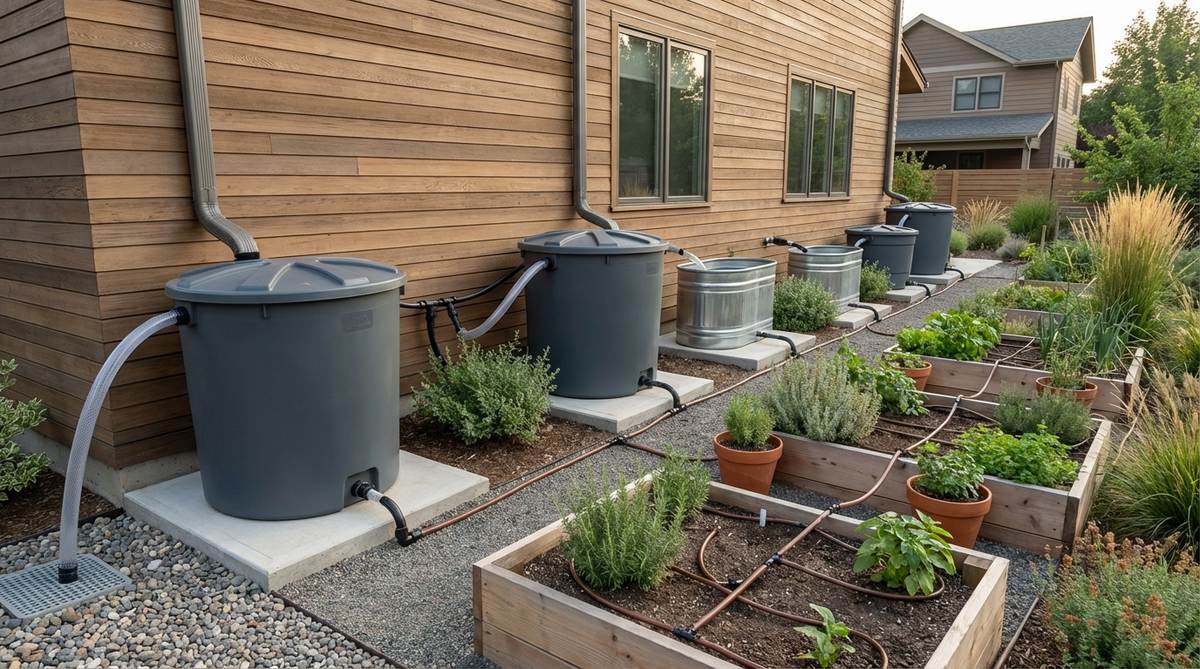
Harvest roof runoff in above-ground tanks ranging from 50 to 500 gallons. Connect cisterns to drip systems or use for hand-watering container gardens.
Position tanks on concrete pads near downspouts. Install overflow pipes to direct excess water away from foundations during heavy storms.
24. Bioswale Rain Gardens
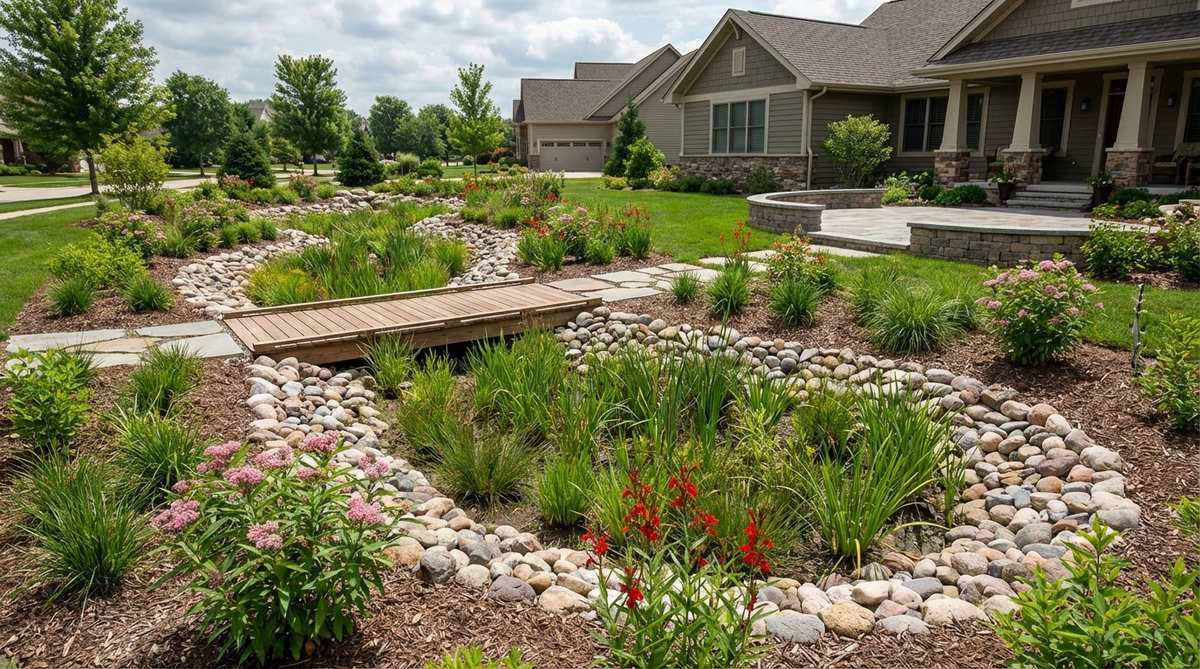
Shallow depressions planted with water-tolerant species capture and filter stormwater. These features prevent erosion while recharging groundwater naturally.
Size bioswales to handle runoff from contributing roof and paving areas. Plant with native sedges, rushes, and perennials adapted to periodic inundation.
25. Mulch Moisture Retention Systems
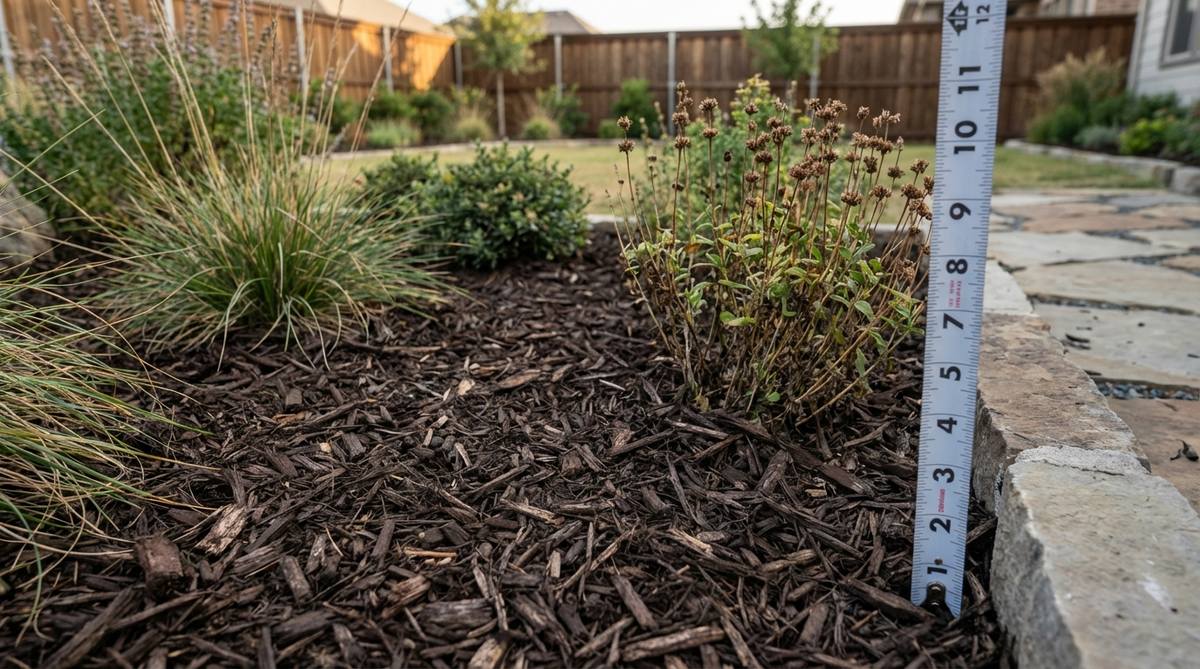
Apply 3-4 inches of organic mulch or decorative rock around all plantings. This layer reduces soil temperature, suppresses weeds, and slows evaporation.
Refresh organic mulches annually as they decompose into soil. Avoid piling mulch against plant stems where moisture promotes rot and pest issues.
26. Greywater Distribution Networks
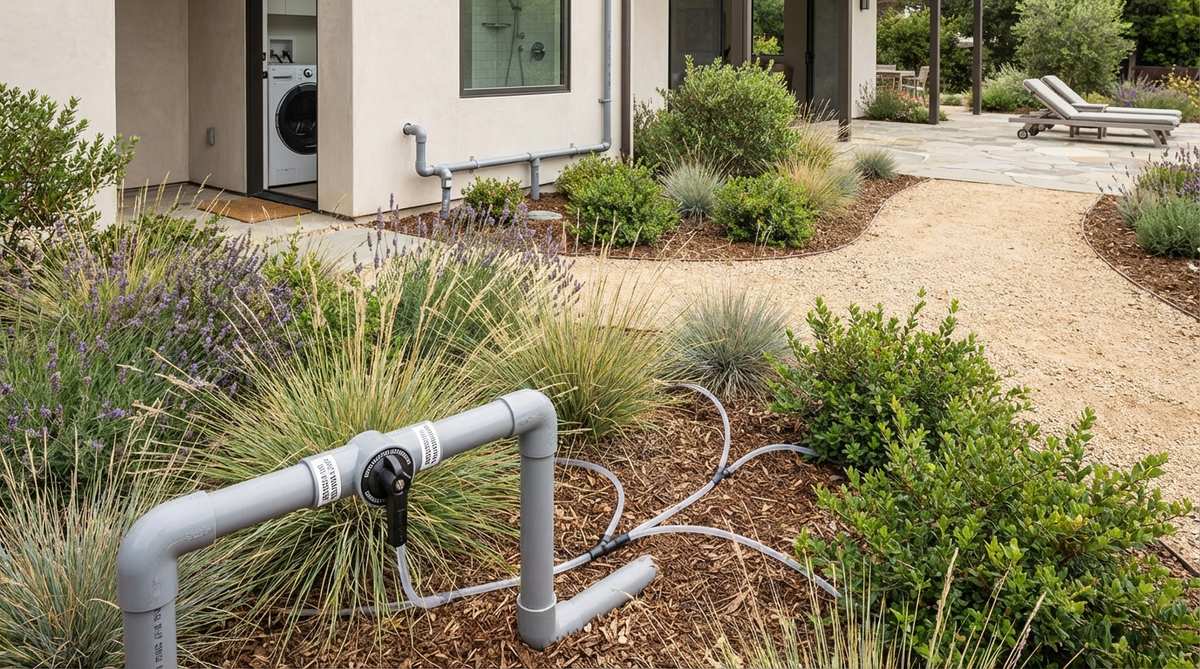
Divert water from washing machines, showers, and sinks to irrigate ornamental plantings. Simple systems use branched drain pipes requiring no pumps or filters.
Use biodegradable, low-sodium soaps compatible with plants. Greywater systems offset 30-40% of landscape irrigation in typical households.
27. Permeable Surface Integration
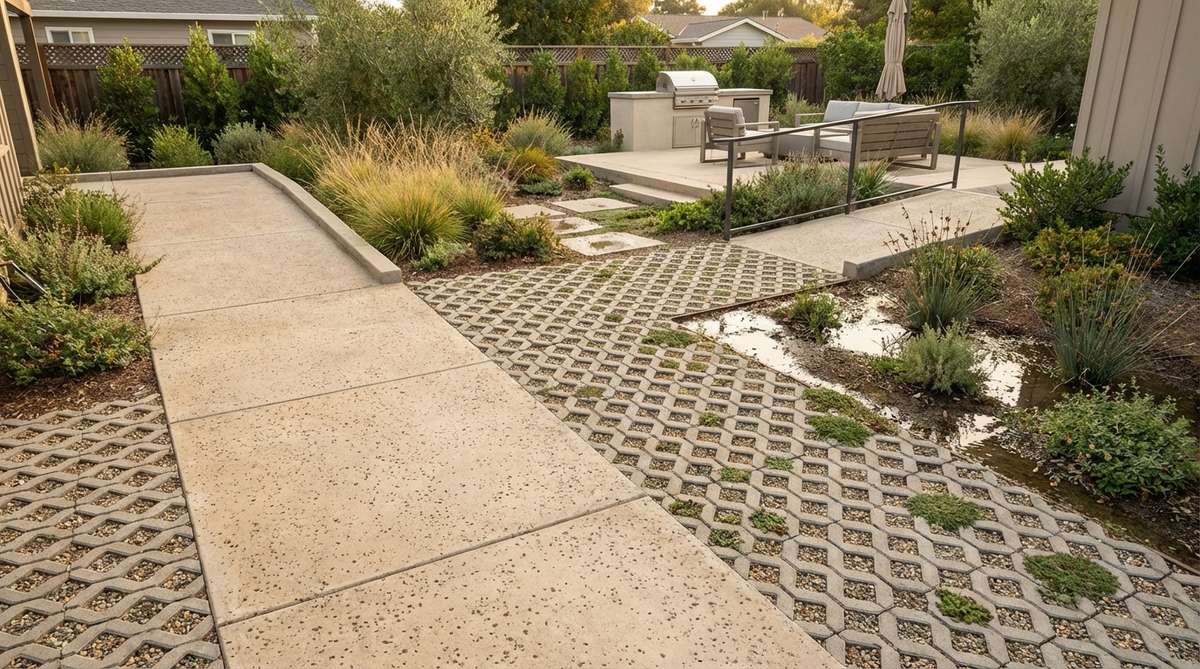
Replace impervious paving with porous alternatives allowing rainfall to penetrate rather than run off. Permeable surfaces reduce irrigation needs by maintaining soil moisture.
Options include permeable concrete, porous asphalt, and grid systems. These materials meet ADA requirements while managing water sustainably.
28. Hydrozoning Planting Design
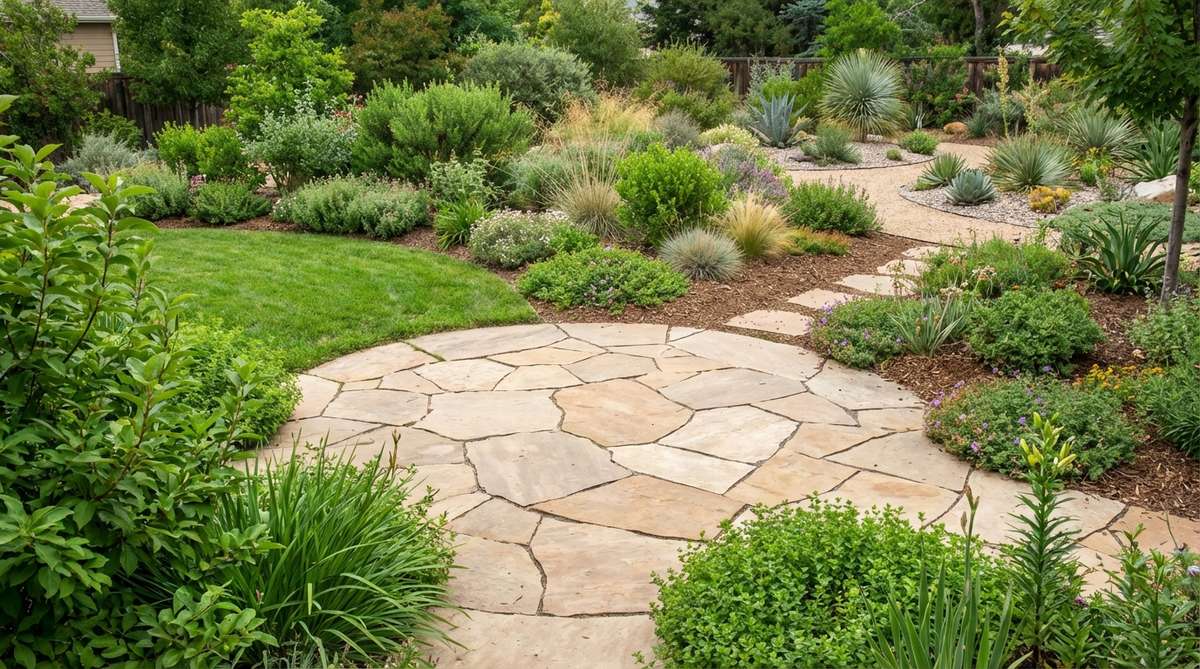
Organize landscape into distinct irrigation zoneshigh water near patios, moderate water in general beds, low water at perimeters. This strategy concentrates resources where most visible.
Create transition zones between hydrozones using plants with moderate needs. Abrupt changes from lush to arid feel jarring and poorly planned.
29. Evapotranspiration-Based Scheduling
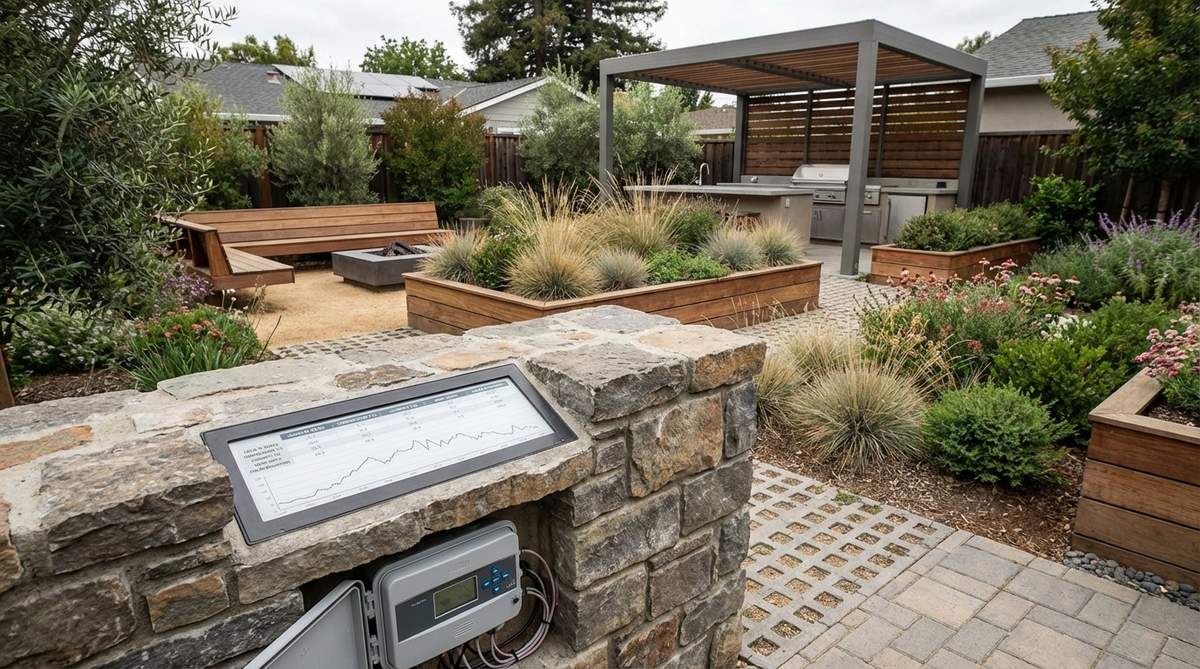
Calculate irrigation needs using local ET rates that account for temperature, humidity, wind, and solar radiation. This scientific approach eliminates guesswork.
Many smart controllers incorporate ET data automatically. Manual systems require weekly adjustments based on published regional ET values.
30. Recirculating Fountain Systems
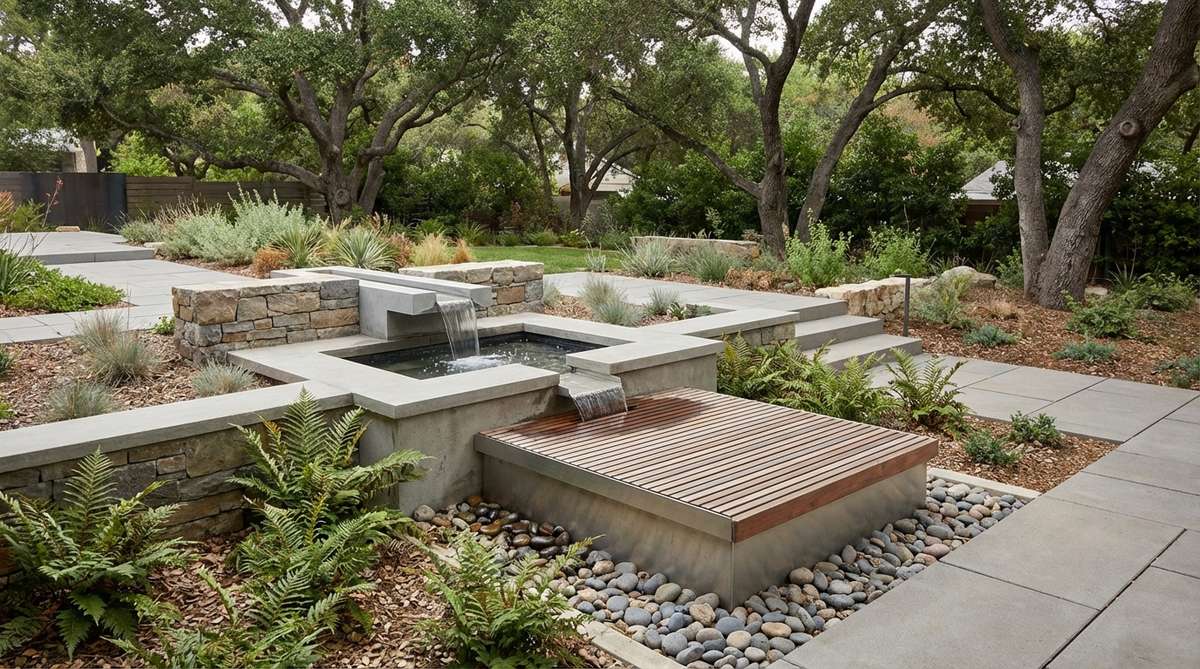
Closed-loop water features lose minimal water compared to natural streams or ponds. Small pumps circulate the same water continuously with occasional top-offs.
Position fountains in shade to reduce evaporation. Cover reservoirs to prevent debris accumulation and algae growth.
Modern Garden Decor and Contemporary Garden Decor Elements
Carefully selected contemporary garden decor pieces function as focal points while reinforcing overall design intent. Quality materials and restrained palettes prevent visual clutter.
31. Abstract Metal Sculptures
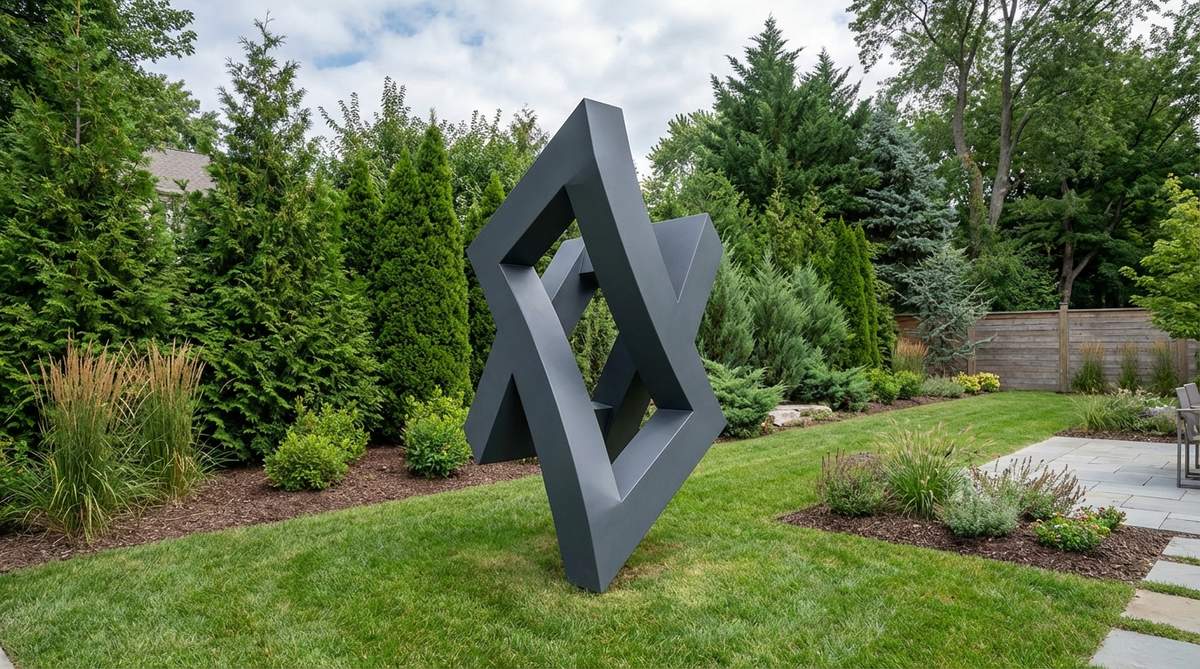
Powder-coated steel or aluminum sculptures in geometric forms create year-round interest. Position against evergreen backgrounds for maximum contrast.
Select pieces scaled appropriately to viewing distances. Oversized sculptures overwhelm small gardens while undersized pieces disappear in expansive landscapes.
32. Minimalist Fire Features
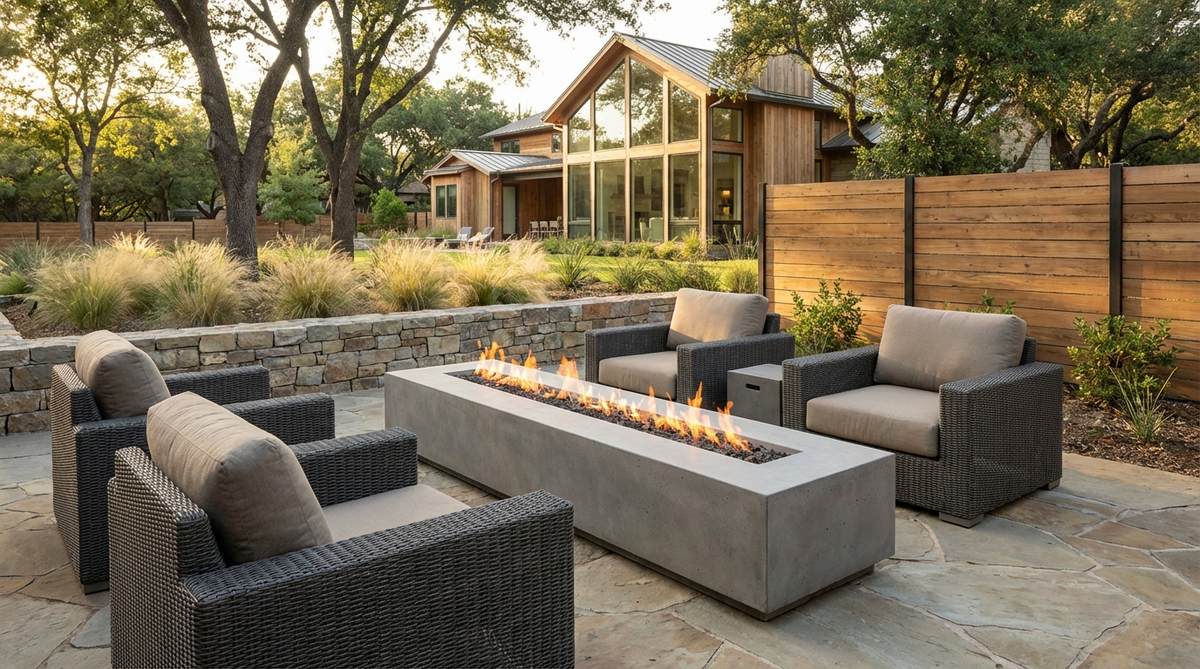
Linear gas fire troughs or circular fire bowls extend outdoor season use. Concrete, steel, or stone surrounds provide heat-resistant surfaces.
Position fire features 10-15 feet from structures and overhanging vegetation. Integrate seating at 4-5 feet distance for warmth without excessive heat.
33. Monolithic Stone Specimens
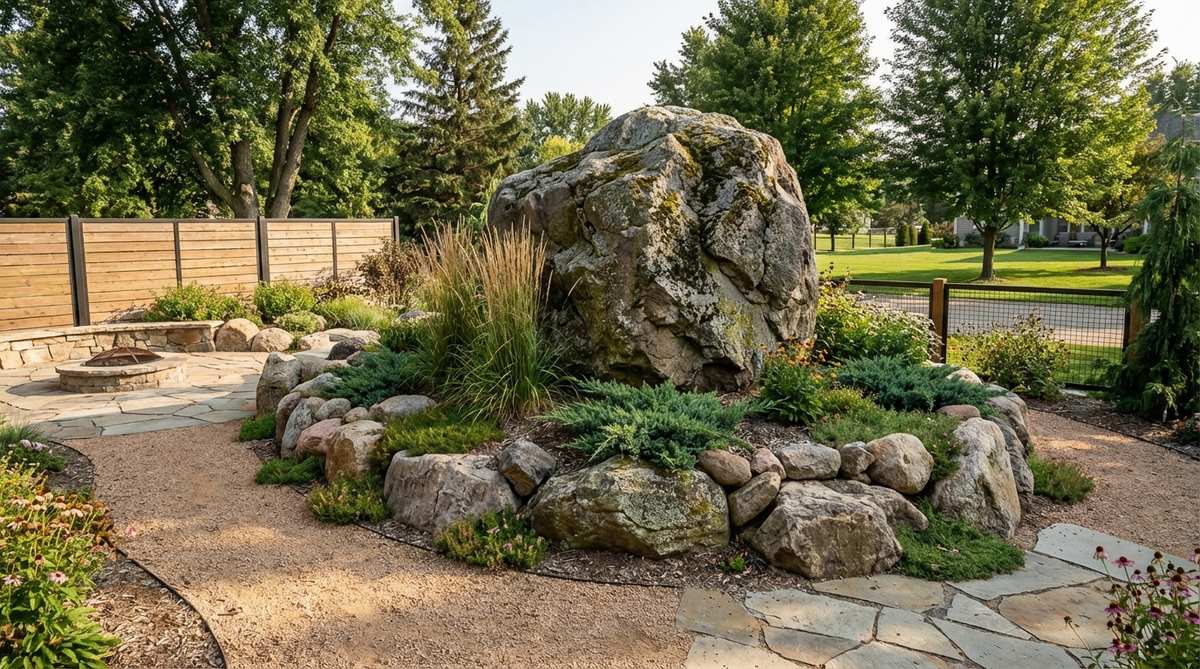
Single large boulders serve as sculptural elements and planting anchors. Quarried stone in regional types maintains authenticity.
Bury boulders one-third depth for natural appearance. Cluster smaller stones asymmetrically around primary specimen to suggest natural outcropping.
34. Contemporary Garden Lighting
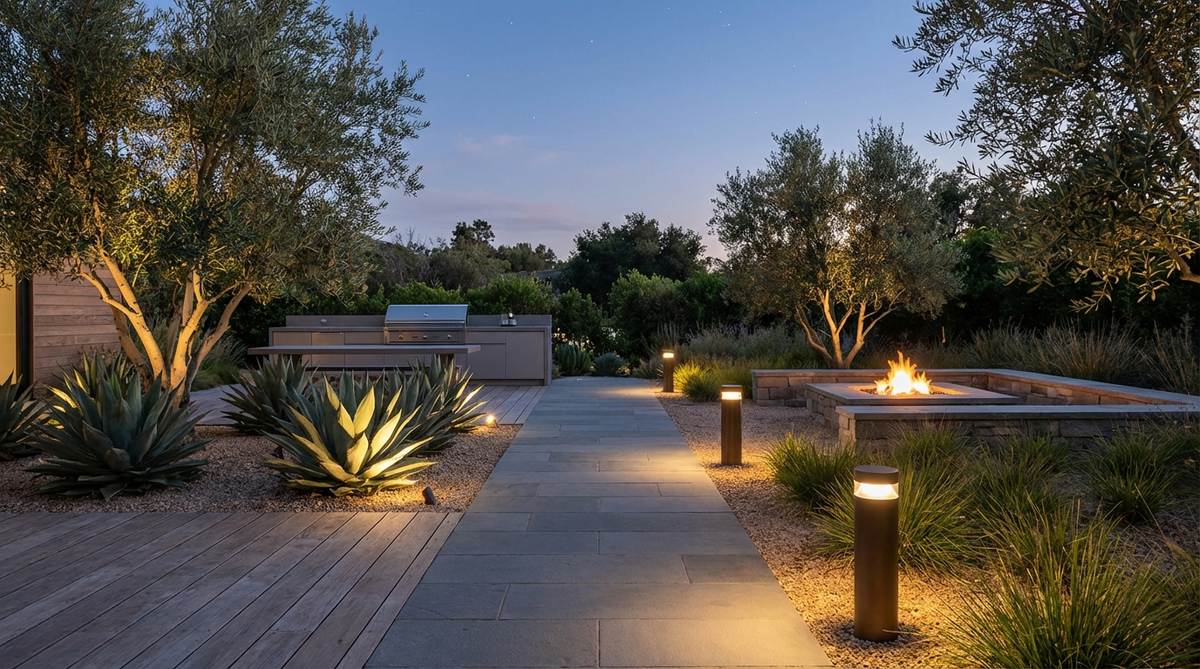
LED path lights, uplights, and bollards in bronze or stainless finishes highlight architectural plants and hardscape features. Low-voltage systems simplify installation.
Layer lighting typespath fixtures for safety, uplights for drama, and downlights for functional areas. Warm white (2700-3000K) creates inviting ambiance.
35. Geometric Planter Groupings
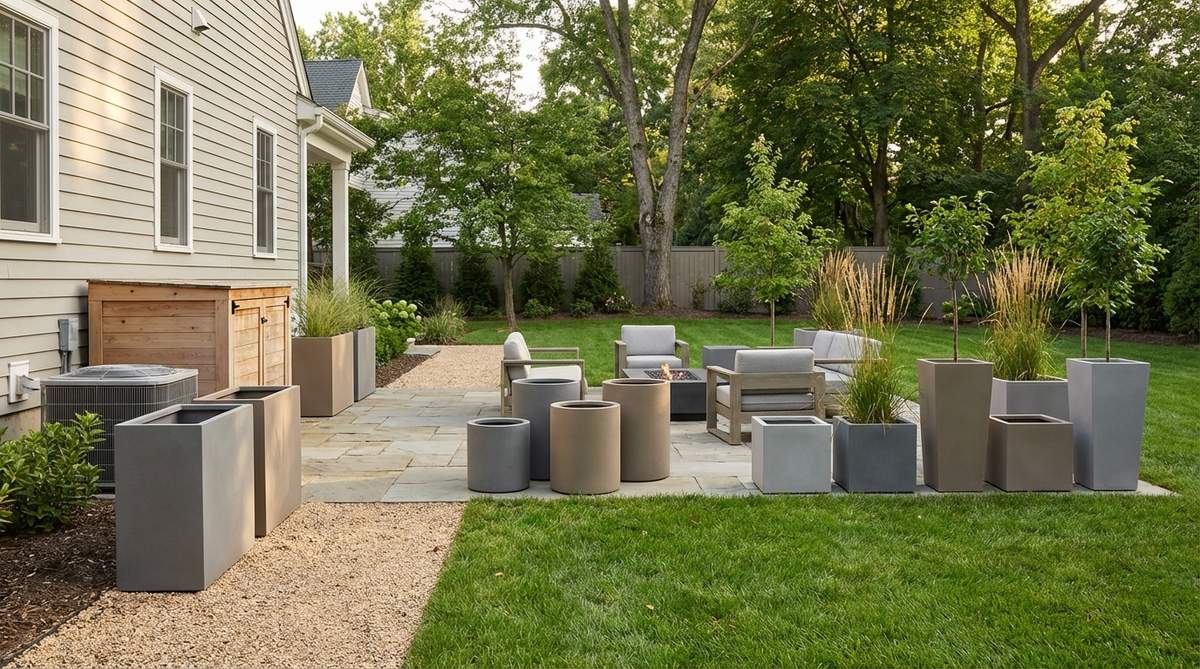
Cube, cylinder, and rectangular planters in uniform materials but varying sizes create rhythmic compositions. Cluster in odd-numbered groups.
Use planters to define spaces, screen utilities, or add height where in-ground planting is impossible. Fiberglass and resin planters withstand weather while remaining lightweight.
36. Floating Steel Benches
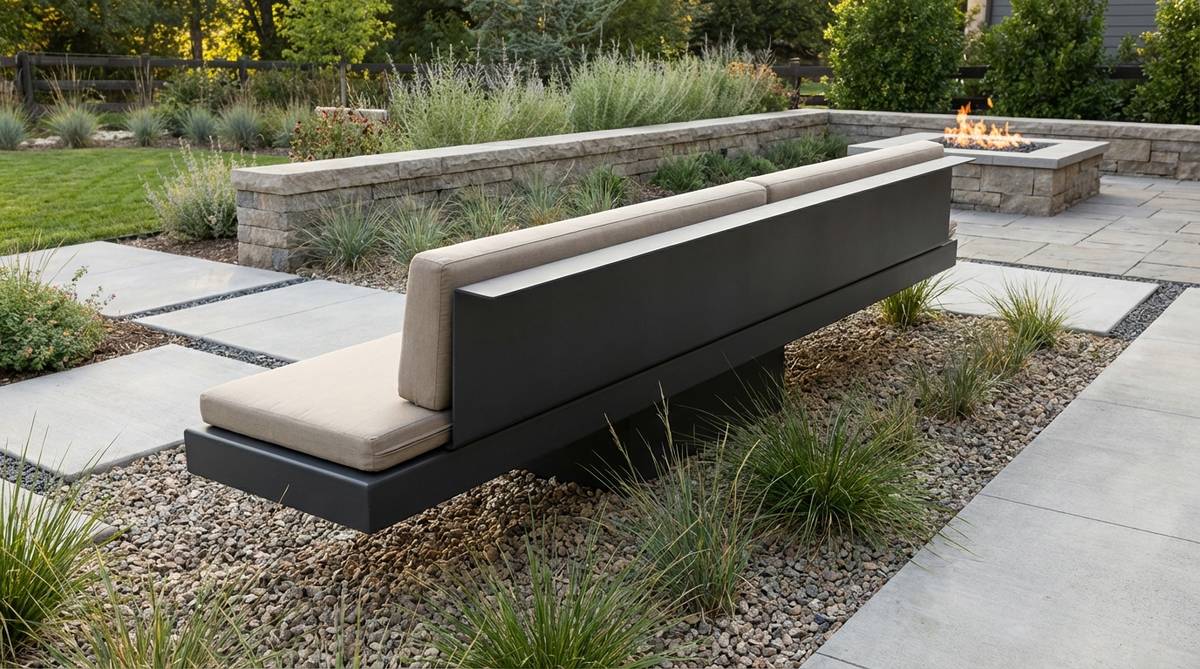
Cantilevered seating appears to hover above grade when supported by hidden structural elements. This visual lightness suits contemporary design philosophy.
Fabricate from steel plate with powder-coat finish. Add thin cushions for comfort while maintaining clean lines.
37. Glass Panel Windbreaks
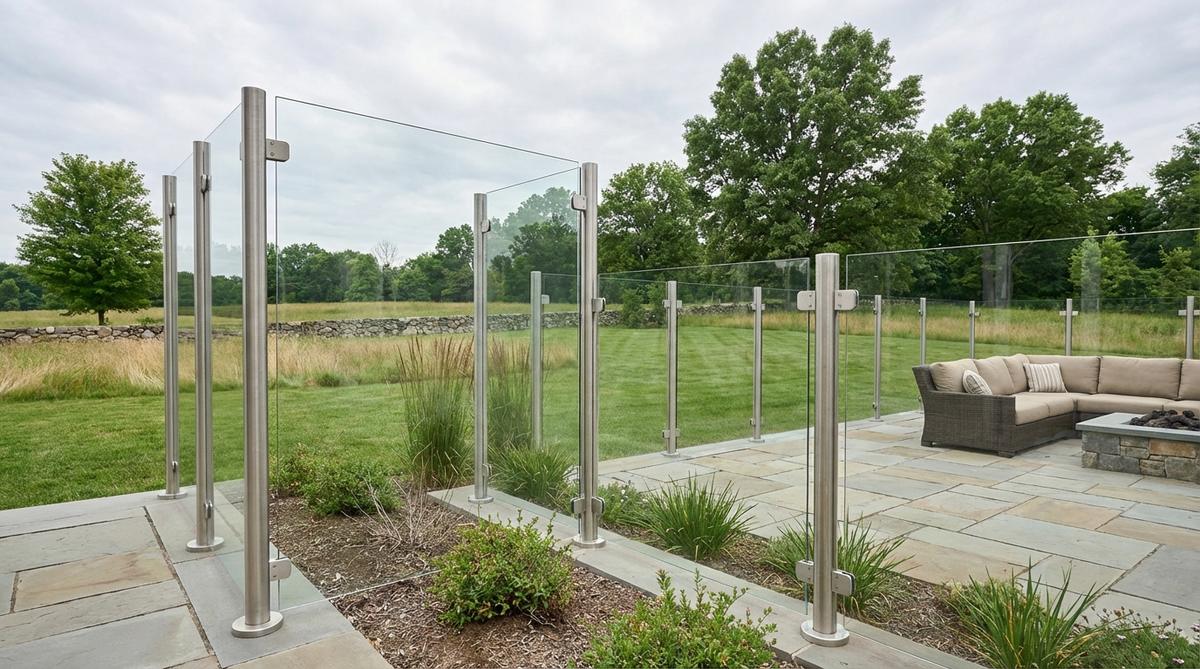
Frameless tempered glass panels provide wind protection without obstructing views. Stainless steel posts and minimal hardware maintain transparency.
Install panels perpendicular to prevailing winds. This orientation extends comfortable outdoor use by 4-6 weeks annually in temperate climates.
38. Living Roof Structures
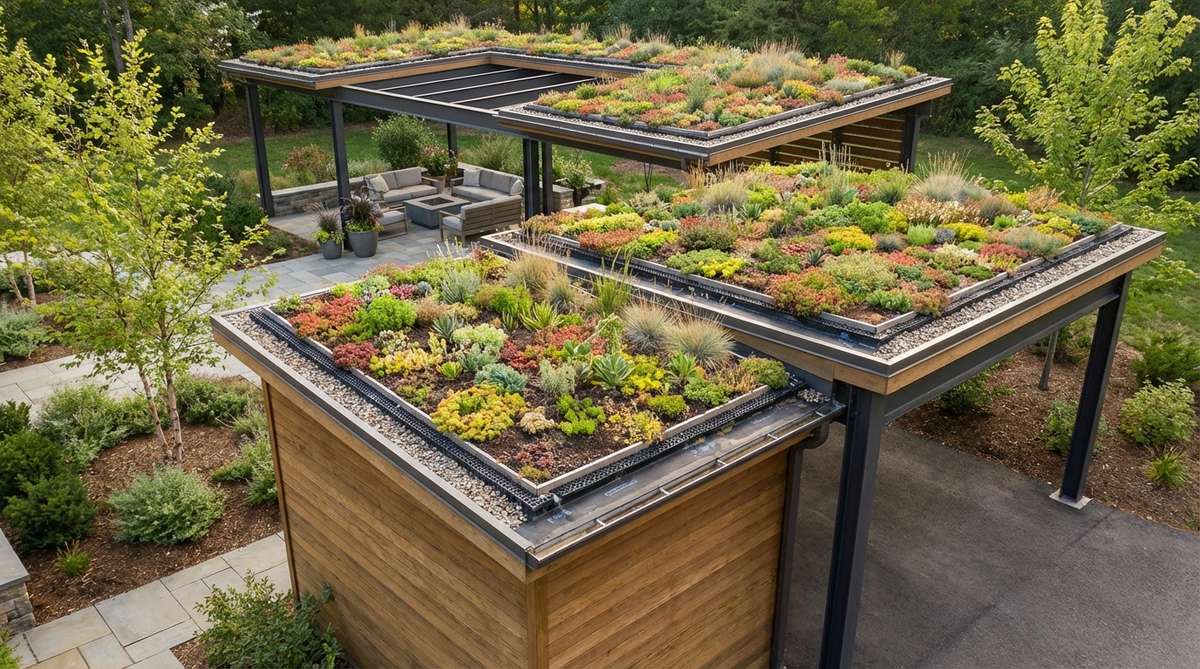
Plant roofs on sheds, carports, or pergolas with sedums and shallow-rooted species. These systems insulate buildings while managing stormwater.
Waterproof roof surfaces thoroughly before installing drainage layers and growing medium. Pitch roofs slightly for drainage even with water-holding soils.
39. Corten Steel Planters
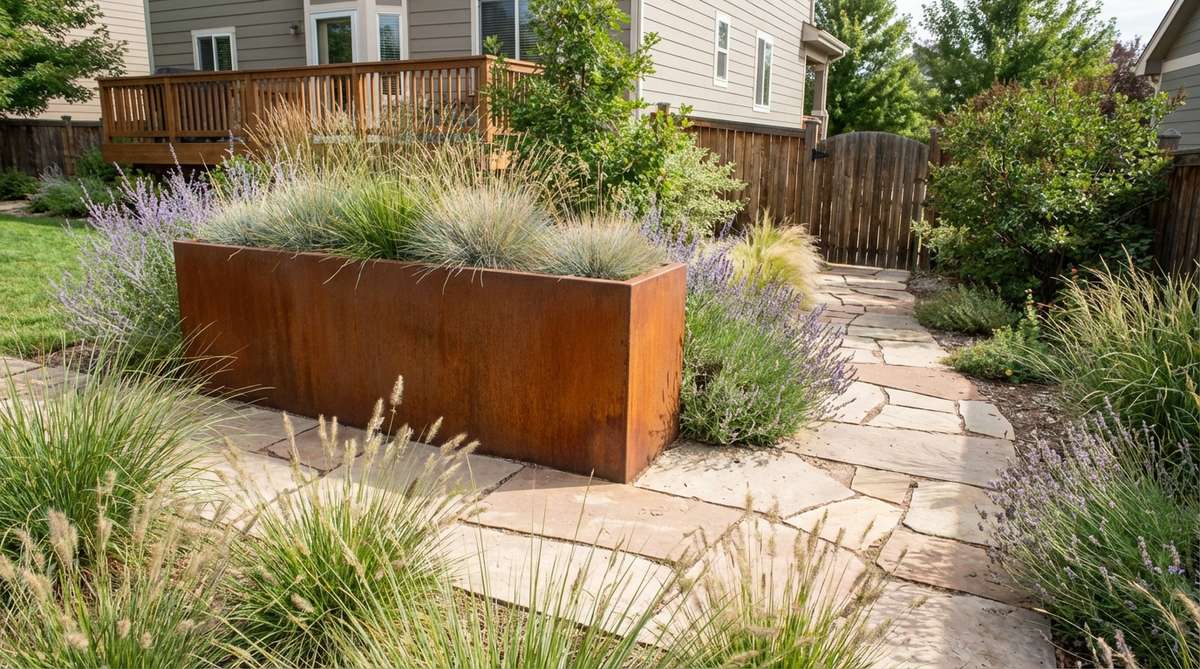
Weathering steel develops distinctive rust-colored patina that protects underlying material. Rectangular and cubic forms emphasize geometric plant shapes.
Line planter interiors with plastic sheeting to prevent soil contact with steel. Corten leaches iron initially, potentially damaging sensitive plants.
40. Architectural Trellis Panels
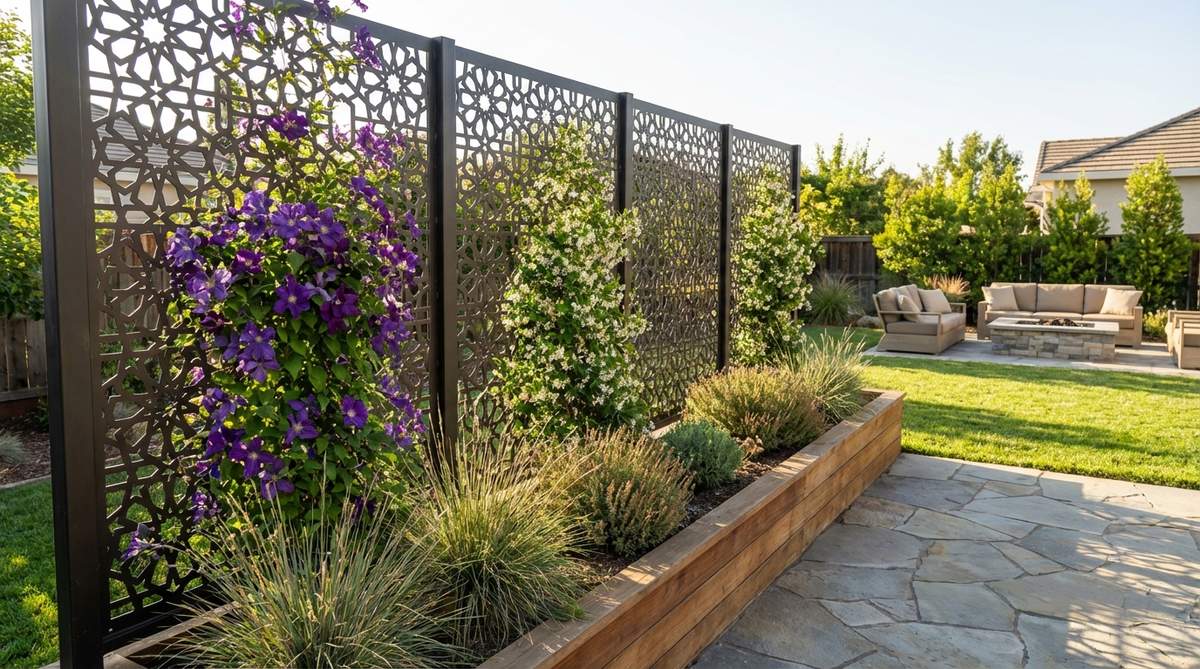
Laser-cut metal or wood screens provide privacy while supporting climbing plants. Geometric patterns cast dynamic shadows throughout the day.
Attach panels to posts set in concrete footings for stability. Plant vigorous climbers like Clematis, Climbing Hydrangea, or Star Jasmine.
Outdoor Living Integration and Patio Culture
Contemporary gardens blur boundaries between interior and exterior spaces. Designers create functional outdoor rooms that extend living areas into the landscape.
41. Outdoor Kitchen Stations
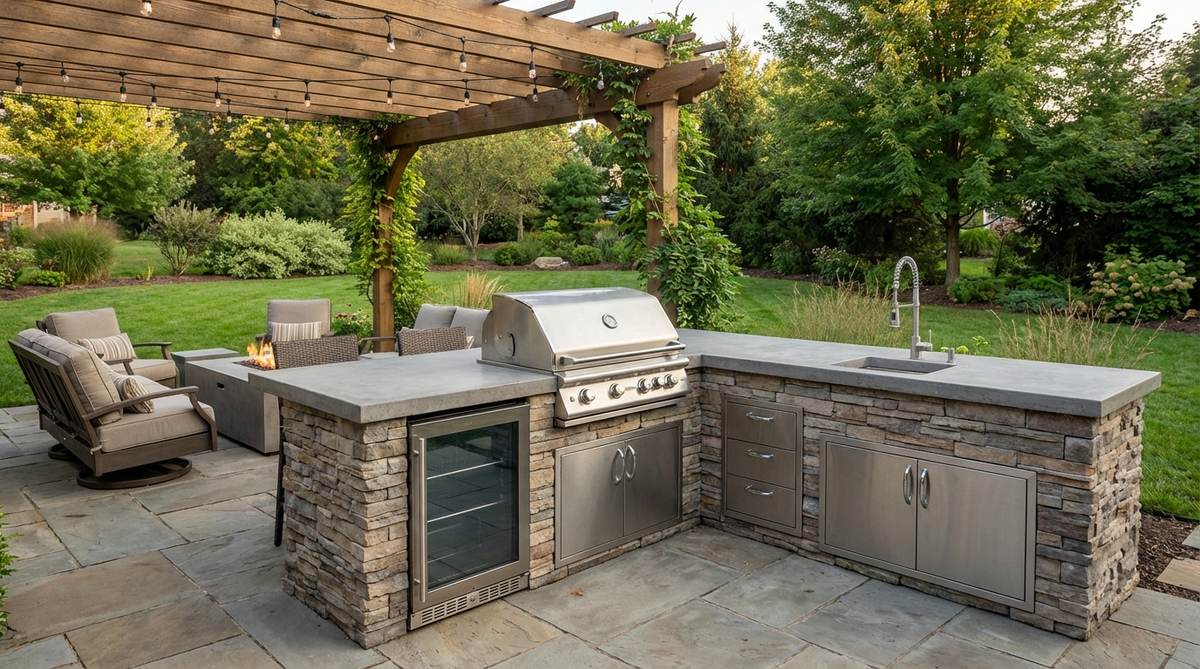
Built-in grills, refrigerators, and prep surfaces eliminate trips indoors during entertaining. Concrete counters and stainless appliances withstand weather exposure.
Position kitchens 15-20 feet from main seating areas to separate cooking activities from dining. Include overhead lighting for evening functionality.
Add storage for utensils, serving ware, and propane. Enclosed cabinets protect items from moisture while maintaining clean aesthetics.
42. Modular Lounge Furniture
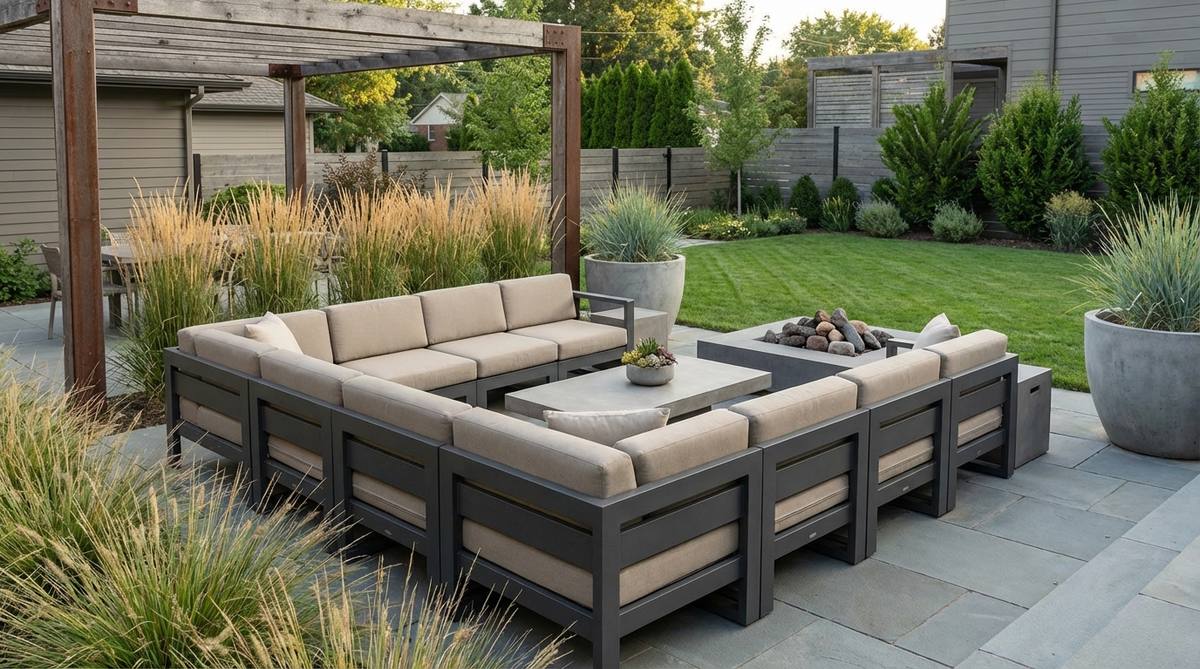
Sectional outdoor sofas in weather-resistant wicker or aluminum frames create flexible seating arrangements. Neutral upholstery suits multiple decor schemes.
Select pieces with quick-dry foam cushions that shed water rather than absorbing moisture. This feature prevents mildew and extends cushion life.
43. Retractable Shade Systems
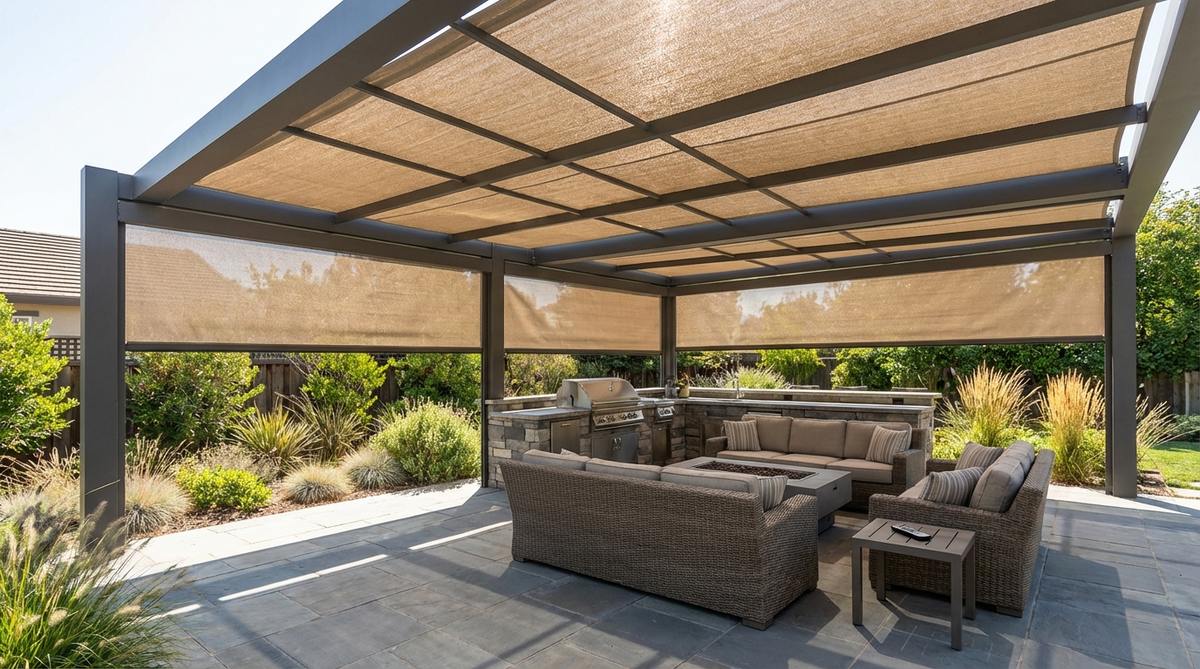
Motorized awnings or pergola canopies provide sun control without permanent coverage. Extend during intense midday heat and retract for evening stargazing.
Choose fade-resistant Sunbrella or similar outdoor fabrics. These materials block 95% of UV radiation while remaining breathable.
44. Outdoor Entertainment Zones
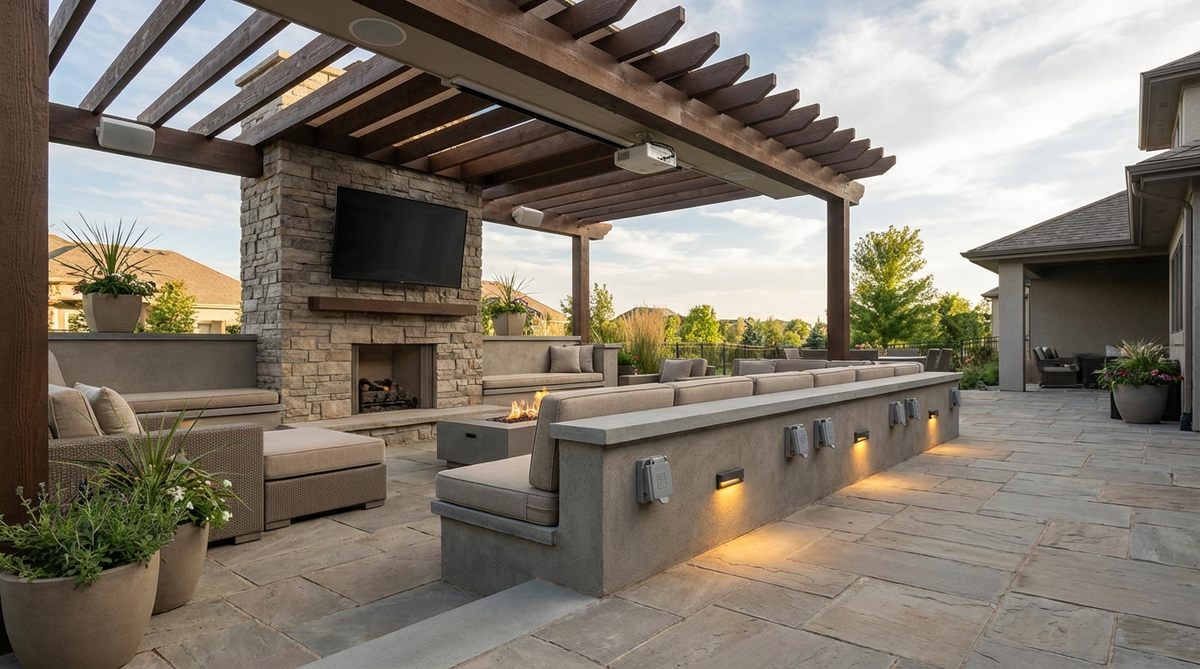
Weather-resistant televisions, sound systems, and projectors transform patios into entertainment venues. Dedicated electrical circuits power multiple devices simultaneously.
Install outlets every 6-8 feet along seating walls for device charging and accent lighting. GFCI protection prevents electrical hazards in wet environments.
45. Container Garden Collections
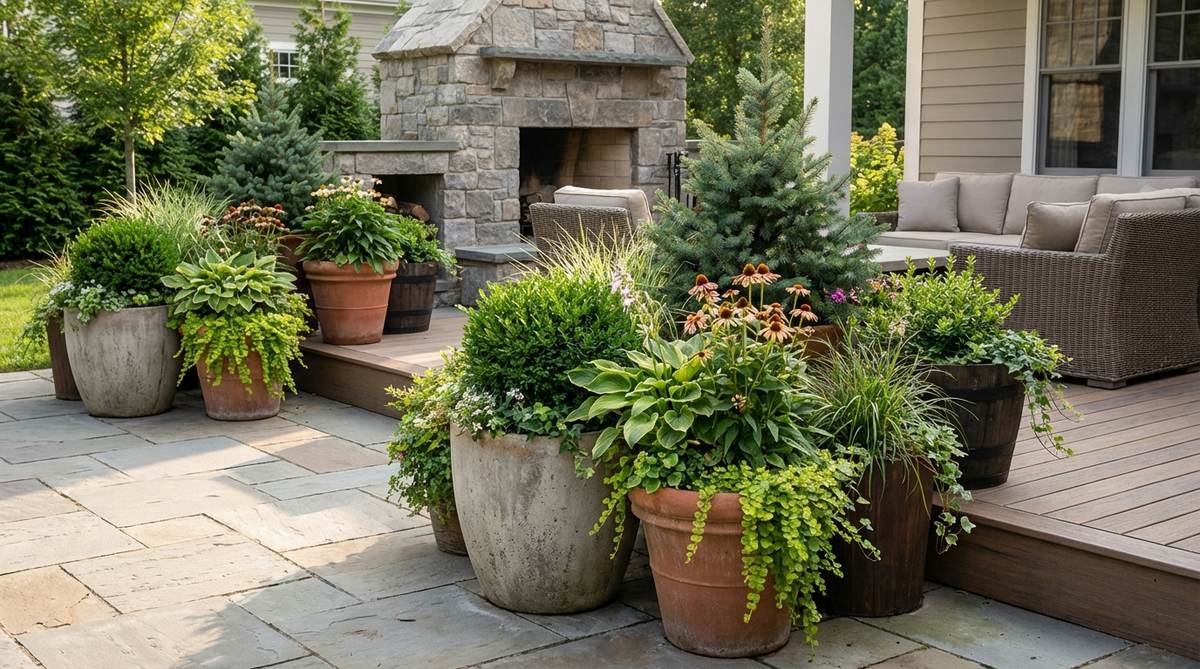
Large container groupings create entire garden vignettes on patios and decks. Use containers 20-30 inches diameter for substantial plantings requiring less frequent watering.
Combine evergreen shrubs, seasonal perennials, and trailing plants in single containers for year-round interest. This layered approach mimics in-ground border compositions.
46. Heated Outdoor Rooms
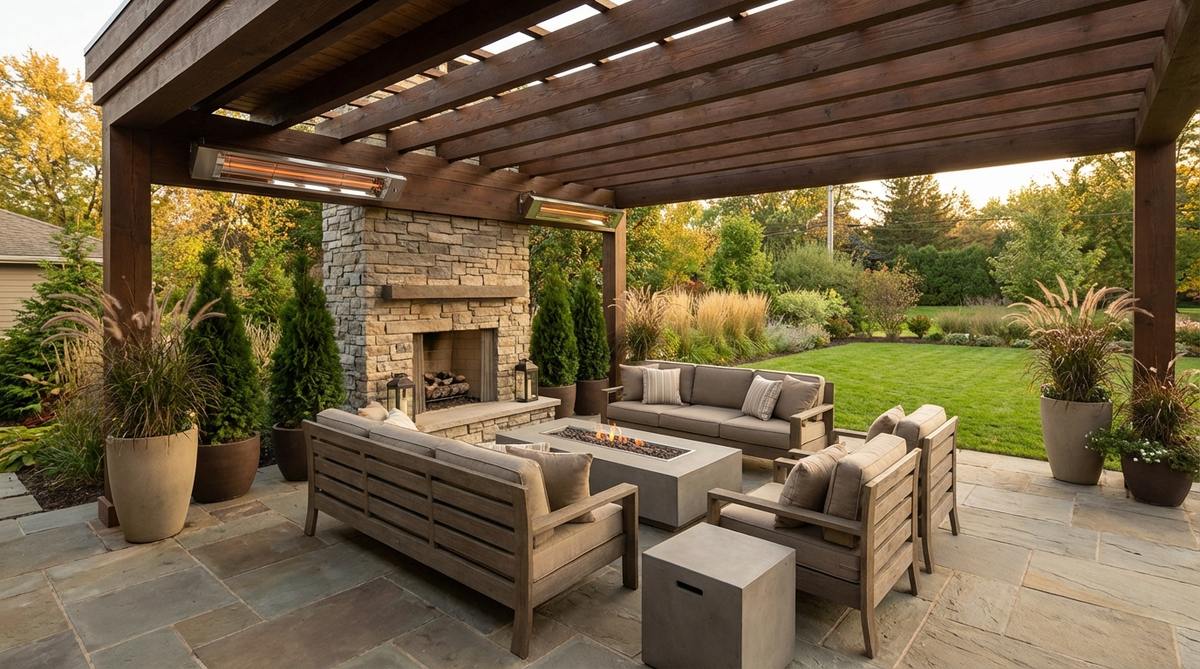
Infrared heaters or natural gas patio heaters extend comfortable outdoor use into shoulder seasons. Wall-mounted or overhead units avoid floor clutter.
Calculate BTU requirements based on square footage and typical winter temperatures. Enclosed or semi-enclosed spaces require less heating capacity than open patios.
47. Daybed Retreat Spaces
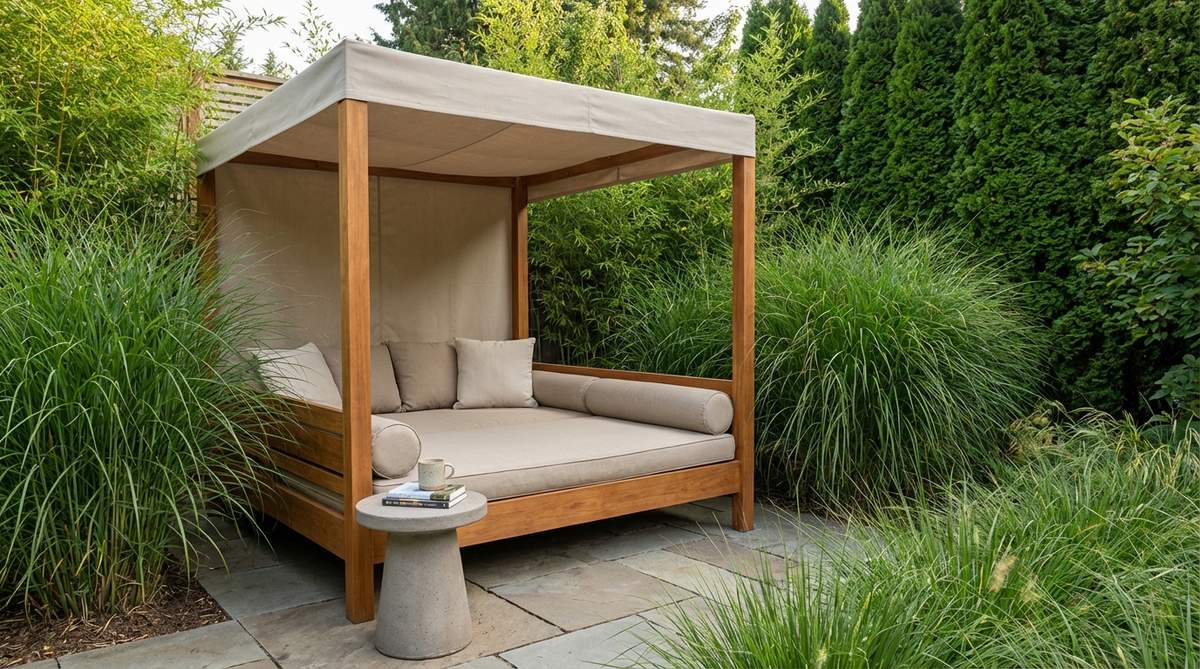
Oversized outdoor daybeds with canopy covers create private relaxation zones. Position away from main circulation paths for maximum tranquility.
Add privacy screens or tall plantings to enclose daybed areas. These semi-separated spaces function as meditation spots or reading nooks.
48. Dining Pergola Structures
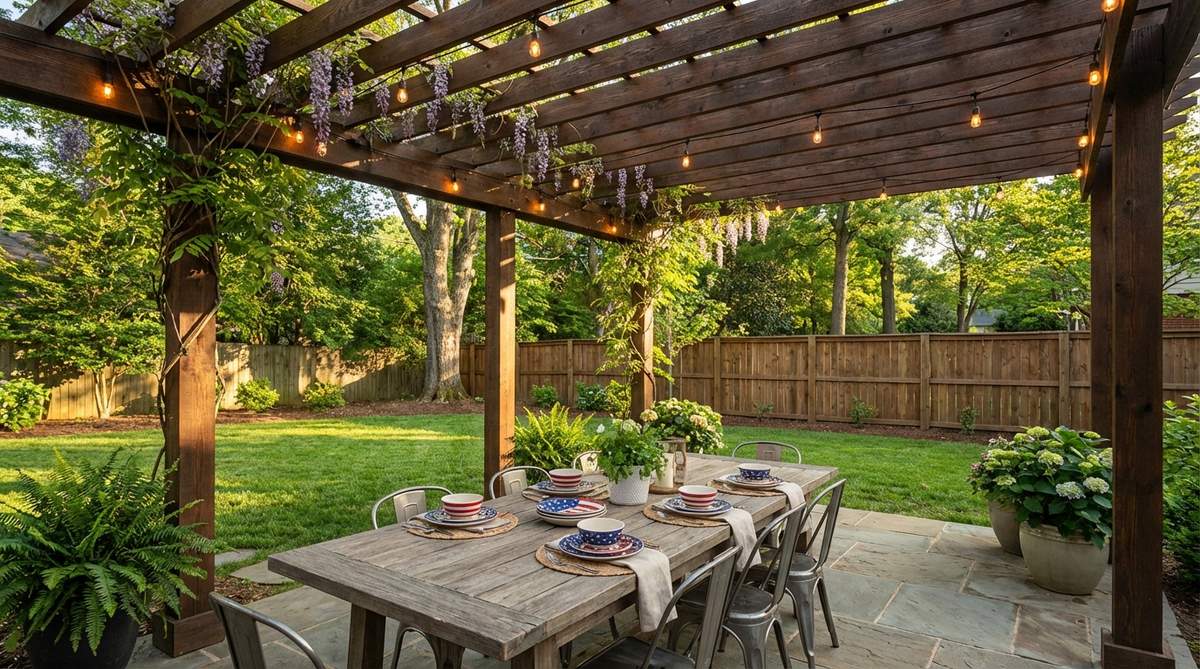
Timber or aluminum pergolas define outdoor dining areas while providing partial shade. Integrate string lights or pendant fixtures within pergola frameworks.
Size pergolas 2-3 feet larger than dining tables to accommodate chairs and circulation. This proportion creates sheltered feeling without cramped constraints.
49. Bar-Height Social Zones
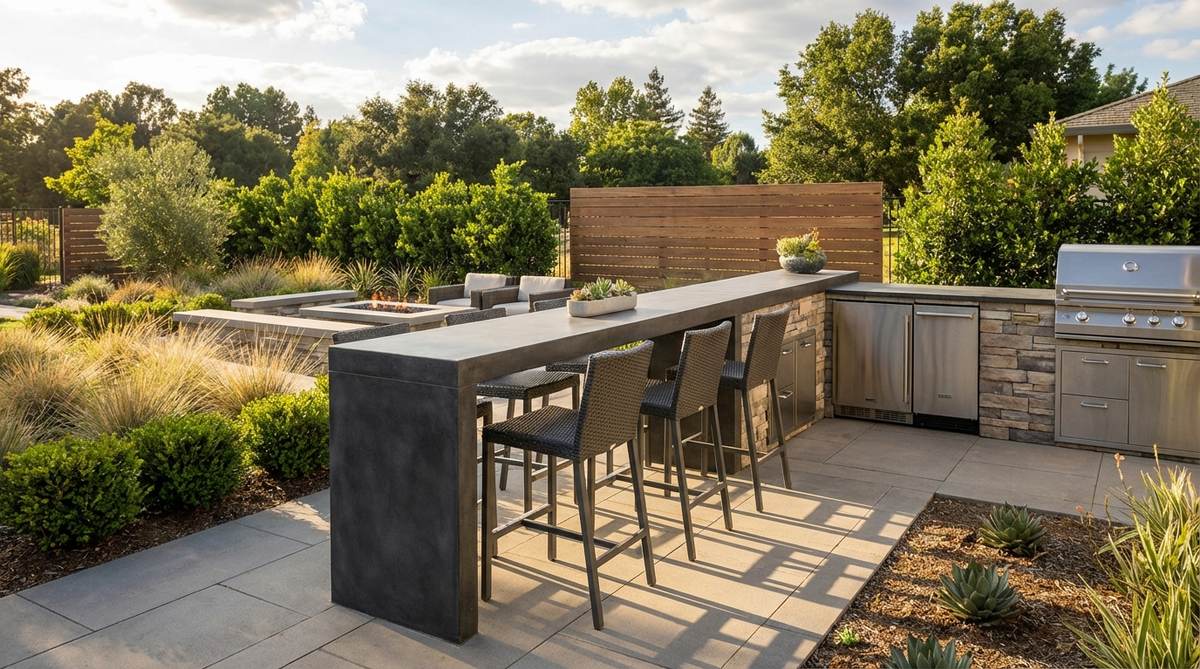
Standing-height counters with bar stools encourage casual gathering and conversation flow. Position near outdoor kitchens or beverage stations for functional efficiency.
Use weather-resistant materials like porcelain tile or sealed concrete for counter surfaces. These materials tolerate spills and temperature extremes.
50. Modular Deck Platforms
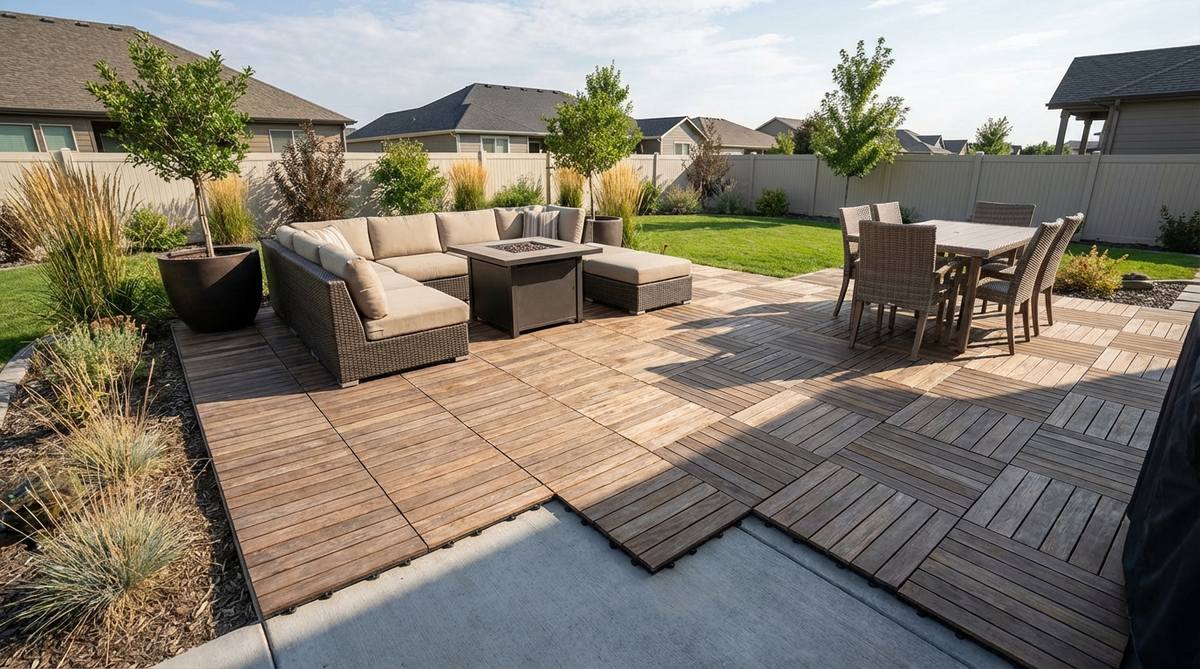
Interlocking deck tiles over concrete patios or compacted gravel create finished surfaces without permanent construction. Remove tiles seasonally for cleaning or storage.
Choose hardwood, composite, or synthetic grass tiles based on aesthetic preferences and maintenance tolerance. These systems install without tools in hours.
Smart Technology Systems for Efficient Gardens
Integrated technology optimizes resource use while reducing maintenance demands. These systems learn from usage patterns and environmental conditions.
51. App-Controlled Irrigation
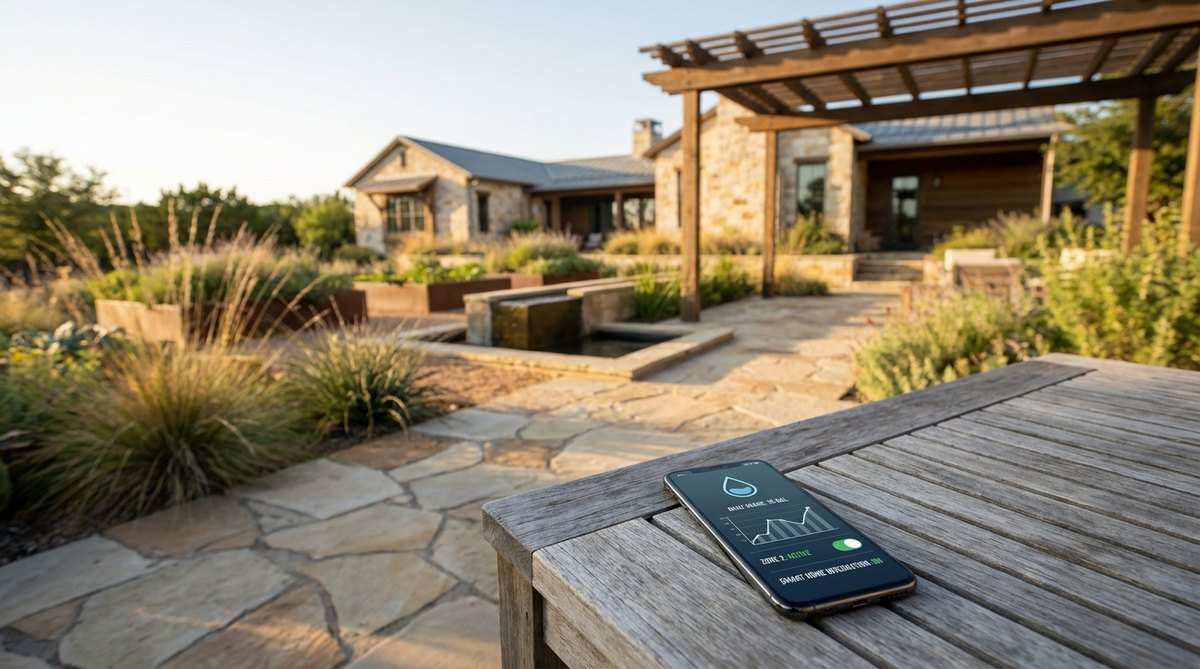
Smartphone apps allow irrigation adjustments from anywhere. Monitor water usage, detect leaks, and receive maintenance alerts remotely.
Systems integrate with home automation platforms for voice control and scheduling coordination. Adjust zones individually based on real-time plant performance.
52. Solar-Powered Lighting Networks
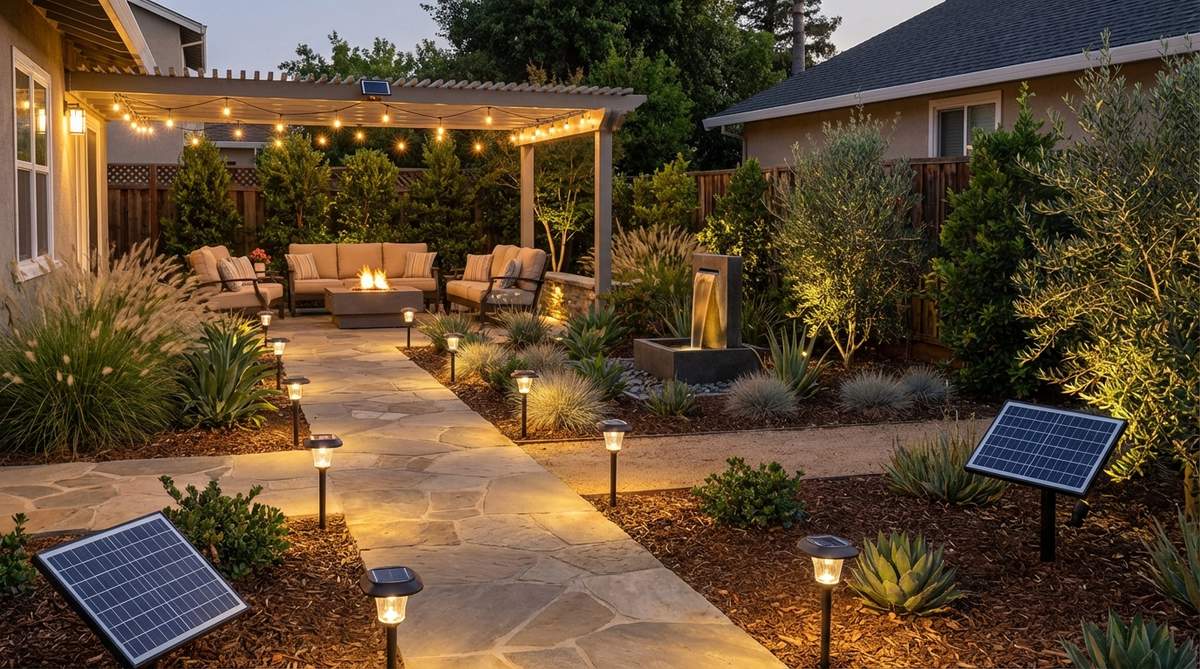
Photovoltaic panels charge during daylight for automatic evening illumination. These systems require no electrical wiring, simplifying installation and reducing operating costs.
Position solar panels in unshaded locations for maximum charging efficiency. LED fixtures powered by solar technology last 50,000+ hours before replacement.
53. Soil Moisture Monitoring
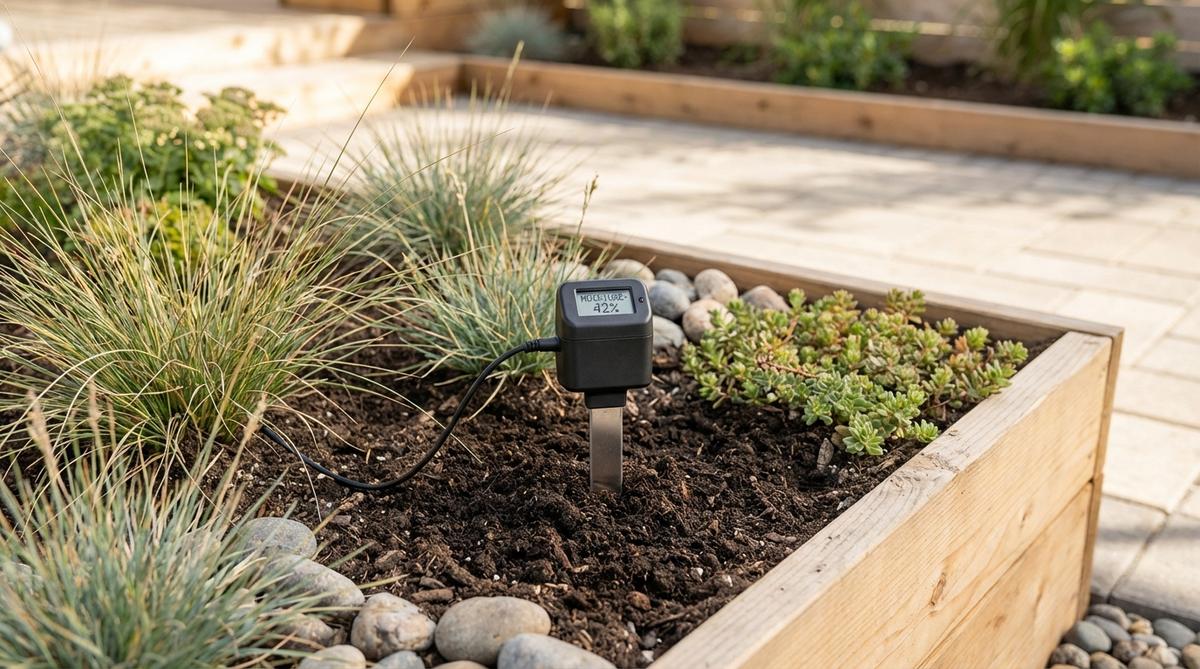
In-ground sensors measure moisture levels at root depth, triggering irrigation only when needed. This precision prevents over-watering that promotes shallow root systems.
Install sensors in representative zones throughout the garden. Calibrate for specific soil types as sandy and clay soils retain moisture differently.
54. Robotic Lawn Maintenance
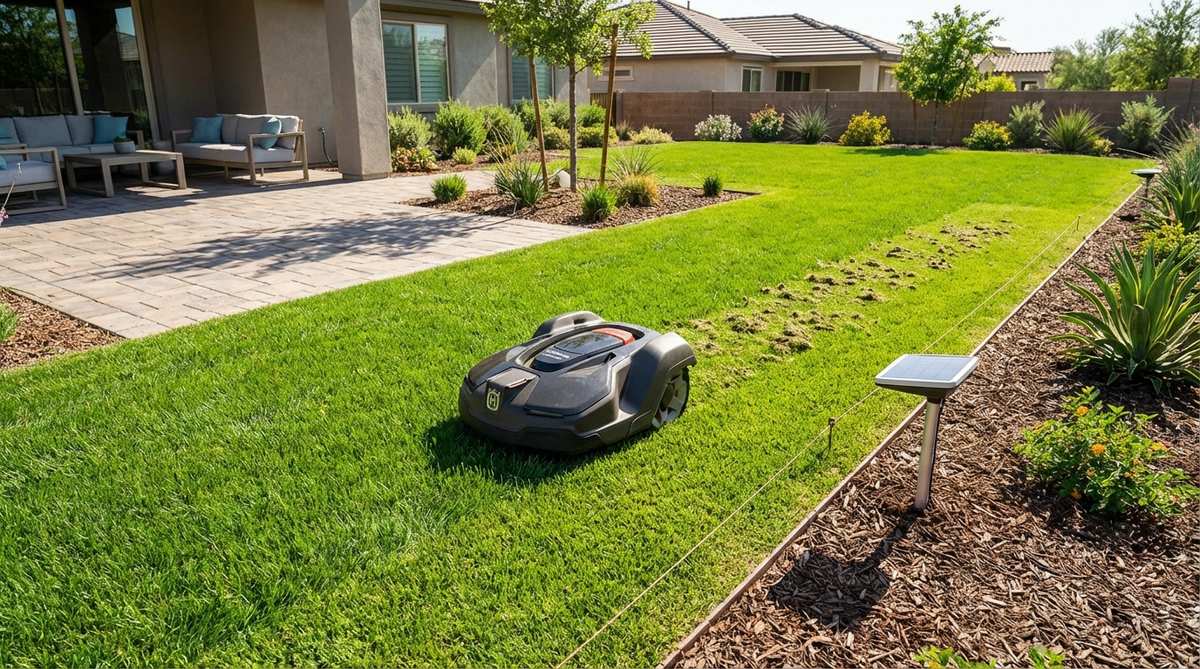
Autonomous mowers maintain turf areas on programmed schedules. These robots mulch clippings continuously, eliminating disposal and improving soil health.
Define mowing boundaries with buried wire or GPS coordinates. Robots return to charging stations automatically when battery levels decrease.
55. Weather Station Integration
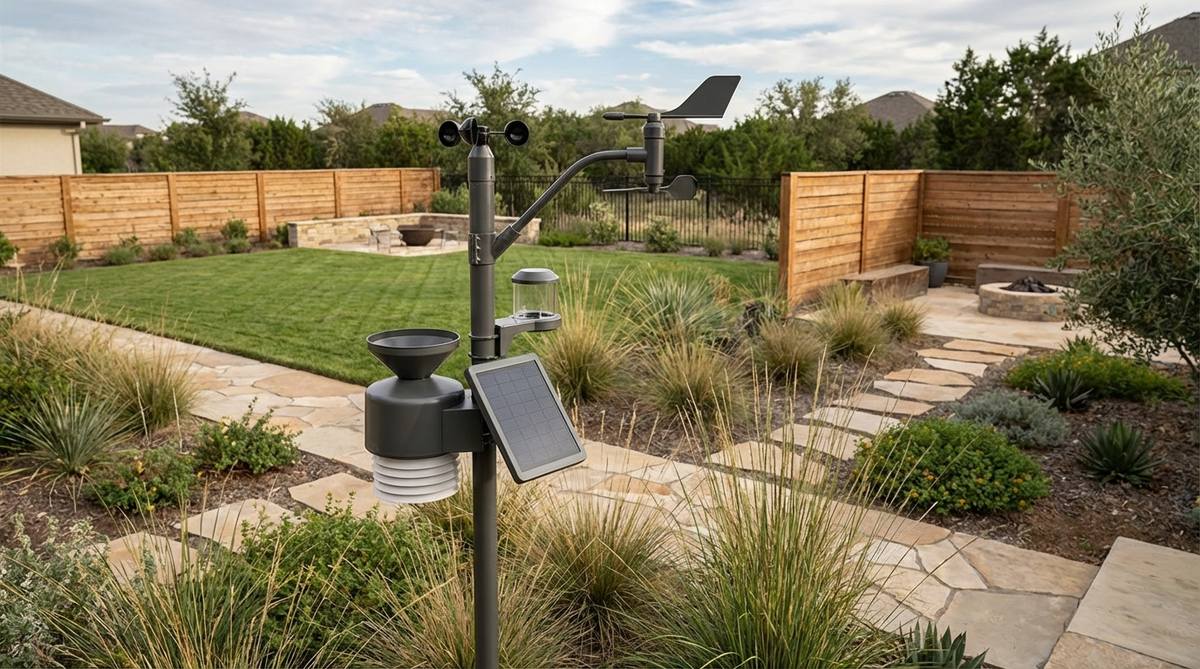
On-site weather monitoring provides hyperlocal data more accurate than regional forecasts. Stations measure temperature, humidity, wind speed, and rainfall.
Connect weather stations to irrigation controllers for real-time scheduling adjustments. This integration accounts for microclimate variations within neighborhoods.
56. LED Color-Changing Systems
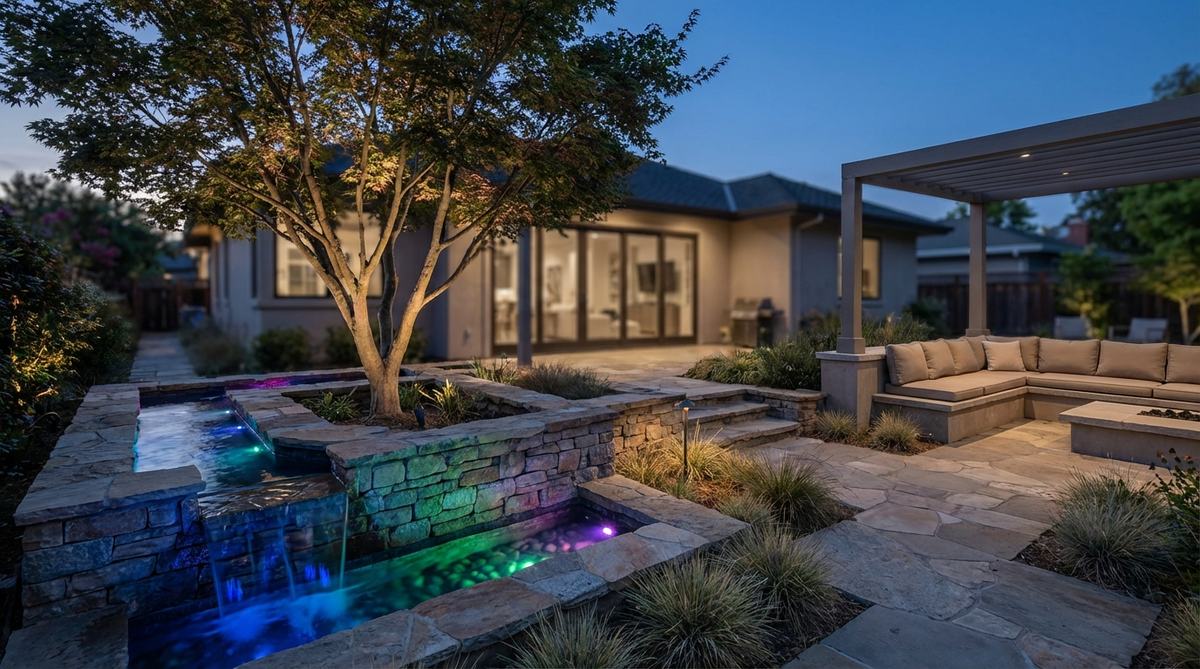
RGB LED fixtures create customizable lighting moods for entertaining or seasonal celebrations. Program color transitions and timing sequences through smartphone apps.
Use color lighting strategically rather than throughout the garden. Accent water features, specimen trees, or architectural elements for maximum impact.
Bringing Contemporary Gardens to Life
These 56 contemporary gardens ideas demonstrate how current design integrates environmental responsibility with sophisticated aesthetics. Successful projects balance native plant communities, smart technology, and quality materials to create landscapes that improve with age rather than requiring constant renovation. Start with foundational elements like efficient irrigation and climate-adapted plantings, then layer in architectural features and contemporary garden decor that reflect your personal style. The most resilient gardens address site-specific conditions while embracing innovations that reduce maintenance and resource consumption.
Frequently Asked Questions
What defines a contemporary garden versus a modern garden?
Contemporary gardens reflect current design trends including sustainability, native plants, and smart technology, while modern gardens typically reference mid-century design principles emphasizing geometric forms and minimalism. Contemporary design evolves continuously with environmental concerns and technological capabilities, whereas modern design adheres to historical aesthetic established in the 1950s-1950s. Both favor clean lines and uncluttered compositions, but contemporary approaches prioritize ecological function alongside visual appeal.
How much does contemporary garden design cost compared to traditional landscaping?
Initial investment for contemporary gardens often runs 15-25% higher due to quality materials, smart technology, and specialized plants, but long-term costs decrease by 40-50% through reduced water usage, minimal chemical inputs, and lower maintenance requirements. Drought-tolerant plantings eliminate expensive irrigation, while native species require no fertilization. Smart controllers and LED lighting reduce utility costs within 2-3 years. Most homeowners recover additional upfront expenses within five years through operational savings and increased property values.
What are the best plants for low-maintenance contemporary gardens?
Ornamental grasses like Miscanthus and Panicum, drought-tolerant perennials including Lavender and Russian Sage, and structural evergreens such as Boxwood and Juniper form reliable contemporary palettes. These plants tolerate neglect, require minimal pruning, and provide year-round interest. Native species adapted to regional conditions perform best with least intervention. Avoid high-maintenance specimens requiring constant deadheading, staking, or pest management that conflict with contemporary design’s efficiency goals.
Can contemporary garden design work in small urban spaces?
Contemporary design principles excel in compact areas where every element requires justification. Vertical gardens, container collections, and multi-functional features maximize limited square footage. Clean lines and minimal palettes prevent visual clutter that makes small spaces feel cramped. Urban contemporary gardens often incorporate privacy screens, ambient lighting, and built-in seating that transform compact areas into functional outdoor rooms. Smart technology particularly benefits small gardens by automating irrigation and lighting without dedicating space to equipment.
How do I incorporate sustainable practices into contemporary garden decor?
Select contemporary garden decor manufactured from recycled materials including reclaimed wood, recycled metal, and composite products combining waste plastics with natural fibers. Choose locally-sourced stone and regionally-produced furniture to minimize transportation impacts. Prioritize durable pieces requiring no maintenance chemicals or frequent replacement. Solar-powered lighting and recirculating water features reduce energy consumption while maintaining contemporary aesthetics. Avoid imported decor requiring significant shipping resources when domestic alternatives exist with similar design qualities.