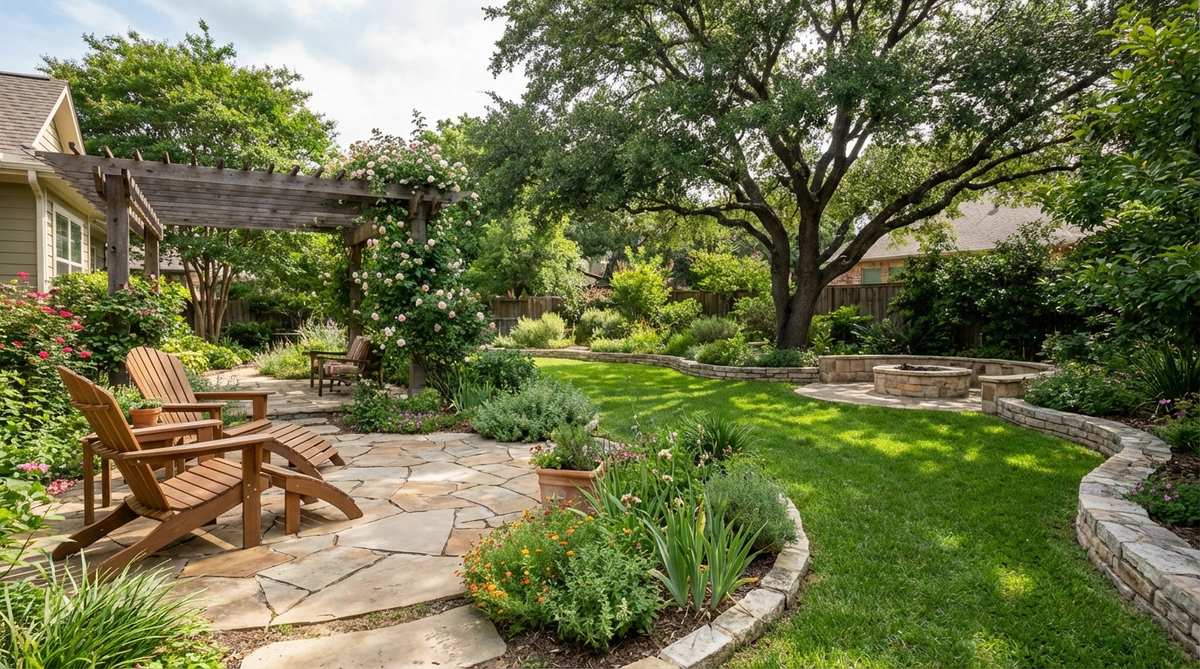
Creating a thriving balcony garden transforms urban apartments into green sanctuaries where plants, design, and functionality meet. Whether you’re working with a compact 3-foot ledge or a spacious terrace, these curated ideas from Fresh Garden Ideas help you maximize every inch while reflecting your personal style and lifestyle needs.
Design SnapshotKey Principles
- Vertical Thinking: Wall-mounted planters and trellises multiply growing space without sacrificing floor area
- Weight Distribution: Use lightweight containers and soil mixes to respect structural limits while maintaining plant health
- Microclimates: Assess sun exposure, wind patterns, and shade zones before selecting plants
- Multi-Function Design: Combine seating, storage, and planting elements to maximize utility in compact spaces
Space-Maximizing Vertical Solutions
Vertical gardens unlock unused wall and railing space, allowing apartments to cultivate lush greenery without crowding walkways. These systems work particularly well for narrow balconies where horizontal square footage is limited.
1. Modular Wall Planter Grid
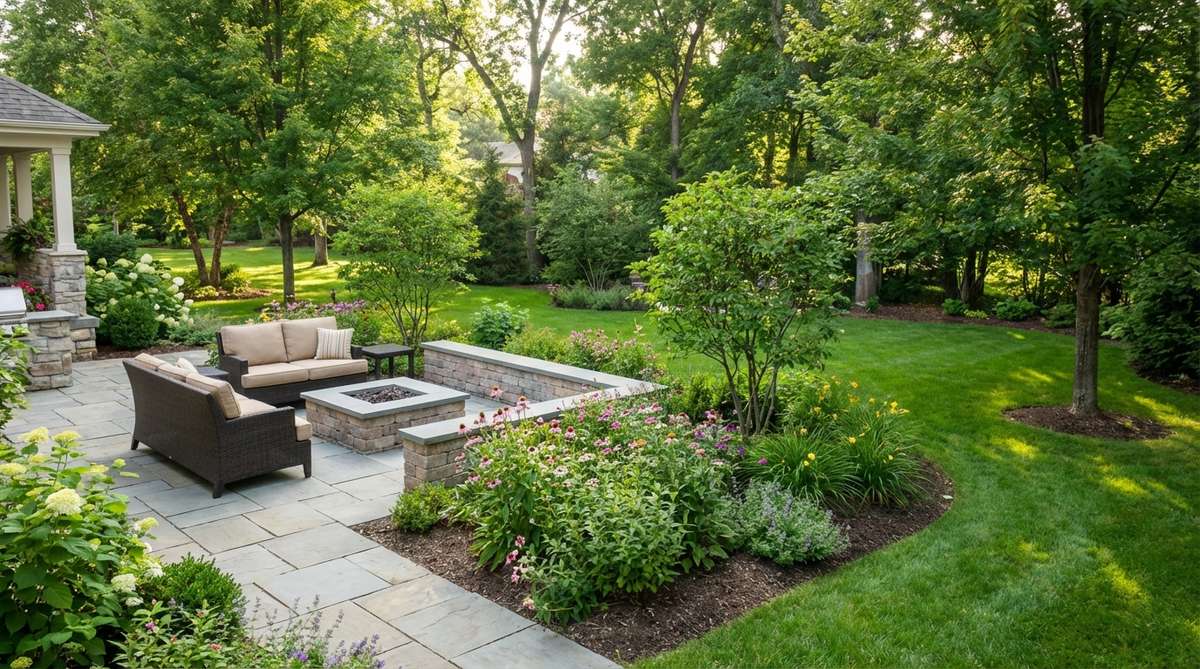
Mount interlocking grid panels directly to exterior walls or railings to create a customizable plant display. Terracotta or plastic pots slide into the grid framework, letting you rearrange plants as they grow or seasons change.
Designers use this system for herbs, trailing succulents, and small flowering annuals. The modular approach allows easy replacement of individual pots without dismantling the entire structure.
Position the grid in zones that receive at least six hours of sunlight for edibles. Use the lower tiers for shade-tolerant ferns if your balcony faces north.
2. Pocket Planter Fabric Walls
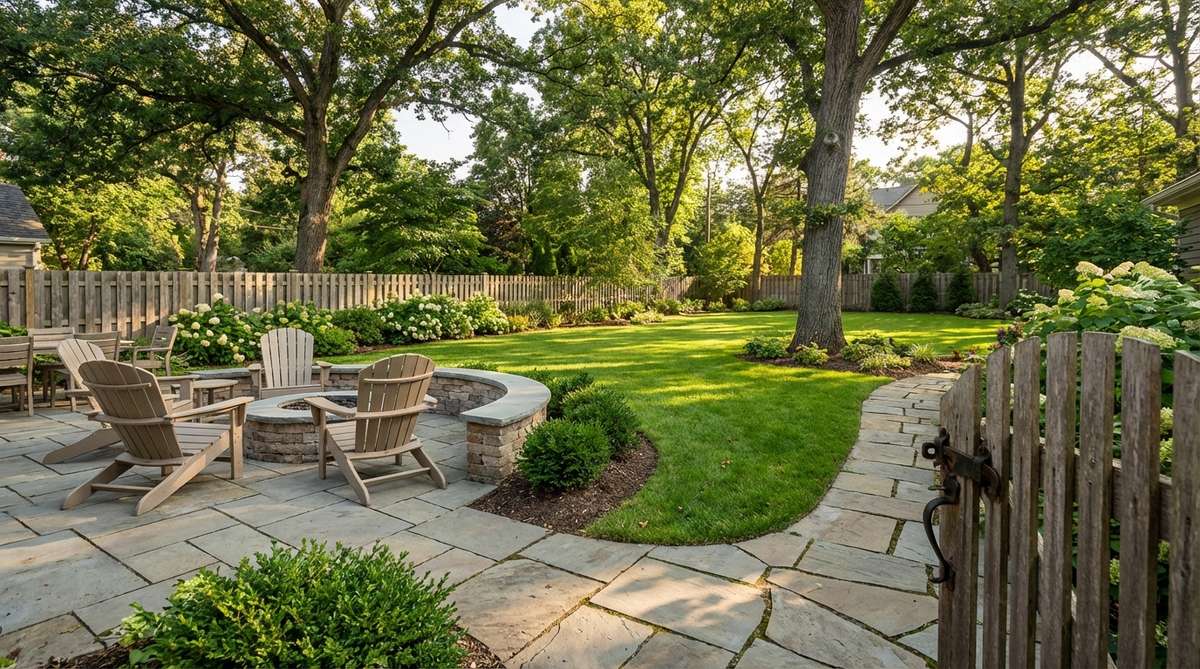
Felt or canvas pocket planters hang from hooks and fill vertical spaces with minimal weight. Each pocket holds soil and a single plant, creating a living tapestry effect across the wall.
Install these systems on balcony railings or suspend them from overhead beams. Plant strawberries, lettuce, and herbs in the pockets for a productive vertical farm.
Water from the top row and allow moisture to trickle down to lower pockets. This irrigation method conserves water while keeping all plants hydrated.
3. Ladder Shelf Tiered Planters
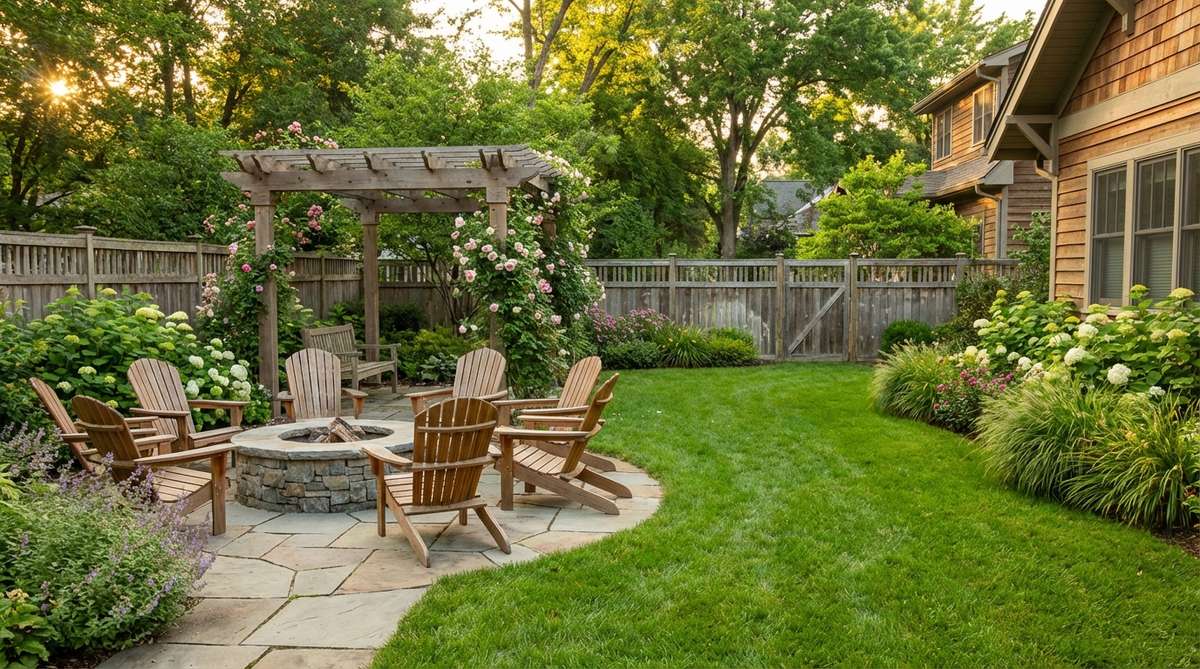
Repurpose wooden ladders or purchase A-frame plant stands to create tiered displays. Each rung holds different plant sizes, from compact succulents at the top to sprawling herbs at the base.
Arrange pots asymmetrically for visual interest rather than uniform rows. Mix container materials like ceramic, metal, and terracotta to add texture.
Place the ladder against a wall for stability in windy conditions. Rotate plants weekly so all sides receive equal light exposure.
4. Trellis Arches for Climbing Plants
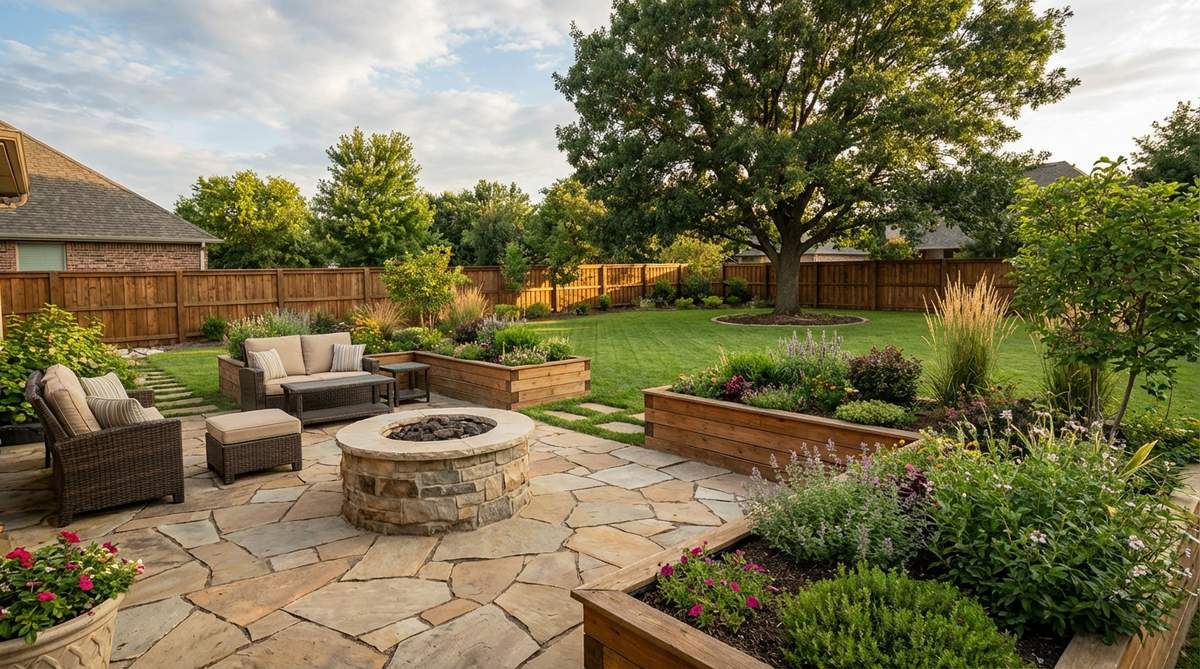
Install metal or wooden trellises to support climbing vegetables like beans, peas, and cucumbers. The vertical growth pattern saves floor space while producing high yields.
Train vining plants upward by gently weaving stems through the trellis openings. Secure stems with soft ties to prevent wind damage.
Position trellises along the back wall of your balcony to create a green backdrop. Flowering vines like jasmine or morning glory add fragrance and color.
5. Hanging Gutter Planters
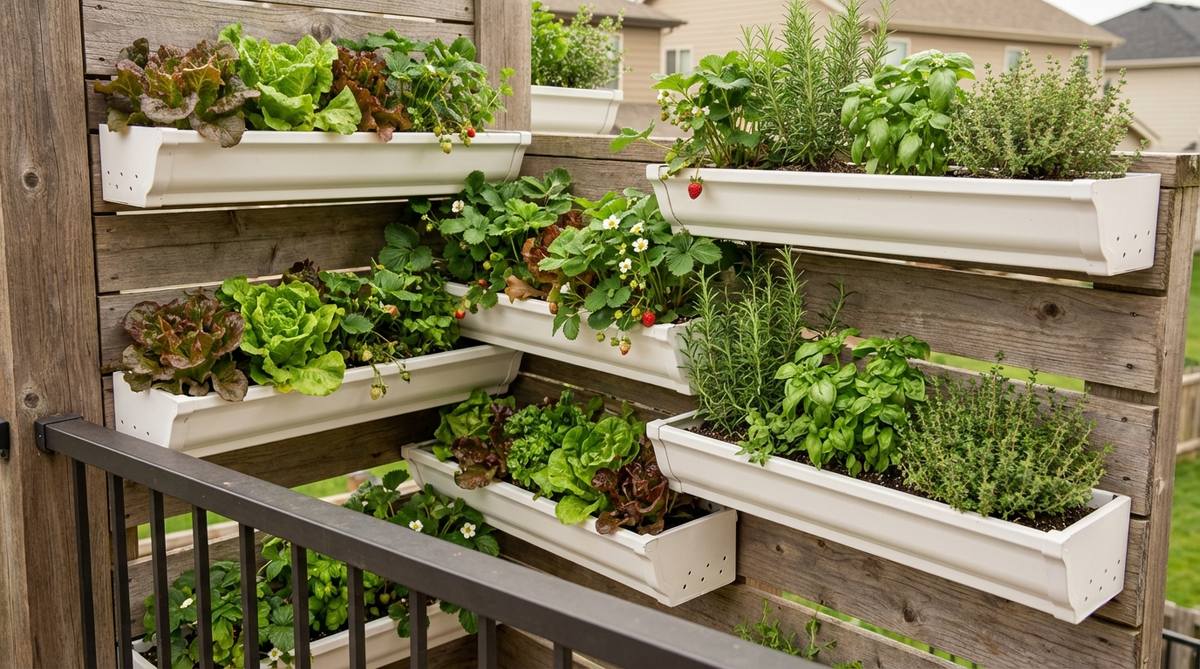
Repurpose vinyl gutters into sleek horizontal planters mounted along railing tops or walls. Drill drainage holes every six inches to prevent waterlogging.
Plant shallow-rooted greens like lettuce, spinach, and arugula in the gutters. The continuous row creates an abundant harvest in minimal space.
Mount gutters at eye level for easy harvesting and maintenance. Paint them to match your balcony color scheme for a cohesive look.
6. Vertical Pallet Gardens
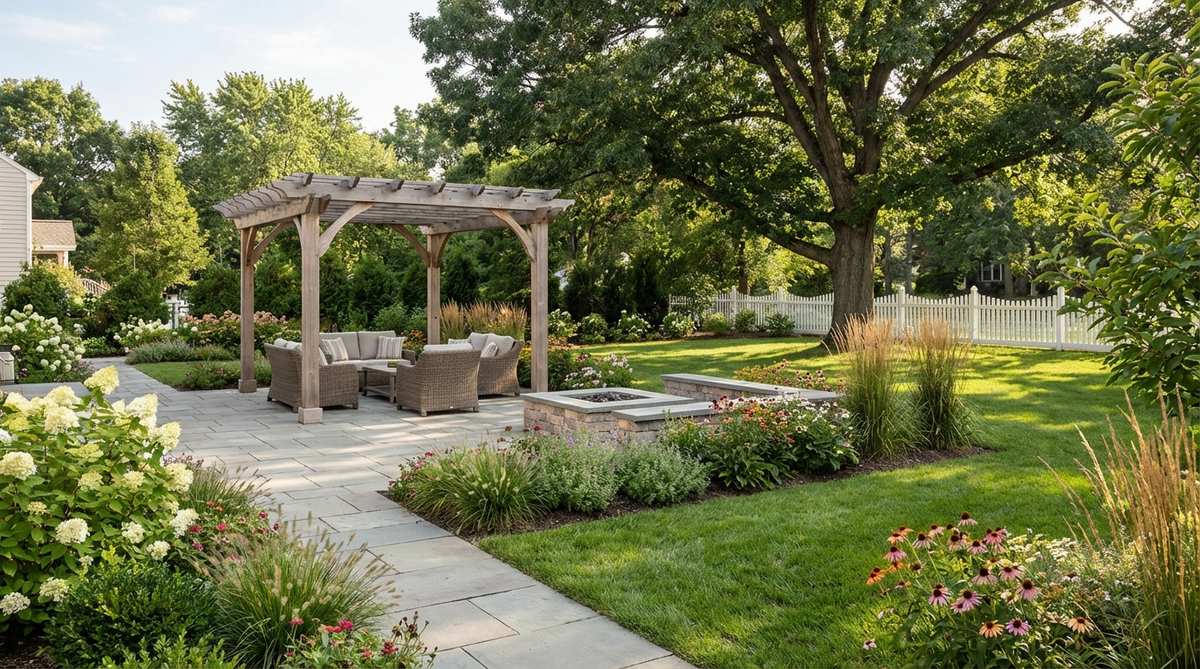
Stand wooden pallets upright and attach landscape fabric to the back to hold soil. Plant directly into the slats, creating a rustic vertical garden.
Lean the pallet against a wall or mount it securely with brackets. Fill each opening with compact plants like pansies, herbs, or succulents.
Treat the wood with non-toxic sealant to extend its lifespan outdoors. This budget-friendly option works well for renters who need portable solutions.
7. Corner Tower Planters
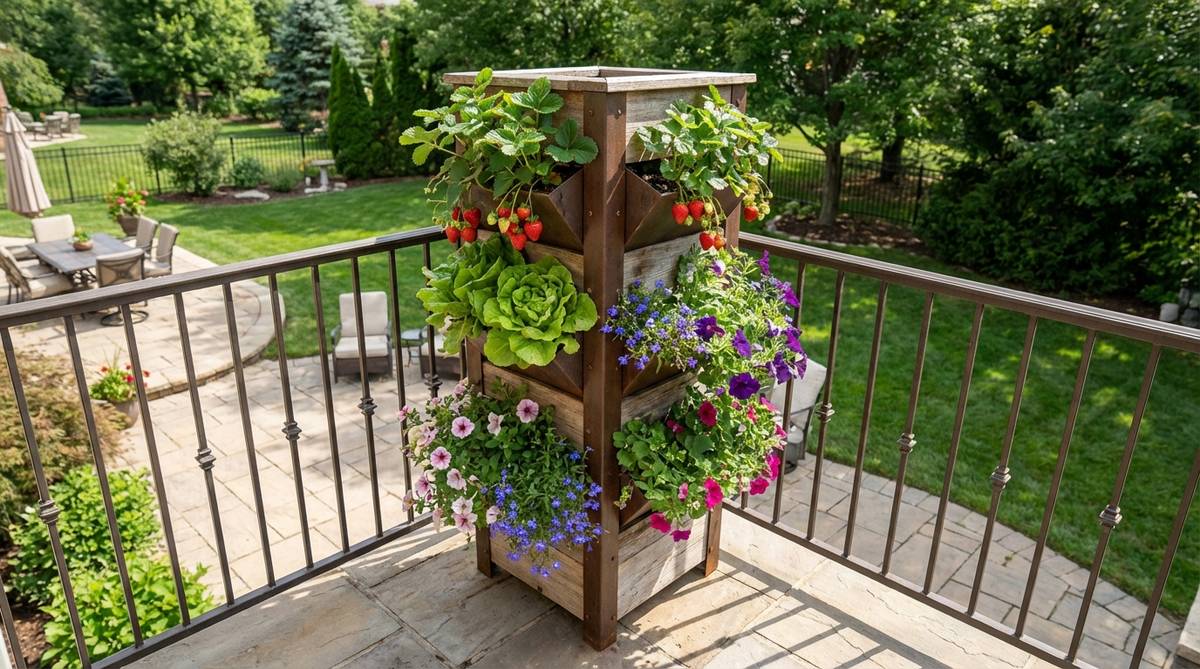
Utilize neglected corner spaces with cylindrical tower planters that stack vertically. These self-contained units often include built-in reservoirs for efficient watering.
Plant cascading varieties like strawberries or petunias in the side pockets. The tower structure provides 350-degree growing surface in a compact footprint.
Rotate the tower monthly to ensure even sun exposure for all plants. These units work well for balconies with limited linear railing space.
8. Magnetic Wall Planters
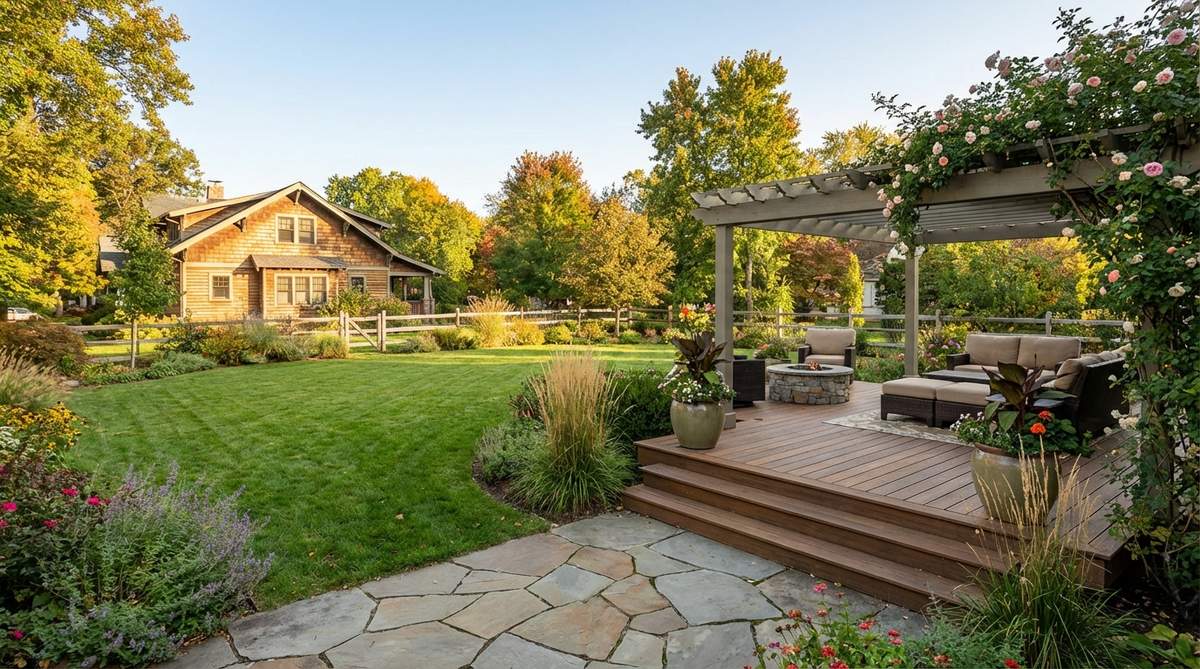
Attach small magnetic containers to metal railings or install a magnetic board on the wall. These planters hold individual herbs or succulents for a modern, organized display.
Group magnetic planters by herb type or color for visual coherence. The removable nature makes rearranging your garden effortless.
This system works best for lightweight plants with shallow roots. Pair it with a drip tray to protect surfaces below from water runoff.
Edible Balcony Gardens That Produce Real Harvests
Growing food on balconies combines practicality with the satisfaction of farm-to-table freshness. Focus on high-yield, compact varieties bred specifically for container growing to maximize your harvest in limited space.
9. Culinary Herb Station
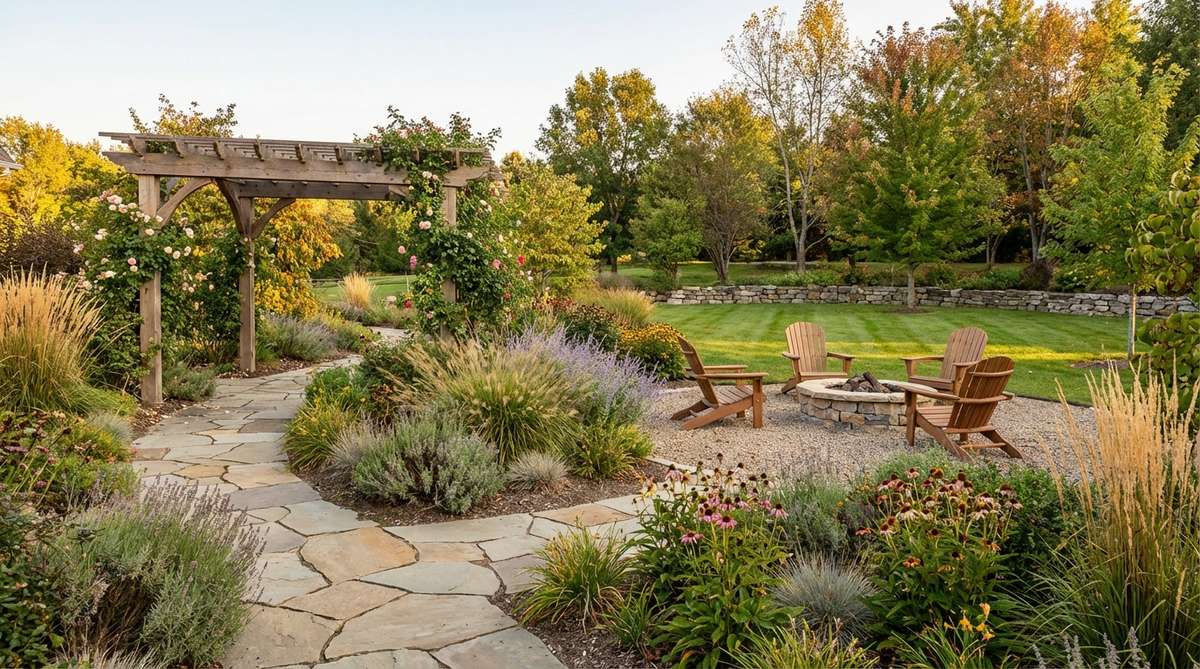
Dedicate a sunny corner to perennial and annual herbs used frequently in cooking. Plant basil, rosemary, thyme, oregano, and parsley in individual five-gallon containers.
Position woody herbs like rosemary and thyme on the ends where they receive full sun. Place basil in the center where you can access it easily during meal prep.
Harvest regularly by pinching off top growth to encourage bushier plants. A well-maintained herb station provides fresh seasonings from spring through fall.
10. Cherry Tomato Tower
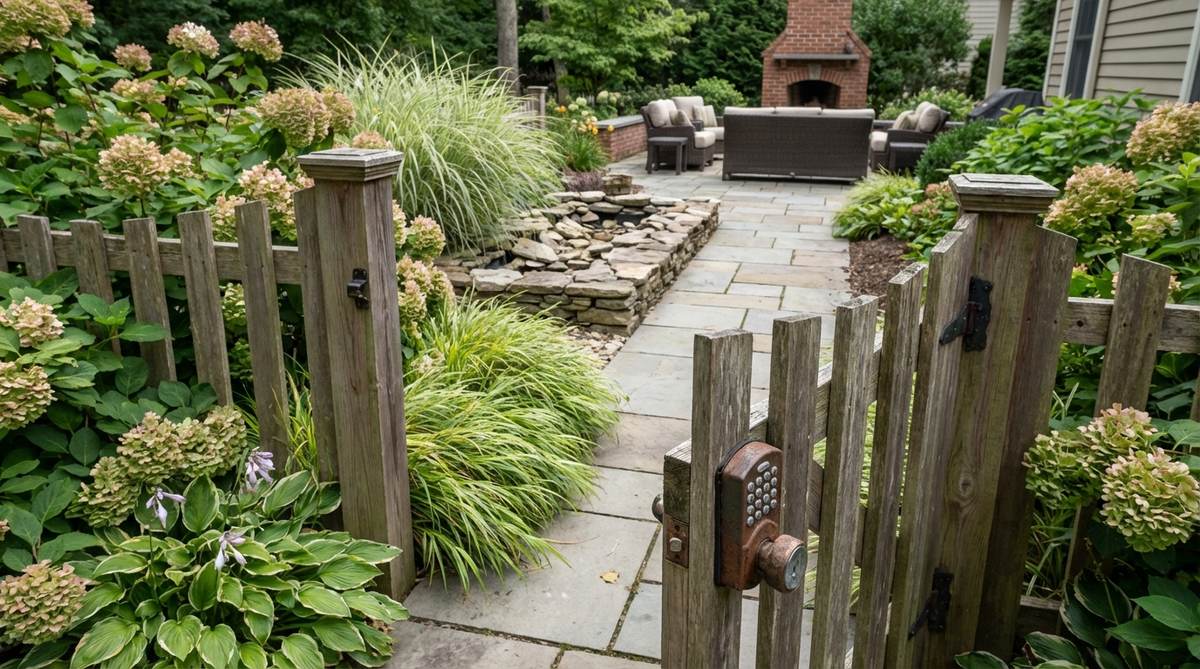
Grow tumbling tom or patio tomato varieties in hanging baskets or tall containers with cages. These compact cultivars produce abundant fruit without requiring extensive staking.
Use a high-quality potting mix enriched with compost for optimal tomato growth. Water consistently to prevent blossom end rot and splitting.
Position tomato containers where they receive at least eight hours of direct sunlight. Feed weekly with liquid fertilizer during the fruiting period.
11. Salad Greens Window Boxes
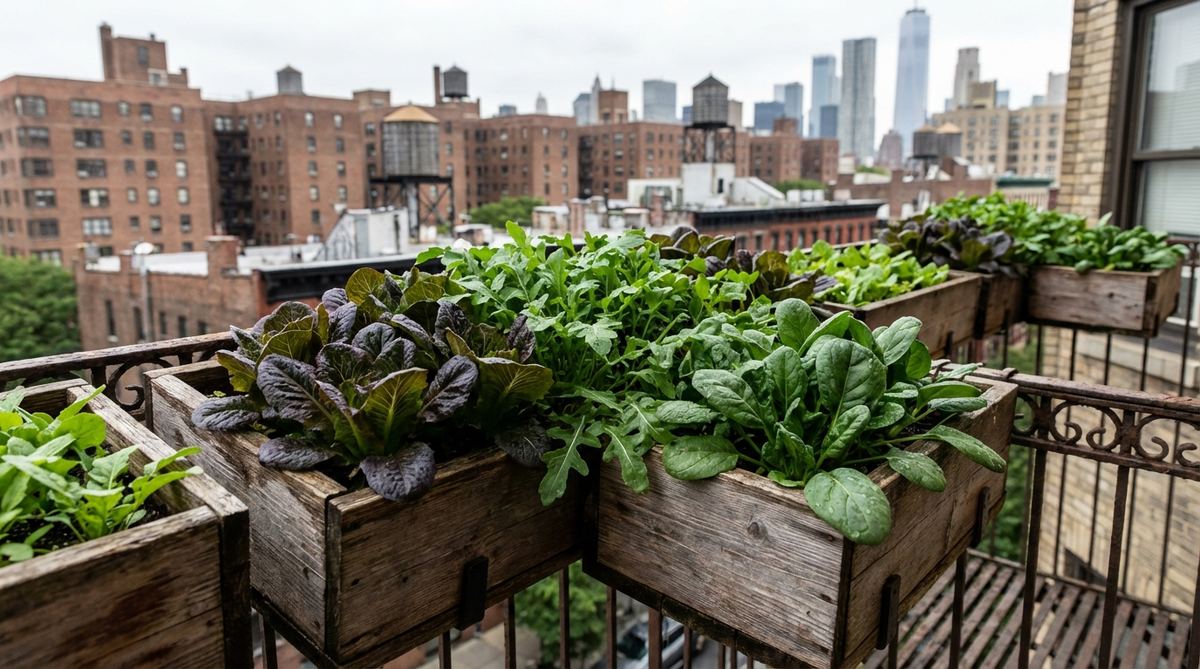
Mount window boxes along railings and fill them with fast-growing salad mixes. Lettuce, arugula, mizuna, and mustard greens mature in 30-45 days.
Practice succession planting by sowing new seeds every two weeks. This technique ensures a continuous harvest throughout the growing season.
Harvest outer leaves while allowing the plant center to continue producing. Window boxes work well in partial shade, making them ideal for north-facing balconies.
12. Dwarf Pepper Collection
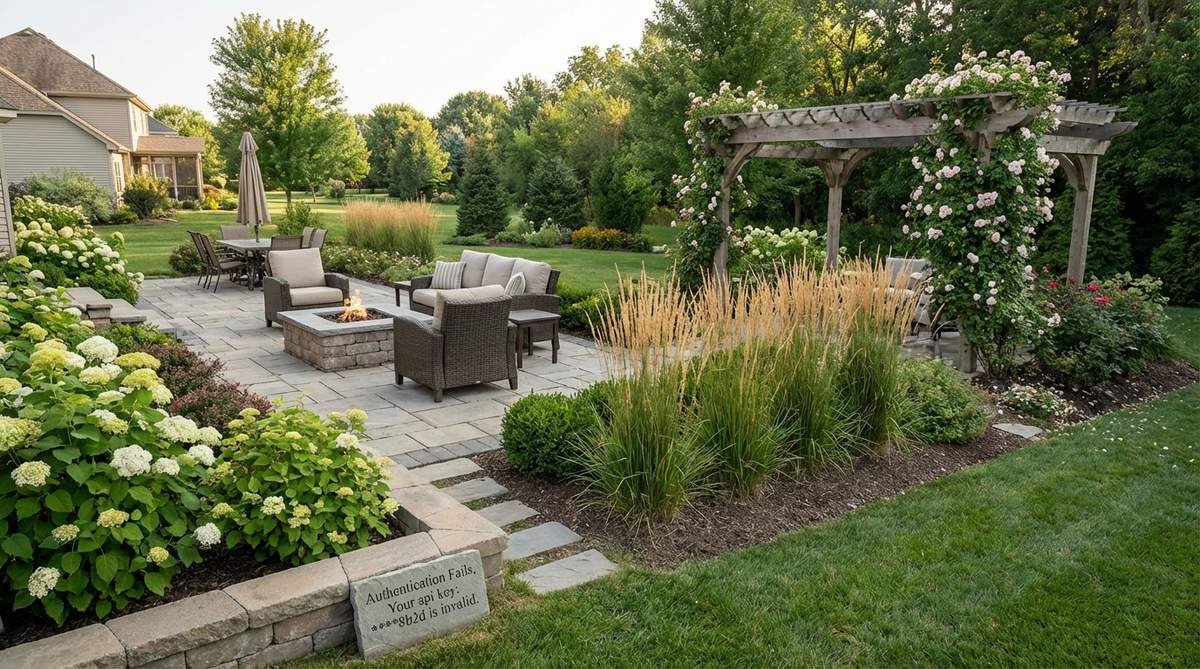
Cultivate compact pepper varieties like Thai chili, shishito, or mini bell peppers in three-gallon containers. These plants stay under two feet tall while producing prolifically.
Provide full sun and consistent moisture for healthy pepper development. Stake plants once they begin fruiting to support the weight of the peppers.
Mix hot and sweet varieties for culinary versatility. The colorful fruits double as ornamental elements in your balcony garden design.
13. Vertical Strawberry Pyramid
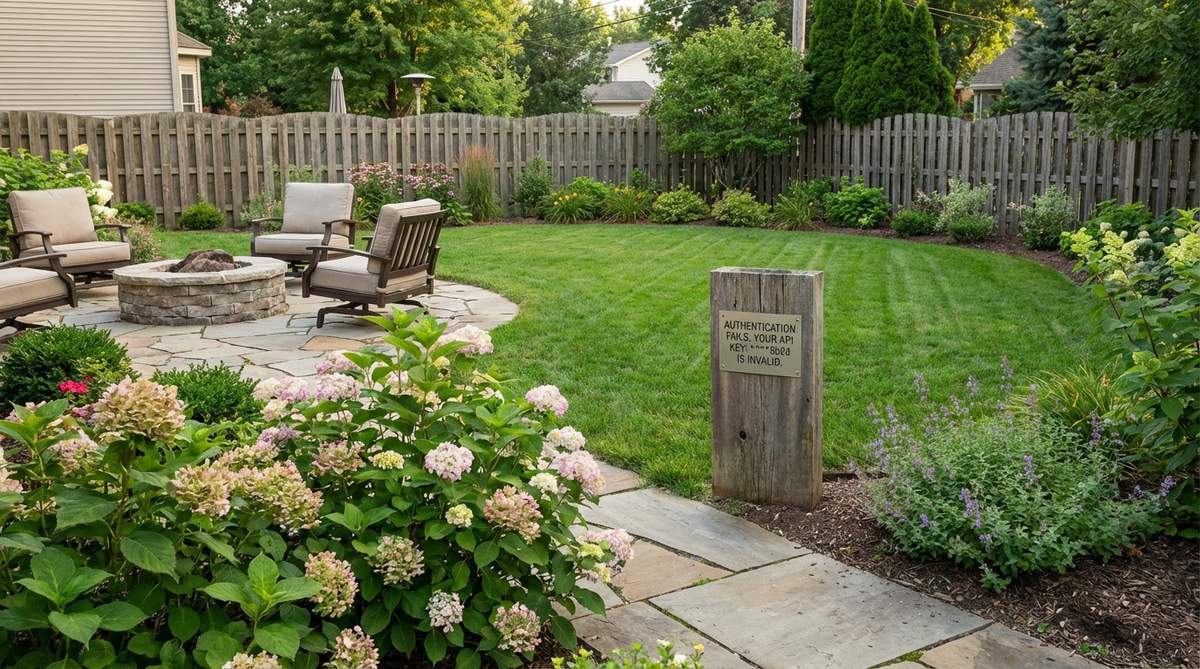
Build a tiered pyramid structure from wooden boxes or purchase a manufactured strawberry tower. Plant everbearing varieties in each tier for continuous production.
Position the pyramid in full sun and water from the top tier downward. Runners will cascade over the edges, creating a lush, productive display.
Protect strawberries from birds by draping lightweight netting over the structure. Harvest berries when fully red for peak sweetness.
14. Asian Greens Container Farm
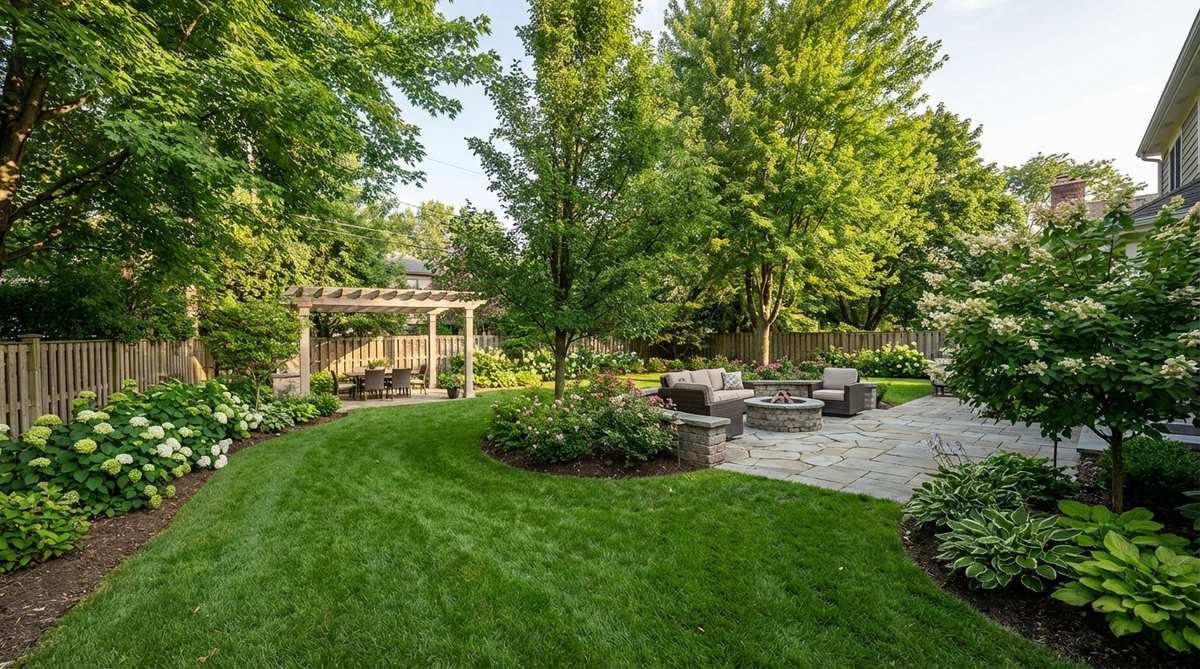
Grow bok choy, pak choy, and Chinese cabbage in wide, shallow containers. These vegetables thrive in cooler temperatures and partial shade.
Sow seeds directly into containers in early spring or late summer to avoid bolting. Space plants six inches apart for mature heads.
Harvest baby greens at three weeks or wait for full-sized heads at six weeks. These crops tolerate light frosts, extending your growing season.
15. Climbing Bean Trellis
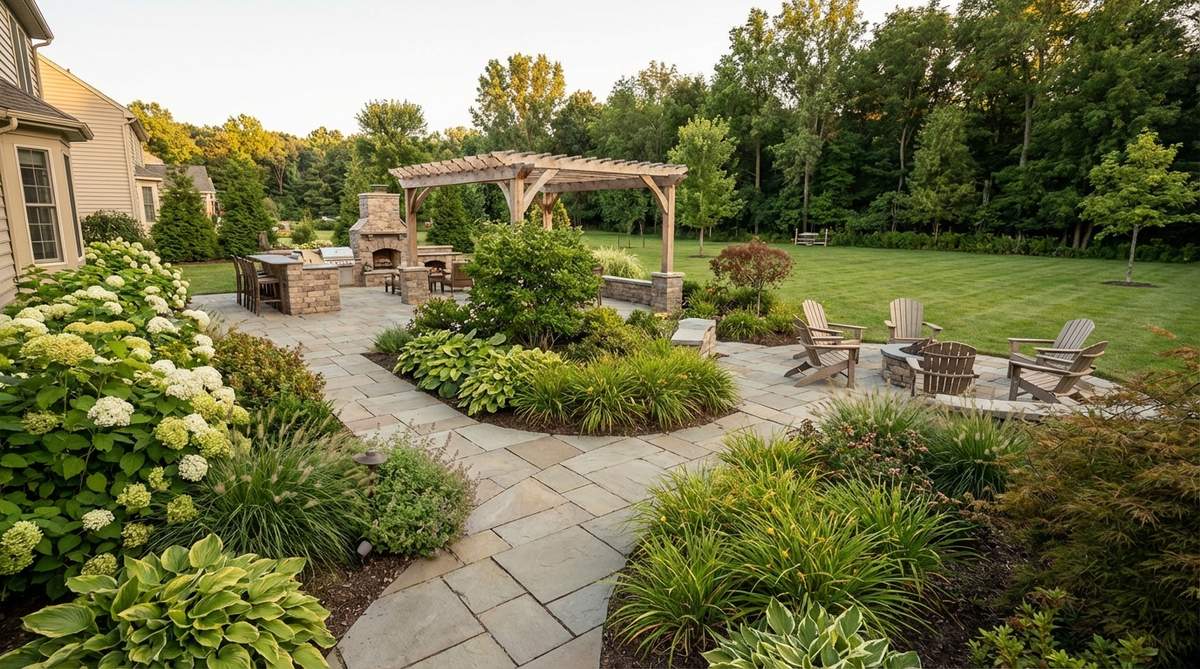
Plant pole beans, snap peas, or runner beans at the base of a vertical trellis. These legumes fix nitrogen in the soil, improving fertility for future crops.
Train young vines onto the trellis by wrapping tendrils around supports. The plants will quickly cover the structure, creating a productive green screen.
Harvest pods regularly to encourage continued production throughout the season. Companion plant with herbs like summer savory to deter pests.
16. Microgreens Sprouting Station
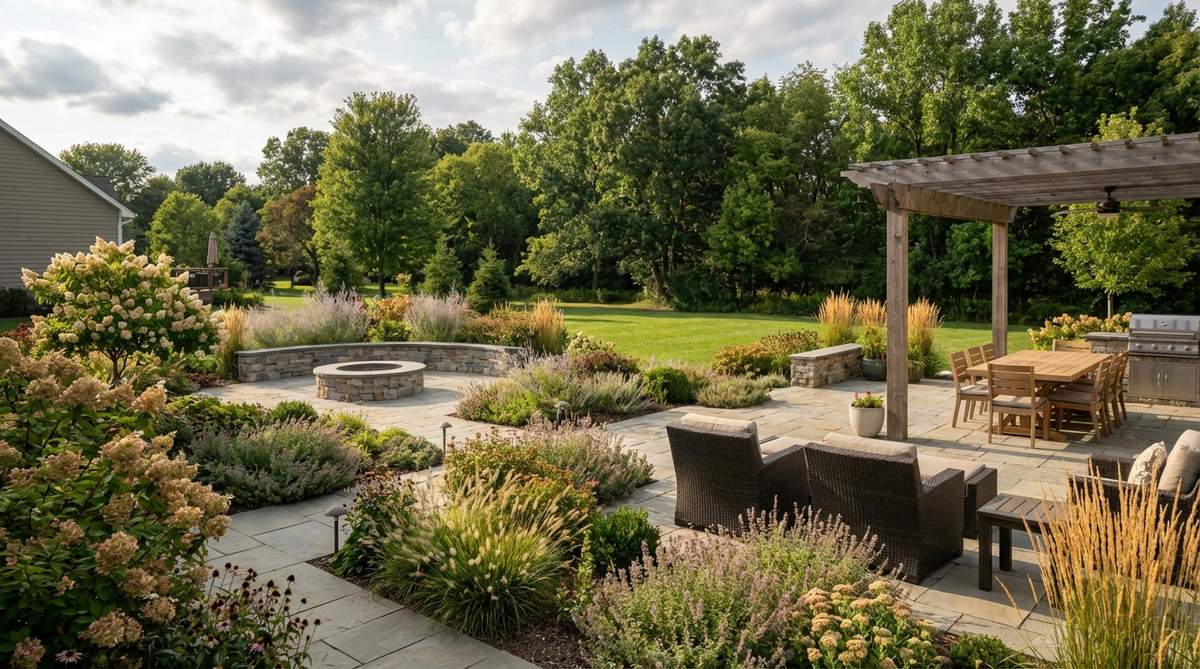
Set up shallow trays on a shelf or table to grow nutrient-dense microgreens. Varieties like sunflower, radish, and pea shoots mature in 7-14 days.
Sow seeds densely in a thin layer of potting mix and keep consistently moist. Harvest with scissors when the first true leaves appear.
Rotate trays under grow lights if your balcony lacks sufficient natural light. This system provides year-round fresh greens regardless of outdoor conditions.
17. Dwarf Citrus Containers
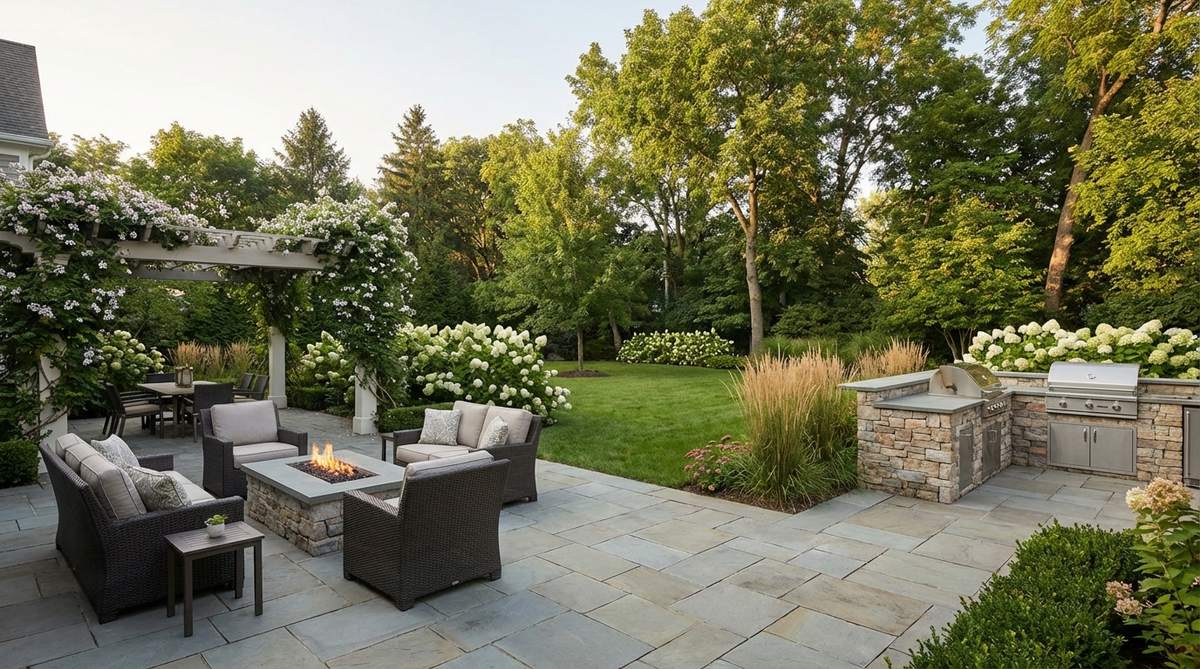
Grow Meyer lemon, key lime, or kumquat trees in large containers with excellent drainage. Dwarf varieties stay under six feet tall while producing full-sized fruit.
Use acidic potting soil formulated for citrus and feed monthly during the growing season. Bring containers indoors if temperatures drop below 50°F.
Position citrus where they receive maximum sun exposure throughout the day. The fragrant blossoms and glossy foliage provide year-round ornamental value.
Small Balcony Garden Designs for Compact Spaces
Tight quarters require strategic planning to balance greenery with functional living space. These designs prioritize multi-purpose elements and space-efficient arrangements that don’t compromise comfort or aesthetics.
18. Railing-Mounted Planter Boxes
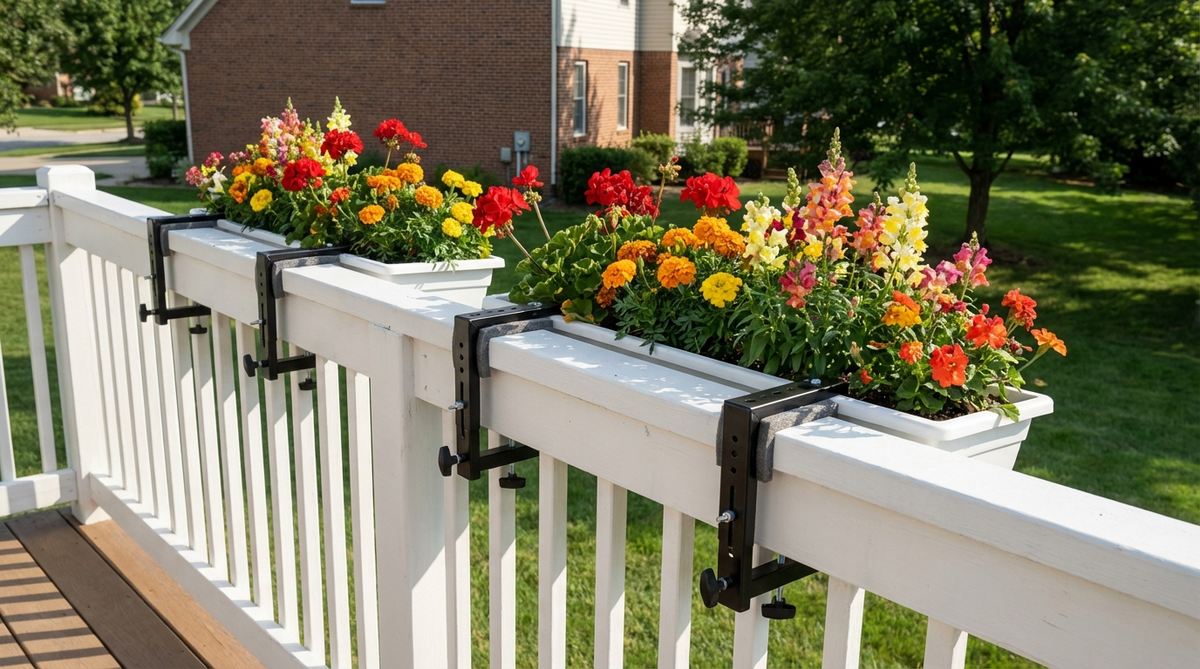
Install adjustable brackets that hook over balcony railings without drilling. These planters extend outward and inward, doubling your planting area while keeping the floor clear.
Plant trailing flowers like petunias or ivy geraniums that cascade down the exterior. Use the interior side for upright herbs you can harvest while cooking.
Check weight limits and secure planters with additional ties during high winds. This solution works perfectly for renters who cannot modify permanent structures.
19. Corner Bench with Built-In Planters
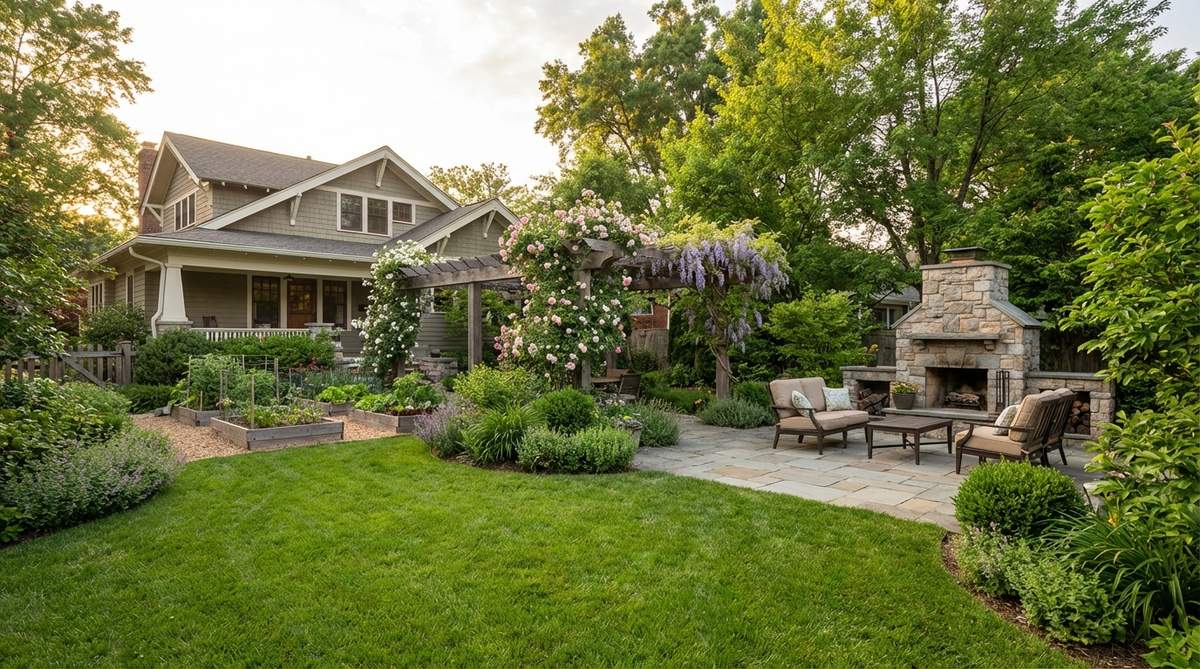
Construct an L-shaped bench with integrated planter boxes along the backrest. The dual-purpose design provides seating and growing space in one compact unit.
Plant aromatic herbs like lavender and rosemary behind the seating area to release fragrance when brushed. The elevated planters bring greenery to eye level.
Add weatherproof cushions for comfortable seating during morning coffee or evening relaxation. Finish the wood with outdoor-rated stain to match your style preferences.
20. Folding Table Garden
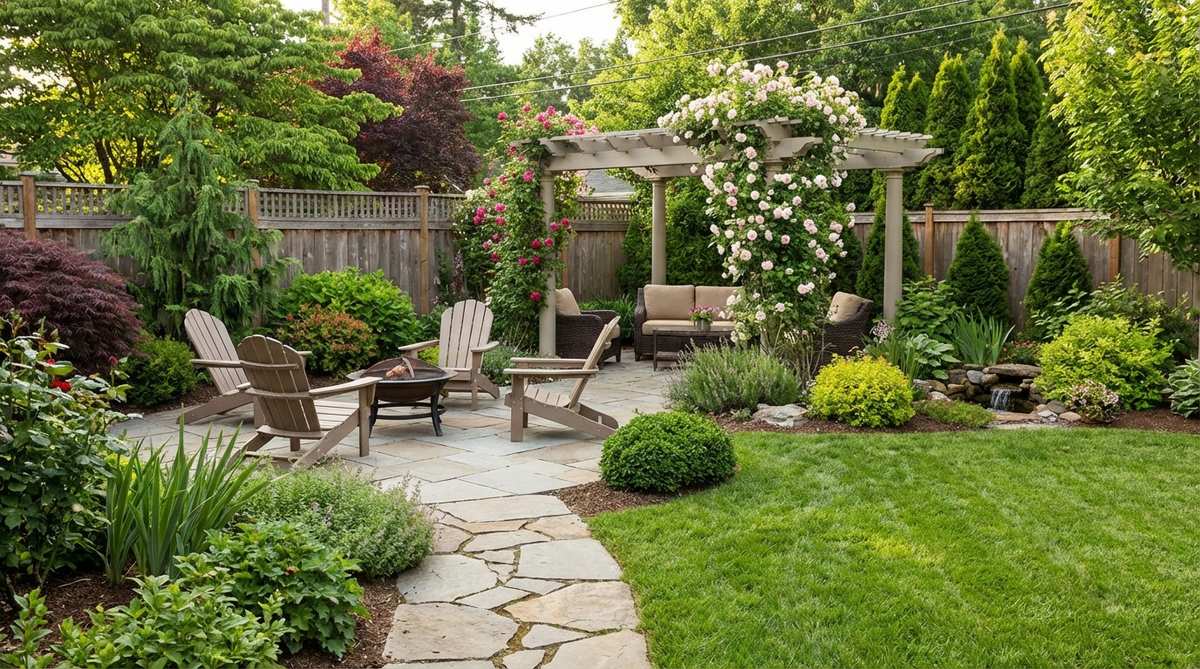
Use a wall-mounted folding table that drops down for container displays and folds up when you need open floor space. This flexible system adapts to your daily activities.
Arrange potted plants on the table surface during the day for optimal sun exposure. Fold the table against the wall for gatherings or exercise sessions.
Attach small hooks to the underside of the table to hang lightweight planters when folded. This maximizes every surface of your compact balcony.
21. Nested Pot Arrangements
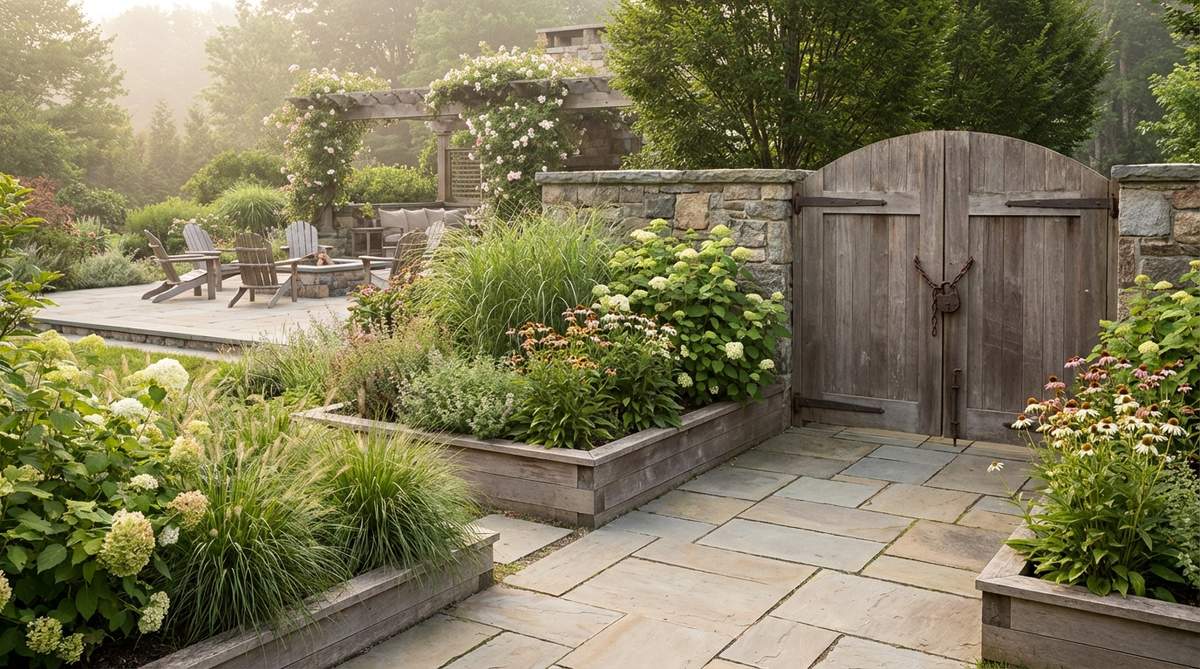
Group containers of varying heights and sizes in clustered arrangements rather than spreading them evenly. This creates visual weight and leaves open circulation paths.
Place the tallest container at the back corner with progressively shorter pots radiating forward. Mix textures by combining ceramic, metal, and natural fiber pots.
Limit your palette to three complementary colors to maintain cohesion in small spaces. Move pots seasonally to refresh the arrangement as plants grow.
22. Overhead Hanging Garden
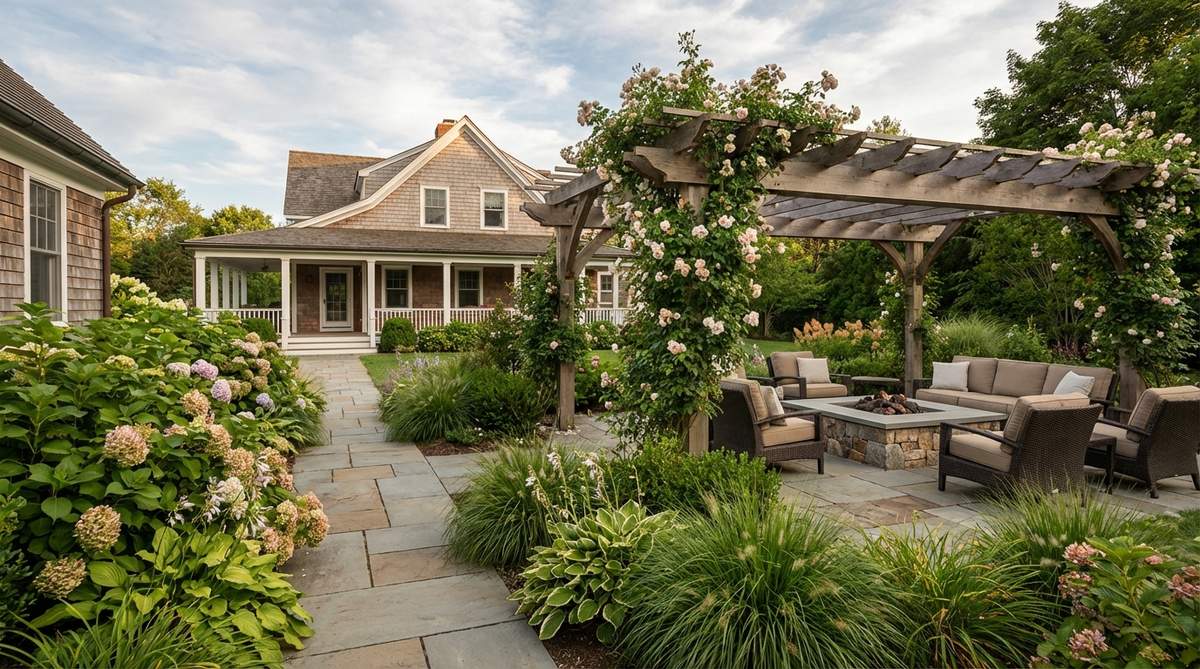
Suspend planters from the ceiling or overhead beams using adjustable chains. This approach utilizes airspace without consuming precious floor area.
Plant trailing varieties like pothos, string of pearls, or spider plants that create a living canopy. Stagger heights to add dimension and visual flow.
Install a pulley system for easier watering and maintenance of high planters. Use lightweight resin or plastic pots to reduce stress on mounting hardware.
23. Mobile Rolling Garden Cart
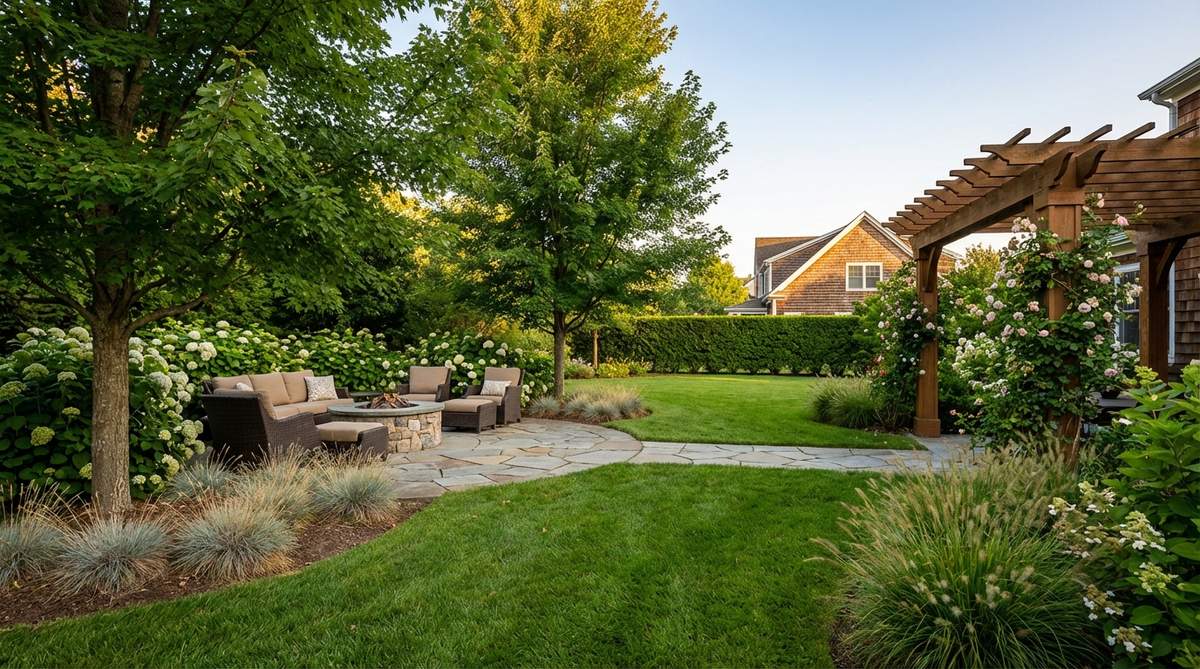
Arrange plants on a wheeled cart that moves to follow the sun throughout the day. This mobility optimizes light exposure for sun-loving species.
Roll the cart against the wall when hosting guests or during inclement weather. The flexibility allows you to reconfigure your space instantly.
Choose a cart with multiple tiers to maximize vertical storage. Industrial metal carts work well for modern aesthetics, while wooden options suit rustic designs.
24. Single Statement Container
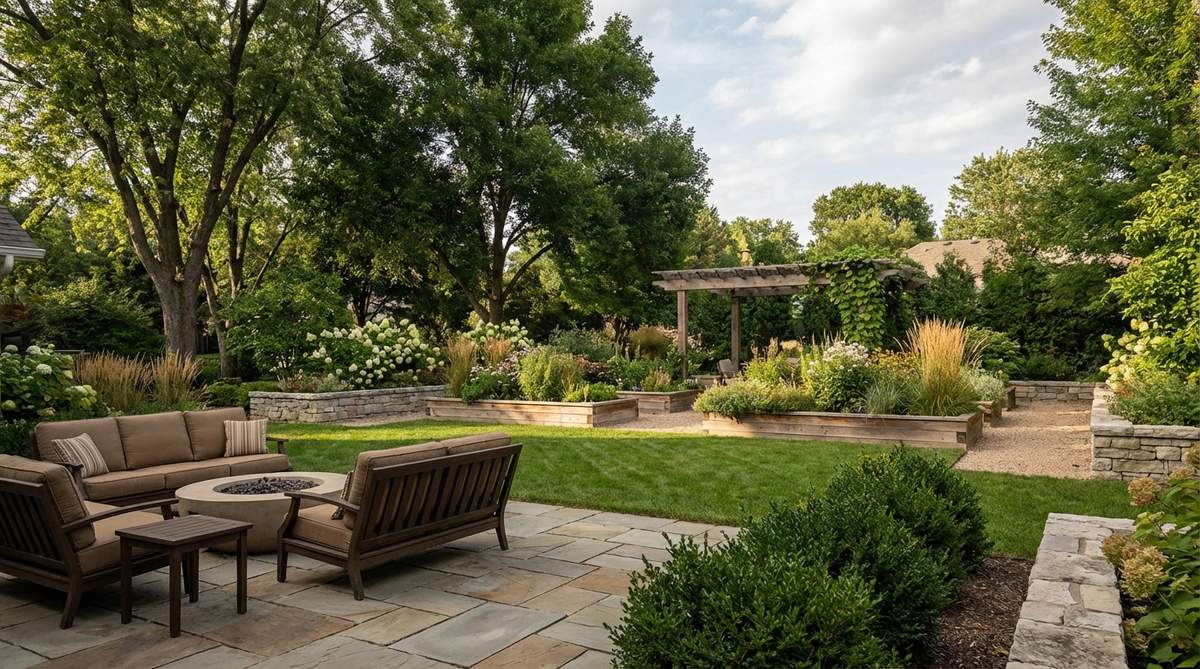
Feature one large, dramatic planter as the focal point of a tiny balcony. Fill it with a specimen plant like a Japanese maple, ornamental grass, or sculptural agave.
Position the container in the corner where it anchors the space without blocking pathways. Underplant with seasonal flowers or trailing ground covers.
Select a high-quality container in a finish that complements your balcony materials. This minimalist approach prevents visual clutter in tight quarters.
25. Slim Profile Planters
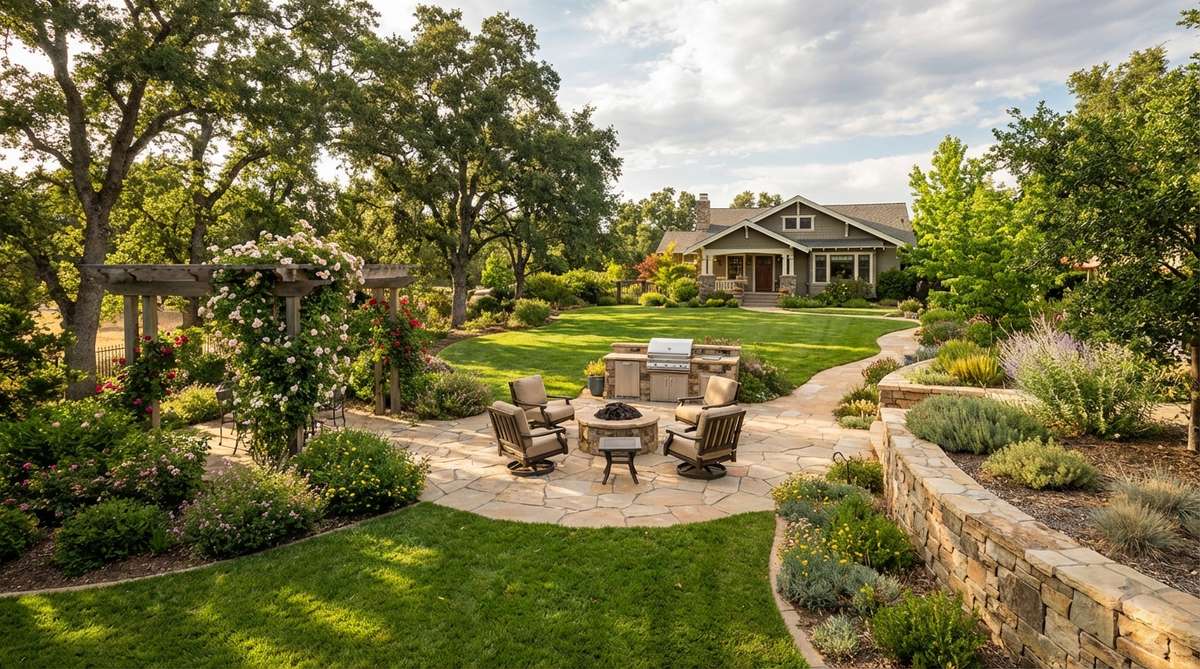
Use narrow rectangular planters that fit in tight spaces between furniture and railings. These elongated containers provide growing area while maintaining a sleek footprint.
Plant in rows along the length of the container, alternating heights and textures. Combine grasses, flowering perennials, and trailing elements for dimension.
Secure slim planters with brackets if positioned near high-traffic areas. The shallow depth works well for herbs, succulents, and shallow-rooted flowers.
Privacy and Screening Solutions Using Plants
Strategic plant placement creates secluded outdoor rooms while maintaining airflow and light penetration. Select species based on your privacy needs, whether you require year-round coverage or seasonal screening.
26. Bamboo Privacy Screen
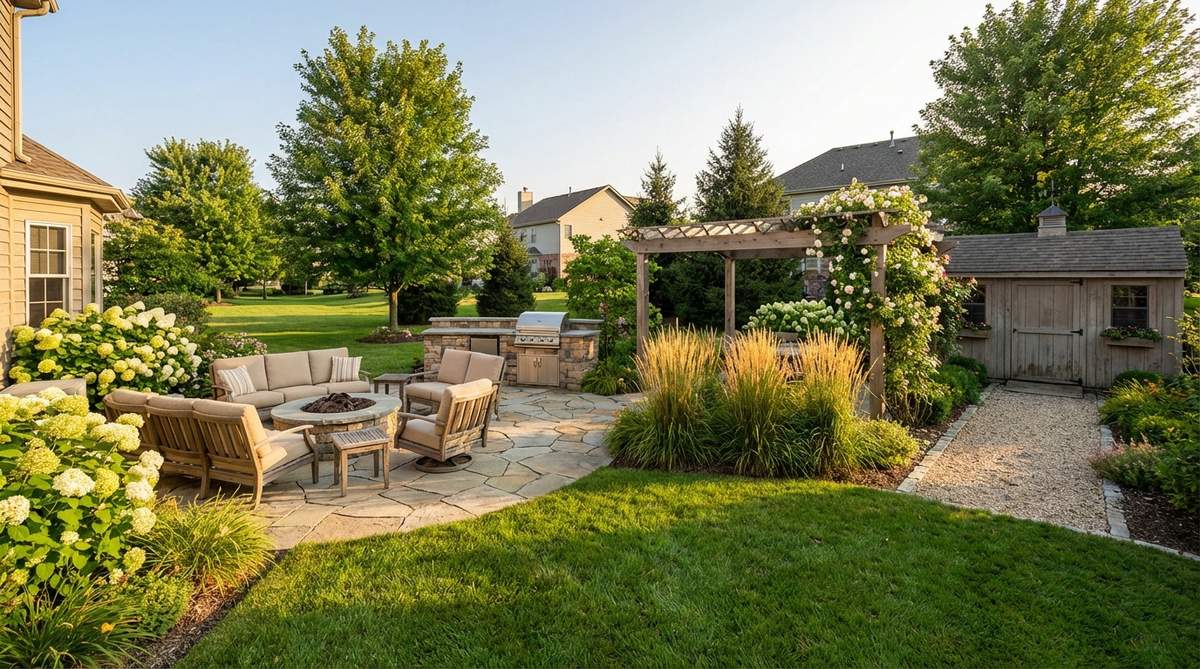
Plant clumping bamboo varieties in large containers along the balcony perimeter. The dense, upright canes create an immediate visual barrier while adding tropical texture.
Choose non-invasive cultivars like Fargesia robusta or Bambusa multiplex that stay contained in pots. Space containers 18 inches apart for a continuous hedge effect.
Bamboo tolerates various light conditions and grows quickly to height. The rustling leaves add gentle sound that masks urban noise pollution.
27. Climbing Jasmine Screen

Train star jasmine or Confederate jasmine onto a trellis framework mounted at the balcony edge. The evergreen foliage provides year-round coverage with fragrant white blooms in spring.
Install a sturdy trellis system capable of supporting mature vine weight. Guide young growth horizontally to fill gaps quickly.
Prune after flowering to maintain shape and encourage dense branching. The twining habit creates a living wall that blocks views while allowing breeze penetration.
28. Ornamental Grass Border
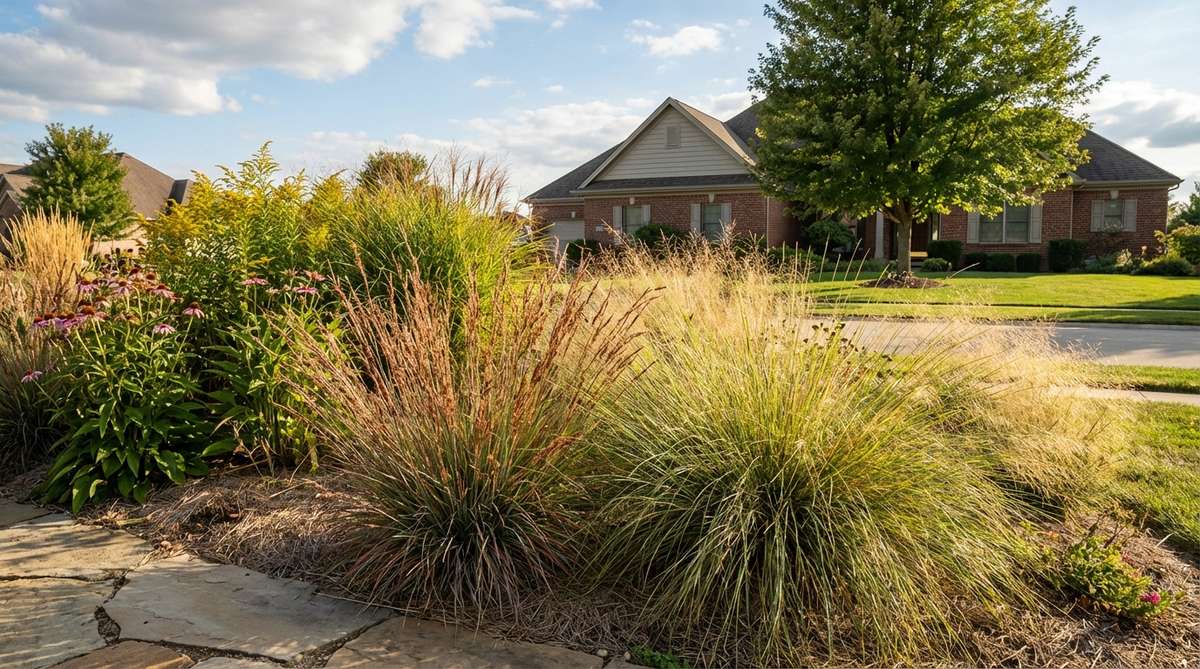
Line the balcony edge with tall ornamental grasses like Calamagrostis or Miscanthus in deep containers. The upright form creates a soft, swaying screen.
Grasses provide movement and sound in the wind while offering seasonal interest through color changes. Plant in groups of three or five for maximum impact.
Cut back dead foliage in late winter before new growth emerges. These low-maintenance plants require minimal care once established.
29. Evergreen Shrub Hedge
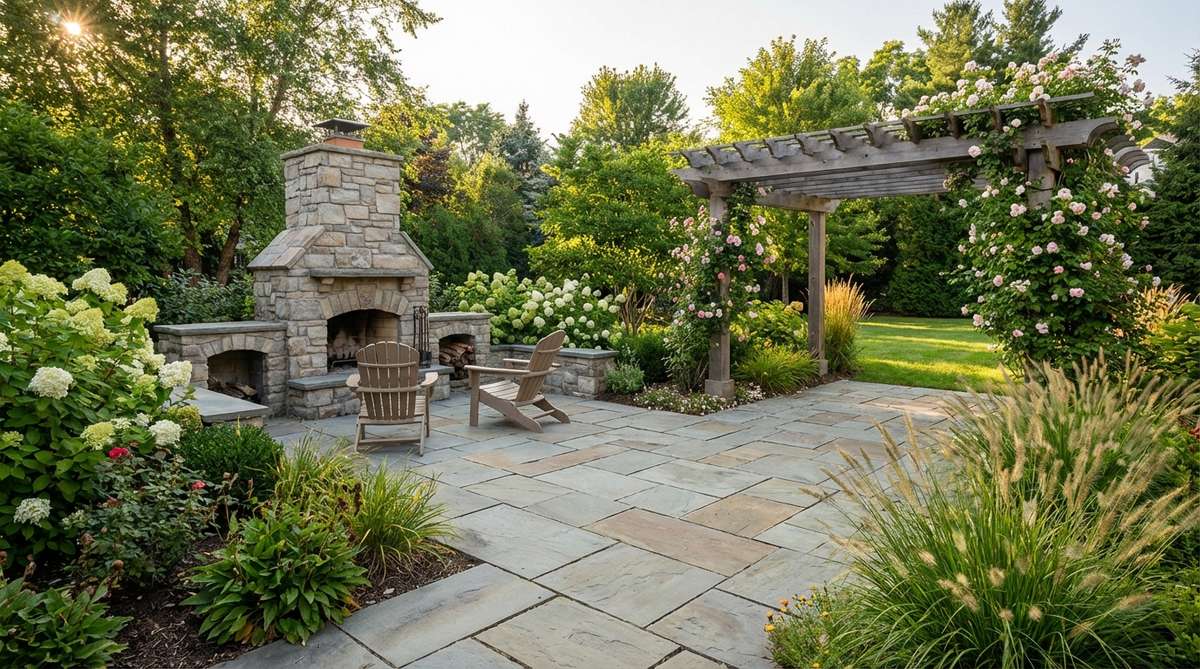
Create a formal screen using boxwood, holly, or dwarf conifers in a row of matching containers. The dense foliage blocks views year-round at multiple heights.
Shear plants annually to maintain uniform shape and encourage thick branching. Space containers close enough that mature plants touch to form a continuous hedge.
Select slow-growing varieties to reduce maintenance frequency. The structured appearance complements modern architectural styles.
30. Ivy-Covered Lattice
Mount wooden or vinyl lattice panels between posts and plant English ivy or Boston ivy at the base. The climbing foliage quickly covers the framework.
Attach the lattice securely to withstand wind loads once fully covered with growth. Paint or stain the panels before planting for a finished look.
Trim growth monthly during the growing season to keep vines within bounds. The vertical green wall provides excellent noise reduction and privacy.
31. Potted Arborvitae Columns
Arrange narrow columnar arborvitae in large containers to create living privacy pillars. These evergreens grow vertically with minimal horizontal spread.
Position containers strategically to block specific sightlines while leaving other views open. The compact footprint works well in narrow balconies.
Protect roots from winter freeze-thaw cycles by insulating containers with bubble wrap. These long-lived plants improve with age, becoming denser over time.
32. Hydrangea Screen
Plant large-flowered hydrangeas in oversized containers along the balcony edge. The broad leaves and massive flower heads create substantial visual screening.
Select varieties suited to container culture like Cityline or Little Lime series. Hydrangeas tolerate partial shade, making them ideal for north or east-facing balconies.
Keep soil consistently moist and feed regularly for abundant blooms. The flowers dry on the plant in fall, extending seasonal interest.
33. Multi-Stem Shrub Cluster

Group several different evergreen shrubs in varied heights to create a naturalistic privacy screen. Mix textures like needled conifers with broad-leafed varieties.
Arrange containers in staggered rows for depth perception and fuller coverage. This layered approach blocks views more effectively than a single row.
Choose plants with different seasonal highlights to maintain visual interest year-round. Prune selectively to shape while preserving the informal character.
Container Garden Essentials for Balcony Success
Proper container selection and soil management form the foundation of healthy balcony gardens. Understanding drainage, weight considerations, and material properties prevents common problems before they start.
34. Self-Watering Containers
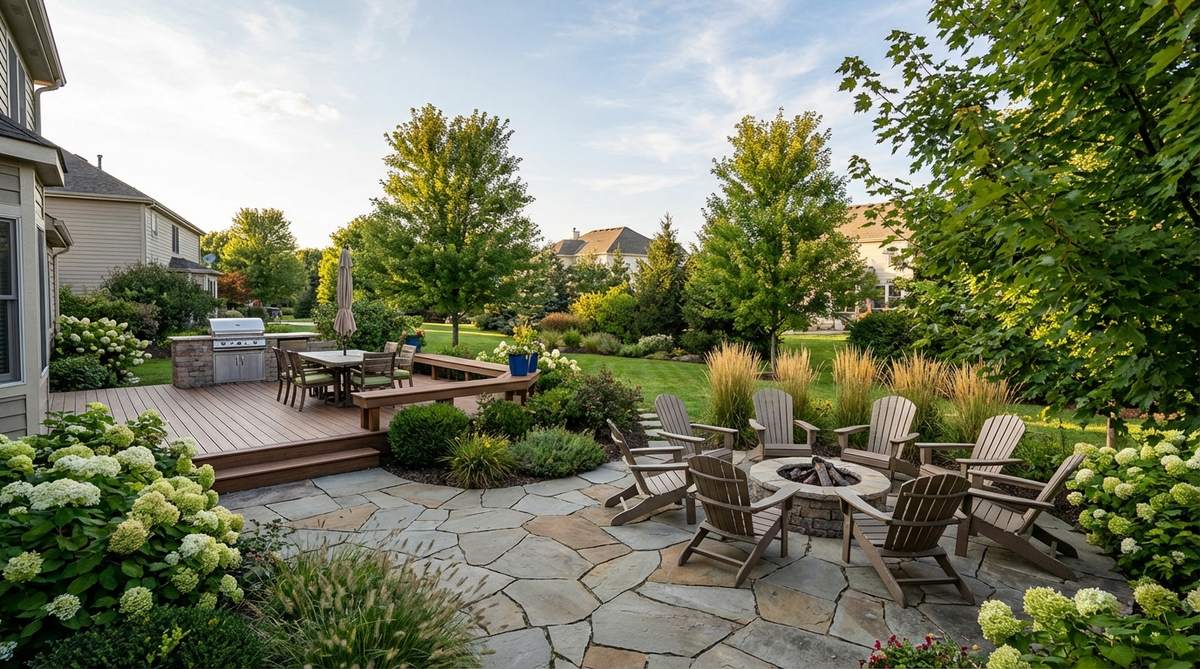
Install containers with built-in reservoirs that draw moisture upward through capillary action. These systems reduce watering frequency and prevent moisture stress during hot weather.
Fill the reservoir completely and check levels weekly during peak growing season. Most designs include a water level indicator for easy monitoring.
Use self-watering pots for moisture-loving plants like ferns and vegetables. The consistent hydration promotes steady growth and reduces plant stress.
35. Terracotta Pot Collection
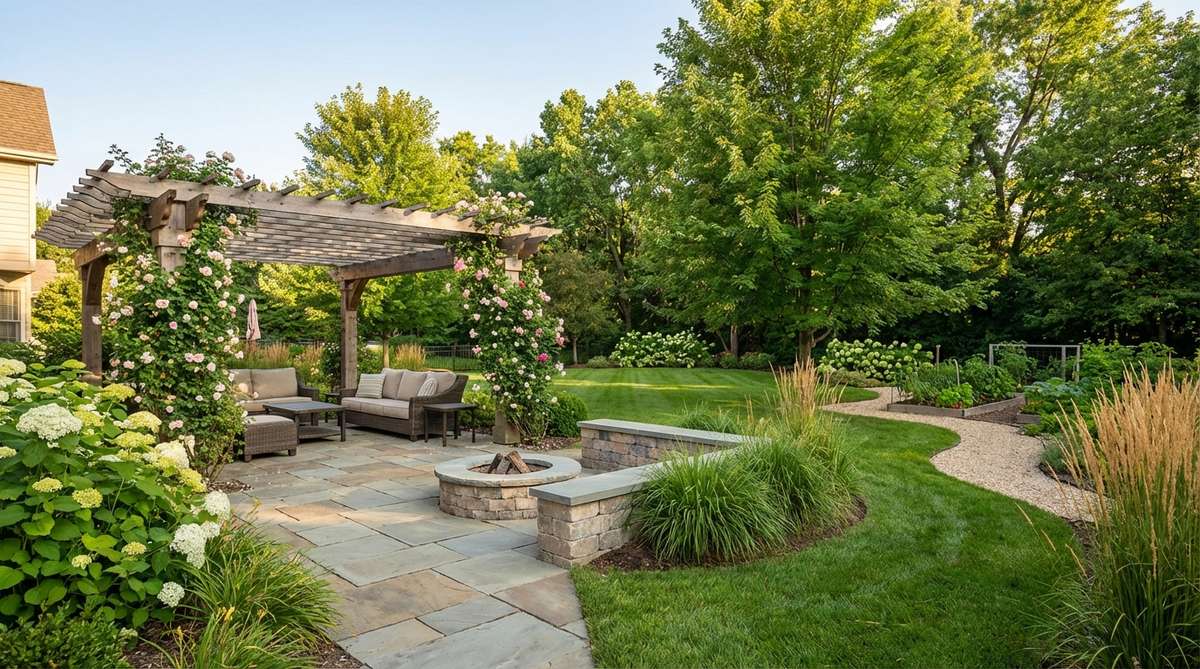
Choose unglazed terracotta pots that breathe and naturally regulate soil moisture. The porous material prevents waterlogging while developing an attractive patina over time.
Group pots in odd numbers (3, 5, 7) for pleasing visual arrangements. Mix sizes to create rhythm and focal points within your balcony garden.
Seal the interior of terracotta pots if using in dry climates to slow moisture evaporation. Bring pots indoors in areas with hard freezes to prevent cracking.
36. Lightweight Resin Planters
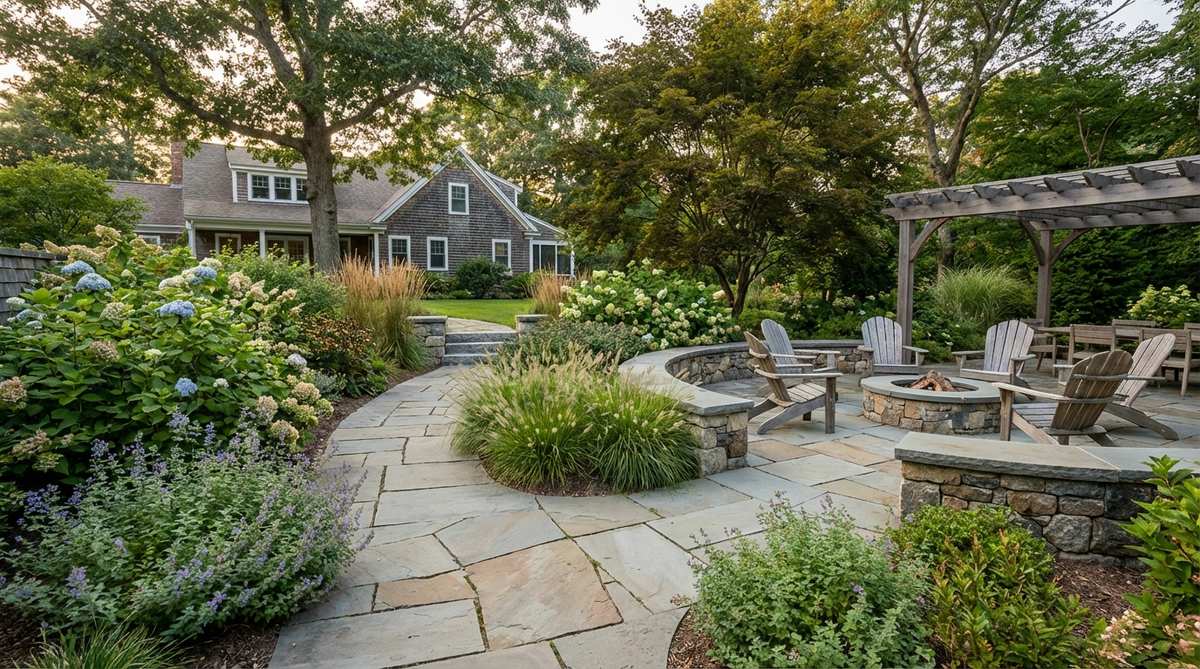
Select resin containers that mimic ceramic, stone, or concrete at a fraction of the weight. This reduces structural load on balconies with weight restrictions.
Modern resin finishes achieve realistic textures that enhance rather than detract from design quality. UV-resistant formulations prevent fading and brittleness.
Position these containers in windy exposures where heavier materials might pose tipping hazards. The durability withstands temperature extremes without damage.
37. Grow Bag Garden
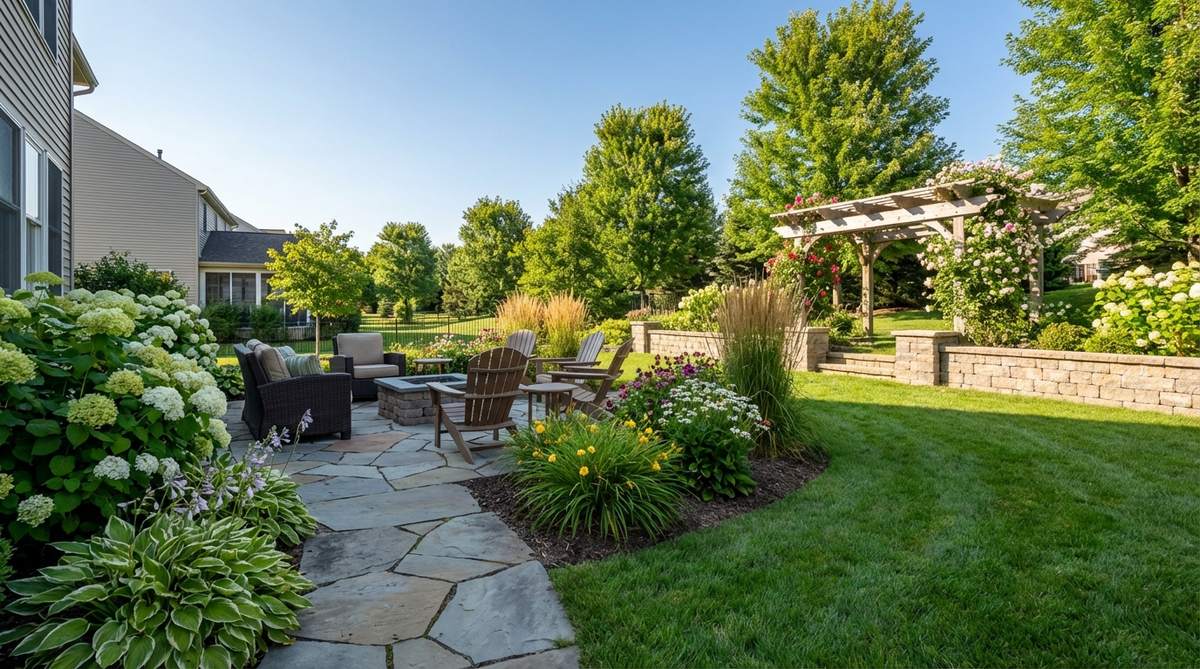
Use fabric grow bags that promote air pruning of roots and excellent drainage. These collapsible containers store flat when not in use, perfect for seasonal gardening.
Fill bags with lightweight potting mix designed for container growing. The breathable fabric prevents root circling and encourages fibrous root development.
Arrange grow bags on rolling platforms for easy repositioning. These inexpensive containers work well for vegetables, herbs, and annual flowers.
38. Half Barrel Planters
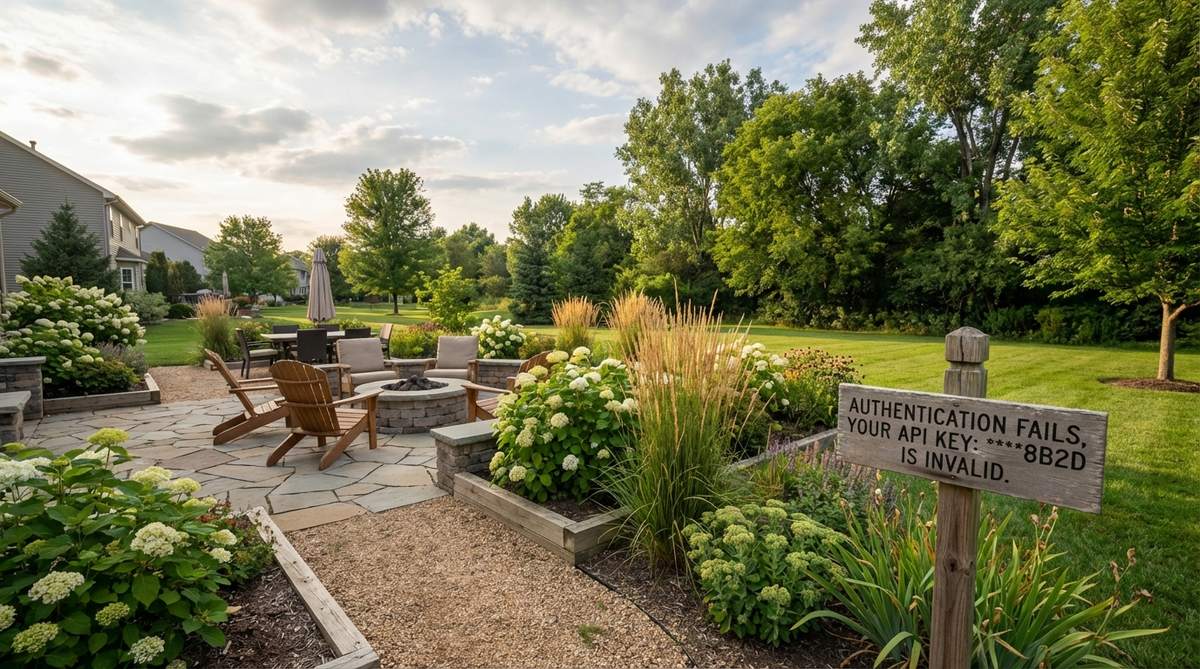
Feature authentic or resin half-barrels as substantial container elements in larger balconies. The generous volume accommodates small trees or large perennial collections.
Drill additional drainage holes if using authentic wood barrels. Line the interior with landscape fabric to slow wood deterioration.
Plant a thriller-filler-spiller combination with a central focal plant, mid-height companions, and trailing edges. This classic formula creates professional-looking displays.
39. Window Box Planters
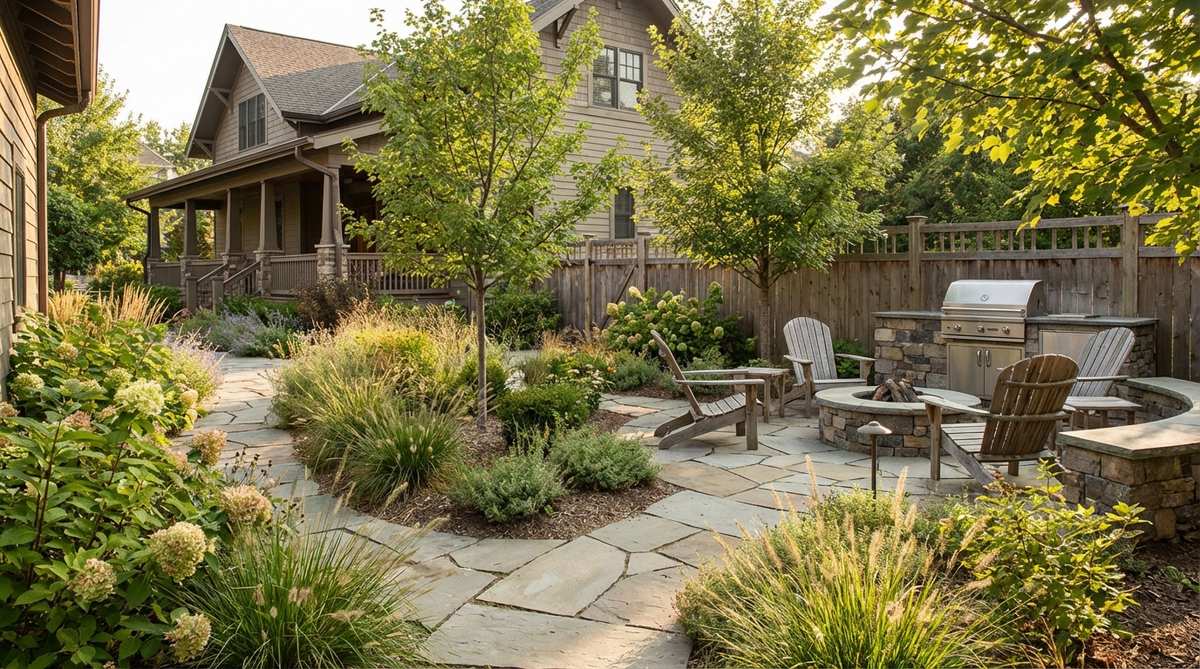
Mount long, narrow boxes beneath railings or along walls to maximize linear growing space. The shallow depth suits herbs, lettuce, and flowering annuals.
Secure boxes with heavy-duty brackets rated for saturated soil weight. Add a drip tray underneath to protect surfaces from water stains.
Plant in color blocks rather than scattered patterns for greater visual impact. Coordinate window box colors with your balcony furniture and accessories.
40. Hypertufa Planters
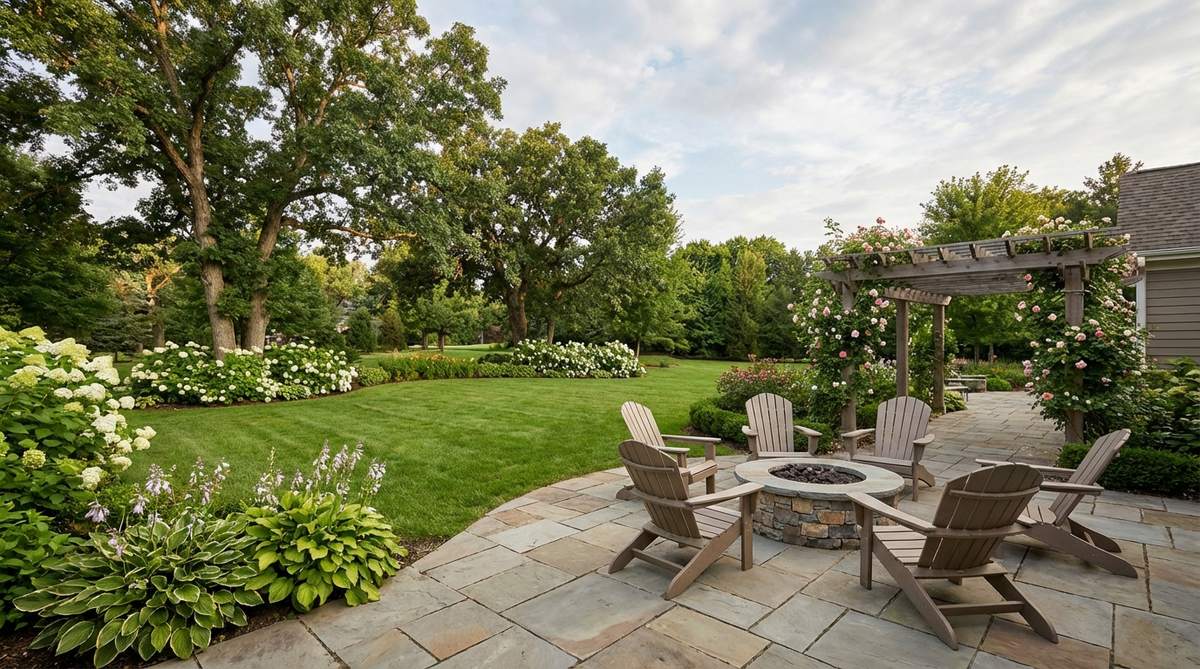
Craft custom containers from a concrete-perlite-peat mixture that resembles aged stone. These DIY planters add artisanal character while remaining lighter than solid concrete.
Mold hypertufa in various shapes and sizes to fit specific balcony niches. The porous surface develops moss and lichen over time for authentic weathered appearance.
Cure hypertufa thoroughly before planting to neutralize alkalinity. These containers work beautifully for alpine plants, succulents, and rock garden specimens.
41. Raised Bed Boxes
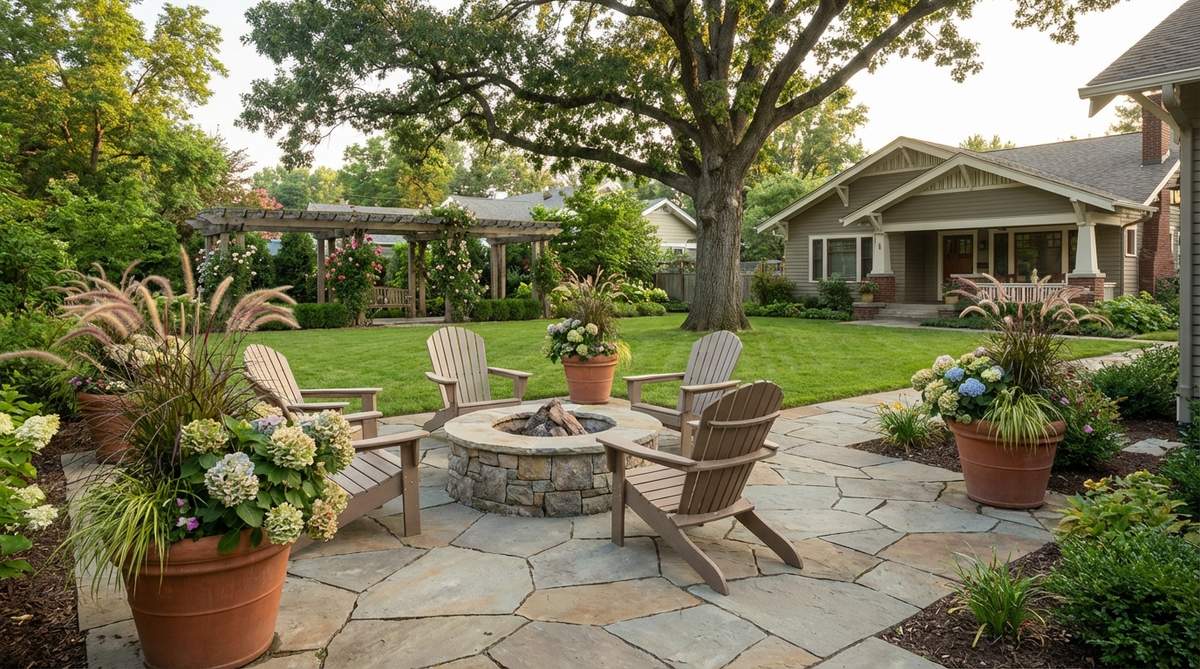
Build shallow raised beds along the balcony perimeter using weather-resistant lumber. These structures provide deeper soil volume for root crops and larger plants.
Line the interior with pond liner punctured with drainage holes to protect the wood. Fill with a blend of compost, peat, and perlite for optimal drainage.
Install raised beds on load-bearing walls rather than the center of cantilevered balconies. The expanded soil volume supports intensive vegetable gardening.
Lighting and Ambiance for Evening Enjoyment
Thoughtful illumination extends balcony usability into evening hours while highlighting plants and architectural features. Layer different light sources to create depth and mood without harsh glare.
42. Solar String Lights
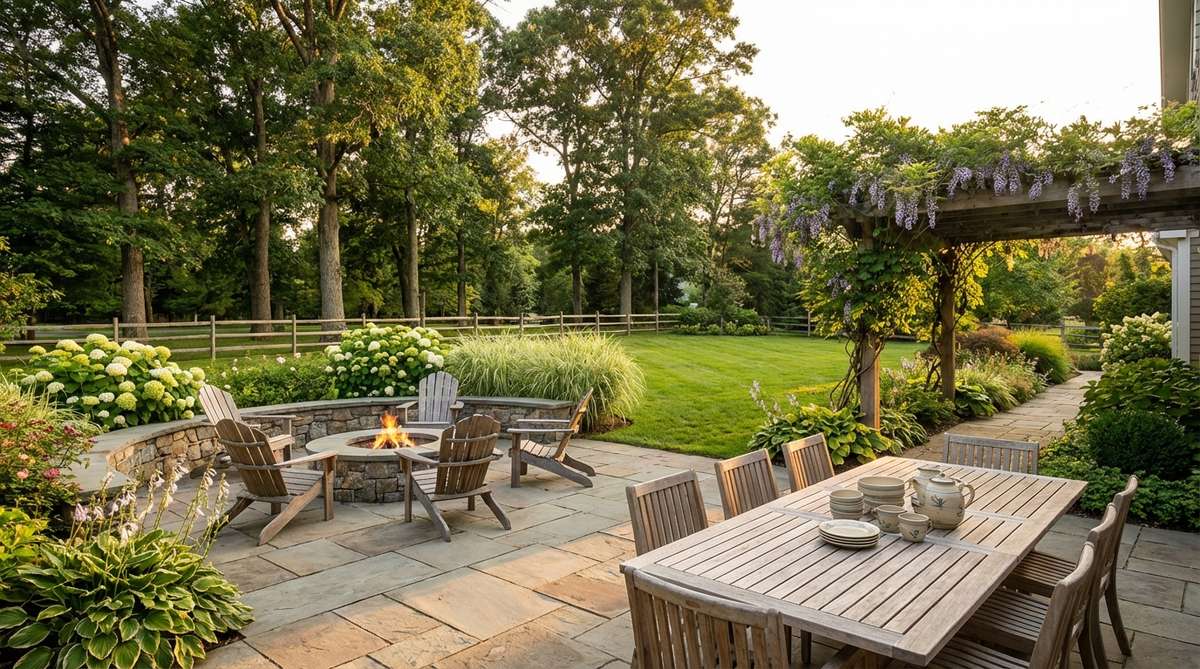
Drape solar-powered LED strings along railings, overhead beams, or around planter groups. These energy-free lights automatically illuminate at dusk without electrical connections.
Choose warm white bulbs for inviting ambiance rather than stark cool white. Loop strings at varying heights to create visual dimension.
Position the solar panel where it receives maximum daytime sun exposure. Modern solar technology provides reliable illumination through most of the night.
43. Bamboo Lanterns
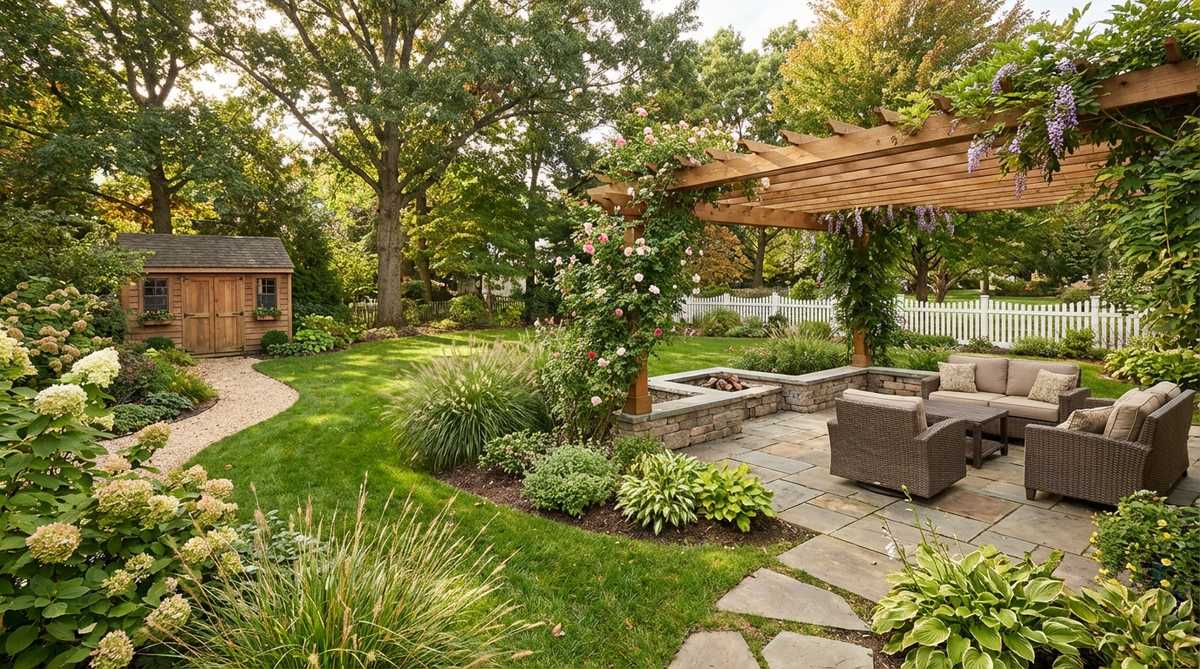
Place bamboo or rattan lanterns on tables and floor surfaces to add organic texture. Use LED candles or battery-operated tea lights for safe, flameless illumination.
Select lanterns in graduated sizes and cluster them in odd-numbered groups. The woven patterns cast intriguing shadows on walls and plants.
Hang lanterns from hooks at varying heights to draw the eye upward. This vertical lighting strategy makes small balconies feel more spacious.
44. Uplighting for Plants
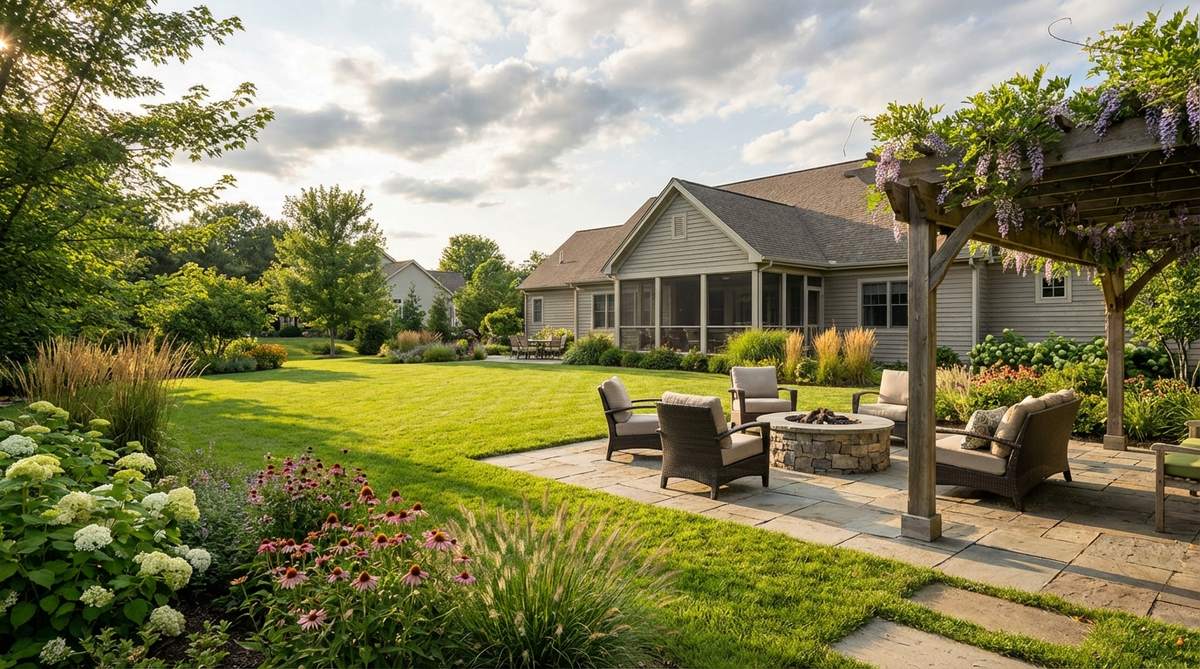
Position low-voltage spotlights at the base of specimen plants to create dramatic uplighting effects. The technique highlights foliage texture and casts architectural shadows.
Use narrow beam angles for tall grasses and trees to emphasize vertical lines. Wide flood beams work better for spreading shrubs and ground covers.
Install lights on timers to conserve energy and establish consistent evening ambiance. LED fixtures minimize heat output near plant roots.
45. Fairy Light Canopy
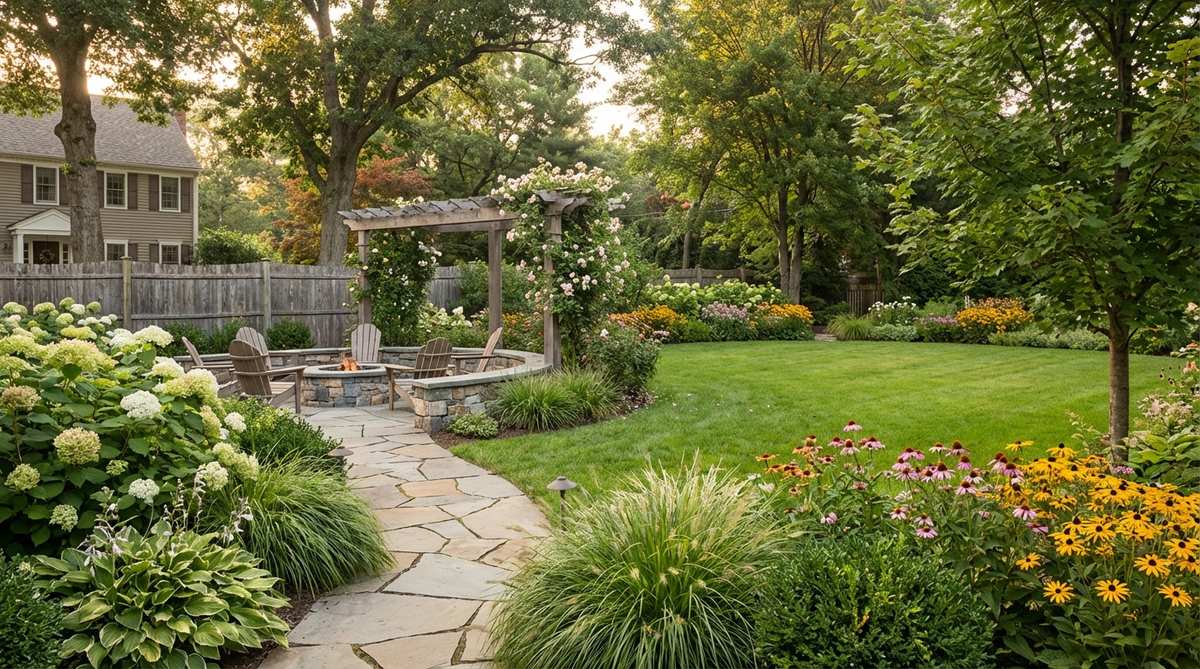
String micro LED fairy lights overhead to create a starlight canopy effect. The tiny bulbs provide gentle ambient lighting without overwhelming the space.
Attach lights to overhead structures using clear fishing line or Command hooks that won’t damage surfaces. Crisscross strings for fuller coverage.
Opt for battery-operated sets with remote controls for easy operation. The whimsical effect transforms ordinary balconies into magical outdoor rooms.
46. Mason Jar Lanterns
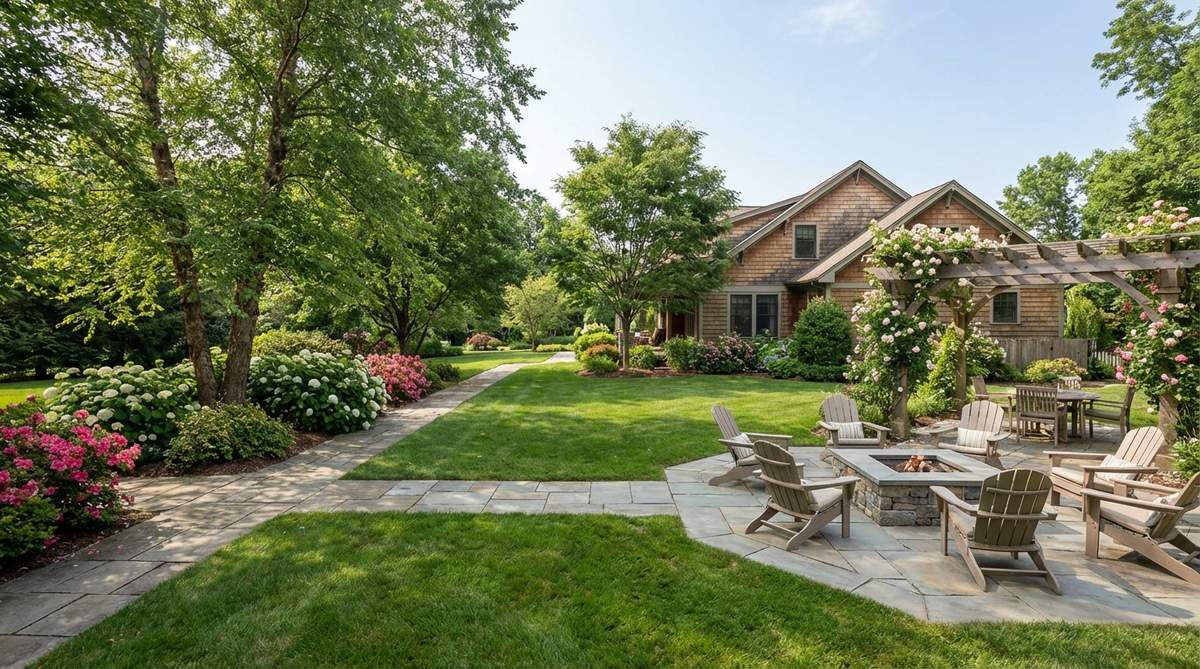
Suspend mason jars fitted with battery-operated fairy lights or candles from hooks. These DIY lanterns add farmhouse charm while providing functional lighting.
Wrap wire handles around jar necks for easy hanging. Paint jar exteriors with glass paint for colored light effects.
Hang jars at eye level along railings or from overhead beams. The vintage aesthetic complements rustic and cottage garden styles.
47. LED Strip Lighting
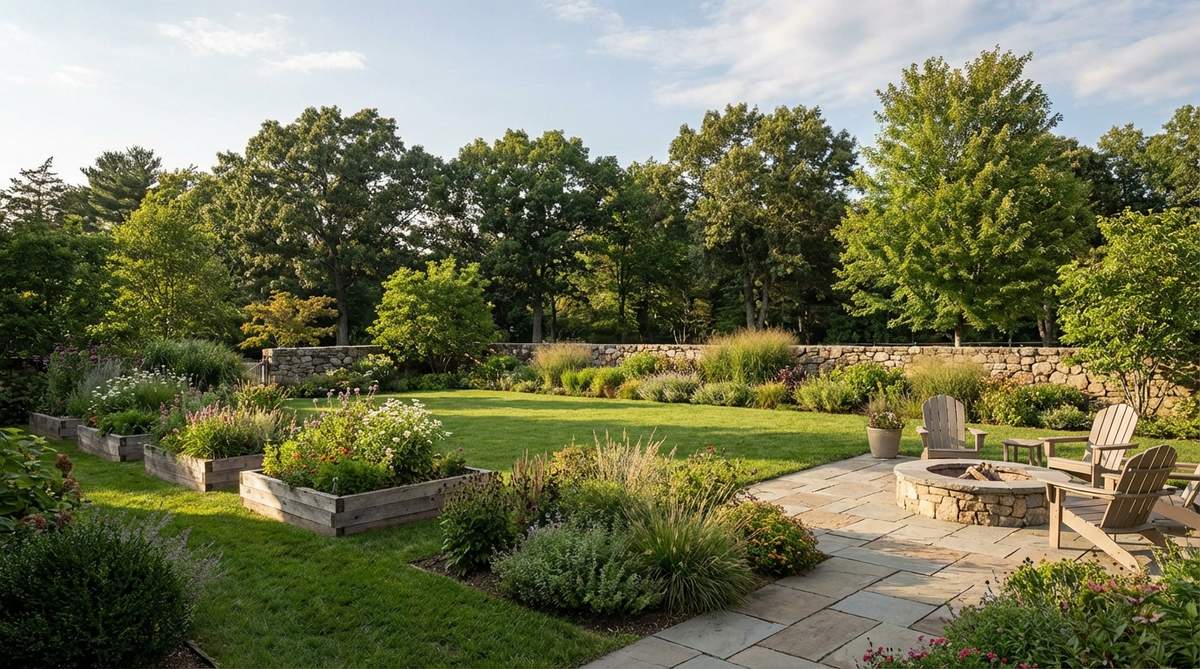
Attach adhesive LED strips beneath railing caps, along planter edges, or under seating. The continuous line of light defines spatial boundaries and improves safety.
Choose RGB color-changing strips for adjustable mood lighting. Program strips to transition through colors or maintain steady warm white.
Conceal strip controllers and power supplies behind planters or furniture. The clean, modern effect suits contemporary balcony designs.
48. Wall Sconce Lighting
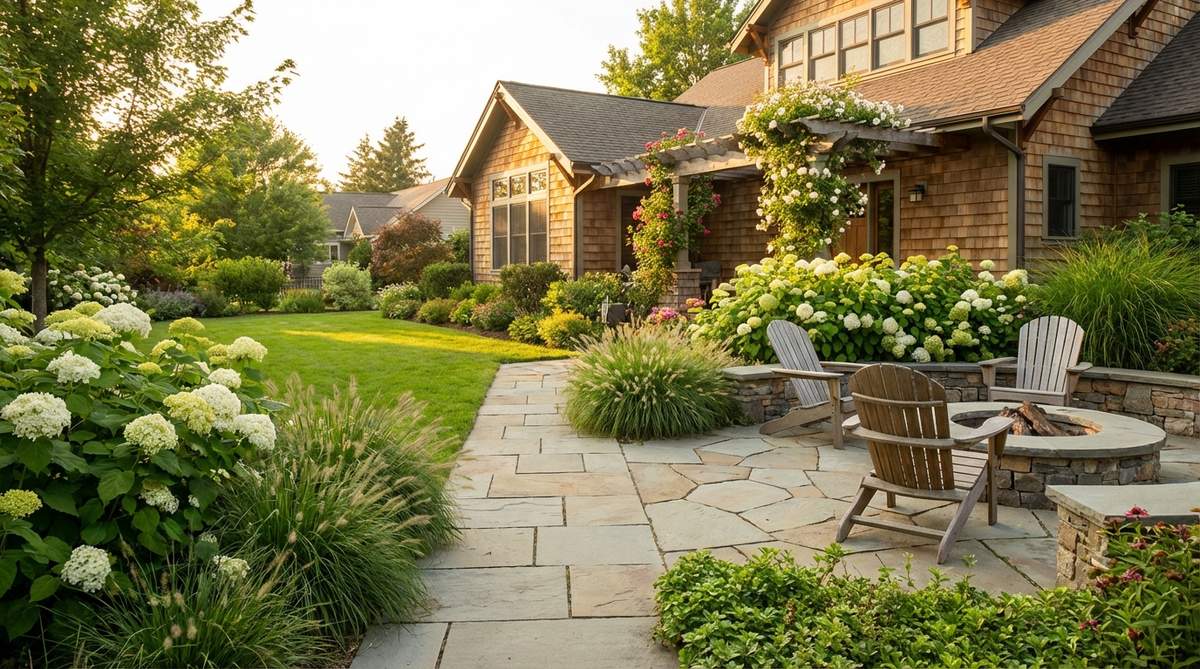
Mount decorative sconces on walls flanking doorways or seating areas. These fixtures provide targeted task lighting for reading and dining.
Select weather-rated fixtures designed for outdoor use. Position sconces 50-66 inches from the floor for optimal illumination without glare.
Install dimmer switches to adjust light levels for different activities. Sconces free up floor and table space while adding architectural interest.
49. Lantern Post Lighting
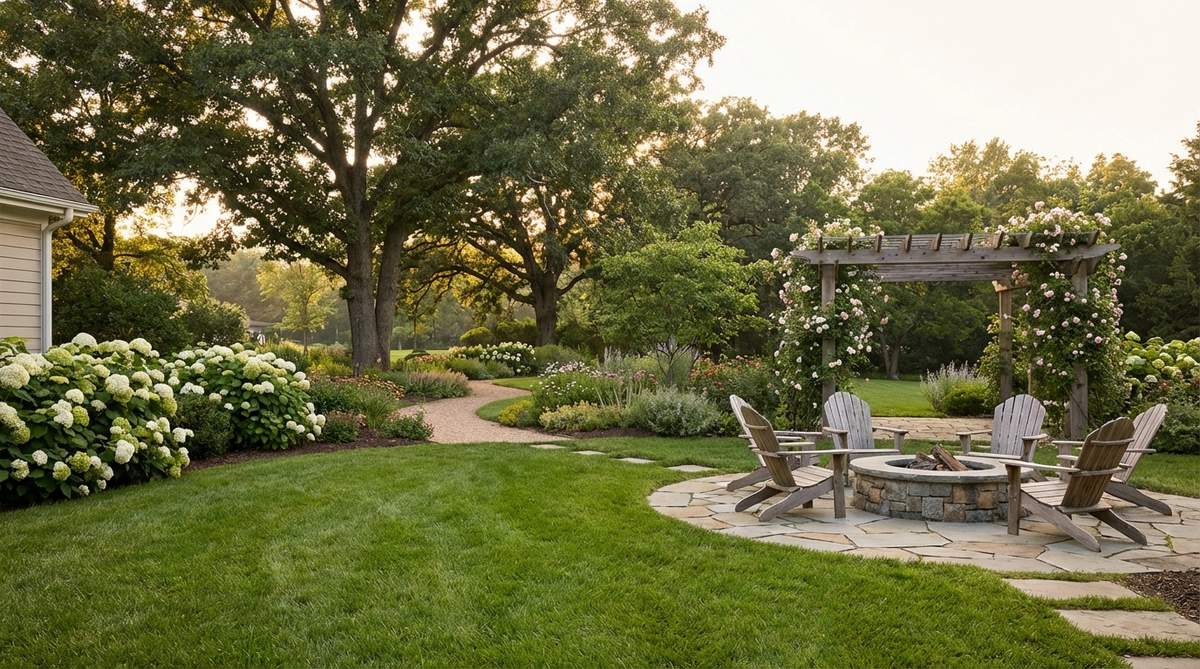
Place freestanding lantern posts in corners or beside seating areas for traditional garden lighting. Solar or battery-powered options eliminate wiring requirements.
Choose post heights that provide illumination without blocking views when seated. Group posts in pairs to flank entry points or frame seating zones.
Select lantern styles that complement your overall design aesthetic. Black metal suits modern spaces while bronze finishes enhance traditional settings.
Balcony Garden Apartment Layouts That Maximize Function
Strategic spatial planning balances gardening activities with relaxation and entertainment needs. These layouts demonstrate how to zone compact balconies for multiple uses without sacrificing functionality.
50. Dining-Garden Combo
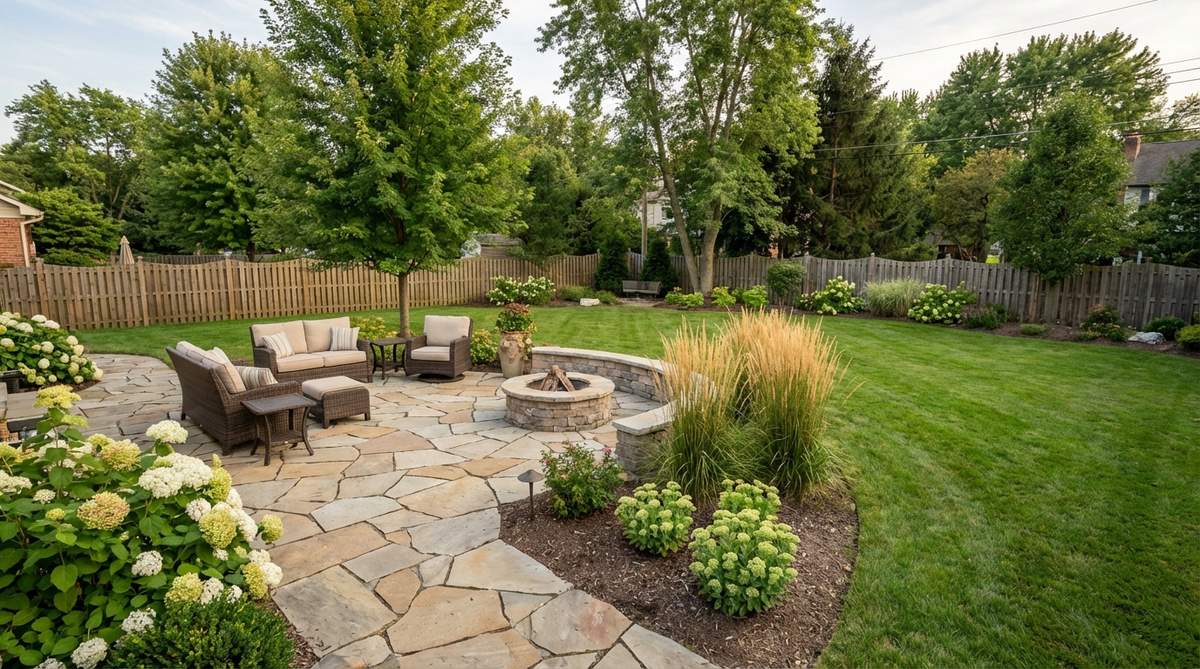
Center a bistro table and chairs in the main balcony area surrounded by container gardens along the perimeter. This layout prioritizes social function while maintaining abundant greenery.
Use the railing for mounting herb boxes within arm’s reach of the dining table. Plant aromatic varieties that enhance outdoor dining experiences.
Position taller plants at the corners to frame views without obstructing them. Keep the center clear for comfortable chair movement and guest circulation.
51. Lounge Retreat Layout
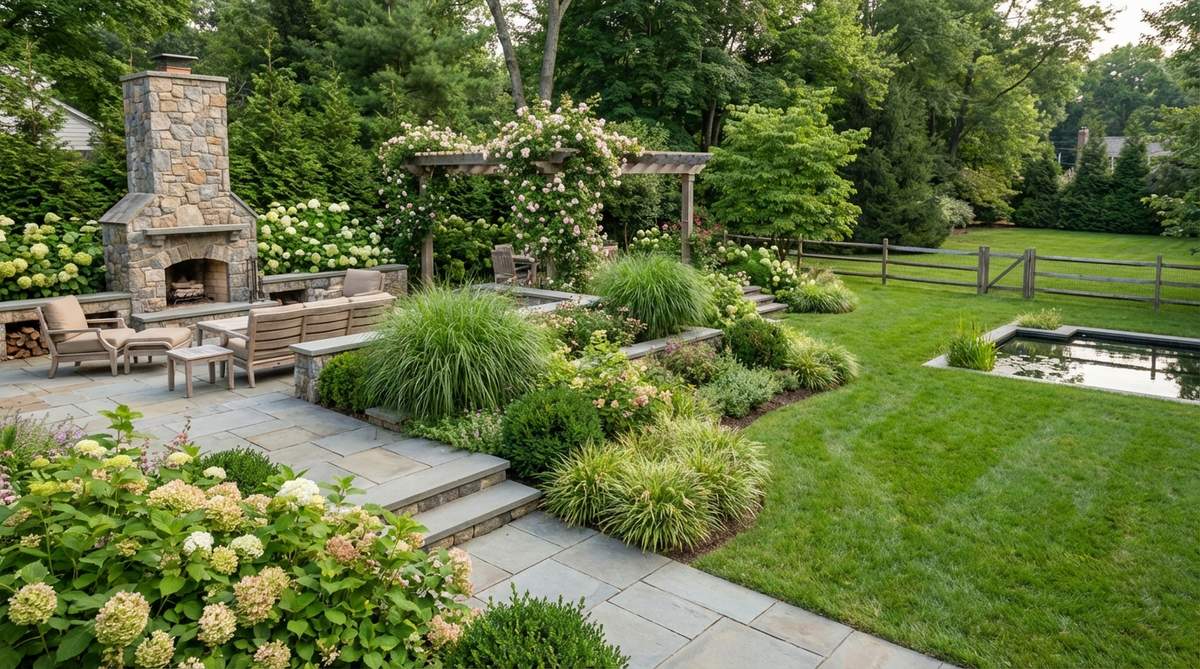
Anchor one end of the balcony with a comfortable lounge chair or small sofa surrounded by lush container plantings. This design creates a private reading nook.
Build up layers of plants at varying heights behind the seating to establish a cocooning effect. Include fragrant flowers and foliage plants for sensory richness.
Add a small side table for beverages and books. Position the seating to capture the best views or morning sun based on your preferences.
52. Workout-Garden Space
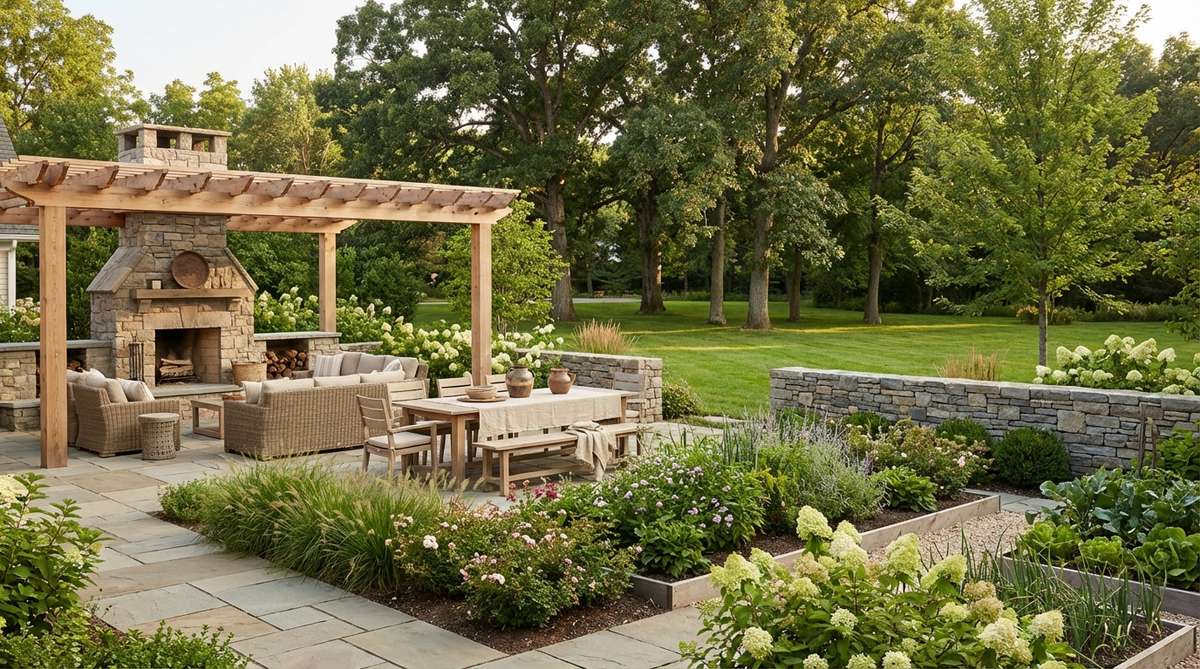
Dedicate the center area to exercise activities while lining walls with vertical gardens. This layout accommodates yoga, stretching, or bodyweight exercises.
Install wall-mounted planters that don’t interfere with workout movements. Choose plants with air-purifying qualities to enhance breathing during exercise.
Use rolled mats or folding equipment that stores easily when not in use. The greenery provides a calming backdrop that improves focus during workouts.
53. Work-From-Home Garden Office
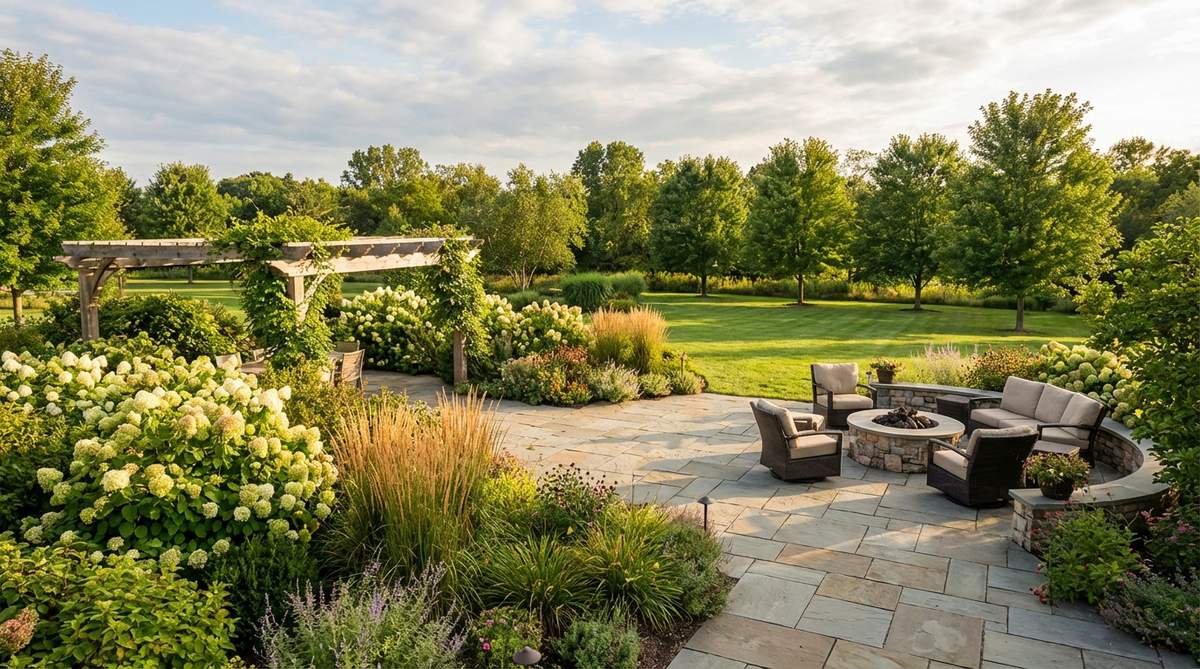
Position a compact desk against the wall with container gardens flanking both sides. The outdoor setting provides mental health benefits during remote work hours.
Select plants with minimal maintenance needs that won’t distract from work tasks. Install shade structures or umbrellas to reduce screen glare.
Ensure stable WiFi signal reaches the balcony before committing to this layout. Add weather protection for electronics during unexpected rain.
54. Meditation Zen Garden
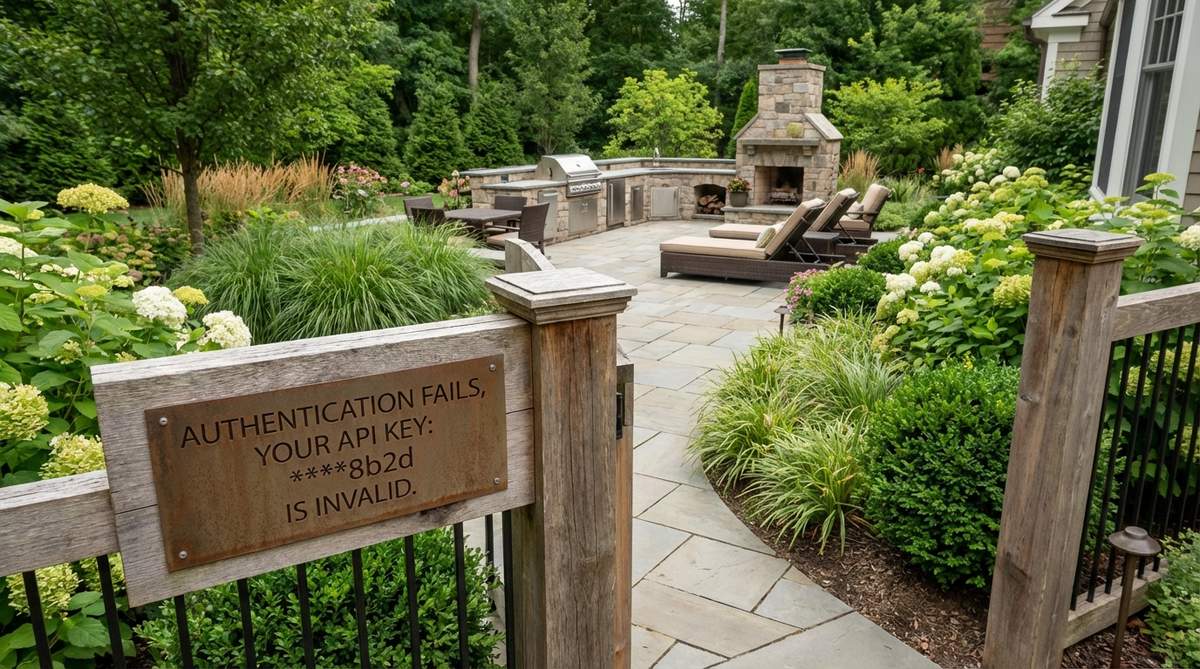
Create a minimalist space with a single meditation cushion or small bench surrounded by carefully selected plants. Focus on simplicity and calm rather than abundance.
Choose plants with symbolic meaning or natural sculptural qualities like bonsai, bamboo, or ornamental grasses. Limit the color palette to greens and whites.
Add a small water feature for soothing sound during meditation practice. Keep the layout open and uncluttered to support mindfulness activities.
55. Play Area Garden
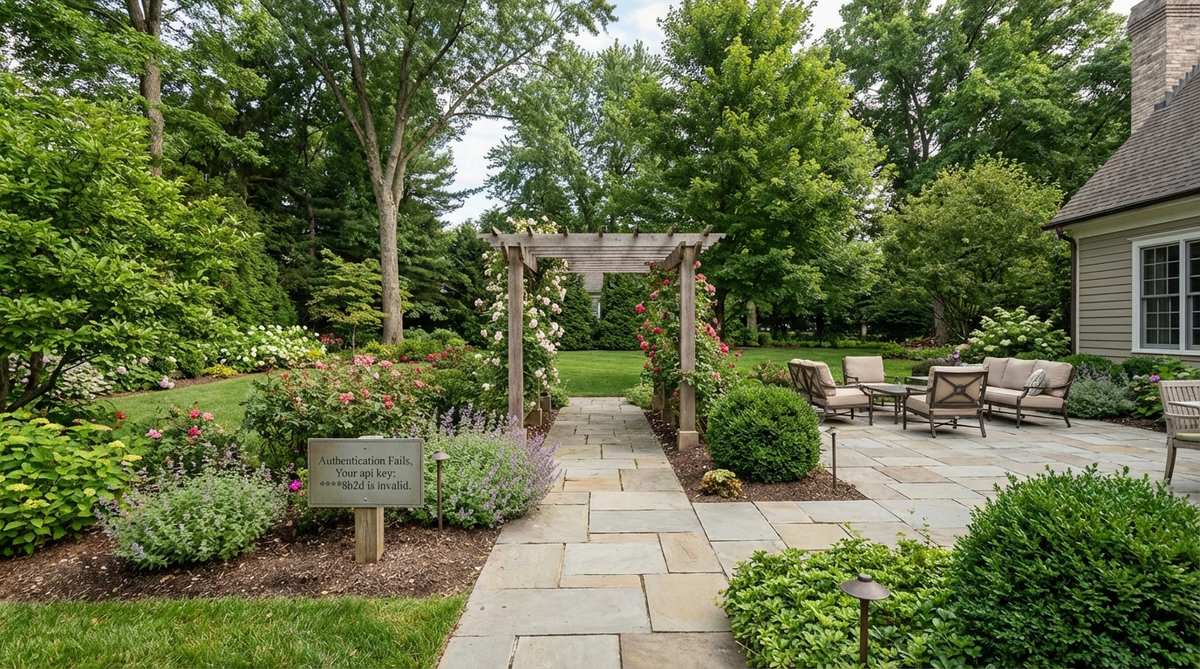
Allocate floor space for children’s activities while positioning plants safely out of active play zones. This family-friendly layout accommodates toys and movement.
Mount planters high on walls or railings where they won’t be disturbed during play. Avoid toxic plants and select sturdy varieties that tolerate occasional bumps.
Use container gardens to define the play boundary without physical barriers. Include child-friendly plants like sunflowers or cherry tomatoes to teach gardening skills.
56. Pet-Friendly Garden Layout
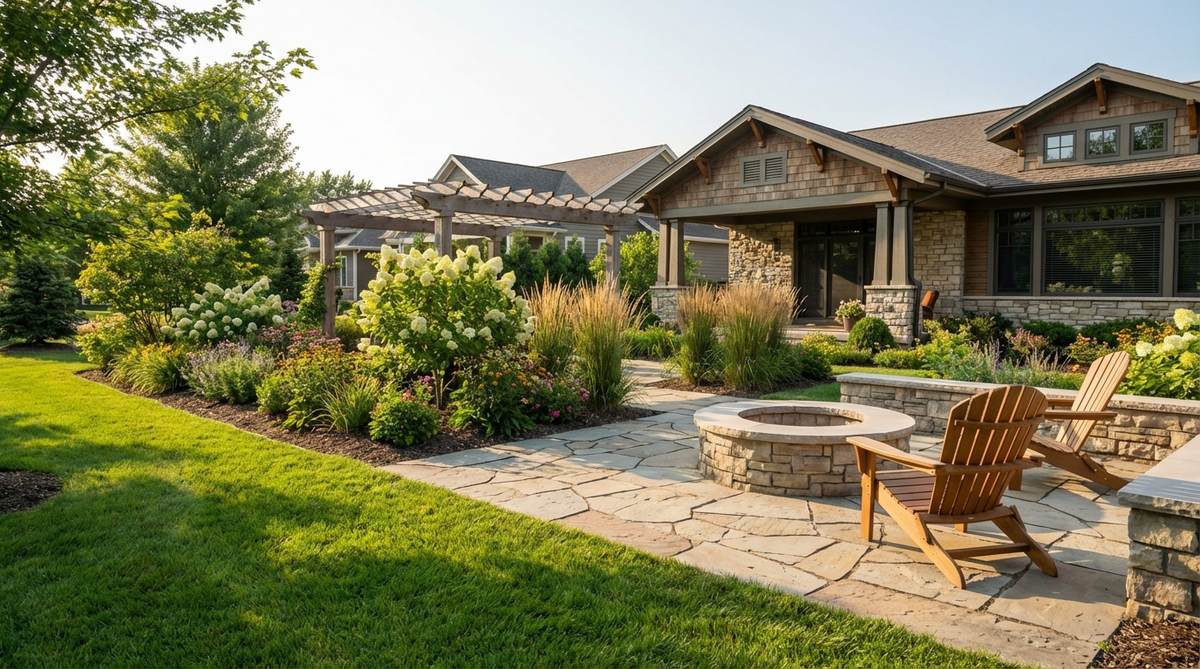
Design with pet safety by avoiding toxic plants and securing containers that might tip. This layout provides both plant enjoyment and pet access.
Plant cat grass or pet-safe herbs in low containers accessible to animals. Position fragile or valuable plants on elevated surfaces beyond pet reach.
Leave clear pathways for pets to move comfortably around the balcony. Add shade structures and water bowls in areas where pets rest.
Low-Maintenance Designs for Busy Lifestyles
Reduce care requirements through strategic plant selection and automated systems without sacrificing garden beauty. These approaches suit busy professionals and frequent travelers who want greenery without intensive maintenance.
57. Succulent Collection
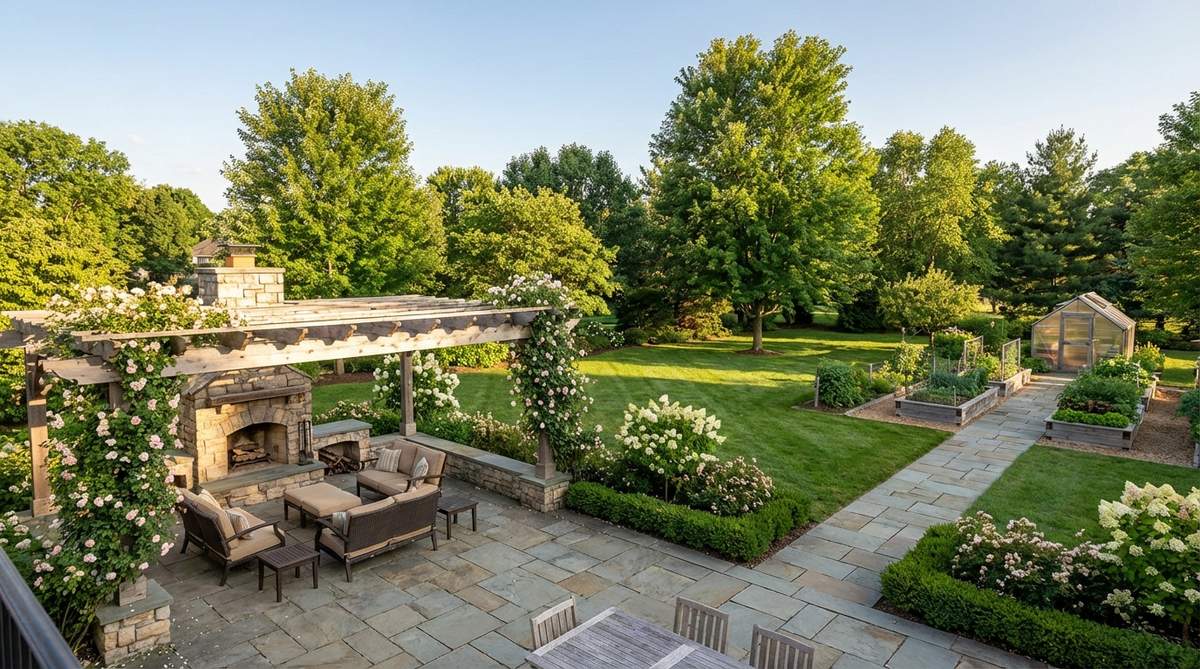
Fill shallow containers with varied succulents and cacti that thrive on neglect. These drought-tolerant plants survive weeks without watering while offering diverse forms and colors.
Arrange succulents by growth rate and water needs to simplify care routines. Use well-draining cactus soil to prevent root rot during occasional overwatering.
Position succulent gardens in full sun for best color development and compact growth. These plants actually perform better with less attention than traditional garden plants.
58. Native Plant Garden
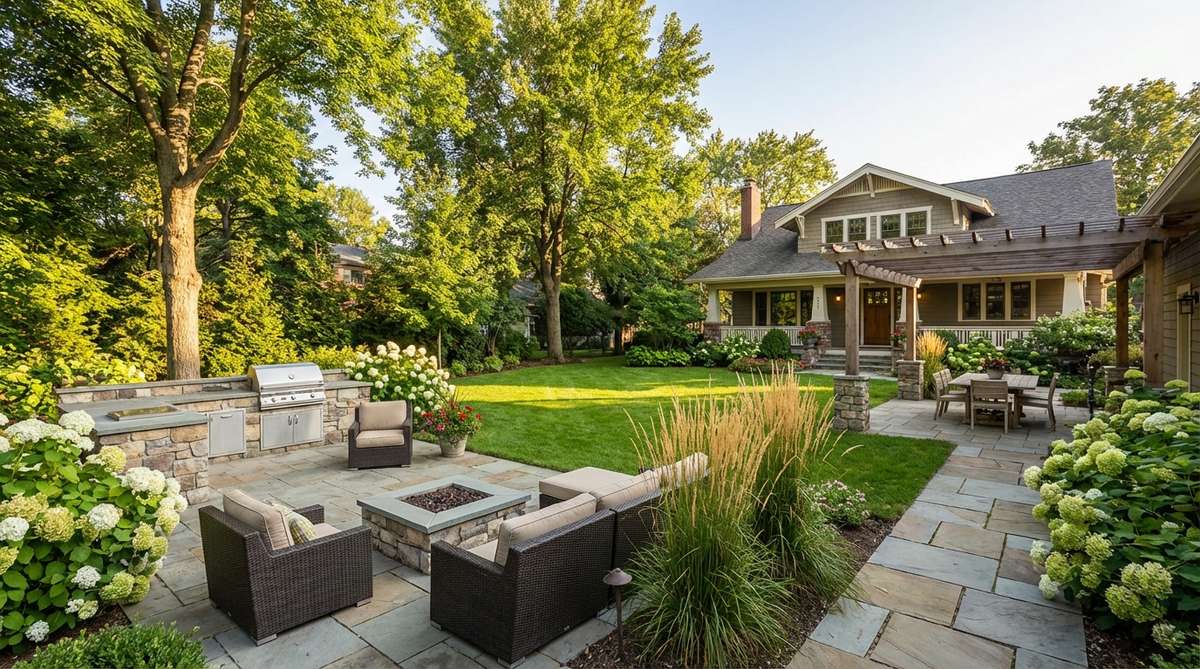
Select plants indigenous to your region that evolved to thrive in local conditions. Native species require less water, fertilizer, and pest management once established.
Research which natives adapt well to container culture and your specific sun exposure. Many native perennials and grasses perform beautifully in pots.
Native plants support local pollinators and wildlife, increasing ecological value. The reduced maintenance frees time for enjoying rather than tending your garden.
59. Drip Irrigation System
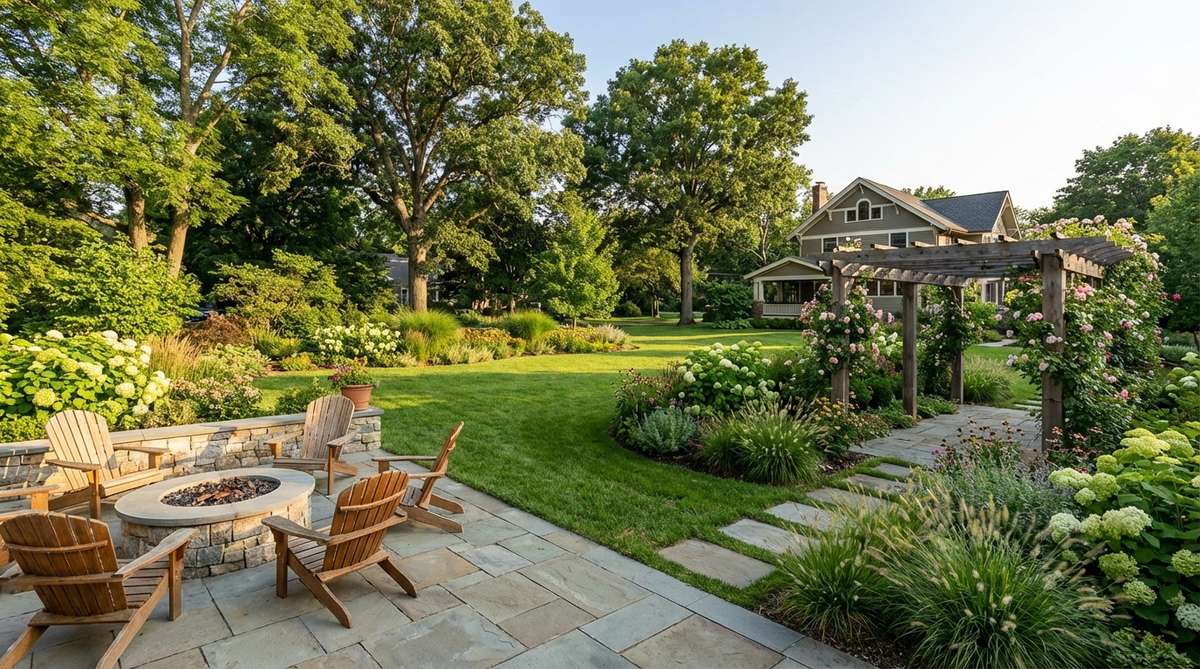
Install a timer-controlled drip irrigation system that automatically waters all containers on a set schedule. This eliminates daily watering chores and prevents drought stress.
Run main supply lines along the balcony perimeter with individual emitters feeding each container. Adjust flow rates based on plant size and water needs.
Connect the system to an outdoor faucet or indoor hose bib. Program different zones for plants with varying moisture requirements.
50. Artificial Grass Base
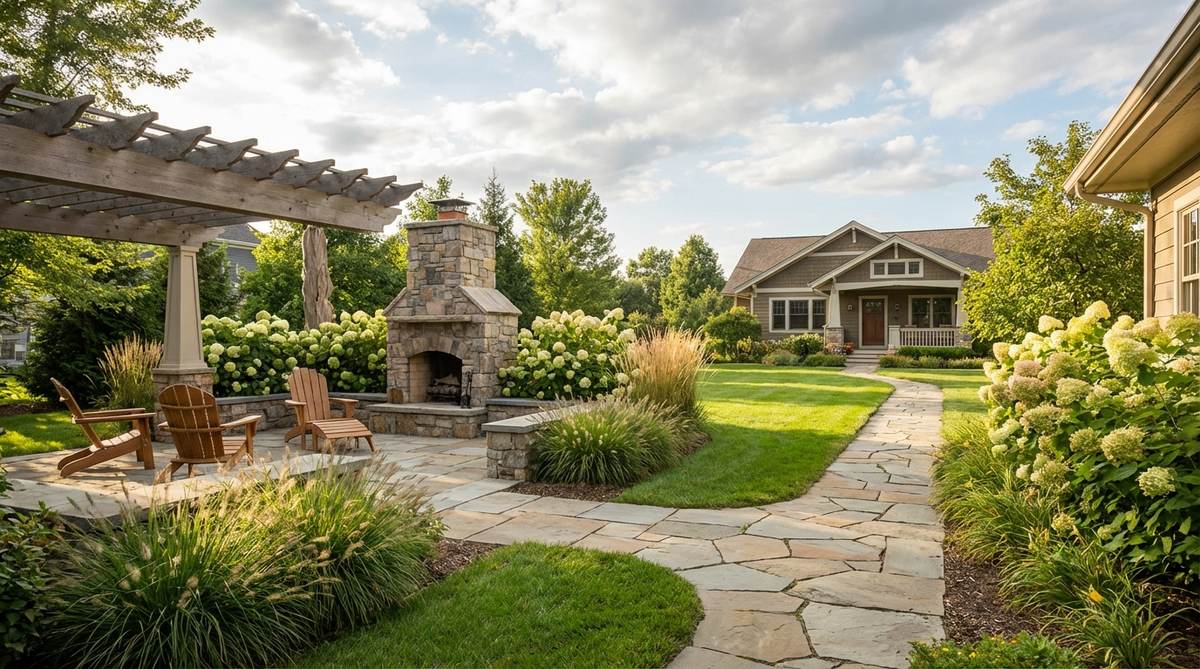
Install artificial turf as a maintenance-free green floor surface that doesn’t require mowing or irrigation. Modern products feature realistic colors and textures.
Secure turf with double-sided tape or weighted edges to prevent shifting. The soft surface provides comfortable barefoot walking and pet-friendly areas.
Add container plants on top of the turf for customizable greenery. This combination delivers year-round color with minimal upkeep.
61. Ornamental Grass Garden
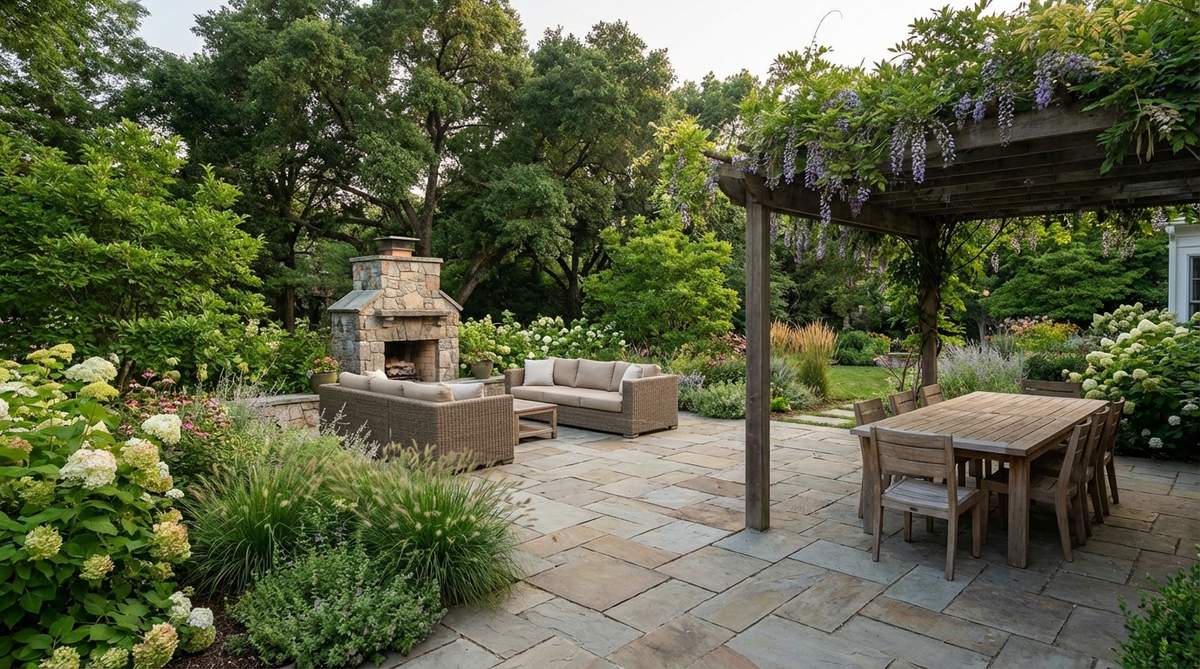
Plant low-care ornamental grasses that provide four-season interest with minimal intervention. These plants tolerate drought, wind, and temperature fluctuations.
Select compact varieties bred for container culture like dwarf fountain grass or blue fescue. Grasses require only annual cutback and occasional division.
The movement and sound of grasses add dynamic elements that change throughout the day. Pair with automatic irrigation for virtually maintenance-free beauty.
62. Evergreen Shrub Garden
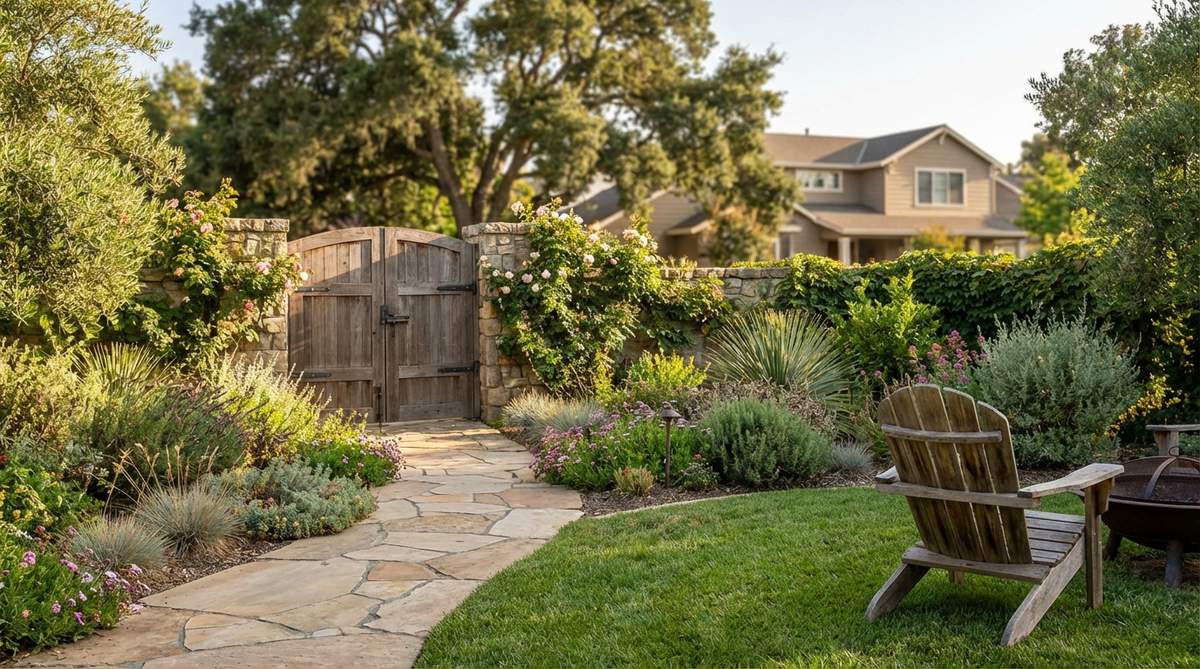
Focus on slow-growing evergreen shrubs that maintain year-round appearance without seasonal cleanup. These woody plants require only occasional shaping.
Choose compact cultivars like dwarf Alberta spruce, dwarf hinoki cypress, or compact holly. Evergreens provide consistent structure through all seasons.
Water deeply but infrequently to encourage deep root development. Mulch the soil surface to conserve moisture and suppress weeds.
63. Perennial Herb Garden
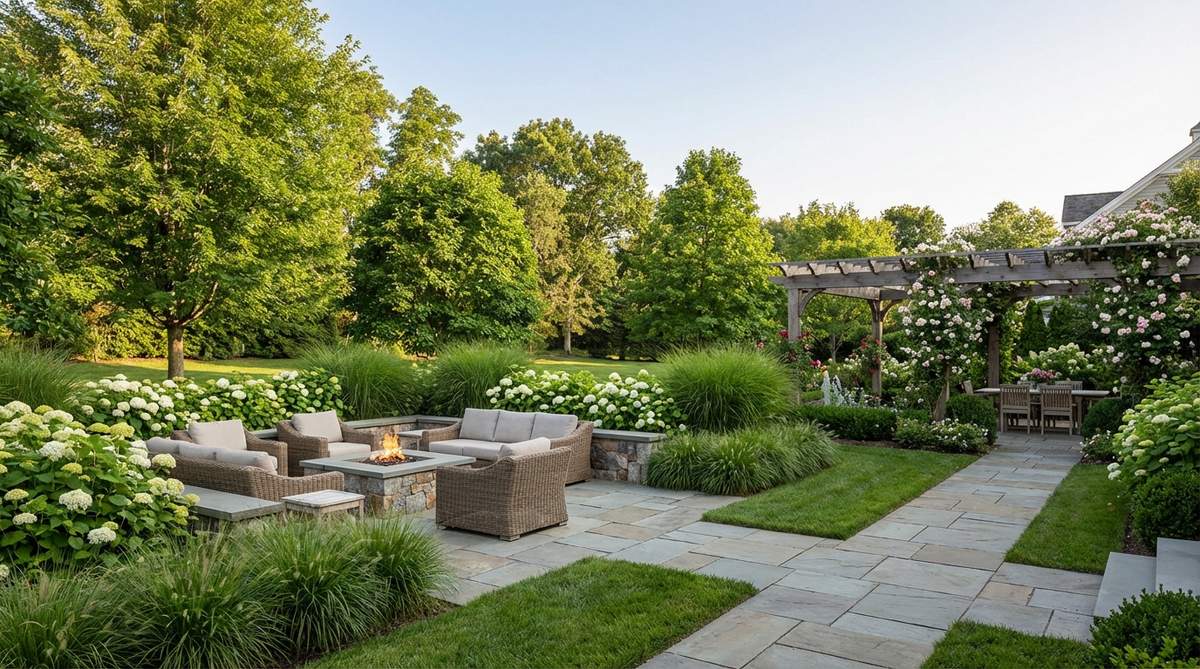
Cultivate woody perennial herbs like rosemary, sage, thyme, and oregano that return year after year. These Mediterranean natives tolerate dry conditions and poor soil.
Trim herbs lightly after flowering to maintain compact form and encourage fresh growth. Harvest regularly to keep plants productive and shapely.
Perennial herbs require less replanting and establishment time than annual varieties. The fragrant foliage provides sensory appeal throughout the growing season.
Seasonal Adaptations for Year-Round Interest
Plan for changing seasons by selecting plants with extended interest periods and implementing protective measures. These strategies maintain balcony appeal through temperature extremes and dormant periods.
64. Four-Season Container Combinations
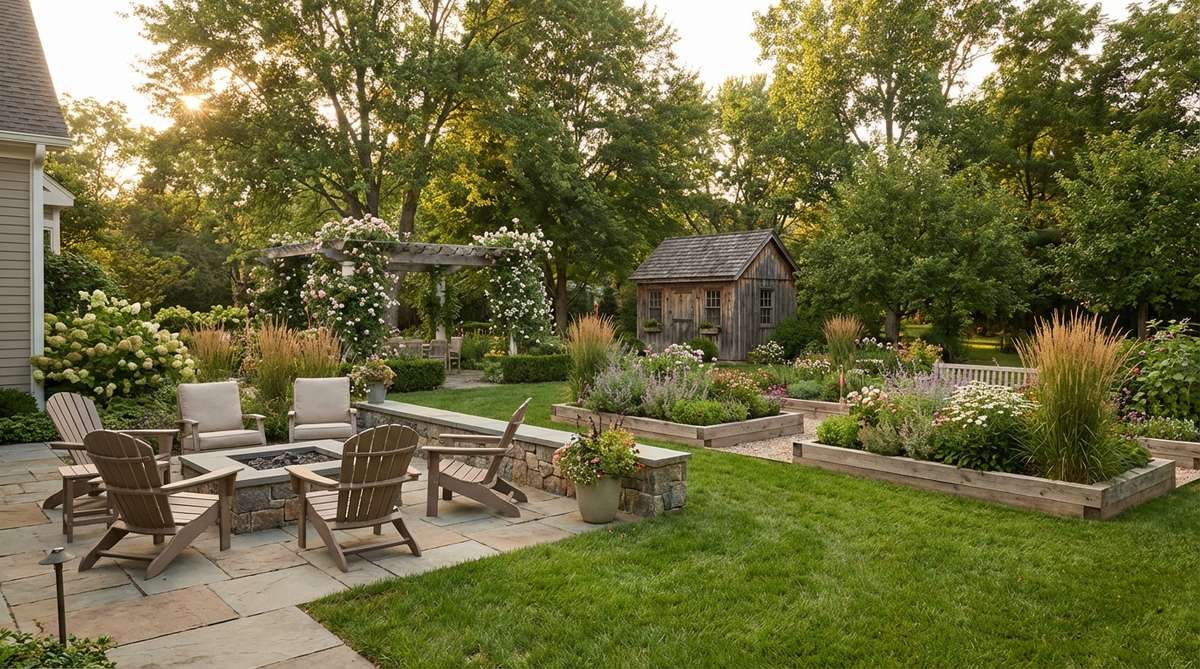
Plant mixed containers with species offering staggered bloom times and fall foliage color. This approach ensures something attractive occurs throughout the year.
Layer spring bulbs beneath summer annuals and fall-blooming perennials in the same container. Add evergreen elements for winter structure after other plants fade.
Replace spent annuals seasonally while leaving perennials to develop. This rotation method maintains fresh displays without complete replanting.
65. Winter Protection Strategies
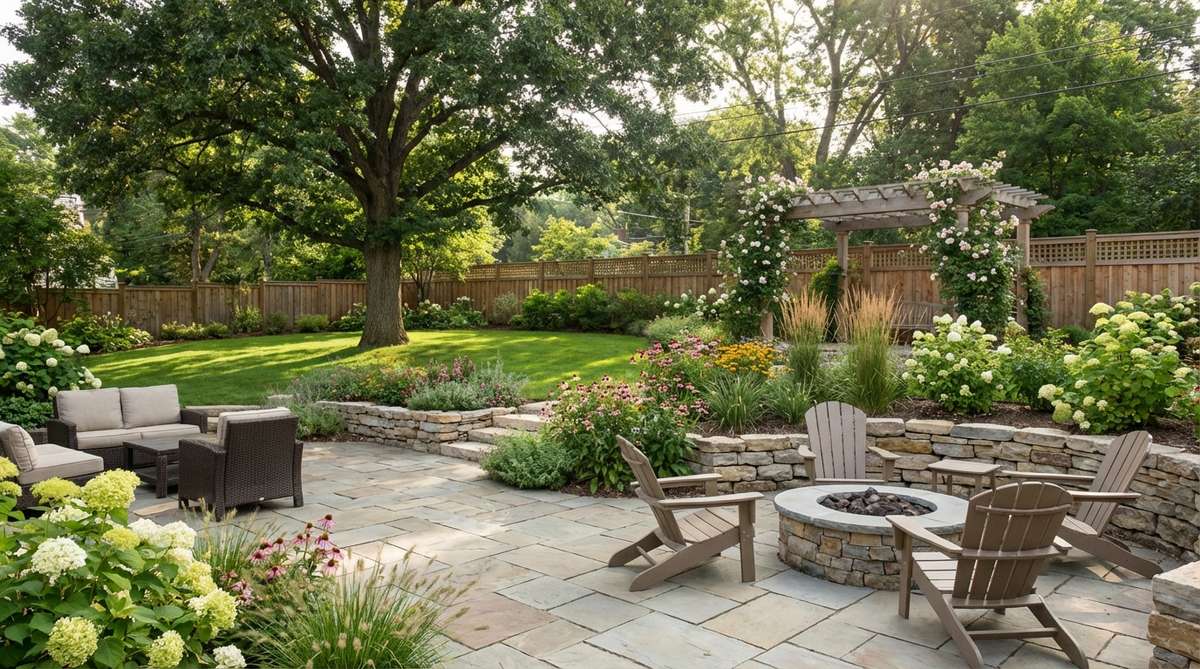
Wrap containers with bubble wrap or burlap to insulate roots from freeze-thaw cycles. This protection prevents pot cracking and root damage during cold snaps.
Move tender plants indoors or against building walls where radiant heat moderates temperatures. Group containers together to create microclimates that conserve warmth.
Apply evergreen boughs or straw mulch over perennial crowns for added insulation. Remove protection gradually in spring to avoid shocking plants with sudden exposure.
66. Summer Shade Structures
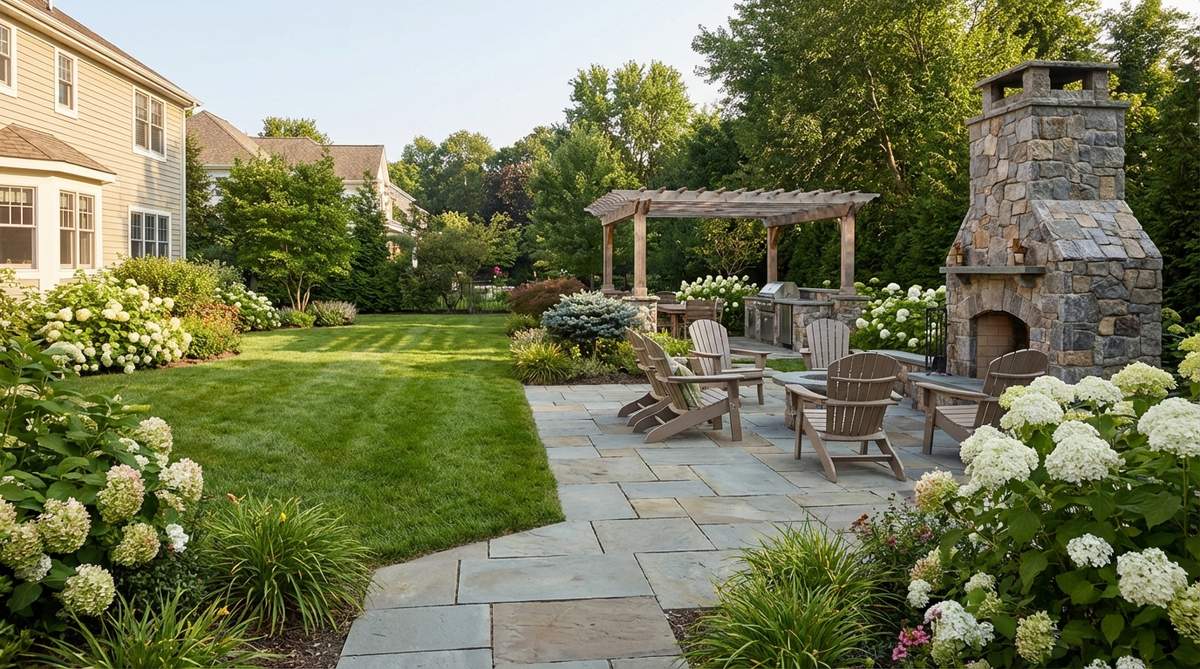
Install retractable awnings or shade sails to protect plants from intense afternoon sun during heat waves. Temporary shading prevents leaf scorch and reduces water stress.
Position shade cloth at strategic angles to filter sunlight while maintaining air circulation. Remove or retract shading during cooler periods to maximize light exposure.
Shade structures also create comfortable outdoor spaces for human use during peak summer heat. Select UV-resistant fabrics that withstand prolonged sun exposure.
67. Spring Bulb Displays
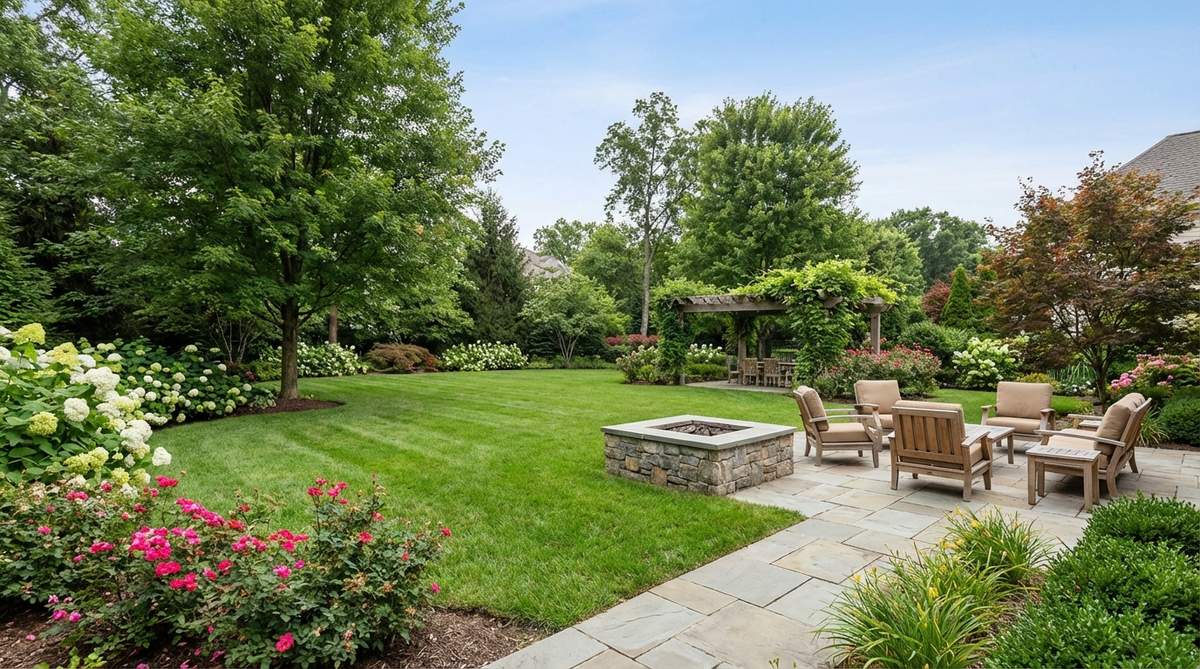
Plant tulips, daffodils, and hyacinths in fall for vibrant early-season color. Bulbs provide the first blooms of the year when spirits need lifting most.
Layer bulbs at different depths in the same container for extended bloom sequence. Plant early, mid, and late-season varieties for months-long displays.
Allow bulb foliage to yellow naturally after flowering to replenish energy reserves. Transplant spring bulbs to larger containers or donate them after blooming.
68. Fall Color Containers
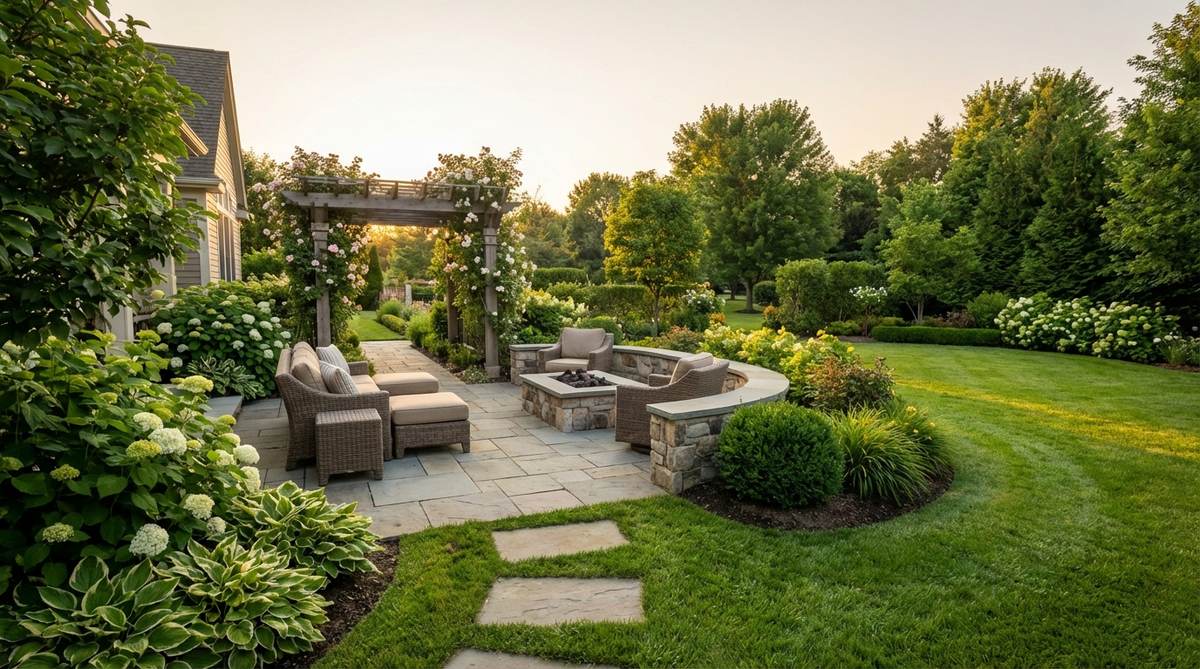
Refresh tired summer containers with chrysanthemums, ornamental kale, and pansies in autumn. These cool-season plants thrive as temperatures drop.
Add decorative elements like mini pumpkins, gourds, or corn stalks for seasonal flair. The warm colors of fall plants complement the season’s natural palette.
Many fall plantings survive through winter in mild climates, bridging the gap to spring. This seasonal rotation keeps balconies attractive year-round.
Conclusion
These 65+ balcony garden ideas demonstrate that limited space never limits creative potential. By combining vertical growing techniques, strategic container choices, and thoughtful plant selection, any apartment balcony transforms into a productive, beautiful outdoor sanctuary. Start with the designs that best match your space constraints and lifestyle needs, then expand your garden as your confidence grows. Fresh Garden Ideas continues to offer inspiration and practical guidance for urban gardeners ready to maximize every square foot of outdoor space.