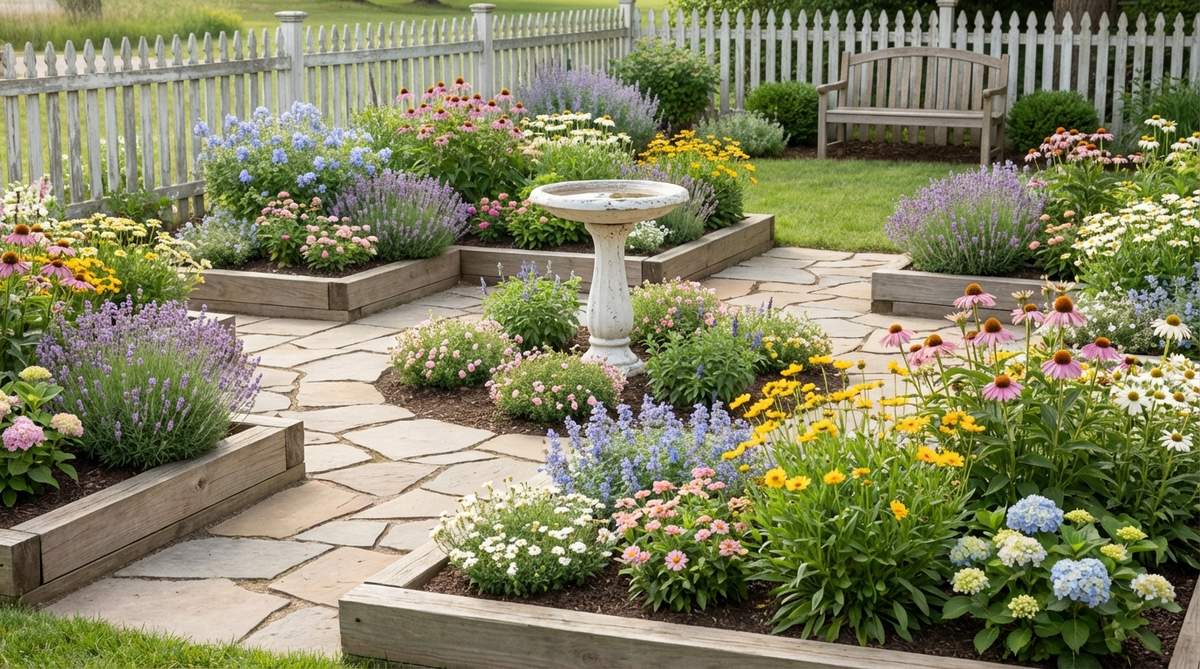
Transforming limited garden space into a vibrant, colorful retreat requires strategic selection of small garden flowers that deliver maximum impact without overwhelming your beds. Whether you’re working with narrow borders, container gardens, or compact raised beds, the right compact blooms ensure continuous color from early spring through winter frost. Fresh Garden Ideas presents this comprehensive guide to help American gardeners select varieties that thrive in small spaces while providing seasonal interest and low-maintenance beauty.
Design SnapshotKey Principles
- Vertical Layering: Position low-growing bloomers (4-12 inches) at borders, mid-height varieties (12-24 inches) in center zones
- Succession Planting: Combine spring bulbs with summer annuals and fall perennials for continuous coverage
- Color Density: Compact flowers produce abundant blooms relative to foliage, maximizing visual impact per square foot
- Maintenance Efficiency: Dwarf varieties require less staking, pruning, and deadheading than standard cultivars
Spring Bloomers for Small Spaces
Early-season flowers awaken dormant gardens with vibrant hues when most plants remain bare. These compact spring selections naturalize easily and return reliably year after year in USDA zones 3-8.
1. Dwarf Daffodils
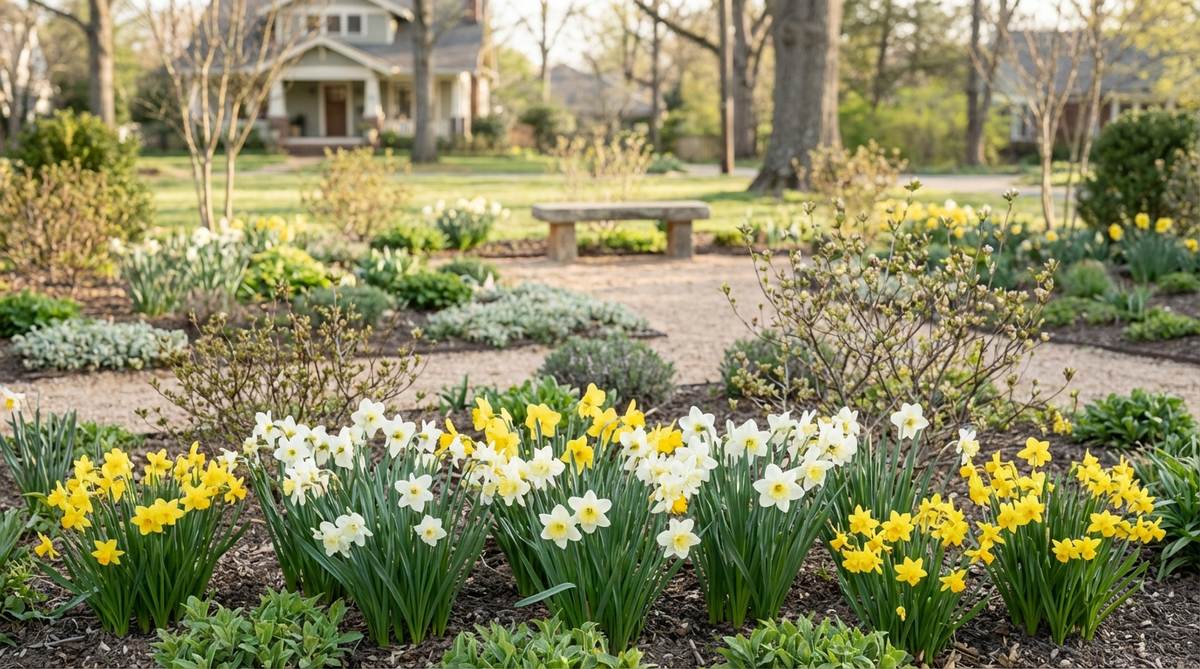
Miniature narcissus varieties reach just 6-10 inches tall, making them ideal for front-of-border placements. Their yellow and white blooms appear in early April, often pushing through late snow.
Plant bulbs 4 inches deep in clusters of 7-15 for dramatic visual punch. Varieties like ‘Tete-a-Tete’ and ‘Jetfire’ multiply rapidly, creating drifts that expand annually.
Foliage dies back naturally by late May, allowing summer annuals to fill the space without competition.
2. Siberian Squill
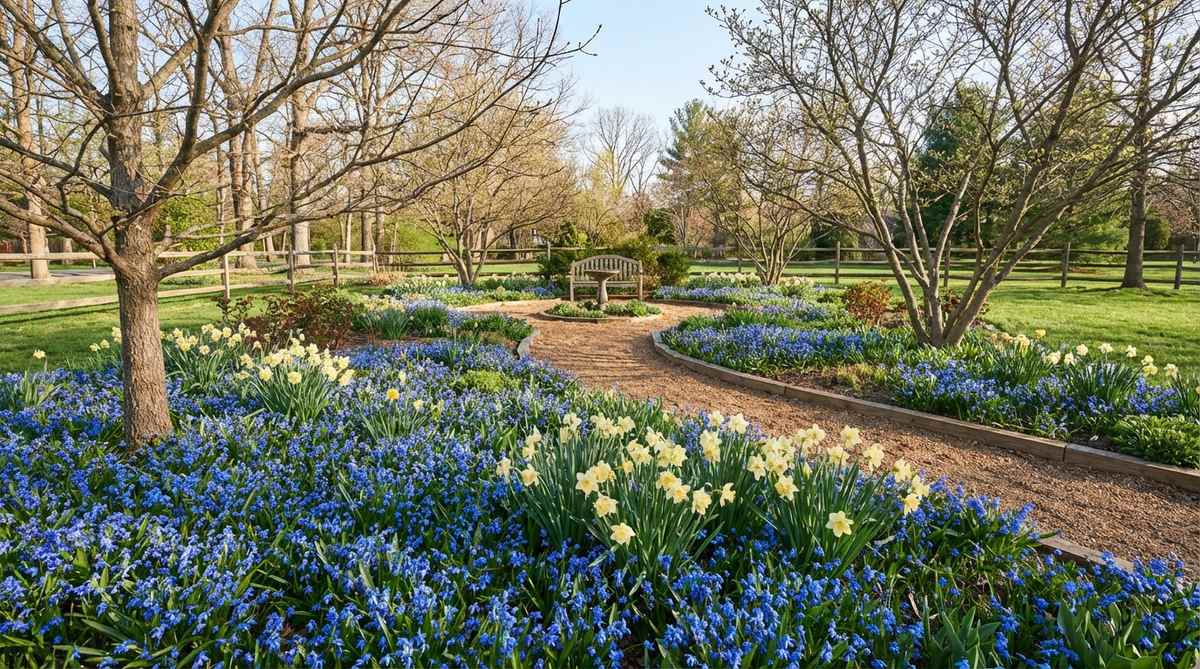
Electric blue bell-shaped flowers carpet ground in dense masses during March and early April. This 4-inch bulb tolerates both full sun and partial shade beneath deciduous trees.
Squill spreads aggressively through seed dispersal, creating naturalized colonies within 3-4 years. The intense cobalt-blue color contrasts beautifully with yellow daffodils when planted together.
Deer and rodent resistant, requiring zero maintenance once established in average garden soil.
3. Winter Aconite
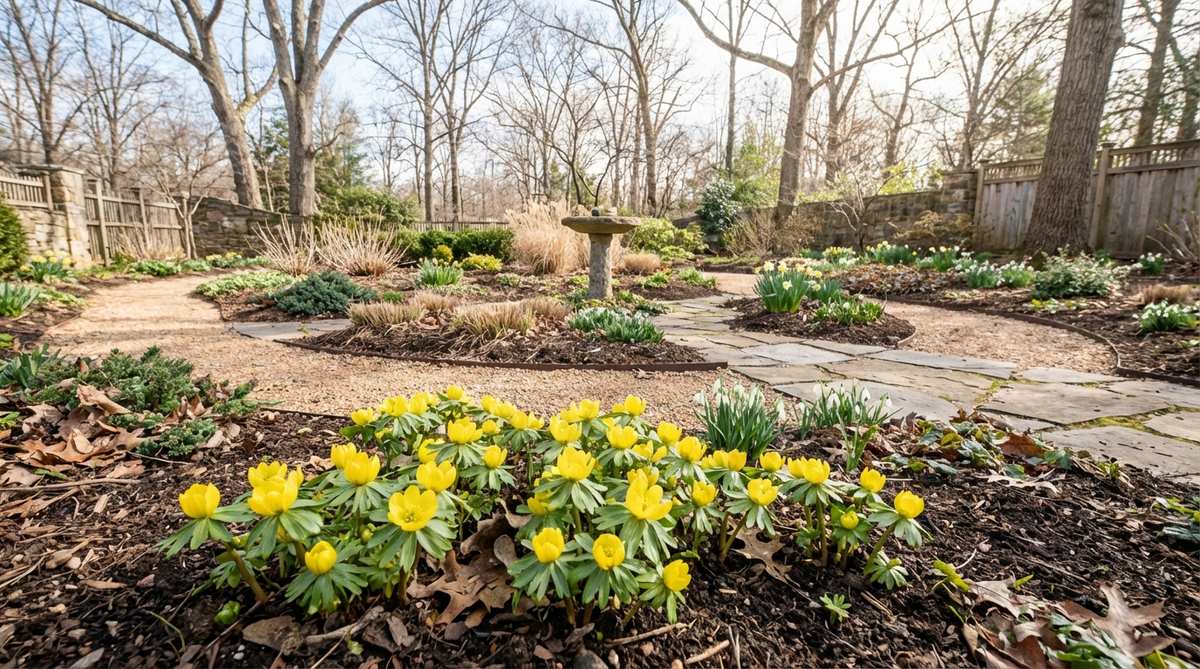
Buttercup-yellow blooms emerge as early as February, often the first color to appear after snow melt. These 3-4 inch perennials feature cheerful flowers surrounded by ruffled green collars.
Eranthis hyemalis thrives in zones 3-7, preferring dappled shade under mature trees. Plant tubers in fall, soaking them overnight before installation to improve germination.
Pairs exceptionally well with snowdrops for a classic late-winter combination that requires no supplemental watering.
4. Species Crocus
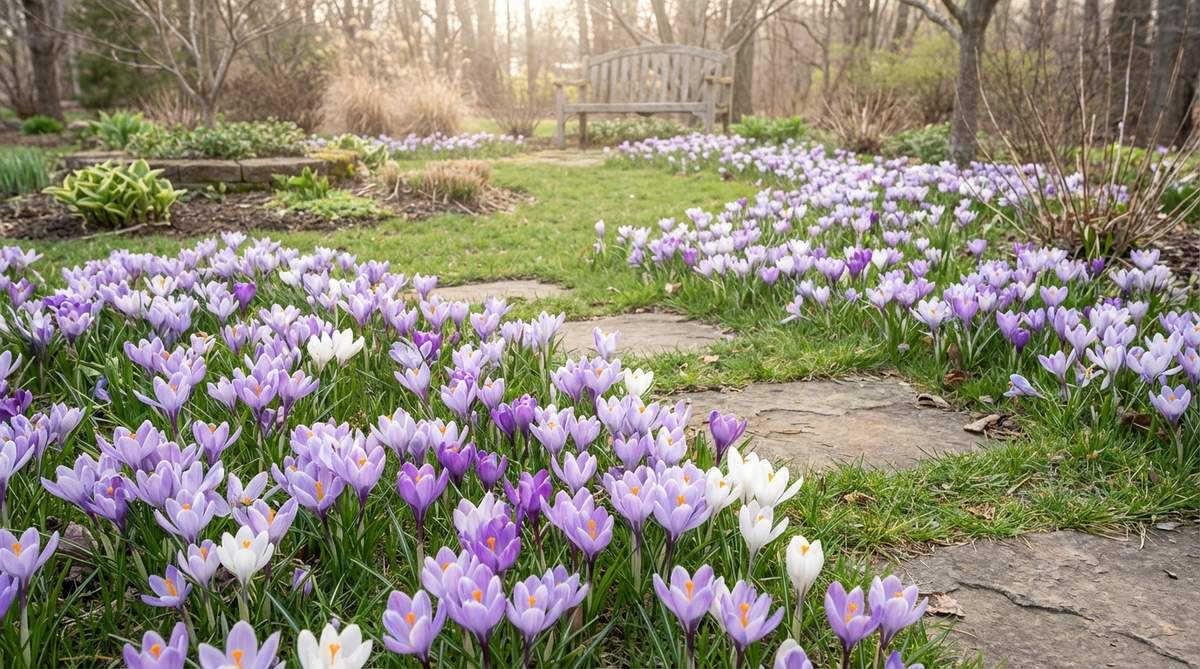
Earlier and more compact than Dutch crocus, species varieties bloom in late February through March. Crocus tommasinianus reaches 3-4 inches with lavender, purple, or white petals.
These bulbs naturalize rapidly in lawns, creating purple carpets before grass requires mowing. Plant 3 inches deep in groups of 25 or more for best effect.
Squirrel-resistant unlike larger tulips, making them reliable in suburban gardens with wildlife pressure.
5. Glory-of-the-Snow
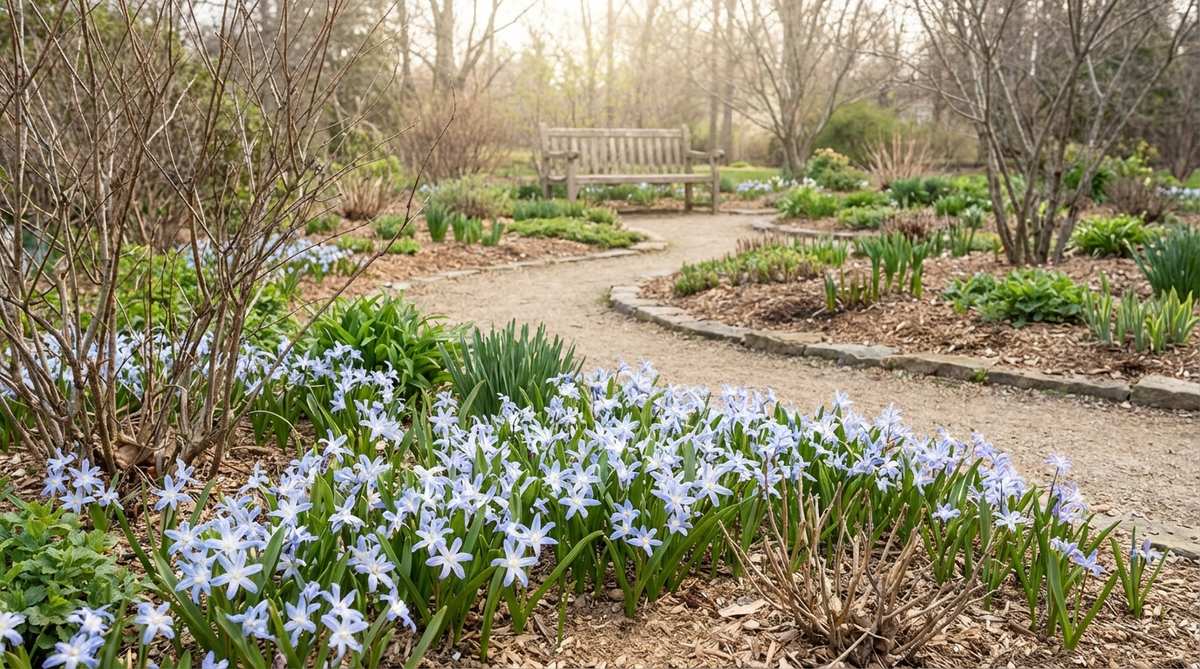
Chionodoxa luciliae produces upward-facing star-shaped flowers in pale blue with white centers. These 4-6 inch bulbs bloom immediately after snowdrops, extending early spring interest.
Plant under deciduous shrubs or at the base of perennials that emerge later. They tolerate competition better than most spring bulbs.
Self-seeds enthusiastically in well-drained soil, eventually forming dense colonies that require no division.
6. Dwarf Iris
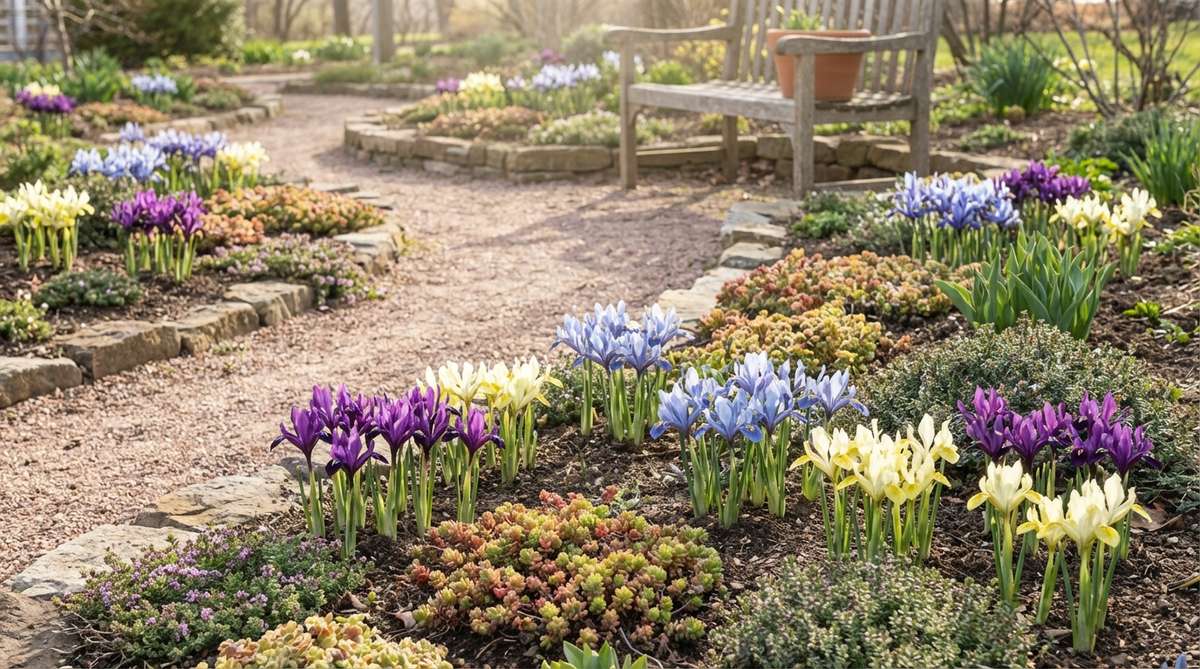
Iris reticulata delivers fragrant purple, blue, or yellow blooms on 4-6 inch stems in early spring. The upright sword-like foliage disappears by early summer.
Requires excellent drainage and full sun exposure. Plant bulbs 4 inches deep in clusters along pathways where their sweet scent can be appreciated.
Combines beautifully with low-growing sedums that fill the space after iris foliage declines.
7. Grape Hyacinth
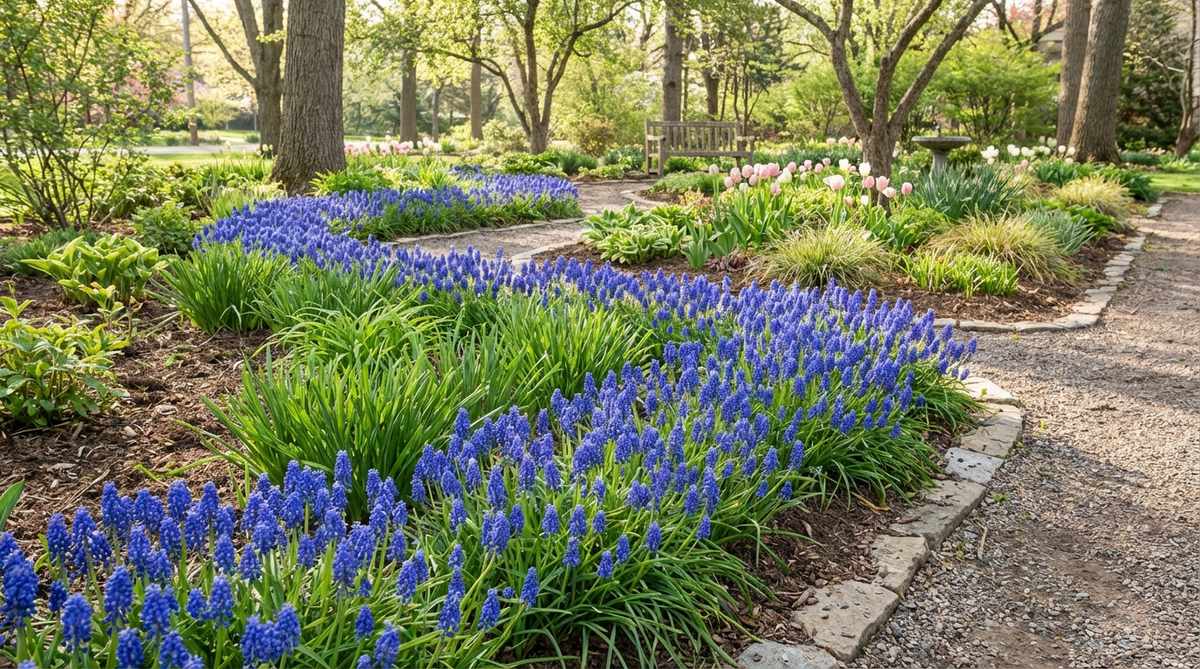
Muscari armeniacum forms dense spikes of cobalt-blue flowers resembling inverted grape clusters. These 6-8 inch bulbs bloom profusely in mid to late spring.
Plant 3 inches deep in masses of 50 or more for ribbon-like borders along walkways. They spread vigorously through bulb offsets and seed.
Foliage emerges in fall and remains evergreen through winter in zones 4-8, providing structural interest during dormant months.
8. Species Tulips
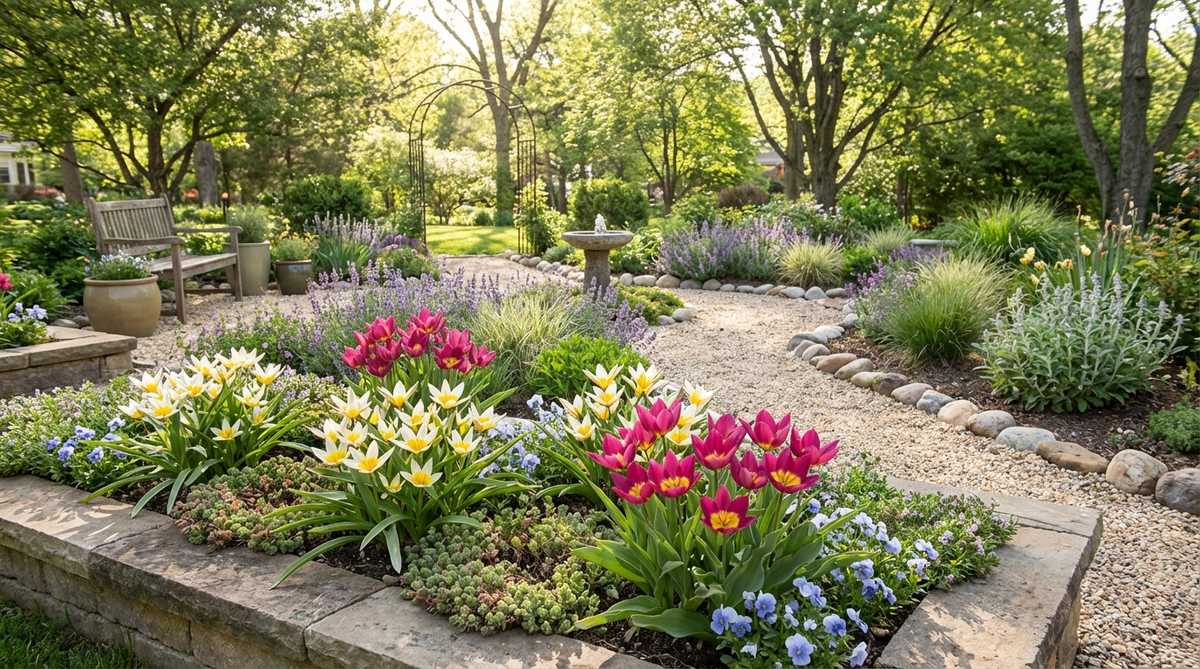
Unlike standard tulips that decline after several years, species varieties return reliably for decades. Tulipa tarda reaches 4-6 inches with star-shaped yellow and white flowers.
These compact tulips naturalize in rock gardens, alpine troughs, and front borders. Plant 4 inches deep in well-drained soil with full sun.
Tulipa humilis ‘Persian Pearl’ offers magenta-pink blooms with yellow centers, creating jewel-like accents in April gardens.
9. Primrose
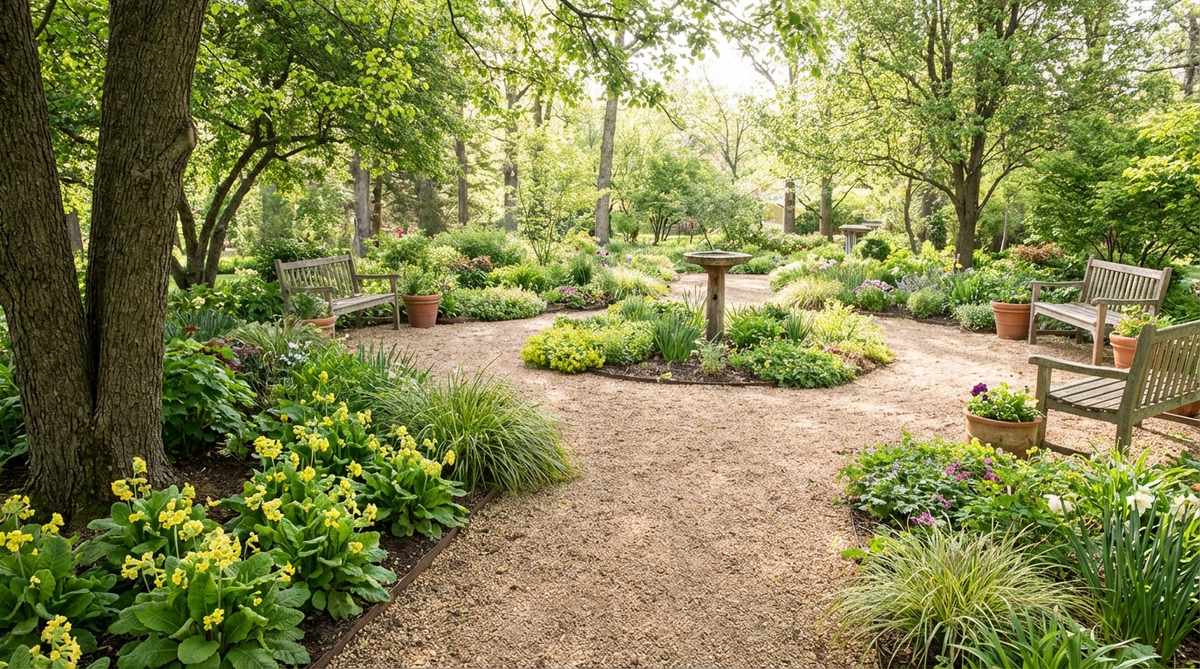
Primula vulgaris produces clusters of yellow, pink, red, or purple flowers above rosettes of crinkled foliage. These 6-8 inch perennials bloom from March through May.
Prefers partial shade and consistently moist soil rich in organic matter. Edge shaded borders or plant in containers for early season patio color.
Deadhead spent blooms to encourage extended flowering and prevent self-seeding in unwanted areas.
10. Hellebore
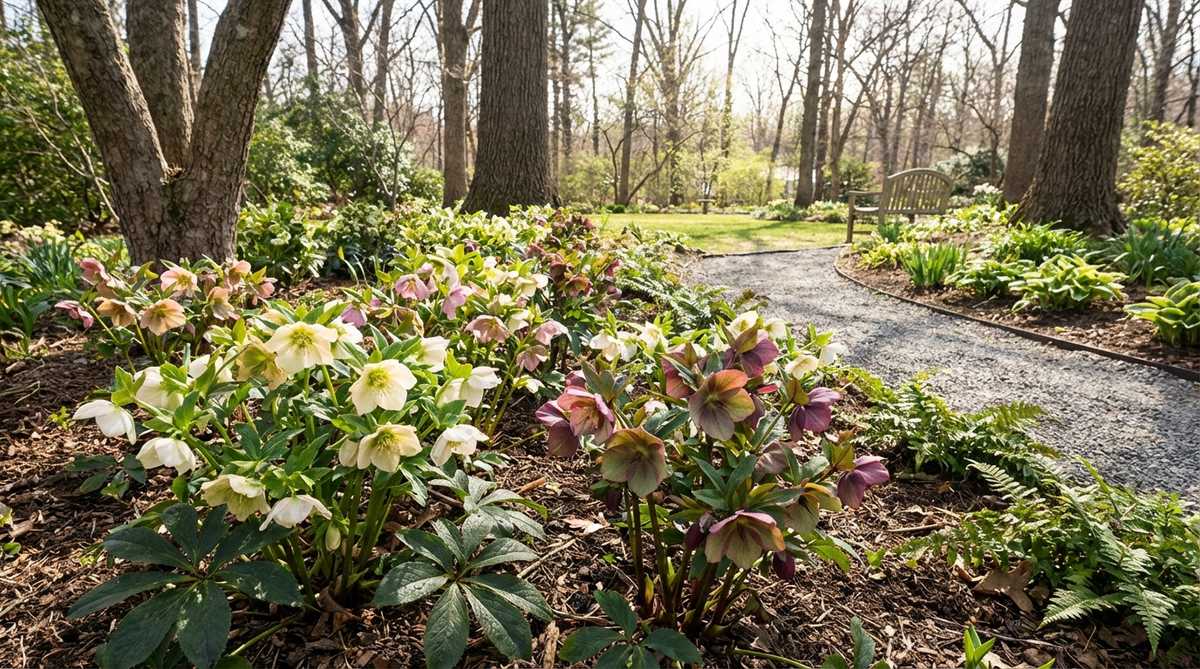
Lenten roses bloom from February through April with nodding flowers in white, pink, burgundy, or green shades. These 12-18 inch evergreen perennials thrive in dry shade.
Plant under deciduous trees where summer shade protects from heat stress. Hellebores tolerate root competition and require minimal maintenance once established.
Cut back tattered winter foliage in late February to showcase emerging flower stems more prominently.
Summer StarsCompact Heat-Lovers
Heat-tolerant compact flowers maintain vibrant displays through summer humidity and drought. These small garden plants ideas deliver continuous color from June through September with minimal intervention.
11. Calibrachoa
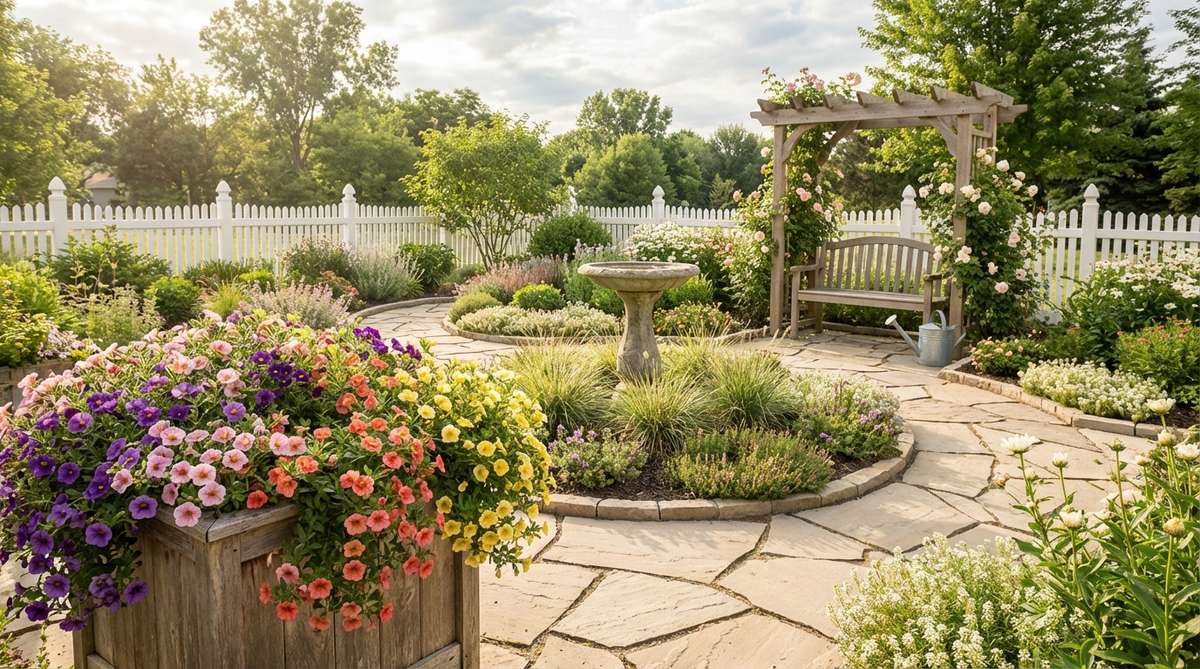
Million bells produce trumpet-shaped flowers on trailing stems throughout summer until frost. These 6-12 inch annuals come in vibrant shades including purple, pink, coral, and yellow.
Plant in containers with excellent drainage, hanging baskets, or as spillers in mixed planters. Feed weekly with diluted liquid fertilizer to maintain bloom production.
Self-cleaning flowers eliminate deadheading requirements, making calibrachoa ideal for low-maintenance color.
12. Dwarf Zinnia
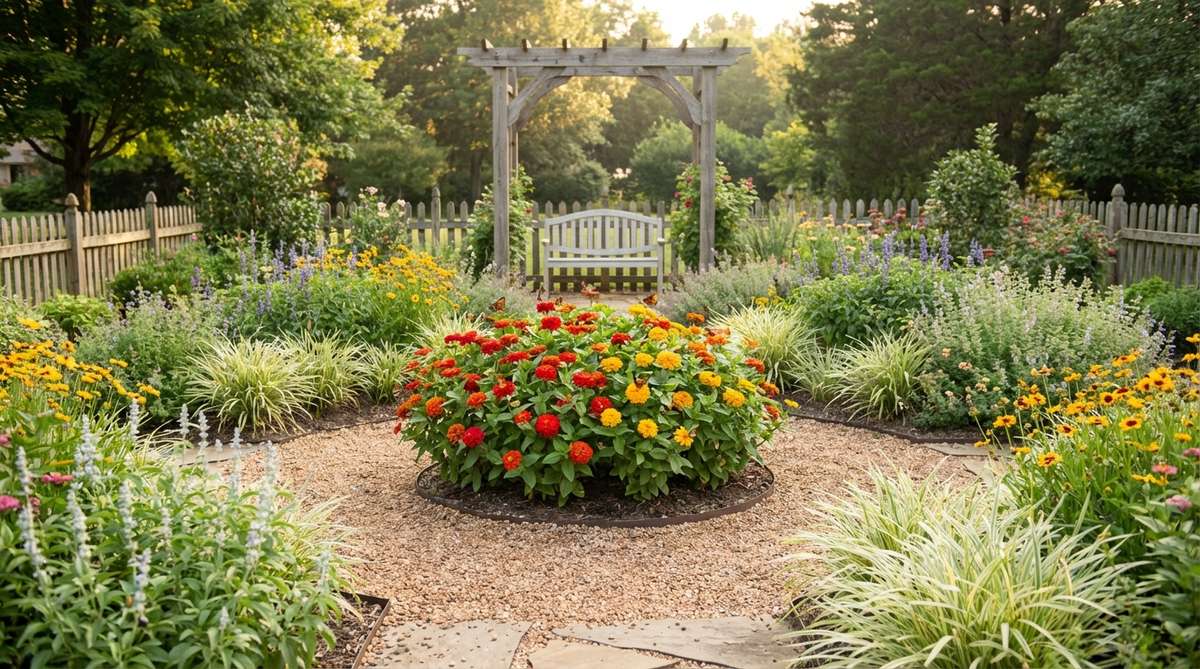
Compact zinnia varieties like ‘Thumbelina’ reach just 6-8 inches tall with fully double blooms in hot shades. These annuals thrive in heat and tolerate drought once established.
Direct sow seeds after last frost or plant transplants 6 inches apart in full sun. Zinnias attract butterflies and make excellent cut flowers.
Powdery mildew resistance has improved dramatically in modern cultivars, extending their ornamental period through September.
13. Marigold
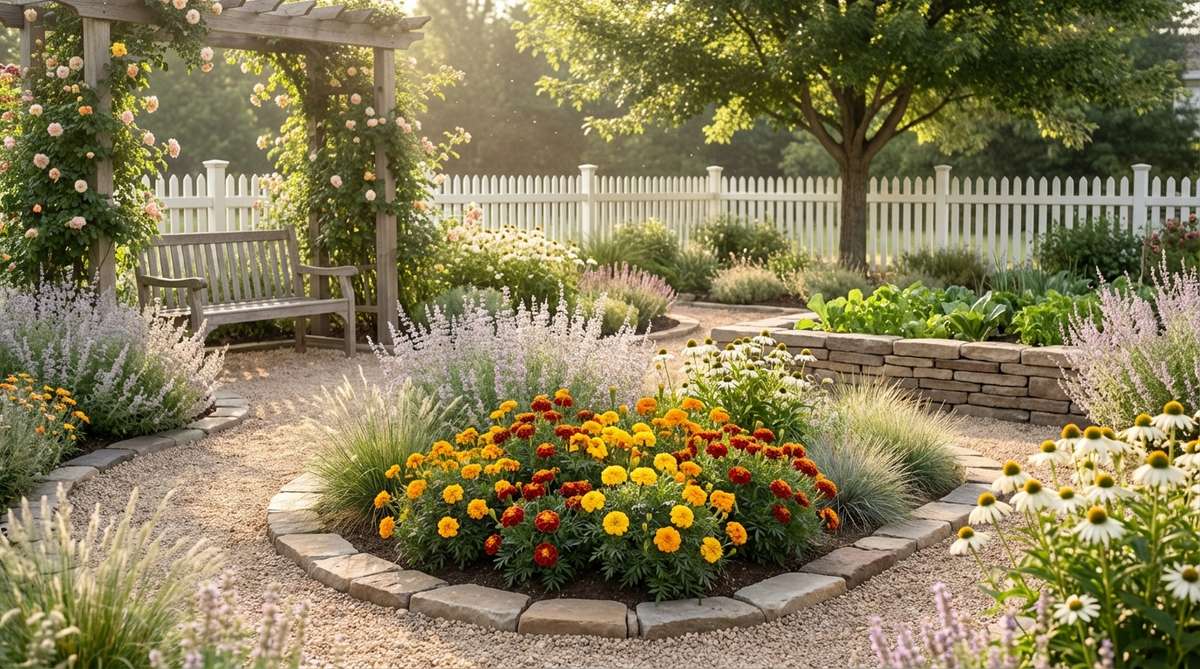
French marigolds grow 8-12 inches tall with abundant blooms in yellow, orange, red, and bicolors. Their pungent foliage deters certain garden pests naturally.
Plant in vegetable gardens as companion plants or mass in borders for solid blocks of color. Deadhead regularly to promote continuous flowering.
Heat and drought tolerant once established, requiring only moderate watering during extended dry periods.
14. Sweet Alyssum
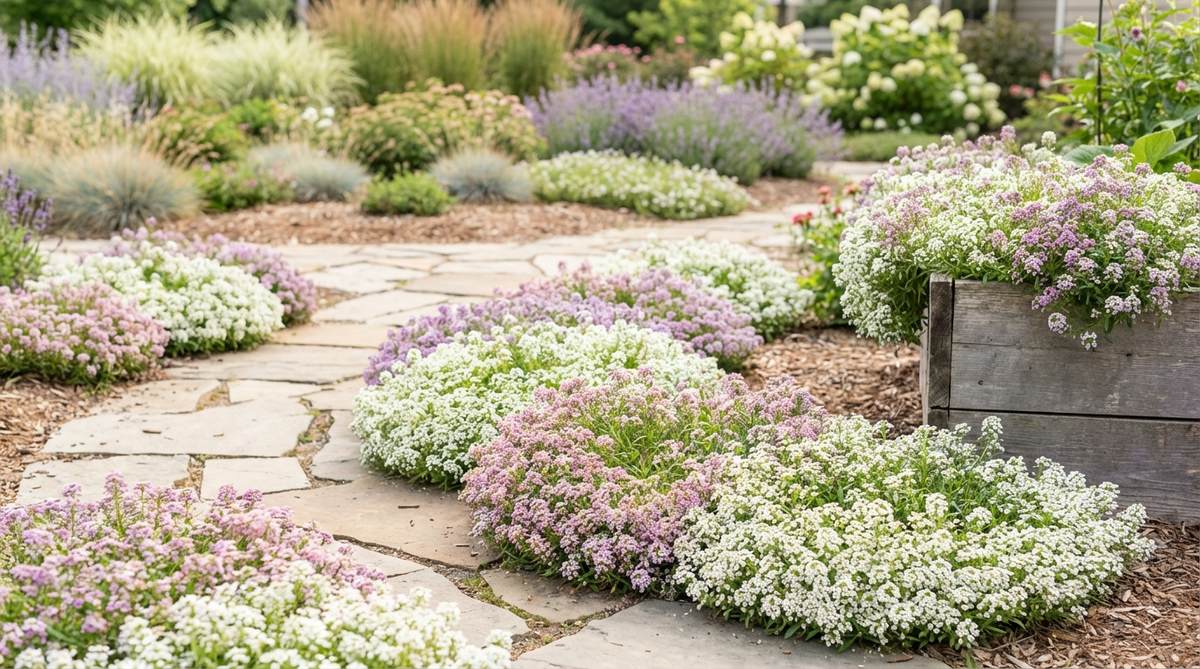
Low-growing mounds reach just 4-6 inches with clusters of tiny honey-scented flowers in white, pink, or purple. This annual self-seeds readily, returning in unexpected locations.
Use as edging along pathways, between pavers, or cascading from container edges. Shear back mid-summer if flowering declines to encourage fresh growth.
Tolerates light foot traffic and blooms continuously from spring through fall frost in most regions.
15. Portulaca
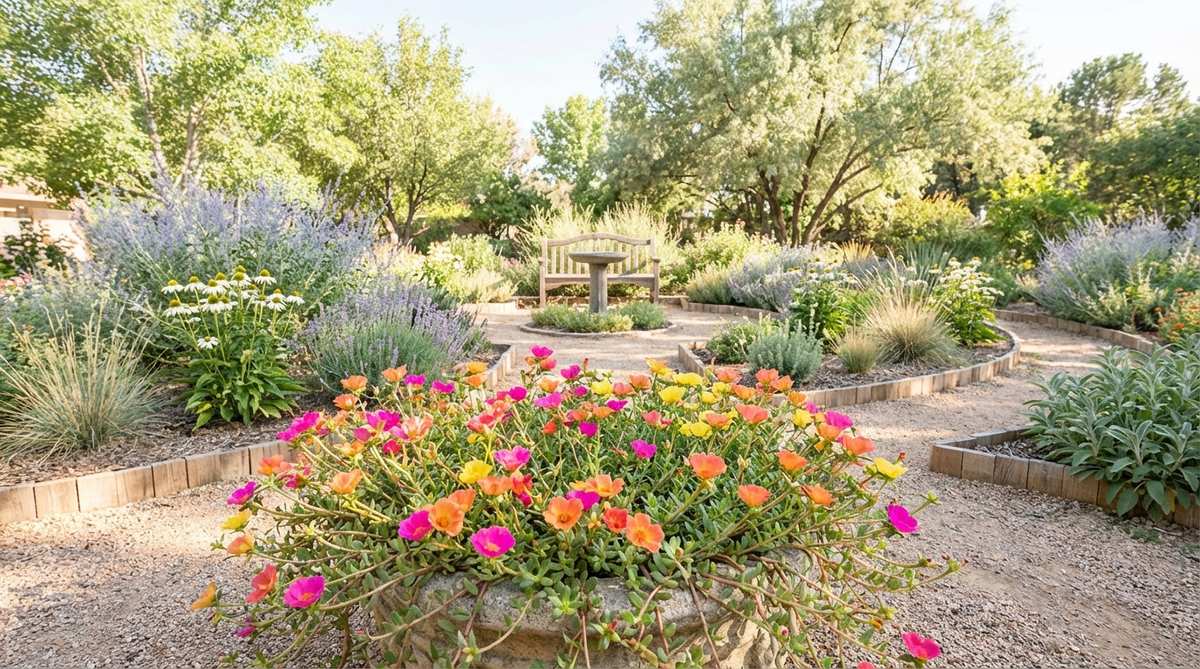
Moss rose produces brilliant flowers in neon shades on succulent trailing stems. These 4-6 inch annuals thrive in hot, dry locations where other plants struggle.
Plant in full sun with excellent drainage, including rock gardens, hellstrips, and container edges. Flowers open fully in sunlight, closing during overcast conditions.
Requires zero supplemental watering once established, making portulaca ideal for water-wise landscapes.
16. Compact Salvia
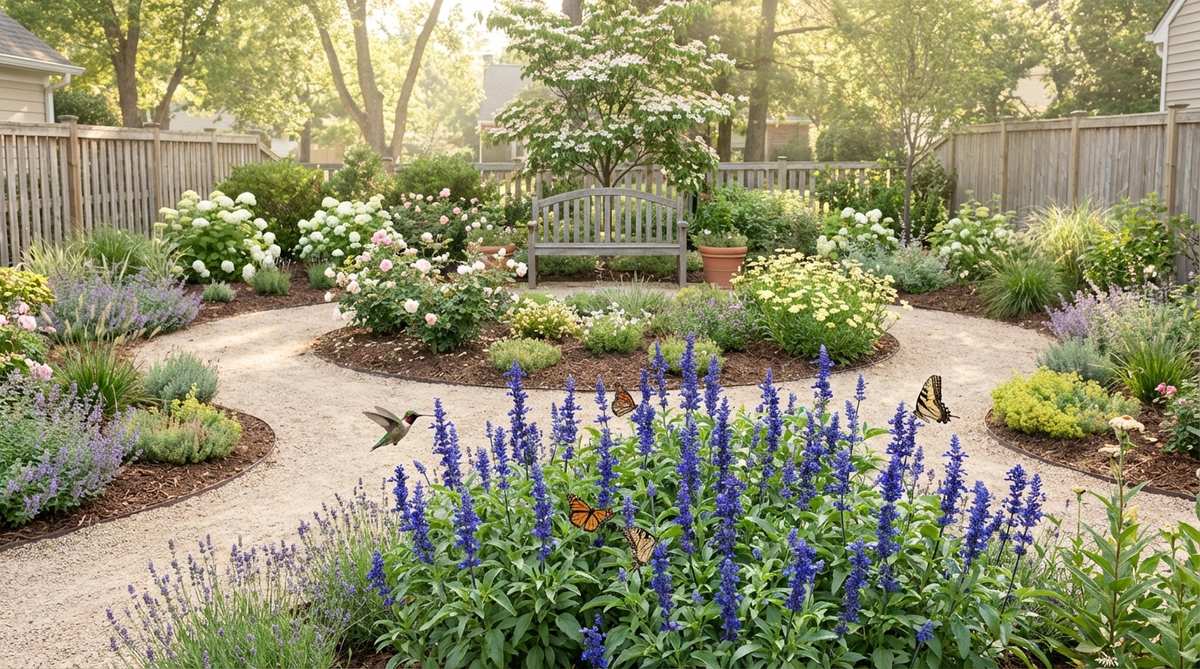
Dwarf salvia varieties like ‘Victoria Blue’ reach 12-18 inches with vertical spikes of deep blue flowers. These annuals bloom prolifically without deadheading requirements.
Plant in full sun with average to dry soil. Salvias attract hummingbirds and butterflies while deer avoid their aromatic foliage.
Combine with silver-leaved artemisia or dusty miller for striking color contrasts that highlight the intense blue tones.
17. Ageratum
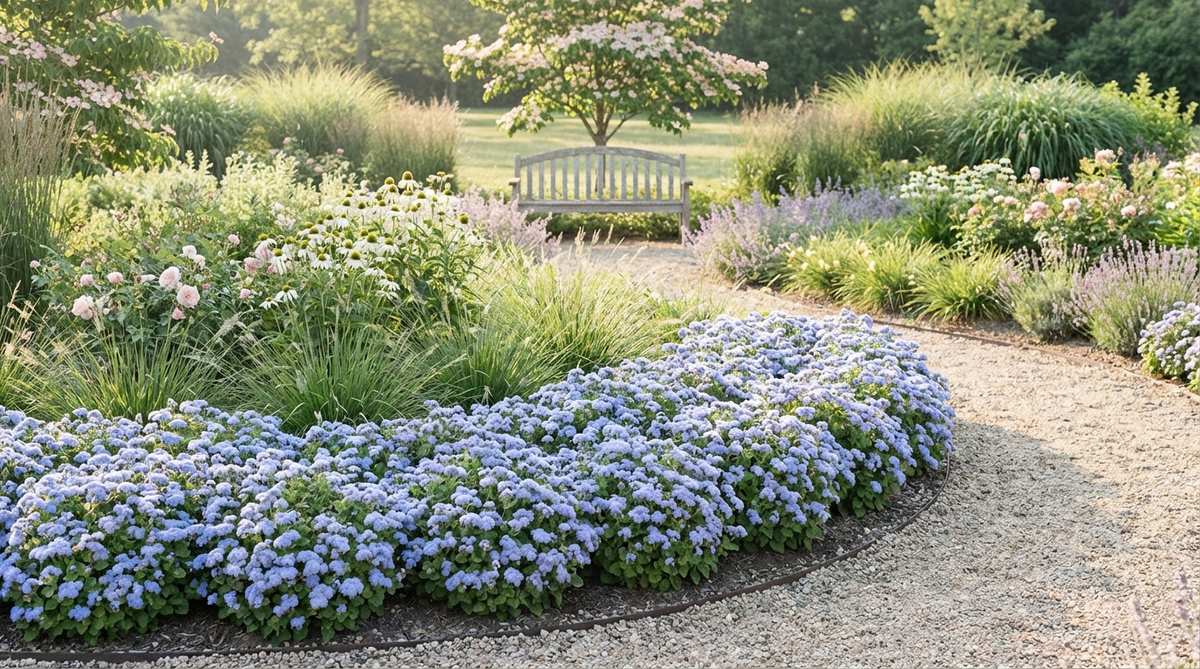
Floss flower forms dense mounds covered with fuzzy powder-blue or white flower clusters. These 6-10 inch annuals maintain compact form throughout summer without sprawling.
Plant in partial to full sun with consistent moisture. Ageratum performs well in humid climates where some annuals struggle.
Use as front-of-border edging or mass plant for sheets of soft blue that complement hot-colored neighbors.
18. Dwarf Coreopsis
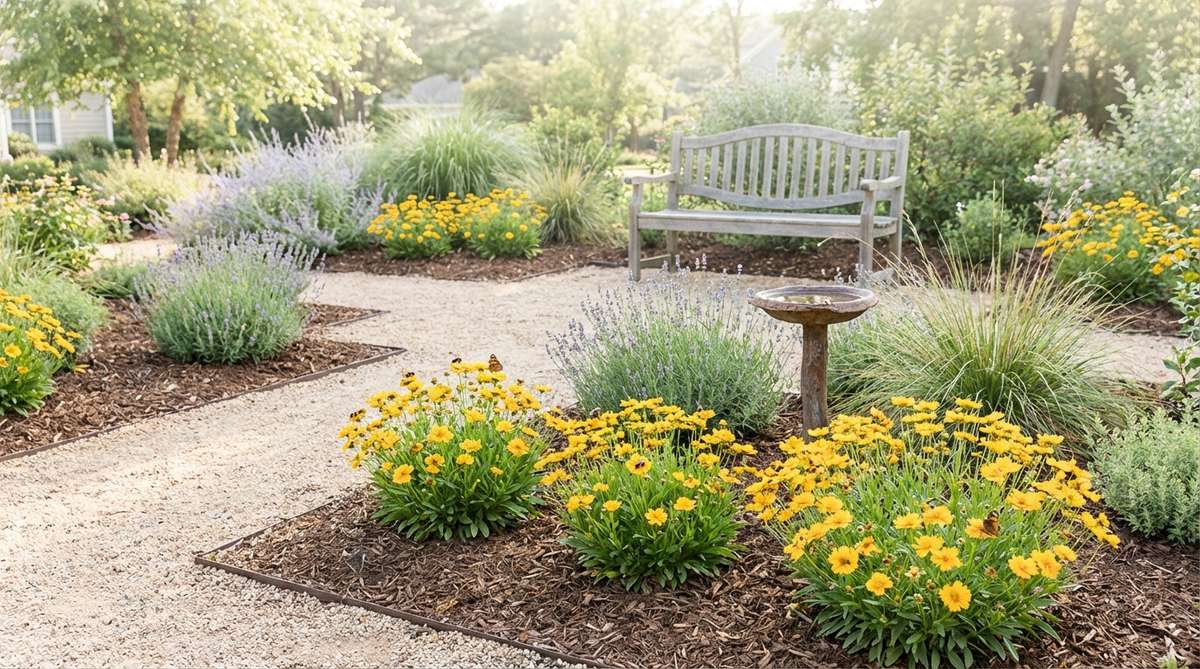
Compact tickseed varieties produce golden-yellow daisy-like flowers on 12-18 inch mounds. These native perennials bloom from June through September with minimal care.
Plant ‘Sunstar Gold’ or ‘Moonbeam’ in full sun with well-drained soil. Drought tolerant once established, requiring watering only during severe dry spells.
Attracts beneficial insects and pollinators while resisting deer and rabbit damage in suburban gardens.
19. Lobelia
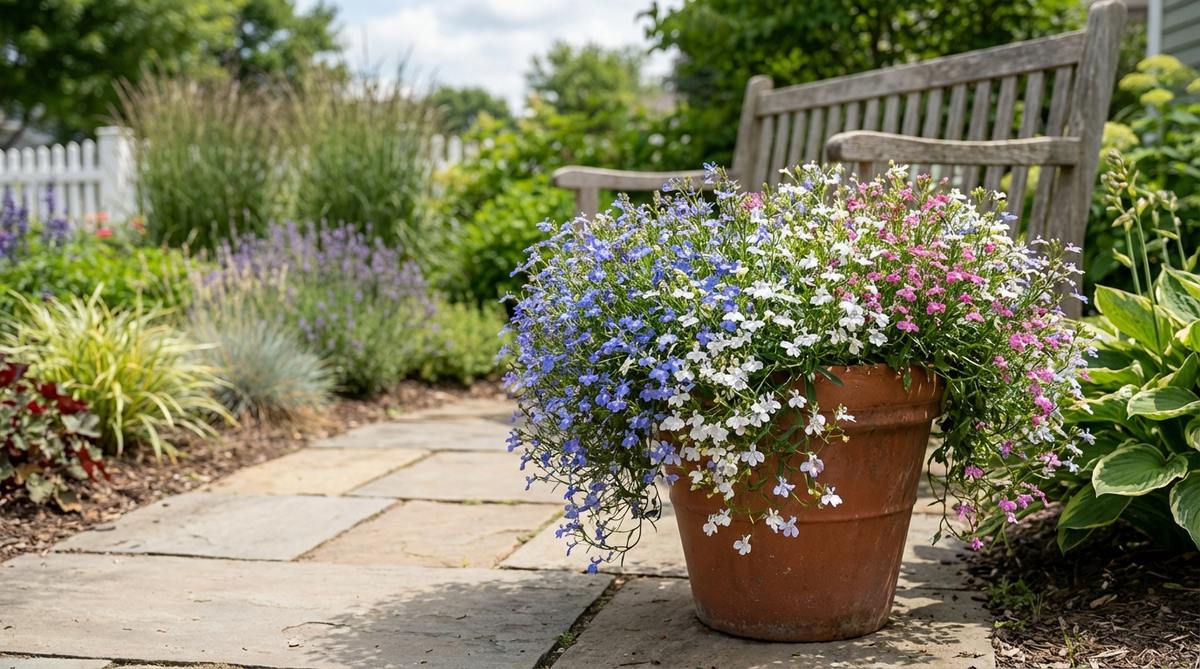
Trailing lobelia produces masses of small blue, white, or pink flowers on cascading stems. These 4-8 inch annuals excel in hanging baskets and container edges.
Prefers cooler temperatures and may decline during peak summer heat in southern zones. Shear back in July to encourage fall rebloom.
Provide consistent moisture and afternoon shade in hot climates to extend flowering period through August.
20. Compact Petunia
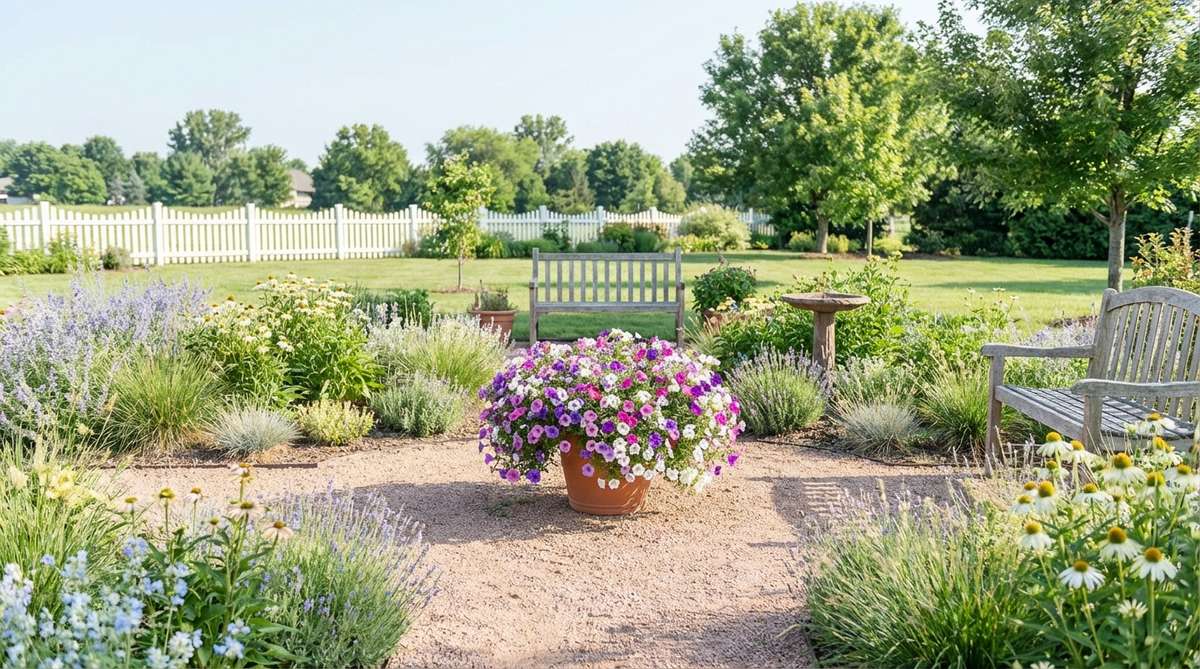
Modern miniature petunias like Supertunia Mini Vista series reach 6-10 inches with abundant trumpet-shaped blooms. Self-cleaning flowers eliminate tedious deadheading.
Plant in full sun with weekly feeding to support continuous bloom production. Petunias tolerate heat and humidity better than many summer annuals.
Available in every color except true blue, allowing unlimited color scheme possibilities in small-space gardens.
21. Verbena
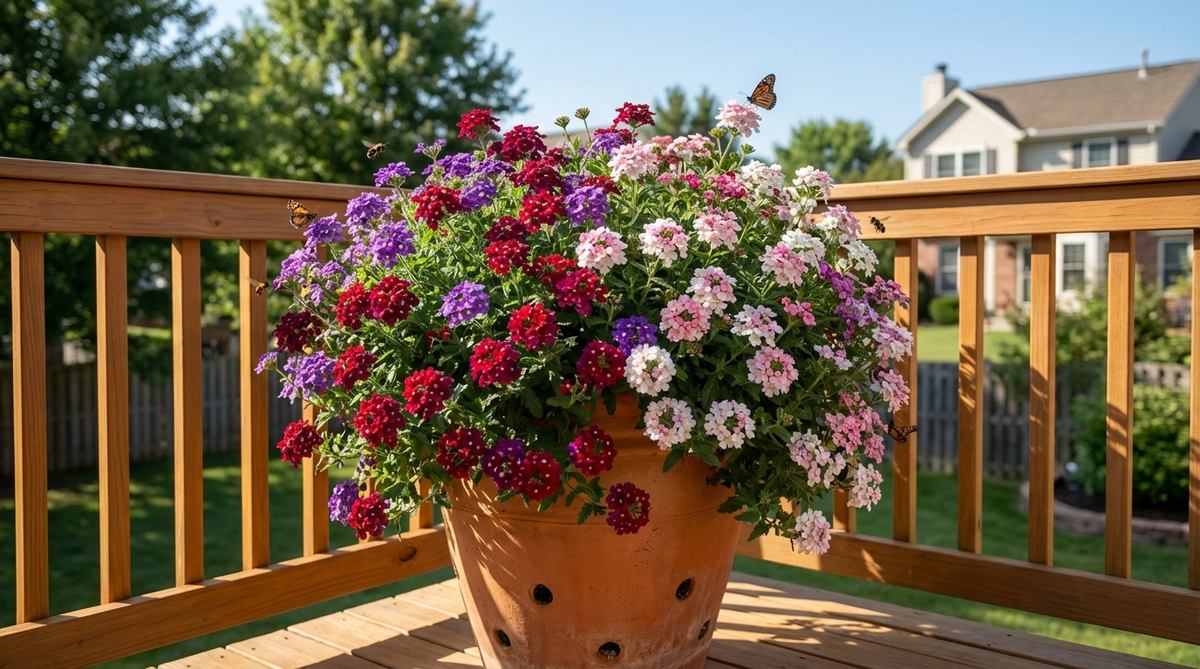
Low-growing verbena spreads 12-18 inches wide while remaining just 6-8 inches tall. Clusters of small flowers in purple, pink, red, or white attract butterflies constantly.
Requires excellent drainage and full sun to prevent foliar diseases. Drought tolerant once established, making verbena ideal for xeriscaping.
Trailing varieties cascade beautifully from elevated planters and window boxes throughout summer.
22. Gazania
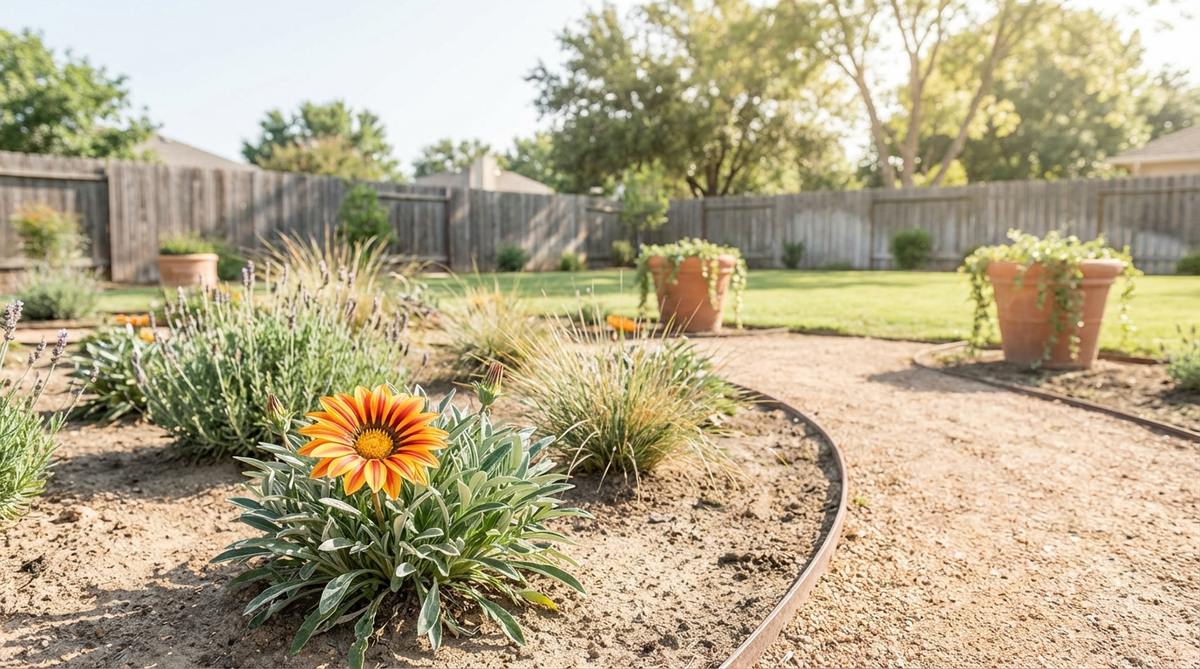
Bold daisy flowers in orange, yellow, pink, and red open fully in bright sunlight on compact 6-8 inch plants. Silvery foliage provides additional textural interest.
Thrives in hot, dry conditions with minimal irrigation once established. Flowers close at night and during overcast weather.
Excellent choice for coastal gardens tolerating salt spray and sandy soils that challenge other annuals.
Fall & Winter Color Champions
Extending the garden season beyond summer requires strategic placement of cool-season bloomers. These selections provide essential color when most gardens fade to brown.
23. Pansy
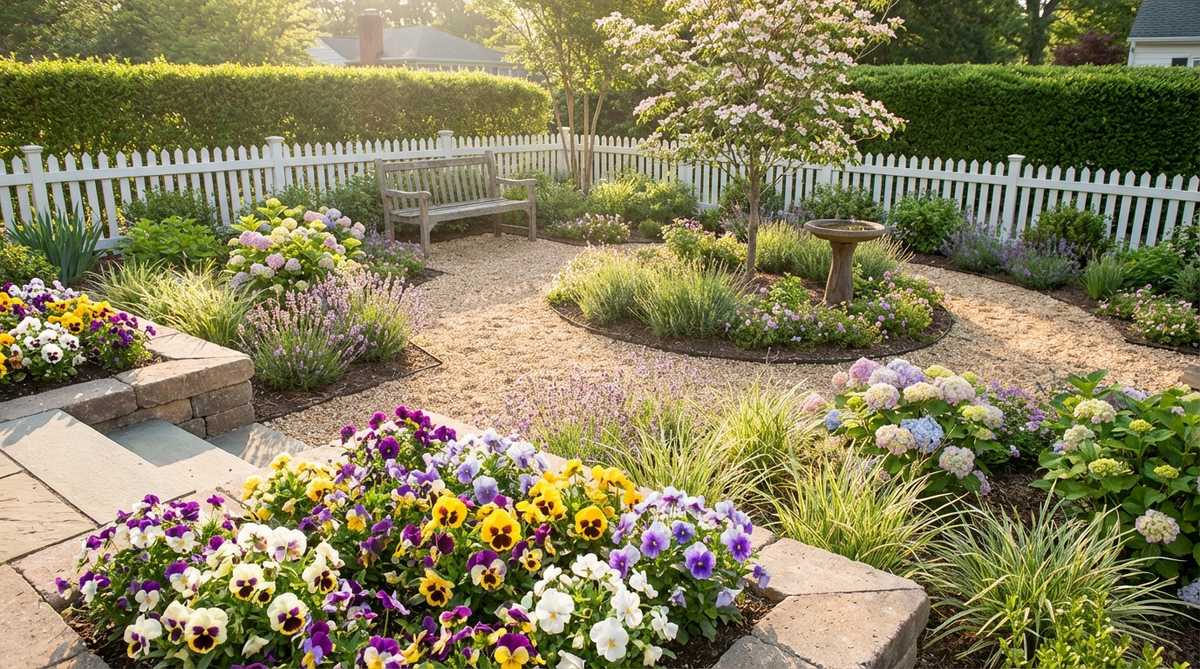
Modern pansy hybrids withstand temperatures down to 20°F while continuing to bloom. These 6-8 inch annuals offer faces in virtually every color combination imaginable.
Plant in fall for winter and early spring color in zones 7-10, or as spring annuals in colder regions. Remove spent flowers to encourage continuous blooming.
Combine with ornamental kale and dusty miller for textured cool-season container displays that last months.
24. Ornamental Kale
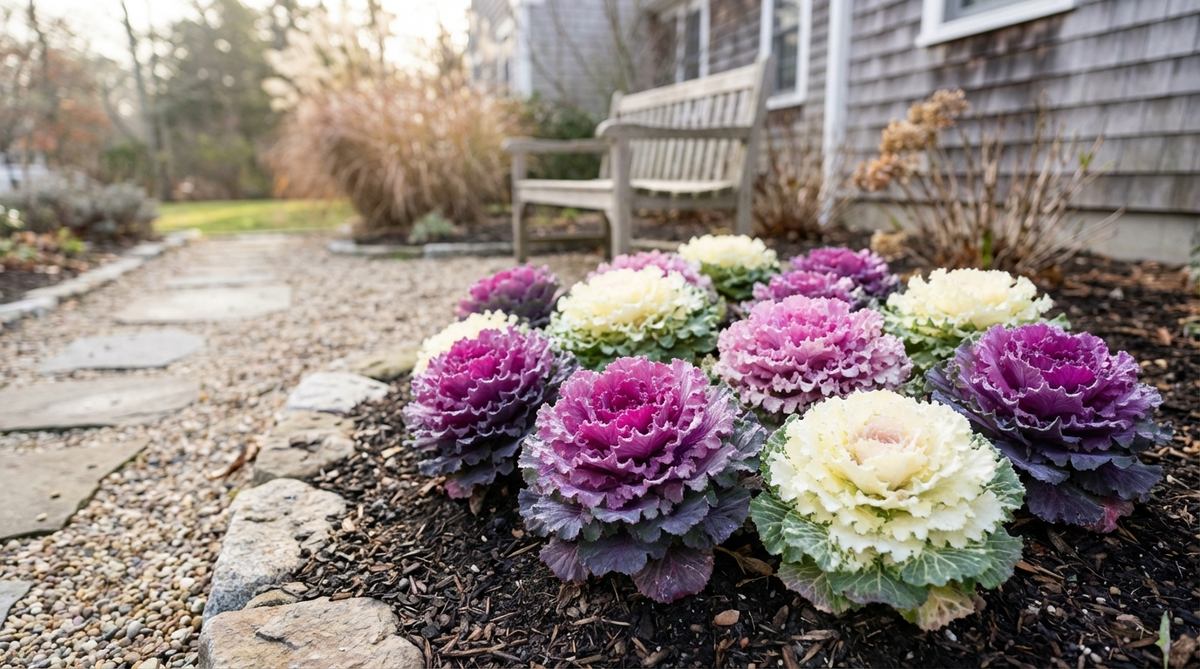
Compact varieties reach 8-12 inches with rosettes that intensify to purple, pink, and white as temperatures drop. These biennials provide structure and color from October through March.
Plant in full sun during late summer for fall color development. Cold temperatures below 40°F trigger pigment production in leaf centers.
Edible and ornamental, making them unique additions to both flower and vegetable gardens throughout winter.
25. Autumn Sedum
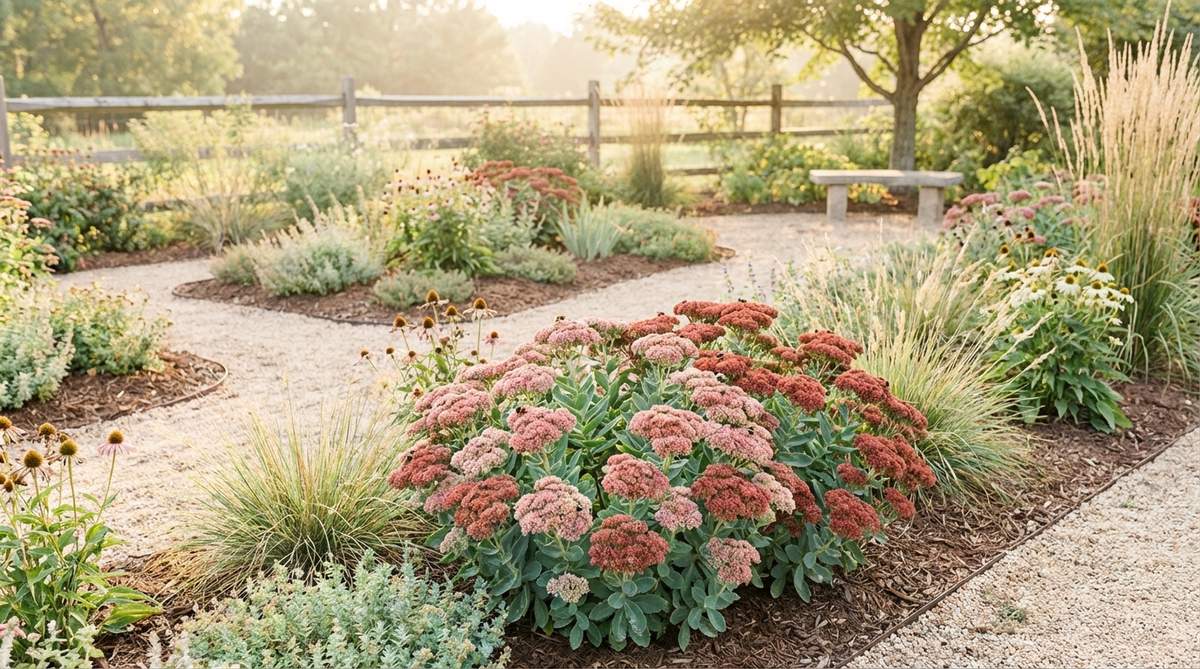
Stonecrop produces flat-topped flower clusters that transition from pink to rusty red through September and October. These 12-18 inch perennials feature succulent blue-green foliage.
Plant in full sun with excellent drainage. Sedum tolerates drought and neglect while providing nectar for late-season pollinators.
Flower heads remain ornamental through winter, offering structural interest and bird habitat until spring cleanup.
26. Hardy Cyclamen
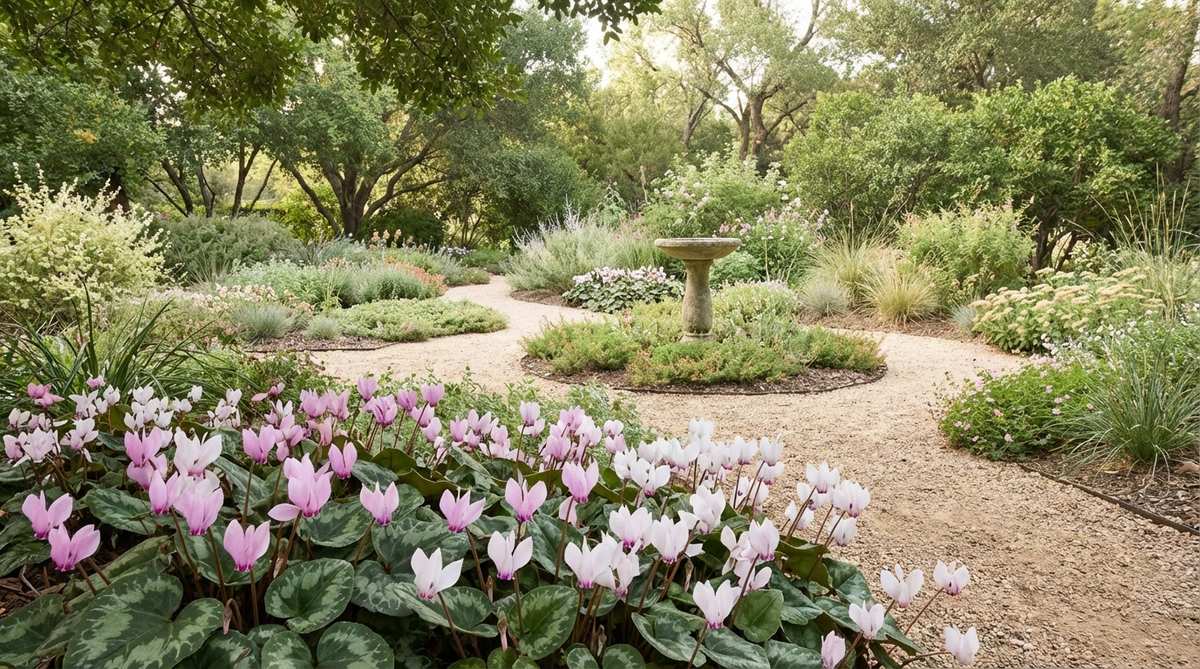
Cyclamen coum blooms from December through March with swept-back petals in pink or white above marbled foliage. These 3-6 inch perennials naturalize in dry shade.
Plant corms in summer when dormant, positioning them just below soil surface. They spread gradually by seed, forming colonies under trees and shrubs.
Deer resistant with evergreen patterned leaves that provide ornamental value even between blooming cycles.
27. Winter Heath
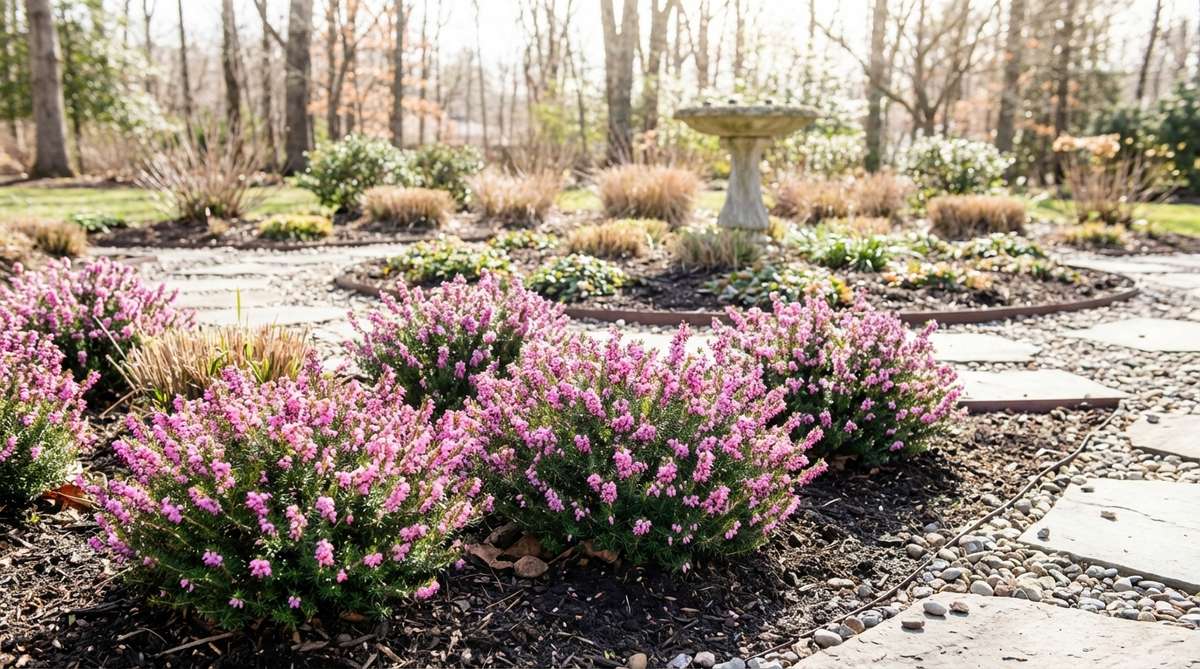
Erica carnea produces tiny bell-shaped flowers in pink, white, or red from November through April. These 6-10 inch evergreen subshrubs maintain foliage color year-round.
Requires acidic soil and excellent drainage in full sun to partial shade. Combines beautifully with spring bulbs that emerge through the low foliage.
Provides critical early nectar for emerging bees during late winter when few other food sources exist.
28. Viola
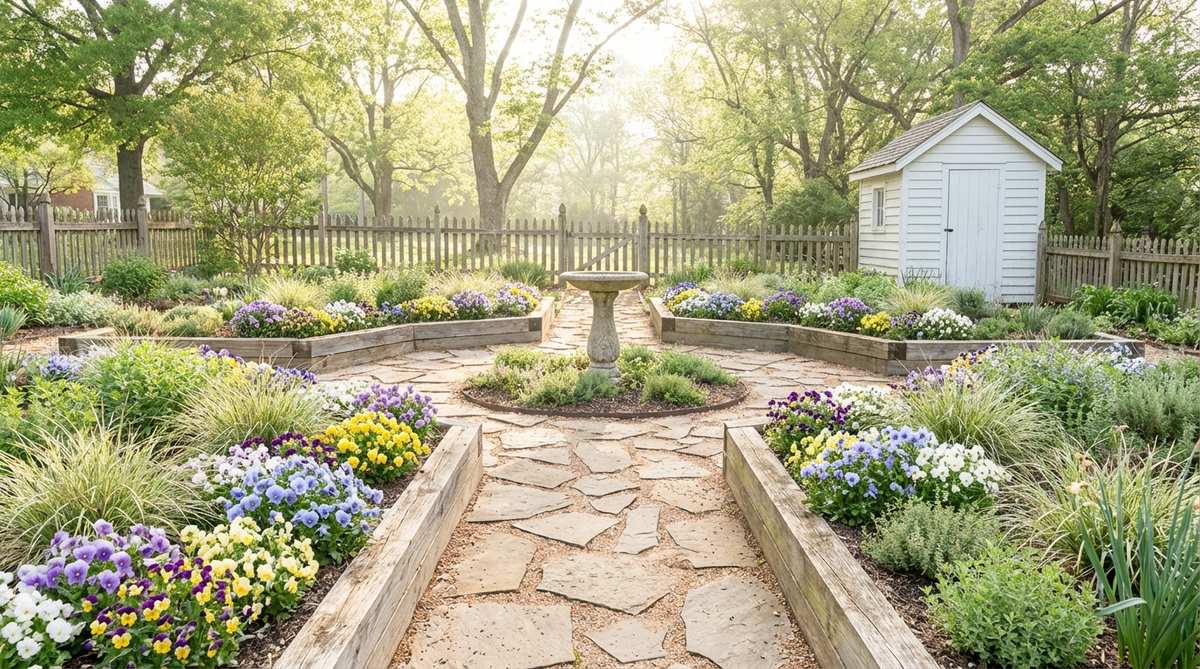
Smaller flowered than pansies, violas reach 6-8 inches with delicate faces in purple, yellow, blue, and white. These cool-season annuals tolerate frost and light snow.
Plant in fall or early spring for extended blooming periods. Self-seeds readily, appearing in cracks and crevices throughout the garden.
Edible flowers add color and mild flavor to salads and desserts throughout cooler months.
29. Snowdrop
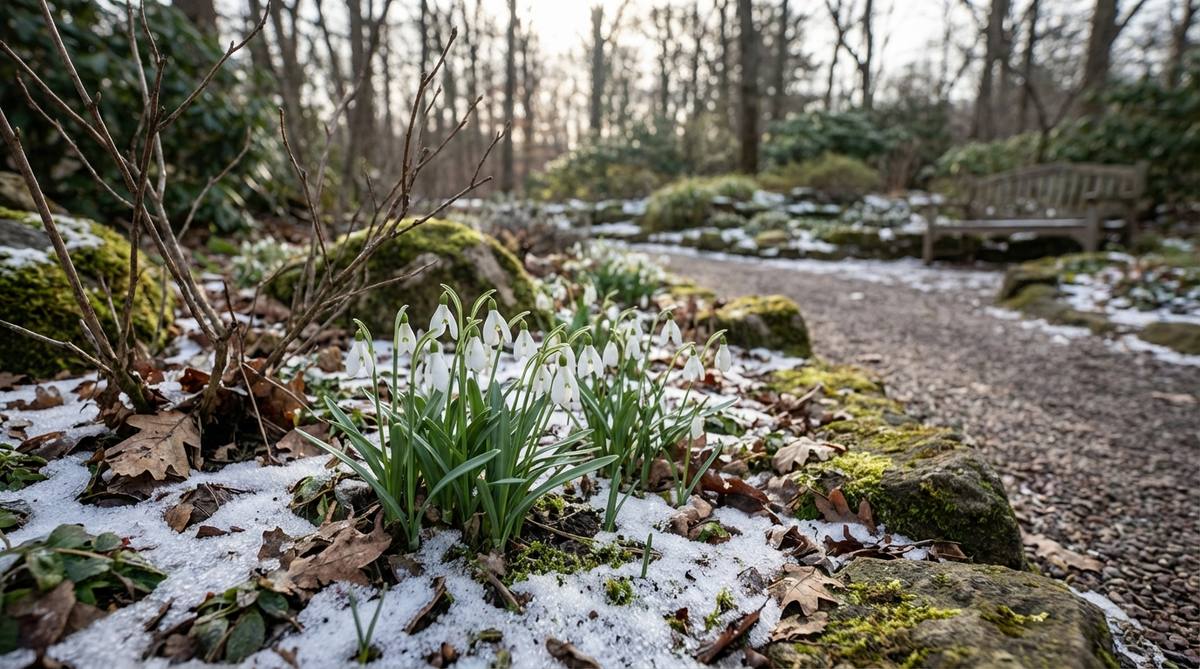
Among the earliest bulbs to bloom, galanthus produces nodding white bells in February and March. These 4-6 inch perennials push through frozen ground and snow cover.
Plant bulbs in fall in partial shade with moisture-retentive soil. Snowdrops naturalize steadily, forming drifts that expand annually without intervention.
Divide immediately after flowering while foliage remains green for rapid propagation throughout shaded garden areas.
30. Witch Hazel
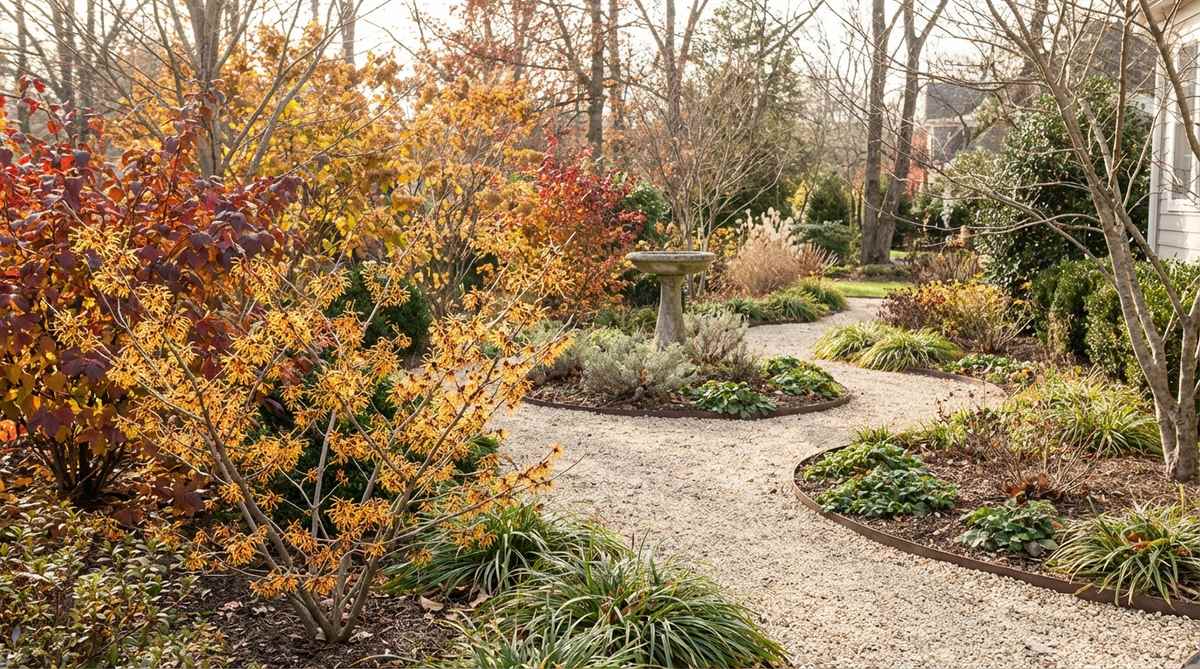
Dwarf witch hazel varieties like ‘Jelena’ reach 6-8 feet but can be maintained smaller through selective pruning. Spidery flowers in yellow, orange, or red bloom January through March.
Fragrant blooms release sweet scent on mild winter days. Plant in partial shade with acidic, organic-rich soil.
Fall foliage provides additional seasonal interest with brilliant yellow, orange, and red tones before leaf drop.
Year-Round Performers
Certain compact selections bloom continuously for months or across multiple seasons. These workhorses deliver maximum return on investment for limited garden space.
31. African Violet
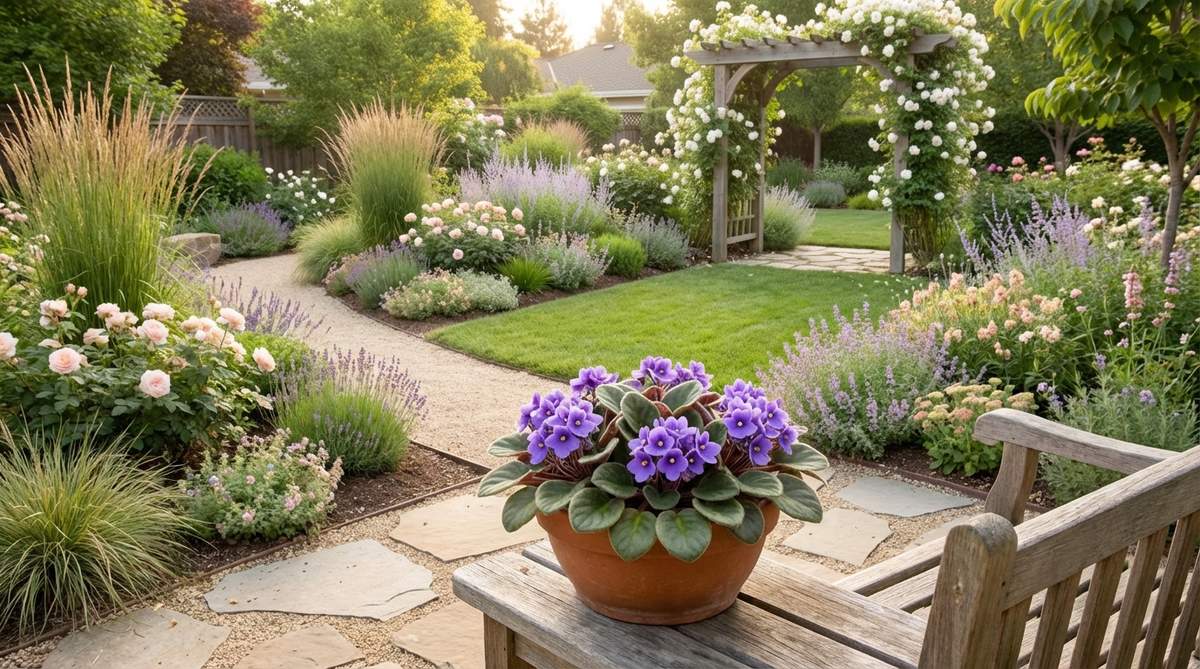
Saintpaulia produces purple, pink, or white flowers year-round when grown as houseplants or in protected outdoor locations. These 6-8 inch plants thrive in bright indirect light.
Maintain consistent soil moisture without waterlogging. Use tepid water to avoid shocking roots and causing leaf spotting.
Blooms continuously with proper care, making African violets reliable indoor color sources during winter months.
32. Kalanchoe
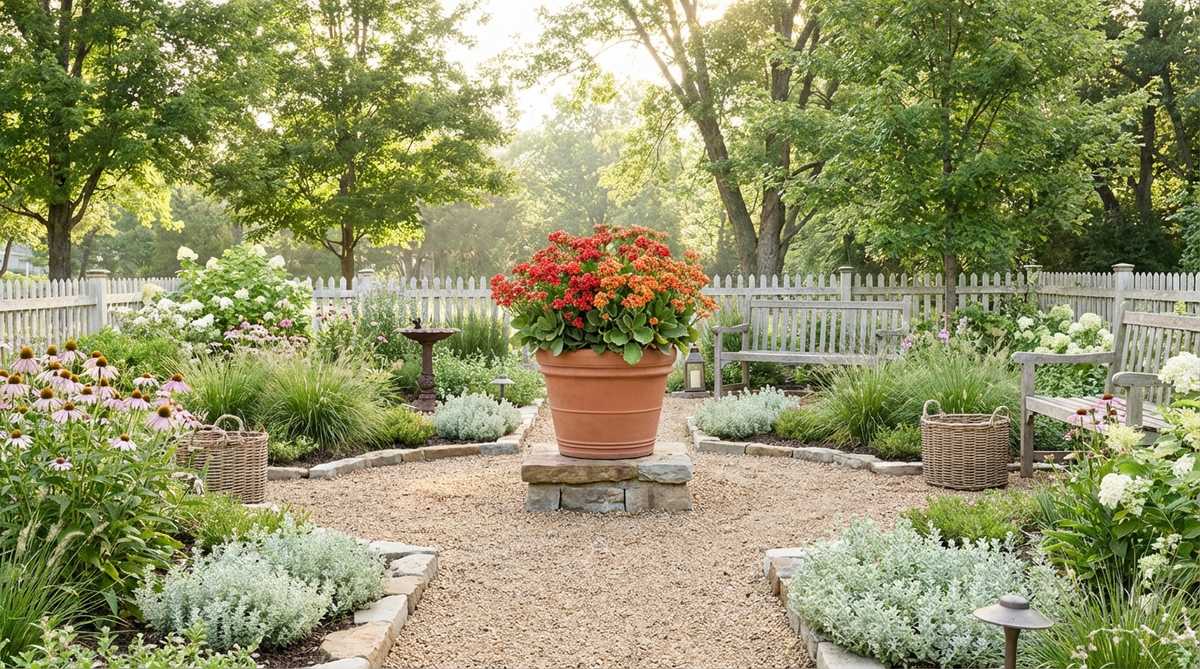
Succulent kalanchoe features clusters of small flowers in red, orange, yellow, or pink above scalloped green leaves. These 8-12 inch plants bloom for months with minimal water.
Grow outdoors in zones 10-12 or as houseplants in colder regions. Requires bright light and infrequent watering for best performance.
Flowers appear primarily from fall through spring but may bloom sporadically year-round in ideal conditions.
33. Begonia
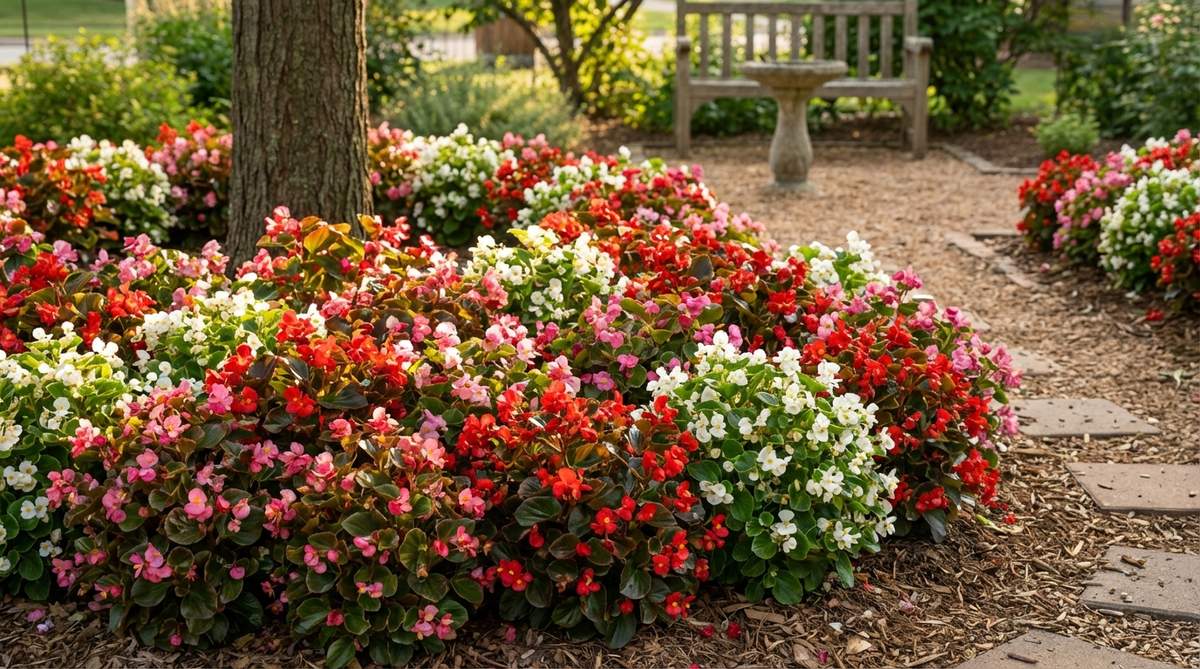
Wax begonias form dense mounds 8-12 inches tall covered with pink, red, or white flowers from spring through frost. Bronze or green foliage provides additional color contrast.
Thrives in partial shade to full sun depending on climate. More shade tolerance in southern zones protects from intense afternoon heat.
Self-cleaning flowers require no deadheading while maintaining continuous bloom production for 6+ months annually.
34. Dianthus
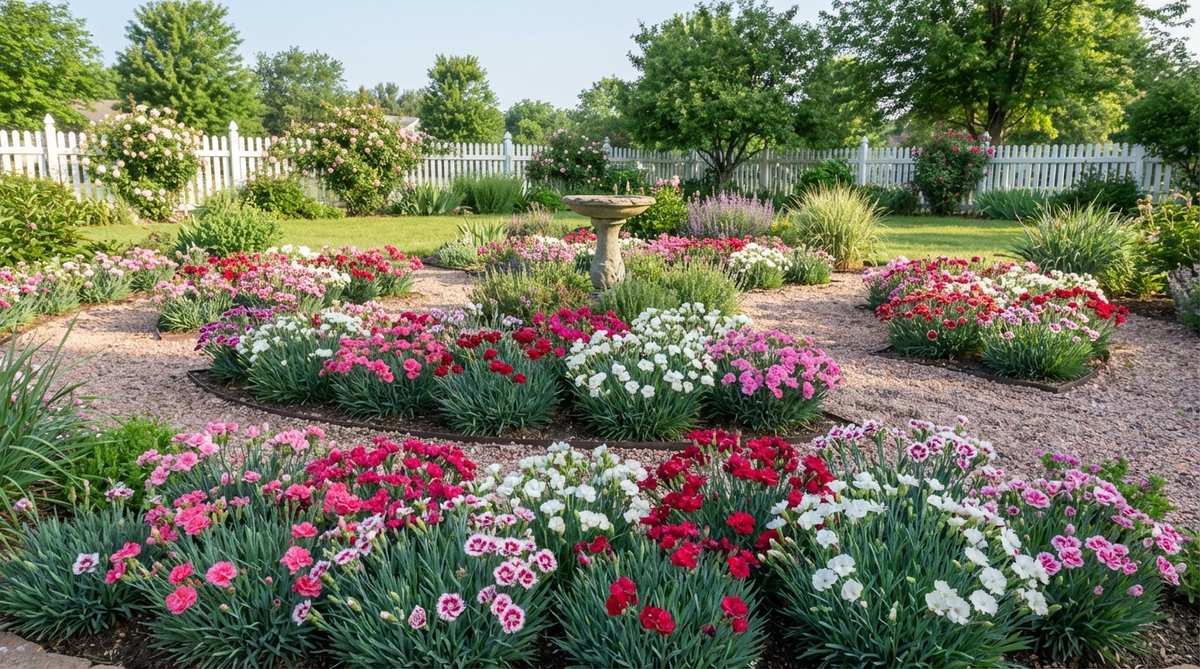
Compact pinks produce fringed flowers in pink, red, white, and bicolors with spicy clove fragrance. These 6-10 inch perennials bloom heavily in spring with rebloom in fall.
Requires excellent drainage and full sun. Shear back after initial flowering to encourage secondary bloom flush in September.
Blue-green evergreen foliage maintains ornamental value between flowering periods in zones 3-9.
35. Perennial Geranium
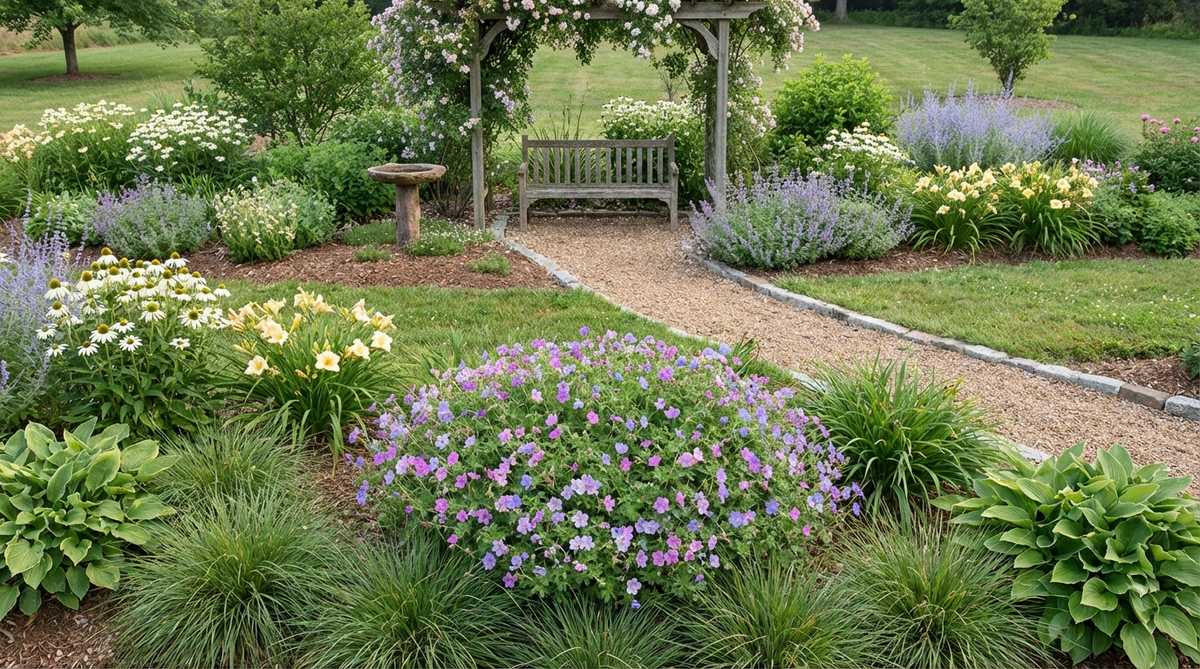
Hardy geraniums form compact mounds 10-18 inches tall with delicate flowers in purple, pink, or blue. Varieties like ‘Rozanne’ bloom from June through November.
Plant in full sun to partial shade with average garden soil. Cut back mid-season if foliage becomes tattered to refresh plant appearance.
Spreads gradually without becoming invasive, filling spaces between larger perennials naturally over time.
36. Catmint
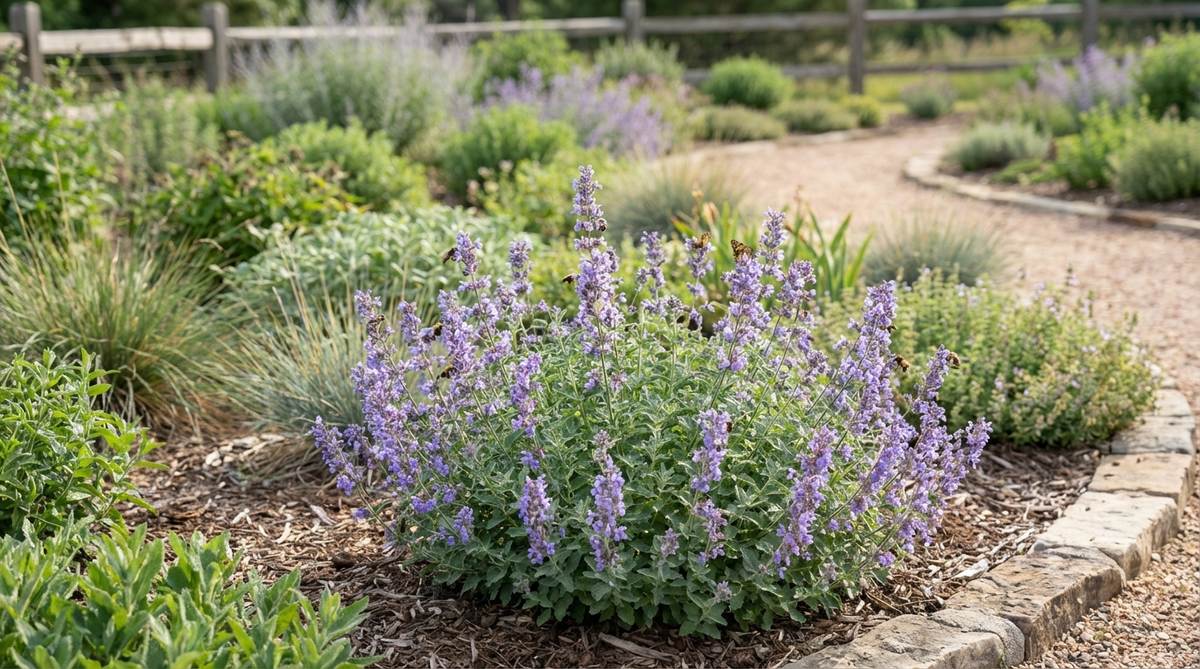
Dwarf nepeta varieties like ‘Cat’s Pajamas’ reach just 12-14 inches with aromatic gray-green foliage and lavender-blue flower spikes. Blooms appear from May through September.
Extremely drought tolerant once established. Shear back after initial bloom to encourage repeat flowering and maintain compact form.
Deer resistant with strong scent that repels browsing while attracting pollinators throughout the growing season.
37. Geranium
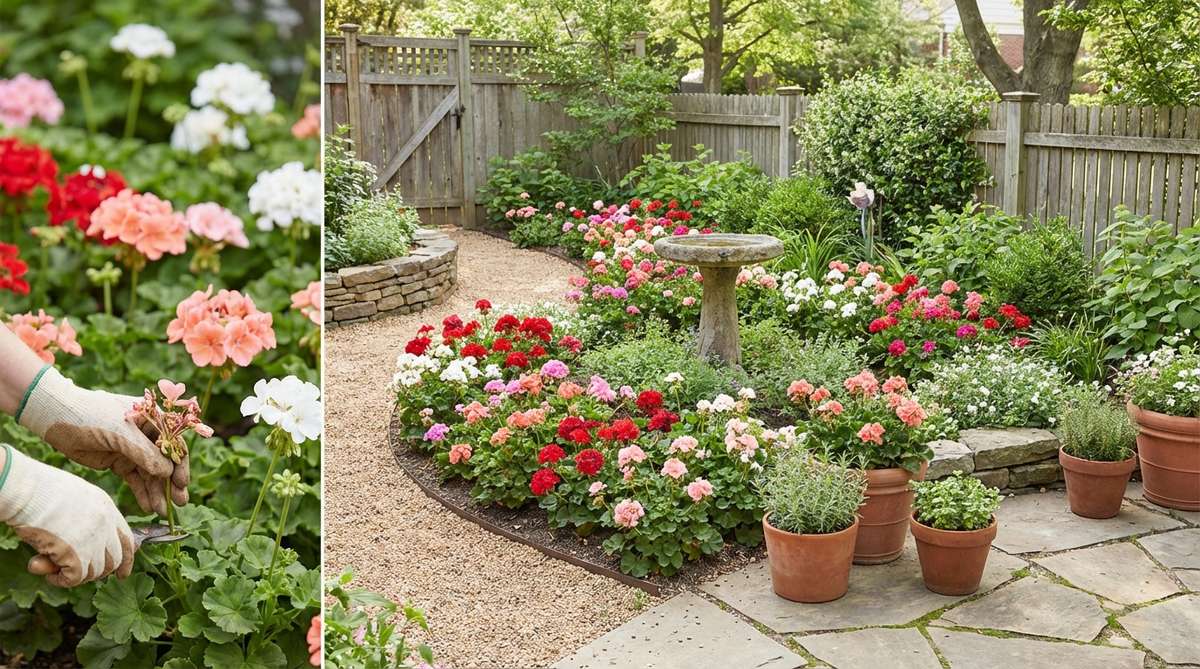
Annual geraniums (pelargoniums) bloom continuously from spring through frost in full sun. Compact varieties reach 10-14 inches with bold flower clusters in red, pink, salmon, or white.
Deadhead spent blooms regularly to maintain neat appearance and encourage continued flowering. Water when soil surface dries.
Overwinter indoors in bright light or take cuttings in fall to propagate new plants for next season.
38. Impatiens
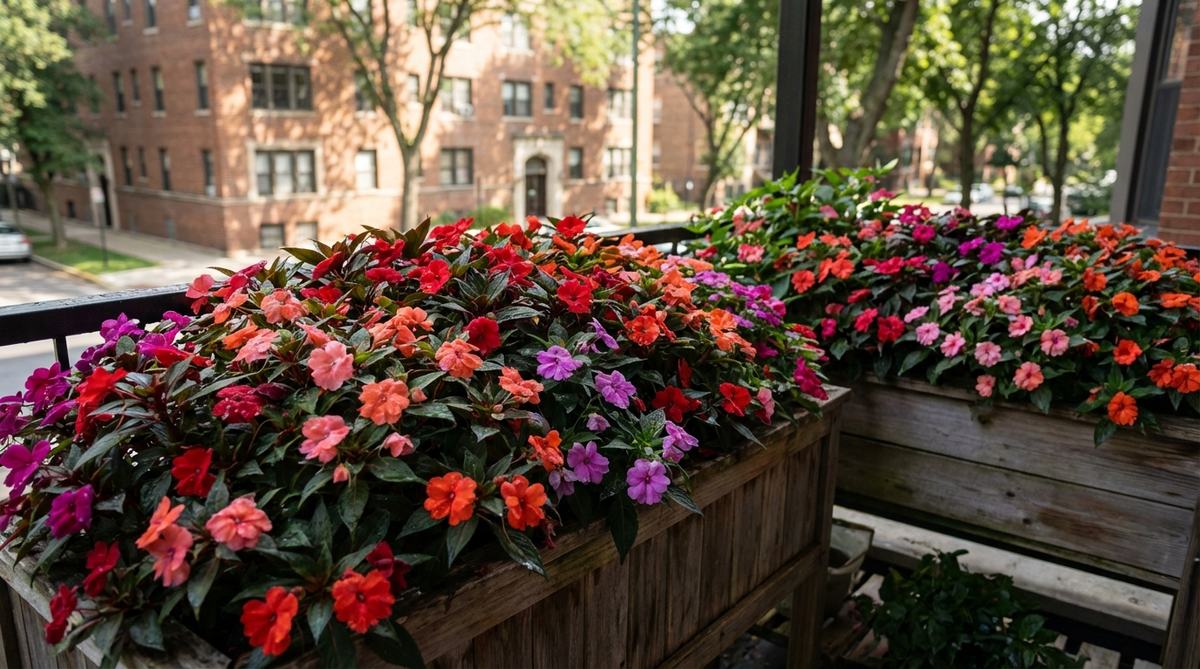
Shade-loving impatiens form 8-12 inch mounds covered with flowers in virtually every color except blue. These annuals bloom continuously in partial to full shade.
Requires consistent moisture and protection from direct afternoon sun. New Guinea impatiens tolerate more sun with larger flowers and variegated foliage.
Self-cleaning flowers eliminate deadheading while providing non-stop color from late spring through first frost.
39. Torenia
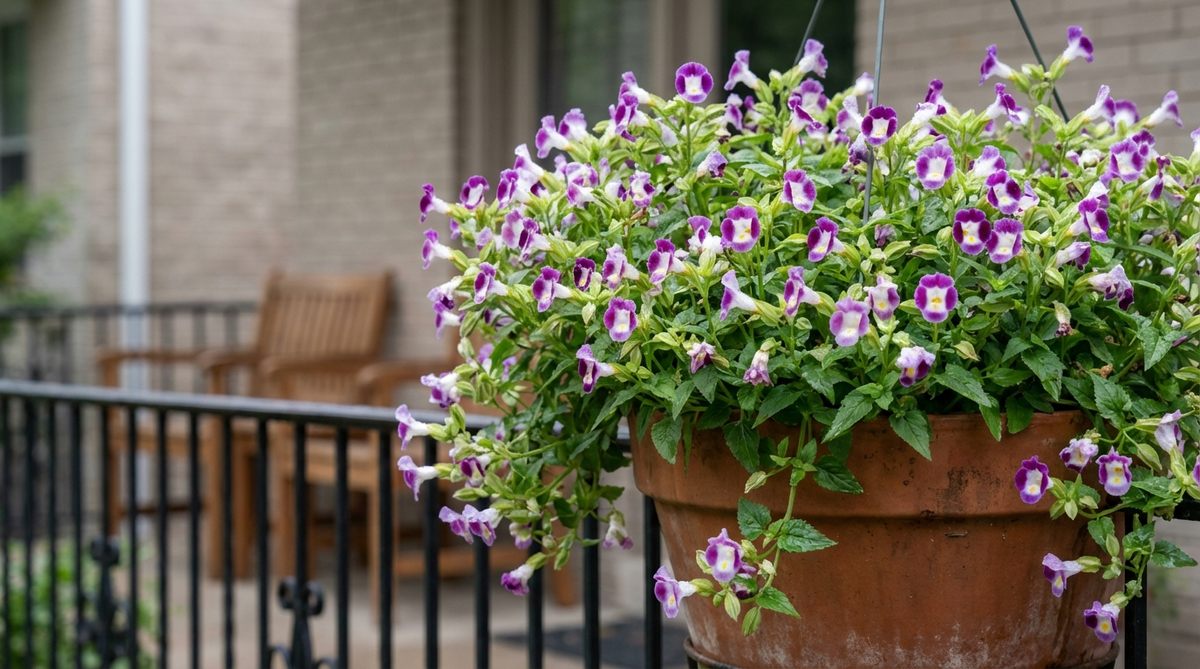
Wishbone flower produces tubular blooms in purple, pink, blue, and white on 8-12 inch plants. These shade annuals thrive where impatiens struggle with disease.
Plant in partial shade with consistent moisture and organic-rich soil. Heat tolerant in humid climates when provided adequate water.
Flowers continuously from June through October without deadheading, making torenia ideal for low-maintenance shade gardens.
40. Lantana
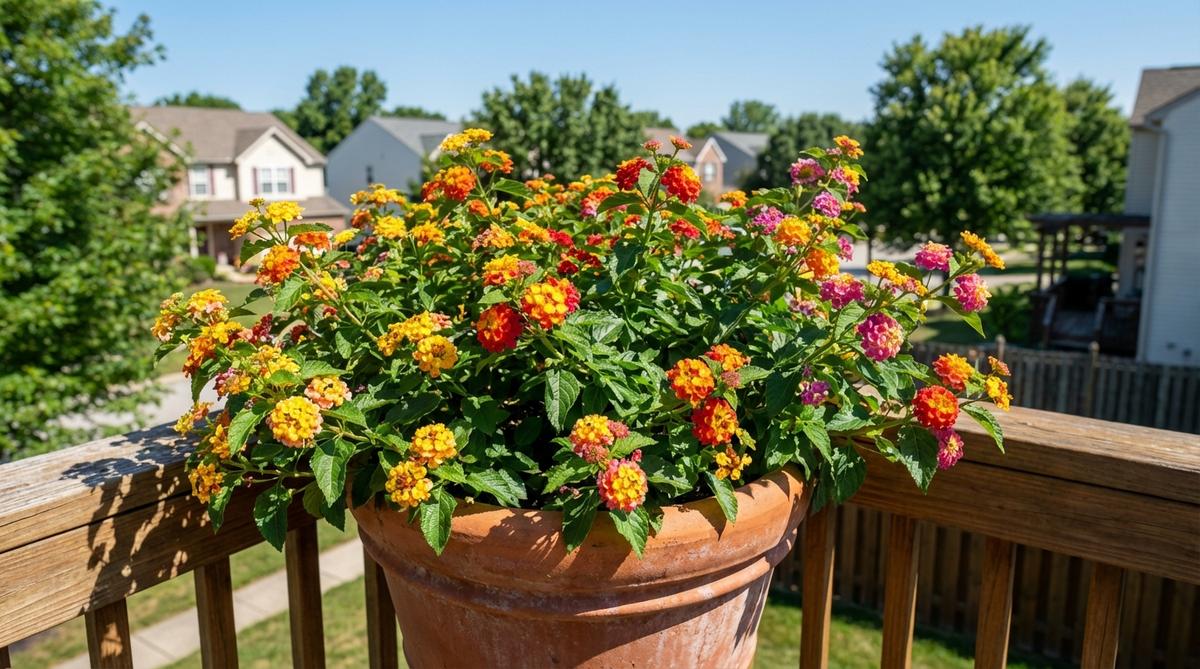
Compact lantana varieties reach 12-18 inches with clusters of tiny flowers that change color as they age. These heat-loving perennials bloom spring through fall in warm zones.
Requires full sun and excellent drainage. Extremely drought tolerant once established, thriving in hot locations that stress other plants.
Attracts butterflies and hummingbirds while deer avoid the aromatic foliage, making lantana ideal for wildlife gardens.
Low-Maintenance Dwarf Varieties
Compact cultivars requiring minimal intervention suit busy gardeners seeking maximum impact with minimum effort. These selections thrive on neglect once properly established.
41. Sedum
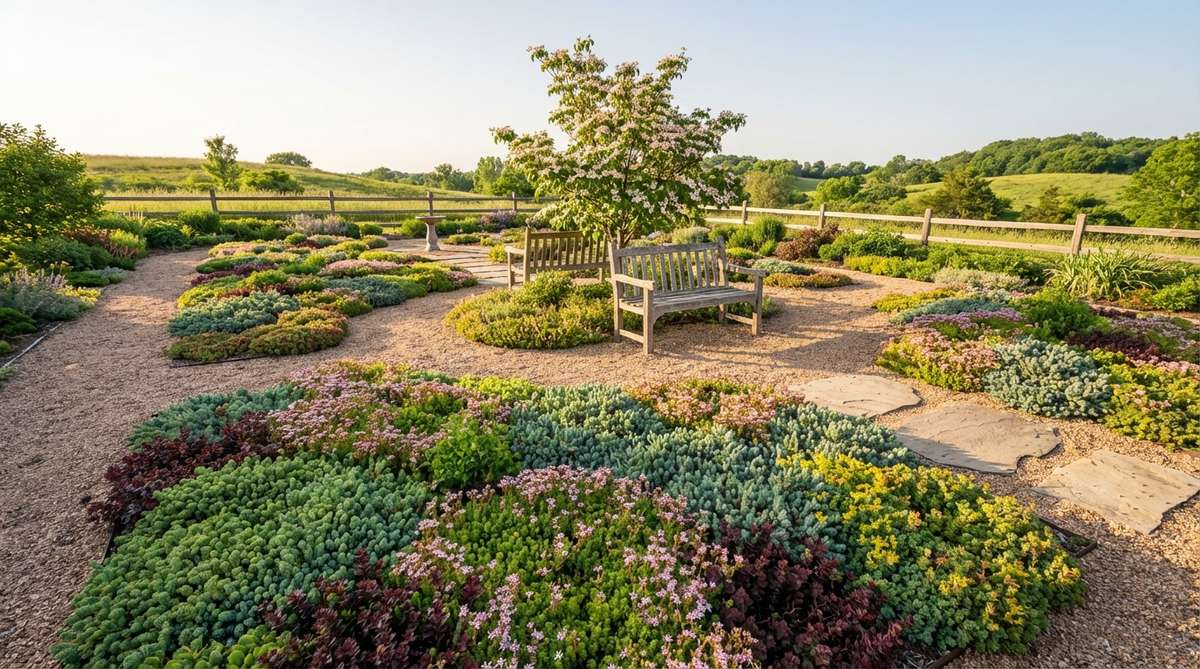
Low-growing sedum varieties form spreading mats 2-4 inches tall with succulent foliage in green, blue, or burgundy. Star-shaped flowers appear in summer above fleshy leaves.
Plant in full sun with sharp drainage. Tolerates drought, heat, and poor soil while resisting deer and rabbit damage.
Ideal for rock gardens, green roofs, and hellstrip plantings where irrigation proves impractical or impossible.
42. Hens-and-Chicks
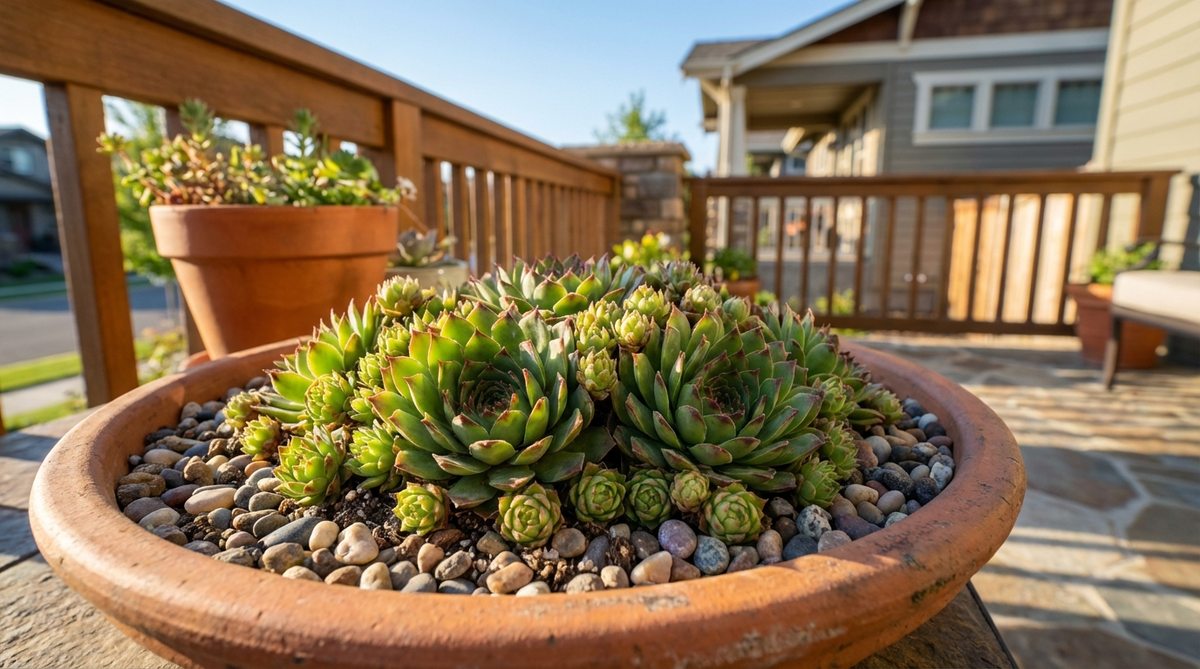
Sempervivum forms tight rosettes 2-6 inches across that spread gradually through offsets. Foliage colors range from green to burgundy, red, and blue-gray.
Requires zero supplemental water once established. Plant in containers, rock gardens, or between paving stones where drainage excels.
Occasional flower stalks reach 6-8 inches but the primary ornamental value comes from architectural rosette forms.
43. Ice Plant
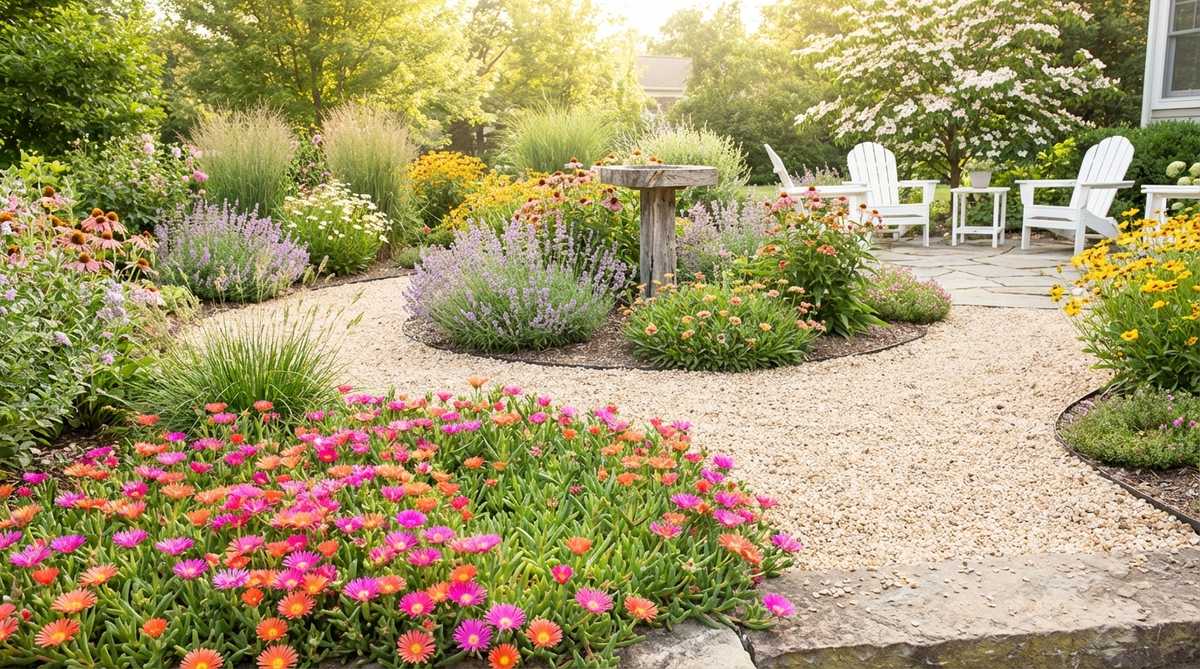
Delosperma produces brilliant daisy-like flowers in neon shades above succulent foliage. These 2-4 inch perennials bloom heavily in early summer with sporadic rebloom.
Requires full sun and excellent drainage to prevent winter rot in cold climates. Once established, tolerates extreme drought and heat.
Spreads slowly to form groundcover mats that suppress weeds while providing color in challenging locations.
44. Creeping Thyme
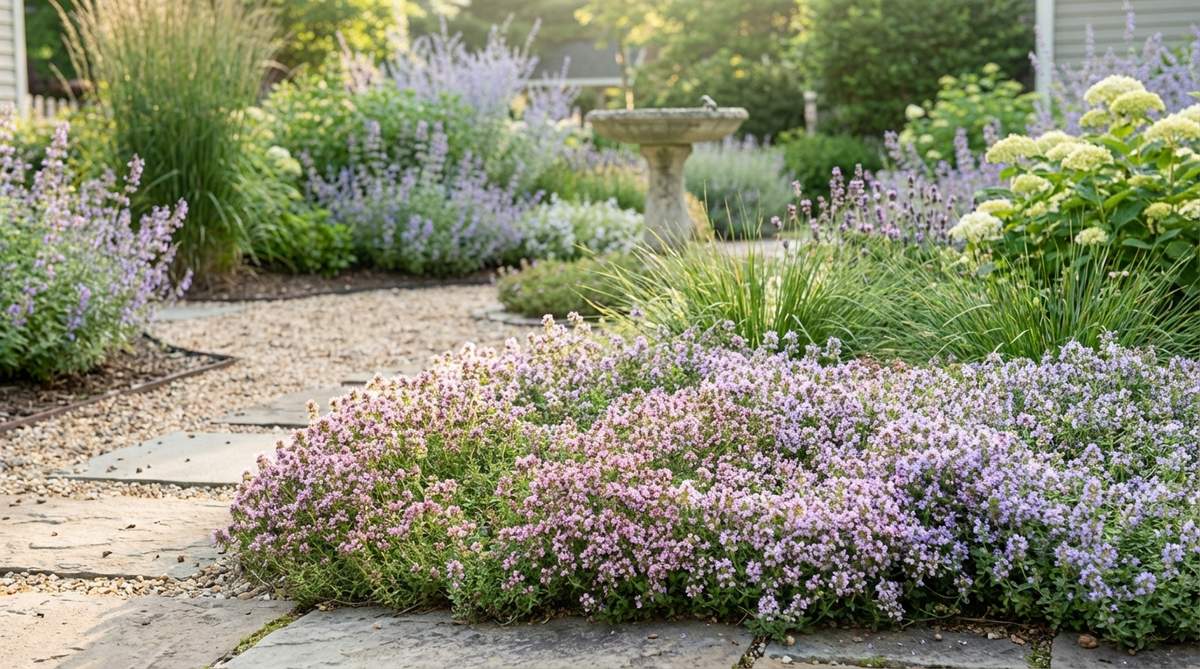
Thymus praecox forms aromatic mats just 2-3 inches tall with tiny pink, purple, or white flowers in summer. This evergreen perennial tolerates light foot traffic.
Plant between pavers, in rock gardens, or as lawn alternative in low-traffic areas. Releases pleasant herbal fragrance when brushed.
Attracts beneficial insects while requiring no mowing, fertilizing, or supplemental irrigation once established.
45. Ajuga
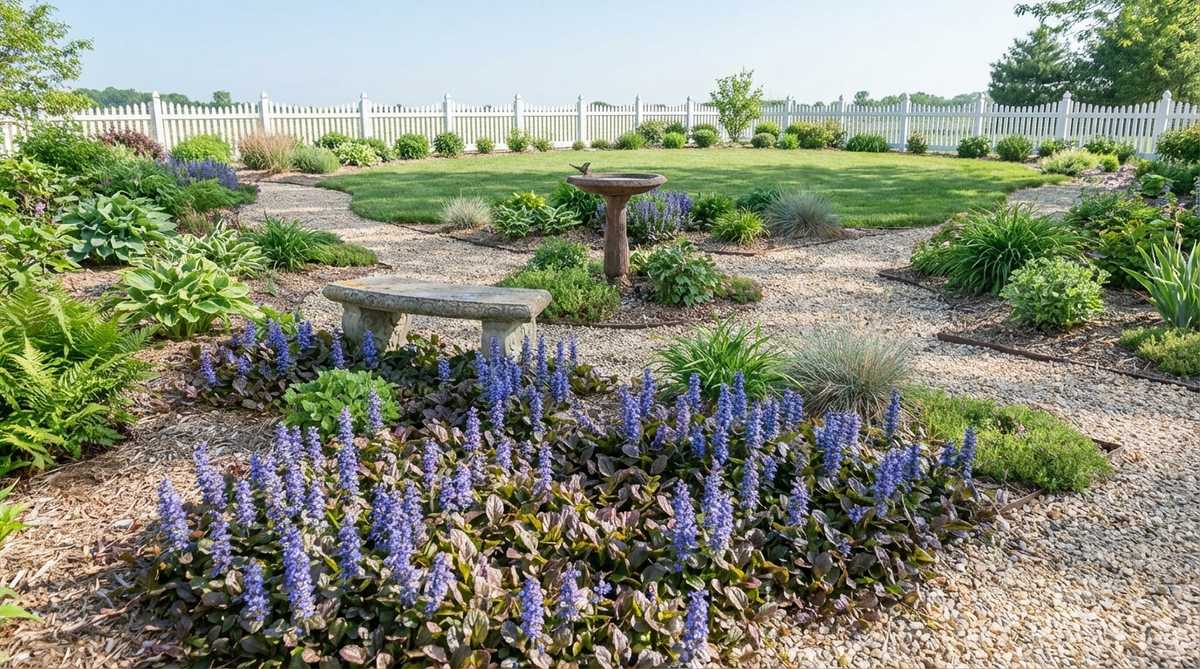
Bugleweed spreads rapidly through stolons forming 4-6 inch groundcover with glossy foliage in green, bronze, or purple. Blue flower spikes appear in spring.
Thrives in partial to full shade where grass struggles. Controls erosion on slopes while suppressing weed germination.
Evergreen in mild climates, providing year-round foliage color with minimal maintenance requirements.
46. Moss Phlox
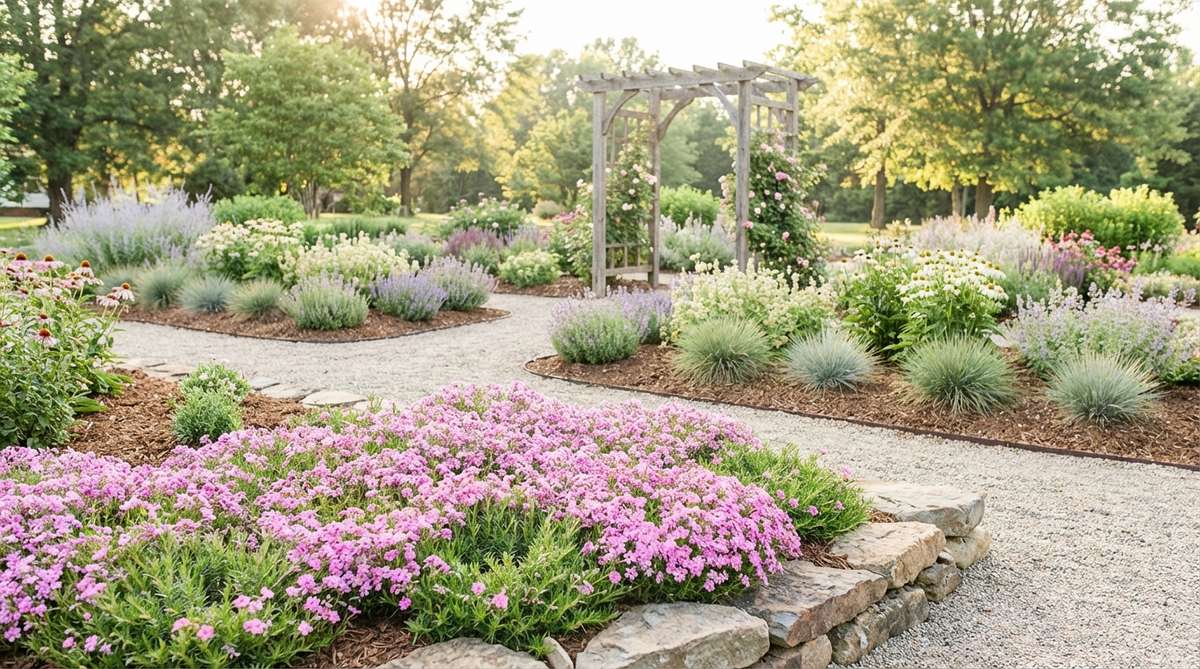
Phlox subulata creates sheets of pink, purple, white, or red flowers in April and May. This 4-6 inch evergreen perennial forms dense mats over time.
Requires full sun and excellent drainage, making it ideal for rock gardens and slopes. Drought tolerant once established with deep root system.
Shear lightly after flowering to maintain compact form and encourage denser growth habit.
47. Coral Bells
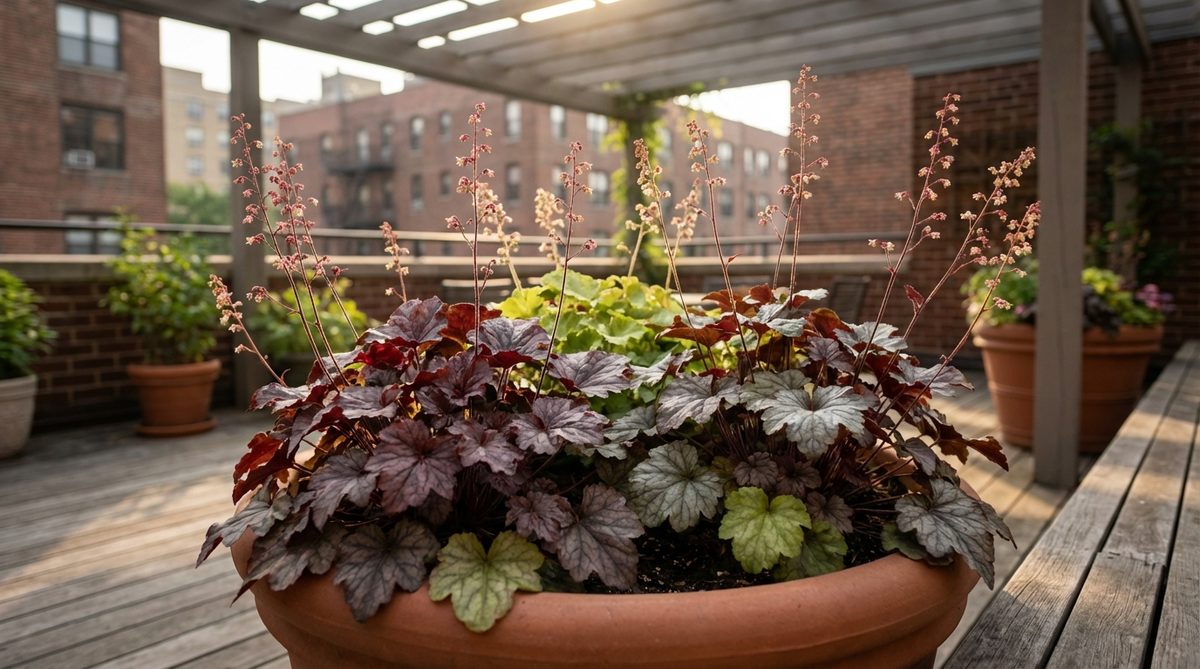
Heuchera varieties offer colorful foliage in purple, coral, lime, and silver rather than relying primarily on flowers. These 8-12 inch perennials maintain interest year-round.
Plant in partial shade with organic-rich soil. Airy flower stalks reach 18 inches in early summer but foliage provides the main ornamental value.
Evergreen in mild climates, forming tidy mounds that require only annual cleanup of tattered older leaves.
48. Lady’s Mantle
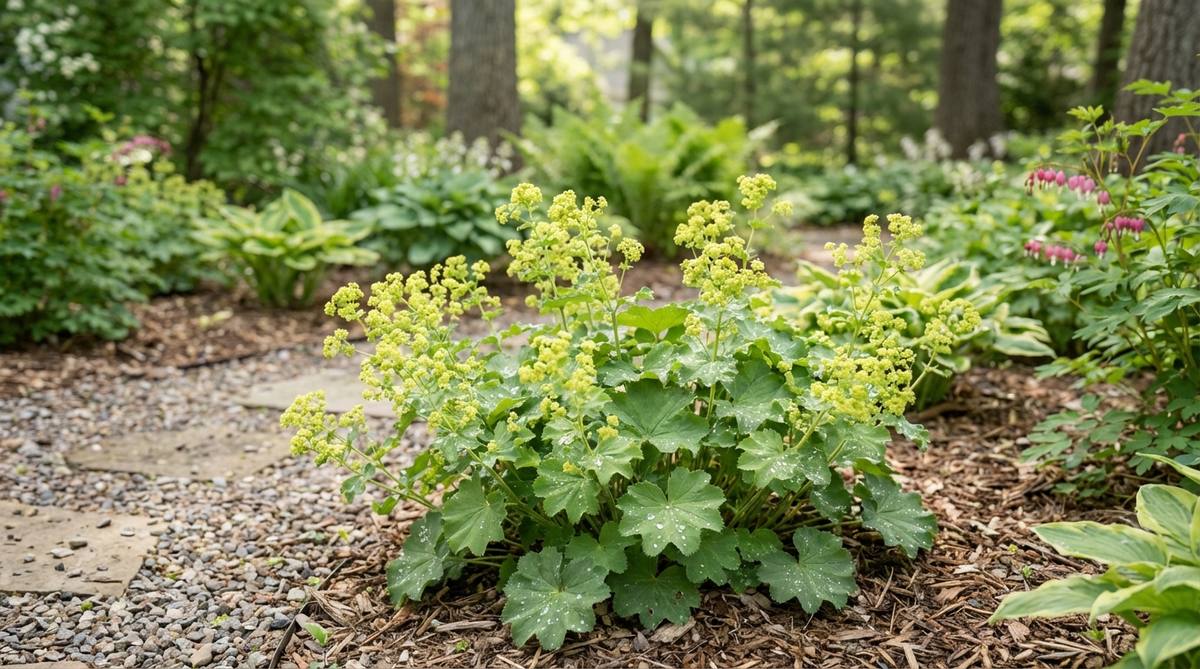
Alchemilla mollis produces mounds of scalloped leaves that hold water droplets like jewels. Chartreuse flower clusters reach 12-18 inches in early summer.
Thrives in partial shade with consistent moisture. Self-seeds readily but not aggressively, filling spaces between established plants.
Cut back foliage and spent flowers mid-summer to encourage fresh growth and prevent excessive self-sowing.
49. Lavender
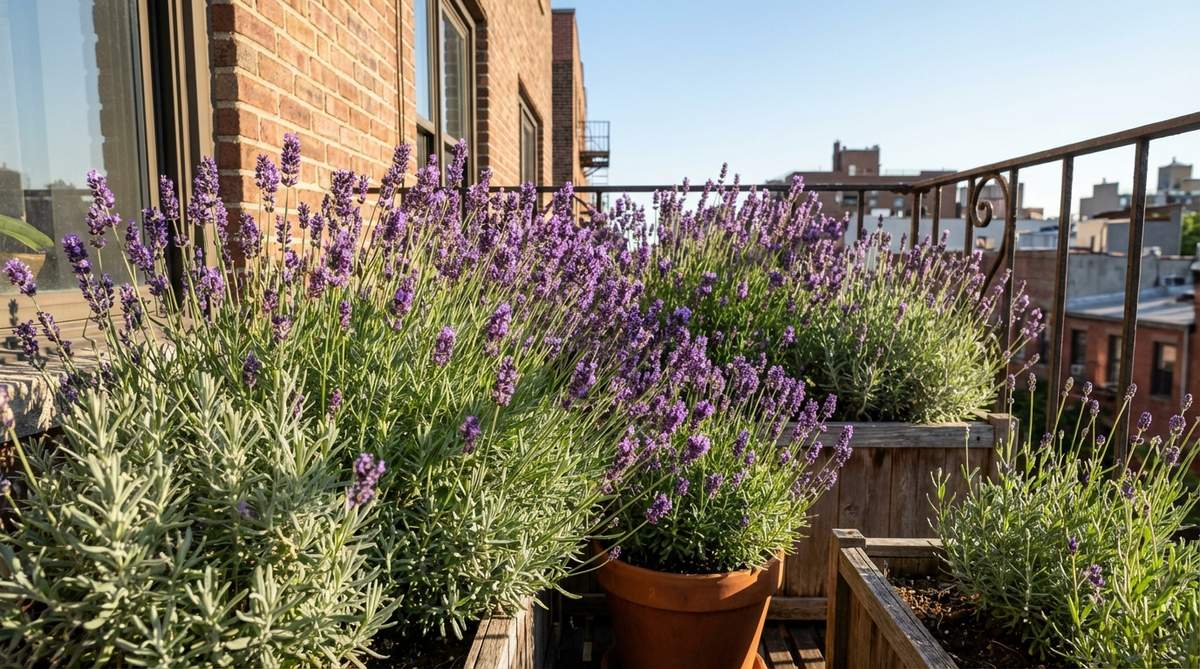
Compact lavender varieties like ‘Munstead’ reach 12-18 inches with fragrant purple flower spikes and silvery foliage. These perennials bloom June through July.
Requires full sun and excellent drainage. Drought tolerant once established, thriving in lean soil without supplemental fertilization.
Prune lightly after flowering to maintain compact shape. Harvest flowers for dried arrangements and sachets.
50. Russian Sage
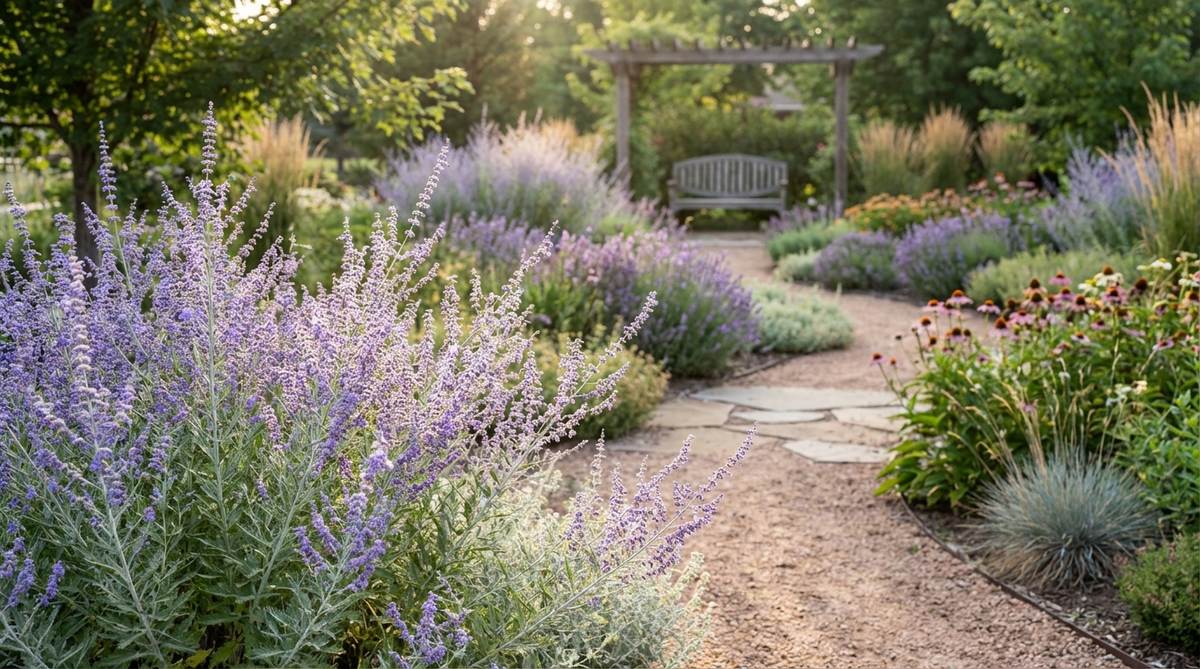
Dwarf varieties of Perovskia reach 24 inches with airy purple-blue flowers and silver-gray foliage. These woody perennials bloom July through September.
Extremely drought tolerant once established. Cut back hard in early spring to maintain compact form and prevent legginess.
Deer resistant with aromatic foliage that releases pleasant scent when brushed, ideal for hot, dry borders.
Container-Friendly Selections
Small garden flowers thrive in containers when matched with appropriate growing conditions. These selections adapt well to pots, window boxes, and hanging baskets.
51. Dwarf Dahlia
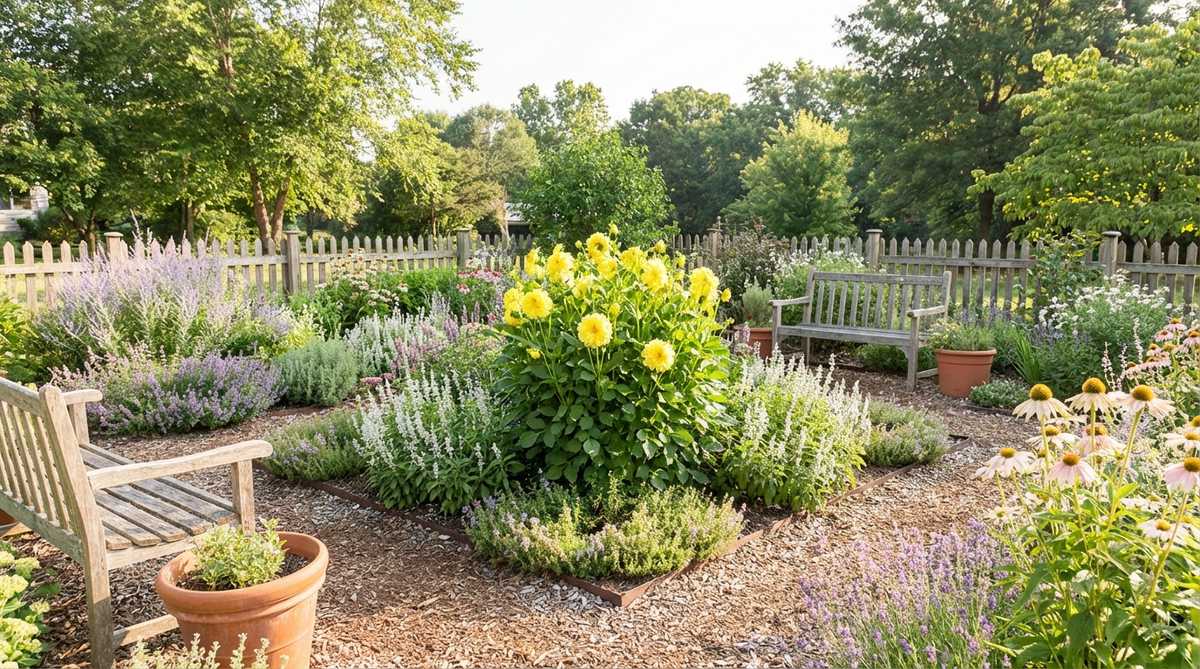
Compact dahlia varieties reach 12-18 inches with fully double blooms in every color except blue. These tender perennials bloom from July through frost when deadheaded regularly.
Plant tubers after last frost in containers at least 12 inches deep. Provide full sun and consistent moisture throughout growing season.
Dig tubers before first frost in zones 7 and colder, storing in barely moist peat moss over winter for replanting next spring.
52. Miniature Rose
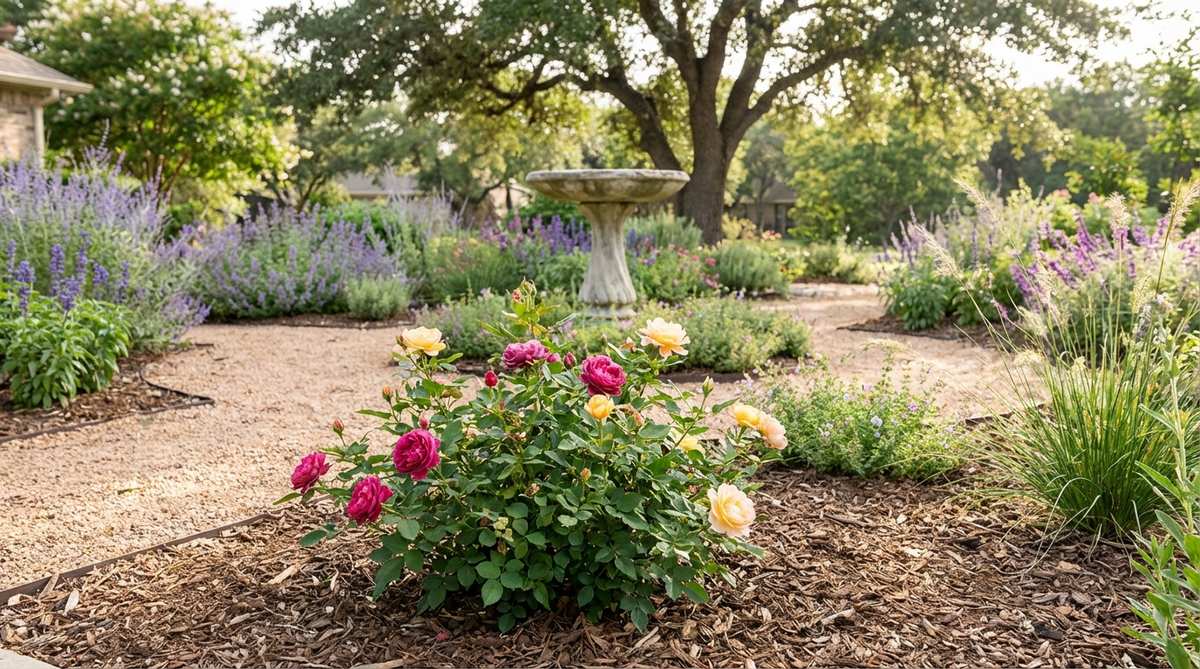
Compact roses reach 12-18 inches with blooms proportional to plant size in all standard rose colors. Modern varieties offer improved disease resistance and continuous flowering.
Plant in containers at least 12 inches deep with drainage holes. Provide at least 6 hours direct sun daily and weekly feeding during growing season.
Overwinter in unheated garage or bury containers in ground in zones 5 and colder to protect roots from freeze damage.
53. Osteospermum
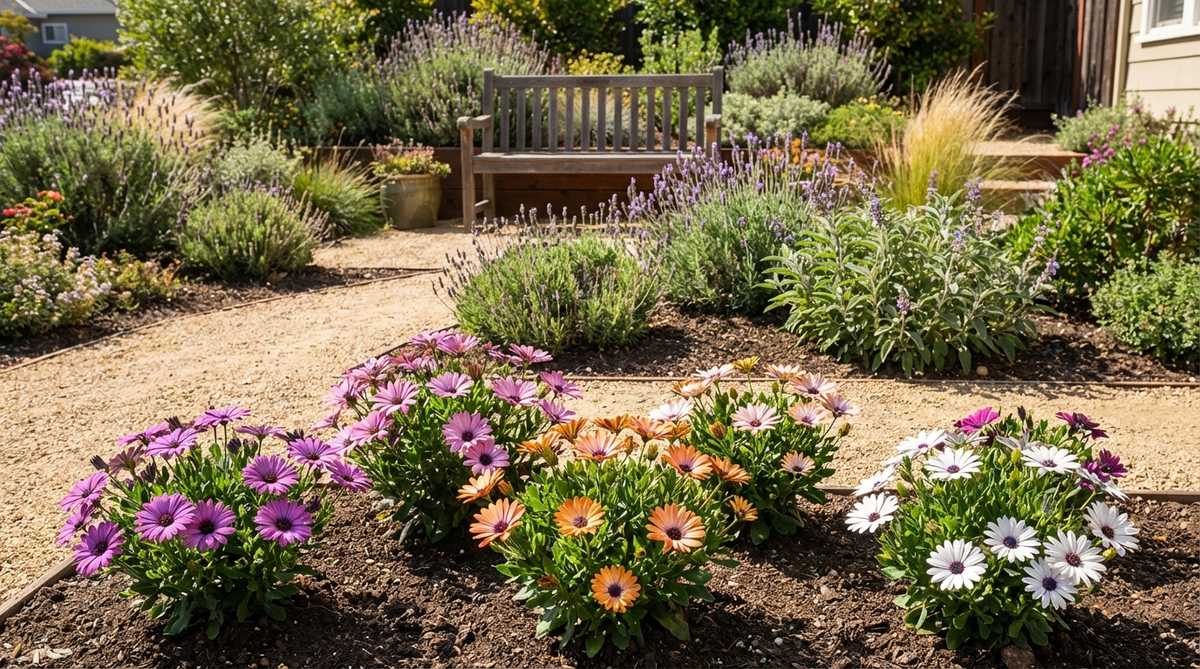
African daisy produces bold flowers in purple, pink, orange, and white with contrasting centers. These 8-12 inch perennials bloom spring through fall in mild climates.
Requires full sun and well-drained soil. Deadhead spent blooms to encourage continuous flowering throughout season.
Flowers close at night and during overcast weather, opening fully in bright sunlight for maximum visual impact.
54. Nemesia
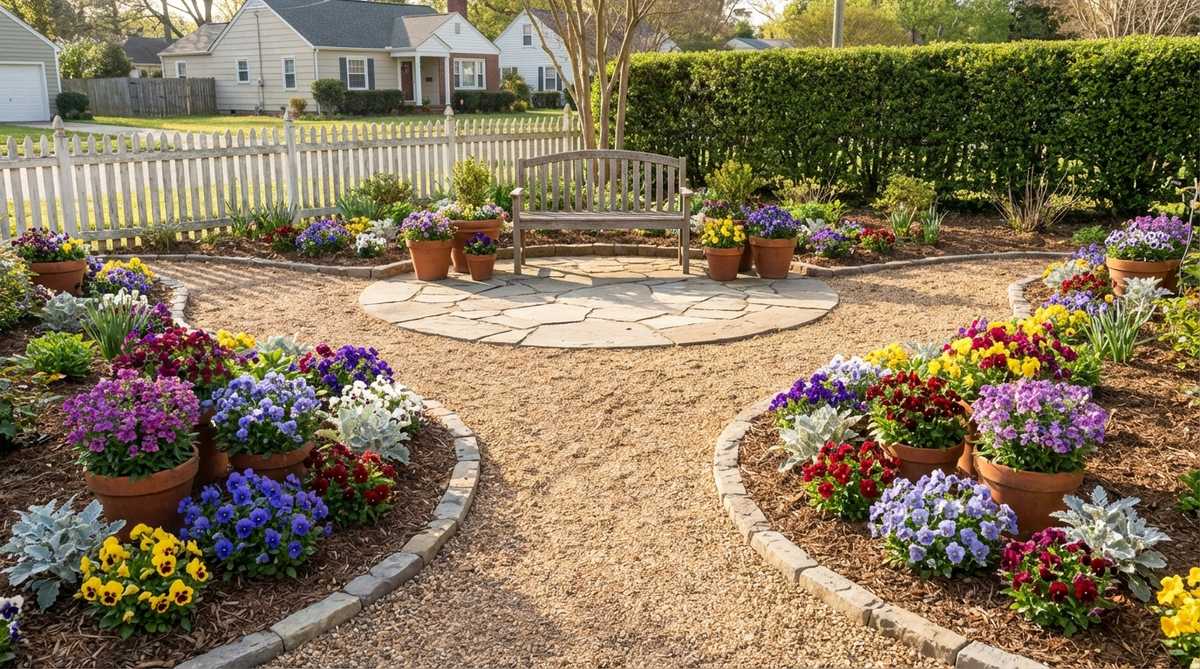
Fragrant flowers in jewel tones cover these 8-12 inch annuals from spring through early summer. Nemesia prefers cool temperatures and may decline in peak heat.
Plant in containers with afternoon shade in warm climates. Shear back if flowering declines to encourage fall rebloom when temperatures moderate.
Combines beautifully with cool-season annuals like pansies and dusty miller for spring container displays.
55. Bacopa
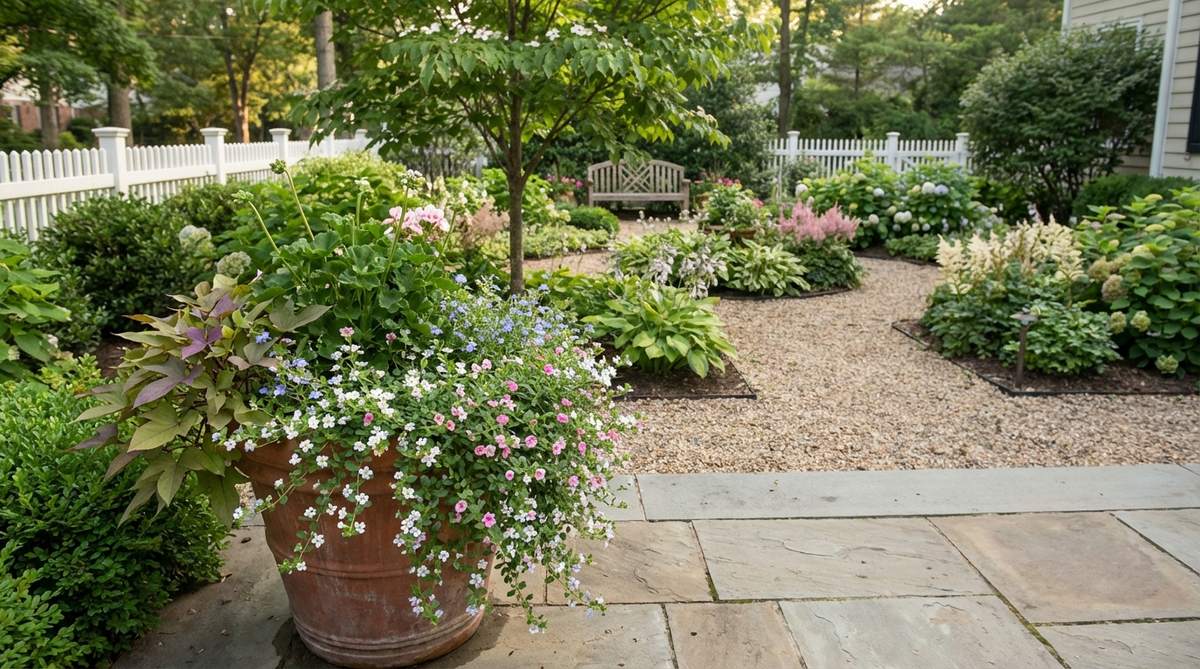
Trailing stems reach 10-12 inches covered with tiny white, pink, or blue flowers. This annual thrives in containers as spiller component in mixed plantings.
Prefers consistent moisture and partial shade in hot climates. Self-cleaning flowers eliminate deadheading requirements.
Combines well with upright thriller plants and mounding fillers in container compositions using established design principles.
Conclusion
Strategic selection of small garden flowers transforms compact spaces into vibrant, multi-seasonal displays that rival larger landscapes. By layering spring bulbs with summer annuals, fall perennials, and even winter bloomers, American gardeners maximize color density regardless of square footage limitations. The 55+ varieties detailed here represent proven performers across diverse climate zones, offering options for every exposure, soil type, and maintenance preference. Start with 8-10 selections that match your specific conditions, then expand your palette as confidence grows. Your small garden can deliver big impact when planted with intentional compact bloomers designed for continuous color performance.
Frequently Asked Questions
What are the best small garden flowers that bloom all summer?
Calibrachoa, dwarf petunias, marigolds, compact zinnias, and begonias deliver continuous summer color in small spaces. These selections bloom from June through September with minimal deadheading required. Plant in full sun with weekly fertilization to maintain abundant flower production throughout hot months. Calibrachoa and petunias excel in containers while marigolds thrive in ground plantings.
Which compact flowers work best for year-round color?
Layer spring bulbs like dwarf daffodils and crocus with summer annuals including calibrachoa and zinnias, then add fall bloomers like pansies and autumn sedum. In zones 7-10, incorporate winter performers like ornamental kale and violas for continuous coverage. This succession approach ensures color transitions seamlessly through all four seasons in limited space.
How do I choose small garden flowers for shady spaces?
Impatiens, begonias, torenia, and coral bells thrive in partial to full shade while remaining compact. These selections tolerate limited sun exposure while providing reliable color throughout growing season. Hellebores and hardy cyclamen extend shade garden interest into winter months. Provide consistent moisture and organic-rich soil for best performance in low-light conditions.
What spacing works best for small garden flowers?
Plant compact annuals 6-8 inches apart for quick coverage, while perennials require 10-12 inch spacing to accommodate mature spread. Bulbs can be layered more densely at 3-4 inches apart when planted in clusters. Proper spacing prevents overcrowding while ensuring plants fill in rapidly for immediate visual impact in limited areas.
How can I extend the blooming period of small garden flowers?
Deadhead spent flowers regularly on varieties that don’t self-clean, feed weekly with diluted liquid fertilizer during active growth, and provide consistent moisture without waterlogging soil. Shear back mid-summer bloomers like catmint and dianthus to encourage fall rebloom. Plant in optimal sun exposure for each species to maximize flowering duration and intensity.