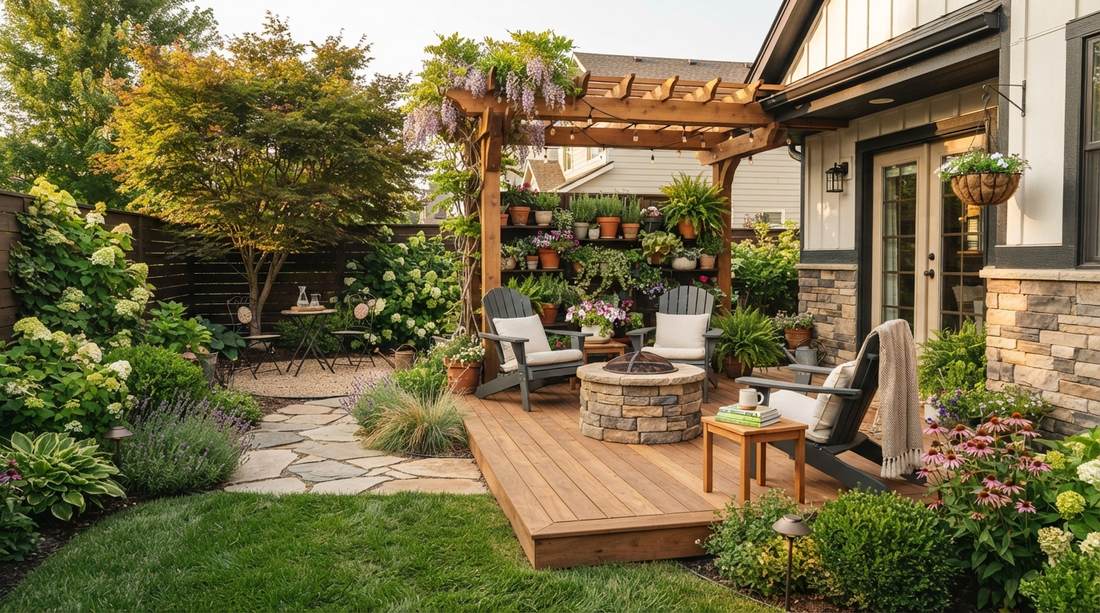
Transform a cramped small garden backyard into an elite private sanctuary instantly. High-end aesthetic upgrades cost surprisingly little when sourcing commercial-grade materials directly. These space-maximizing blueprints deliver a premium designer finish on a realistic weekend budget.
Design Snapshot Key Principles
- Vertical Integration: Use walls, fences, and trellises to multiply planting surfaces without consuming ground space
- Multi-Functional Zones: Layer seating, dining, and growing areas to maximize usability per square foot
- Strategic Screening: Create privacy and depth through tiered plantings and architectural elements
- Lighting Architecture: Extend usable hours and define zones through layered illumination techniques
Smart Small Garden Backyard Ideas For Maximum Space
1. Diagonal Paving Patterns
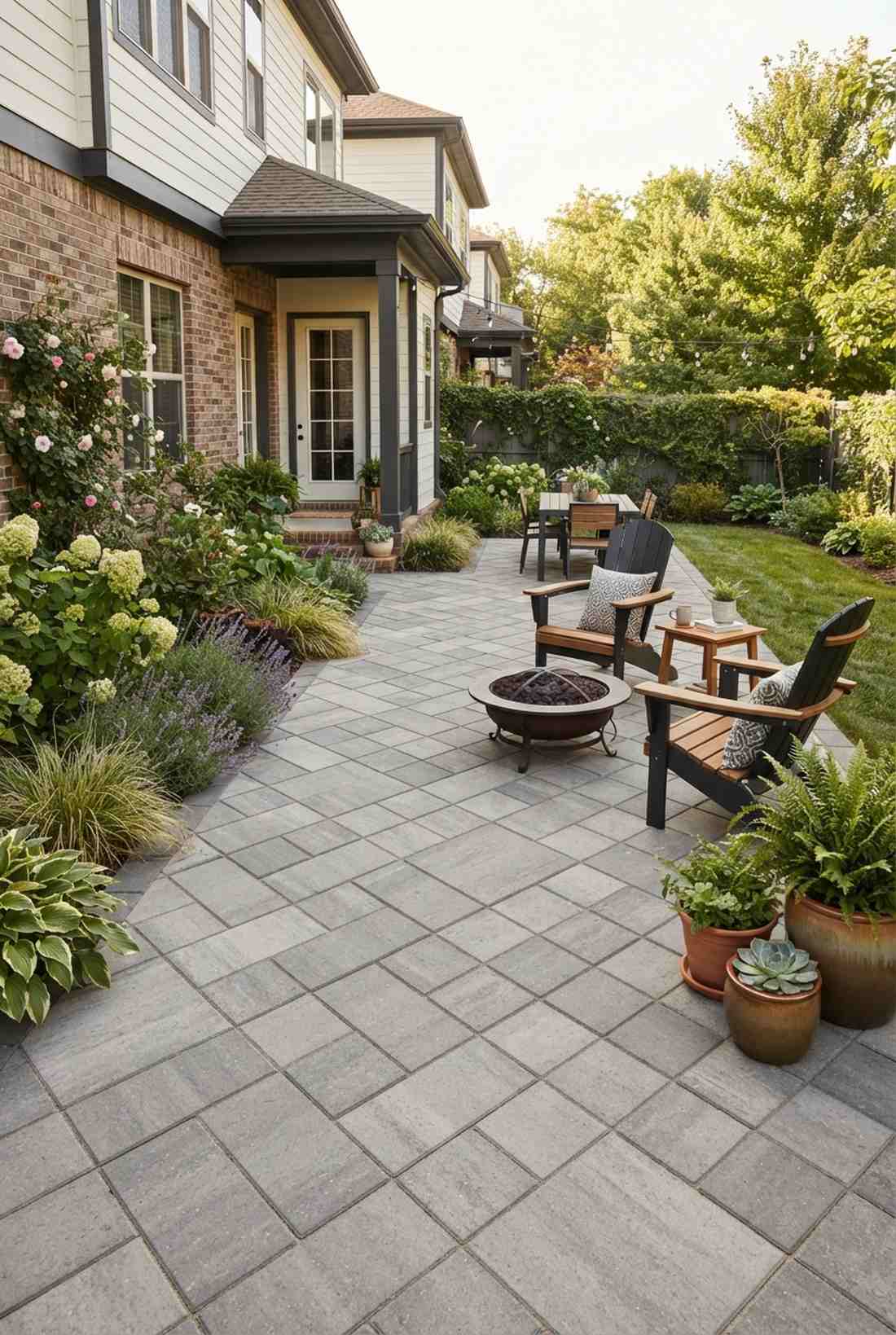
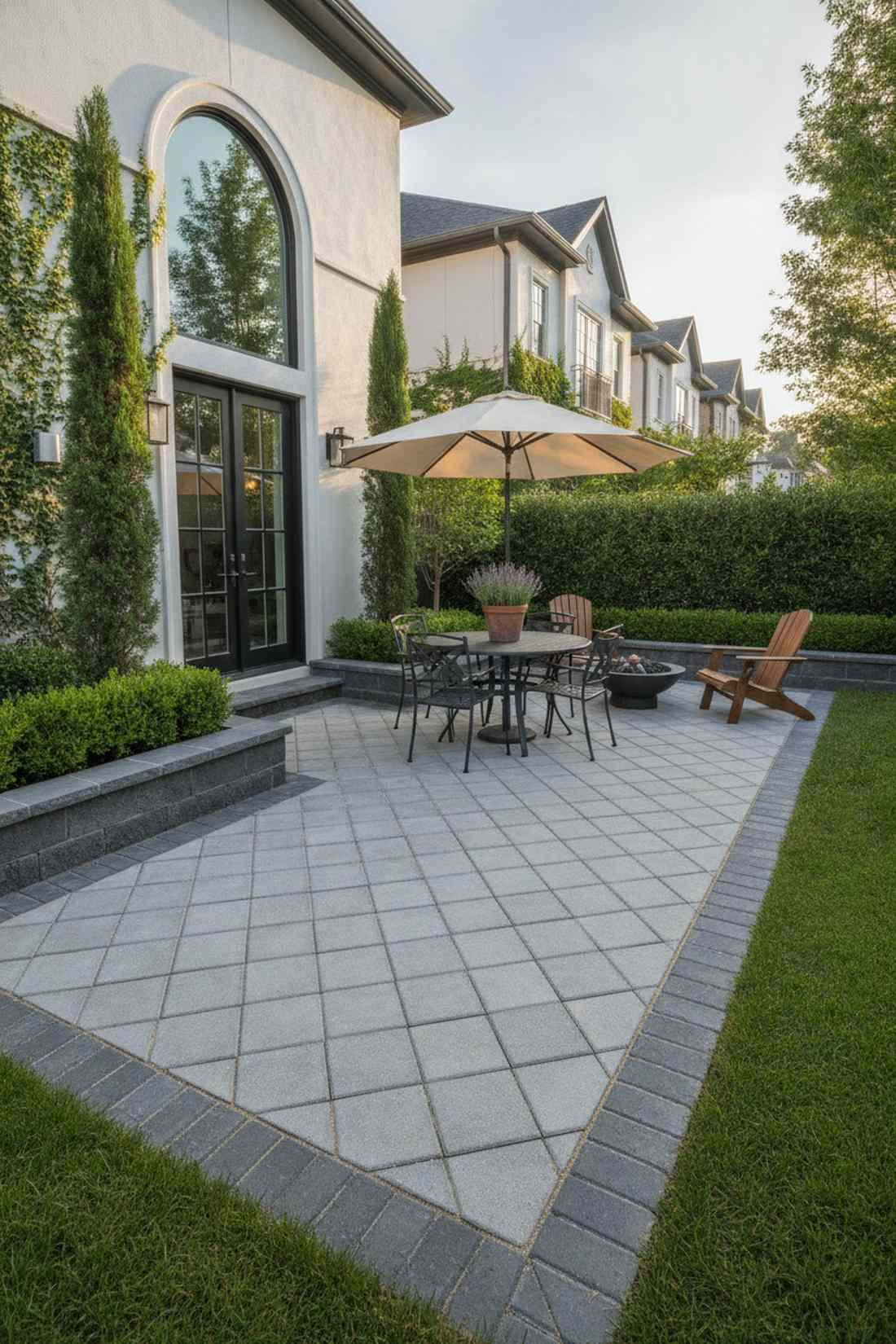
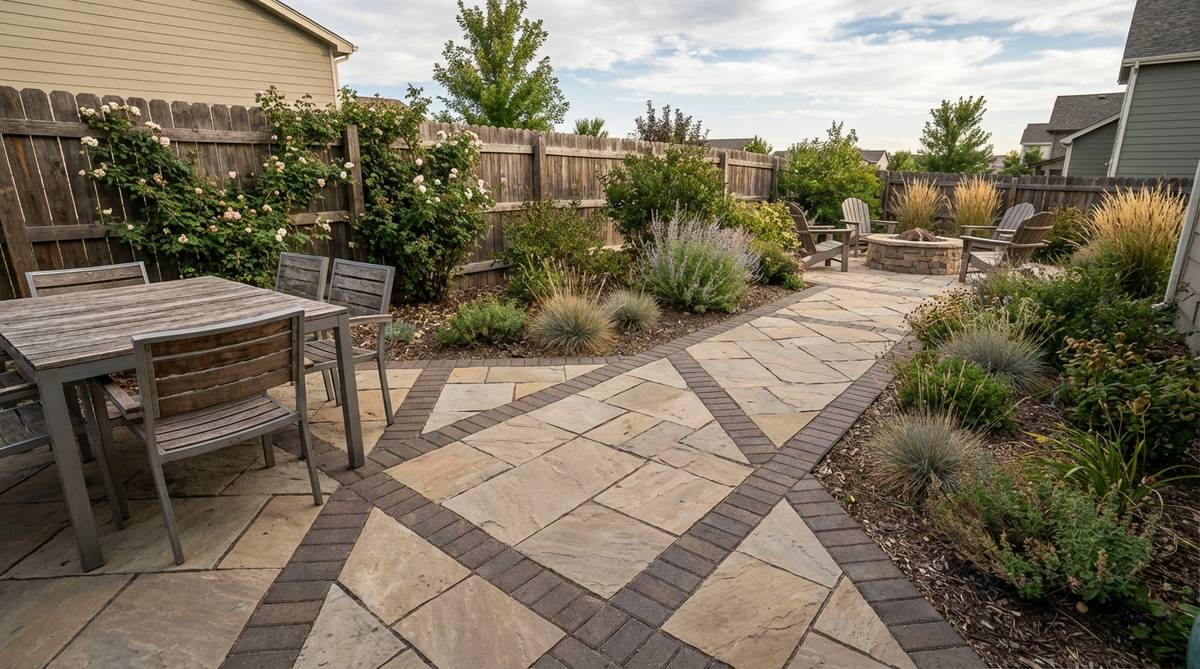
This diagonal geometric patio layout feels like stepping into an expansive European courtyard. Works exceptionally well for narrow townhome plots where visual width is heavily restricted.
Most DIYers lay their hardscape entirely wrong, shrinking their usable area. Angling these stones naturally redirects the eye, delivering a surprisingly premium look without requiring extra materials. Integrating commercial-grade polymeric sand prevents weed growth.
You can easily pull this off for around $150–$300. Save this to your DIY weekend garden board!
- Key Materials: Pre-sealed concrete pavers
- Vibe / Style: Modern European estate
- Difficulty: Intermediate weekend build
- Budget Breakdown: Pavers: $120 | Sand Base: $30.
- Creator’s Tip: Always use a string line to keep 45-degree angles razor-sharp.
- Smart Sourcing: Get bulk pack interlocking patio tiles and commercial-grade polymeric sweeping sand.
2. Sunken Conversation Pit
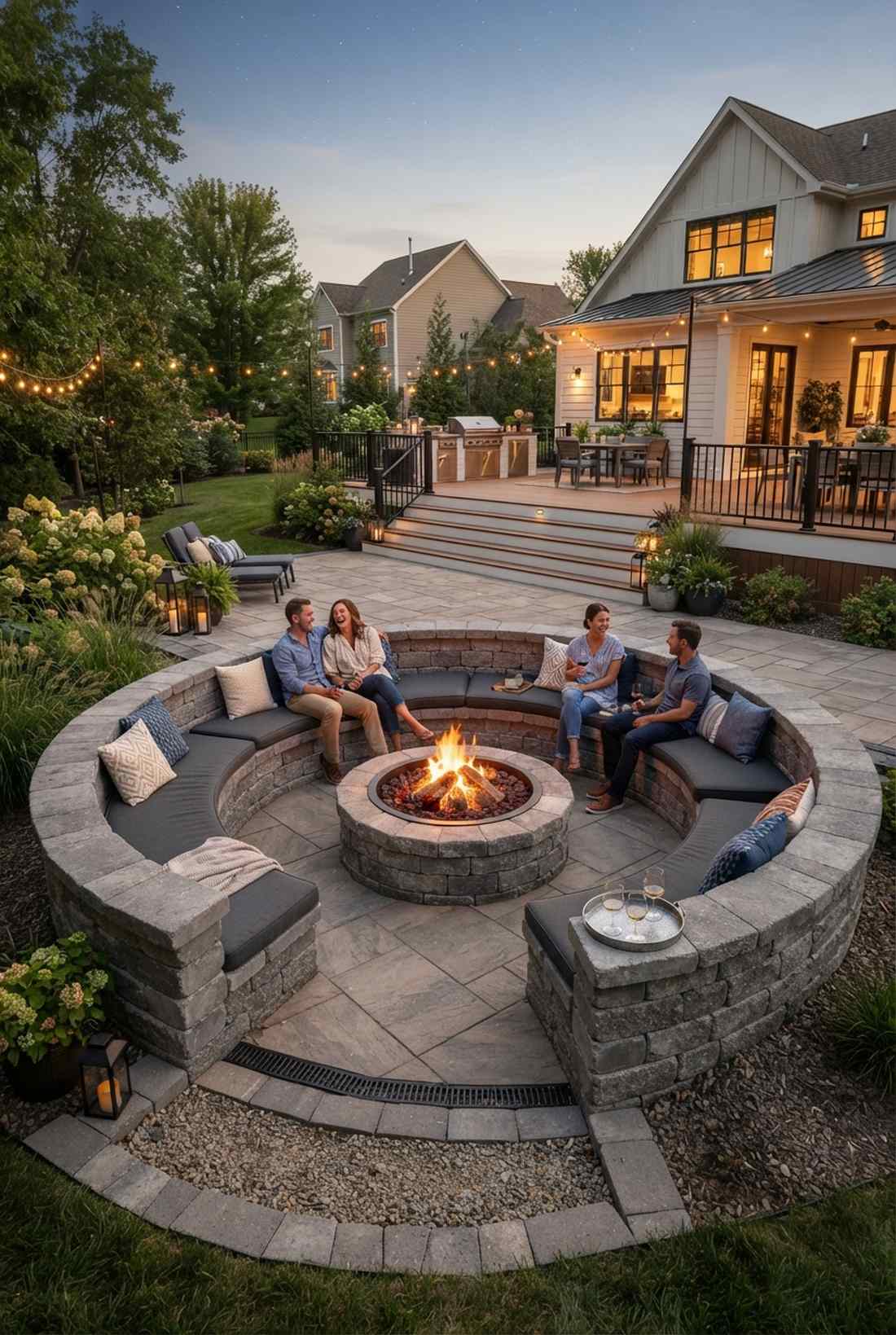
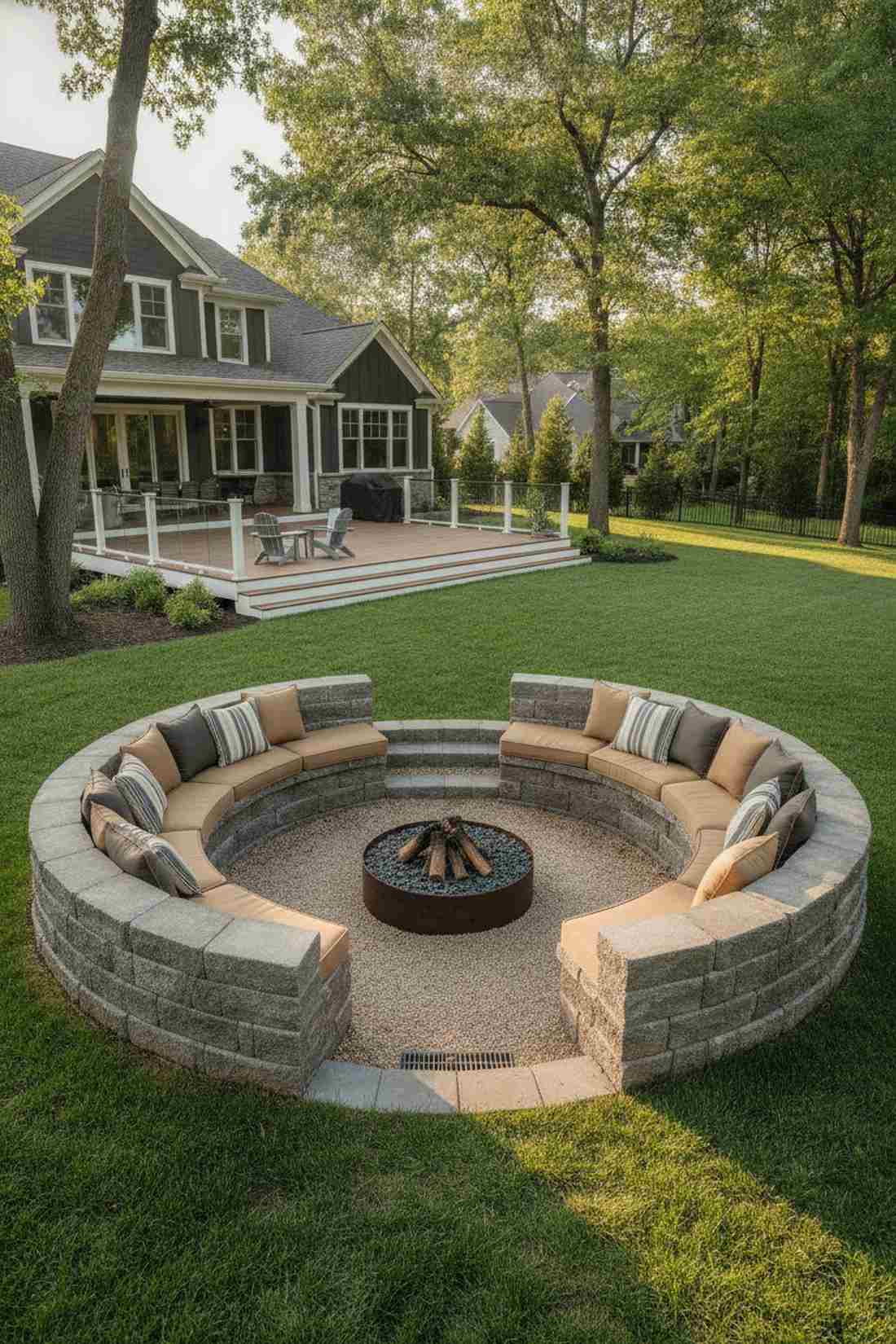
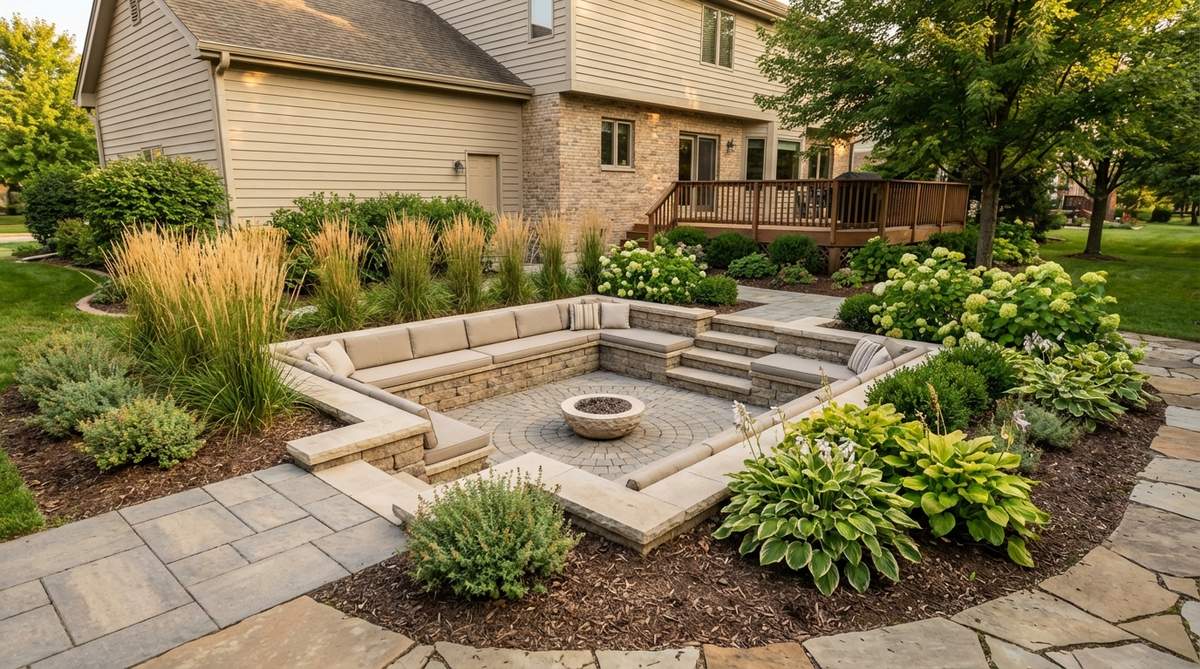
A recessed outdoor fire lounge feels like a hidden VIP section you accidentally discovered. Perfect for creating intimate gathering zones in otherwise flat, uninspired yards.
Lowering the seating changes the entire dynamic of the space, offering a designer-level finish usually reserved for luxury resorts. Excavating just a little depth creates natural wind protection and undeniable aesthetic drama.
Expect to spend roughly $300–$600 depending on retaining wall blocks. It’s a heavy upgrade that completely changes the vibe.
- Key Materials: Stackable retaining wall blocks
- Vibe / Style: High-end resort lounge
- Difficulty: Advanced digging required
- Budget Breakdown: Wall Blocks: $250 | Gravel/Base: $100.
- Creator’s Tip: Ensure proper drainage pipes are installed before laying the floor.
- Smart Sourcing: Use heavy-duty concrete block adhesive and a pre-cast steel fire pit ring.
3. Curved Pathway Design
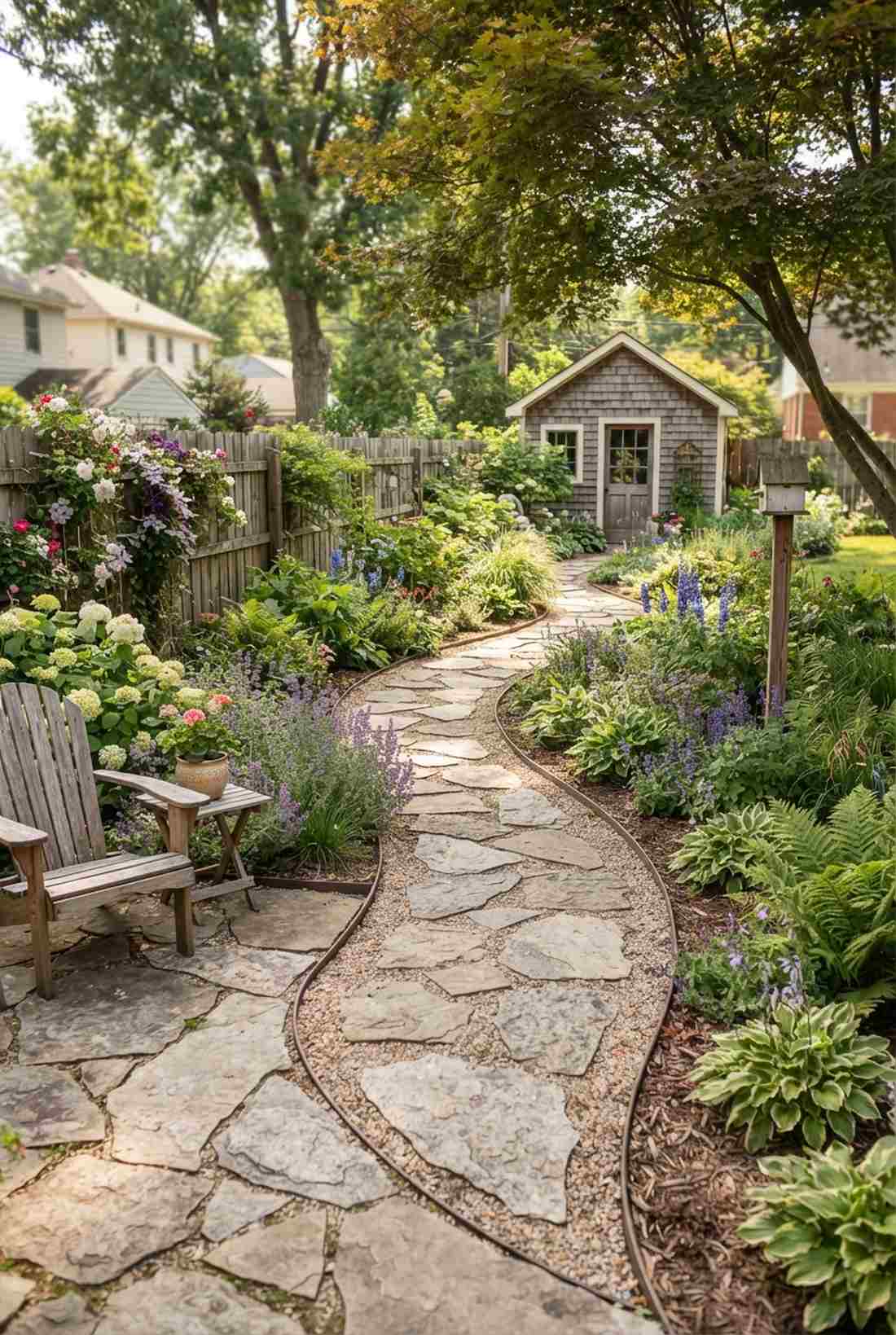
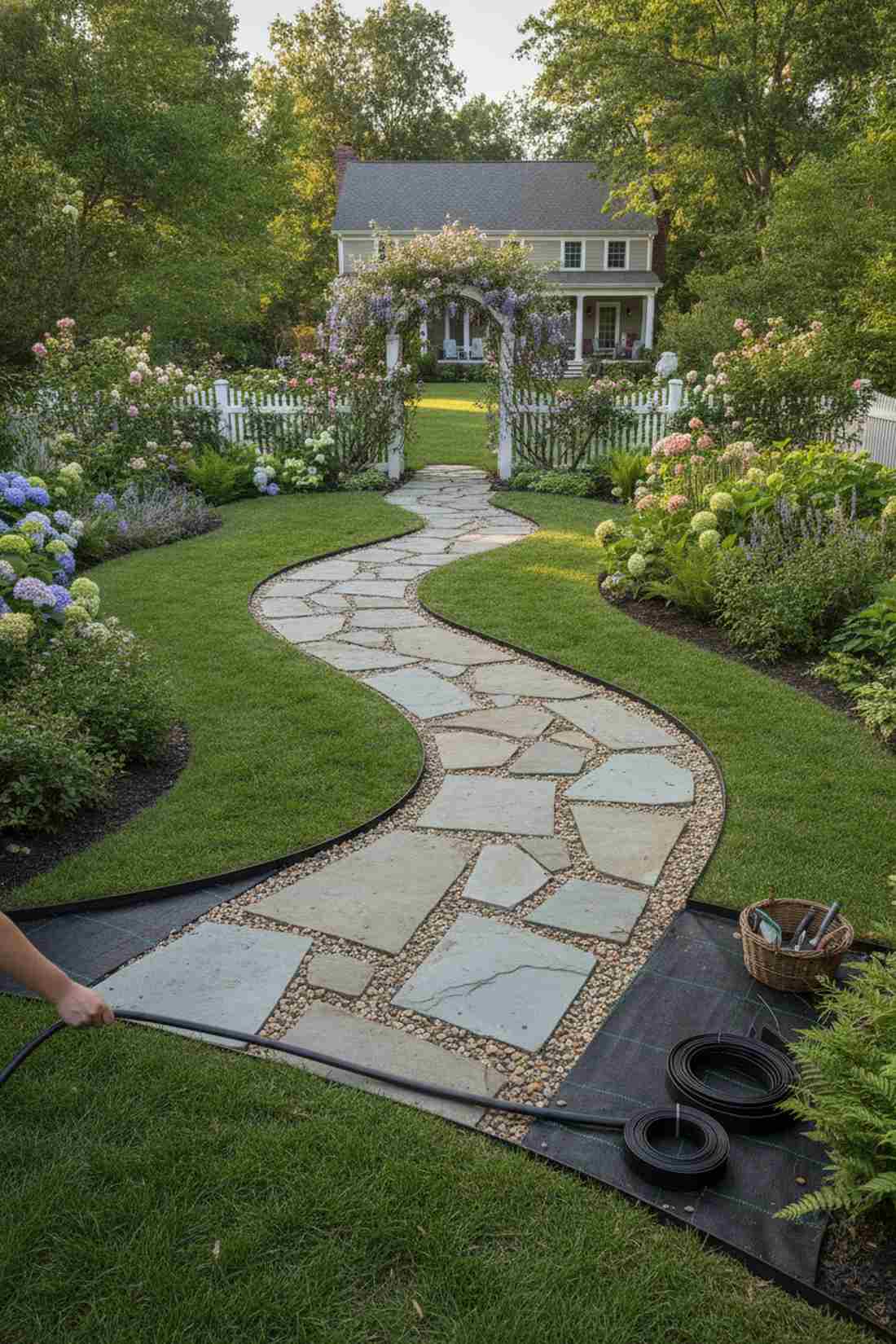
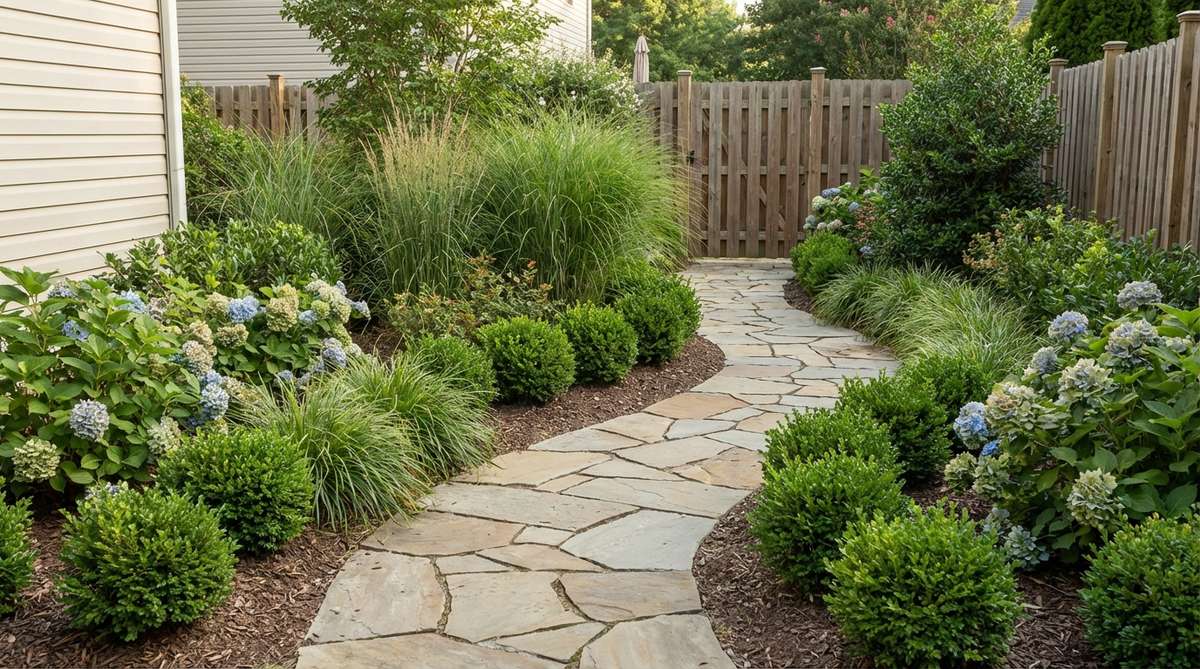
A winding stone walkway feels like a tranquil journey through a private botanical retreat. Excellent for breaking up boxy fence lines in standard suburban lots.
Straight lines emphasize small boundaries, but this visual trick creates the illusion of a massive estate. Using flexible edge restraints allows for smooth, organic curves that look wildly expensive but cost pennies.
You can execute this path for under $100. Pin this if you’re planning a small space upgrade!
- Key Materials: Flexible landscape edging
- Vibe / Style: Secret cottage garden
- Difficulty: Easy beginner project
- Budget Breakdown: Edging: $30 | Pathway Stones/Gravel: $60.
- Creator’s Tip: Use a garden hose to mock up the curve before digging.
- Smart Sourcing: Grab no-dig flexible edging kits and UV-coated weed barrier fabric.
4. Raised Deck Platform
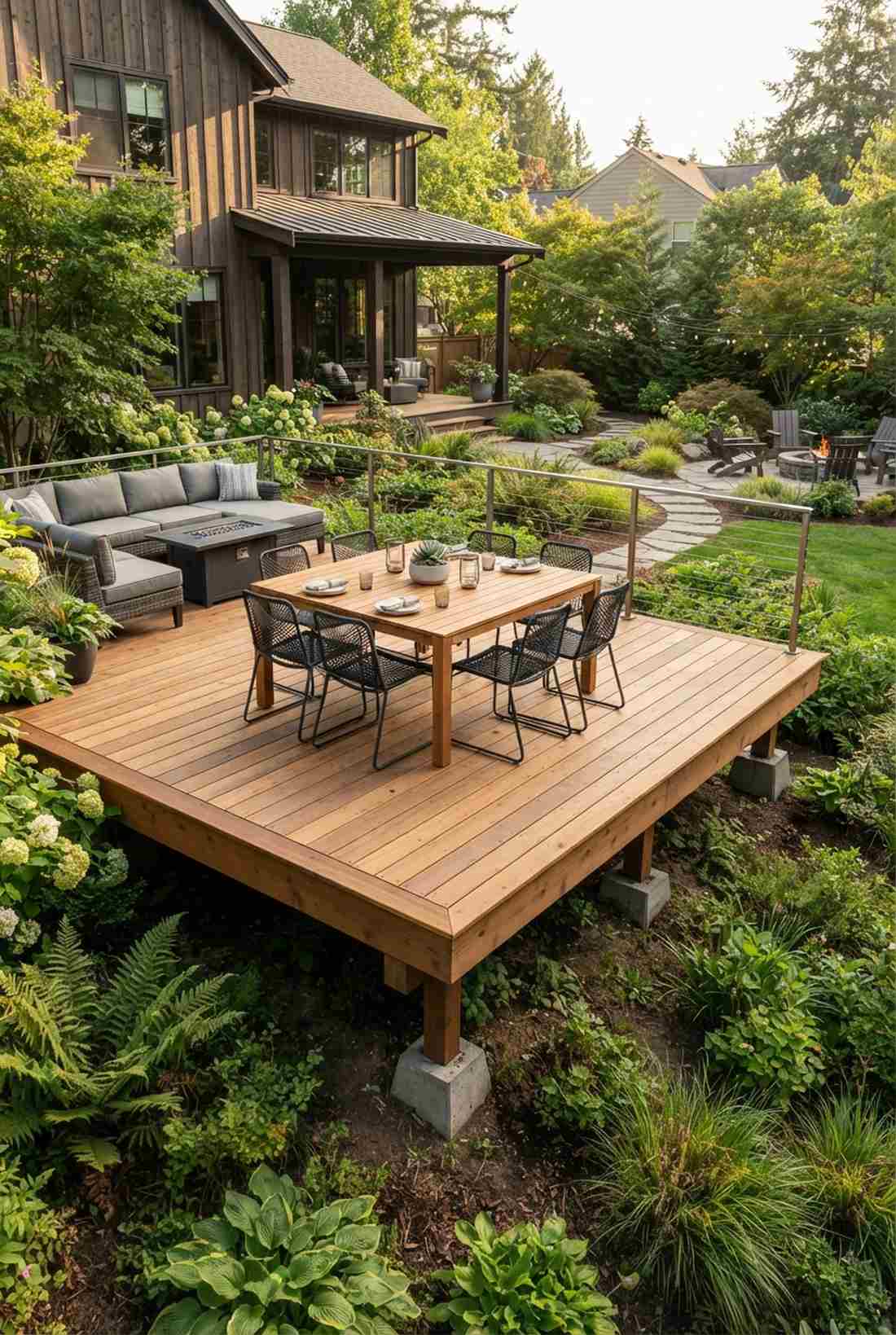
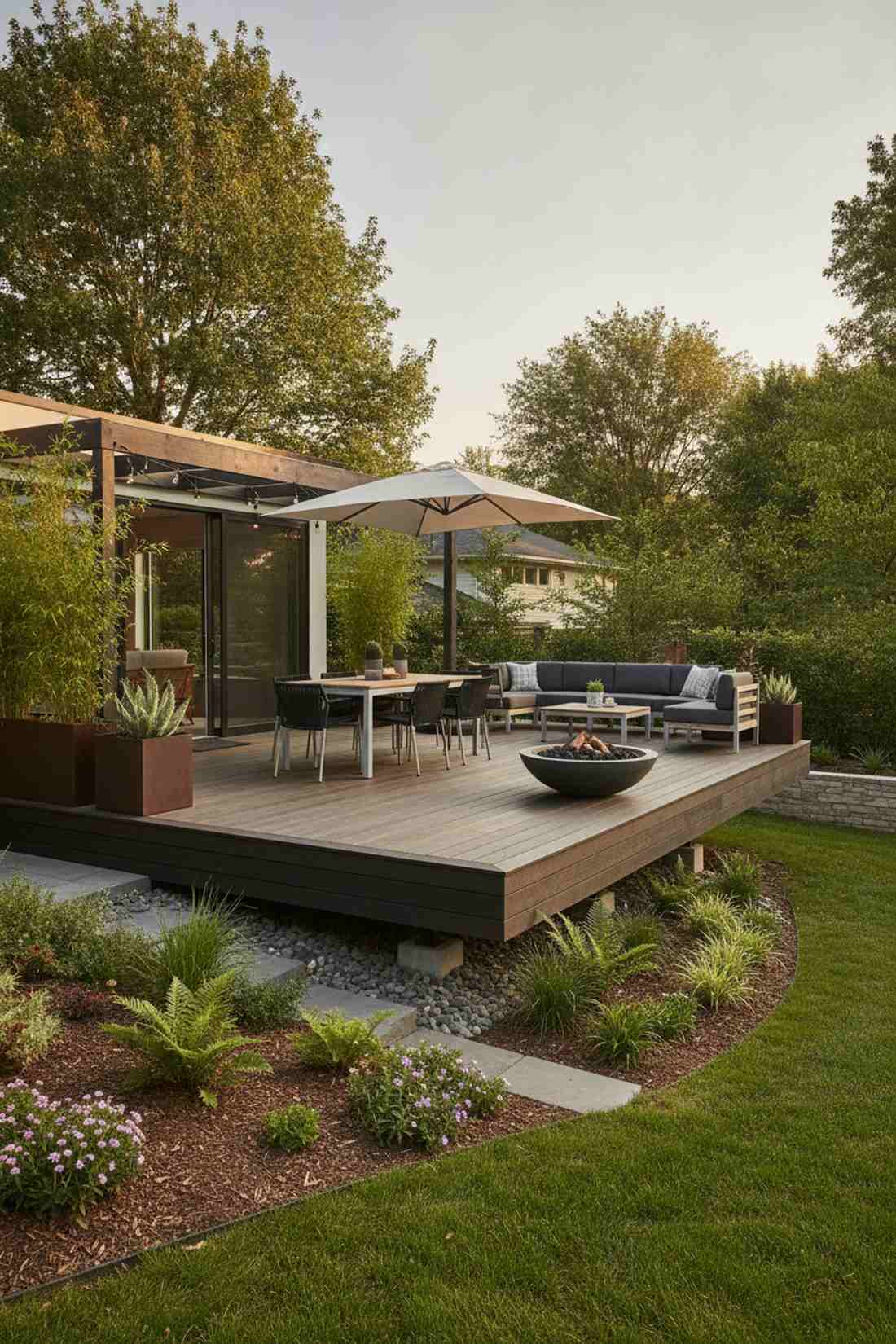
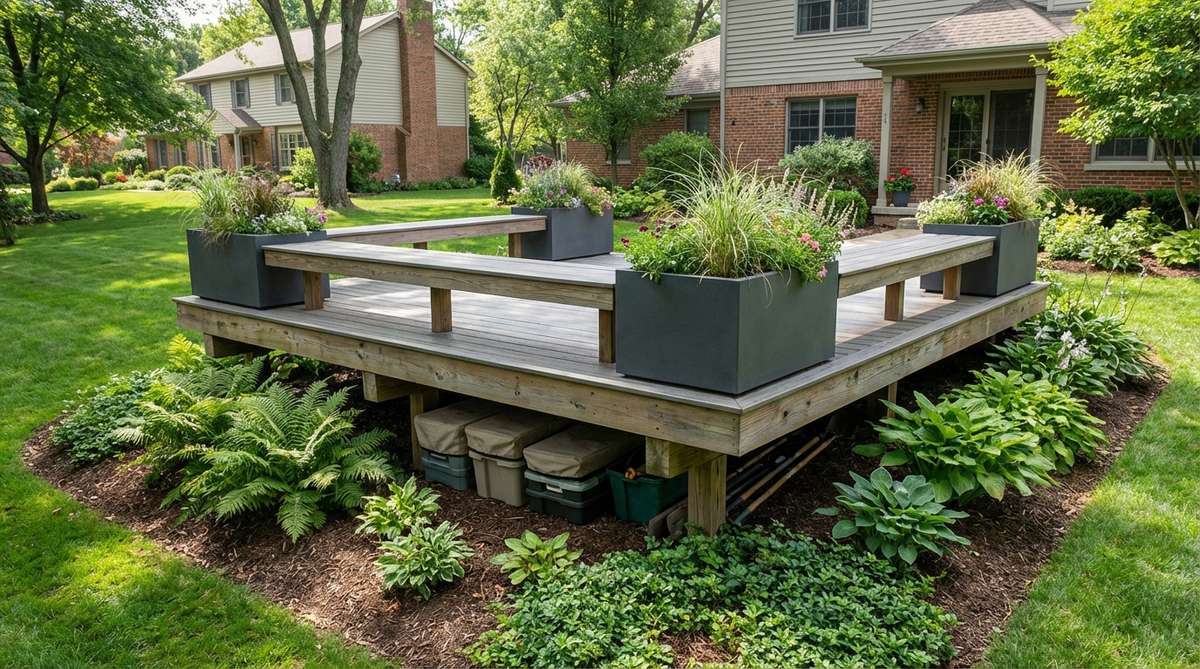
This floating timber patio deck feels like a stylish observation deck hovering over your greenery. Highly recommended for properties with uneven ground or poor drainage.
Elevating the structure instantly separates the dining area from the soil, instantly upgrading the yard’s architectural value. Small garden ideas backyard setups thrive on vertical separation to define distinct outdoor rooms.
This structural addition runs between $400–$800. Highly recommended for a high-ROI home improvement win.
- Key Materials: Pressure-treated framing lumber
- Vibe / Style: Contemporary urban loft
- Difficulty: Intermediate carpentry
- Budget Breakdown: Decking Boards: $300 | Concrete Pier Blocks: $50.
- Creator’s Tip: Overhang the top boards by one inch to hide the ugly sub-frame.
- Smart Sourcing: Source hidden composite deck fasteners and pre-cast concrete deck blocks.
5. Gravel Garden Base
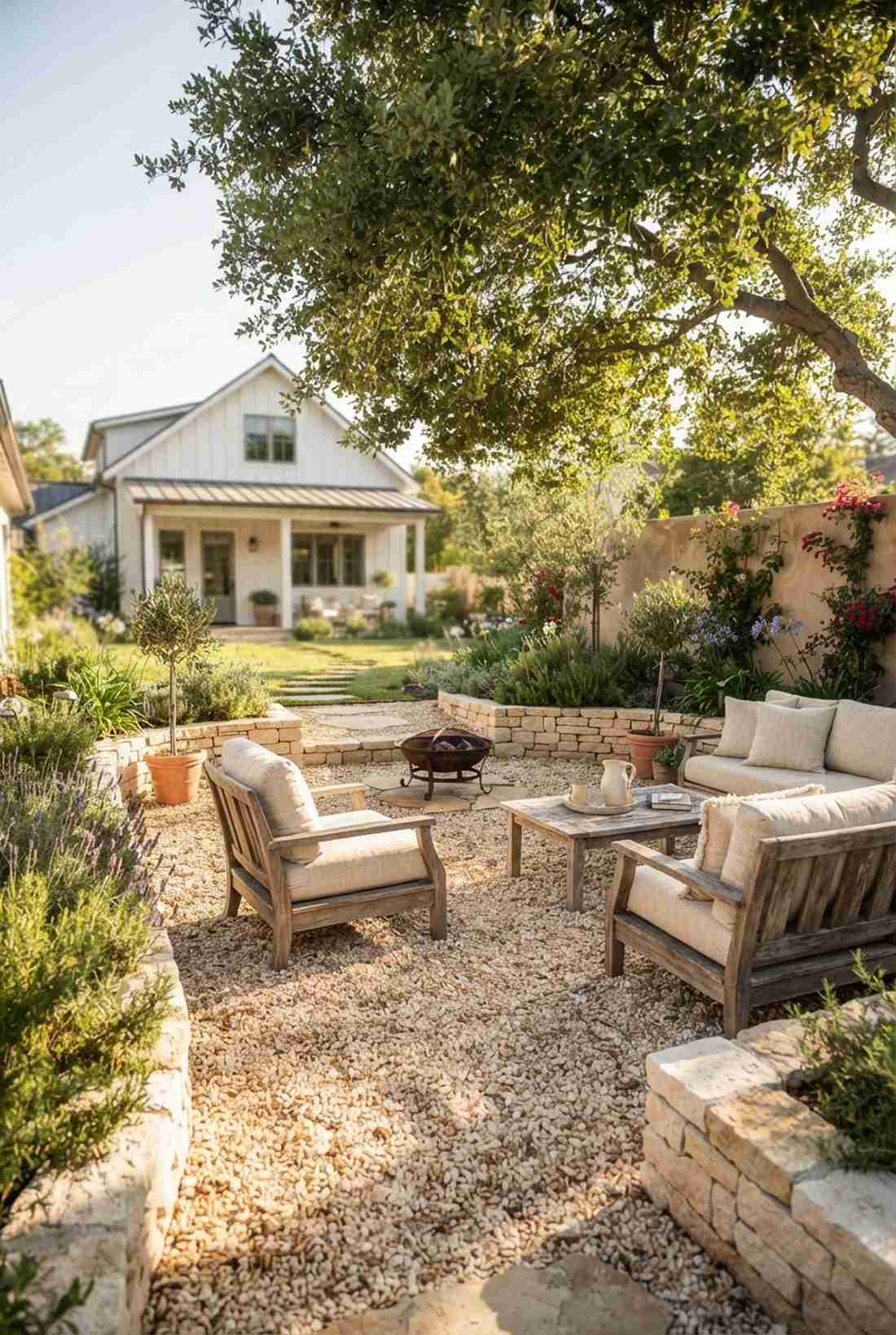
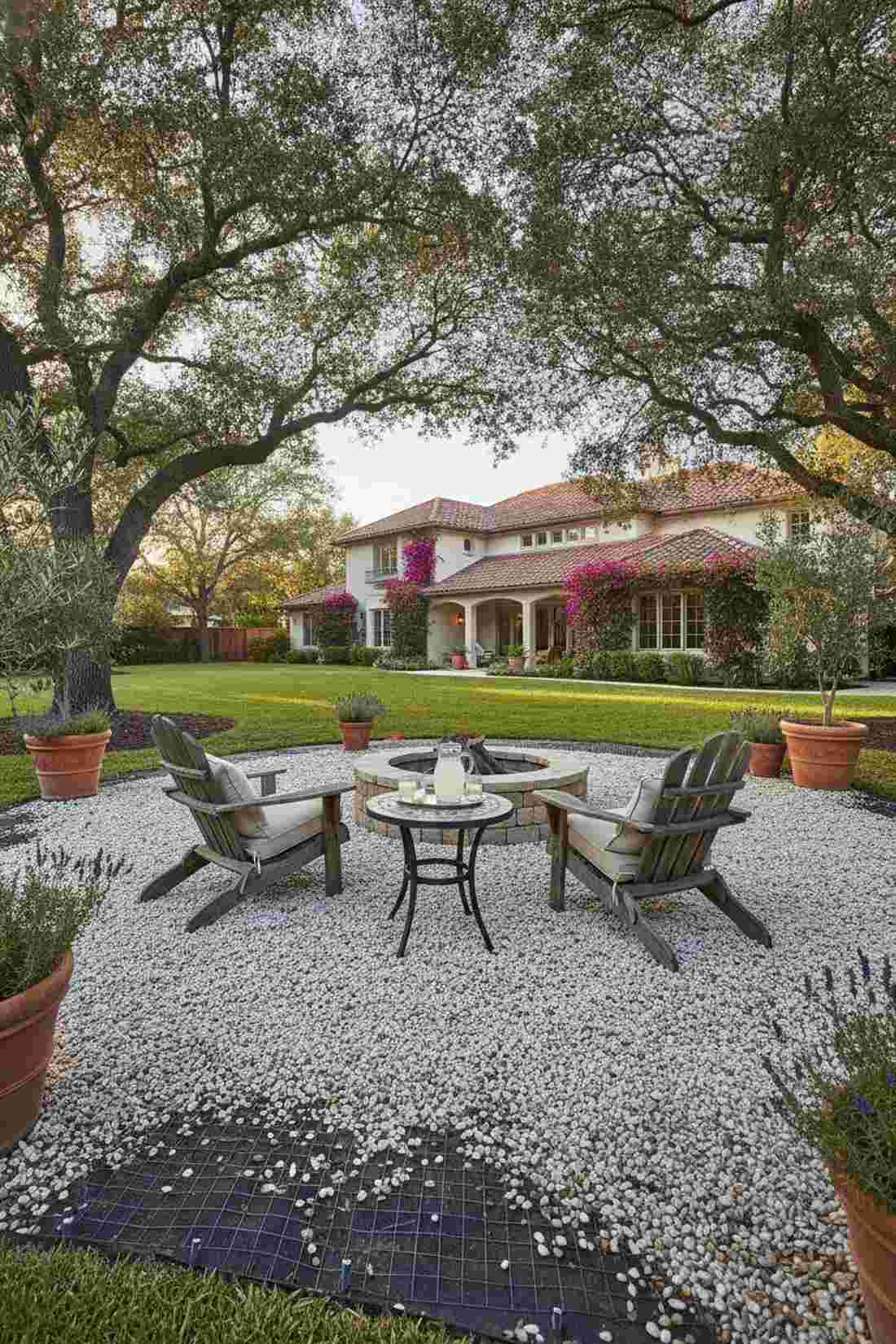
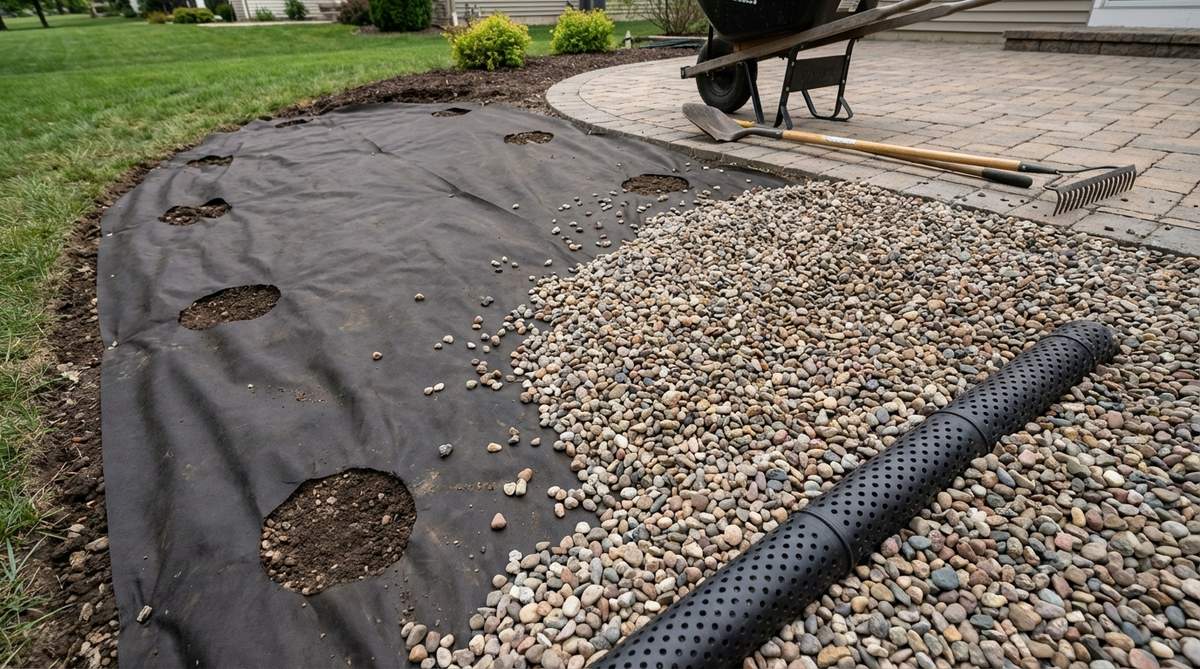
A crushed stone courtyard base feels like a sun-drenched Mediterranean villa courtyard. Brilliant for zero-maintenance seating areas under heavy tree canopies.
Skip the expensive concrete pours; this alternative provides a high-texture surface that drains perfectly and requires zero mowing. It’s an elite hack that looks far more expensive than standard turf grass.
You can easily pull this off for around $80–$150.
- Key Materials: Crushed limestone or pea gravel
- Vibe / Style: Rustic Mediterranean
- Difficulty: Labor-intensive but simple
- Budget Breakdown: Bulk Gravel: $100 | Fabric: $30.
- Creator’s Tip: Tamp the gravel down in thin layers so it doesn’t shift when walking.
- Smart Sourcing: Invest in commercial-grade geotextile underlayment and galvanized steel landscape staples.
This next layout trick completely breaks the rules of traditional landscaping and maximizes zero ground space…
Vertical Small Garden Ideas Backyard Designs
6. Wall-Mounted Pocket Planters
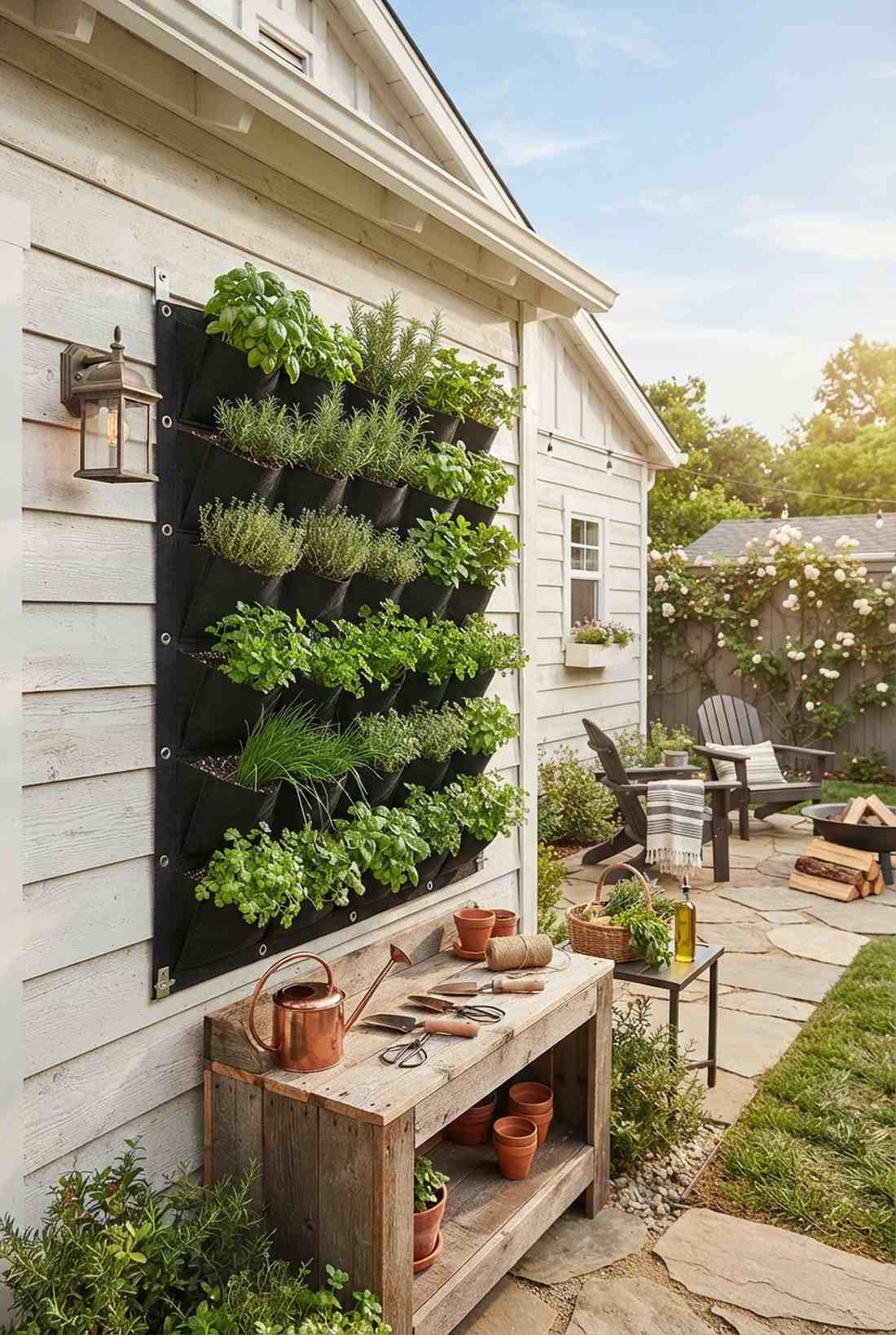
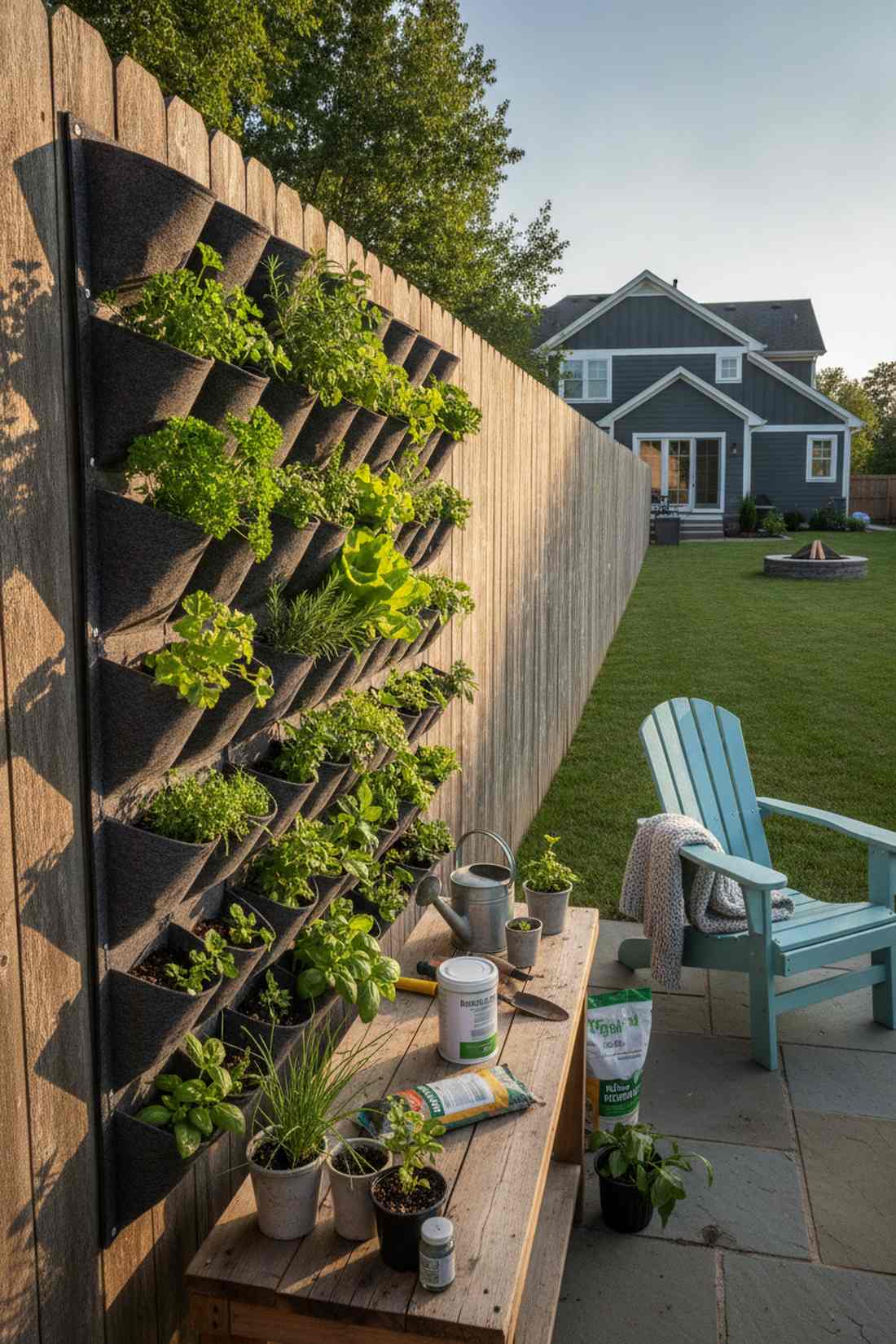
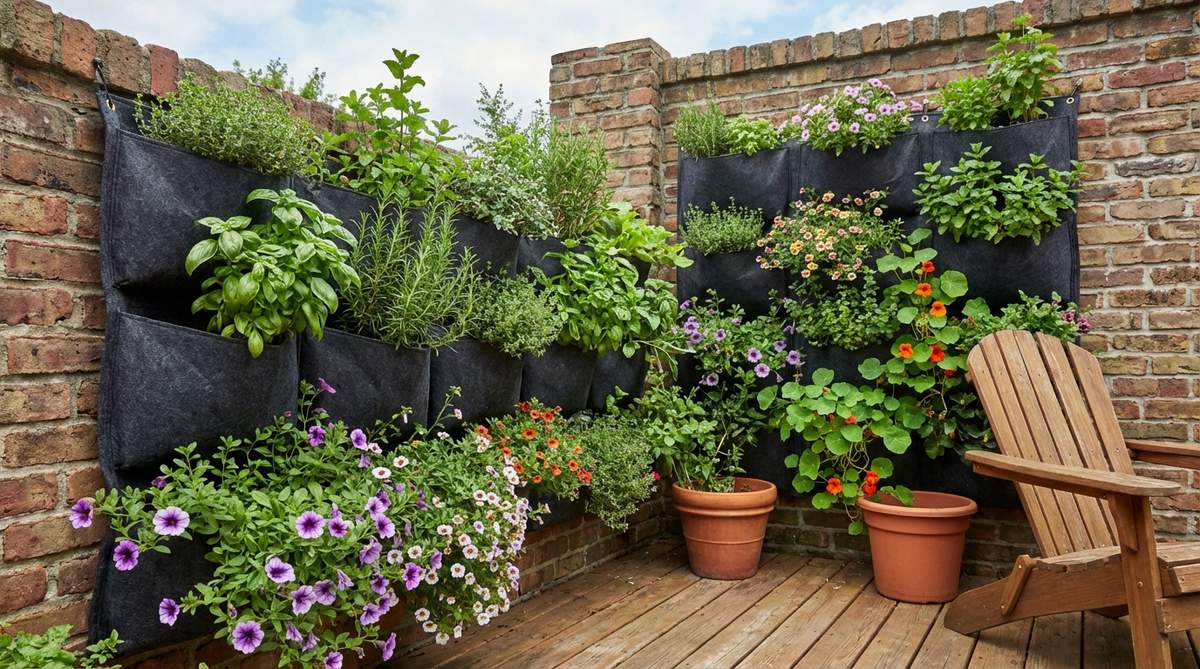
A fabric vertical herb wall feels like a chef’s private ingredient sanctuary. Fits perfectly on boring garage walls or sunny privacy fences.
Leaving walls empty is a massive missed opportunity for high-yield growth. This suspended system produces an avalanche of fresh greens while giving a designer-level finish to an otherwise dead zone.
Setup costs hover around $30–$60. Save this to your spring planting board!
- Key Materials: Breathable felt pocket planters
- Vibe / Style: Urban culinary garden
- Difficulty: Quick afternoon hang
- Budget Breakdown: Planter unit: $25 | Potting mix: $15.
- Creator’s Tip: Add moisture-retaining gel crystals to the soil so the top pockets don’t dry out.
- Smart Sourcing: Look for heavy-duty waterproof felt vertical planters and bulk organic seed starter packs.
7. Trellis Panel Screens
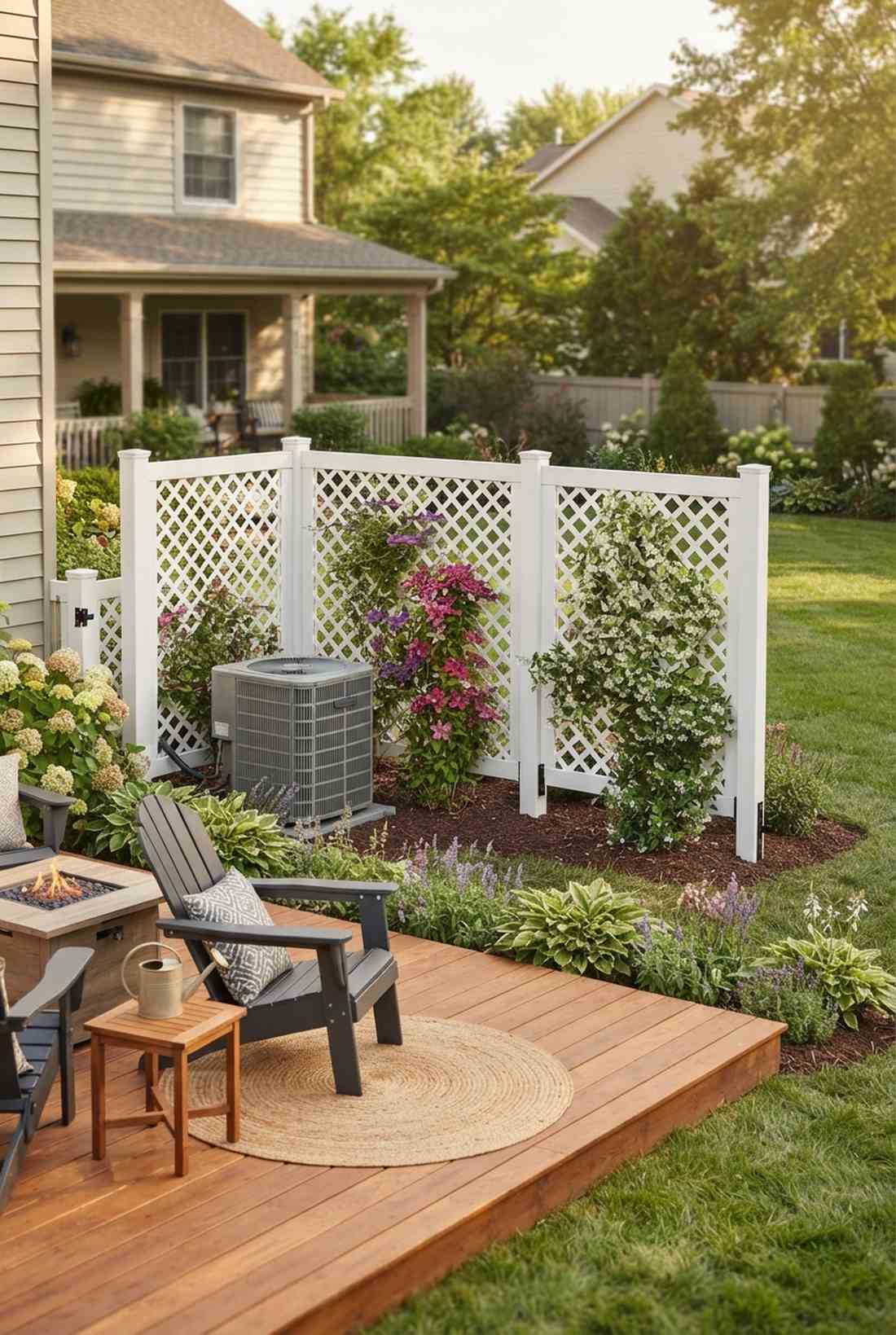
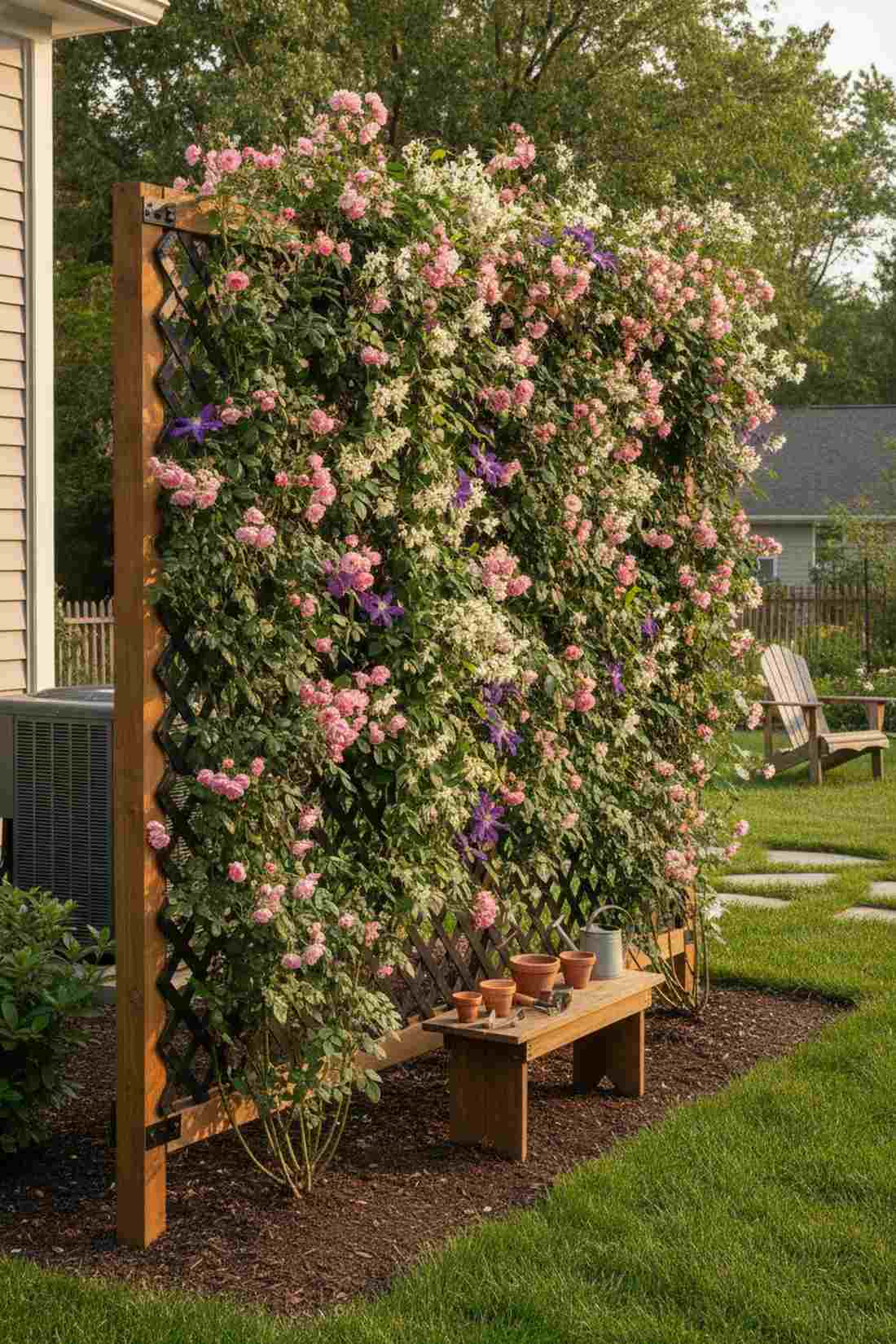
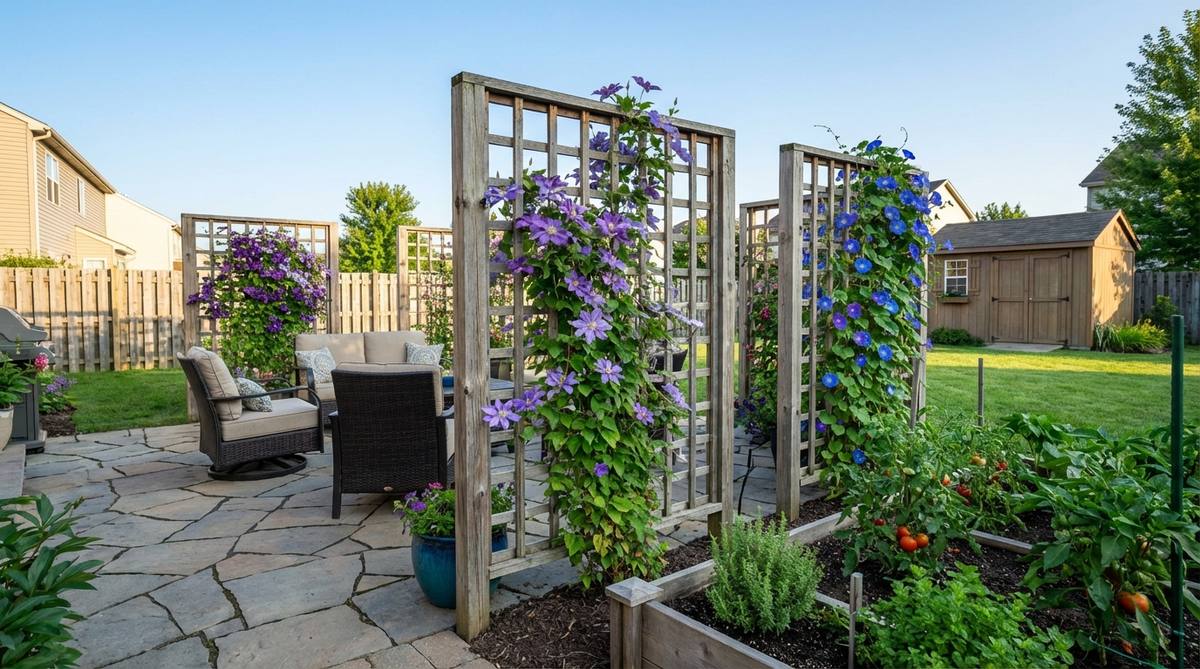
A freestanding climbing vine divider feels like a romantic floral wall right out of a botanical garden. Ideal for blocking unsightly AC units or neighbor sightlines.
Instead of building solid walls that trap heat, this breathable structure elevates your miniature garden supplies visually. It’s a rapid aesthetic upgrade that turns basic climbers into architectural assets.
You can build this for roughly $40–$75. It’s a fast upgrade that completely changes the vibe.
- Key Materials: Cedar lattice panels
- Vibe / Style: Classic English garden
- Difficulty: Easy bracket mounting
- Budget Breakdown: Lattice: $35 | Mounting posts: $20.
- Creator’s Tip: Leave a 2-inch gap at the bottom to prevent wood rot from soil contact.
- Smart Sourcing: Pick up UV-coated vinyl trellis kits and rust-proof steel wall brackets.
8. Hanging Gutter Gardens
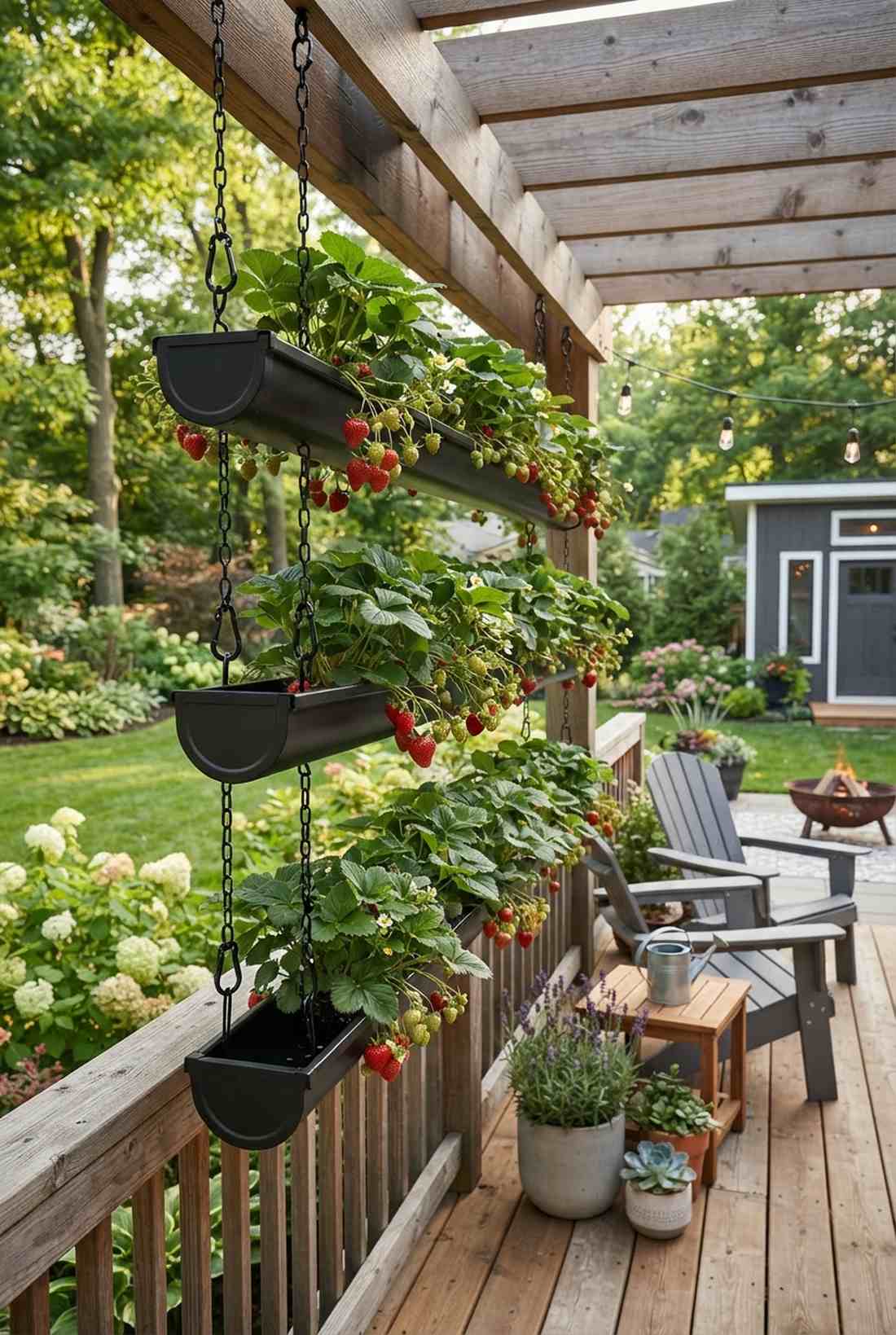
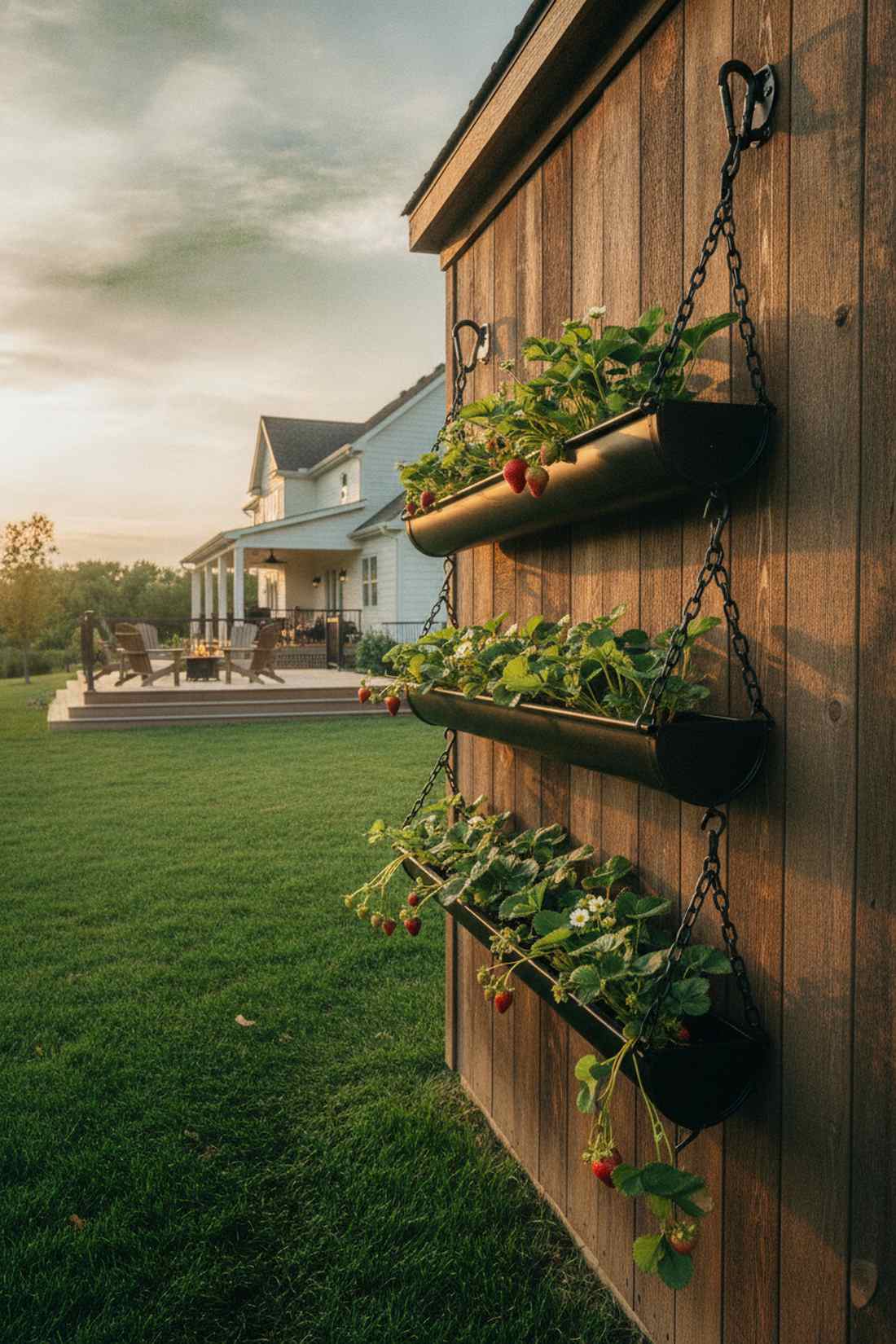
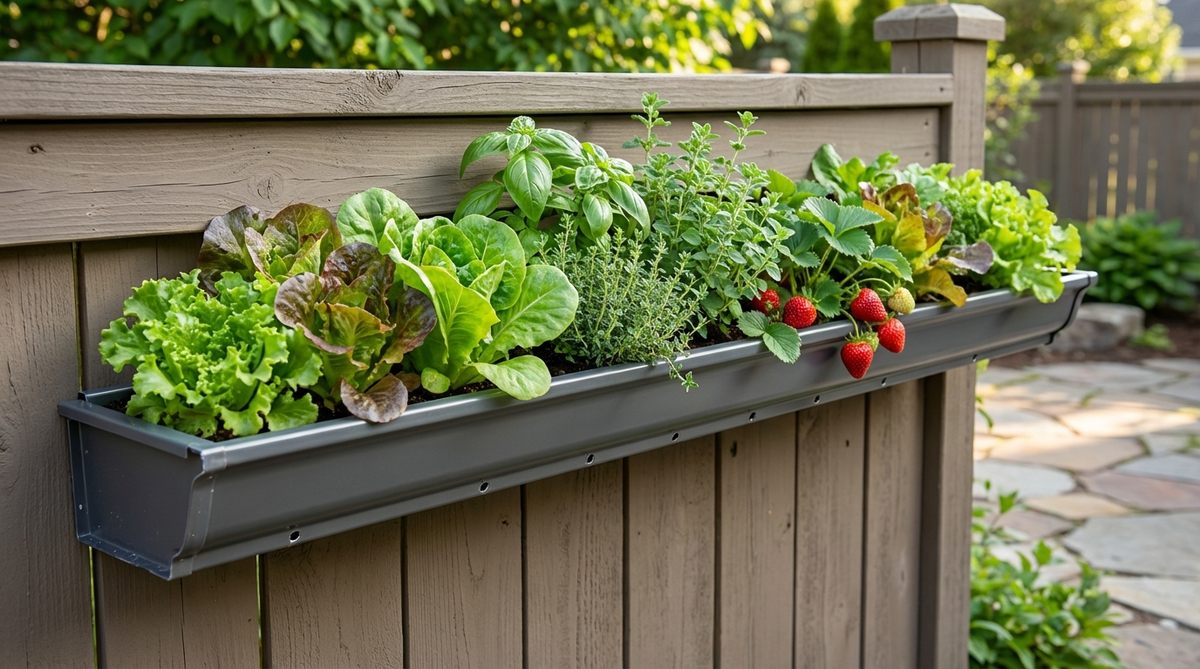
A suspended aluminum strawberry channel feels like an ultra-modern hydroponic farm. Brilliant for attaching to deck rails or the sunny side of a shed.
Repurposing home materials provides a surprisingly premium look when painted matte black. This shallow-root system keeps pests away from your harvest while creating striking horizontal design lines.
This clever hack costs about $25–$45. Pin this for your next weekend project!
- Key Materials: Aluminum rain gutters
- Vibe / Style: Industrial modern farm
- Difficulty: Simple drill and hang
- Budget Breakdown: Gutters/Endcaps: $20 | Chain/Hooks: $10.
- Creator’s Tip: Drill drainage holes every 4 inches to prevent root rot.
- Smart Sourcing: Use pre-painted aluminum gutter sections and heavy-duty carabiner clips (bulk pack).
9. Ladder-Shelf Gardens
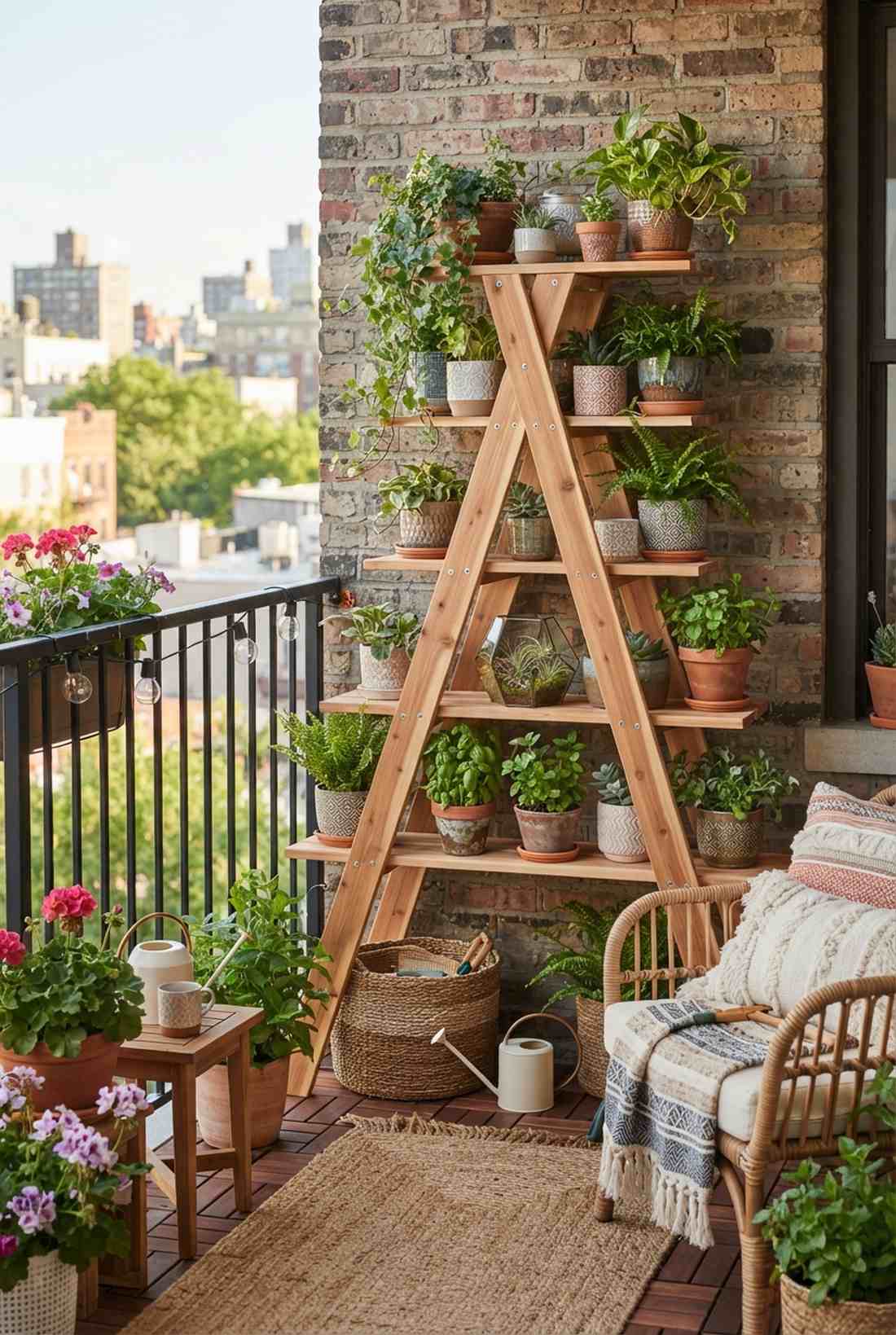
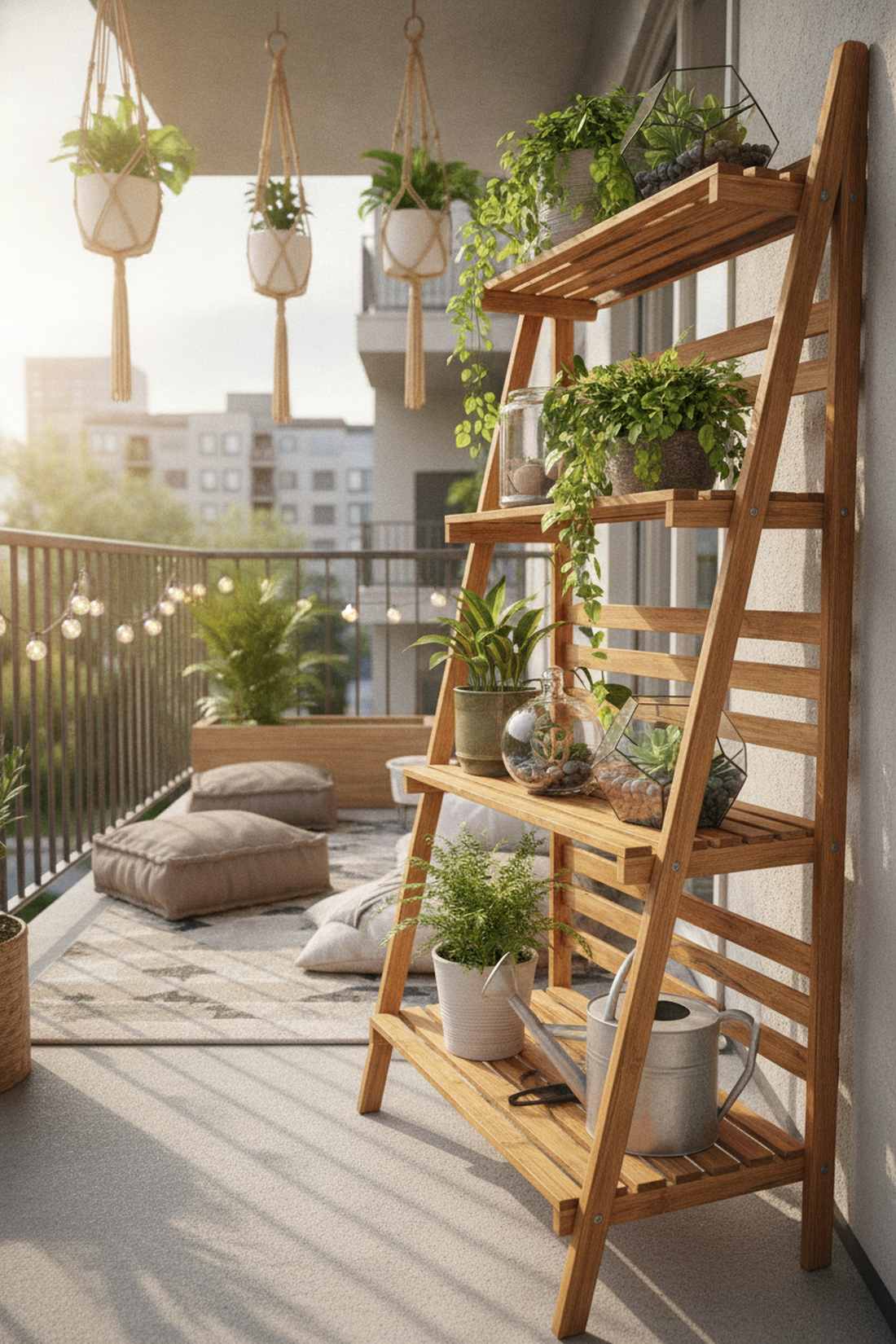
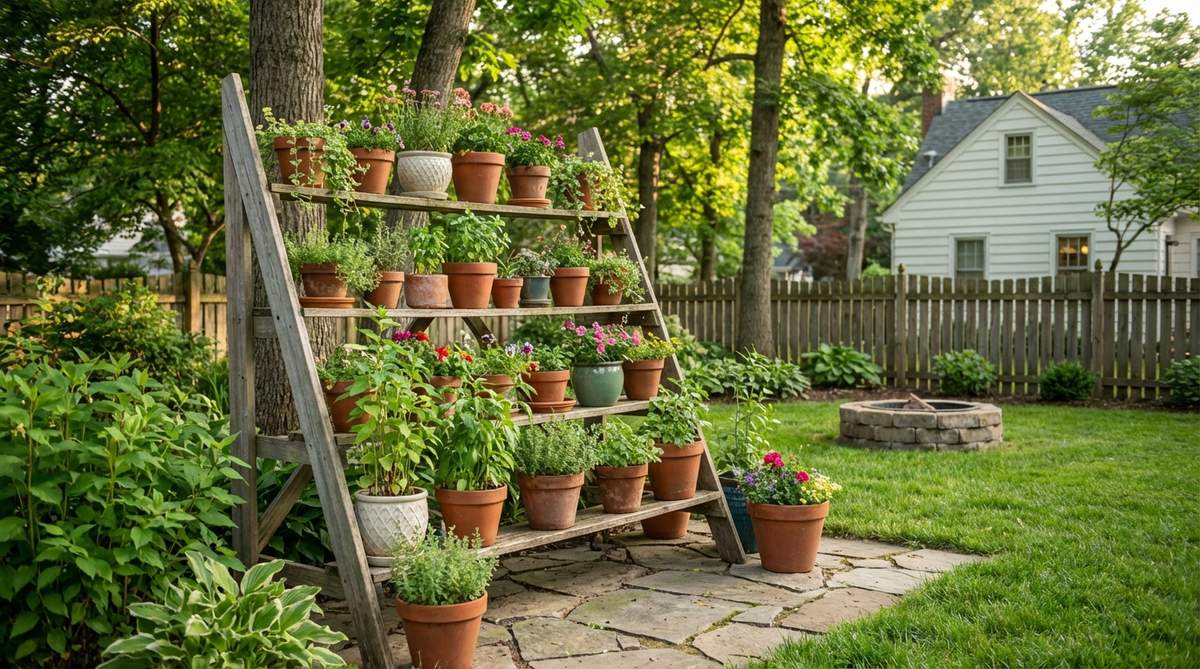
A tiered wooden display stand feels like a curated boutique plant shop display. Works amazingly well on tight apartment balconies or small patios.
Spreading pots on the ground looks cluttered, but staggering them vertically forces a clean, intentional aesthetic. It’s a space-saving powerhouse that showcases terrarium accessories and trailing vines flawlessly.
Expect to spend $40–$80 on materials.
- Key Materials: A-frame wooden ladder
- Vibe / Style: Cozy boho chic
- Difficulty: Beginner-friendly assembly
- Budget Breakdown: Wood/Screws: $40 | Exterior stain: $15.
- Creator’s Tip: Secure the back legs to a wall if you live in a high-wind area.
- Smart Sourcing: Buy weather-resistant folding cedar shelving or pre-cut treated pine boards.
💡 Must-Have Supplies for High-End Setups
To build these setups faster and ensure they last, skip the generic craft aisles and invest in the right foundational kits.
- Base & Support: Commercial-grade weed barrier fabric (bulk roll)
- Setup Tools: Heavy-duty landscape staple kits
- Weather/Durability Protection: UV-resistant clear acrylic waterproofing spray
10. Living Wall Panels
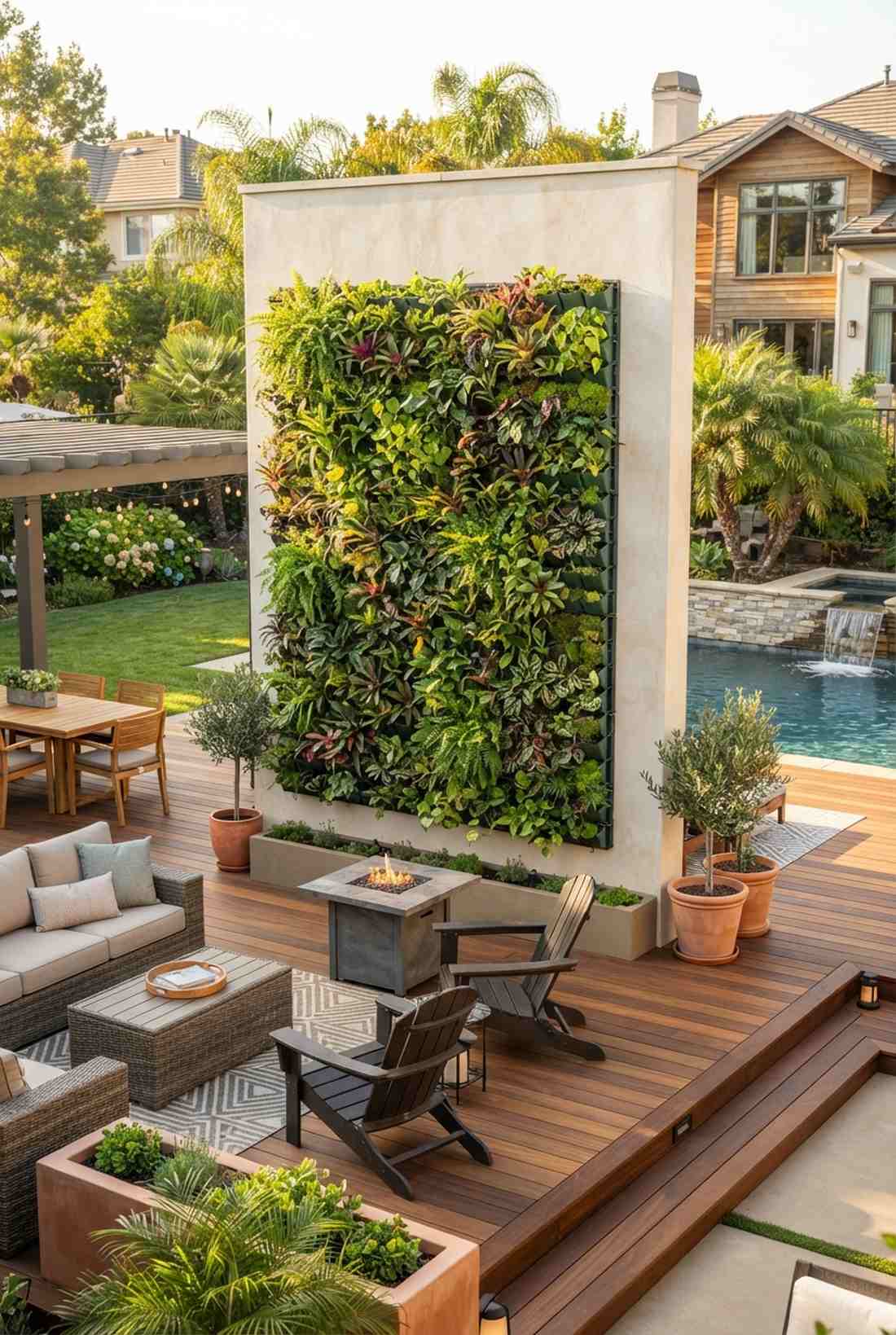
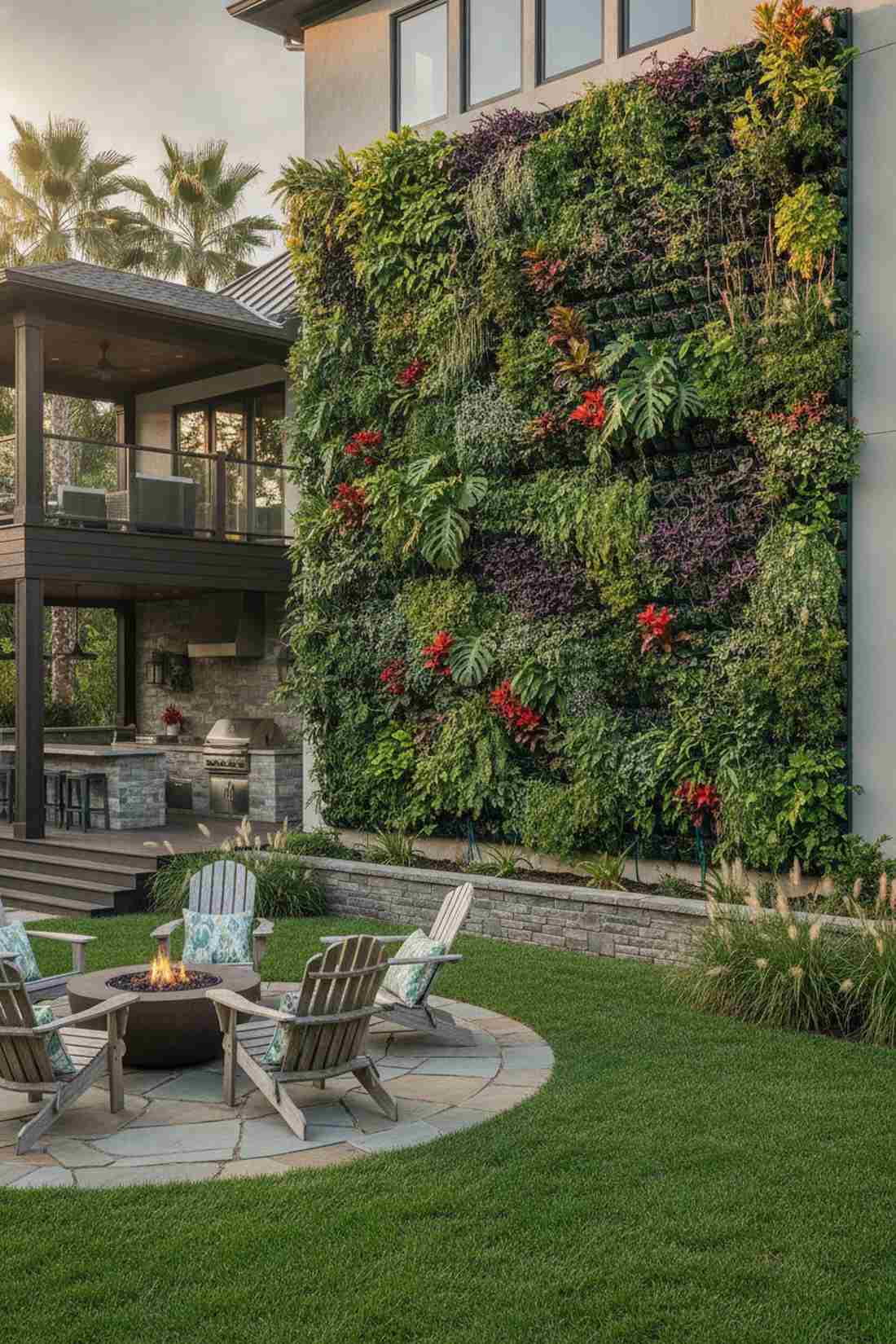
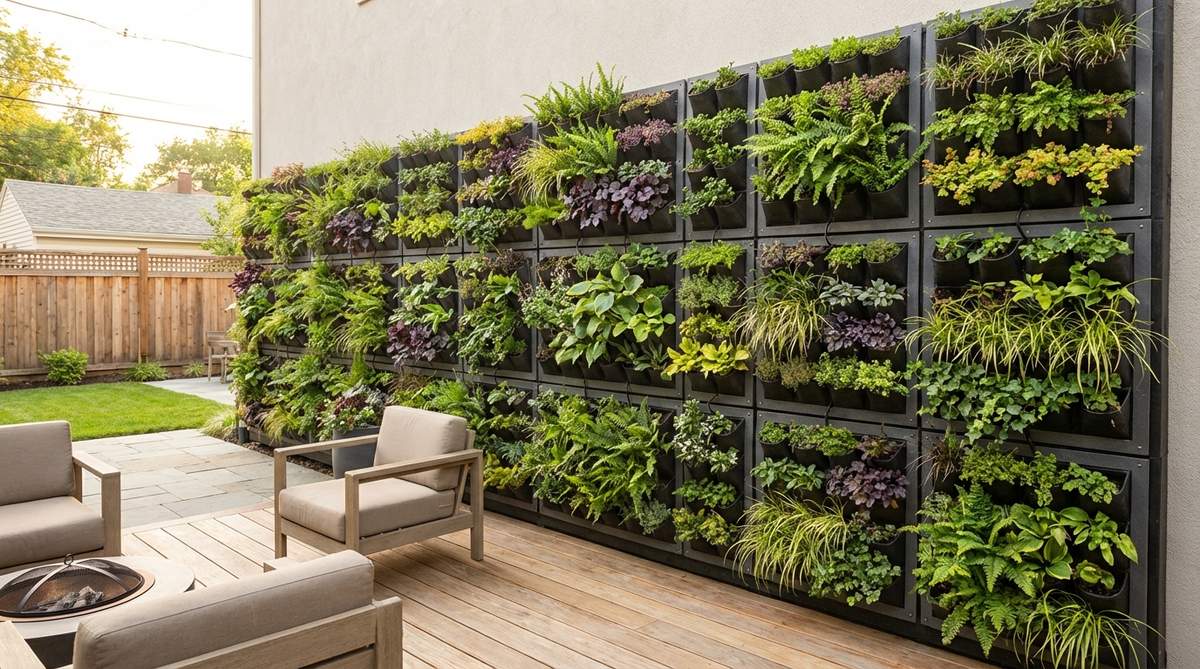
A lush modular greenery grid feels like an expensive eco-resort lobby installation. Transforms bare stucco or brick into a breathtaking focal point.
Achieving this level of density requires professional-style frames, but modern kits make it foolproof. The integrated irrigation completely eliminates the hassle, delivering a dramatic designer-level finish.
Kits range from $100–$250. Save this to your ultimate backyard goals board!
- Key Materials: Interlocking plastic planting cells
- Vibe / Style: Luxury tropical resort
- Difficulty: Intermediate plumbing
- Budget Breakdown: Panel Kits: $150 | Drip line parts: $40.
- Creator’s Tip: Use moisture-control potting soil specifically designed for vertical grids.
- Smart Sourcing: Snag self-watering living wall starter kits and micro-drip irrigation tubing.
Most homeowners waste hundreds on patio setups before seeing this next genius hack that basically doubles your square footage…
11. Arbor Archway Entrance
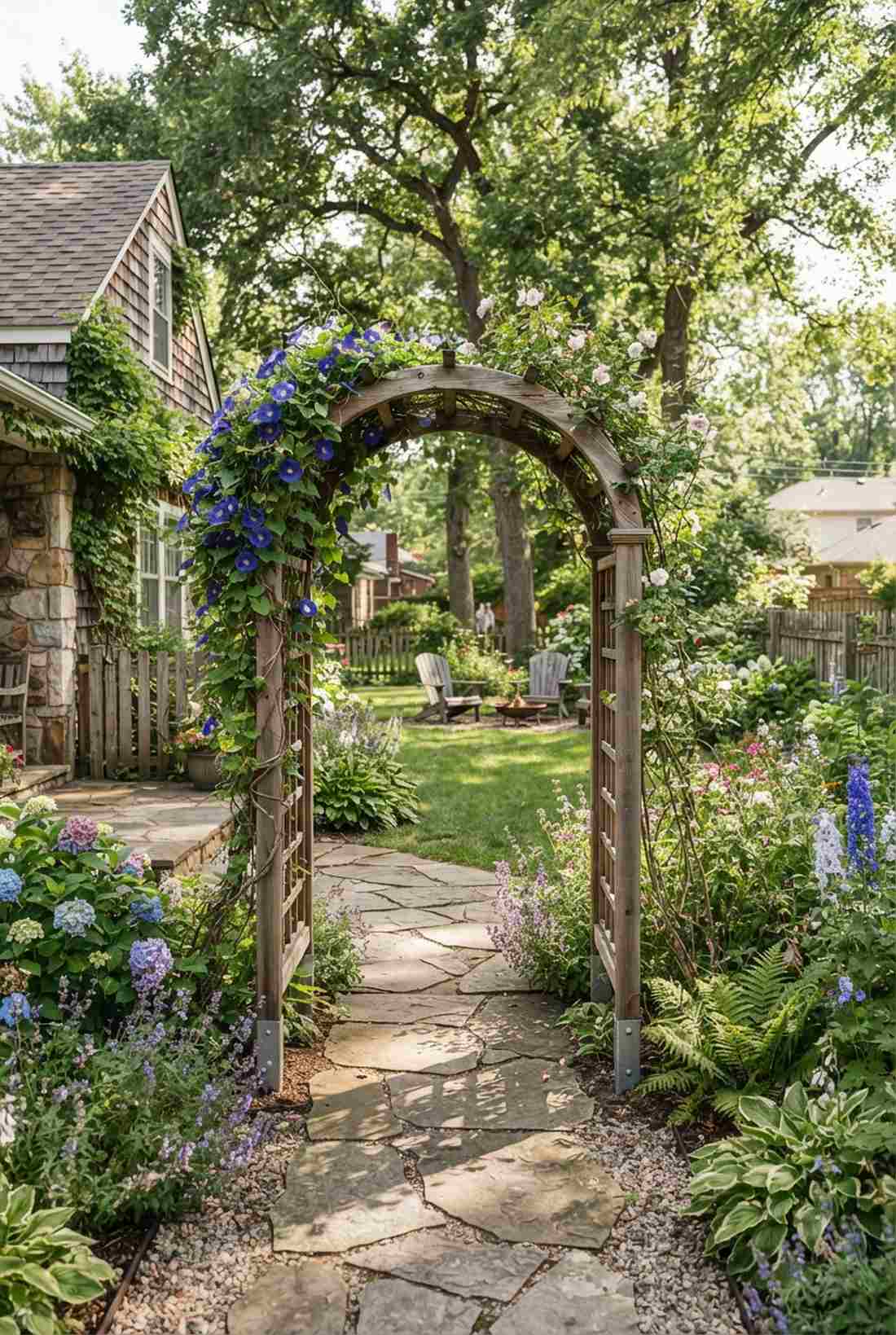
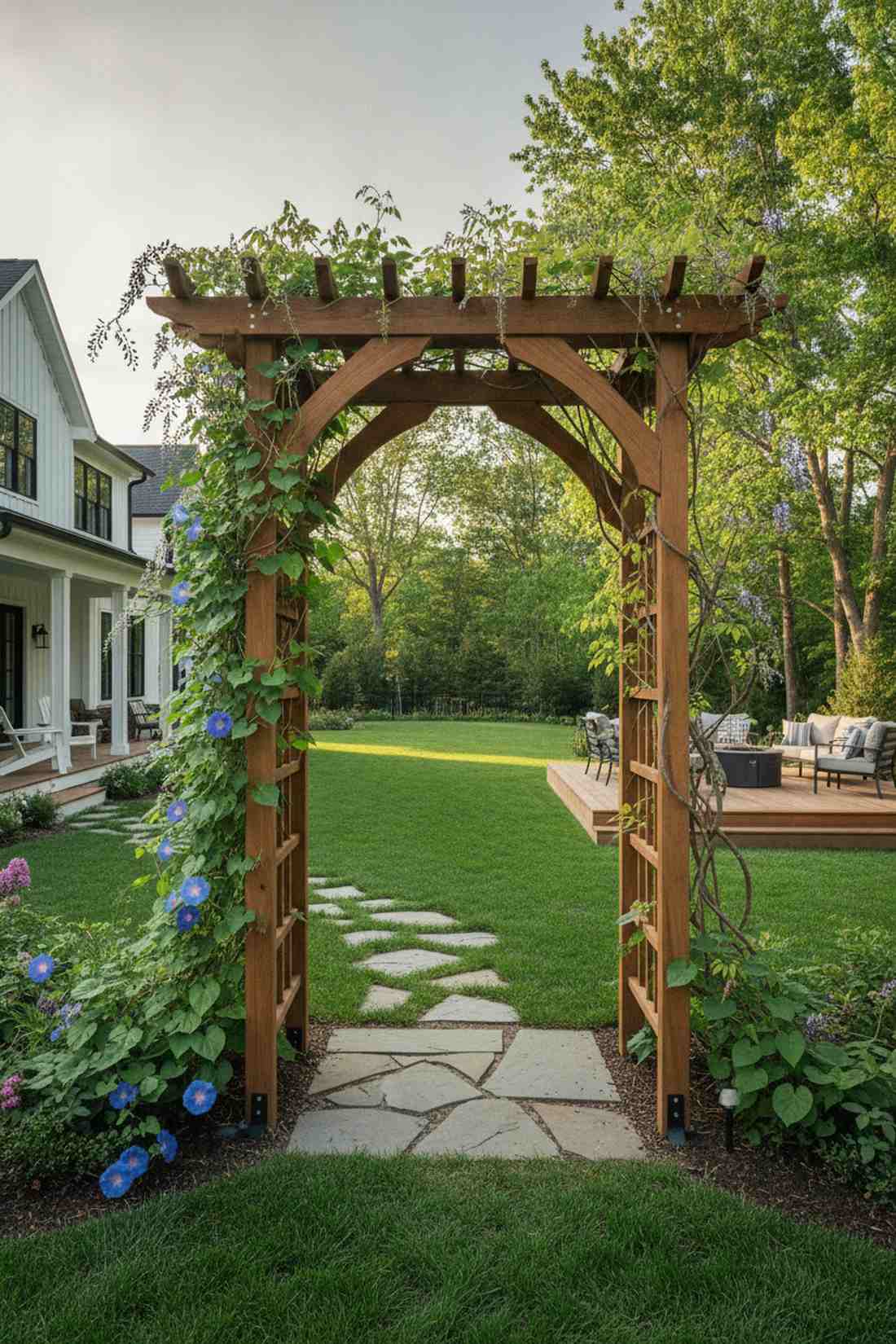
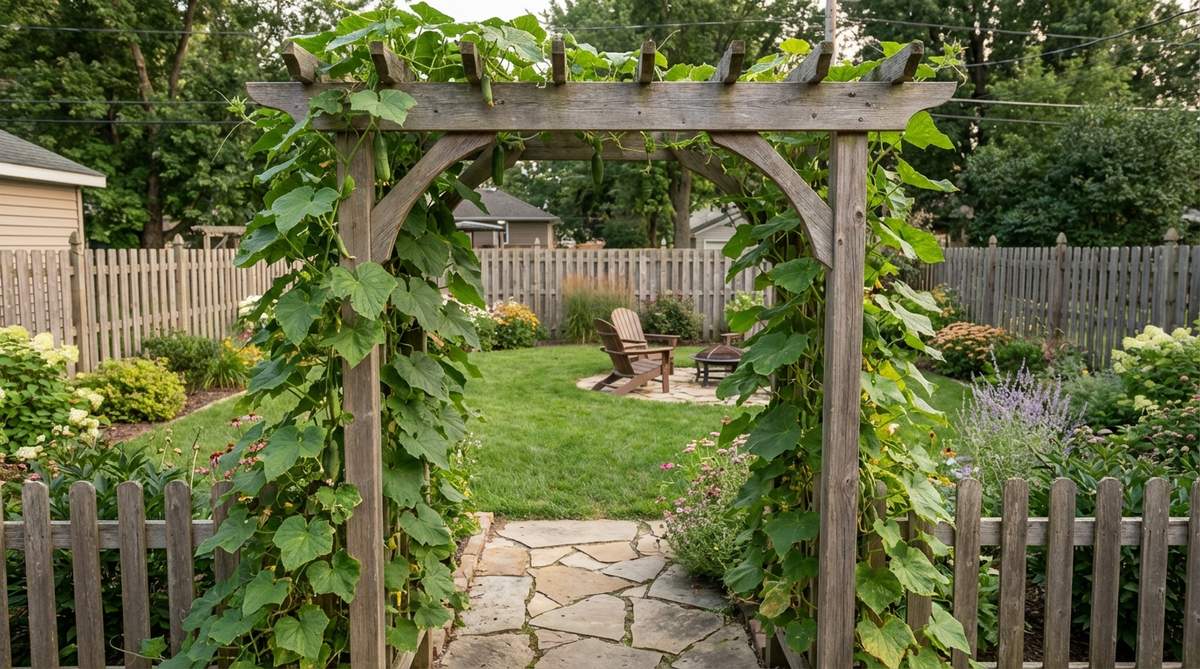
A vine-draped wooden entrance gate feels like stepping into a secret fairytale garden. Perfect for creating a dramatic transition between the house and the yard.
Flat yards lack dimension, but adding an overhead structure instantly creates a sense of awe. Small garden yard ideas demand vertical architecture, and this provides a massive visual impact without consuming floor space.
You can build or buy this for $120–$250.
- Key Materials: Pre-cut pergola/arbor kit
- Vibe / Style: Storybook cottage
- Difficulty: Moderate two-person assembly
- Budget Breakdown: Wood Kit: $180 | Concrete anchors: $20.
- Creator’s Tip: Plant fast-growing morning glories for instant first-season coverage while permanent vines establish.
- Smart Sourcing: Use pre-stained cedar archway kits and heavy-duty steel ground anchors.
12. Fence-Mounted Planter Boxes
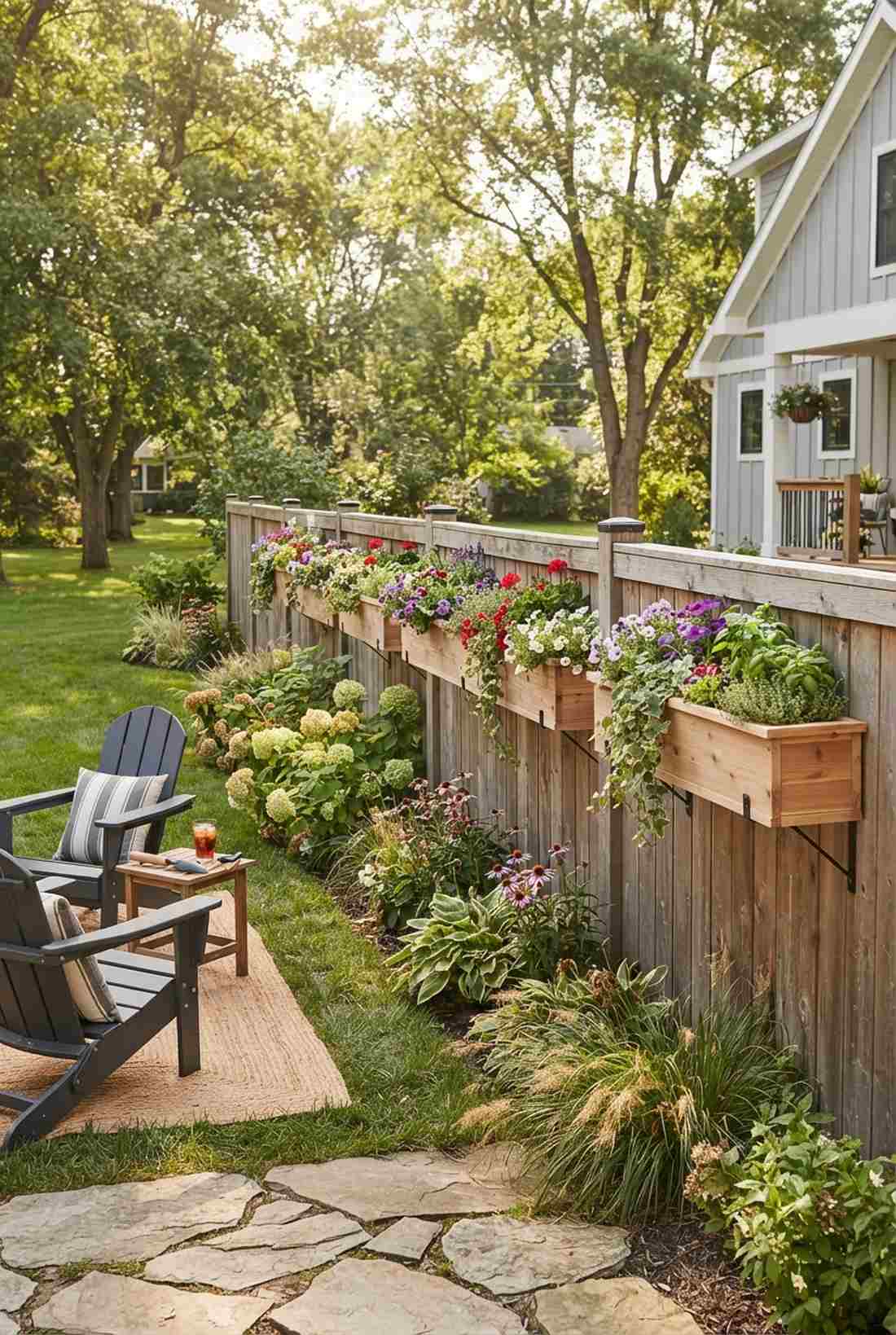
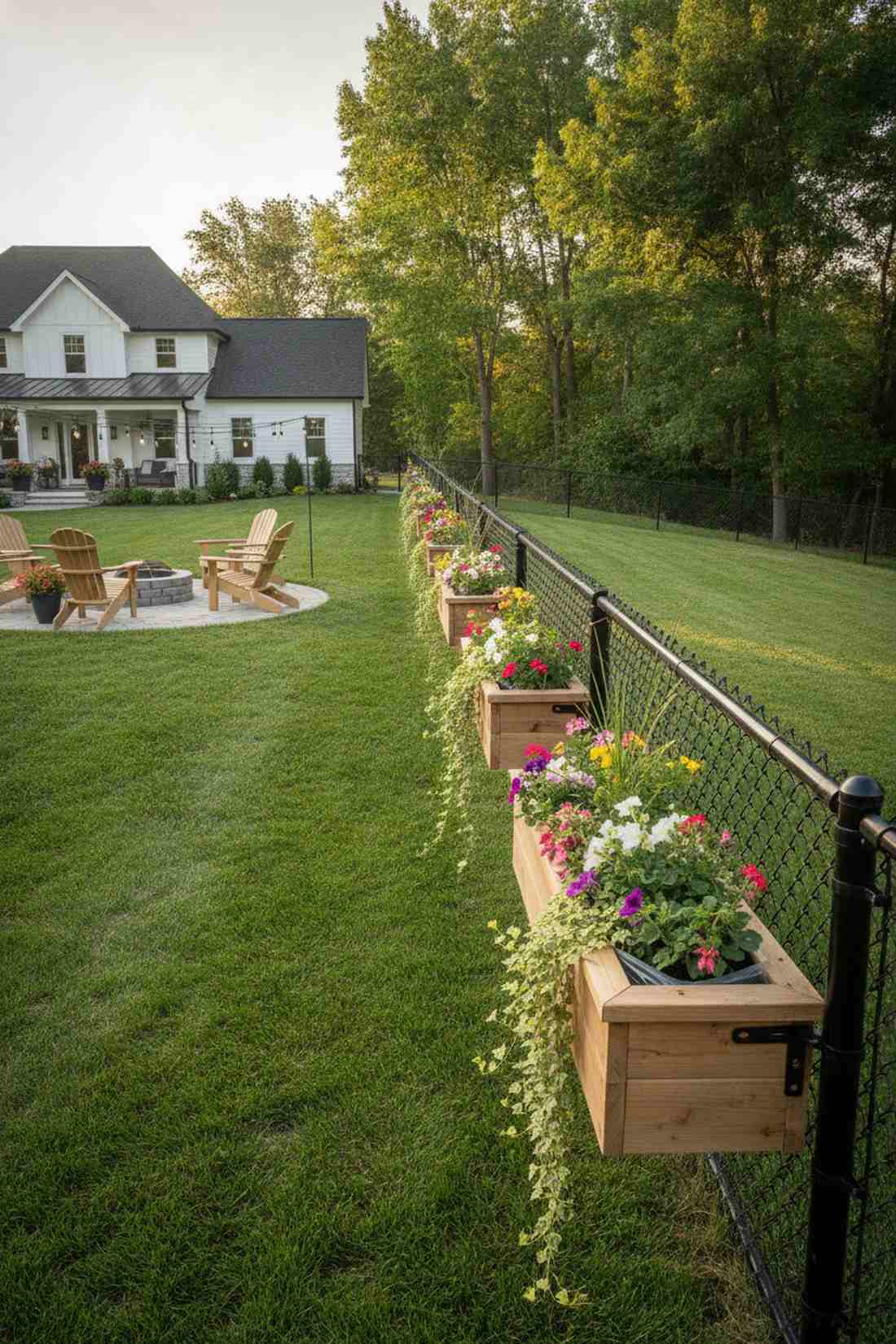
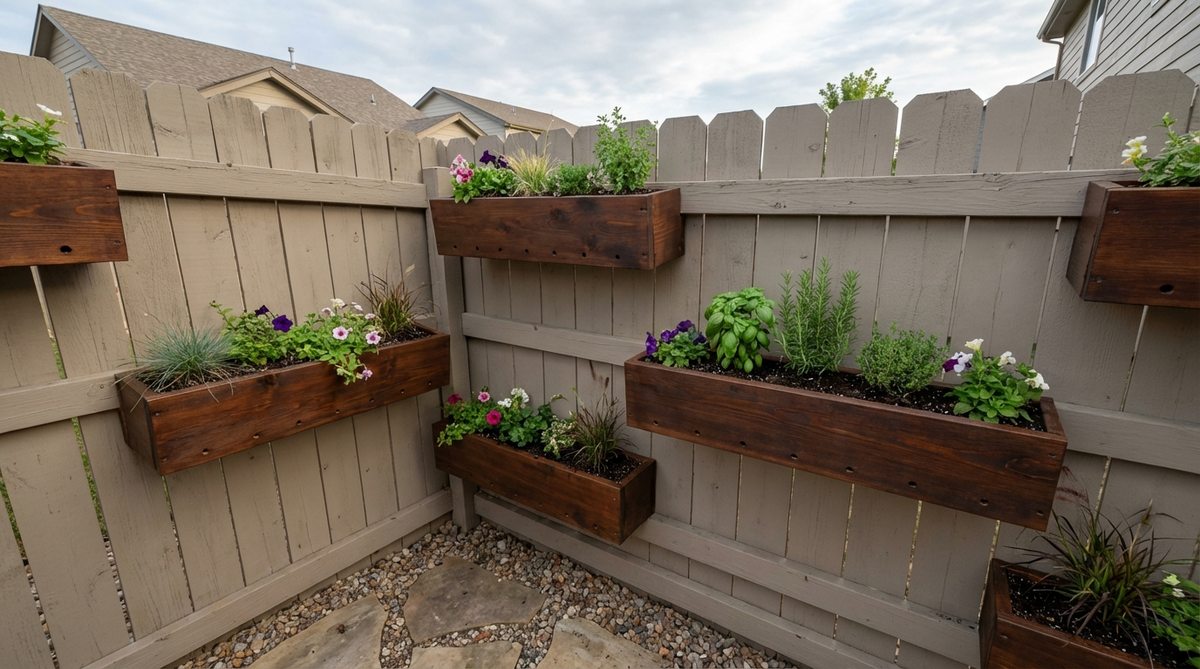
A floating timber window box series feels like a quaint countryside display. Excellent for turning ugly chain-link or bare wooden fences into blooming borders.
Attaching weight to fences can cause sagging, but using lightweight materials delivers a designer finish safely. It effectively pushes the garden perimeter outward, making the entire yard feel wider.
Easily achievable for $40–$75. Pin this if you have a boring fence line!
- Key Materials: Cedar planks and L-brackets
- Vibe / Style: Modern farmhouse
- Difficulty: Easy power drill project
- Budget Breakdown: Wood: $30 | Hardware: $15.
- Creator’s Tip: Line the boxes with plastic sheeting to extend the life of the wood.
- Smart Sourcing: Pick up pre-cut cedar planter panels and rust-proof fence hook brackets (bulk pack).
Cozy Small Garden Backyard Ideas For Gathering Spaces
13. Built-in Corner Bench Seating
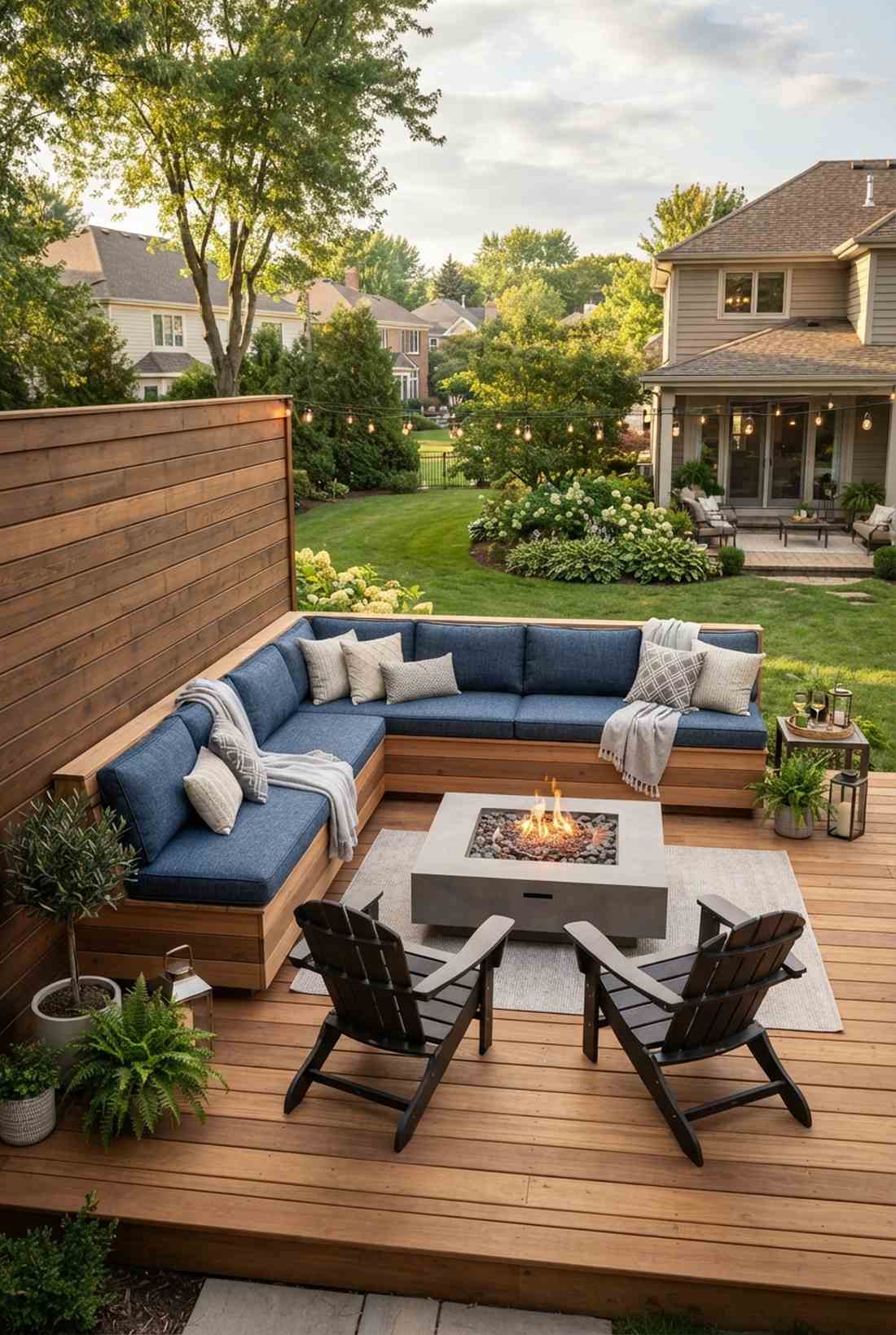
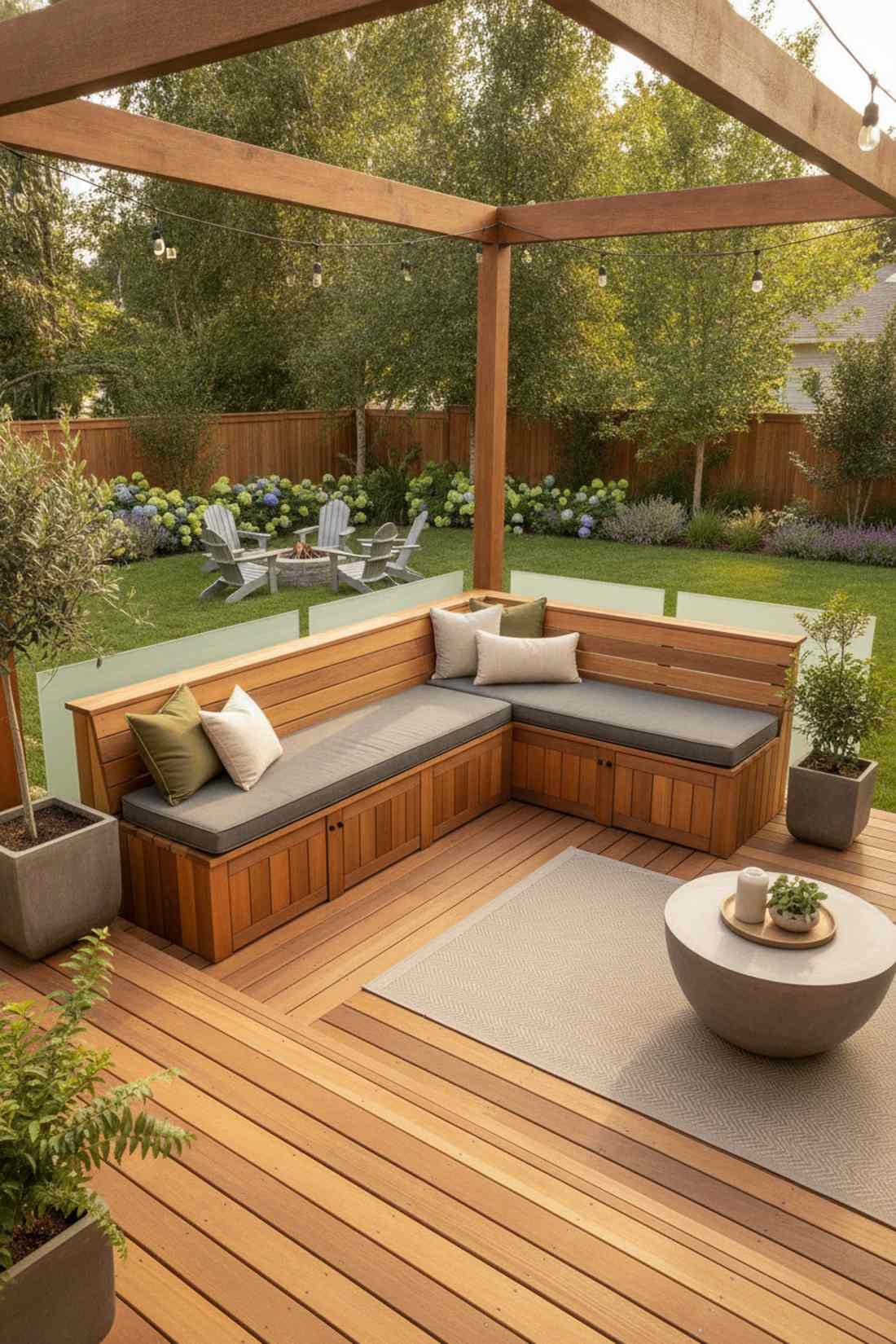
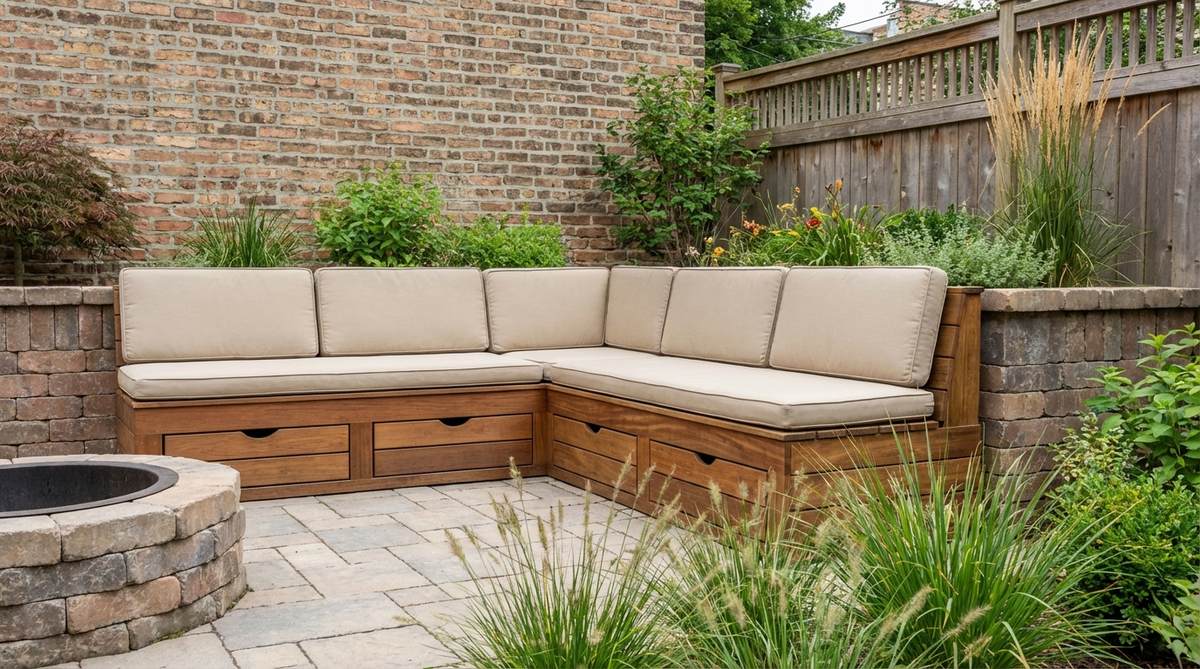
An L-shaped floating wooden bench feels like a custom VIP booth in a high-end lounge. Maximizes dead corner space perfectly for hosting.
Loose furniture makes tight spaces look cluttered and chaotic. This permanent installation anchors the outdoor room and hides storage underneath, giving a surprisingly premium look for basic lumber prices.
Materials run around $150–$300. Highly recommended for a high-ROI home upgrade.
- Key Materials: Structural lumber and decking
- Vibe / Style: Sleek minimalist lounge
- Difficulty: Intermediate woodworking
- Budget Breakdown: Framing: $80 | Top boards: $120.
- Creator’s Tip: Angle the backrest back by 15 degrees for maximum lounging comfort.
- Smart Sourcing: Source waterproof outdoor cushion sets and heavy-duty deck screws (bulk bucket).
14. Hammock Lounge Zone
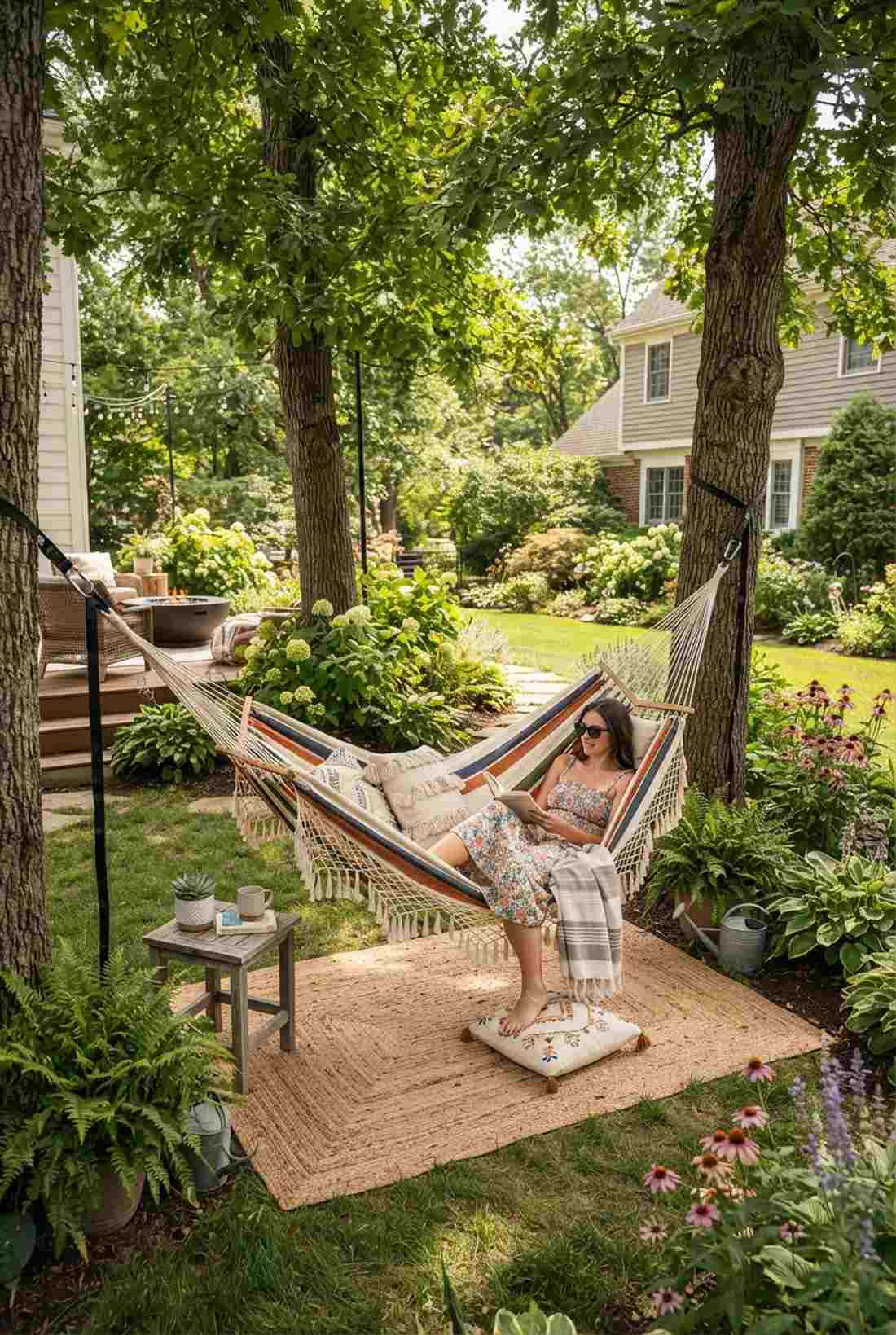
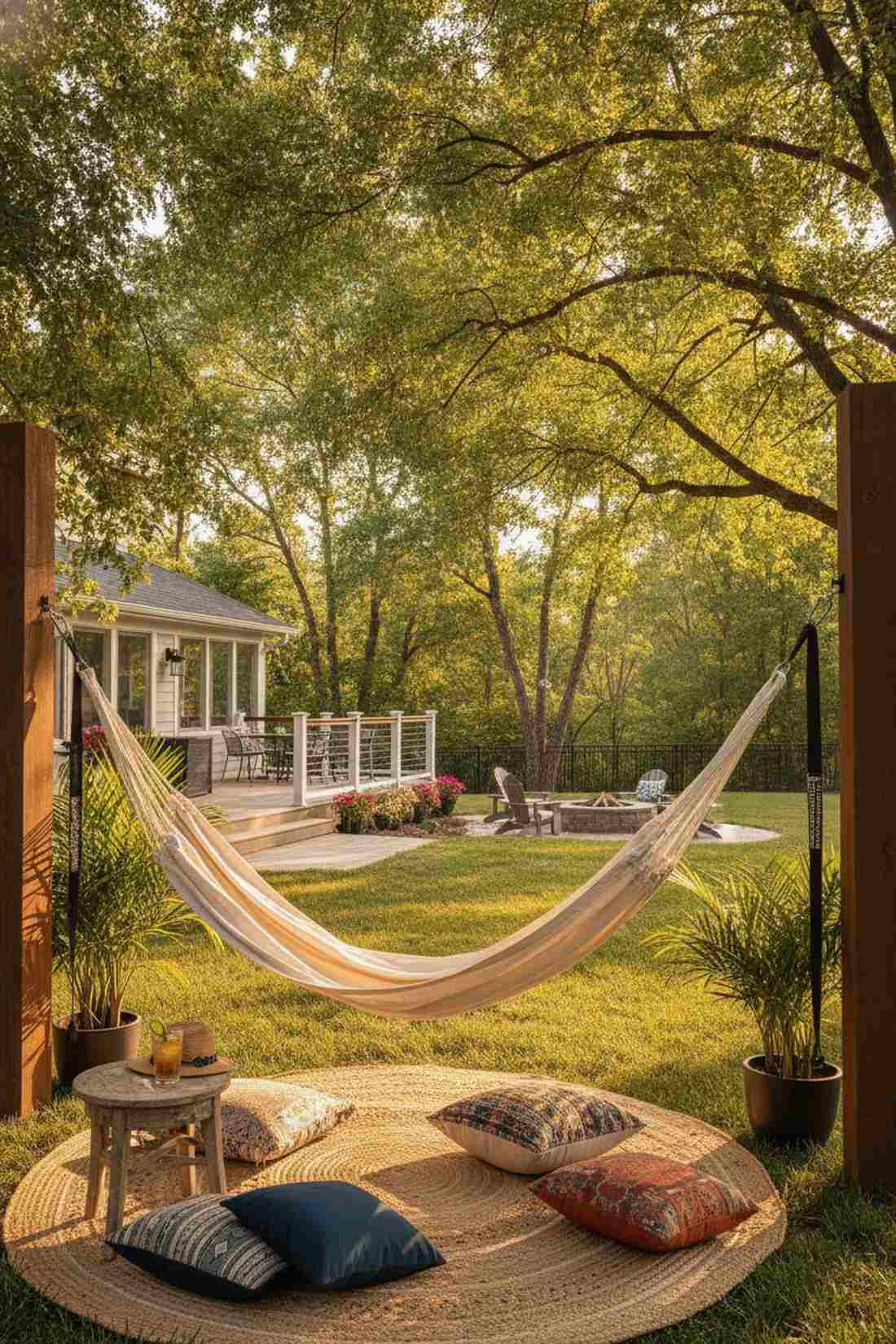
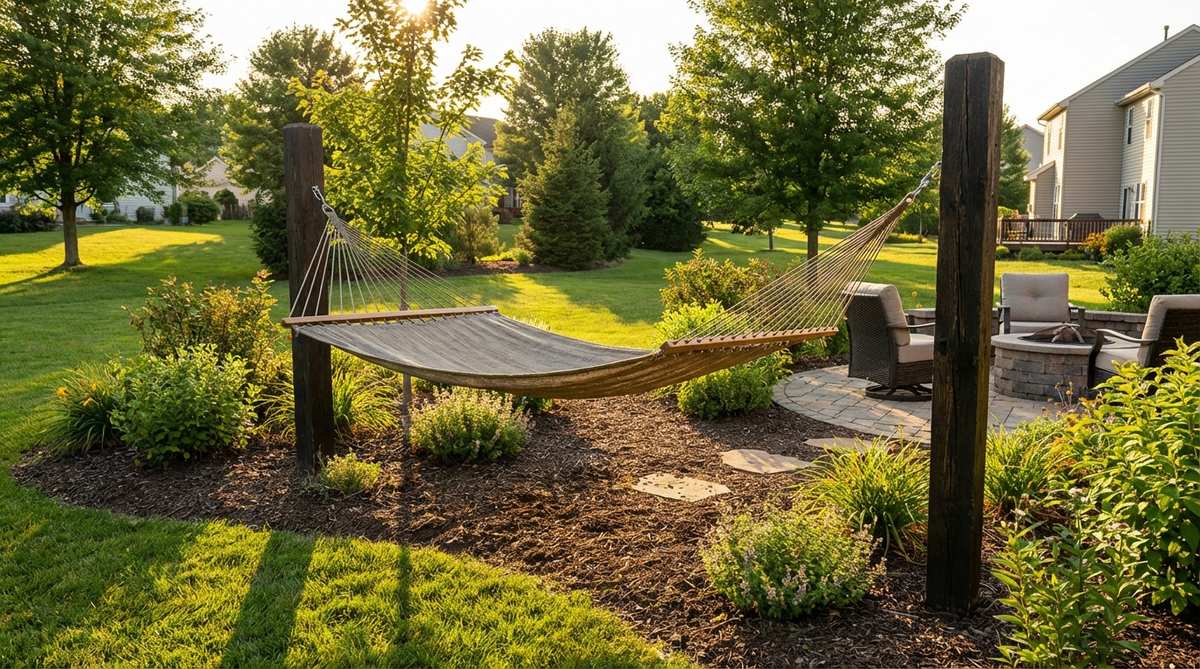
A suspended canvas swing area feels like a breezy beachside vacation spot. The ultimate addition for shady corners or between sturdy patio posts.
Heavy lawn chairs take up permanent space, but this retracts in seconds. Incorporating small garden backyard ideas like this allows dynamic movement while saving massive amounts of precious patio real estate.
Setup is highly affordable at $40–$80. Save this to your summer relaxation board!
- Key Materials: Weatherproof fabric hammock
- Vibe / Style: Tropical bohemian
- Difficulty: Quick hardware install
- Budget Breakdown: Hammock: $50 | Tree straps/Hooks: $20.
- Creator’s Tip: Always use heavy-duty spring links to absorb shock and prevent hardware tear-out.
- Smart Sourcing: Grab UV-resistant parachute hammocks and heavy-duty suspension strap kits.
15. Modular Sectional Arrangement
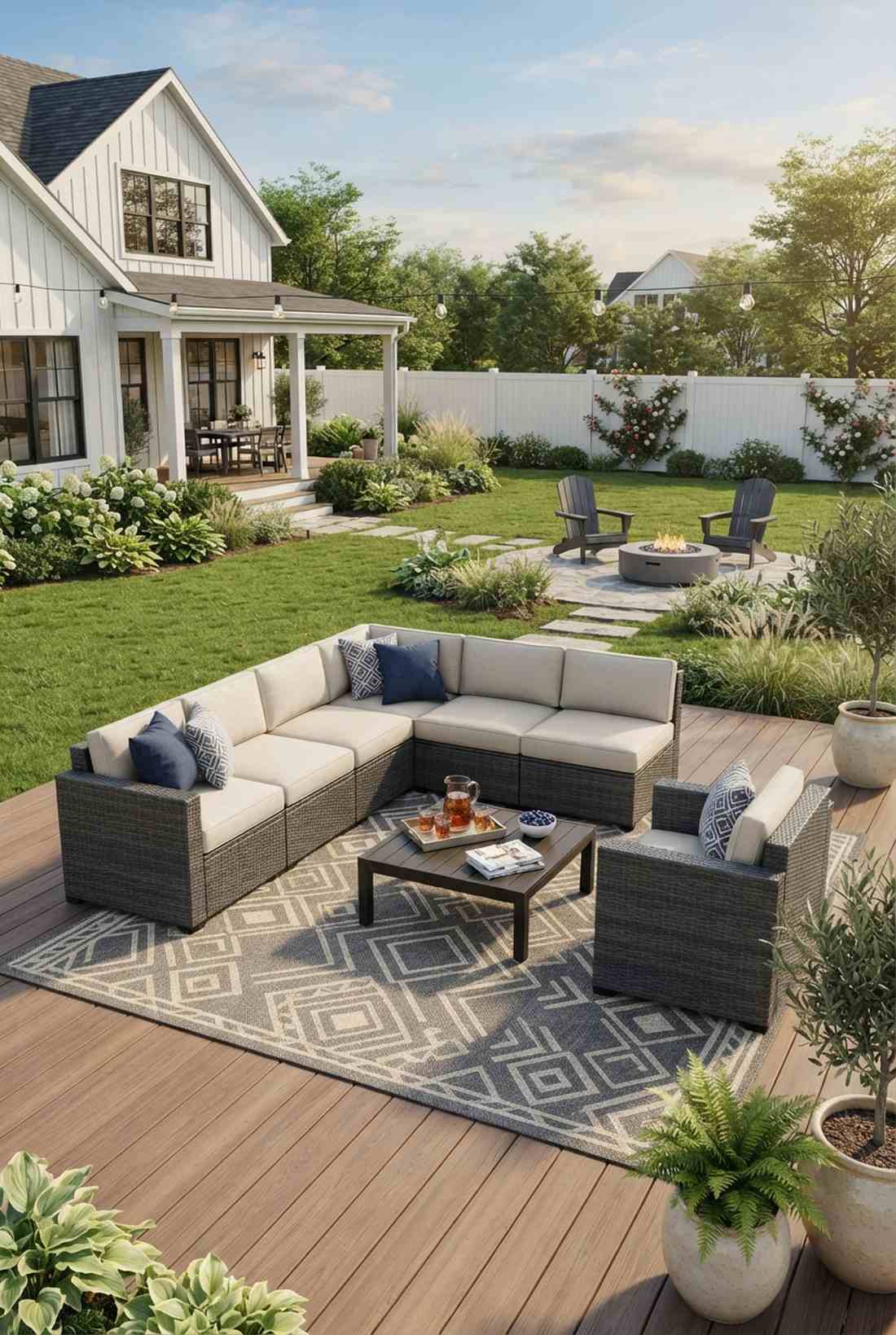
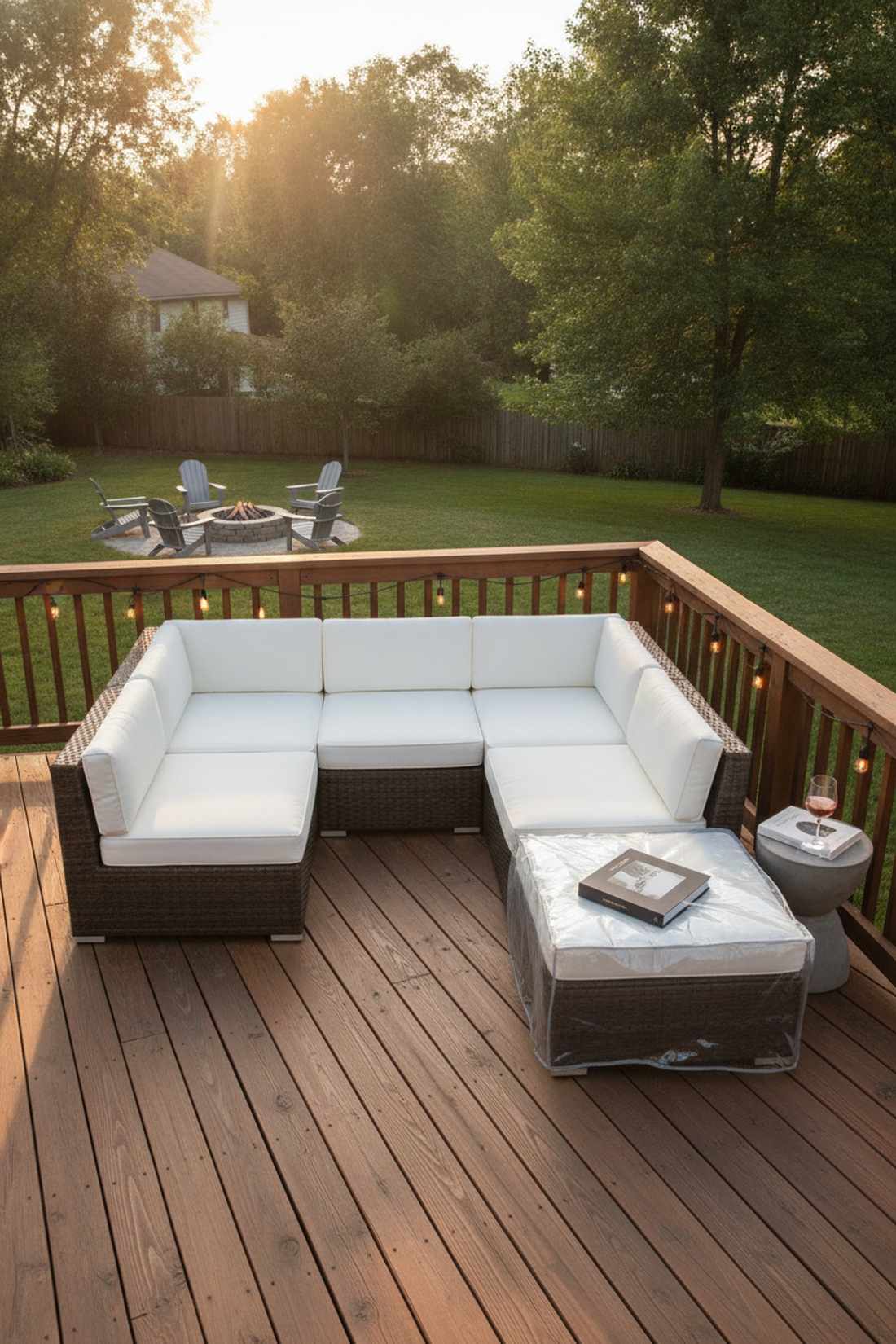
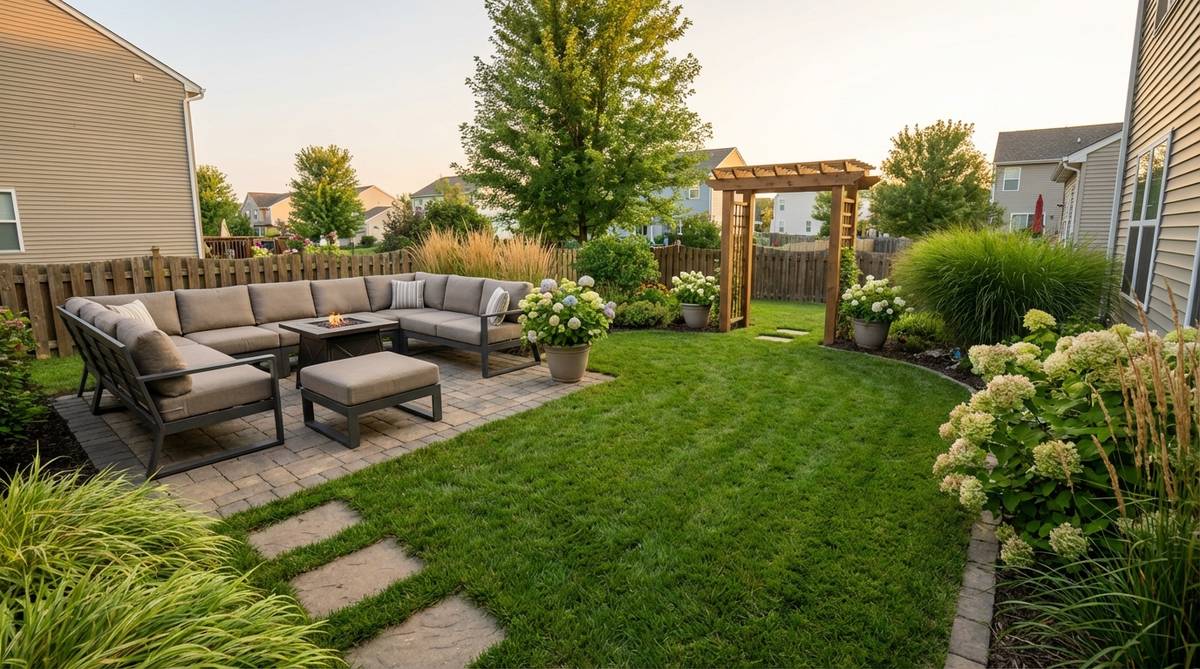
A reconfigurable outdoor sofa set feels like a high-fashion catalog cover. Fits dynamically into awkward or narrow patio shapes.
Rigid furniture dictates how you use your space, but modular pieces adapt instantly to parties or solo reading. Choosing crisp, low-profile designs looks far more expensive than standard bulky patio sets.
Expect to invest $300–$700 for decent quality.
- Key Materials: Resin wicker blocks with cushions
- Vibe / Style: Contemporary chic
- Difficulty: Ready out of the box
- Budget Breakdown: Sectional pieces: $400 | Waterproof cover: $40.
- Creator’s Tip: Zip-tie the underside frames together so the pieces don’t slide apart during use.
- Smart Sourcing: Find all-weather resin wicker sectional kits and custom-fit waterproof furniture covers.
Wait until you see how cheap this next luxury feature actually costs to build yourself…
16. Swing Chair Nook
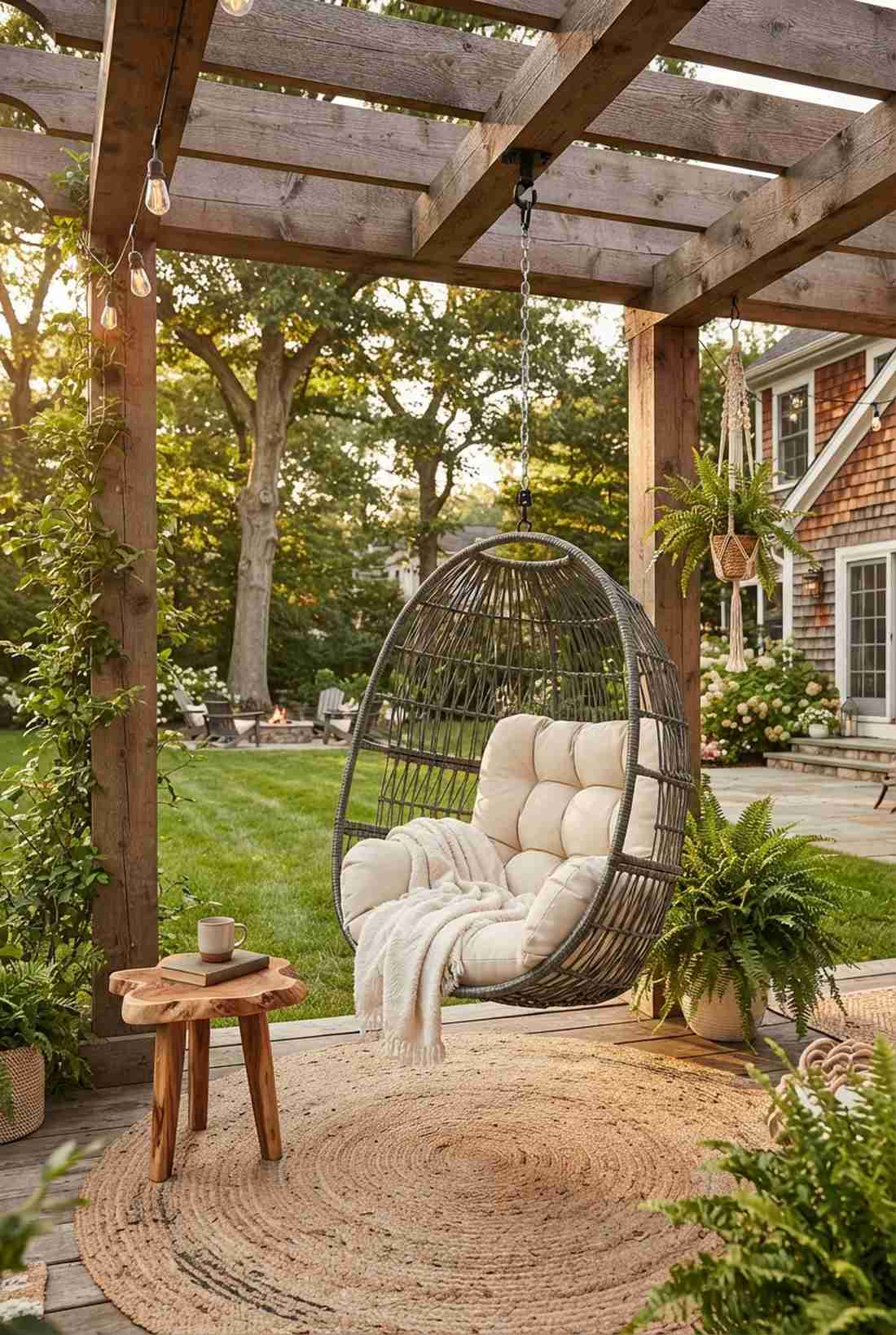
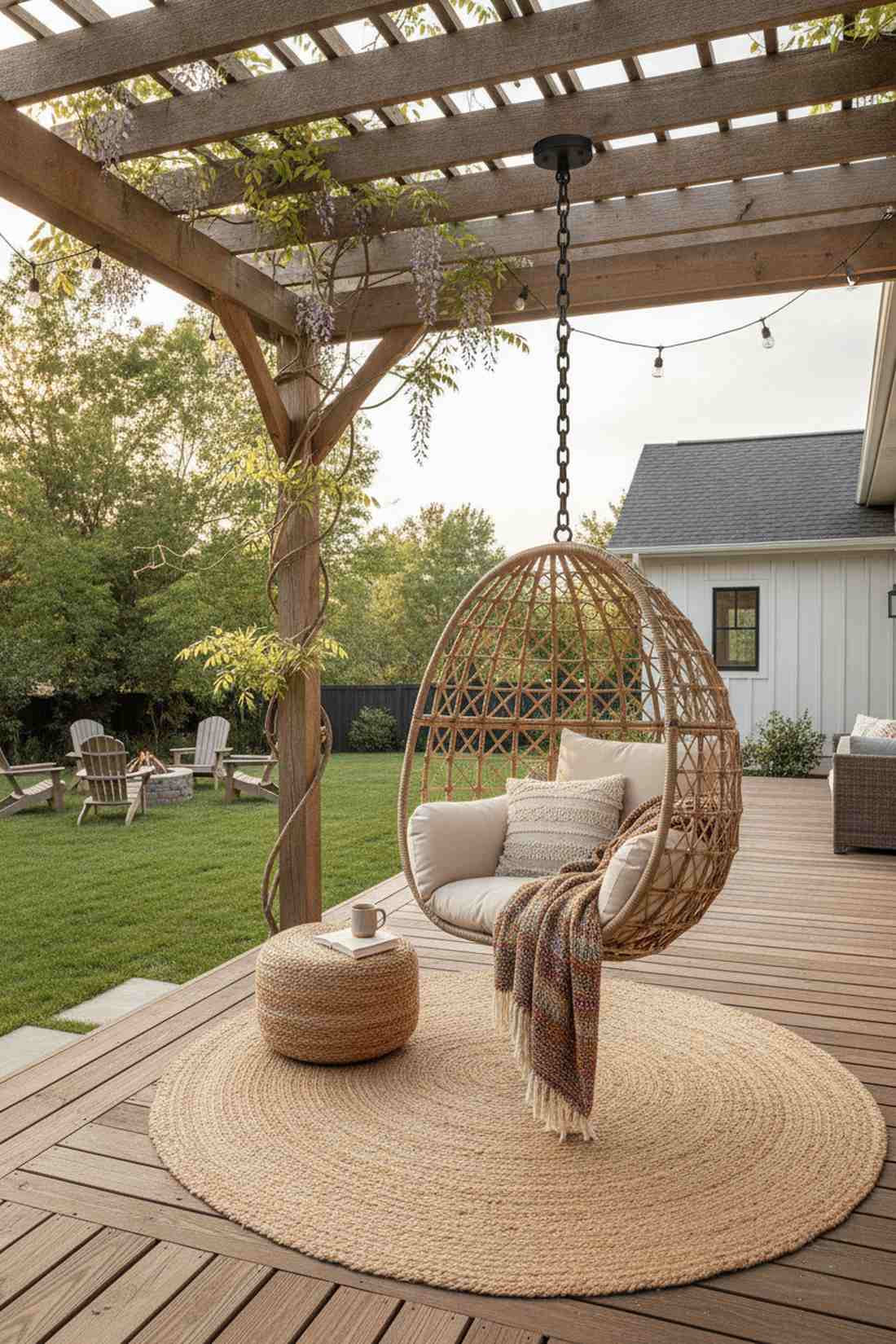
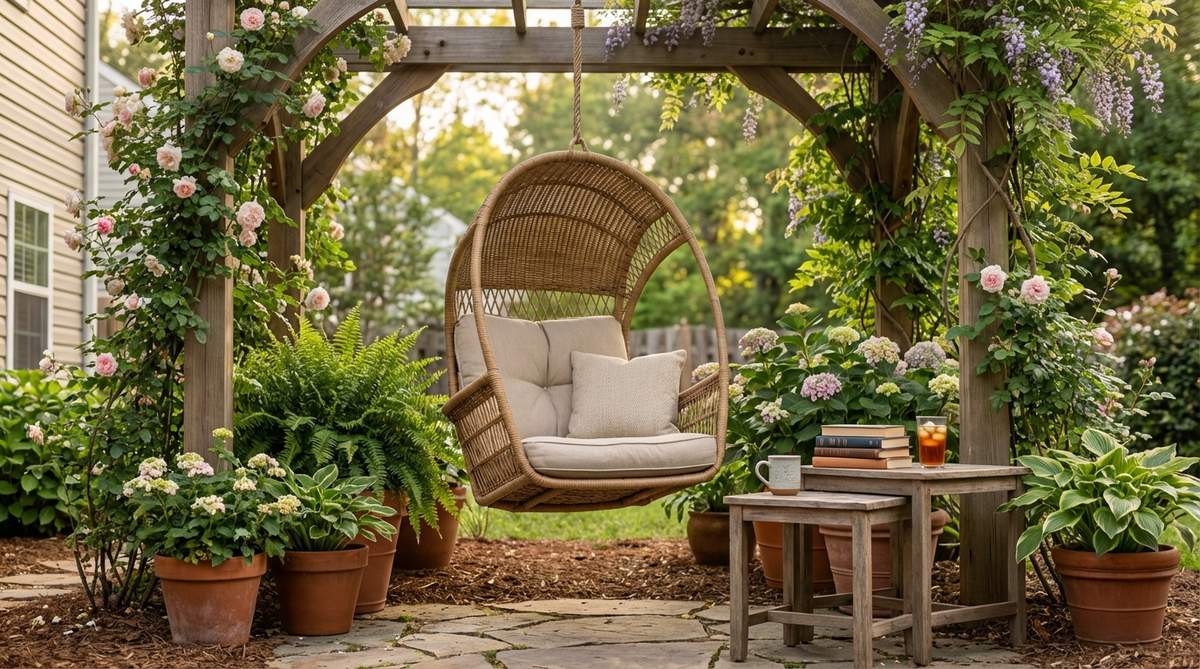
A suspended egg chair pod feels like a cozy, futuristic bird’s nest. Incredibly aesthetic for corner pergolas or strong tree branches.
Standard chairs take up a wide footprint, but a single-point suspension creates an airy, floating effect. This visual trick opens up the floor space and serves as an unbeatable Pinterest-worthy focal point.
You can set this up for $150–$300. Pin this if you love cozy outdoor reading spots!
- Key Materials: Woven swing chair and heavy-duty chain
- Vibe / Style: Modern bohemian retreat
- Difficulty: Crucial structural mounting
- Budget Breakdown: Chair: $200 | Mounting Hardware: $30.
- Creator’s Tip: Use a swivel hook so the chair can rotate 360 degrees without tangling the chain.
- Smart Sourcing: Use UV-coated resin egg chairs and industrial ceiling swivel mounts.
17. Fire Pit Gathering Circle
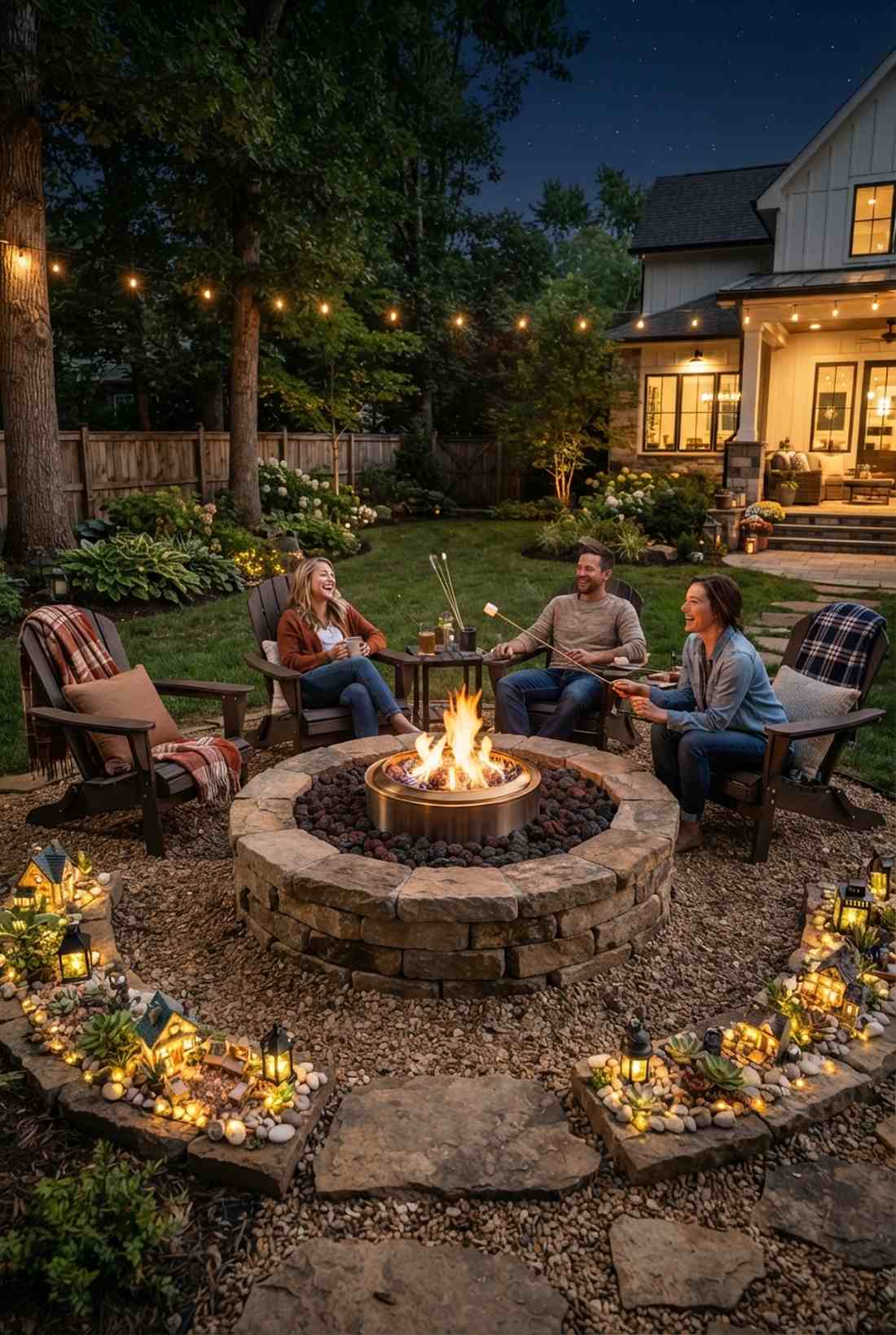
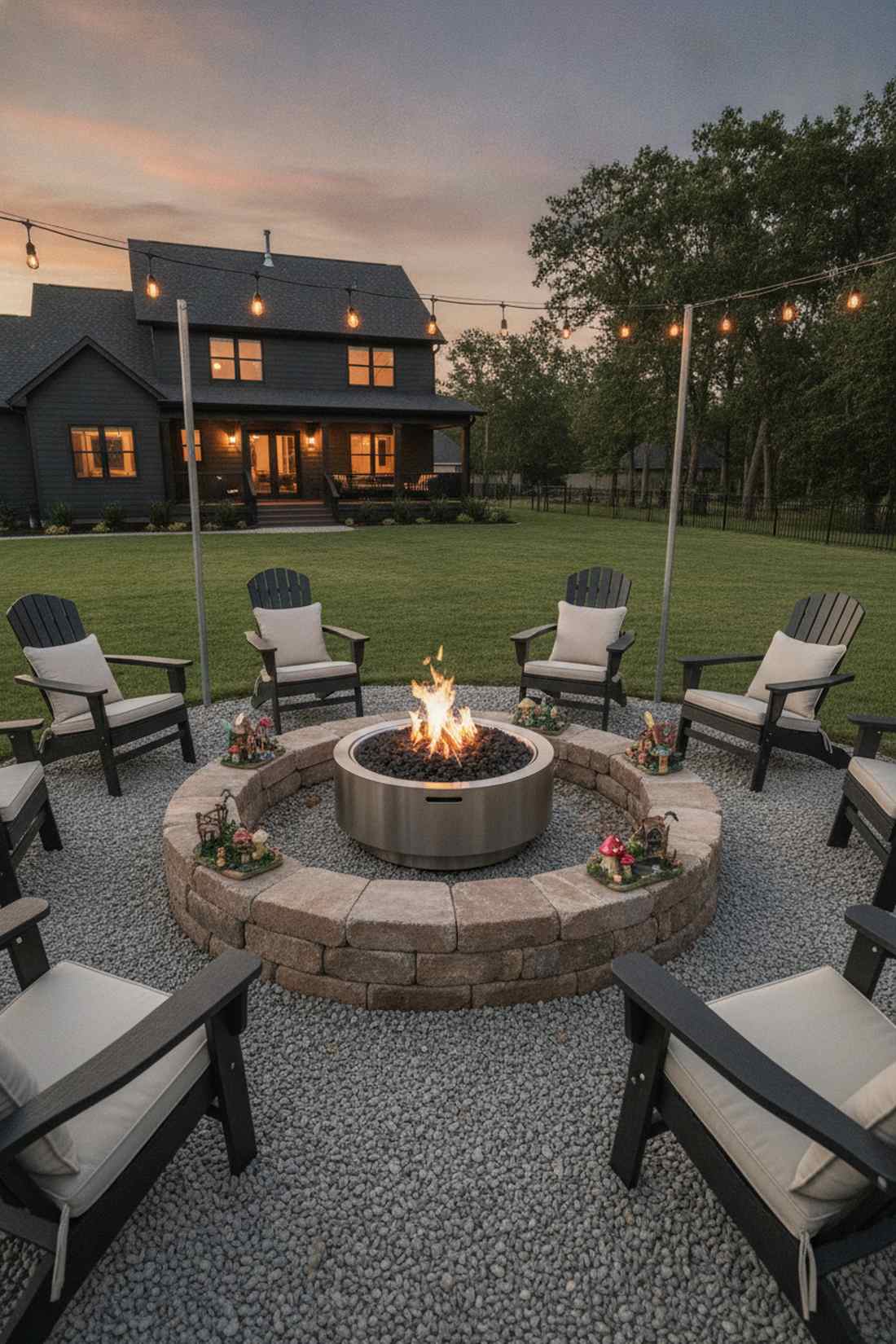
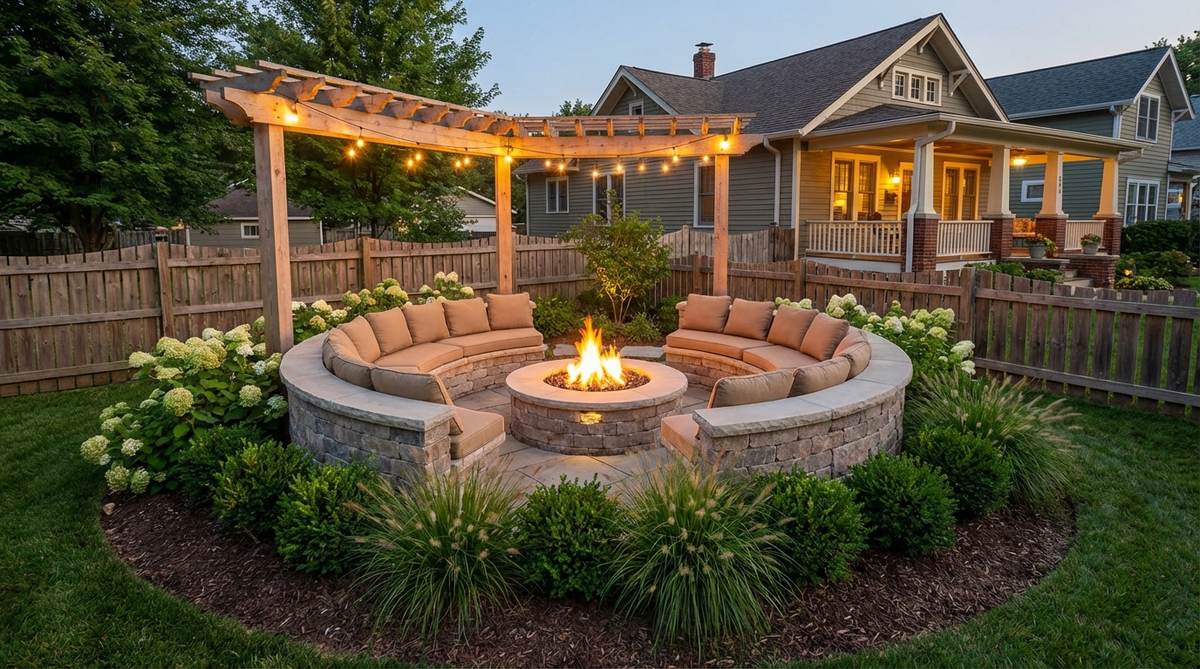
A circular stone fire basin feels like an exclusive nighttime campfire setup. Anchors the center of a yard or a dedicated gravel corner.
Square seating arrangements feel rigid, but a circular flow naturally encourages conversation and warmth. Adding fairy garden kits around the perimeter rocks creates an enchanting, high-end nighttime glow.
Budget around $100–$250 for a stunning DIY setup.
- Key Materials: Fire-safe brick or steel bowl
- Vibe / Style: Rustic wilderness lodge
- Difficulty: Beginner-friendly assembly
- Budget Breakdown: Steel bowl: $80 | Lava rocks: $30.
- Creator’s Tip: Line the bottom with an inch of sand to protect the metal from burning out prematurely.
- Smart Sourcing: Get a smokeless stainless steel fire pit and heat-resistant black lava rocks (bulk pack).
18. Daybed Lounge Platform
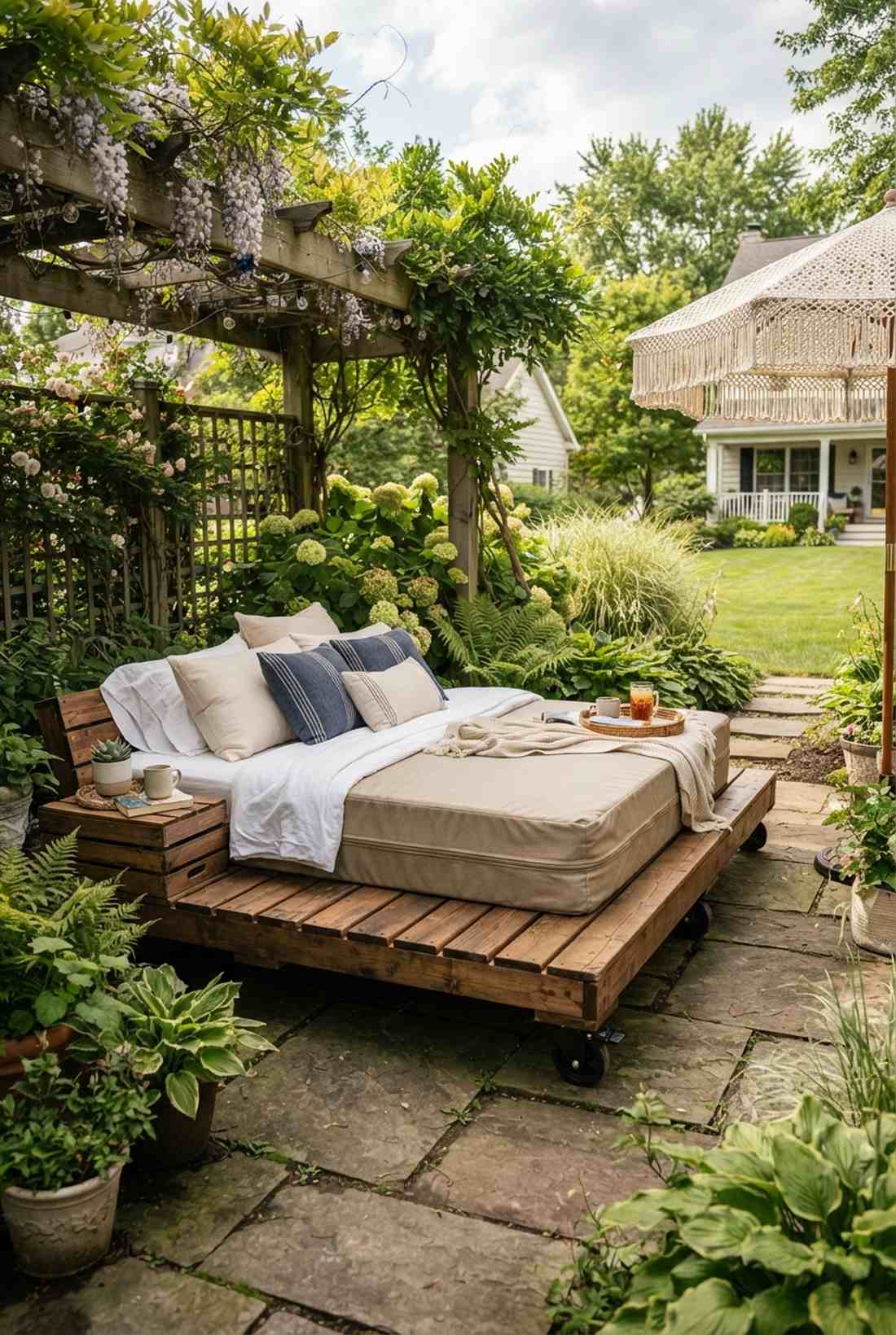
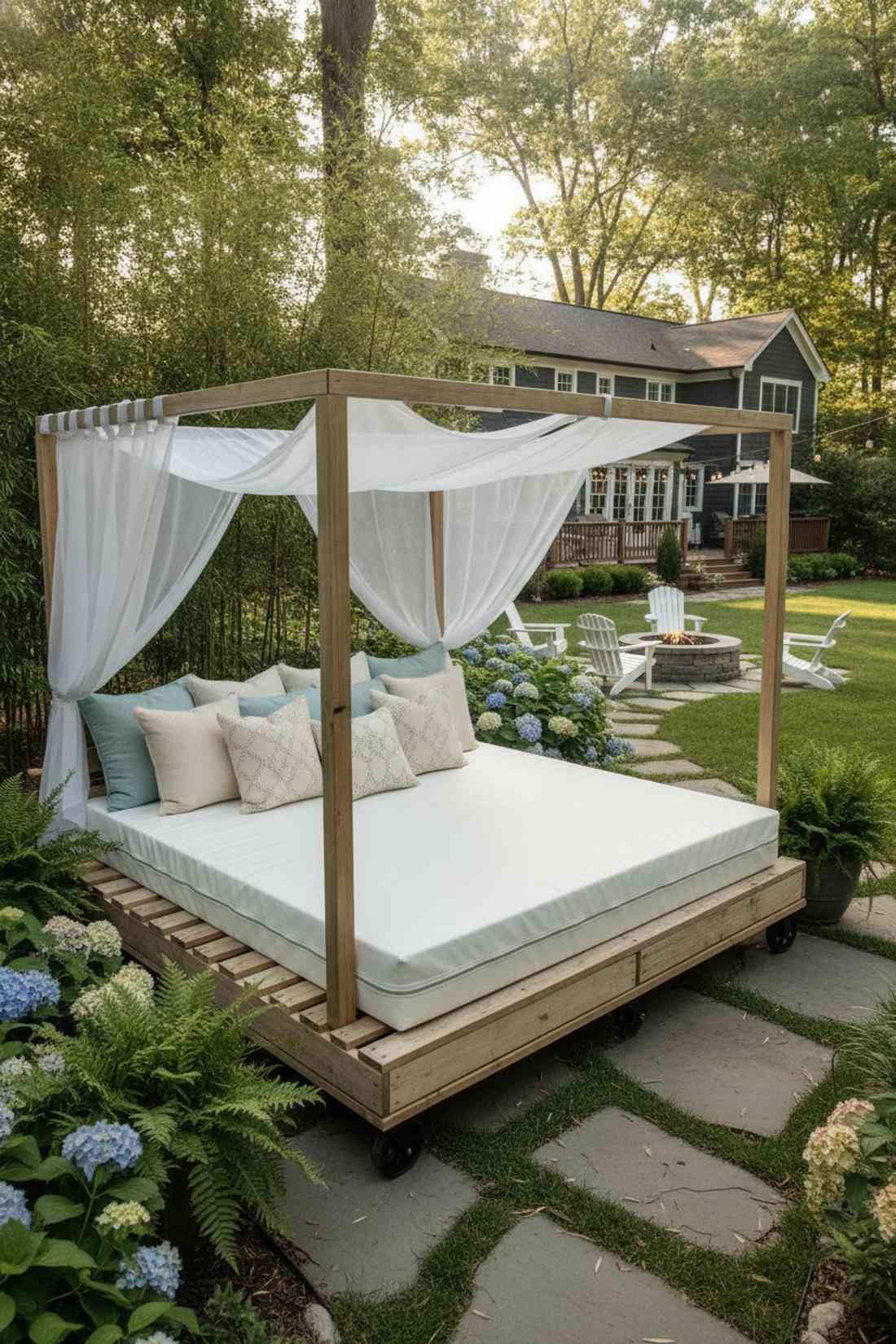
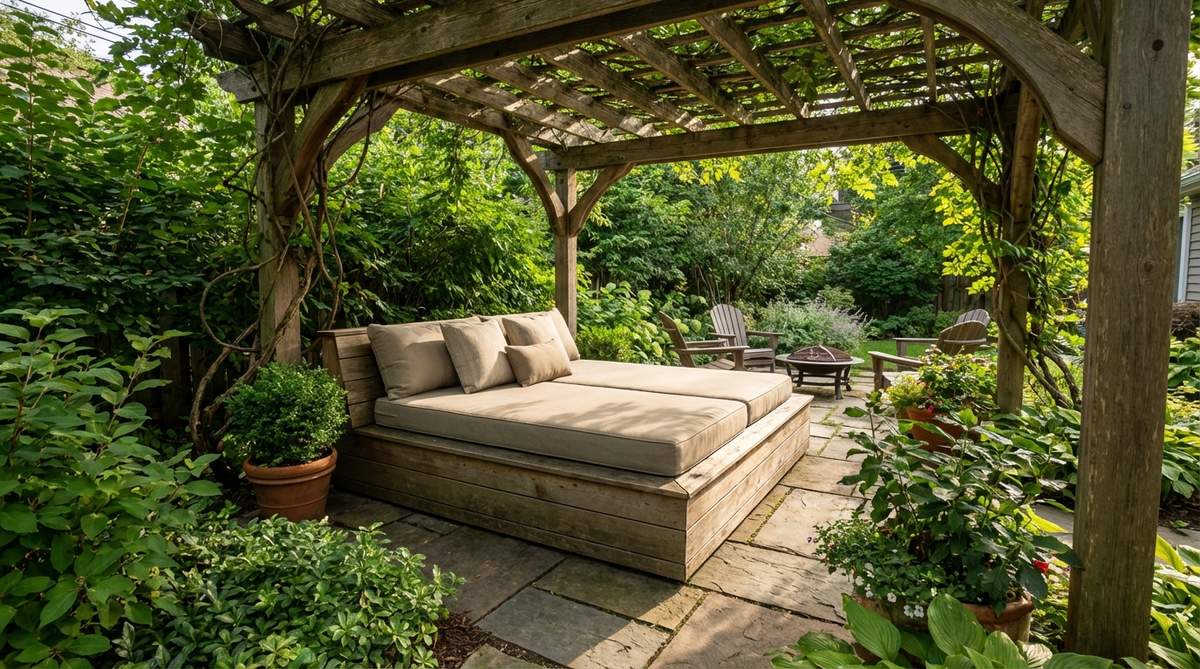
An oversized outdoor mattress deck feels like a lavish cabana at a five-star pool. Perfect for tucking into a shaded, private garden corner.
Why buy uncomfortable metal chairs when you can build a massive lounging area for the same price? This delivers a surprisingly premium look and transforms the yard into a legitimate open-air bedroom.
Easily built for $200–$400. Save this for your ultimate backyard oasis!
- Key Materials: Pallet wood and outdoor mattress
- Vibe / Style: Luxury resort cabana
- Difficulty: Simple woodworking
- Budget Breakdown: Base lumber: $100 | Weatherproof mattress/cushion: $150.
- Creator’s Tip: Wrap a standard memory foam mattress in a heavy-duty vinyl zippered cover to save hundreds.
- Smart Sourcing: Invest in waterproof zippered mattress encasements and heavy-duty caster wheels (bulk pack).
Smart Small Garden Yard Ideas For Plant Combinations
19. Dwarf Tree Specimens
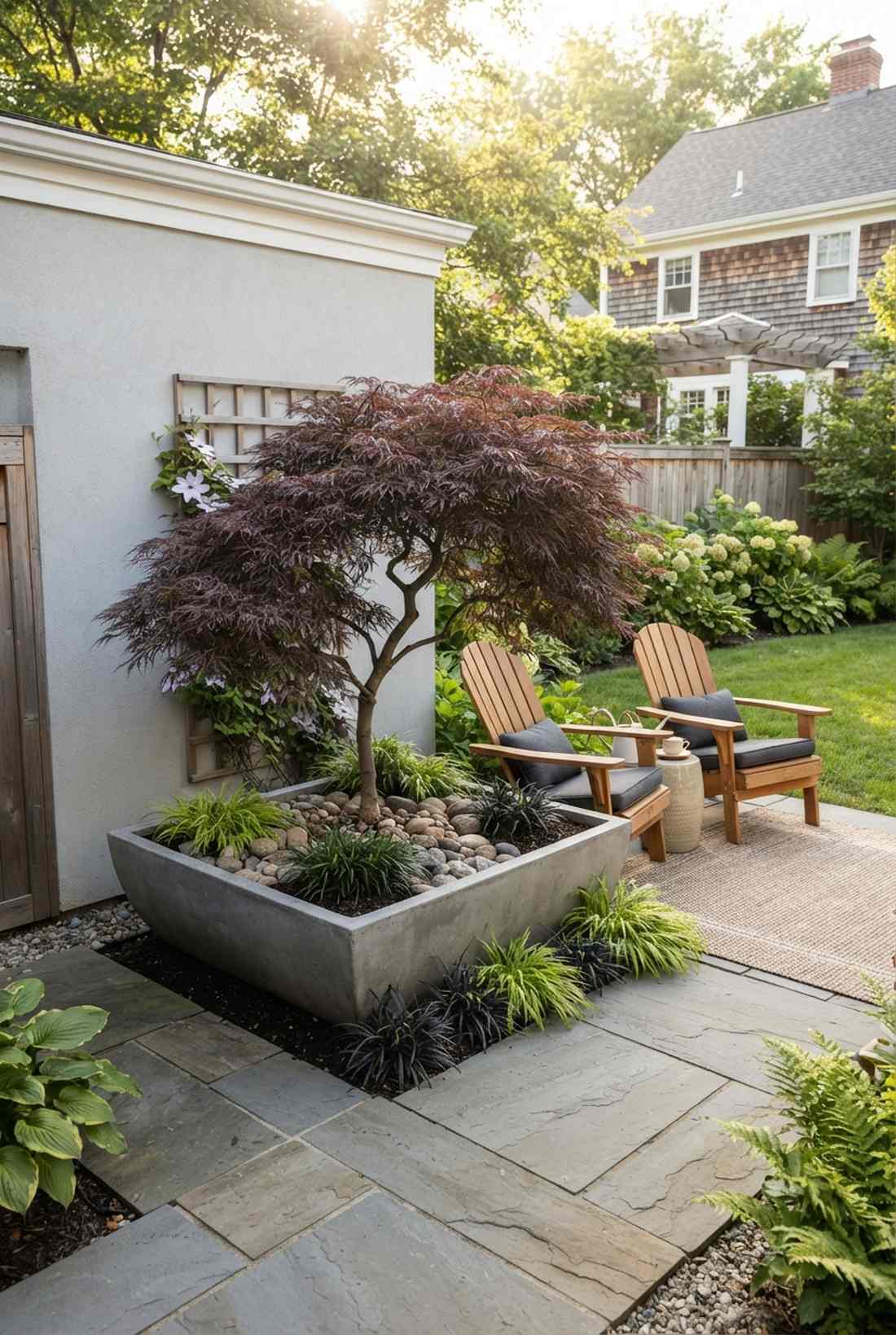
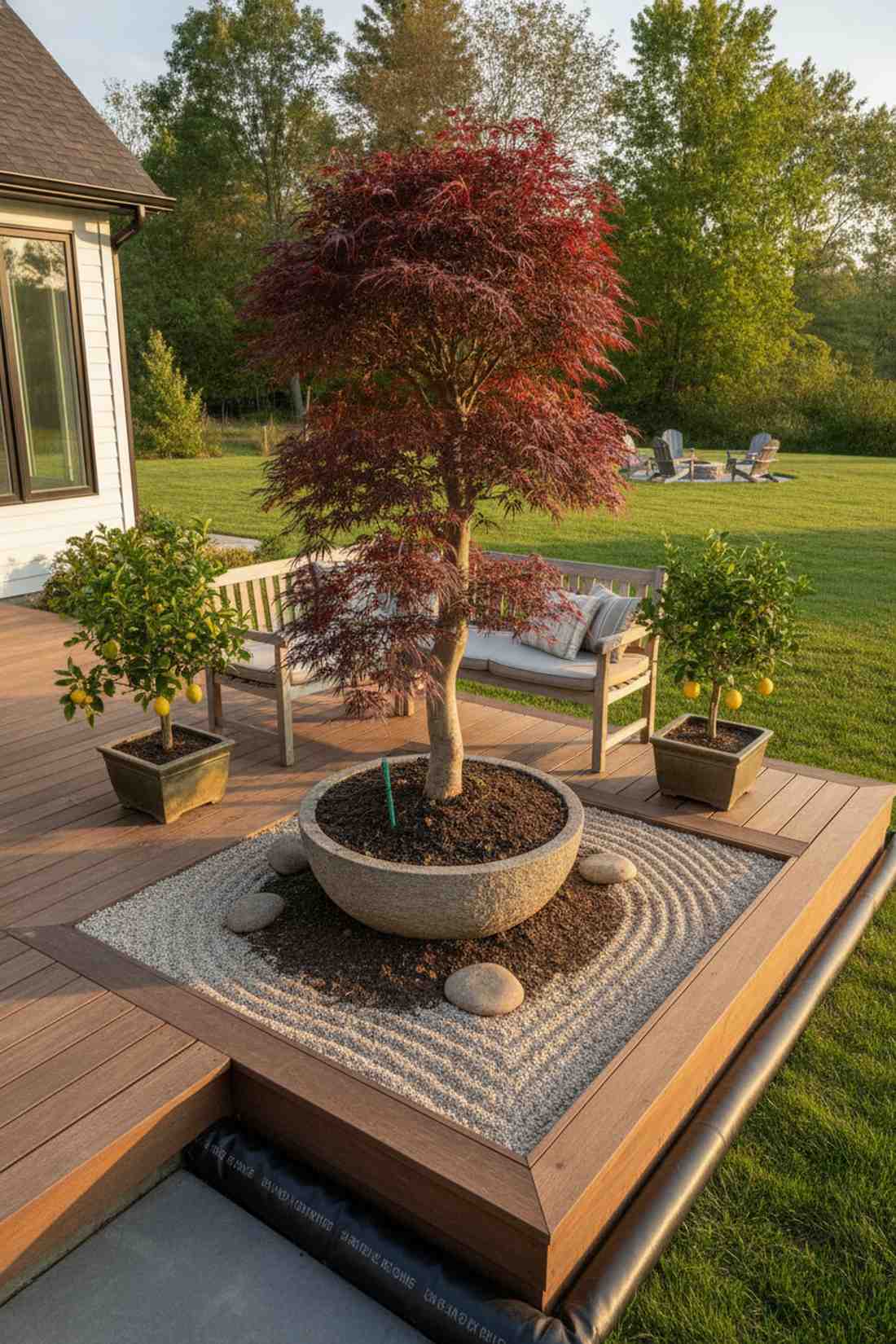
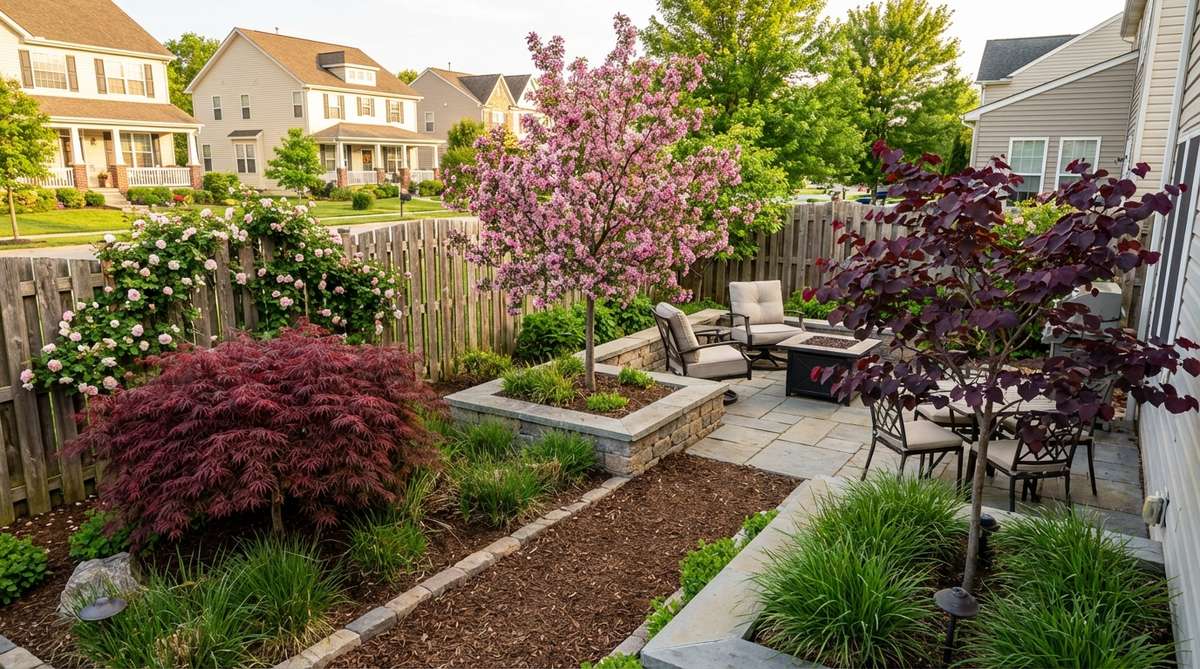
A miniature ornamental tree focal point feels like a living architectural sculpture. Excellent for anchoring the corners of a small patio space.
Massive trees destroy small yards by blocking all sunlight and wrecking foundations. Selecting dwarf cultivars provides that vital vertical scale while maintaining a clean, designer-level finish.
Specimen trees usually cost $60–$150.
- Key Materials: Japanese Maple or Dwarf Citrus
- Vibe / Style: Refined Zen aesthetic
- Difficulty: Easy planting
- Budget Breakdown: Tree: $90 | Soil/Fertilizer: $20.
- Creator’s Tip: Plant the tree slightly elevated above grade to ensure perfect crown drainage.
- Smart Sourcing: Order slow-release tree fertilizer spikes (bulk pack) and heavy-duty root barrier rolls.
20. Evergreen Foundation Structure
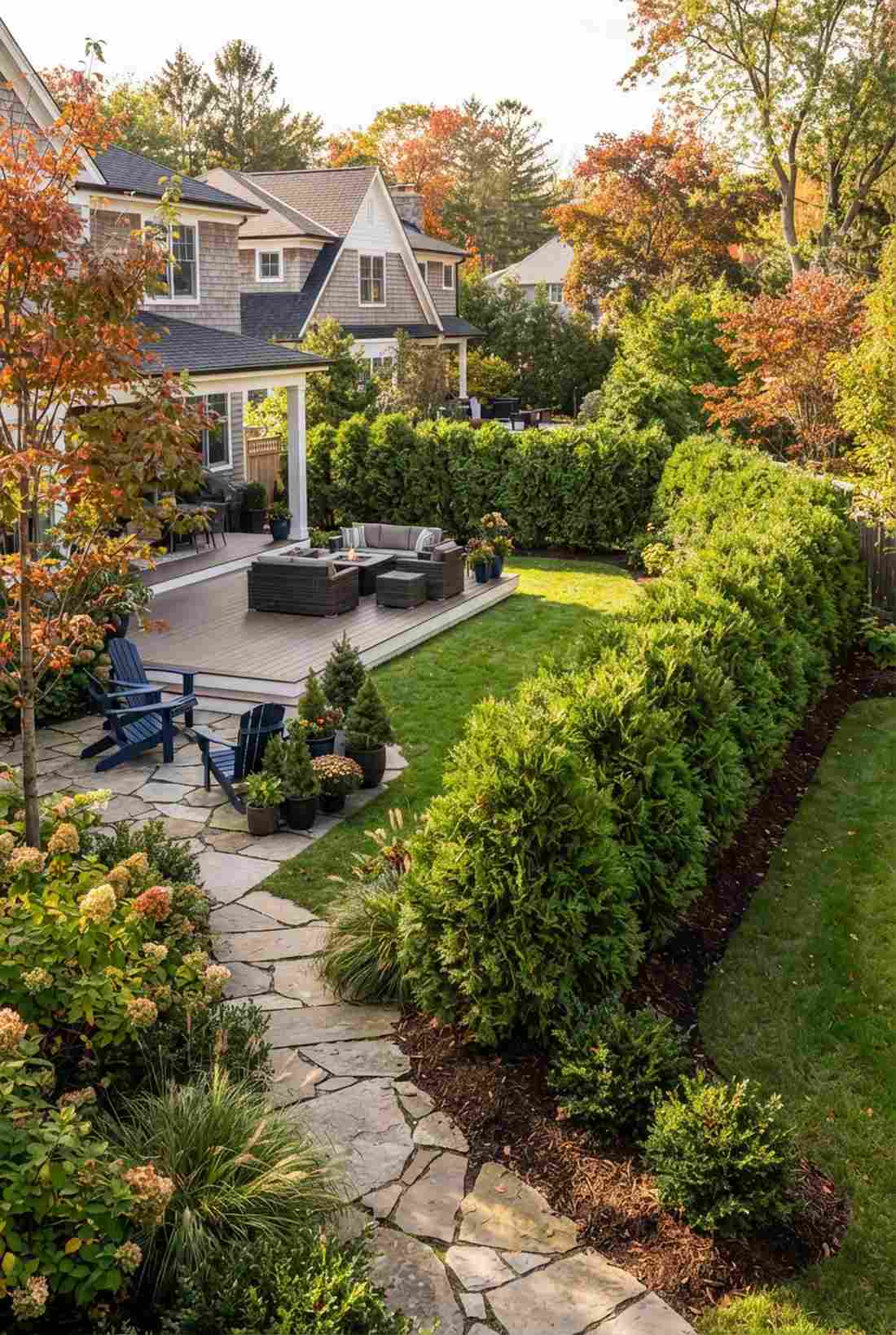
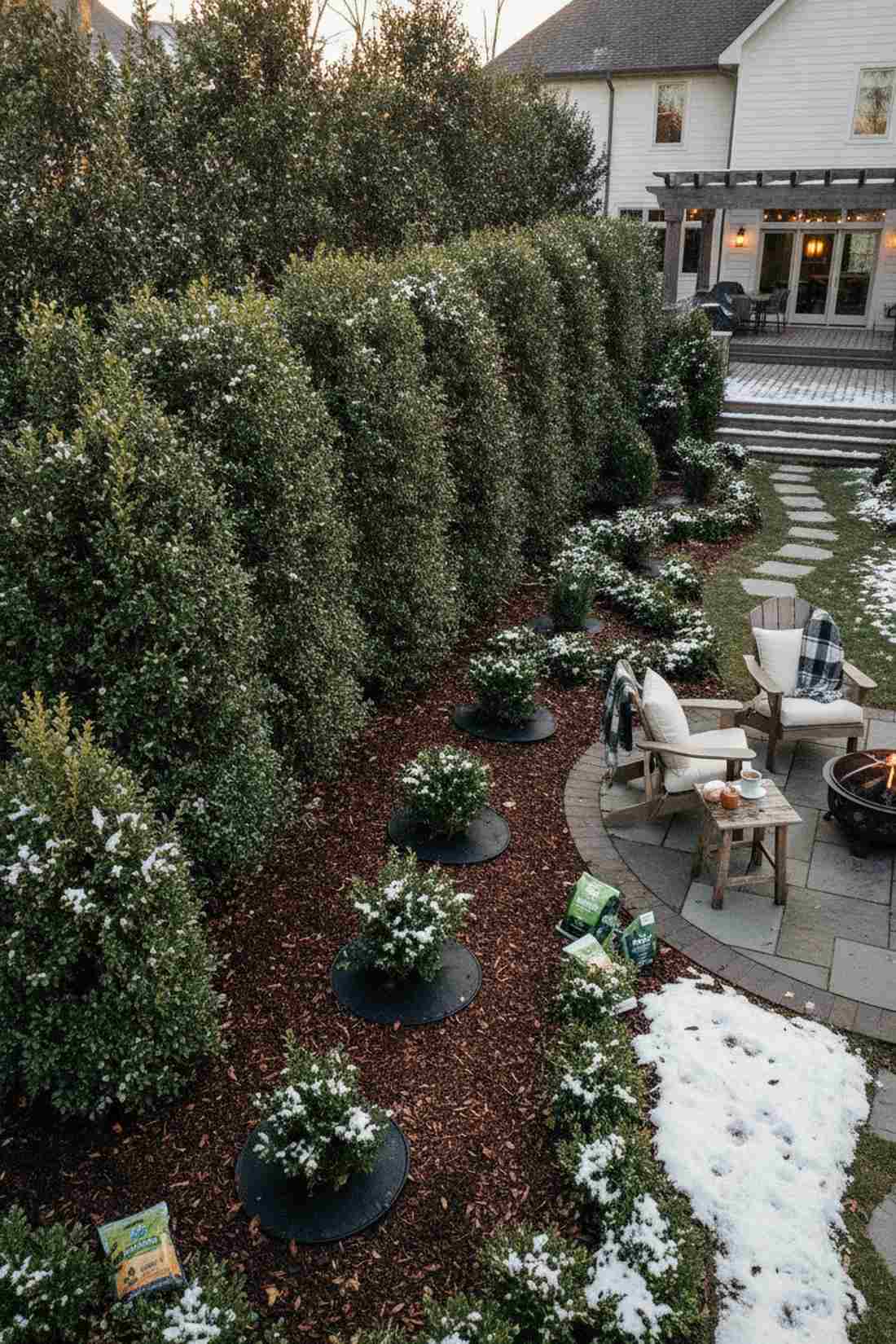
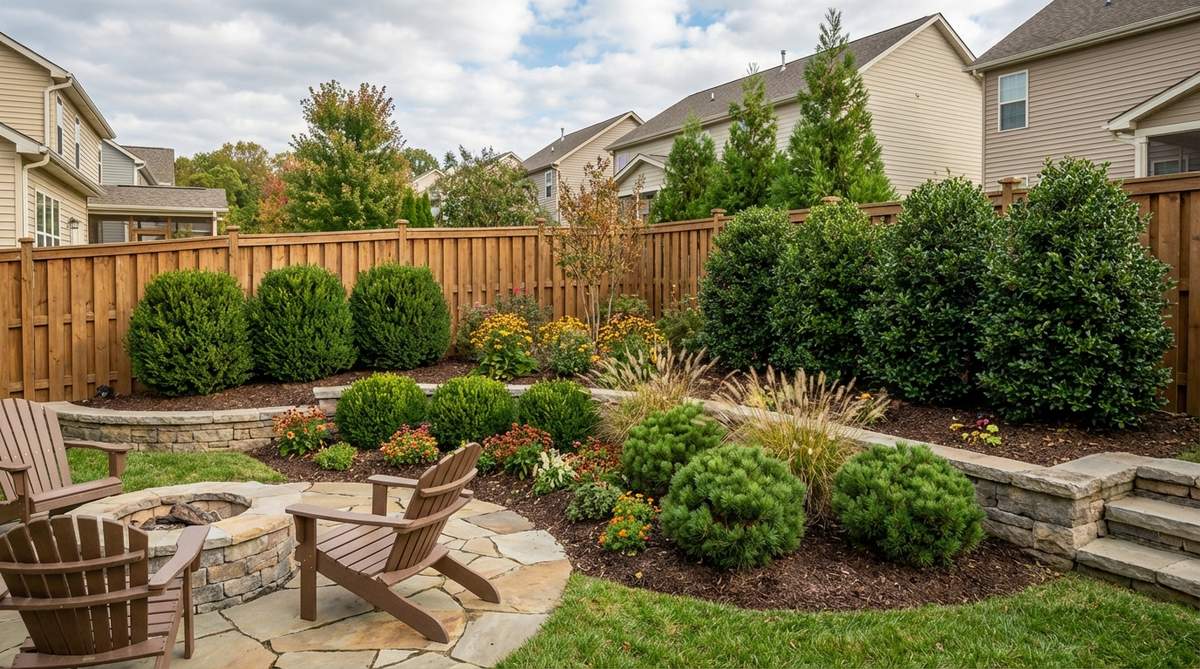
A year-round lush boundary hedge feels like the walls of a posh garden maze. Creates critical privacy and structure along property lines.
Deciduous plants leave your yard looking dead and exposed for half the year. Utilizing small garden ideas backyard evergreen strategies ensures your space looks vibrant and expensive even in the dead of winter.
You can establish this for $100–$200. Pin this to remember your winter landscaping!
- Key Materials: Boxwood or Dwarf Conifers
- Vibe / Style: Classic formal estate
- Difficulty: Digging required
- Budget Breakdown: Shrubs: $150 | Mulch: $30.
- Creator’s Tip: Plant them in a zigzag pattern rather than a straight line for a thicker visual screen faster.
- Smart Sourcing: Get pre-cut weed barrier mats and organic evergreen plant food.
The secret to high-end yards isn’t money, it’s the exact staging trick coming up…
21. Ornamental Grass Borders
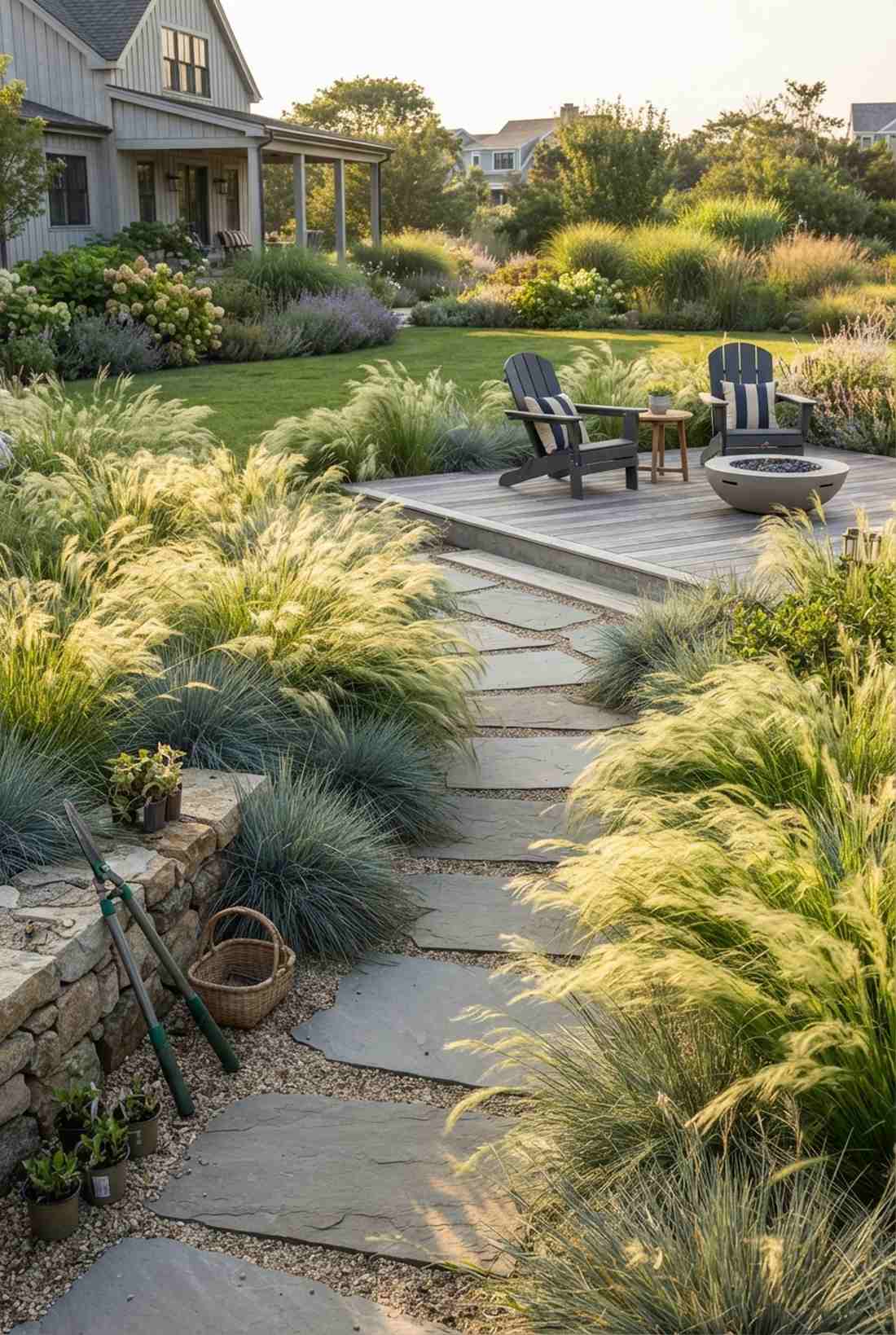
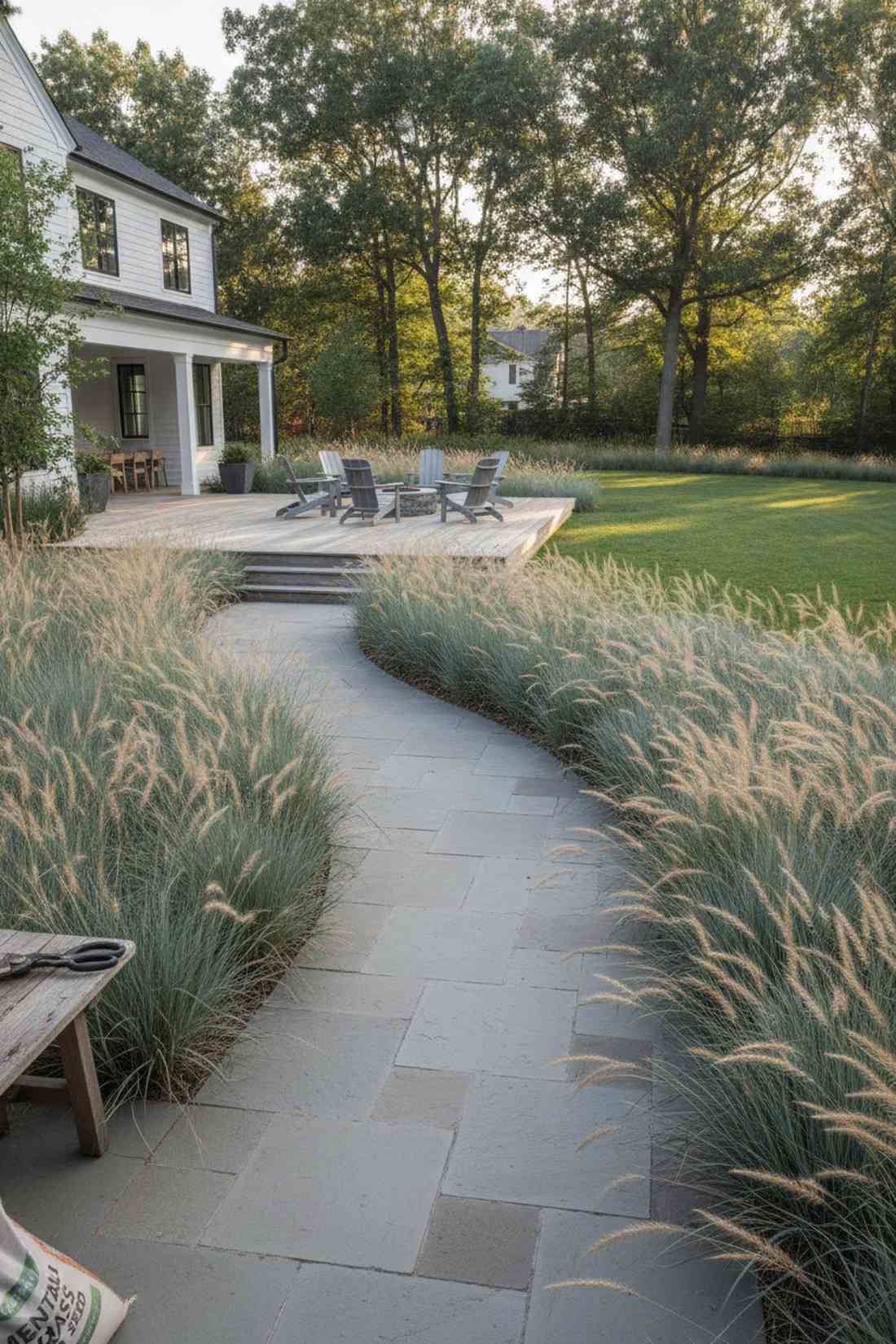
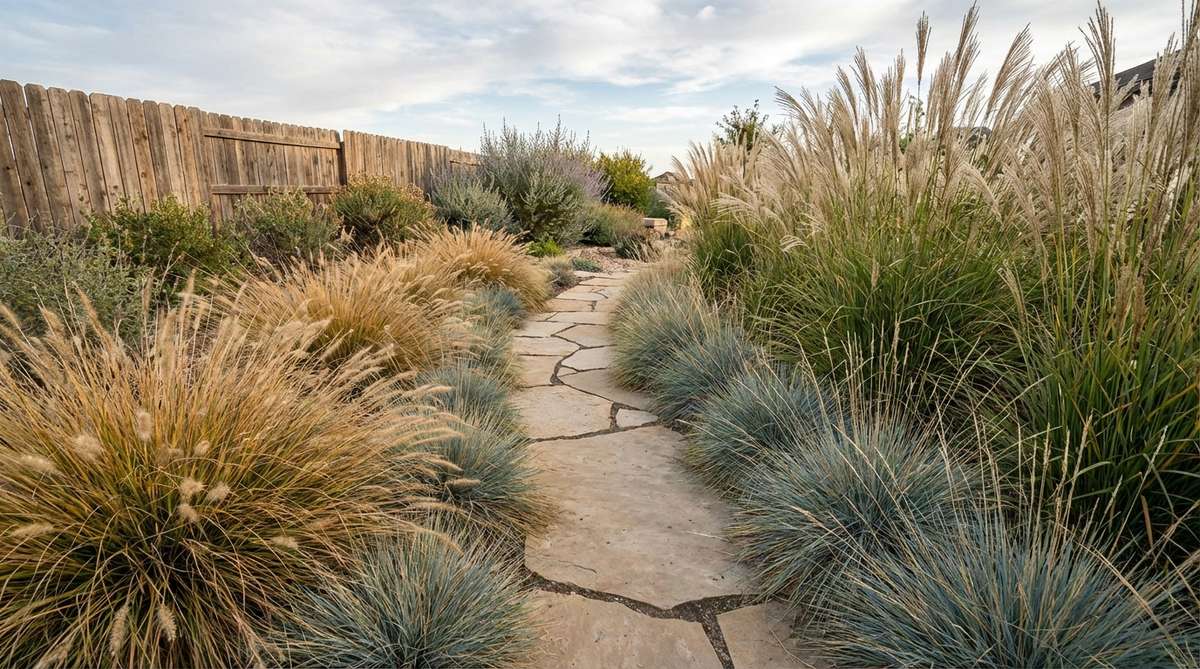
A swaying feather-grass pathway edge feels like a breezy coastal dune walkway. Stunning when planted densely along hardscape borders.
Traditional flower beds require constant deadheading and water, but grasses thrive on neglect. This layout looks far more expensive than it is, providing incredible kinetic movement every time the wind blows.
Expect to spend around $50–$100. It’s a fast upgrade that completely changes the vibe.
- Key Materials: Blue Fescue or Fountain Grass
- Vibe / Style: Coastal modern minimalist
- Difficulty: Extremely easy
- Budget Breakdown: Grass plugs: $60 | Compost: $15.
- Creator’s Tip: Leave the dried stalks up all winter for architectural interest, cutting them back in early spring.
- Smart Sourcing: Pick up bulk ornamental grass seed packs and heavy-duty edging shears.
22. Edible Landscape Integration
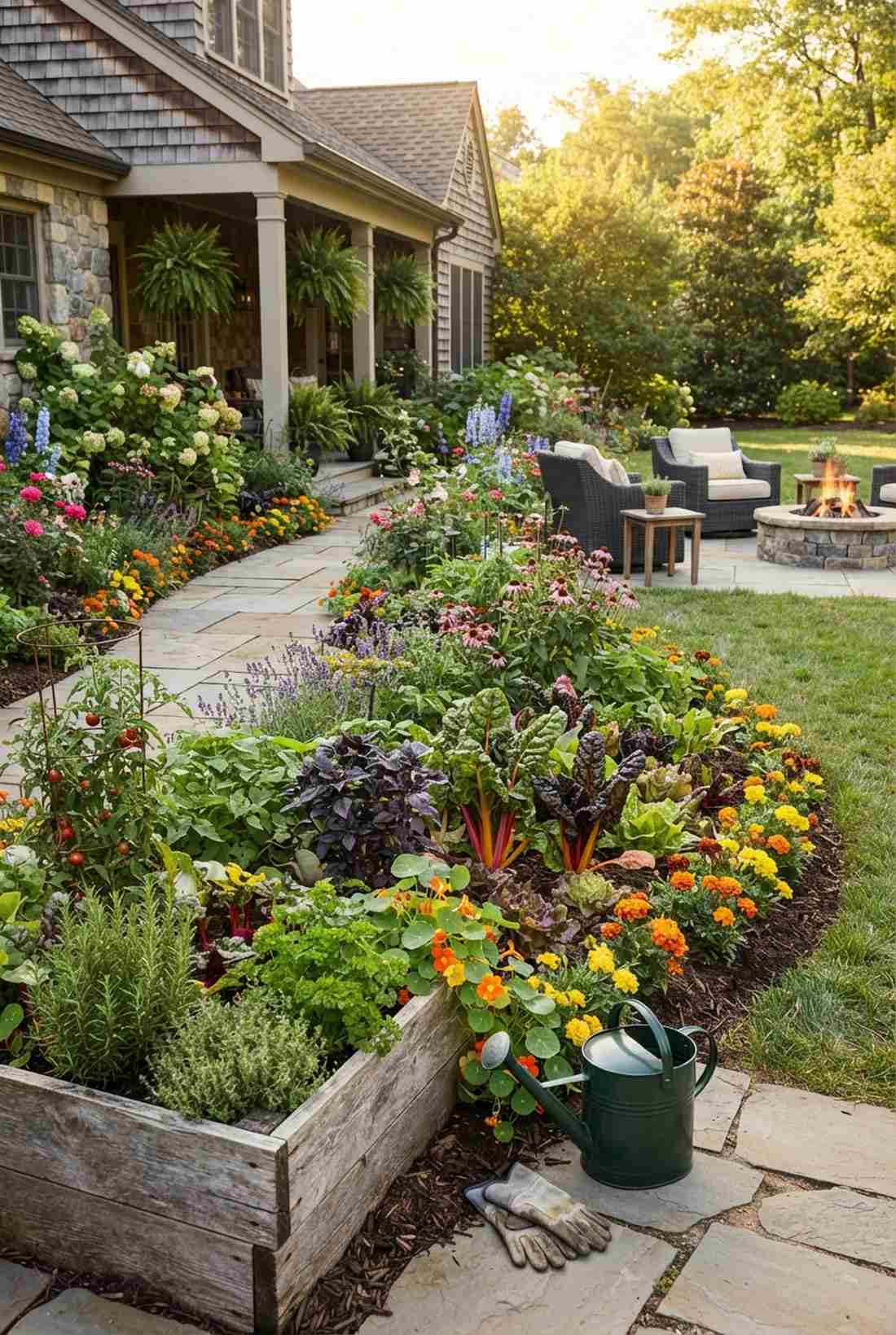
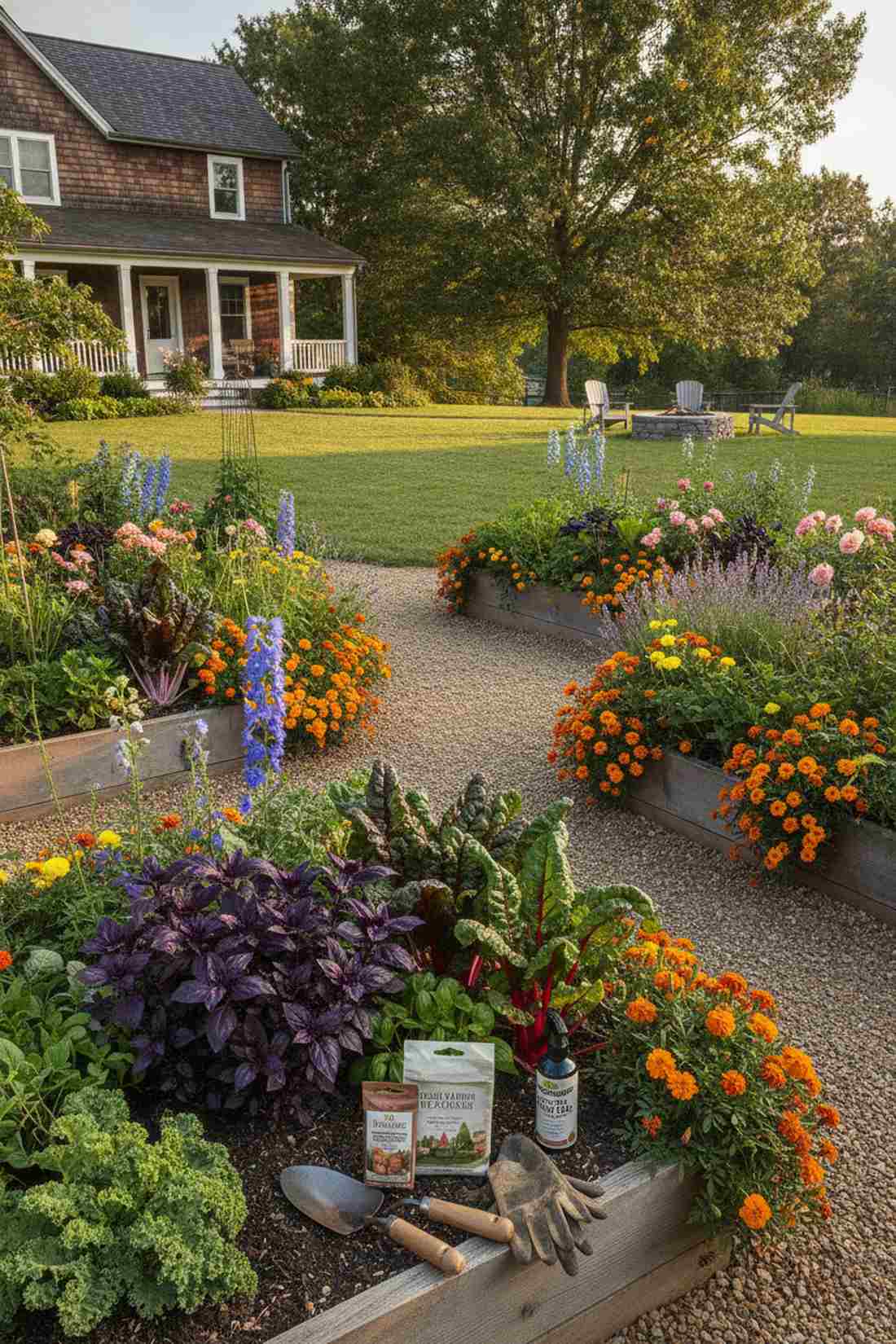
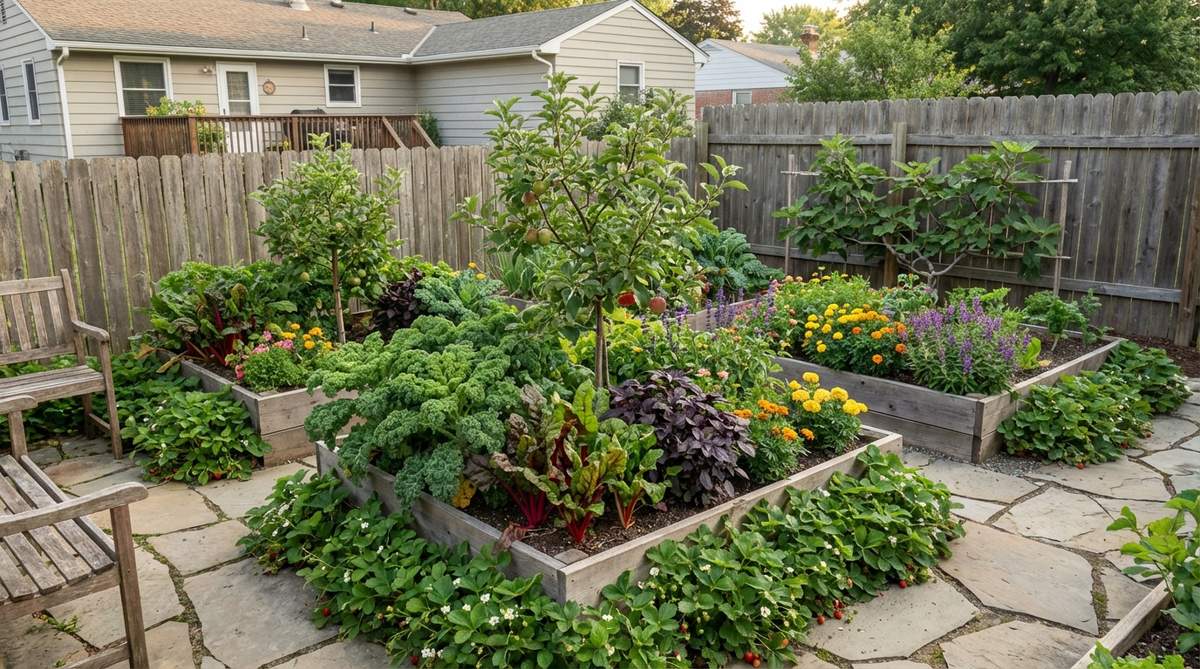
A mixed floral and vegetable border feels like an authentic French potager garden. Maximizes utility by turning standard flower beds into food production zones.
Separating crops from ornamentals wastes massive amounts of space. Weaving vibrant Swiss chard and purple basil among your flowers yields a surprisingly premium look while slashing your grocery bill.
Seeds and starters cost an easy $20–$40. Save this to your homesteading board!
- Key Materials: Colorful vegetable and herb starters
- Vibe / Style: Rustic countryside farm
- Difficulty: Beginner-friendly
- Budget Breakdown: Seeds/Plants: $25 | Organic soil: $15.
- Creator’s Tip: Use marigolds aggressively along the borders to naturally repel root nematodes.
- Smart Sourcing: Grab heirloom vegetable seed vaults (bulk pack) and organic neem oil pest spray.
23. Drought-Tolerant Succulent Beds
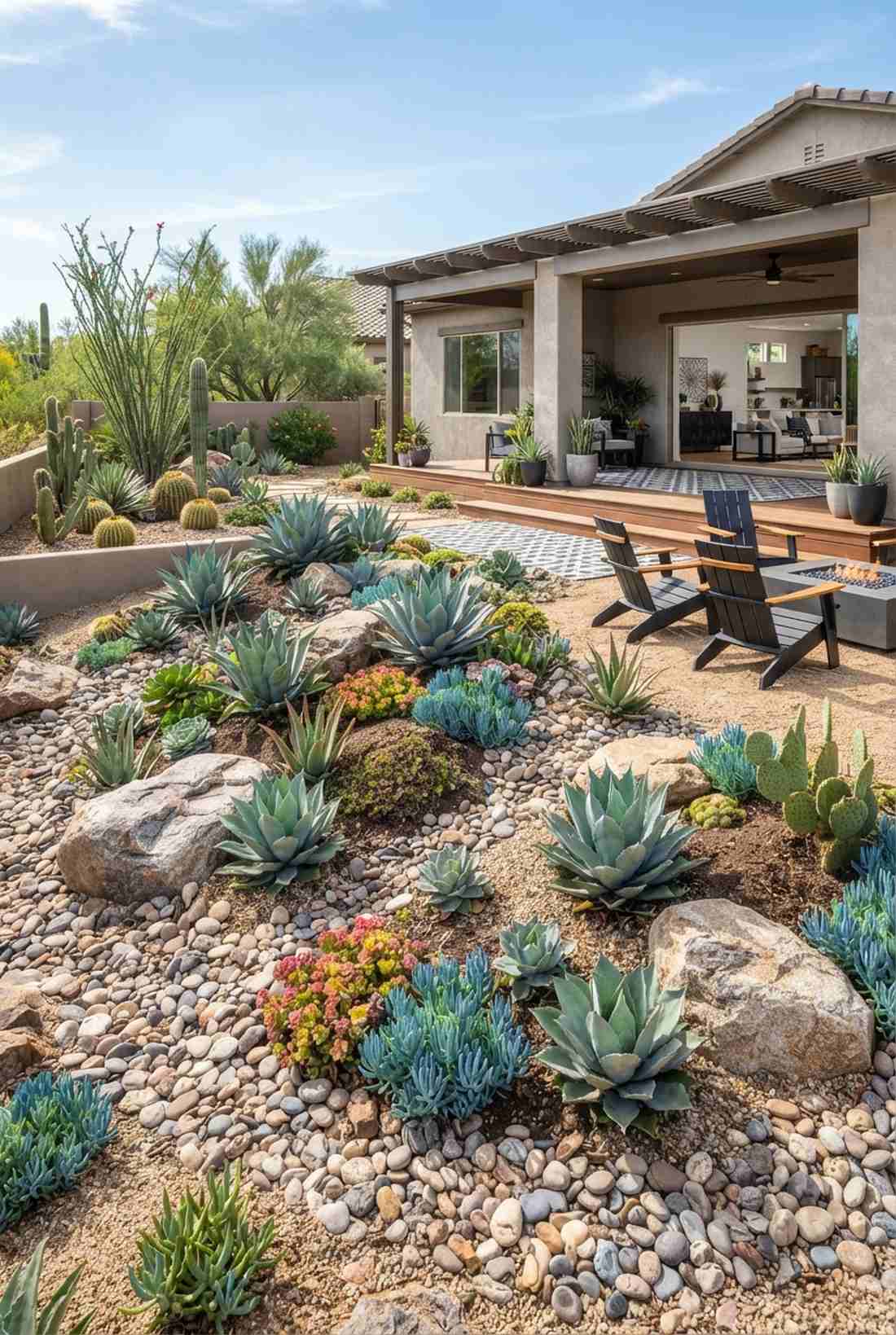
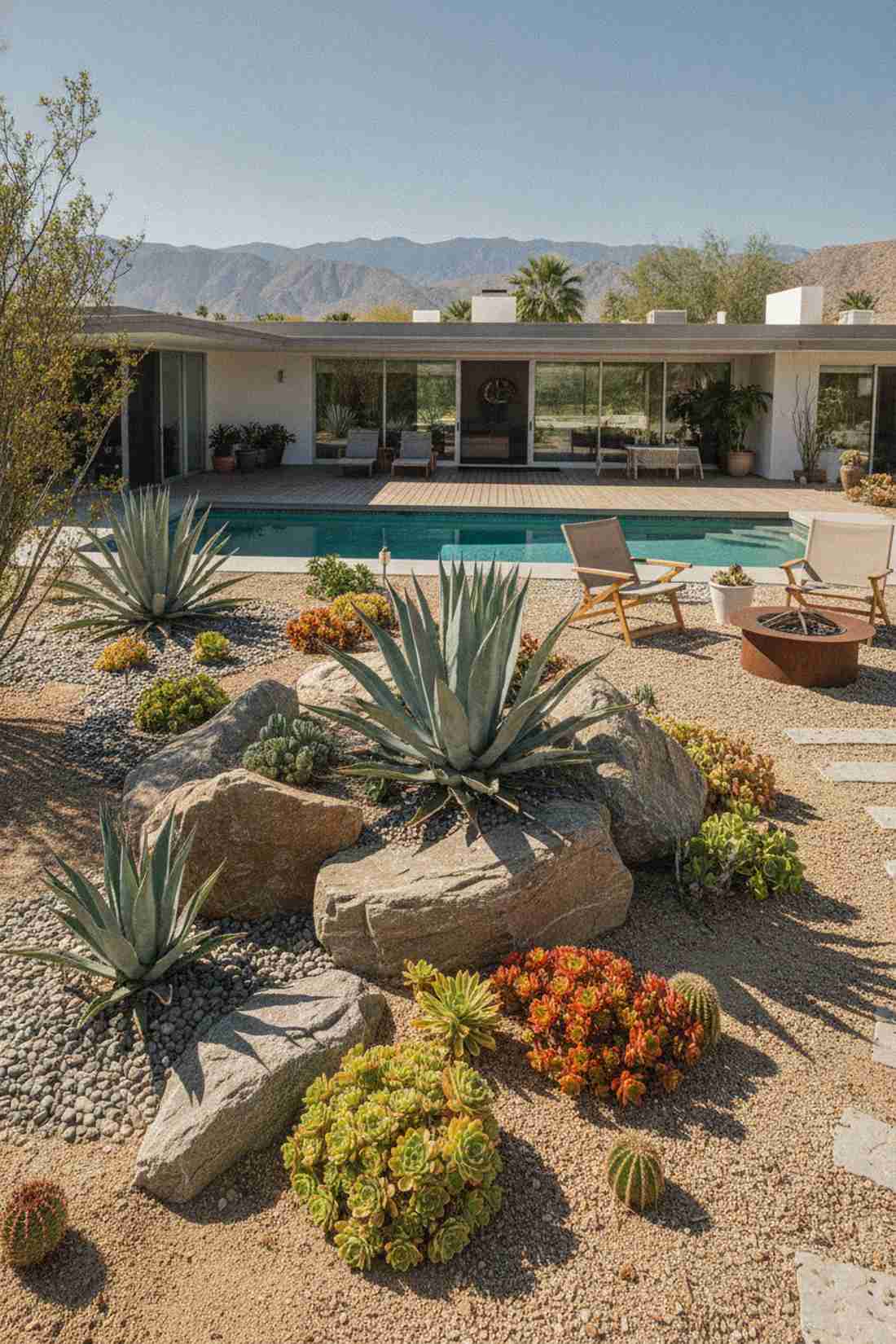
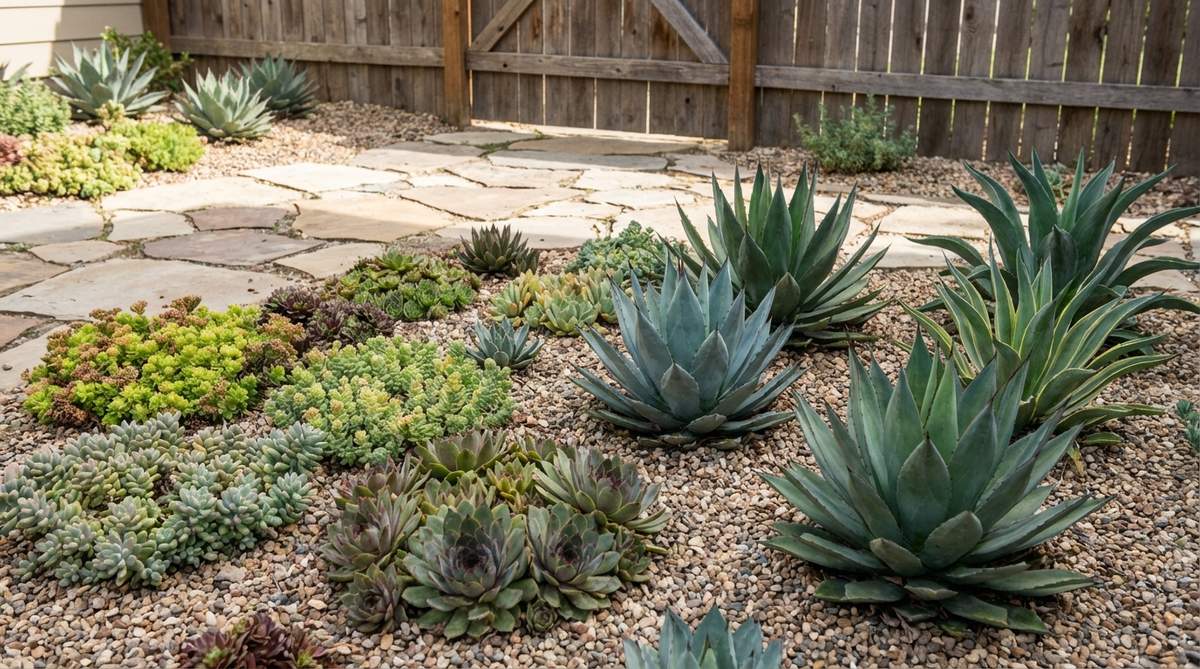
A sculptural desert rock garden feels like an upscale Palm Springs oasis. Absolutely flawless for scorching sun exposures where grass simply dies.
Fighting nature with thirsty lawns is a losing battle. Swapping to high-texture succulents gives a designer-level finish that slashes your water bill and creates striking geometric shapes.
You can craft this setup for $80–$150.
- Key Materials: Agave, Sedums, and Sand
- Vibe / Style: Modern desert chic
- Difficulty: Easy planting
- Budget Breakdown: Succulents: $70 | Drainage rocks/Sand: $40.
- Creator’s Tip: Mound the soil slightly to ensure water never pools around the base of the plants.
- Smart Sourcing: Use fast-draining cactus soil mix (bulk size) and decorative river rock pebbles.
24. Native Pollinator Plantings
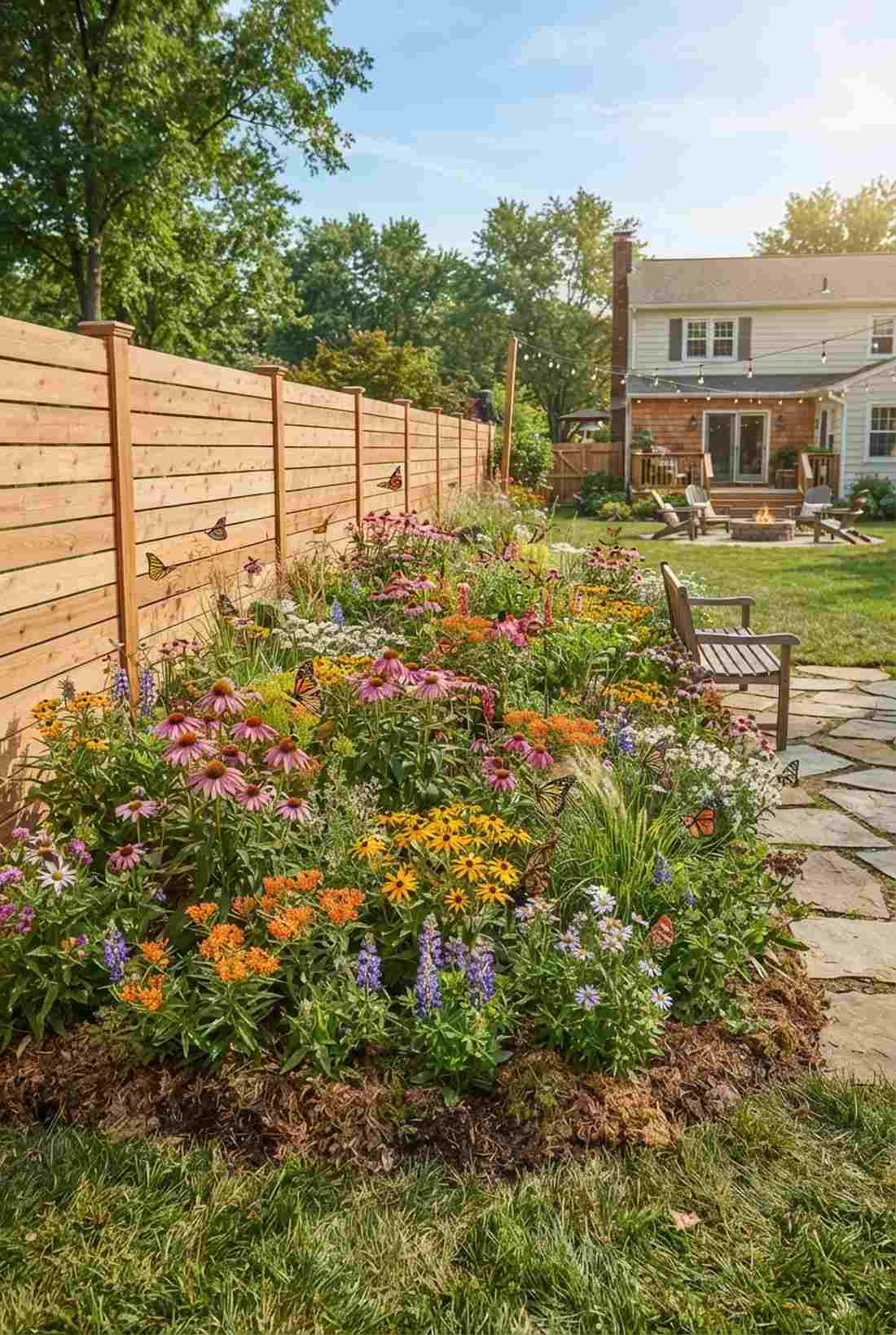
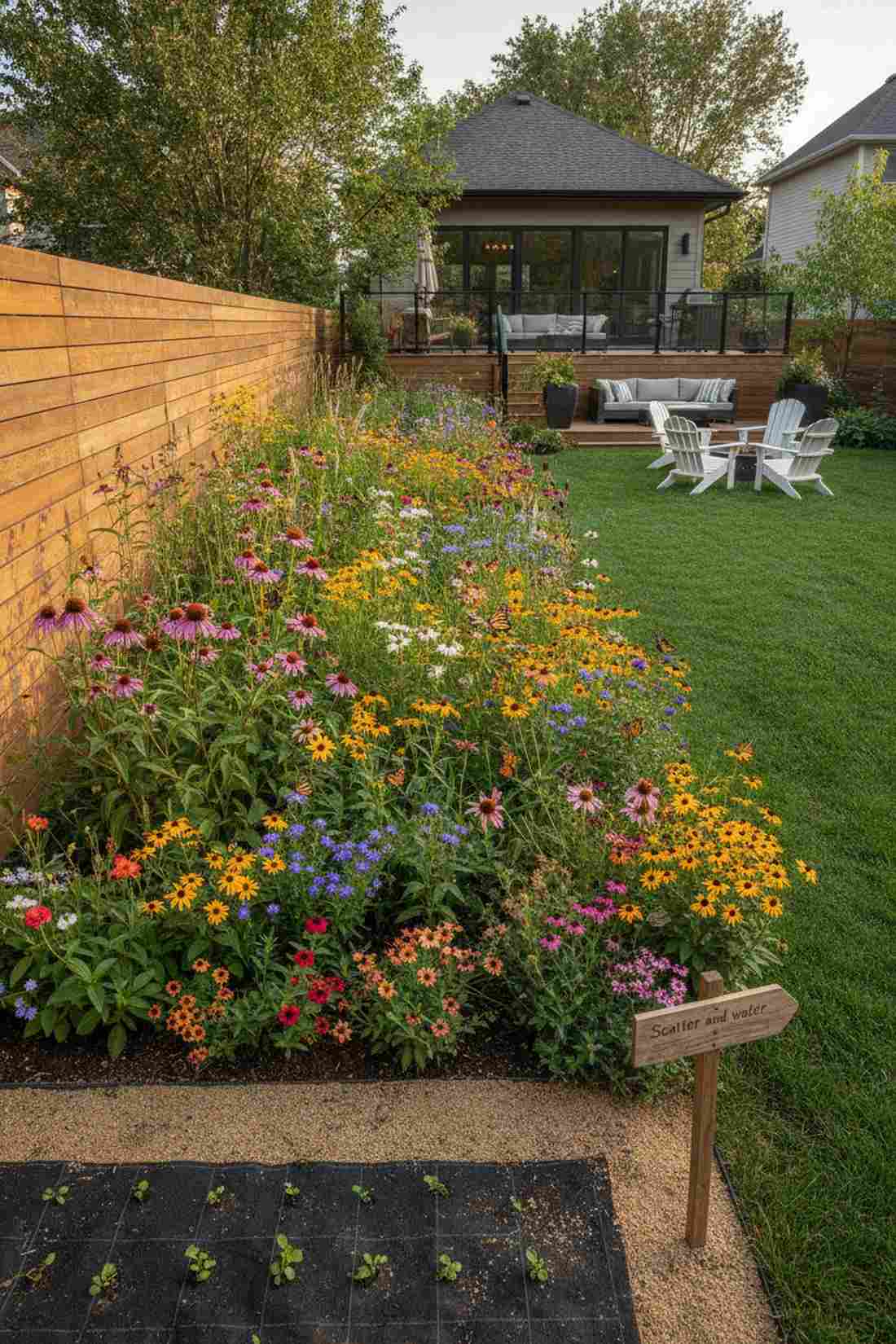
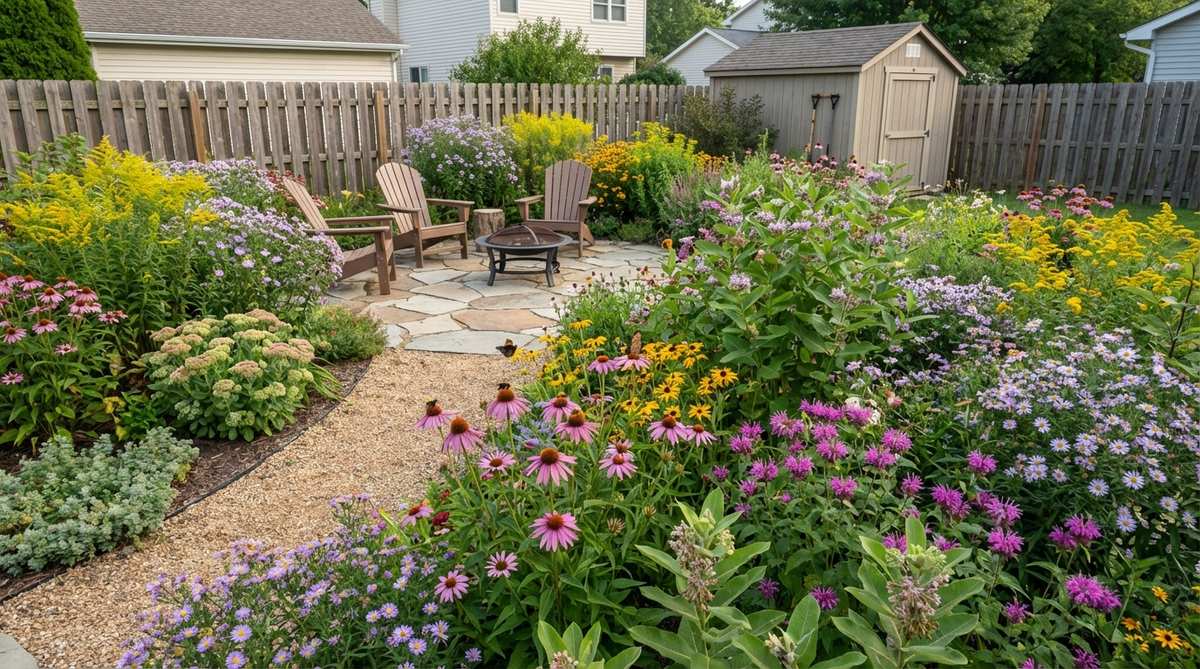
A wildflower butterfly haven feels like a vibrant meadow bursting with life. Perfect for softening the hard edges of modern fencing.
Exotic plants struggle and require chemicals, but natives explode with zero effort. Incorporating broad terms like miniature garden supplies alongside tall coneflowers creates a layered, wildly successful micro-ecosystem.
Seeds are incredibly cheap, roughly $15–$30. Pin this for a nature-friendly yard!
- Key Materials: Regional wildflower seed mixes
- Vibe / Style: Enchanted wild meadow
- Difficulty: Scatter and water
- Budget Breakdown: Seed Mix: $20 | Peat moss cover: $10.
- Creator’s Tip: Mix the tiny seeds with play sand before broadcasting so you get an even spread.
- Smart Sourcing: Pick up bulk native wildflower seed mixes and biodegradable seed starter mats.
25. Container Herb Kitchen Garden
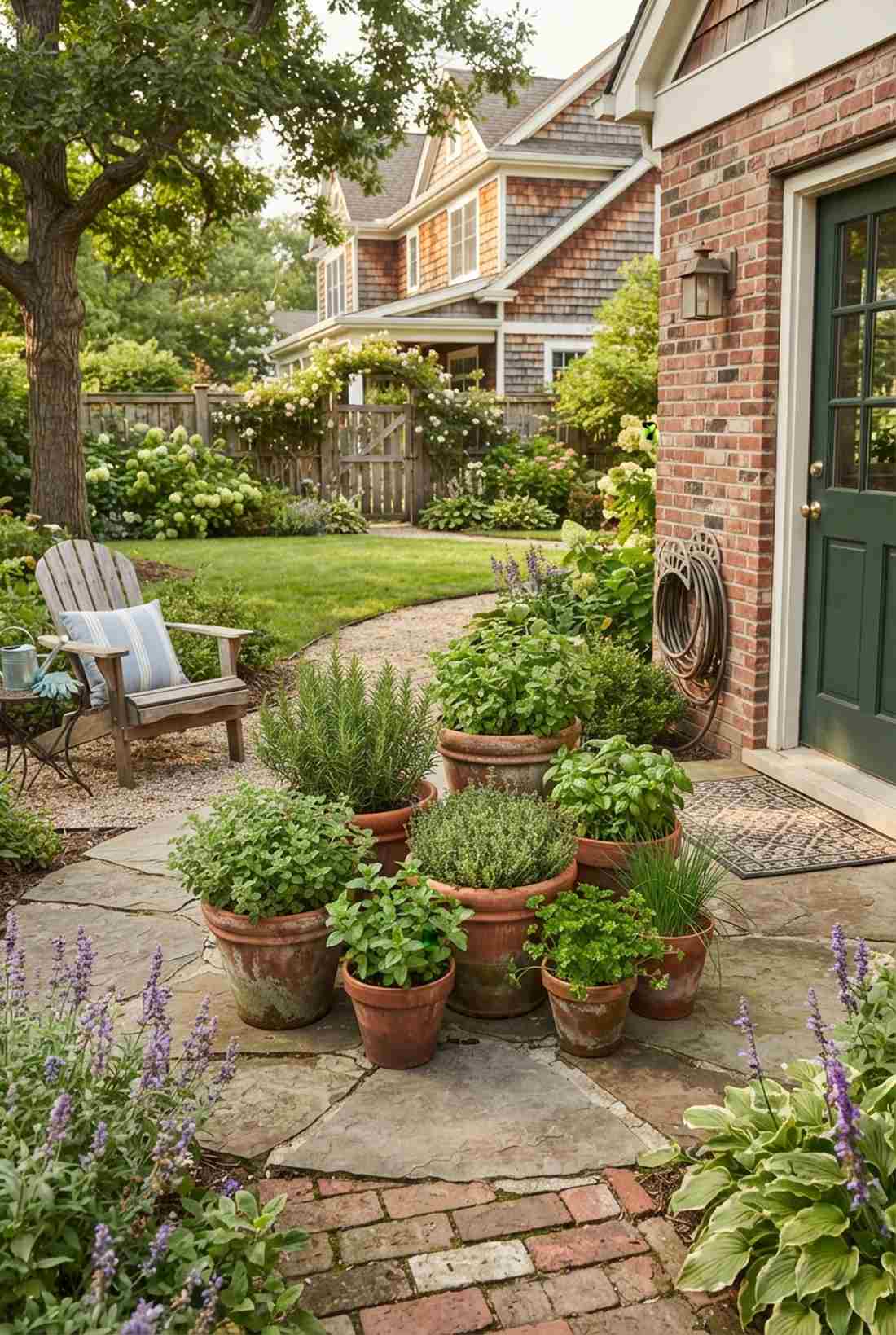
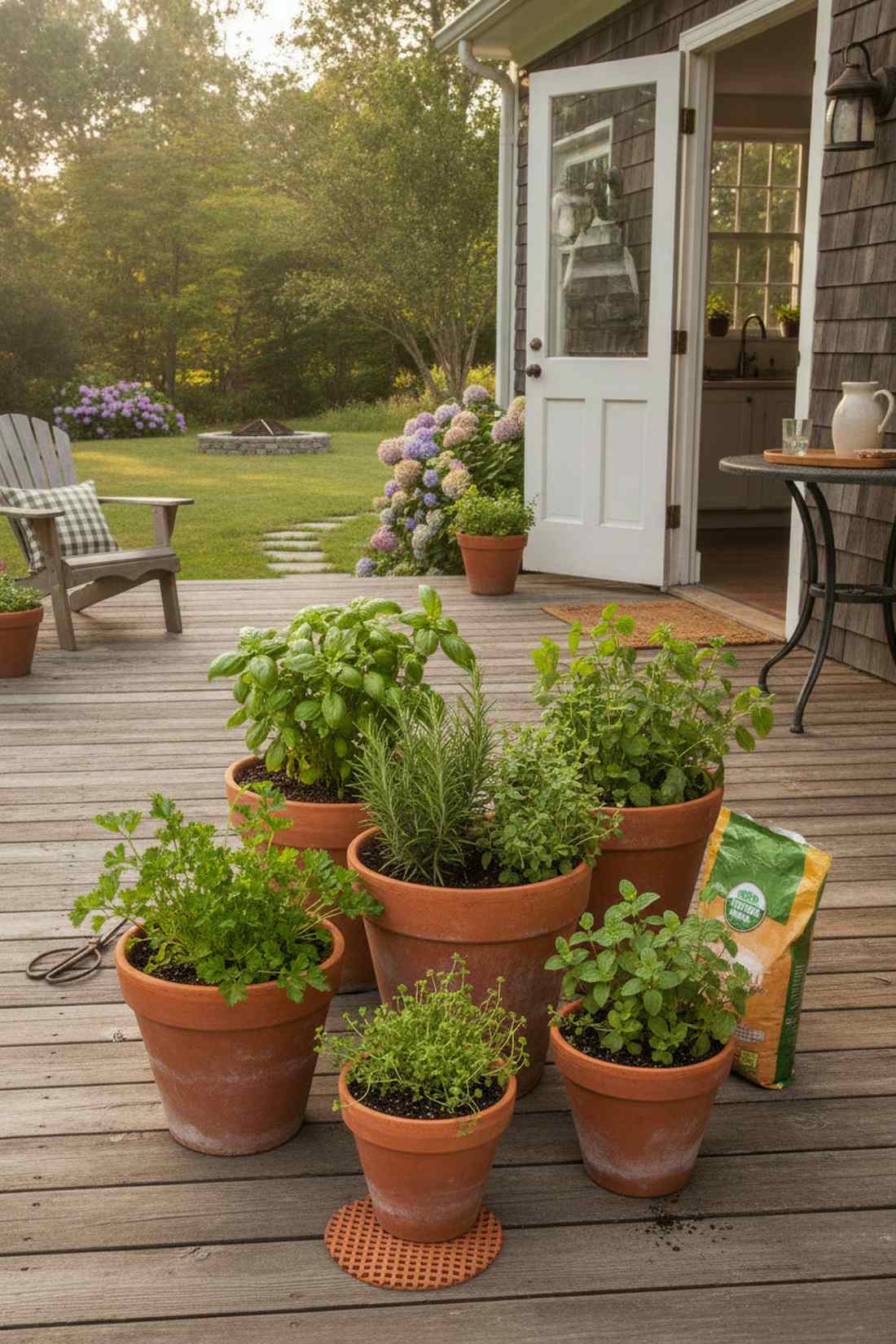
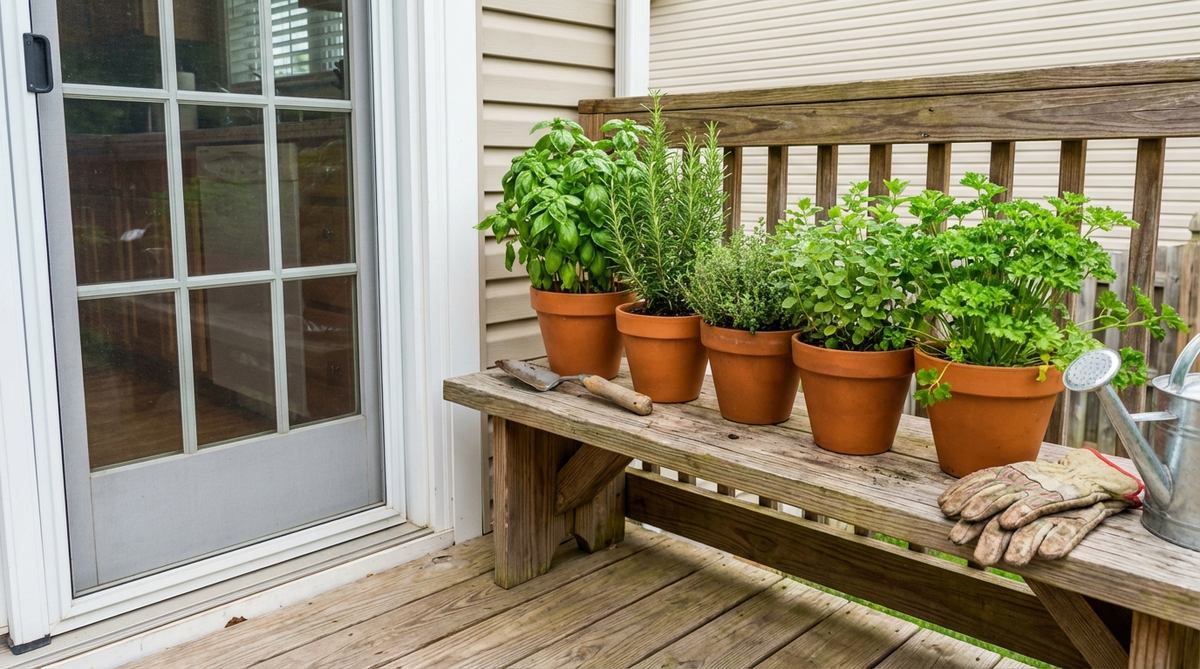
A clustered terracotta seasoning station feels like a vibrant Italian villa courtyard. Specifically designed for easy access right outside the back door.
Planting mint or oregano in the ground is a rookie mistake that will ruin your yard. Confining aggressive growers to stylish pots looks far more expensive than it is while keeping your landscape under control.
Pull this off easily for $30–$60.
- Key Materials: Assorted terracotta pots and herbs
- Vibe / Style: Rustic culinary charm
- Difficulty: Beginner setup
- Budget Breakdown: Pots: $25 | Herb starters: $20.
- Creator’s Tip: Group pots in odd numbers (3, 5, 7) to make the arrangement visually pleasing to the eye.
- Smart Sourcing: Invest in premium organic potting mix and pre-cut terracotta drainage mesh pads.
If you hate constant maintenance, this next installation will save your weekends while boosting your home’s aesthetic…
Atmospheric Small Garden Backyard Lighting Transformations
26. String Light Canopy
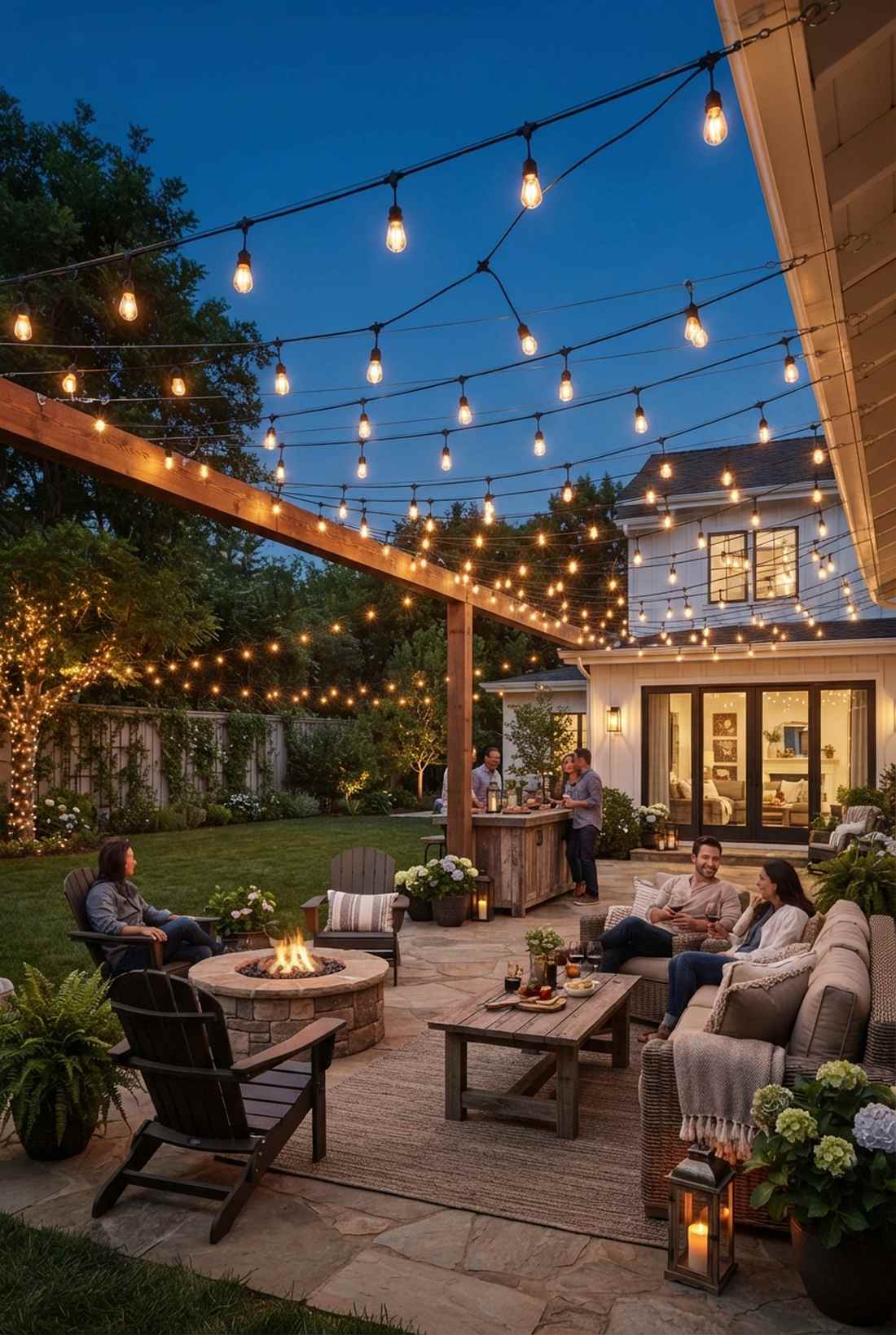
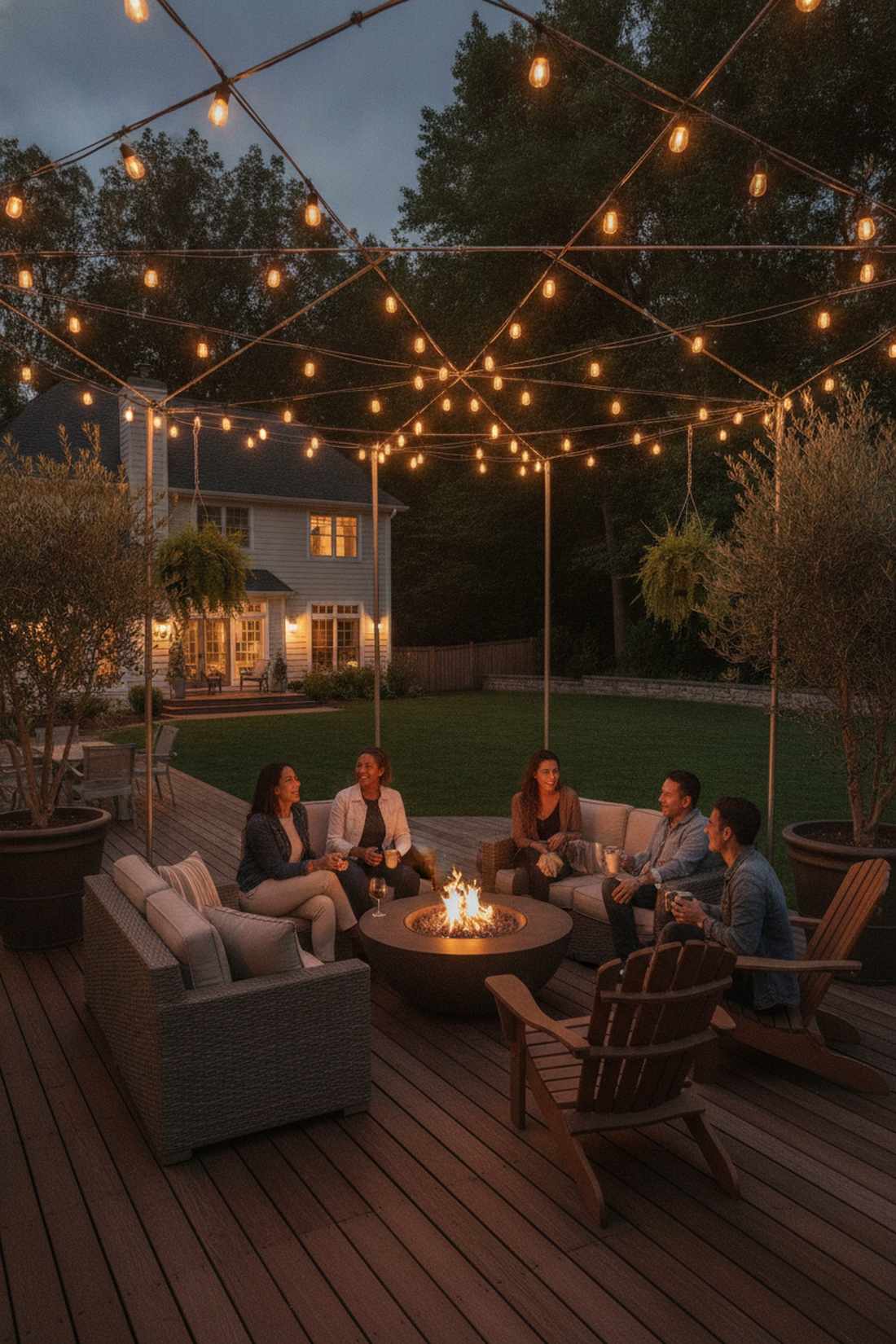
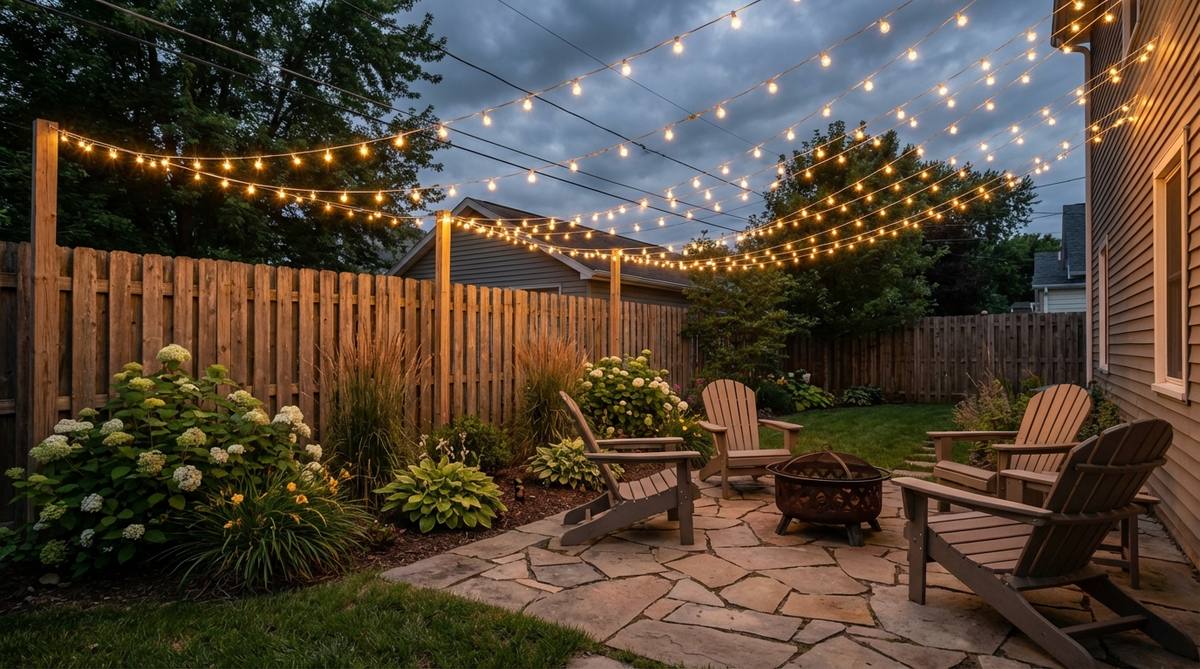
A glowing overhead Edison bulb canopy feels like a trendy rooftop bistro at midnight. Essential for making flat patios feel enclosed and intimate.
Relying on harsh floodlights completely kills the evening mood. A crisscross string light setup delivers a surprisingly premium look that warmly defines the ‘ceiling’ of your outdoor room without building a physical roof.
Cost is a massive win at around $50–$100. Save this to your patio lighting board!
- Key Materials: Heavy-duty commercial string lights
- Vibe / Style: Urban cafe ambiance
- Difficulty: Ladder and hook install
- Budget Breakdown: Lights: $60 | Cable/Hooks: $20.
- Creator’s Tip: Always run a steel guide wire first, then clip the lights to it to prevent wind sagging.
- Smart Sourcing: Buy shatterproof LED outdoor string lights and stainless steel wire suspension kits.
27. Uplighting Focal Trees
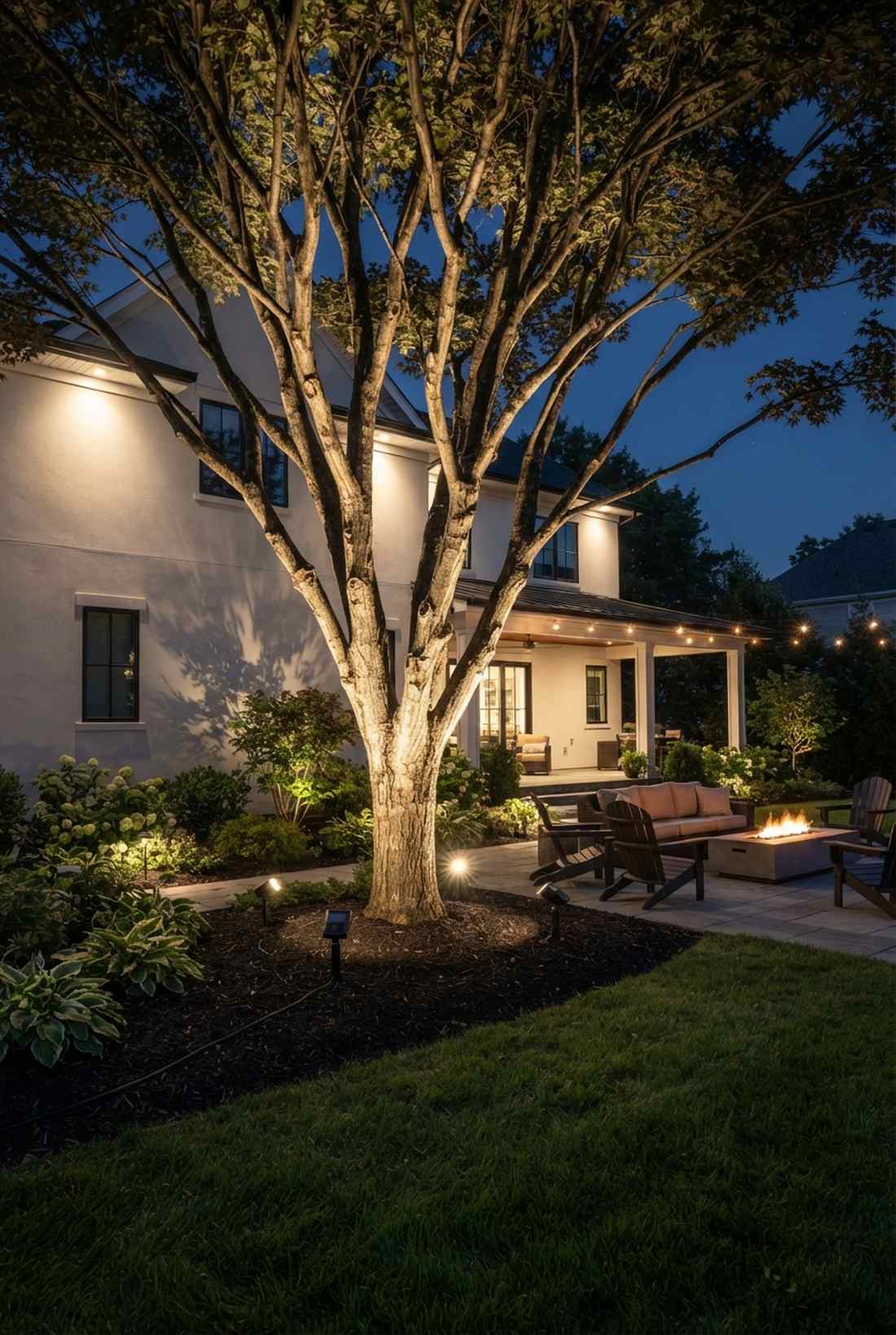
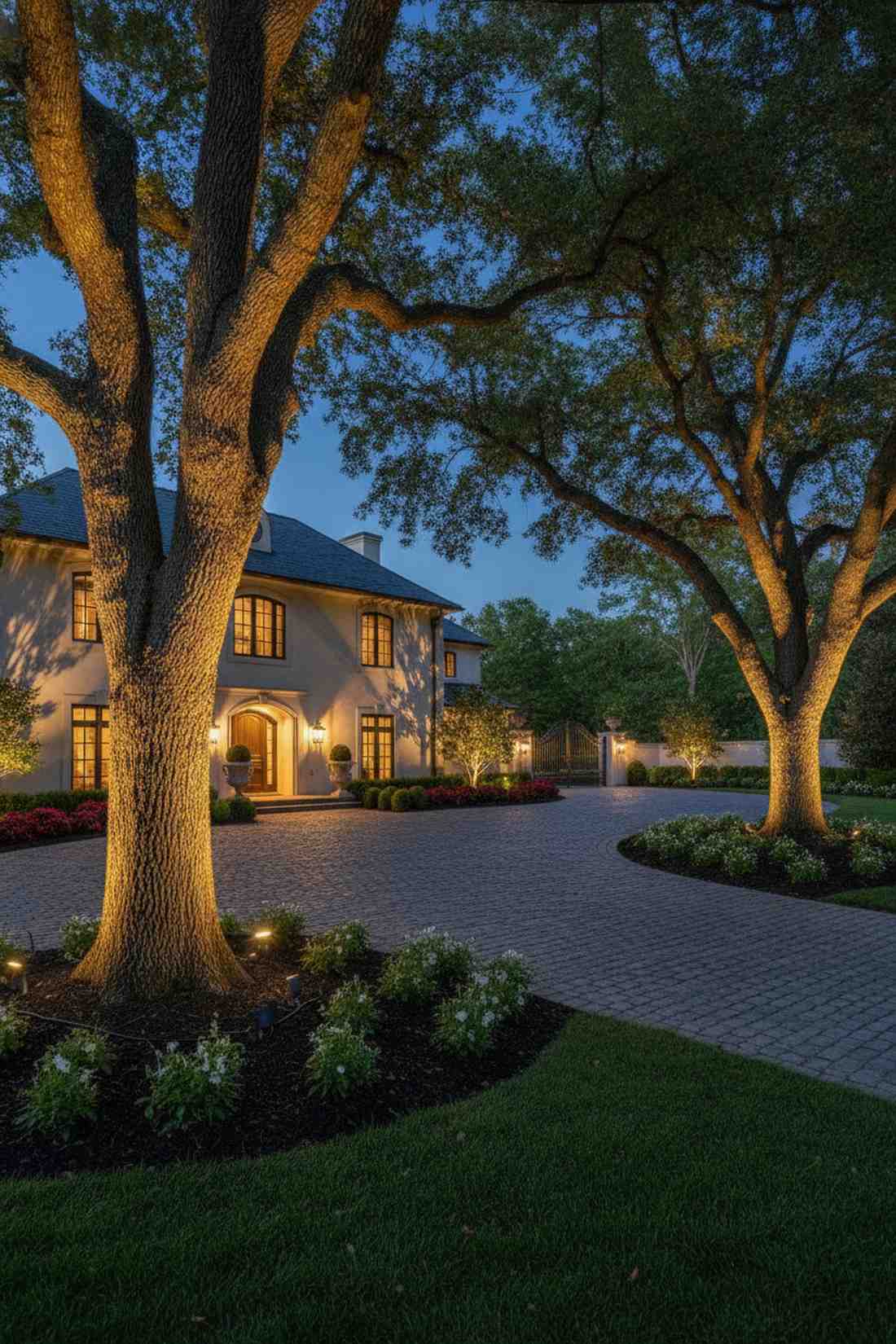
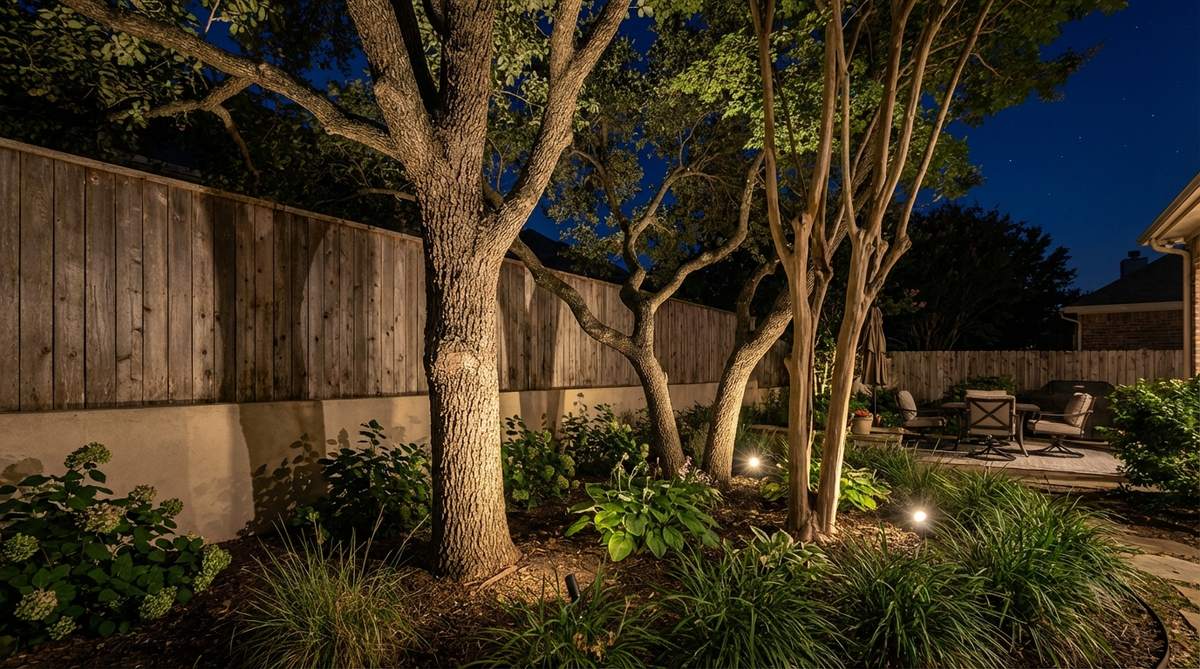
A dramatic illuminated trunk display feels like a high-end country club entrance. Incredible for casting majestic shadows against plain exterior walls.
Most people leave their best plants in the dark. Placing a simple angled spot at the base creates a designer-level finish, accentuating the architectural bark and turning a basic tree into a night-time monument.
You can execute this for $40–$90.
- Key Materials: LED low-voltage spotlights
- Vibe / Style: Luxury estate lighting
- Difficulty: Simple plug-and-play
- Budget Breakdown: Spotlights: $50 | Extension cables: $20.
- Creator’s Tip: Aim the light slightly away from the house to prevent annoying glare in the windows.
- Smart Sourcing: Grab solar-powered cast-aluminum spotlights and waterproof outdoor extension cords.
28. Solar Pathway Markers
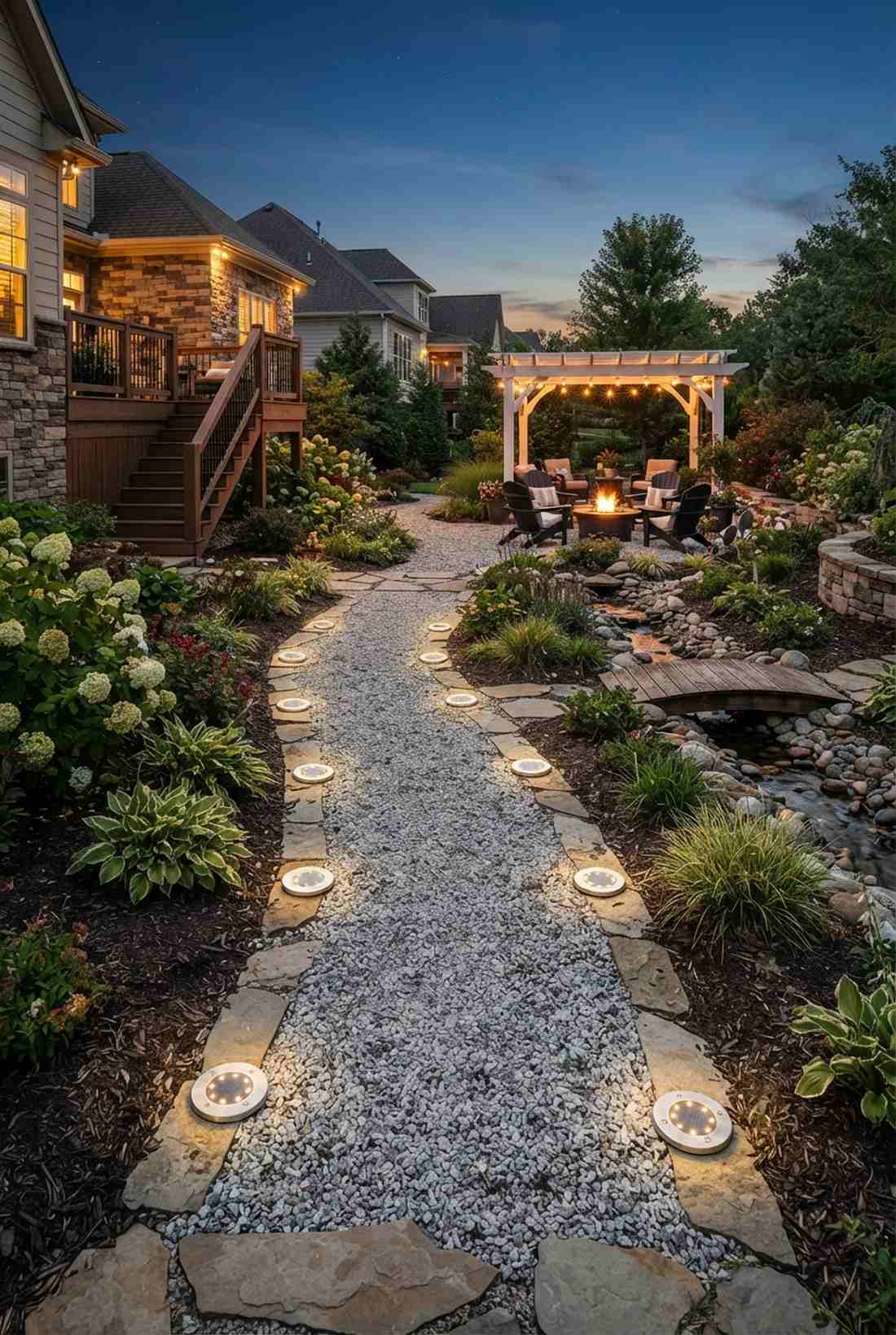
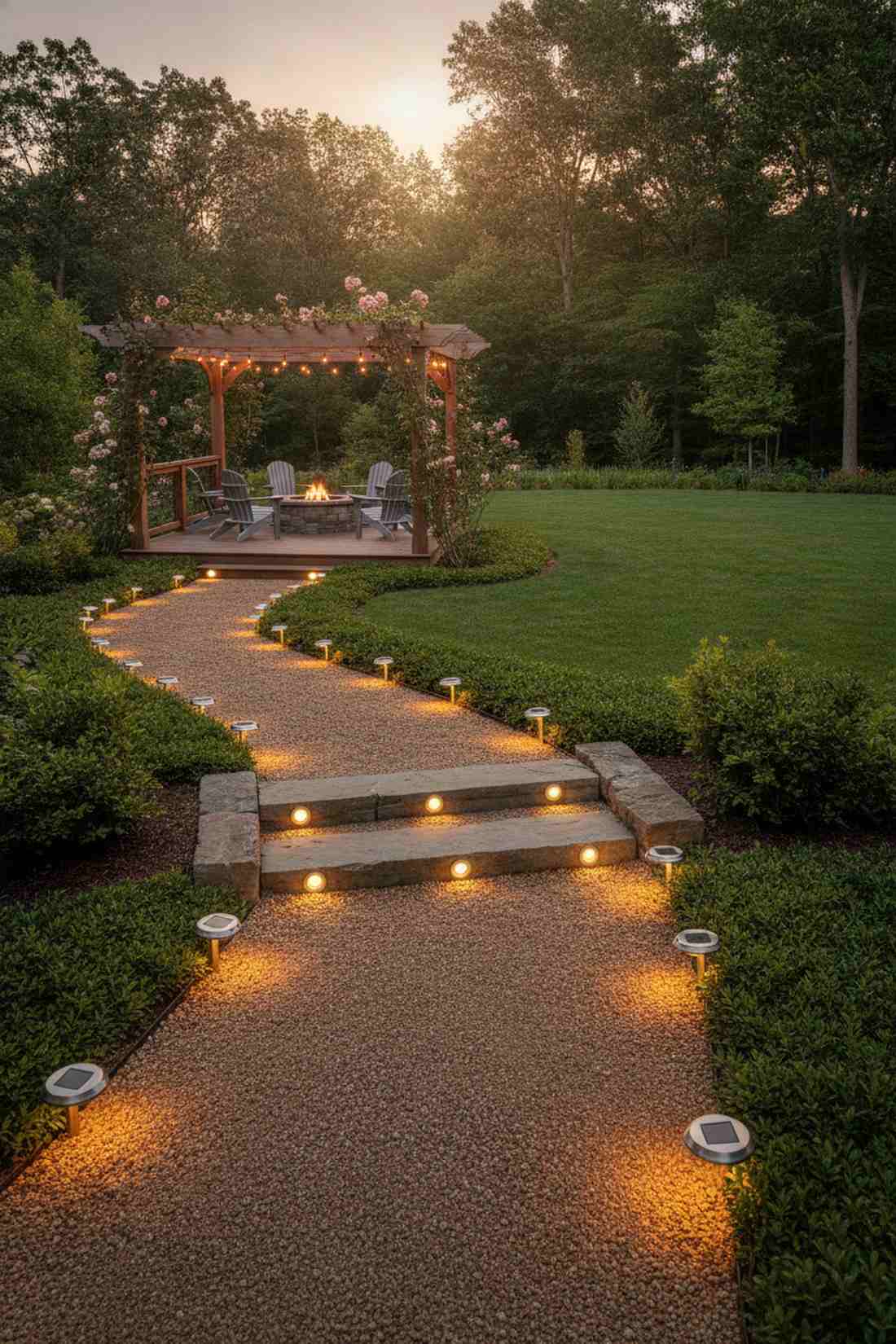
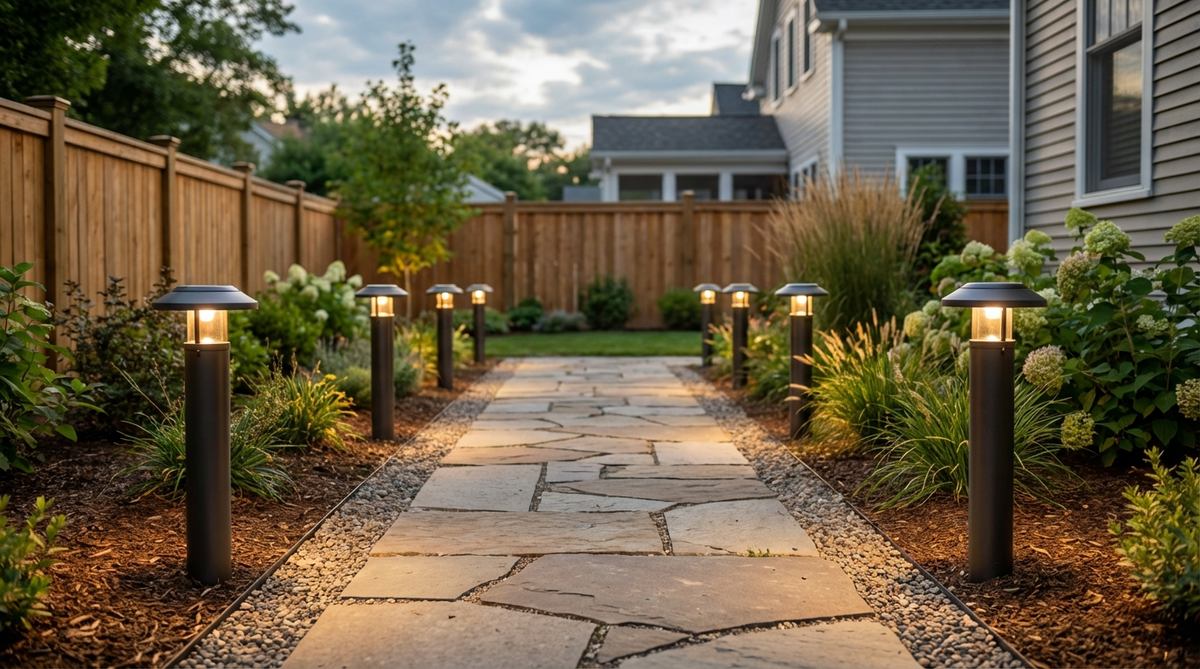
A glowing trail of warm ground lights feels like a magical runway to your garden retreat. Perfect for safely navigating gravel paths or steps.
Wiring traditional lights requires expensive electricians. Slapping down modern, flush-mount solar disks looks far more expensive than it is and requires exactly zero electrical knowledge.
A bulk set runs about $30–$60. Pin this for a quick 5-minute upgrade!
- Key Materials: Flush-mount solar disk lights
- Vibe / Style: Sleek contemporary safety
- Difficulty: Just push into soil
- Budget Breakdown: Bulk Light Pack: $45.
- Creator’s Tip: Coat the solar panels with clear nail polish to prevent them from clouding up over the years.
- Smart Sourcing: Source stainless steel solar ground lights (8-pack) and UV-resistant clear acrylic spray.
29. Lantern Clusters
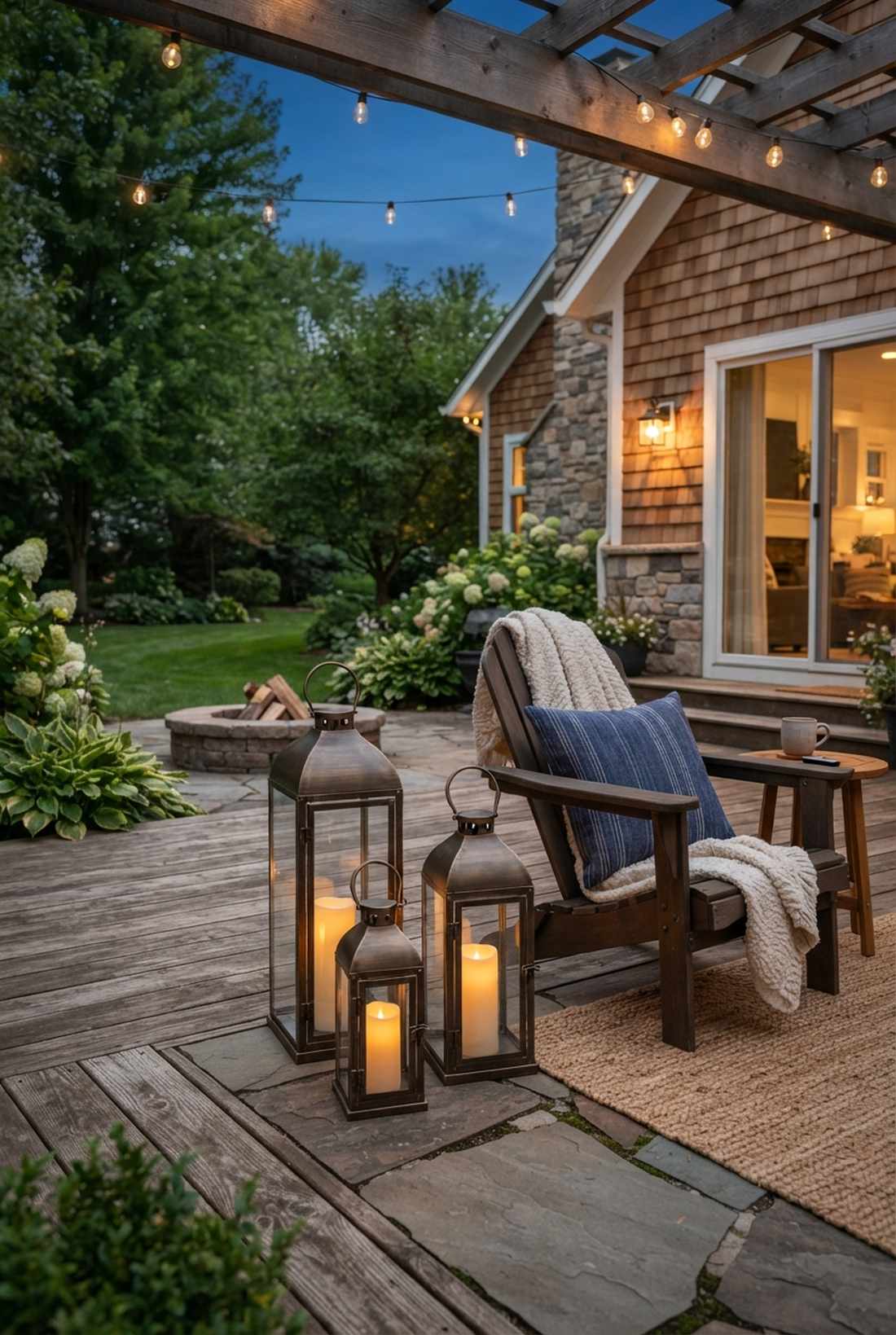
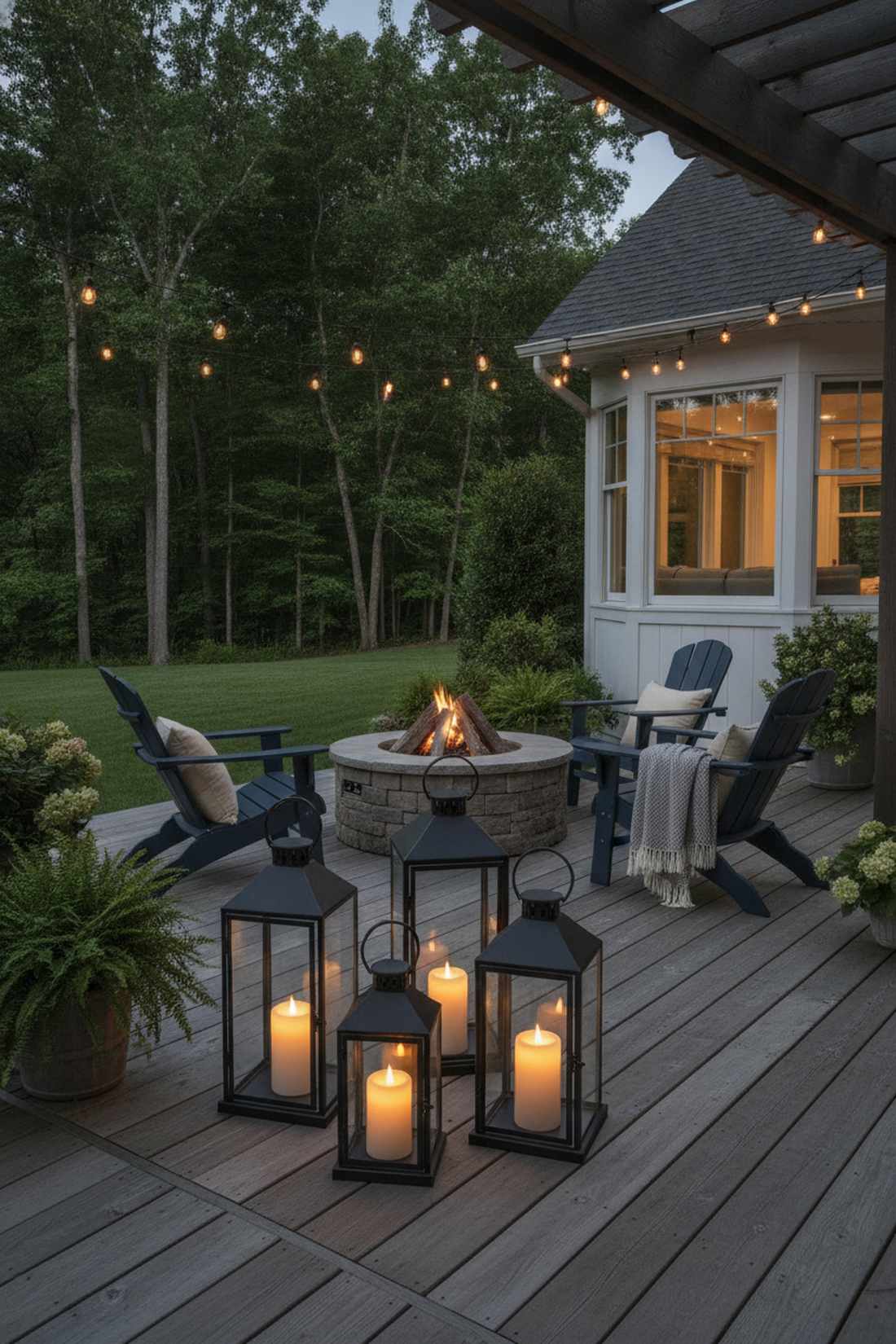
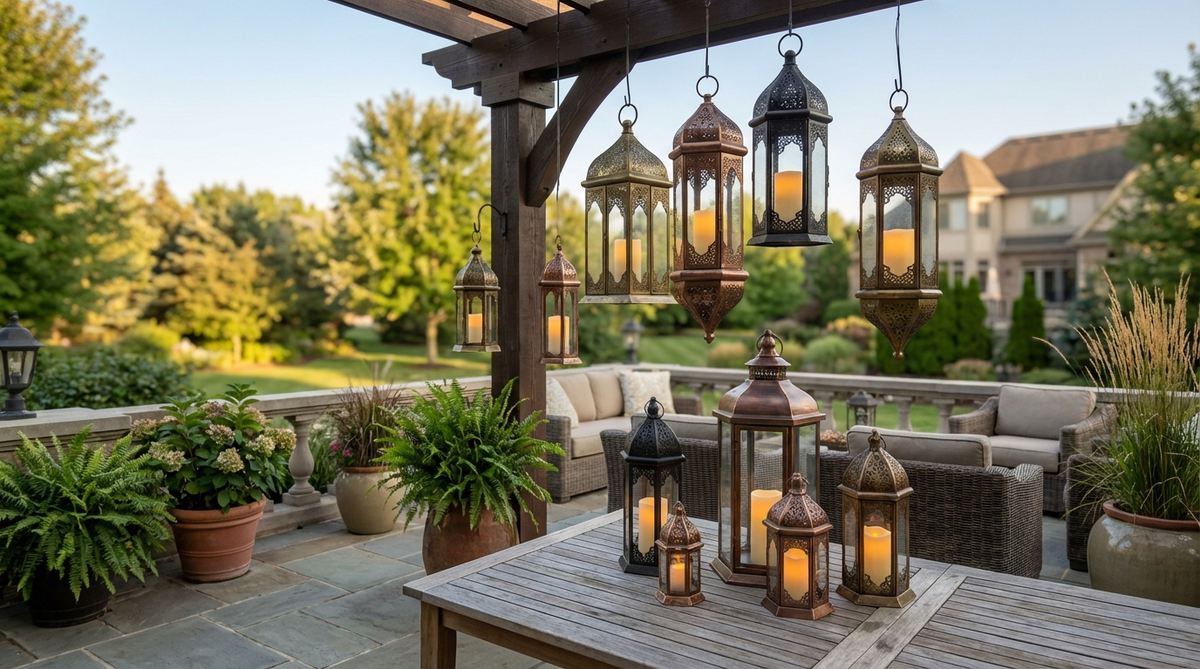
A staggered group of oversized candle lanterns feels like an exotic Moroccan terrace. Brilliant for filling empty corners or framing doorways.
Static lighting is boring, but portable clusters allow you to shift the vibe instantly. Adding high-end terrarium accessories or fairy lights inside gives a designer finish that adds massive visual weight to the patio.
Easily achievable for $50–$100.
- Key Materials: Metal lanterns in varying heights
- Vibe / Style: Romantic boho retreat
- Difficulty: Ready out of the box
- Budget Breakdown: Lanterns: $70 | LED Candles: $20.
- Creator’s Tip: Use programmable LED candles with timers so your patio automatically glows at dusk.
- Smart Sourcing: Use rust-resistant iron outdoor lanterns and waterproof flameless LED pillar candles (bulk pack).
30. Recessed Step Lighting
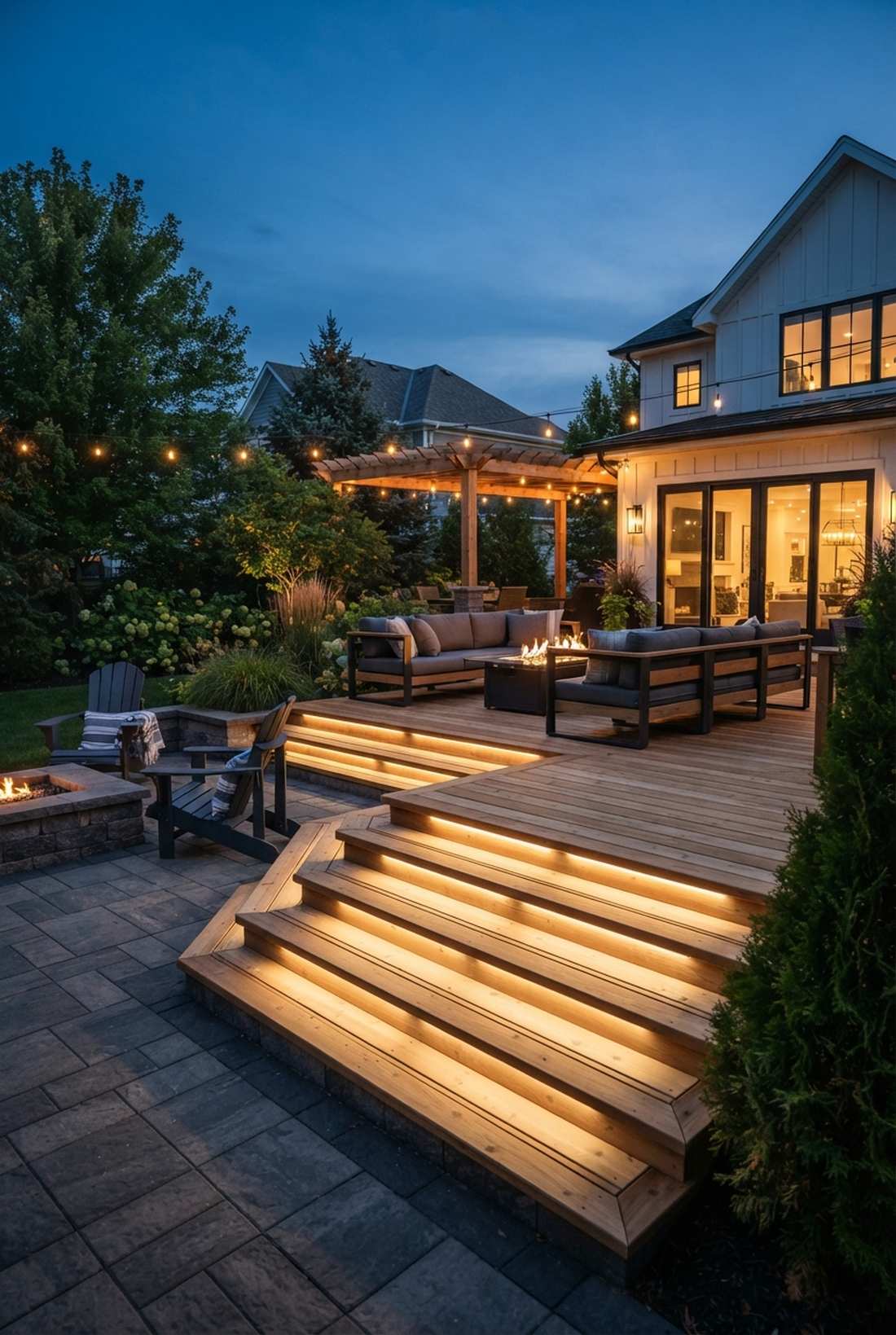
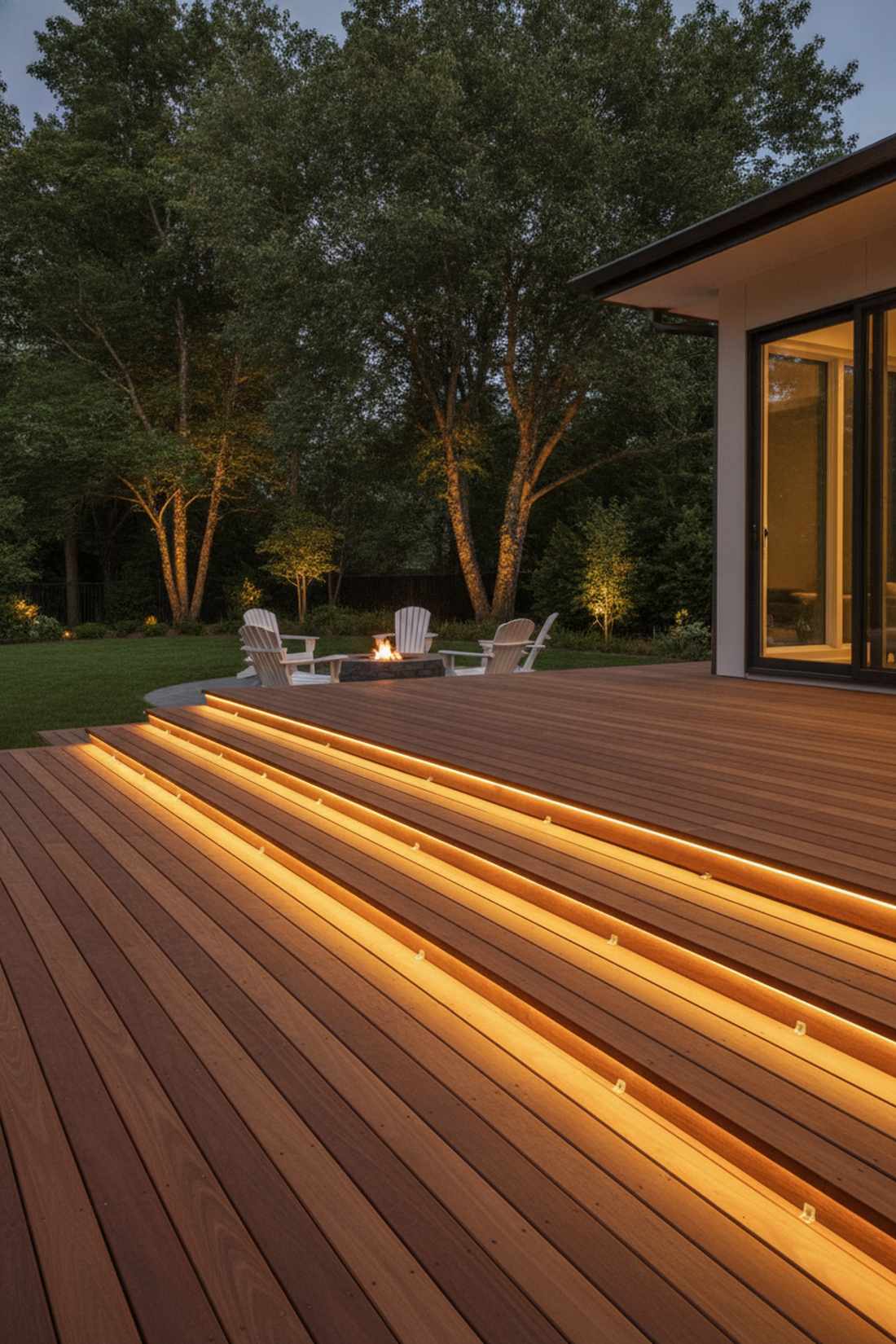
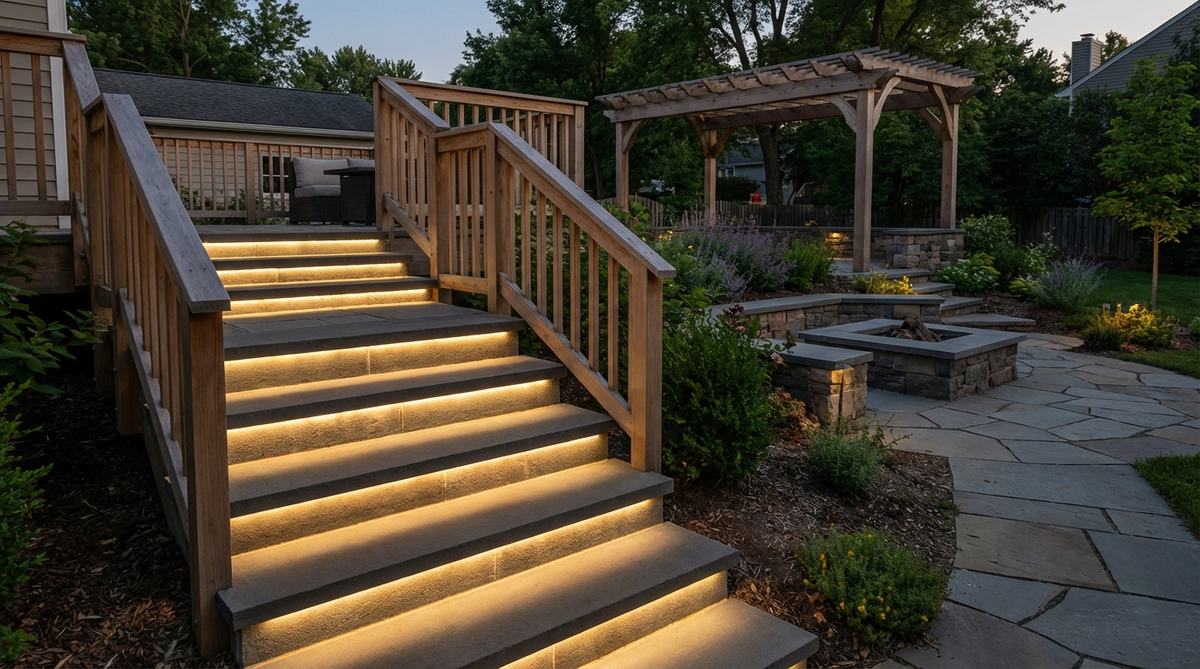
A hidden LED stair glow feels like an exclusive modern art museum. An absolute must-have for highlighting raised decks or sunken pits.
Tripping hazards ruin the outdoor experience. Tucking low-profile strip lights under the overhangs looks wildly expensive, delivering a surprisingly premium look that makes cheap lumber look custom-built.
Kits range from $40–$80. Save this to your deck-building board!
- Key Materials: Waterproof LED strip lights
- Vibe / Style: High-end modern safety
- Difficulty: Easy peel-and-stick
- Budget Breakdown: LED Kit: $45 | Outdoor tape/clips: $10.
- Creator’s Tip: Always install the lights facing downward to wash the step, never outward into the eyes.
- Smart Sourcing: Grab IP68 waterproof LED neon strips and heavy-duty silicone mounting clips.
This lighting trick is what high-end resorts use to make small spaces feel massive after the sun goes down…
31. Moonlighting Technique
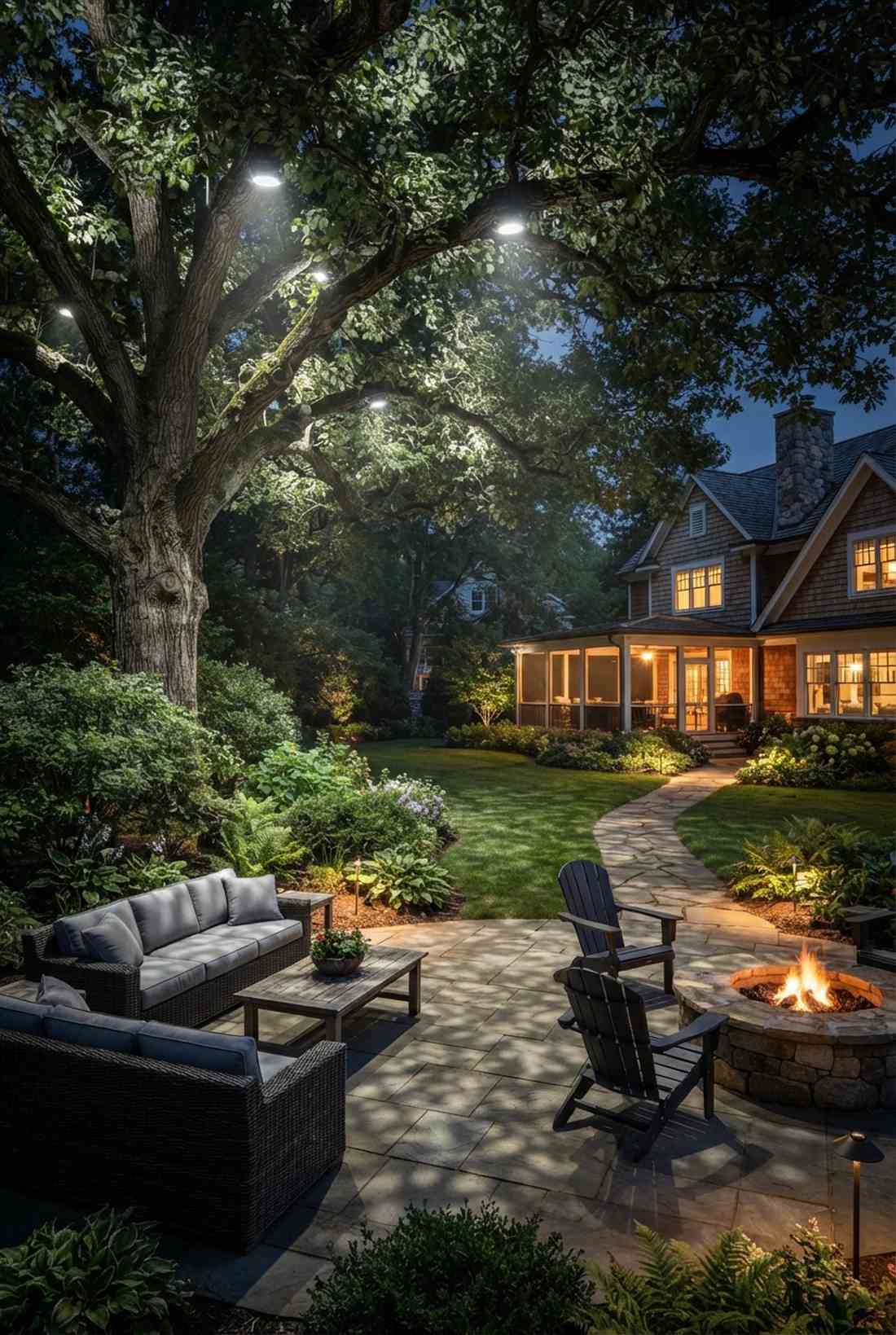
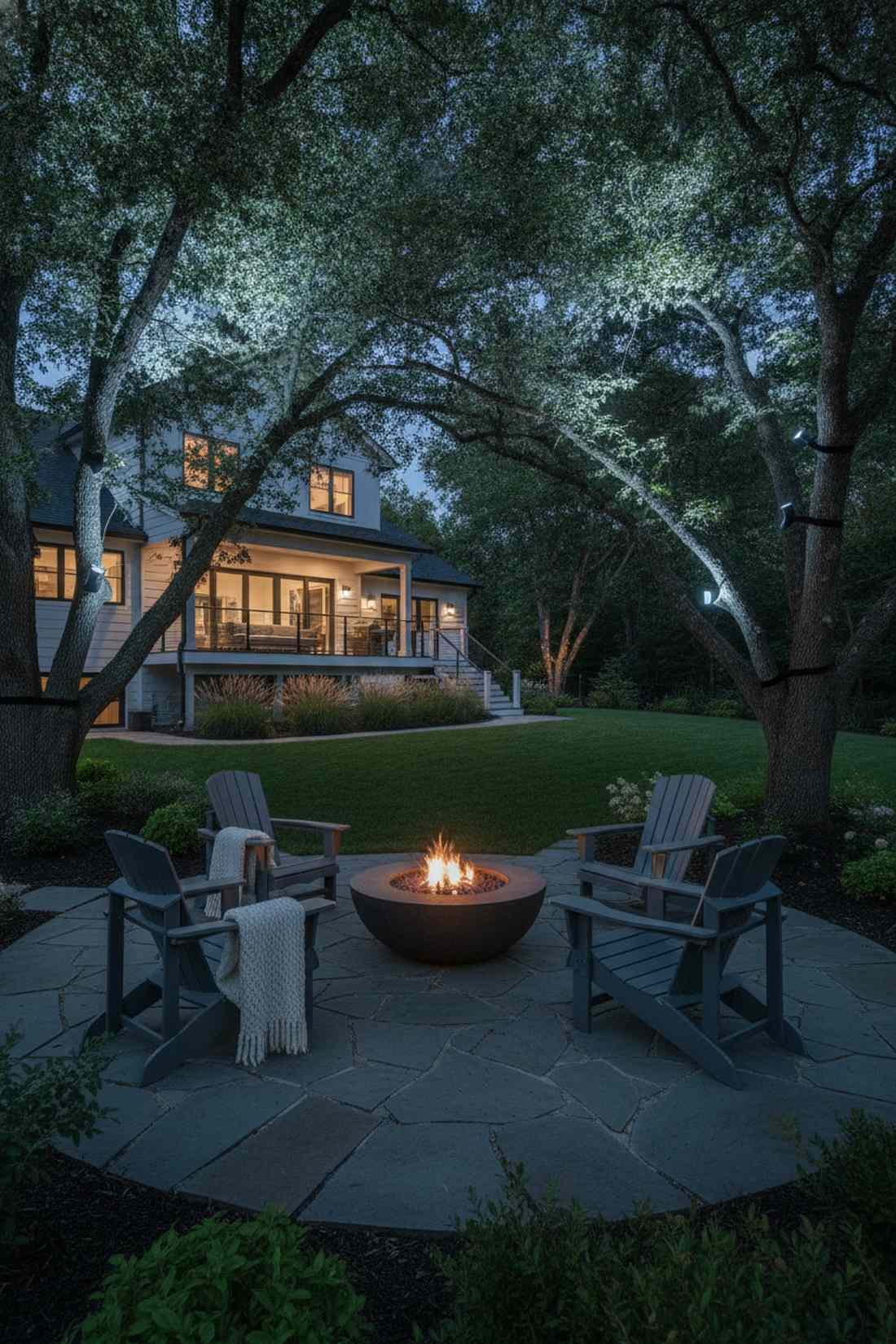
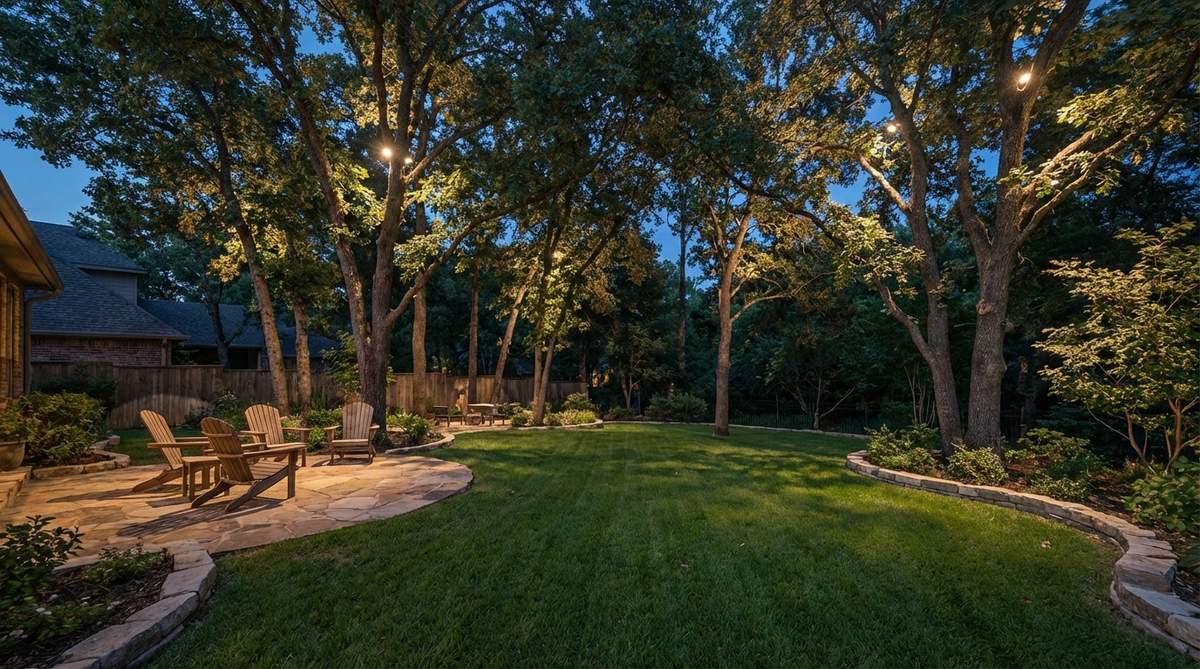
A soft, dappled overhead canopy glow feels like a permanent full moon over your sanctuary. Works magic when mounted high up in mature trees.
Most backyards suffer from harsh, unnatural shadows. By crossing beams downward through branches, you create a designer-level finish that mimics nature perfectly, completely hiding the light source itself.
Setup costs around $60–$120.
- Key Materials: Wide-beam cool-white spotlights
- Vibe / Style: Serene natural nightscape
- Difficulty: Requires tall ladder access
- Budget Breakdown: Lights: $70 | Straps: $15.
- Creator’s Tip: Use a slightly cooler color temperature (4000K) to perfectly replicate the silvery tone of real moonlight.
- Smart Sourcing: Invest in commercial-grade tree-mount spotlights and heavy-duty outdoor zip ties (bulk pack).
Water Feature Focal Points For Small Garden Backyards
32. Bubbling Urn Fountain
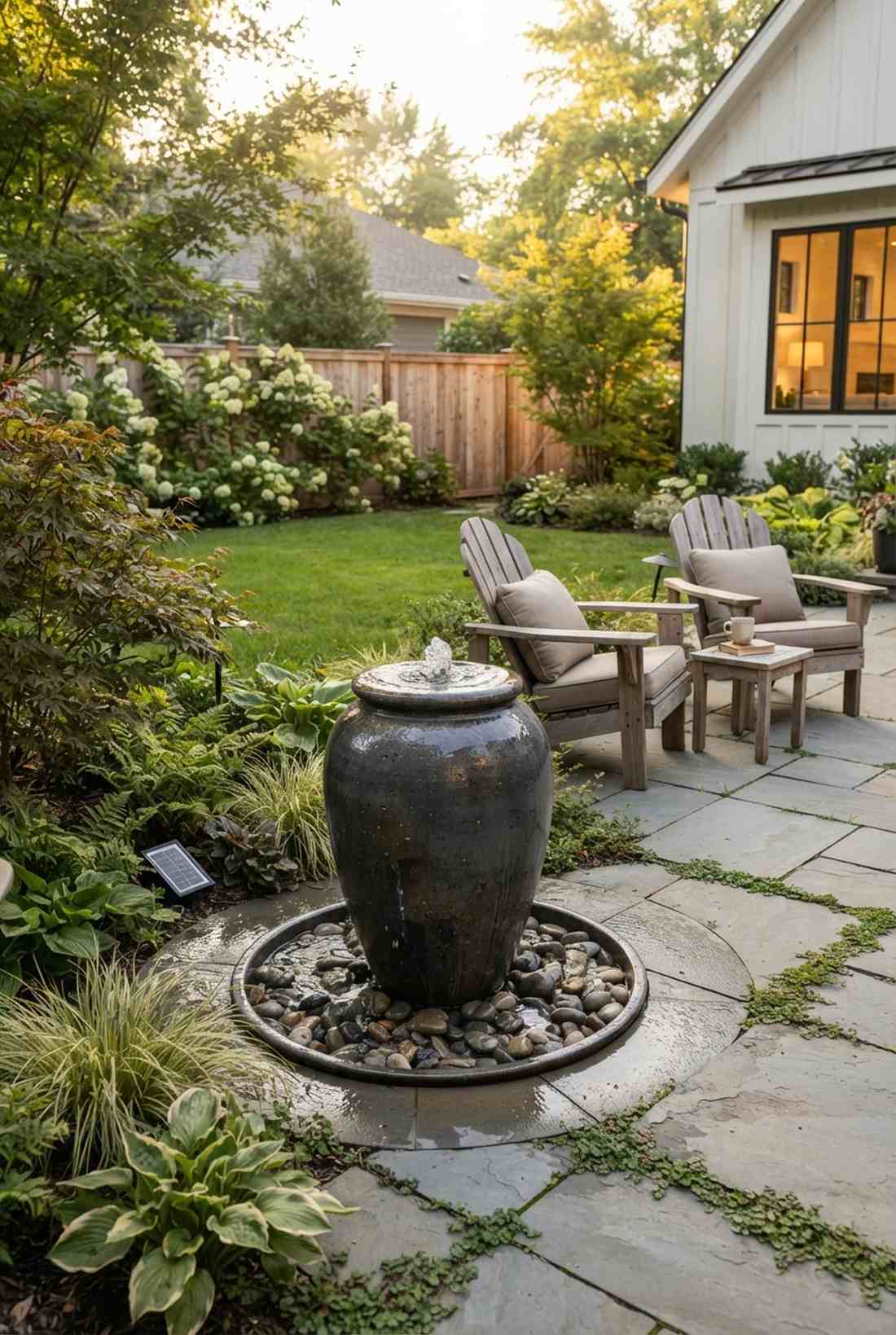
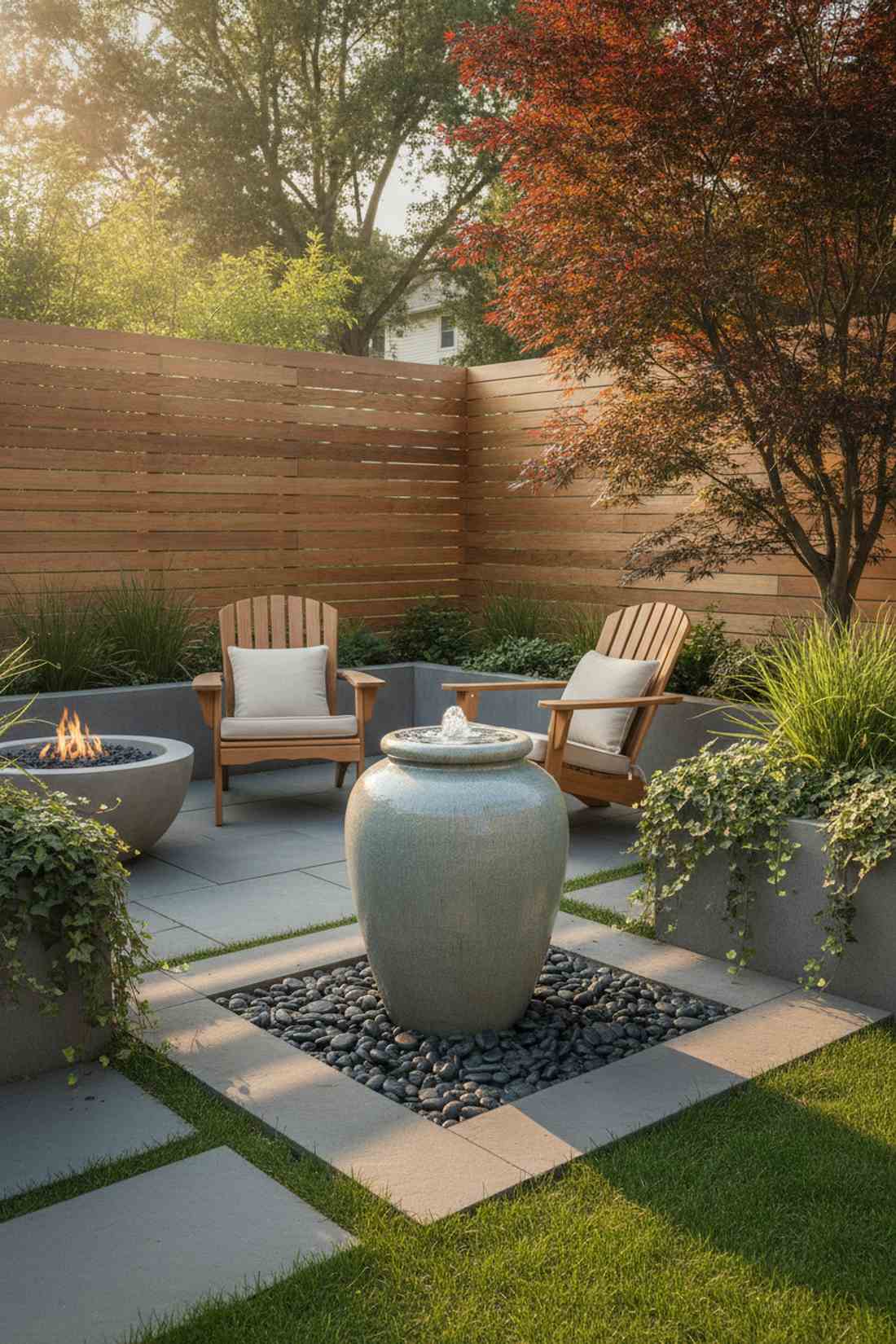
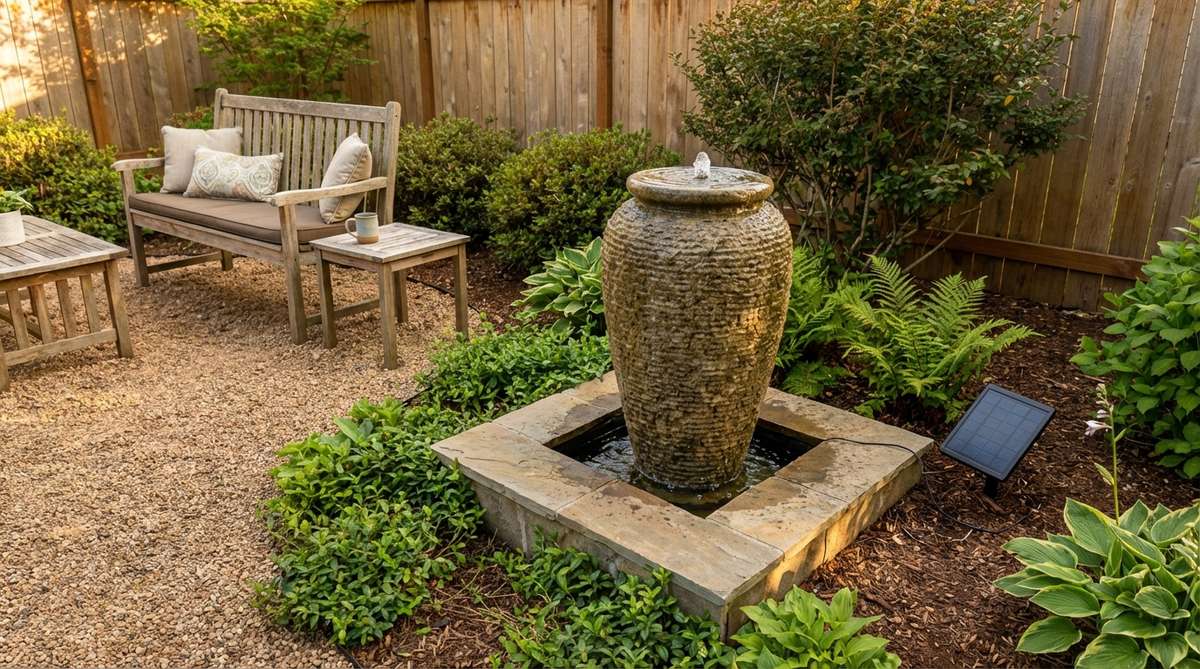
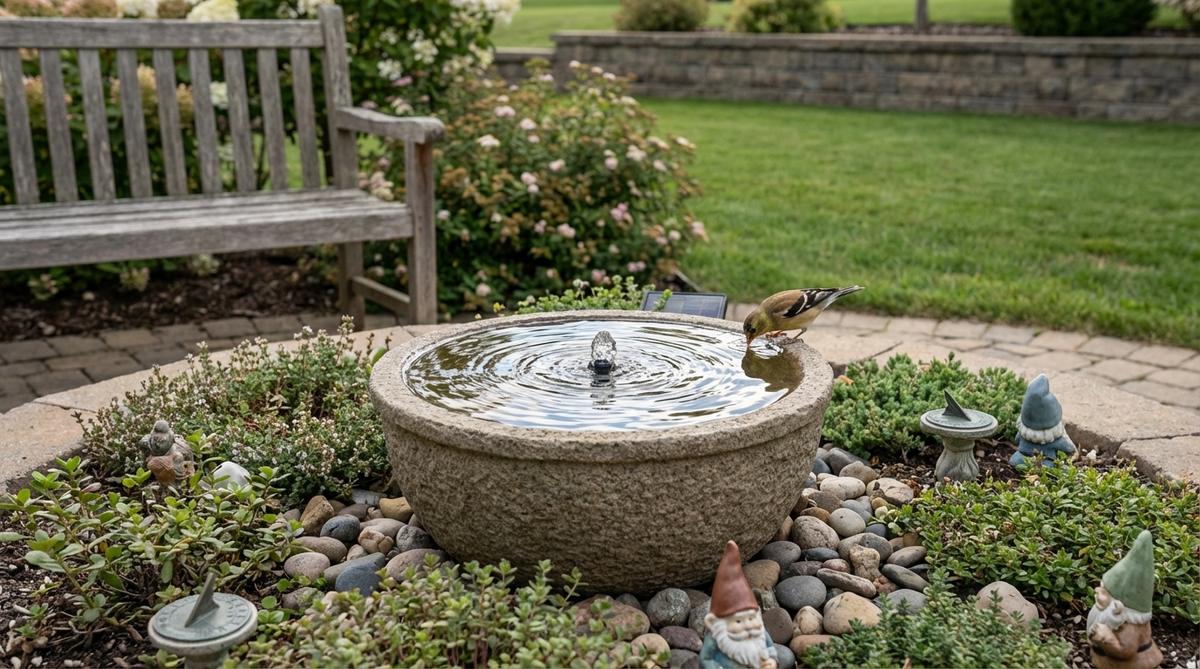
A gently overflowing ceramic jar feels like a tranquil zen temple. Specifically designed to mask annoying street noise on tight suburban patios.
Bulky multi-tier fountains devour space and look tacky. This sleek, self-contained unit delivers a surprisingly premium look, adding the vital element of sound without taking up more than two square feet.
Kits run roughly $100–$250. Pin this to add ultimate relaxation to your yard!
- Key Materials: Glazed ceramic urn and small pump
- Vibe / Style: Minimalist spa retreat
- Difficulty: Simple plug-in setup
- Budget Breakdown: Urn Kit: $180 | Decorative rocks: $20.
- Creator’s Tip: Use a solar-powered pump to completely eliminate the need to run ugly extension cords.
- Smart Sourcing: Get a pre-drilled glazed ceramic fountain kit and a submersible solar water pump.
33. Wall-Mounted Spout Fountain
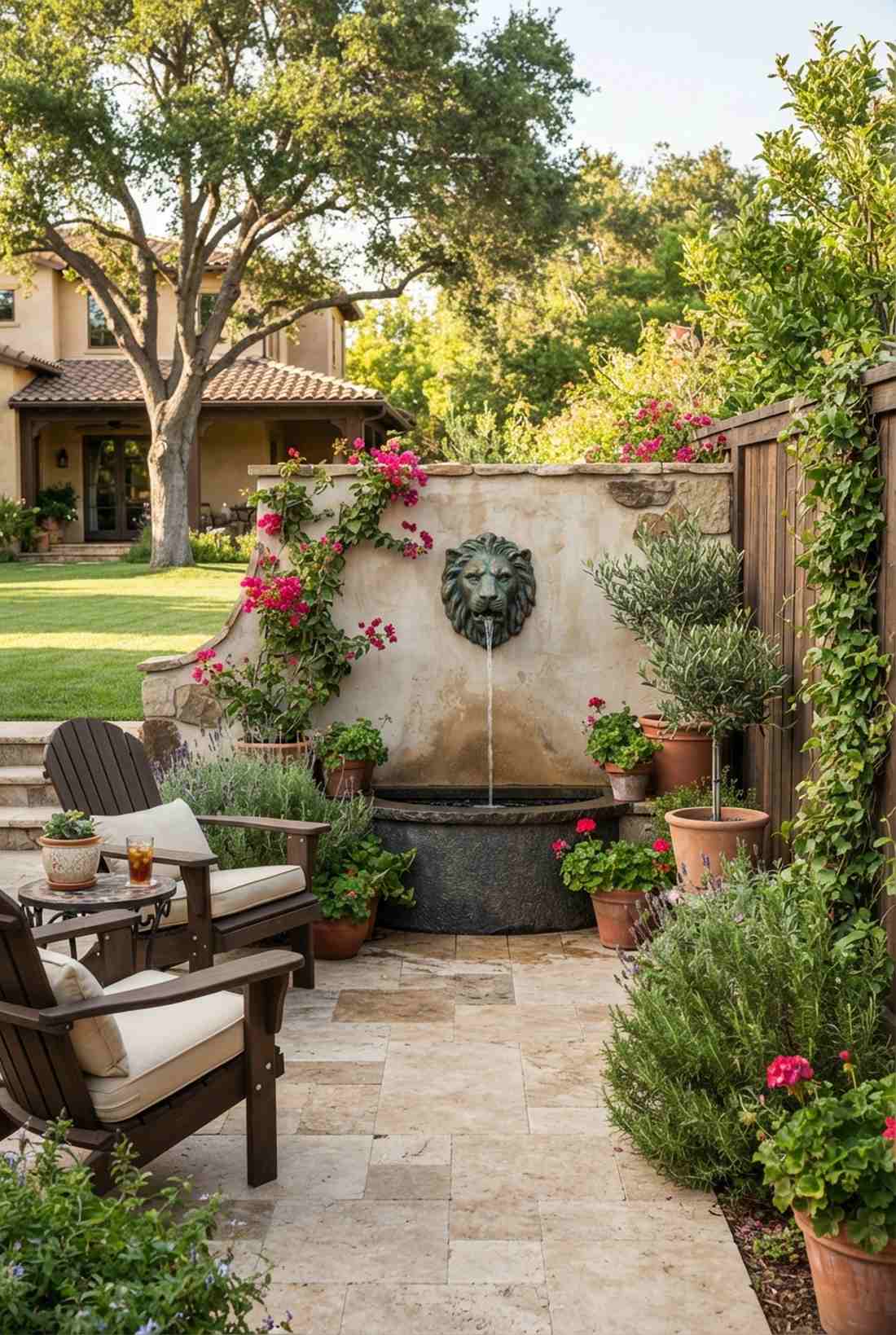
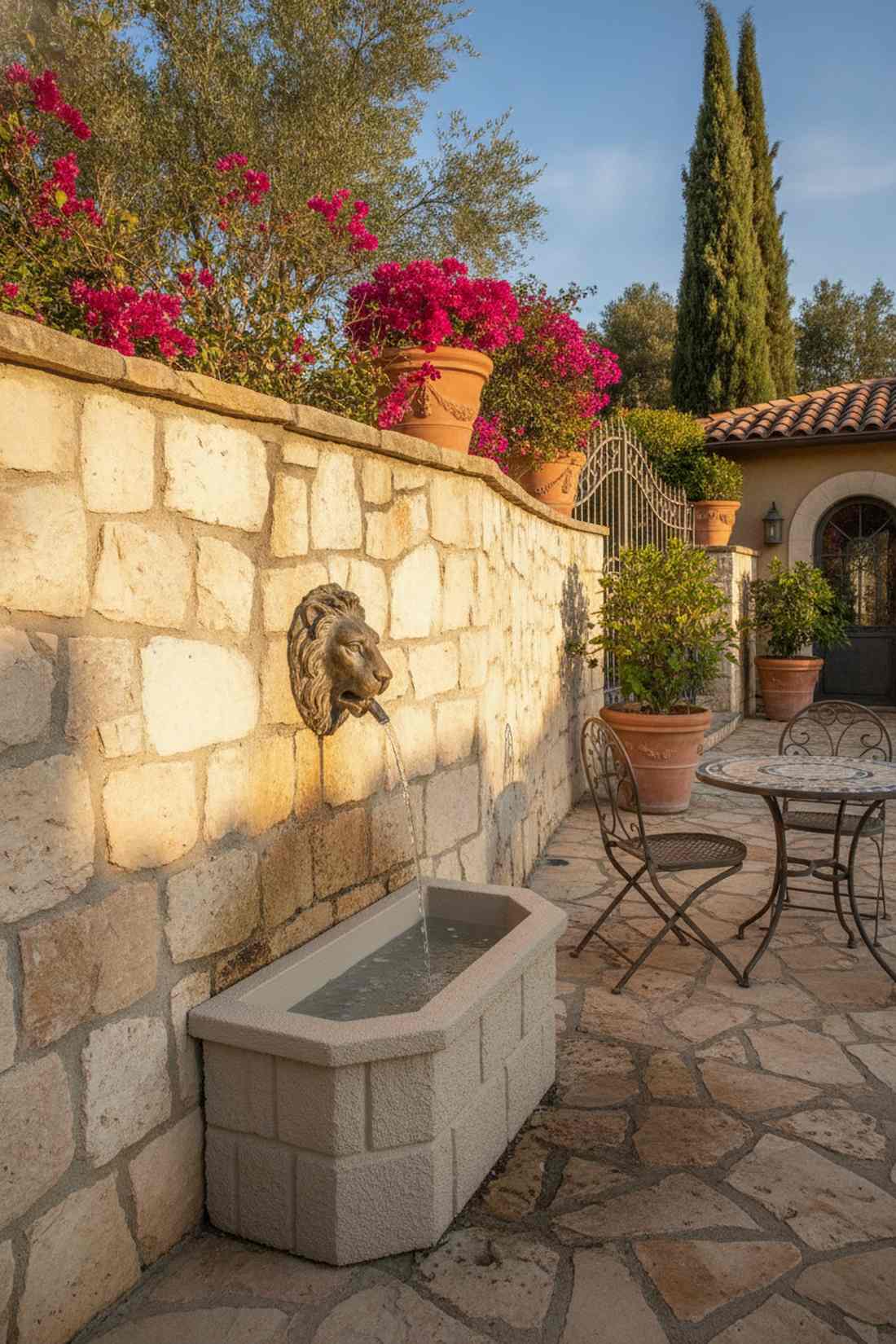
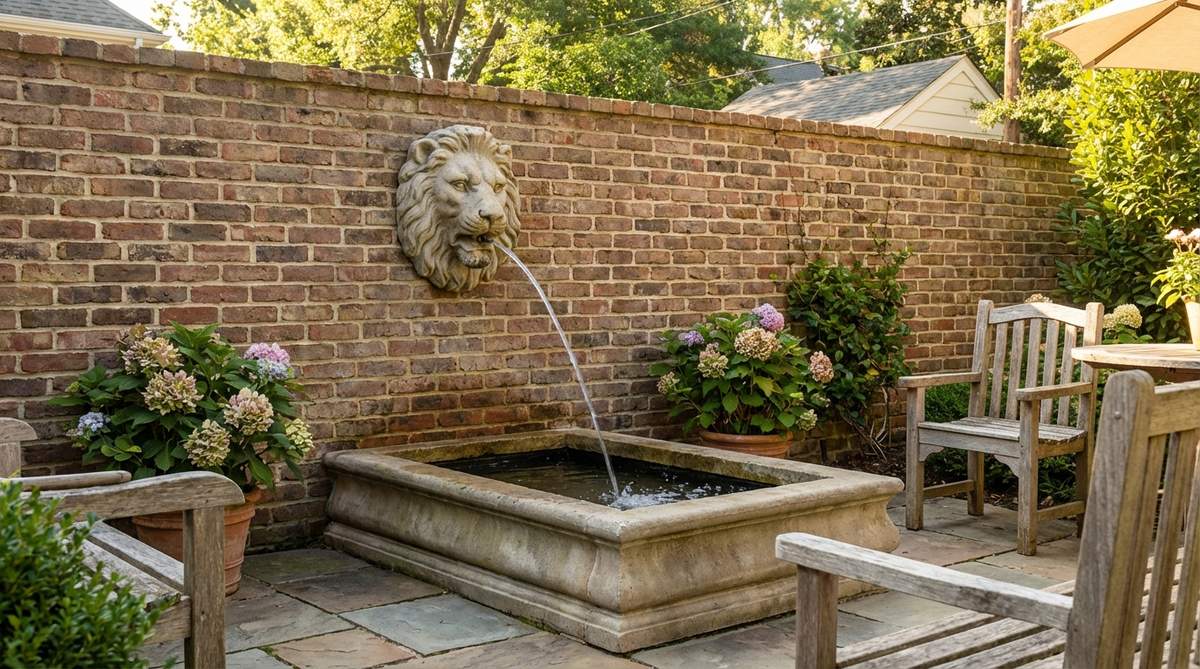
A classic lion-head water drop feels like an ancient Roman courtyard feature. Brilliant for bare retaining walls or heavy privacy fences.
Ground-level features waste floor space, but using vertical planes looks far more expensive than it is. It’s a genius way to integrate architectural art while keeping the walking paths completely clear.
Expect to invest $80–$180.
- Key Materials: Wall plaque spout and hidden basin
- Vibe / Style: Classic Mediterranean villa
- Difficulty: Intermediate mounting
- Budget Breakdown: Spout: $60 | Basin/Pump: $70.
- Creator’s Tip: Paint the plastic catch-basin with stone-texture spray paint to make it blend into the masonry.
- Smart Sourcing: Buy cast-resin wall fountain spouts and waterproof stone-texture spray paint.
34. Container Water Garden
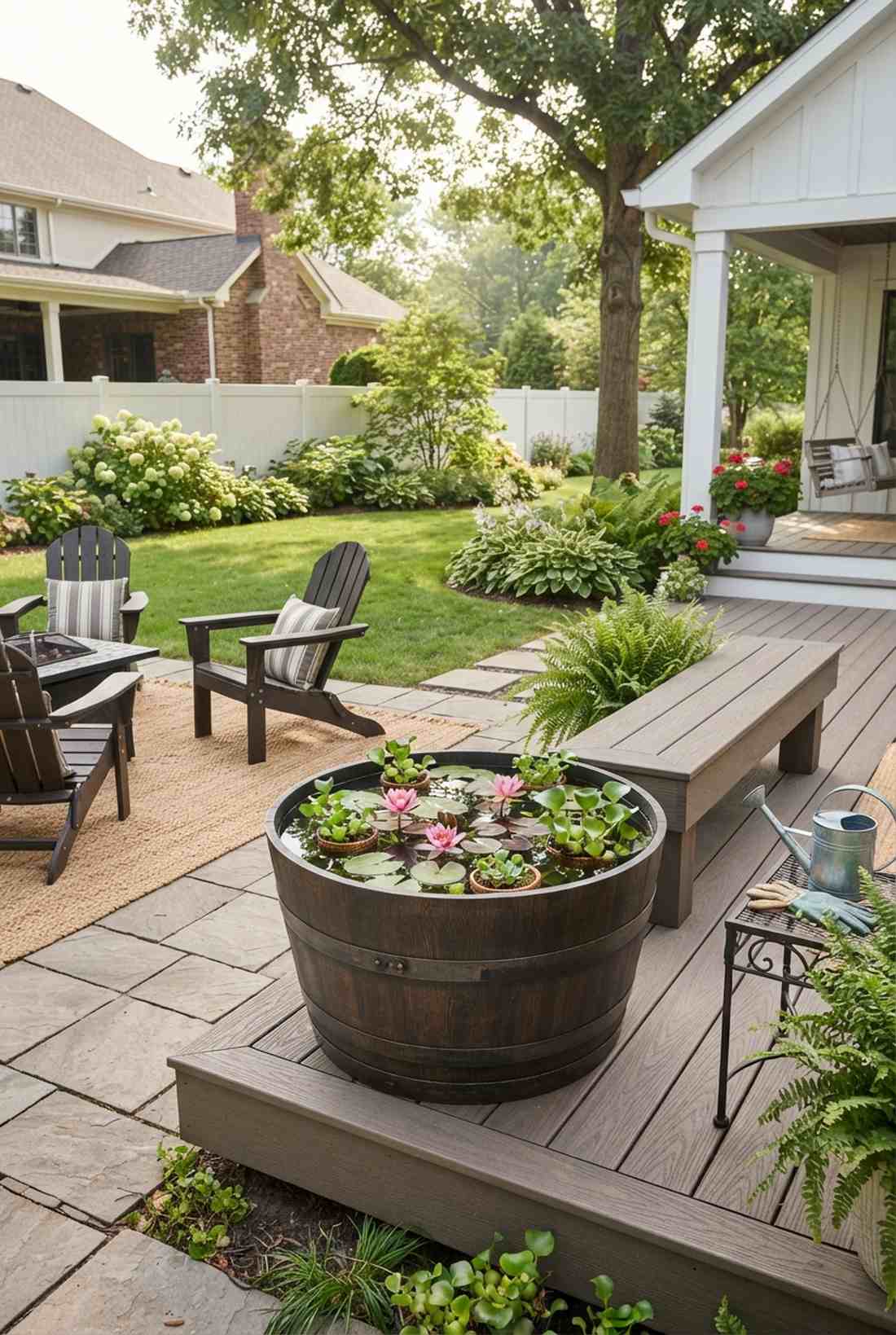
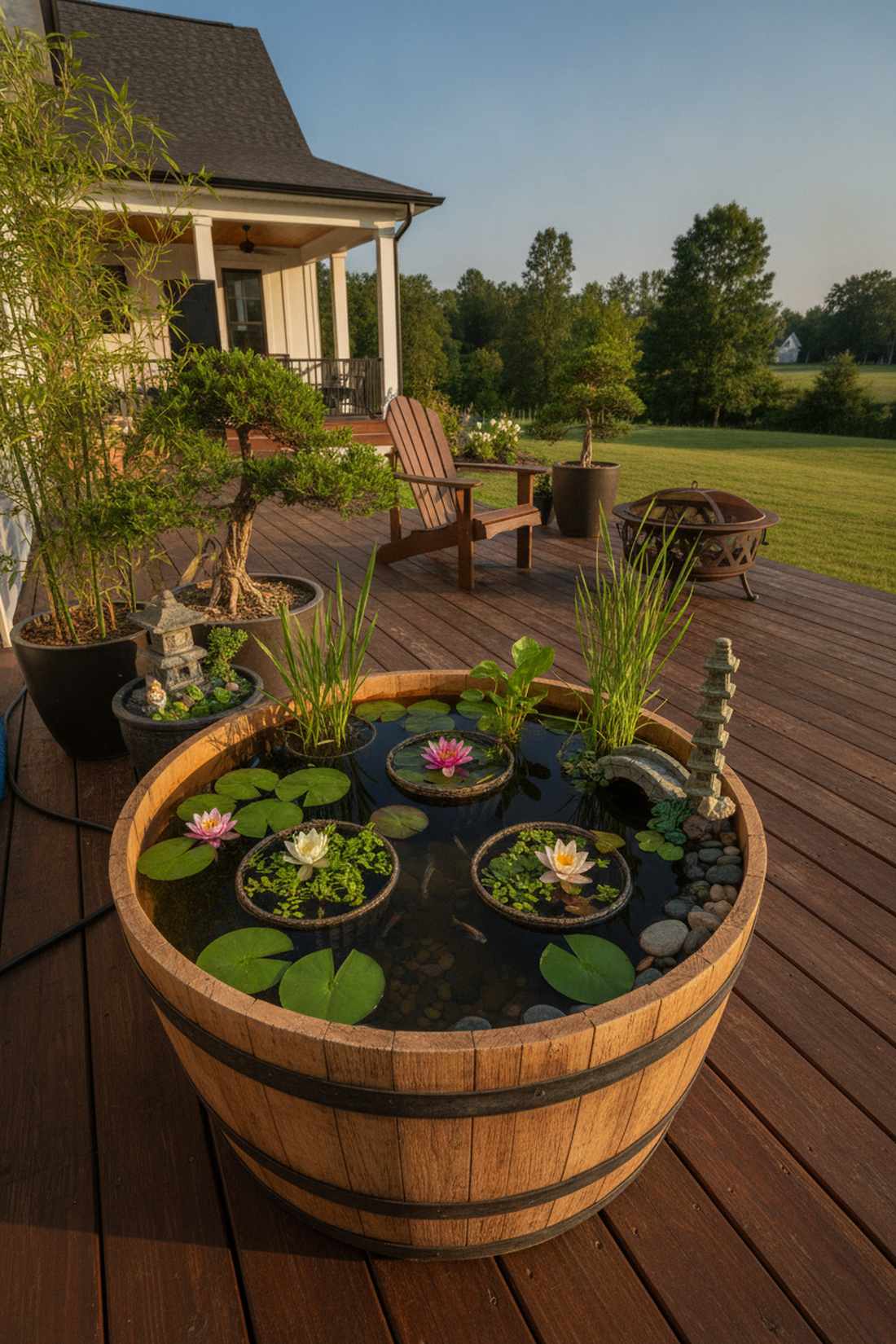
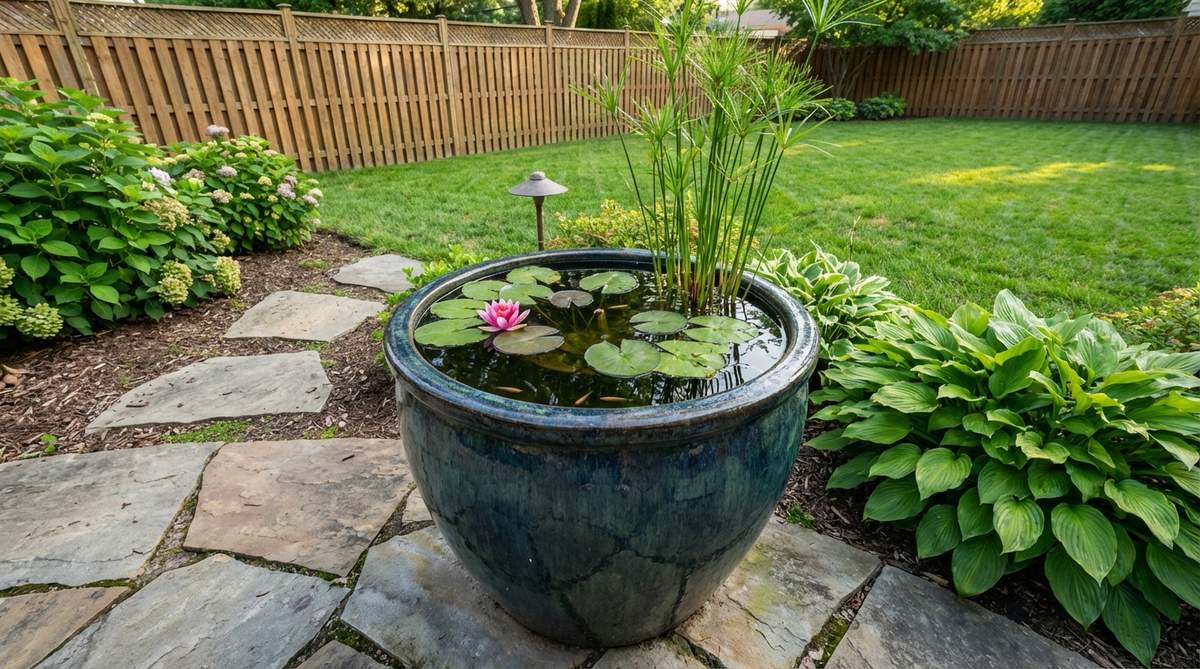
A miniature floating lotus pond feels like a pristine slice of nature on your deck. Beautifully houses aquatic plants in an ultra-compact footprint.
Digging a full pond is a nightmare of permits and labor. Slipping fairy garden kits into a sealed half-barrel gives a designer-level finish that brings aquatic life to your patio instantly.
Easily crafted for $60–$120. Save this for a unique weekend DIY!
- Key Materials: Sealed glazed pot or barrel liner
- Vibe / Style: Japanese courtyard zen
- Difficulty: Beginner-friendly
- Budget Breakdown: Container: $50 | Aquatic Plants: $40.
- Creator’s Tip: Add a dozen cheap “mosquito fish” from a pet store to naturally eat insect larvae all summer.
- Smart Sourcing: Order UV-coated resin whiskey barrel planters and pre-cut aquatic plant baskets.
35. Disappearing Water Feature
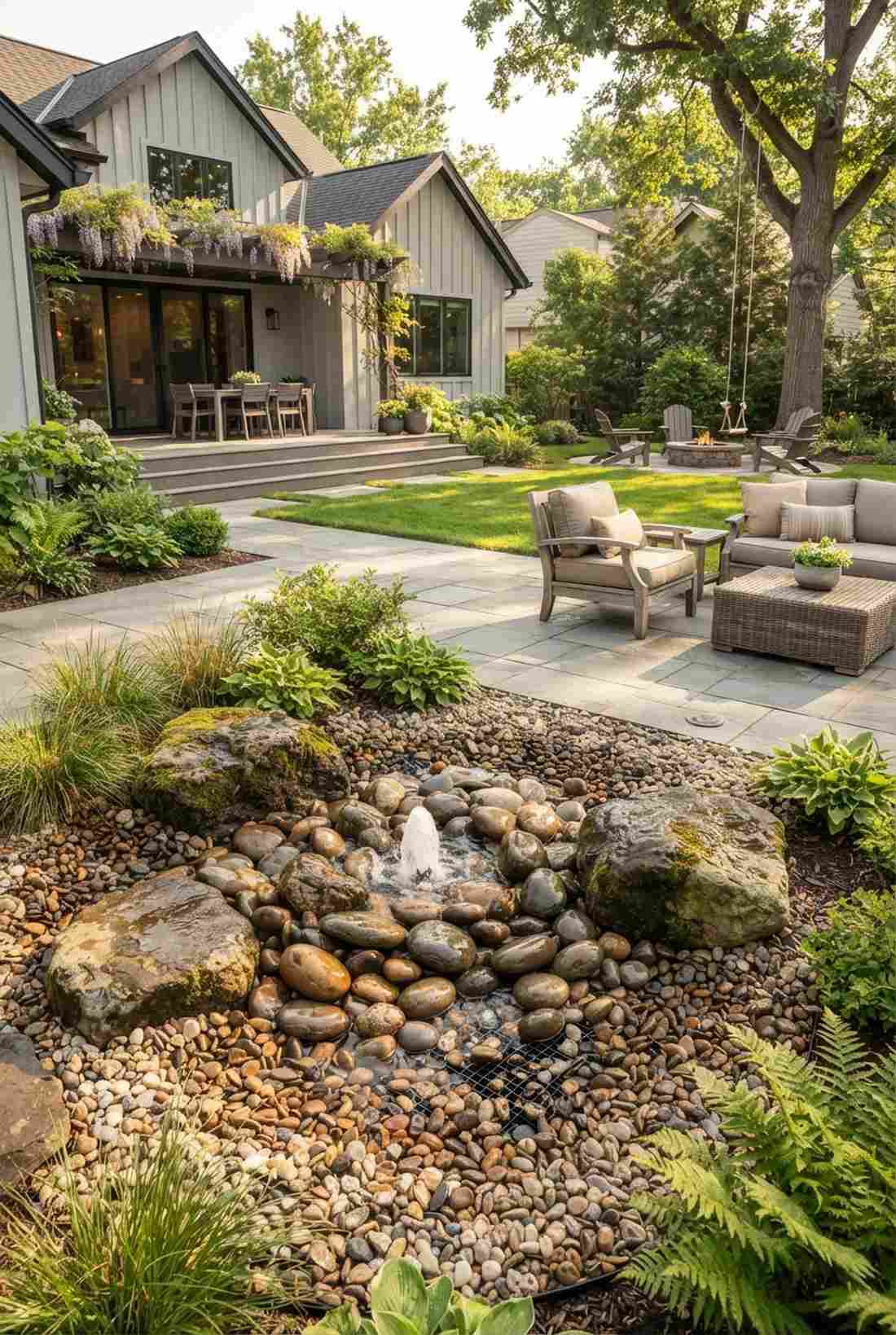
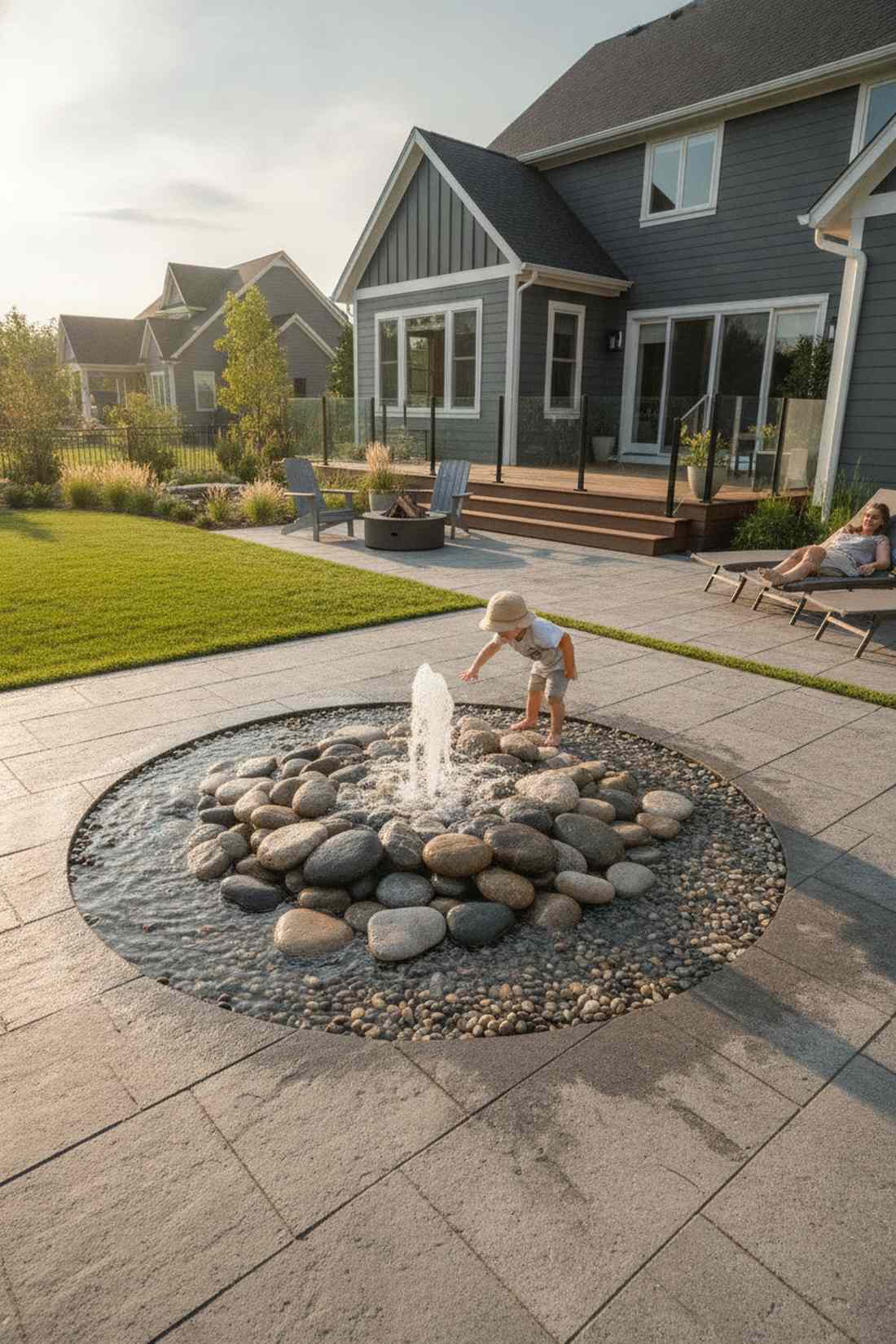
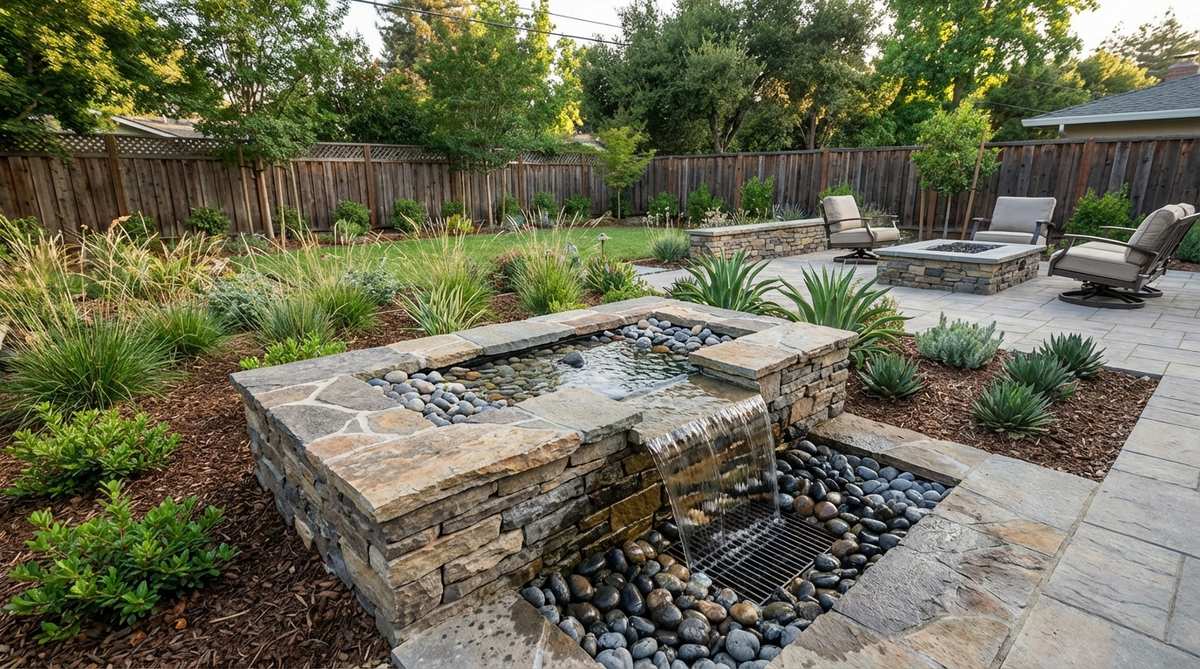
A hidden underground bubbling spring feels like a natural groundwater seep bursting through the stones. Highly safe and visually stunning for yards with toddlers.
Open ponds require massive upkeep and pose drowning risks. By hiding the reservoir underground, you deliver a surprisingly premium look where water seemingly vanishes right into the patio gravel.
Kits and materials cost $150–$300.
- Key Materials: Sub-surface basin grid and river rock
- Vibe / Style: Ultra-modern naturalism
- Difficulty: Requires minor excavation
- Budget Breakdown: Basin kit: $180 | Rocks: $50.
- Creator’s Tip: Lay heavy-duty landscape fabric over the plastic grid before adding rocks to stop debris from clogging the pump.
- Smart Sourcing: Look for heavy-duty pondless waterfall kits and bulk polished river stones.
Adding water features usually costs thousands, unless you copy this exact blueprint for a fraction of the price…
36. Bamboo Spout Fountain
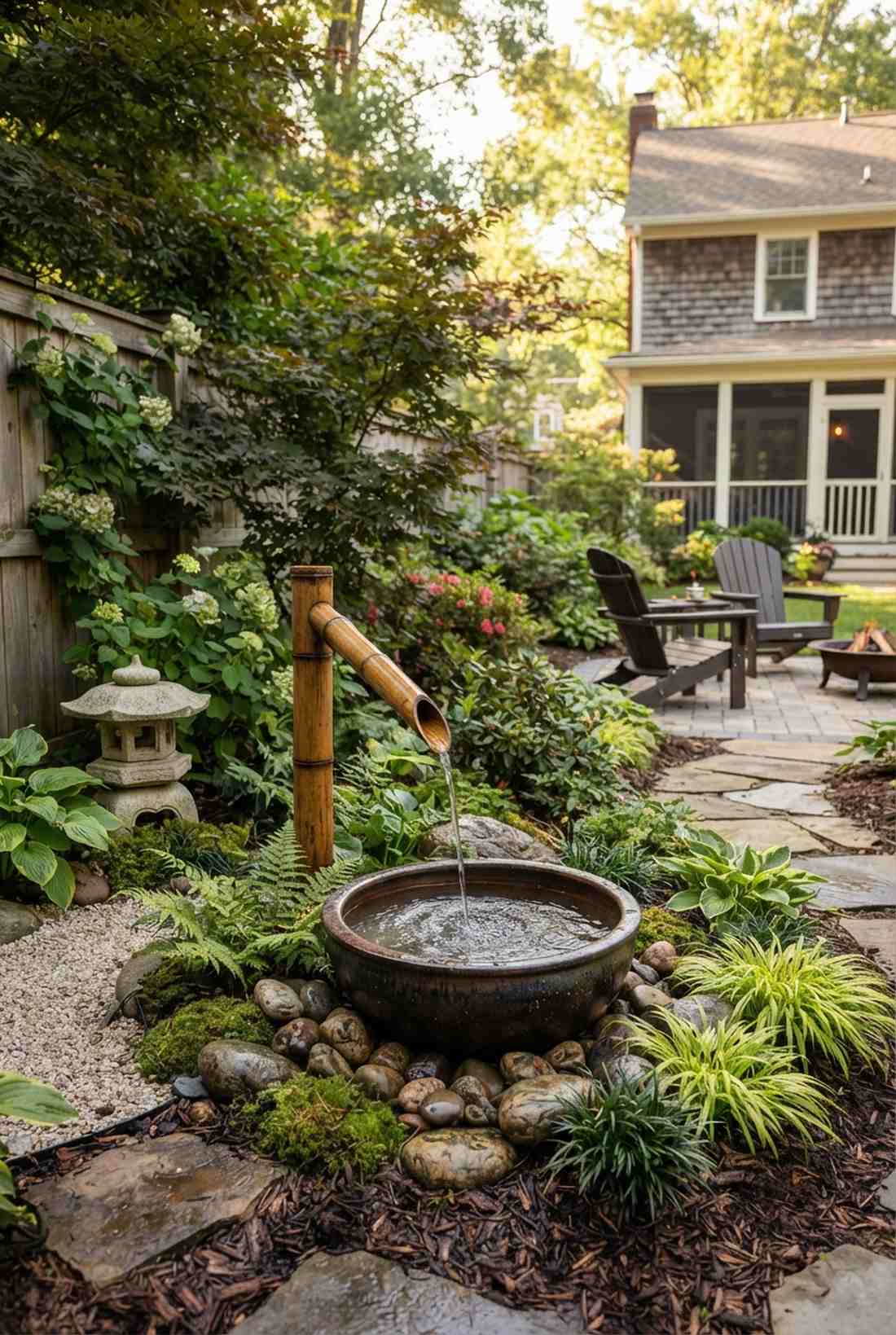
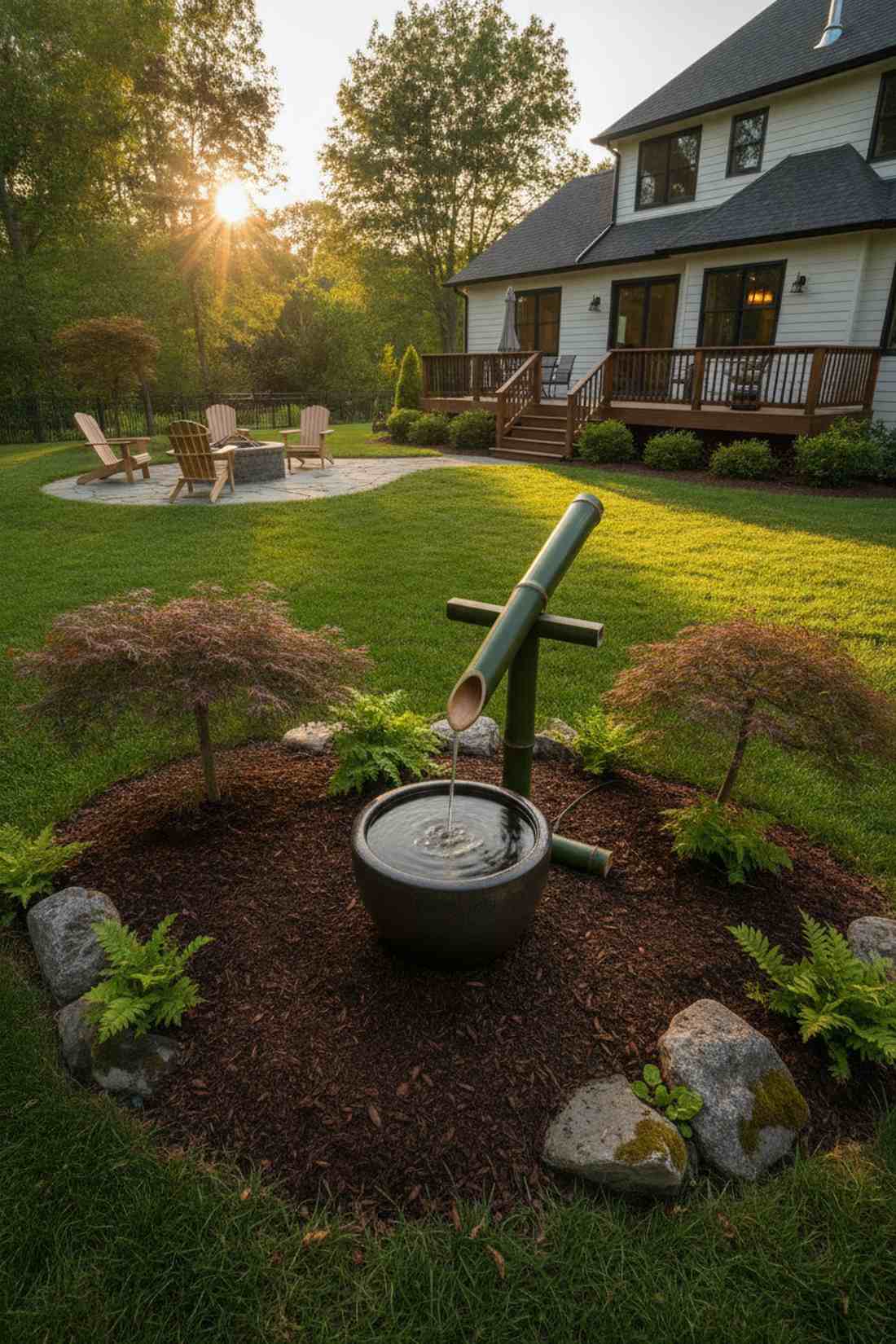
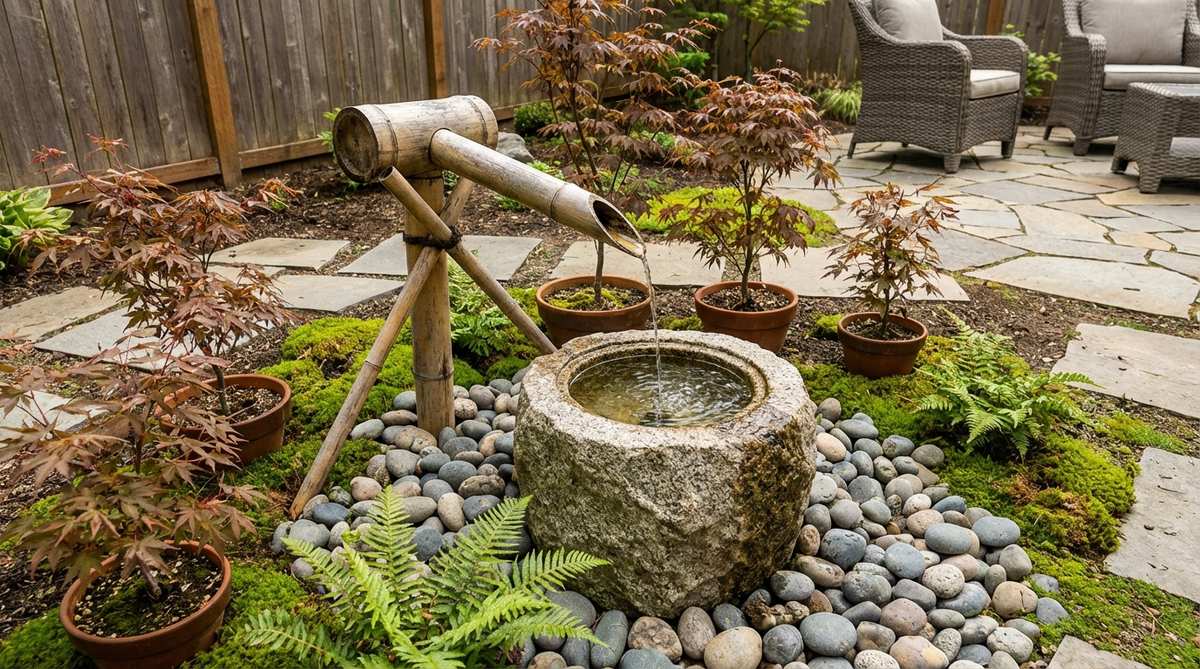
A clacking natural bamboo pourer feels like an authentic Japanese tea garden. Perfectly scaled to tuck into the corner of a mulch bed.
Plastic fountains degrade in the sun and look cheap. Utilizing authentic, weather-treated natural materials looks far more expensive than it is, creating rhythmic, soothing audio that calms the entire yard.
You can set this up for $40–$90. Pin this if you love Asian-inspired design!
- Key Materials: Treated bamboo spout kit
- Vibe / Style: Authentic Kyoto garden
- Difficulty: Simple assembly
- Budget Breakdown: Bamboo Kit: $50 | Pump: $20.
- Creator’s Tip: Treat the bamboo with marine-grade spar urethane to stop it from splitting in hot weather.
- Smart Sourcing: Grab pre-assembled natural bamboo fountain kits and marine-grade clear urethane spray.
Privacy Solutions For Small Garden Backyard Ideas
37. Tall Shrub Hedges
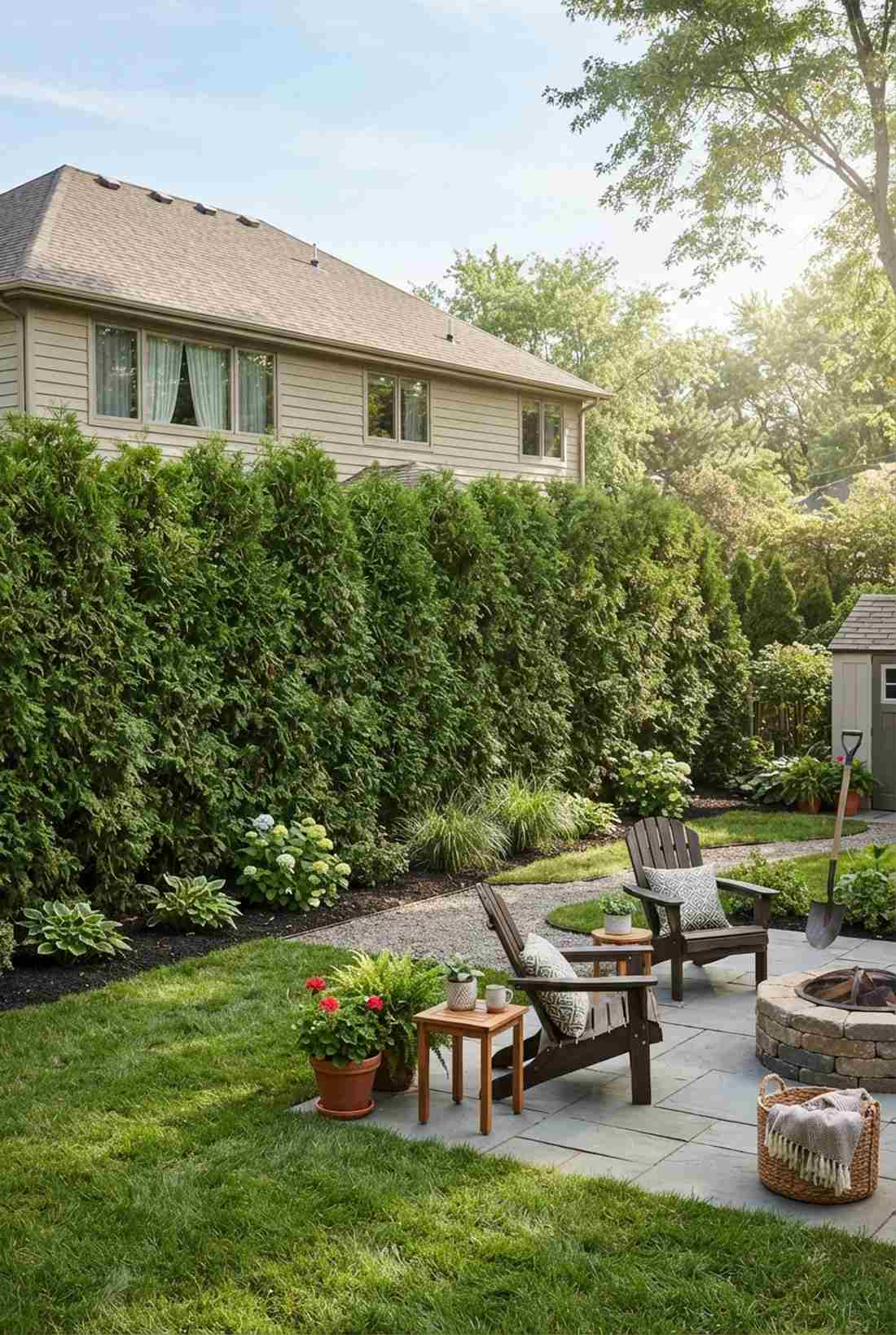
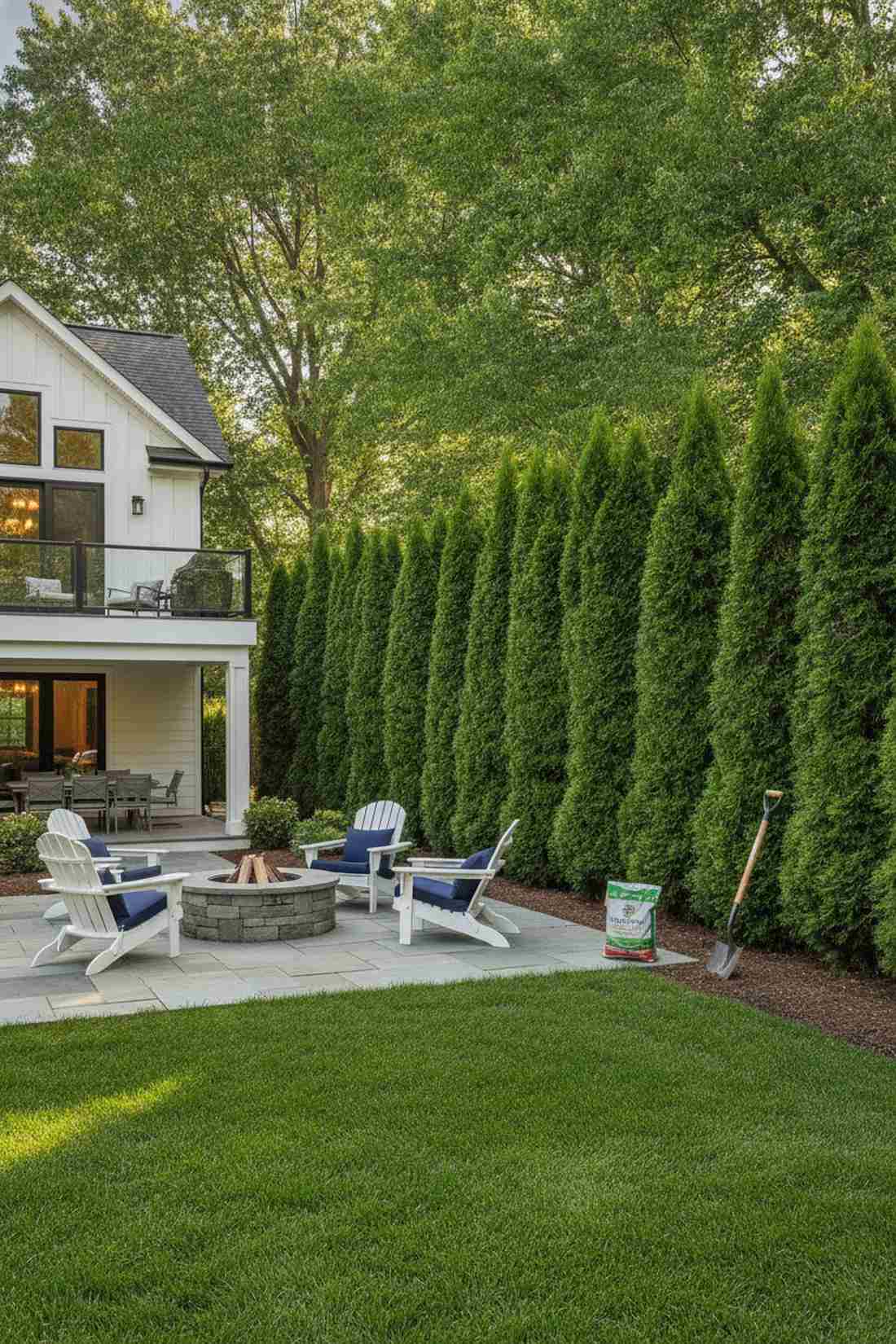
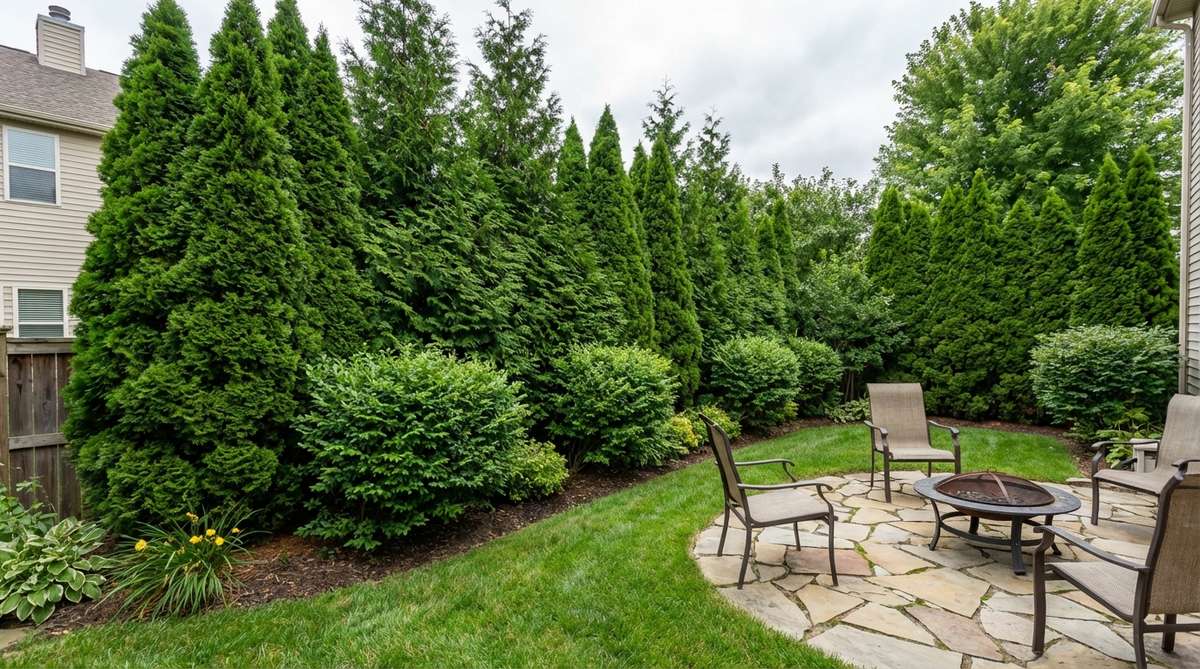
A dense living green wall feels like the lush boundaries of an exclusive private park. The absolute best way to block out two-story neighbor windows.
Wooden fences are legally capped at certain heights, but plants can grow as tall as you need. A tight row of arborvitae delivers a designer-level finish that absorbs neighborhood noise significantly better than hard wood.
Expect to spend $150–$400 depending on starter size.
- Key Materials: Fast-growing columnar evergreens
- Vibe / Style: Lush estate perimeter
- Difficulty: Heavy digging
- Budget Breakdown: Trees: $250 | Soil amendments: $50.
- Creator’s Tip: Dig one long continuous trench instead of individual holes to ensure perfect alignment and easier watering.
- Smart Sourcing: Buy organic root-stimulating fertilizer (bulk pack) and a heavy-duty trenching shovel.
38. Lattice Panel Screens
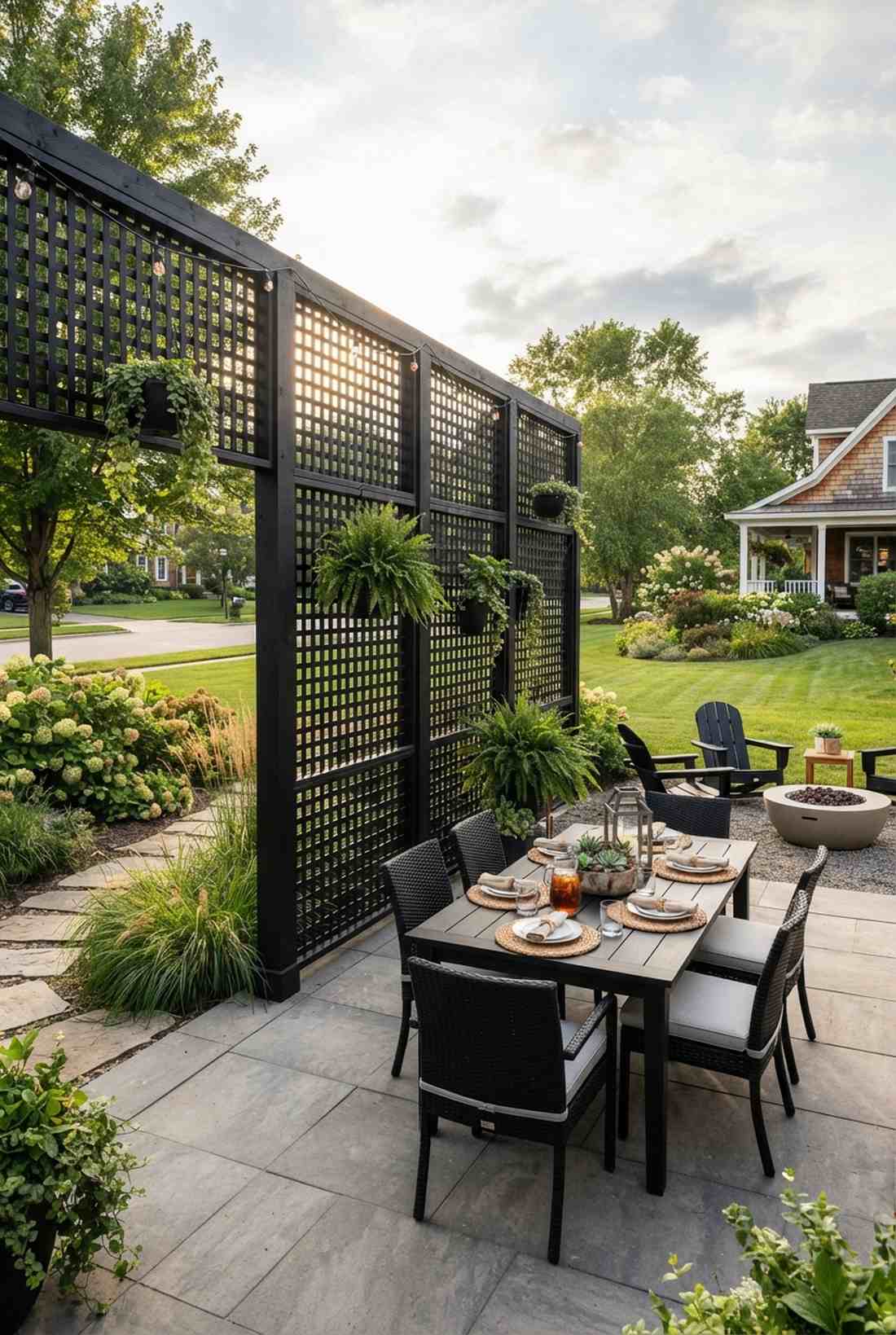
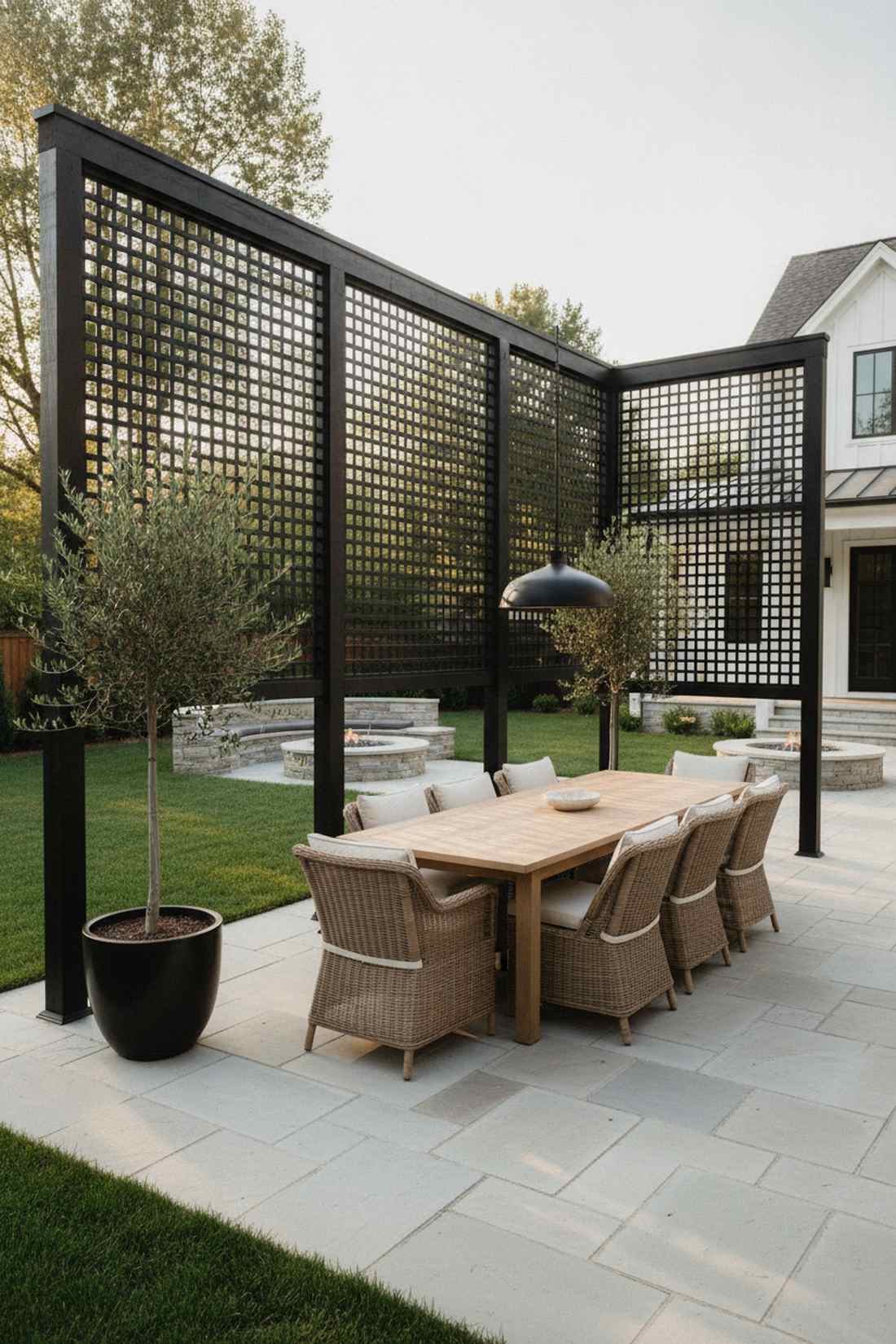
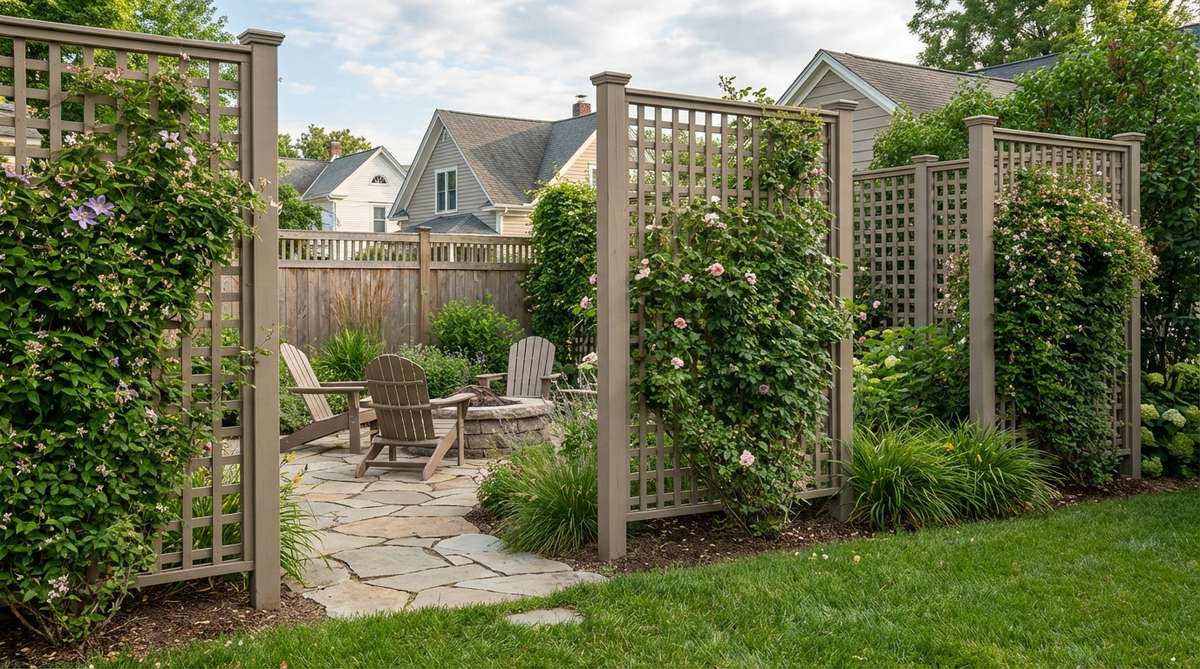
A semi-transparent wooden divider feels like a breezy, shaded outdoor cabana wall. Excellent for shielding the dining area from the street.
Solid walls make small garden ideas backyard feel like a prison box. A grid pattern allows essential airflow and light while giving a surprisingly premium look, especially when painted a stark, modern black.
Panels and posts cost roughly $80–$160. Save this for an instant privacy fix!
- Key Materials: Framed cedar lattice
- Vibe / Style: Crisp modern architectural
- Difficulty: Intermediate carpentry
- Budget Breakdown: Panels: $70 | Posts/Hardware: $50.
- Creator’s Tip: Buy the heavy-duty privacy lattice with tighter 1-inch squares rather than the cheap, flimsy wide-grid versions.
- Smart Sourcing: Pick up heavy-duty framed wood lattice panels and exterior-grade matte black stain.
39. Bamboo Roll Fencing
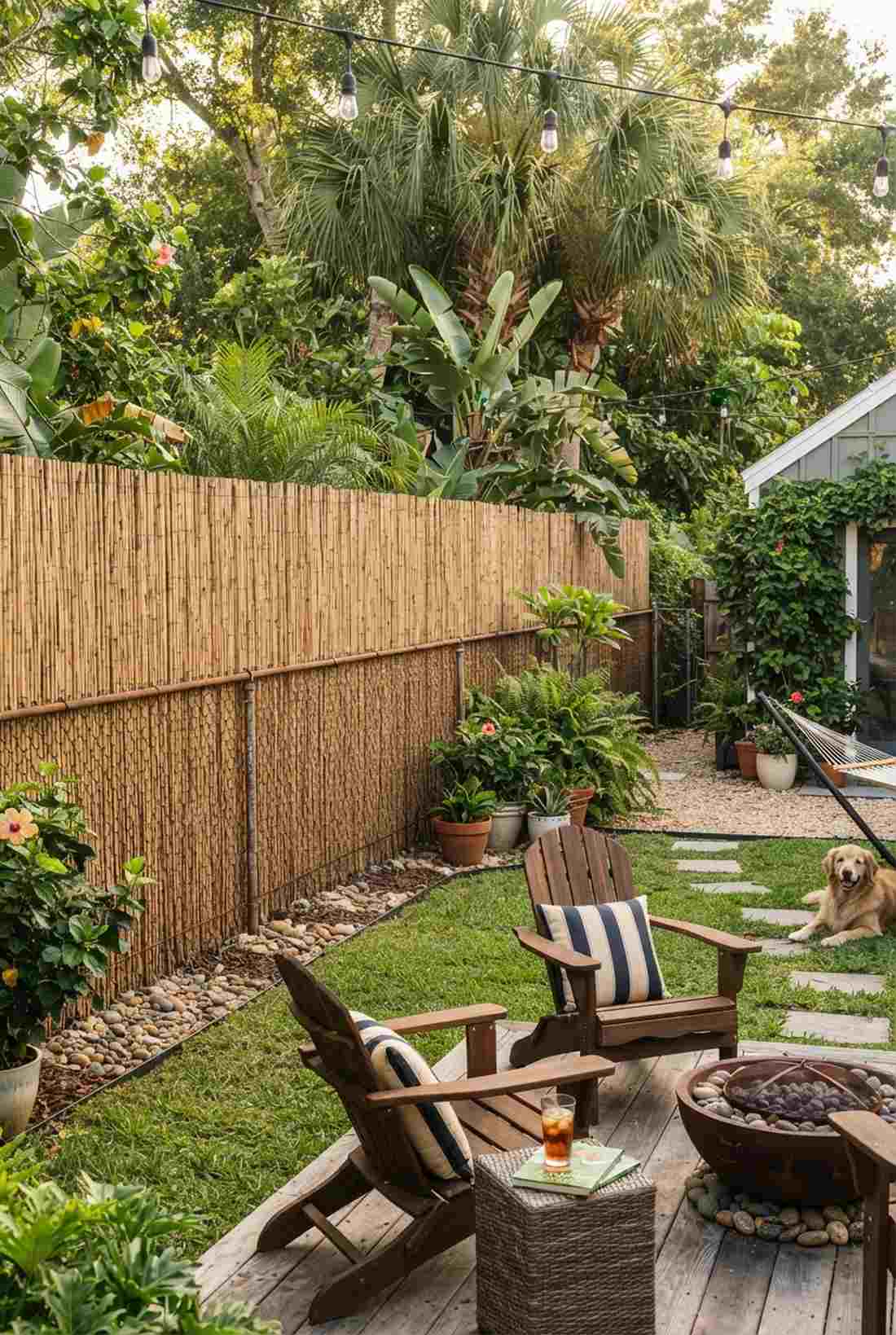
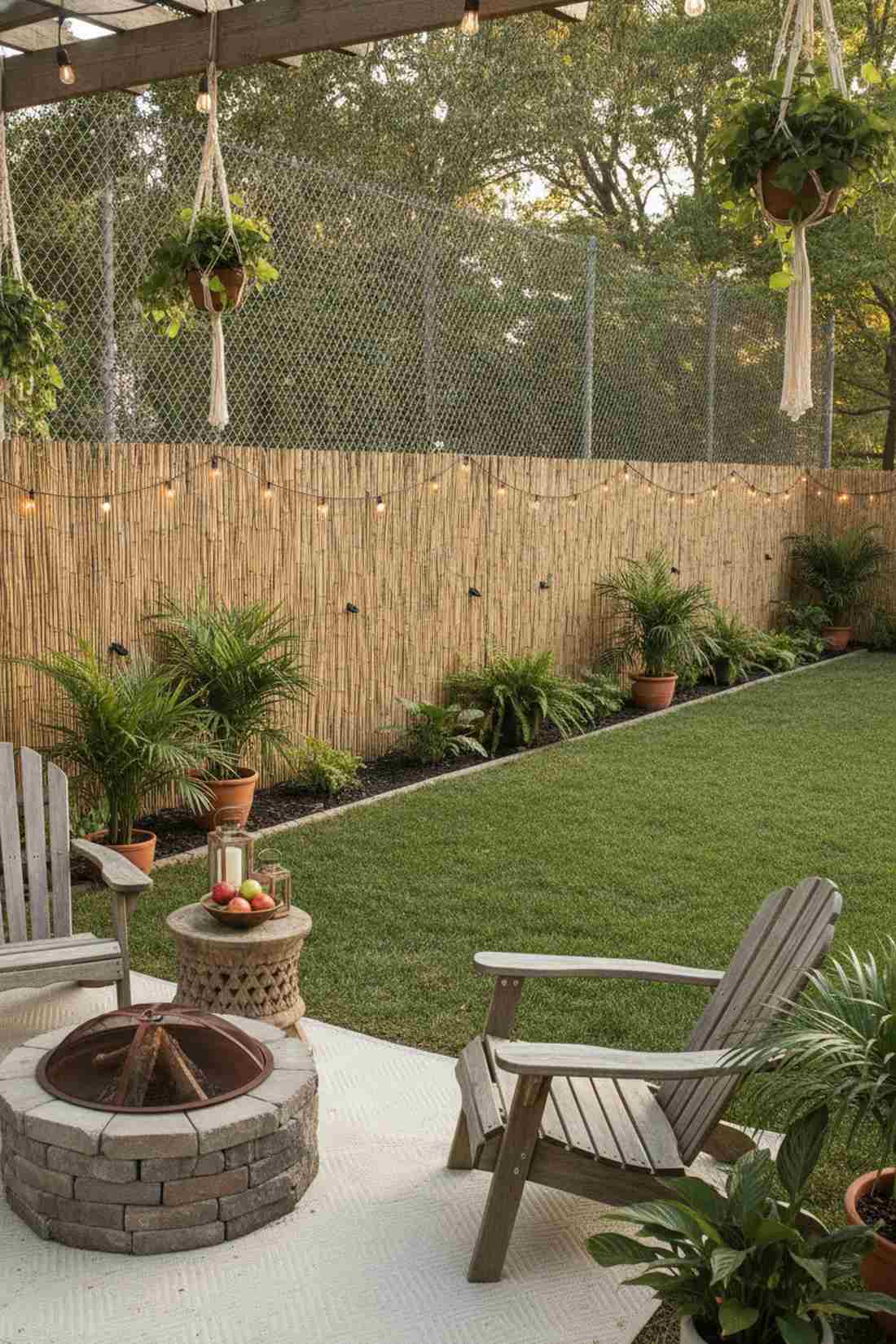
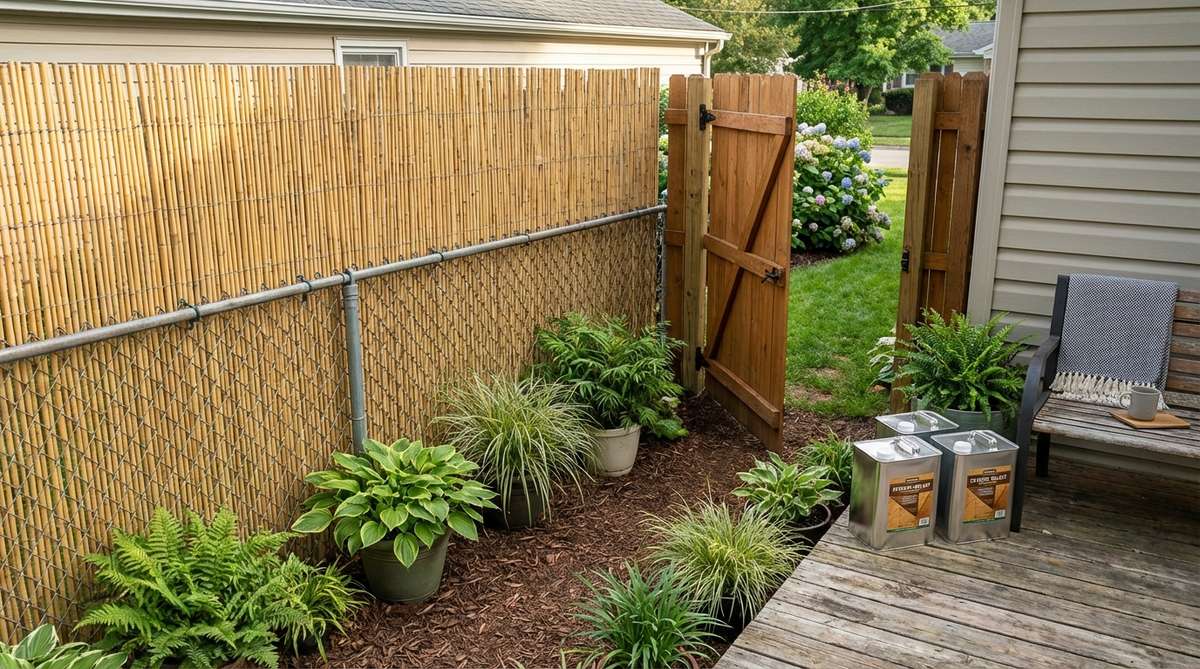
A woven natural cane barrier feels like a secluded tropical island resort boundary. The fastest way to hide a rusty, ugly chain-link fence.
Tearing down old fences costs thousands. Simply zip-tying this thick organic layer right over the top looks far more expensive than it is and instantly warms up the entire perimeter of the yard.
Rolls run about $50–$100 each.
- Key Materials: Thick bamboo fencing rolls
- Vibe / Style: Tropical bohemian
- Difficulty: Fast roll and tie
- Budget Breakdown: Fencing rolls: $90 | Fasteners: $10.
- Creator’s Tip: Keep the bottom edge of the bamboo two inches off the dirt to prevent premature rotting.
- Smart Sourcing: Find commercial-grade thick bamboo fencing rolls and UV-resistant heavy-duty zip ties (bulk pack).
40. Outdoor Curtain Panels
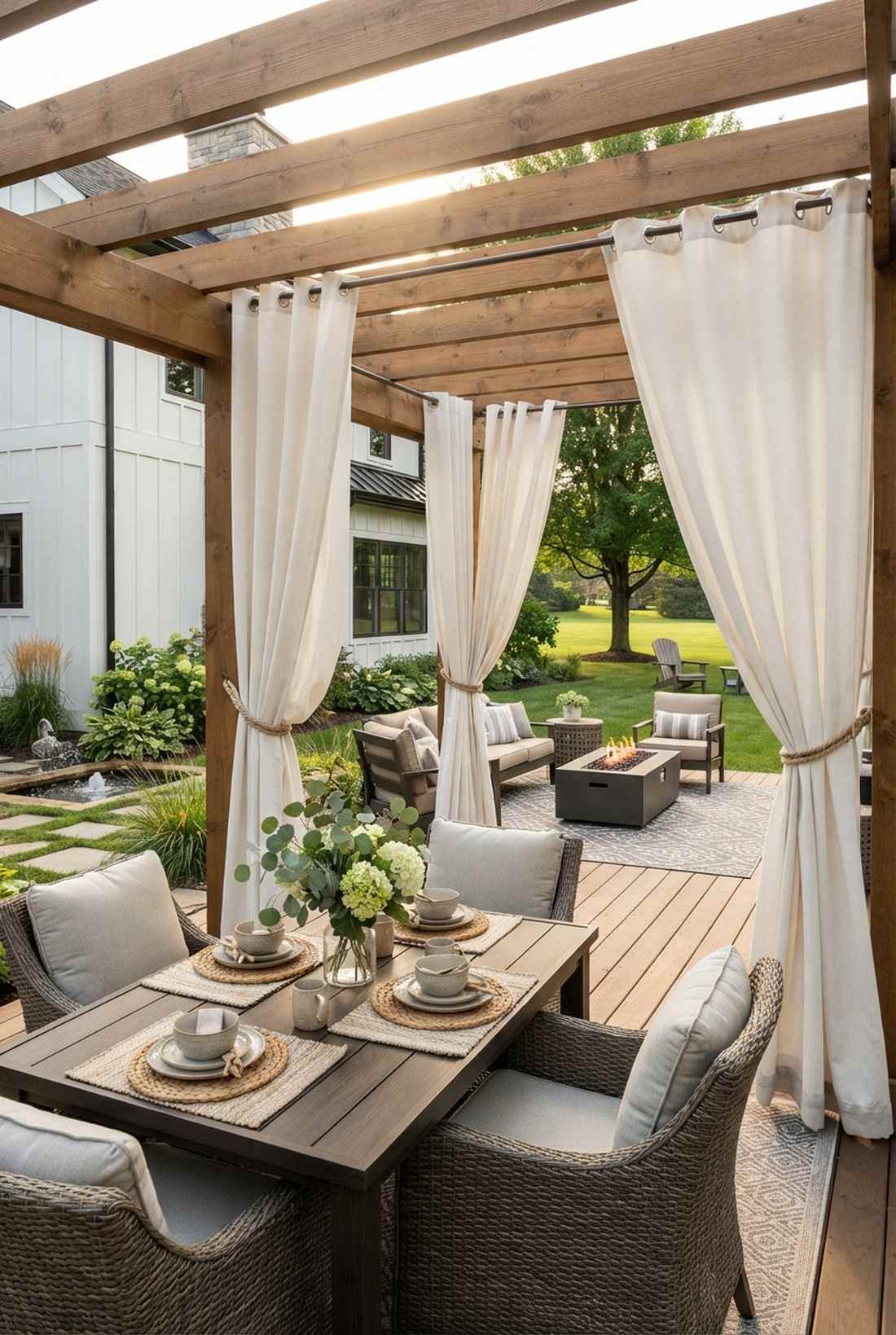
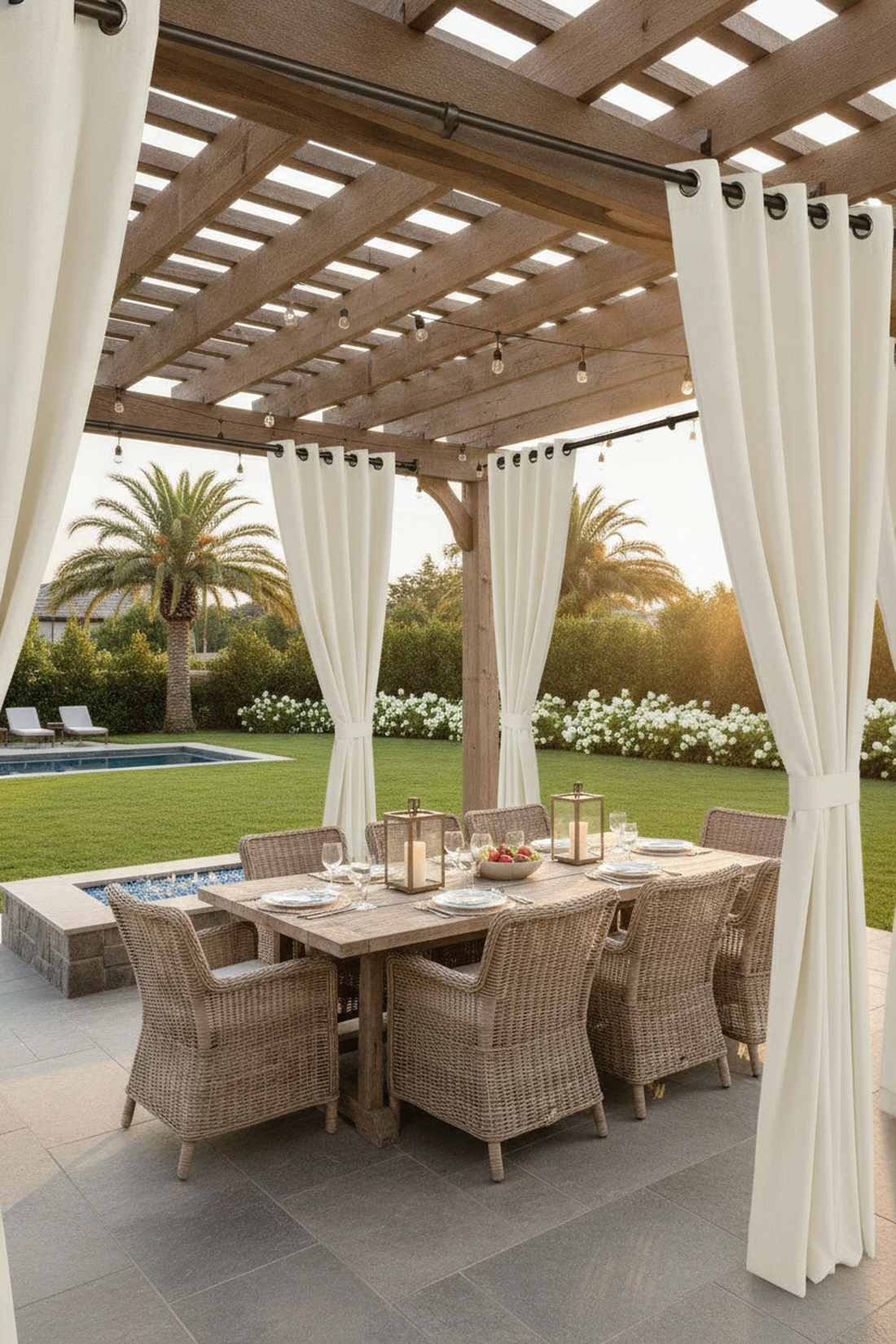
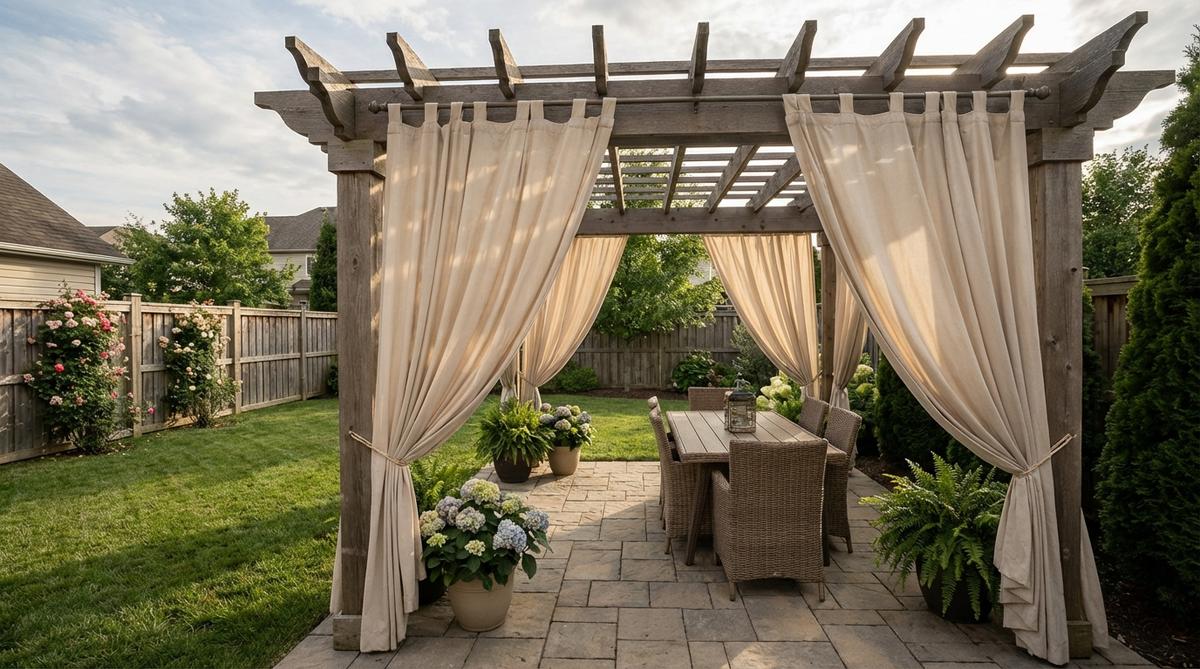
A flowing fabric patio enclosure feels like a luxury VIP cabana in Miami. Incredibly effective when hung from existing pergola or porch beams.
Rigid screens trap you in one layout forever. Using heavy-duty fabric delivers a designer-level finish that allows you to instantly open the space for parties or close it for intimate, shaded dining.
Setup costs around $60–$130. Pin this to upgrade your pergola!
- Key Materials: Weatherproof grommet curtains
- Vibe / Style: Breezy resort elegance
- Difficulty: Easy rod installation
- Budget Breakdown: Curtains: $70 | Tension Rods: $30.
- Creator’s Tip: Sew small fishing weights into the bottom hems so the curtains don’t whip wildly in strong winds.
- Smart Sourcing: Order UV-blocking waterproof outdoor curtains and rust-proof outdoor curtain rods.
You don’t need a massive fence to block out nosy neighbors with this next space-saving idea…
41. Living Wall Green Screen
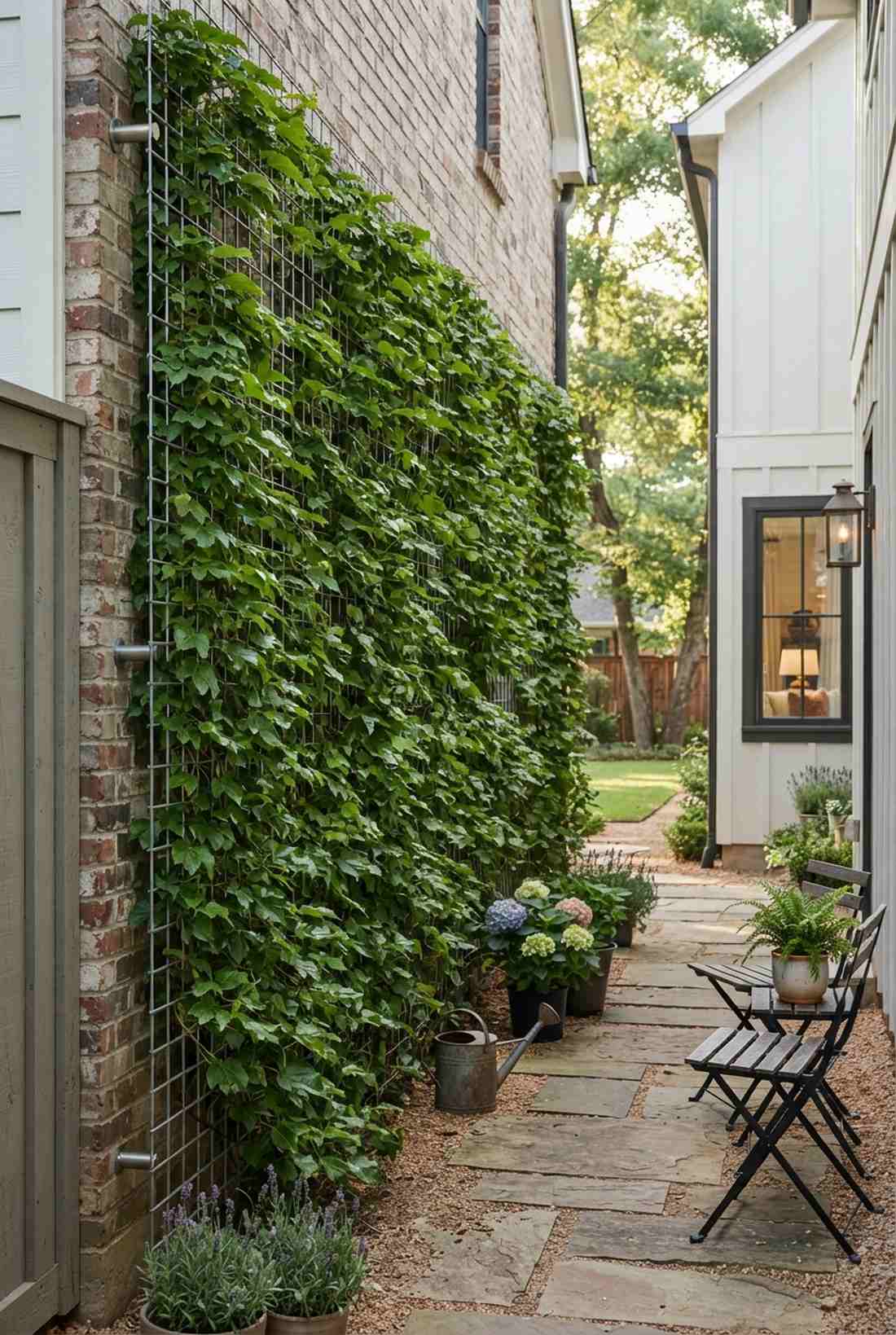
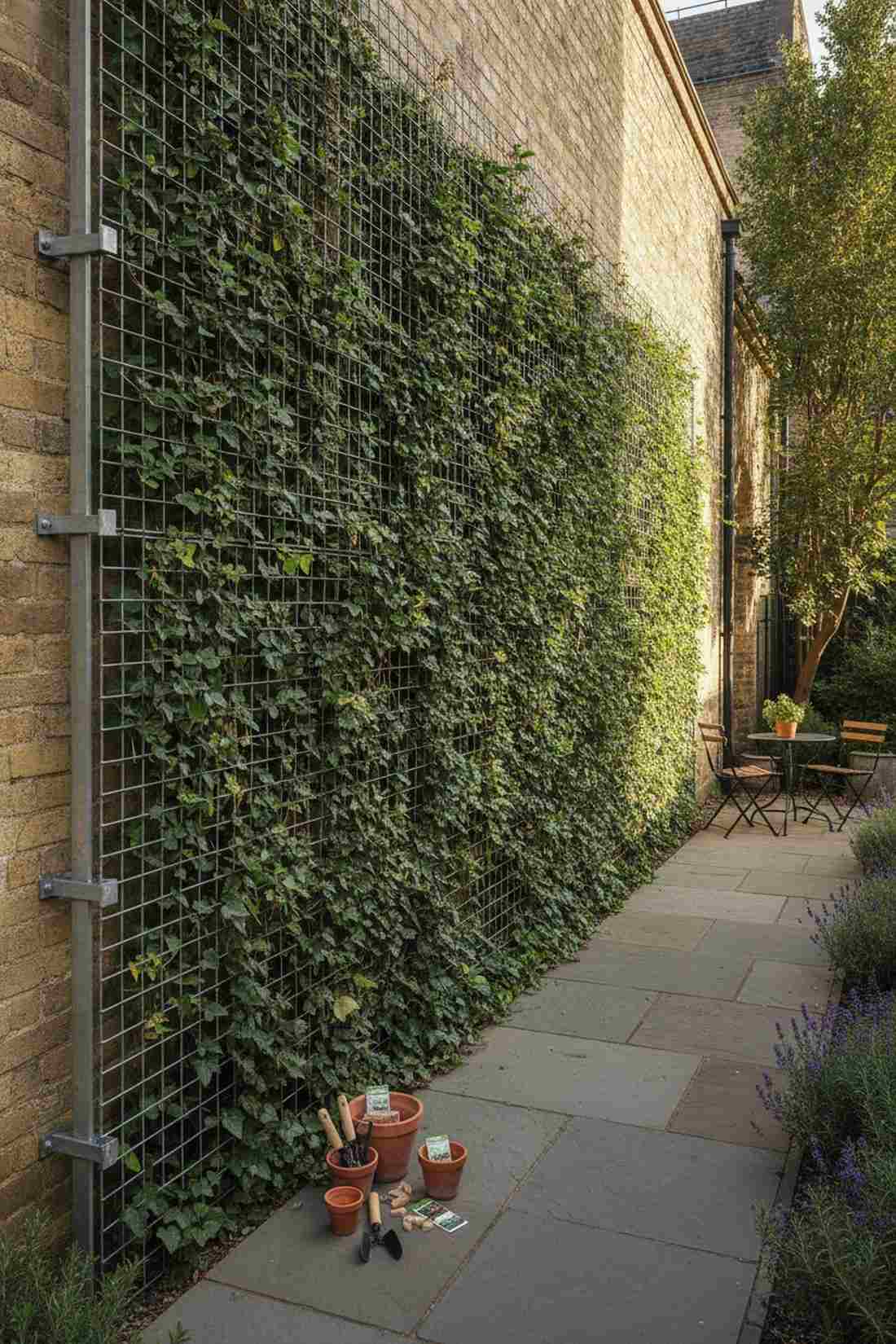
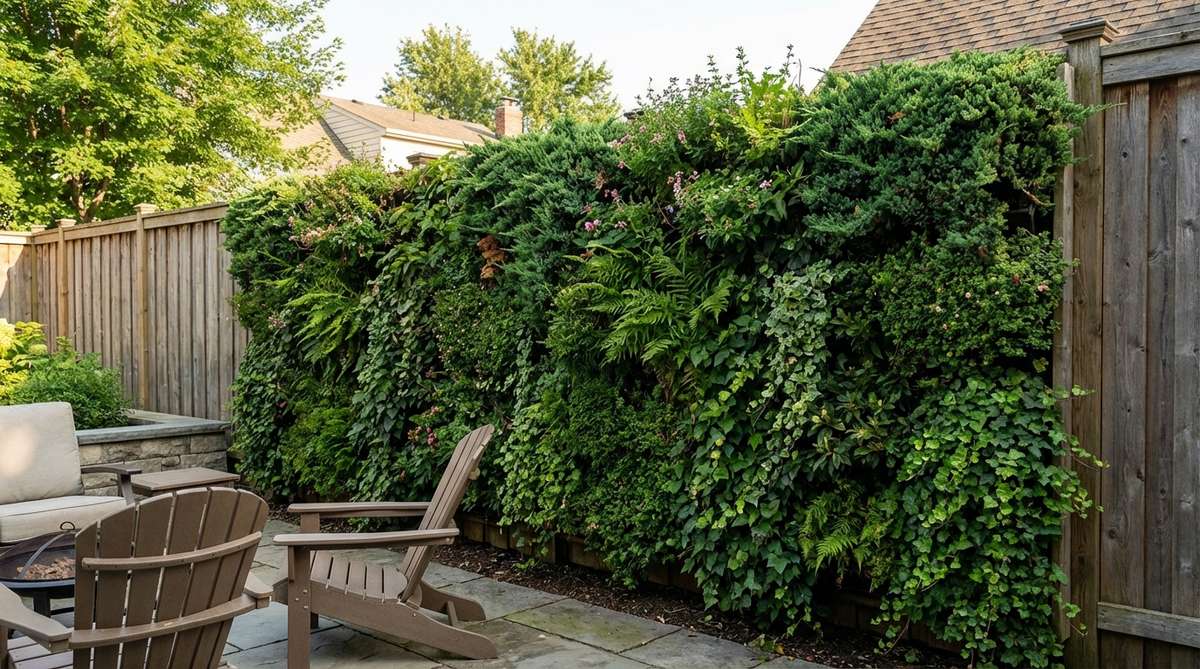
A vertical climbing ivy wall feels like a dense, historic English estate barrier. Perfect for adding lush privacy to narrow urban walkways.
Using wide bushes sacrifices too much ground space. Tucking miniature garden supplies and fast-growing vines onto a flat wire grid looks wildly expensive while maintaining 100% of your walkable footprint.
You can execute this for $50–$120.
- Key Materials: Steel wire mesh and climbing vines
- Vibe / Style: Lush architectural green
- Difficulty: Simple mounting
- Budget Breakdown: Wire grid: $40 | Plants: $30.
- Creator’s Tip: Mount the wire grid using 2-inch spacers off the wall so the vines have room to wrap completely around the metal.
- Smart Sourcing: Use galvanized welded wire fencing rolls and heavy-duty steel wall standoffs.
42. Tiered Raised Planter Wall
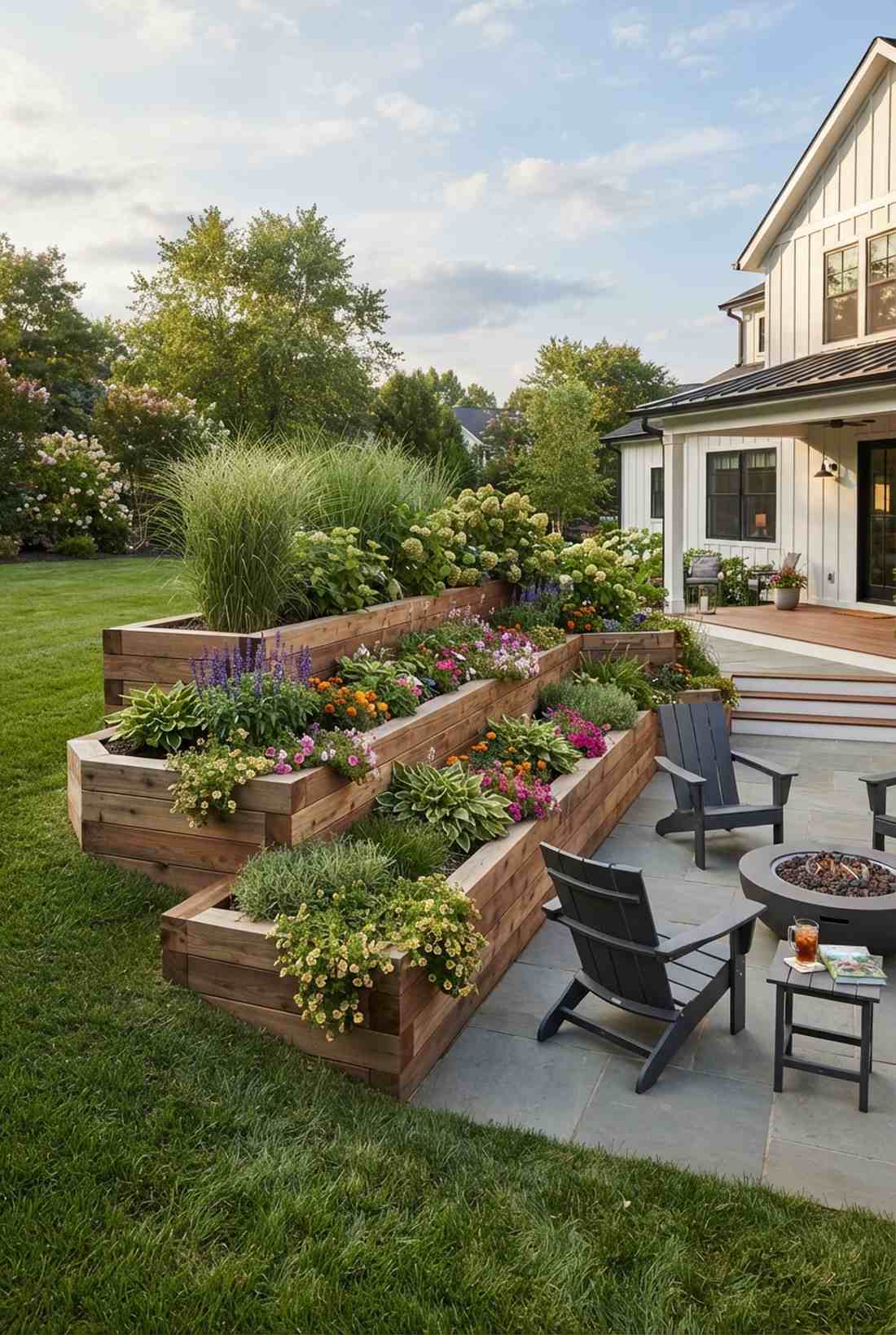
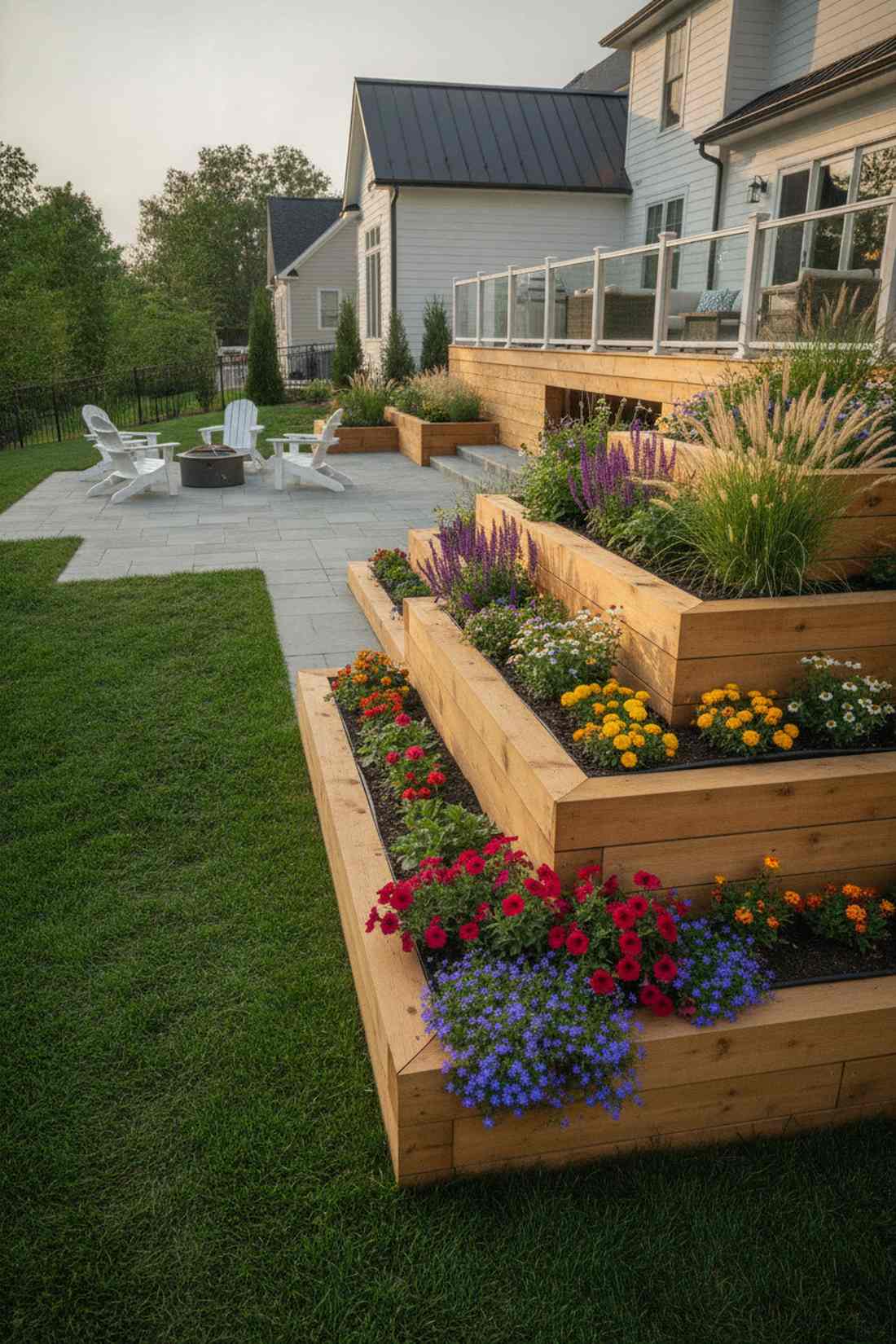
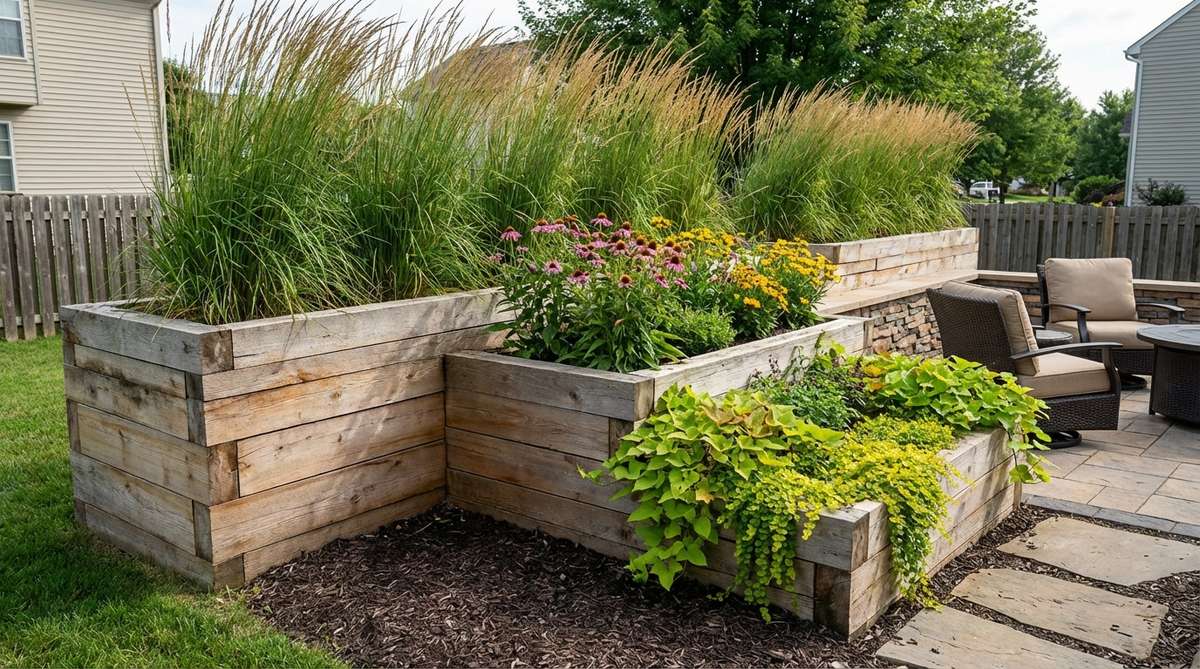
A stair-step wooden retaining barrier feels like a modern sculptural terraced garden. Ideal for creating a functional boundary between the lawn and patio.
A flat wooden wall is visually boring. Building staggered depths gives a surprisingly premium look, allowing you to layer tall ornamental grasses in the back and cascading colorful flowers in the front.
Materials run around $150–$300. Save this for a massive visual upgrade!
- Key Materials: Stacked cedar boards
- Vibe / Style: Geometric modern farmhouse
- Difficulty: Intermediate woodworking
- Budget Breakdown: Lumber: $200 | Soil/Liner: $60.
- Creator’s Tip: Line the inside walls with heavy plastic sheeting to protect the wood, but leave the bottom open for drainage.
- Smart Sourcing: Invest in pre-cut cedar raised bed kits and heavy-duty plastic planter box liners.
Hardscape Elements For Small Garden Backyard Layouts
43. Permeable Paver Patio
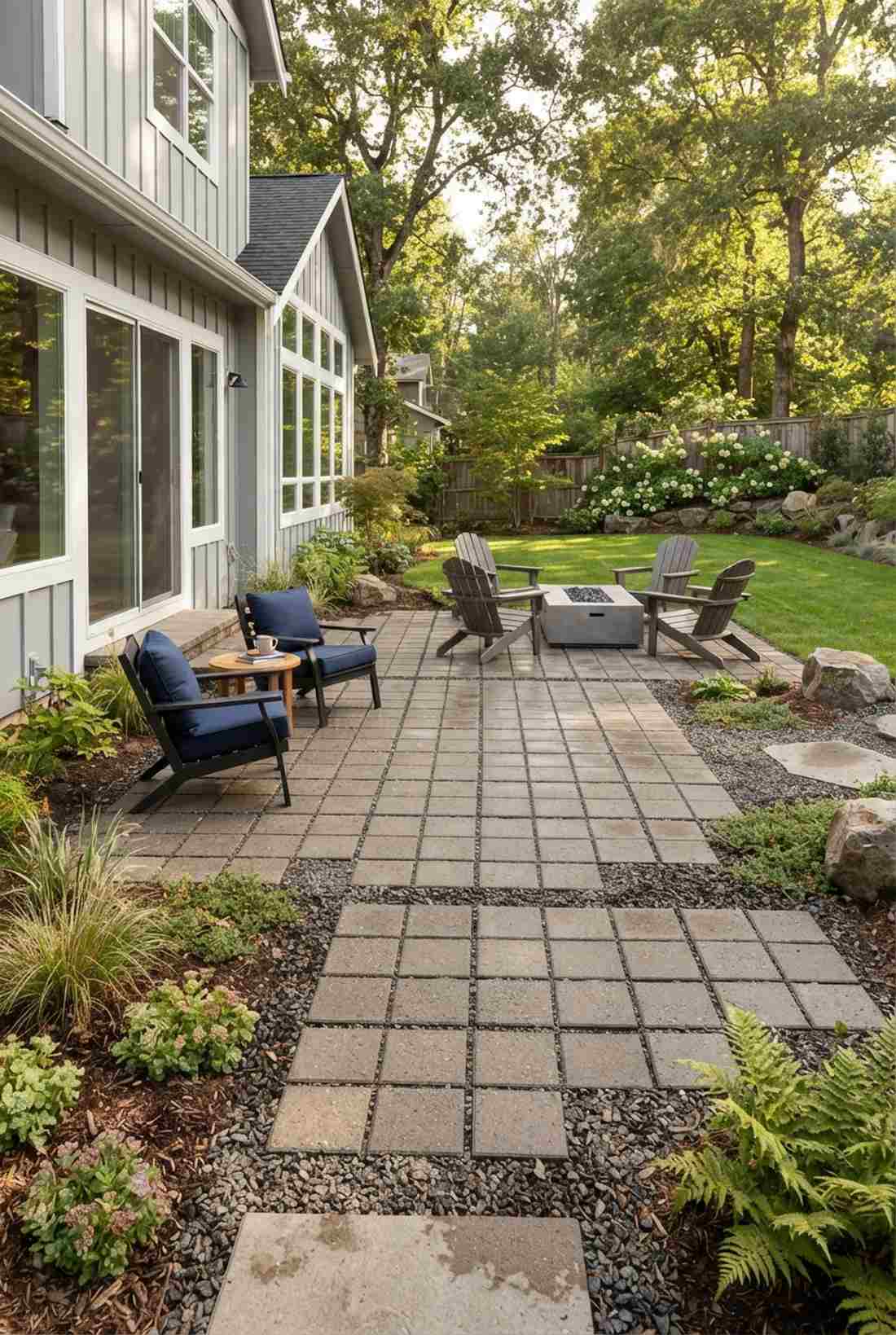
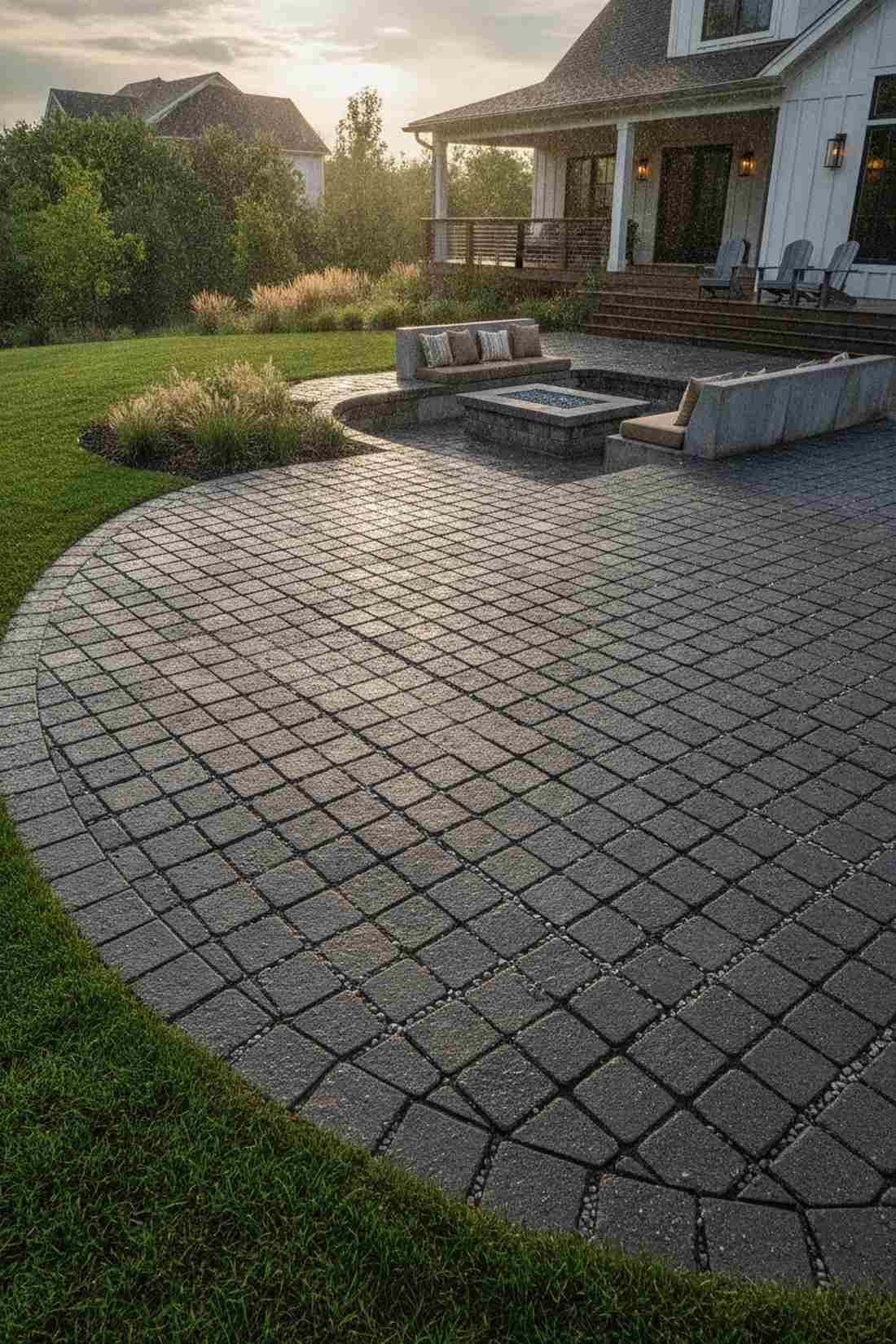
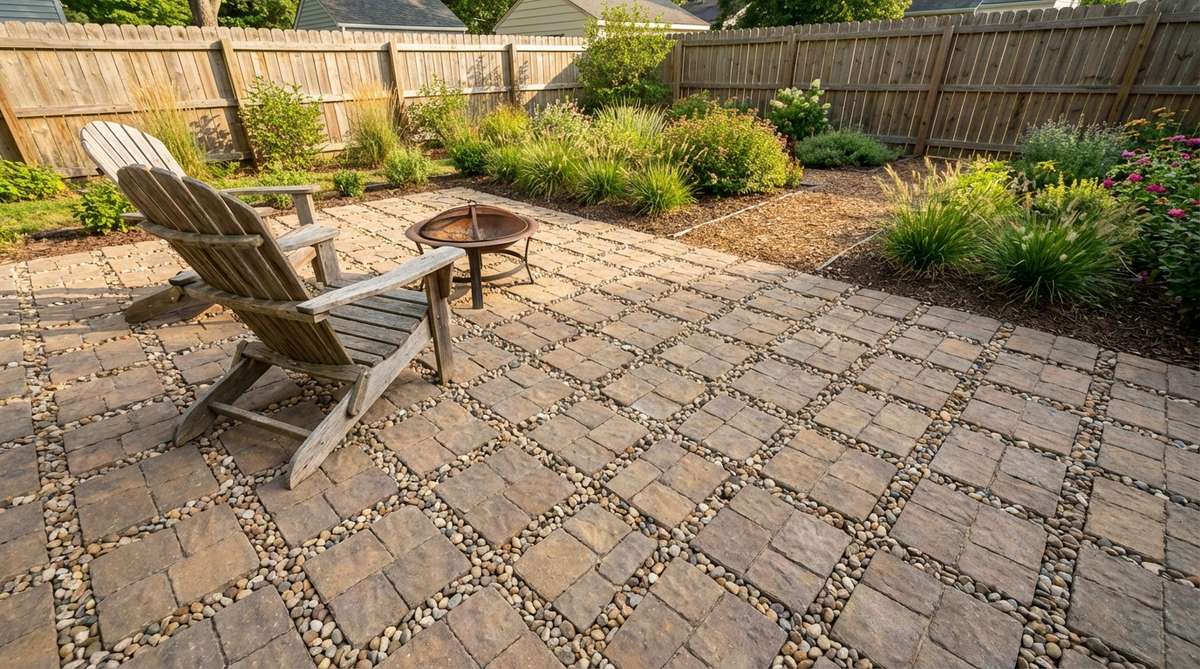
An eco-friendly draining stone terrace feels like a cutting-edge sustainable architecture project. Essential for yards that constantly flood or hold muddy puddles.
Solid concrete slabs force water against your house foundation. This spaced-out grid design delivers a designer-level finish while naturally absorbing massive rainstorms right into the earth.
Expect to spend $200–$450. Pin this if you have drainage issues!
- Key Materials: Concrete pavers and coarse grit
- Vibe / Style: Smart modern sustainable
- Difficulty: Heavy lifting required
- Budget Breakdown: Pavers: $300 | Base/Grit: $100.
- Creator’s Tip: Never use fine polymeric sand for this; use coarse aggregate chips between the joints to ensure rapid water flow.
- Smart Sourcing: Find permeable interlocking concrete pavers and bulk washed crushed stone chips.
44. Flagstone Stepping Path
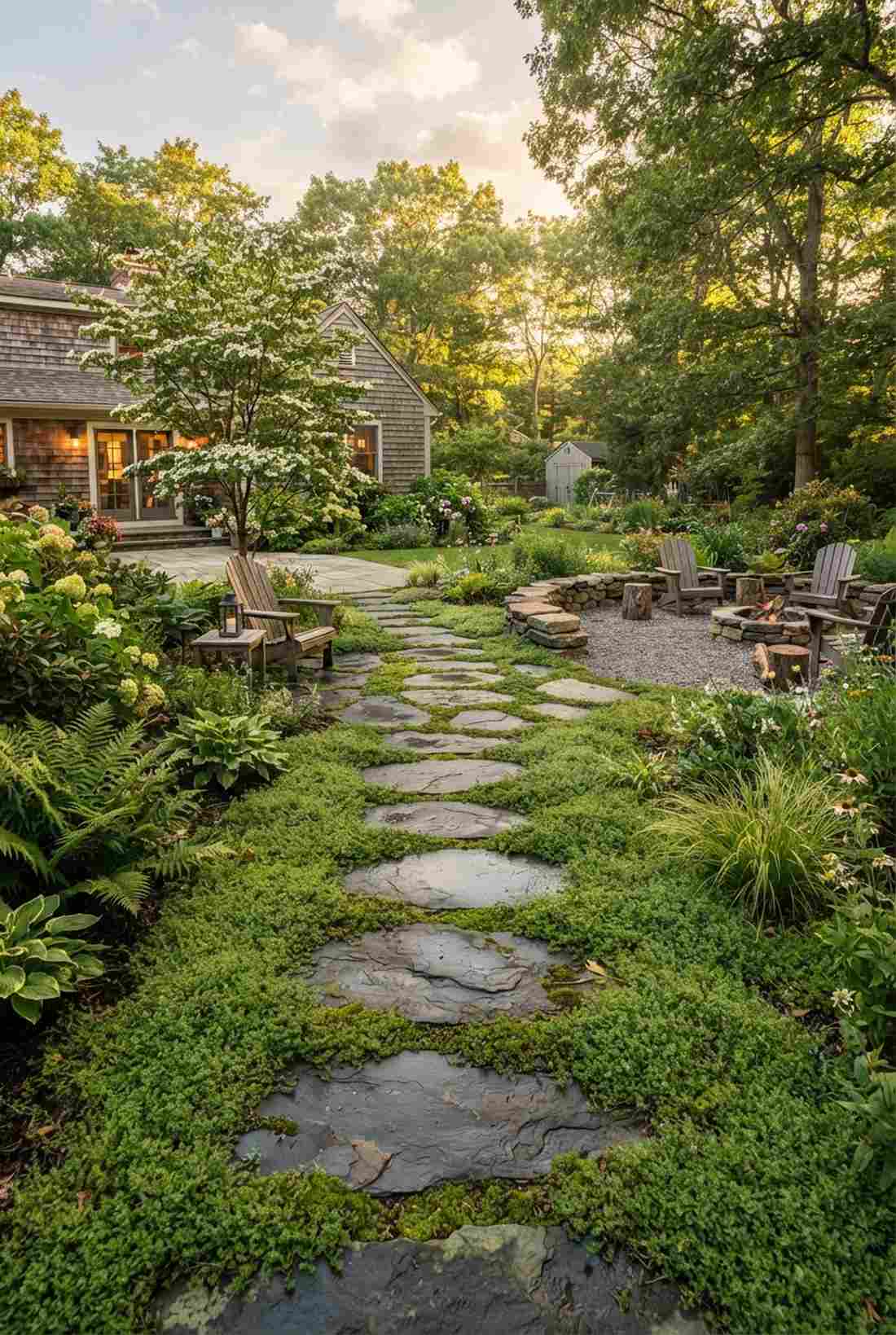
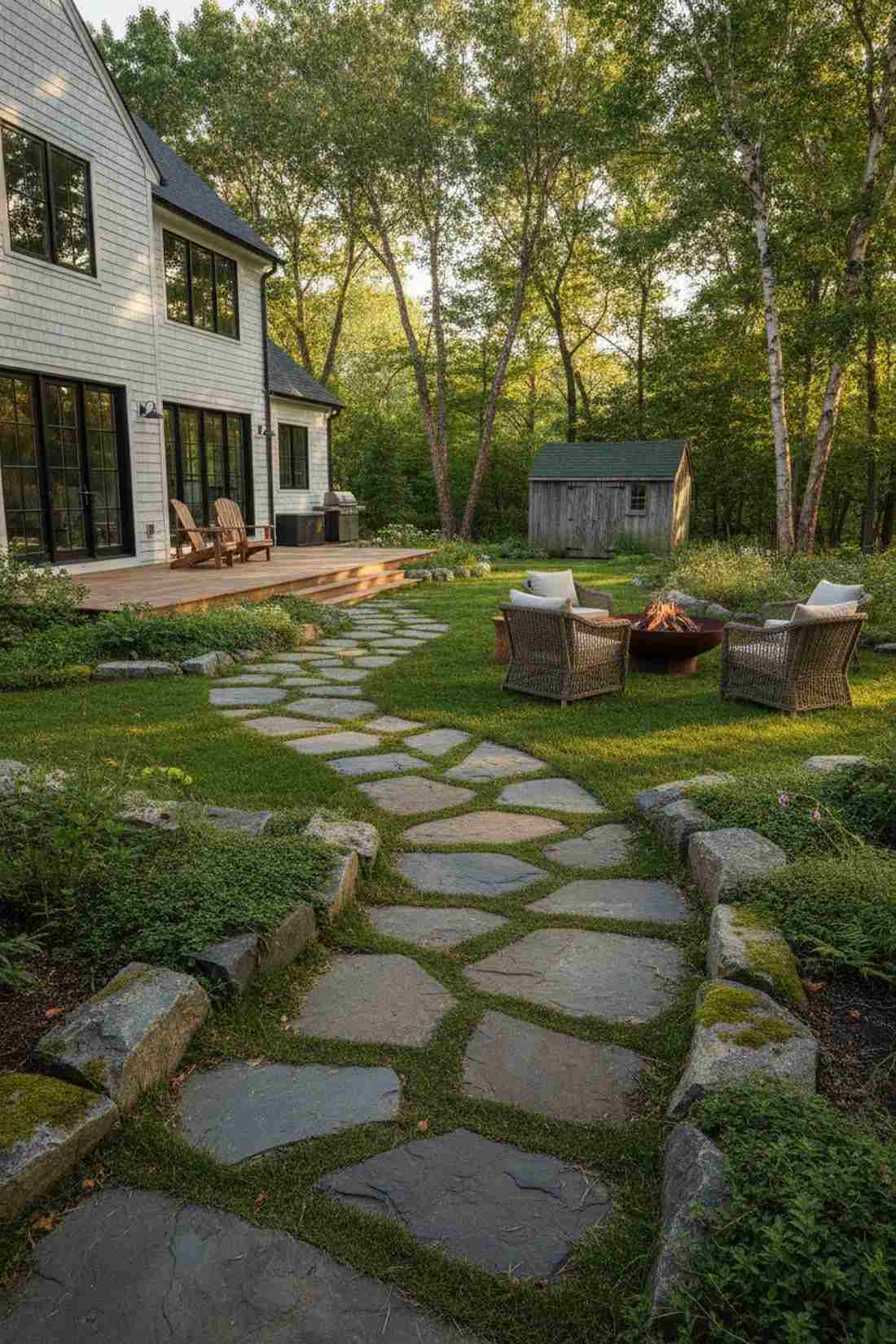
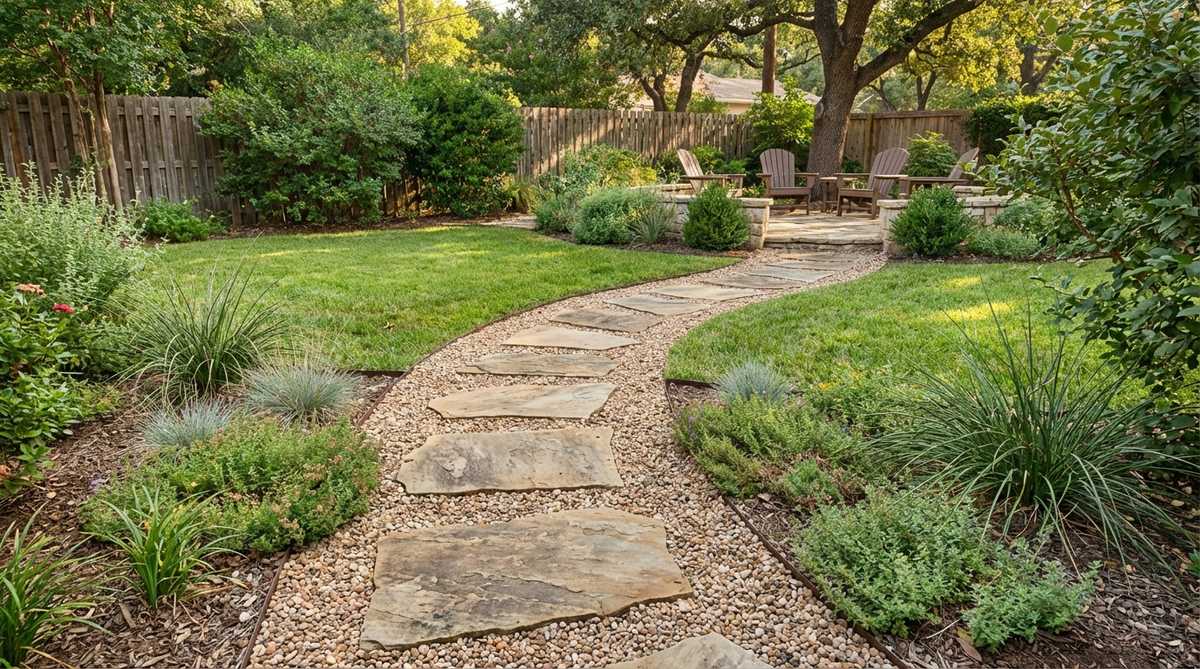
A sunken organic slate pathway feels like an ancient, moss-covered woodland trail. Perfect for connecting the back door to a fire pit or shed.
Poured sidewalks look commercial and harsh. Setting irregular, heavy stones into a soft groundcover looks far more expensive than it is, completely softening the harsh geometry of a small yard.
You can create this for $80–$160.
- Key Materials: Irregular natural flagstone pieces
- Vibe / Style: Rustic woodland cottage
- Difficulty: Easy but heavy digging
- Budget Breakdown: Stones: $120 | Sand leveling base: $20.
- Creator’s Tip: Set the stones slightly below the cut level of your lawnmower blades so you can mow right over them without chipping the blades.
- Smart Sourcing: Pick up heavy-duty natural slate stepping stones and creeping thyme groundcover seeds (bulk pack).
45. Stained Concrete Overlay
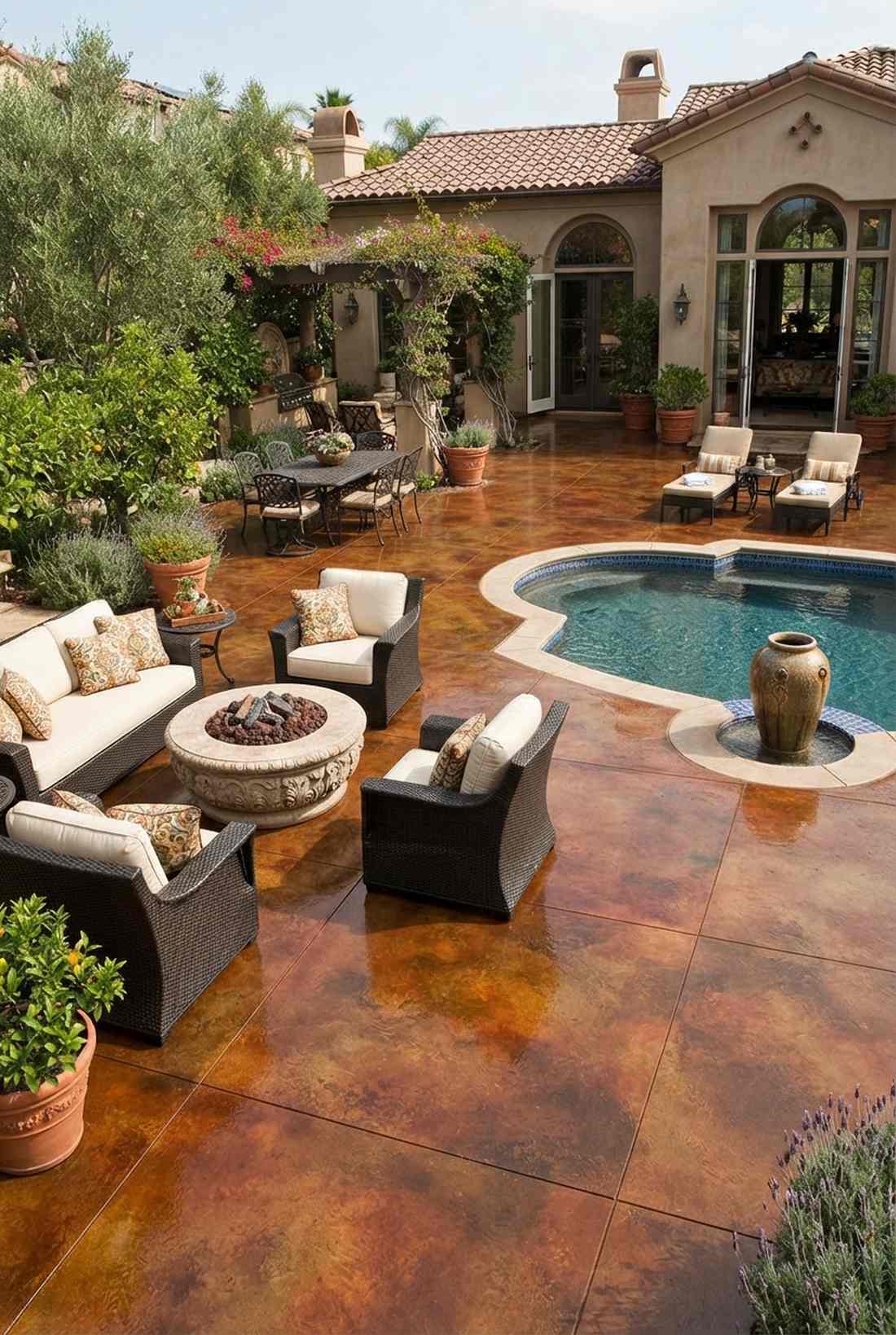
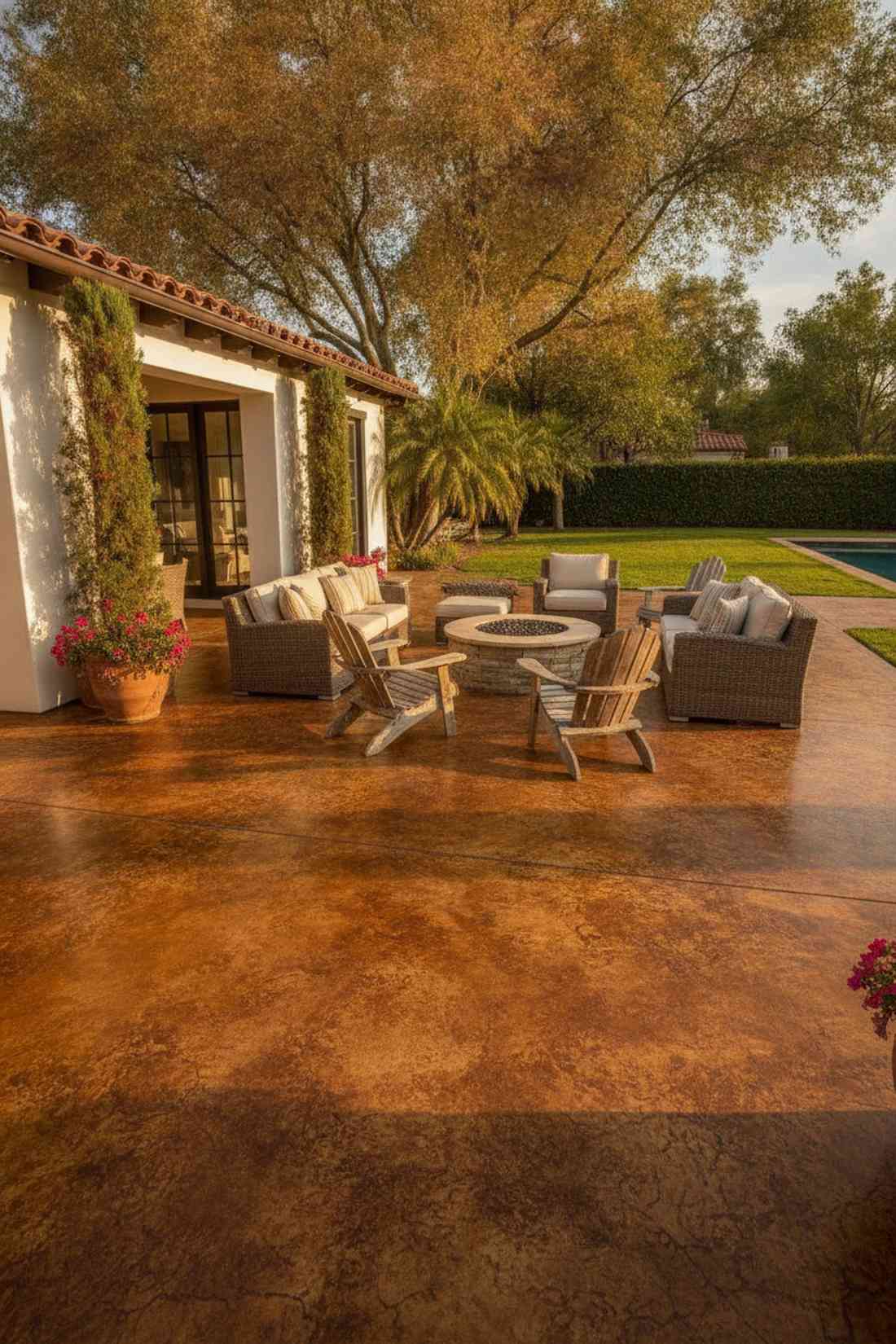
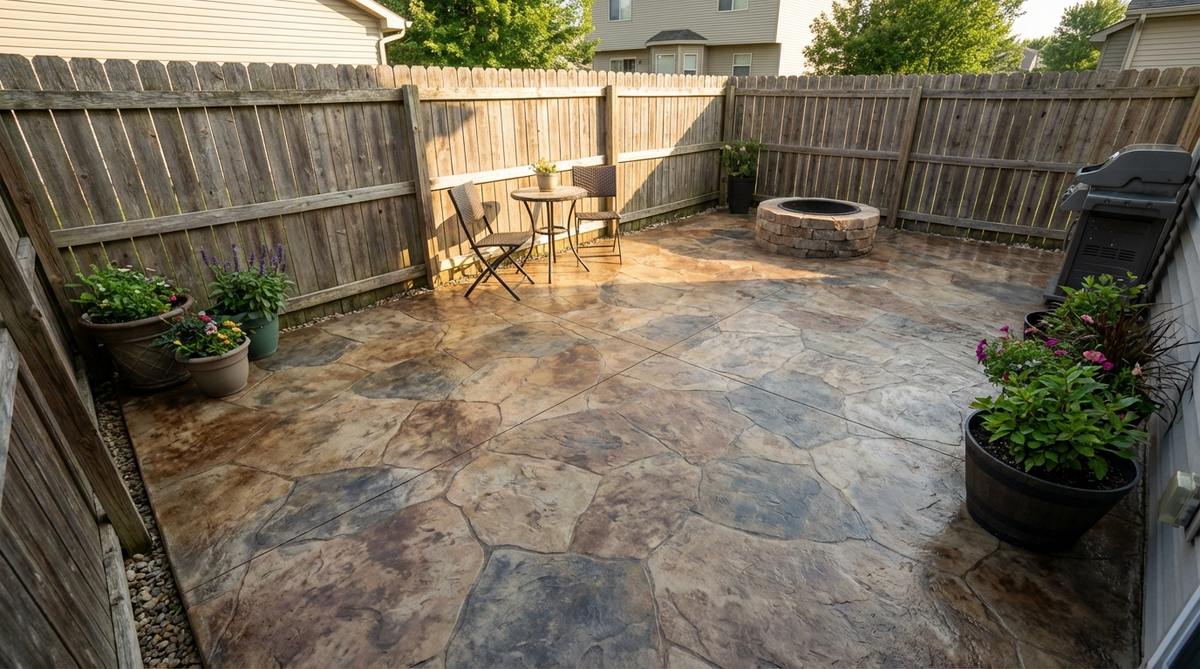
A rich, mottled patio surface feels like a high-end luxury marble or leather floor. The ultimate rescue mission for ugly, cracked builder-grade slabs.
Tearing out old concrete costs a fortune. Acid staining deeply alters the chemistry of the existing surface, giving a surprisingly premium look that permanently masks old stains and imperfections.
Kits run roughly $75–$150. Save this to your patio remodel board!
- Key Materials: Reactive acid stain and sealer
- Vibe / Style: Warm Mediterranean villa
- Difficulty: Careful chemical application
- Budget Breakdown: Stain/Etcher: $80 | Gloss Sealer: $50.
- Creator’s Tip: You must completely degrease the slab first, or the stain will skip the oily spots and look terrible.
- Smart Sourcing: Use commercial-grade concrete acid stain kits and UV-resistant high-gloss concrete sealer.
Material Guide: Cheap vs. Premium Aesthetic
Knowing exactly where to save and where to spend makes all the difference in achieving that “looks expensive but isn’t” vibe for your small garden backyard.
- Standard vs. UV-Resistant/Premium: Standard plastic planters crack and fade white after one summer. Upgrading to UV-coated resin or sealed cedar completely stops this degradation, keeping the yard looking brand new.
- Pre-made Kits vs. Sourcing Locally: While finding scrap wood seems cheaper, pre-cut DIY starter kits (like arbors or living walls) ensure exact structural integrity and often save hours of frustrating, expensive mistakes.
Most concrete patios look cheap, but this upcoming upgrade completely changes everything for under $100…
46. Pea Gravel Courtyard
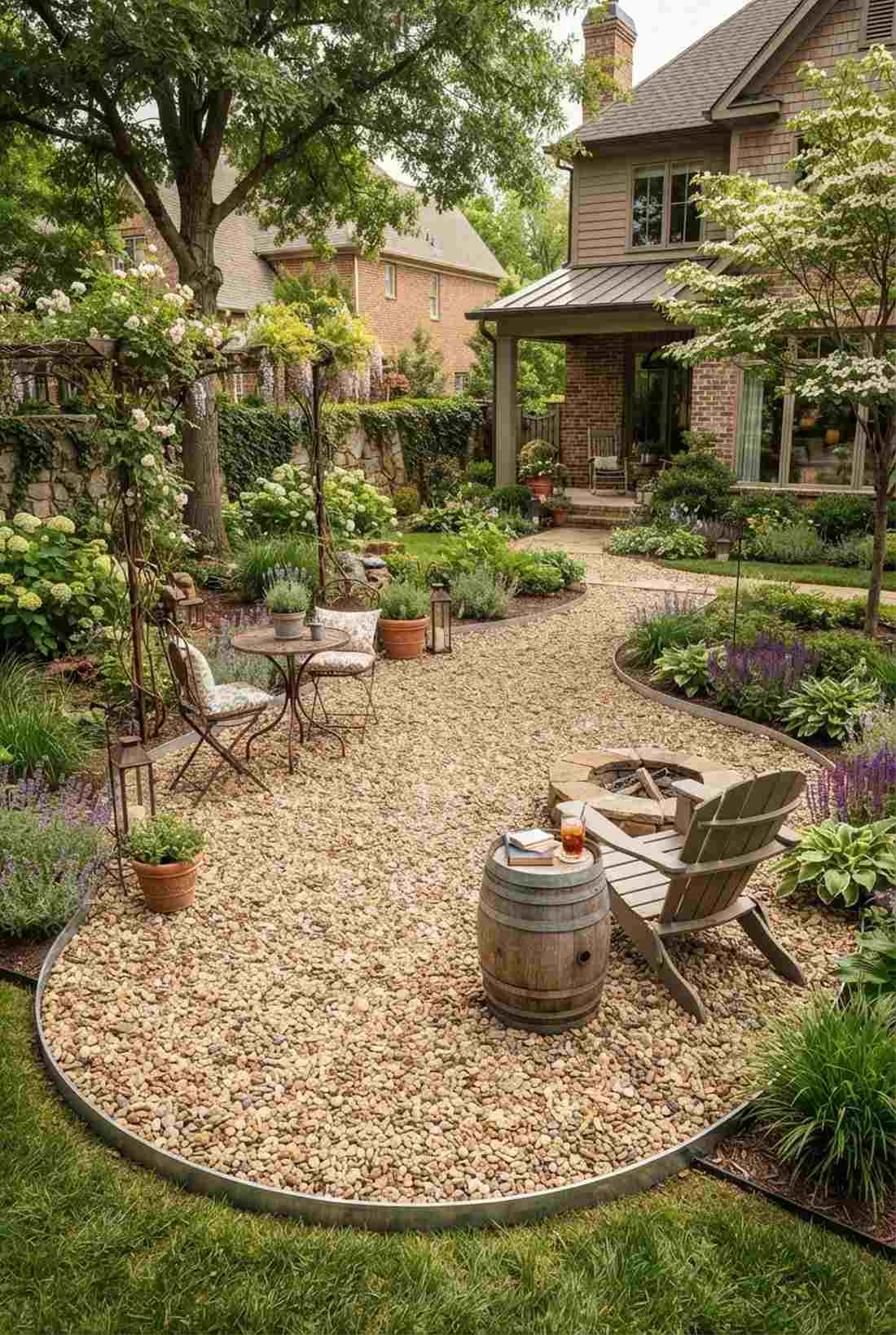
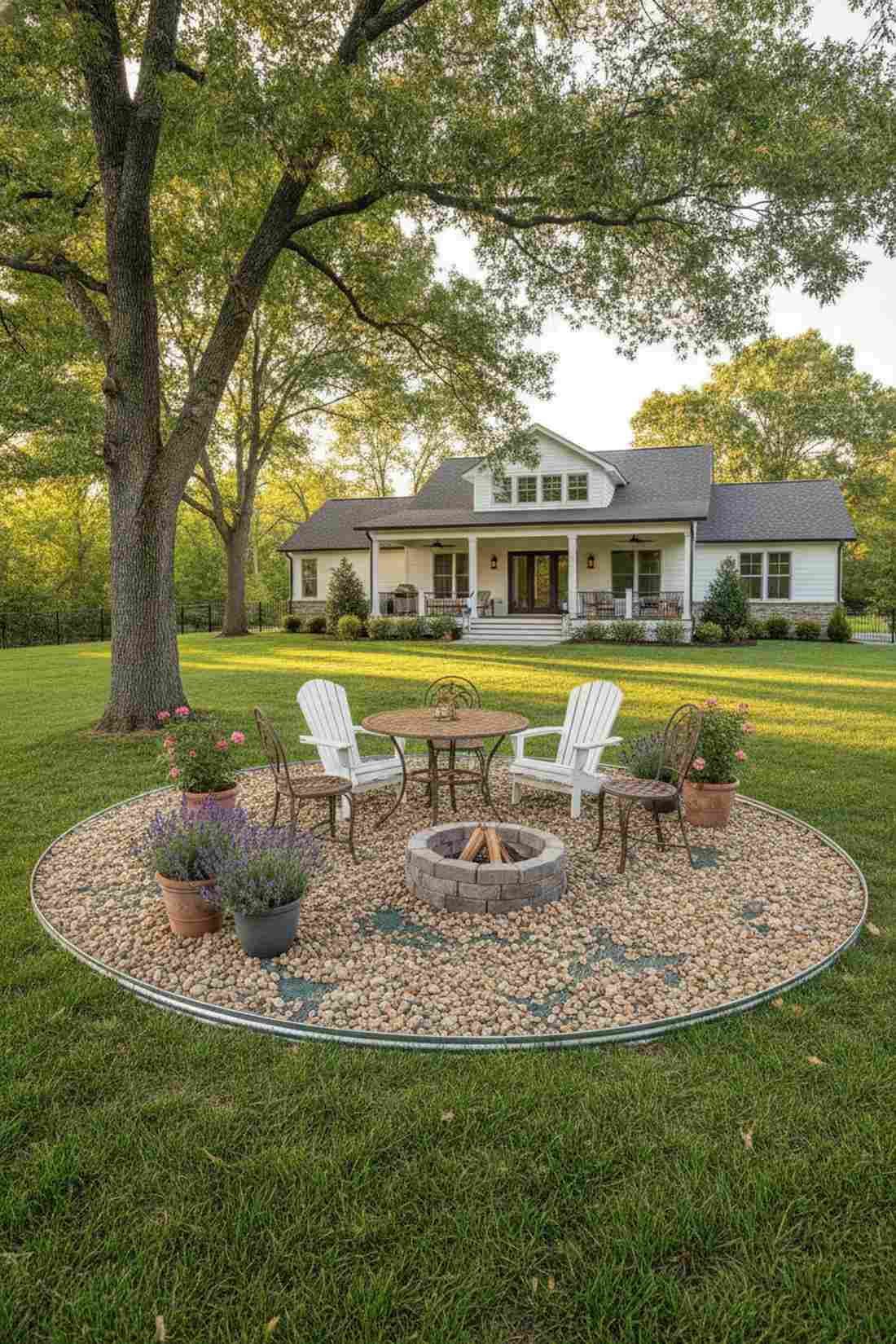
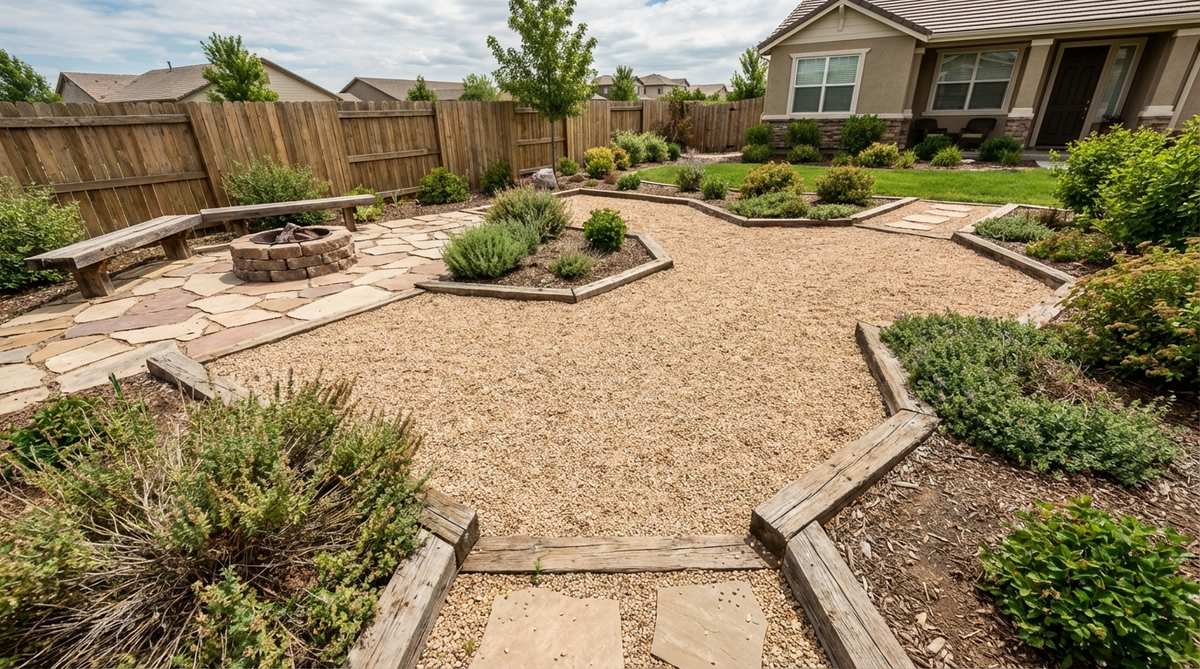
A soft, crunching pebble seating zone feels like a romantic Parisian outdoor cafe. Flawless for covering weird, irregular shapes where square pavers simply won’t fit.
Trying to cut hard stone to fit a curved yard is an amateur nightmare. Pouring loose material delivers a designer-level finish instantly, molding to any boundary and providing unmatched drainage.
Execute this easily for $80–$150.
- Key Materials: Rounded pea gravel and edging
- Vibe / Style: European casual chic
- Difficulty: Fast wheelbarrow work
- Budget Breakdown: Gravel: $90 | Edging: $40.
- Creator’s Tip: Use a rigid steel edge barrier, not cheap plastic, or the rocks will inevitably spill into your grass.
- Smart Sourcing: Find galvanized steel landscape edging (bulk pack) and commercial-grade woven weed barrier.
47. Brick Herringbone Pattern
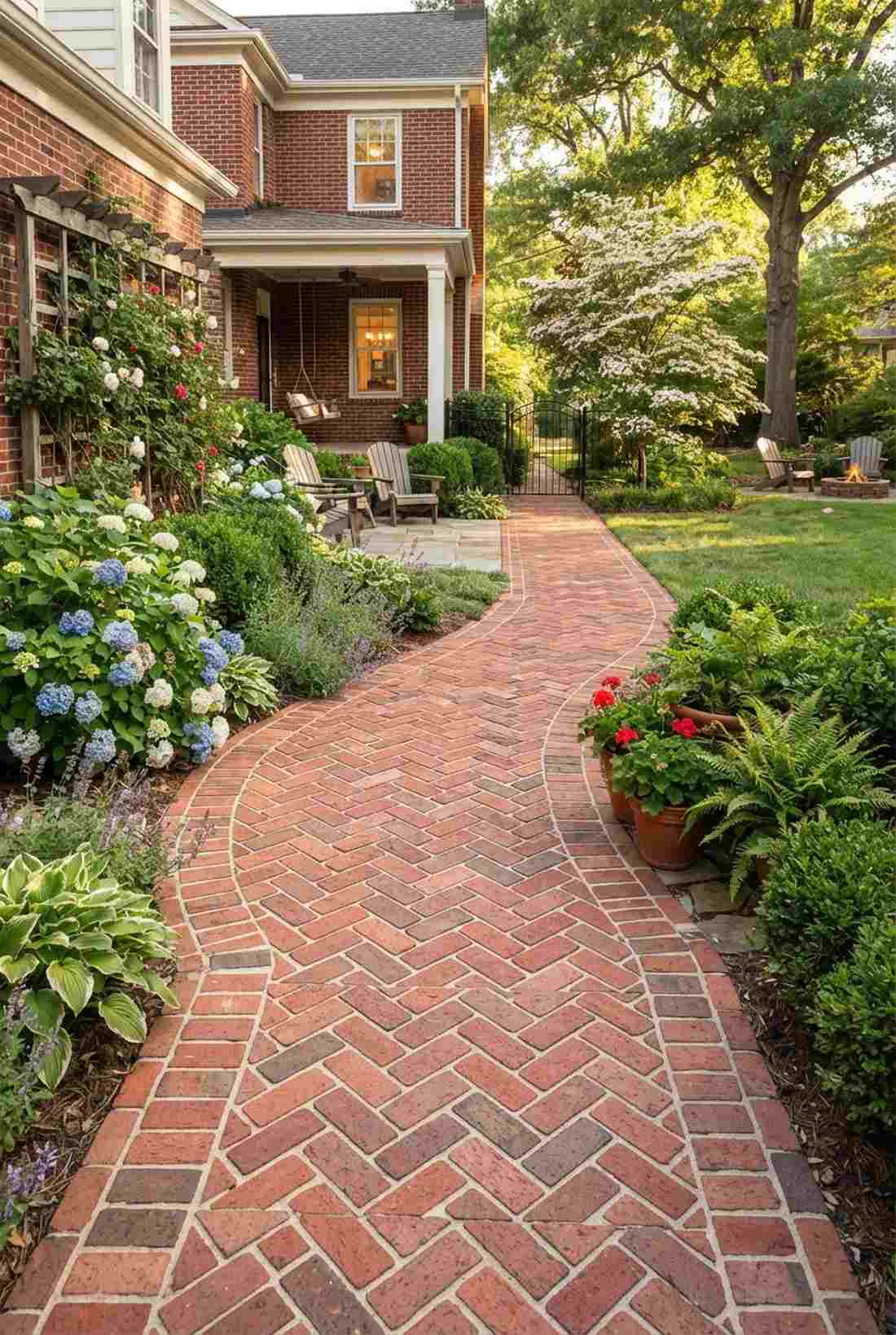
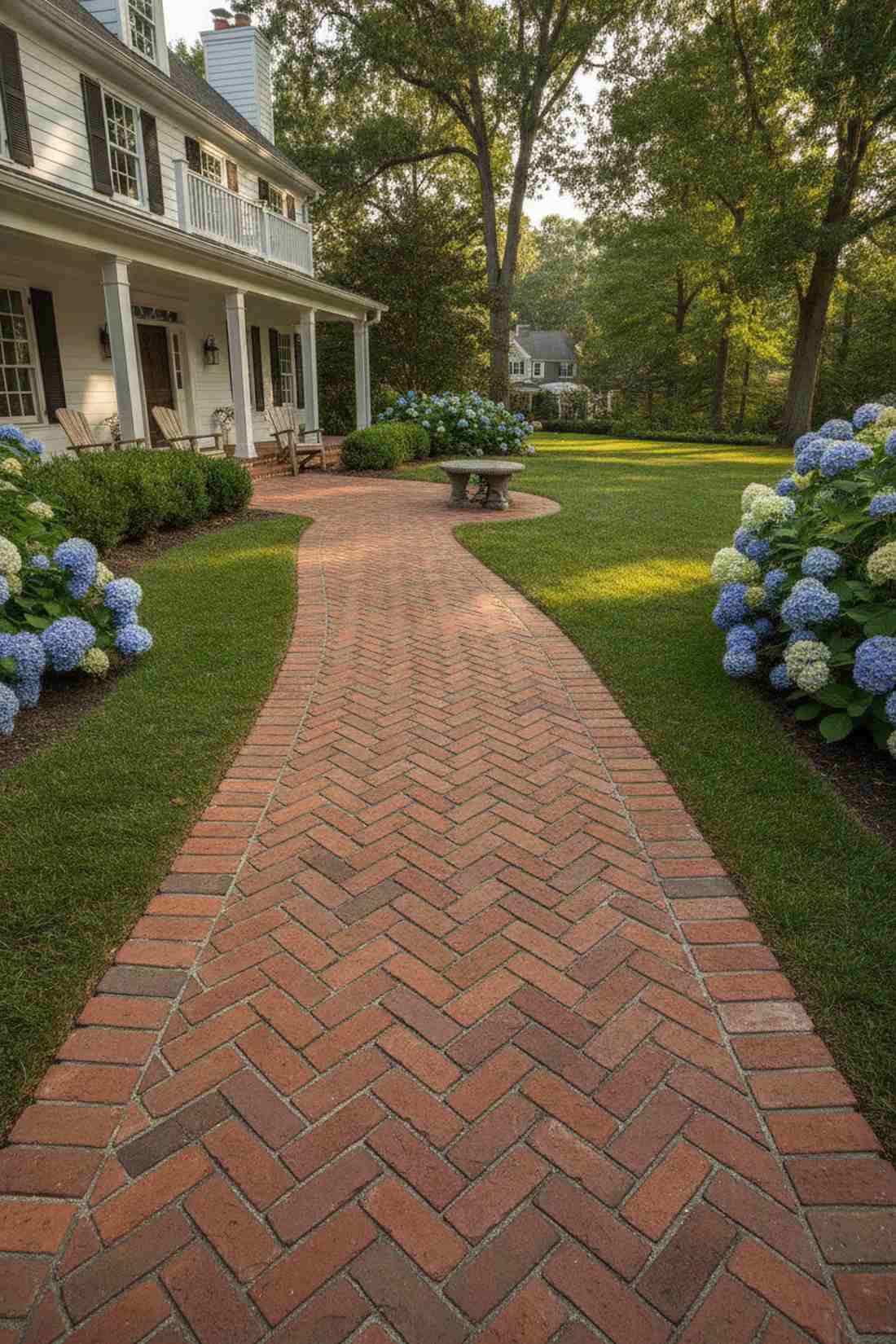
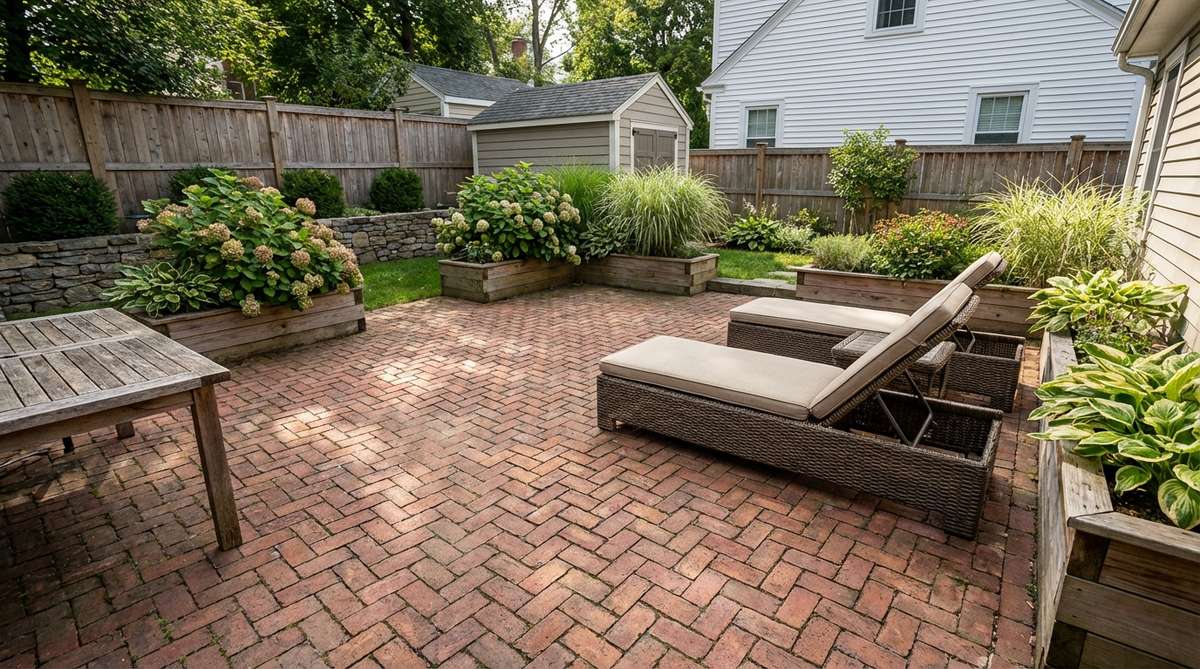
An intricate interlocking clay path feels like a historic colonial estate walkway. Adds immense visual texture to small, flat pathways.
Laying bricks side-by-side looks generic and eventually shifts apart. The zig-zag lock of this pattern looks wildly expensive and creates a mechanical bond that resists weed growth and movement.
Materials cost around $150–$300. Pin this for a timeless upgrade!
- Key Materials: Traditional red clay bricks
- Vibe / Style: Classic historic estate
- Difficulty: Requires tedious corner cuts
- Budget Breakdown: Bricks: $200 | Sand/Base: $50.
- Creator’s Tip: Rent a wet masonry saw for a day to make the crisp 45-degree edge cuts; don’t try to chisel them by hand.
- Smart Sourcing: Use pre-sealed clay paver bricks and heavy-duty polymeric jointing sand.
Budget-Friendly Small Garden Backyard Ideas That Deliver Impact
48. Painted Fence Refresh
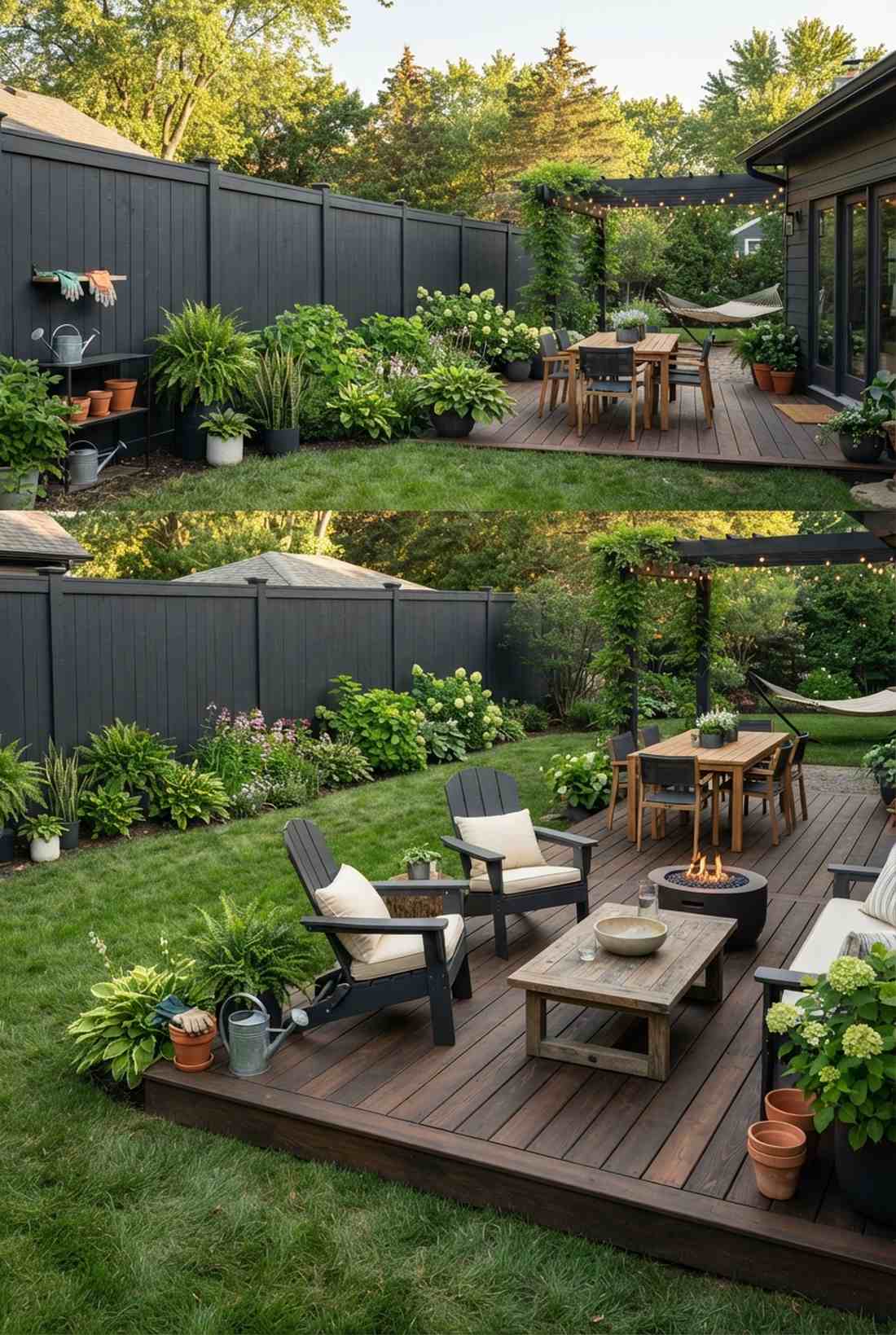
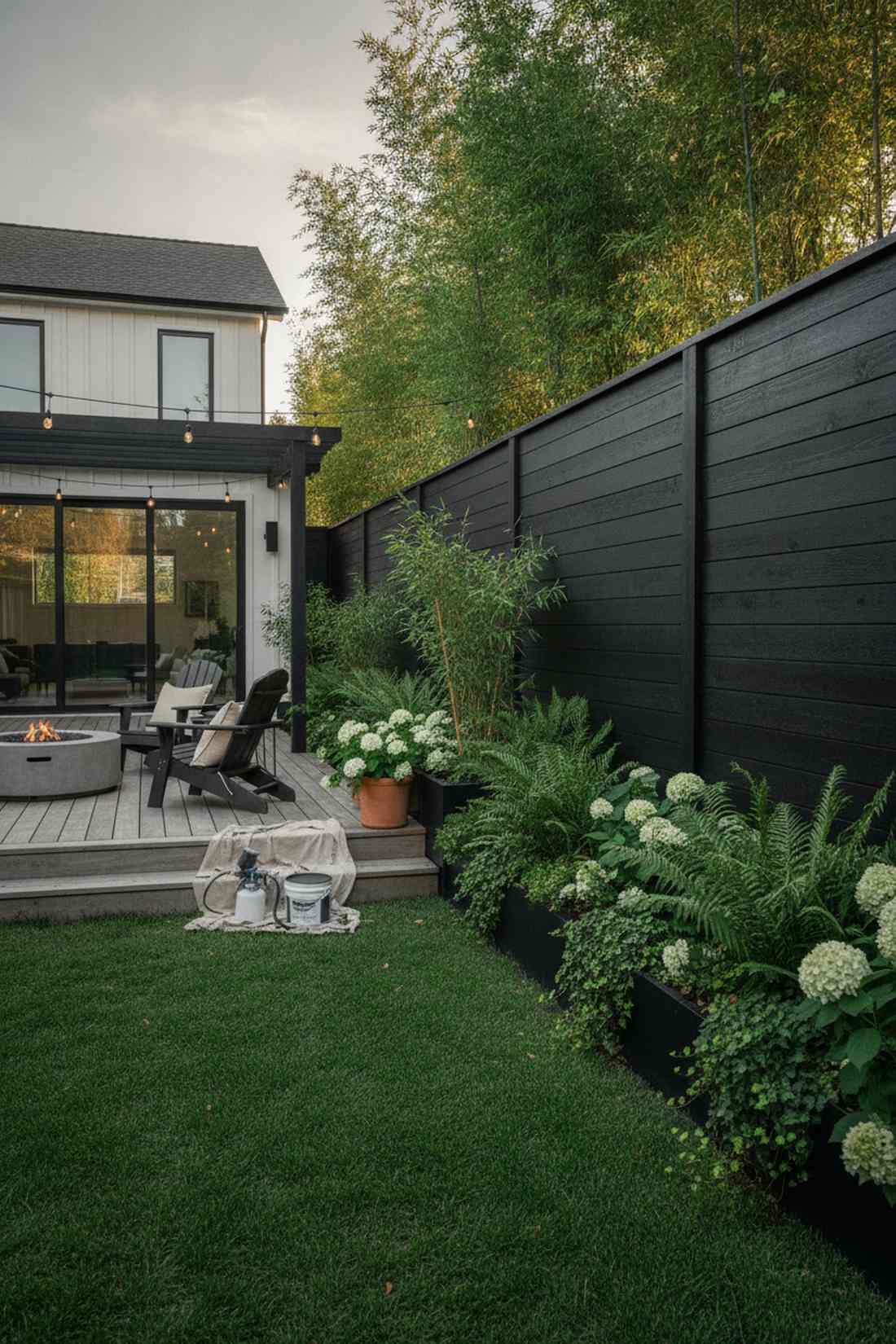
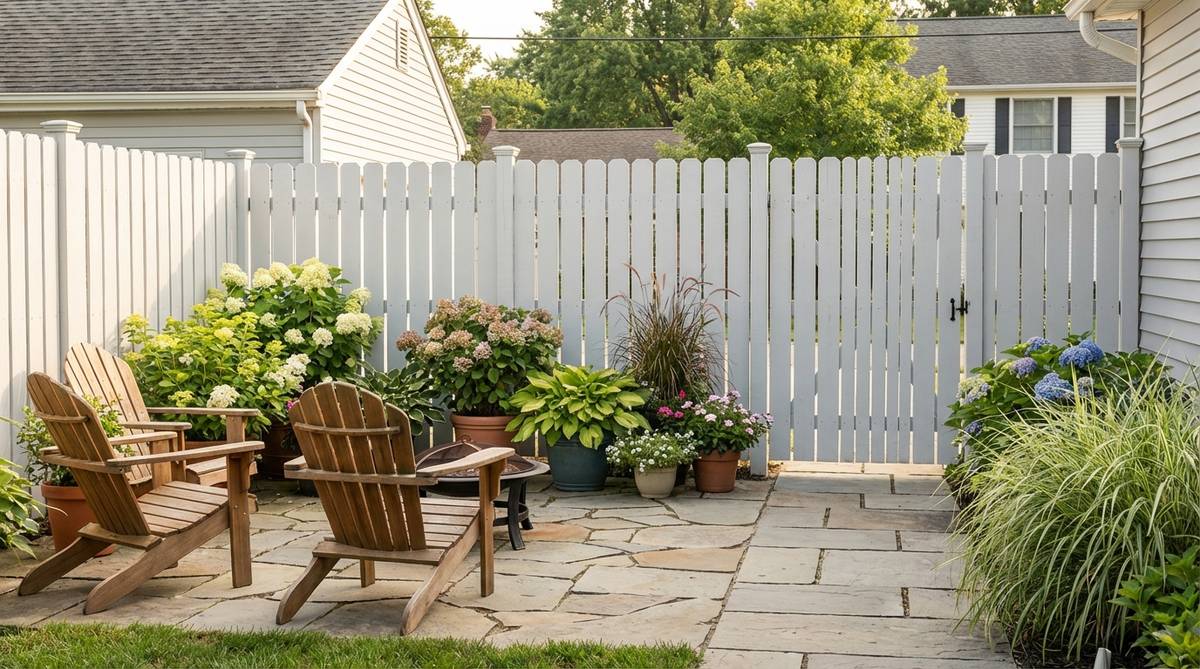
A matte charcoal backdrop wall feels like a modern boutique hotel exterior. The ultimate trick for making green plants absolutely pop.
Leaving a fence natural orange pine makes the yard feel dated and small. Coating it in a deep, dark color pushes the boundary visually backward, giving a surprisingly premium look that expands the perceived space.
A few gallons cost roughly $60–$120.
- Key Materials: Exterior acrylic paint or solid stain
- Vibe / Style: Ultra-modern moody contrast
- Difficulty: Easy rolling or spraying
- Budget Breakdown: Paint: $80 | Rollers: $15.
- Creator’s Tip: Use an airless sprayer to cut a full weekend of tedious brush work down to two hours.
- Smart Sourcing: Invest in premium exterior-grade solid color stain and high-coverage paint sprayer kits.
49. Repurposed Pallet Furniture
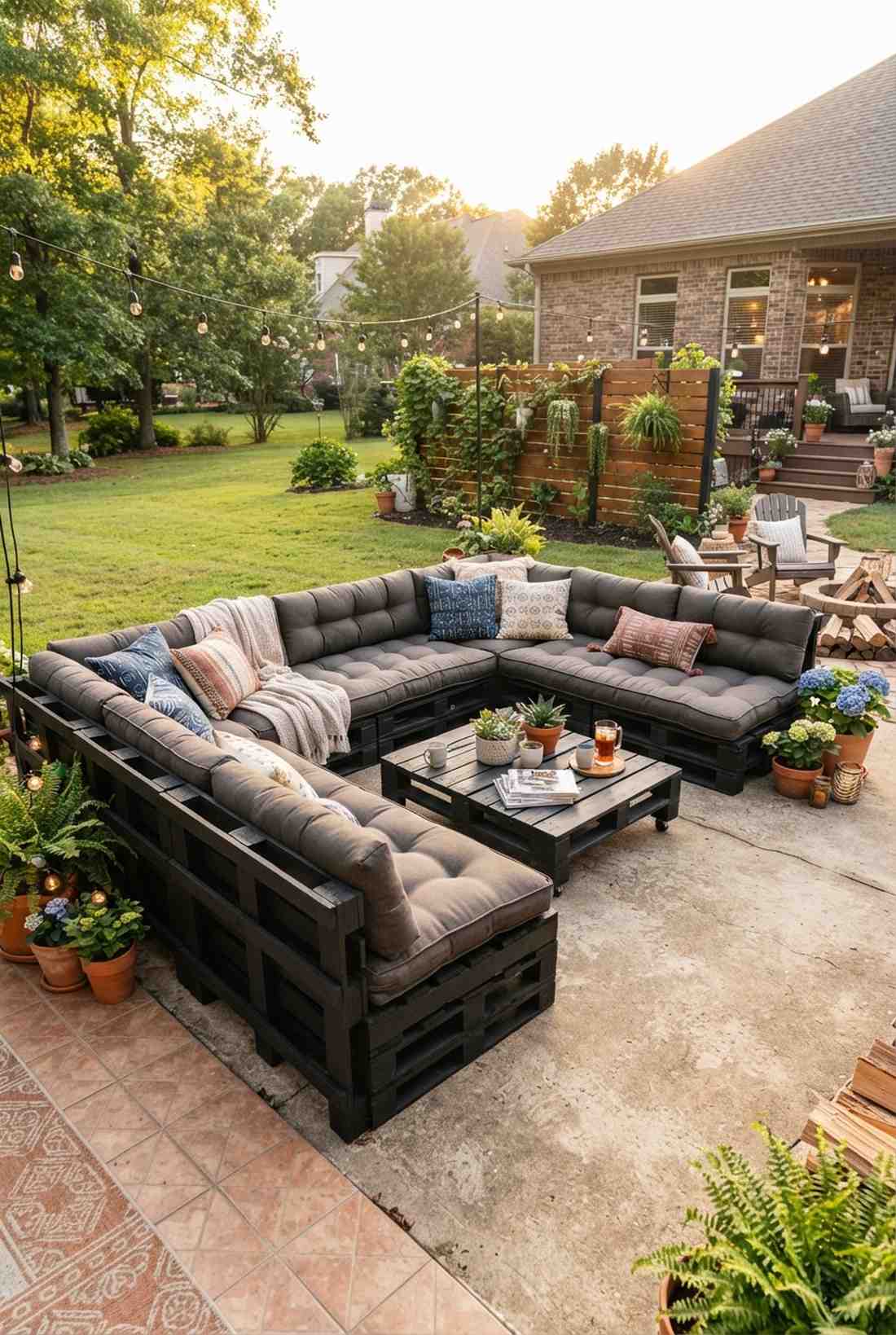
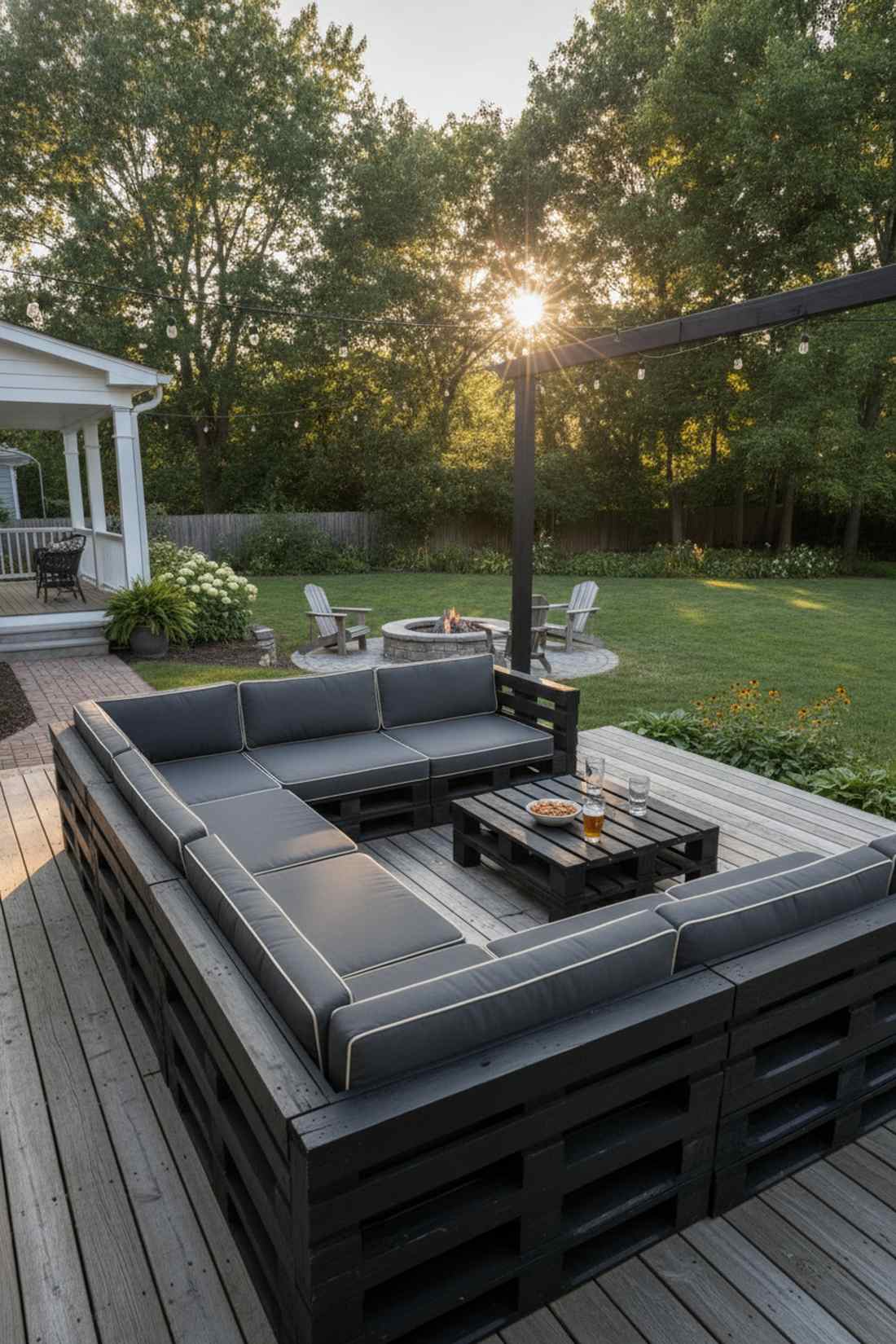
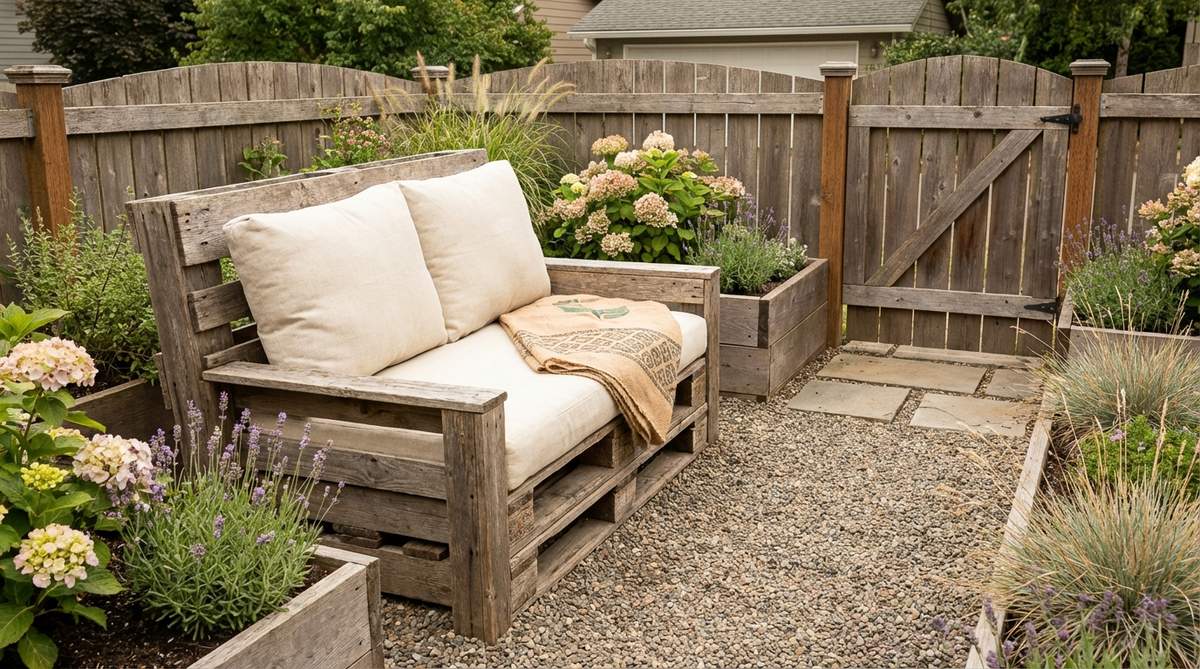
A chunky, rustic wooden lounge setup feels like a trendy urban beer garden. Flawless for building massive seating areas on an absolute shoestring budget.
Buying big sectionals costs thousands. Stacking heat-treated shipping crates looks far more expensive than it is when sanded smooth, painted black, and topped with plush commercial cushions.
You can build this for $50–$150. Save this for a high-impact DIY weekend!
- Key Materials: Clean wooden pallets and outdoor cushions
- Vibe / Style: Industrial urban chic
- Difficulty: Beginner screw assembly
- Budget Breakdown: Pallets: Free-$20 | Cushions: $100.
- Creator’s Tip: Only use pallets stamped “HT” (Heat Treated); avoid chemically treated “MB” pallets.
- Smart Sourcing: Pick up heavy-duty waterproof outdoor seating cushions and exterior heavy-duty wood screws (bulk pack).
50. Mulch Bed Refresh
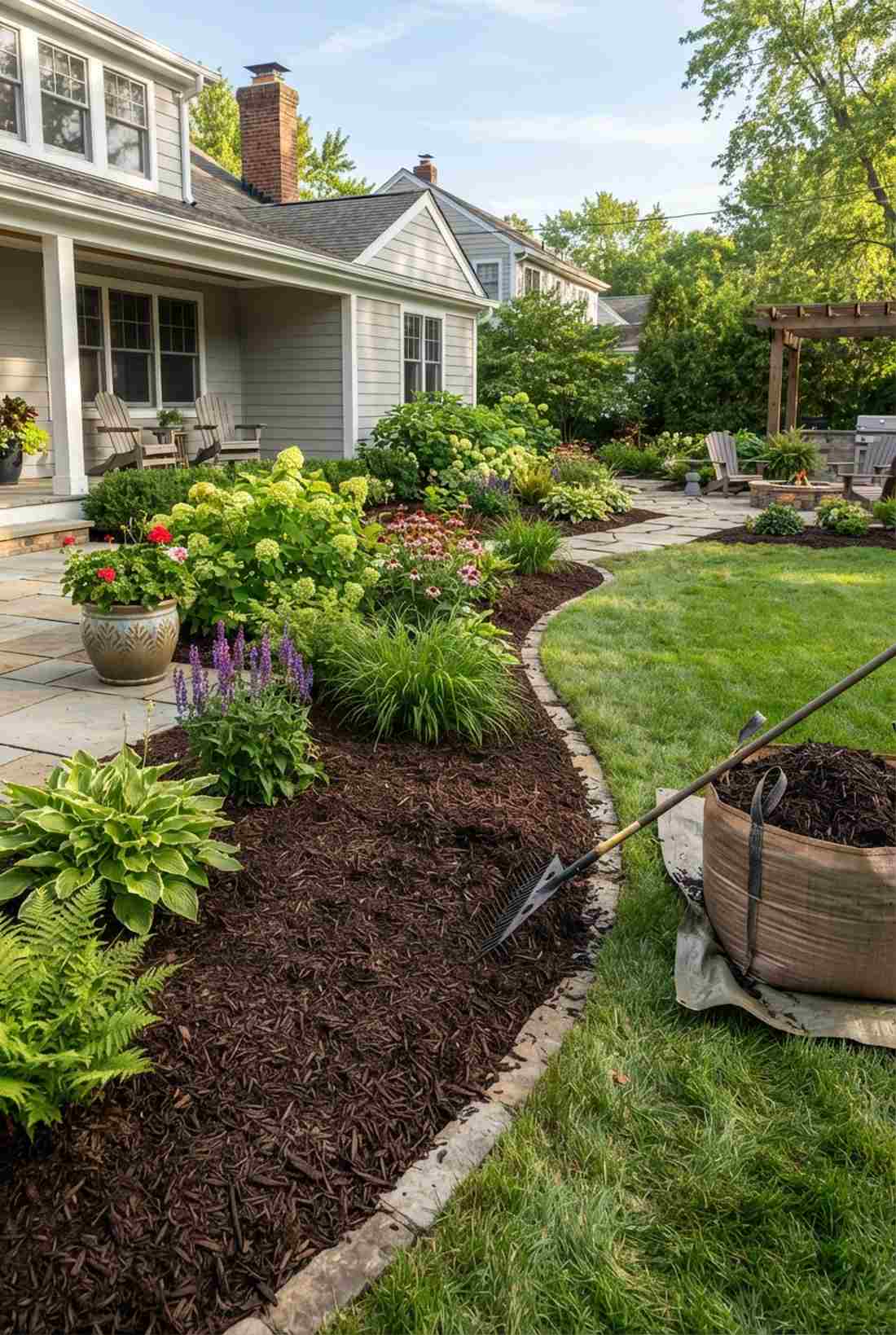
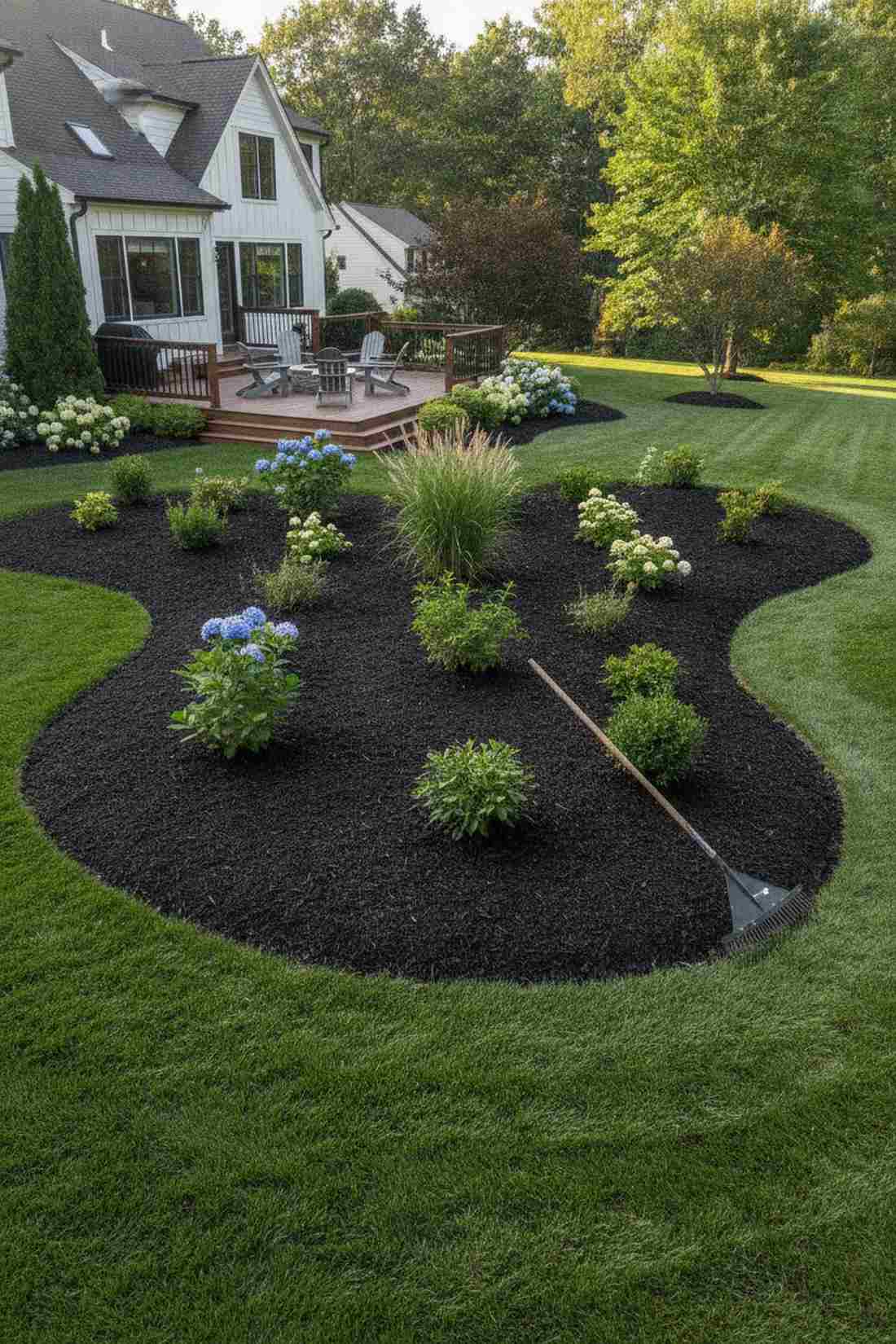
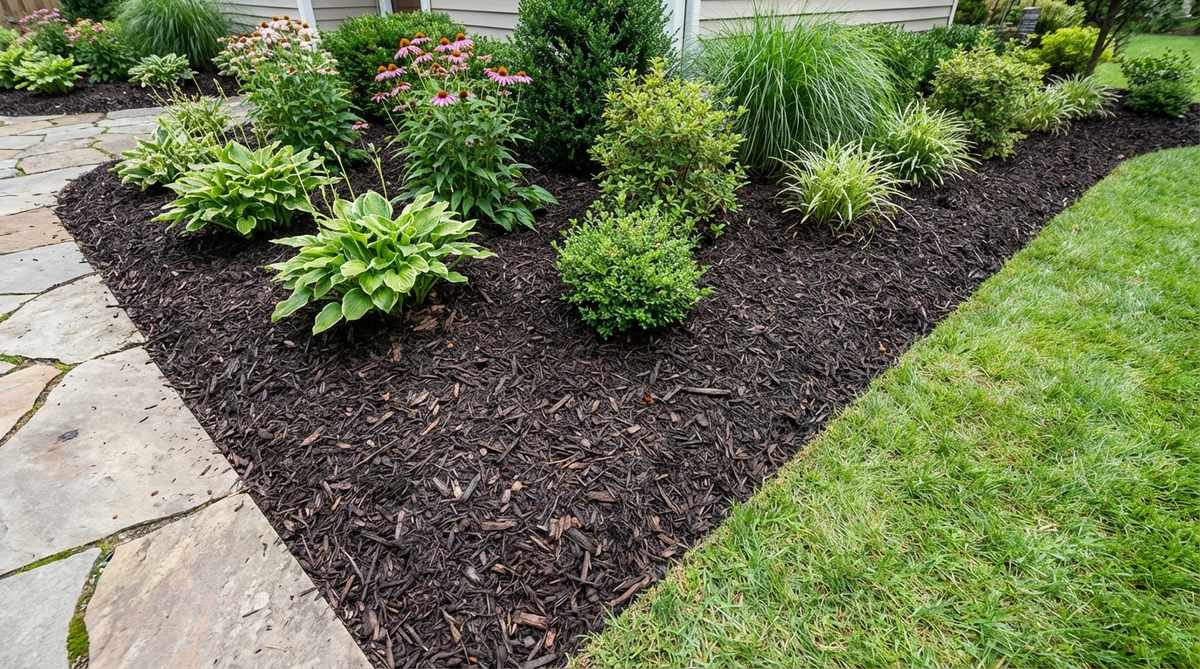
A crisp, dark contrasting soil cover feels like a freshly manicured botanical showcase. The fastest way to unify messy, chaotic plant layouts.
Exposed dirt looks cheap and invites massive weed invasions. Adding a thick, dyed layer delivers a designer-level finish that traps essential moisture and instantly sharpens the borders of your lawn.
Bags run around $30–$70 total.
- Key Materials: Premium dark shredded bark
- Vibe / Style: Professional manicured estate
- Difficulty: Fast dumping and spreading
- Budget Breakdown: Mulch bags: $50.
- Creator’s Tip: Apply exactly 3 inches thick; any less invites weeds, any more will suffocate your plant roots.
- Smart Sourcing: Use premium color-fast cedar mulch (bulk bags) and a heavy-duty steel landscape rake.
Never throw away old materials before trying this shockingly easy transformation…
51. DIY String Lighting Installation
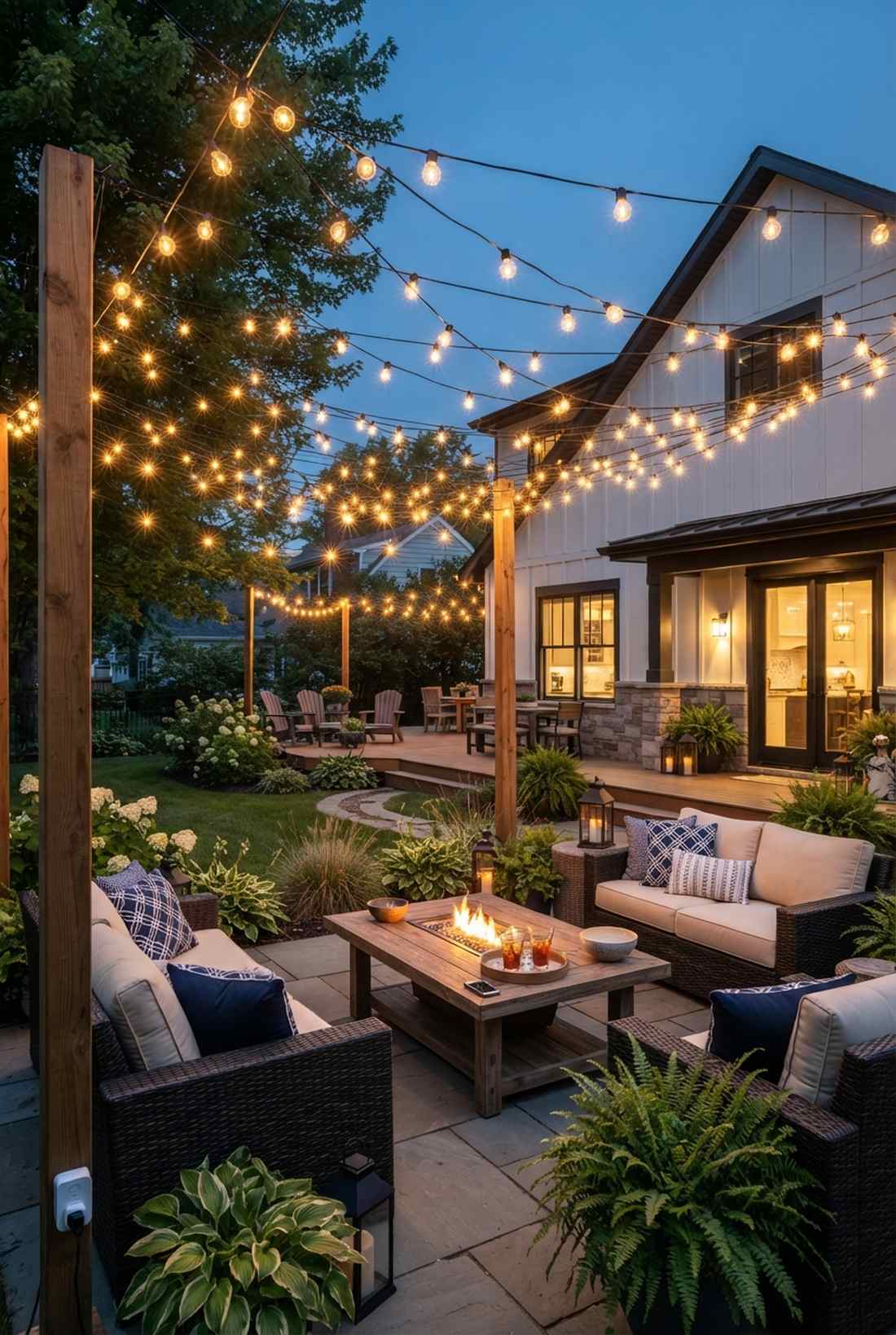
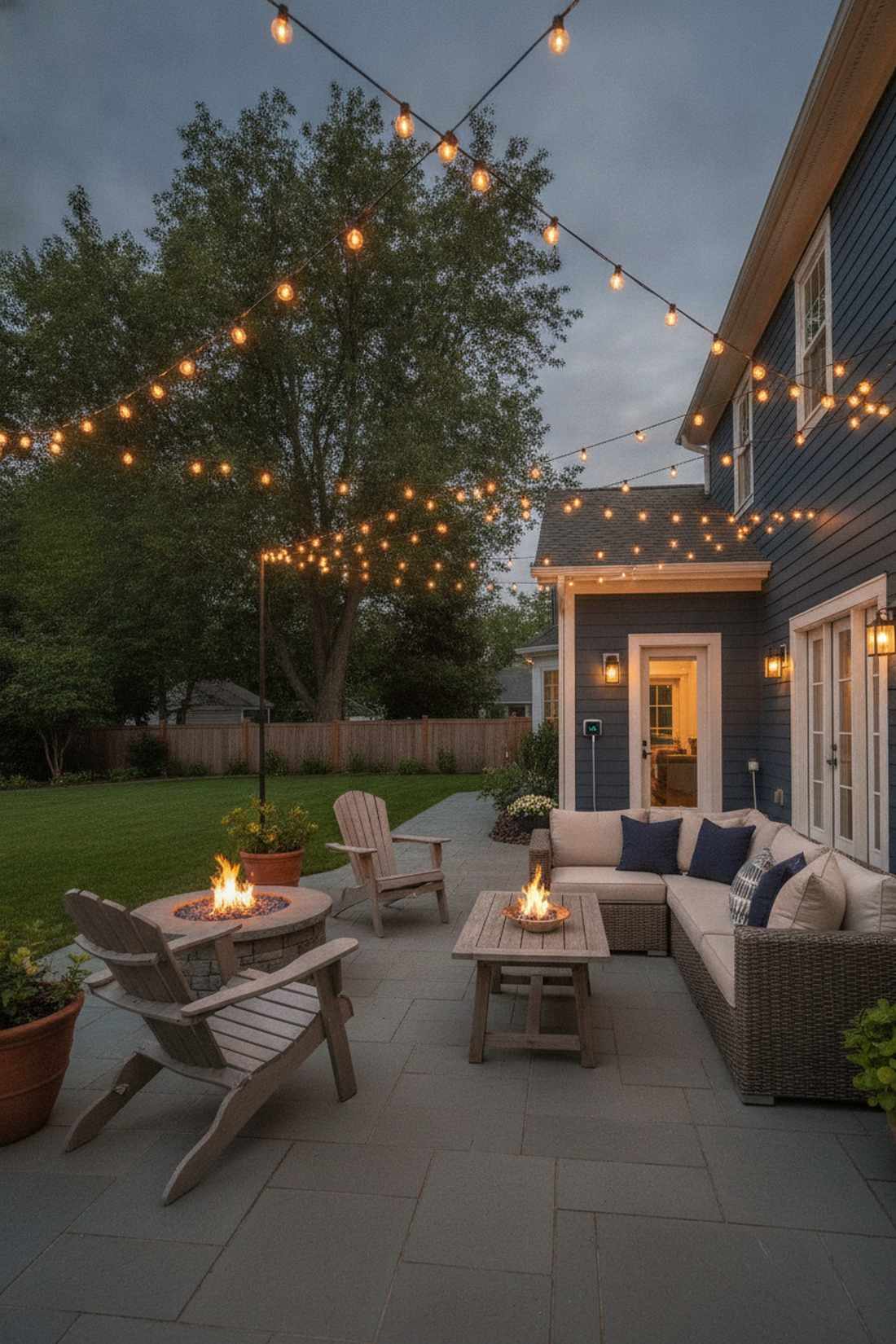
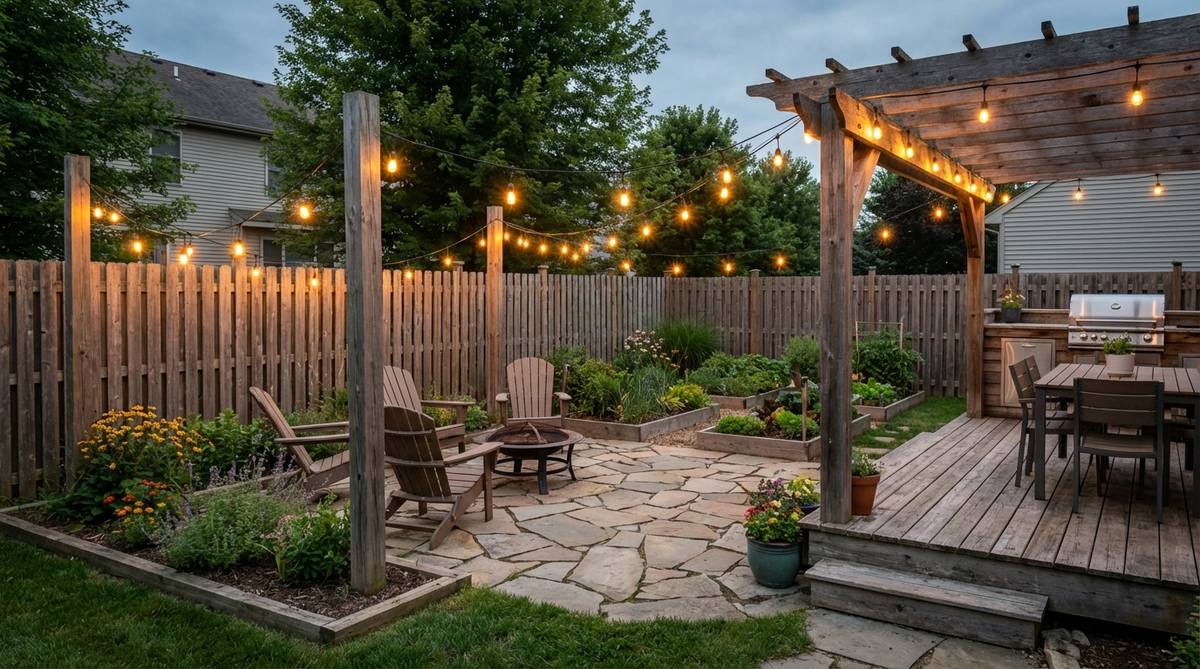
A zig-zag web of warm backyard bulbs feels like an endless summer festival night. The most critical upgrade for enjoying small garden backyard ideas after 8 PM.
Most people just slap a lightbulb by the door. Creating an overhead illuminated ceiling gives a surprisingly premium look, drawing the eye up and making the patio feel like a distinct, enclosed room.
Pull this off easily for $40–$80. Pin this to upgrade your night hosting!
- Key Materials: Heavy-duty globe string lights
- Vibe / Style: Warm inviting ambiance
- Difficulty: Simple hook mounting
- Budget Breakdown: Light strands: $50 | Hardware: $15.
- Creator’s Tip: Use a smart-plug adapter so you can command the lights to turn on via your phone or voice.
- Smart Sourcing: Order shatterproof LED bistro lights and outdoor-rated smart Wi-Fi plugs.
52. Seed-Grown Annual Borders
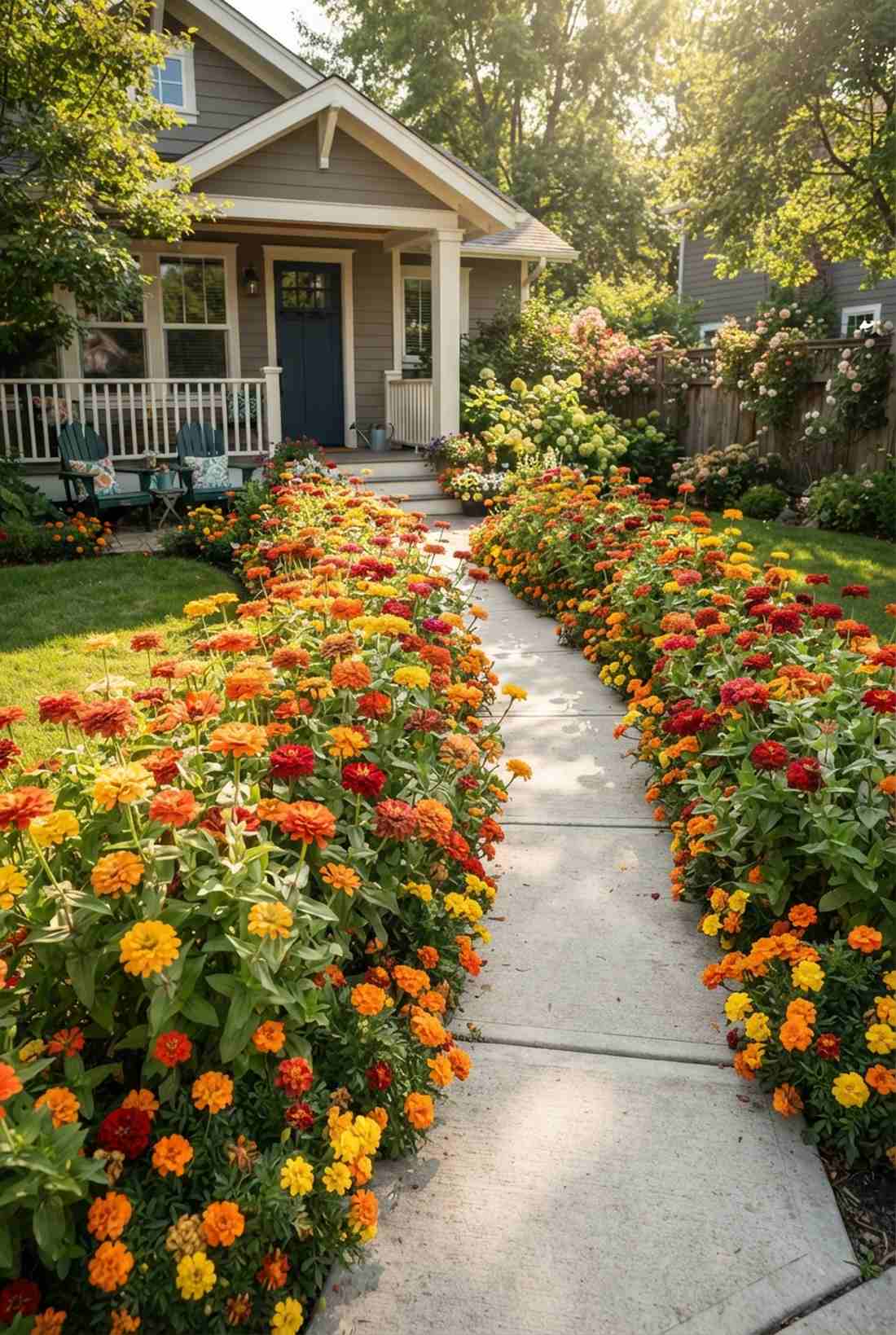
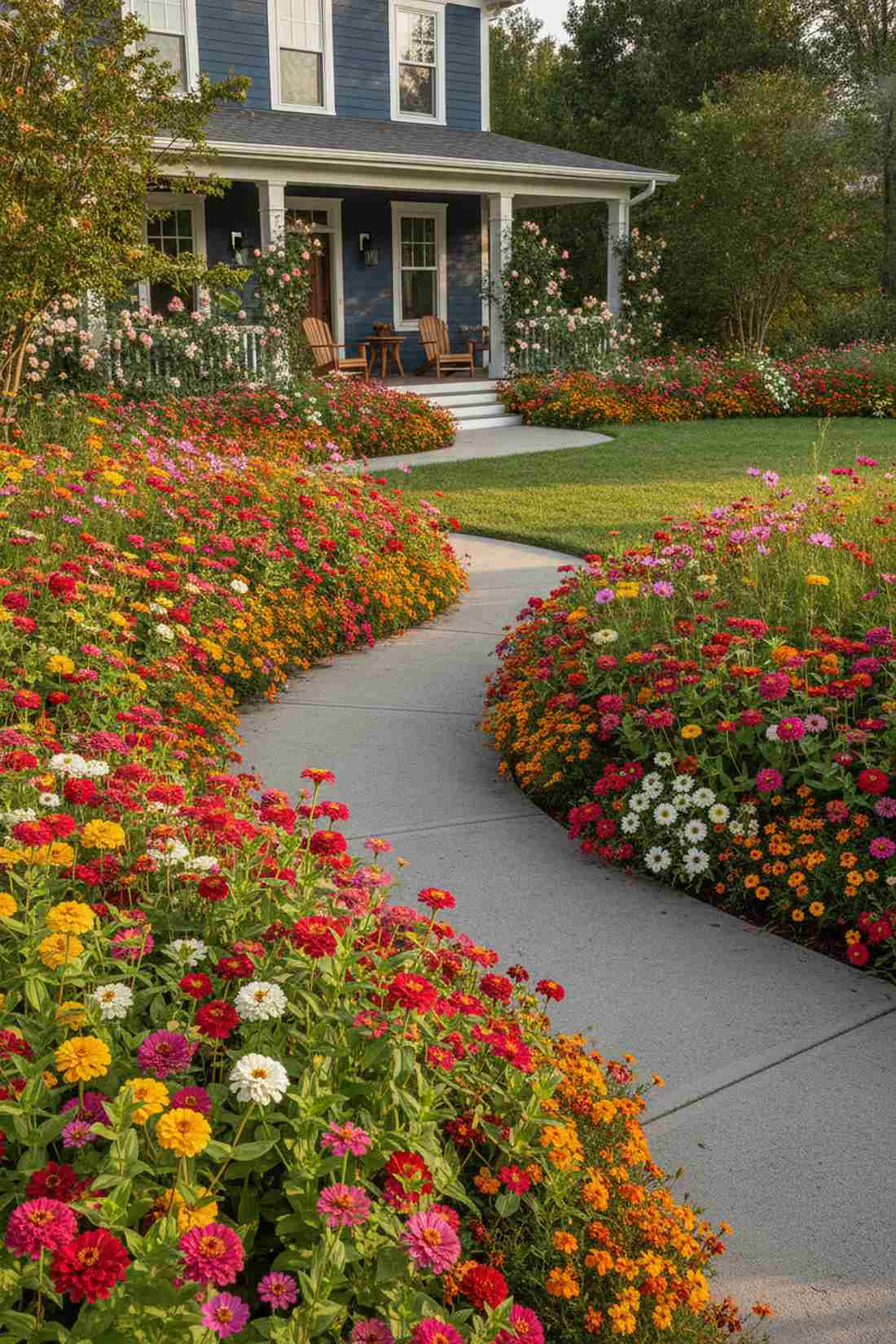
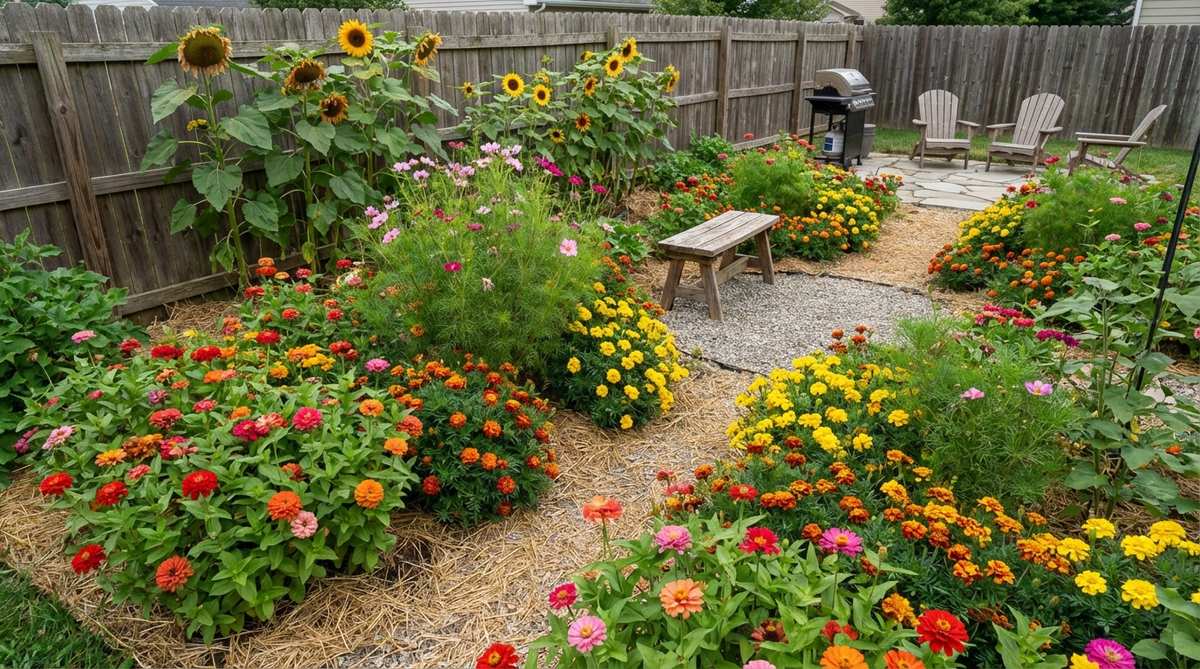
A massive burst of front-row floral color feels like a professional magazine cover garden. Incredible for lining boring concrete pathways.
Buying mature nursery plants will bankrupt your budget quickly. Sowing thousands of zinnia or marigold seeds looks wildly expensive by mid-summer, providing a dense, premium wall of color for mere pennies.
Total cost is shockingly low, around $10–$25.
- Key Materials: Packets of fast-growing annual seeds
- Vibe / Style: Lush abundant cottage
- Difficulty: Easy watering required
- Budget Breakdown: Bulk Seeds: $15 | Starter soil: $10.
- Creator’s Tip: Soak the seeds in water overnight before planting to cut germination time in half.
- Smart Sourcing: Find bulk heirloom flower seed packets and premium moisture-control garden soil.
53. Recycled Container Gardens
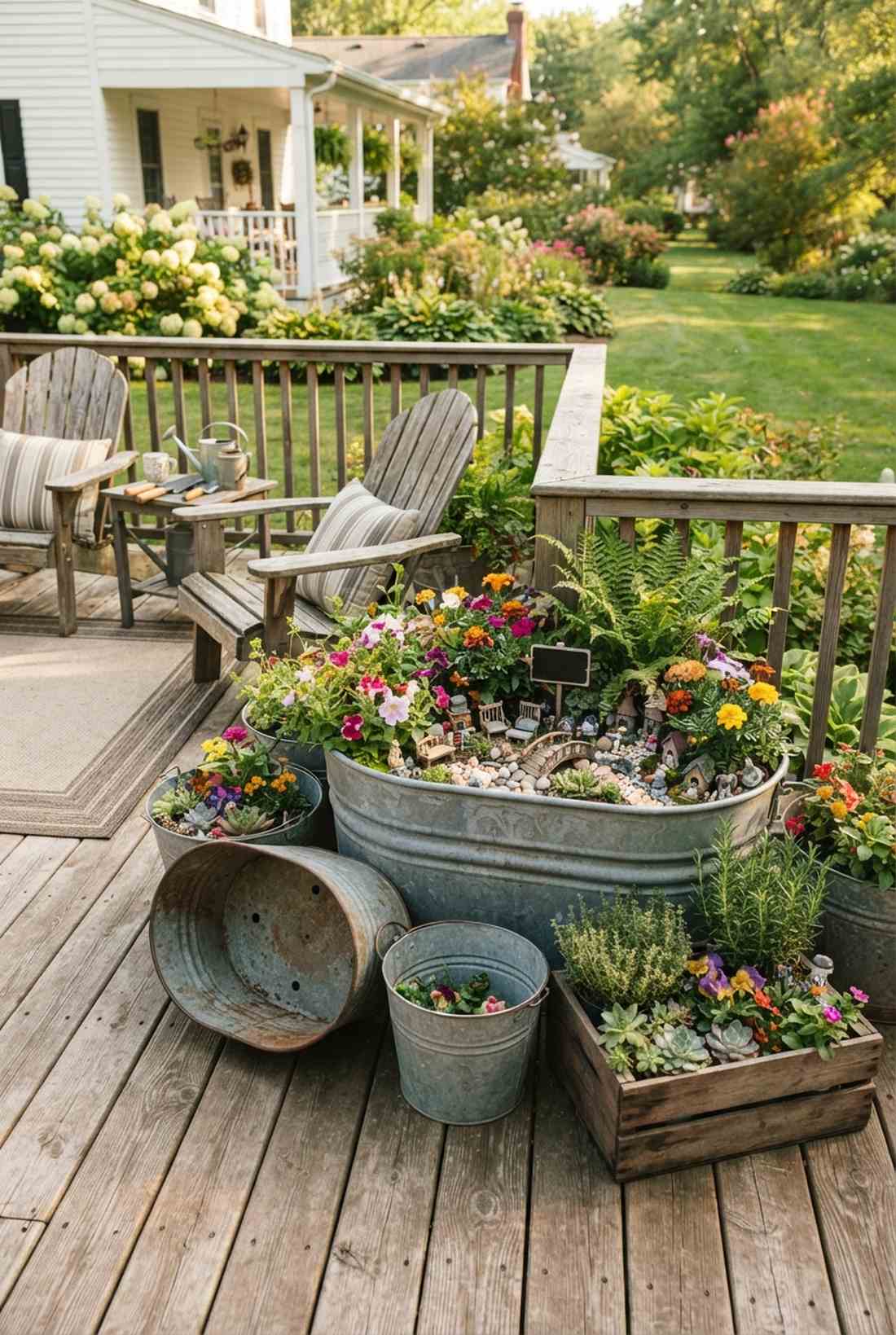
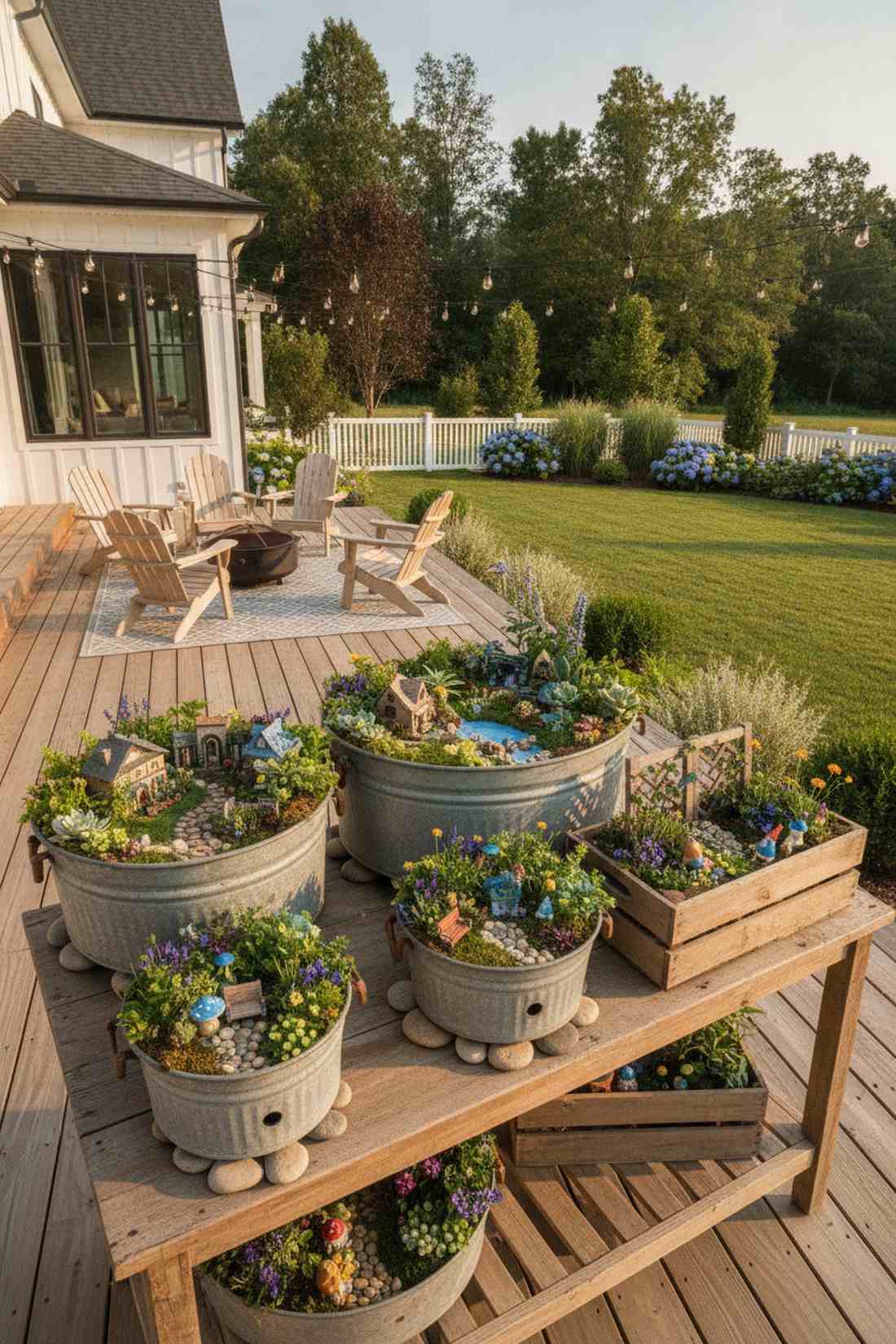
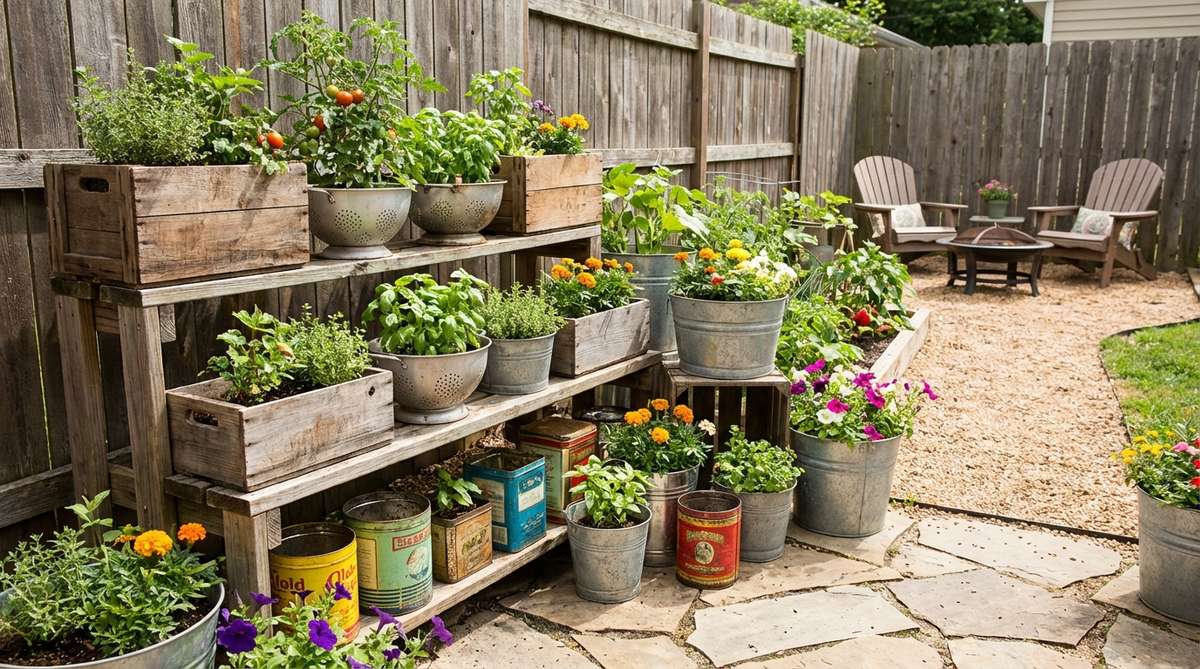
A quirky collection of repurposed metal tubs feels like a charming vintage flea market find. Perfect for displaying colorful fairy garden kits on a deck.
Expensive ceramic pots chip and break over the winter. Drilling holes in galvanized buckets or wooden crates delivers a designer-level finish that oozes rustic personality while saving hundreds of dollars.
Craft this setup for $20–$40. Save this for a fun upcycling project!
- Key Materials: Vintage buckets or wooden crates
- Vibe / Style: Eclectic vintage farmhouse
- Difficulty: Easy drilling
- Budget Breakdown: Thrifted bins: $20 | Plants: $20.
- Creator’s Tip: Drill at least four half-inch holes in the bottom and elevate the bin on small stones to ensure perfect drainage.
- Smart Sourcing: Look for galvanized steel tub planters (bulk pack) and heavy-duty titanium step drill bits.
Modern Minimalist Small Garden Backyard Transformations
54. Architectural Concrete Planters
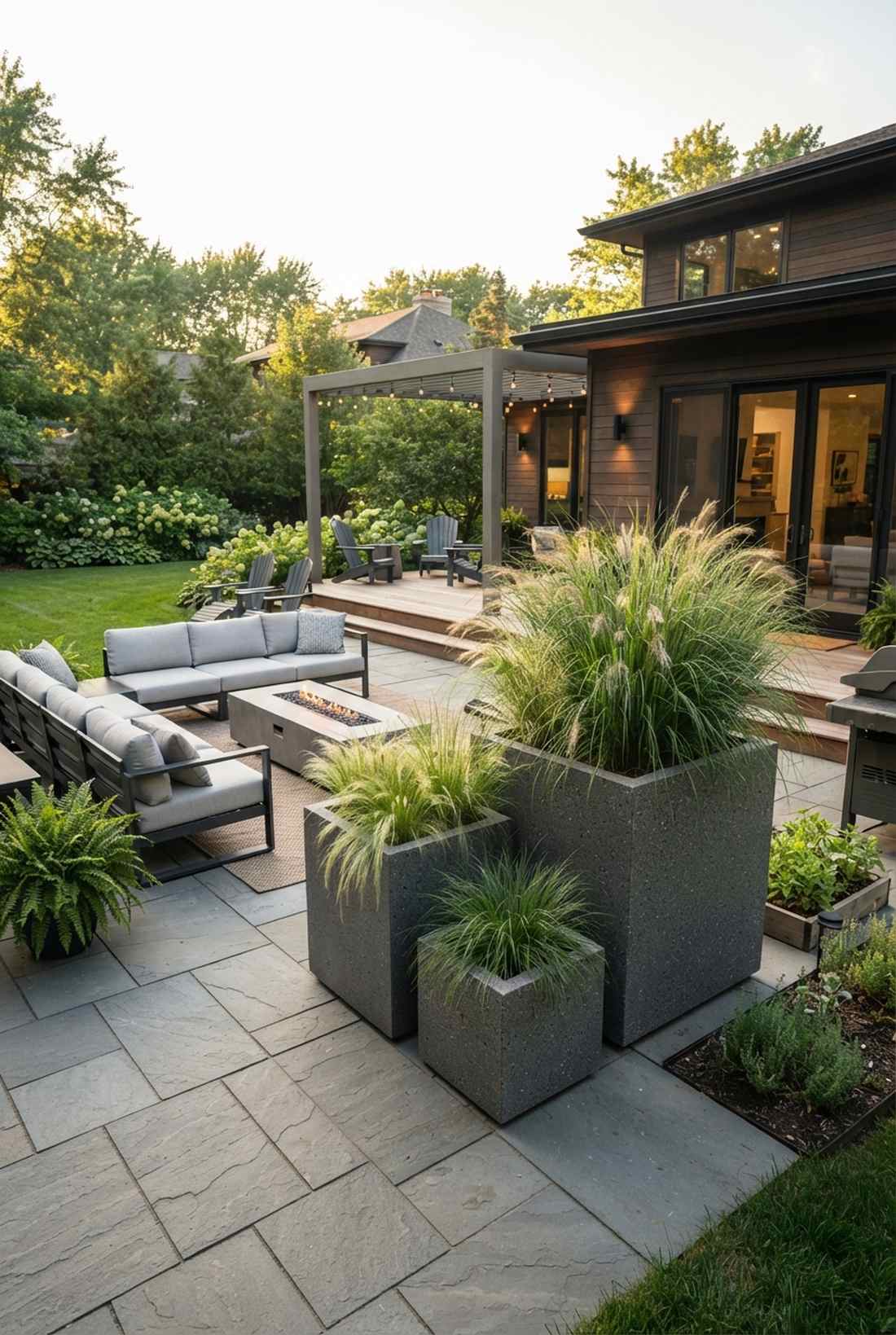
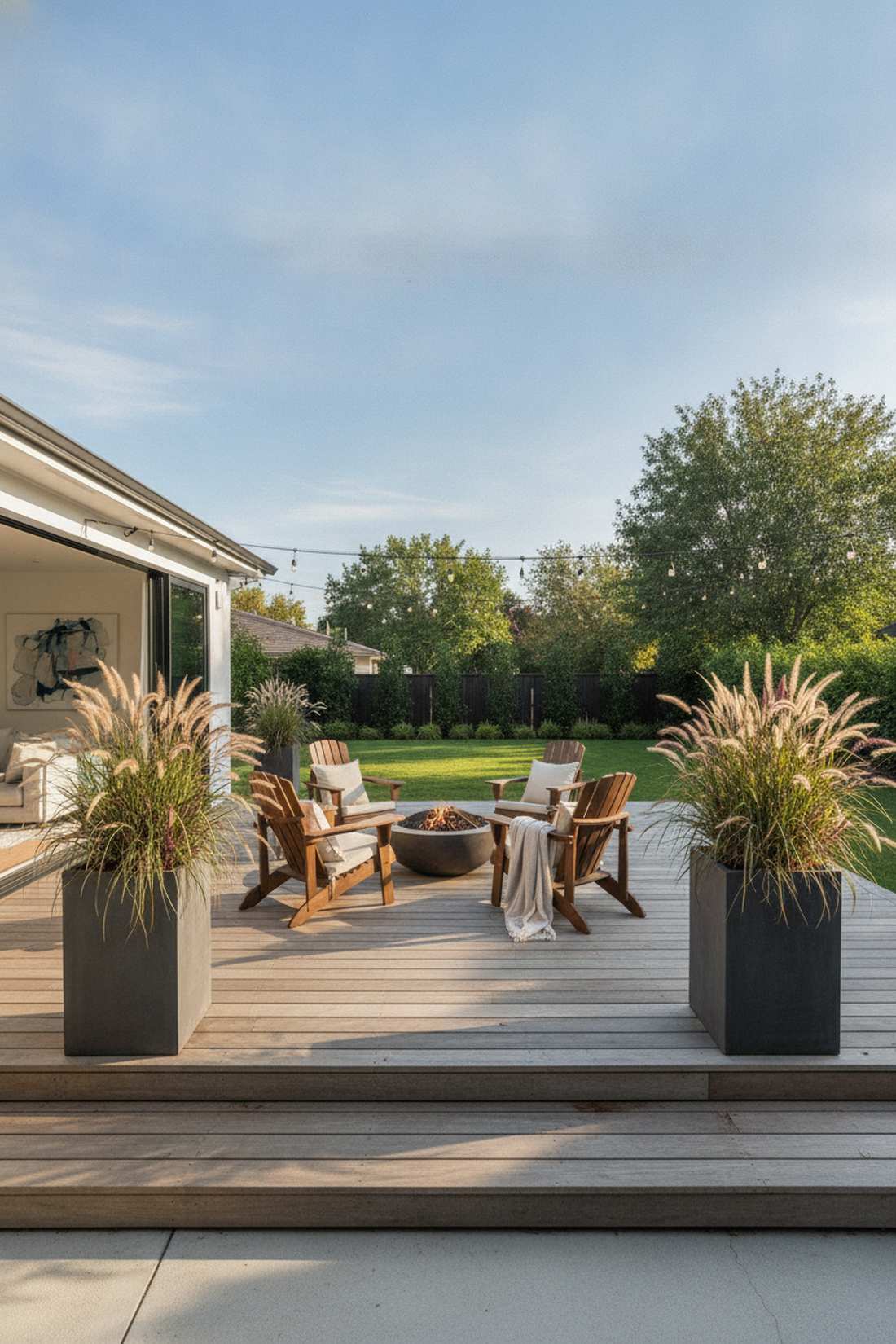
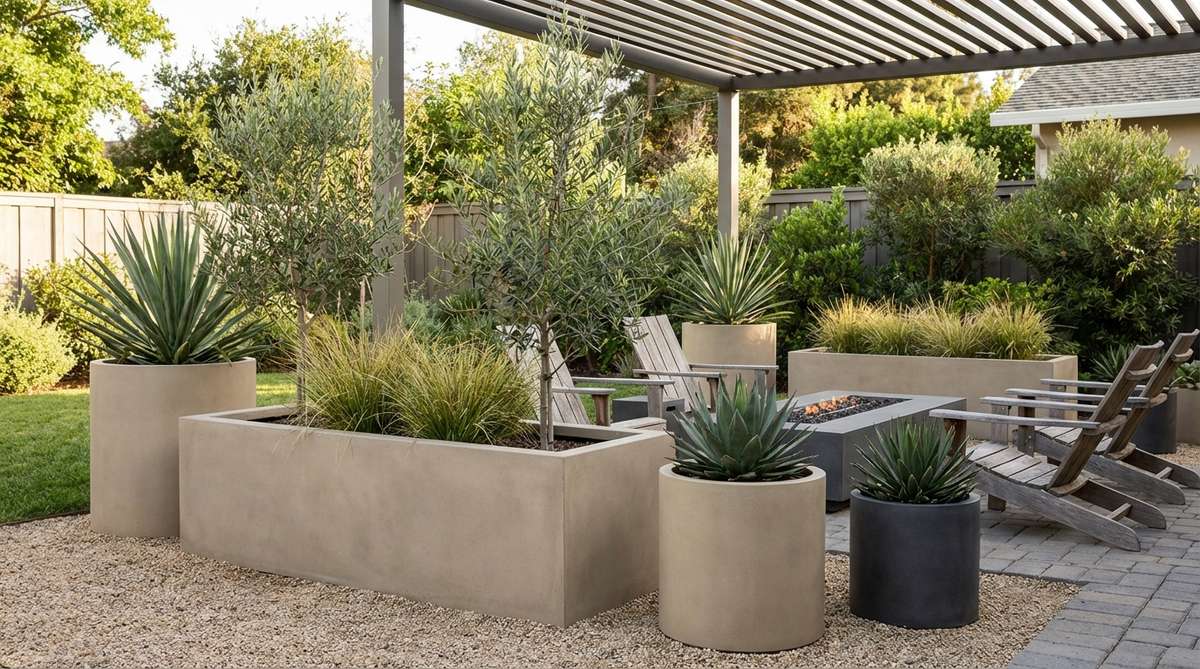
A massive geometric stone basin feels like the lobby of an ultra-modern corporate headquarters. Anchors modern patios with immense visual weight.
Flimsy plastic pots look cheap and blow over in the wind. Using heavy, brutalist forms gives a surprisingly premium look, perfectly contrasting against the soft, chaotic leaves of ornamental grasses.
You can buy or cast these for $80–$200.
- Key Materials: Cast concrete or lightweight faux-stone
- Vibe / Style: Sleek brutalist modern
- Difficulty: Very heavy lifting
- Budget Breakdown: Planters: $150 | Potting Mix: $30.
- Creator’s Tip: Fill the bottom third with empty plastic water bottles before adding soil to make the planter lighter and save money on dirt.
- Smart Sourcing: Invest in lightweight faux-concrete square planters and premium moisture-retaining potting mix.
55. Horizontal Fence Slats
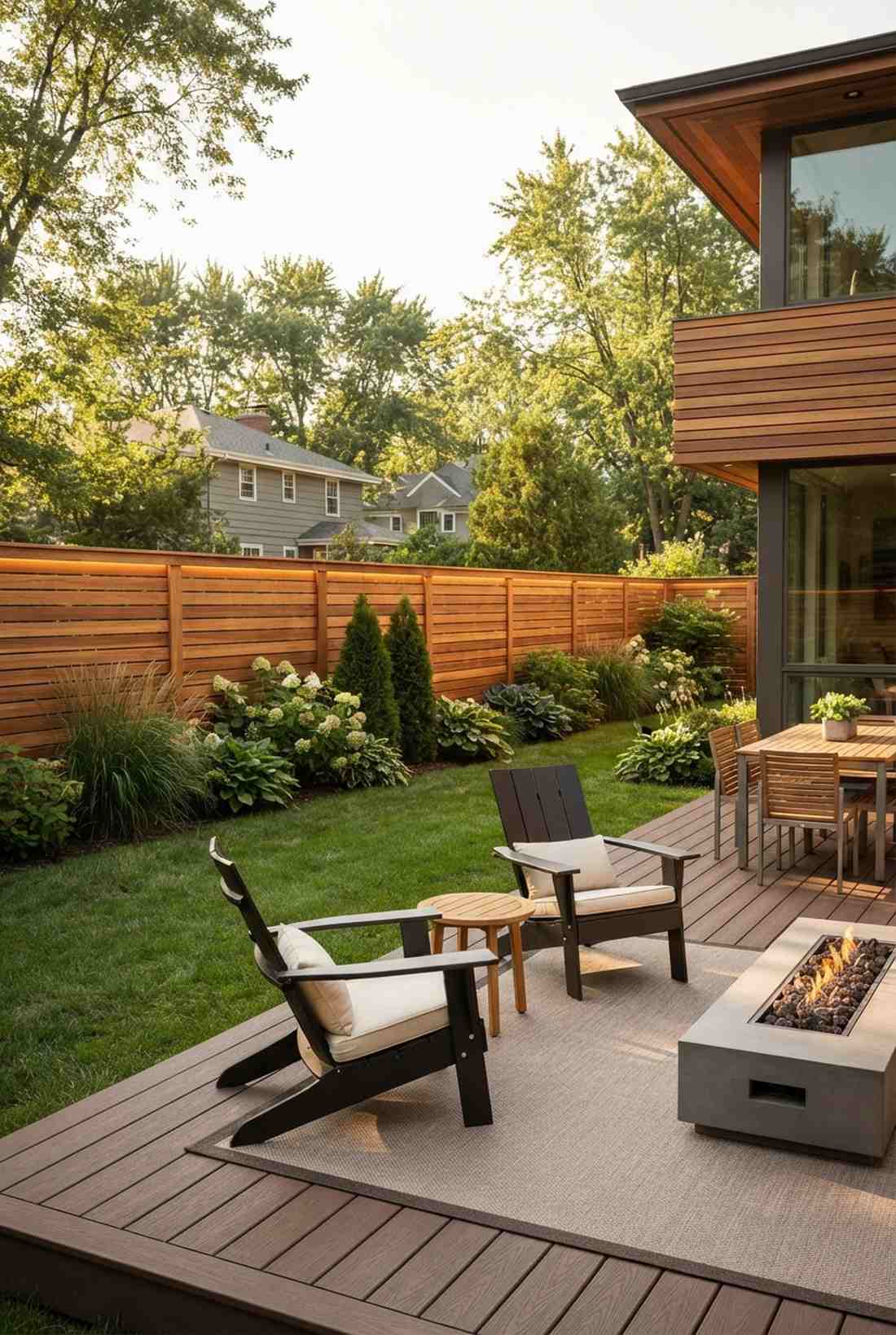
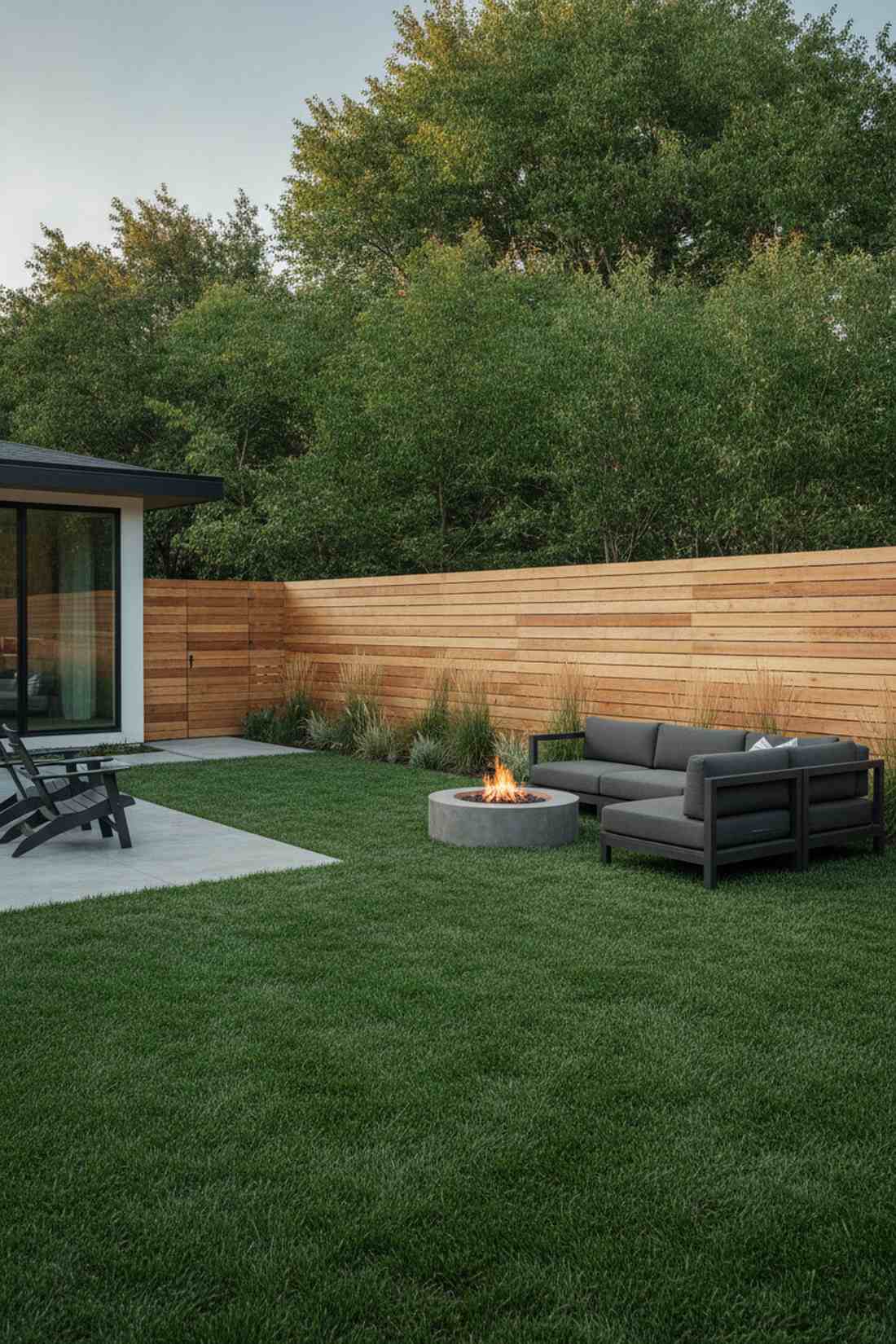
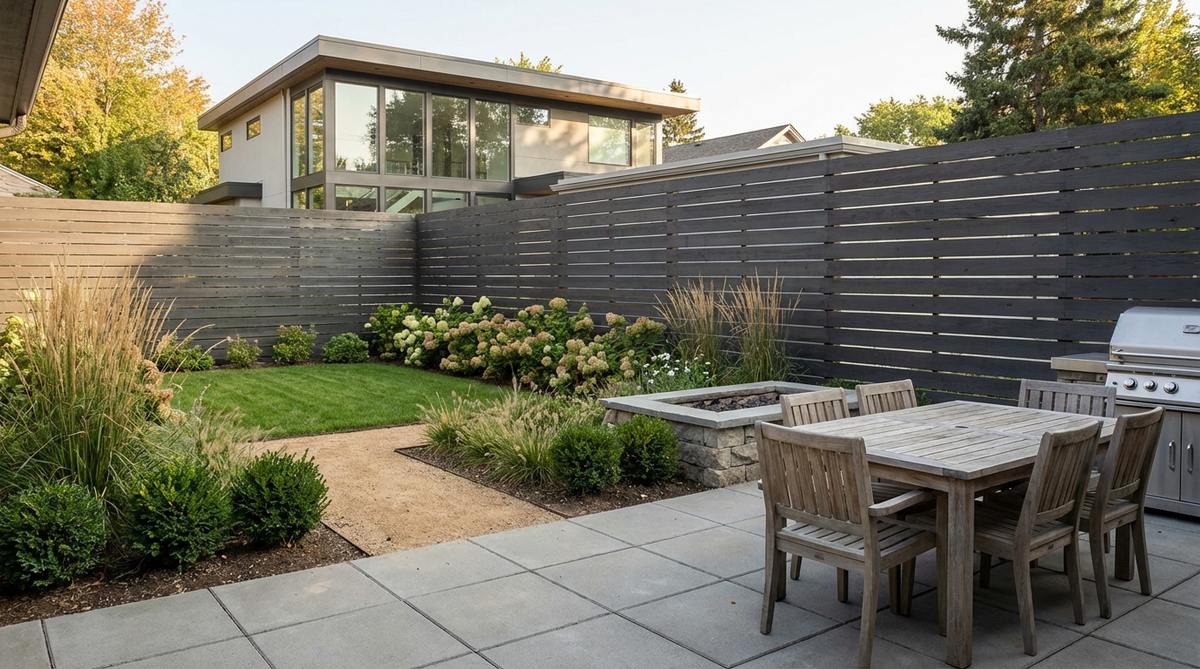
A linear stained wood privacy screen feels like the exterior of a multimillion-dollar architectural home. Excellent for making tight spaces feel substantially wider.
Traditional vertical dog-ear fences scream “builder-grade cheap.” Running the boards horizontally looks far more expensive than it is, completely altering the visual geometry and tricking the eye into seeing a massive yard.
Materials run around $150–$350. Pin this to revolutionize your borders!
- Key Materials: Cedar or composite decking boards
- Vibe / Style: High-end contemporary
- Difficulty: Intermediate measuring and leveling
- Budget Breakdown: Wood slats: $250 | Hardware: $40.
- Creator’s Tip: Use a scrap 1-inch block of wood as a spacer between every board to guarantee perfectly uniform gaps.
- Smart Sourcing: Use pre-cut horizontal cedar slat bundles and UV-resistant clear exterior wood sealer.
Modern landscaping companies charge a premium for this exact minimalist secret that you can do for under $50…
56. Single-Species Mass Planting
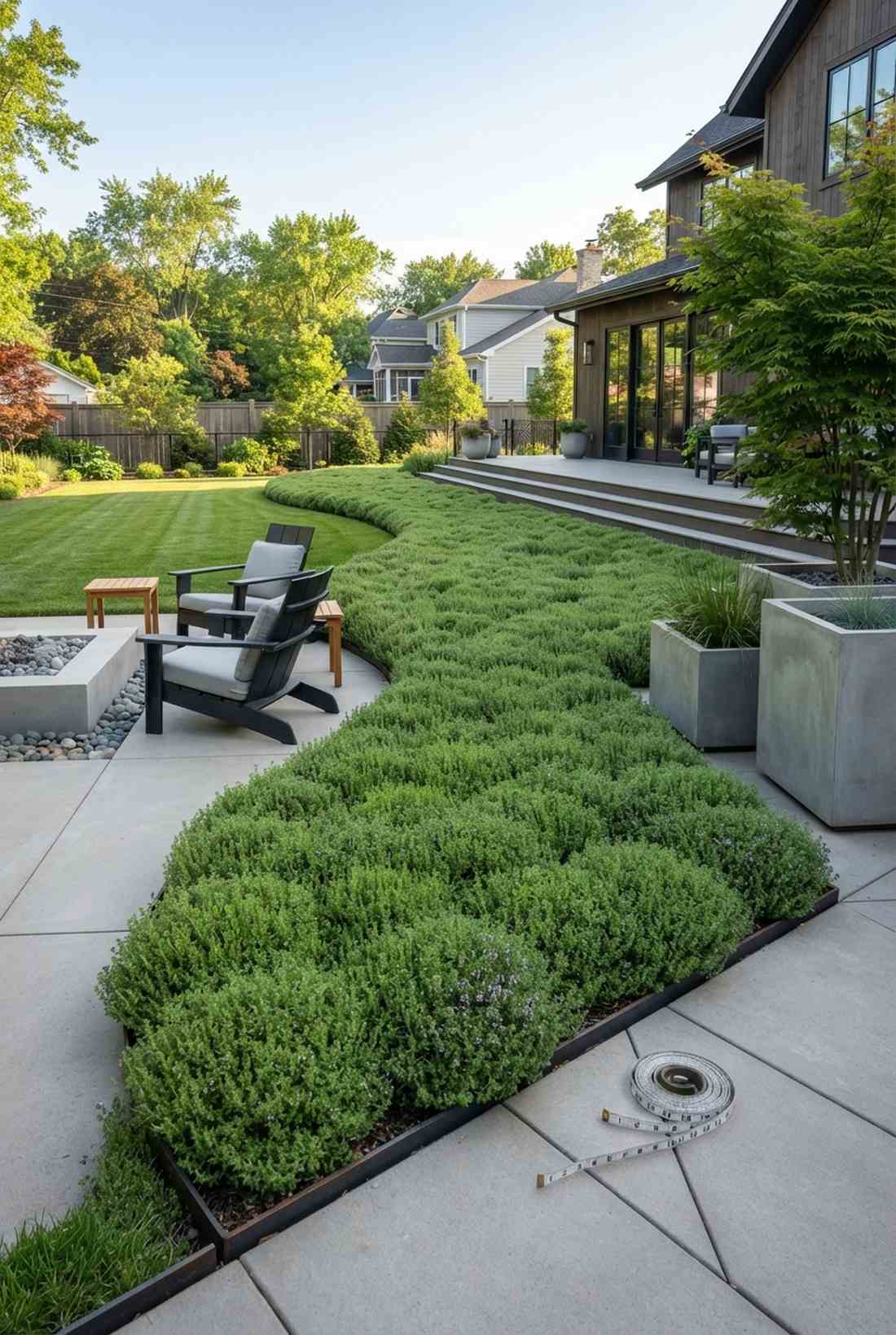
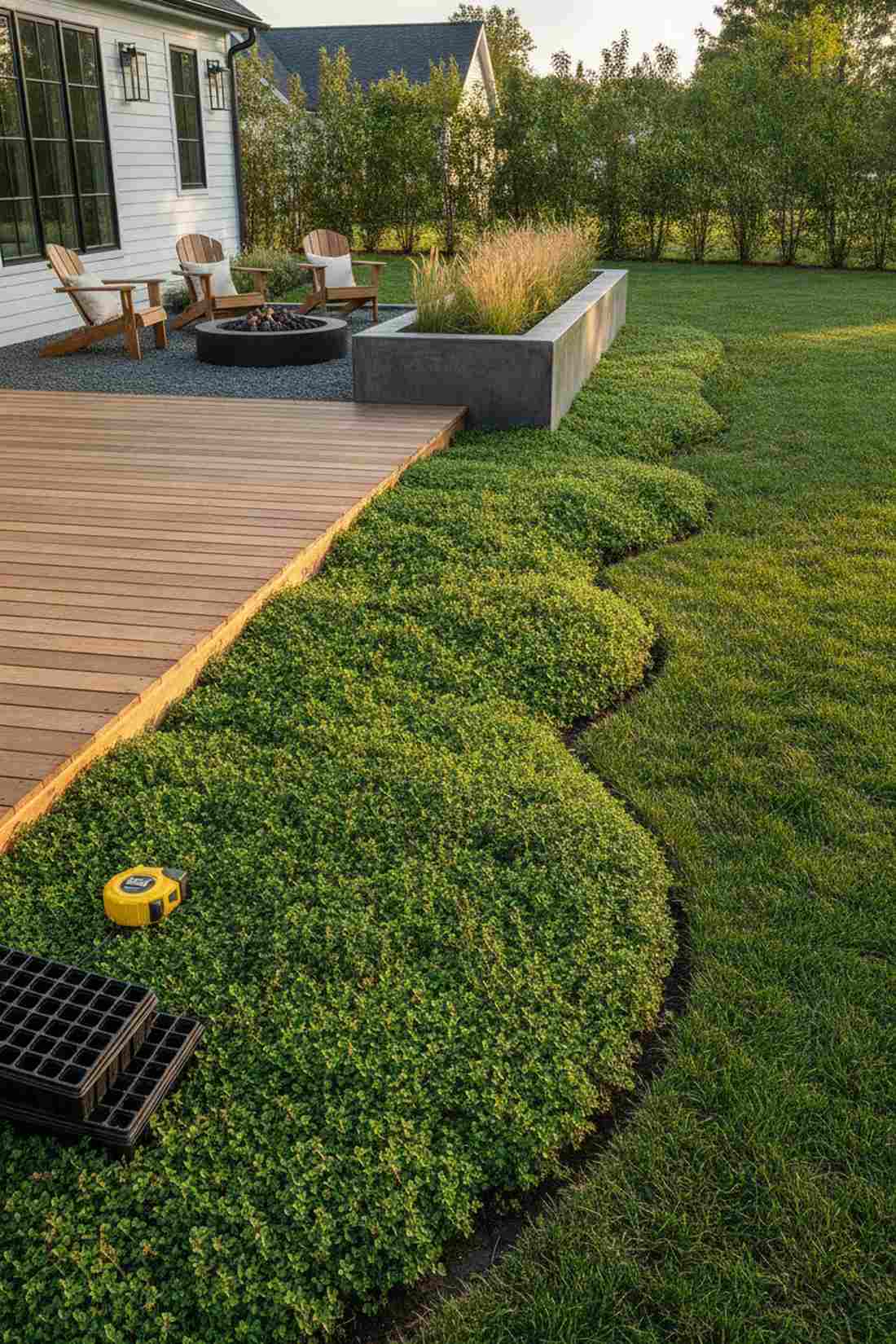
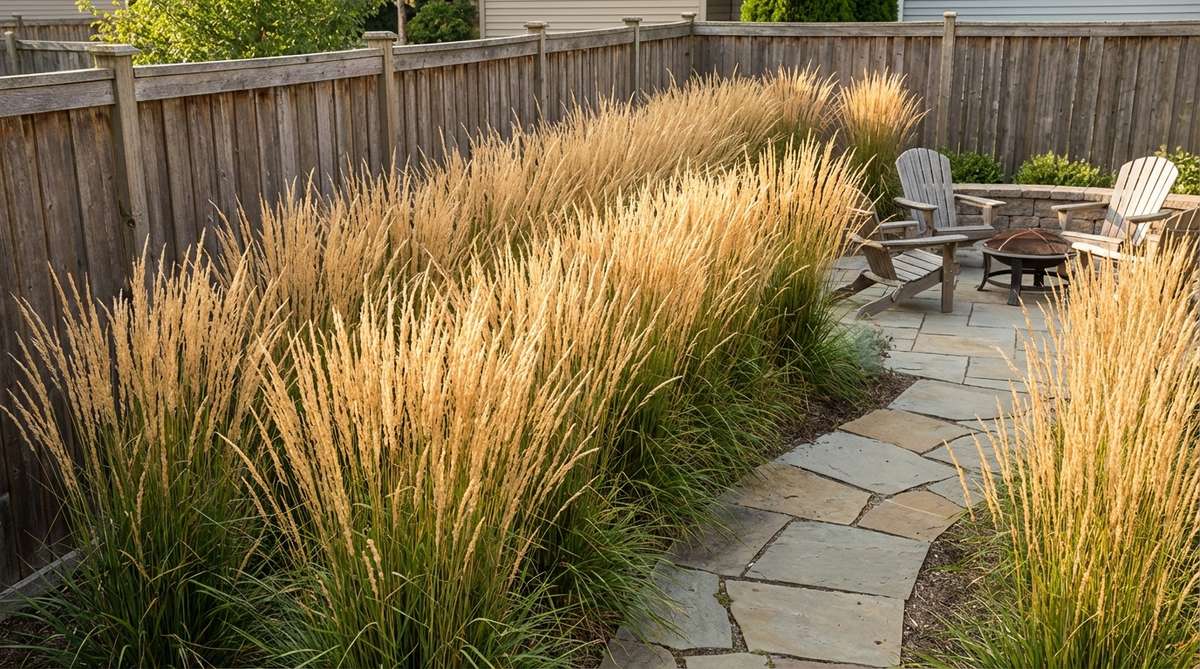
A sweeping wave of identical vibrant green feels like a curated exhibit at a modern art museum. The ultimate low-maintenance approach for sleek borders.
Planting a chaotic mix of twenty different flowers looks messy and stressful. Flooding a bed with one single texture delivers a designer-level finish, creating a bold, unified architectural statement.
Flawlessly achieved for $40–$90.
- Key Materials: Flats of identical groundcover or grass
- Vibe / Style: Unified modern minimalist
- Difficulty: Fast, repetitive planting
- Budget Breakdown: Plant flats: $70 | Fertilizer: $10.
- Creator’s Tip: Measure and plant in a perfect grid pattern rather than random placement to maintain the strict modern aesthetic.
- Smart Sourcing: Grab bulk flats of creeping thyme groundcover and heavy-duty landscape measuring tape.
57. Steel Raised Beds
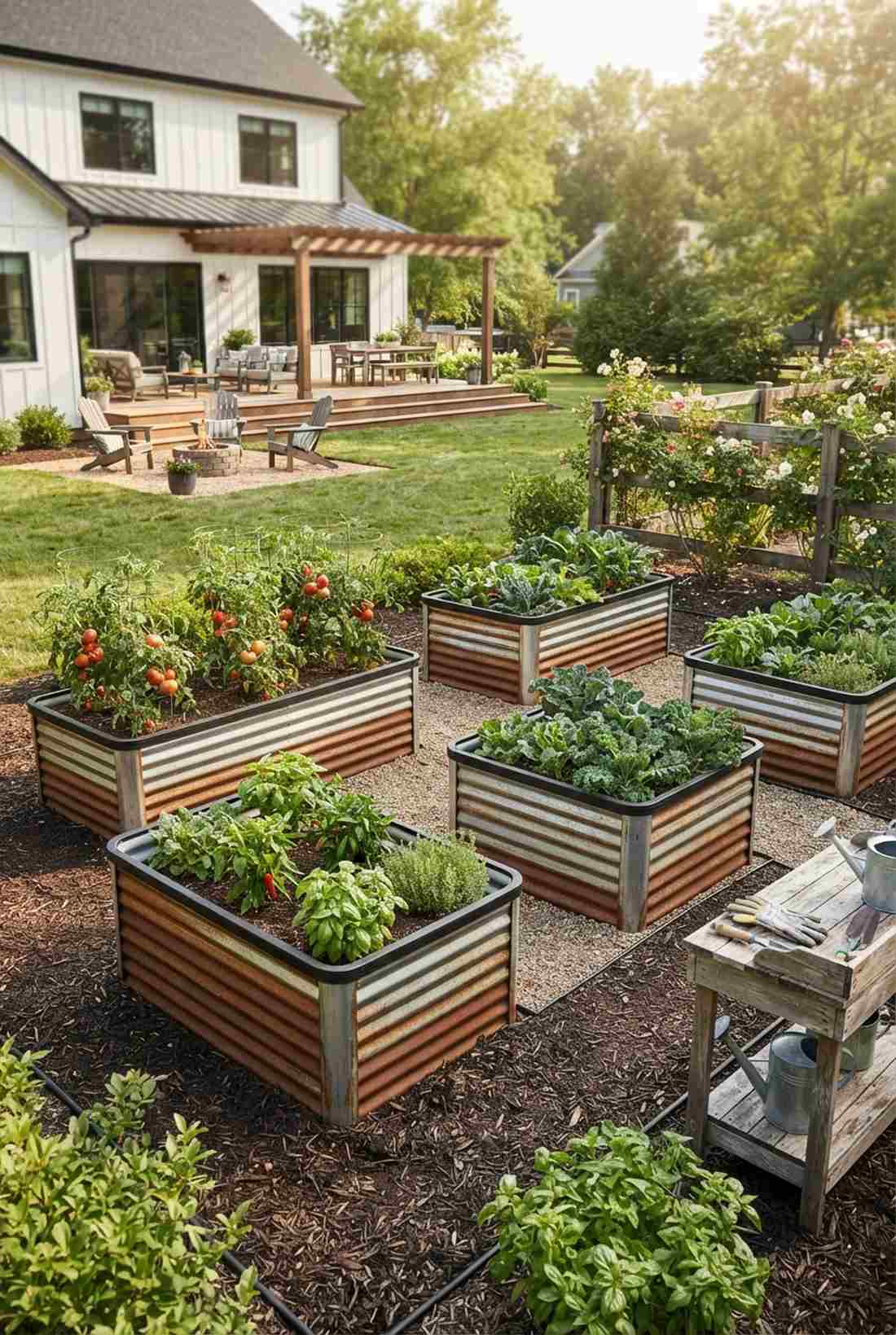
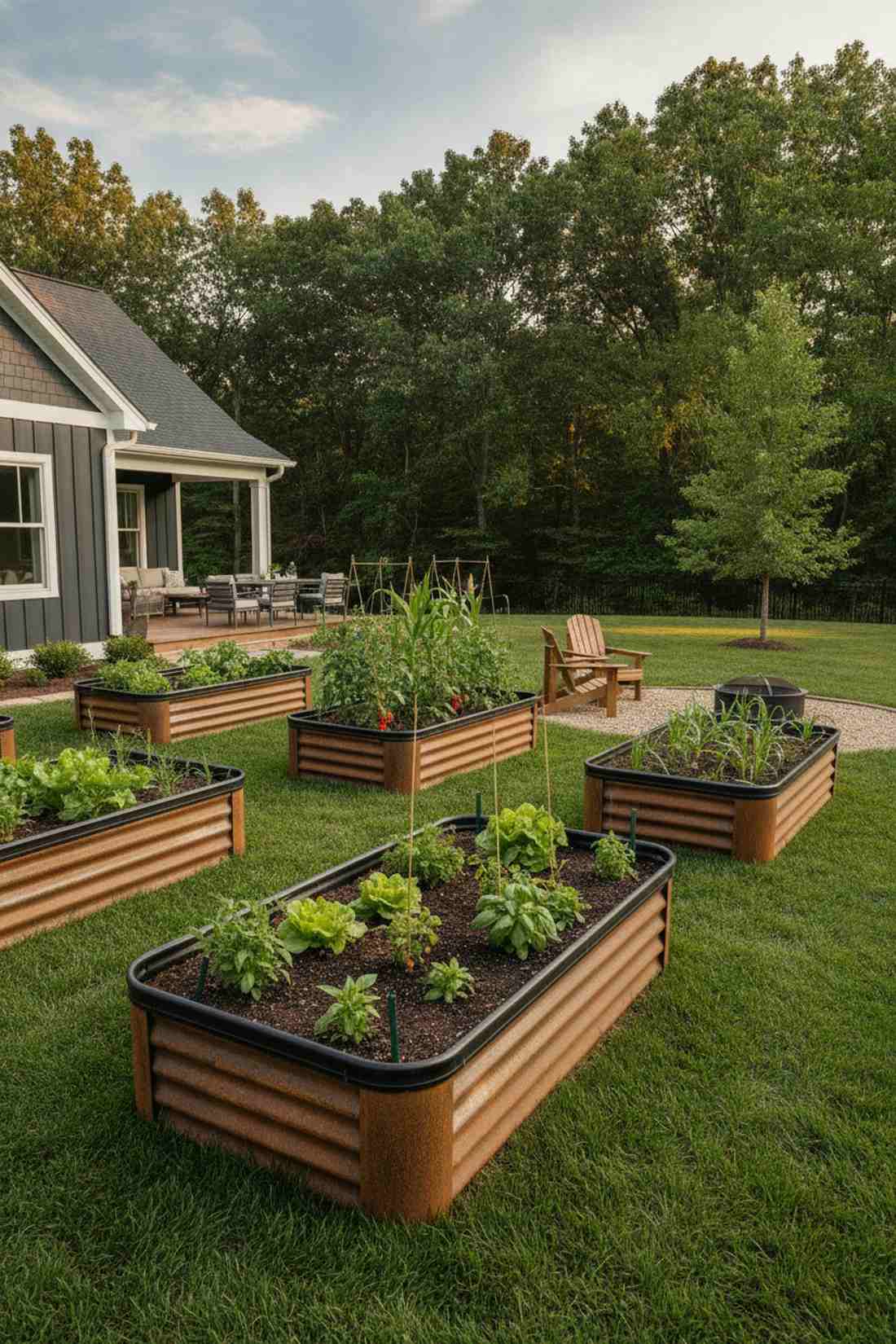
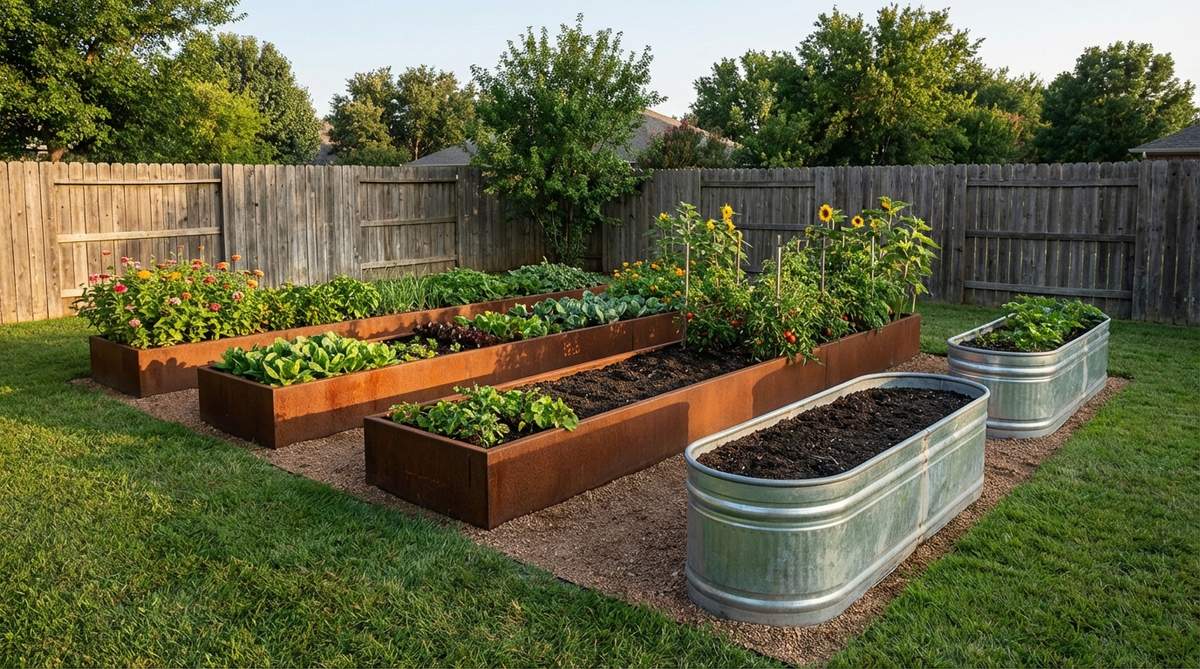
A rust-patina metal growing box feels like an upscale urban rooftop farm. Incredible for adding industrial edge to a soft, green yard.
Wood rots rapidly when in constant contact with wet soil. Upgrading to corrugated metal looks wildly expensive, provides superior heat retention for vegetables, and lasts for decades without splitting.
Kits range from $100–$250. Save this for your ultimate vegetable setup!
- Key Materials: Galvanized or Corten steel panels
- Vibe / Style: Industrial modern chic
- Difficulty: Easy bolt assembly
- Budget Breakdown: Steel Kit: $160 | Organic Soil: $80.
- Creator’s Tip: Line the sharp top edges with split rubber tubing so you don’t cut your arms while gardening.
- Smart Sourcing: Order corrugated galvanized steel raised bed kits and heavy-duty rubber edge trim guards.
Sustainable Small Garden Backyard Ideas For Eco-Conscious Design
58. Rainwater Collection System
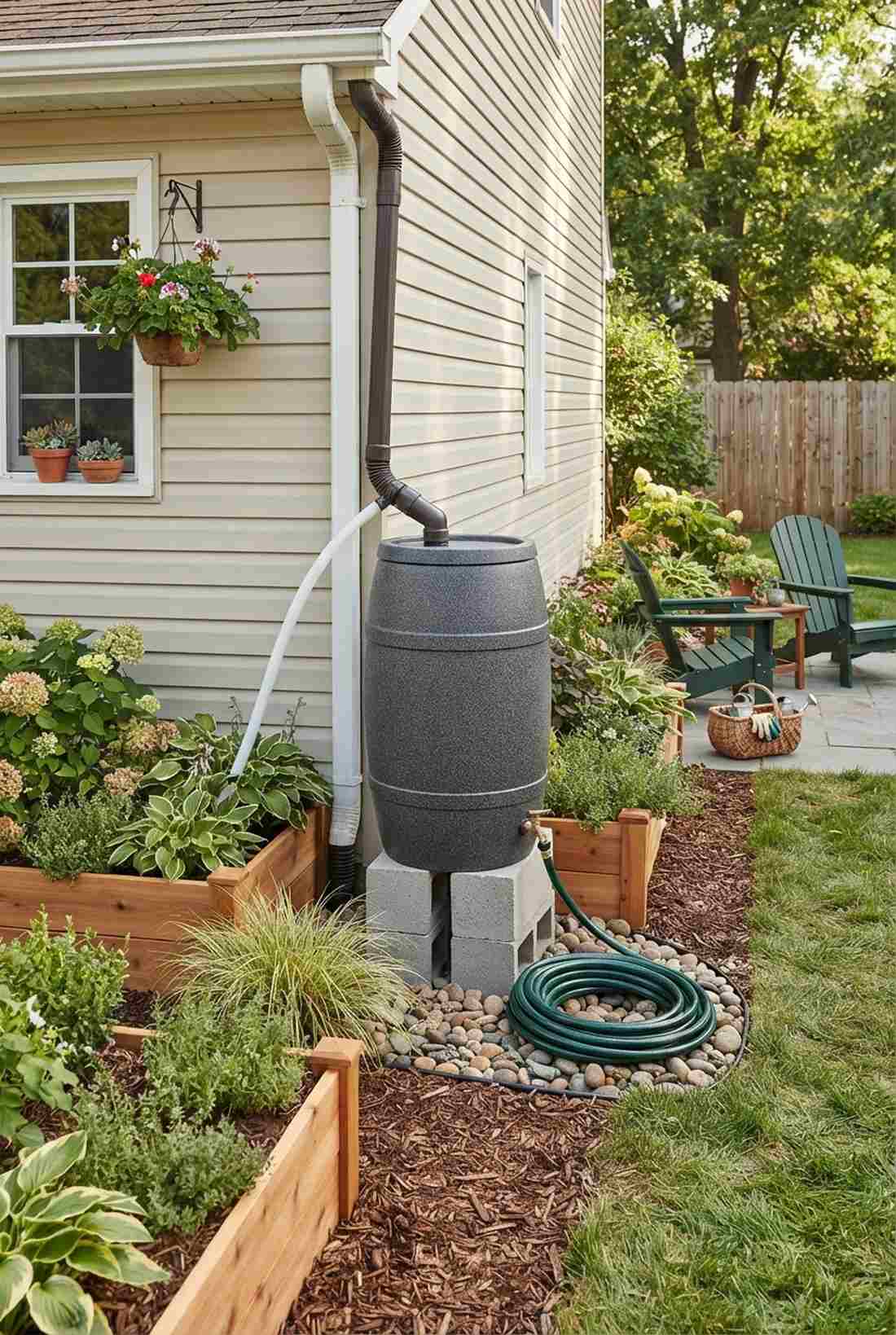
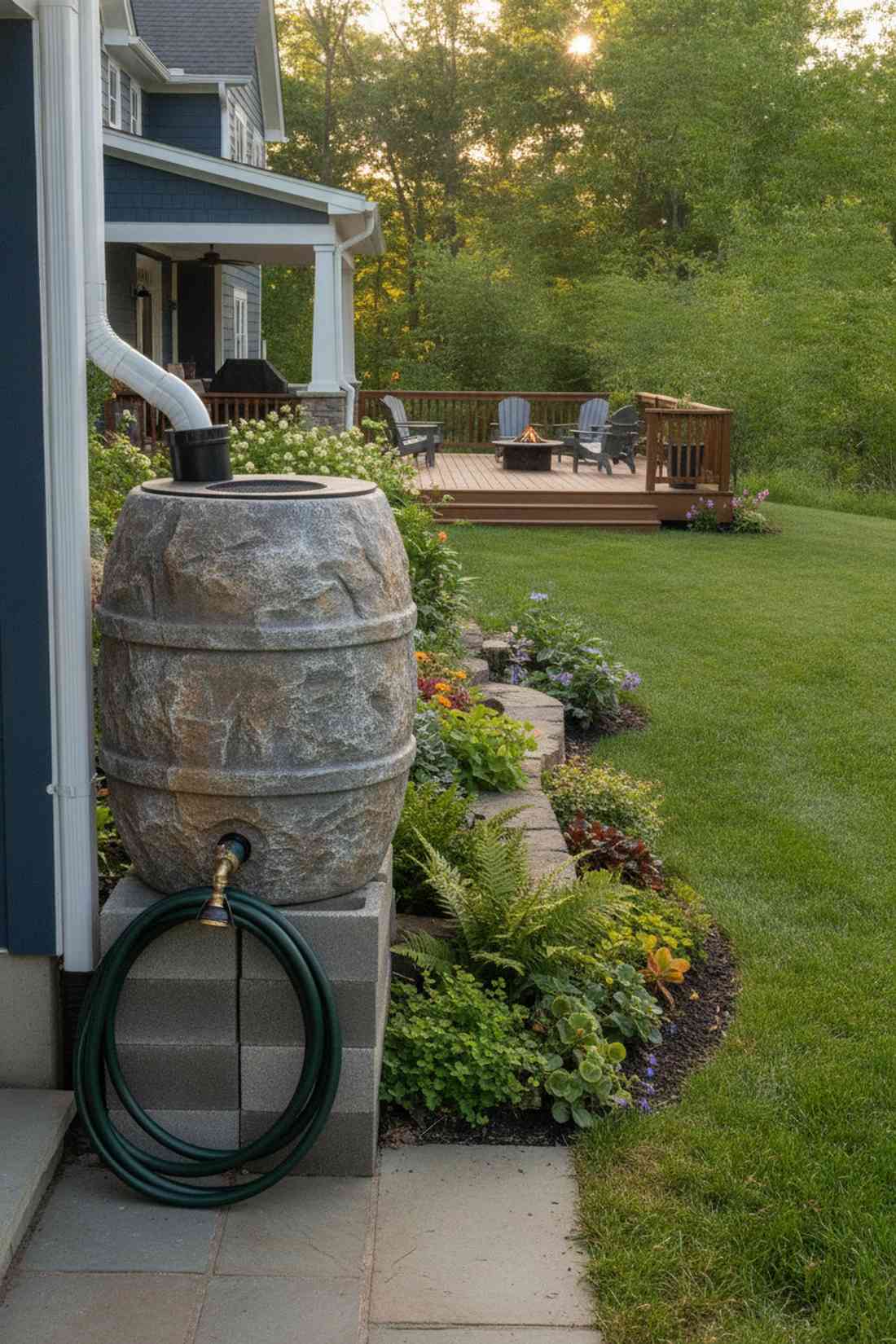
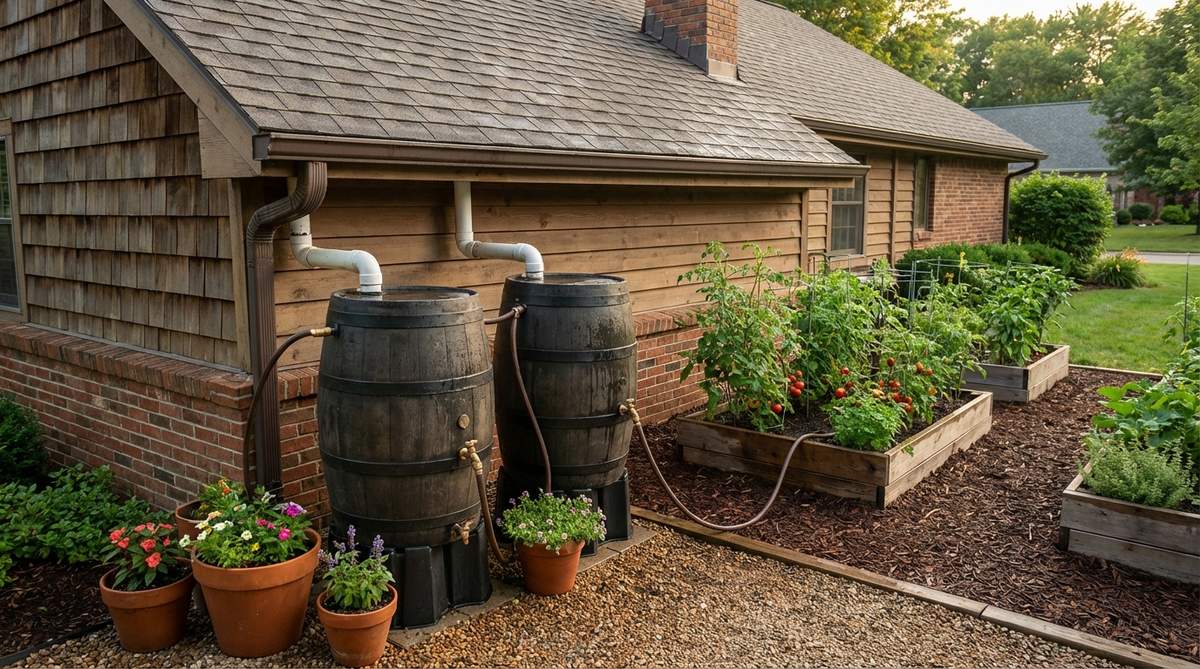
A sleek faux-stone water barrel feels like a smart, off-grid eco-villa upgrade. Essential for maintaining lush plants during brutal summer watering bans.
Using municipal water for your lawn is expensive and wasteful. Tapping into your downspout gives a surprisingly premium look to your utility area while providing free, chemical-free hydration for your terrarium accessories and beds.
Setup costs around $80–$150.
- Key Materials: Screened rain barrel and diverter valve
- Vibe / Style: Smart sustainable living
- Difficulty: Simple hacksaw project
- Budget Breakdown: Barrel: $90 | Diverter kit: $30.
- Creator’s Tip: Always install the barrel on stacked cinderblocks so gravity creates enough water pressure for your hose.
- Smart Sourcing: Invest in UV-resistant faux-stone rain barrels and universal downspout diverter kits.
59. Compost Bin Integration
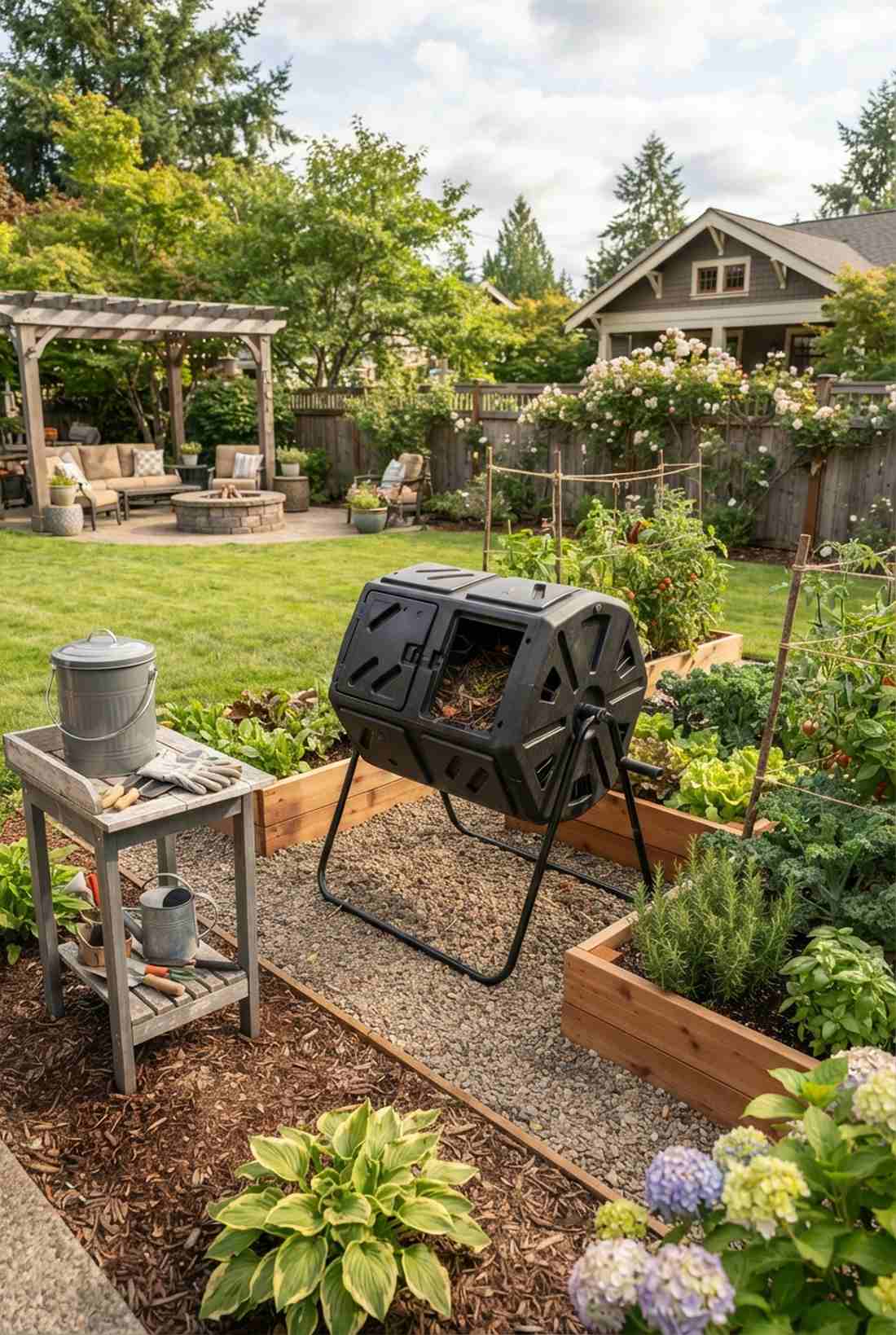
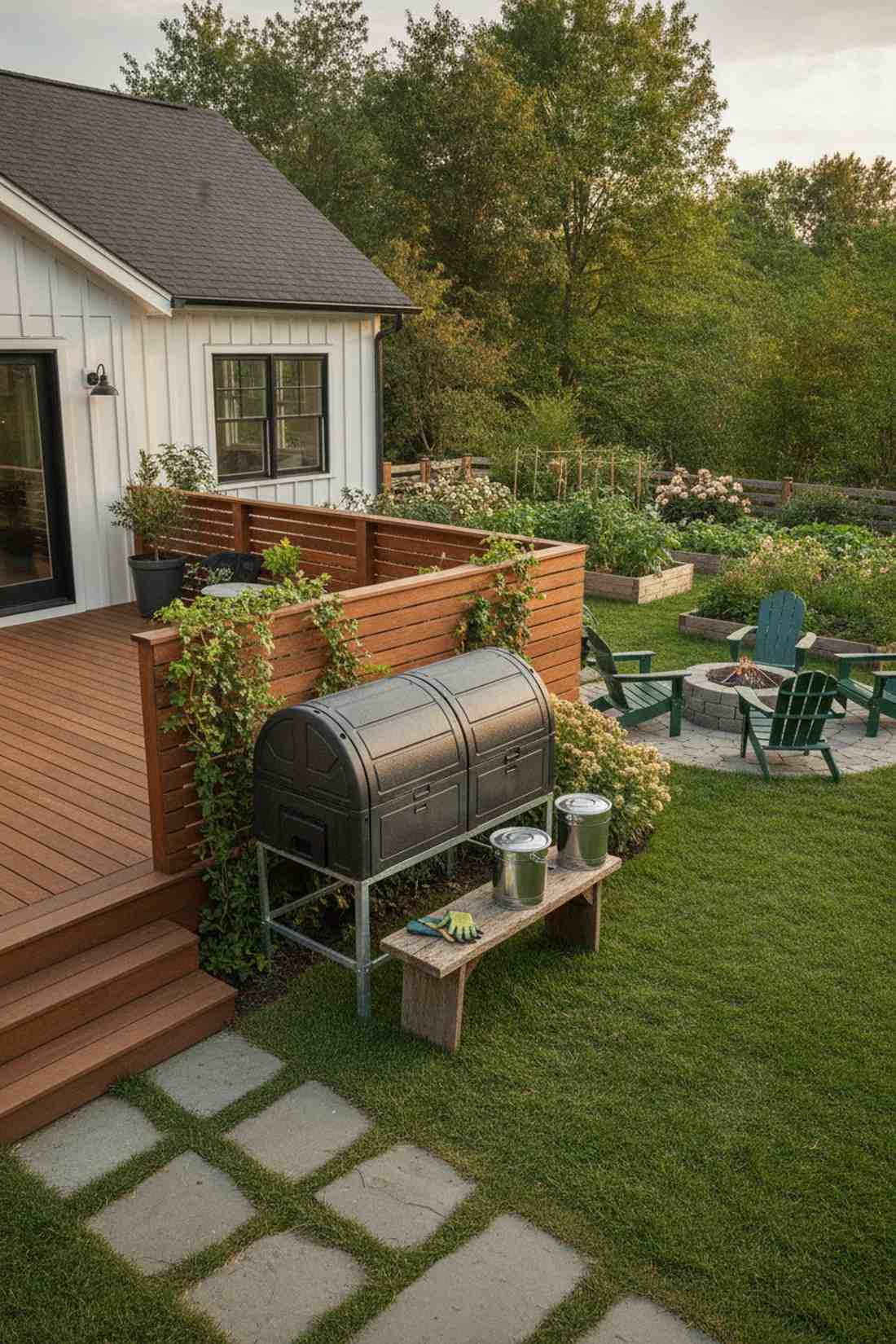
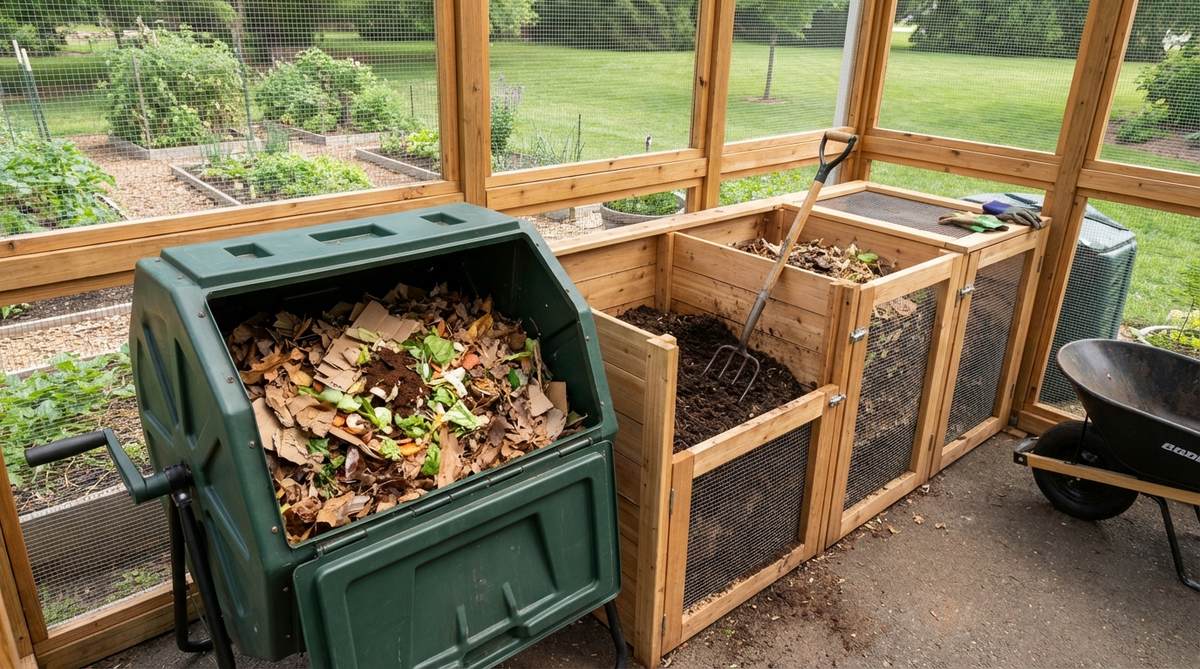
A hidden dual-chamber tumbler feels like a high-tech organic soil factory. The absolute best way to turn kitchen waste into garden gold.
Piling scraps on the ground attracts massive rat problems. Using an elevated, rotating system looks far more expensive than it is, completely hiding the mess while producing premium fertilizer.
A good bin runs roughly $70–$140. Pin this to start your eco-journey!
- Key Materials: Enclosed rotating compost tumbler
- Vibe / Style: Clean utilitarian efficiency
- Difficulty: Ready to use
- Budget Breakdown: Tumbler Kit: $100.
- Creator’s Tip: Keep a 50/50 ratio of green waste (food) and brown waste (leaves/paper) to prevent it from smelling like rotting garbage.
- Smart Sourcing: Grab a dual-chamber rotating compost tumbler and stainless steel kitchen compost pails.
60. Native Meadow Lawn Replacement
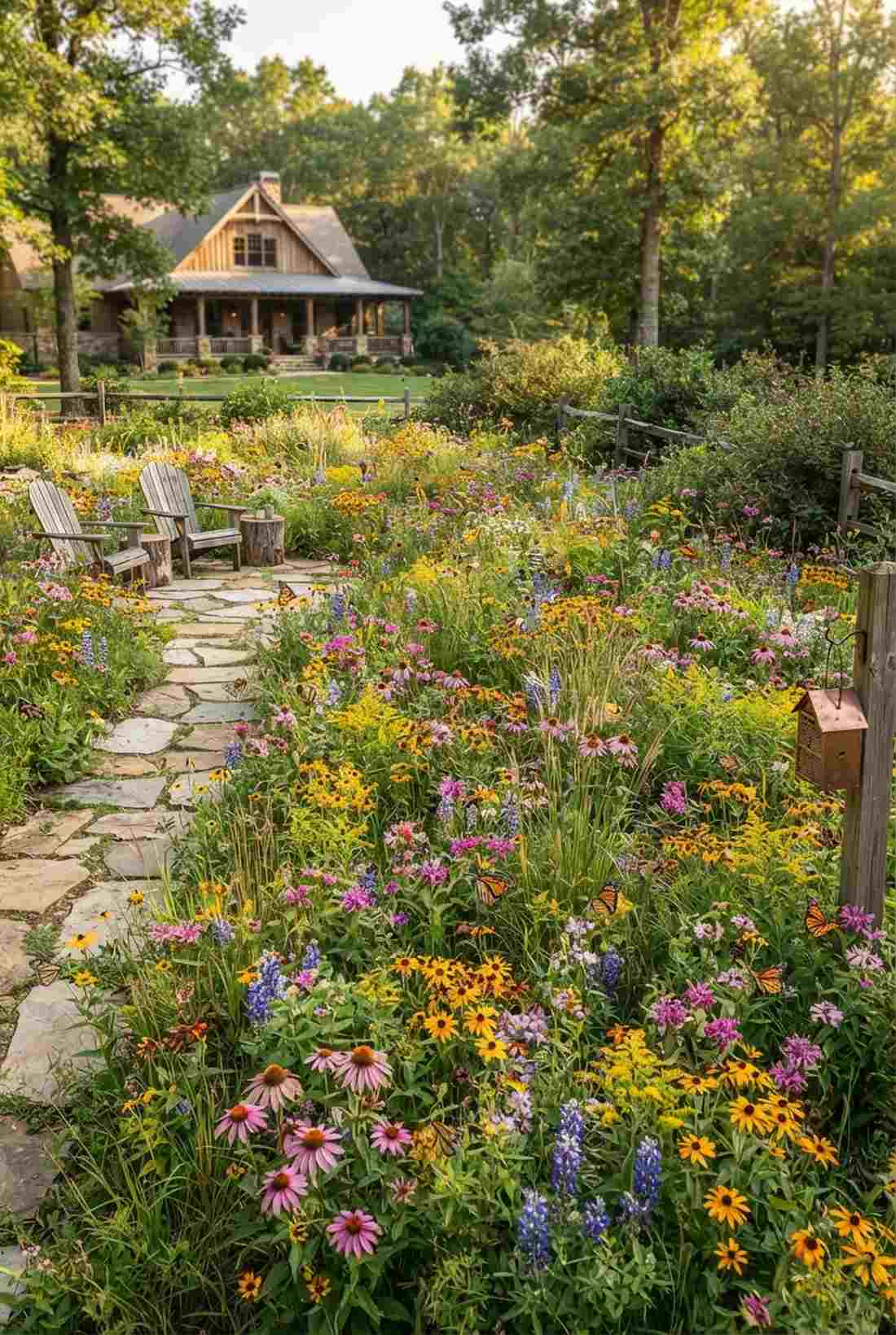
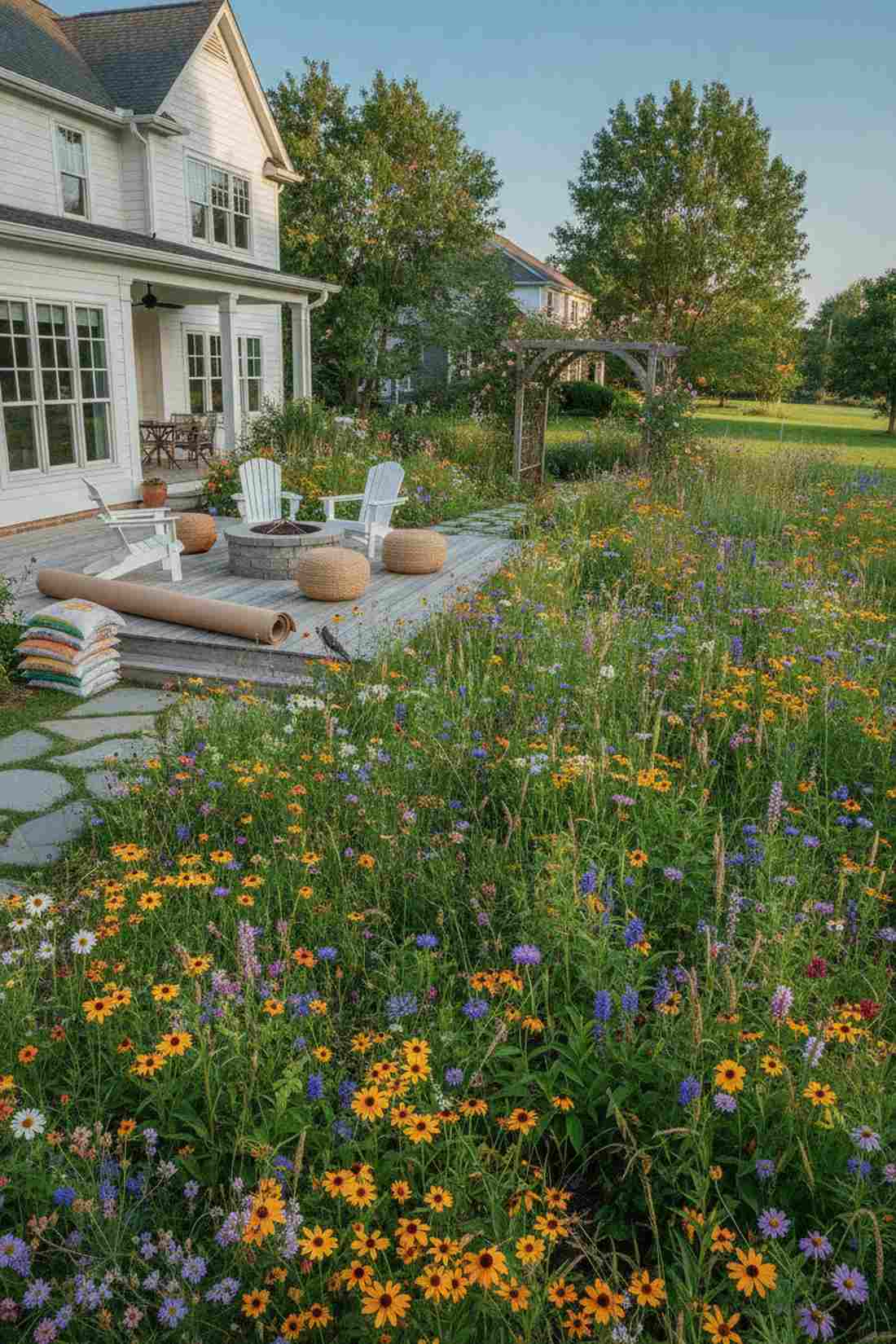
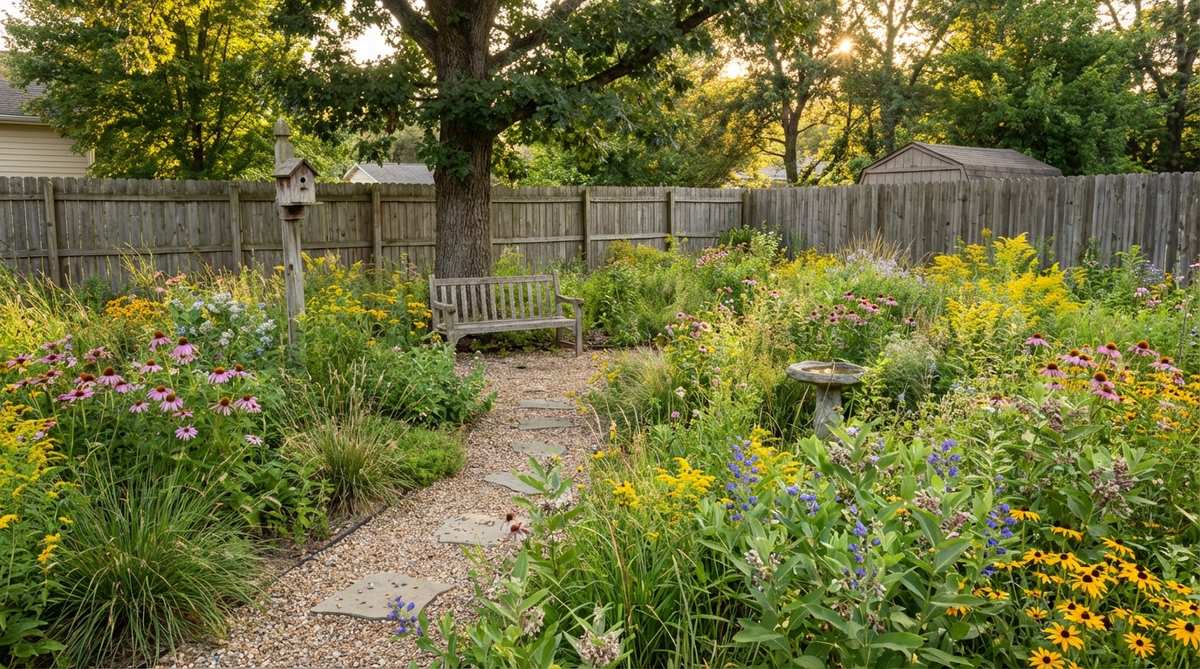
A sprawling, no-mow wildflower expanse feels like a peaceful countryside nature reserve. Replaces dead, frustrating grass with effortless seasonal color.
Mowing and fertilizing tiny patches of grass is a waste of weekends. Killing the turf and broadcasting native seeds delivers a designer-level finish that supports bees and completely eliminates your lawnmower.
You can execute this easily for $40–$100.
- Key Materials: Regional native seed blends
- Vibe / Style: Unrestrained natural beauty
- Difficulty: Initial turf removal is tough
- Budget Breakdown: Bulk seeds: $60 | Cardboard for killing grass: Free.
- Creator’s Tip: Smother the existing grass with wet cardboard and compost in the fall, then sow the seeds directly on top in early spring.
- Smart Sourcing: Use bulk regional pollinator seed mixes and heavy-duty landscaping cardboard rolls.
Eco-friendly yards don’t have to look messy, especially with this final high-tech setup…
61. Drip Irrigation Installation
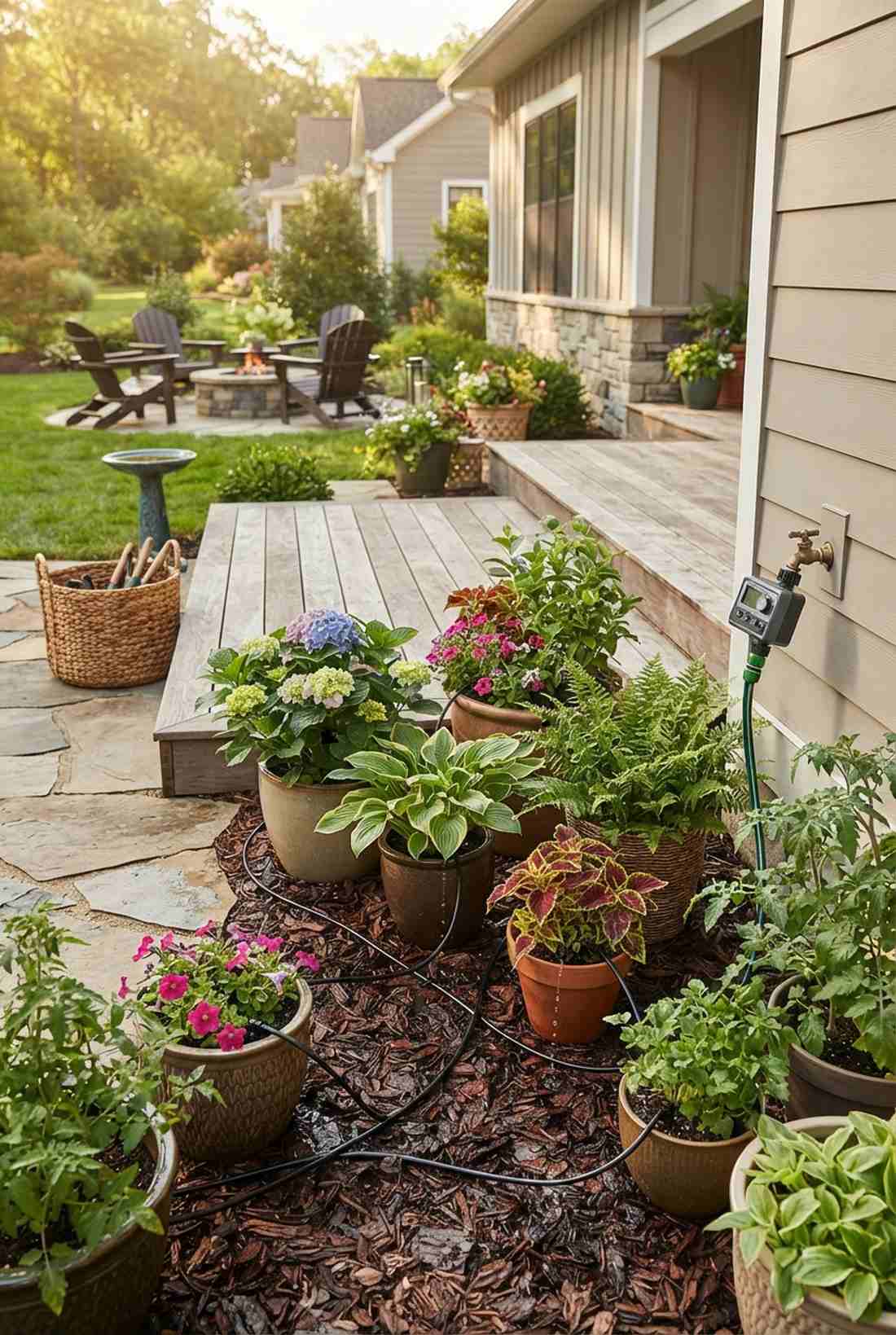
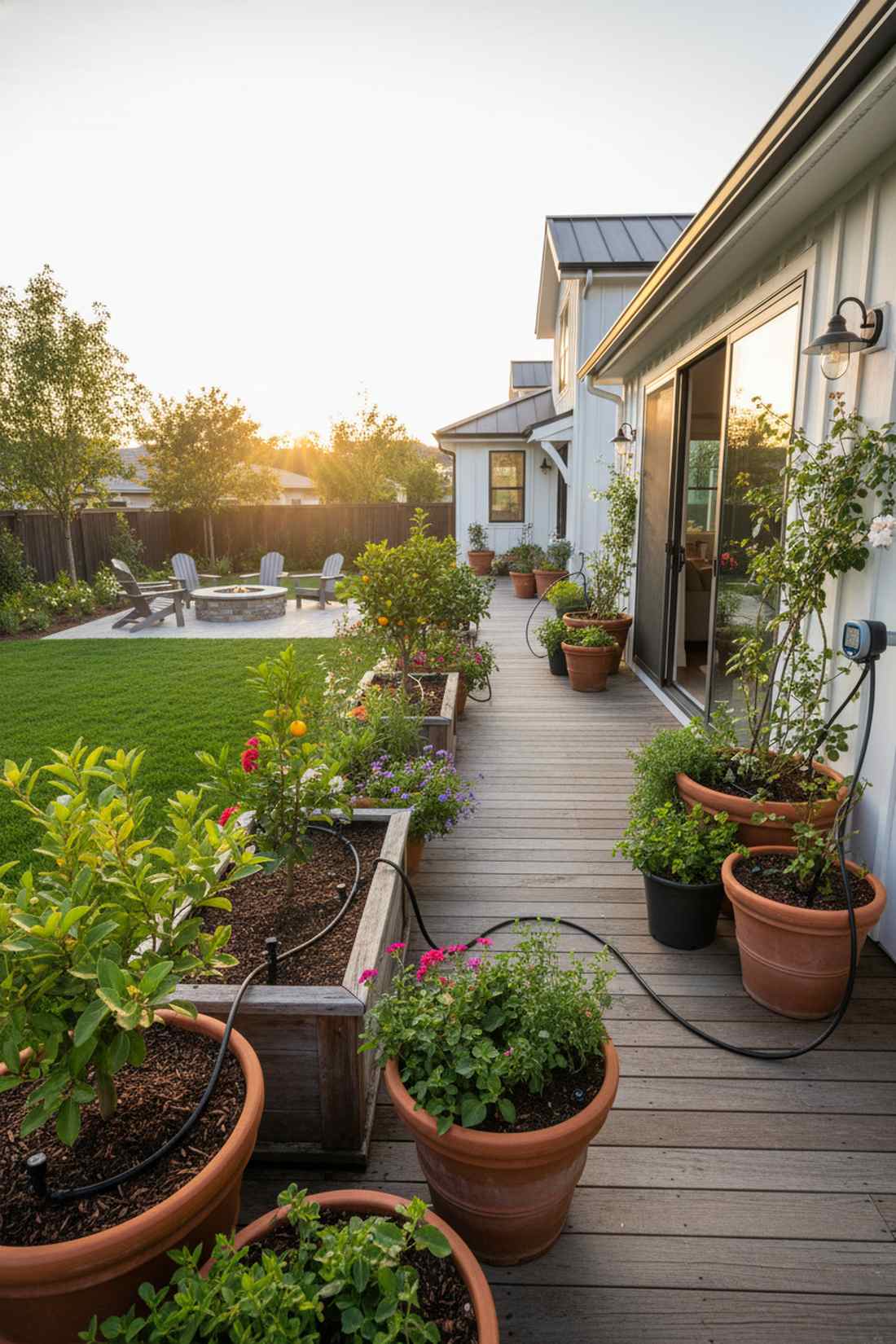
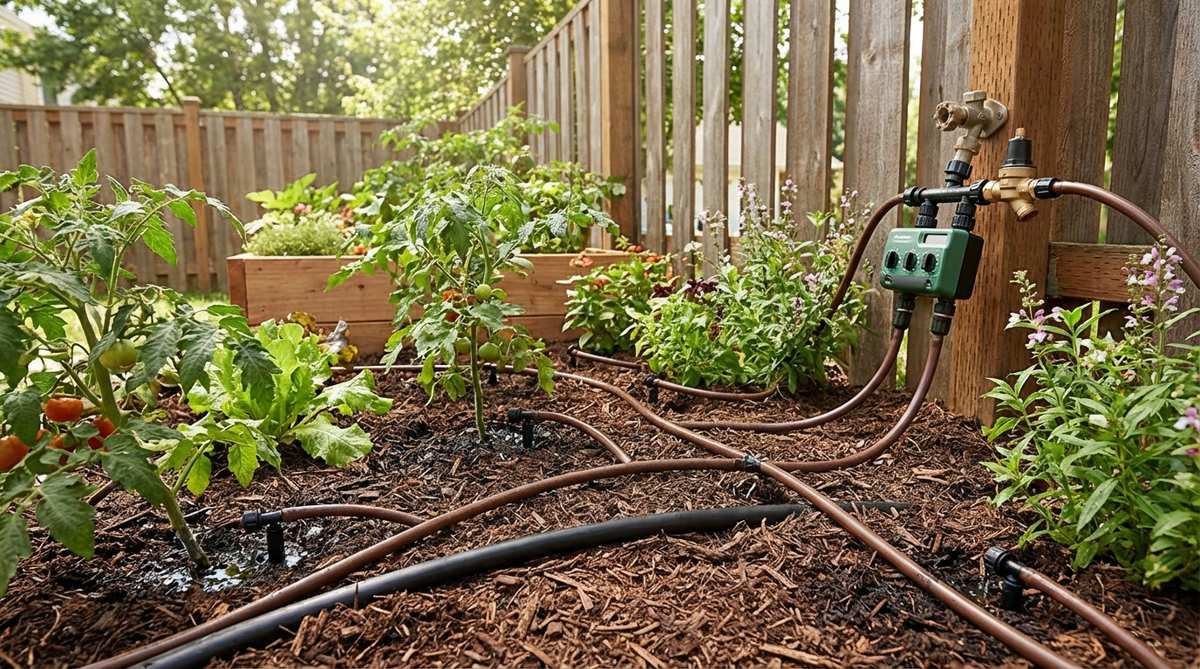
A hidden network of micro-watering tubes feels like a professional commercial nursery setup. The ultimate secret to keeping container plants alive while you are on vacation.
Hand-watering wastes hours and evaporates instantly in the sun. Running stealthy black tubes beneath the mulch looks wildly expensive, delivering a surprisingly premium look by ensuring plants thrive with zero daily effort.
Kits range from $30–$80. Save this to guarantee your plants survive summer!
- Key Materials: Poly tubing, emitters, and timer
- Vibe / Style: Invisible high-tech care
- Difficulty: Easy cutting and pressing
- Budget Breakdown: Drip kit: $40 | Hose timer: $30.
- Creator’s Tip: Soak the ends of the plastic tubing in hot water for 30 seconds to make slipping the connector barbs in completely effortless.
- Smart Sourcing: Order comprehensive micro-drip irrigation starter kits and programmable digital hose timers.
Building Your Cozy Backyard Retreat
These exactly 61 high-end small garden backyard transformations prove that limited square footage is actually a massive advantage when sourcing commercial-grade materials. Start with one or two high-impact interventions that address your primary needs—whether installing UV-coated privacy screens, building floating seating, or setting up smart drip irrigation—then layer additional elements over time. The most successful compact spaces evolve by replacing cheap generic items with premium, weather-resistant bulk supplies. Pin your favorite blueprints and utilize the smart sourcing product links to ensure your weekend upgrade looks shockingly expensive while remaining firmly within budget.
Frequently Asked Questions
What is the best layout for a small backyard garden?
The most effective layout utilizes diagonal or curved pathways lined with commercial-grade weed barrier fabric to create a profound optical illusion of depth. Pushing heavy seating to the corners and utilizing pre-cut vertical trellis kits frees up the central area. Breaking the yard into distinct micro-zones (like a fire pit circle and a separate raised garden bed) makes a cramped space feel like a sprawling, highly intentional designer plot.
How do I make my small backyard feel larger?
Create the illusion of massive space by ditching bulky, cheap plastic furniture for sleek, low-profile weatherproof sectionals. Employing the “moonlighting” technique with high-end LED spotlights draws the eye upward, removing the visual boundaries of tight fences. Utilizing reflective surfaces and painting boundary fences in dark, matte charcoal immediately forces the perimeter to visually recede, making the entire property feel undeniably larger.
What plants work best in small backyard gardens?
Skip massive shade trees and invest in high-texture dwarf cultivars and ornamental grass bulk seed packs that provide massive aesthetic value without devouring floor space. Utilizing vertical space with pre-cut moss panels, living wall starter kits, and trailing vines ensures a lush, luxury vibe. Always establish a strong evergreen foundation first so your yard maintains its premium, expensive look even during the dead of winter.
How much does a small backyard transformation cost?
Budget DIY upgrades like painting fences, laying bulk pea gravel, and stringing shatterproof LED bistro lights easily transform a space for under $150. Mid-range projects like building custom wooden seating or installing heavy-duty pondless waterfall kits run between $300–$800. Sourcing commercial-grade materials and bulk packs directly online instead of buying marked-up retail items is the ultimate secret to achieving a $5,000 premium aesthetic on a $500 weekend budget.
How do I add privacy to a small backyard without sacrificing space?
Never build thick, ground-eating structures when space is tight. Instead, use UV-resistant thick bamboo fencing rolls right over existing boundaries, or install heavy-duty framed wood lattice panels to block sightlines. Floating living walls and tall, narrow faux-concrete planters filled with tight columnar evergreens provide an elite, resort-level privacy screen that consumes less than two feet of your precious ground real estate.
Can I grow vegetables in a small backyard?
Absolutely, and it looks incredibly chic when done right. Ditch the messy ground patches and upgrade to corrugated galvanized steel raised bed kits. Utilizing heavy-duty felt pocket planters on fences and suspended gutter systems allows you to yield massive amounts of herbs and greens vertically. Focus on high-value aesthetic crops that thrive in premium moisture-control soil to give your yard a gorgeous, French potager vibe.