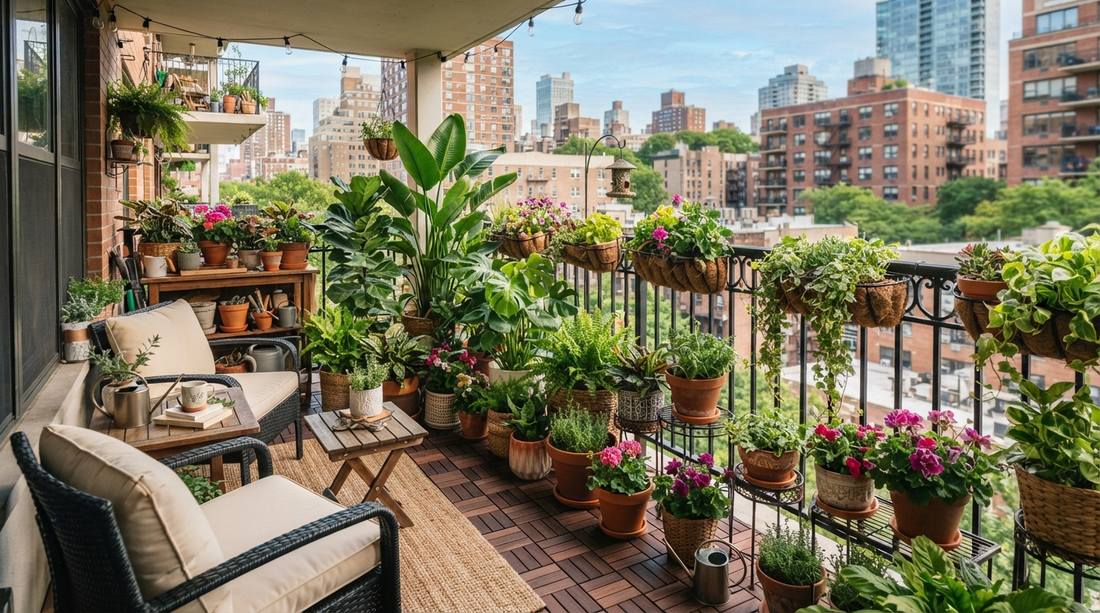
Transforming tiny outdoor spaces into high-end retreats demands strategic balcony decor plants layouts. Smart sourcing completely bypasses the expensive designer fees for premium setups. Master these exact arrangements to maximize your budget.
Design Snapshot Key Principles
- Vertical Integration: Maximize limited floor space by utilizing walls, railings, and hanging structures for plant displays
- Layered Heights: Combine tall statement plants with mid-level specimens and trailing varieties to create visual depth
- Color Coordination: Select complementary or monochromatic color palettes that enhance your balcony’s architectural features
- Functional Zones: Designate areas for edible gardens, privacy screens, and decorative focal points to optimize space usage
Vertical Balcony Garden Arrangements That Maximize Space
1. Tiered Ladder Planter Display
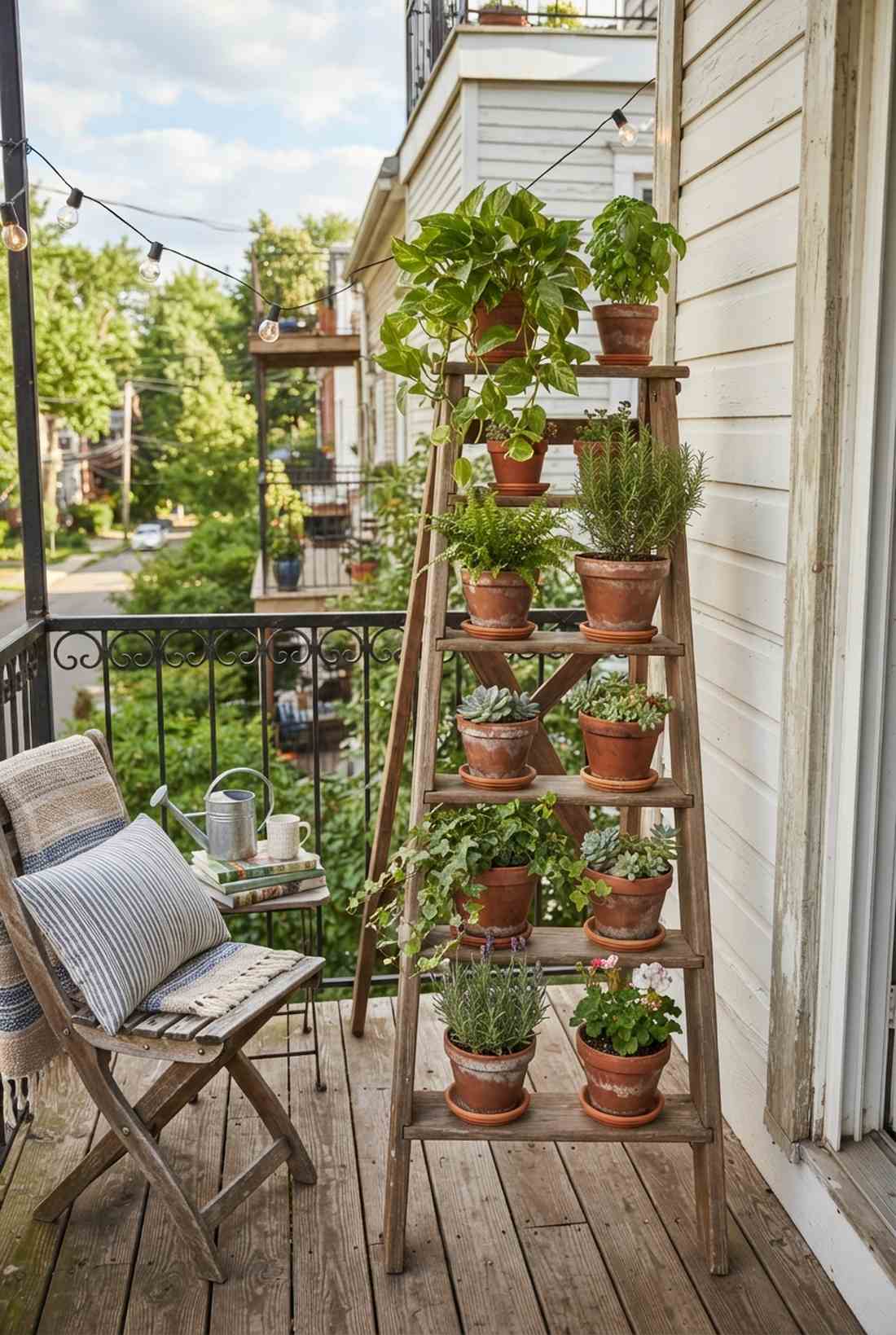
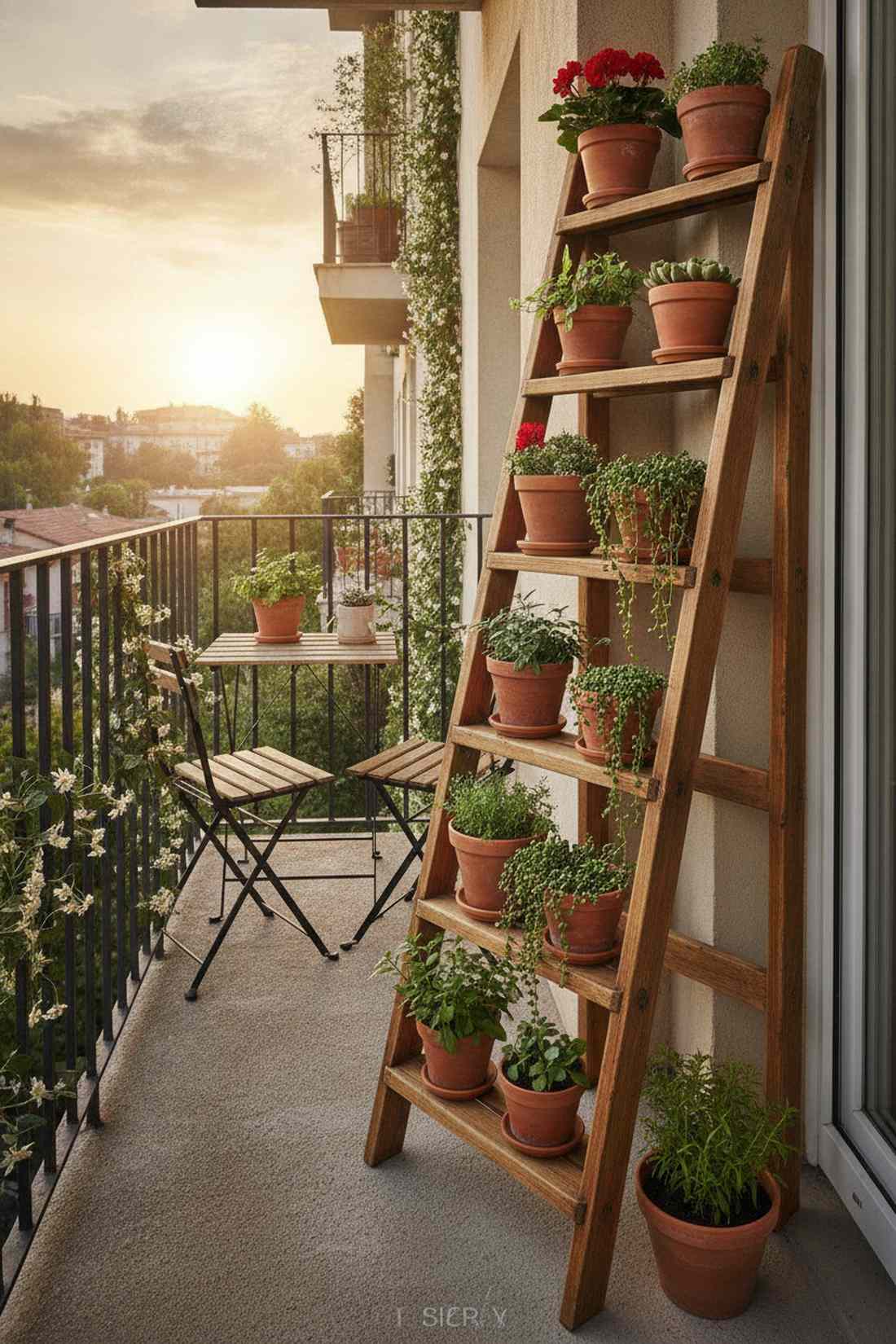
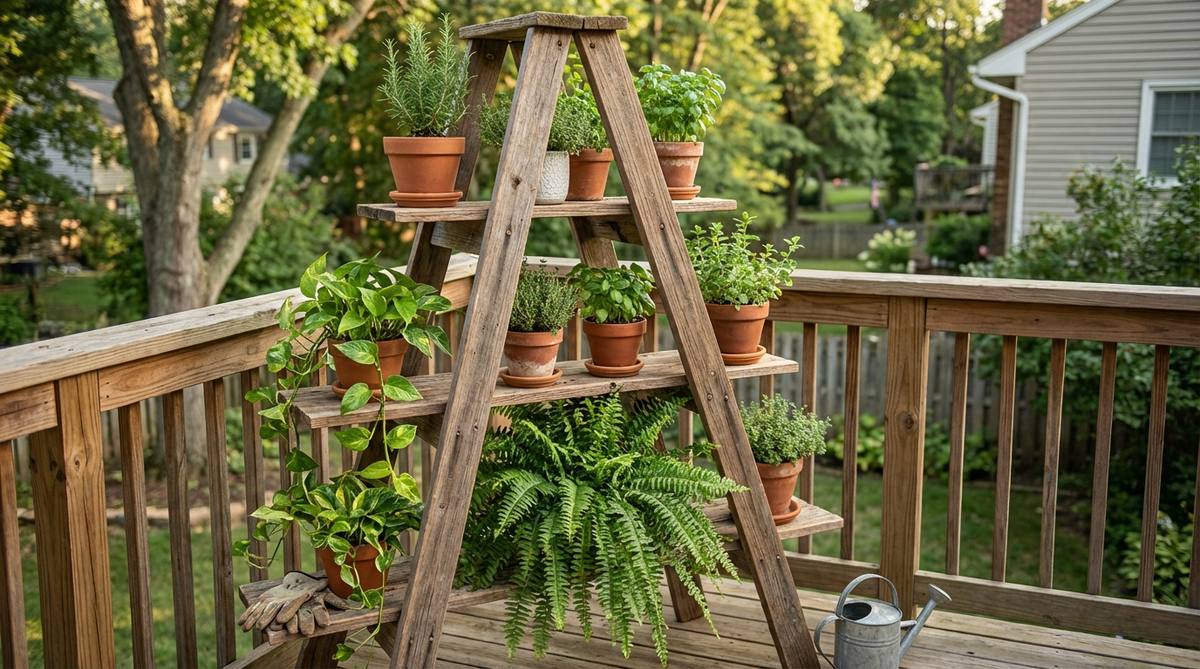
Feels like a rustic sanctuary you’d stumble upon in a countryside villa. This vertical balcony decor with plants works exceptionally well for narrow apartment terraces.
Many beginners waste money on weak plastic shelves instead of repurposing solid wood frames. Elevating heavy ceramic pots on sturdy rungs delivers a surprisingly premium look while maximizing sunlight exposure for all tiers.
You can easily pull this off for around $30–$50. Save this to your DIY weekend garden board!
- Key Materials: Weather-treated wooden ladder shelves
- Vibe / Style: Rustic farmhouse chic
- Difficulty: Easy beginner setup
- Budget Breakdown: Ladder: $25 | Plants: $25
- Creator’s Tip: Seal the wood with matte waterproof varnish to double its lifespan outdoors.
- Smart Sourcing: Use a pre-treated wooden display ladder and a bulk pack terracotta pot set.
2. Wall-Mounted Pocket Planter Grid
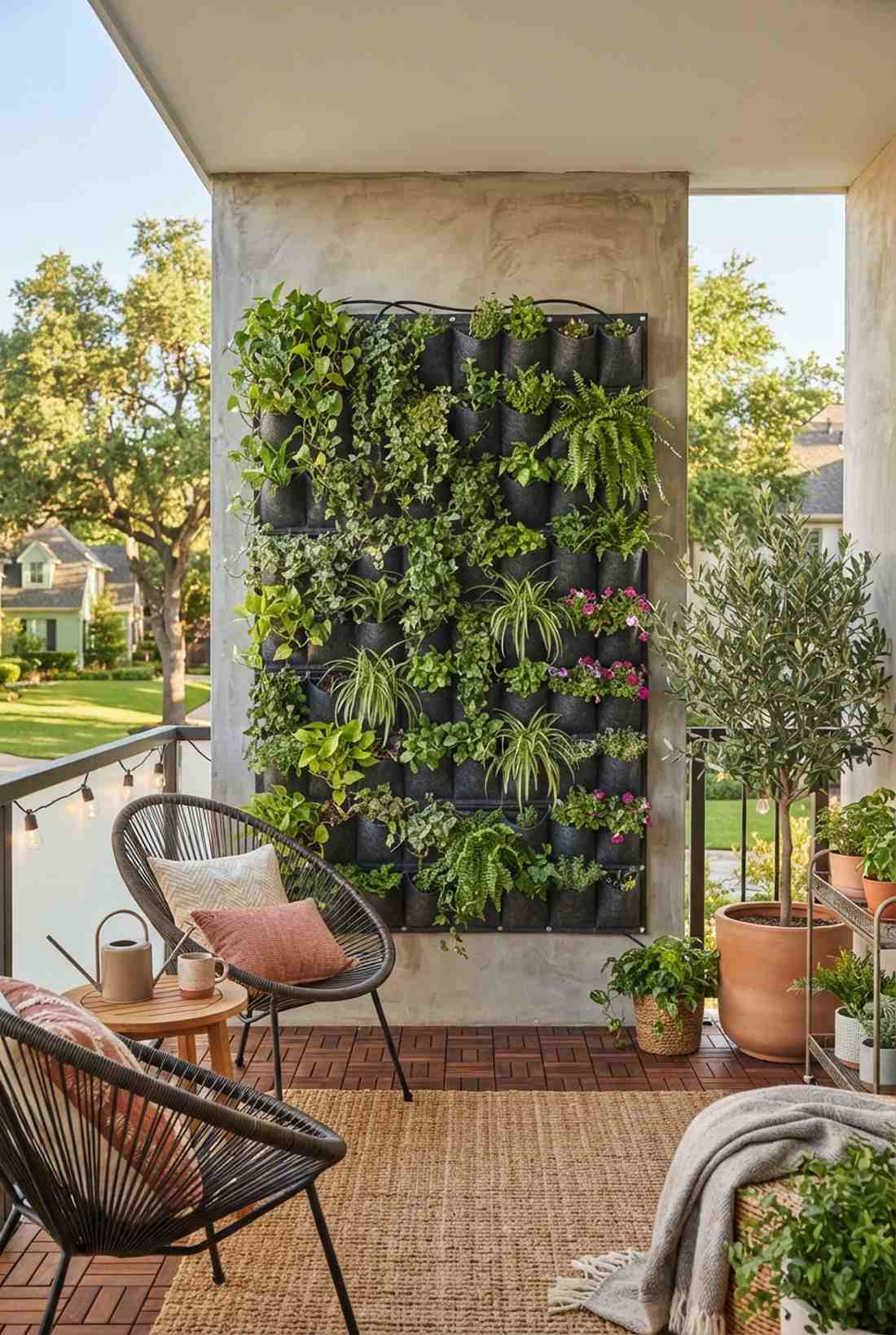
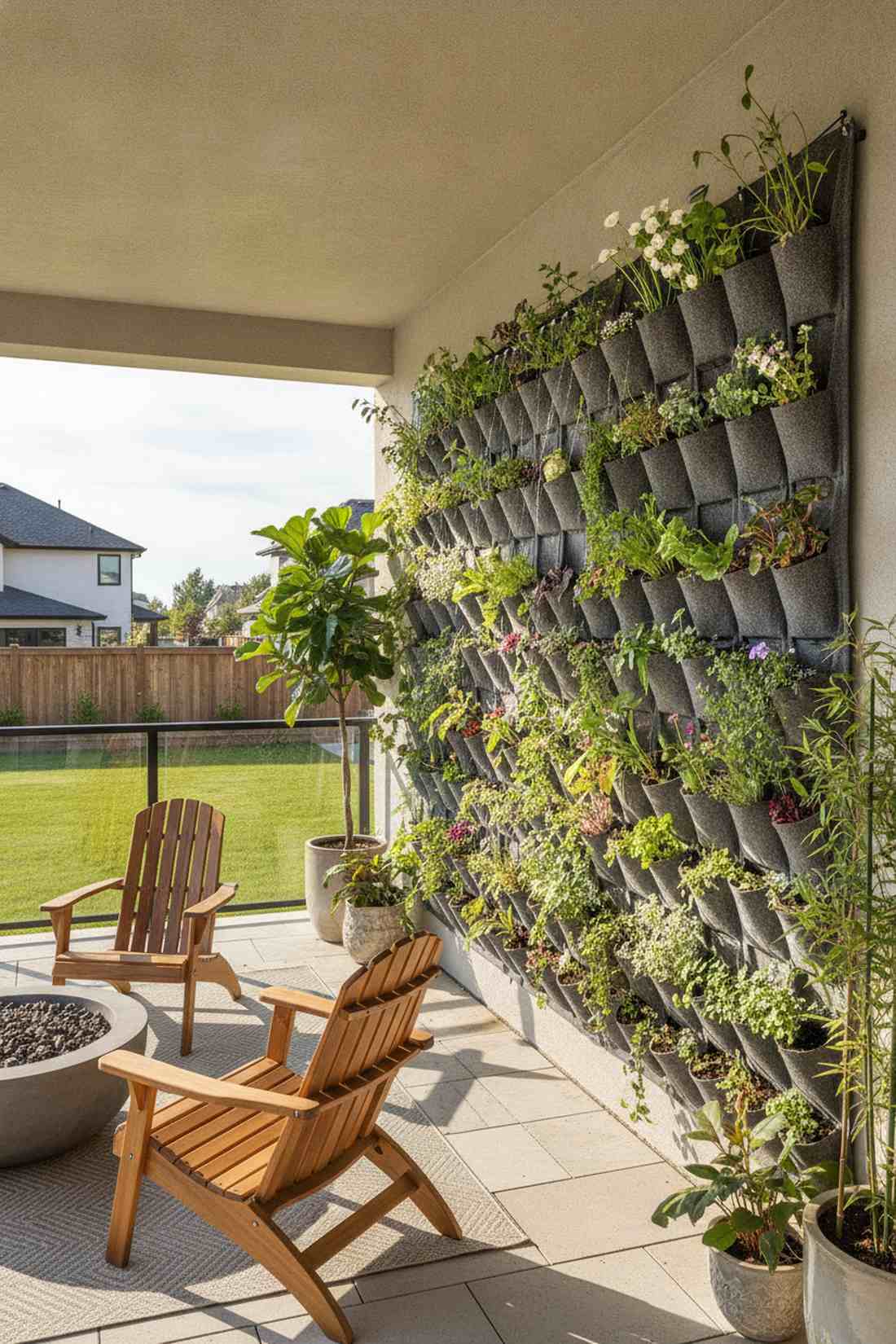
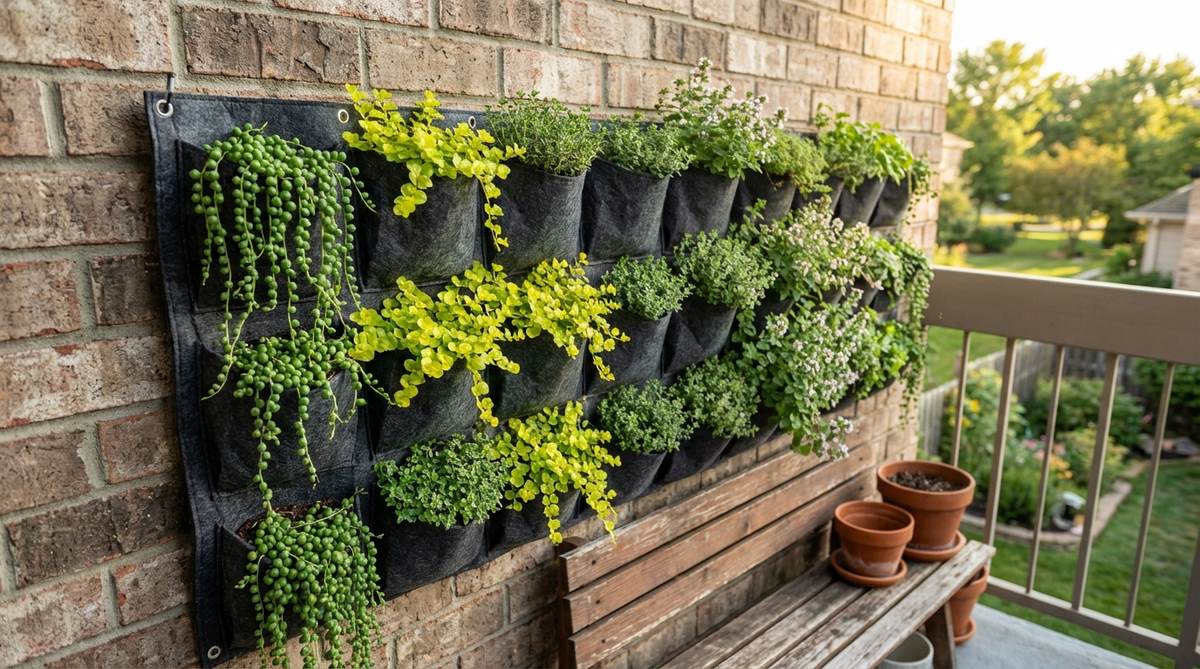
Gives off an immersive living wall aesthetic straight out of a boutique hotel lobby. This cascading plant wall display is perfect for concealing ugly concrete balcony partitions.
Most standard wall kits rot within a season if you don’t use breathable felt. A high-density fabric grid looks far more expensive than it is, especially when stuffed with lush miniature garden supplies and trailing vines.
Expect to spend roughly $25 for the base materials. It’s a fast upgrade that completely changes the vibe.
- Key Materials: Multi-pocket felt hanging planters
- Vibe / Style: Modern botanical oasis
- Difficulty: Intermediate drilling required
- Budget Breakdown: Wall Pockets: $15 | Potting Mix: $10
- Creator’s Tip: Insert a drip line at the top row so gravity waters the entire grid effortlessly.
- Smart Sourcing: Grab heavy-duty felt pocket planters and a moisture-control soil blend.
3. Hanging Mason Jar Herb Wall
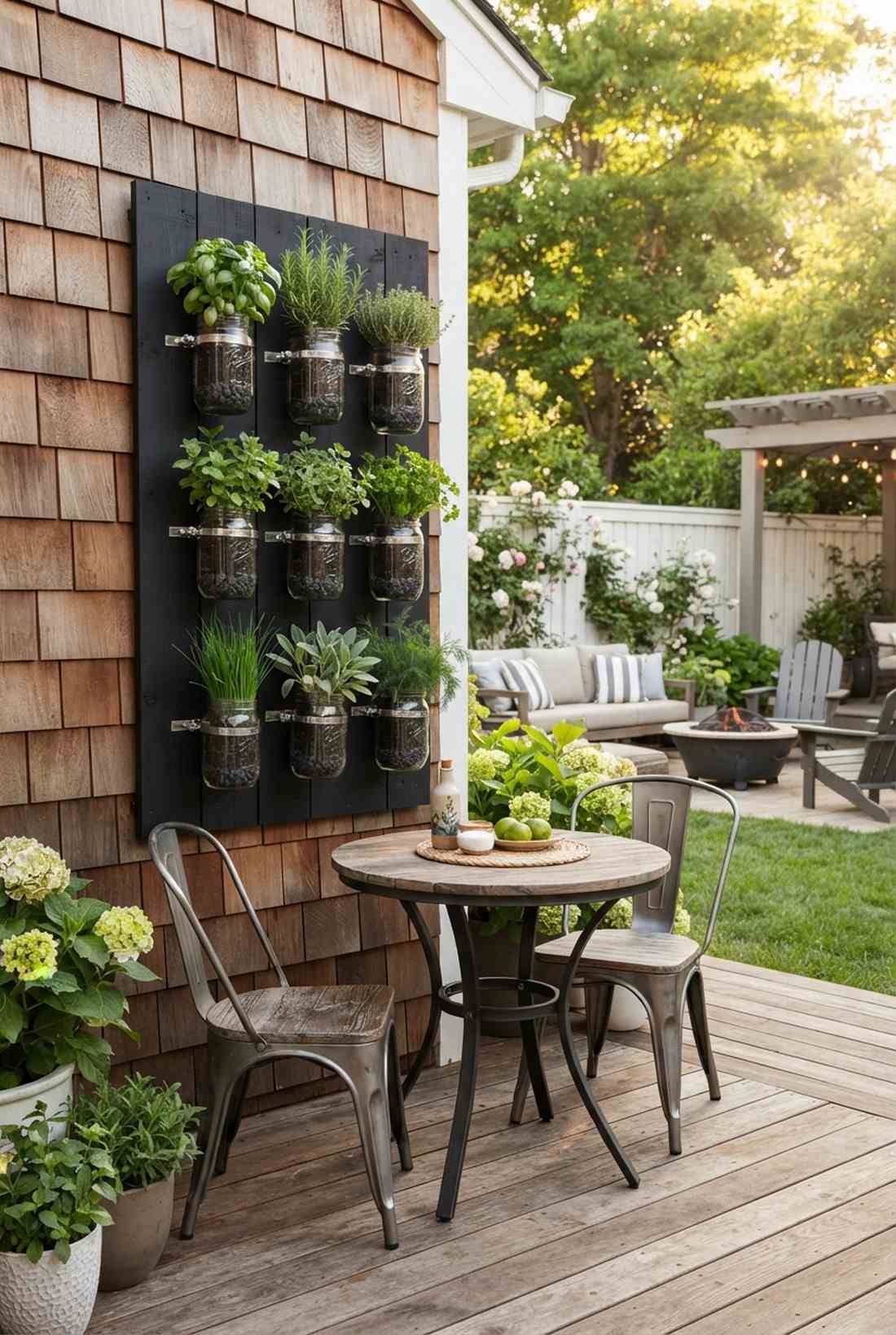
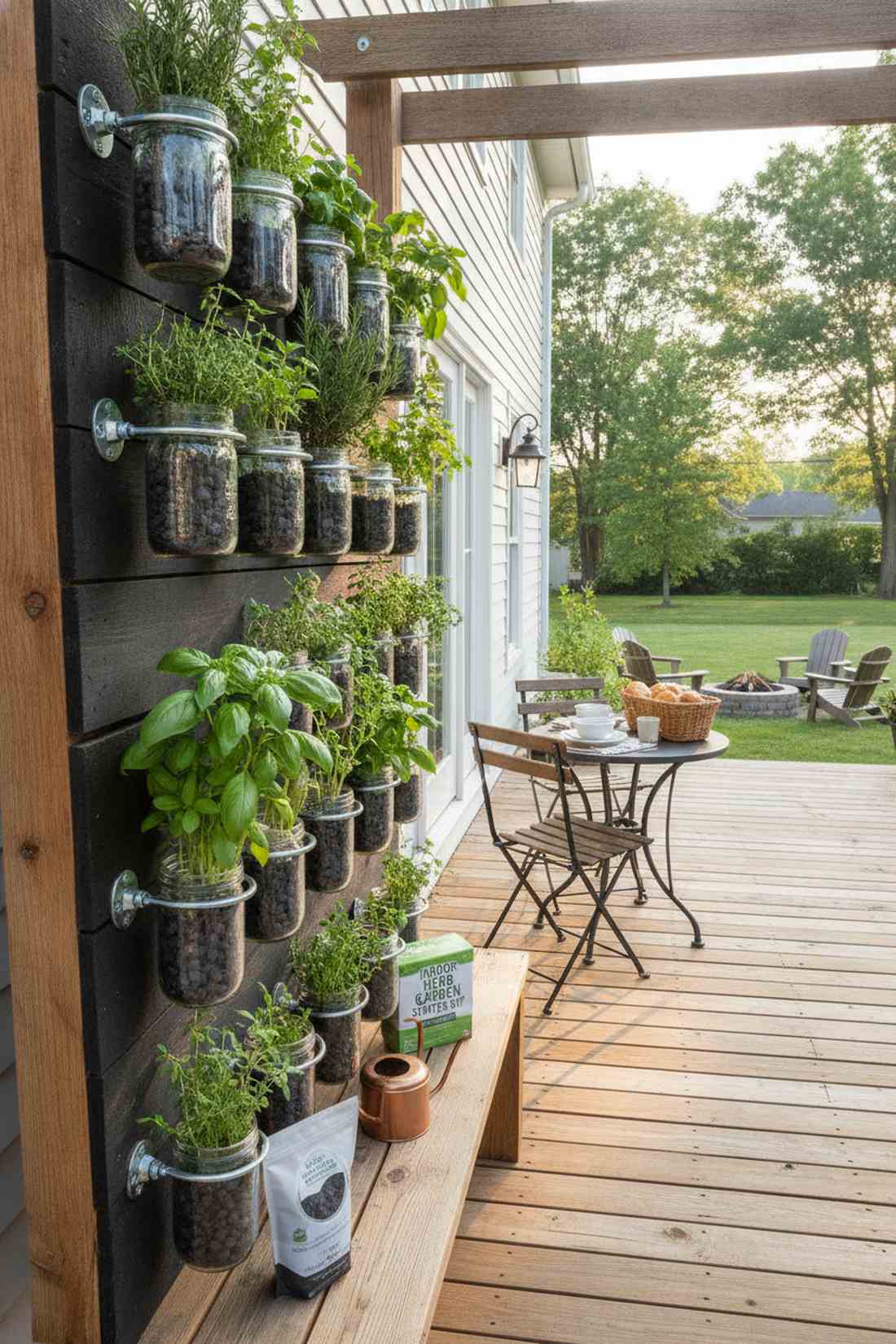
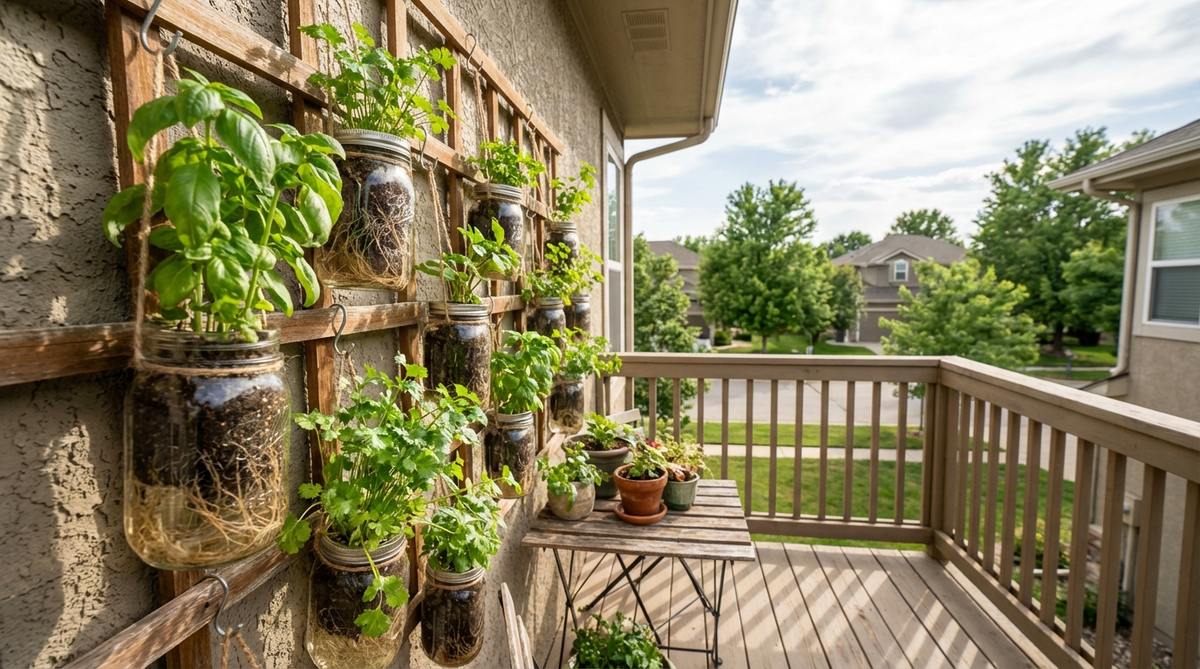
Exudes a cozy, aromatic charm that instantly warms up cold architectural lines. This glass jar vertical herb garden fits perfectly beside a small outdoor dining bistro set.
A common mistake is skipping the charcoal drainage layer which inevitably drowns the roots. Using industrial pipe clamps to secure the glass gives a designer-level finish compared to cheap twine.
Setting this up costs practically nothing if you reuse kitchen jars, or about $20 from scratch. Pin this if you’re planning a culinary corner!
- Key Materials: Glass jars and stainless steel hose clamps
- Vibe / Style: Industrial culinary retreat
- Difficulty: Easy to moderate
- Budget Breakdown: Clamps & Wood: $15 | Seeds: $5
- Creator’s Tip: Paint the wooden backboard matte black to make the green herbs visually pop.
- Smart Sourcing: Invest in activated charcoal pebbles (bulk pack) and indoor herb garden starter kits.
4. Trellis Climbing Vine Tower
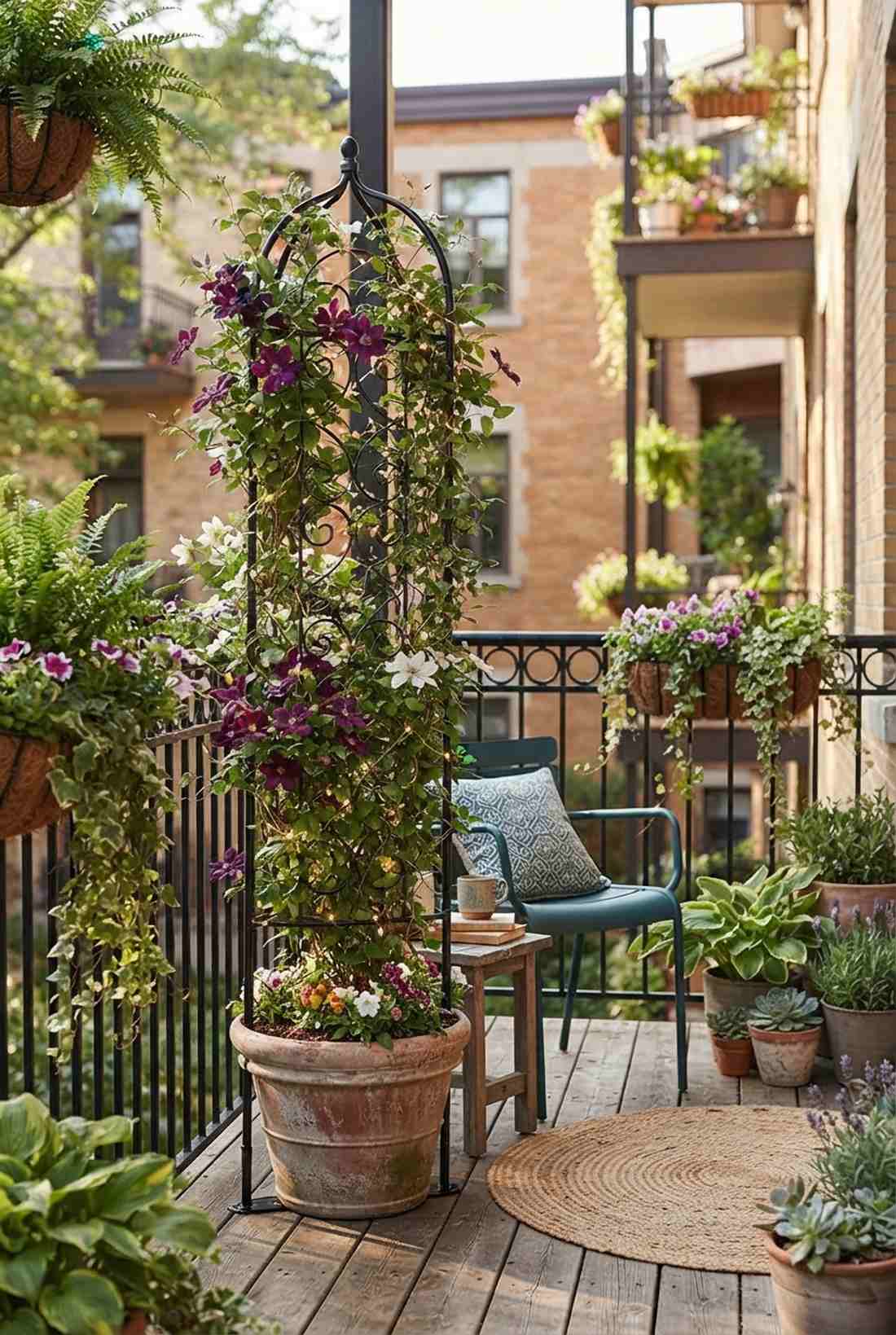
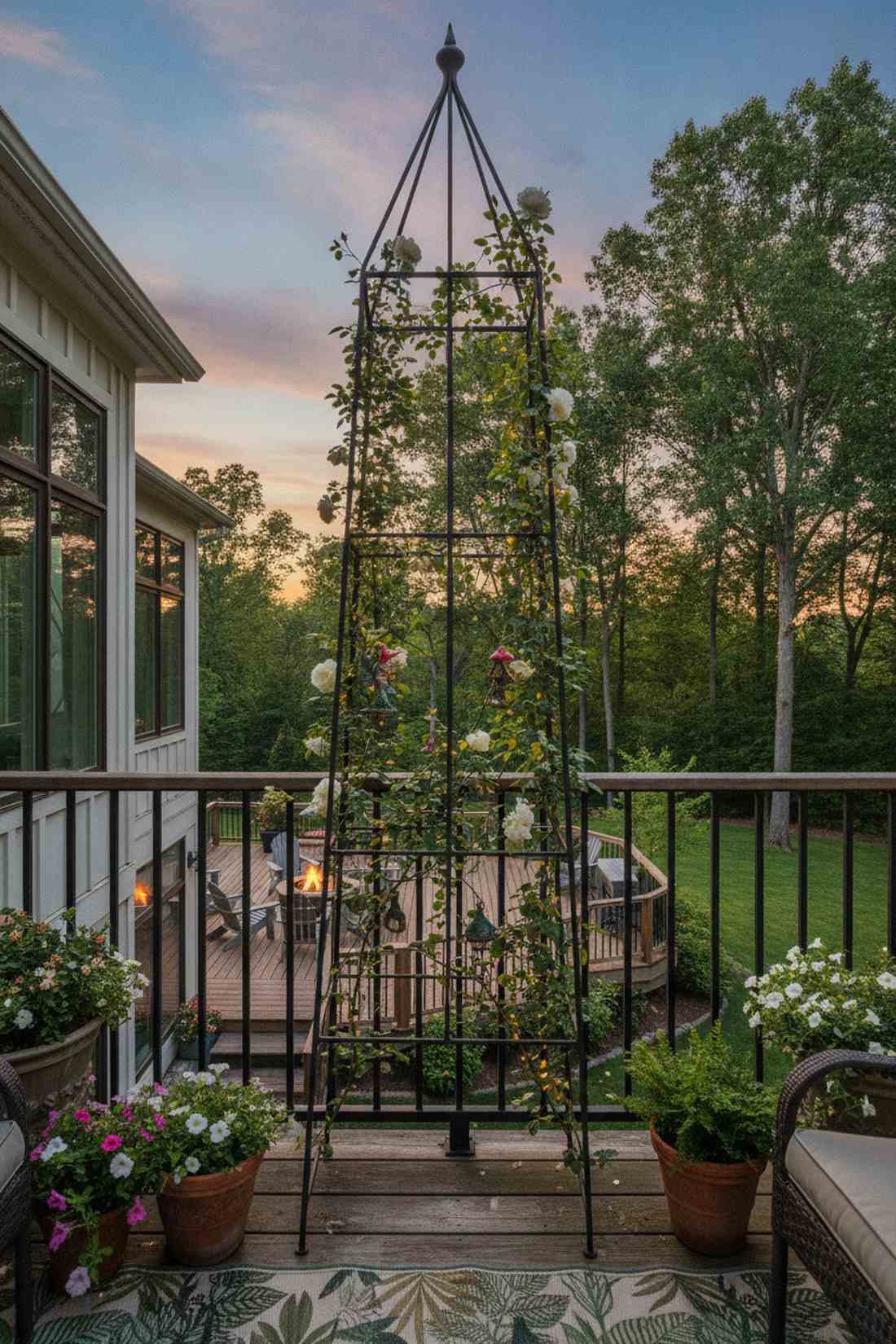
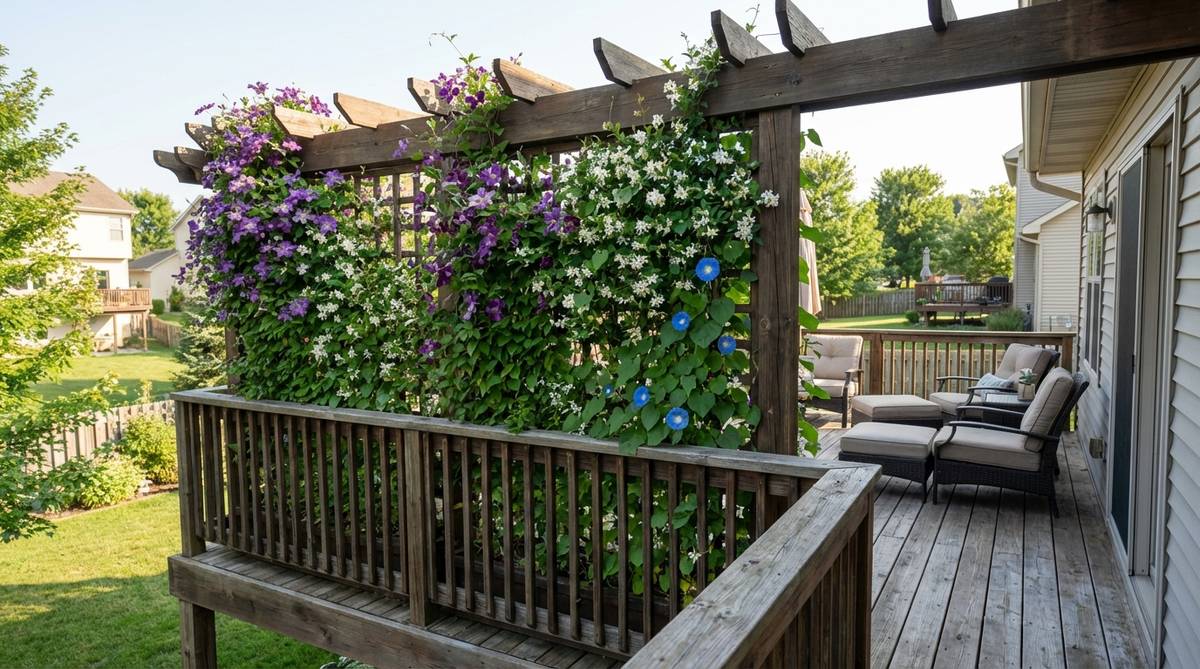
Creates an enchanting hidden garden energy that feels incredibly private. This freestanding balcony vine screen works miracles on exposed corner units needing a green shield.
Relying on flimsy plastic netting will ruin the aesthetic the moment wind hits. Anchoring a heavy-duty powder-coated metal frame instantly elevates the entire installation, providing a solid backbone for fairy garden supplies to hang from.
Budget around $40–$60 for a solid frame and mature starter vines.
- Key Materials: Iron trellis panels
- Vibe / Style: Secret garden getaway
- Difficulty: Easy quick-snap assembly
- Budget Breakdown: Trellis: $35 | Climbing Vines: $25
- Creator’s Tip: Weave weatherproof fairy lights through the metal before the plant fully takes over.
- Smart Sourcing: Order a rust-proof metal obelisk trellis and heavy-duty zip tie packs.
Most people get this completely wrong… until they try the exact layout coming up next.
5. Repurposed Pallet Vertical Garden
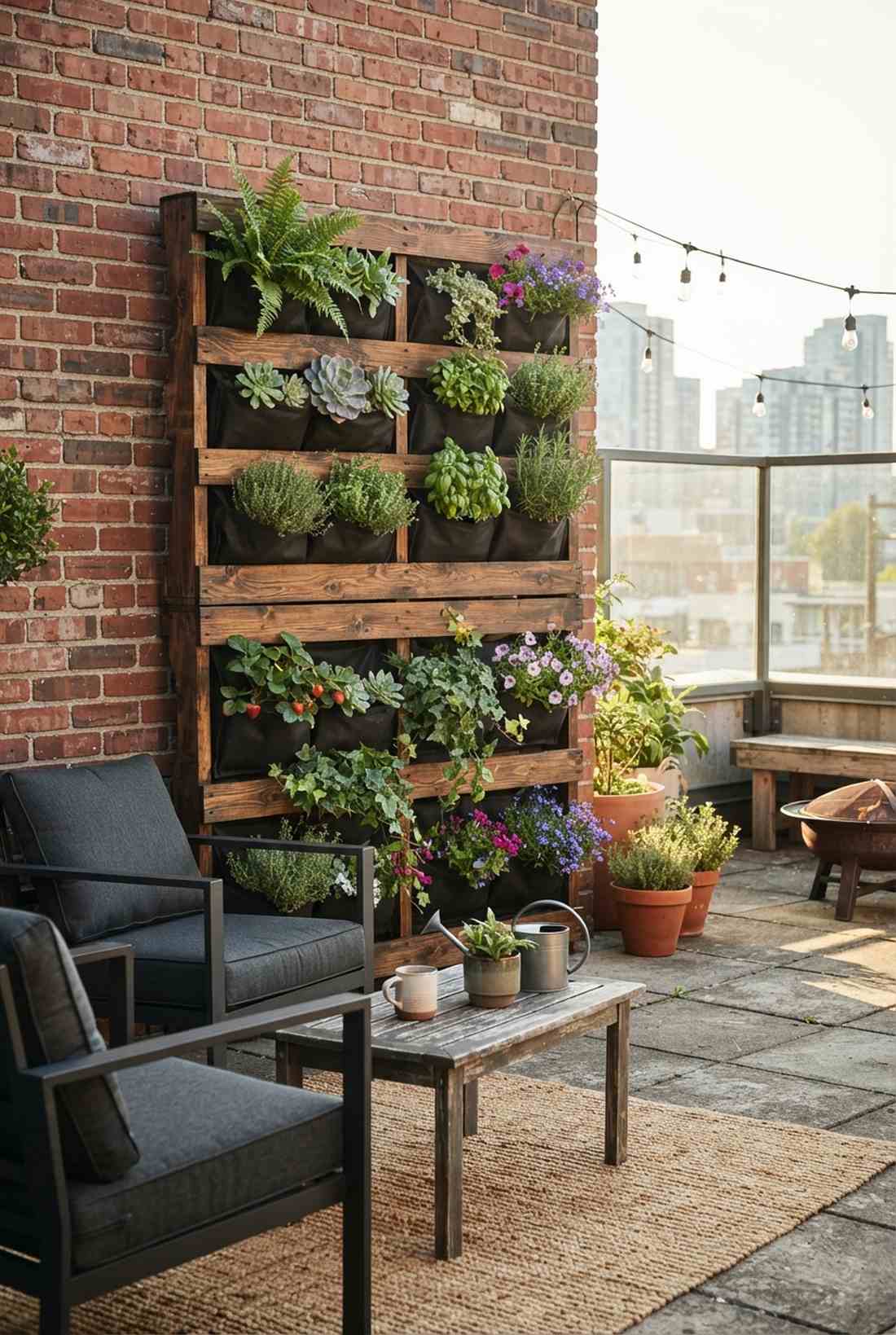
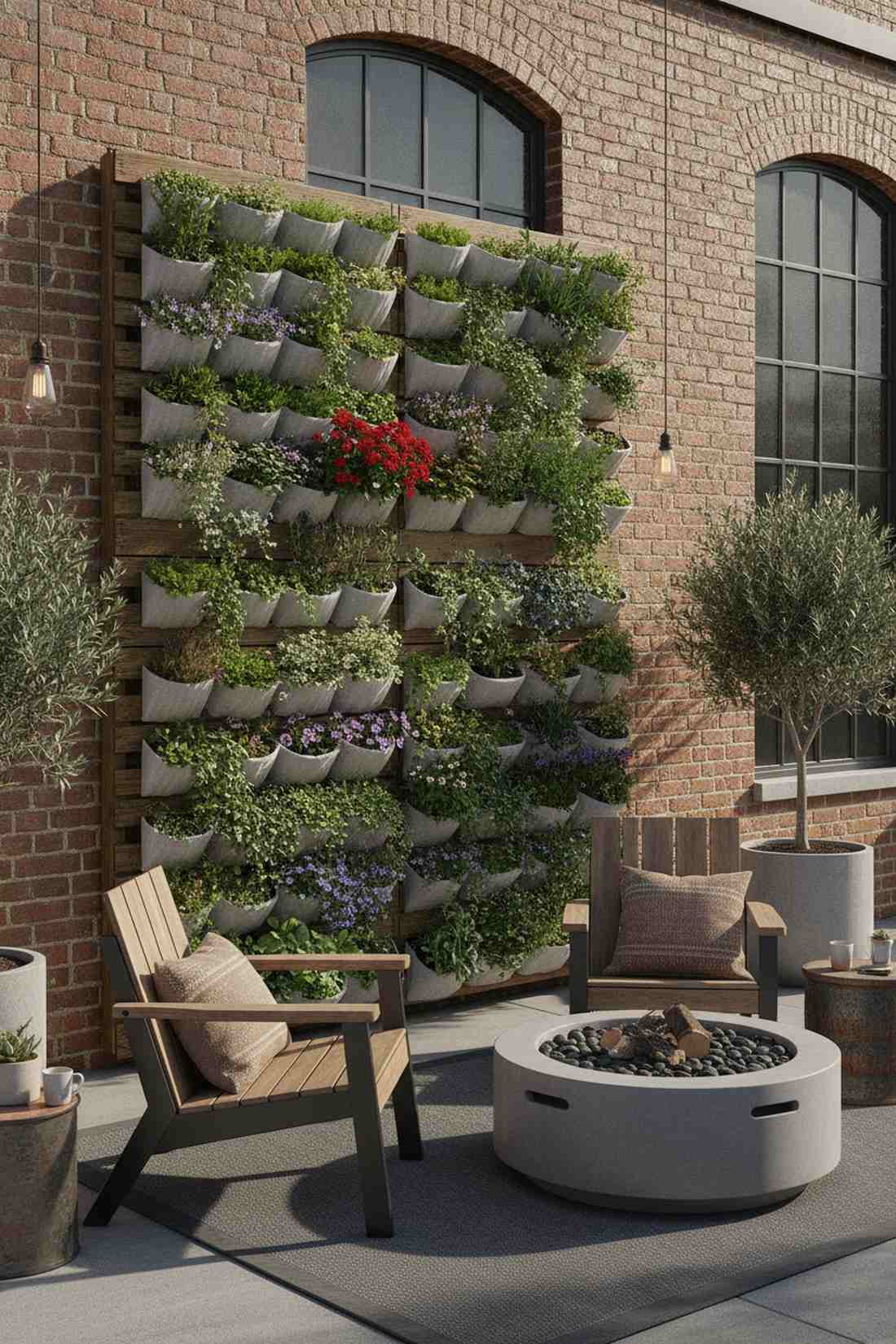
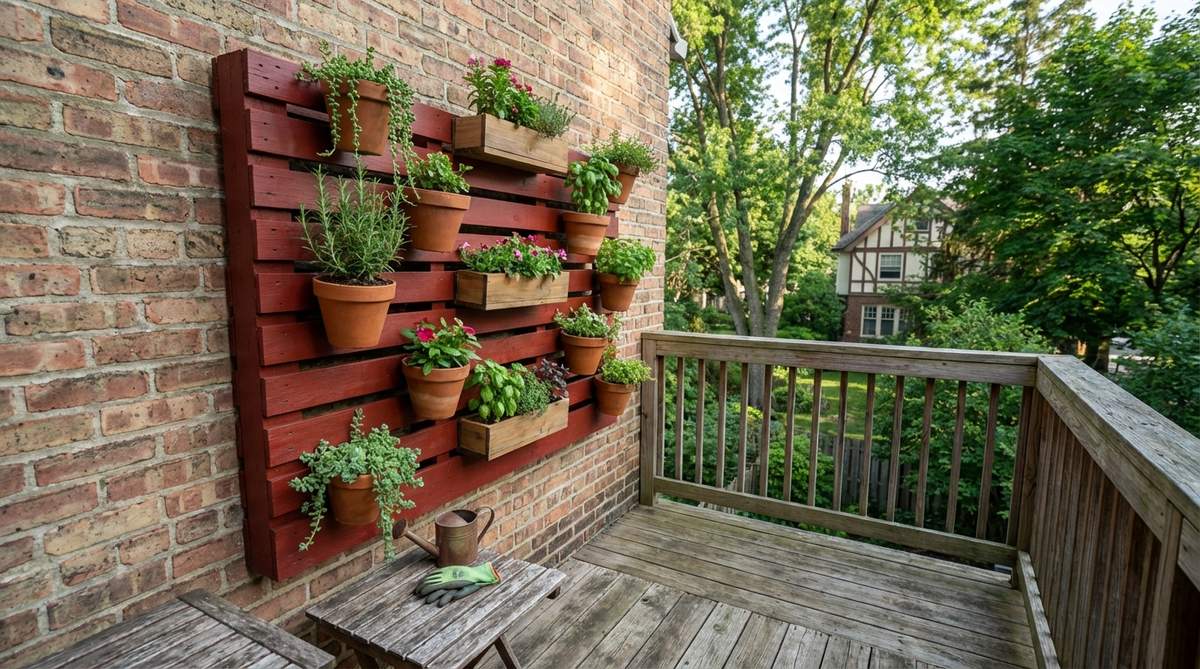
Delivers a rugged, industrial chic atmosphere that anchors an urban outdoor space. This upcycled wood plant stand serves as an ideal backdrop for a patio lounge corner.
Untreated wood is a massive red flag that attracts pests almost overnight. Sealing the structure with a marine-grade matte finish creates an upscale, weatherproof centerpiece that outlasts the harshest seasons.
You can assemble this for under $20 if you source the pallet for free. Save this for your next low-budget weekend project!
- Key Materials: Heat-treated wooden pallets
- Vibe / Style: Eco-industrial loft
- Difficulty: Requires basic sanding
- Budget Breakdown: Sealant: $12 | Landscape Fabric: $8
- Creator’s Tip: Staple heavy-duty landscape fabric into the back to create secure soil pockets.
- Smart Sourcing: Snag pre-cut landscape fabric rolls and a UV-resistant clear wood sealant.
6. Stacked Crate Plant Tower
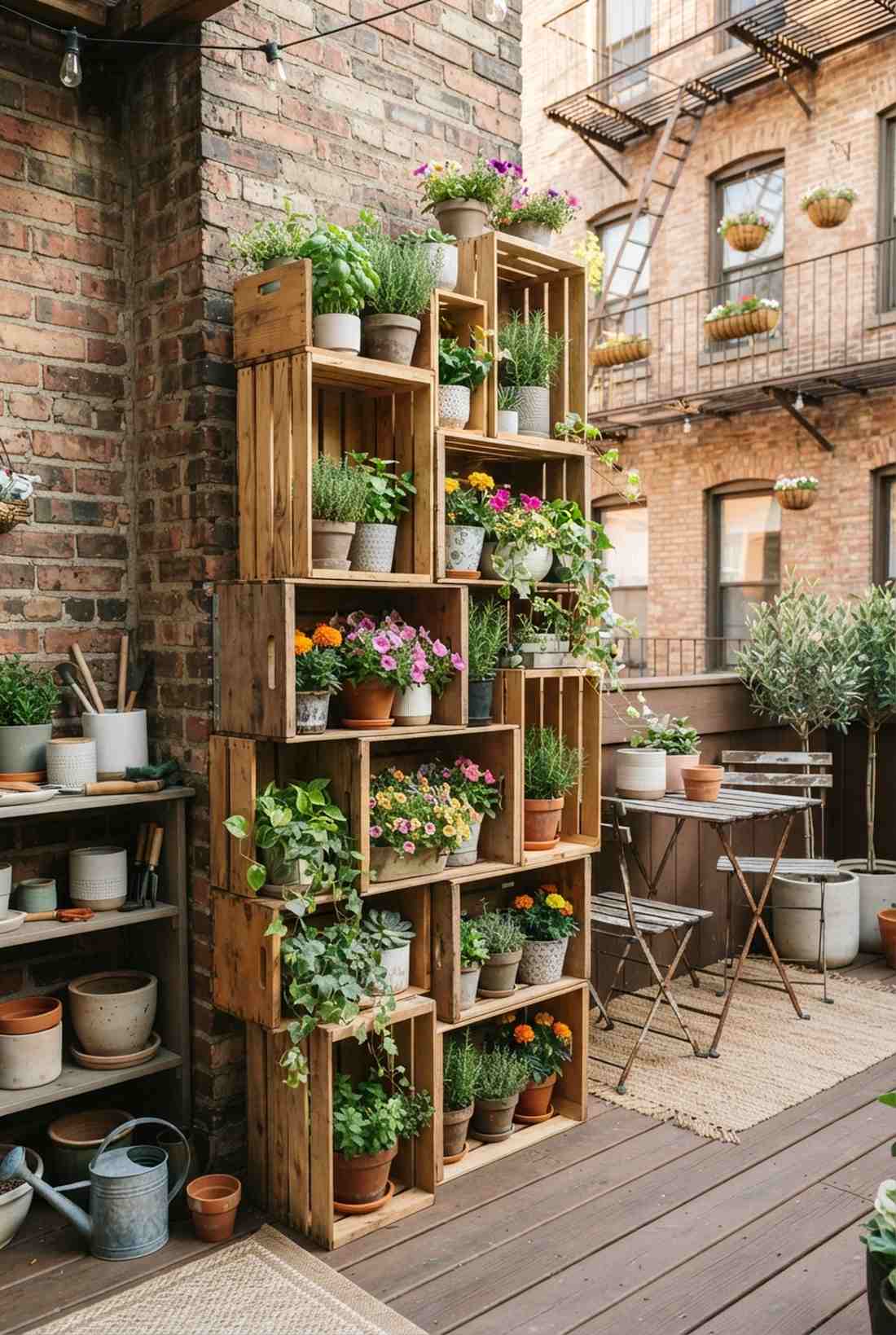
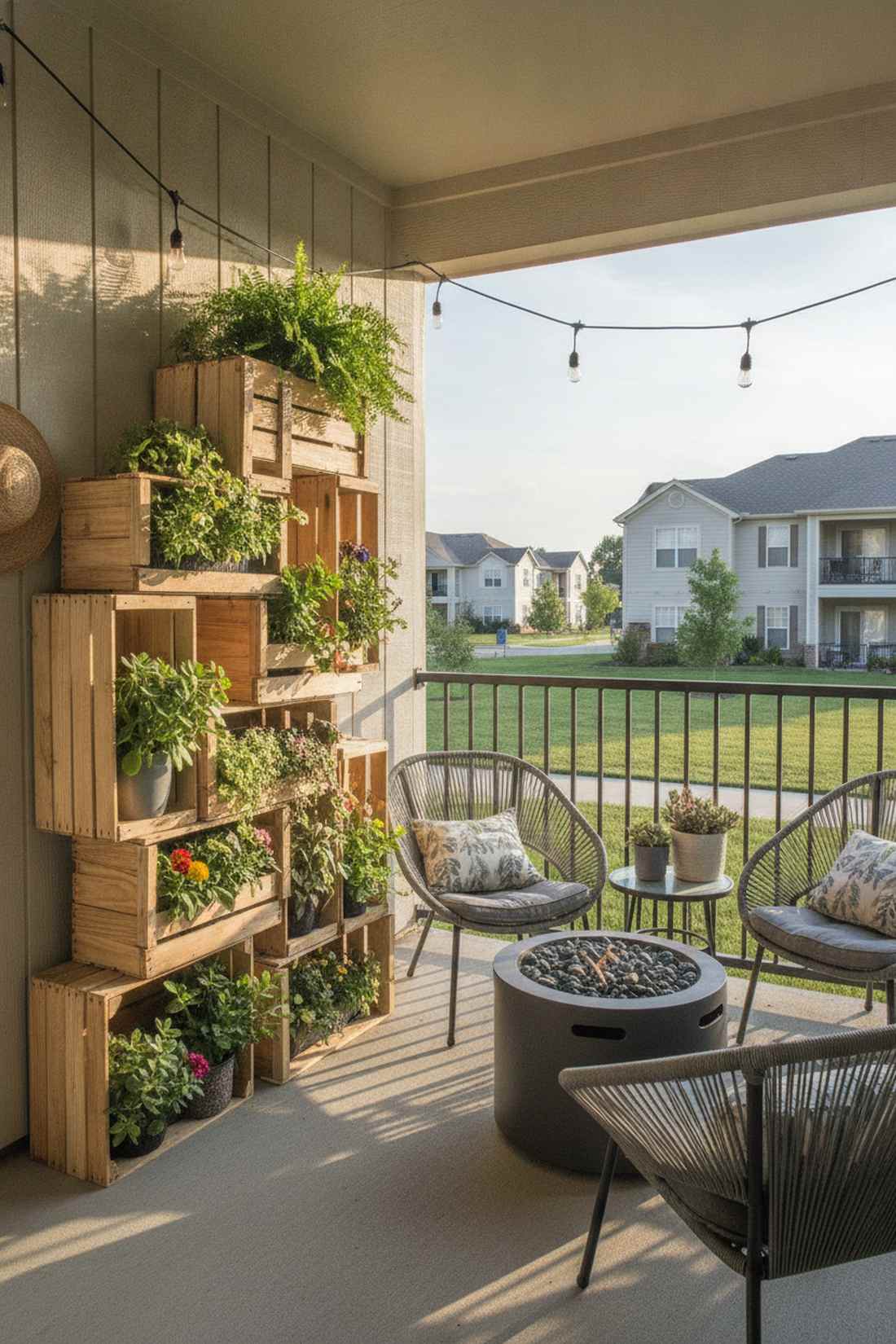
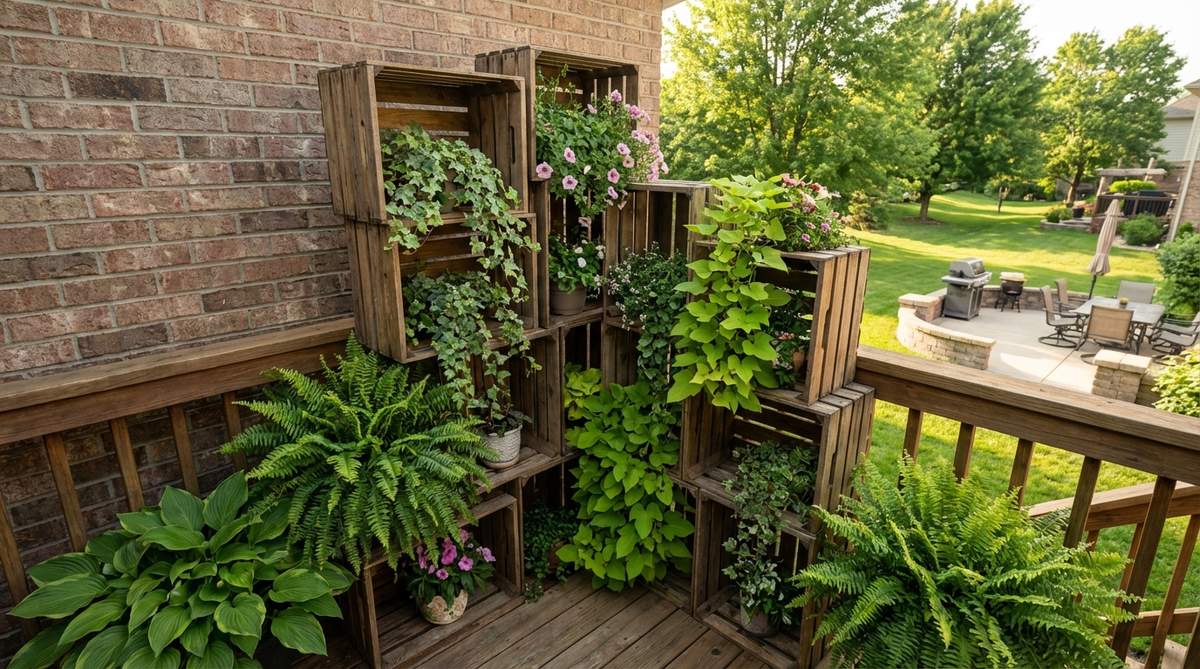
Radiates a playful, dynamic energy akin to a bustling local flower market. This modular wooden planter setup adapts effortlessly to awkwardly shaped apartment patios.
Stacking identical boxes looks rigid and boring. Offsetting varied crate sizes gives a custom architectural aesthetic that rivals expensive modern furniture catalogs.
A collection of fresh crates will run you about $45. Highly recommended for renters who need portable solutions.
- Key Materials: Pine storage crates
- Vibe / Style: Curated market aesthetic
- Difficulty: Simple stacking
- Budget Breakdown: Crates: $30 | Hardware: $15
- Creator’s Tip: Use metal mending plates on the backside to lock the staggered boxes safely in place.
- Smart Sourcing: Look for unfinished wooden craft crates (bulk pack) and rust-resistant mending plates.
7. Hanging Gutter Planter Rows
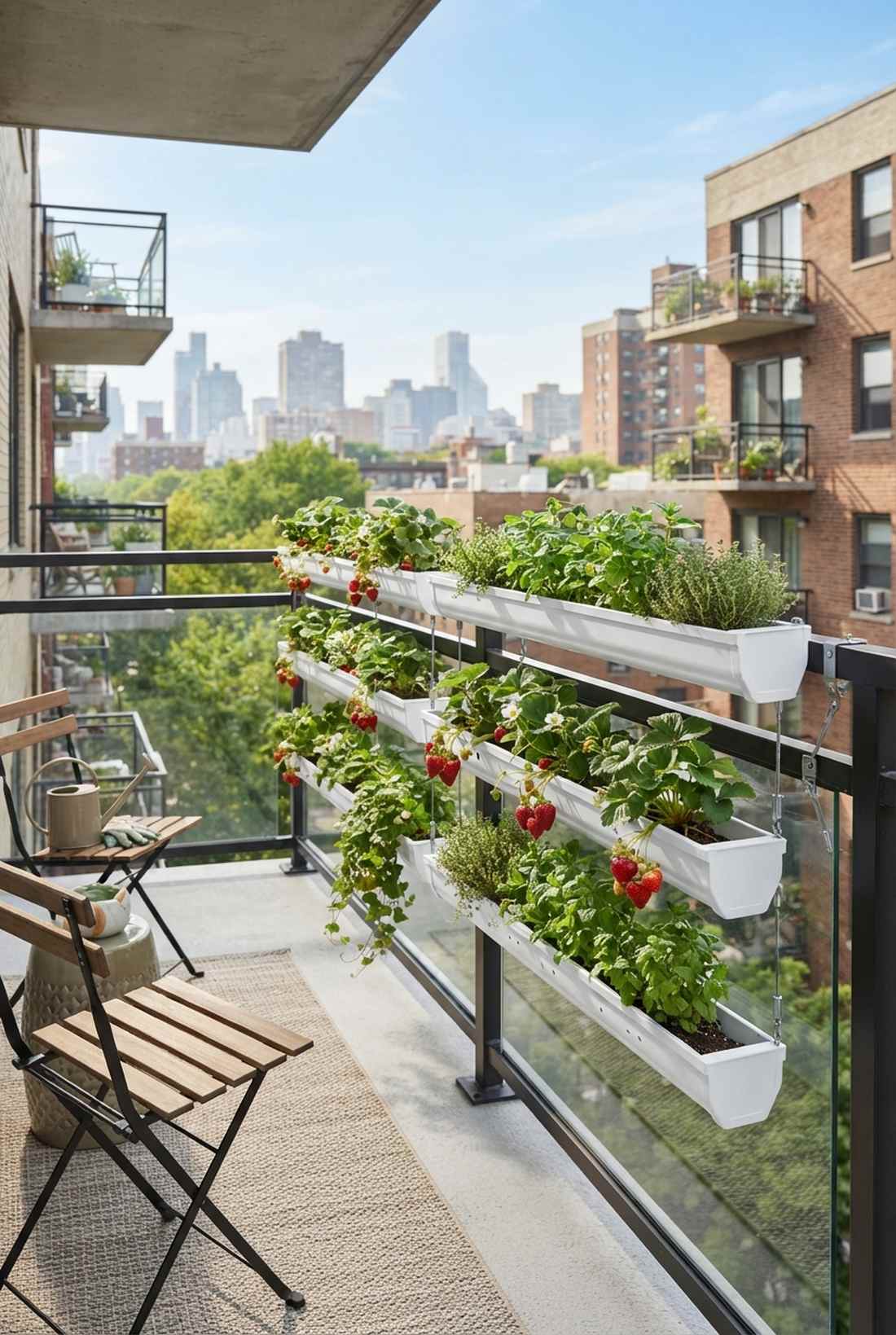
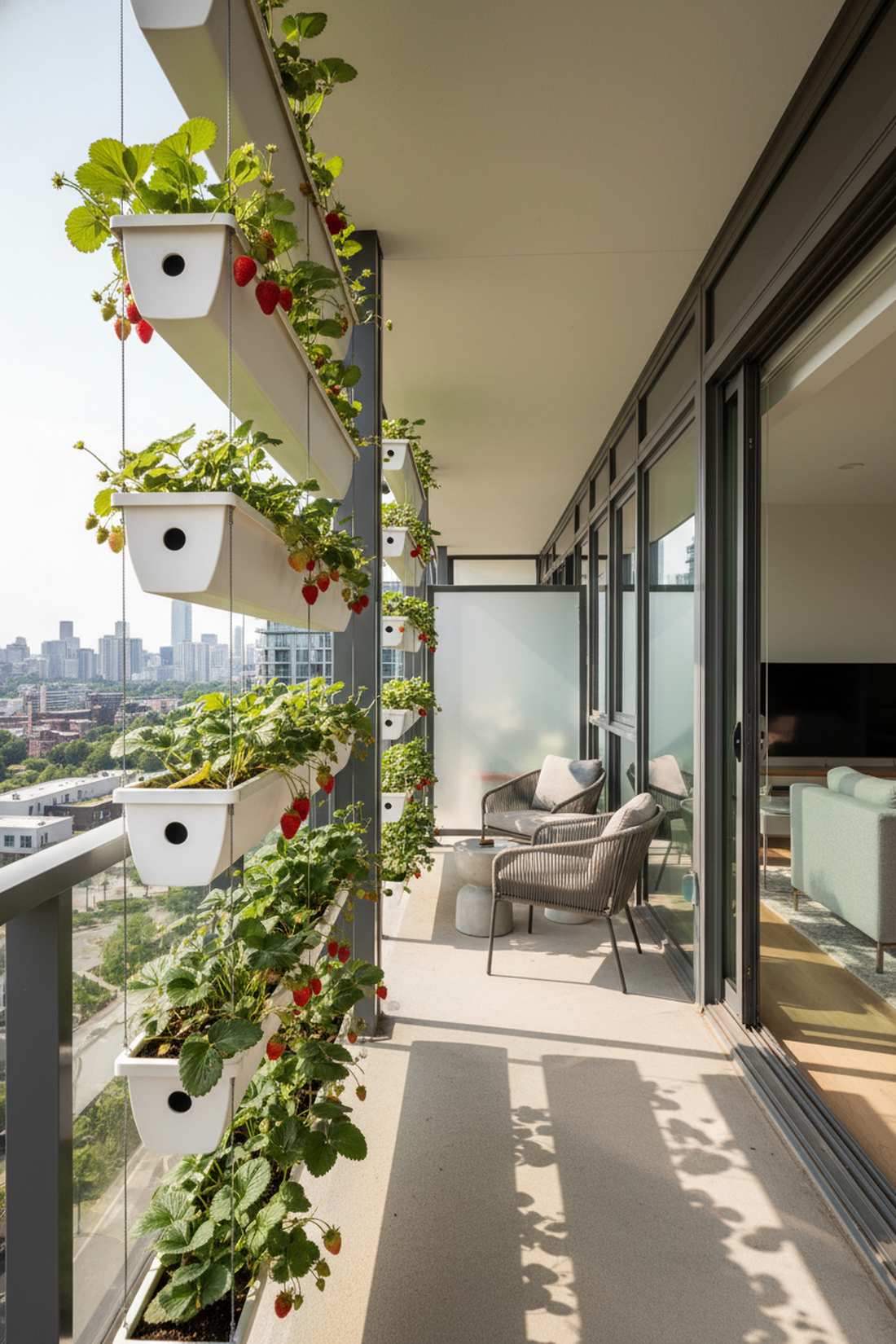
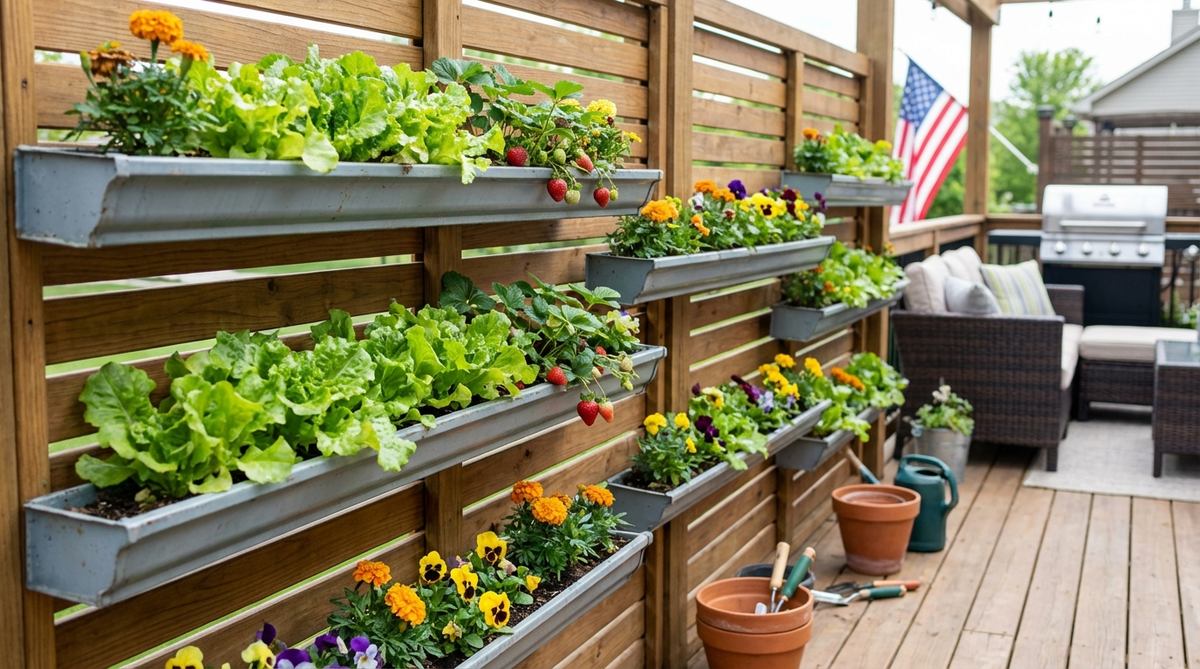
Yields a sleek, streamlined look perfect for contemporary minimalist styling. This horizontal railing garden design suits long, narrow apartment balconies perfectly without stealing floor space.
People often use standard plastic that warps under intense afternoon UV rays. Installing aluminum or heavy-gauge vinyl gutters transforms a cheap hack into a permanent, sleek installation.
Materials typically cost around $30 per ten-foot section. Pin this if you want to grow strawberries in a tight space!
- Key Materials: Rain gutters and end caps
- Vibe / Style: Ultra-modern functional
- Difficulty: Requires a drill and level
- Budget Breakdown: Gutters/Hardware: $25 | Seeds: $5
- Creator’s Tip: Drill a drainage hole every six inches to prevent root rot during heavy rainfalls.
- Smart Sourcing: Use heavy-gauge vinyl gutter kits and steel cable hanging wire.
8. Corner Shelving Unit Jungle
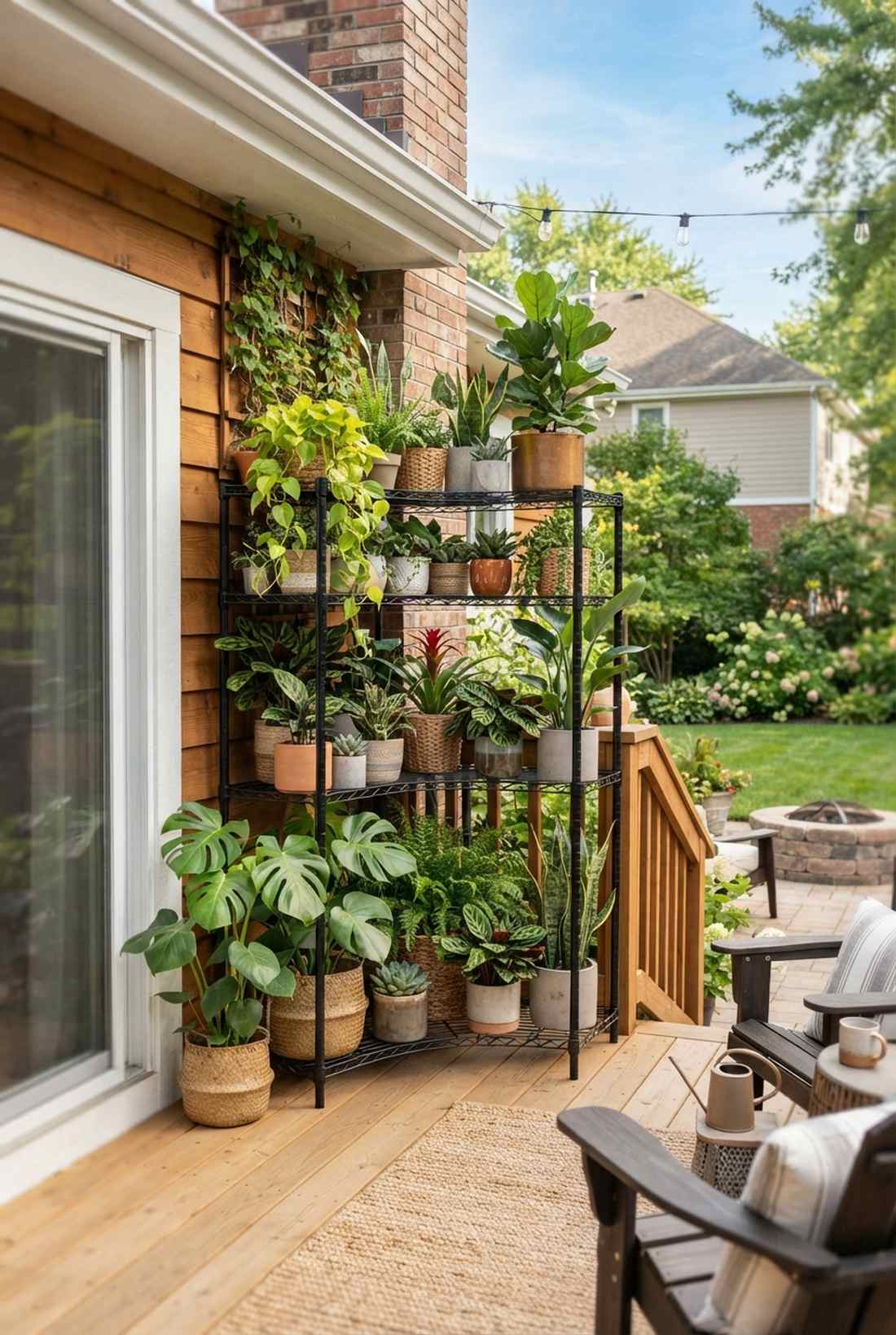
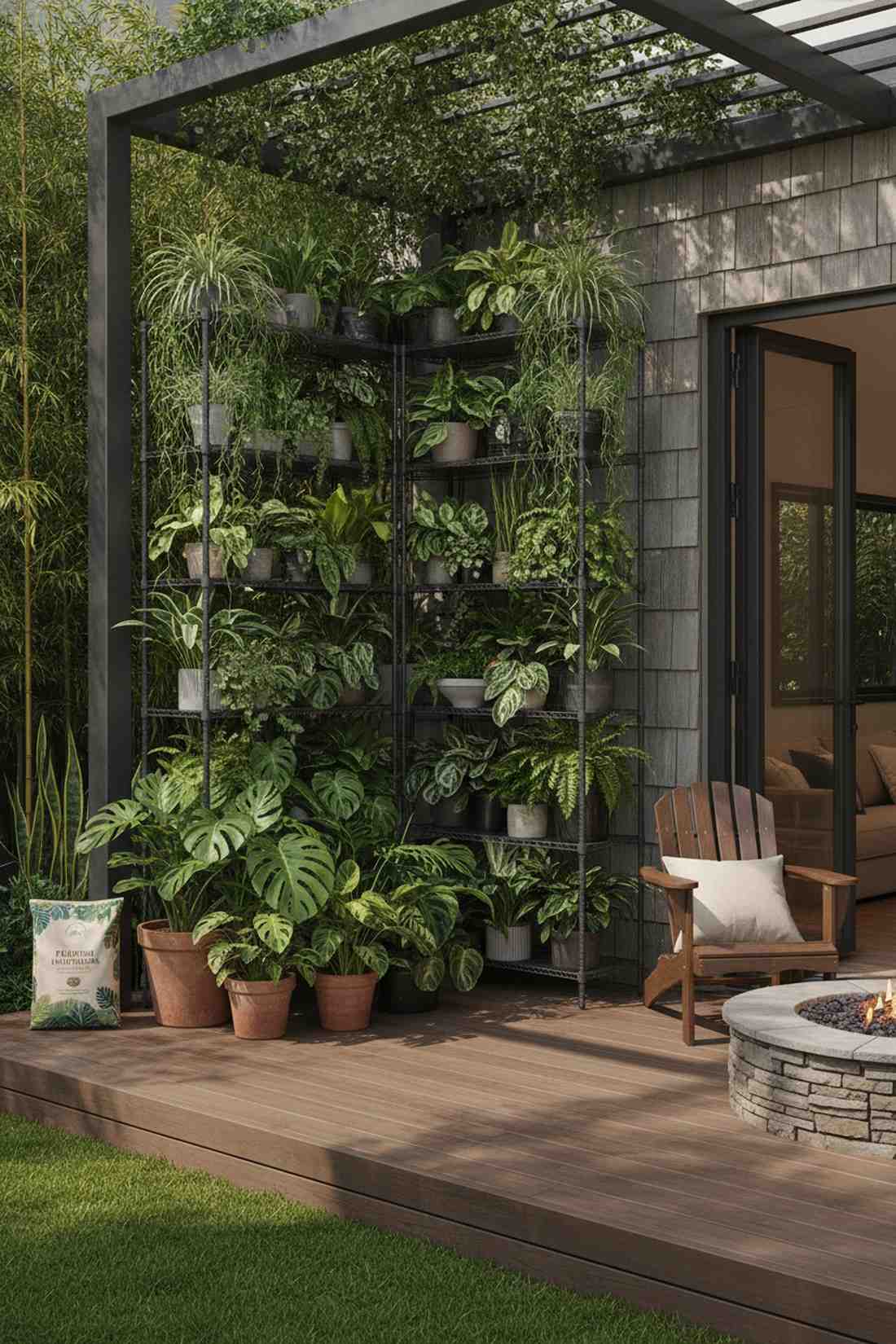
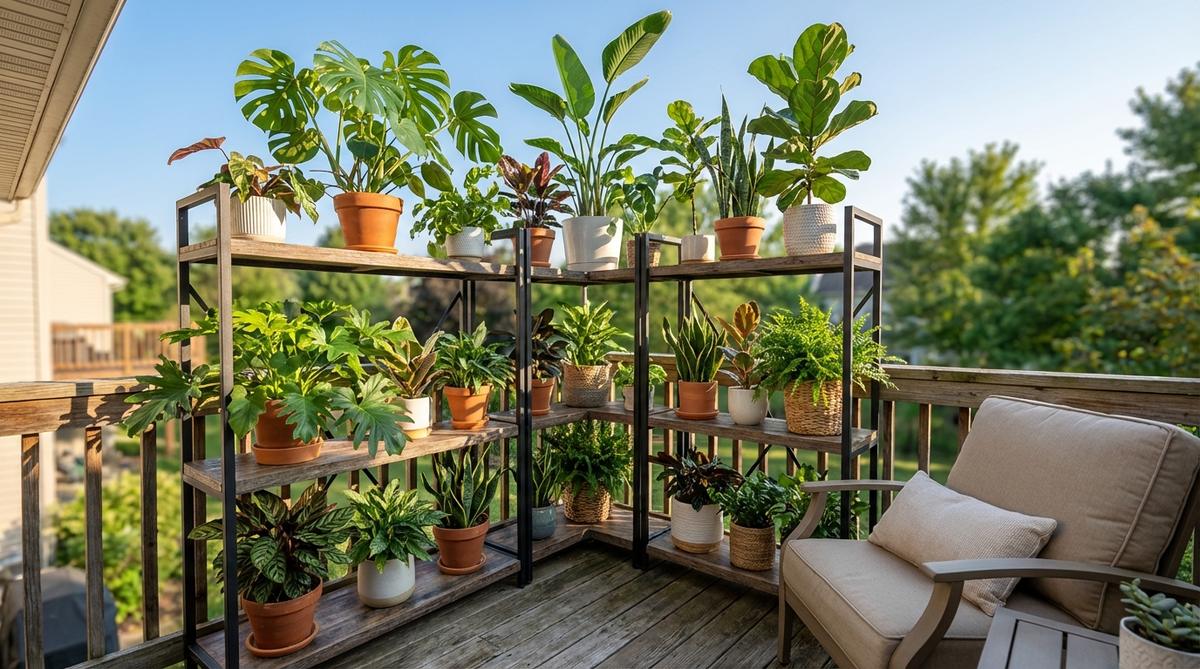
Feels like a dense, tropical hideaway tucked into the middle of the city. This corner plant canopy display is an absolute lifesaver for underutilized alcoves.
Spacing plants evenly is a rookie error that kills the lush illusion. Cramming varying heights on powder-coated steel racks delivers a curated conservatory aesthetic that looks incredibly expensive.
Expect to spend $40–$80 on a heavy-duty shelving unit. An absolute must-have for a rapid patio makeover.
- Key Materials: Tiered wire or metal shelving
- Vibe / Style: Urban rainforest
- Difficulty: No tools required
- Budget Breakdown: Rack: $50 | Assorted Plants: $30
- Creator’s Tip: Place your heaviest, largest pots on the bottom shelf to anchor the unit against strong winds.
- Smart Sourcing: Buy an outdoor rust-proof corner shelf and premium indoor/outdoor potting mix.
This next setup is ridiculously cheap but looks like a $100 custom display…
9. Monochromatic White Garden
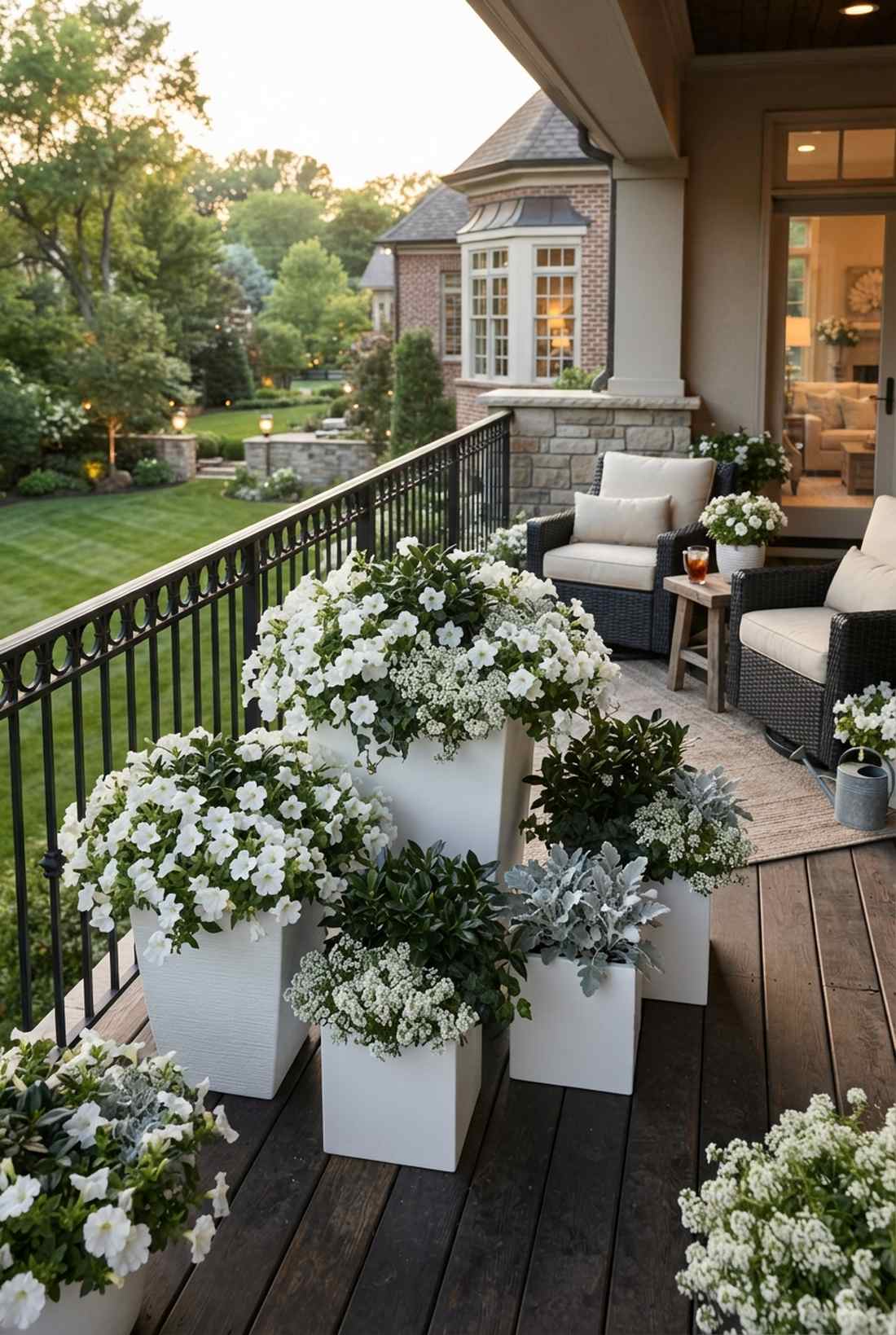
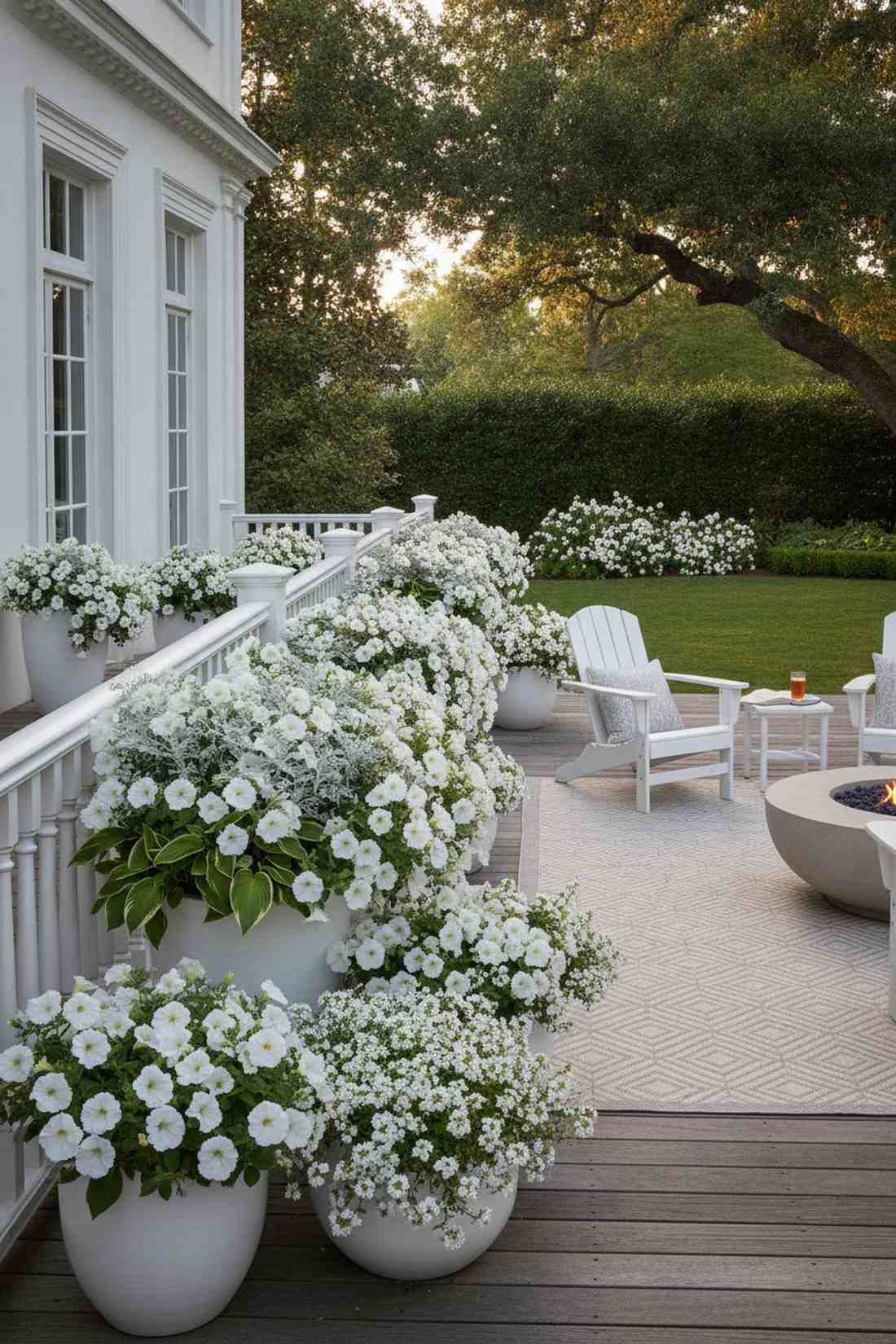
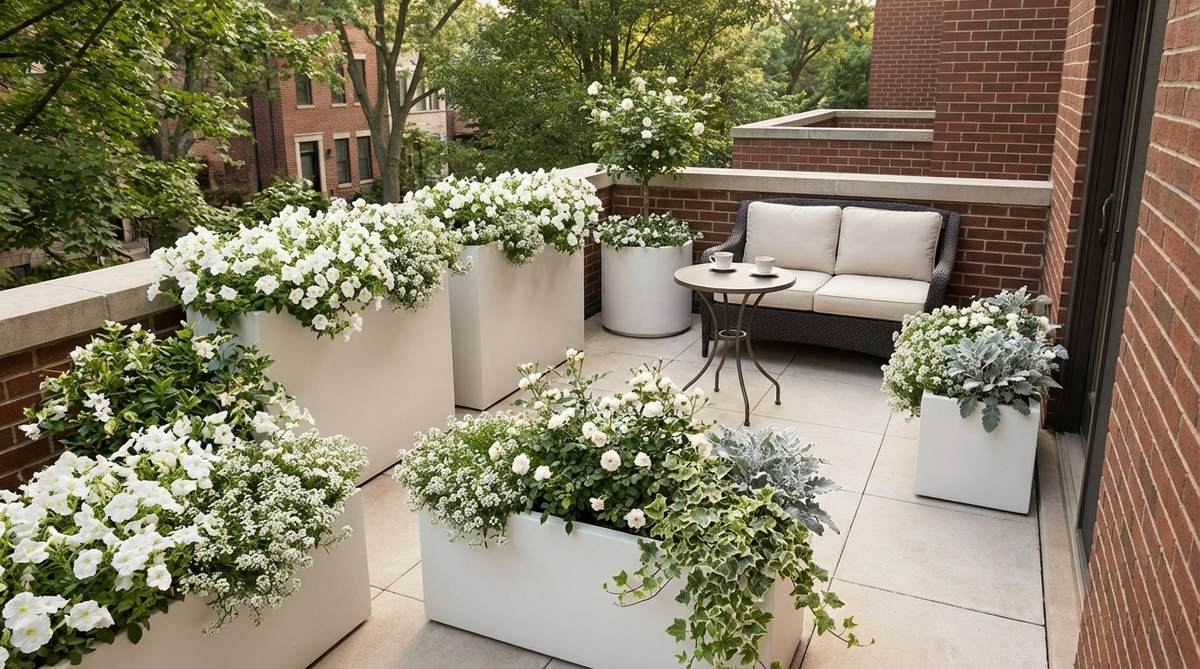
Breathes an air of serene, high-end luxury reminiscent of a classical estate. This all-white floral balcony arrangement shines brilliantly in shaded or evening-focused spaces.
Mixing too many foliage types distracts from the pure color palette. Layering crisp white blooms against dark, glossy greens gives a designer-level finish that looks meticulously planned by a professional.
Putting this together costs around $35 in seasonal blooms. Save this to your elegant patio mood board!
- Key Materials: White petunias, alyssum, and fiberglass pots
- Vibe / Style: Classical luxury resort
- Difficulty: Simple maintenance
- Budget Breakdown: Planters: $20 | Flowers: $15
- Creator’s Tip: Add silver dusty miller to enhance the cool-toned, expensive aesthetic without breaking the budget.
- Smart Sourcing: Get white modern resin planters and slow-release bloom booster fertilizer.
💡 Must-Have Supplies for High-End Setups
To build these setups faster and ensure they last, skip the generic craft aisles and invest in the right foundational kits.
- Base & Support: Heavy-duty rust-proof iron balcony caddies
- Setup Tools: Complete urban gardening starter kits (with pruning shears)
- Weather/Durability Protection: UV-resistant clear acrylic sealant sprays
10. Warm Sunset Palette
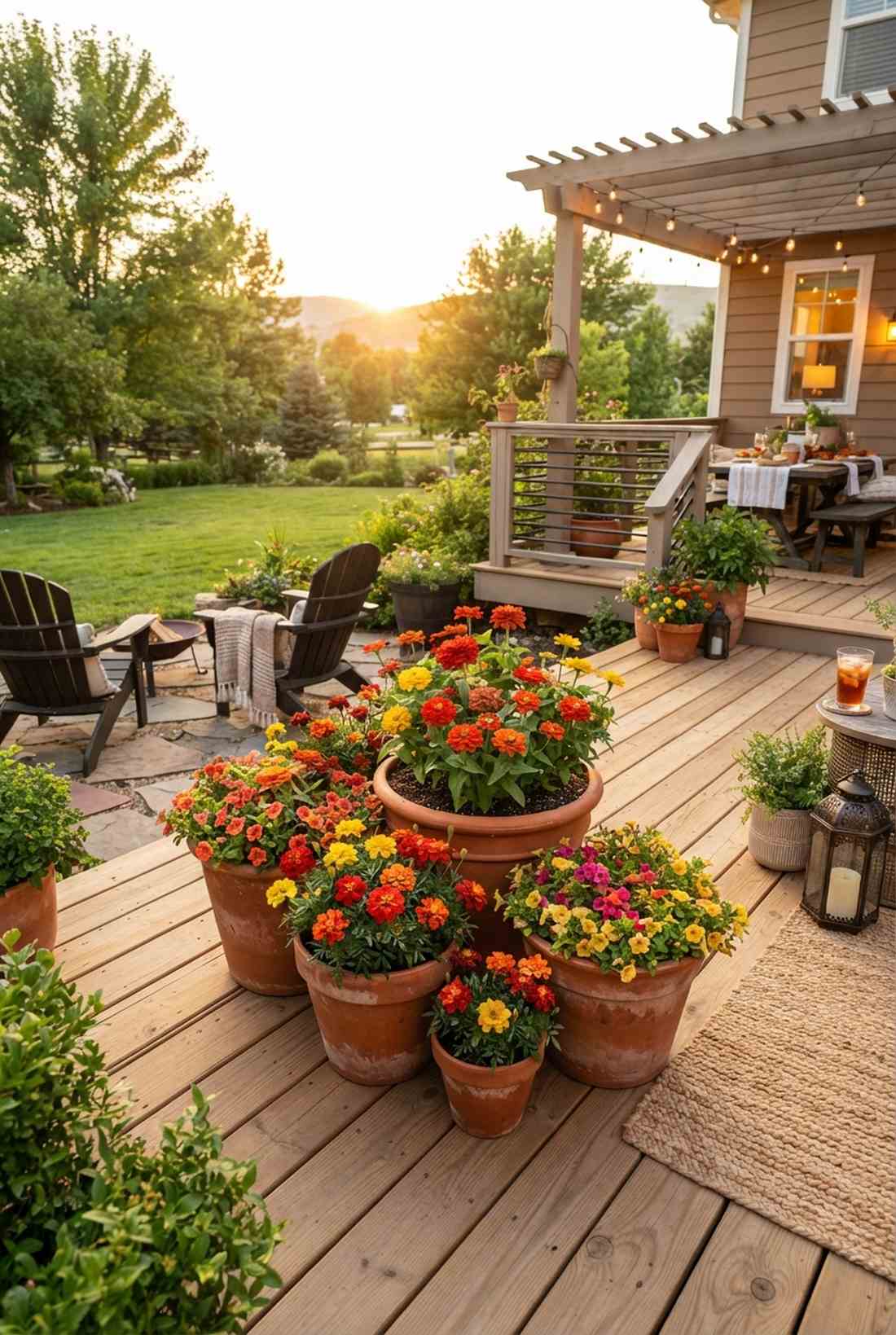
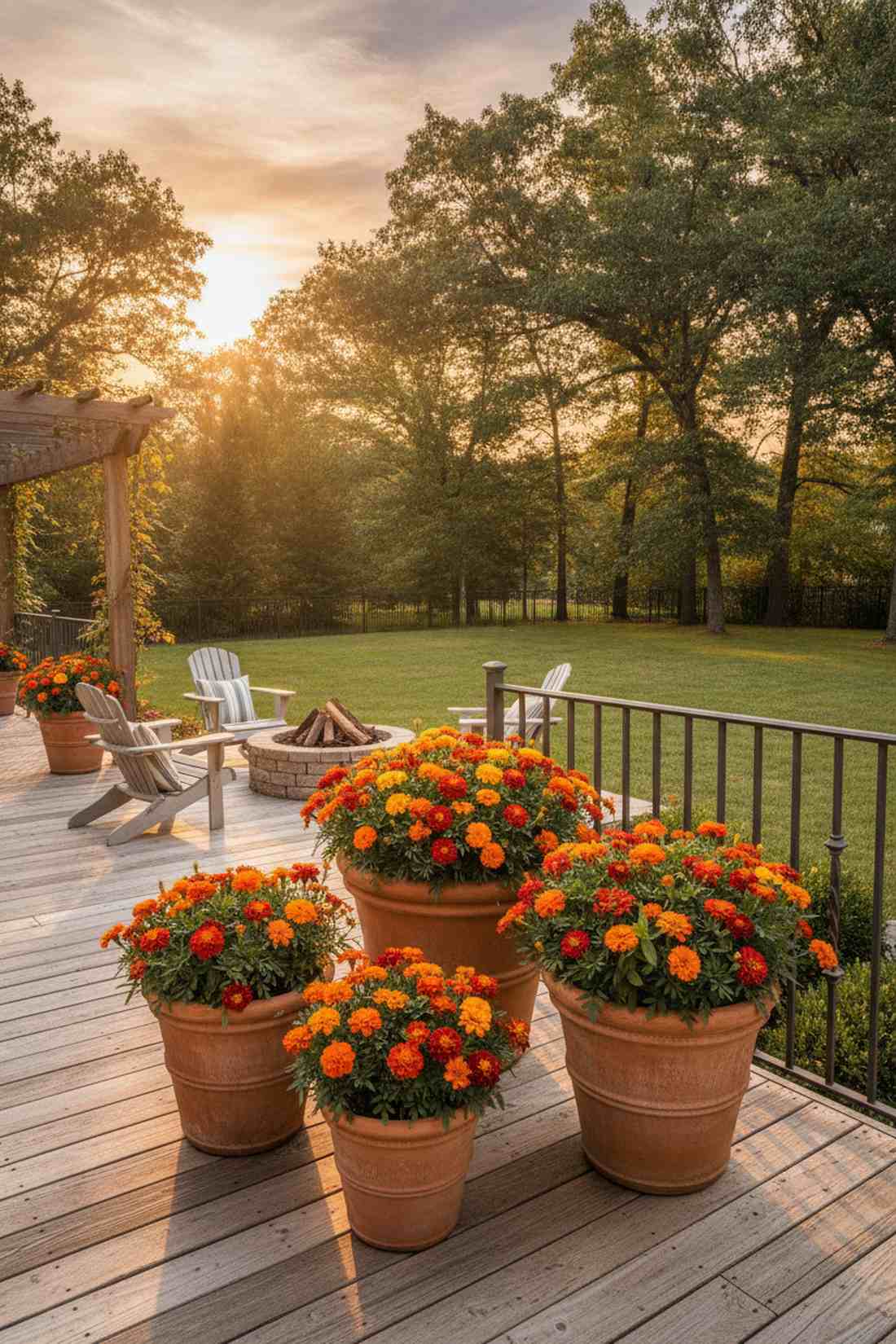
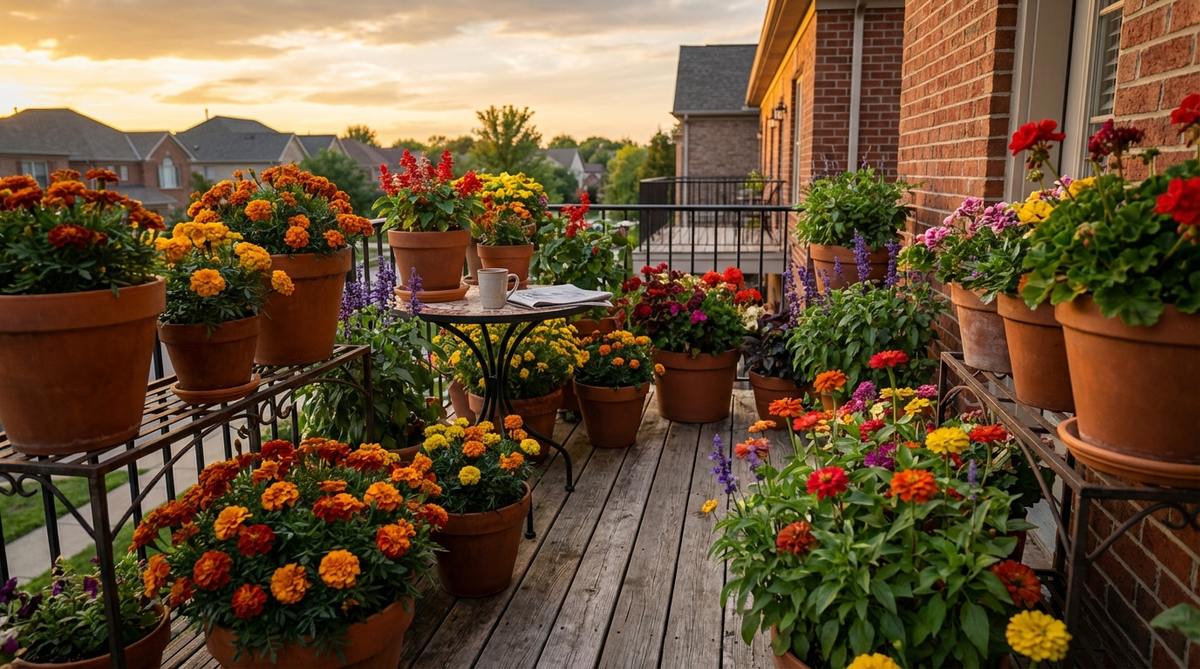
Projects a vibrant, energizing aura that feels like a permanent summer evening. This colorful terra cotta arrangement shines brightest on south-facing sun decks.
Relying on cheap plastic pots severely cheapens bright floral tones. Real clay planters ground the striking reds and oranges, creating an effortlessly upscale Mediterranean vibe that demands attention.
You can easily pull this off for $40 using nursery starts. Pin this if you love bold, warm outdoor aesthetics.
- Key Materials: Marigolds, zinnias, and unglazed clay pots
- Vibe / Style: Vibrant Tuscan terrace
- Difficulty: Beginner friendly
- Budget Breakdown: Pots: $25 | Plants: $15
- Creator’s Tip: Group pots in clusters of three (various sizes) to instantly create visual depth.
- Smart Sourcing: Source a bulk terra cotta planter set and high-phosphorus flower food.
11. Cool Serene Blues and Purples
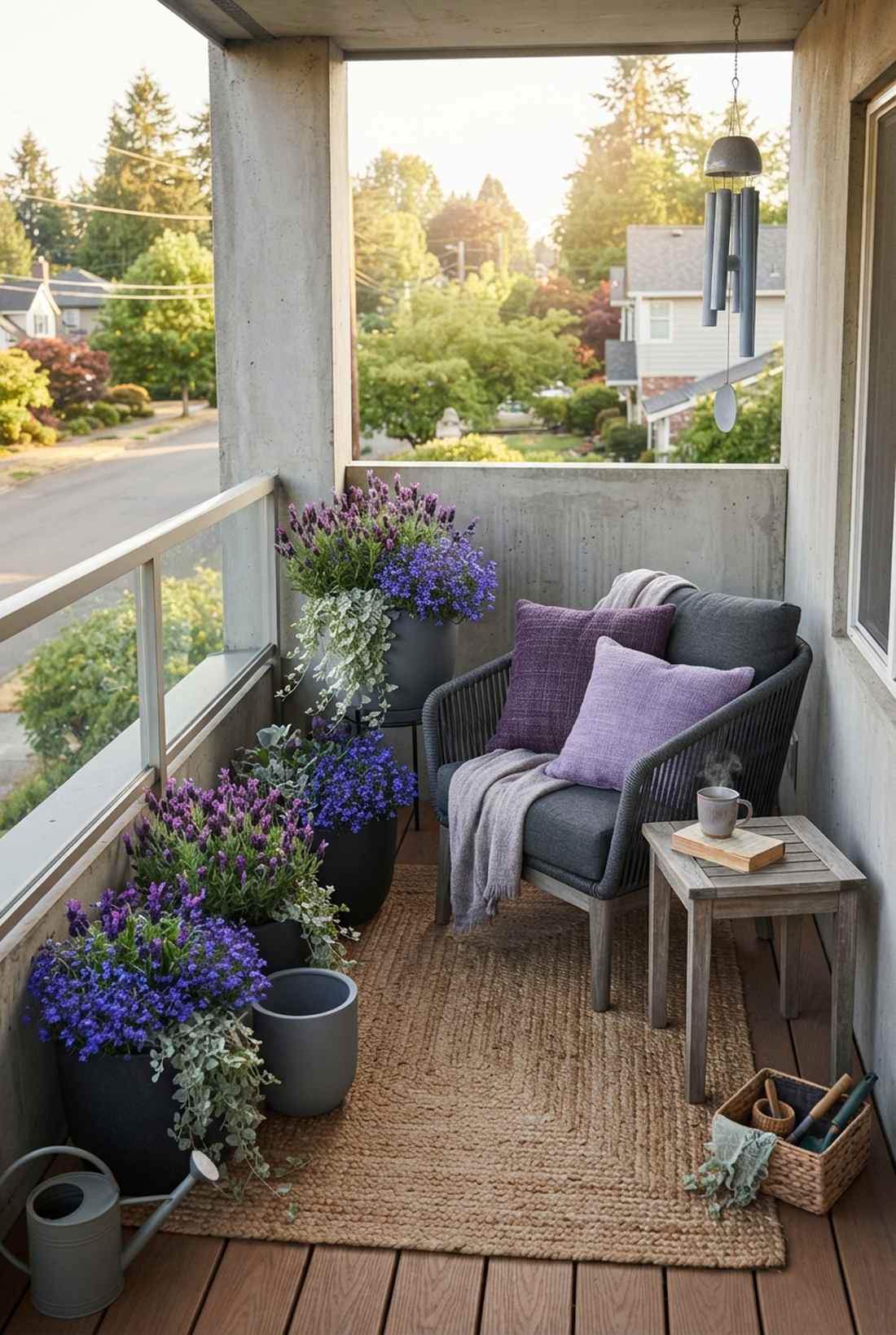
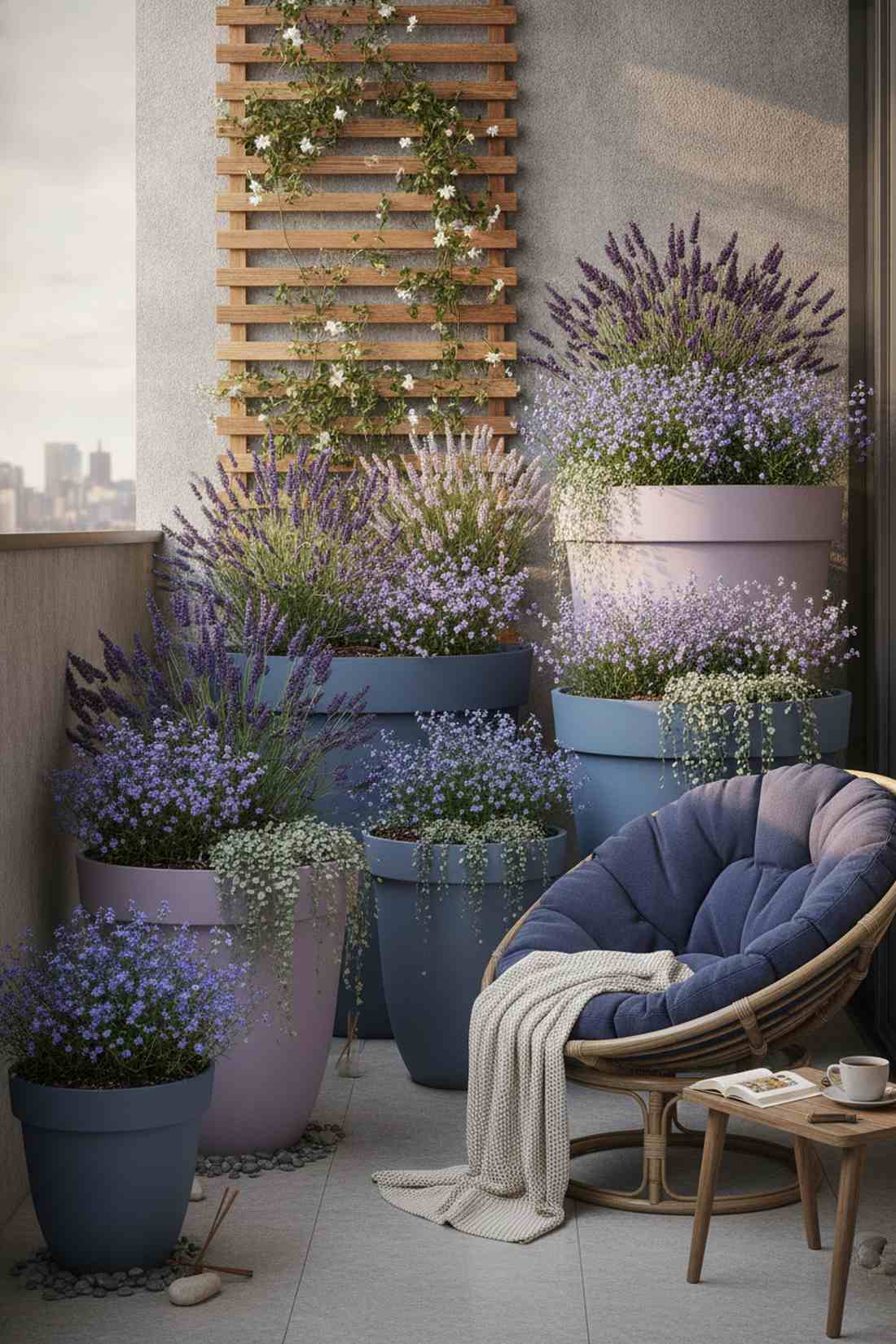
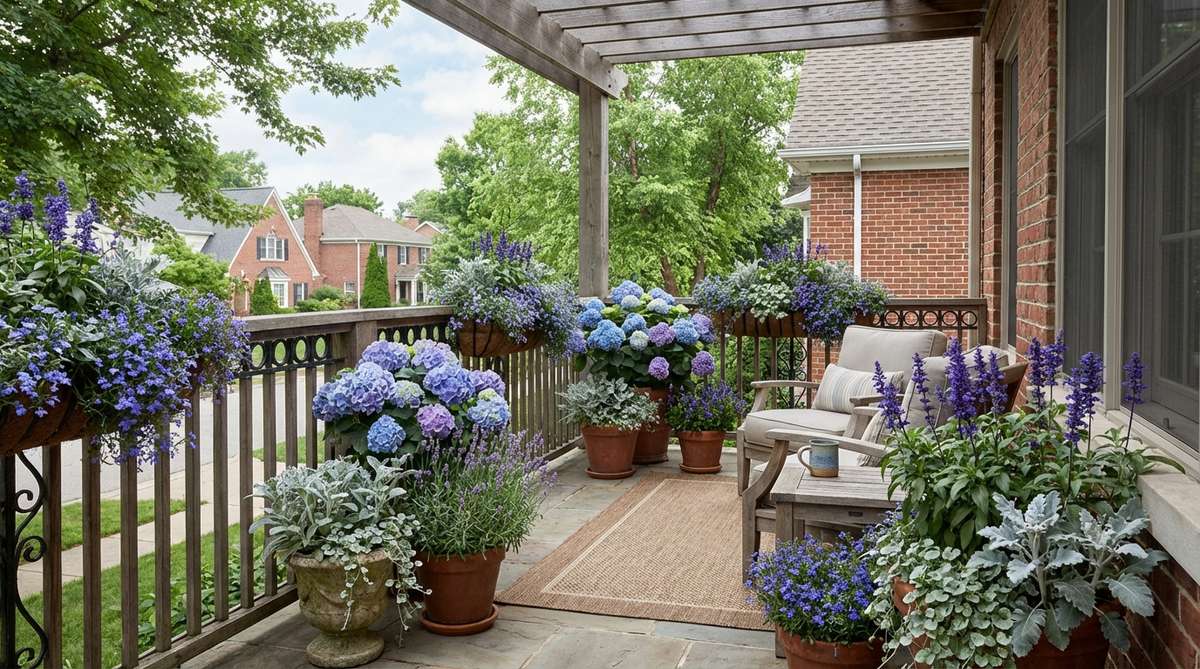
Delivers a calming, spa-like energy that visually expands tight quarters. This meditative purple balcony decor ideas with plants is perfect for creating a relaxing reading nook.
Using undersized containers causes root-bound plants to drop their vibrant blooms quickly. Upgrading to deep, self-watering resin pots ensures these cool tones stay hydrated and look lush for months.
Expect to spend about $30 on a solid selection of lavender and lobelia.
- Key Materials: Deep planters and hydrating soil
- Vibe / Style: Zen botanical spa
- Difficulty: Low maintenance
- Budget Breakdown: Self-watering pot: $20 | Plants: $10
- Creator’s Tip: Mix in trailing silver foliage to make the blues and purples visually pop against concrete walls.
- Smart Sourcing: Order UV-coated self-watering planters and premium moisture-retaining soil.
12. Complementary Purple and Yellow
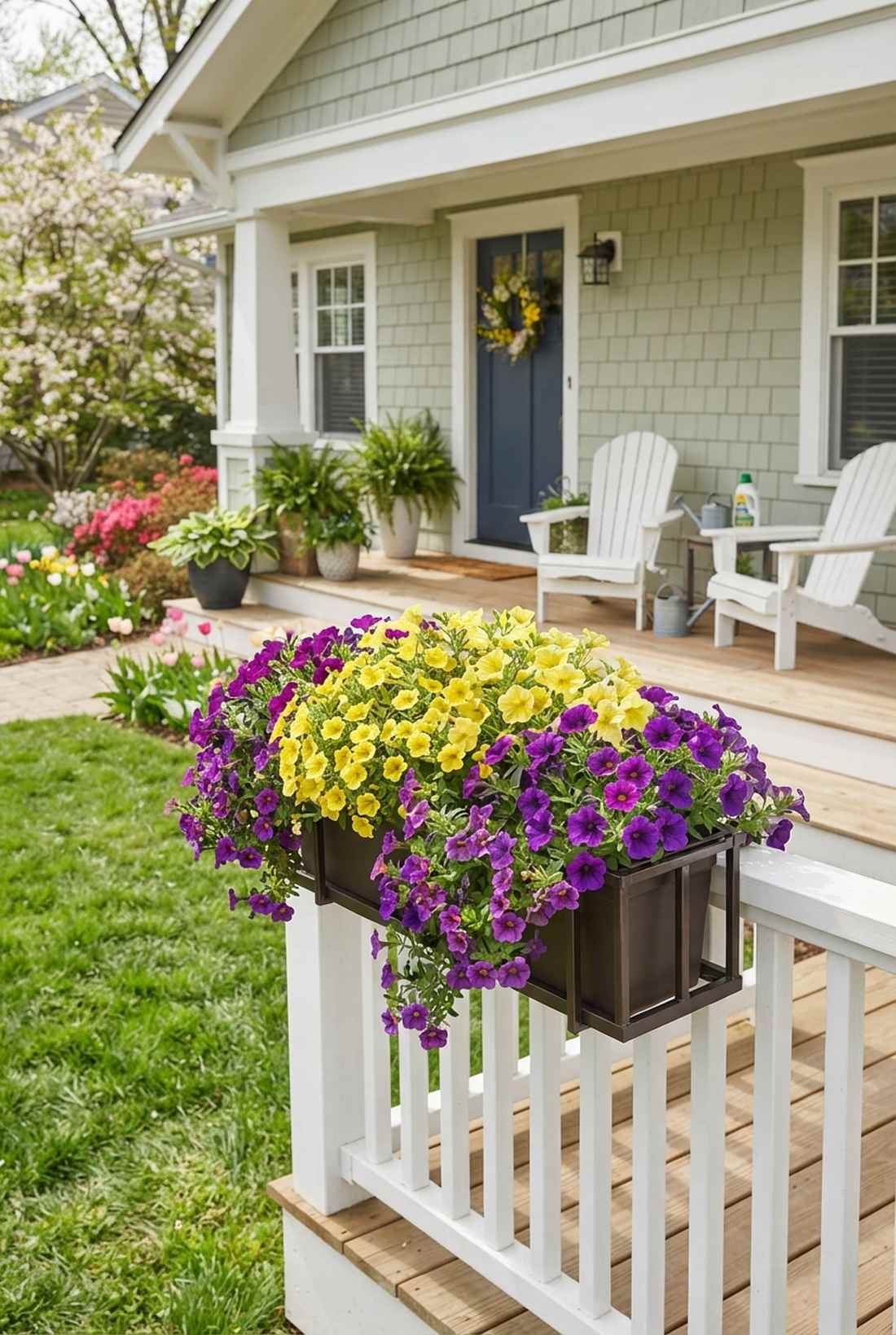
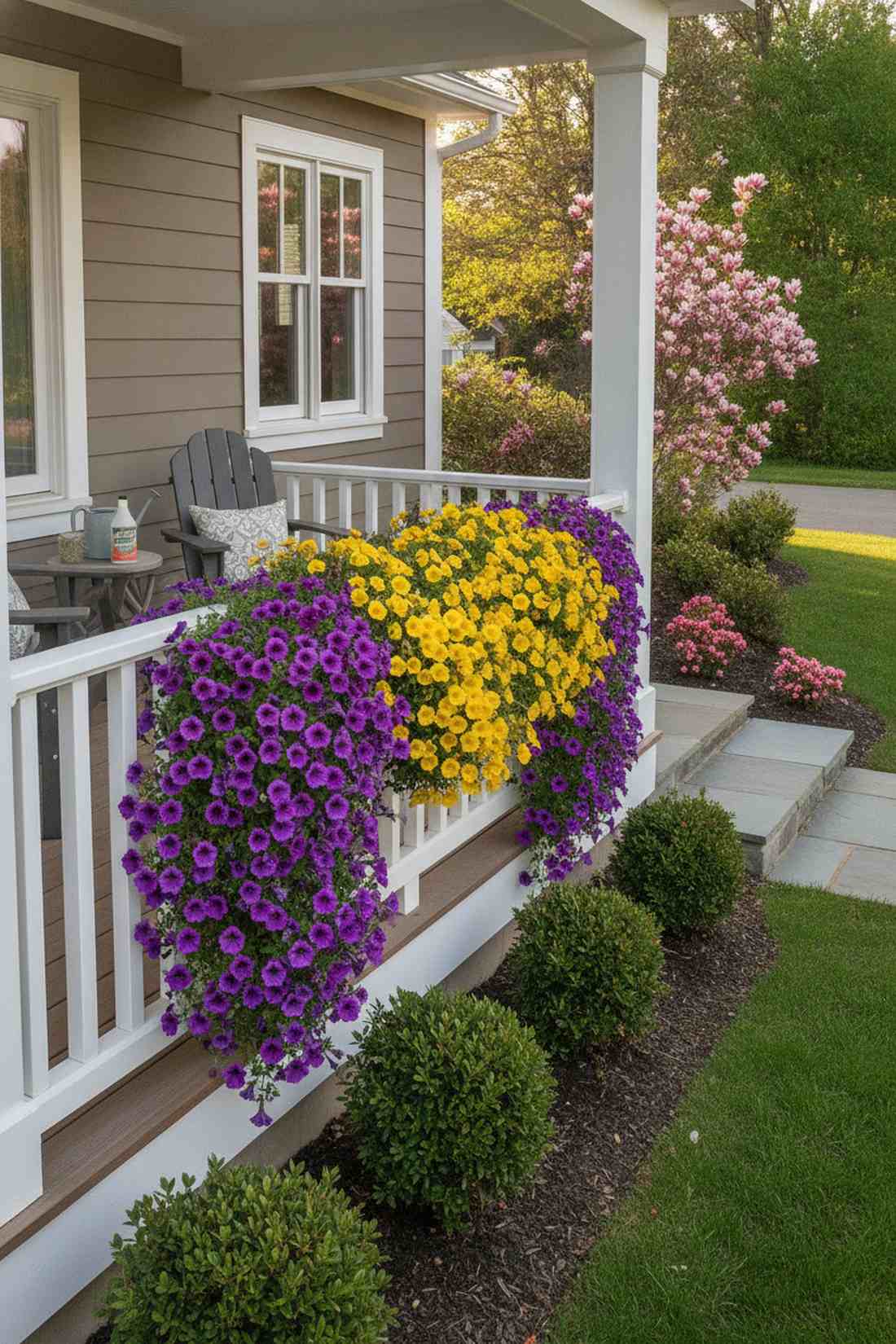
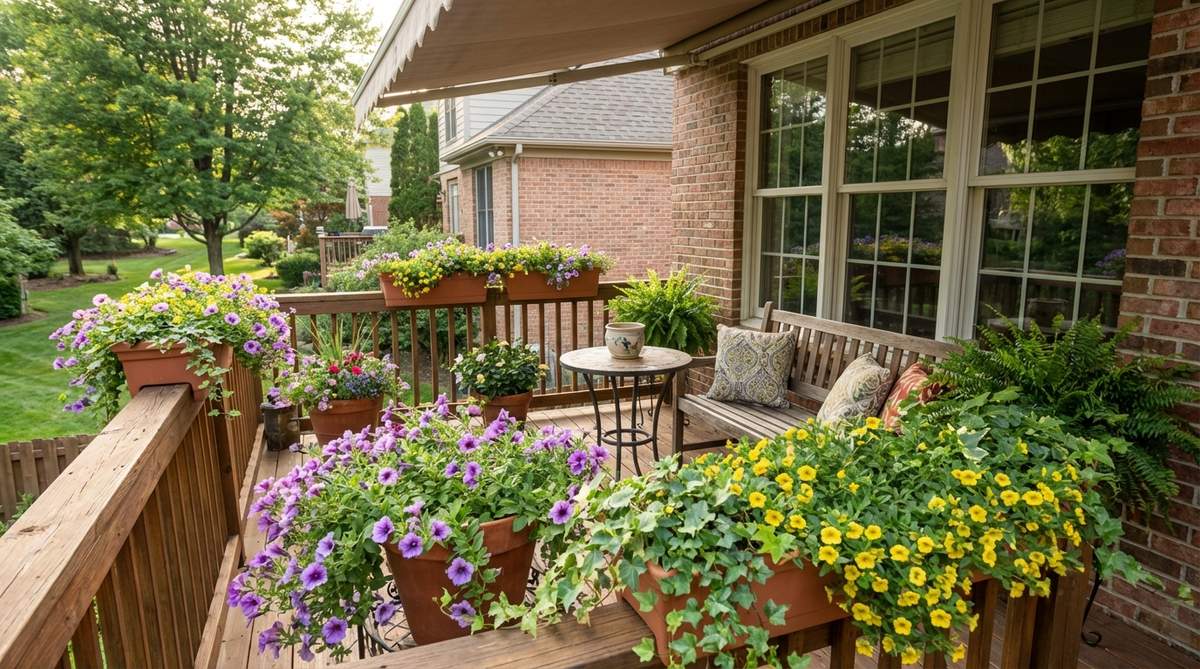
Strikes the eye with bold, high-contrast tension that commands attention from the street. This vibrant railing floral box acts as a massive statement piece for dull exteriors.
Many people evenly mix the colors, which ends up looking chaotic. Designating yellow as the focal point with purple cascading as the accent gives a designer-level finish.
Pulling off this striking palette costs roughly $25. Save this dynamic look for spring planting season!
- Key Materials: Calibrachoa, petunias, and bracket boxes
- Vibe / Style: Bold contemporary pop
- Difficulty: Easy planting
- Budget Breakdown: Railing box: $15 | Flowers: $10
- Creator’s Tip: Use a specialized bloom-boosting fertilizer weekly to keep the high-contrast colors fiercely bright.
- Smart Sourcing: Grab an adjustable railing planter box and liquid plant food starter kits.
13. Analogous Pink, Purple, and Red
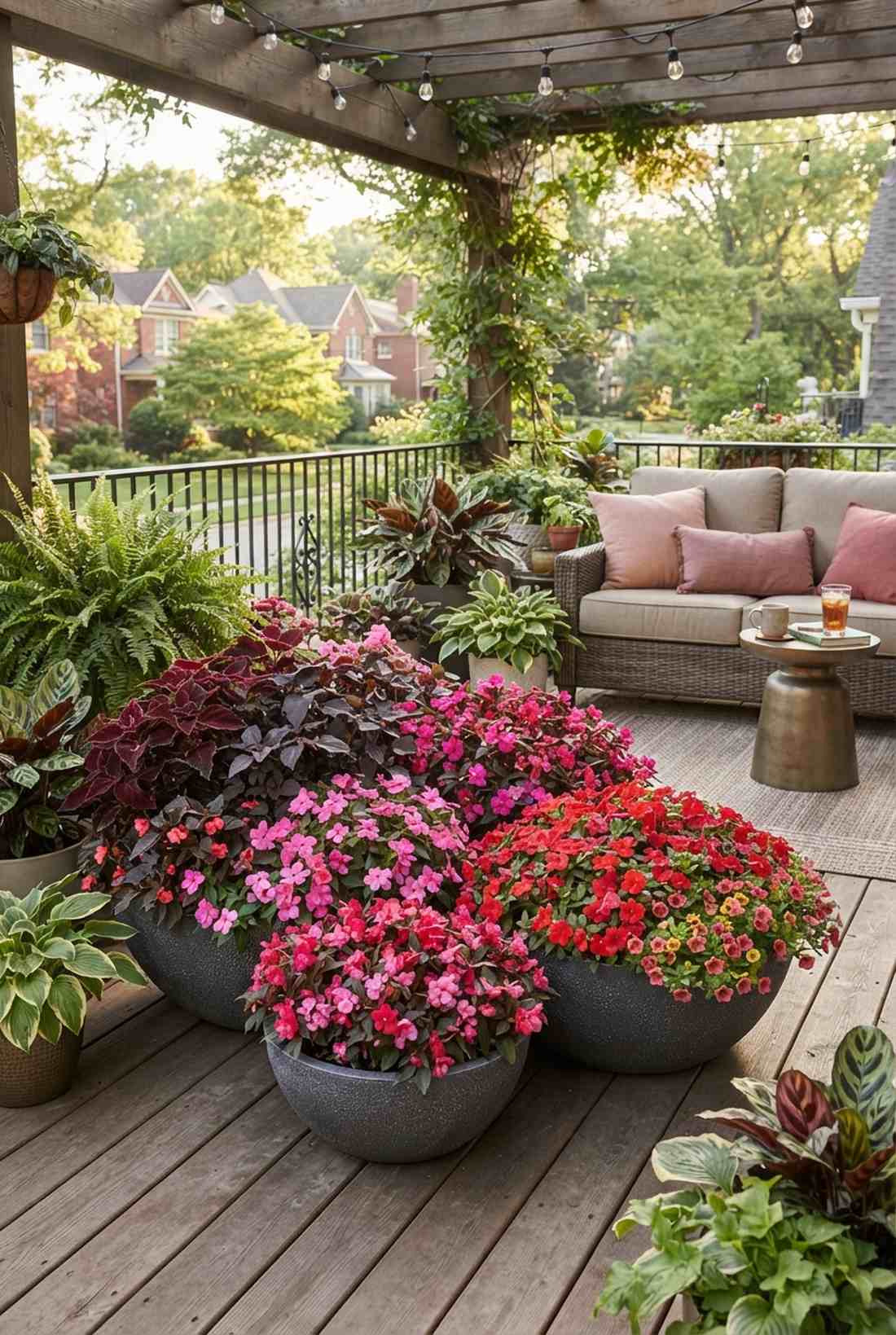
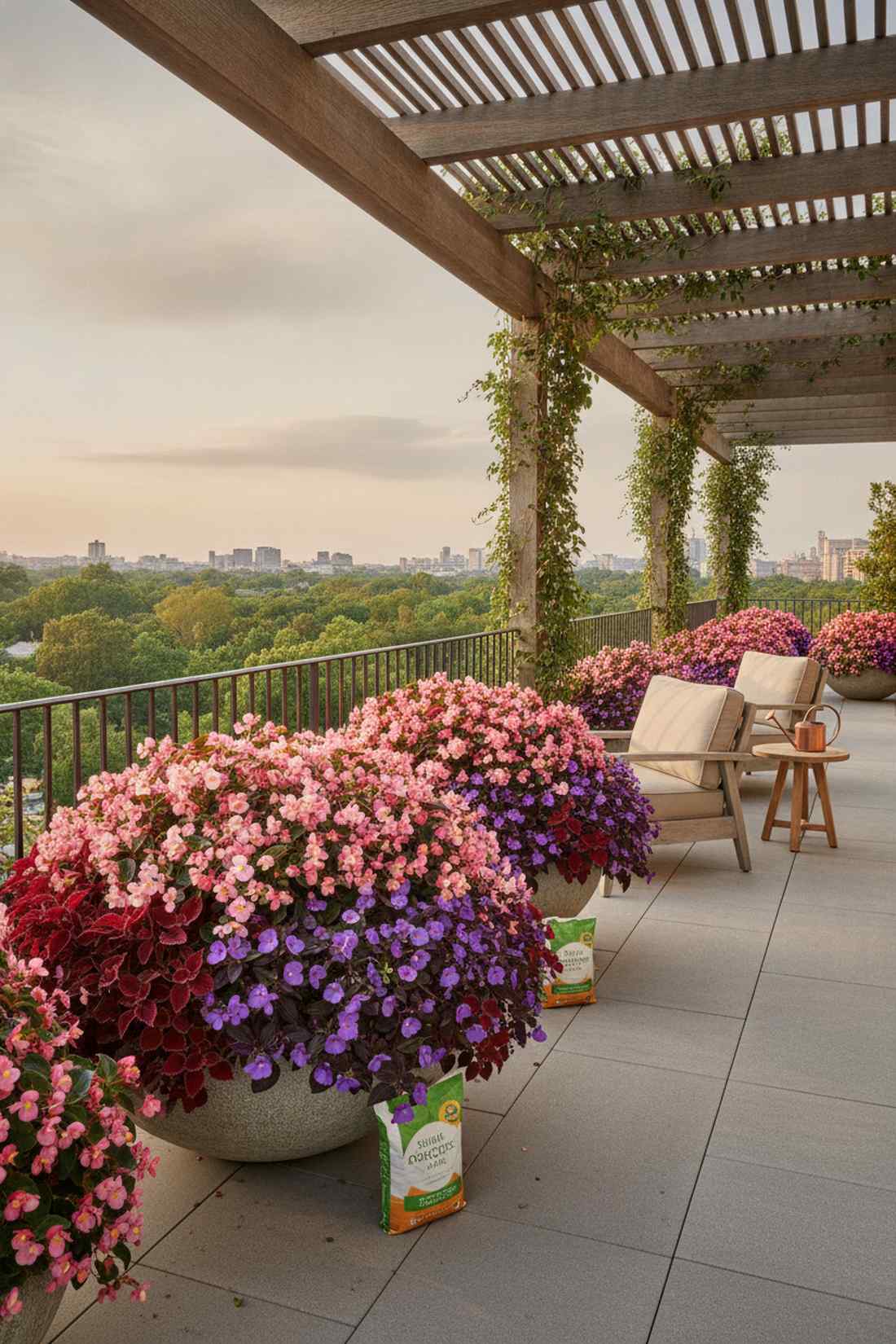
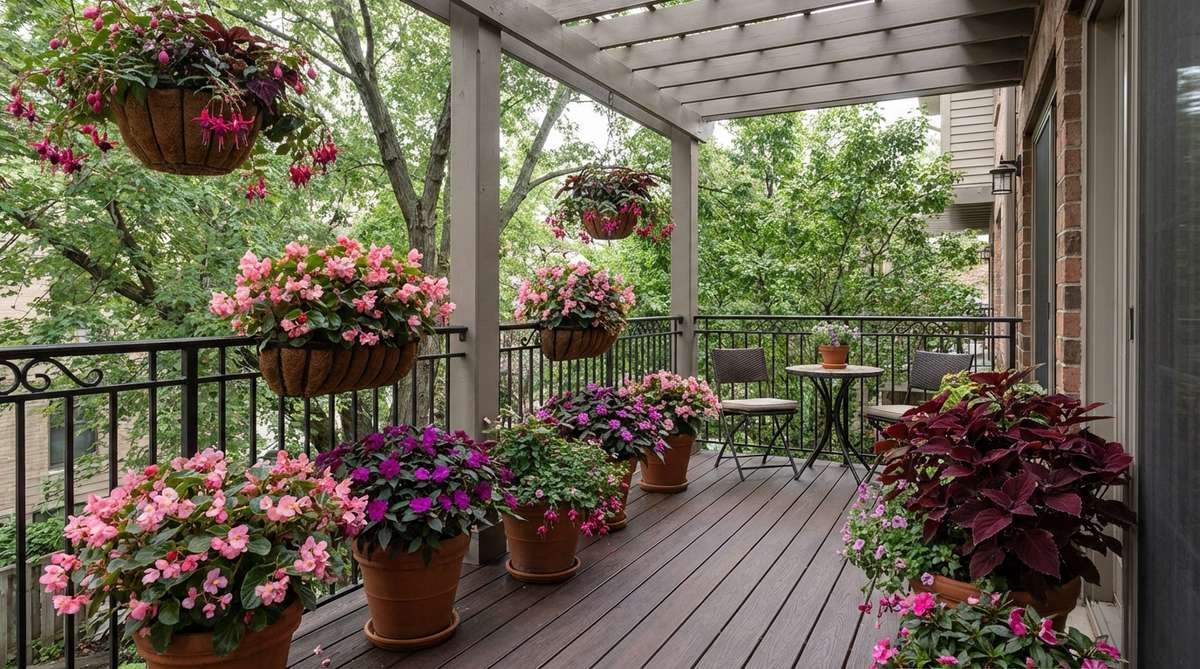
Flows with a romantic, seamless color transition reminiscent of a high-end botanical garden. This flowing color shade garden thrives beautifully on partially covered apartment terraces.
Sticking purely to flowers misses the opportunity for deep textural contrast. Adding burgundy coleus foliage grounds the bright pinks, resulting in a look that feels far more expensive than it is.
This lush gradient setup will run you about $35 total.
- Key Materials: Begonias, impatiens, and wide bowl planters
- Vibe / Style: Lush romantic retreat
- Difficulty: Needs shade management
- Budget Breakdown: Wide bowl: $20 | Foliage & Blooms: $15
- Creator’s Tip: Plant them tightly together to create a dense, overflowing ‘mound’ effect quickly.
- Smart Sourcing: Buy wide faux-stone resin bowls and shade-garden fertilizer spikes.
14. Triadic Red, Yellow, and Blue
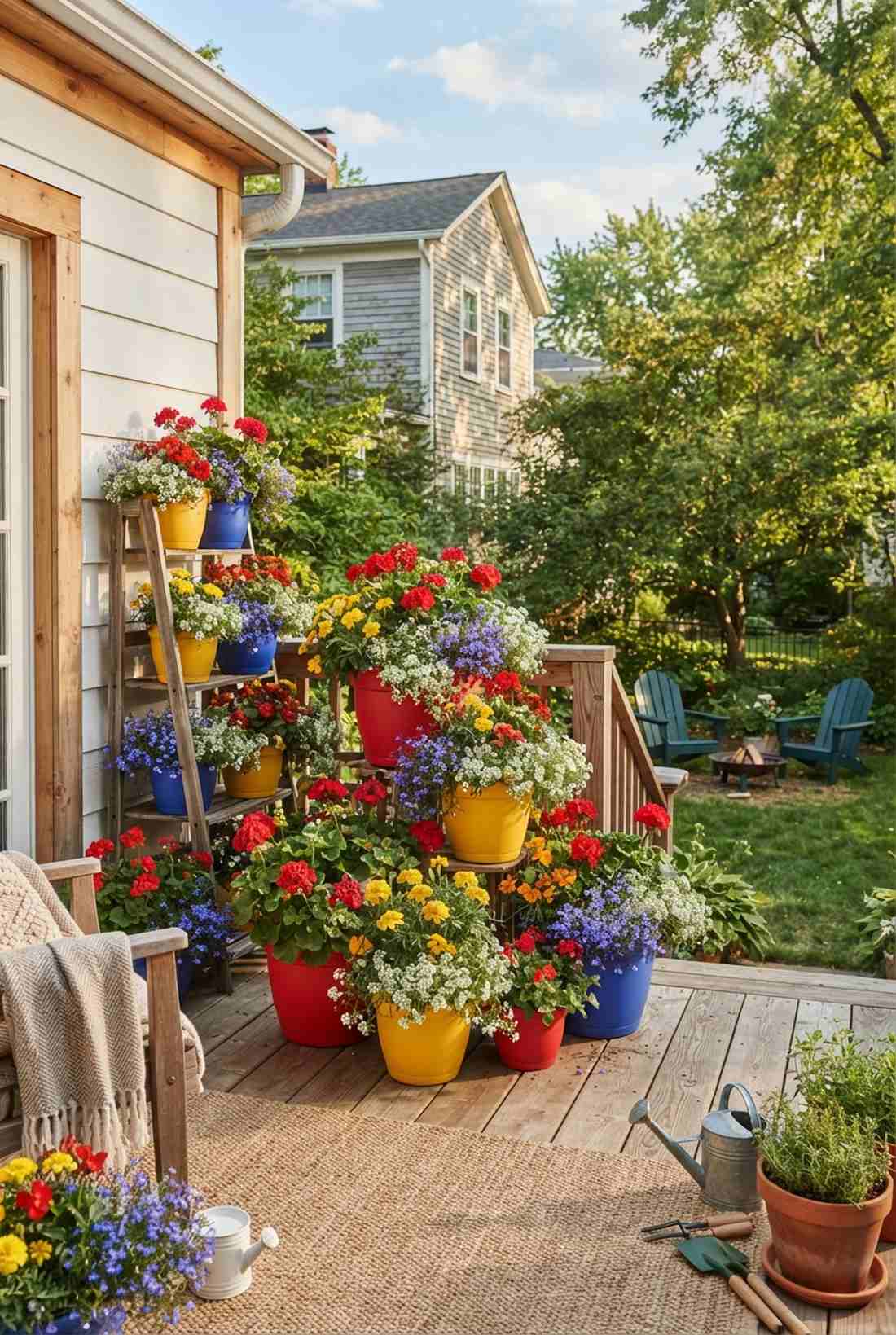
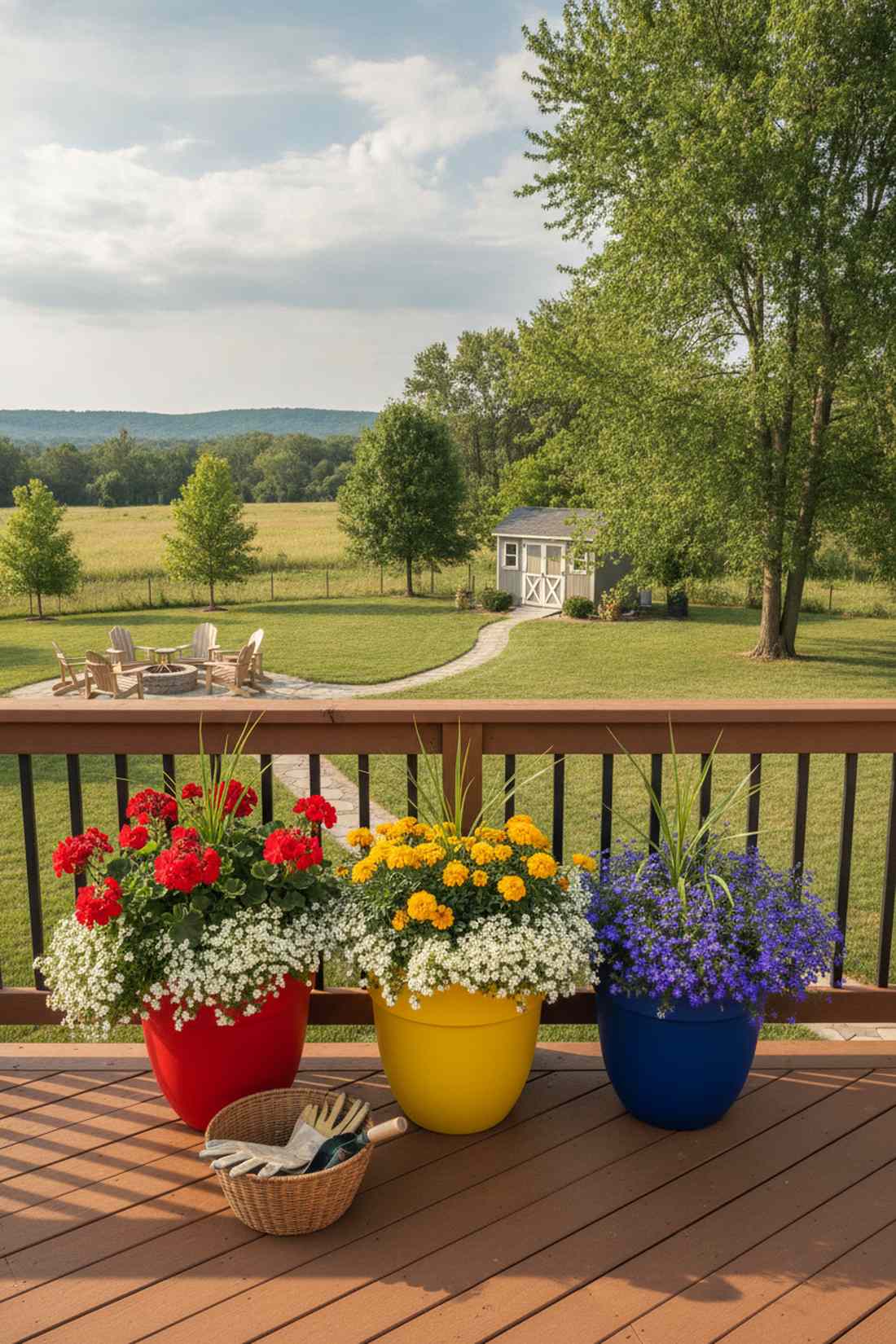
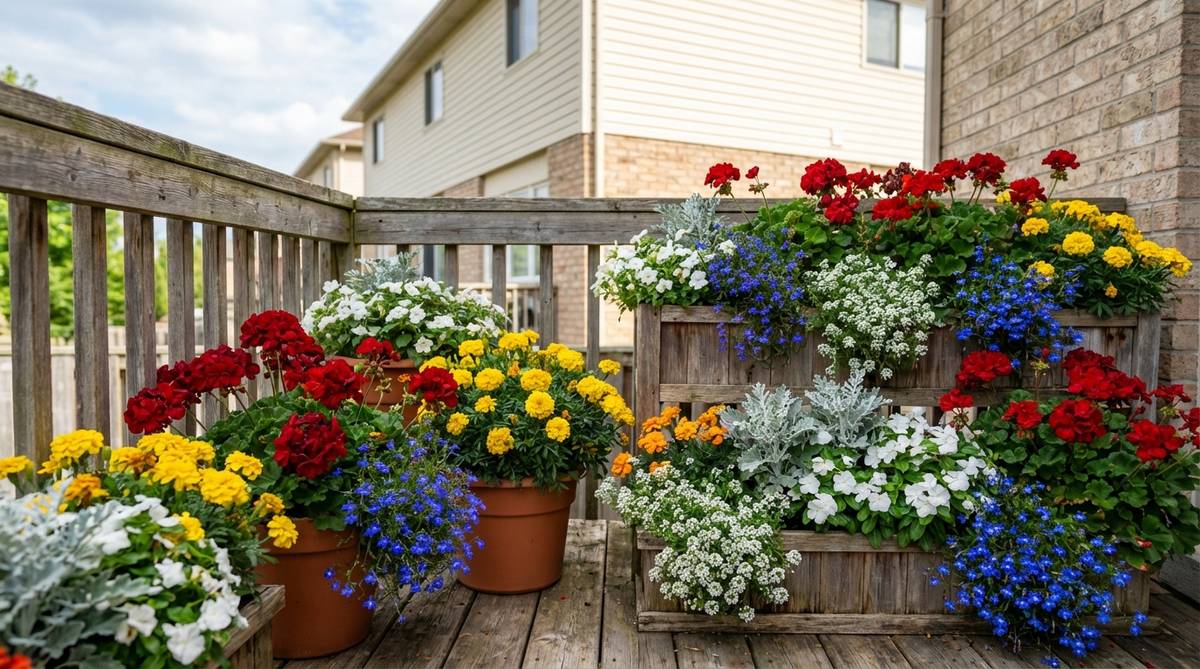
Injects a playful, vibrant cottage-garden charm into rigid urban environments. This primary color balcony display brings incredible energy to family-friendly patio spaces.
Without a visual buffer, these primary colors can easily clash and look cheap. Weaving white alyssum between the bold hues delivers a surprisingly premium look that balances the intensity.
You can achieve this joyful explosion of color for roughly $30. Pin this to your fun outdoor DIY board!
- Key Materials: Geraniums, lobelia, marigolds
- Vibe / Style: Joyful cottage core
- Difficulty: Beginner watering schedule
- Budget Breakdown: Soil/Pots: $15 | Assorted Flowers: $15
- Creator’s Tip: Distribute the colors asymmetrically rather than in perfect rows to look naturally wild.
- Smart Sourcing: Get weatherproof colorful plastic pots and a premium flower potting mix.
Most beginners skip this next step… but it’s the exact trick professional landscapers use.
15. Monochromatic Green Foliage
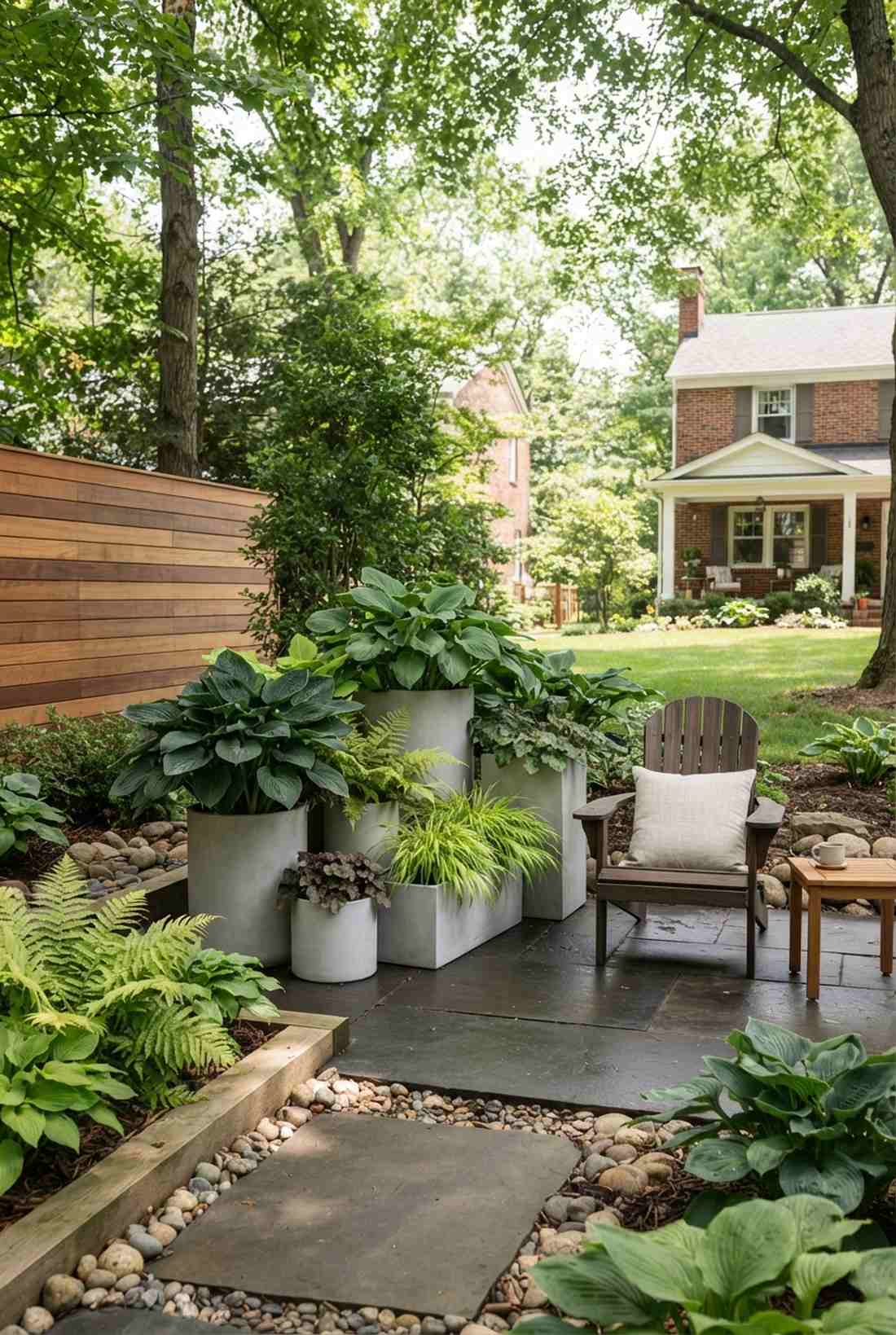
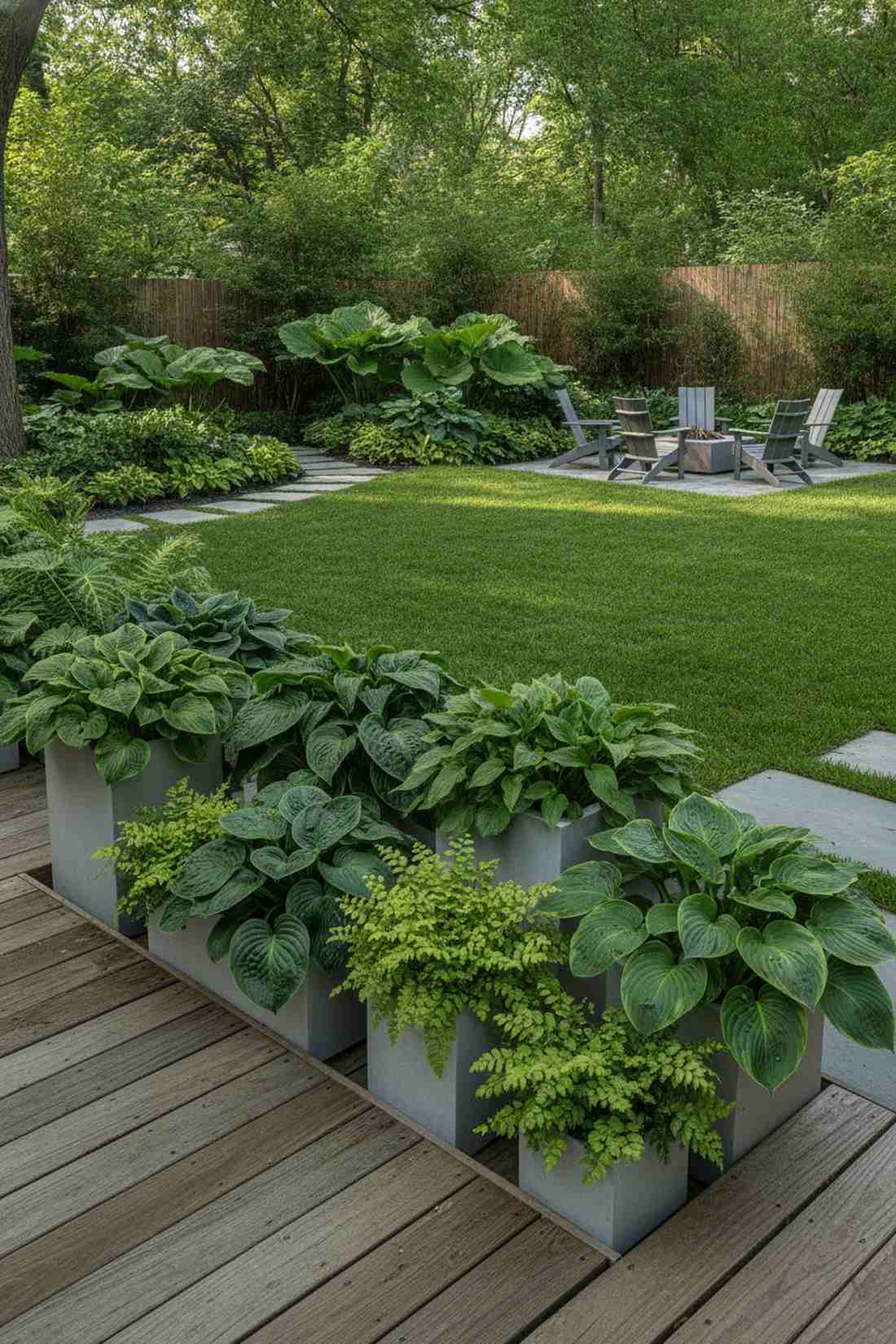
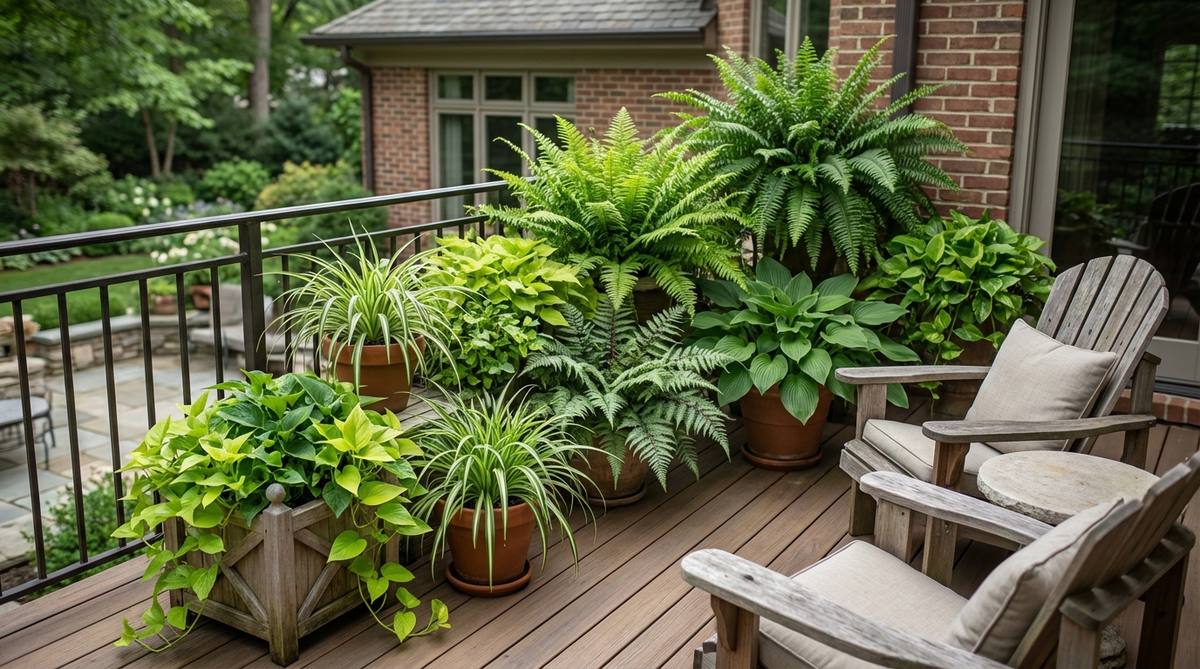
Emits a deeply restful, architectural vibe that focuses entirely on leaf texture. This all-green shade plant display creates a modern, sophisticated sanctuary without floral upkeep.
A flat, uniform green layout looks incredibly boring. Mixing chartreuse ferns with dark forest-green hostas gives a designer-level finish and creates massive visual depth.
This permanent foliage collection costs around $45 to establish.
- Key Materials: Hostas, ferns, and minimalist concrete planters
- Vibe / Style: Sleek modern zen
- Difficulty: Very low maintenance
- Budget Breakdown: Concrete-style pots: $30 | Plants: $15
- Creator’s Tip: Wipe broad leaves with a damp cloth monthly to keep the foliage looking glossy and high-end.
- Smart Sourcing: Invest in lightweight faux-concrete planters and leaf shine spray kits.
16. Monstera and Palm Corner
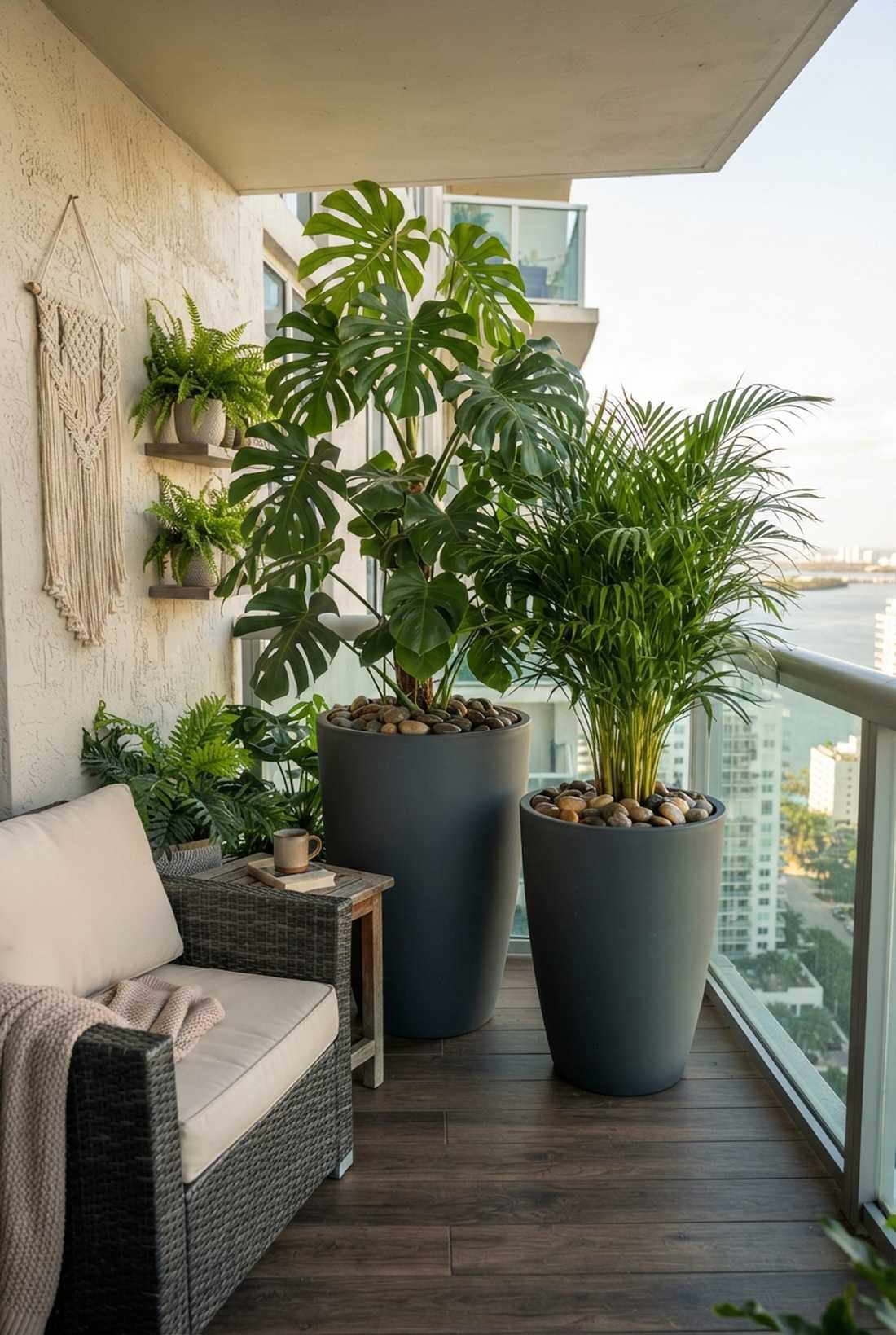
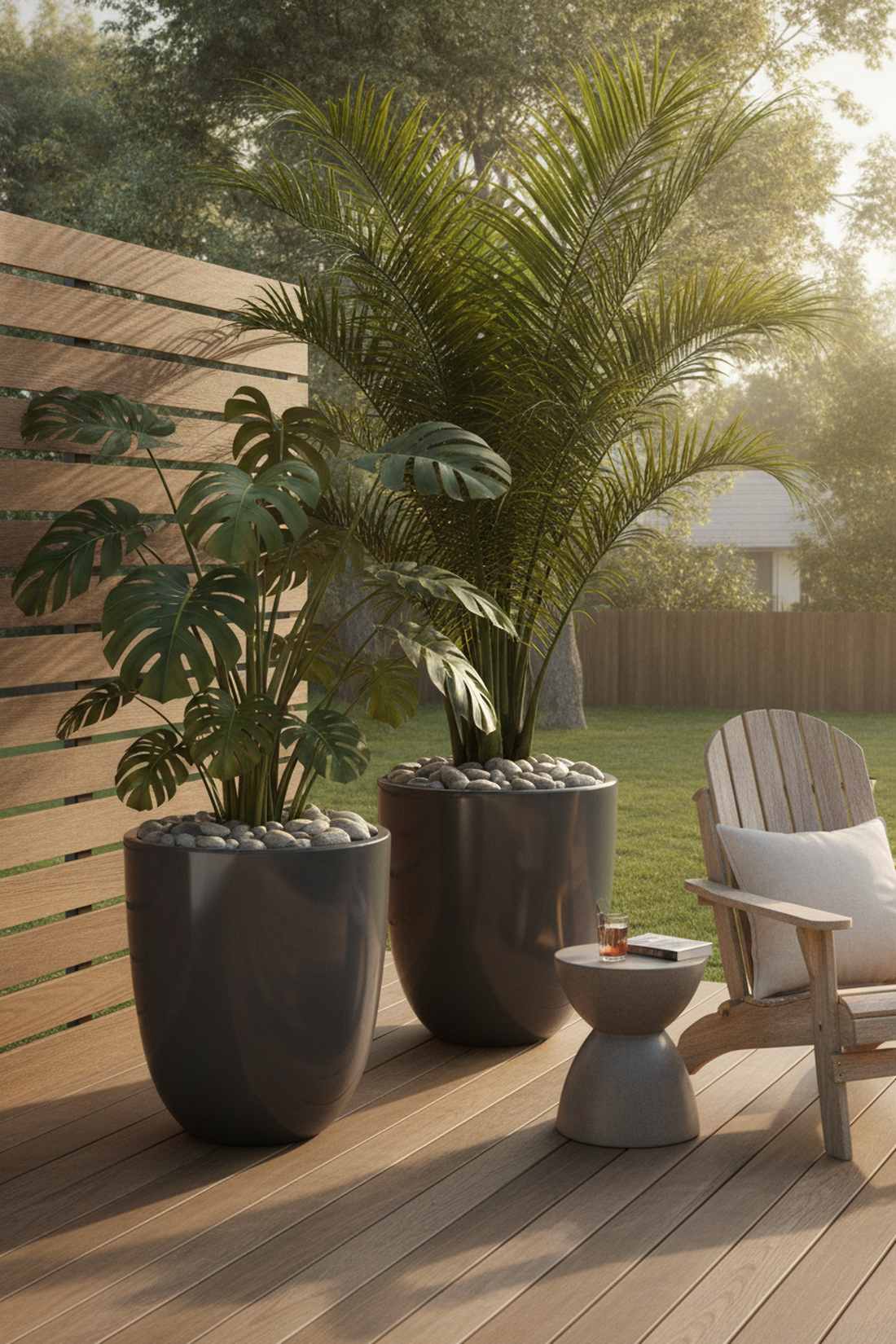
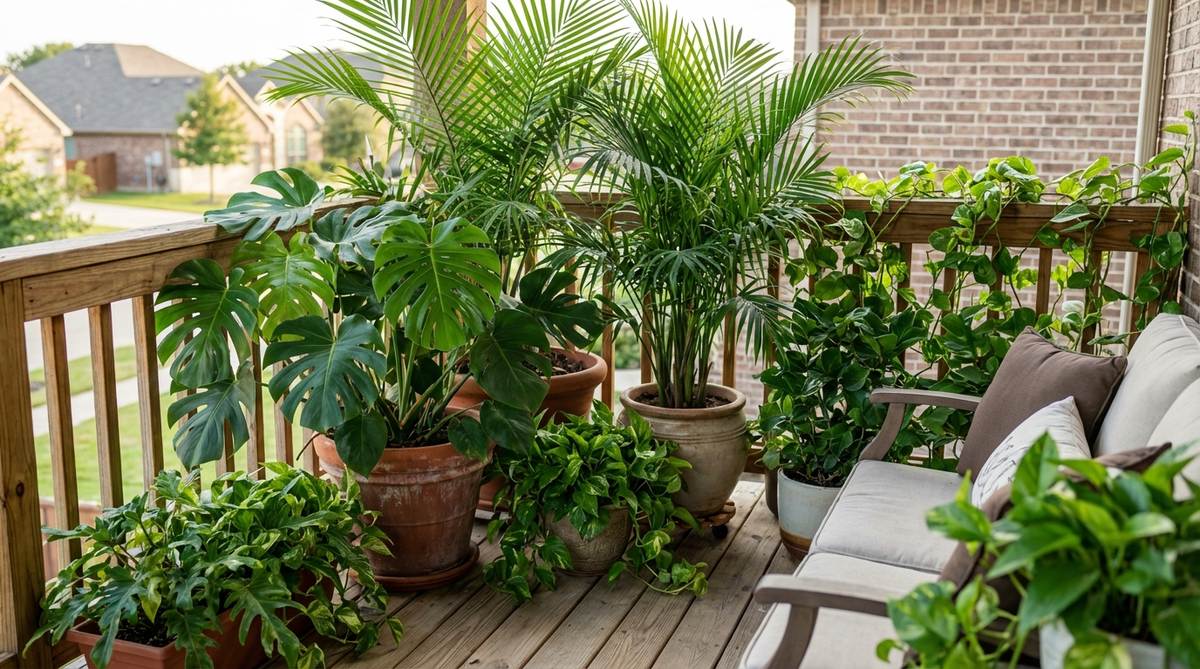
Instantly transforms a bland corner into an exotic, cinematic rainforest getaway. This large tropical foliage layout serves as an incredible privacy shield for exposed balconies.
Putting oversized plants in flimsy pots guarantees they will blow over in a storm. Using heavy, weighted fiberglass planters looks far more expensive than it is and ensures your urban jungle stays upright.
Expect an initial investment of $70–$100 for large statement plants. Save this to your ultimate jungle apartment board!
- Key Materials: Large Monstera, Areca palm, heavy base pots
- Vibe / Style: Cinematic tropical escape
- Difficulty: Requires humidity control
- Budget Breakdown: Heavy Pots: $50 | Plants: $40
- Creator’s Tip: Top the soil with heavy decorative river rocks to add extra wind-resistant weight.
- Smart Sourcing: Order UV-coated fiberglass tall planters and polished river rocks (bulk pack).
17. Bird of Paradise Focal Point
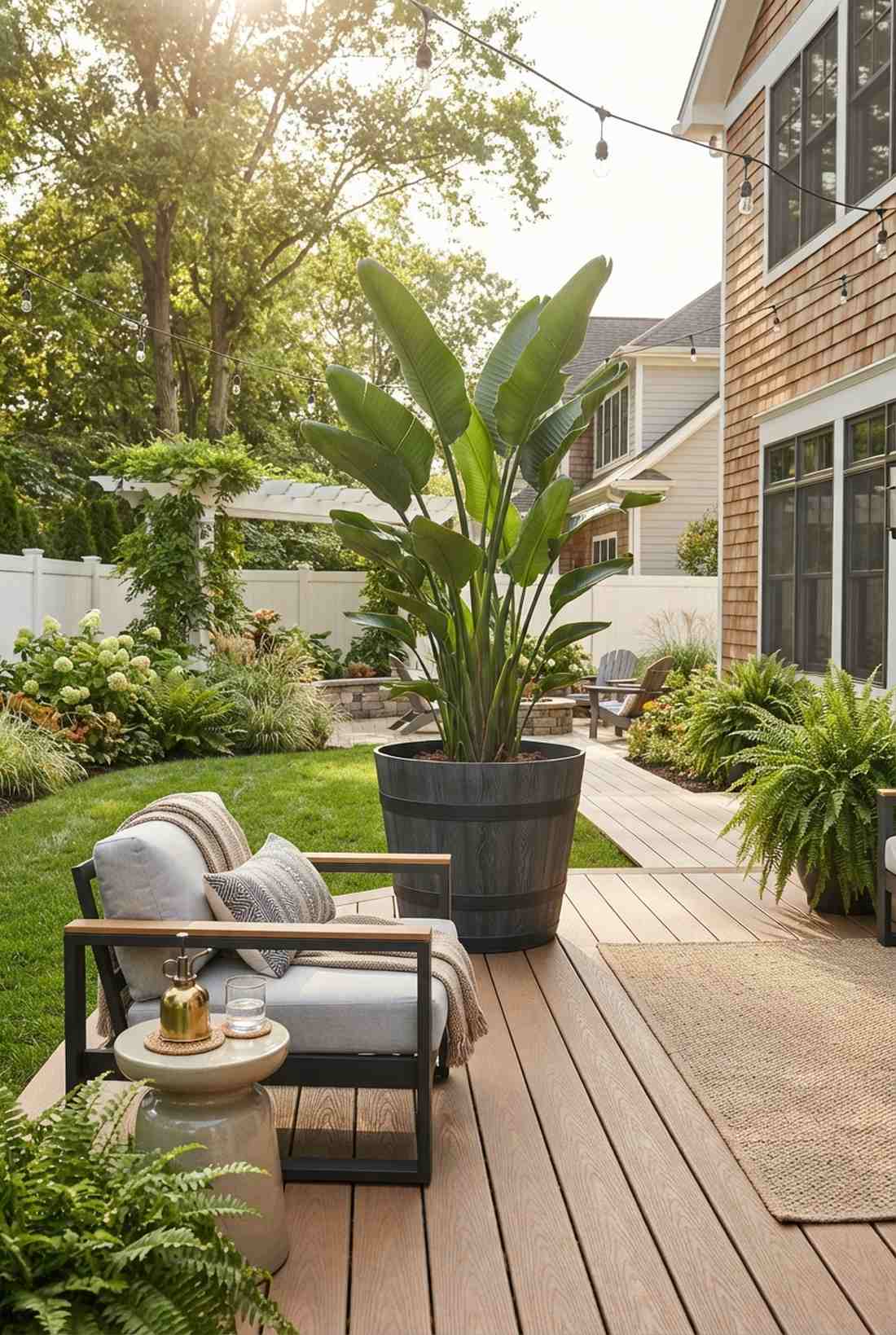
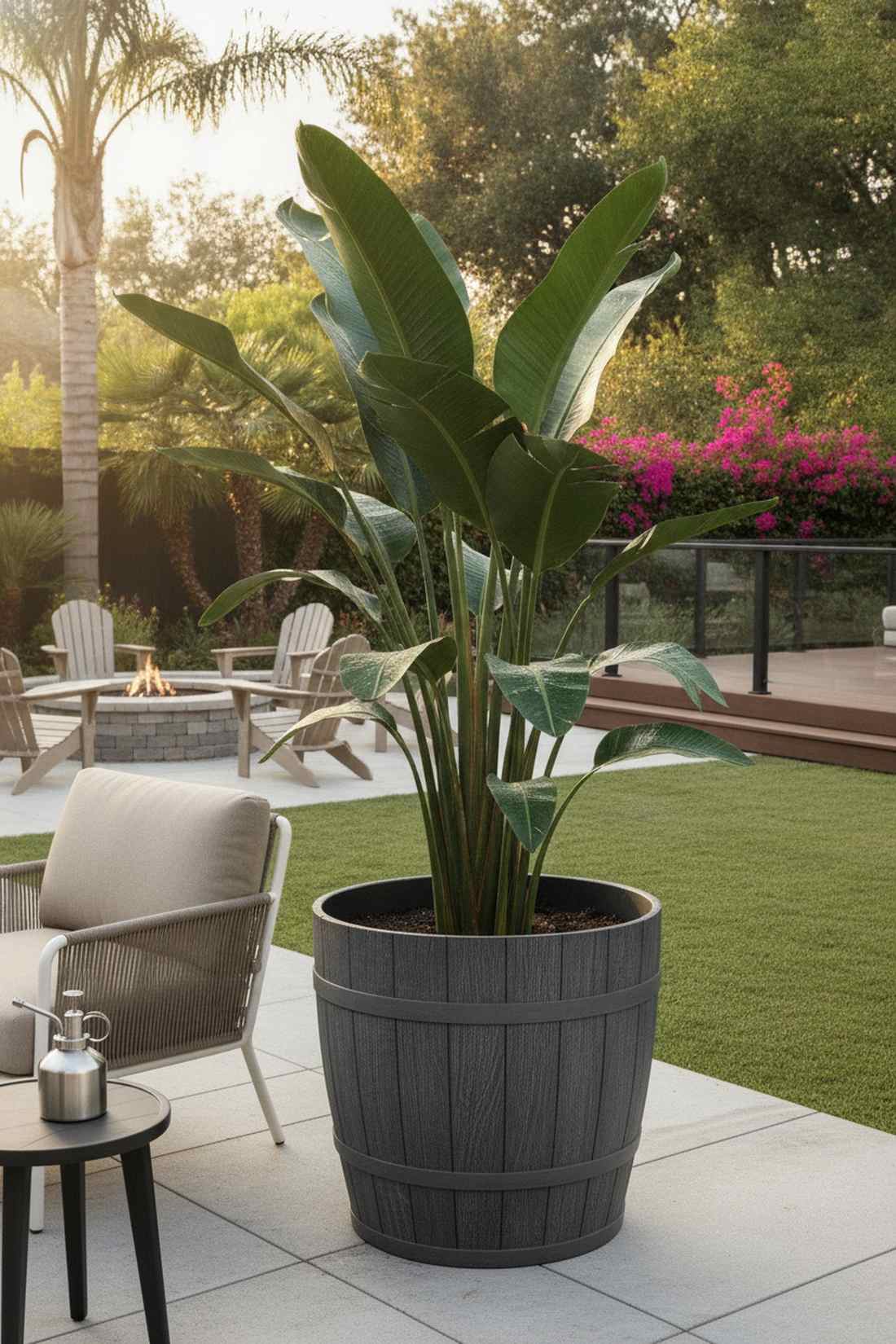
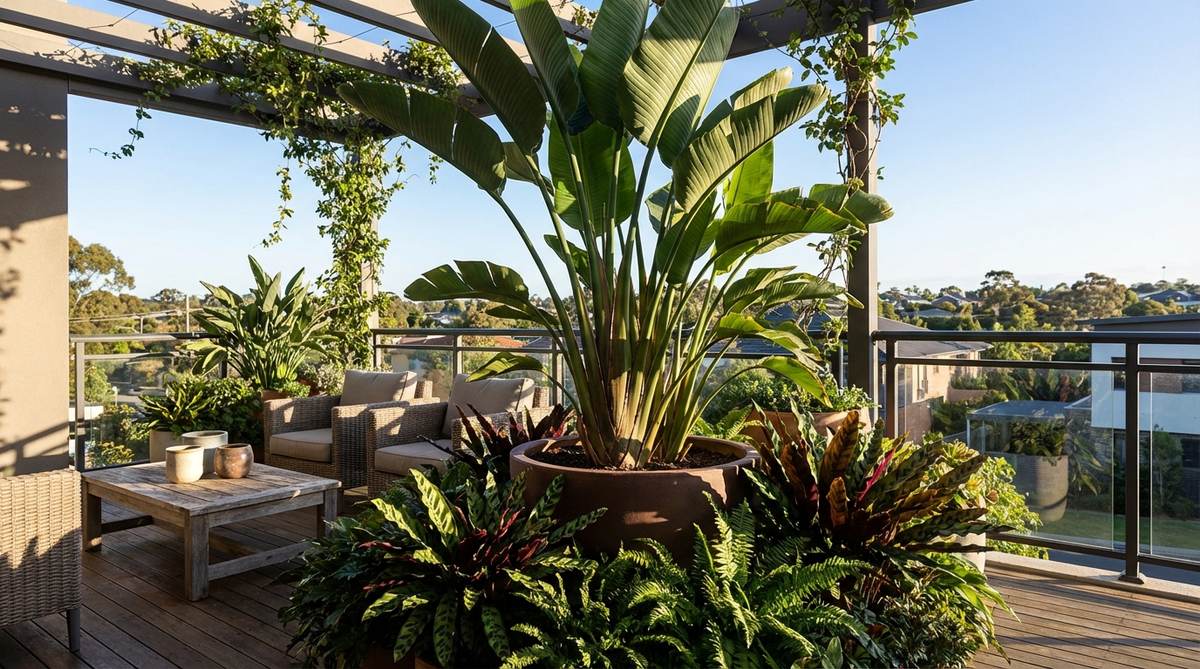
Commands the space with massive paddle-shaped leaves that act as living architecture. This dramatic tropical centerpiece is perfect for framing a sleek outdoor lounge chair.
Underestimating the root space will choke the plant before it ever flowers. Sizing up to a massive 20-inch container delivers a surprisingly premium look and encourages rapid, healthy growth.
This striking single-plant setup costs about $60–$80 depending on plant size.
- Key Materials: Deep root container, Bird of Paradise plant
- Vibe / Style: Luxury resort chic
- Difficulty: Moderate sunlight needs
- Budget Breakdown: Jumbo Planter: $40 | Plant: $30
- Creator’s Tip: Keep the leaves dusted and misted to prevent spider mites in dry urban environments.
- Smart Sourcing: Grab an extra-large resin barrel planter and an indoor/outdoor plant mister spray bottle.
18. Rubber Tree and Snake Plant Duo
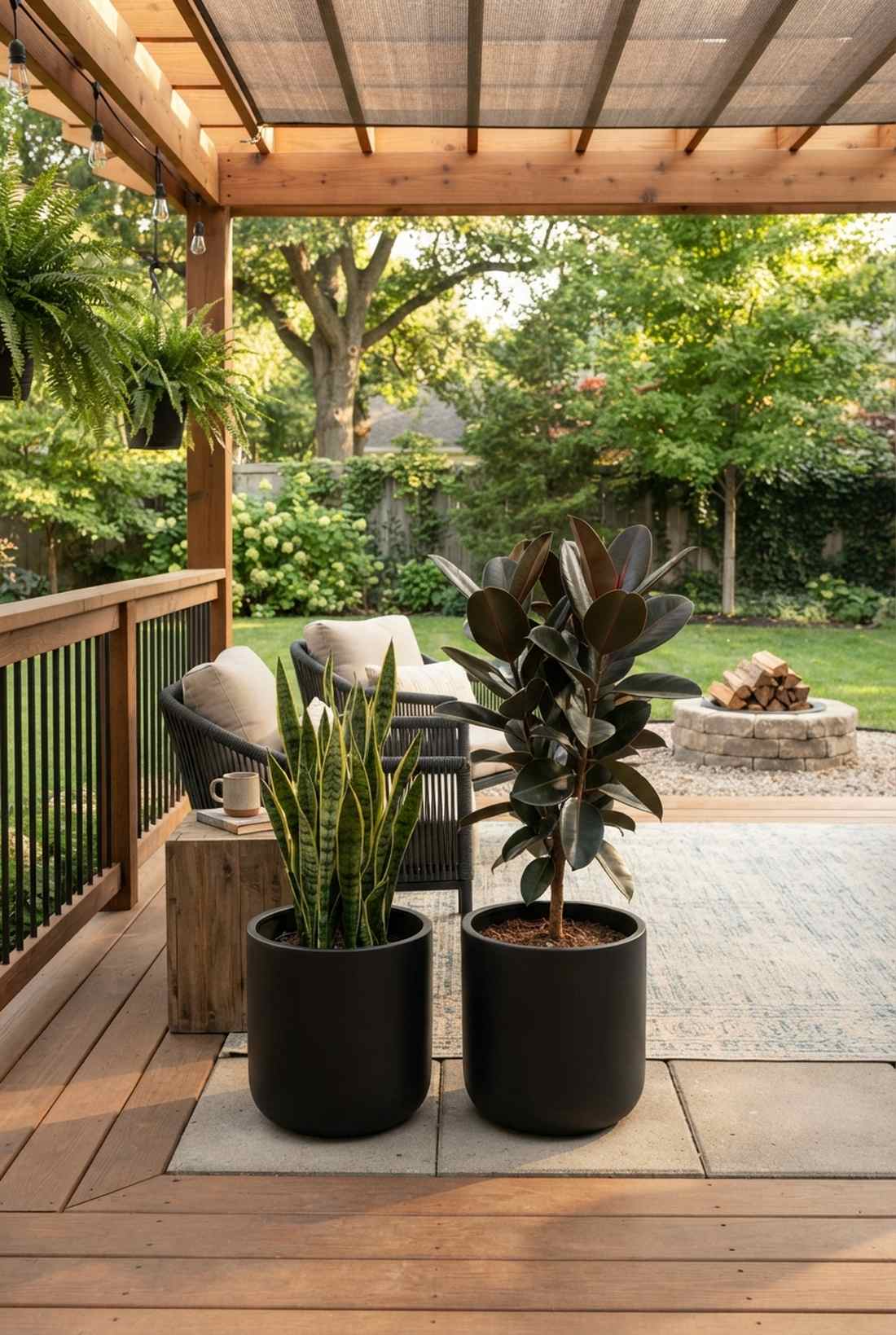
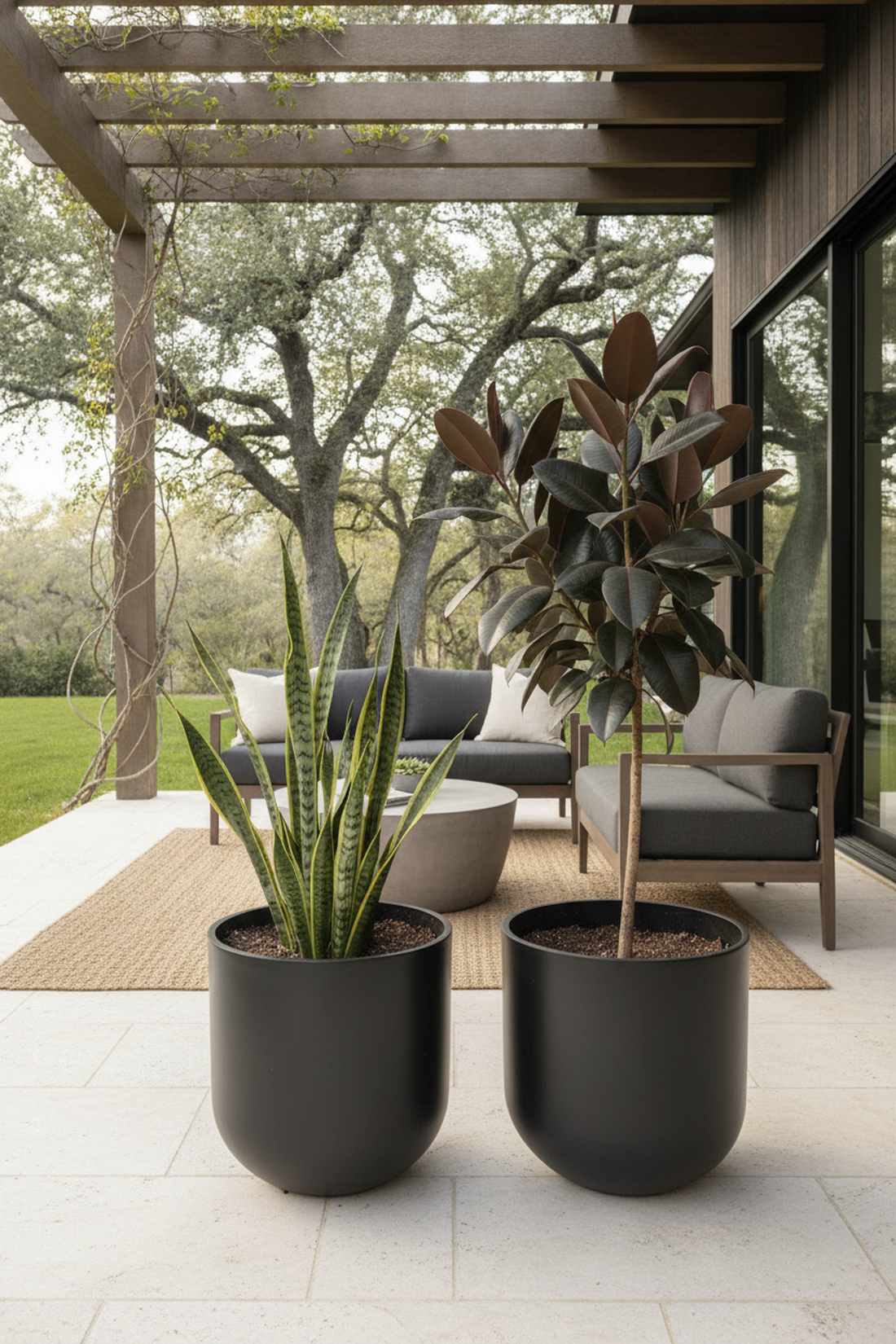
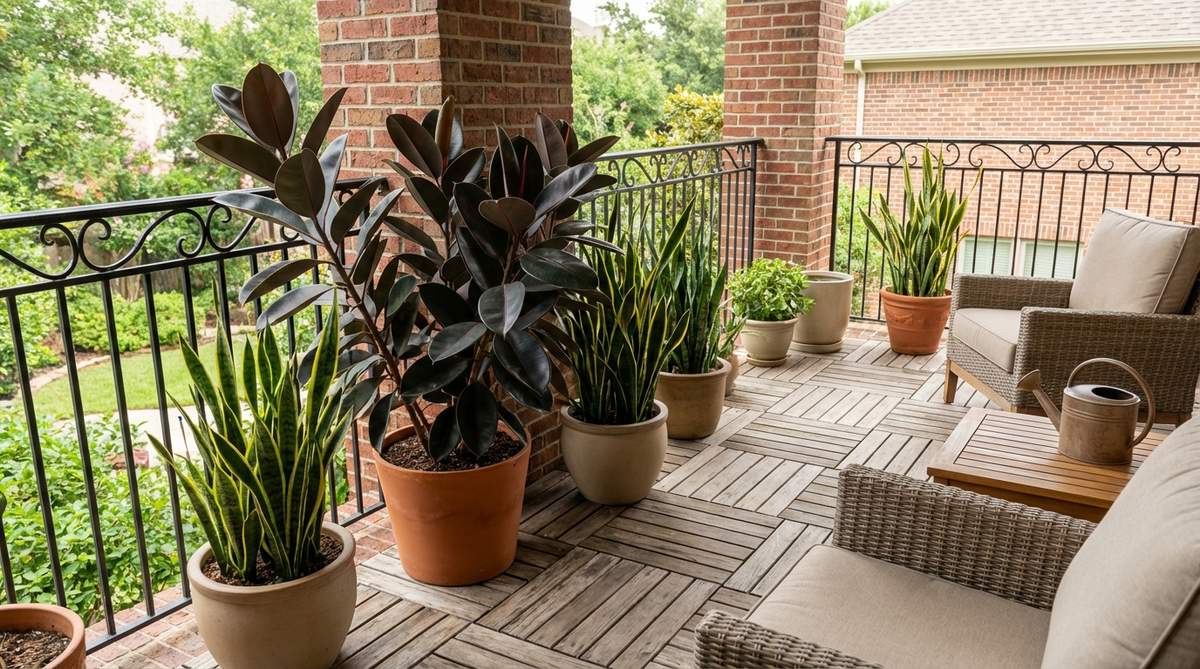
Brings a sleek, almost indestructible modern edge to shaded outdoor patios. This low-light architectural plant pairing is ideal for busy professionals who forget to water.
Using mismatched cheap pots ruins the modern structural lines of these plants. Planting them in identical matte black cylinders gives a designer-level finish that looks incredibly curated.
This tough duo will cost you about $40 to set up perfectly. Pin this if you have a black thumb!
- Key Materials: Snake plant, Burgundy rubber tree, matching pots
- Vibe / Style: Indestructible modern minimalist
- Difficulty: Extremely easy
- Budget Breakdown: Cylinders: $25 | Plants: $15
- Creator’s Tip: Do not overwater; these plants thrive on neglect and prefer their soil to dry out completely.
- Smart Sourcing: Use matte black modern cylinder pots and fast-draining succulent soil blends.
19. Hanging Staghorn Fern Collection
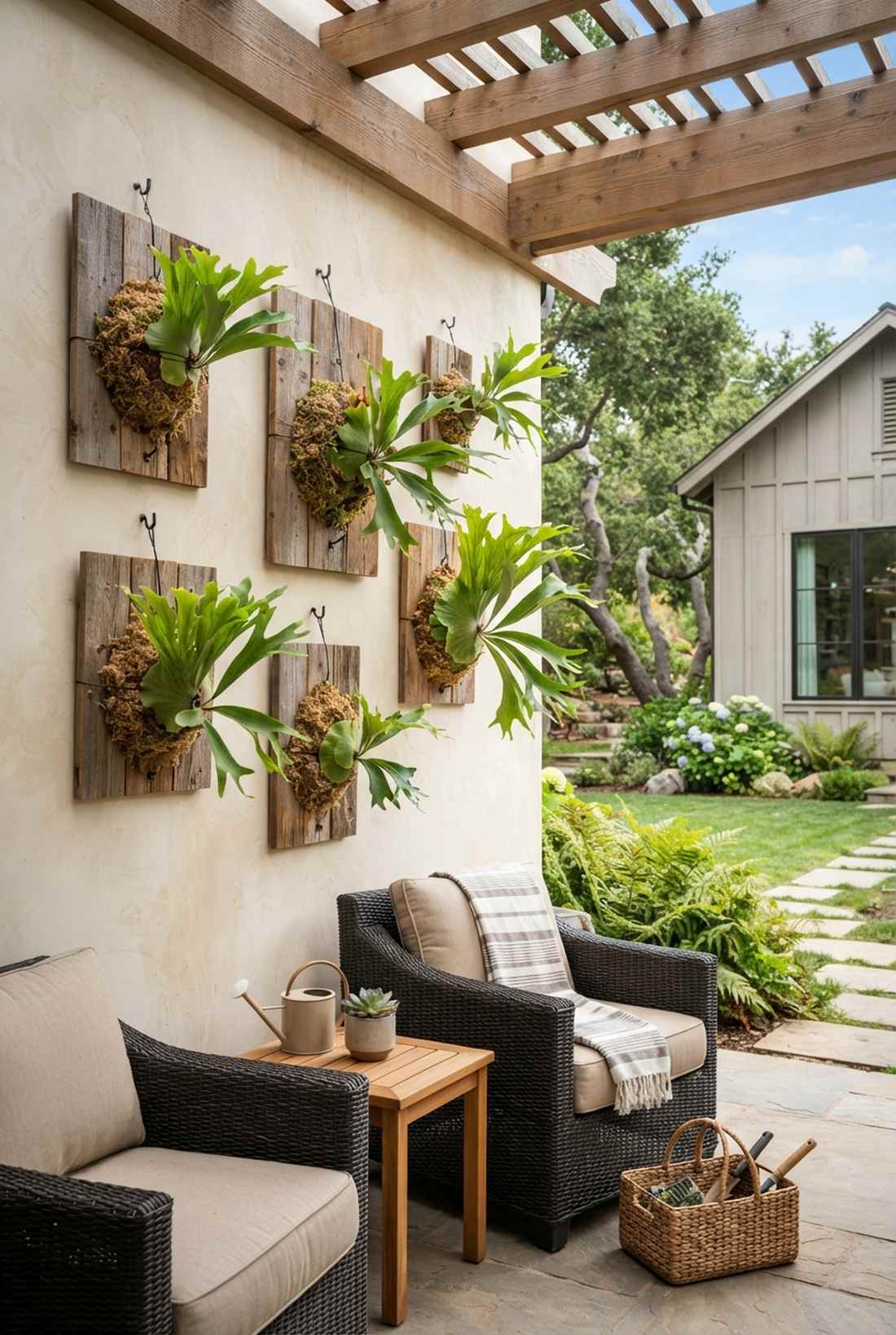
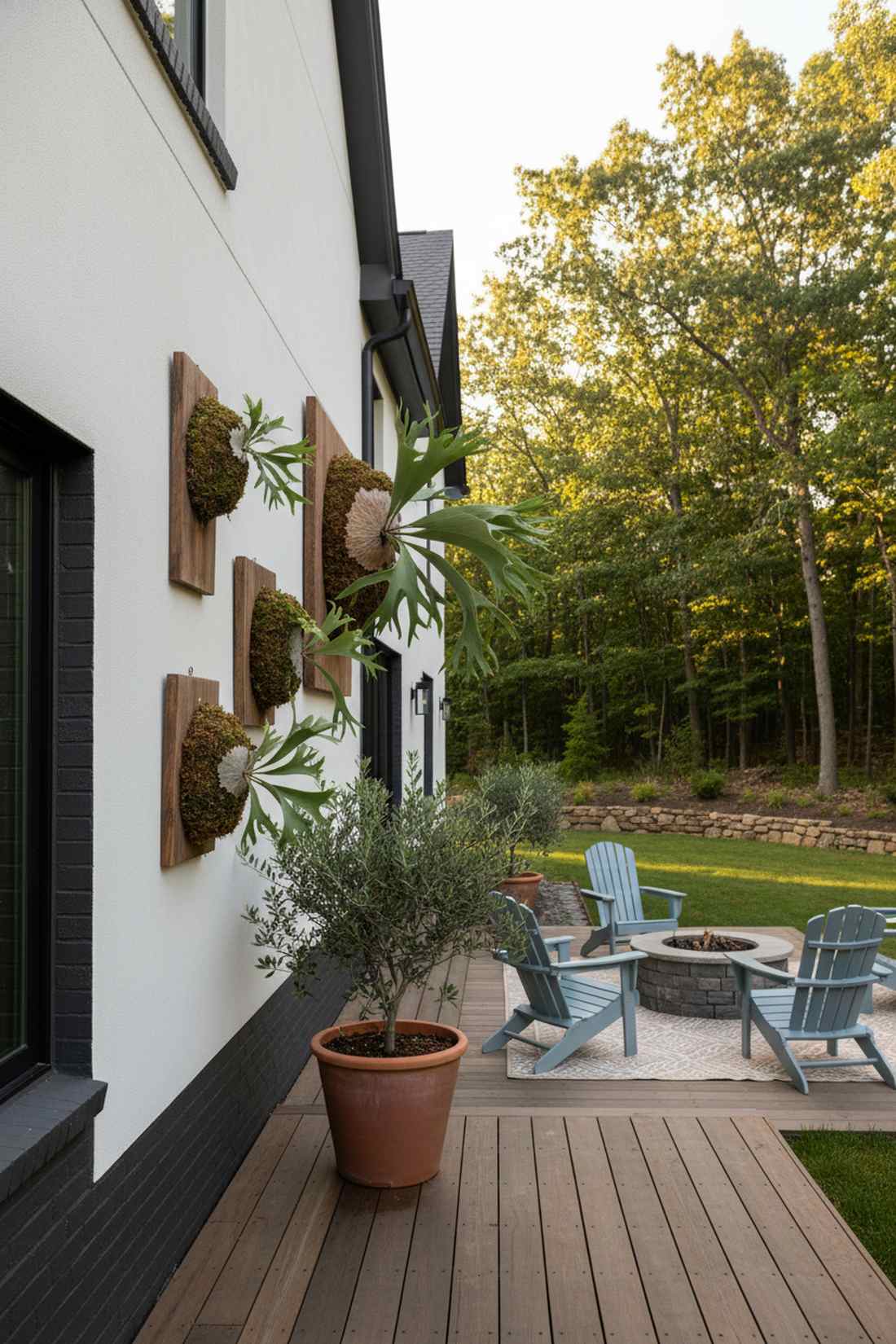
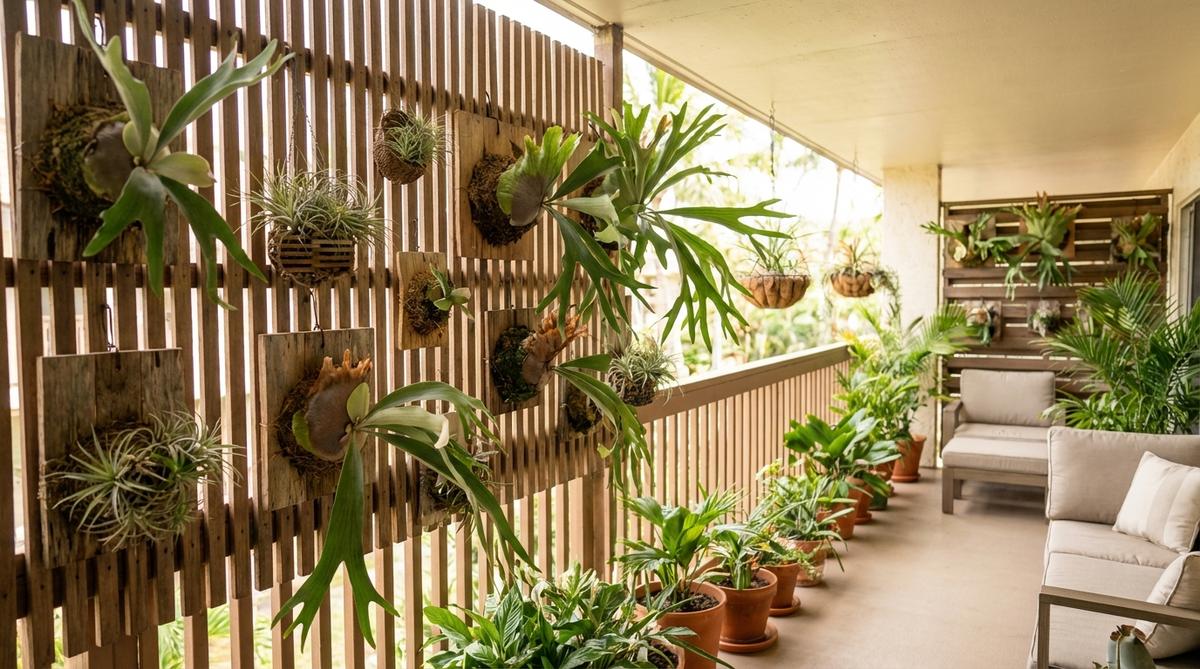
Looks like living, breathing sculptural art suspended right on your wall. This epiphytic fern mounting display creates massive intrigue for bare exterior stucco or brick.
Leaving them in standard plastic nursery pots completely destroys their exotic appeal. Mounting them on raw cedar boards with sphagnum moss looks far more expensive than it is and mimics their natural habitat.
A DIY mounting project costs roughly $30 per fern. Highly recommended for a unique conversation starter.
- Key Materials: Cedar planks, sphagnum moss, fishing line
- Vibe / Style: Avant-garde botanical gallery
- Difficulty: Crafty DIY required
- Budget Breakdown: Wood/Moss: $15 | Fern: $15
- Creator’s Tip: Water them by taking the whole board down and soaking it in the sink for 10 minutes.
- Smart Sourcing: Get a premium sphagnum moss block and pre-cut cedar mounting boards.
Stop wasting money on cheap plastic decor. The next idea literally pays for itself in weeks.
20. Philodendron Climbing Wall
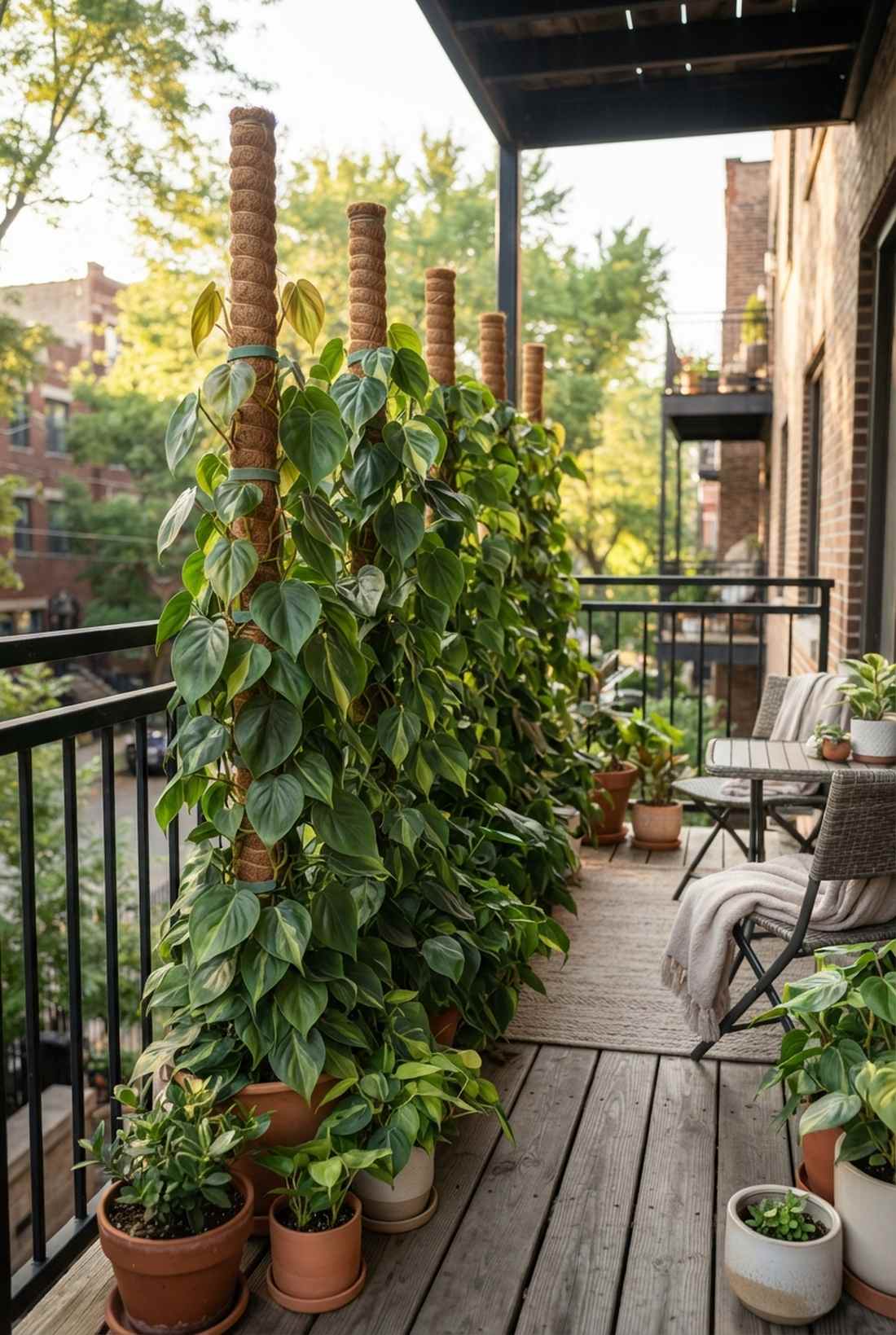
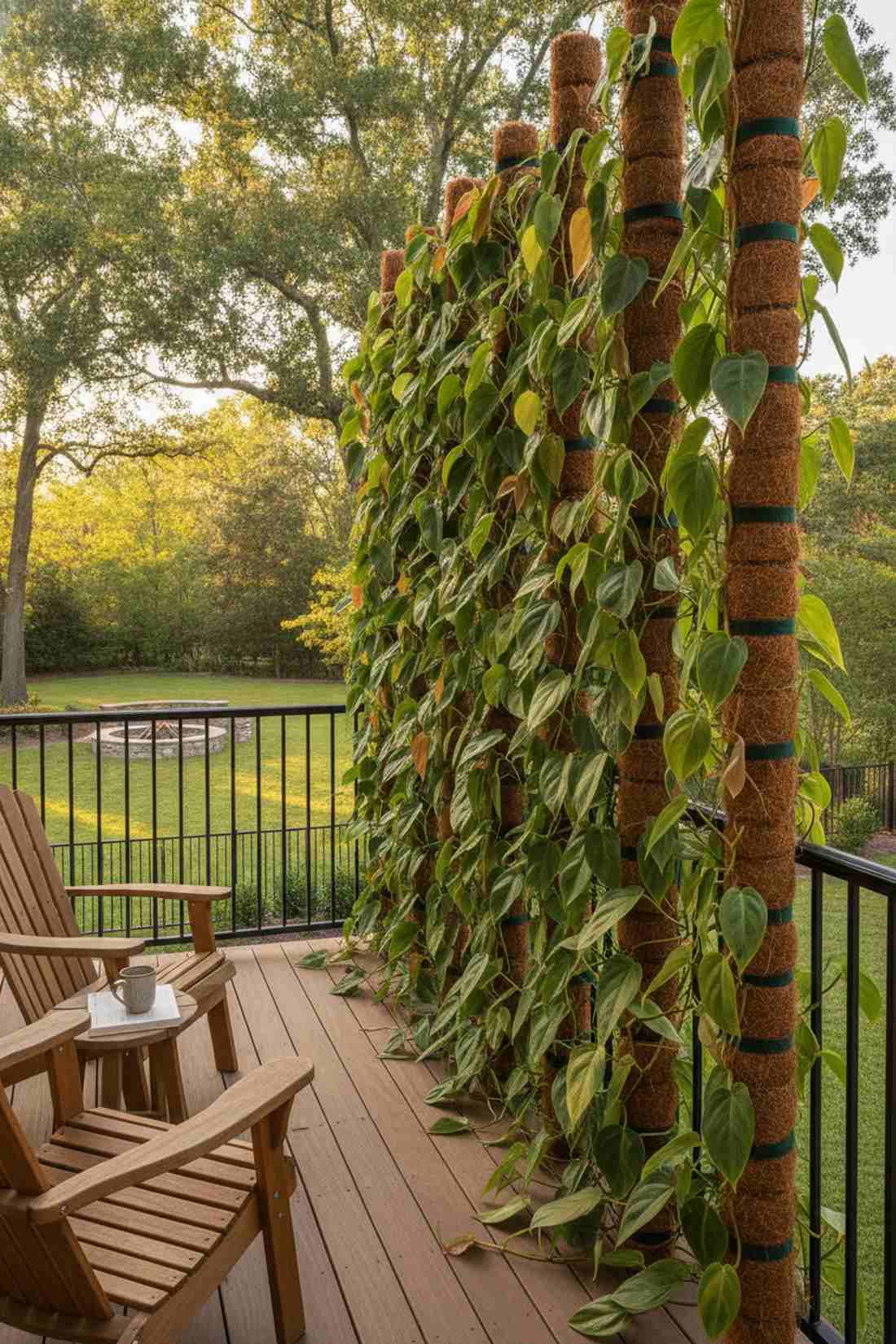
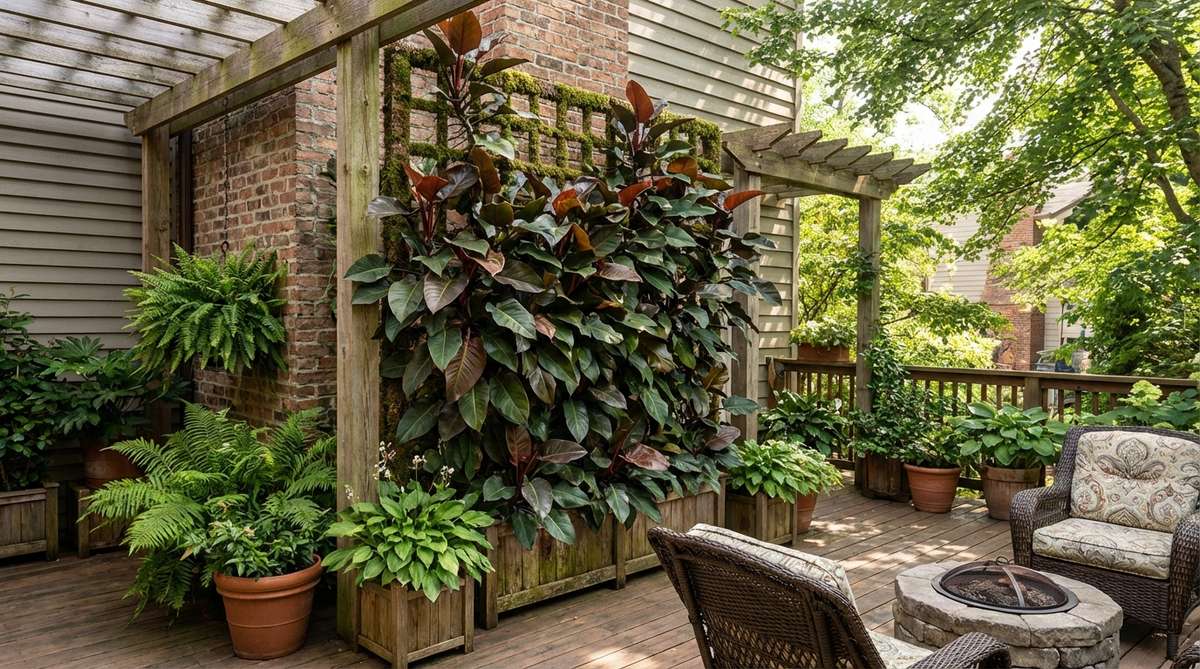
Creates a cascading waterfall of rich, color-changing foliage that evolves over time. This living vine trellis wall is brilliant for softening harsh metal balcony railings.
Forgetting to provide early structural support results in a tangled, messy floor bush. Training the vines up a moss pole immediately delivers a surprisingly premium look and encourages massive leaf growth.
You can start this living wall for under $35. Save this for your patio privacy projects!
- Key Materials: Coco coir poles, vining philodendrons, soft ties
- Vibe / Style: Wild urban canopy
- Difficulty: Requires gentle training
- Budget Breakdown: Pole/Ties: $15 | Plant: $20
- Creator’s Tip: Keep the moss pole damp; the aerial roots will grab on tighter and grow much faster.
- Smart Sourcing: Invest in stackable coco coir plant poles and velcro plant support ties.
21. Sago Palm Symmetrical Display
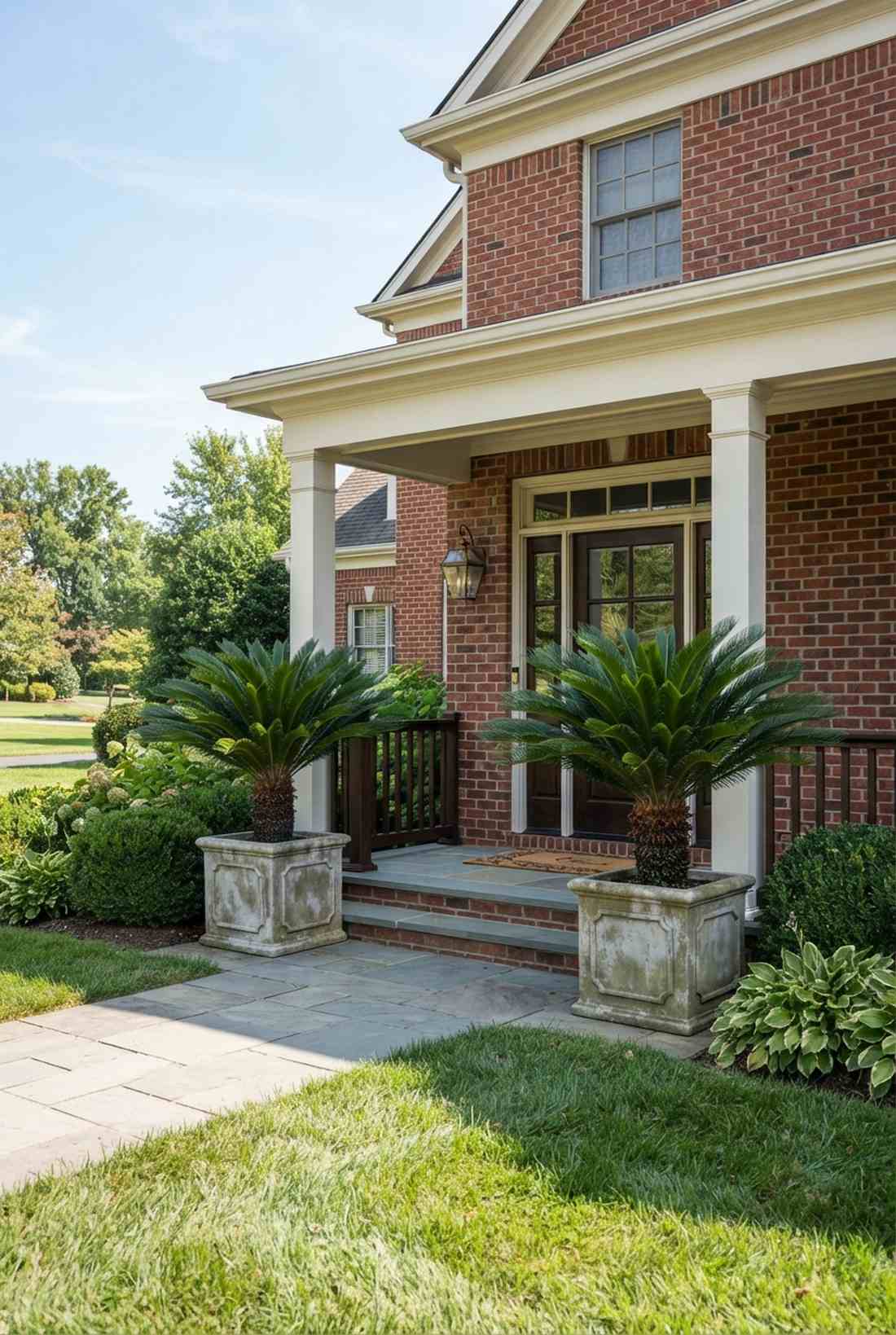
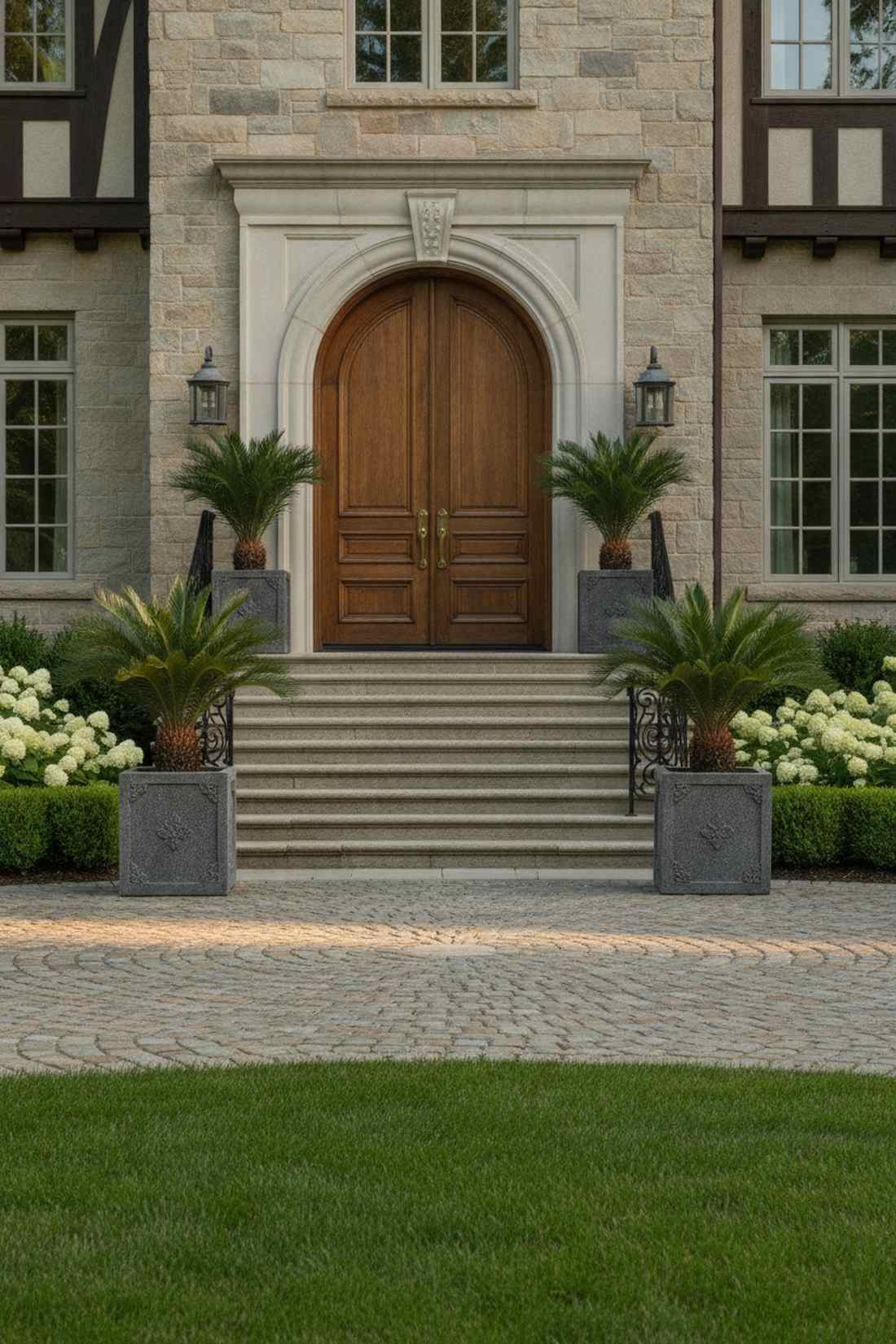
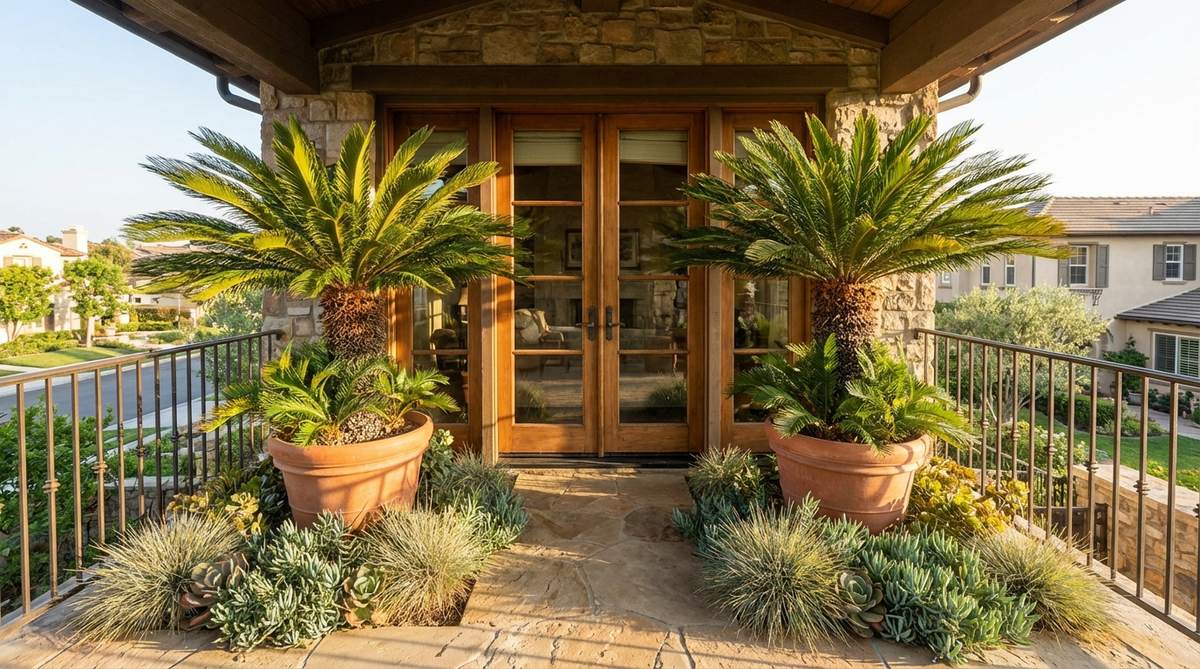
Frames your outdoor doorway with rigid, formal elegance reminiscent of a grand hotel entrance. This symmetrical palm entryway layout establishes high-end curb appeal instantly.
Using lightweight pots for top-heavy palms is a disaster waiting to happen. Upgrading to heavy square stone-cast planters gives a designer-level finish and prevents dangerous wind tipping.
Expect to spend $80–$120 for a matching set of mature palms and pots.
- Key Materials: Identical Sago palms, square architectural planters
- Vibe / Style: Formal estate entrance
- Difficulty: Very low maintenance
- Budget Breakdown: Square Pots: $60 | Palms: $50
- Creator’s Tip: Wear thick leather gloves when potting; Sago palm fronds are incredibly sharp and stiff.
- Smart Sourcing: Source heavy-duty faux stone square planters and puncture-resistant gardening gloves.
22. Umbrella Tree Fast-Growing Screen
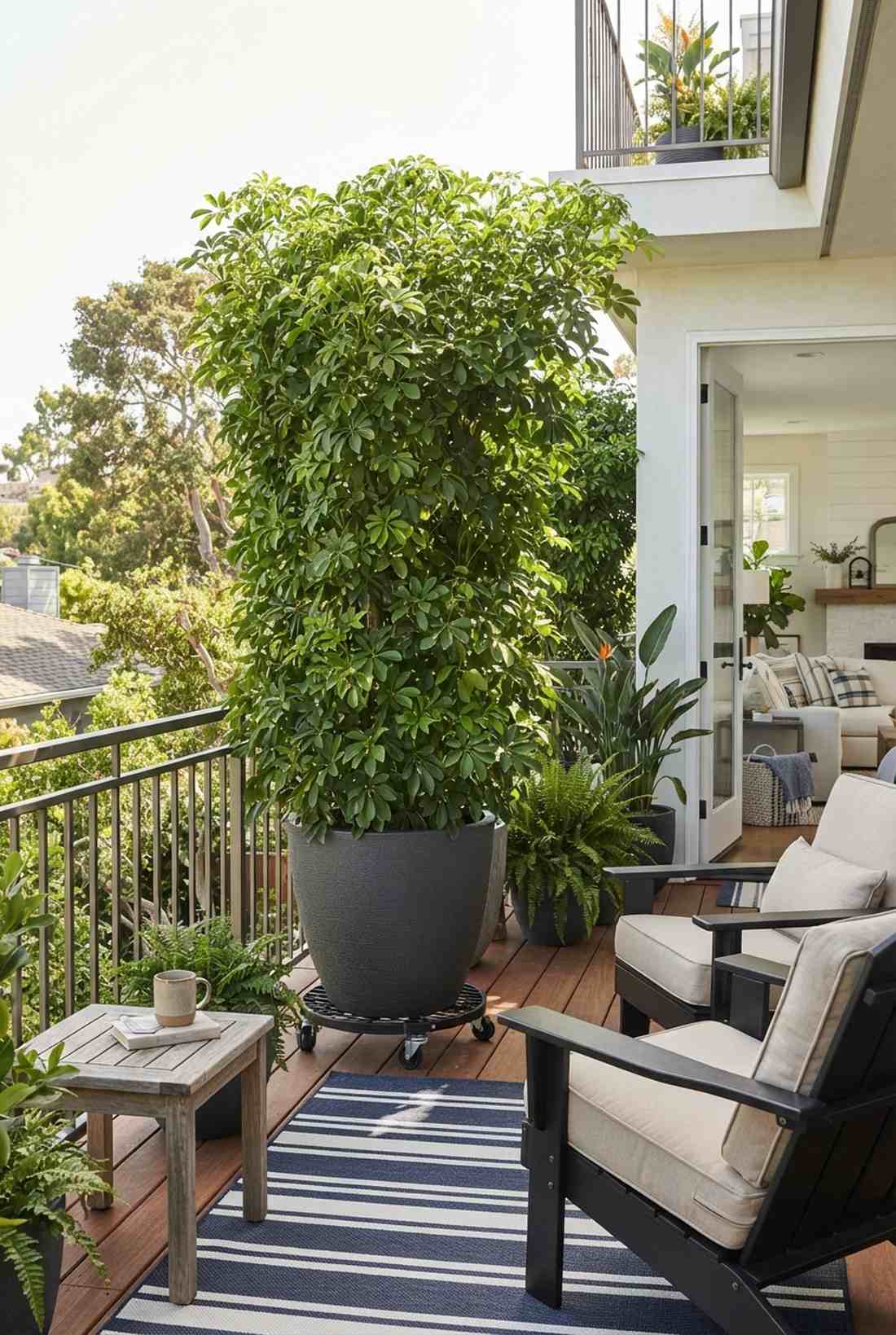
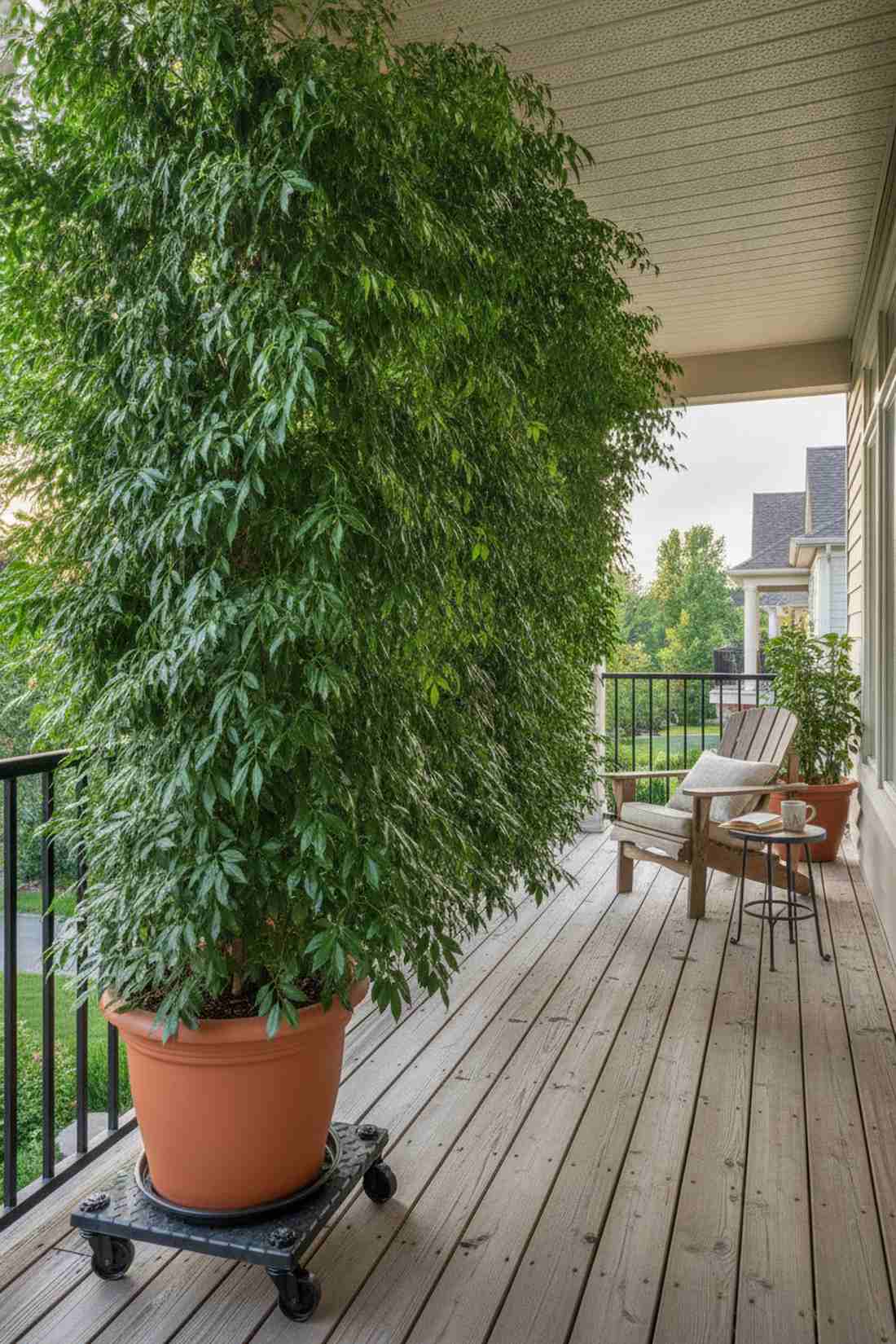
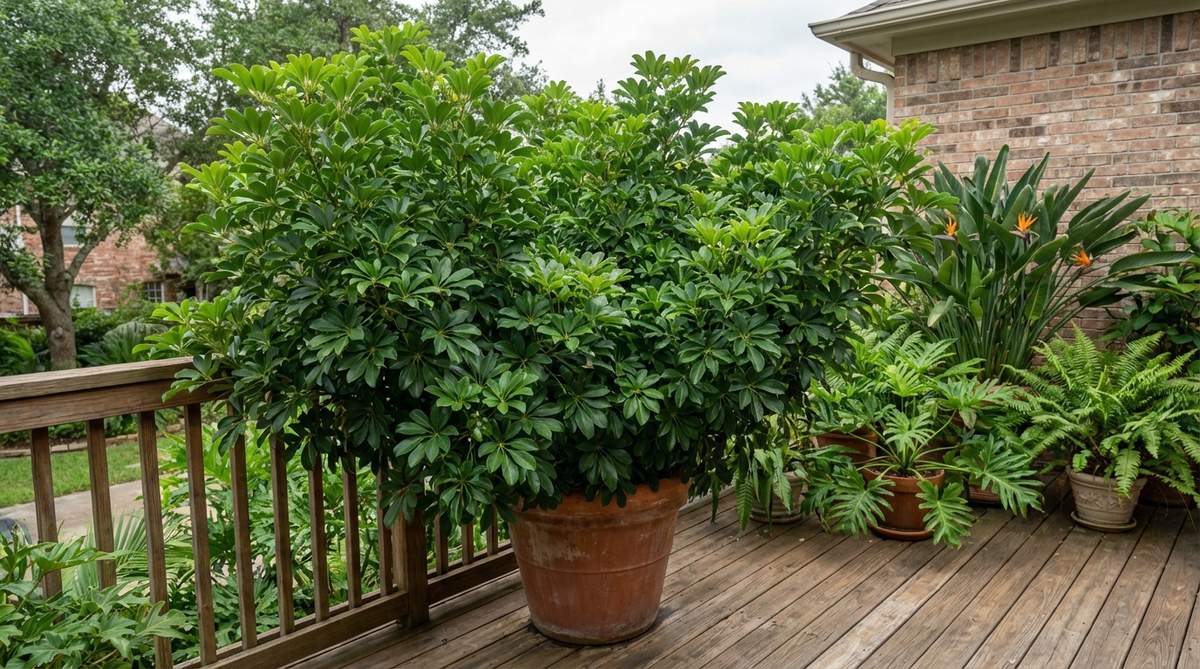
Acts as an incredibly fast, lush green curtain to block out nosy neighbors. This dense tropical foliage screen is the ultimate hack for immediate balcony privacy.
Letting the tree grow straight up leaves the bottom looking completely bare and ugly. Pinching off the top growth nodes forces the plant to bush out wide, looking far more expensive than it is.
A starter tree and large pot will cost around $45. Pin this if you need privacy fast!
- Key Materials: Schefflera plant, deep heavy container
- Vibe / Style: Dense tropical barrier
- Difficulty: Requires pruning
- Budget Breakdown: Deep Pot: $25 | Plant: $20
- Creator’s Tip: Rotate the pot 90 degrees every week so the canopy grows evenly instead of leaning toward the sun.
- Smart Sourcing: Use a wheeled heavy-duty plant caddy and a large UV-resistant resin pot.
23. Peace Lily Shade Garden
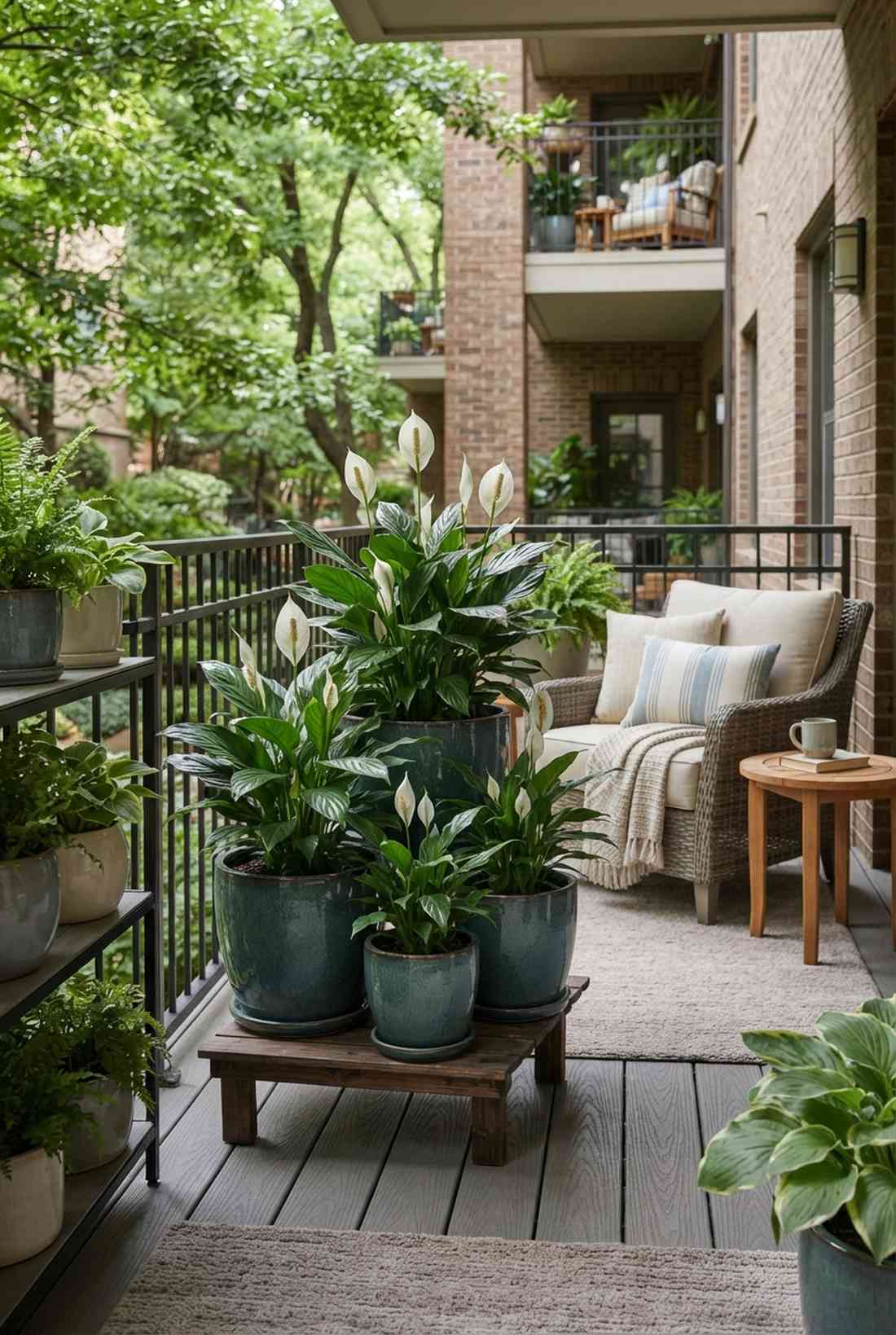
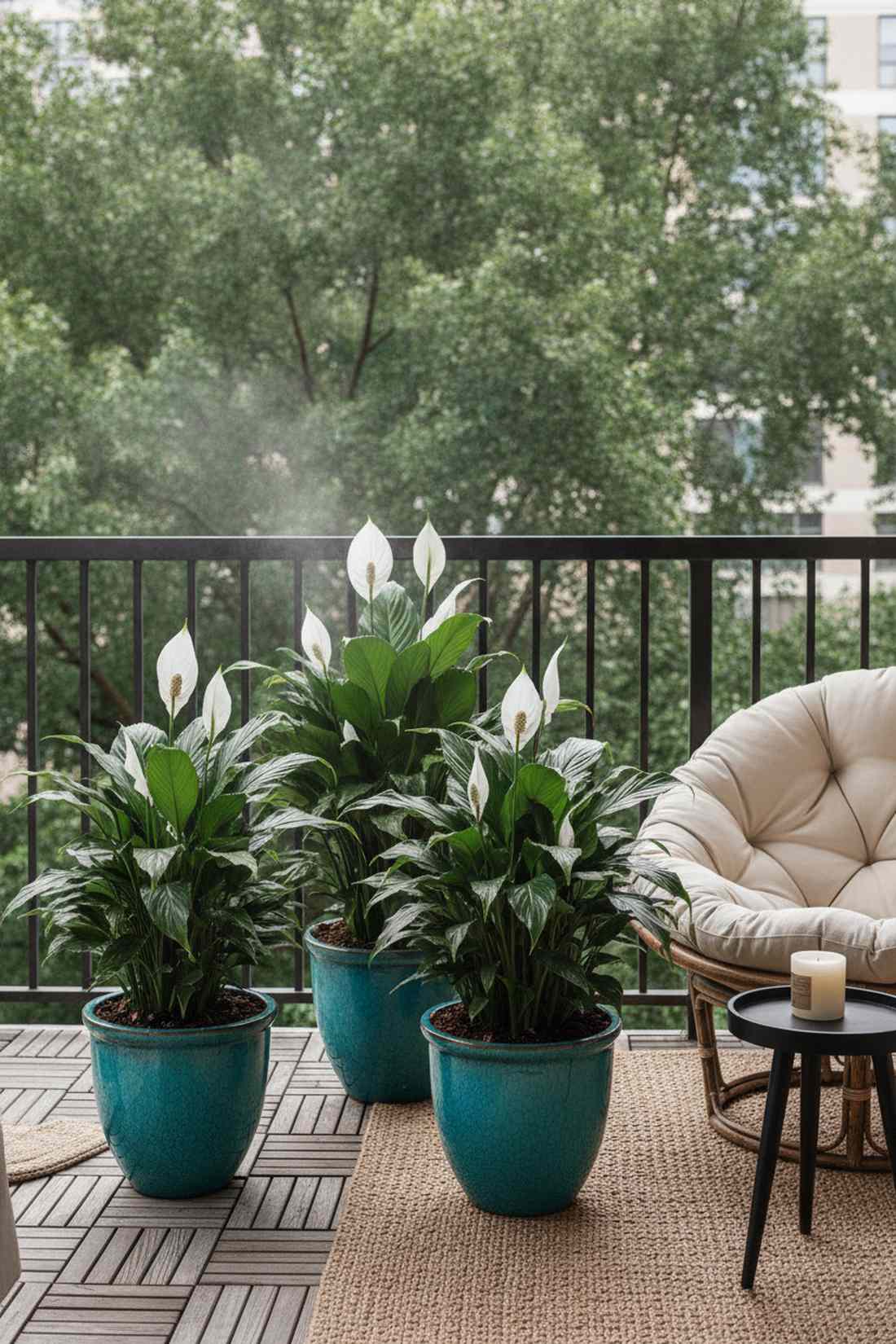
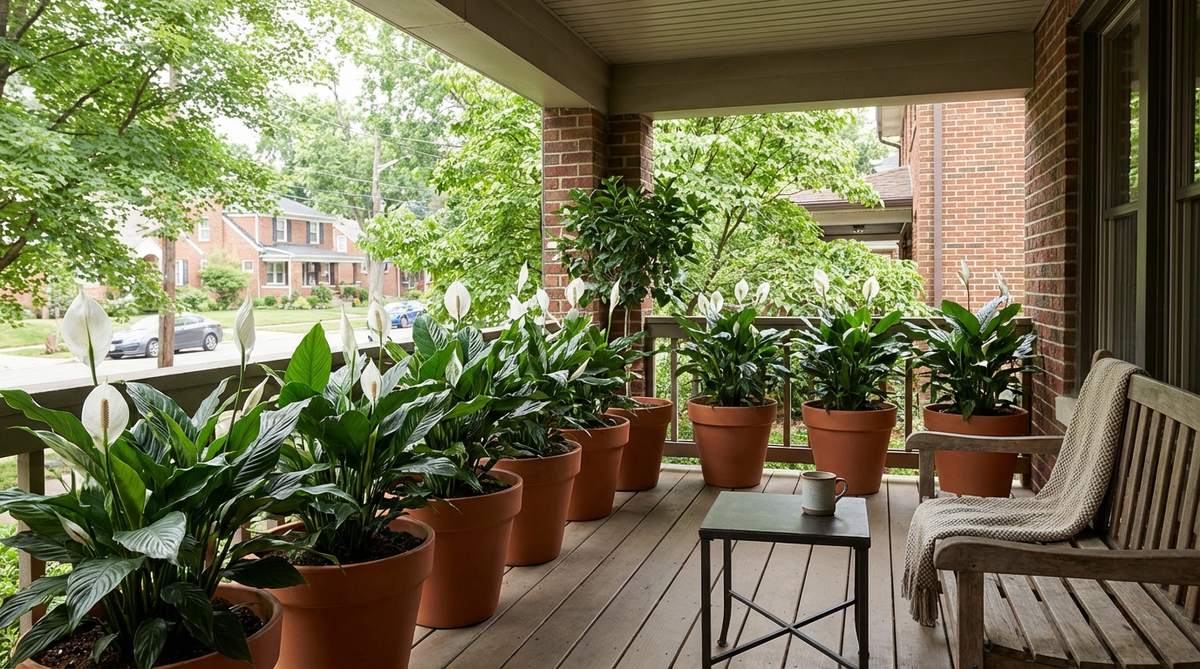
Brings a tranquil, blooming elegance to heavily shaded areas where nothing else survives. This low-light floral balcony arrangement creates a highly purifying, spa-like microclimate.
Placing these directly in terracotta will dry them out instantly and cause sad, drooping leaves. Using glazed ceramic pots retains essential moisture, giving a designer-level finish while keeping the plants happy.
Setting up a trio of these will cost roughly $35. Perfect for north-facing apartments.
- Key Materials: Peace lilies, glazed ceramic pots, rich soil
- Vibe / Style: Serene shaded retreat
- Difficulty: Easy water signaling
- Budget Breakdown: Glazed Pots: $20 | Plants: $15
- Creator’s Tip: When the leaves droop slightly, it’s the exact perfect time to water them—no guessing required.
- Smart Sourcing: Snag glazed ceramic planter sets and moisture-control indoor/outdoor soil.
24. Culinary Herb Window Box
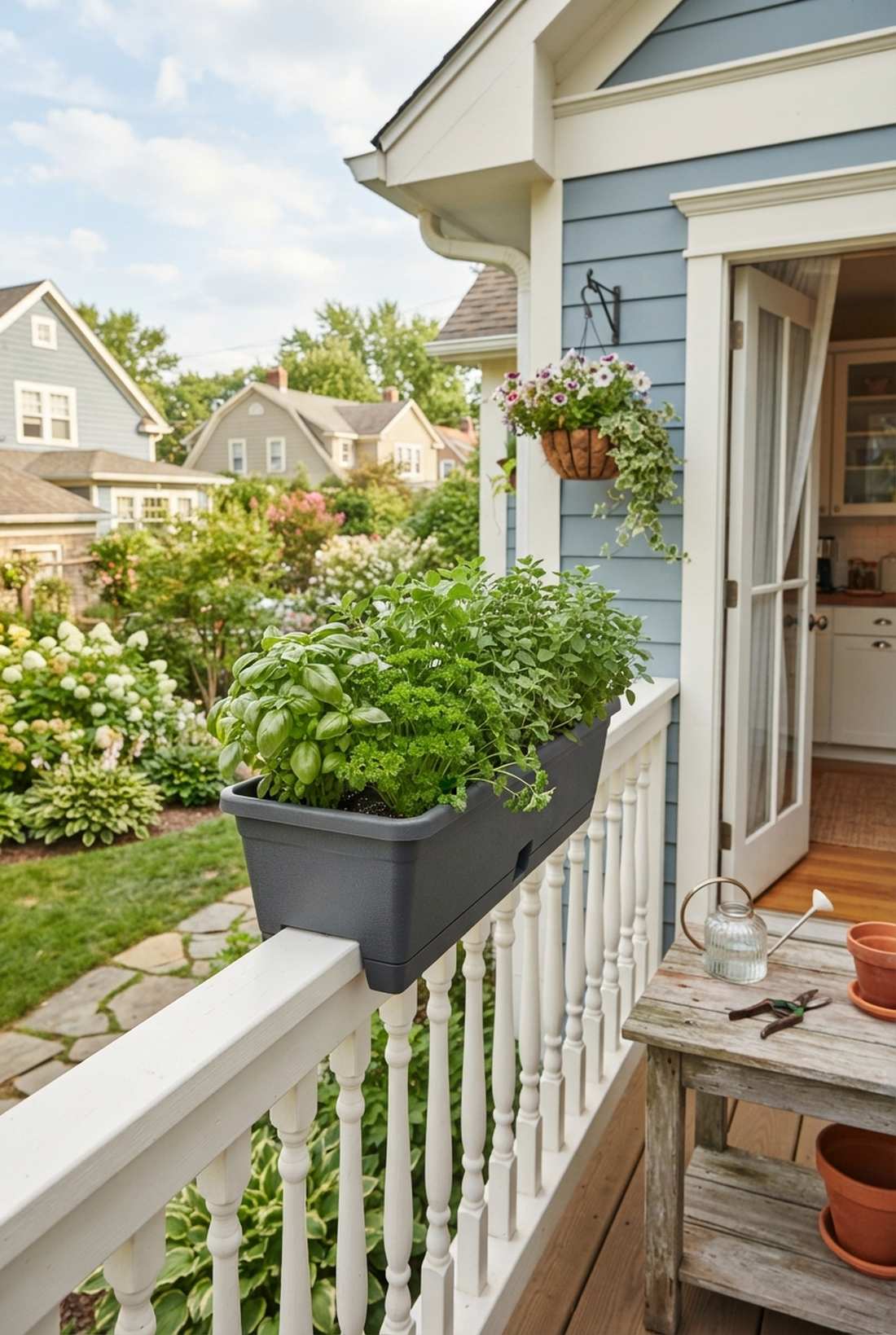
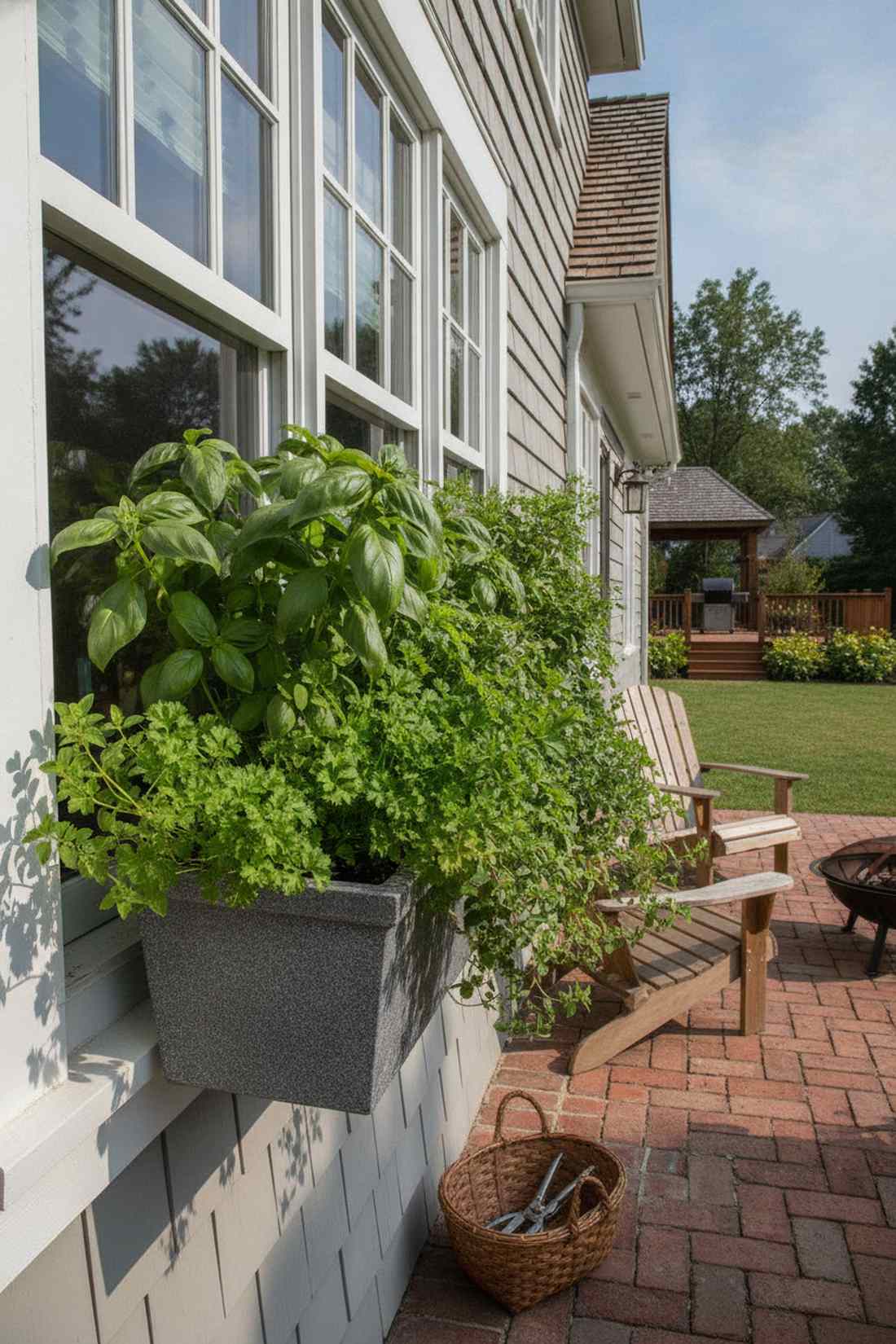
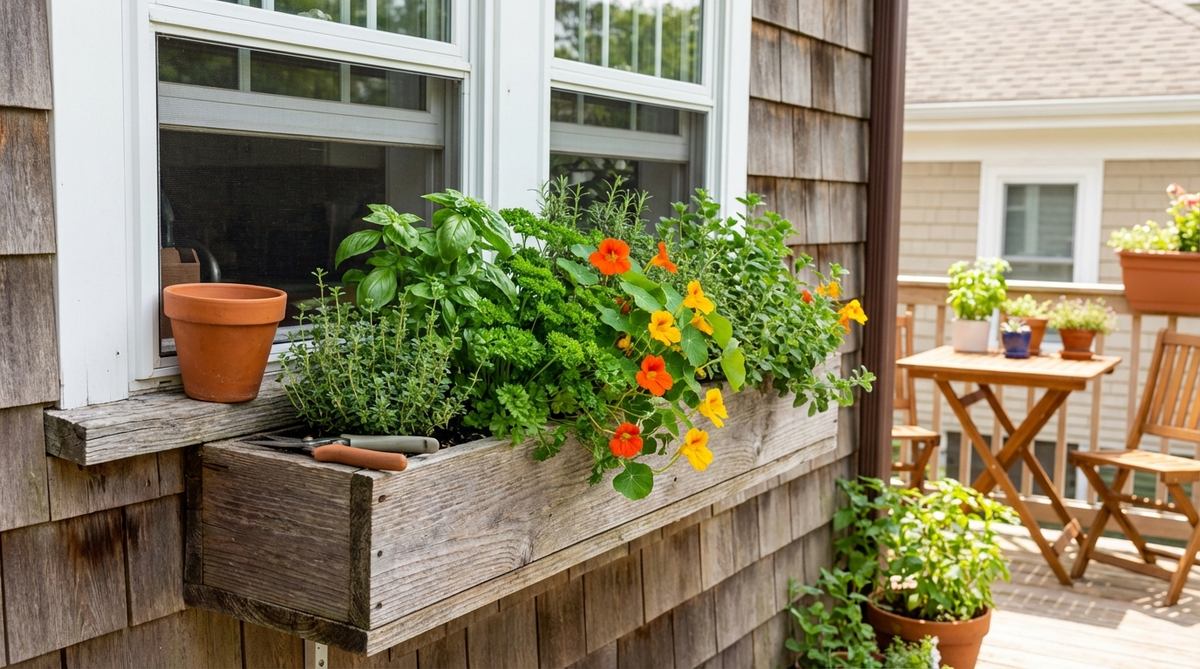
Infuses your space with incredible aromas and puts fresh cooking ingredients at arm’s reach. This balcony decor ideas with plants is an absolute must-have for home chefs.
Mixing dry-loving herbs with water-hogs in the same box is a guaranteed death sentence. Grouping basil and parsley together in a self-watering trough delivers a surprisingly premium look and massive yields.
You can build a fully stocked herb box for under $25. Save this to your edible garden board!
- Key Materials: Window box planter, basil, parsley, oregano
- Vibe / Style: Functional culinary charm
- Difficulty: Easy beginner friendly
- Budget Breakdown: Window Box: $15 | Herb Starts: $10
- Creator’s Tip: Harvest from the top down to encourage the herbs to grow wider and bushier.
- Smart Sourcing: Buy a self-watering rectangular window box and organic herb garden seed kits.
This is where most DIYers ruin their aesthetic. Do this next trick instead to look like a pro.
25. Vertical Strawberry Tower
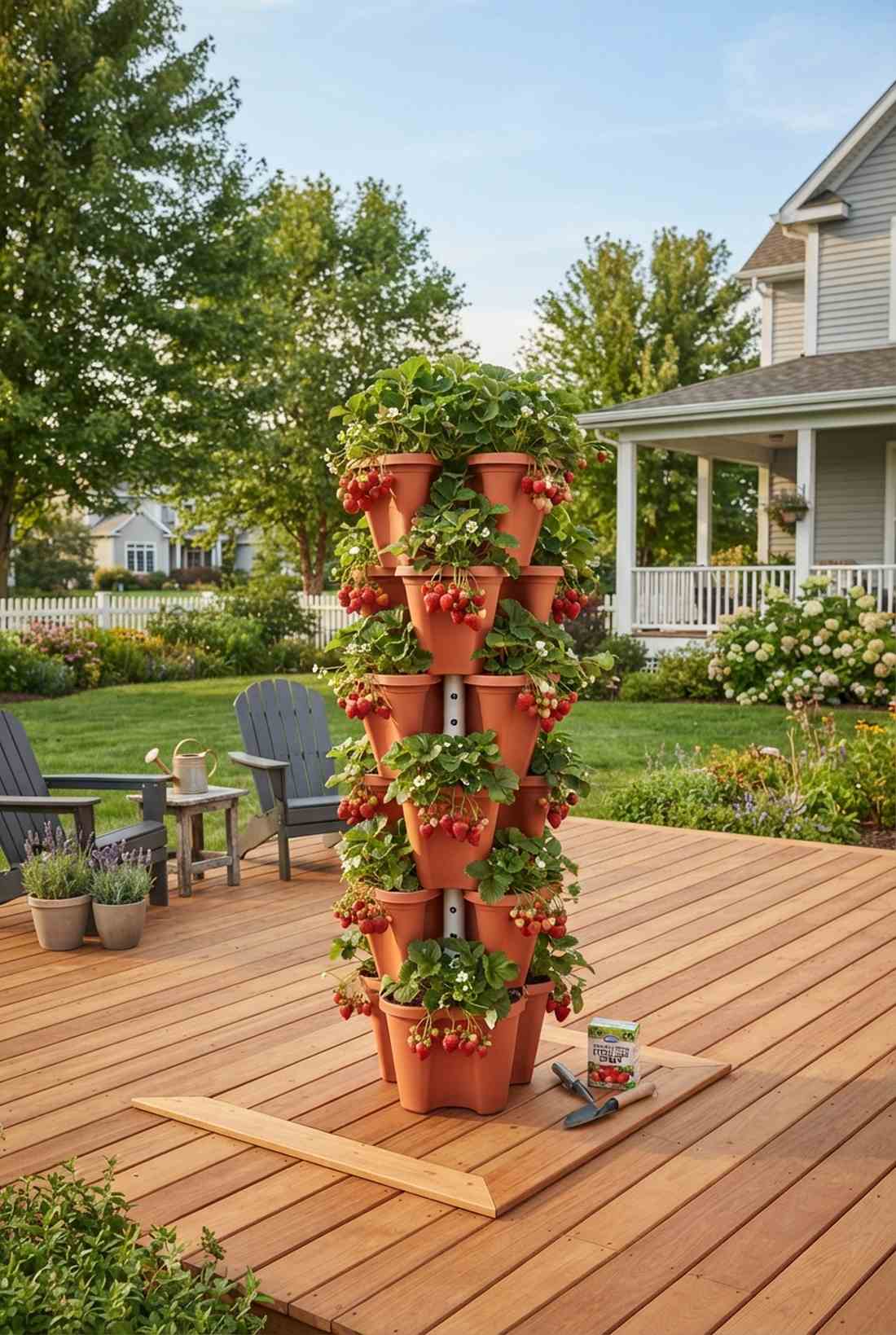
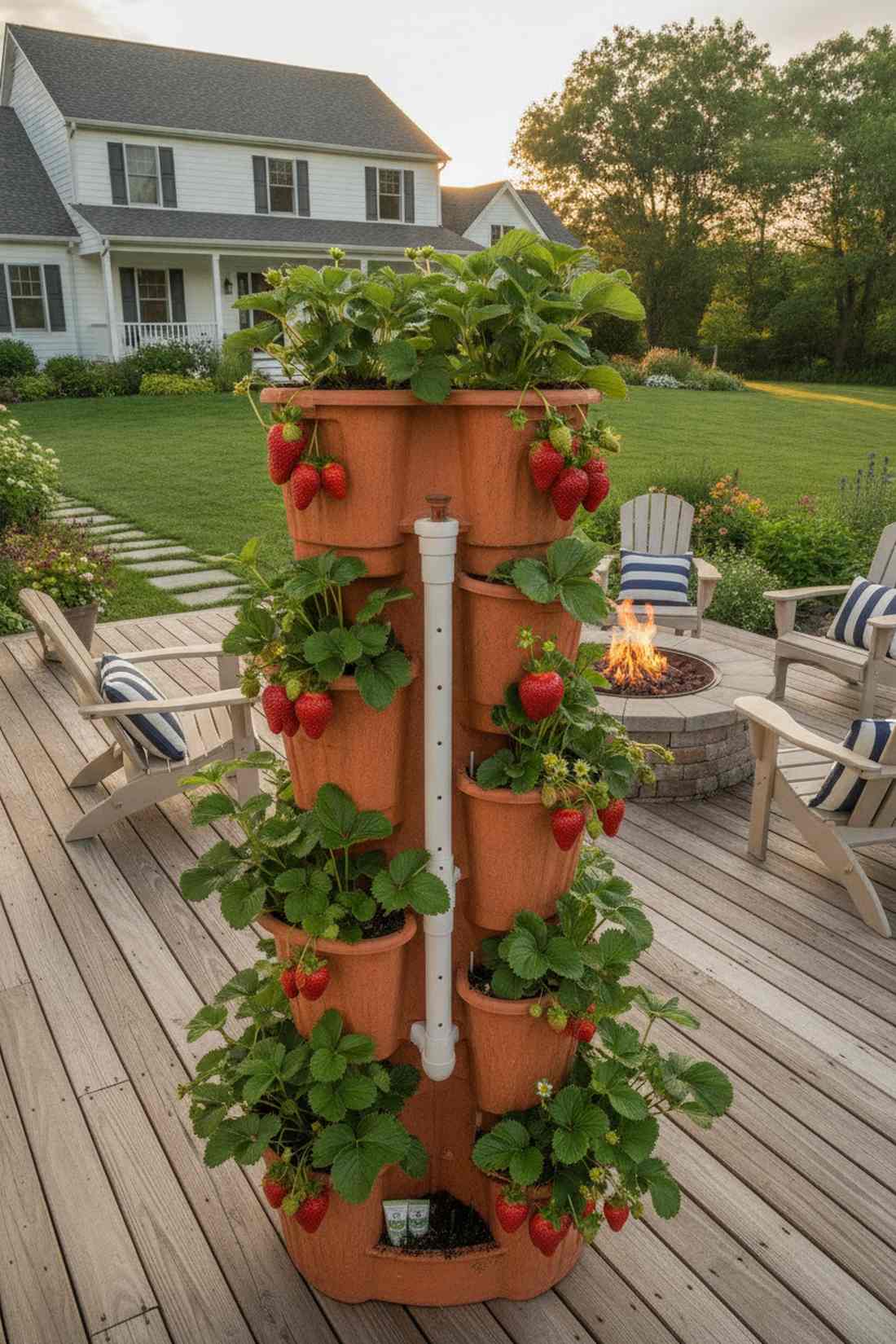
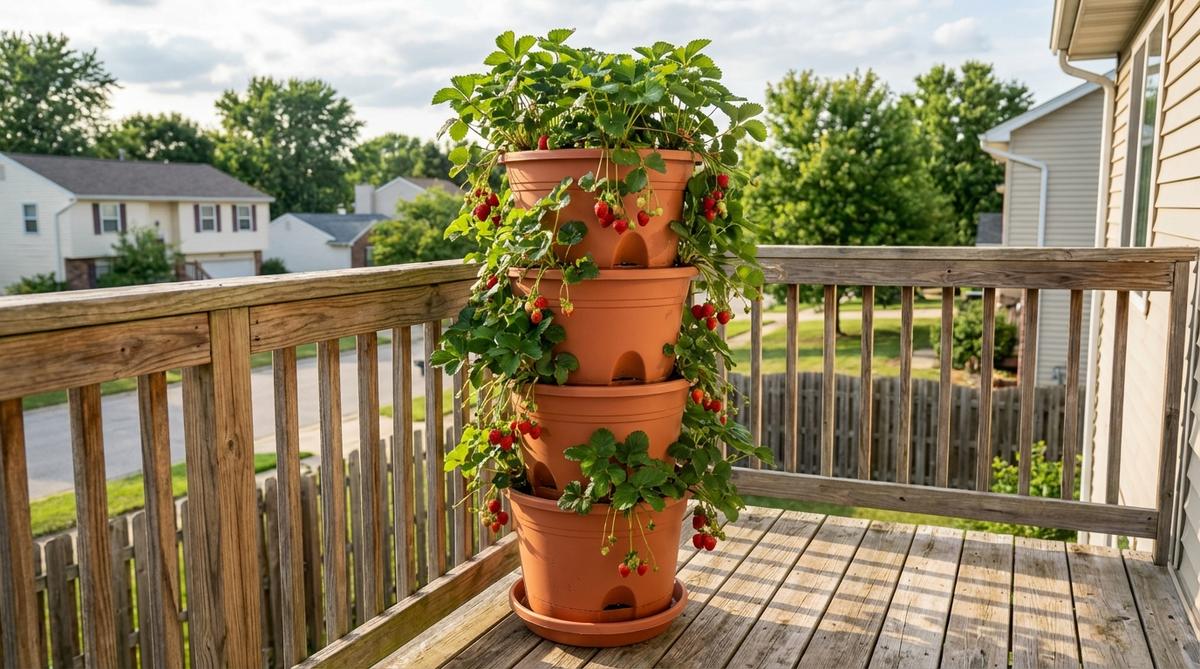
Creates a cascading waterfall of delicious red fruit that looks incredible and saves massive space. This tiered fruit planter setup is a brilliant utilization of sunny, tight corners.
Standard flat planters let the berries sit in wet dirt, causing them to rot instantly. A dedicated vertical stacking tower looks far more expensive than it is and keeps the fruit elevated and clean.
A starter tower and bare-root plants will cost around $35.
- Key Materials: Stackable multi-tier planters, strawberry crowns
- Vibe / Style: Abundant vertical harvest
- Difficulty: Moderate watering needs
- Budget Breakdown: Tower: $25 | Berry Roots: $10
- Creator’s Tip: Add a PVC pipe with holes down the center of the tower for perfectly even watering on all levels.
- Smart Sourcing: Invest in a 5-tier vertical strawberry planter and organic fruit fertilizer spikes.
26. Salad Greens Gutter Garden
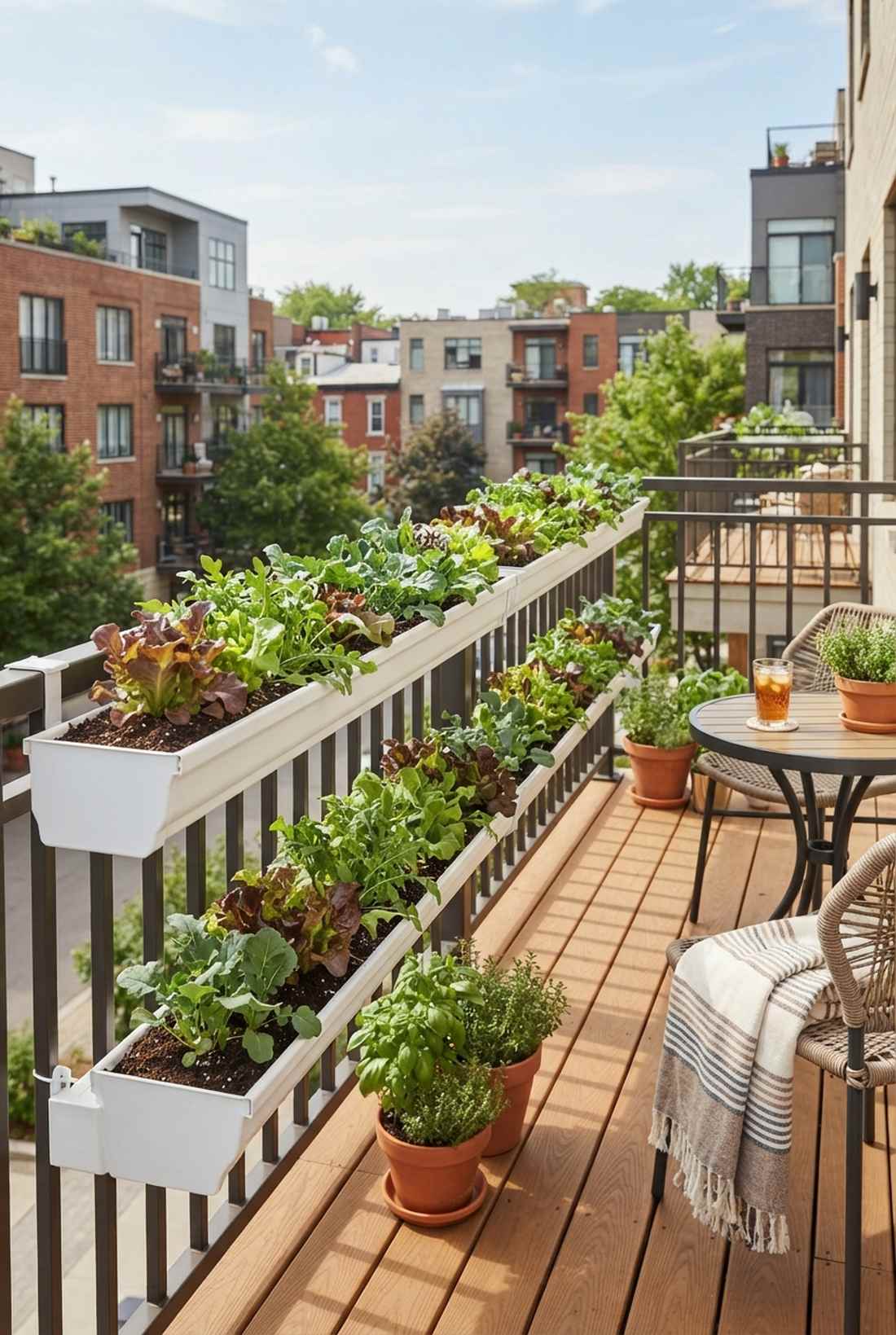
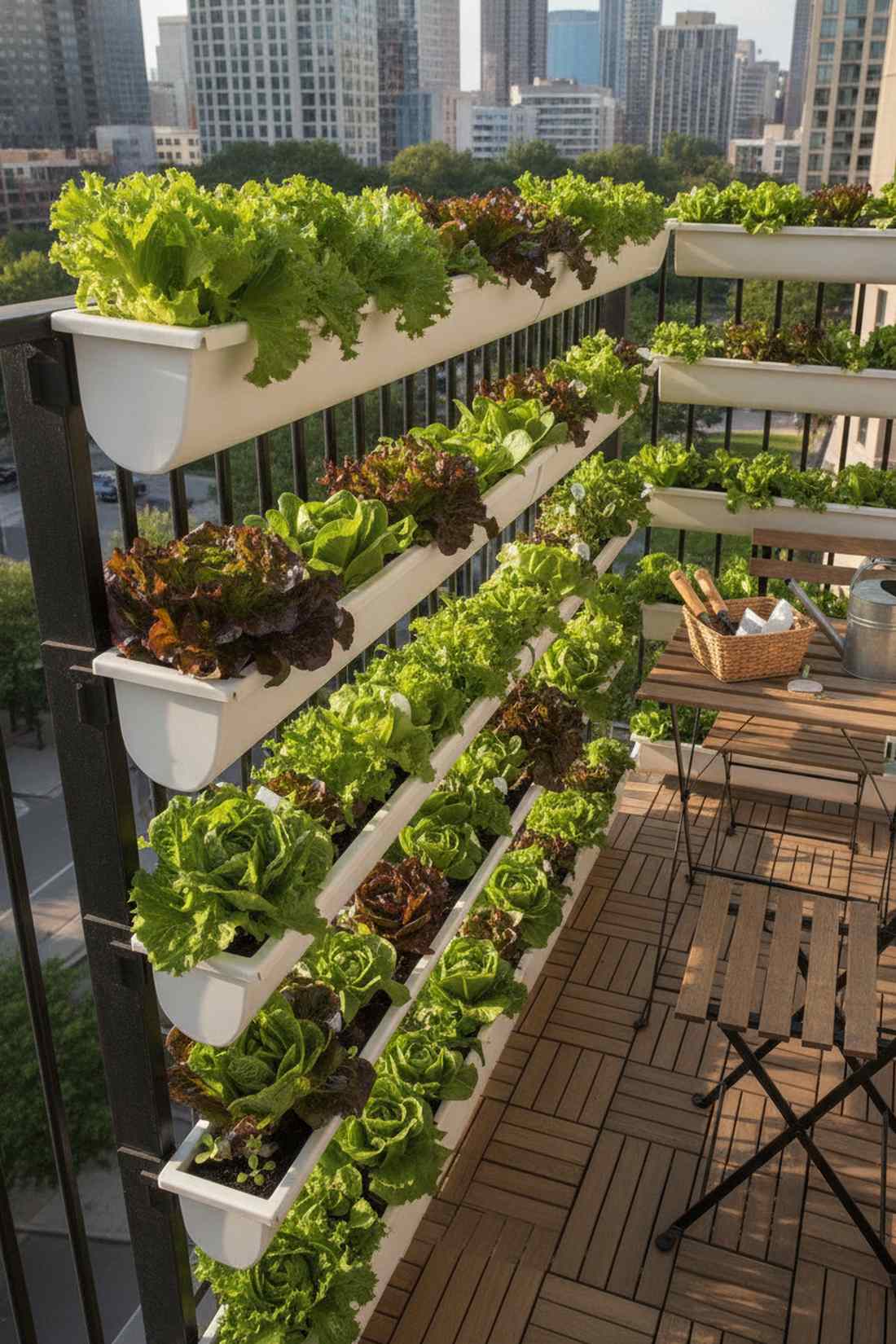
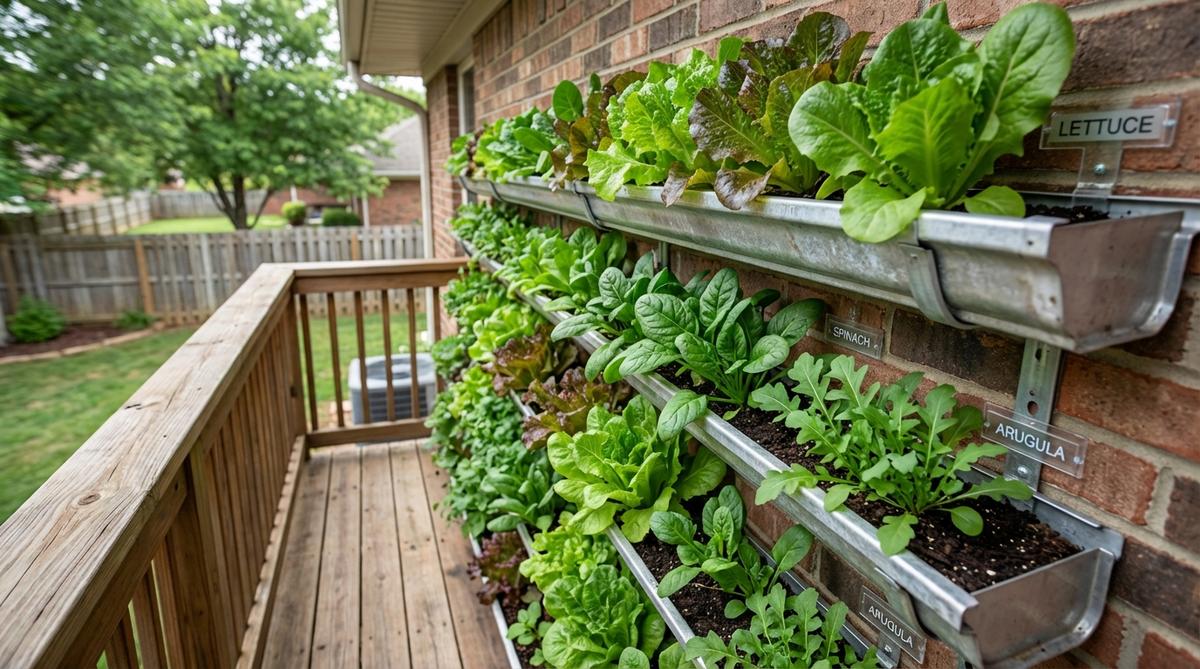
Transforms a bare railing into a high-yield, continuous fresh salad factory. This shallow-root edible railing setup is incredibly space-efficient for tiny urban environments.
Using dark-colored metal gutters will literally cook the tender roots in the summer sun. Opting for white vinyl reflects the heat, giving a designer-level finish while preserving your crispy lettuce.
Setting up one row costs about $20. Pin this if you want to slash your grocery bill!
- Key Materials: Vinyl rain gutters, mixed lettuce seeds
- Vibe / Style: Sleek urban farm
- Difficulty: Very easy
- Budget Breakdown: Gutters: $15 | Seeds & Soil: $5
- Creator’s Tip: Replant a small section every two weeks so you have a never-ending, continuous harvest all season.
- Smart Sourcing: Get white heavy-duty vinyl gutters and a mesclun mix seed bulk pack.
27. Dwarf Citrus Container Grove
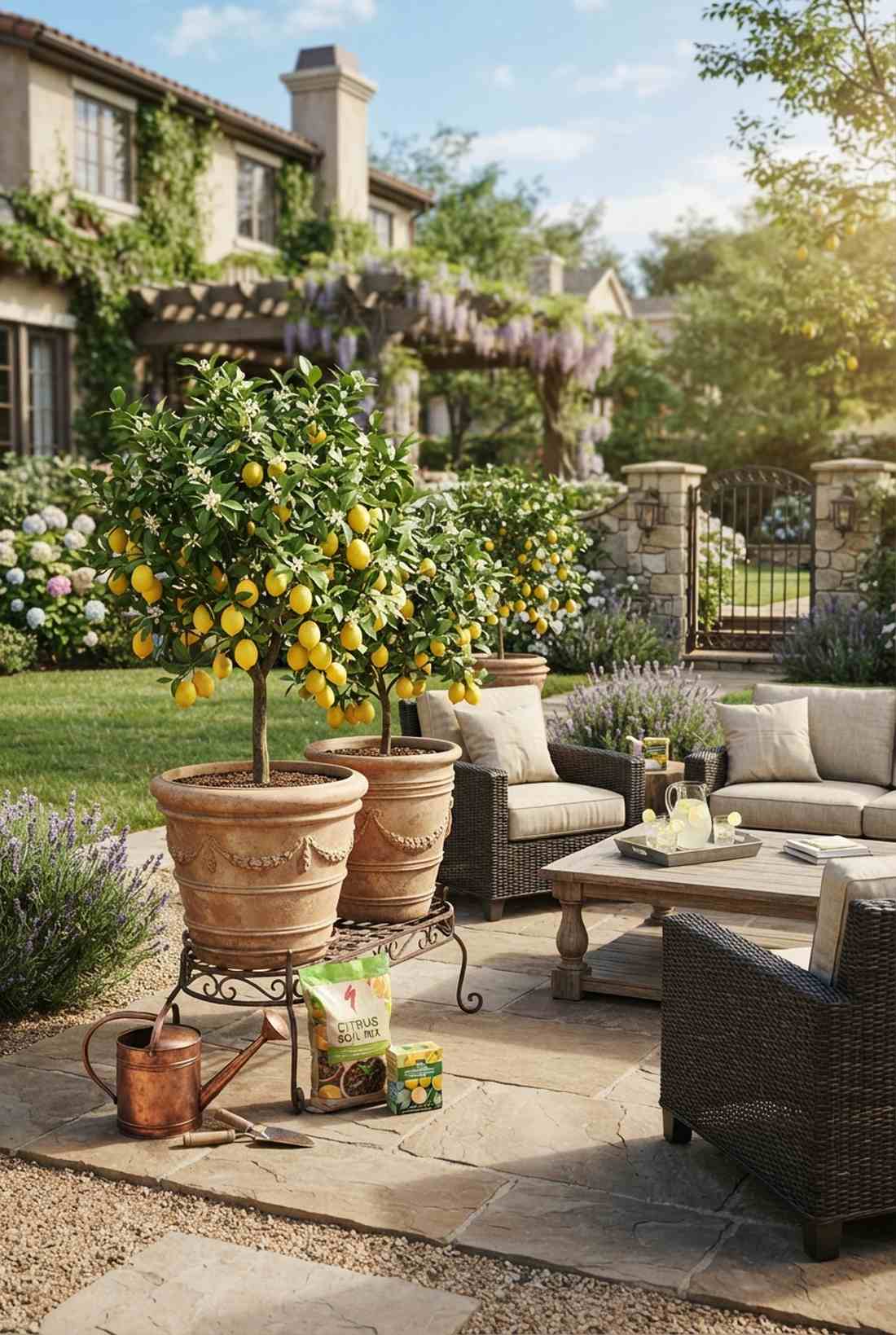
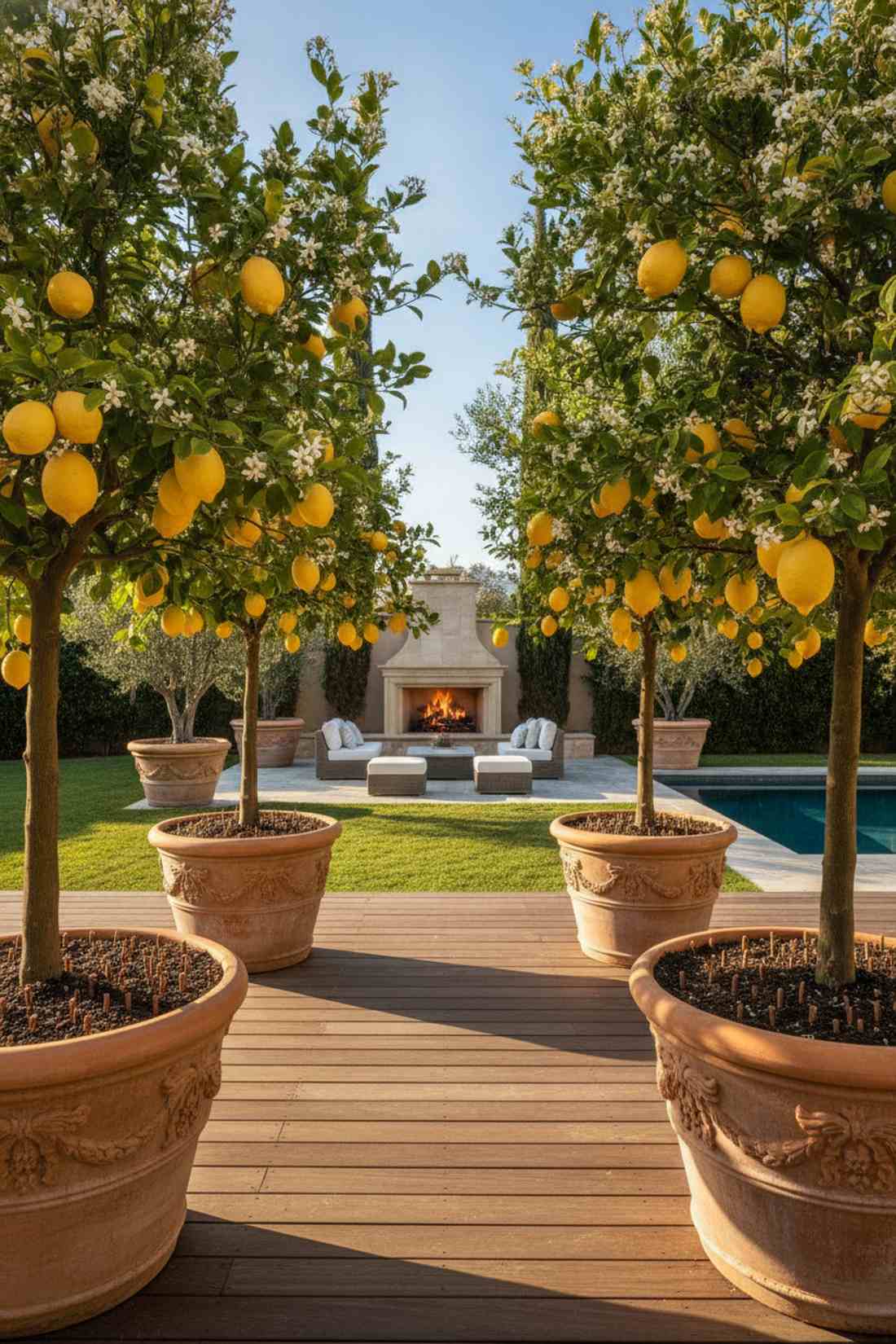
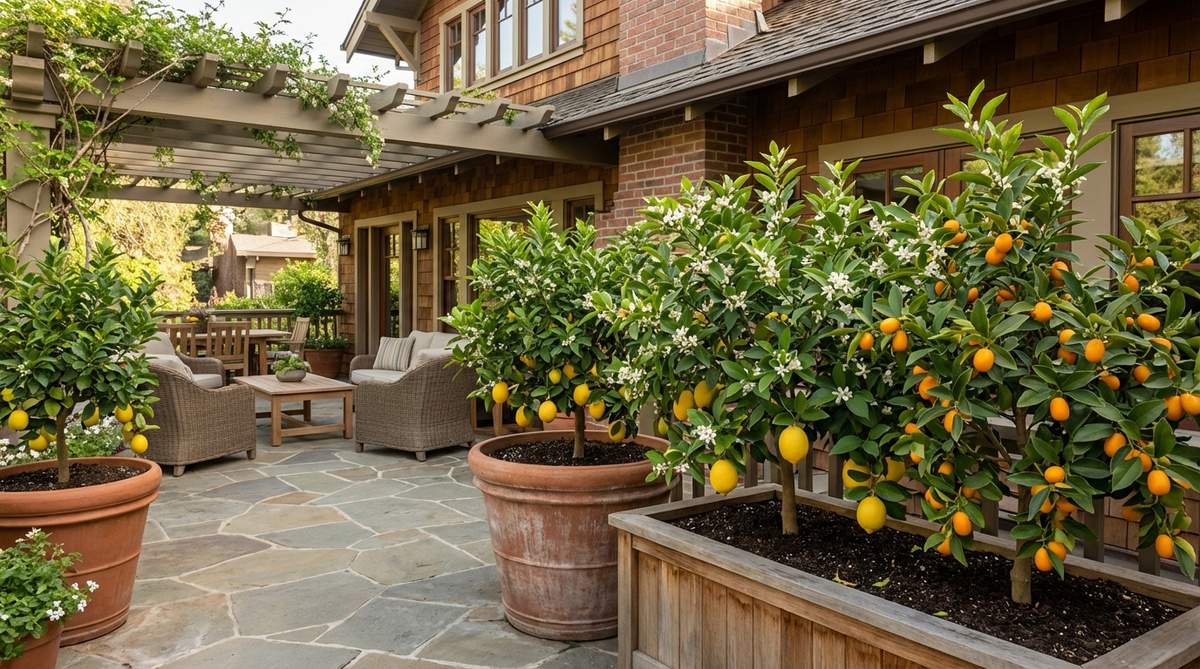
Brings a heavy dose of Mediterranean luxury and intoxicating fragrant blossoms to your patio. This potted fruit tree arrangement serves as an incredible high-end focal point.
Planting citrus in standard potting soil will suffocate the roots and prevent fruiting. Using a specialized acidic, fast-draining mix delivers a surprisingly premium look with heavy, vibrant lemon yields.
Expect to invest $60–$90 for a grafted dwarf tree and proper pot.
- Key Materials: Meyer lemon tree, large drainage pot, citrus soil
- Vibe / Style: Italian villa luxury
- Difficulty: Requires diligent feeding
- Budget Breakdown: Tree: $45 | Pot & Soil: $30
- Creator’s Tip: Citrus trees are heavy feeders; use a specialized citrus spike every season for maximum fruit.
- Smart Sourcing: Order specialized citrus tree potting mix and slow-release citrus fertilizer spikes.
28. Cherry Tomato Cage Garden
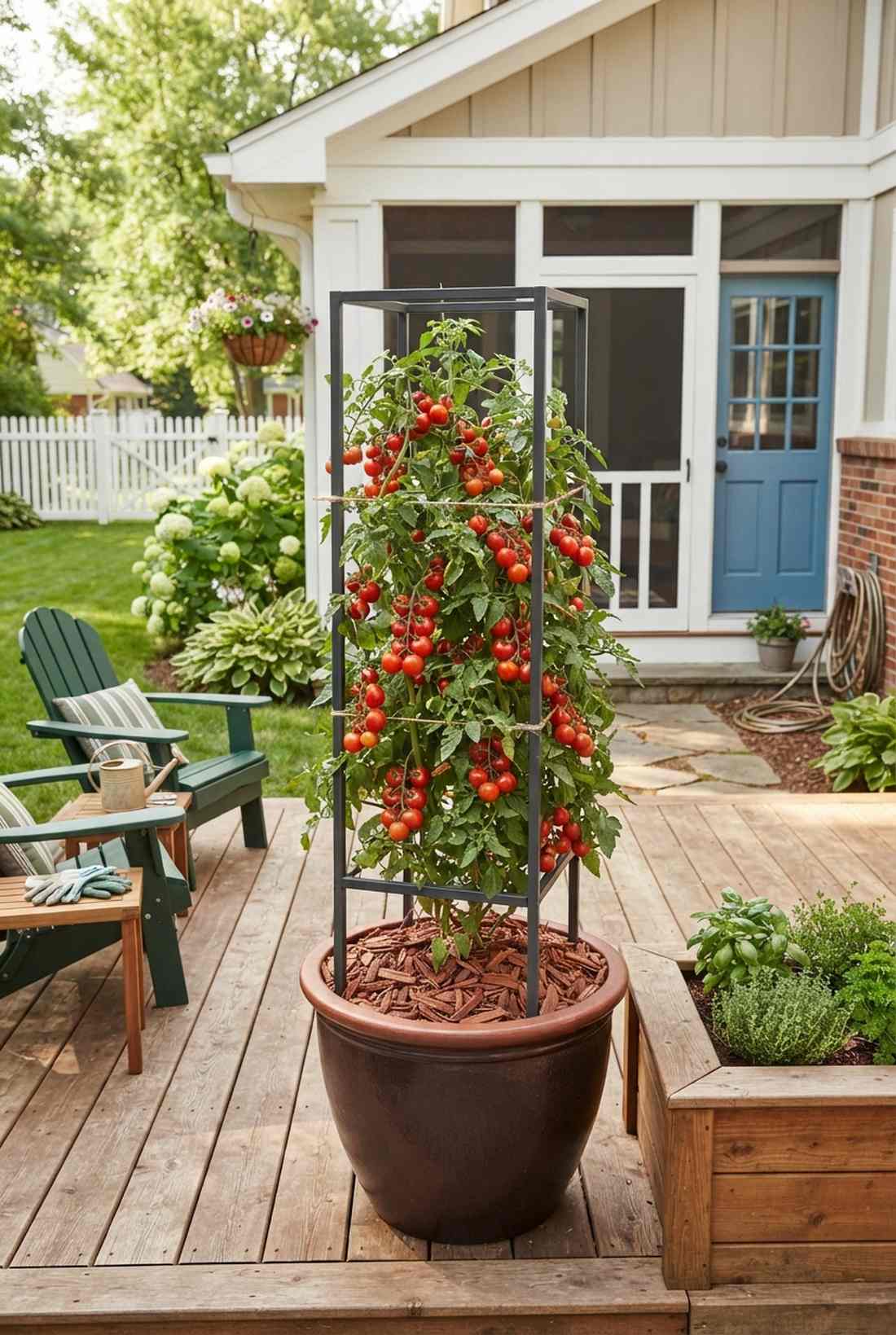
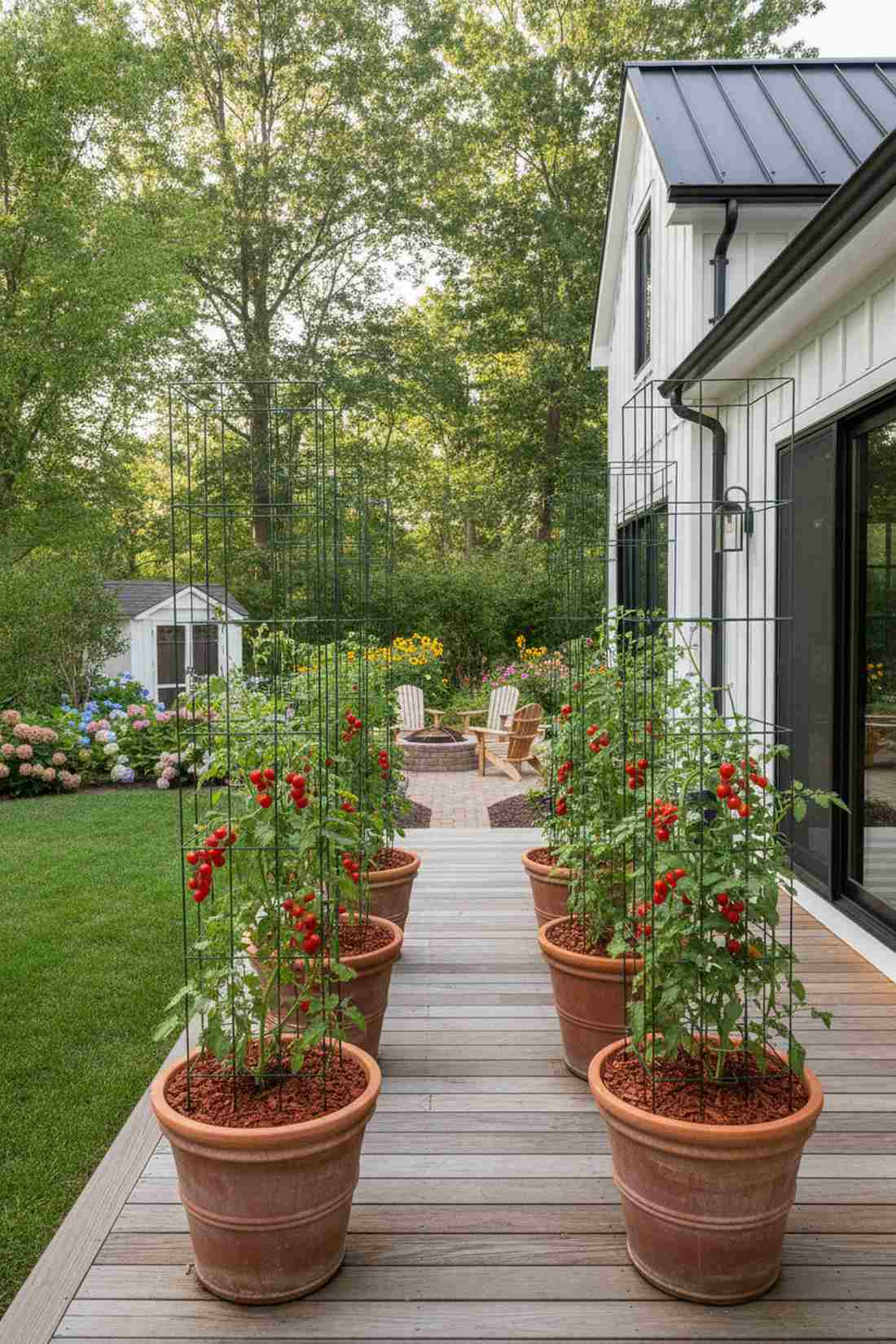
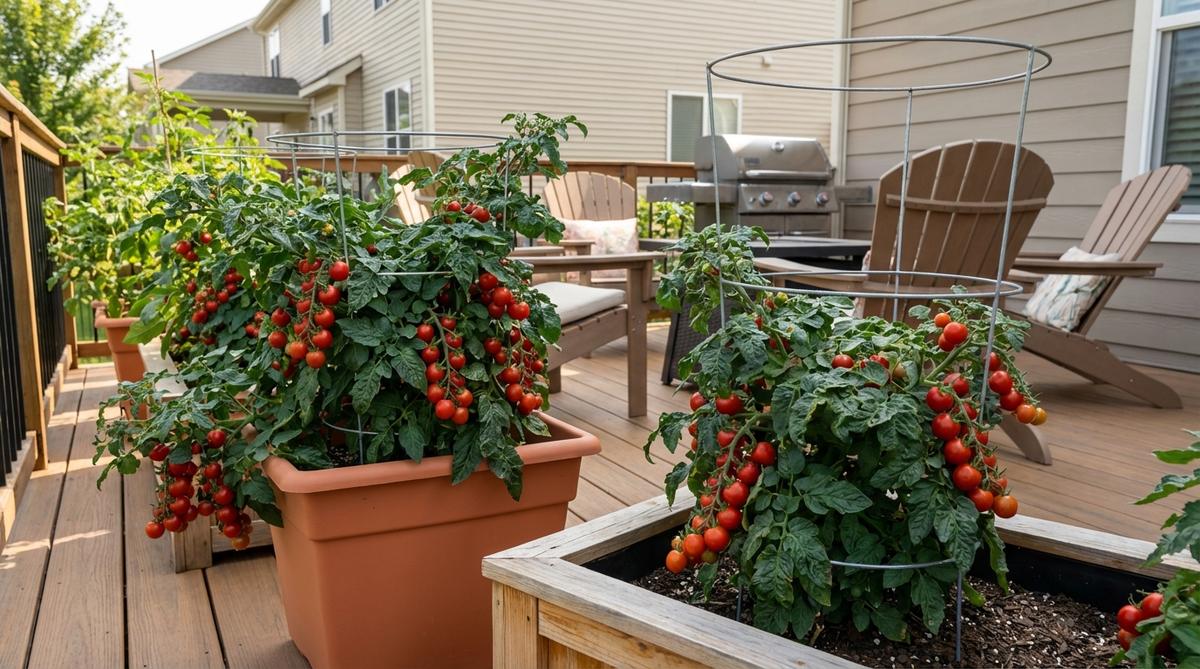
Creates a towering pillar of bright red, snackable fruit right outside your back door. This vertical edible balcony decor with plants is highly productive and visually striking.
Flimsy wire cones always collapse under the weight of a mature tomato plant. Building a solid square wooden or heavy-gauge steel cage looks far more expensive than it is and prevents a messy collapse.
You can set up a rock-solid tomato planter for under $30. Save this to your summer gardening board!
- Key Materials: Determinate tomatoes, heavy-duty cages, deep pots
- Vibe / Style: Bountiful summer harvest
- Difficulty: Moderate maintenance
- Budget Breakdown: Heavy Cage: $15 | Pot & Plant: $15
- Creator’s Tip: Mulch the top of the soil heavily to prevent water splashing, which stops blight disease.
- Smart Sourcing: Grab heavy-gauge square tomato cages and cedar mulch blocks.
29. Mediterranean Herb Collection
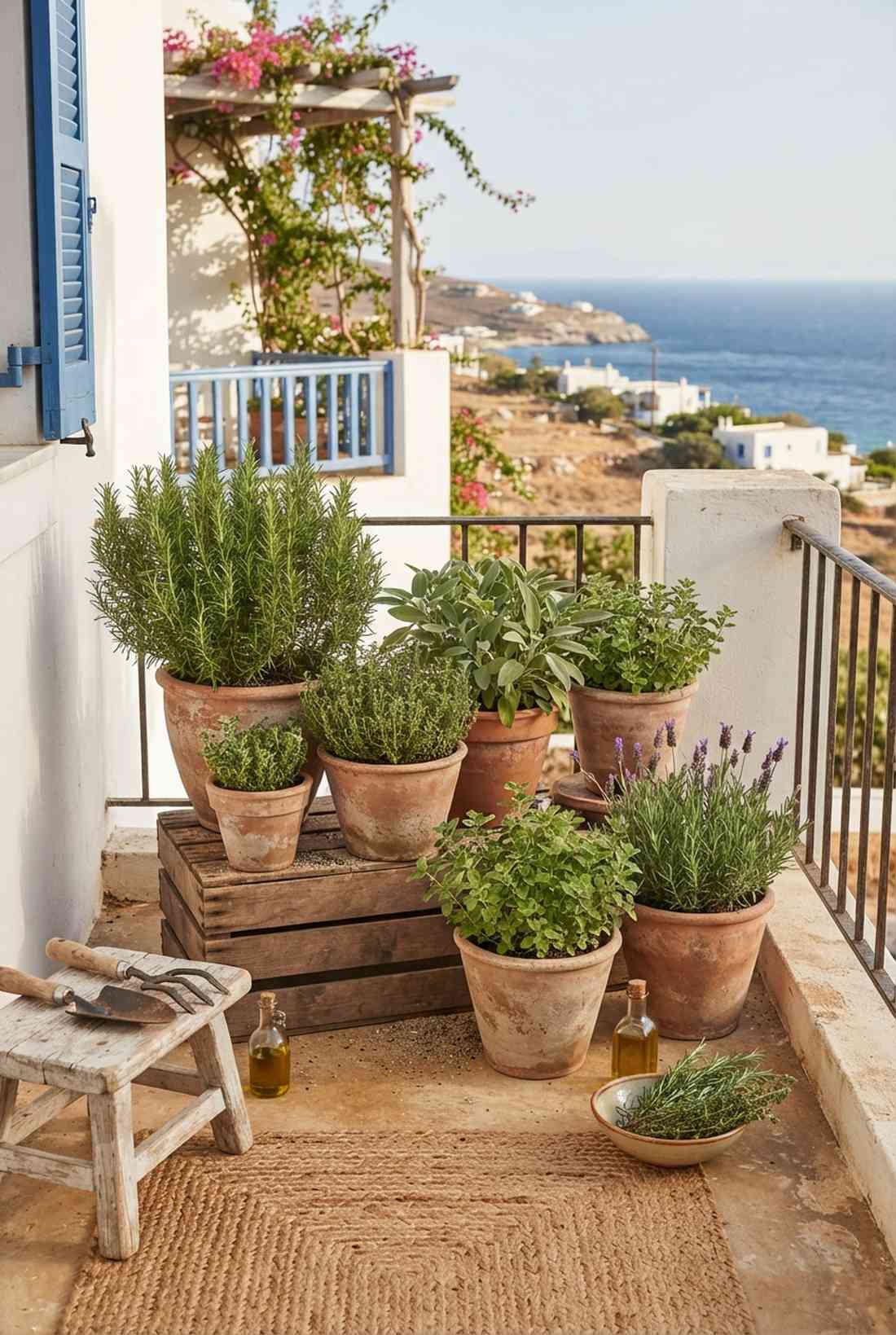
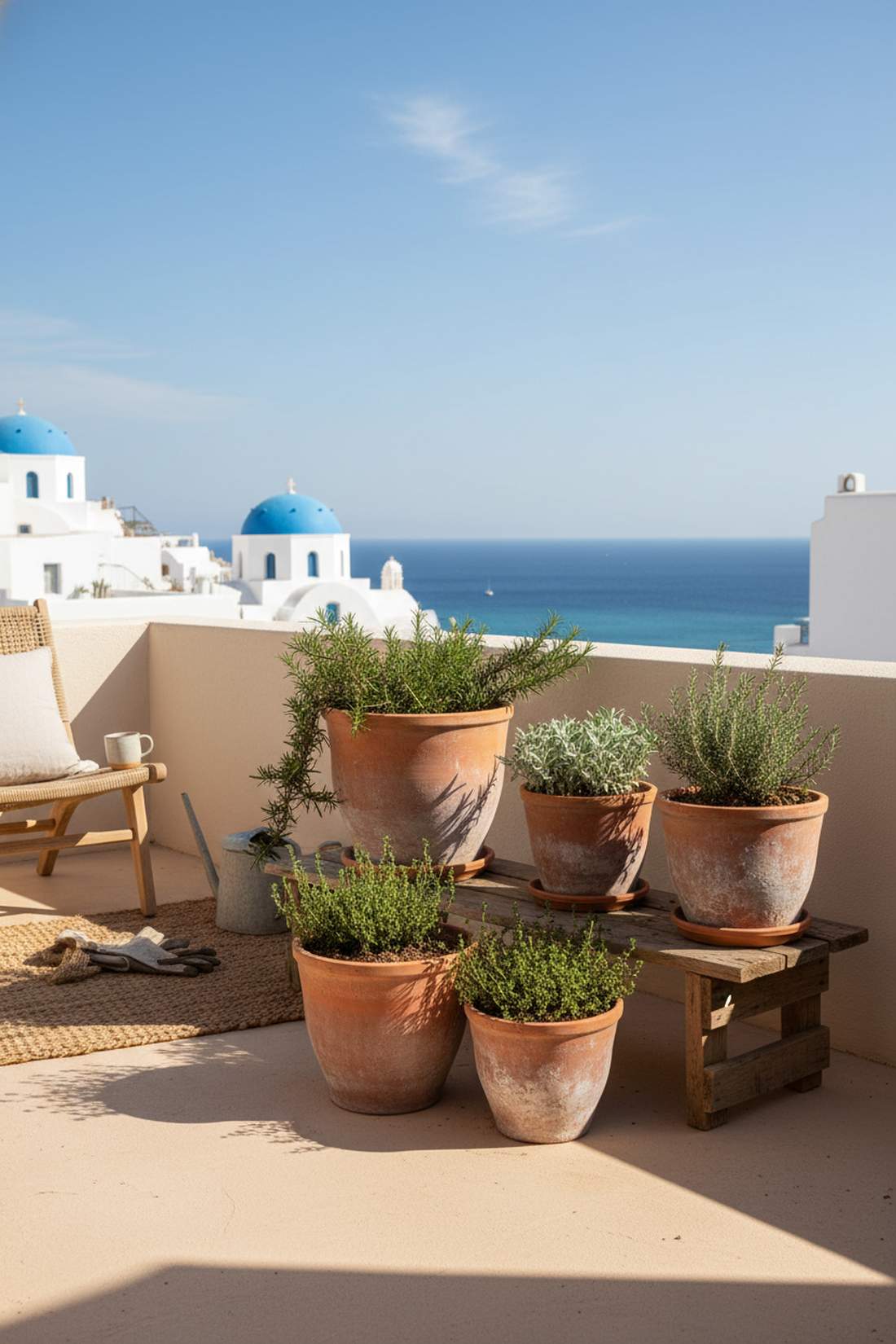
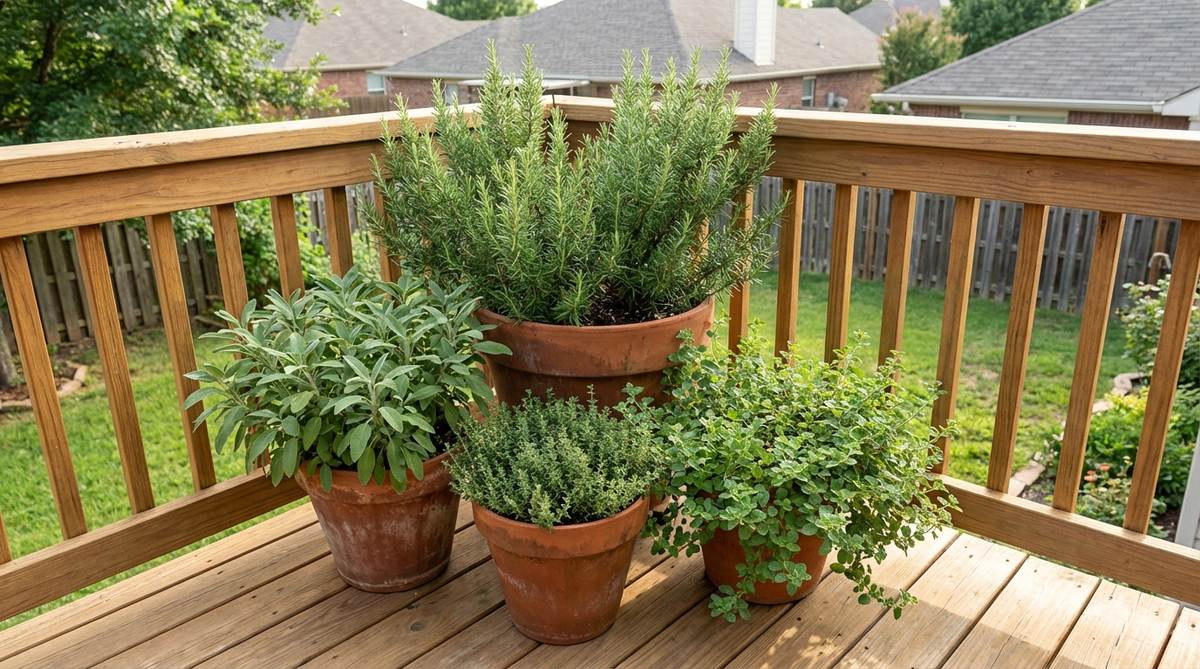
Evokes the dry, sun-baked charm of a Grecian terrace while providing gourmet flavors. This drought-tolerant culinary container is absolutely perfect for scorching hot concrete balconies.
Planting rosemary in moisture-retaining plastic pots will rot the roots within weeks. Utilizing porous, unglazed terracotta wicks away excess moisture, giving a designer-level finish while mimicking their native arid soil.
A beautiful collection of dry herbs costs around $25 to establish.
- Key Materials: Rosemary, thyme, sage, unglazed clay pots
- Vibe / Style: Sun-baked Grecian patio
- Difficulty: Very low water needs
- Budget Breakdown: Terracotta pots: $15 | Herbs: $10
- Creator’s Tip: Mix a handful of coarse sand into the potting soil to guarantee lightning-fast drainage.
- Smart Sourcing: Source unglazed terracotta planter sets and coarse horticultural sand.
Before you buy another expensive ceramic pot, you need to see how this next layout uses space.
30. Chili Pepper Hot Spot
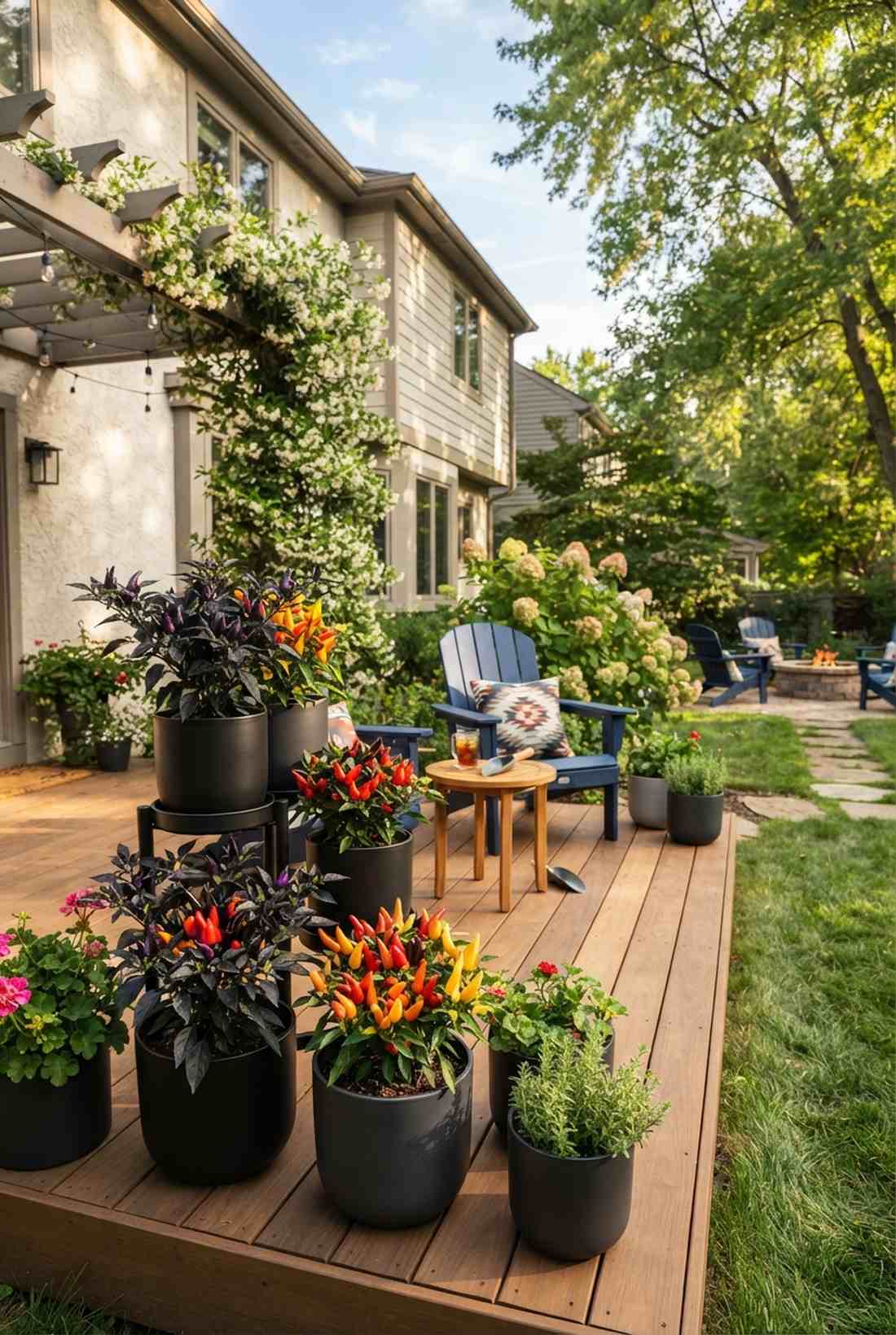
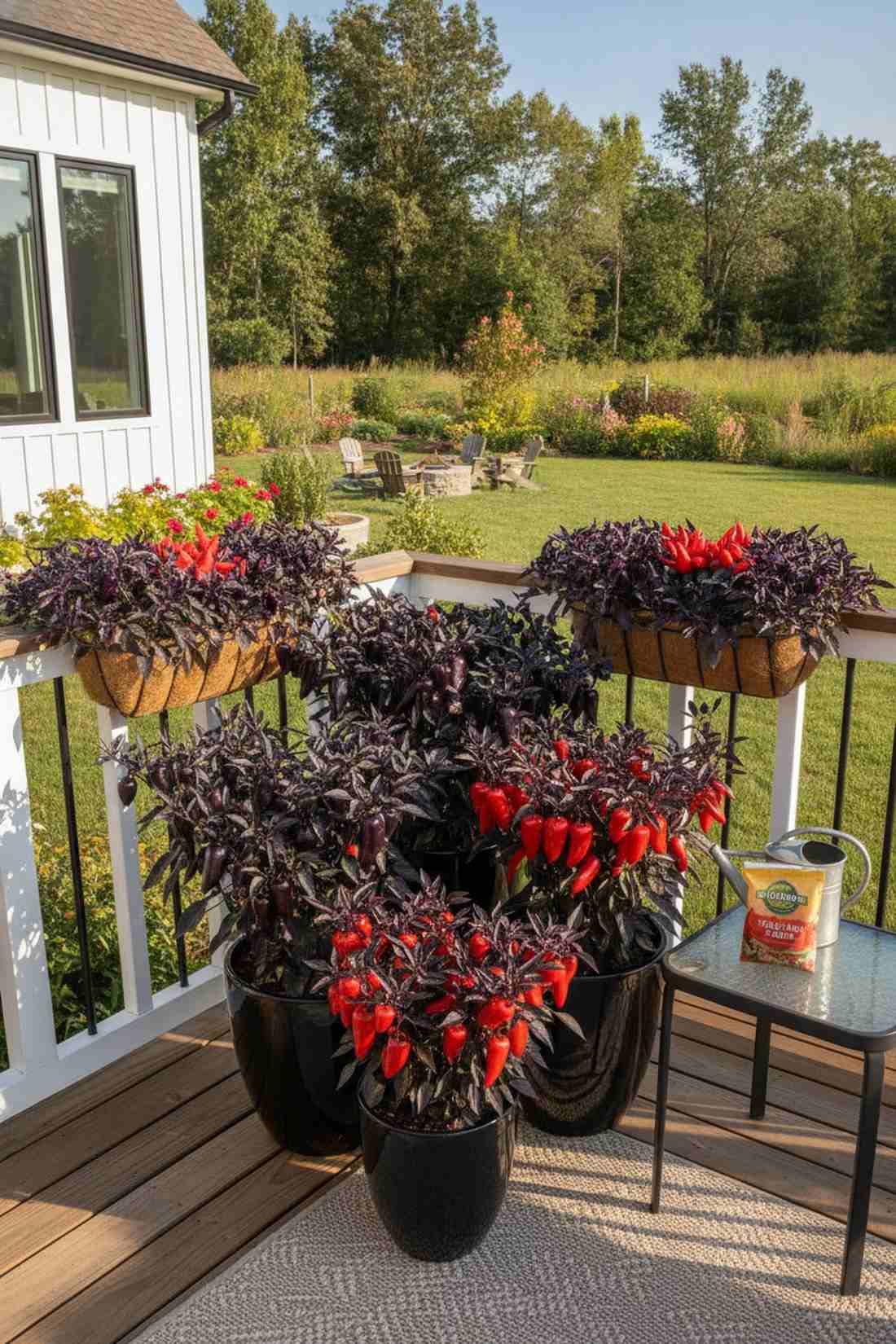
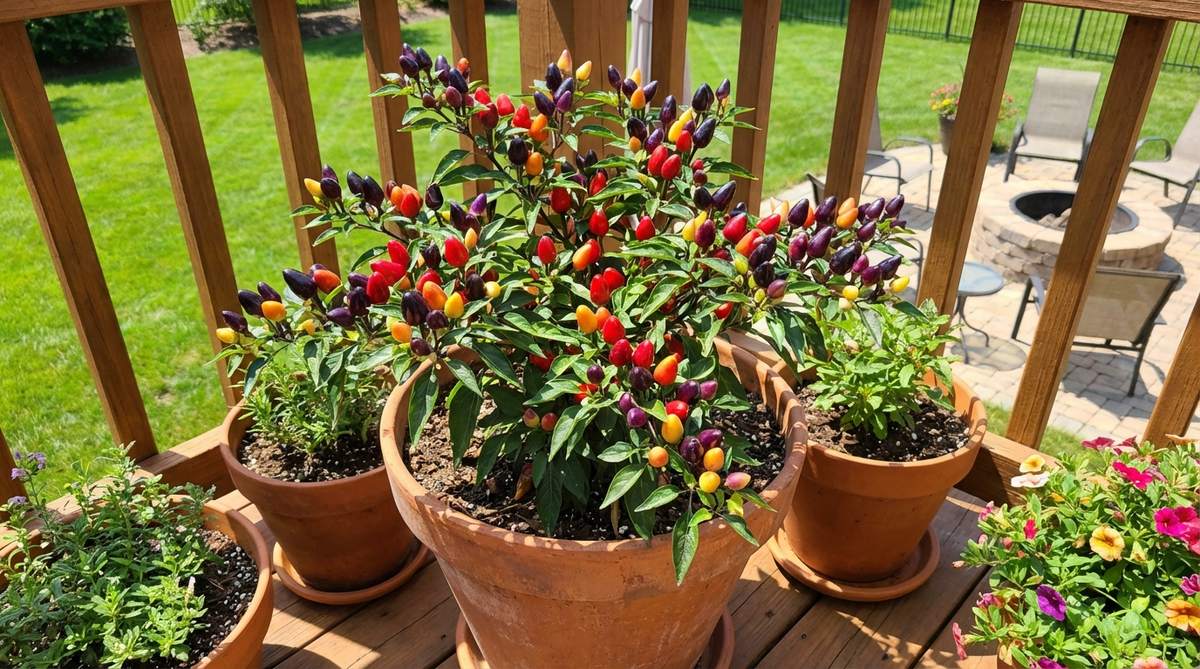
Injects fiery, vivid gradients of color that double as spicy kitchen staples. This ornamental edible plant display brings massive visual drama to a compact sunny corner.
Most people hide their pepper plants in the back, thinking they are ugly. Showcasing dark purple and bright red ornamental peppers in sleek modern pots delivers a surprisingly premium look that rivals exotic flowers.
You can grow these fiery beauties for under $20. Pin this for a spicy summer project!
- Key Materials: Ornamental pepper plants, high-sun spot, rich fertilizer
- Vibe / Style: Bold exotic heat
- Difficulty: Requires high sun
- Budget Breakdown: Seeds/Starts: $10 | Pot: $10
- Creator’s Tip: The hotter the balcony gets, the spicier and more vibrant these specific peppers will become.
- Smart Sourcing: Invest in ornamental hot pepper seed kits and high-yield tomato/vegetable food.
31. Micro-Greens Production Station
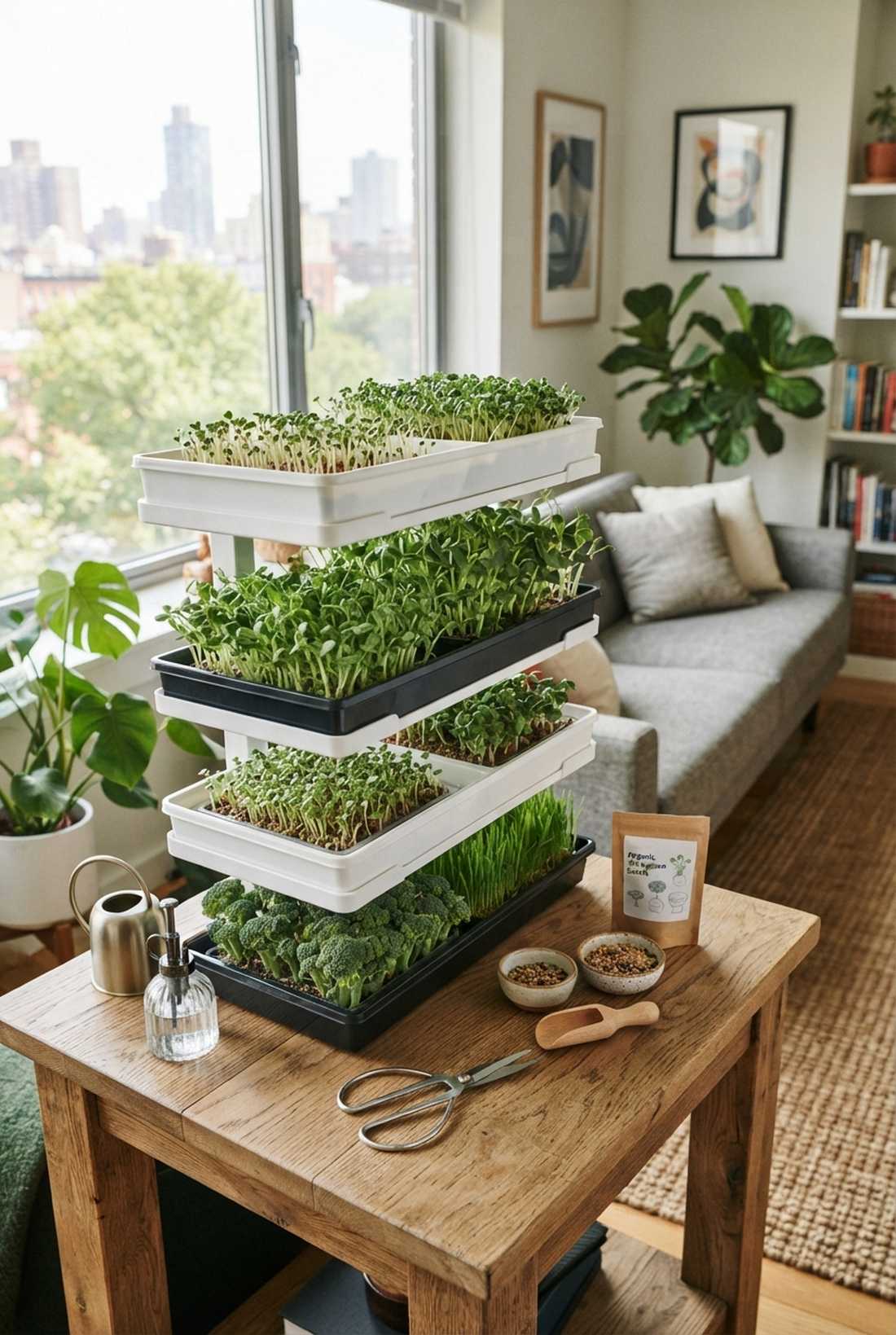
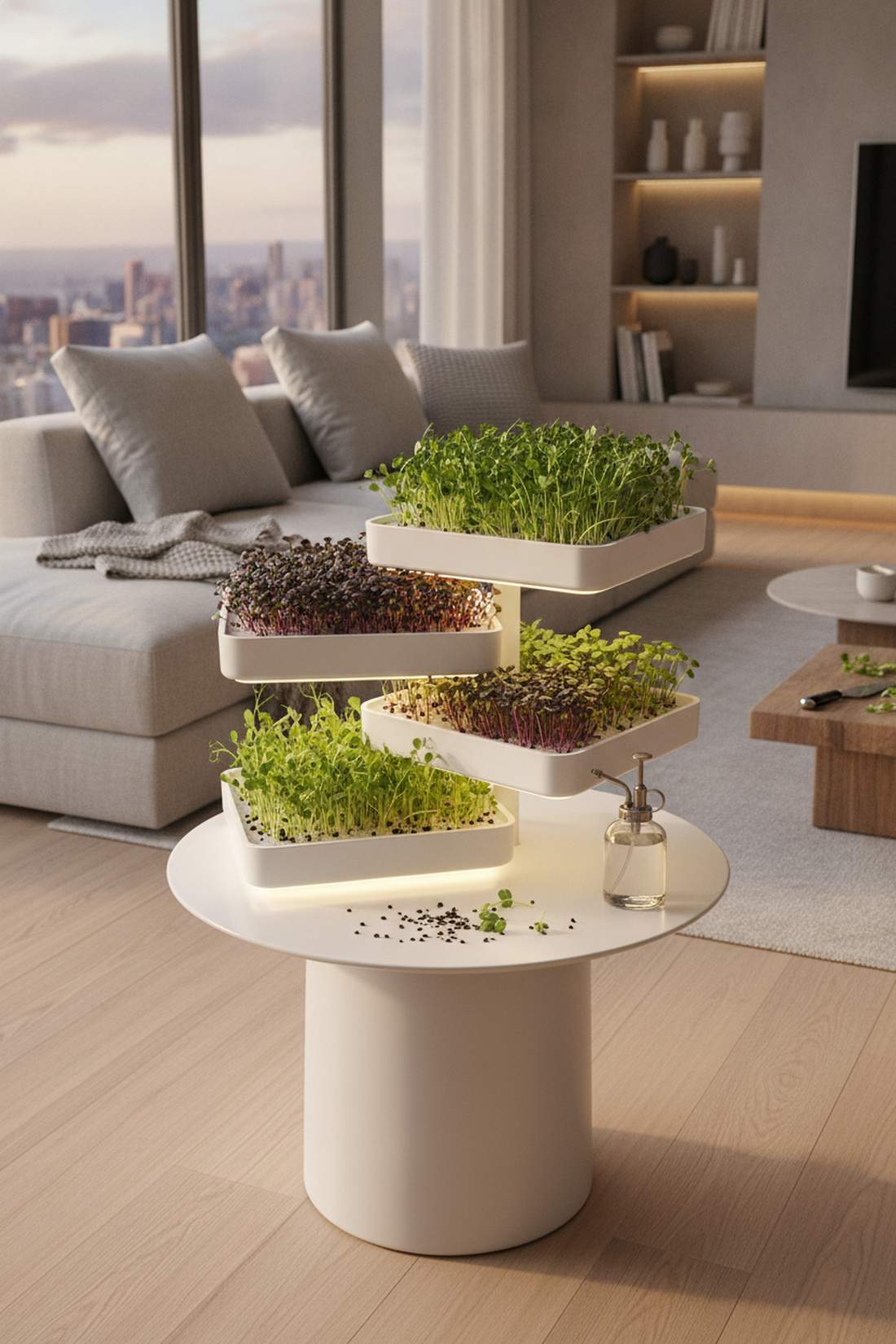
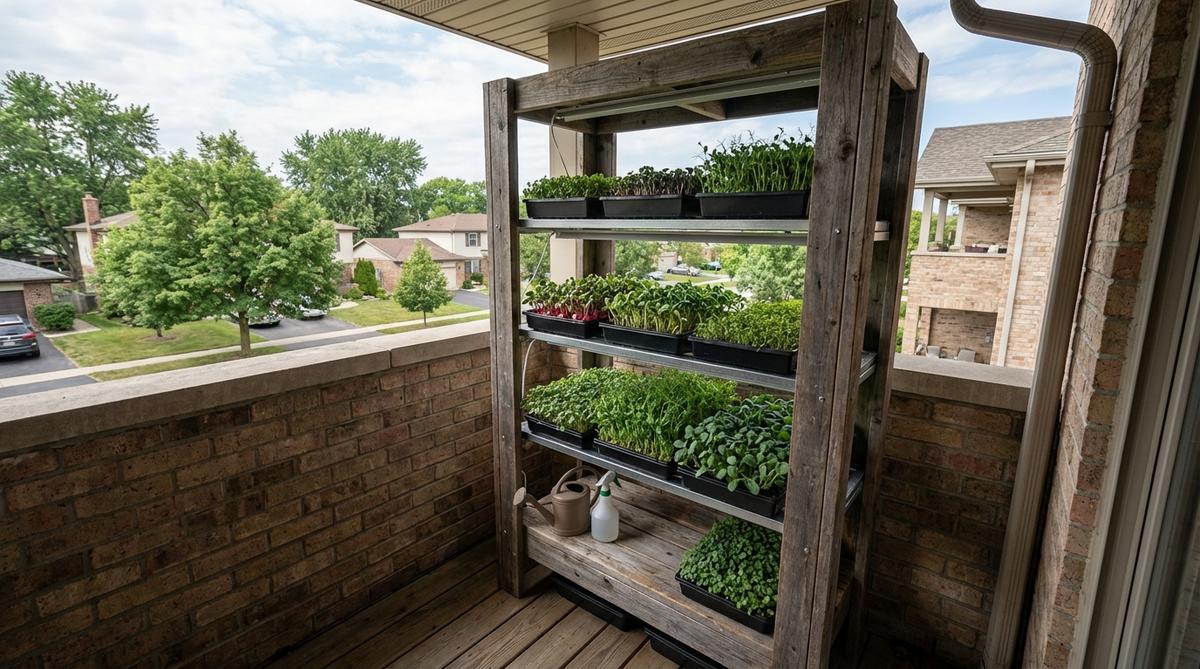
Provides a hyper-modern, restaurant-quality garnish station that fits on a tiny side table. This rapid-harvest shallow tray setup is the fastest return on investment for any apartment gardener.
Using deep, expensive pots for microgreens is a total waste of expensive soil. Utilizing stacked, shallow growing trays looks far more expensive than it is and multiplies your weekly harvest.
A full rotational tray system costs about $30 to start.
- Key Materials: Shallow germination trays, mixed sprout seeds
- Vibe / Style: Ultra-modern culinary prep
- Difficulty: Extremely fast and easy
- Budget Breakdown: Trays: $15 | Bulk Seeds: $15
- Creator’s Tip: Keep a spray bottle nearby to mist the seeds twice daily until they sprout securely.
- Smart Sourcing: Buy BPA-free shallow germination trays and bulk organic microgreen seed packs.
32. Trailing Petunia Cascade
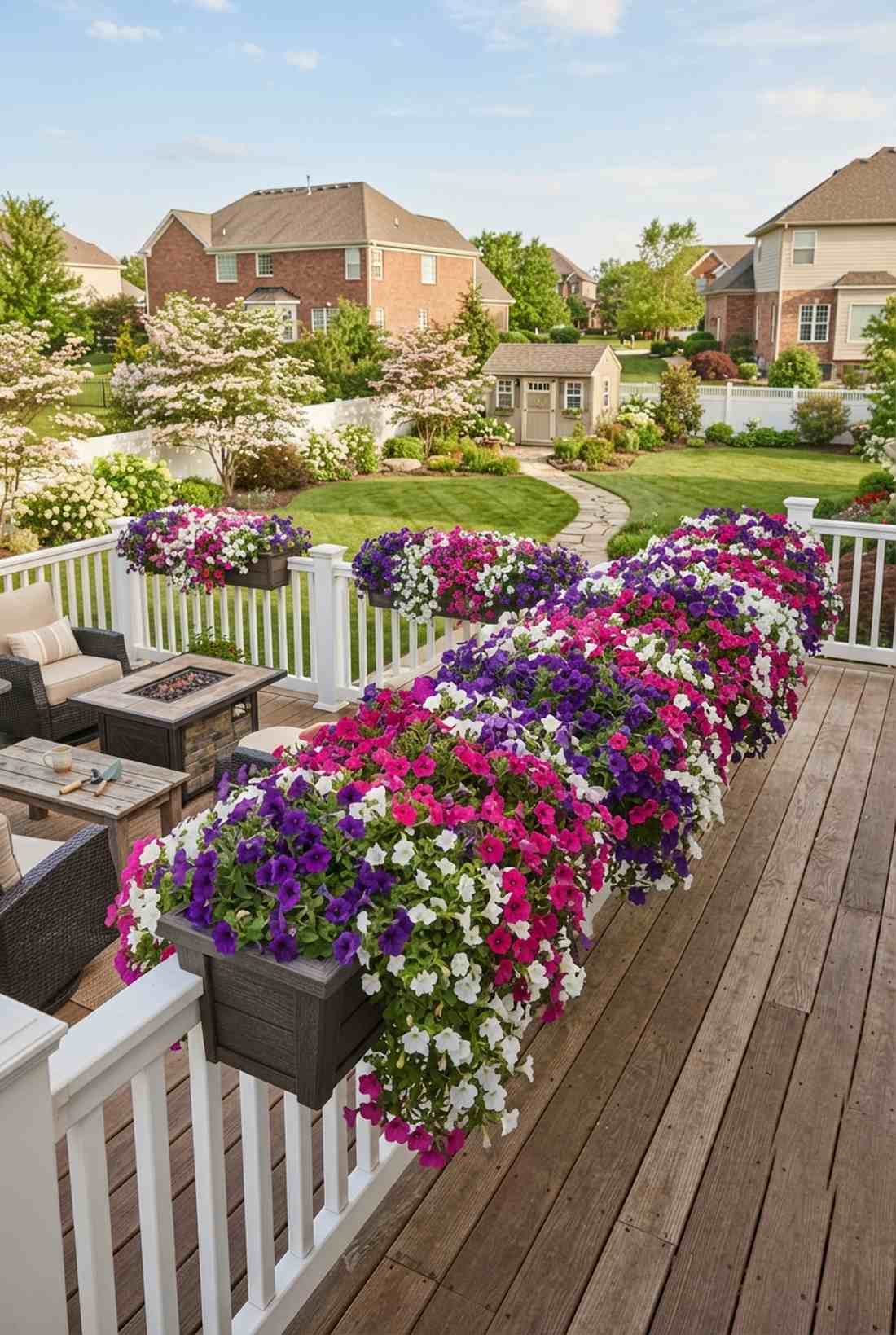
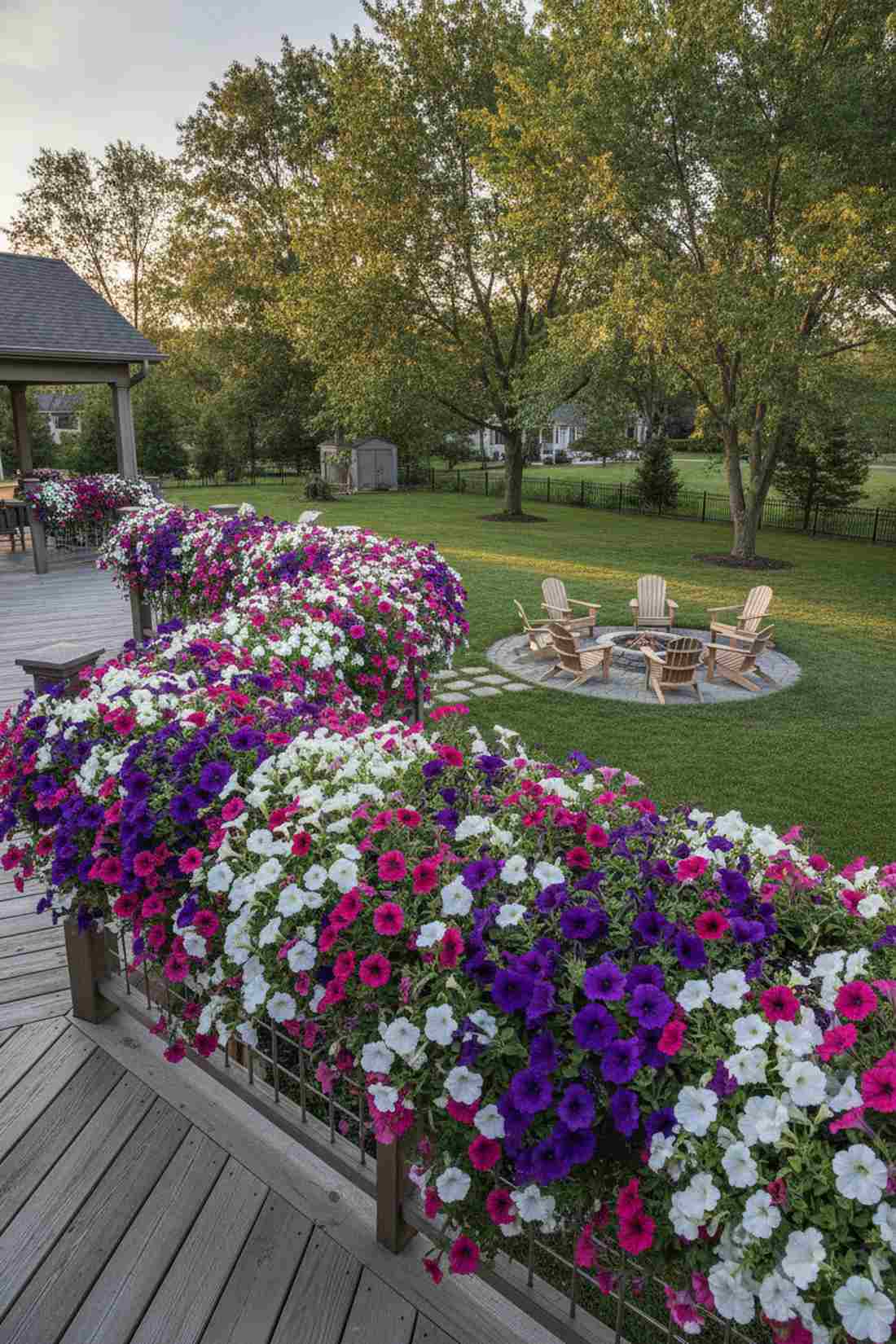
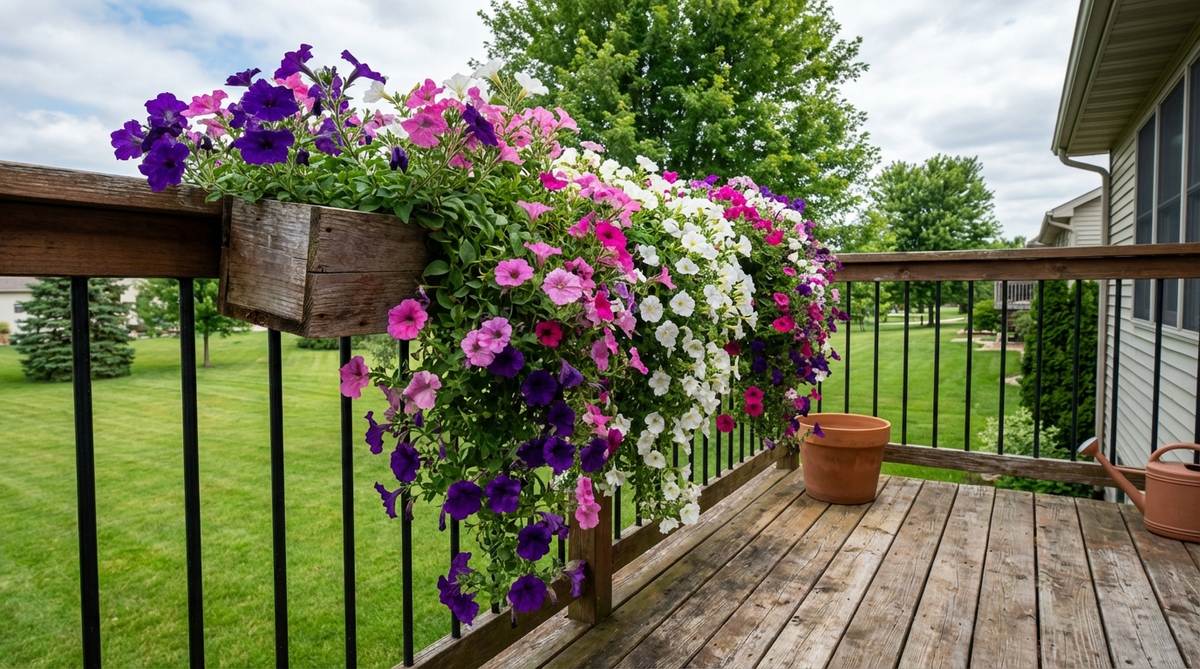
Spills over the edges like a dramatic, colorful waterfall that completely hides ugly metal architecture. This cascading railing flower box creates a massive perimeter of color.
Relying on standard dirt will turn this box into heavy concrete after one rainstorm. Blending in massive amounts of perlite creates a lightweight, airy mix, giving a designer-level finish of non-stop blooms.
Creating this floral waterfall costs around $25. Save this to your spring flower board!
- Key Materials: Wave petunias, railing planters, perlite
- Vibe / Style: Lush floral waterfall
- Difficulty: Needs weekly deadheading
- Budget Breakdown: Railing Box: $15 | Plants & Perlite: $10
- Creator’s Tip: Pinch off faded blooms immediately to force the plant to push out brand new flowers.
- Smart Sourcing: Order adjustable over-the-railing planters and bulk horticultural perlite.
33. Herb Railing Kitchen Garden
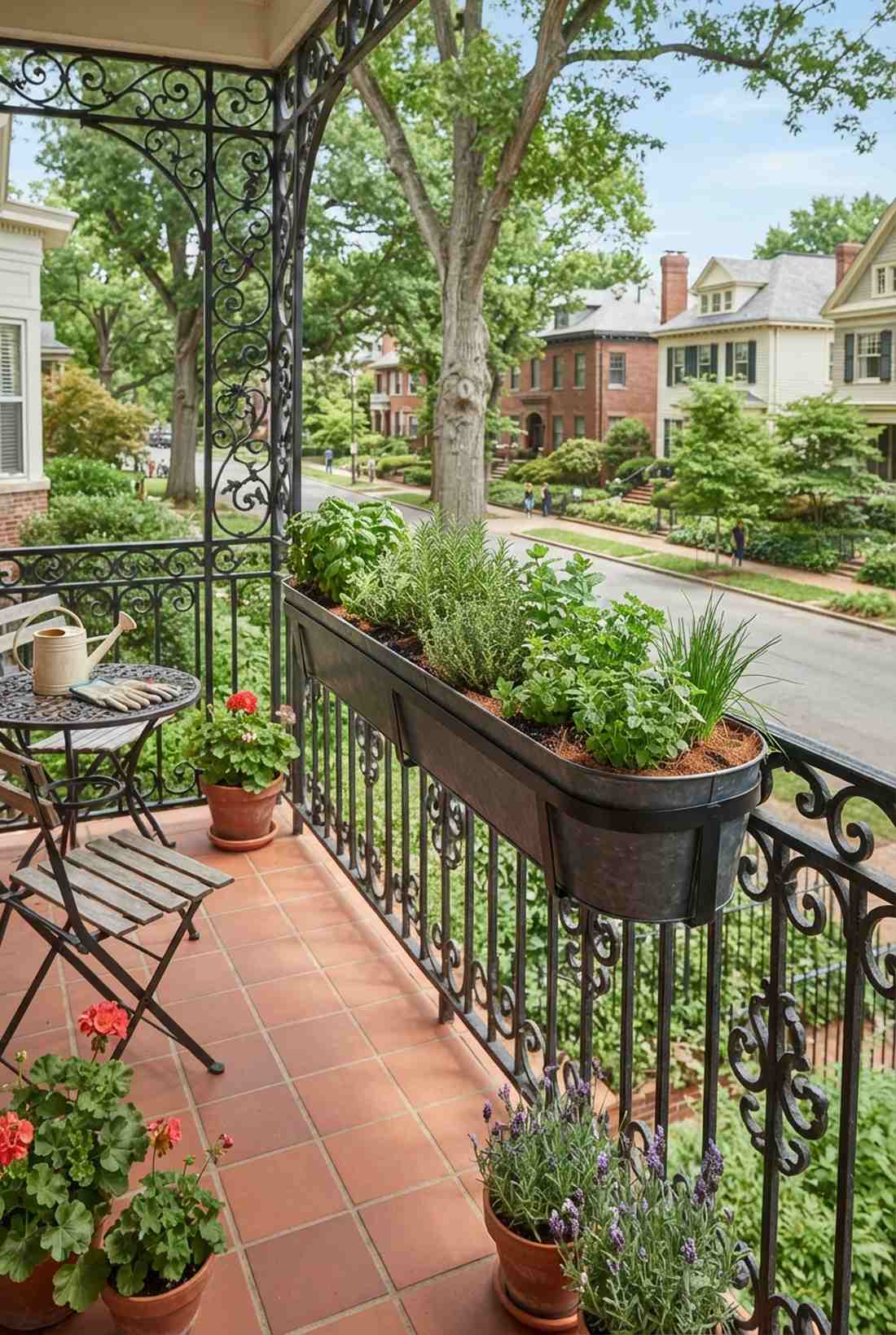
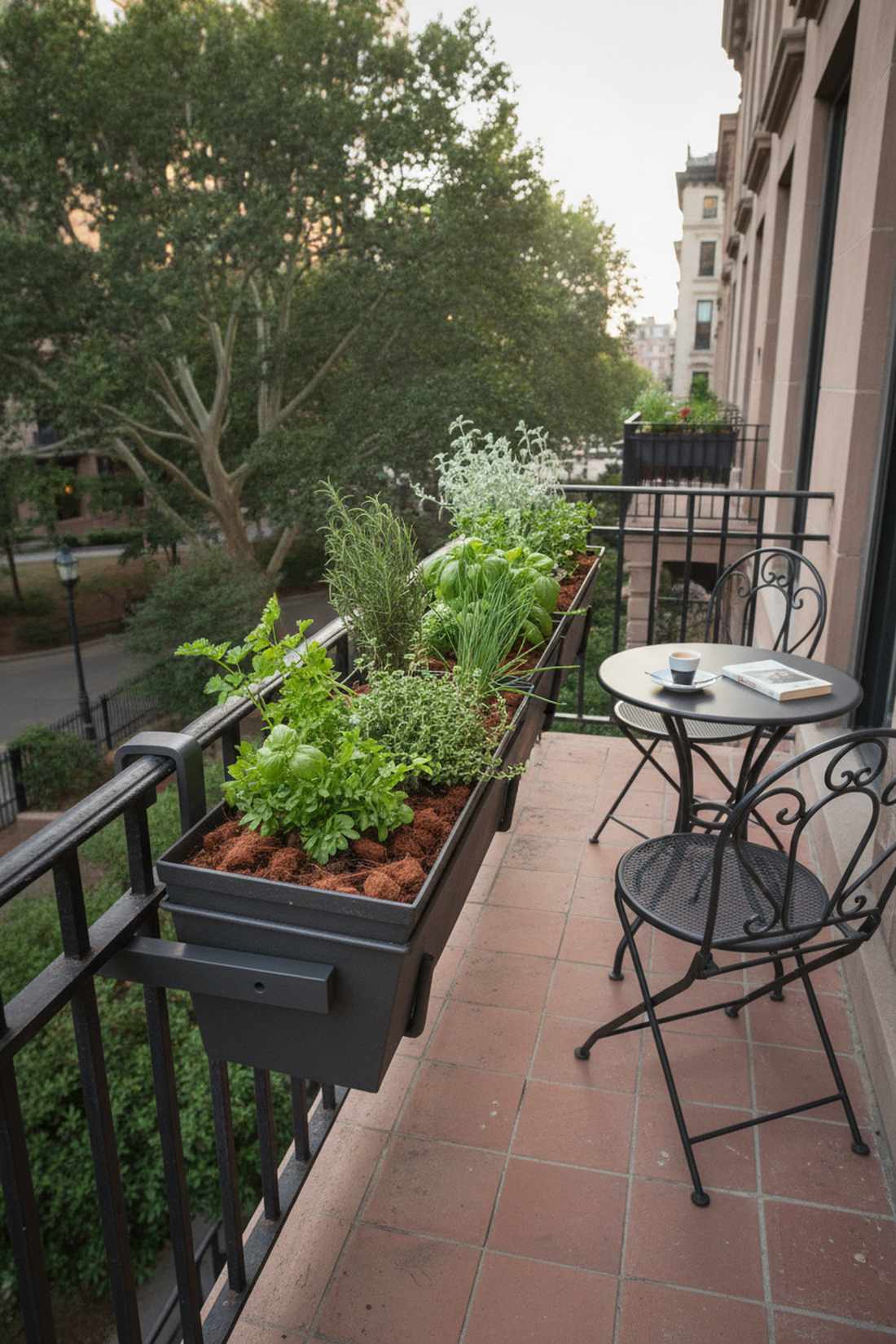
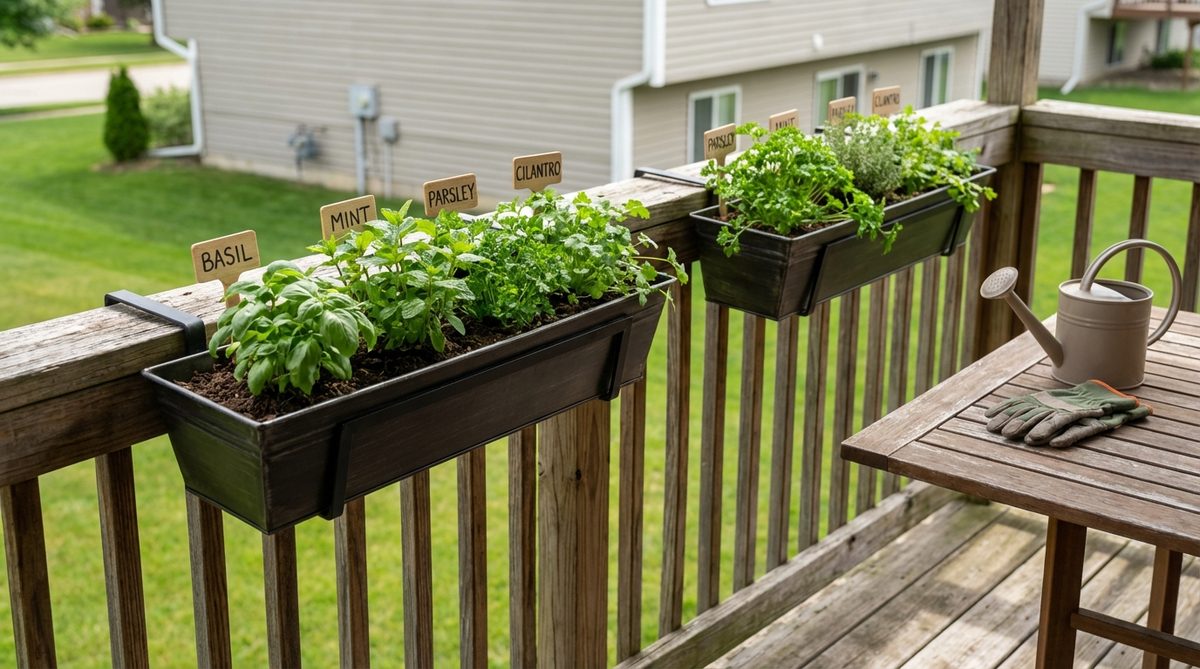
Keeps your floor completely clear while elevating fresh scents to nose level. This elevated herb railing display is the ultimate space-saving hack for tiny French-style balconies.
Cheap plastic brackets will snap and drop your harvest onto the street below. Investing in solid steel rail brackets looks far more expensive than it is and guarantees your miniature garden supplies stay safe.
A solid steel box setup costs roughly $35. Highly recommended for optimizing tight spaces.
- Key Materials: Steel railing brackets, trough planter, assorted herbs
- Vibe / Style: Functional French balcony
- Difficulty: Easy access care
- Budget Breakdown: Steel Brackets/Box: $25 | Herbs: $10
- Creator’s Tip: The elevated wind dries out the soil faster; check moisture levels daily during peak summer.
- Smart Sourcing: Grab heavy-duty steel railing brackets and coconut coir moisture-retaining bricks.
34. Geranium Traditional Display
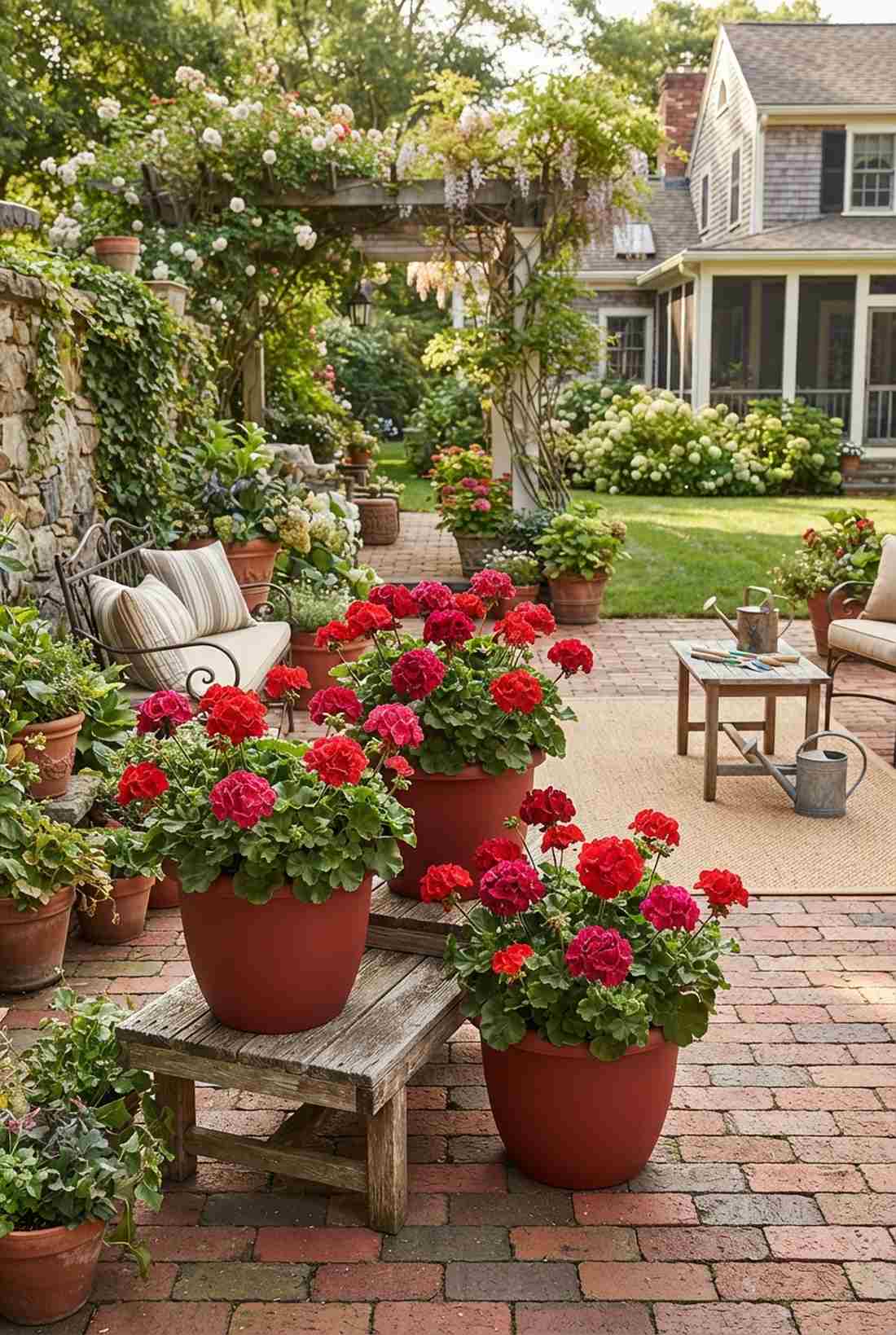
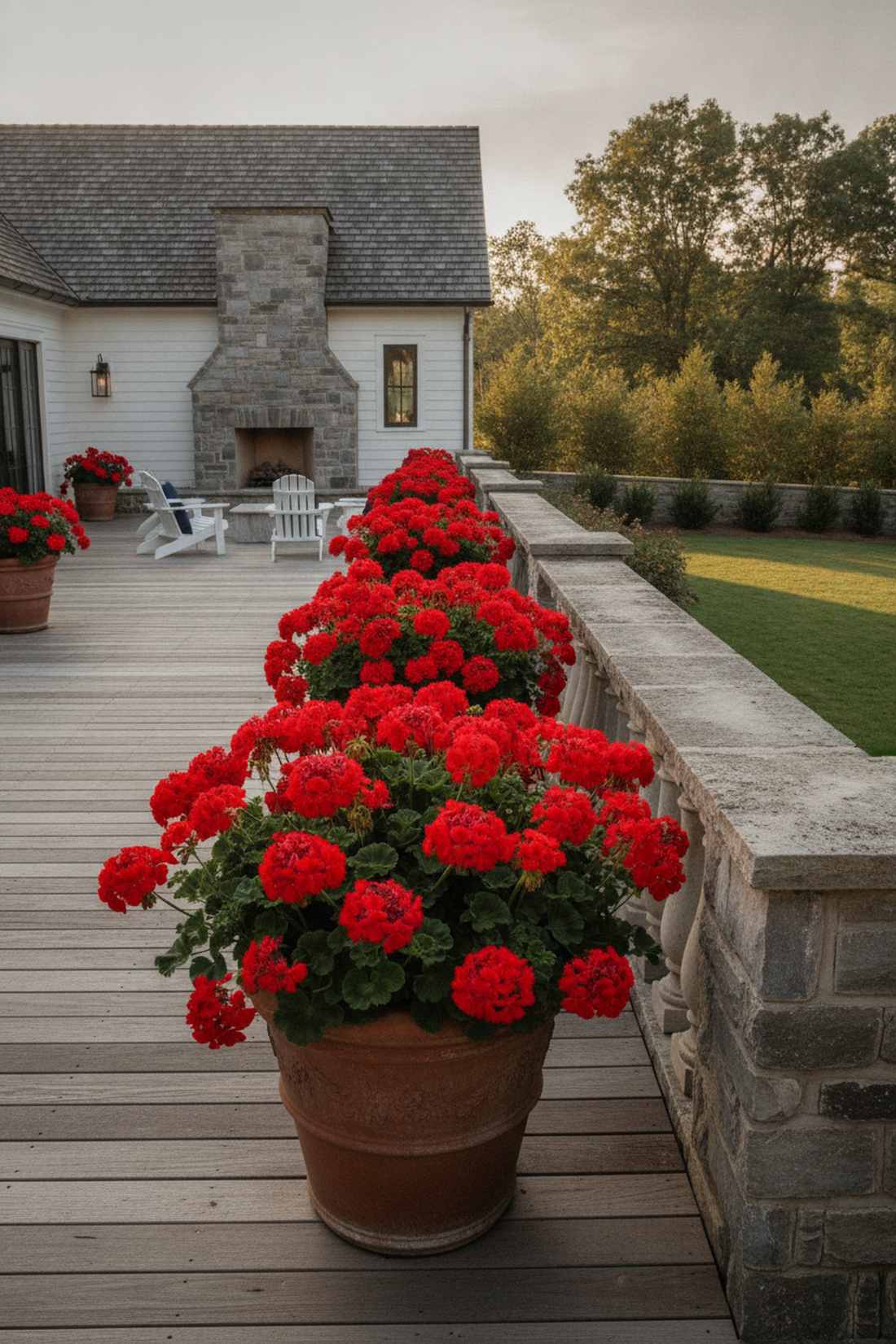
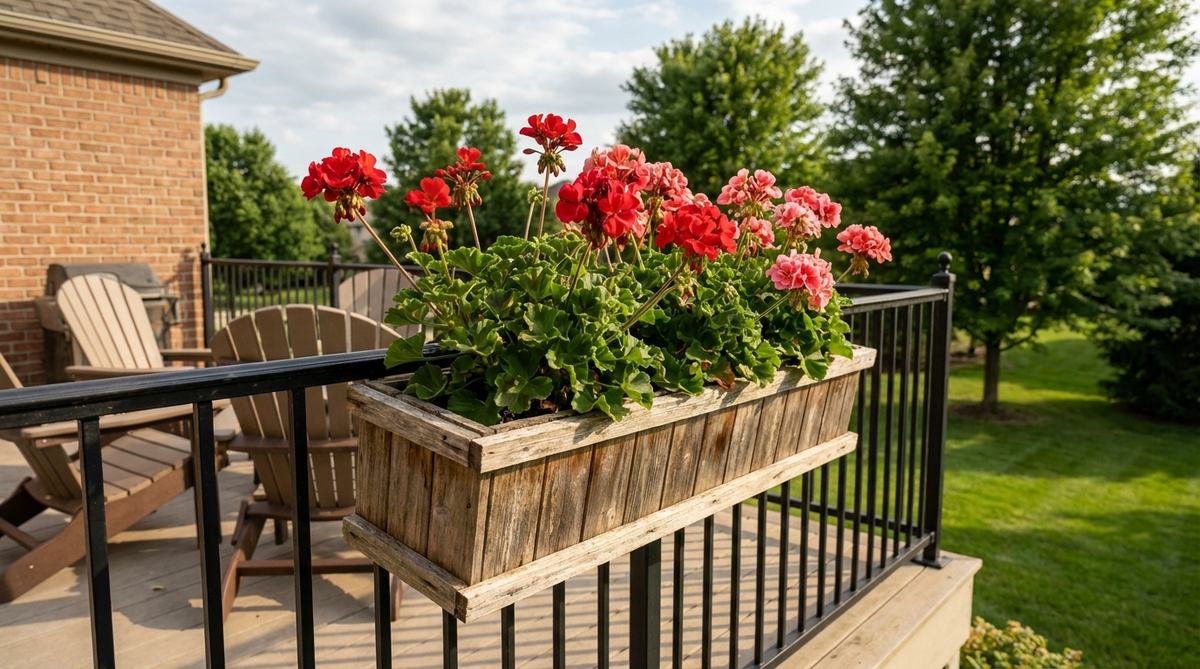
Delivers that classic, timeless European charm that never goes out of style. This traditional upright floral arrangement is incredibly resilient against harsh urban winds.
Planting them in shallow boxes stunts their growth and leads to leggy, weak stems. Giving them deep, dedicated individual pots delivers a surprisingly premium look with massive, globe-like blooms.
You can establish this classic look for under $30. Pin this if you love timeless outdoor aesthetics!
- Key Materials: Zonal geraniums, deep round pots
- Vibe / Style: Classic European courtyard
- Difficulty: Very wind tolerant
- Budget Breakdown: Deep Pots: $15 | Flowers: $15
- Creator’s Tip: Snap the flower stems off at the base rather than cutting them to prevent hollow stem rot.
- Smart Sourcing: Use UV-coated deep round planters and premium blooming annual fertilizer.
Most apartments have a terrible privacy issue. The next layout solves it while looking like a million bucks.
35. Mixed Trailing Combo Box
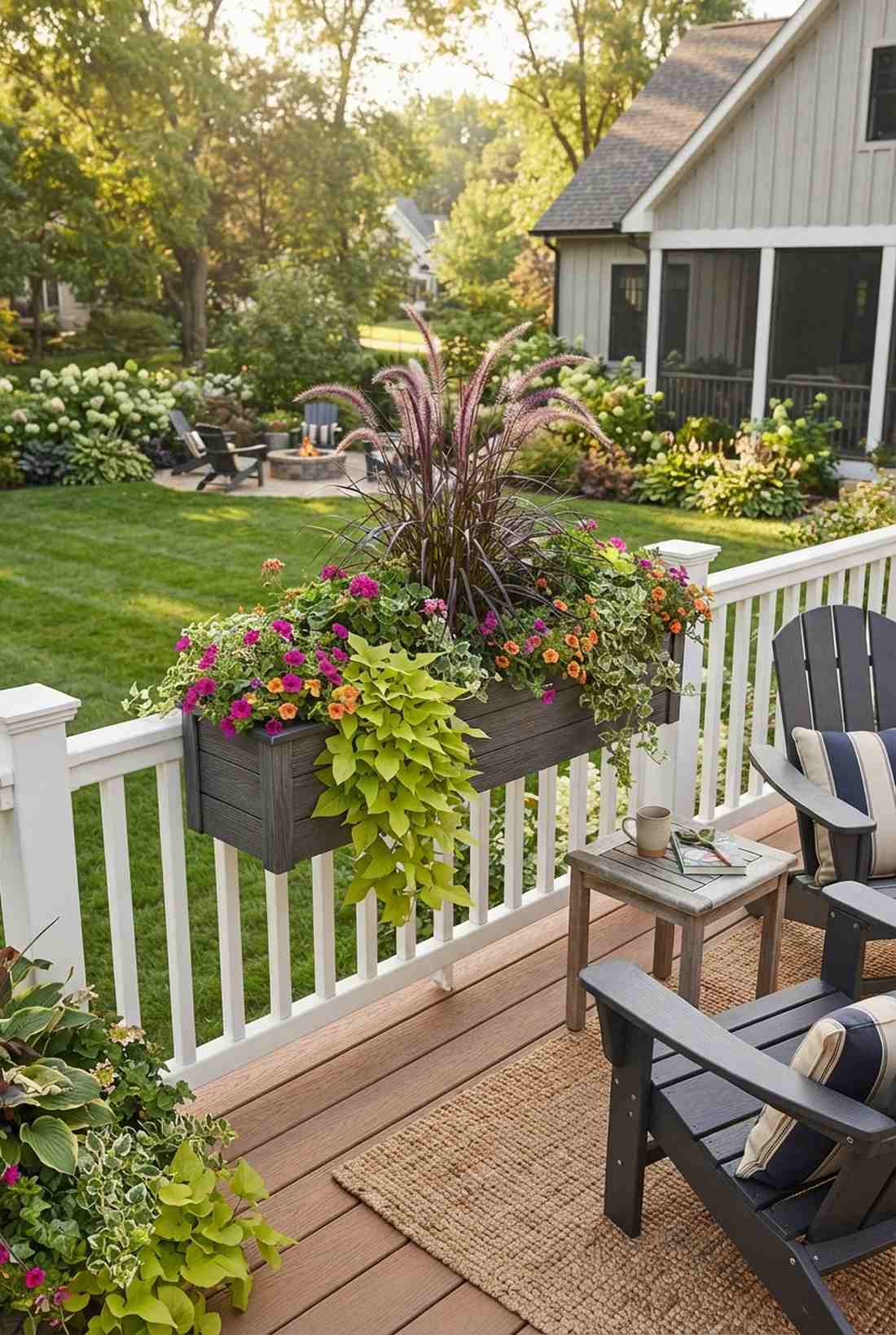
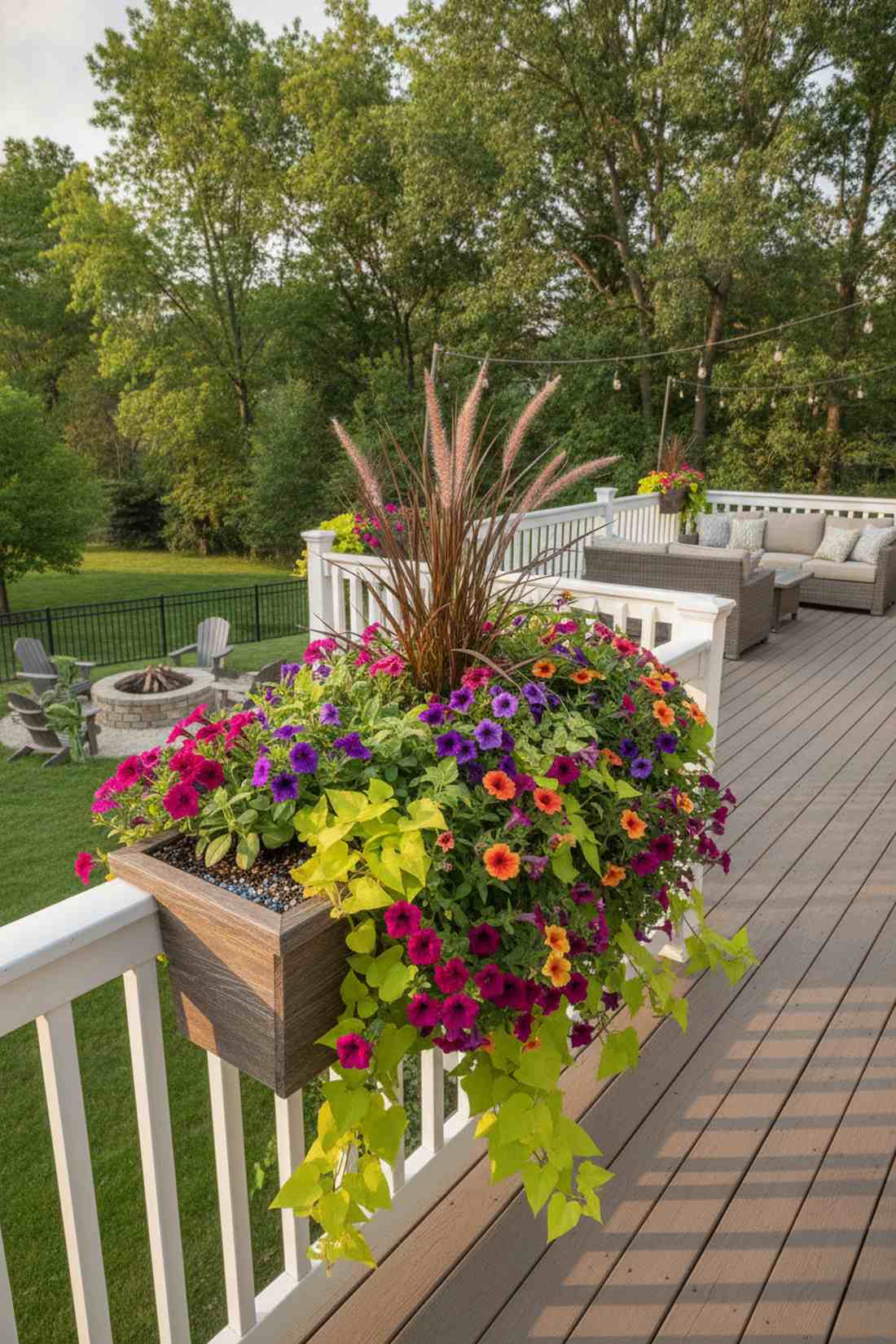
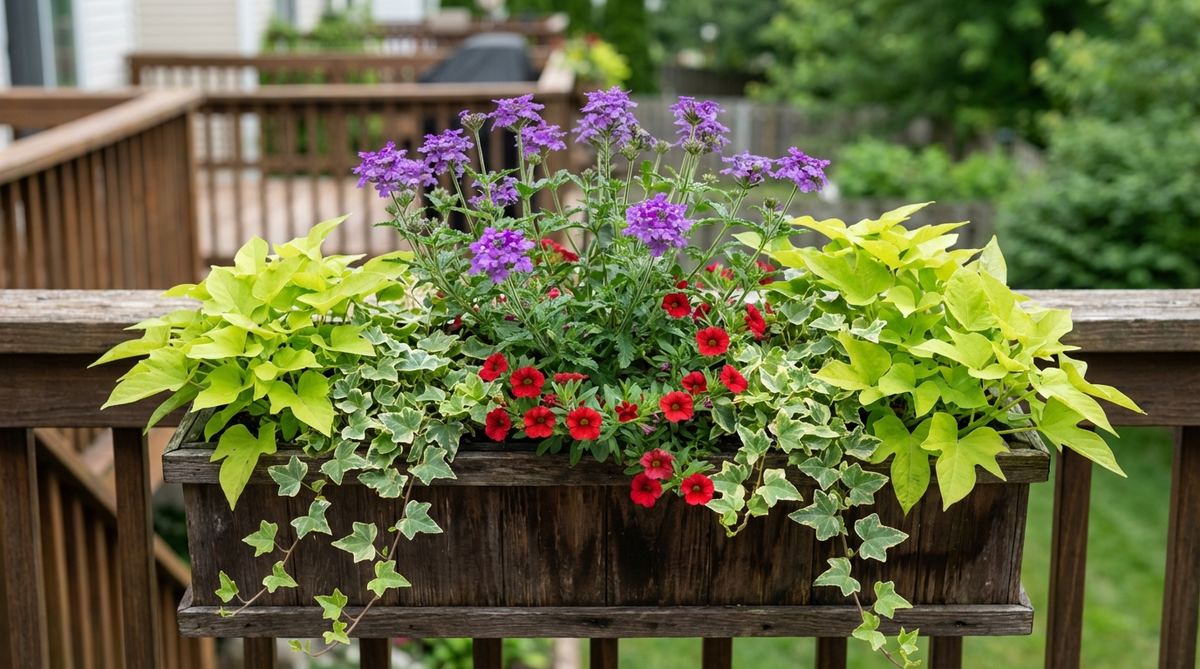
Explodes with varying textures, creating a highly dynamic and professional-looking centerpiece. This thriller-filler-spiller railing design is the absolute standard for luxury outdoor spaces.
Throwing random plants together usually results in one aggressive species choking out the rest. Carefully pairing sweet potato vine with calibrachoa gives a designer-level finish where every plant has space to shine.
A fully packed professional combo box costs about $40 to design.
- Key Materials: Upright thriller plant, trailing vines, wide box
- Vibe / Style: Professional landscape design
- Difficulty: Requires careful pairing
- Budget Breakdown: Box: $20 | Mixed Plants: $20
- Creator’s Tip: Always place your tallest “thriller” plant slightly off-center to make the arrangement look naturally artistic.
- Smart Sourcing: Invest in a premium faux-wood railing box and slow-release smart fertilizer granules.
36. Ornamental Cabbage Winter Railing
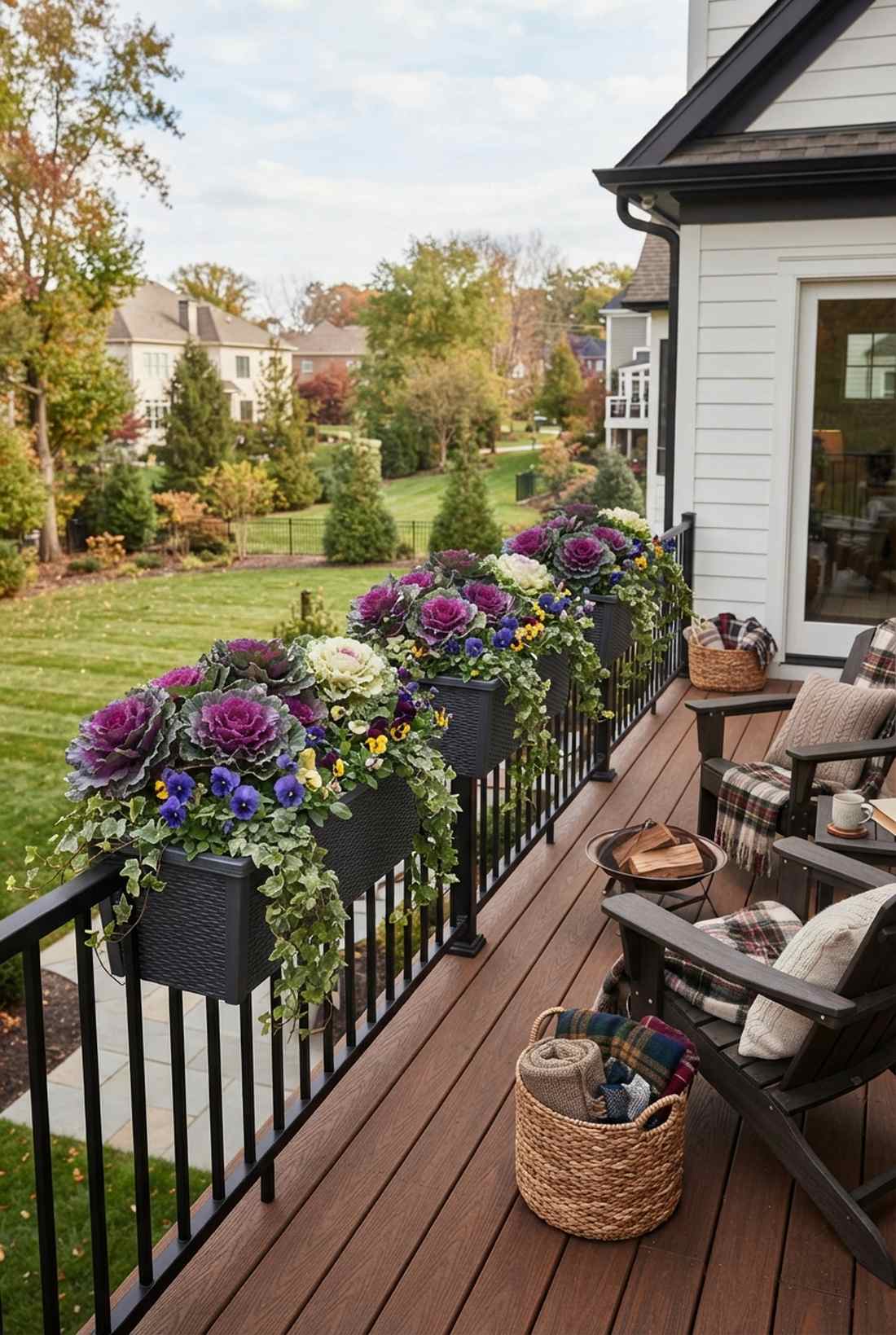
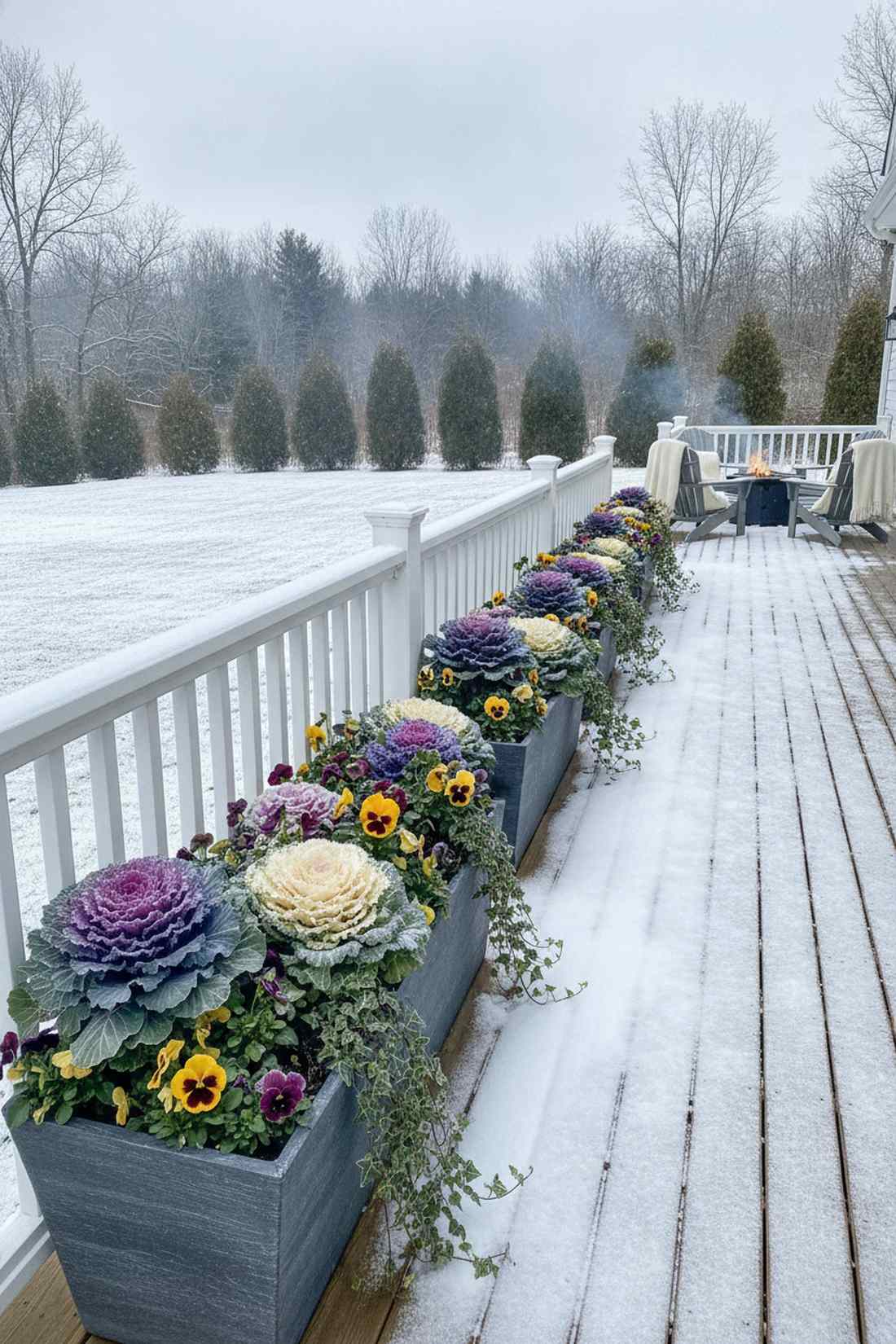
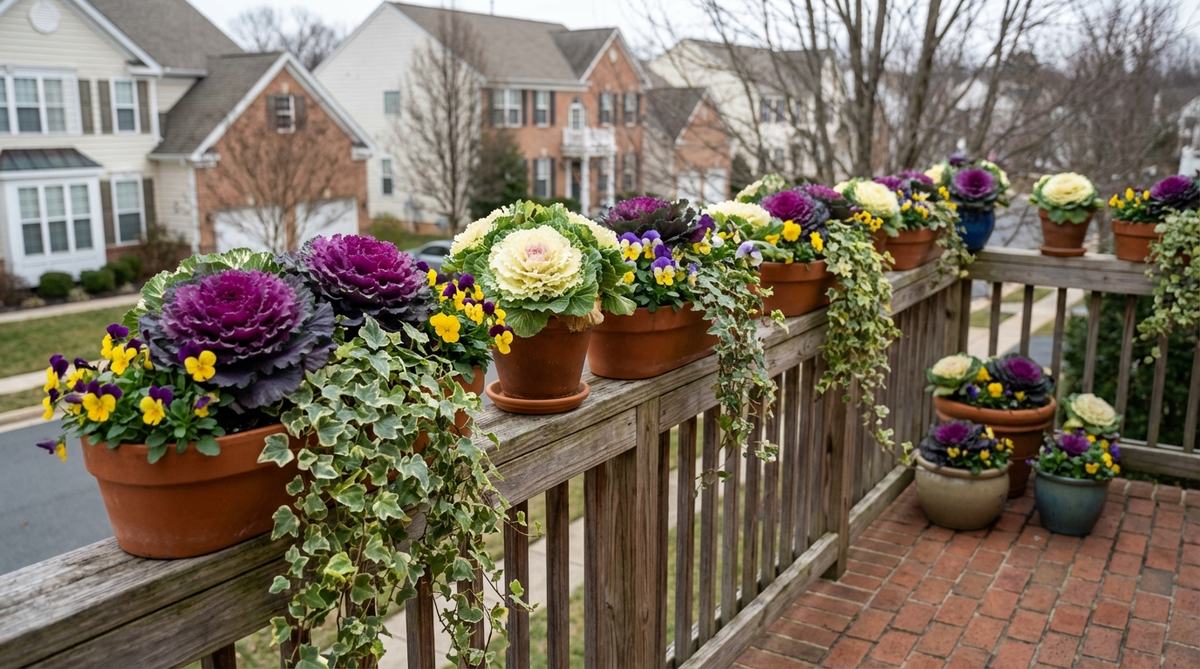
Defies the cold, providing massive rosettes of color when everything else is dead. This cold-season balcony decor plants setup keeps your outdoor space alive from fall through winter.
Leaving empty pots out all winter makes a patio look abandoned and depressing. Packing boxes tightly with ornamental kale looks far more expensive than it is and the colors actually intensify after a frost.
Winterizing your railing boxes costs around $30. Save this to your winter patio prep board!
- Key Materials: Ornamental cabbage, cold-hardy pansies, trailing ivy
- Vibe / Style: Crisp winter elegance
- Difficulty: Thrives in the cold
- Budget Breakdown: Winter Plants: $25 | Fresh Soil: $5
- Creator’s Tip: Don’t overwater in winter; the cold weather slows evaporation drastically, and frozen roots will die.
- Smart Sourcing: Buy frost-resistant resin planters and cold-weather root stimulator.
37. Succulent Railing Trough
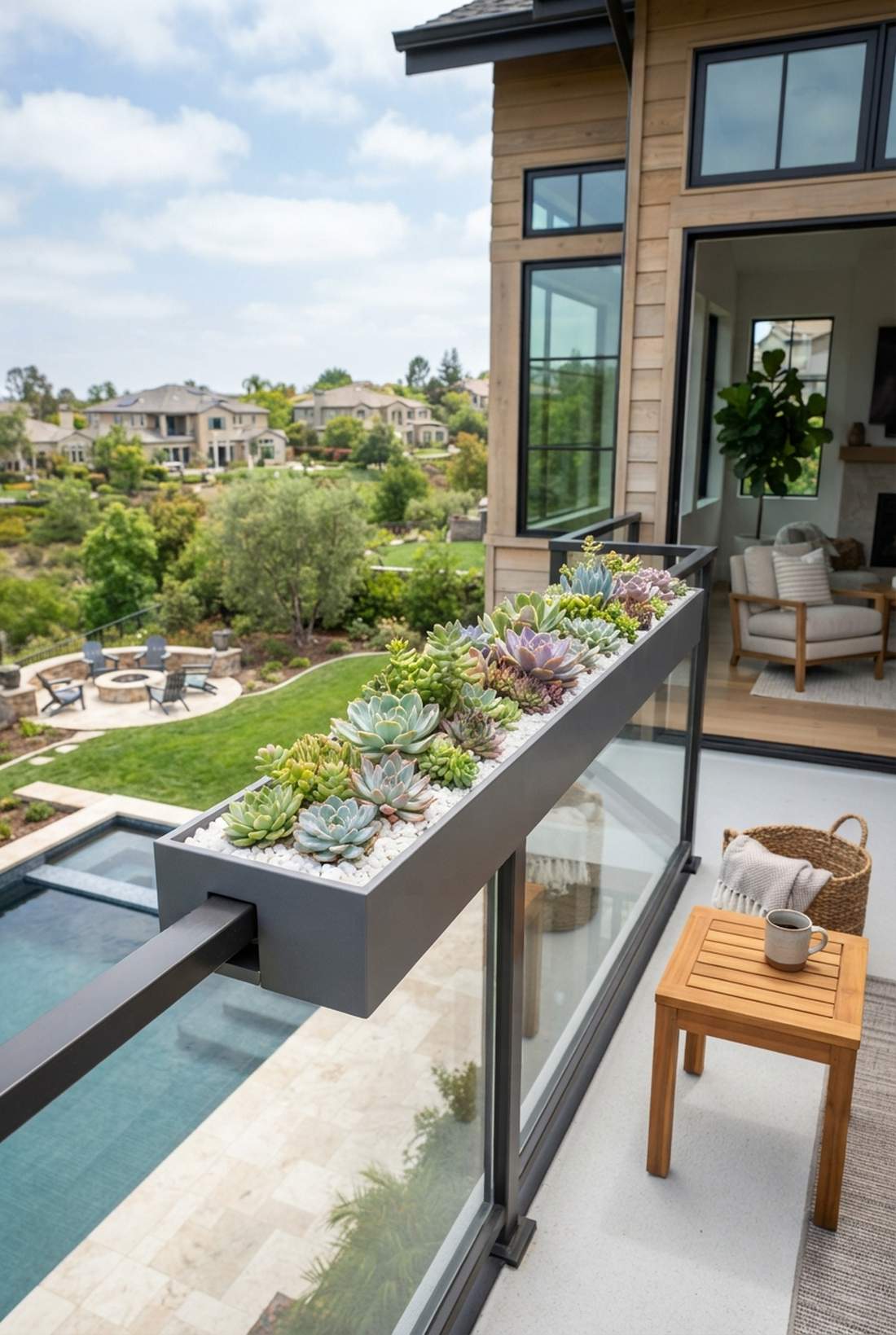
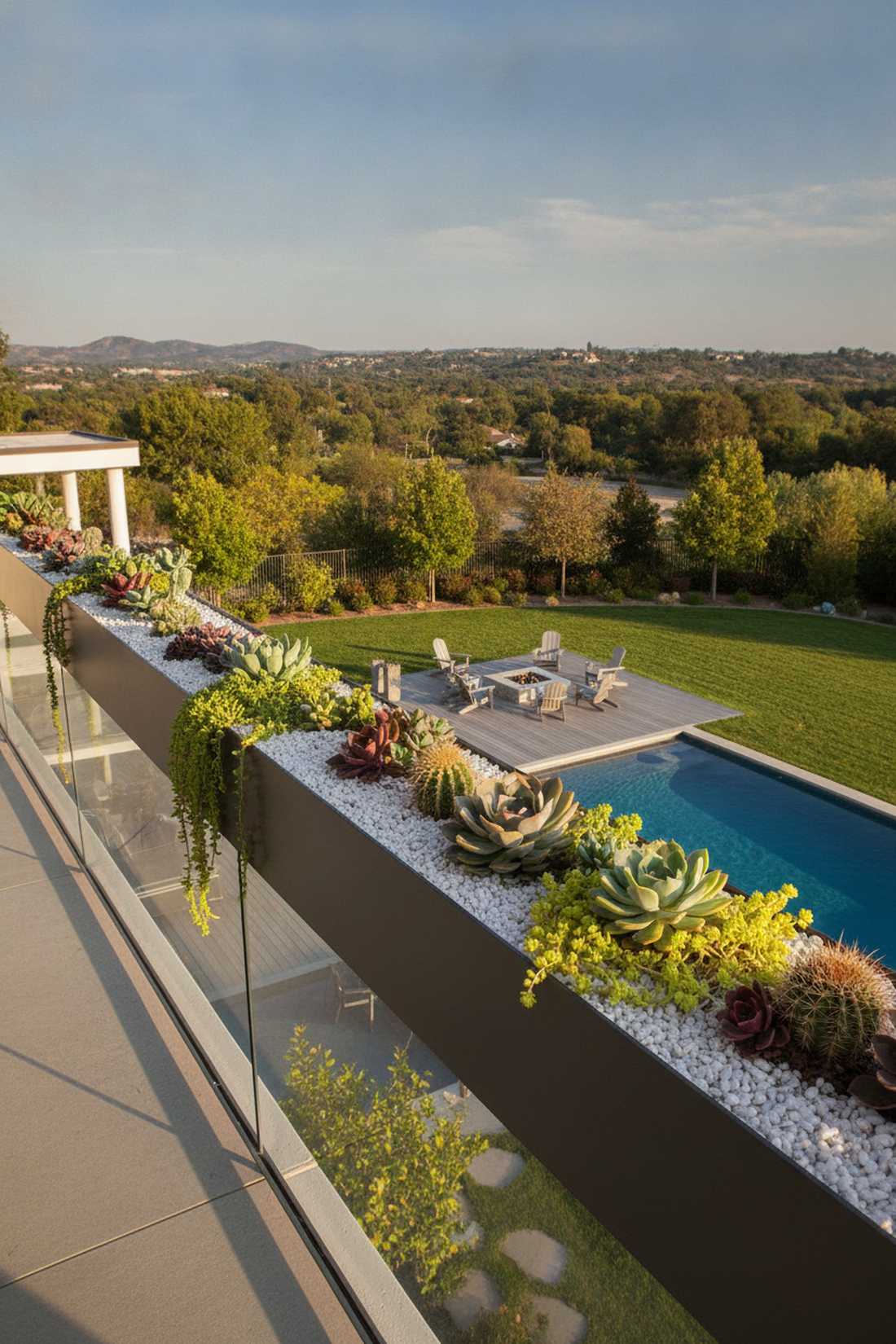
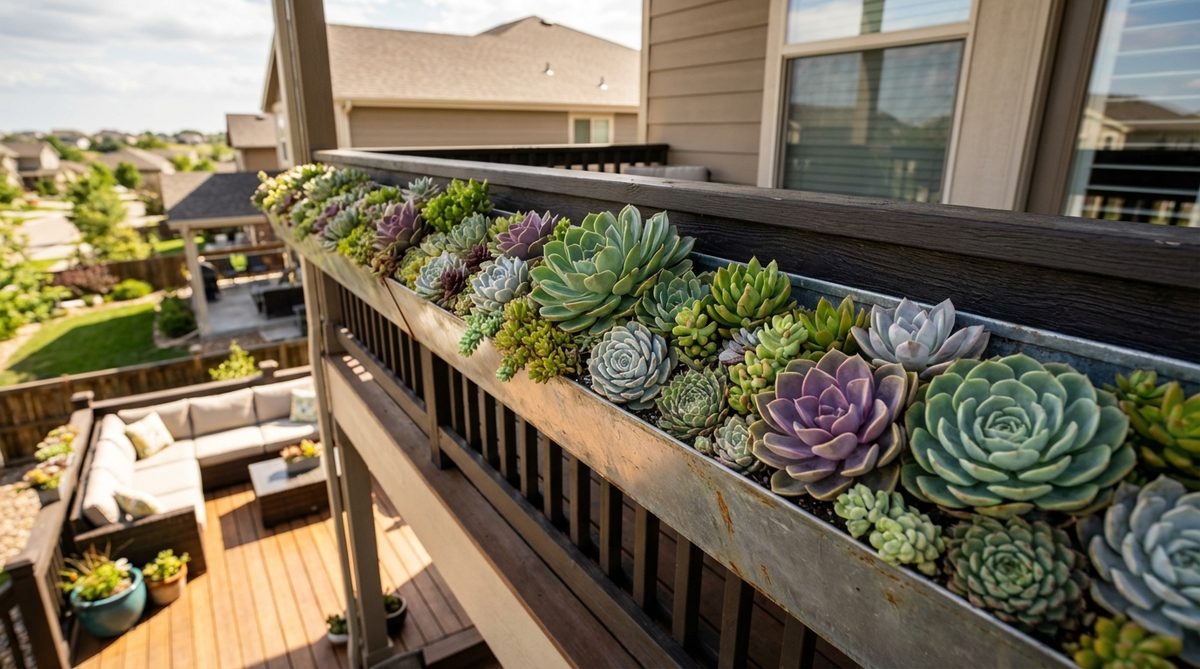
Acts as a sleek, low-profile living sculpture that won’t block your valuable views. This shallow drought-tolerant railing garden is perfect for modern glass-paneled balconies.
Putting succulents in a deep, standard soil box is a guaranteed recipe for mushy, rotten plants. Using a specialized shallow trough with rocky soil delivers a surprisingly premium look and perfect drainage.
Building a custom succulent trough costs roughly $40.
- Key Materials: Shallow trough, Echeveria, Sedum, cactus soil
- Vibe / Style: Modern desert minimalism
- Difficulty: Extremely low maintenance
- Budget Breakdown: Shallow Box: $20 | Succulents: $20
- Creator’s Tip: Top dress the soil with bright white aquarium gravel to make the succulent colors pop visually.
- Smart Sourcing: Get a shallow modern trough planter and fast-draining cactus soil mix.
38. Annual Flower Rotation Boxes
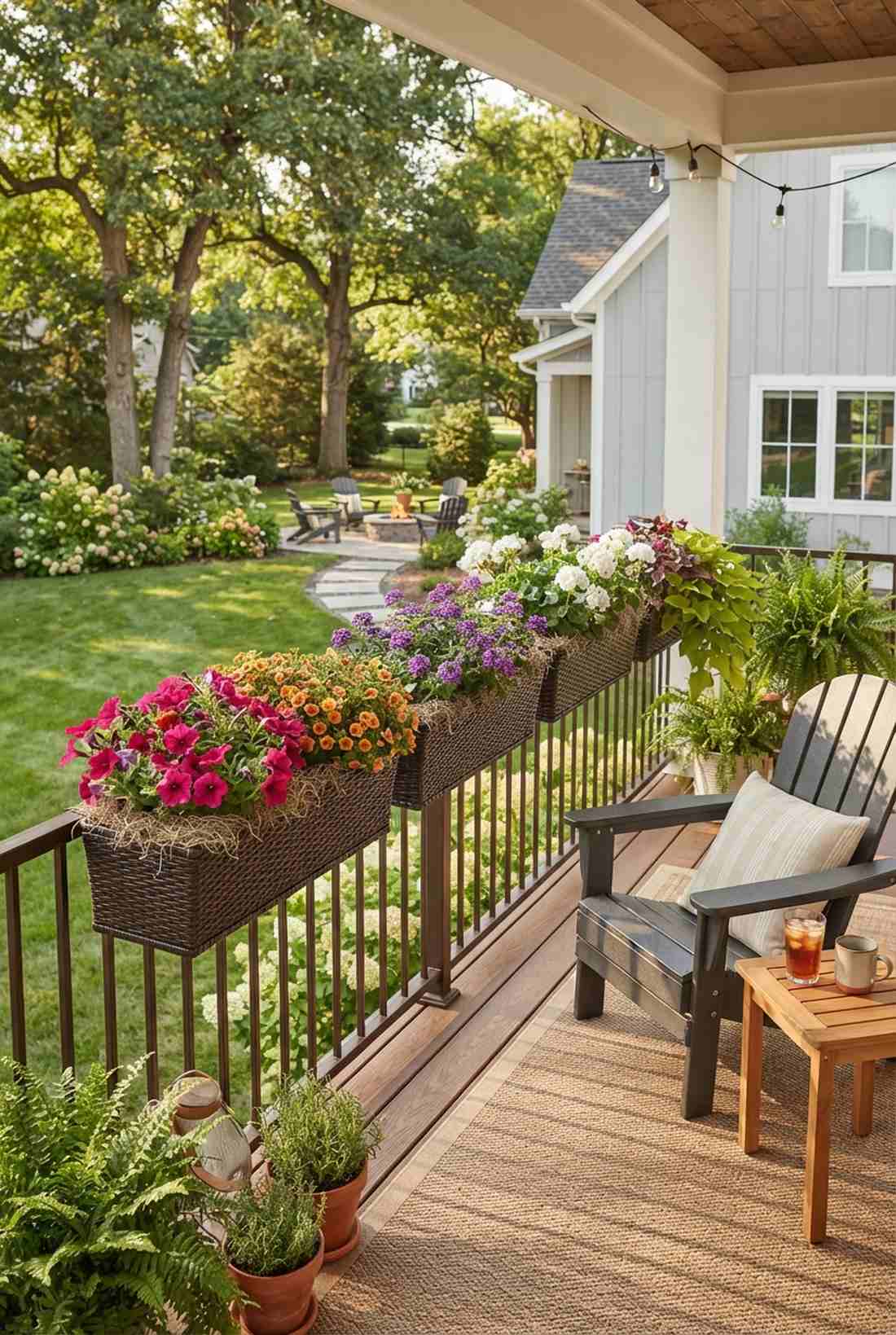
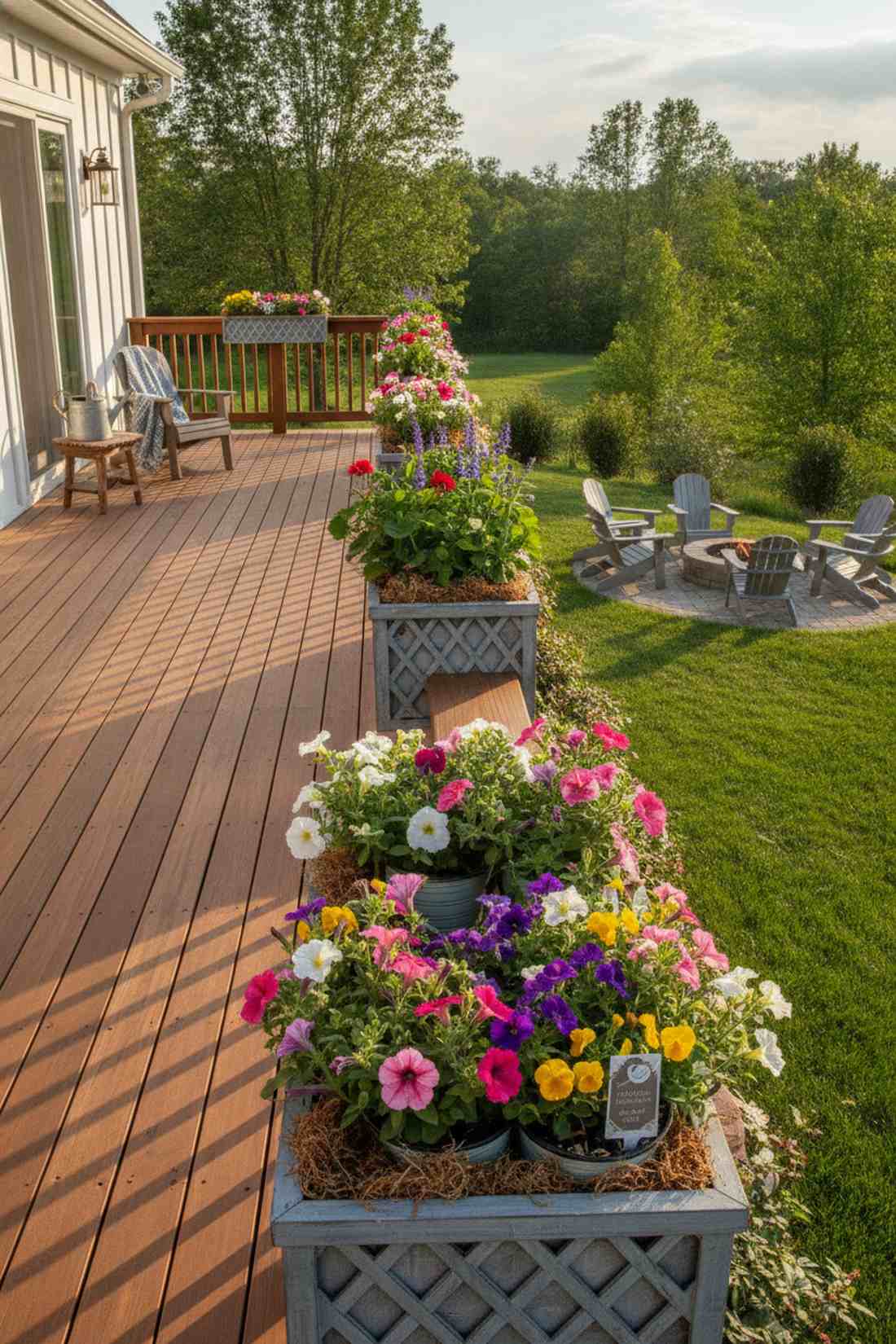
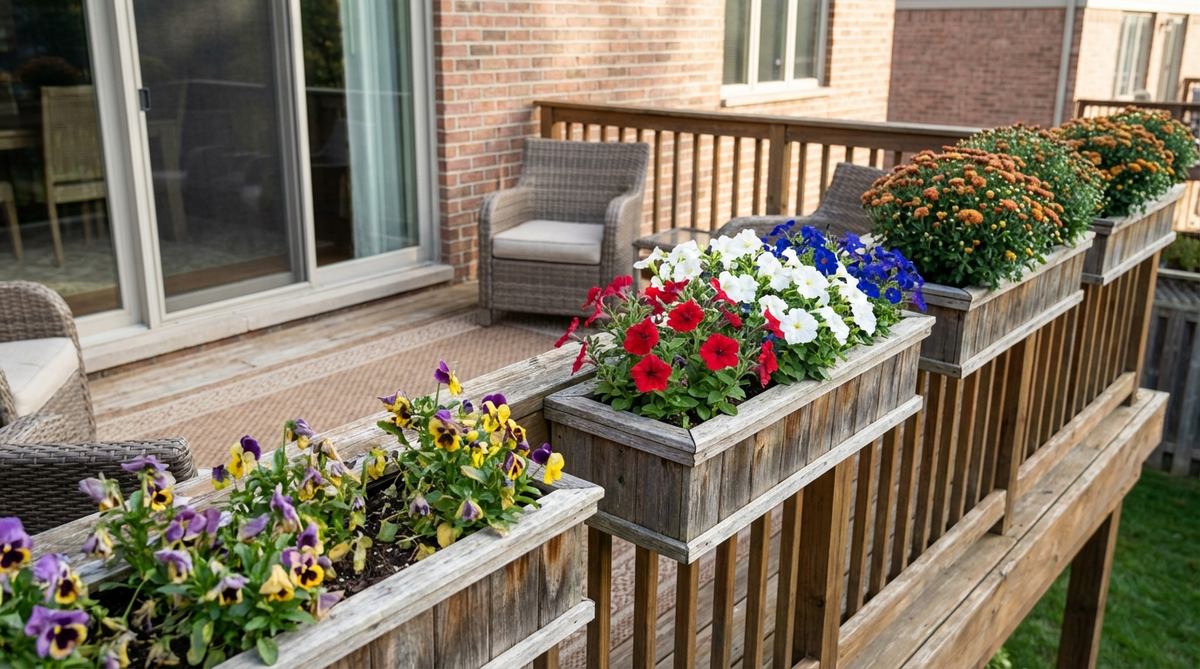
Guarantees your outdoor space always looks fresh, vibrant, and perfectly in season. This rotating seasonal balcony decor with plants prevents your layout from ever looking tired.
Digging out dirt every single season is messy, exhausting, and wastes money. Keeping plants in cheap drop-in nursery pots hidden inside a premium outer box gives a designer-level finish with zero mess.
Maintaining a seasonal swap system costs about $20 per season. Pin this brilliant time-saving hack!
- Key Materials: Premium outer sleeve box, cheap nursery drop-ins
- Vibe / Style: Ever-changing boutique display
- Difficulty: Easy quick-swaps
- Budget Breakdown: Outer Box: $25 | Seasonal Swaps: $15
- Creator’s Tip: Hide the plastic rims of the drop-in pots by covering the top surface with decorative Spanish moss.
- Smart Sourcing: Order UV-coated decorative outer planters and preserved Spanish moss (bulk pack).
39. Shallow Bowl Succulent Garden
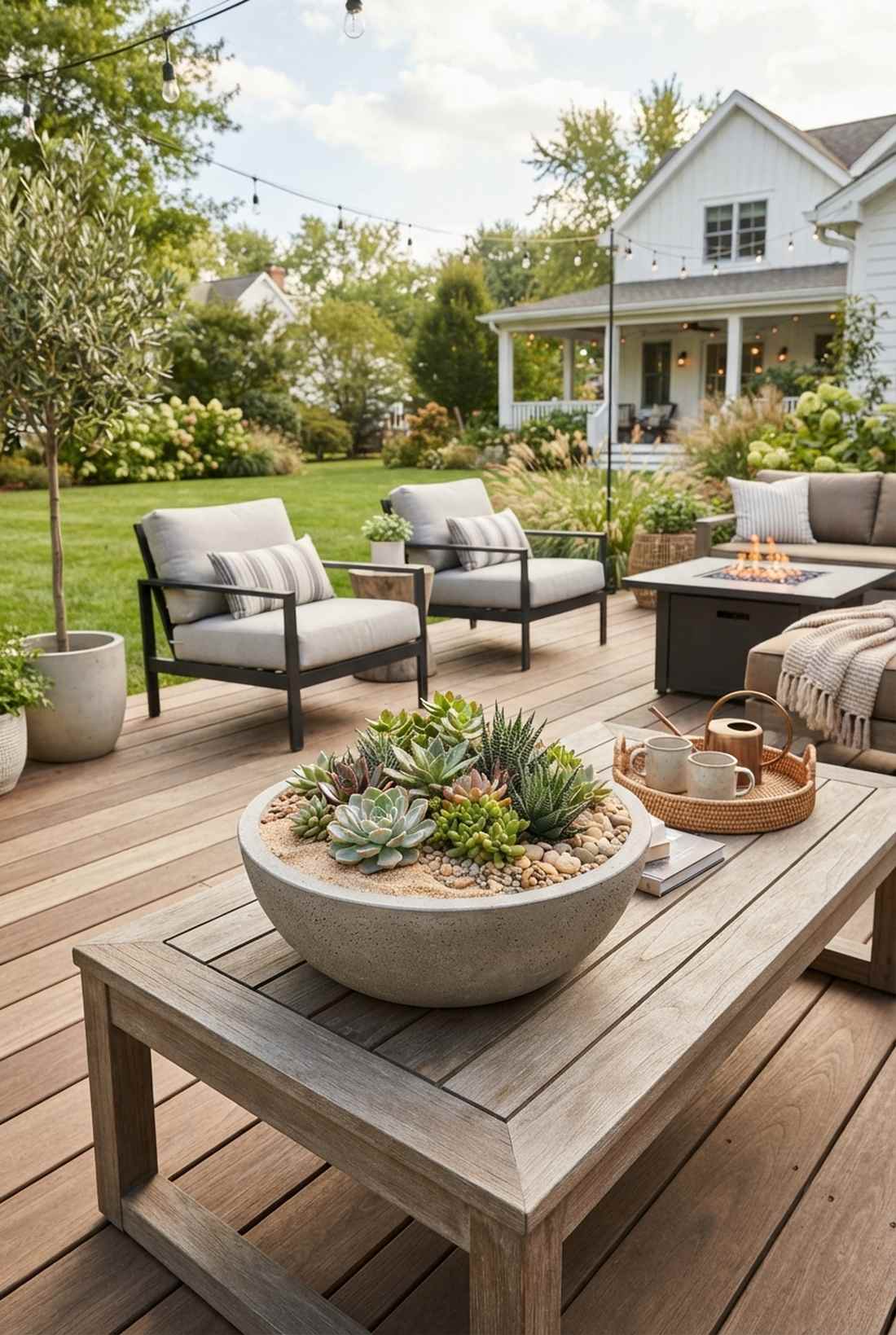
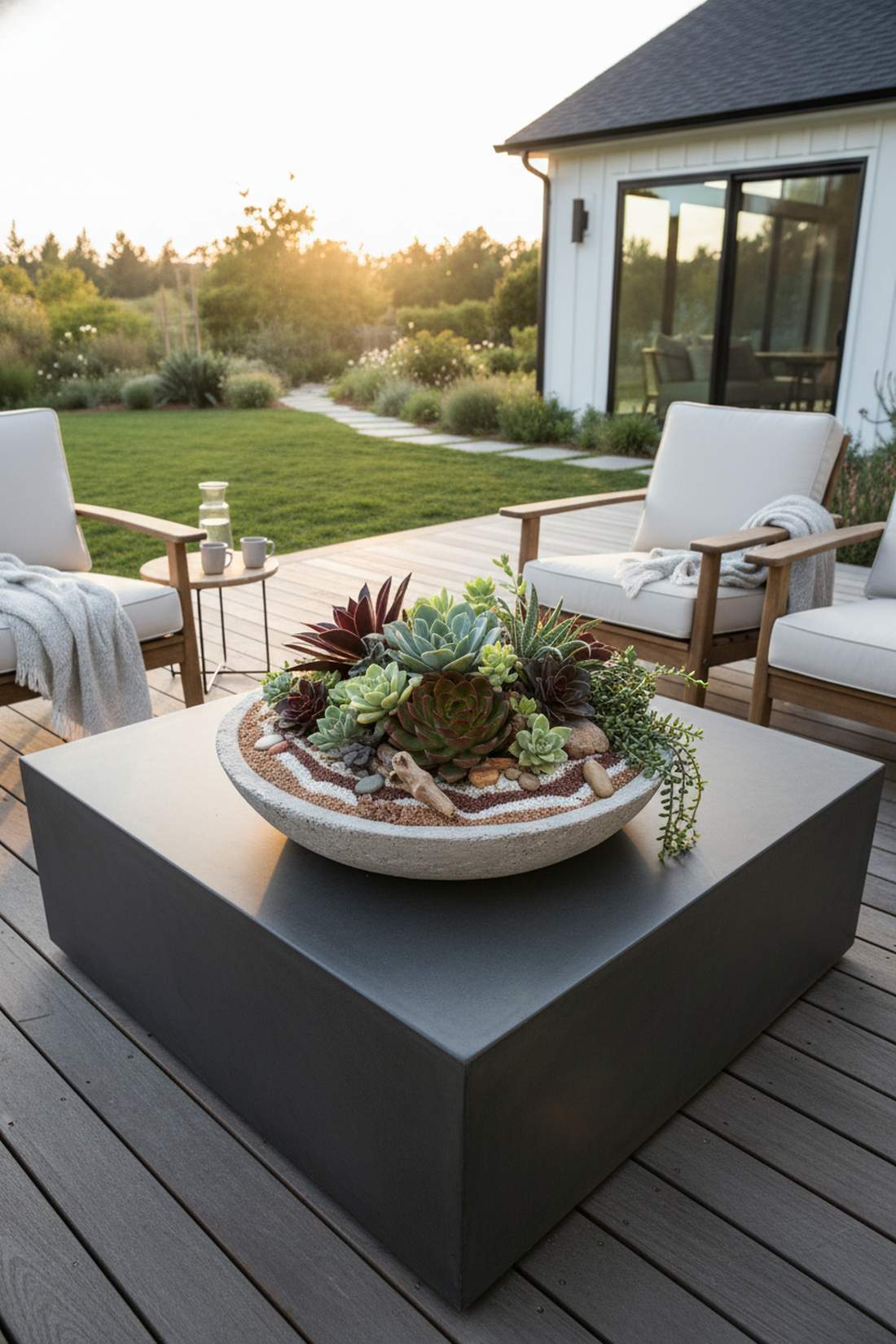
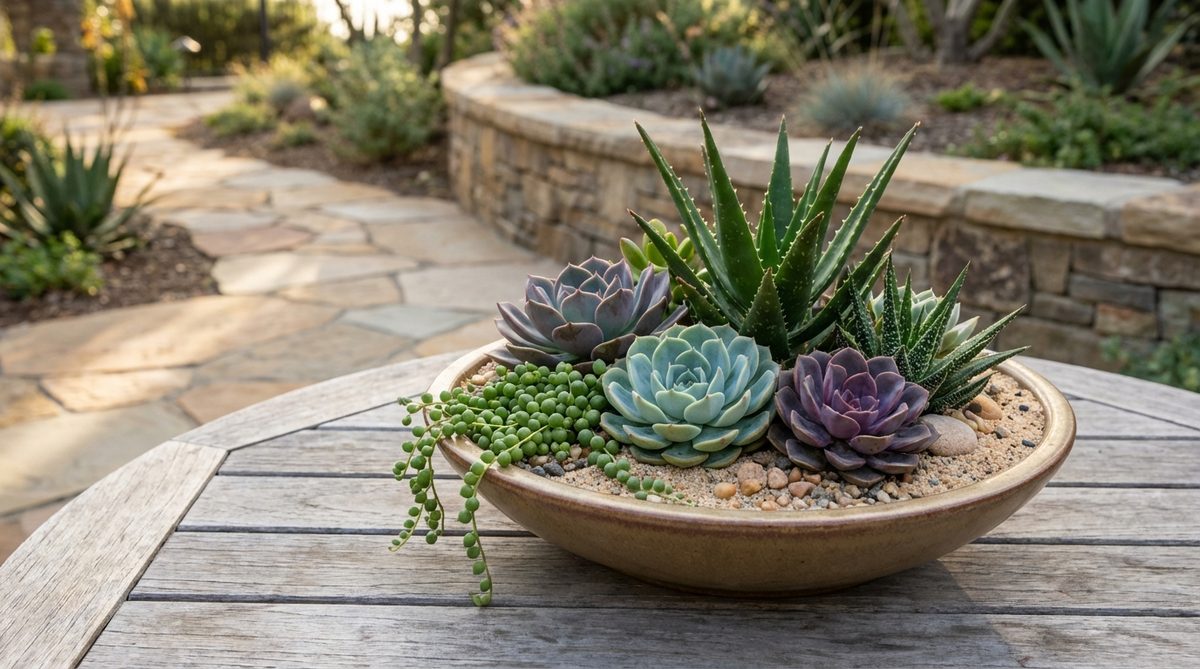
Looks like a high-end miniature desert landscape curated for a luxury coffee table. This sculptural succulent centerpiece is the absolute perfect anchor for an outdoor lounge table.
Using regular potting soil makes the arrangement look cheap and holds too much water. Filling a wide concrete-style bowl with sand and terrarium accessories looks far more expensive than it is.
Crafting this living art piece costs around $35. Highly recommended for a chic, modern aesthetic.
- Key Materials: Wide shallow bowl, mixed succulents, decorative sand
- Vibe / Style: Luxury desert oasis
- Difficulty: Easy to assemble
- Budget Breakdown: Bowl: $20 | Plants & Sand: $15
- Creator’s Tip: Use a small paintbrush to sweep dirt off the delicate succulent leaves after planting for a pristine look.
- Smart Sourcing: Source a wide faux-concrete planter bowl and premium decorative terrarium sand.
You are probably wasting money on heavy pots. Look at how this next layout uses vertical wall space instead.
40. Vertical Succulent Frame
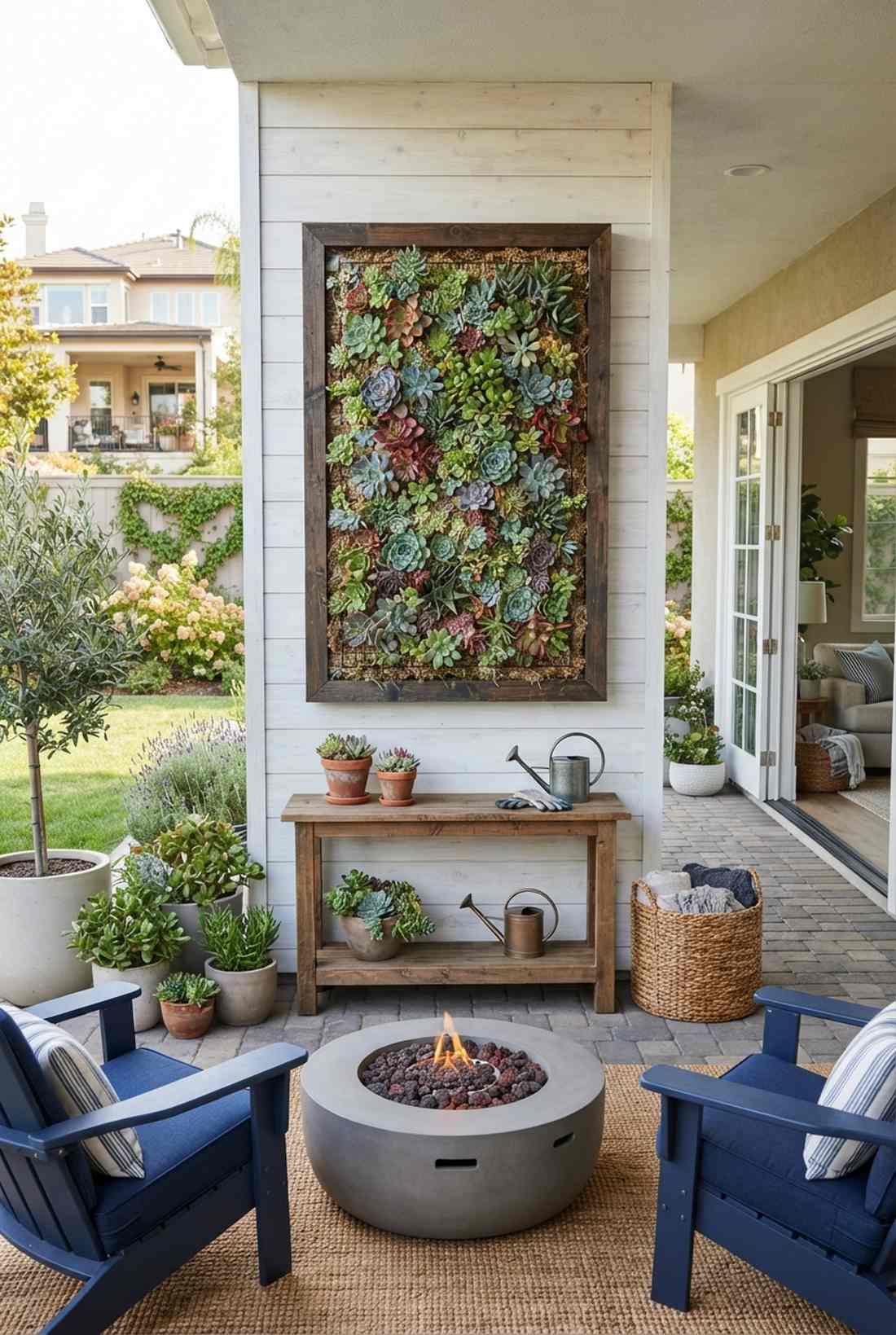
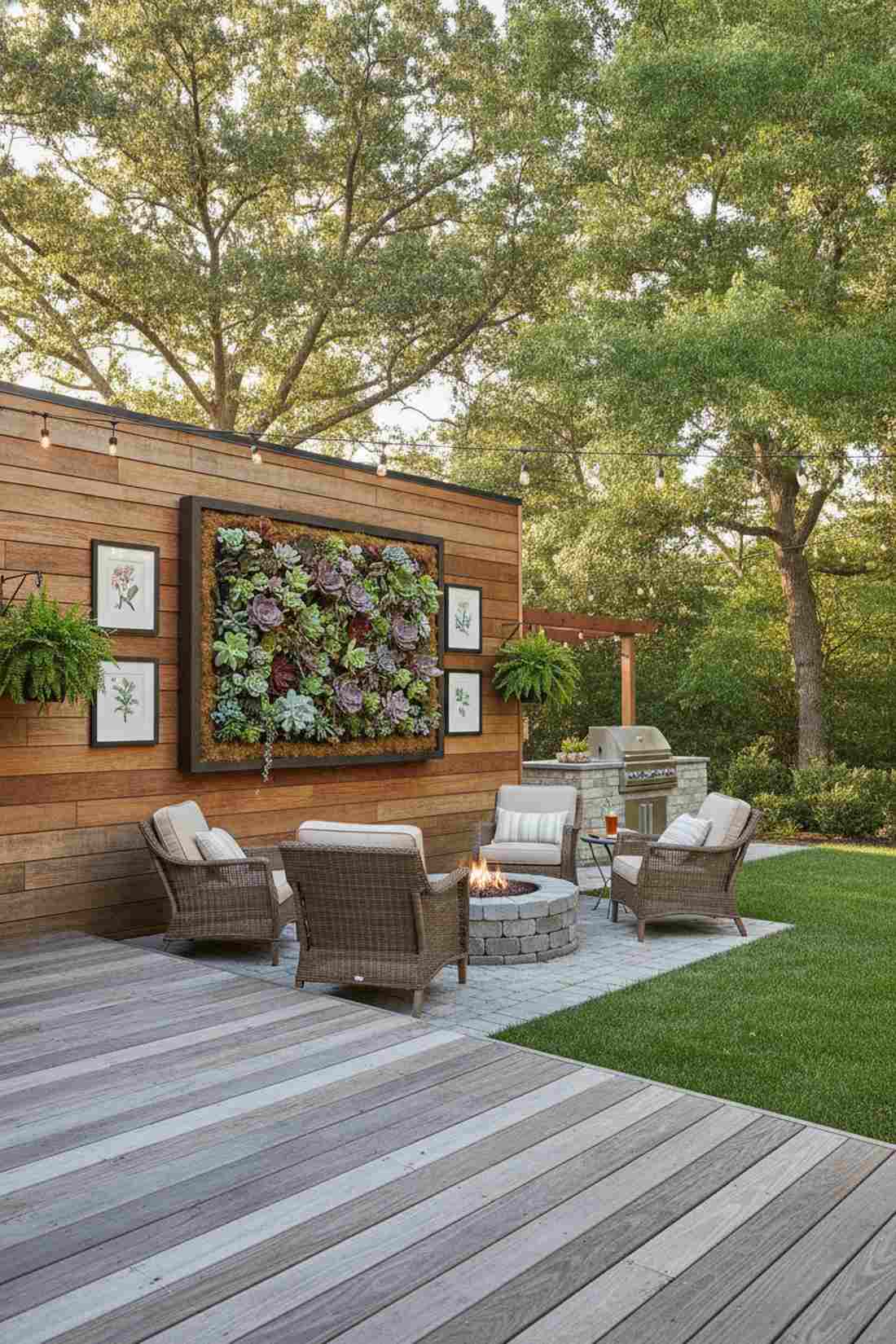
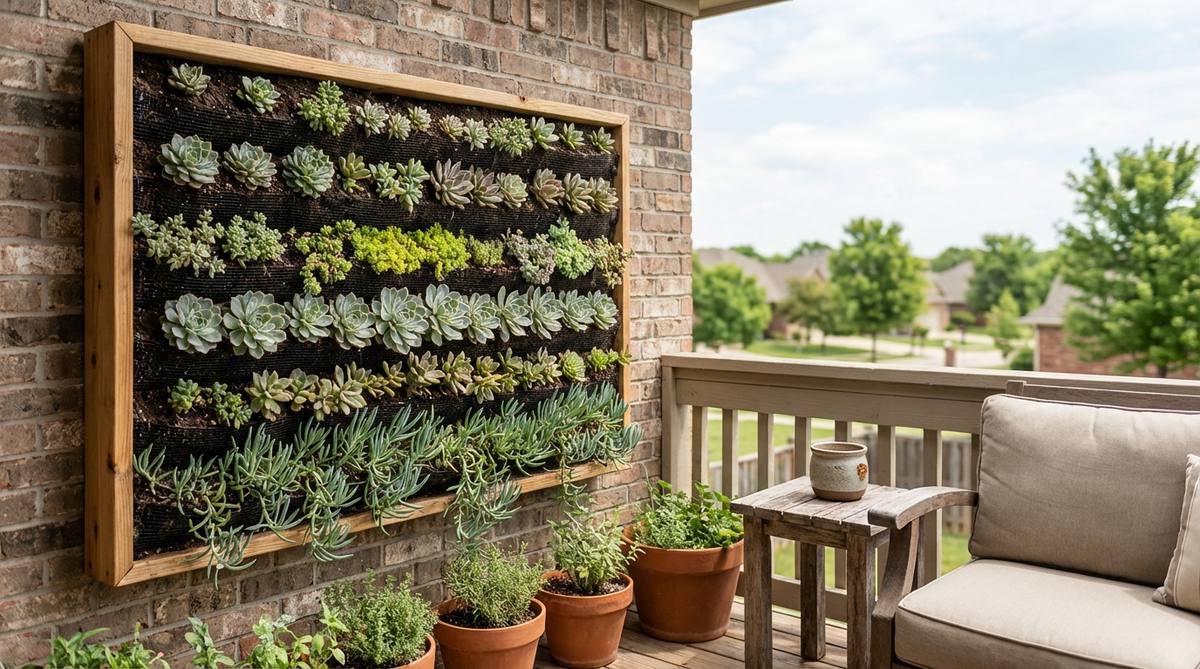
Serves as a breathtaking piece of living art that completely reinvents bare walls. This framed vertical succulent wall is a phenomenal space-saver for hyper-compact patios.
Hanging it up immediately after planting will cause all the dirt and plants to fall out. Letting the frame sit flat for a month allows the roots to anchor, delivering a surprisingly premium look that defies gravity.
You can build a custom living frame for about $40. Save this to your DIY wall art board!
- Key Materials: Shadow box frame, wire mesh, sphagnum moss
- Vibe / Style: Botanical art gallery
- Difficulty: Requires patience
- Budget Breakdown: Frame kit: $25 | Succulent cuttings: $15
- Creator’s Tip: Water the frame by taking it down and laying it flat, allowing it to drain completely before re-hanging.
- Smart Sourcing: Invest in a pre-built living wall frame kit and succulent cutting bulk packs.
41. Terracotta Pot Succulent Tower
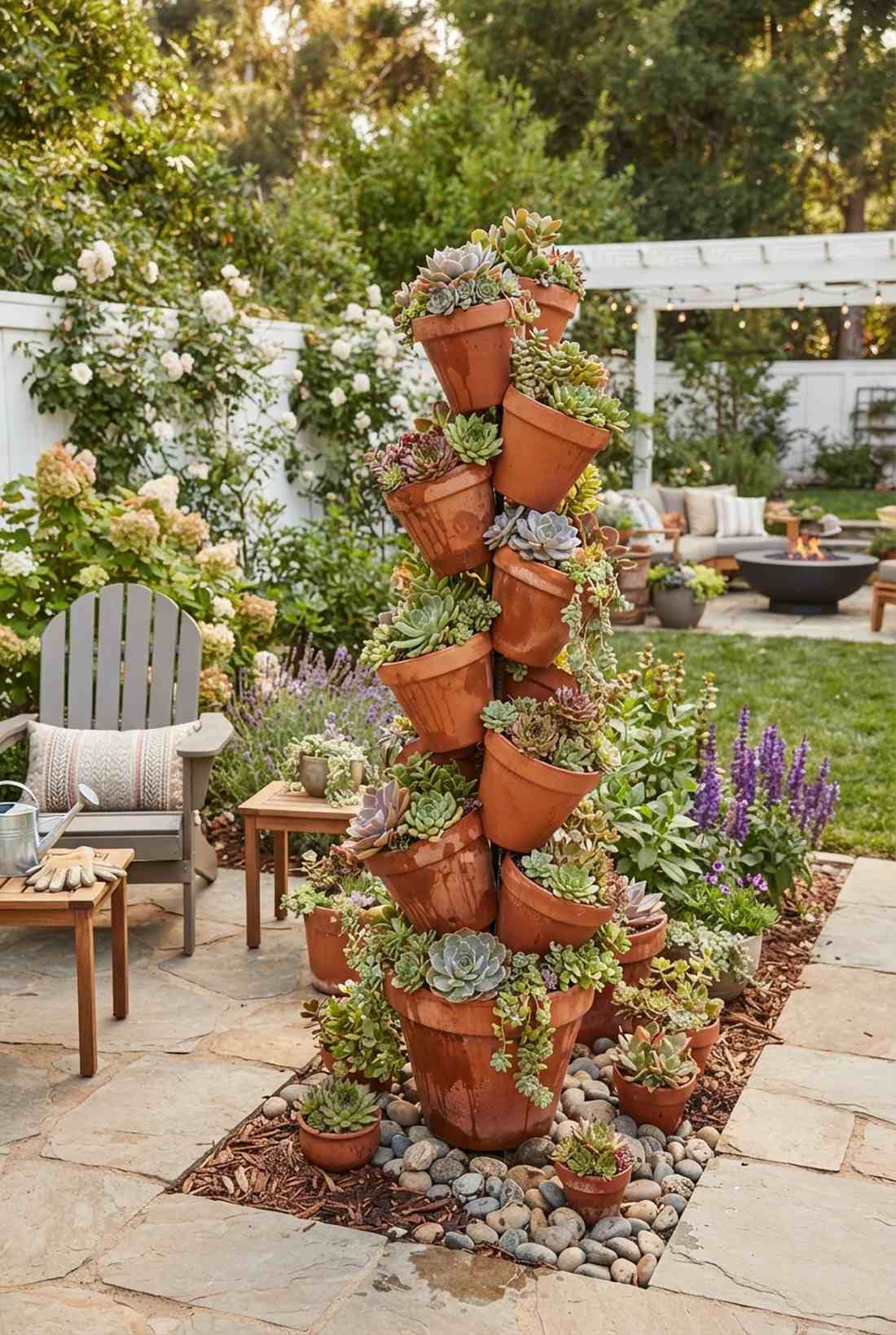
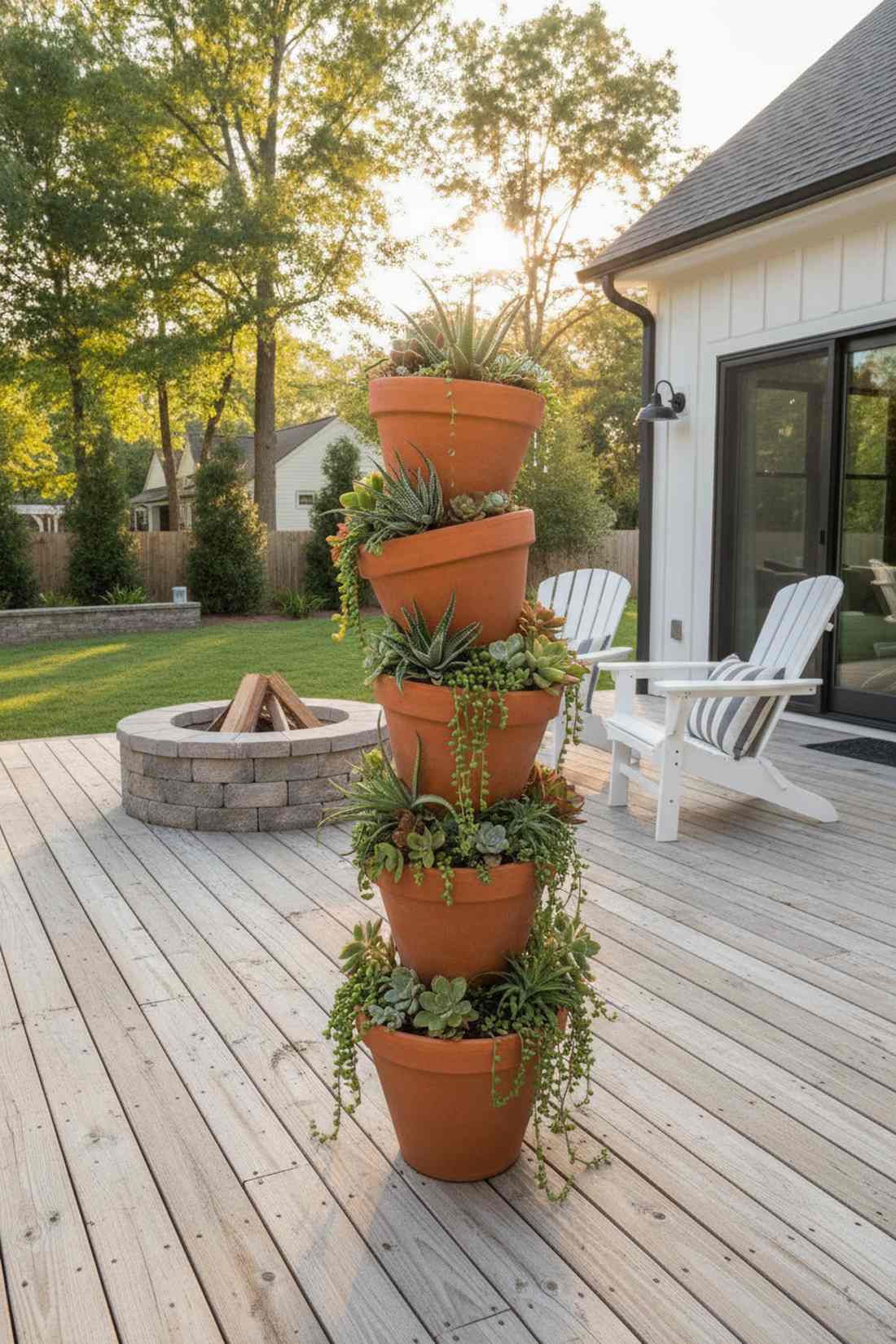
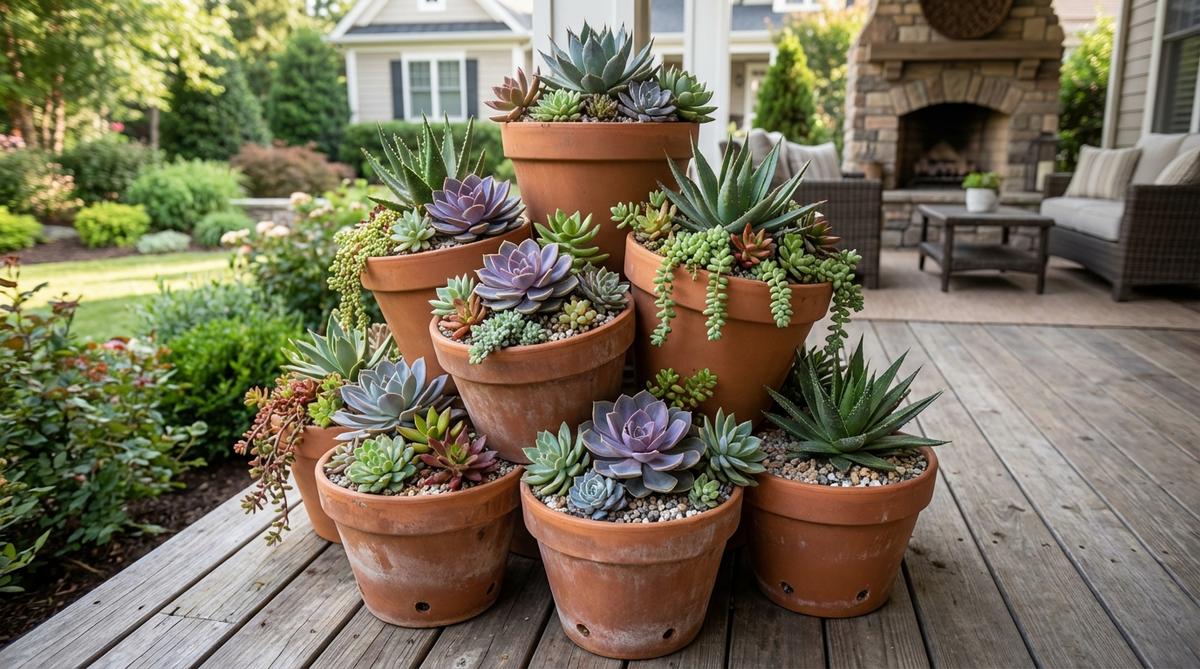
Creates a whimsical, gravity-defying structure that adds incredible height to flat spaces. This tilted tiered planter display acts as a brilliant, eye-catching corner feature.
Stacking pots without a central support anchor is a disaster waiting to crash. Driving a hidden steel rebar rod through the drainage holes gives a designer-level finish that remains structurally rock-solid.
This quirky architectural tower costs around $30 to build.
- Key Materials: Graduated terracotta pots, steel rebar, succulents
- Vibe / Style: Whimsical desert architecture
- Difficulty: Moderate assembly
- Budget Breakdown: Clay Pots: $15 | Rebar & Plants: $15
- Creator’s Tip: Tilt the pots at exactly alternating angles so the watering naturally cascades from the top pot down.
- Smart Sourcing: Get bulk graduated terracotta pots and a solid steel rebar support stake.
42. Monochromatic Green Succulent Display
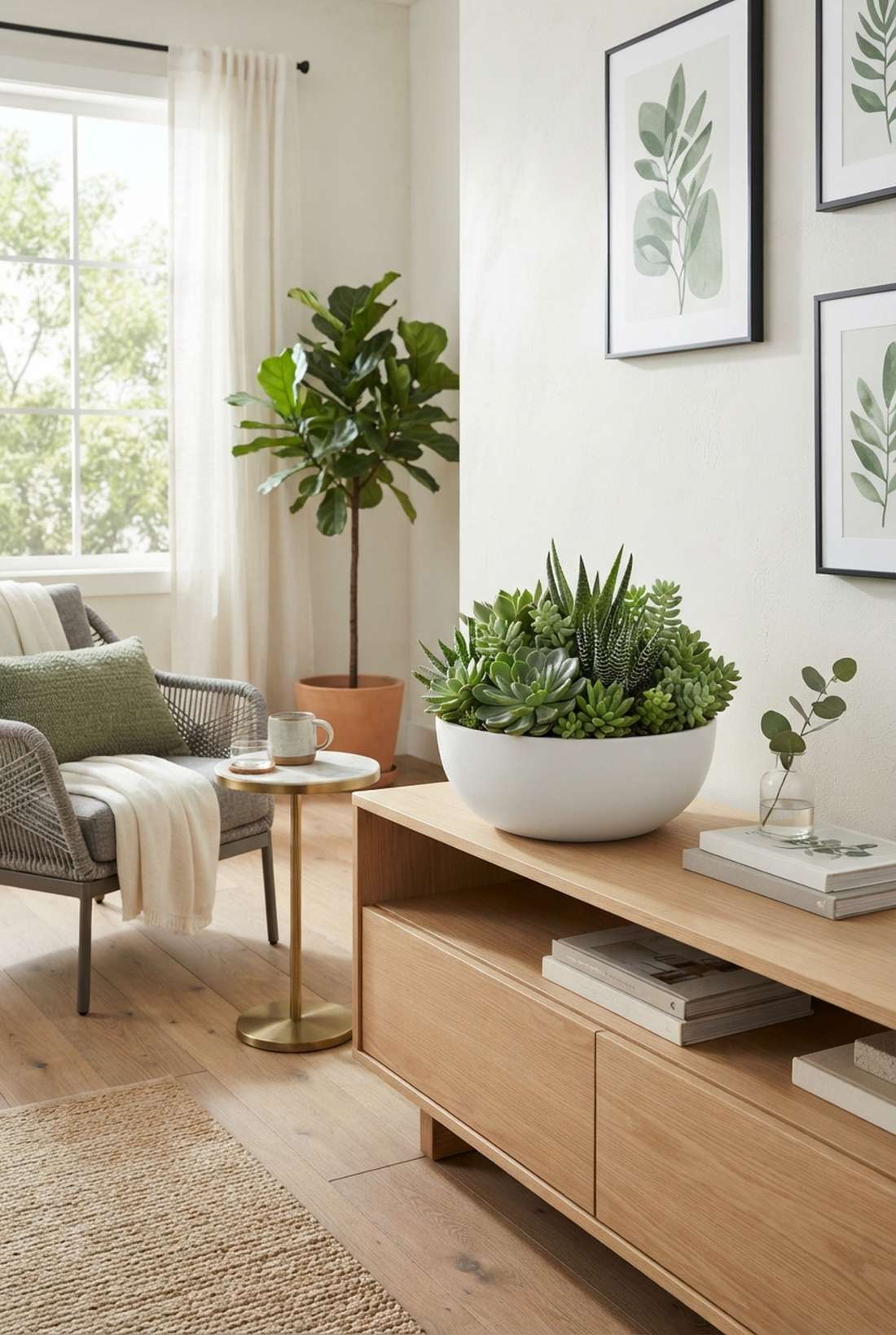
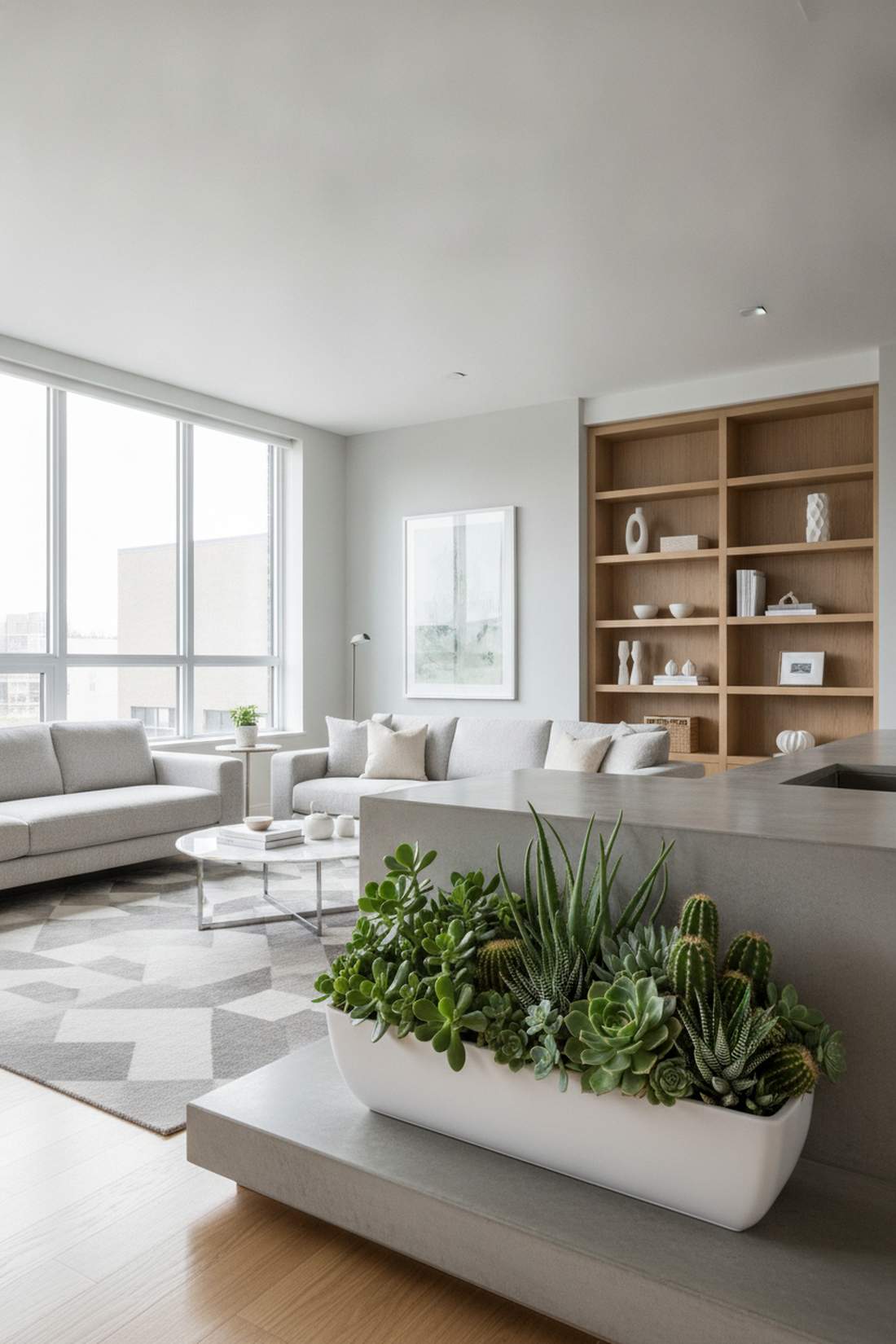
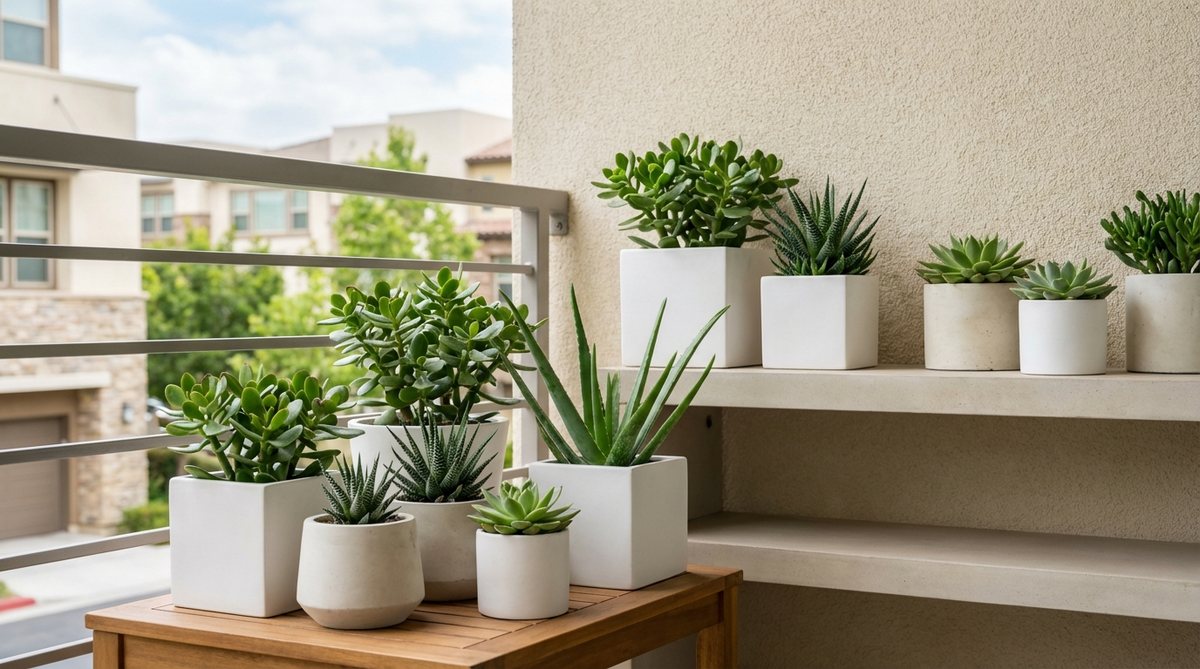
Exudes a clean, hyper-modern minimalist vibe that feels incredibly intentional and soothing. This all-green textural succulent arrangement is perfect for sleek, contemporary apartment designs.
Mixing crazy neon colors can sometimes make a space look cluttered and chaotic. Restricting the palette strictly to green forms in a stark white container looks far more expensive than it is.
Establishing this minimalist look costs roughly $25. Pin this if you love clean aesthetic lines!
- Key Materials: Green jade, aloe, haworthia, white planter
- Vibe / Style: Sleek contemporary minimalism
- Difficulty: Very easy
- Budget Breakdown: White Pot: $15 | Green Succulents: $10
- Creator’s Tip: Group plants with identical water needs so you never accidentally overwater one while saving another.
- Smart Sourcing: Source matte white minimalist planters and indoor succulent fertilizer drops.
43. Colorful Mixed Succulent Container
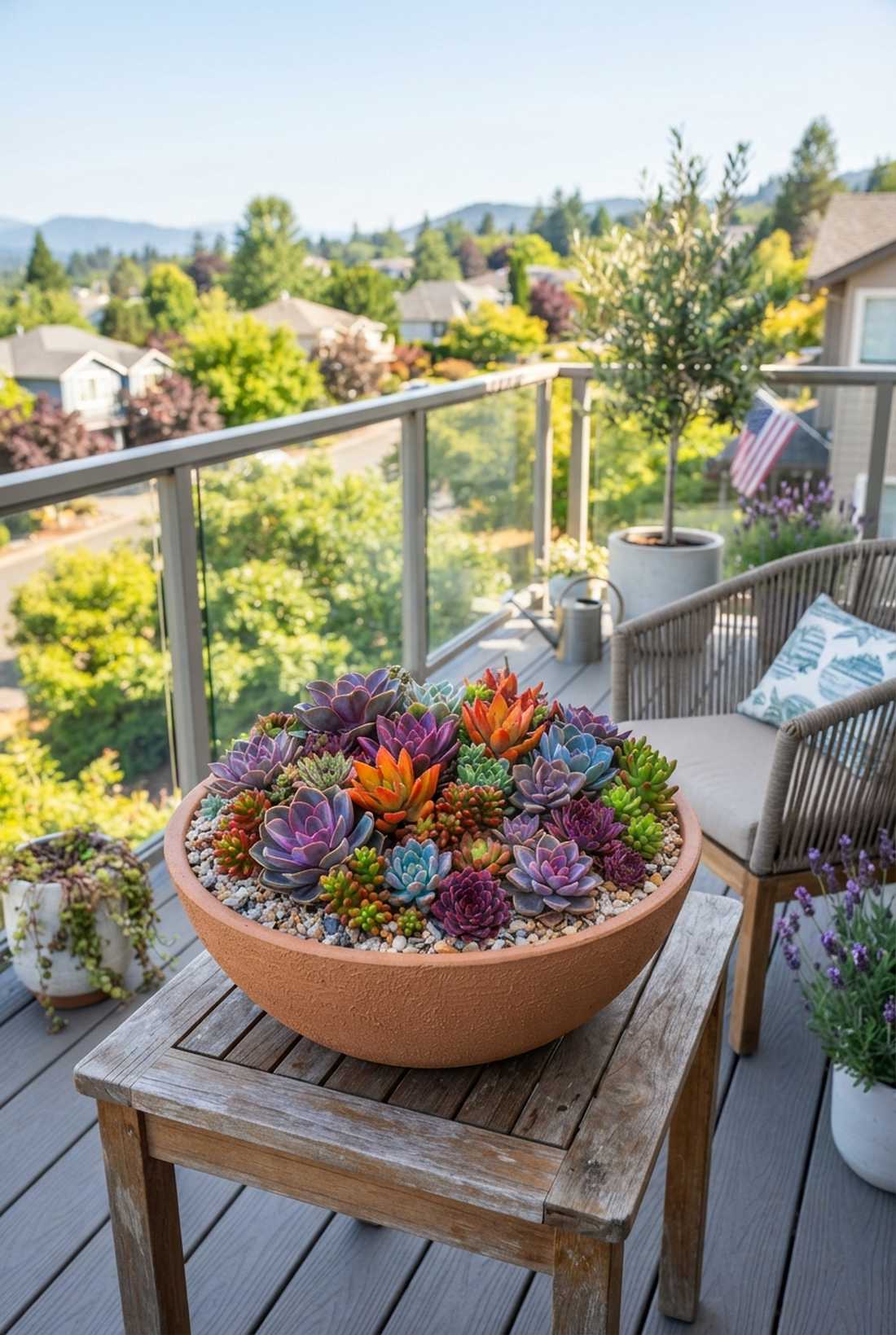
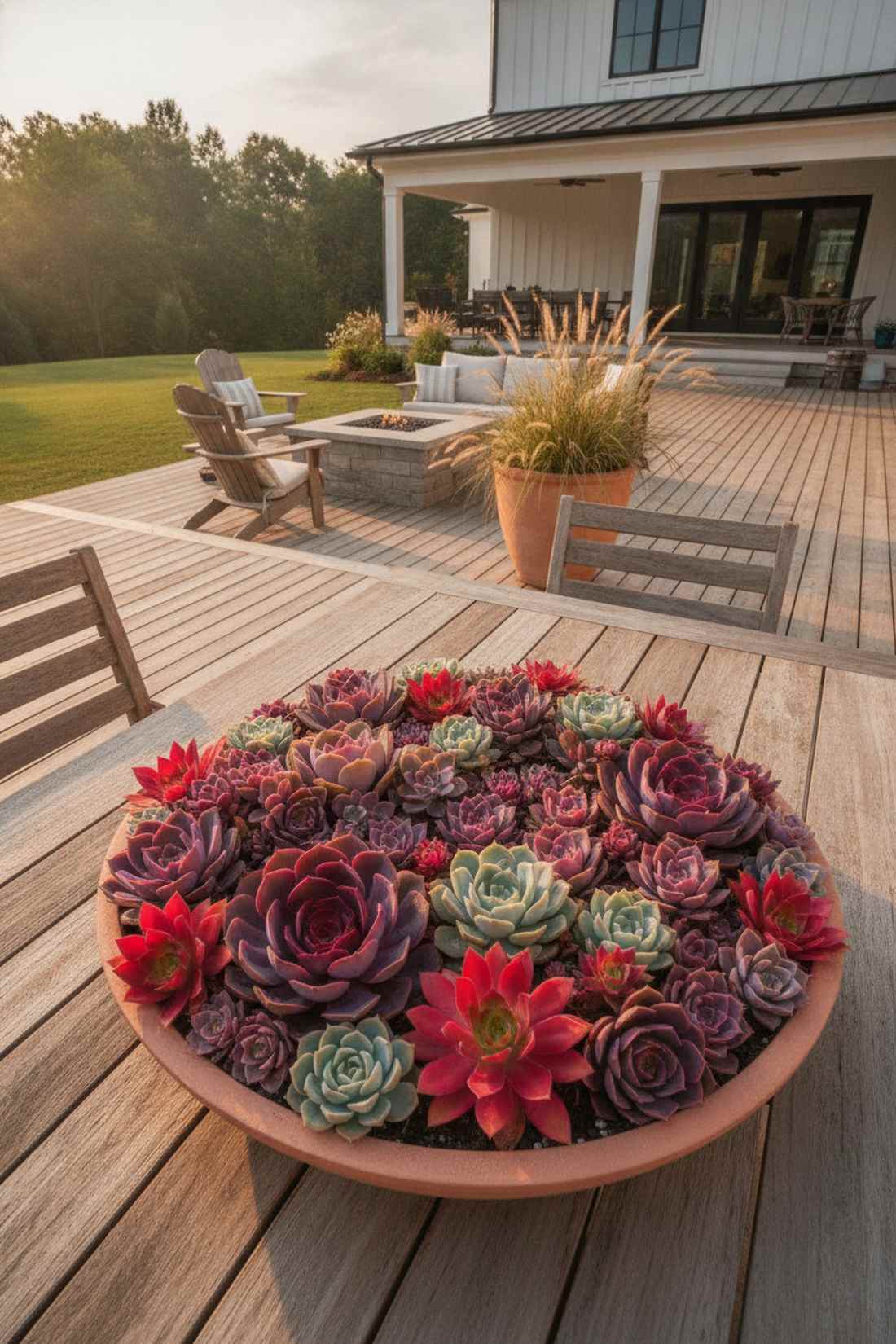
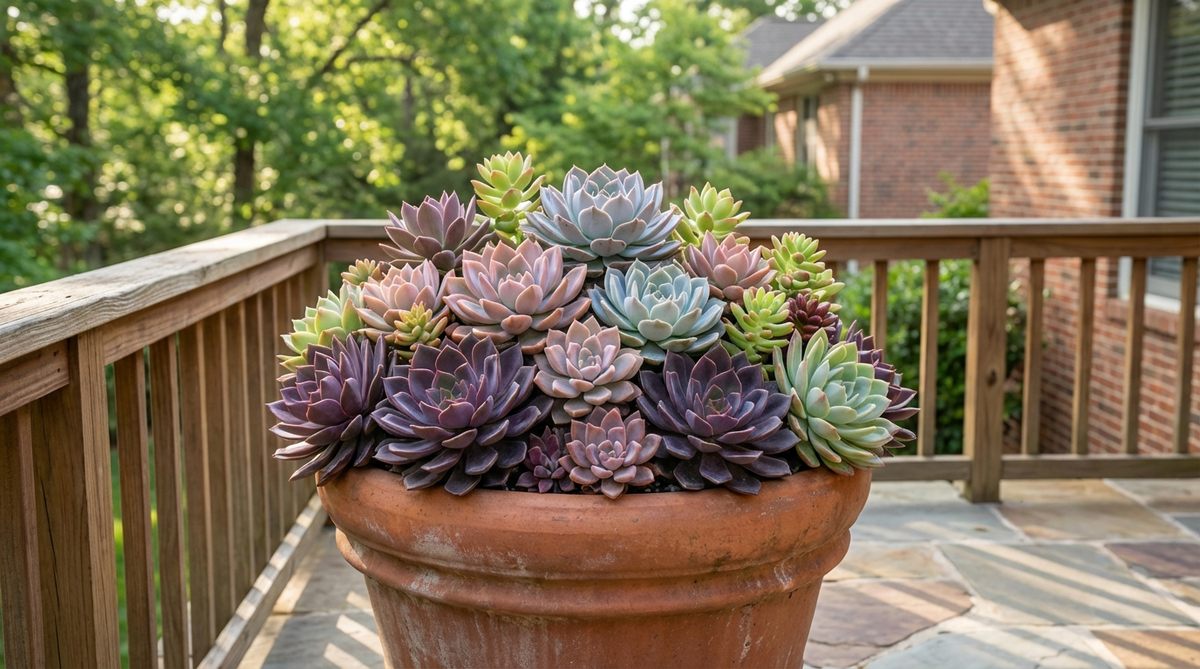
Pops with an unbelievable spectrum of purples, pinks, and blues that mimic a coral reef. This vibrant desert plant collection thrives in the absolute hottest, sunniest balcony spots.
Keeping succulents perfectly shaded actually causes them to turn dull and green. Giving them slight “sun stress” delivers a surprisingly premium look, forcing the plants to flush with intense, beautiful colors.
You can create this colorful desert reef for about $35.
- Key Materials: Colorful Echeveria, Sedum, wide bowl
- Vibe / Style: Vibrant desert coral reef
- Difficulty: Needs intense sunlight
- Budget Breakdown: Bowl: $15 | Colorful Plants: $20
- Creator’s Tip: Do not overcrowd the bowl initially; give the rosettes room to expand and multiply over the summer.
- Smart Sourcing: Order rare colorful succulent assortment packs and a shallow resin display bowl.
44. Driftwood Planted Succulents
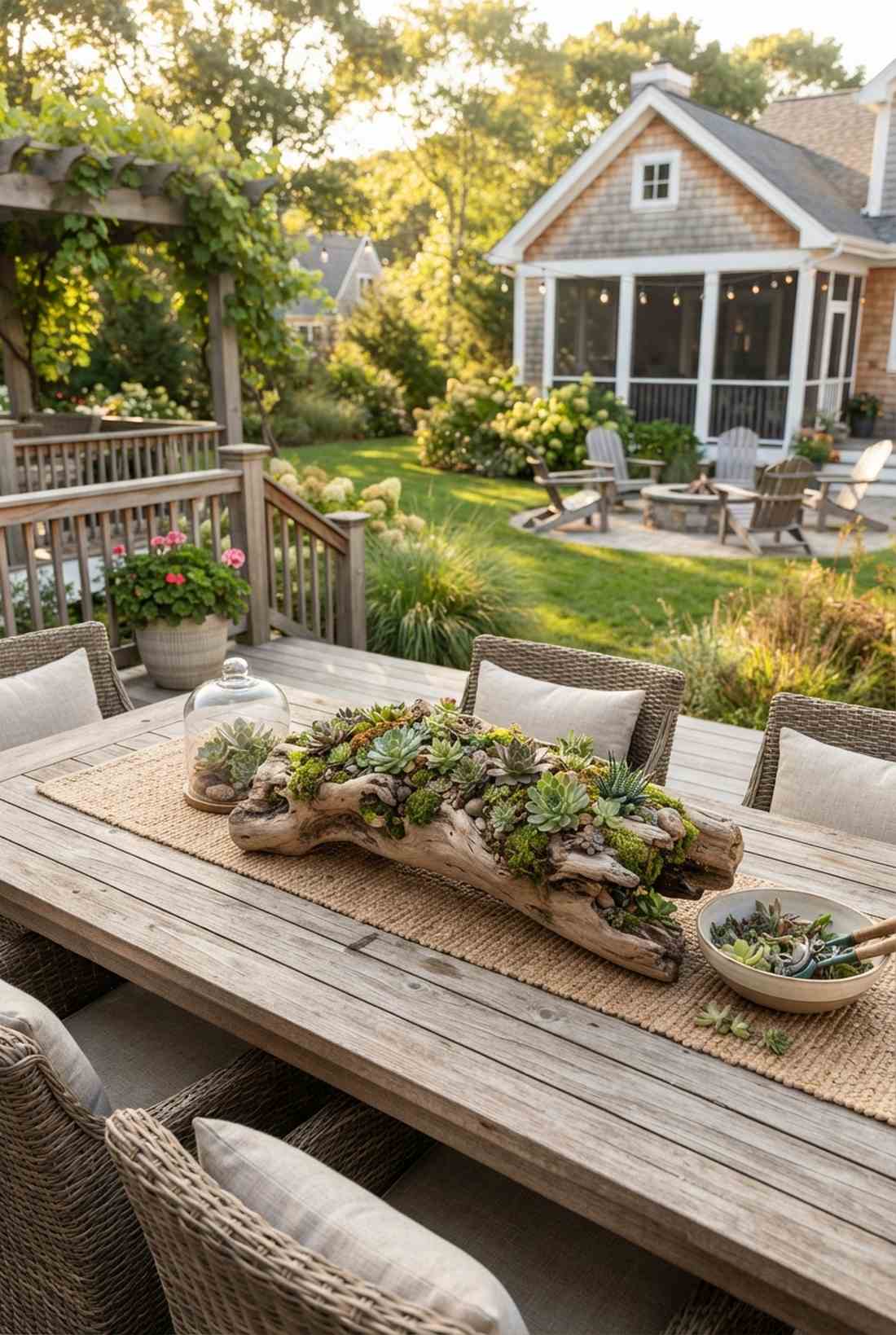
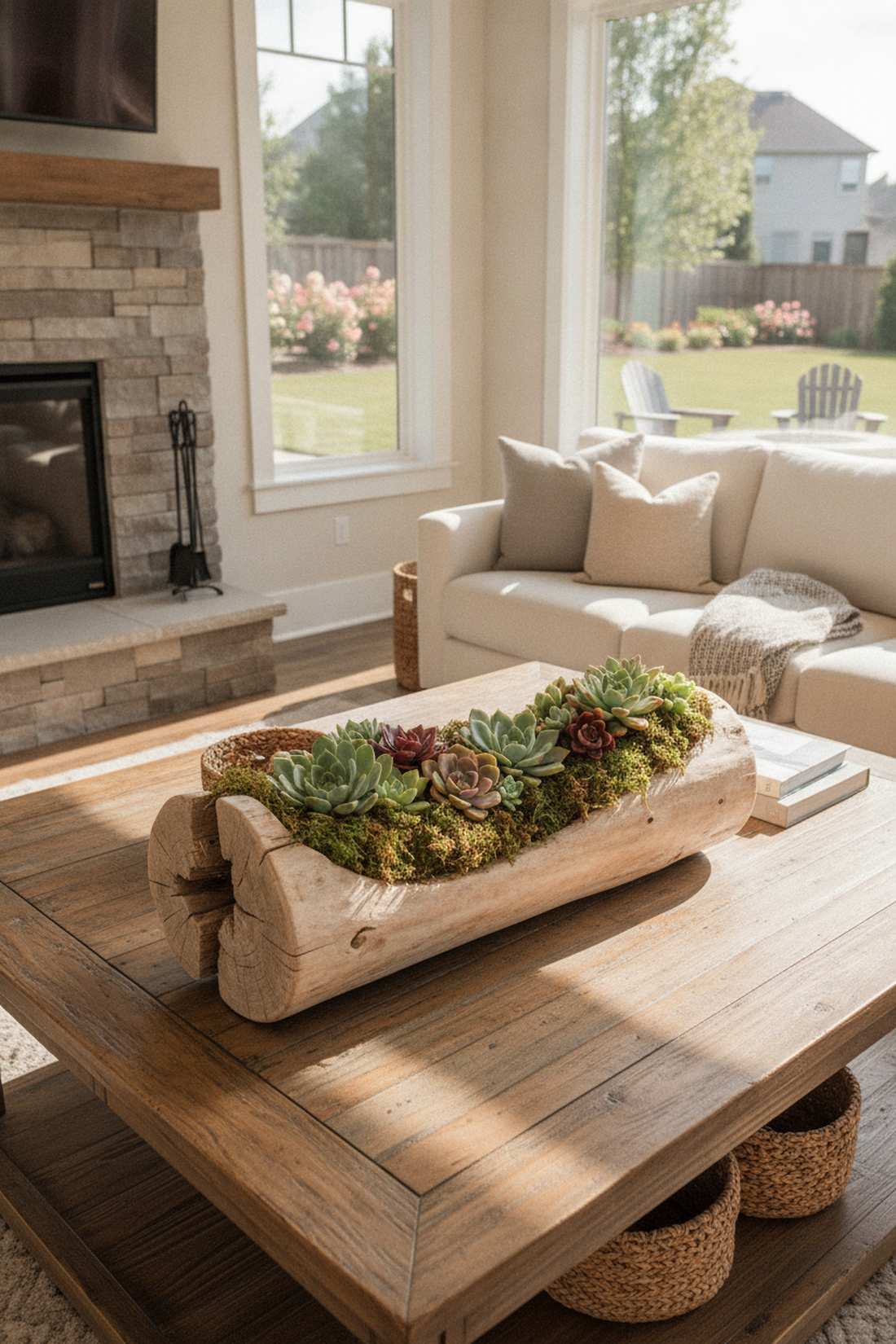
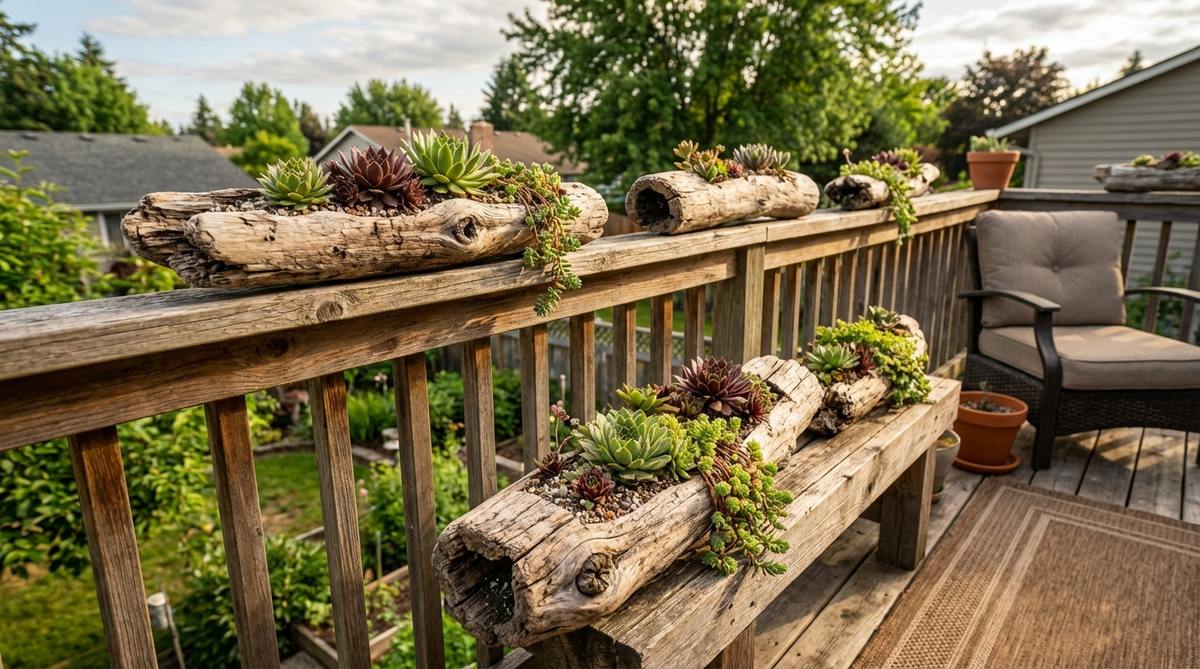
Blends organic, natural textures into a stunning, one-of-a-kind tabletop centerpiece. This hollowed wood succulent planter bridges the gap between rustic nature and modern decor.
Using untreated wood gathered from the beach will rot and introduce massive pest problems. Purchasing heat-treated, pre-hollowed ghost wood gives a designer-level finish that lasts for years.
Crafting this organic masterpiece costs around $45. Save this to your unique DIY crafts board!
- Key Materials: Treated driftwood, moss, small succulents
- Vibe / Style: Organic coastal rustic
- Difficulty: Requires delicate planting
- Budget Breakdown: Driftwood: $25 | Plants & Moss: $20
- Creator’s Tip: Pack sphagnum moss tightly into the cracks before adding soil to keep everything securely anchored.
- Smart Sourcing: Invest in pre-treated hollow driftwood logs and succulent rooting hormone powder.
Most arrangements die in the winter because of this one simple mistake…
45. Hanging Succulent Sphere
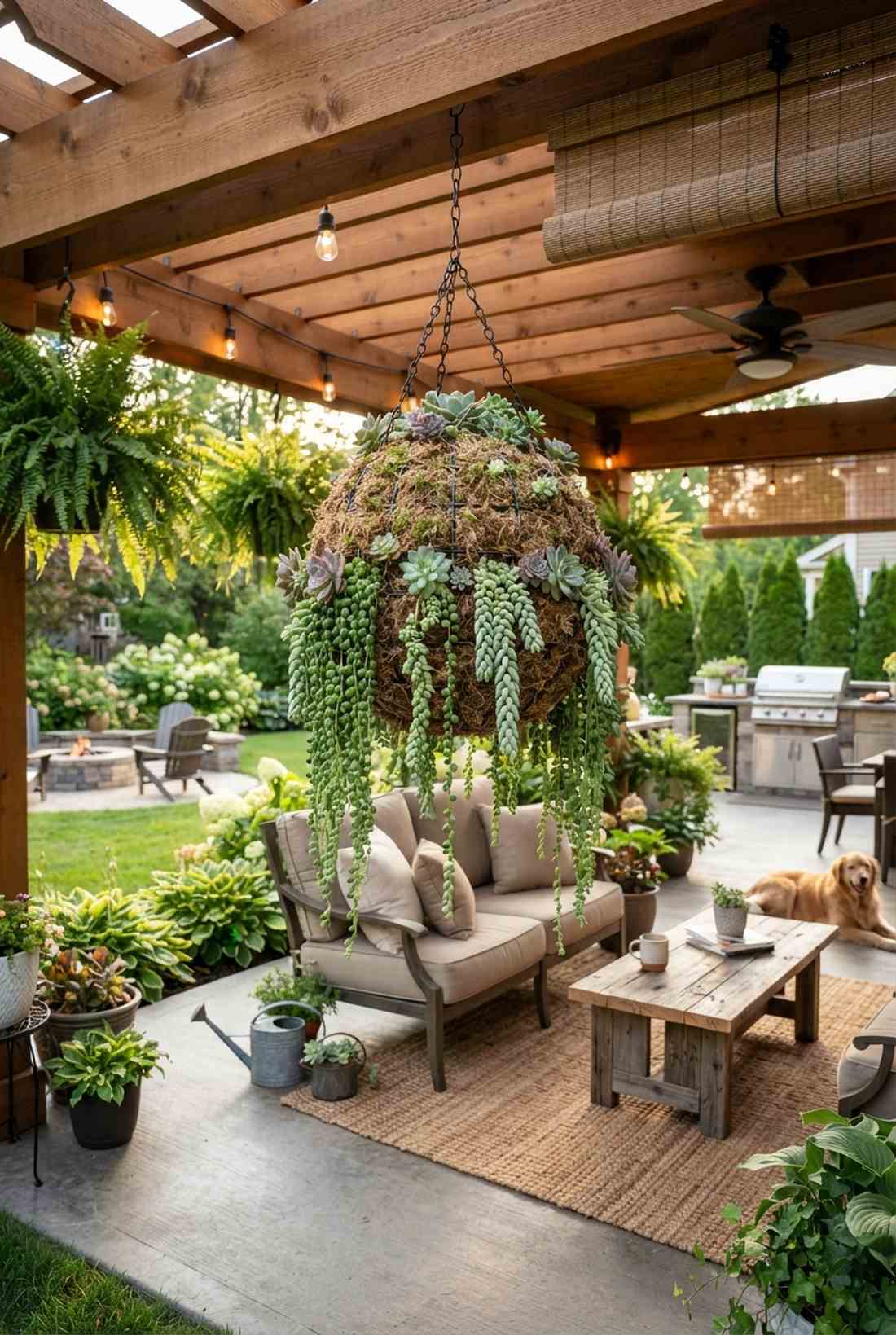
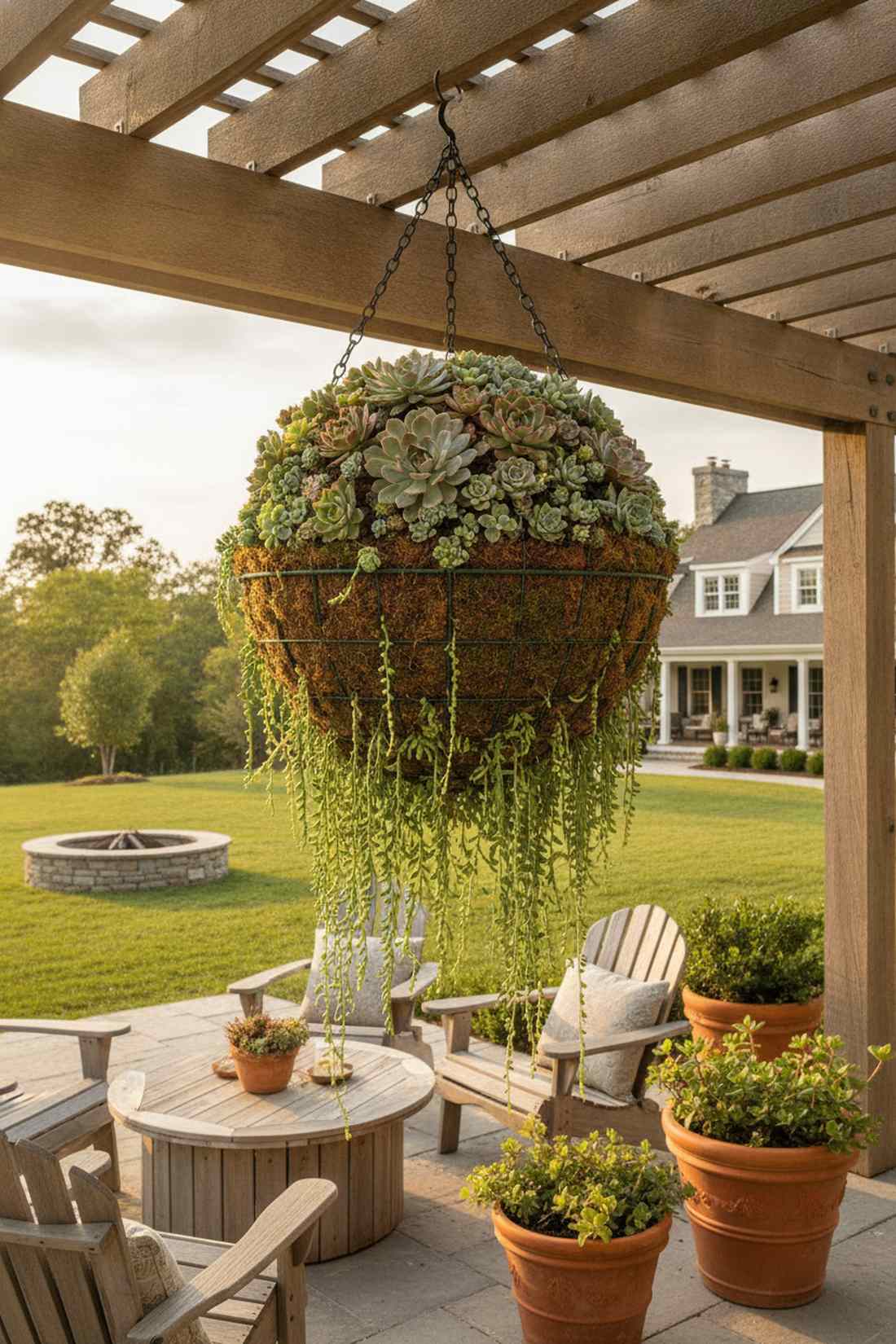
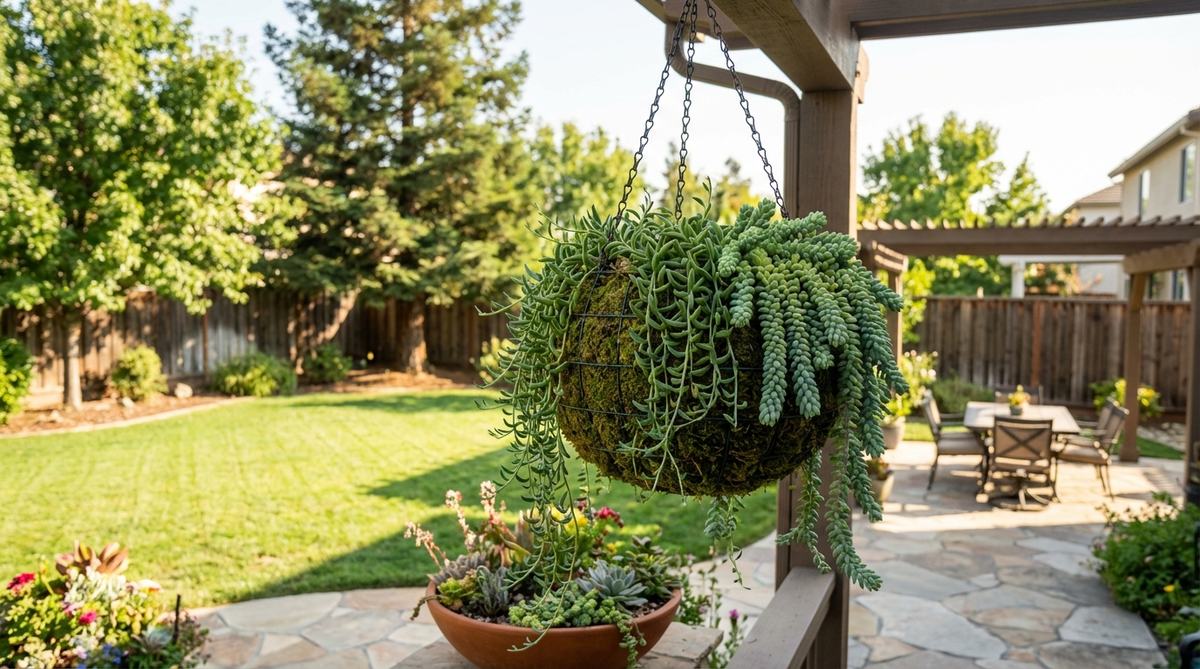
Dangles like an exotic, living chandelier that draws the eye upward instantly. This 3D floating plant globe is an absolute showstopper for covered patios and pergolas.
Stuffing dirt into a wire frame makes a massive muddy mess every time it rains. Lining the sphere with high-grade sphagnum moss looks far more expensive than it is and holds the entire structure cleanly together.
Building this living ornament costs roughly $35. Highly recommended for vertical visual interest.
- Key Materials: Wire topiary sphere, sphagnum moss, trailing succulents
- Vibe / Style: Avant-garde floating garden
- Difficulty: Moderate crafting required
- Budget Breakdown: Wire Frame: $15 | Moss & Plants: $20
- Creator’s Tip: Stick trailing varieties at the bottom and tight rosettes at the top to accentuate the globe shape.
- Smart Sourcing: Grab wire topiary sphere frames and string of pearls starter plants.
Material Guide: Cheap vs. Premium Aesthetic
Knowing exactly where to save and where to spend makes all the difference in achieving that “looks expensive but isn’t” vibe.
- Standard vs. UV-Resistant/Premium: Upgrading to UV-coated planters prevents the chalky fading that makes balconies look cheap after one summer.
- Pre-made Kits vs. Sourcing Locally: High-end starter kits often save both time and money by preventing trial-and-error purchases of wrong soil blends.
46. Spring Bulb Explosion
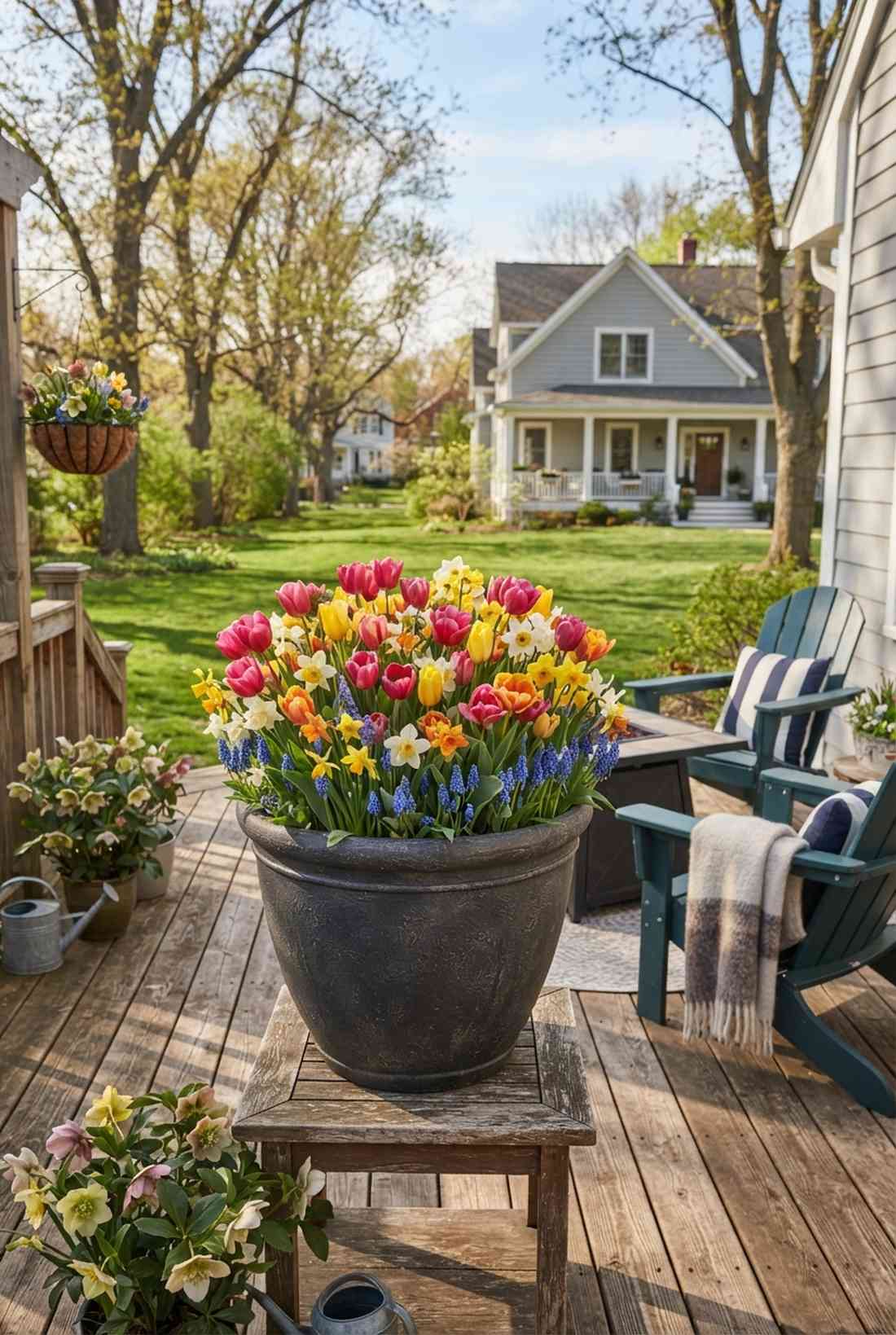
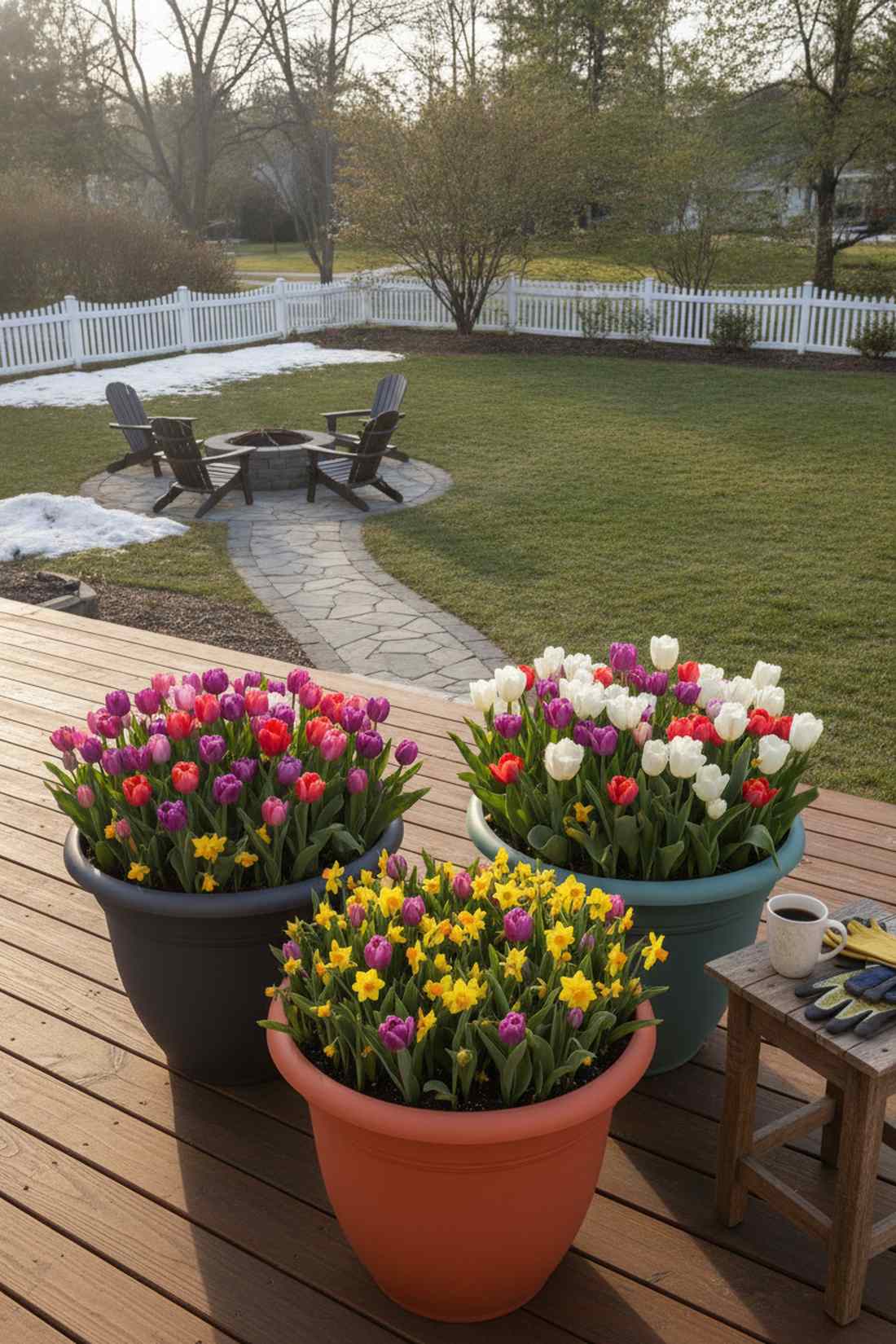
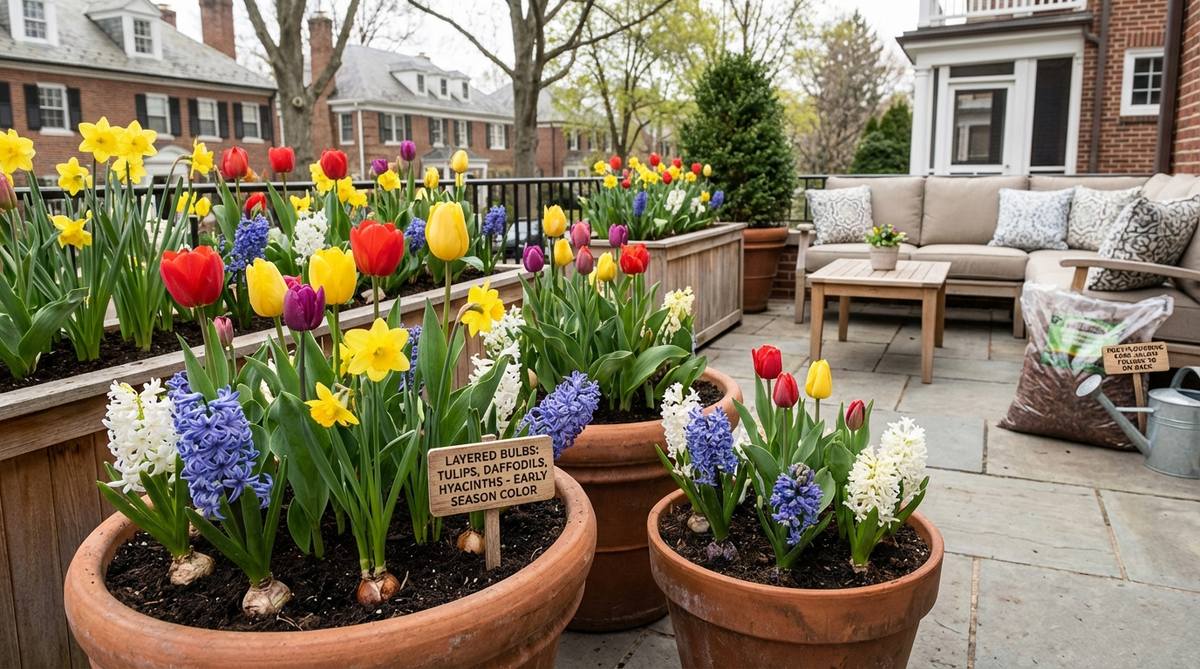
Bursts into life right as the snow melts, signaling the first joyous days of the new year. This dense bulb forcing container is the ultimate cure for winter balcony blues.
Planting bulbs in a single flat layer wastes massive amounts of pot depth. Using the “lasagna method” to layer late, mid, and early blooming bulbs gives a designer-level finish of continuous color for months.
A multi-layered bulb pot costs around $25 to prep in the fall. Pin this for autumn planting!
- Key Materials: Tulips, daffodils, deep frost-proof pot
- Vibe / Style: Joyous spring awakening
- Difficulty: Requires fall preparation
- Budget Breakdown: Deep Pot: $15 | Assorted Bulbs: $10
- Creator’s Tip: Pack the bulbs incredibly tight—almost touching—because they don’t need root space to push out flowers.
- Smart Sourcing: Use frost-proof resin deep planters and premium spring bulb assortment packs.
47. Summer Tropical Takeover
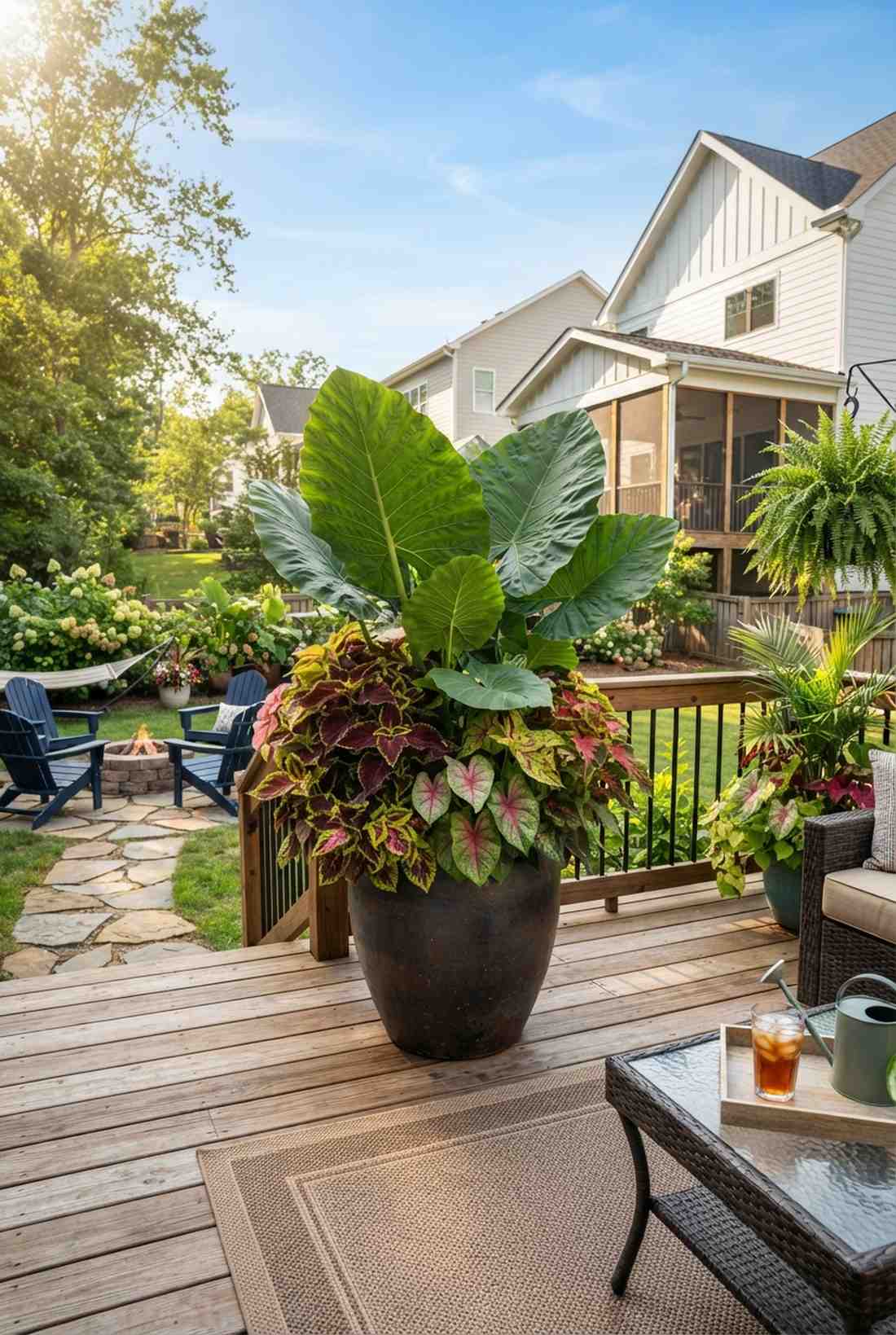
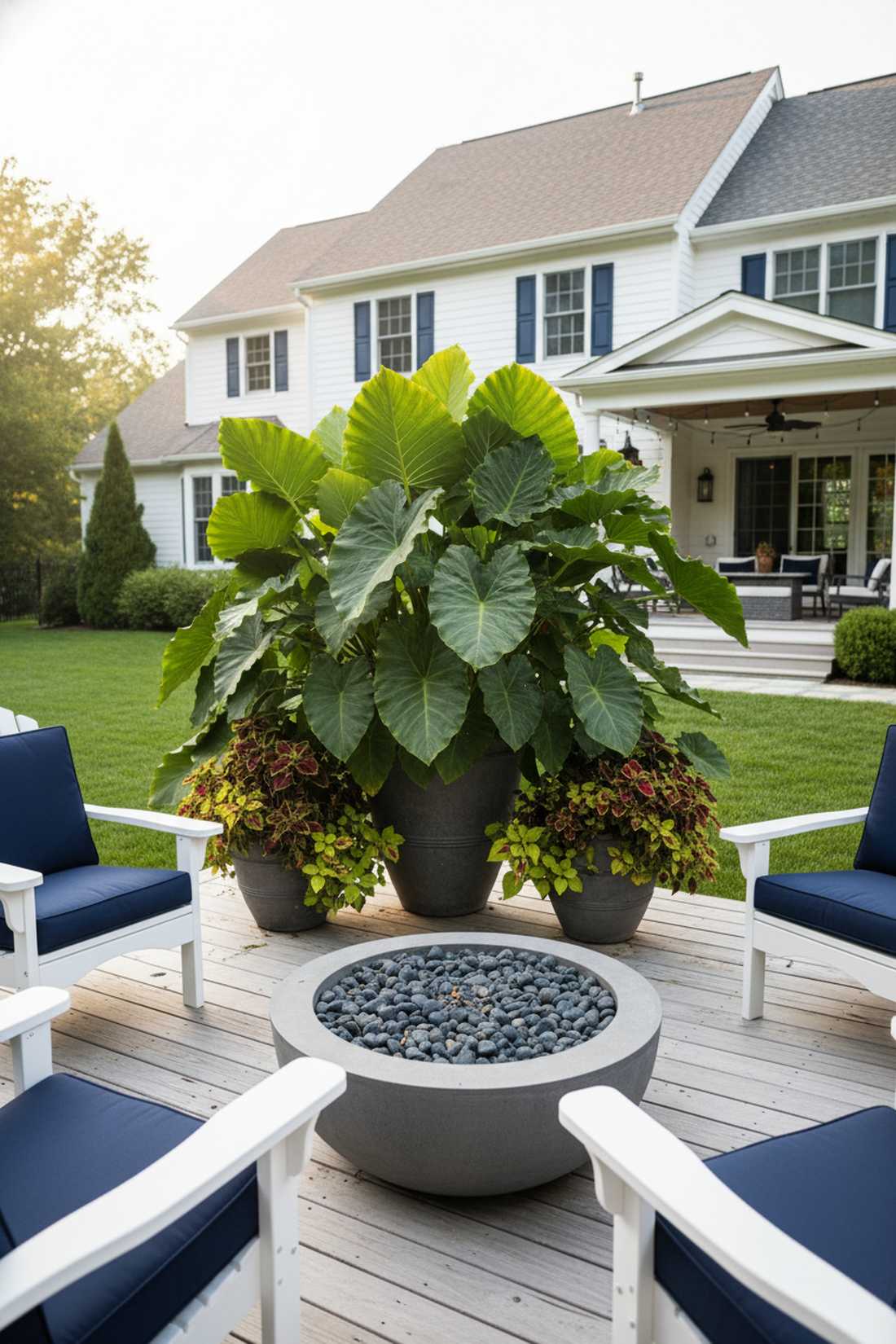
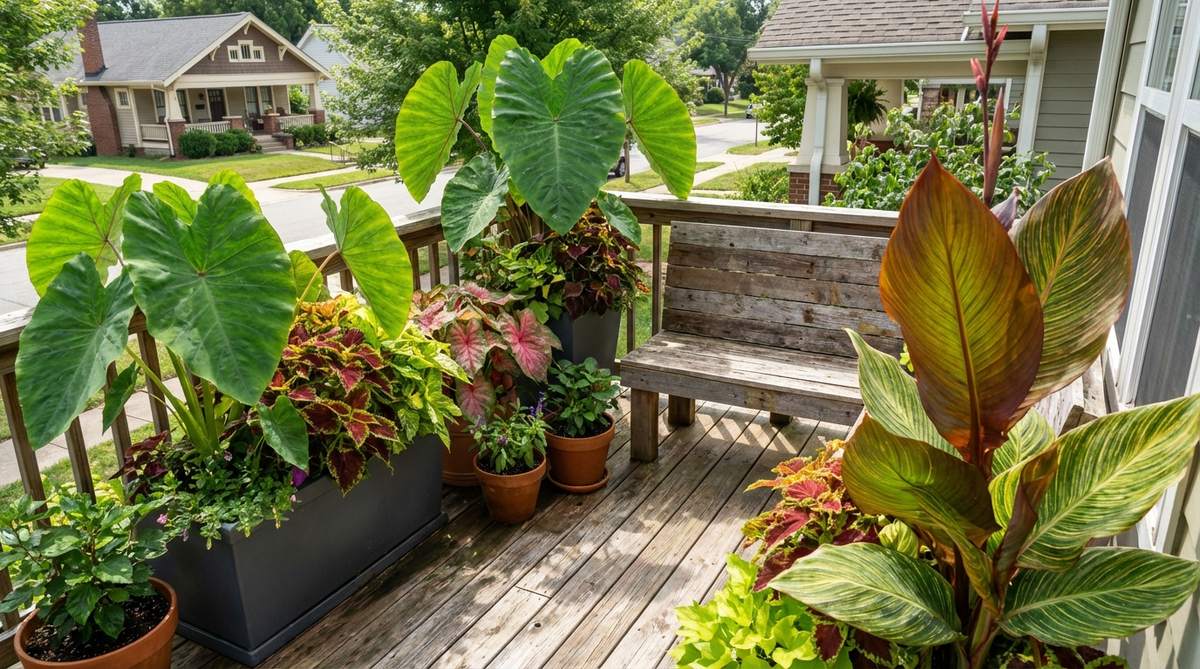
Eradicates boring spaces with massive, aggressive foliage that screams vacation mode. This bold summer heat arrangement thrives perfectly when temperatures make other plants wither.
Trying to sustain delicate spring flowers in August heat is a losing battle. Swapping to giant elephant ears and caladiums delivers a surprisingly premium look that easily outlasts the scorching sun.
Transitioning to these tropical monsters costs roughly $40.
- Key Materials: Elephant ears, Coleus, large water-retaining pots
- Vibe / Style: Aggressive tropical resort
- Difficulty: Requires heavy watering
- Budget Breakdown: Bulbs/Starts: $25 | Pot & Soil: $15
- Creator’s Tip: These massive leaves lose water fast; use a self-watering insert to keep them from drooping daily.
- Smart Sourcing: Order giant elephant ear bulbs and self-watering planter inserts.
48. Autumn Mum and Aster Display
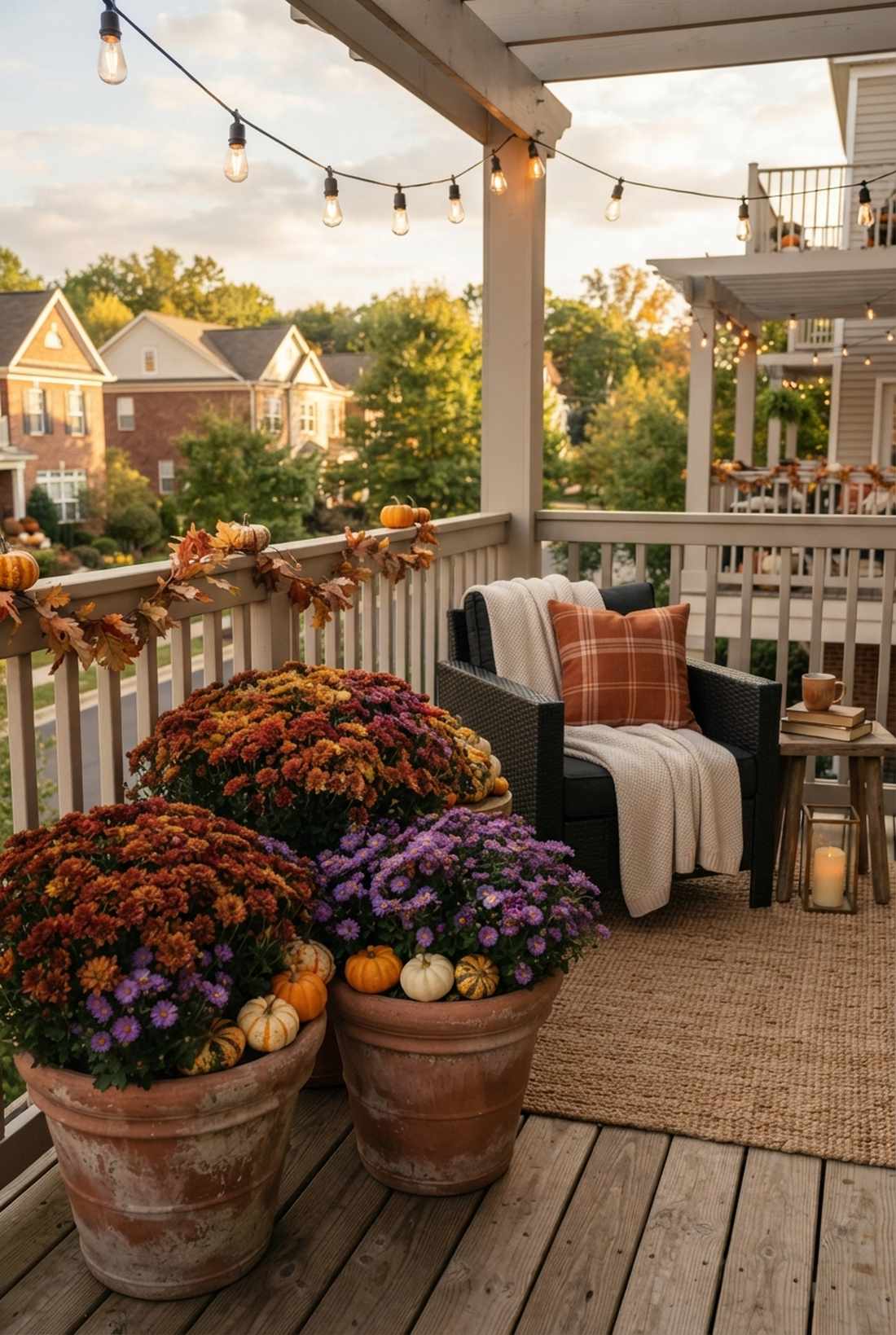
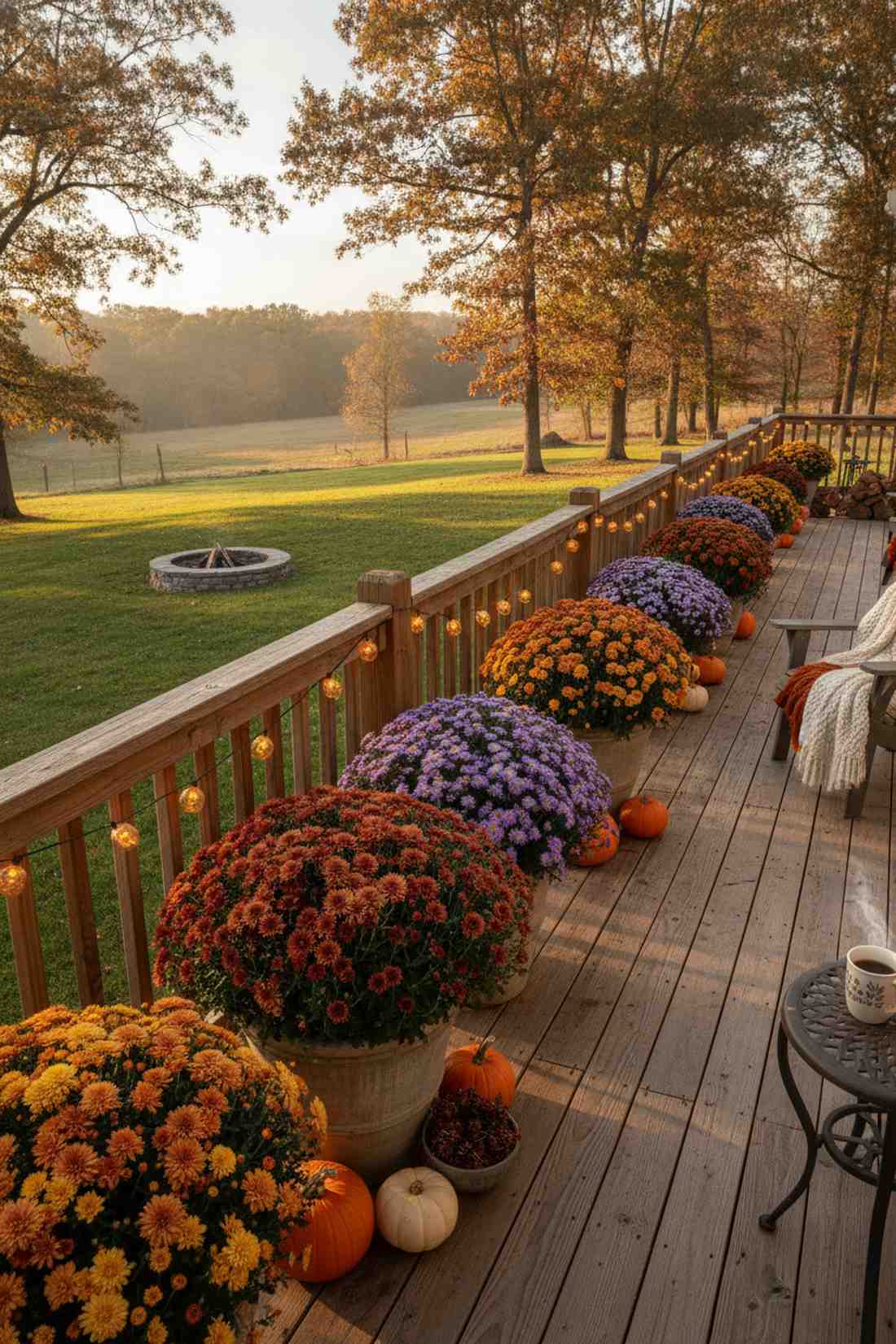
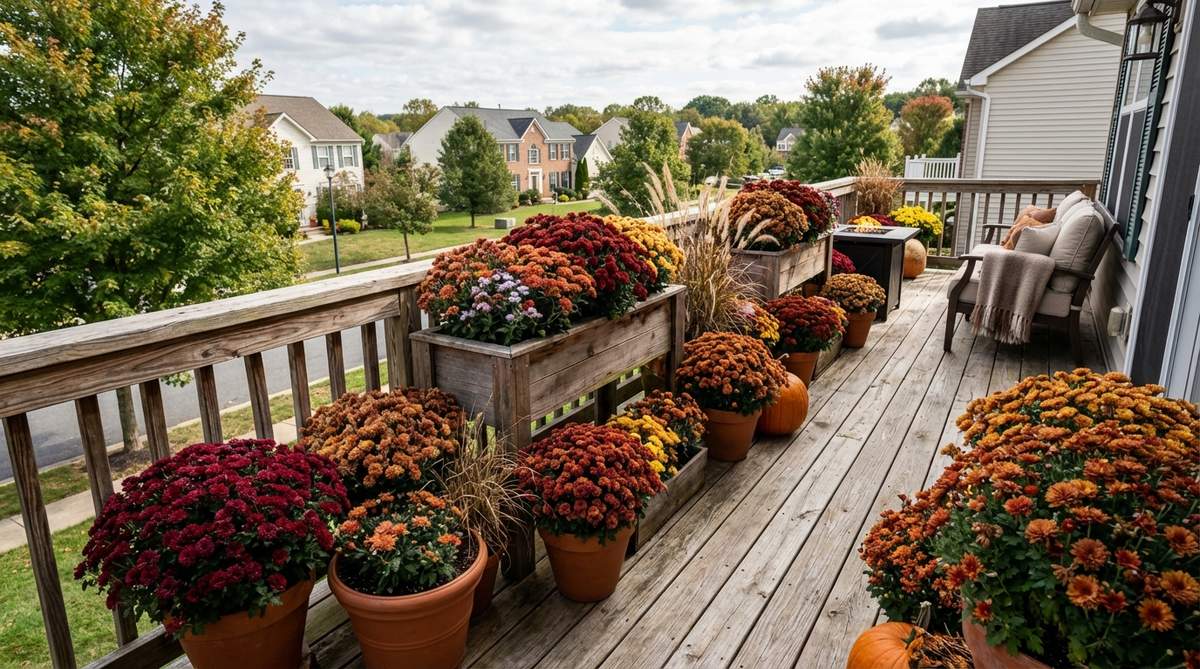
Fills the aesthetic gap with deep rust, gold, and burgundy tones as summer fades away. This fall transition balcony decor plants layout matches the cozy vibe of sweater weather perfectly.
Leaving dying summer annuals in their pots makes a balcony look horribly neglected. Dropping massive, pre-bloomed mums into your existing containers looks far more expensive than it is and instantly refreshes the space.
An autumn patio refresh costs about $30. Save this to your cozy fall aesthetic board!
- Key Materials: Chrysanthemums, asters, decorative pumpkins
- Vibe / Style: Cozy autumn harvest
- Difficulty: Very easy drop-in
- Budget Breakdown: Large Mums: $20 | Accents: $10
- Creator’s Tip: Buy mums when the buds are still closed and tight so you get to enjoy the entire blooming cycle.
- Smart Sourcing: Invest in heavy-duty autumn display planters and outdoor fall string lights.
49. Winter Evergreen Structure
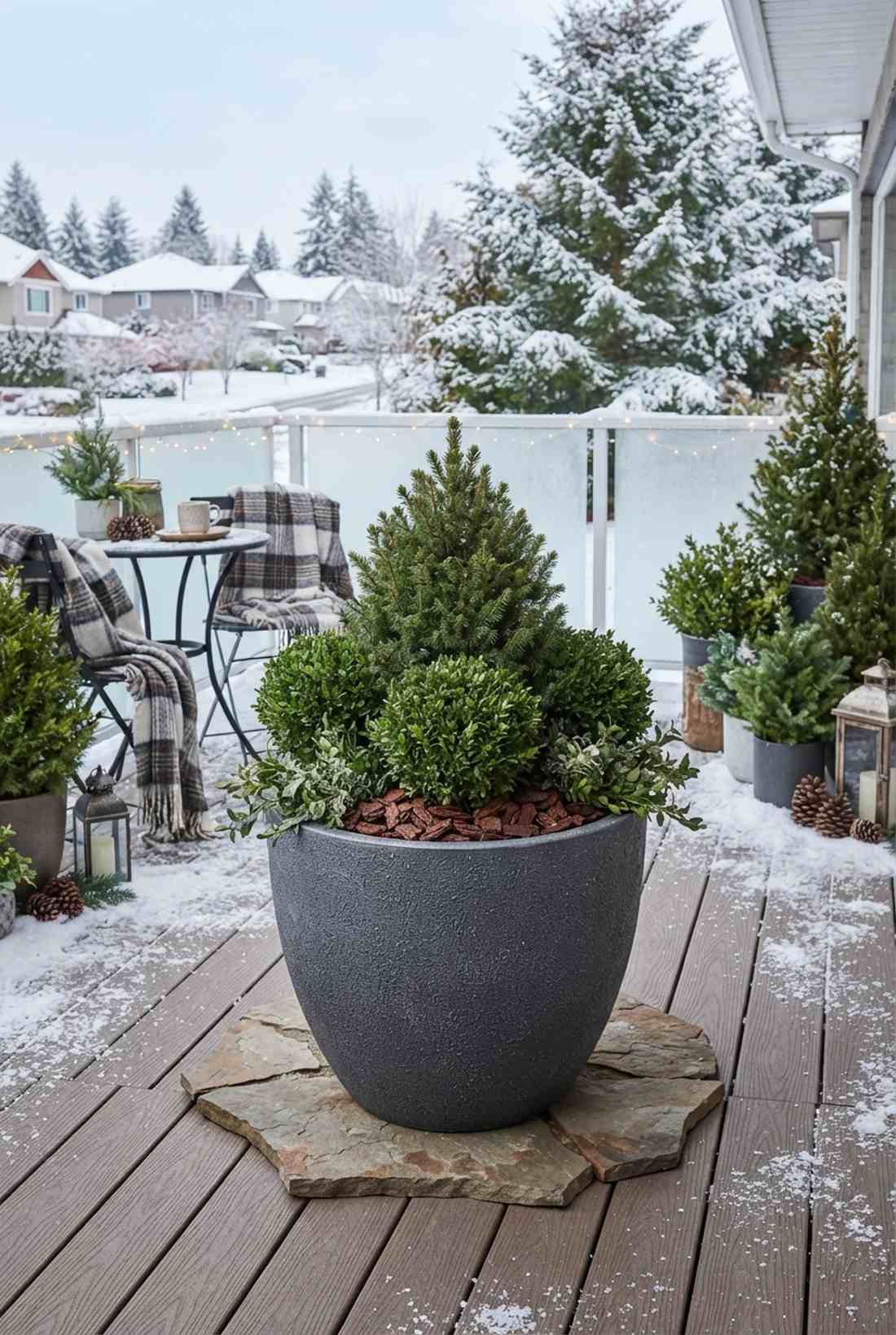
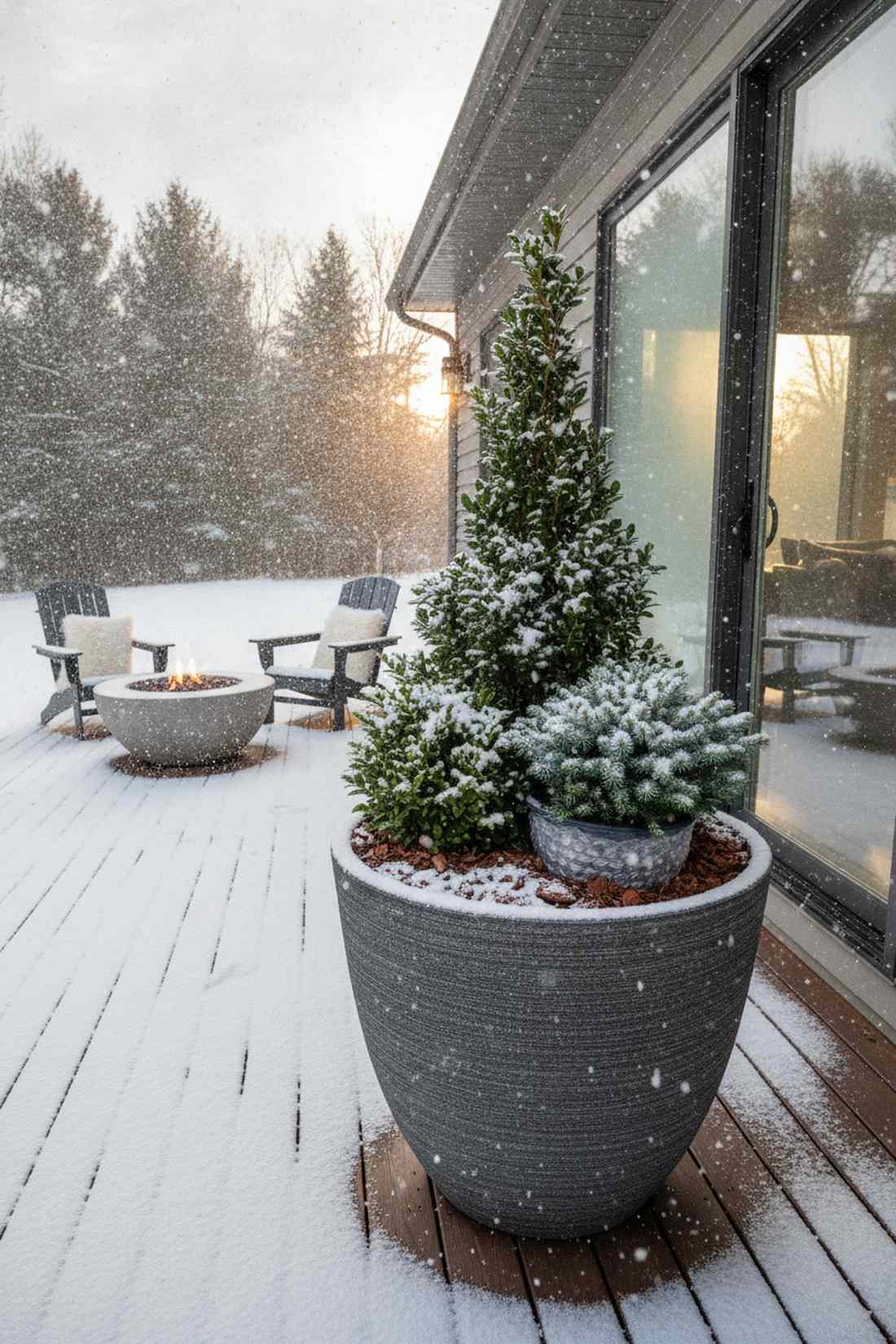
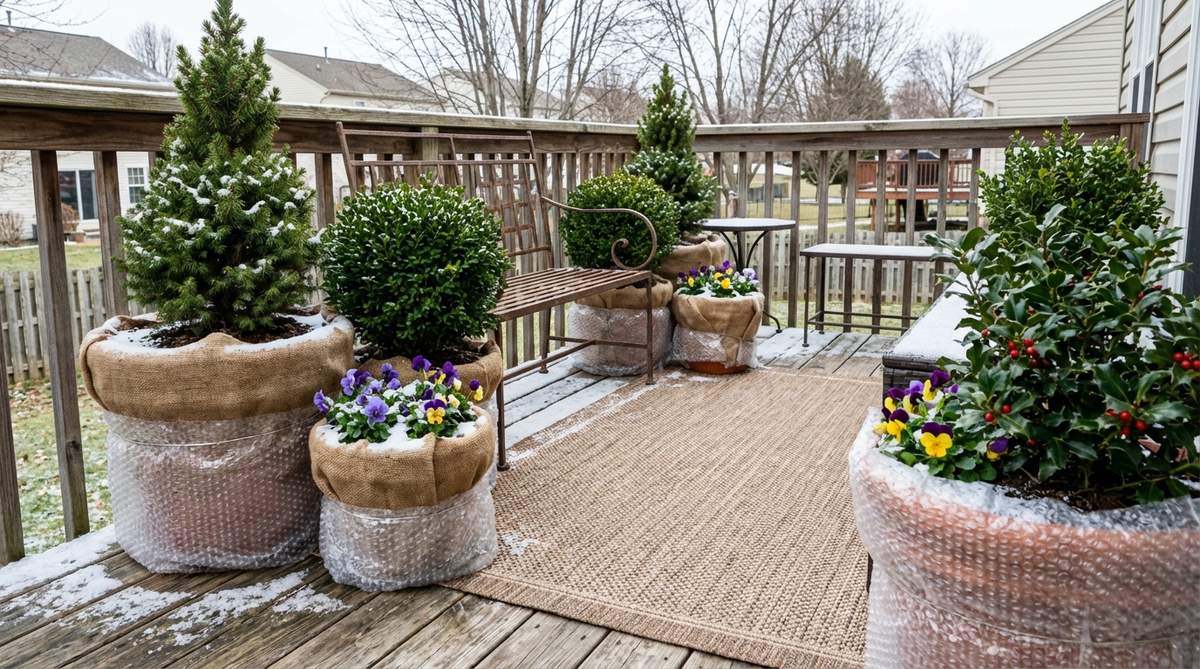
Maintains sharp, vibrant life and architectural structure even under a blanket of snow. This cold-weather evergreen container ensures your balcony never looks bleak and abandoned.
Ignoring root insulation will cause expensive shrubs to crack their pots and die during a freeze. Wrapping the inner plastic pot in bubble wrap before dropping it into the decorative shell gives a designer-level finish of safety.
Securing a winter evergreen setup costs roughly $45.
- Key Materials: Dwarf conifers, boxwood, insulated pots
- Vibe / Style: Crisp winter formal
- Difficulty: Requires insulation prep
- Budget Breakdown: Shrub: $25 | Pot & Insulation: $20
- Creator’s Tip: Add a layer of pine bark mulch on top to regulate the soil temperature and prevent frost heaving.
- Smart Sourcing: Get freeze-resistant double-walled planters and premium pine bark nuggets.
This is the ultimate lazy hack that makes it look like you hired a full-time gardener…
50. Four-Season Container Planning
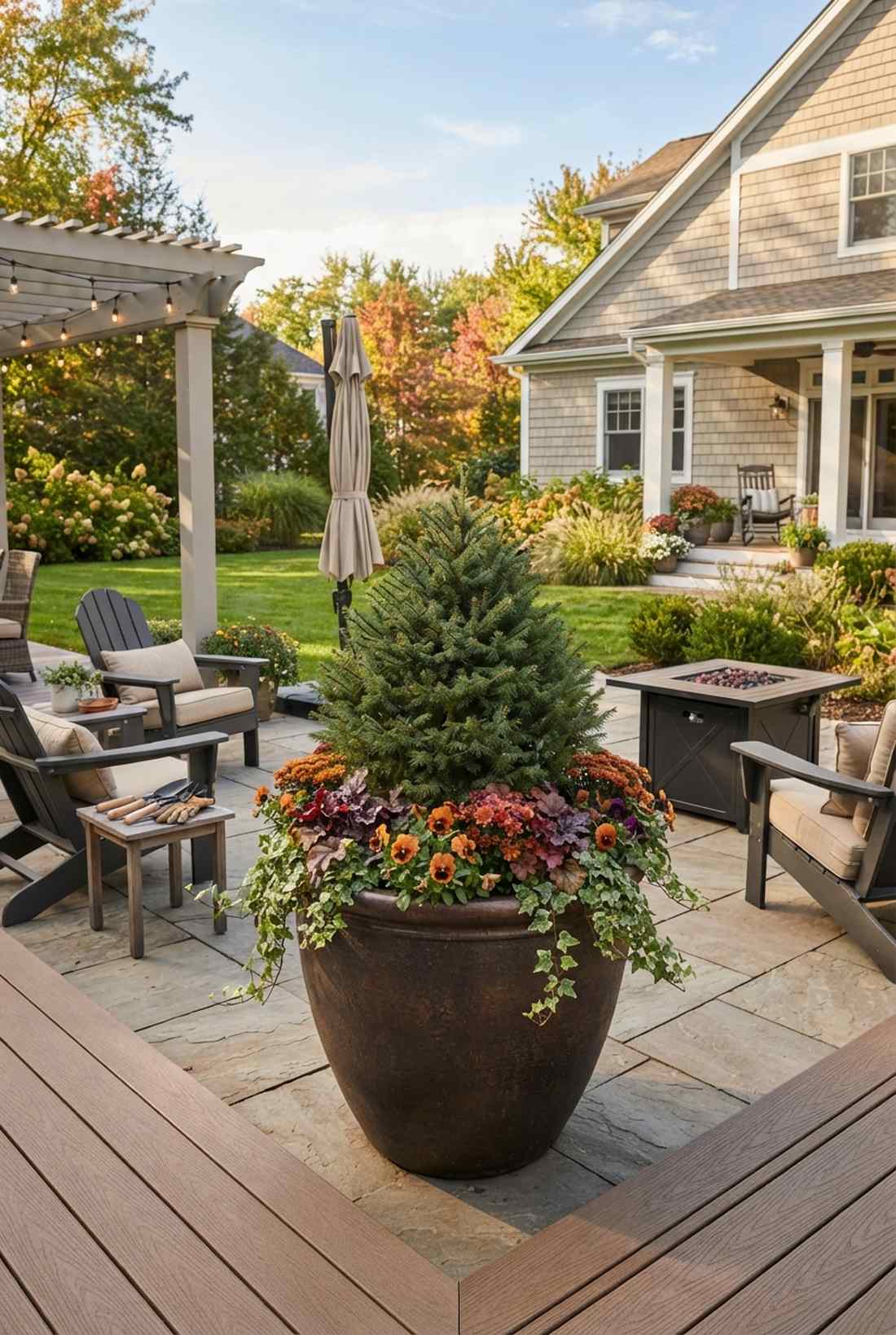
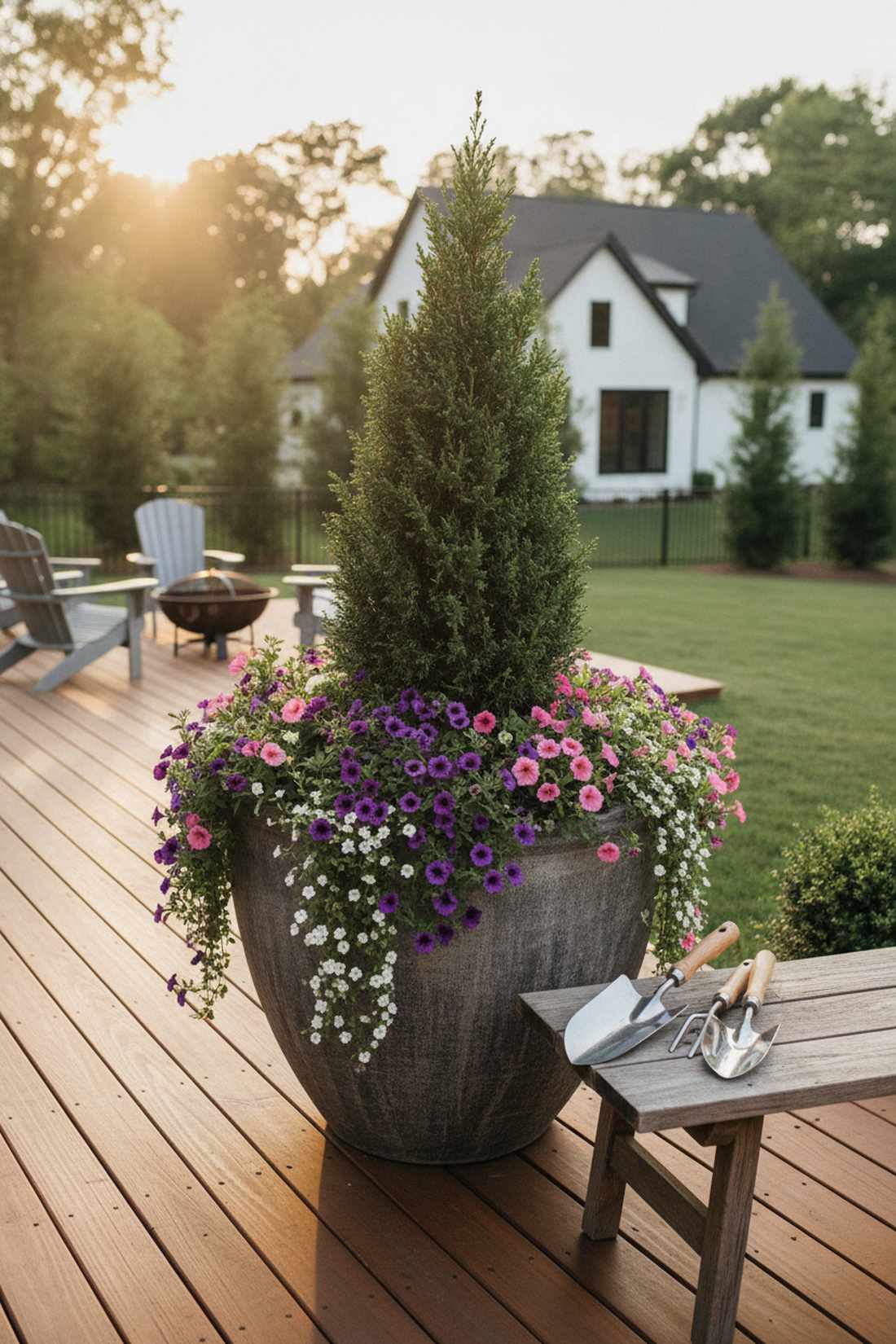
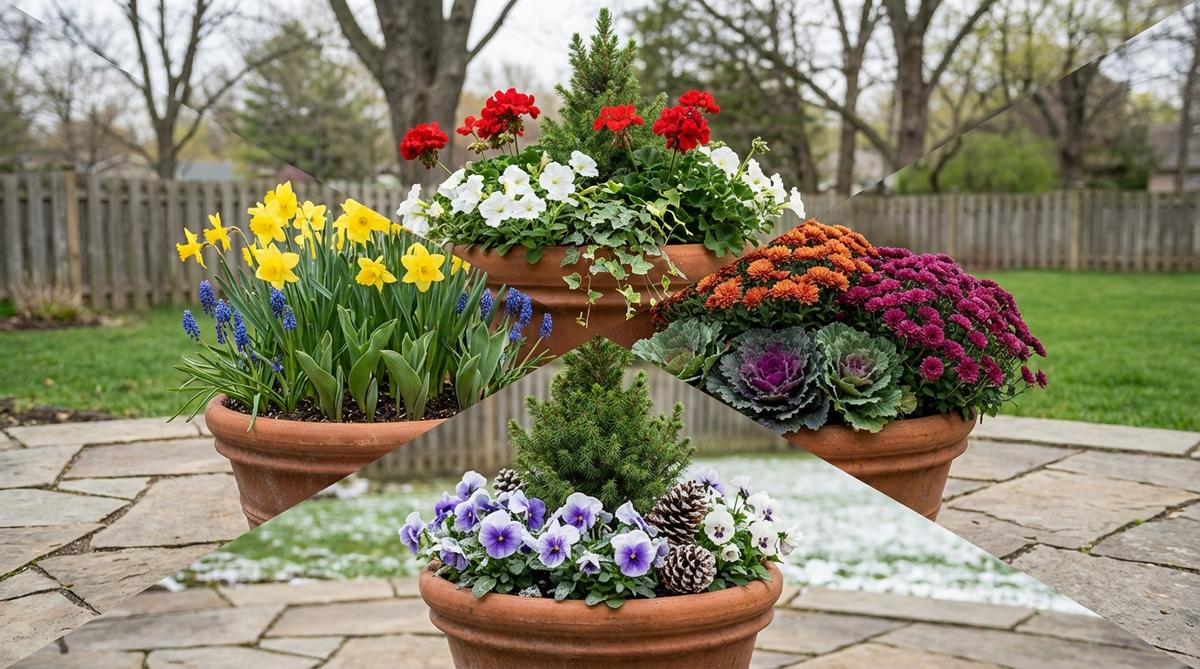
Provides an ever-evolving, seamless visual experience without ever emptying the main pot. This perpetual seasonal backbone design is the absolute holy grail for lazy but stylish gardeners.
Completely ripping out the dirt four times a year is exhausting and expensive. Planting a permanent evergreen in the center and only swapping the cheap edge plants delivers a surprisingly premium look with minimal effort.
Establishing the permanent backbone costs about $50 upfront. Pin this genius time-saving strategy!
- Key Materials: Central evergreen, rotating seasonal annuals
- Vibe / Style: Dynamic professional landscape
- Difficulty: Smart strategic planning
- Budget Breakdown: Evergreen Center: $30 | Edge Swaps: $20
- Creator’s Tip: Keep the center plant slightly elevated so the roots don’t get disturbed when you dig out the edges.
- Smart Sourcing: Source an extra-wide permanent outdoor planter and a heavy-duty garden trowel kit.
51. Holiday-Themed Plant Displays
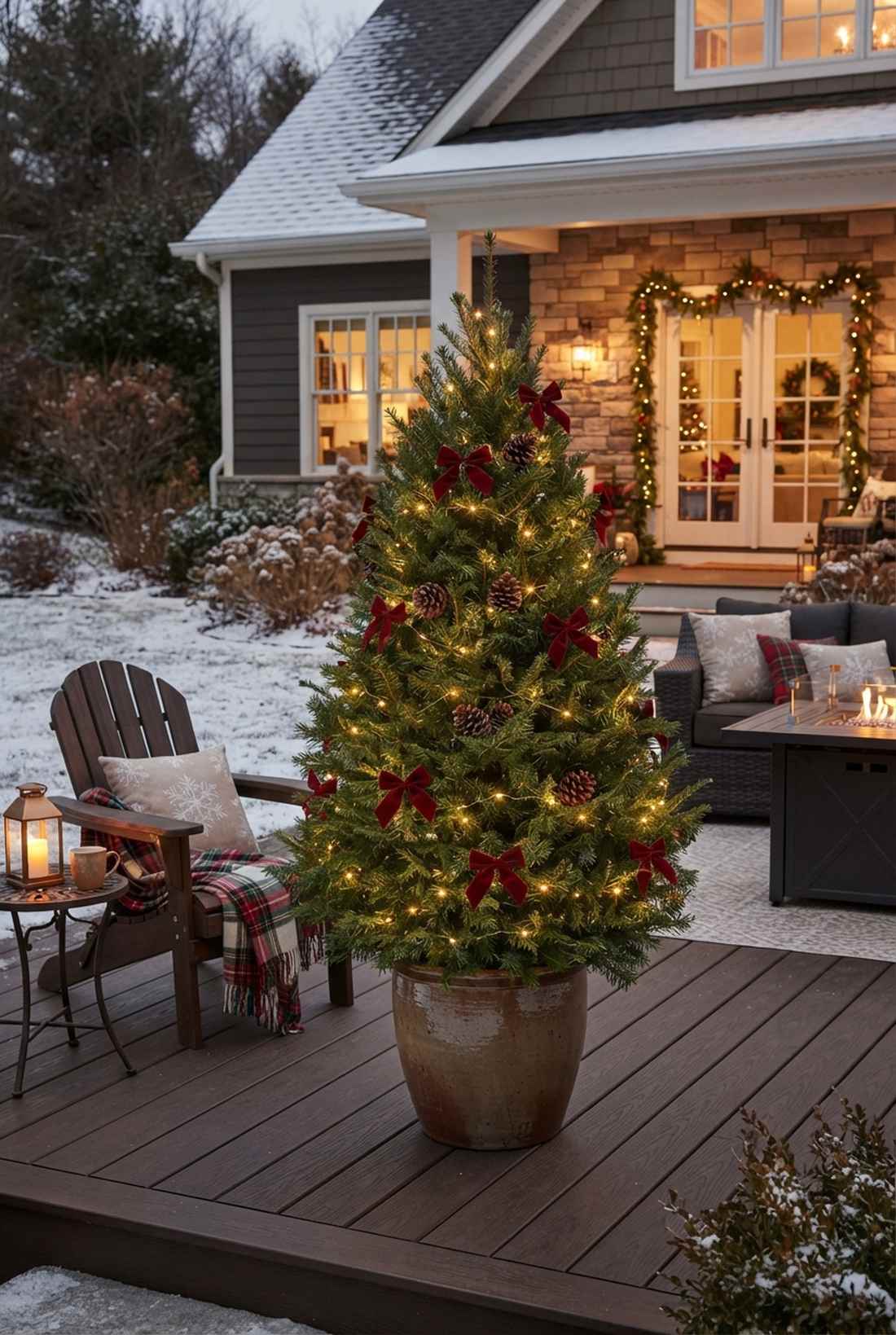
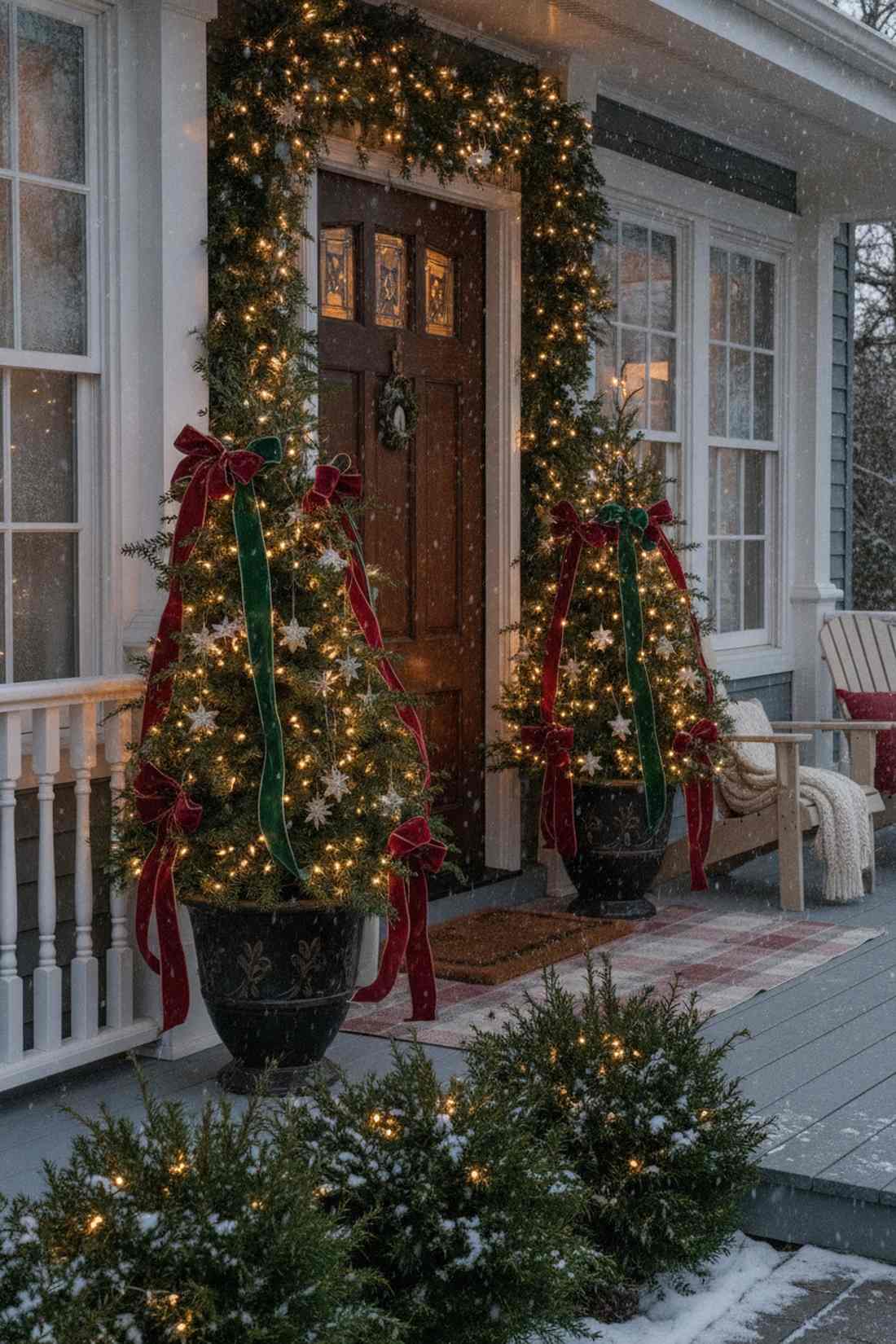
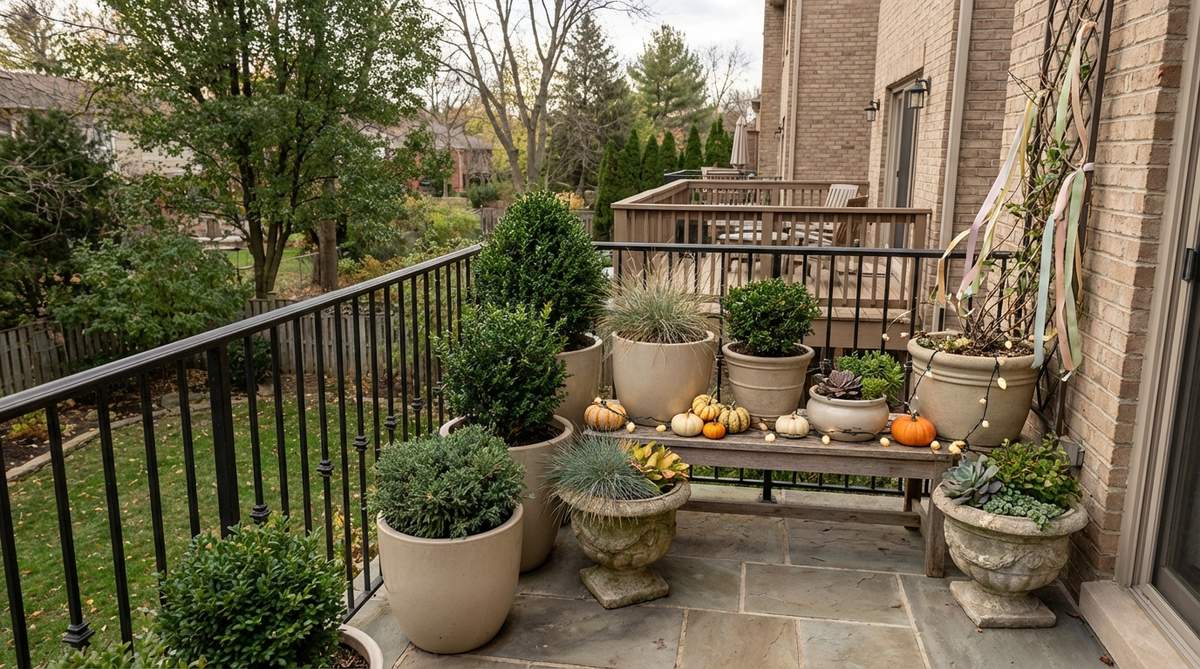
Turns your existing greenery into a festive, magical celebration that elevates the whole neighborhood. This accessory-driven container update is perfect for maximizing holiday cheer in tiny spaces.
Overloading plants with heavy ornaments breaks the branches and looks incredibly tacky. Weaving delicate, battery-operated micro fairy garden kits through the foliage looks far more expensive than it is.
Accessorizing for the holidays costs around $20. Highly recommended for a quick festive boost.
- Key Materials: Existing evergreens, micro lights, ribbons
- Vibe / Style: Magical festive boutique
- Difficulty: Easy decoration
- Budget Breakdown: Lights: $10 | Ribbon/Accents: $10
- Creator’s Tip: Use outdoor-rated battery packs on a timer so your balcony lights up automatically every single dusk.
- Smart Sourcing: Order waterproof outdoor micro fairy lights and weather-resistant velvet ribbon.
52. Bamboo Screen Wall
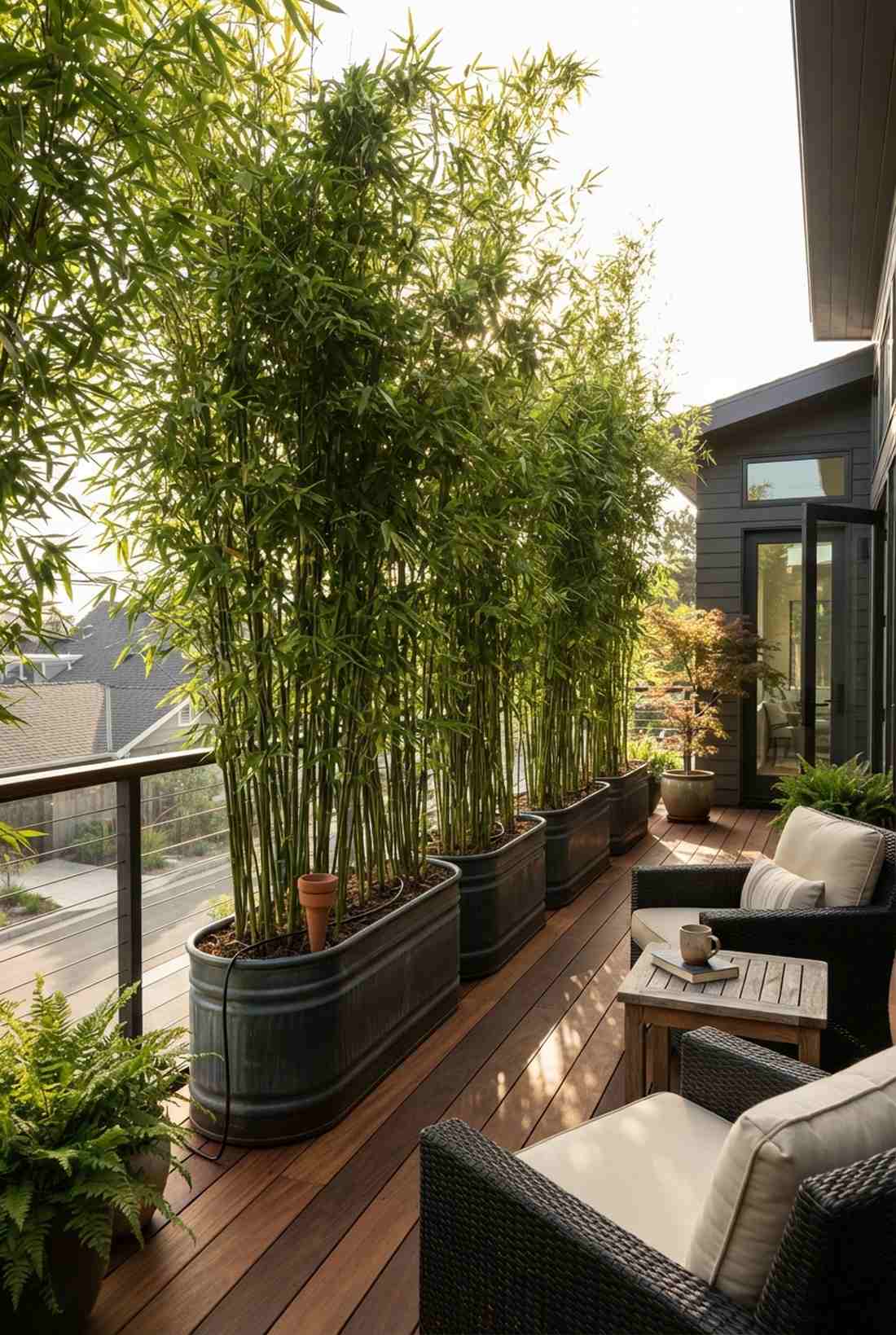
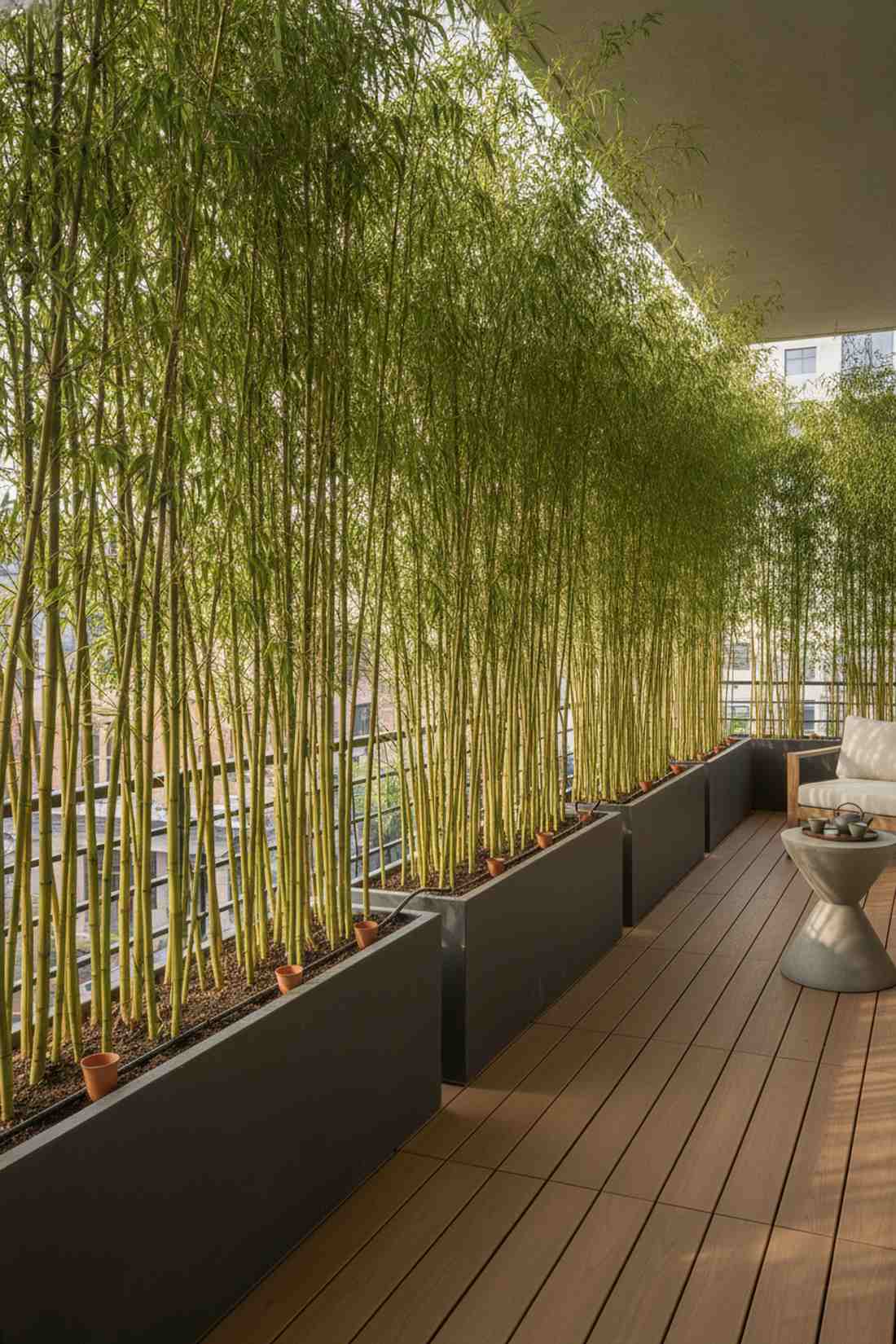
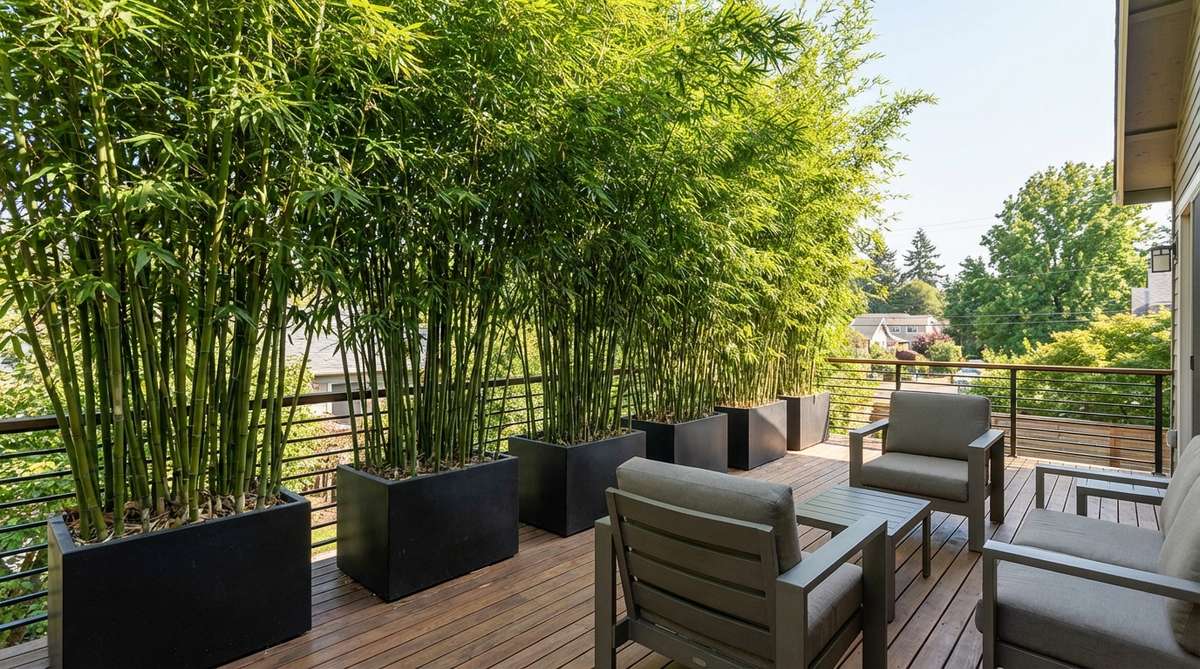
Instantly erects a soaring, lush green wall that completely blocks out the outside world. This tall vertical grass partition is the ultimate modern solution for harsh, exposed balconies.
Planting running bamboo will aggressively destroy your pots and invade the concrete. Selecting specific clumping bamboo varieties gives a designer-level finish that stays neatly contained while offering massive height.
You can establish a dense bamboo wall for about $80. Save this if you need serious privacy fast!
- Key Materials: Clumping bamboo, long trough planters
- Vibe / Style: Sleek Asian-inspired zen
- Difficulty: Requires large containers
- Budget Breakdown: Trough: $40 | Bamboo: $40
- Creator’s Tip: Bamboo drinks water aggressively; install a slow-drip watering spike to keep the leaves from turning yellow.
- Smart Sourcing: Invest in extra-long heavy-duty trough planters and automatic terracotta watering spikes.
53. Climbing Jasmine Trellis Privacy
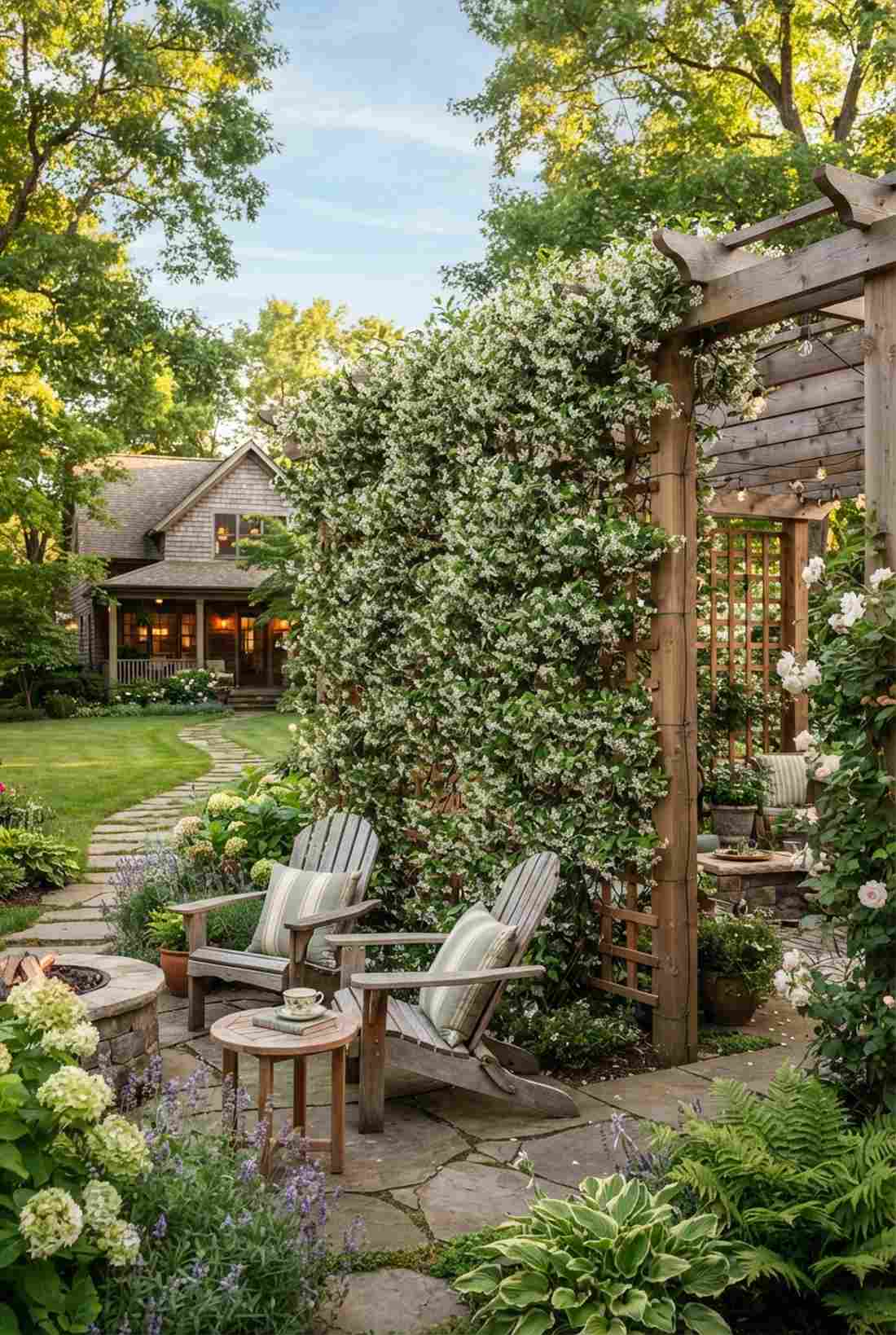
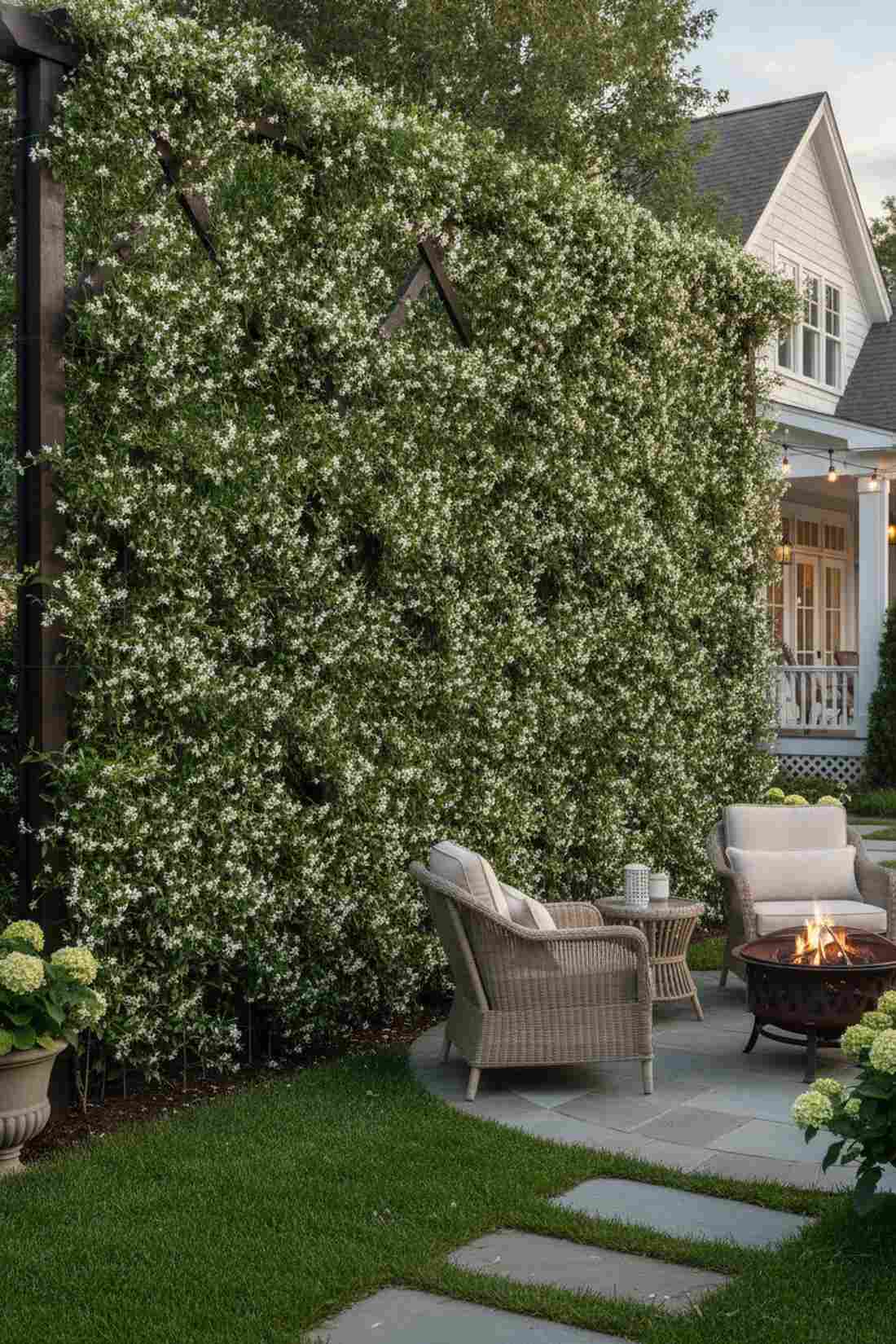
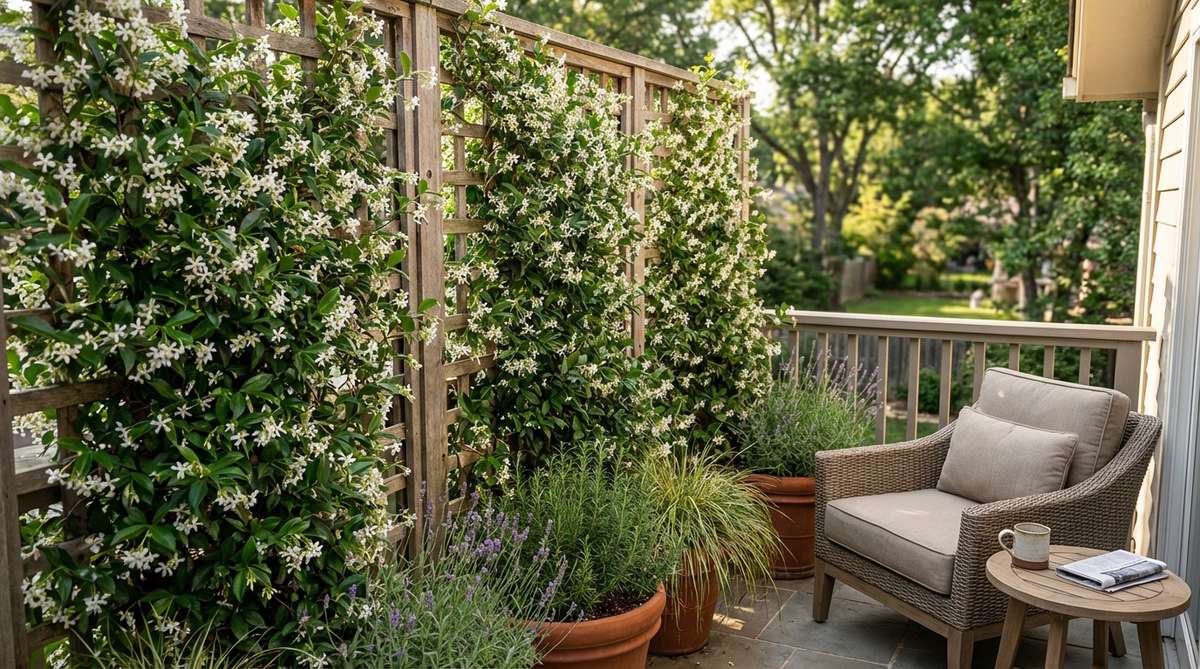
Envelops your seating area in a thick, green shield that smells absolutely intoxicating every evening. This fragrant flowering vine screen creates a truly romantic, secluded atmosphere.
Letting the vines tangle randomly on the floor wastes their massive screening potential. Weaving them meticulously through a tall wooden lattice delivers a surprisingly premium look and maximum visual blockage.
Building a fragrant living wall costs around $60.
- Key Materials: Star jasmine, tall wooden lattice trellis
- Vibe / Style: Romantic secluded garden
- Difficulty: Requires vine training
- Budget Breakdown: Lattice: $35 | Jasmine Vine: $25
- Creator’s Tip: Prune aggressively after the spring bloom to force the screen to grow thicker and denser next year.
- Smart Sourcing: Grab a premium cedar lattice panel and soft-grip plant training wire.
54. Tall Ornamental Grass Partition
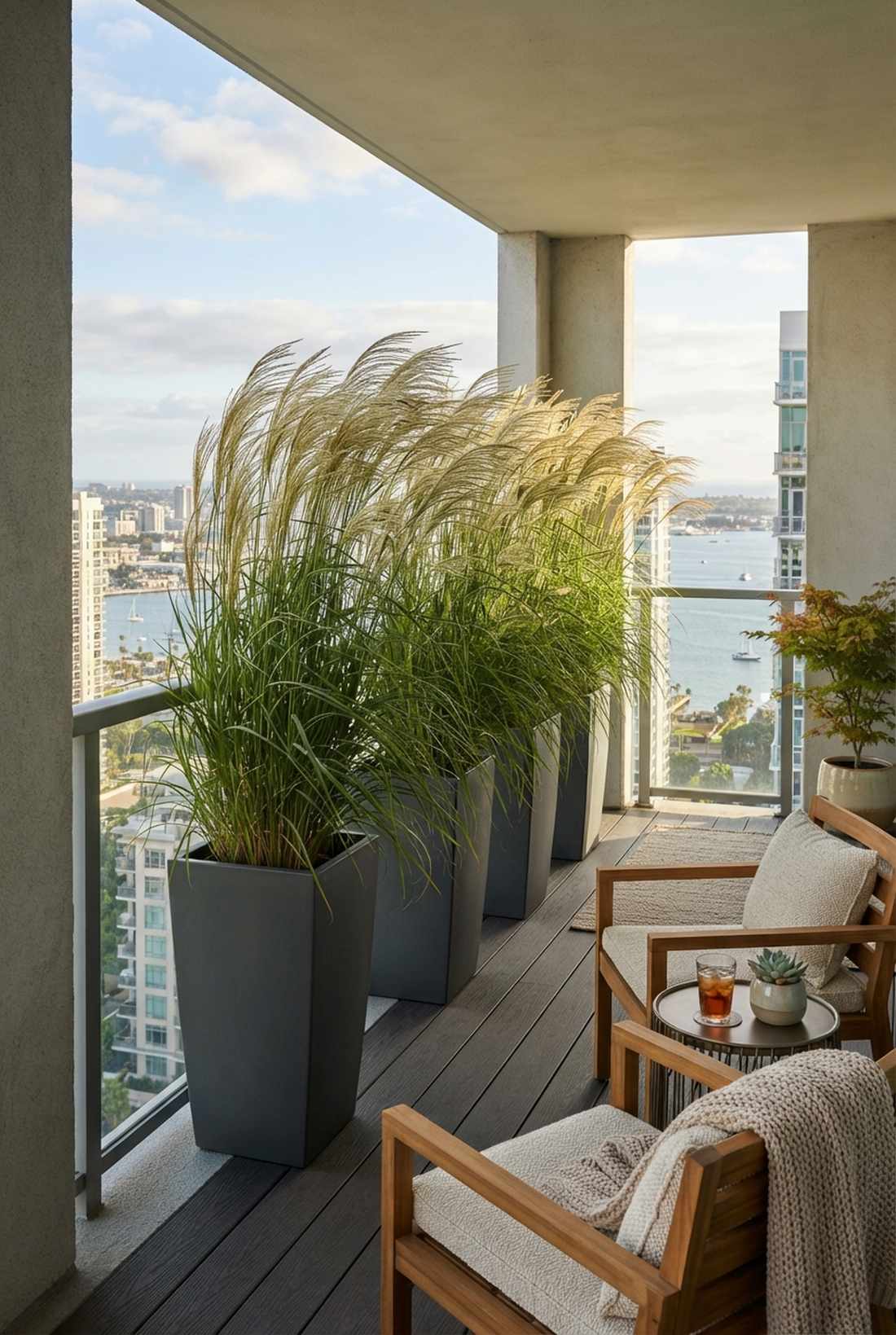
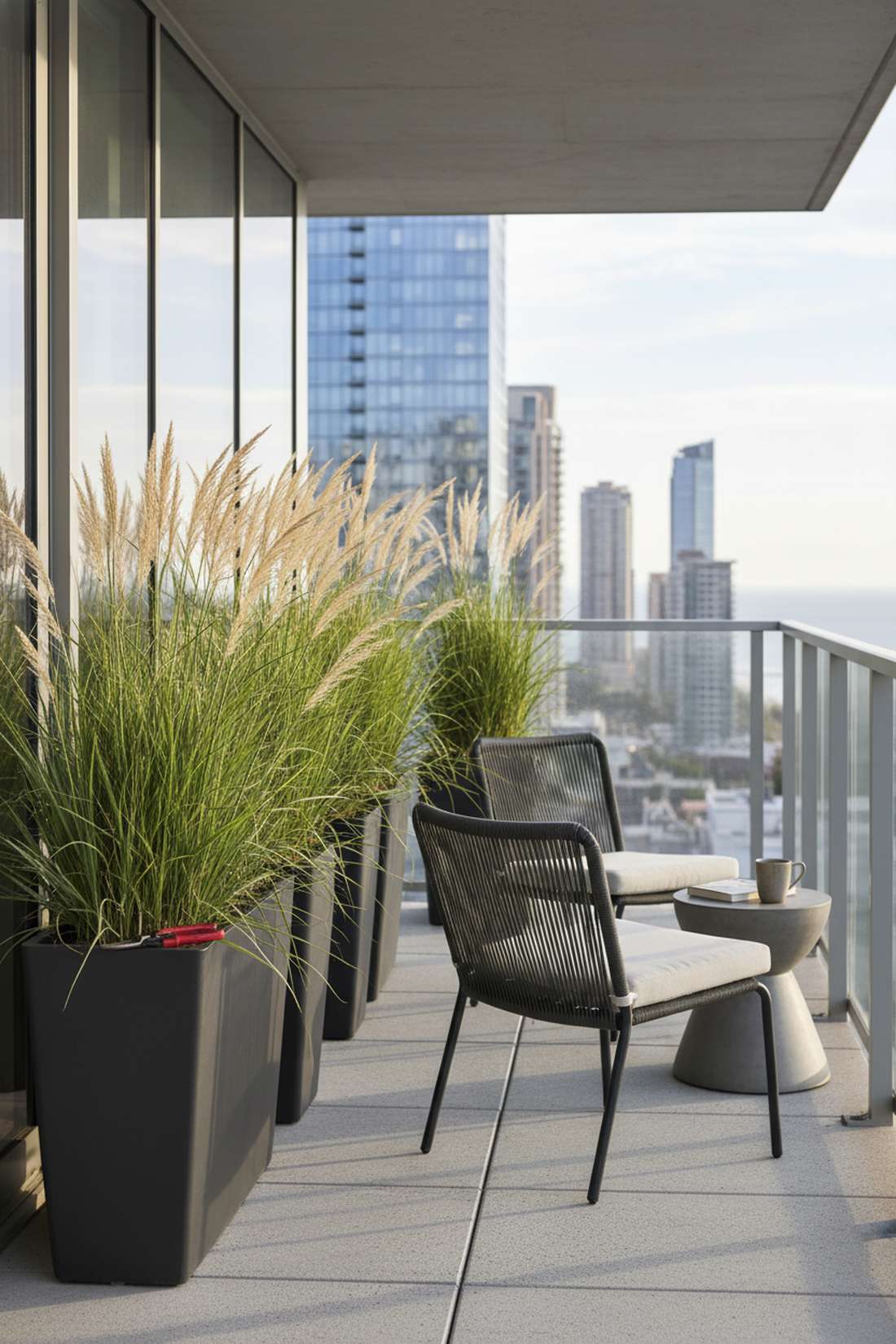
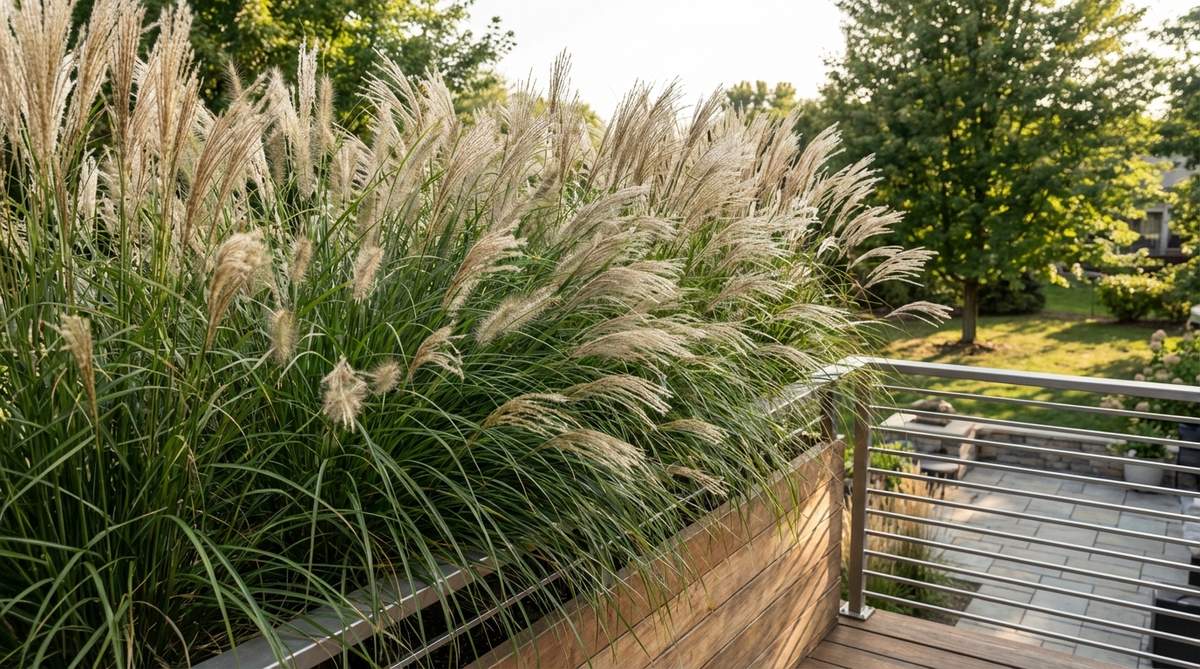
Sways beautifully in the breeze, adding soft, dynamic motion to rigid concrete balconies. This feathery grass privacy barrier softens harsh urban noises while blocking sightlines.
Using short, clumping grasses completely fails to provide any meaningful screening. Opting for tall Maiden grass or Zebra grass looks far more expensive than it is and shoots up past the railing line.
A row of tall ornamental grass costs about $45 to set up. Pin this for a modern architectural look!
- Key Materials: Maiden grass, deep minimalist planters
- Vibe / Style: Dynamic coastal modern
- Difficulty: Needs annual cutting
- Budget Breakdown: Deep pots: $25 | Grass starts: $20
- Creator’s Tip: Tie the grass bundle tightly with twine before cutting it down in late winter for a mess-free cleanup.
- Smart Sourcing: Order sleek tall resin planters and heavy-duty pruning shears.
Most renters give up on styling because they think they can’t change the architecture. Watch this…
55. Mixed Height Layered Privacy
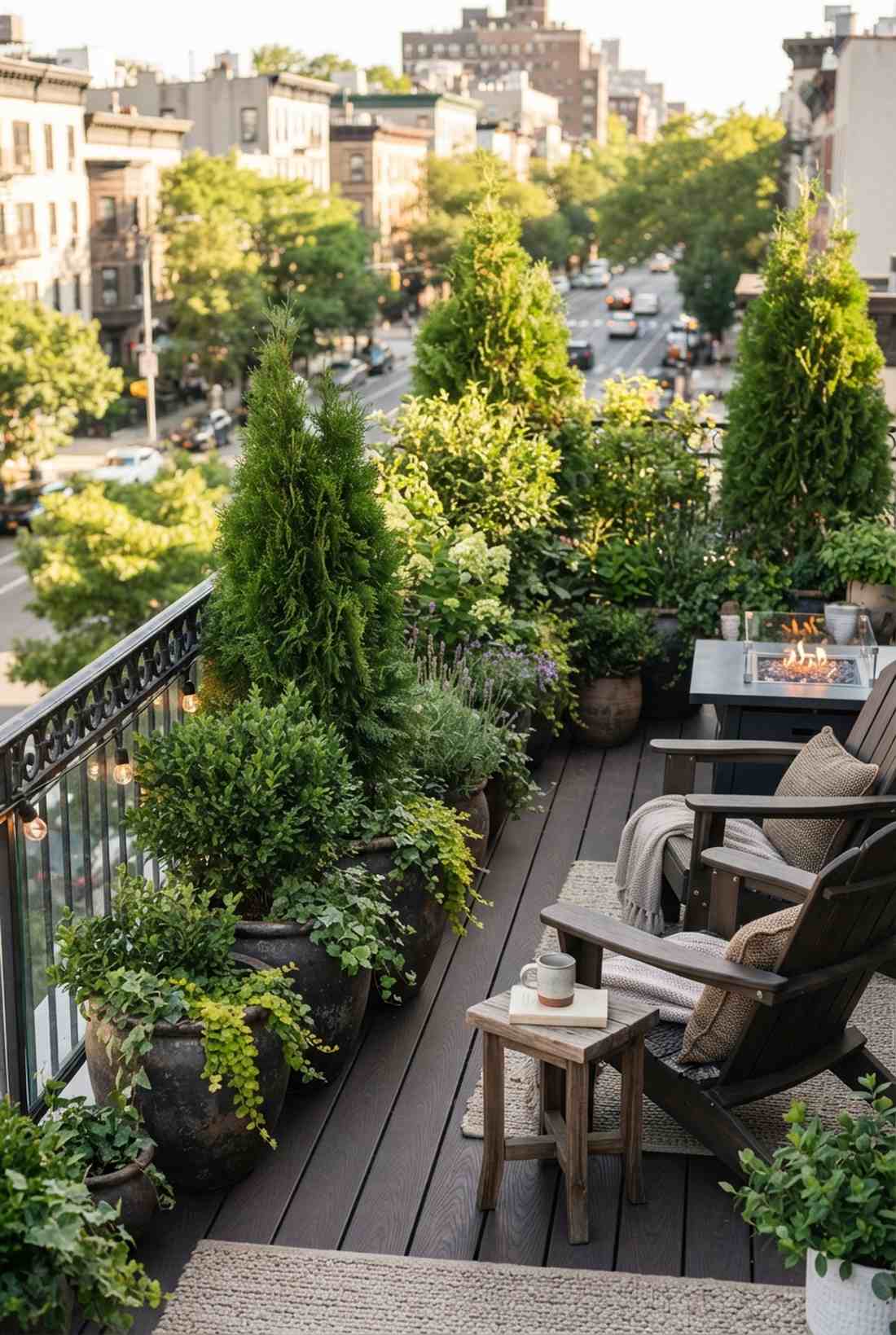
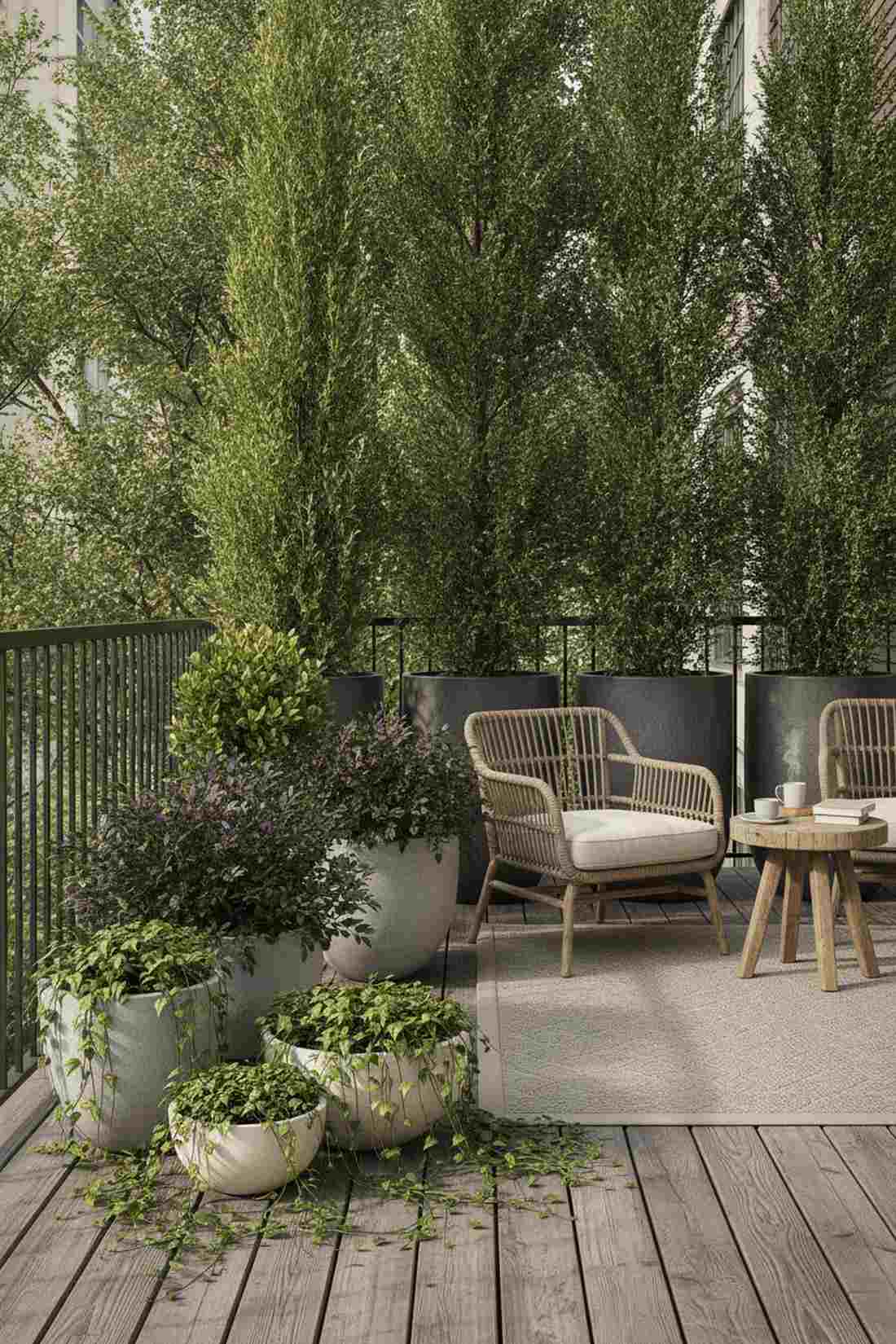
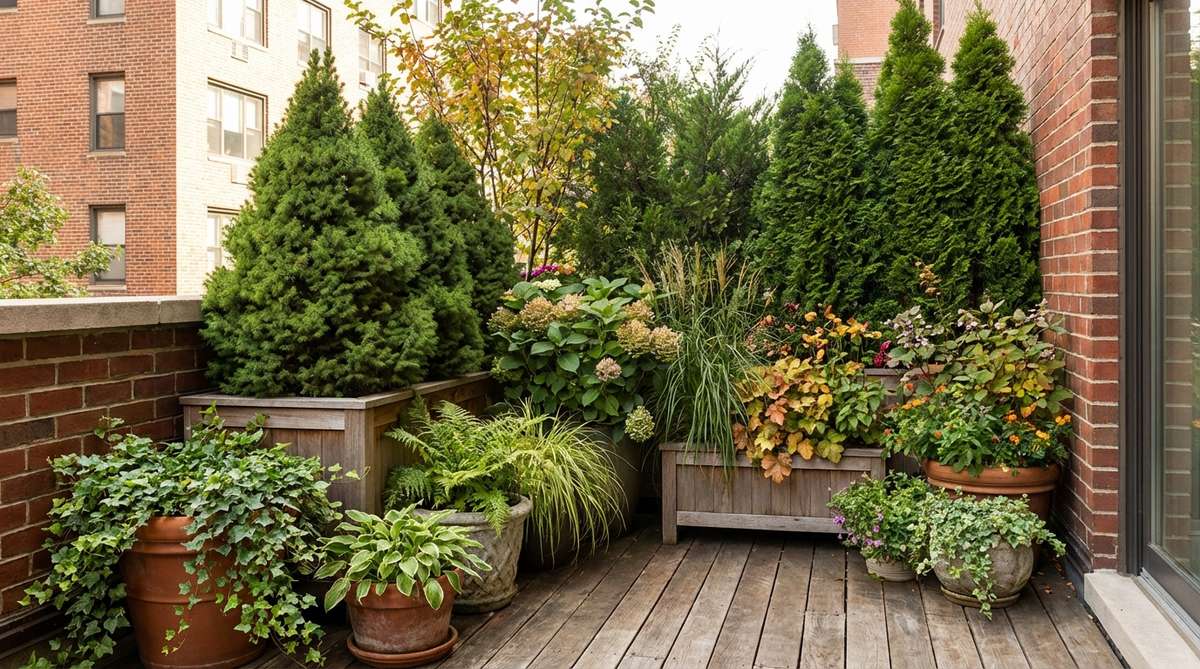
Creates an impenetrable, deeply textured forest illusion that makes your balcony feel twice as deep. This staggered visual depth barrier completely isolates you from the busy street below.
Lining up identical pots in a straight row looks like a cheap, temporary barricade. Staggering tall evergreens behind mid-level shrubs gives a designer-level finish that mimics a natural, expensive landscape design.
Building a multi-layered forest illusion costs roughly $90 to $120.
- Key Materials: Tall evergreens, medium shrubs, trailing foregrounds
- Vibe / Style: Immersive natural woodland
- Difficulty: Requires space planning
- Budget Breakdown: Assorted Pots: $60 | Mixed Plants: $60
- Creator’s Tip: Always place the tallest containers in the back corners to draw the eye outward and maximize perceived space.
- Smart Sourcing: Source a multi-size matching planter set and bulk organic potting mix.
56. Bougainvillea Climbing Canopy
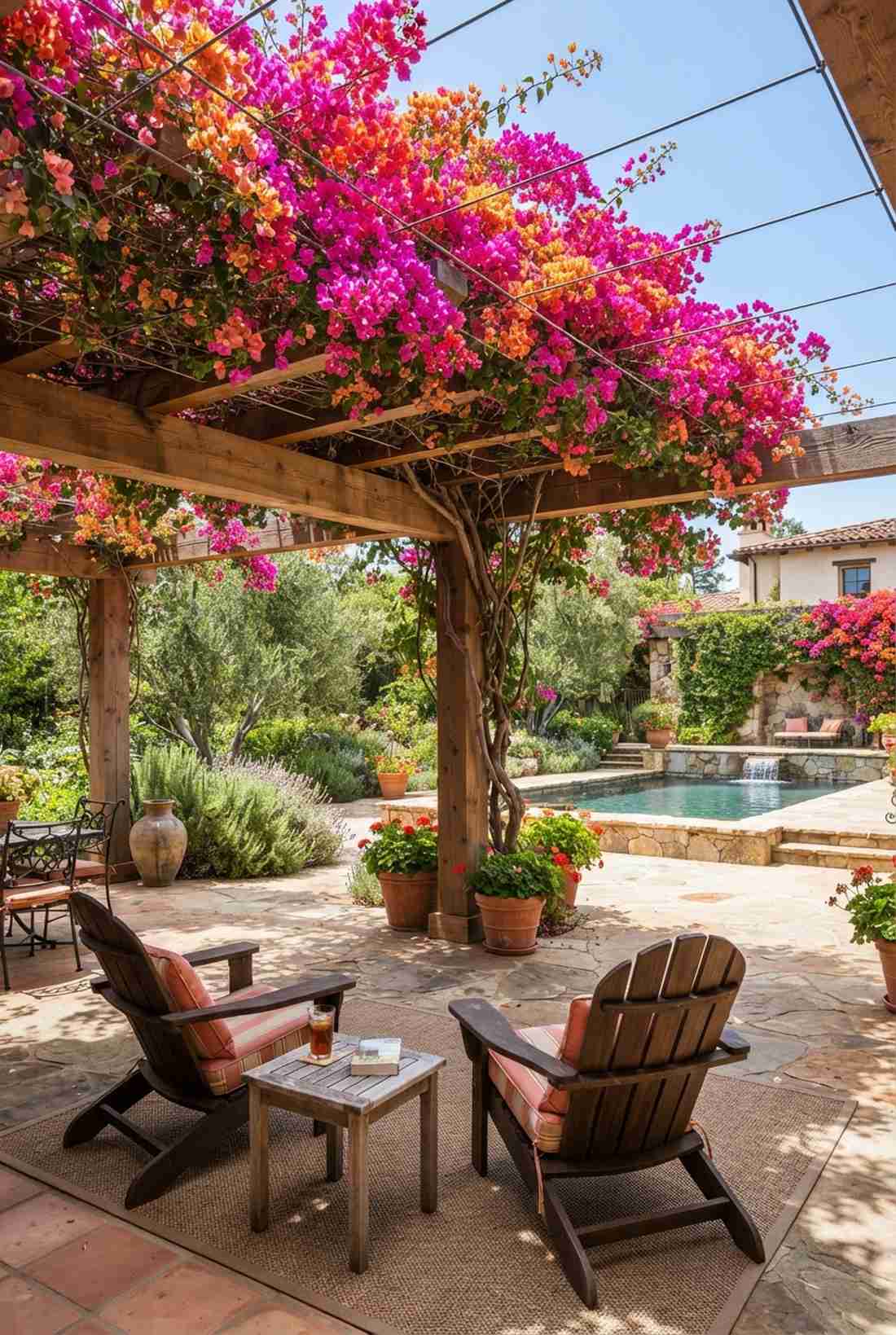
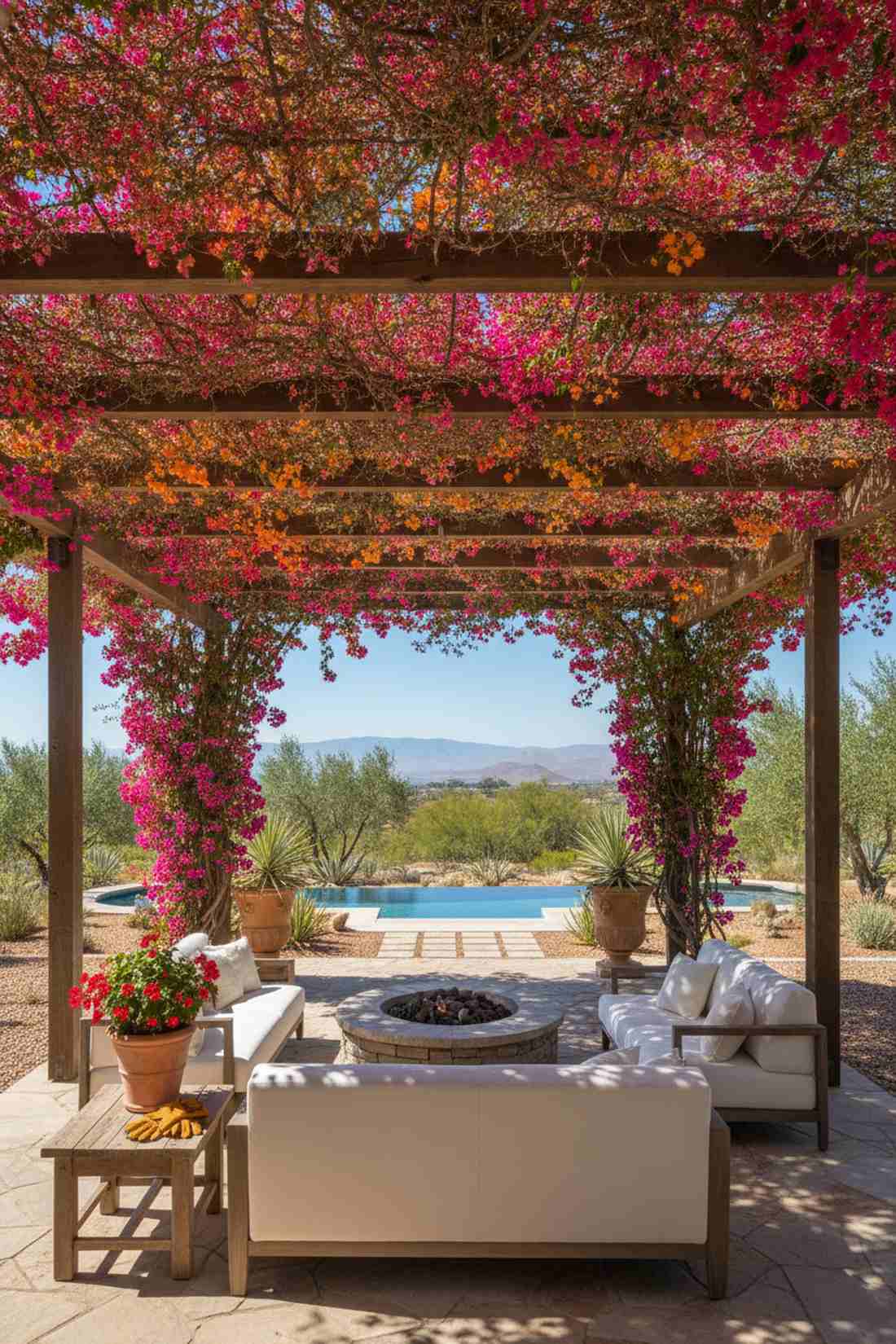
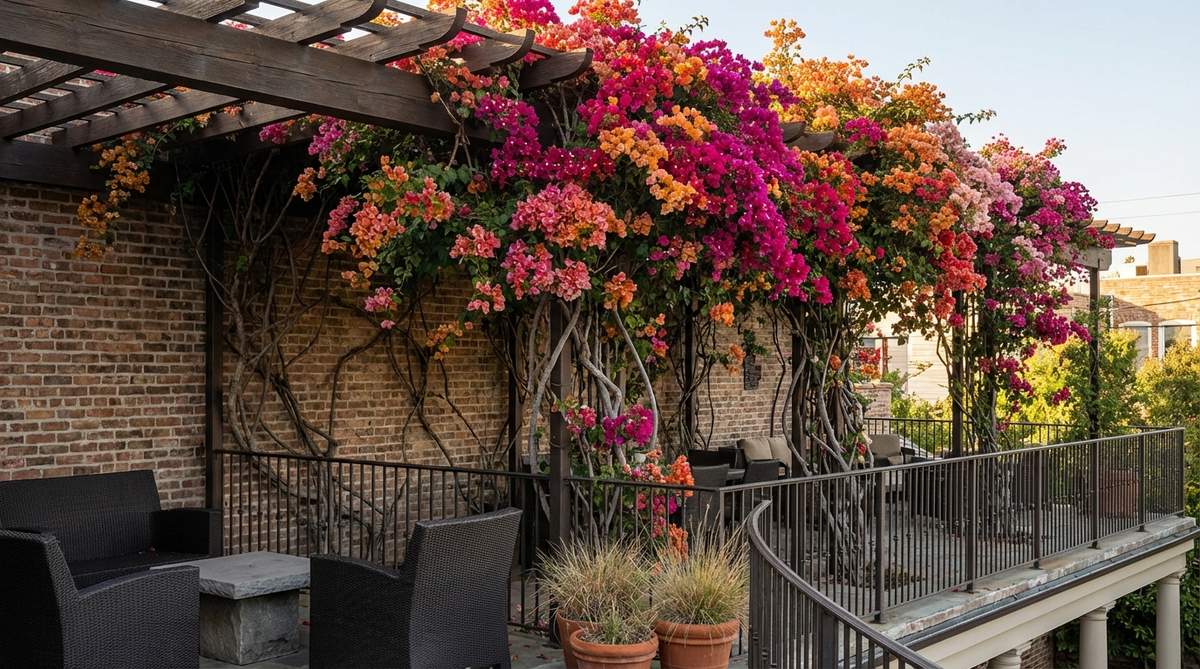
Erupts into an aggressive, neon-colored canopy that thrives in the absolute harshest baking sun. This vibrant flowering vine ceiling turns an overhead pergola into a luxury resort feature.
Overwatering these vines will actually stop them from flowering entirely. Keeping them slightly root-bound and drought-stressed delivers a surprisingly premium look by forcing a massive explosion of colorful bracts.
You can start a vigorous climbing canopy for about $40. Save this for hot, sunny climates!
- Key Materials: Bougainvillea, strong overhead supports
- Vibe / Style: Mediterranean luxury resort
- Difficulty: Needs thorny handling
- Budget Breakdown: Vine: $25 | Support wire: $15
- Creator’s Tip: Never disturb the roots when transplanting; they are incredibly fragile and will go into shock easily.
- Smart Sourcing: Get heavy-duty steel canopy wire and puncture-proof leather gauntlet gloves.
57. Evergreen Shrub Border
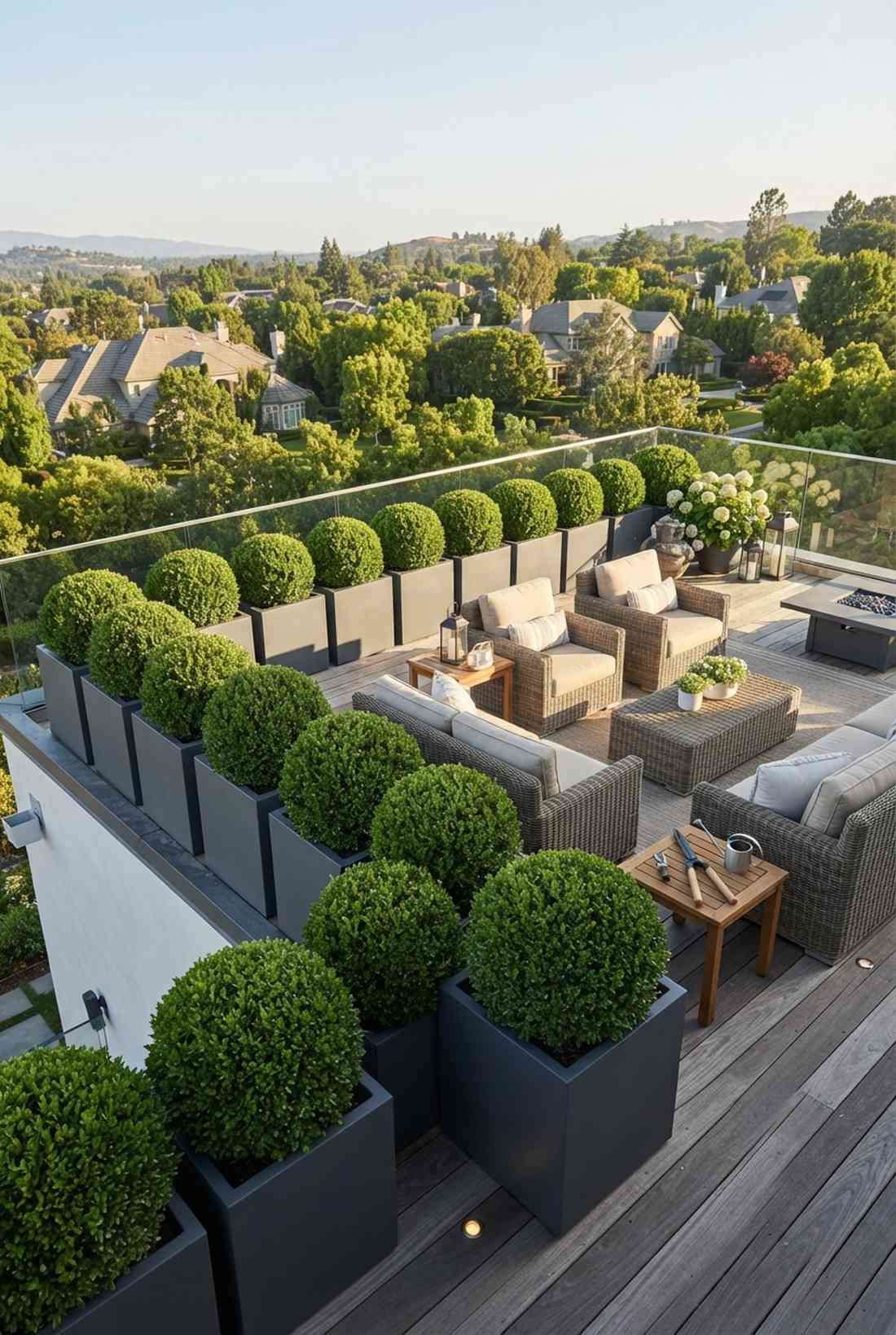
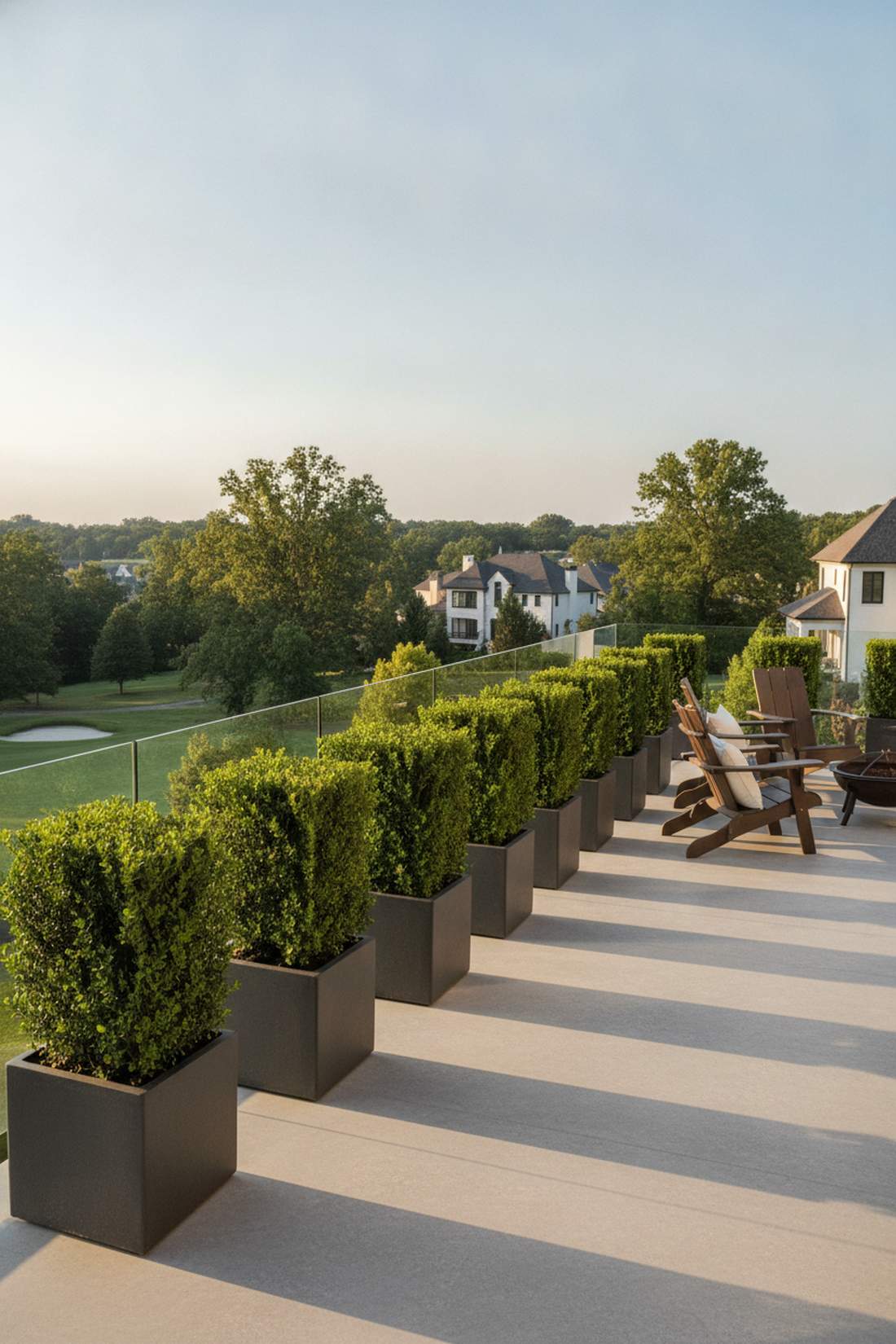
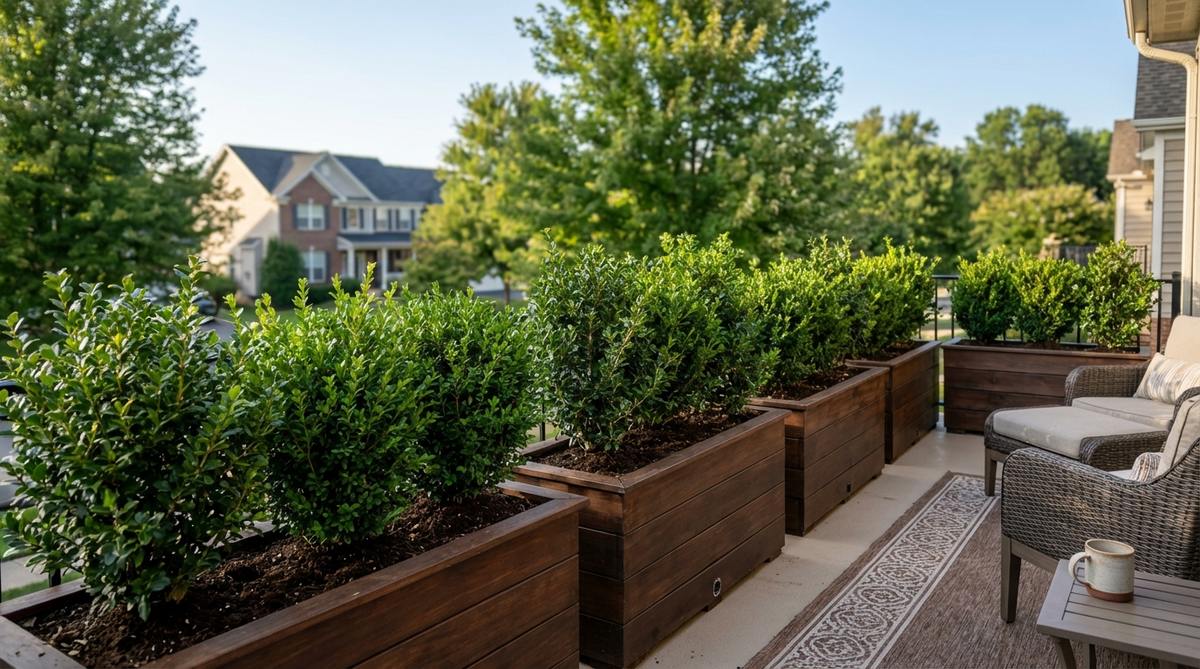
Establishes a crisp, highly manicured perimeter that looks pristine 365 days a year. This formal green boxwood barrier is the absolute gold standard for high-end balcony decor plants.
Letting shrubs grow wild in containers makes the space look completely unkempt. Shearing them into tight, geometric squares or spheres gives a designer-level finish that screams luxury estate.
A row of formal boxwoods costs roughly $80 to establish.
- Key Materials: Boxwood shrubs, square fiberglass planters
- Vibe / Style: High-end manicured estate
- Difficulty: Requires precise trimming
- Budget Breakdown: Square Pots: $40 | Shrubs: $40
- Creator’s Tip: Always trim the top slightly narrower than the base so sunlight can reach the bottom leaves, preventing bare spots.
- Smart Sourcing: Invest in premium sharp topiary shears and UV-resistant square fiberglass planters.
58. Cast Iron Plant Indestructible Display
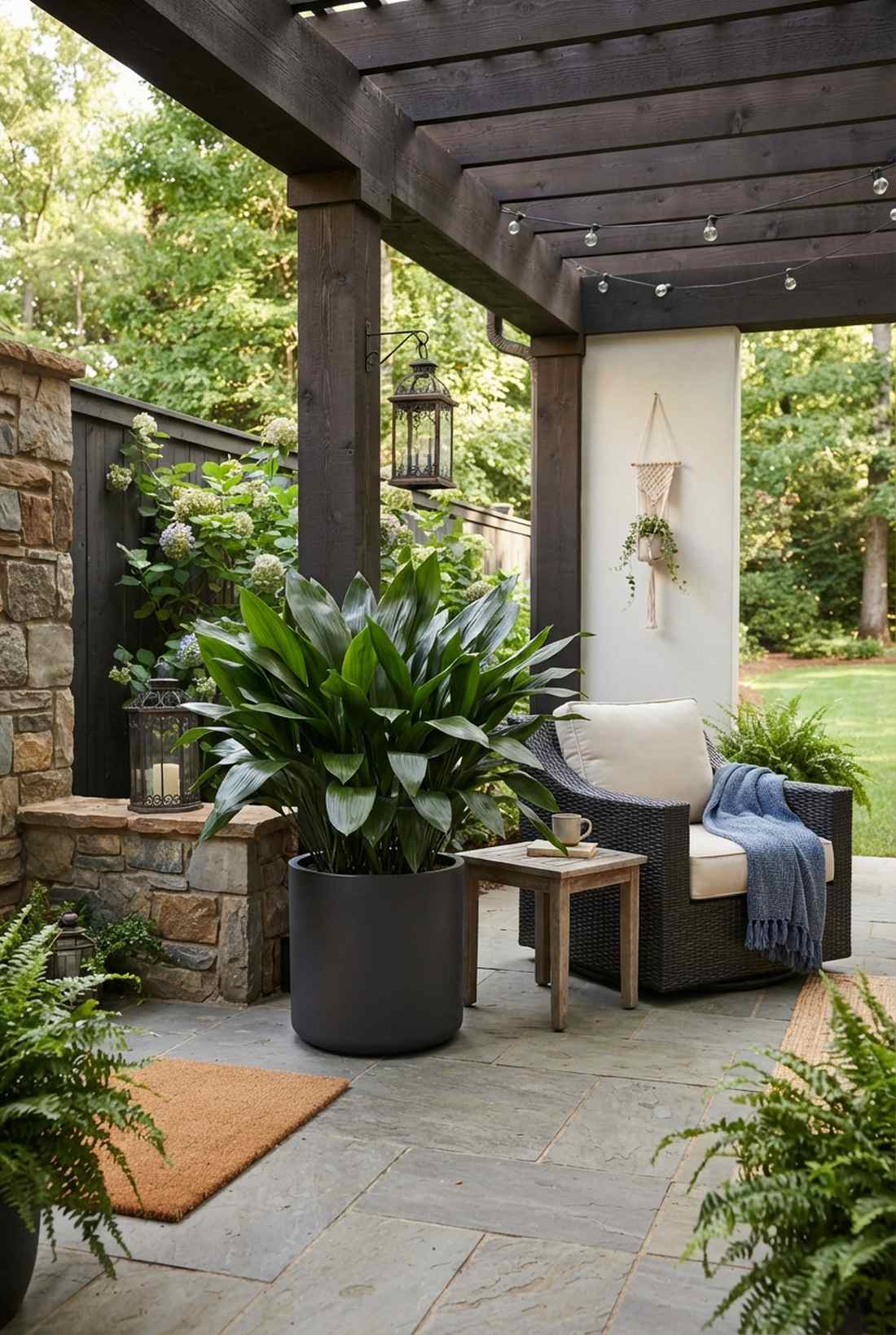
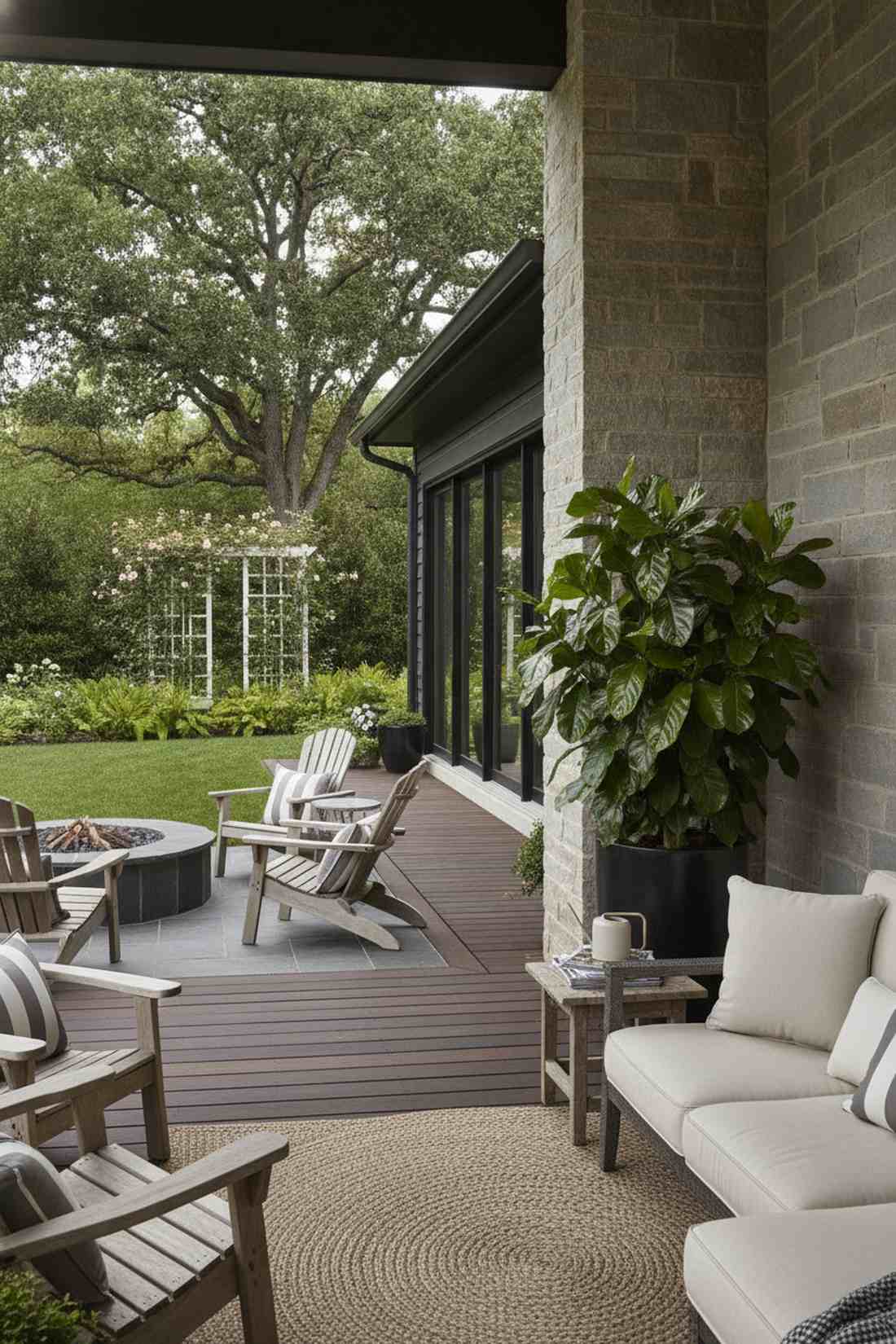
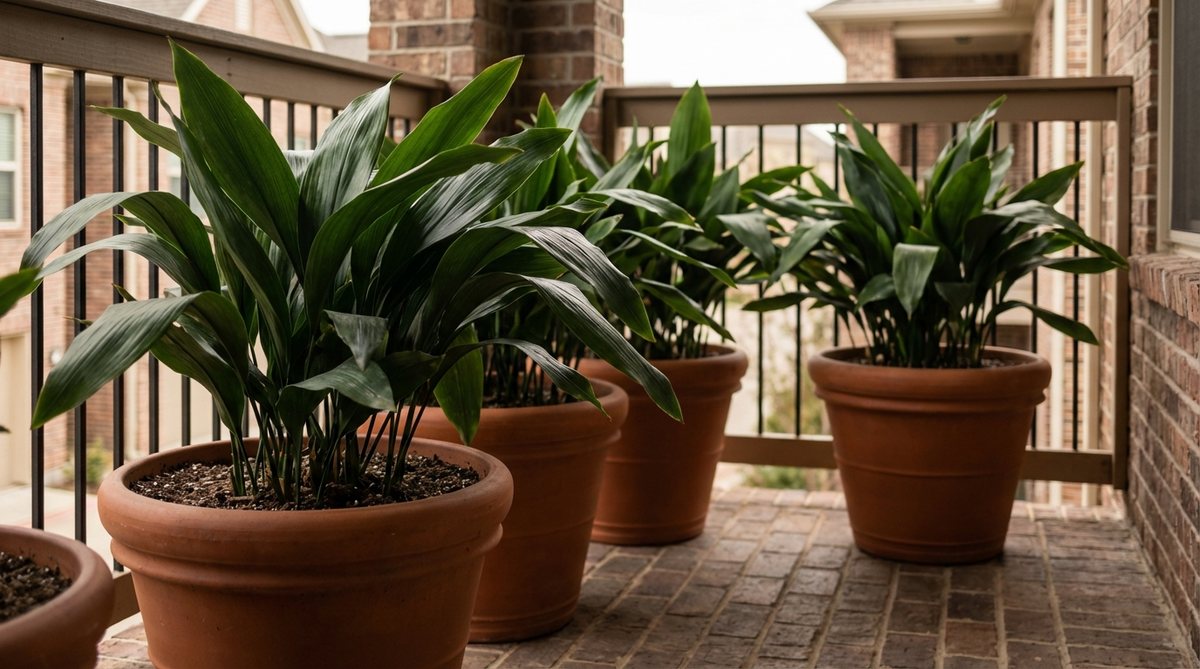
Stands tall, glossy, and impossibly green no matter how badly you treat it. This bulletproof shade foliage arrangement is the ultimate survivalist plant for dark, neglected corners.
Putting these in direct sun will scorch their beautiful deep green leaves instantly. Tucking them into the darkest corners of your patio looks far more expensive than it is and brightens up dead zones.
A large, indestructible starter plant costs about $30. Pin this if you literally kill everything you touch!
- Key Materials: Aspidistra (Cast Iron Plant), modern cylinder pot
- Vibe / Style: Bulletproof modern classic
- Difficulty: Practically zero maintenance
- Budget Breakdown: Pot: $15 | Plant: $15
- Creator’s Tip: Wipe the massive leaves with a damp cloth once a month; dust is the only thing that can dull their premium look.
- Smart Sourcing: Source modern matte cylinder planters and organic leaf shine wipes.
59. Snake Plant Architectural Grouping
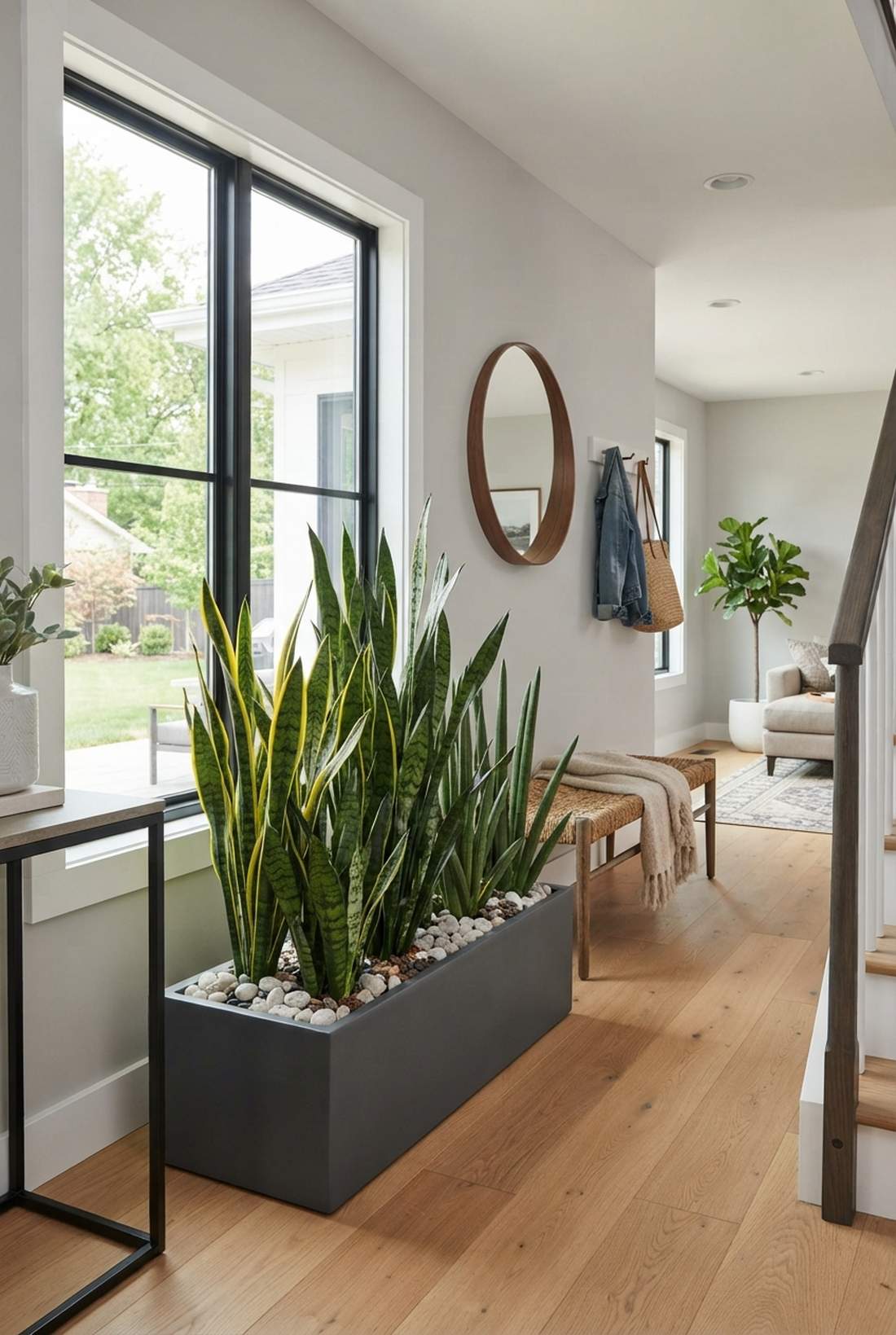
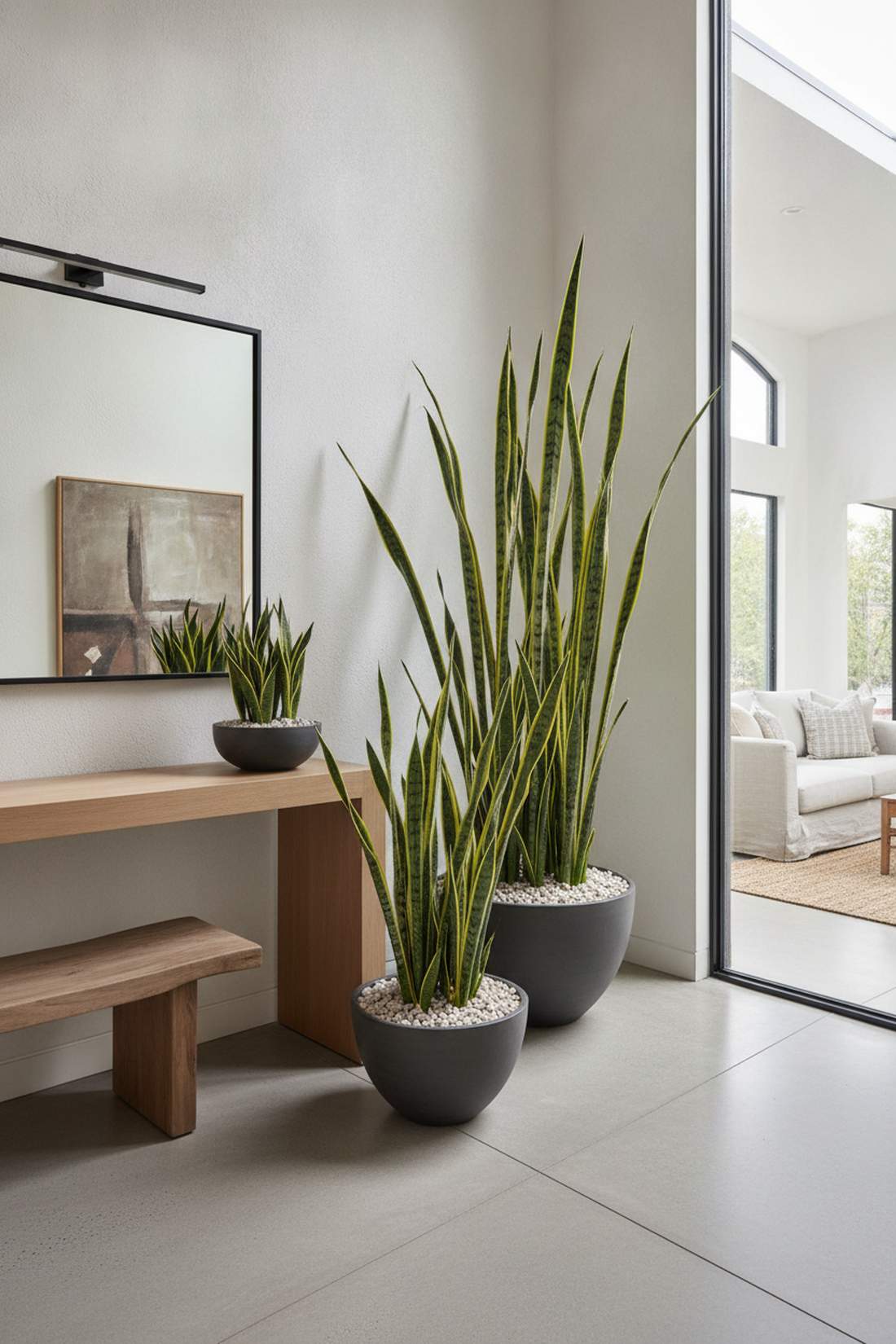
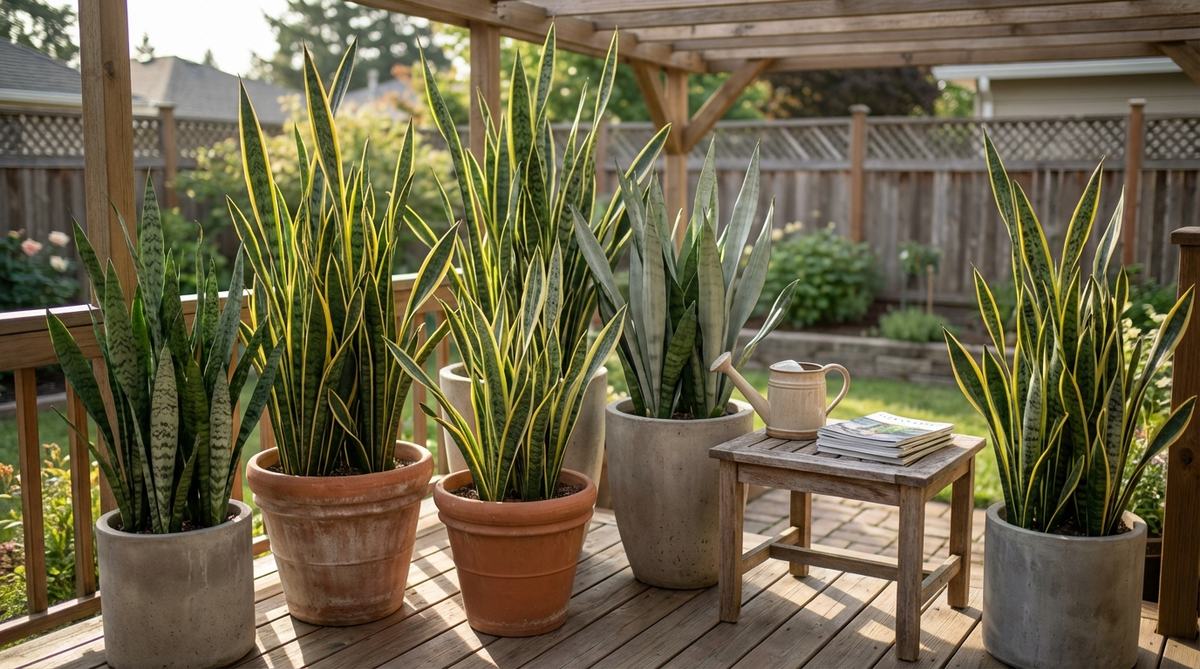
Shoots straight up like living daggers, adding incredible vertical geometry without taking up floor space. This tall structural minimalist arrangement is perfect for tight, modern entryways.
Overwatering a snake plant turns it into a foul-smelling, mushy disaster in days. Packing them tightly into coarse, rocky soil gives a designer-level finish while completely preventing root rot.
Setting up a striking architectural grouping costs roughly $40.
- Key Materials: Sansevieria varieties, shallow modern pots, cactus mix
- Vibe / Style: Edgy vertical minimalism
- Difficulty: Thrives on severe neglect
- Budget Breakdown: Plants: $25 | Pot/Soil: $15
- Creator’s Tip: Mix different varieties (yellow-edged and pure green) in the same pot to create massive visual contrast.
- Smart Sourcing: Order a snake plant variety starter pack and fast-draining succulent soil.
If you have zero floor space left, this next trick turns your ceiling into a jungle…
60. Pothos and Philodendron Trailing Collection
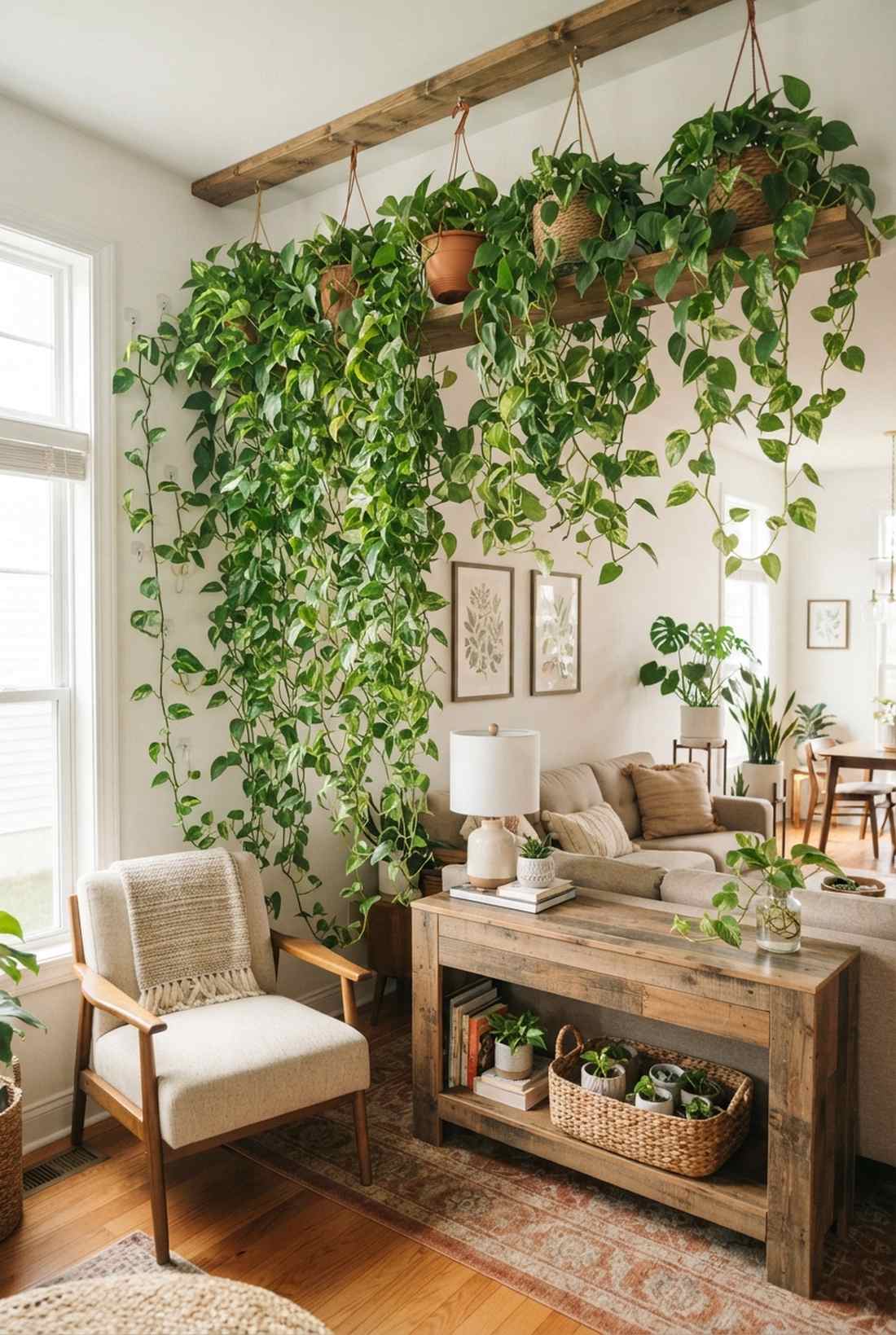
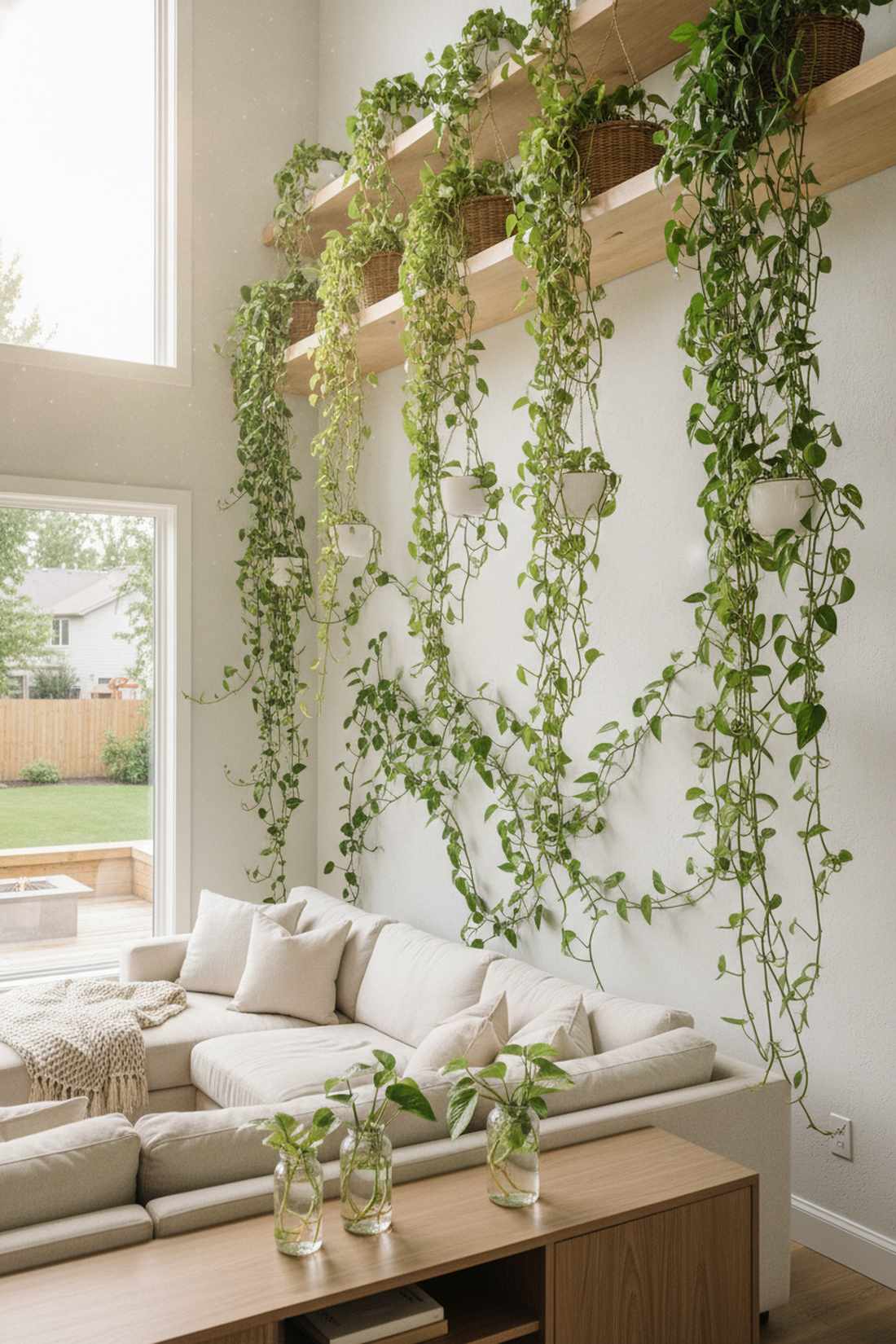
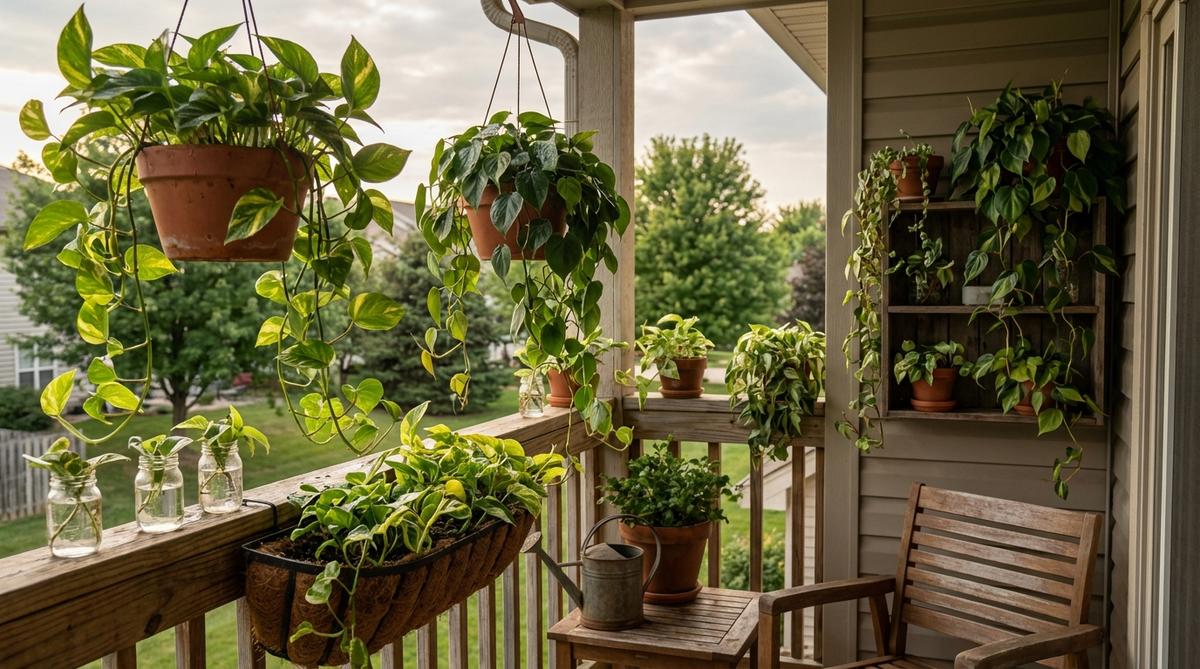
Drapes elegantly from high shelves, creating a lush, cascading curtain of unstoppable growth. This forgiving trailing vine setup is the easiest way to soften harsh upper architecture.
Leaving the vines to drag on the dirty floor makes the arrangement look sloppy. Trimming the ends frequently and propagating them in water delivers a surprisingly premium look and endless free plants.
You can start a massive trailing collection for just $25. Save this brilliant budget hack!
- Key Materials: Golden pothos, heart-leaf philodendron, high shelving
- Vibe / Style: Cascading urban jungle
- Difficulty: Very forgiving
- Budget Breakdown: Starter Plants: $15 | Hanging Pots: $10
- Creator’s Tip: Pin the vines across your wall using clear command hooks to create a completely custom living wallpaper.
- Smart Sourcing: Grab self-watering hanging baskets and clear wall plant climbing clips.
61. Spider Plant Hanging Basket
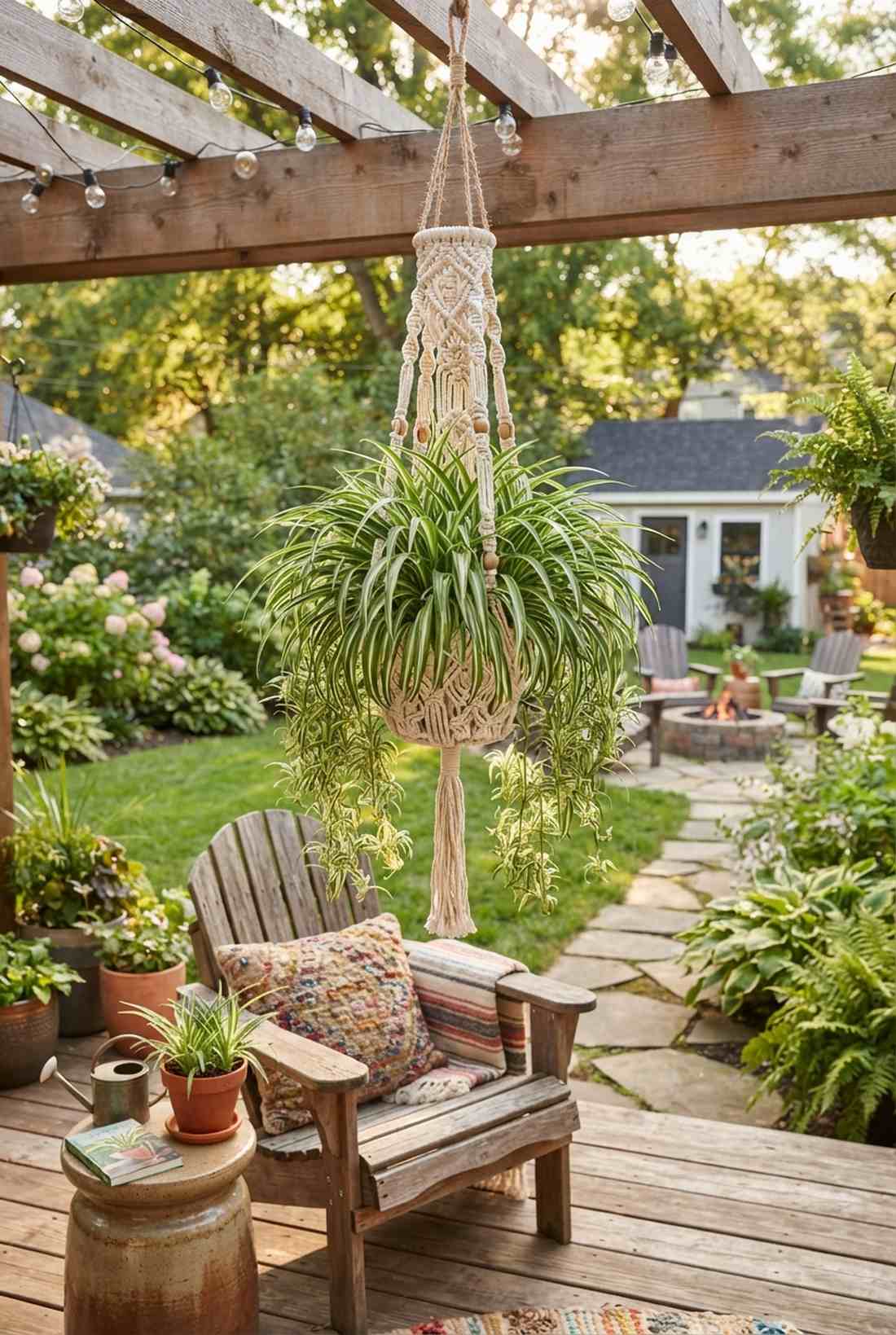
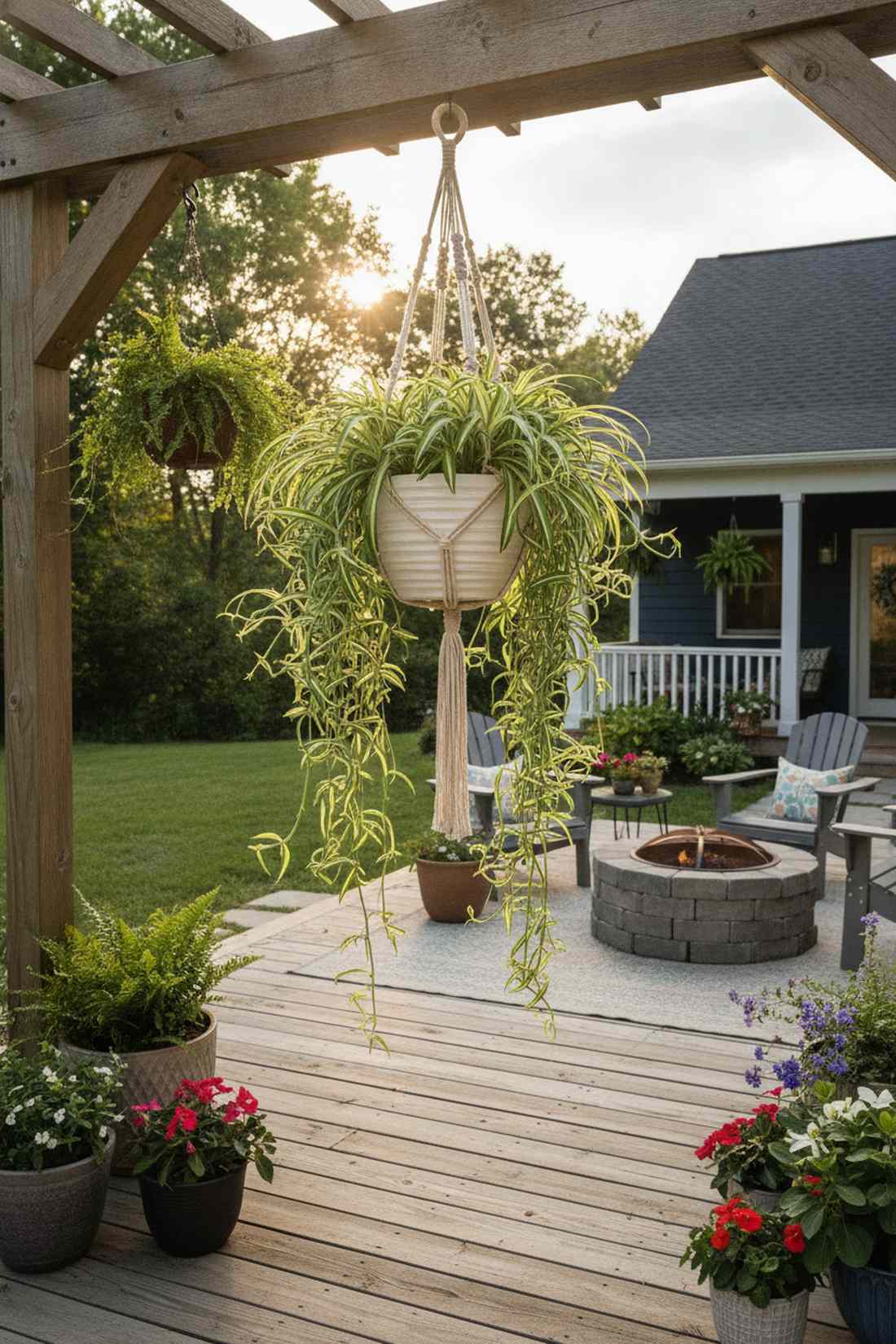
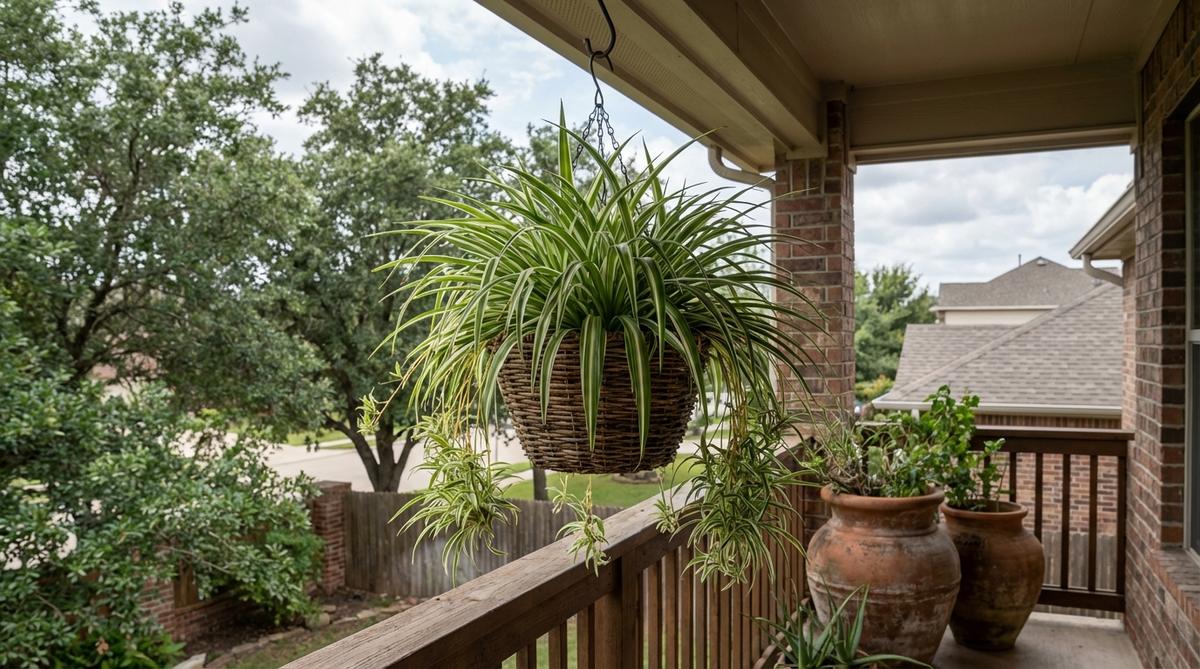
Explodes with arching foliage and dozens of tiny dangling baby plants that sway in the breeze. This retro hanging canopy display purifies the air while creating incredible visual movement.
Letting the soil dry into a solid brick causes the leaf tips to burn and turn ugly brown. Upgrading to a specialized water-wicking basket looks far more expensive than it is and keeps the tips perfectly green.
A full, mature hanging basket setup costs about $30.
- Key Materials: Spider plant, macrame hanger, wicking pot
- Vibe / Style: Boho-chic retro garden
- Difficulty: Easy and highly reproductive
- Budget Breakdown: Macrame Hanger: $15 | Plant & Pot: $15
- Creator’s Tip: Snip off the dangling baby “spiders” and stick them directly into moist soil to instantly double your plant collection.
- Smart Sourcing: Invest in premium cotton macrame hangers and water-wicking indoor/outdoor pots.
62. ZZ Plant Minimal Care Specimen
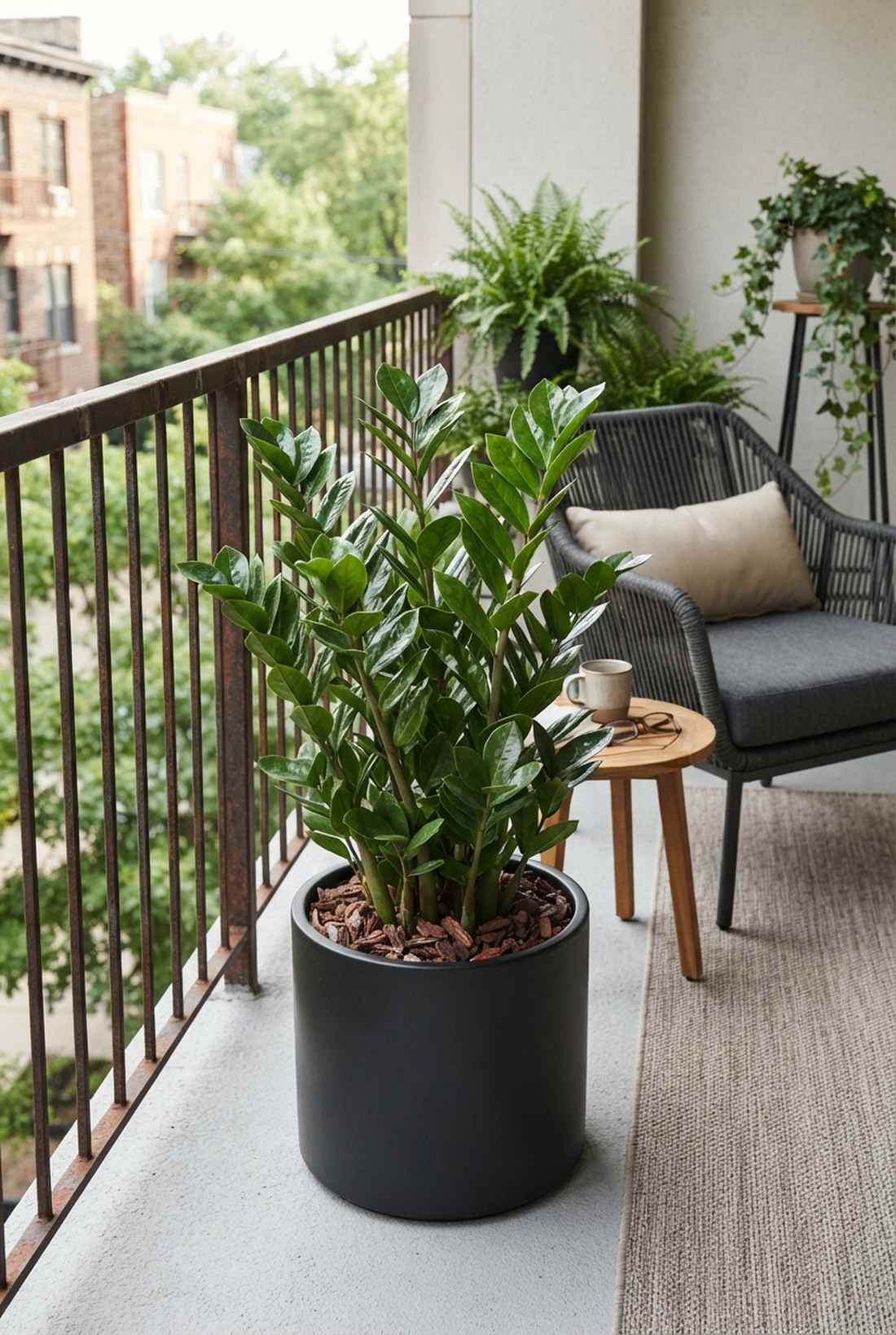
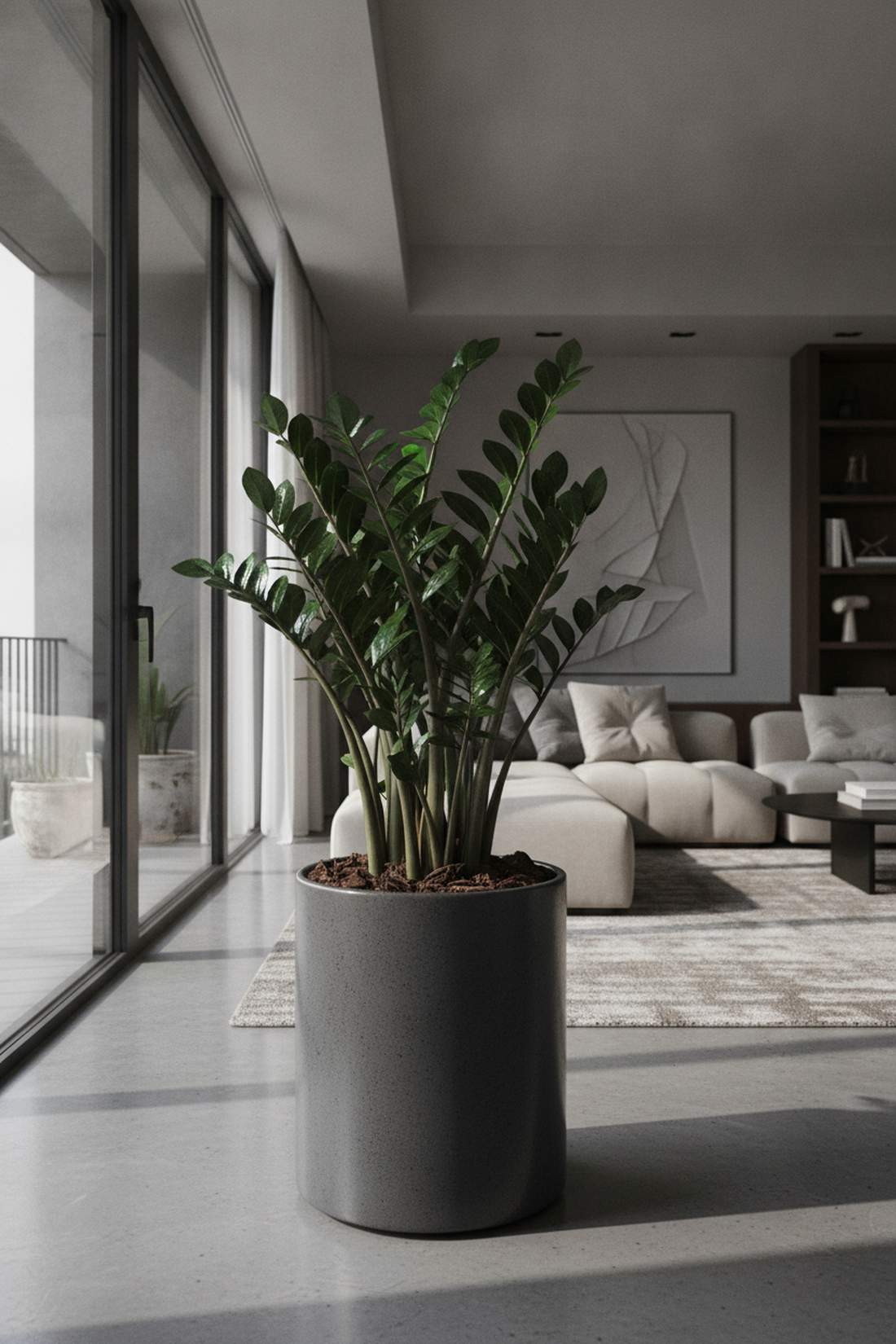
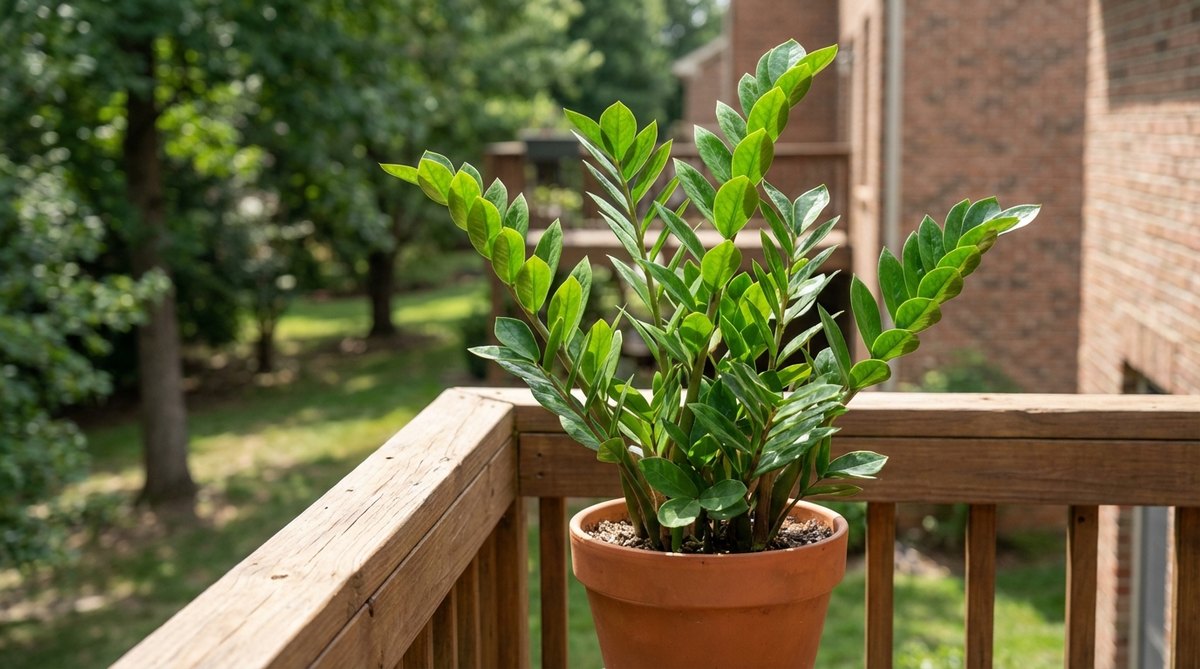
Reflects light off its incredibly waxy, dark green leaves, looking almost like a high-end artificial plant. This ultra-low maintenance architectural specimen is the holy grail for dark, forgotten balconies.
Repotting this plant into a massive container will actually cause it to stop growing entirely. Keeping it slightly root-bound in a sleek, tight cylinder gives a designer-level finish and forces new shoots upward.
Adding this bulletproof specimen to your layout costs roughly $35. Pin this if you want maximum impact with zero effort!
- Key Materials: ZZ plant, tight-fitting modern pot
- Vibe / Style: High-end corporate lobby
- Difficulty: Requires almost no water
- Budget Breakdown: ZZ Plant: $20 | Modern Pot: $15
- Creator’s Tip: Ignore it. Literally. Water it once every 4 to 6 weeks; too much love is the only way to kill it.
- Smart Sourcing: Source a heavy ceramic cylinder planter and chunky orchid bark mix.
63. Sedum and Sempervivum Bowl
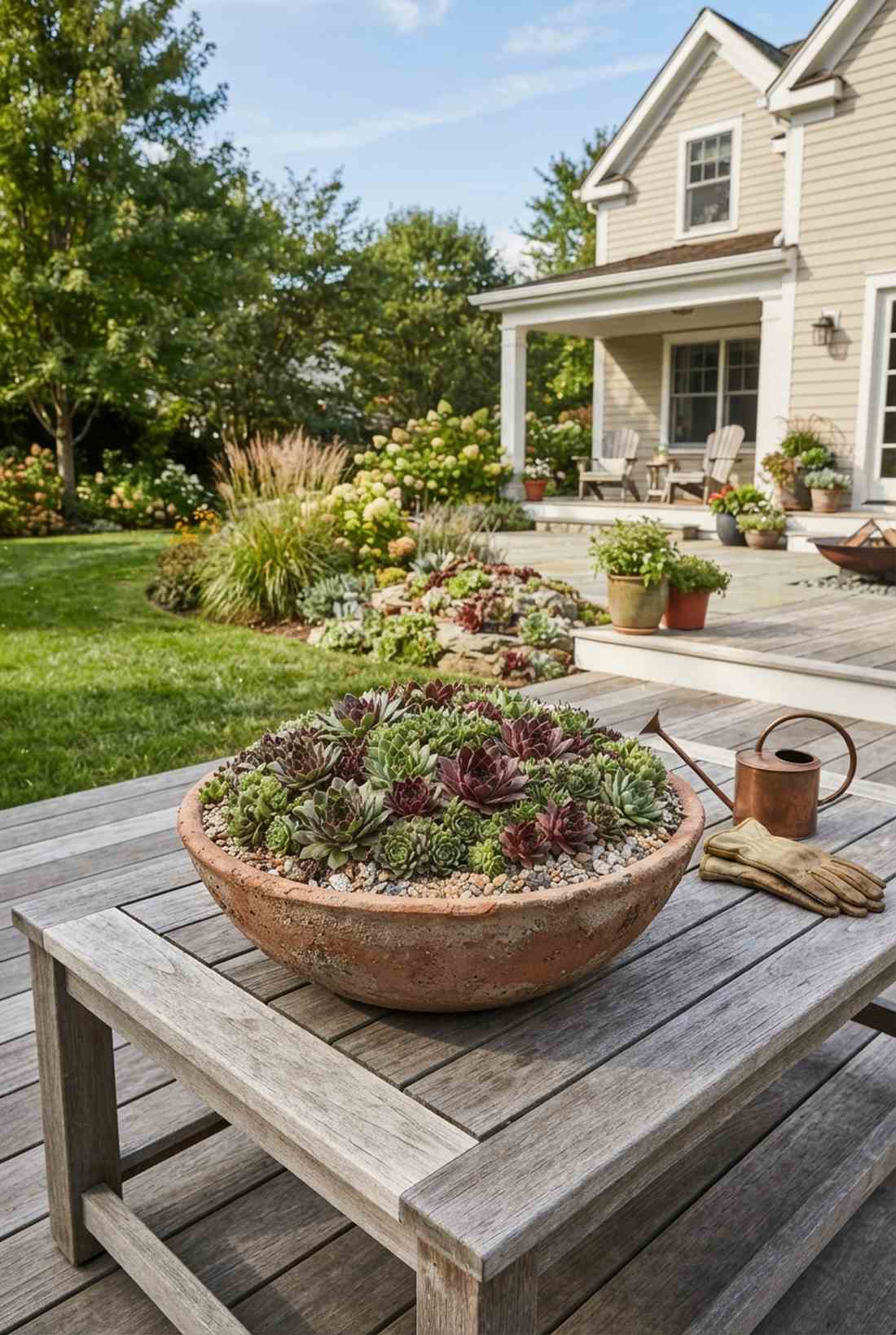
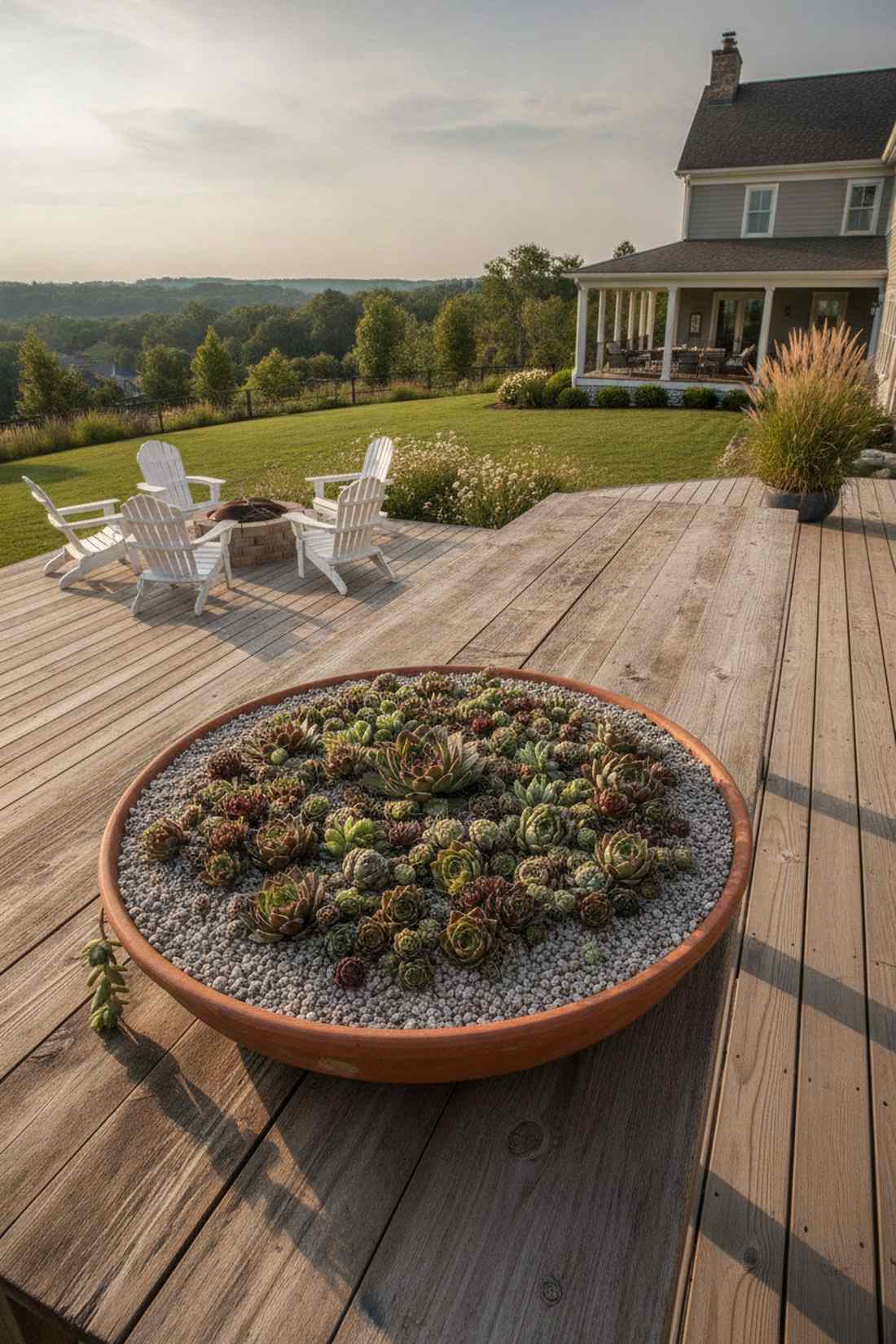
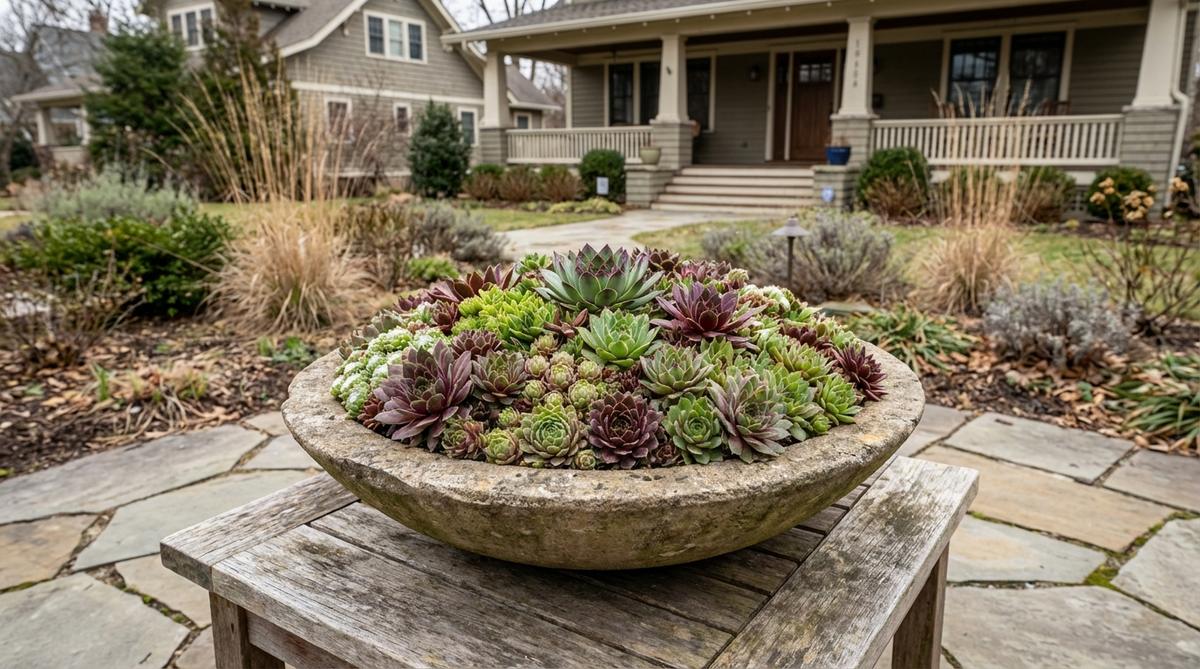
Forms a tightly woven, intricate tapestry of rosettes that survives freezing snow and baking sun alike. This extreme-weather succulent bowl is the ultimate year-round survivor.
Burying these alpine succulents in deep, rich potting soil will rot them out in a week. Using a shallow dish filled with gravel and sand looks far more expensive than it is and ensures rapid, perfect drainage.
Creating this indestructible mini-landscape costs around $25.
- Key Materials: Cold-hardy Hens and Chicks, shallow dish, gravel
- Vibe / Style: Rugged alpine miniature
- Difficulty: Extremely weather resilient
- Budget Breakdown: Shallow Dish: $15 | Alpine Succulents: $10
- Creator’s Tip: Place it on a high, windy table where other plants would get destroyed; these succulents love extreme airflow.
- Smart Sourcing: Buy cold-hardy sempervivum multi-packs and horticultural pumice stone.
64. Self-Watering Container System
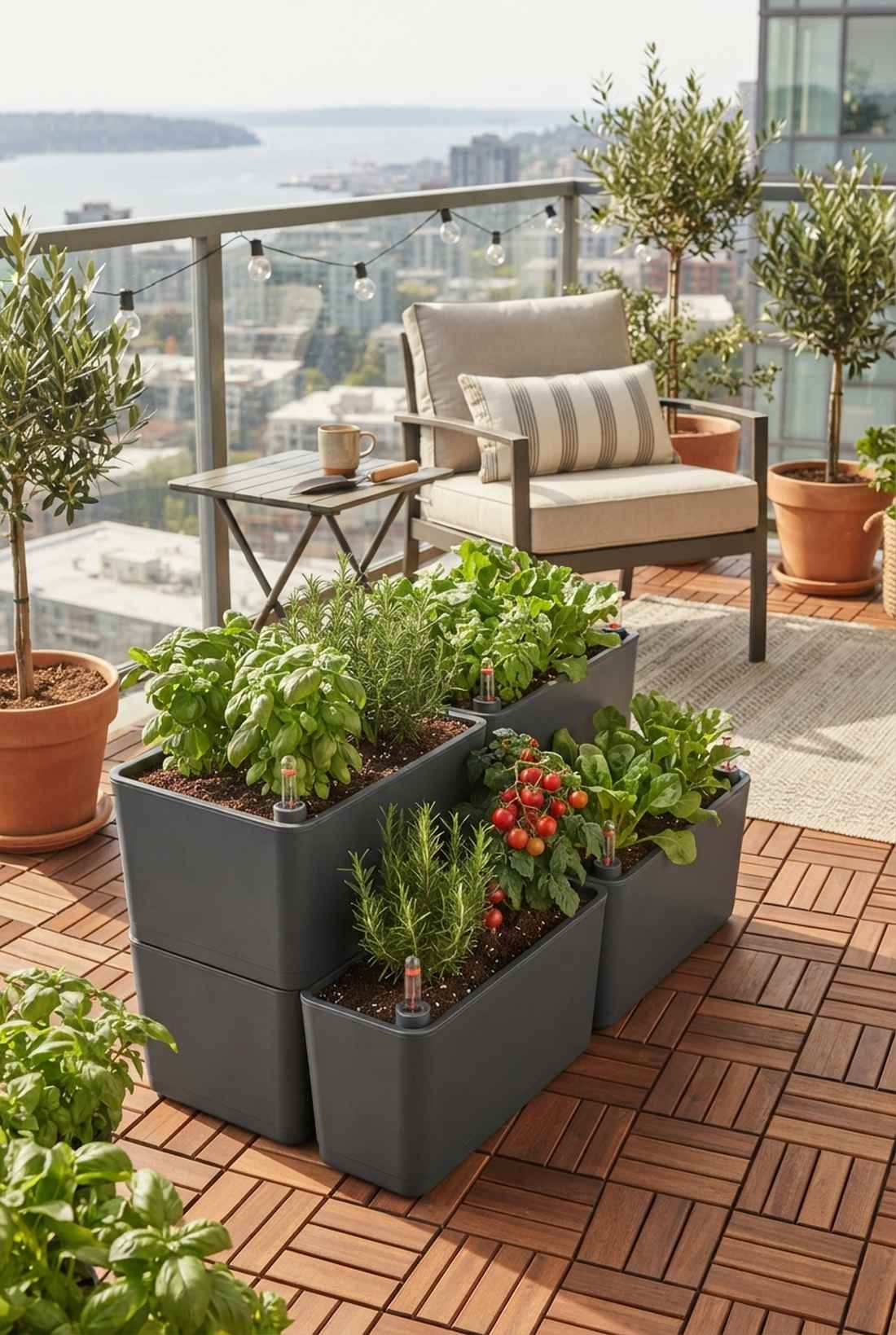
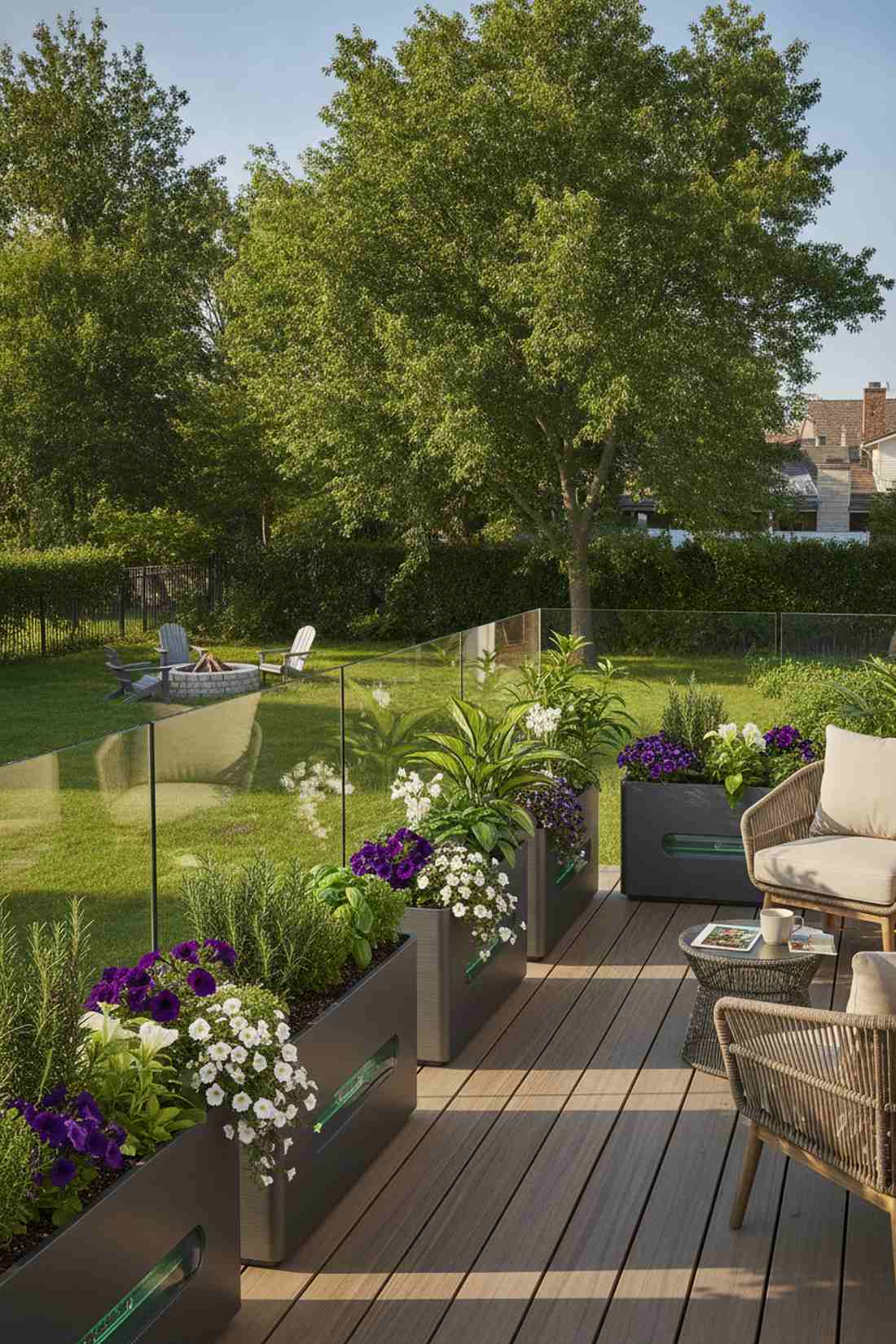
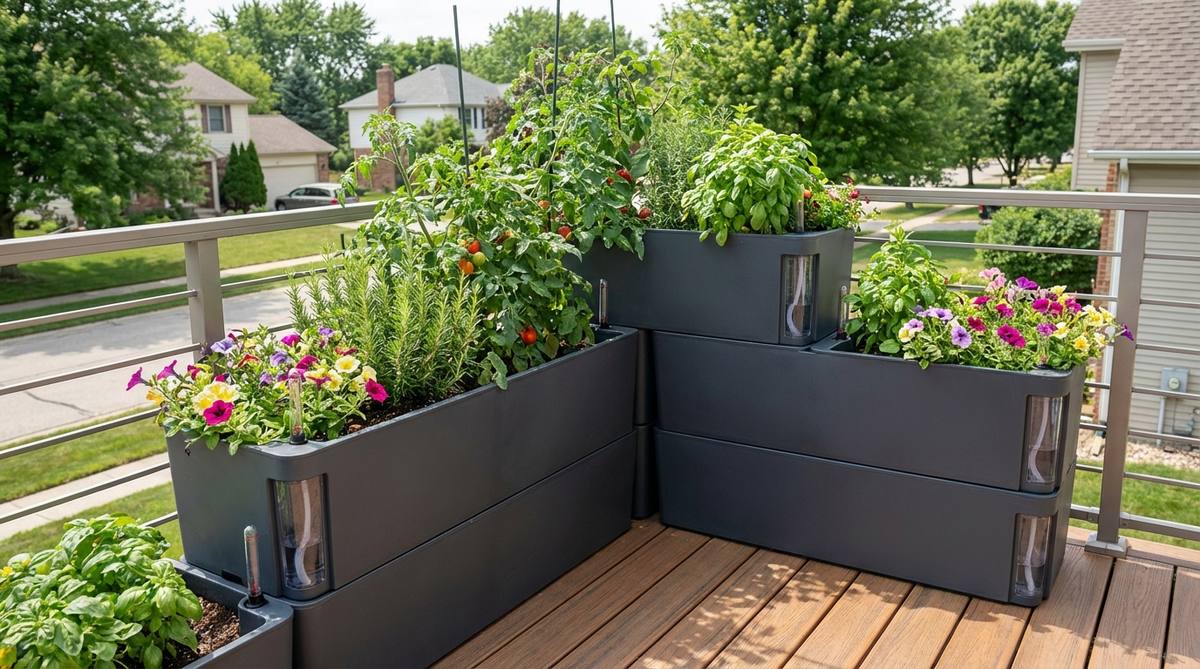
Takes the daily stress out of balcony gardening by automating the most tedious chore. This sub-irrigation smart planter setup is absolutely essential for frequent travelers or busy professionals.
Depending solely on top-watering creates dry pockets that kill delicate roots. Investing in a capillary-action reservoir system gives a designer-level finish by keeping the foliage consistently lush without babysitting.
Upgrading to a smart system costs about $40 to $60. Save this to your smart home gardening board!
- Key Materials: Reservoir planters, capillary wicking soil
- Vibe / Style: High-tech effortless growth
- Difficulty: Fill and forget
- Budget Breakdown: Smart Planter: $35 | Wicking Soil: $15
- Creator’s Tip: Check the floating water gauge once a week; only refill the reservoir when the indicator drops to absolute zero to prevent root suffocation.
- Smart Sourcing: Order a premium self-watering planter with water indicator gauge and capillary wicking potting mix.
Creating Your Personal Urban Jungle
These 64 premium balcony decor plants setups prove that small square footage shouldn’t limit your luxury aesthetic. By utilizing strategic product sourcing and avoiding cheap foundational materials, you completely bypass the trial-and-error phase that ruins most beginner patios.
The secret to a designer-level finish always lies in the structural layers, UV-resistant containers, and smart vertical spacing. Combining these elements delivers a high-end visual impact that drastically elevates your daily outdoor experience.
Stop settling for bare concrete or fading plastic pots. Grab a specialized starter kit, pick your favorite layout, and transform your space into an enviable urban retreat this weekend.