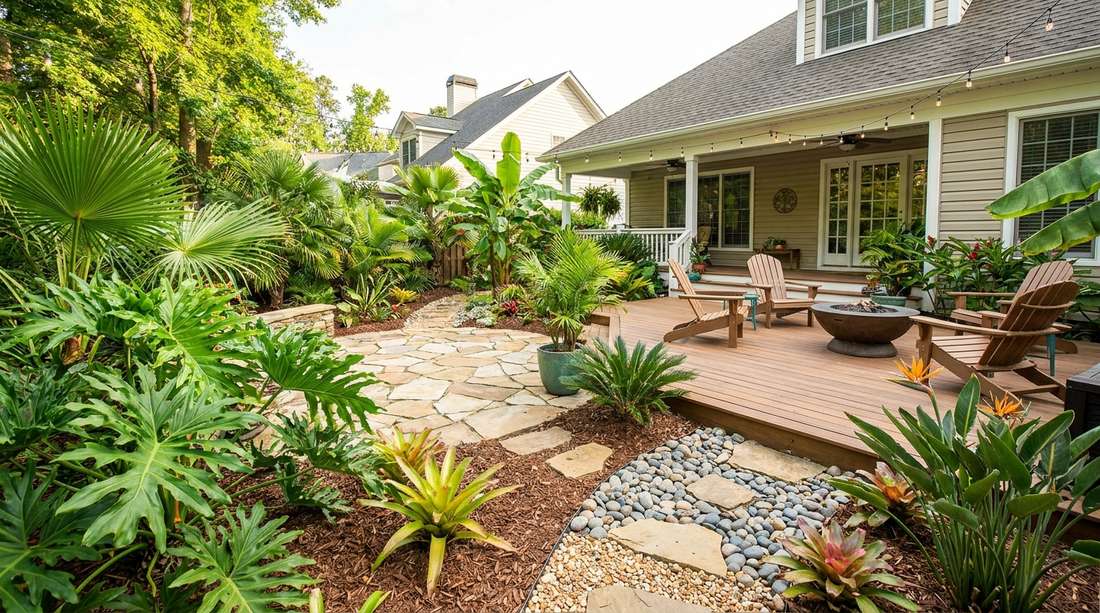
Sourcing the right tropical garden plants transforms a basic backyard into a high-end resort without draining your wallet. This breakdown reveals exactly which premium specimens and bulk materials deliver massive visual impact for minimal cost.
Design Snapshot Key Principles
- Layered Heights: Combine tall palms, mid-height flowering specimens, and low ground covers for depth
- Foliage Contrast: Mix broad elephant ear leaves with fine fern fronds and spiky palm blades
- Color Zones: Group warm-toned flowers with cool-toned foliage for balanced compositions
- Microclimate Awareness: Position heat-loving specimens near south-facing walls for optimal performance
Bold Foliage Statement Plants That Command Attention
These architectural specimens anchor tropical garden designs with massive leaves and striking forms. Designers use them as focal points in mixed borders or standalone features near entryways. Their oversized foliage creates instant jungle atmosphere in any climate zone.
1. Elephant Ear (Colocasia)
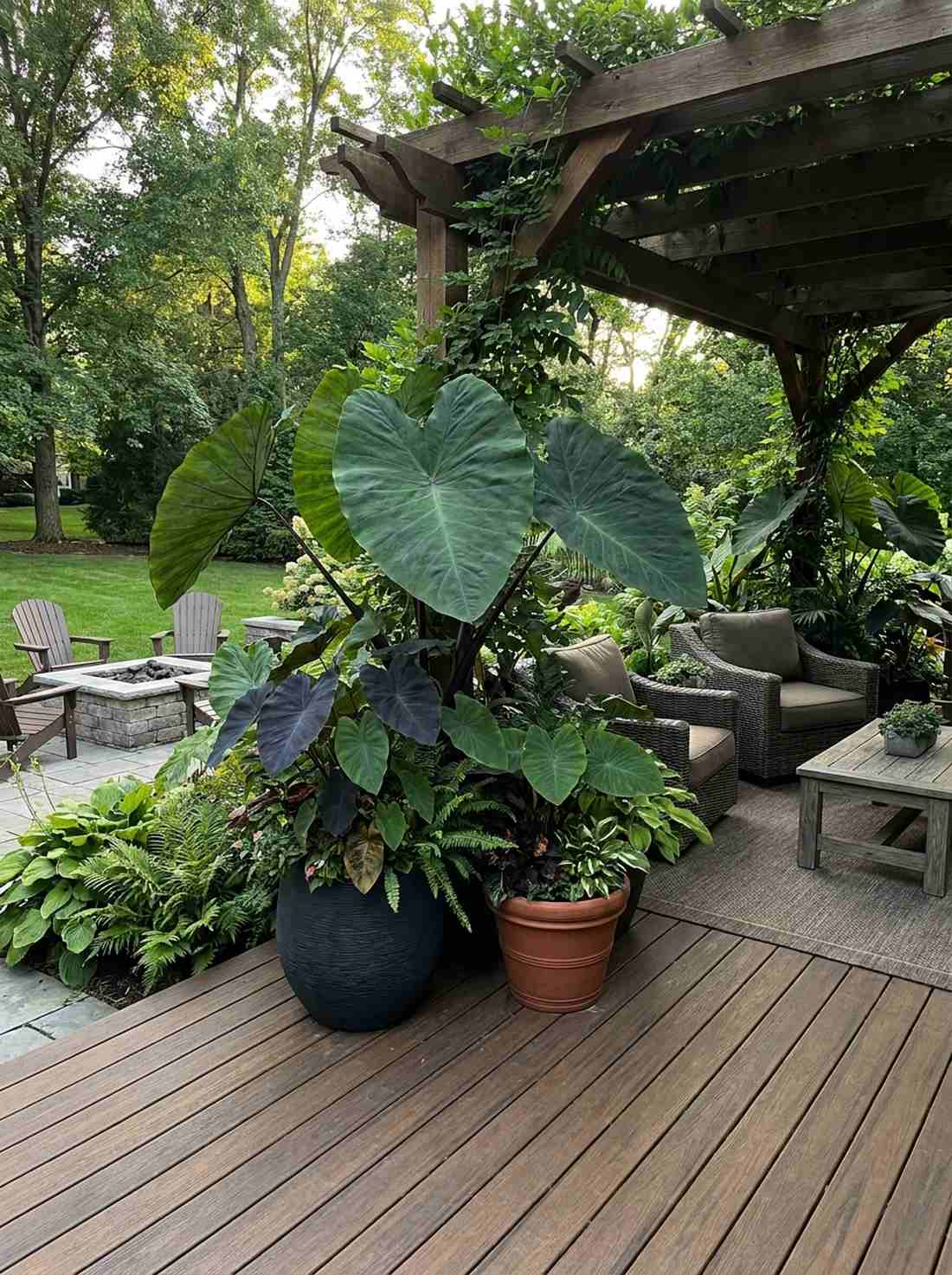
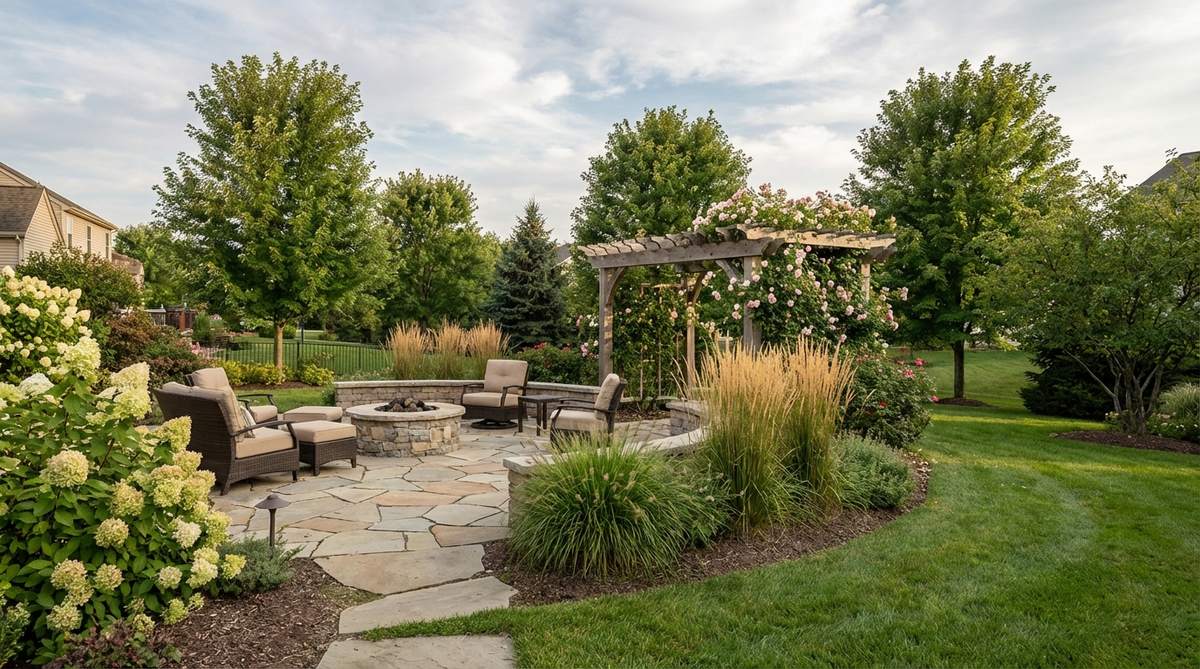
Feels like stepping into an ancient, undiscovered rainforest. Oversized tropical corner display. Works exceptionally well framing a shaded outdoor seating area.
Many homeowners overspend on fully grown pots, but starting with dormant corms delivers a surprisingly premium look by mid-summer. Pair these with premium moisture-retaining soil blends and deep-water irrigation kits for a designer finish.
You can easily pull this off for around $15–$25 per cluster. Save this to your DIY weekend garden board!
- Key Materials: Giant dormant bare-root corms, organic compost
- Vibe / Style: Moody jungle maximalism
- Difficulty: Easy beginner setup
- Budget Breakdown: Corms: $15 | Potting Mix: $10
- Creator’s Tip: Water heavily during heatwaves to force massive leaf expansion.
- Smart Sourcing: Jumbo bare-root elephant ear bulbs (bulk pack) and heavy-duty resin planter kits.
2. Giant Bird of Paradise (Strelitzia nicolai)
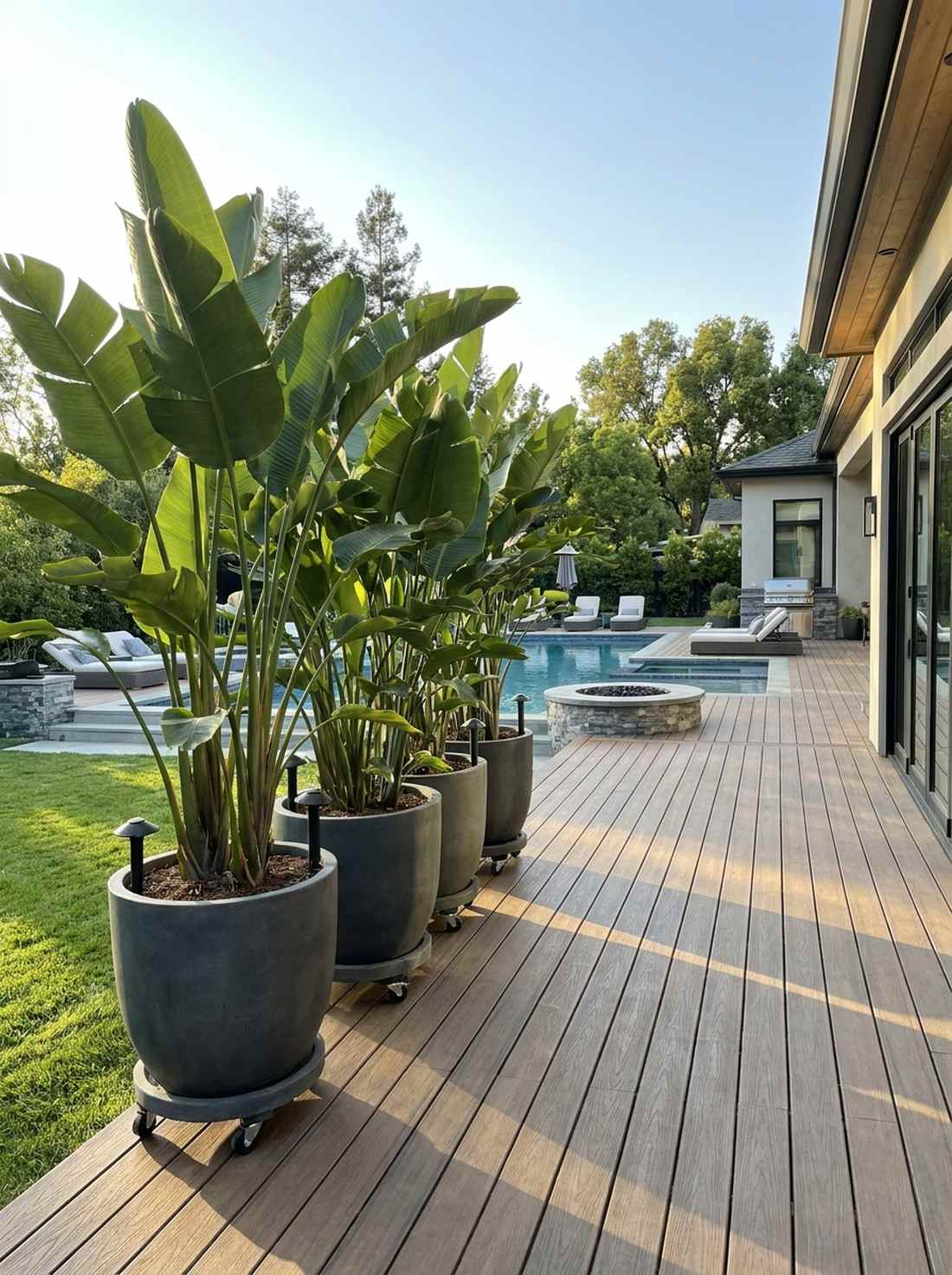
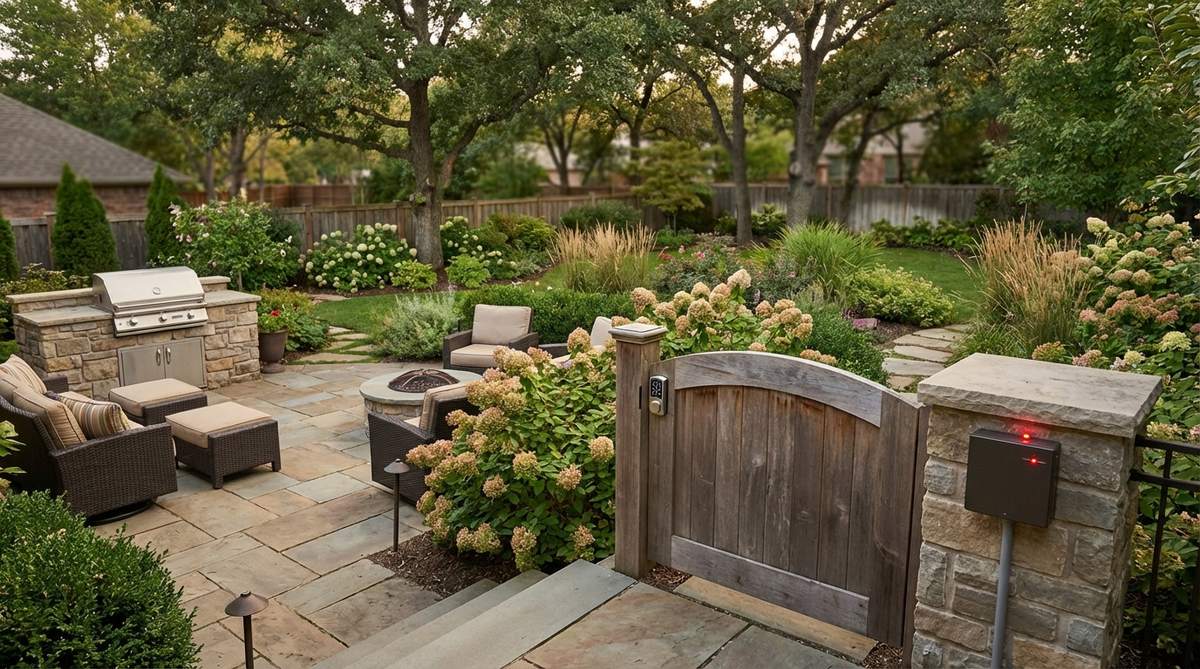
Straight out of a luxury five-star Balinese resort. Tall architectural privacy screen. Perfect for shielding a pool deck from nosy neighbors.
Skip the flimsy trellis panels; using living architectural plants creates an upscale vibe that looks far more expensive than it is. Integrate automated landscape lighting stakes at the base to cast dramatic shadows at night.
Expect to spend about $35–$60 for a solid starter plant. It’s a fast upgrade that completely changes the vibe.
- Key Materials: Starter plant, slow-release palm fertilizer
- Vibe / Style: High-end modern oasis
- Difficulty: Moderate (requires hole digging)
- Budget Breakdown: Plant: $45 | Fertilizer: $10
- Creator’s Tip: Keep them in massive pots if you live in colder zones to wheel them inside.
- Smart Sourcing: Pre-mixed tropical potting soil bags and UV-coated rolling plant caddies.
3. Banana Plant (Musa)
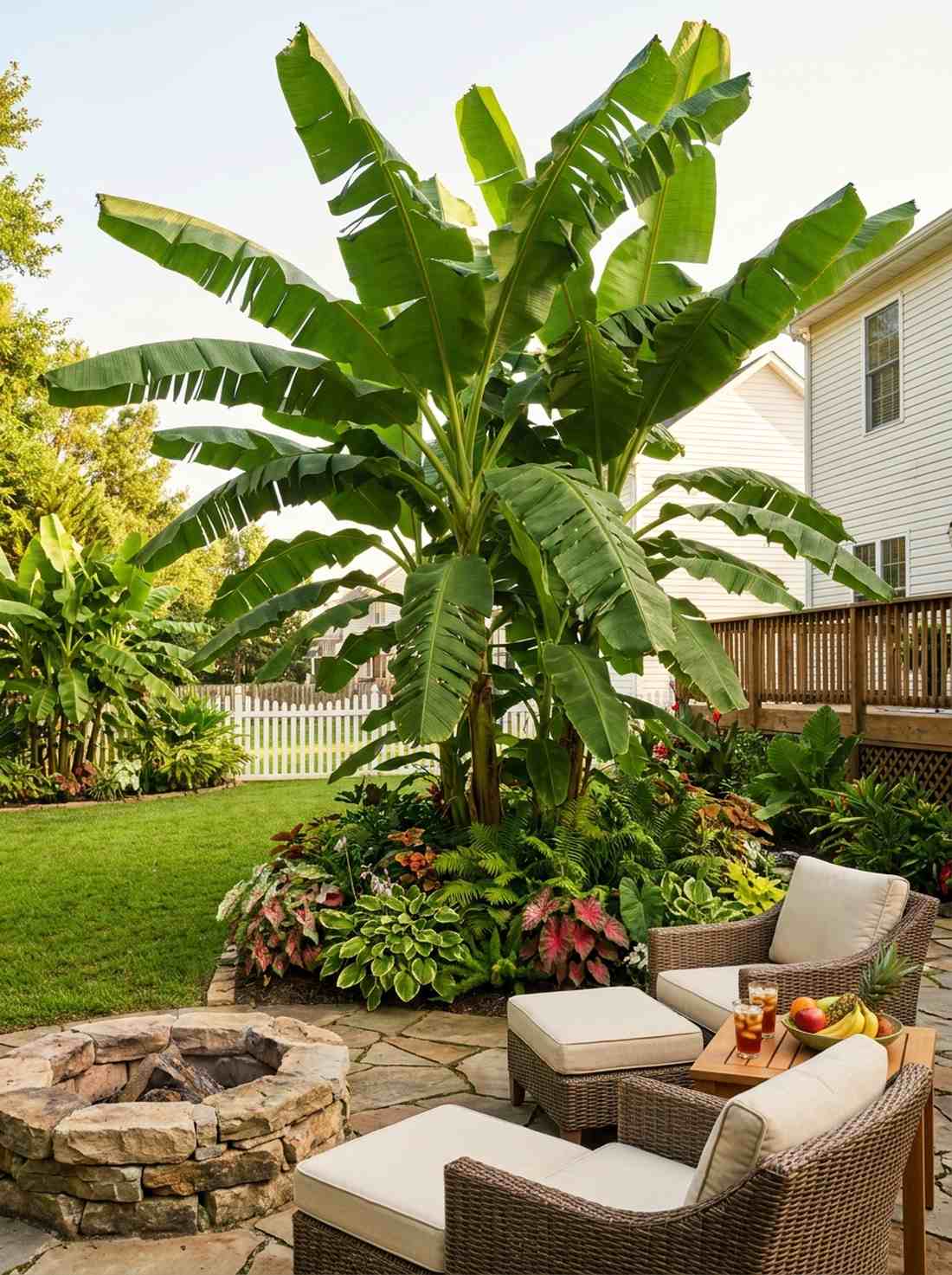
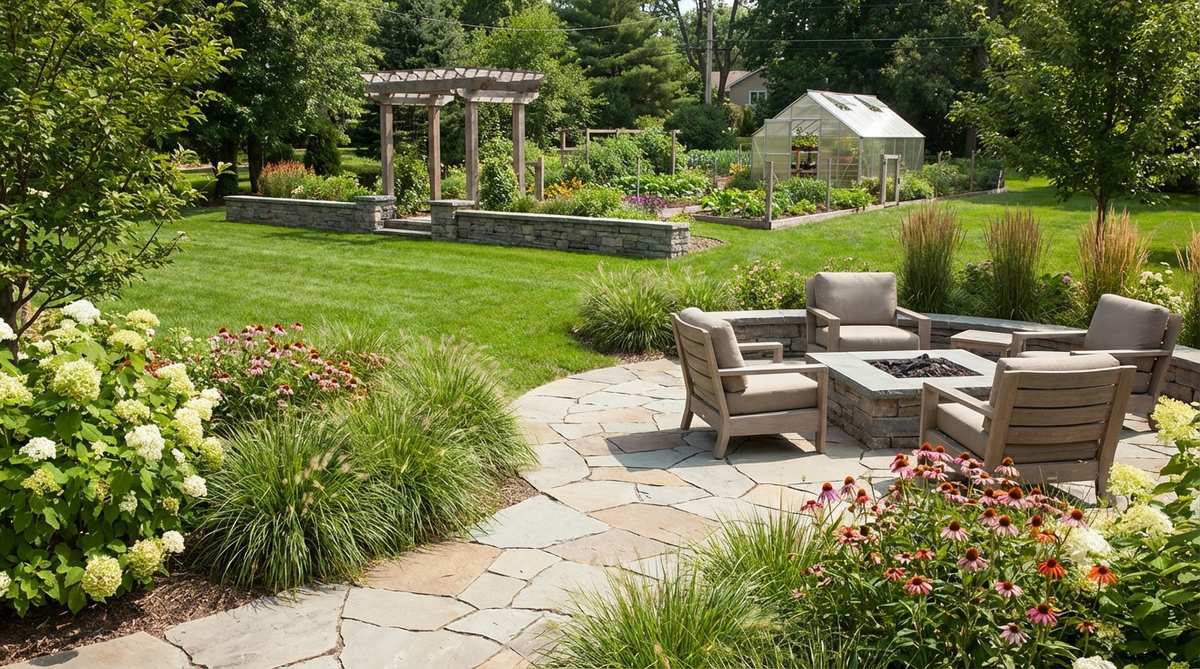
Radiates the lazy, warm energy of a Caribbean afternoon. Rapid-growth living canopy. Ideal for creating instant shade over a sunny backyard patio.
It’s shocking how many backyards ignore fast-growing musa in favor of expensive wooden pergolas. For a fraction of the price, this natural canopy gives a designer-level finish when underplanted with colorful ground cover.
You can get started for just $20–$30. Pin this if you’re planning a small space upgrade!
- Key Materials: Dwarf or hardy banana pups, nitrogen-rich feed
- Vibe / Style: Authentic island escape
- Difficulty: Easy beginner setup
- Budget Breakdown: Starter pup: $20 | Feed: $8
- Creator’s Tip: Let the wind tear the leaves; it adds to the authentic jungle aesthetic.
- Smart Sourcing: High-nitrogen fertilizer spikes (bulk pack) and cold-hardy musa basjoo starter kits.
4. Alocasia (African Mask Plant)
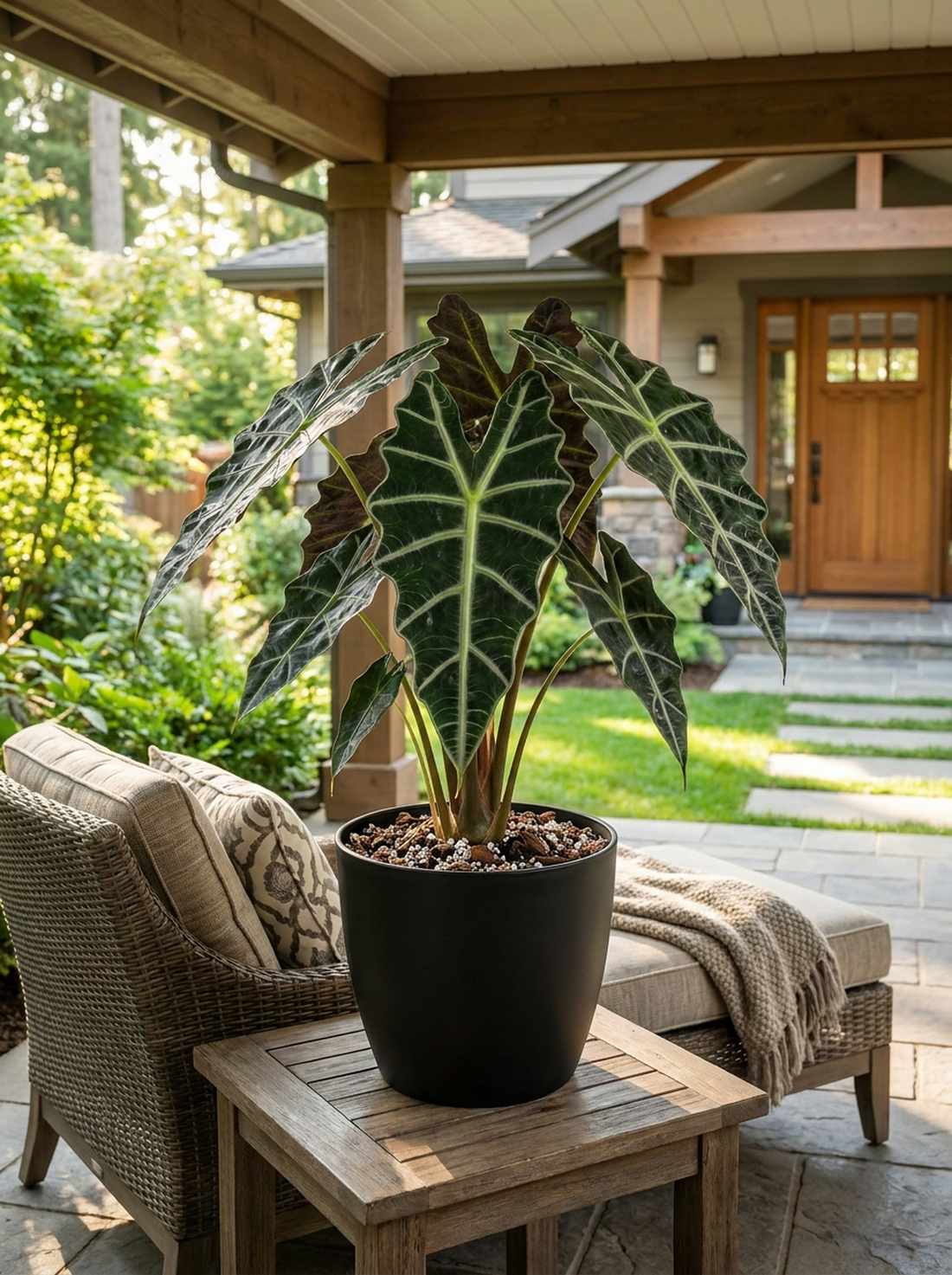
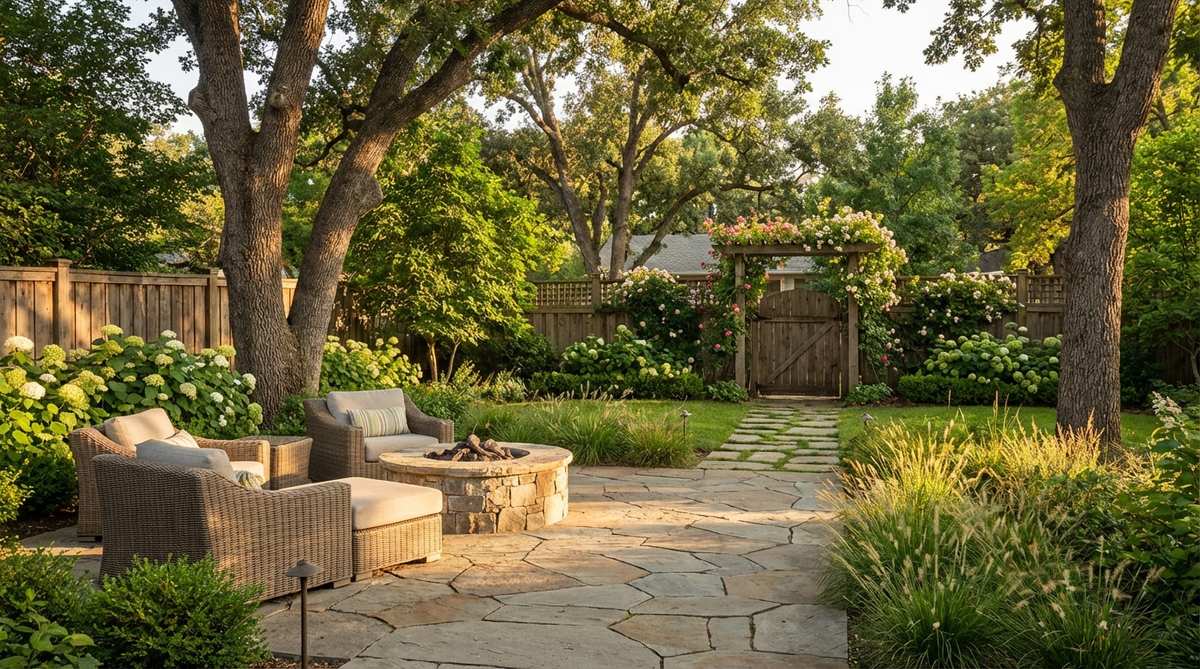
Feels like discovering a rare botanical treasure in a hidden grotto. Sculptural shade container decor. Incredible for covered front porches or dimly lit entryways.
Most beginners drown these in generic dirt, but using a chunky, airy aroid mix prevents root rot and ensures the veins pop beautifully. Upgrading to a modern matte-black planter makes the green foliage look incredibly high-end.
Set this up for around $25–$40 total. Highly recommended for a quick weekend win.
- Key Materials: Alocasia polly, perlite/orchid bark mix
- Vibe / Style: Edgy botanical modernism
- Difficulty: Intermediate (moisture management)
- Budget Breakdown: Plant: $20 | Premium Soil: $15
- Creator’s Tip: Keep away from direct afternoon sun to prevent leaf scorching.
- Smart Sourcing: Pre-mixed chunky aroid potting soil and self-watering indoor/outdoor pots.
This next setup is ridiculously cheap but looks like a $100 custom landscape display…
5. Tree Fern (Cyathea cooperi)
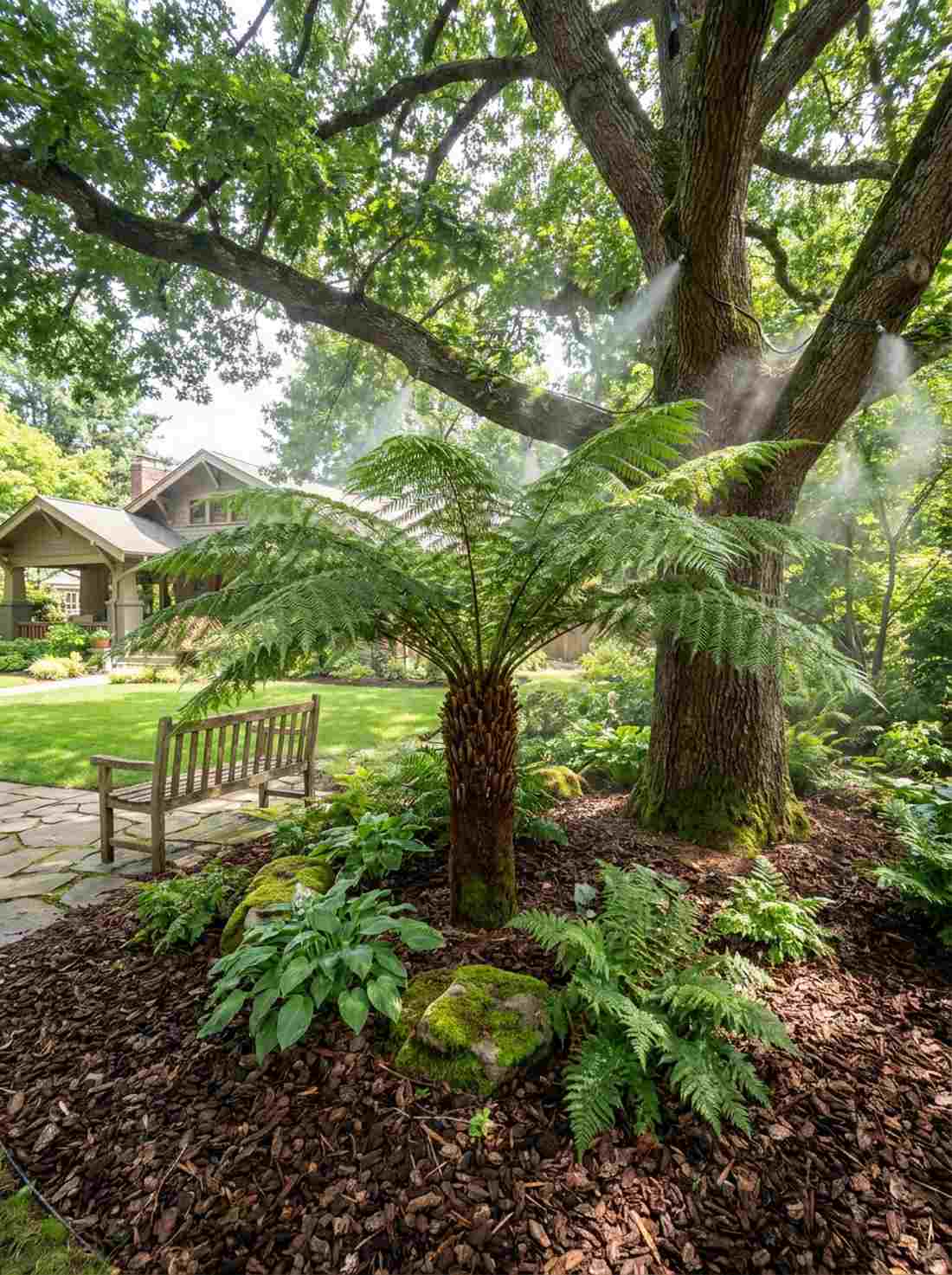
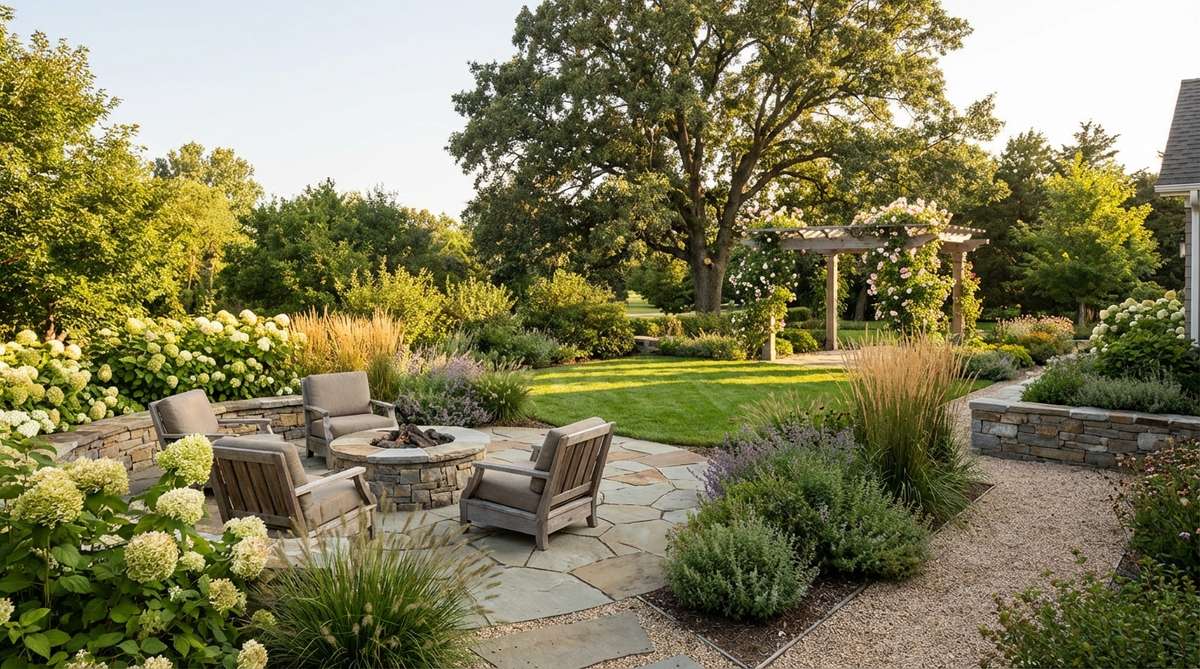
Breathes a magical, fairy-tale woodland aesthetic into any dark corner. Dappled shade understory feature. Works magic underneath massive, established oak trees.
Instead of struggling with grass that refuses to grow in the shade, this prehistoric beauty establishes a lush, multi-layered look instantly. Pair it with misting irrigation kits to keep the fibrous trunk hydrated without daily effort.
You can pull this off for around $30–$50. Save this idea for those stubborn shady spots in your yard!
- Key Materials: Starter fern, pine bark mulch
- Vibe / Style: Ancient rainforest floor
- Difficulty: Moderate
- Budget Breakdown: Fern: $35 | Mulch: $5
- Creator’s Tip: Water the trunk, not just the roots, as tree ferns absorb moisture through their “bark”.
- Smart Sourcing: Automatic patio misting systems and bulk organic pine bark mulch.
6. Gunnera manicata (Giant Rhubarb)
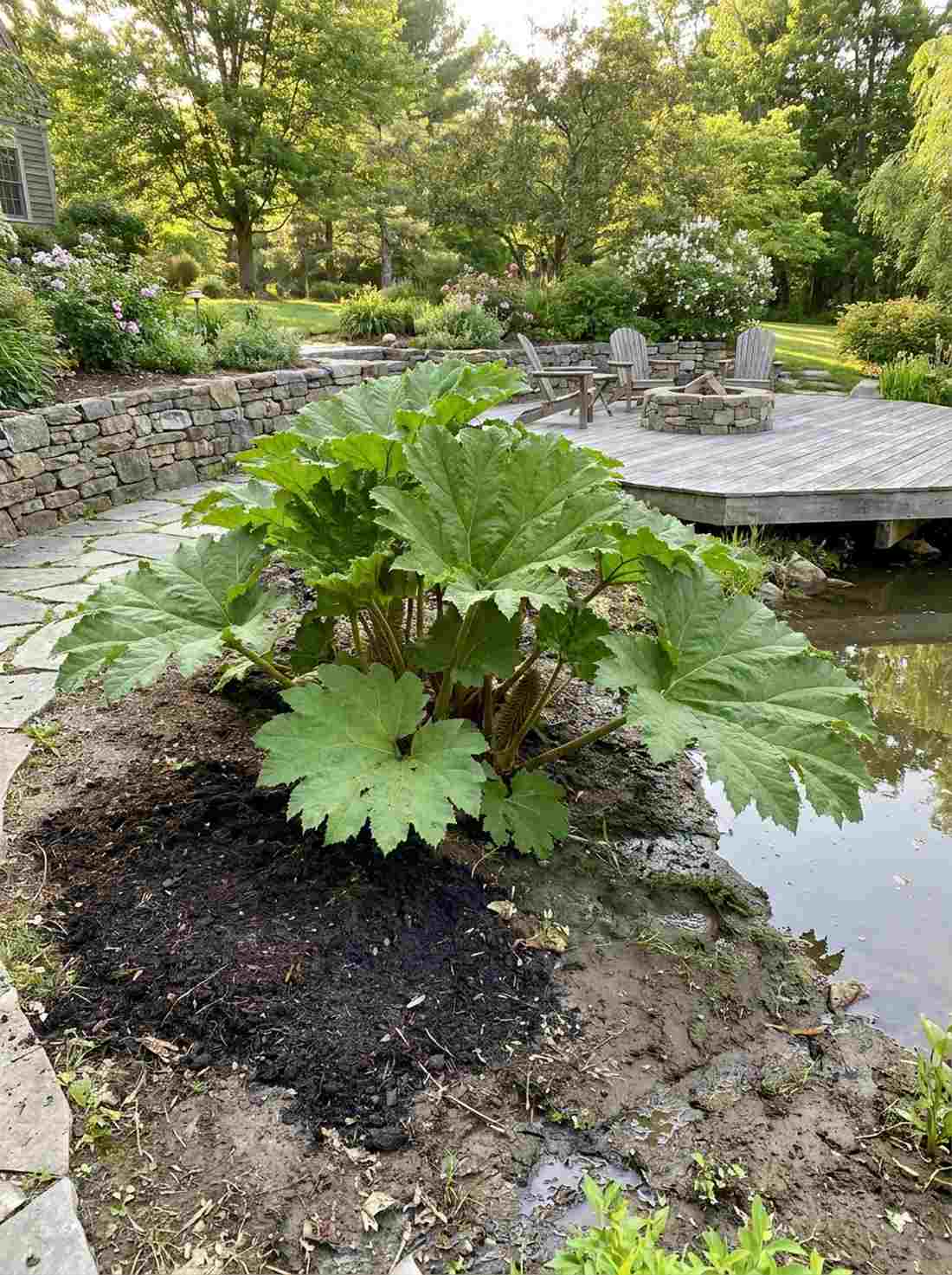
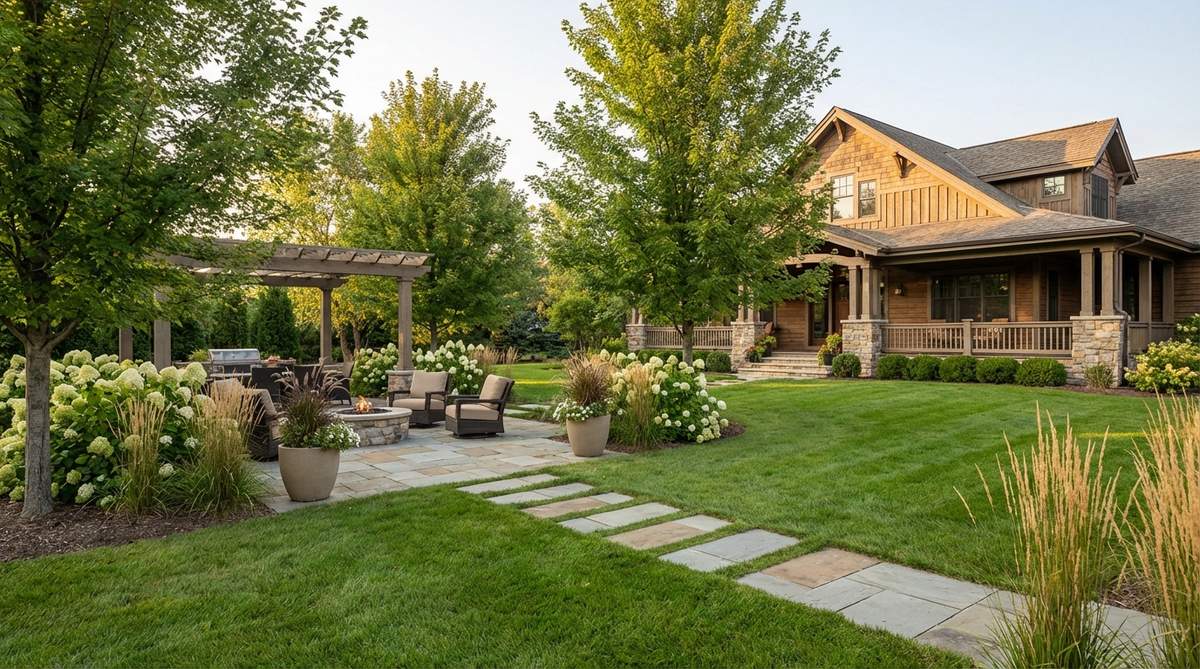
Looks like a backdrop straight out of Jurassic Park. Massive water-edge statement piece. Perfectly suited for muddy pond banks or low-lying drainage ditches.
People often spend thousands on hardscaping over damp yard spots when they should be planting moisture-loving giants like this instead. A single specimen turns a problematic soggy area into the most striking feature of your property.
Investment sits around $40–$60 for a healthy crown. It’s an absolute showstopper once established.
- Key Materials: Gunnera crown, heavy compost
- Vibe / Style: Prehistoric maximalism
- Difficulty: Advanced (requires massive space)
- Budget Breakdown: Crown: $45 | Compost: $15
- Creator’s Tip: In winter, chop the massive leaves and fold them over the crown to prevent frost damage.
- Smart Sourcing: Heavy-duty pond liner kits and bulk organic mushroom compost.
7. Giant Taro (Alocasia macrorrhiza)
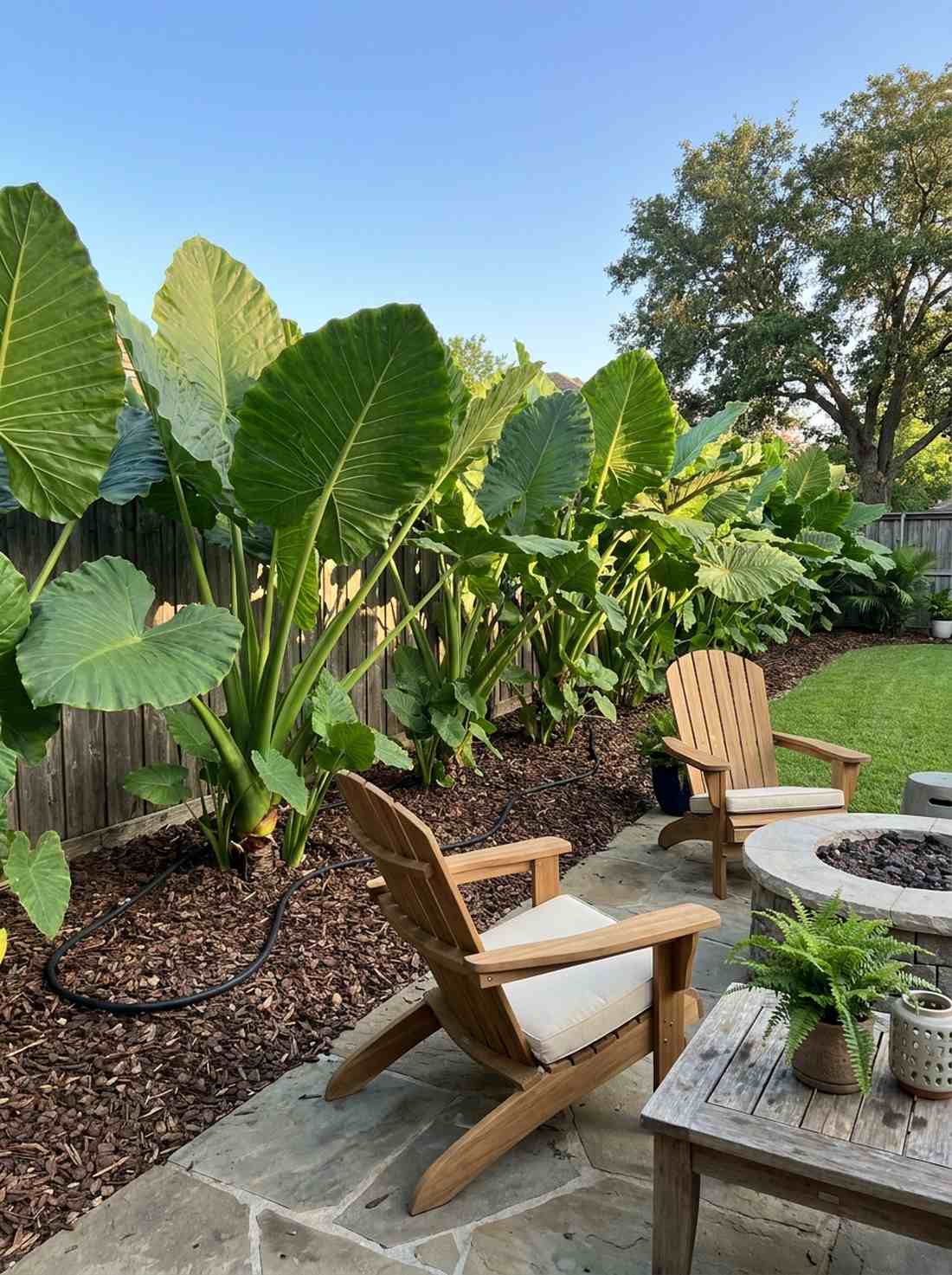
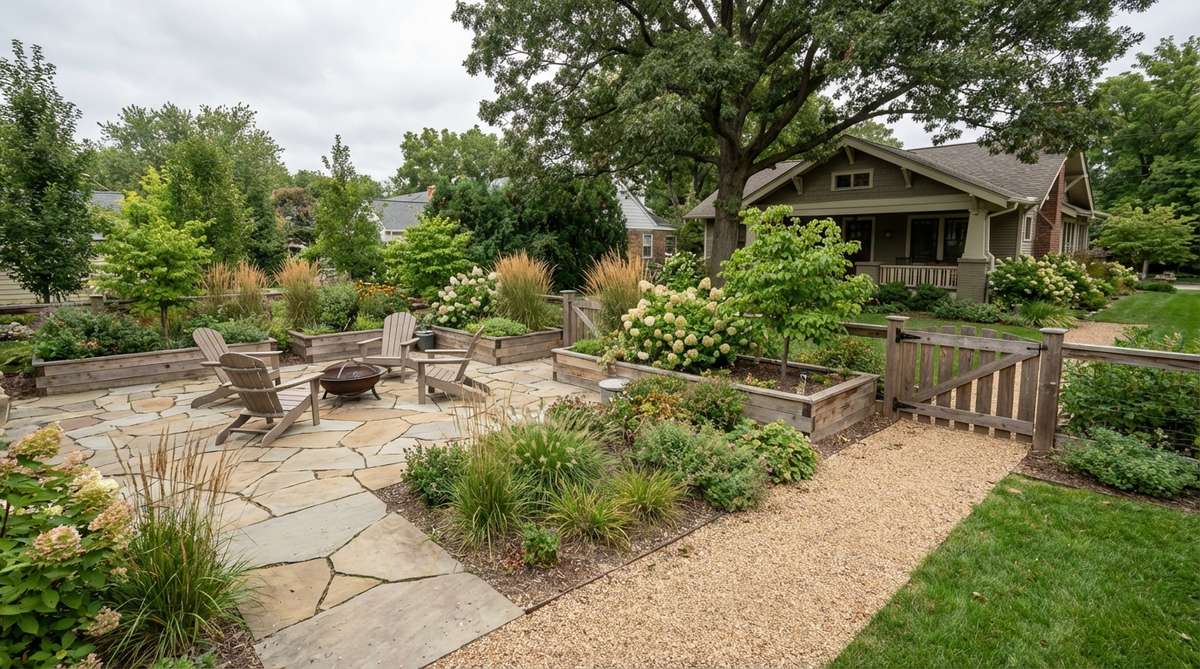
Radiates the overpowering lushness of a tropical botanical garden. Vertical green backdrop wall. Ideal for hiding ugly fences or AC units with living foliage.
A massive mistake beginners make is planting delicate vines for screening; robust taro shoots up fast and thick, offering an expensive resort feel instantly. Mulch heavily to retain the massive amounts of water these beasts consume.
Easily achievable for about $20–$35. Pin this to your privacy screen inspiration board!
- Key Materials: Taro corms, soaker hoses
- Vibe / Style: Unrestrained jungle
- Difficulty: Easy
- Budget Breakdown: Bulbs: $20 | Soaker Hose: $12
- Creator’s Tip: Feed weekly with liquid seaweed during peak summer for mammoth leaf sizes.
- Smart Sourcing: Heavy-duty garden soaker hoses and liquid kelp fertilizer concentrates.
Tropical Palm Varieties For Authentic Island Atmosphere
Palms deliver instant tropical credentials with their distinctive frond architecture and vertical growth patterns. The following varieties adapt successfully to American gardens across multiple hardiness zones.
8. Queen Palm (Syagrus romanzoffiana)
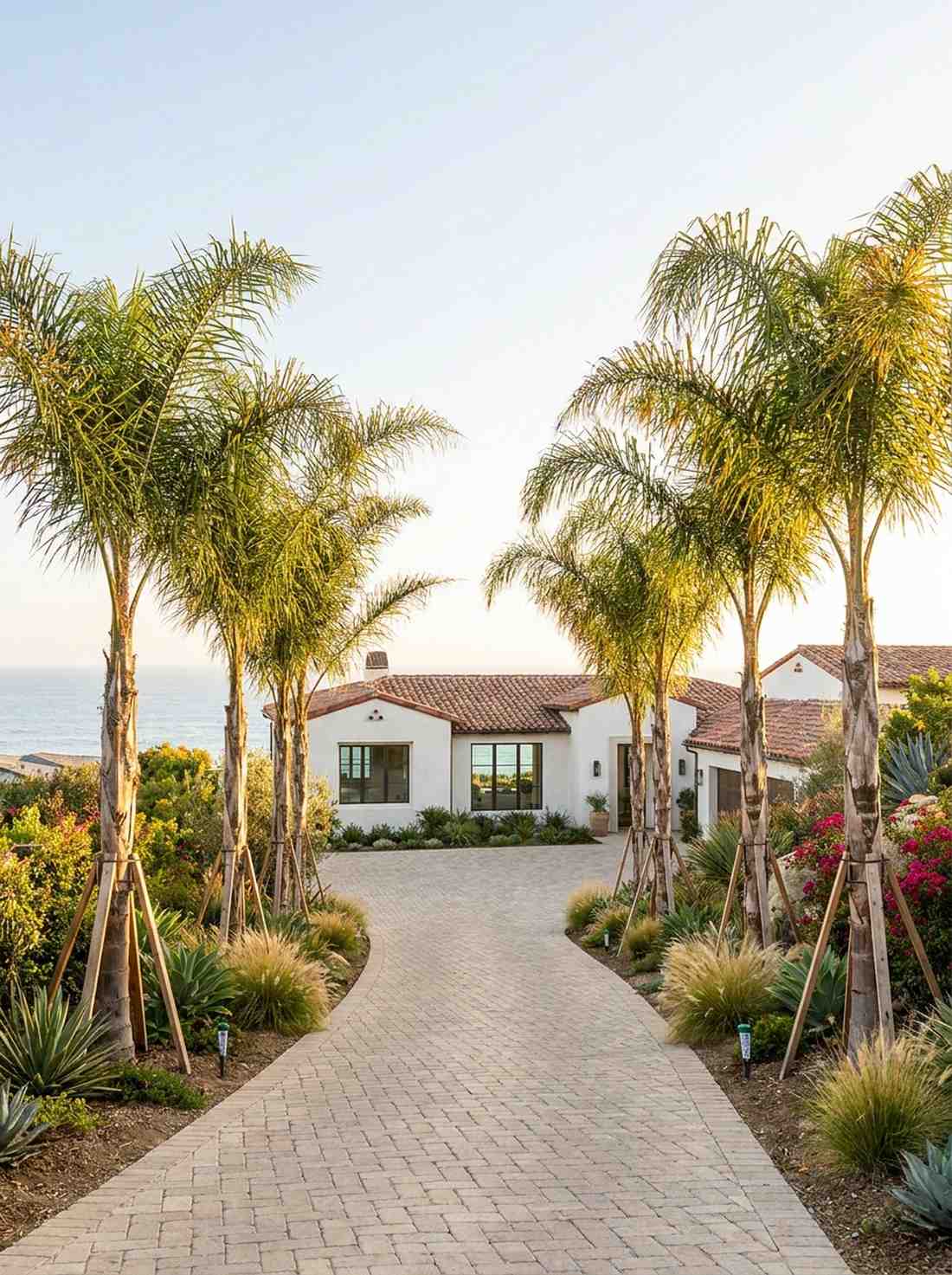
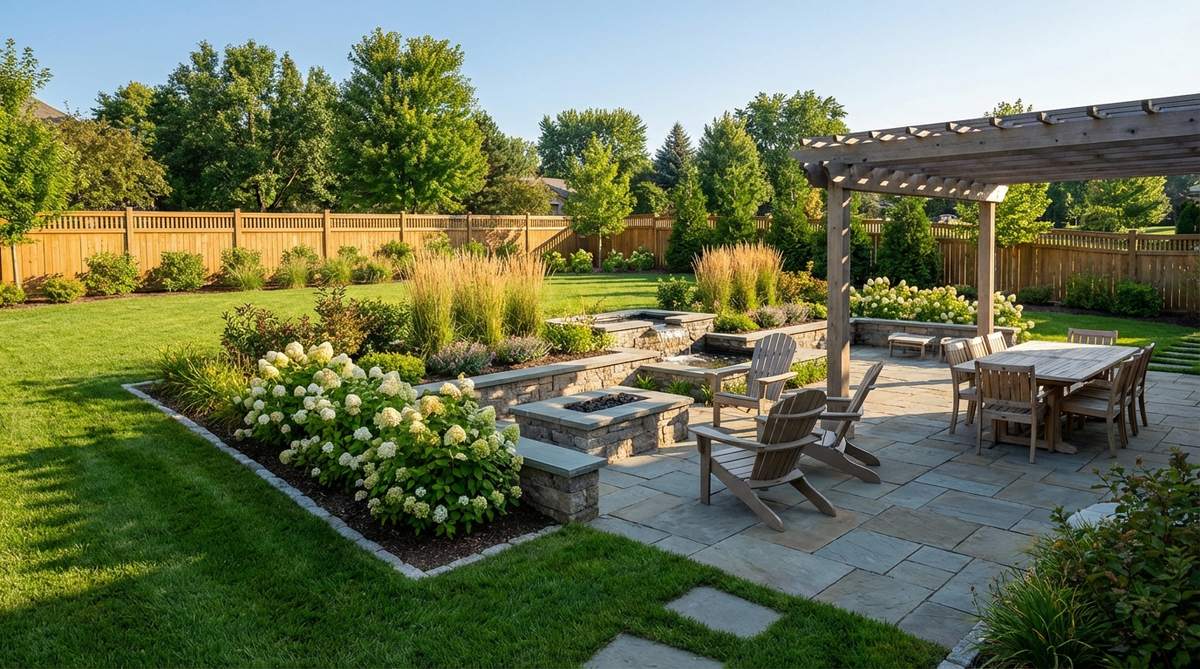
Feels like driving down a sun-drenched coastal highway in Malibu. Elegant vertical skyline framing. Flawless for flanking a long driveway or entryway.
Skip the expensive, slow-growing exotics if you want height fast; Queen Palms shoot up quickly and deliver a surprisingly premium look within a few seasons. Always use specialized palm-nutritional spikes to prevent yellowing fronds.
A starter tree runs around $40–$75. Highly recommended if you need vertical scale fast.
- Key Materials: Young palm tree, magnesium supplements
- Vibe / Style: California coastal luxury
- Difficulty: Moderate
- Budget Breakdown: Tree: $50 | Palm spikes: $15
- Creator’s Tip: Plant in clusters of three at slightly varied angles for a more natural, organic look.
- Smart Sourcing: Pre-formulated slow-release palm spikes and heavy-duty tree staking kits.
9. Foxtail Palm (Wodyetia bifurcata)
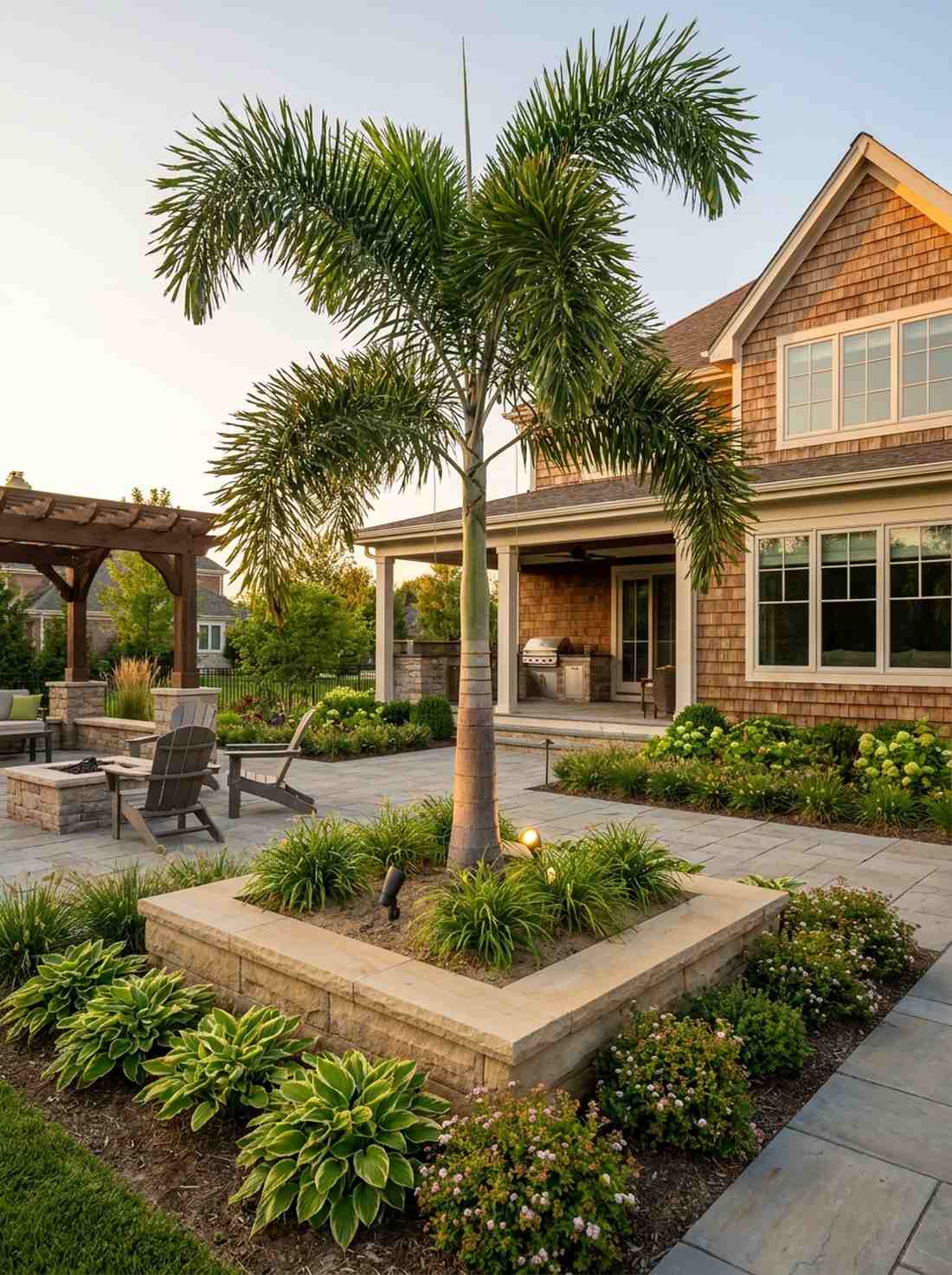
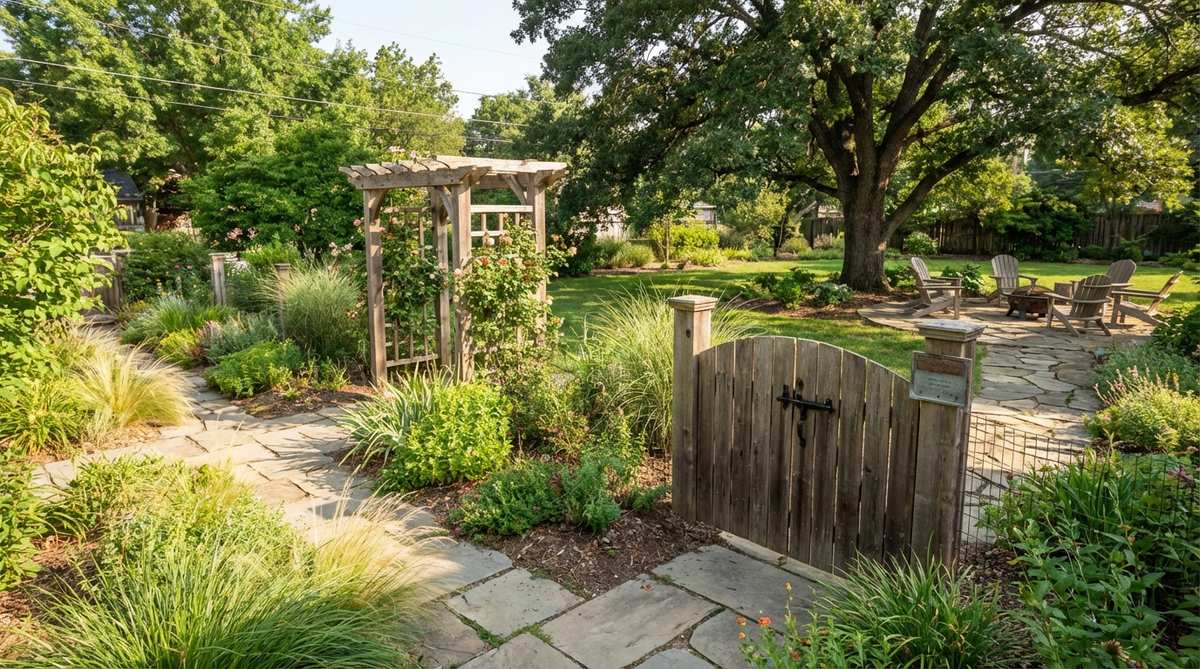
Delivers the manicured, pristine aesthetic of a high-end country club. Compact self-cleaning canopy. Perfect for small courtyards where space is limited.
Most palms require dangerous ladder work to trim dead fronds, but this self-cleaning marvel drops them naturally, saving you hundreds in landscaping fees. It’s an incredibly smart investment for a low-maintenance, luxury aesthetic.
Initial costs are around $60–$90 for a robust starter. Save this to your low-maintenance garden board!
- Key Materials: Foxtail specimen, sandy loam mix
- Vibe / Style: Polished resort perfection
- Difficulty: Easy (once planted)
- Budget Breakdown: Tree: $75 | Soil amendment: $15
- Creator’s Tip: Ensure perfect drainage; foxtails despise sitting in waterlogged clay.
- Smart Sourcing: Coarse horticultural perlite (bulk bag) and weatherproof garden up-lights.
💡 Must-Have Supplies for High-End Setups
To build these setups faster and ensure they last, skip the generic craft aisles and invest in the right foundational kits.
- Base & Support: UV-resistant heavy-duty resin planters
- Setup Tools: Automatic drip irrigation starter kits
- Weather/Durability Protection: Premium frost-protection plant blankets
Most people get this completely wrong… until they try the exact layout coming up next.
10. Mediterranean Fan Palm (Chamaerops humilis)
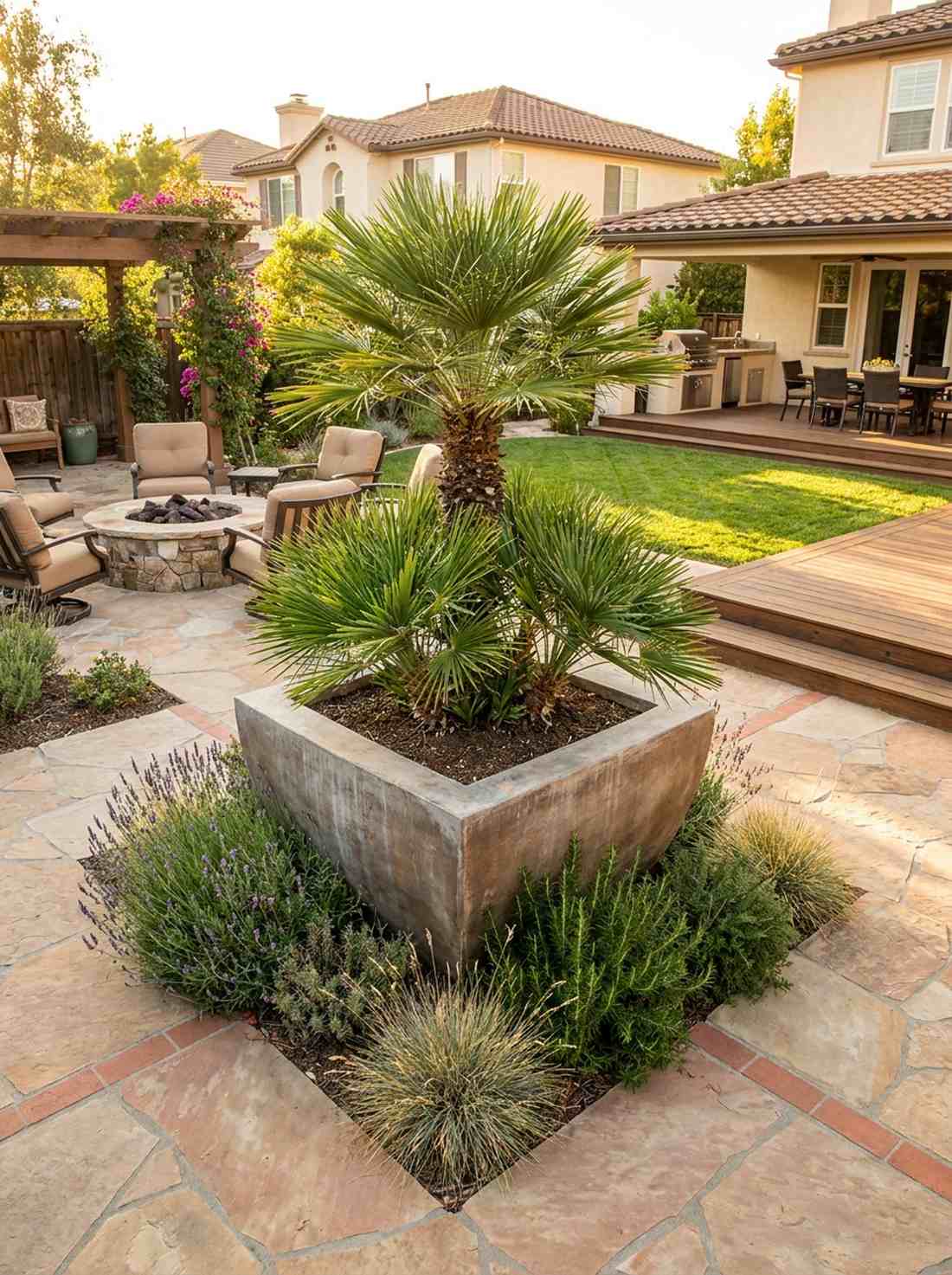
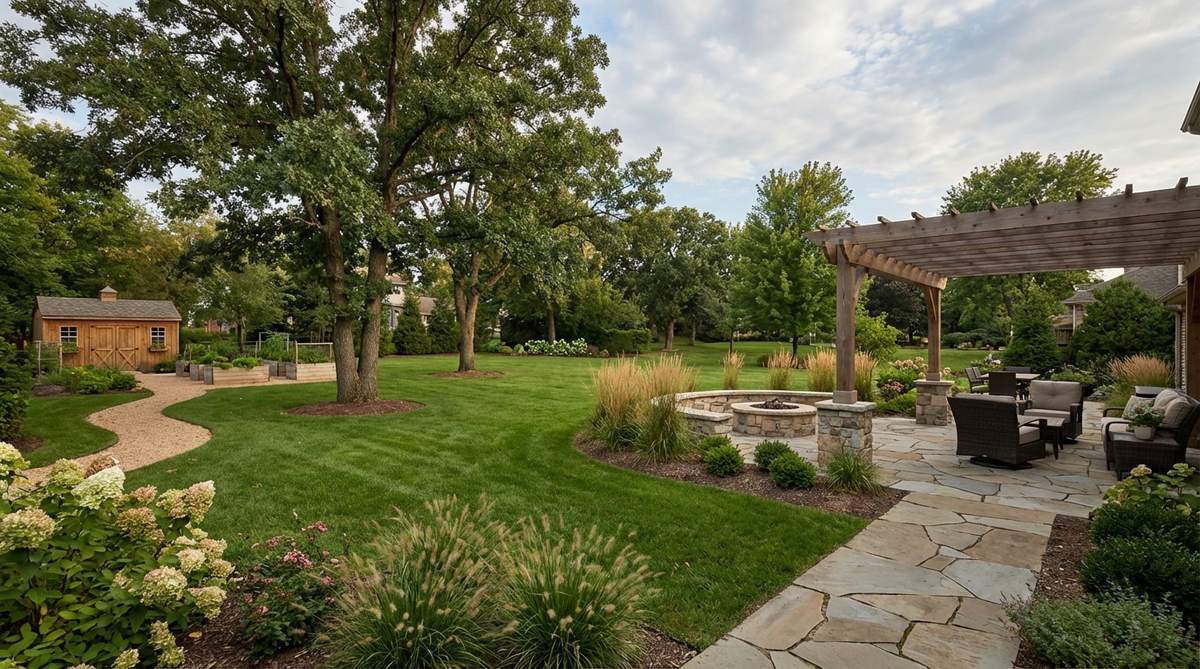
Echoes the rugged beauty of a coastal cliffside in Spain. Bushy foundation cluster planting. Works brilliantly in large, geometric concrete planters.
Instead of replacing frozen tropicals every spring, using this cold-hardy survivor gives a designer-level finish that withstands unexpected frost. Its multi-trunk growth naturally creates a wide, sculptural focal point without extra pruning.
You can start a beautiful cluster for $45–$70. A must-try for any serious plant lover in border zones.
- Key Materials: Fan palm, cactus/citrus soil blend
- Vibe / Style: Rugged Mediterranean oasis
- Difficulty: Easy
- Budget Breakdown: Plant: $50 | Citrus soil: $10
- Creator’s Tip: Remove the lower offshoots if you want to expose a clear, single trunk over time.
- Smart Sourcing: Pre-mixed citrus and palm soil bags and geometric concrete-style fiberglass planters.
11. Bismarck Palm (Bismarckia nobilis)
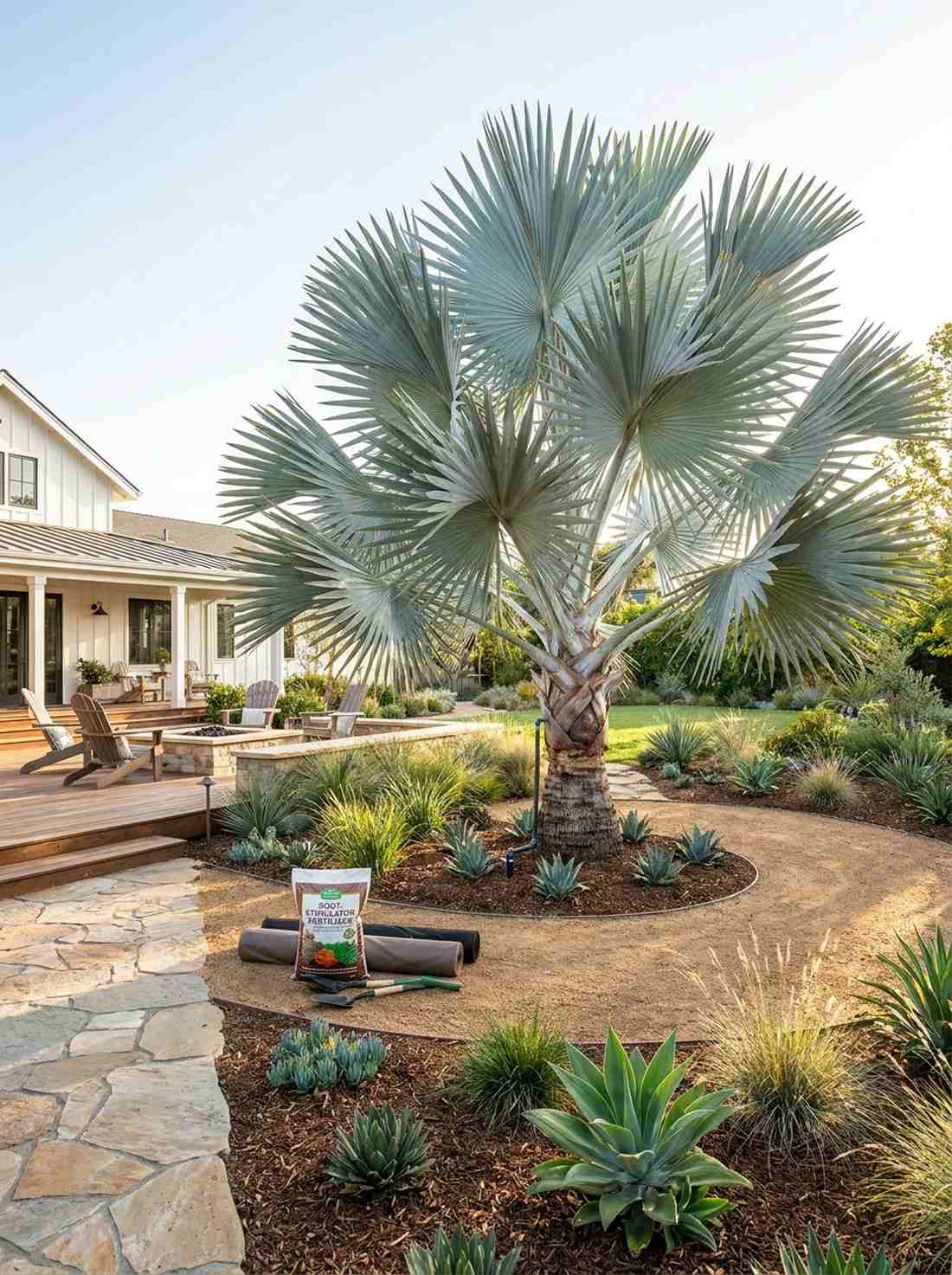
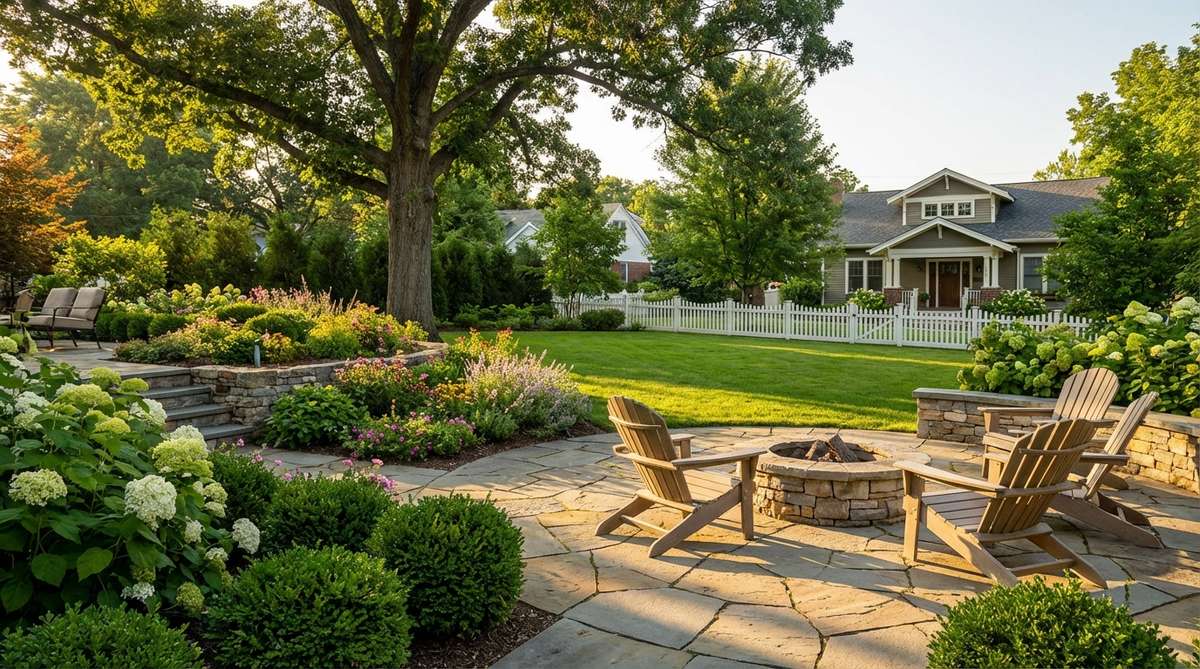
Commands the landscape with an otherworldly, icy-blue majesty. Massive silver focal point. The ultimate centerpiece for a sprawling, water-wise lawn.
While standard green palms blend in, planting a stunning silver Bismarck instantly elevates the perceived value of your property. Ensure you give it massive horizontal space, as the canopy spread is breathtakingly wide.
Expect to invest $80–$150 for a healthy young specimen. Pin this for your drought-tolerant garden plans!
- Key Materials: Bismarck starter, deep watering pipe
- Vibe / Style: Exotic architectural drama
- Difficulty: Moderate
- Budget Breakdown: Palm: $100 | Setup tools: $20
- Creator’s Tip: Be incredibly gentle with the root ball during transplant; they hate root disturbance.
- Smart Sourcing: Root-stimulator transplant fertilizer and heavy-duty landscaping fabric rolls.
12. Lipstick Palm (Cyrtostachys renda)
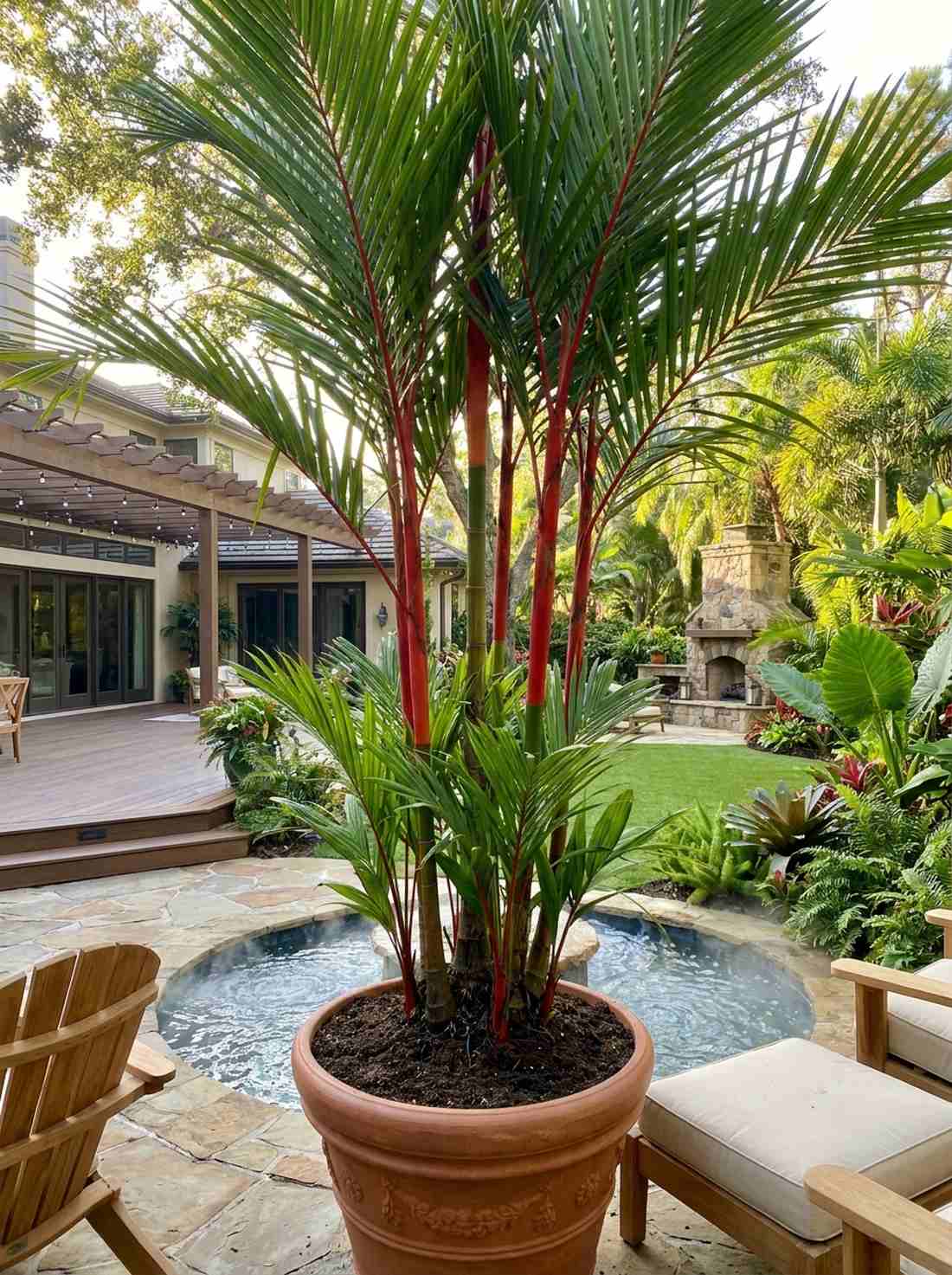
Looks like it was hand-painted by a bold artist. Vibrant scarlet trunk display. Unbeatable when placed right beside a humid, bubbling water feature.
Most gardens lack striking primary colors on trunks, making this fiery red palm a total conversation starter that creates an upscale architectural vibe. It demands extreme humidity, so keeping it potted indoors during winter is mandatory for most.
Rare starters cost around $50–$90. It’s a fast upgrade that completely changes the vibe of a greenhouse or sunroom.
- Key Materials: Lipstick palm, peat-heavy soil
- Vibe / Style: Ultra-rare tropical luxury
- Difficulty: Advanced (strict climate needs)
- Budget Breakdown: Plant: $70 | Peat Moss: $15
- Creator’s Tip: Submerge the bottom of the pot in a shallow tray of water to mimic its native swamp habitat.
- Smart Sourcing: Deep water holding humidity trays and premium compressed peat moss blocks.
13. Bottle Palm (Hyophorbe lagenicaulis)
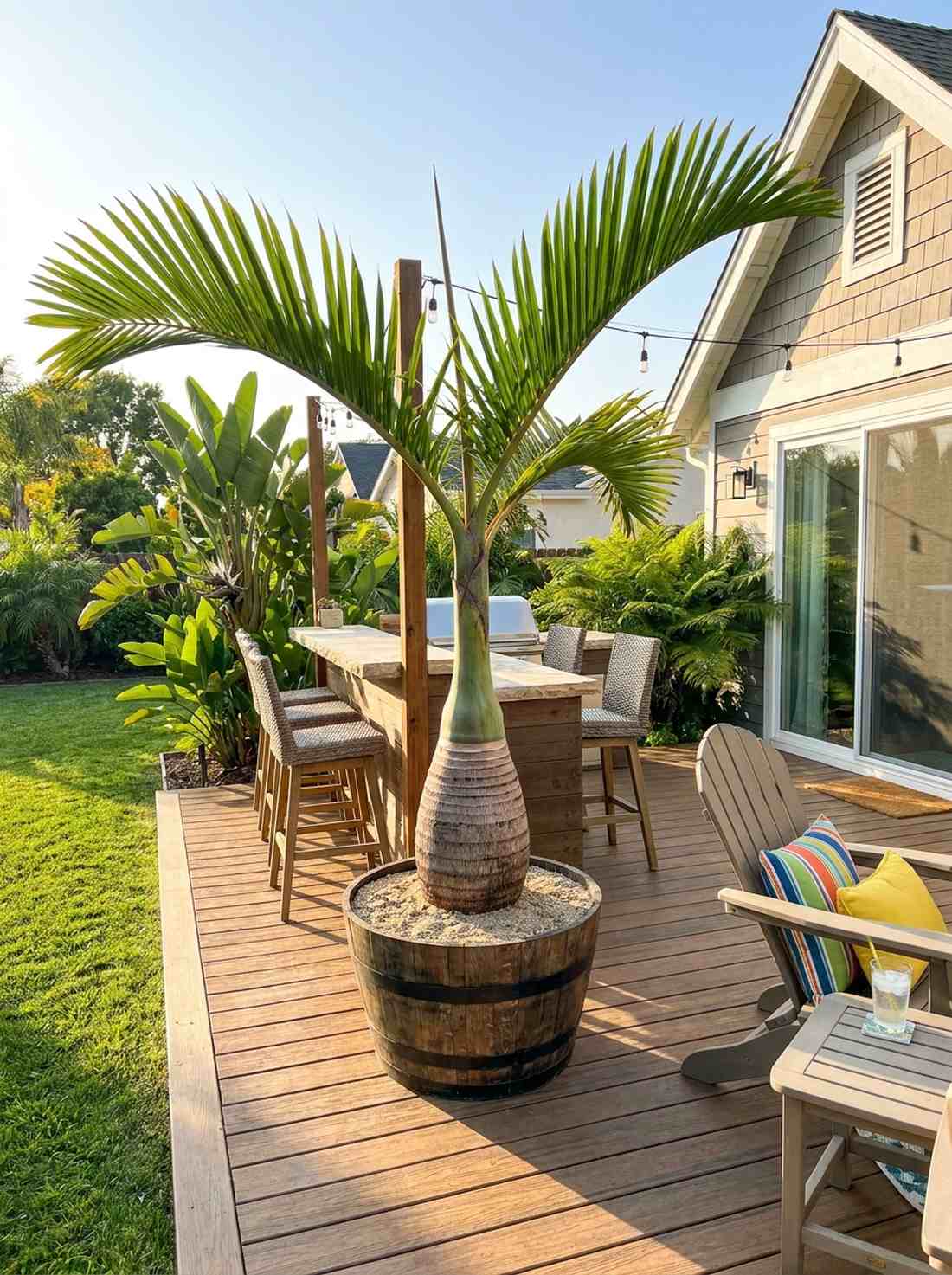
Gives off the playful, quirky energy of a secret island tiki bar. Swollen trunk specimen planter. Ideal for flanking an outdoor bar or tight patio corner.
Skip the massive canopy trees if you have a small patio; this dwarf wonder delivers a surprisingly premium look without overwhelming the space. Its swollen trunk acts as a water reservoir, making it highly forgiving for busy homeowners.
You can get a solid starter for $45–$65. Save this to your patio styling board!
- Key Materials: Bottle palm, well-draining sand mix
- Vibe / Style: Playful tropical modern
- Difficulty: Easy beginner setup
- Budget Breakdown: Plant: $50 | Potting Mix: $10
- Creator’s Tip: Do not overwater; the swollen trunk stores enough moisture to survive dry spells.
- Smart Sourcing: Pre-drilled resin whiskey barrel planters and chunky pumice soil additives.
14. Mexican Fan Palm (Washingtonia robusta)
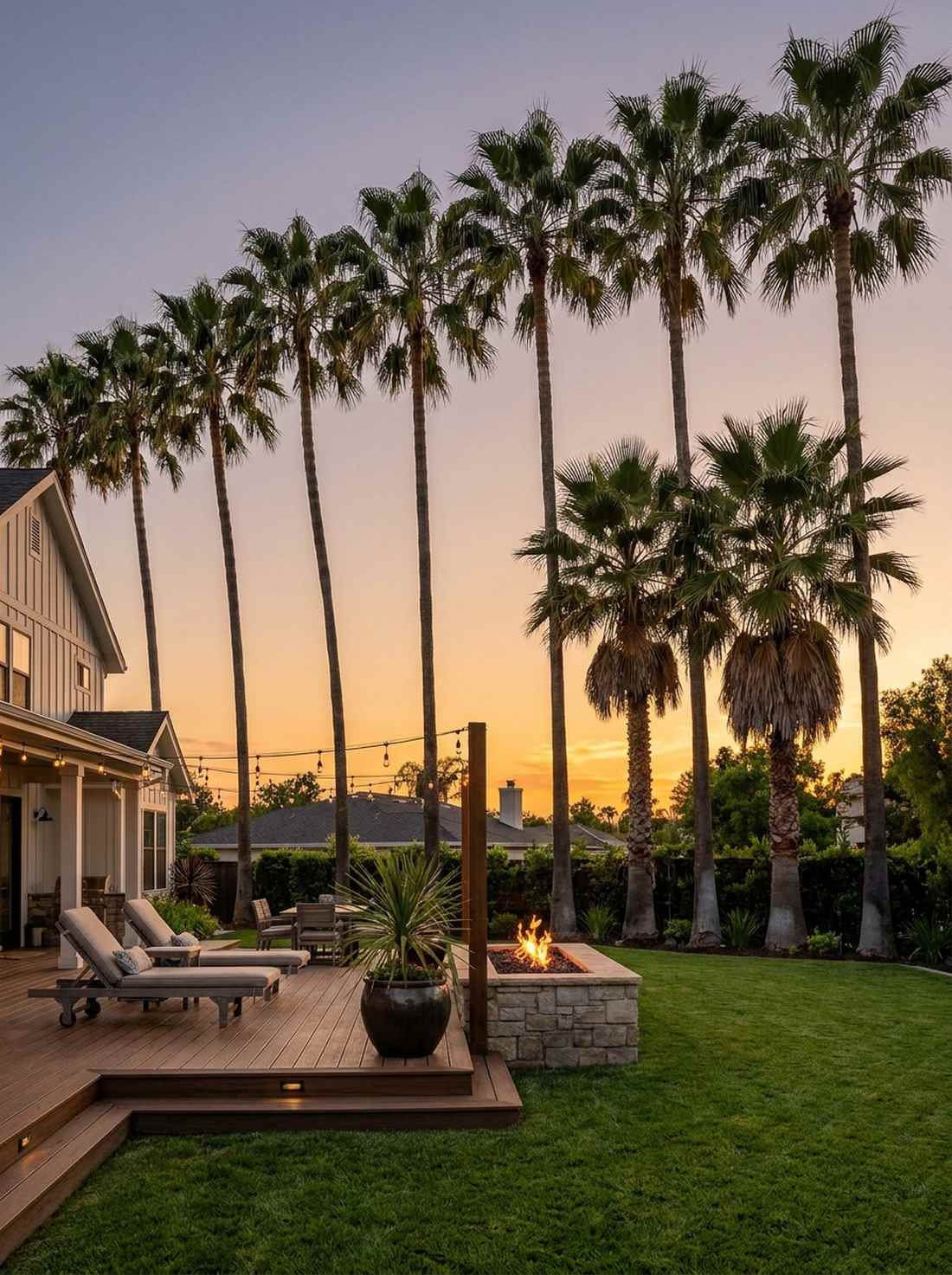
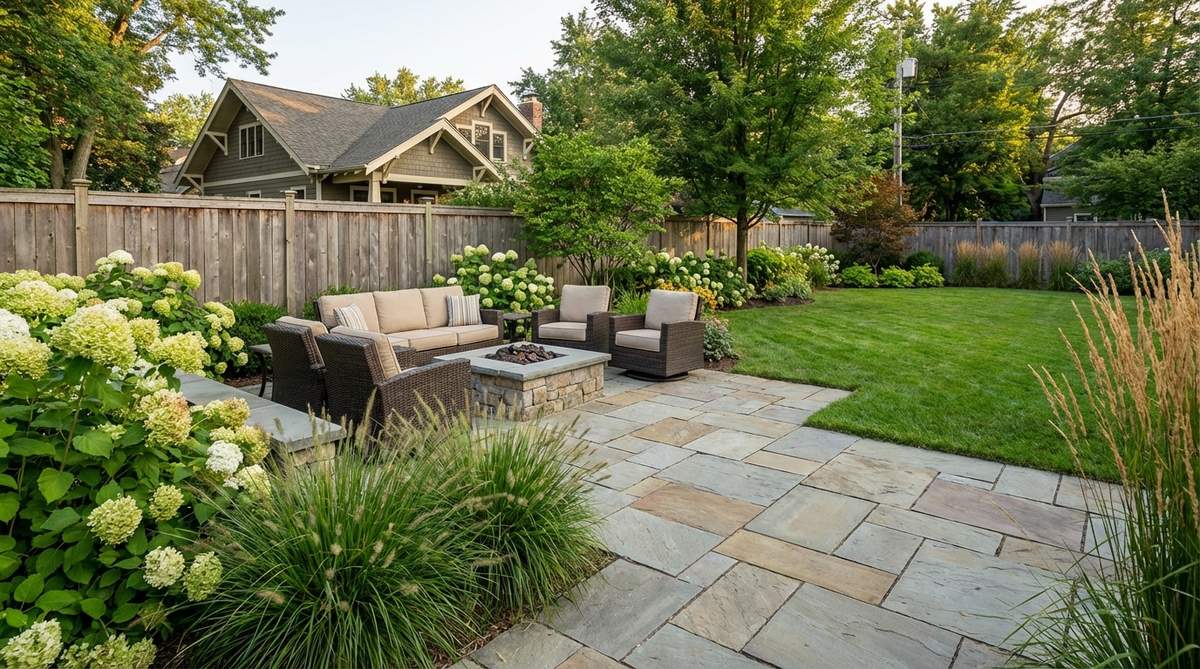
Casts iconic, towering silhouettes against a sunset sky. High-altitude vertical screen. Perfect for lining a property boundary with dramatic height.
A massive mistake beginners make is planting these near power lines due to their explosive growth rate. Placed correctly, they offer an incredibly cheap way to establish a mature skyline in just a few years.
Very budget-friendly, starting around $20–$40. Highly recommended for quick height.
- Key Materials: Young palms, basic landscape soil
- Vibe / Style: Classic Hollywood Boulevard
- Difficulty: Easy
- Budget Breakdown: Plant: $25 | Base soil: $10
- Creator’s Tip: Leave the “hula skirt” of dead fronds on for a natural look, or shave it for a formal aesthetic.
- Smart Sourcing: Professional curved palm pruning saws and heavy-duty landscaping gloves.
If you think the last idea was good, wait until you see the absolute cheat-code below.
15. Paurotis Palm (Acoelorrhaphe wrightii)
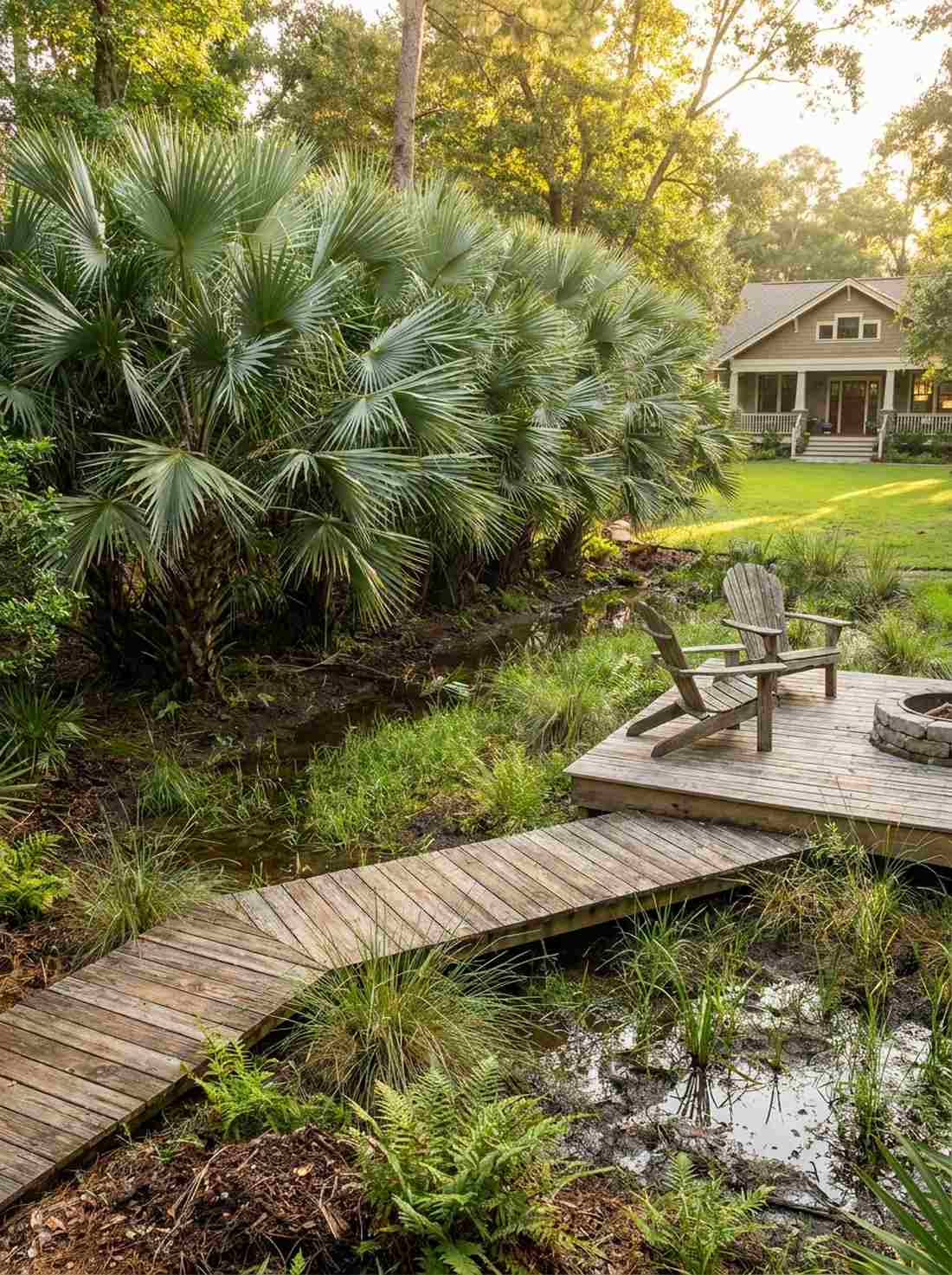
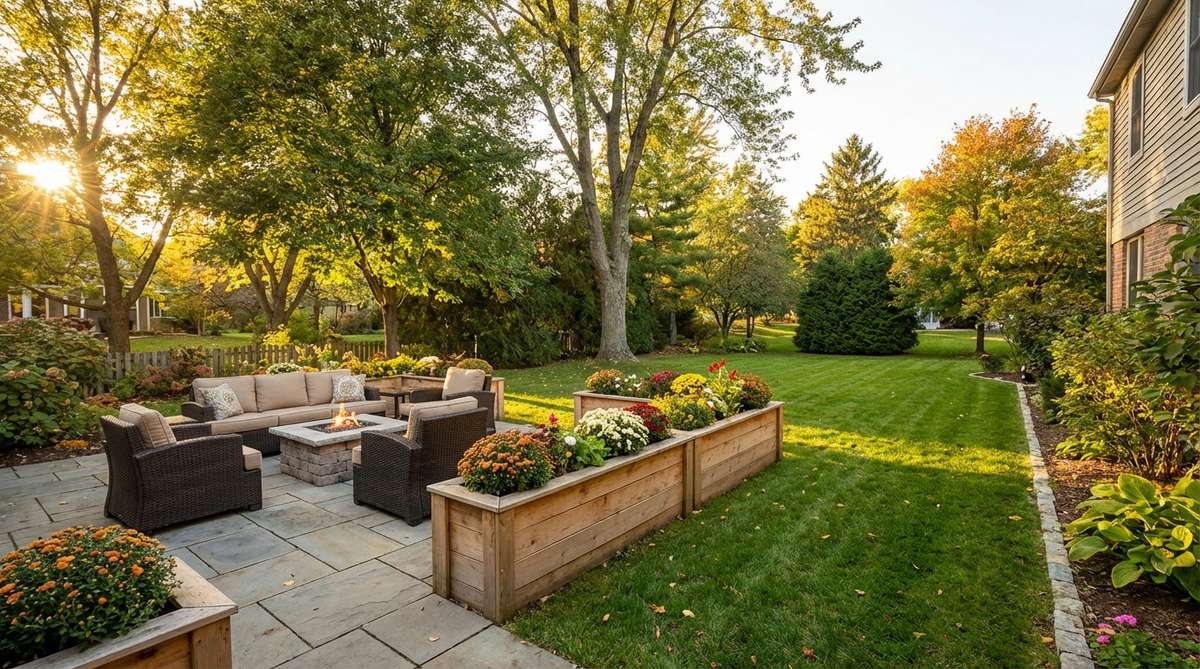
Feels like stumbling upon a hidden Everglades oasis. Dense multi-trunk privacy hedge. Exceptionally good for low, wet areas where standard fences rot.
Instead of fighting swampy soil with expensive French drains, embrace it with this native cluster palm that looks far more expensive than it is. The silvery undersides catch the breeze, creating dynamic movement.
You can establish a clump for $40–$70. Pin this if you’re dealing with soggy yard spots!
- Key Materials: Paurotis clump, organic compost
- Vibe / Style: Wild wetland retreat
- Difficulty: Easy (if soil is wet)
- Budget Breakdown: Clump: $50 | Compost: $12
- Creator’s Tip: Never let it dry out completely; it thrives in standing water.
- Smart Sourcing: Water-retaining soil crystals (bulk pack) and submersible pond pump kits.
16. Chinese Fan Palm (Livistona chinensis)
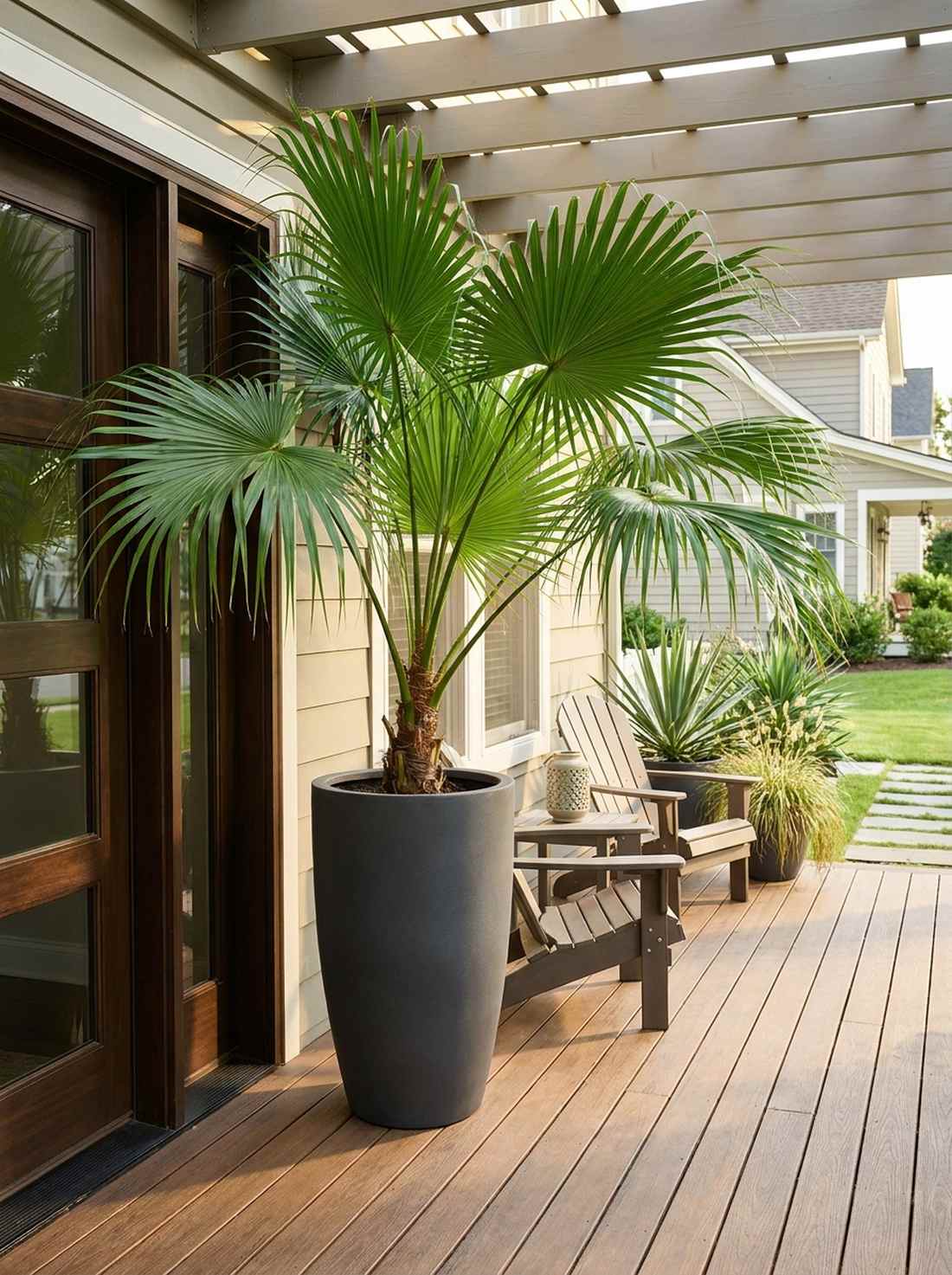
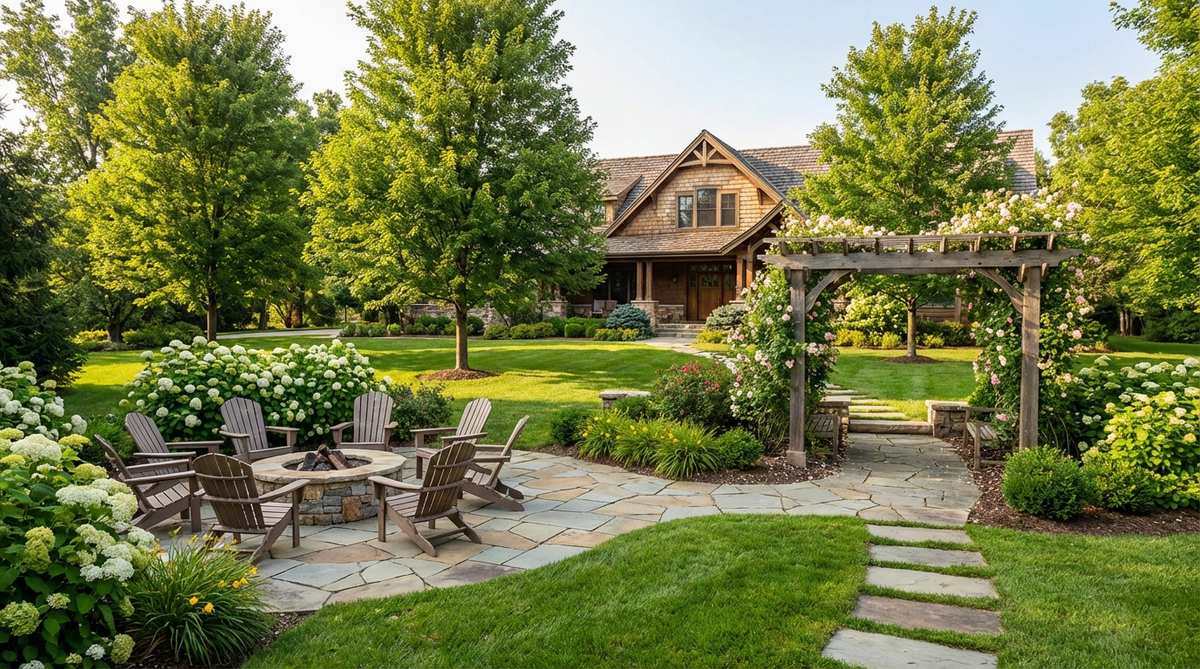
Brings a graceful, weeping elegance to a shaded veranda. Fountain-like understory accent. Gorgeous when potted next to a modern front door.
Many homeowners overpay for delicate tropicals, but this cold-tolerant champion provides a lush, tropical canopy even in Zone 8 without melting away in winter. Its wide, pleated leaves offer fantastic textural contrast to spiky companion plants.
Expect to spend around $30–$55. It’s a highly resilient choice for changing climates.
- Key Materials: Chinese fan starter, balanced fertilizer
- Vibe / Style: Resilient classic elegance
- Difficulty: Easy beginner setup
- Budget Breakdown: Plant: $35 | Pot: $20
- Creator’s Tip: Protect young plants from harsh afternoon sun until they mature and toughen up.
- Smart Sourcing: UV-coated modern tall planters and slow-release balanced fertilizer granules.
17. Sago Palm (Cycas revoluta)
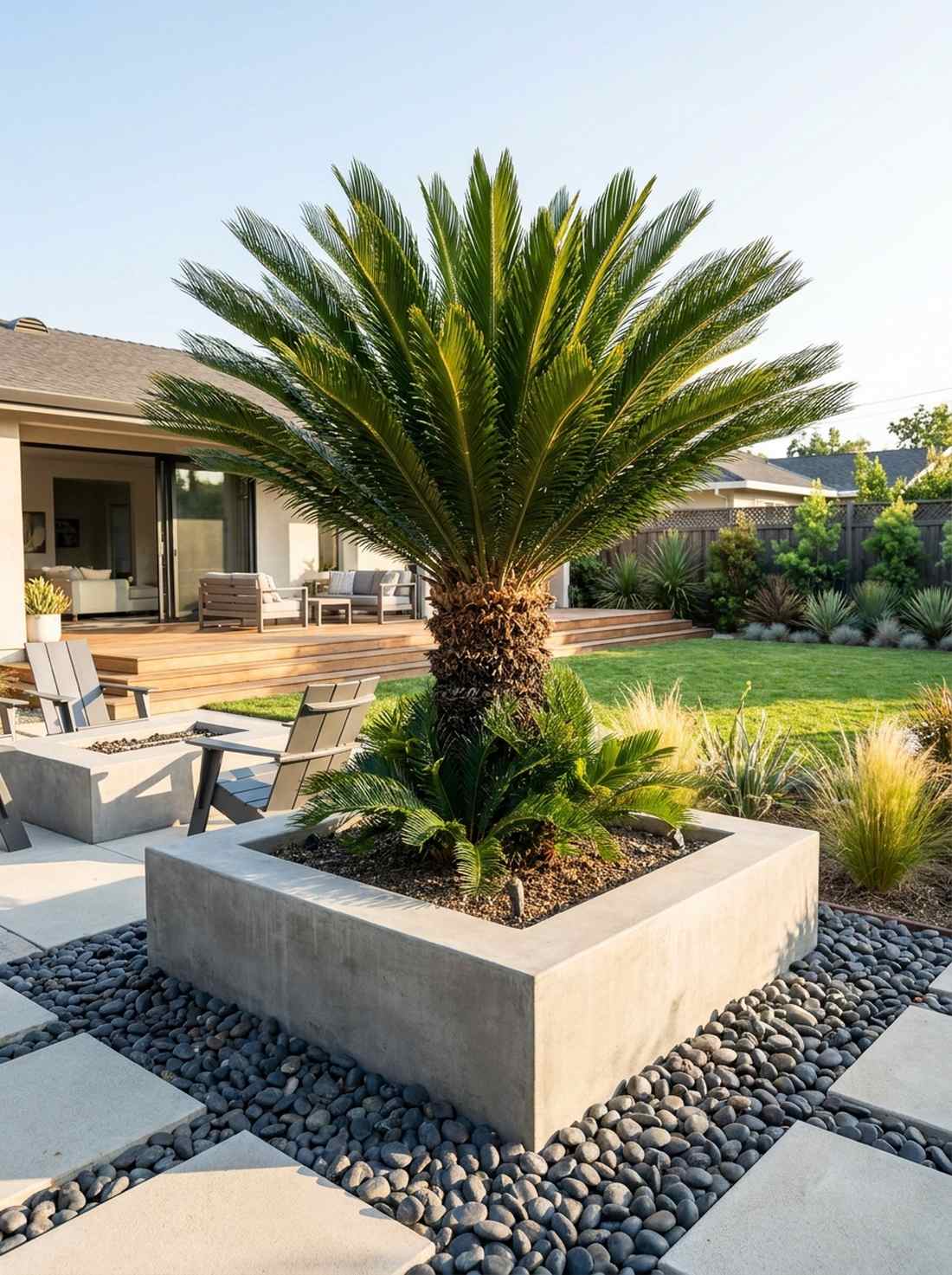
Injects a bold, geometric perfection into formal beds. Symmetrical foundation showpiece. Incredible for modern, minimalist rock garden layouts.
While technically a cycad and not a palm, its prehistoric architecture delivers a surprisingly premium look that requires almost zero pruning. Be warned: it’s highly toxic to pets, so utilize elevated planters to keep dogs away safely.
Starters run about $25–$50. Save this to your minimalist landscape board!
- Key Materials: Sago cycad, decorative river rock
- Vibe / Style: Architectural prehistoric modern
- Difficulty: Easy (slow growing)
- Budget Breakdown: Plant: $30 | Rocks: $15
- Creator’s Tip: If the leaves turn yellow, hit it immediately with a manganese sulfate drench.
- Smart Sourcing: Manganese nutritional sprays for cycads and bulk polished river rocks.
Flowering Tropical Specimens With Exotic Blooms
These tropical garden flowers combine ornamental foliage with spectacular flowering displays that define tropical aesthetics.
18. Hibiscus (Rosa-sinensis)
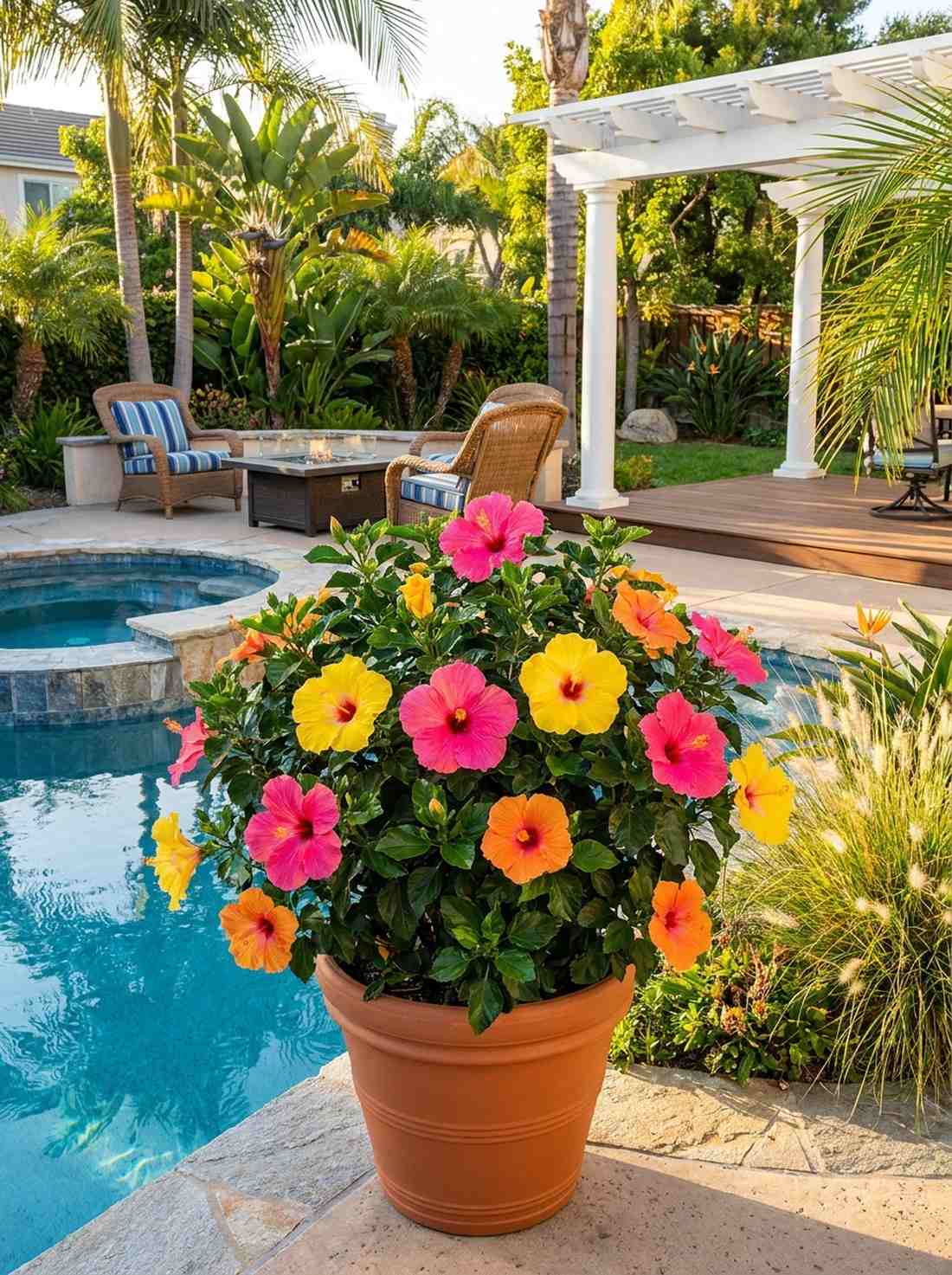
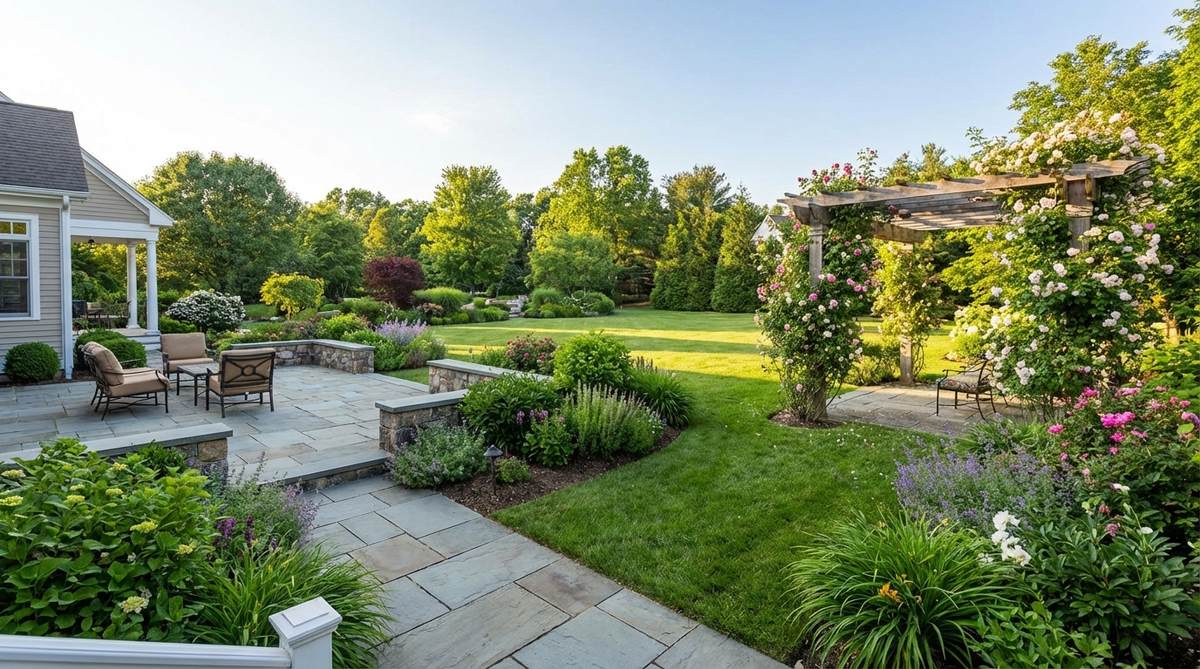
Bursts with the vivid, saturated joy of a Hawaiian postcard. Dinner-plate floral patio display. Perfect for framing sunny pool enclosures.
When sourcing tropical garden flowers, skip the boring local annuals; these massive blooms give a designer-level finish that continuously pops all summer long. Regular pinching creates a bushier, bloom-heavy shrub rather than a leggy mess.
You can grab a beautiful blooming pot for $15–$25. Highly recommended for instant color impact.
- Key Materials: Potted hibiscus, high-potassium feed
- Vibe / Style: Classic island vibrancy
- Difficulty: Easy beginner setup
- Budget Breakdown: Plant: $20 | Feed: $10
- Creator’s Tip: Blooms only last one day, but healthy plants produce new ones constantly.
- Smart Sourcing: High-potassium hibiscus fertilizer kits and self-watering UV-resistant deck pots.
19. Bird of Paradise (Strelitzia reginae)
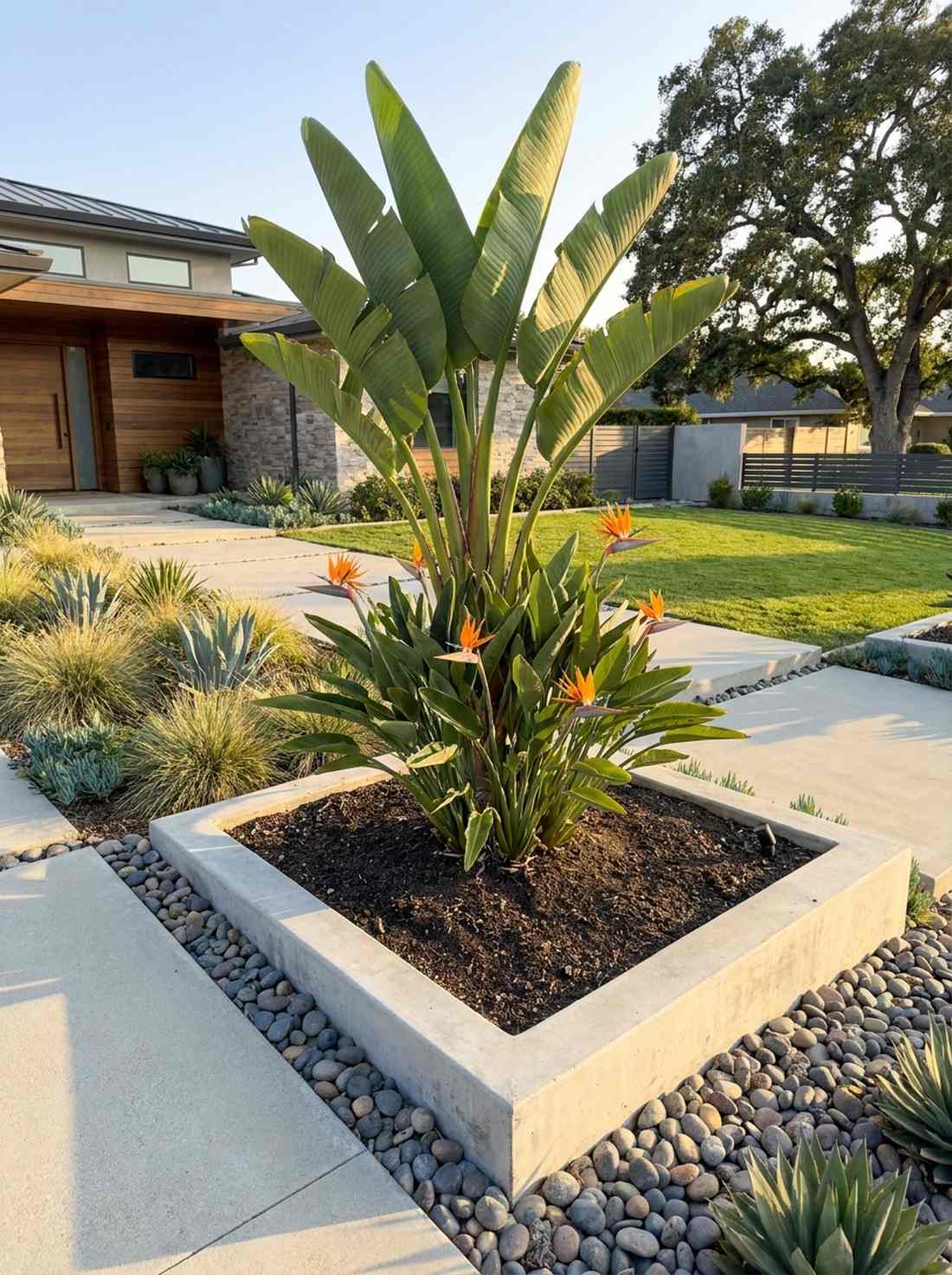
Strikes a pose like a flock of vibrant exotic birds taking flight. Sculptural border highlight. The absolute best choice for a sleek, modern front yard bed.
People often spend thousands on outdoor sculptures, but this architectural bloom creates an upscale vibe that looks far more expensive than it is. It actually blooms better when slightly root-bound, saving you from constant repotting.
Cost sits around $25–$45 depending on size. Pin this for your high-end landscape design!
- Key Materials: Strelitzia plant, well-draining soil
- Vibe / Style: High-impact architectural floral
- Difficulty: Moderate
- Budget Breakdown: Plant: $30 | Soil: $10
- Creator’s Tip: Be patient; grown from seed, they can take up to 5 years to produce their first flower.
- Smart Sourcing: Pre-formulated blooming tropical plant food and heavy-duty root-bound tolerant planters.
Don’t finalize your patio layout until you check out this next incredibly fragrant setup…
20. Plumeria (Frangipani)
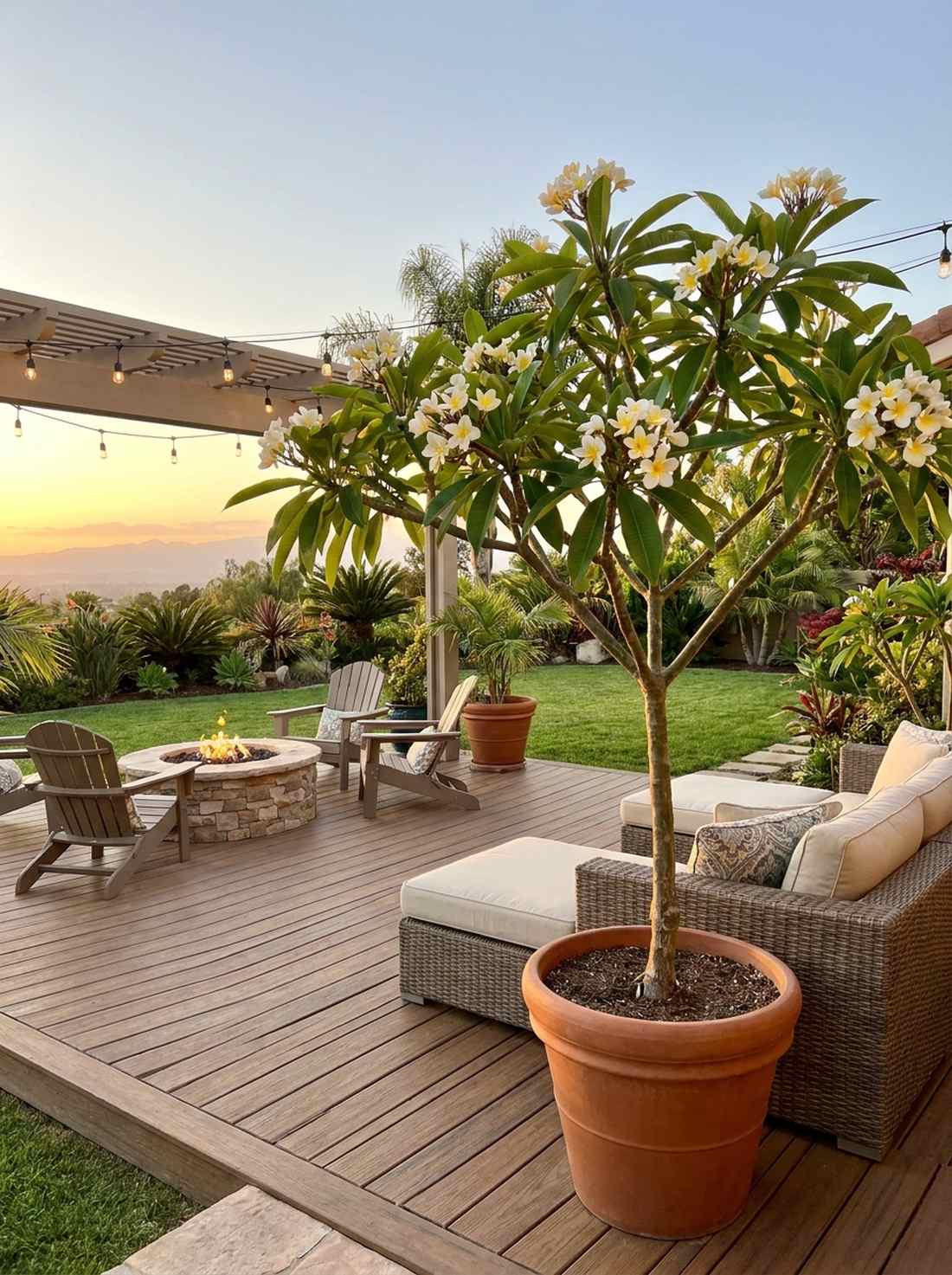
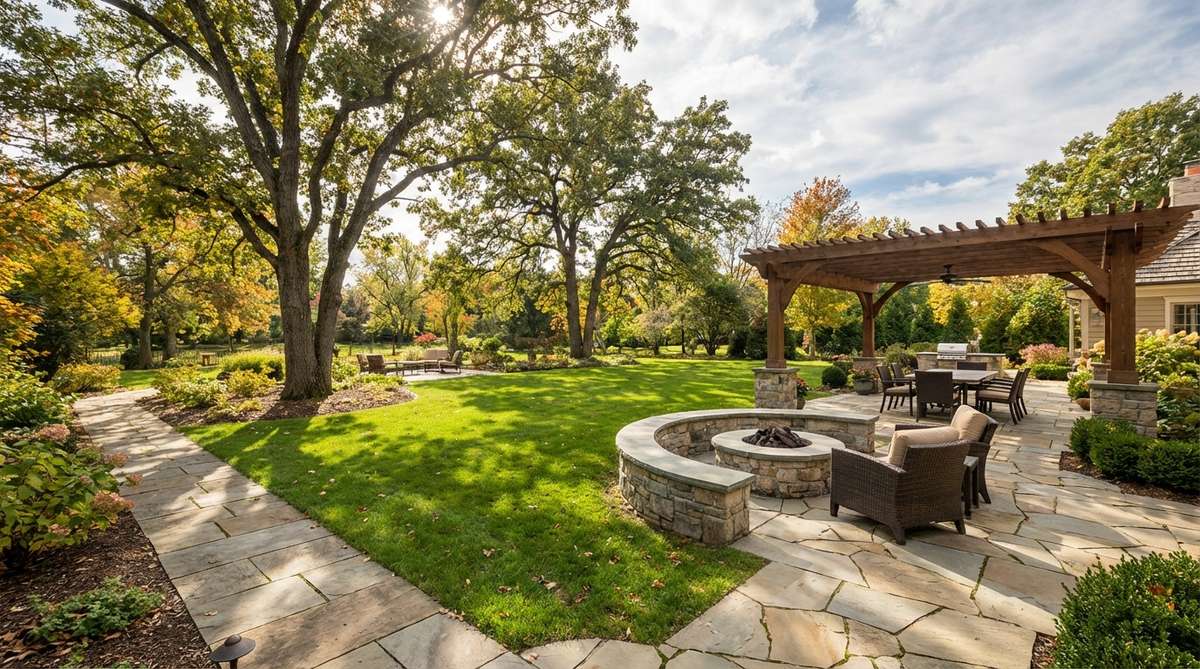
Fills the evening air with the intoxicating scent of a luxury spa. Fragrant twilight patio tree. Unbeatable when placed directly next to an outdoor lounging sofa.
Among tropical garden flowers, nothing matches the sensory impact of plumeria; buying dormant cuttings online is an incredibly cheap hack for a premium aesthetic. They drop leaves in winter, transforming into striking sculptural branches.
Unrooted cuttings cost a mere $10–$20. Save this to your sensory garden board!
- Key Materials: Unrooted cutting, cactus soil mix
- Vibe / Style: Hawaiian sunset romance
- Difficulty: Intermediate (rooting requires care)
- Budget Breakdown: Cutting: $15 | Cactus Mix: $8
- Creator’s Tip: Dip the cut end in rooting hormone and let it callous for a week before planting.
- Smart Sourcing: High-strength rooting hormone gel and bulk fast-draining cactus soil.
21. Heliconia (Lobster Claw)
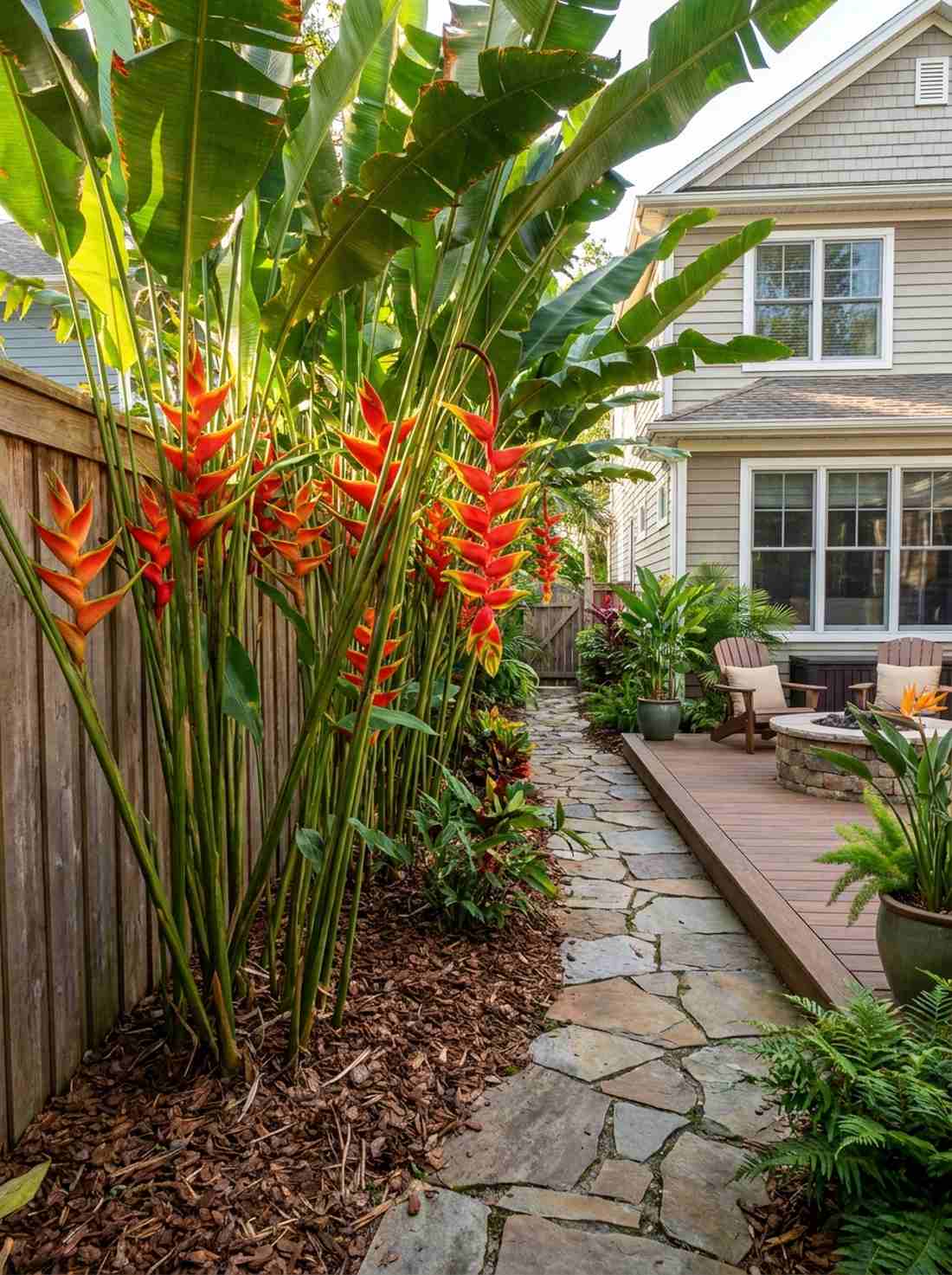
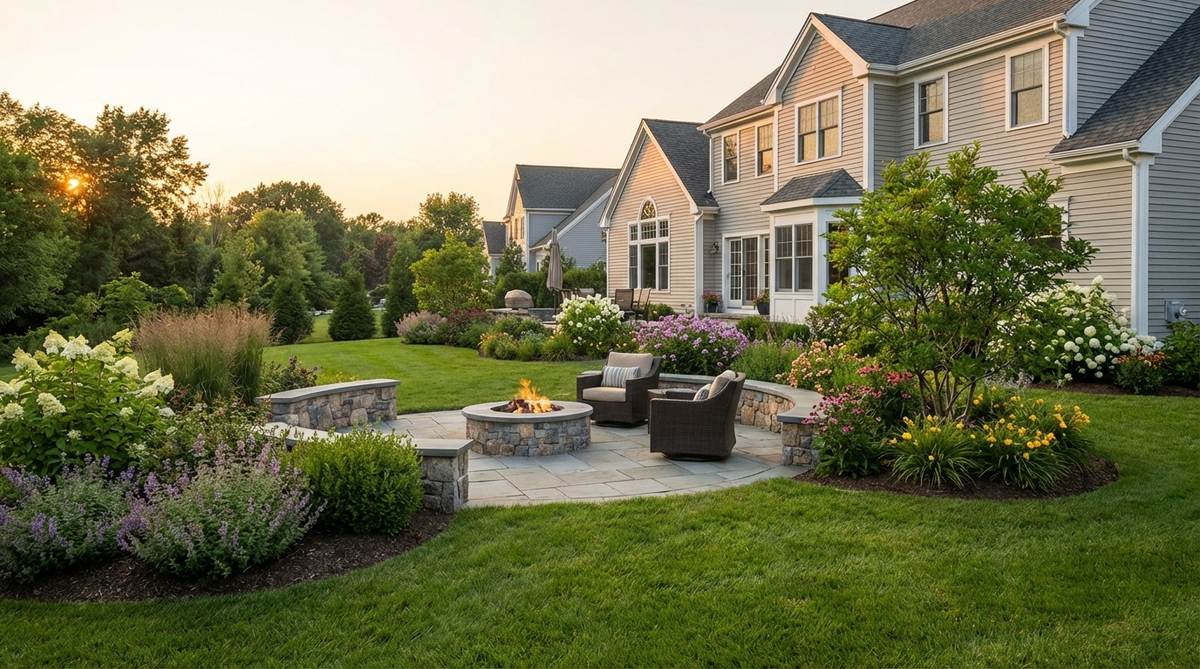
Dazzles with aggressive, jagged geometric shapes in fiery hues. Vertical tropical backdrop. Stunning when planted in tight, humid side-yard corridors.
While most tropical garden flowers are delicate, these waxy, structural bracts deliver a surprisingly premium look that withstands heavy rain and heat. They spread via rhizomes, meaning one initial investment multiplies into a massive jungle over time.
Starter rhizomes run about $20–$35. A fast upgrade that completely changes the vibe of a bare fence.
- Key Materials: Heliconia rhizomes, thick organic mulch
- Vibe / Style: Aggressive tropical maximalism
- Difficulty: Easy
- Budget Breakdown: Rhizomes: $25 | Mulch: $10
- Creator’s Tip: Cut the spent flower stalks completely to the ground to encourage new shoots.
- Smart Sourcing: Live heliconia rhizome starter kits and professional floral cutting shears.
22. Canna Lily
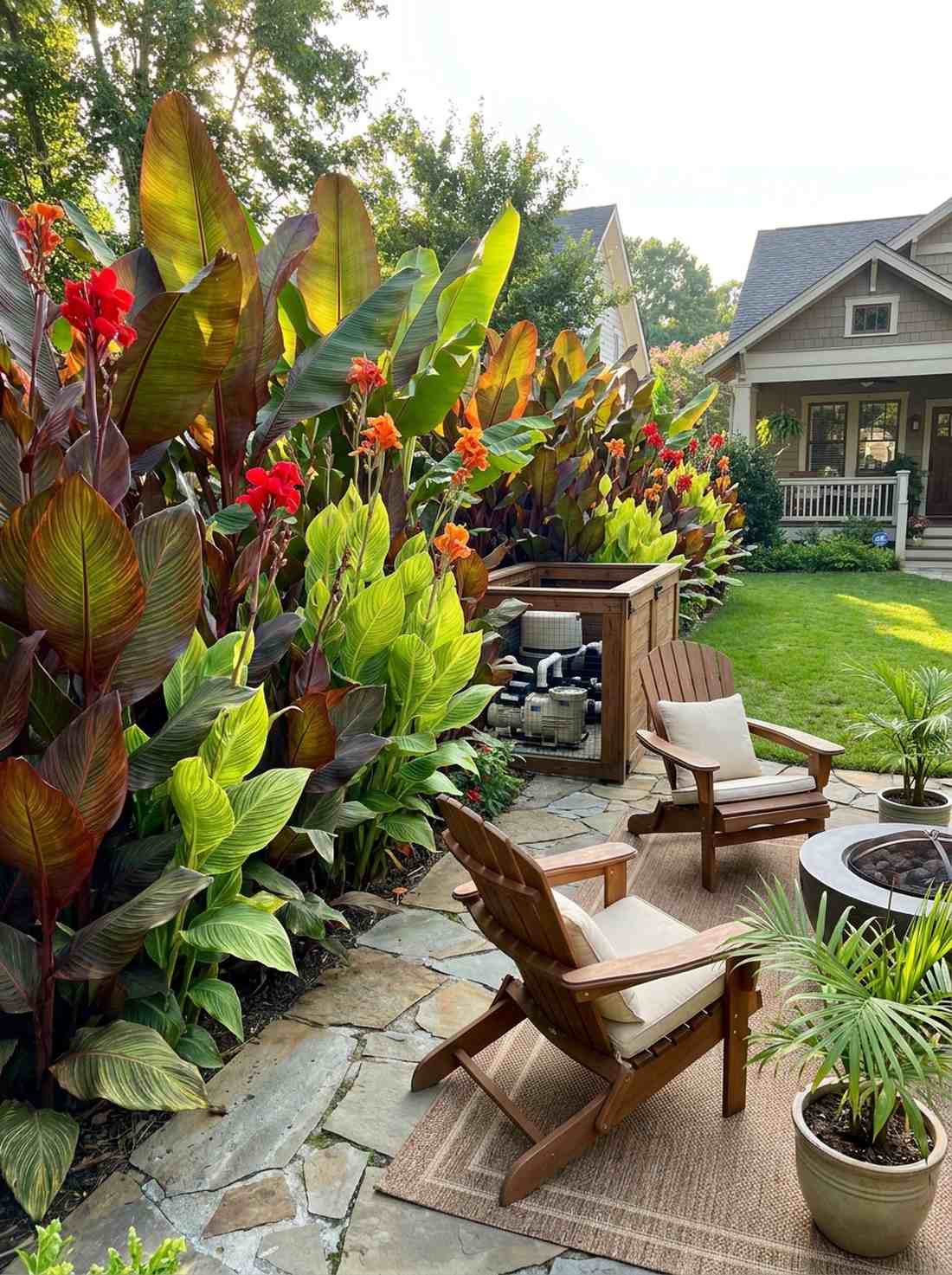
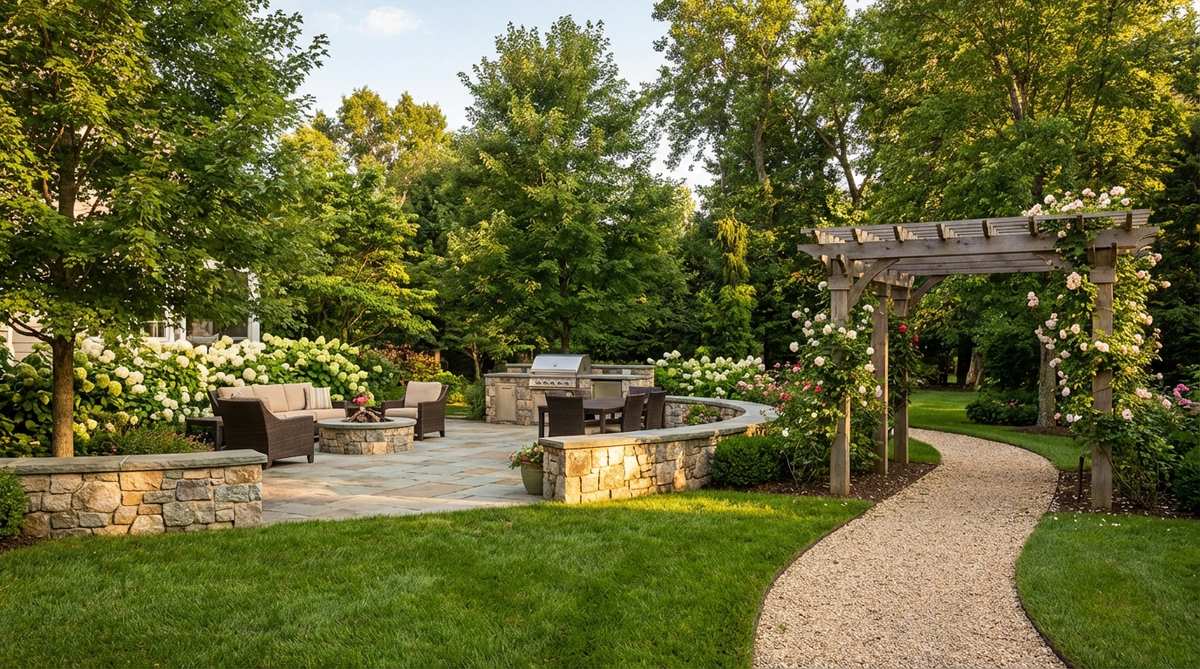
Paints the landscape with broad, striped brushstrokes of bronze and lime. Rapid summer privacy screen. Perfect for wrapping around an unsightly pool pump.
A massive mistake beginners make is buying expensive mature cannas; bulk dormant bulbs shoot up to 6 feet in a single season for pennies on the dollar. You get brilliant flowers and dramatic foliage in one bulletproof package.
You can plant a massive row for around $15–$30. Pin this to your budget garden hacks board!
- Key Materials: Bulk canna bulbs, composted manure
- Vibe / Style: Lush cottage-meets-jungle
- Difficulty: Easy beginner setup
- Budget Breakdown: Bulbs: $15 | Manure: $8
- Creator’s Tip: Dig them up after the first frost if you live up north, store them, and replant in spring for free.
- Smart Sourcing: Assorted canna lily bulbs (bulk pack) and odorless composted manure bags.
23. Red Ginger (Alpinia purpurata)
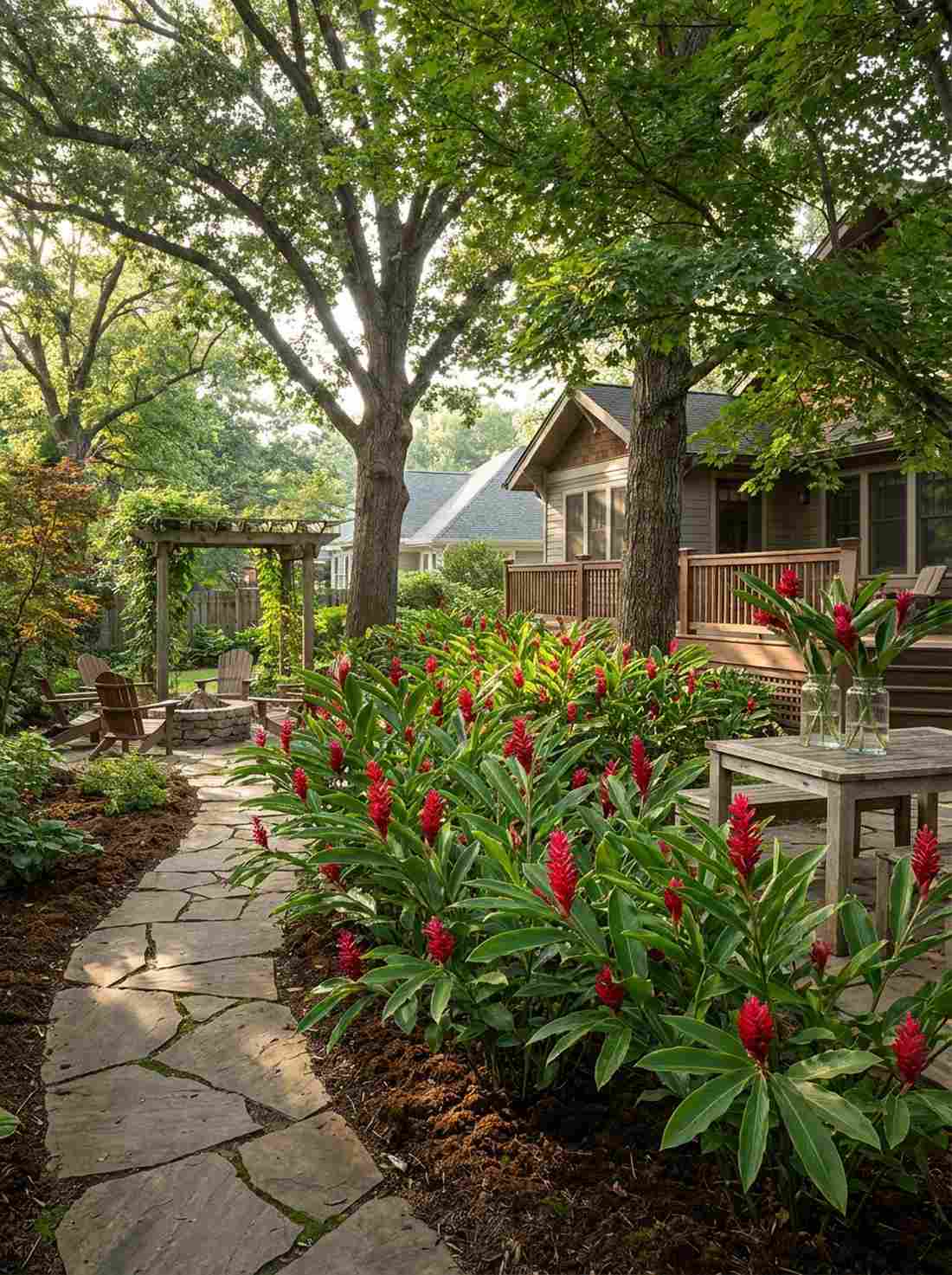
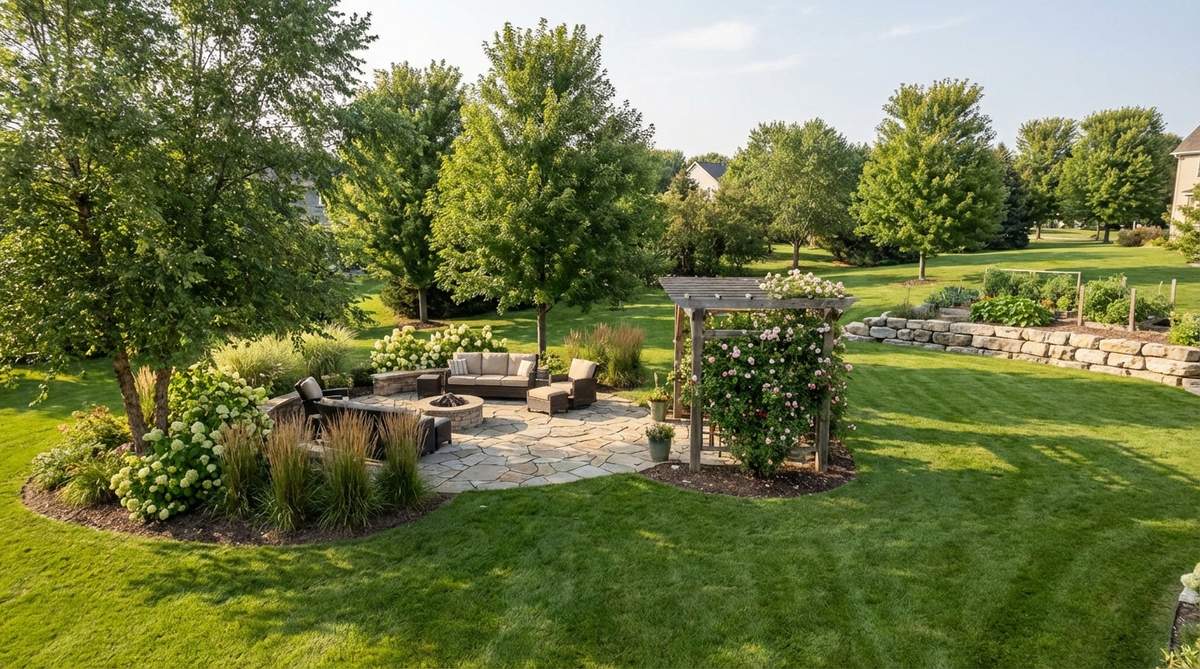
Flares up like vibrant torches hidden in a deep, shaded forest. Understory floral drift. Beautiful when mass-planted beneath the canopy of large trees.
Skip the generic shade plants like hostas; planting tropical ginger gives a designer-level finish that brings brilliant red to the darkest corners of your yard. The blooms last for weeks on the plant and in indoor vases.
You can get started for $20–$40. Highly recommended for injecting color into heavy shade.
- Key Materials: Ginger rhizomes, peat moss
- Vibe / Style: Shaded island retreat
- Difficulty: Easy
- Budget Breakdown: Roots: $25 | Peat: $10
- Creator’s Tip: Ginger loves humidity, so hose down the foliage during dry, hot afternoons.
- Smart Sourcing: Live red ginger rhizomes and heavy-duty glass propagation vases.
24. Anthurium (Flamingo Flower)
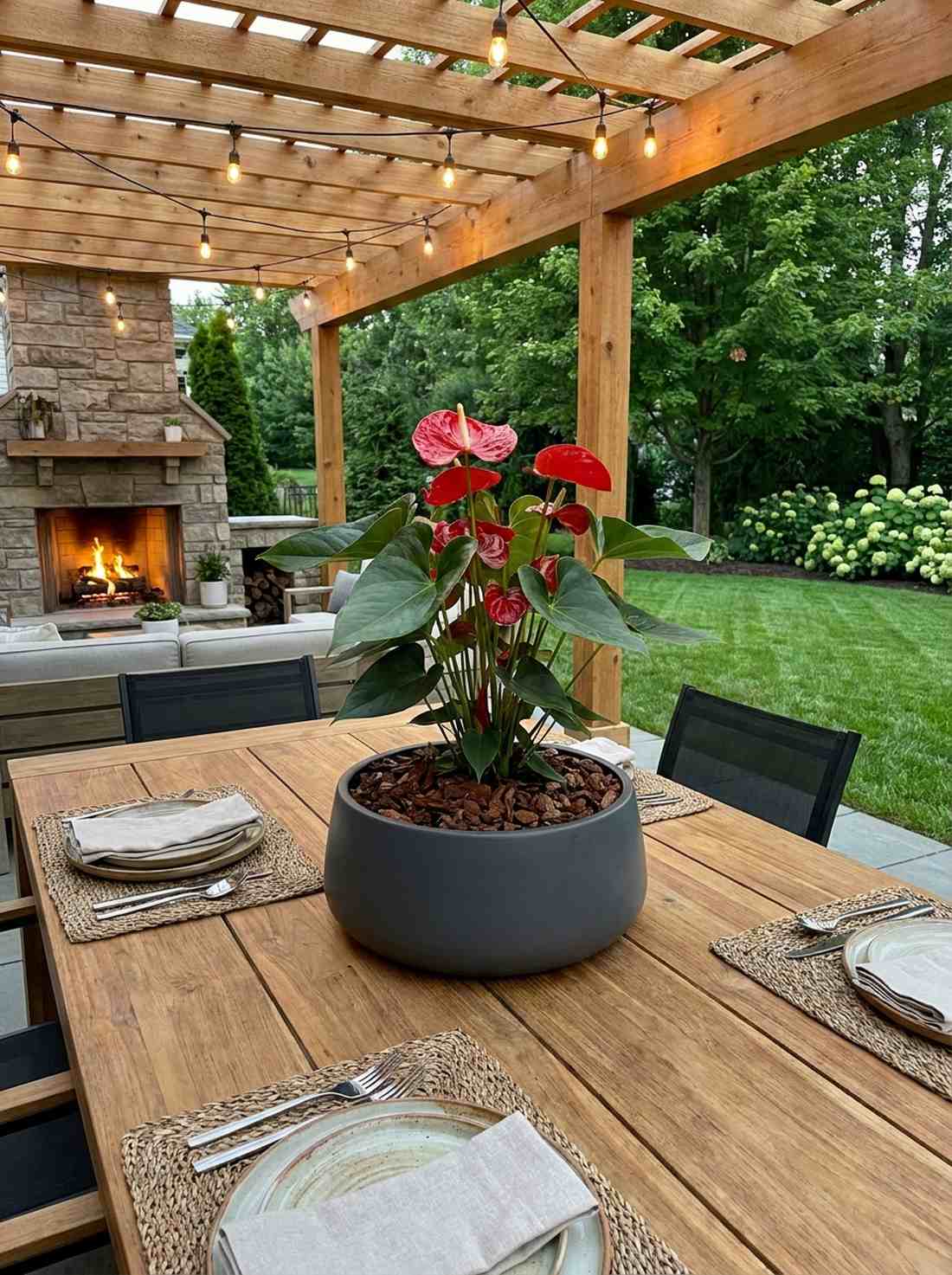
Gleams with a waxy, almost artificial perfection. Glossy tabletop focal point. The ultimate choice for a covered outdoor dining table centerpiece.
Instead of buying fresh cut flowers weekly, investing in a potted anthurium creates an upscale vibe that looks far more expensive than it is, providing non-stop color for months. It thrives in tight pots and low light.
A beautiful blooming plant costs $15–$30. Save this for your patio dining decor ideas!
- Key Materials: Potted anthurium, orchid bark
- Vibe / Style: Sleek tropical modern
- Difficulty: Easy beginner setup
- Budget Breakdown: Plant: $20 | Bark: $8
- Creator’s Tip: Wipe the leaves down with a damp cloth monthly to keep their signature glossy shine.
- Smart Sourcing: Pre-mixed orchid bark potting soil and decorative ceramic indoor/outdoor planter kits.
This next setup completely solves the problem of boring, blank outdoor walls…
25. Ixora (Jungle Flame)
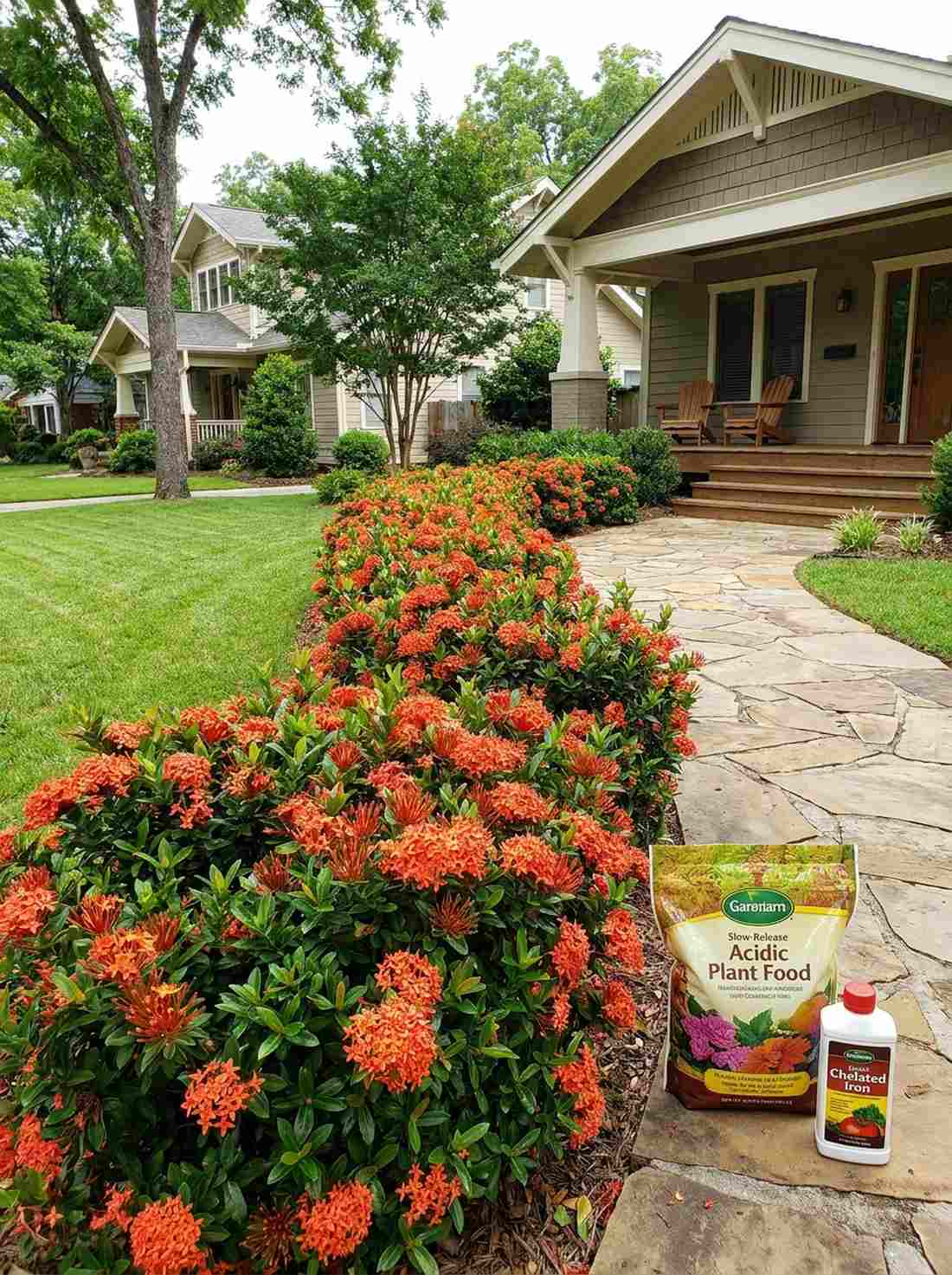
Explodes in tight, fiery pom-poms of color against dark, leathery leaves. Continuous flowering low hedge. Flawless for outlining a sunny front walkway.
Many homeowners default to boring boxwoods, but swapping to Ixora delivers a surprisingly premium look overflowing with neon color all summer long. It demands high heat and acidic soil to prevent the leaves from turning yellow.
Starter shrubs cost around $15–$25 each. It’s an absolute showstopper for full-sun borders.
- Key Materials: Ixora shrubs, acidic fertilizer
- Vibe / Style: Vibrant resort pathway
- Difficulty: Moderate (requires acidic pH)
- Budget Breakdown: Plant: $20 | Acidifier: $10
- Creator’s Tip: If leaves look pale with green veins, treat immediately with chelated iron.
- Smart Sourcing: Liquid chelated iron supplements and slow-release acidic plant food.
Climbing Tropical Vines For Vertical Gardens
These vigorous climbers add height dimension while covering arbors, pergolas, and fence lines with lush tropical foliage and flowers.
26. Bougainvillea
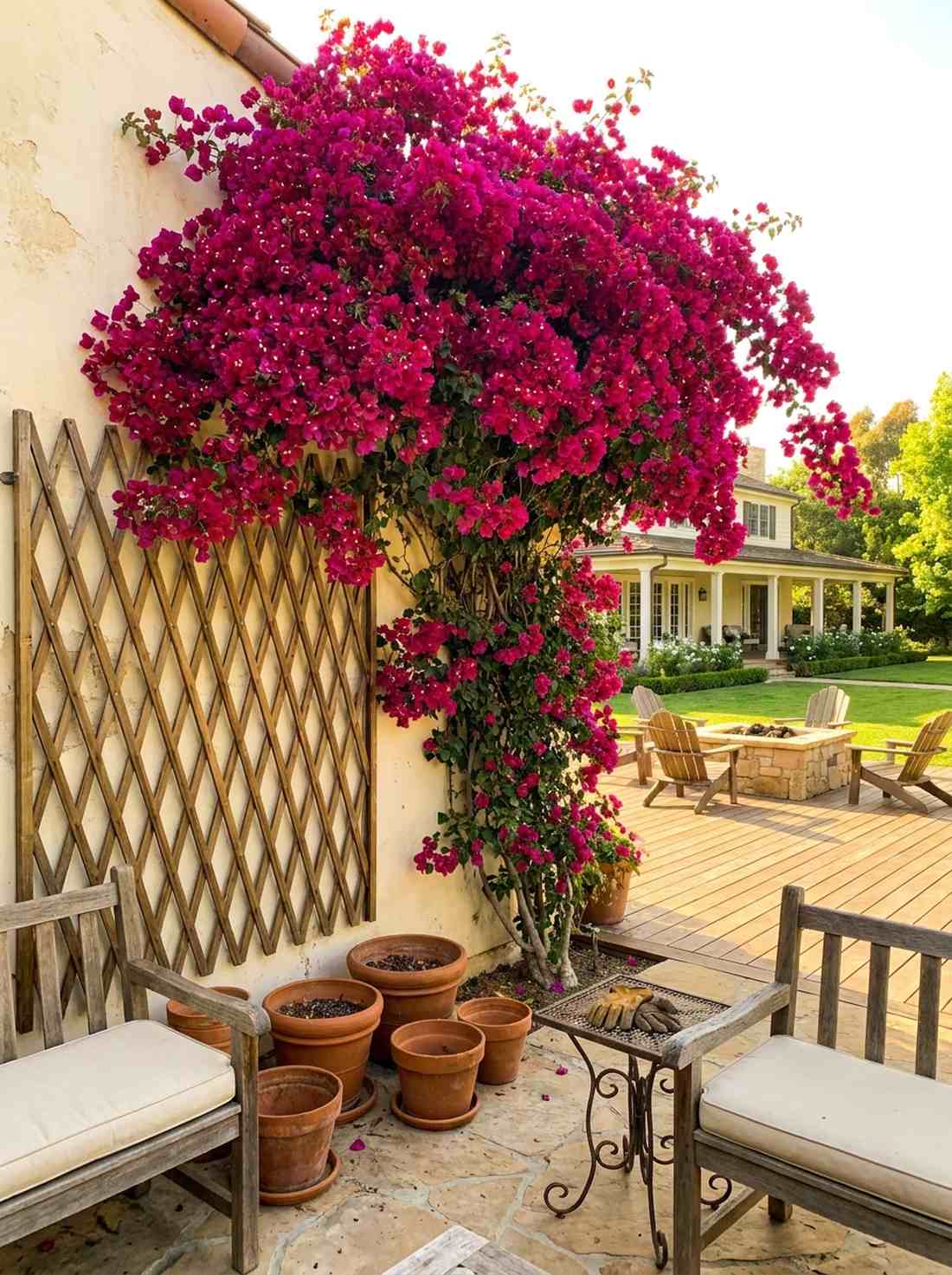
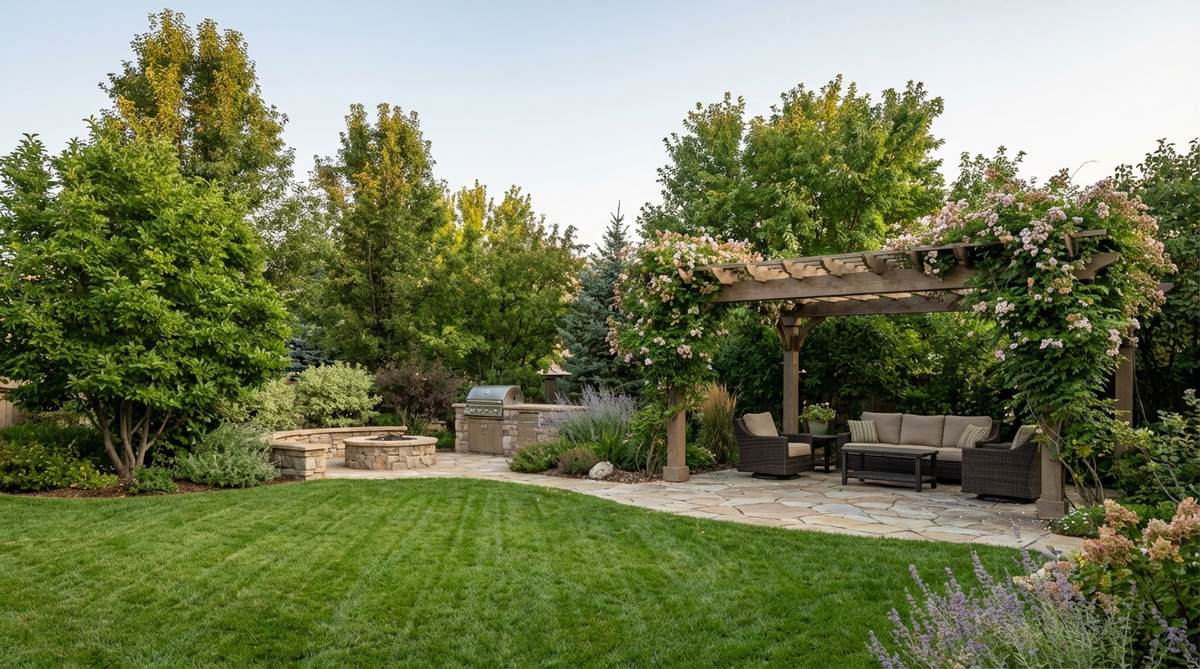
Cascades like a waterfall of magenta paper over sun-baked stucco. Drought-tolerant wall crawler. The quintessential choice for a Mediterranean courtyard wall.
A massive mistake beginners make is over-watering and over-fertilizing, which produces green leaves but zero flowers; starving them slightly creates an upscale architectural vibe bursting with color. Watch out for the vicious thorns when training them.
Starts at $20–$40 for a trellised pot. Pin this to your vertical gardening board!
- Key Materials: Bougainvillea plant, heavy-duty trellis
- Vibe / Style: Sun-drenched Santorini
- Difficulty: Moderate (pruning is prickly)
- Budget Breakdown: Plant: $25 | Trellis: $30
- Creator’s Tip: Keep the root ball perfectly intact when planting; they go into shock easily if roots are disturbed.
- Smart Sourcing: Heavy-duty expanding wooden trellis panels and thorn-proof leather gardening gloves.
27. Mandevilla (Dipladenia)
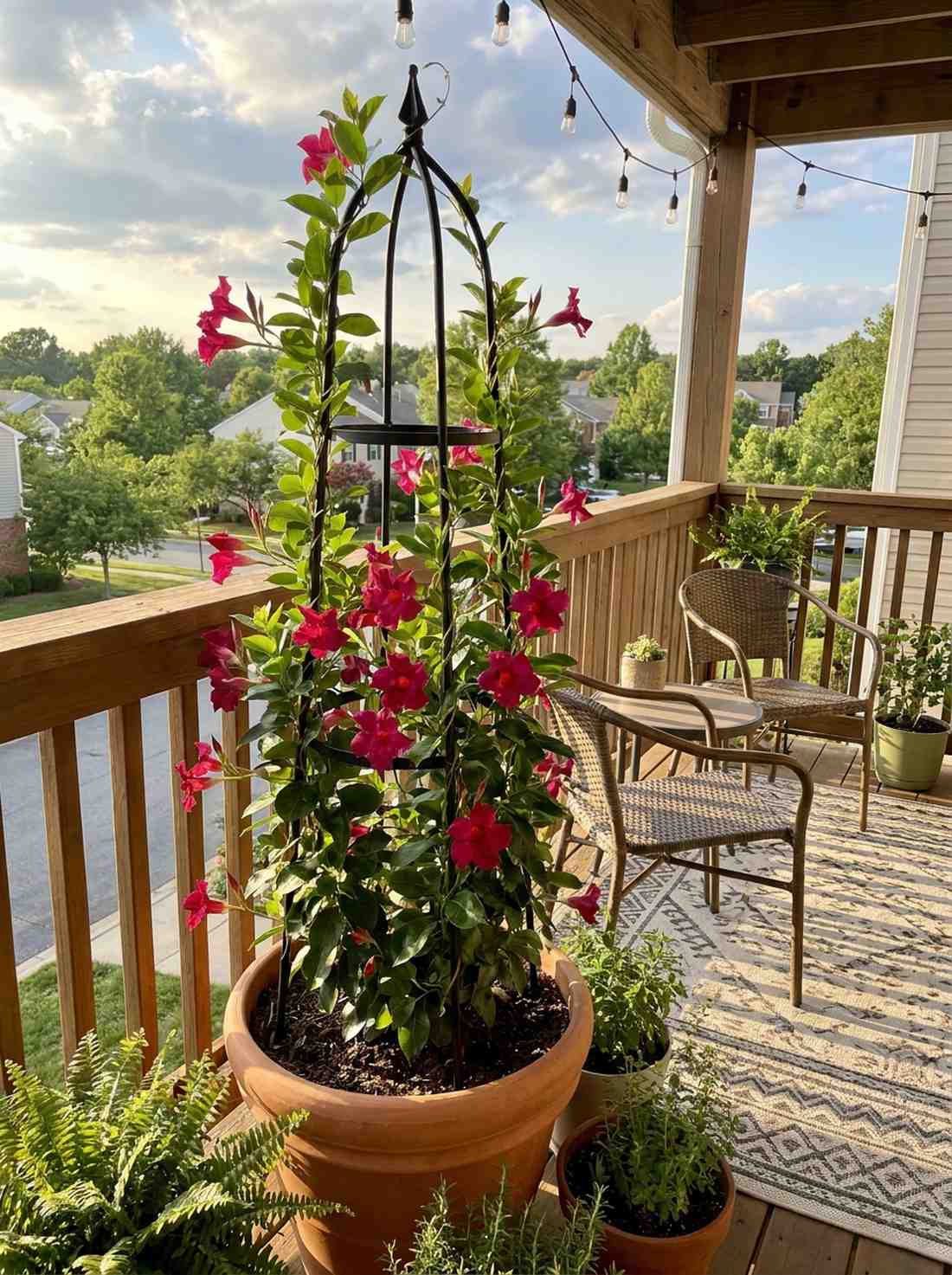
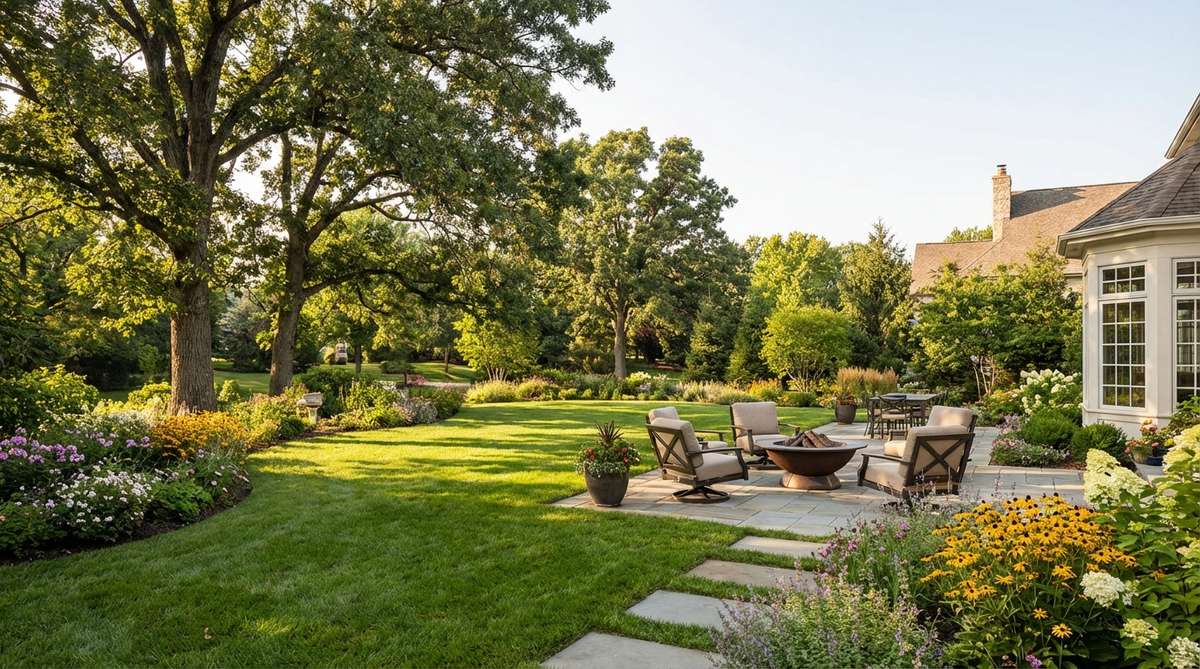
Twines delicate trumpets around pillars like a romantic, climbing ribbon. Potted obelisk climber. Perfect for adding vertical color to a small apartment balcony.
Skip the permanent, heavy vines if you rent; dropping a Mandevilla into a pot with an obelisk gives a designer-level finish that you can take with you when you move. It blooms aggressively all summer with just basic liquid feeding.
You can set this up for $25–$45 total. Save this to your small space balcony board!
- Key Materials: Mandevilla vine, metal garden obelisk
- Vibe / Style: Romantic vertical elegance
- Difficulty: Easy beginner setup
- Budget Breakdown: Vine: $20 | Obelisk: $20
- Creator’s Tip: Pinch the tips of new growth early in the season to force a bushier, multi-stem vine.
- Smart Sourcing: Rust-resistant metal garden obelisk kits and bloom-boosting liquid fertilizer.
28. Passion Flower (Passiflora)
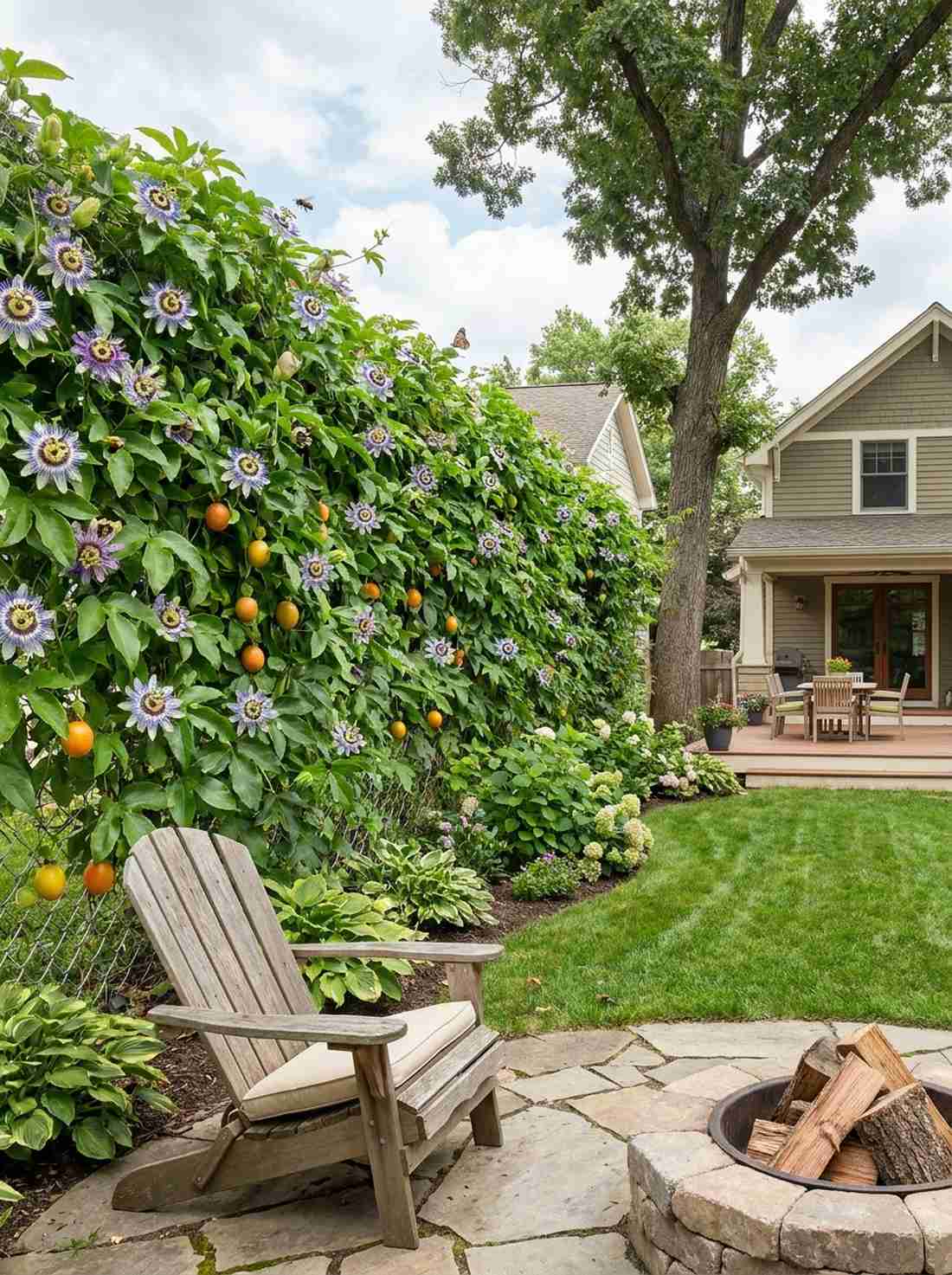
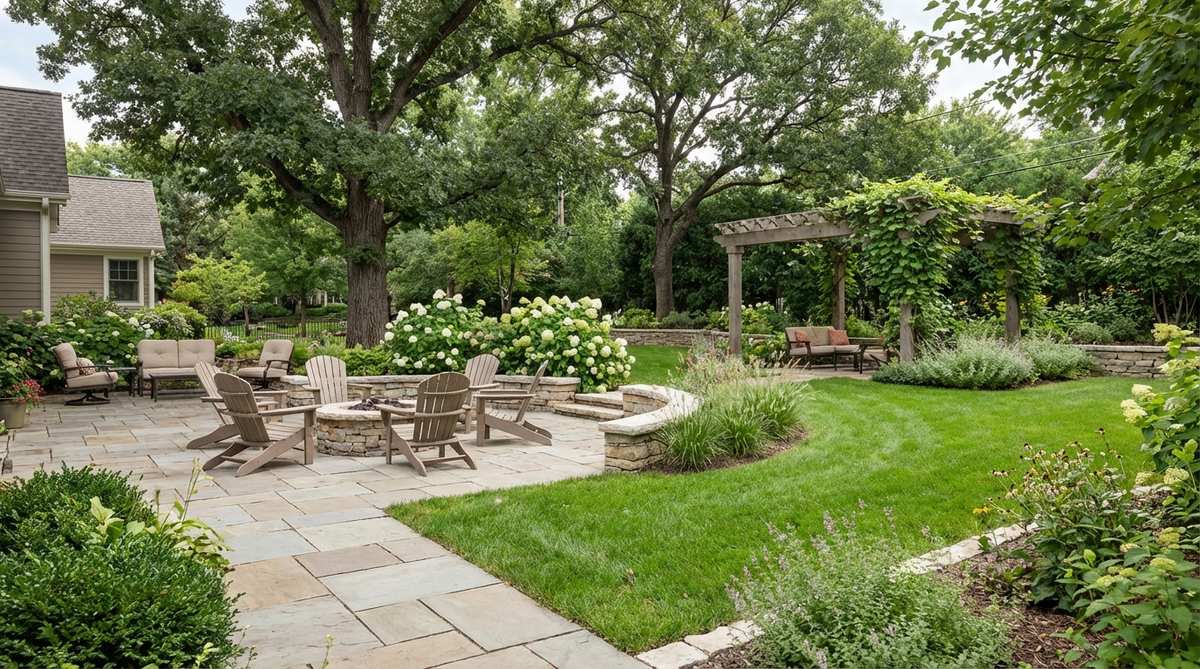
Displays complex, alien-like blooms that look like intricate clockwork. Rapid chain-link fence concealer. Ideal for turning an ugly wire fence into a living art wall.
Most people overpay for expensive privacy slats, but this insanely fast grower delivers a surprisingly premium look while producing sweet, edible fruit in warmer zones. The intricate flowers are an absolute magnet for local pollinators.
Seeds or starters cost $10–$25. Highly recommended for a quick weekend win.
- Key Materials: Passiflora vine, zip ties or twine
- Vibe / Style: Otherworldly botanical wonder
- Difficulty: Easy (grows like a weed)
- Budget Breakdown: Plant: $15 | Twine: $5
- Creator’s Tip: Plant the ‘Incense’ or ‘Maypop’ variety for incredible cold-hardiness in northern zones.
- Smart Sourcing: Live passiflora starter plants and heavy-duty soft garden twine.
29. Trumpet Vine (Campsis radicans)
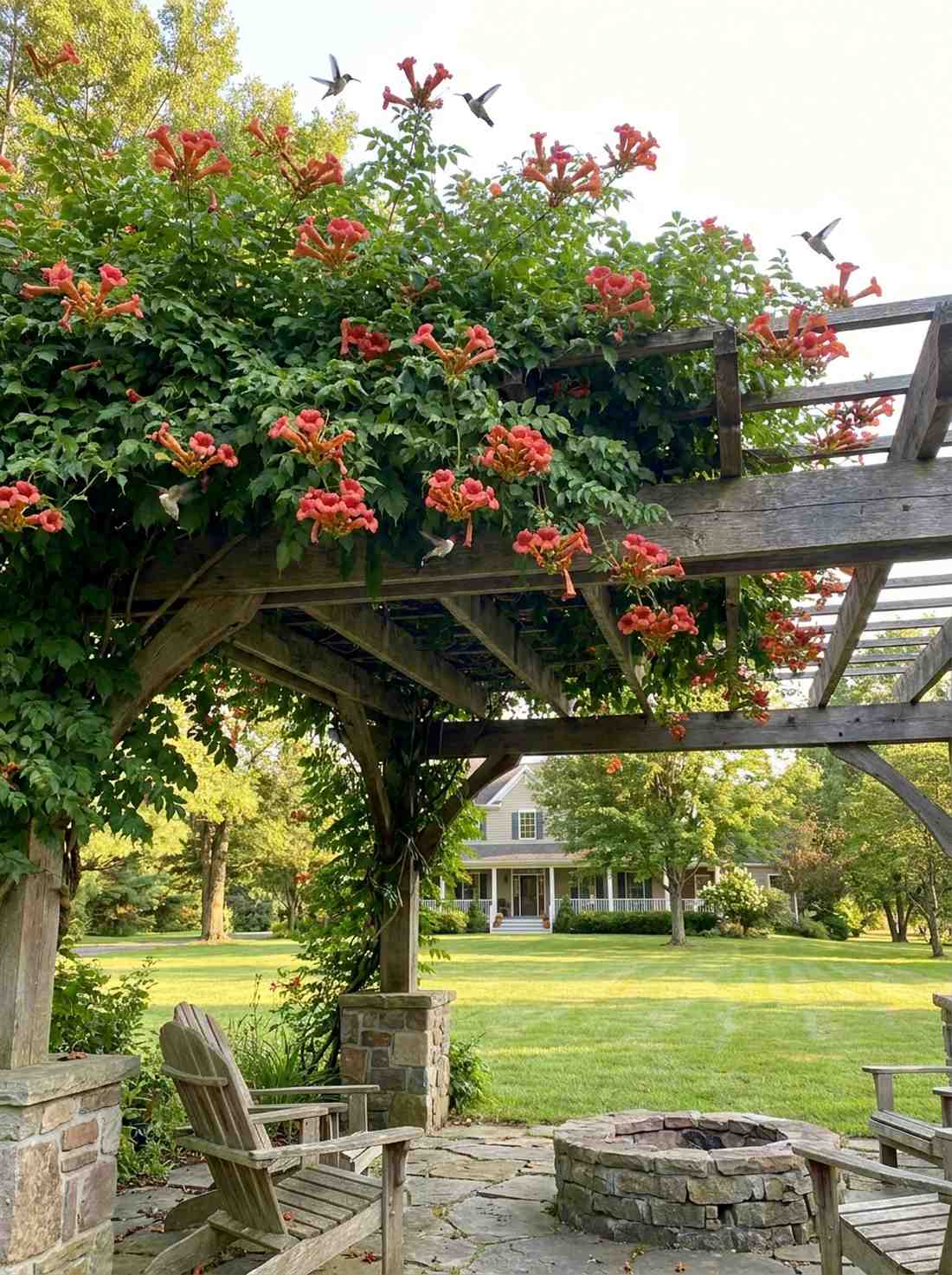
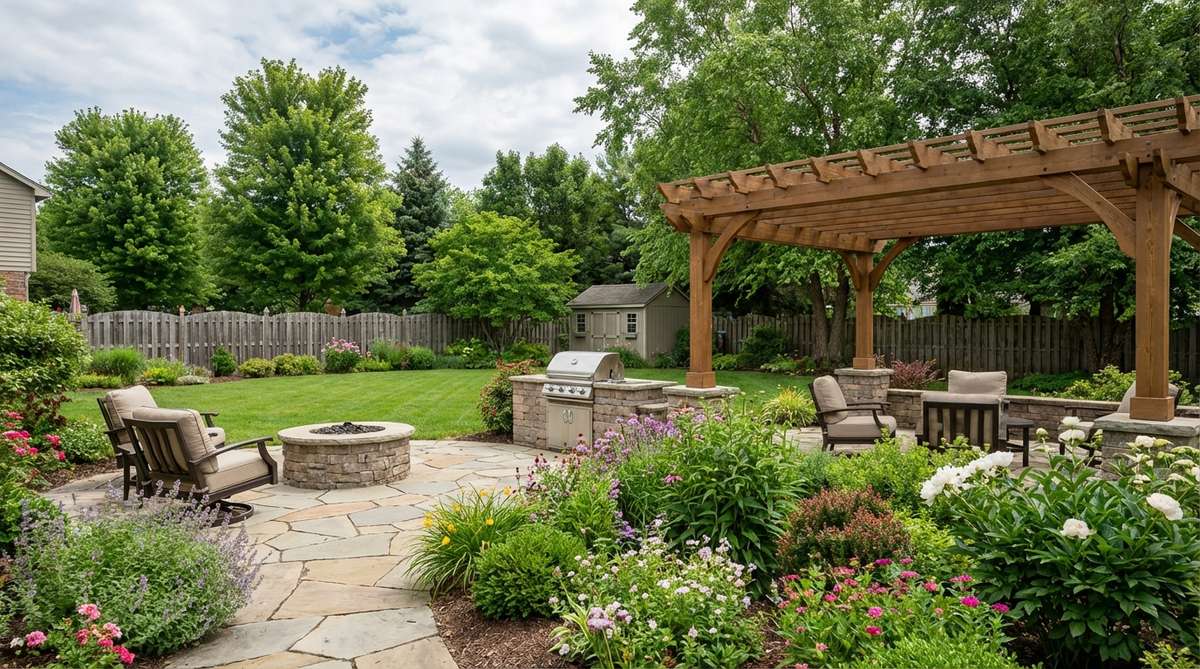
Acts as an absolute beacon for hovering, jewel-toned hummingbirds. Aggressive arbor canopy cover. Stunning when draped heavily over a sturdy wooden pergola.
Landscape architects use this exact plant to establish a mature, overgrown estate feel in just two seasons, avoiding the decade-long wait for other vines. Be warned: the aerial roots will destroy vinyl siding, so keep it strictly on wood or masonry.
Bare root starts are incredibly cheap, around $10–$20. Pin this for your hummingbird garden plans!
- Key Materials: Bare root vine, robust wooden support
- Vibe / Style: Rustic country estate
- Difficulty: Moderate (requires aggressive pruning)
- Budget Breakdown: Roots: $15 | Support base: $0 (existing)
- Creator’s Tip: Prune it back ruthlessly every late winter; it only blooms on new growth.
- Smart Sourcing: Heavy-duty bypass pruning shears and campsis radicans bare root kits.
Most backyard DIYers completely ignore this next vine, missing out on the most stunning shade canopy possible…
30. Bengal Clock Vine (Thunbergia grandiflora)
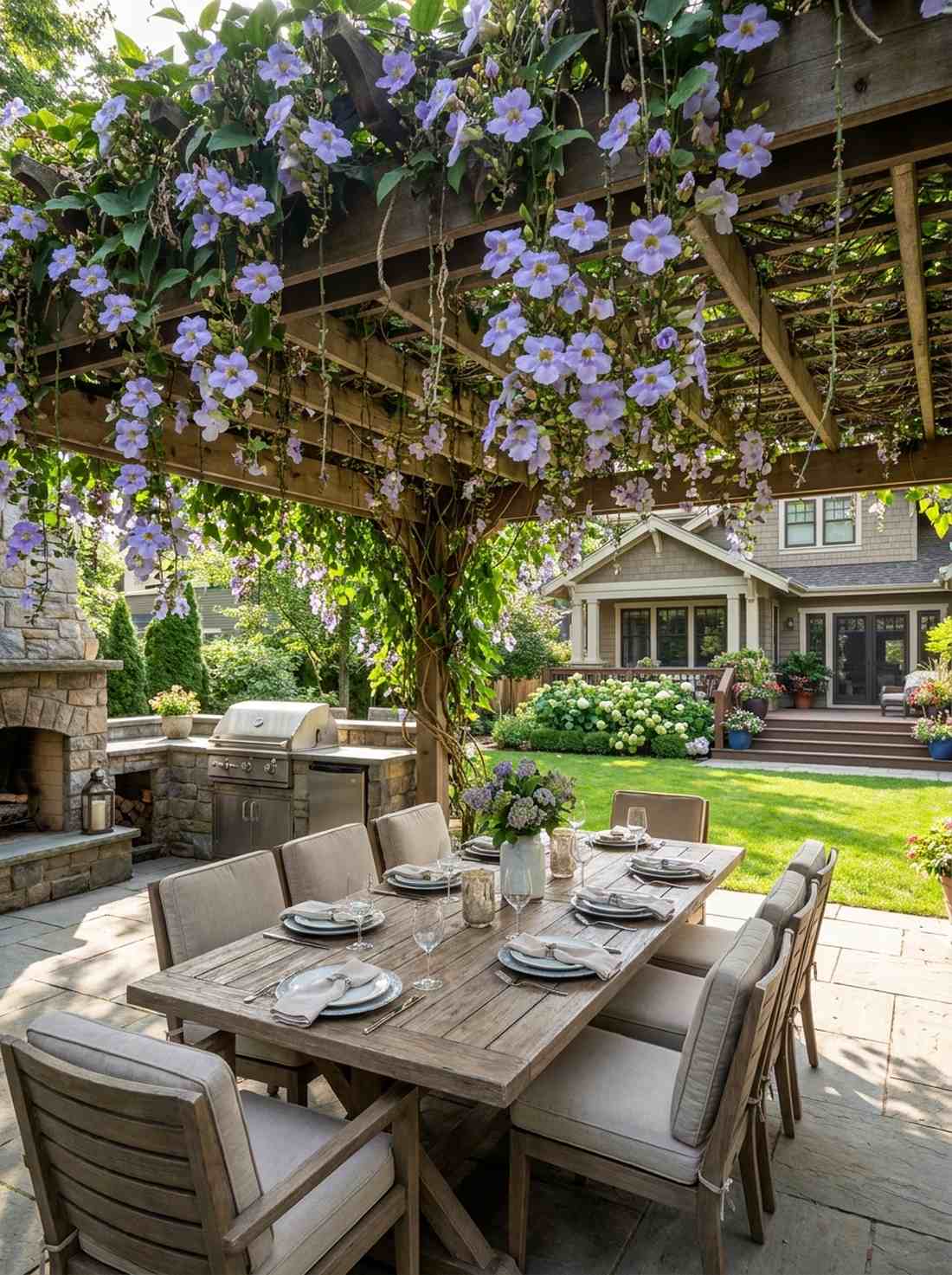
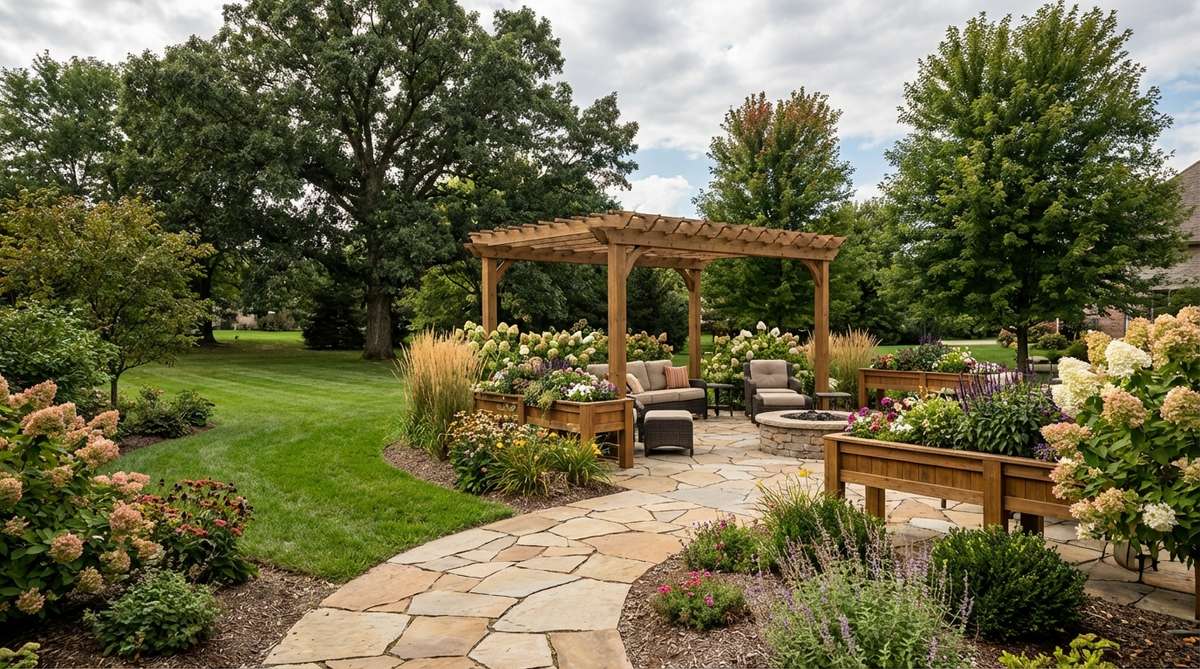
Hangs heavy with massive, lavender-blue trumpets like a floral chandelier. Heavy-duty pergola draped canopy. The ultimate luxury shade creator for a sunny outdoor dining room.
Instead of buying expensive outdoor fabric canopies that tear in the wind, training this rope-like vine creates an upscale vibe that naturally cools the seating area underneath. The massive flowers dangle straight down for a breathtaking overhead view.
You can start this living roof for $20–$40. A must-try for any serious plant lover.
- Key Materials: Starter vine, heavy-duty wire cables
- Vibe / Style: Enchanted overhead dining
- Difficulty: Advanced (very heavy vine)
- Budget Breakdown: Vine: $25 | Steel Wire: $15
- Creator’s Tip: Build your support structure stronger than you think; the mature vine weight is massive.
- Smart Sourcing: Stainless steel wire rope trellis kits and live thunbergia starter plants.
31. Jasmine (Jasminum)
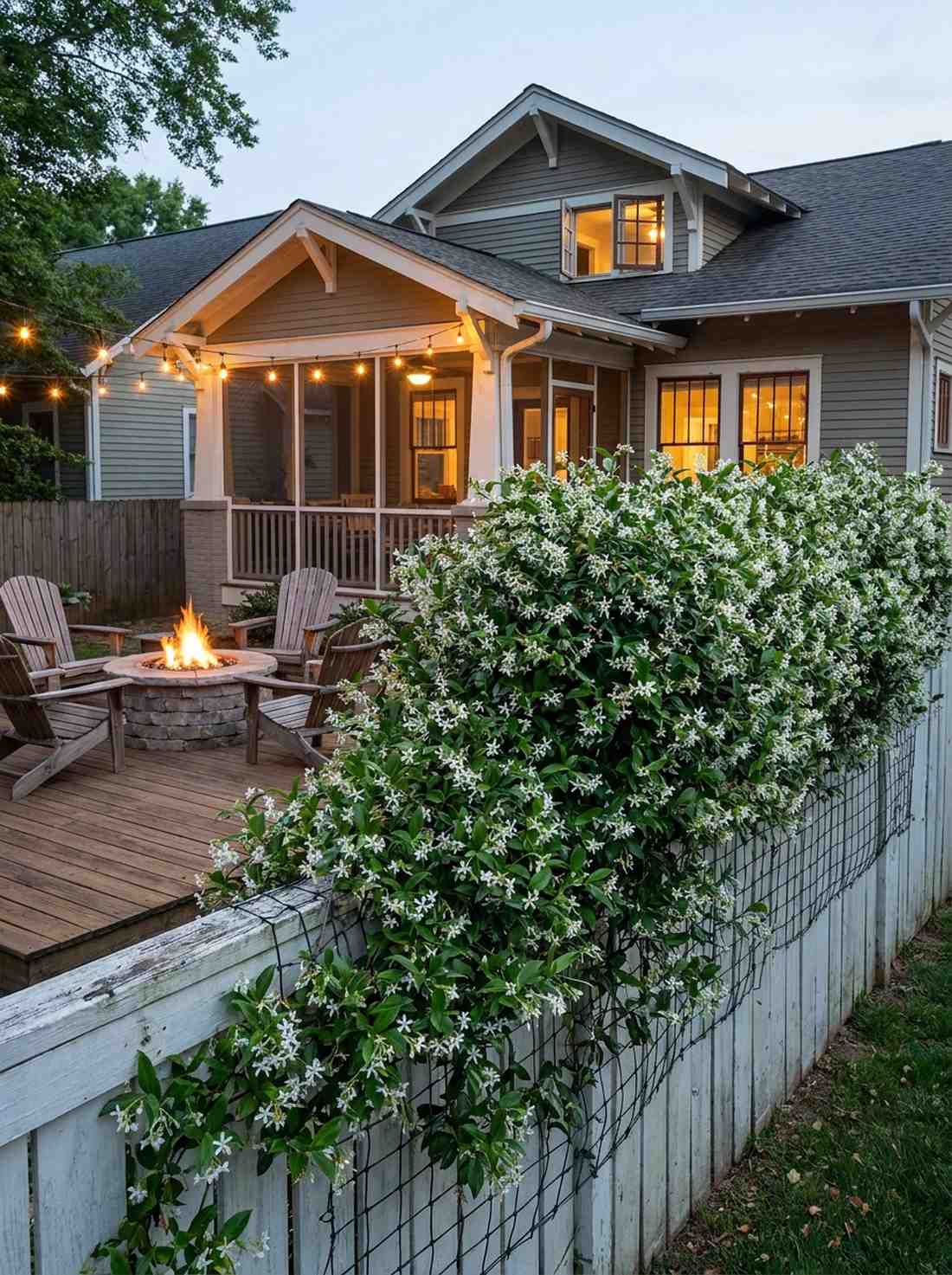
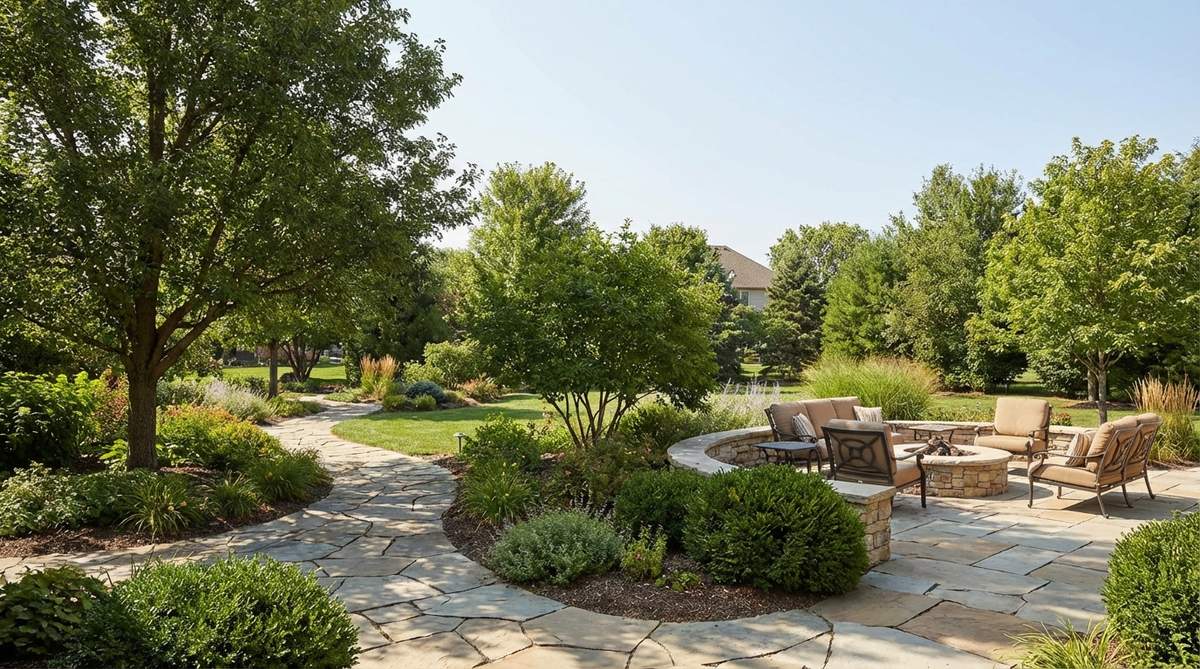
Perfumes the night air with a sweet, heavy scent that lingers on the breeze. Starry night fence drapery. Incredible when planted near bedroom windows to catch the evening draft.
A massive mistake beginners make is planting scentless climbers near seating; jasmine delivers a surprisingly premium look with an olfactory bonus that makes your yard feel like a luxury spa. It requires minimal care once the roots grab hold.
Potted starters run $15–$30. Save this to your sensory garden board!
- Key Materials: Jasmine vine, basic trellis netting
- Vibe / Style: Sweet southern nights
- Difficulty: Easy beginner setup
- Budget Breakdown: Plant: $20 | Netting: $10
- Creator’s Tip: Use ‘Star Jasmine’ (Trachelospermum jasminoides) for incredible evergreen foliage, even though it’s technically a false jasmine.
- Smart Sourcing: Heavy-duty garden trellis netting and organic bloom-boosting fertilizer.
32. Coral Vine (Antigonon leptopus)
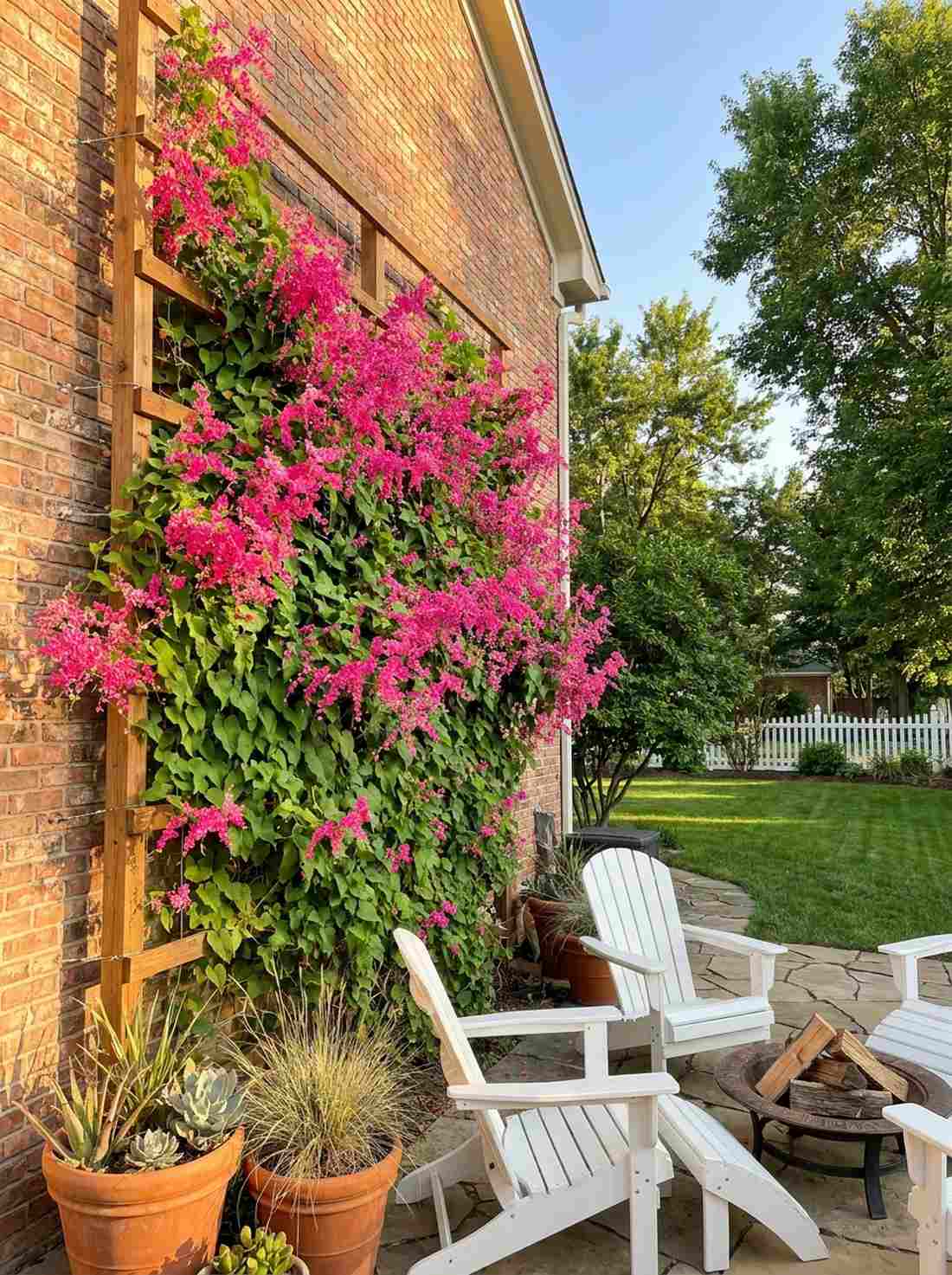
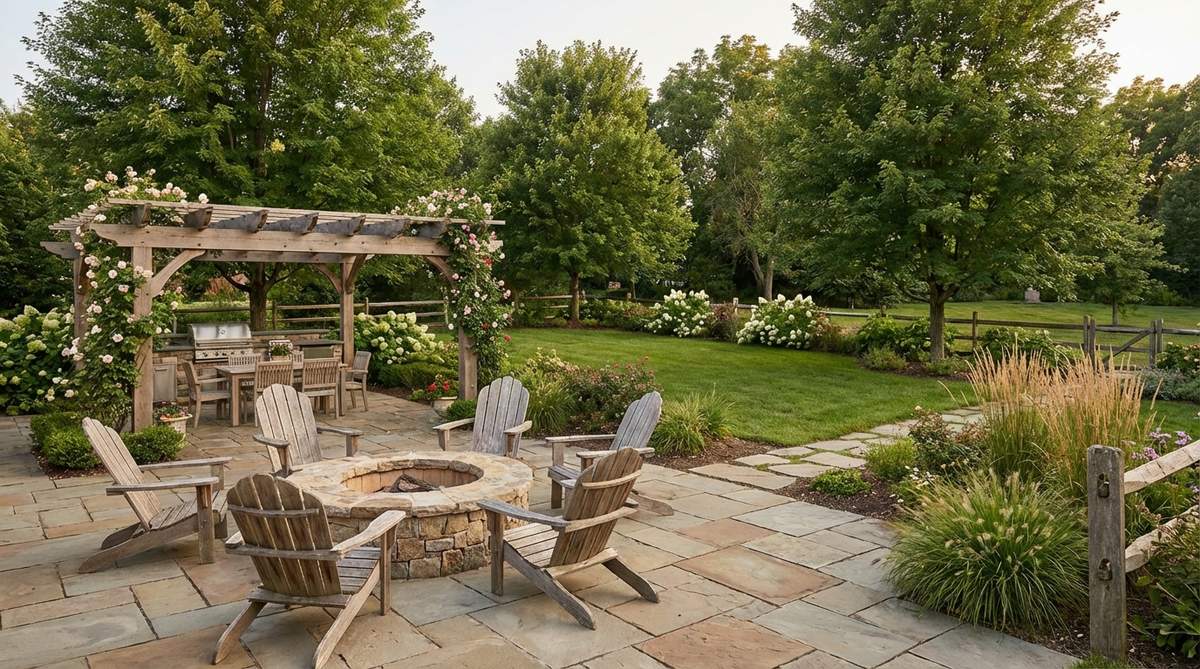
Drapes brilliant, hot-pink lace over everything it touches. Sun-baked trellis crawler. The perfect solution for a blazing hot, south-facing brick wall.
While delicate flowers shrivel in the afternoon heat, this tuberous survivor gives a designer-level finish that actually thrives the hotter it gets. It dies back in winter but rockets back from the roots every spring like clockwork.
You can get tubers or seeds for $10–$20. Pin this if your garden bakes in the sun!
- Key Materials: Seeds/tubers, masonry wire anchors
- Vibe / Style: Vibrant heatwave survivor
- Difficulty: Easy
- Budget Breakdown: Seeds: $10 | Anchors: $15
- Creator’s Tip: It aggressively self-seeds, so snip the spent flower sprays if you don’t want it spreading.
- Smart Sourcing: Masonry wall vine anchor kits and coral vine starter seeds (bulk pack).
Colorful Leaf Aroid Collection For Shade Gardens
The aroid family delivers spectacular foliage color and pattern variation for shade positions where flowering plants struggle to perform.
33. Caladium (Angel Wings)
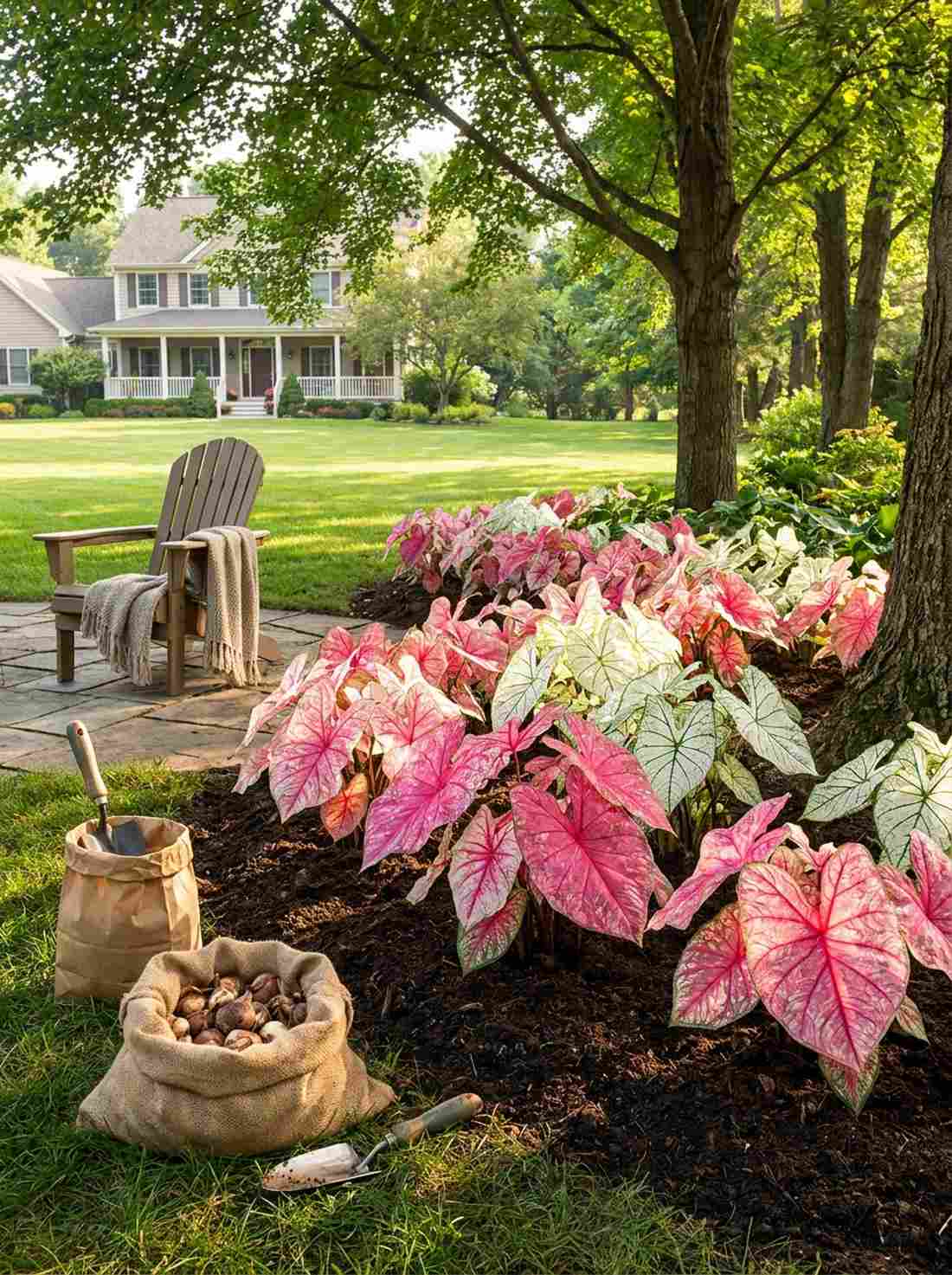
Glows like translucent, stained-glass hearts when hit by the morning sun. Shade border color pop. Absolute perfection for brightening up the dark soil under large canopy trees.
Skip the expensive, finicky shade flowers; buying dormant bulbs in bulk creates an upscale architectural vibe with zero effort. The vivid pinks and stark whites look completely artificial in the best way possible.
A bulk bag of bulbs costs around $20–$35. Highly recommended for a quick weekend win.
- Key Materials: Bulk caladium bulbs, bone meal
- Vibe / Style: Neon forest floor
- Difficulty: Easy beginner setup
- Budget Breakdown: Bulbs: $25 | Bone Meal: $8
- Creator’s Tip: Wait until the soil is fully warm before planting; cold, wet soil rots the bulbs instantly.
- Smart Sourcing: Fancy-leaf caladium bulbs (bulk pack) and organic bone meal root fertilizer.
34. Philodendron
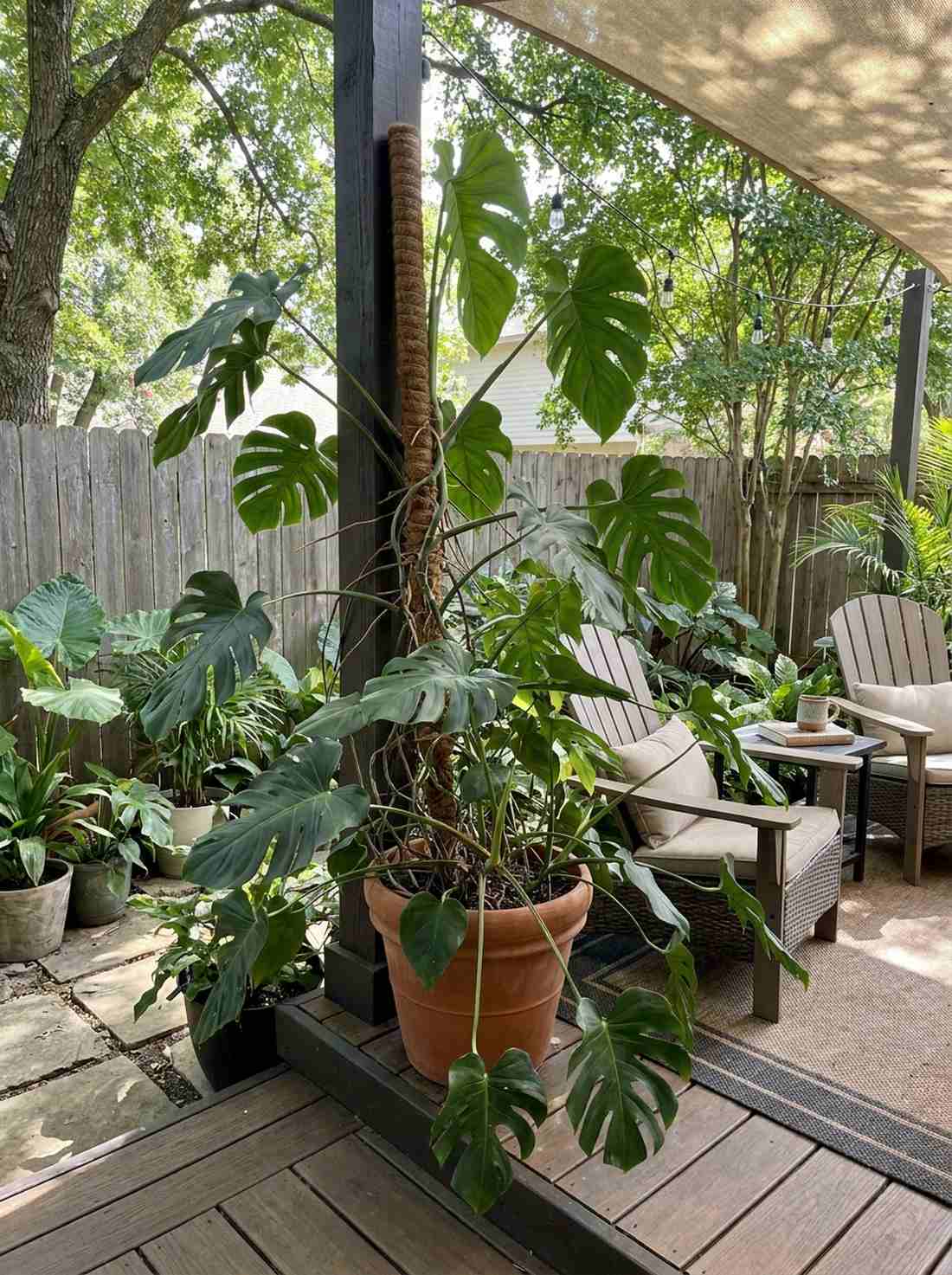
Spills over pots in a chaotic, lush, prehistoric tangle. Deep shade tropical groundcover. Incredible for turning a dark, boring patio corner into a jungle shrine.
Most people overpay for mature trailing plants, but snagging a few cheap cuttings delivers a surprisingly premium look in just a few months of humid summer growth. Use a moss pole if you want the leaves to mature and split dramatically.
Starts at $15–$25. Save this to your shade garden inspiration board!
- Key Materials: Philodendron cuttings, coco coir pole
- Vibe / Style: Classic indoor/outdoor jungle
- Difficulty: Easy
- Budget Breakdown: Plant: $15 | Moss Pole: $12
- Creator’s Tip: The higher it climbs, the larger the leaves get. Trailing downwards keeps the leaves small.
- Smart Sourcing: Stackable coco coir plant poles and soft velcro plant ties.
This next plant is the ultimate secret weapon for people who kill every plant they touch…
35. Aglaonema (Chinese Evergreen)
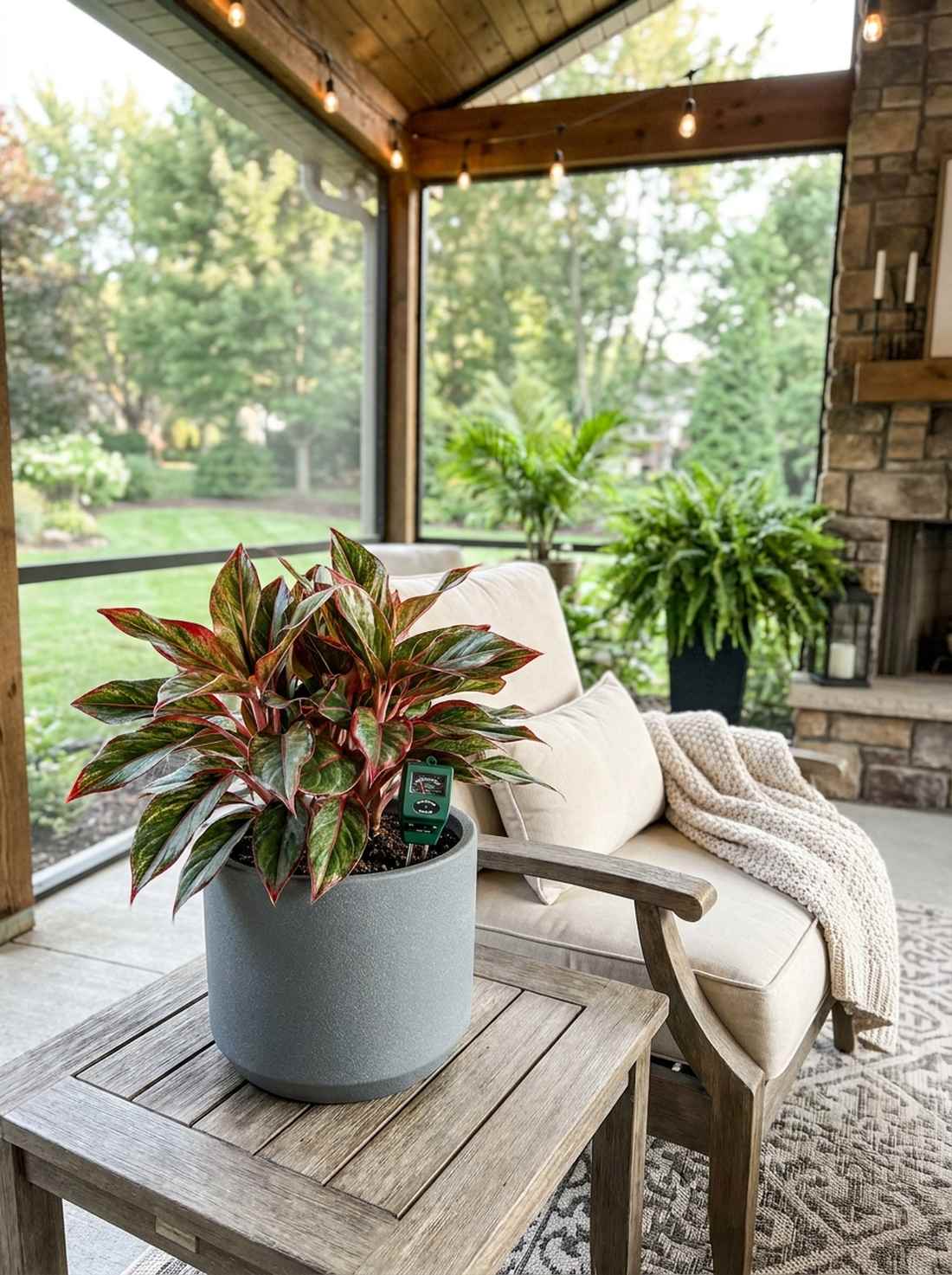
Splashes vibrant reds and silvers into the dimmest corners of a room or porch. Low-light patio tabletop decor. Flawless for covered lanais that get almost zero direct sun.
A massive mistake beginners make is forcing sun-loving succulents into the shade; this bulletproof survivor gives a designer-level finish and actually prefers the dark. It’s incredibly drought-tolerant for a tropical, making it perfect for forgetful waterers.
You can pick one up for $20–$35. Pin this for your low-maintenance garden plans!
- Key Materials: Aglaonema pot, standard indoor/outdoor soil
- Vibe / Style: Bulletproof modern color
- Difficulty: Extremely Easy
- Budget Breakdown: Plant: $25 | Decorative Pot: $15
- Creator’s Tip: Let the top two inches of soil dry out completely before watering to prevent yellowing leaves.
- Smart Sourcing: UV-resistant modern ceramic-look pots and digital soil moisture meters.
36. Dieffenbachia (Dumb Cane)
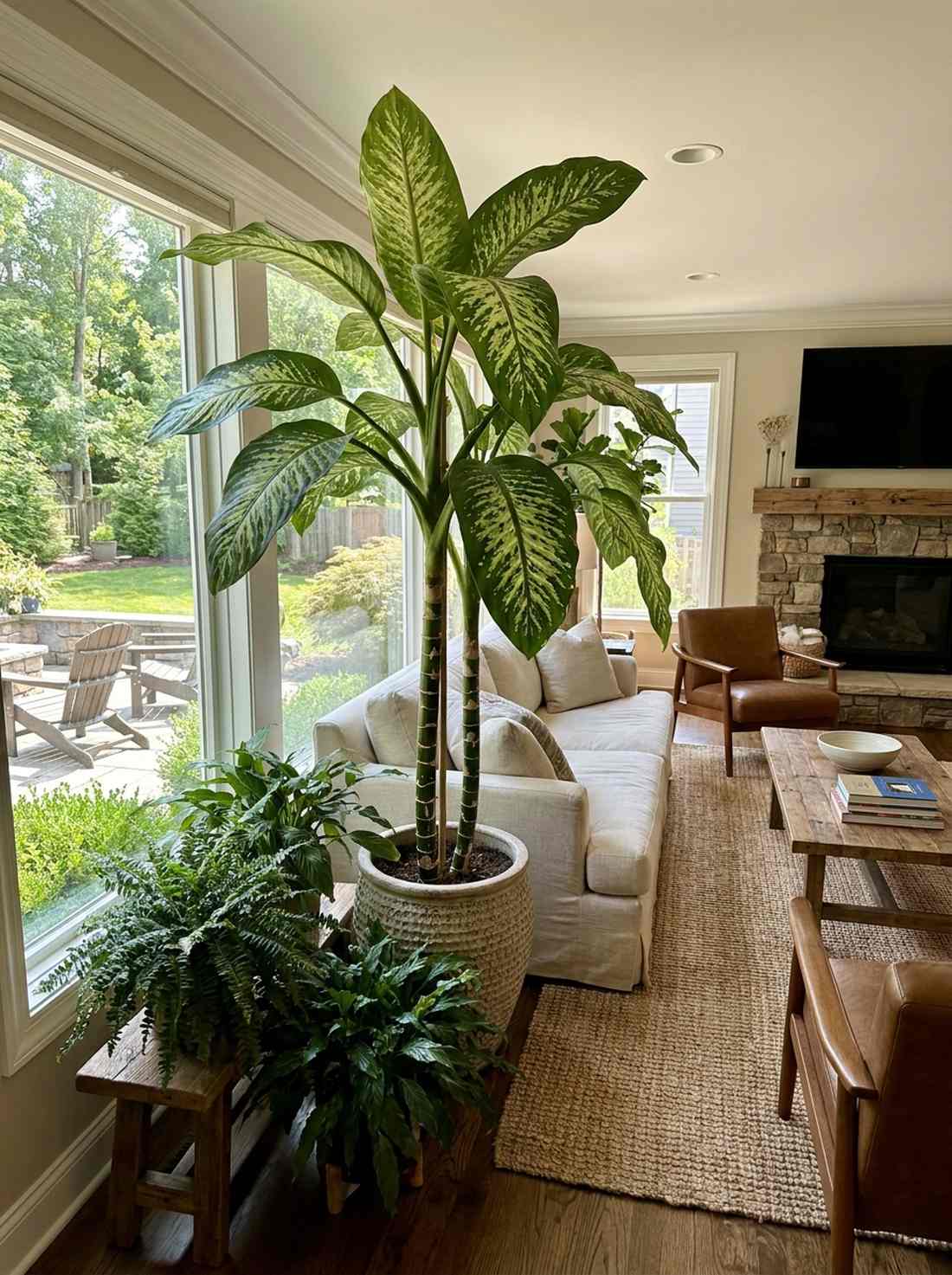
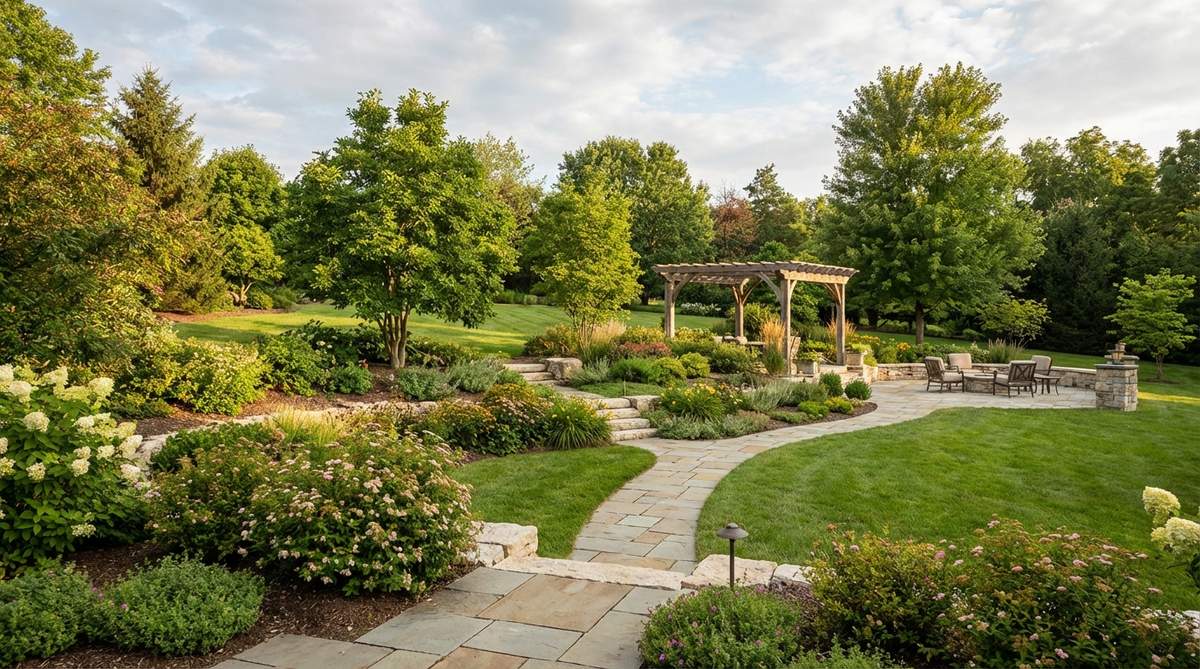
Shoots up thick, cane-like stems crowned with massive, cream-splashed paddles. Bold upright shade accent. Ideal for placing behind lower, darker green ferns to create stark contrast.
Instead of buying expensive artificial plants for dark patio corners, this living behemoth creates an upscale vibe that purifies the air naturally. Be extremely cautious with pets, as the sap causes severe swelling if chewed.
Expect to spend around $25–$45. A fast upgrade that completely changes the vibe.
- Key Materials: Dieffenbachia plant, heavy base pot
- Vibe / Style: Striking retro tropical
- Difficulty: Easy beginner setup
- Budget Breakdown: Plant: $30 | Pot: $20
- Creator’s Tip: Rotate the pot 90 degrees every week so the plant grows straight up instead of leaning toward the light.
- Smart Sourcing: Heavy-weight base planters (to prevent tipping) and premium indoor/outdoor potting mix.
37. Syngonium (Arrowhead Vine)
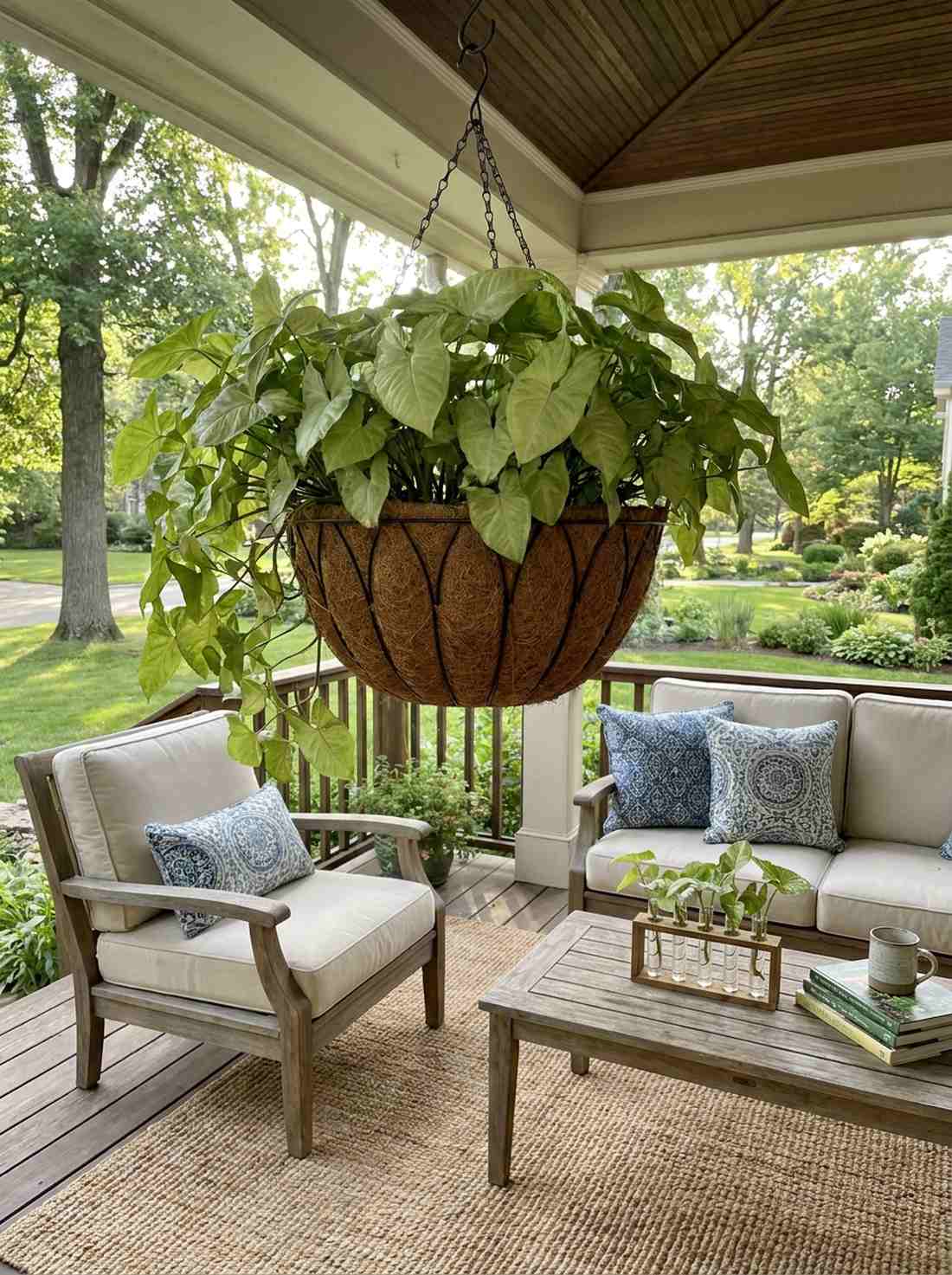
Creeps and climbs with a delicate, pale-green geometric charm. Spilling hanging basket filler. Perfectly suited for hanging off the edges of a shaded porch roof.
While everyone else buys generic petunias, packing a hanging basket with this arrow-shaped foliage delivers a surprisingly premium look that lasts all year indoors and out. It’s incredibly easy to propagate by simply snipping a node and throwing it in water.
A starter pot costs $10–$20. Save this for your hanging basket ideas!
- Key Materials: Syngonium plant, coconut-lined hanging basket
- Vibe / Style: Airy, cascading geometry
- Difficulty: Easy
- Budget Breakdown: Plant: $15 | Basket: $12
- Creator’s Tip: If the vines get too long and stringy, chop them in half. It forces the top to grow bushy and full.
- Smart Sourcing: Coconut coir lined wire hanging baskets and glass propagation tube stations.
38. Xanthosoma (Mickey Mouse Taro)
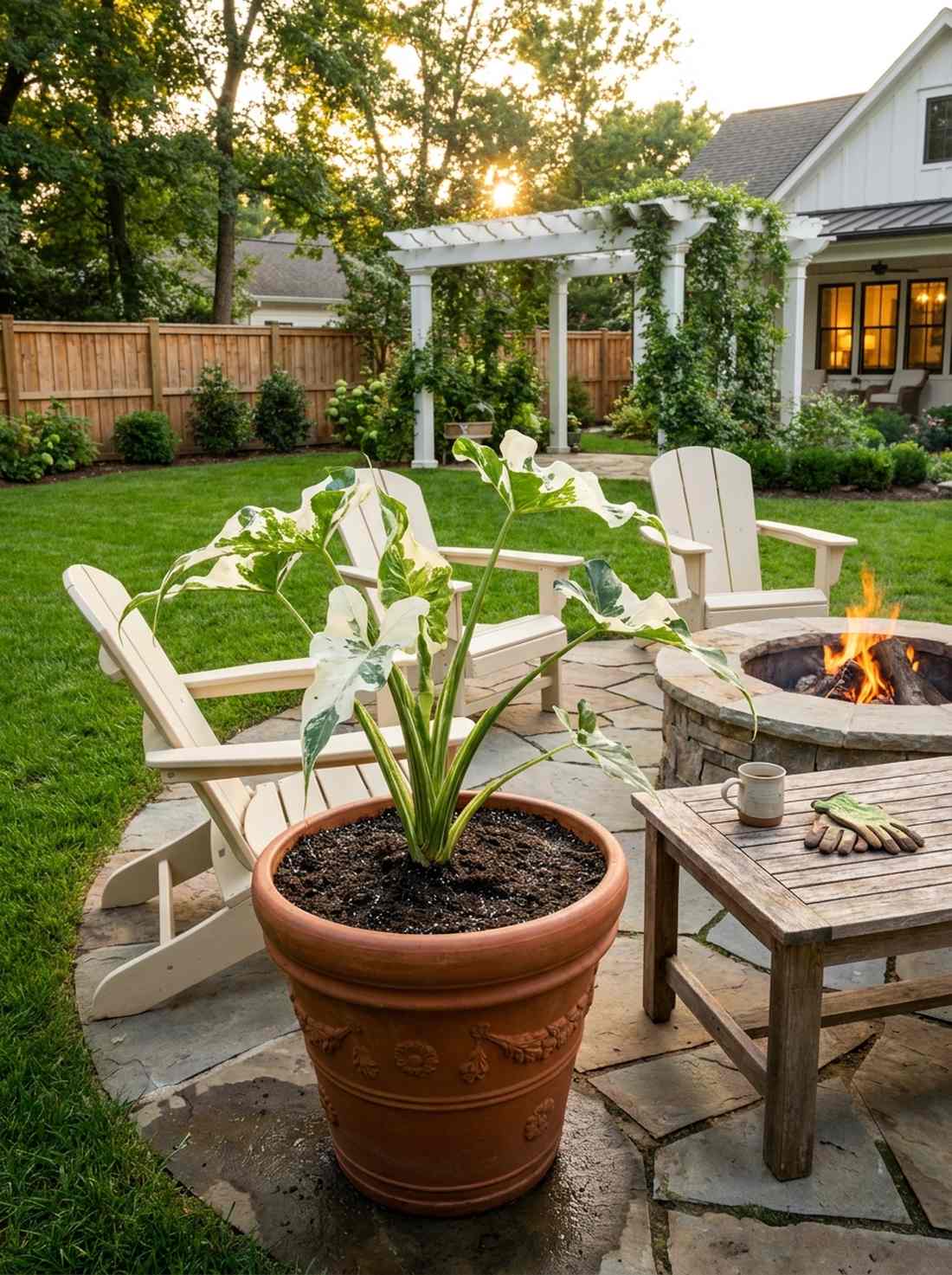
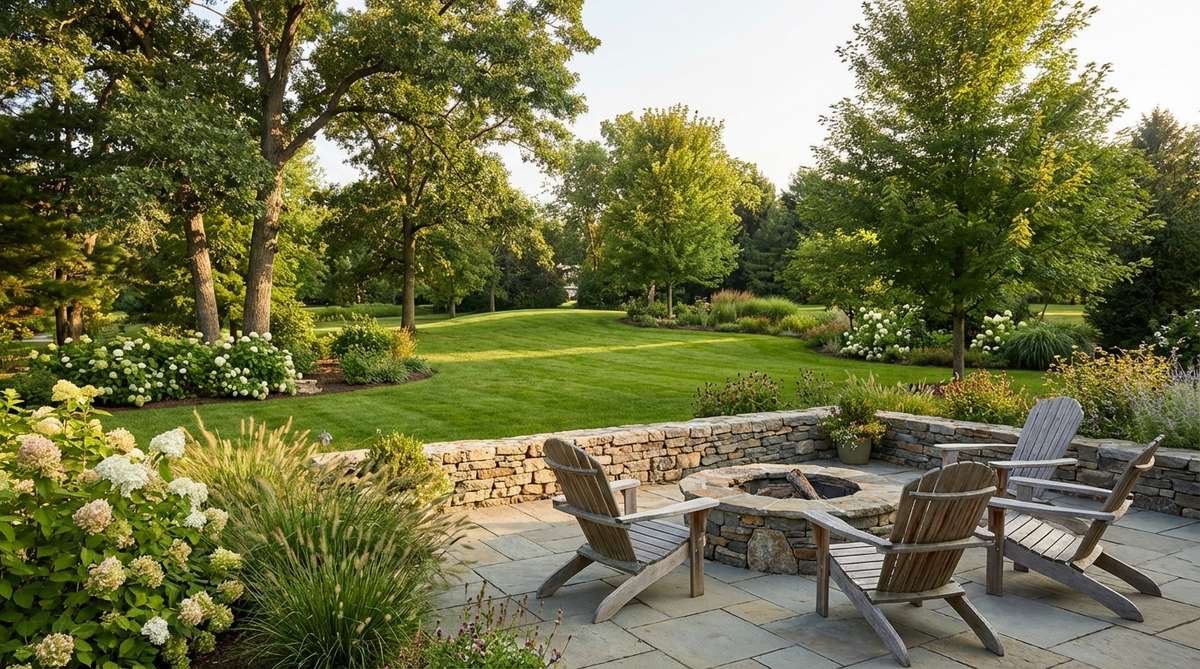
Sports bizarre, cup-like leaves with striking white variegation and trailing tips. Bizarre collector’s specimen piece. The ultimate conversation starter near a patio seating area.
Skip the basic elephant ears; finding this uniquely mutated variety gives a designer-level finish that makes your garden look like a rare botanical exhibit. It loves boggy conditions, so it’s impossible to overwater if you use the right soil.
Rare bulbs run $20–$40. Pin this if you want something truly unique!
- Key Materials: Xanthosoma bulbs, moisture-control soil
- Vibe / Style: Rare botanical quirkiness
- Difficulty: Moderate
- Budget Breakdown: Bulbs: $30 | Soil: $10
- Creator’s Tip: Keep it out of heavy wind, as the bizarre leaf cups act like sails and will snap the stems.
- Smart Sourcing: Moisture-retaining potting soil blocks and rare xanthosoma bulb kits.
Material Guide: Cheap vs. Premium Aesthetic
Knowing exactly where to save and where to spend makes all the difference in achieving that “looks expensive but isn’t” vibe.
- Standard vs. UV-Resistant/Premium: Cheap plastic pots fade and crack in one season. Upgrading to UV-coated fiberglass or resin planters ensures your cheap bulbs look like a $500 nursery installation for years.
- Pre-made Kits vs. Sourcing Locally: Buying individual bare-root bulbs locally can be pricey. Grabbing bulk rhizome kits online saves massive amounts of money, letting you mass-plant for that immediate, lush jungle effect.
Dramatic Tropical Bloomers For Year-Round Color
These flowering specialists provide extended bloom periods that justify their prominent positions in tropical garden designs.
39. Brugmansia (Angel’s Trumpet)
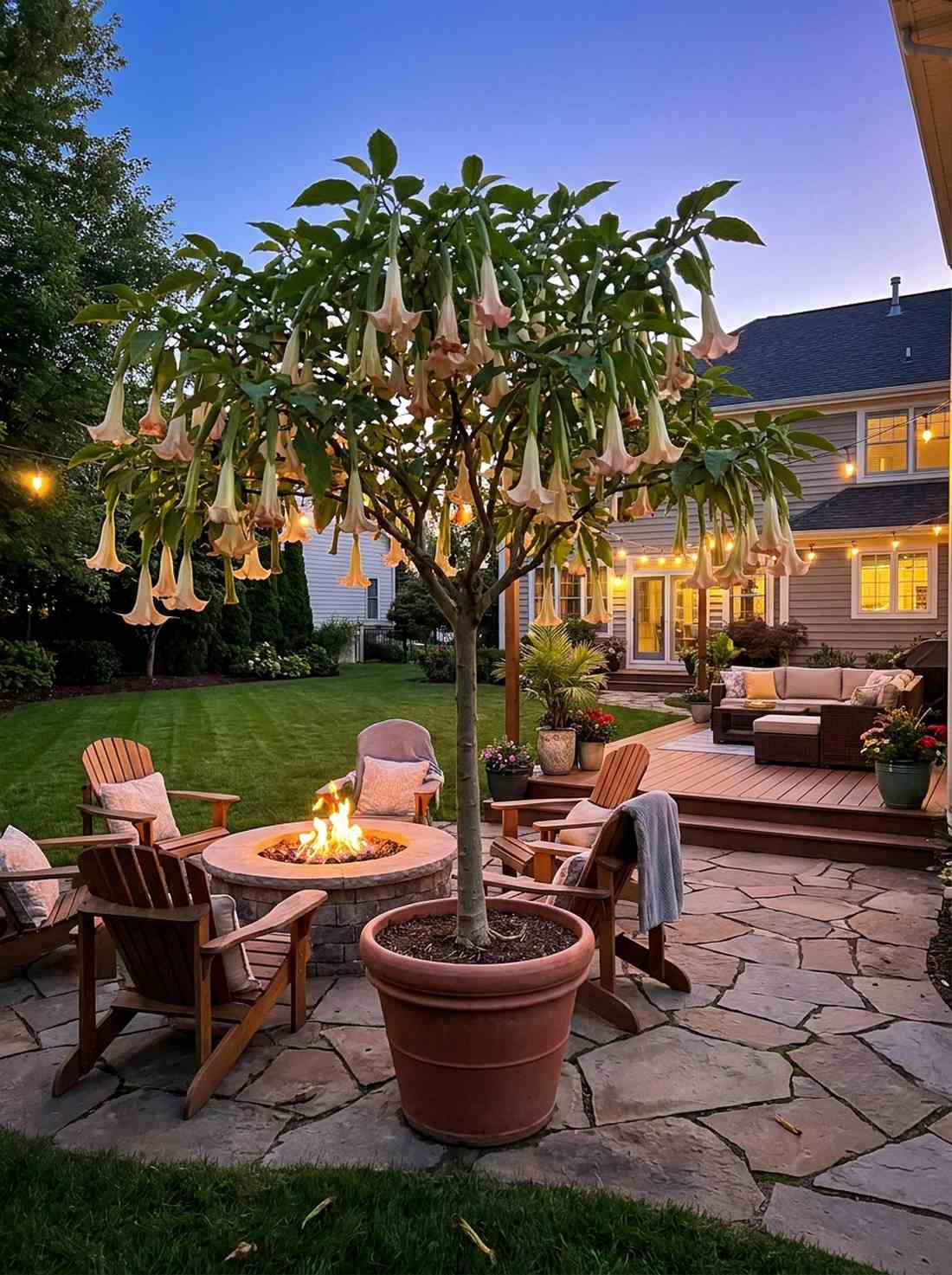
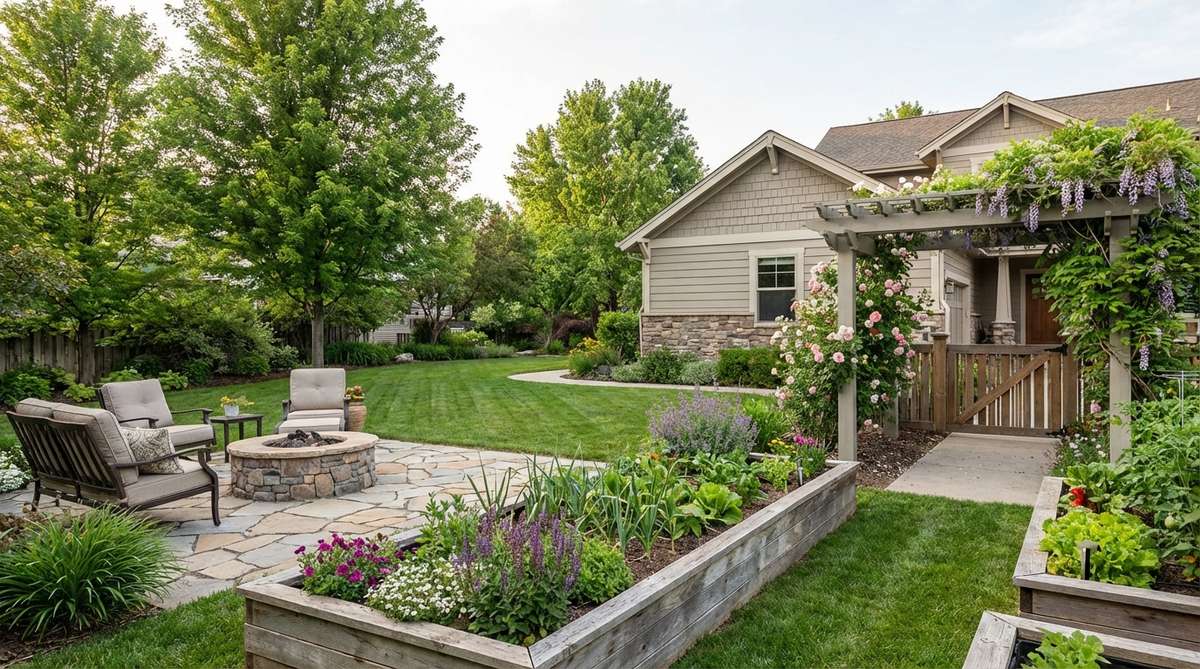
Dangles massive, bell-shaped flowers that release a hypnotic perfume at dusk. Dramatic evening sensory tree. Flawless when planted as a standalone specimen near a fire pit.
A massive mistake beginners make is ignoring night-blooming plants; this toxic beauty creates an upscale vibe that transforms a dark yard into a fragrant paradise. Prune it aggressively to create a gorgeous, umbrella-like canopy.
Starter plants cost $25–$50. Save this to your evening garden board!
- Key Materials: Starter tree, heavy phosphorus feed
- Vibe / Style: Intoxicating twilight drama
- Difficulty: Moderate (heavy feeder)
- Budget Breakdown: Plant: $35 | Bloom Feed: $12
- Creator’s Tip: Every part of this plant is highly toxic. Do not plant it where young children or puppies play unsupervised.
- Smart Sourcing: High-phosphorus bloom boosting fertilizer and heavy-duty bypass loppers.
Don’t waste money on generic annuals when you can plant this intense purple showstopper instead…
40. Tibouchina (Princess Flower)
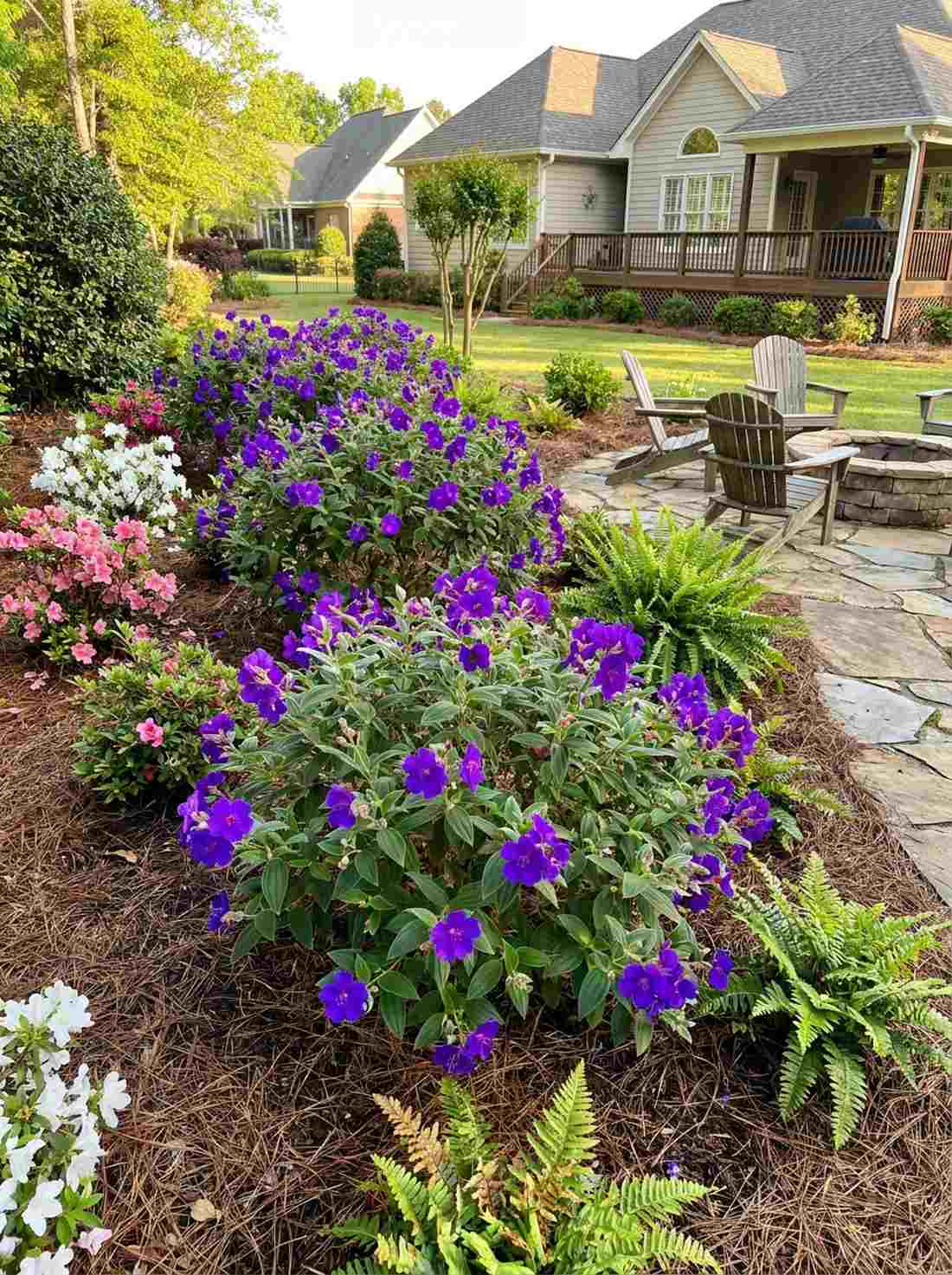
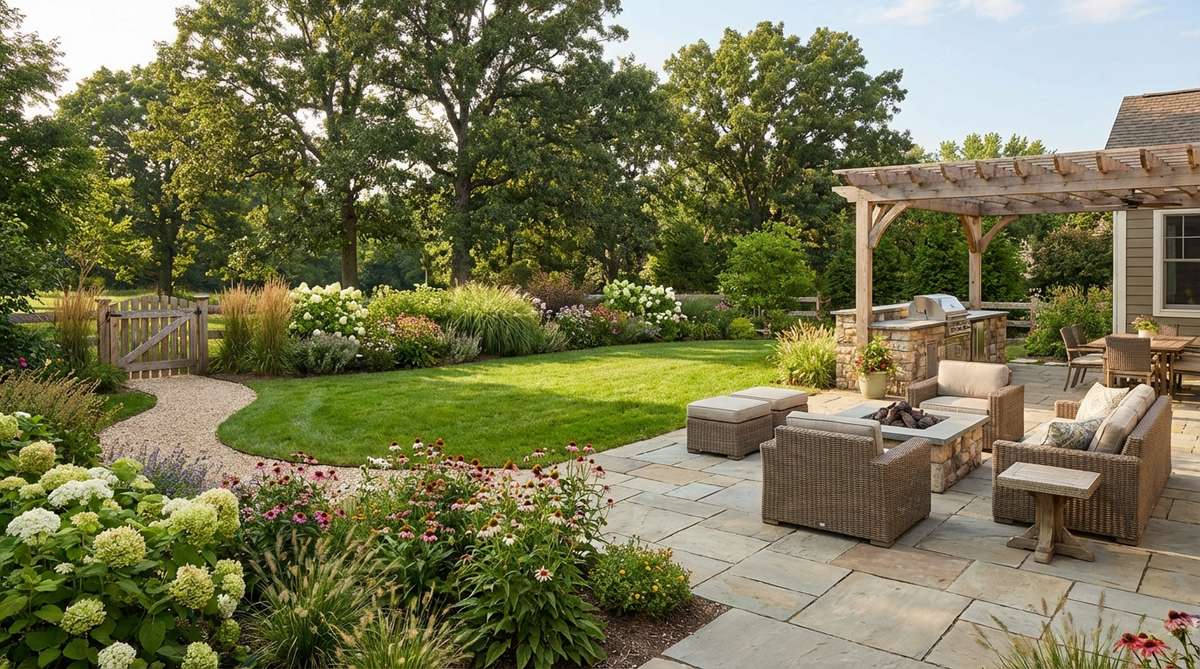
Pops with electric, royal-purple blooms against incredibly soft, velvety leaves. Vibrant textured shrub border. Perfect for adding a splash of cool color to a predominantly green landscape.
Instead of relying on fragile petunias for purple hues, this robust Brazilian native delivers a surprisingly premium look that blooms non-stop through the heat of summer. It thrives in acidic soil, making it a perfect companion for azaleas or ferns.
You can pull this off for around $20–$40. Pin this to your vibrant garden ideas!
- Key Materials: Tibouchina shrub, acidic mulch
- Vibe / Style: Electric velvet royalty
- Difficulty: Easy
- Budget Breakdown: Plant: $25 | Acid Mulch: $8
- Creator’s Tip: The leaves are covered in soft fuzz, making them a fantastic sensory addition to a children’s touching garden.
- Smart Sourcing: Organic pine needle mulch (bulk) and soil acidifier granules.
41. Lantana camara
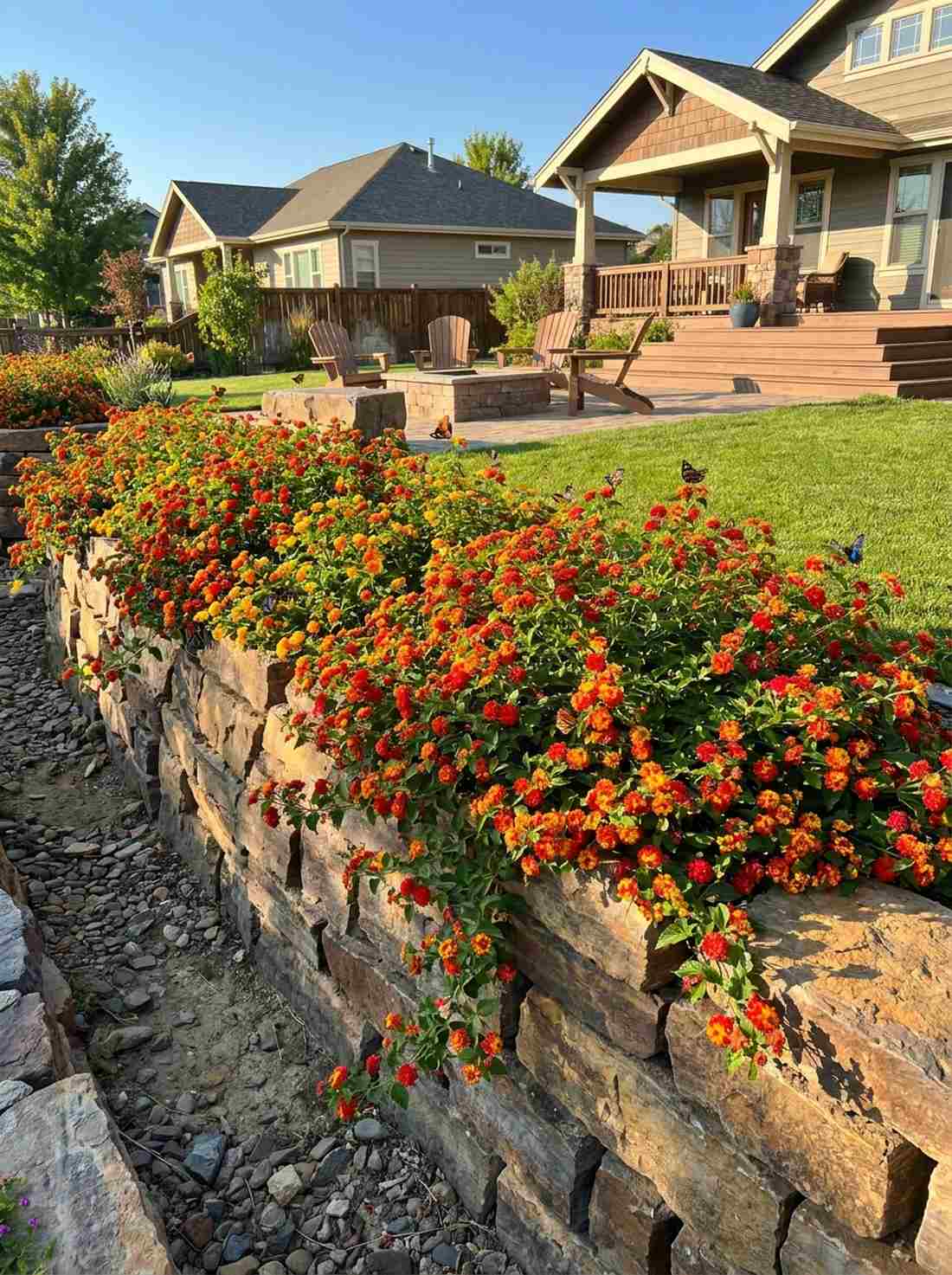
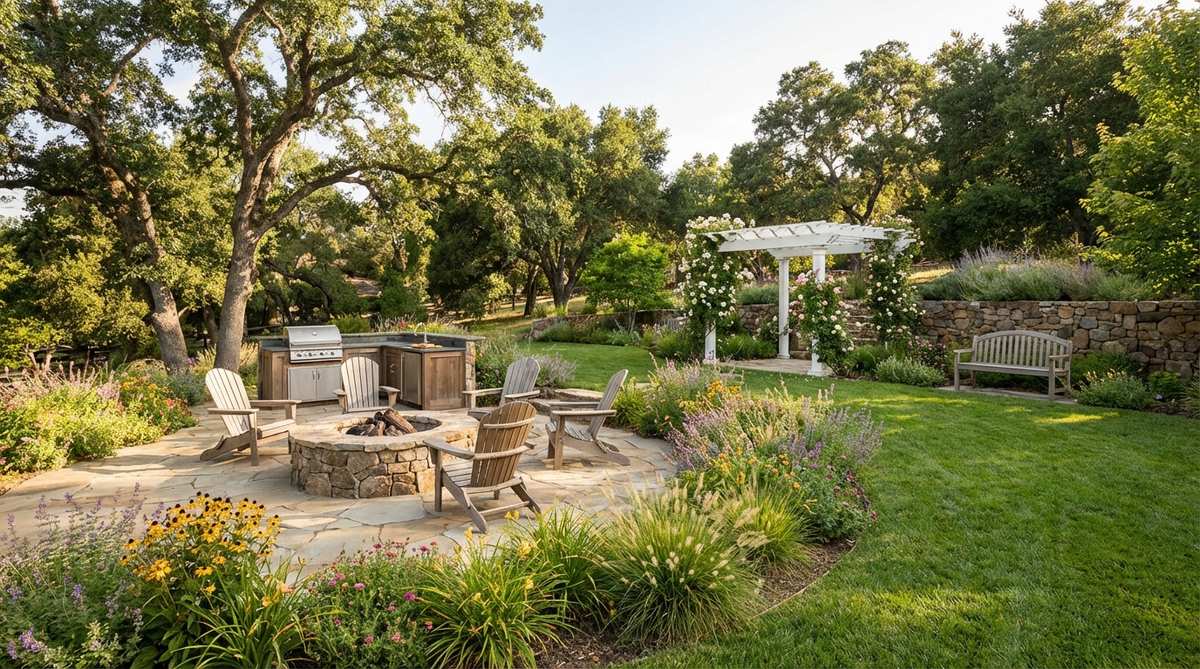
Forms a rugged, sprawling blanket of tiny, multi-colored firecracker clusters. Drought-proof butterfly magnet. The ultimate trailing spill-over for raised stone retaining walls.
People often spend hundreds replacing wilted flowers in full-sun spots, but planting heat-loving lantana gives a designer-level finish that actually thrives on neglect and zero water. It attracts clouds of butterflies all season long.
A flat of starters costs just $15–$25. Highly recommended for a quick weekend win.
- Key Materials: Lantana flats, sandy soil
- Vibe / Style: Wildfire pollinator haven
- Difficulty: Extremely Easy
- Budget Breakdown: Flats: $20 | Soil: $0 (use existing)
- Creator’s Tip: In frost-free zones, this becomes a woody shrub. In colder zones, treat it as a cheap, explosive annual.
- Smart Sourcing: Live lantana trailing starter kits and butterfly-attracting garden seed blends.
42. Costus (Spiral Ginger)
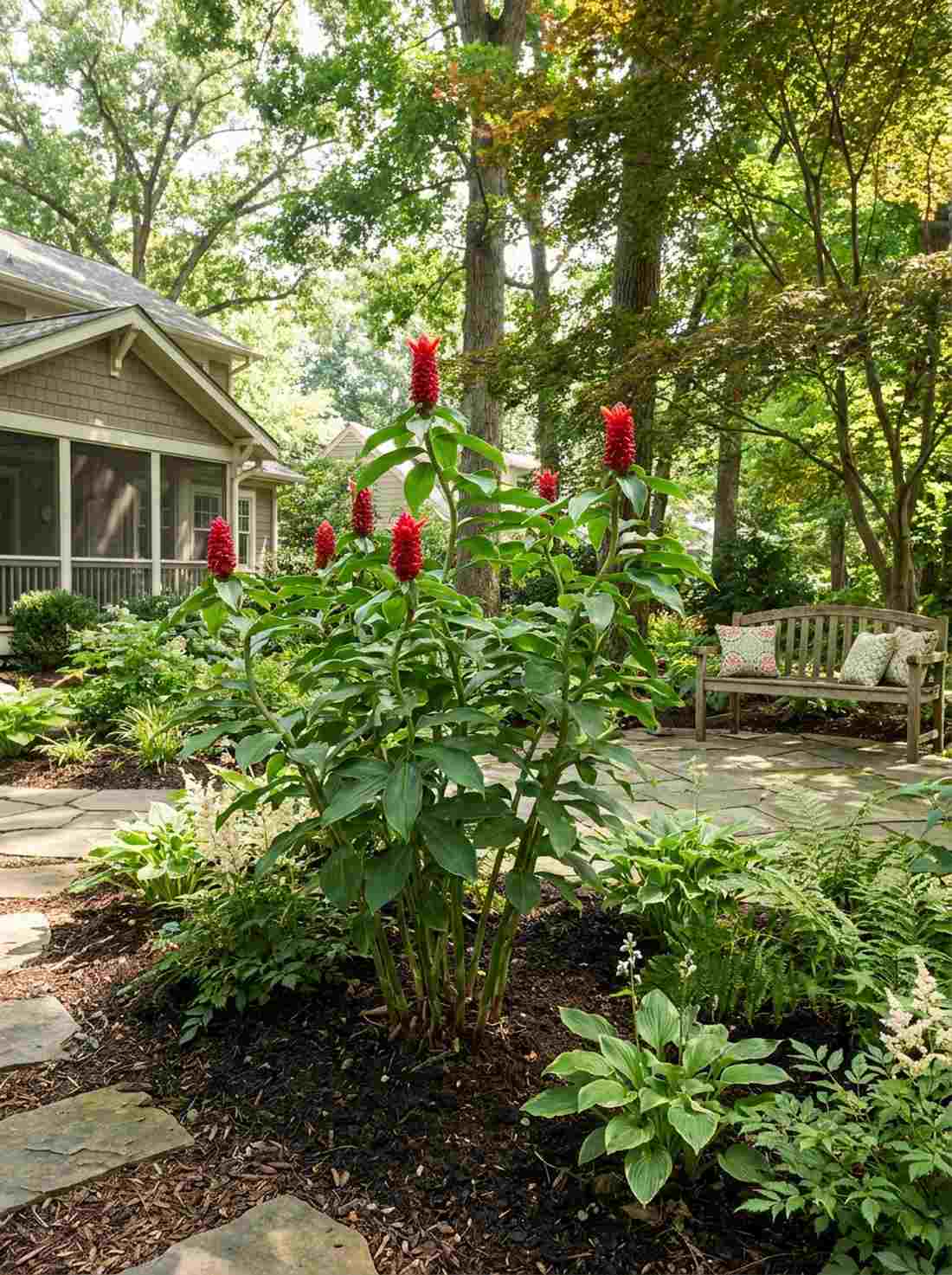
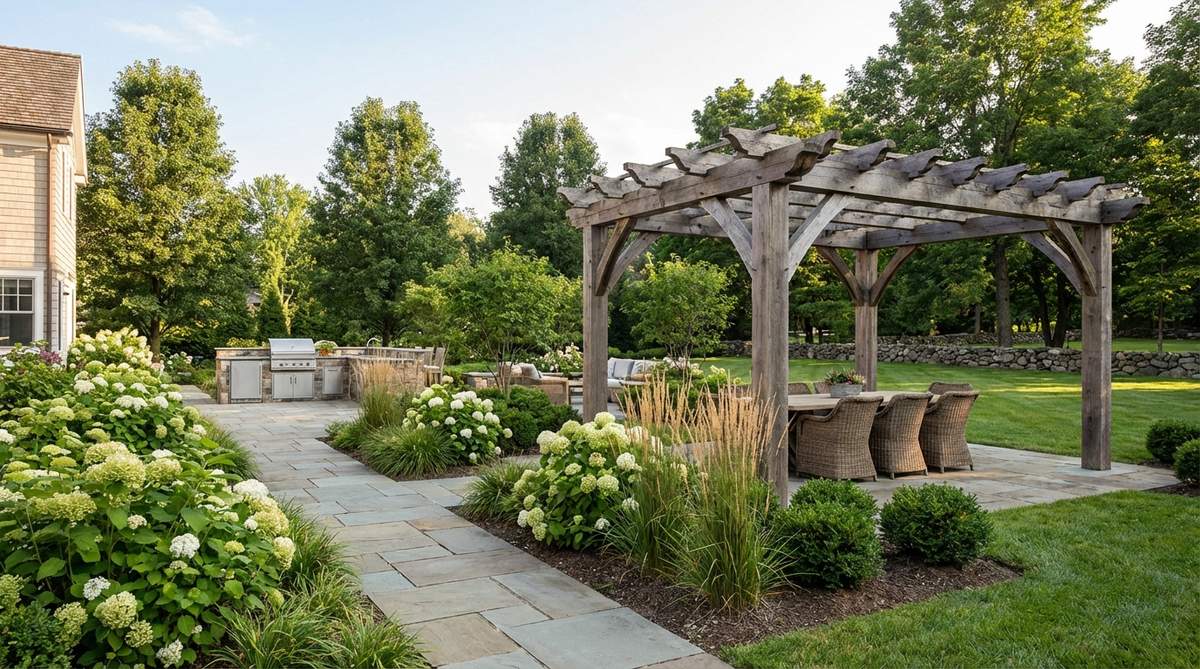
Twists upward like a green architectural spiral staircase. Shaded architectural curiosity. Unbeatable as a mid-height focal point in a dense woodland garden.
Skip the standard straight-stemmed gingers; this bizarre spiraling growth habit creates an upscale architectural vibe that ends in a brilliant, waxy red cone flower. It stays tightly clumped, meaning it won’t aggressively take over your yard.
Expect to spend $25–$45 for a rhizome cluster. Save this to your rare plant board!
- Key Materials: Costus rhizomes, rich compost
- Vibe / Style: Botanical geometric wonder
- Difficulty: Easy
- Budget Breakdown: Rhizomes: $30 | Compost: $10
- Creator’s Tip: The flower cones produce sweet nectar that attracts ants; this is completely natural and harmless to the plant.
- Smart Sourcing: Live spiral ginger rhizomes and premium organic compost blends.
43. Pentas lanceolata (Star Clusters)
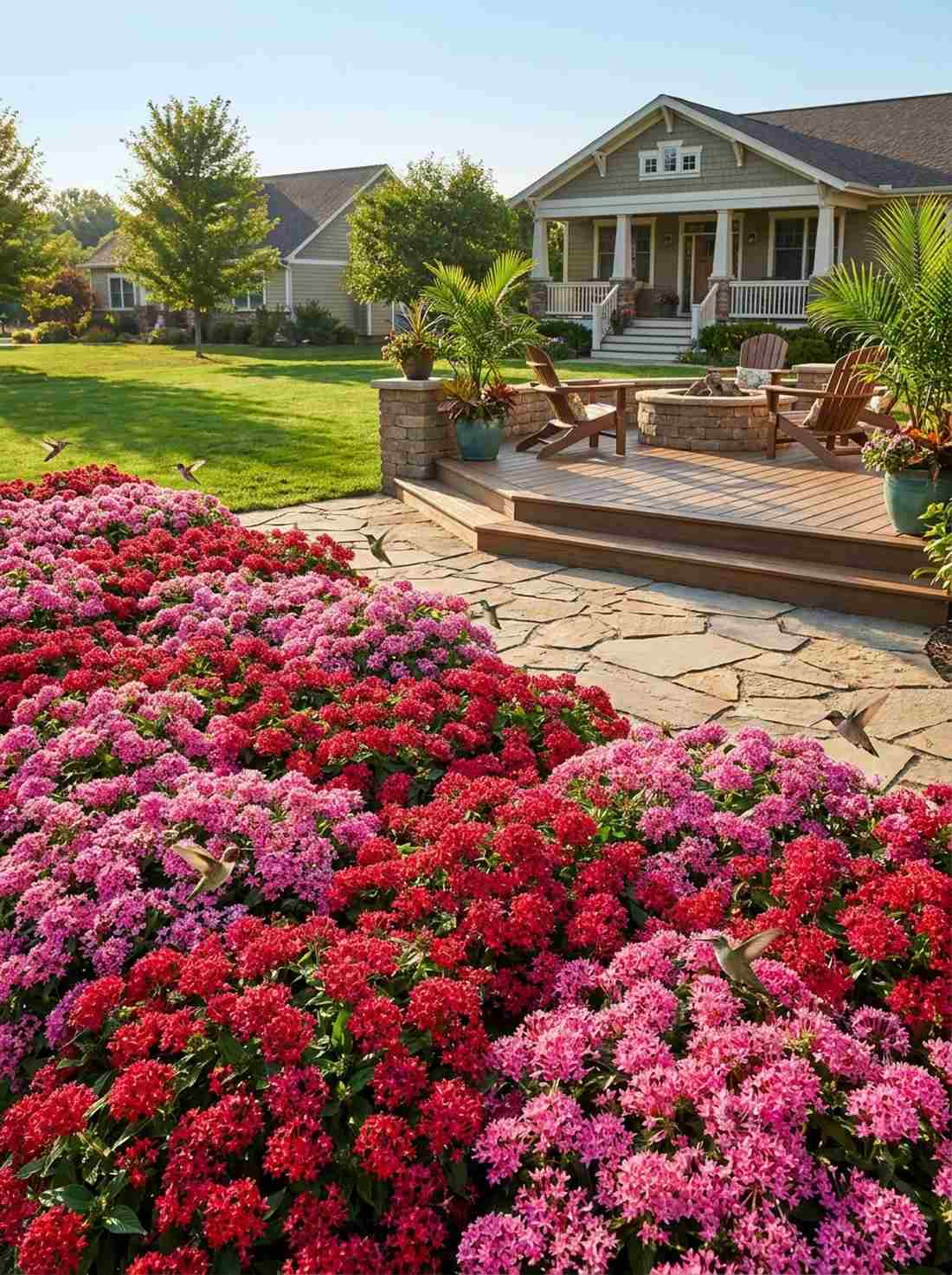
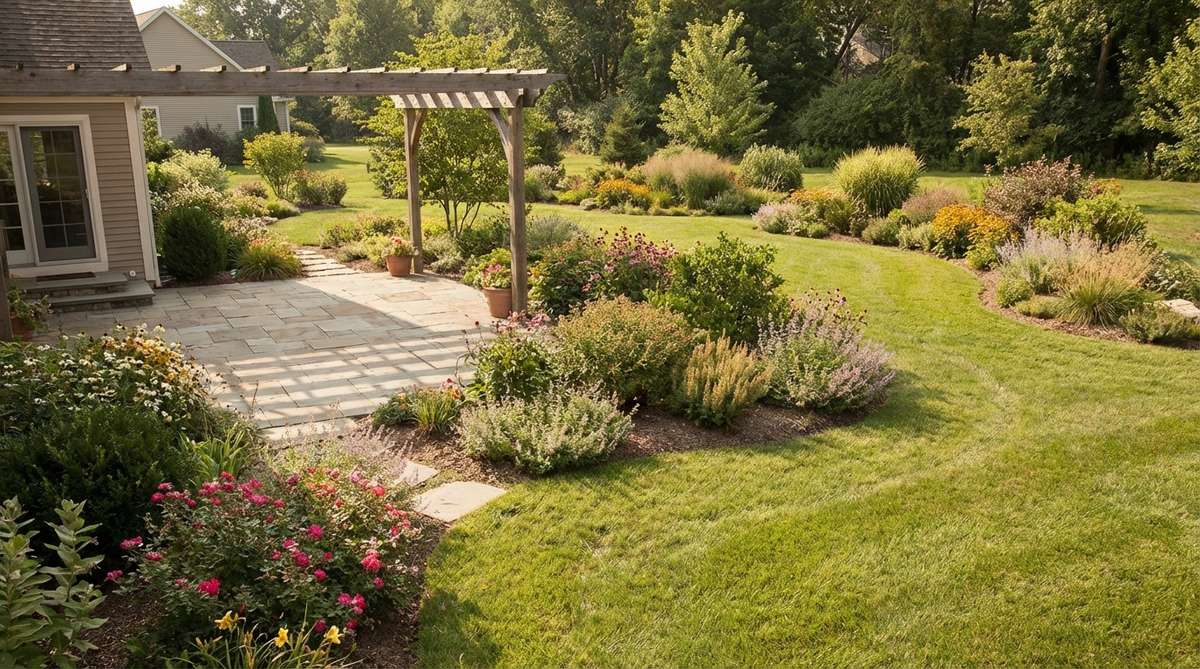
Explodes like tiny, five-pointed starbursts in vibrant pinks and reds. Continuous front-border filler. Flawless for packing the front row of a garden bed with endless color.
A massive mistake beginners make is leaving the front of their tropical beds bare; packing it with pentas delivers a surprisingly premium look that draws hummingbirds straight to your eye level. Deadheading isn’t strictly required, making it lower maintenance than geraniums.
You can fill a border for $15–$30. Pin this to your pollinator garden plans!
- Key Materials: Pentas six-packs, balanced granular feed
- Vibe / Style: Cheerful summer starbursts
- Difficulty: Easy beginner setup
- Budget Breakdown: Plants: $20 | Fertilizer: $8
- Creator’s Tip: Plant them in massive blocks of a single color rather than mixing them up for a more modern, high-end look.
- Smart Sourcing: Continuous bloom granular plant food and bulk garden trowel kits.
44. Ruellia (Mexican Petunia)
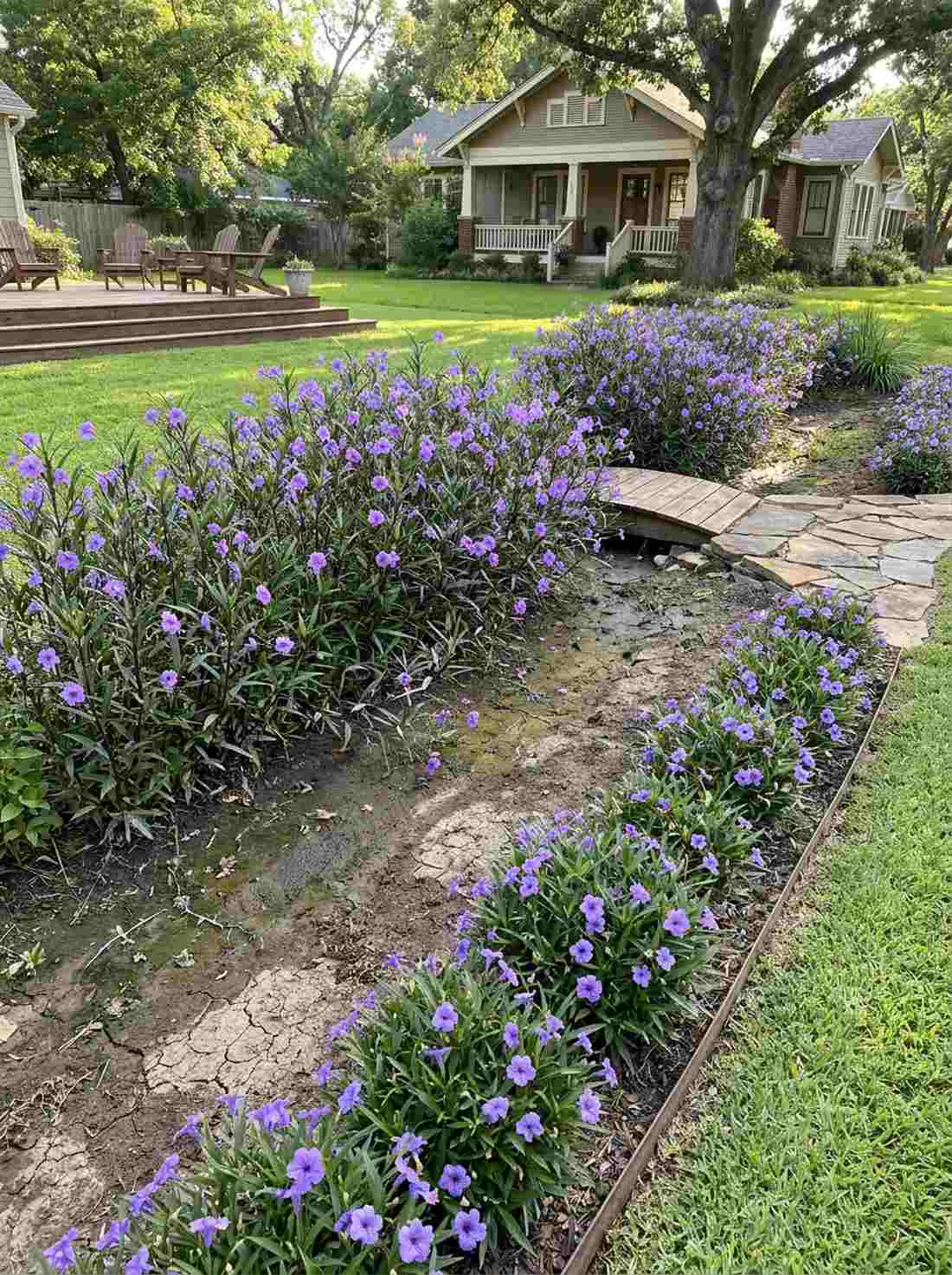
Shoots up dark, purple-tinged stalks topped with delicate violet trumpets. Indestructible wet-to-dry border. Perfect for that weird ditch in your yard that alternates between flooded and bone dry.
Instead of fighting terrible soil, this absolute tank of a plant gives a designer-level finish in conditions that would kill almost anything else. It self-seeds aggressively, creating massive purple drifts for zero extra cost.
Starts at $10–$20. A fast upgrade that completely changes the vibe.
- Key Materials: Ruellia starts, zero amendments needed
- Vibe / Style: Bulletproof violet drifts
- Difficulty: Extremely Easy
- Budget Breakdown: Plants: $15 | Maintenance: $0
- Creator’s Tip: Buy the ‘Katie’ dwarf variety if you want a neat, low groundcover instead of a 4-foot tall sprawling bush.
- Smart Sourcing: Live ruellia starter plants and heavy-duty root barrier edging.
Most backyard setups completely miss the mark, but adding this hidden gem completely elevates the aesthetic…
45. Curcuma (Siam Tulip)
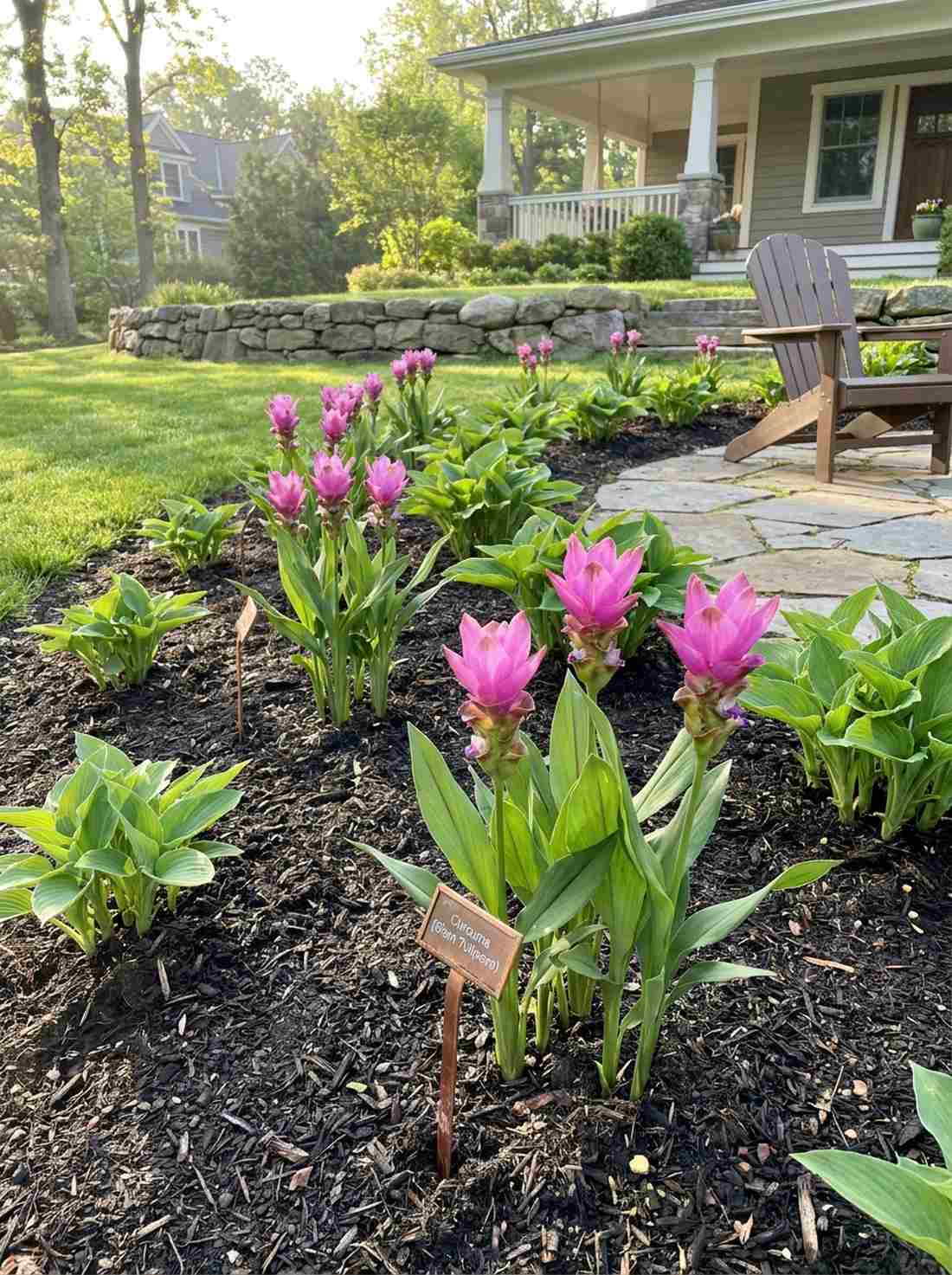
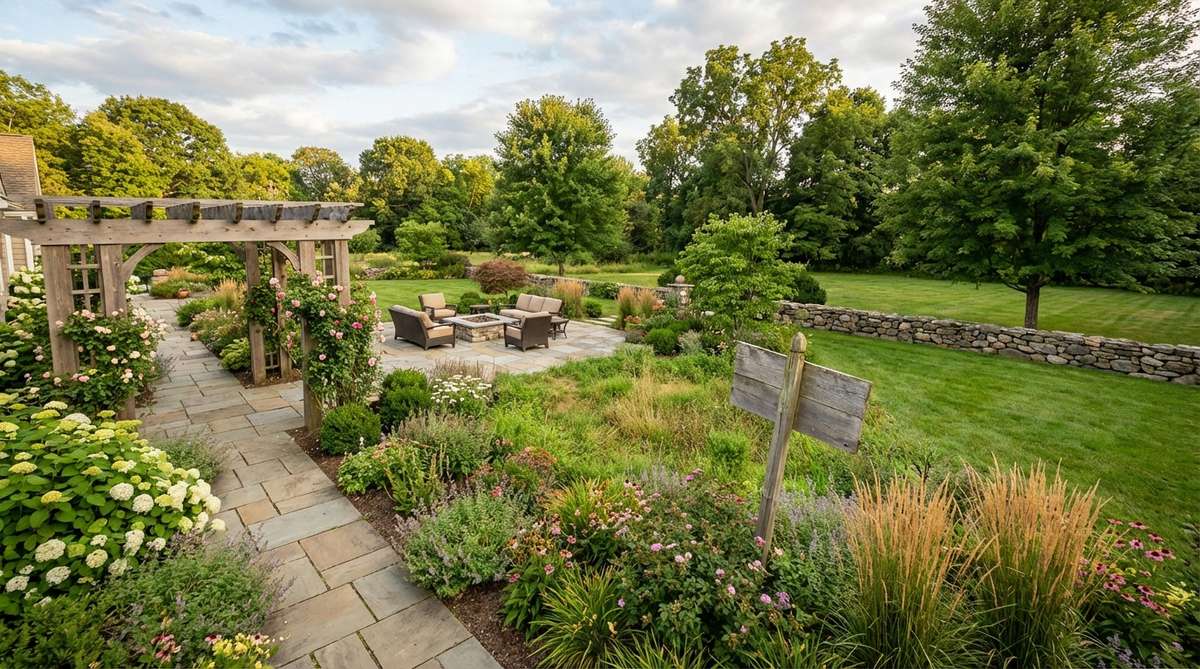
Pops out of the ground like sleek, modern pink torches before the leaves even appear. Surprise spring-blooming border. Unbeatable for planting between late-emerging hostas.
While everyone else relies on standard tulips, planting this tropical cousin creates an upscale vibe with massive pink bracts that last for literal months. Since they go completely dormant in winter, you don’t even have to look at ugly dead foliage.
You can get a bag of rhizomes for $15–$30. Save this to your spring bulb board!
- Key Materials: Curcuma rhizomes, well-draining soil
- Vibe / Style: Sleek botanical surprise
- Difficulty: Easy
- Budget Breakdown: Bulbs: $20 | Soil: $8
- Creator’s Tip: Mark where you planted them! They emerge very late in the spring, and it’s easy to accidentally dig them up.
- Smart Sourcing: Copper garden plant markers and bulk curcuma rhizome kits.
46. Russelia equisetiformis (Firecracker Plant)
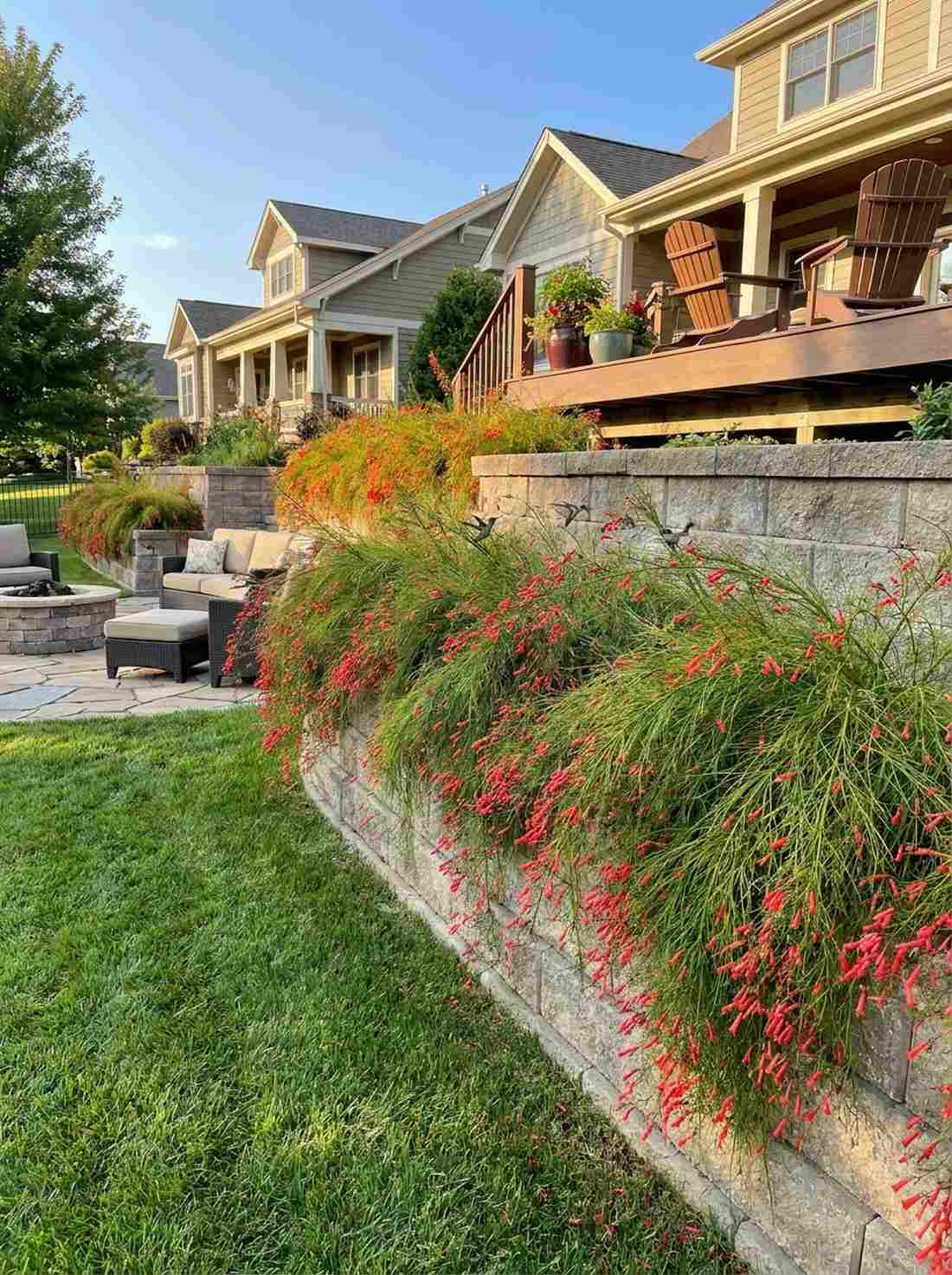
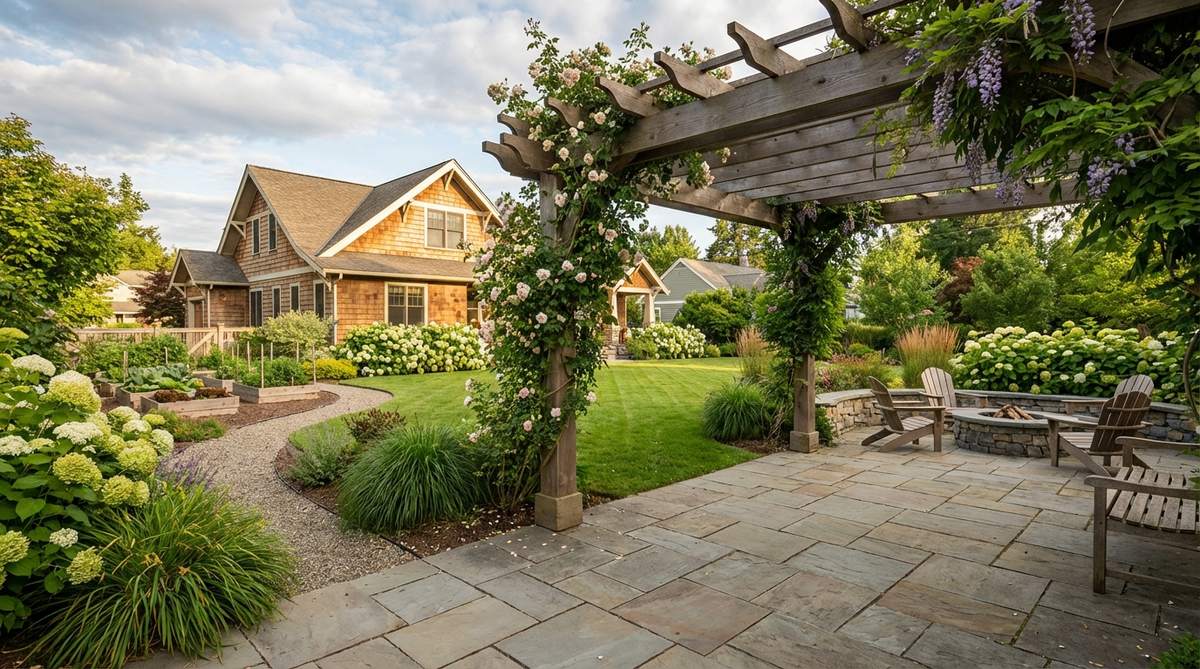
Spills over ledges like a fountain of fine, grassy green wire tipped in red ash. Cascading retaining wall feature. The ultimate choice for softening hard, ugly concrete block walls.
Landscape architects use this exact plant to hide harsh hardscaping lines; its weeping habit delivers a surprisingly premium look that requires absolutely no pruning. It’s an absolute magnet for hummingbirds darting through the red tubular blooms.
Starts around $15–$25. Highly recommended for a quick weekend win.
- Key Materials: Firecracker plant, elevated planter
- Vibe / Style: Weeping fiery fountain
- Difficulty: Easy
- Budget Breakdown: Plant: $20 | Planter: $0 (use existing wall)
- Creator’s Tip: It looks messy if planted flat in the ground; it strictly needs elevation to look its best.
- Smart Sourcing: Over-the-railing hanging balcony planters and live russelia starter plants.
47. Duranta erecta (Golden Dewdrop)
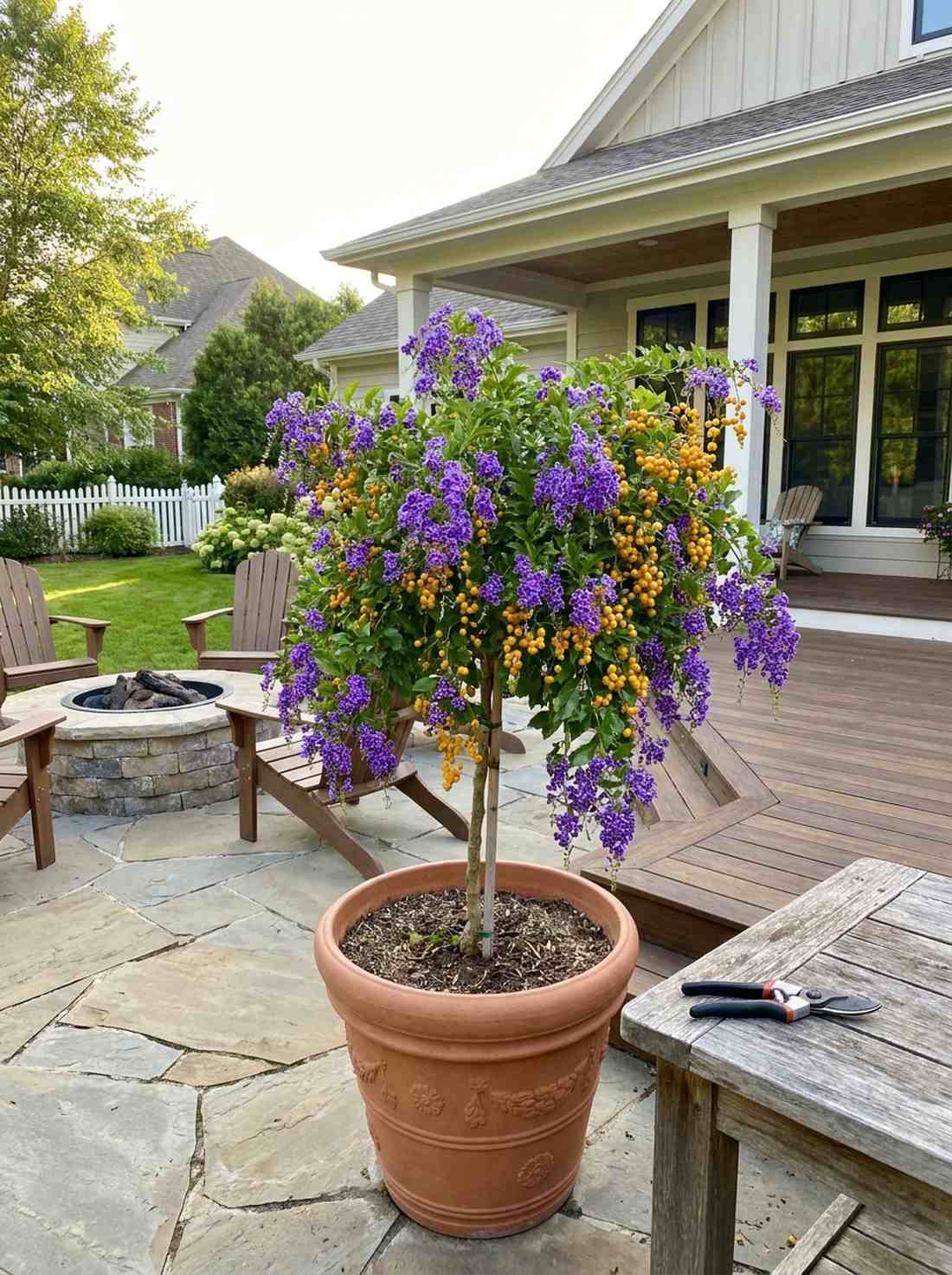
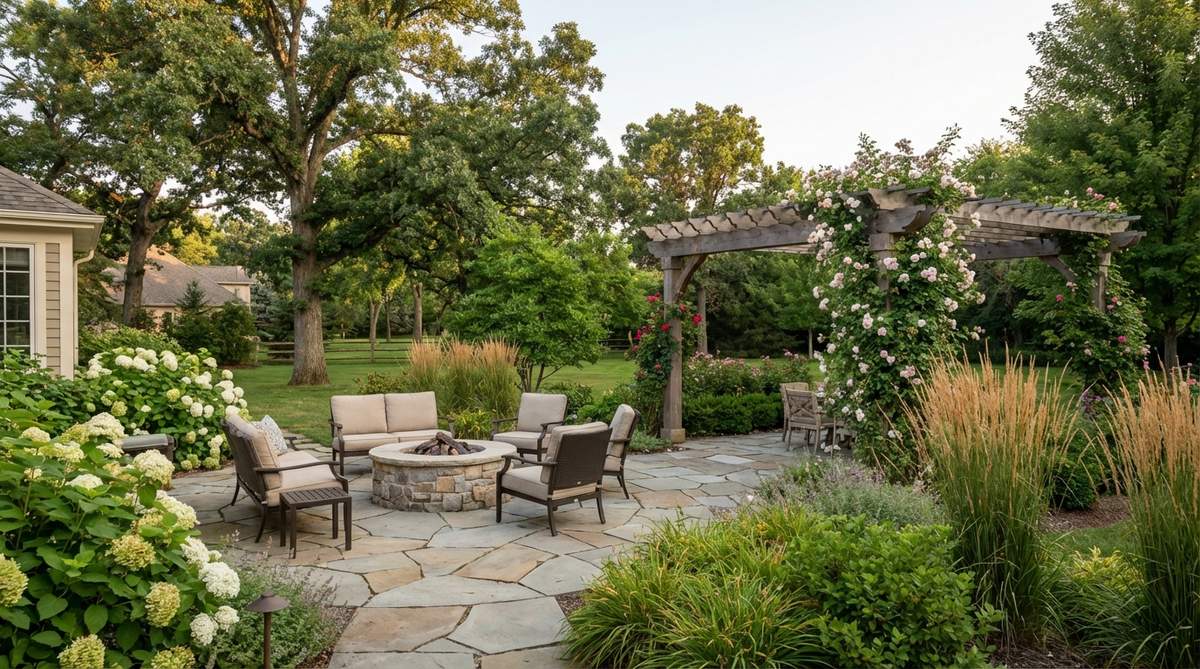
Drapes heavy clusters of violet flowers followed instantly by bright golden berries. Cascading contrasting specimen. Perfect for training into a stunning, weeping patio tree.
A massive mistake beginners make is ignoring plants with dual-interest; getting both purple flowers and golden berries simultaneously gives a designer-level finish that changes with the seasons. It handles aggressive pruning beautifully.
You can pick up a starter for $20–$40. Pin this to your colorful landscape board!
- Key Materials: Duranta shrub, sharp pruning shears
- Vibe / Style: Playful purple-and-gold cascade
- Difficulty: Moderate (frequent pruning)
- Budget Breakdown: Plant: $25 | Pruners: $15
- Creator’s Tip: The berries are toxic to humans and pets, but birds absolutely love them during the winter.
- Smart Sourcing: Professional bypass pruning shears and variegated duranta starter plants.
48. Megaskepasma erythrochlamys (Brazilian Red Cloak)
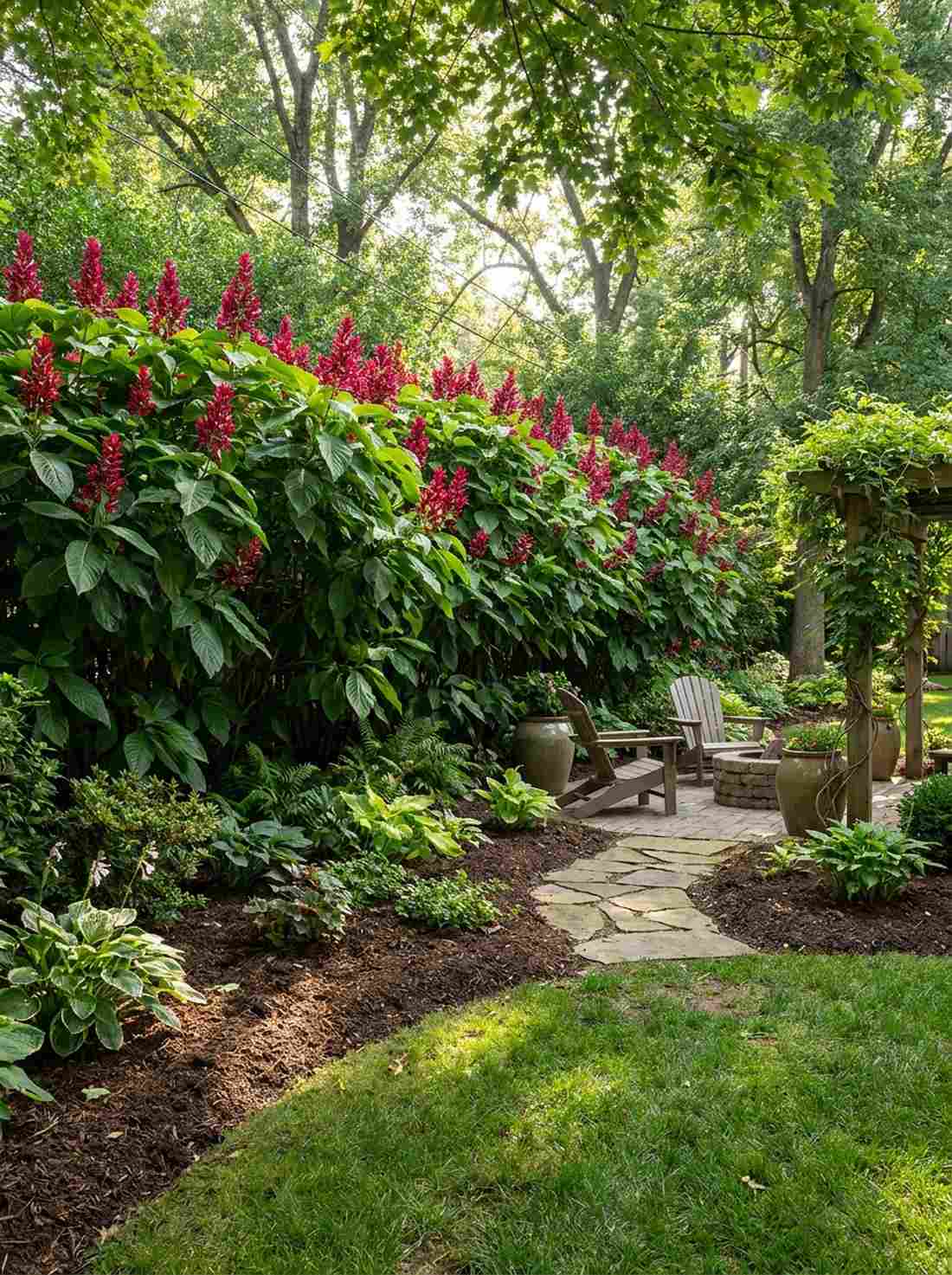
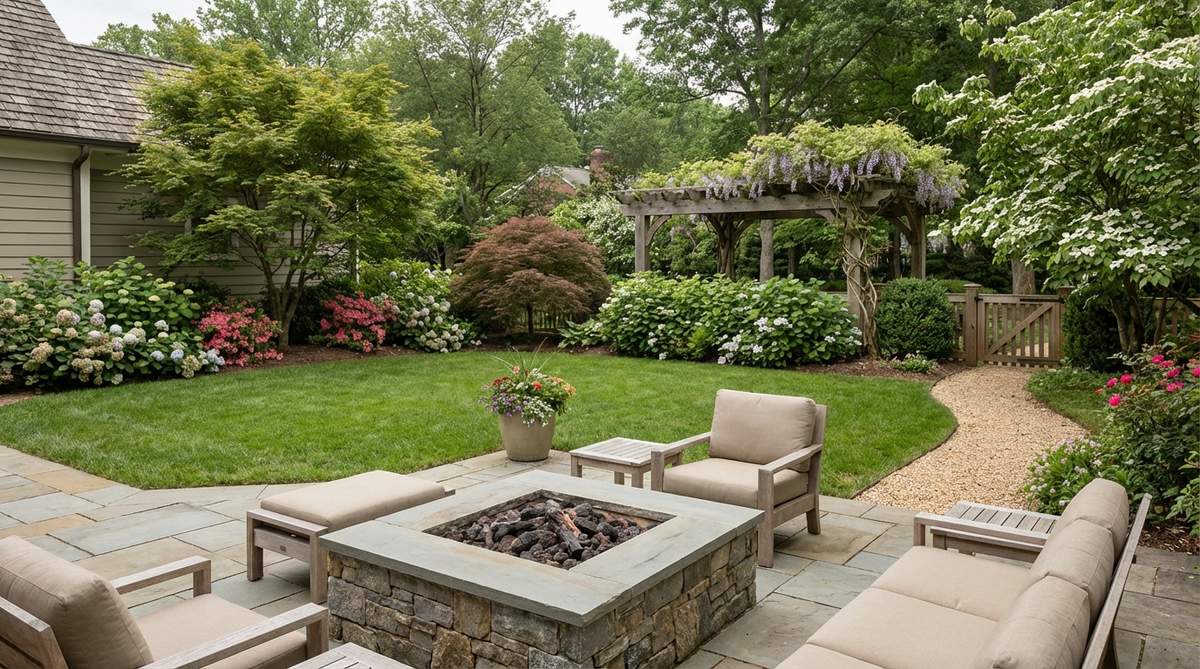
Towers high with massive, glossy green leaves topped by shocking crimson spires. Tall shaded background hedge. Flawless for adding intense color to the back row of a shady garden bed.
Most shade plants offer boring, tiny white flowers, but this massive Brazilian shrub creates an upscale architectural vibe with red bracts that command attention from across the yard. It roots easily from simple stem cuttings.
Investment is around $25–$50. Save this for your tall privacy screen plans!
- Key Materials: Red Cloak starter, rich loamy soil
- Vibe / Style: Towering crimson canopy
- Difficulty: Easy beginner setup
- Budget Breakdown: Plant: $35 | Soil: $10
- Creator’s Tip: Protect it from heavy wind, as the large, brittle leaves tear and snap easily.
- Smart Sourcing: Live megaskepasma starter plants and organic rich loamy soil blends.
49. Allamanda cathartica (Golden Trumpet)
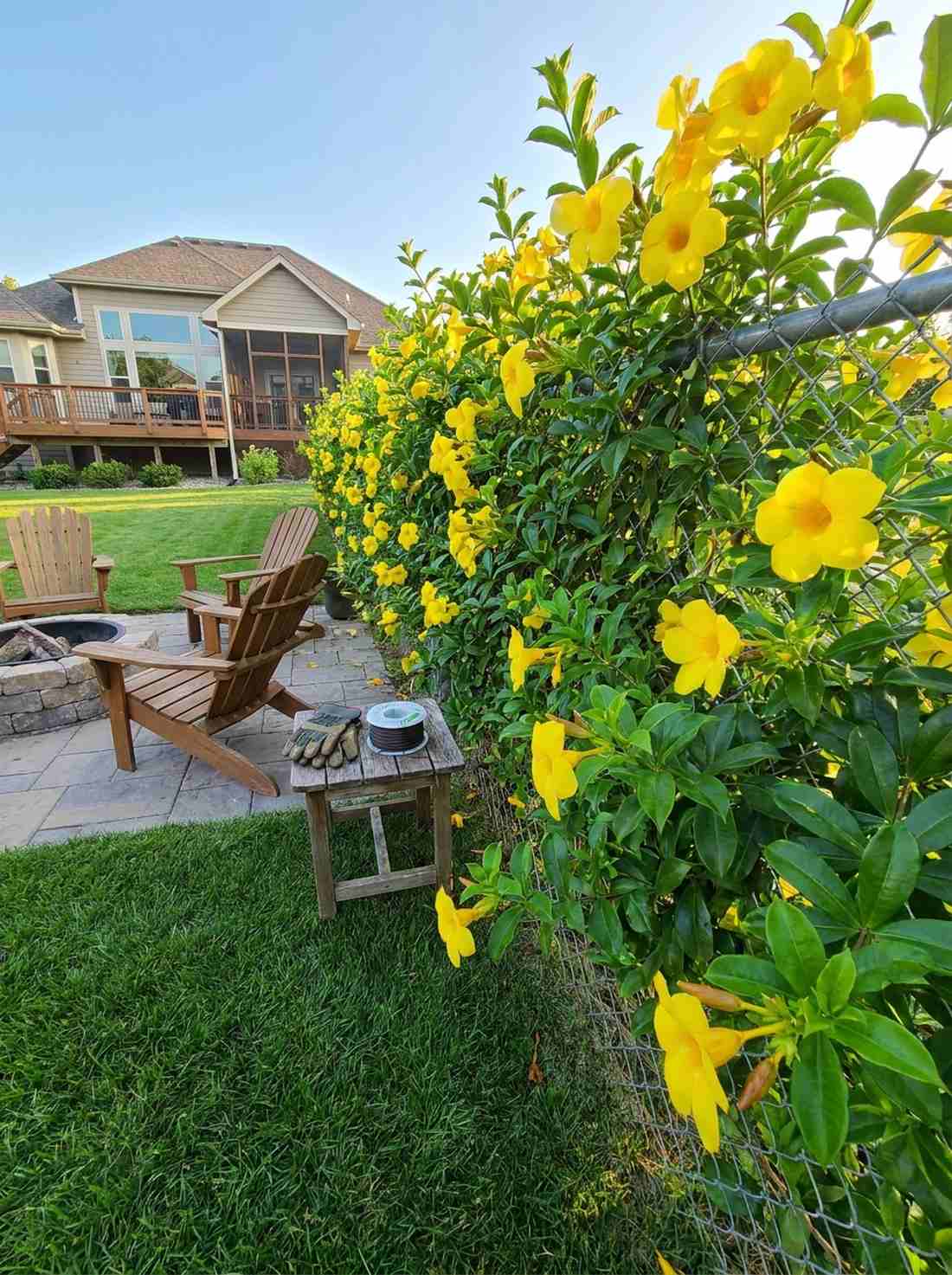
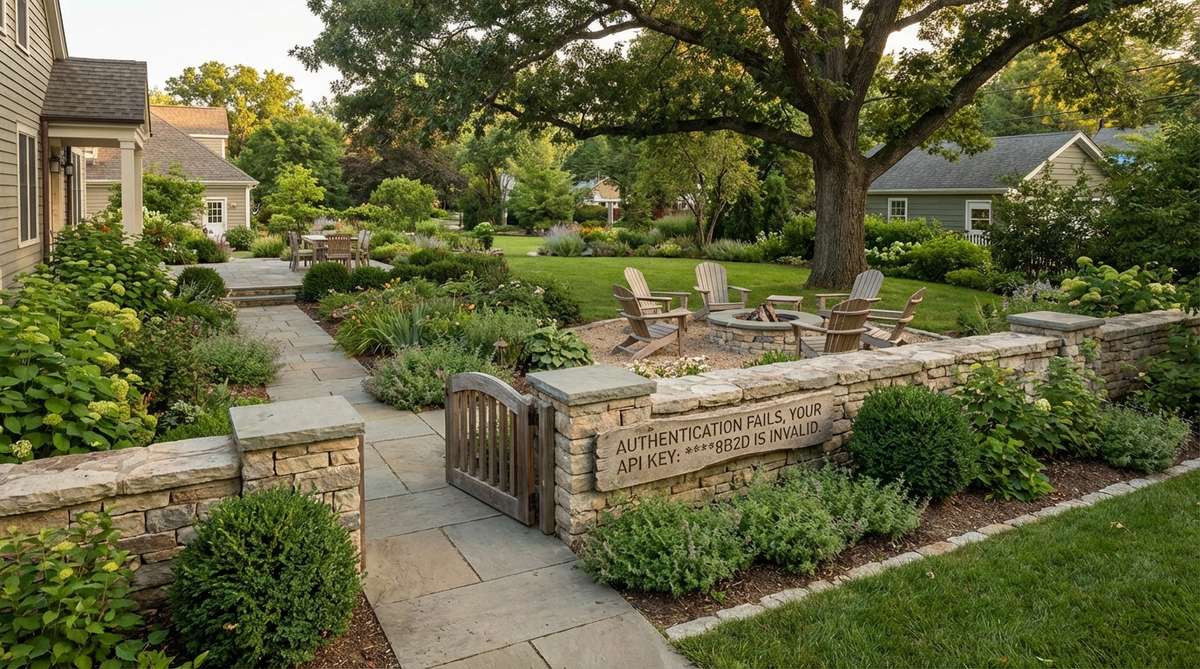
Blazes with massive, sunny yellow trumpets against glossy, polished foliage. Vigorous sunny trellis climber. The absolute best way to cover an ugly chain-link fence in one summer.
Skip the delicate, slow-growing vines; this aggressive tropical delivers a surprisingly premium look that quickly creates a solid wall of yellow blooms. The sap is slightly toxic and irritating, so always wear gloves when trimming.
You can get started for $15–$30. A fast upgrade that completely changes the vibe.
- Key Materials: Allamanda vine, wire fencing
- Vibe / Style: Brilliant sun-drenched wall
- Difficulty: Easy
- Budget Breakdown: Vine: $20 | Wire: $15
- Creator’s Tip: It doesn’t have tendrils to grab onto things, so you must physically weave it through your trellis as it grows.
- Smart Sourcing: Flexible rubber plant tying wire and heavy-duty gardening gloves.
This final trick is the absolute pinnacle of luxury patio design, and almost nobody does it…
50. Clerodendrum (Bleeding Heart Vine)
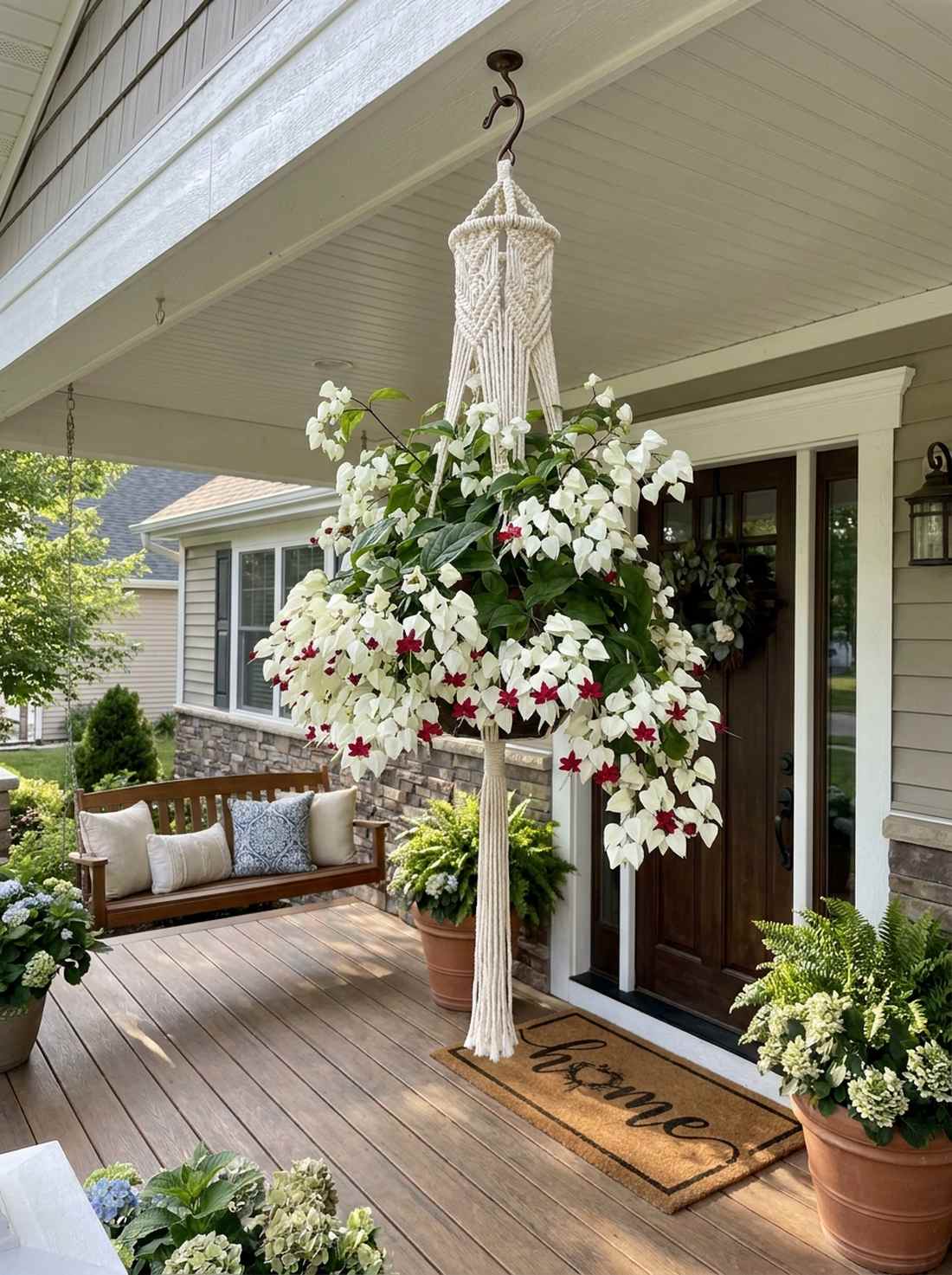
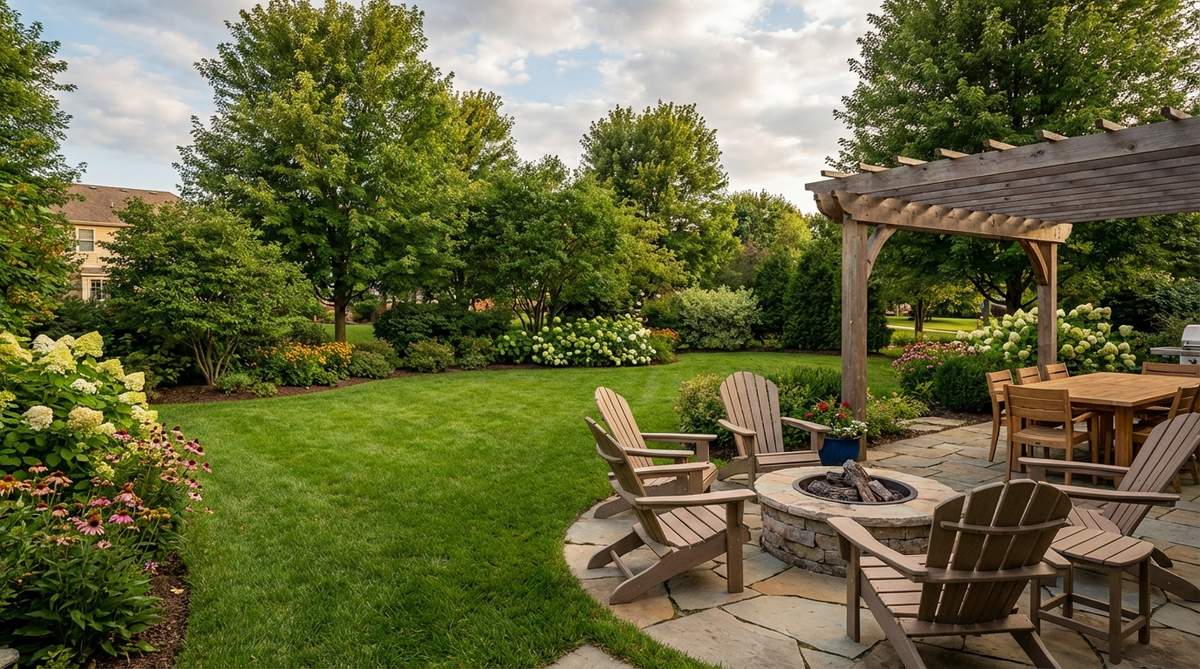
Dangles exquisite, pure white lanterns that split open to drop a single blood-red star. Intricate hanging basket display. Perfect for framing a front porch entrance with delicate detail.
While generic ivy looks cheap, hanging this breathtakingly detailed vine creates an upscale vibe that forces guests to stop and stare. It loves morning sun and afternoon shade, making it ideal for covered porches.
A starter pot costs $20–$35. Pin this to your front porch aesthetic board!
- Key Materials: Clerodendrum plant, macrame hanger
- Vibe / Style: Delicate botanical romance
- Difficulty: Moderate
- Budget Breakdown: Plant: $25 | Hanger: $15
- Creator’s Tip: Don’t throw it out when it drops its leaves in winter; it’s just dormant and will explode with growth in spring.
- Smart Sourcing: Boho macrame plant hanger kits and live bleeding heart vine starters.
51. Etlingera elatior (Torch Ginger)
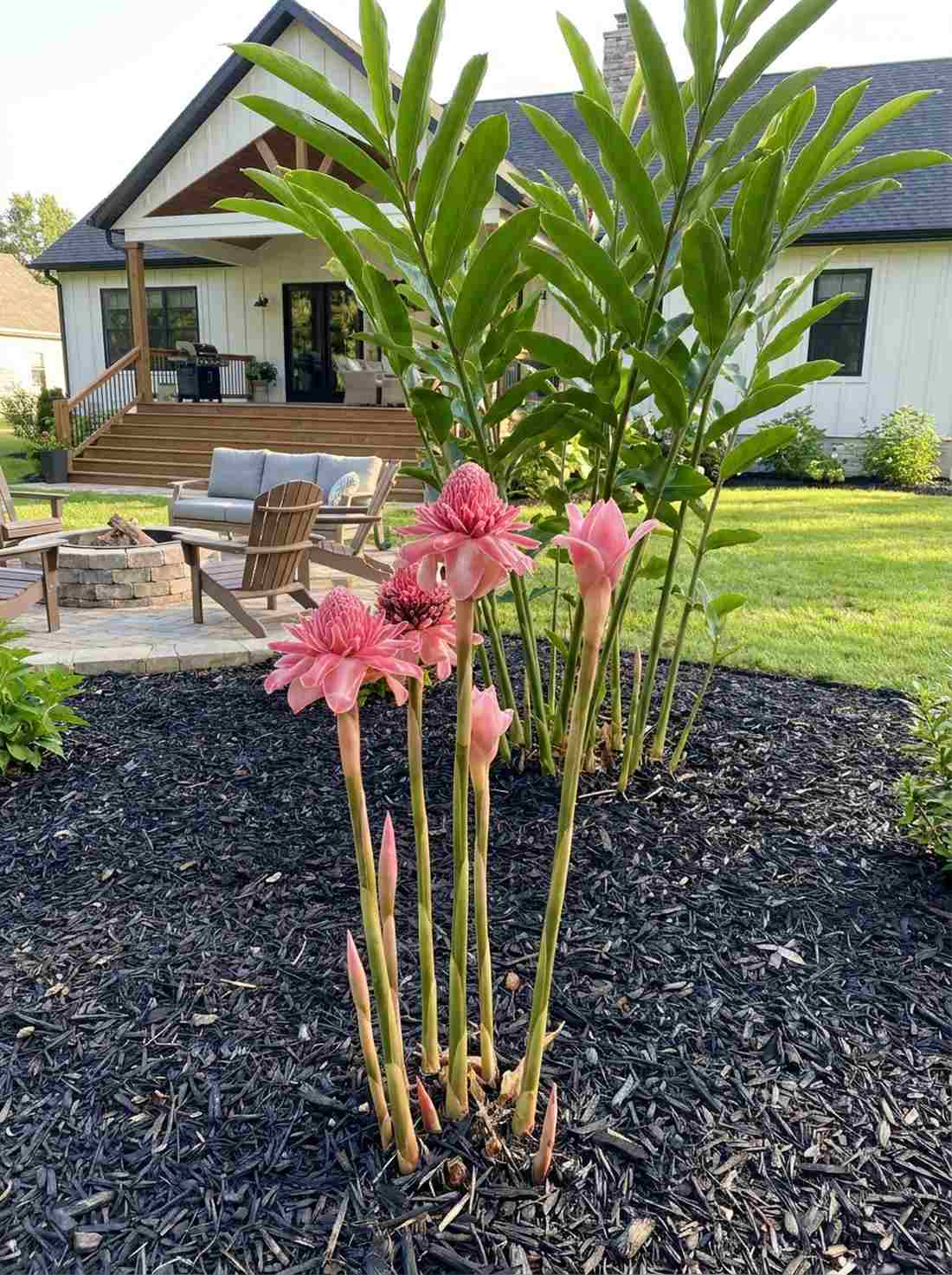
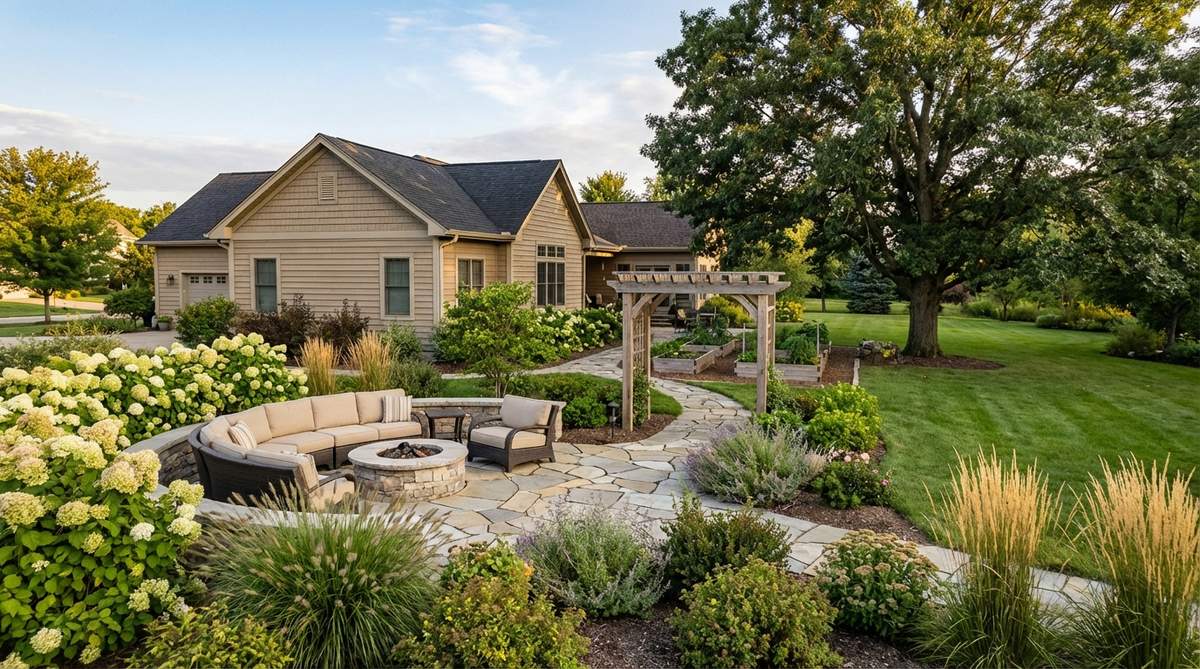
Shoots bizarre, waxy pink sceptres straight out of the bare ground. Exotic standalone statement piece. Incredible for a highly visible focal point surrounded by low black mulch.
Most people overpay for imported cut flowers, but growing your own massive torch ginger gives a designer-level finish that looks like expensive, artificial wax sculptures. The tall, leafy stalks grow entirely separate from the flowers.
Rhizomes run about $25–$45. Save this to your exotic flower board!
- Key Materials: Torch ginger rhizomes, heavy water supply
- Vibe / Style: High-fashion floral sculpture
- Difficulty: Advanced (needs extreme heat and water)
- Budget Breakdown: Rhizomes: $35 | Mulch: $10
- Creator’s Tip: These are massive plants, often reaching 15 feet tall, so give them immense vertical space.
- Smart Sourcing: Black dyed organic wood mulch and live torch ginger rhizome kits.
52. Mussaenda erythrophylla (Red Flag Bush)
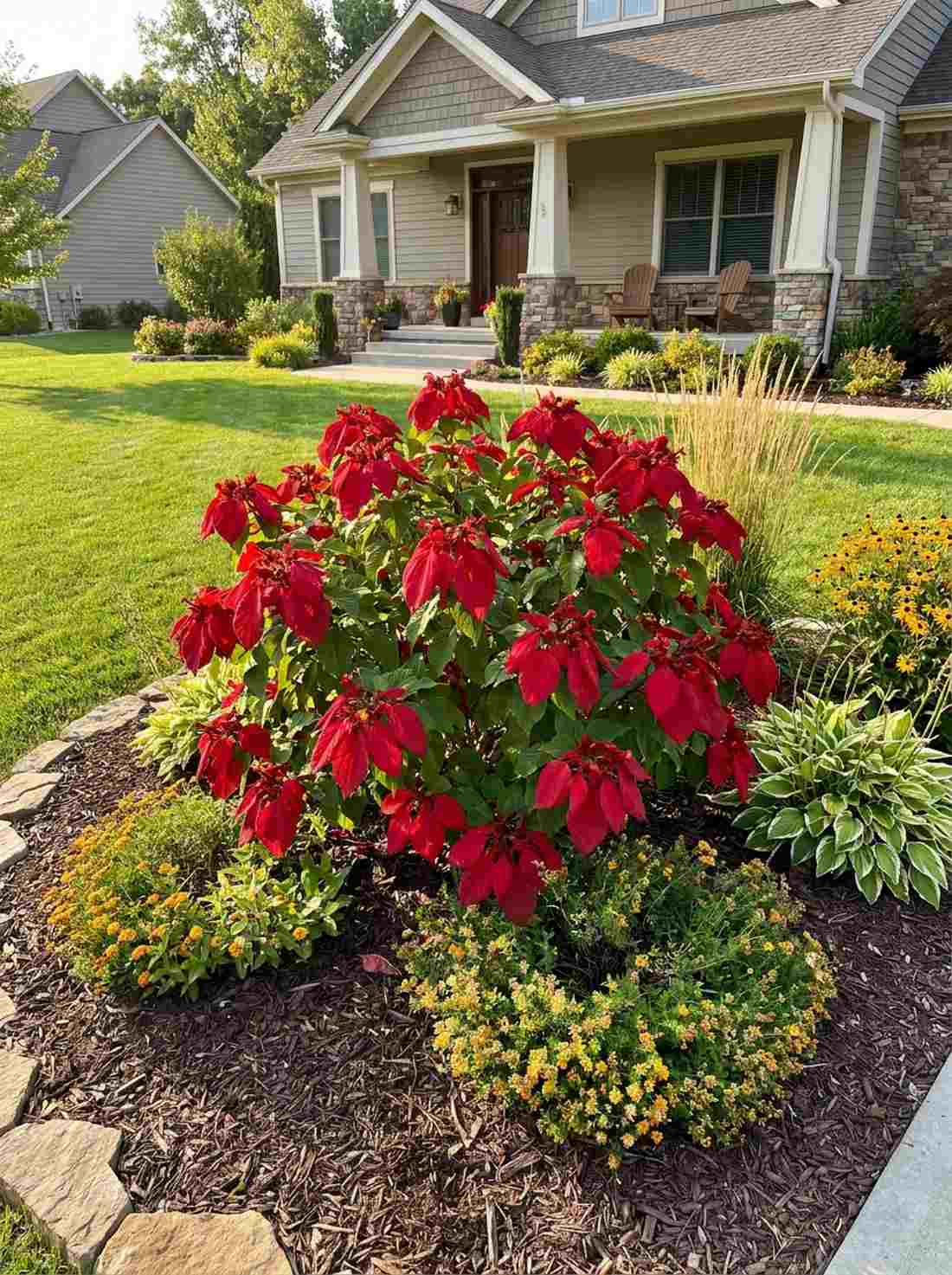
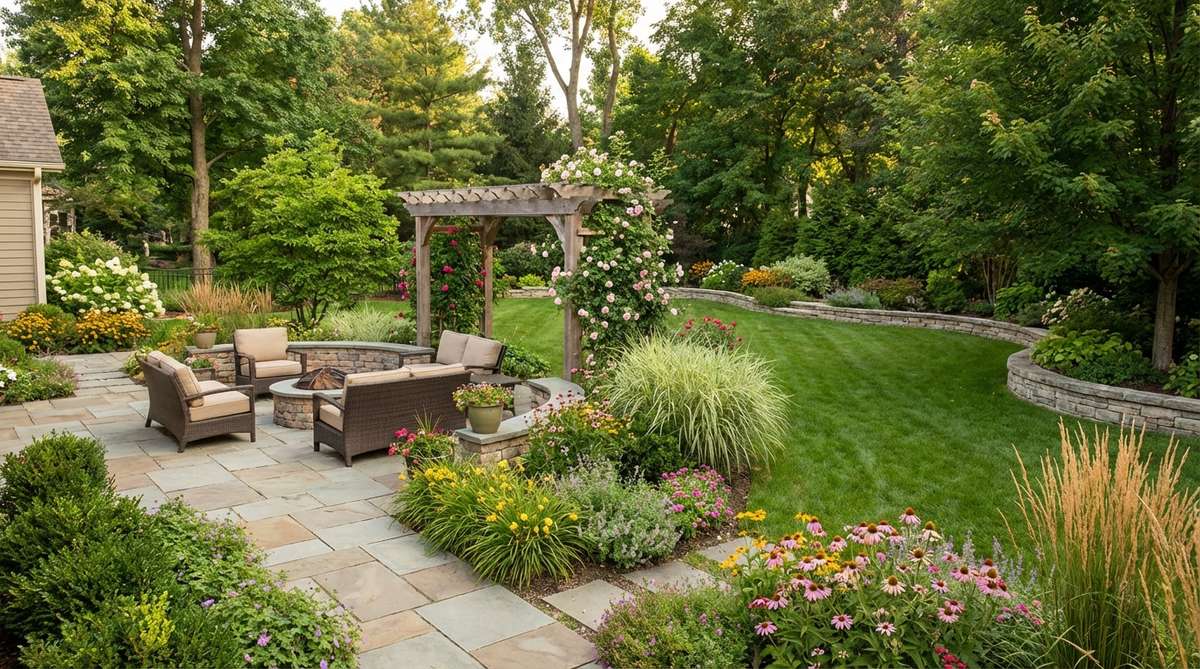
Flaunts massive, velvet-red flag-like leaves that look like they belong in Alice in Wonderland. Flamboyant shrub centerpiece. The ultimate show-off plant for a sunny front yard island bed.
Instead of planting traditional roses, this rare African shrub delivers a surprisingly premium look with “blooms” that are actually modified leaves, meaning they last for months instead of days. It requires heat to put on a good show.
Starters cost around $30–$55. Highly recommended for a quick weekend win.
- Key Materials: Mussaenda starter, rich compost
- Vibe / Style: Flamboyant tropical maximalism
- Difficulty: Moderate
- Budget Breakdown: Plant: $40 | Compost: $10
- Creator’s Tip: Pinch the tips aggressively when it’s young to force a wide, bushy shape rather than a single tall stalk.
- Smart Sourcing: Live mussaenda starter plants and premium organic potting compost.
53. Jatropha integerrima (Peregrina)
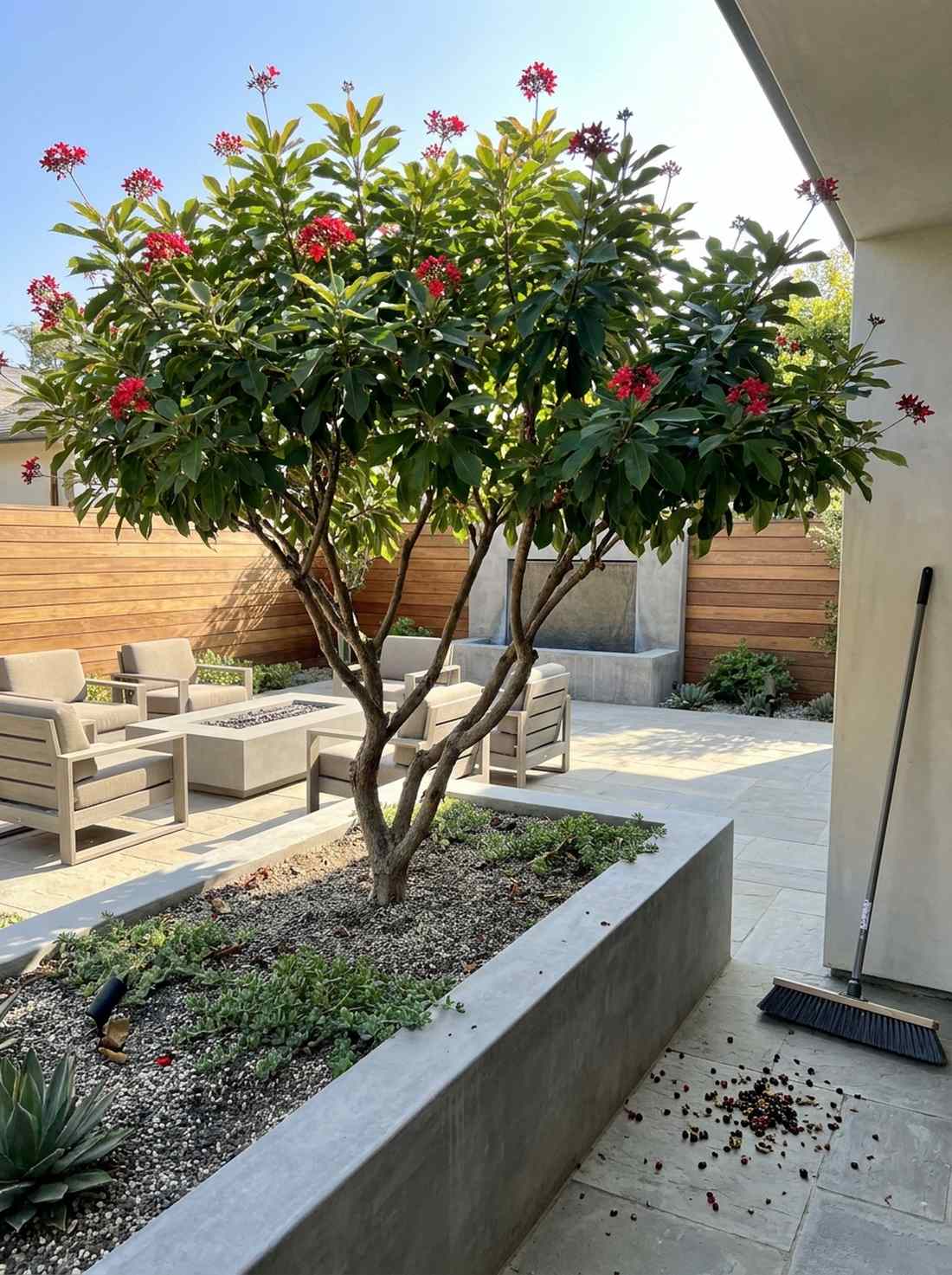
Pops with tiny, brilliant red stars against glossy, violin-shaped evergreen leaves. Drought-tolerant patio tree. Flawless for a modern courtyard where water is strictly limited.
A massive mistake beginners make is thinking tropicals need constant water; this xeriscape champion creates an upscale architectural vibe while surviving intense heat and drought. Prune the lower branches to expose a beautiful, sculptural trunk.
You can get a starter tree for $25–$45. Pin this to your drought-tolerant garden board!
- Key Materials: Jatropha tree, cactus soil blend
- Vibe / Style: Sleek minimalist color
- Difficulty: Easy beginner setup
- Budget Breakdown: Tree: $35 | Soil: $10
- Creator’s Tip: The milky sap and seeds are toxic, so sweep up dropped berries if you have pets.
- Smart Sourcing: Fast-draining cactus and citrus soil and heavy-duty patio brooms.
Creating Your Premium Tropical Paradise
These exactly 53 premium tropical garden plants provide the ultimate blueprint for transforming a basic backyard into a high-end, resort-style retreat without paying landscape architect fees. By combining cheap bulk bulbs with UV-resistant planters and smart hardscaping, you can achieve a massive aesthetic upgrade that looks like it cost thousands. Pick 3 to 5 architectural showpieces, grab some heavy-duty starter kits, and watch your outdoor space completely change vibe in a single season.
Frequently Asked Questions
Can I grow tropical garden plants in cold climates?
Absolutely, but you need to act smart. Instead of letting them die, plant your high-end specimens in UV-resistant rolling planters so you can easily wheel them into a garage or sunroom during winter. For in-ground setups, investing in premium frost-protection plant blankets keeps borderline-hardy roots alive. Alternatively, buy bulk rhizome kits online on the cheap, treat them as stunning summer annuals, and just dig up the bulbs before the first freeze.
How often should I fertilize tropical garden plants?
To get that massive, expensive-looking jungle canopy quickly, you cannot rely on basic soil. Use slow-release balanced fertilizer granules monthly during the hot summer. For massive leaf producers like bananas and colocasia, using high-nitrogen fertilizer spikes every two weeks forces explosive growth. Always dial it back in winter so you don’t burn the dormant roots.
What soil conditions do tropical garden flowers prefer?
The fastest way to kill an expensive tropical is drowning it in cheap, dense backyard dirt. They require incredibly chunky, fast-draining mediums. Always amend your beds with coarse horticultural perlite (bulk bags) and pine bark. For pots, skip generic dirt and invest in pre-mixed chunky aroid potting soil to ensure perfect oxygen flow to the root systems, preventing root rot entirely.
How do I increase humidity for tropical plants outdoors?
If you live in a dry climate, you have to fake the rainforest. Group your massive leaf plants closely together to trap transpiring moisture. To automate it perfectly, install cheap automatic patio misting systems directly into your pergola or fencing. Back this up by laying down a thick layer of bulk organic pine bark mulch, which holds massive amounts of water and slowly releases it into the air all day.
Which tropical plants work best in full sun versus shade?
For blazing hot spots, rely on bulletproof performers like hibiscus, bougainvillea, and lantana—pair these with automatic drip irrigation starter kits so they never dry out. For deep shade, never force sun-lovers. Stick to massive aroids, caladiums, and ferns planted in moisture-retaining soil blocks. Matching the plant to the light is the number one secret to a low-maintenance, premium-looking yard.