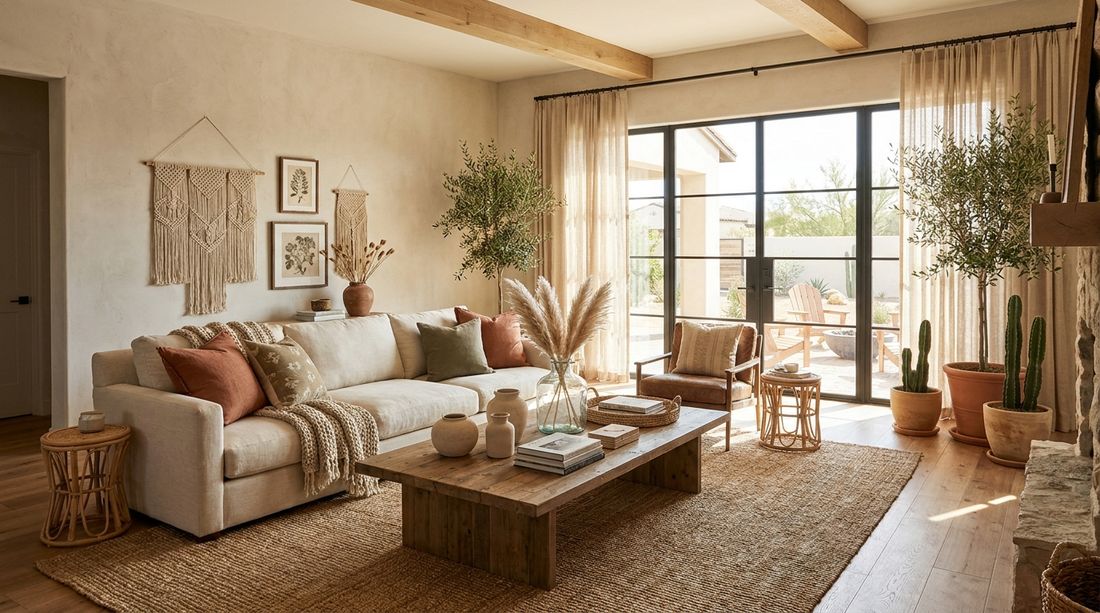
Nailing the perfect earthy boho decor requires precise material layering. Discover exact budget breakdowns and high-end sourcing blueprints below. Achieve a luxury desert-inspired aesthetic without overspending.
Design Snapshot Key Principles
- Neutral Foundation: Build on warm beige, terracotta, sage green, and cream tones that evoke natural landscapes
- Texture Layering: Combine rattan, jute, linen, and reclaimed wood to create visual and tactile depth
- Organic Materials: Prioritize bamboo, wicker, stone, and live plants to strengthen the earth-to-home connection
- Intentional Imperfection: Embrace handcrafted items, vintage finds, and lived-in finishes for authentic bohemian character
Neutral Color Foundations That Ground Your Space
1. Warm Beige Wall Treatment
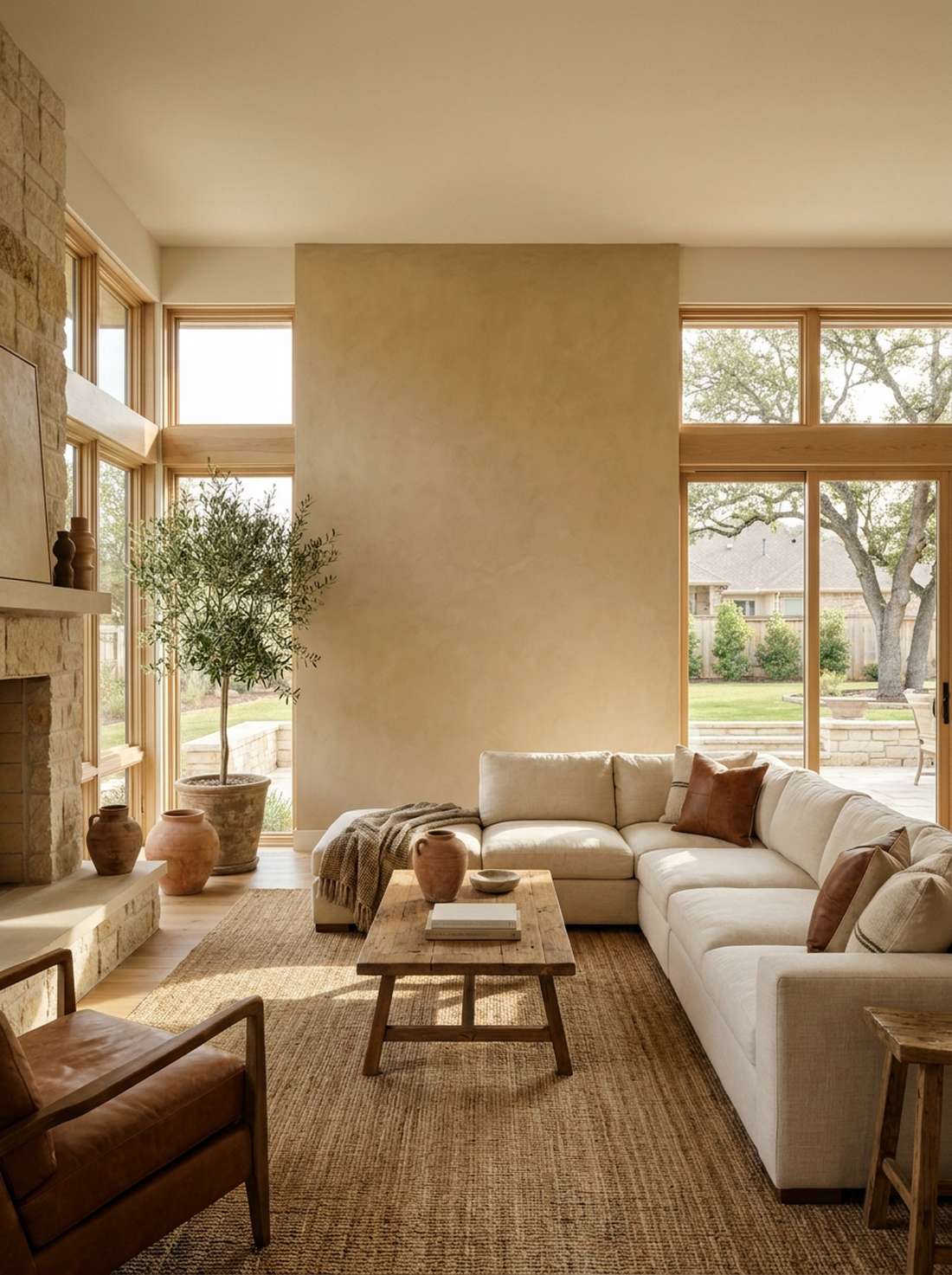
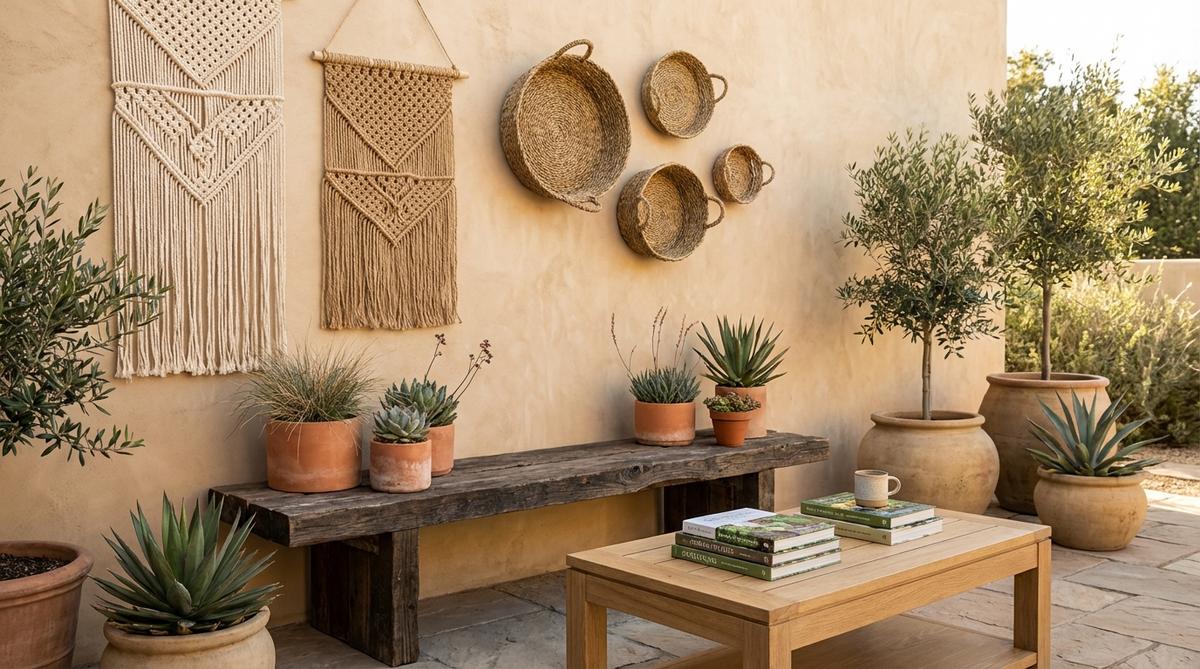
This matte beige feature wall feels like stepping into a hidden sun-baked retreat. It works exceptionally well for warming up a stark living room.
Most people default to flat white, but this approach gives a designer-level finish instantly. Using a high-grade interior paint formula minimizes scuffs in high-traffic zones.
You can easily pull this off for around $40 per gallon. Save this to your DIY weekend room upgrade board.
- Key Materials: Washable matte interior paint
- Vibe / Style: Warm desert luxury
- Difficulty: Beginner friendly
- Budget Breakdown: Paint: $40 | Tools: $15
- Creator’s Tip: Use a thick-nap roller for slight organic texture.
- Smart Sourcing: pre-mixed warm neutral paint (gallon) and shed-free microfiber roller kits.
2. Terracotta Accent Walls
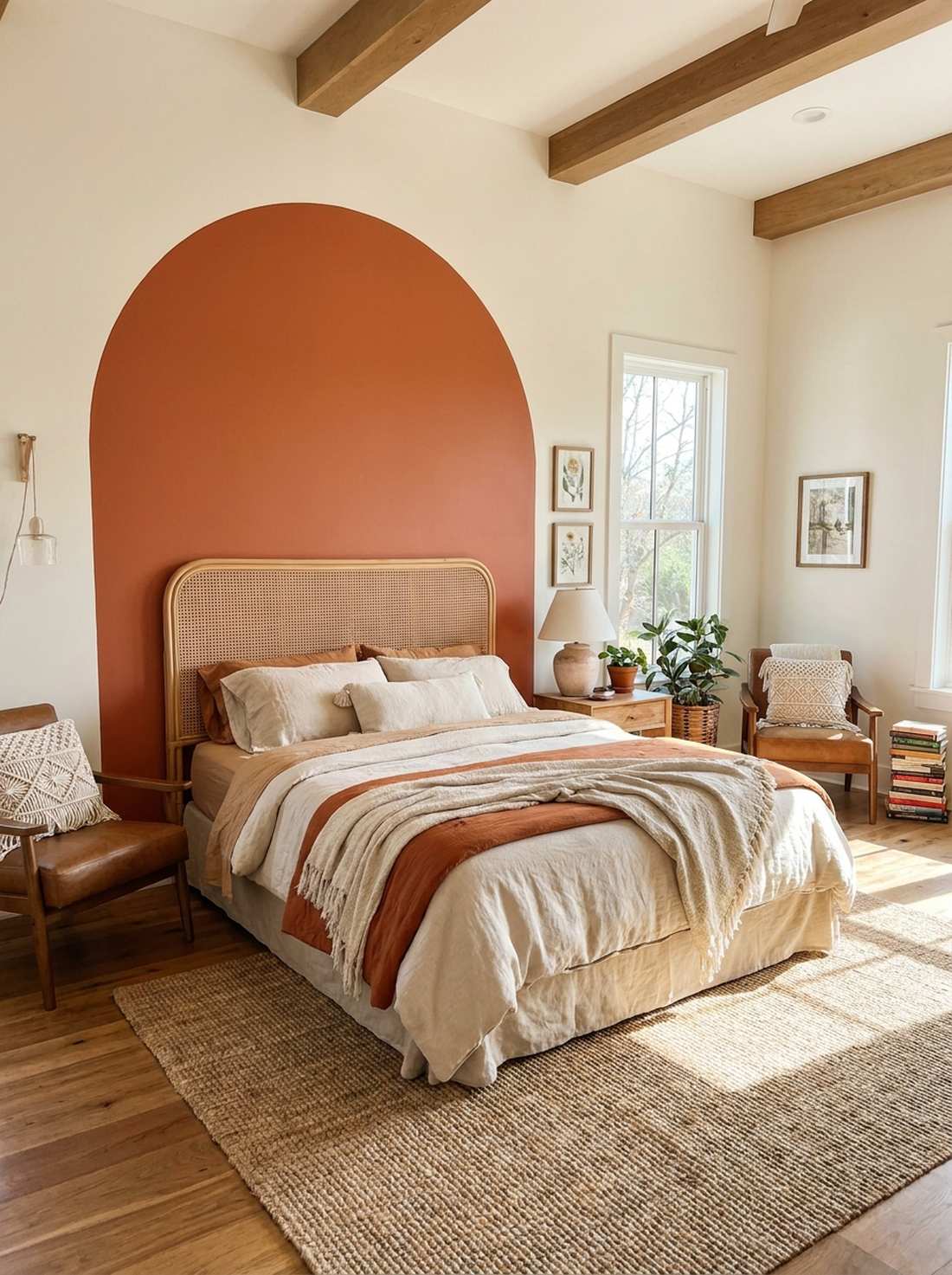
A bold terracotta painted arch creates a magnetic energy straight out of a Mediterranean villa. Perfect for anchoring a bedroom headboard or cozy dining nook.
Skipping wallpaper for this earthy clay tone delivers a surprisingly premium look. It acts as the ultimate high-contrast backdrop for natural woven furnishings.
A single quart of premium paint makes this a $25 weekend project. Pin this if you’re planning a quick focal-point upgrade.
- Key Materials: Deep rust-colored acrylic-latex paint
- Vibe / Style: Bold bohemian rustic
- Difficulty: Intermediate (requires taping)
- Budget Breakdown: Paint: $25 | Painter’s Tape: $8
- Creator’s Tip: Use a laser level for perfect arch geometry.
- Smart Sourcing: ultra-crisp edge painter’s tape (bulk pack) and terracotta hue sample kits.
3. Sage Green Painted Trim
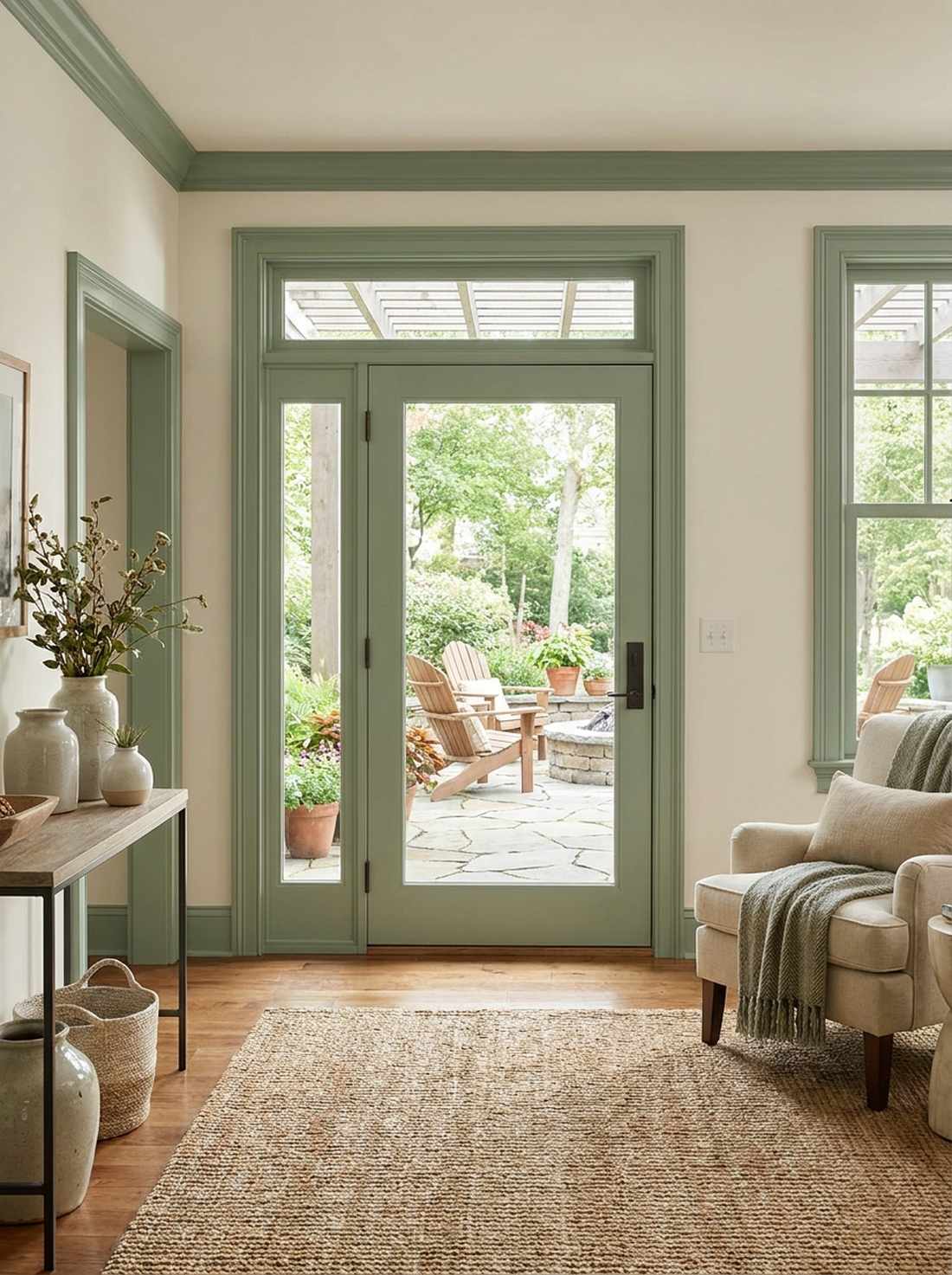
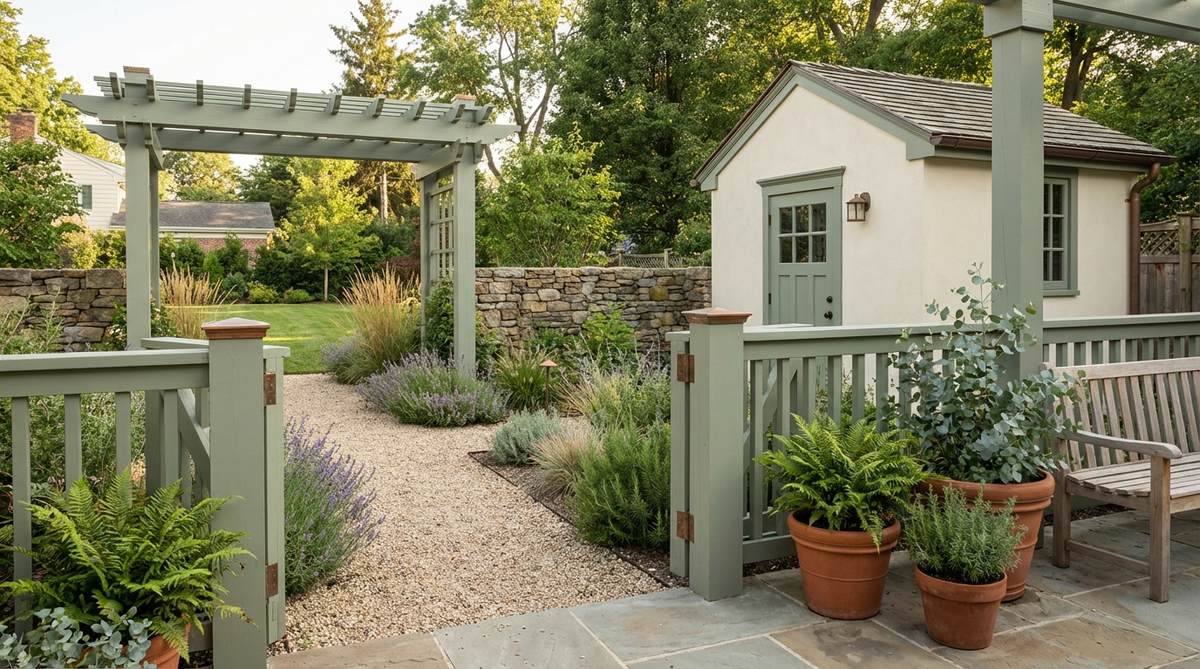
These muted green door casings feel like a botanical garden creeping indoors. It works exceptionally well for bridging the gap between indoor spaces and patio views.
Instead of basic white trim, this simple swap looks far more expensive than it is. It naturally highlights architectural charm without overwhelming the primary wall color.
Transform your entire entryway for just about $35. Highly recommended for a quick weekend win.
- Key Materials: Durable satin-finish enamel
- Vibe / Style: Organic cottagecore
- Difficulty: Easy beginner setup
- Budget Breakdown: Enamel Paint: $35 | Brushes: $12
- Creator’s Tip: Sand baseboards lightly before applying to prevent chipping.
- Smart Sourcing: scuff-resistant interior enamel (quart) and angled detail brush sets.
4. Cream Ceiling Treatments
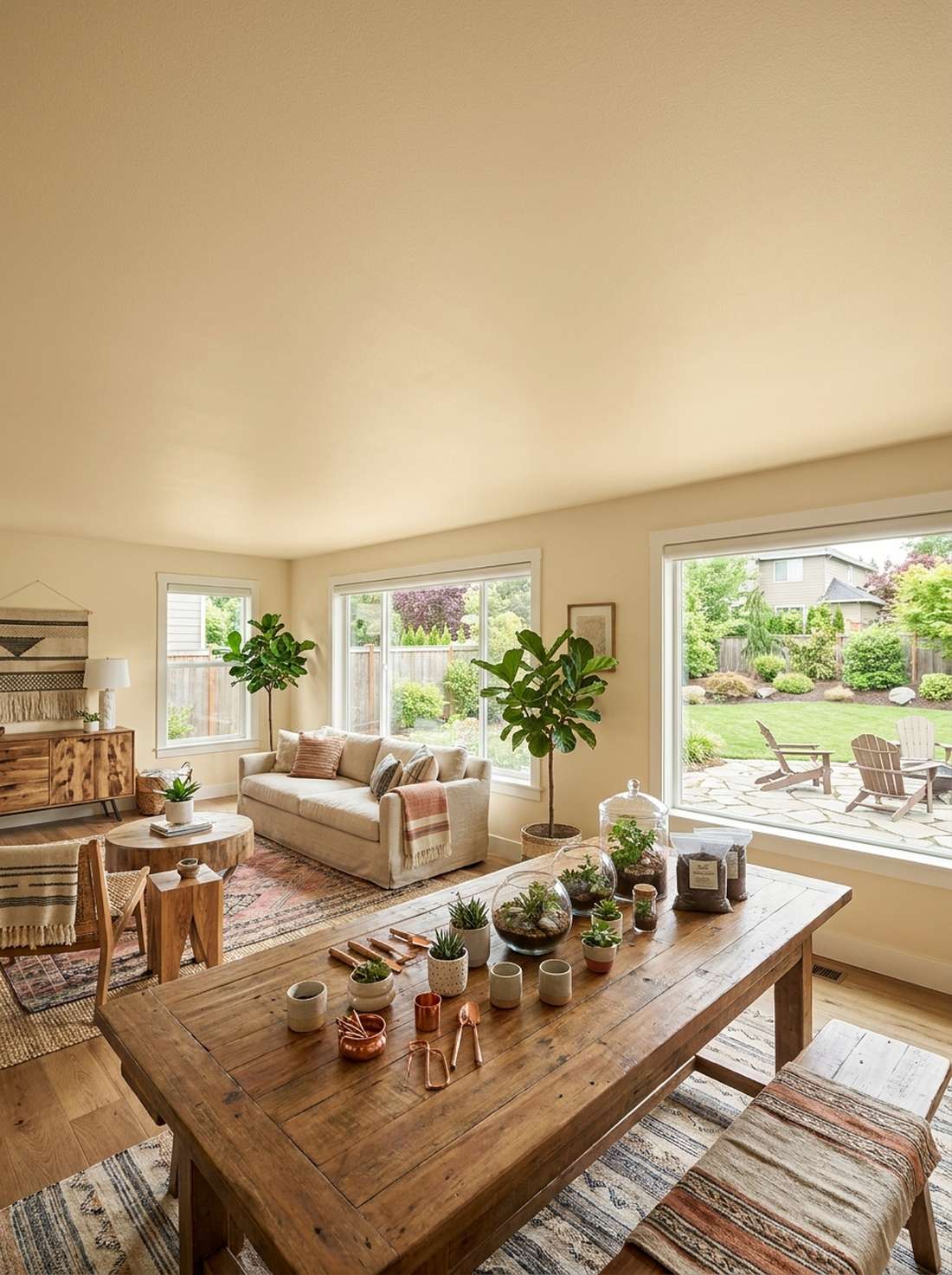
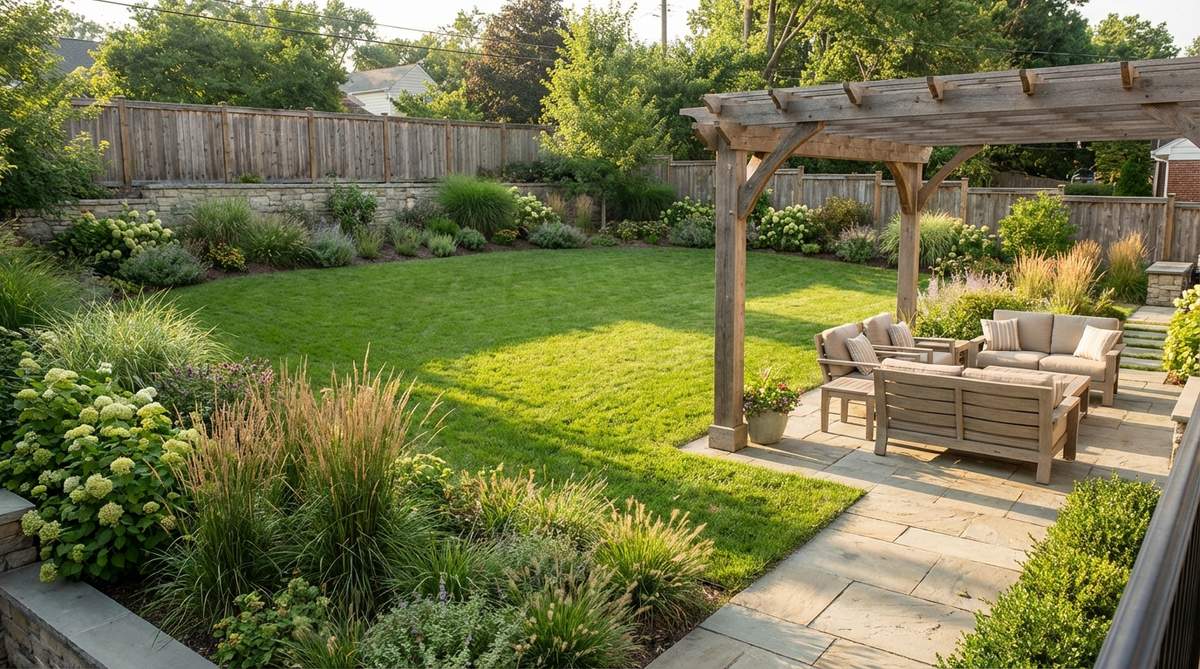
A warm cream painted ceiling wraps the room in a vibe that feels like a cozy cashmere blanket. This setup is perfect for lowering the visual harshness of tall, sterile rooms.
While many overlook the ceiling, tinting it slightly creates an envelope effect that elevates the whole space. It perfectly complements high-end miniature garden supplies displayed below.
You can execute this seamless look for around $50. Save this to your essential room foundations board.
- Key Materials: Flat ceiling paint with warm undertones
- Vibe / Style: Cohesive modern bohemian
- Difficulty: Moderate (requires ceiling rolling)
- Budget Breakdown: Ceiling Paint: $45 | Drop Cloths: $10
- Creator’s Tip: Mix a 10% ratio of your wall color into white ceiling paint for perfect harmony.
- Smart Sourcing: anti-spatter ceiling paint formulas and heavy-duty canvas drop cloths.
This next setup is ridiculously cheap but looks like a $100 custom display…
5. Off-White Textured Plaster
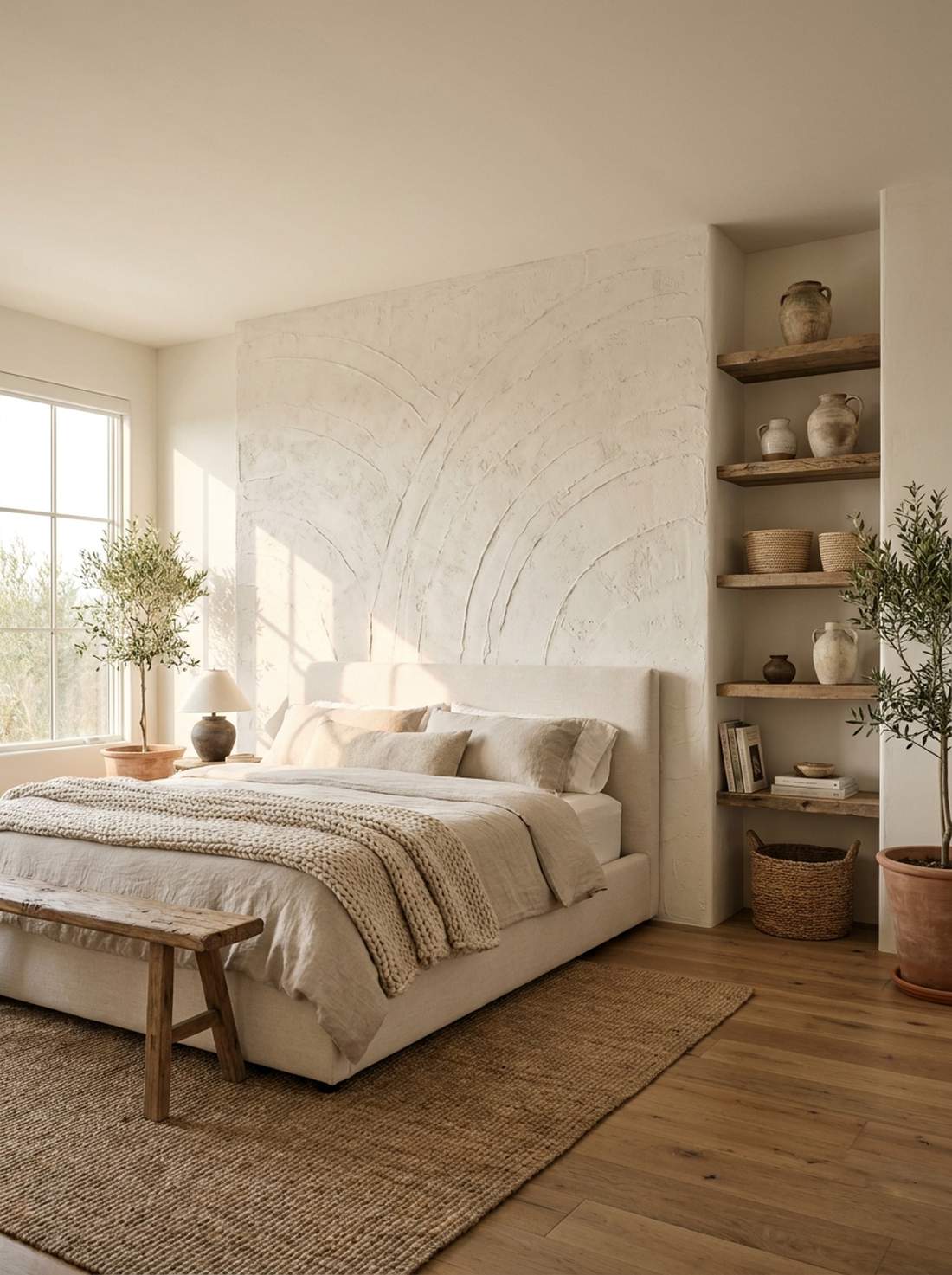
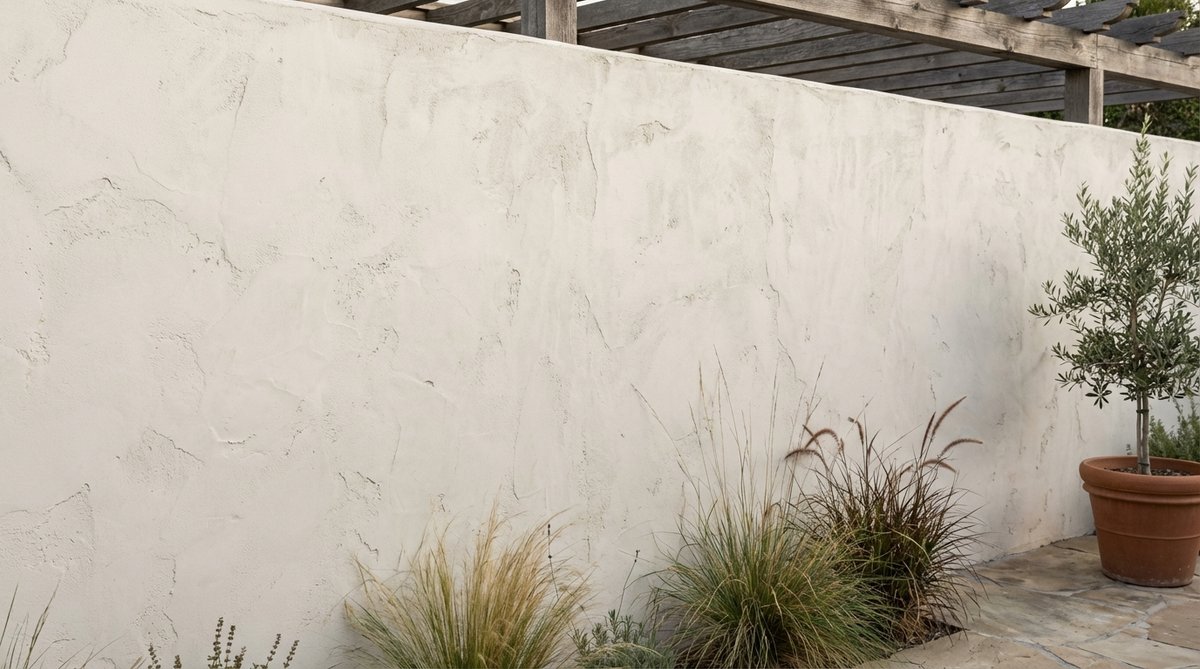
This hand-troweled plaster wall captures the essence of a rustic Greek island escape. It shines as an intentional backdrop behind open kitchen shelving or a master bed.
Applying joint compound creatively gives a designer-level finish that rivals luxury wallpaper. The raw, tactile surface catches morning light beautifully.
This massive visual shift costs a shockingly low $20–$30. Pin this to your budget luxury hacks board.
- Key Materials: Pre-mixed joint compound, wide trowel
- Vibe / Style: Artisan Mediterranean
- Difficulty: Intermediate DIY
- Budget Breakdown: Plaster compound: $18 | Trowel: $12
- Creator’s Tip: Use sweeping, random arcs to avoid repetitive patterns.
- Smart Sourcing: pre-mixed drywall mud (bulk bucket) and stainless steel plaster trowels.
6. Mushroom Taupe Cabinetry
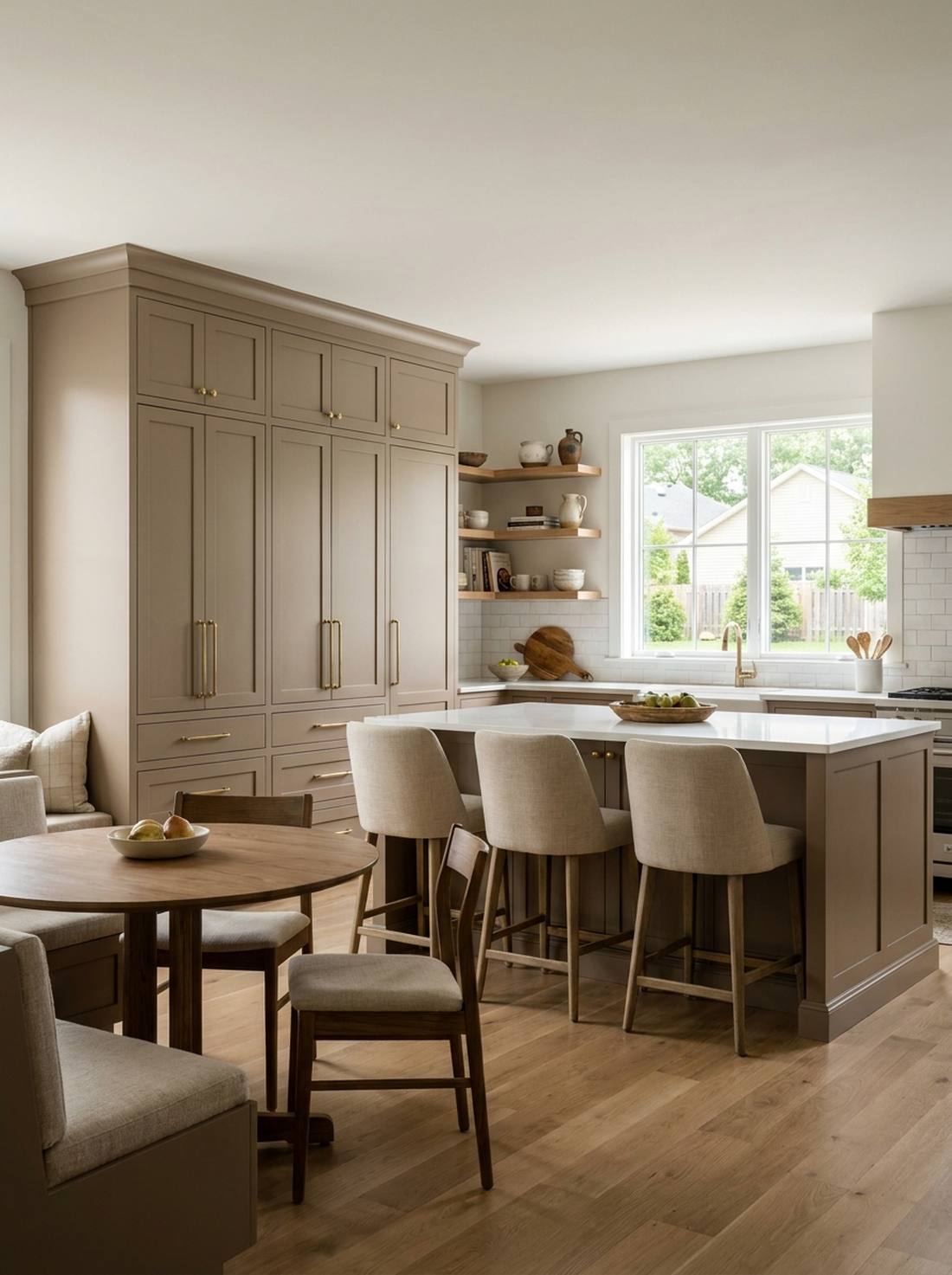
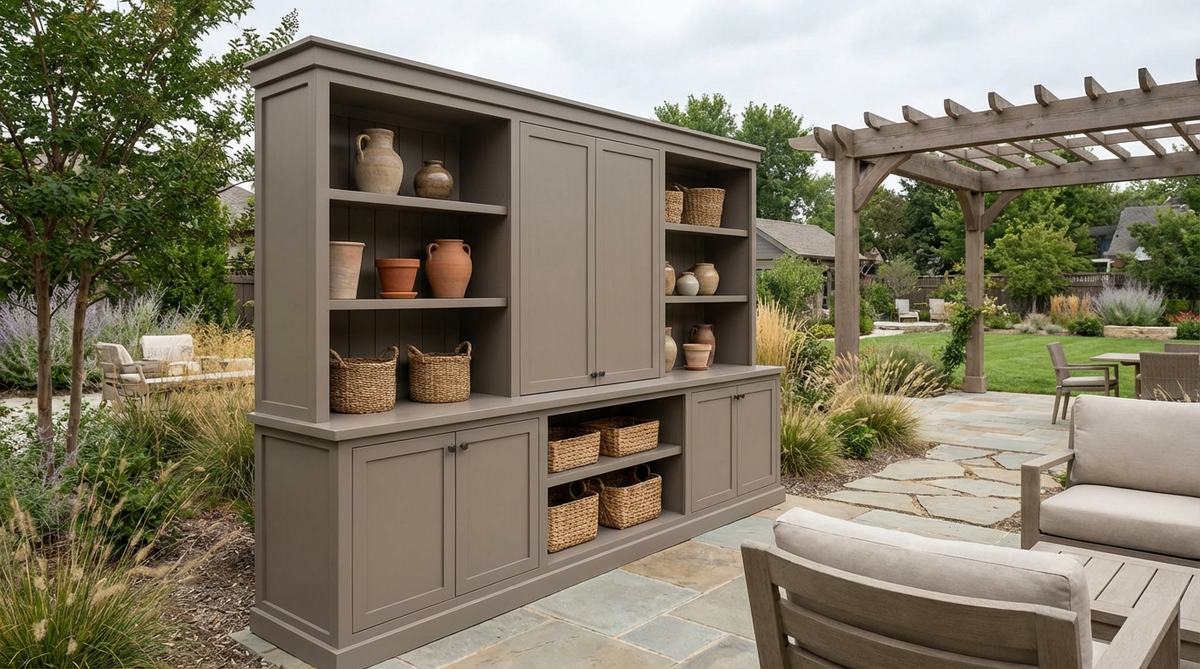
These earthy taupe painted cabinets emit a calming, grounded energy that feels instantly relaxing. It is the perfect upgrade for dated built-ins or generic kitchen islands.
Refinishing woodwork in this shade completely changes the vibe from standard builder-grade to custom boutique. It provides a stunning contrast for brass hardware.
You can completely overhaul a storage unit for under $60. It’s a fast upgrade that completely changes the vibe.
- Key Materials: Cabinet-grade leveling paint
- Vibe / Style: Elevated organic modern
- Difficulty: Moderate (requires prep work)
- Budget Breakdown: Cabinet Paint: $45 | Deglosser: $15
- Creator’s Tip: Always use a liquid deglosser before priming for maximum adhesion.
- Smart Sourcing: self-leveling urethane trim paint and no-sand liquid deglosser kits.
7. Sandy Tan Flooring
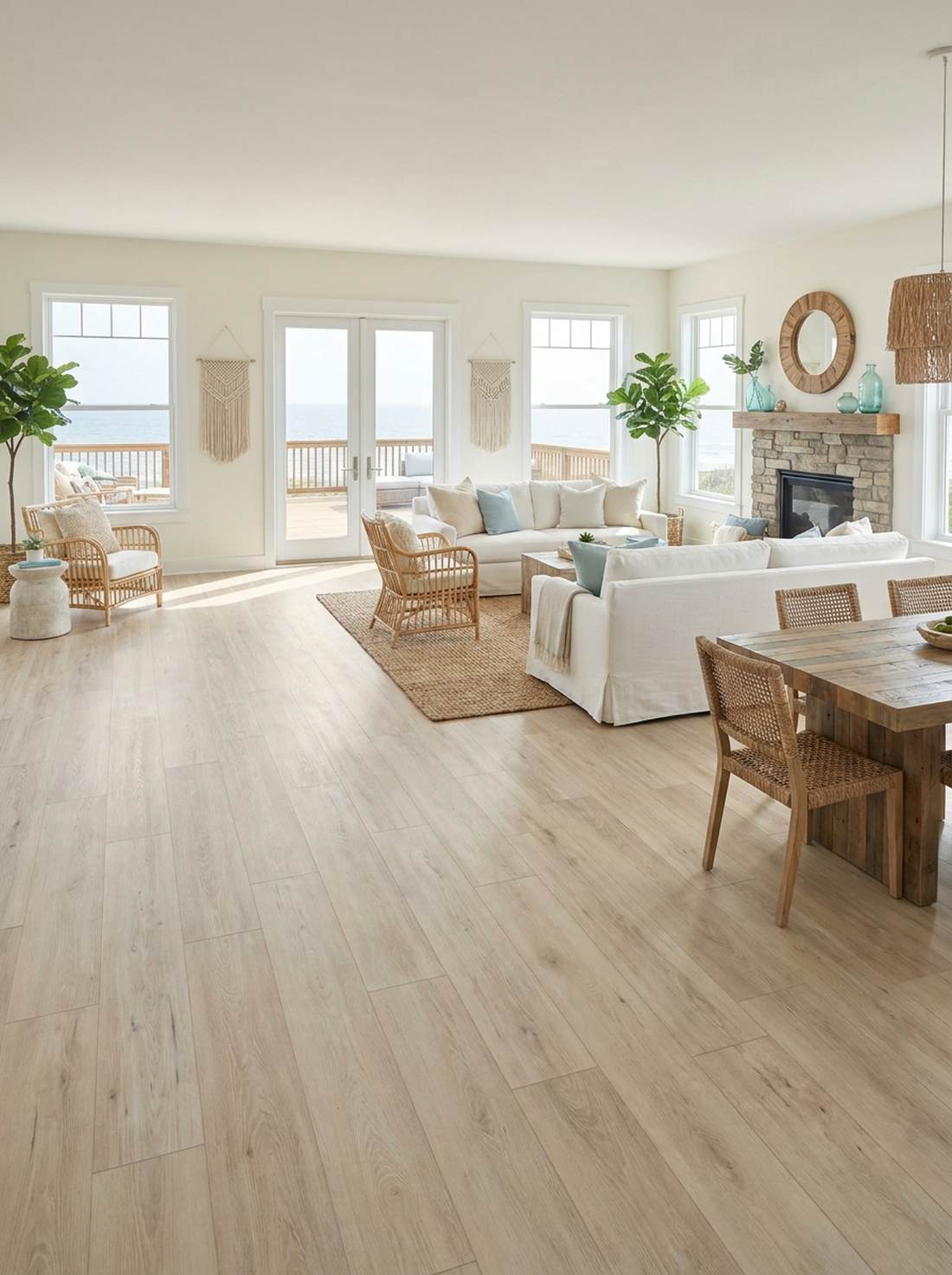
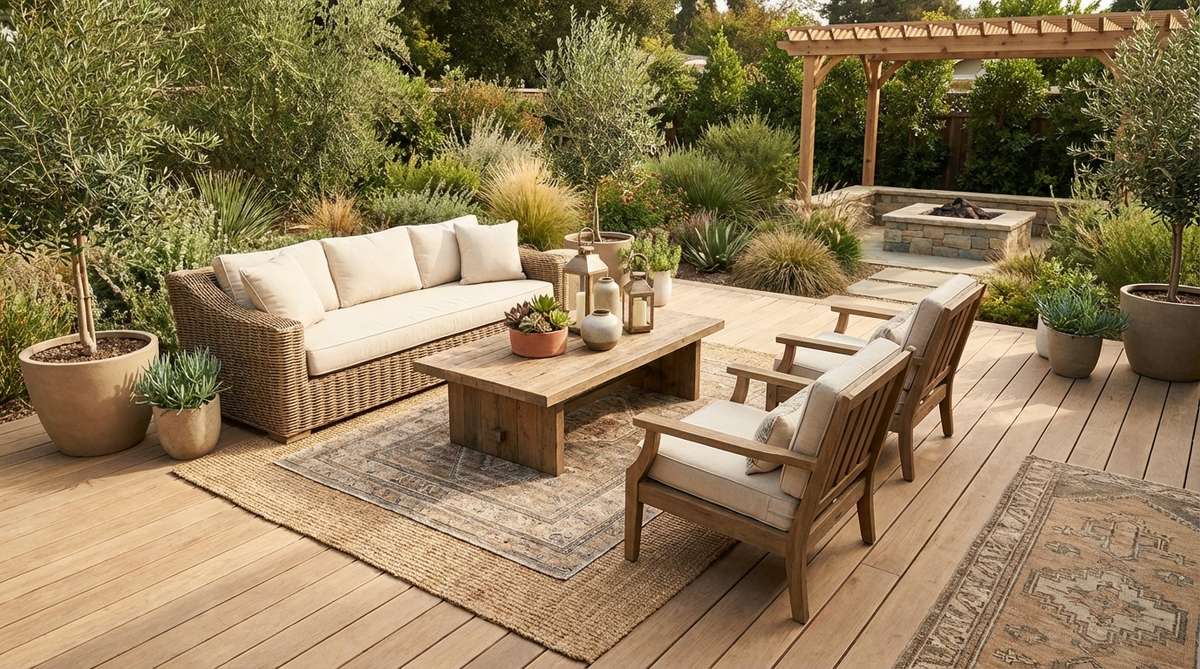
This pale washed wood flooring makes the room feel like an airy, sunlit beach house. It works exceptionally well to bounce natural light into smaller, cramped spaces.
Ripping out dark carpets for these light planks delivers a surprisingly premium look. The pale tones disguise dust and pet hair far better than darker woods.
Expect to spend around $2–$4 per square foot for DIY installation. Pin this if you’re planning a full room overhaul.
- Key Materials: Luxury vinyl plank (LVP) or engineered hardwood
- Vibe / Style: Bright coastal boho
- Difficulty: Advanced DIY
- Budget Breakdown: LVP Planks: $3/sq ft | Underlayment: $50
- Creator’s Tip: Stagger the plank seams randomly to create a realistic wood floor pattern.
- Smart Sourcing: waterproof sandy oak LVP (bulk pack) and premium acoustic floor underlayment.
8. Jute Area Rugs
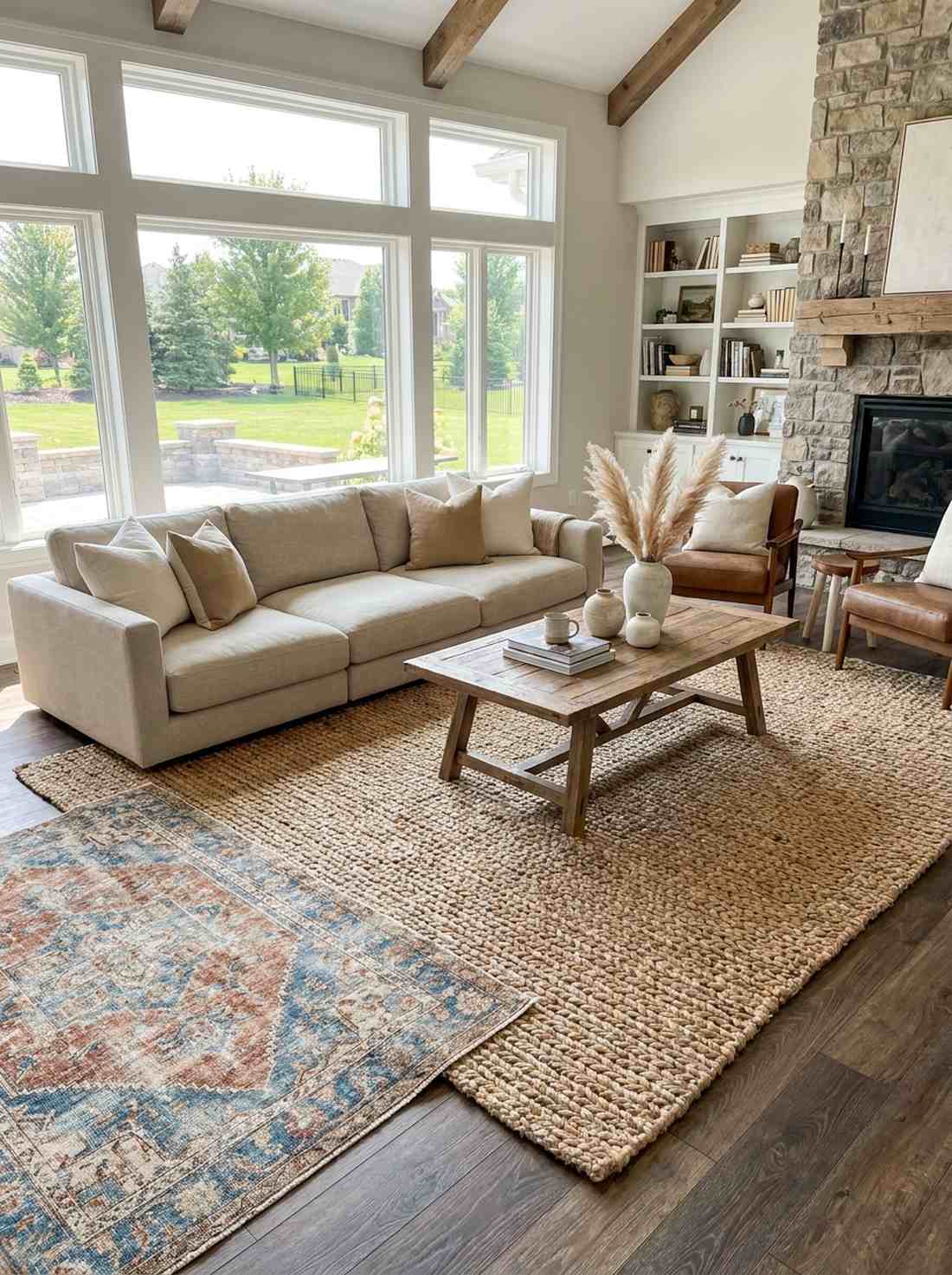
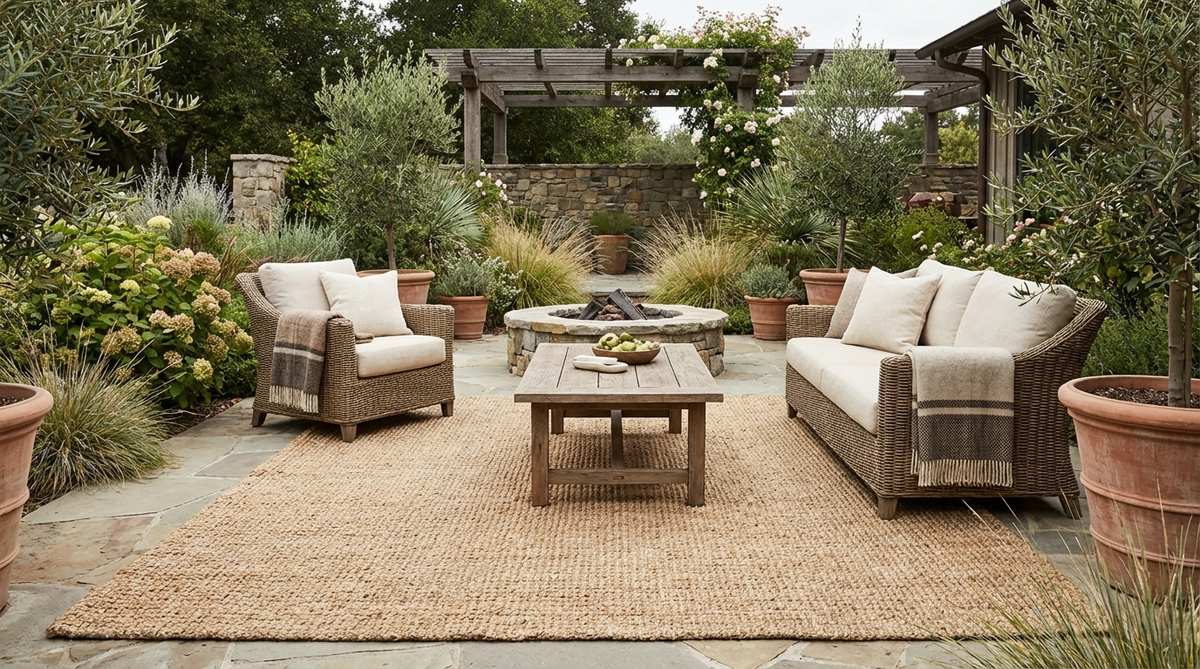
A chunky woven jute rug grounds the room, feeling like a natural woven tapestry under your feet. It’s perfect for anchoring a floating sofa in an open-concept living area.
Layering natural fibers like this looks far more expensive than standard synthetic carpets. It introduces coarse, tactile geometry that visually breaks up flat floors.
You can snag a large statement size for roughly $100–$150. Highly recommended for establishing your room’s earthy base.
- Key Materials: 100% natural braided jute
- Vibe / Style: Grounded organic foundation
- Difficulty: Effortless setup
- Budget Breakdown: 8×10 Rug: $130 | Rug Pad: $30
- Creator’s Tip: Layer a smaller, colorful vintage rug directly on top of the jute for maximum boho points.
- Smart Sourcing: hand-braided natural jute rugs and non-slip felt rug pads.
9. Linen Throw Pillows
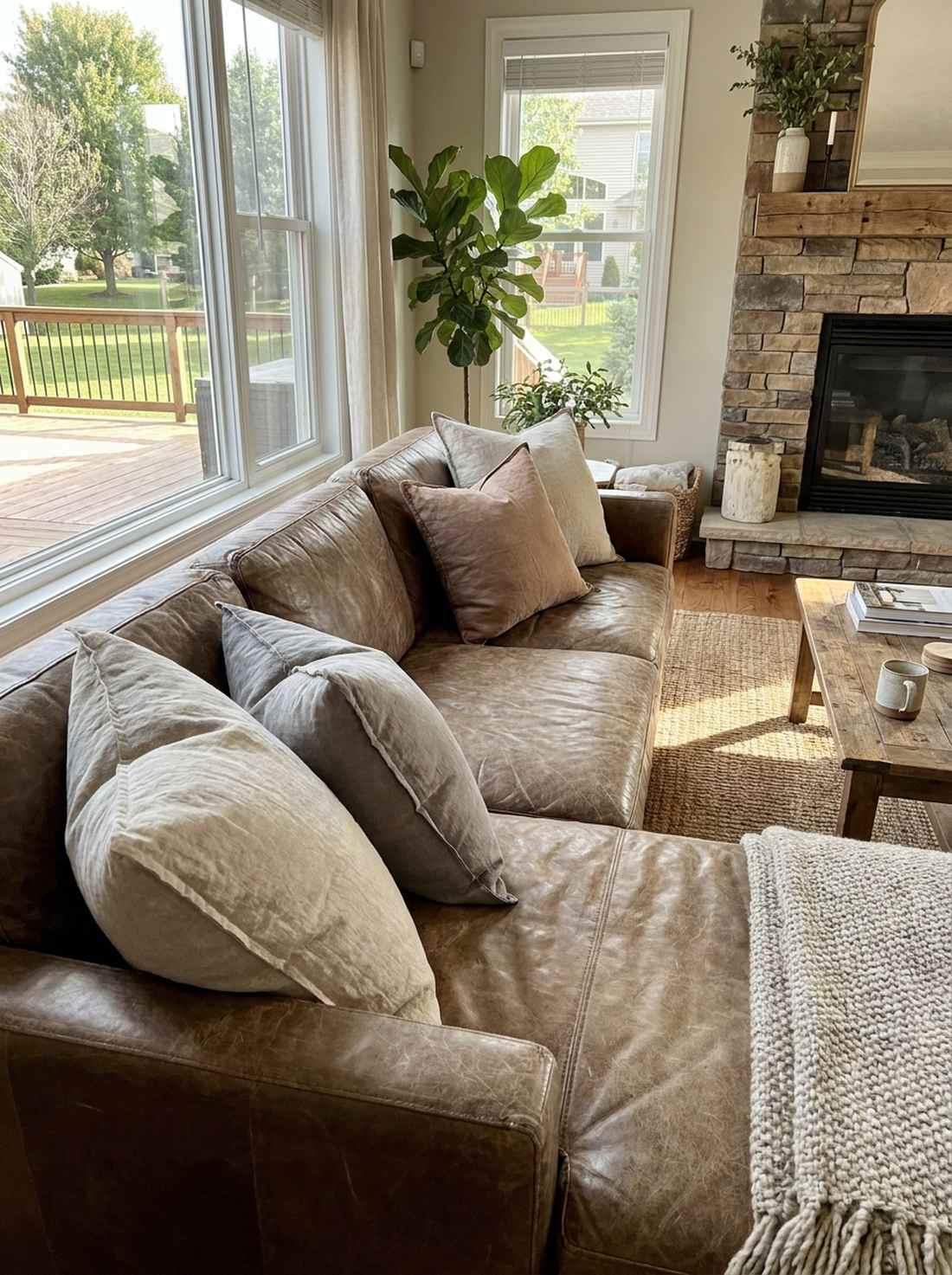
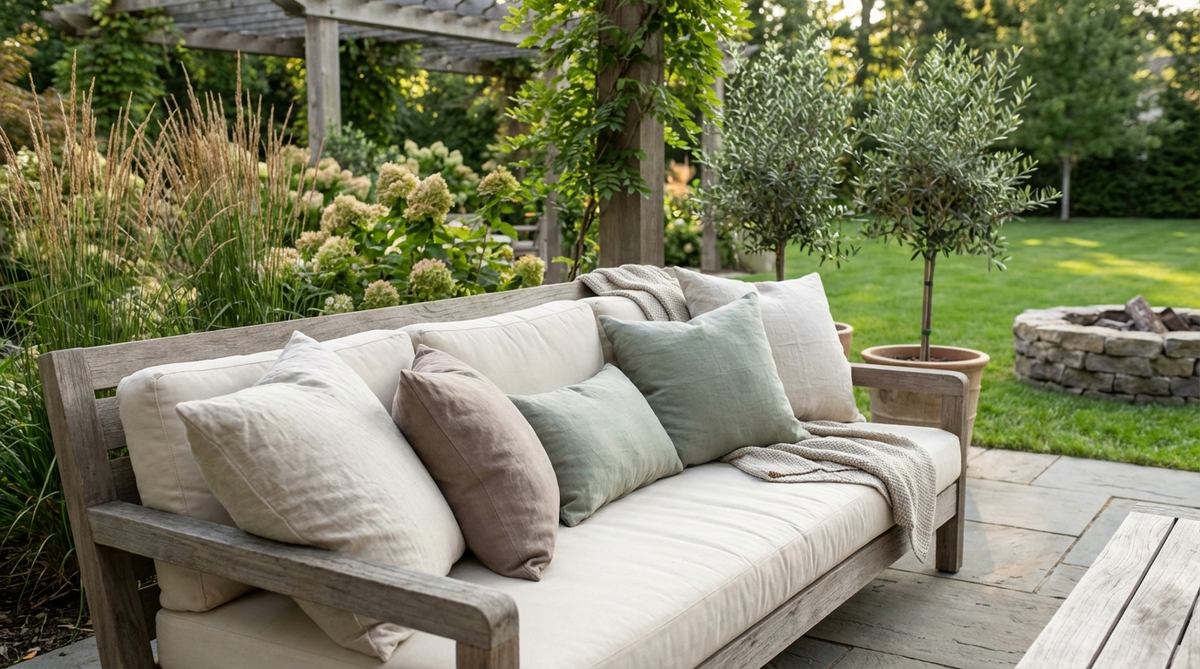
These rumpled linen cushions invite you in, giving off a relaxed, Sunday-morning energy. They are the ultimate addition to stiff leather sofas or basic bedding sets.
Swapping out tight cotton for lived-in linen gives a designer-level finish with zero effort. The breathable fabric actually gets softer and more luxurious with every wash.
You can refresh your whole seating arrangement for $40 using just the covers. Save this to your quick textile styling board.
- Key Materials: Washed French linen covers, down-alternative inserts
- Vibe / Style: Lived-in luxury
- Difficulty: Zero effort
- Budget Breakdown: Pillow Covers: $30 | Inserts: $20
- Creator’s Tip: Buy inserts that are 2 inches larger than your covers for a plump, high-end look.
- Smart Sourcing: stone-washed linen pillow covers (2-pack) and overstuffed microfiber pillow inserts.
Most people get this completely wrong… until they try the exact layout coming up next.
💡 Must-Have Supplies for High-End Setups
To build these setups faster and ensure they last, skip the generic craft aisles and invest in the right foundational kits.
- Base & Support: Heavy-duty macrame cord bundles (100m)
- Setup Tools: Professional indoor gardening tool kits
- Weather/Durability Protection: UV-resistant clear matte sealants
Natural Texture Layers That Add Depth
10. Chunky Knit Throws
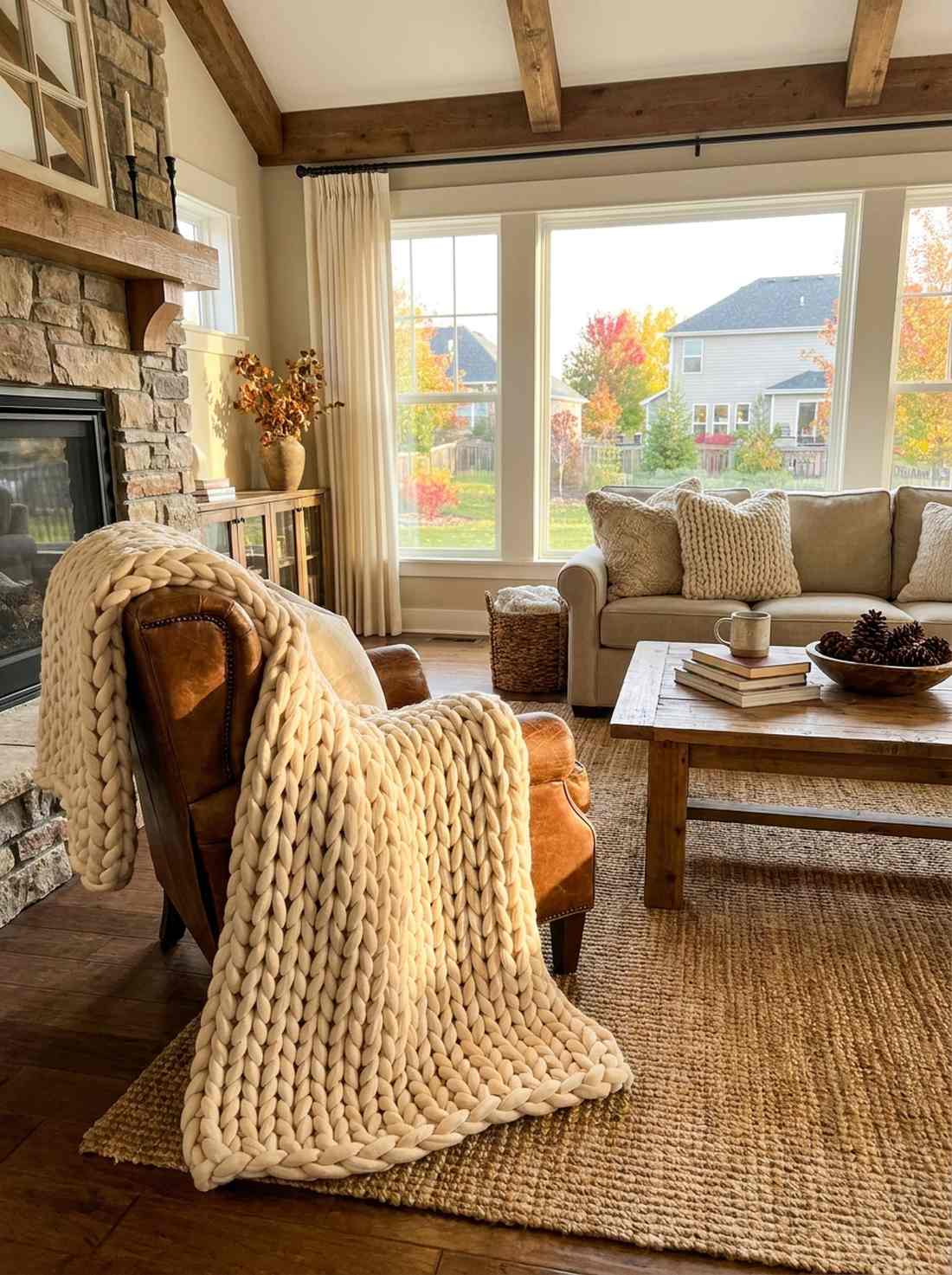
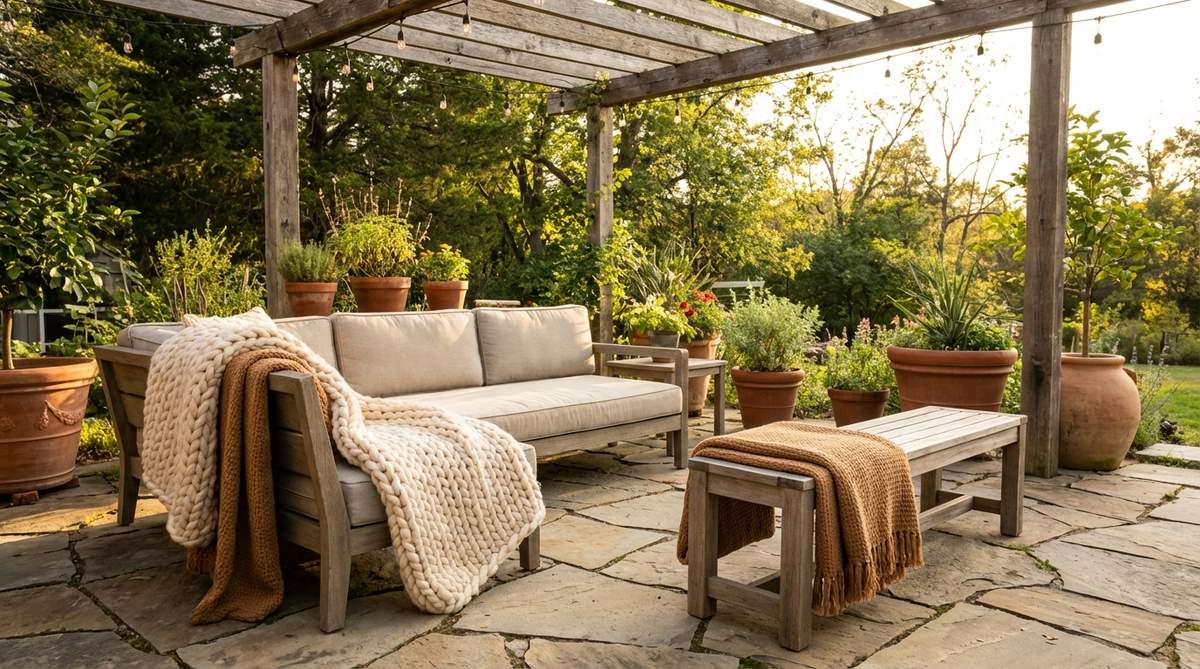
This oversized woven blanket feels like a warm hug on a crisp autumn evening. Toss it casually over a reading chair or at the foot of your bed.
Draping heavy textiles over sleek furniture delivers a surprisingly premium look. The massive yarn loops create incredible shadow play and tactile intrigue.
You can grab a high-quality knit throw for around $50–$80. Pin this if you love building cozy, touchable spaces.
- Key Materials: Thick cotton tube yarn or merino wool
- Vibe / Style: Hygge-inspired warmth
- Difficulty: Effortless styling
- Budget Breakdown: Throw Blanket: $65
- Creator’s Tip: Opt for cotton tube yarn over unspun wool to prevent extreme pilling over time.
- Smart Sourcing: chunky cotton tube yarn blankets and vegan-friendly giant knit throws.
11. Woven Cotton Curtains
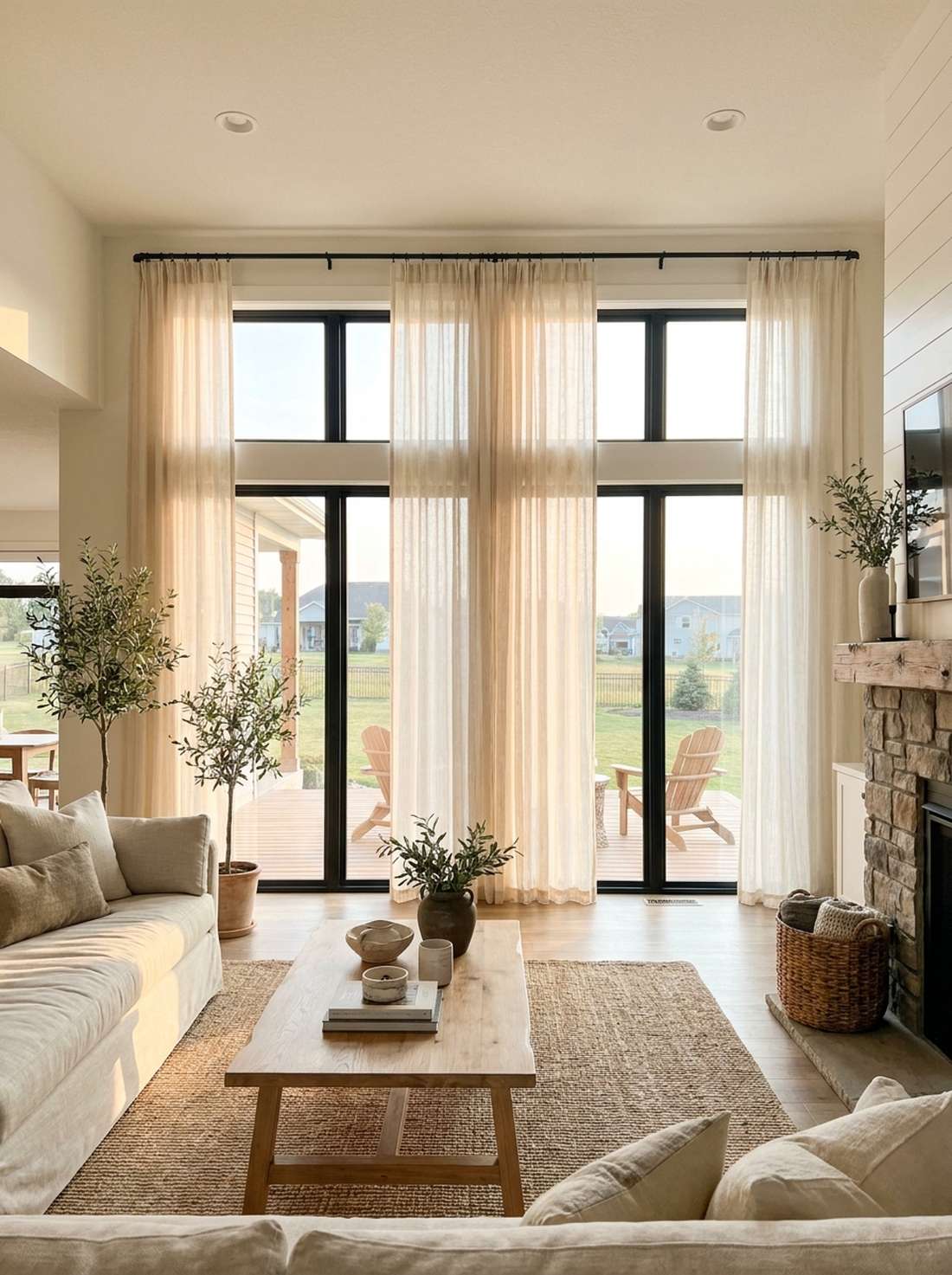
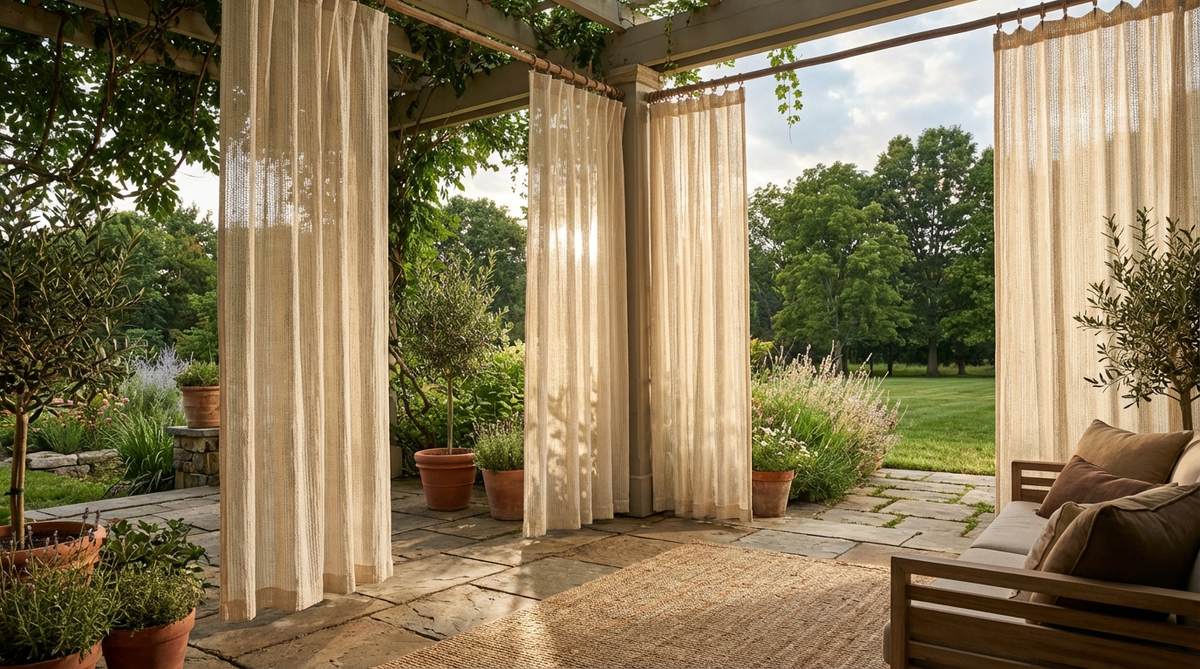
These breezy gauze window panels softly filter sunlight like a golden hour dream. They work beautifully in living rooms where you want privacy without losing natural light.
Hanging them ceiling-to-floor completely changes the vibe, making walls look instantly taller. The raw, unbleached fibers bring subtle vertical texture that plain blinds simply can’t match.
Expect to spend around $40 per pair for decent quality. It’s a fast upgrade that completely changes the vibe.
- Key Materials: Semi-sheer raw cotton panels
- Vibe / Style: Ethereal natural lighting
- Difficulty: Easy installation
- Budget Breakdown: Curtains: $40 | Rod: $25
- Creator’s Tip: Hang the curtain rod 4-6 inches above the window frame to create the illusion of massive windows.
- Smart Sourcing: raw cotton textured drapery panels (set of 2) and matte black wraparound curtain rods.
12. Boucle Accent Chairs
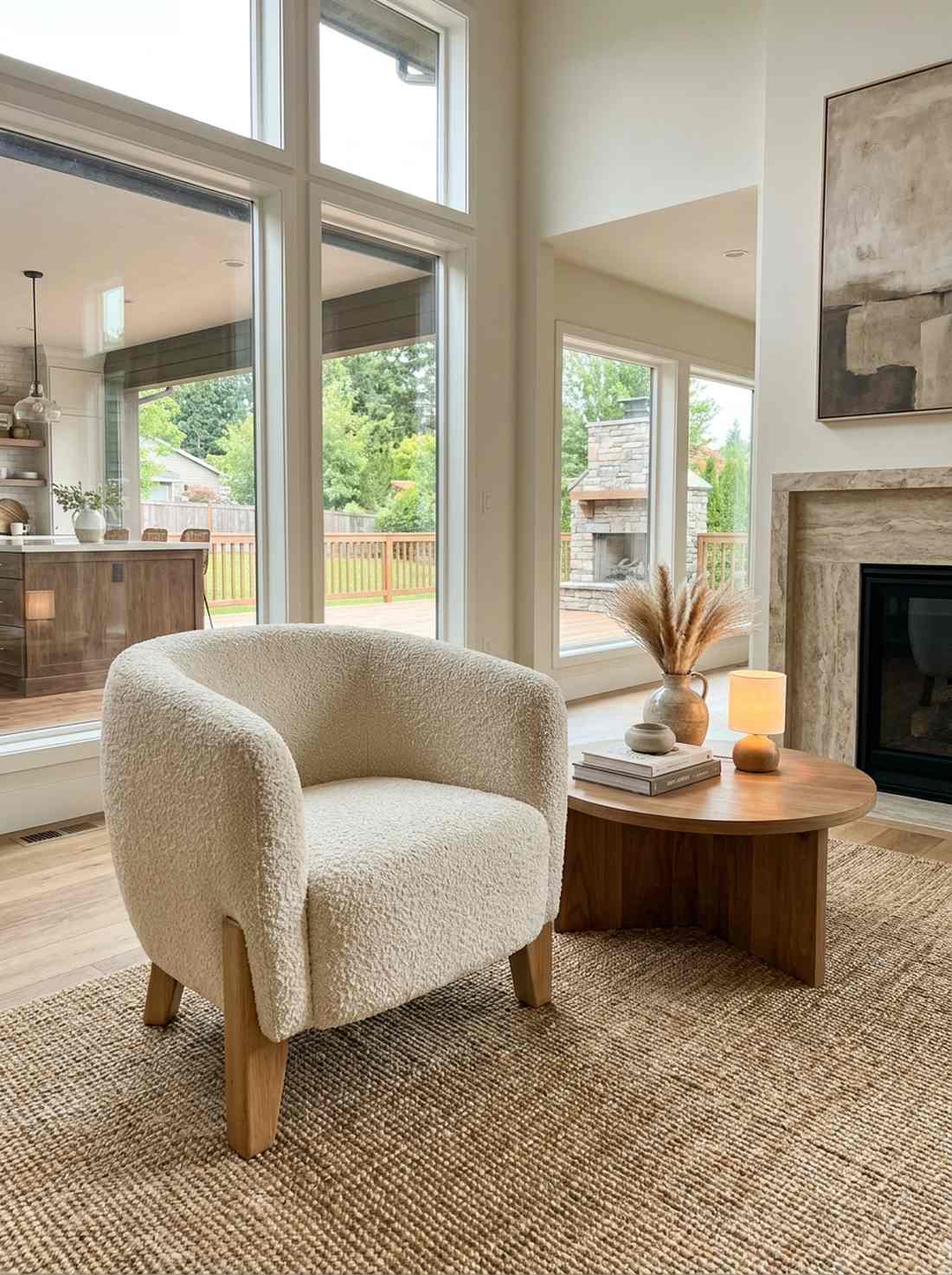
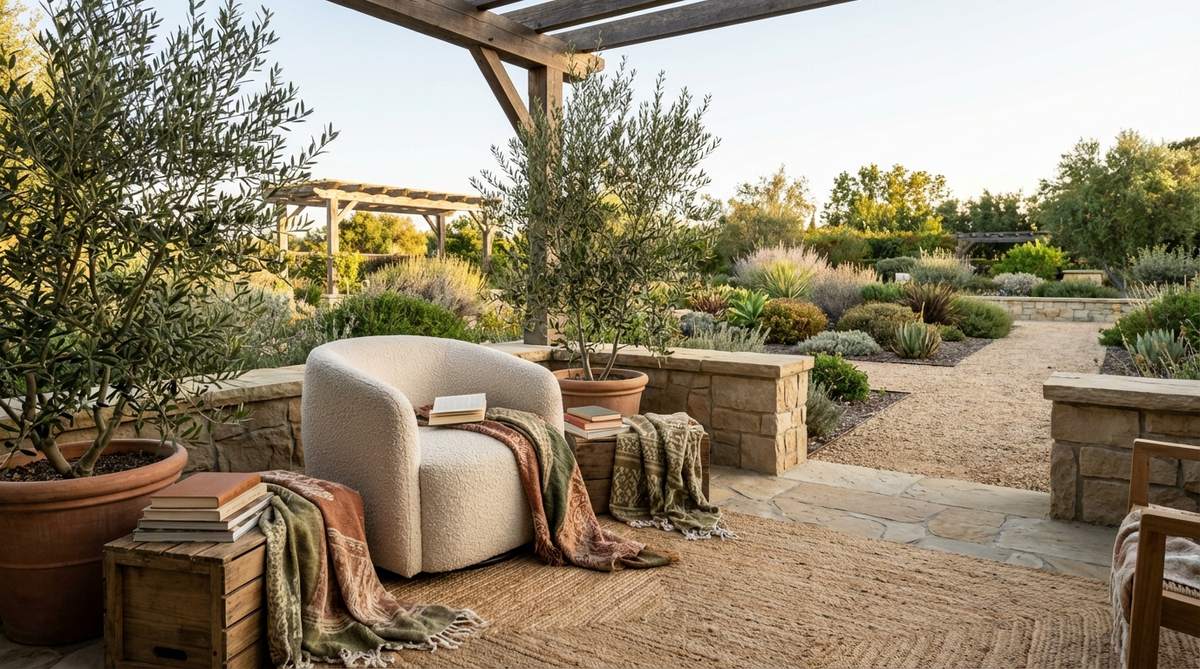
This nubby textured armchair serves up a retro-chic cloud you just want to sink into. It creates the perfect conversational corner in an otherwise flat living room.
Mixing this looped fabric with sleek wood tables gives a designer-level finish instantly. It breaks up the monotony of standard smooth upholstery.
You can snag a trendy accent piece for $150–$250. Save this to your statement furniture inspiration board.
- Key Materials: Bouclé upholstery, solid wood legs
- Vibe / Style: Mid-century organic
- Difficulty: Simple assembly
- Budget Breakdown: Accent Chair: $180
- Creator’s Tip: Stick to oatmeal or cream tones to keep the heavy texture looking light and airy.
- Smart Sourcing: cream bouclé modern barrel chairs and fabric protector spray (UV-coated).
13. Sisal Stair Runners
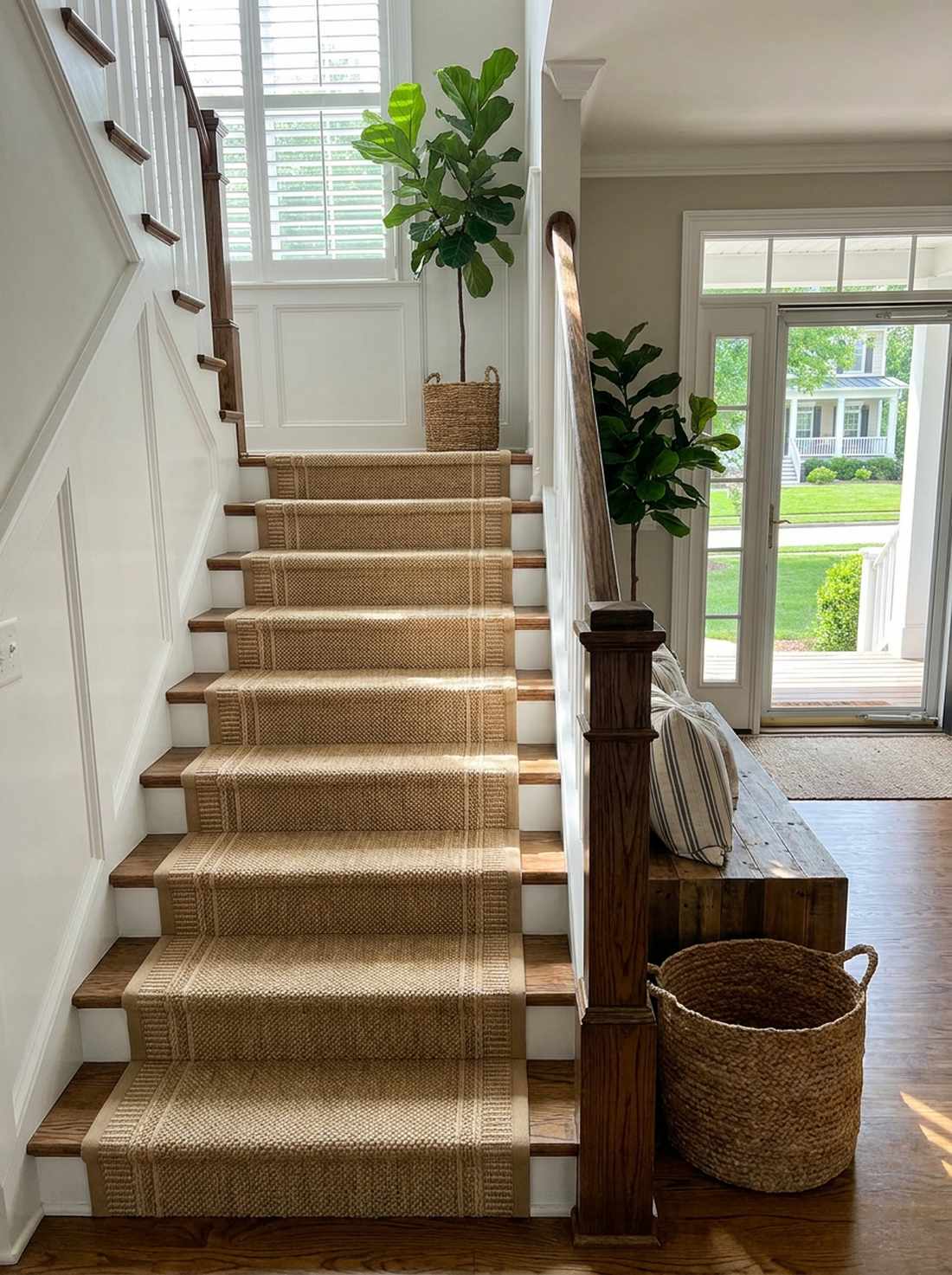
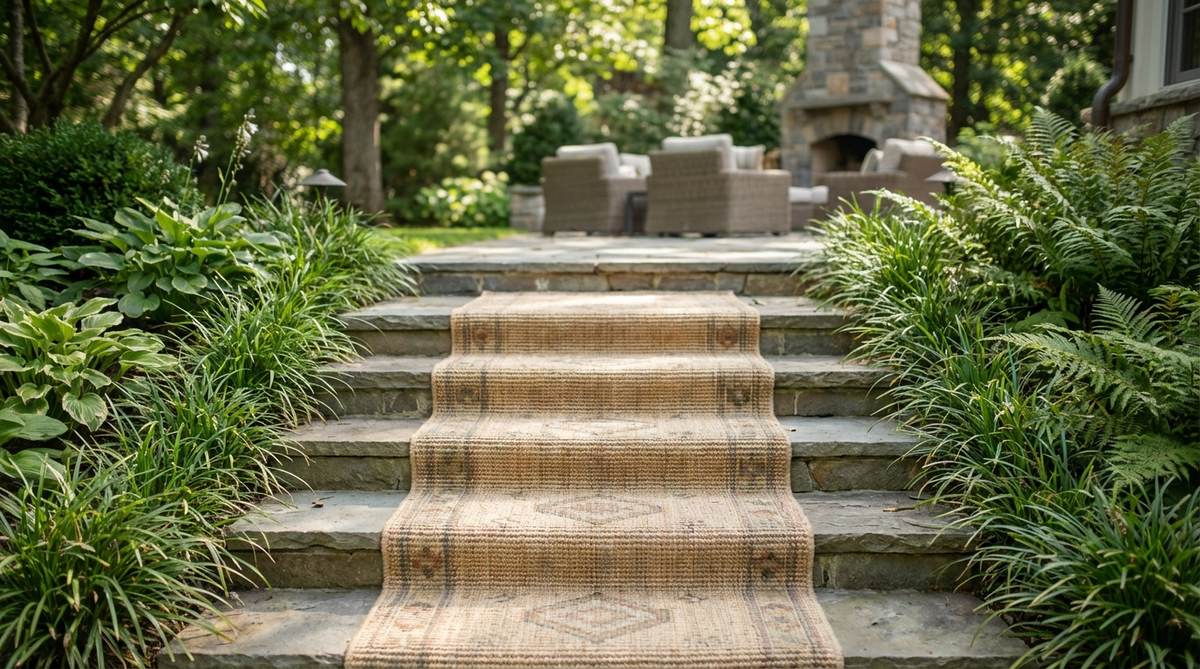
A tightly woven natural stair runner grounds the staircase, feeling like a seamless extension of the outdoors. It provides critical grip and style for high-traffic entryways.
Ditching standard plush carpets for plant fibers looks far more expensive than it is. The linear borders guide the eye upward, celebrating the architecture of the home.
DIY installation keeps this project under $150. Pin this if you’re tackling staircase renovations soon.
- Key Materials: Bound sisal runner roll, staple gun
- Vibe / Style: Durable rustic elegance
- Difficulty: Intermediate DIY
- Budget Breakdown: Sisal Roll: $120 | Heavy Staples: $10
- Creator’s Tip: Apply double-sided carpet tape to the treads before stapling to prevent slipping.
- Smart Sourcing: pre-bound sisal stair runners (bulk roll) and heavy-duty pneumatic staple guns.
14. Hemp Rope Accents
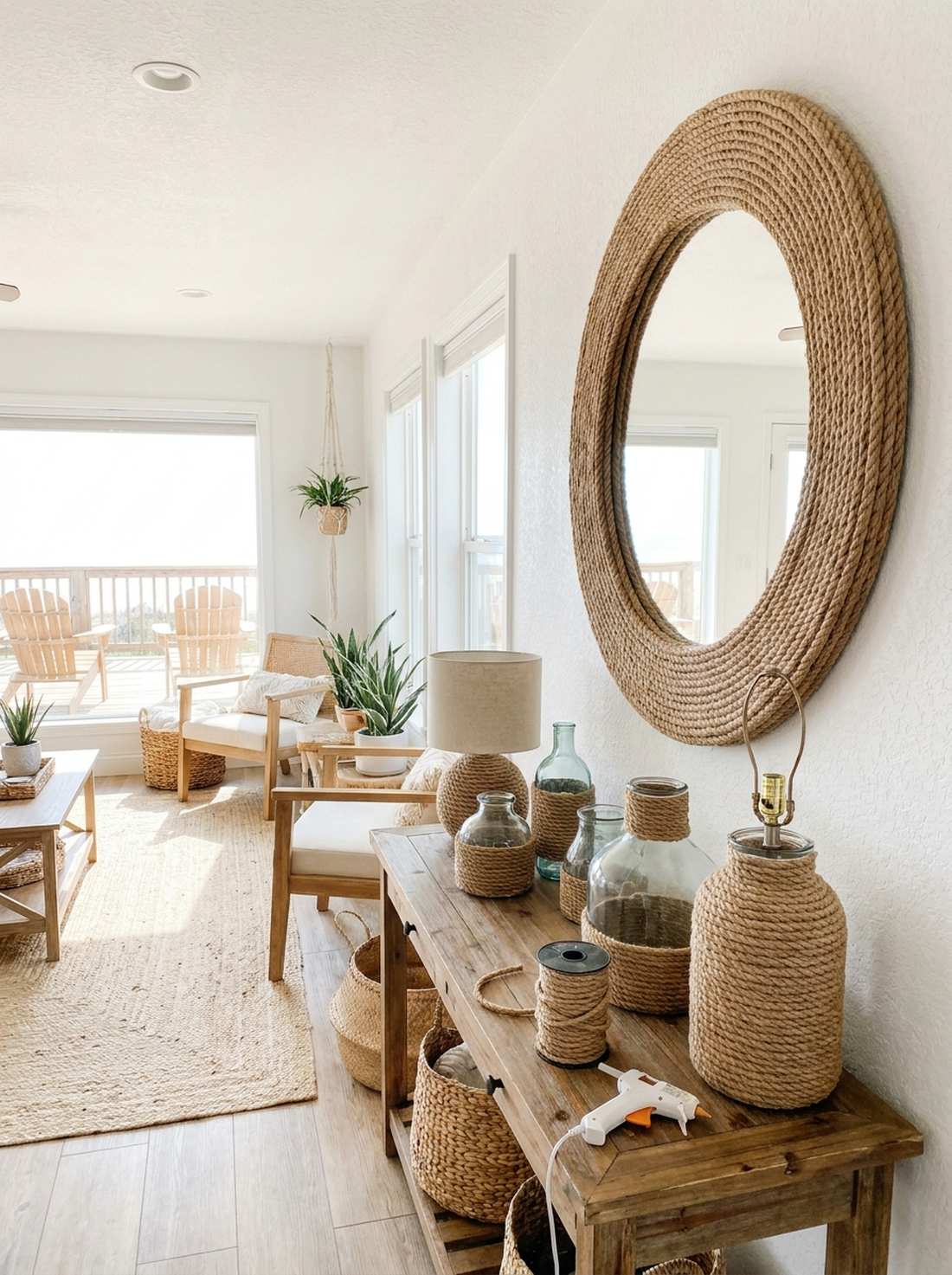
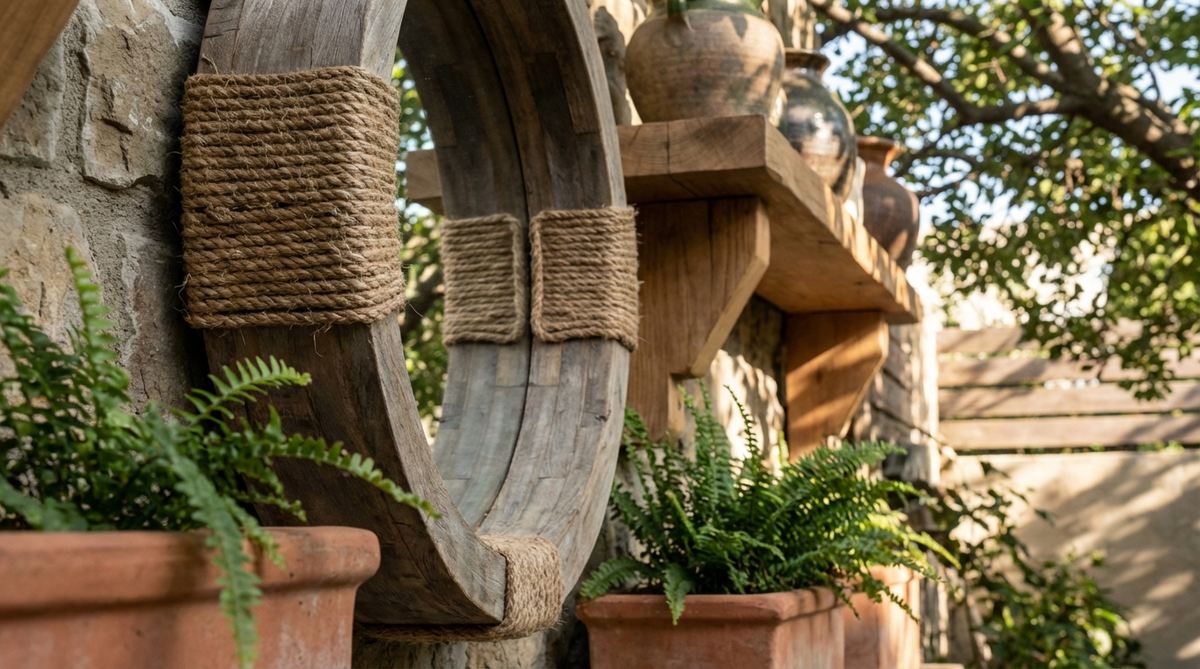
This wrapped rope mirror frame injects a rugged, nautical-meets-boho charm. It is an amazing hack for transforming cheap thrifted vases or tired light fixtures.
Using basic craft materials in unexpected ways delivers a surprisingly premium look. The raw friction of the hemp brings a tactile punch to smooth glass or metal.
You can easily pull this off for around $10 with a hot glue gun. Highly recommended for a quick weekend win.
- Key Materials: Thick natural hemp rope, industrial glue
- Vibe / Style: Handcrafted coastal boho
- Difficulty: Easy craft project
- Budget Breakdown: Rope Spool: $8 | Glue: $5
- Creator’s Tip: Wrap the rope tightly and glue every other inch to ensure it never unravels.
- Smart Sourcing: natural twisted hemp rope (100ft spool) and high-temp industrial glue guns.
Wait until you see this next material hack—it literally cuts your budget in half.
Organic Material Accents From Nature
15. Rattan Furniture Pieces
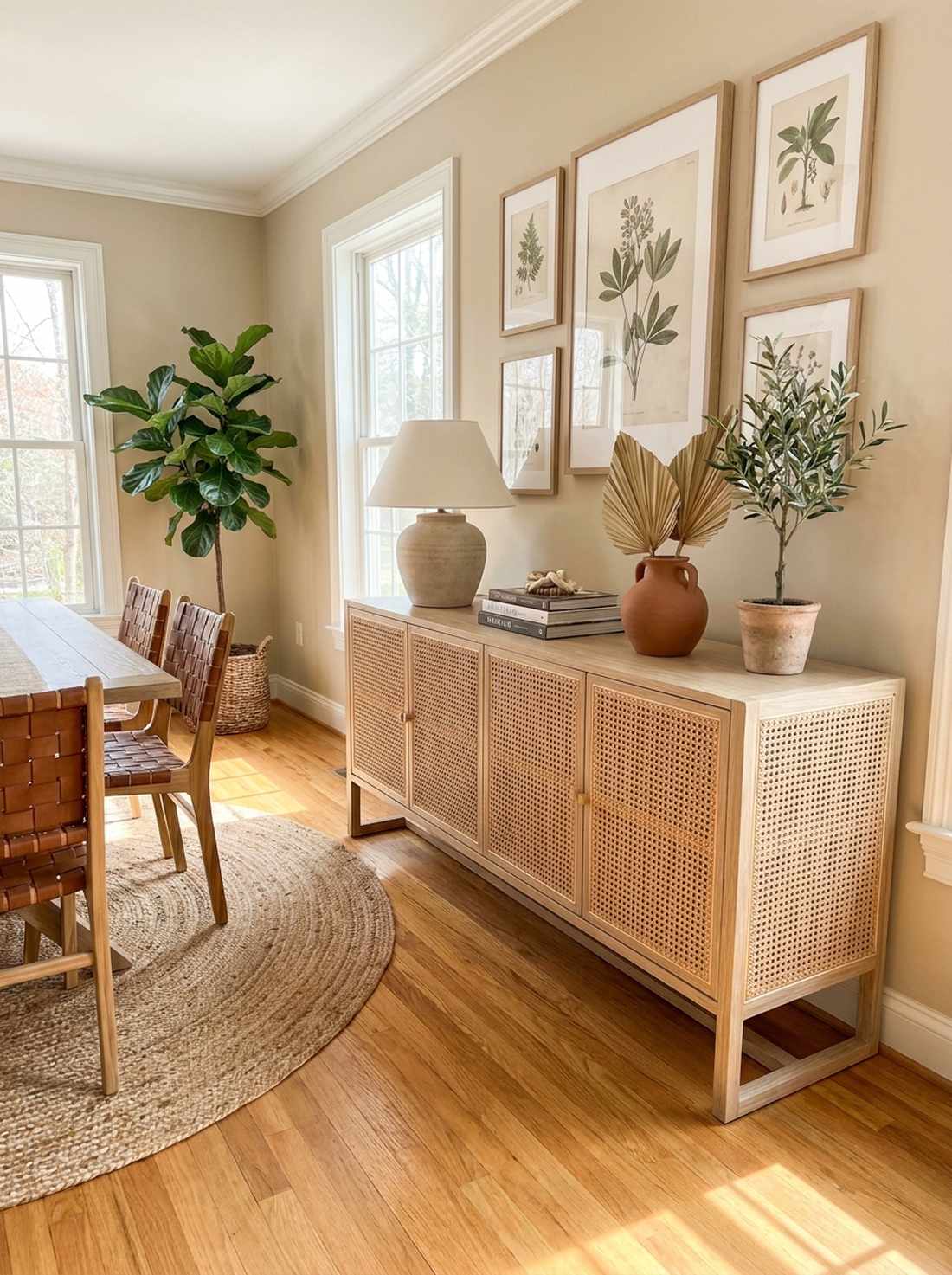
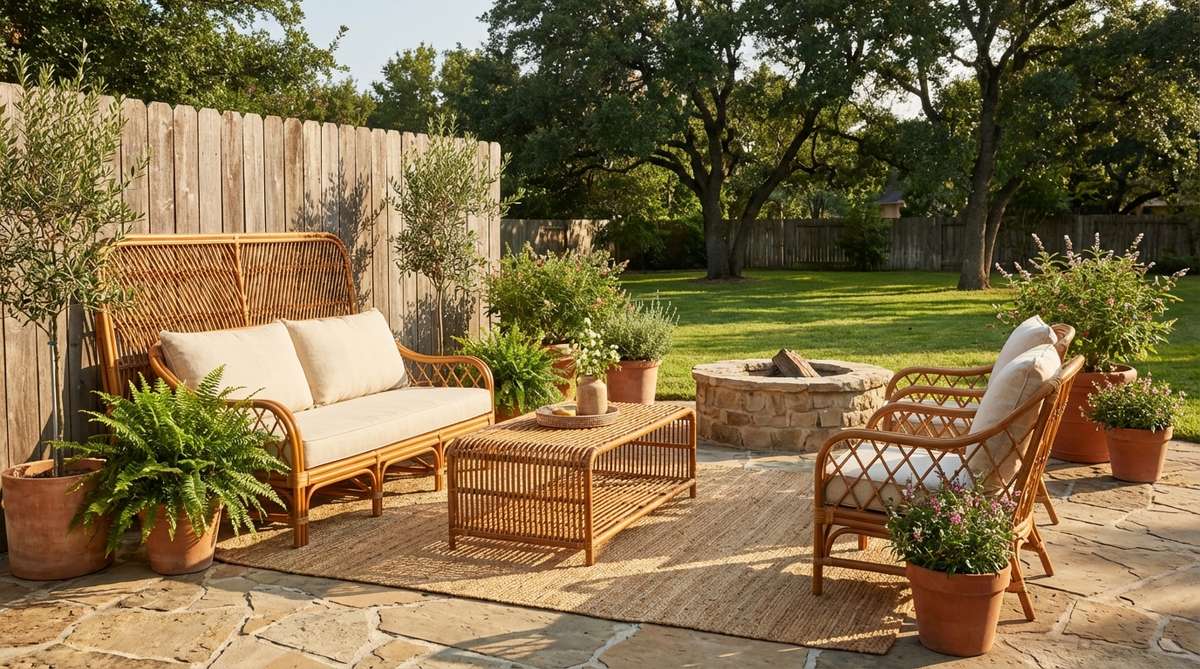
A woven cane sideboard brings a sun-drenched, tropical energy into any dark corner. Perfect for dining room storage or acting as a lightweight media console.
Integrating these breathable woven materials completely changes the vibe of heavy, blocky rooms. The open grid allows air and light to pass through, keeping the space visually expansive.
Invest around $150–$300 for a solid statement piece. Save this to your smart storage solutions board.
- Key Materials: Natural rattan webbing, ash wood frame
- Vibe / Style: Airy botanical living
- Difficulty: Pre-assembled/Easy
- Budget Breakdown: Rattan Cabinet: $200
- Creator’s Tip: If building a DIY version, soak the cane webbing in warm water for 30 minutes before stapling so it dries drum-tight.
- Smart Sourcing: pre-woven rattan cane webbing (roll) and mid-century natural wood sideboards.
16. Bamboo Window Shades
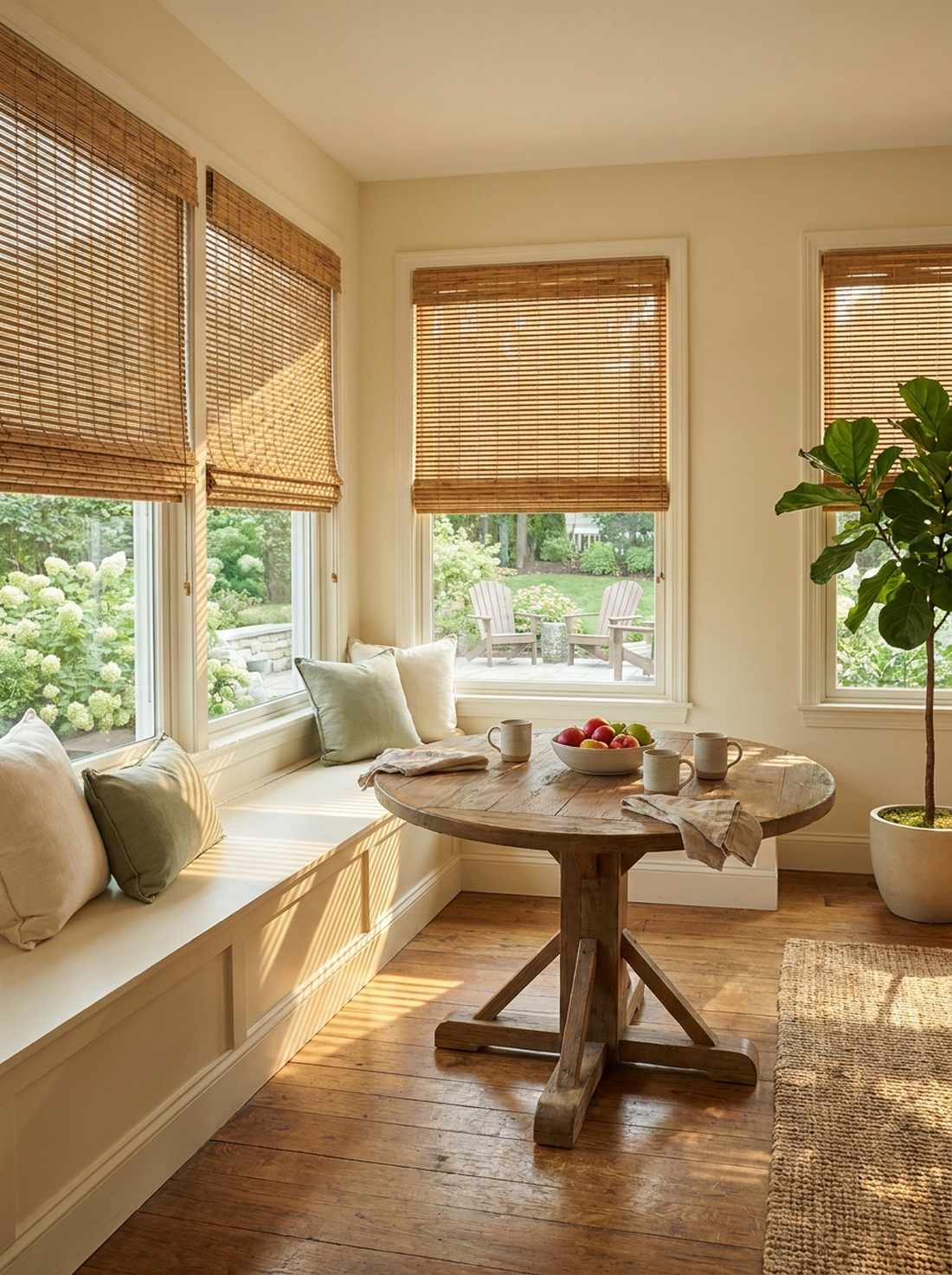
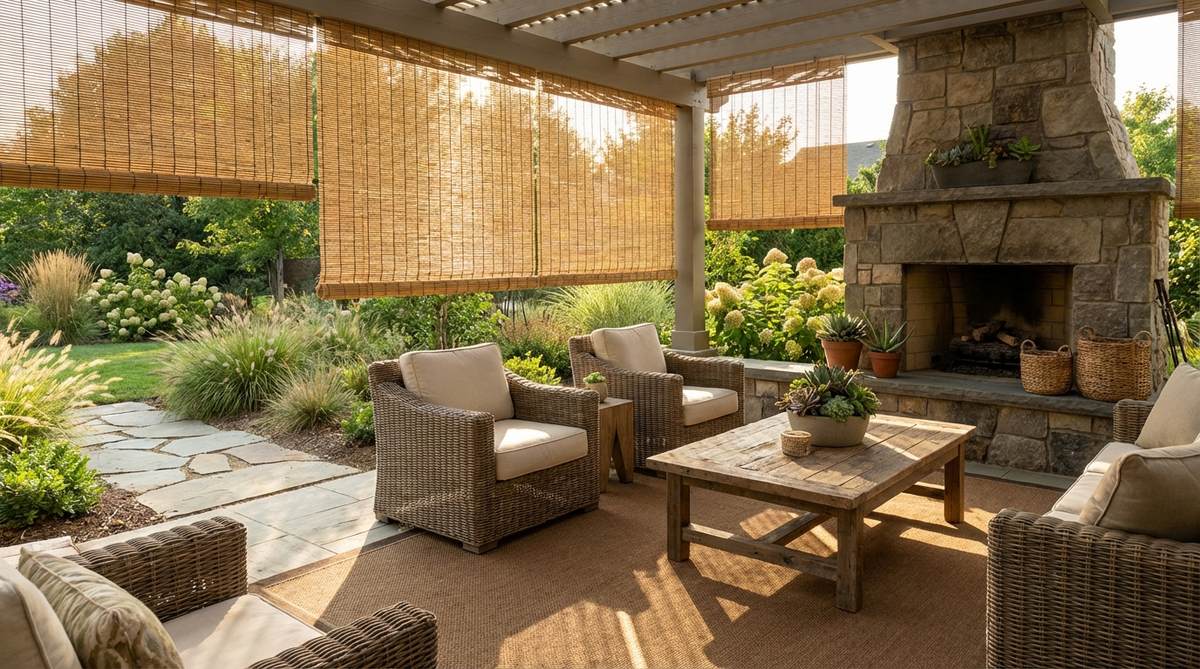
These slatted wooden roller blinds cast striped, golden shadows that feel instantly calming. They are the ideal privacy solution for sunrooms or breakfast nooks.
Trading plastic blinds for sustainable wood gives a designer-level finish without breaking the bank. The varying grain patterns make every window treatment uniquely organic.
Grab custom-cut sizes for roughly $40–$60 per window. Pin this if you want to eliminate harsh overhead lighting.
- Key Materials: Woven bamboo slats, mounting hardware
- Vibe / Style: Warm filtered sanctuary
- Difficulty: Easy installation
- Budget Breakdown: Shades: $45 | Hardware: Included
- Creator’s Tip: Mount them inside the window frame for a clean, custom-built architectural look.
- Smart Sourcing: cordless woven bamboo roman shades and custom-cut natural wood blinds.
17. Reclaimed Wood Shelving
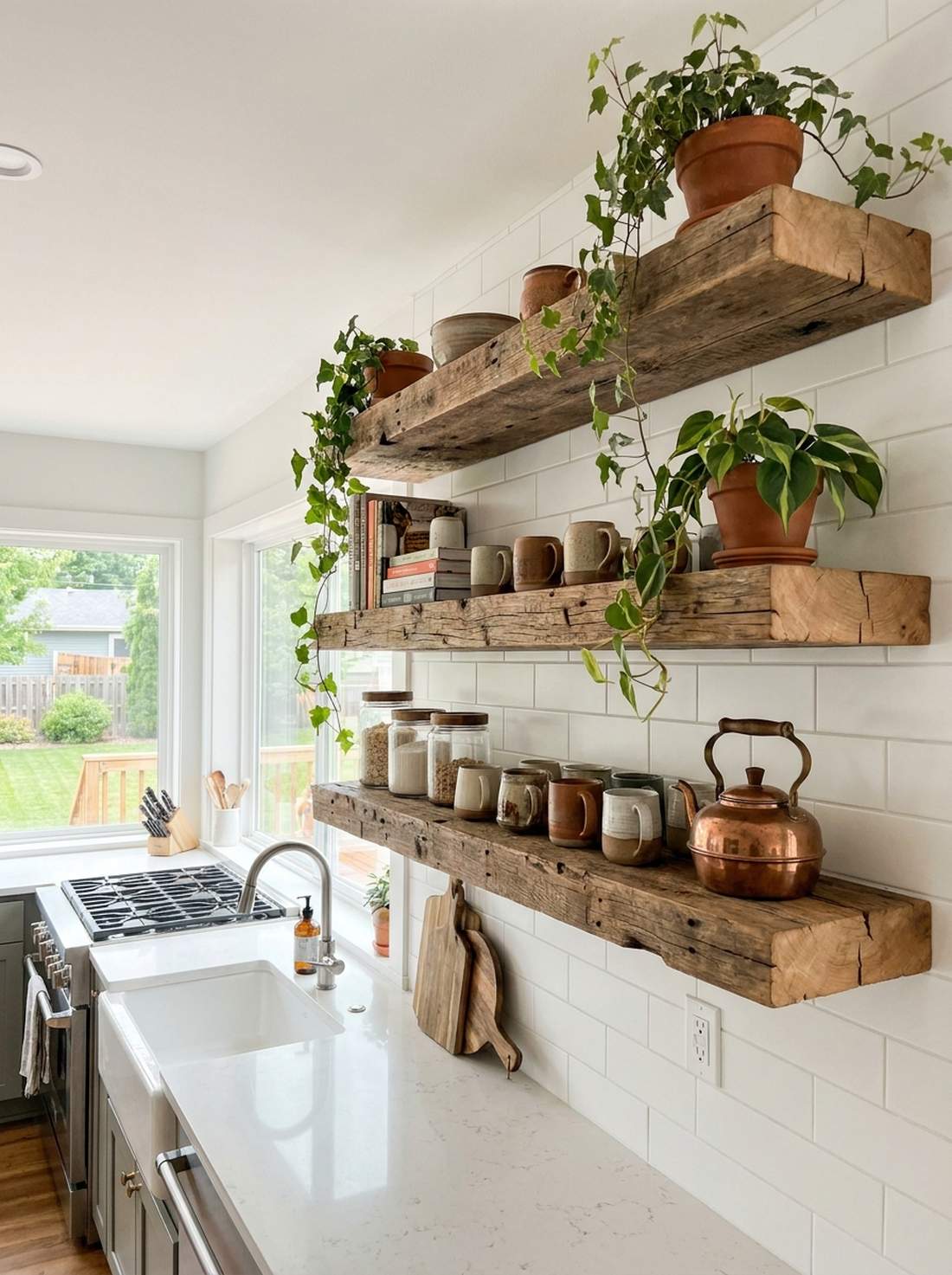
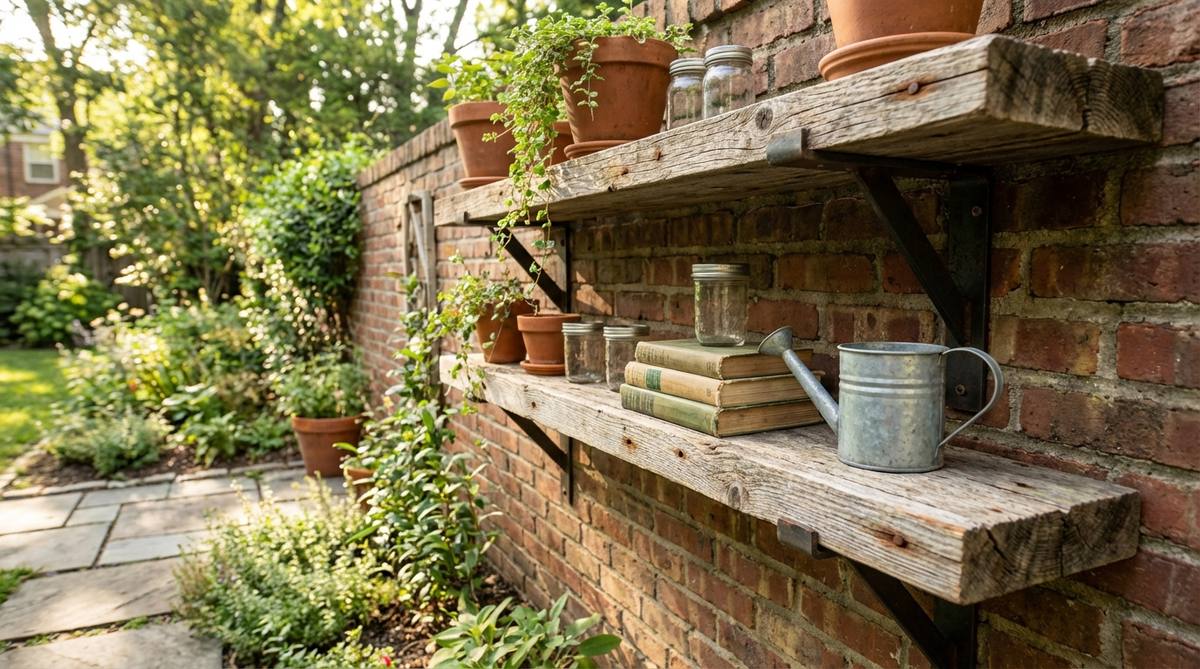
These weathered floating timber shelves display history, feeling like salvaged treasures from an old barn. They act as the perfect stage for trailing plants and ceramic mugs in the kitchen.
Utilizing authentic aged timber looks far more expensive than standard laminate boards. The deep gouges, nail holes, and patina tell a visual story.
You can mount a beautiful set for $40–$80 depending on the bracket style. It’s a fast upgrade that completely changes the vibe.
- Key Materials: Salvaged barn wood, heavy-duty iron brackets
- Vibe / Style: Rustic industrial bohemian
- Difficulty: Moderate (requires stud finding)
- Budget Breakdown: Wood Planks: $30 | Brackets: $25
- Creator’s Tip: Seal raw reclaimed wood with a matte clear coat to stop splinters without adding shine.
- Smart Sourcing: authentic reclaimed barnwood planks (pre-cut) and heavy-duty hidden floating brackets.
18. Live Edge Wood Tables
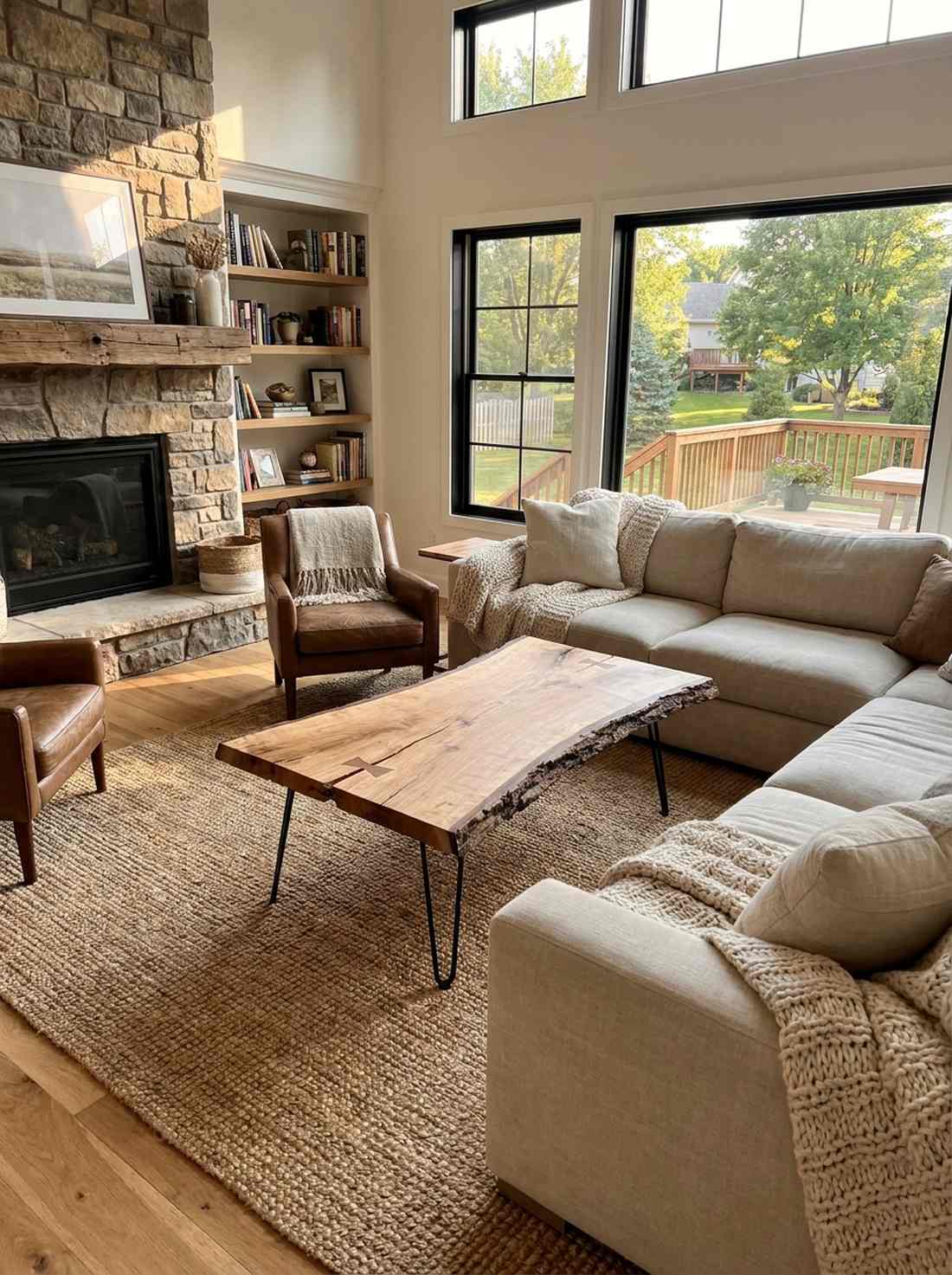
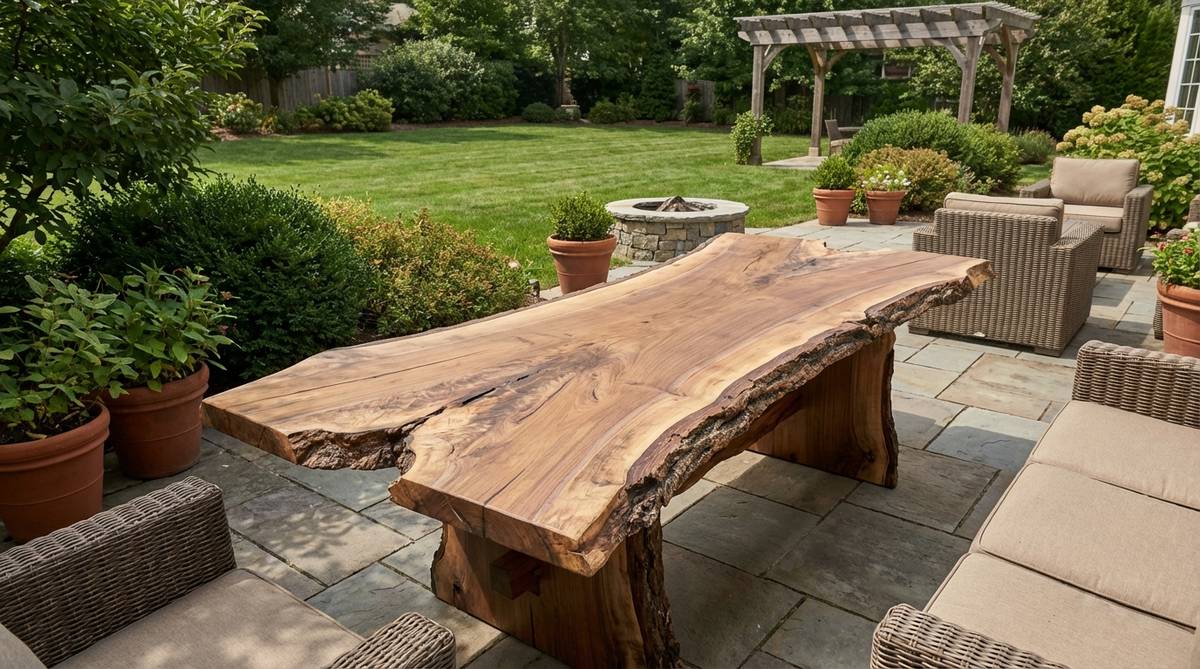
A raw bark-edge coffee table grounds a seating area with raw, sculptural power. It commands attention right in the center of an open floor plan.
Showcasing the natural curves of a tree trunk delivers a surprisingly premium look. No two pieces are ever identical, guaranteeing a bespoke focal point for your home.
DIYing this with slab lumber and hairpin legs costs around $100–$150. Save this to your premium custom furniture board.
- Key Materials: Hardwood slab with bark intact, metal hairpin legs
- Vibe / Style: Organic sculptural modernism
- Difficulty: Intermediate DIY
- Budget Breakdown: Wood Slab: $80 | Legs: $35
- Creator’s Tip: Use a butterfly joint if your slab has a crack—it prevents splitting and looks incredibly high-end.
- Smart Sourcing: kiln-dried live edge wood slabs and mid-century steel hairpin legs (set of 4).
I almost skipped this next idea, but it’s actually the highest-converting look on Pinterest right now.
19. Stone Decorative Objects
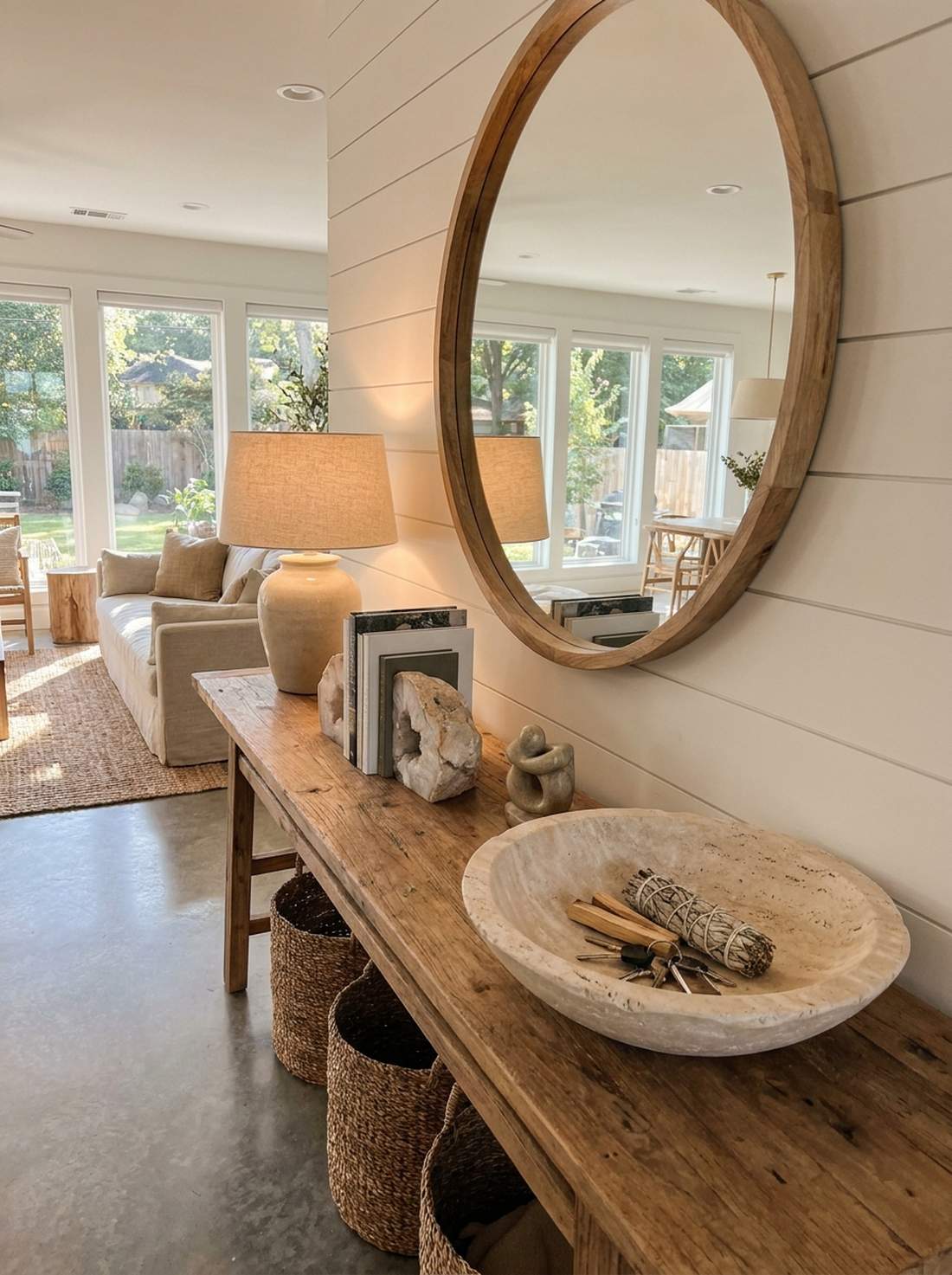
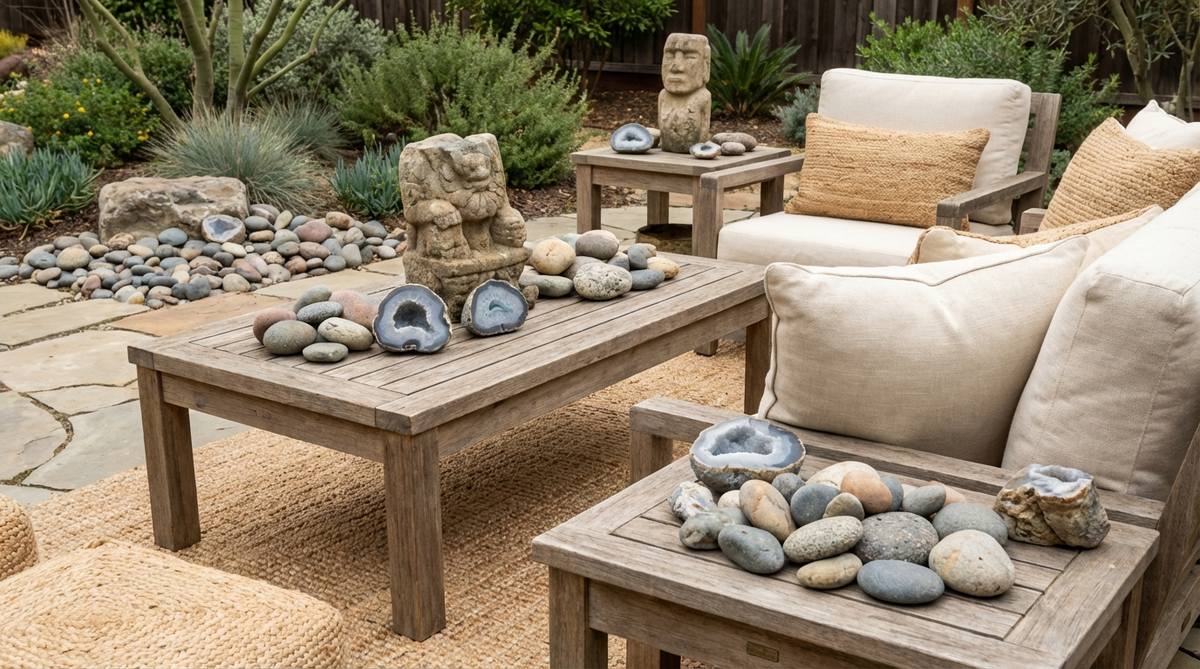
These carved travertine display bowls inject cool, mineral weight that feels ancient and grounded. Place them on entry consoles to act as luxurious catch-alls for keys.
Introducing heavy geological elements completely changes the vibe of airy, textile-heavy rooms. They act as the perfect anchor, preventing the space from feeling too “floaty”.
You can find stunning marble or river stone accents for $30–$50. Pin this to your shelf styling secrets board.
- Key Materials: Travertine, raw marble, or soapstone
- Vibe / Style: Earthy minimalist chic
- Difficulty: Zero effort
- Budget Breakdown: Stone Bowl: $40
- Creator’s Tip: Rest a small bundle of dried sage or palo santo inside for instant visual and aromatic appeal.
- Smart Sourcing: hand-carved natural travertine bowls and raw geode crystal bookends.
20. Wicker Storage Baskets
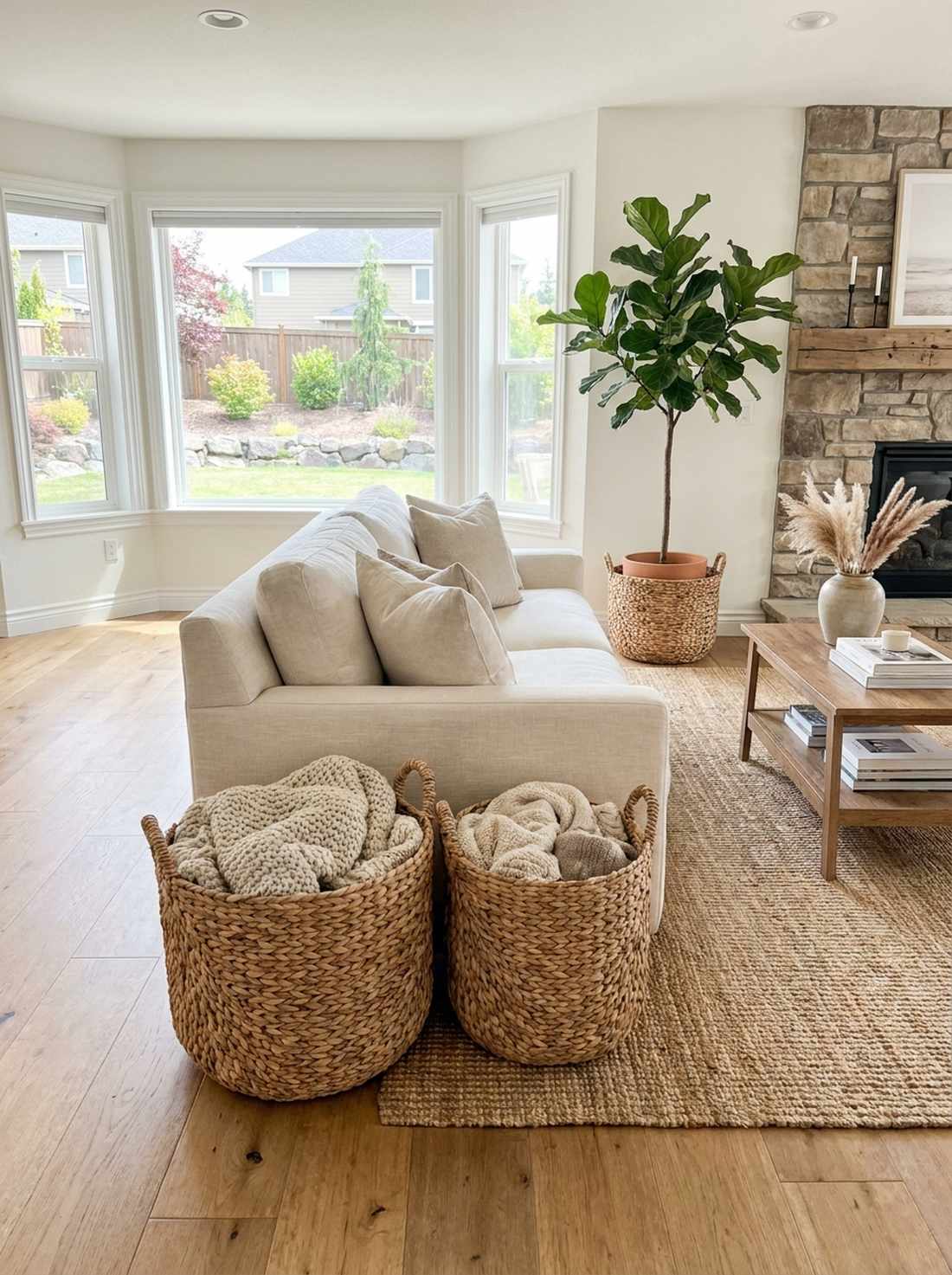
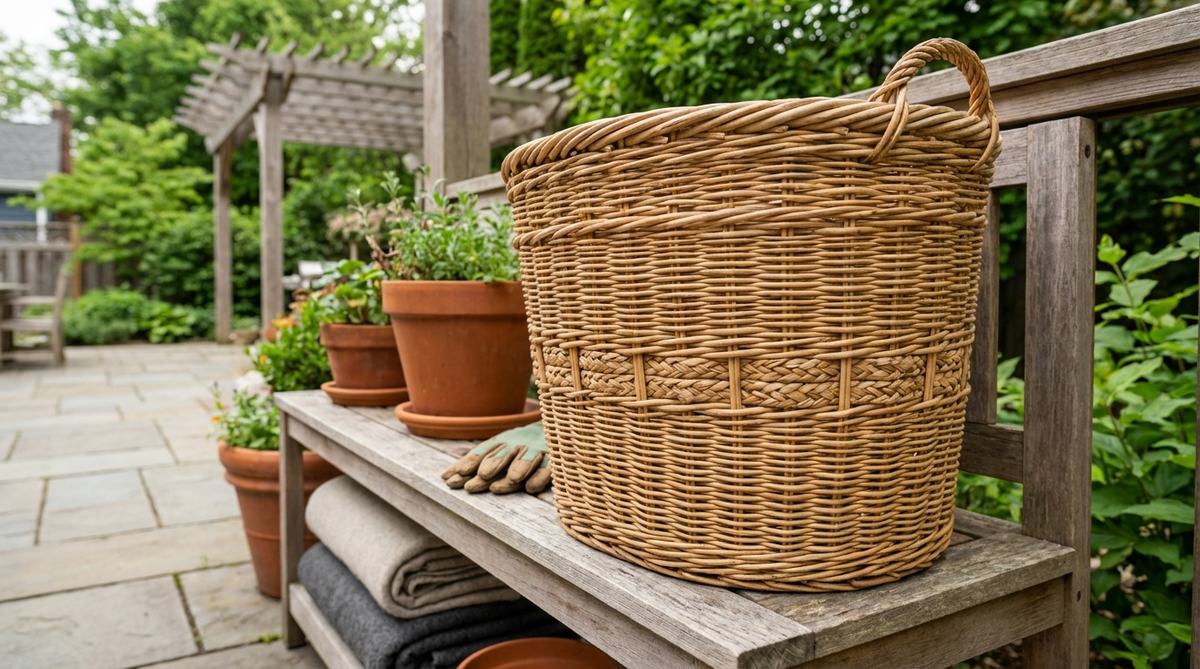
These oversized woven seagrass baskets hide clutter while maintaining a charming, rustic aesthetic. They are brilliant for stashing extra blankets next to the living room sofa.
Using textured, natural containers looks far more expensive than standard plastic bins. They effortlessly bridge the gap between functional organization and beautiful decor.
You can easily pull this off for $20–$40 per basket. Highly recommended for a quick weekend win.
- Key Materials: Woven water hyacinth or seagrass
- Vibe / Style: Tidy textured bohemian
- Difficulty: Effortless organizing
- Budget Breakdown: Large Basket: $35
- Creator’s Tip: Use them as stylish pot covers for large indoor trees—just keep a plastic drip tray inside!
- Smart Sourcing: woven water hyacinth storage baskets (bulk pack) and collapsible belly baskets.
21. Cork Wall Panels
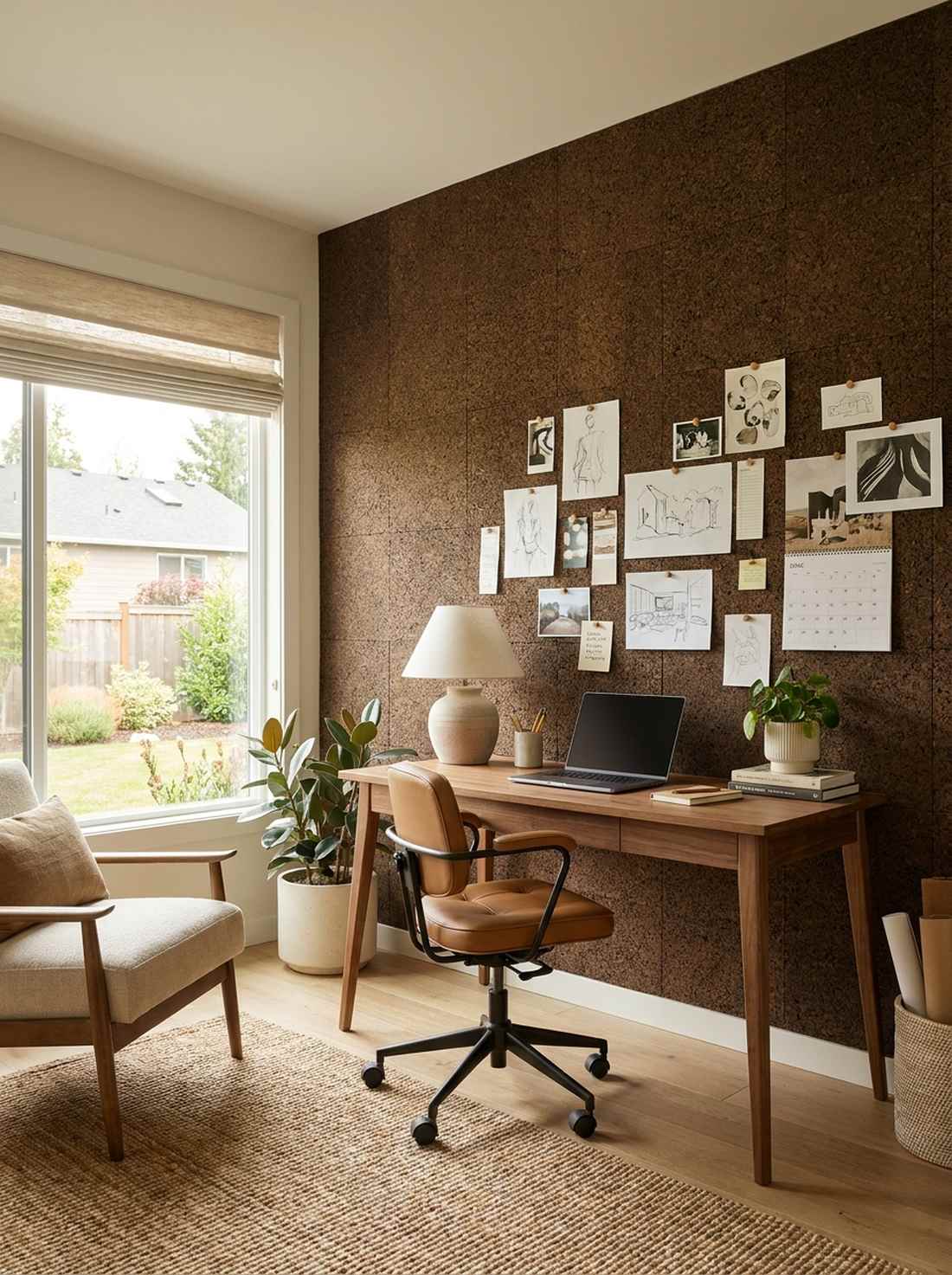
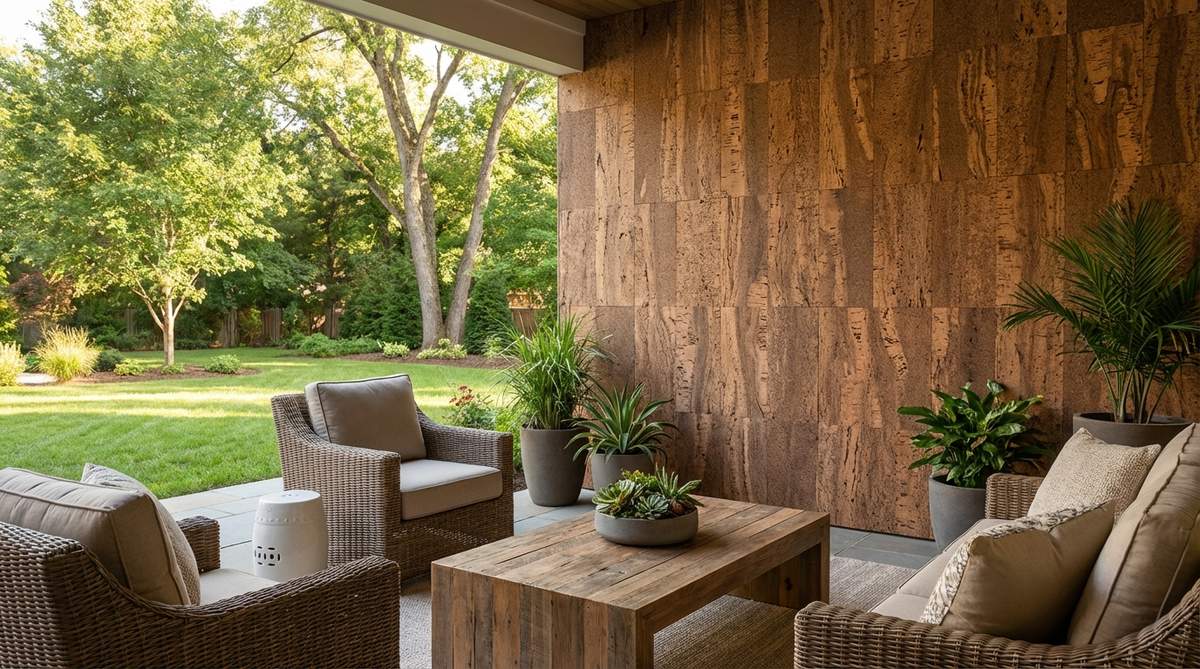
A textured cork accent wall adds deep, warm brown tones while acting as a giant pinboard. It is the ultimate creative backdrop for a home office or study nook.
Ditching standard drywall for sustainable bark completely changes the vibe of a sterile workspace. It inherently softens room acoustics while allowing dynamic art displays.
Cover a moderate wall for around $70 using self-adhesive tiles. Save this to your productivity space inspiration board.
- Key Materials: Thick natural cork tiles, adhesive backing
- Vibe / Style: Creative studio organic
- Difficulty: Easy peel-and-stick
- Budget Breakdown: Cork Tiles: $60 | Push Pins: $5
- Creator’s Tip: Buy tiles at least 1/2 inch thick so standard push pins don’t poke through into your drywall.
- Smart Sourcing: thick self-adhesive cork board tiles (bulk pack) and wooden head push pins.
22. Seagrass Pendant Lights
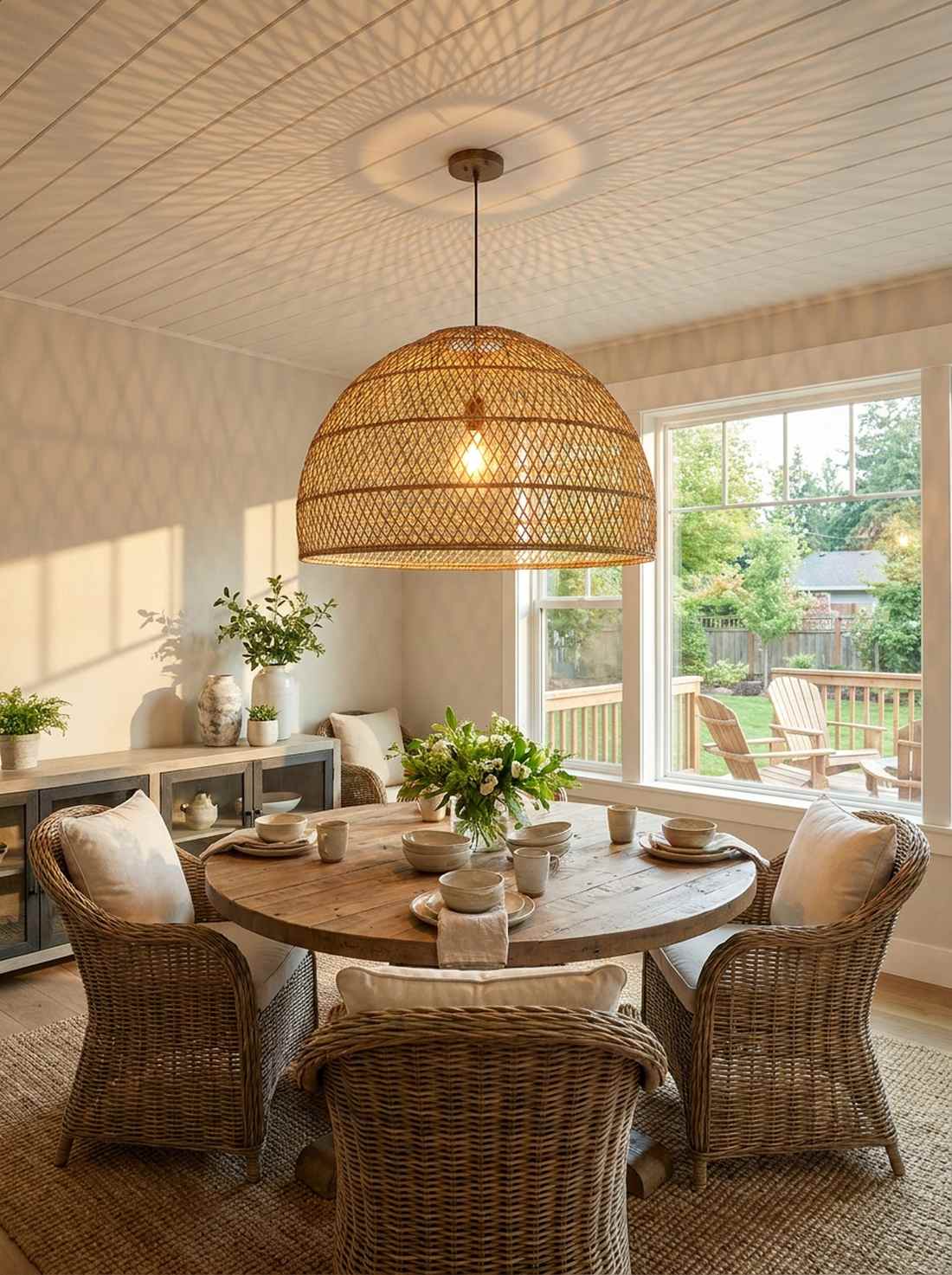
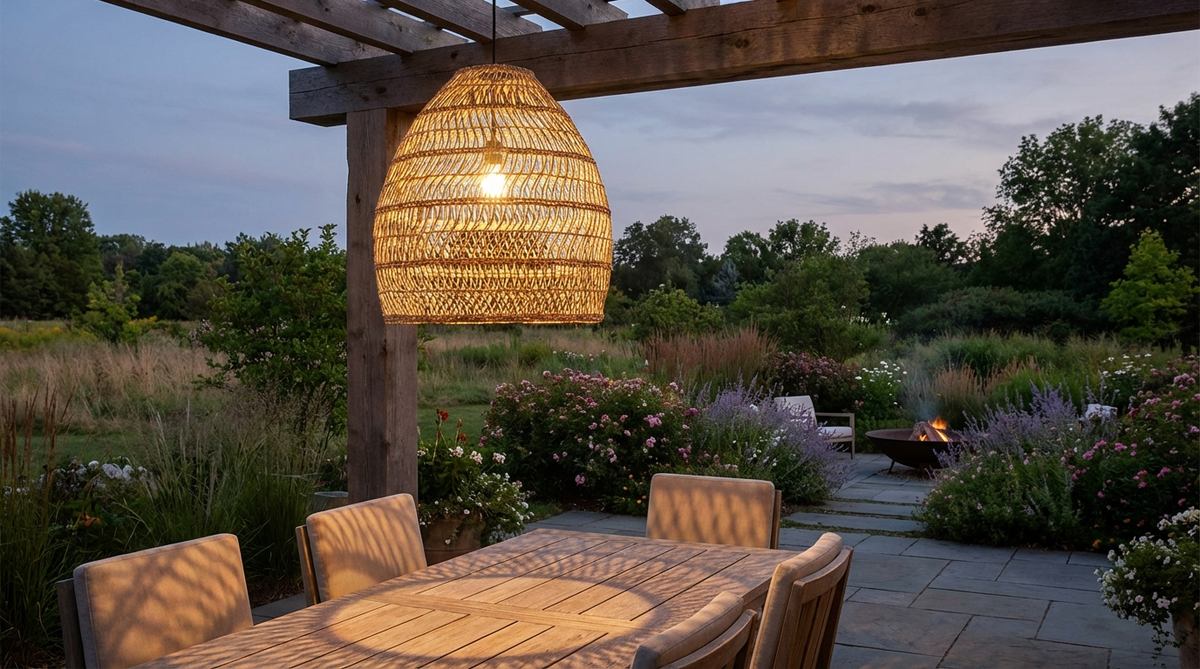
This woven dome chandelier filters light beautifully, casting mesmerizing webbed shadows across the ceiling. Hang it low over a round dining table for an intimate cafe feel.
Upgrading standard glass fixtures to natural fiber gives a designer-level finish immediately. The organic shape softens the hard angles of modern dining furniture.
You can execute this lighting swap for roughly $80–$120. Pin this if you’re planning an overhead lighting upgrade.
- Key Materials: Woven seagrass shade, pendant light cord kit
- Vibe / Style: Tropical resort ambient
- Difficulty: Intermediate (basic wiring)
- Budget Breakdown: Woven Shade: $70 | Light Kit: $20
- Creator’s Tip: Use a warm-toned Edison bulb (2700K) to maximize the golden, cozy aesthetic.
- Smart Sourcing: large woven seagrass pendant lampshades and plug-in pendant light cord kits.
Botanical Integration Bringing Gardens Inside
23. Fiddle-Leaf Fig Trees
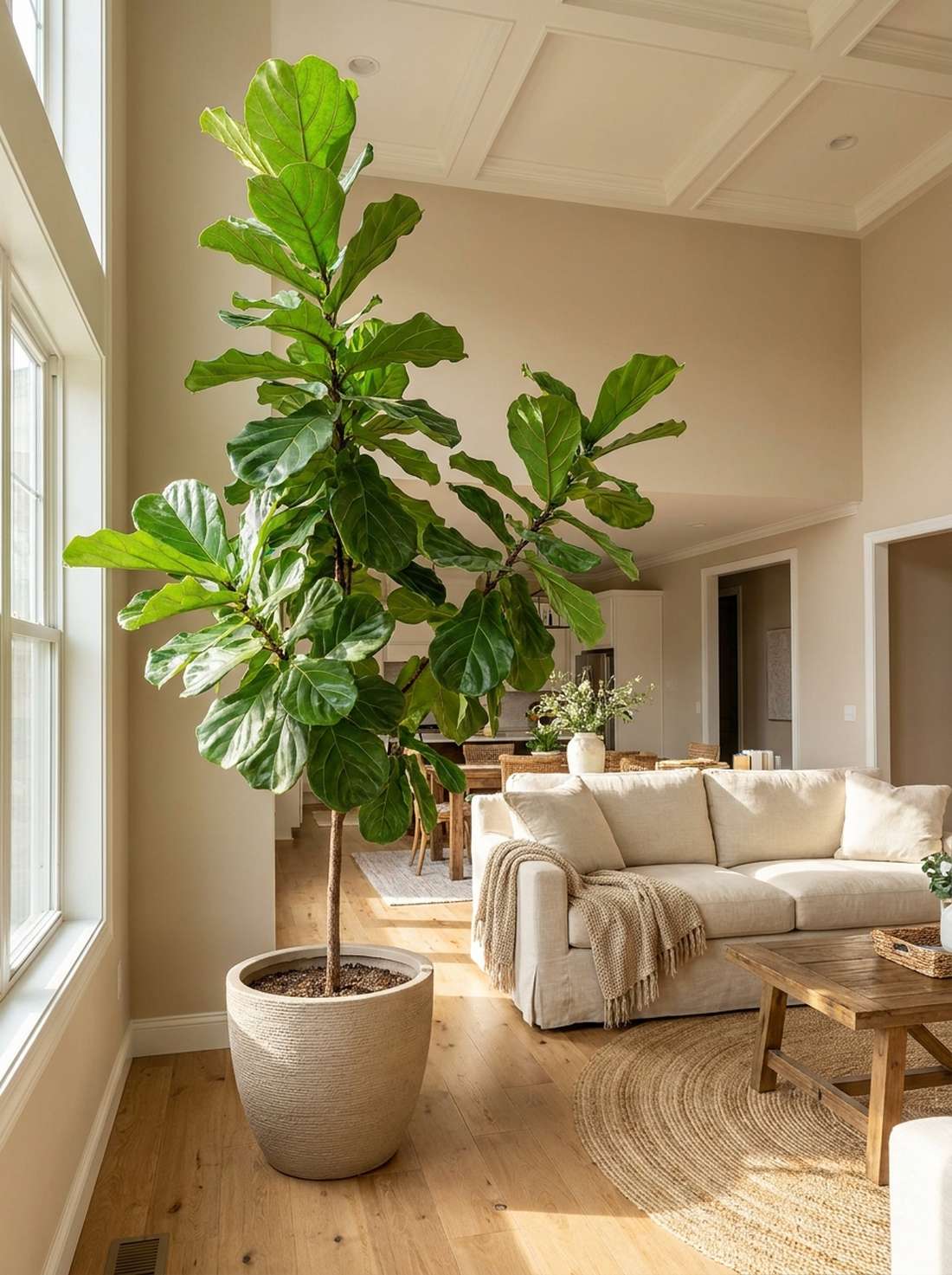
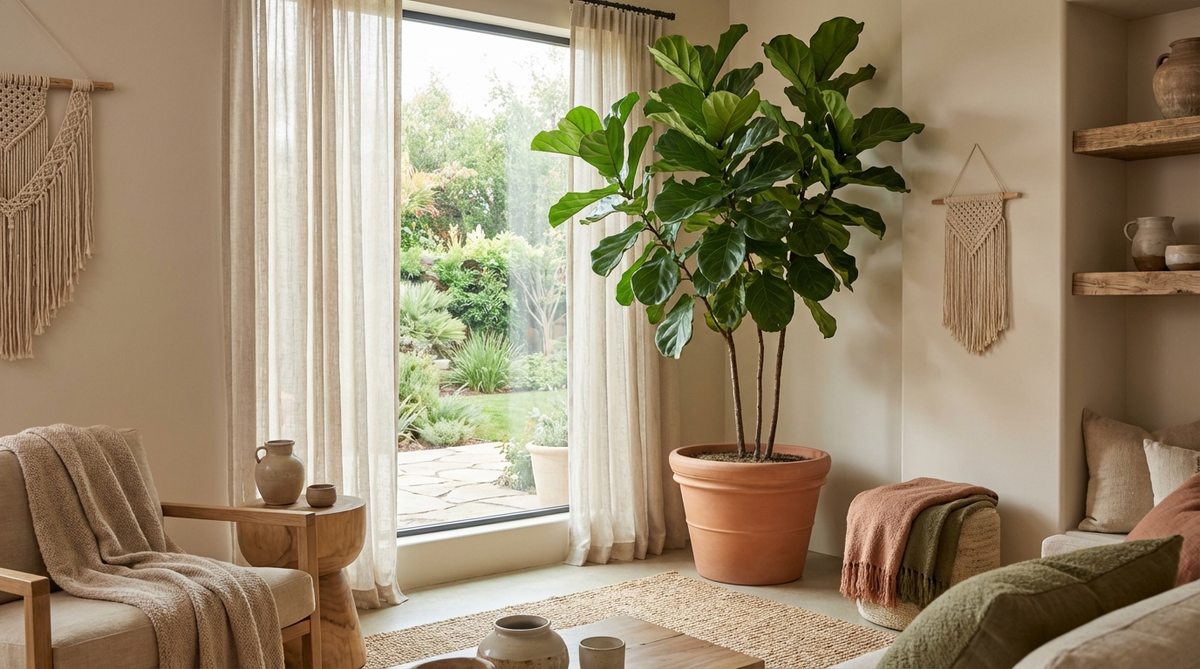
This towering broad-leaf indoor tree acts as living architecture, reaching boldly toward the ceiling. It perfectly fills dead, empty corners in bright living rooms.
Integrating massive living plants delivers a surprisingly premium look that art alone can’t achieve. The massive violin-shaped leaves offer incredible vibrant green contrast against beige walls.
Expect to spend around $50–$100 for a mature plant. Highly recommended for establishing your room’s earthy base.
- Key Materials: Live Ficus Lyrata, well-draining soil mix
- Vibe / Style: Bold indoor jungle
- Difficulty: Moderate care
- Budget Breakdown: Tree: $75 | Large Pot: $40
- Creator’s Tip: Wipe the massive leaves with a damp microfiber cloth monthly to keep them glossy and healthy.
- Smart Sourcing: premium indoor potting soil mixes and UV-coated lightweight resin planters.
If you think your space is too small for boho styling, this upcoming trick changes everything.
24. Snake Plant Clusters
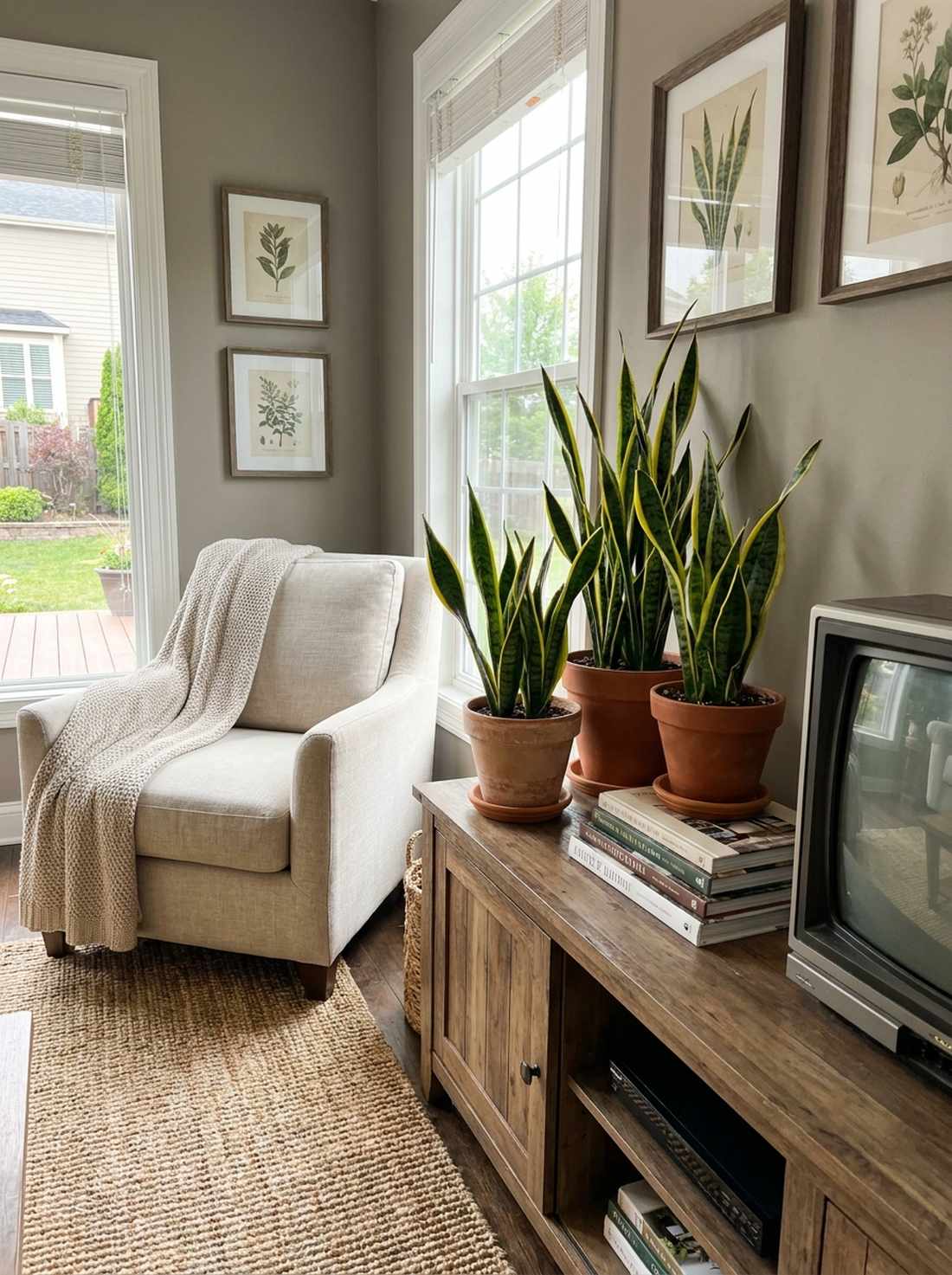
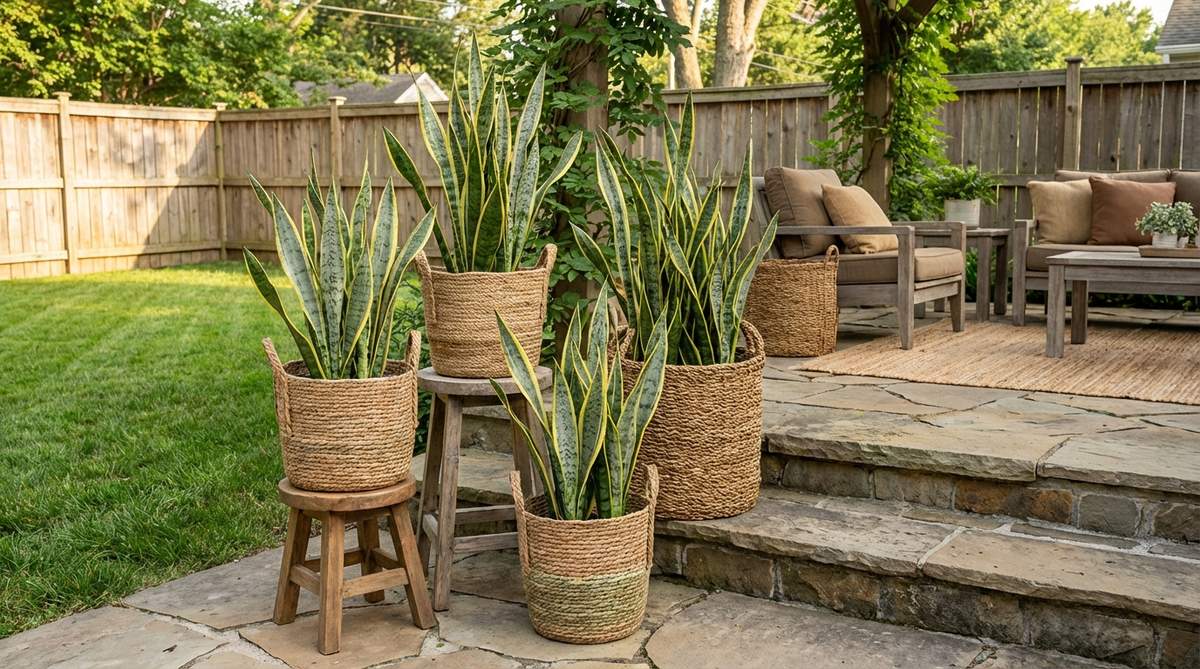
A trio of upright snake plants creates striking vertical lines that thrive on neglect. Group them near media consoles or in dim bedroom corners for instant vitality.
Using indestructible plants completely changes the vibe without adding to your daily chore list. Their architectural yellow-and-green spears bring natural geometry to soft, fabric-heavy rooms.
You can easily pull this off for around $30–$50. Pin this to your low-maintenance indoor garden board.
- Key Materials: Sansevieria plants, terracotta pots
- Vibe / Style: Desert modern resilient
- Difficulty: Beginner proof
- Budget Breakdown: 3 Plants: $35 | Pots: $20
- Creator’s Tip: Only water them when the soil is 100% dry; they prefer drought over dampness.
- Smart Sourcing: live snake plant starter kits and drip-proof ceramic indoor planters.
25. Trailing Pothos Vines
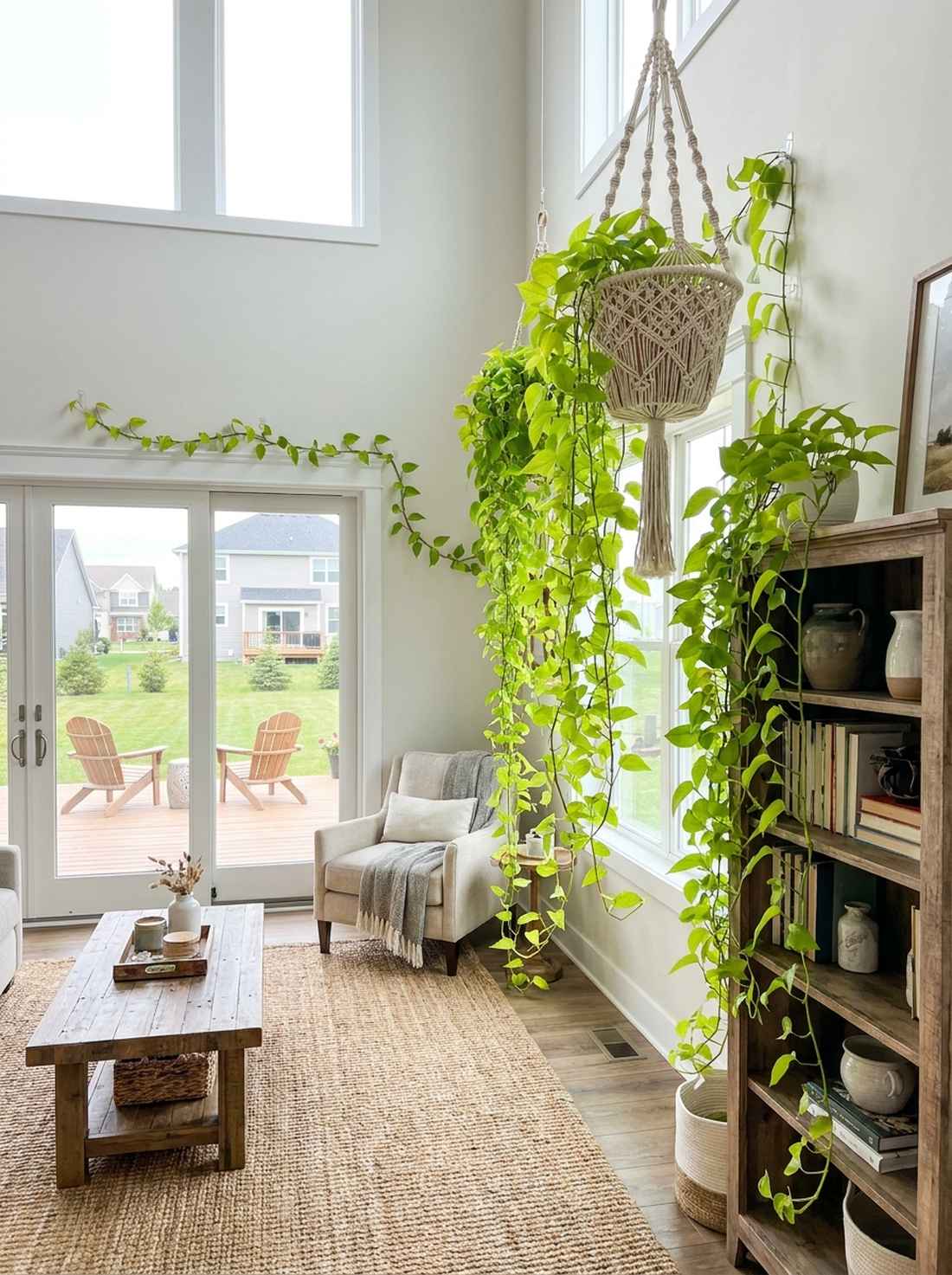
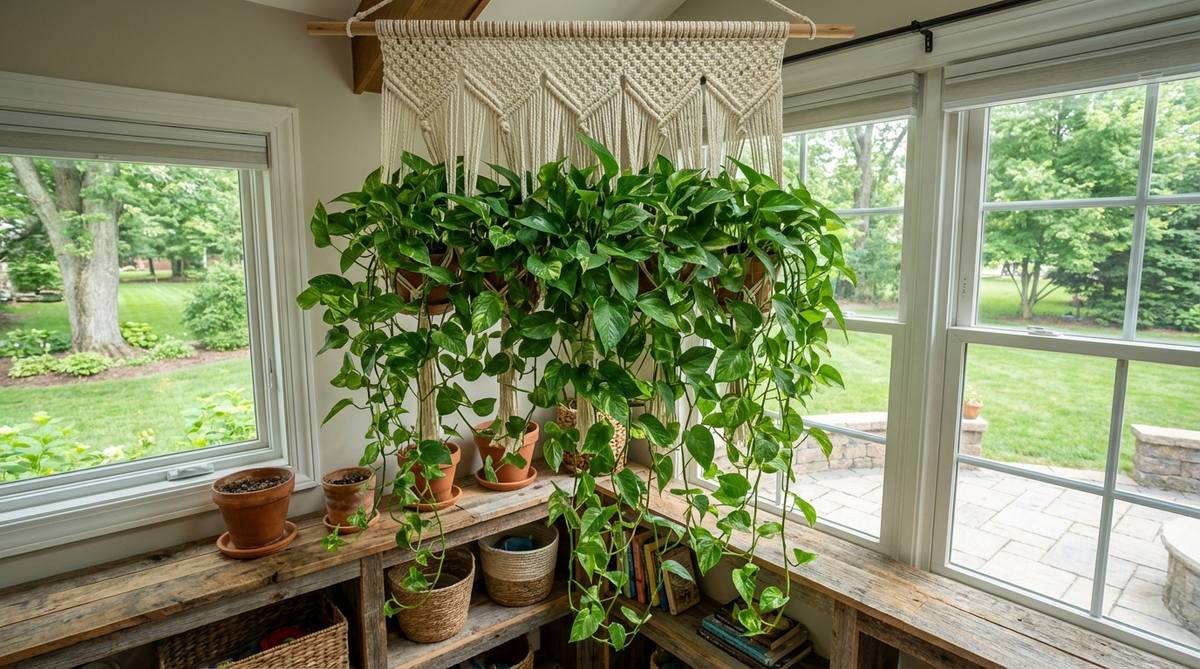
These cascading neon green vines spill beautifully like a living waterfall from high spaces. Place them atop bookshelves or in hanging macramé planters near windows.
Allowing foliage to drape naturally looks far more expensive than standard tabletop pots. It bridges vertical gaps and softens the harsh right angles of modern cabinetry.
A lush starter plant costs a mere $15. It’s a fast upgrade that completely changes the vibe.
- Key Materials: Epipremnum aureum, hanging hook
- Vibe / Style: Lush cascading canopy
- Difficulty: Easy care
- Budget Breakdown: Plant: $15 | Hanger: $10
- Creator’s Tip: Pin the vines along the wall using clear command hooks to create a living green border.
- Smart Sourcing: live golden pothos trailing plants and clear adhesive wall vine clips.
26. Monstera Statement Plants
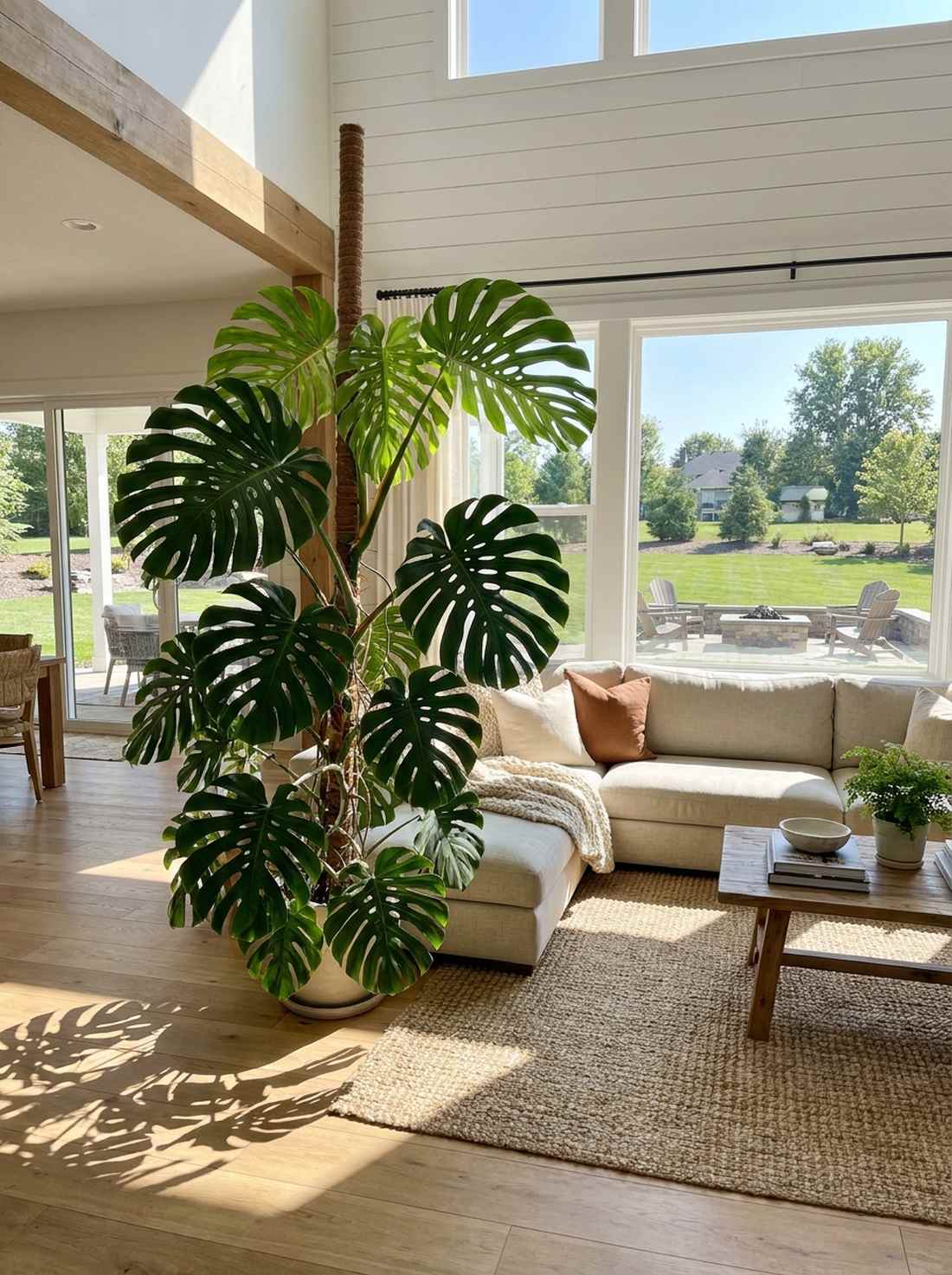
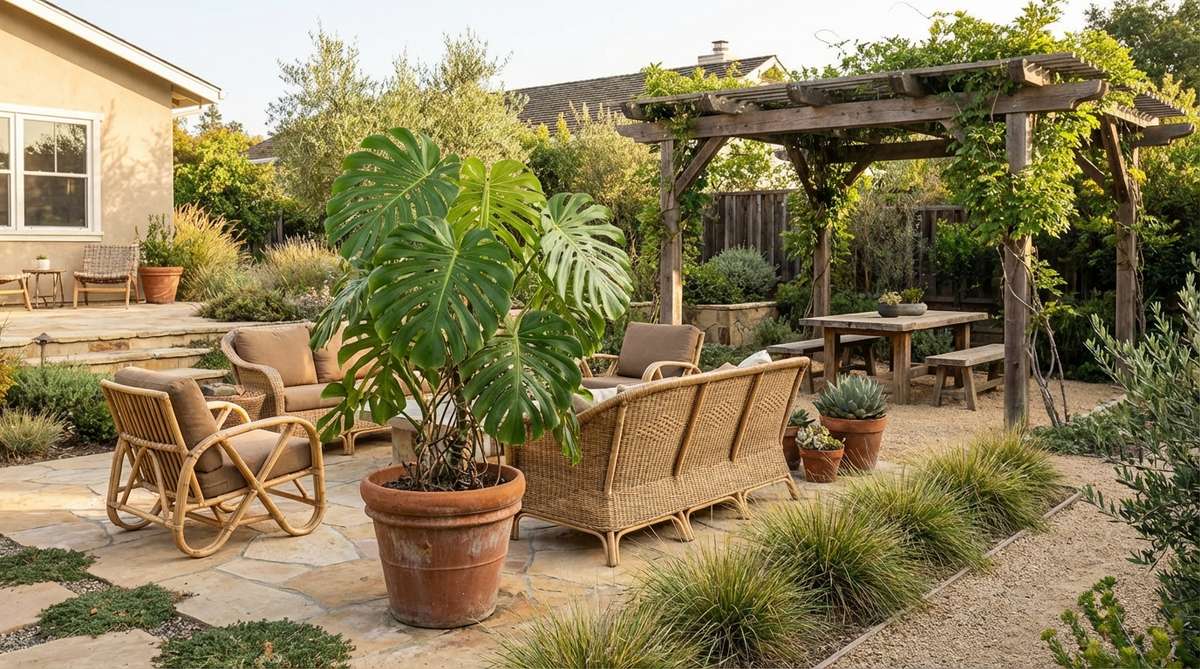
This massive split-leaf tropical plant brings wild, untamed energy right into your living space. It dominates floor space beautifully next to a low-profile sofa.
Embracing massive tropical foliage gives a designer-level finish with zero construction required. The iconic fenestrations (holes) in the leaves create breathtaking shadows on sunny days.
Invest $40–$70 for a rapidly growing specimen. Save this if you want maximum visual impact.
- Key Materials: Monstera Deliciosa, moss pole
- Vibe / Style: Exotic rainforest escape
- Difficulty: Moderate care
- Budget Breakdown: Plant: $50 | Moss Pole: $15
- Creator’s Tip: Train the aerial roots onto a moss pole early so the plant climbs vertically rather than sprawling wide.
- Smart Sourcing: extendable coco coir moss poles (2-pack) and organic tropical plant fertilizer.
27. Succulent Tabletop Gardens
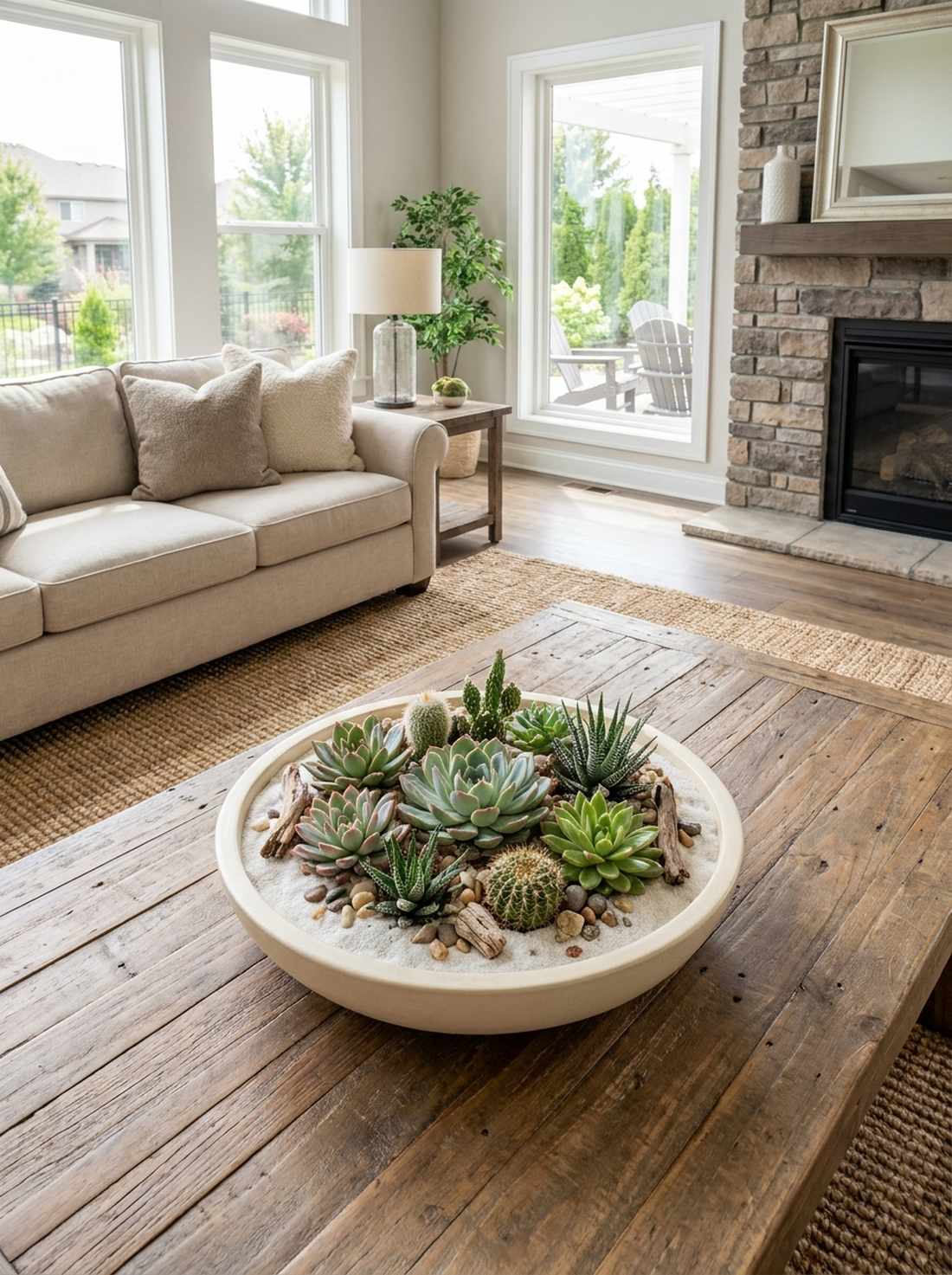
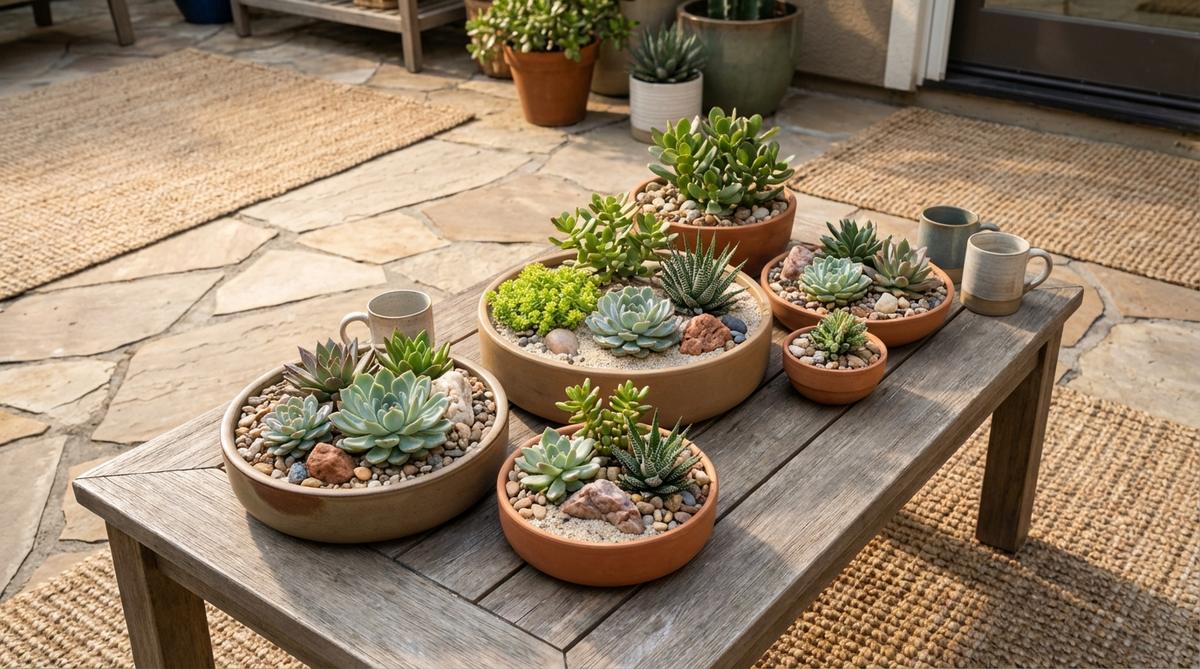
A shallow bowl filled with plump succulents acts as a miniature arid landscape on your coffee table. It is the perfect centerpiece for places that get bright, direct sunlight.
Arranging these tiny survivors completely changes the vibe of a standard wooden table. Mixing fairy garden supplies and pebbles into the bowl creates a high-end terrarium aesthetic.
You can build a stunning arrangement for about $25. Pin this to your DIY weekend crafts board.
- Key Materials: Assorted succulents, cactus soil, decorative stones
- Vibe / Style: Detailed desert miniature
- Difficulty: Easy assembly
- Budget Breakdown: Plants: $15 | Bowl & Soil: $10
- Creator’s Tip: Top dress the soil with a layer of white sand or fine gravel for a polished, professional look.
- Smart Sourcing: assorted live succulent cuttings (bulk pack) and fast-draining cactus soil mix.
28. Eucalyptus Dried Branches
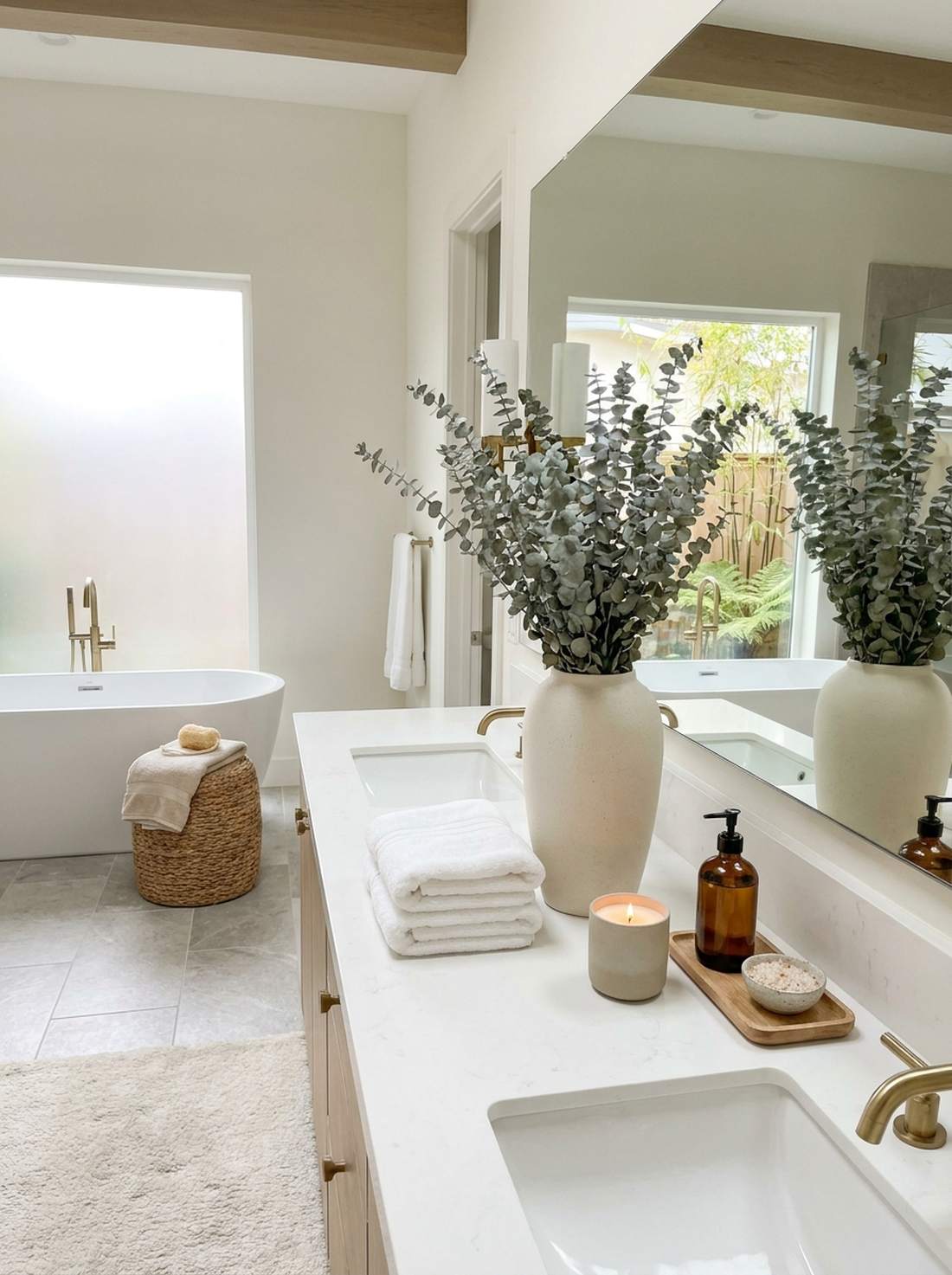
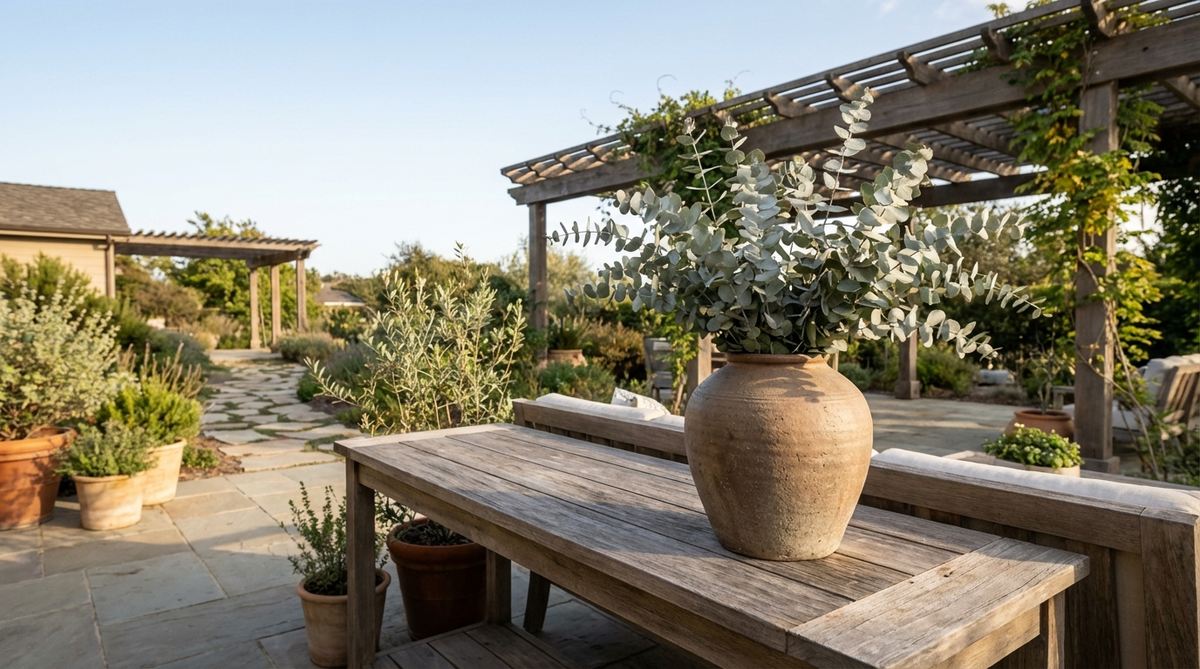
These silvery-green preserved branches offer a muted, dusty color palette with a spa-like aroma. Drop them casually into a tall ceramic vase on a bathroom vanity.
Using preserved foliage delivers a surprisingly premium look that requires absolutely zero water. It bridges the gap between living botanicals and static sculptures perfectly.
A hearty bundle costs roughly $15–$20. Highly recommended for a quick weekend win.
- Key Materials: Preserved real eucalyptus stems
- Vibe / Style: Aromatic spa tranquility
- Difficulty: Zero effort
- Budget Breakdown: Eucalyptus Bundle: $18
- Creator’s Tip: Hang a bundle from your showerhead; the steam releases natural essential oils for a daily spa experience.
- Smart Sourcing: preserved dried eucalyptus stems (bulk bundle) and tall minimalist ceramic vases.
Retailers charge hundreds for this next aesthetic, but you can build it yourself in an afternoon.
29. Herb Kitchen Windowsill Gardens
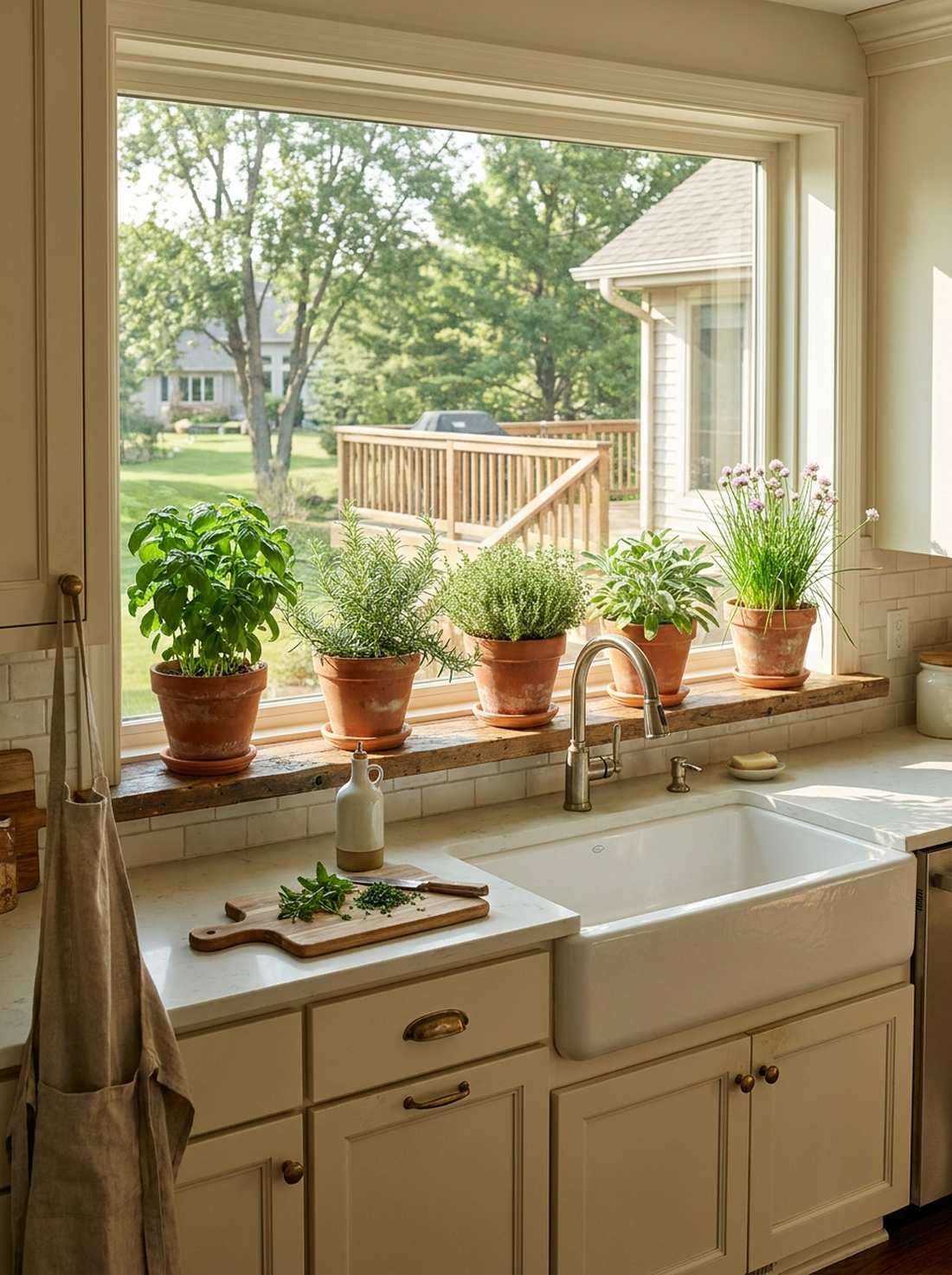
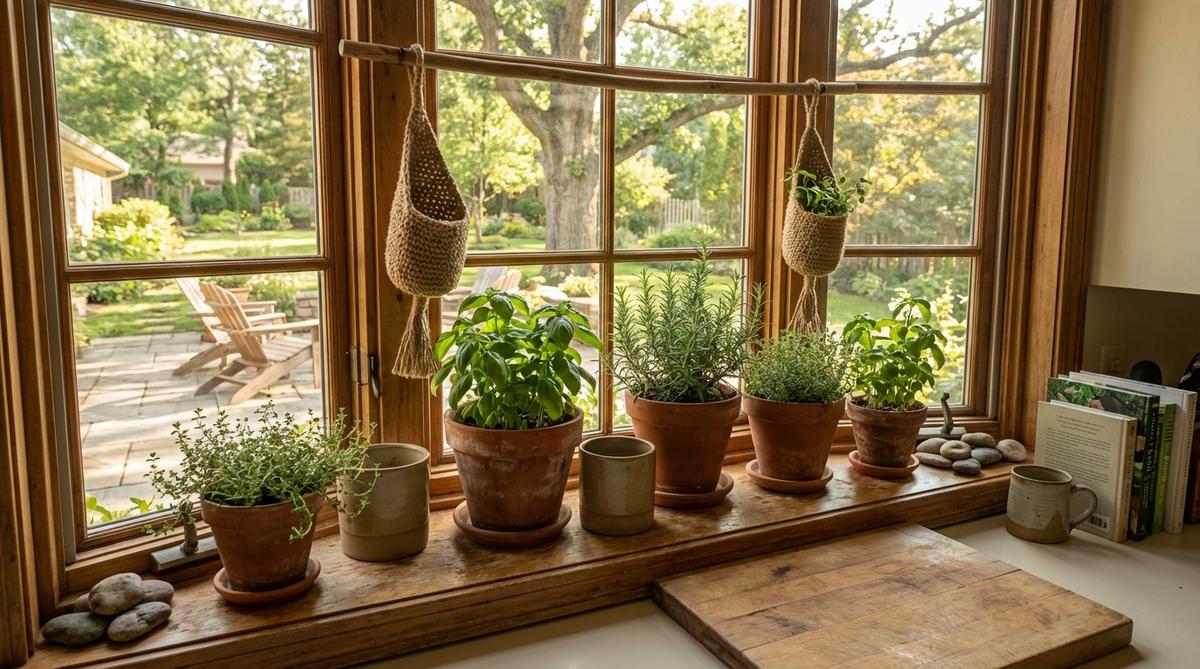
A row of terracotta-potted culinary herbs makes the kitchen feel vibrant, fresh, and chef-ready. It utilizes the bright sill above the sink that usually goes to waste.
Growing functional plants looks far more expensive than standard decorative trinkets. The varying textures of rosemary, basil, and thyme add functional greenery that smells amazing.
Start your fragrant garden for under $20. Save this to your smart kitchen upgrades board.
- Key Materials: Herb starter plants, matching clay pots
- Vibe / Style: Functional rustic culinary
- Difficulty: Beginner friendly
- Budget Breakdown: Plants: $12 | Pots: $8
- Creator’s Tip: Snip the tops of the herbs regularly to encourage bushy outward growth rather than tall, spindly stems.
- Smart Sourcing: organic culinary herb seed starter kits and drainage-ready terracotta planter sets.
30. Pampas Grass Floor Displays
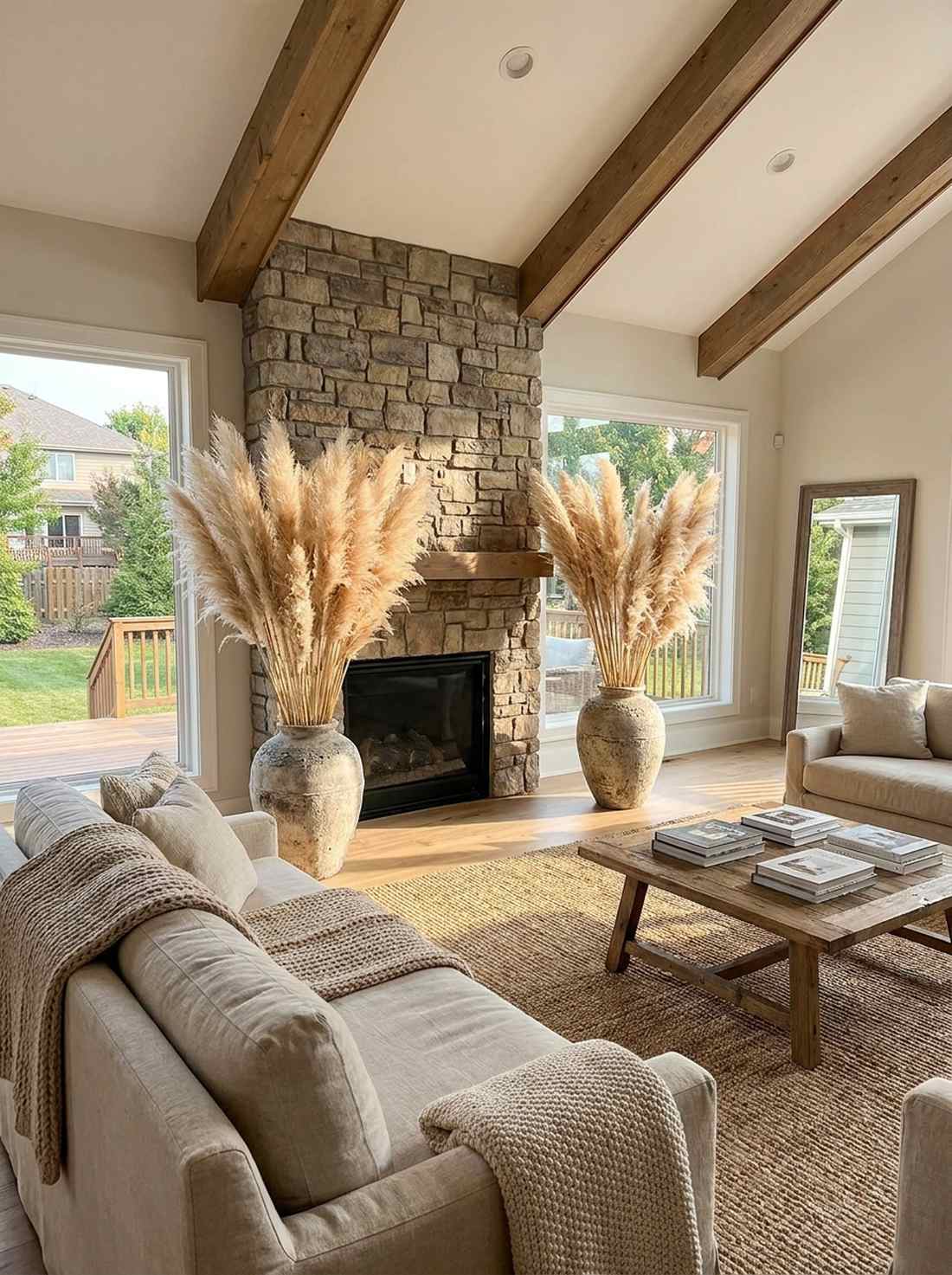
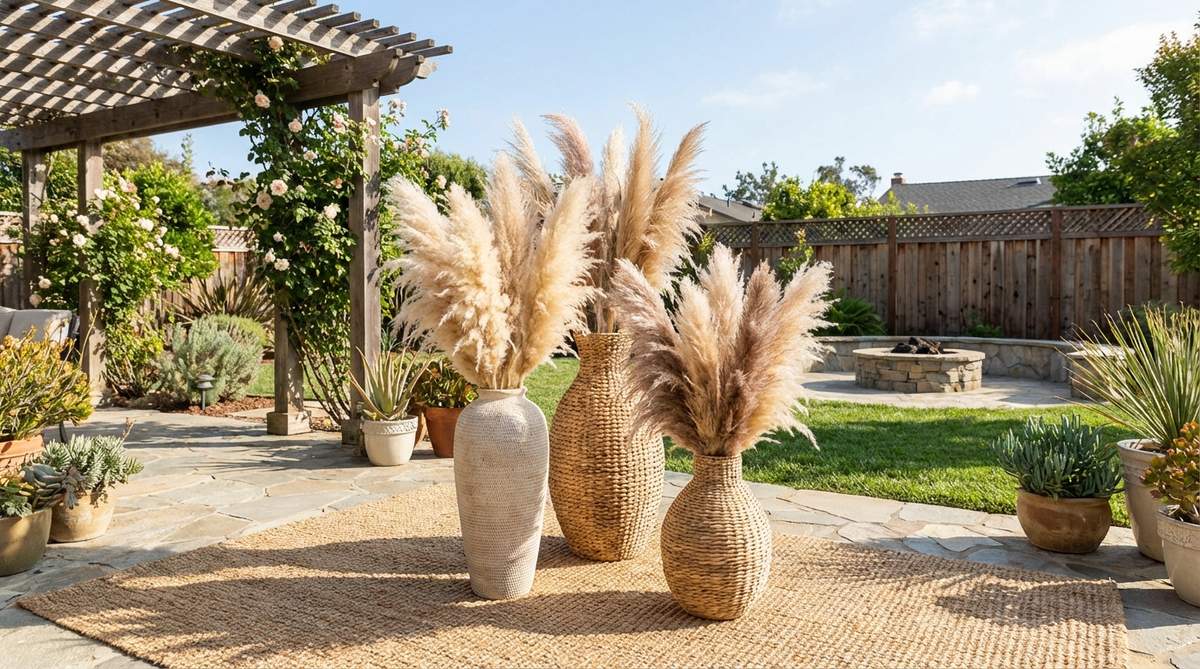
These fluffy, towering beige plumes inject incredible softness and height into empty room corners. They are brilliant for flanking a fireplace or full-length floor mirror.
Integrating these massive dried grasses gives a designer-level finish that dominates the boho trend. They provide incredible volume and movement without the visual heaviness of solid furniture.
You can easily pull this off for $30. Pin this if you love big visual impact with zero maintenance.
- Key Materials: Extra-tall dried pampas stems, heavy floor vase
- Vibe / Style: Airy dramatic softness
- Difficulty: Effortless styling
- Budget Breakdown: Pampas Bundle: $25 | Hairspray: $5
- Creator’s Tip: Give the plumes a light coating of aerosol hairspray to lock the seeds in place and stop shedding instantly.
- Smart Sourcing: extra-tall dried pampas grass (bulk pack) and strong-hold aerosol hairspray.
Material Guide: Cheap vs. Premium Aesthetic
Knowing exactly where to save and where to spend makes all the difference in achieving that “looks expensive but isn’t” vibe.
- Standard vs. UV-Resistant/Premium: Upgrading to UV-coated artificial botanicals or sealed natural woods prevents fading and cracking in sunlit rooms.
- Pre-made Kits vs. Sourcing Locally: Purchasing curated starter kits for macrame or terrariums often saves money compared to buying individual hardware store items.
Artisan Handcrafted Elements With Soul
31. Macramé Wall Hangings
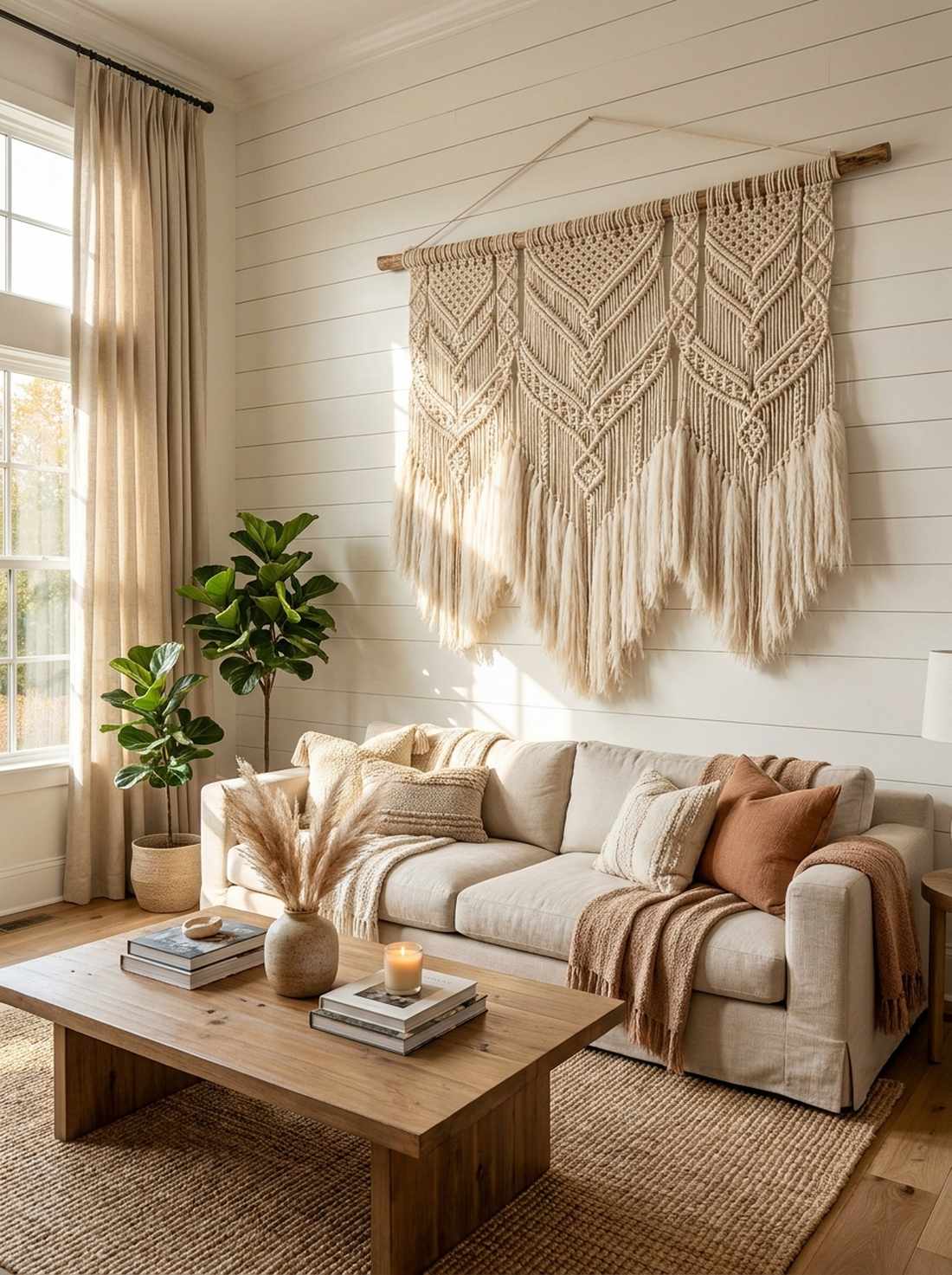
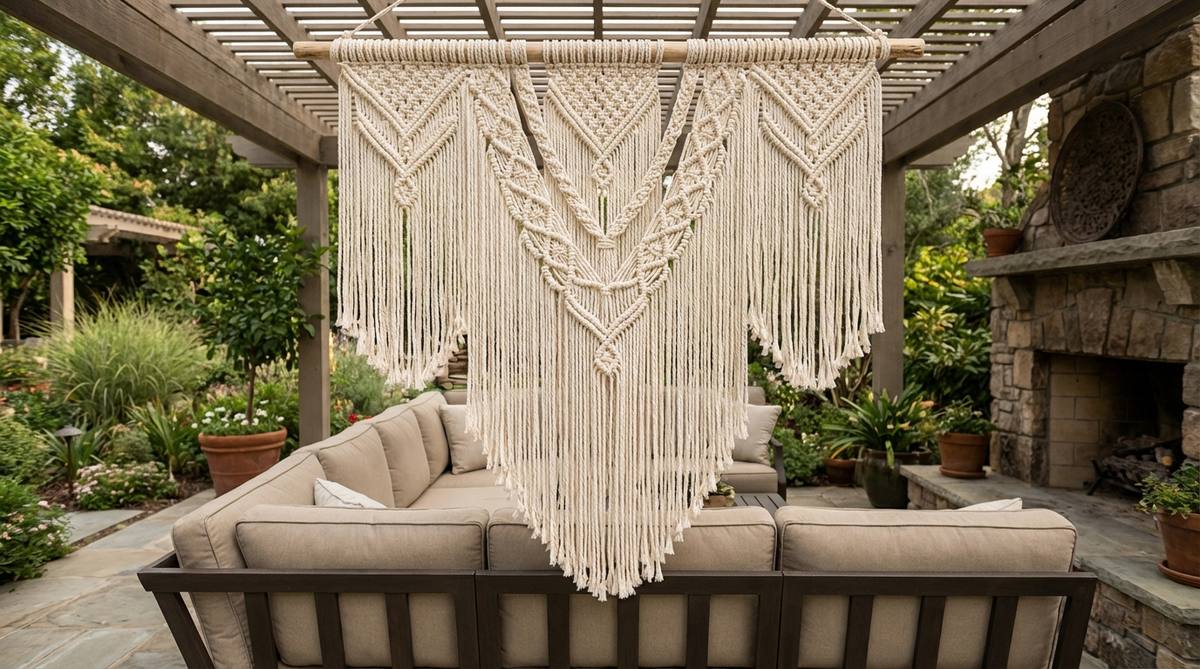
This intricate knotted cotton tapestry serves as a sweeping, textural masterpiece above a bed or sofa. It replaces generic framed prints with something deeply tactile and authentic.
Hand-tying geometric patterns completely changes the vibe of flat, boring drywall. It instantly screams bohemian chic while softening the acoustic echo in large spaces.
DIY it for $20 or buy a handmade piece for $60–$100. Save this to your fiber arts inspiration board.
- Key Materials: 3mm or 4mm cotton cord, wooden dowel
- Vibe / Style: Handcrafted bohemian focal point
- Difficulty: Intermediate DIY (learning knots)
- Budget Breakdown: Cord Spool: $15 | Dowel: $5
- Creator’s Tip: Brush out the tail ends with a pet comb to create a luxurious, fluffy fringe at the bottom.
- Smart Sourcing: natural unbleached macrame cotton cord (bulk spool) and beginner macrame wall hanging kits.
32. Ceramic Pottery Collections
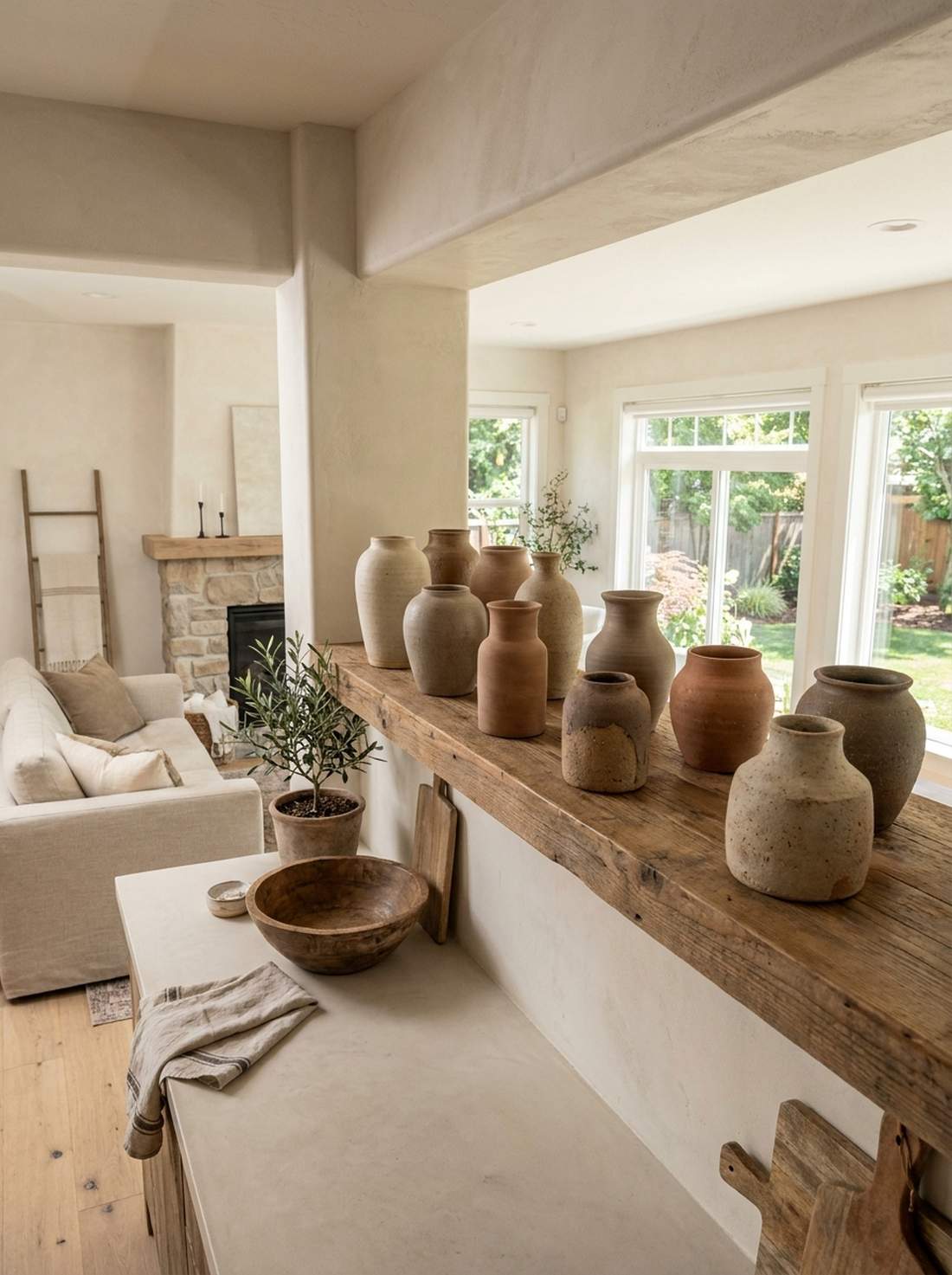
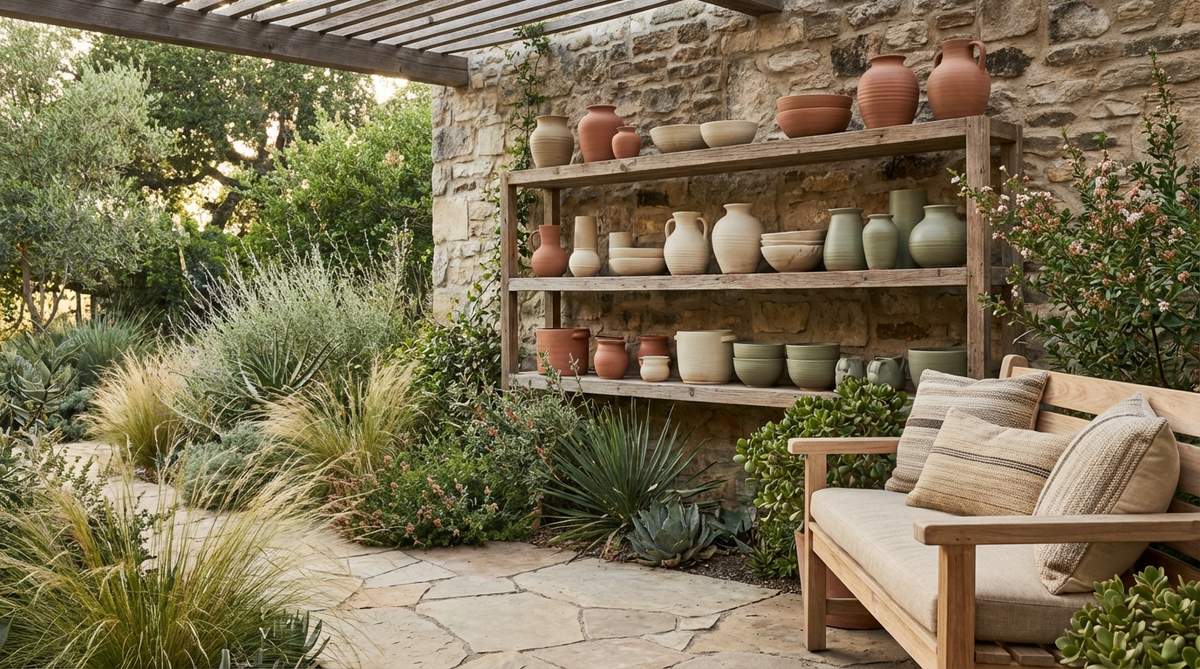
A cluster of matte, hand-thrown vases on an open shelf brings earthy, imperfect beauty to the forefront. Perfect for styling built-in bookcases or kitchen ledges.
Mixing varying heights and clay tones delivers a surprisingly premium look. Leaving the clay unglazed on the outside celebrates the raw, gritty texture of the earth.
Curate a stunning trio for around $40–$75. It’s a fast upgrade that completely changes the vibe.
- Key Materials: Stoneware clay, matte glazes
- Vibe / Style: Curated wabi-sabi gallery
- Difficulty: Effortless curation
- Budget Breakdown: 3 Assorted Vases: $60
- Creator’s Tip: Rub baking soda mixed with cheap acrylic paint onto thrifted glass vases for a faux-ceramic look.
- Smart Sourcing: unglazed terracotta vase sets and matte textured ceramic planters.
33. Woven Wall Baskets
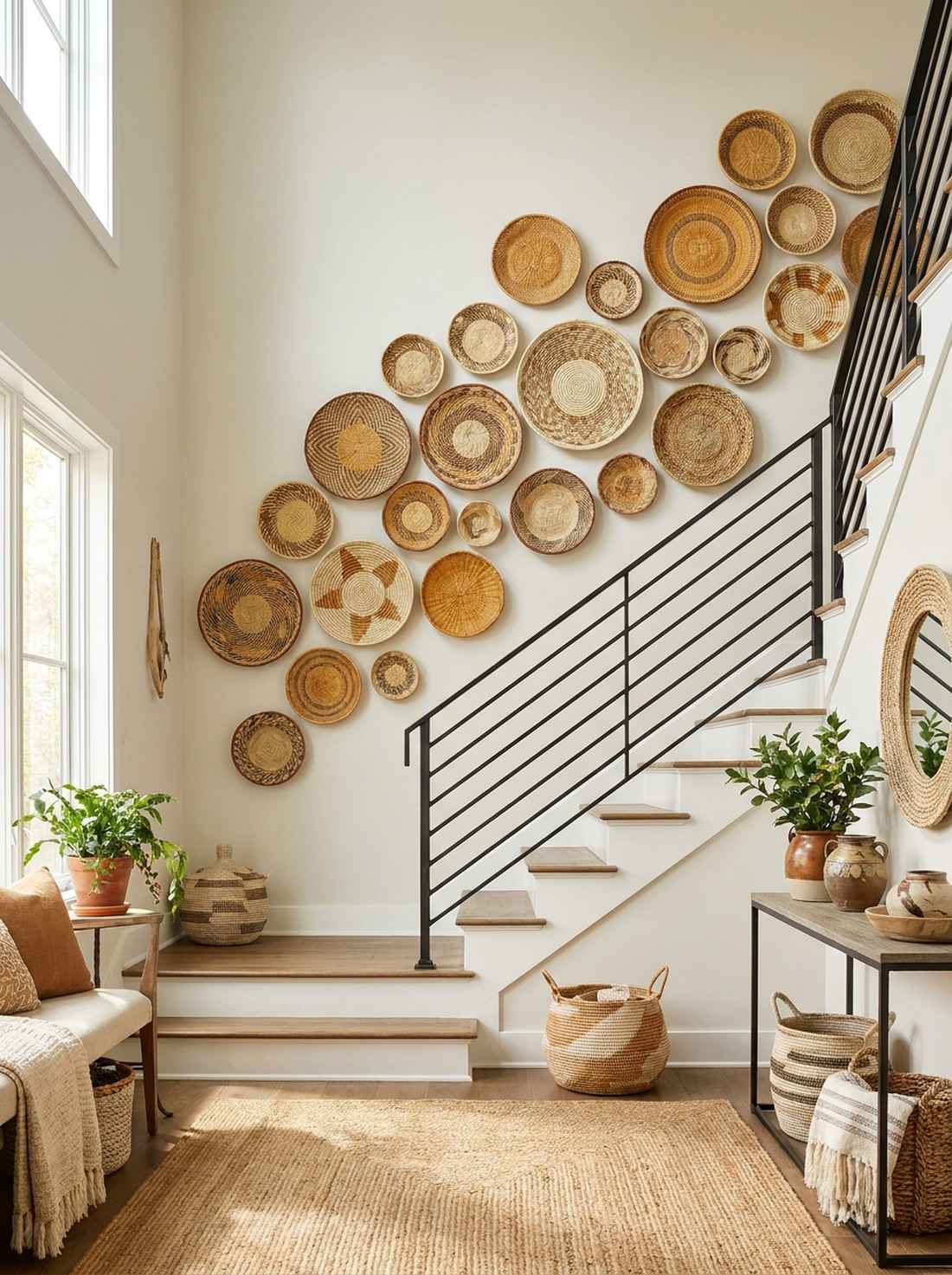
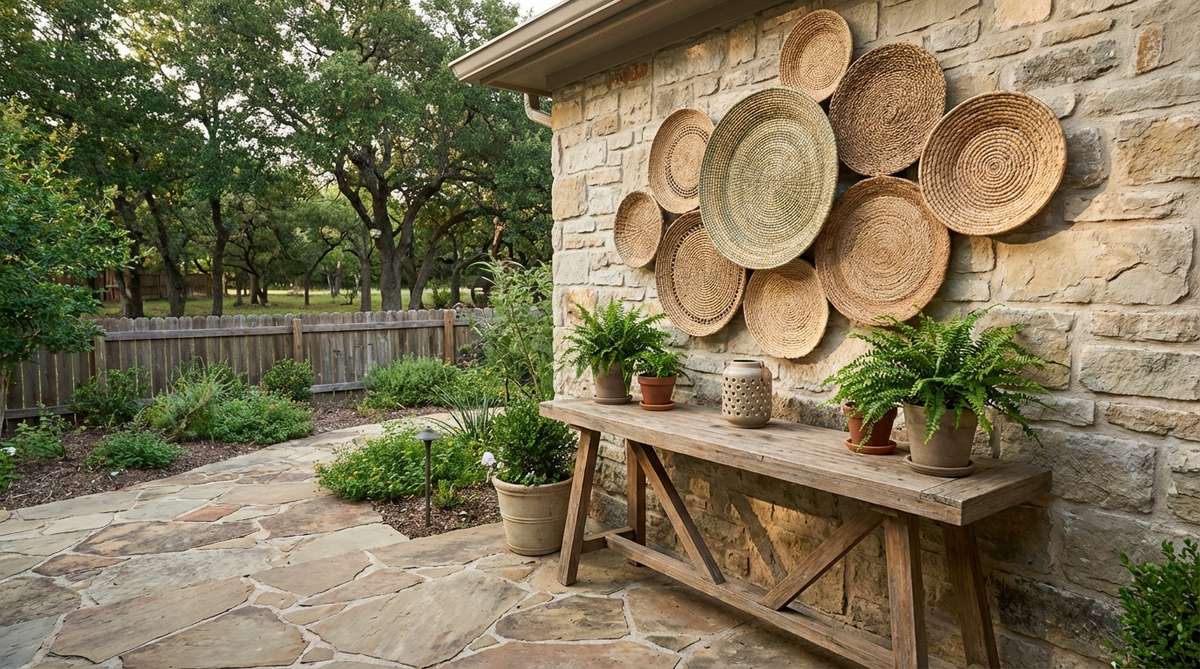
An asymmetrical gallery of flat woven plates bursts across the wall like an organic constellation. It is a brilliant, lightweight solution for decorating massive stairwell walls.
Arranging natural seagrass heavily outperforms standard picture frames in a boho layout. The circular geometry introduces movement and warm, honey-toned colors.
You can easily pull this off for around $50 using a mixed bundle. Pin this to your wall decor ideas board.
- Key Materials: Flat woven African or seagrass baskets, finishing nails
- Vibe / Style: Global nomadic texture
- Difficulty: Easy installation
- Budget Breakdown: Basket Set: $45 | Nails: $5
- Creator’s Tip: Map out your arrangement on the floor first, then take a photo to reference while hammering.
- Smart Sourcing: assorted woven wall basket sets (bulk pack) and damage-free picture hanging strips.
Stop scrolling if you hate high maintenance—this next setup requires zero upkeep.
34. Hand-Dyed Textile Art
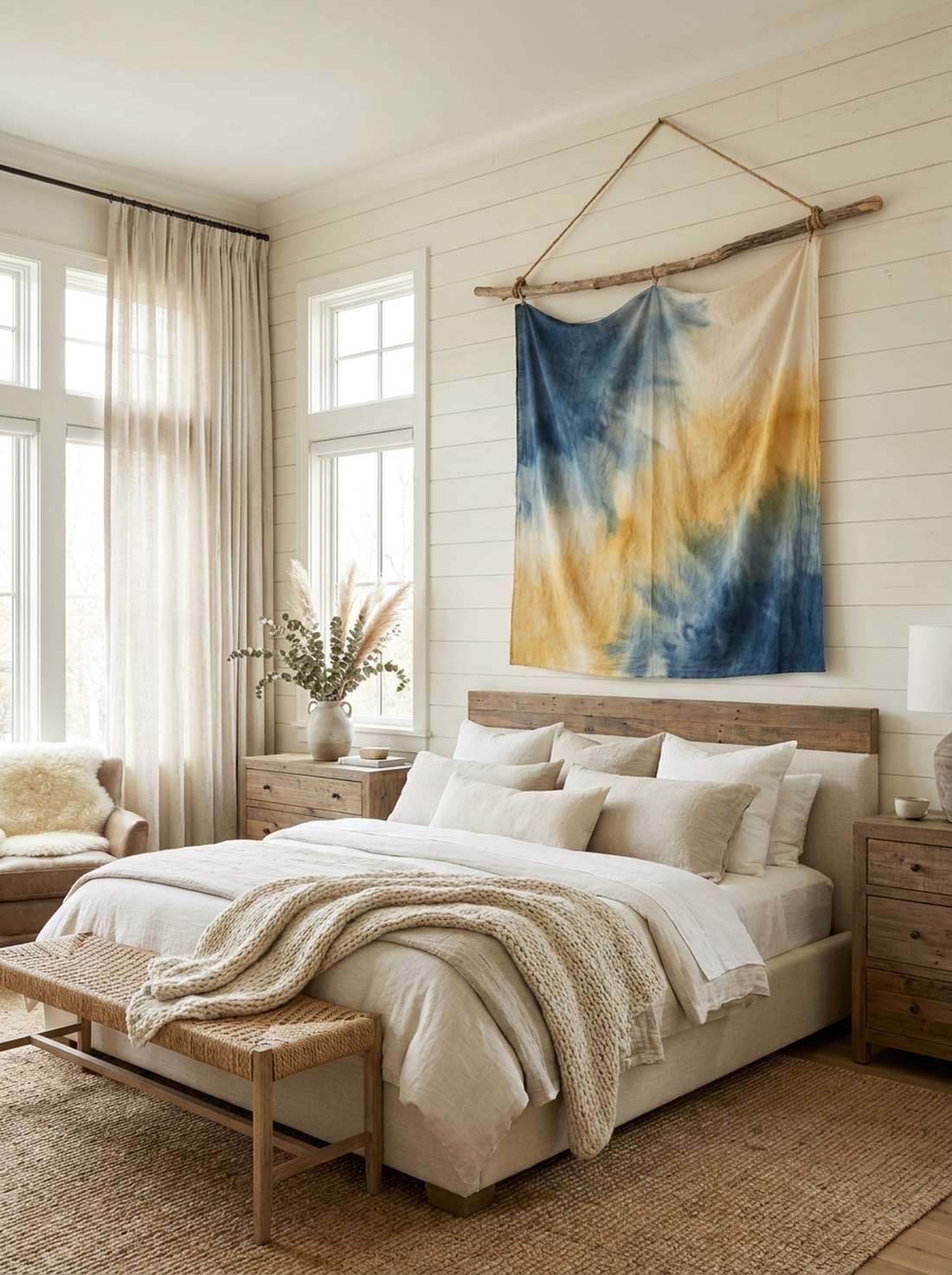
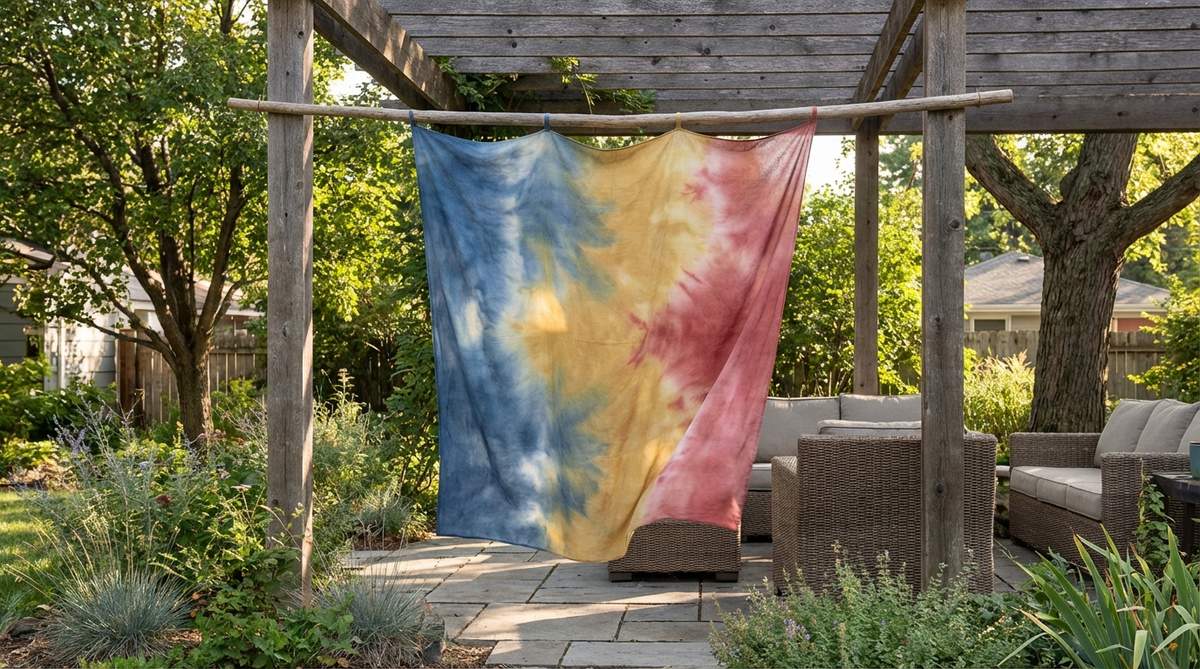
This indigo or turmeric dip-dyed fabric hangs elegantly from a simple wooden branch. It injects a soft, watercolor-like wash of color into a strictly neutral bedroom.
Creating your own botanical dyes gives a designer-level finish that is impossible to replicate perfectly. The organic color gradients fade beautifully over time, adding to the charm.
A DIY dye project costs a mere $15. Highly recommended for a quick weekend win.
- Key Materials: Raw cotton fabric, natural plant dyes
- Vibe / Style: Ethereal artisan wash
- Difficulty: Fun weekend DIY
- Budget Breakdown: Fabric: $10 | Dye: $5
- Creator’s Tip: Use avocado pits and skins to achieve a stunning, dusty millennial pink dye naturally.
- Smart Sourcing: natural indigo tie-dye starter kits and unbleached cotton muslin fabric (yards).
35. Carved Wooden Bowls
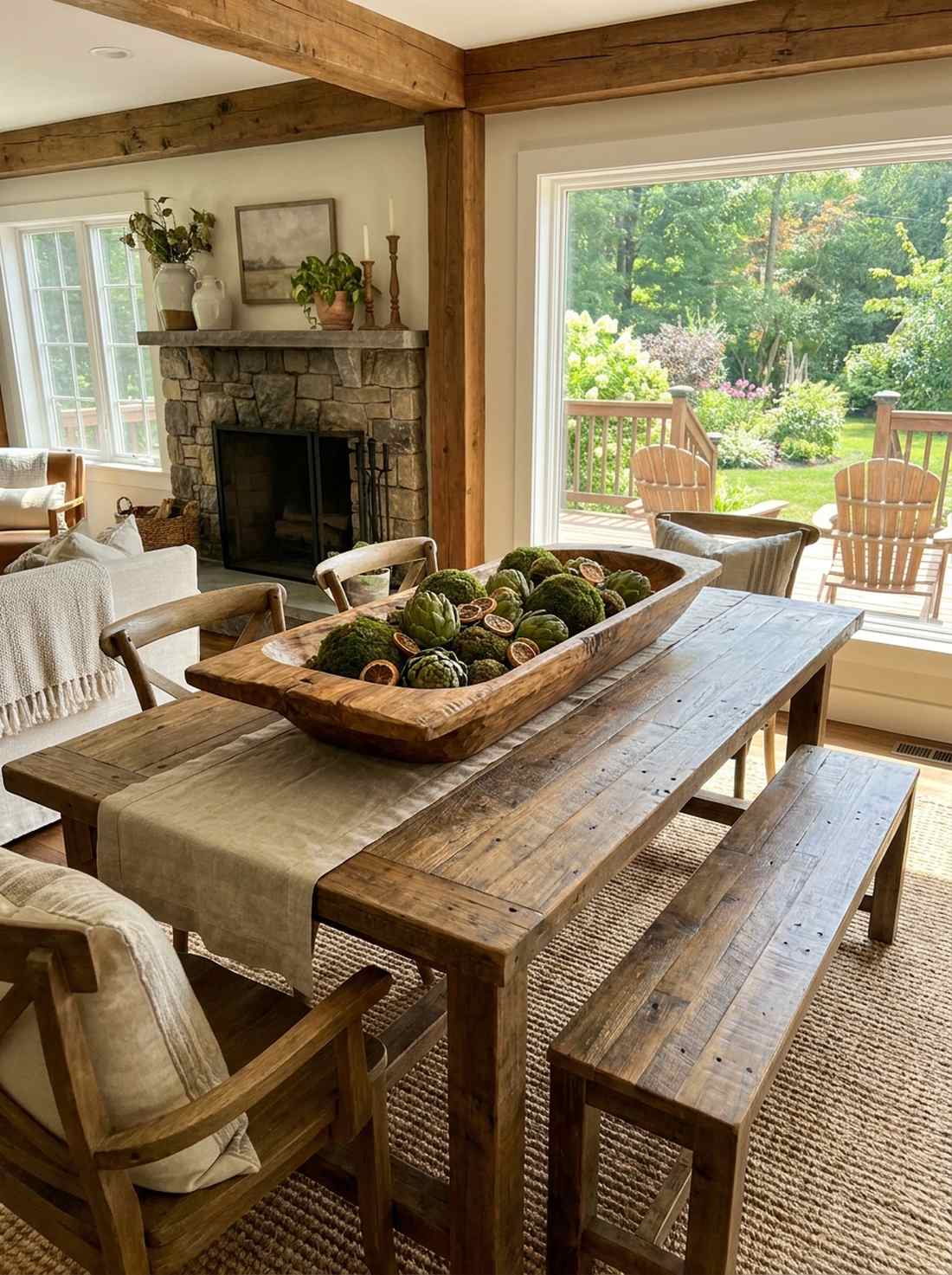
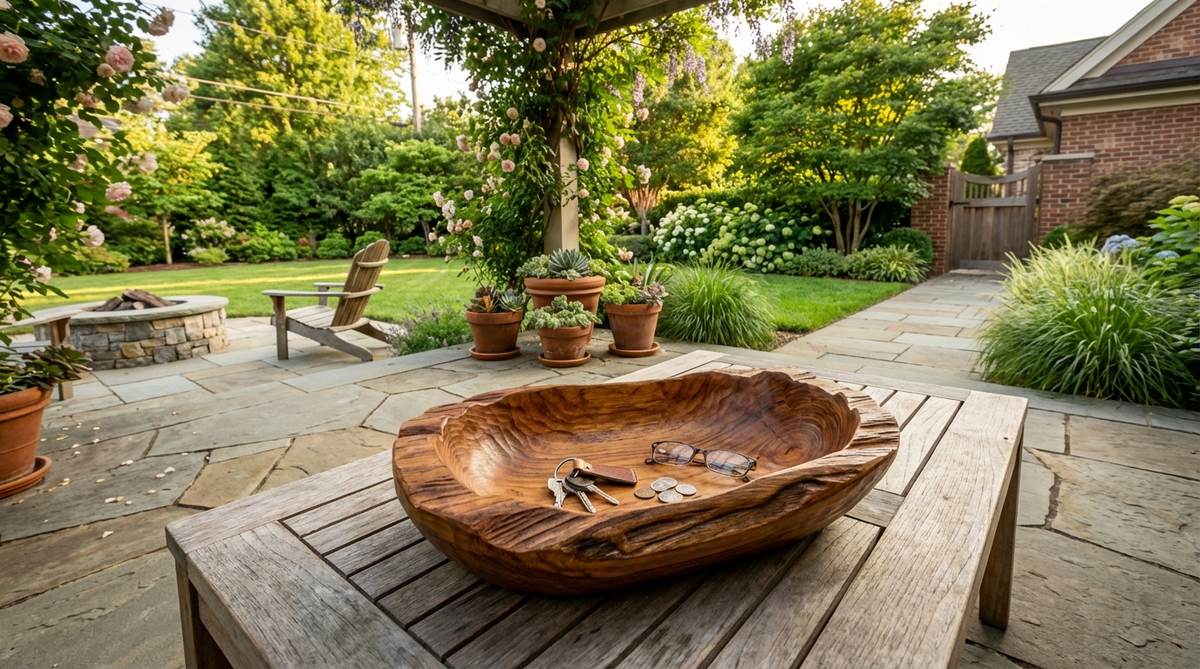
A chunky, hand-hewn dough bowl rests perfectly on a dining room table, holding seasonal fruits or moss orbs. It provides a massive hit of warmth and history.
Investing in solid, heavily grained wood looks far more expensive than composite materials. The visible chisel marks remind you of the human hands that shaped it.
Grab a gorgeous vintage-style piece for $40–$60. Save this if you love deeply rooted, traditional accents.
- Key Materials: Solid olive wood or carved teak
- Vibe / Style: Grounded farmhouse bohemian
- Difficulty: Effortless styling
- Budget Breakdown: Large Wooden Bowl: $50
- Creator’s Tip: Rub the wood periodically with food-safe mineral oil to keep it from cracking and to deepen the grain.
- Smart Sourcing: hand-carved wooden dough bowls and food-safe wood conditioning oils.
36. Natural Fiber Rugs
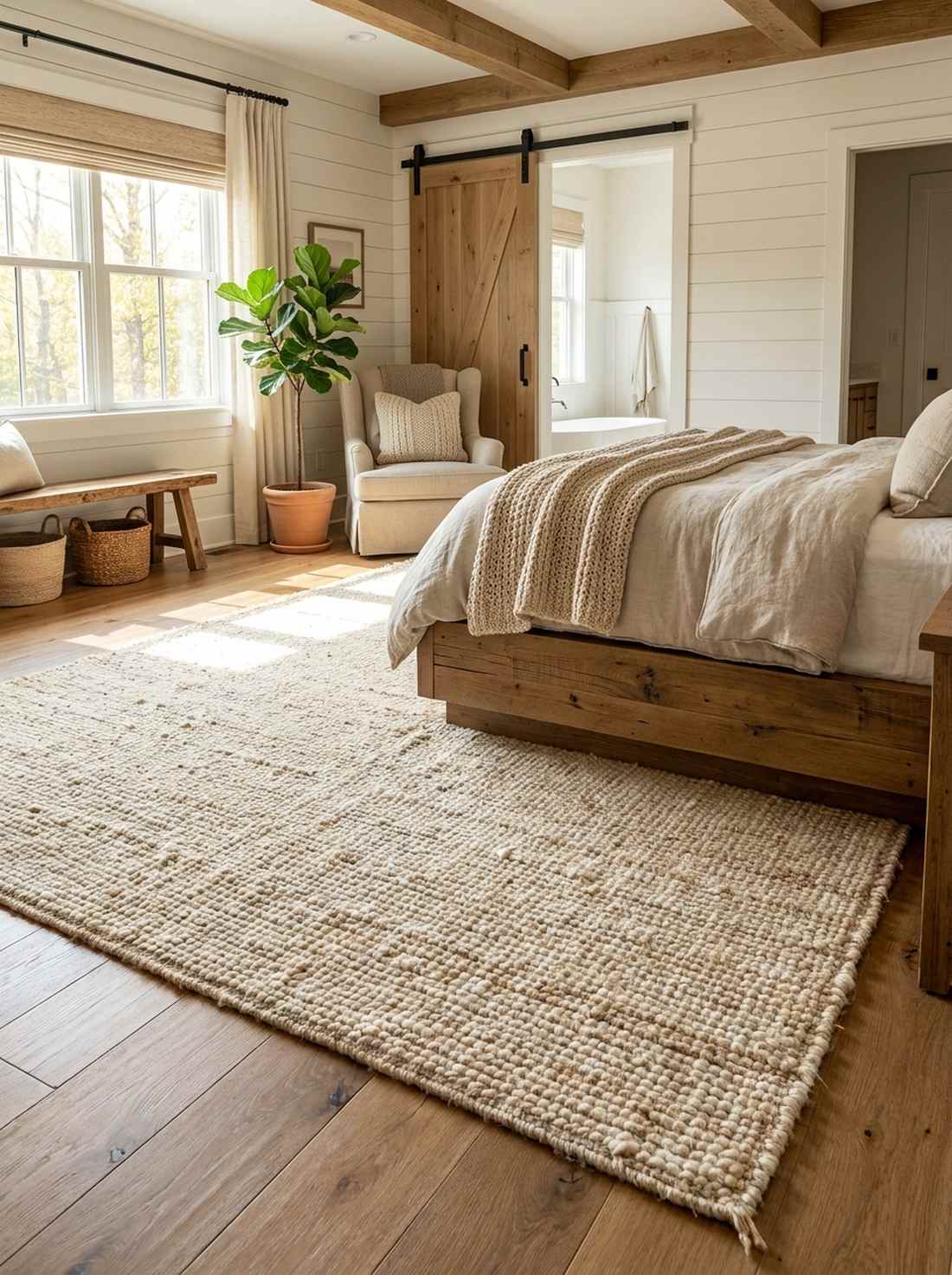
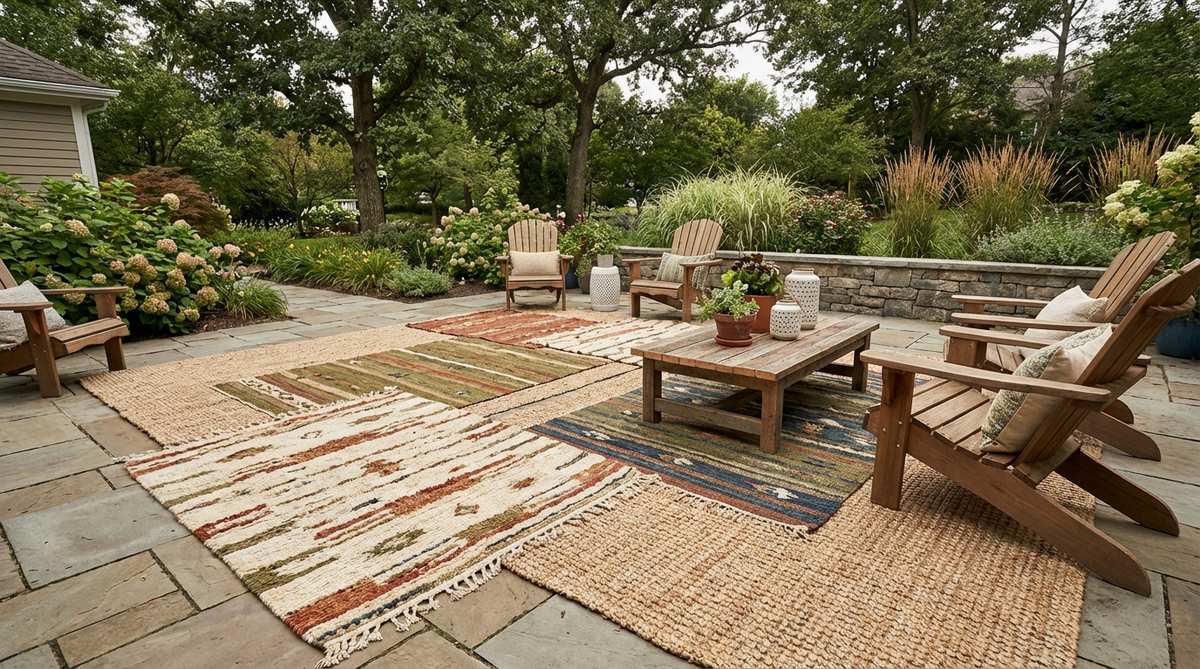
A rough-spun hand-loomed wool rug grounds your bedroom with incredible textural inconsistency. It is the perfect anchor beneath a solid wooden bedframe.
Embracing these irregular weaves completely changes the vibe of the floor space. The slight lumps and raw edges scream authenticity and reject mass-produced perfection.
You can easily pull this off for $150–$300 depending on size. Pin this to your cozy bedroom foundation board.
- Key Materials: Un-dyed sheep’s wool or heavy cotton blend
- Vibe / Style: Cozy tactile sanctuary
- Difficulty: Easy rollout
- Budget Breakdown: 5×8 Rug: $200
- Creator’s Tip: Vacuum natural fiber rugs with the beater bar turned off to prevent pulling the delicate loops.
- Smart Sourcing: hand-loomed chunky wool area rugs and suction-only hard floor vacuums.
Sustainable Vintage Finds With History
37. Antique Wooden Ladders
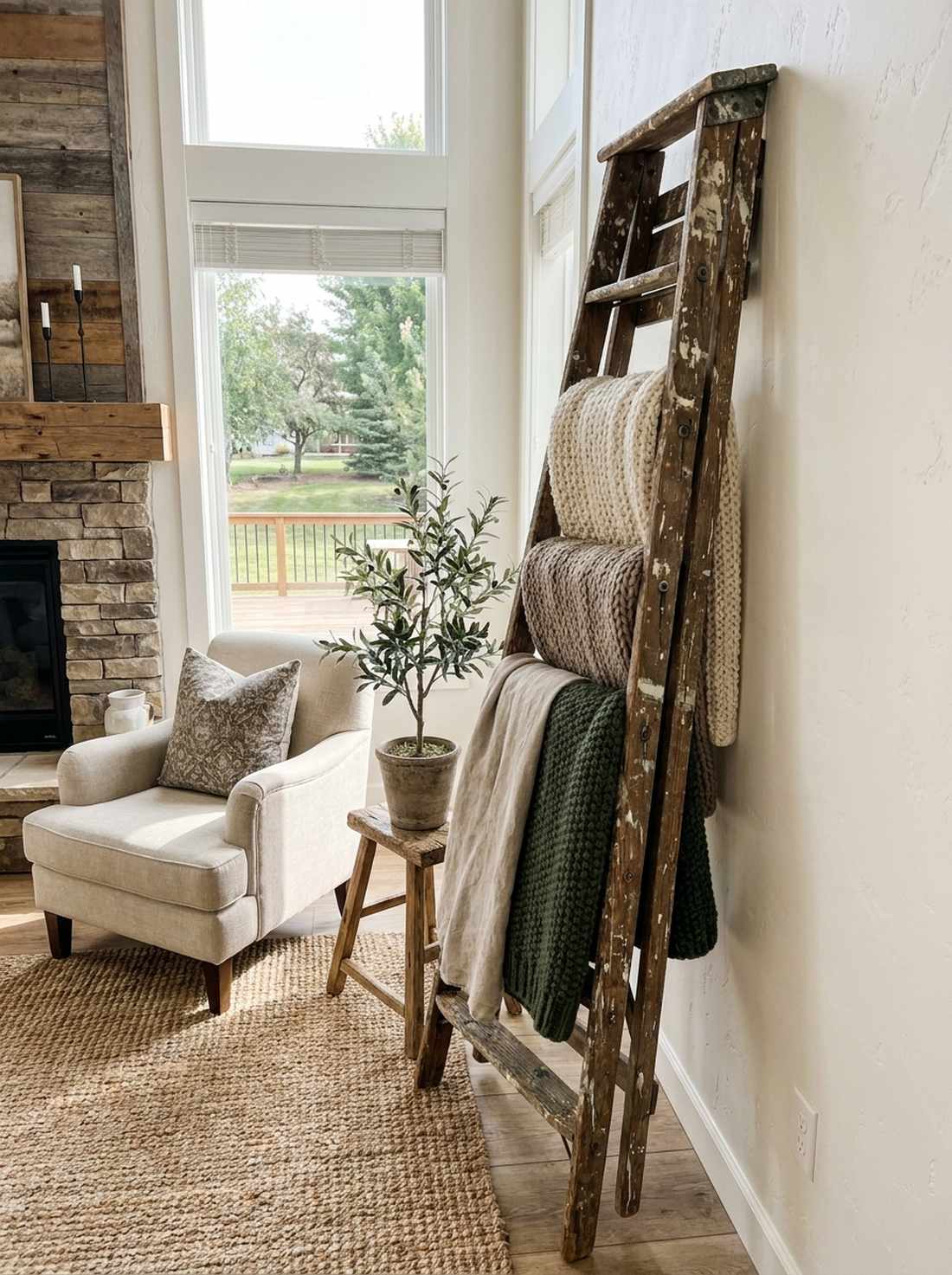
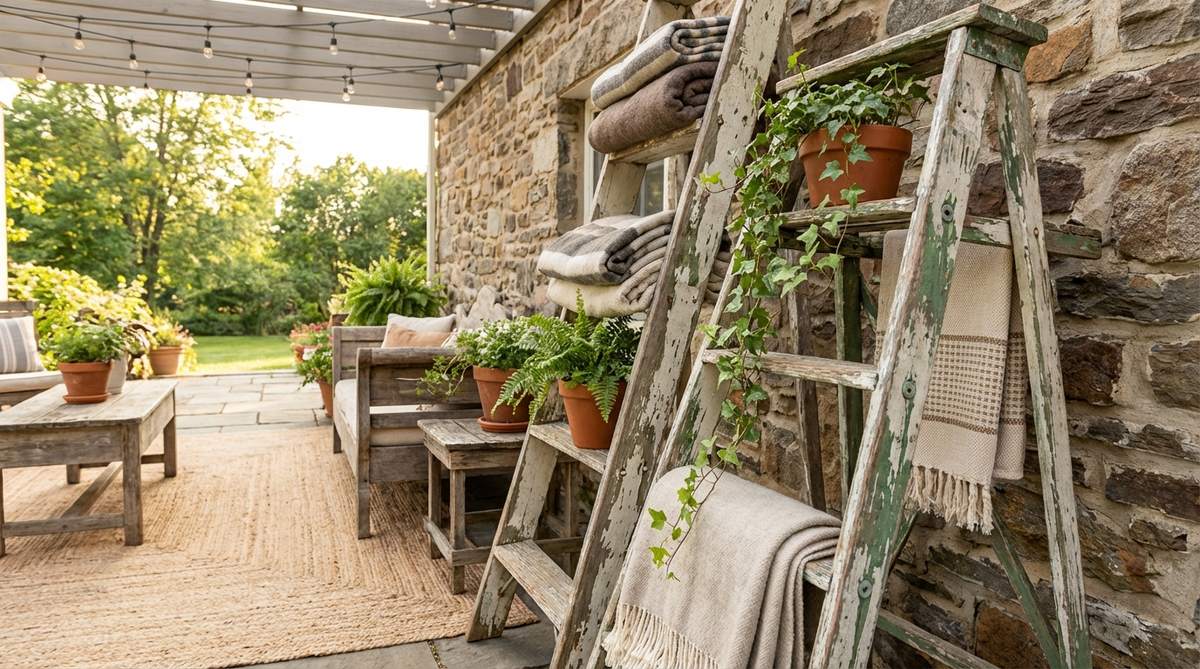
This paint-splattered vintage orchard ladder leans casually against the wall, draped in cozy blankets. It acts as brilliant vertical storage in tight living rooms or bathrooms.
Repurposing old tools delivers a surprisingly premium look that catalogues try hard to fake. The authentic scuffs and aged patina cannot be replicated in a factory.
Score one at a flea market for $20–$40. It’s a fast upgrade that completely changes the vibe.
- Key Materials: Weathered wooden step ladder
- Vibe / Style: Upcycled rustic charm
- Difficulty: Zero assembly
- Budget Breakdown: Vintage Ladder: $30
- Creator’s Tip: Spray the ladder with a matte clear enamel to lock in peeling paint and prevent lead dust exposure.
- Smart Sourcing: matte clear coat enamel sprays (UV-resistant) and rustic decorative blanket ladders.
This next placement strategy is the secret difference between a messy room and a magazine cover.
38. Vintage Moroccan Rugs
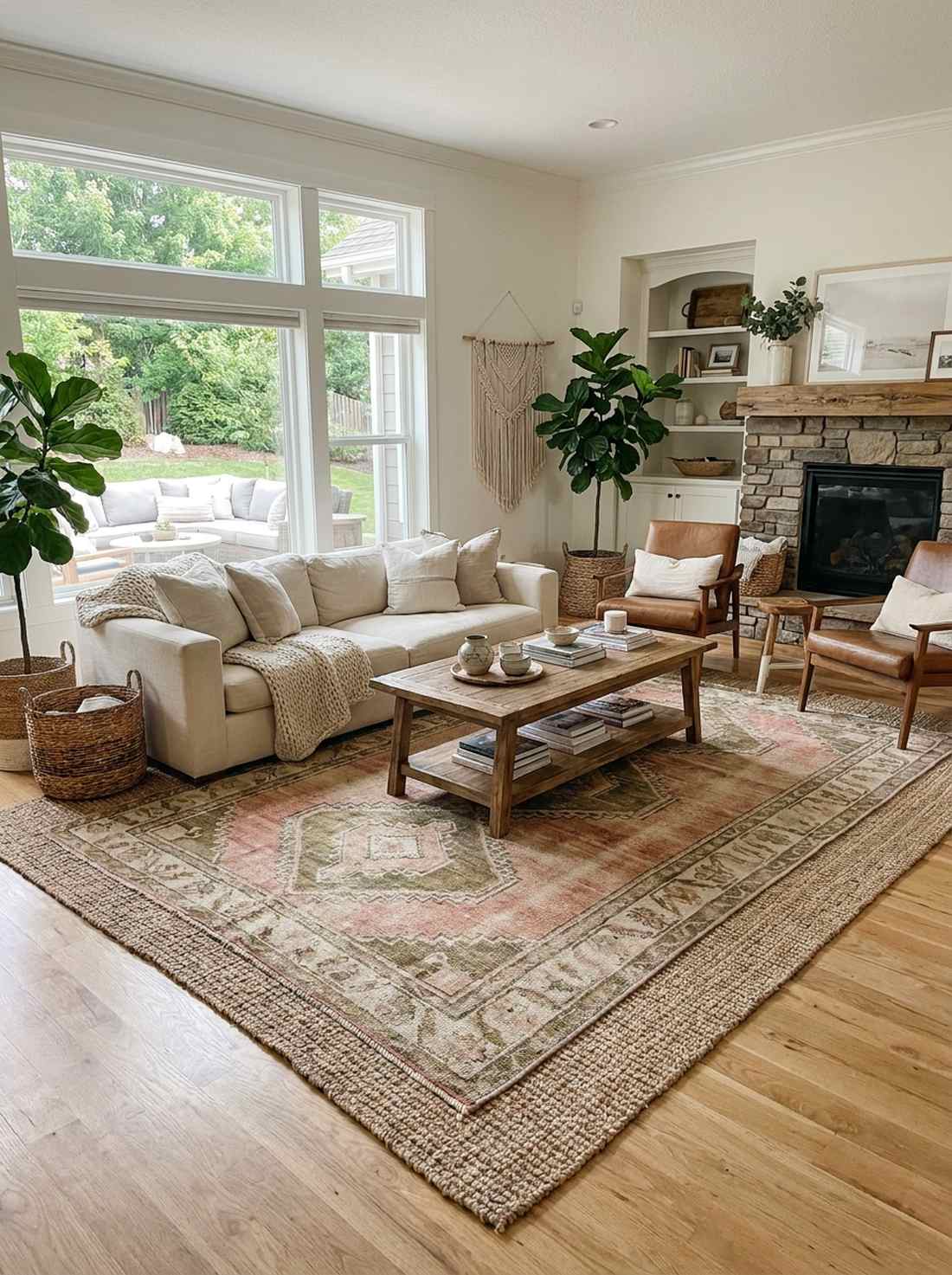
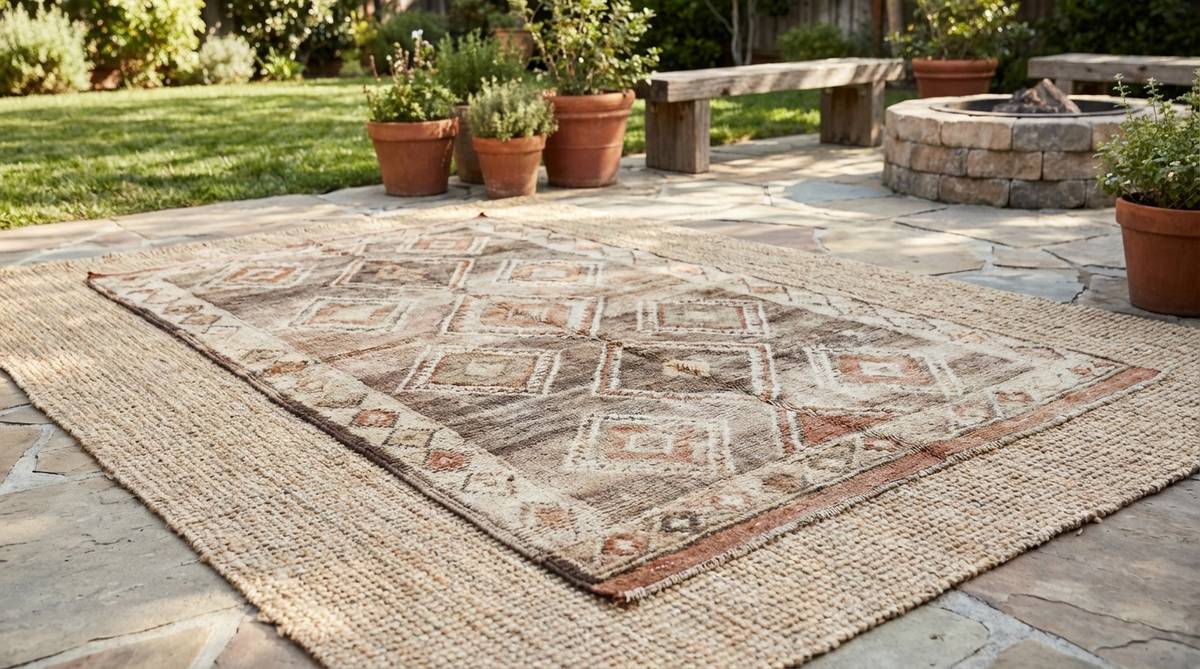
A faded geometric Beni Ourain rug splashes muted, dusty colors across a neutral floor. It is the holy grail item for completing a highly curated boho living space.
Layering this tribal history over a cheap jute base gives a designer-level finish immediately. The worn-down wool fibers are incredibly soft and hold centuries of design tradition.
Authentic pieces run $300+, but high-quality replicas cost around $100. Save this to your premium textile board.
- Key Materials: Faded wool, geometric tribal patterns
- Vibe / Style: Global collector aesthetic
- Difficulty: Easy rollout
- Budget Breakdown: Vintage-wash Rug: $150
- Creator’s Tip: Leave the rug out in direct hot sun for an afternoon to naturally kill bacteria and refresh the fibers.
- Smart Sourcing: vintage-inspired washable Moroccan rugs and heavy-duty rug gripping tape.
39. Reclaimed Window Frames
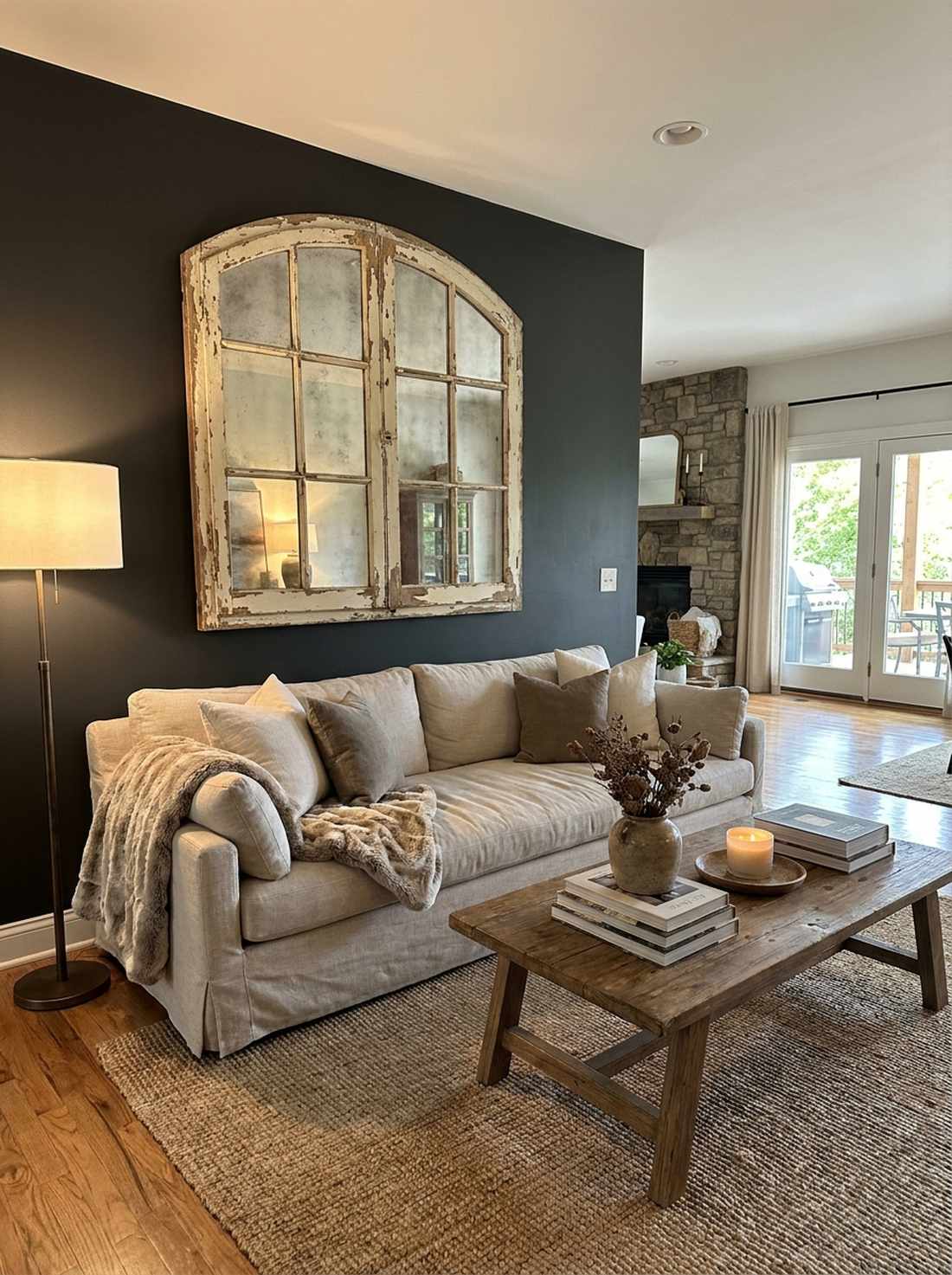
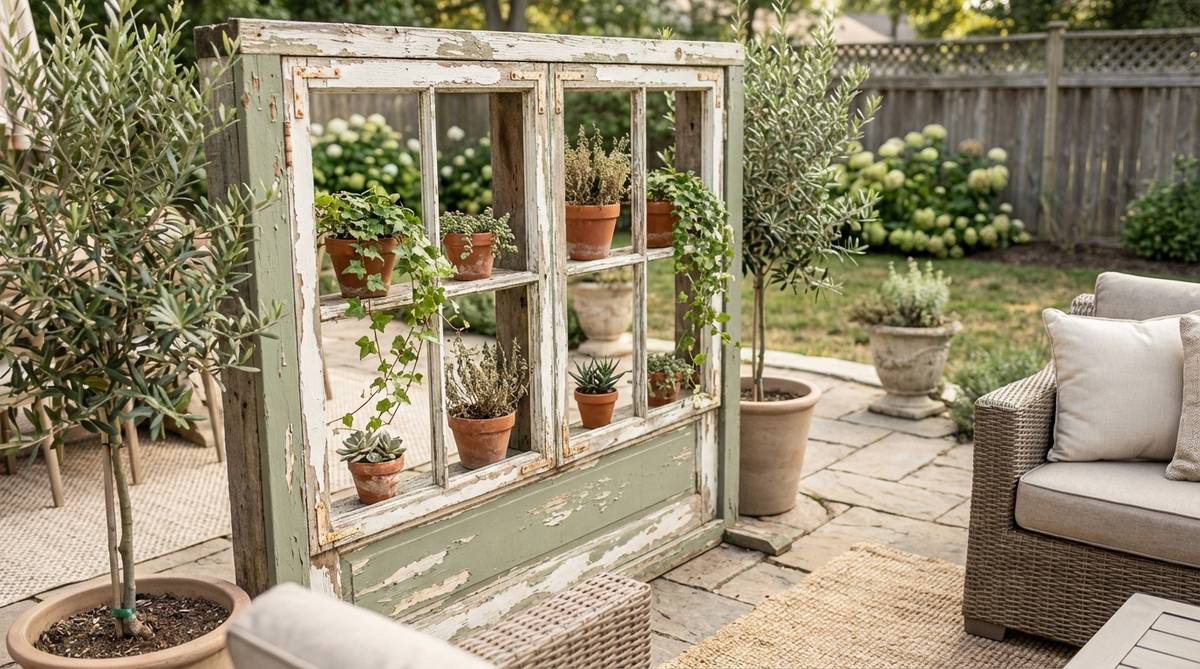
An arched chippy-paint window pane hangs above a sofa, acting as a brilliant architectural illusion. It makes dark, enclosed walls feel like they have a view to the outside.
Mounting heavy salvaged architecture looks far more expensive than a standard canvas painting. You can back the glass with antique mirrors or pressed botanical leaves.
You can easily pull this off for $40 from an architectural salvage yard. Pin this to your clever wall decor board.
- Key Materials: Old wooden window sash, heavy D-ring hangers
- Vibe / Style: Architectural salvage chic
- Difficulty: Moderate (heavy lifting)
- Budget Breakdown: Window Frame: $35 | Hardware: $5
- Creator’s Tip: Secure the glass panes with clear silicone caulking from the back so they don’t rattle when doors close.
- Smart Sourcing: heavy-duty D-ring picture hangers (bulk pack) and clear silicone adhesive sealants.
40. Vintage Brass Vessels
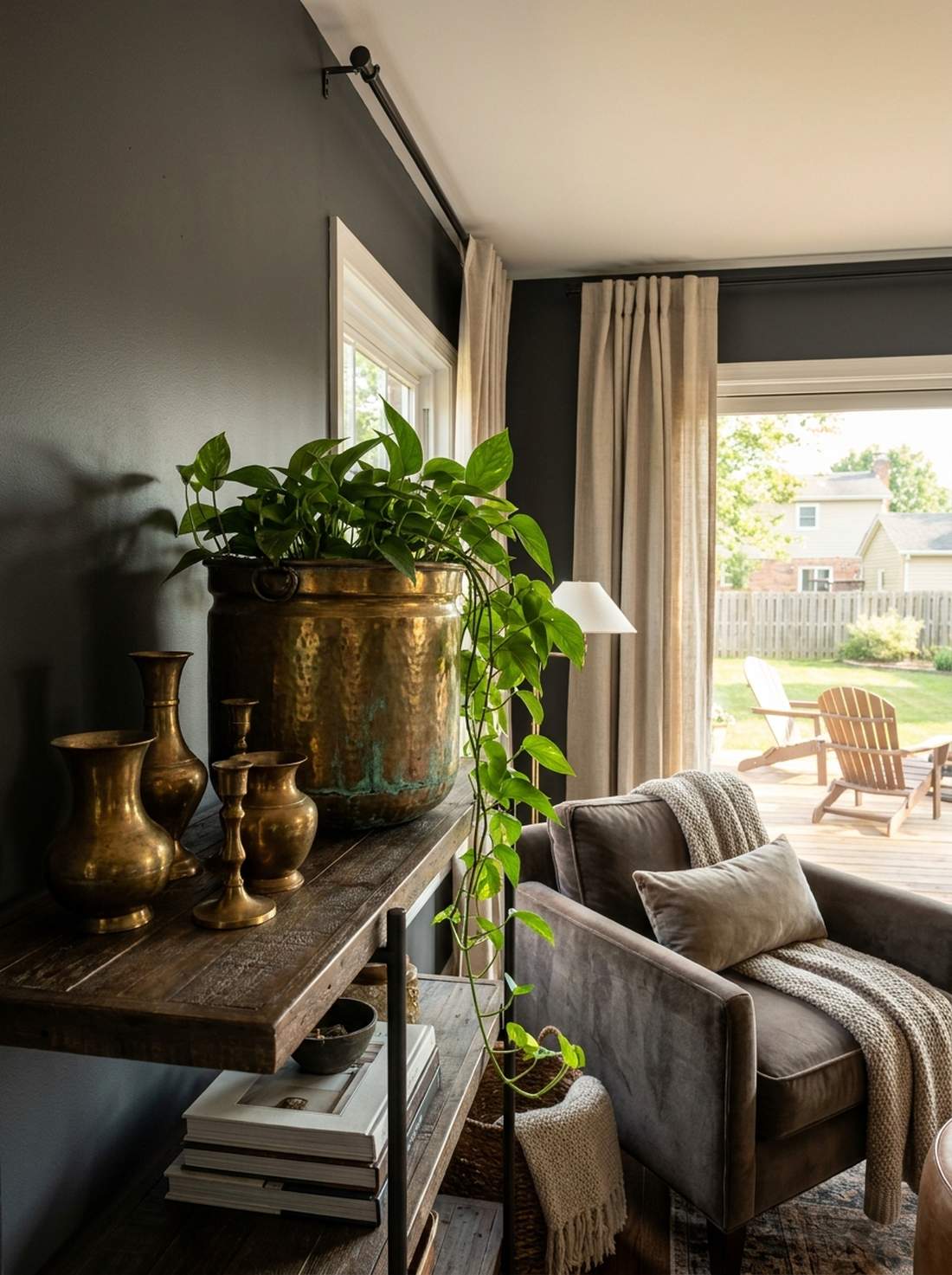
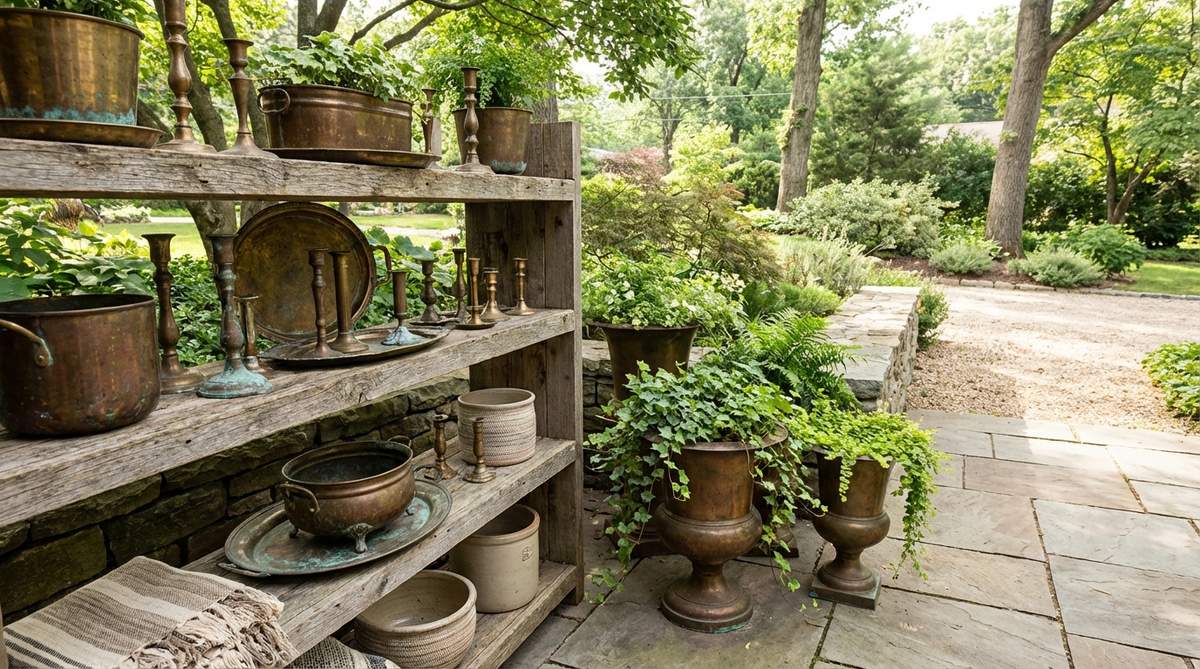
A tarnished brass planter pot glimmers softly, holding a vibrant green pothos. Grouping metallic elements on a dark wooden shelf adds the perfect hit of moody luxury.
Skipping shiny new metals for oxidized brass completely changes the vibe to something timeless. The greenish patina naturally complements the sage and olive greens in your space.
Thrift a beautiful heavy piece for $10–$20. Highly recommended for a quick weekend win.
- Key Materials: Solid oxidized brass
- Vibe / Style: Moody vintage luxury
- Difficulty: Effortless styling
- Budget Breakdown: Brass Pot: $15
- Creator’s Tip: Don’t polish them! The dark tarnish is exactly what gives them that coveted, earthy bohemian character.
- Smart Sourcing: vintage-style hammered brass planters and waterproof plastic drop-in liners.
41. Weathered Wood Mirrors
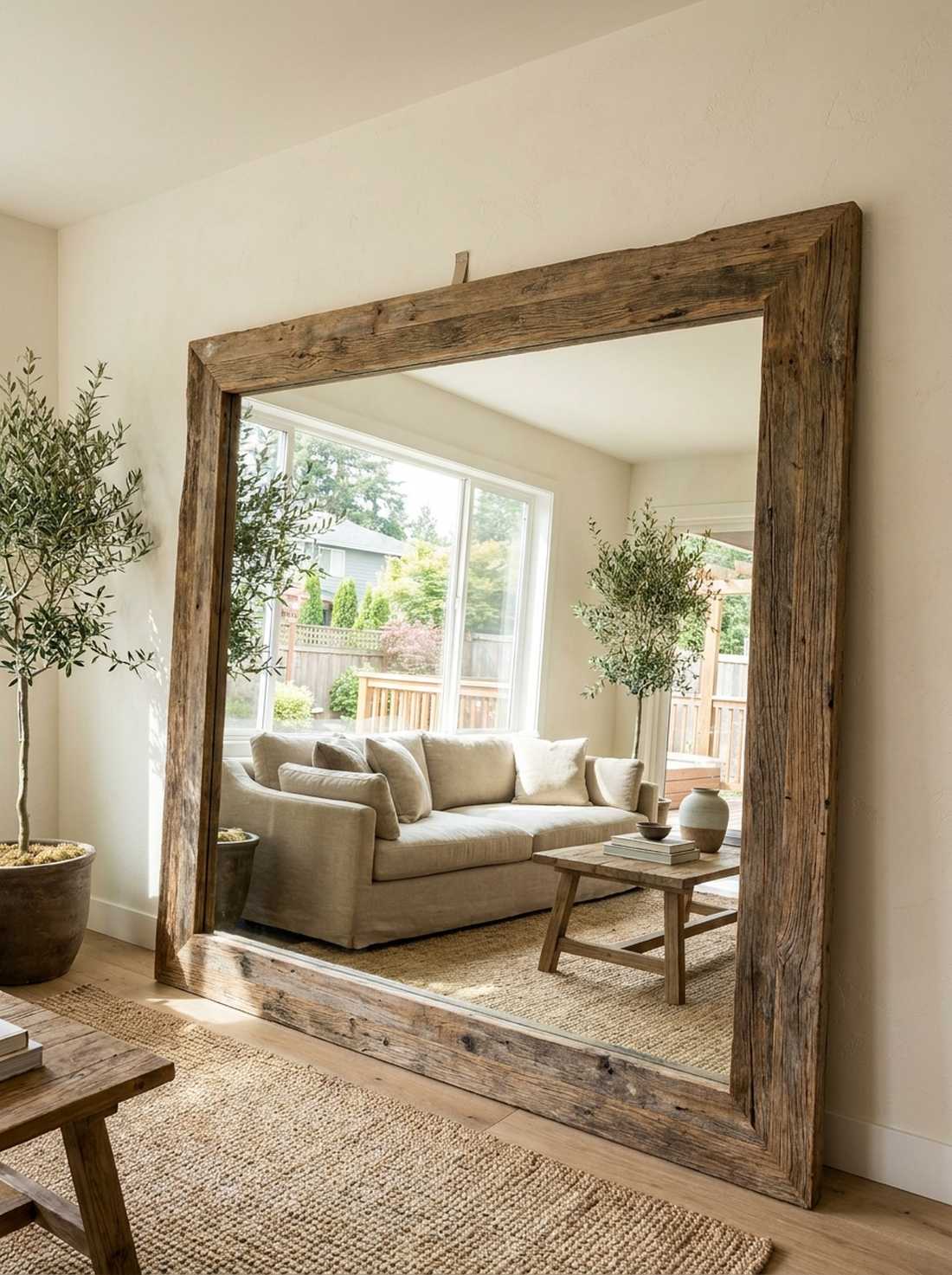
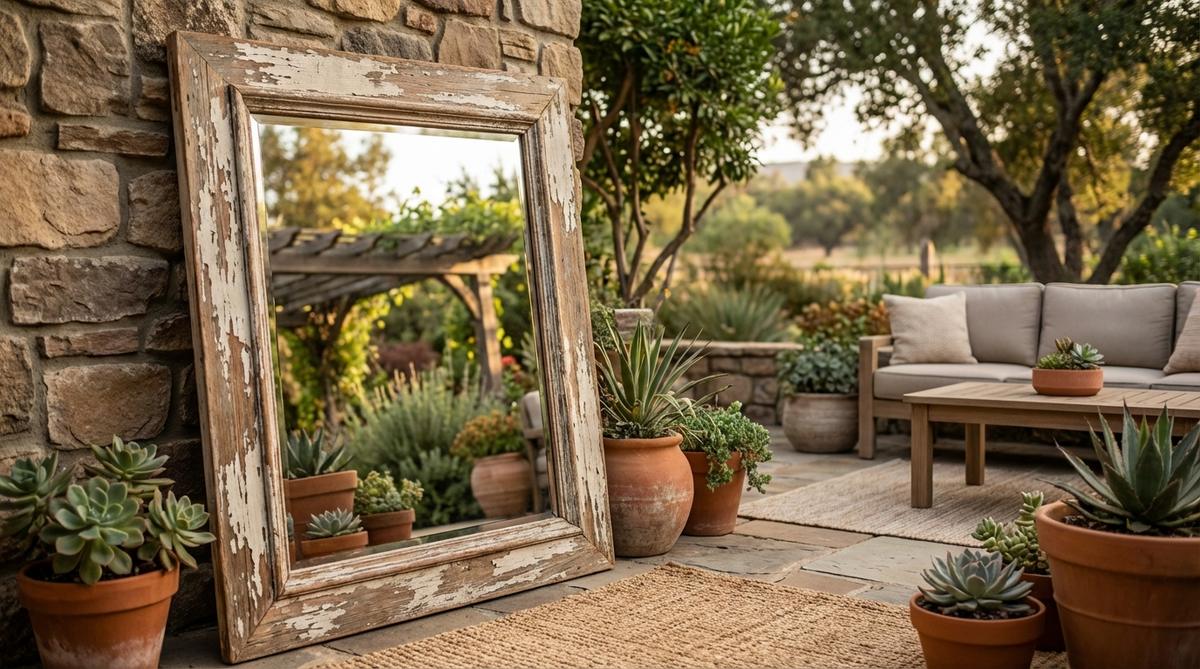
A massive distressed wood floor mirror leans against the wall, doubling the visual size of your room. It bounces critical natural sunlight into the darkest corners of a studio apartment.
Using thick, heavily grained frames delivers a surprisingly premium look that grounds the fragile glass. It acts as a massive anchor point without requiring a single hammer or nail.
Expect to spend around $150 for a full-length piece. Save this to your space-expanding layout board.
- Key Materials: Reclaimed timber frame, large mirror pane
- Vibe / Style: Expansive rustic elegance
- Difficulty: Easy leaning setup
- Budget Breakdown: Floor Mirror: $180
- Creator’s Tip: Always secure leaning floor mirrors with a hidden wall anchor strap at the top to prevent dangerous tipping.
- Smart Sourcing: full-length rustic wood floor mirrors and heavy-duty furniture anti-tip straps.
The final few ideas coming up are absolute game-changers for tiny budget upgrades.
42. Salvaged Door Headboards
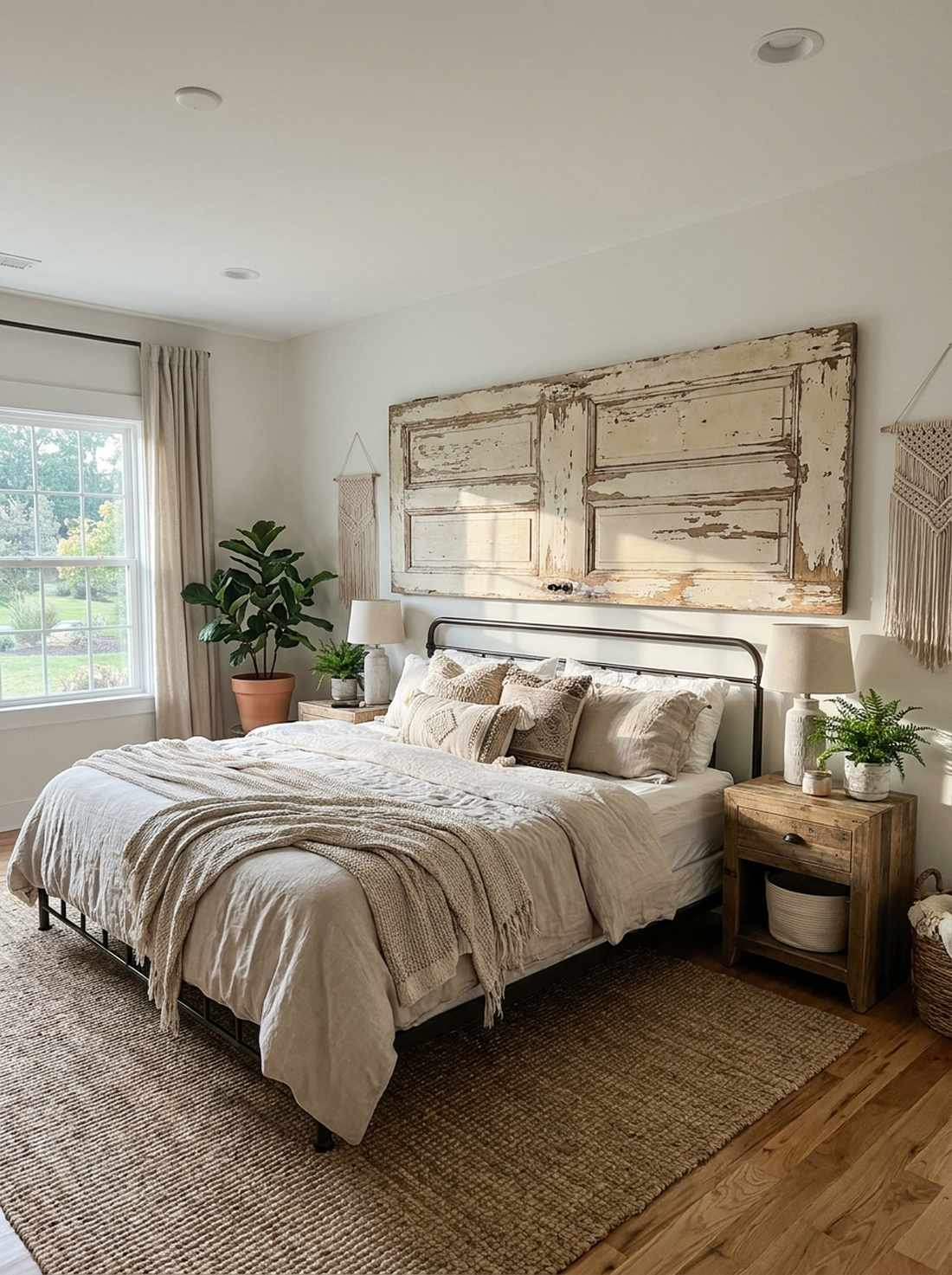
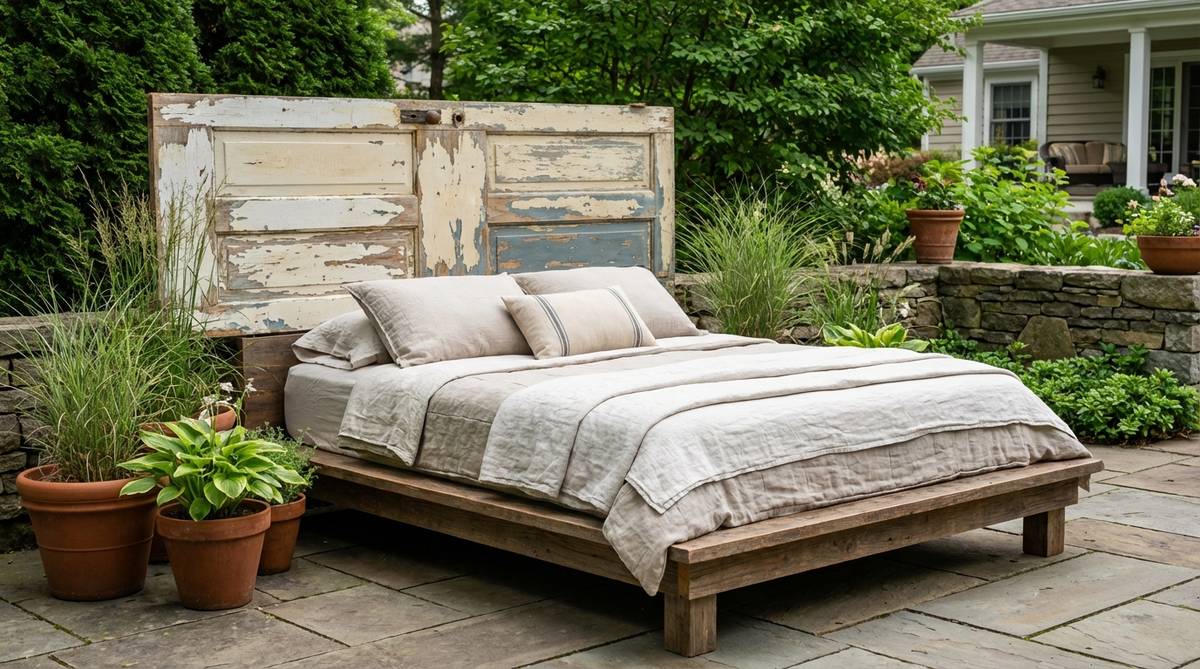
A pair of chippy antique wooden doors mounted horizontally creates a breathtaking, massive headboard. It turns a basic metal bedframe into a luxury boutique hotel experience instantly.
Repurposing architectural salvage gives a designer-level finish that demands attention. The deep recessed panels provide incredible shadow lines and structural depth.
You can execute this statement piece for about $80. Pin this if you’re planning a master bedroom overhaul.
- Key Materials: Antique solid core doors, french cleat hanger
- Vibe / Style: Grand upcycled bohemian
- Difficulty: Advanced DIY (heavy mounting)
- Budget Breakdown: 2 Doors: $60 | French Cleat: $20
- Creator’s Tip: Mount them using a metal French cleat system; it holds hundreds of pounds safely and keeps the doors flush to the wall.
- Smart Sourcing: heavy-duty aluminum French cleat hangers and wood filler repair kits.
43. Antique Metal Hooks
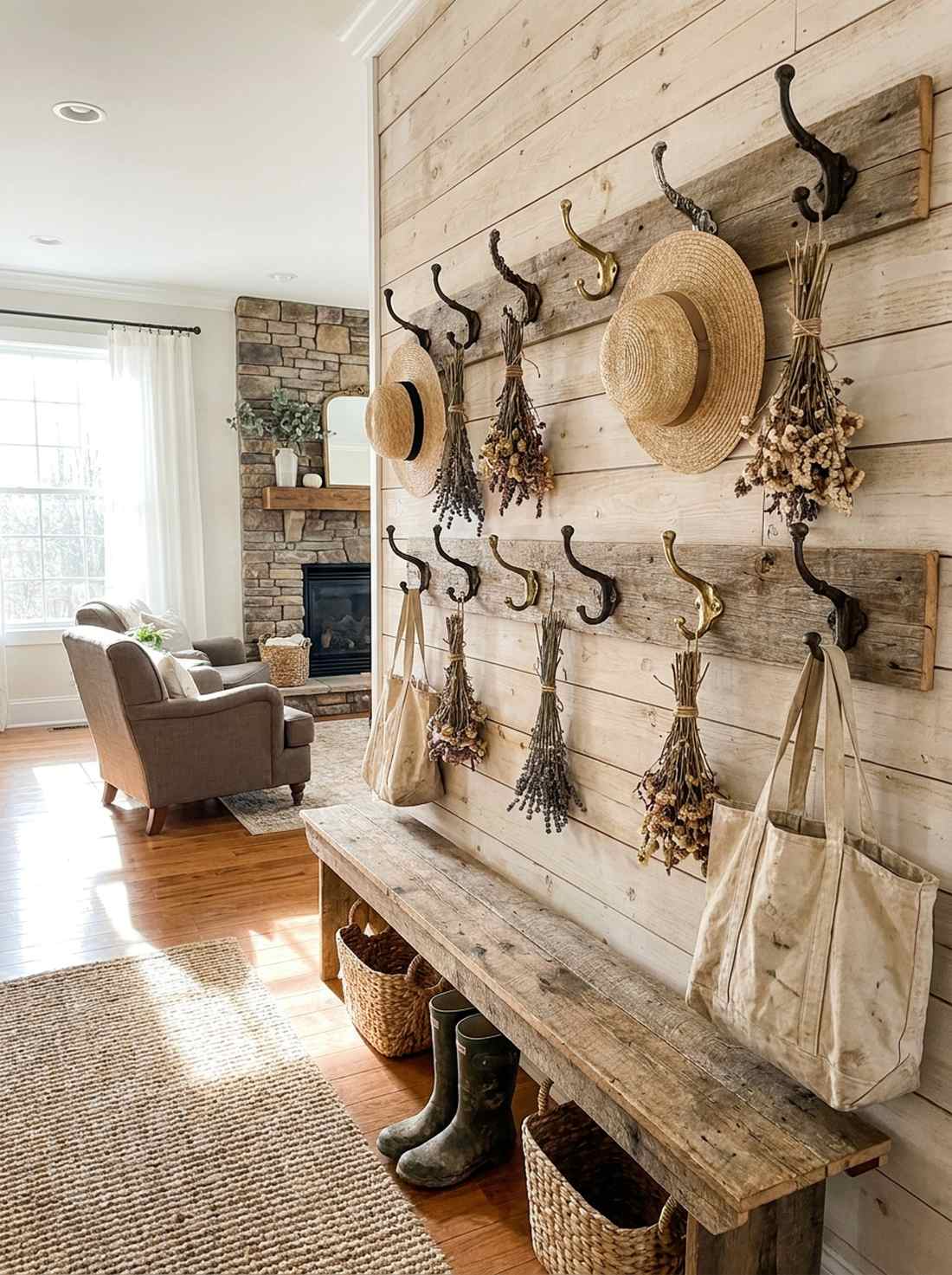
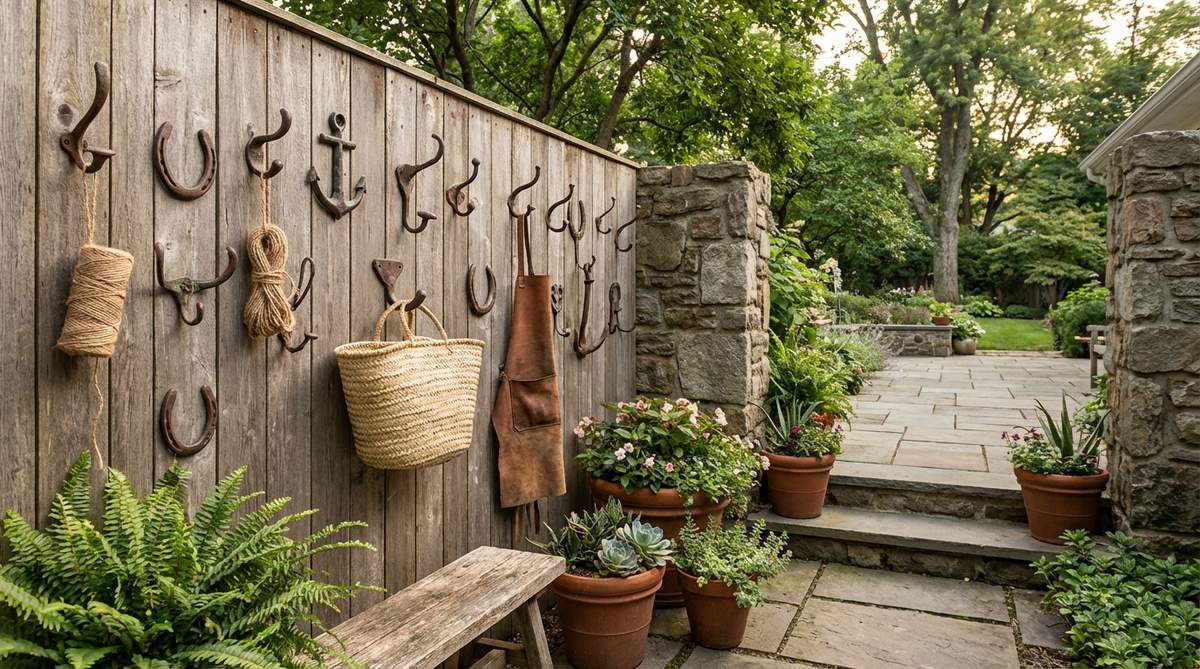
A mismatched row of cast iron hooks turns a blank entryway wall into a highly functional drop zone. Hang dried flower bundles, wide-brim hats, and canvas totes on them.
Screwing heavy, ornate metal into your walls looks far more expensive than modern plastic command hooks. They provide the perfect excuse to display your favorite wearable boho accessories.
You can easily pull this off for $20 using thrifted hardware. It’s a fast upgrade that completely changes the vibe.
- Key Materials: Vintage iron or brass hooks, wall anchors
- Vibe / Style: Practical vintage charm
- Difficulty: Easy installation
- Budget Breakdown: 5 Hooks: $15 | Anchors: $5
- Creator’s Tip: Stagger the hooks at slightly different heights to make the display look intentionally eclectic and relaxed.
- Smart Sourcing: cast iron vintage-style coat hooks (bulk pack) and heavy-duty drywall anchor kits.
Bringing It All Together
Creating an authentic, high-end aesthetic doesn’t require a celebrity budget. By systematically layering these 43 earthy boho decor setups, you can completely transform your space into a deeply textured, nature-connected sanctuary. The secret lies in skipping the generic decor aisles and utilizing smart sourcing—like buying bulk macrame cords, premium UV-coated botanicals, and real organic materials. Start with your neutral paint foundations, inject life with cascading pothos or massive monstera plants, and finish the look with heavy, tactile elements like jute rugs and vintage brass. Your home will instantly feel like a curated, expensive escape.
Frequently Asked Questions
What are the best neutral colors for earthy boho decor?
The top-rated neutral bases include matte terracotta, warm beige, mushroom taupe, and creamy off-white. To get a premium alternative to stark white, invest in high-coverage interior paints with slight yellow or peach undertones. These warm palettes create the perfect, cohesive backdrop for showcasing your high-end miniature garden supplies or textured wall hangings.
How do I layer textures without making a room look cluttered?
The key is balancing extreme opposites using budget-friendly bulk supplies. Pair a heavily braided jute rug with incredibly smooth stone-washed linen pillow covers. Keep your core color palette tight (only 3-4 shades) so that the physical textures—like nubby bouclé chairs and sleek ceramic vases—do the visual heavy lifting without creating chaotic clutter.
What natural materials work best in earthy boho spaces?
For a truly expensive look, prioritize raw, unpolished elements. Stock up on pre-cut rattan webbing, thick unbleached cotton rope, reclaimed barnwood, and authentic cork. Buying these organic materials in bulk pack starter kits allows you to wrap, weave, and build custom decor that brings incredible architectural weight and durability to your room.
Can earthy boho decor work in small spaces?
Absolutely. For compact apartments, focus entirely on vertical space and translucent furniture. Install heavy-duty ceiling hooks for trailing plants, utilize light-filtering woven cotton curtains to maximize sunlight, and choose open-weave bamboo or rattan chairs. This keeps the aesthetic airy and bright while preventing bulky items from choking the limited floor plan.
How many plants should I include in an earthy boho room?
Aim for a curated mix of 5 to 8 botanicals, mixing massive floor plants with tiny desktop accents. Invest in one massive statement piece (like a Ficus Lyrata) and surround it with low-maintenance snake plants or succulent terrarium kits. Using premium indoor potting soil mixes ensures they thrive indoors without attracting pests, maximizing your visual impact.
Where can I find affordable handcrafted and vintage items?
Skip the expensive boutiques and hit architectural salvage yards, flea markets, and estate sales for authentic distressed mirrors and antique brass. For textiles, you can save massively by ordering beginner macrame wall hanging kits or bulk raw cotton to craft your own custom pieces. Blending true vintage hardware with clever DIY upgrades is the ultimate blueprint for affordable luxury.